The Story Behind
Eight Thousand Square Feet Above the Metropolitan Museum of Art
There are apartments, and then there are residences that exist in an entirely different category of intention. 1016 Fifth Avenue, Apartment 2ABC, belongs unambiguously to the latter. What began as three separate units has been transformed, through two years of meticulous gut renovation guided by an esteemed architect, into a single cohesive home of over 8,000 square feet that bears no trace of its former divisions. The invisible, custom-built recessed door that separates the private quarters from the entertaining spaces — seamless when closed, entirely undetectable — is perhaps the most eloquent expression of this philosophy: that the highest craft is the kind that conceals itself.
The architecture of arrival sets an immediate tone. A private elevator landing opens onto a grand gallery that serves as the elegant spine of the residence, orienting guests naturally toward the entertaining rooms while maintaining a sense of procession and discovery. Ceilings just under ten feet, adorned with decorative moldings throughout, lend the principal rooms a classical refinement that feels neither stiff nor overly formal. Chevron-patterned oak plank floors run through the front entertaining rooms, giving way to limestone in the remaining spaces — a material shift that subtly delineates public from private without interruption to the flow.
The living room faces the Metropolitan Museum's plaza directly, its UV-protectant windows preserving works of art from sun damage while framing one of the most singular residential views in Manhattan. The library, fitted with exquisite custom millwork finished in Italian lacquer, is a standout space in a home already full of them — a room that rewards prolonged attention, its adjacent private office completing a self-contained intellectual retreat. The formal dining room, anchored by the same sense of considered scale, is complemented by a temperature- and humidity-controlled wine room with capacity for over 1,000 bottles, a serious collector's amenity executed with the gravity it deserves.
Whole-home humidification extends through the principal entertaining spaces, an amenity that speaks as much to the protection of fine art and furnishings as to the comfort of its residents. Two powder rooms serve the entertaining floor with ease and discretion.
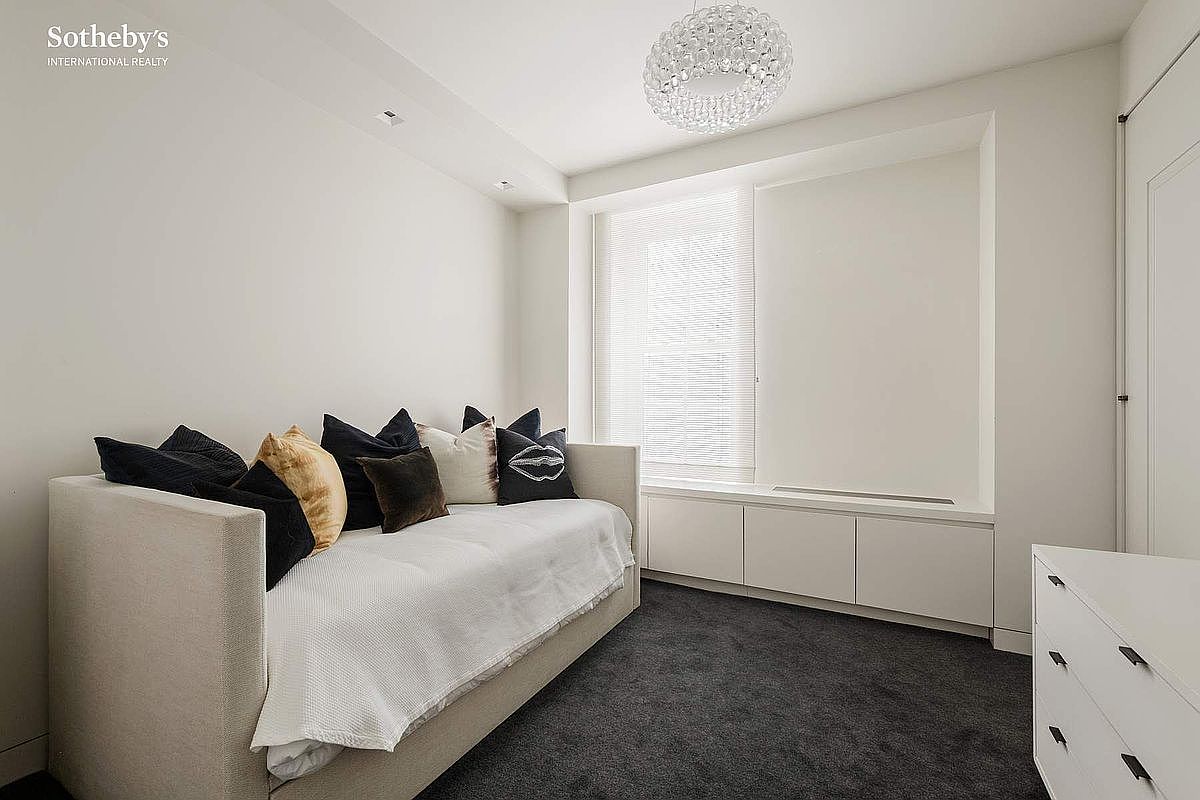
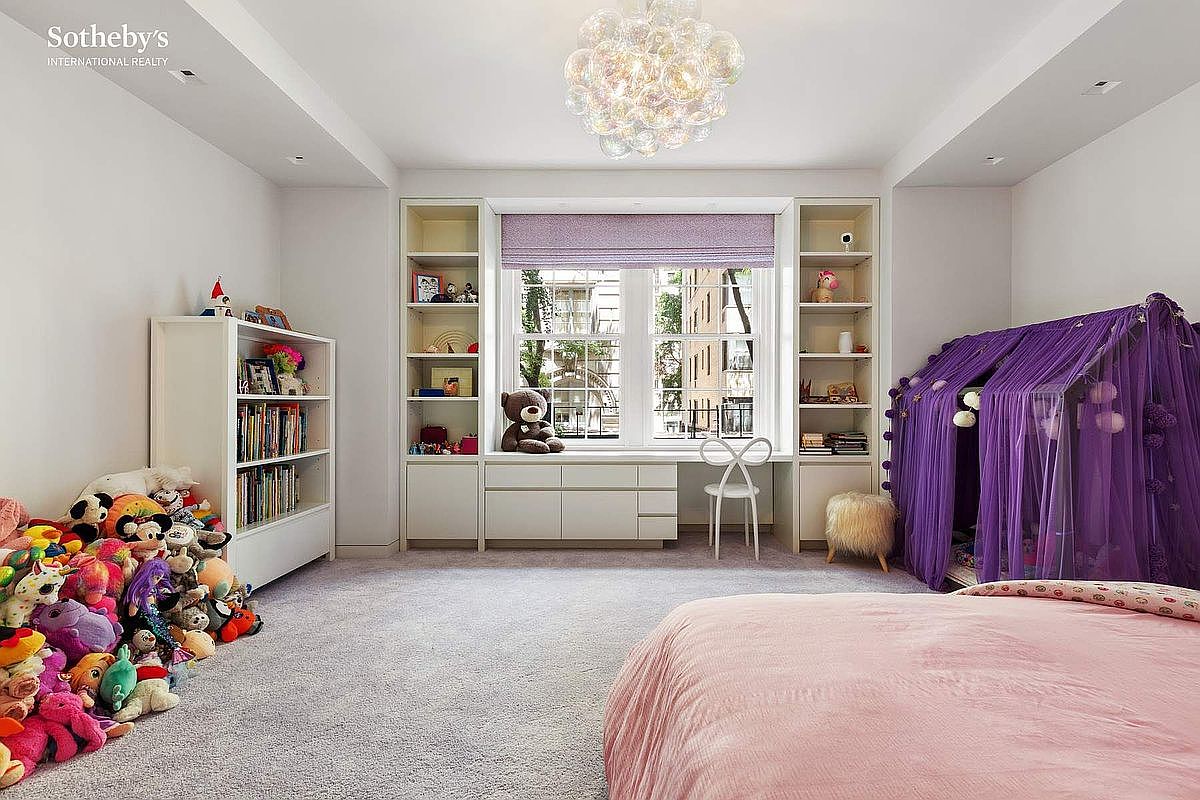
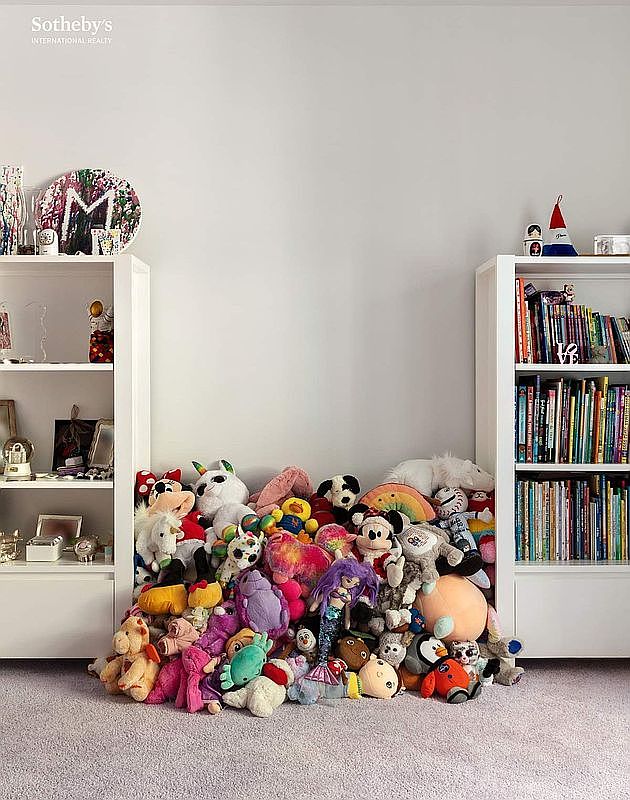
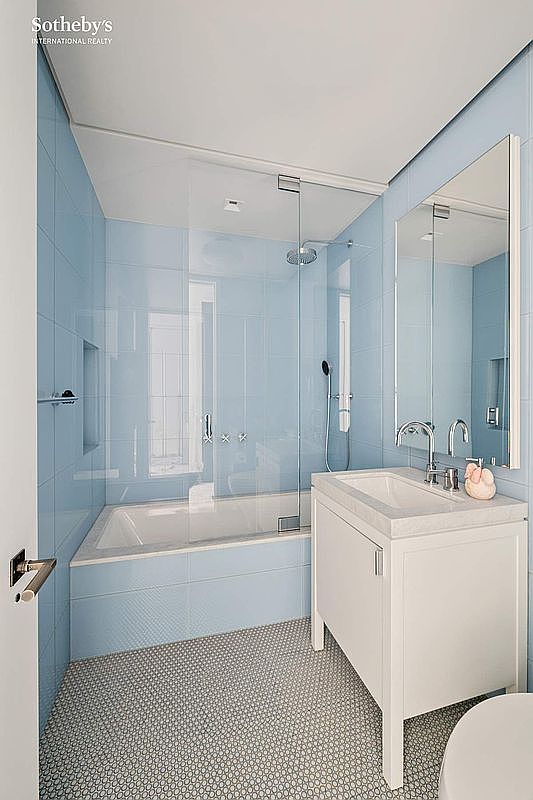
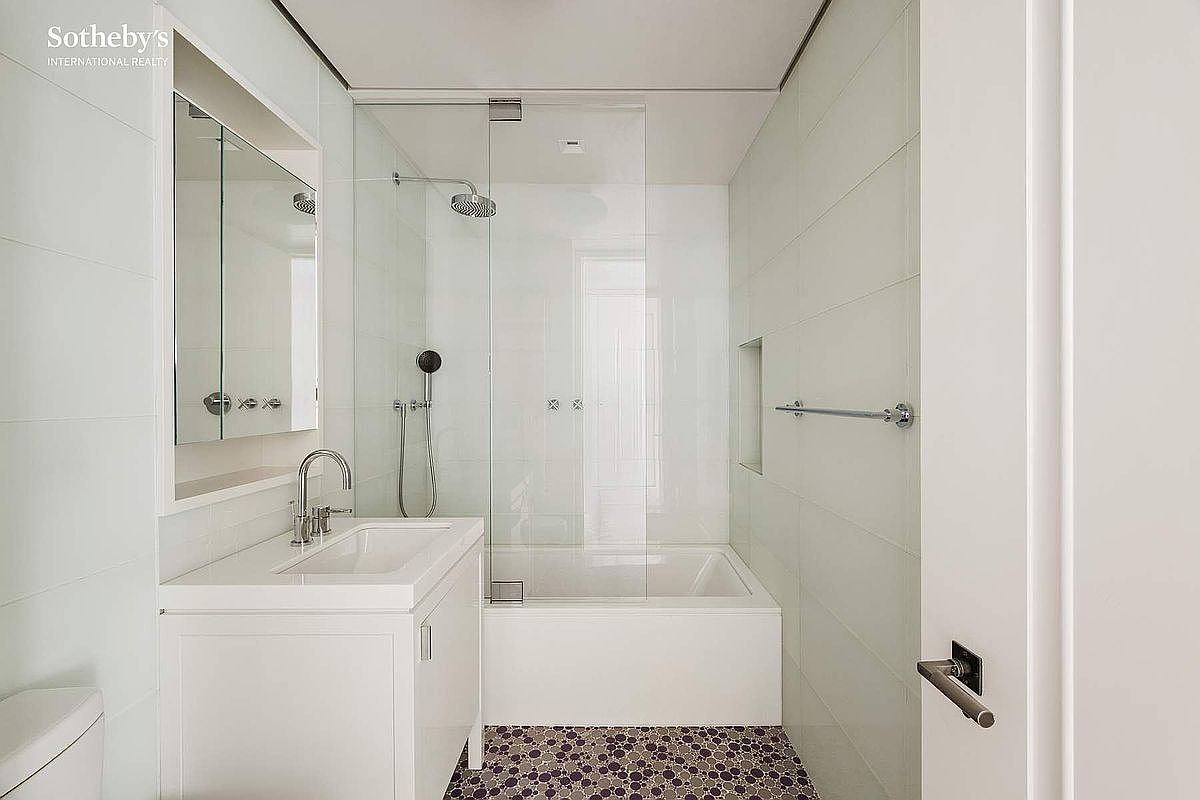
The private wing comprises five bedroom suites, each with its own en-suite bath, alongside a generous playroom and den ideal for media or a second sitting room. The primary suite is anchored by a generous dressing room and benefits from the same humidification system found throughout the entertaining spaces. One suite is currently configured as a light-filled home gym.
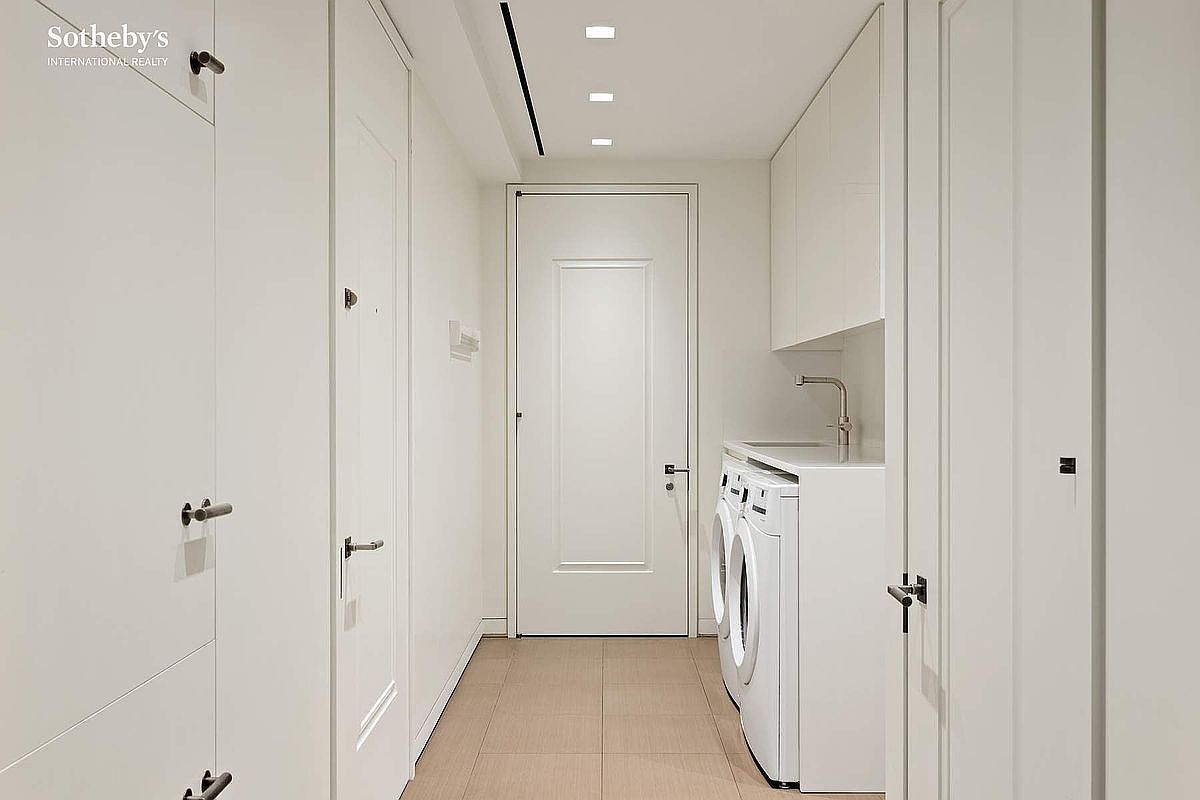
The systems throughout are as considered as the finishes. Central air conditioning is delivered via discreet in-room air handlers, with each room independently temperature-controlled and manageable remotely via SmartMasterNet. Over 120 alarm sensors provide a level of security that is both comprehensive and virtually unmatched in a residential setting. Staff quarters with bath, a dedicated laundry room, and abundant storage complete a home that has been thought through at every scale — from the grandeur of its gallery to the quiet intelligence of its infrastructure.
Fifth Avenue at 83rd Street occupies a singular position in the geography of New York City — not merely as an address, but as a threshold between the civic and the personal, the monumental and the intimate. To live here is to exist in daily proximity to one of the great cultural institutions of the world, the Metropolitan Museum of Art, whose neoclassical facade and fountain plaza unfold directly across the street. Founded in 1870 and housed in its current building since 1880, the Met encompasses more than two million works of art spanning five thousand years of human civilization, and for the residents of 1016 Fifth Avenue, it functions less as a destination than as a permanent, ever-changing backdrop to daily life.
The Upper East Side, and the stretch of Fifth Avenue that borders Central Park in particular, has long represented the apex of Manhattan residential life. The neighborhood's development accelerated in the late nineteenth and early twentieth centuries, when industrialists and financiers built the grand mansions that would eventually give way to the distinguished prewar cooperatives that define the avenue today. Many of those original mansions now house the institutions that constitute Museum Mile — the Guggenheim, the Neue Galerie, the Jewish Museum, the Cooper Hewitt — making this stretch of the city among the most culturally concentrated in the world.
Central Park begins at the building's doorstep, offering 843 acres of landscape designed by Frederick Law Olmsted and Calvert Vaux. The reservoir, the Great Lawn, and the Conservatory Garden are all within easy reach, as are the park's celebrated running paths and bridle trails. The proximity of the park to one of the densest urban environments on earth remains one of New York City's defining civic achievements, and for residents of this block, it is simply a daily amenity.
The surrounding neighborhood provides everything that Upper East Side living has long implied: white-glove service, architectural permanence, and a quieter pace than the avenues below 60th Street. Madison Avenue, one block east, is lined with the flagship boutiques of the world's leading fashion and design houses, alongside galleries, antique dealers, and some of the city's finest independent bookshops and specialty food purveyors. Lexington and Park Avenues offer their own complement of neighborhood restaurants, cafés, and services that cater to a discerning residential clientele.
The building itself, 1016 Fifth Avenue, is a premier white-glove cooperative with a canopied limestone entrance on East 83rd Street. A magnificent marble lobby, full-time doorman and porters, and a resident manager ensure that the standard of service matches the standard of the address. A state-of-the-art fitness center and private storage units round out the building's amenities. The cooperative permits pied-à-terre ownership, 50% financing, and welcomes pets — a combination of policies that reflects a building confident in the caliber of its residents and the enduring desirability of its location.
To live at 1016 Fifth Avenue is to occupy one of the most considered addresses in the city — one where culture, nature, architecture, and service converge without compromise.
Featured Highlights
Curated Content • Presented by Serena Boardman