The Story Behind
The Historic North Hill Estate That Would Be Nearly Impossible to Recreate
There is a particular kind of house that does not announce itself loudly. It simply holds—holds its proportion, holds its detail, holds its ground through decades of Gulf Coast summers and the occasional storm that reminds everyone why infrastructure matters. 1415 N Barcelona Street is that kind of house.
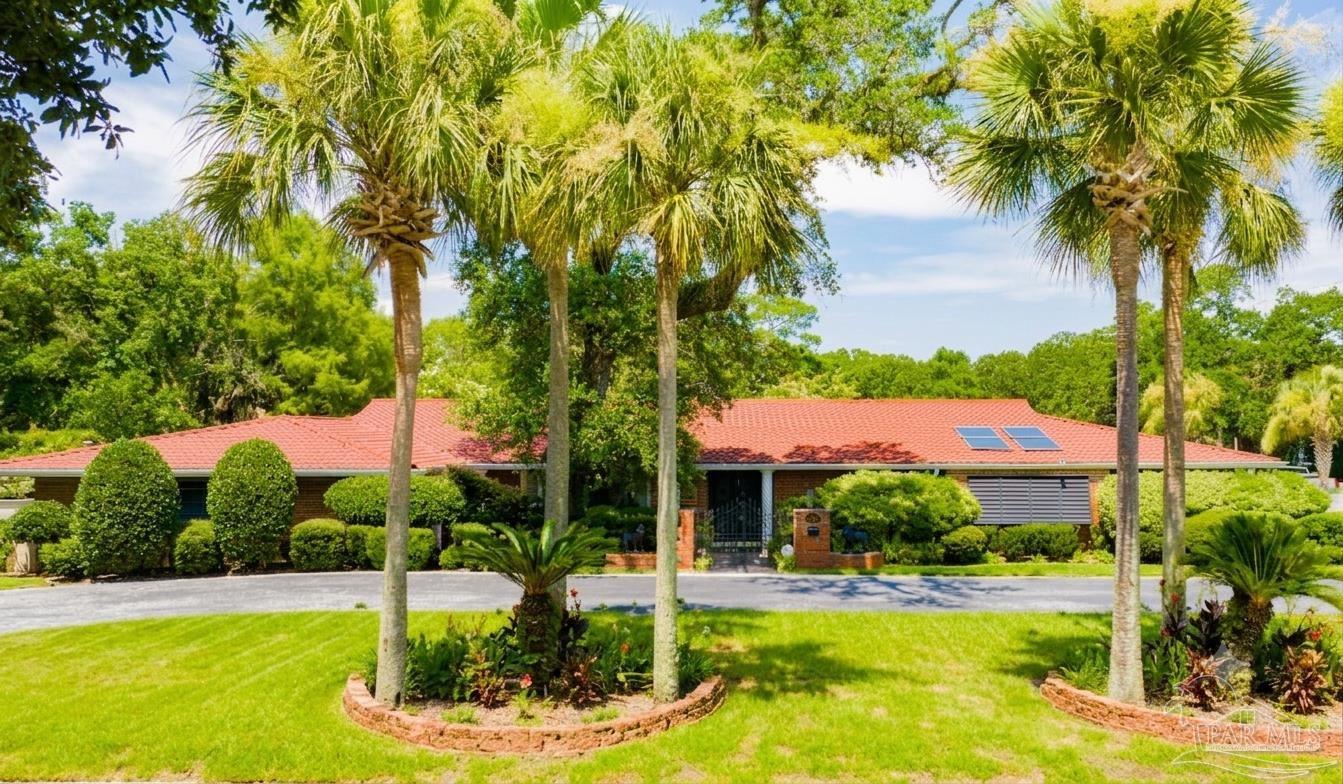
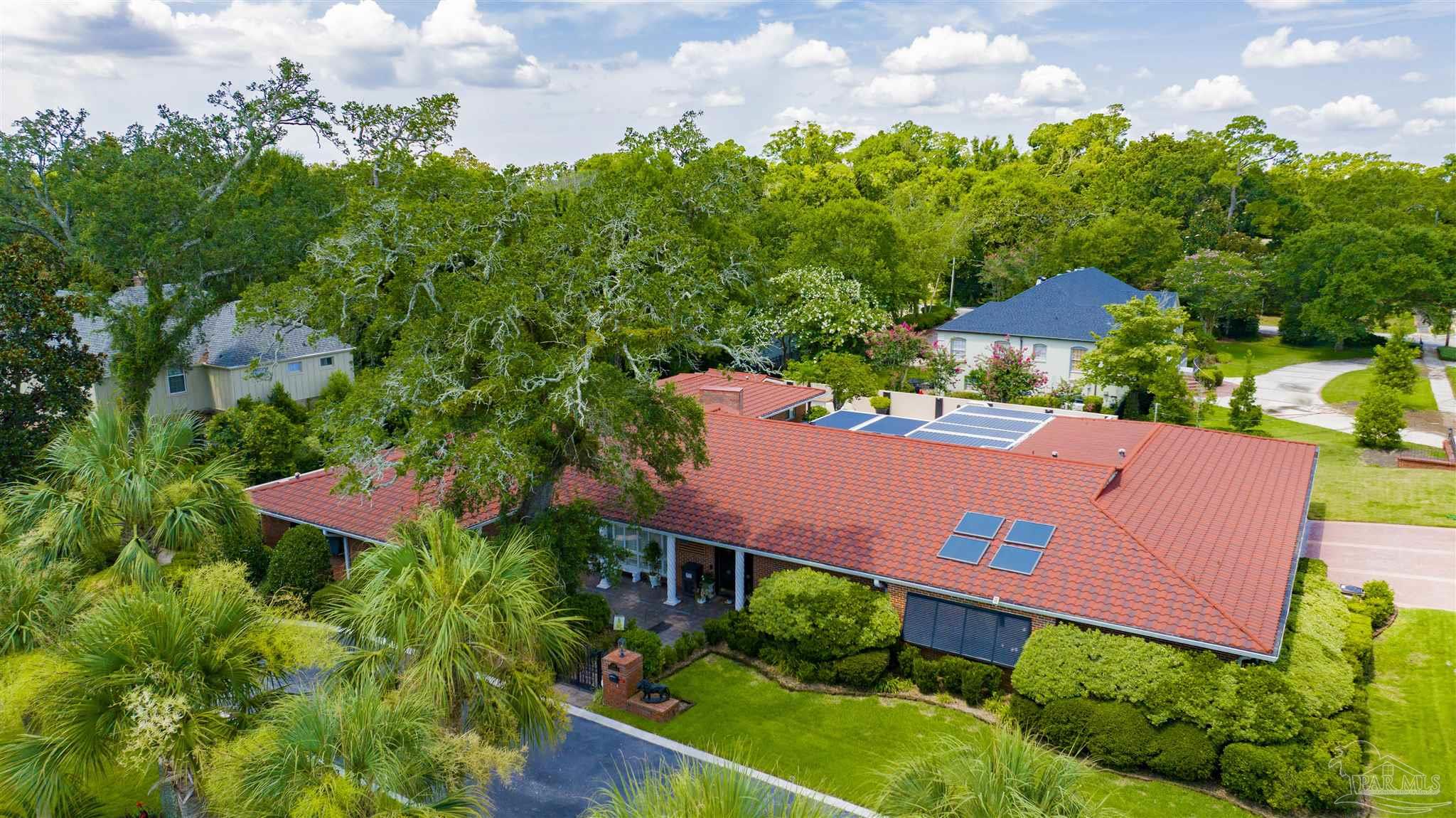
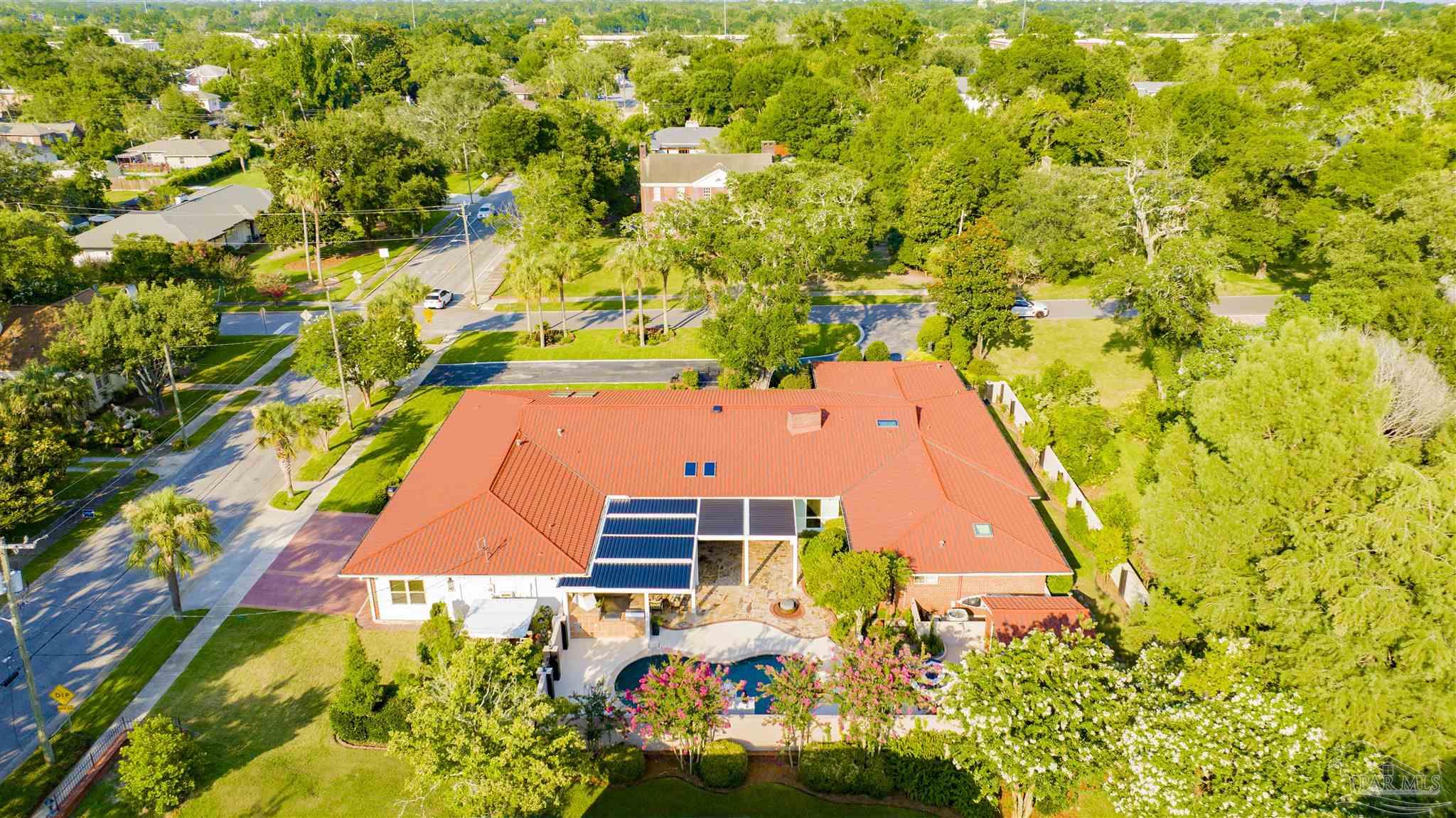
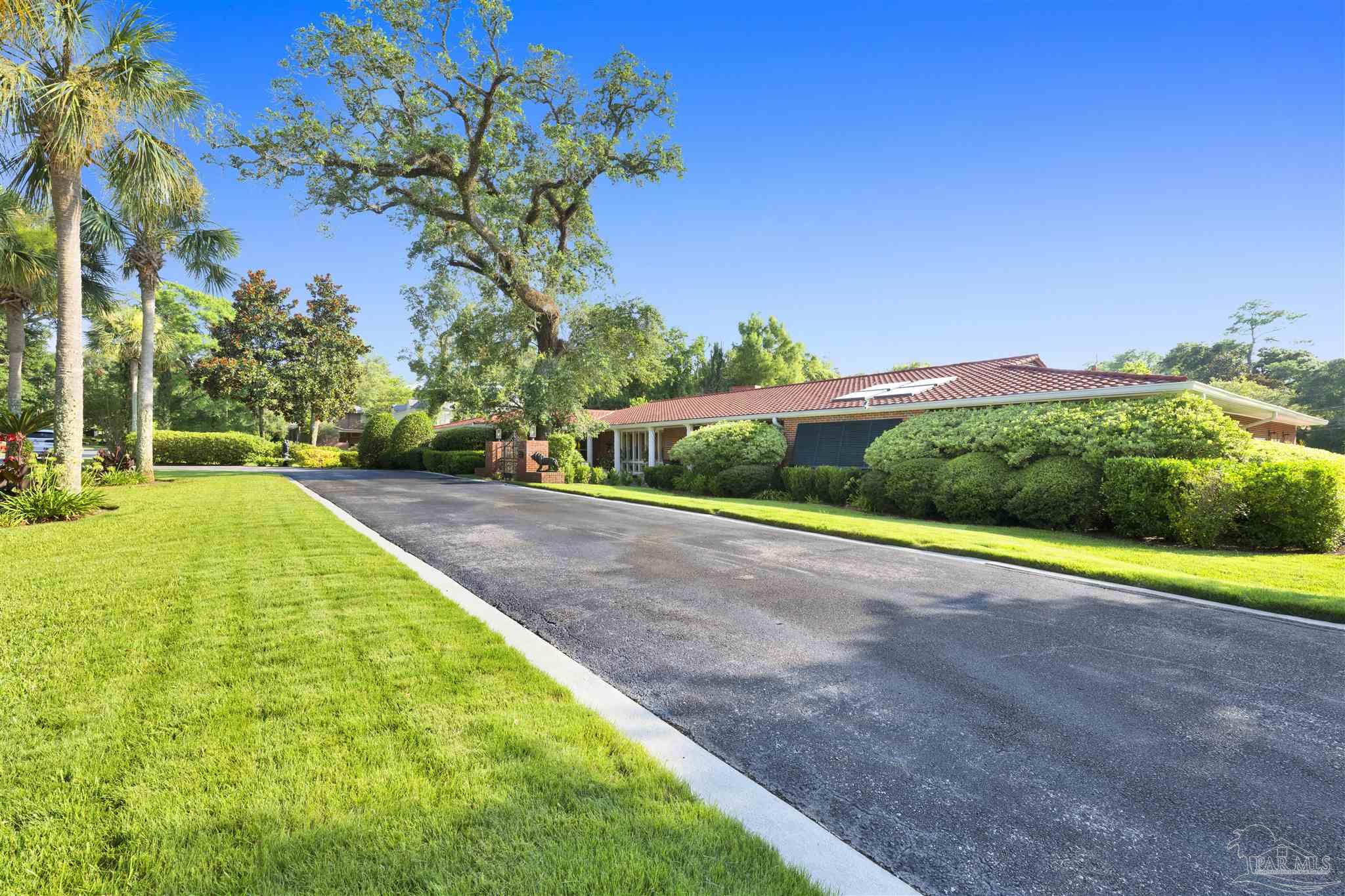
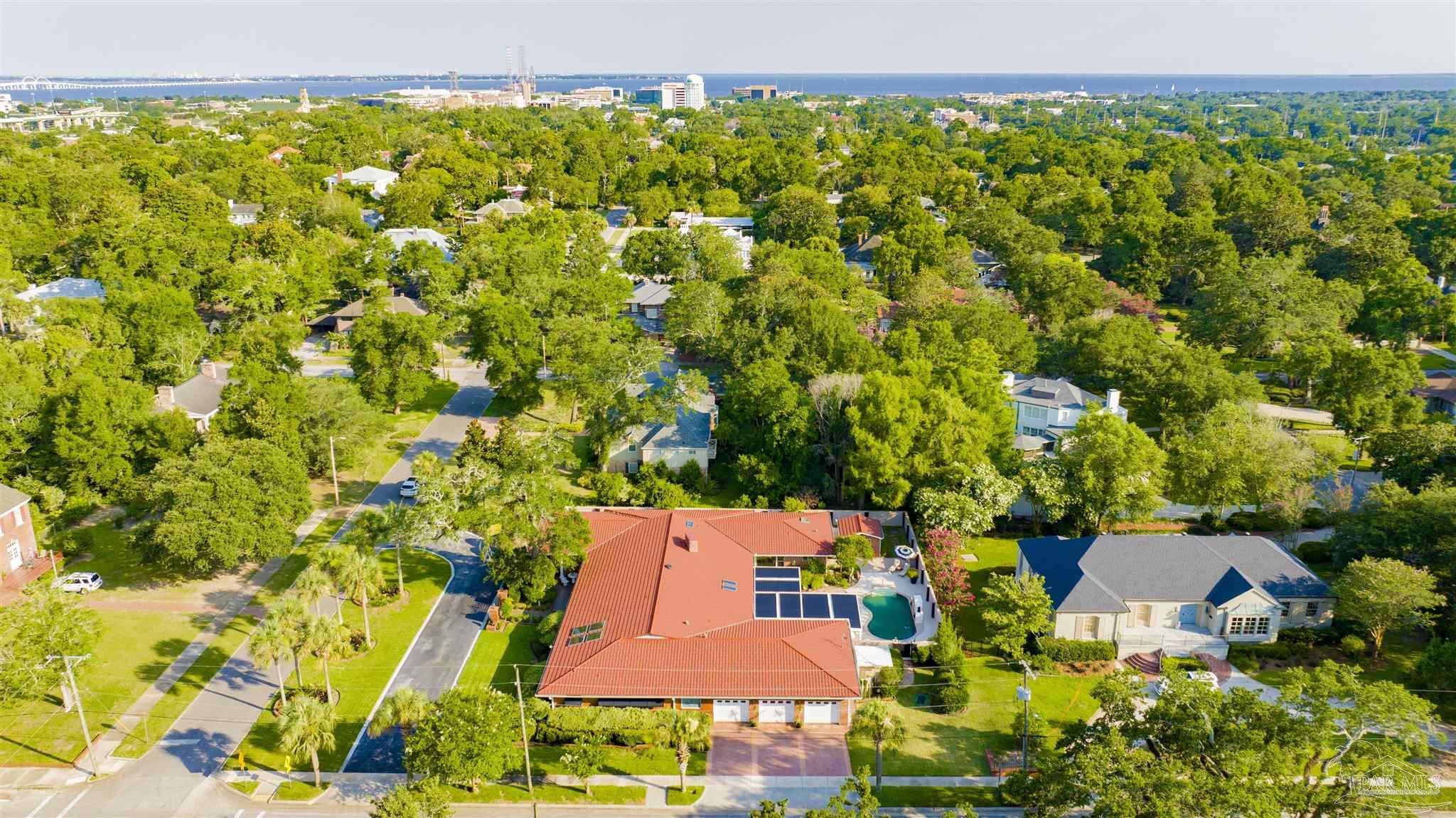
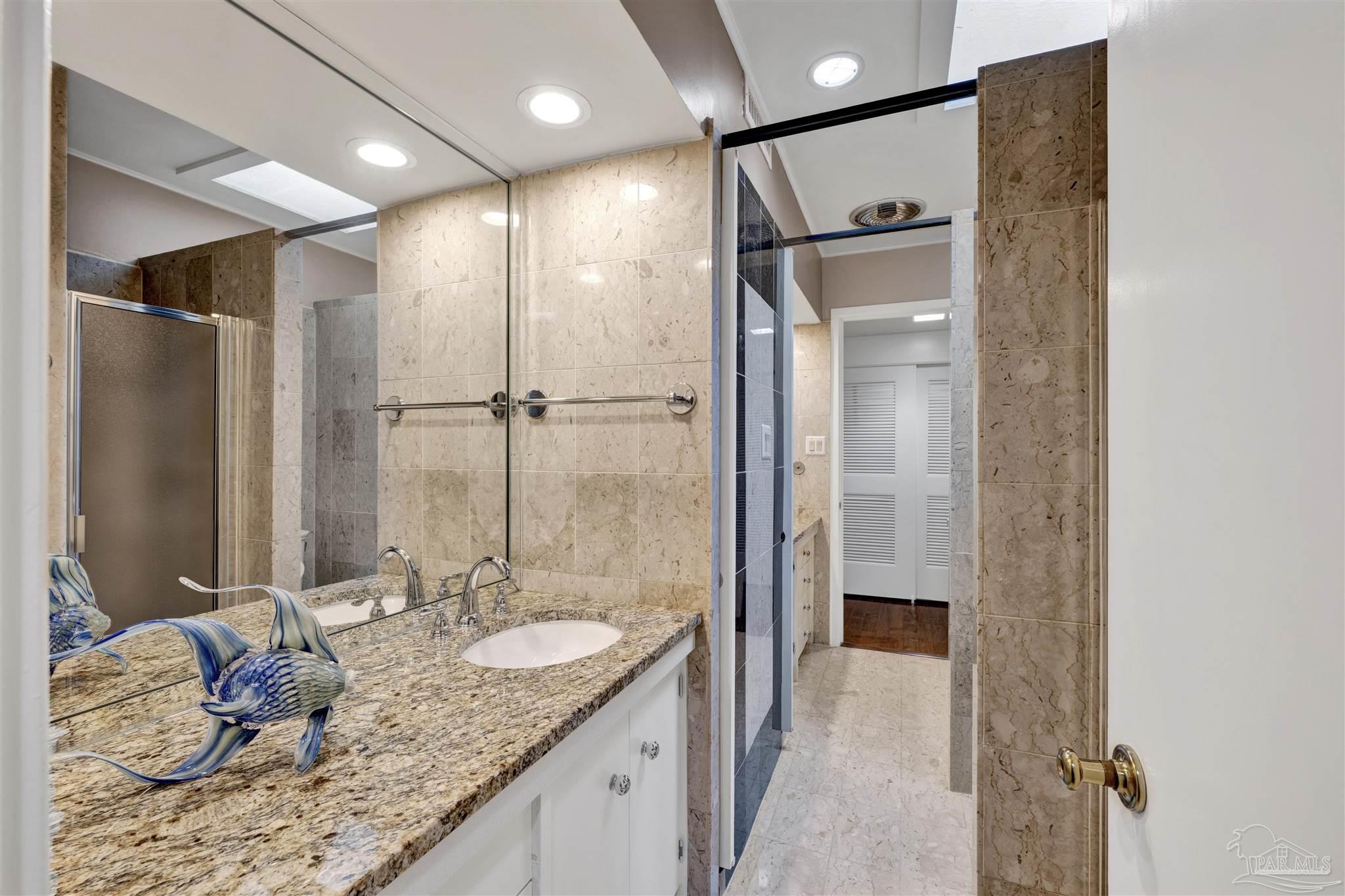
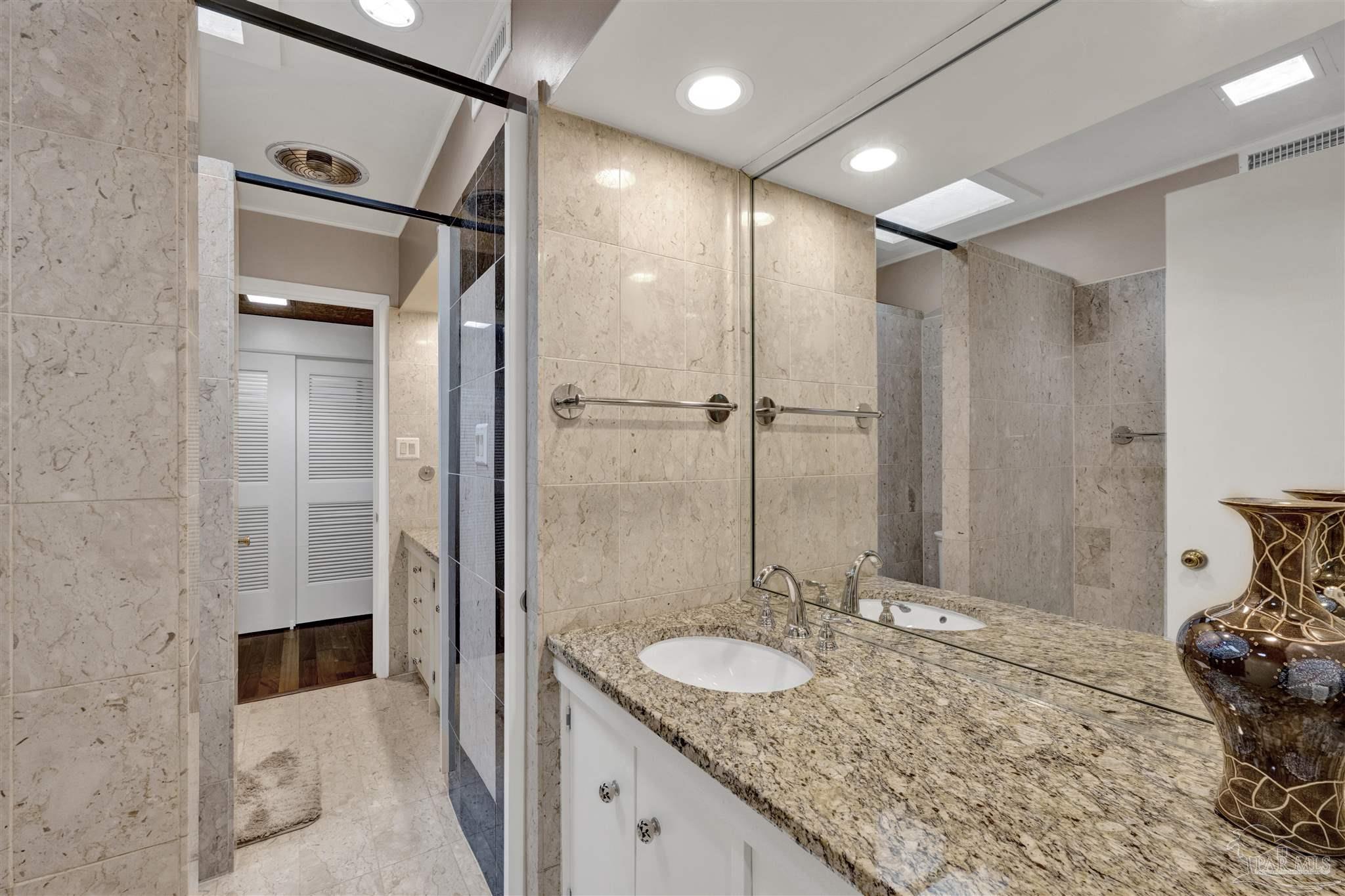
Built in 1957, the estate occupies a prominent corner position in Historic North Hill, its sweeping asphalt driveway and mature landscaping framing a façade that has been maintained with evident intention. Step inside and the scale registers immediately: halls wide enough for two to pass without negotiation, marble floors extending beneath crystal chandeliers, and a spatial generosity that simply does not exist in new construction at any price. Approximately 6,890 square feet unfolds across a single-level plan—a rare and practical luxury that serves multigenerational families, executives who work from home, and hosts who entertain seriously with equal ease.
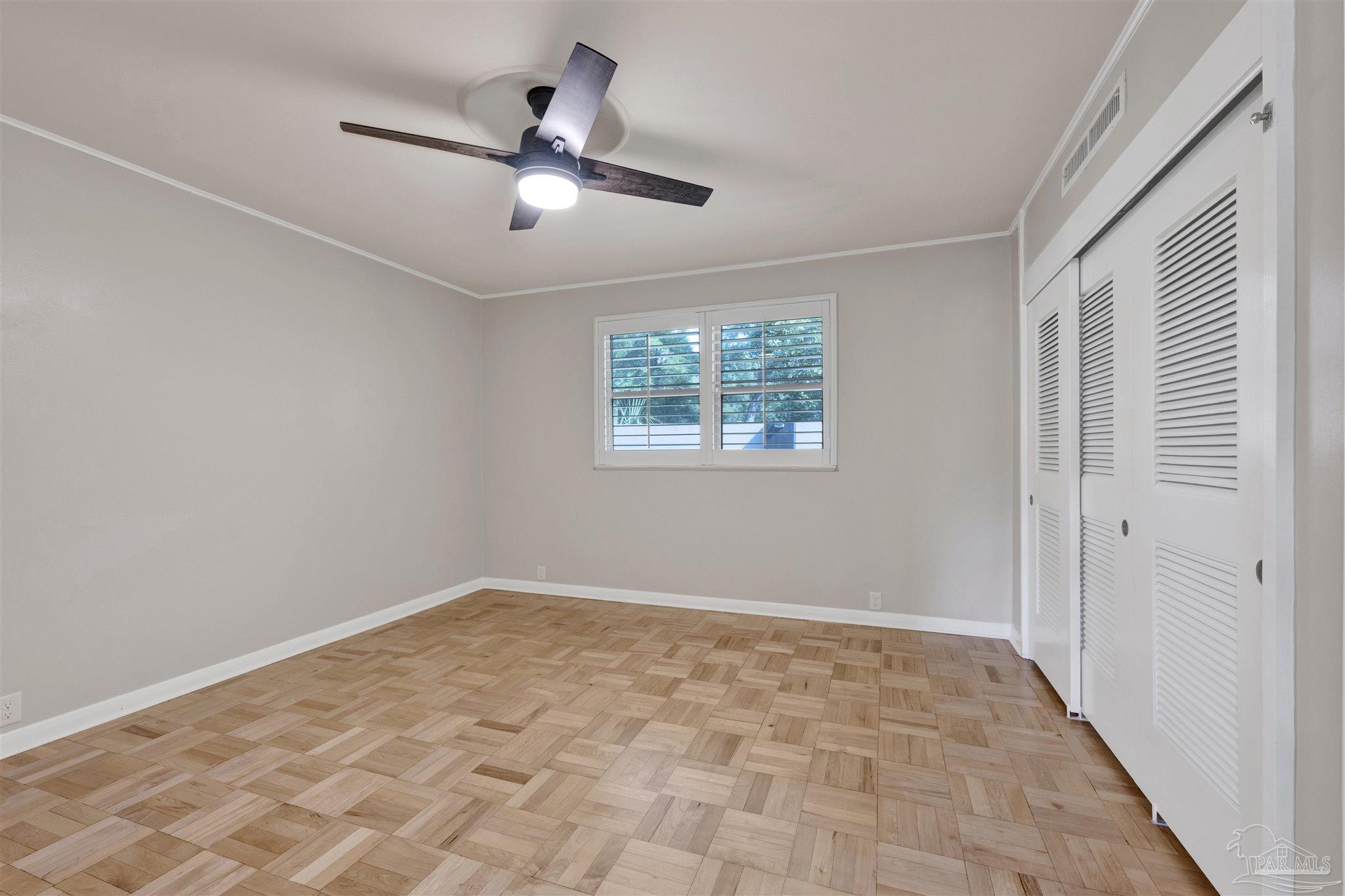
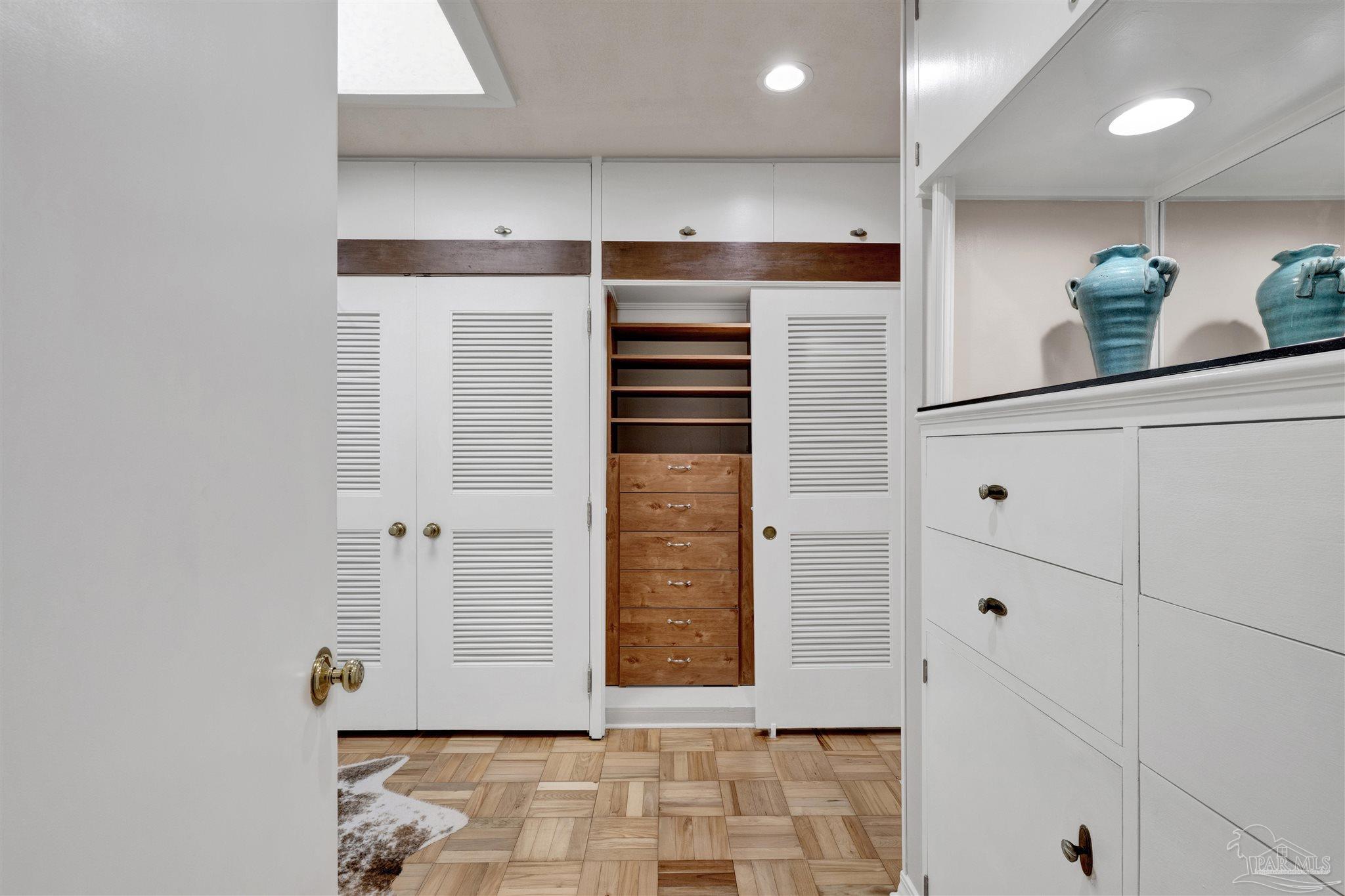
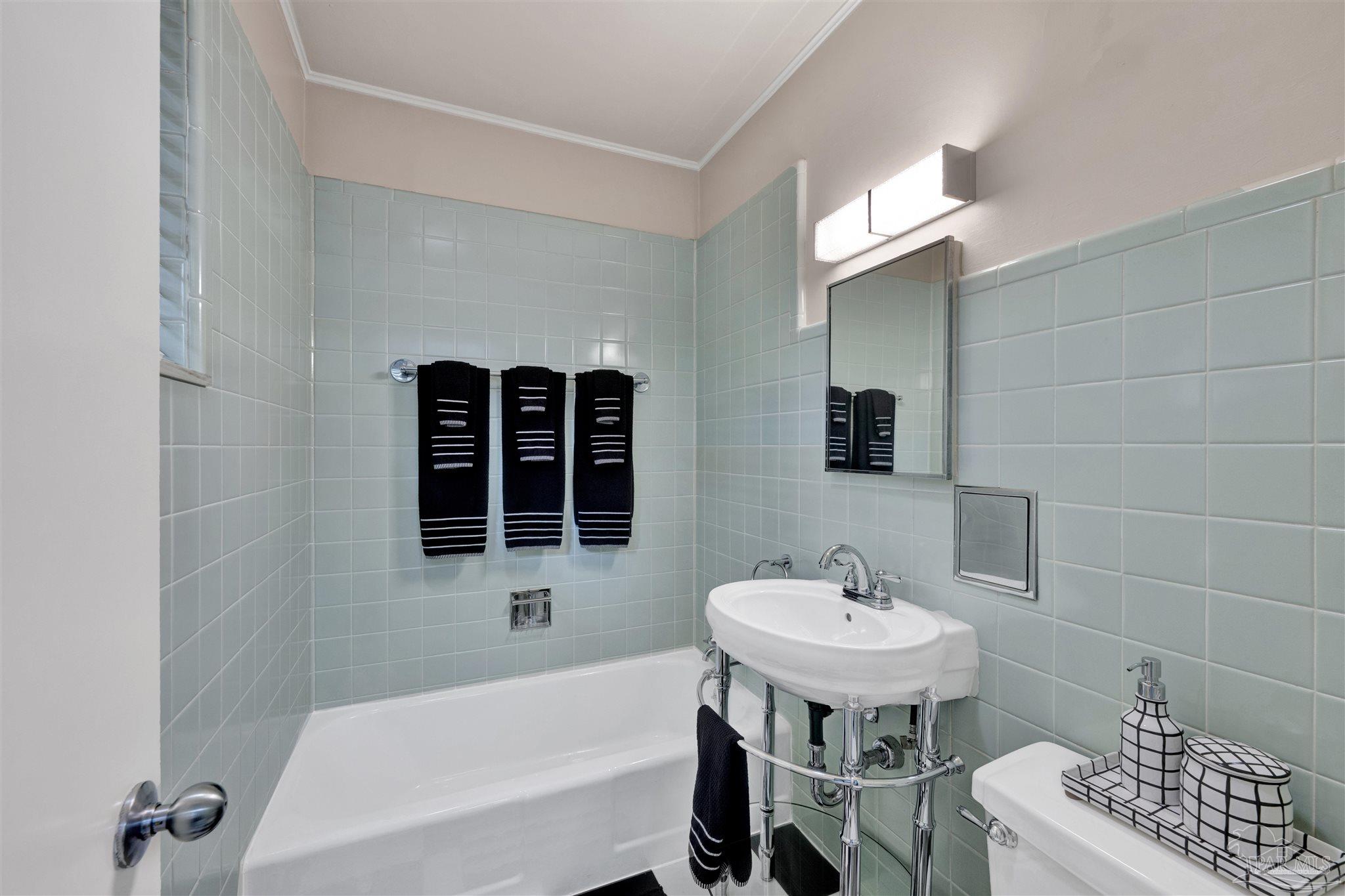
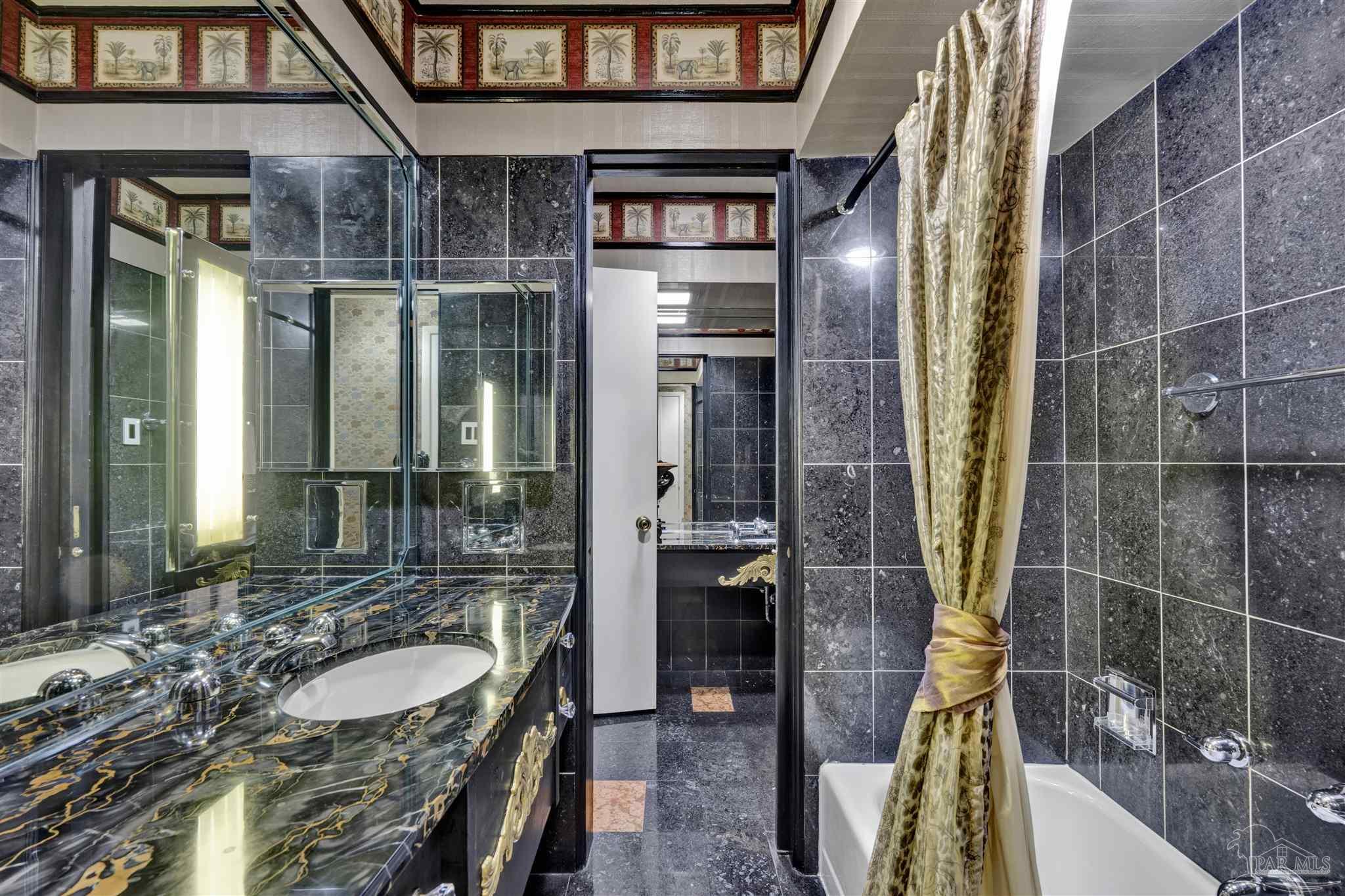
The architectural language is mid-century with genuine European inflection. Carved Italian columns anchor interior transitions. Original built-ins occupy their original positions because they were made to stay. Plantation shutters filter the afternoon light the way they always have. Parquet floors ground the primary suite in warm geometry. These are not reproductions or renovations designed to suggest age—they are the thing itself, preserved because someone understood their worth.
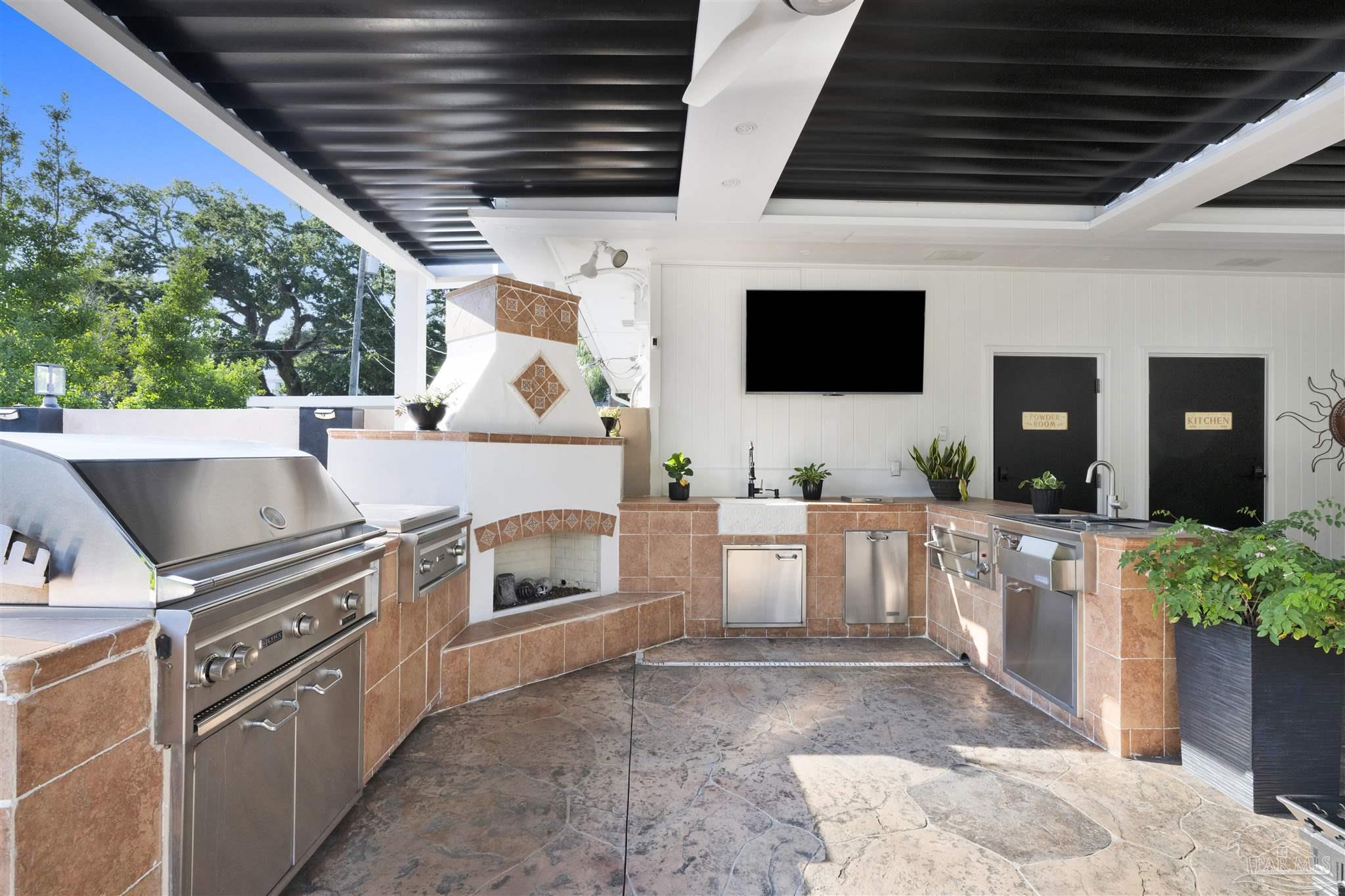
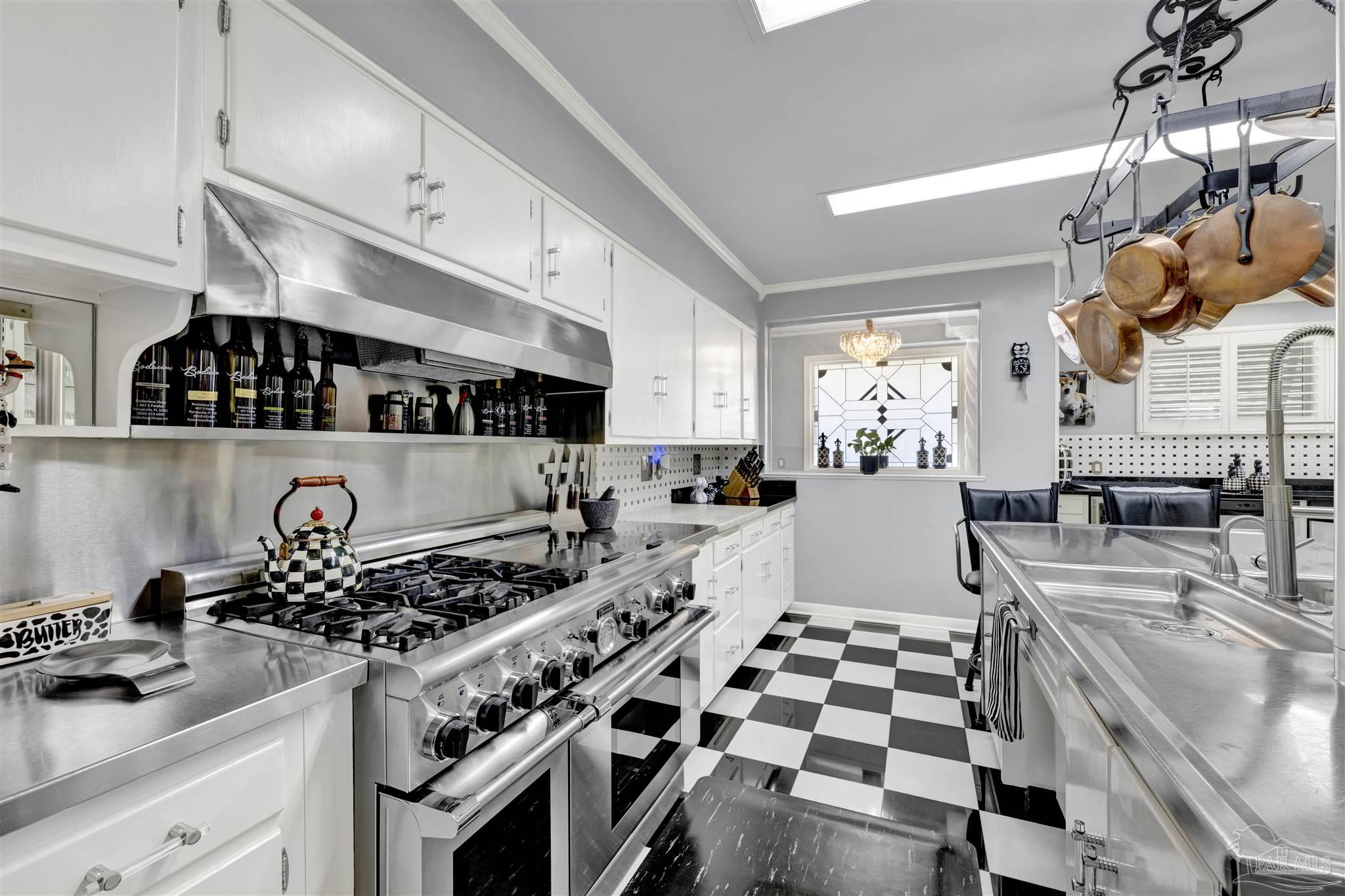
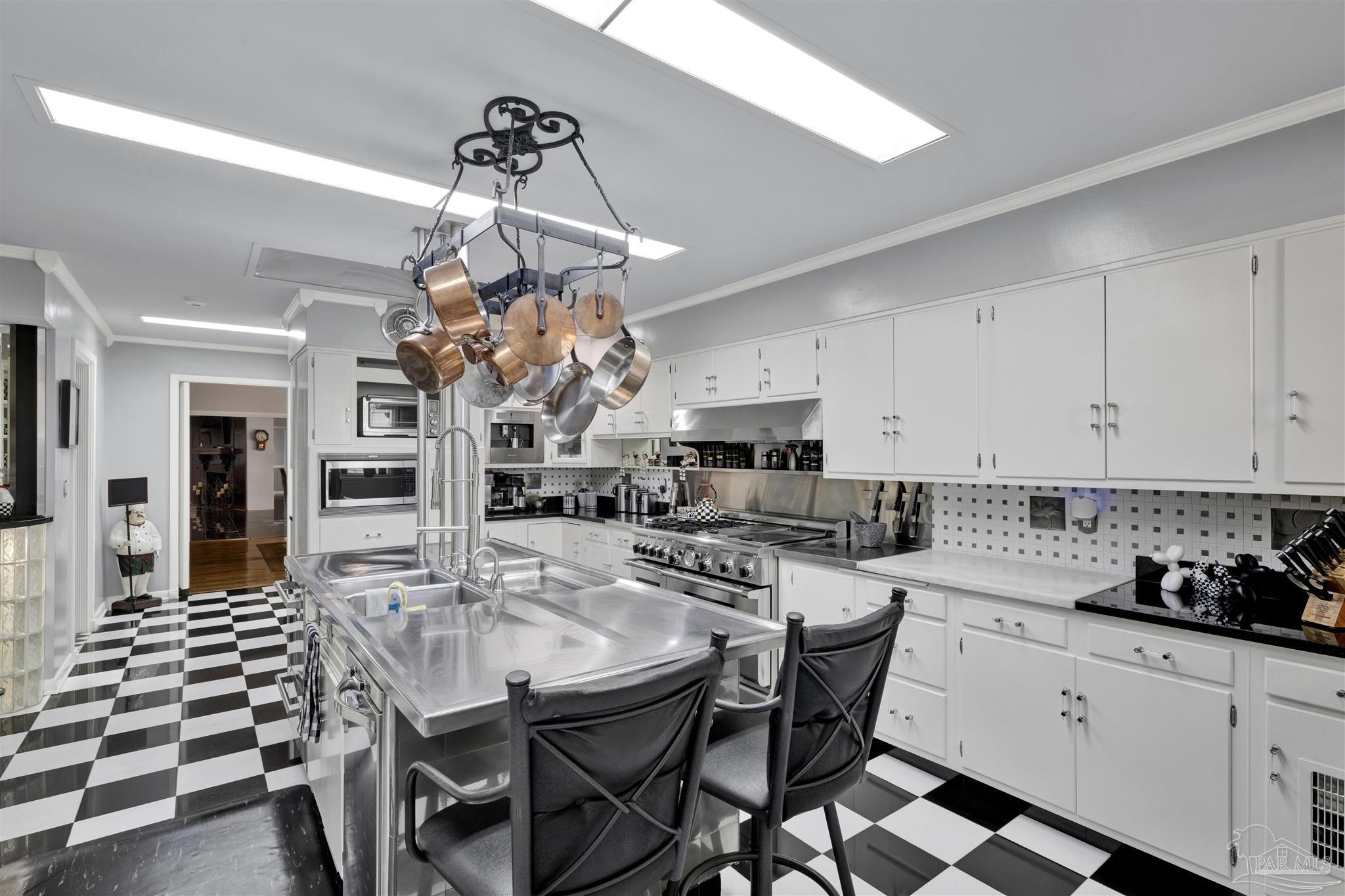
Three kitchens serve the home's appetite for gathering. The main kitchen is anchored by Thermador appliances, a stainless island, and an iron pot rack that speaks to serious cooking rather than staged aesthetics. A butler's pantry supports the long dinners and large gatherings that a house of this scale invites. Outside, a commercial-grade Lynx outdoor kitchen extends the entertaining footprint to the resort-style saltwater pool deck, where a motorized Equinox pergola provides shade on demand and fountains sustain the ambient sound of water through long afternoons.
Private guest quarters—accessible through a separate courtyard entrance and complete with a sitting room, kitchen, and full bath—offer family members or extended visitors a dignified autonomy that a standard guest bedroom simply cannot provide. A dedicated theater room, a fitness room with a 2022 infrared sauna, custom storage throughout, and quiet courtyards designed for early mornings round out a lifestyle program of unusual completeness.
Beneath all of it sits infrastructure that separates this estate from comparable properties in ways that photographs cannot fully convey. The 2022 Tilcor stone-coated metal roof is engineered for longevity. Impact-rated skylights, a whole-house Generac generator, fully replaced plumbing, modernized electrical systems, two HVAC systems, a Rinnai tankless water heater, whole-house water filtration with UV purification, and commercial-scale drainage with dual pumping stations capable of moving more than 500 gallons per minute represent a capital investment in resilience that the Gulf Coast climate makes not optional but essential. This house has been prepared for weather, for time, and for the people who will live here after the current chapter closes.
It would not be easy—or inexpensive—to build it again.
North Hill is among Pensacola's most historically significant residential neighborhoods, and understanding that context is essential to understanding the value of an estate address within it. Platted in the late nineteenth century as the city's first planned suburb, the neighborhood sits on the elevated ground just north of downtown Pensacola, a positioning that gave it both physical prominence and social cachet that it has never entirely surrendered. Today, North Hill Preservation District is listed on the National Register of Historic Places, a designation that reflects the neighborhood's architectural diversity and the relative integrity of its historic building stock—a collection that spans Colonial Revival, Craftsman bungalow, Tudor, Mediterranean Revival, and the mid-century modernism represented by 1415 N Barcelona Street itself.
The neighborhood's streets are canopied by live oaks whose root systems predate most of the city's current residents, and the effect on daily life is difficult to overstate. Walking or cycling through North Hill in the early morning or at dusk produces an experience of residential calm that feels genuinely removed from the pace of the broader Gulf Coast market, despite sitting minutes from downtown's restaurants, galleries, and cultural institutions.
Pensacola's downtown core—accessible within a short drive or a pleasant bicycle ride from North Hill—has undergone meaningful revitalization in recent decades, adding a layer of urban amenity to a neighborhood that already possessed considerable historic charm. Palafox Street, the city's principal commercial corridor, offers a walkable concentration of independent restaurants, wine bars, boutiques, and live music venues. The Pensacola Museum of Art, housed in the city's former jail, and the Pensacola Little Theatre anchor a cultural scene that punches above the city's statistical weight. The Pensacola Bay waterfront, with its parks, marinas, and views toward Pensacola Beach, is within easy reach.
For buyers whose lives intersect with the military, Pensacola carries particular significance. Naval Air Station Pensacola—home to the Blue Angels and one of the oldest naval air installations in the United States—sits to the southwest of the city and has long anchored both the local economy and the community's identity. Senior officers and their families have historically found North Hill's combination of scale, quality, and historic character well suited to their requirements, and the neighborhood's proximity to the installation makes the commute straightforward.
Pensacola Beach and the broader Gulf Islands National Seashore, accessible via the Bob Sikes Bridge over Pensacola Bay, extend the lifestyle offering to include some of the finest white-sand beaches on the Gulf of Mexico. The combination of a historic urban neighborhood with genuine architectural character, walkable proximity to a revitalized downtown, easy access to the water, and a regional airport with growing connectivity creates a quality-of-life proposition that relocating executives and multigenerational families increasingly recognize as singular.
An estate of this scale and integrity, in this neighborhood, does not re-enter the market often. When it does, the buyers who understand replacement cost, long-term resilience, and the quiet prestige of a genuine historic address tend to move decisively.
Featured Highlights
Curated Content • Presented by Preston Murphy