The Story Behind
Historic American Foursquare on Snohomish's Coveted Lettered Streets
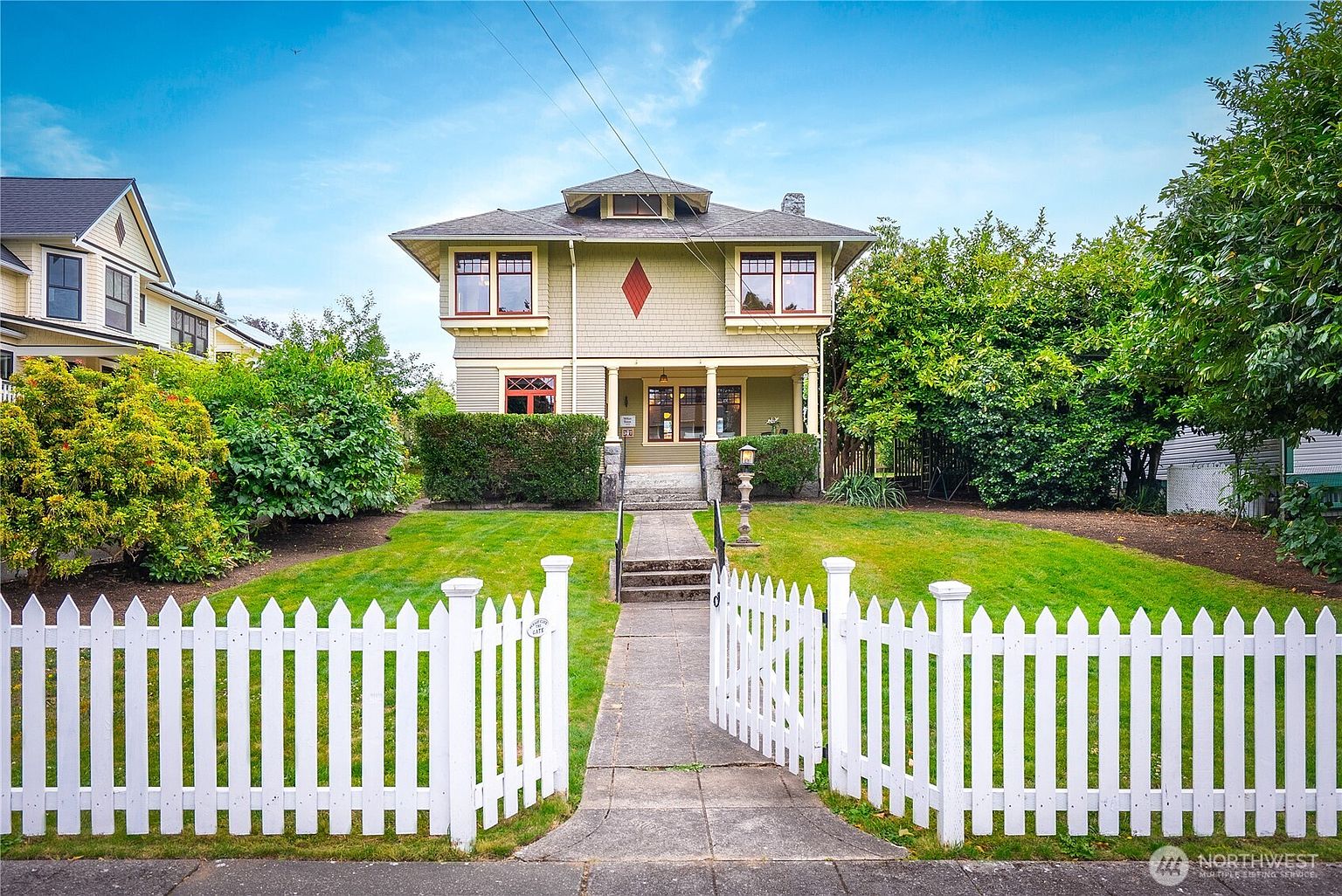
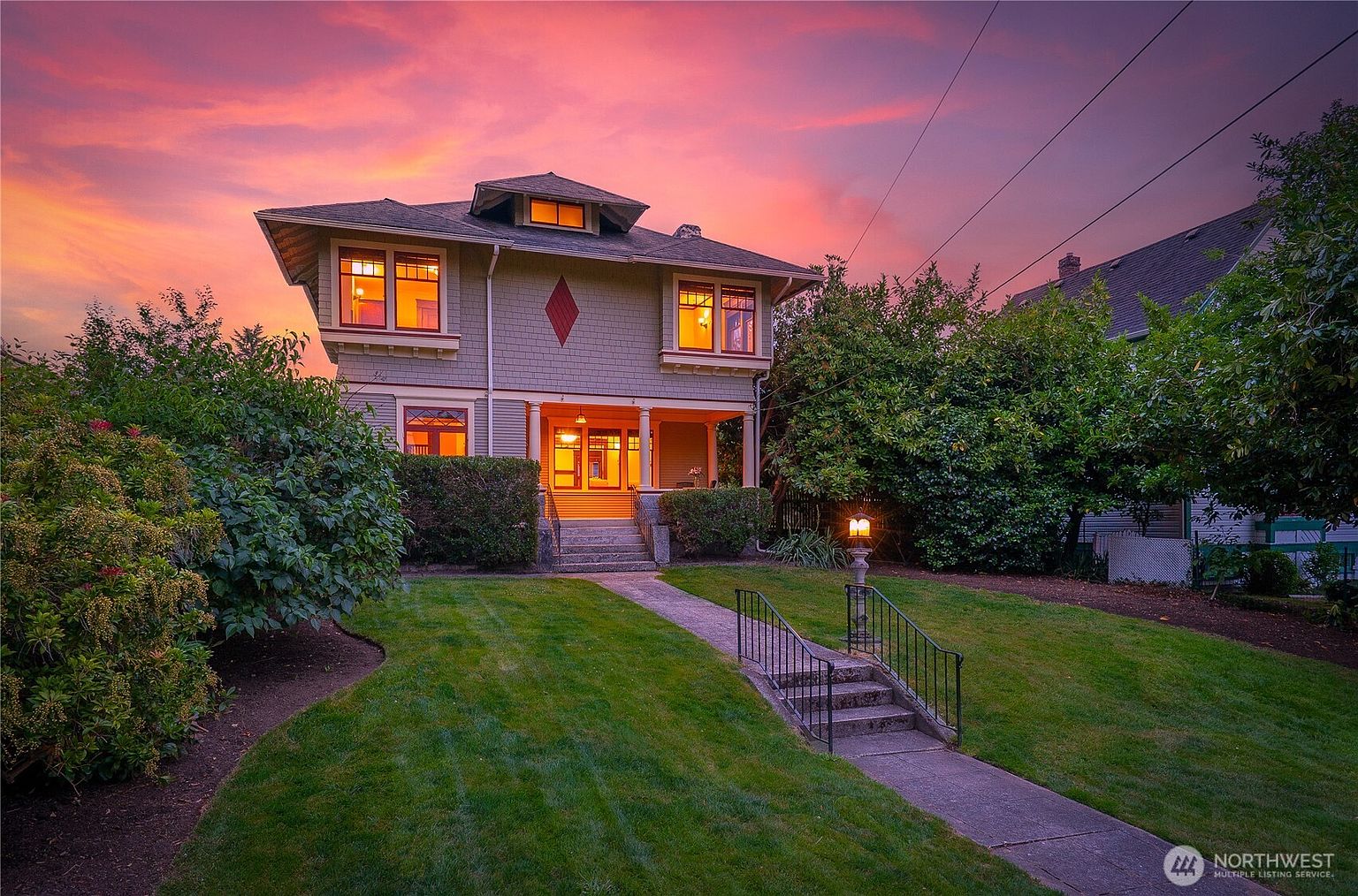
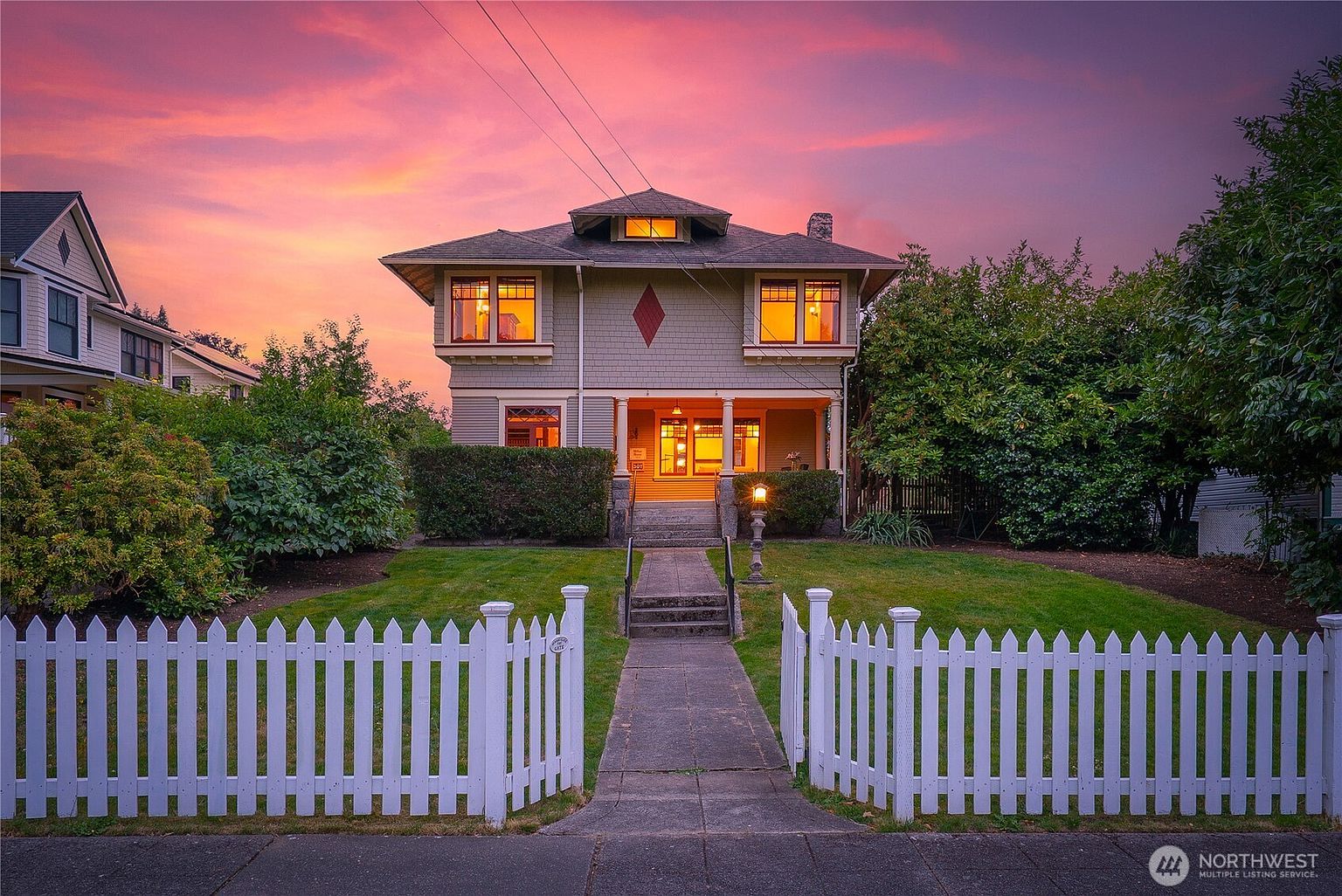
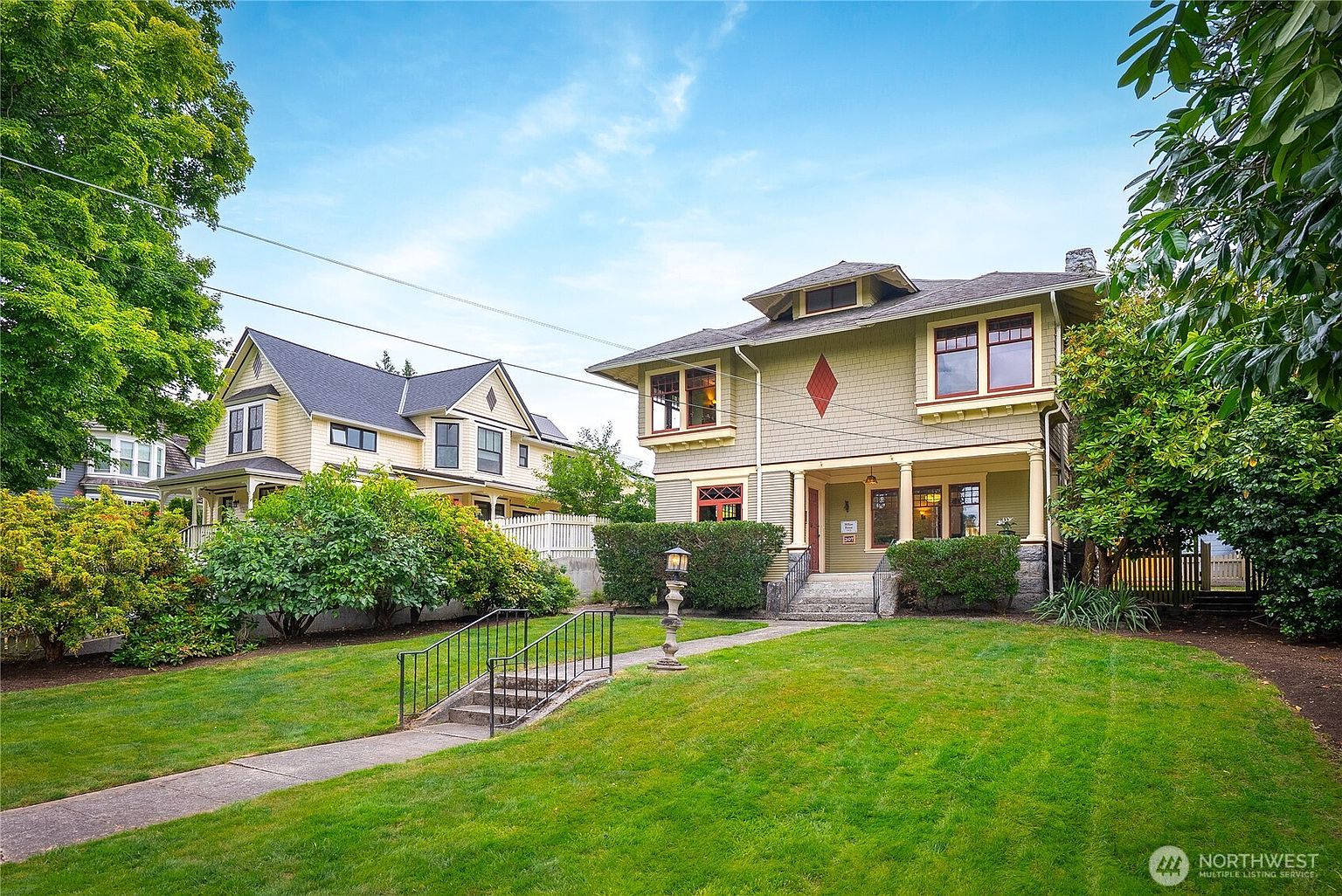
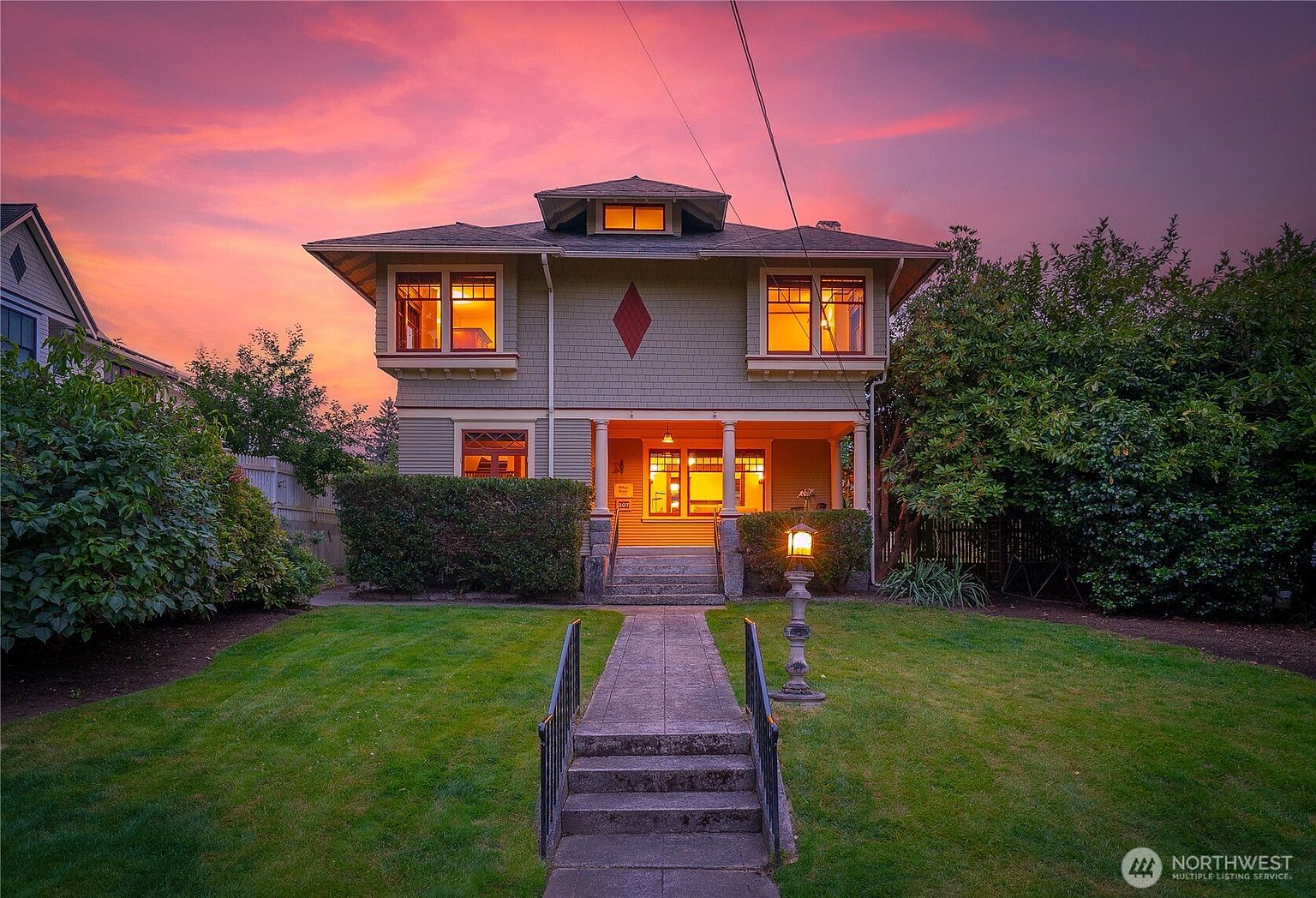
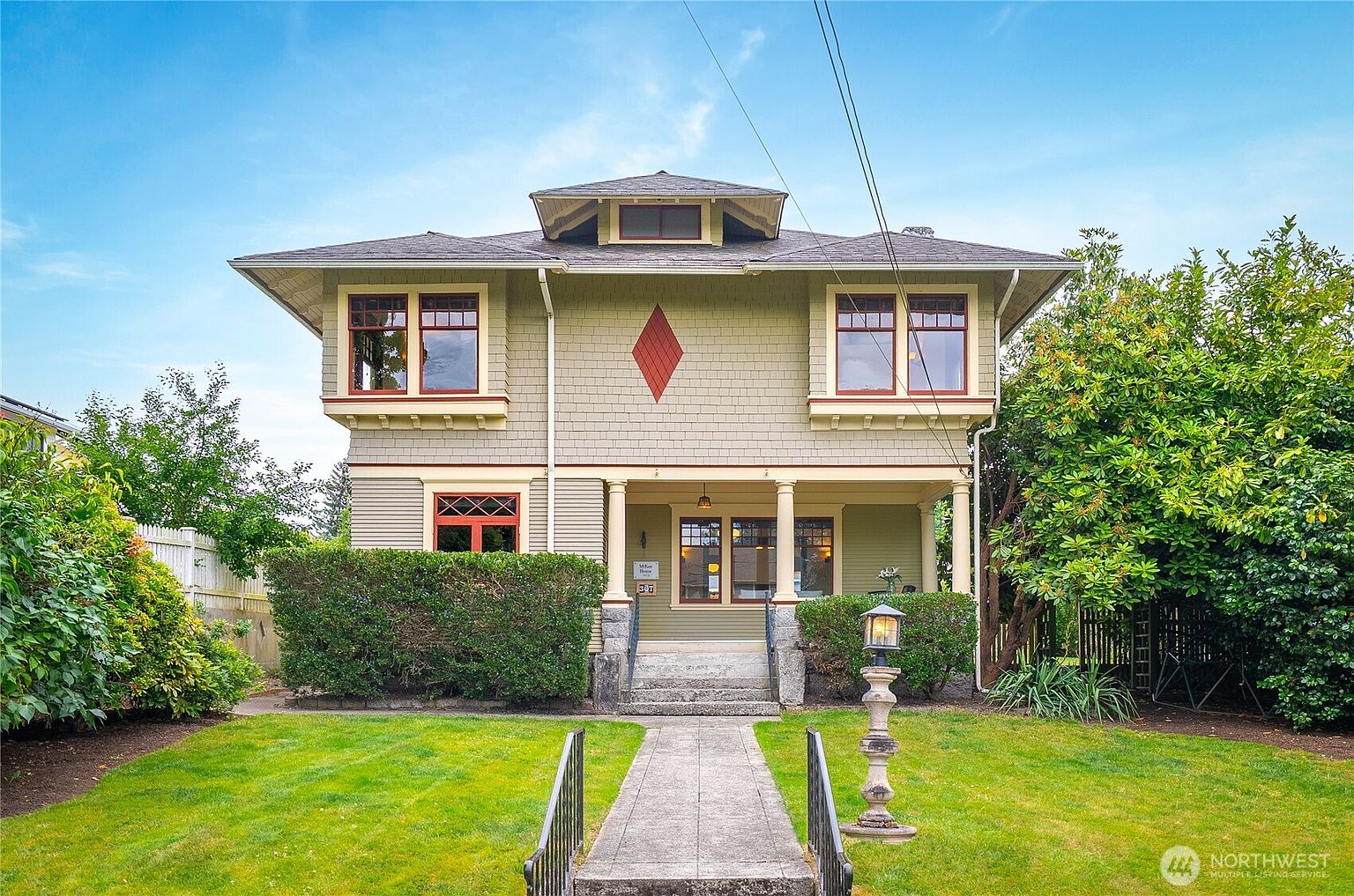
The McKee House represents the pinnacle of American Foursquare architecture, a movement that emerged in the early 20th century emphasizing practical elegance and efficient living. Built in 1903, this distinguished residence embodies the design philosophy that prioritized both functionality and beauty—principles that remain remarkably relevant today.
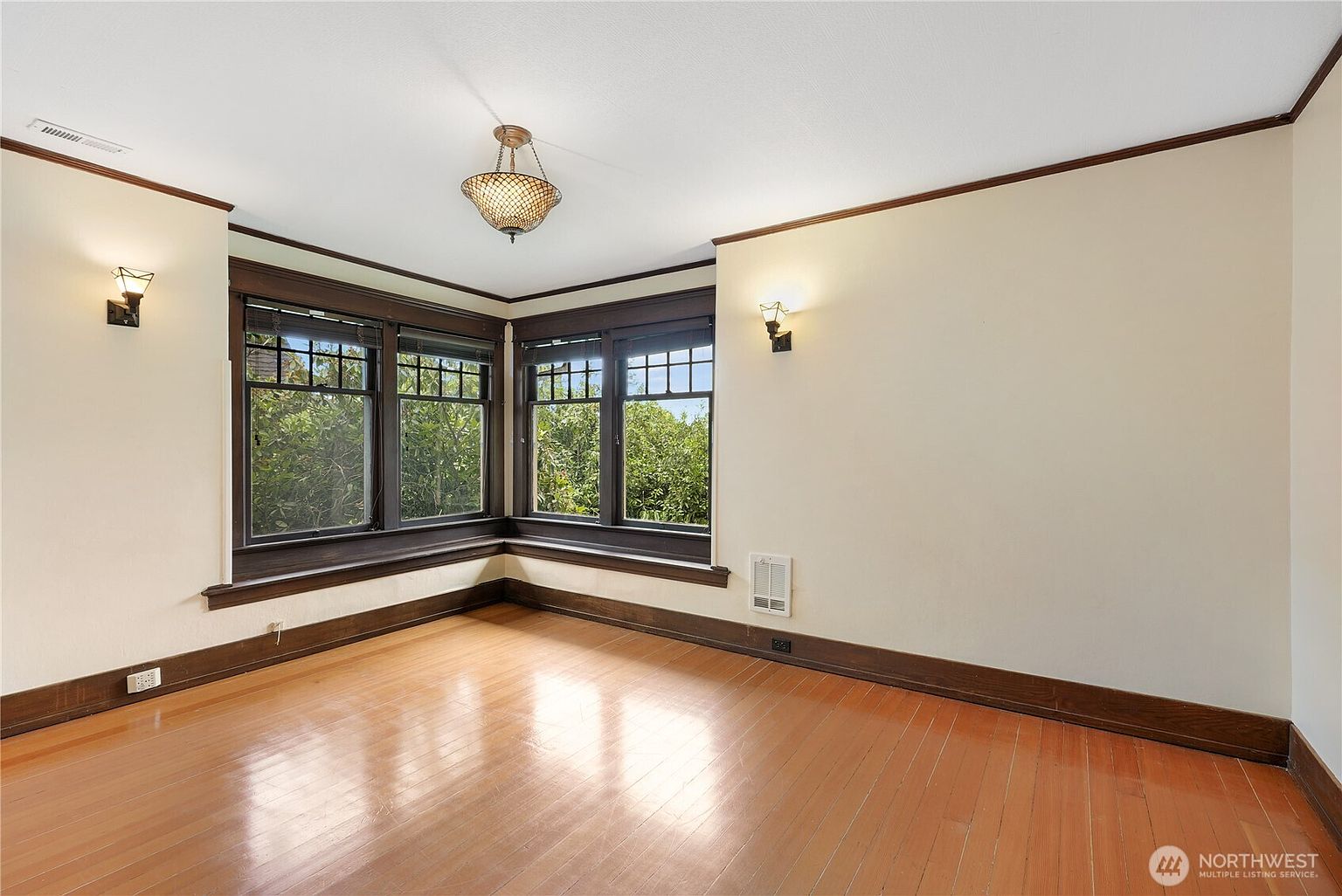
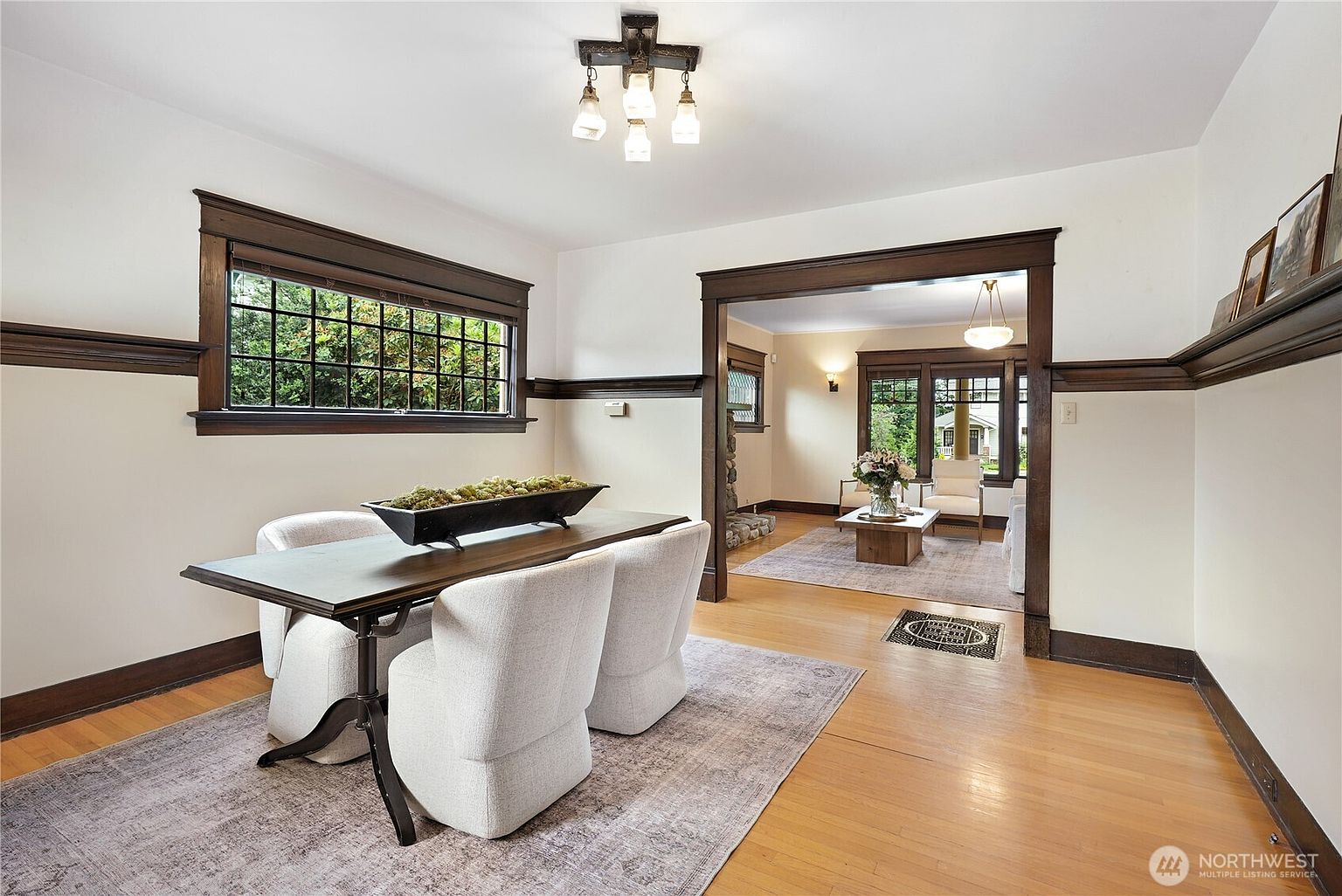
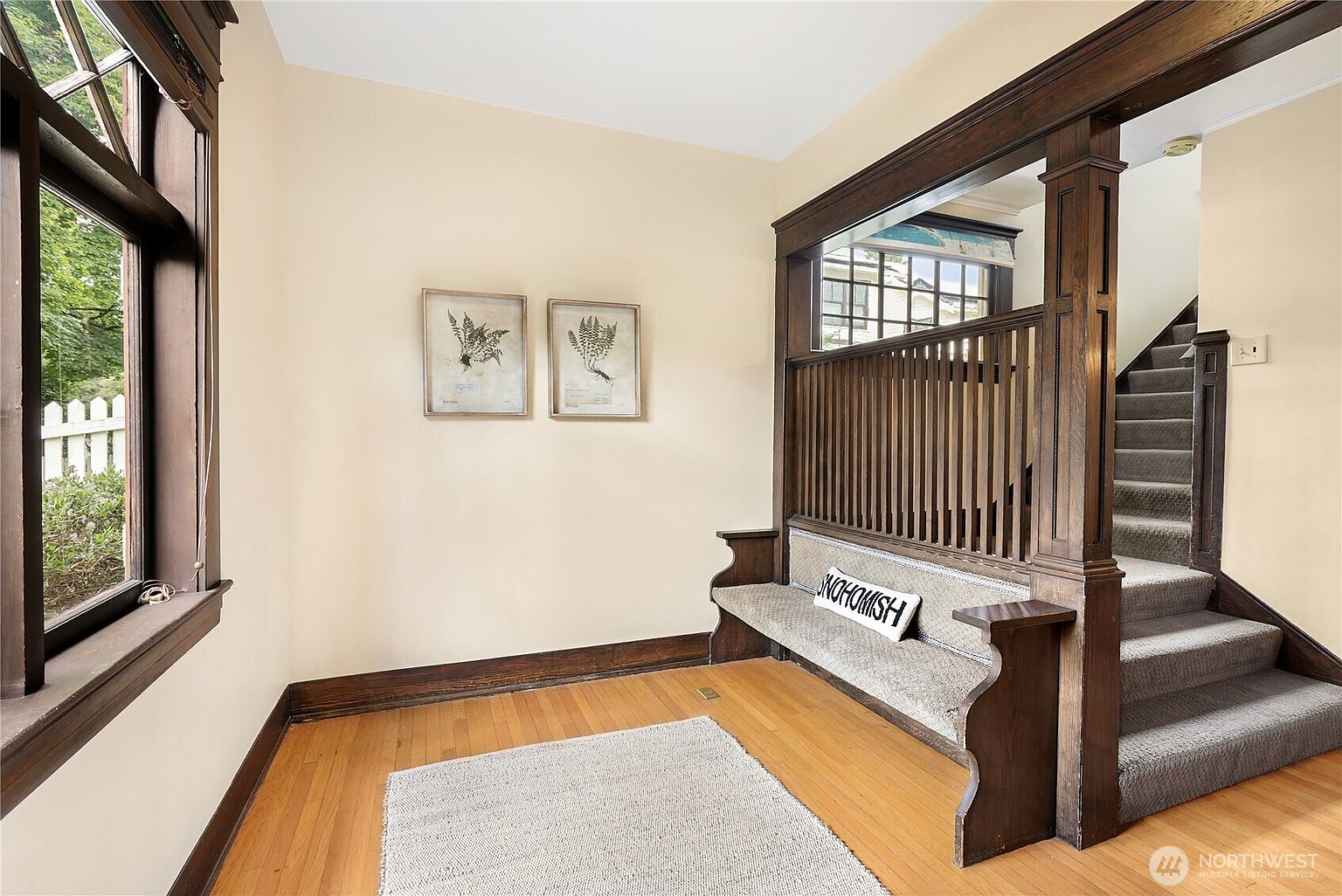
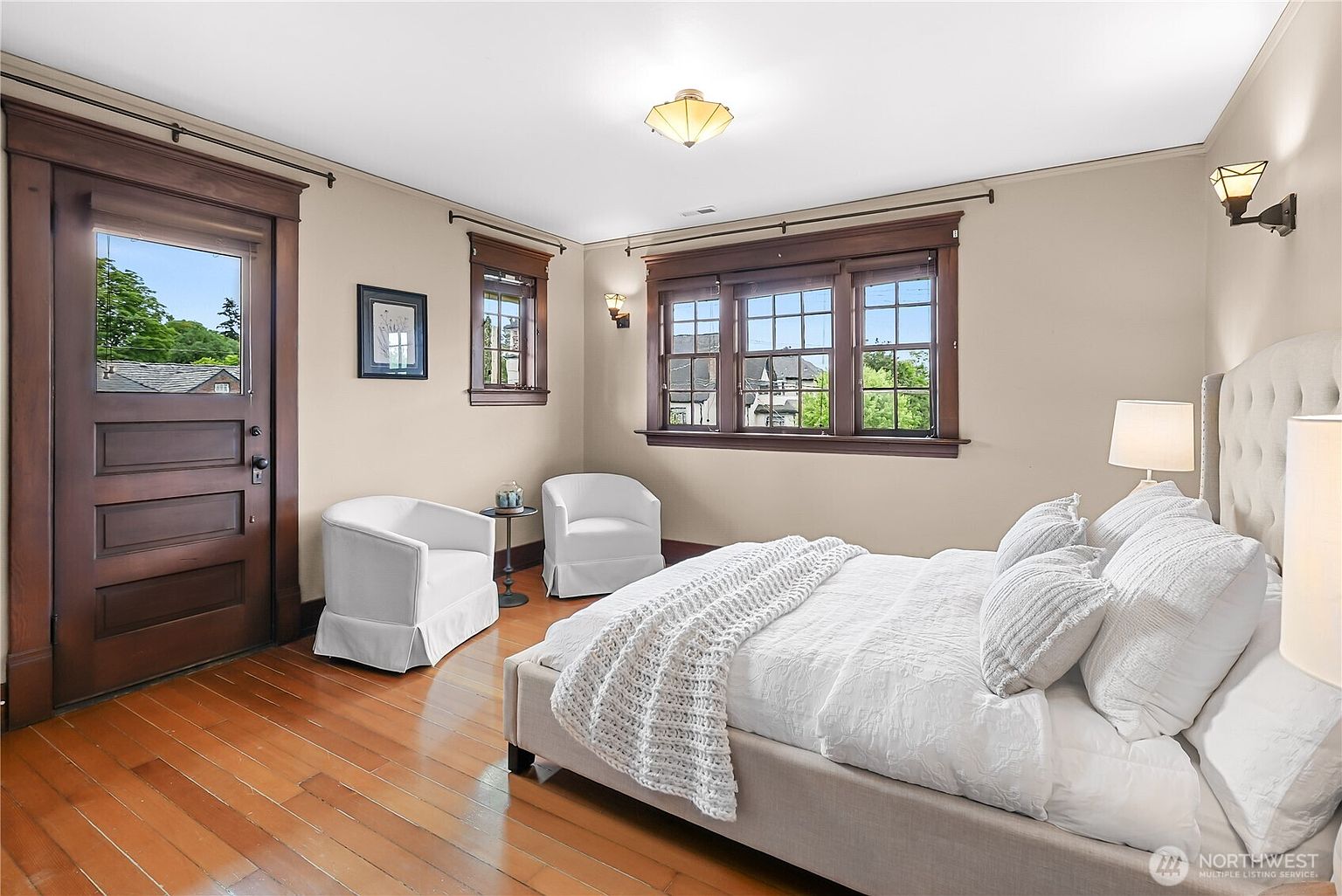
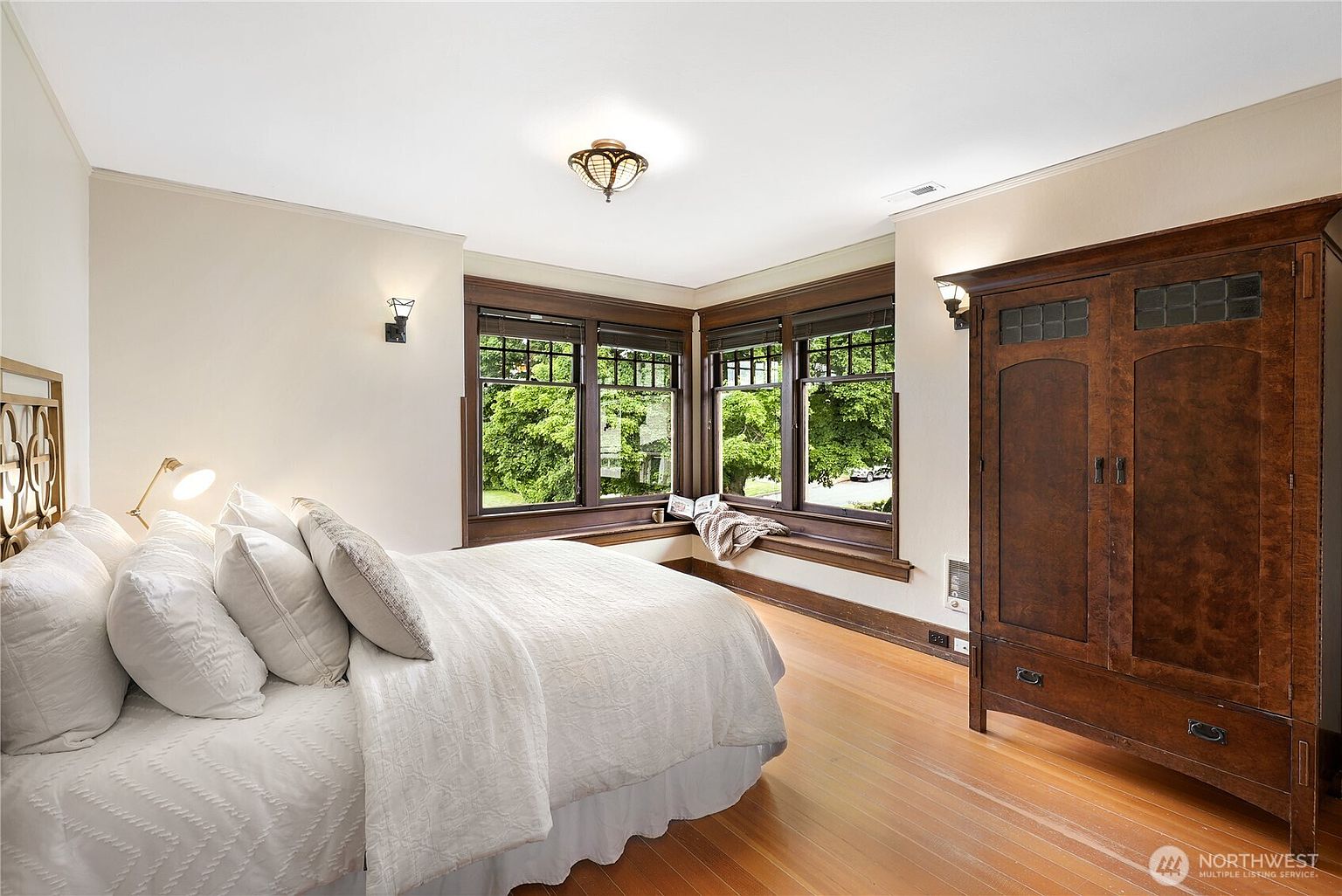
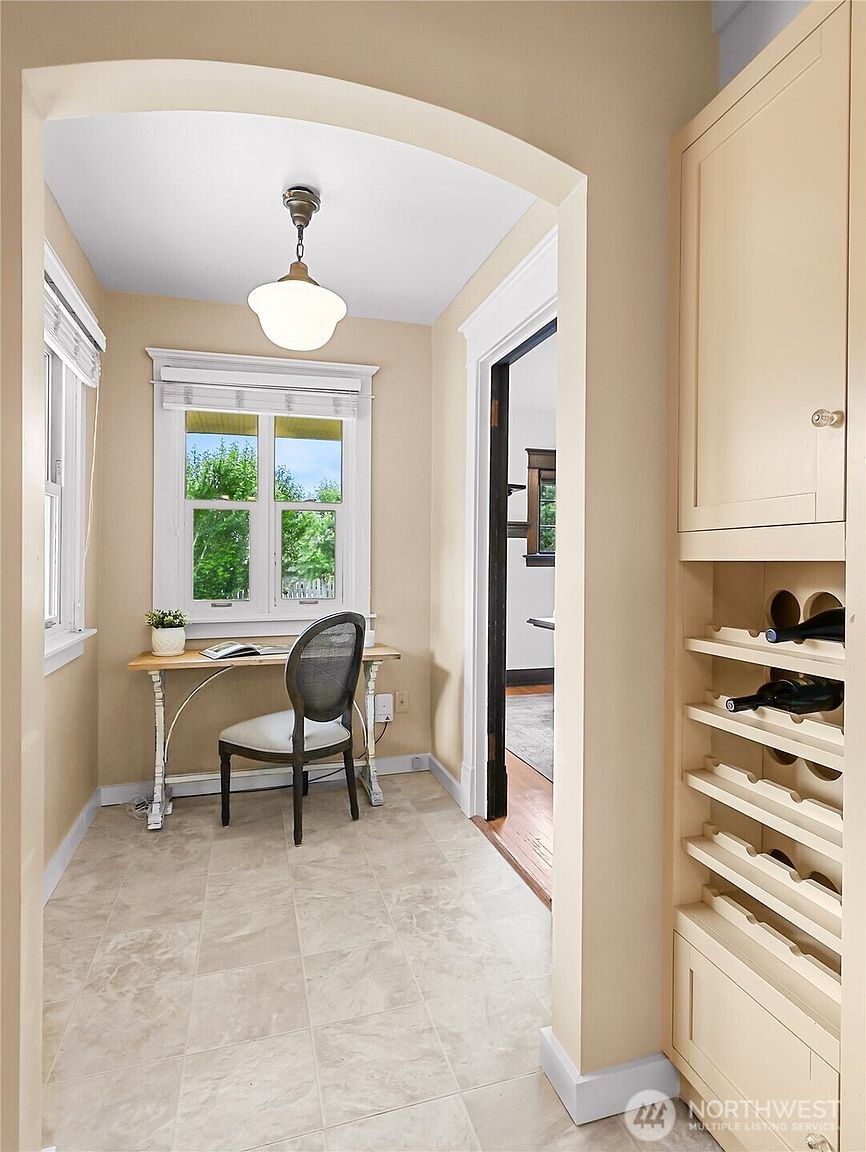
The home's architectural integrity has been meticulously preserved, with gorgeous original trim work serving as a testament to the era's superior craftsmanship. Dark wood millwork frames expansive windows and defines room transitions, creating a sophisticated backdrop that speaks to the quality of materials and attention to detail characteristic of the period.
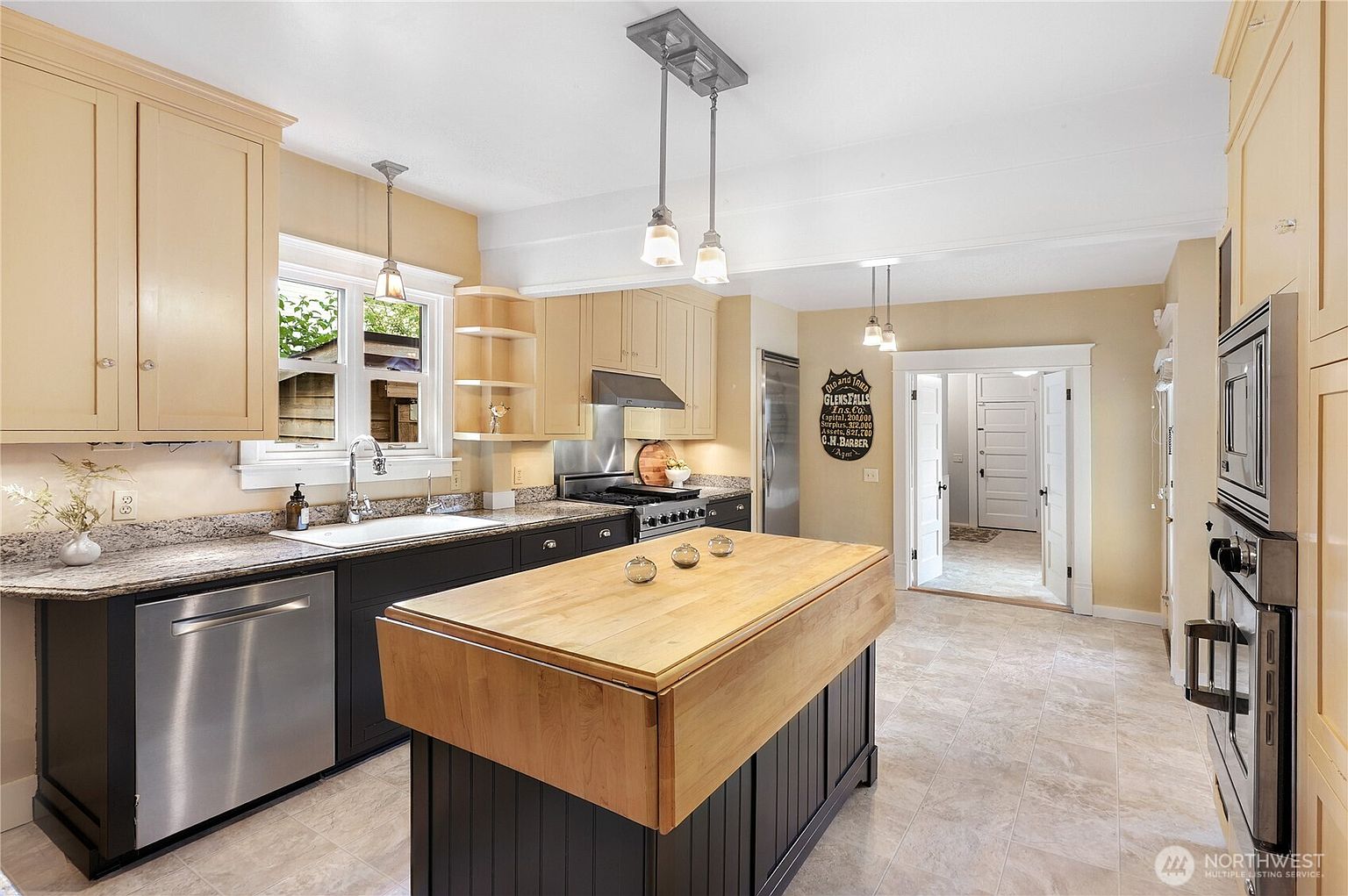
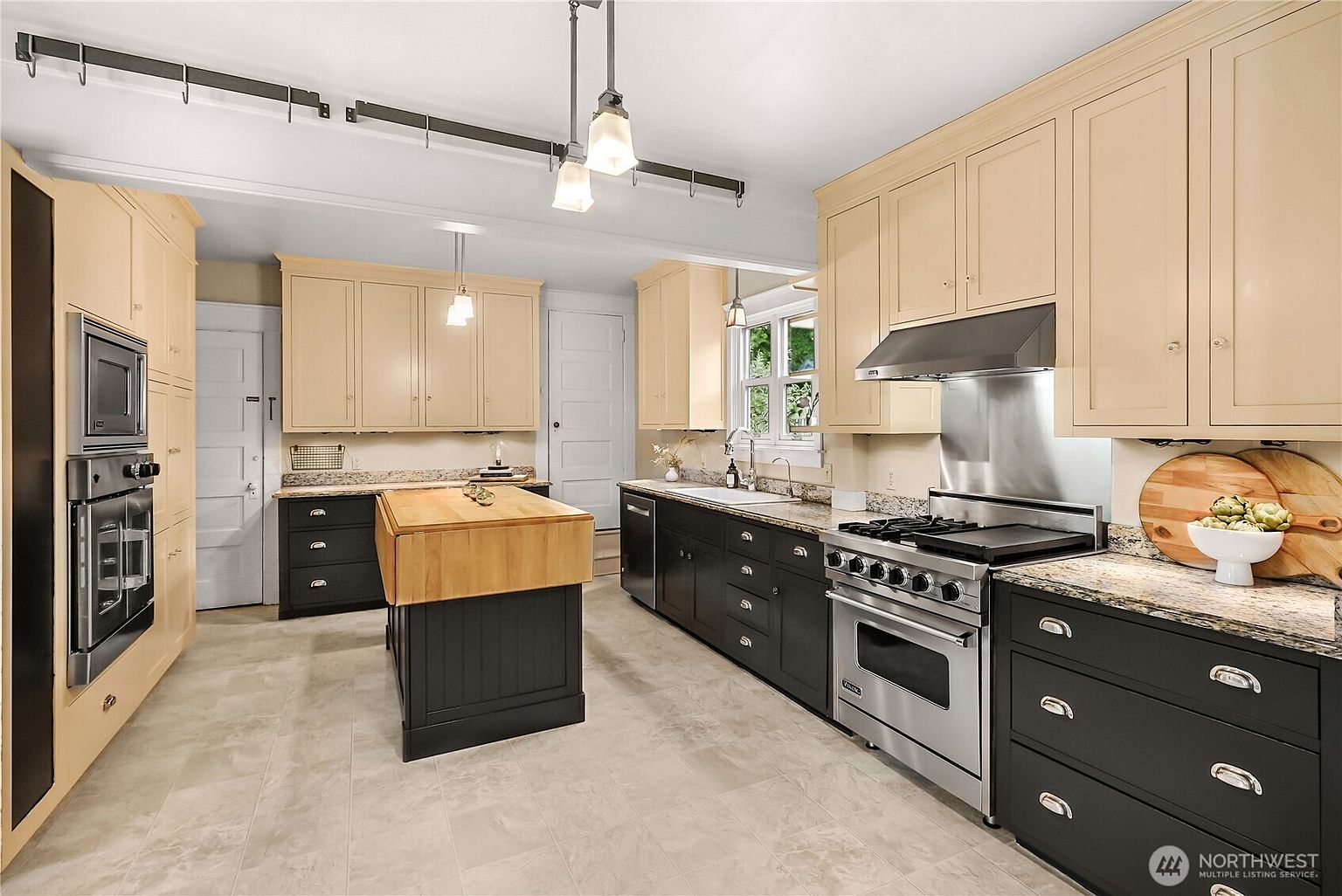
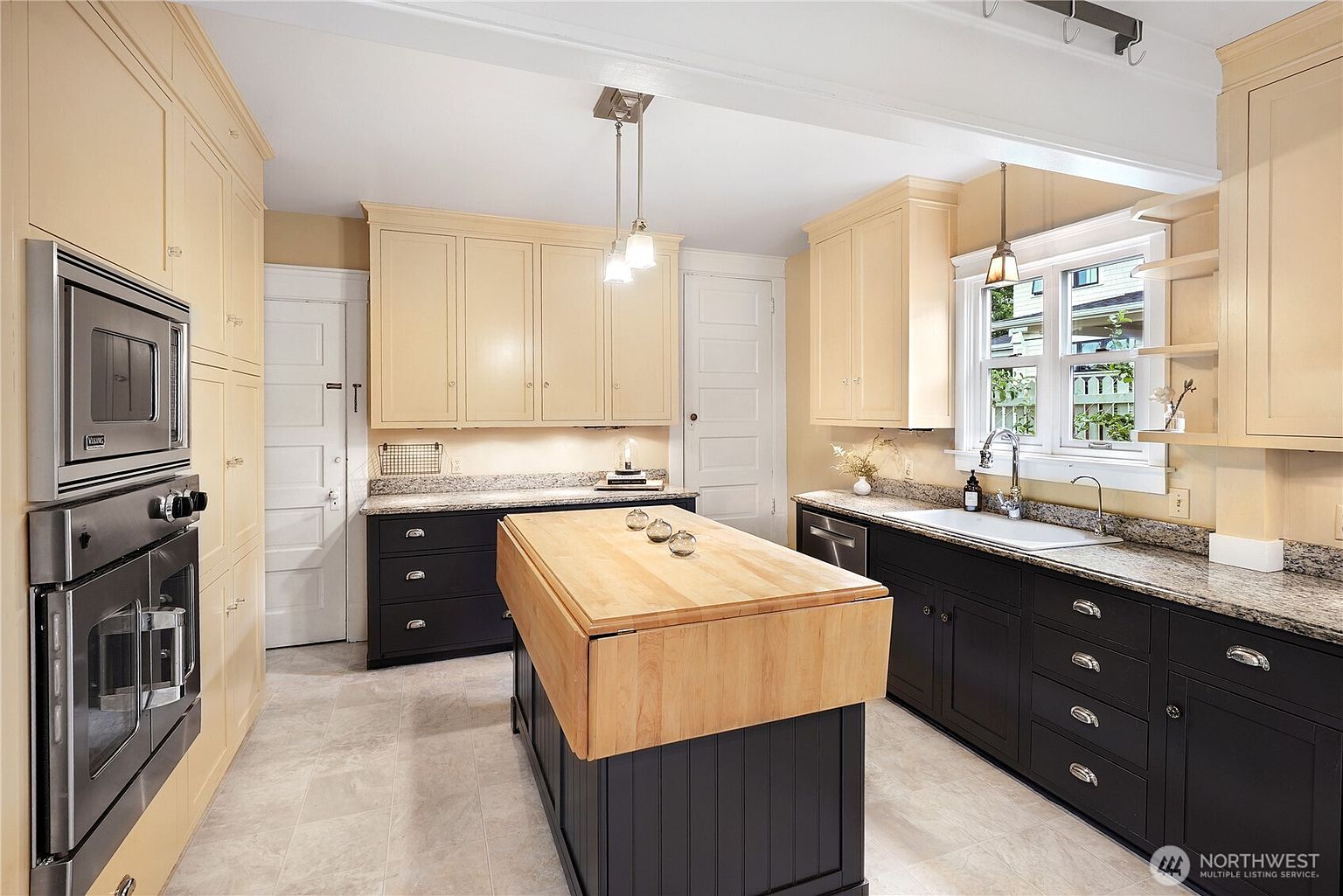
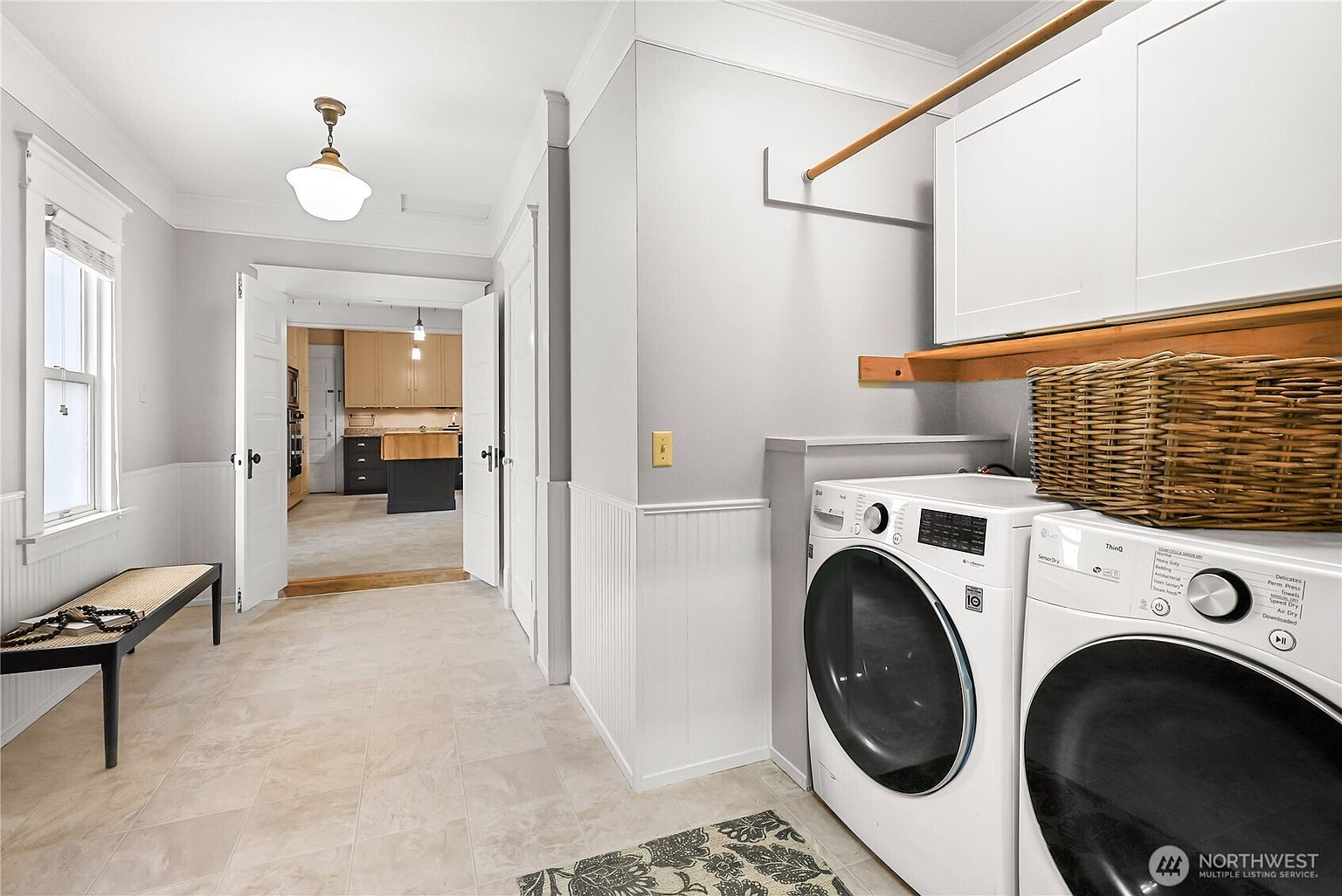
The heart of the home lies in its chef's kitchen, where Viking appliances and granite countertops transform culinary pursuits into artistry. The central island, crowned with a butcher block surface, serves as both workspace and gathering point, facilitating the natural flow between kitchen and living spaces that the Foursquare design championed.
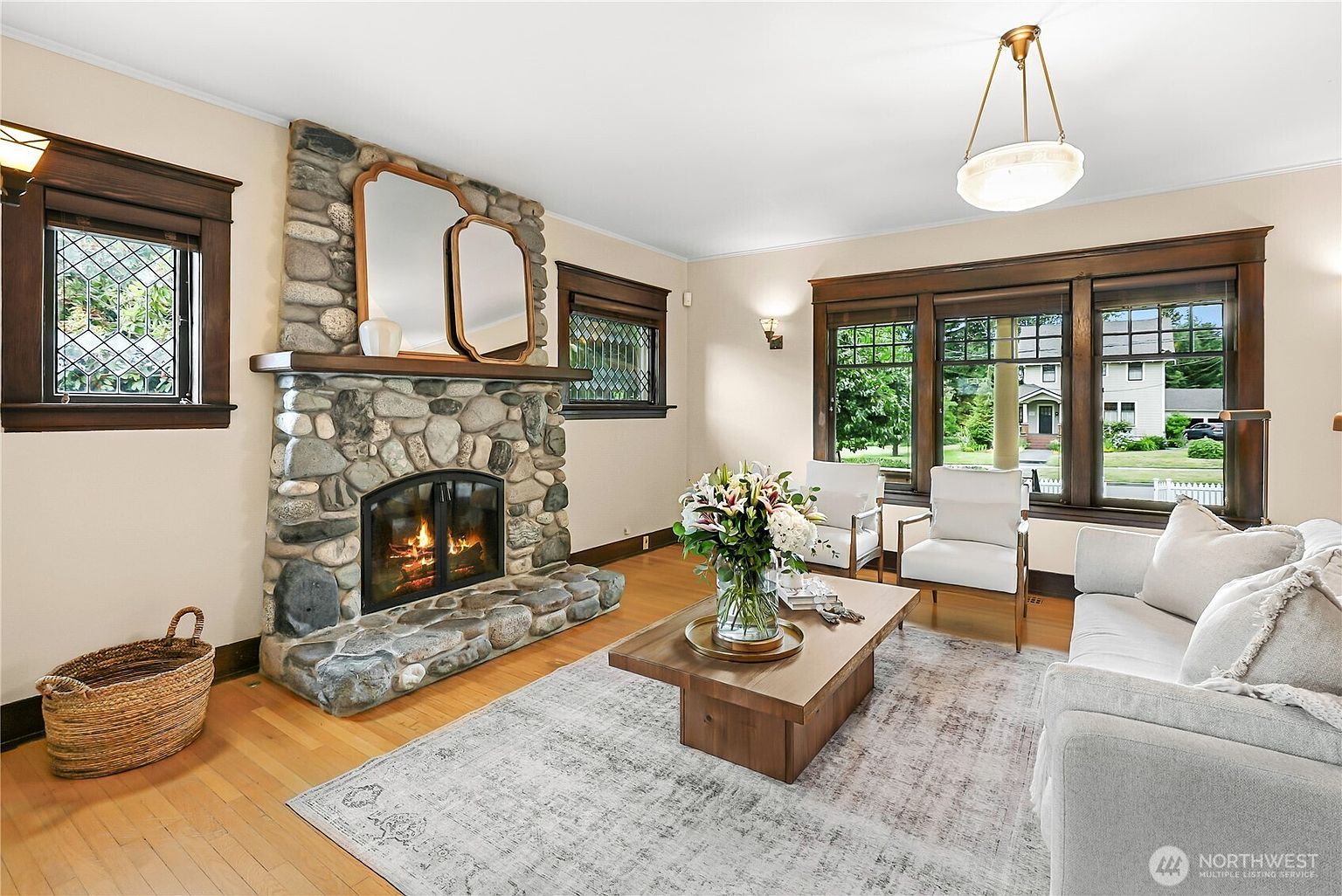
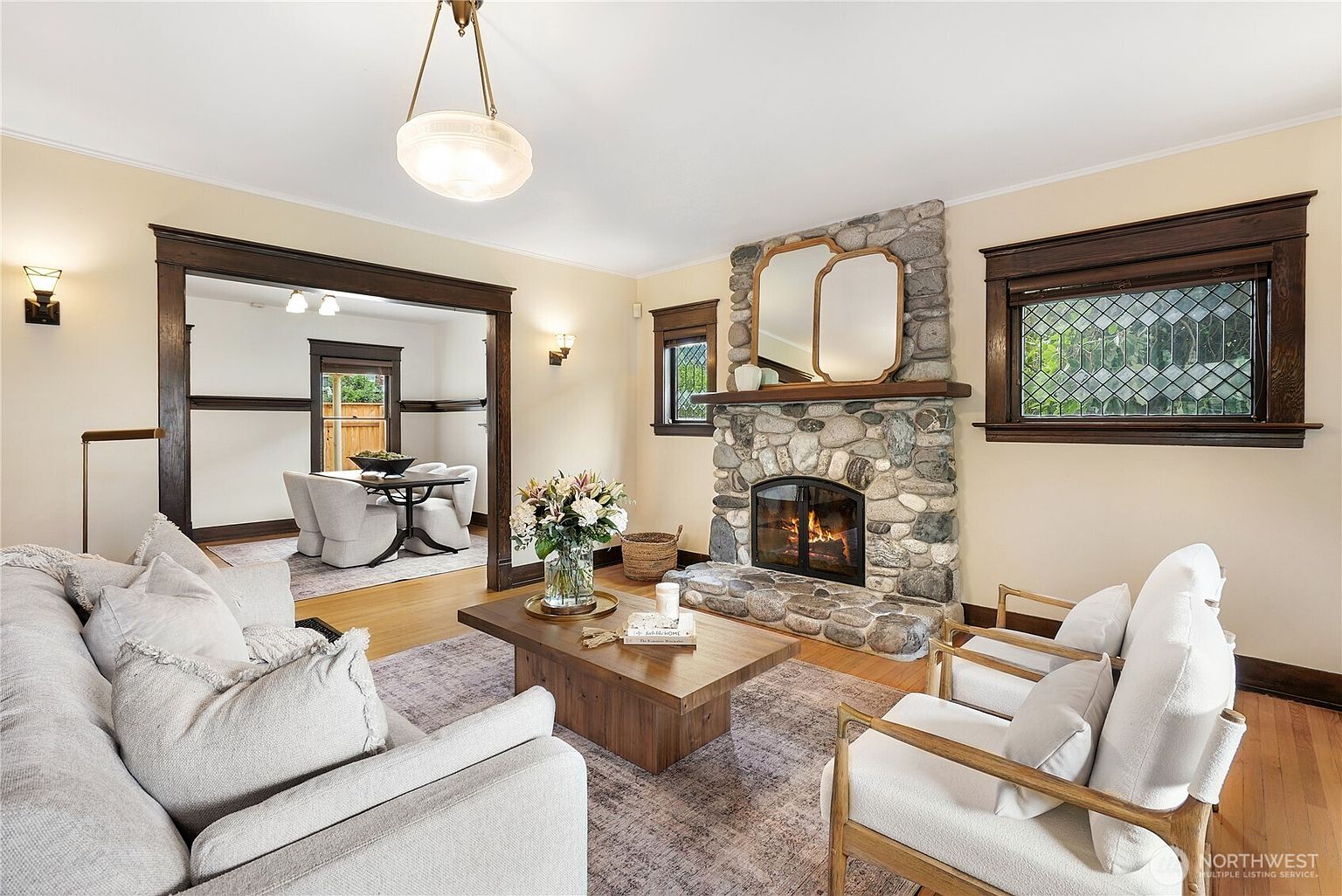
The living room exemplifies the home's grand yet livable character, where original millwork frames a striking stone fireplace that anchors the space. Hardwood floors flow throughout, their rich patina reflecting over a century of family gatherings and quiet contemplations.
Upstairs, the four bedrooms showcase the Foursquare's commitment to generous proportions and thoughtful details. The front bedrooms feature built-in window seats beneath corner windows—architectural elements that demonstrate how form and function unite to create spaces for both relaxation and natural illumination. The primary suite maintains the home's sophisticated palette, where preserved architectural details meet contemporary comfort.
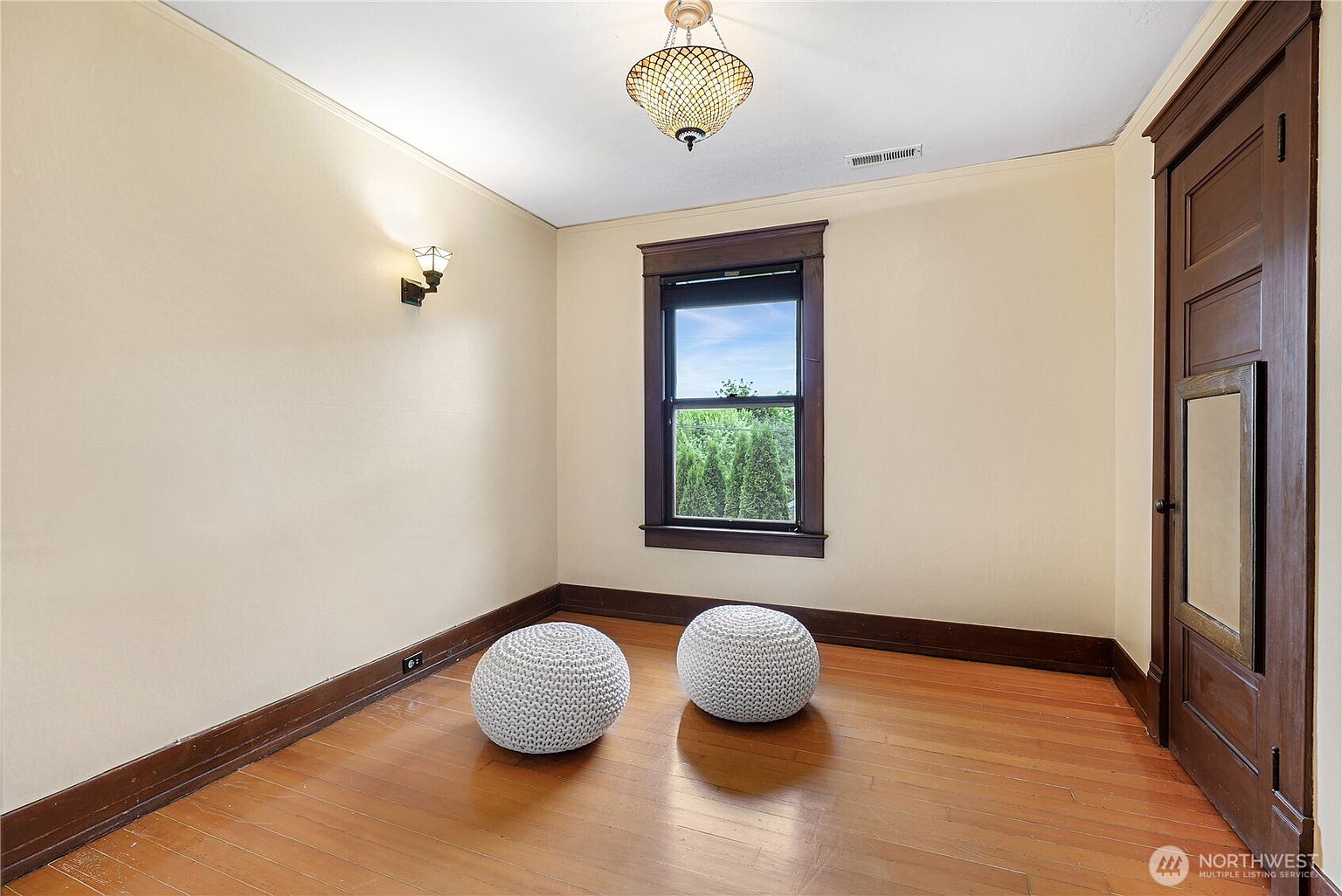
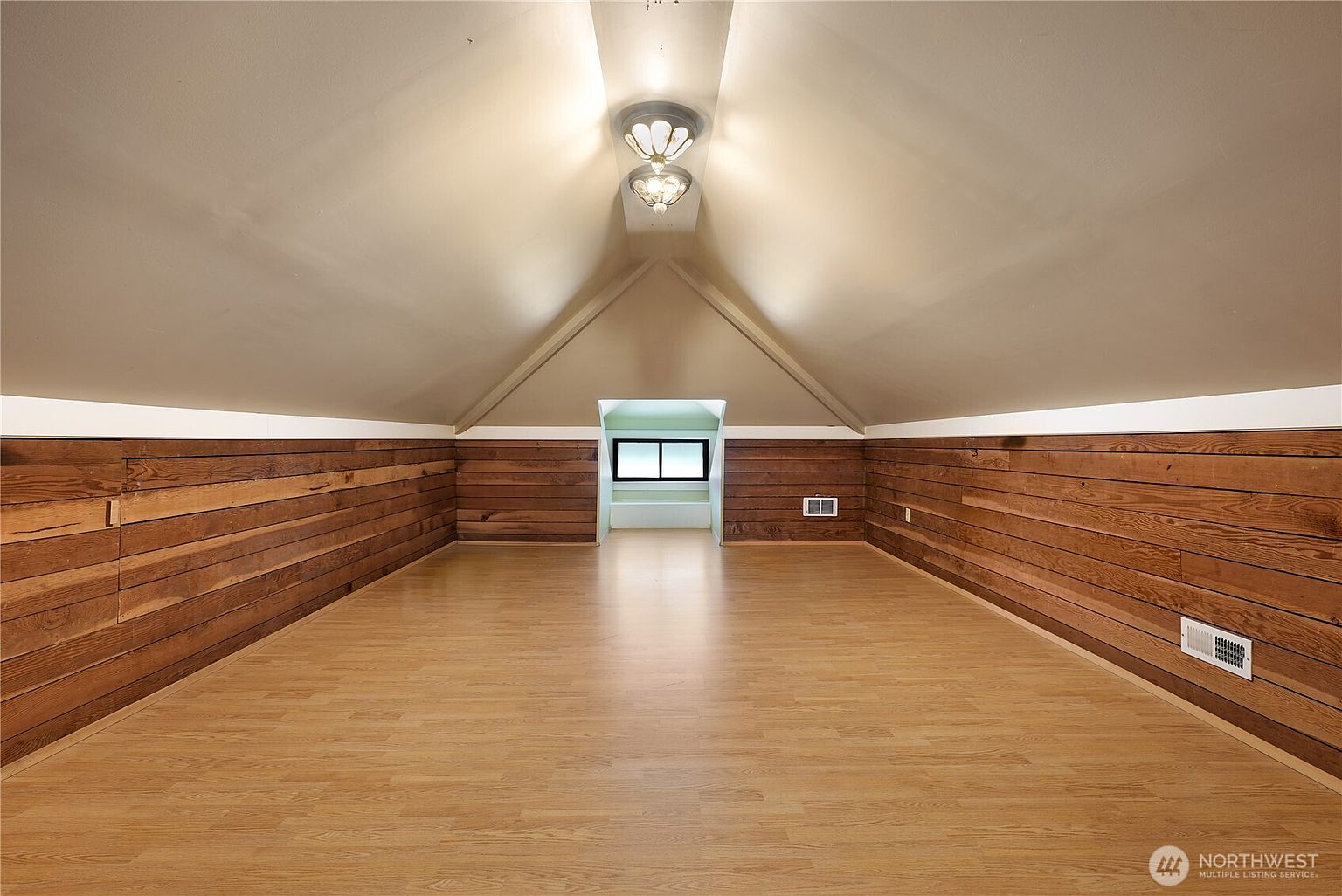
The upper-level flex space represents the home's adaptability, easily configured for wellness pursuits or professional endeavors. This versatility reflects the timeless nature of the Foursquare layout—spaces that evolve with their inhabitants' needs.
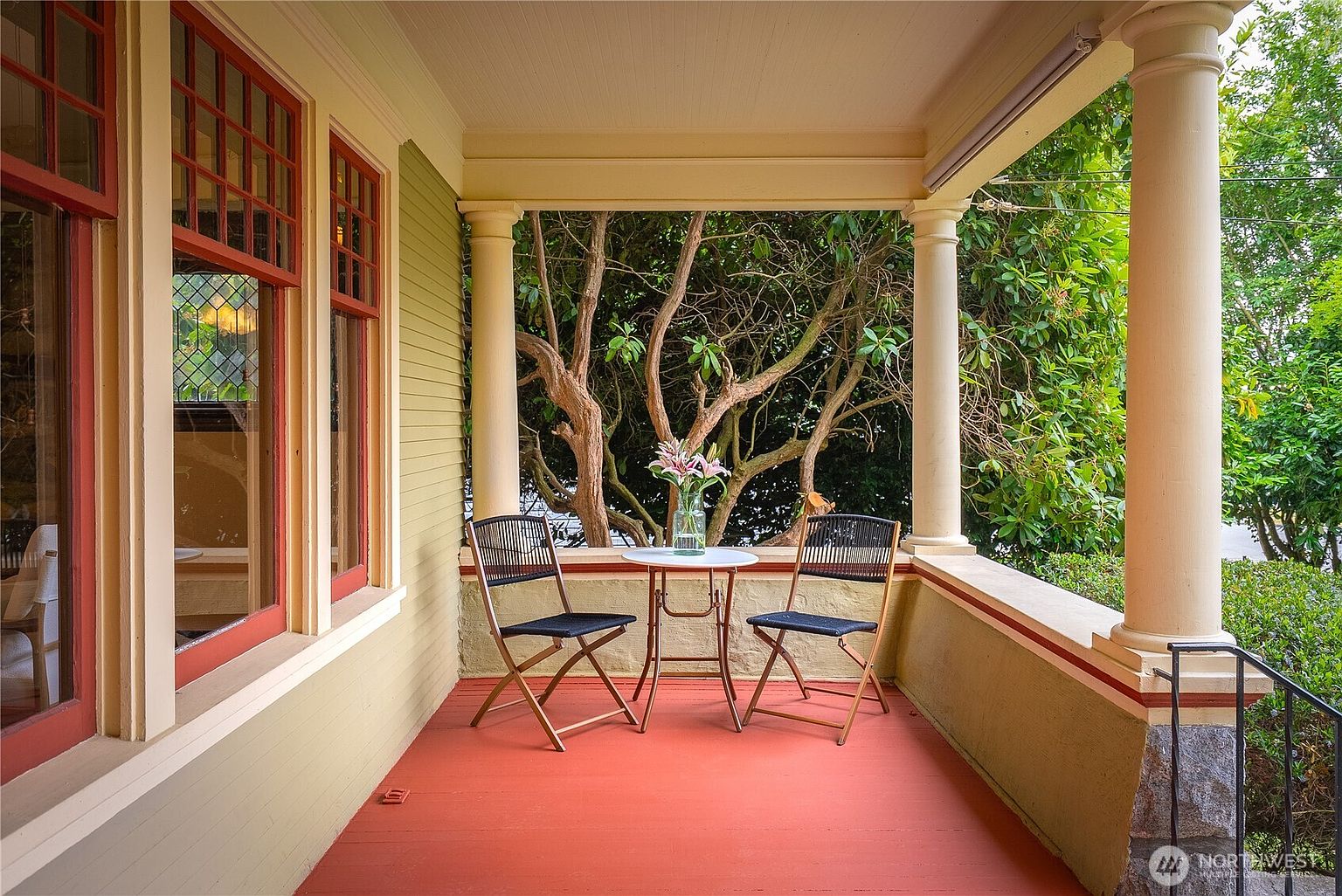
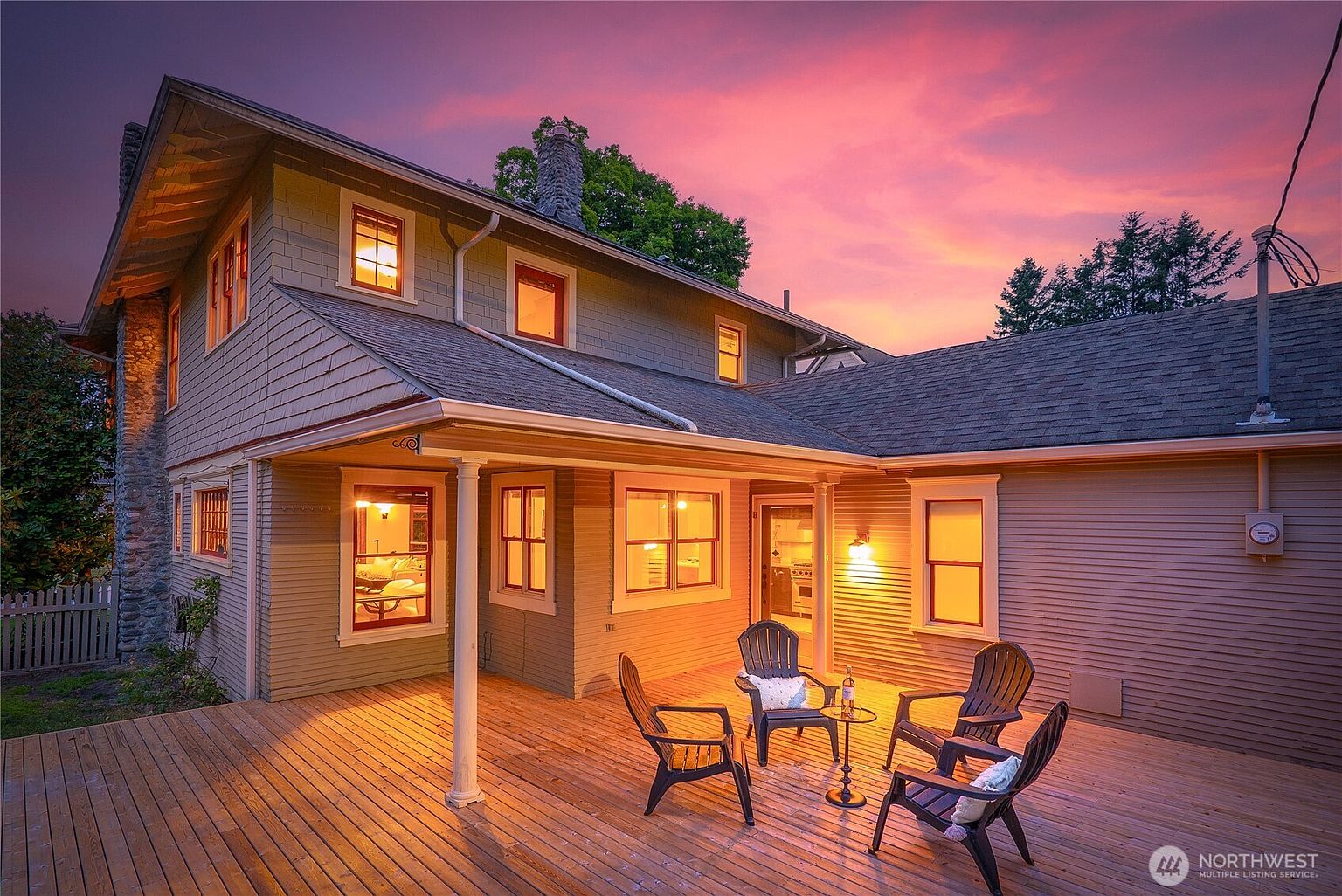
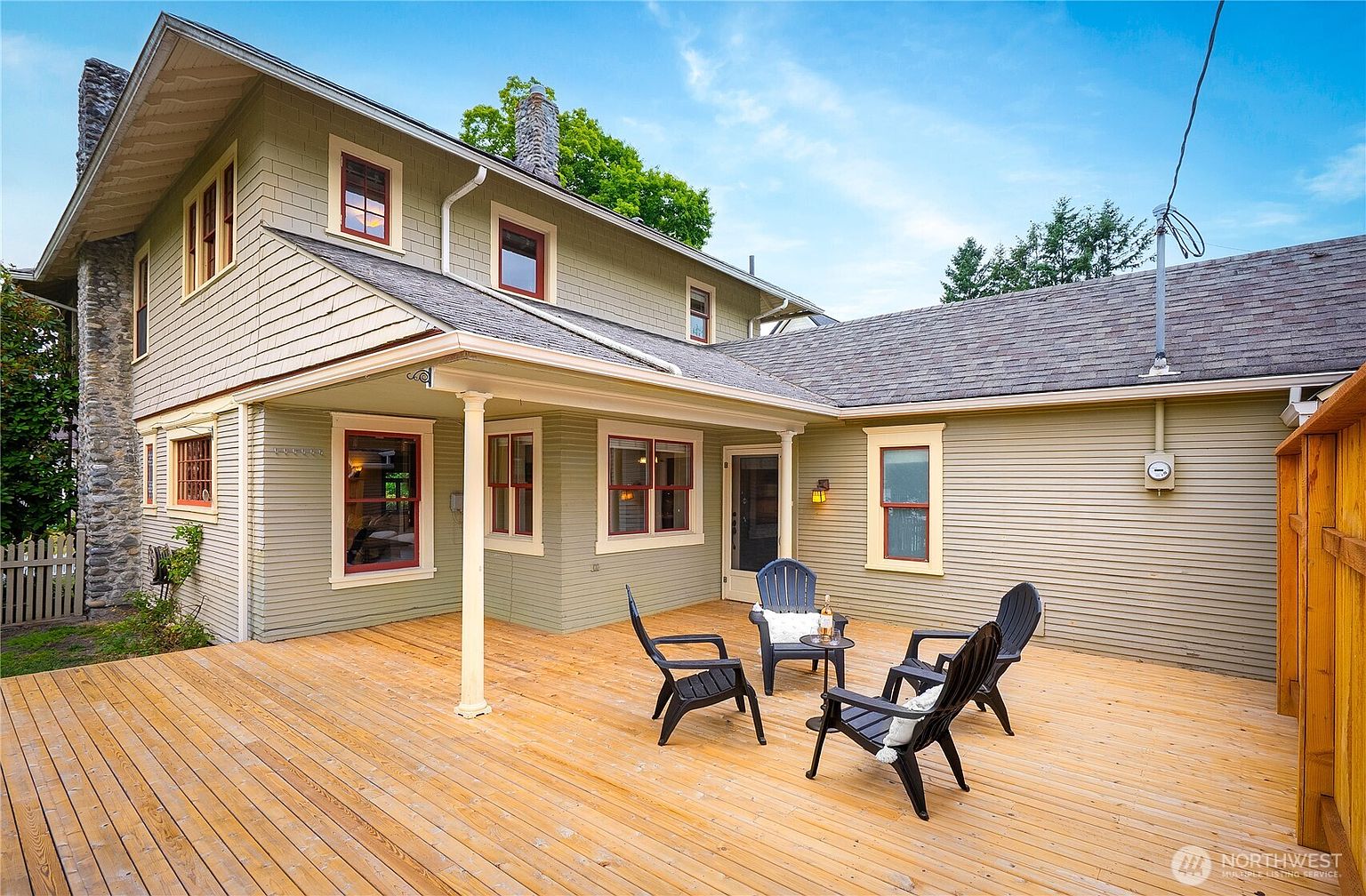
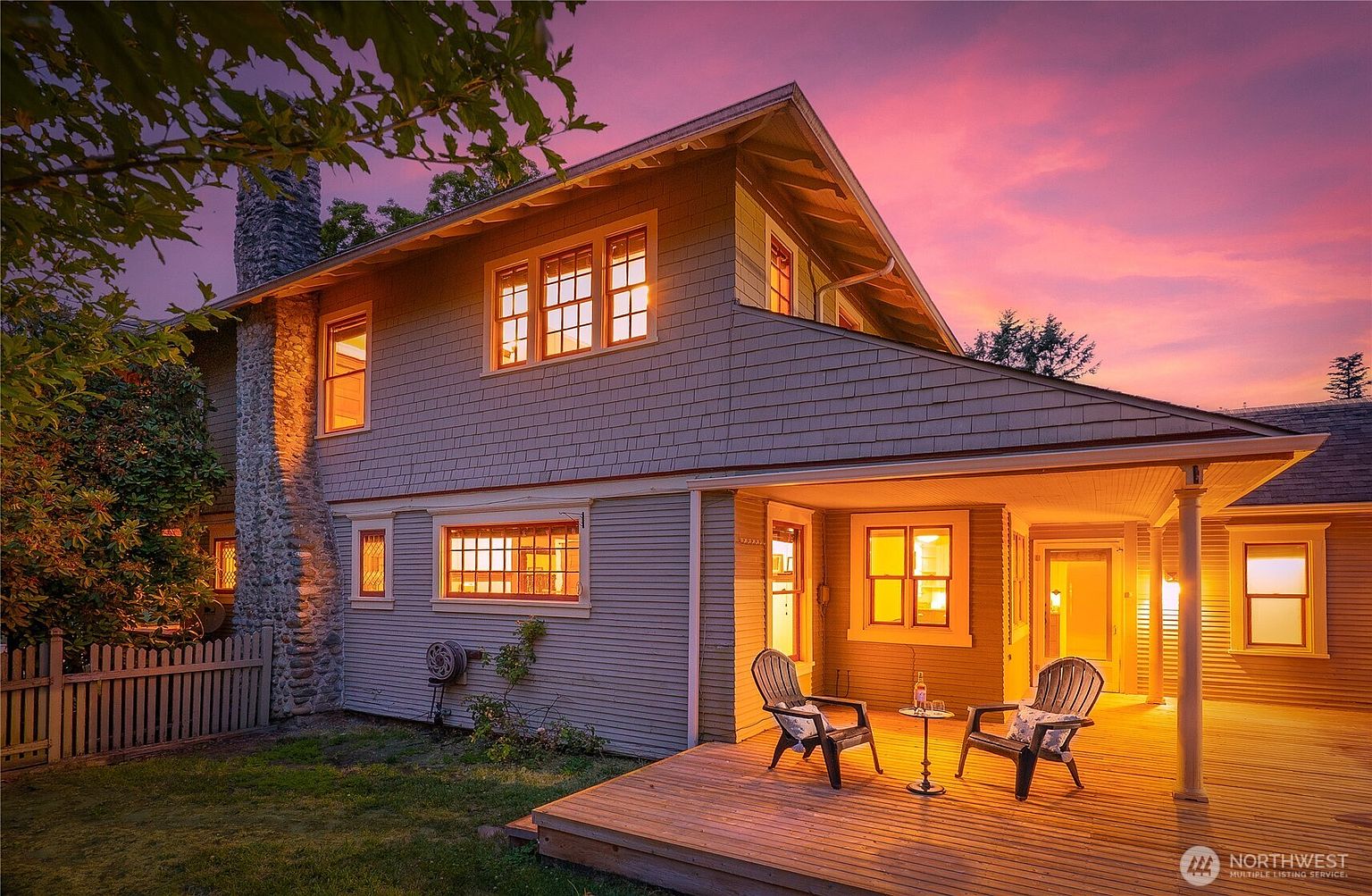
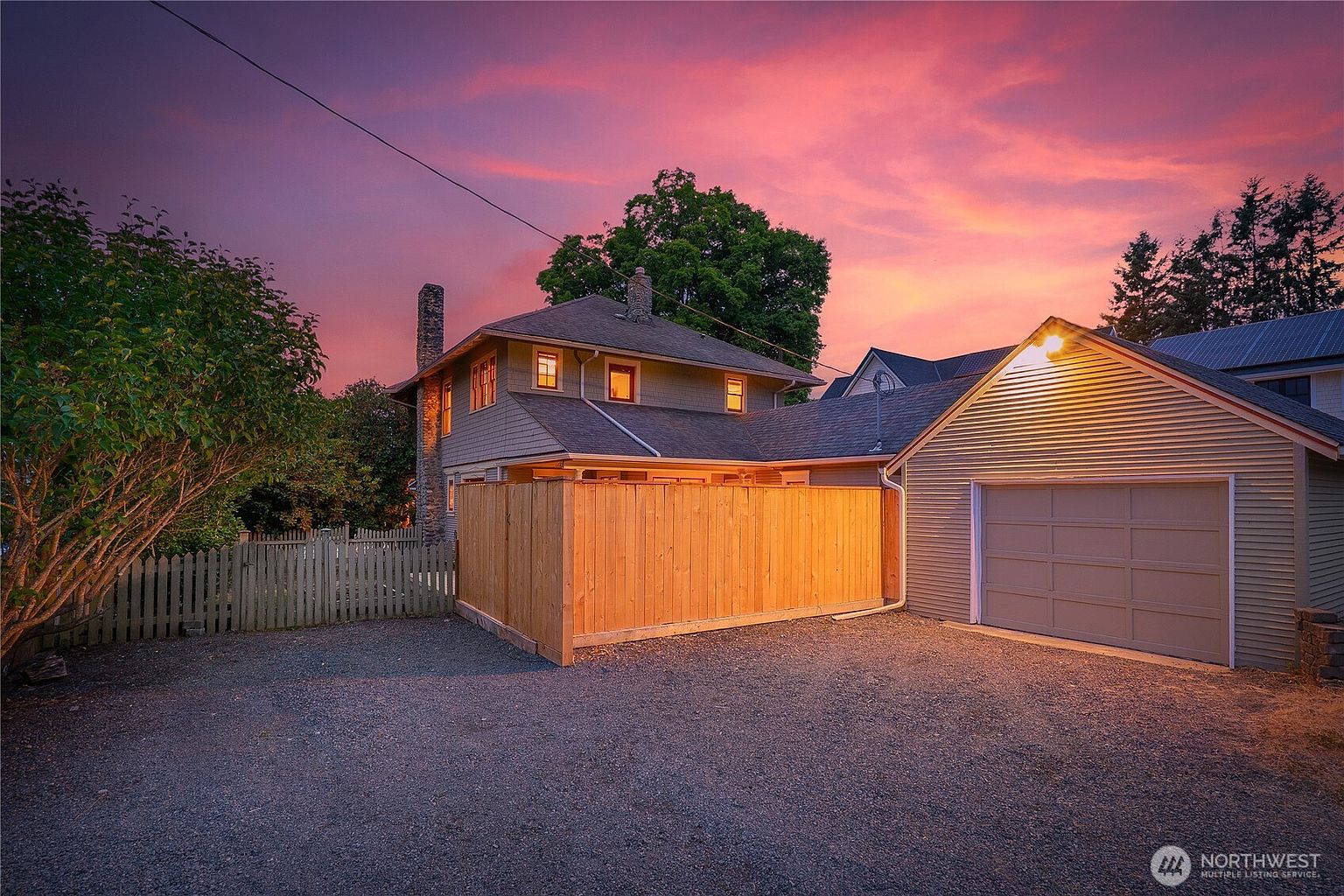
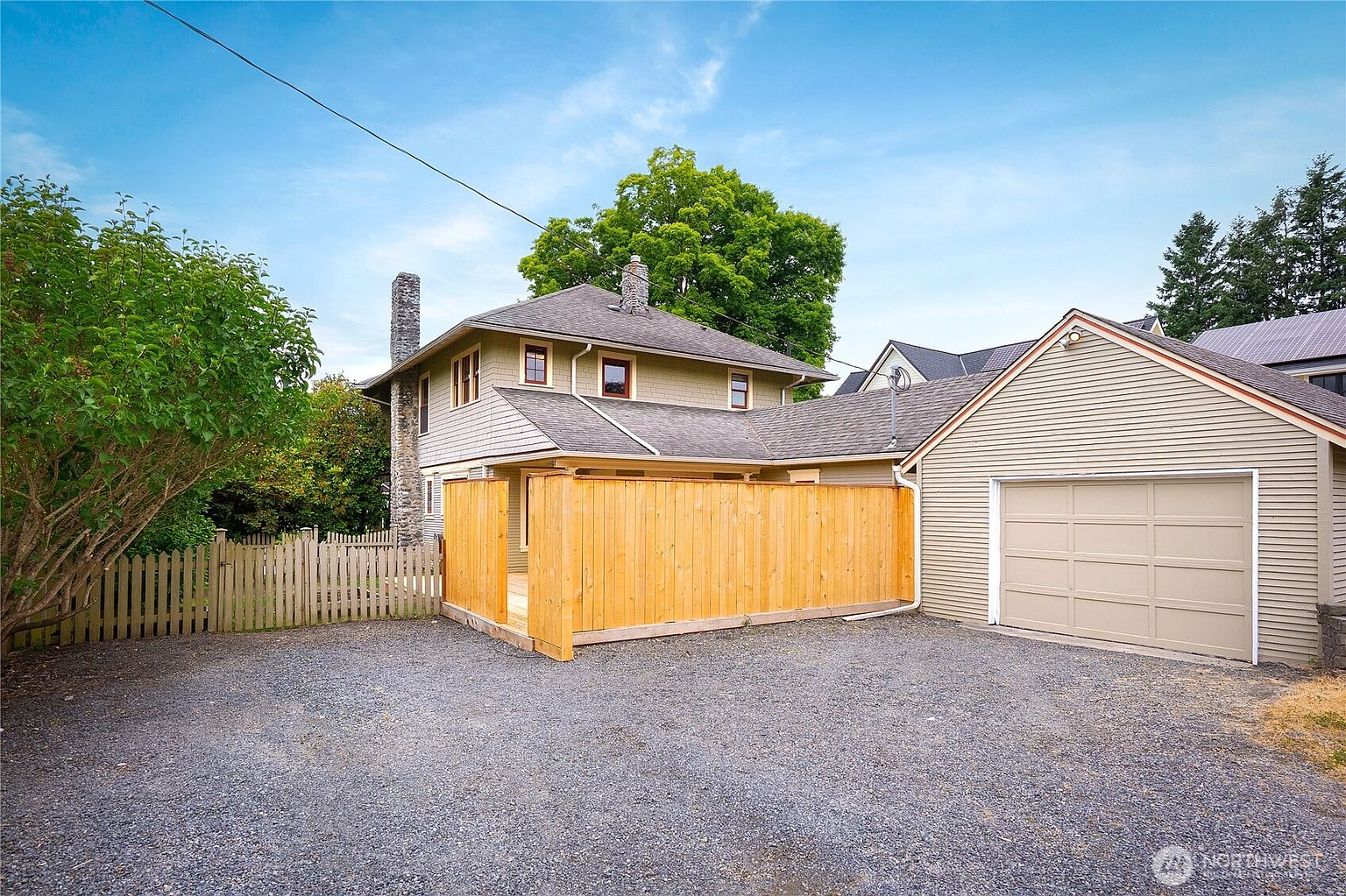
Exterior elements continue the theme of thoughtful design. The classic front porch, true to Foursquare tradition, creates an outdoor living room where residents can observe the unique spectacle of skydivers and hot air balloons that regularly grace Snohomish's skies. A newly constructed deck extends entertaining possibilities, while the attached garage and fenced yard provide modern conveniences within the historic framework.
The McKee House stands not merely as a restored property, but as a living example of how superior architecture transcends time, remaining as functional and beautiful today as when first conceived over a century ago.
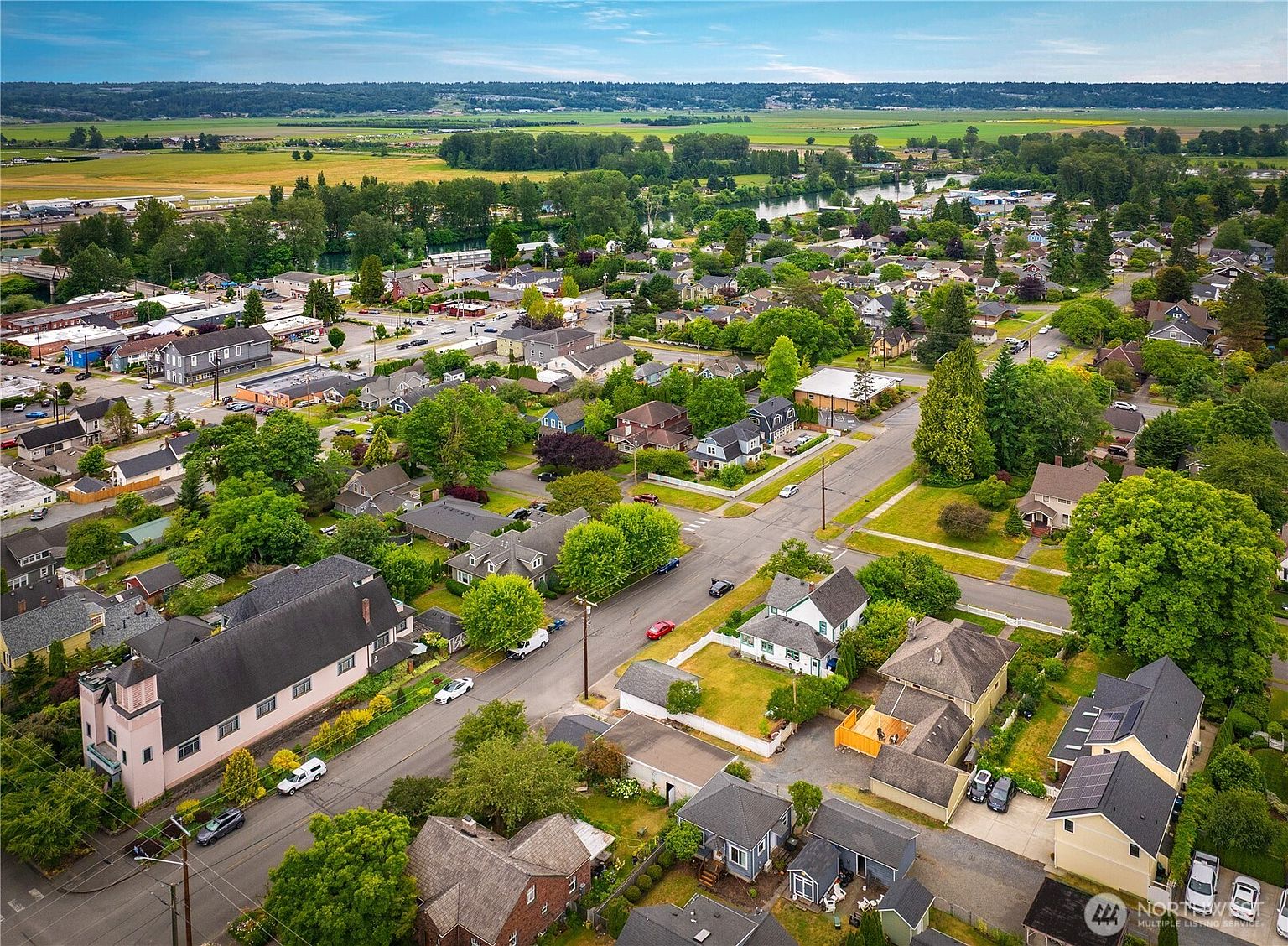
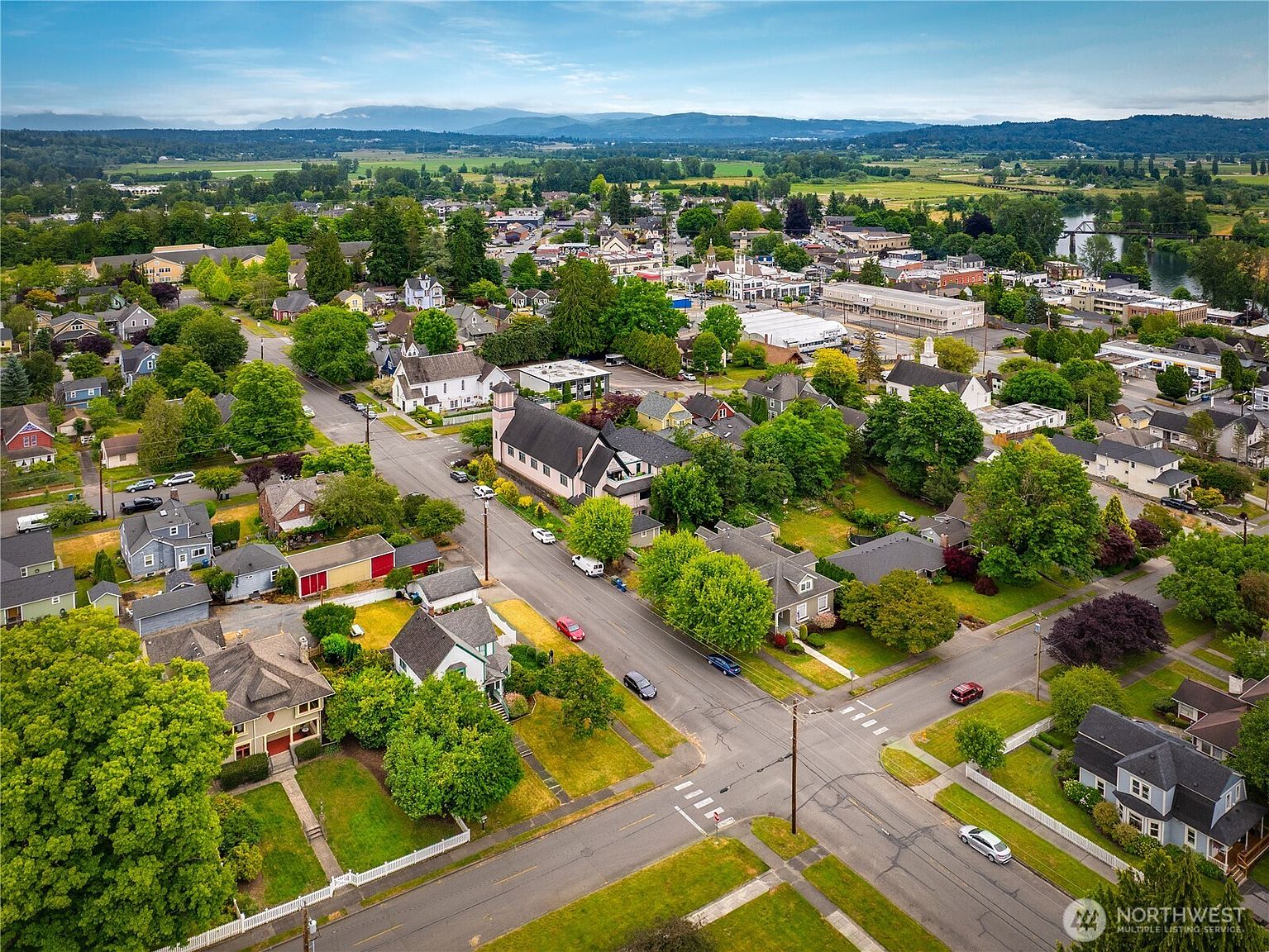
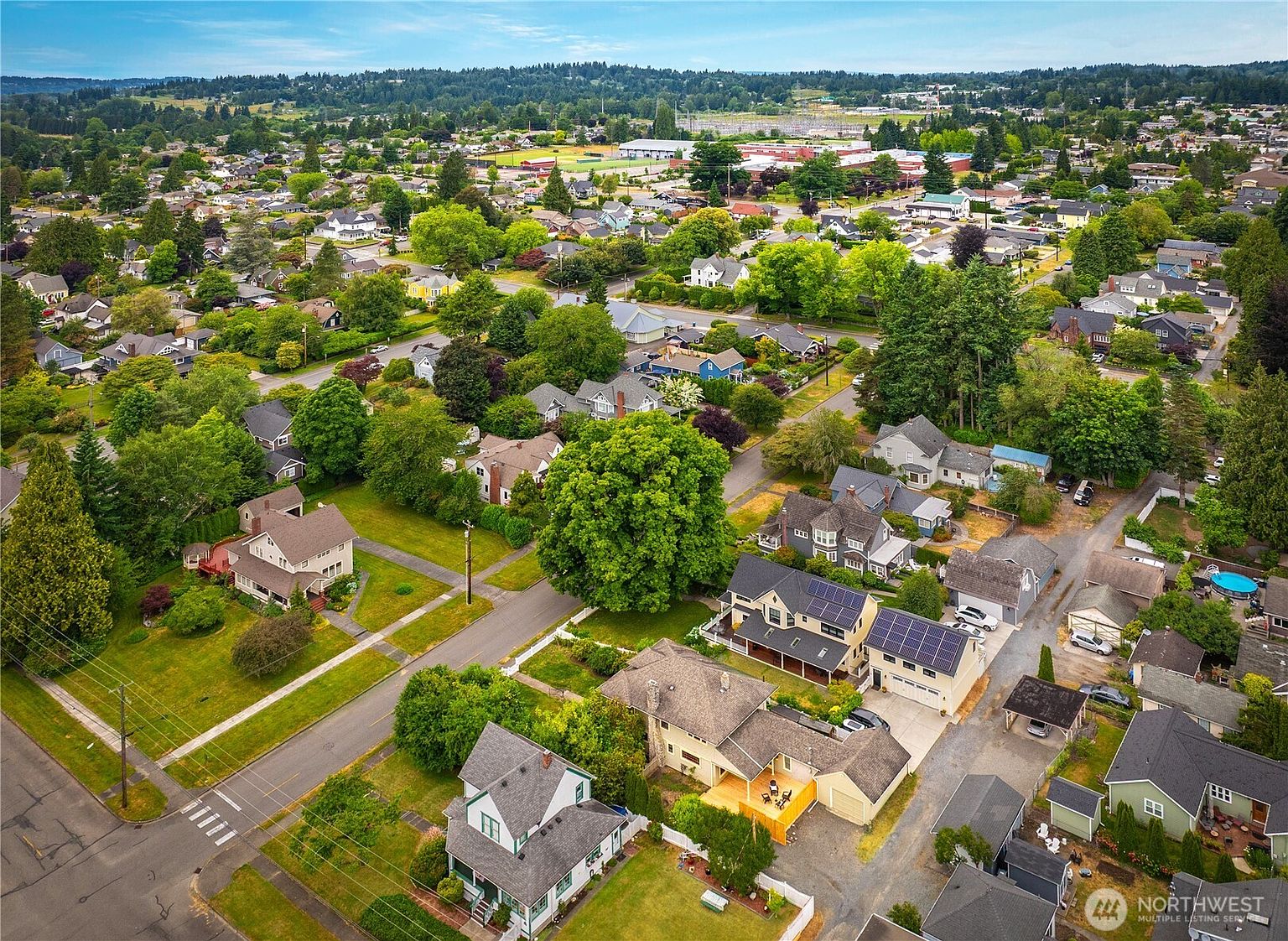
Snohomish's lettered streets represent one of Washington State's most charming residential enclaves, where Avenue C holds particular distinction within this historic grid. The lettered street system reflects the community's 19th-century planning, creating an orderly yet intimate neighborhood pattern that has preserved its small-town character despite the region's growth.
Established in 1859, Snohomish earned its place as the seat of Snohomish County before ceding that distinction to Everett in 1897. This transition allowed the community to maintain its historic character rather than pursue aggressive modernization, resulting in one of Washington's best-preserved Victorian-era downtowns just steps from Avenue C.
The neighborhood's walkability connects residents to downtown Snohomish's authentic main street district, where locally-owned coffee shops, pubs, and restaurants create a genuine community gathering place. This accessibility represents a rare commodity in the Pacific Northwest—the ability to live within walking distance of daily amenities while maintaining the privacy and space of a residential neighborhood.
Snohomish's location along the Snohomish River contributes to its distinctive character and recreational opportunities. The river valley setting provides the dramatic backdrop that makes the area's hot air balloon flights and skydiving activities possible, creating a unique residential experience where such spectacles become part of daily life.
The broader Snohomish County region offers extensive outdoor recreation, from hiking in the nearby Cascade foothills to exploring the Centennial Trail, a converted railway corridor that connects communities throughout the valley. This outdoor access, combined with the historic downtown's cultural offerings, creates a lifestyle that balances small-town charm with recreational sophistication.
Educationally, the Snohomish School District serves the community with schools that benefit from the area's stable, family-oriented demographic. The district's commitment to maintaining smaller class sizes reflects the community's values and contributes to the area's appeal for families seeking alternatives to urban school systems.
Snohomish's antique district has gained regional recognition, drawing visitors who appreciate authentic vintage finds rather than manufactured nostalgia. This economic base, combined with the community's proximity to Seattle and Everett employment centers, creates a sustainable local economy that supports both residents and visitors.
The area's agricultural heritage remains visible in the surrounding valley, where farms and rural properties create scenic vistas that change with the seasons. This agricultural context contributes to local farmers markets and community events that strengthen neighborhood connections.
From Avenue C, residents enjoy the best of both worlds: immediate access to Snohomish's walkable downtown core and quick connections to regional employment and cultural centers via Highway 9 and nearby Interstate 5, making this location ideal for those seeking authentic community character without sacrificing accessibility.
Featured Highlights
Curated Content • Presented by Kathie Salvadalena