The Story Behind
Three Plaza Residences, One Landmark Home Above Central Park
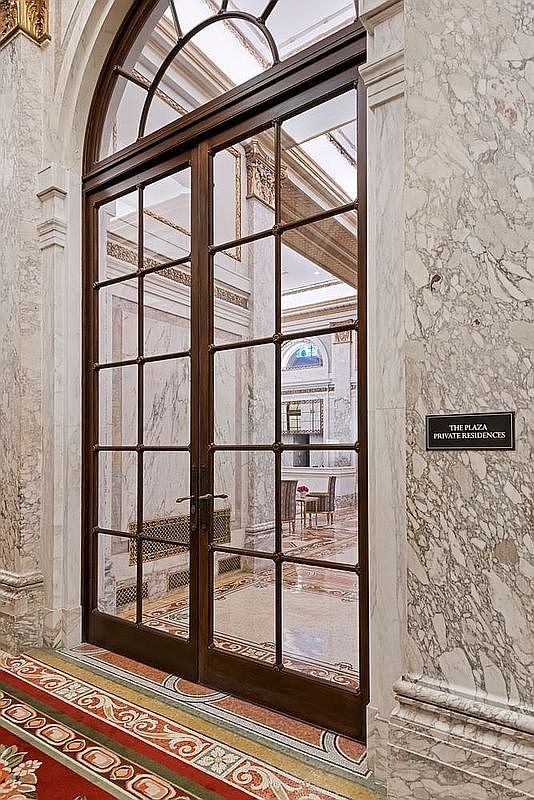
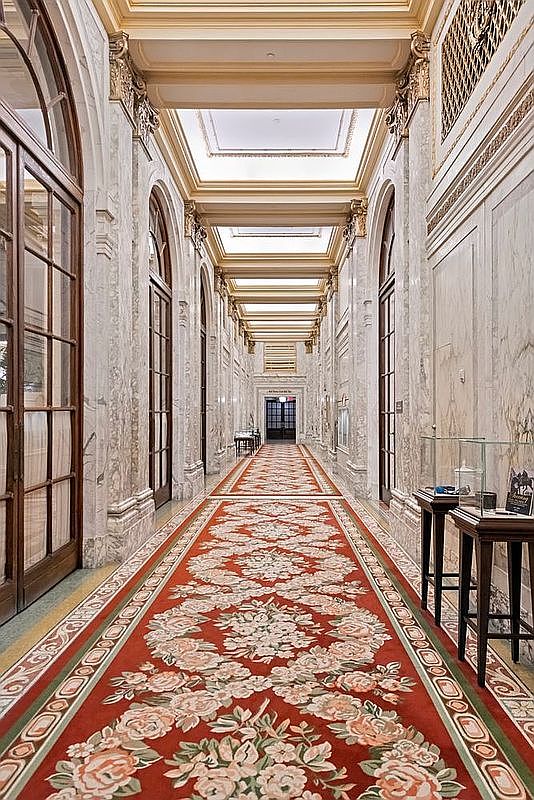
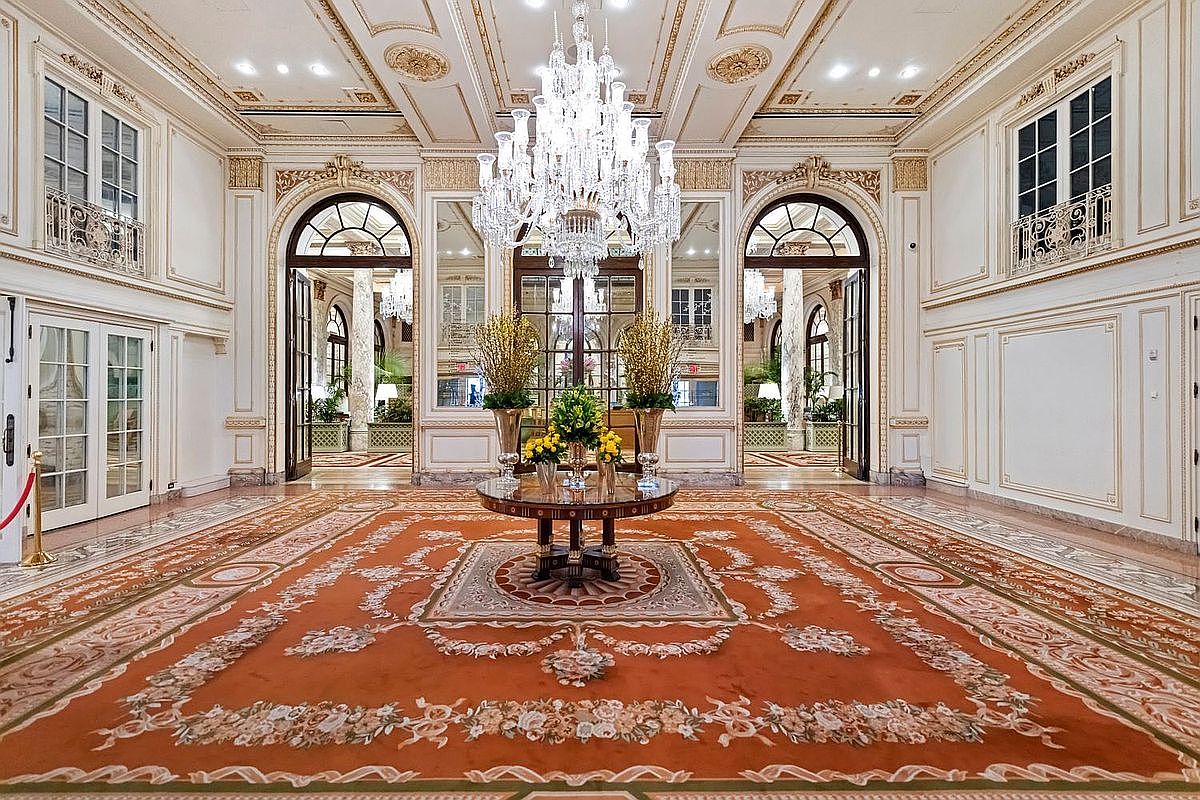
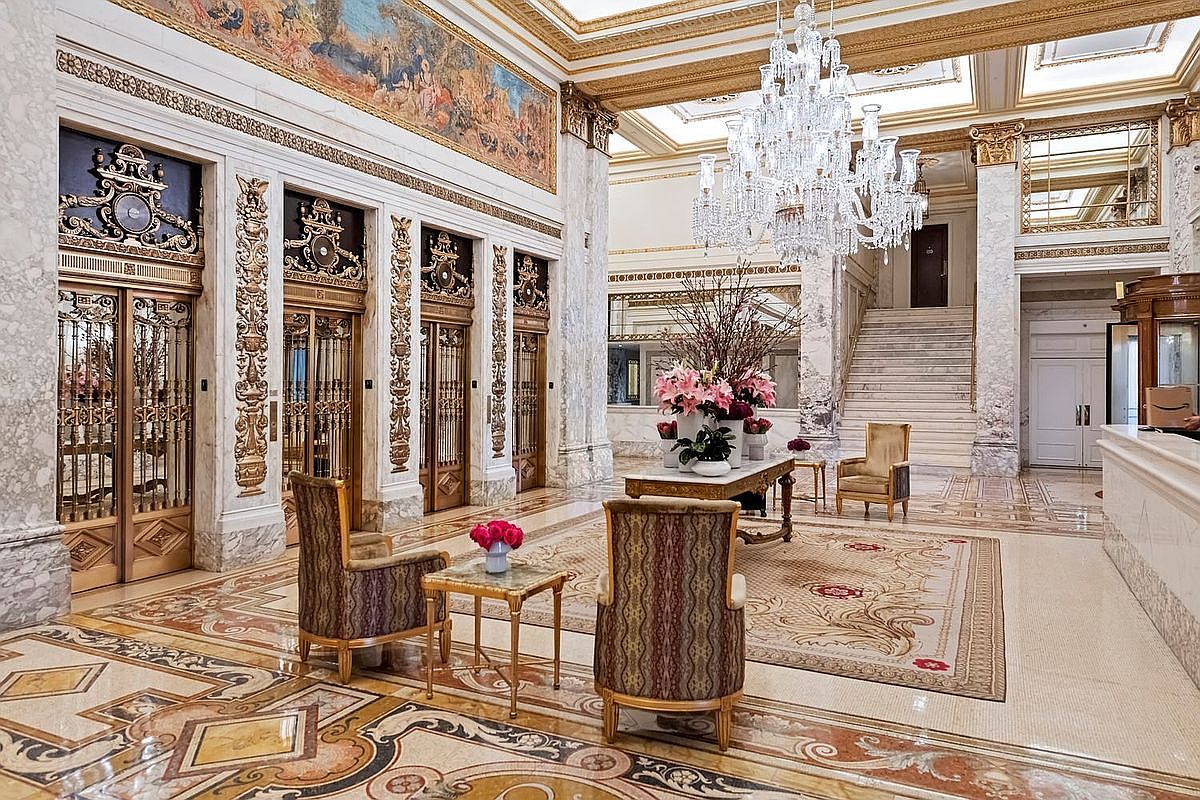
There are properties defined by their square footage, and then there are properties defined by what they mean. The proposed combination of Residences 909, 913, and 915 at The Plaza Private Residences belongs firmly in the second category — a chance to assemble, from three already exceptional homes, a single grand-scale residence of approximately 8,386 square feet that has no real counterpart in New York City.
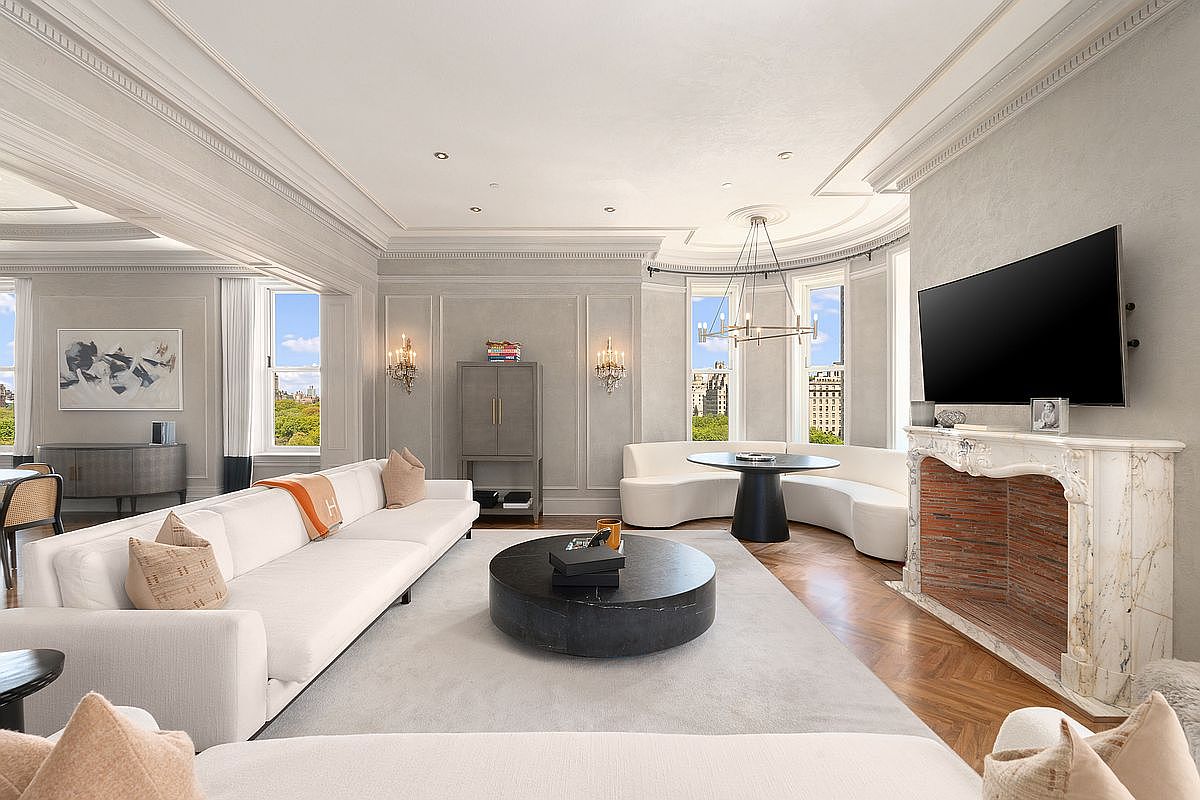
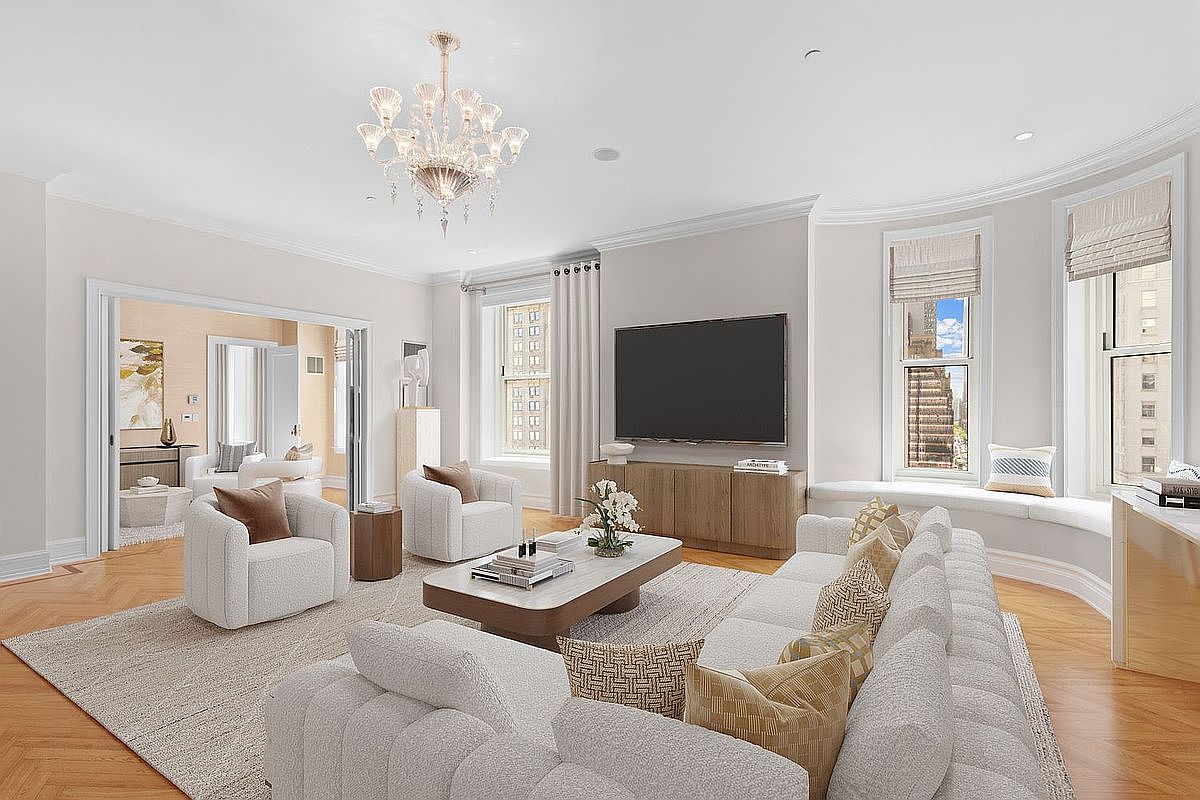
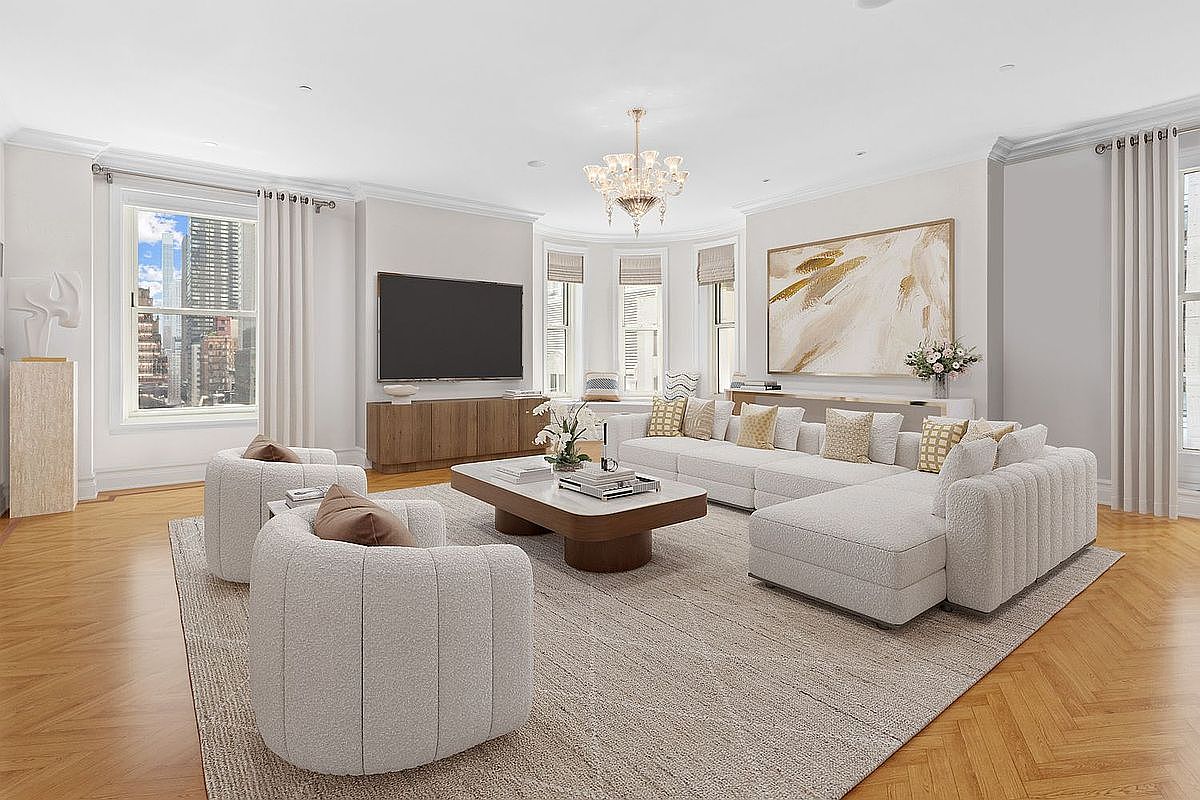
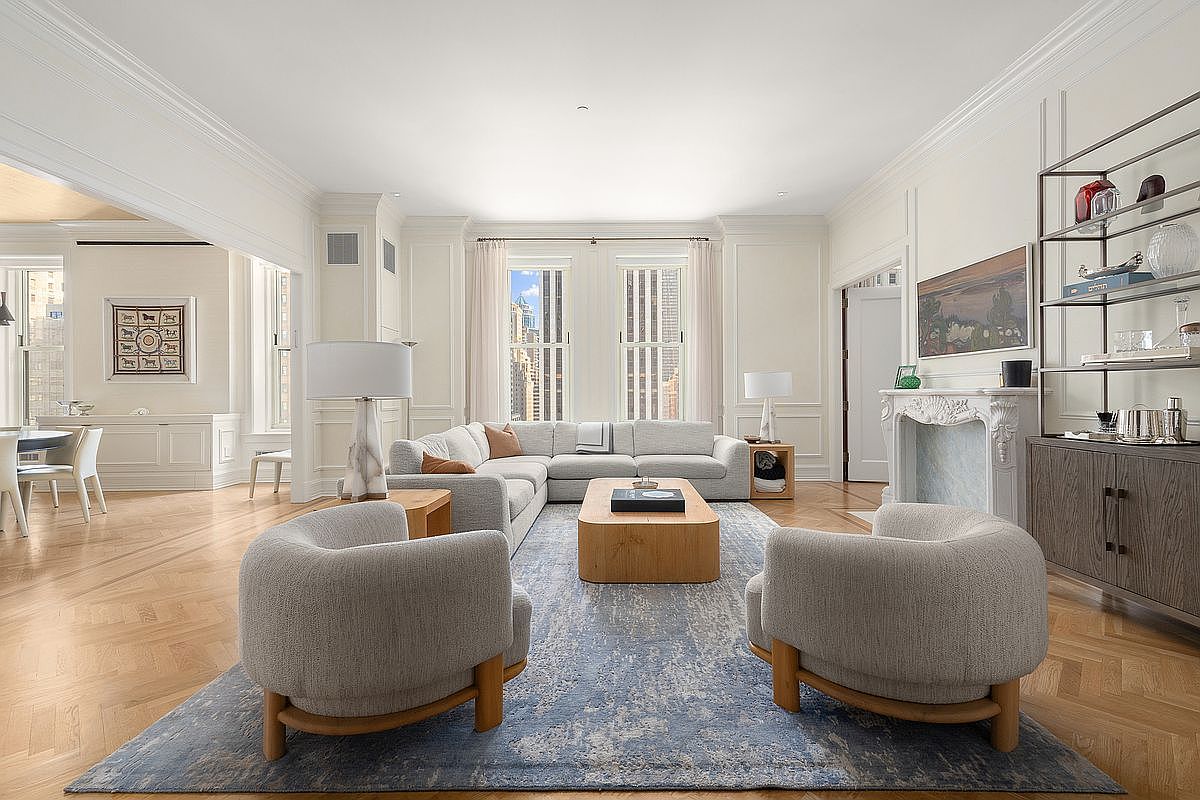
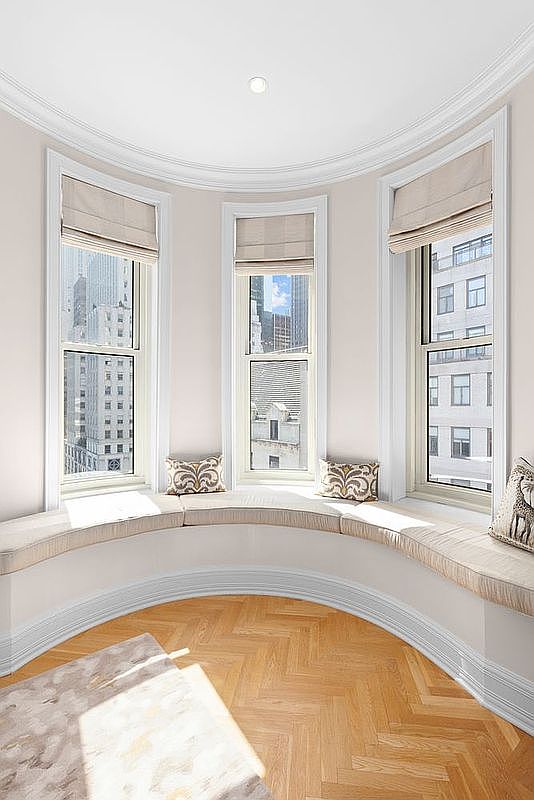
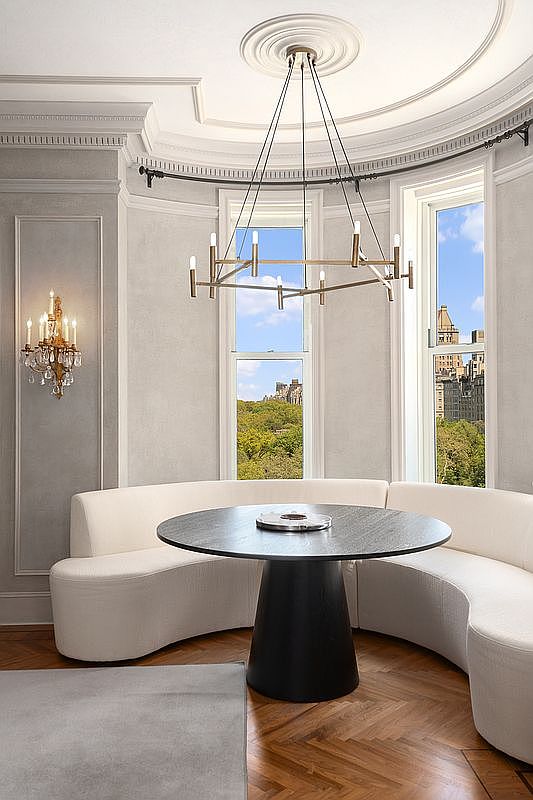
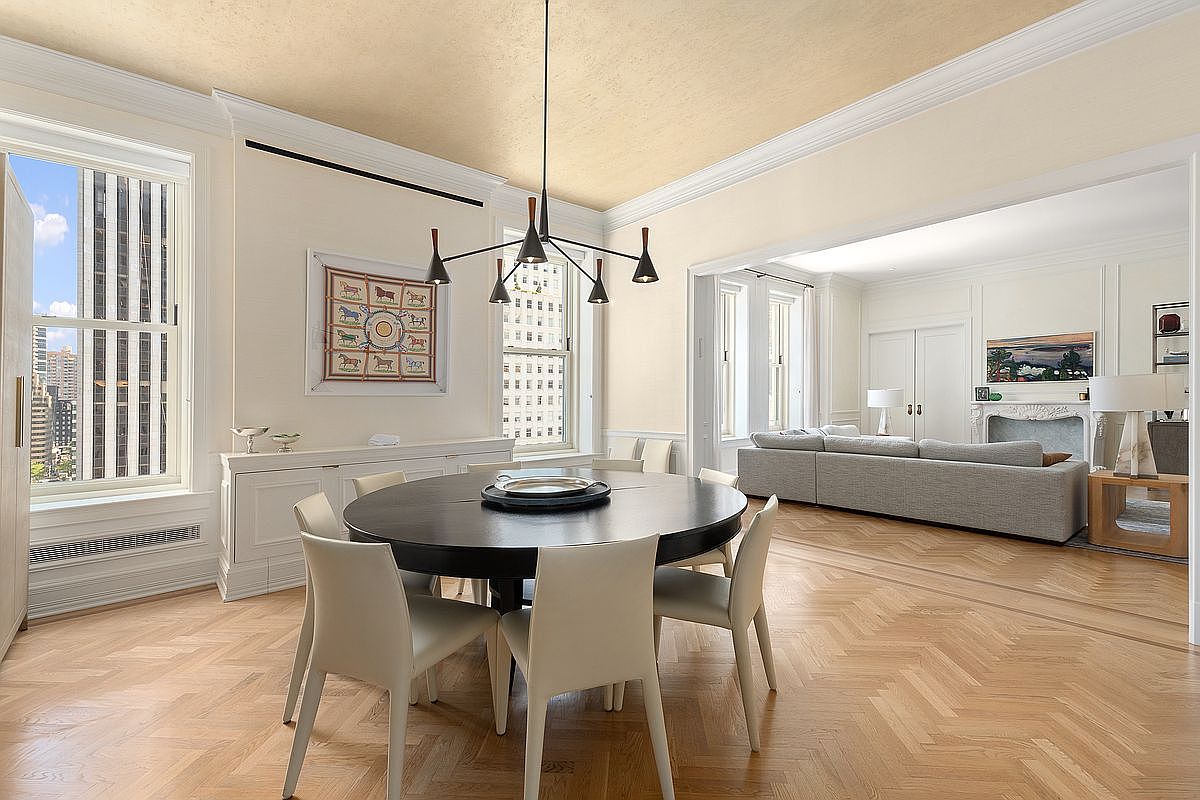
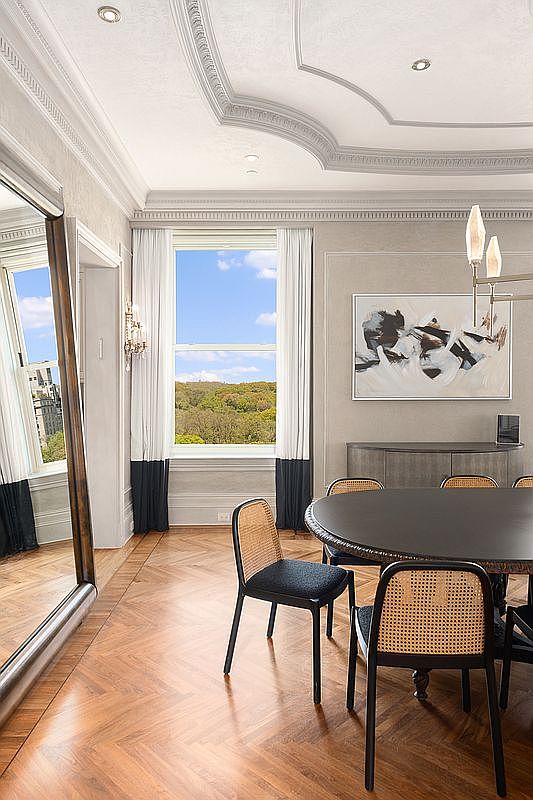
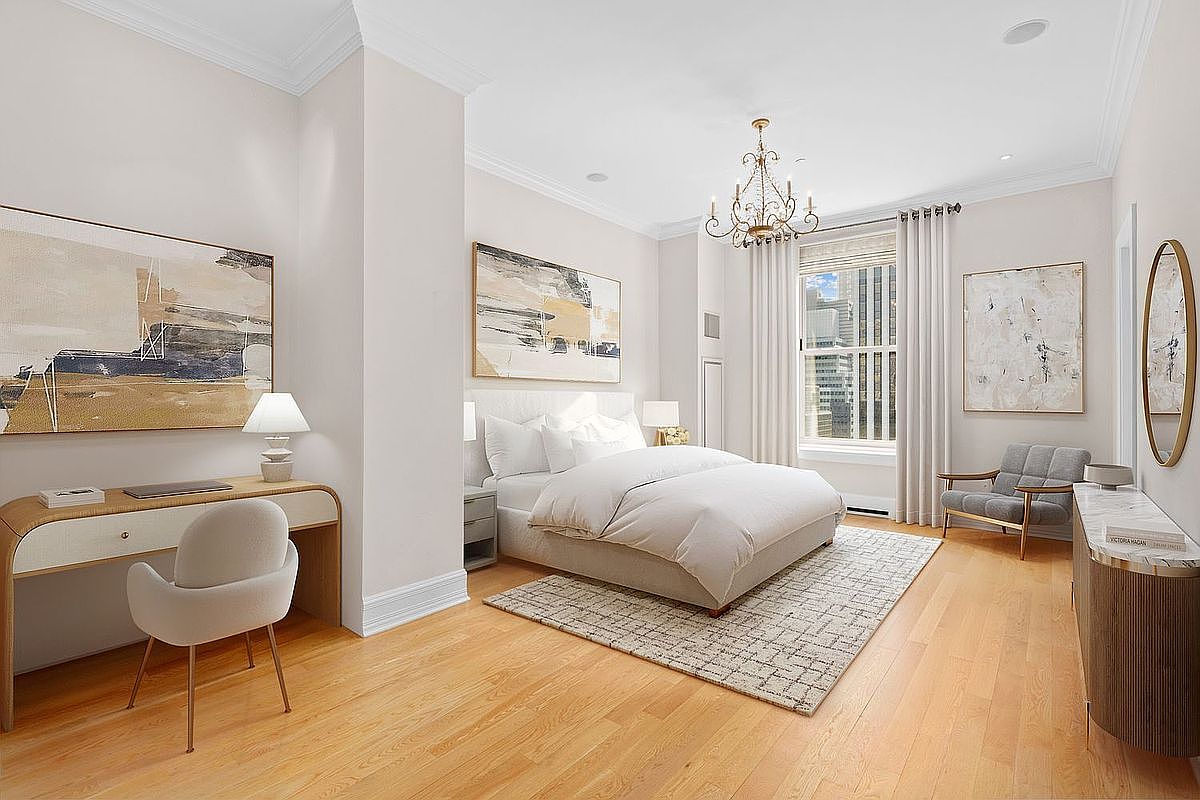
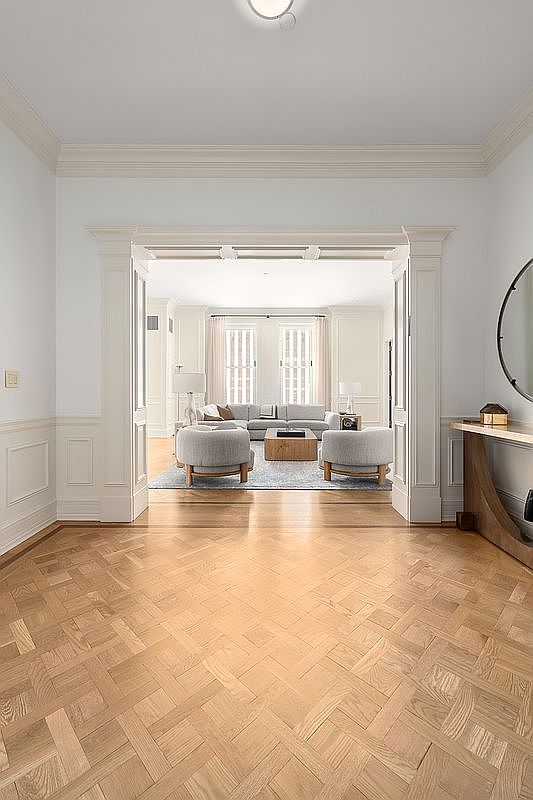
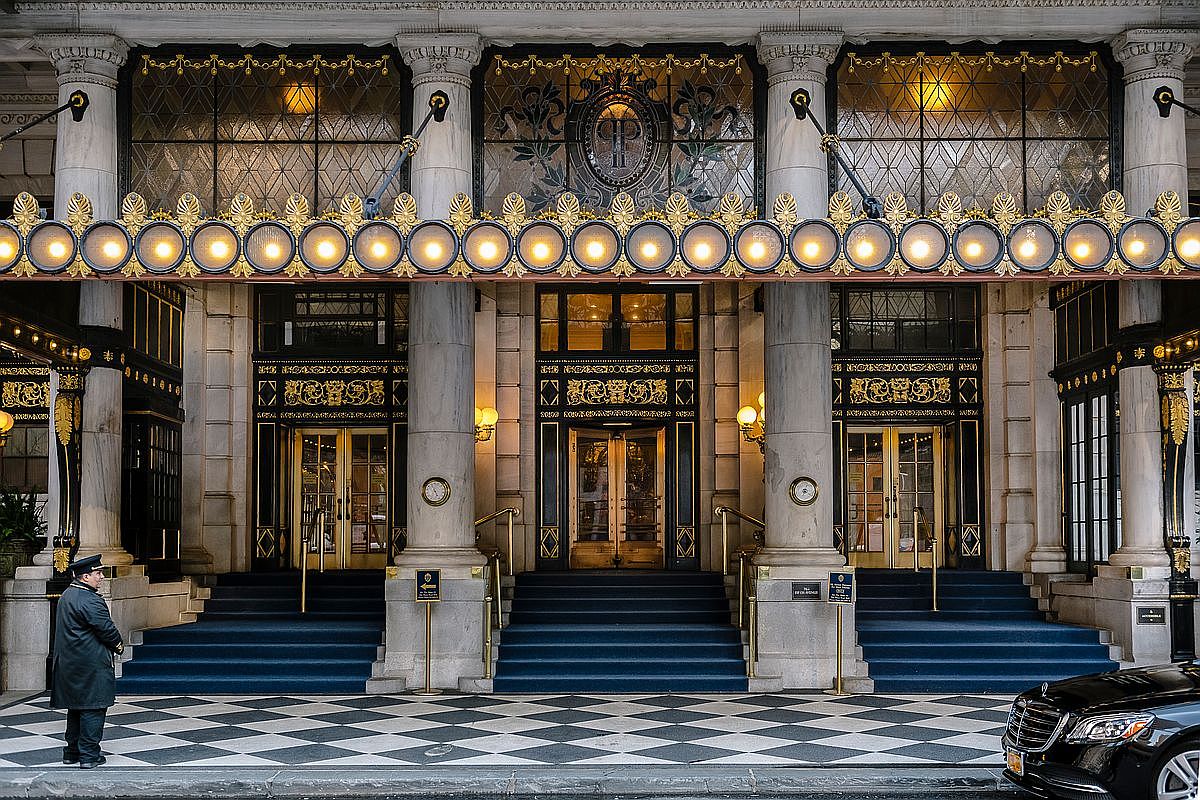
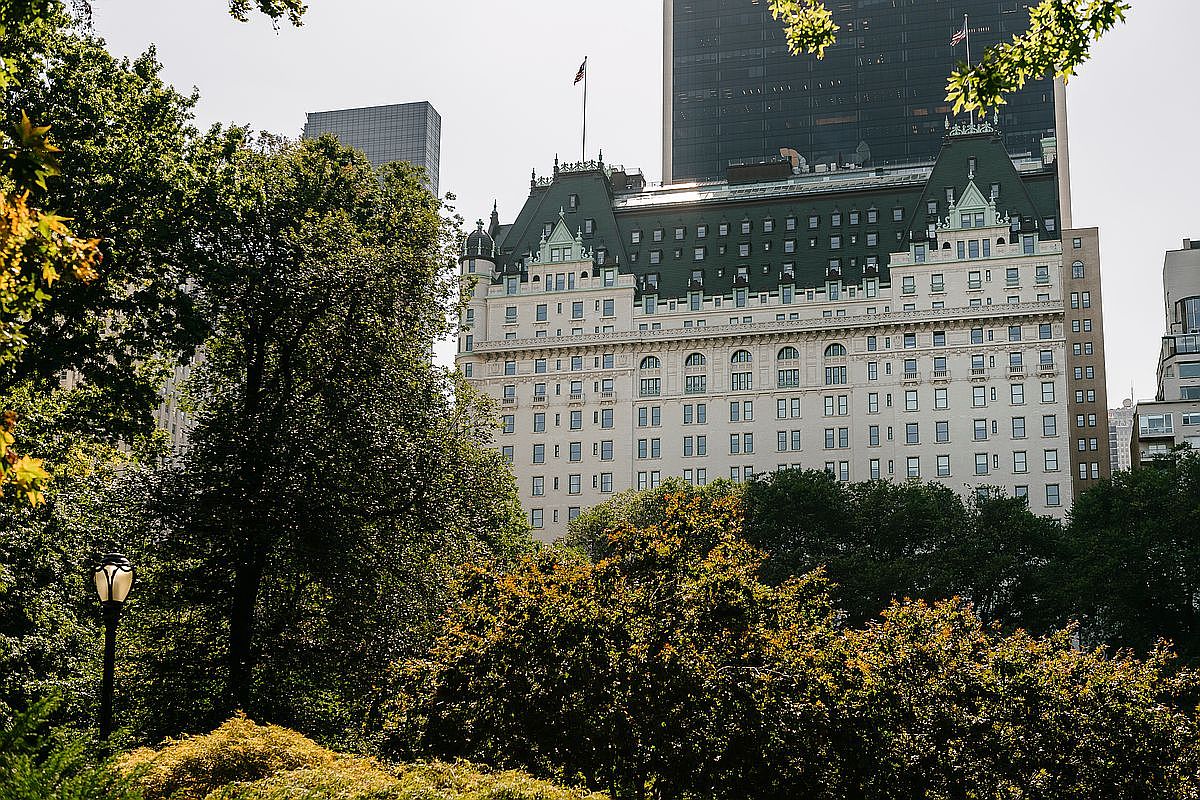
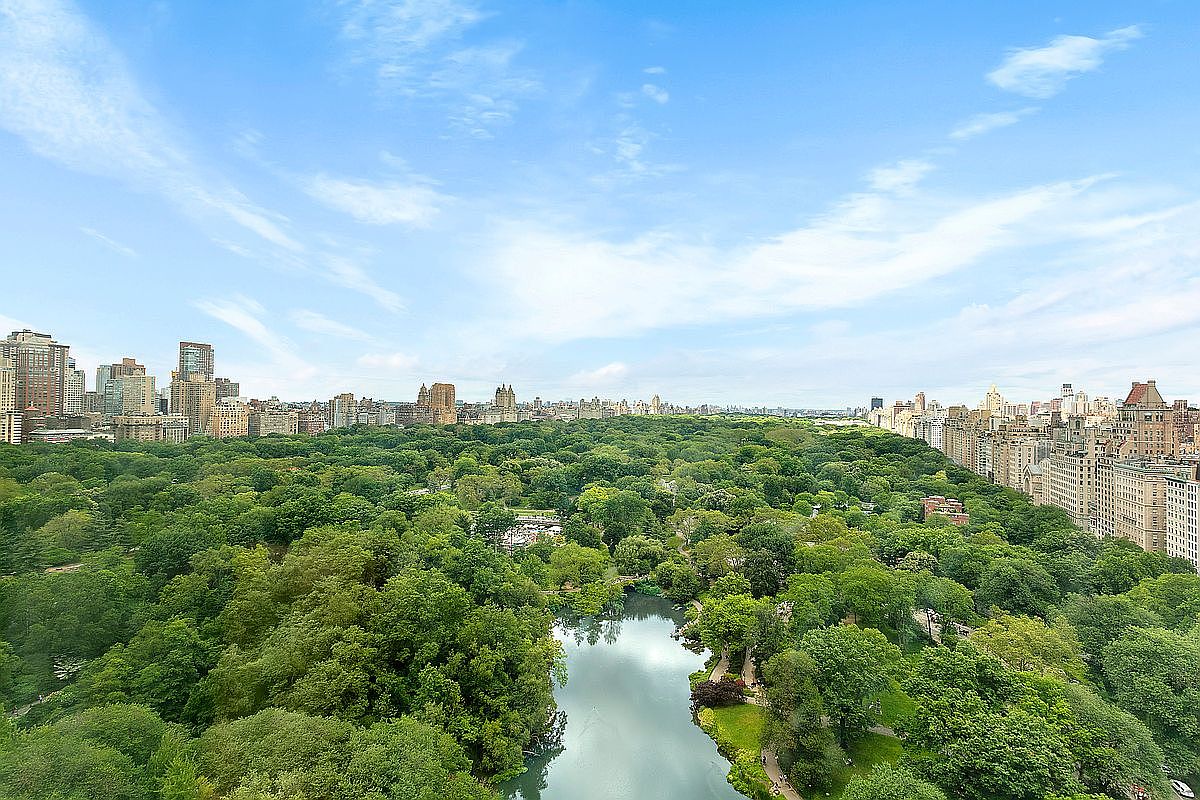
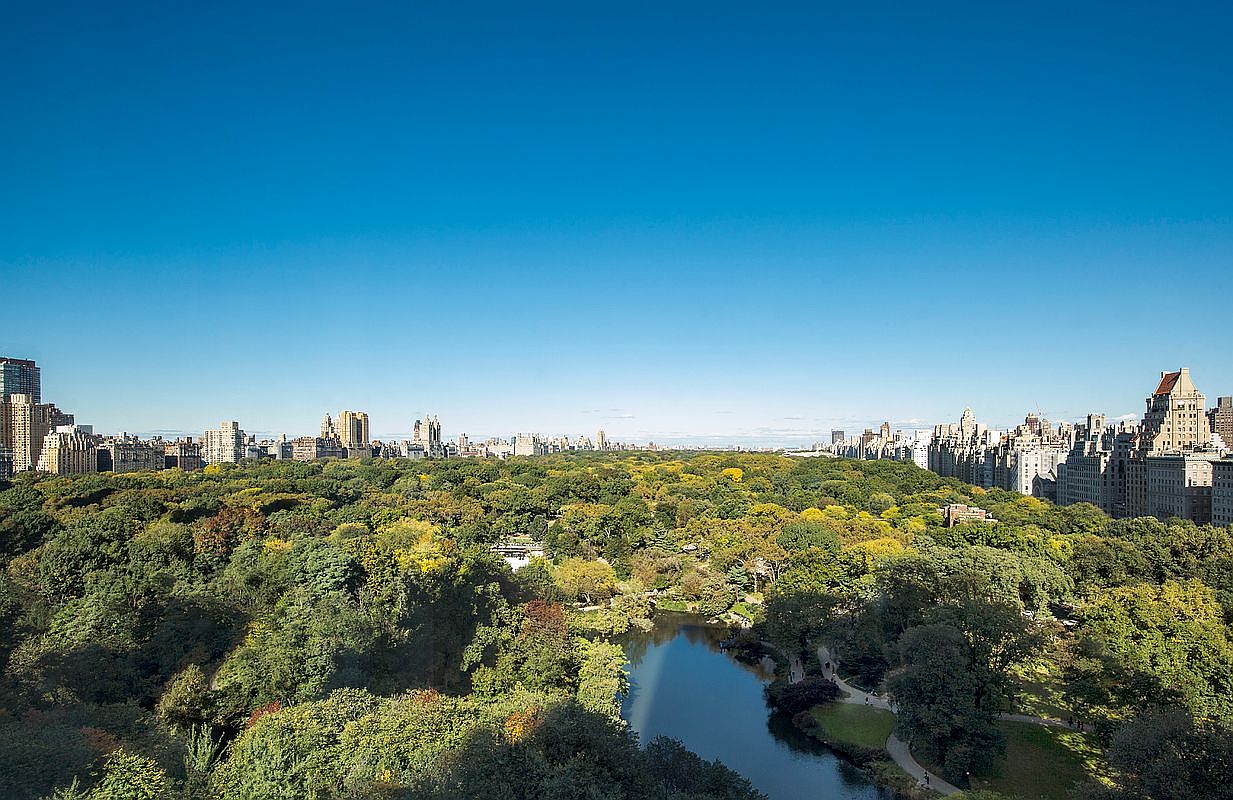
The architecture announces itself immediately. Twelve-foot ceilings run throughout all three units, lending every room a vertical generosity that feels closer to a private mansion than a Manhattan apartment. Two Plaza turrets — architectural signatures of the building's landmark Beaux-Arts facade — anchor the corner exposures, orienting the principal spaces simultaneously toward Central Park to the north and Fifth Avenue to the south. Rounded bay windows in the living areas frame the park the way a great painting frames a landscape: deliberately, authoritatively, and with full awareness of the view's rarity.
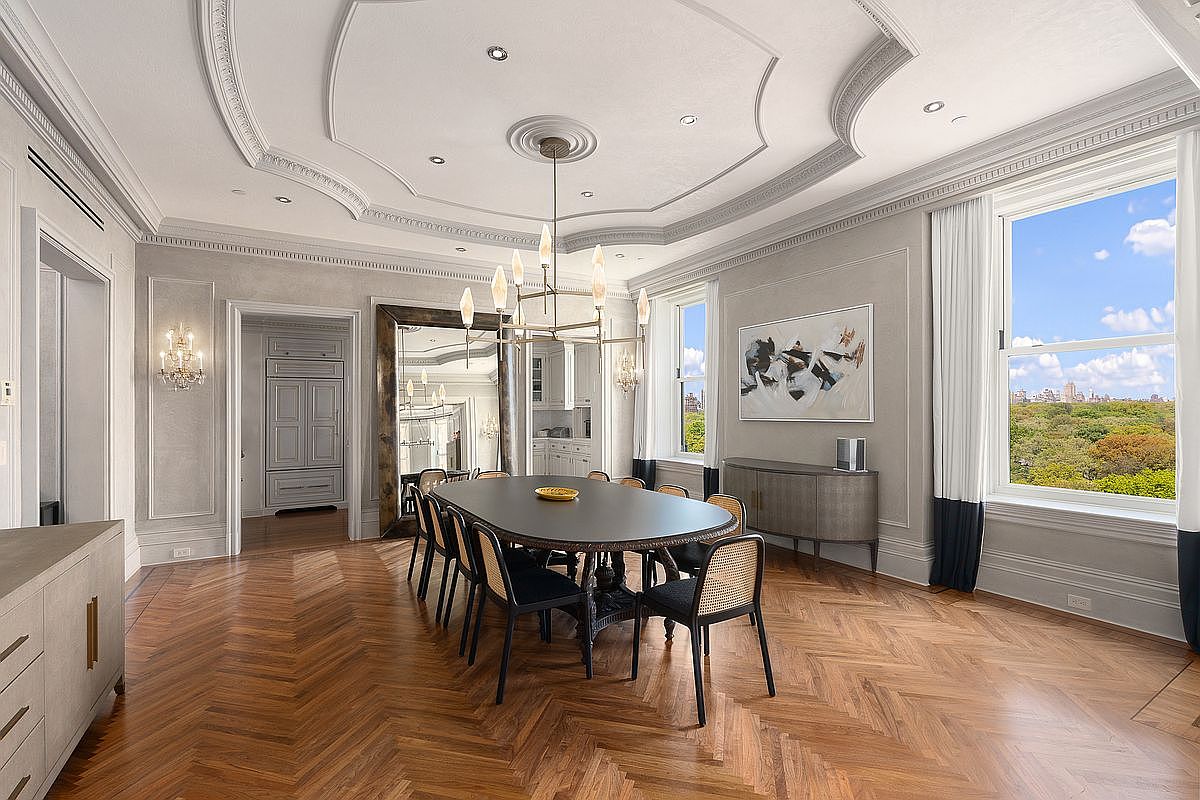
The floors alone tell a story of considered craftsmanship. Herringbone, narrow plank, and parquet wood patterns move through the residence in deliberate sequence, marking transitions between formal entertaining spaces and more intimate rooms. Intricate crown moldings and bespoke millwork articulate each wall with the kind of quiet authority that distinguishes architecture from mere construction.
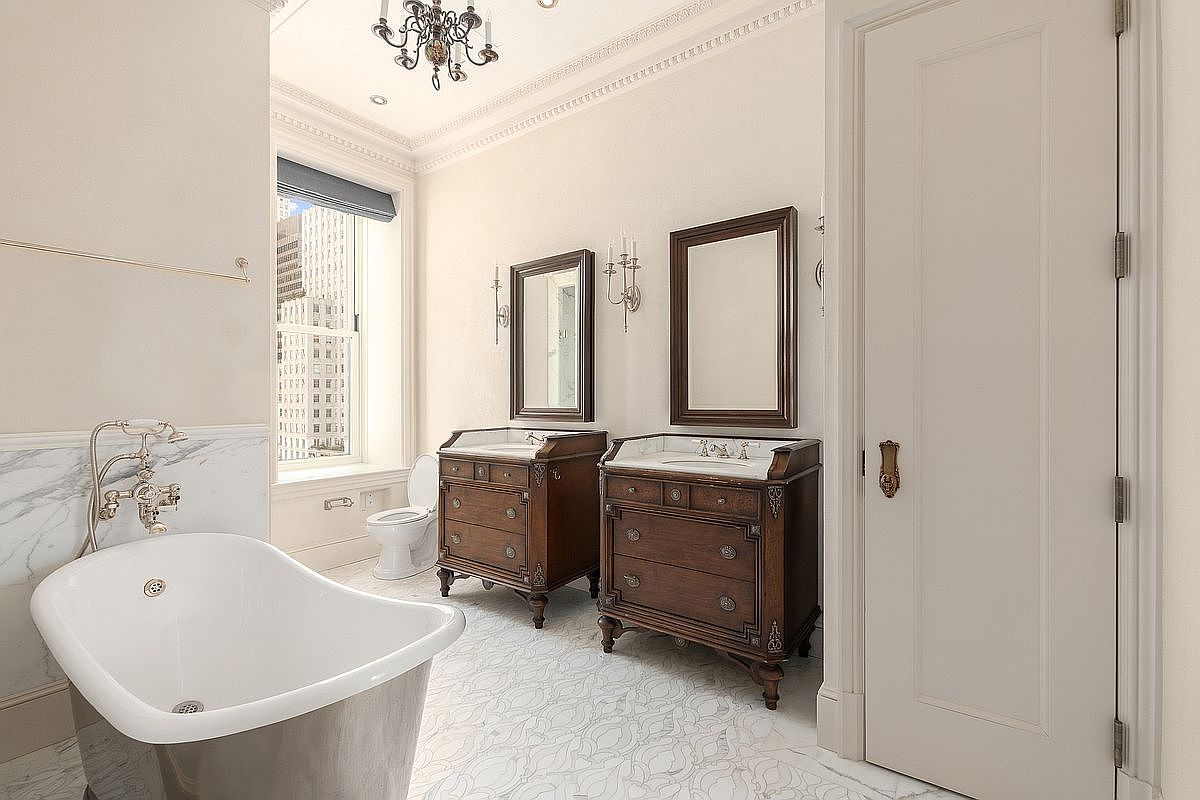
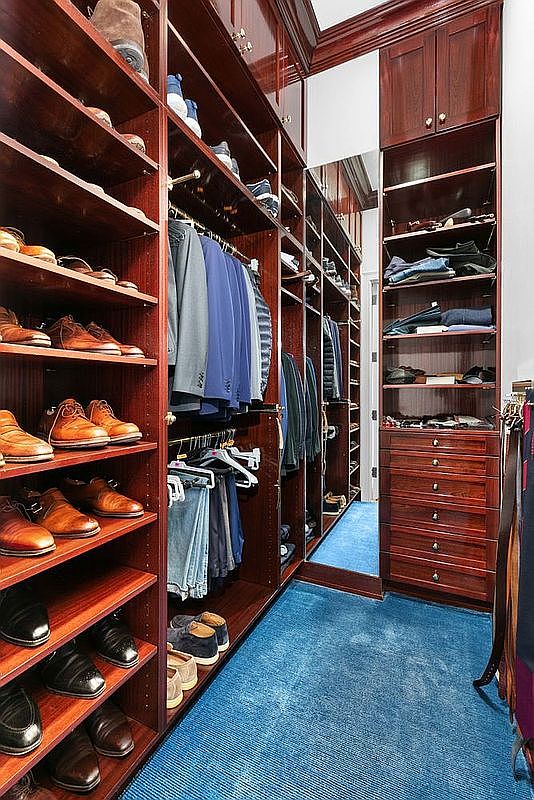
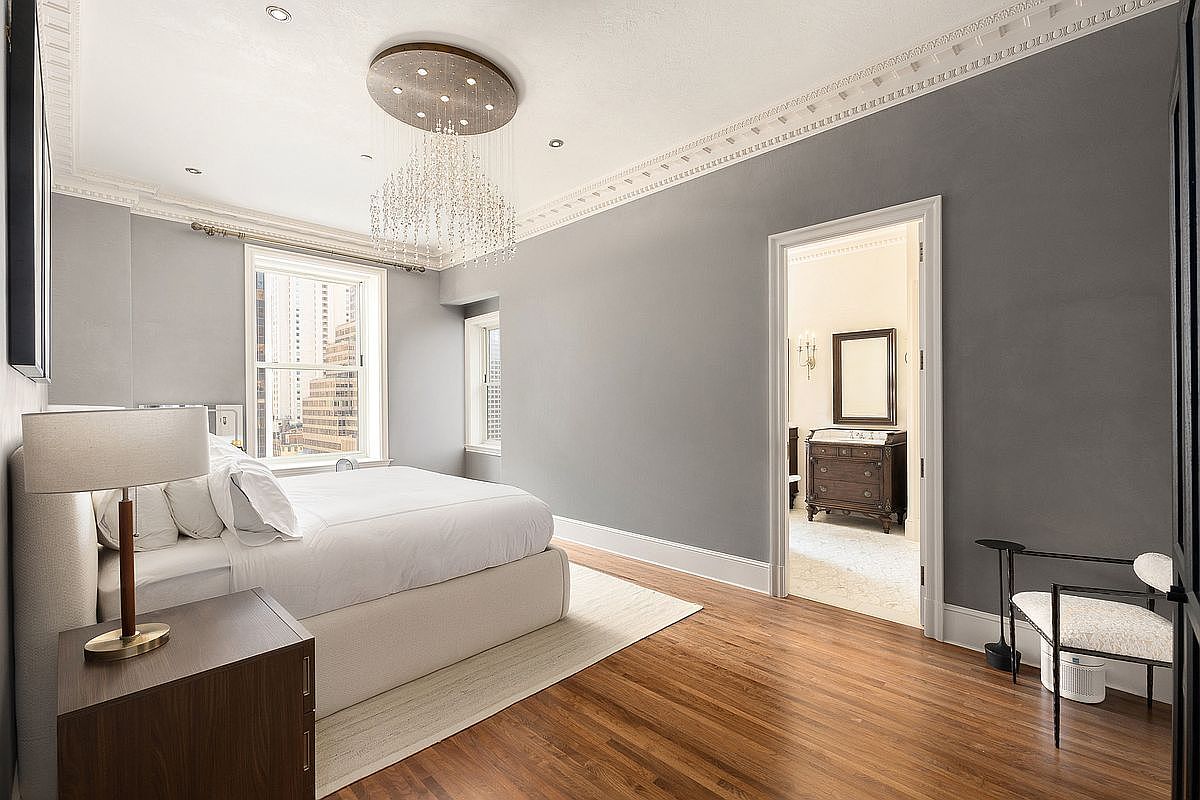
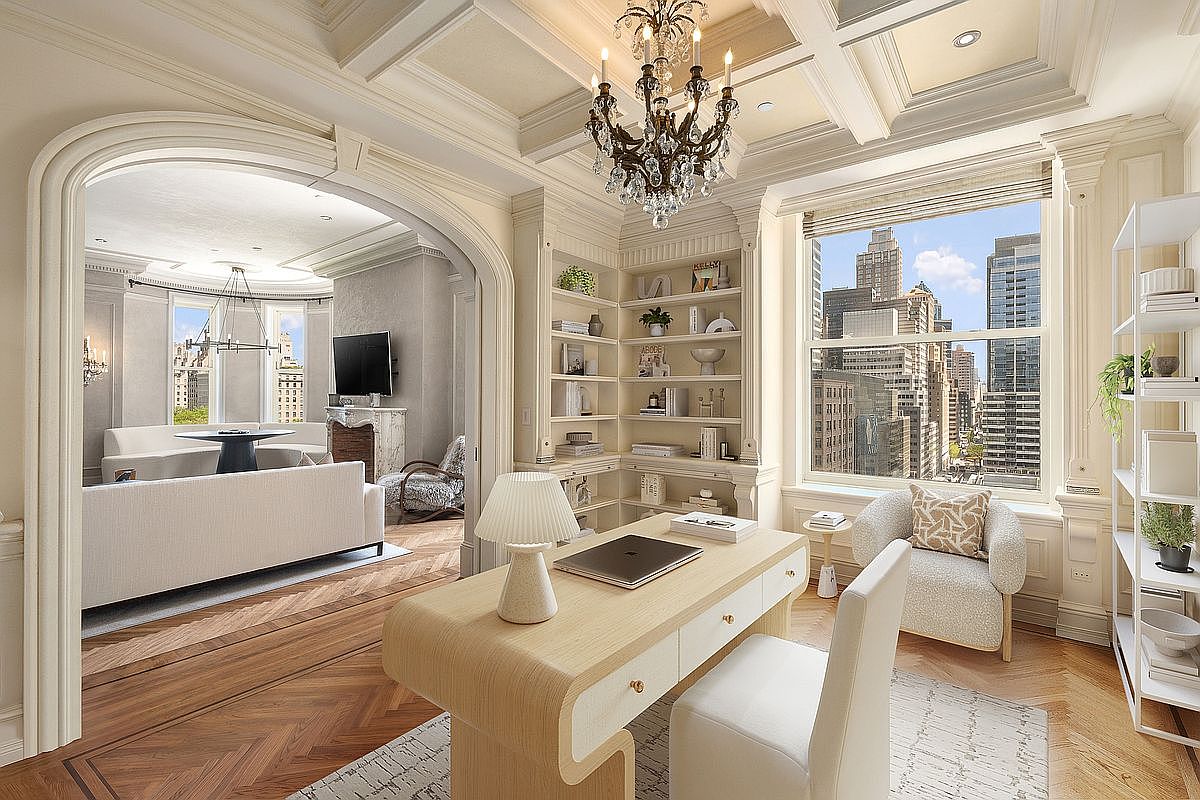
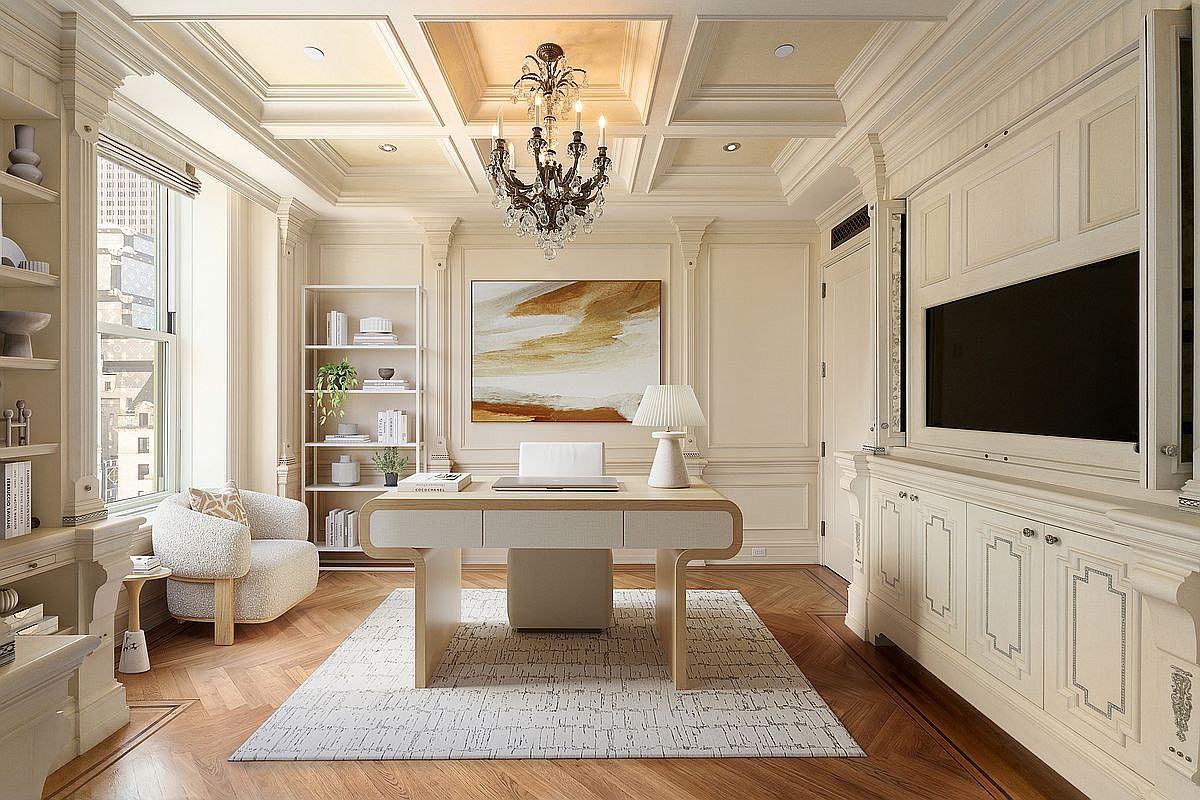
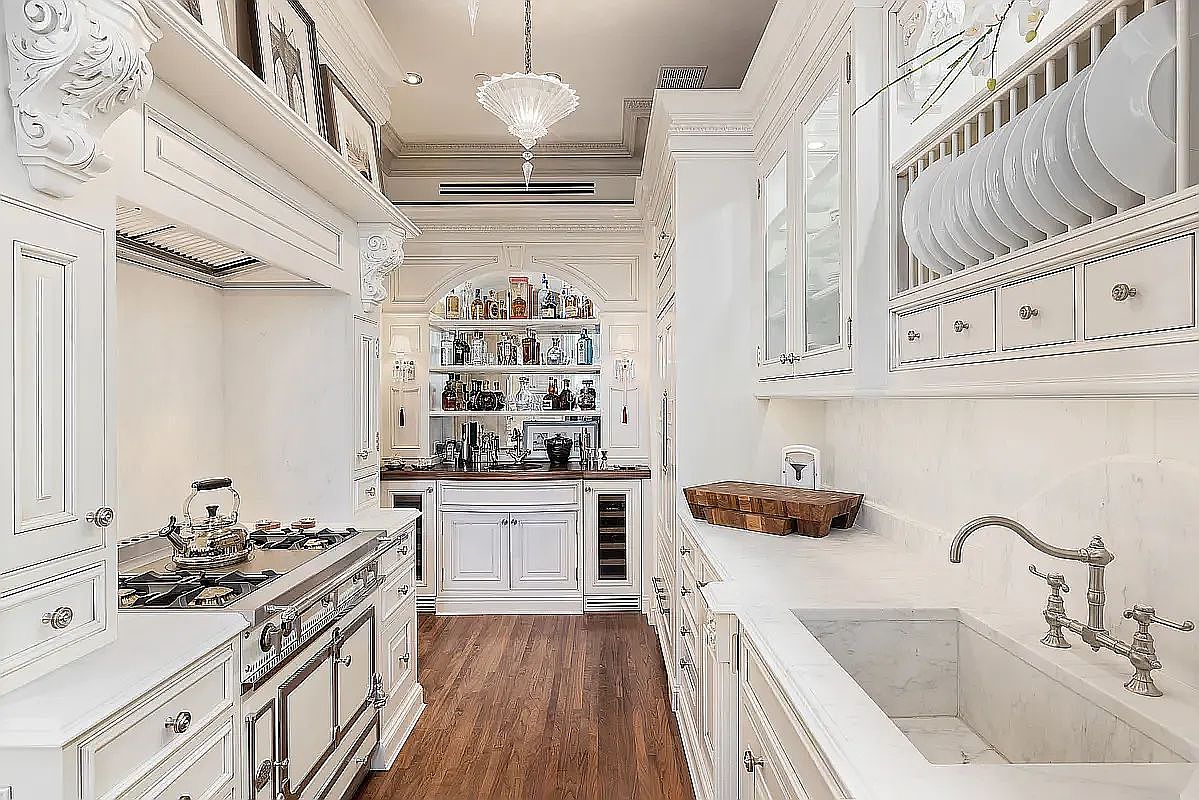
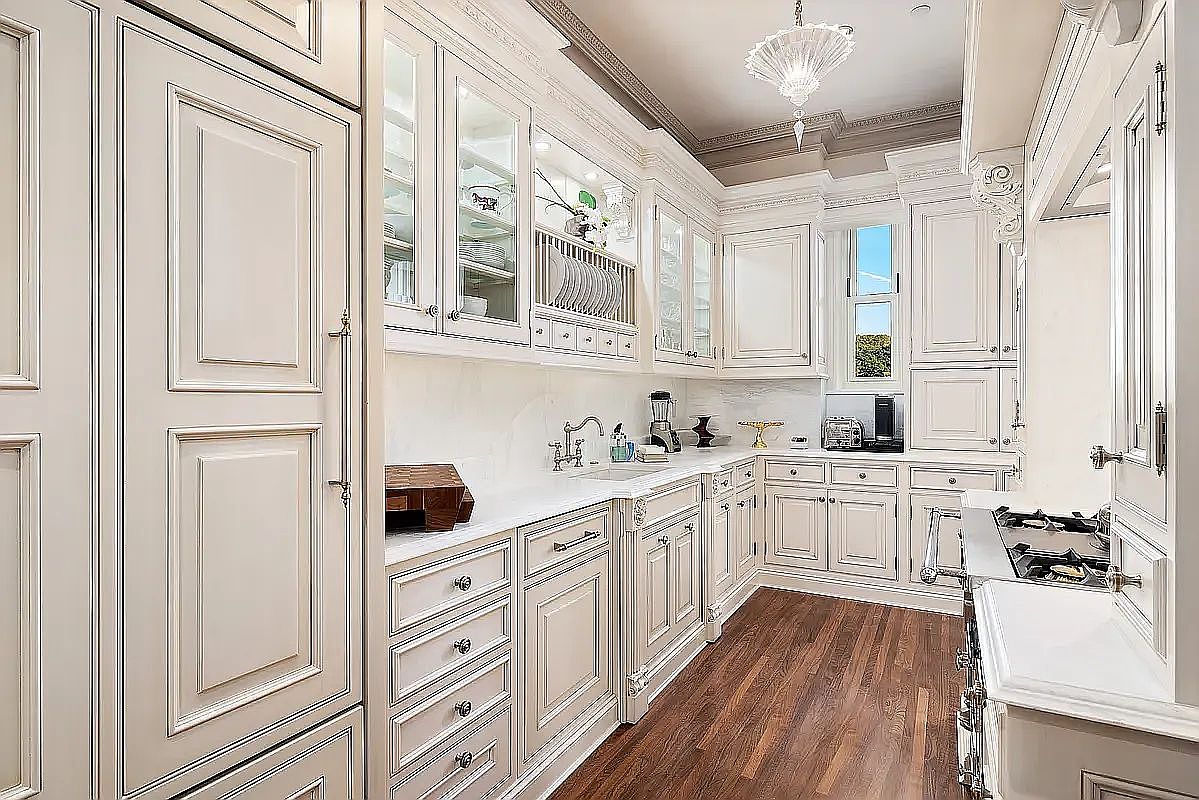
Residence 909 contributes approximately 2,900 square feet anchored by an elegant foyer, expansive living and dining rooms, and a primary suite with a custom walk-in closet and a five-fixture marble bath. Its marble-clad chef's kitchen — outfitted with a La Cornue range, Miele dishwasher, Sub-Zero refrigeration, and integrated wine storage — is scaled for serious entertaining. A den with coffered ceilings serves equally well as a library or third bedroom.
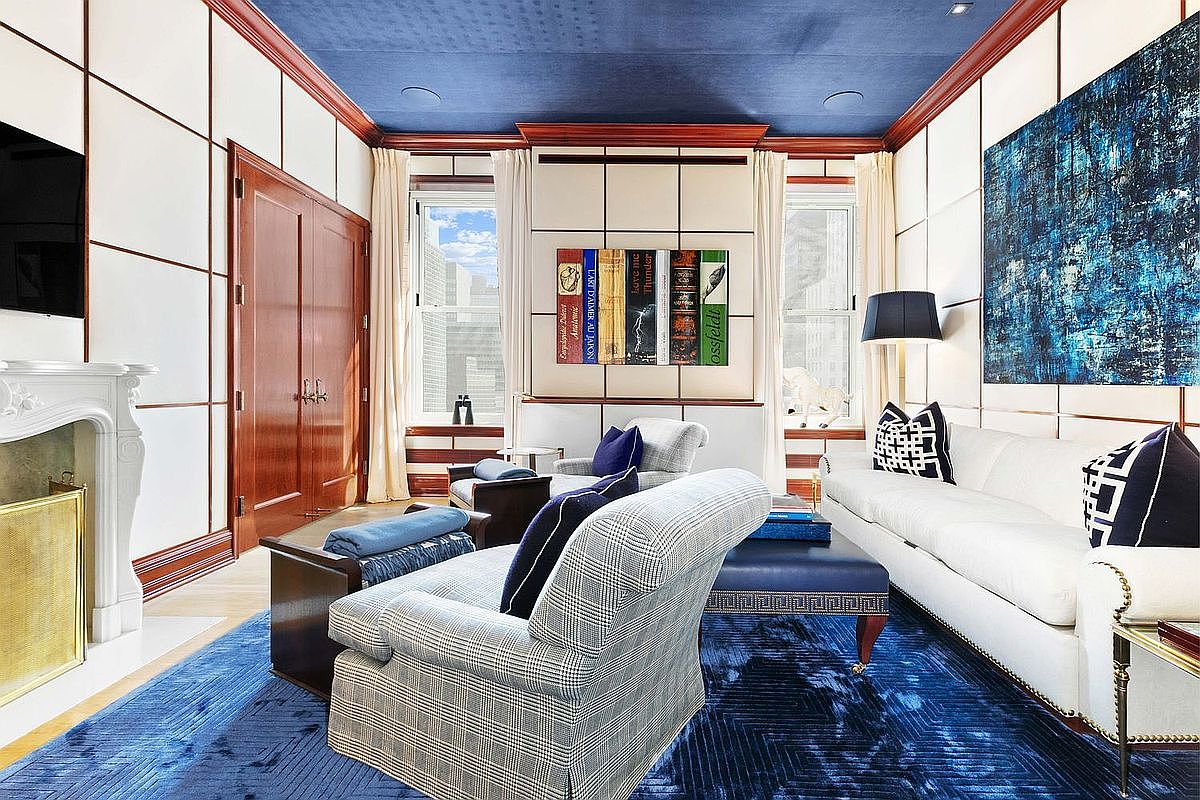
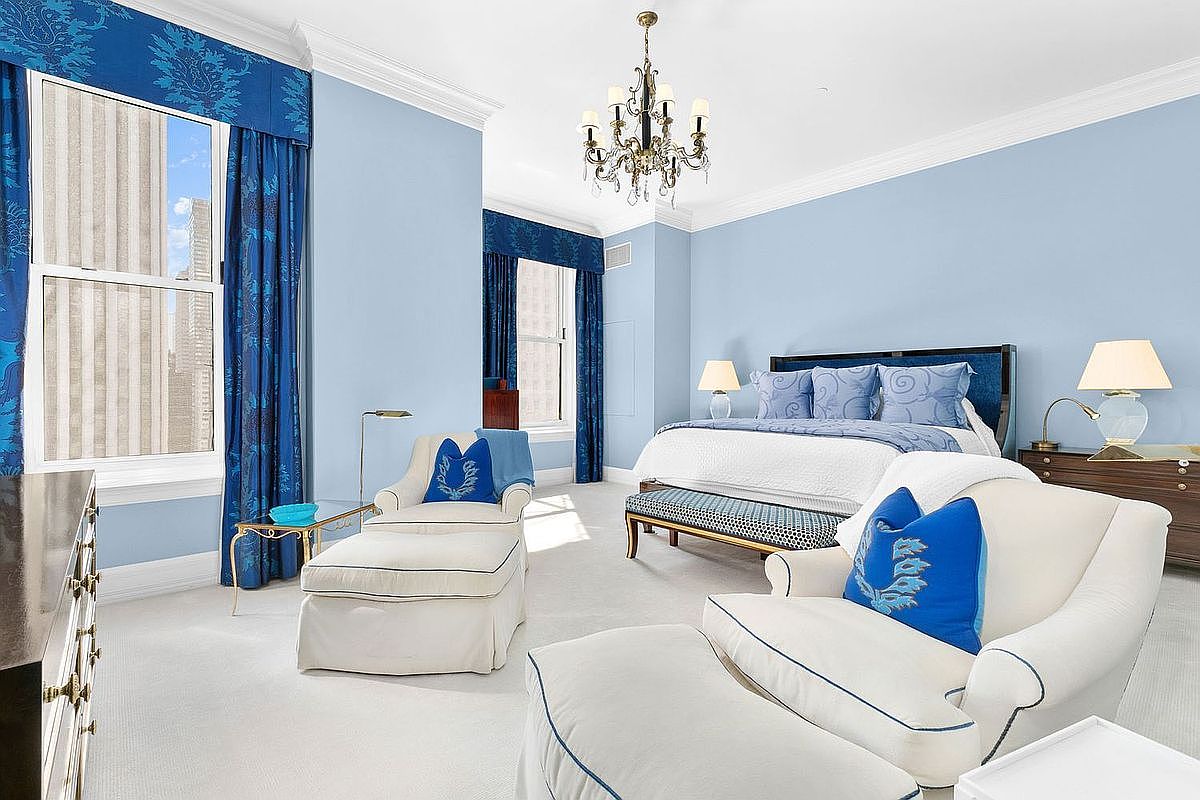
Residence 913 adds over 2,400 square feet of bright, well-proportioned rooms overlooking Fifth Avenue and Grand Army Plaza. Its kitchen is appointed with Nero Marquina stone countertops and a white marble mosaic backsplash alongside Viking and Miele appliances. A second bedroom distinguished by custom leather walls, a fireplace, and eastern exposures offers a room of genuine character — the kind of space that anchors a home in memory.
Residence 915, at approximately 3,068 square feet, completes the triptych with a corner living room, a refined library with built-in shelving, a formal dining room, and a top-of-the-line kitchen that mirrors the Nero Marquina stone palette established in 913. Together, the three residences offer between eight and nine principal rooms — living rooms, dining rooms, libraries, dens, and bedrooms — each individually resolved and collectively coherent.
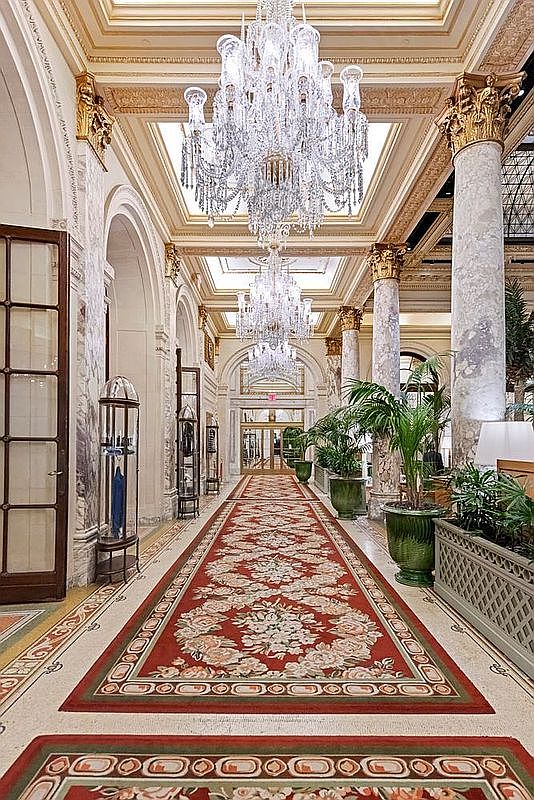
What the combination creates is something the individual units, impressive as they are, cannot provide on their own: the spatial logic of a true house, set nine floors above one of the world's most recognizable intersections, within a building that has been synonymous with a certain idea of New York for well over a century.
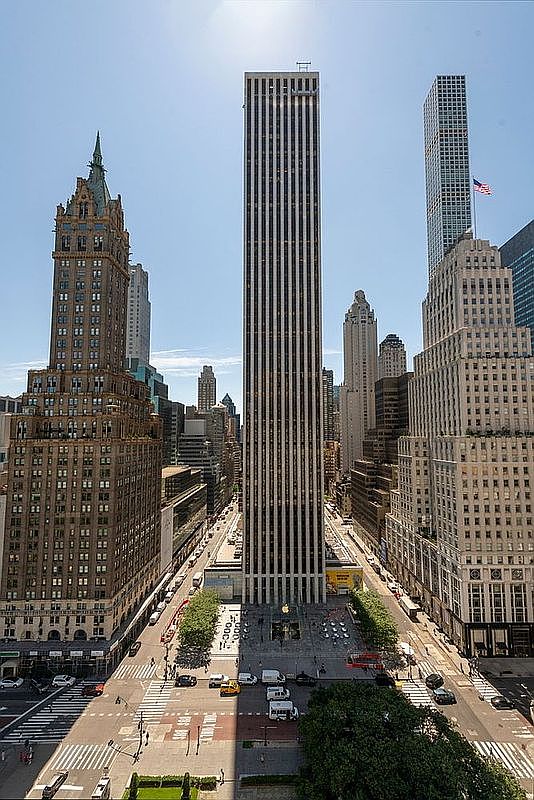
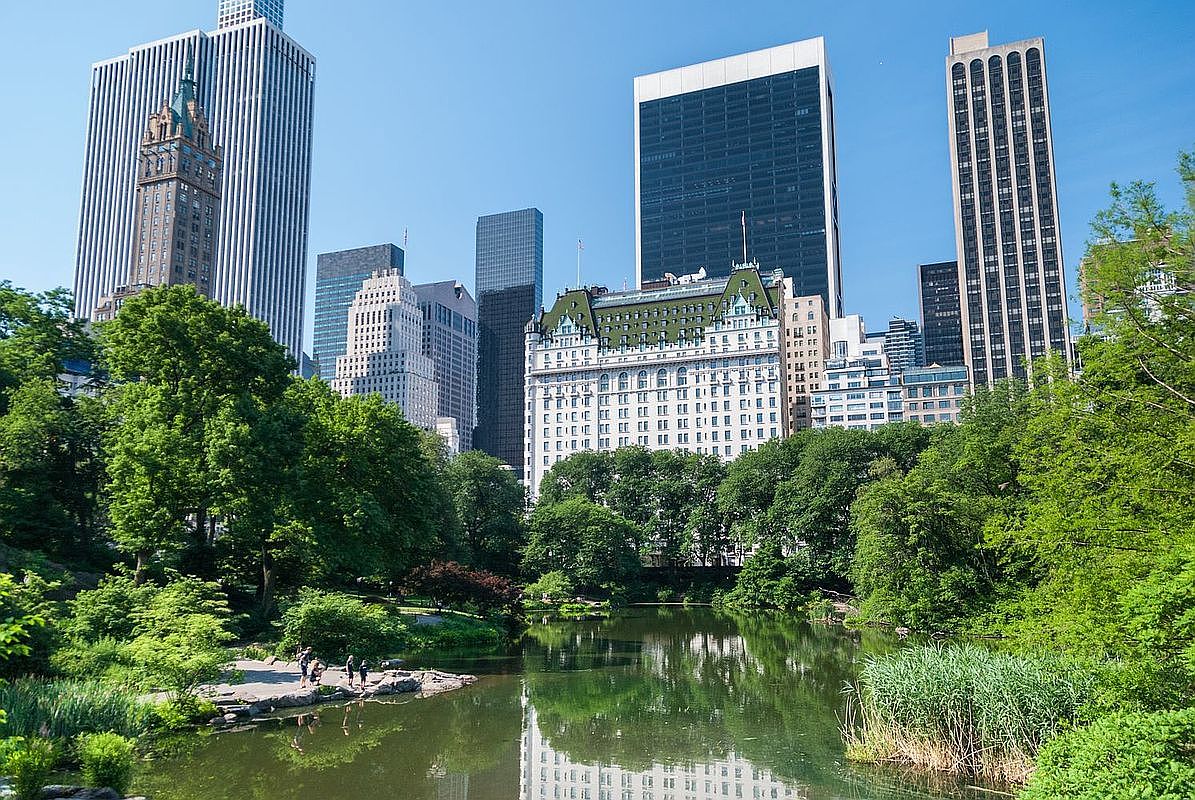
To live at 1 Central Park South is to inhabit the precise point where two of New York City's most powerful geographies converge. To the north, Central Park stretches 843 acres through the heart of Manhattan — a landscape of meadows, woodland paths, skating rinks, concert venues, and some of the city's most beloved public spaces, designed by Frederick Law Olmsted and Calvert Vaux in the 1850s and 1860s as a democratic counterweight to the density pressing in from every side. To the south and east, Fifth Avenue begins its southward procession through Midtown, past the flagship stores, museums, and cultural institutions that have defined the avenue's character for generations.
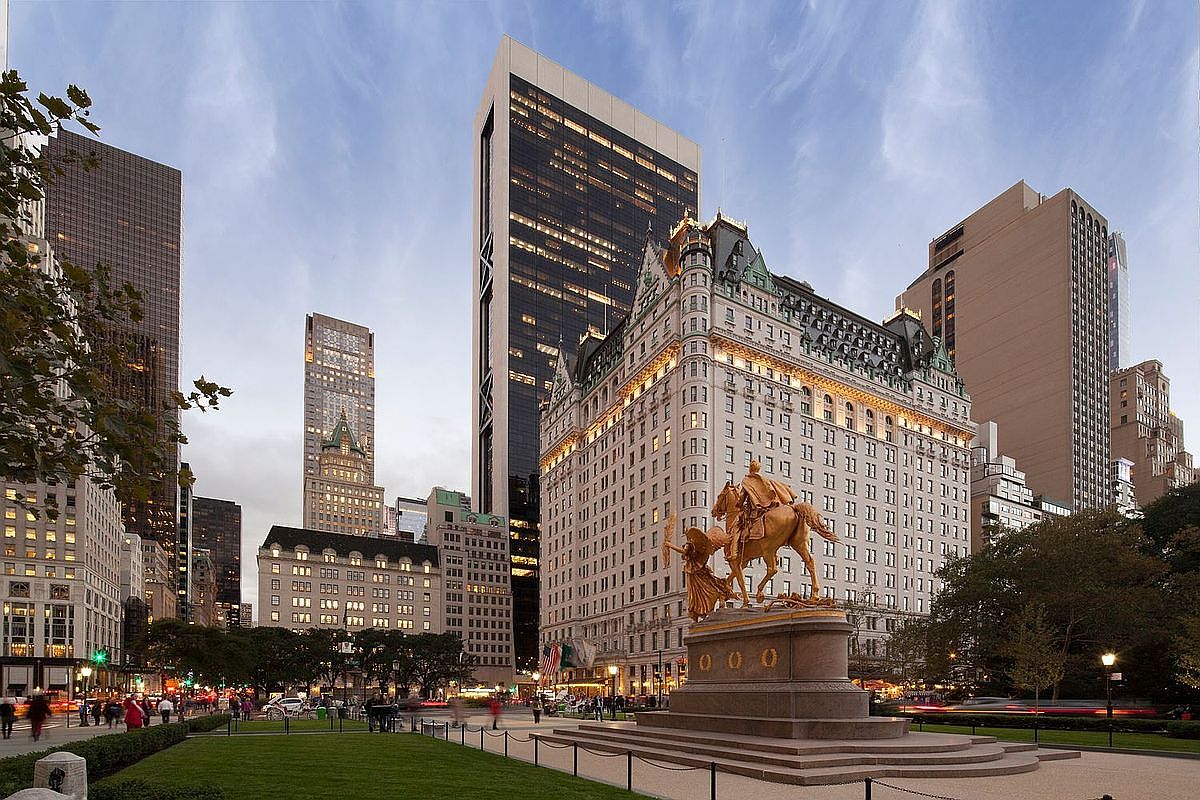
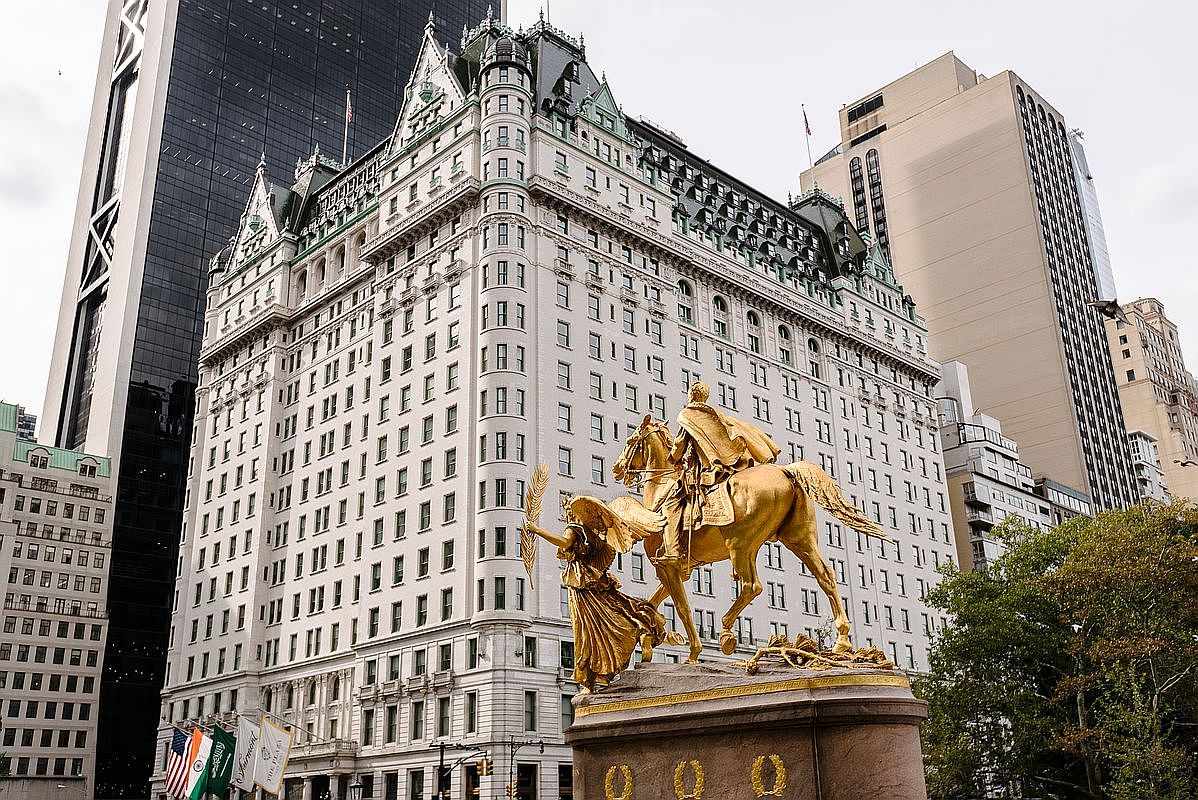
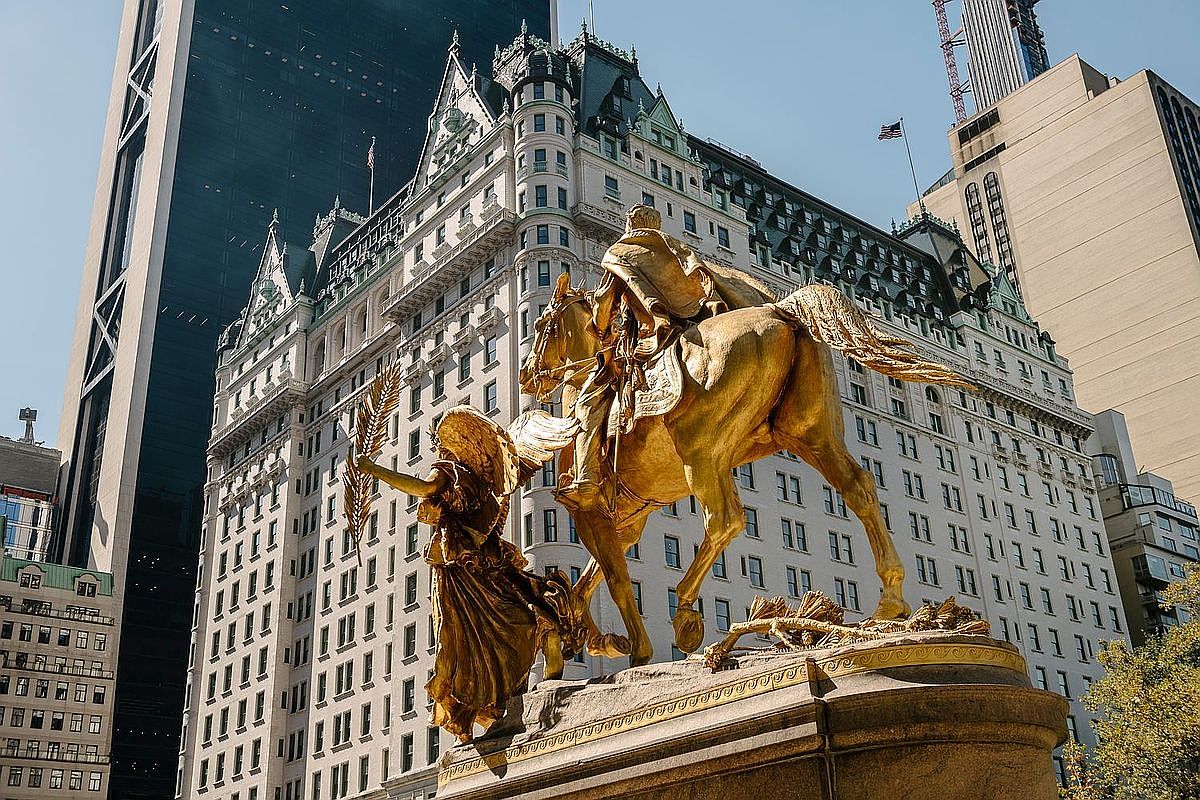
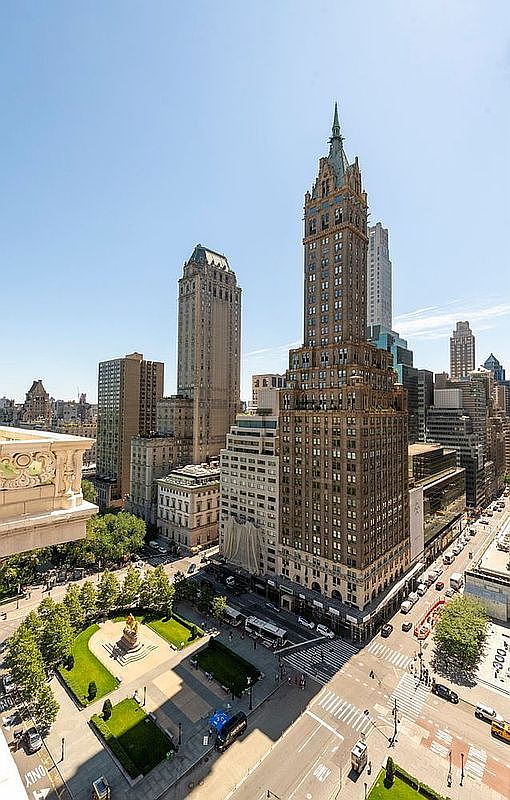
The Plaza sits at Grand Army Plaza, the formal civic space that marks the southeastern corner of the park. The Sherman Monument — the gilded equestrian statue of General William Tecumseh Sherman accompanied by a winged figure of Victory — stands directly in front of the building's entrance, a constant reminder of the neighborhood's deep roots in the civic and cultural life of the city. The plaza itself functions as one of Manhattan's great outdoor rooms: a place of arrival, of transition, of lingering.
The immediate neighborhood, broadly understood as Midtown South and the Plaza District, contains some of the most significant cultural addresses in the world. The Metropolitan Museum of Art is a short walk north along Fifth Avenue's Museum Mile. Carnegie Hall, at Seventh Avenue and 57th Street, is within easy walking distance to the west. The Museum of Modern Art is a few blocks south on 53rd Street. Lincoln Center lies further west on the Upper West Side, accessible in minutes.
The retail landscape along Fifth Avenue and 57th Street rivals any in the world. Bergdorf Goodman occupies the block directly across Grand Army Plaza. The flagships of the world's leading luxury houses line the avenue in both directions. For everyday needs, the Plaza Food Hall — accessible to residents as part of the building's amenity offering — provides an exceptional alternative to the broader neighborhood's dining and market options.
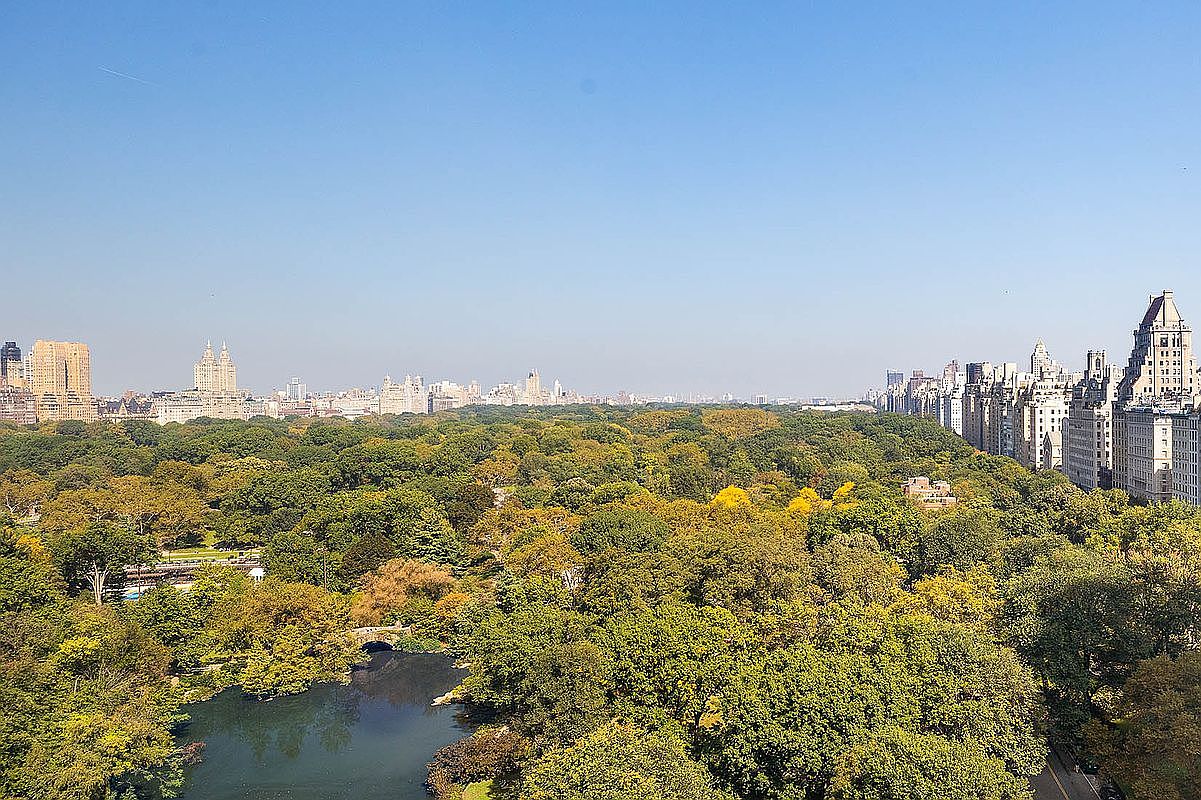
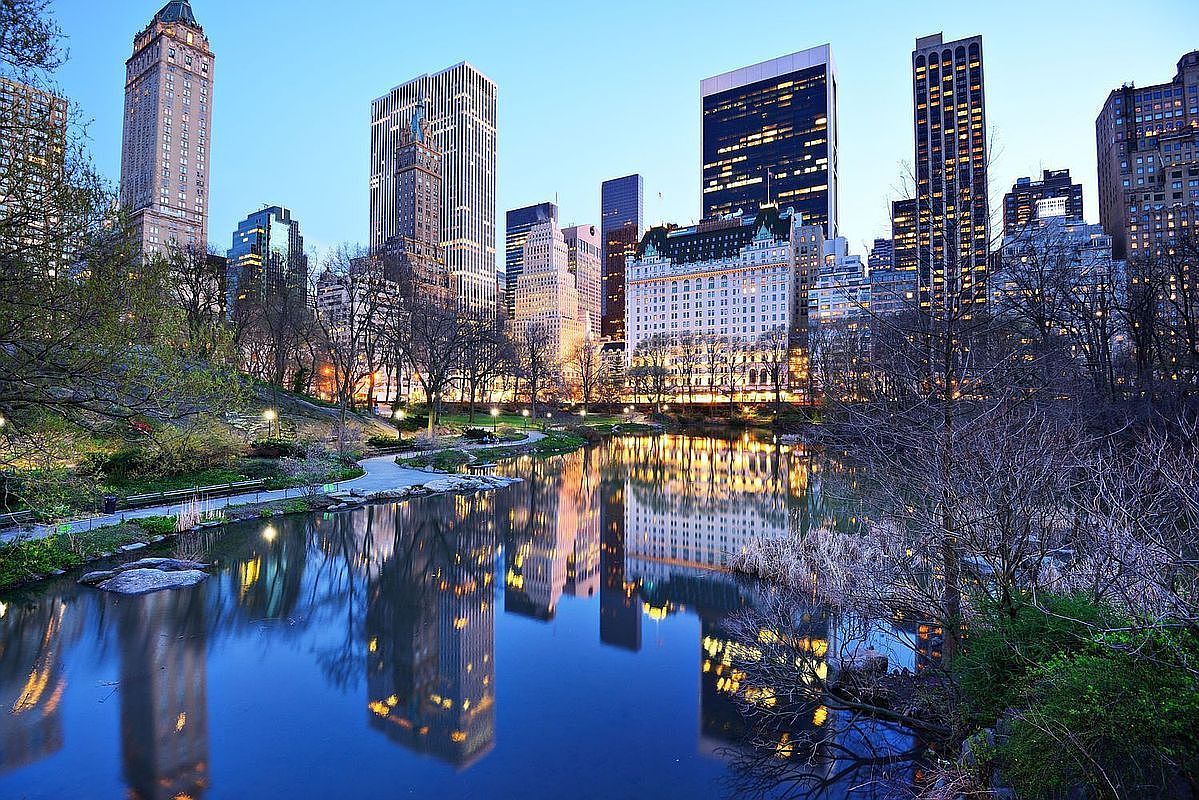
Central Park itself functions as an extension of the home in ways that few urban addresses can claim. Residents at this elevation and proximity experience the park in a manner unavailable elsewhere: as a living panorama that changes with every season, from the bare geometry of winter to the dense canopy of summer to the color of autumn. At street level, the park's southern reaches offer the Wollman Rink, the Pond, the Hallett Nature Sanctuary, and a network of paths that connect quickly to the Sheep Meadow and the Mall.
The broader Upper East Side and Midtown neighborhoods provide exceptional access to private schools, medical facilities, and the full range of services expected at this level of residential life. The subway and crosstown transportation infrastructure make the entire city accessible with ease, while the proximity to major hotels and private aviation terminals supports a lifestyle oriented toward frequent and effortless travel.
This is, in the most precise sense, the center of New York — and by extension, one of the centers of the world.
Featured Highlights
Curated Content • Presented by Charlie Attias