The Story Behind
A Mediterranean Estate Where Old-World Soul Meets Modern Mastery
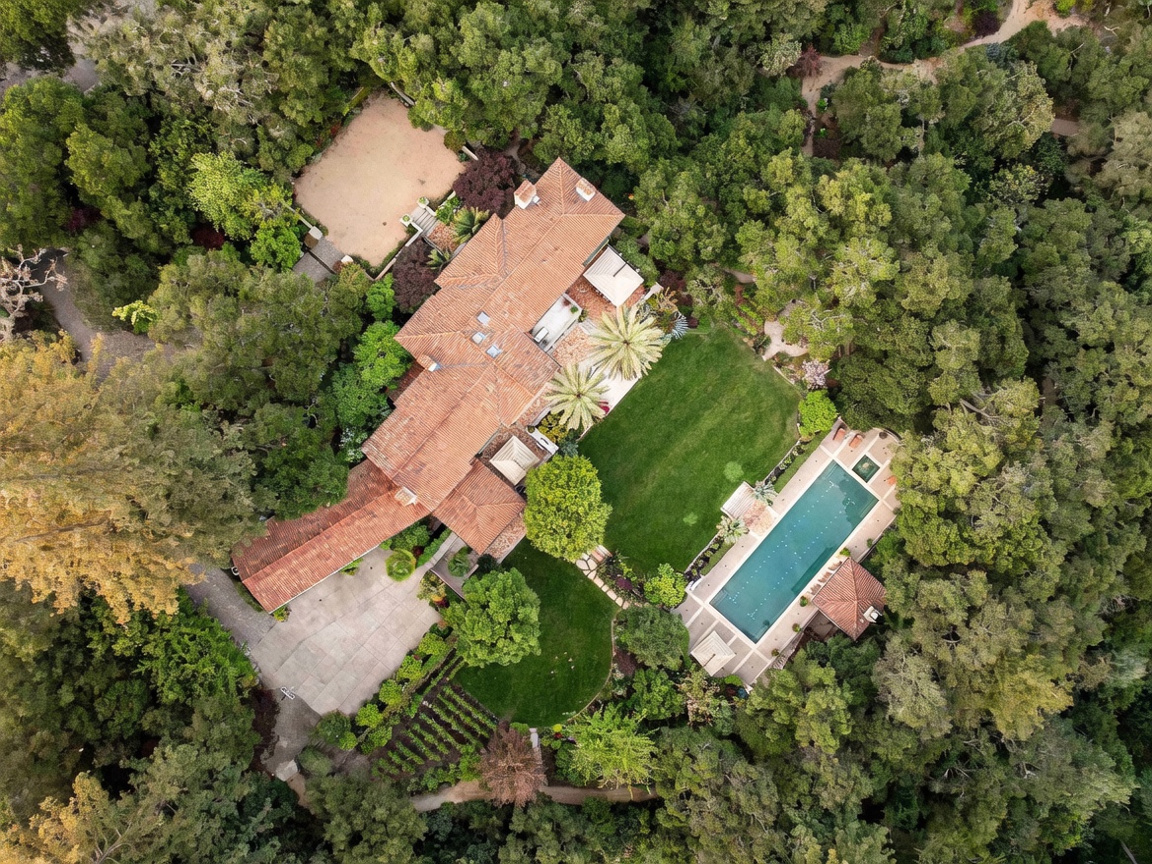
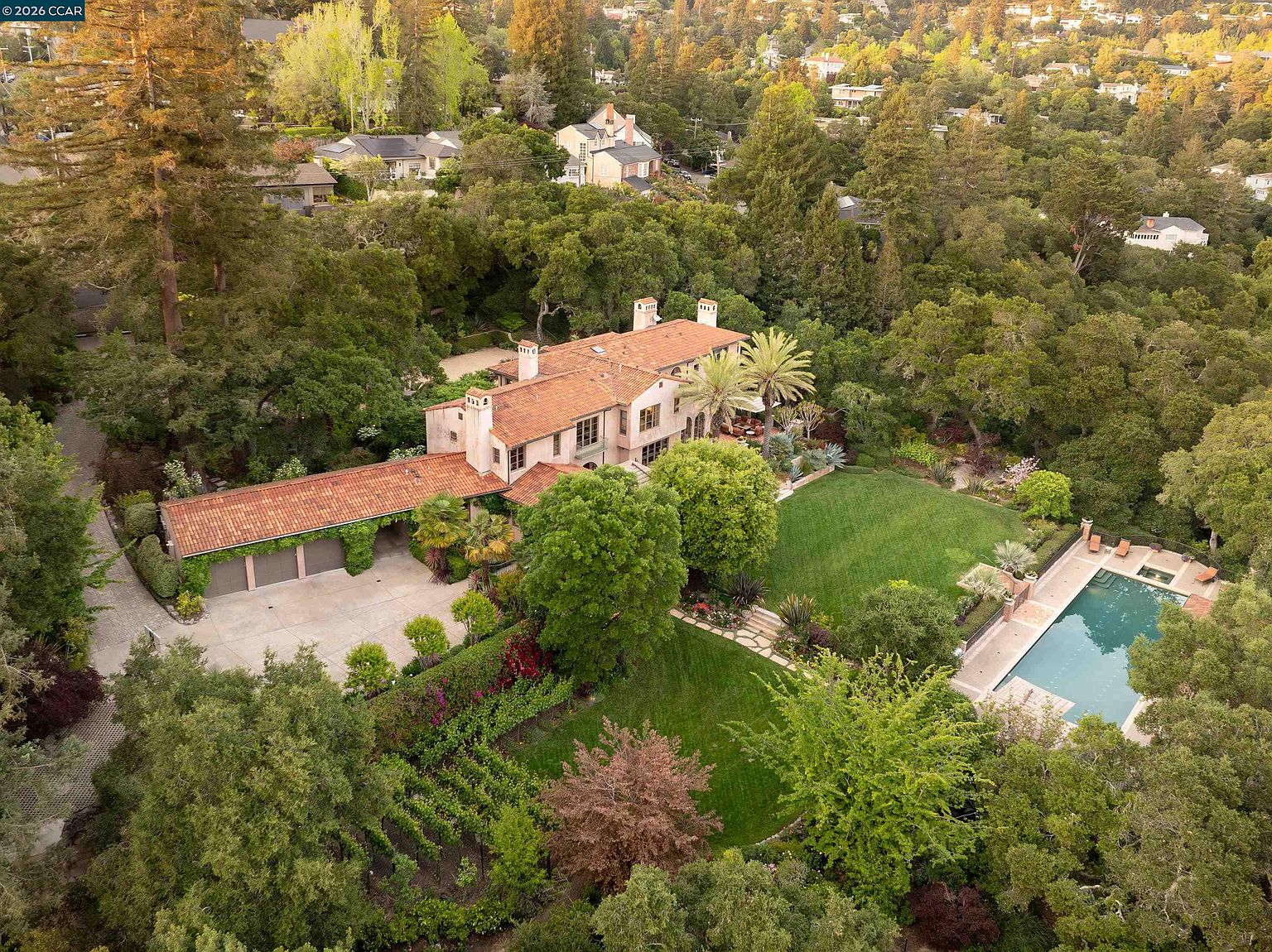
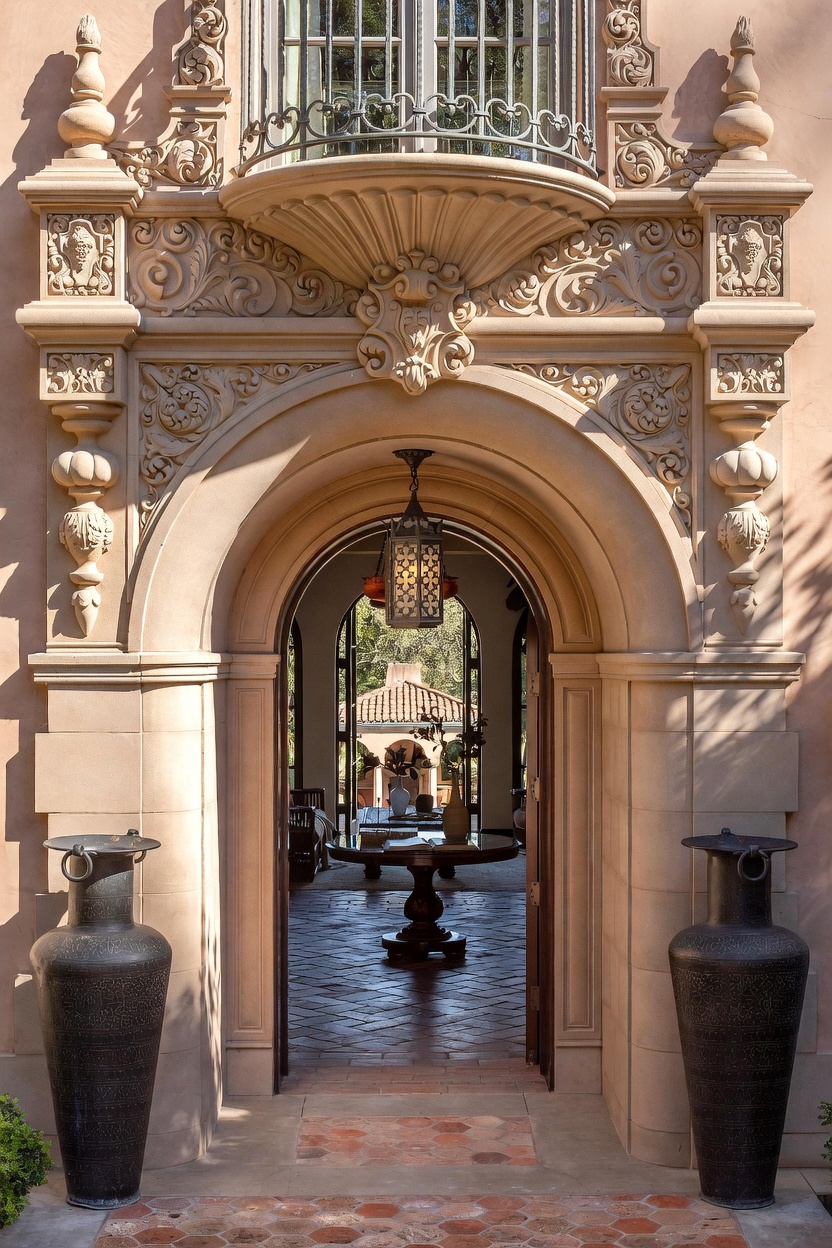
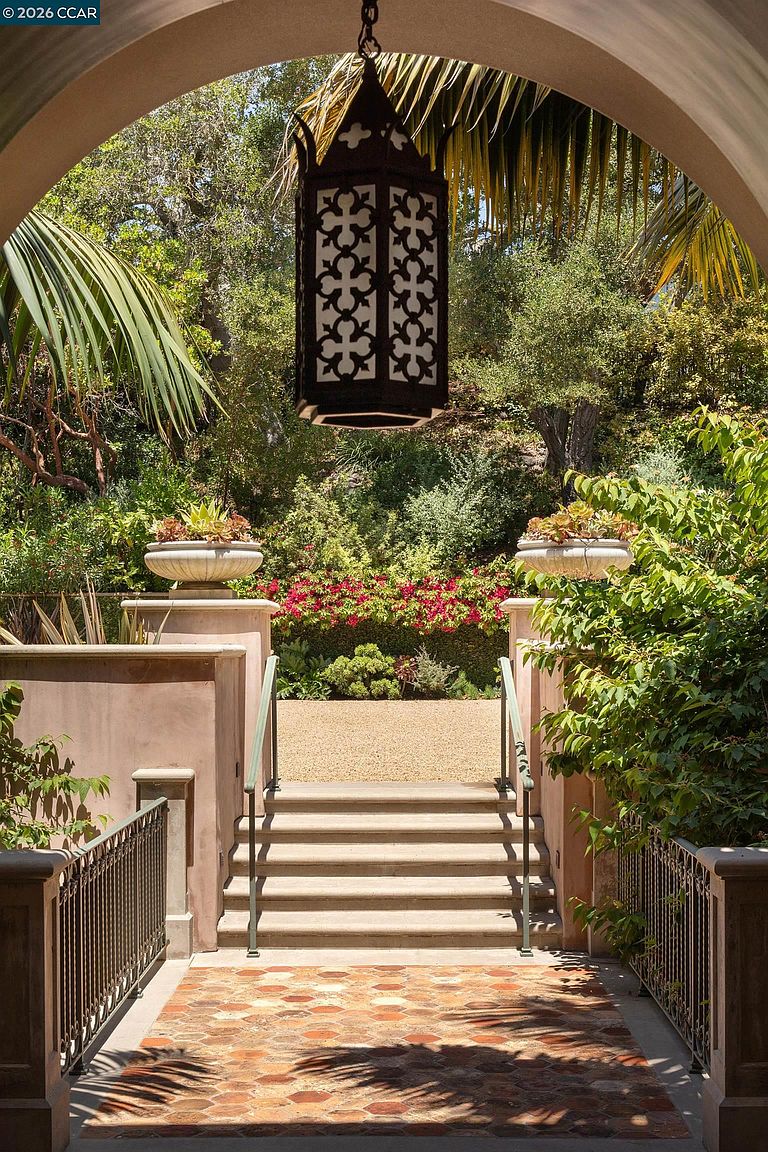
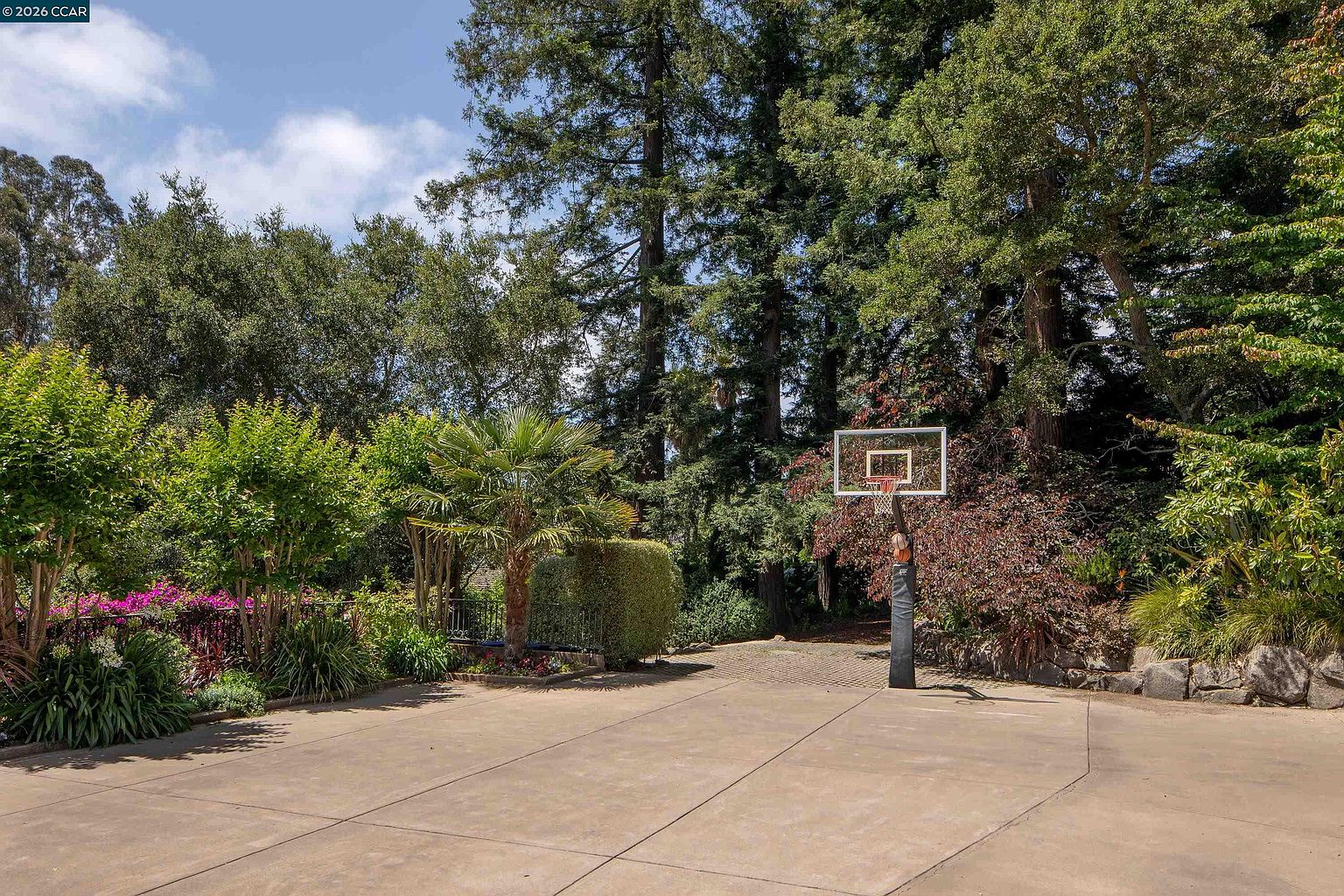
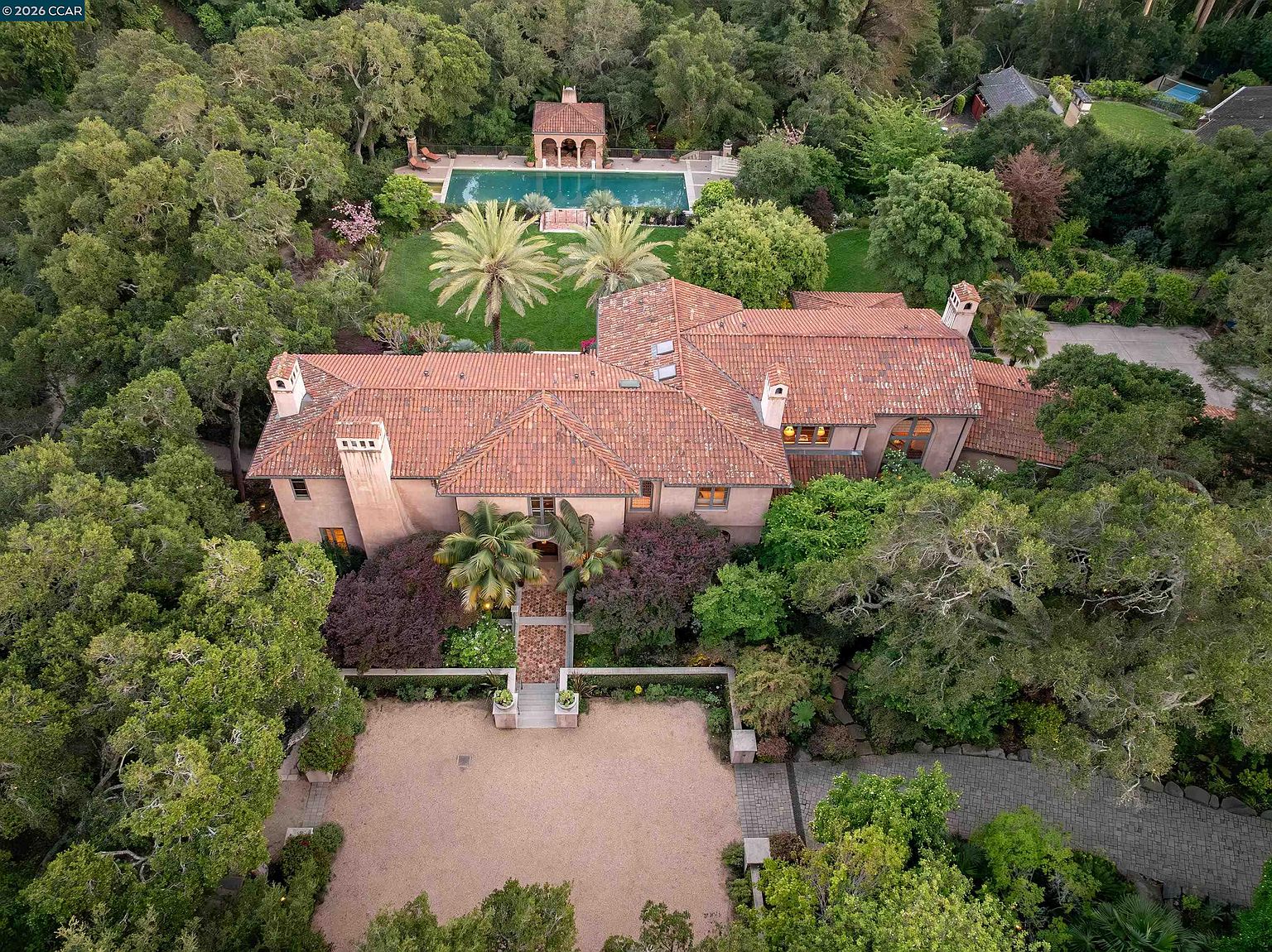
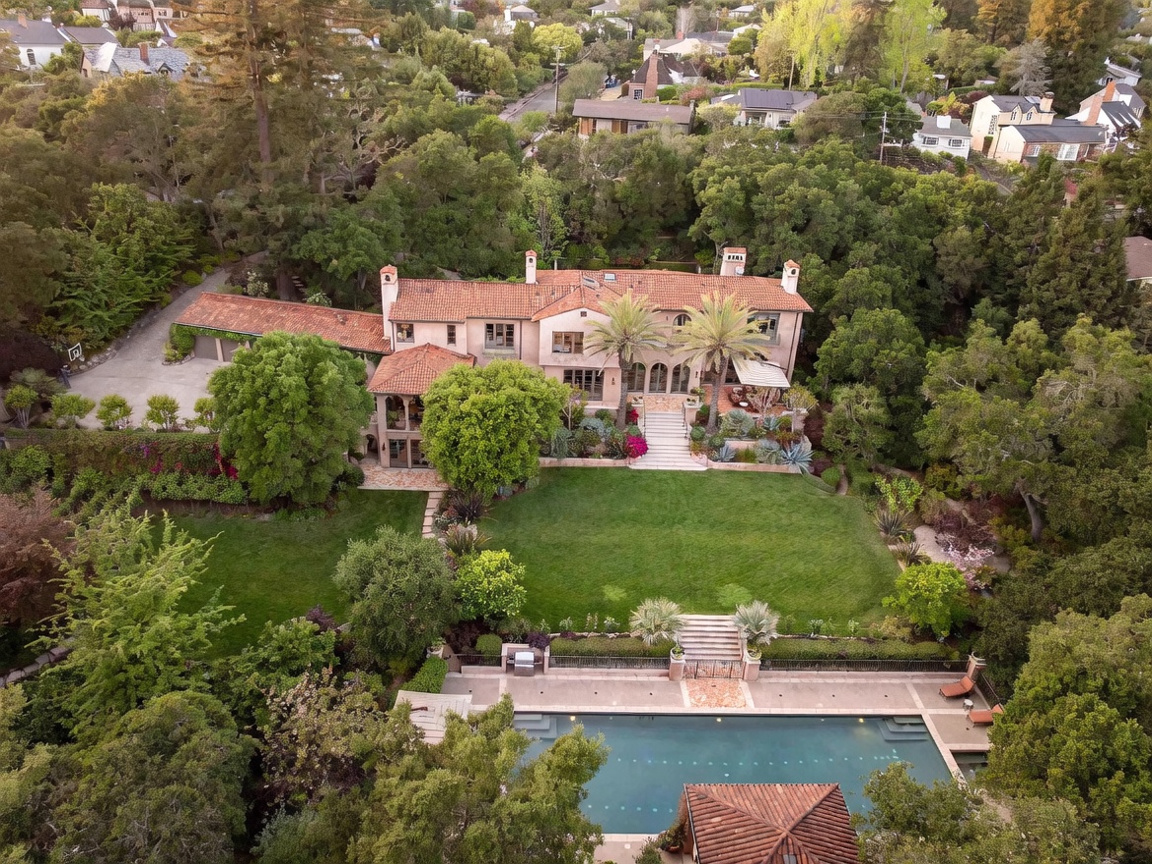
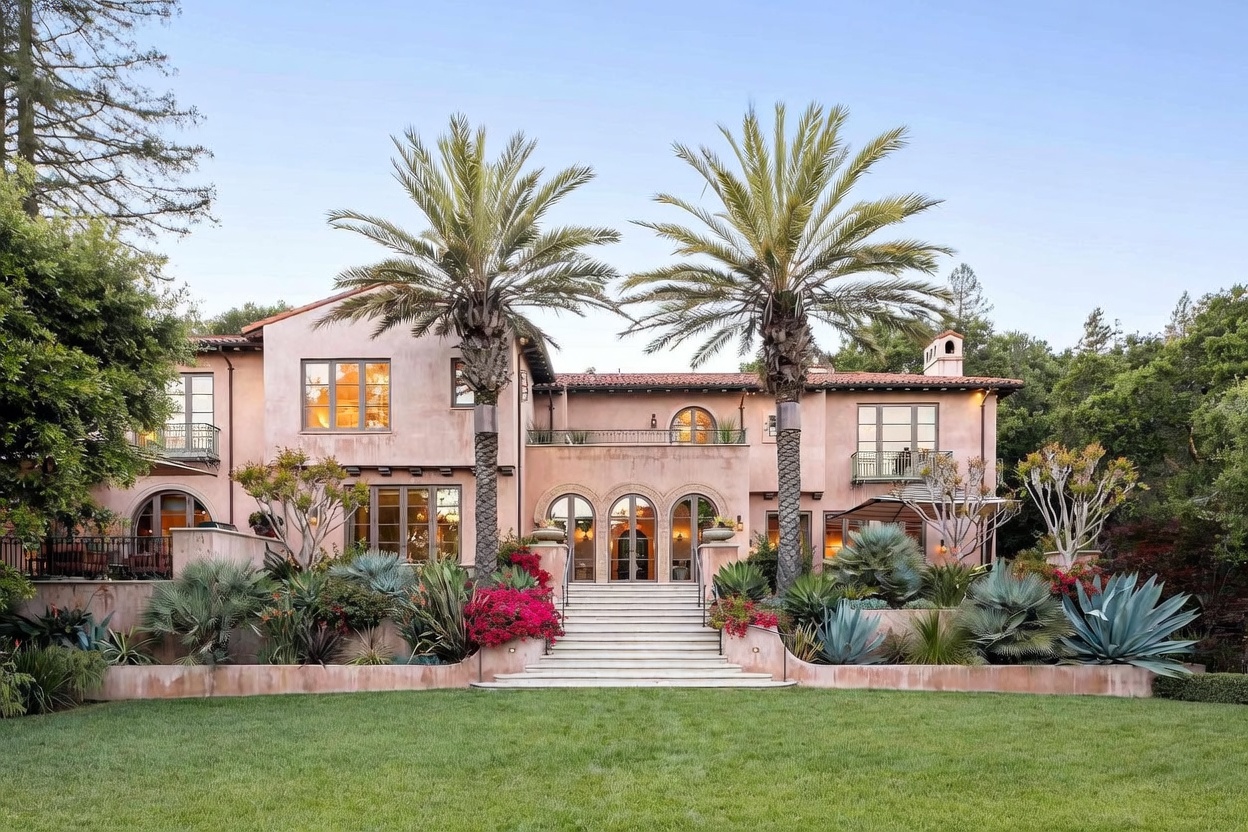
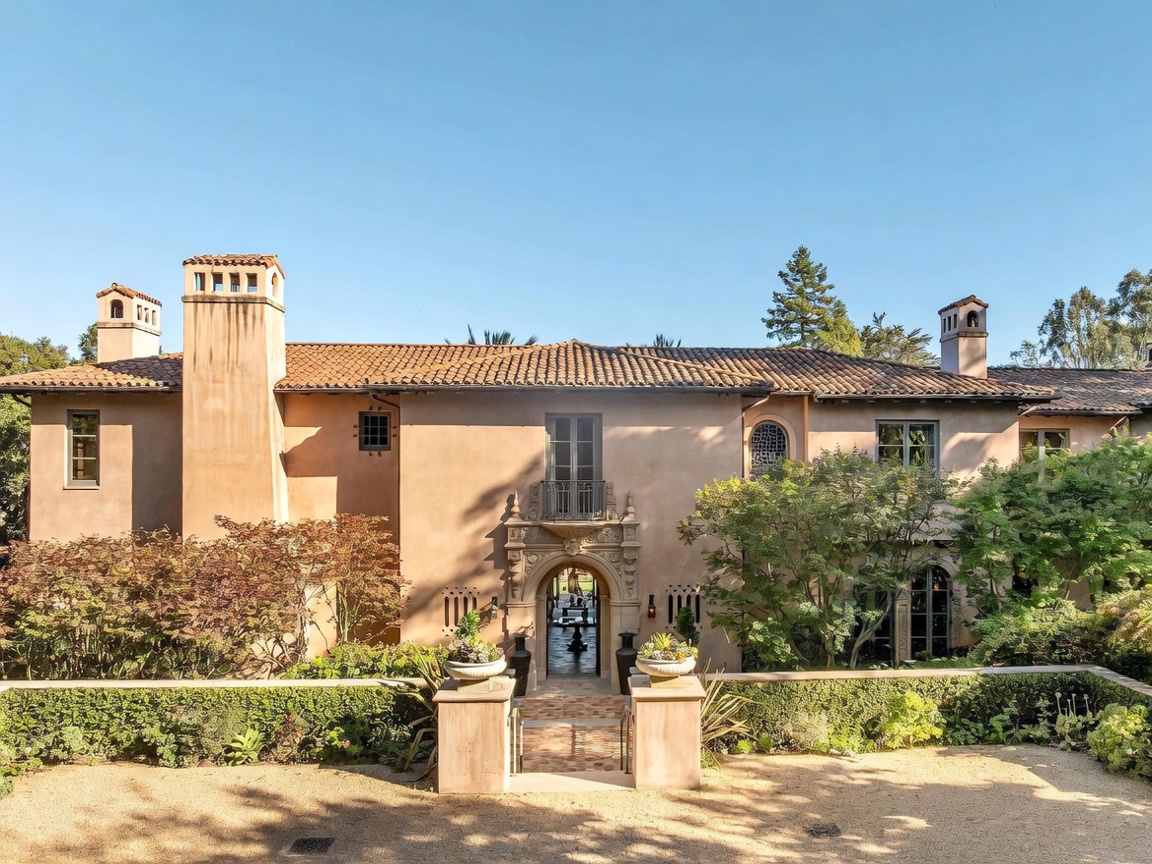
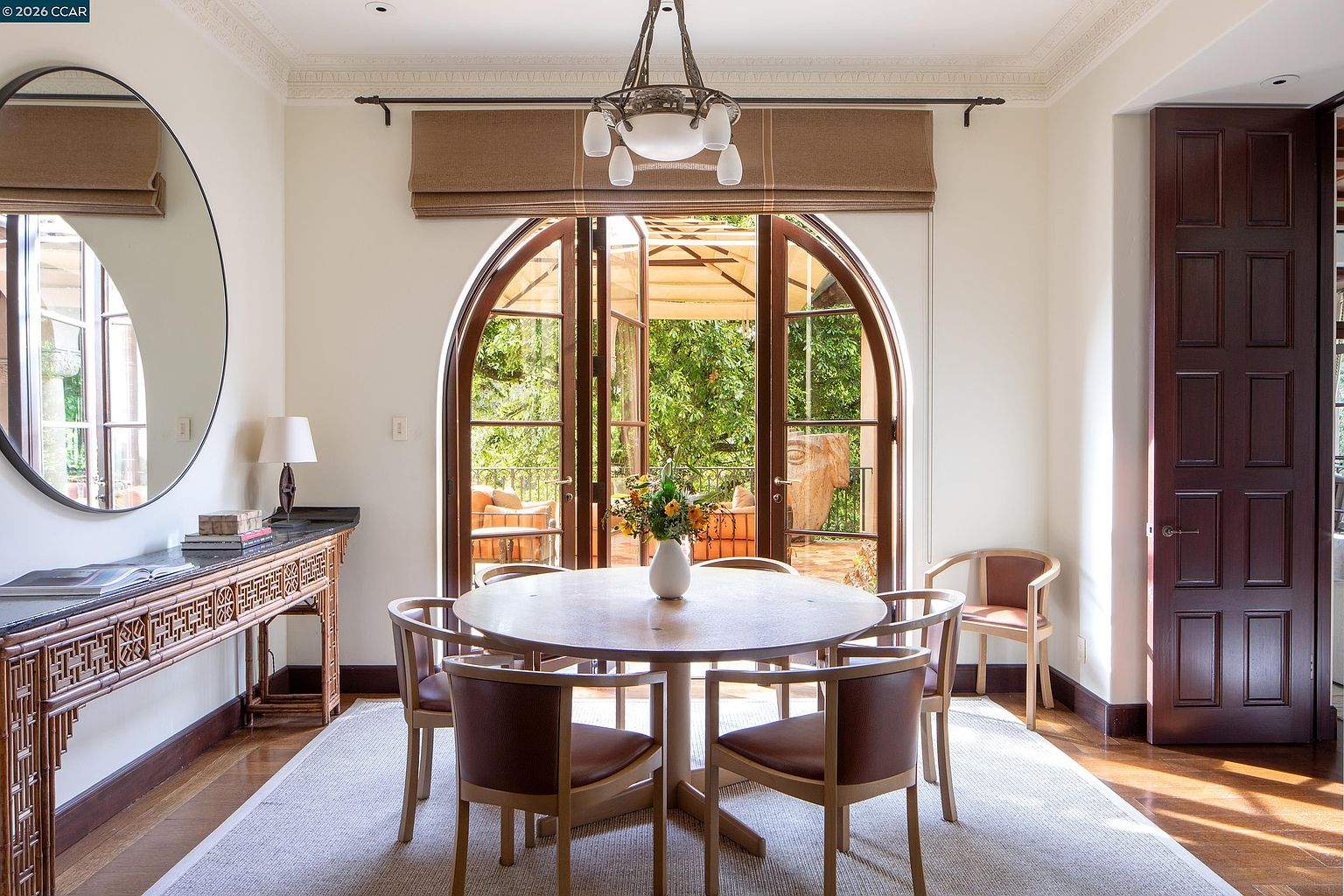
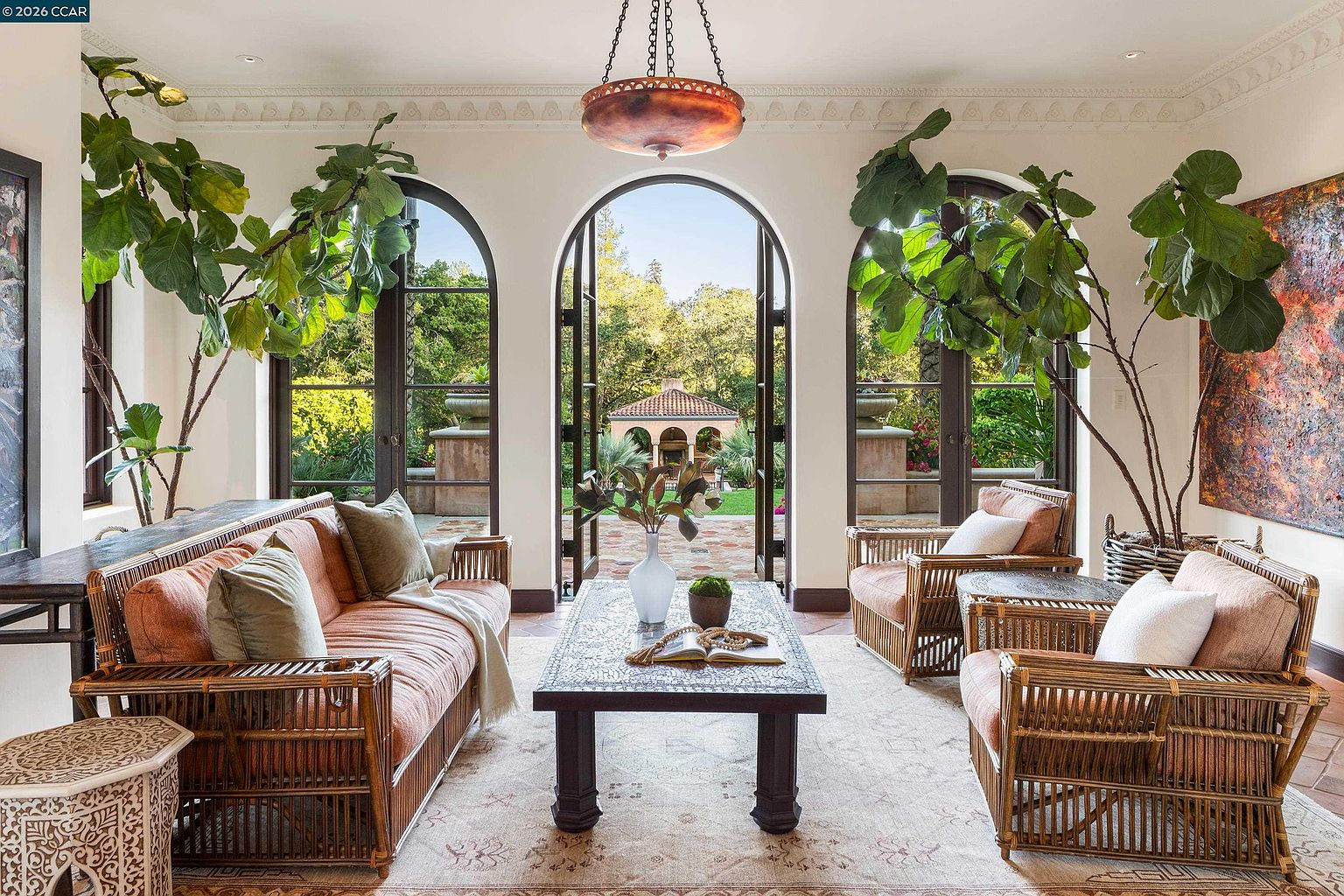
There are homes that are built, and then there are estates that are composed — assembled over time with the patience and precision of a master curator. 280 Indian Road belongs unmistakably to the latter category. From its stucco facade and terracotta tile roof to the grand motor court framed by mature palms, the residence announces itself with the quiet authority of a Mediterranean villa, yet reveals its full complexity only to those who step inside.
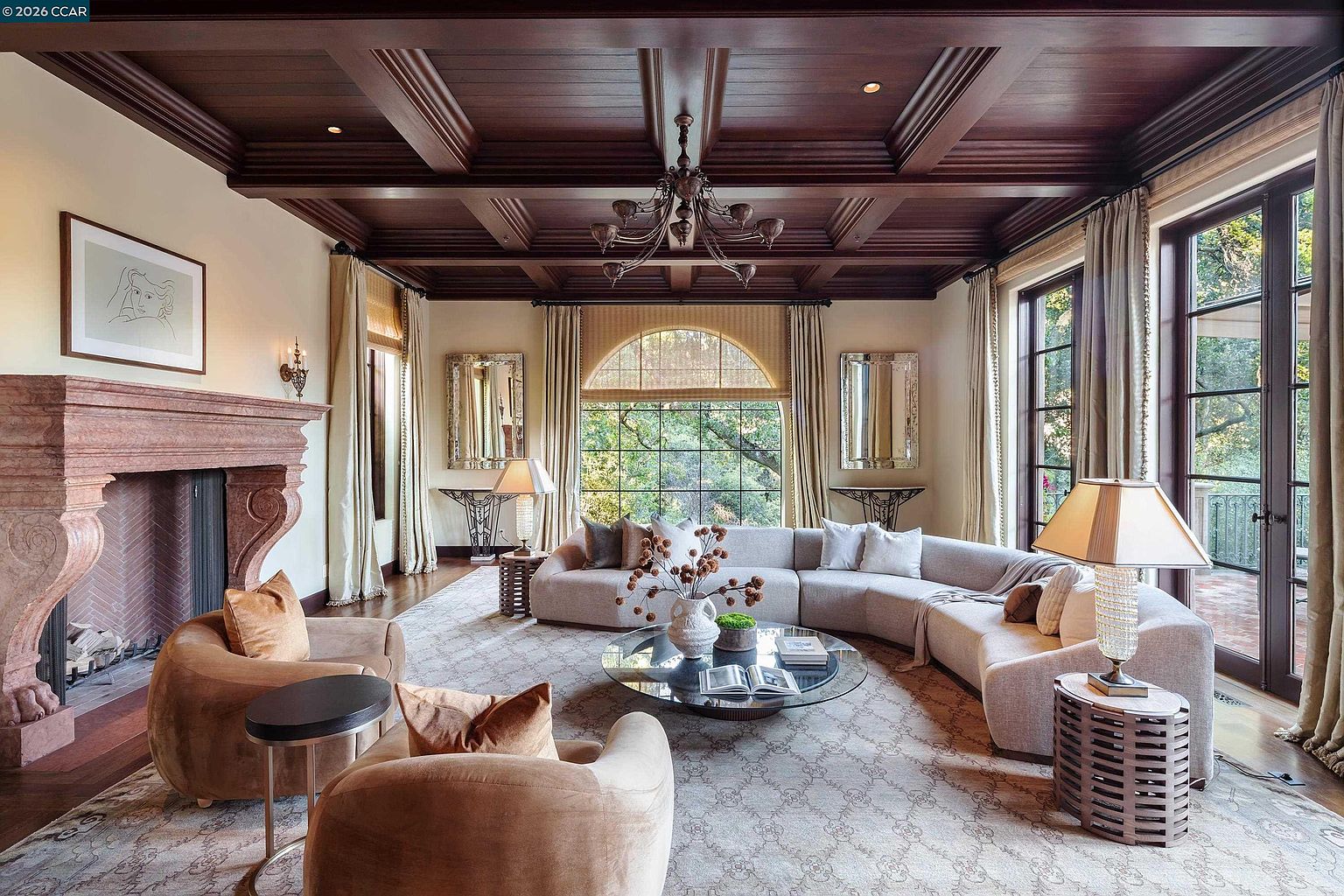
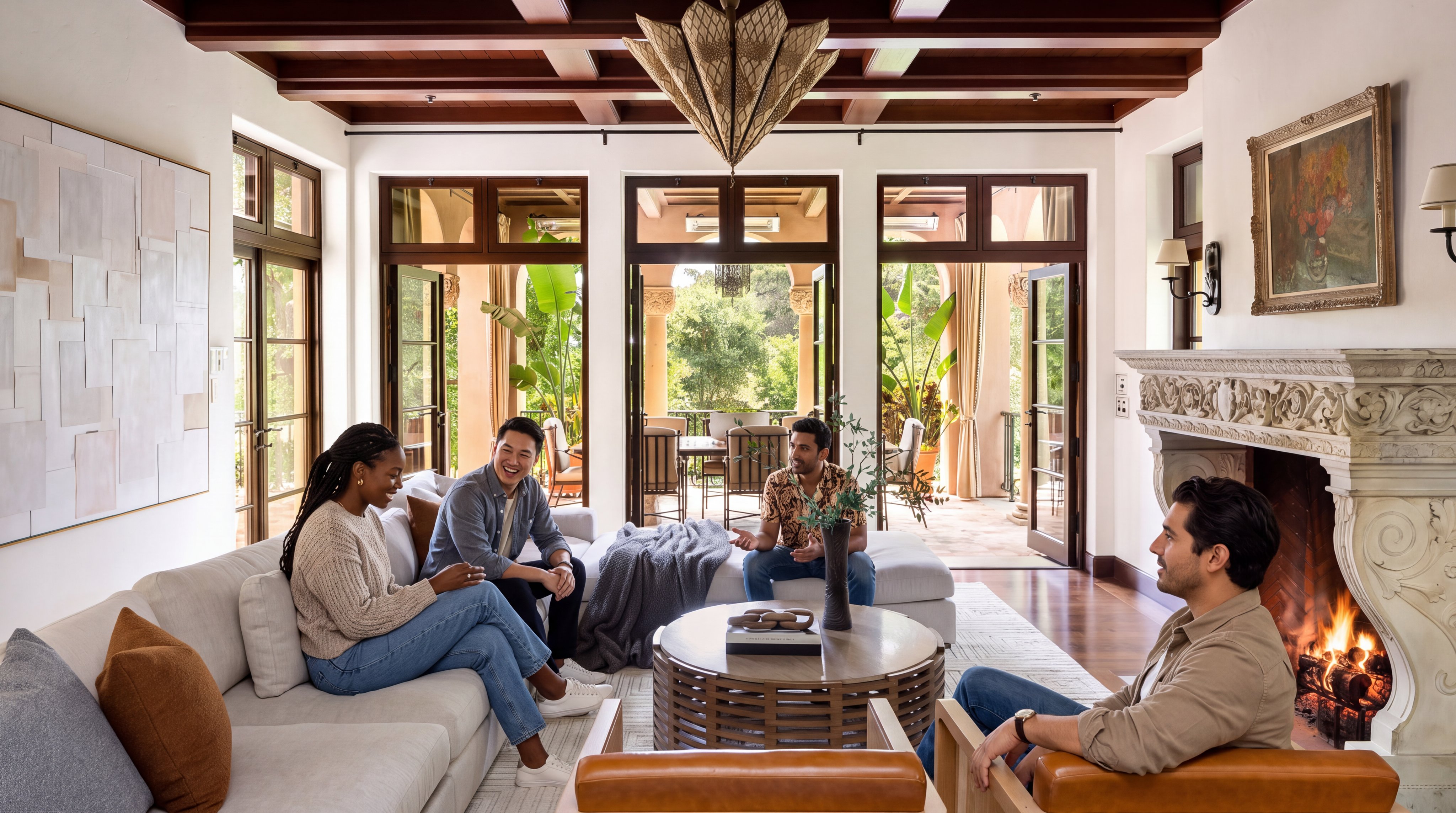
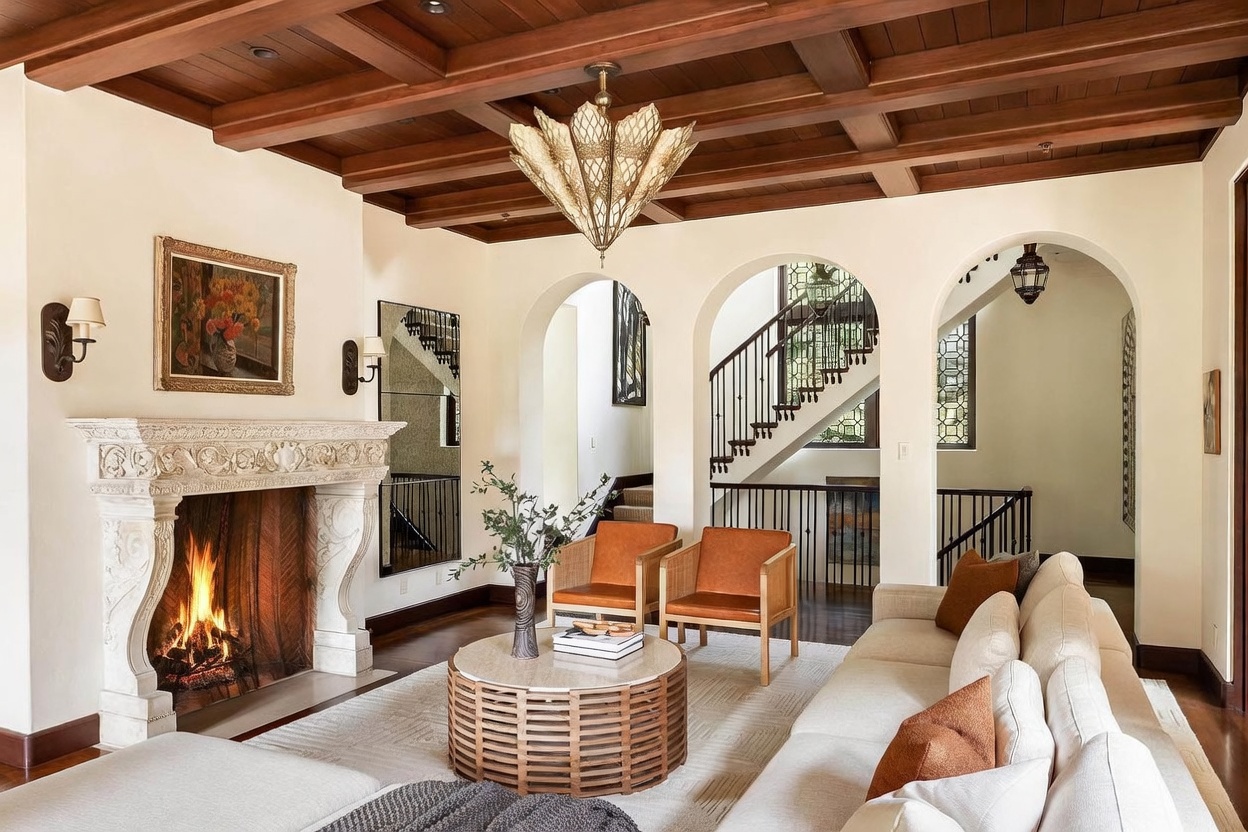
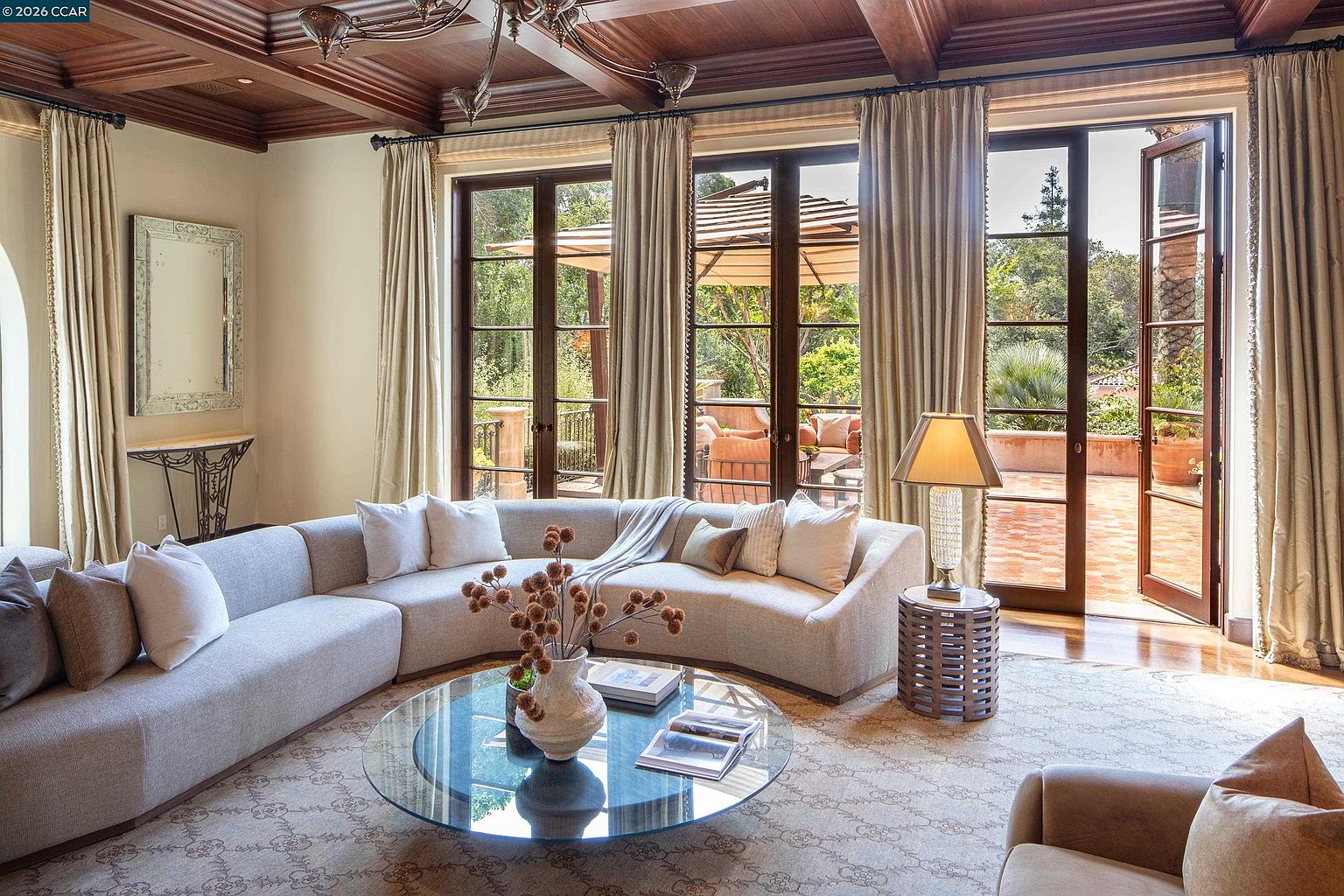
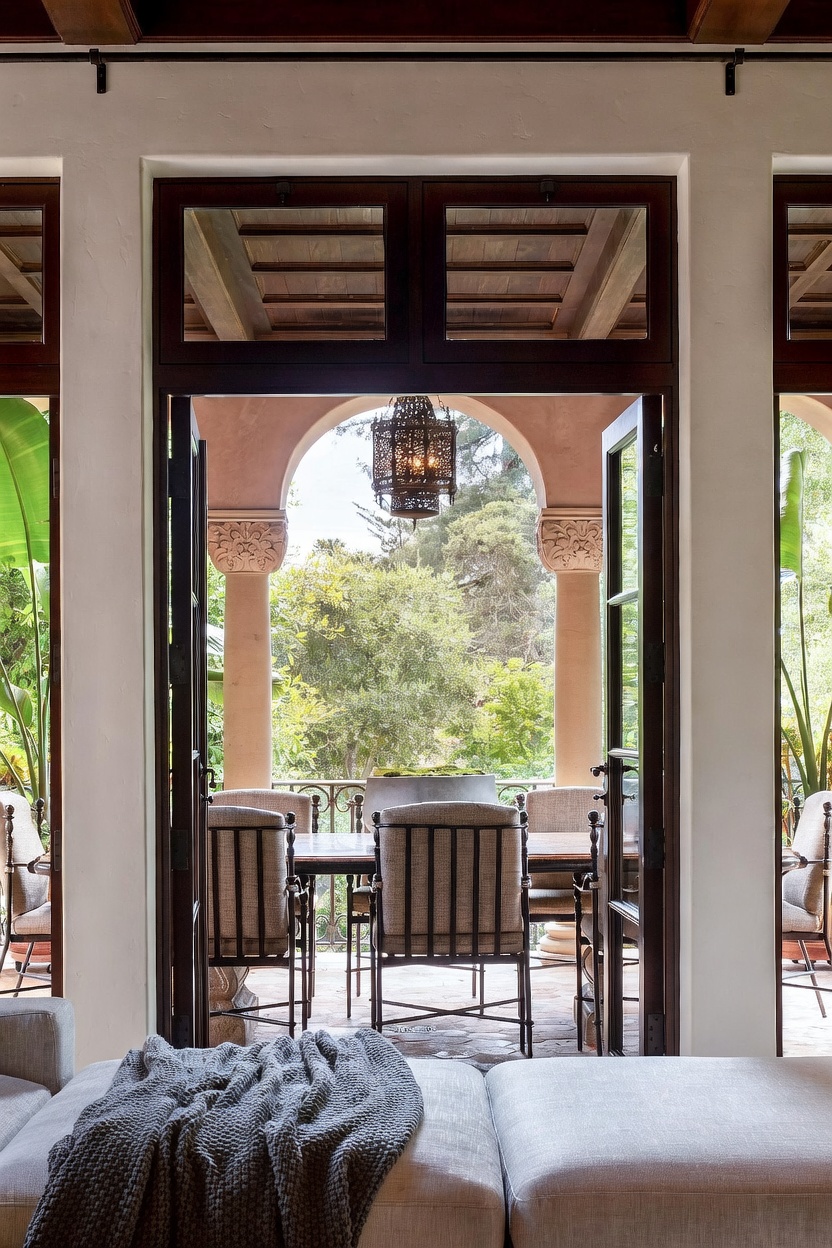
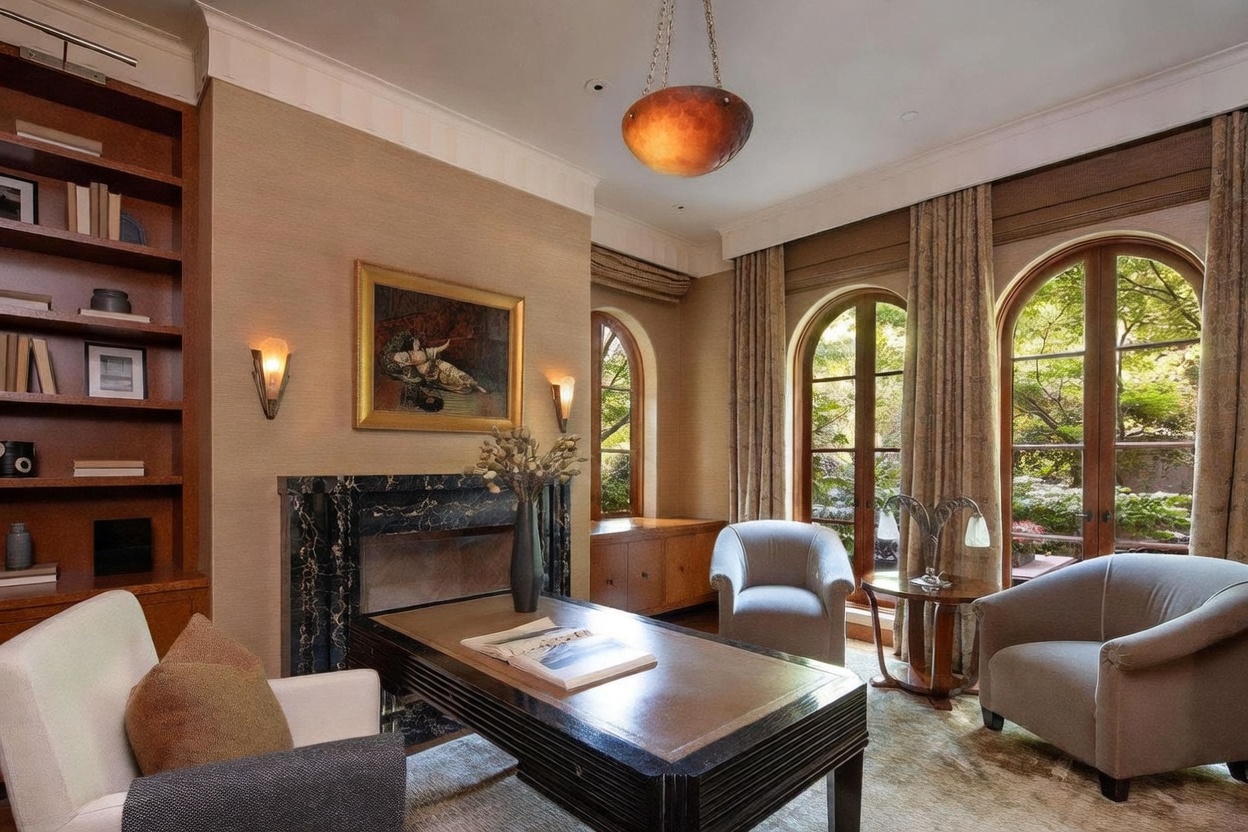
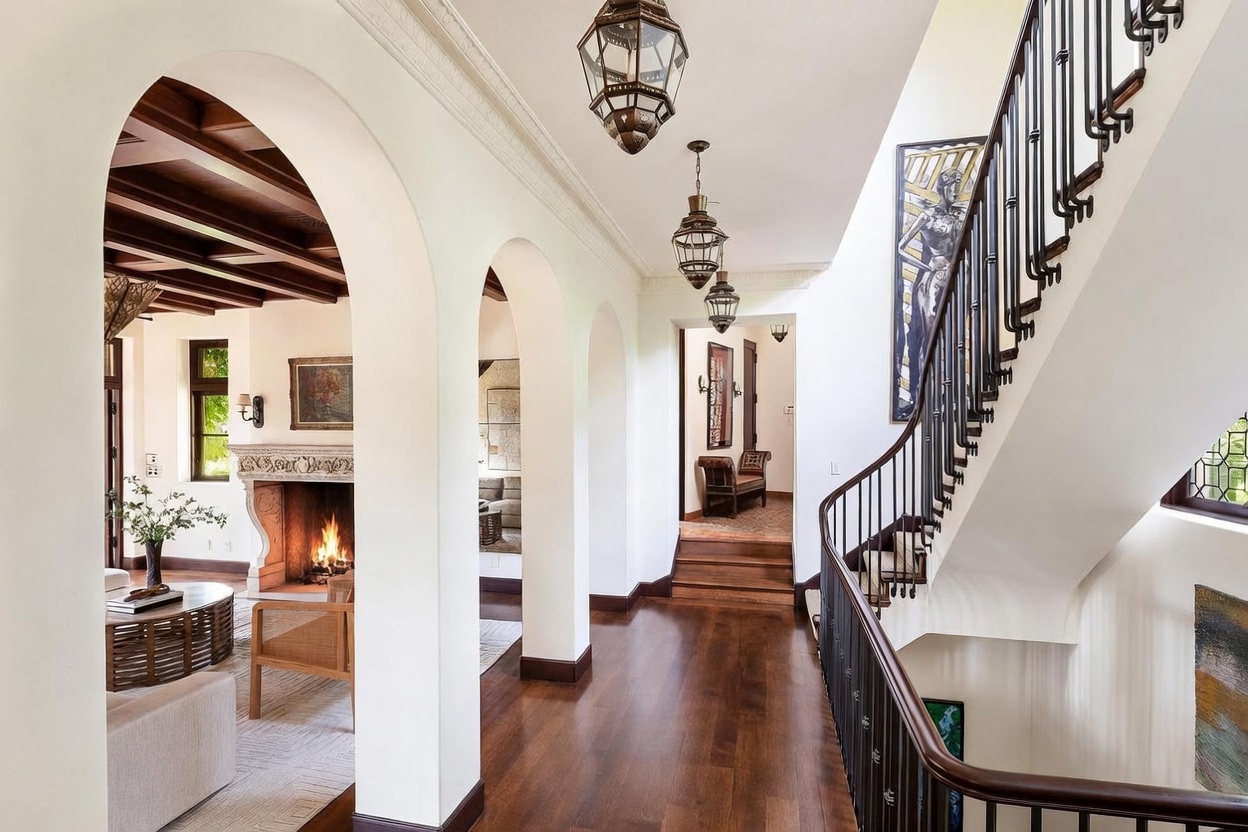
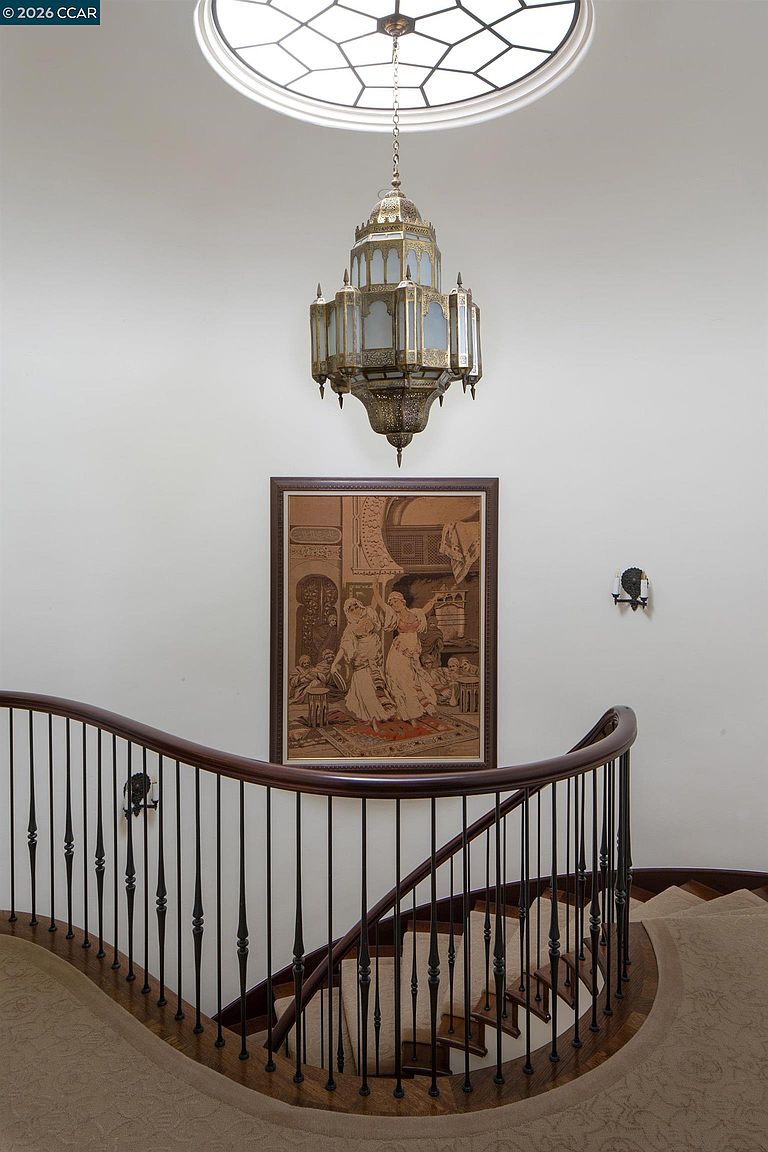
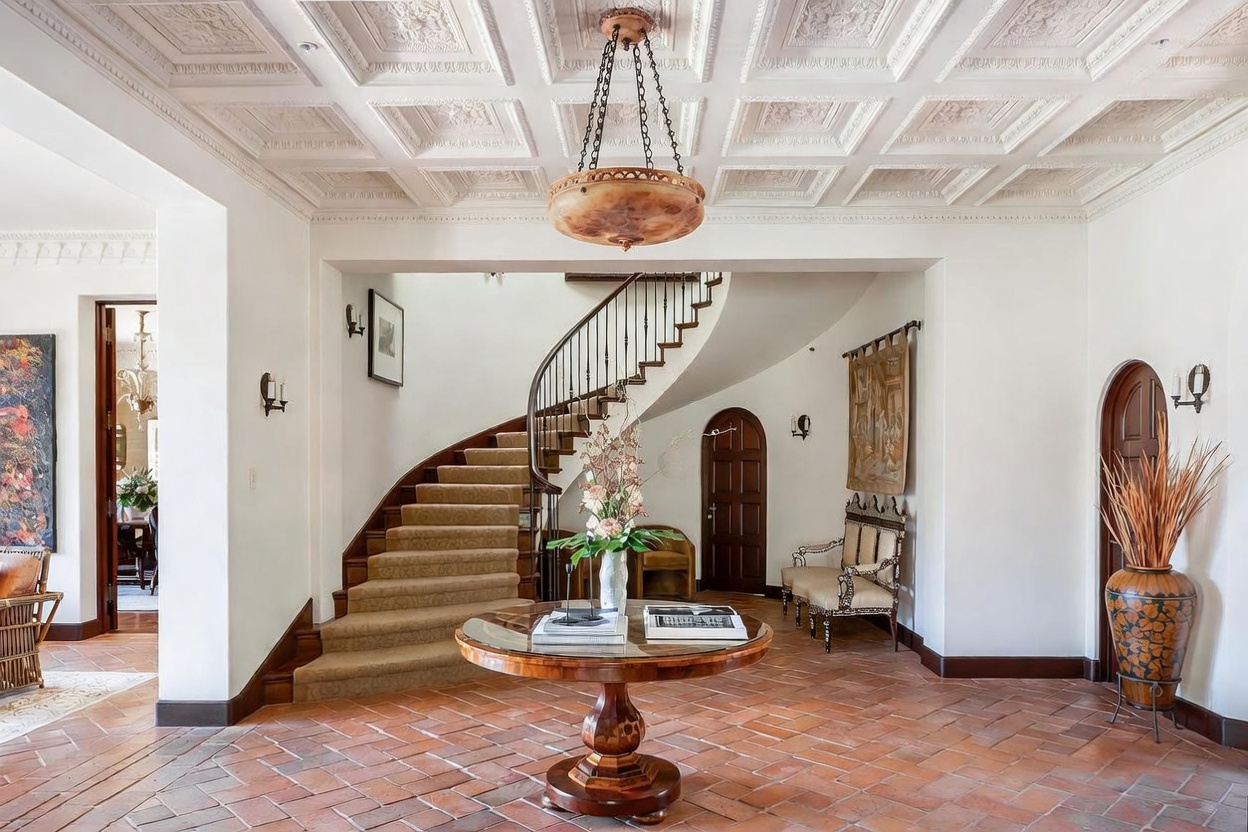
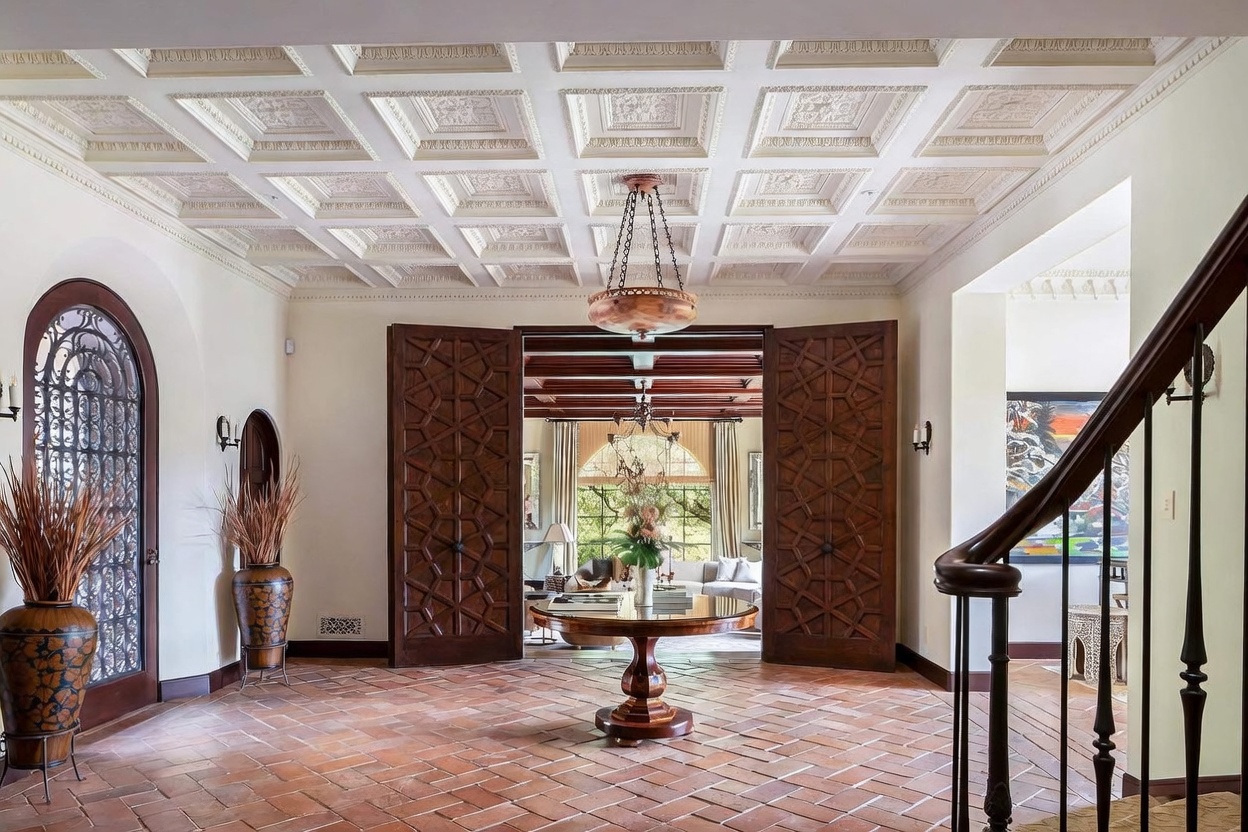
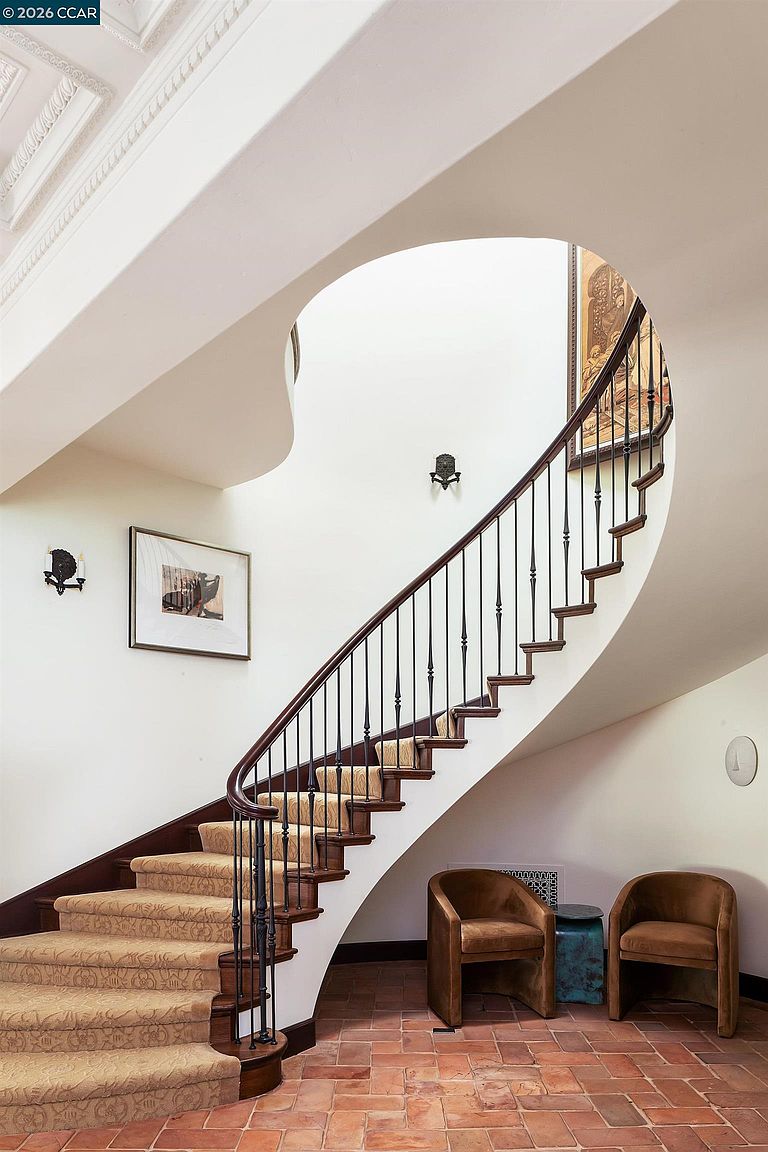
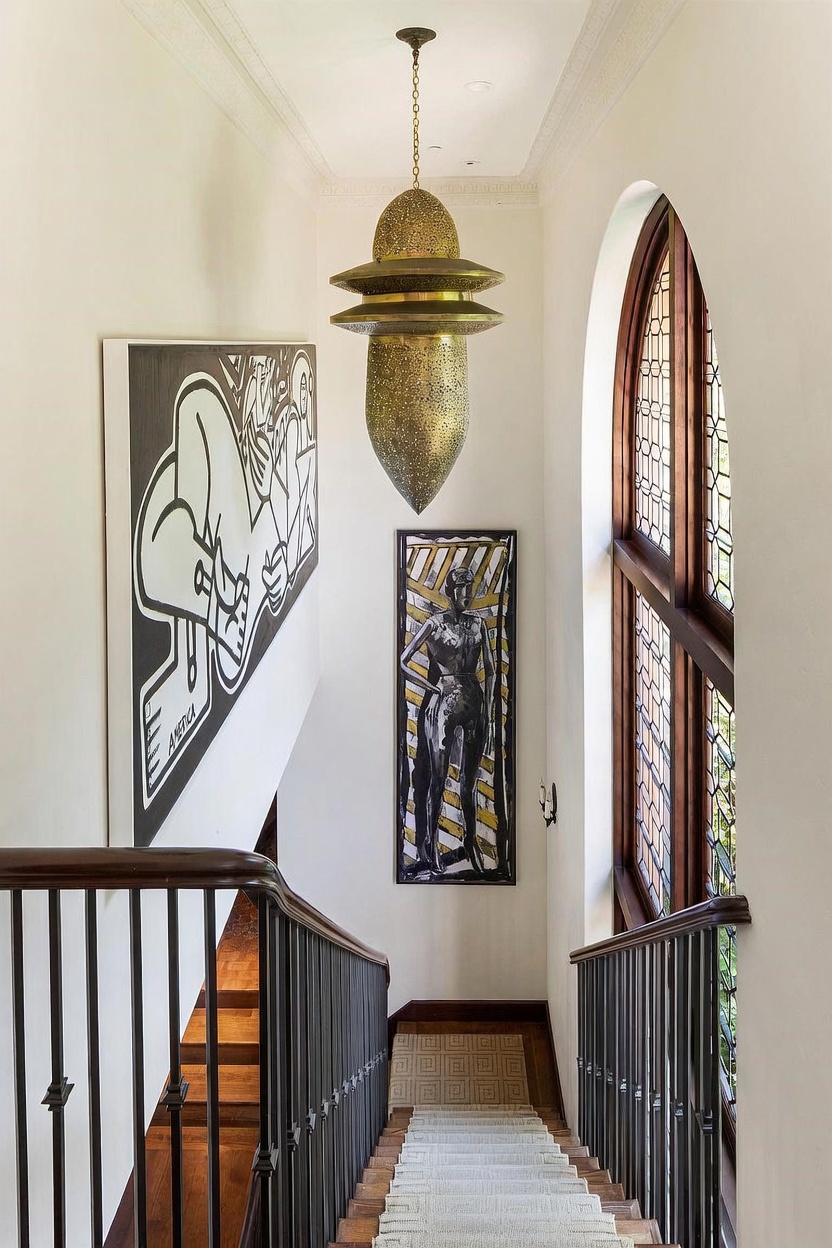
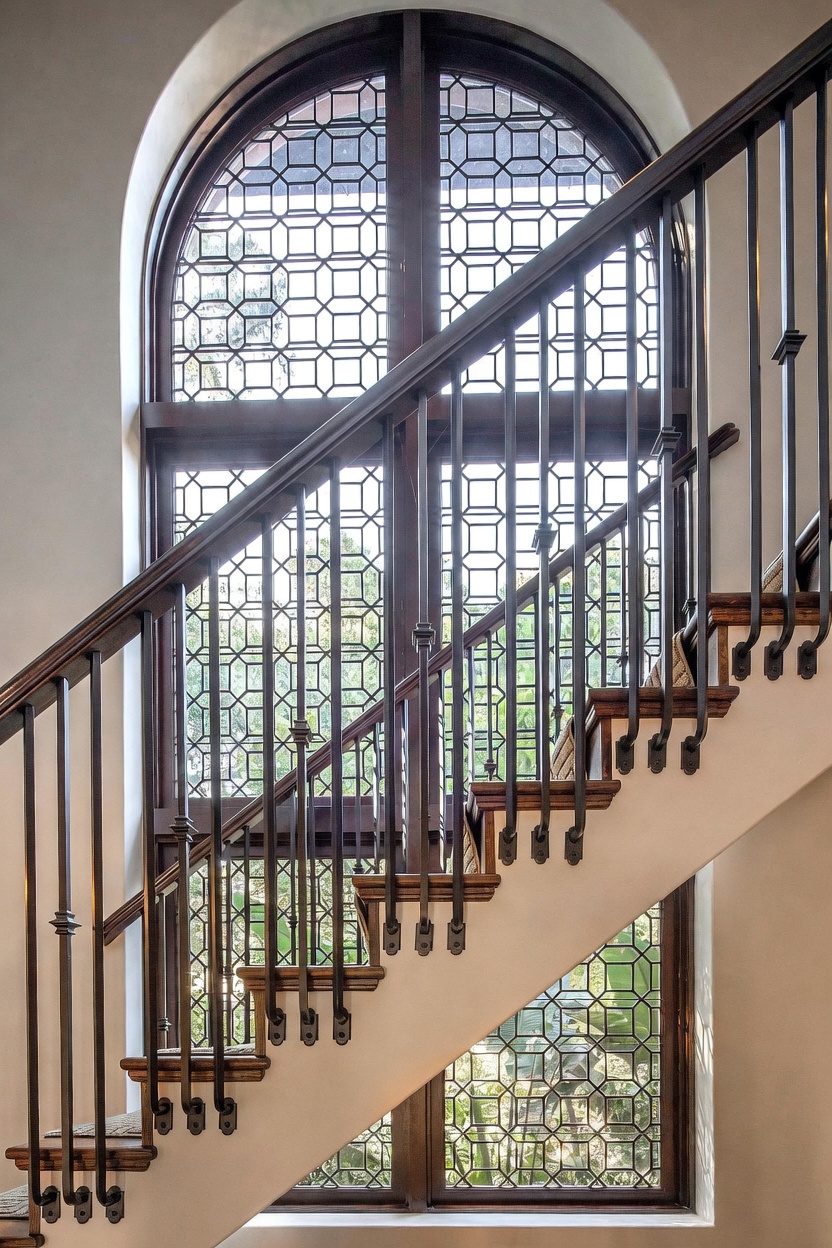
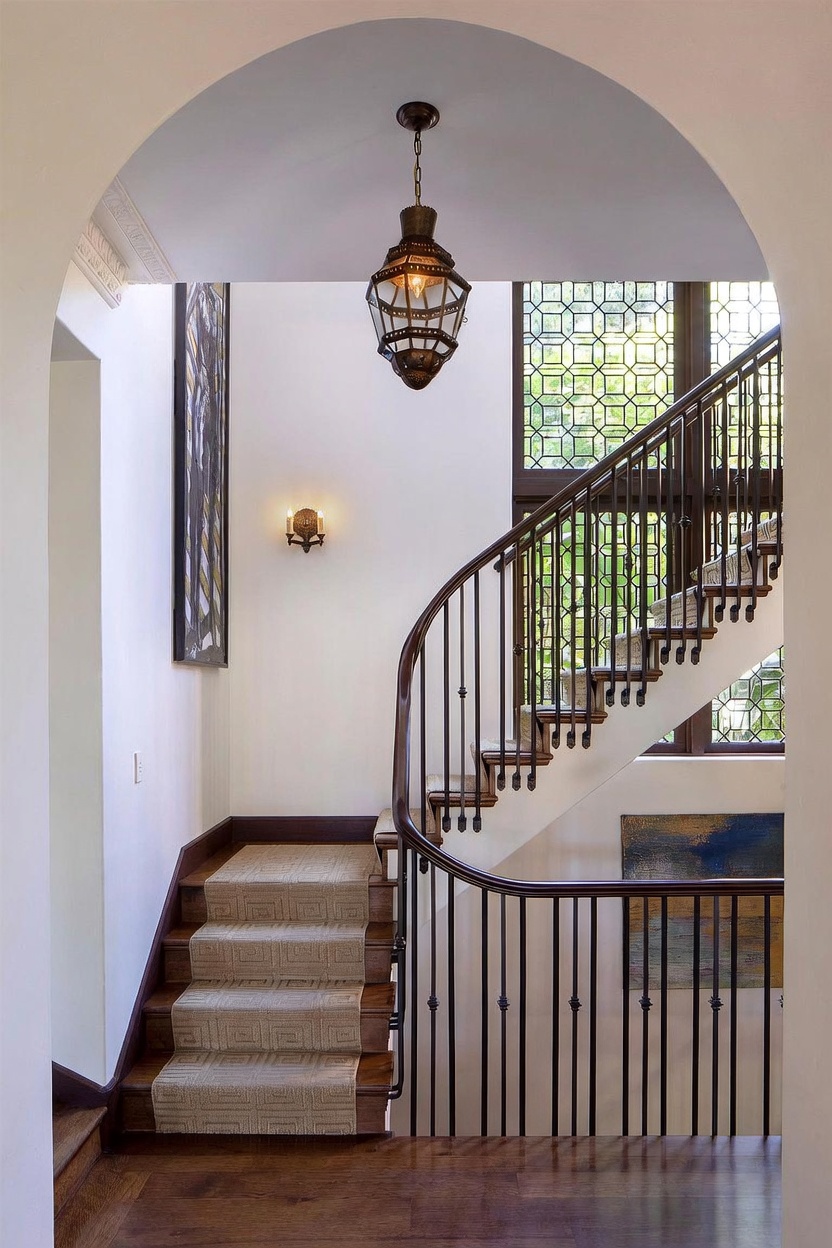
The coffered foyer sets the register immediately: a curved staircase rises with dark wood railings and slender iron balusters, while leaded-glass windows scatter light across terracotta tile floors. It is an arrival sequence designed to slow the pace and heighten the senses. The living room deepens that impression, anchored by an ornate stone fireplace beneath a coffered wood-beam ceiling, its glass doors dissolving the boundary between interior warmth and the covered loggia beyond.
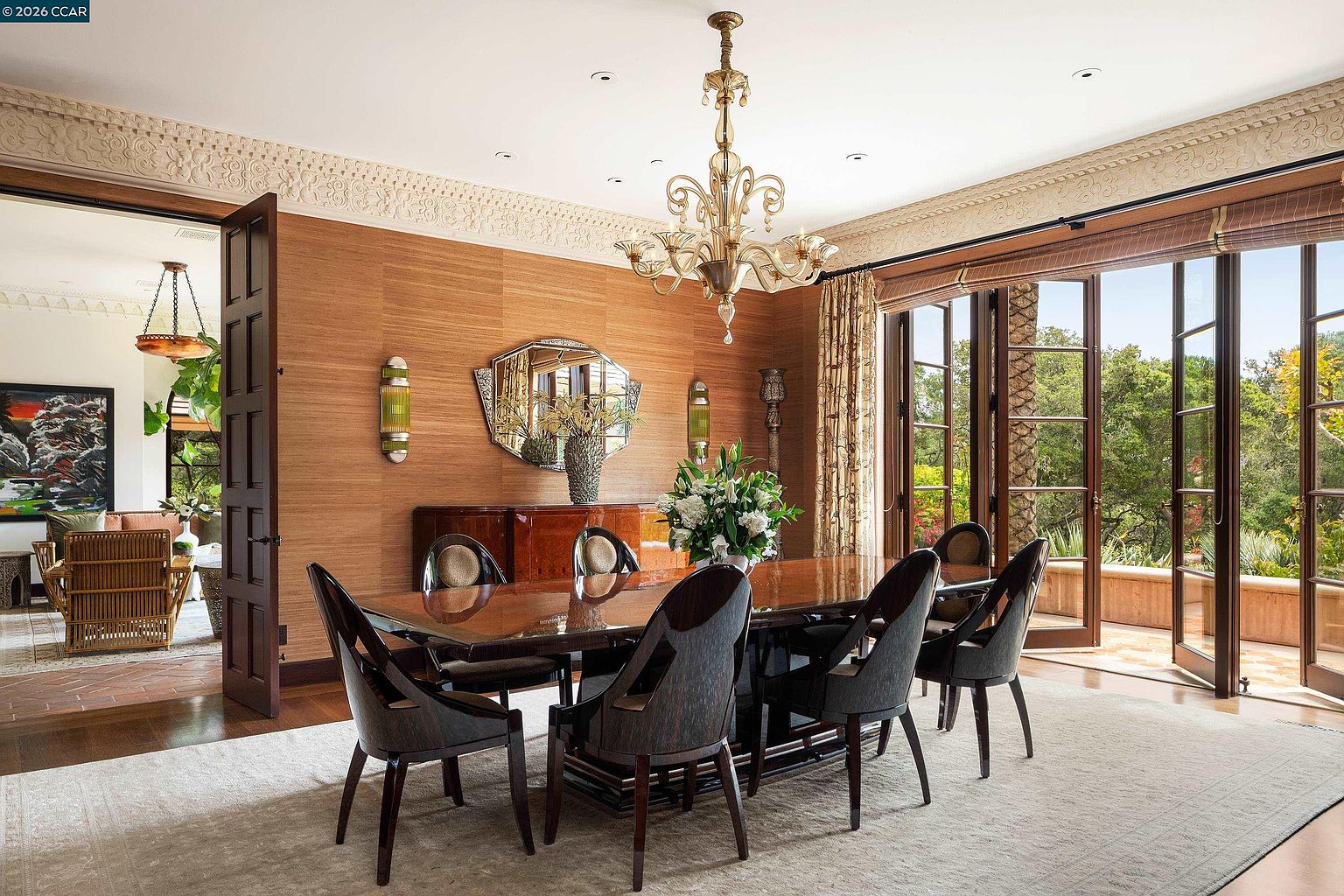
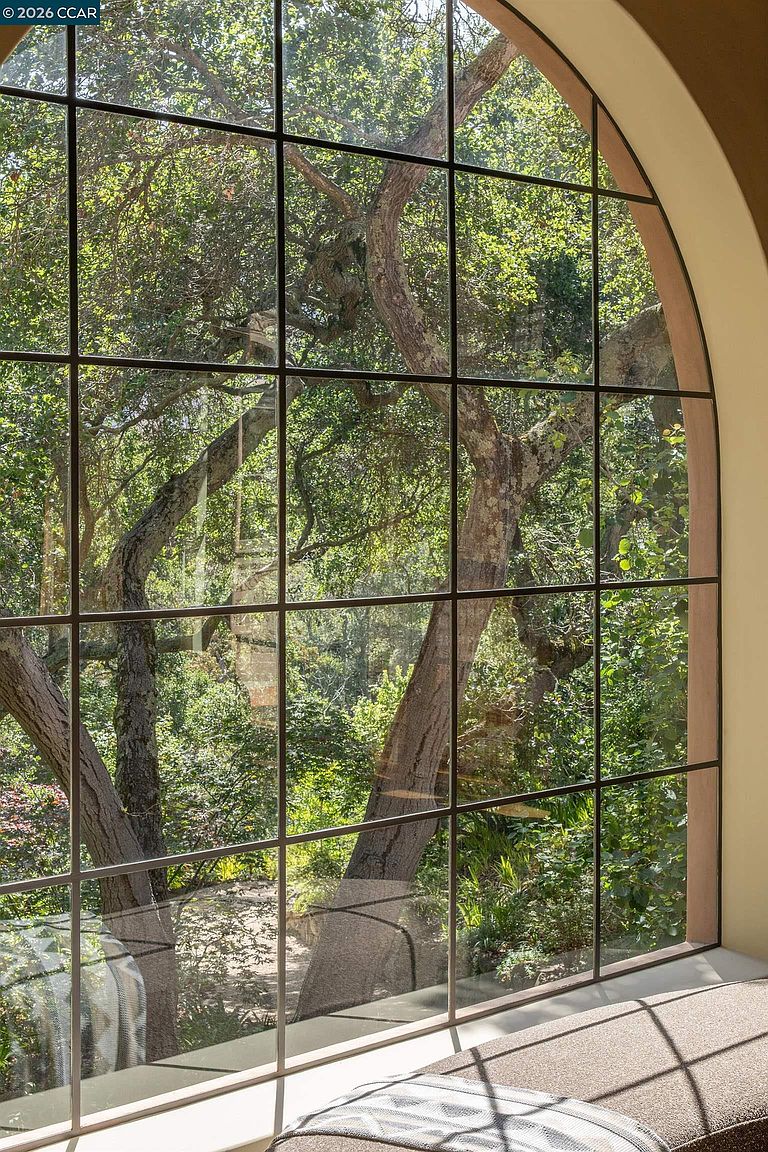
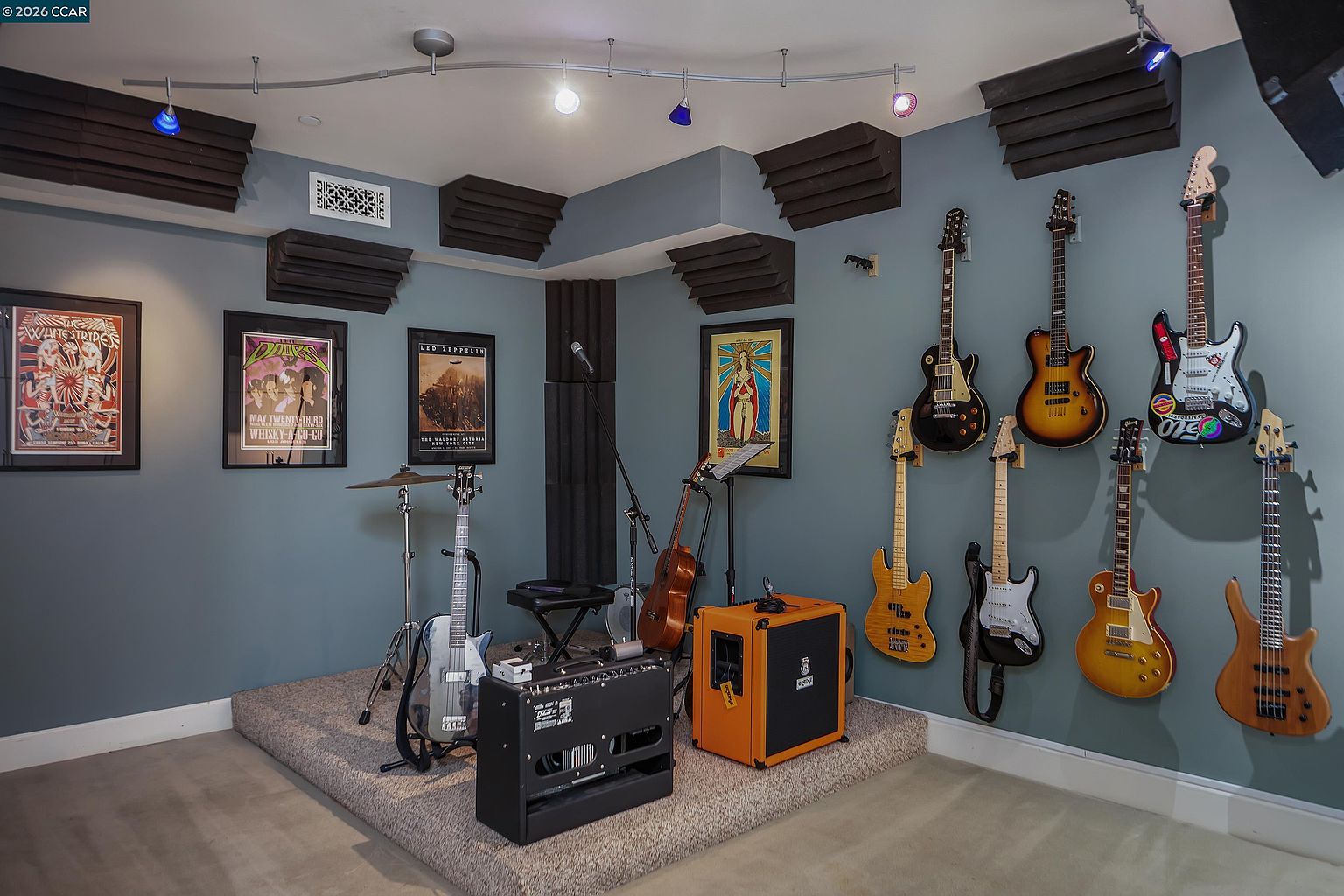
Throughout the home, the dialogue between antiquity and modernity is never accidental. A 400-year-old fireplace surround grounds a space that is also wired with a Savant automation system and Lutron lighting. Honduran mahogany window frames and masterful leaded glass speak to a commitment to material honesty that synthetic alternatives could never replicate. Double-framed walls ensure acoustic privacy worthy of a concert hall, while the seismic foundation — engineered with steel-reinforced concrete piers — reflects a structural intelligence appropriate for the region's geology.
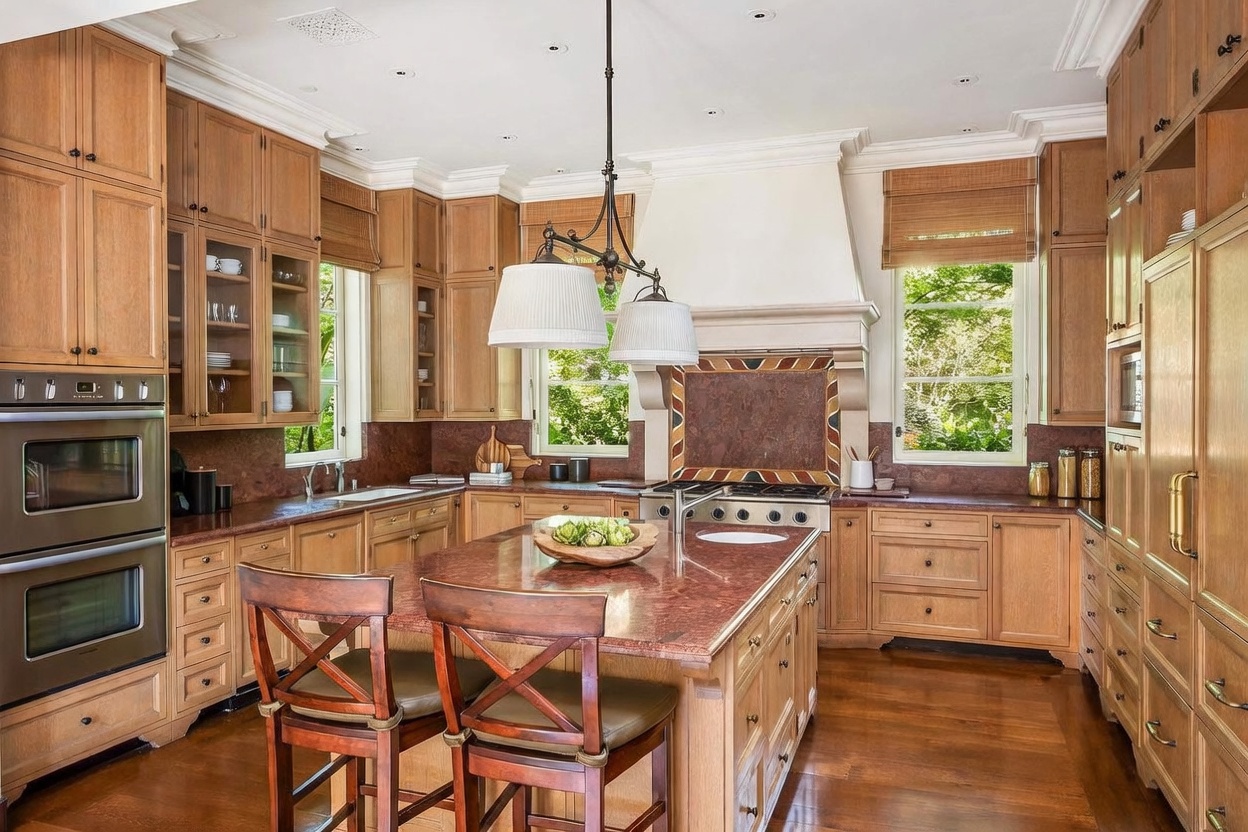
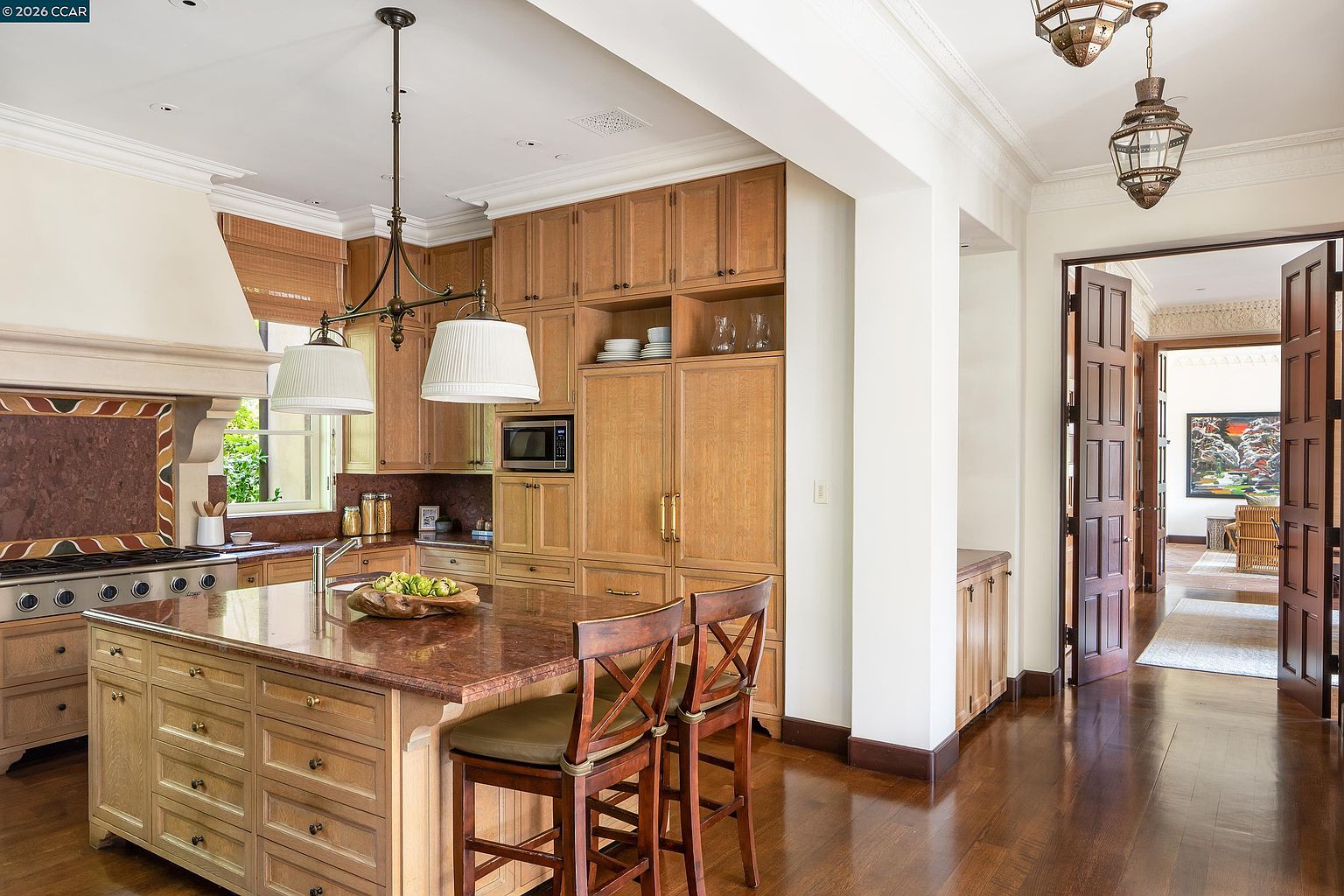
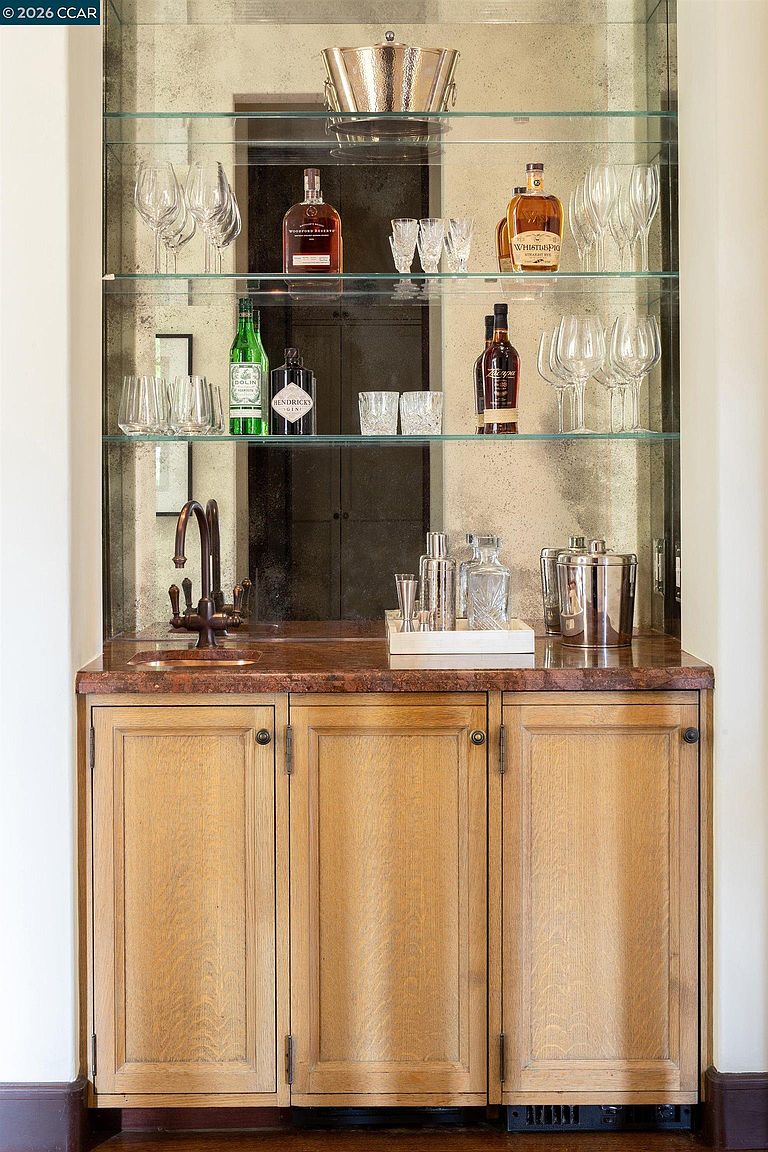
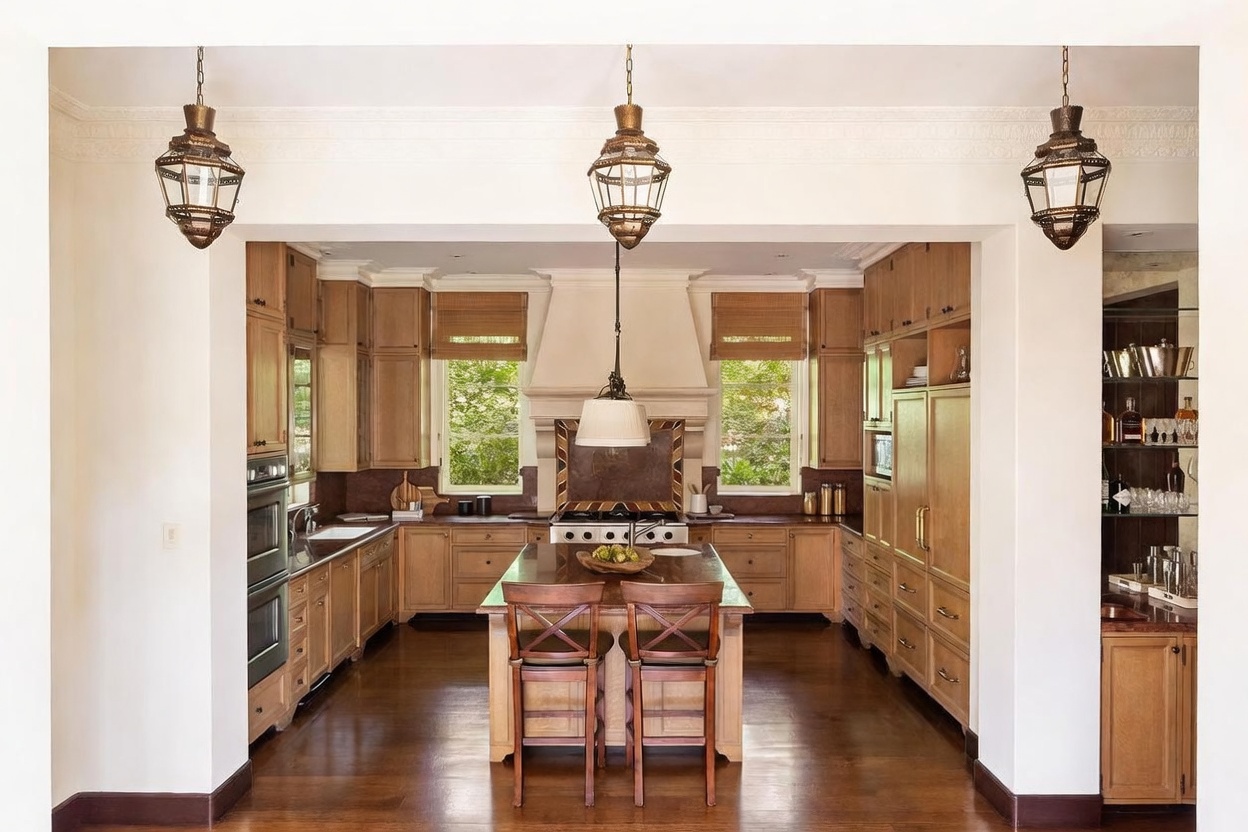
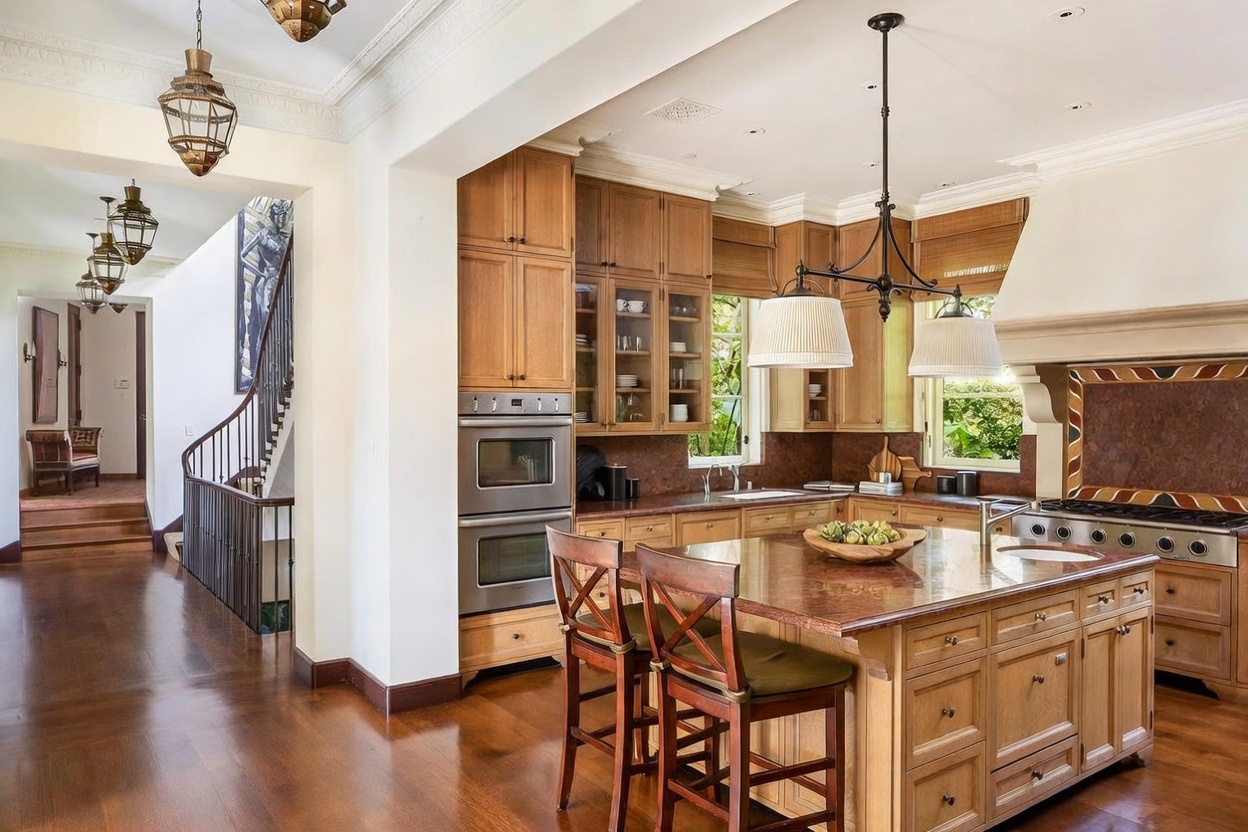
The kitchen is a study in considered restraint: warm wood cabinetry meets a deep red stone island and a professional range set against a decorative tile backsplash, all illuminated by large windows that frame the surrounding greenery like living paintings. A built-in wet bar with mirrored backsplash and glass shelving completes the entertaining infrastructure with equal sophistication.
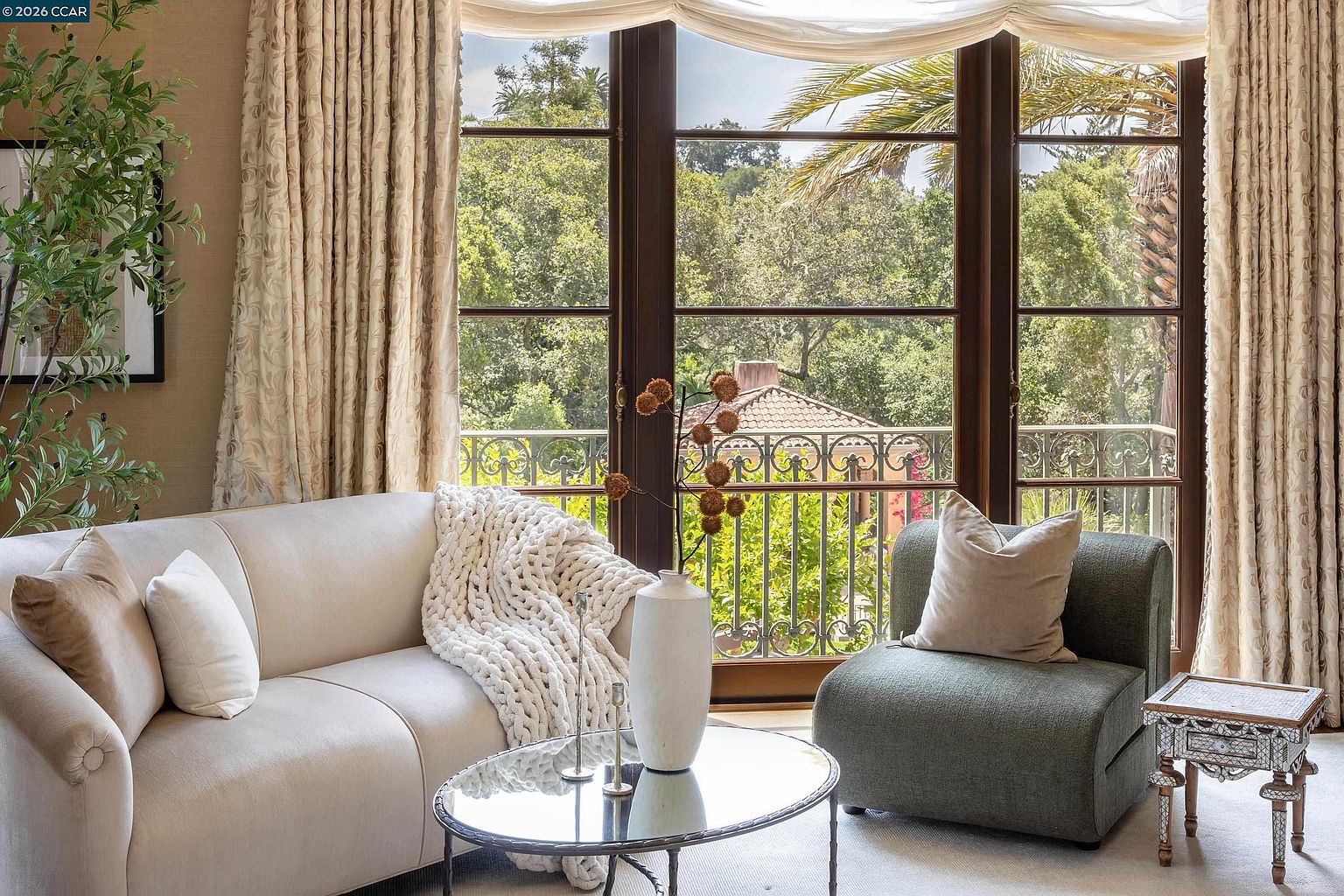
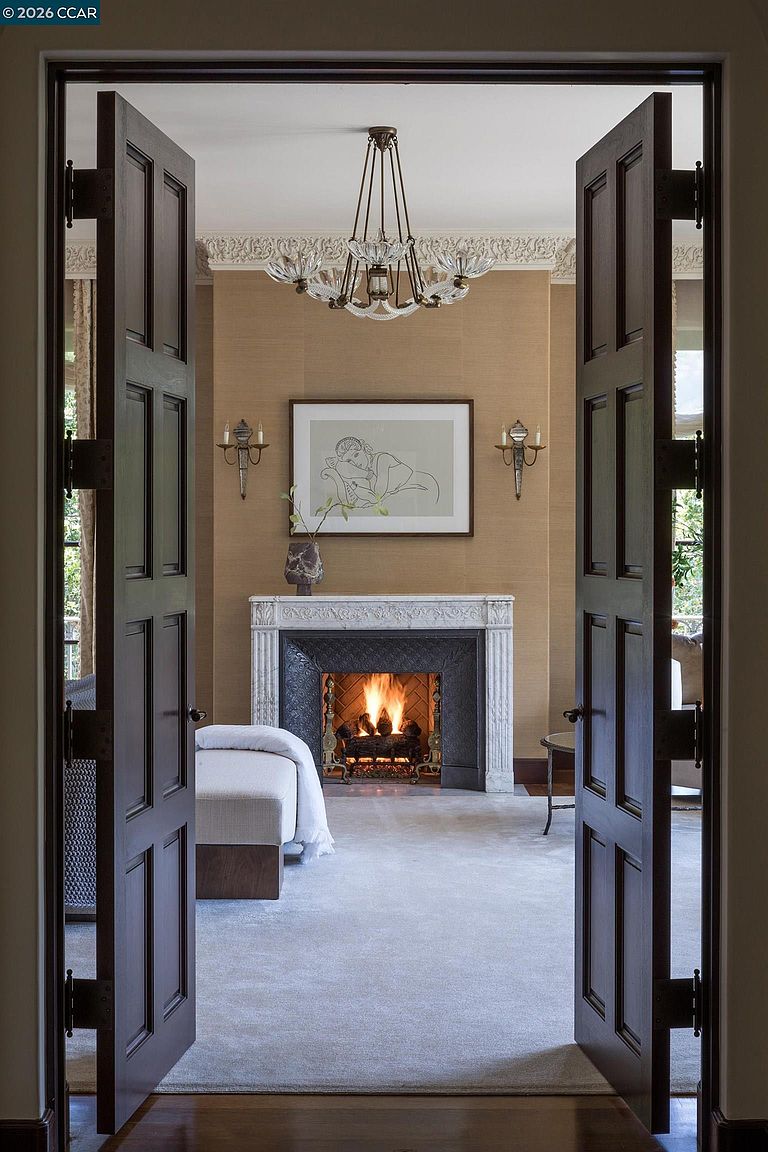
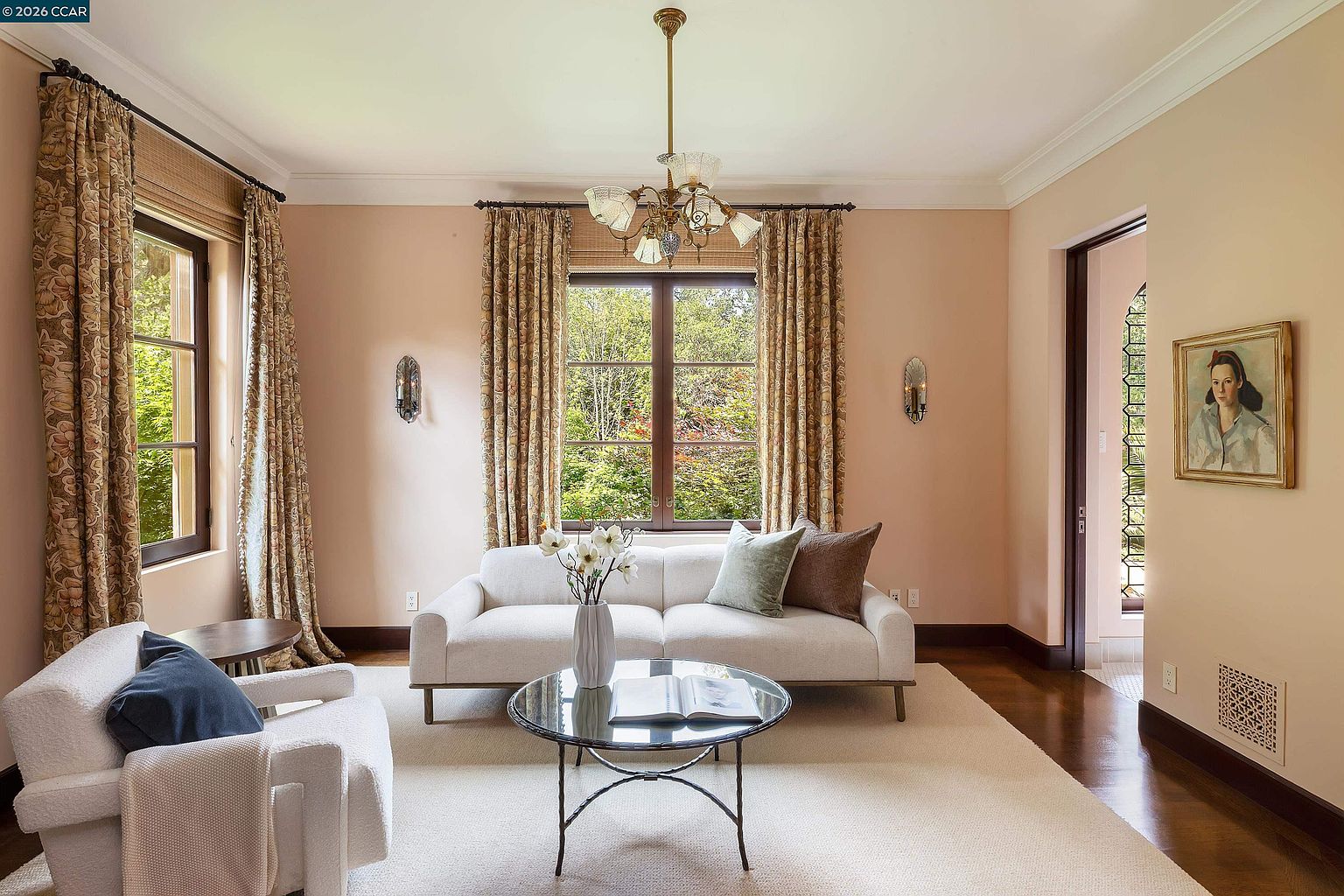
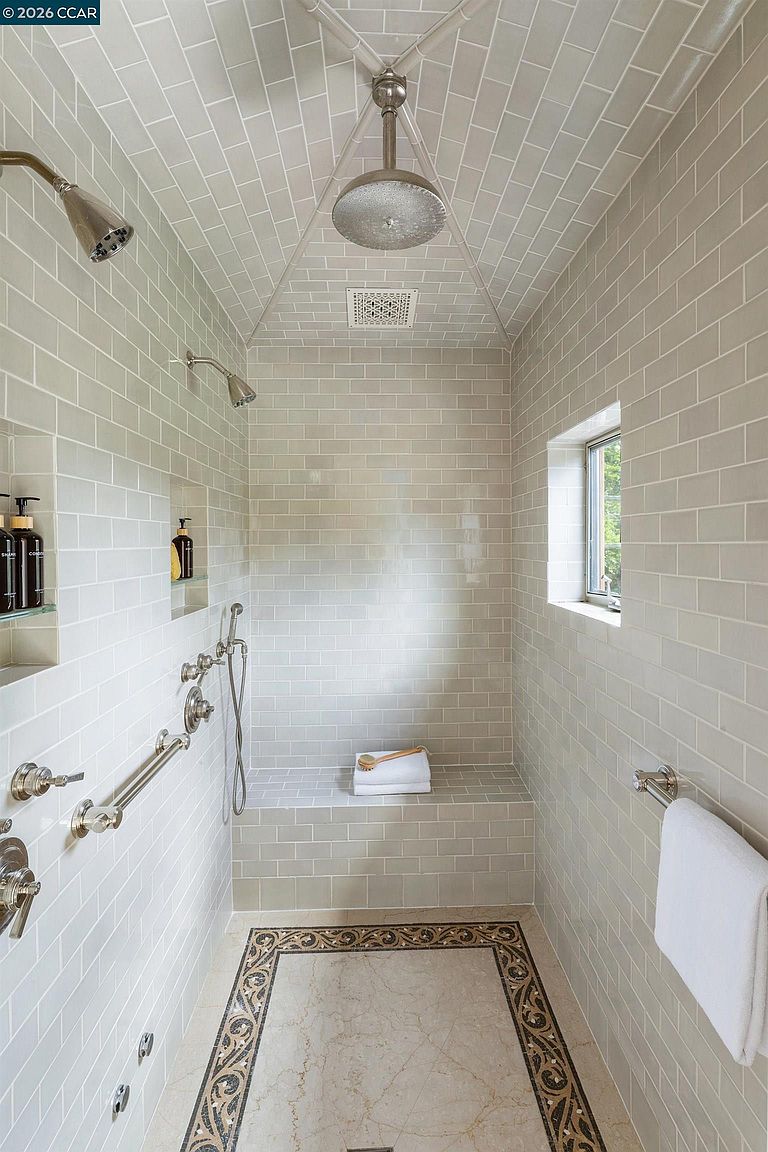
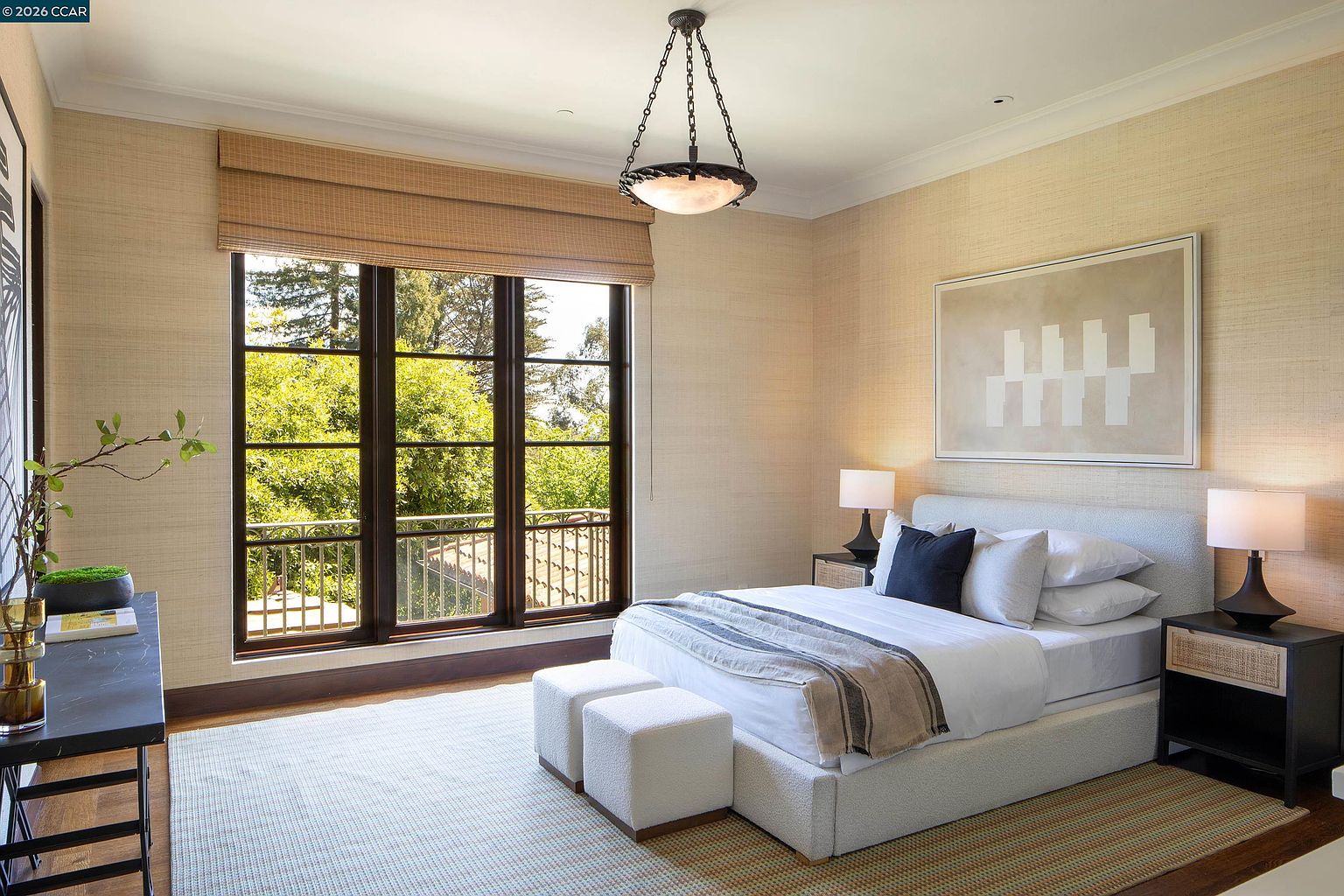
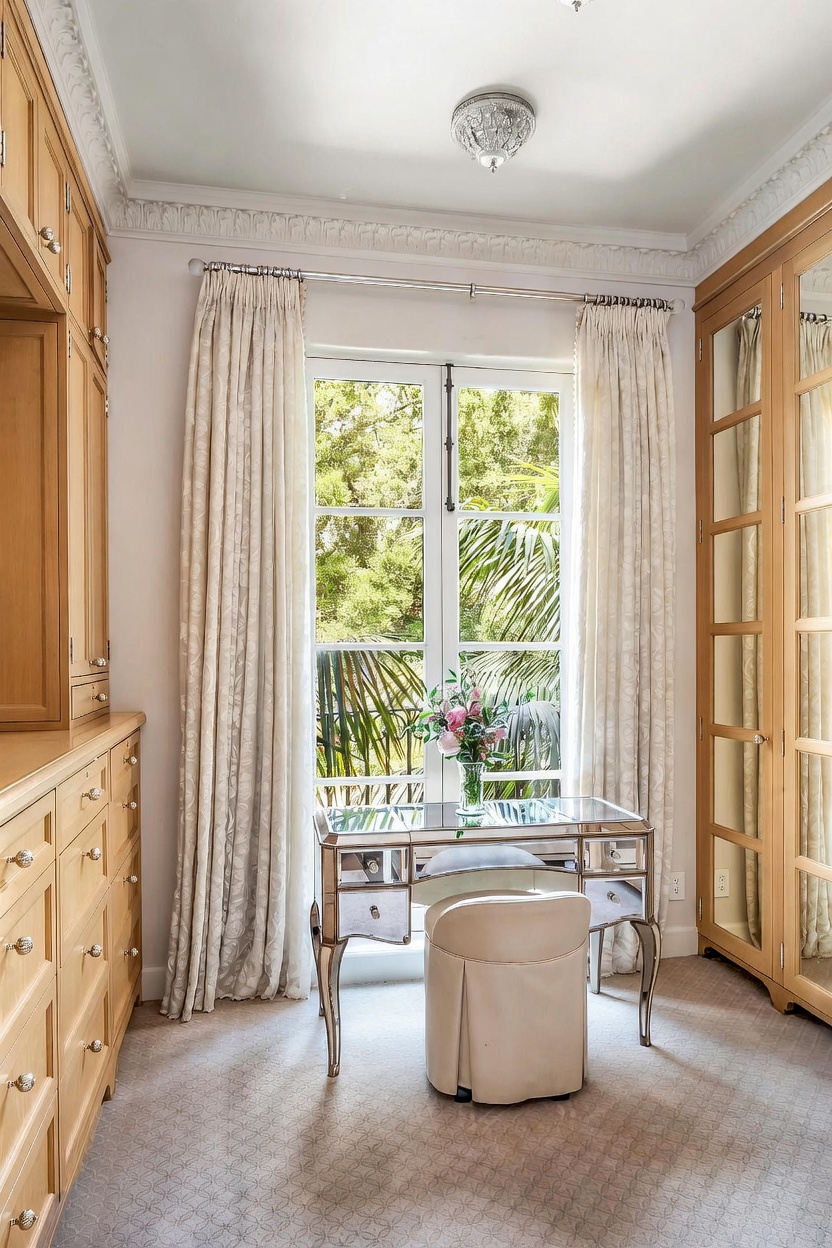
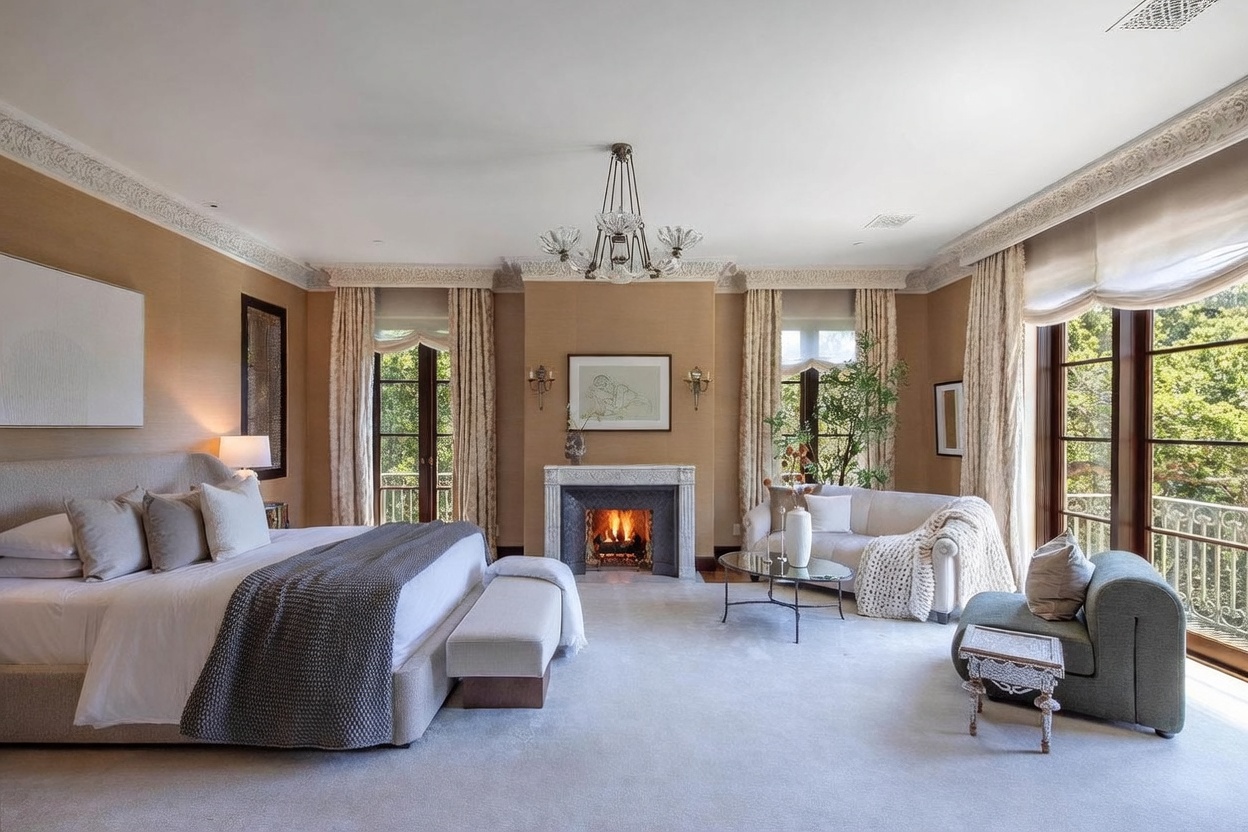
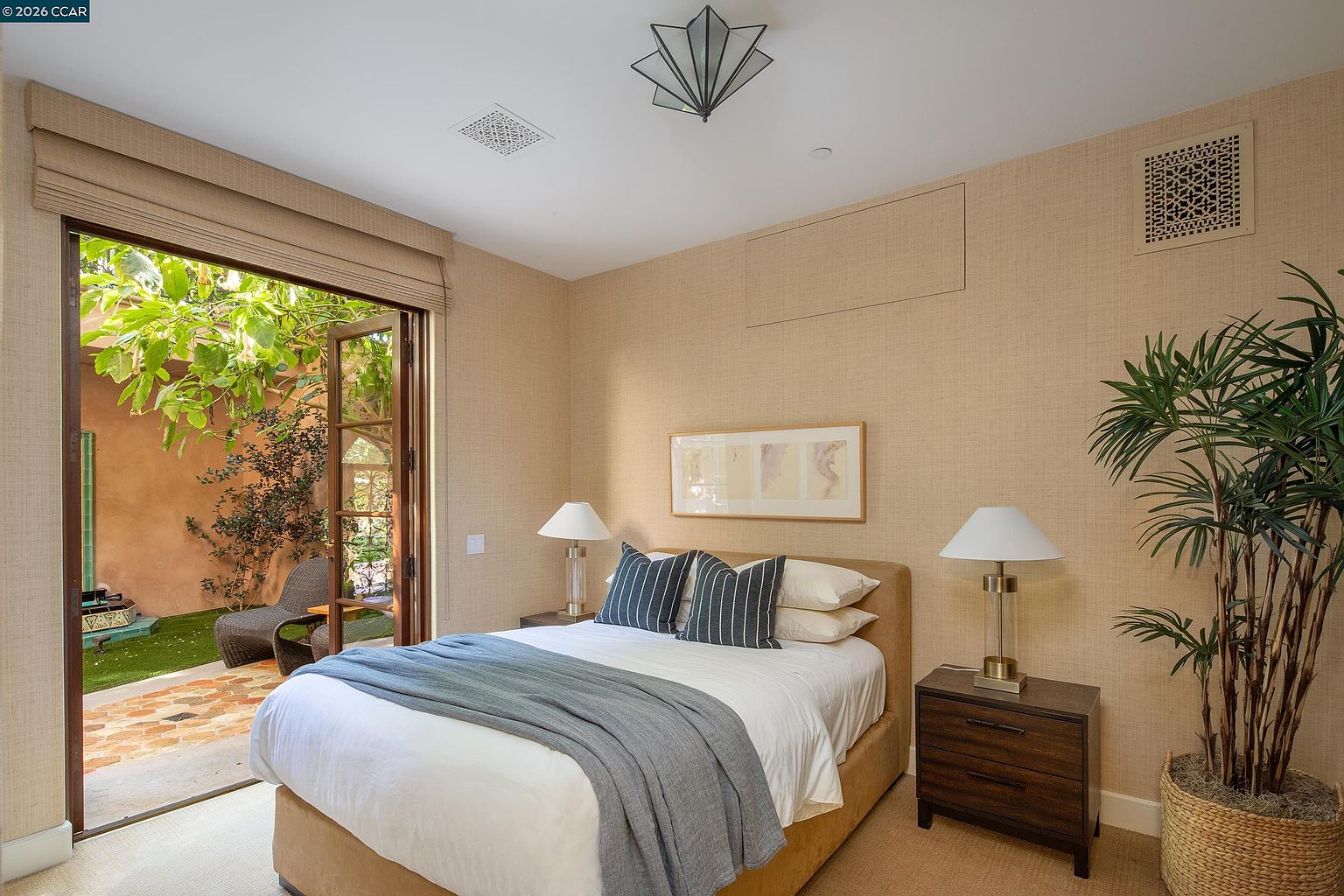
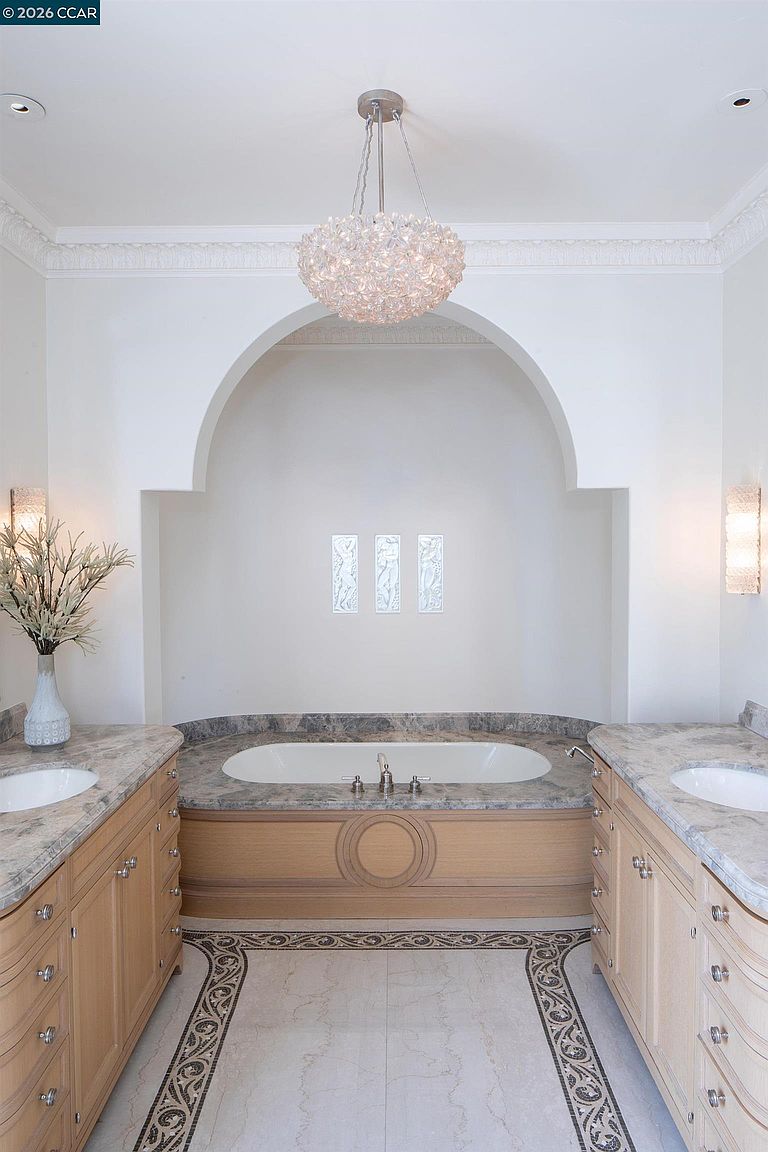
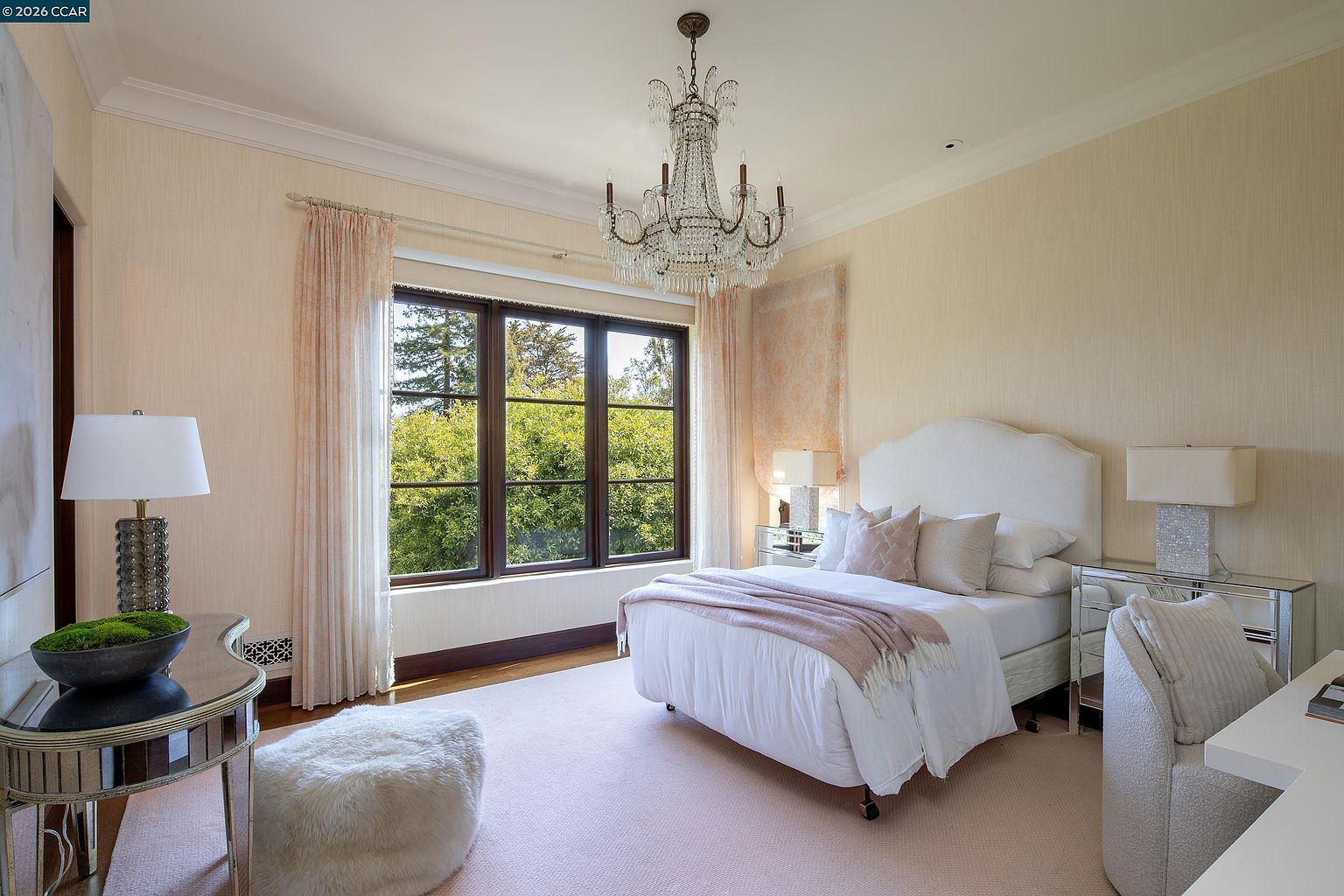
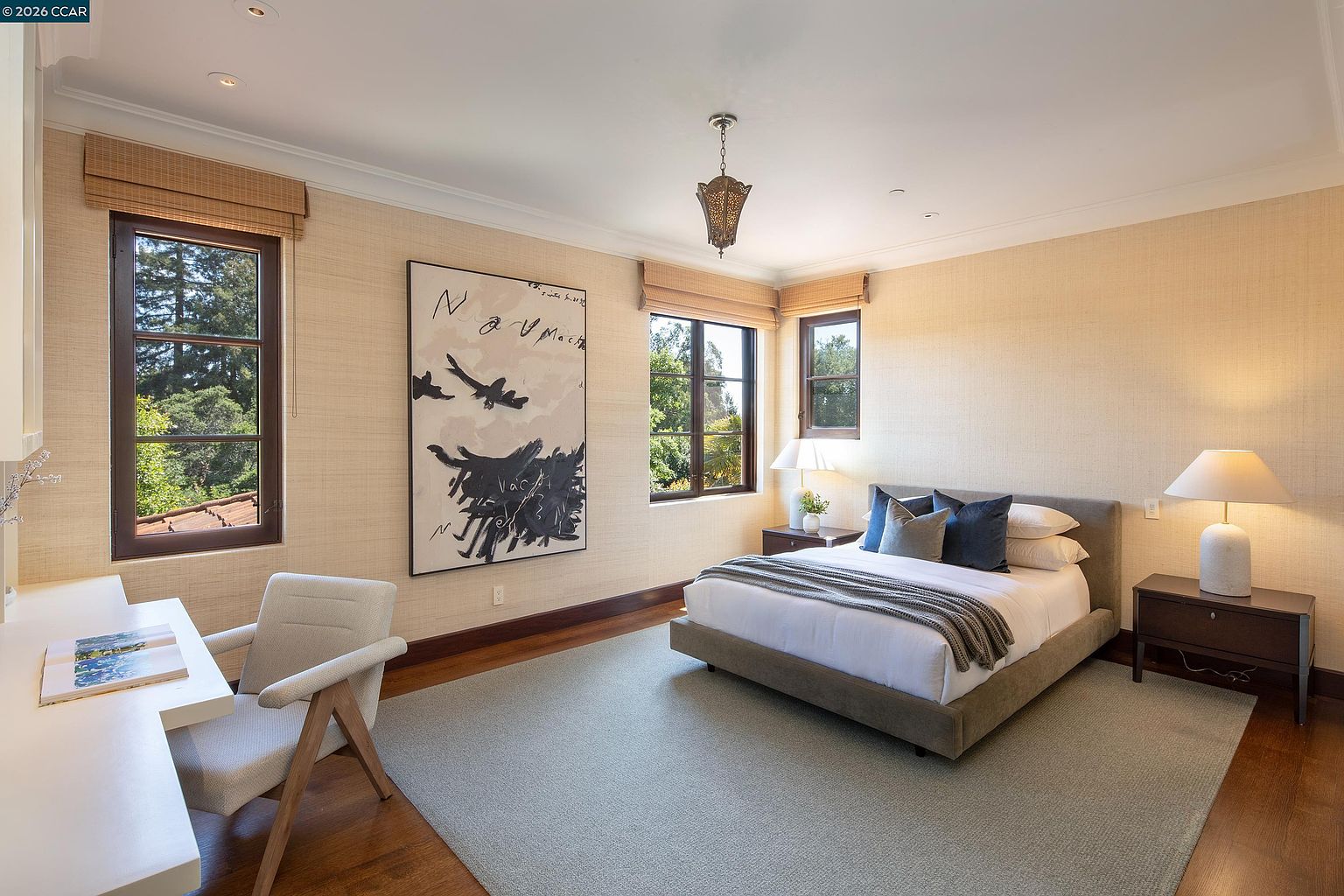
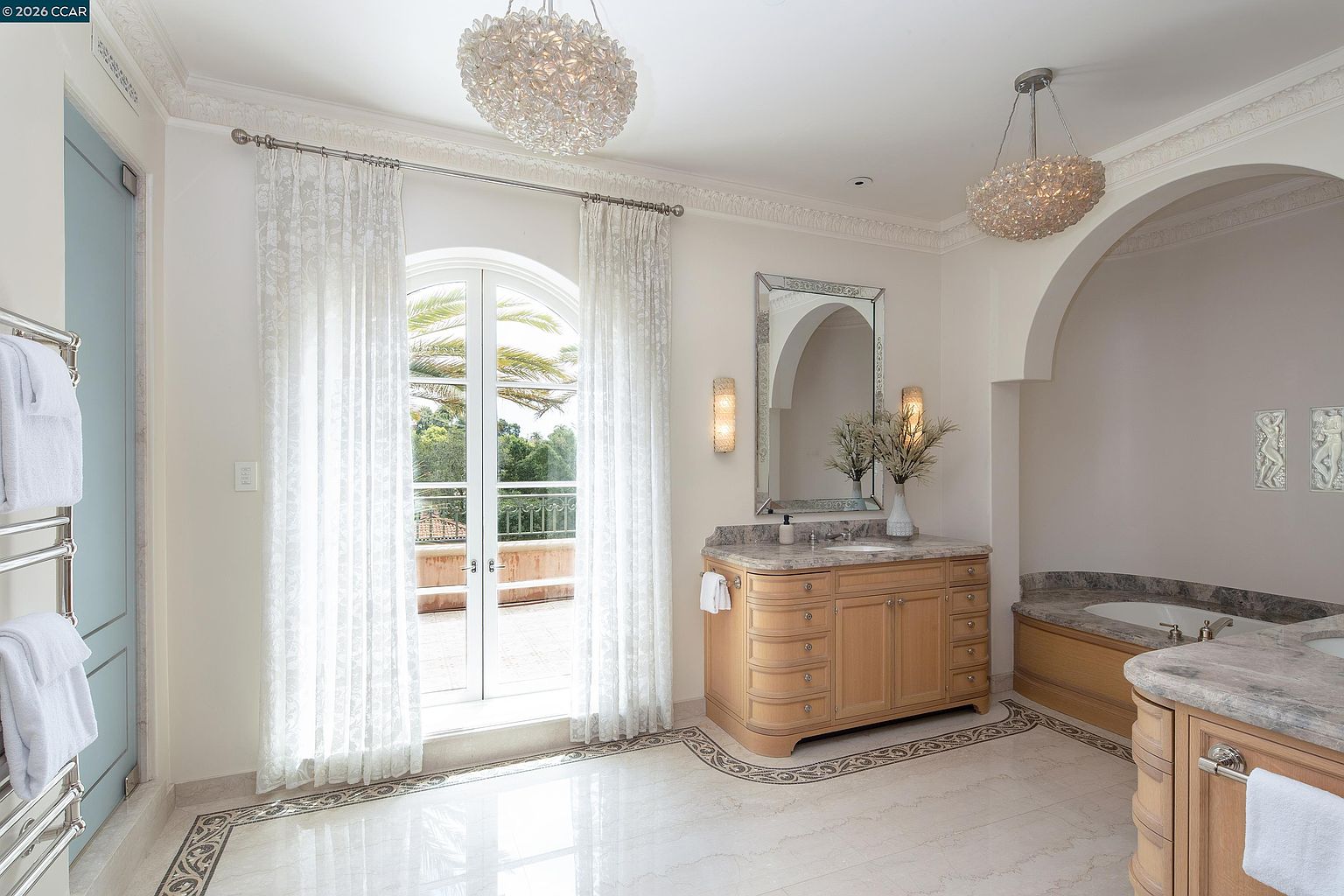
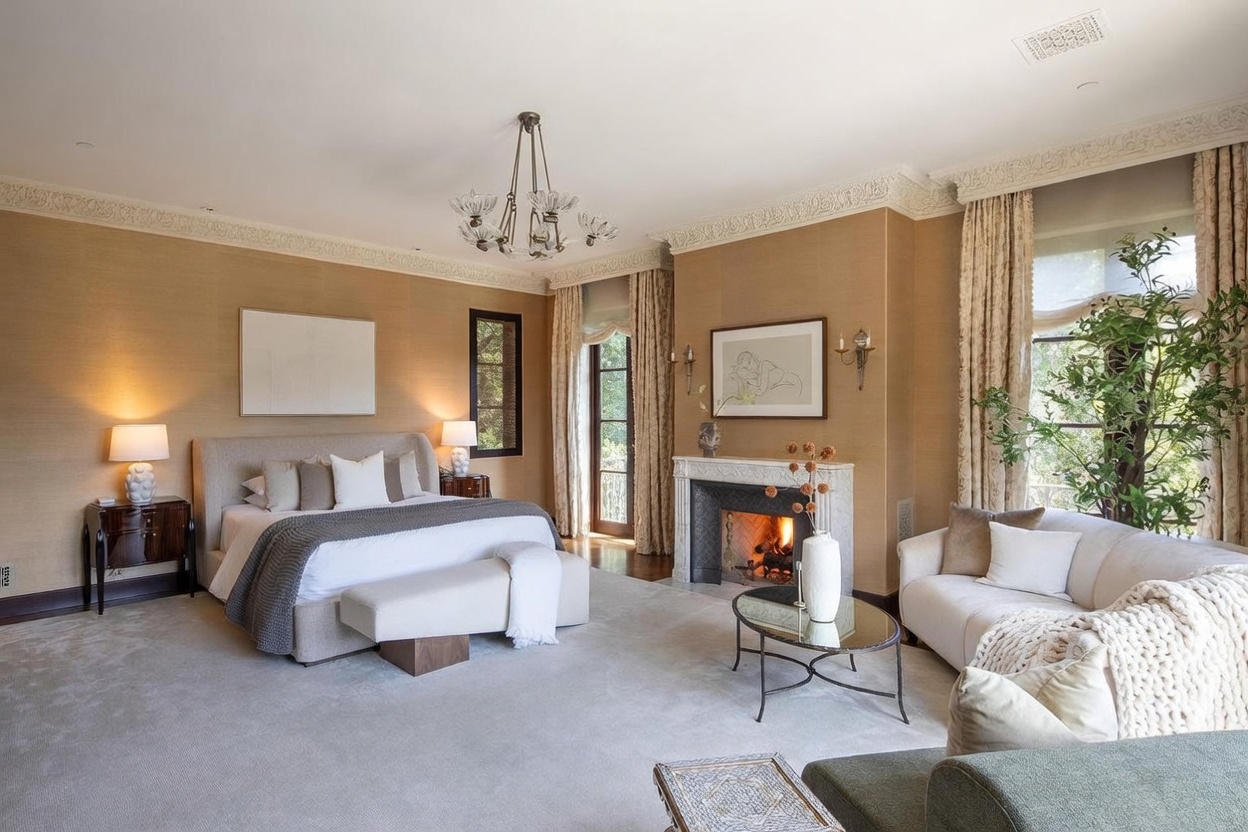
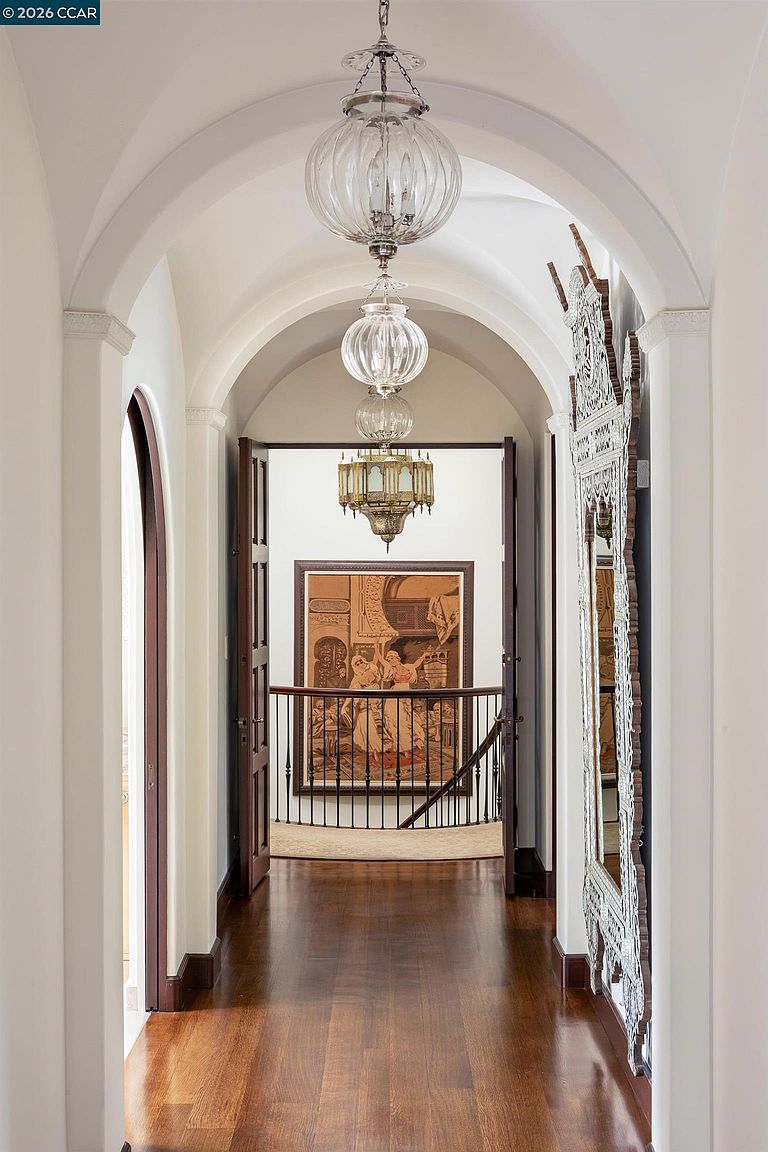
The primary suite is an exercise in restorative luxury. A vaulted vestibule precedes the bedroom itself, where a French marble fireplace and heated marble floors establish an atmosphere closer to a European grand hotel than a private residence. Boutique closets with custom cabinetry and a primary bathroom featuring a soaking tub set within a decorative arched alcove, dual crystal chandeliers, and intricate patterned tile flooring complete the suite. Four additional guest suites — each thoughtfully appointed with quality wall coverings, generous natural light, and private garden views — ensure that every occupant experiences the home at its full measure.
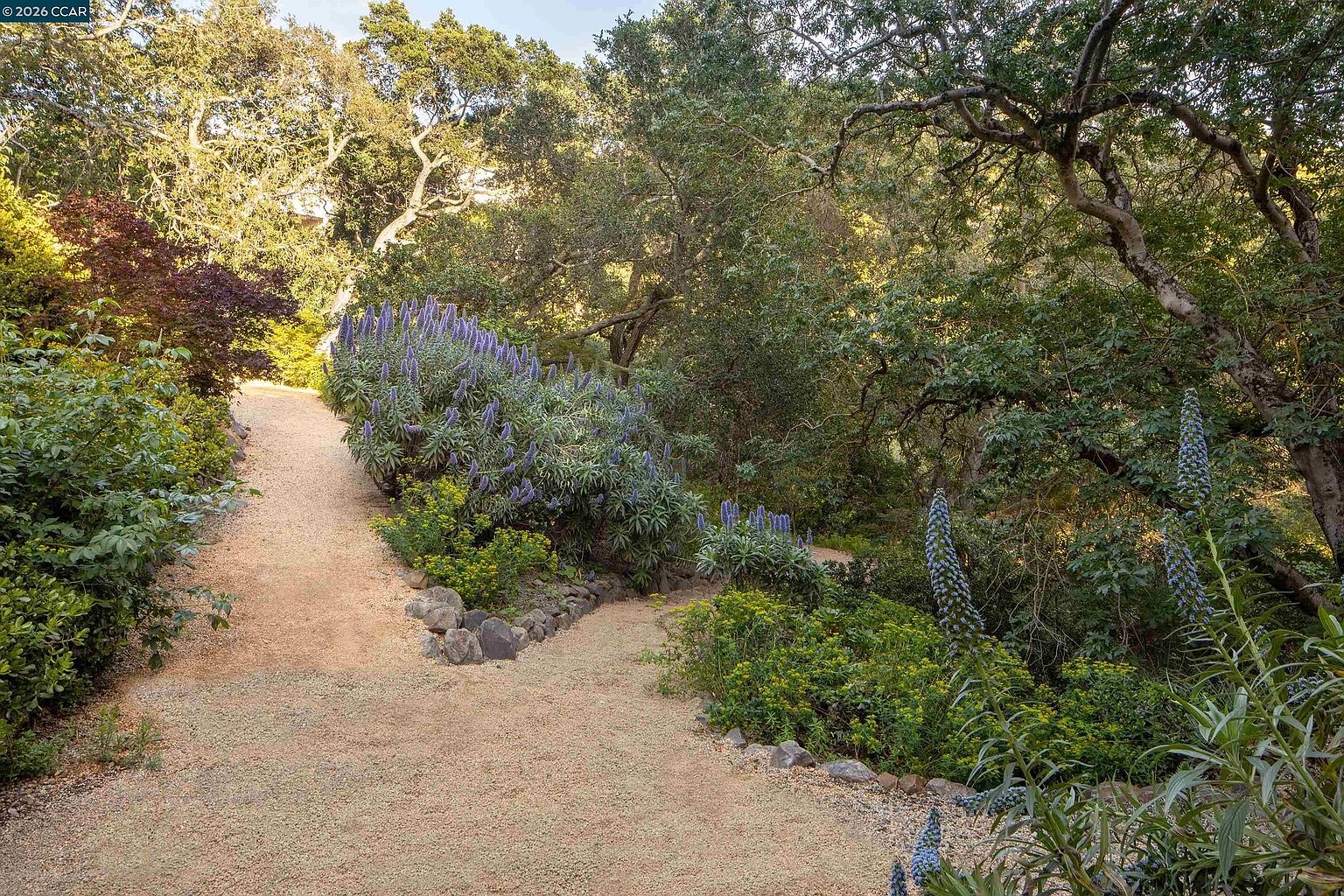
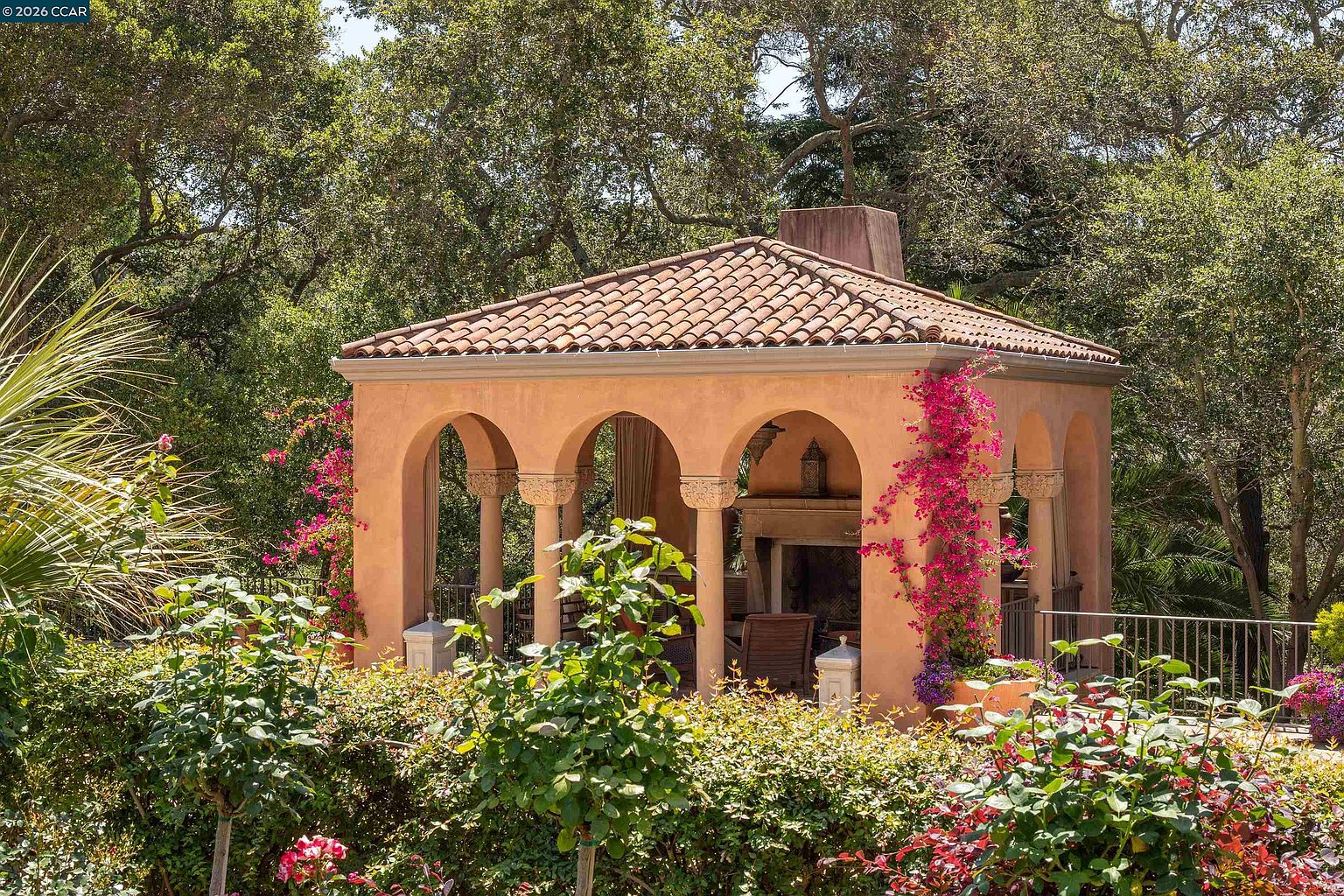
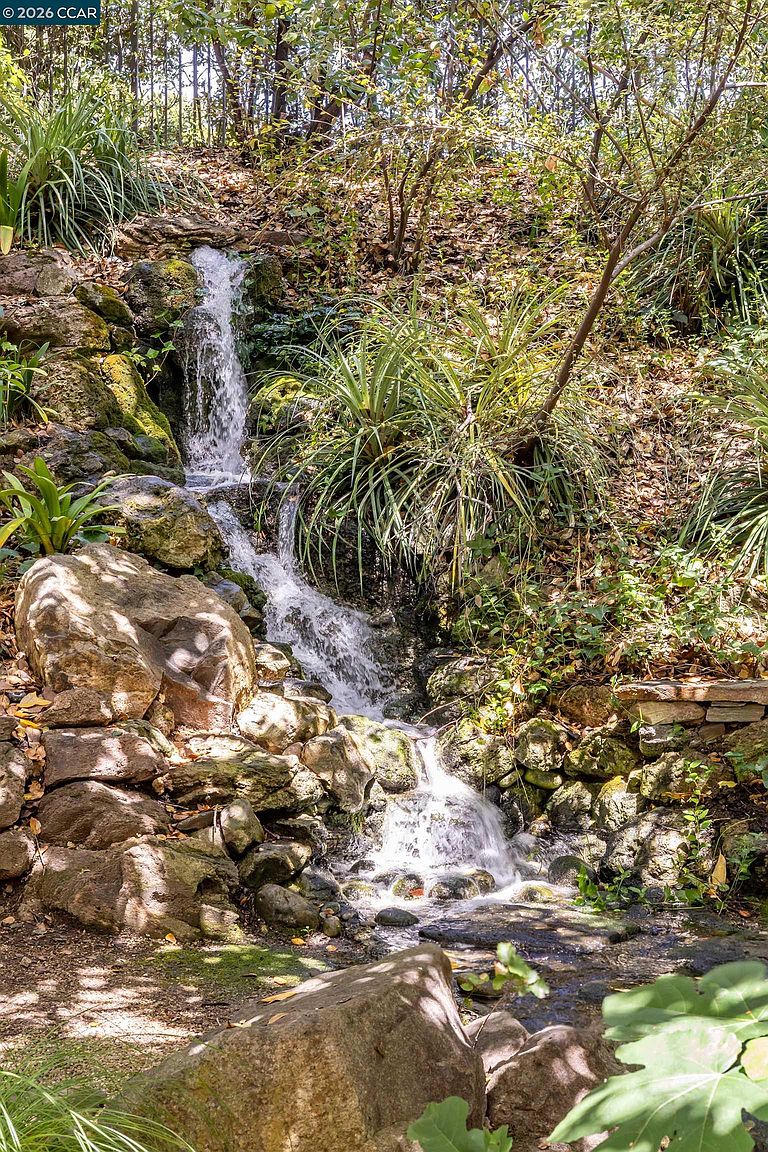
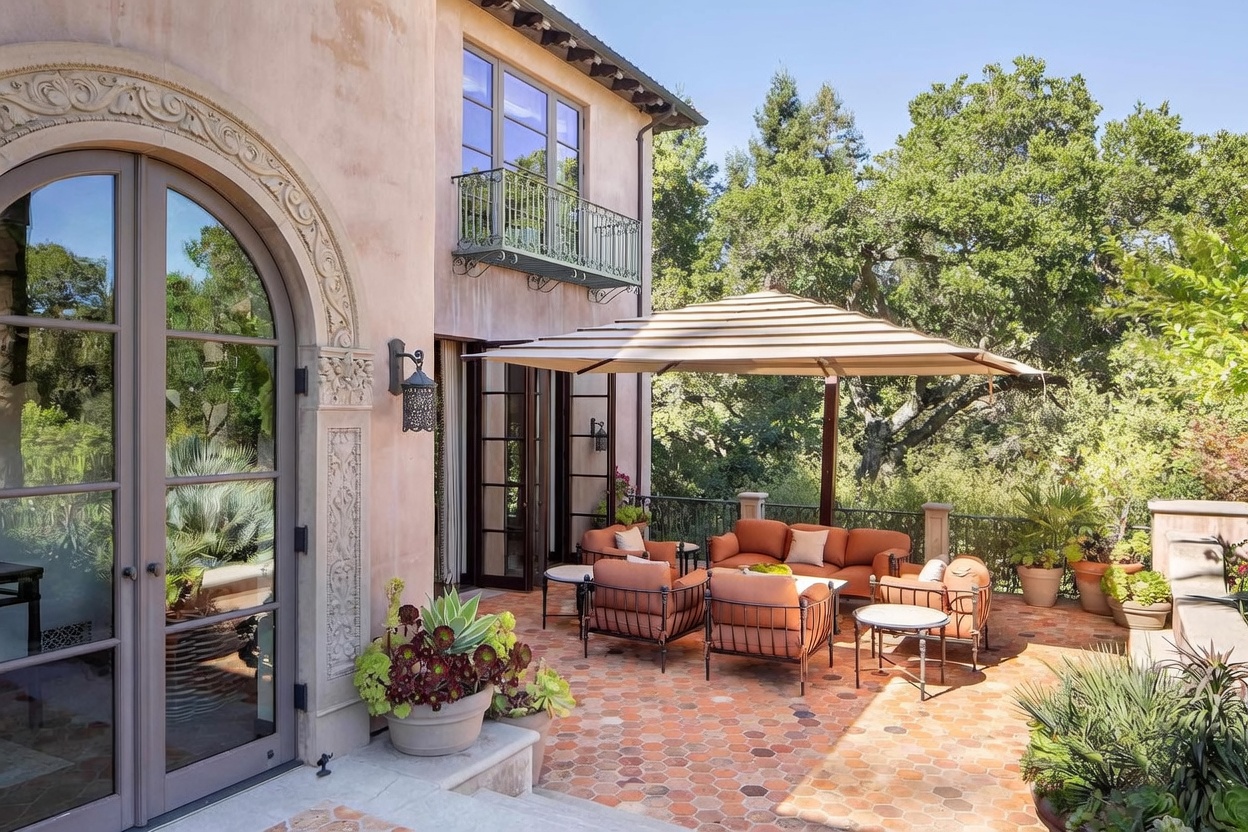
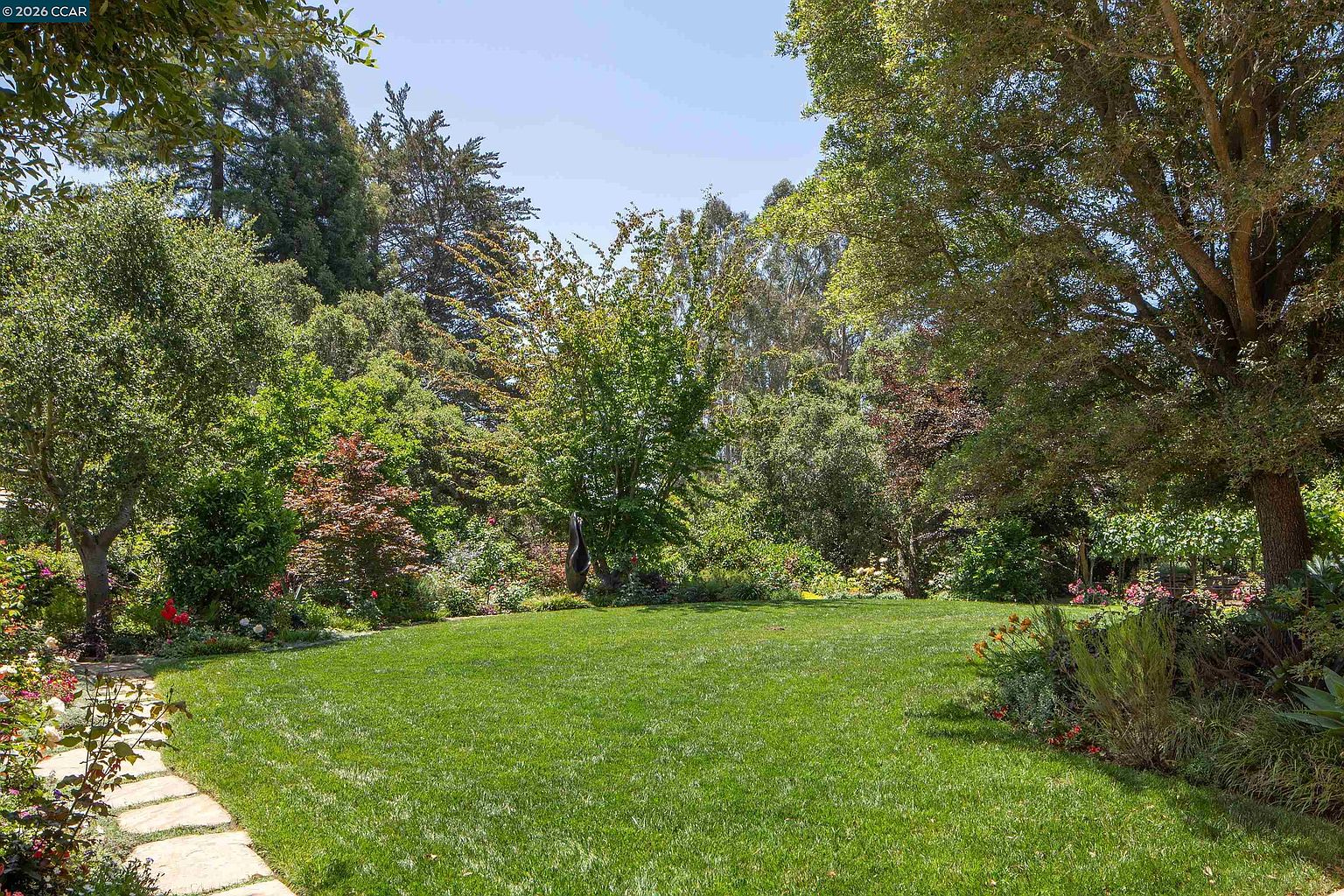
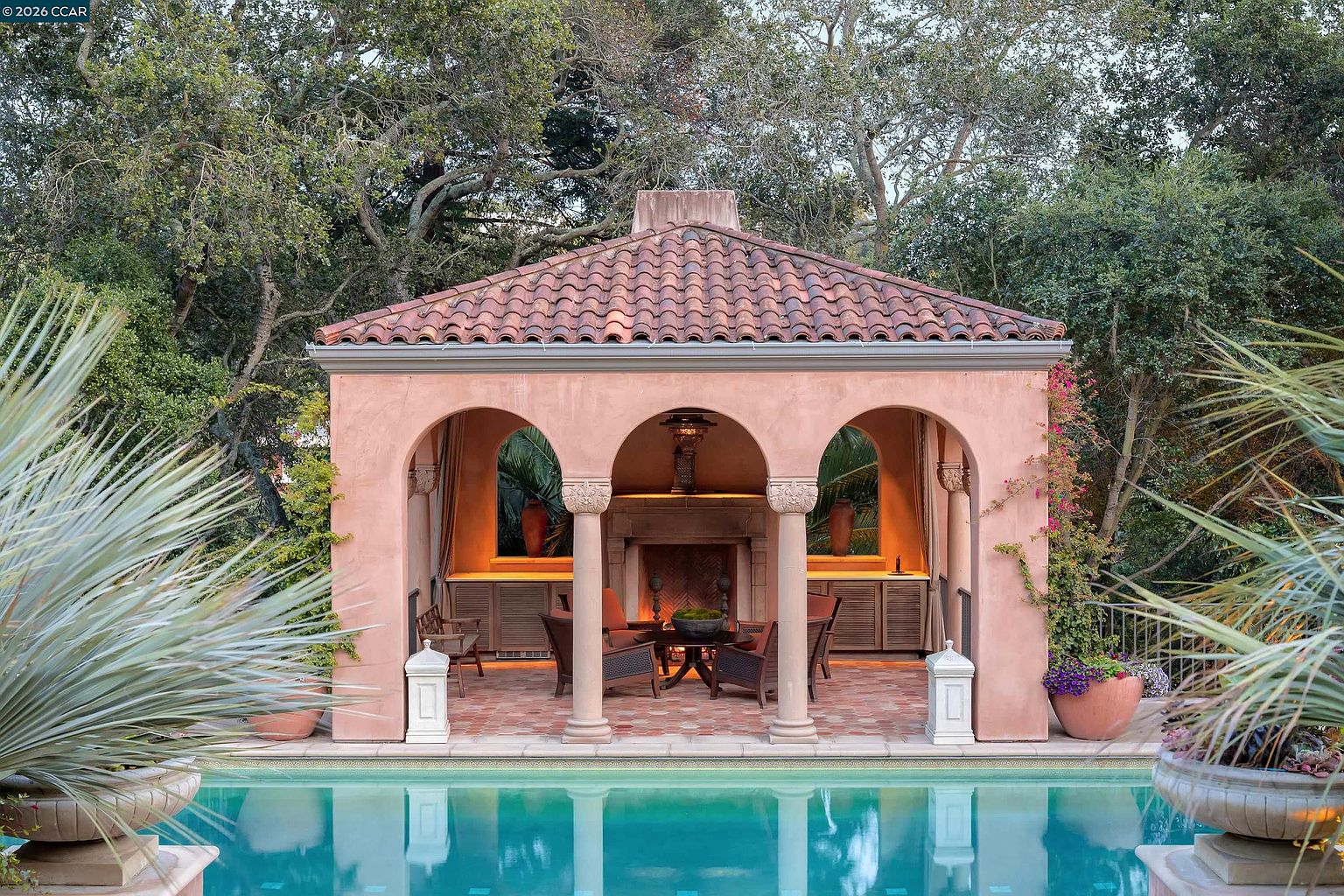
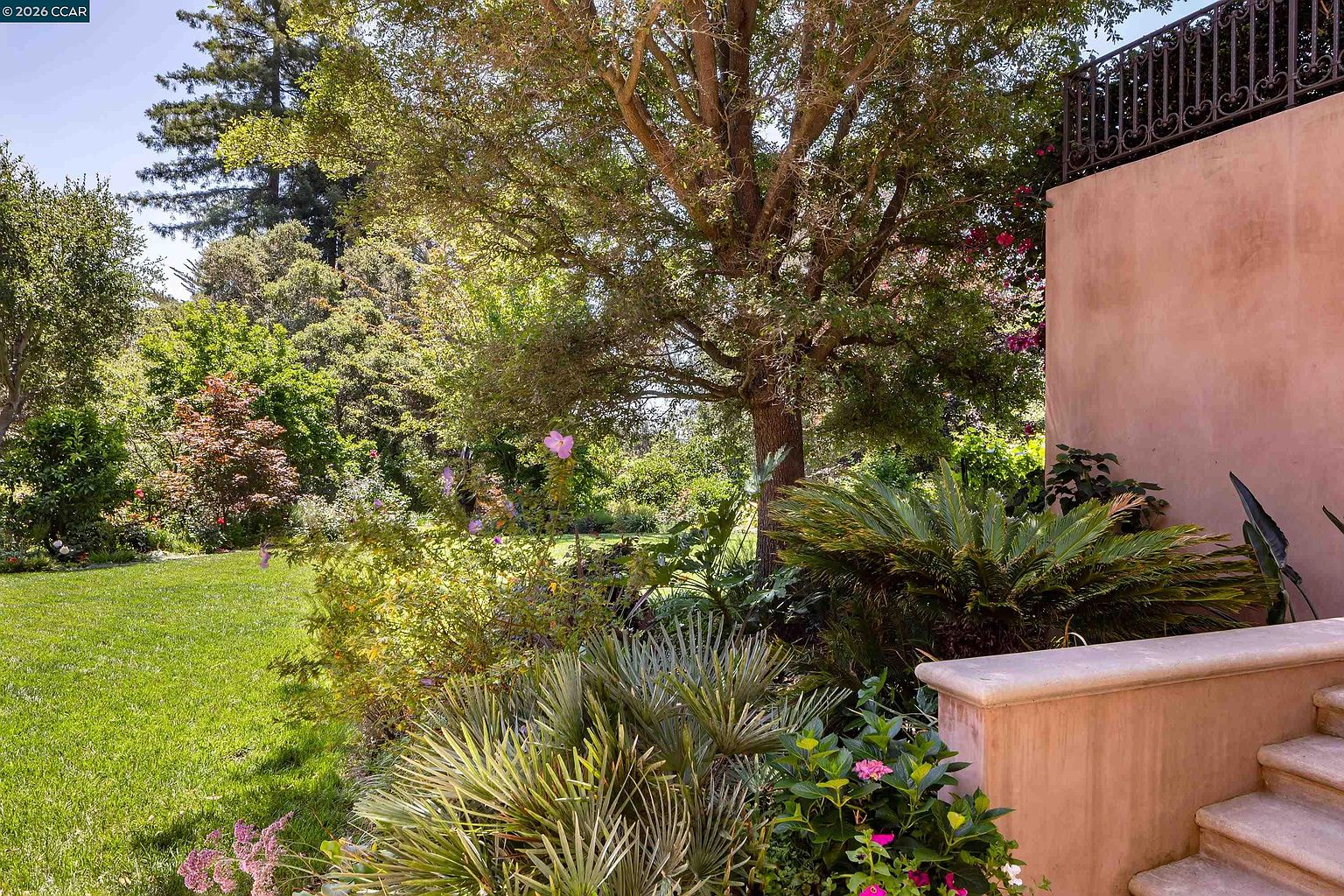
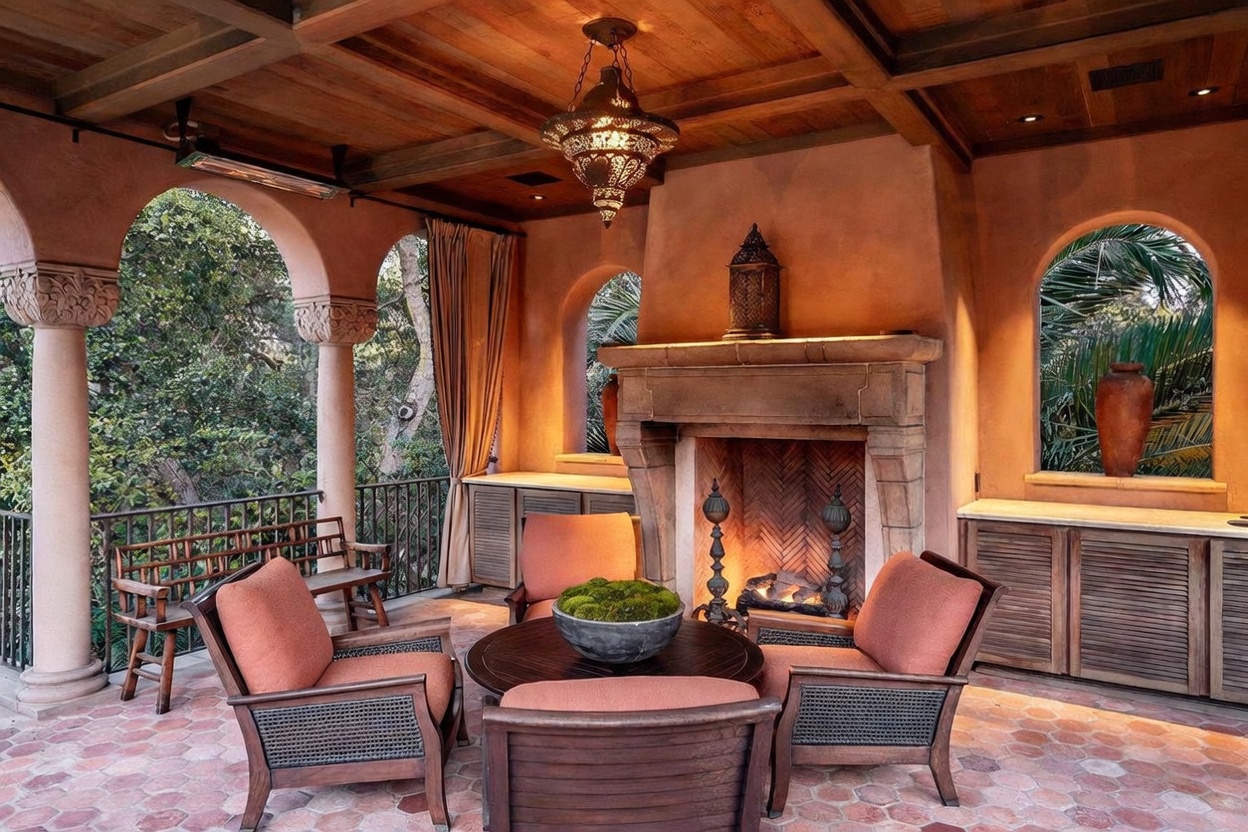
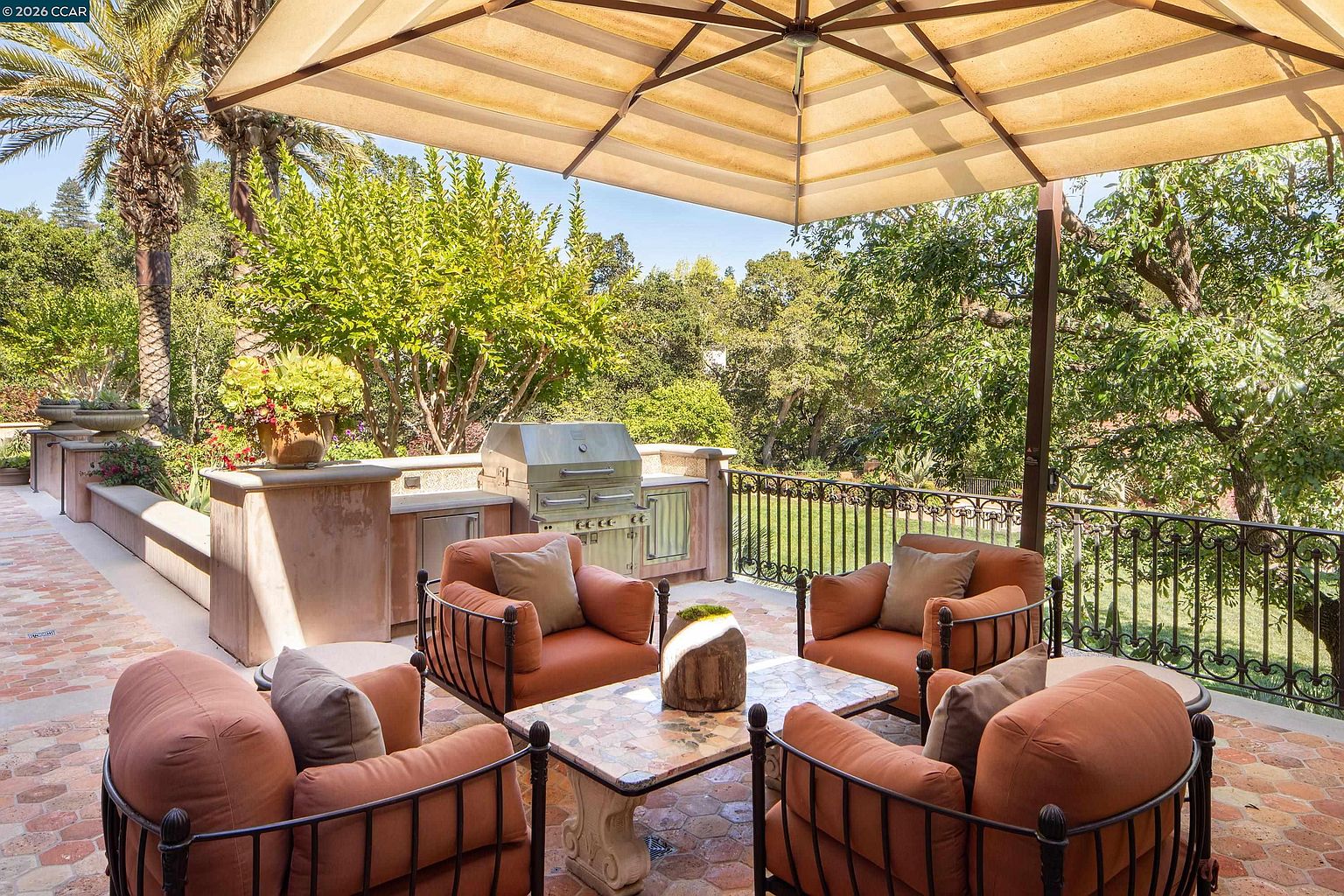
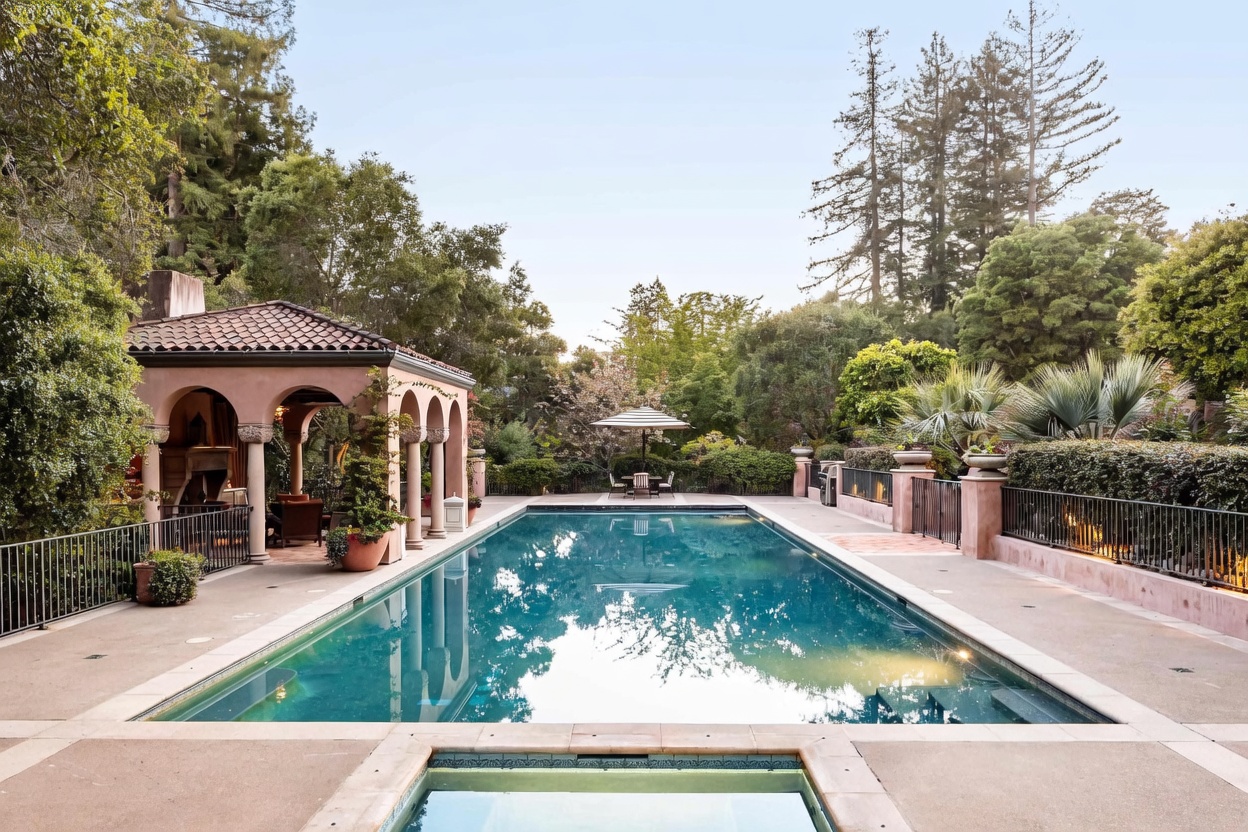
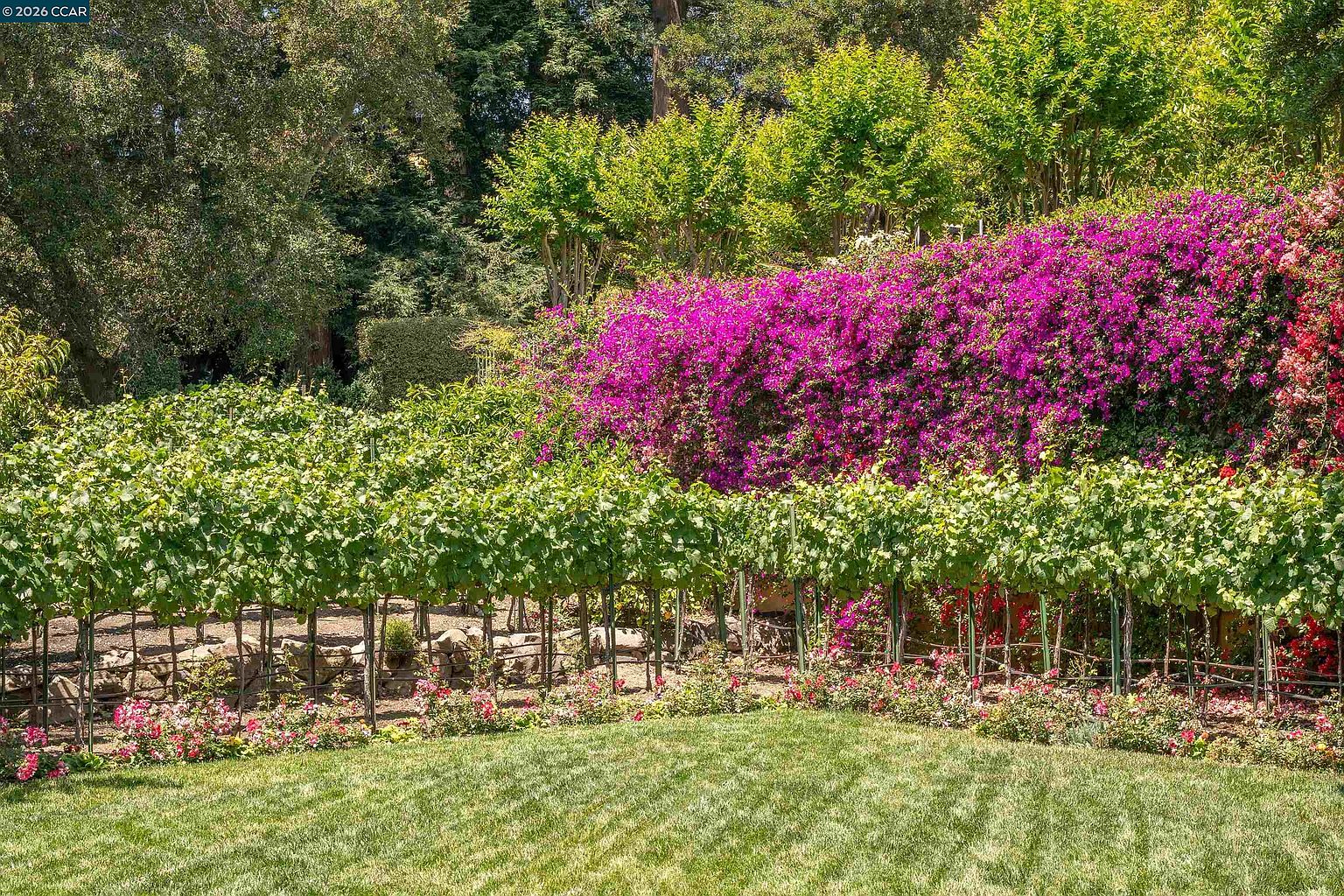
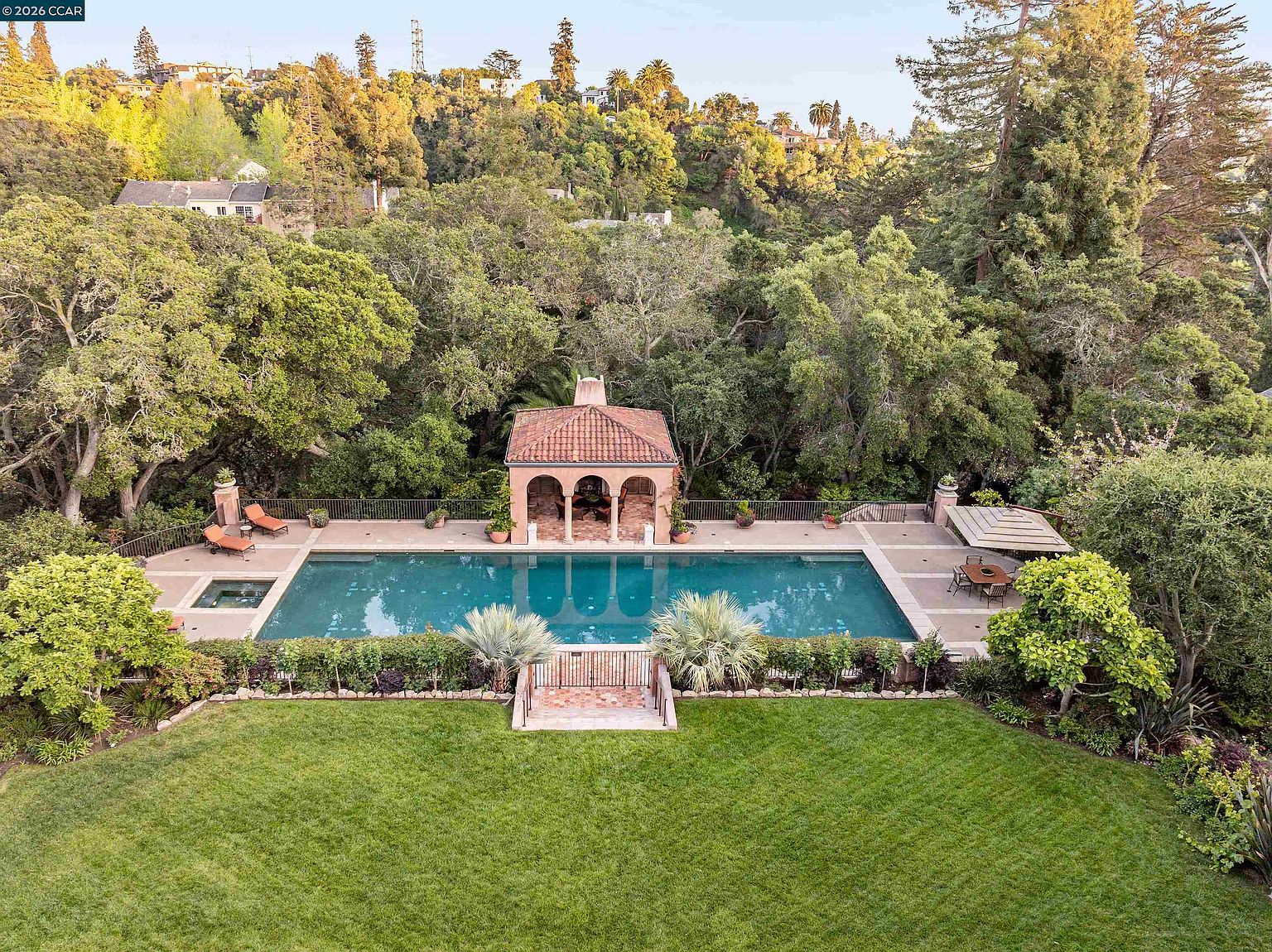
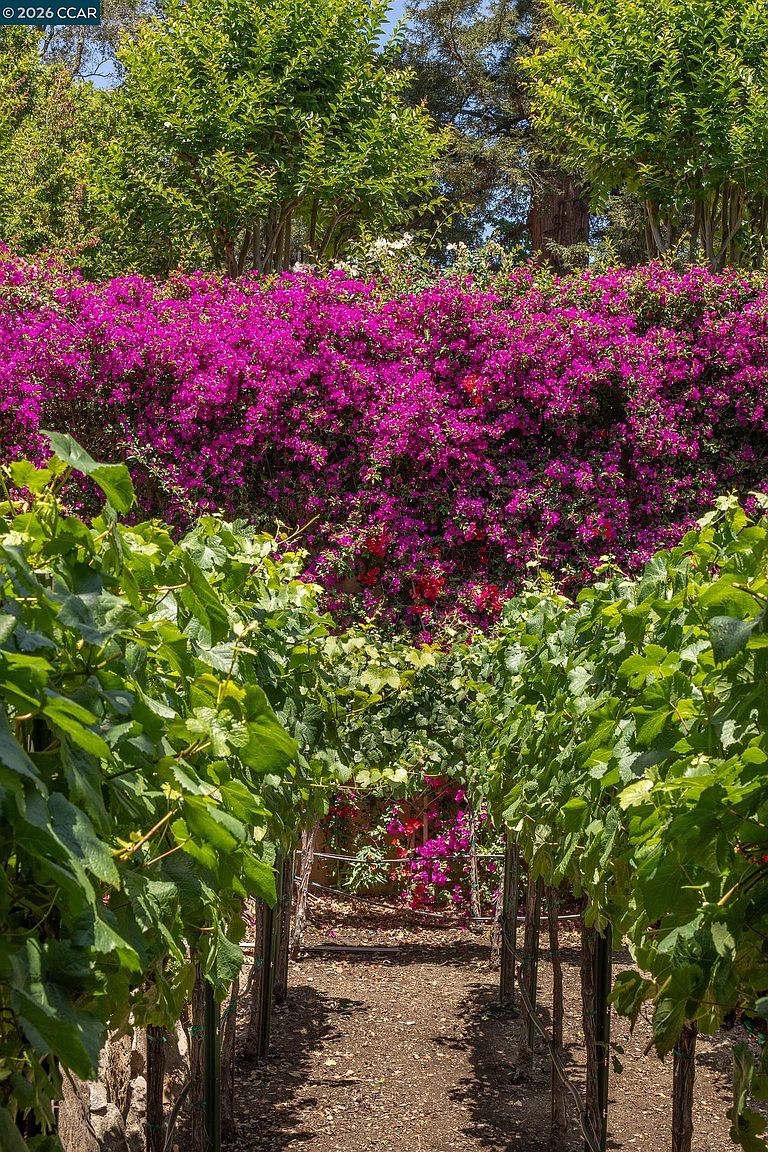
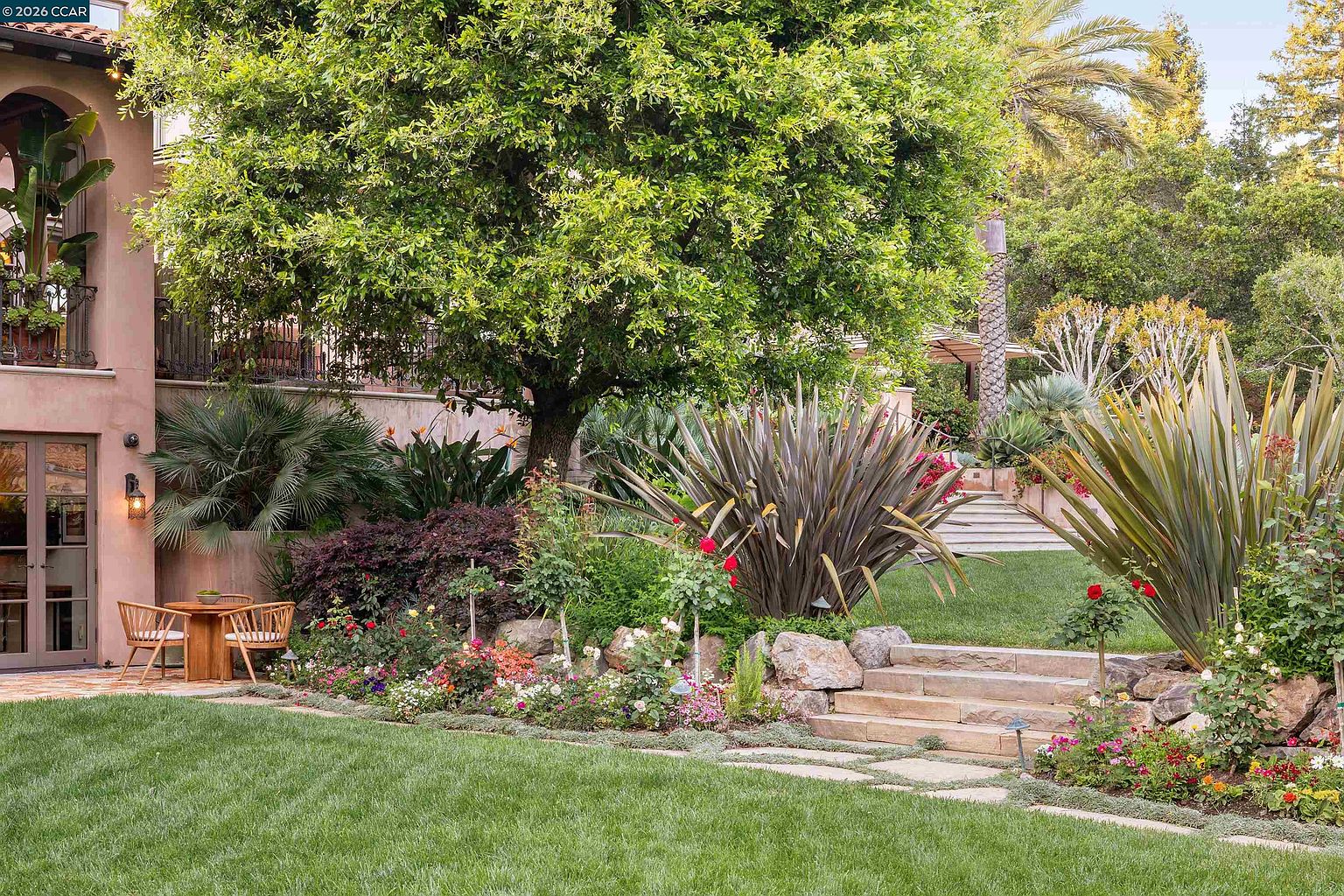
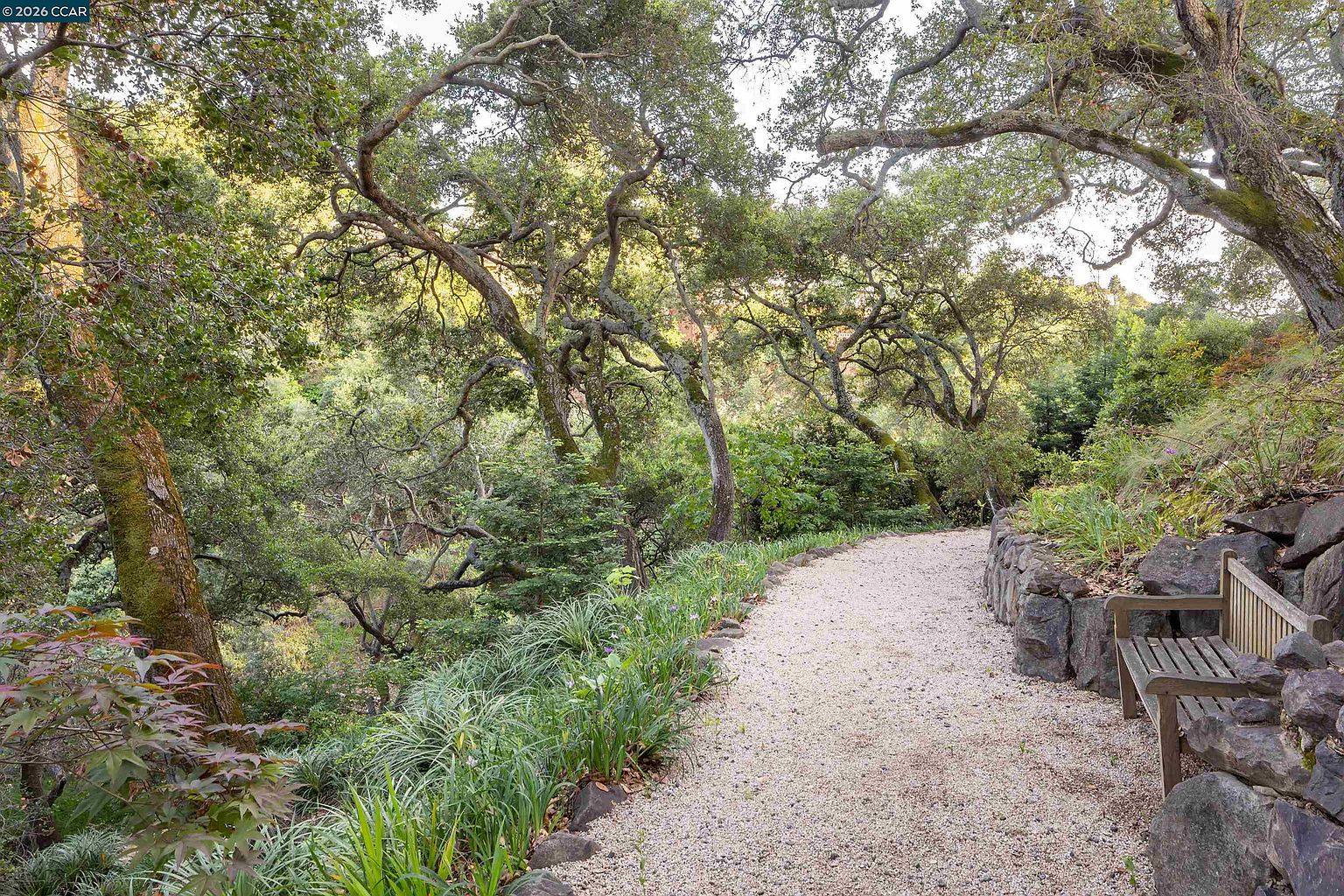
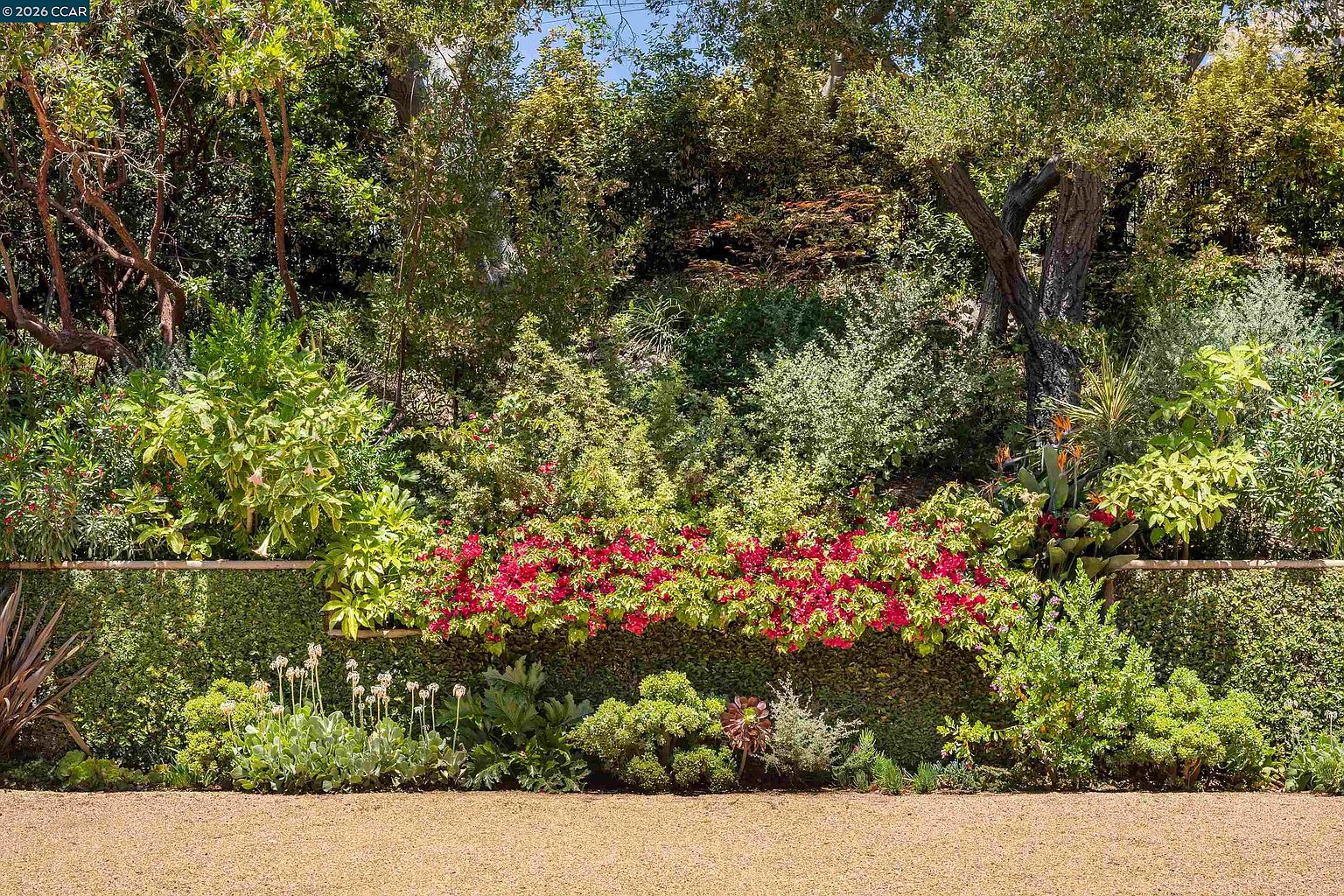
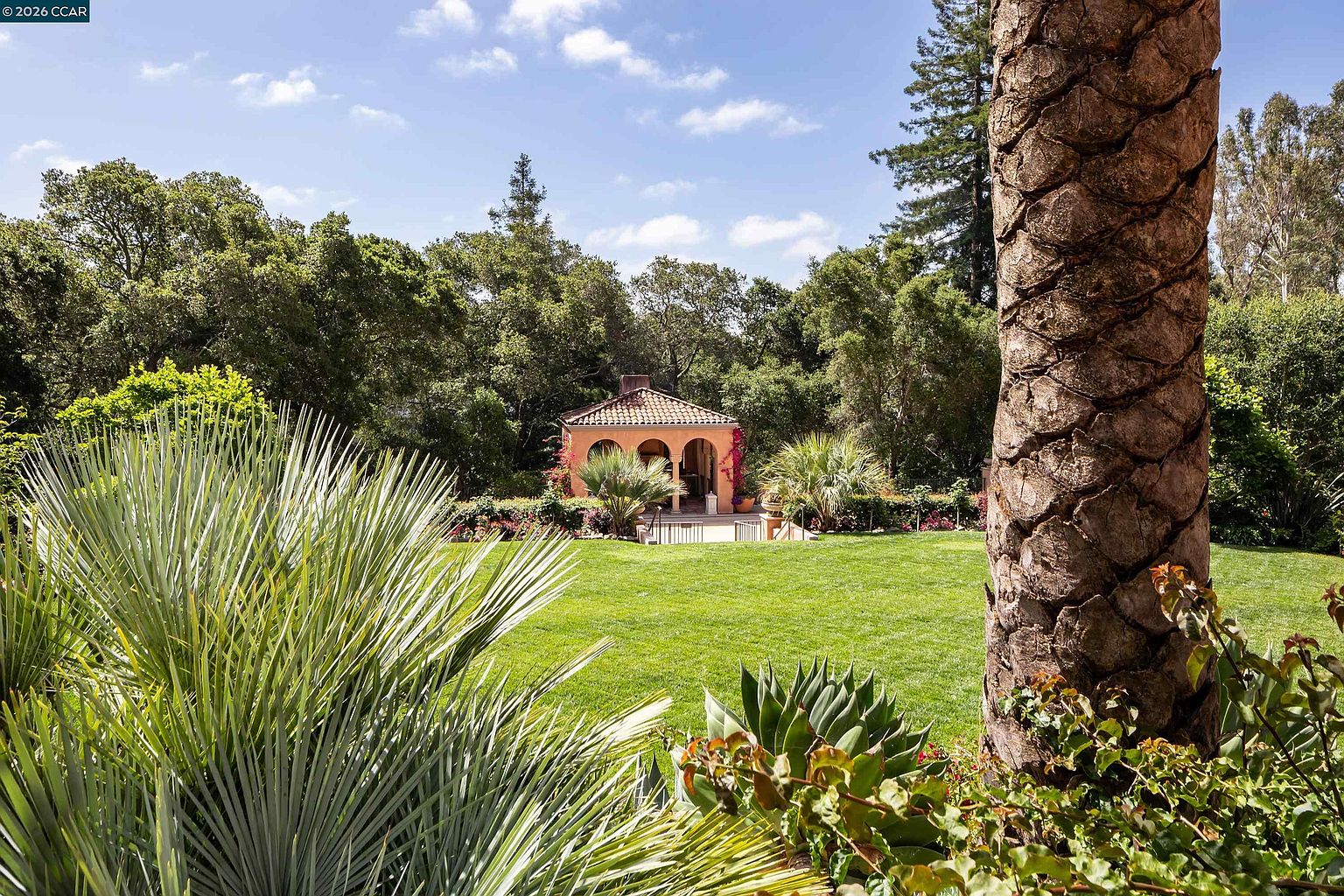
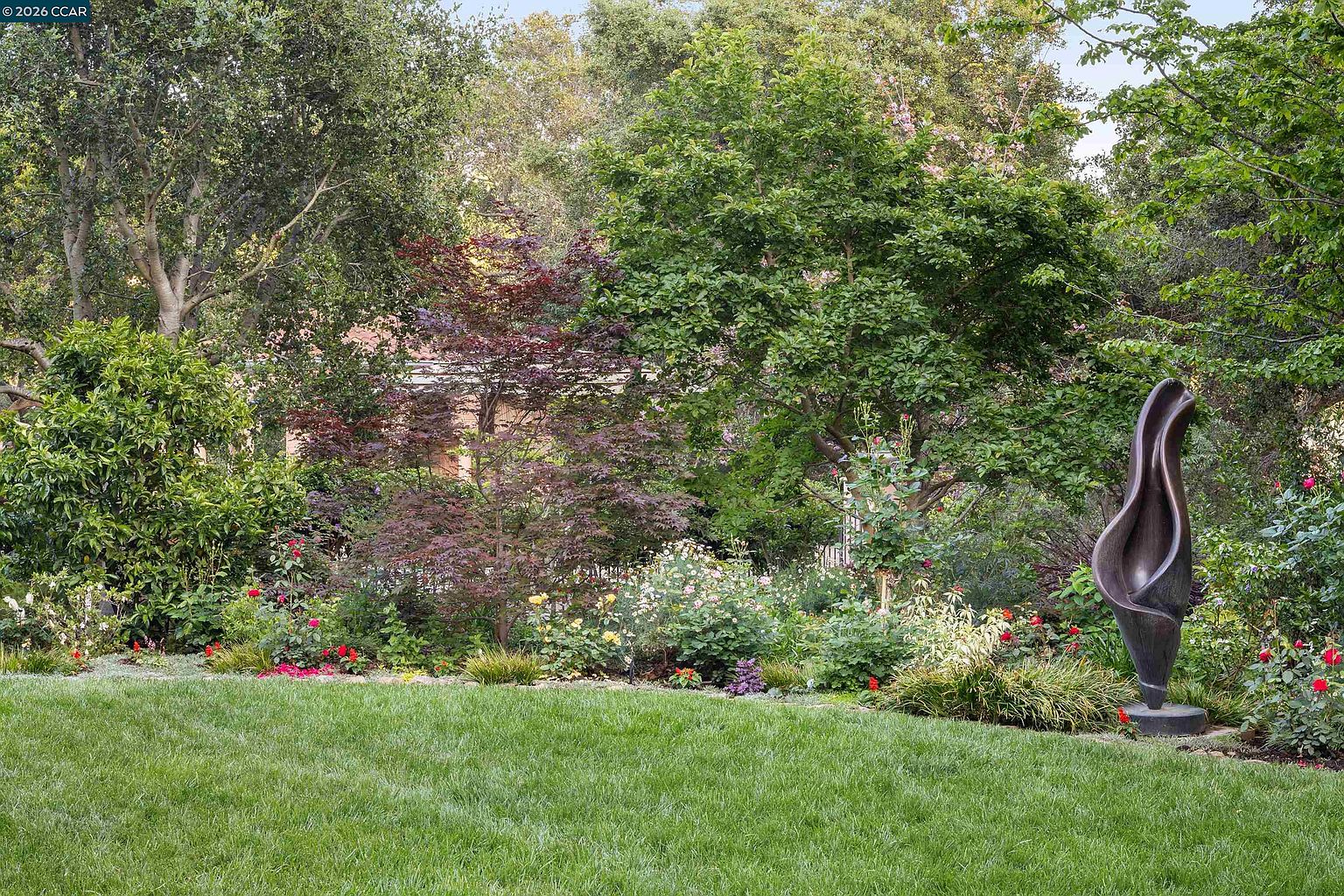
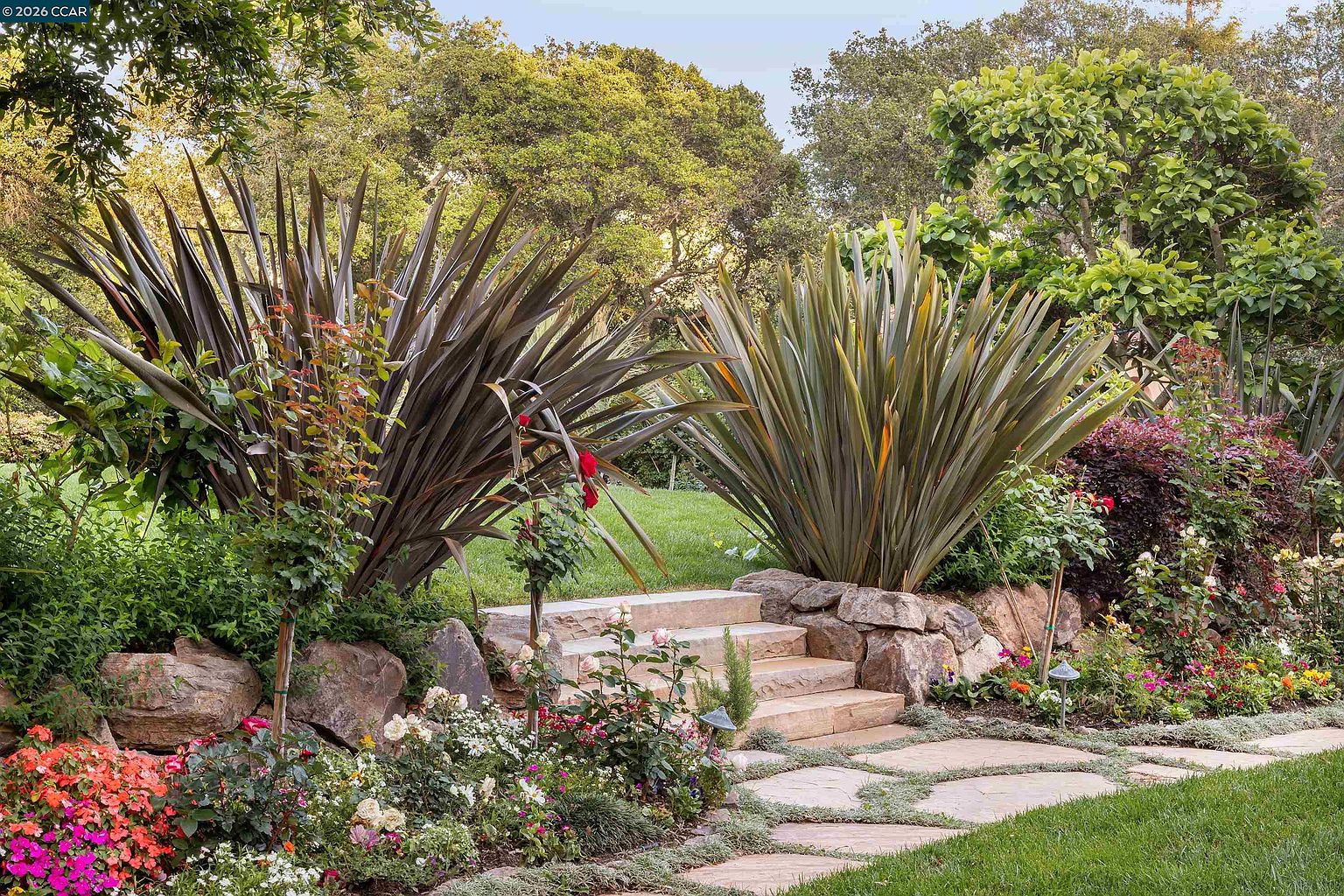
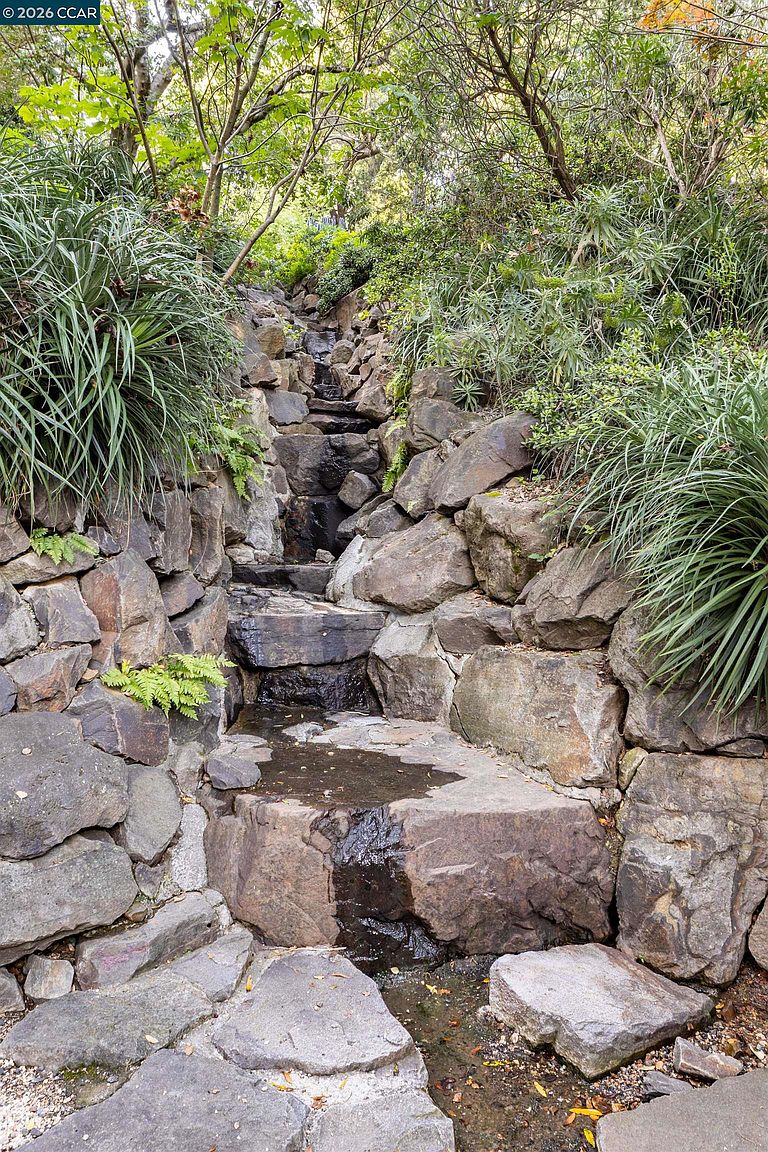
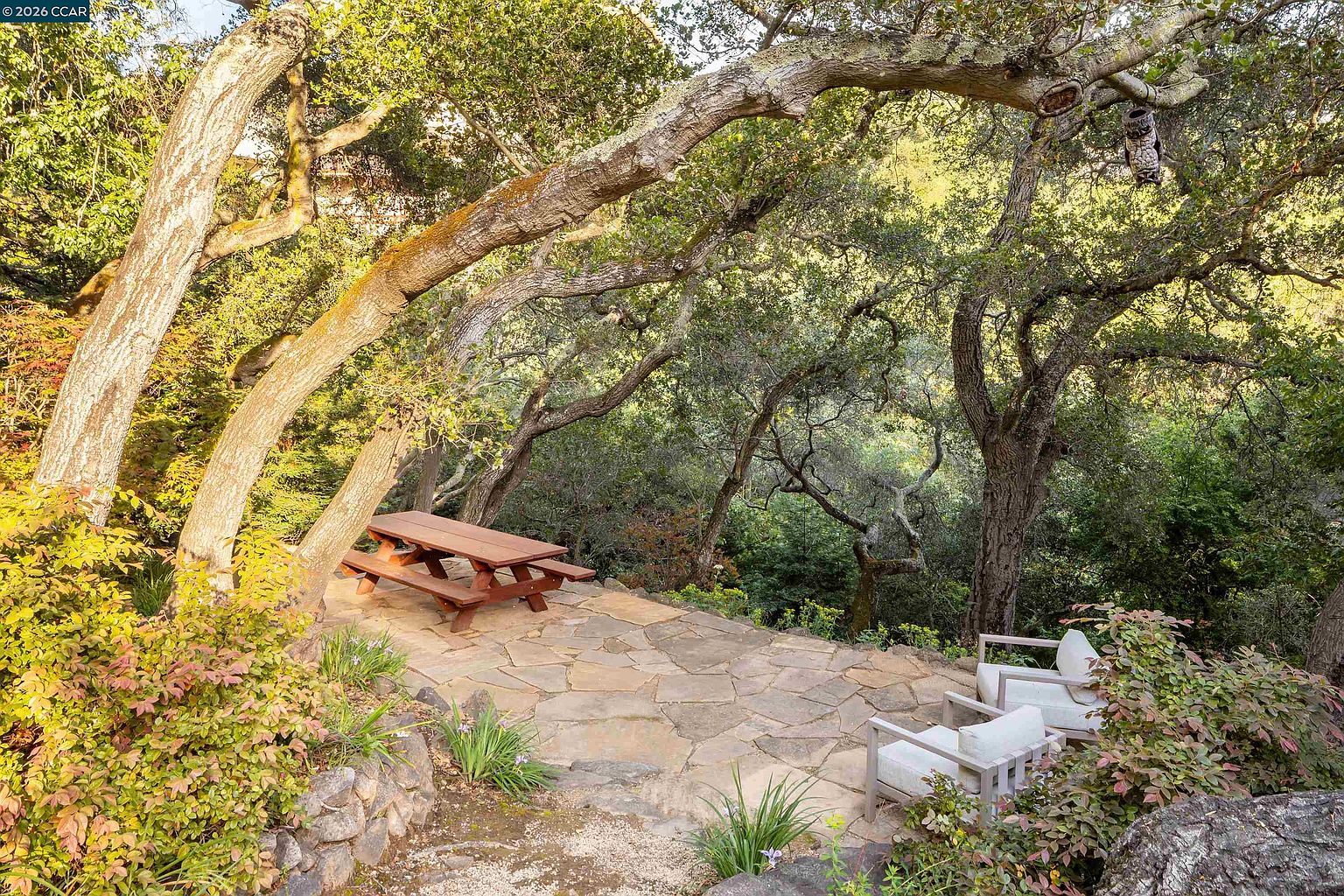
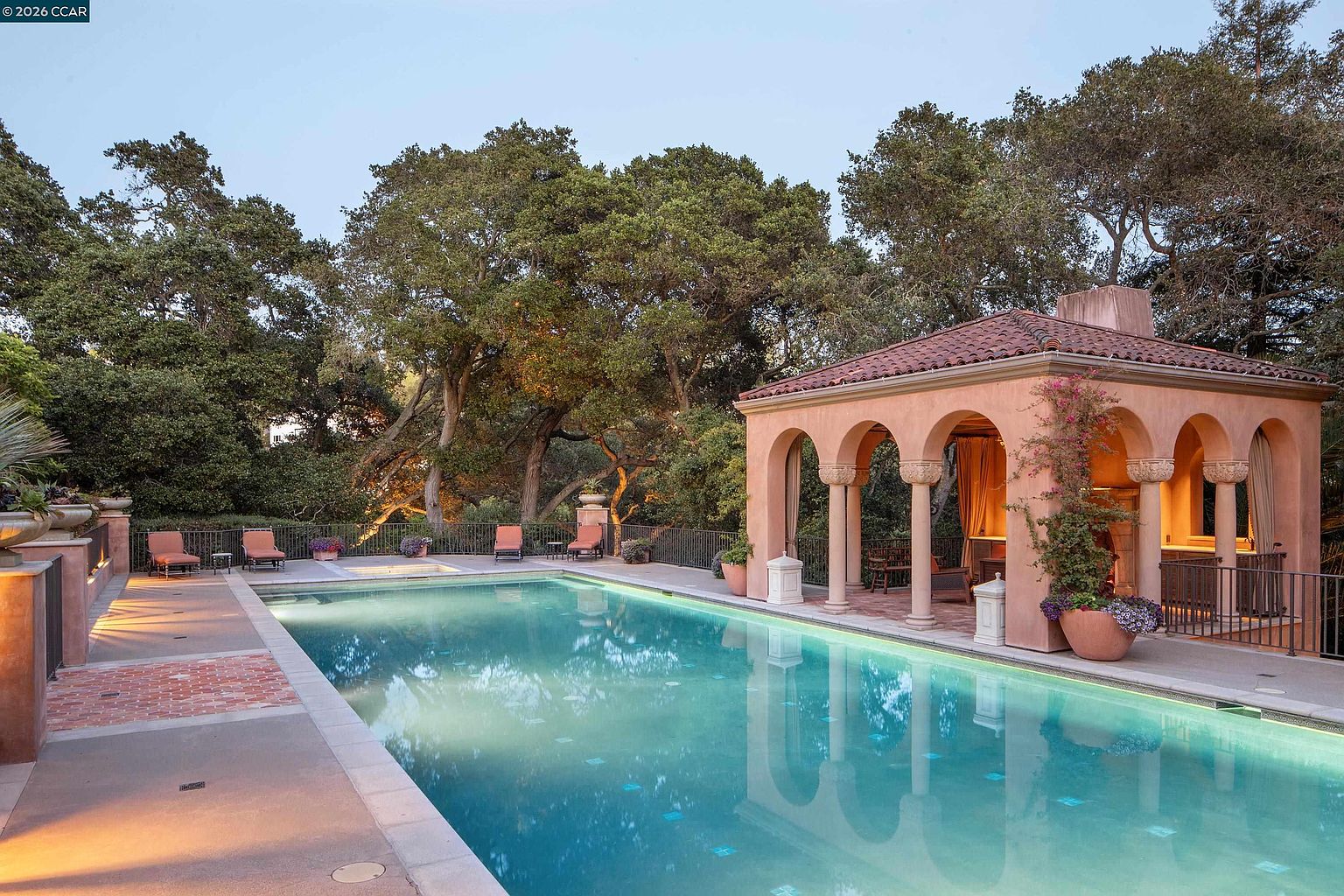
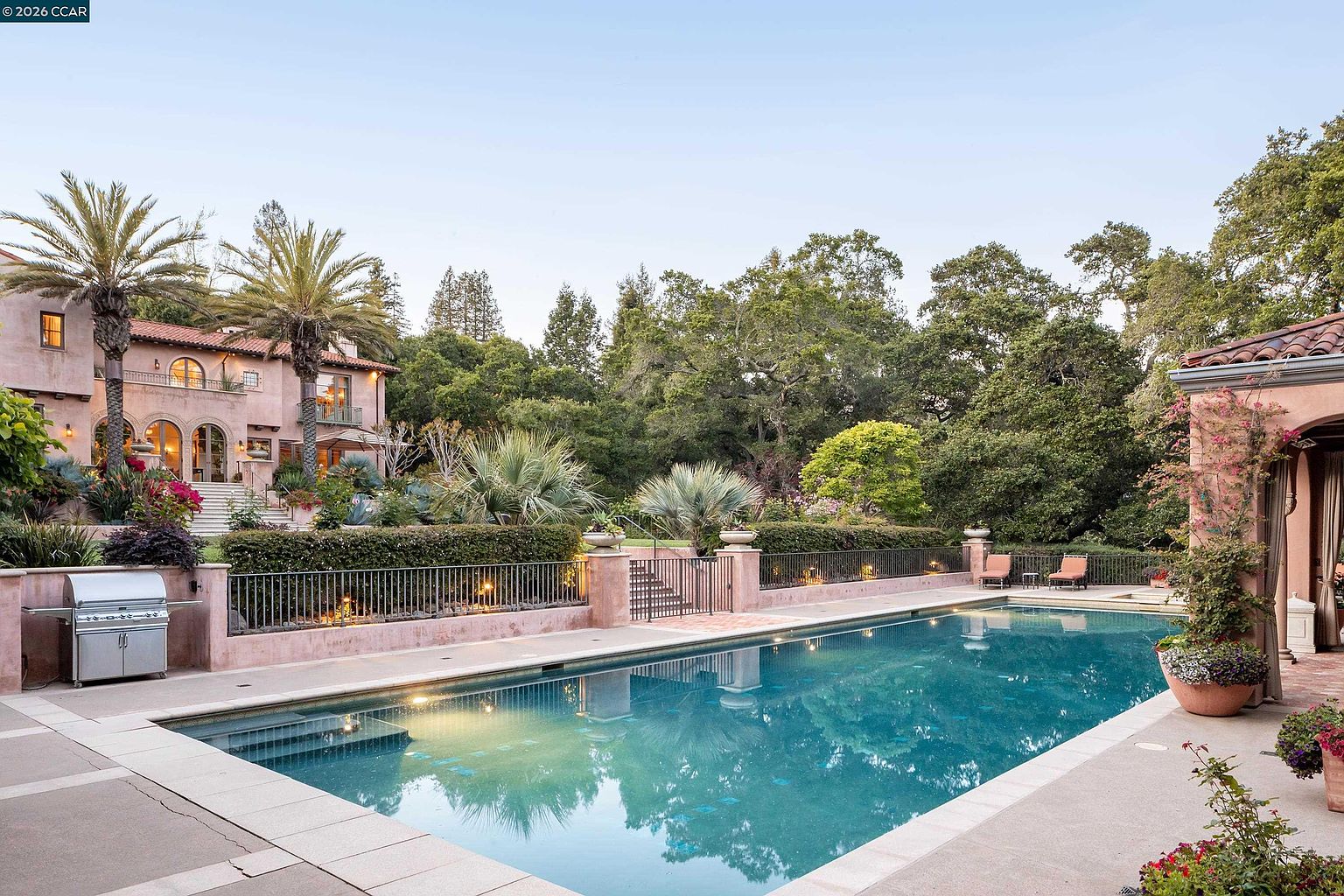
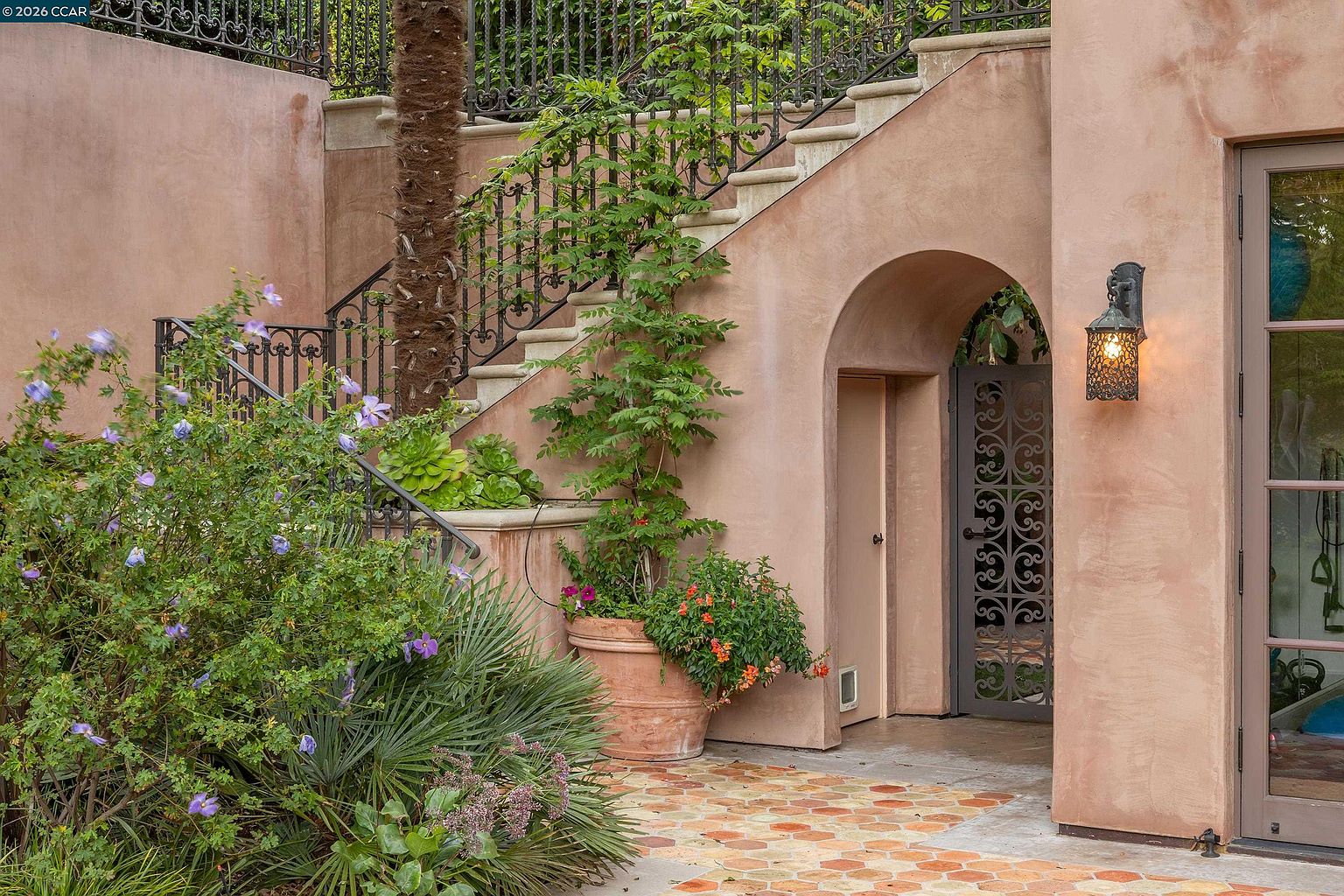
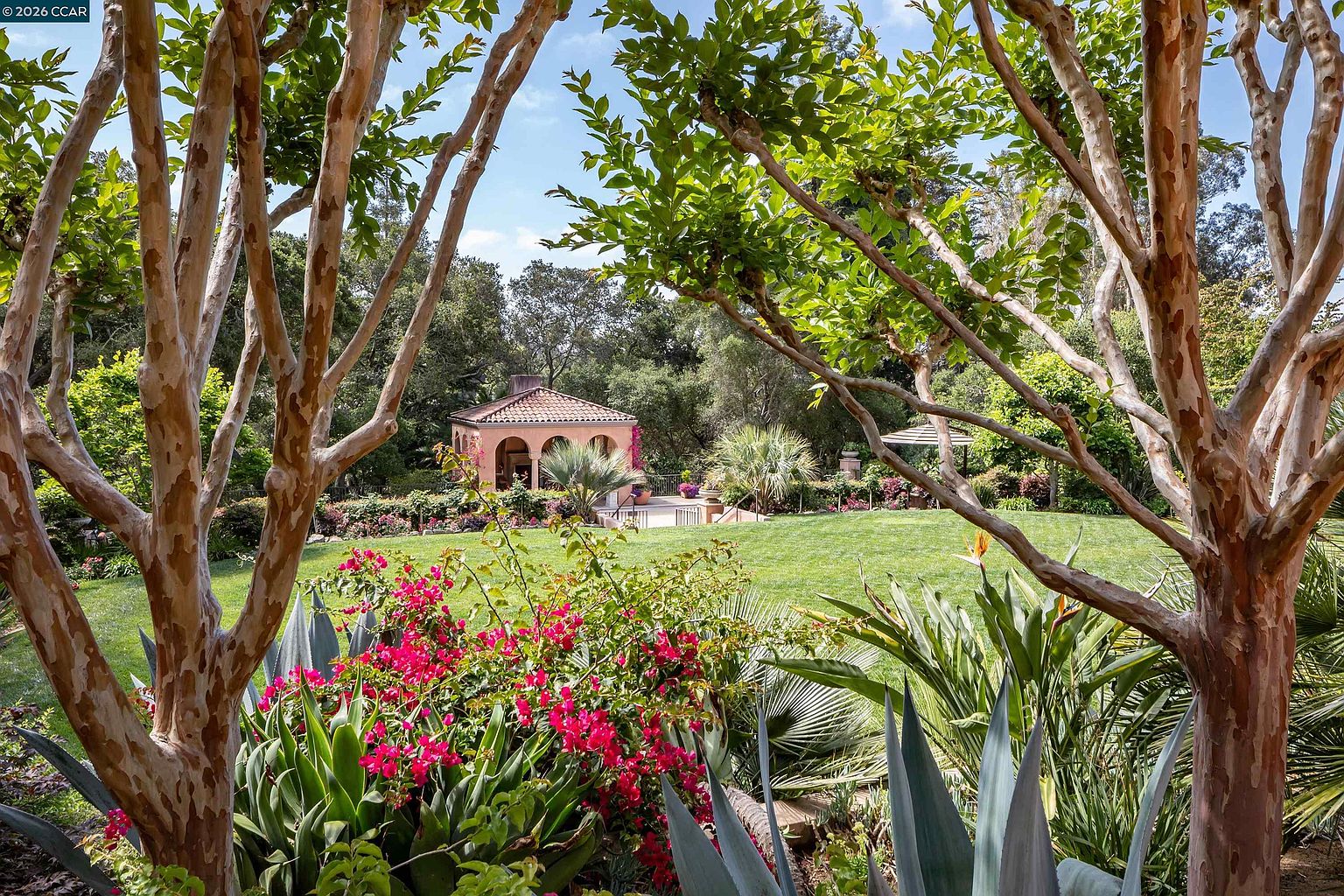
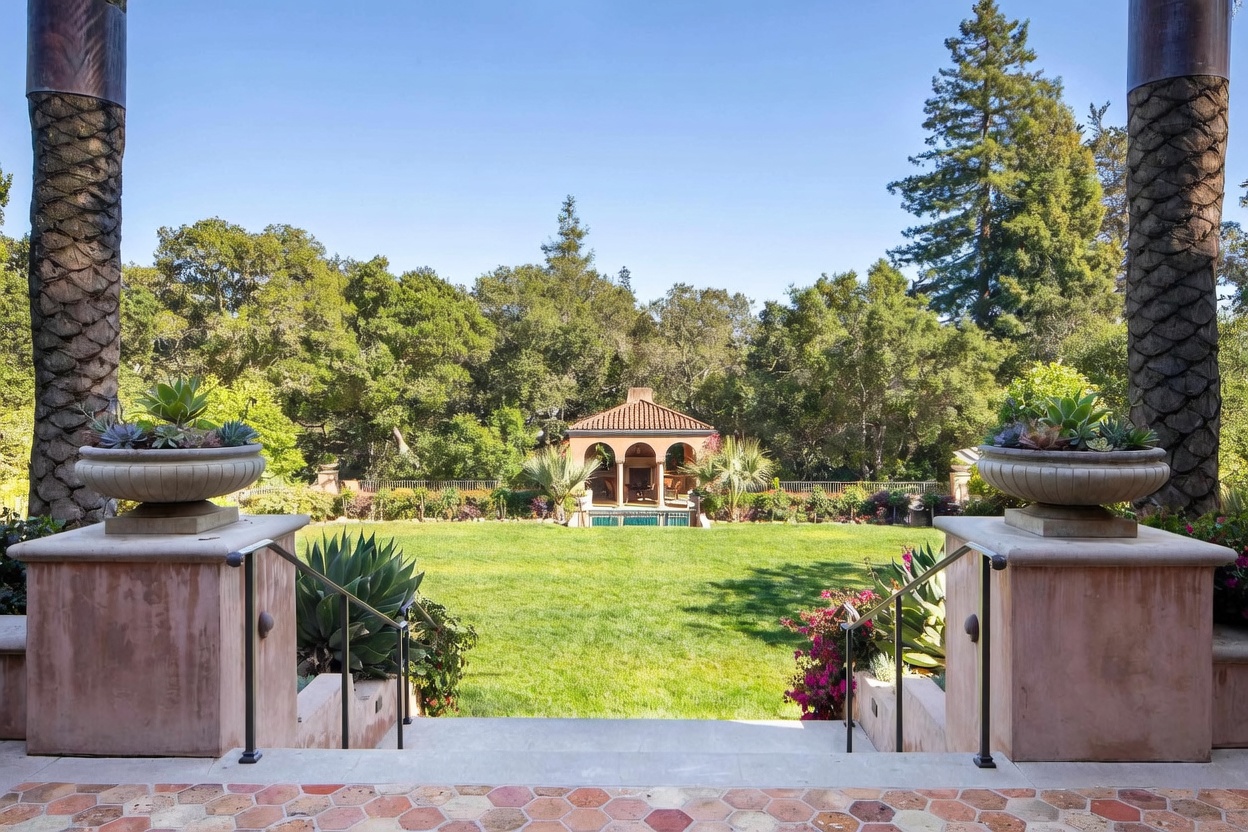
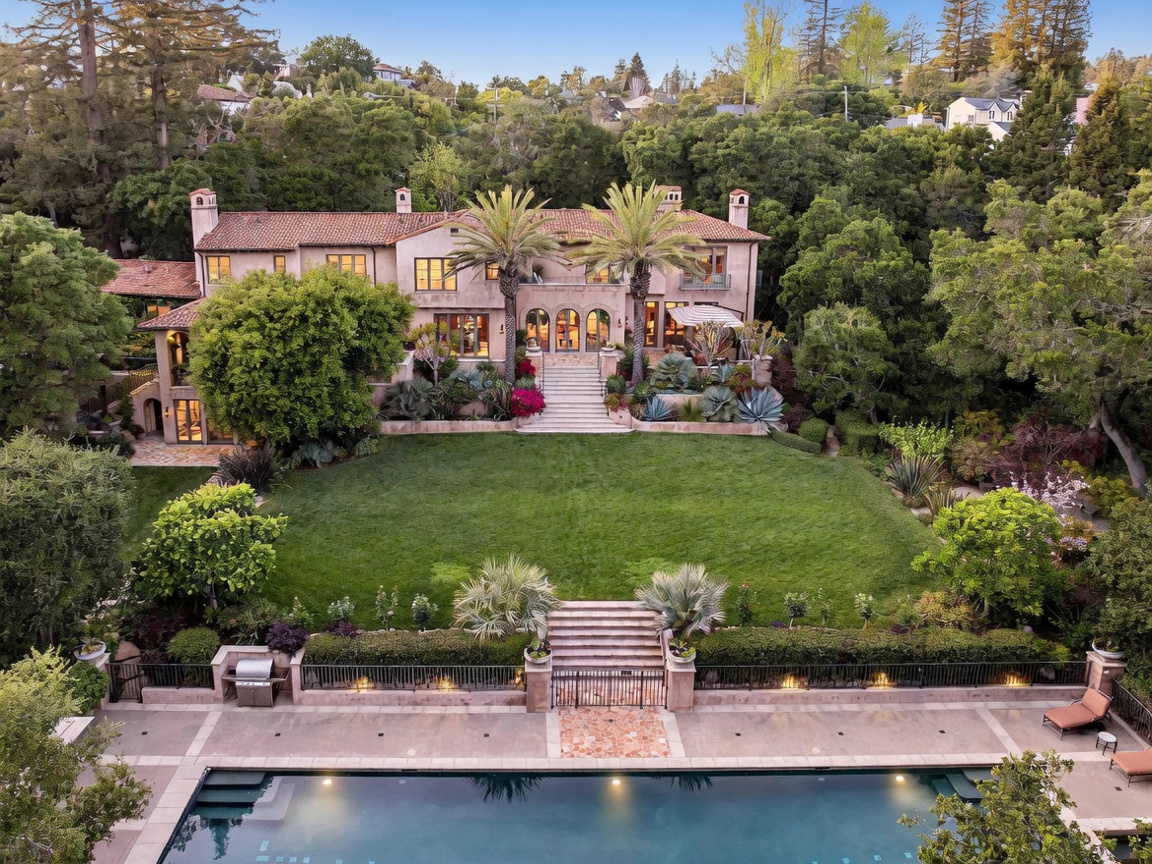
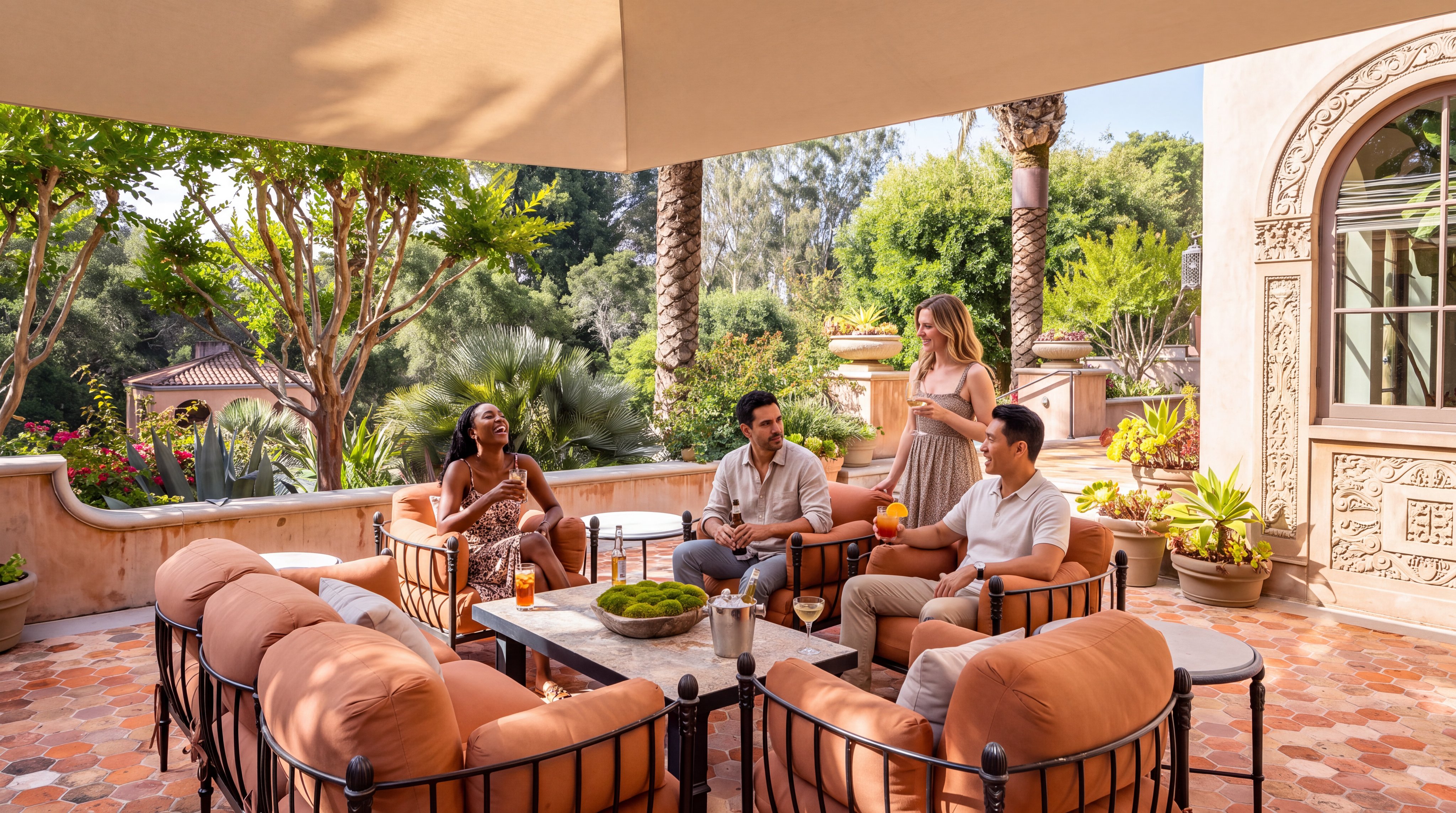
Outdoors, the estate unfolds across more than two thousand square feet of terraces inlaid with antique Italian tiles, descending toward a seventy-foot saltwater lap pool flanked by lounge chairs and a Mediterranean-style cabana centered on a stone fireplace. Nearly a mile of walking paths meander through a sanctuary of over 300 legacy oaks, redwoods, and palms, the grounds bordered by the natural passage of Indian Creek and sustained by an on-site well and automated irrigation system. The result is not a garden maintained against nature, but a landscape in genuine conversation with it — a distinction that defines everything about this extraordinary estate.
Piedmont occupies a singular position in the landscape of the Bay Area — a fully incorporated city of approximately eleven thousand residents encircled entirely by Oakland, yet possessed of a character so distinct that it might as well exist on a separate continent. Perched in the hills above the eastern shore of San Francisco Bay, Piedmont earned its municipal independence in 1907, and the city has been deliberate about preserving the residential quality and civic intimacy that defined it from the start.
The city is consistently recognized as one of California's most desirable places to live, and the reasons are not difficult to identify. Piedmont operates its own public school district — the Piedmont Unified School District — which has long maintained a reputation for academic excellence that draws families from across the region. The city also funds its own police and fire departments, maintains its parks with meticulous care, and hosts an active civic calendar that fosters the kind of genuine community engagement rarely found in communities of comparable affluence.
Indian Road itself sits in the heart of Piedmont's most established residential fabric, a neighborhood of grand homes set back from tree-lined streets on generous parcels that afford both scale and privacy. The architectural language of the area is richly varied — Tudor revivals, Spanish colonials, and Mediterranean villas inhabit the same hillside blocks — yet the cumulative effect is one of cohesion rather than cacophony, united by mature landscaping, a shared sense of proportion, and the quiet confidence of neighborhoods that have never needed to announce themselves.
The practical geography of Piedmont adds considerably to its appeal. The city sits minutes from the Montclair Village shopping district, a lively neighborhood commercial corridor in neighboring Oakland that offers an excellent collection of independent restaurants, boutiques, and weekly farmers' market activity. The Rockridge neighborhood, with its celebrated BART station and the vibrant retail and dining offerings of College Avenue, is similarly close. For commuters, the proximity to Highway 13, Interstate 580, and multiple BART stations makes both San Francisco and the broader East Bay readily accessible.
Cultural life in the greater Oakland hills corridor is rich and varied. The Oakland Museum of California, one of the state's great institutions of art, history, and natural science, is a short drive away. The Fox Theater and Paramount Theatre anchor a downtown Oakland performing arts scene of genuine national distinction. The Chabot Space and Science Center in the hills above provides a remarkable educational resource. And the vast expanse of Joaquin Miller Park, Oakland's oldest municipal park, offers hundreds of acres of redwood groves and hiking trails within easy reach.
For those who value the particular pleasure of knowing their neighbors, of walking to a farmers' market on a Saturday morning and encountering familiar faces, and of returning each evening to a home set within streets that feel genuinely cared for, Piedmont offers something increasingly rare in the modern metropolitan landscape: a true sense of place, earned over more than a century and carefully, deliberately preserved.
Featured Highlights
Curated Content • Presented by Ann Newton Cane