The Story Behind
A Defining Gold Coast Estate, Offered for the First Time in Four Decades
There are properties that simply occupy space on a city block, and then there are those that define it. 1355 N Astor Street belongs irrevocably to the latter category. Conceived by Howard Van Doren Shaw — the celebrated Chicago architect whose portfolio includes some of the region's most revered civic and residential commissions — this neo-classical Georgian Revival residence was originally commissioned for the Goodman Family, and it carries within its walls the full weight of that distinguished provenance. Stretching an extraordinary 80 feet across its lot and encompassing more than 25,000 square feet of total living space, the estate is a rare anomaly even by Gold Coast standards: a property of genuine civic scale that remains, at its core, a private home.
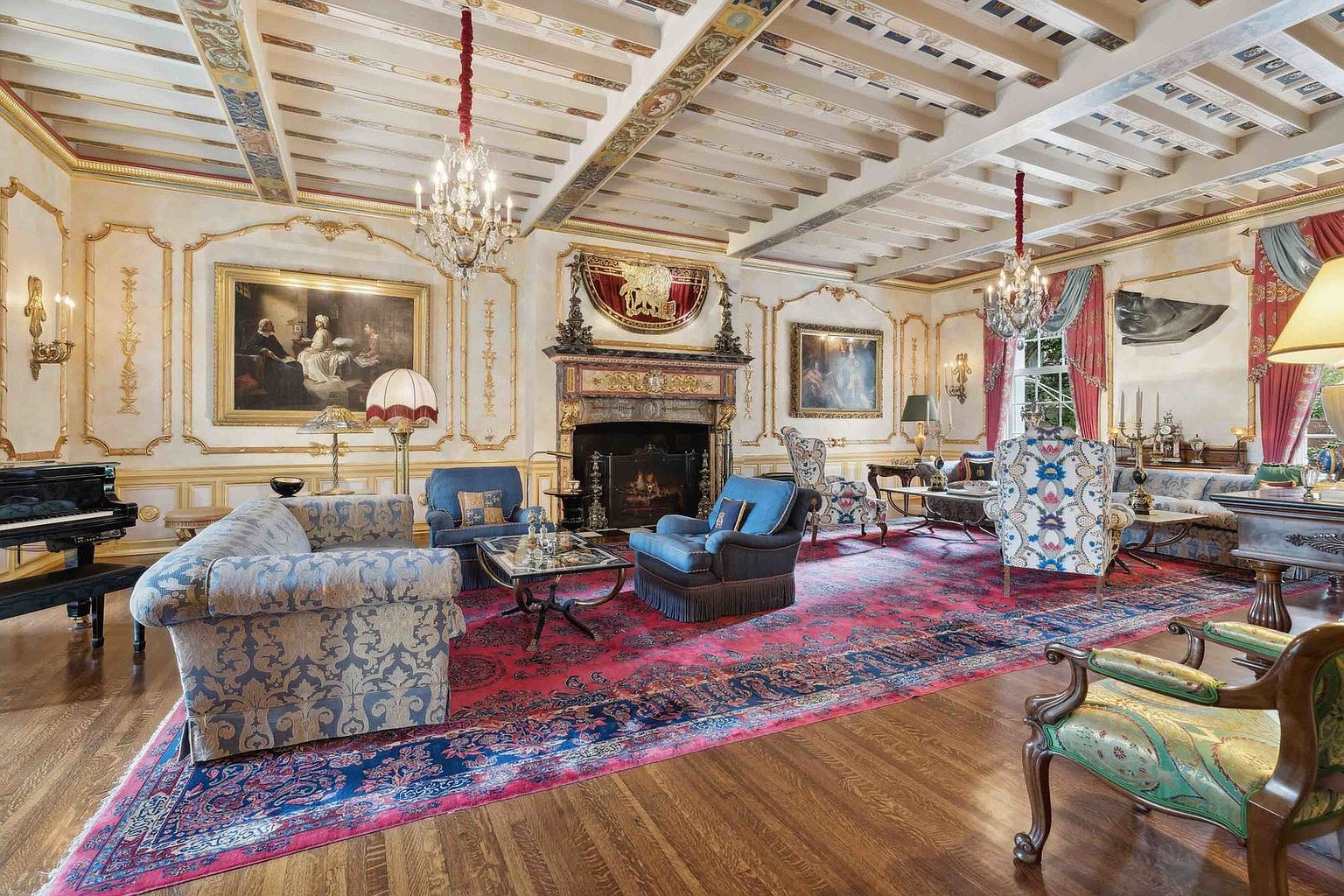
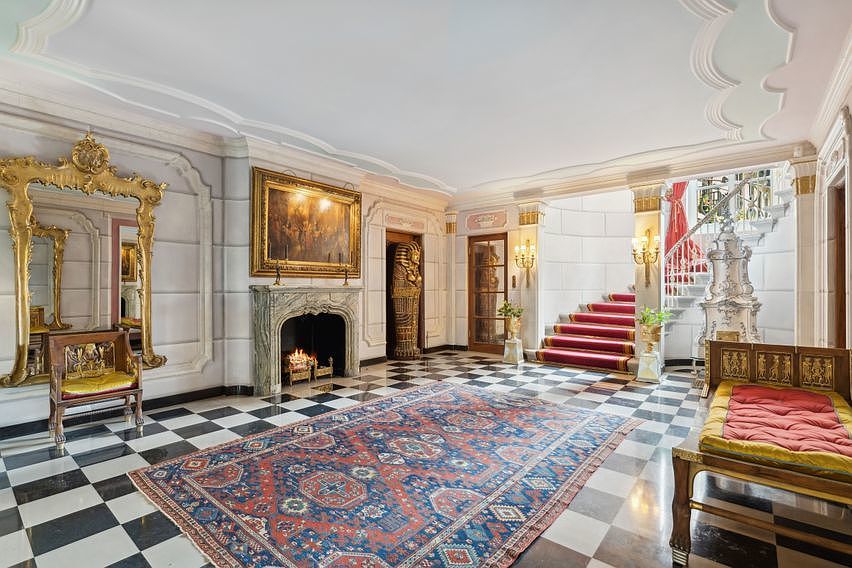
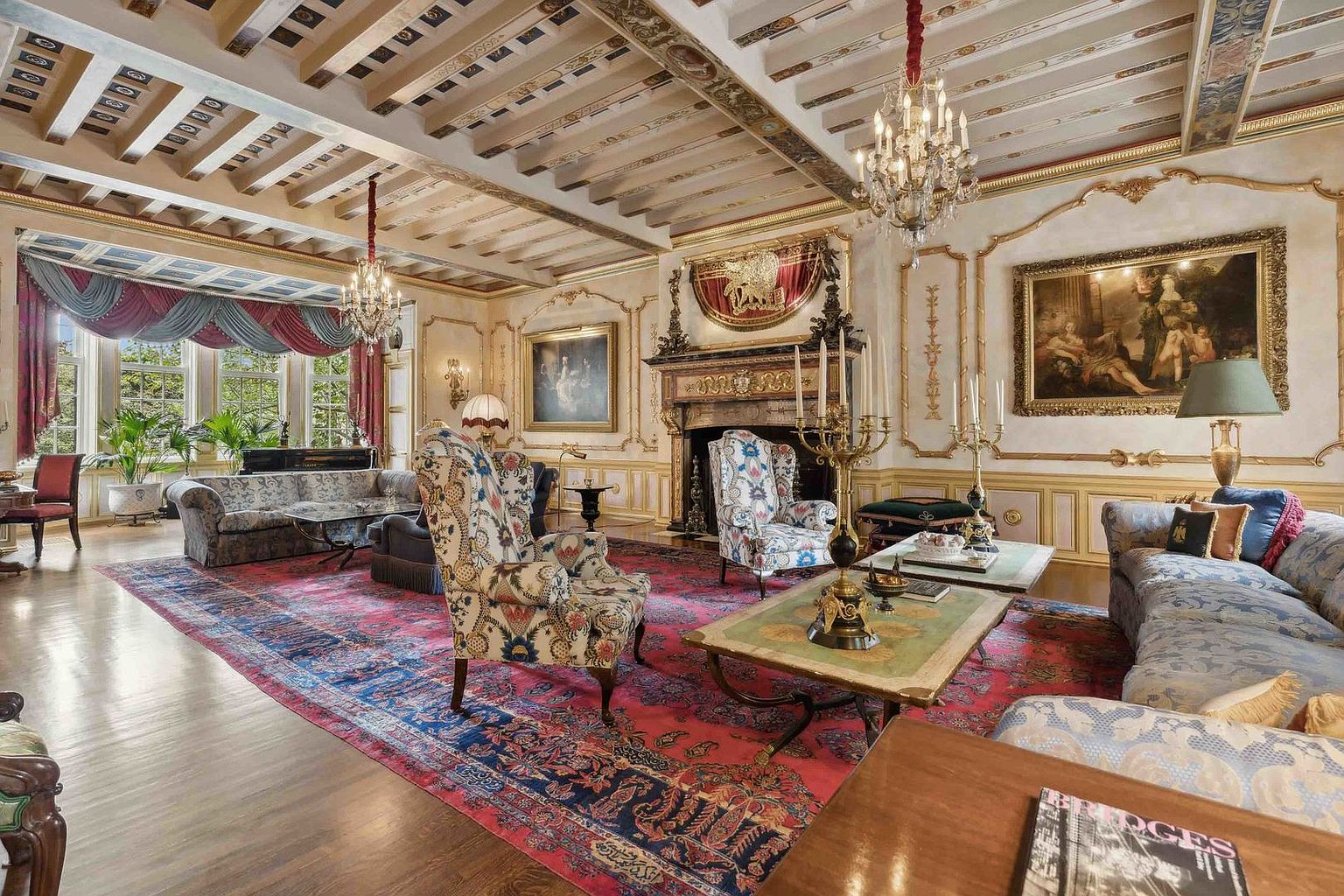
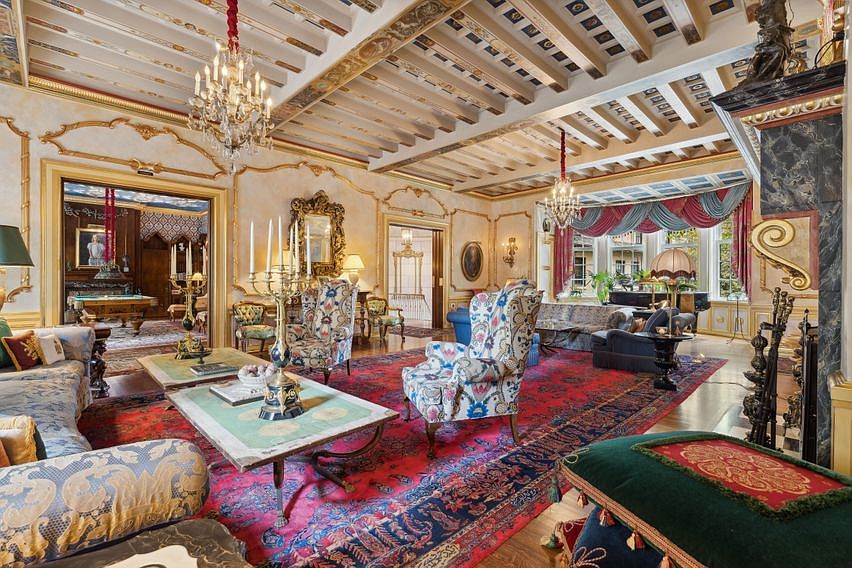
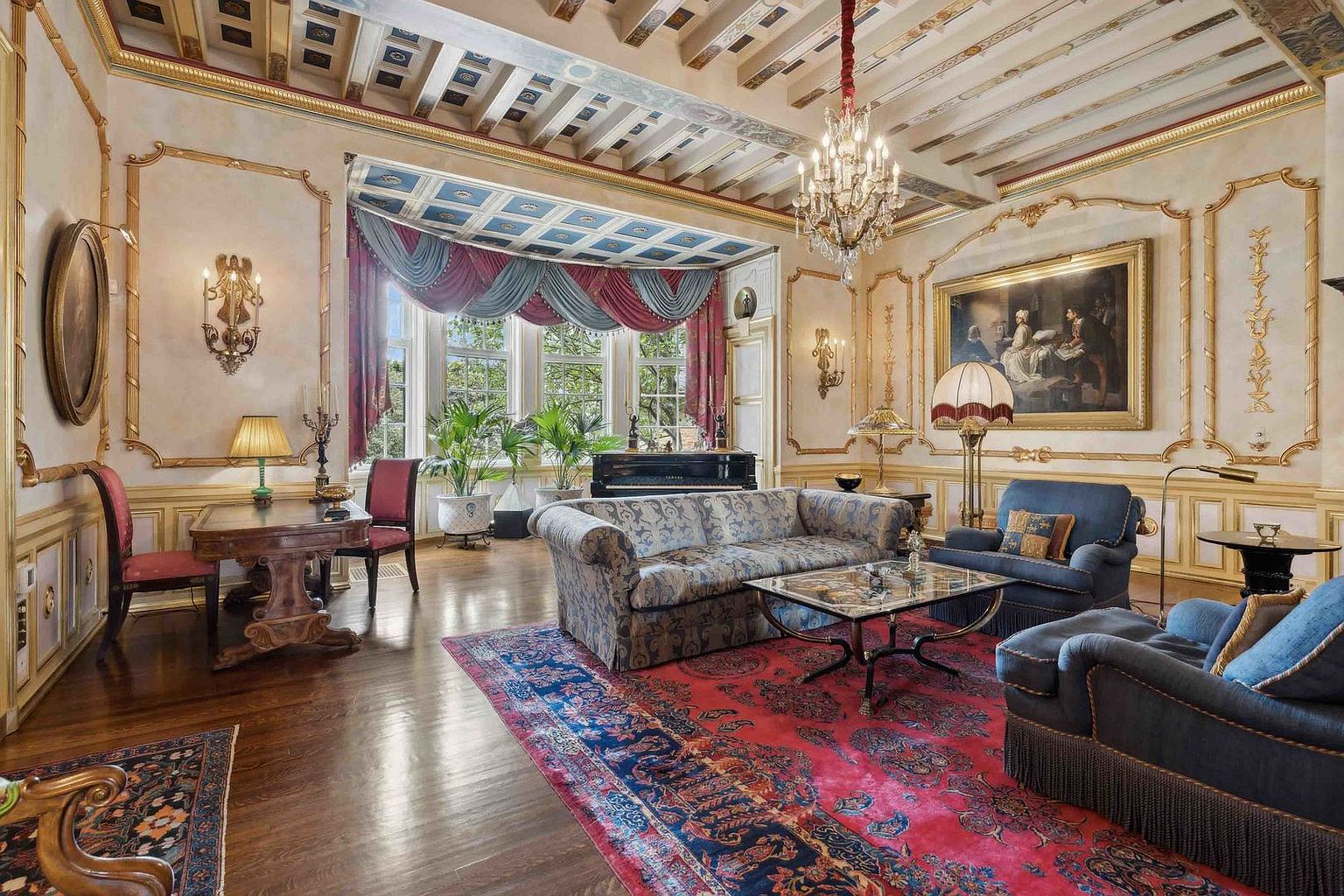
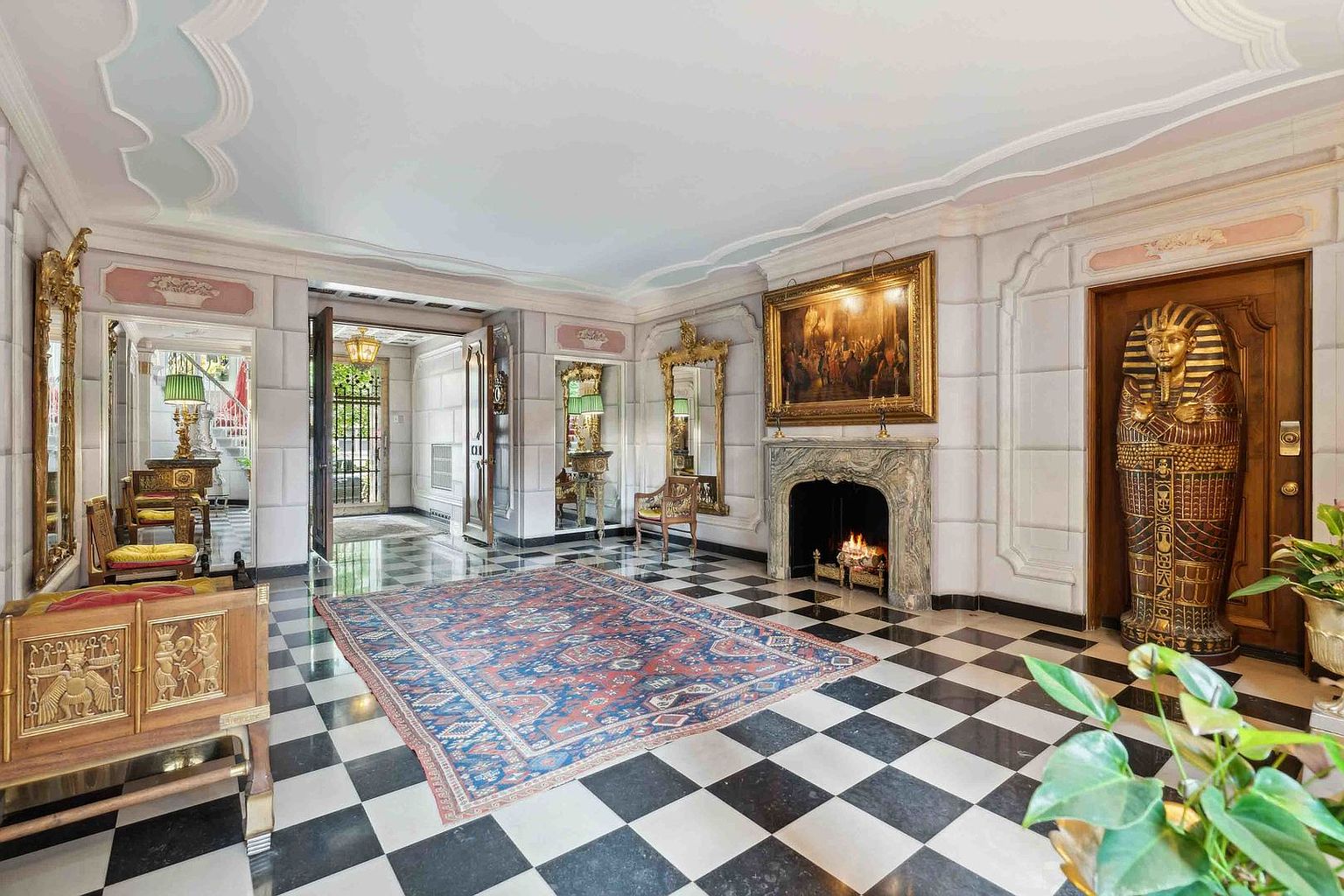
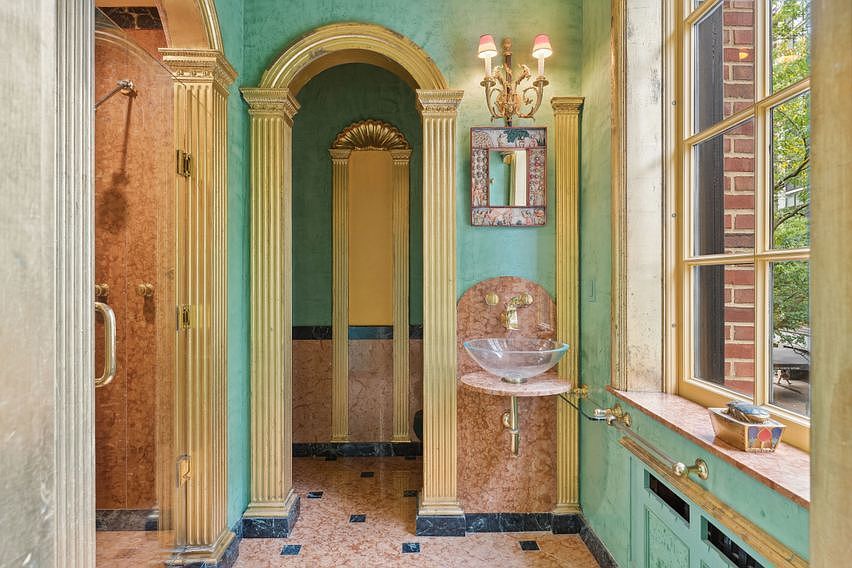
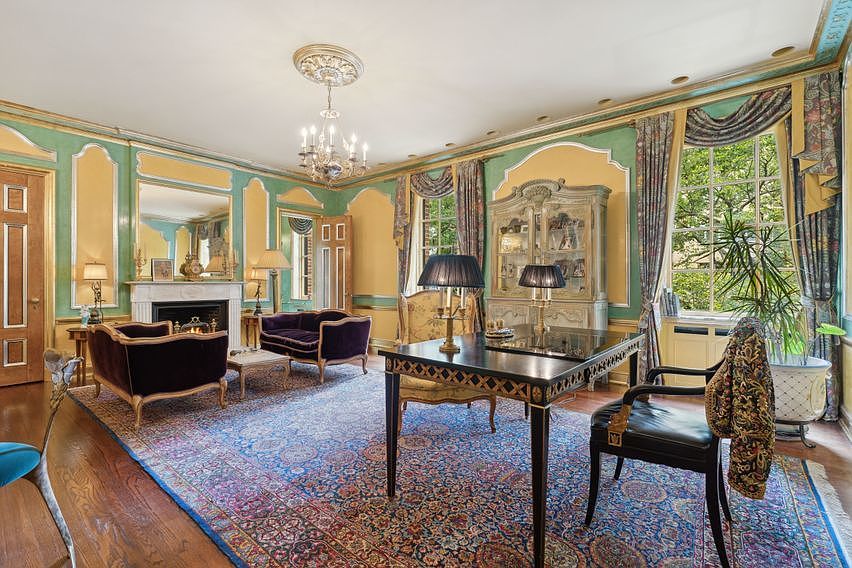
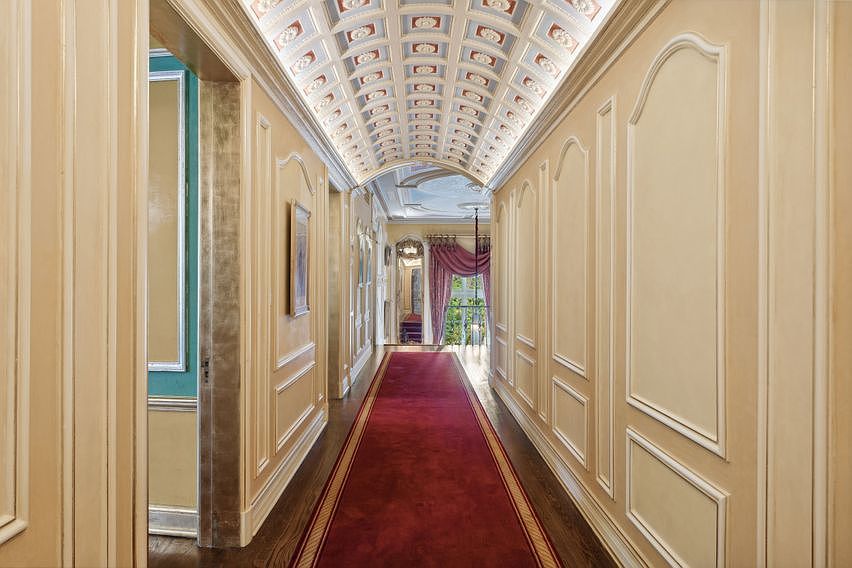
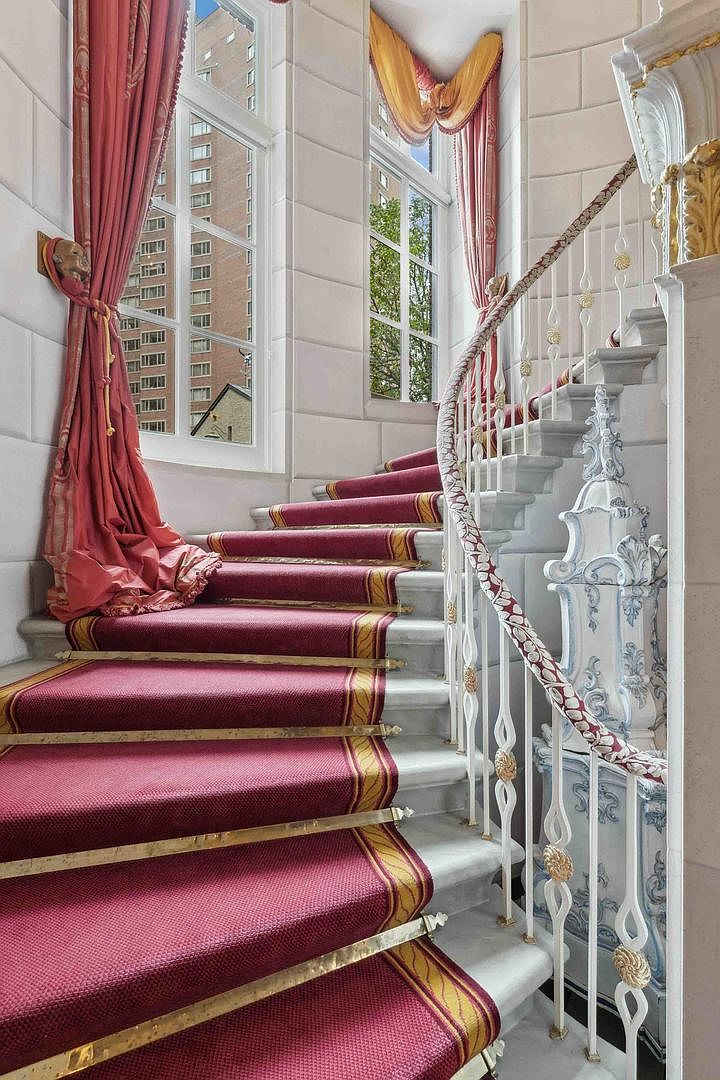
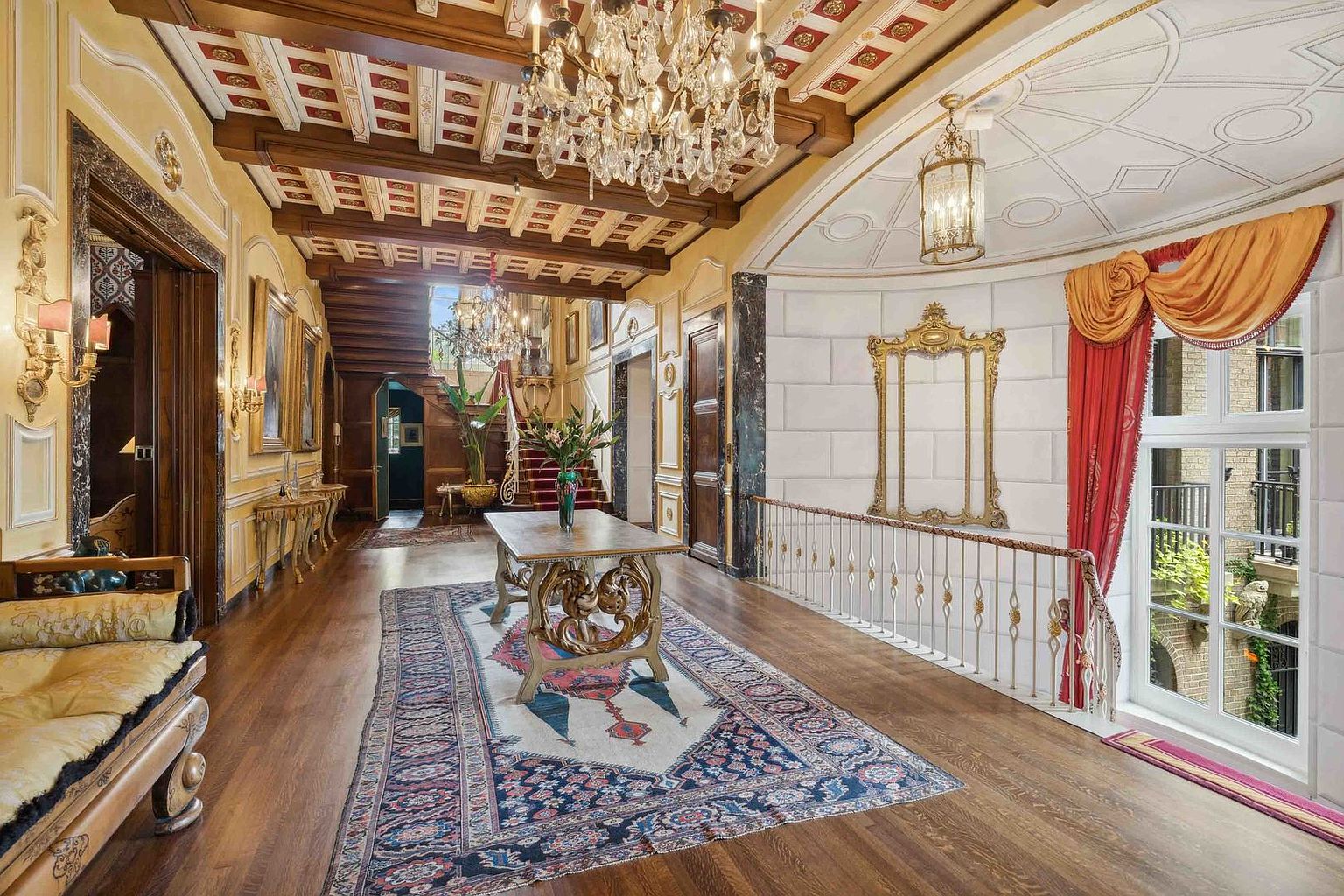
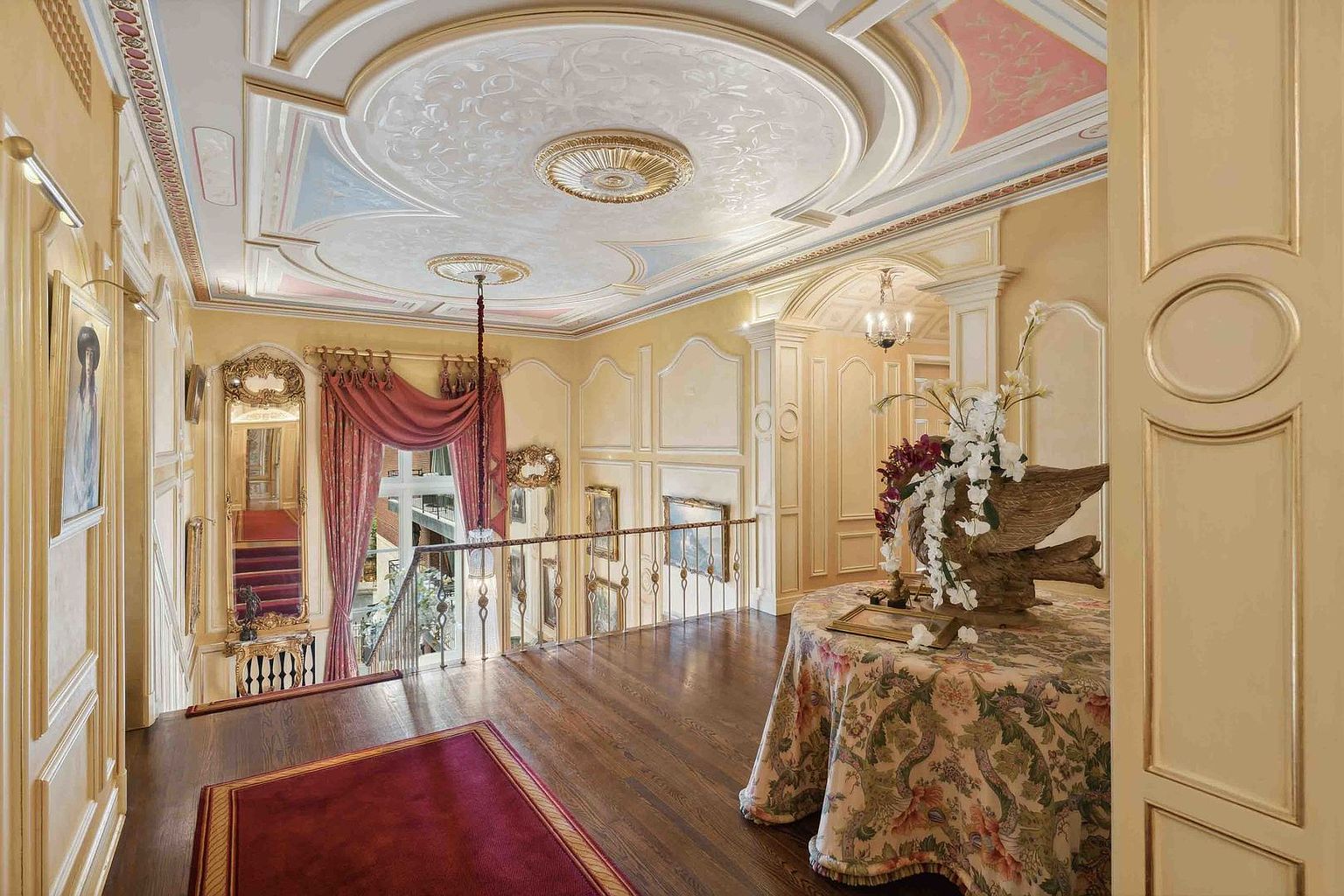
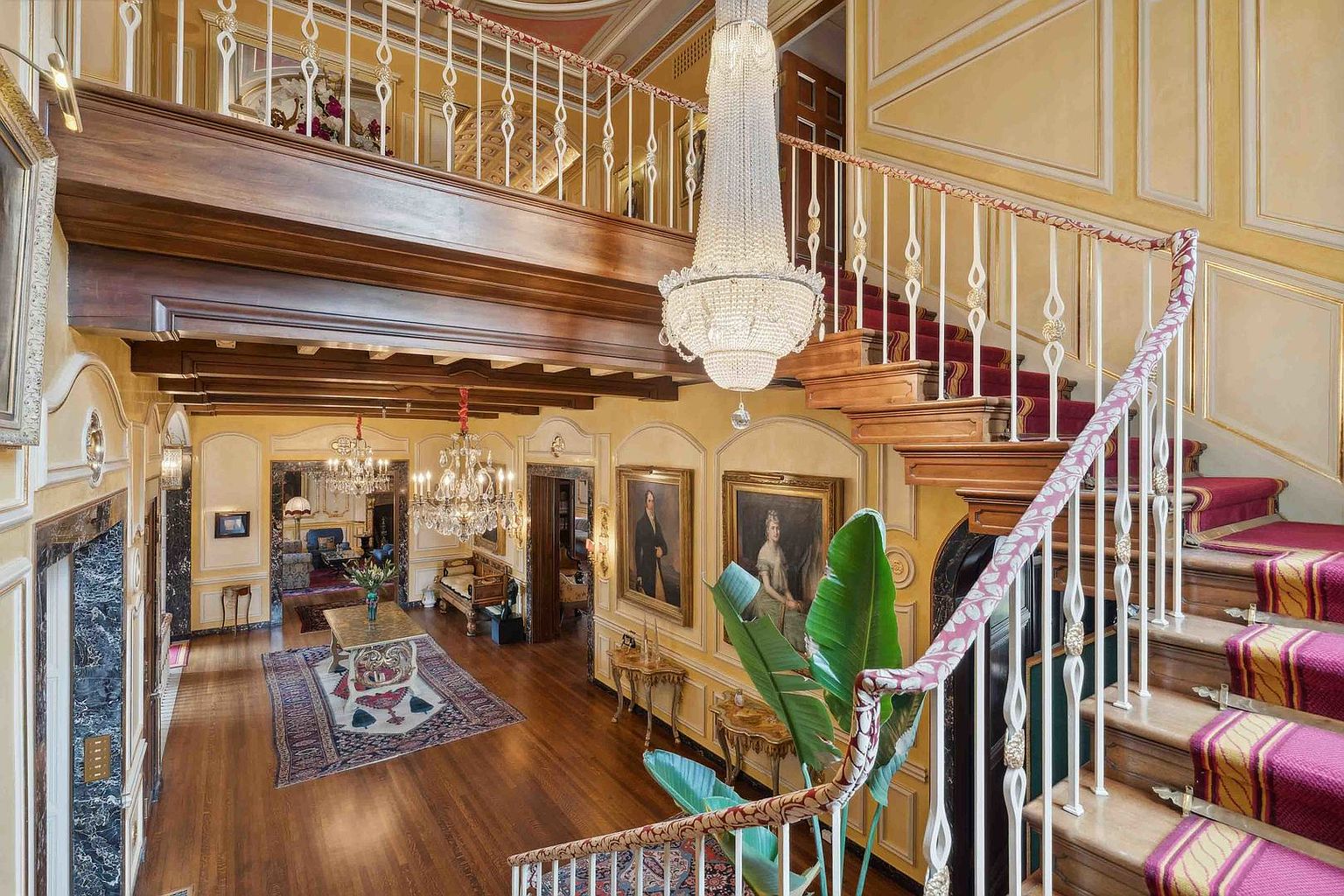
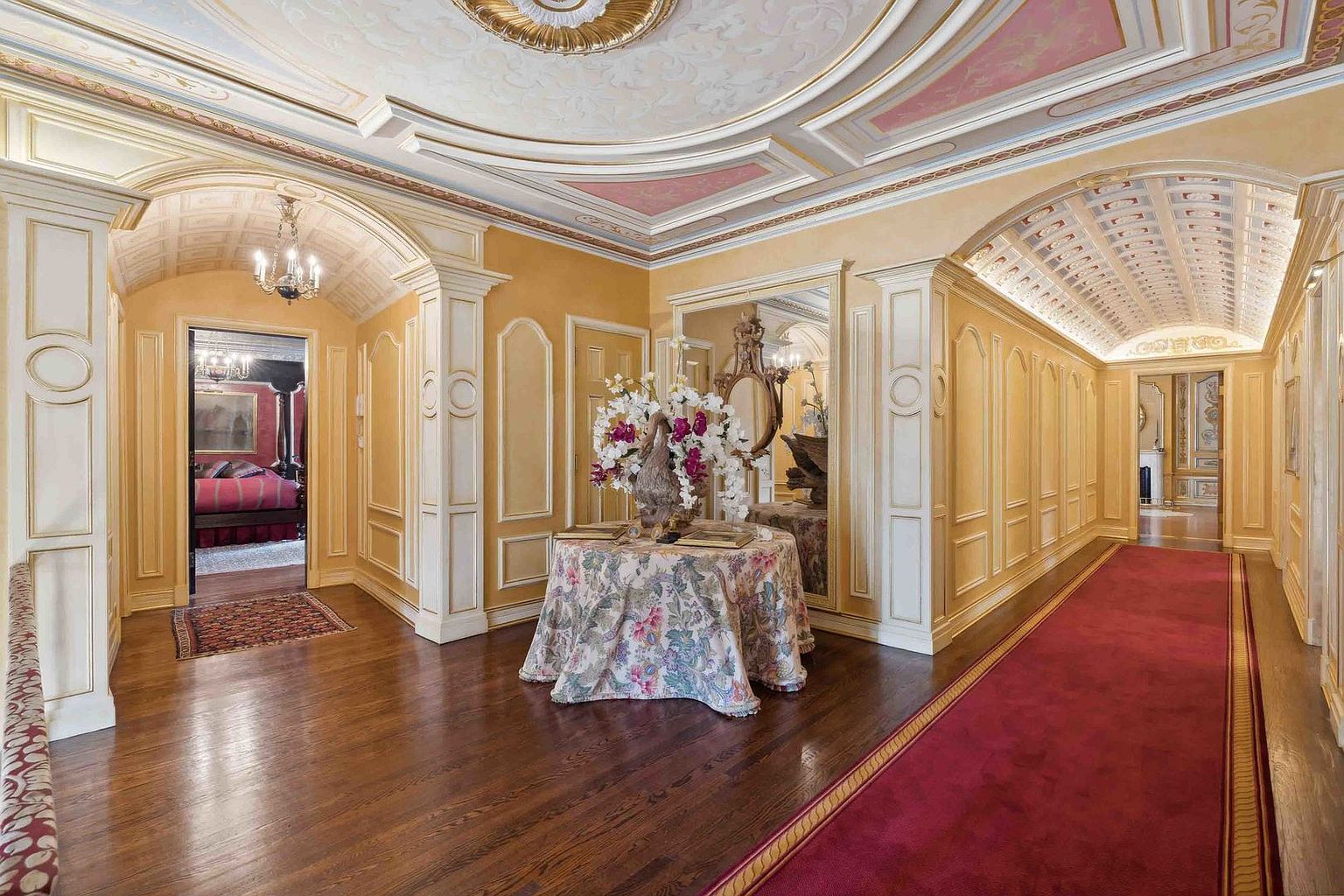
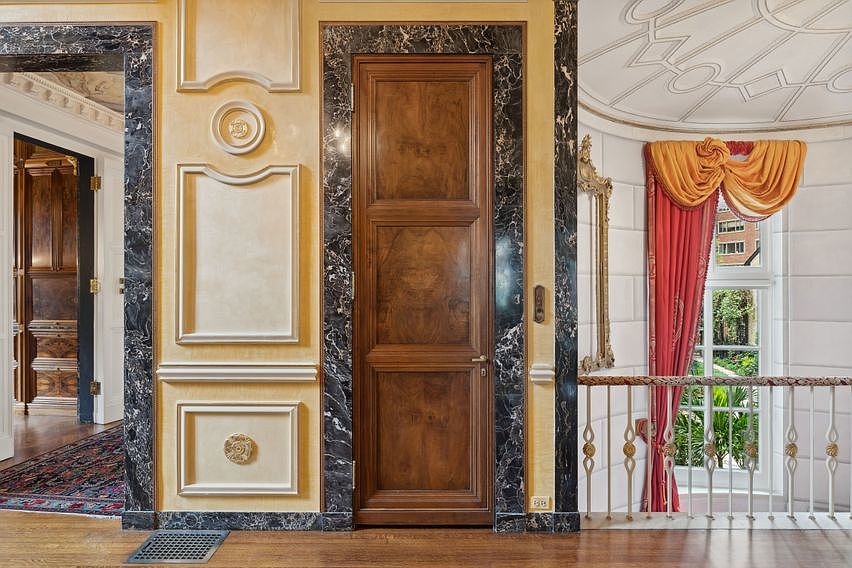
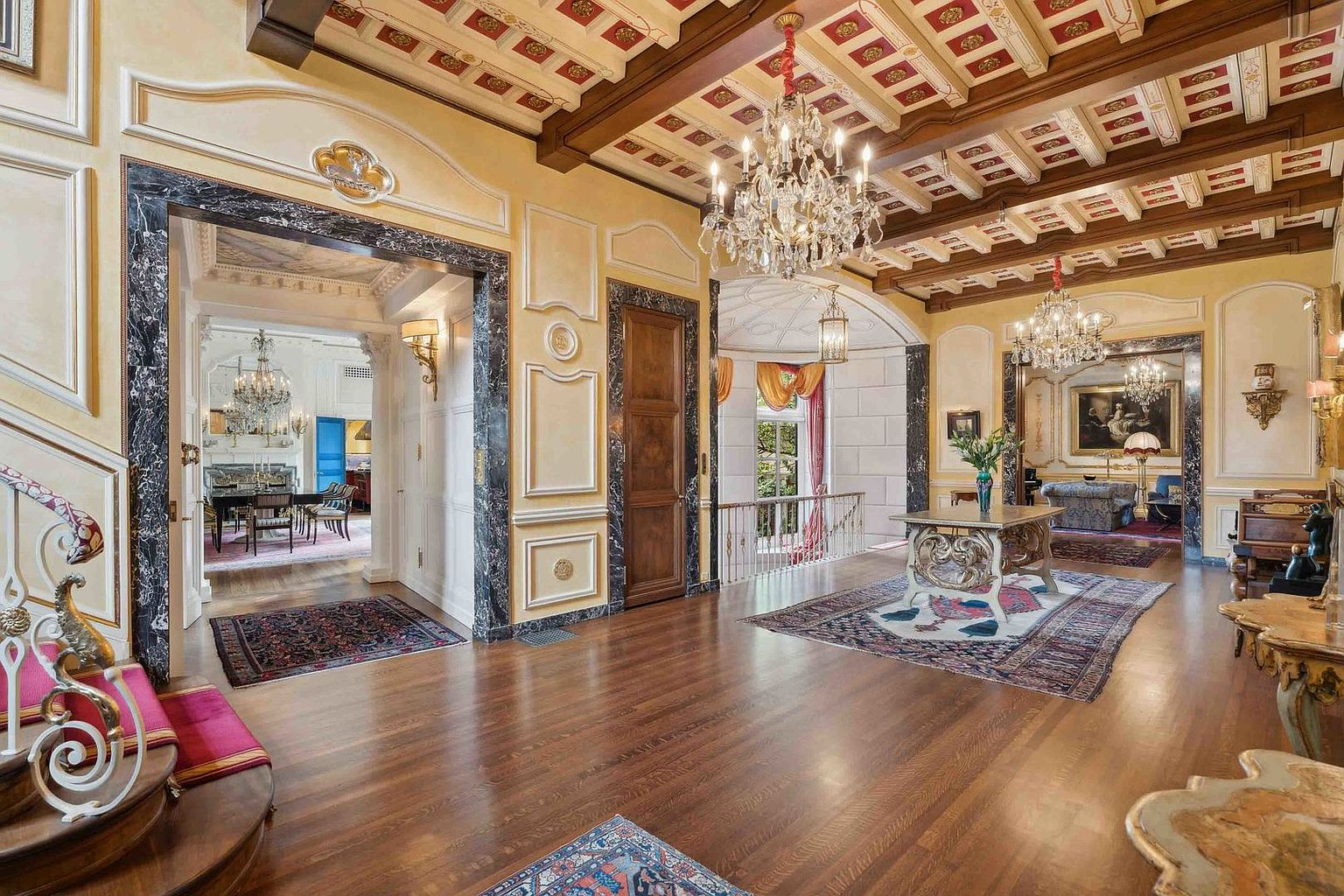
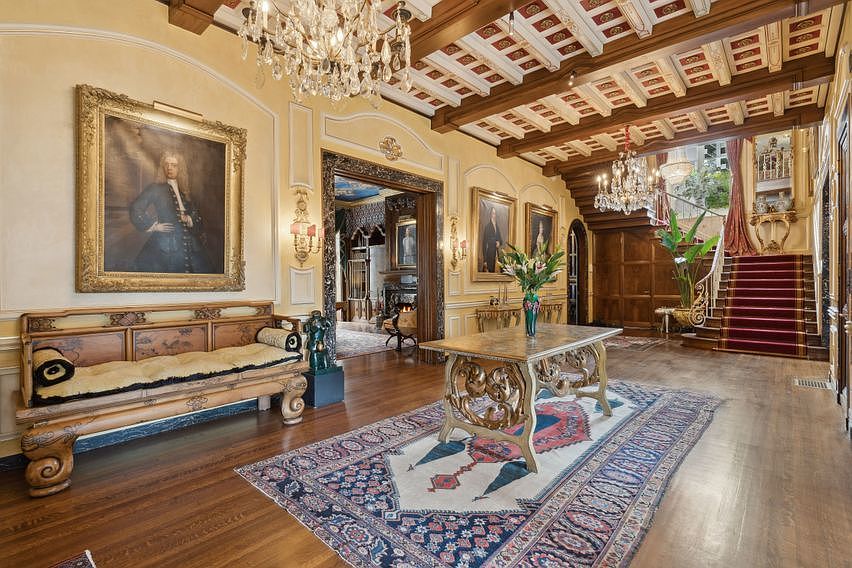
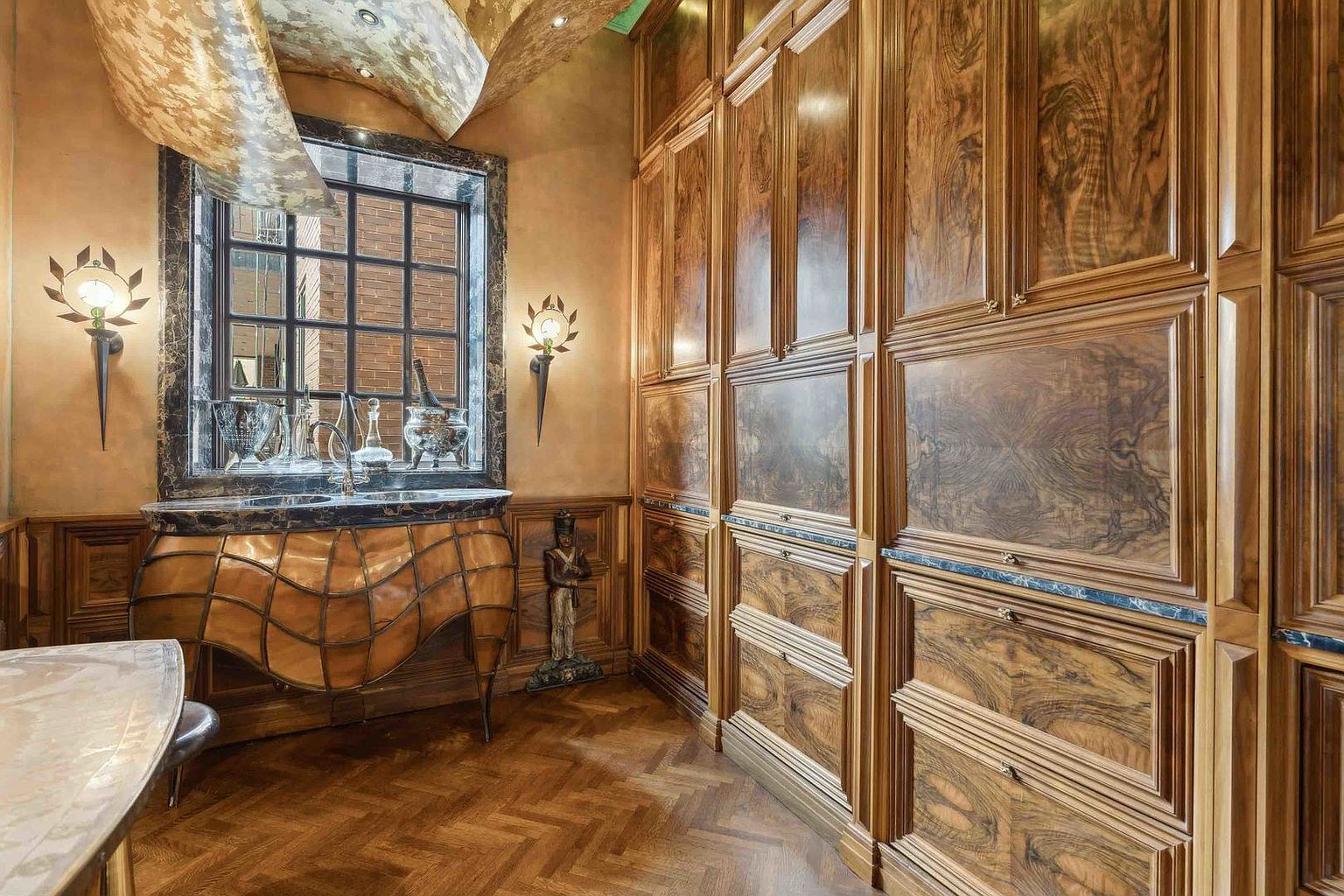
The facade announces its architectural pedigree immediately — a composed, symmetrical elevation of brick and stone framing, wrought-iron railings, and a stone-surround entryway that conveys both permanence and refinement. Stepping inside, a grand curved staircase rises from a black-and-white checkered foyer, its ornate white-metal railing touched with gold detailing, setting the tone for interiors that reward sustained attention at every turn. Throughout the more than 10,000 square feet of the main residence, thirteen-foot ceilings create a sense of unhurried grandeur, while Venetian plaster walls, intricate millwork, and oak hardwood floors speak to the quality of craft that defined the original construction and the sensibility of subsequent stewardship.
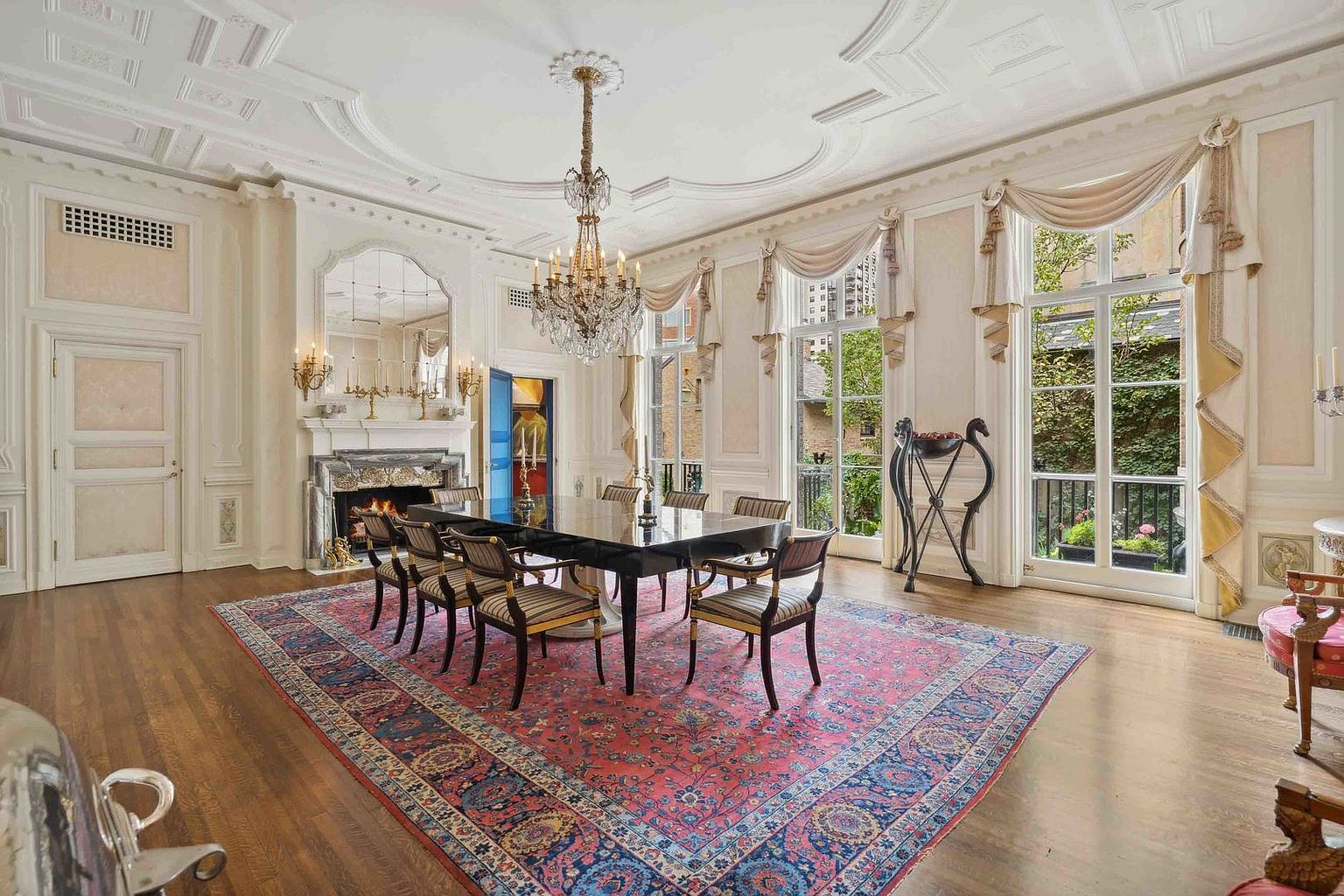
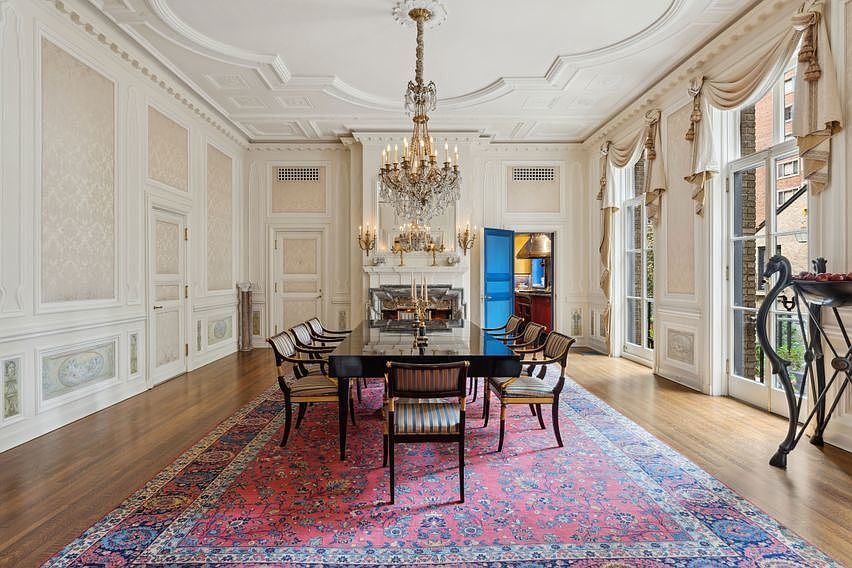
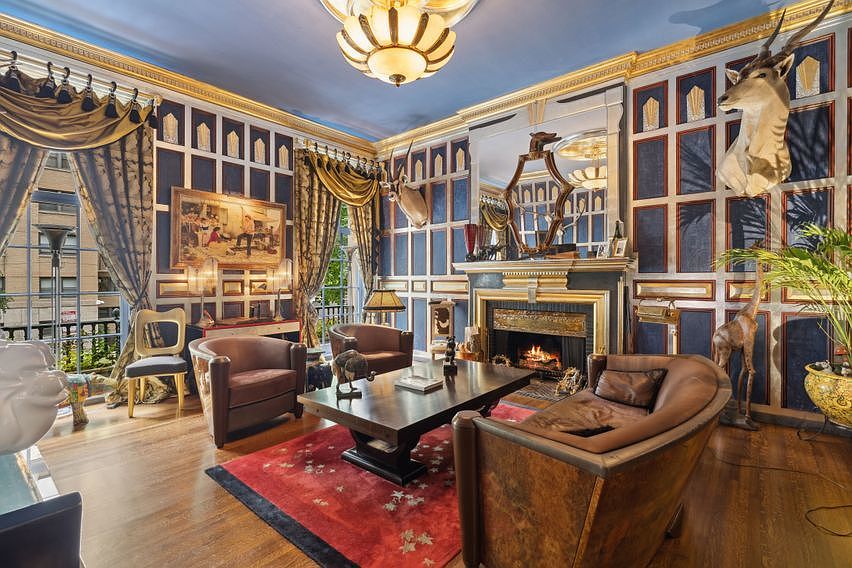
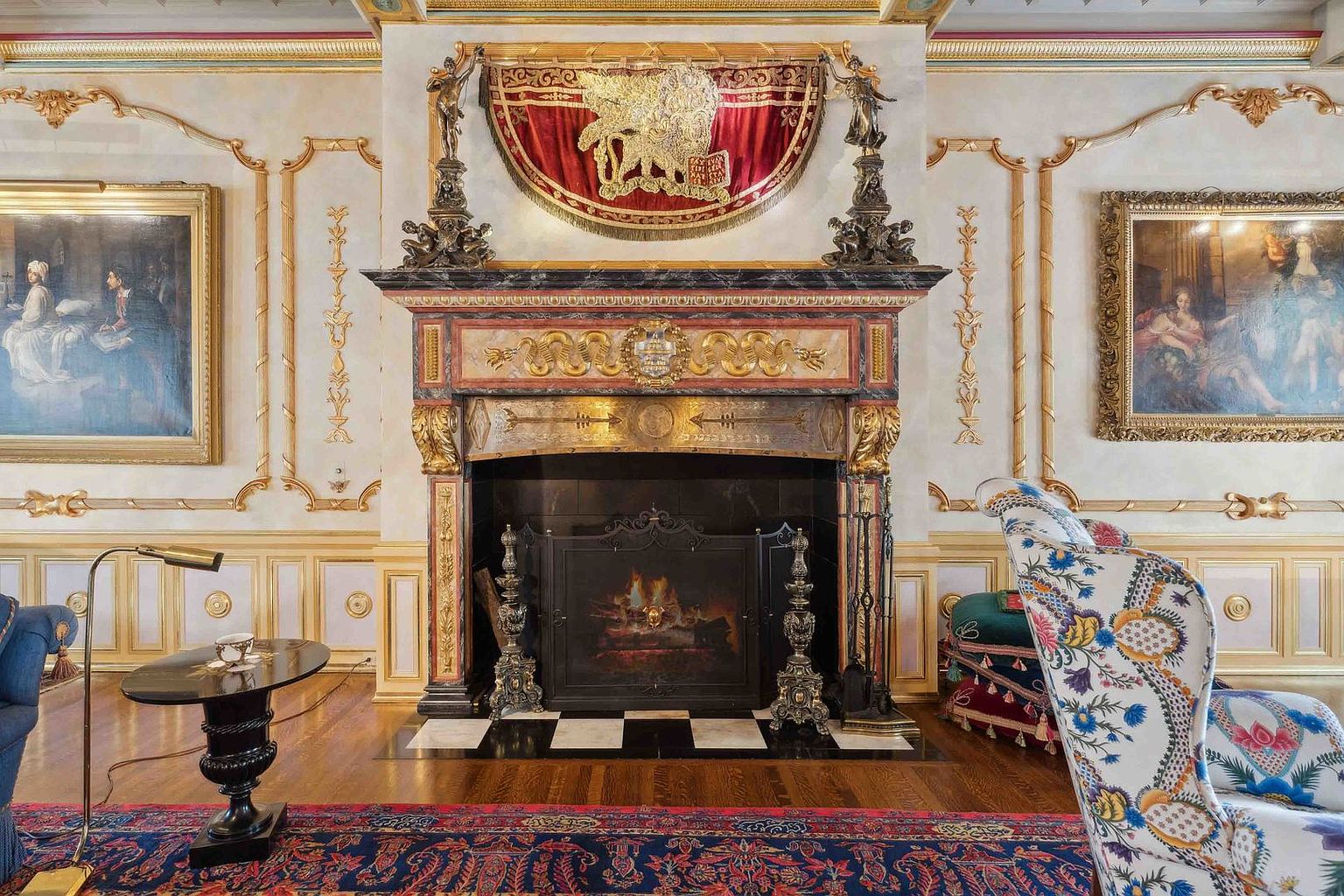
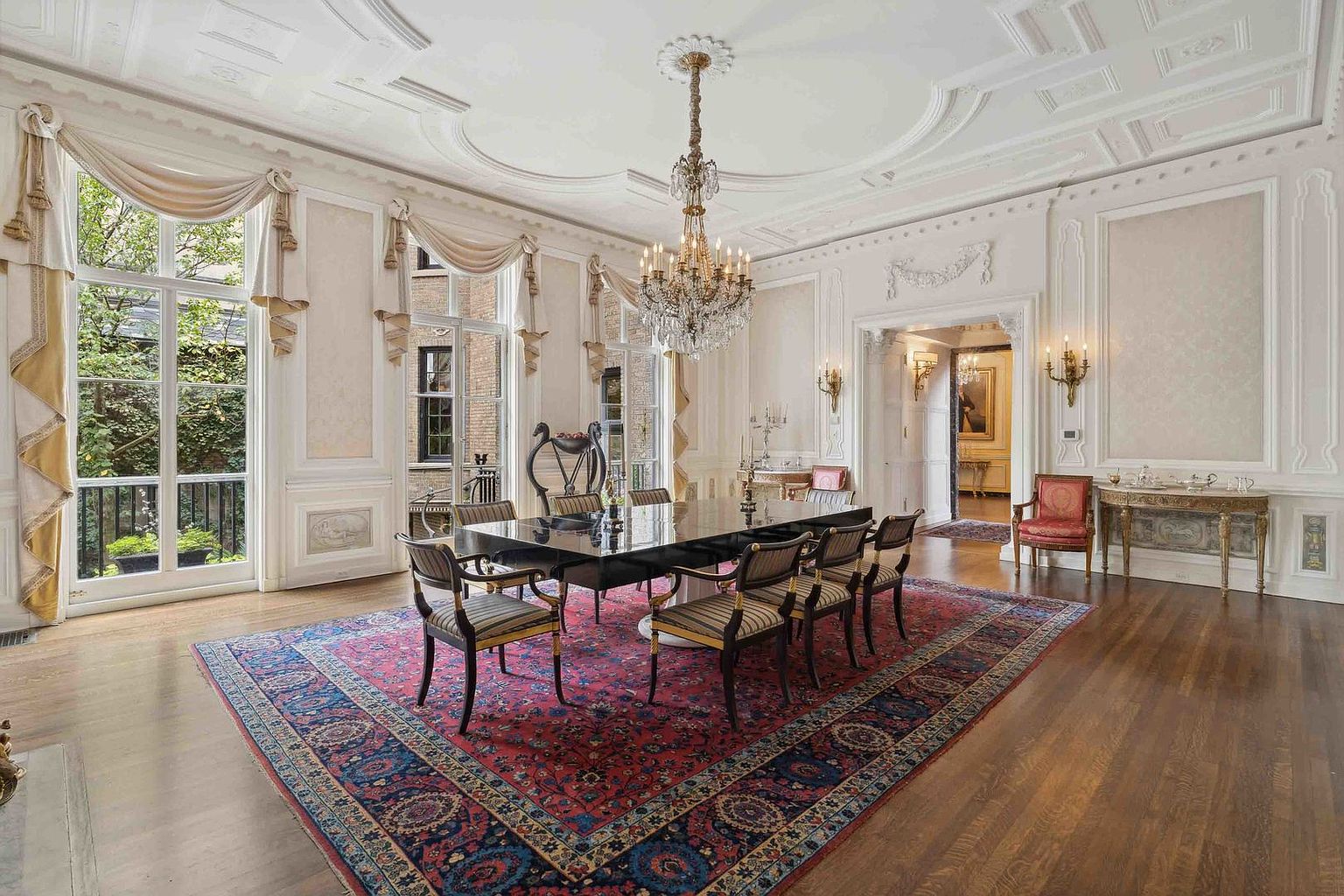
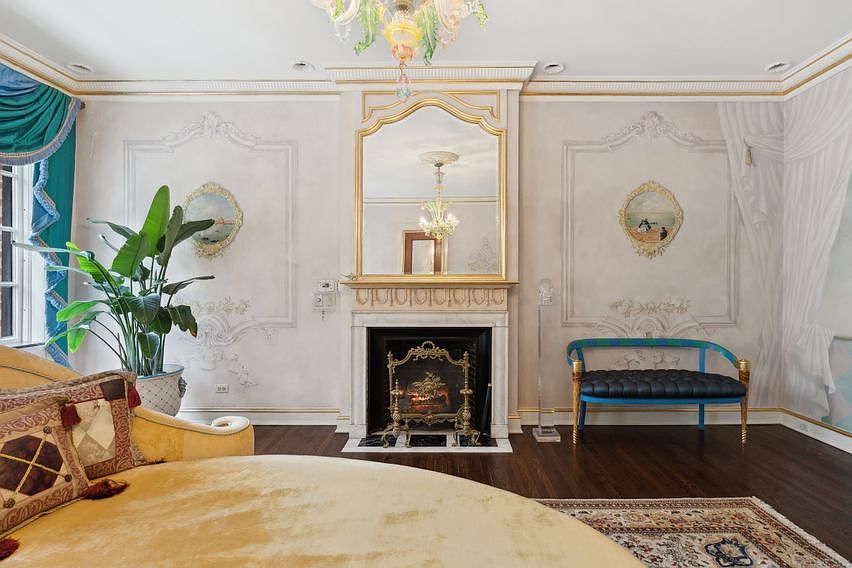
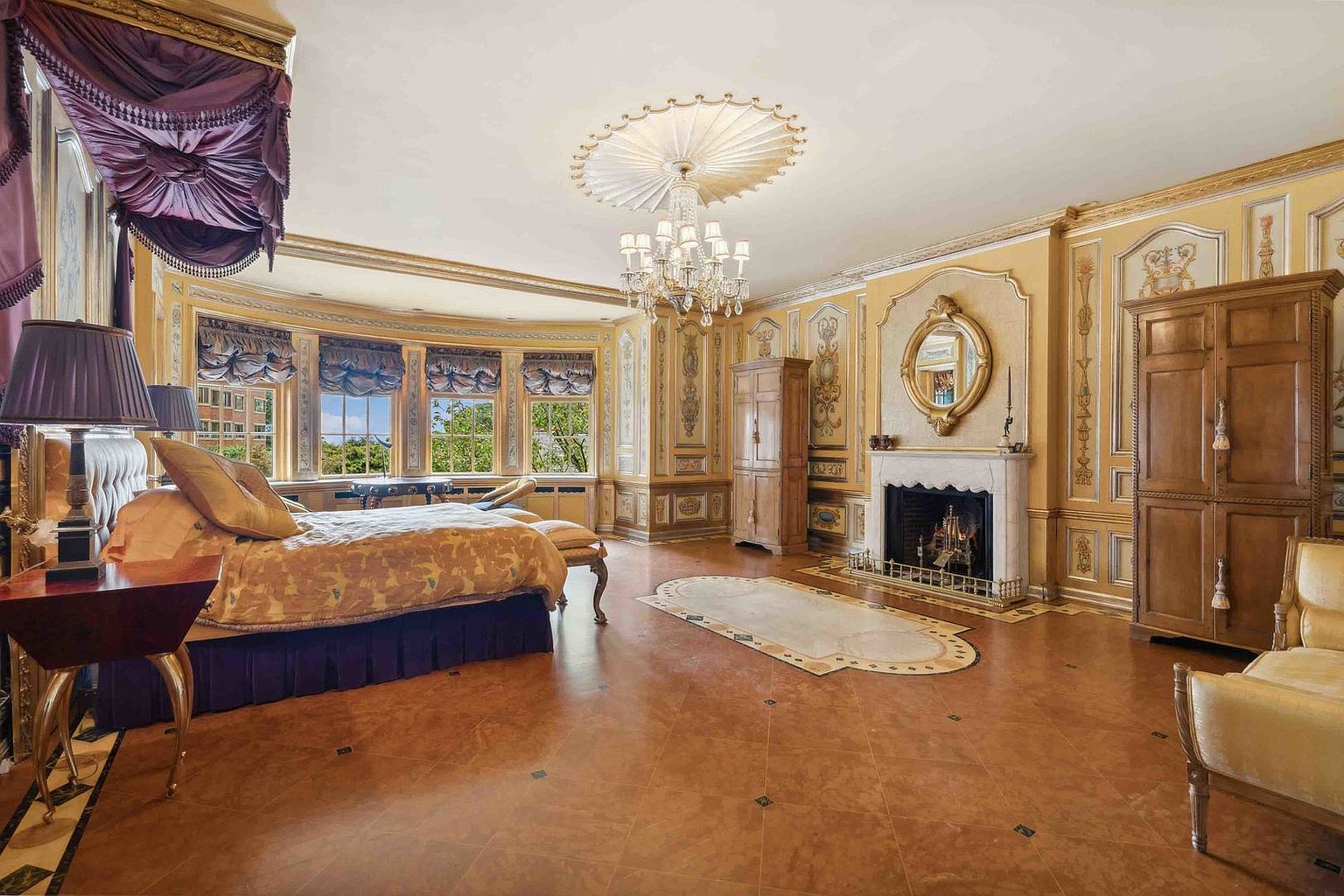
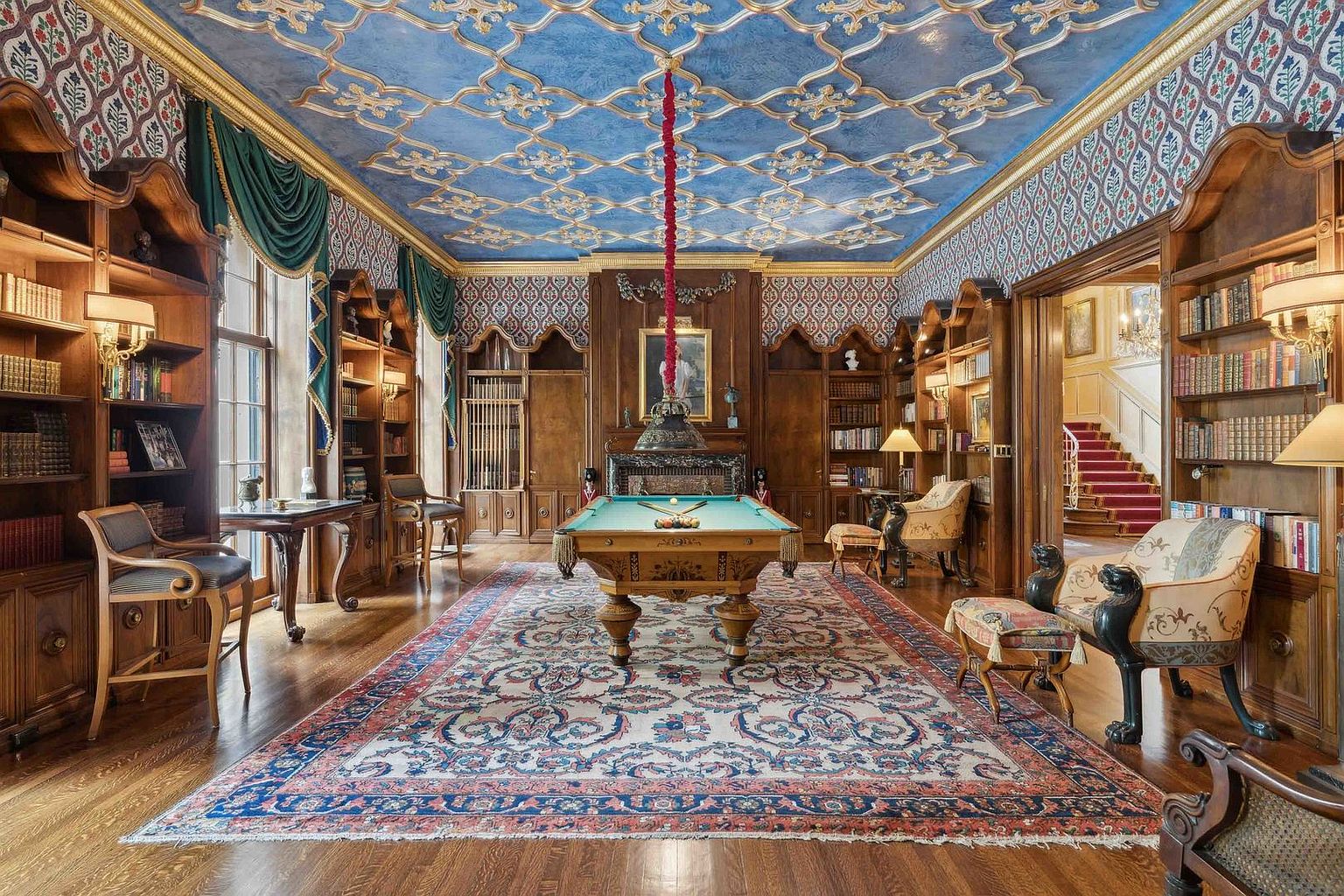
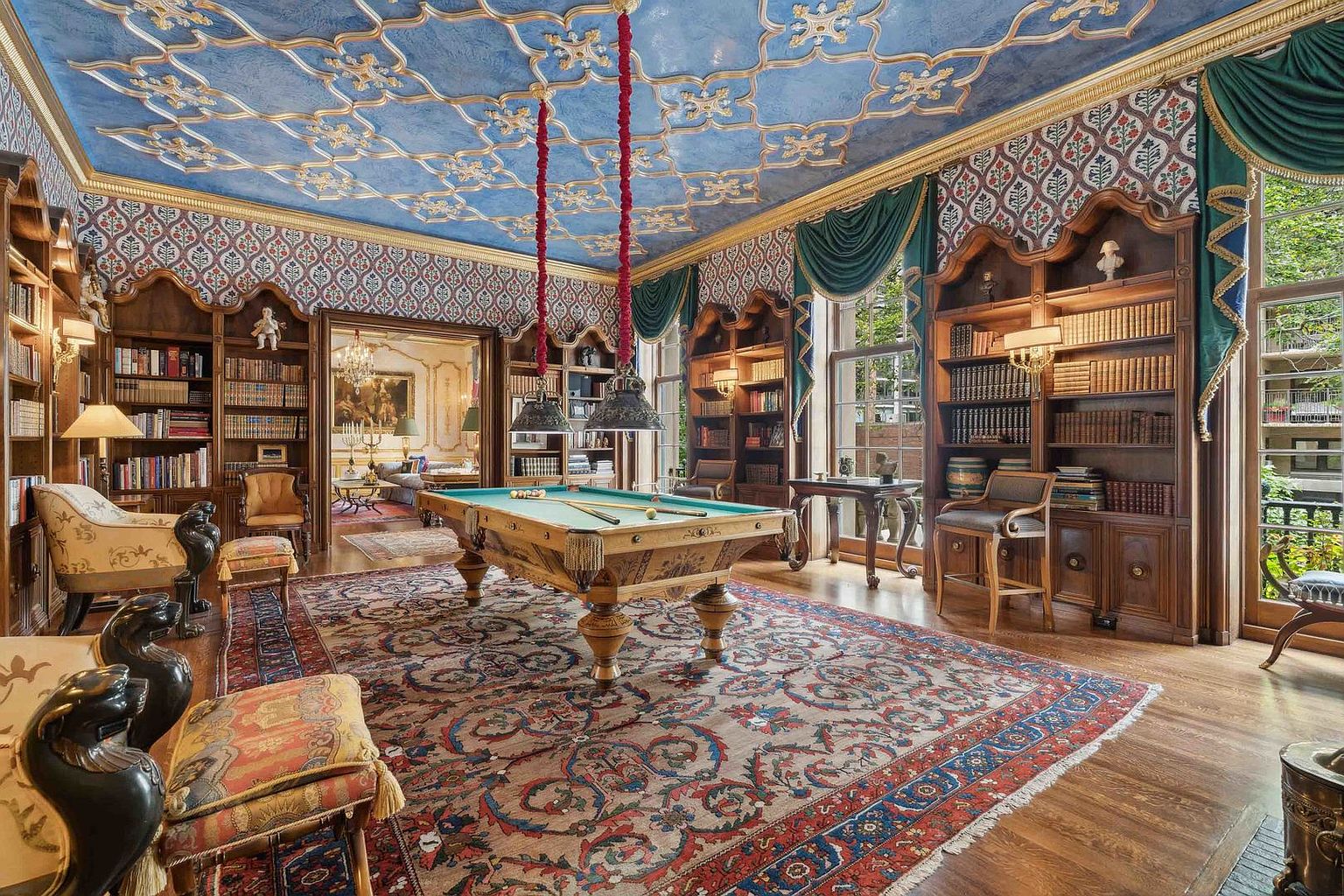
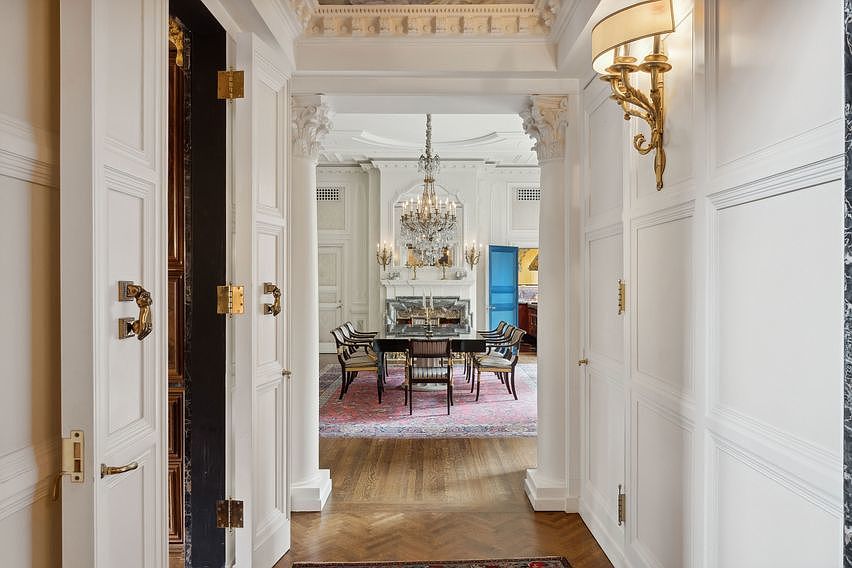
Eighteen original marble fireplaces anchor rooms across the estate, each one a distinct sculptural statement — from grand carved mantels in the formal entertaining rooms to more intimate surrounds in the private suites. The library, with its custom wood shelving and coffered ceiling of ornate detailing, is a room that invites lingering. The formal dining rooms, framed by crystal chandeliers and tall draped windows, possess the proportions and presence required for entertaining at the highest register. A billiards room paneled in rich wood, its ceiling painted a deep jewel blue with gold-tone molding, offers a more private retreat.
At the heart of the estate lies its most quietly extraordinary feature: a private courtyard of formal gardens, stone paving laid in herringbone brick, and a central fountain that evokes the measured tranquility of an Italian palazzo garden. Mature plantings, climbing ivy, and tropical specimens create a layered, living enclosure that renders the courtyard entirely separate from the city beyond its walls — a private sanctuary of rare beauty within one of America's most dynamic urban neighborhoods.
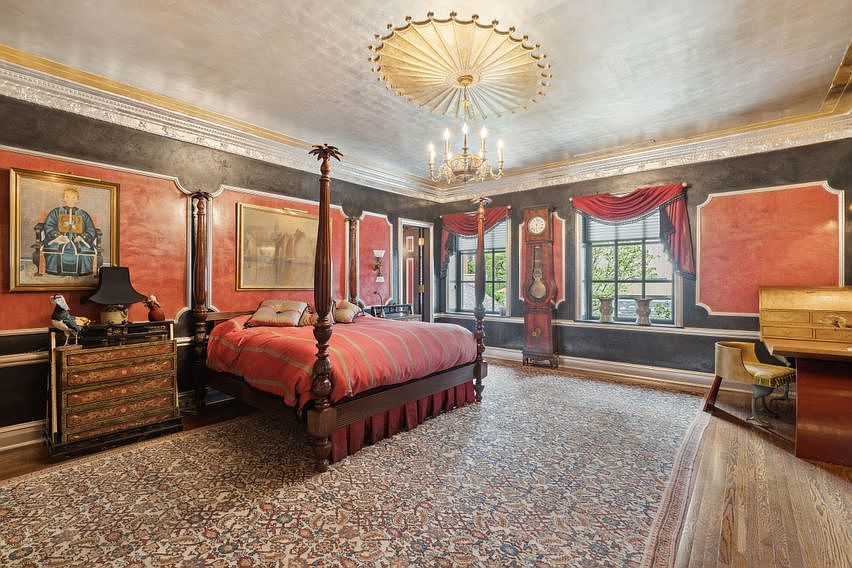
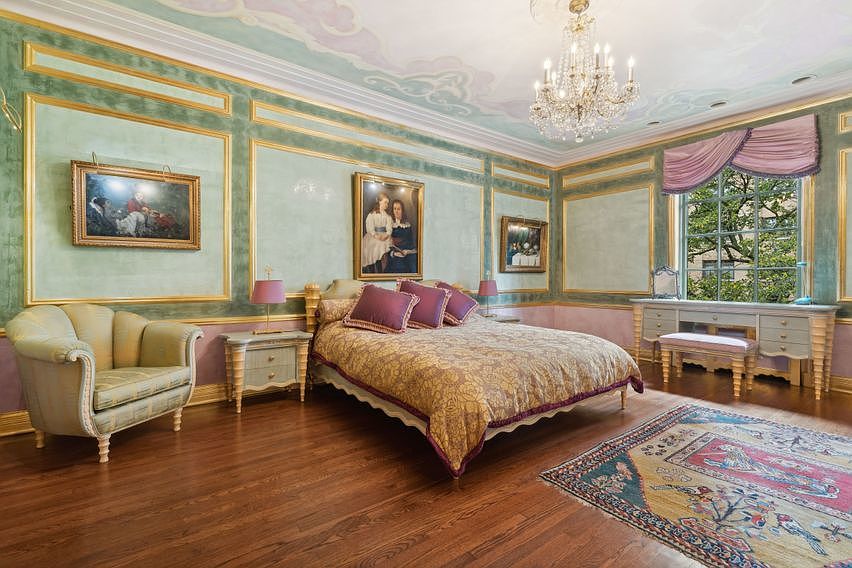
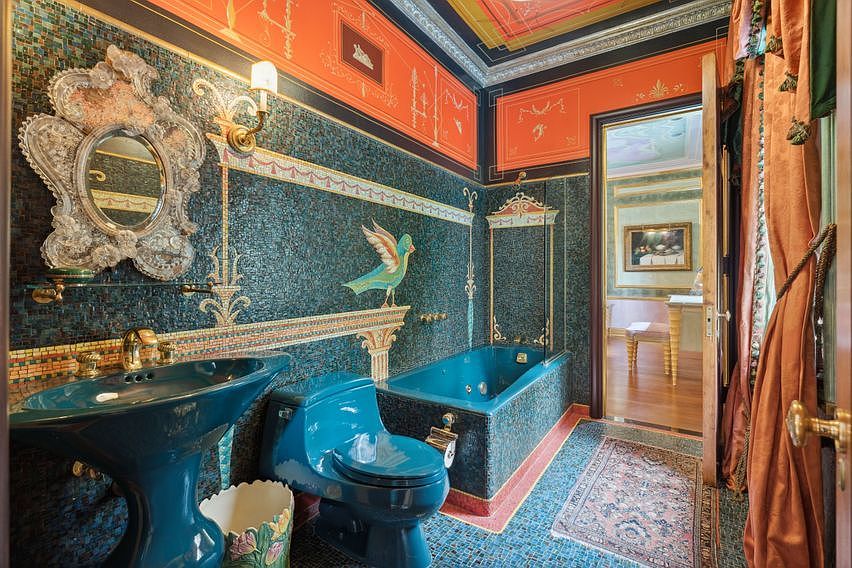
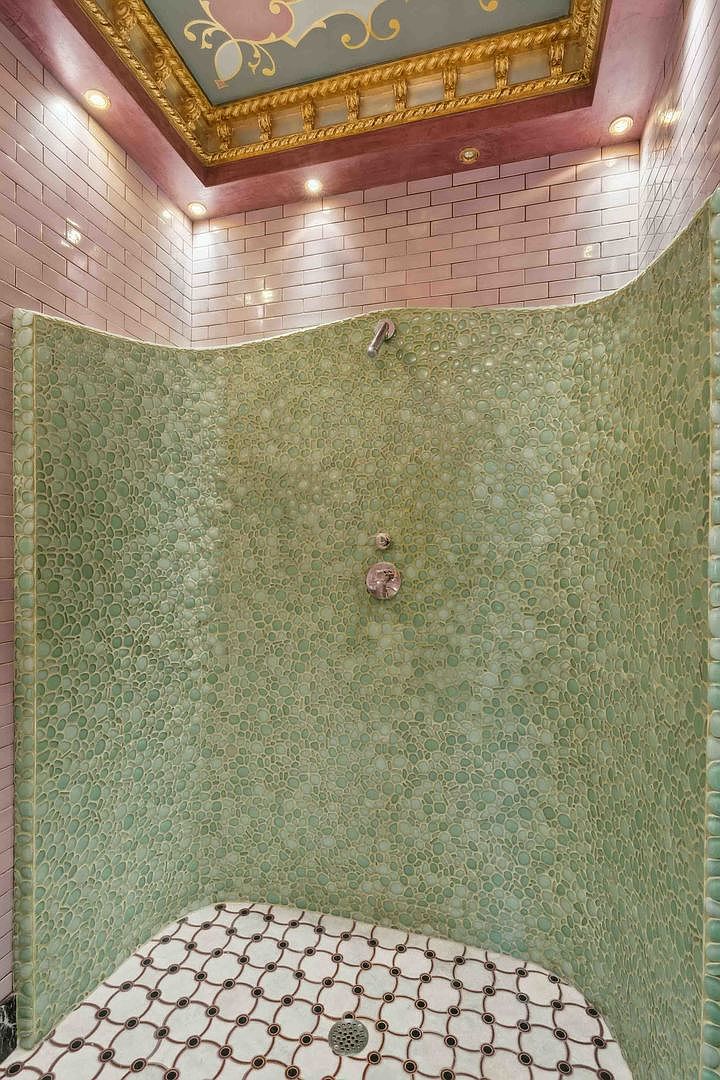
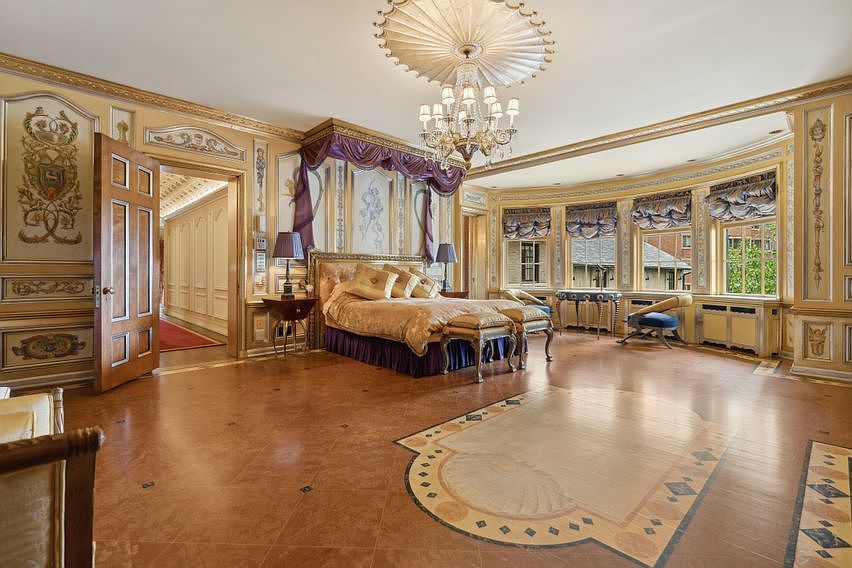
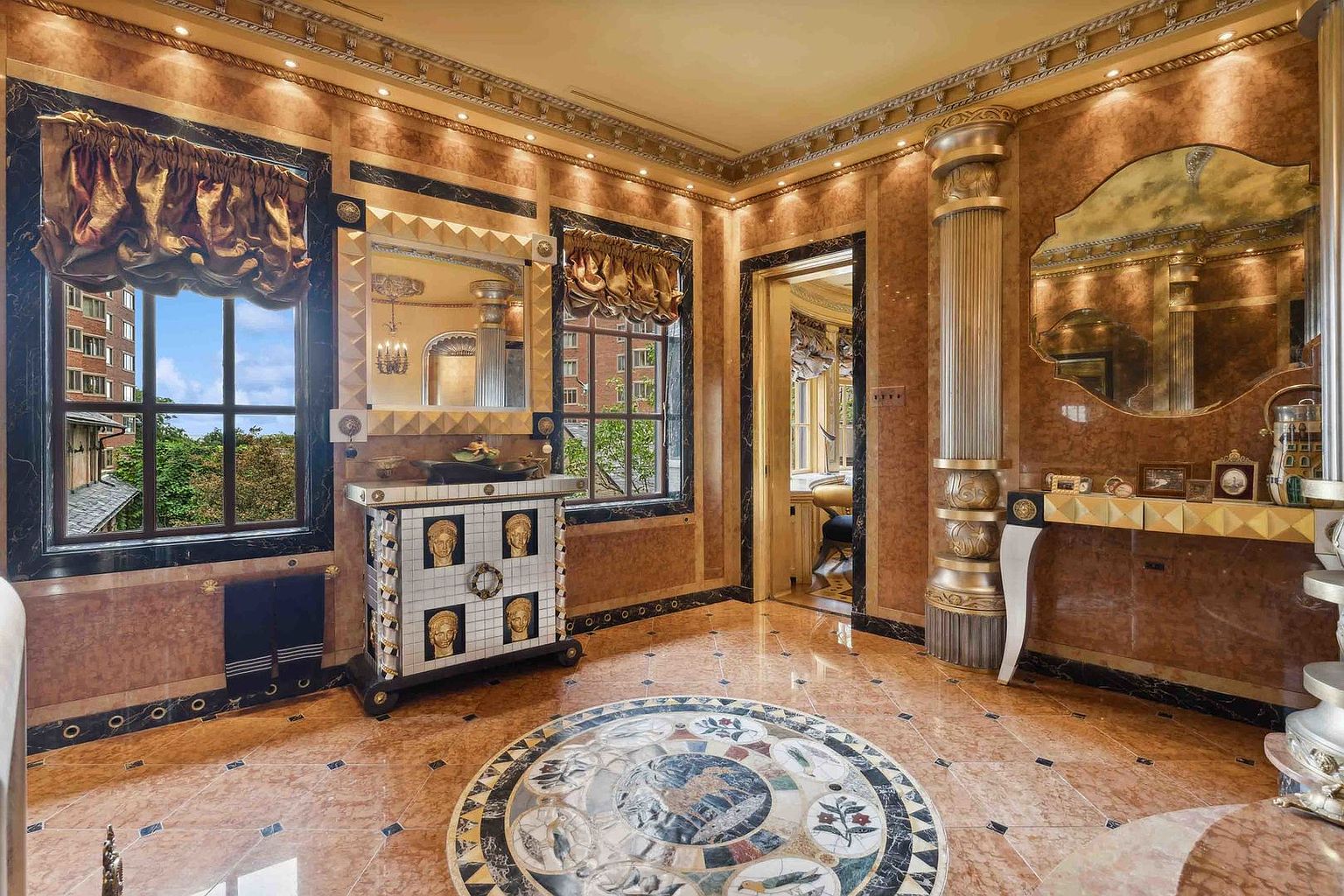
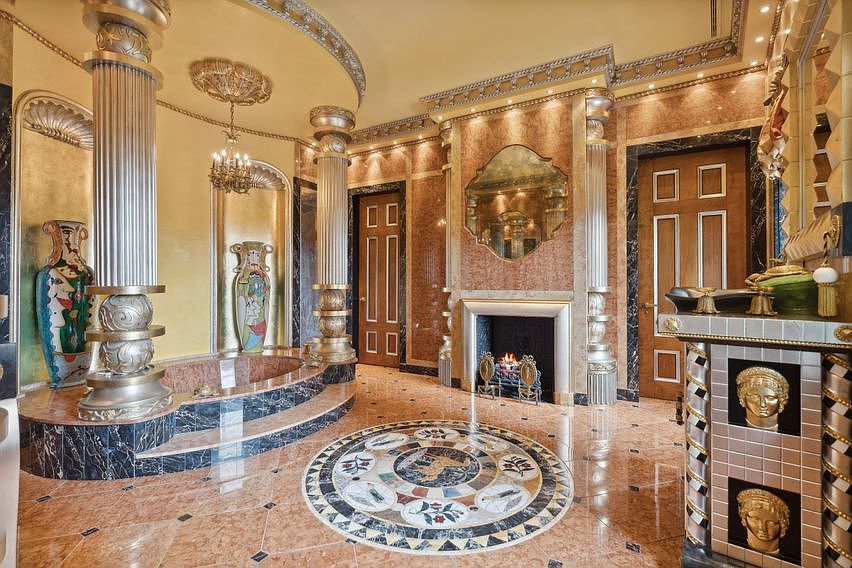
The primary suite commands sweeping views of Lake Michigan and is appointed with an Italian marble bath of the highest order, featuring a sunken soaking tub set within a raised platform framed by decorative columns. The five en-suite bedrooms of the main residence each carry their own distinct character, from rooms with hand-painted ceiling murals and canopy beds to suites with curved walls of windows and marble fireplaces. Six additional distinctive residences currently leased within the estate offer significant income potential while preserving the flexibility for conversion back to a singular, expanded private home. An existing coach house presents the opportunity for additional garage accommodation — a meaningful amenity in this storied neighborhood.
Astor Street occupies a singular place in Chicago's urban geography — not merely as an address, but as a living document of the city's architectural ambitions and social history. Stretching through the heart of the Gold Coast neighborhood on Chicago's Near North Side, the street was designated a Chicago Landmark District in 1975 in recognition of its remarkable concentration of late nineteenth- and early twentieth-century residential architecture. The Gold Coast itself developed rapidly following the Great Chicago Fire of 1871, when Potter Palmer — the influential hotelier and real estate developer — relocated north along the lakefront and catalyzed the transformation of the area into the city's preeminent address for society families. The neighborhood has retained that distinction across more than a century, evolving while preserving the scale and character that first defined it.
The immediate surroundings of 1355 N Astor Street reflect the Gold Coast at its most authentic. The street is characterized by a varied and distinguished collection of rowhouses, mansions, and mid-rise buildings representing the full arc of Chicago residential architecture — from Richardsonian Romanesque to Georgian Revival to early modernism — creating a streetscape of unusual visual richness. The Chicago Architecture Foundation has long identified Astor Street as among the city's most architecturally significant residential corridors, and walking its length remains one of the more instructive ways to understand the depth of Chicago's built heritage.
Michigan Avenue's Magnificent Mile lies just steps to the east, offering access to flagship luxury retail, celebrated restaurants, and the cultural institutions that line the lakefront. The Museum of Contemporary Art Chicago is within easy reach, as is the historic Newberry Library, one of the country's great independent research libraries, situated just blocks to the west. Chicago's lakefront trail — one of the longest continuous urban recreational paths in the United States — is accessible within moments, providing year-round access to running, cycling, and open water along the shores of Lake Michigan. Oak Street Beach, a beloved urban strand that has anchored Gold Coast summers for generations, lies within comfortable walking distance.
The neighborhood's dining and cultural life reflects its position at the center of Chicago's social geography. From the intimate wine bars and chef-driven restaurants of the immediate vicinity to the landmark dining institutions of the broader Near North Side, residents of Astor Street find themselves within the city's most concentrated envelope of culinary and cultural excellence. Lincoln Park, one of Chicago's great urban green spaces, begins just to the north, offering parkland, the Lincoln Park Zoo, and the Peggy Notebaert Nature Museum alongside the continued lakefront access that defines life on this stretch of the city.
For those whose lives require connectivity to Chicago's broader metropolitan infrastructure, the Gold Coast's position provides effortless access to the Loop's financial and cultural core, O'Hare and Midway international airports via multiple transit corridors, and the broader North Shore communities. To live on Astor Street is to inhabit a rare intersection: the density and energy of a world-class city, distilled into a neighborhood of enduring human scale and architectural grace.
Featured Highlights
Curated Content • Presented by Emily Sachs Wong