The Story Behind
A Living Philosophy, One Mile from Healdsburg Plaza
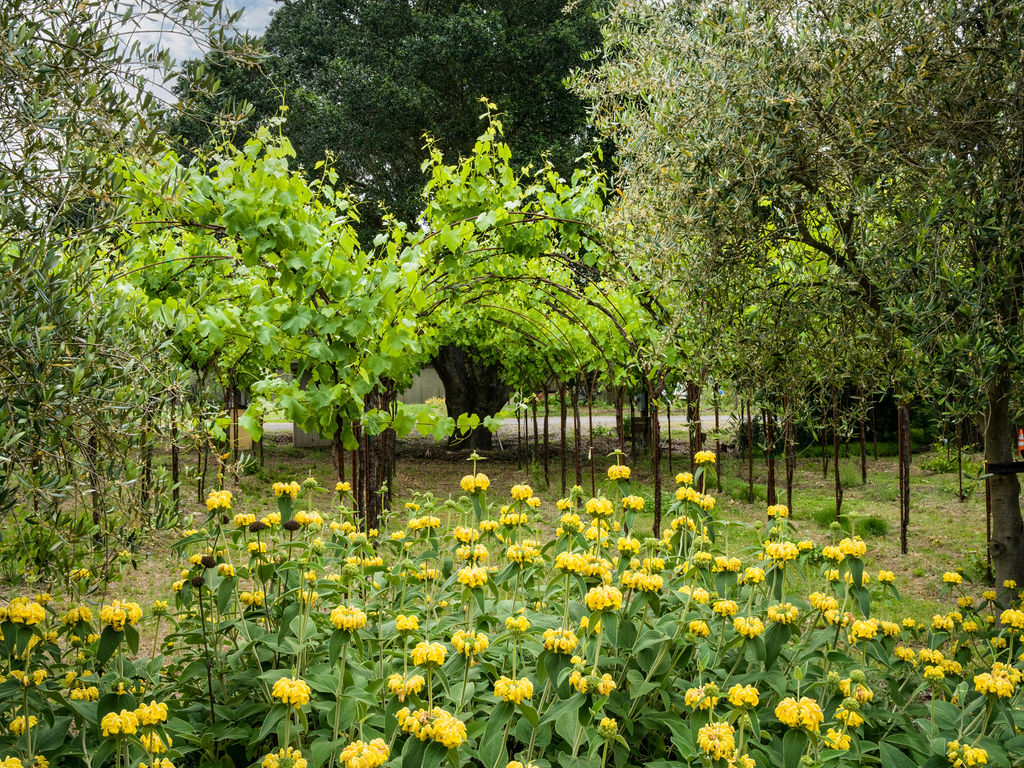
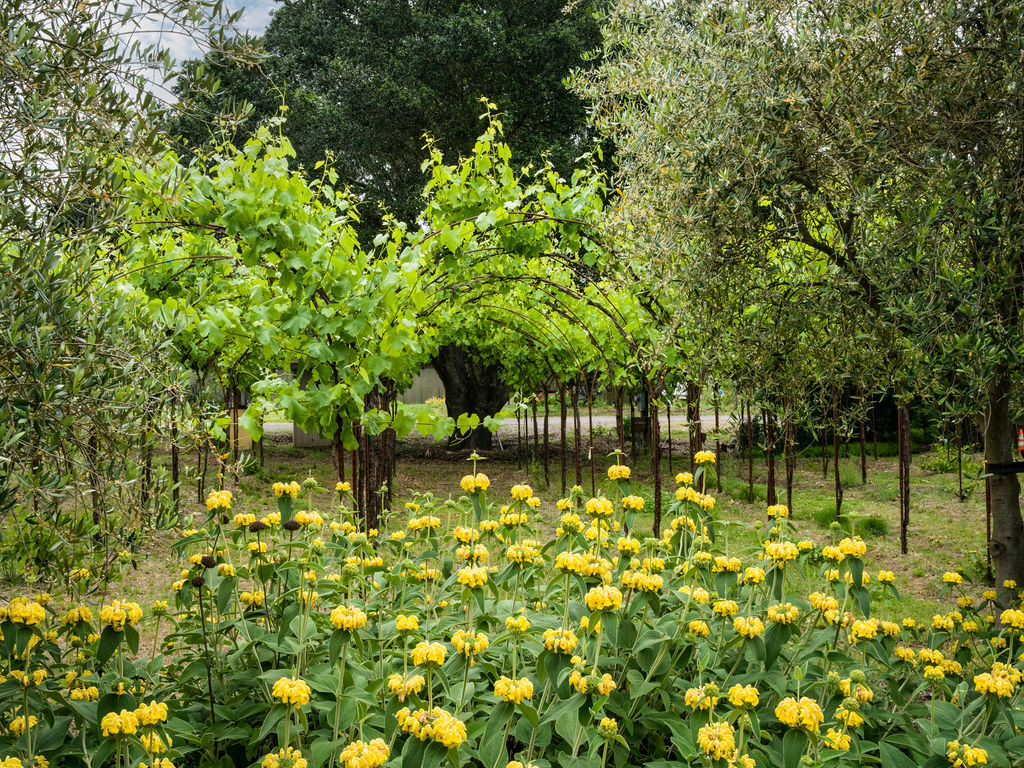
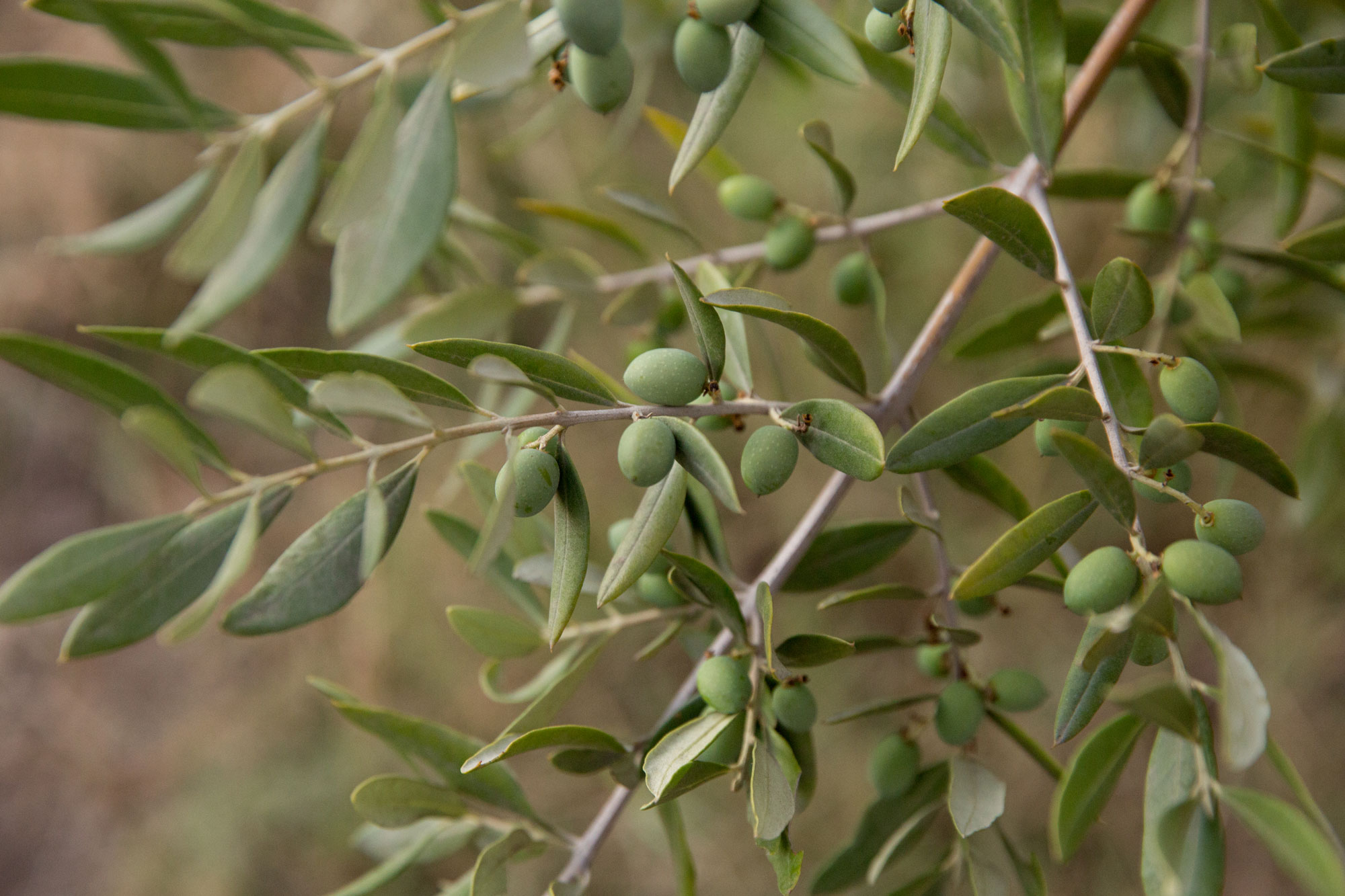
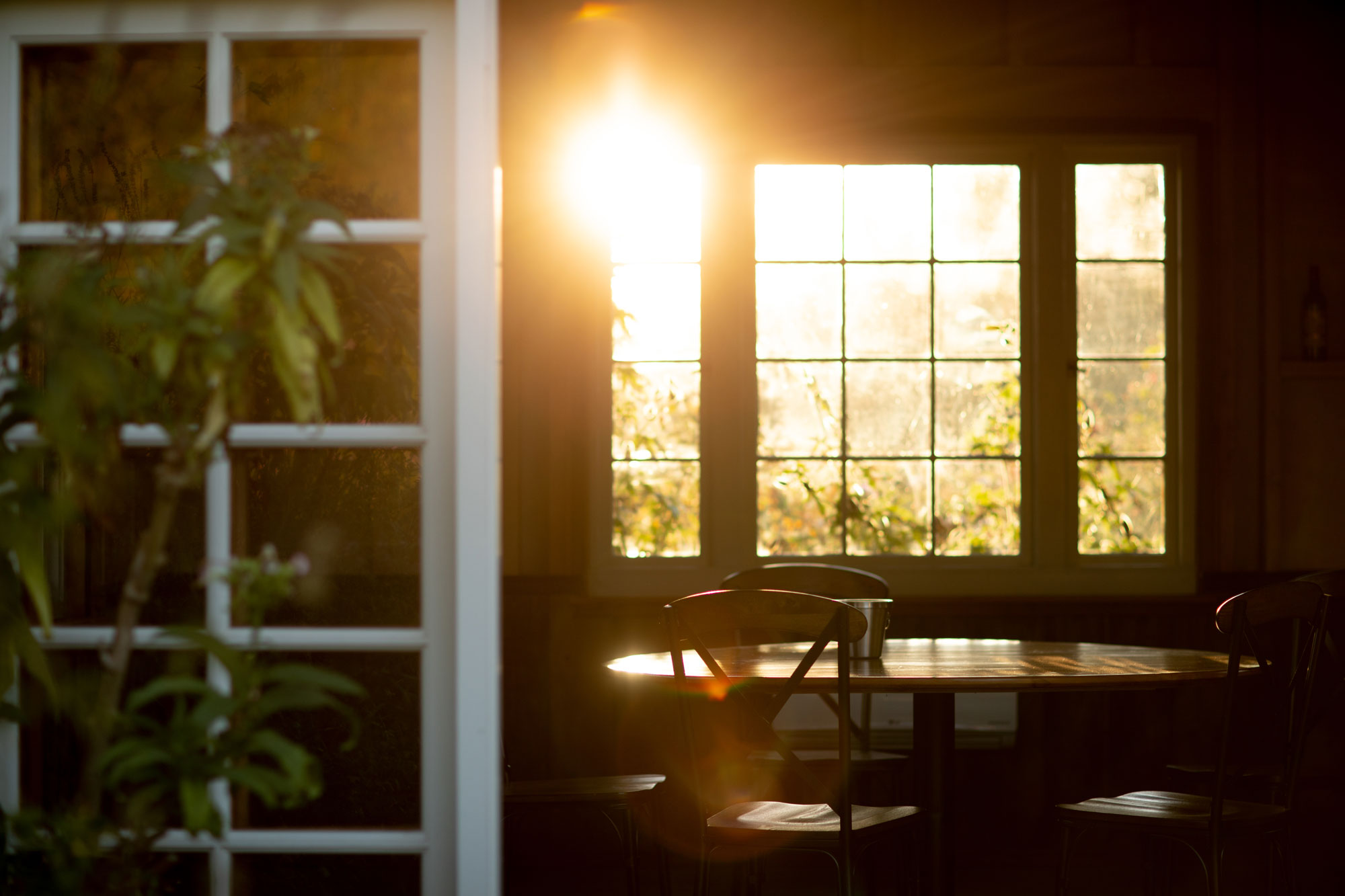
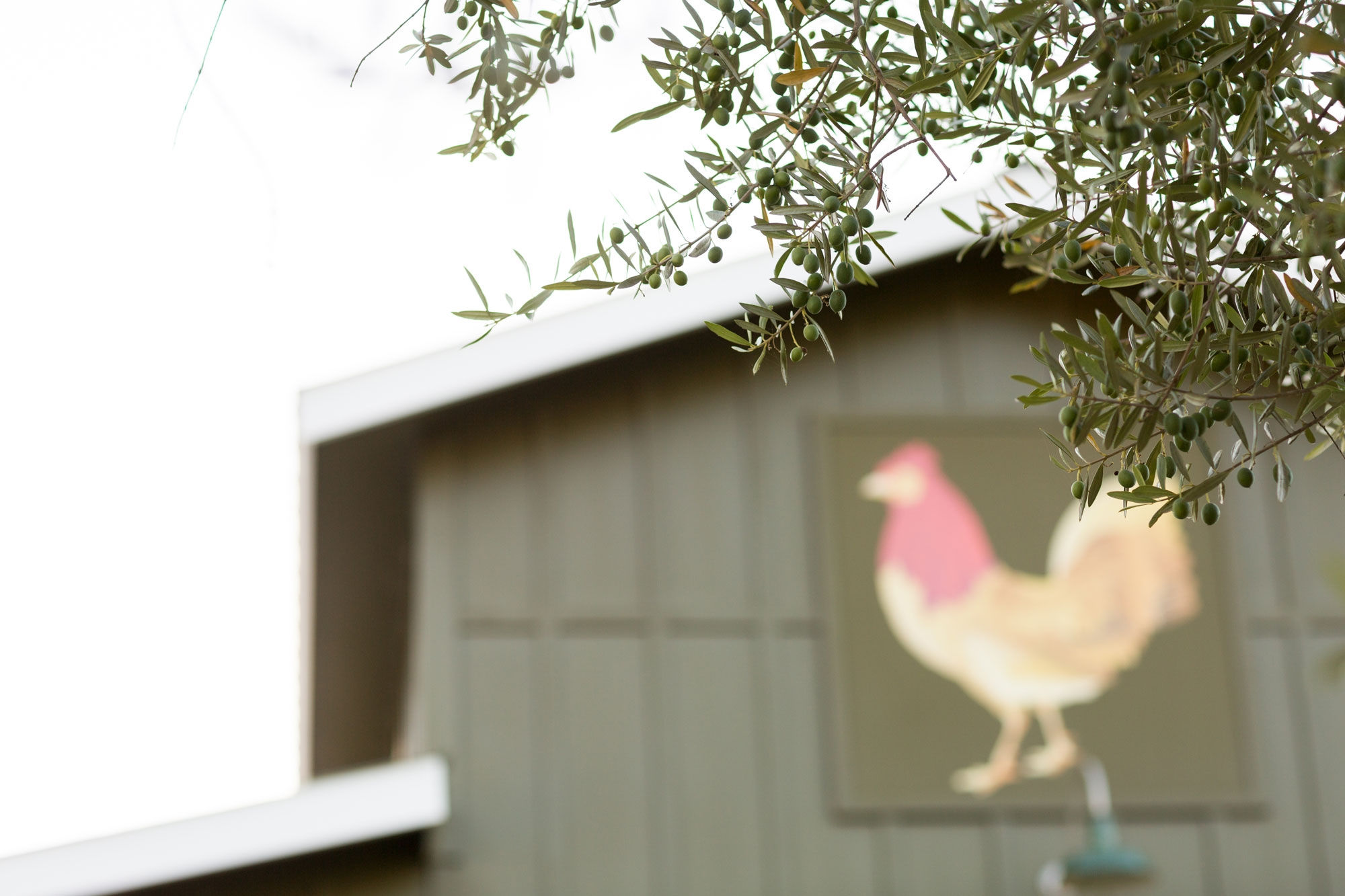
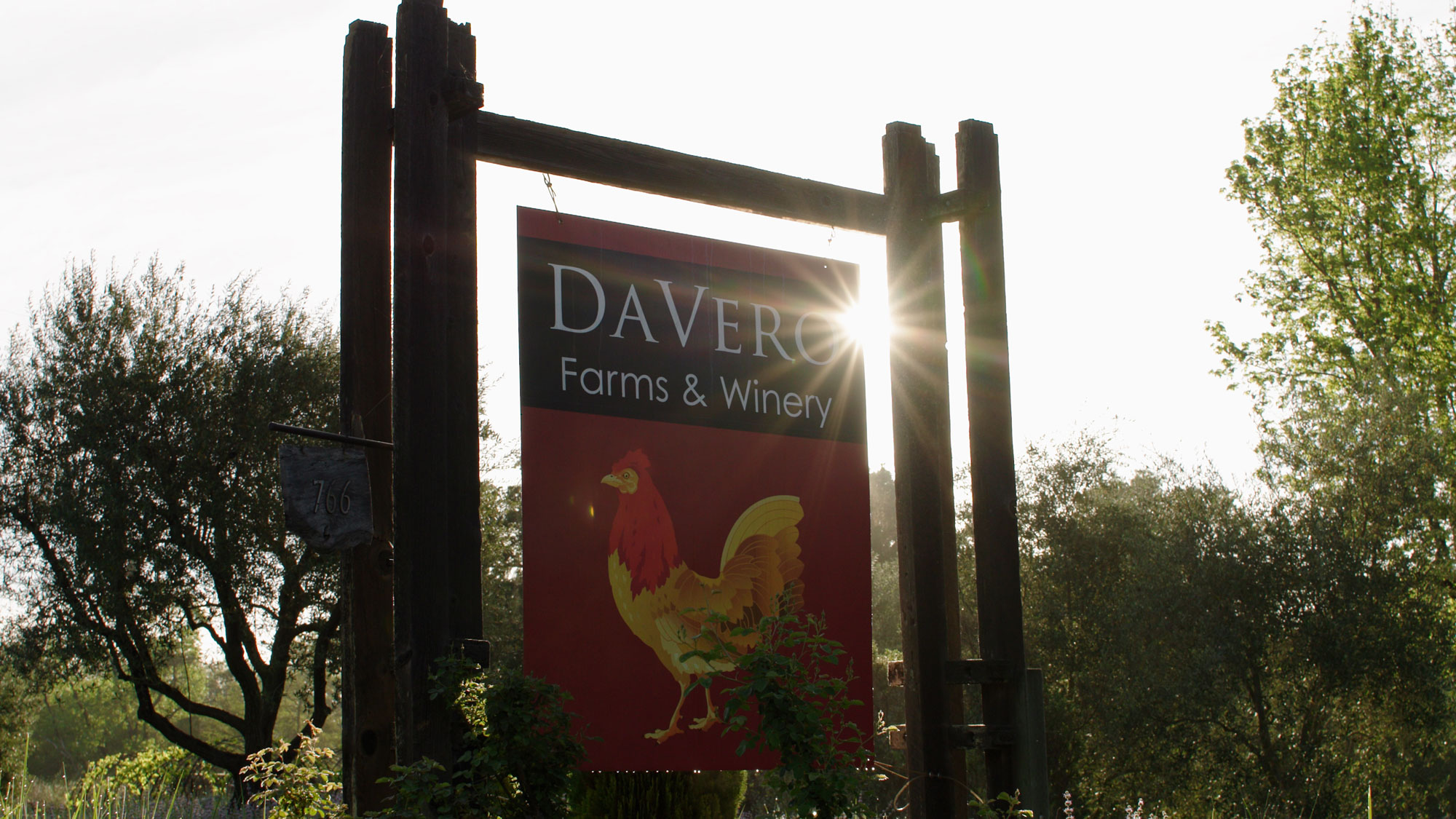
There is a particular quality of light on Westside Road in the late afternoon — warm, unhurried, filtered through the canopy of olive trees that line the approach to One Mile West Winery — that prepares you for everything you are about to encounter. The property does not announce itself loudly. It reveals itself gradually, the way all things of genuine substance do.
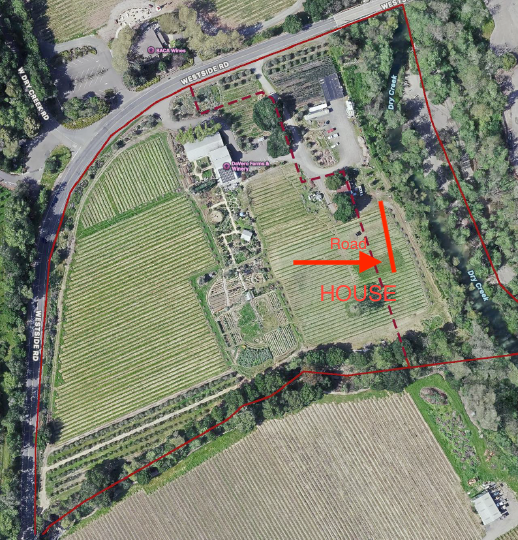
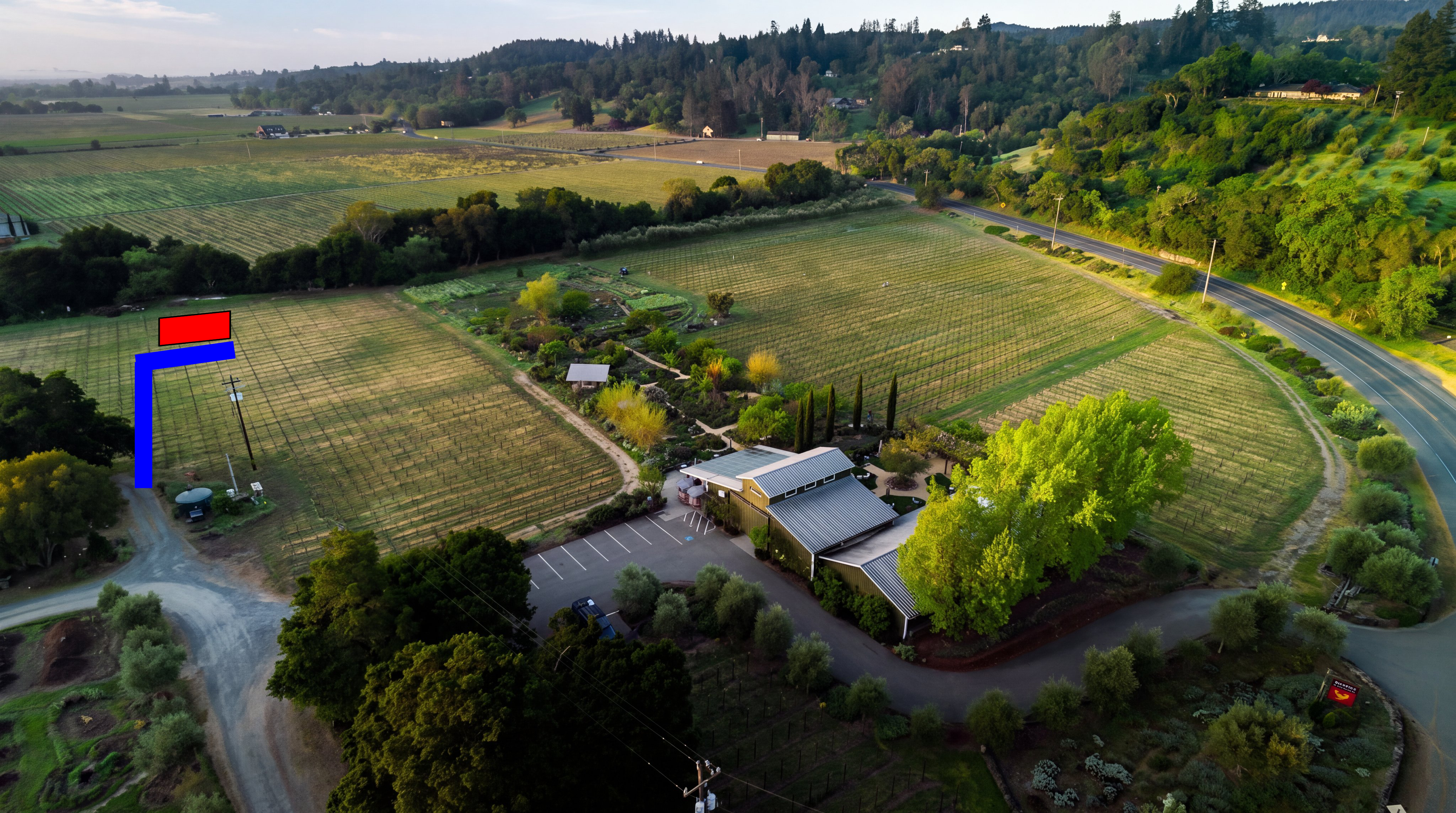
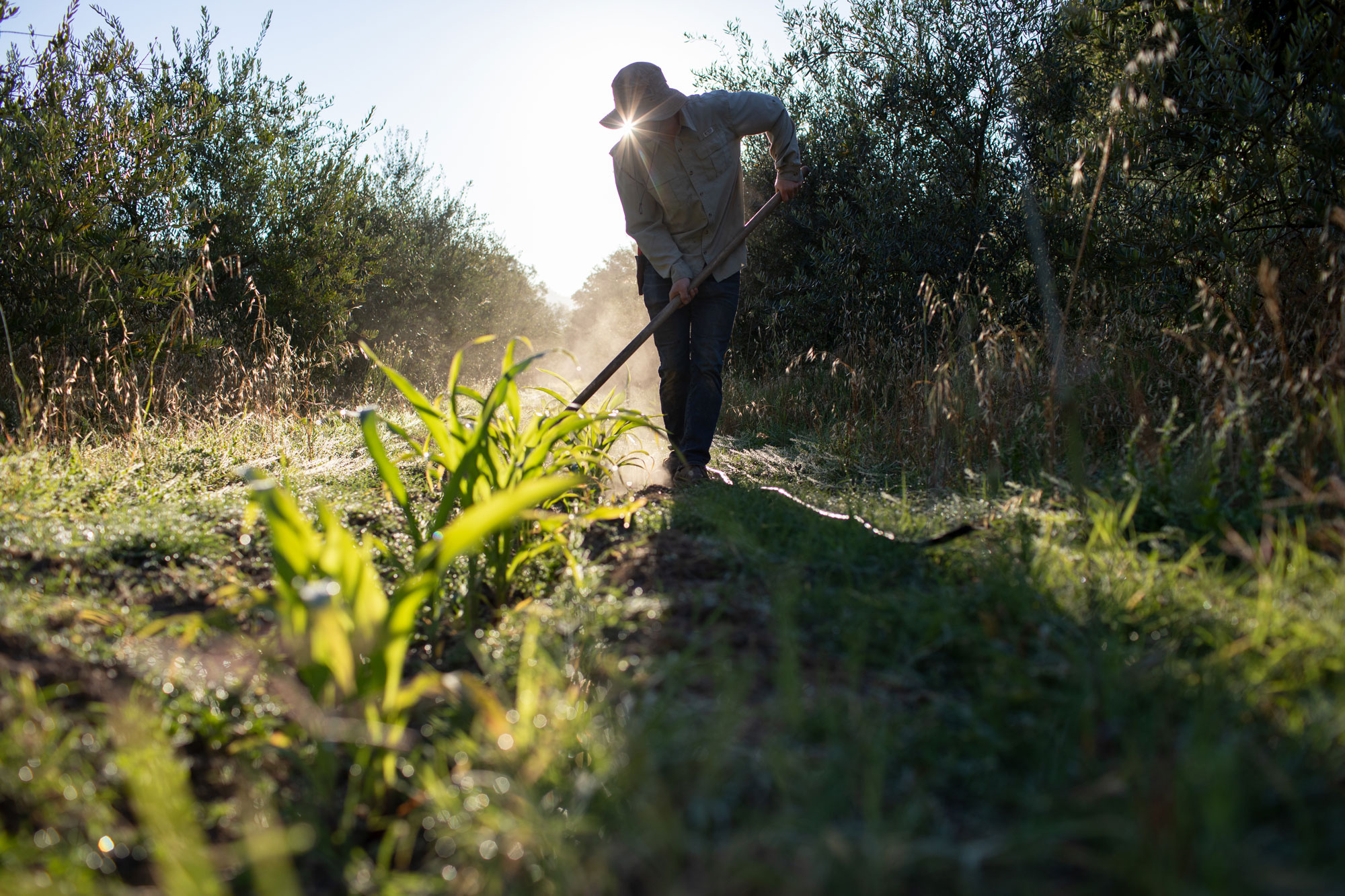
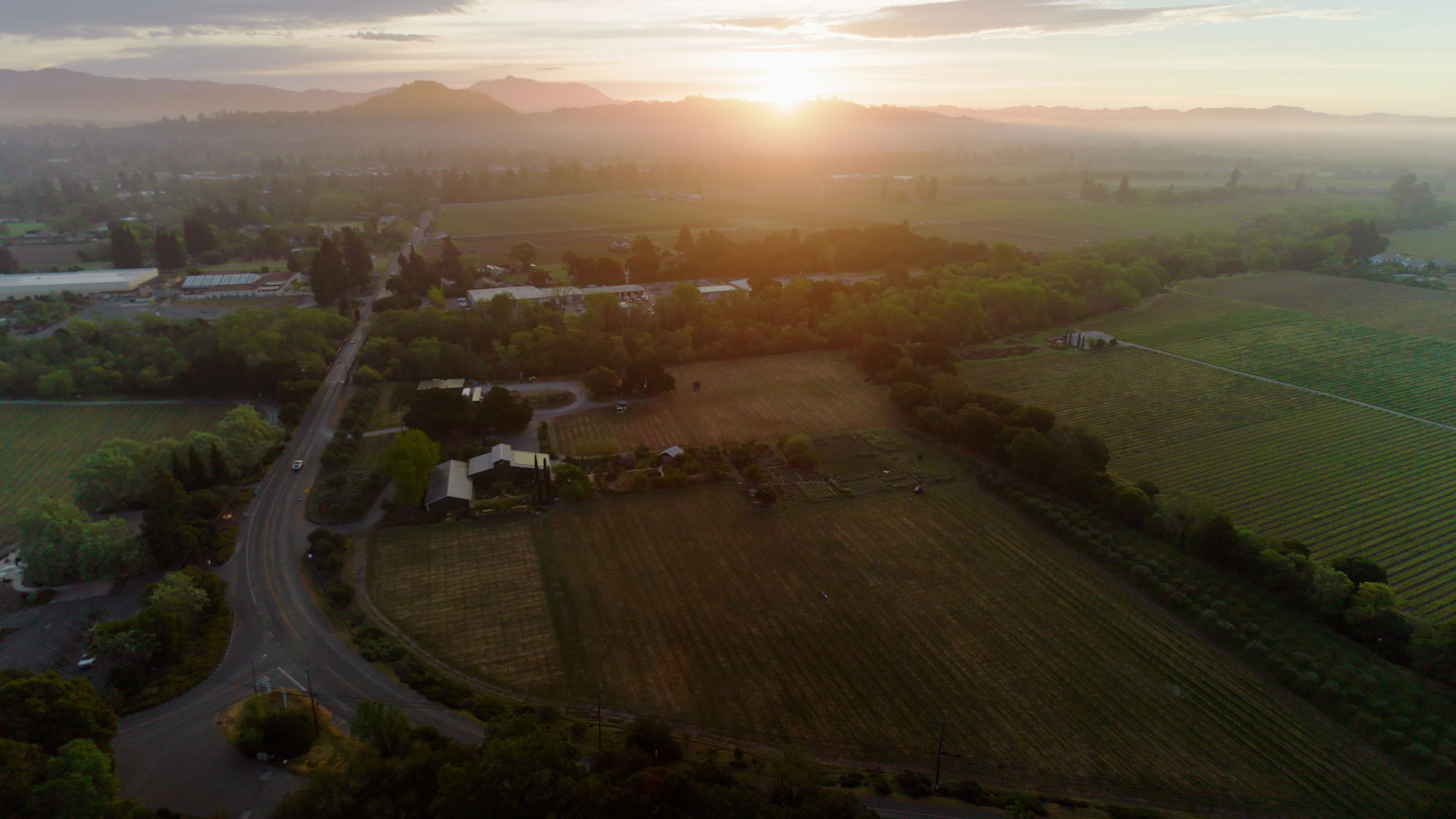
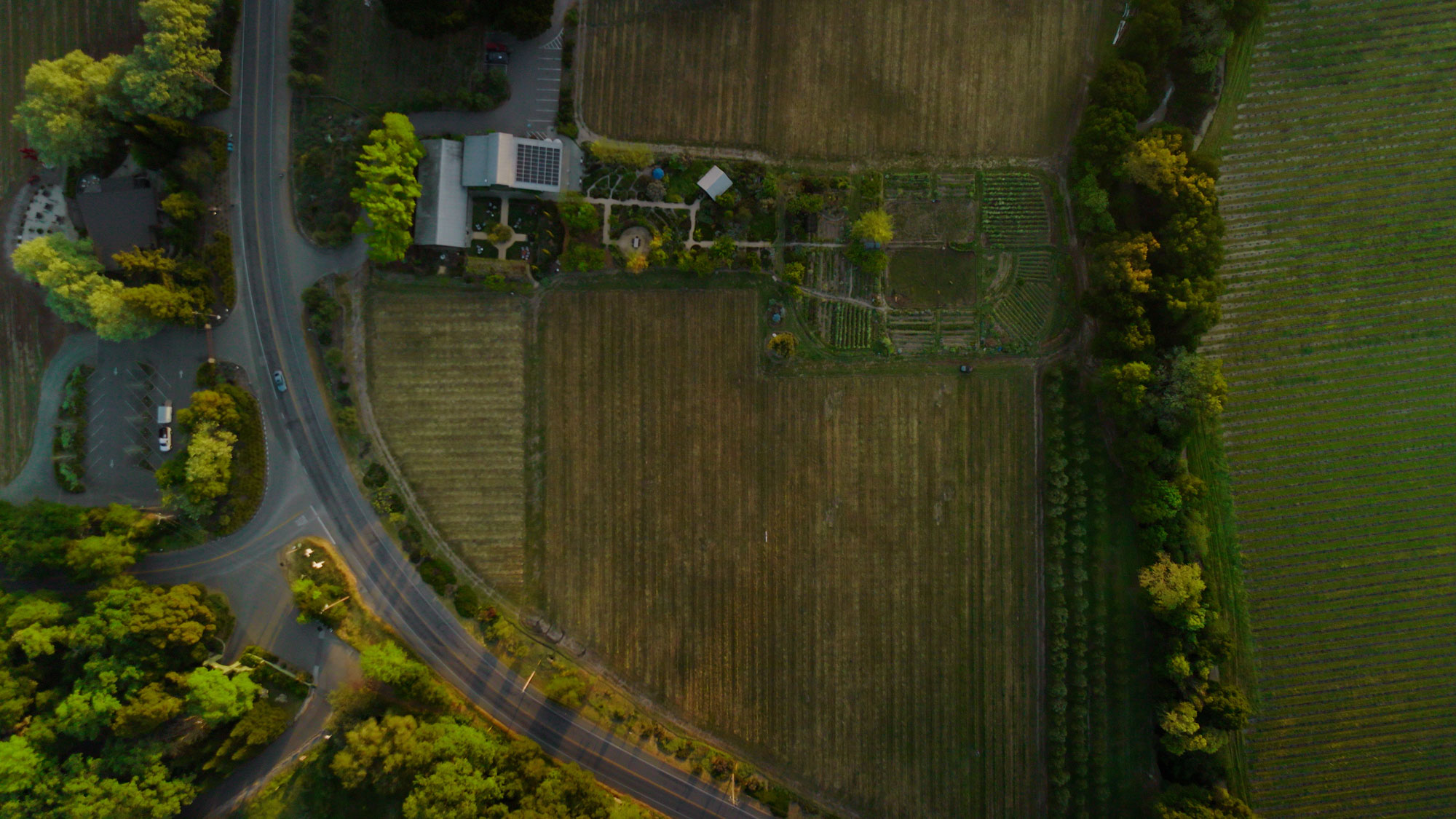
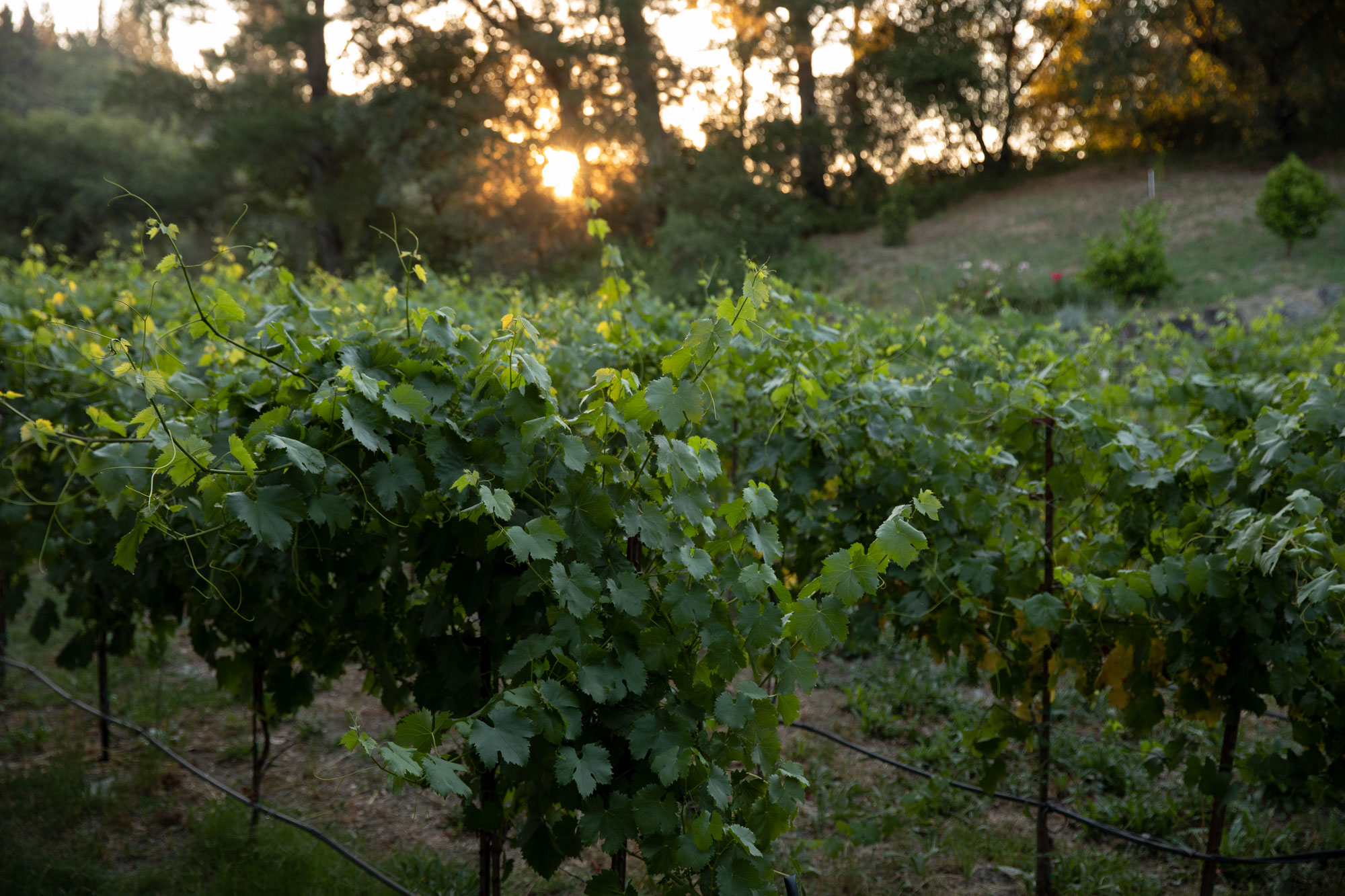
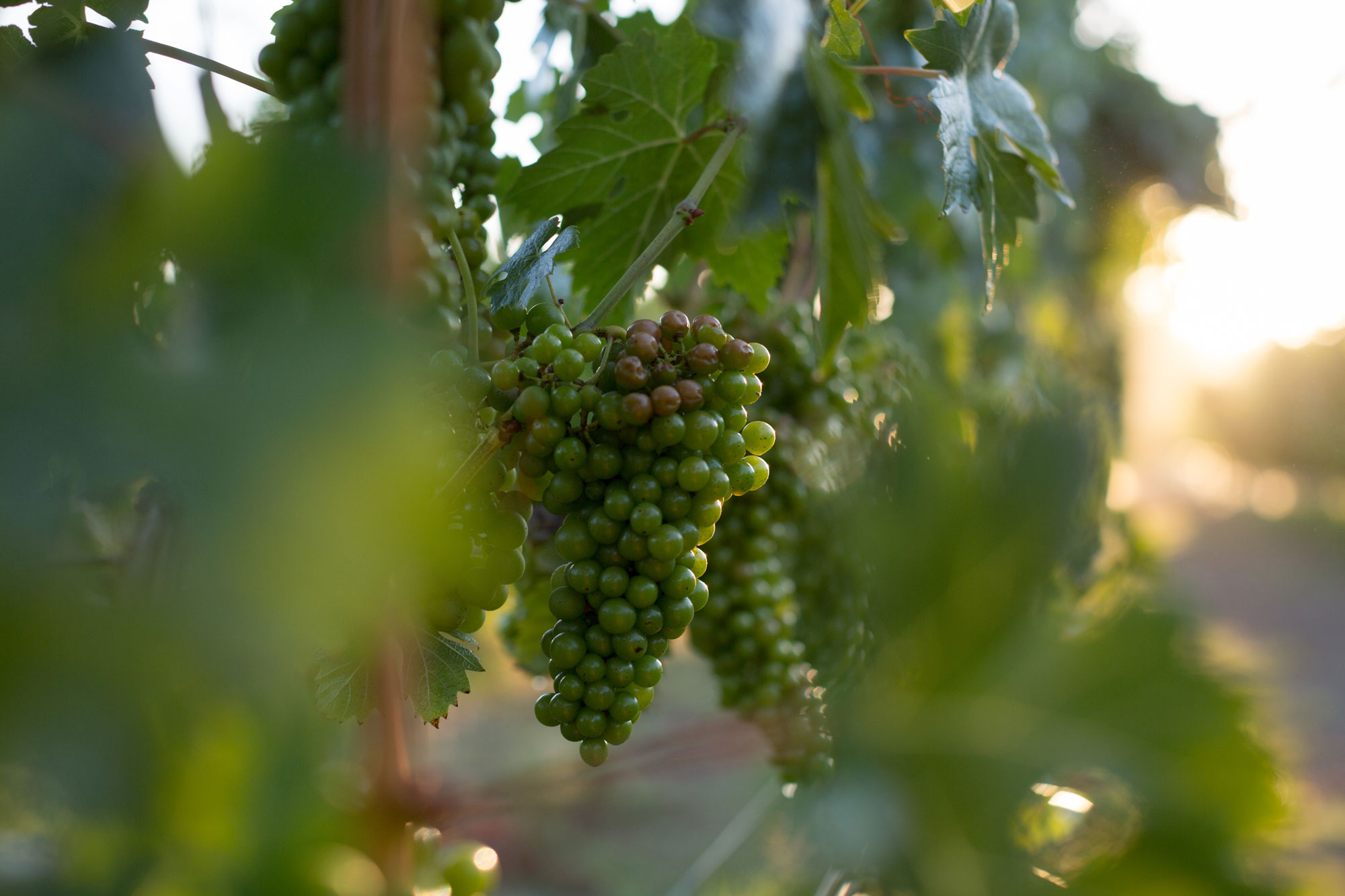
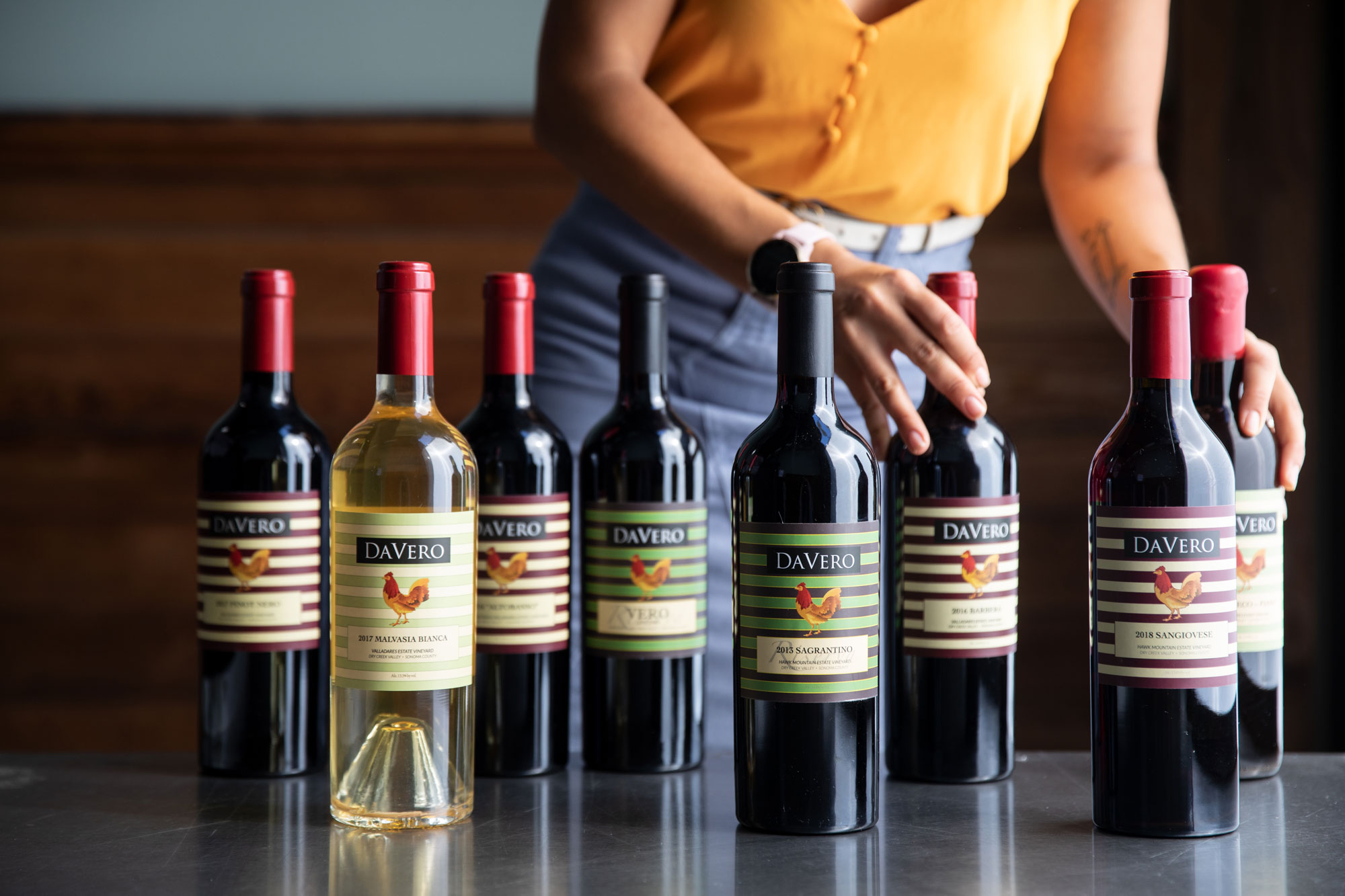
The estate occupies sixteen acres of Dry Creek Valley terrain that has been farmed biodynamically for more than twenty years. The decision to cultivate Italian varietals here — Sangiovese, Primitivo, Aglianico — was once considered a radical departure from the Sonoma County mainstream. Today, it reads as prescient. These are grapes that belong to this kind of warmth, this quality of dry summer air, and they have responded to the land's patient stewardship by producing wines of honest, food-friendly character that have earned a devoted following.
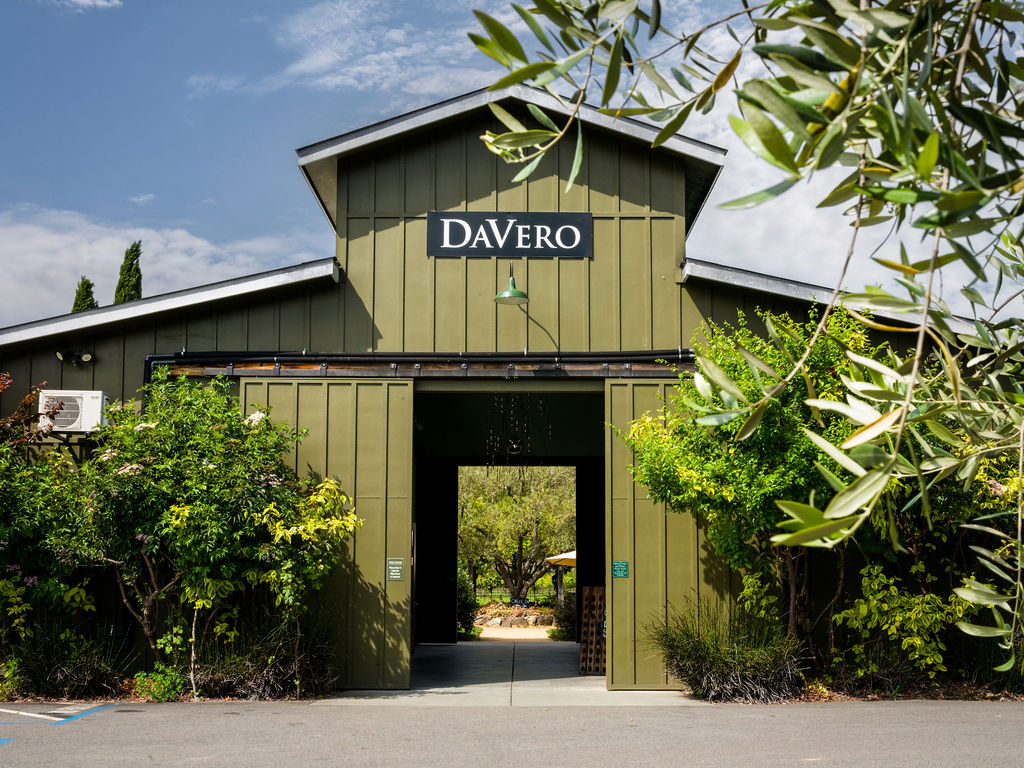
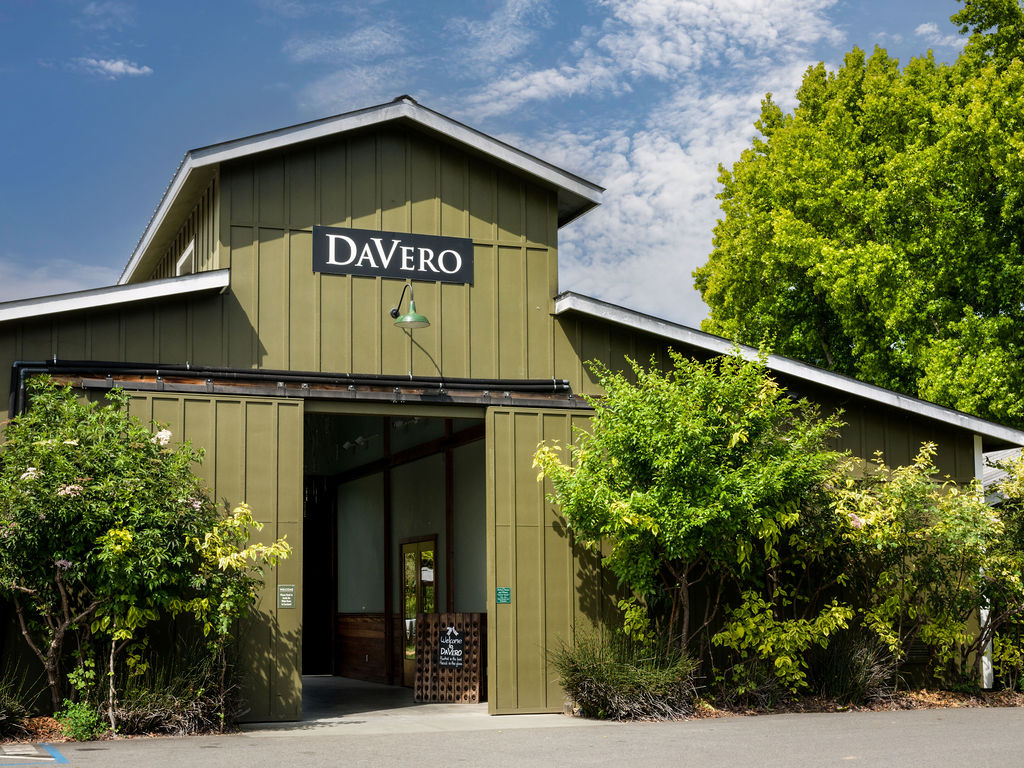
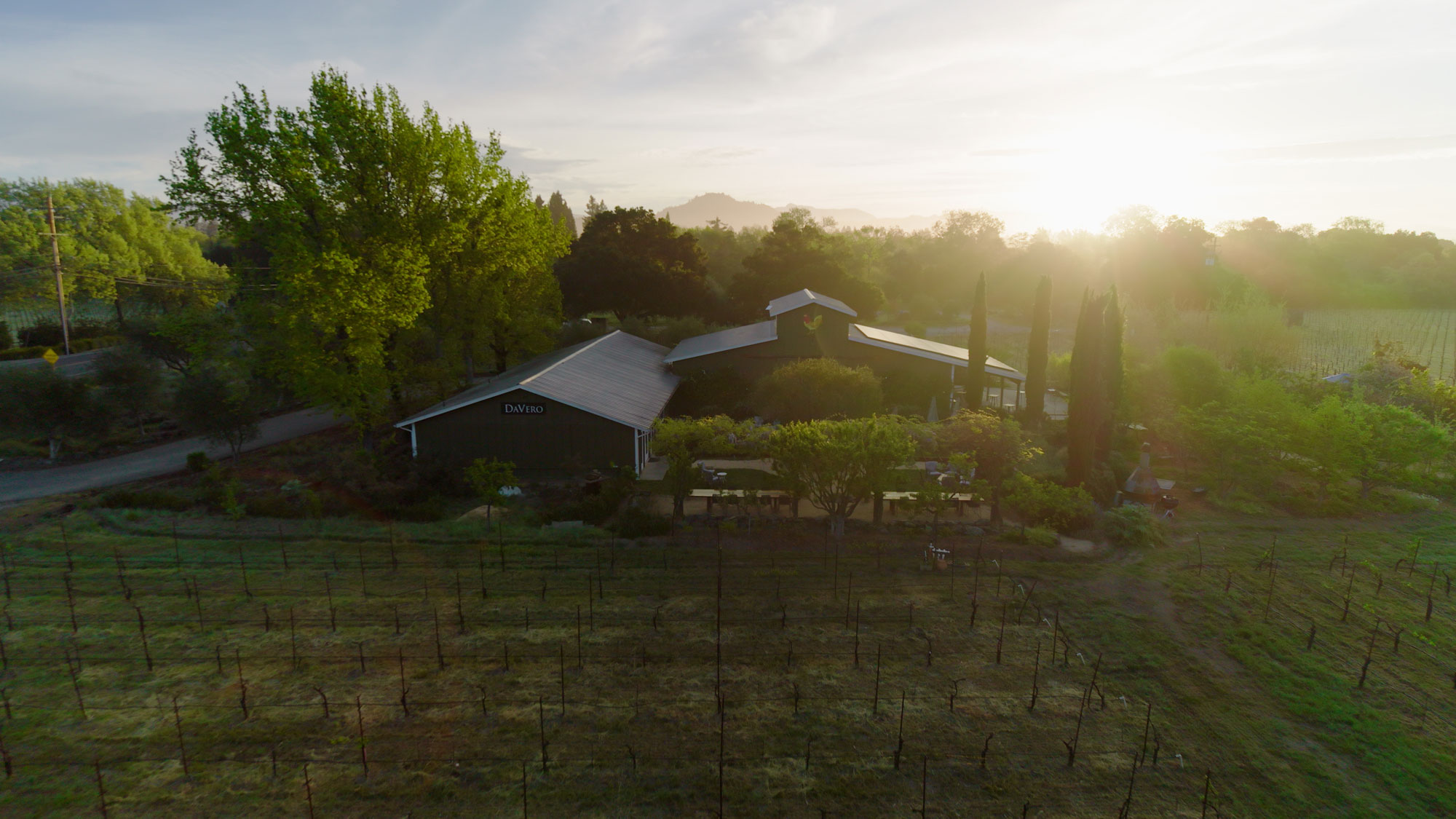
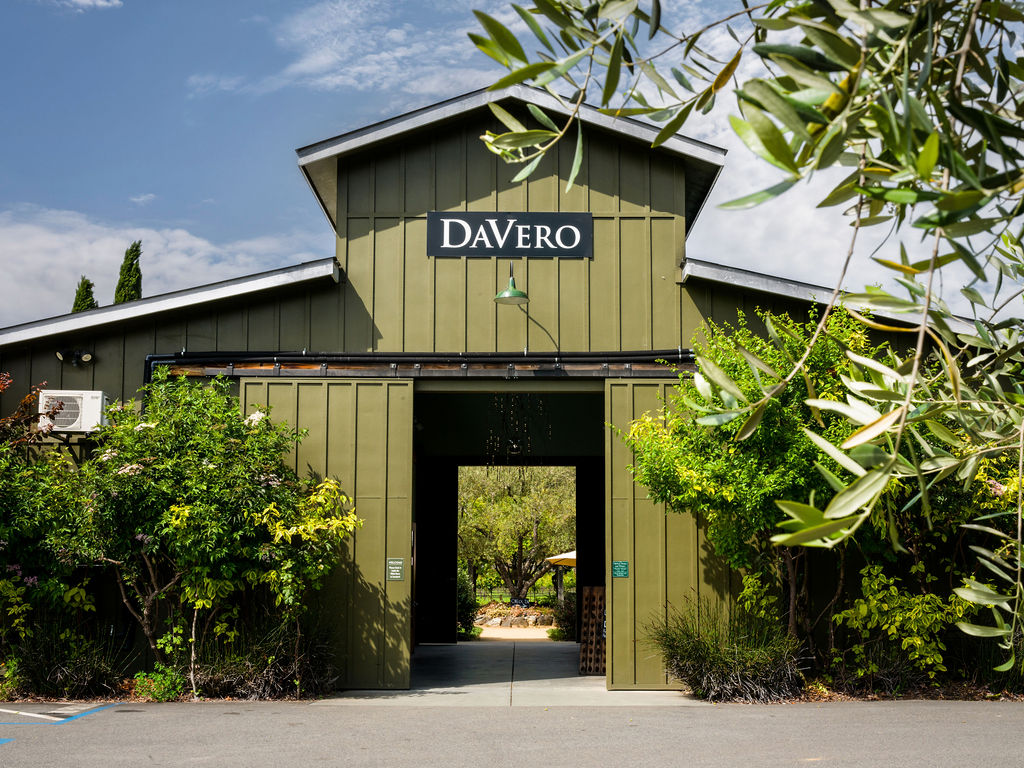
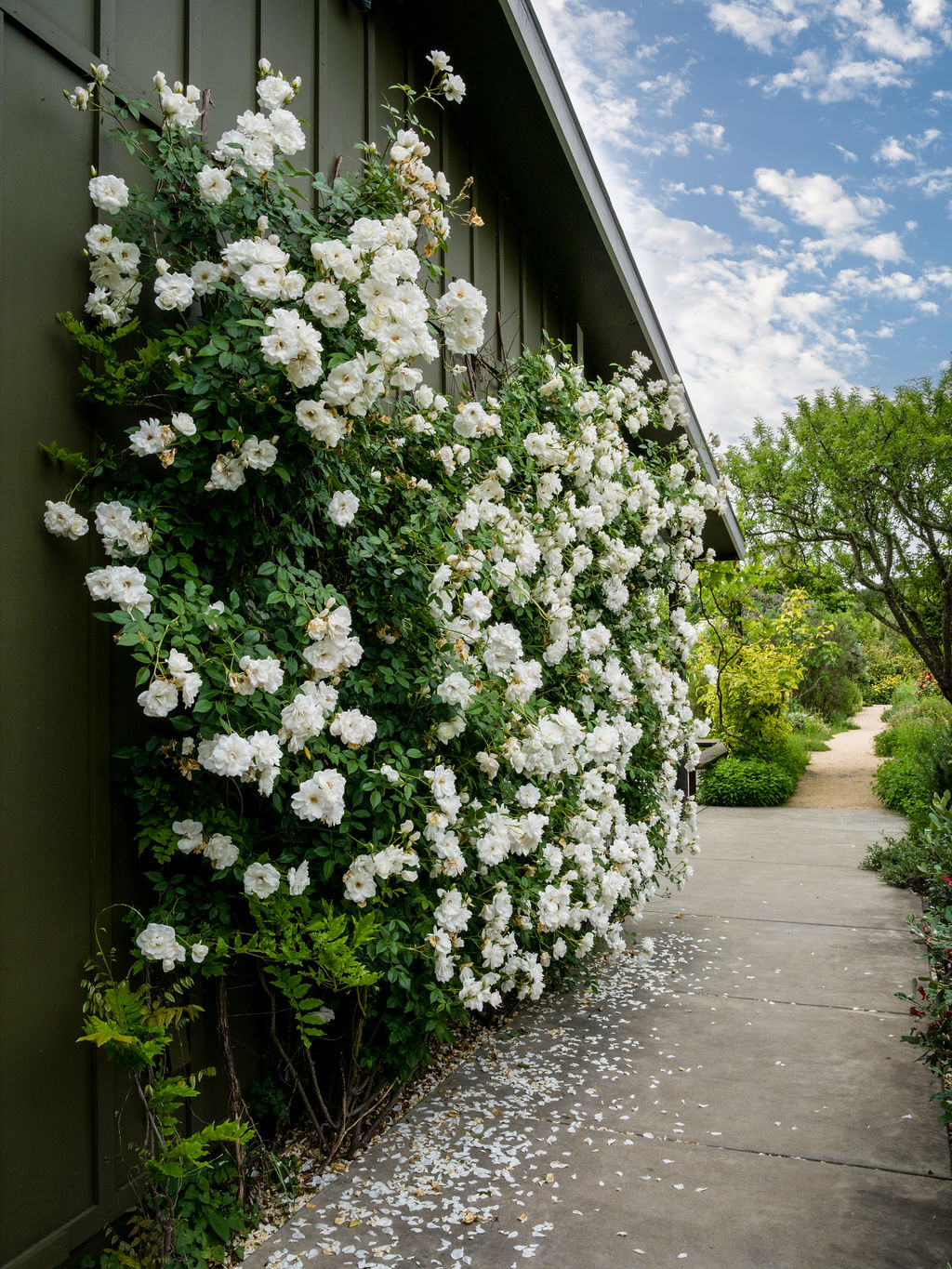
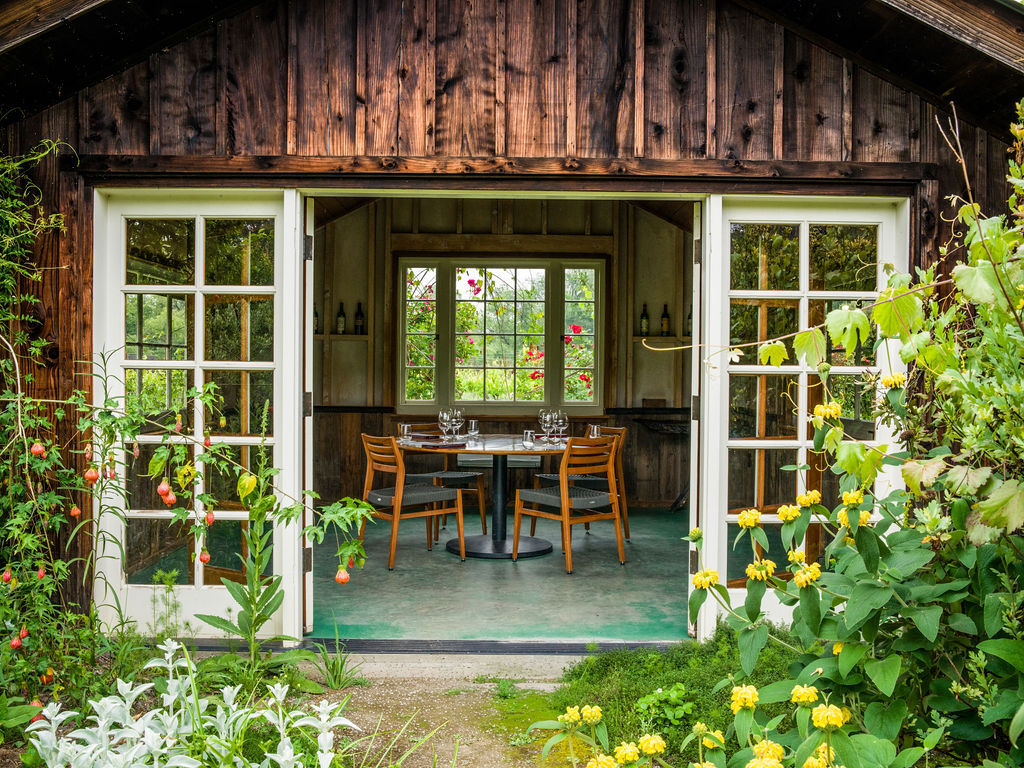
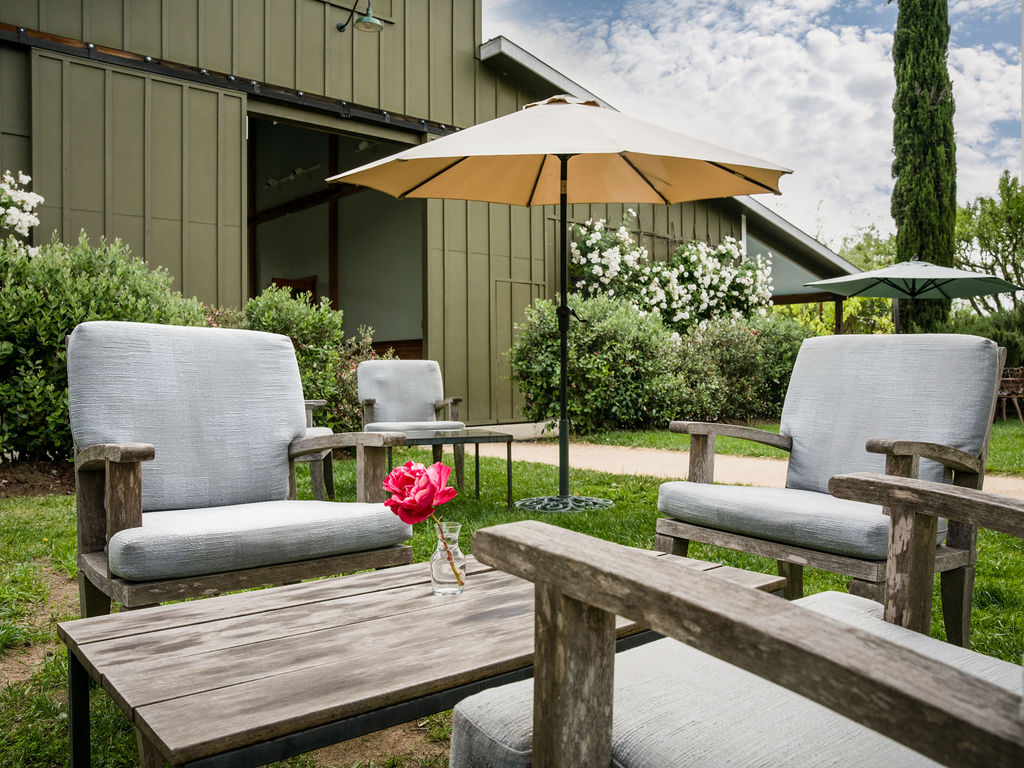
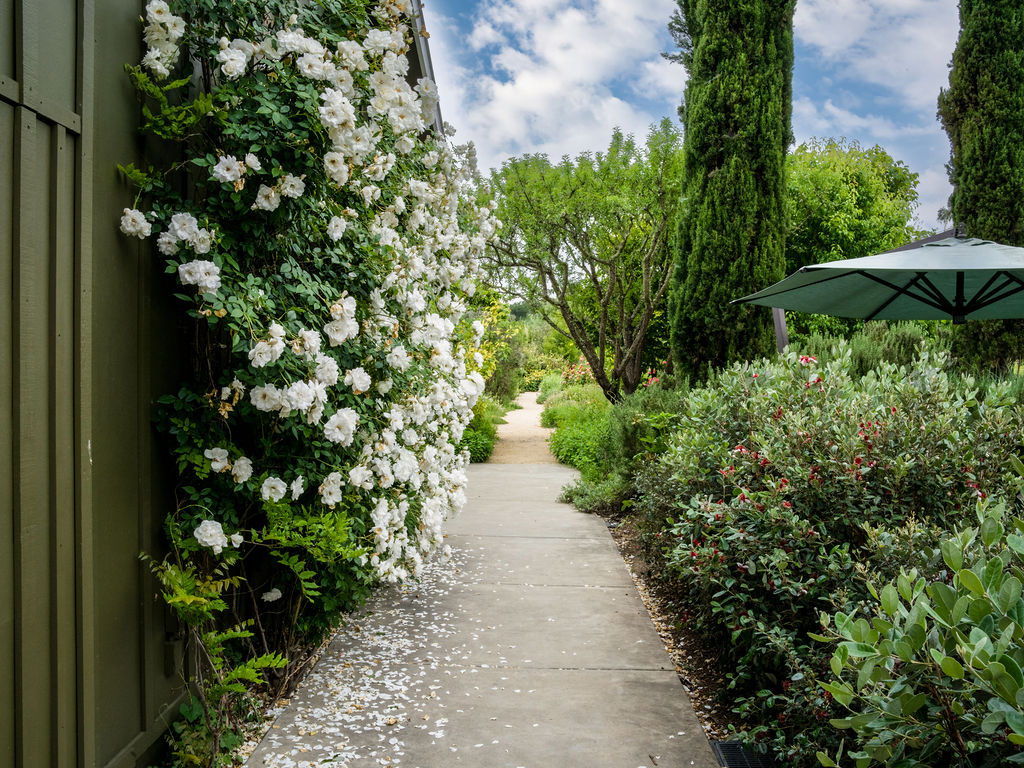
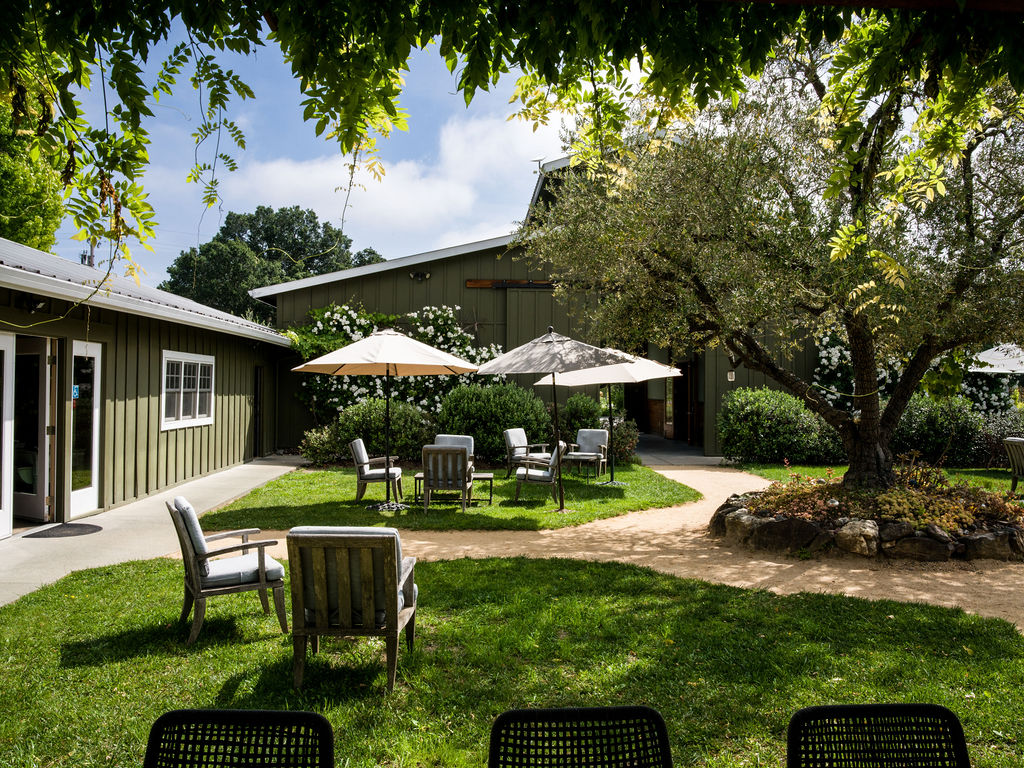
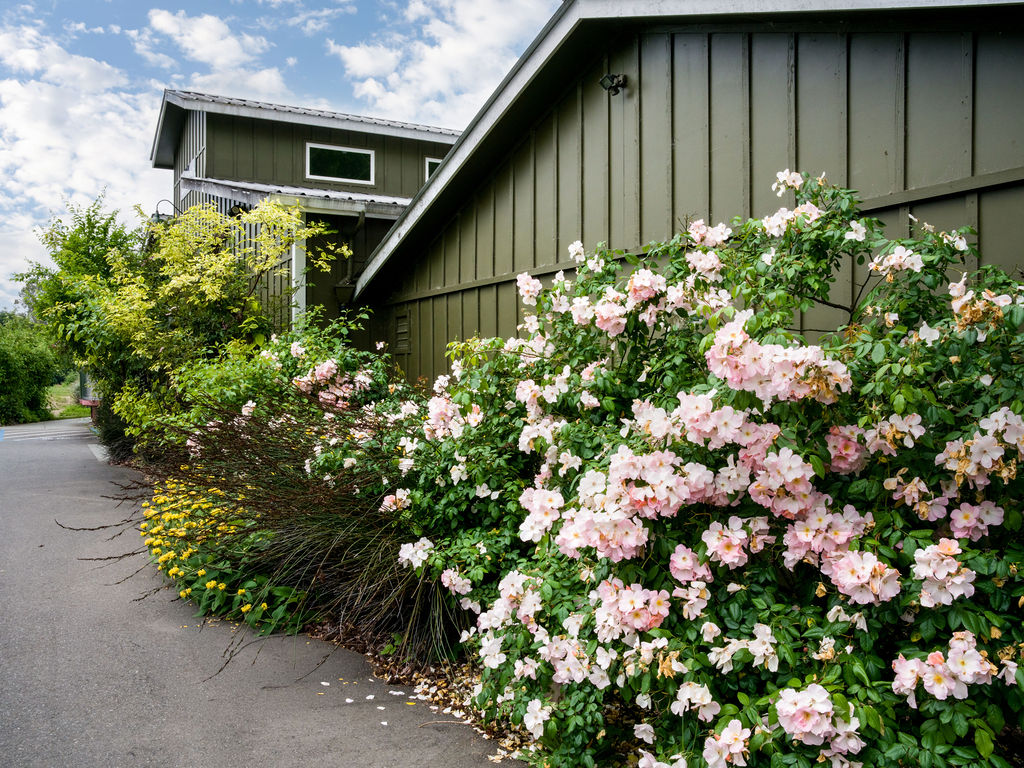
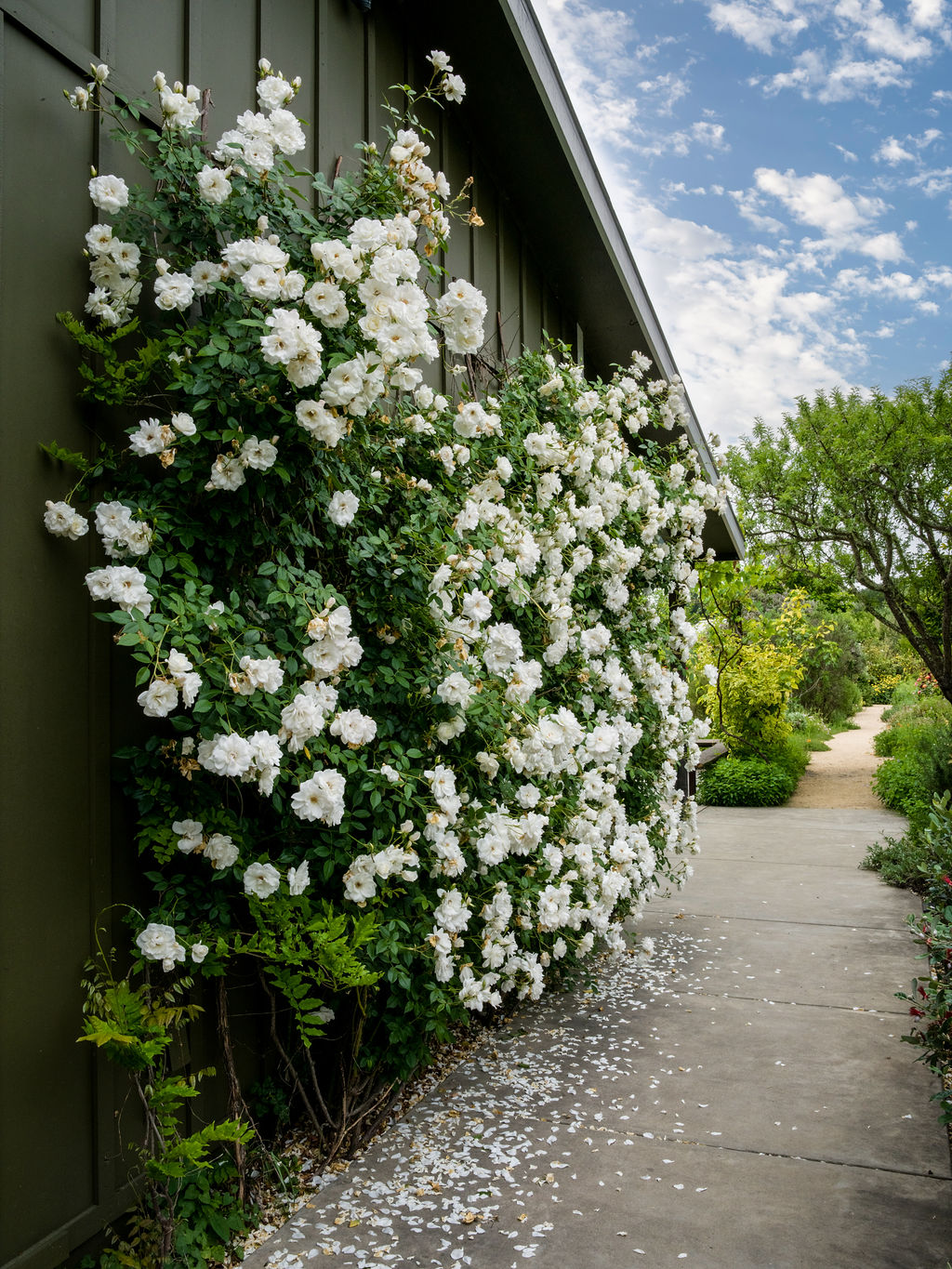
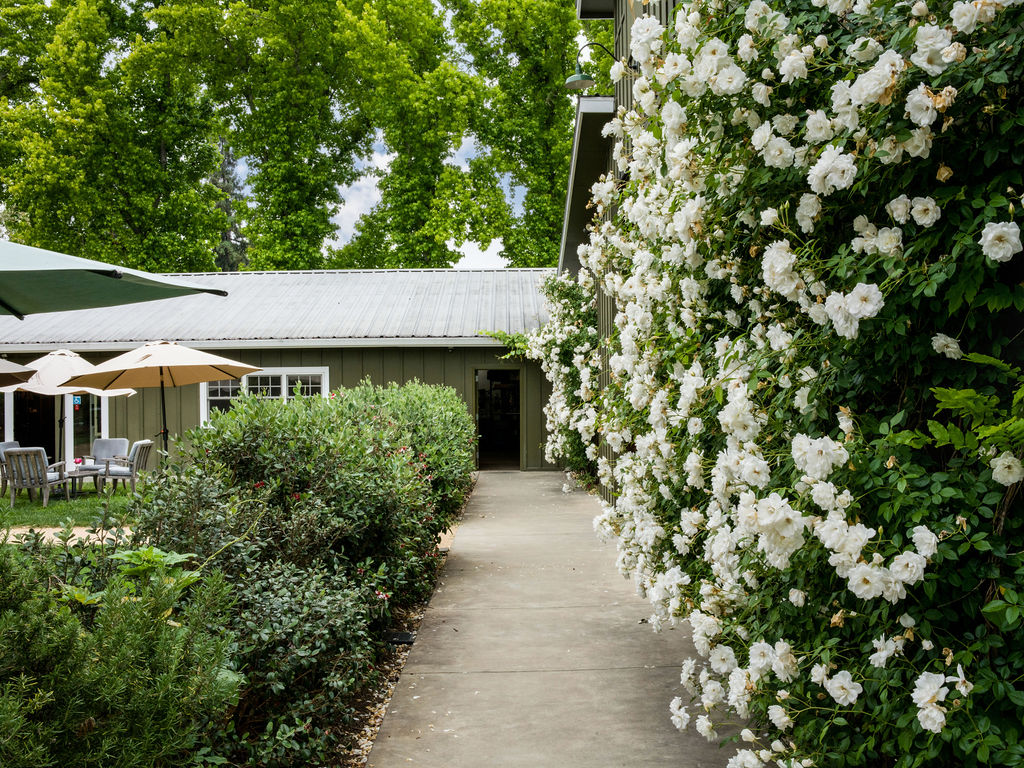
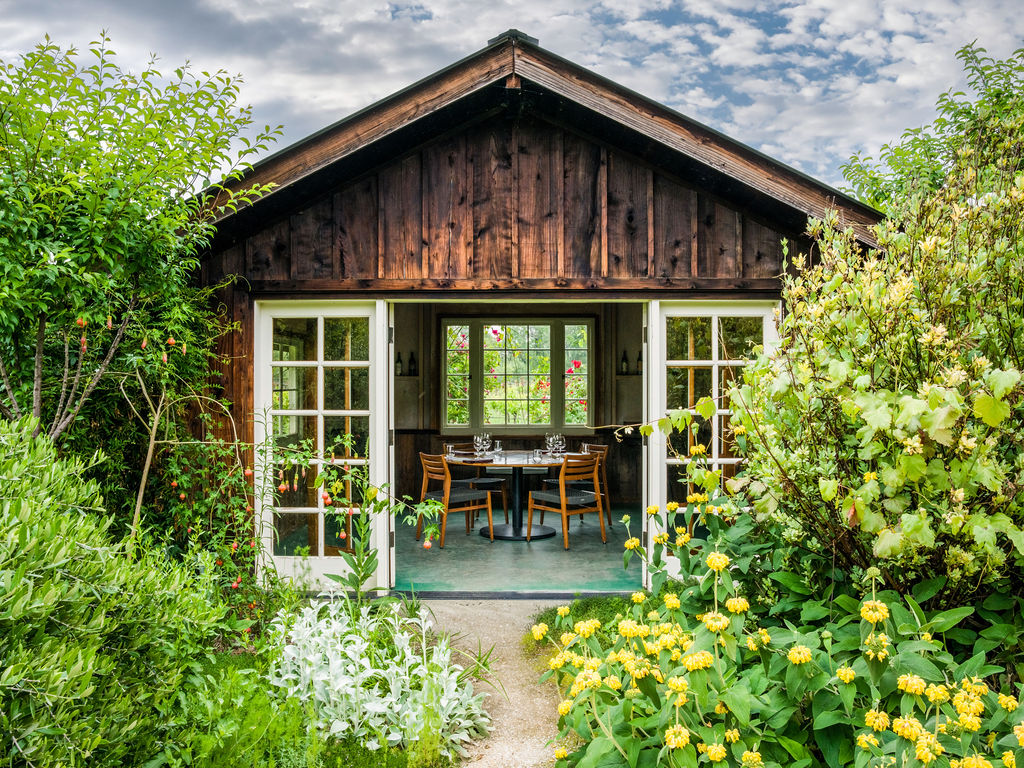
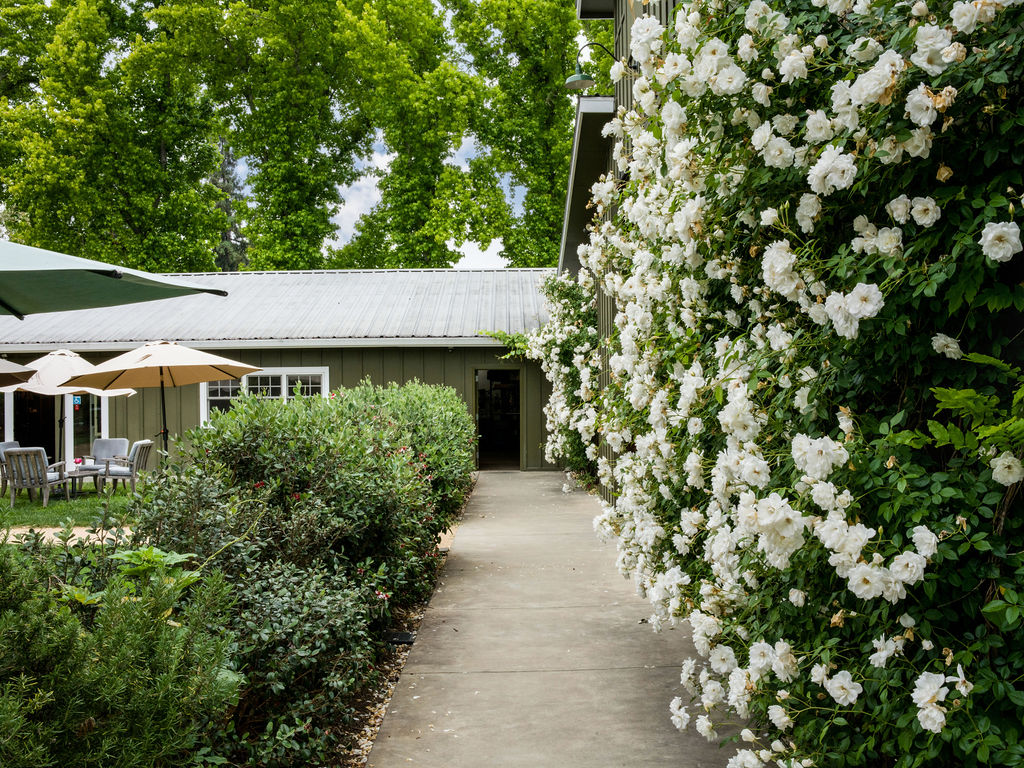
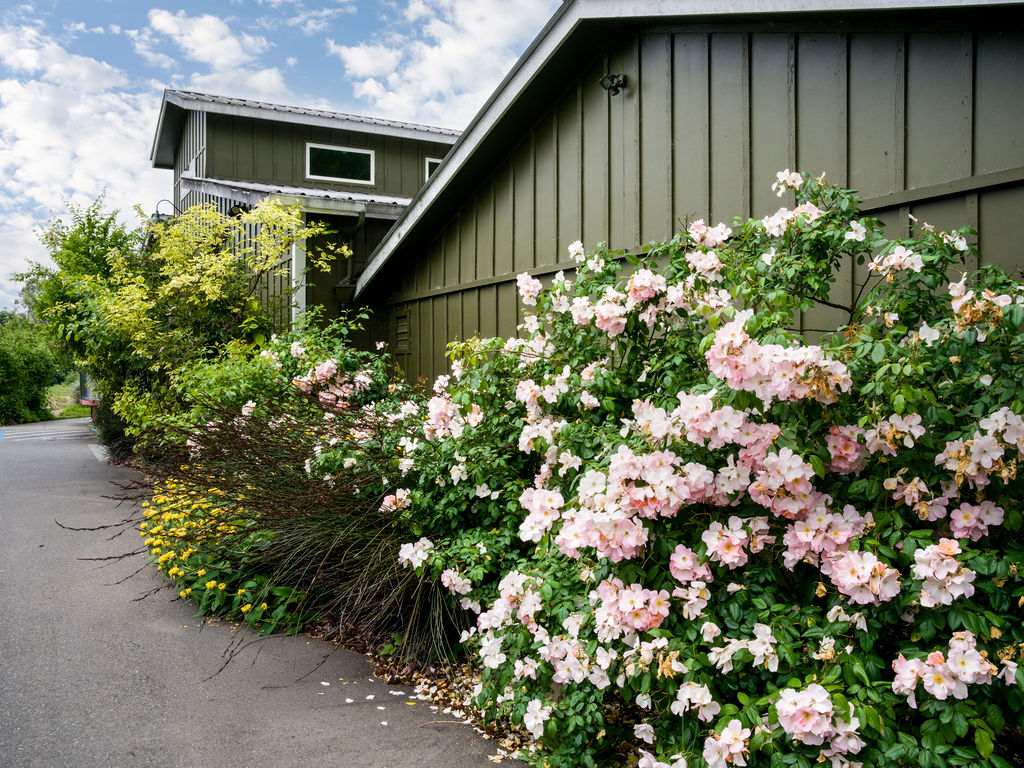
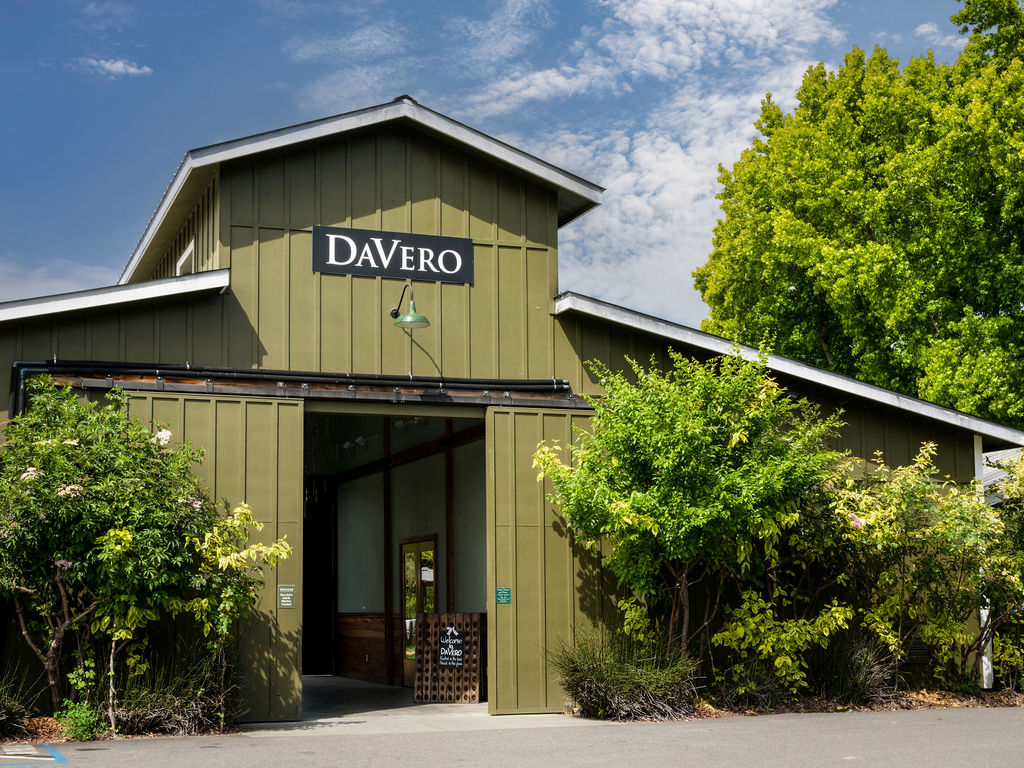
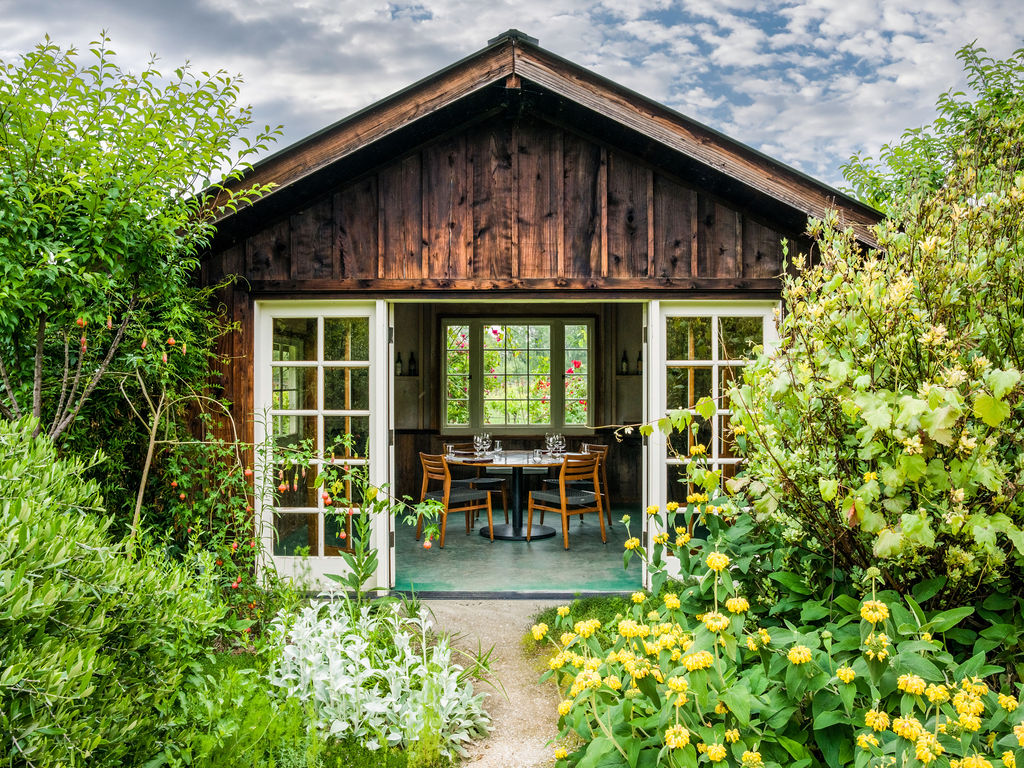
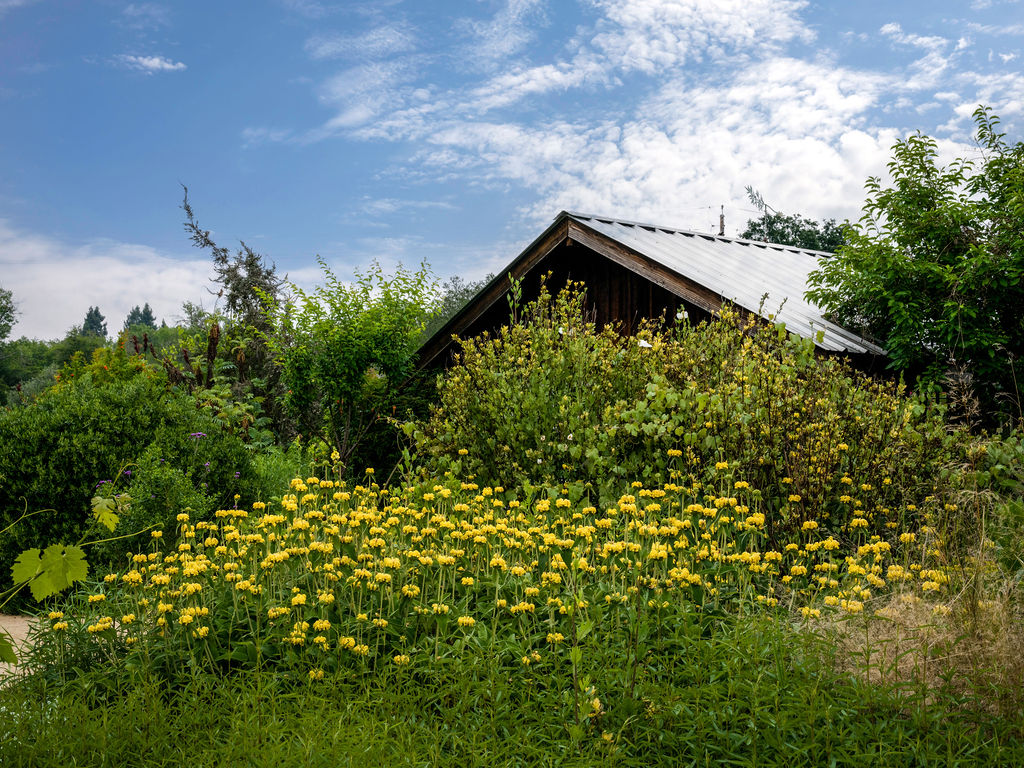
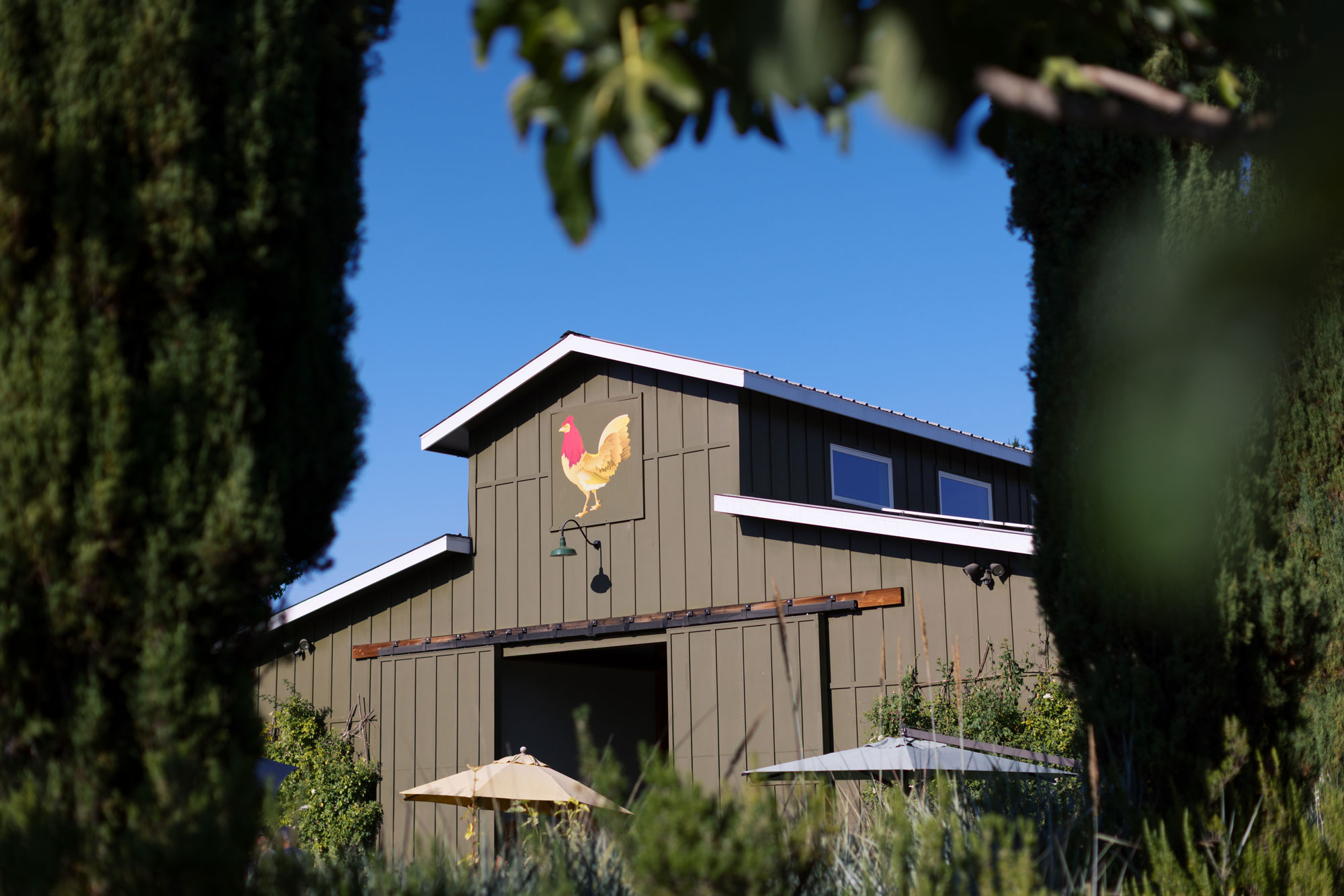
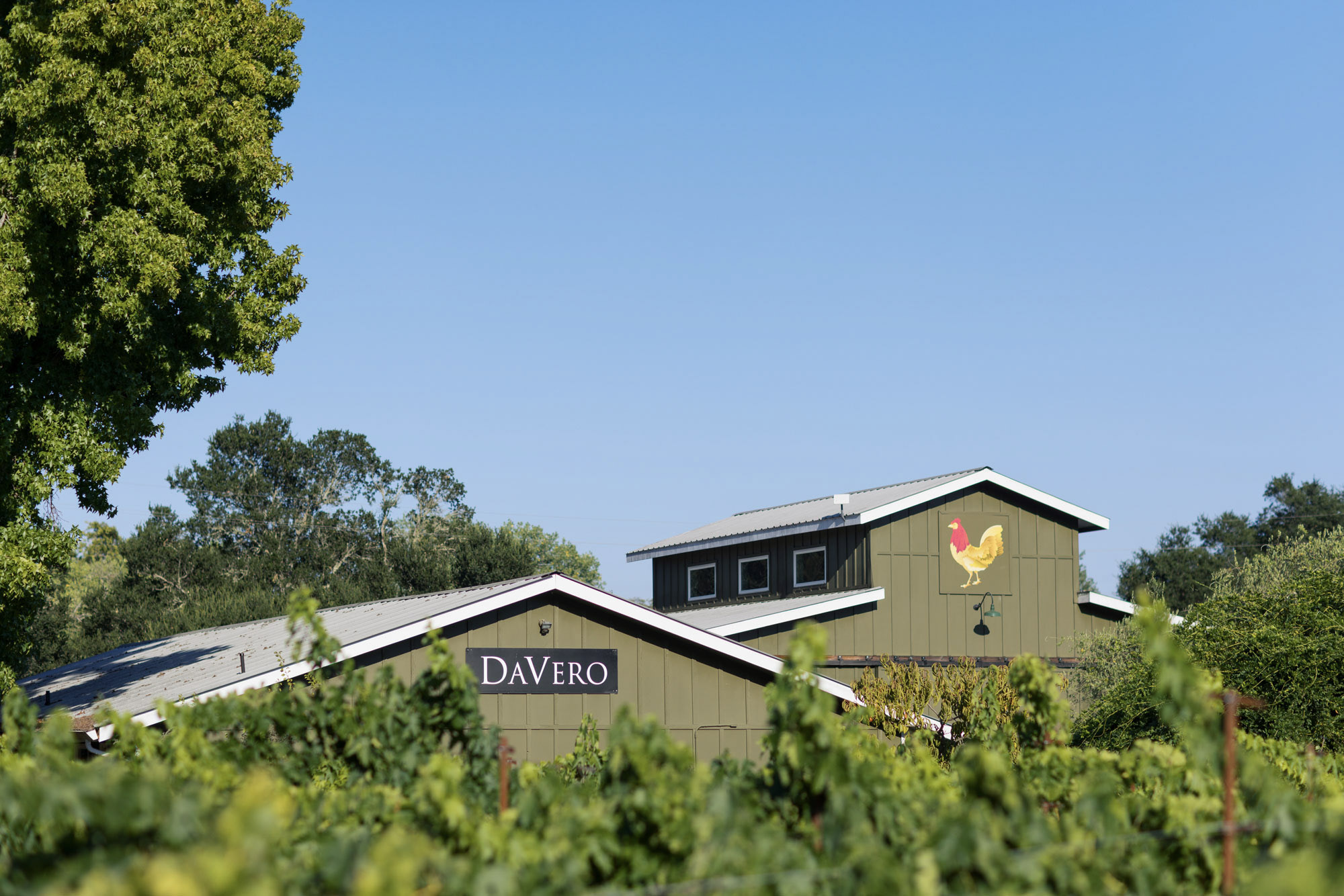
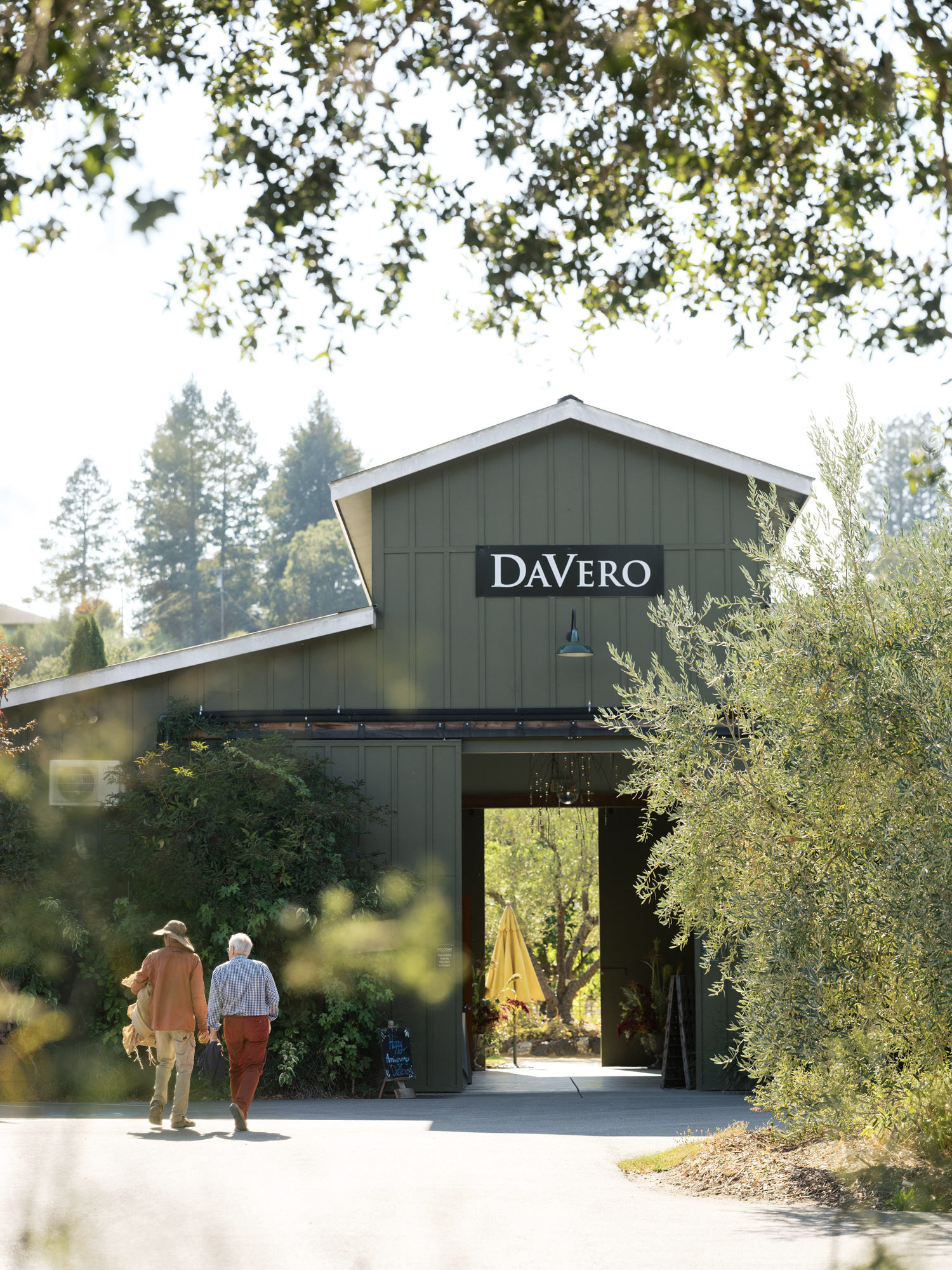
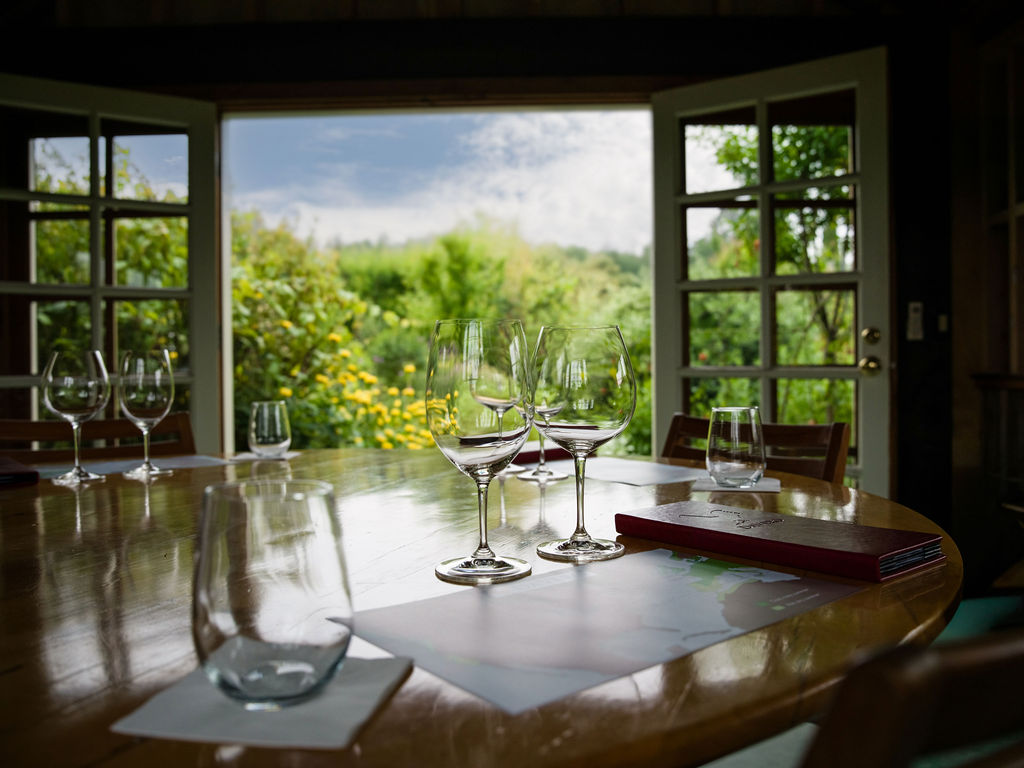
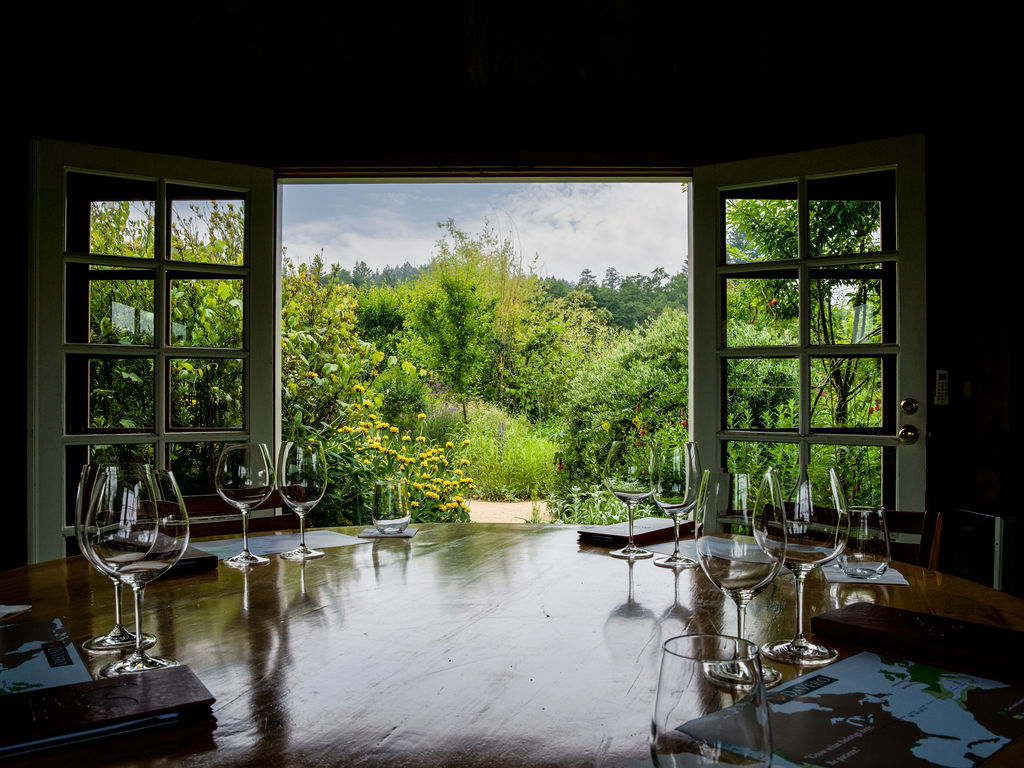
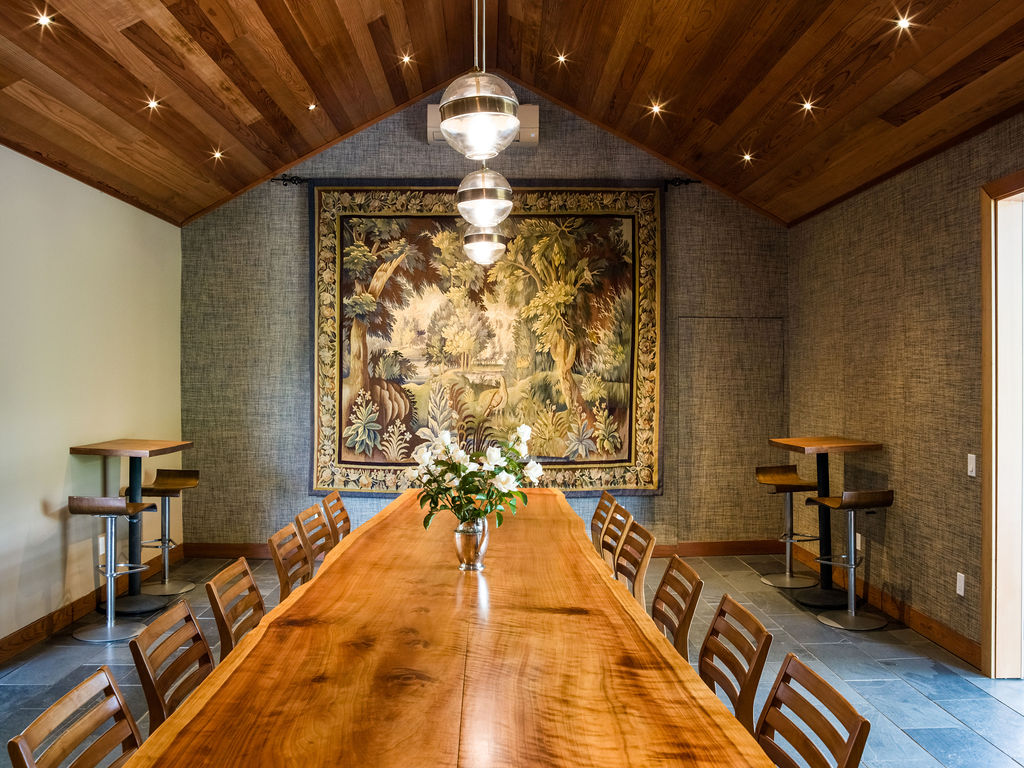
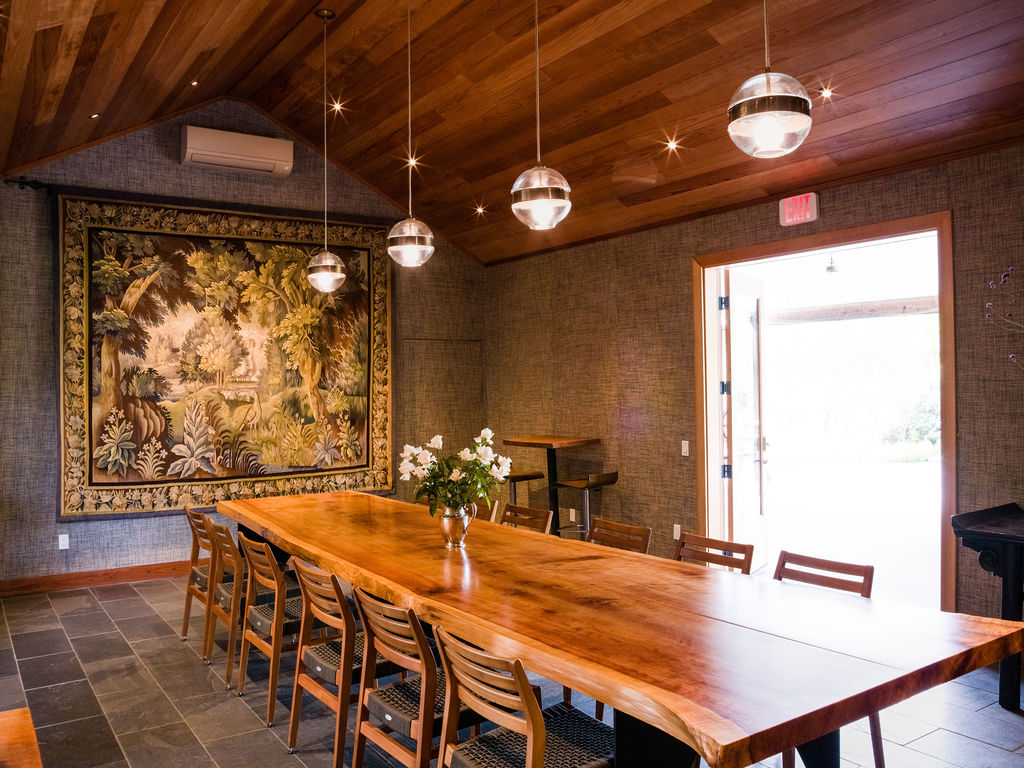
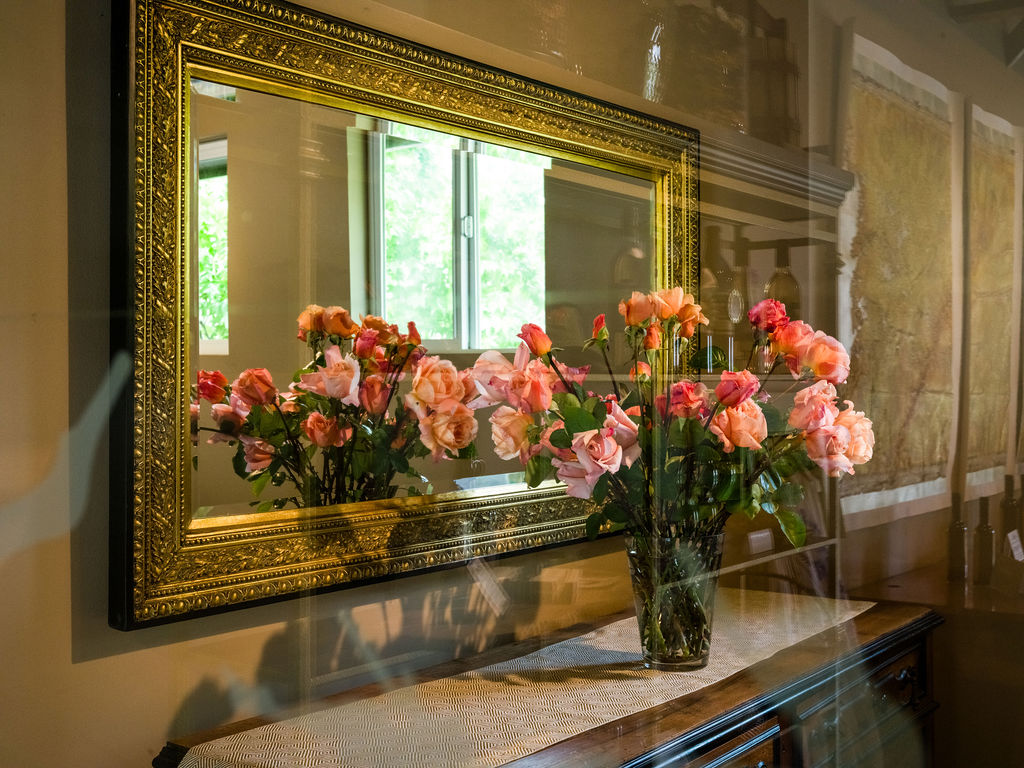
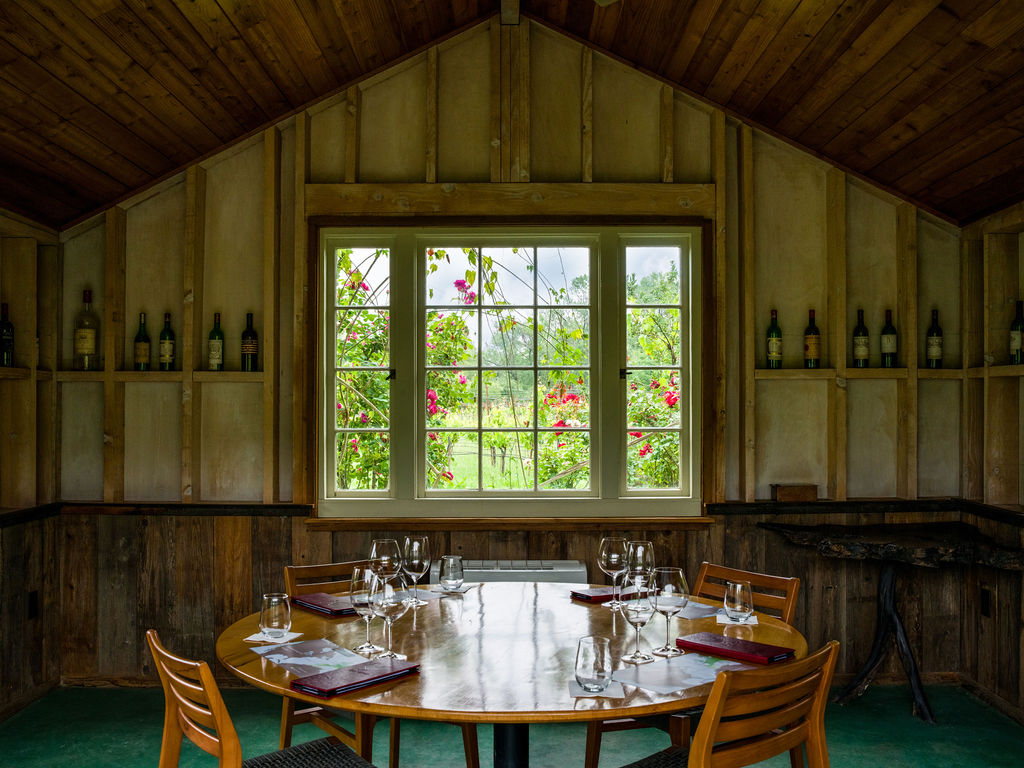
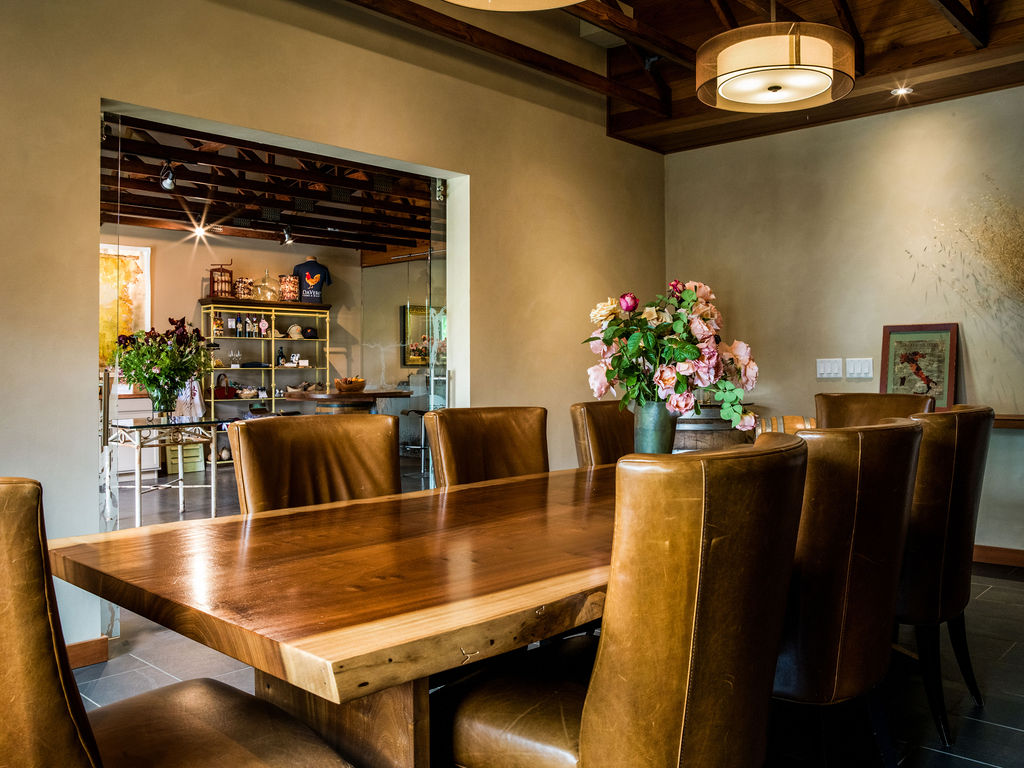
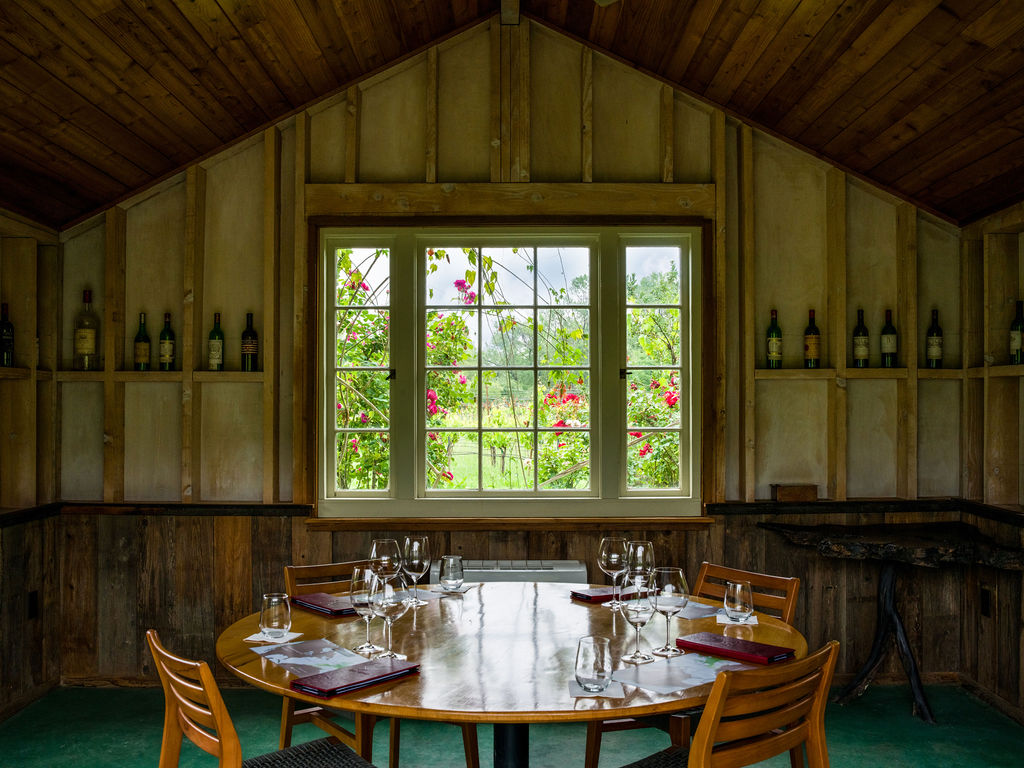
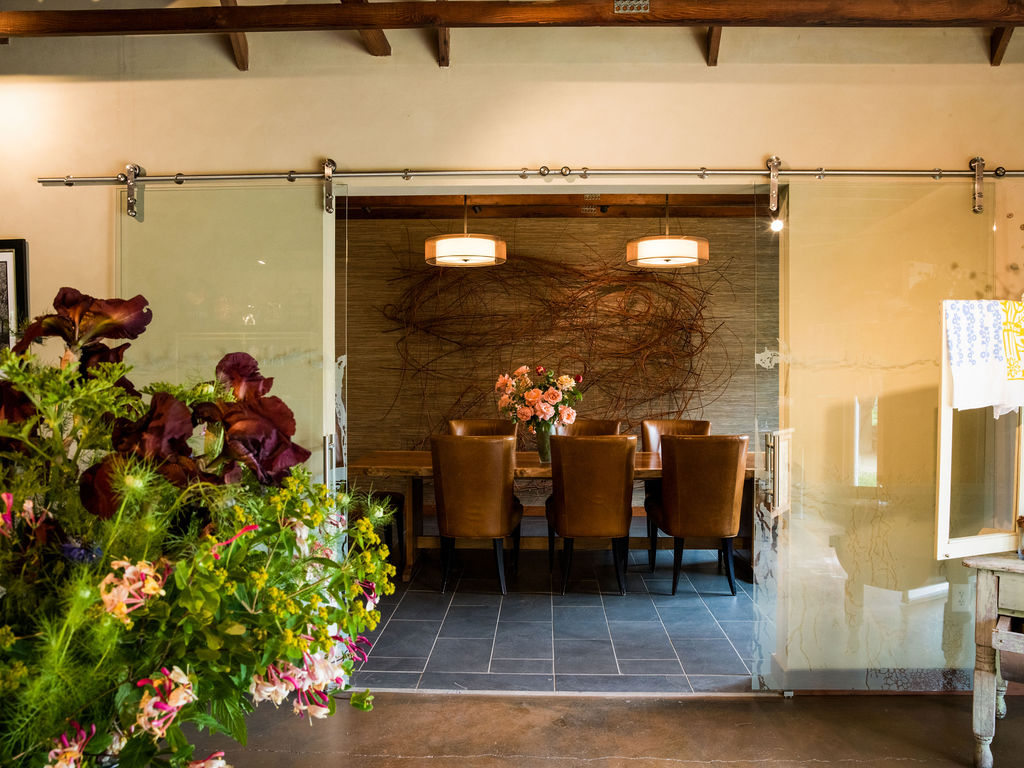
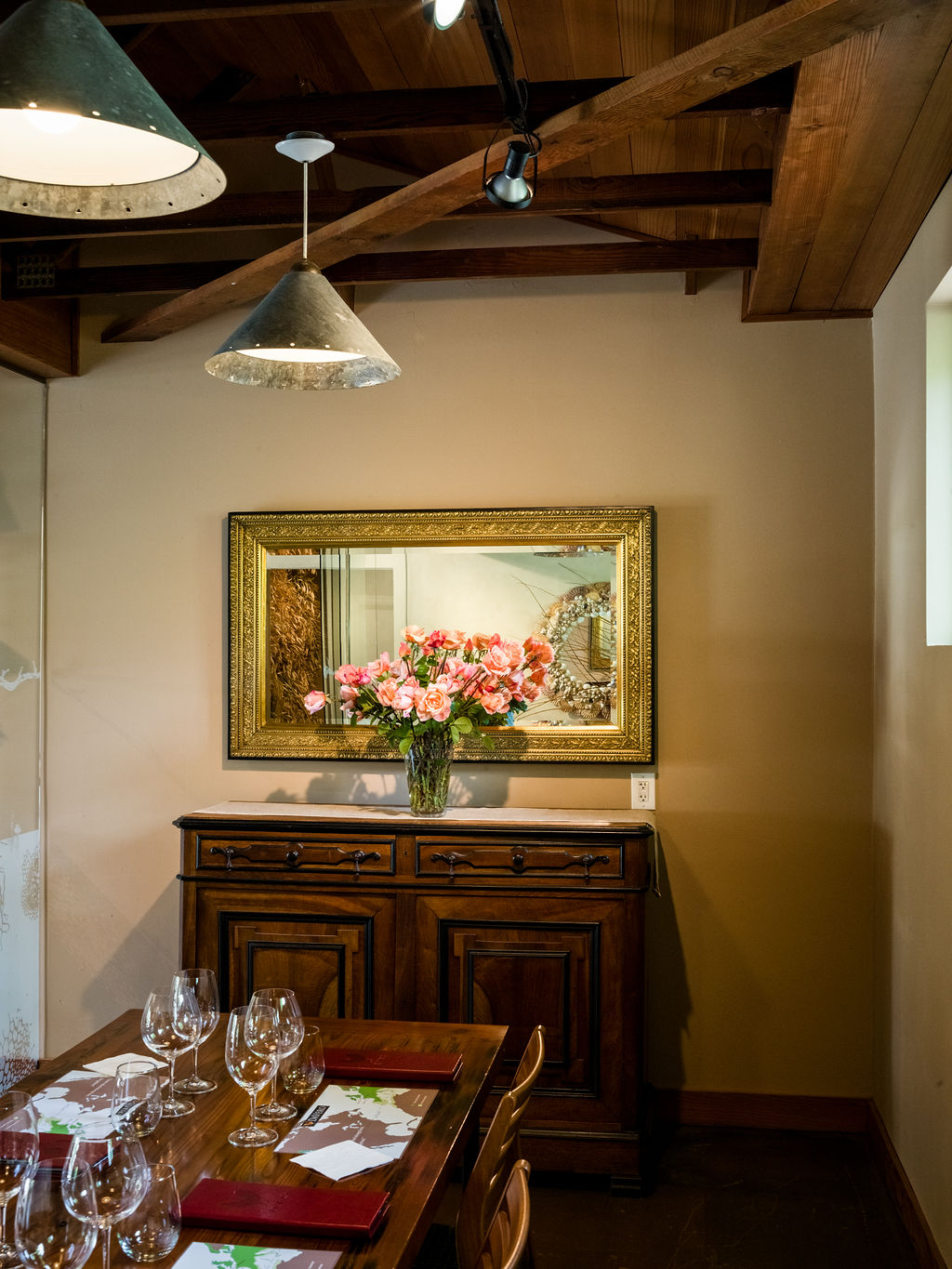
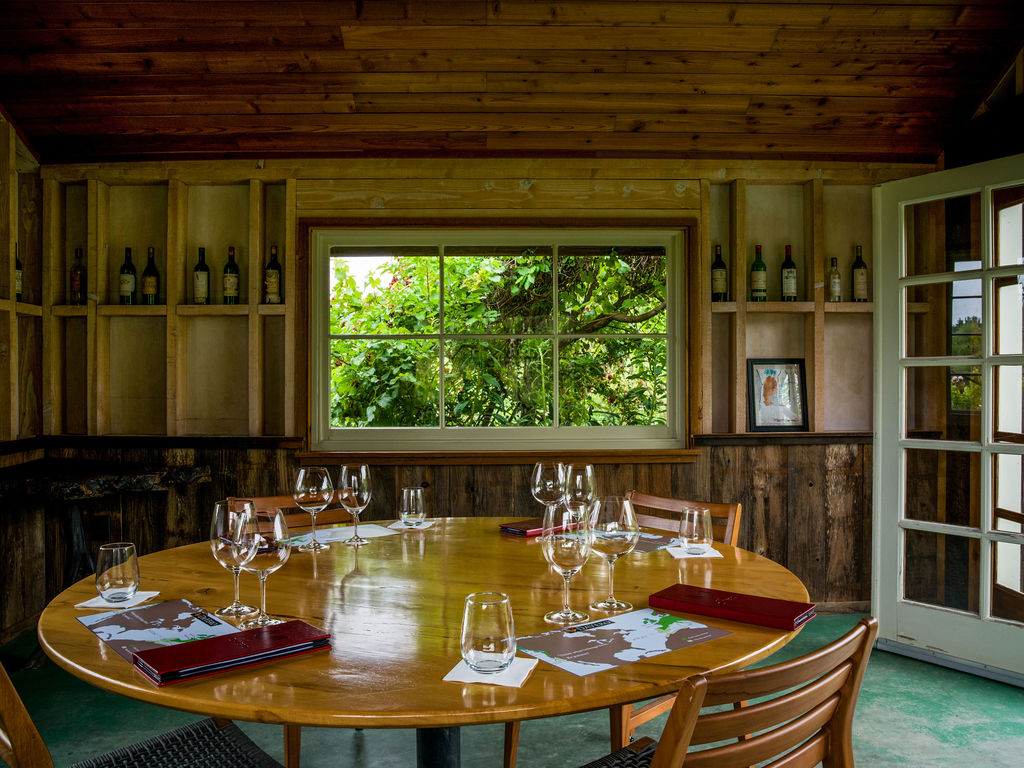
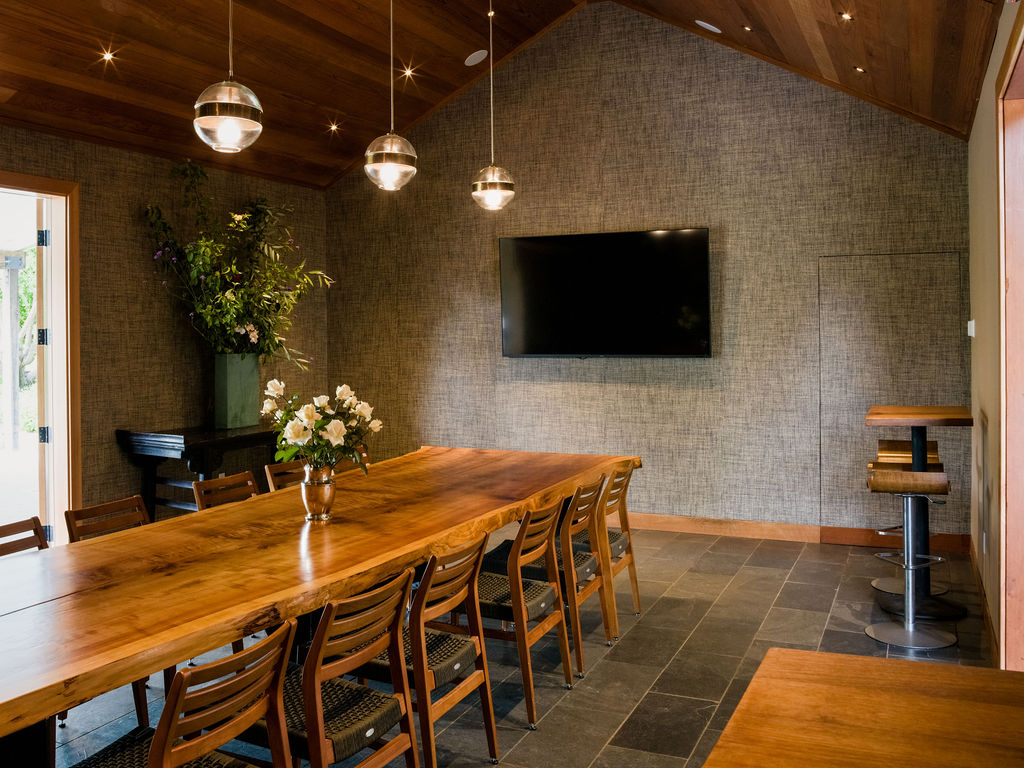
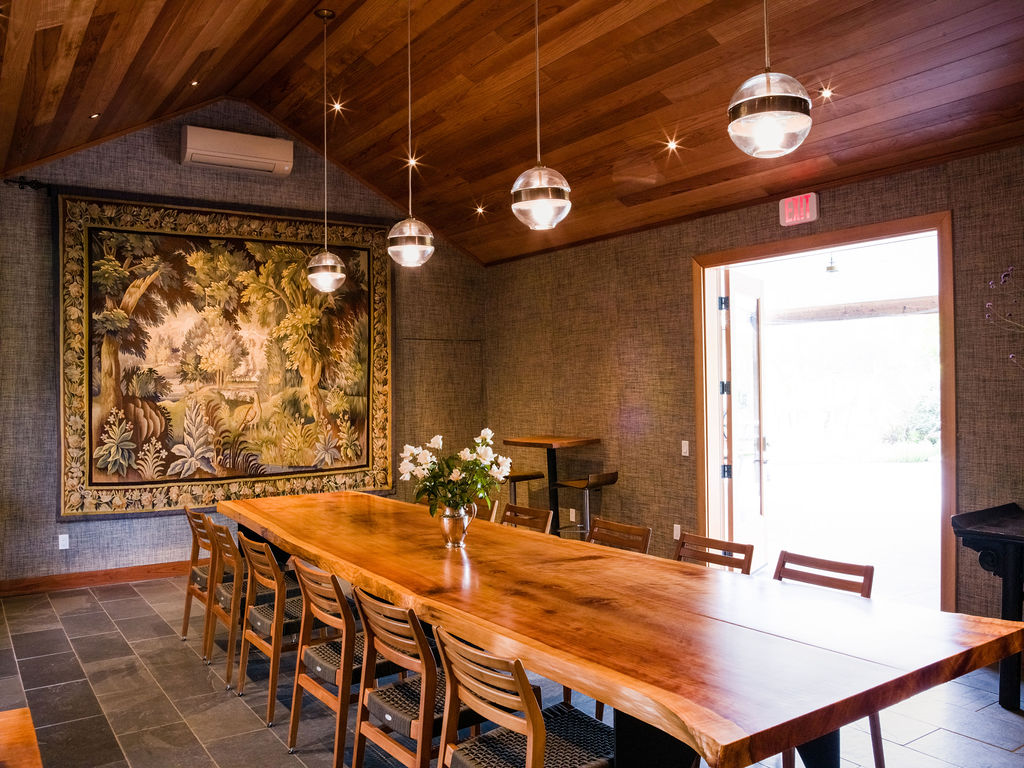
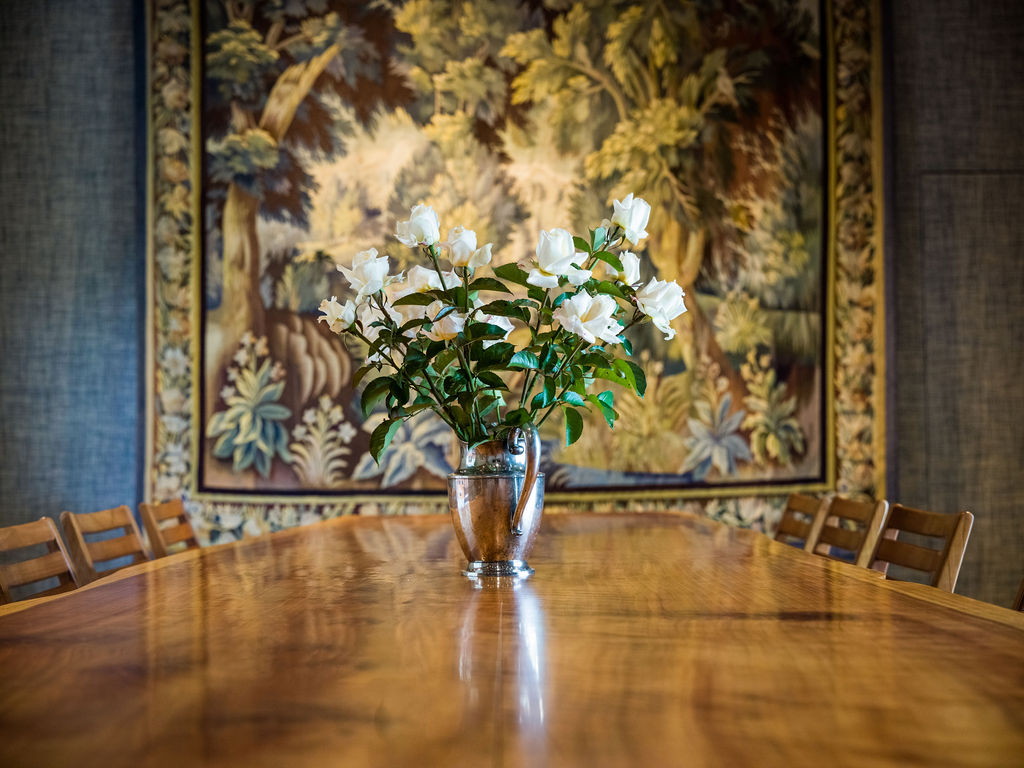
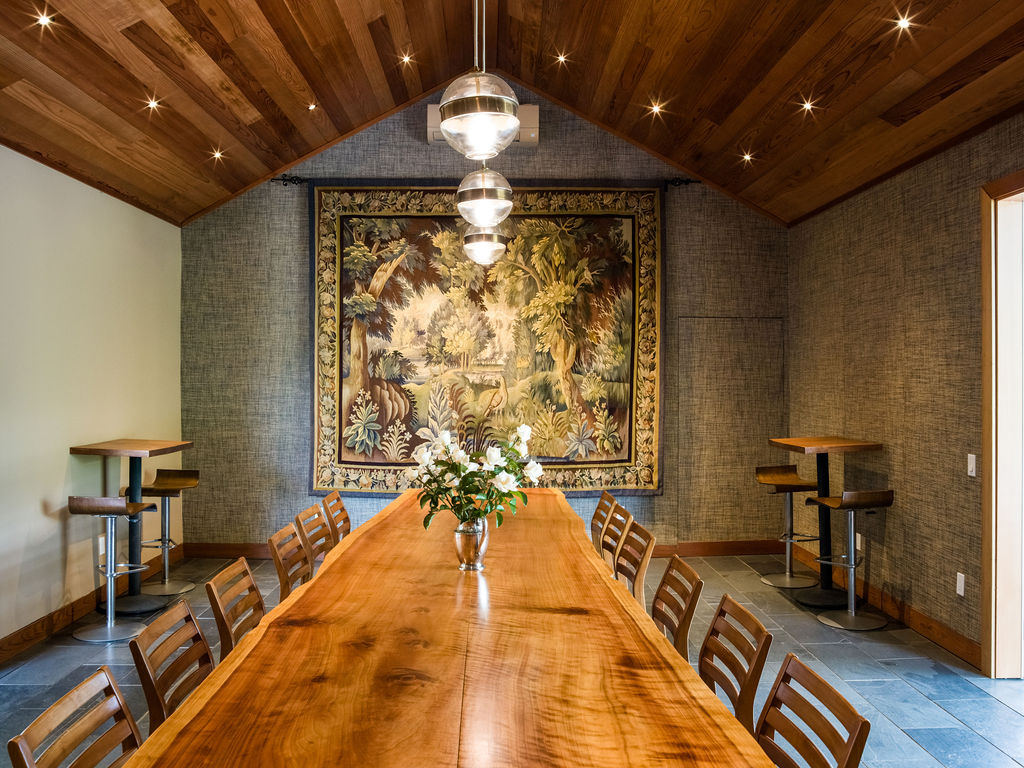
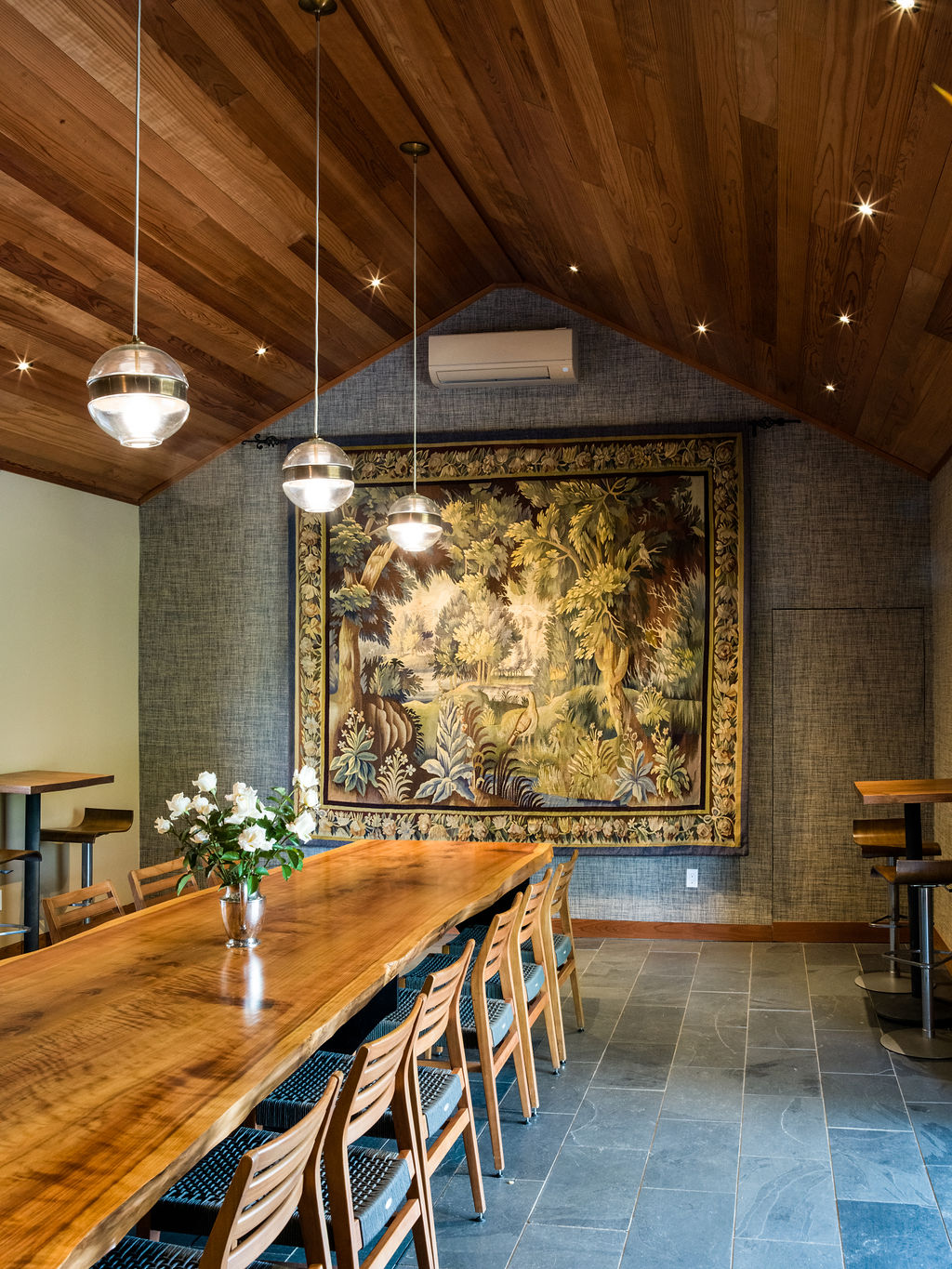
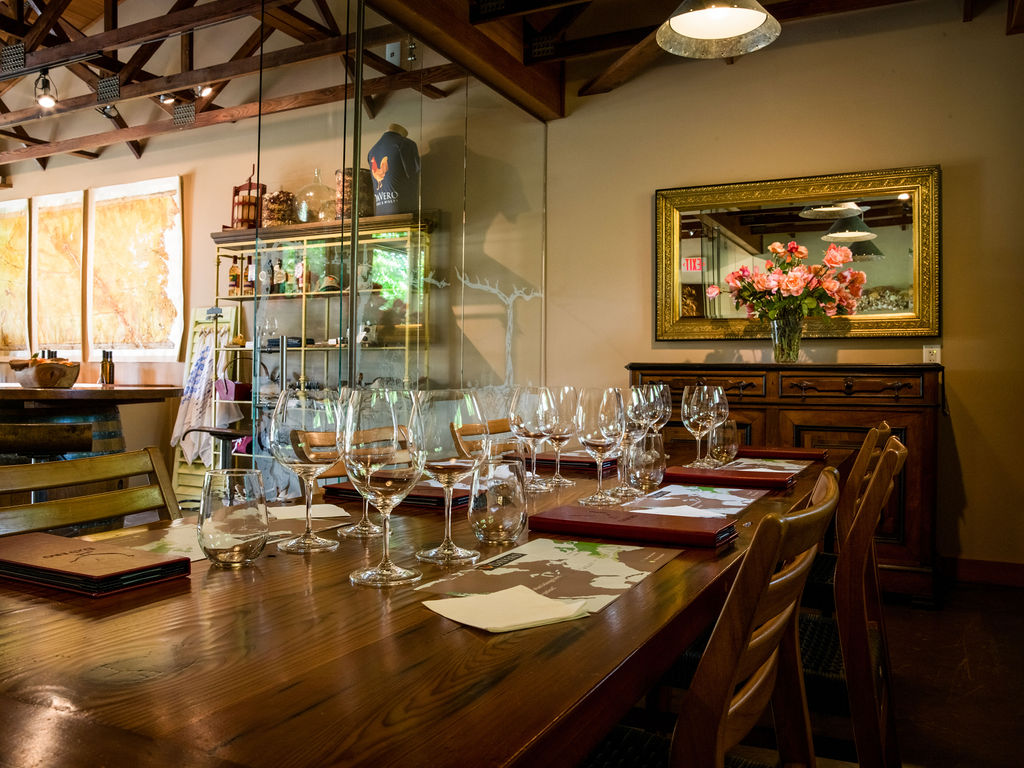
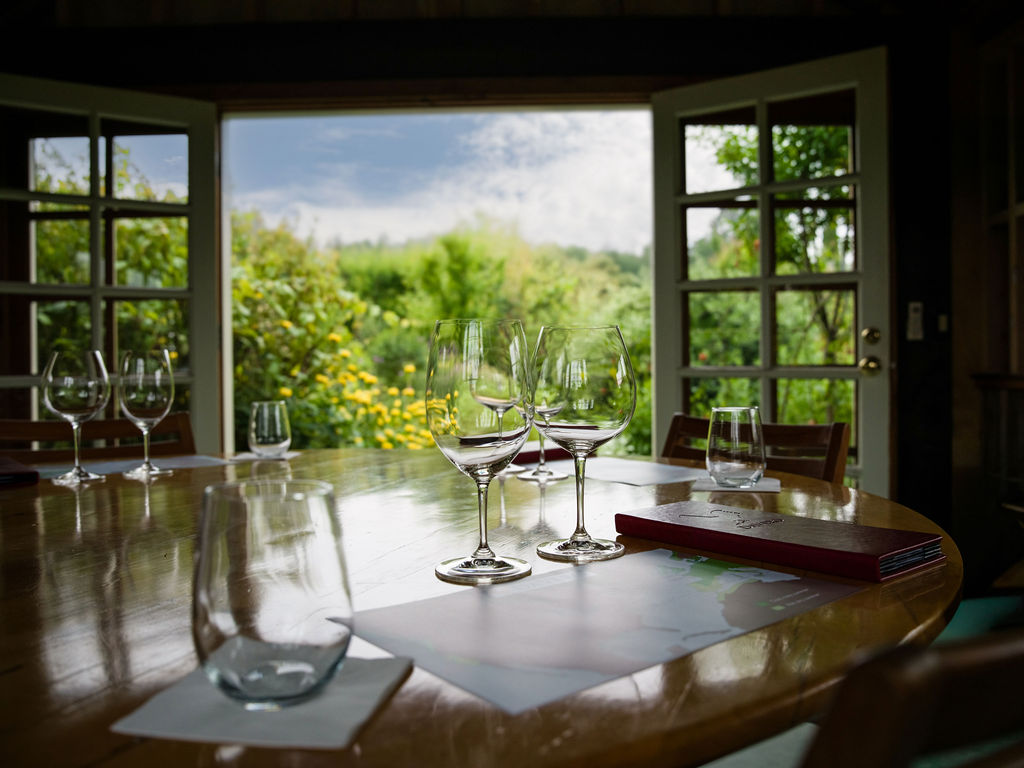
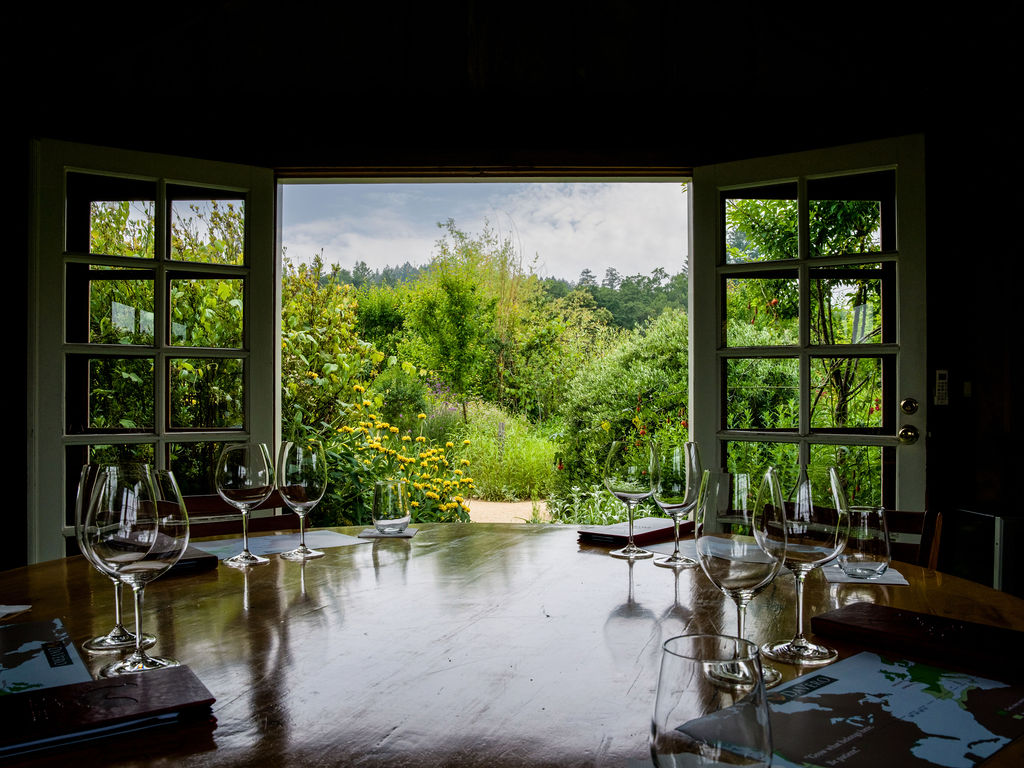
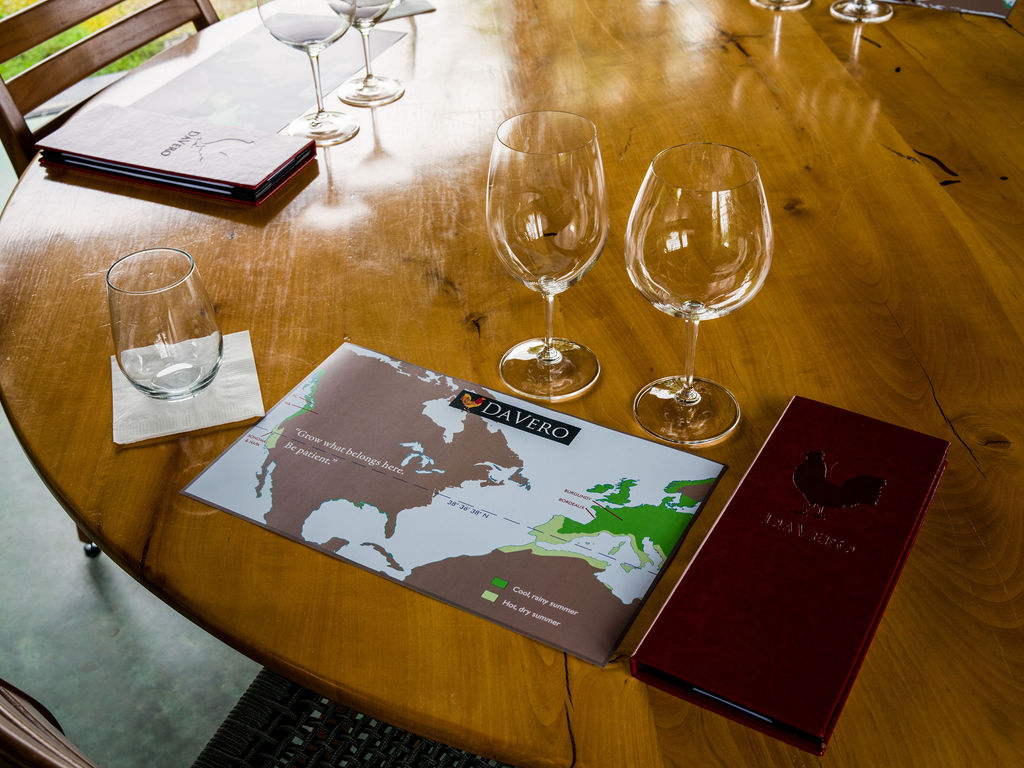
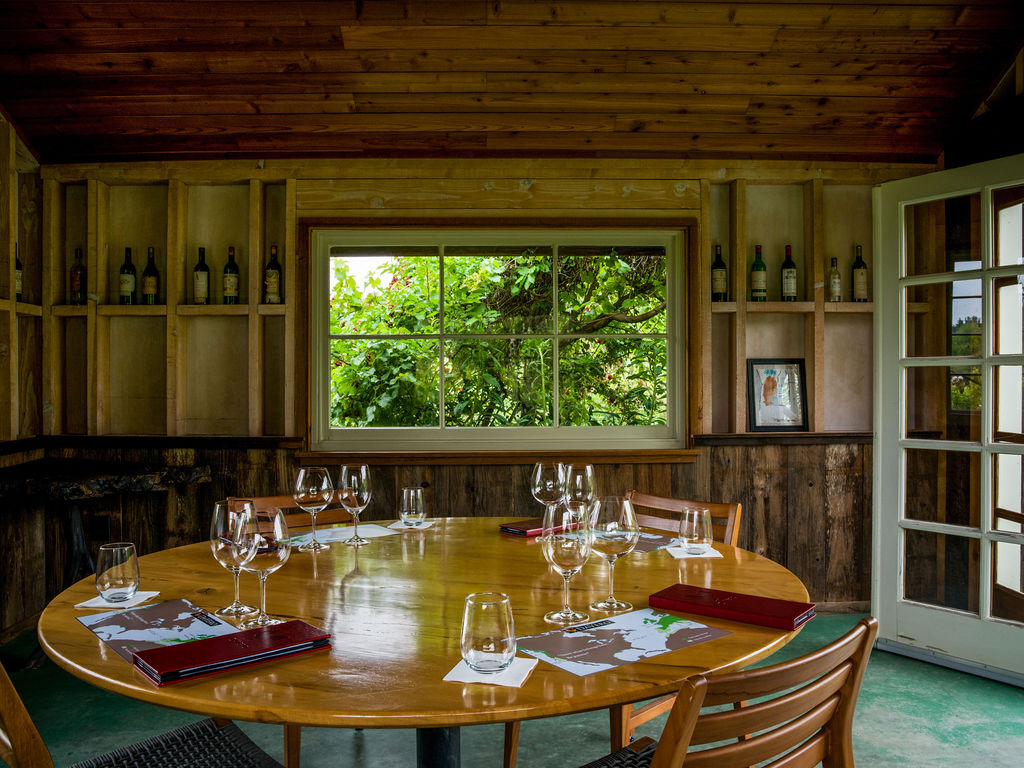
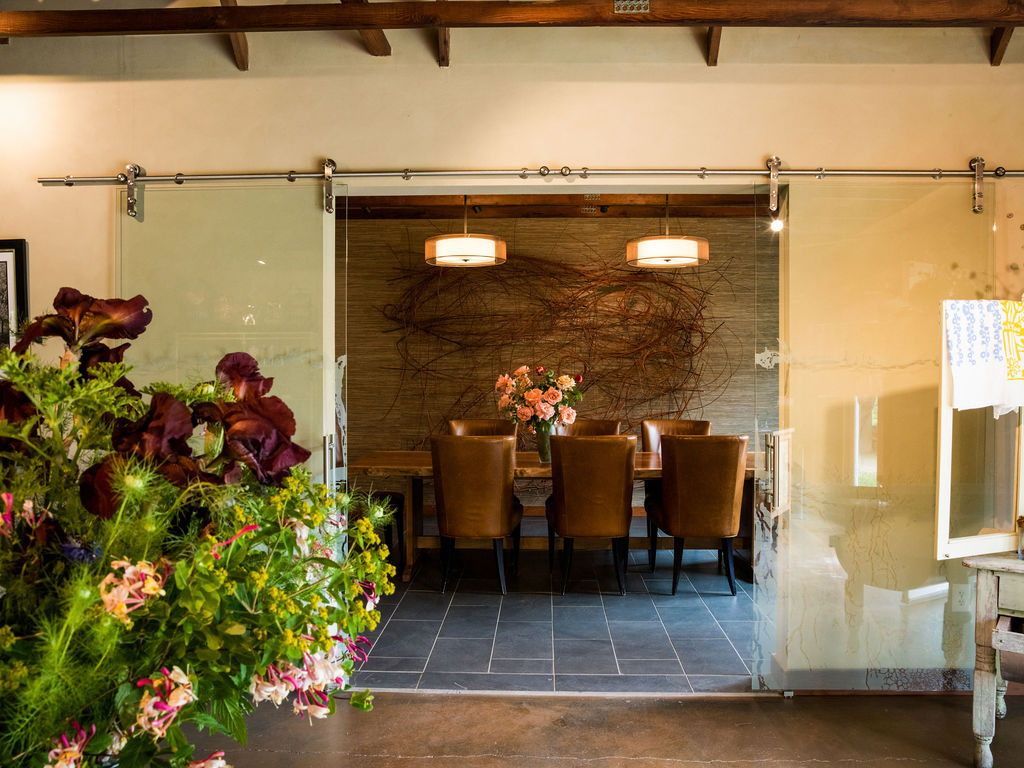
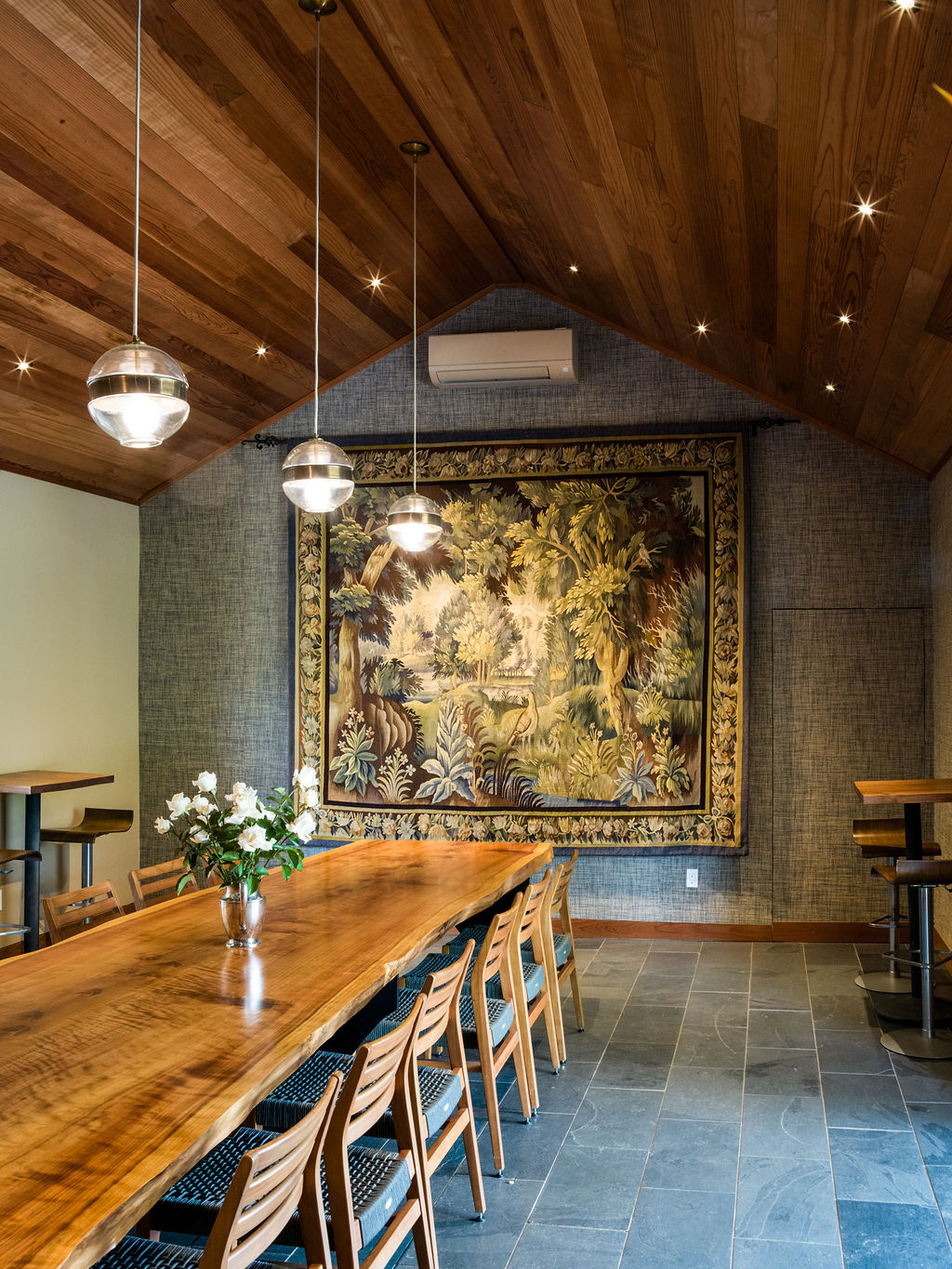
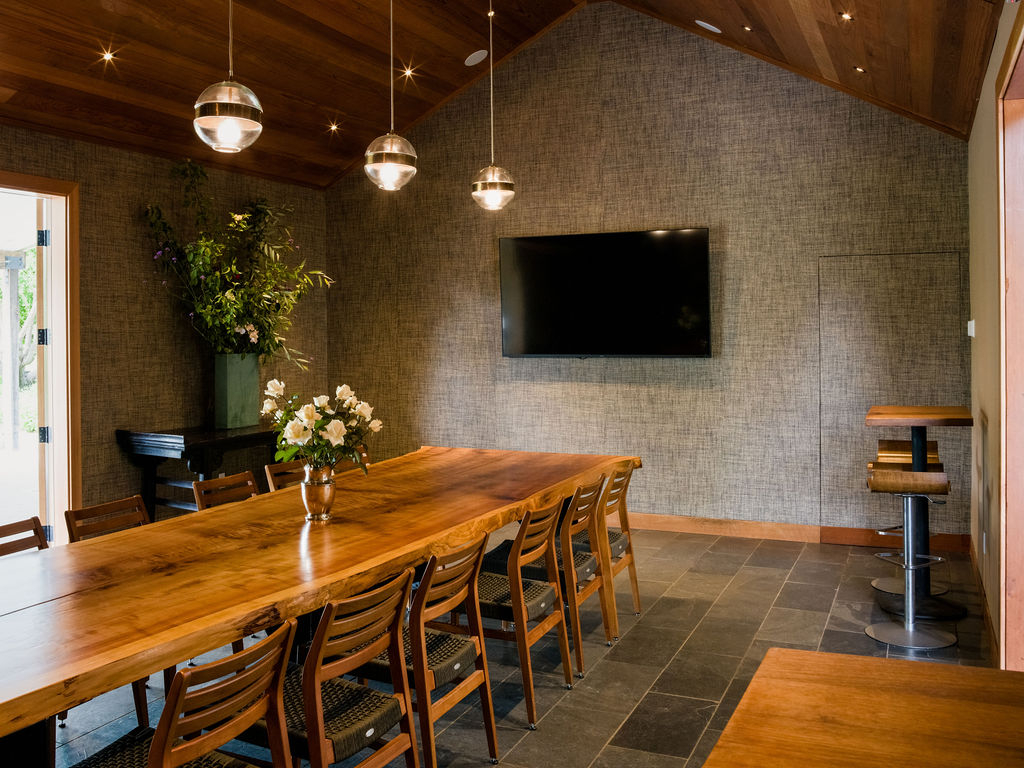
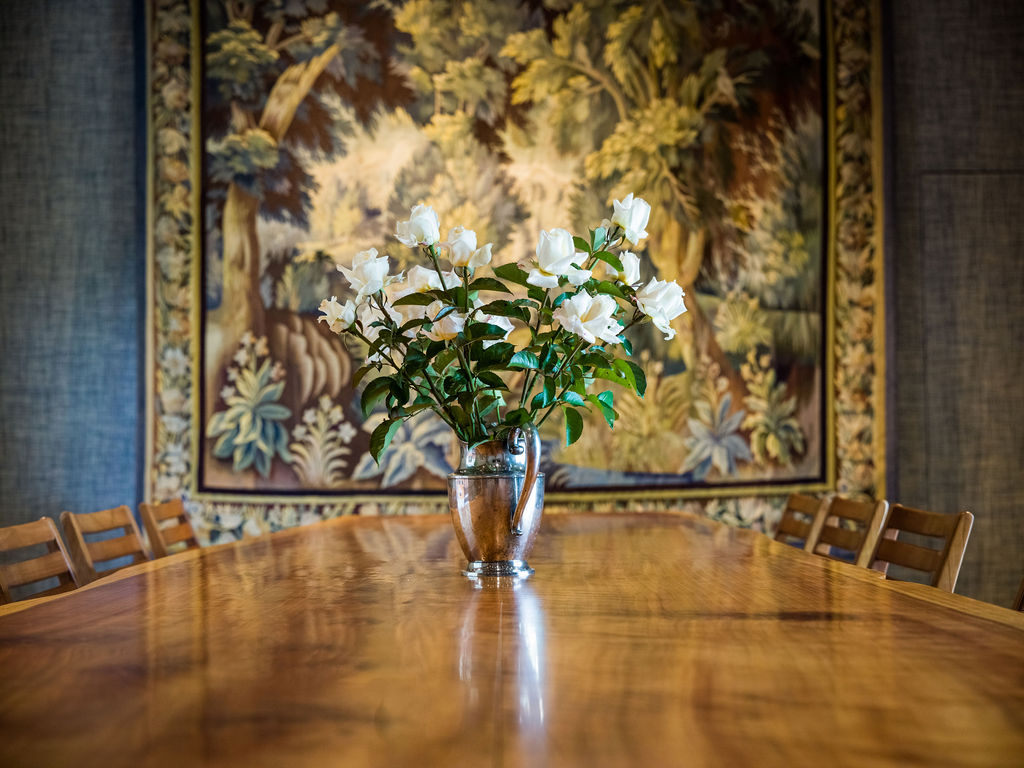
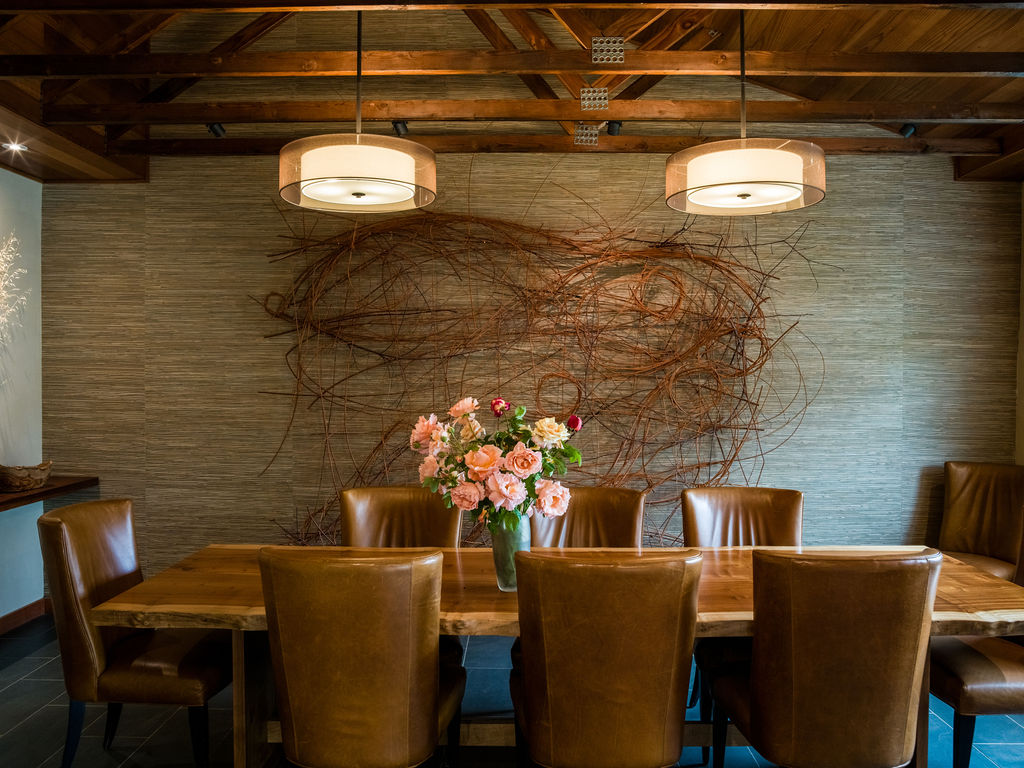
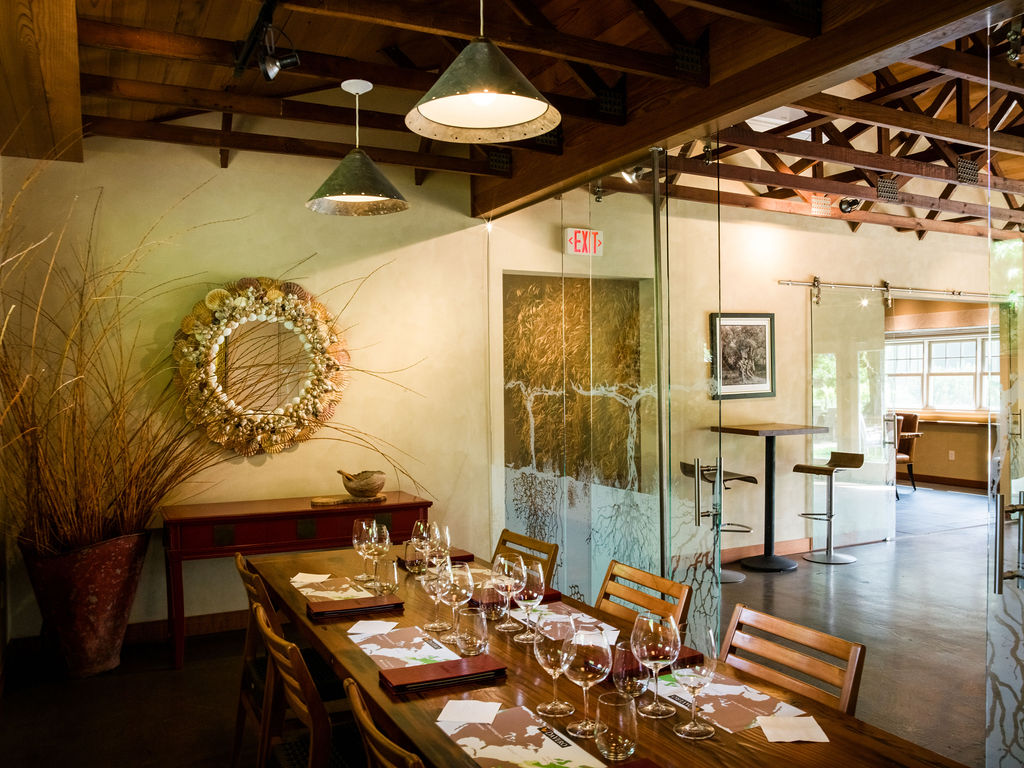
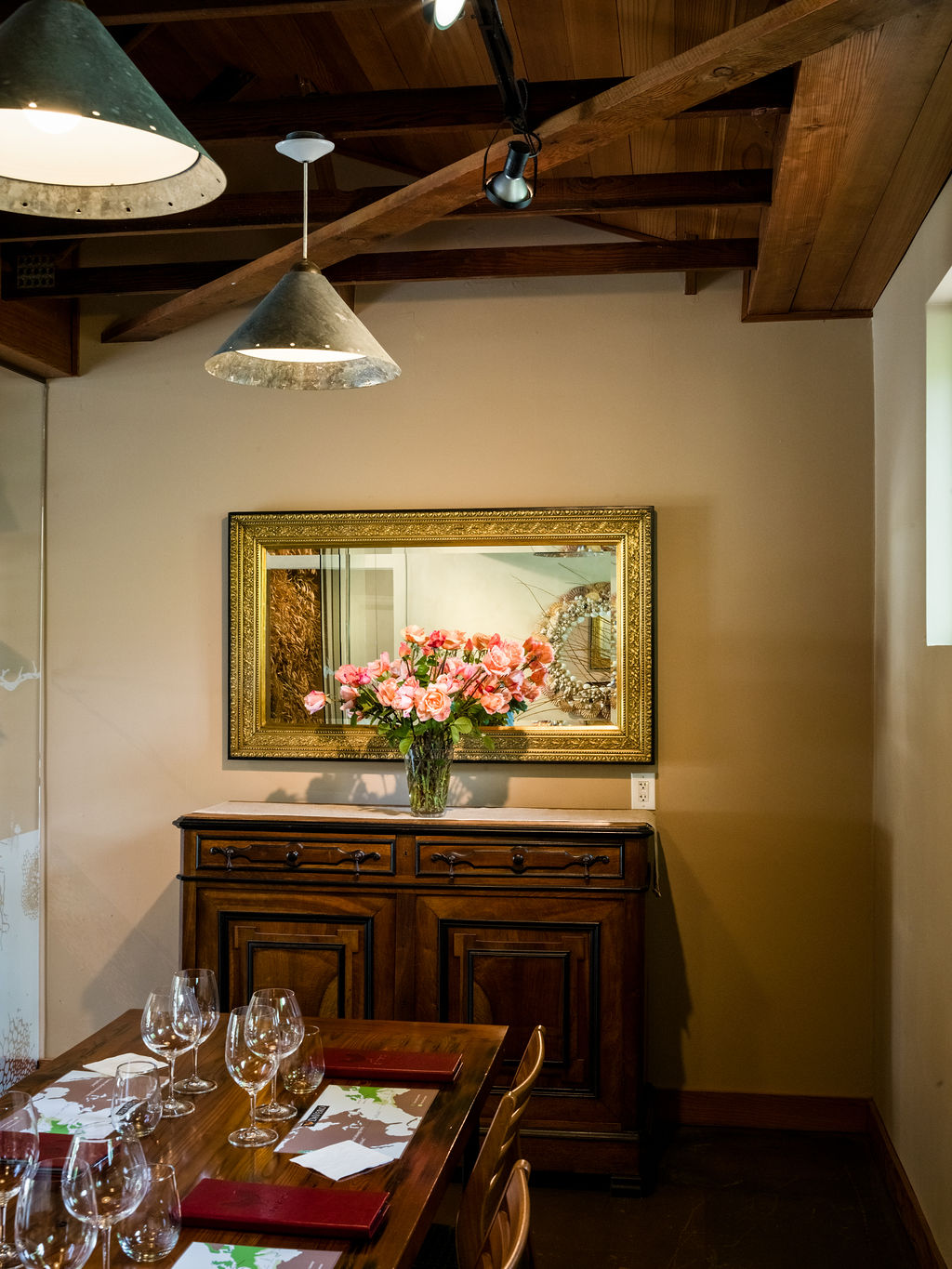
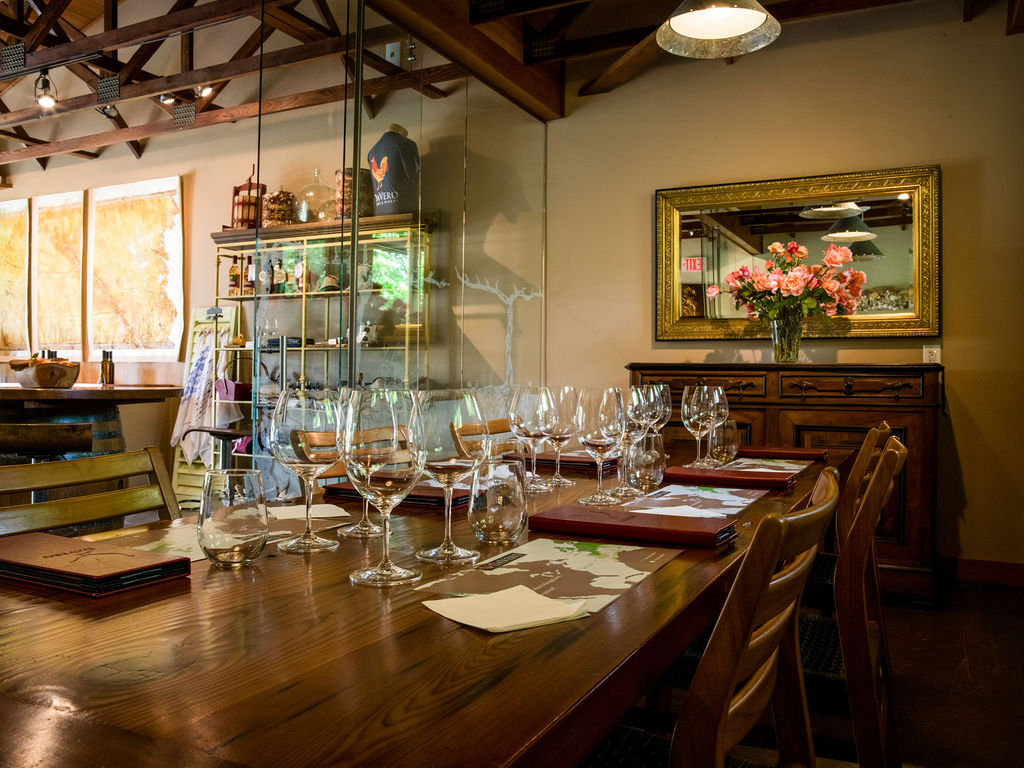
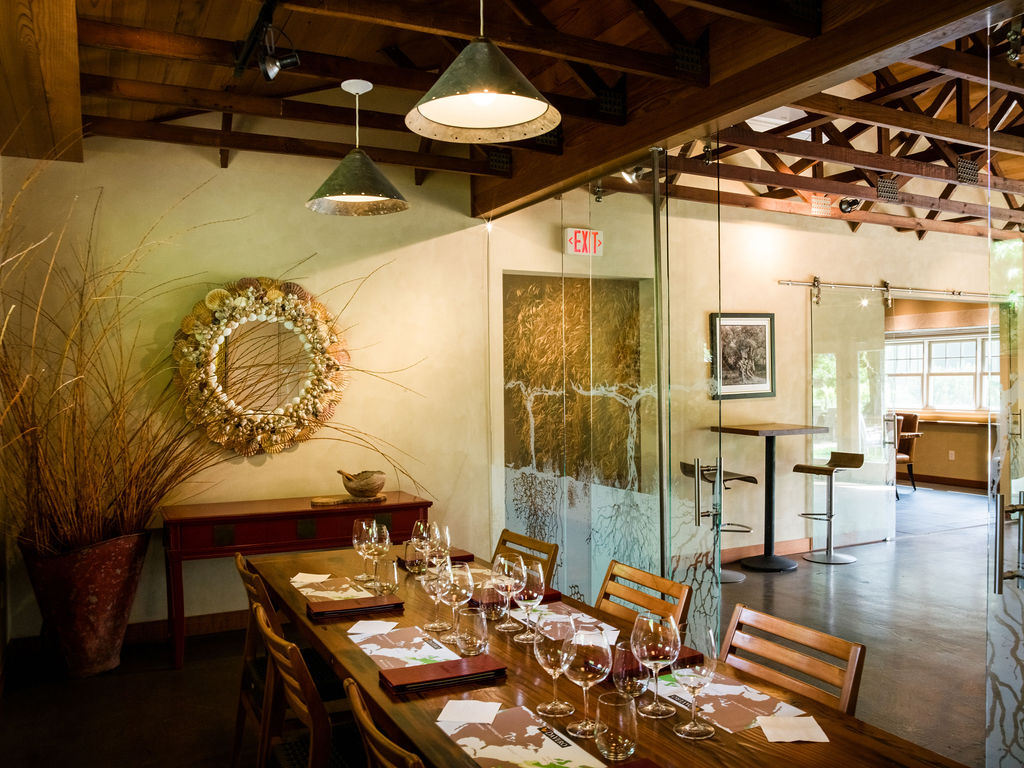
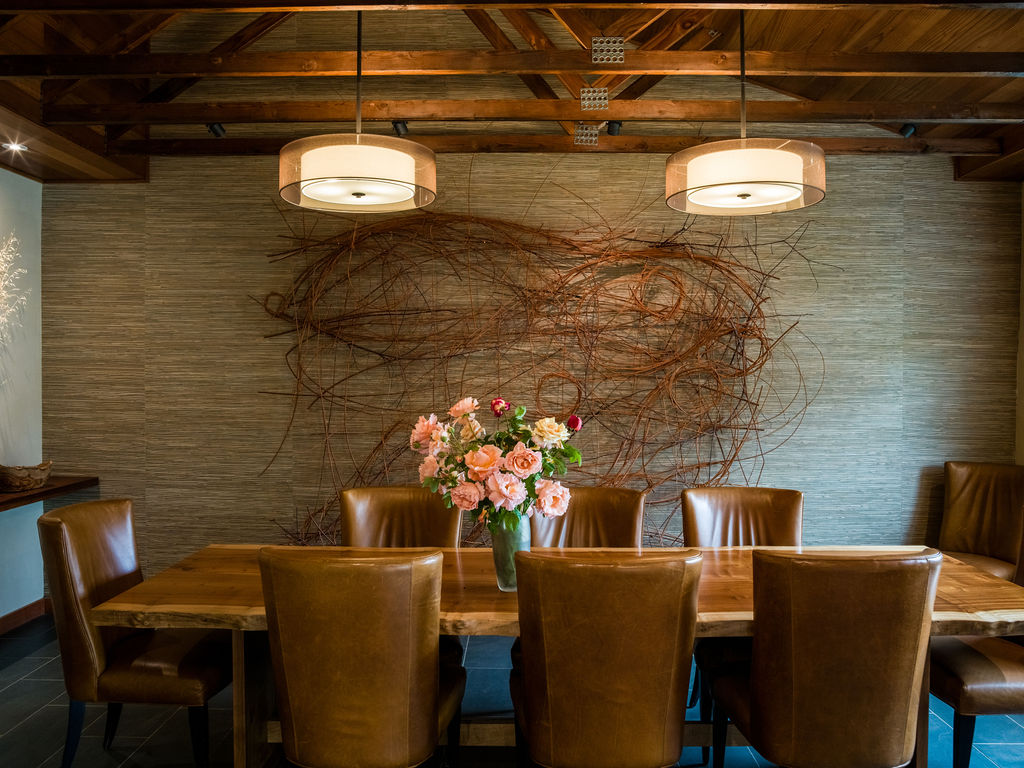
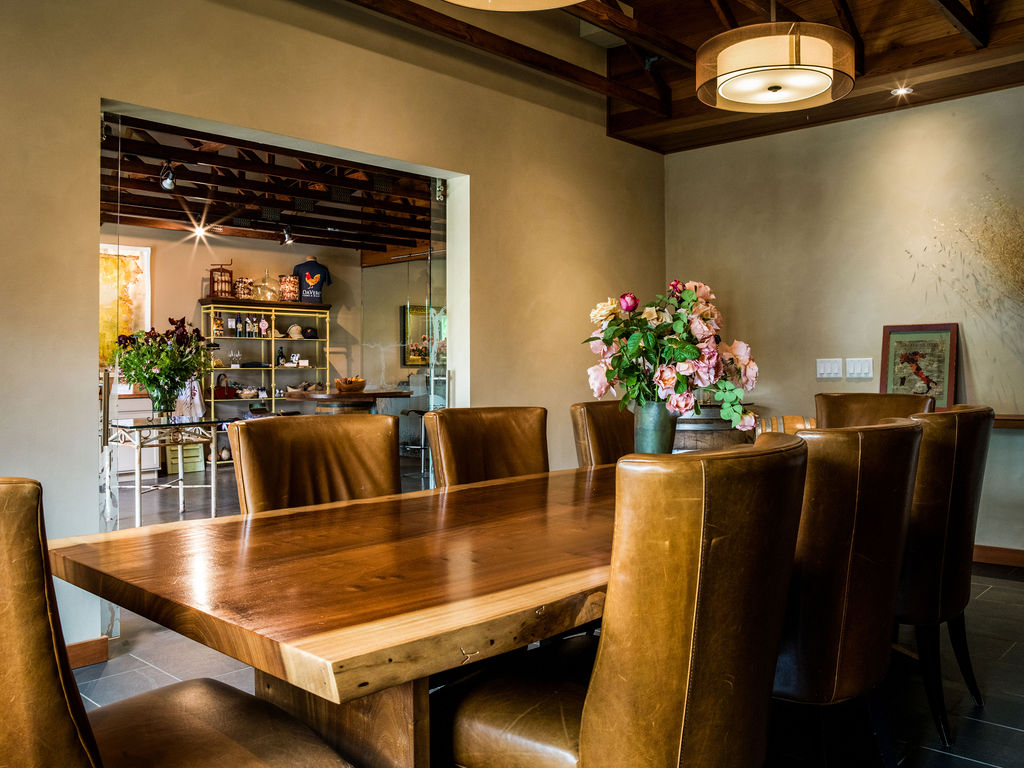
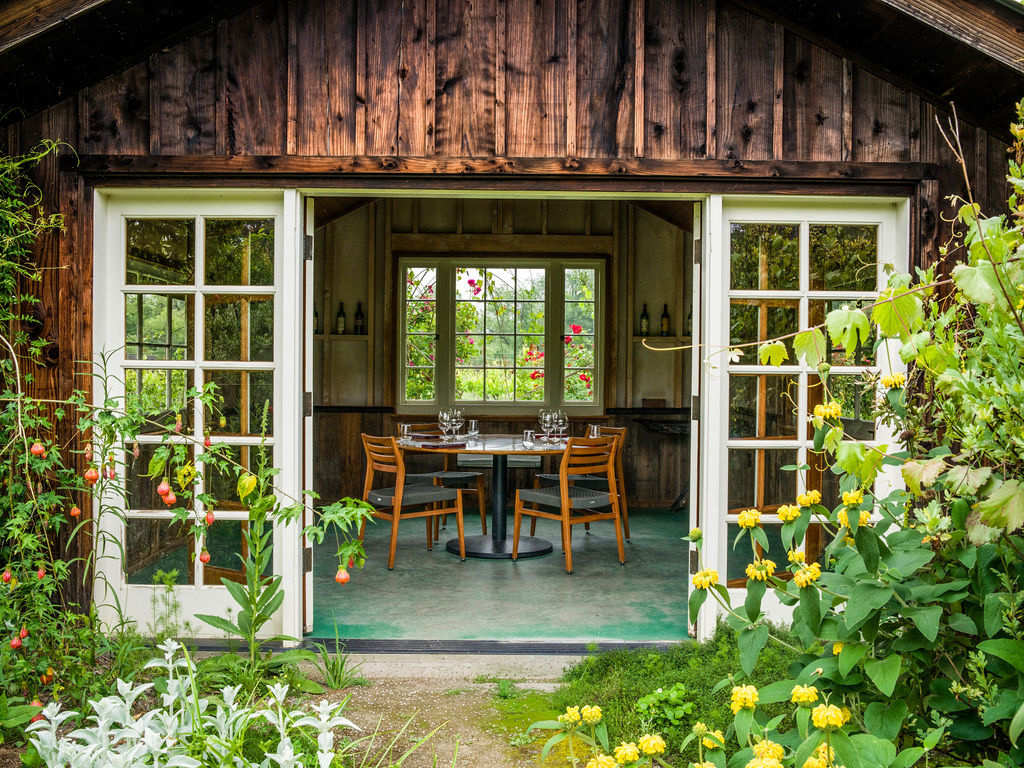
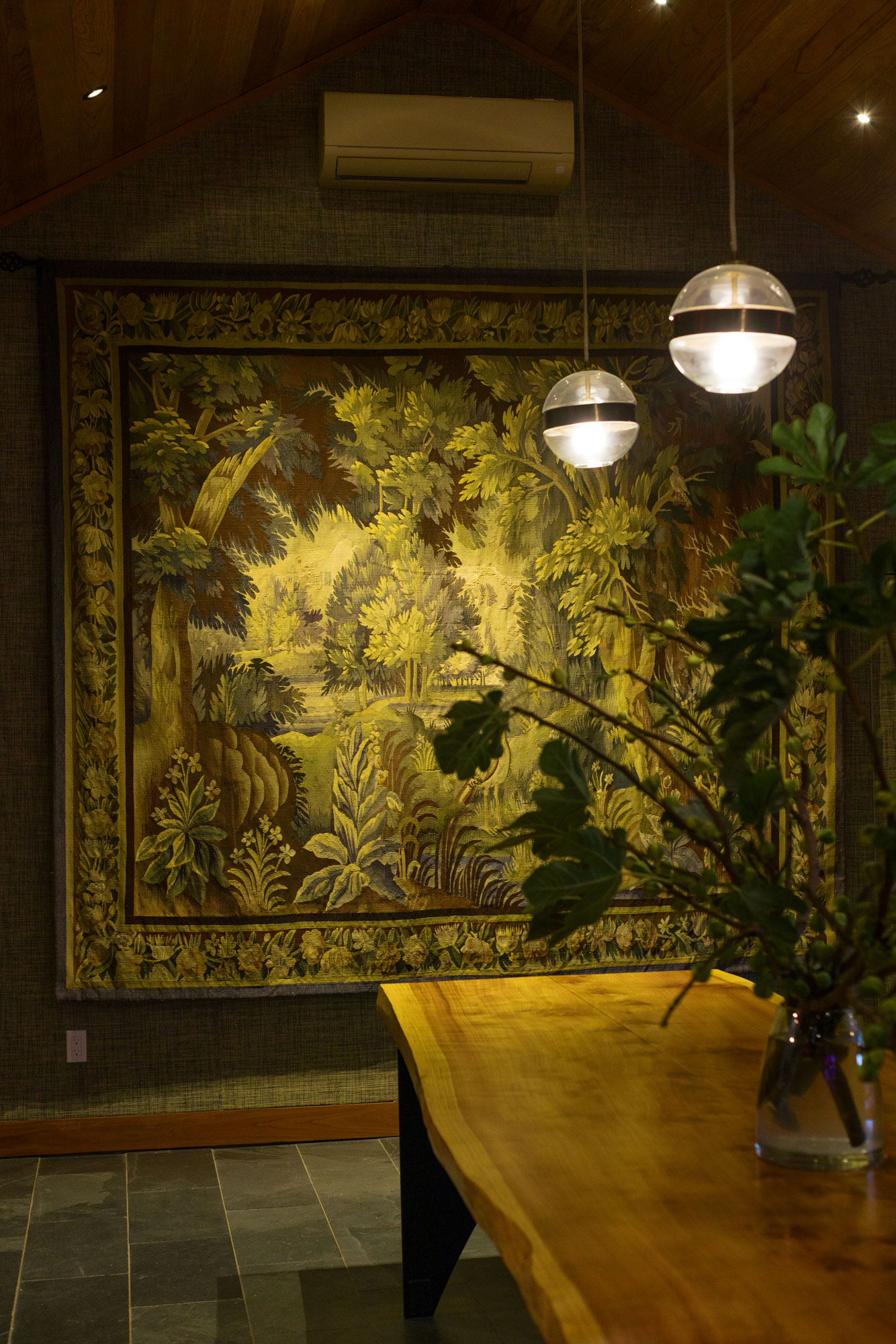
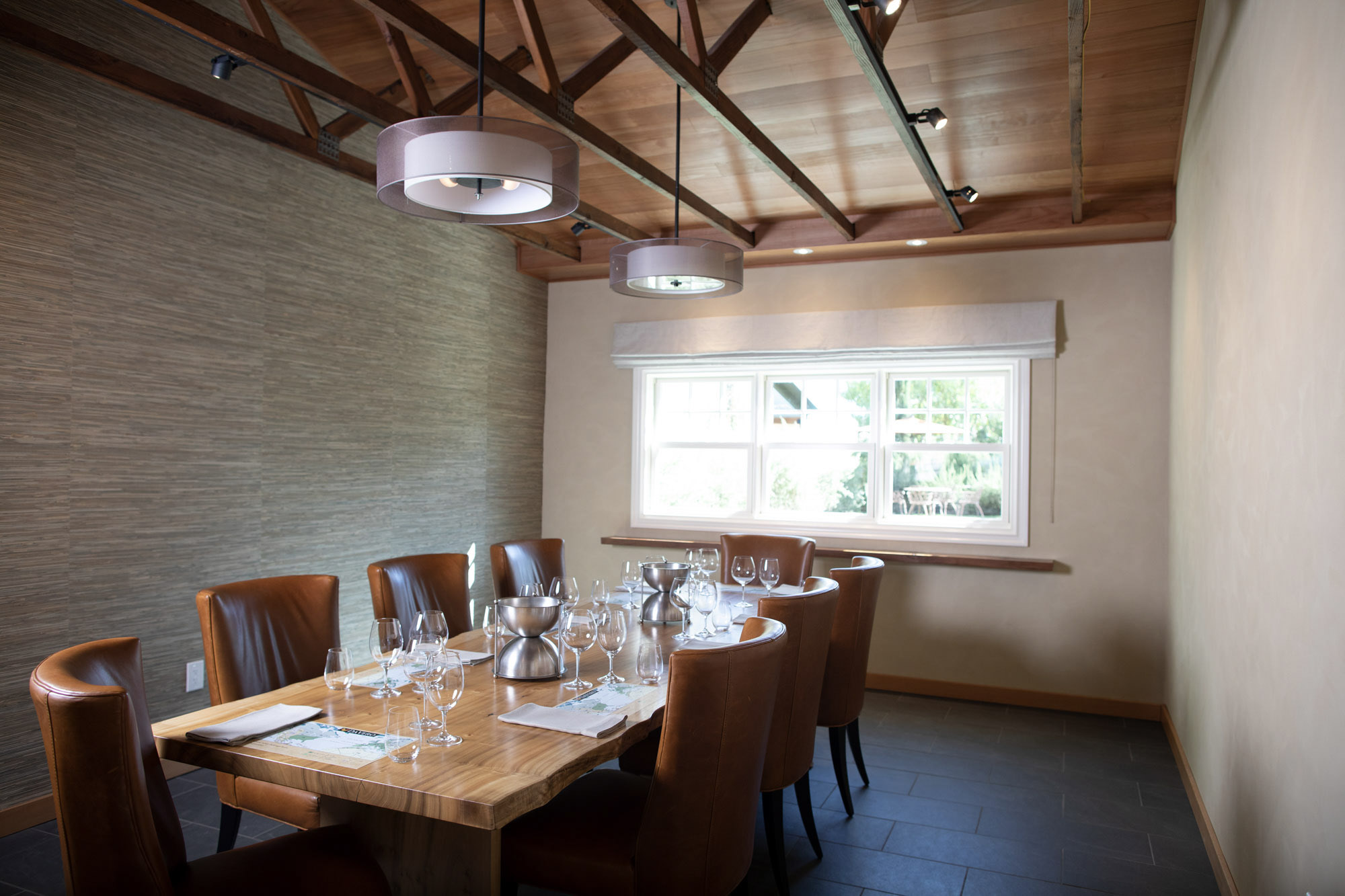
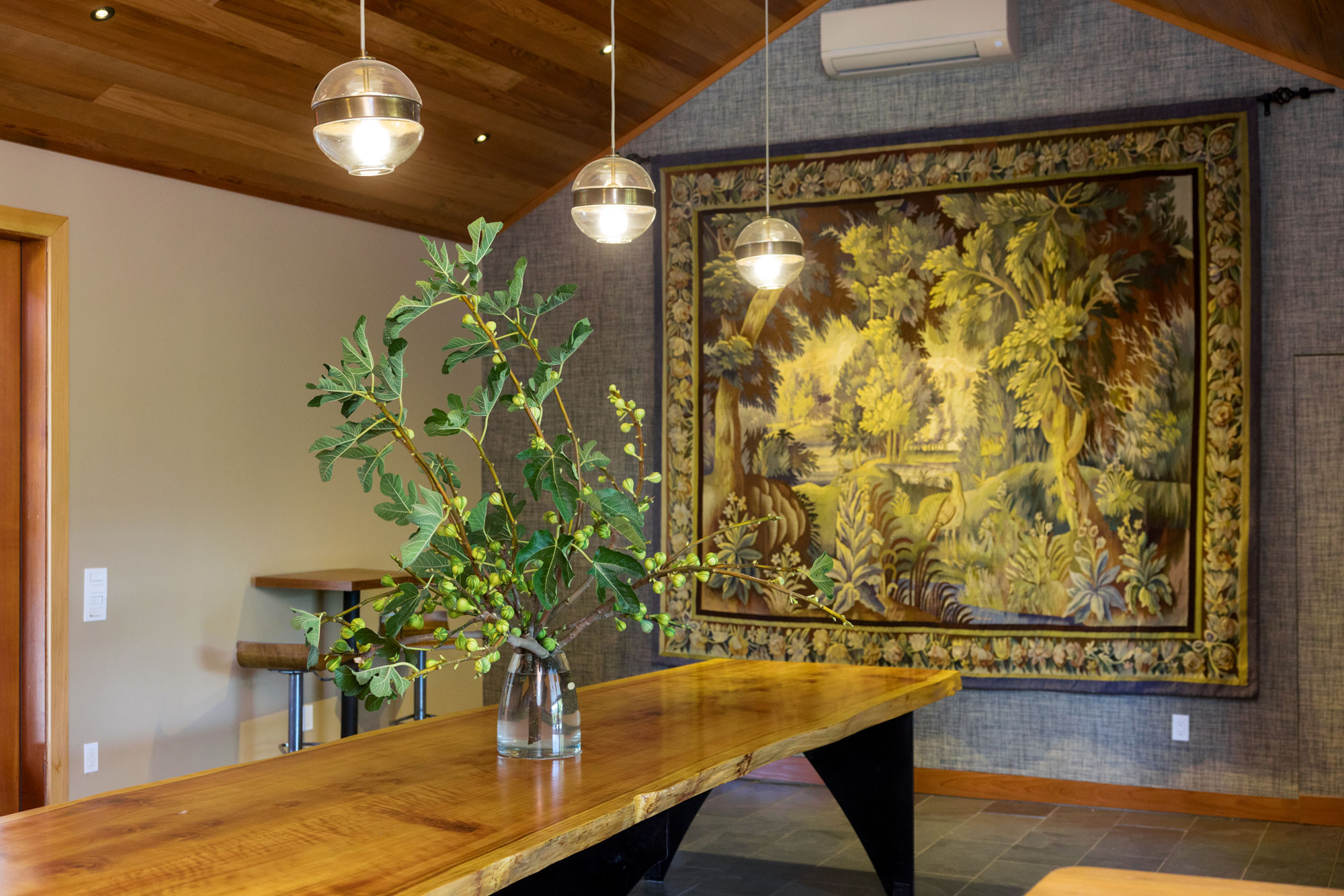
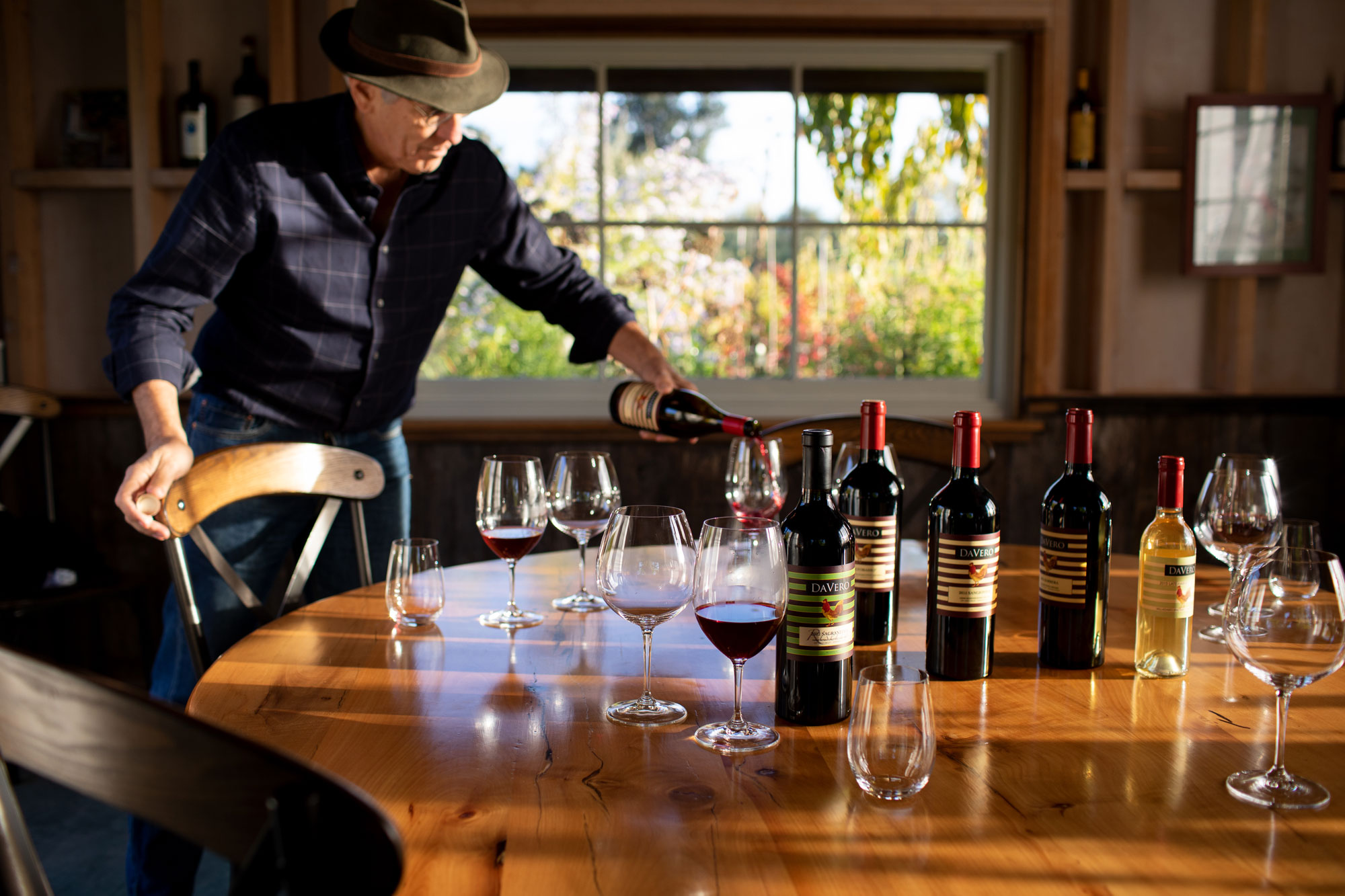
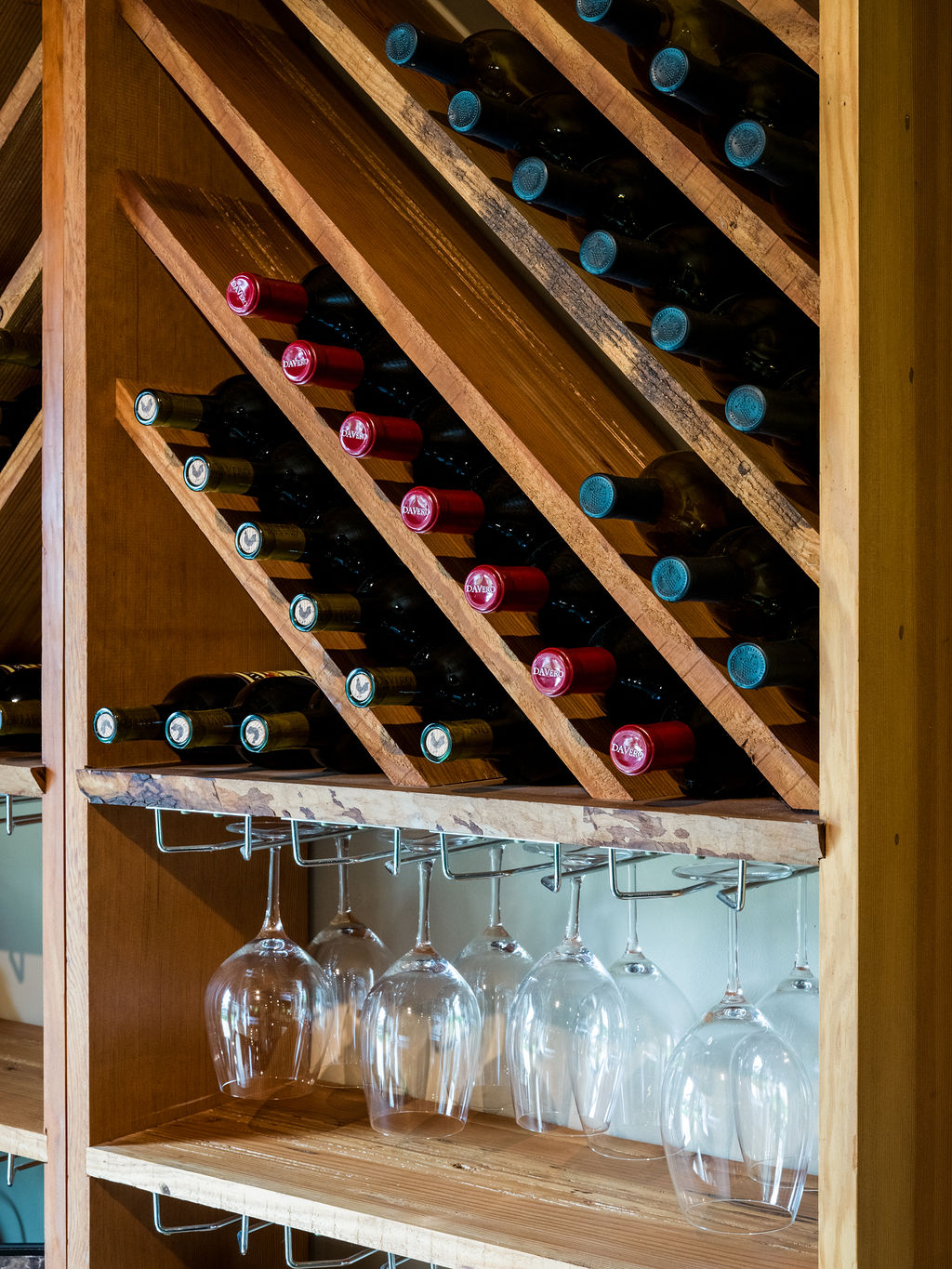
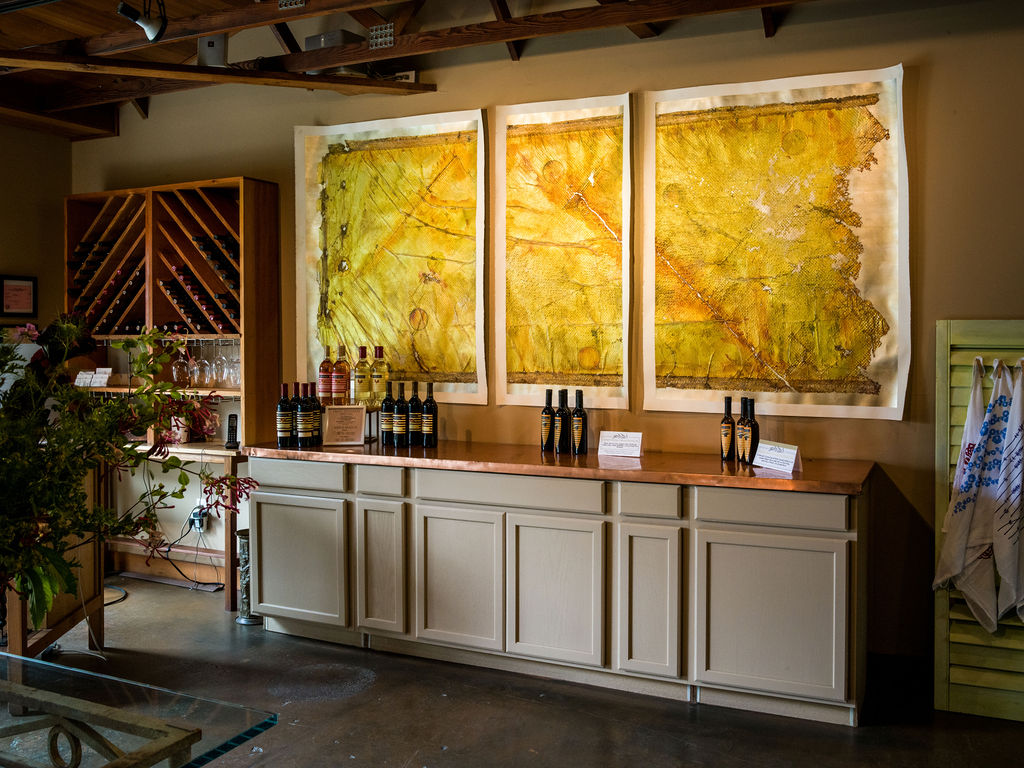
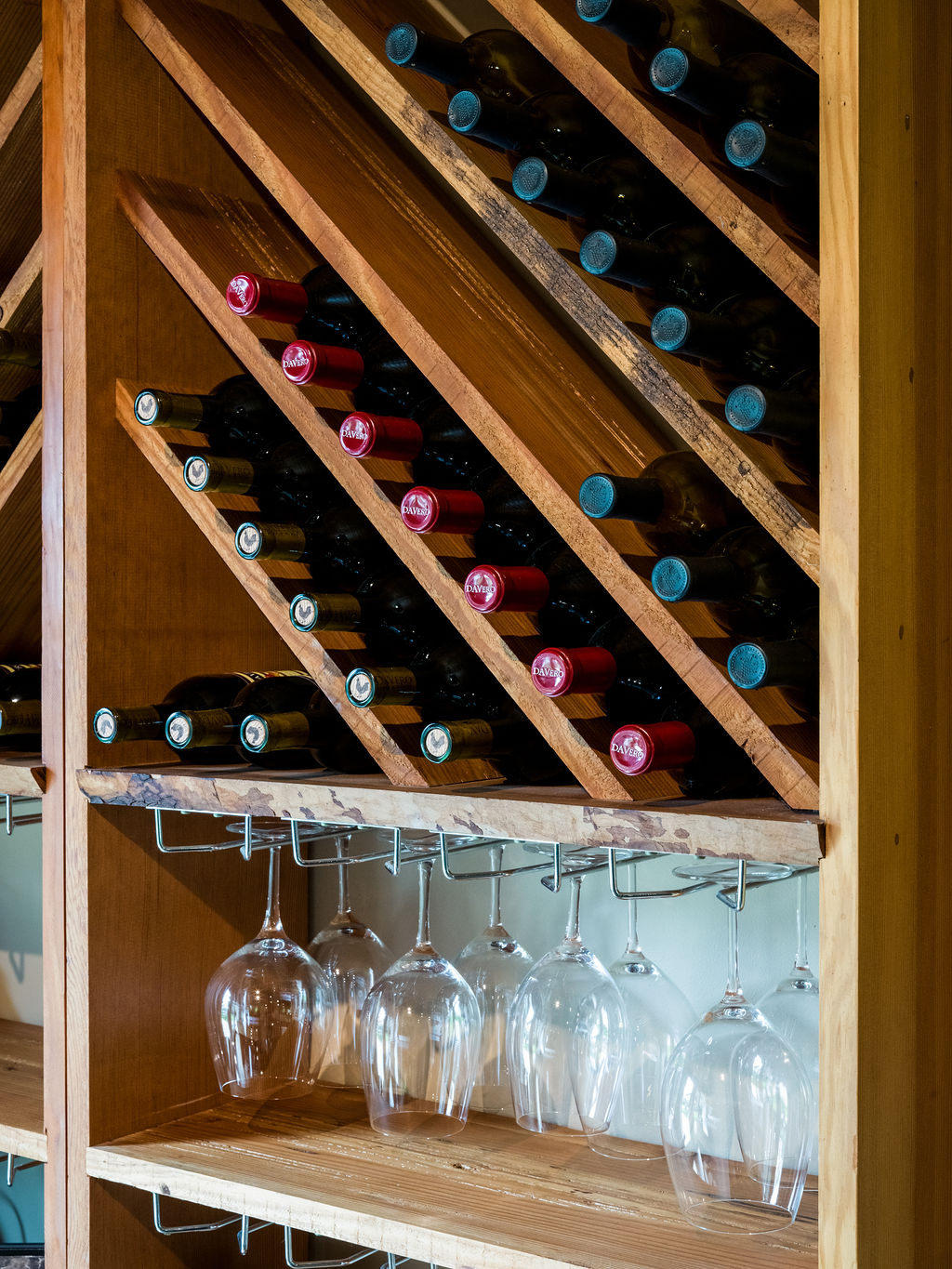
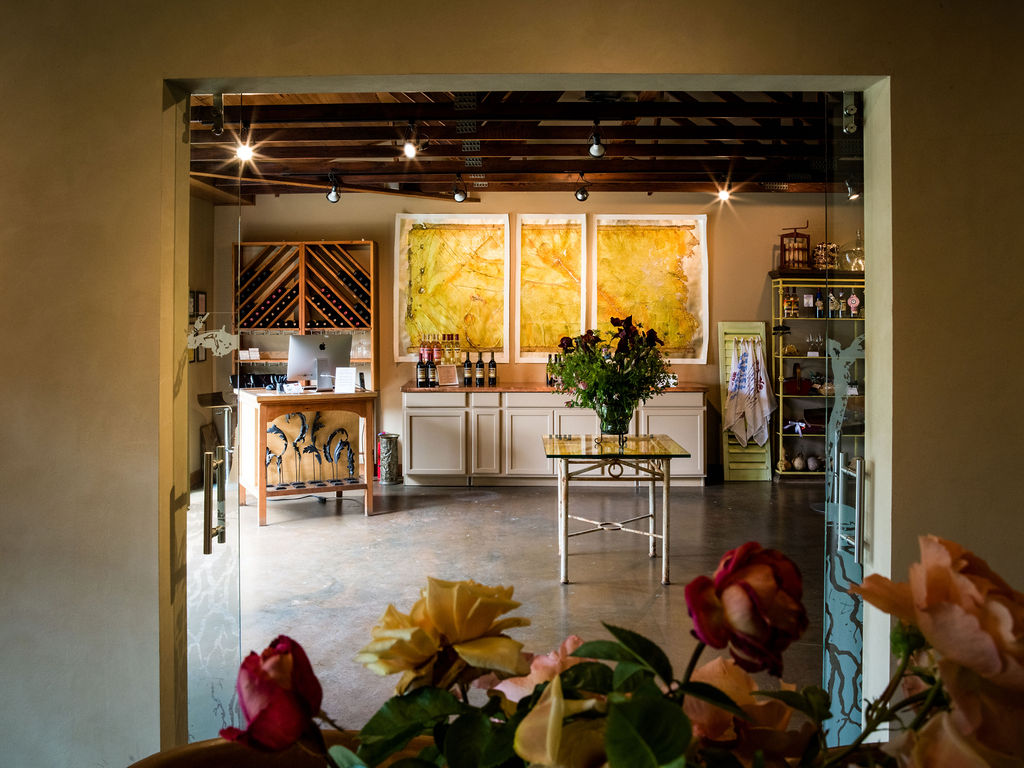
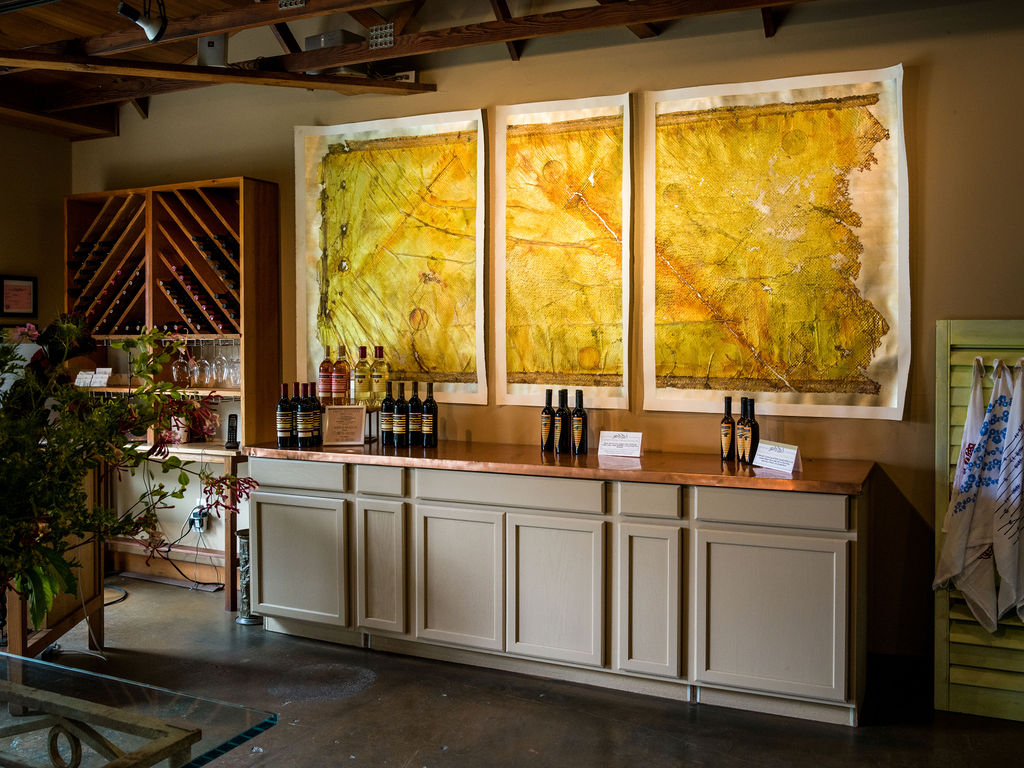
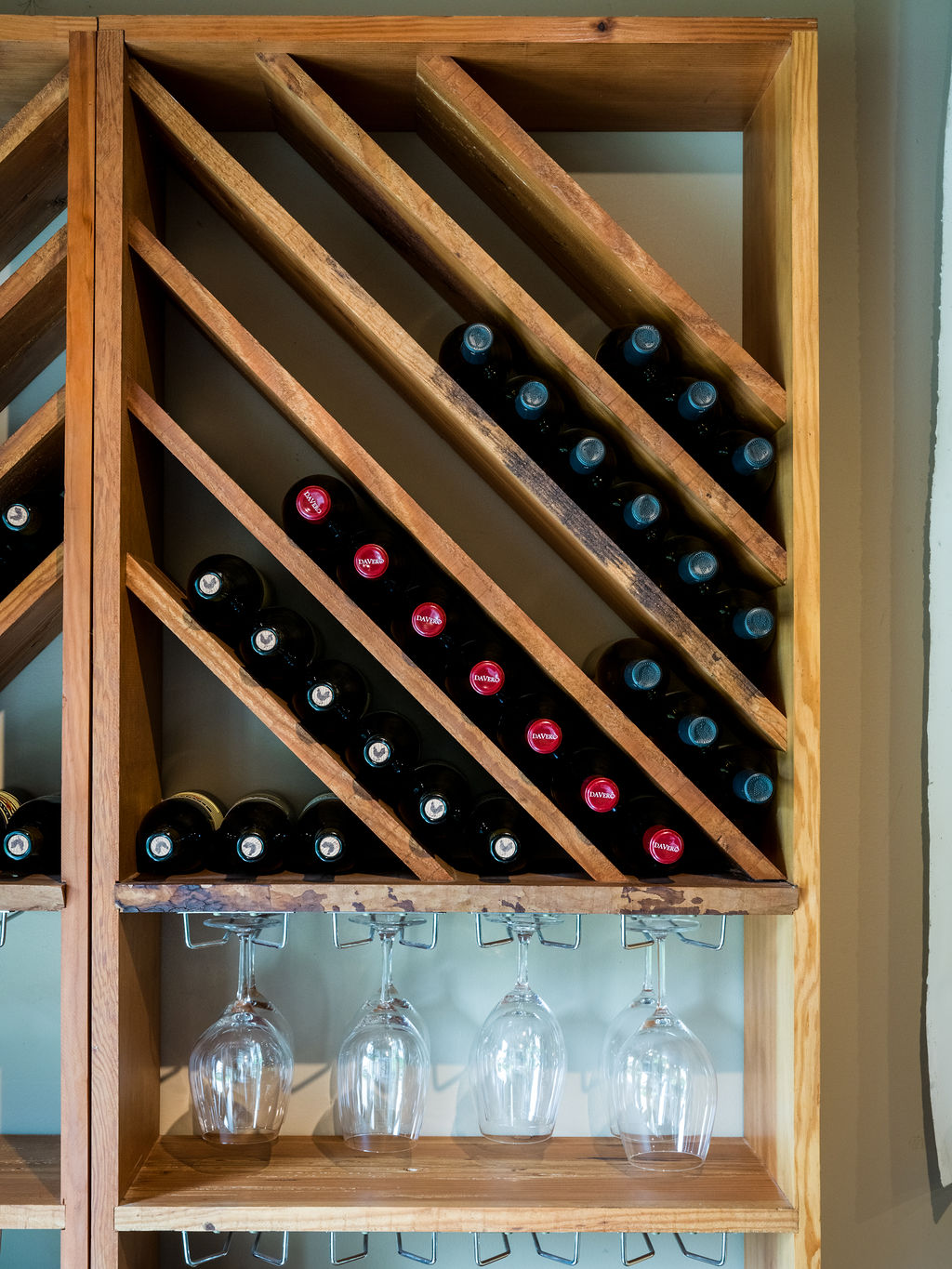
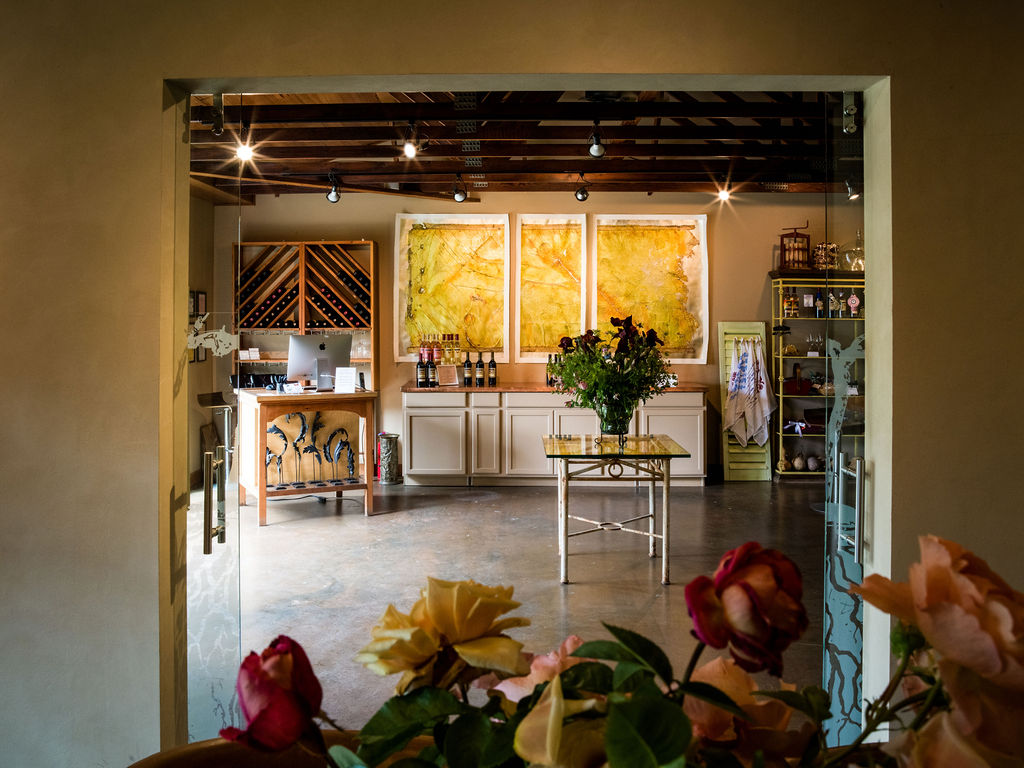
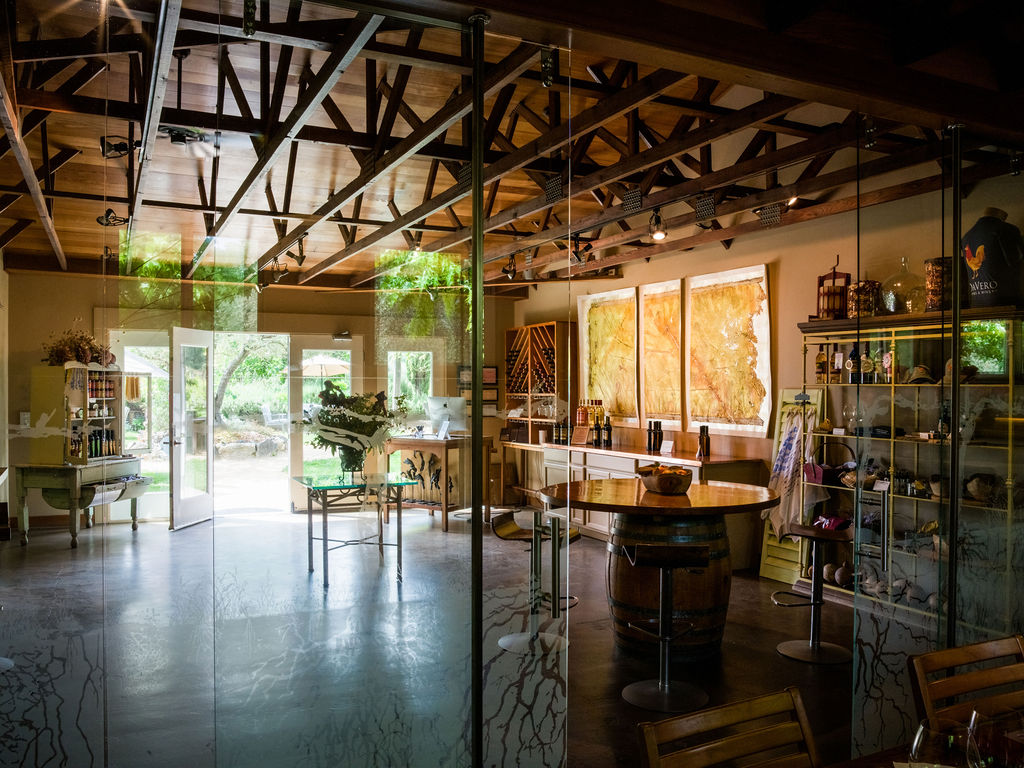
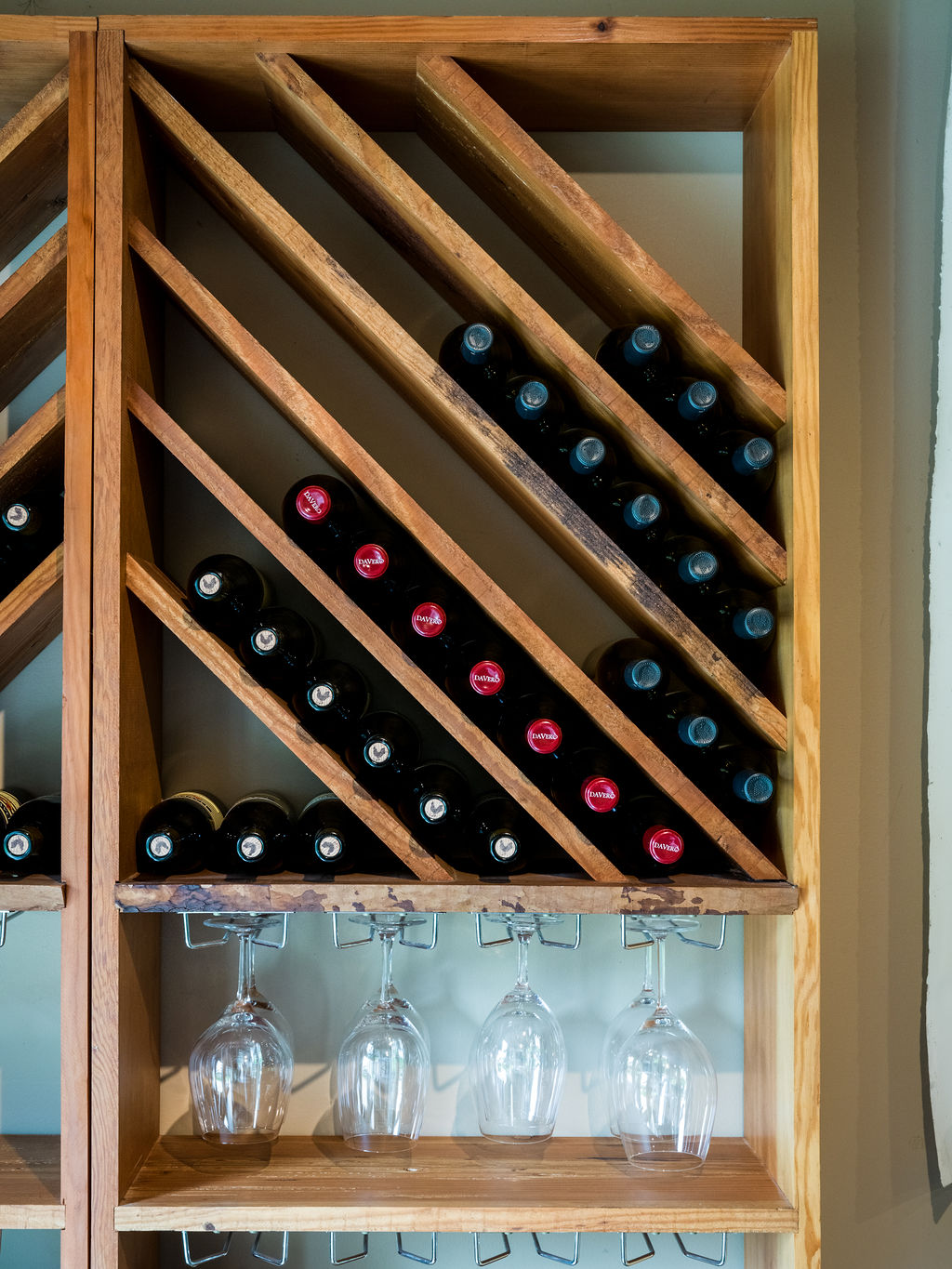
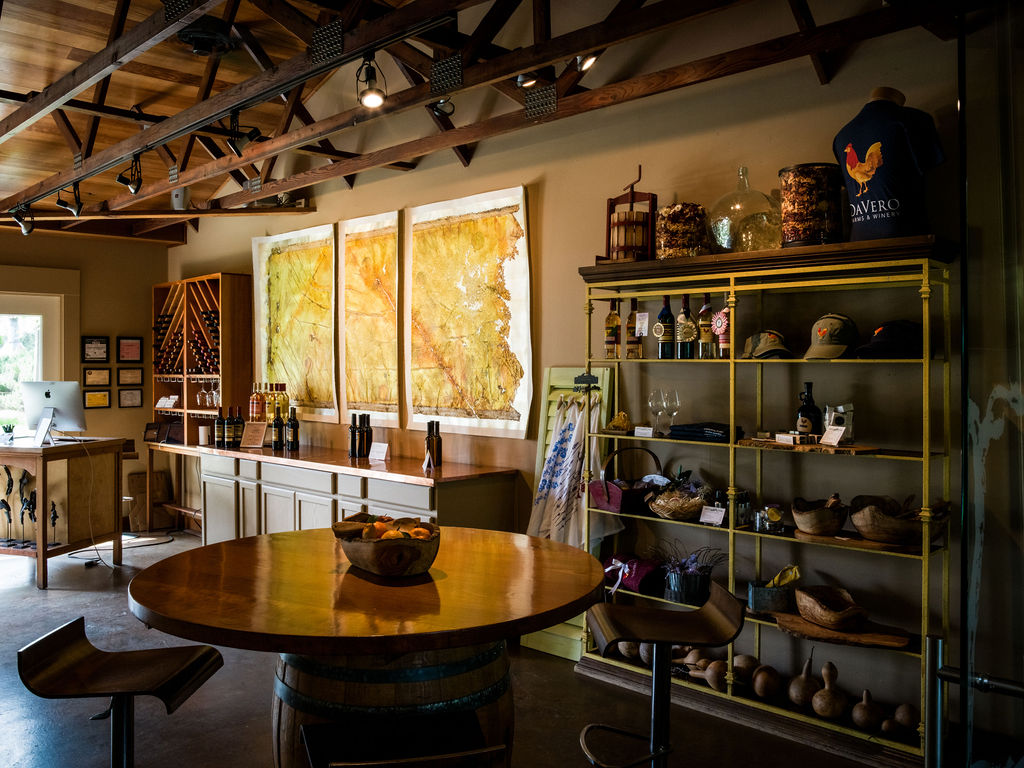
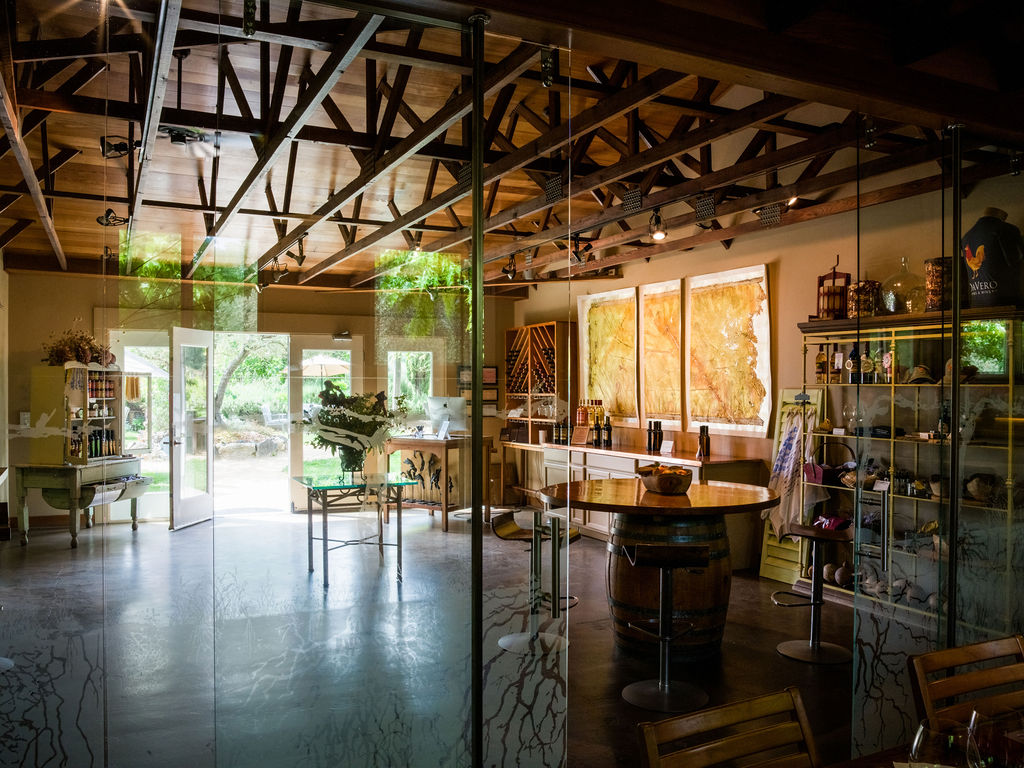
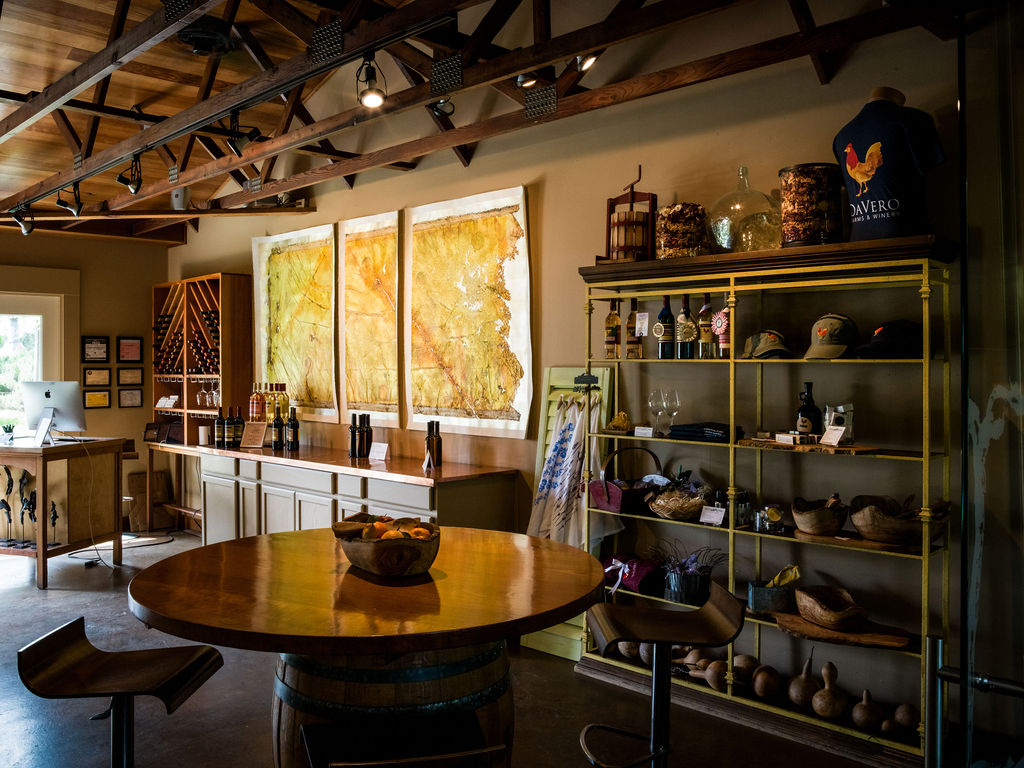
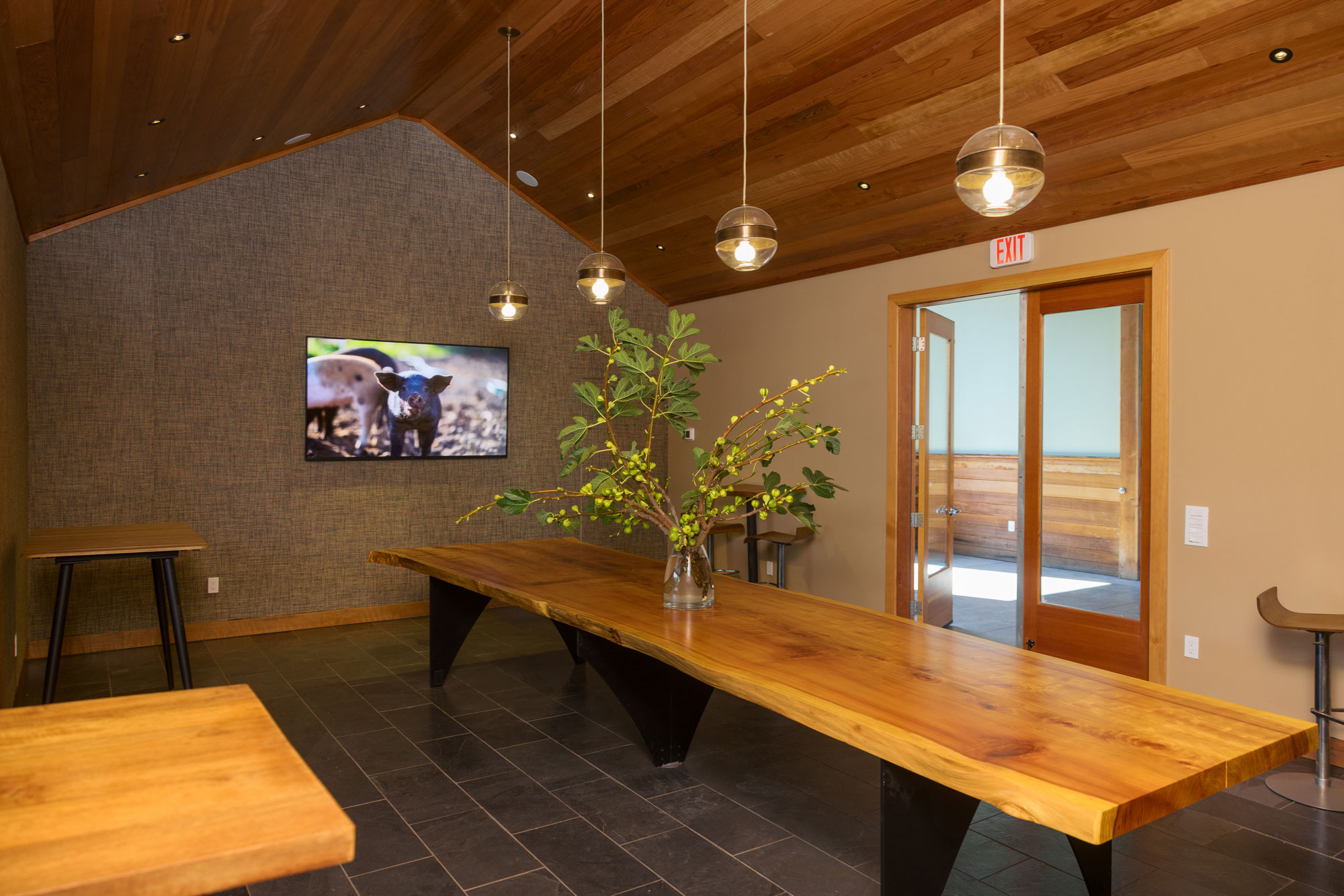
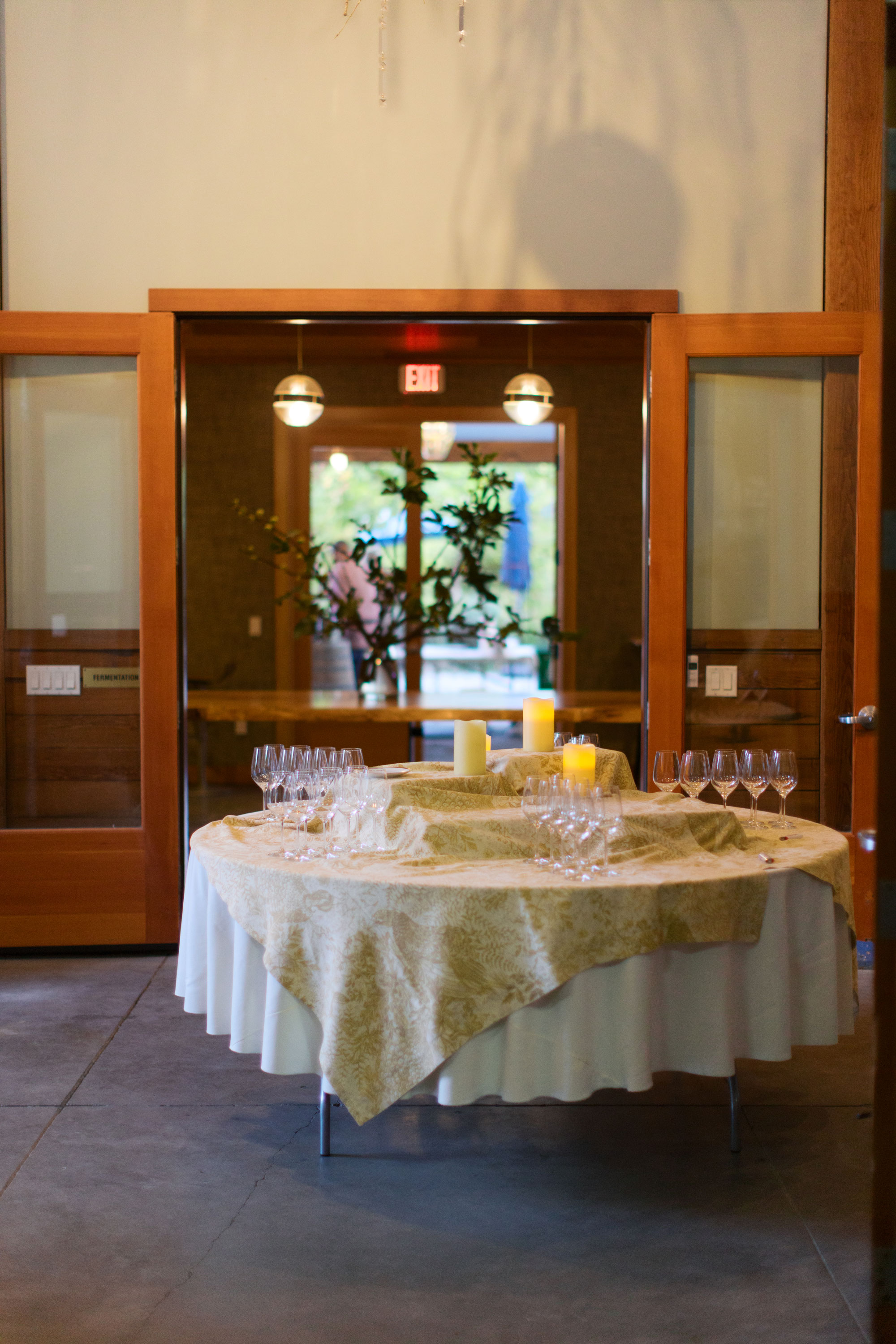
The physical estate reflects the same philosophy of intentional restraint. The historic redwood barn, with its board-and-batten siding finished in a muted olive green, anchors the property with an architectural presence that feels entirely of its place rather than imposed upon it. Sliding barn doors open wide to frame a view straight through to the gardens beyond — a seamless indoor-outdoor transition that defines the property's approach to hospitality. The tasting rooms are intimate and warmly appointed: live-edge wood tables, vaulted wood-paneled ceilings, copper-topped counters, and walls hung with large-scale abstract works that hold the eye without demanding it. A custom wine rack built from warm-toned timber runs the length of one wall, bottles angled at rest beneath a row of hanging stemware — functional and quietly beautiful.
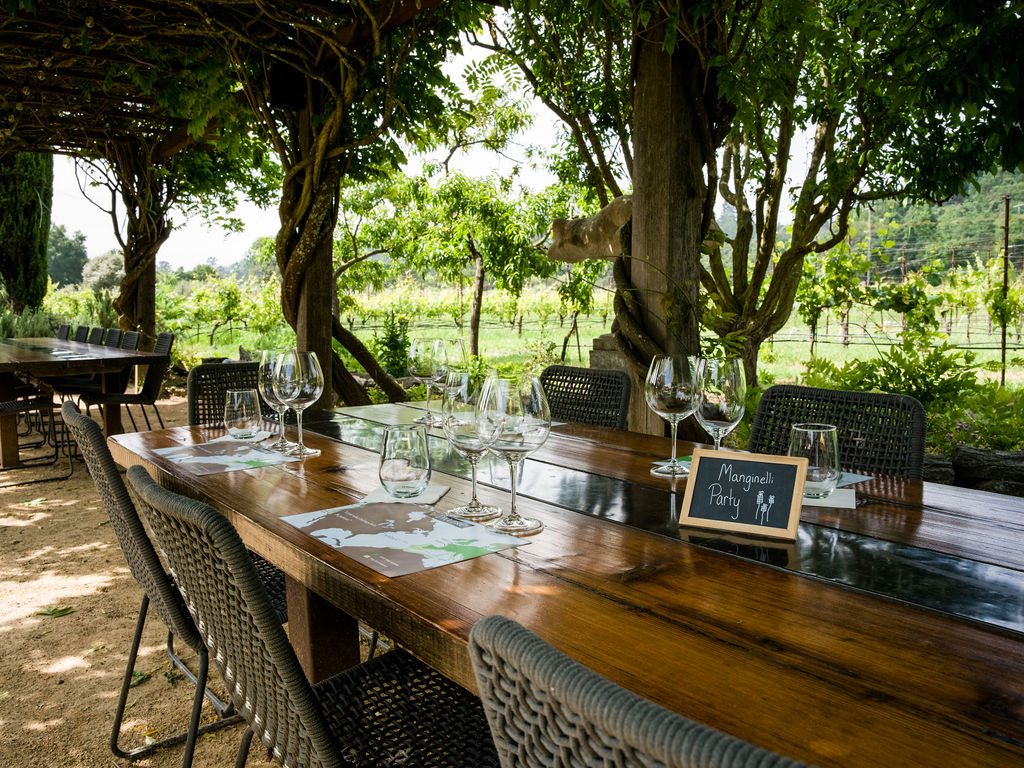
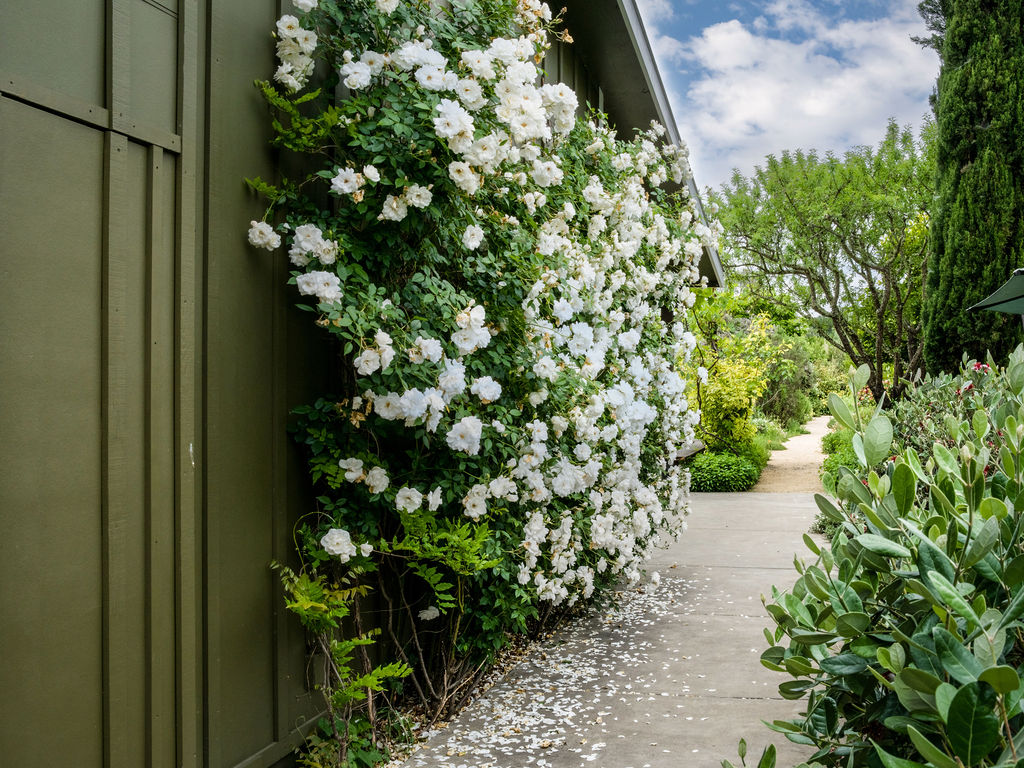
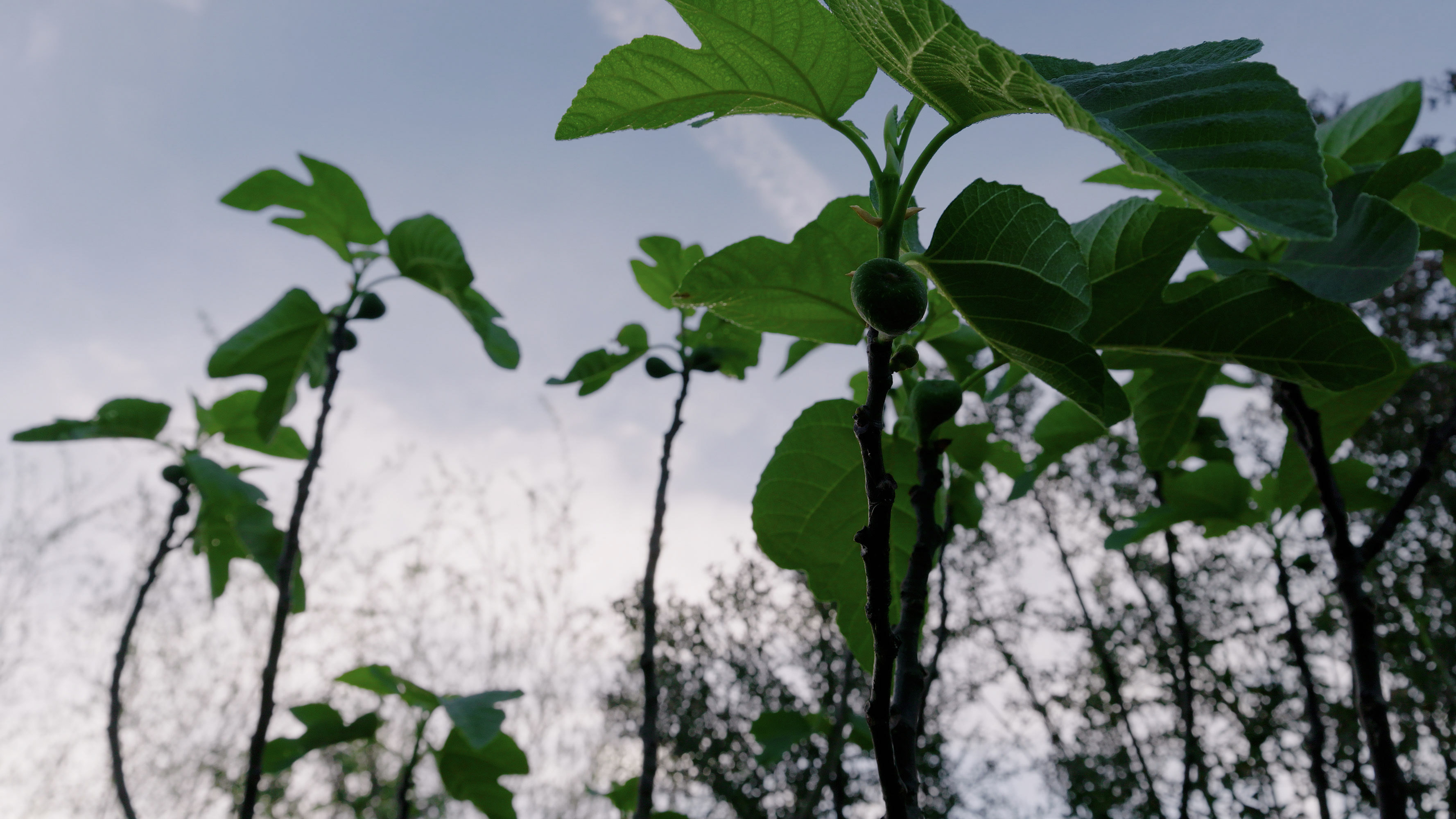
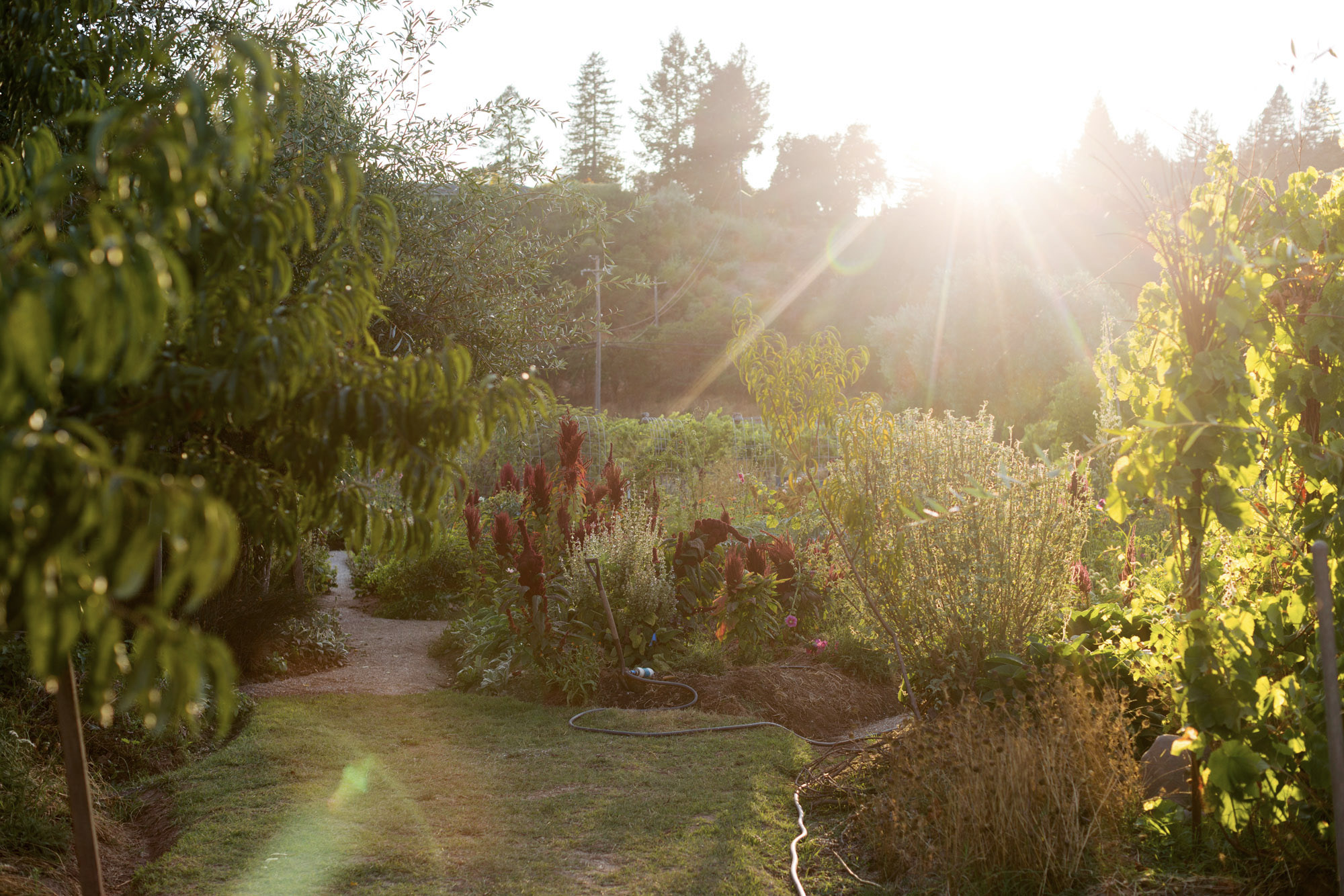
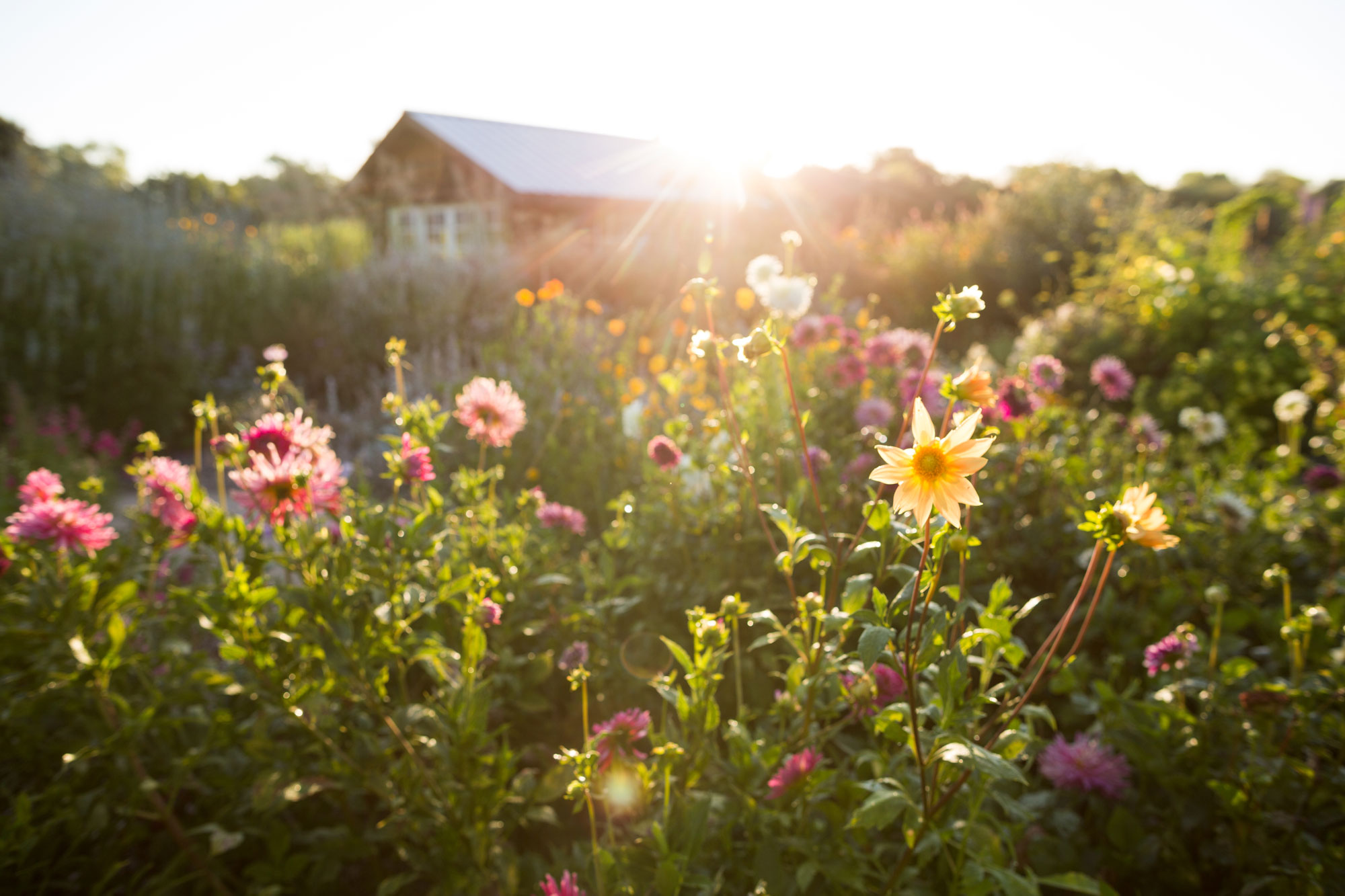
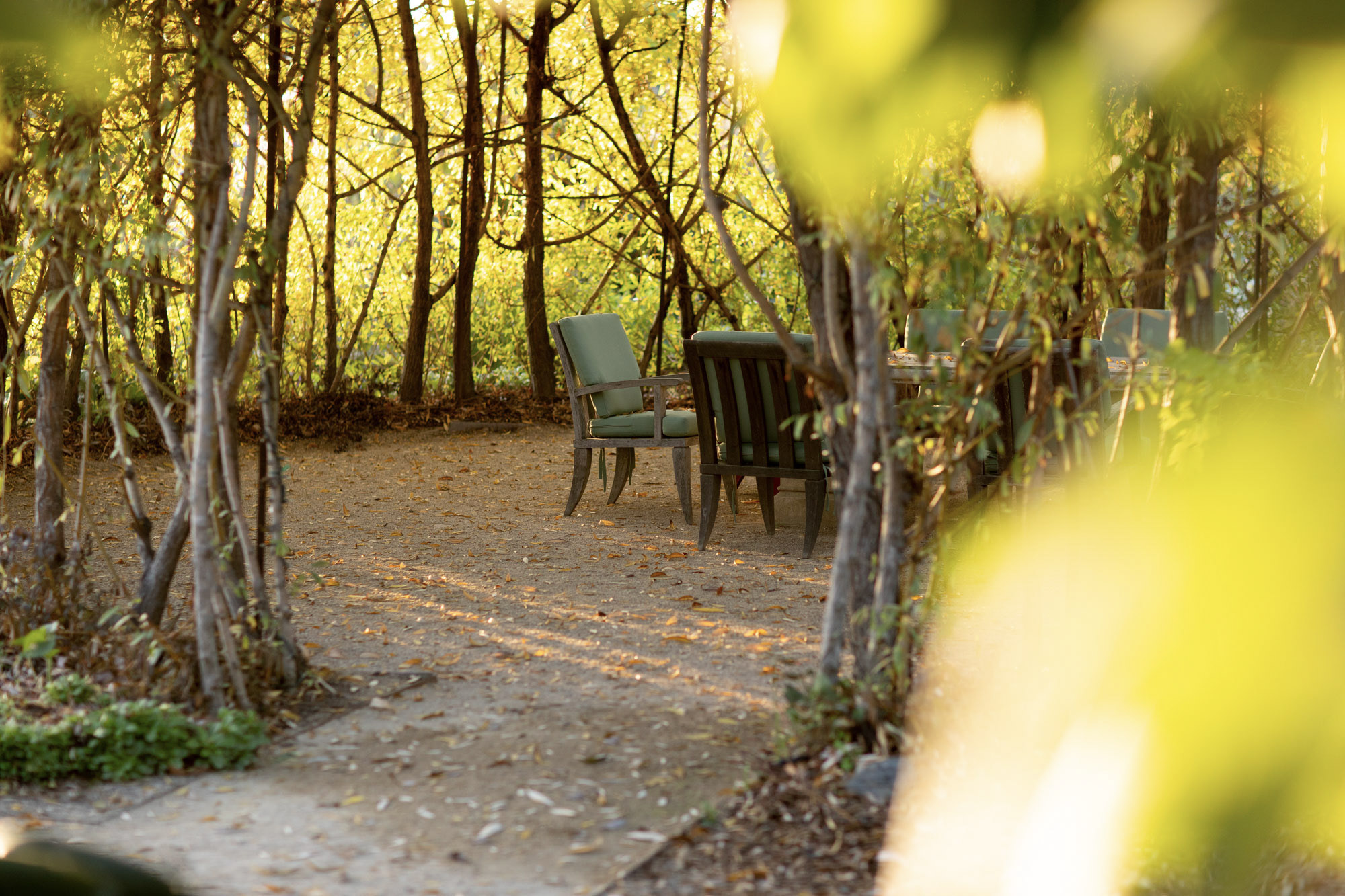
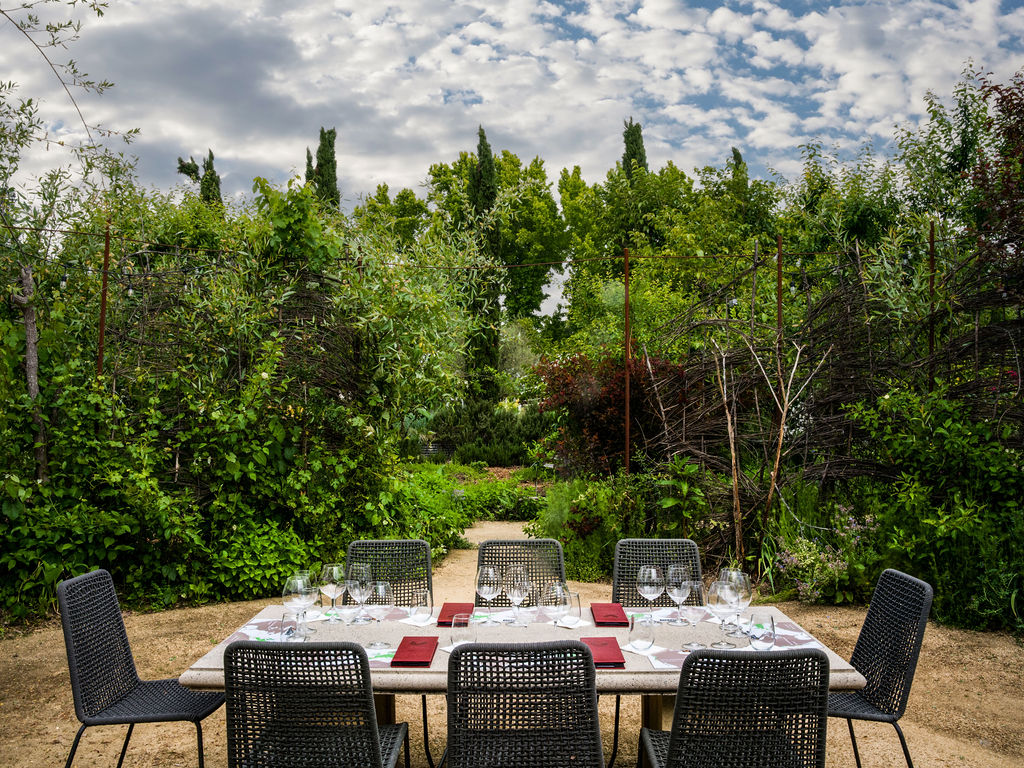
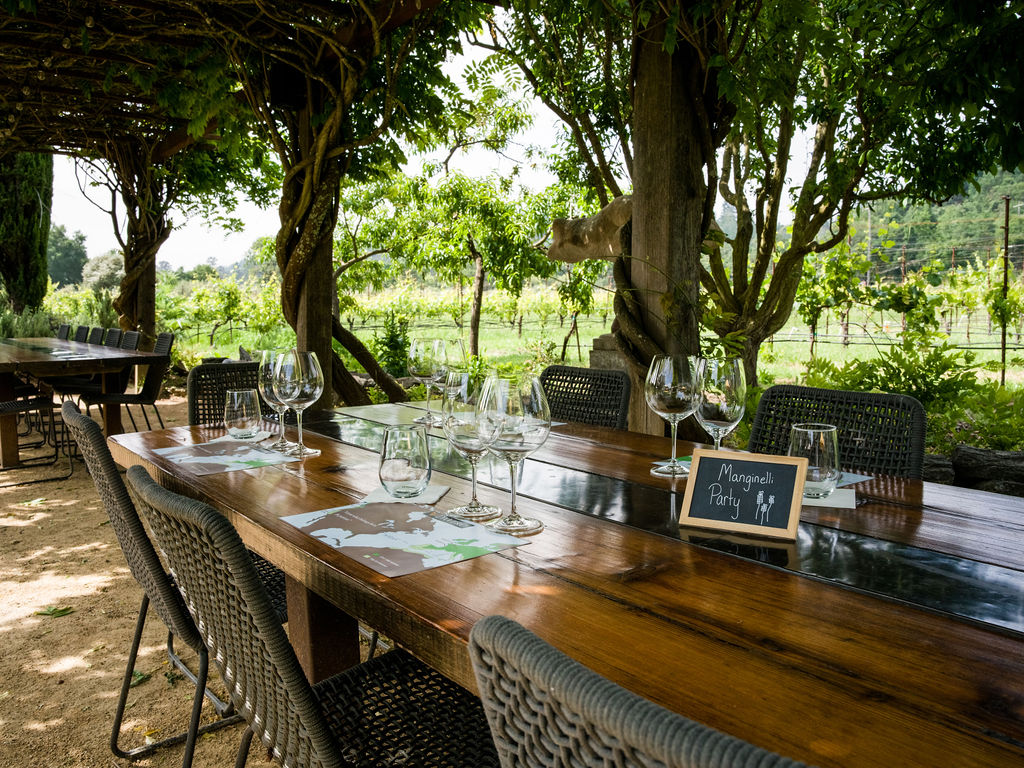
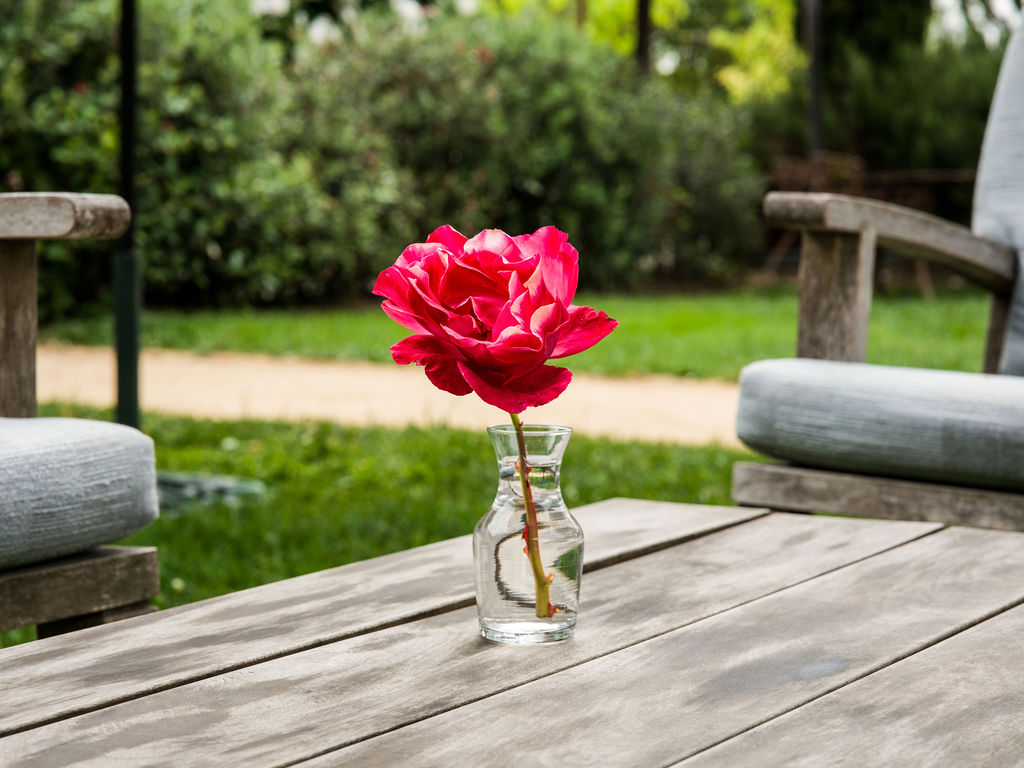
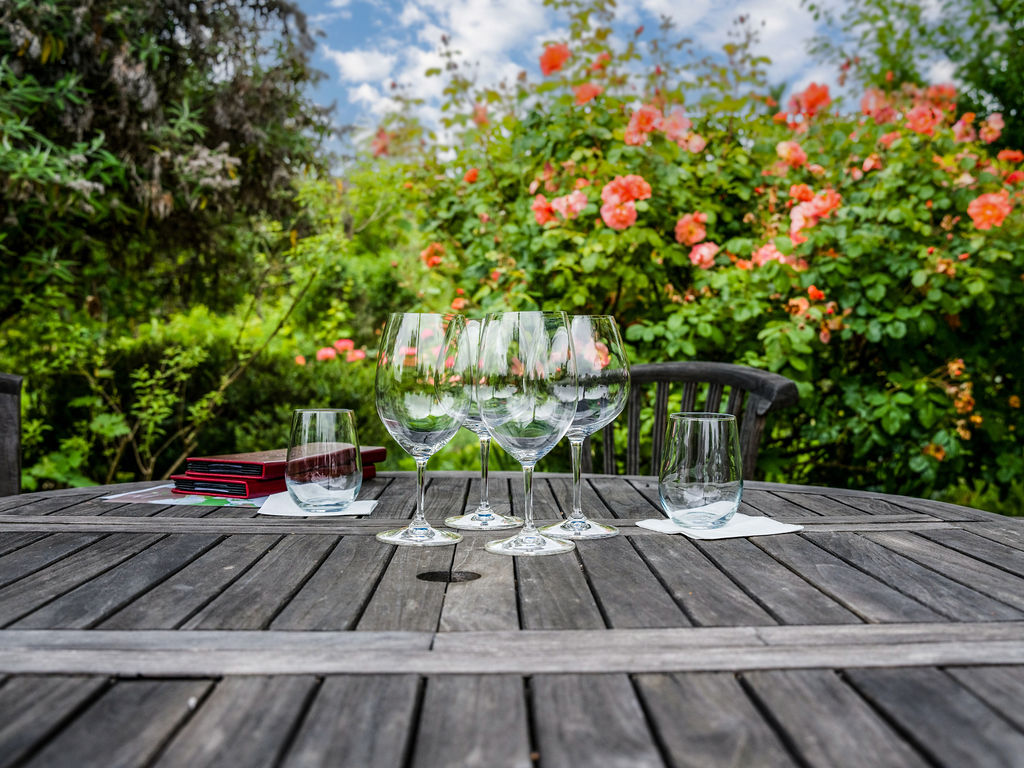
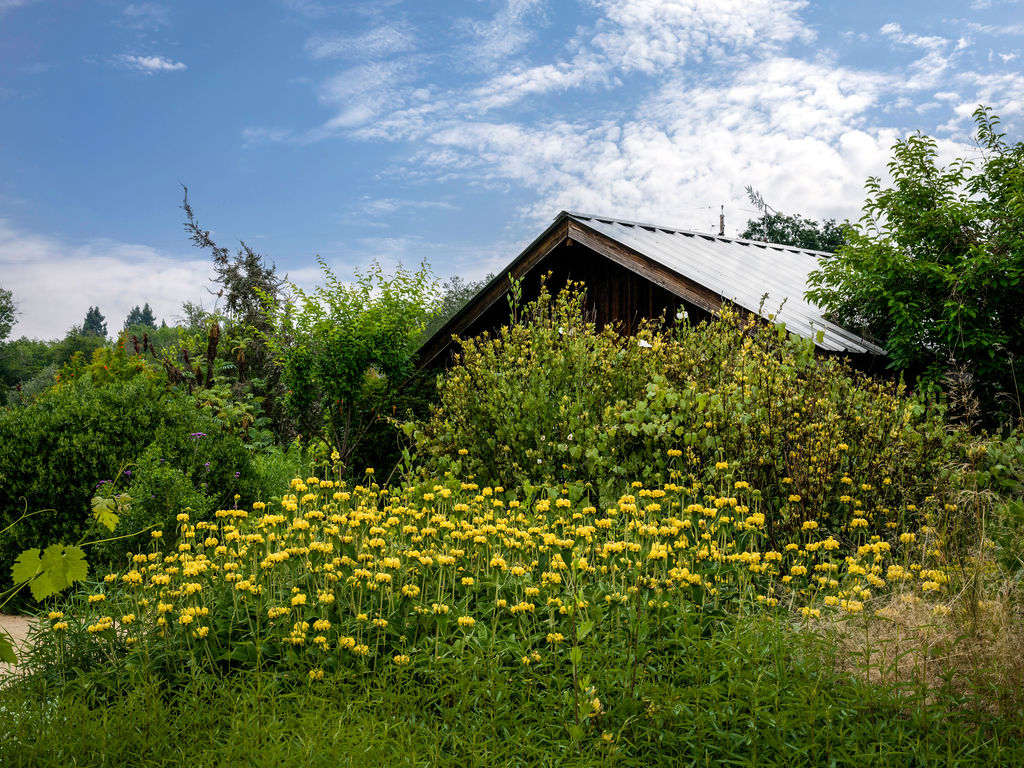
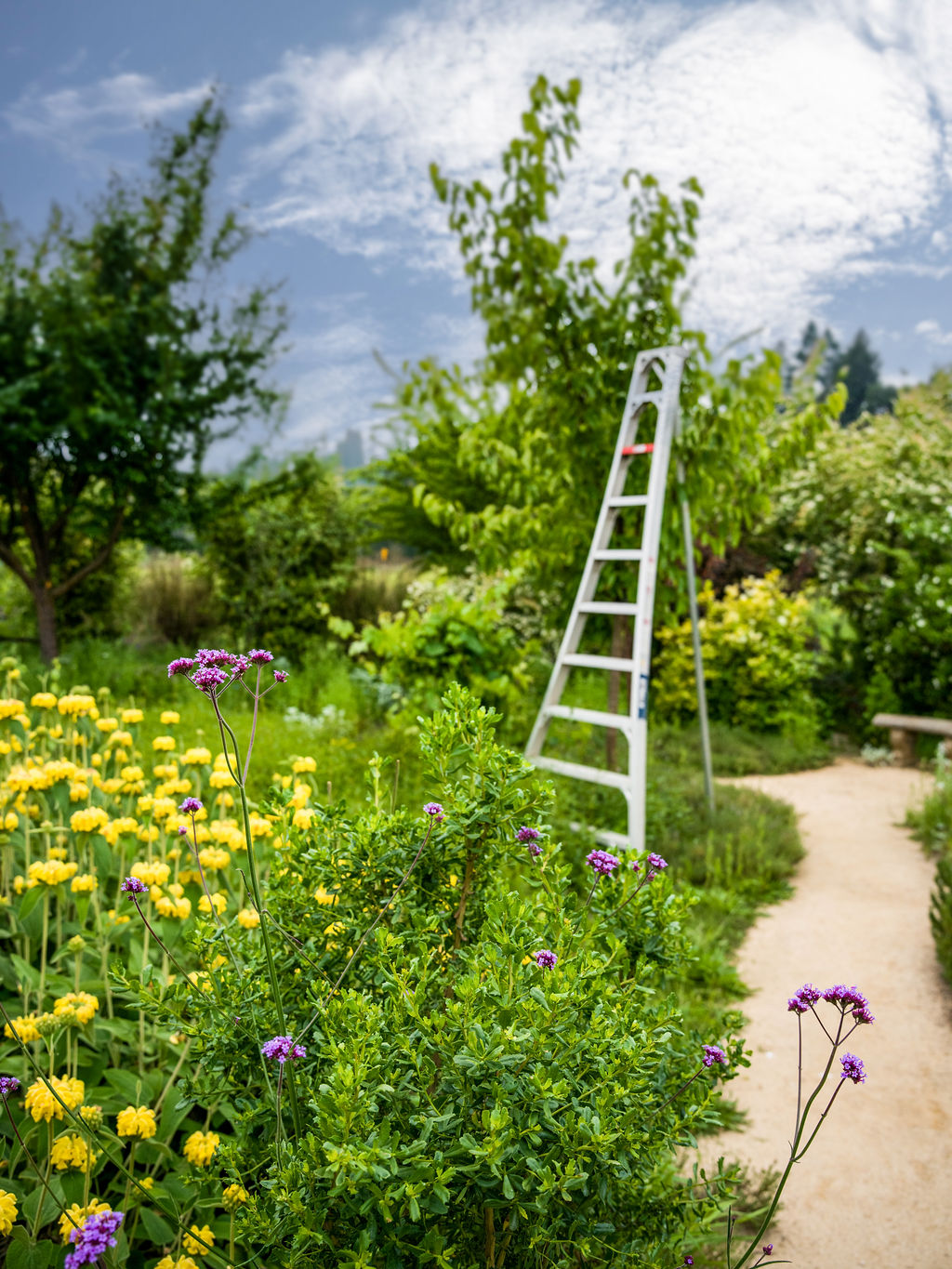
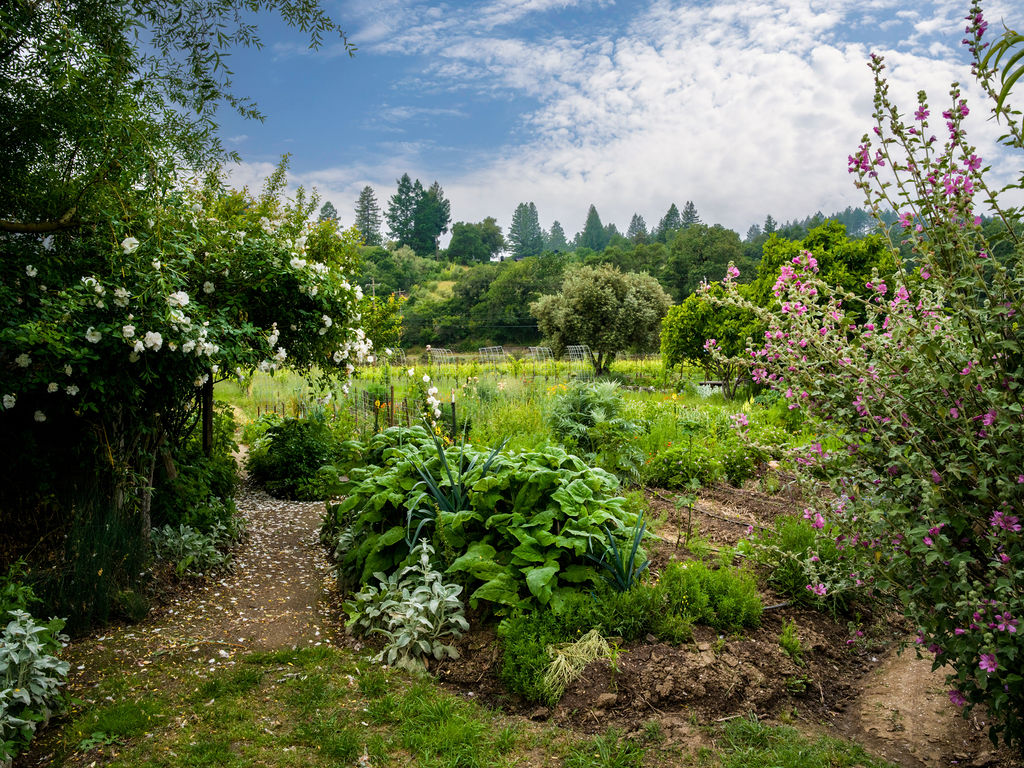
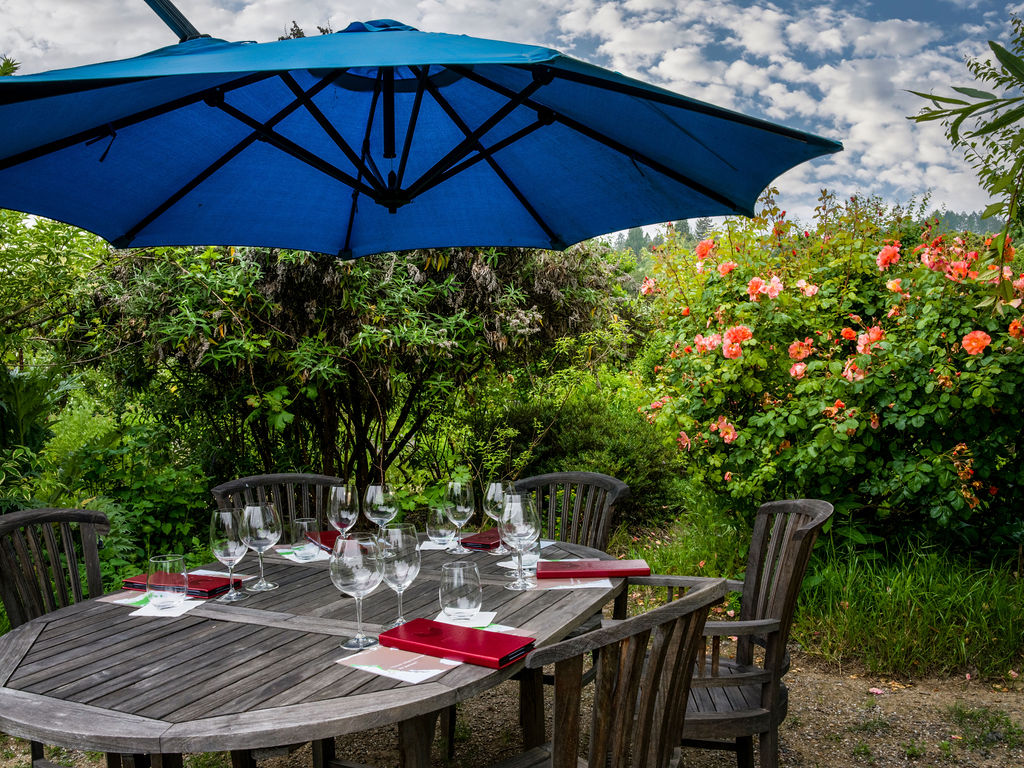
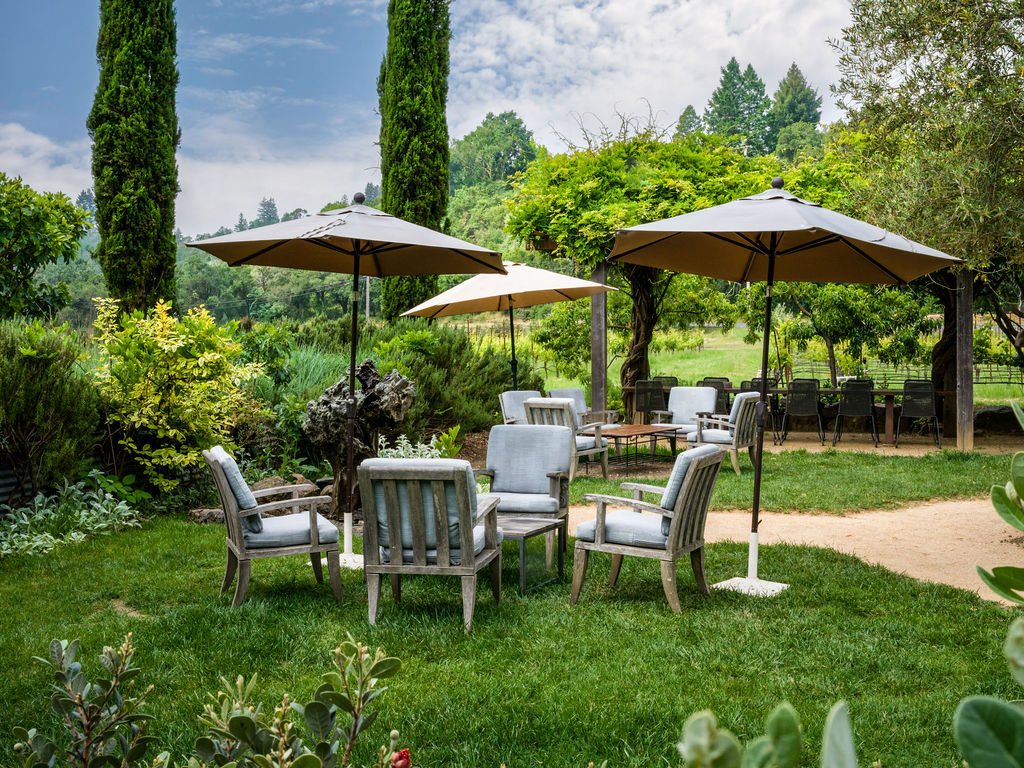
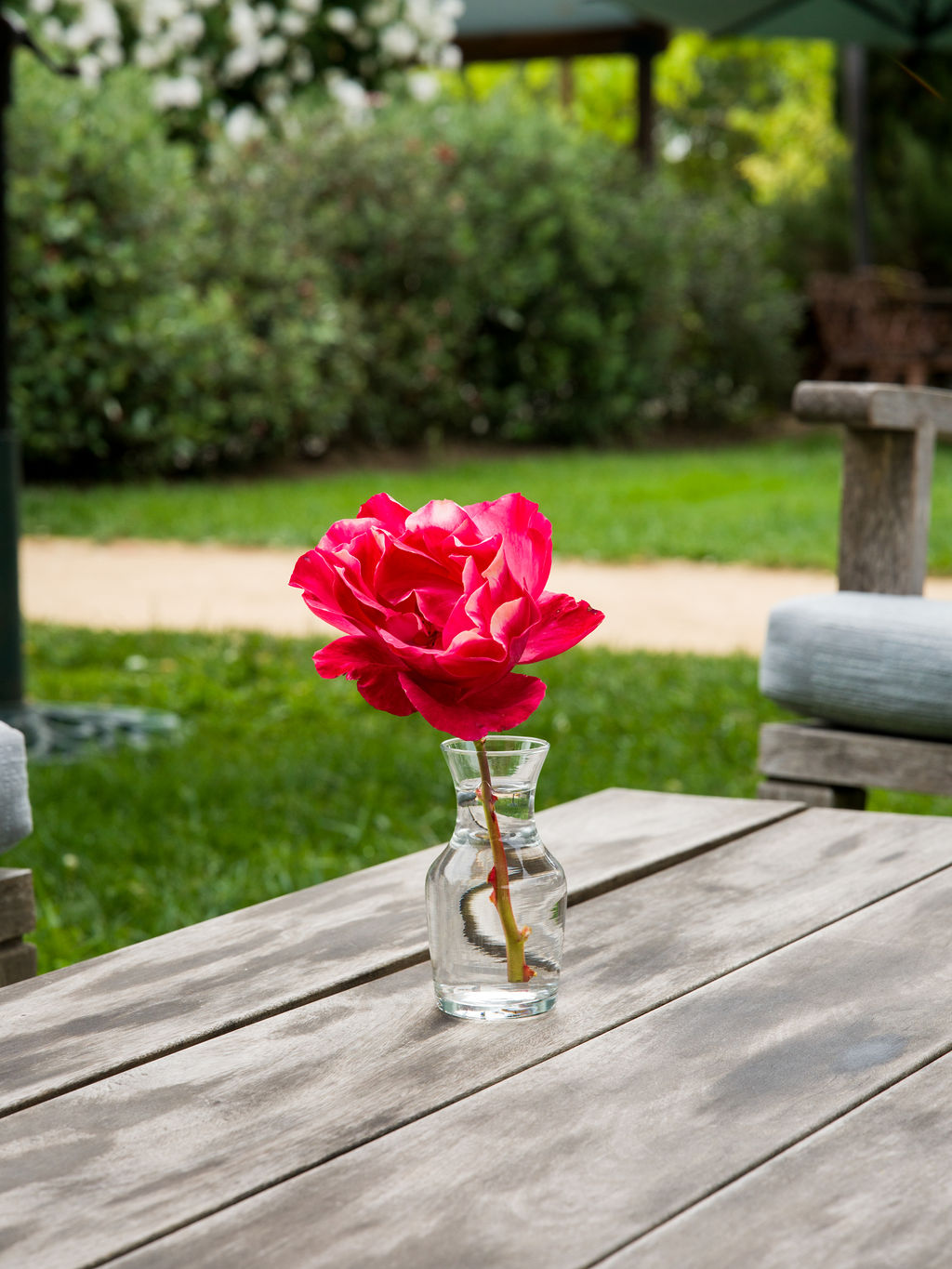
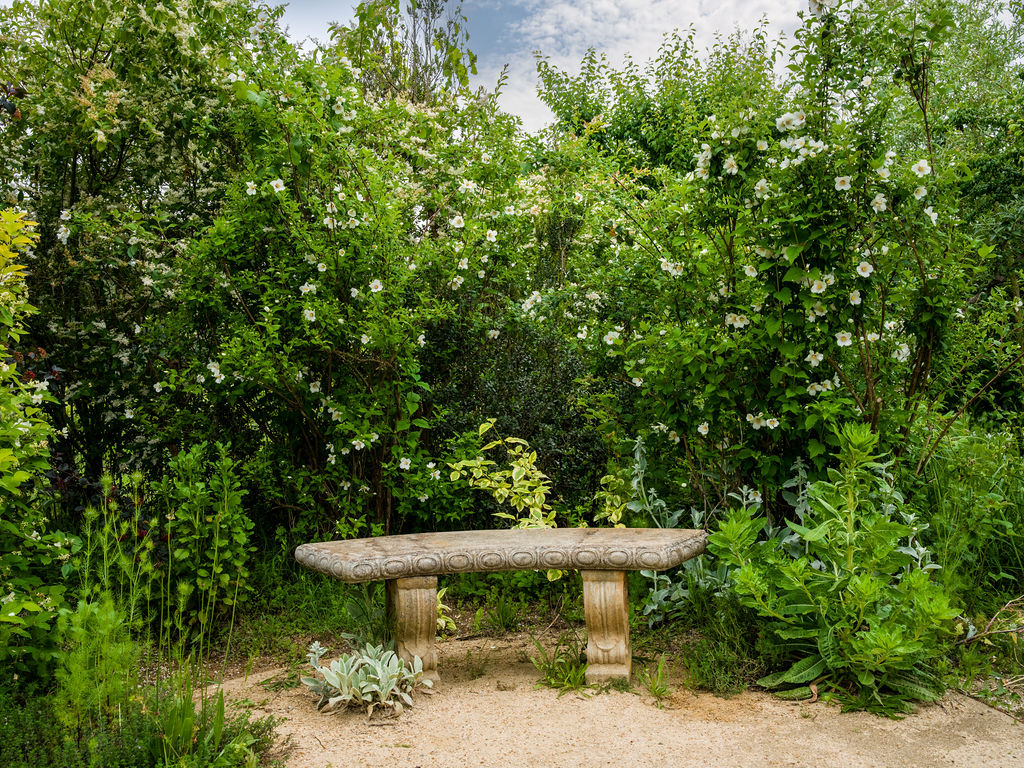
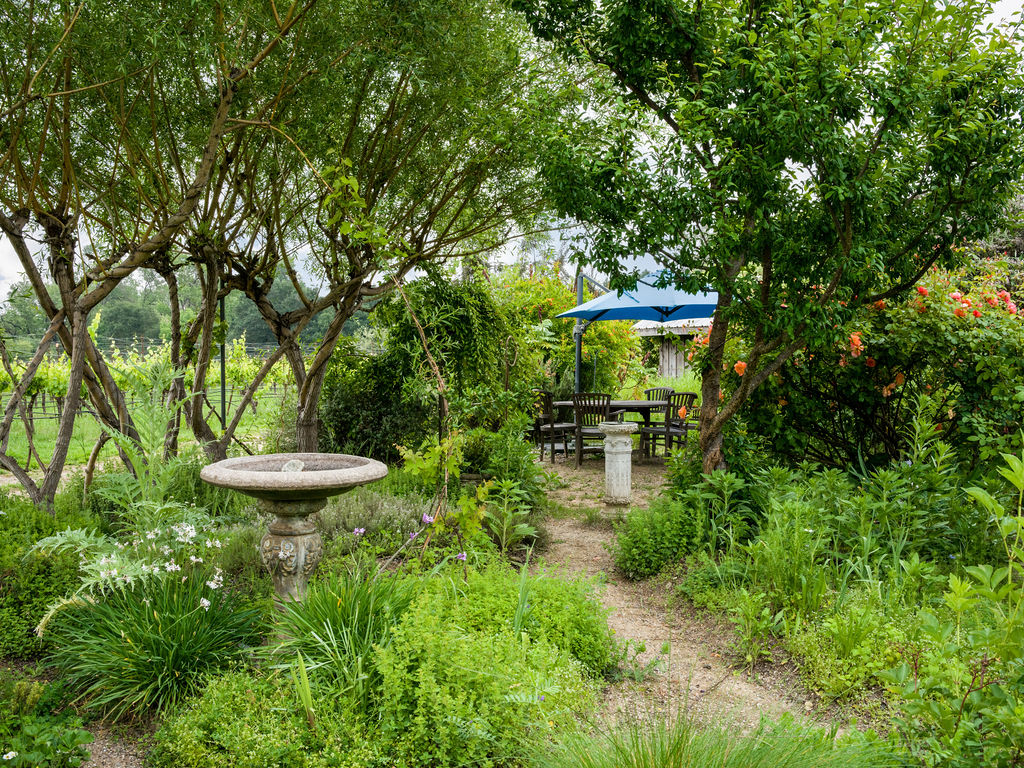
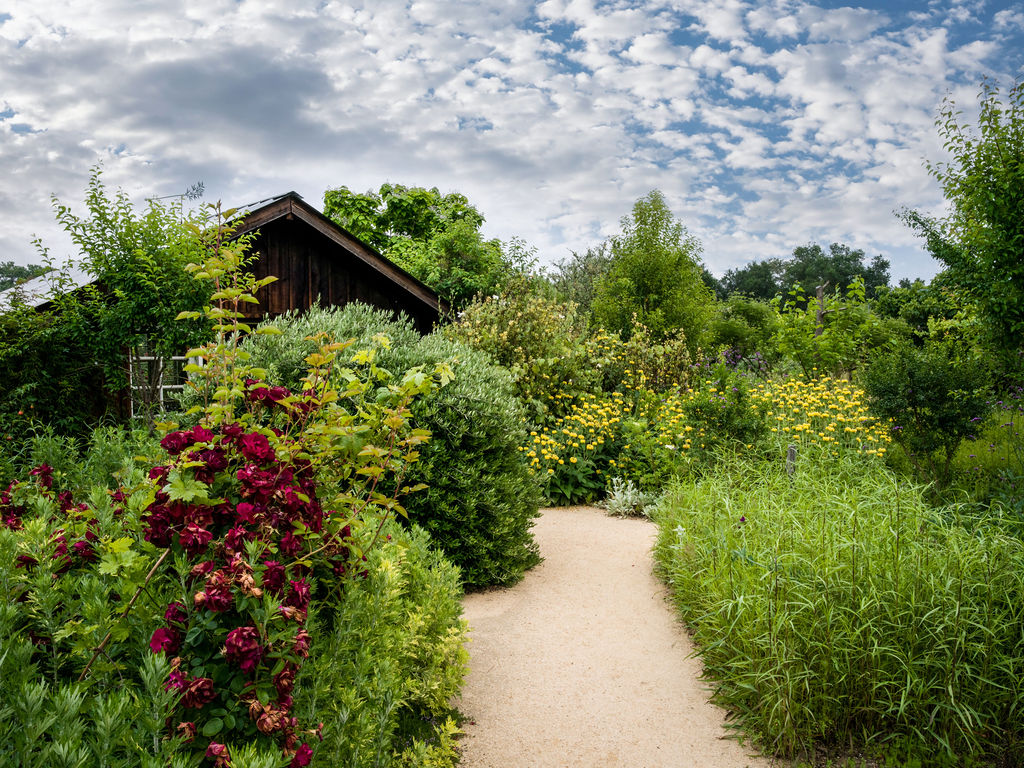
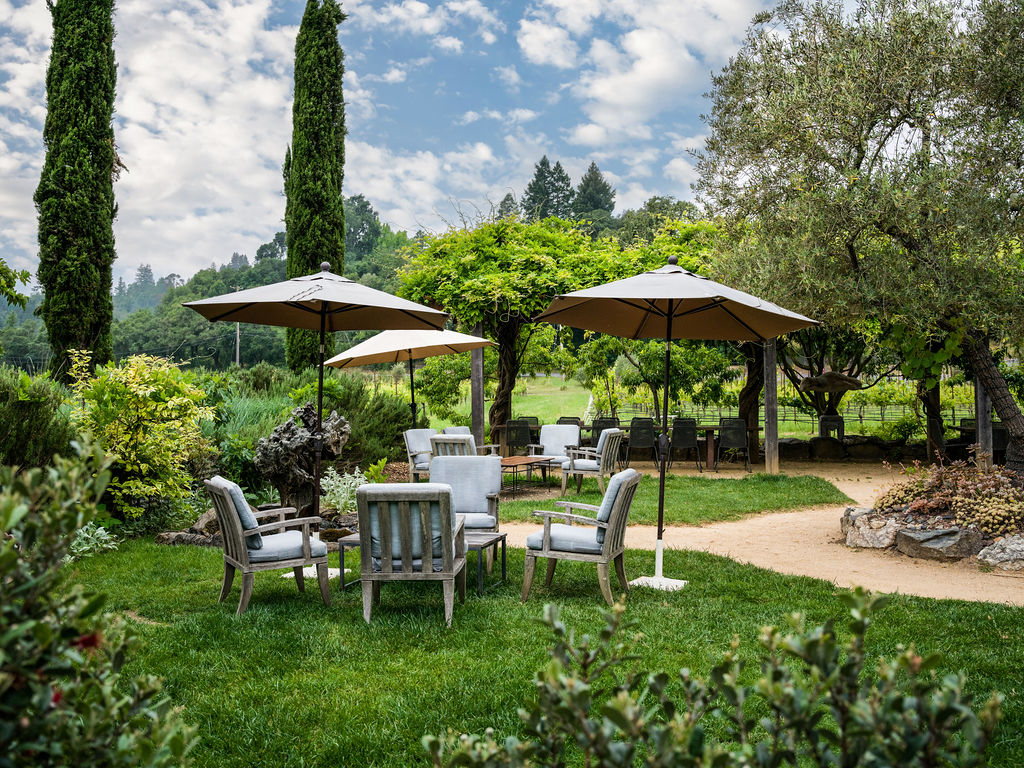
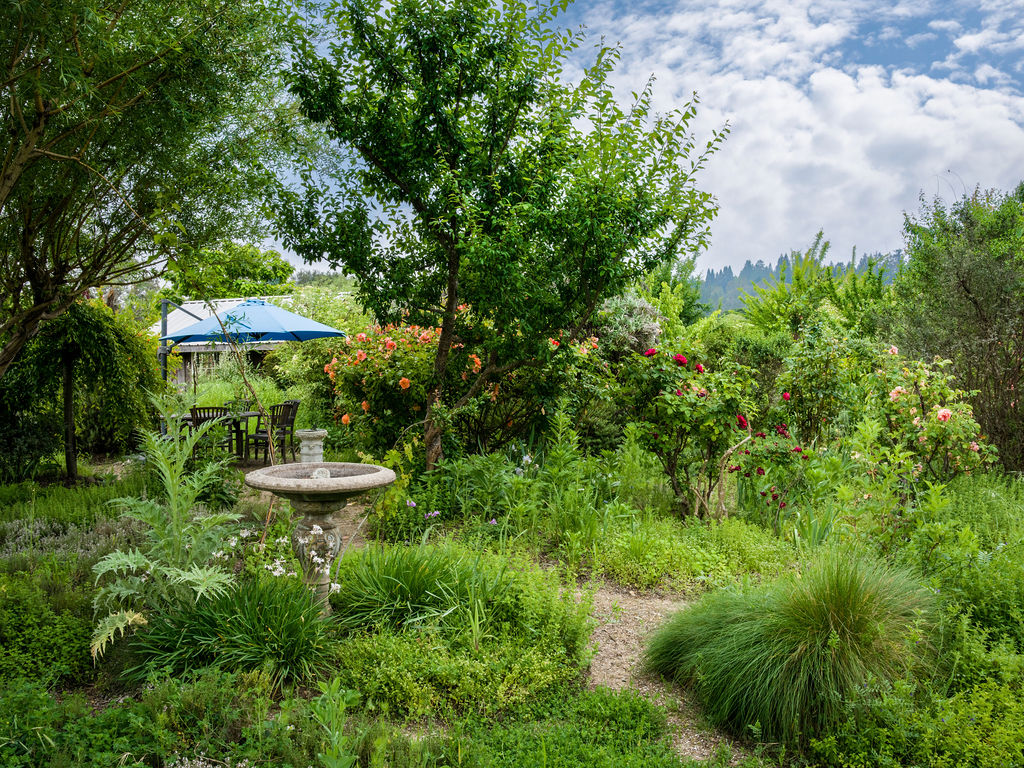
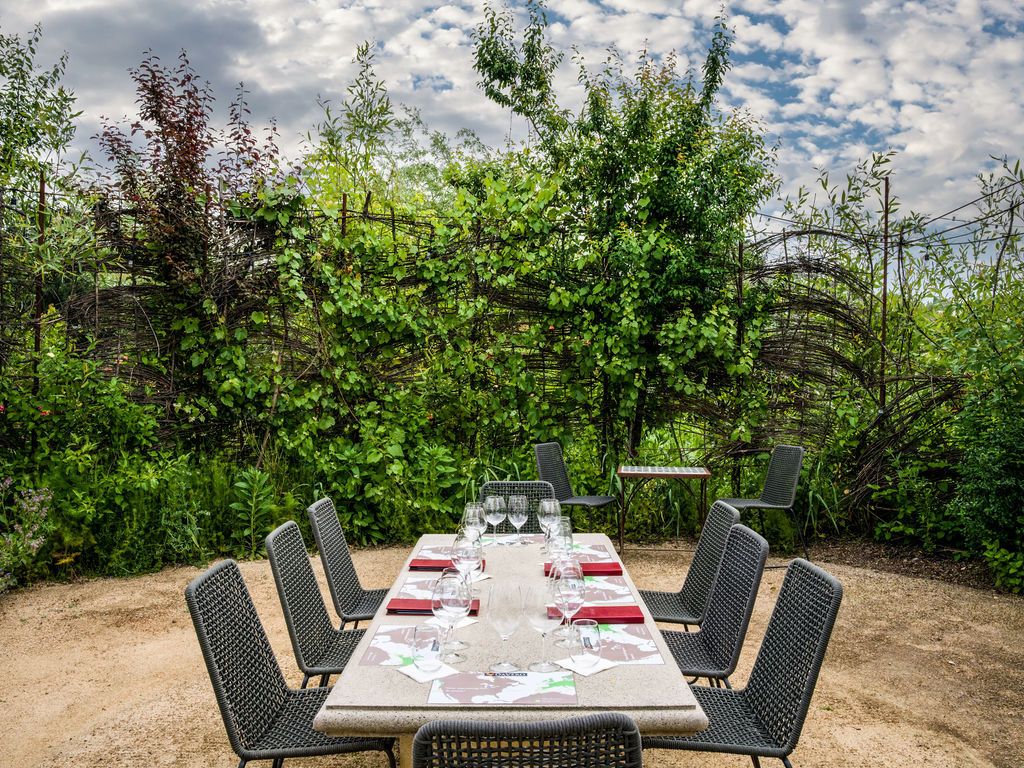
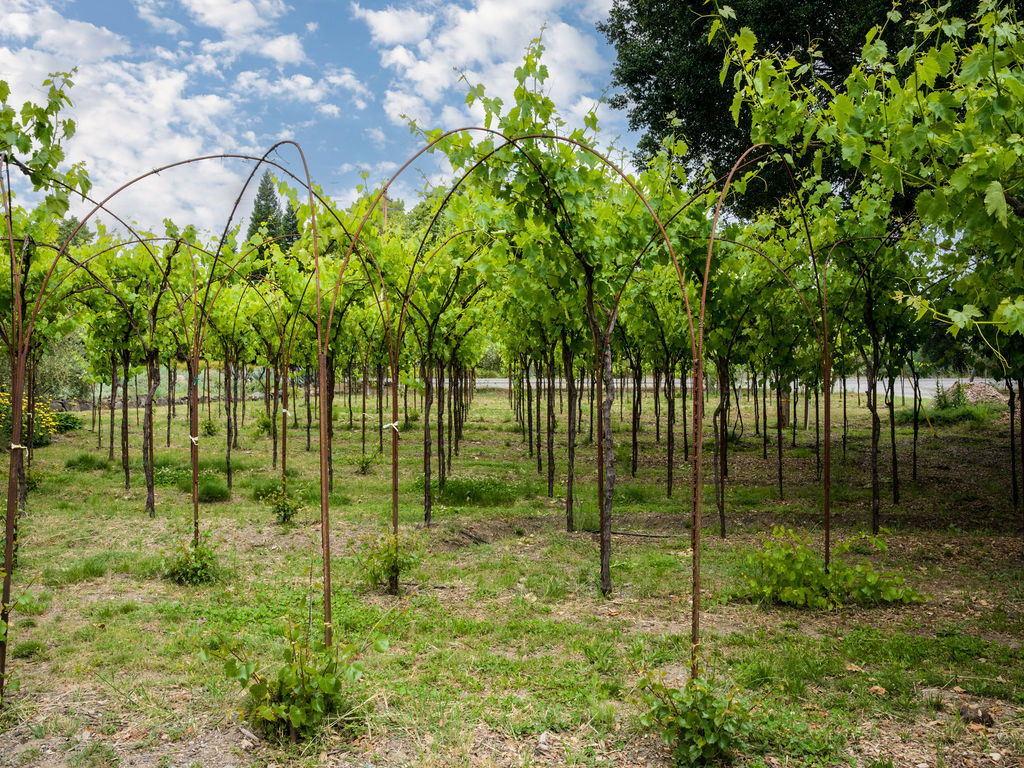
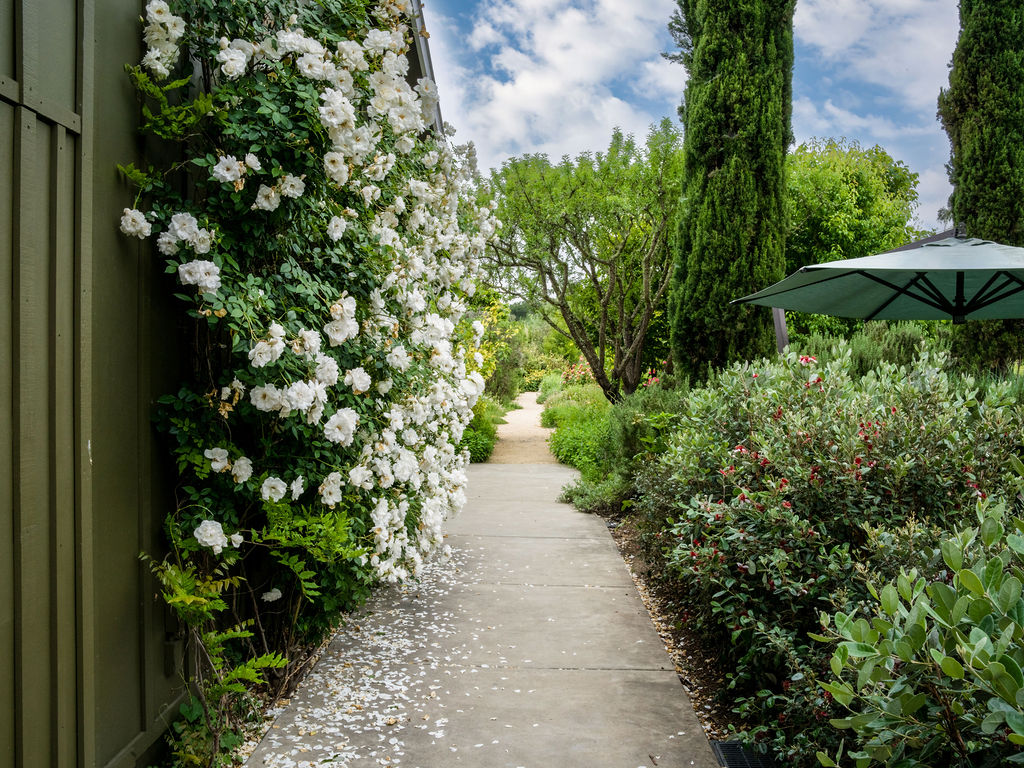
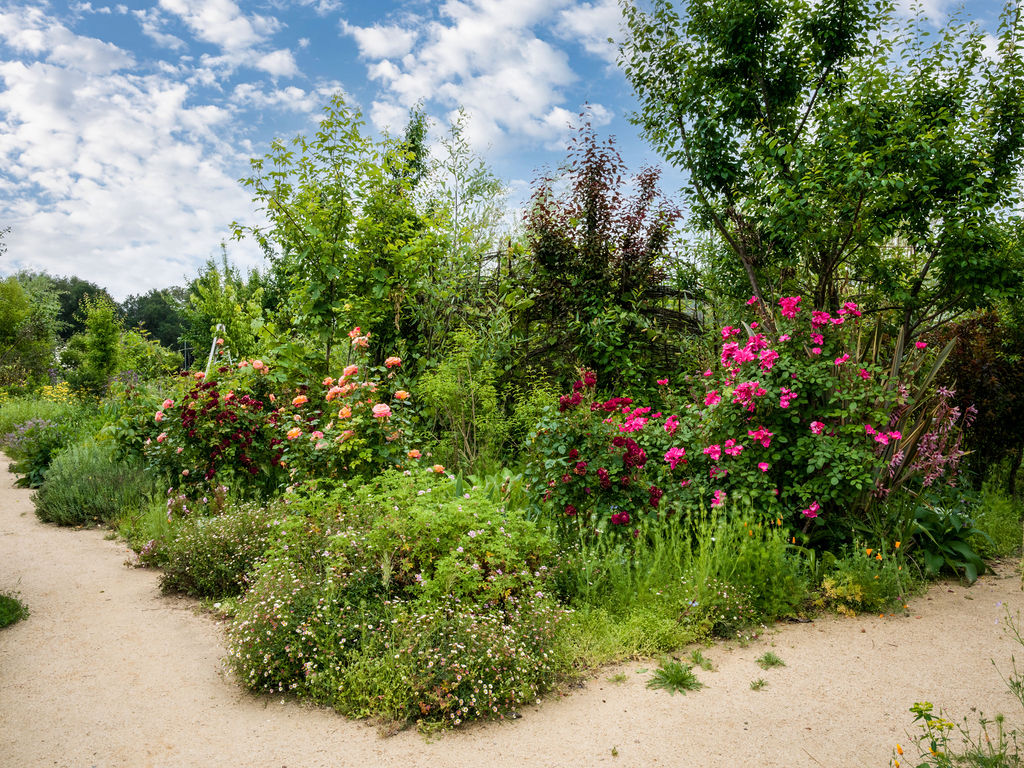
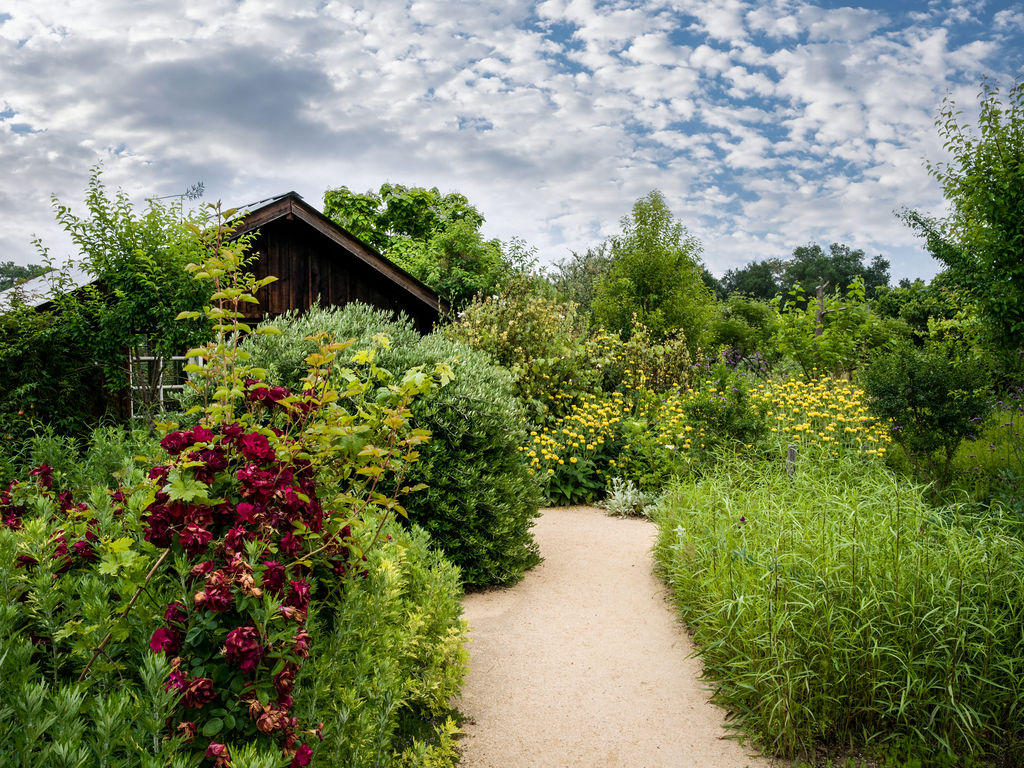
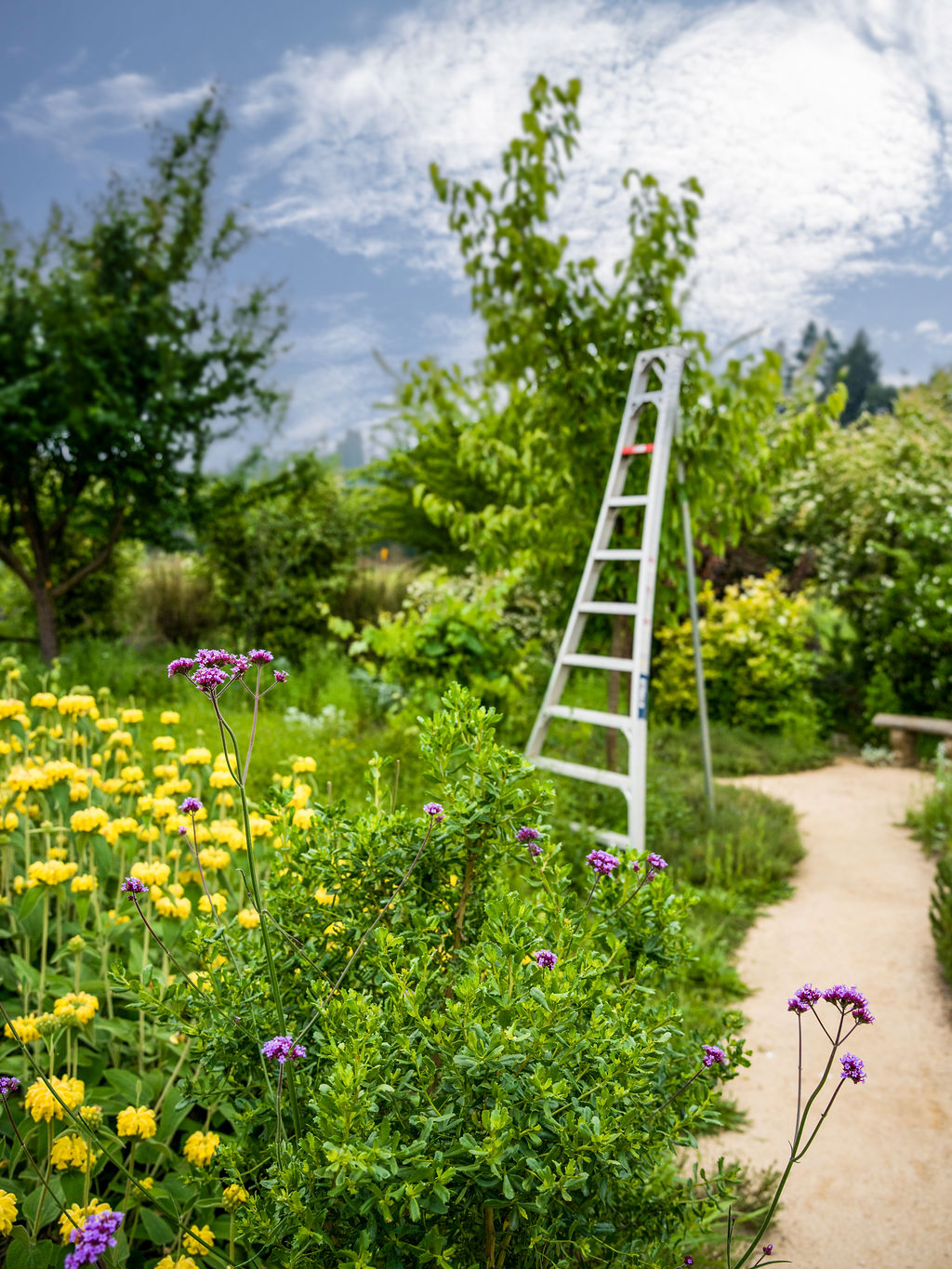
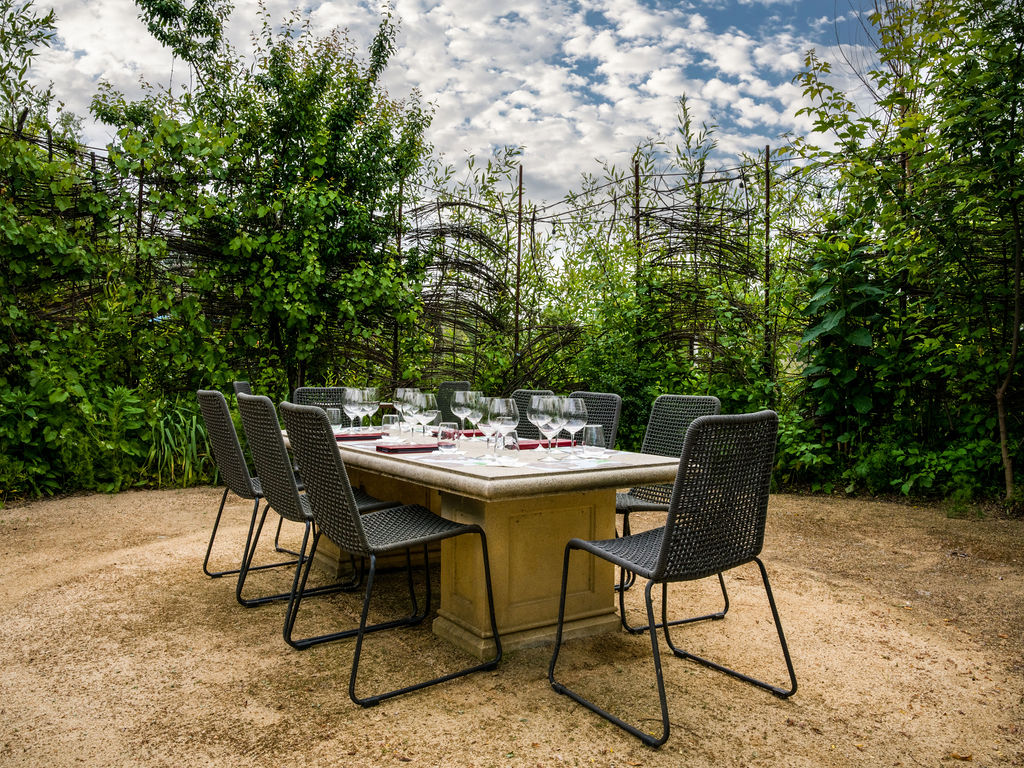
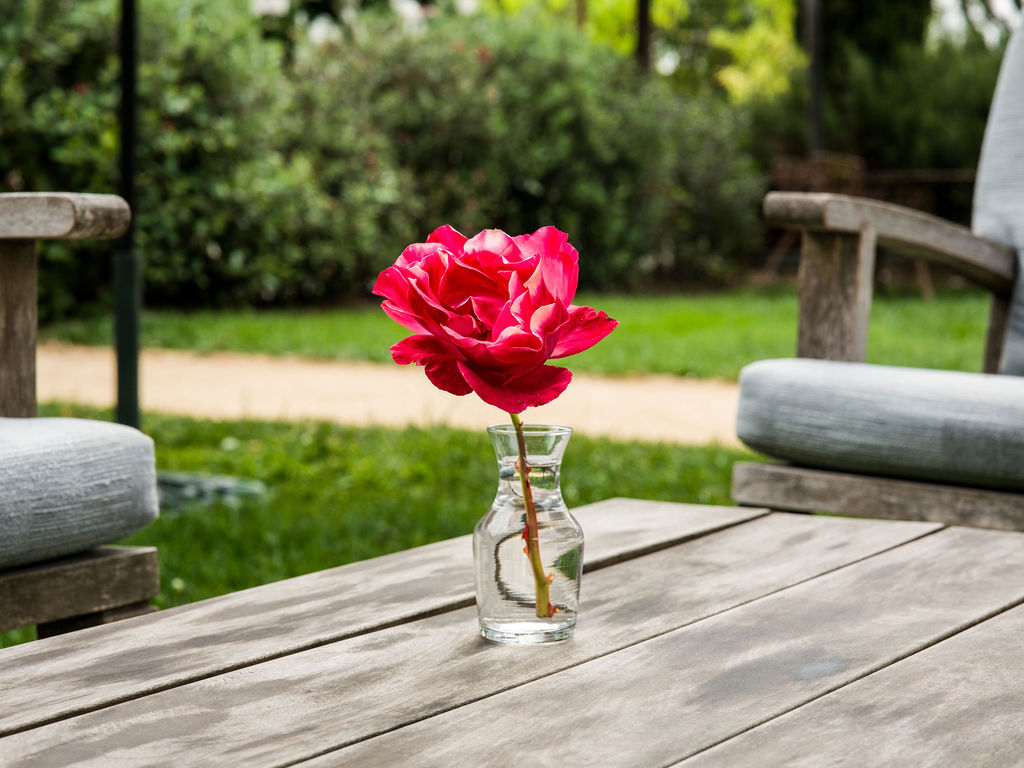
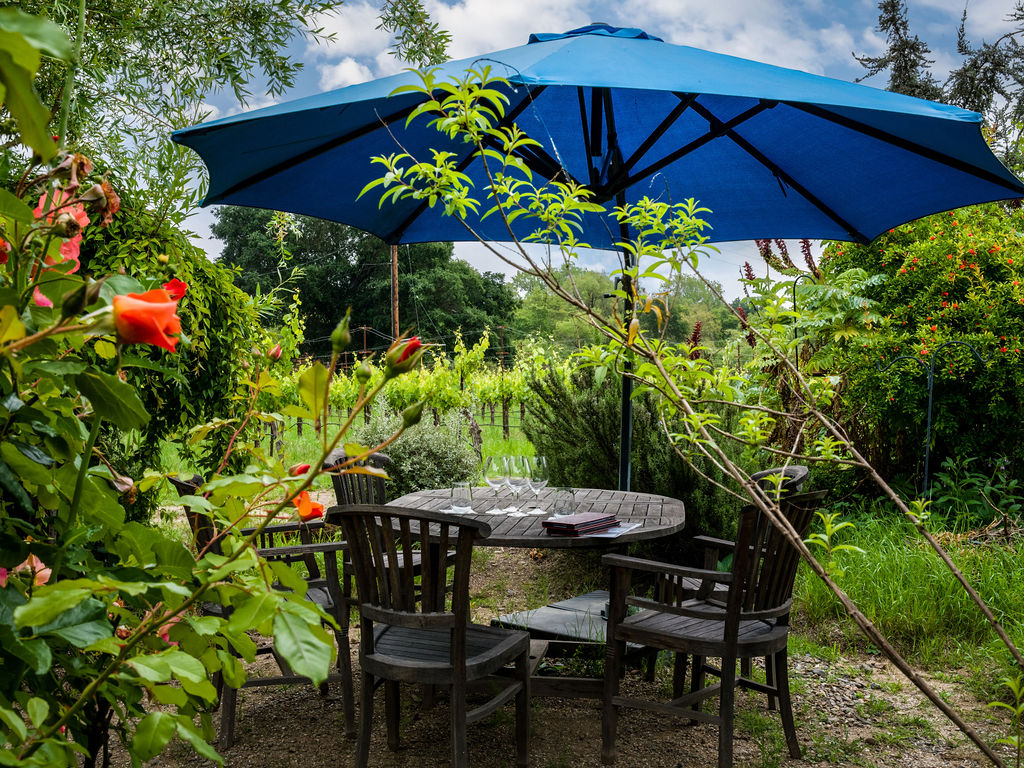
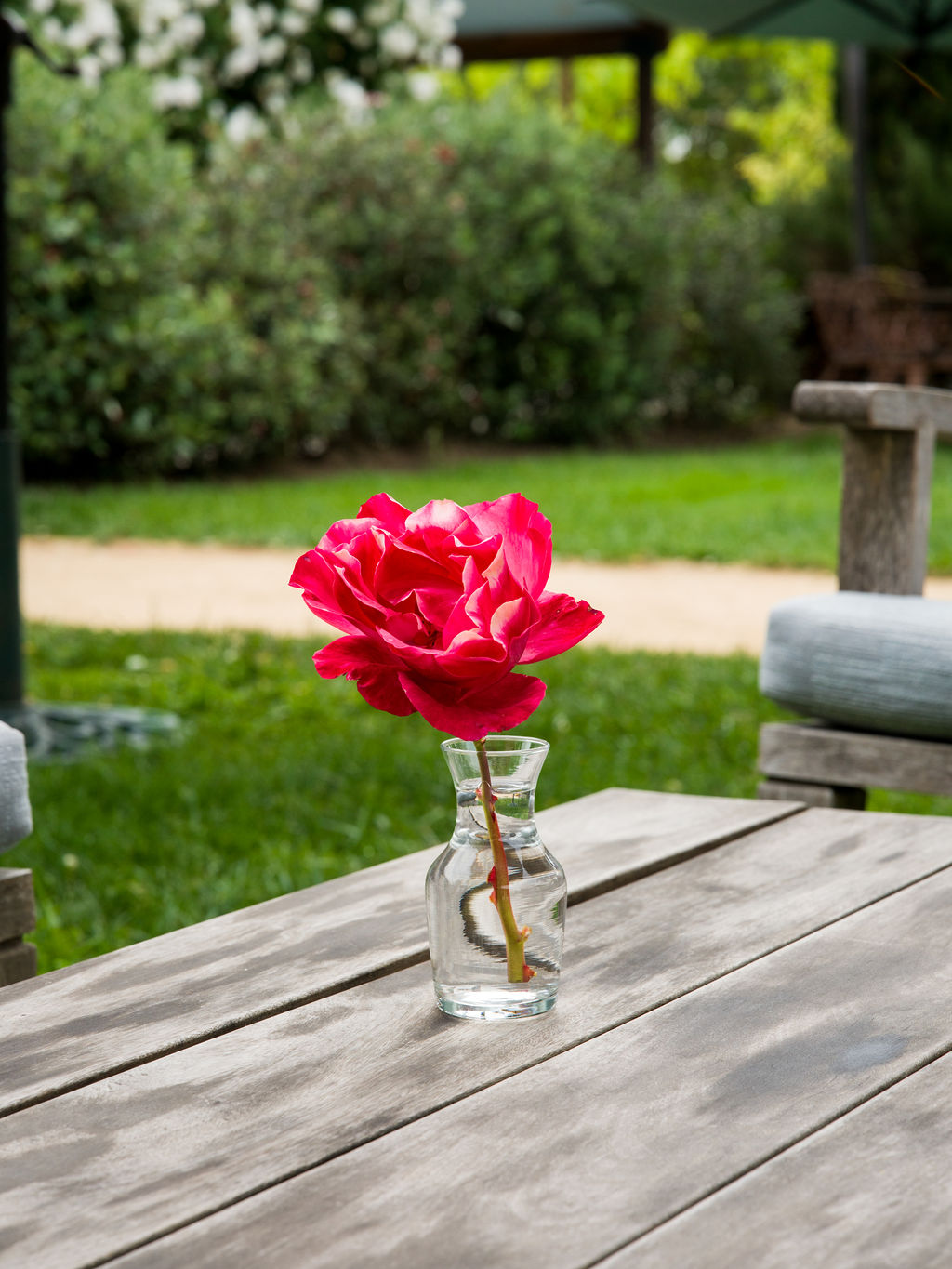
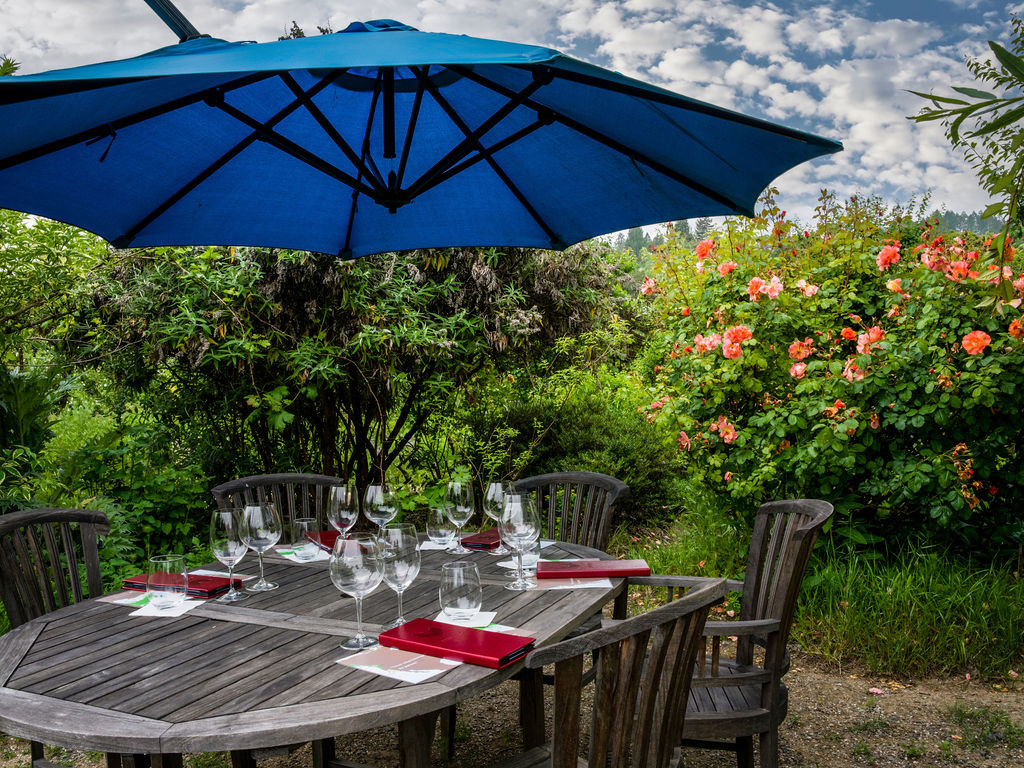
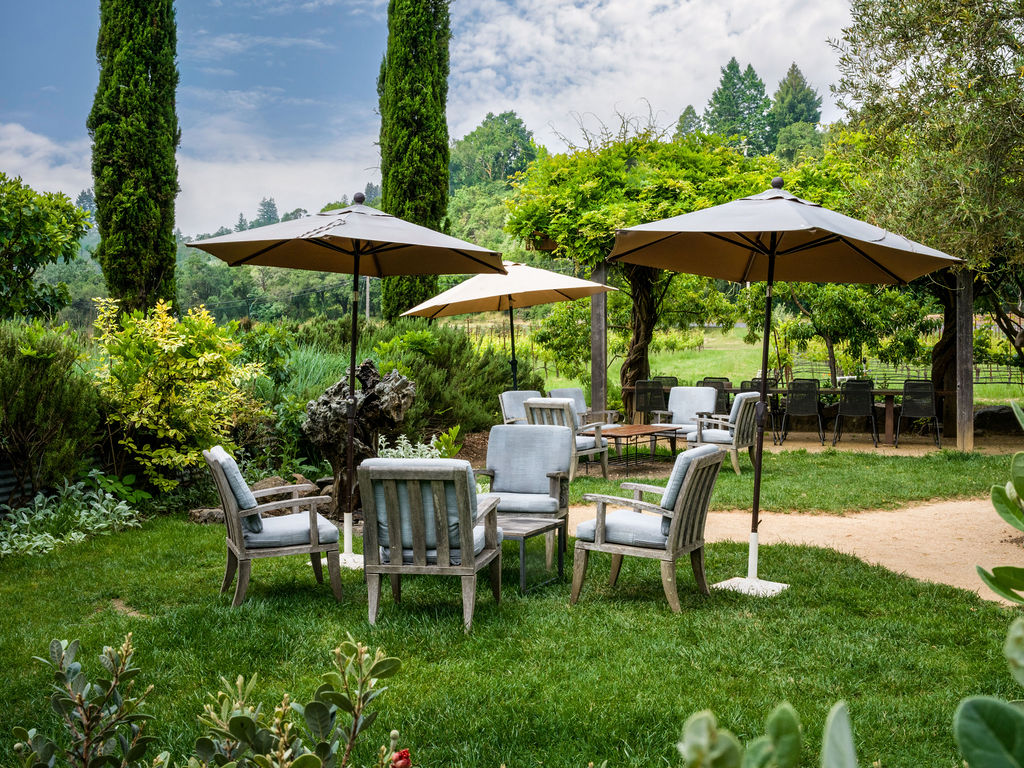
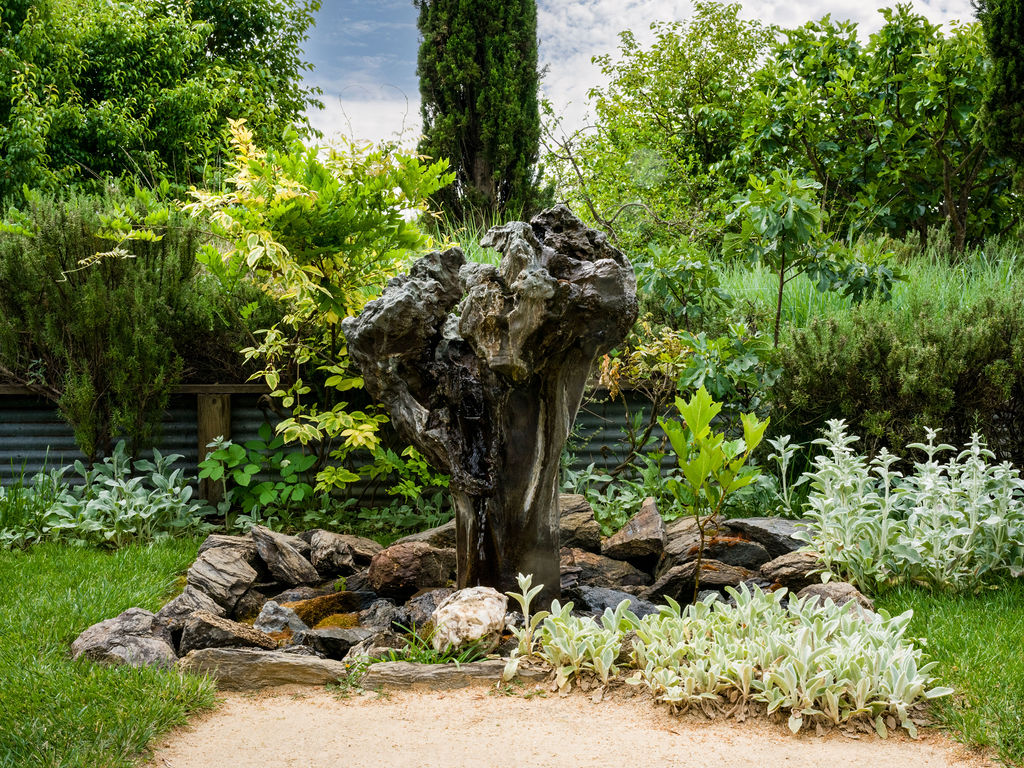
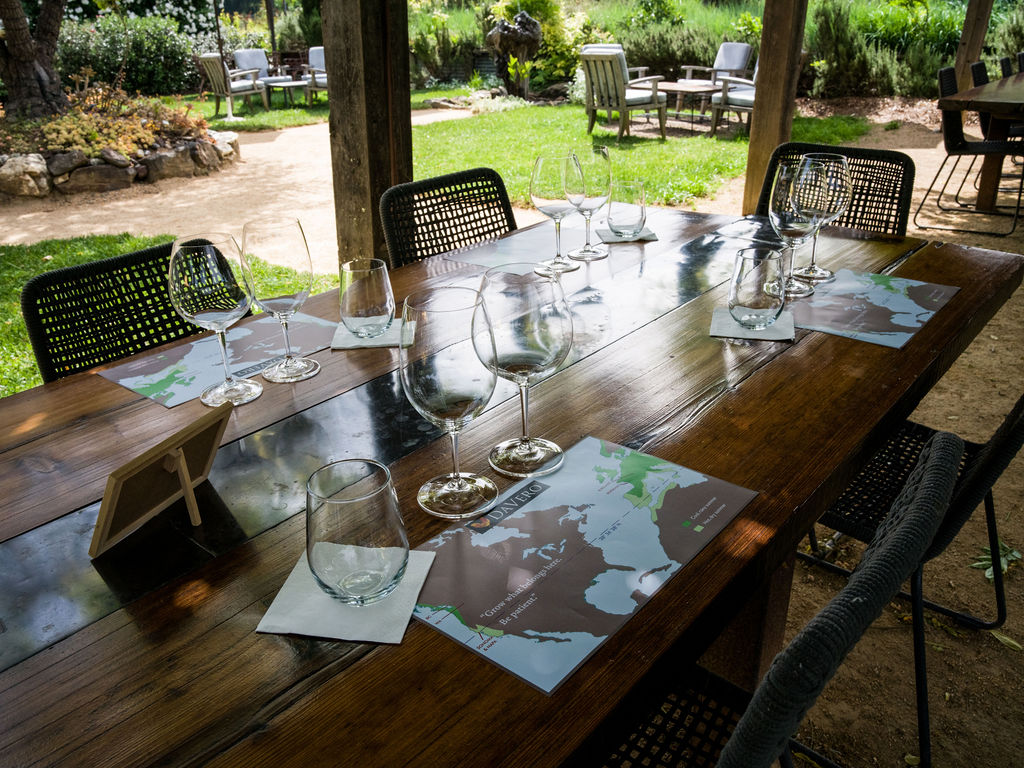
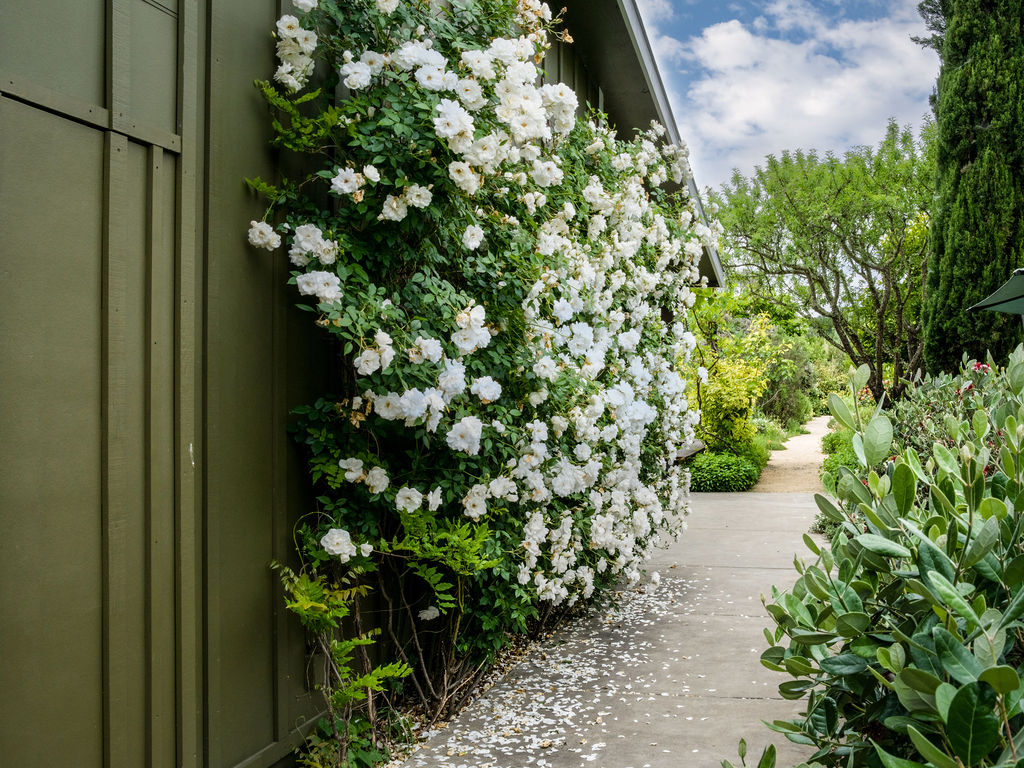
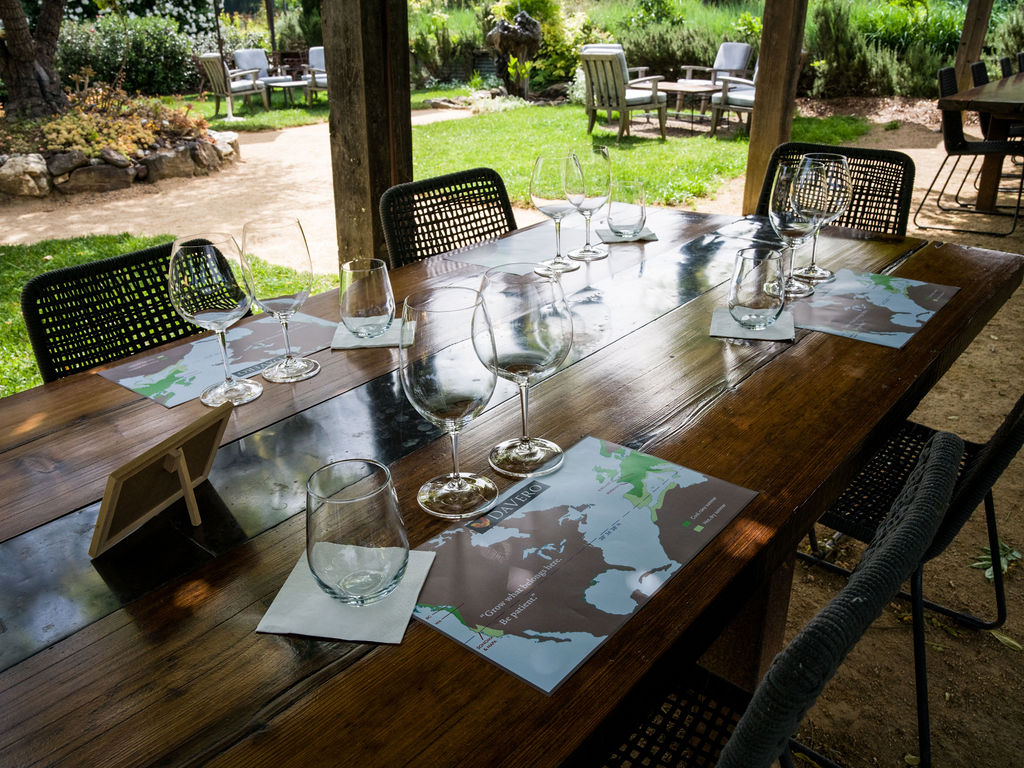
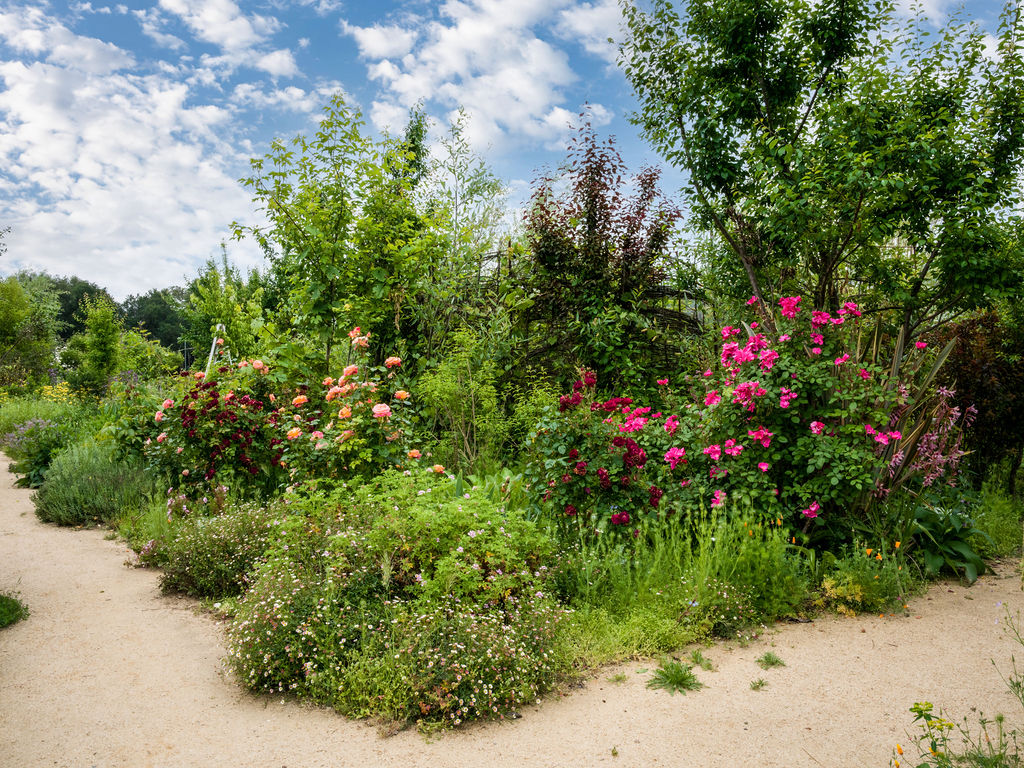
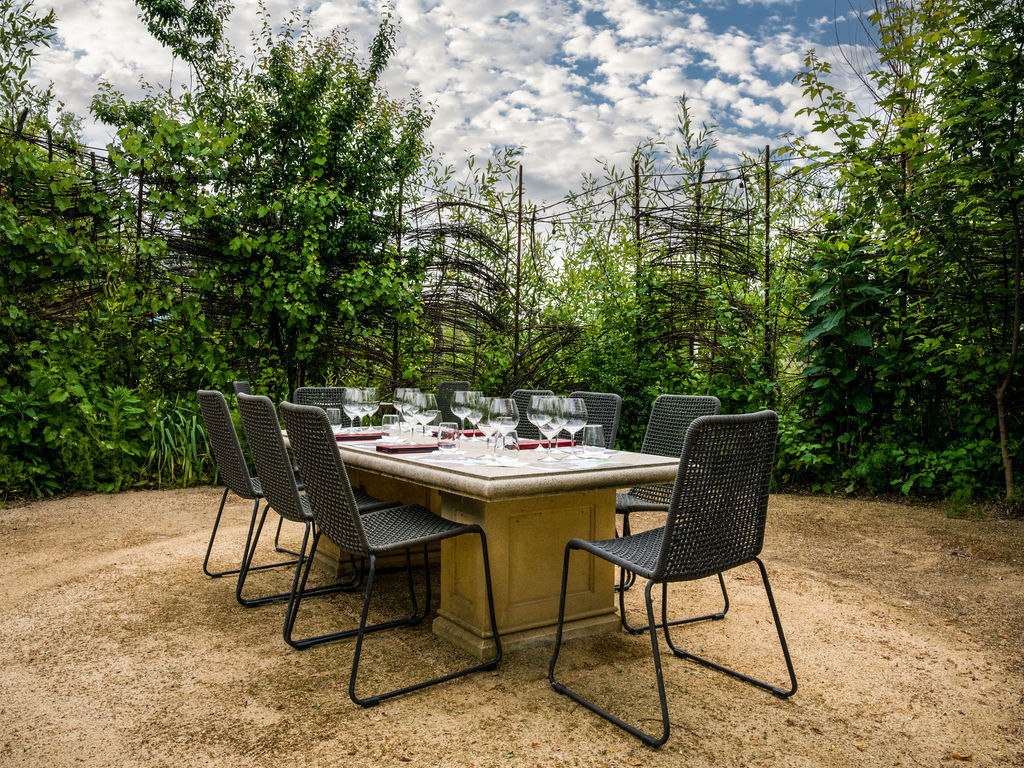
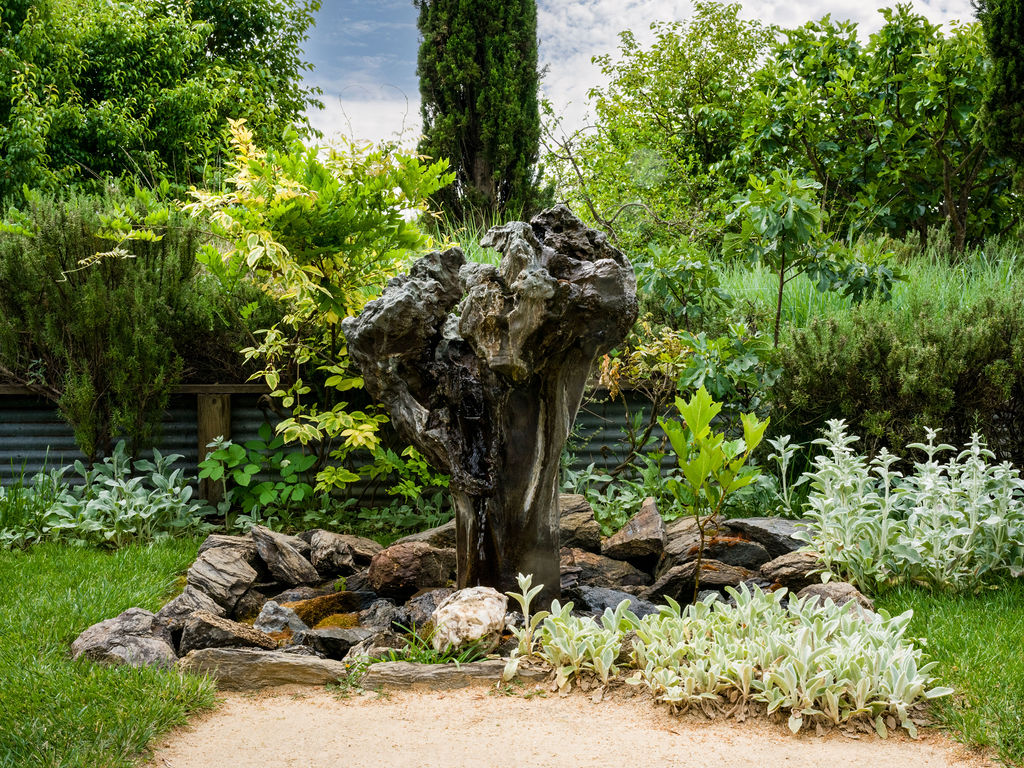
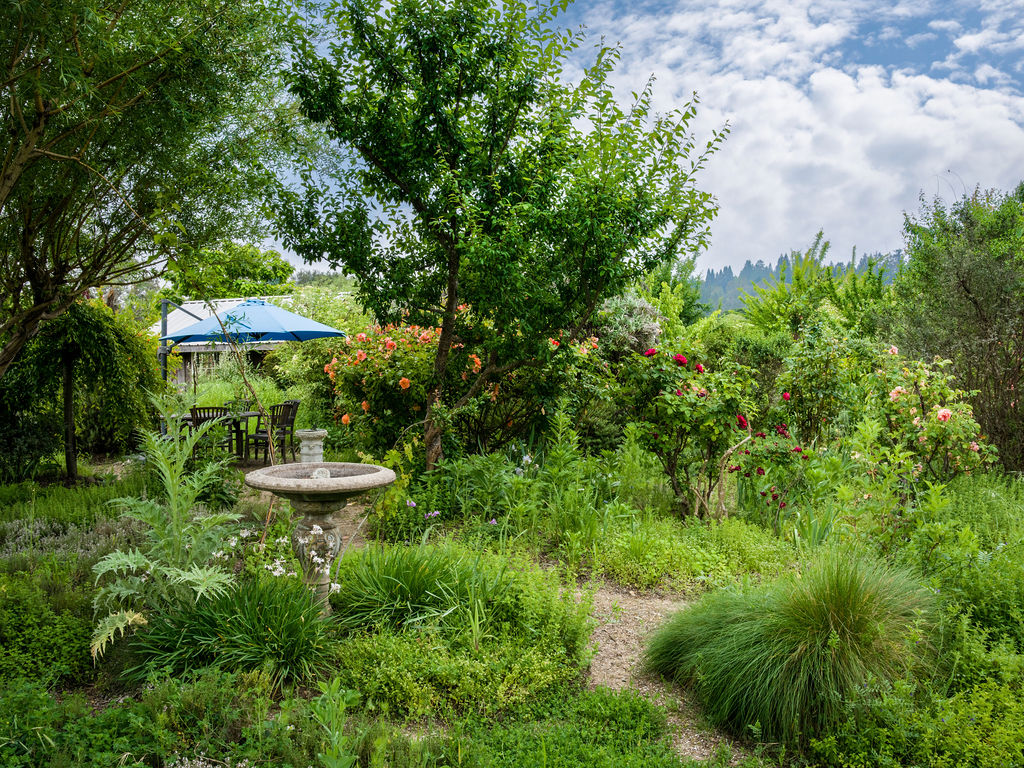
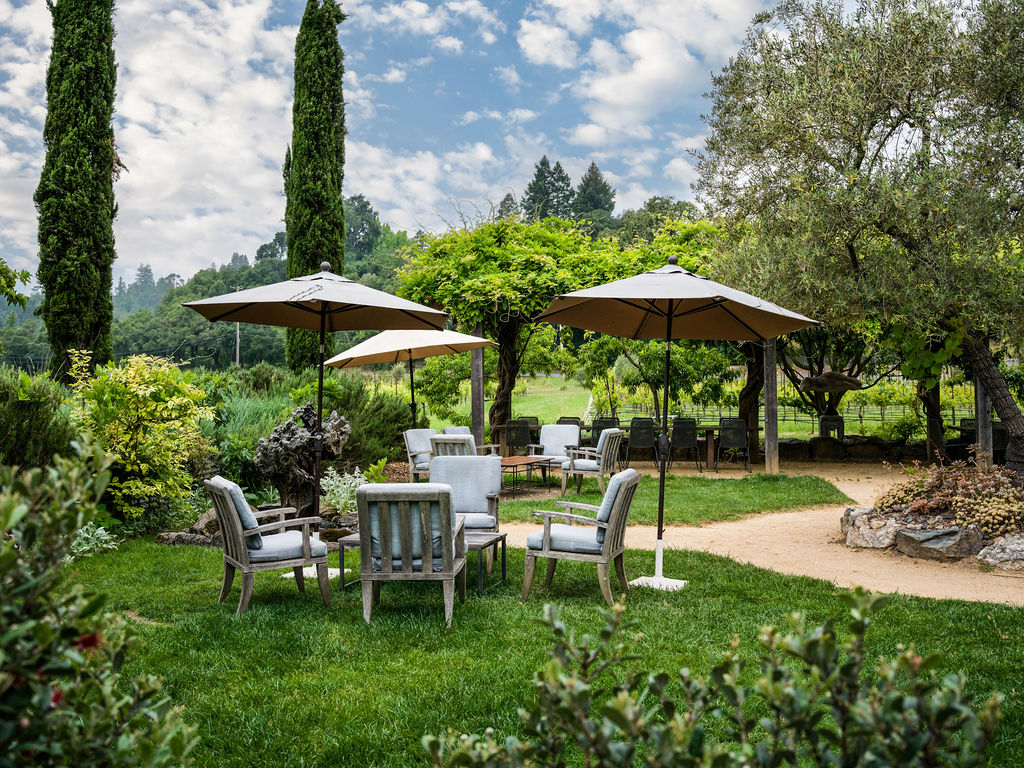
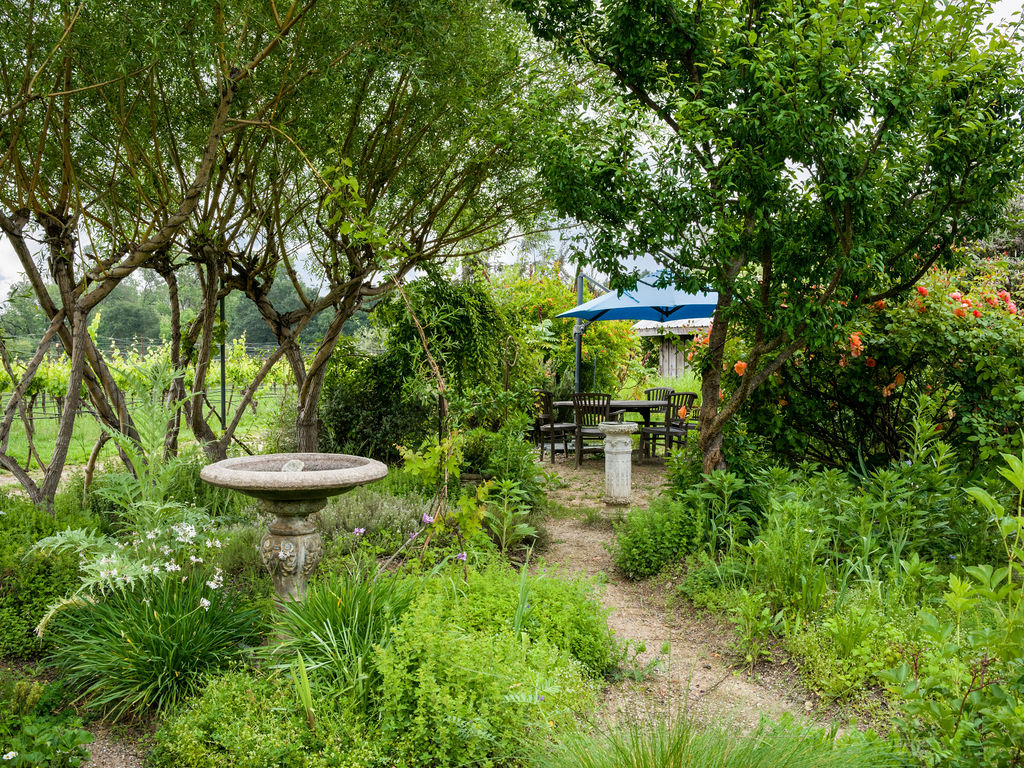
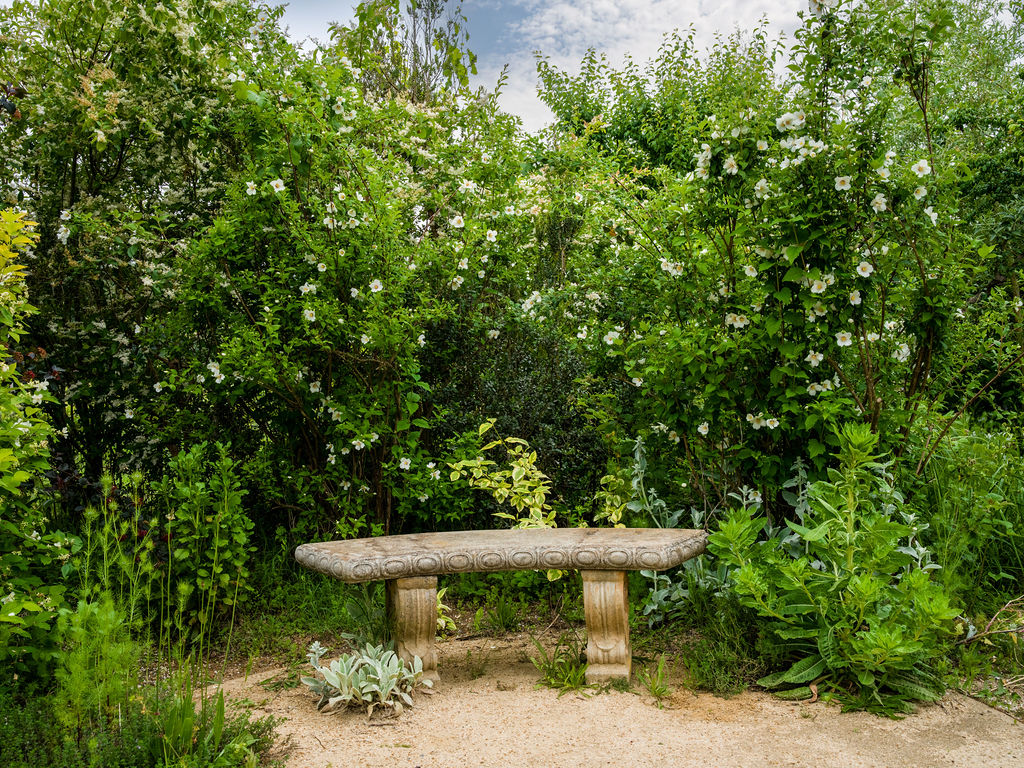
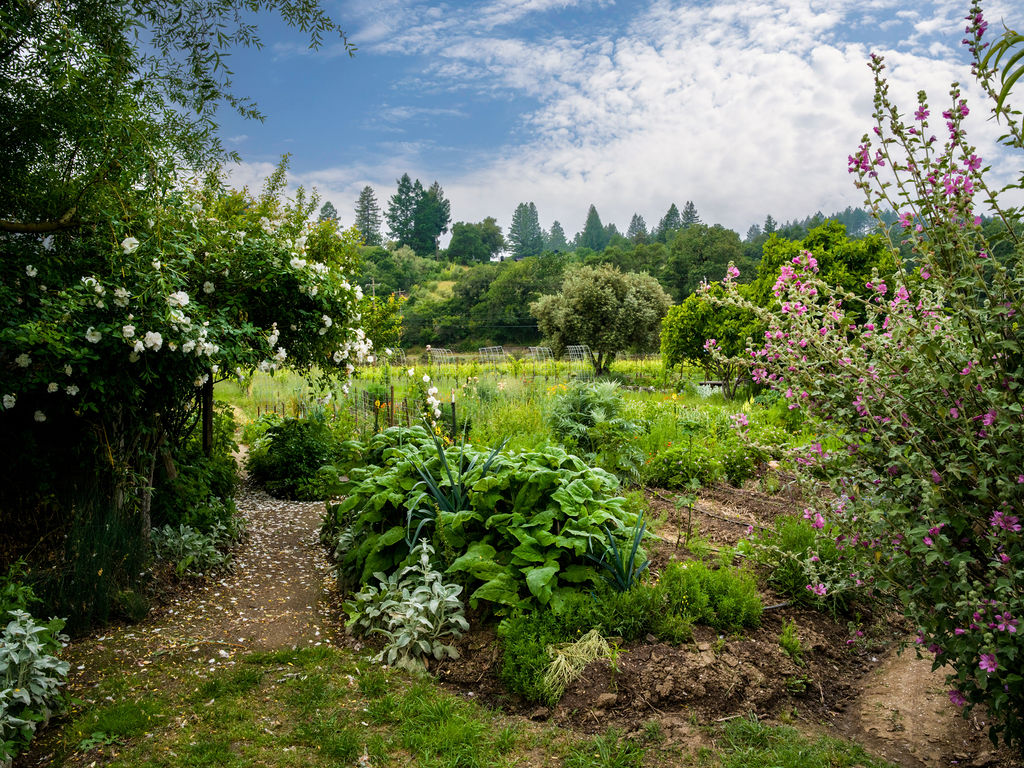
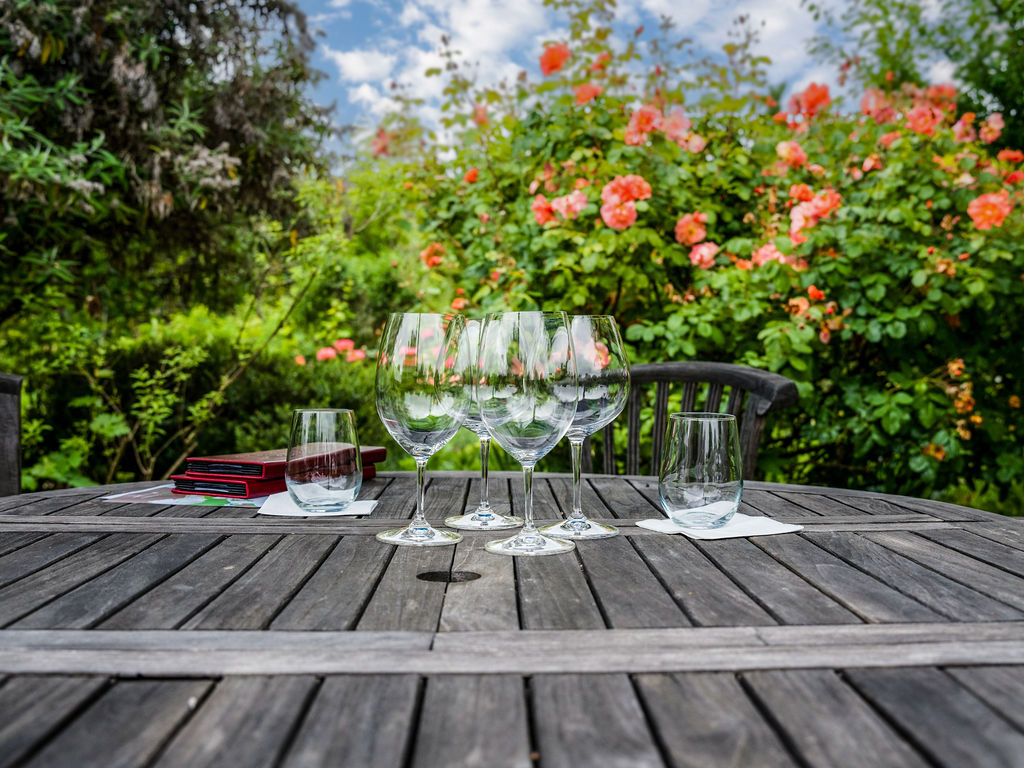
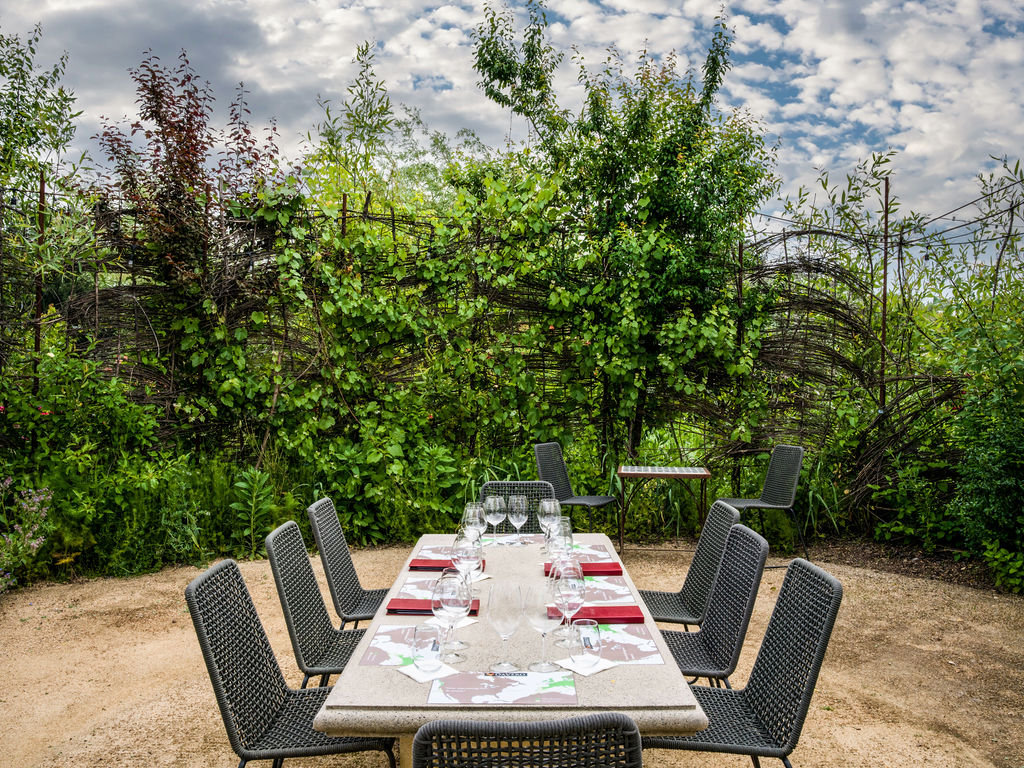
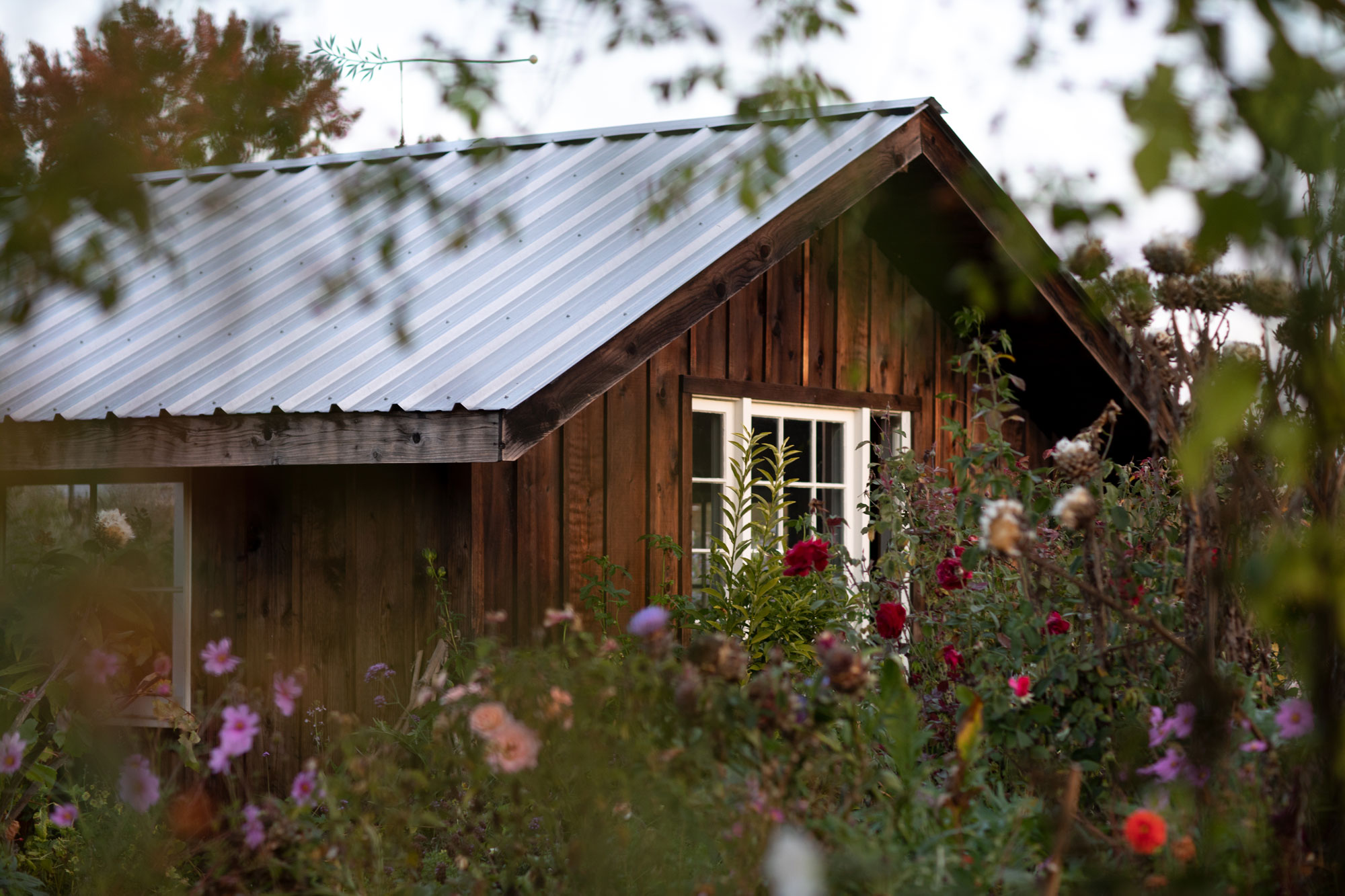
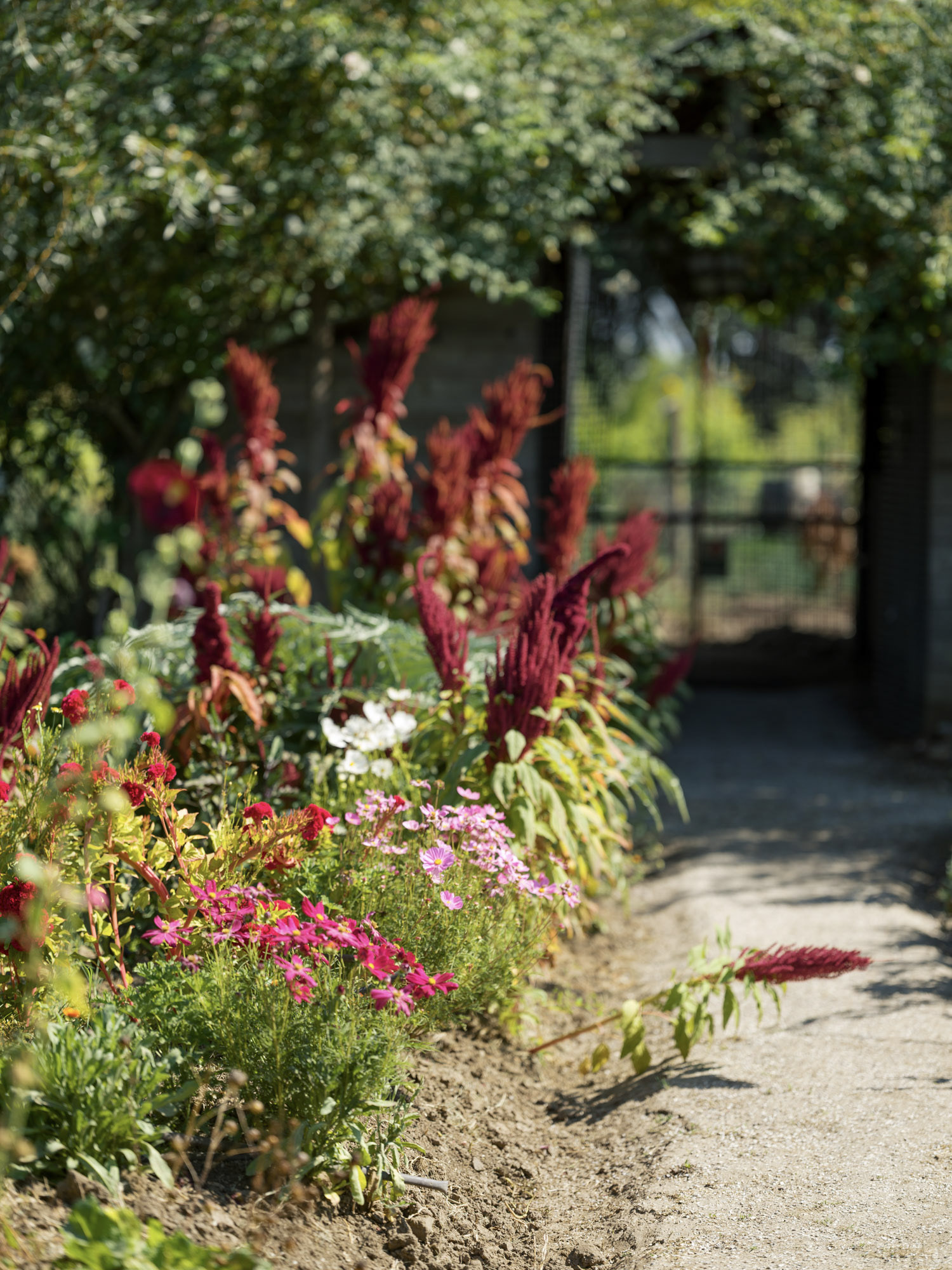
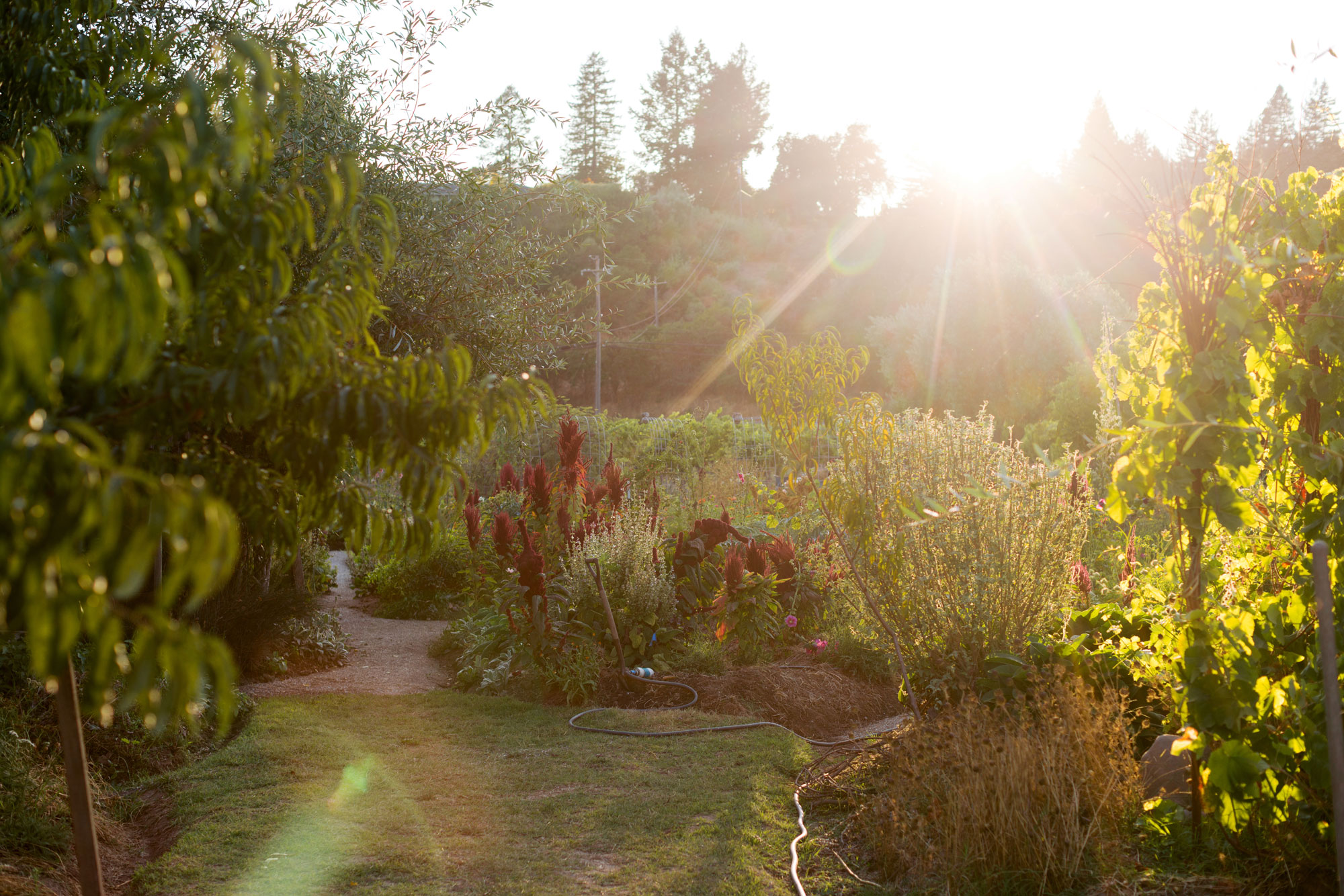
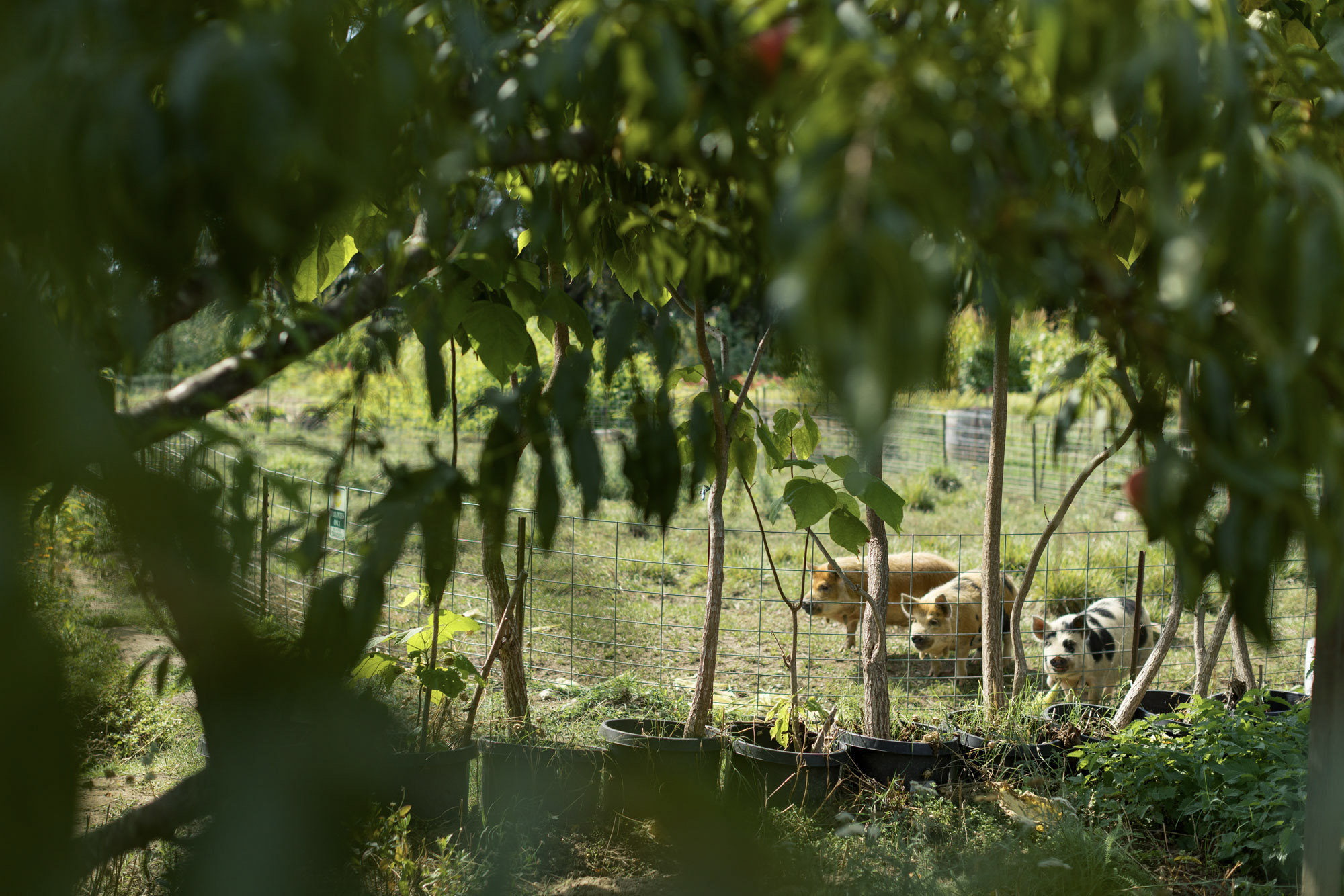
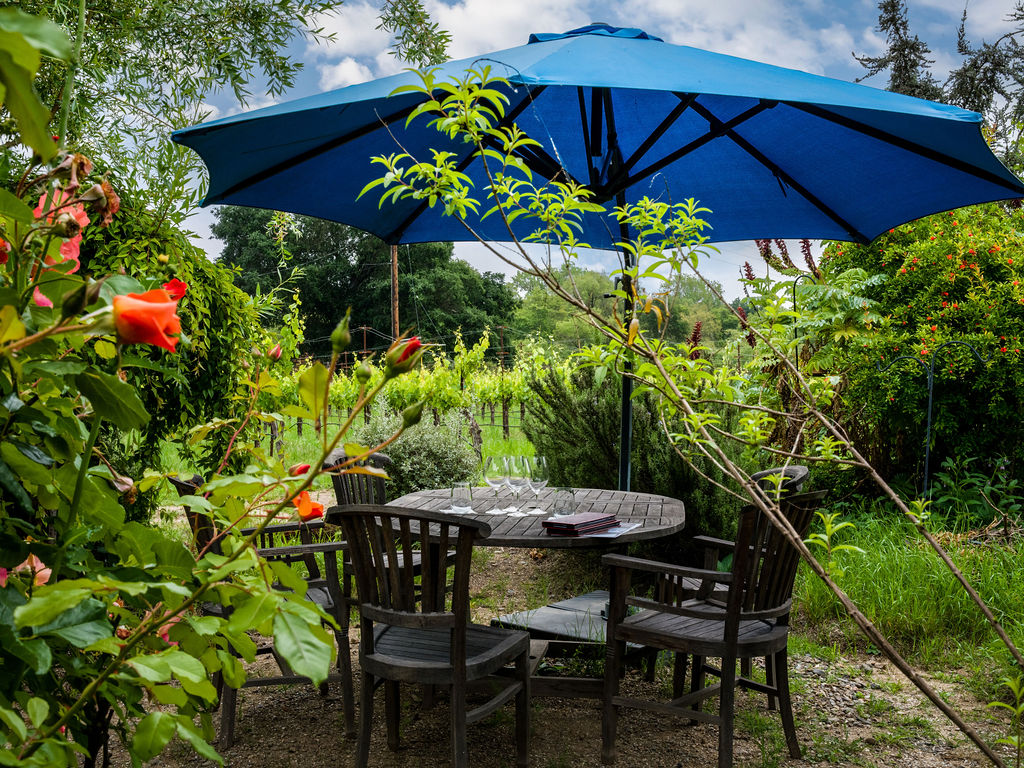
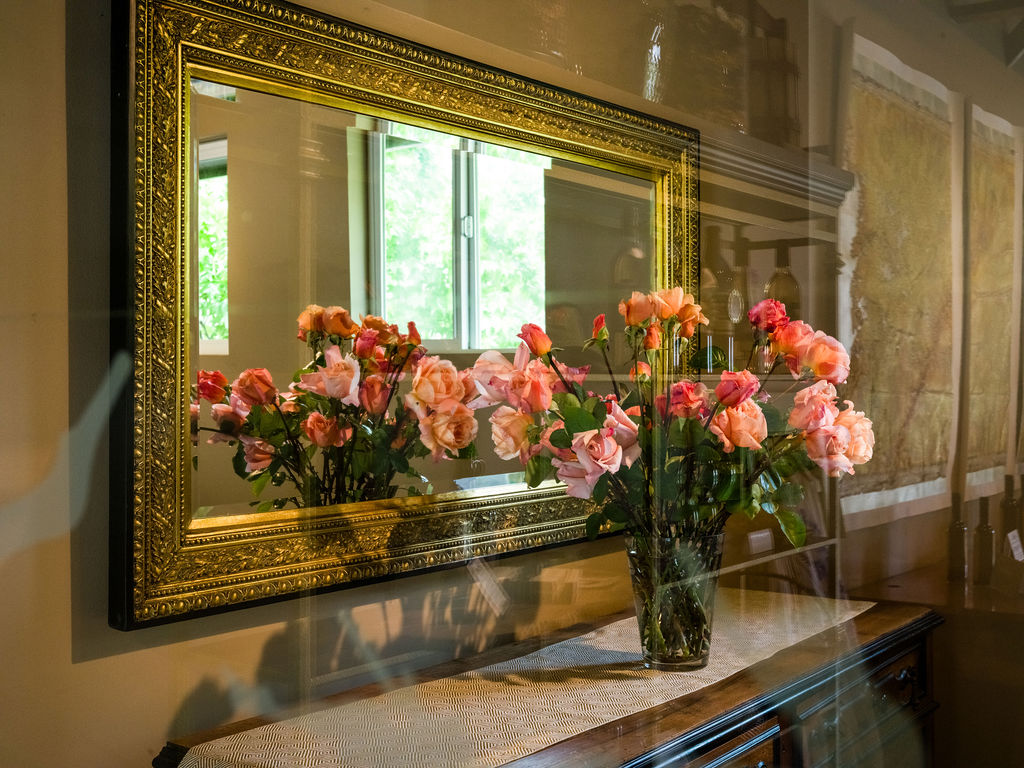
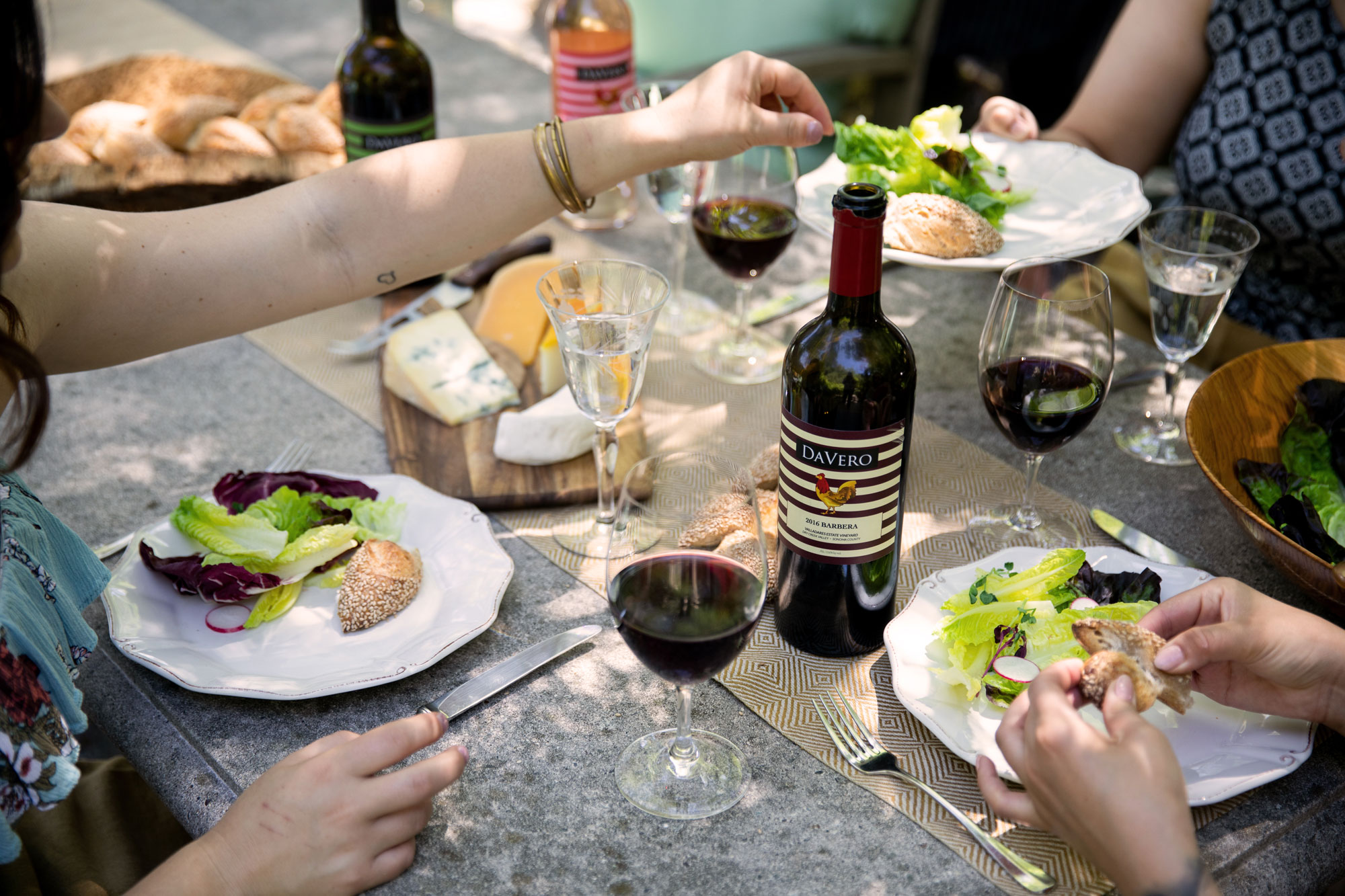
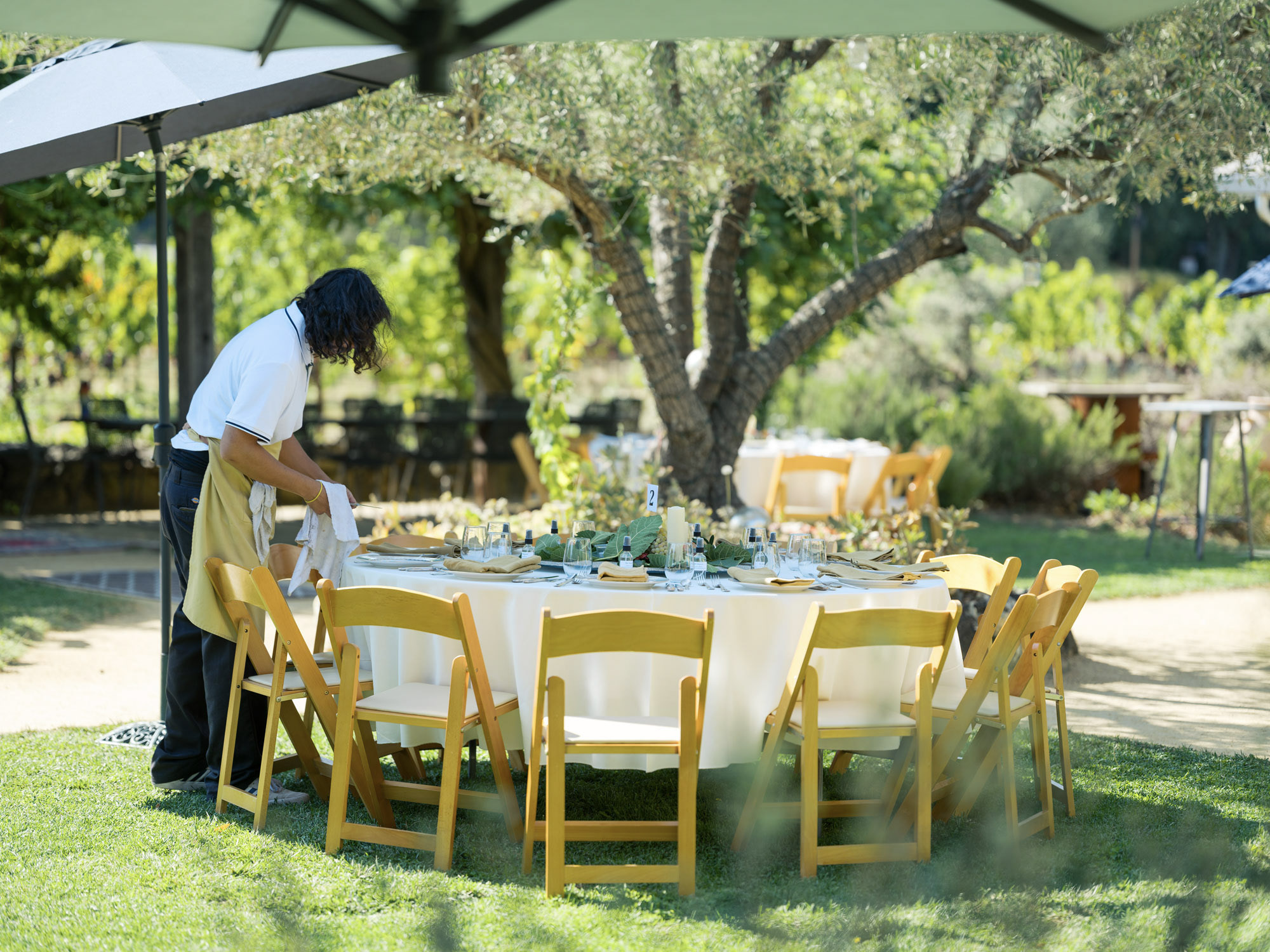
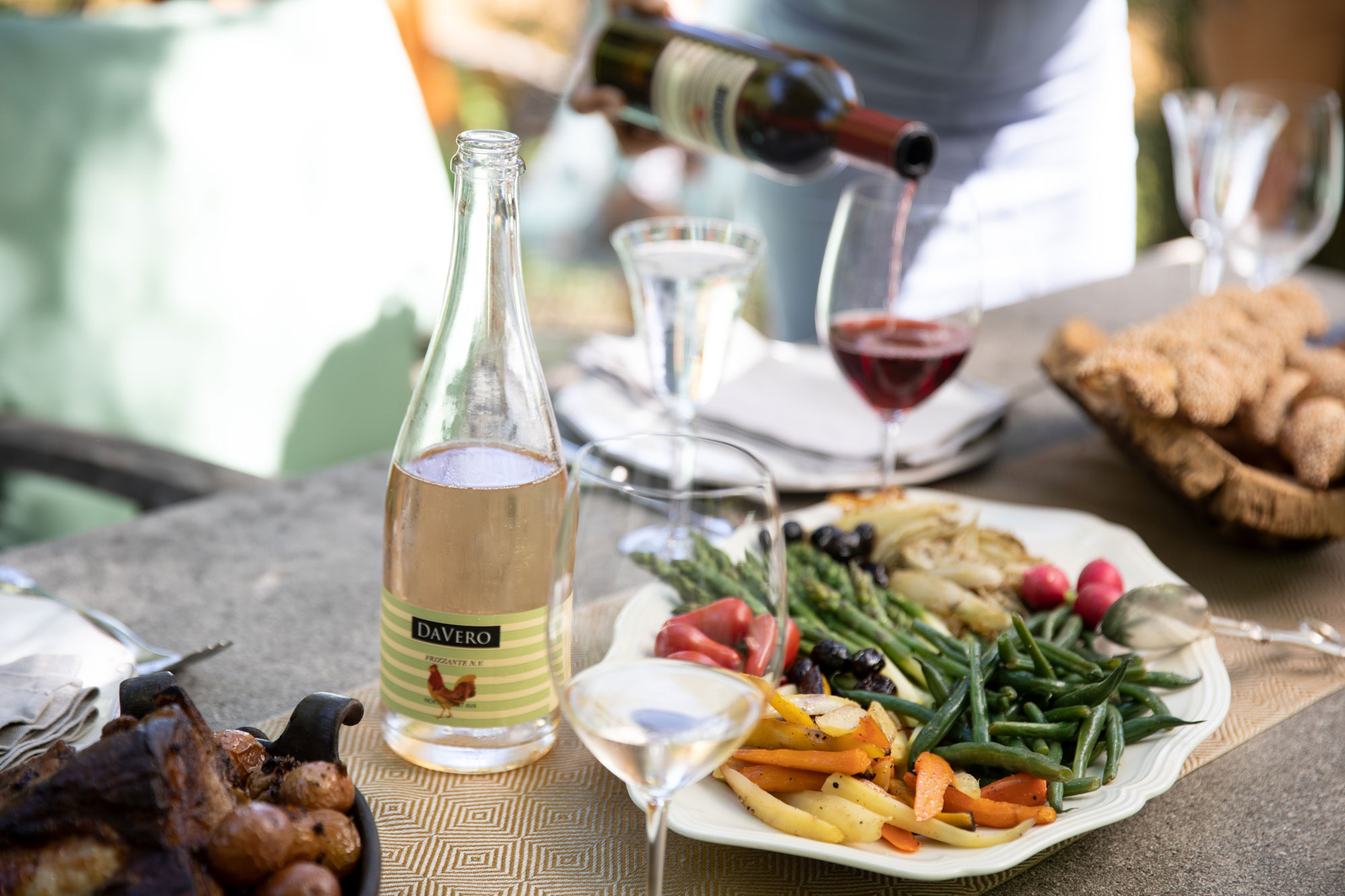
Outdoors, the courtyard and pergola-covered dining terrace invite the kind of long, unhurried afternoons that guests return for year after year. A vine-covered pergola shelters a rustic wooden table that looks directly out across the vineyard rows — a view that makes the act of pouring a glass feel like a small ceremony. Gravel pathways wind through rose gardens in full bloom, past lavender and Jerusalem sage, past fig trees and fruit orchards, toward a restored creek that traces the property's boundary in cool shade. Sheep graze between the vine rows. Hawks circle overhead. The farm does not perform life — it lives it.
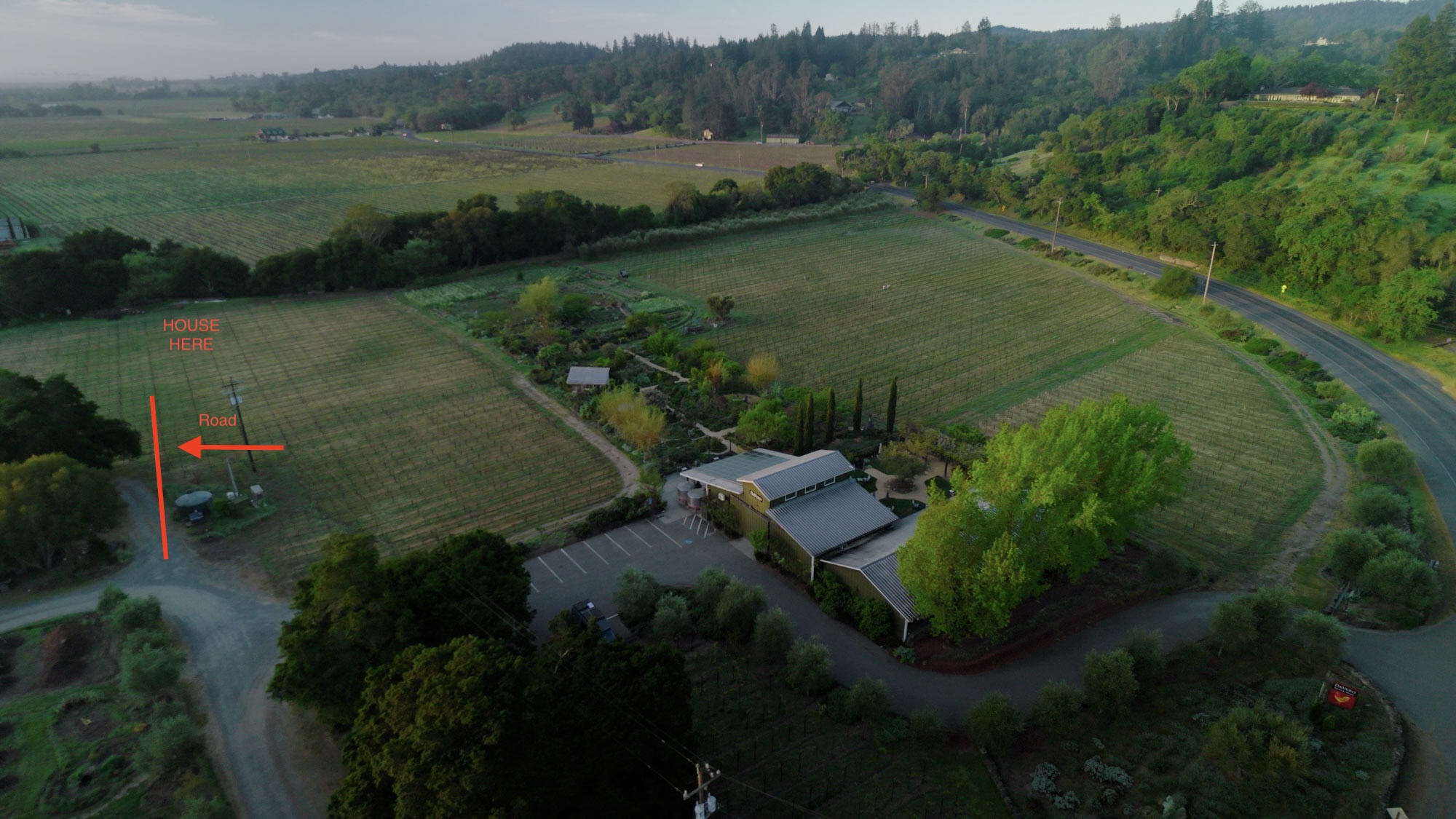
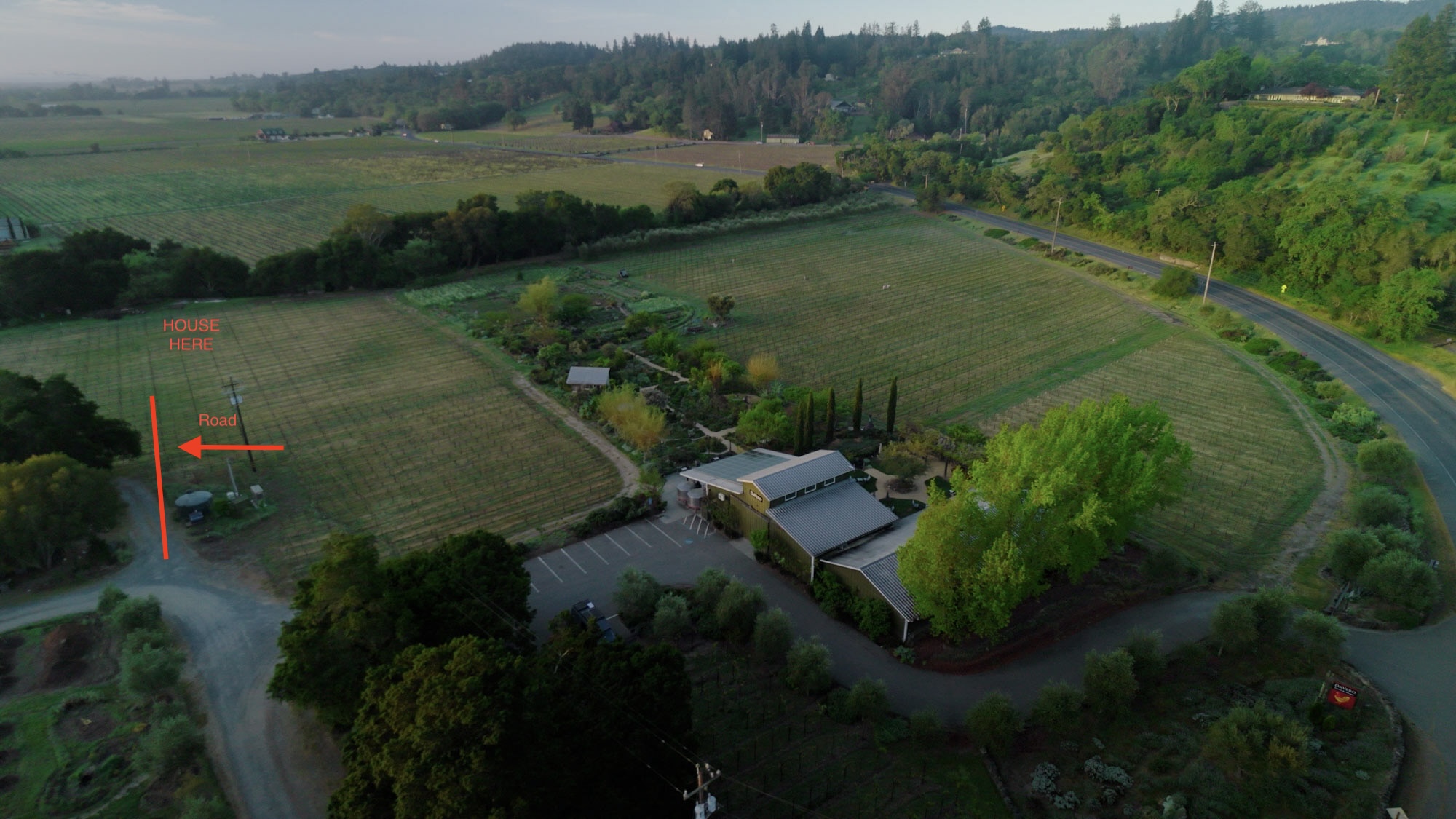
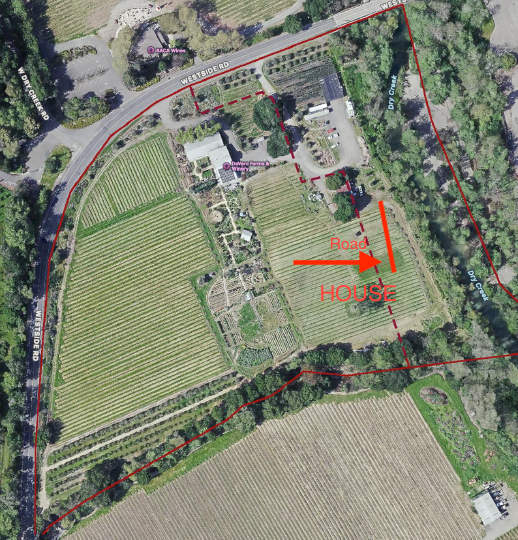
The addition of a modern farmhouse residence completes the estate's offer. Quietly positioned among the olives and vines, it is conceived not as a retreat from the landscape but as a full immersion into it — a place from which one can walk the vineyard rows as morning fog lifts from the valley floor, and then transition, effortlessly, into evenings gathered around a long table with wine grown steps away. The architecture is understated, the materials honest, the integration with the surrounding land the point of the whole endeavor. This is not a property that asks you to admire it from a distance. It asks you to step inside its story.
Healdsburg occupies a singular position in California wine country — a small, walkable plaza town of genuine character that has managed, against considerable odds, to remain itself even as its reputation has grown. Situated at the confluence of three distinct American Viticultural Areas — Dry Creek Valley, Alexander Valley, and the Russian River Valley — it is, by any measure, one of the most strategically positioned wine towns in the United States. Yet what distinguishes Healdsburg from comparable destinations is not geography alone, but the quality of daily life it affords.
The Plaza, a classic California town square shaded by mature trees and ringed with independent restaurants, wine bars, boutiques, and tasting rooms, anchors civic life with an ease that larger towns spend decades trying to manufacture. It is one mile from the gates of One Mile West Winery — close enough to access on a bicycle, far enough that the silence of the farm remains uninterrupted. That proximity is not incidental. It is the defining convenience of this address.
Westside Road itself is one of Sonoma County's most storied agricultural corridors. Running west from the Plaza along the Russian River, it passes through the heart of Dry Creek Valley before connecting with Healdsburg Avenue to the north. The road is lined with some of the region's most respected producers, many of them multigenerational farming families who have shaped the character of the valley over decades. The community along Westside Road is defined by a shared ethic of land stewardship and a preference for farming practices that prioritize the health of the soil over the demands of the market.
Dry Creek Valley, where One Mile West sits, is an AVA of approximately 9,000 planted acres, sheltered by ridgelines to the east and west that moderate the marine influence and produce long, warm growing days ideally suited to full-bodied red varietals. The valley floor's well-drained benchland soils and the hillside's rocky, mineral-rich terrain create a range of growing conditions that reward growers willing to match variety to site with care. The choice to plant Italian varietals here reflects an understanding of that terroir that goes beyond trend.
Beyond the vineyards, the region offers exceptional outdoor access. The Russian River provides kayaking, swimming, and fishing along its broad bends. Warm Springs Dam and Lake Sonoma, just minutes to the northwest, offer boating, hiking, and one of the most scenic recreational reservoirs in Northern California. The Sonoma County trail network extends throughout the valley, offering cycling and hiking through landscapes that shift from orchard to vineyard to oak woodland within a single afternoon.
The broader Sonoma County food and wine culture is, by any measure, among the finest in the country. Farm-to-table dining here is not a concept — it is simply how people eat. Farmers' markets, artisan producers, and Michelin-recognized restaurants are embedded in the daily fabric of the community. To live on Westside Road is to live inside that culture, not adjacent to it — to wake each morning in a place where the relationship between land, food, and table is not a lifestyle aspiration but an inherited way of being.
Featured Highlights
Curated Content • Presented by Grace Lucero