The Story Behind
A Timeless New England Sanctuary on Fourteen Storied Acres
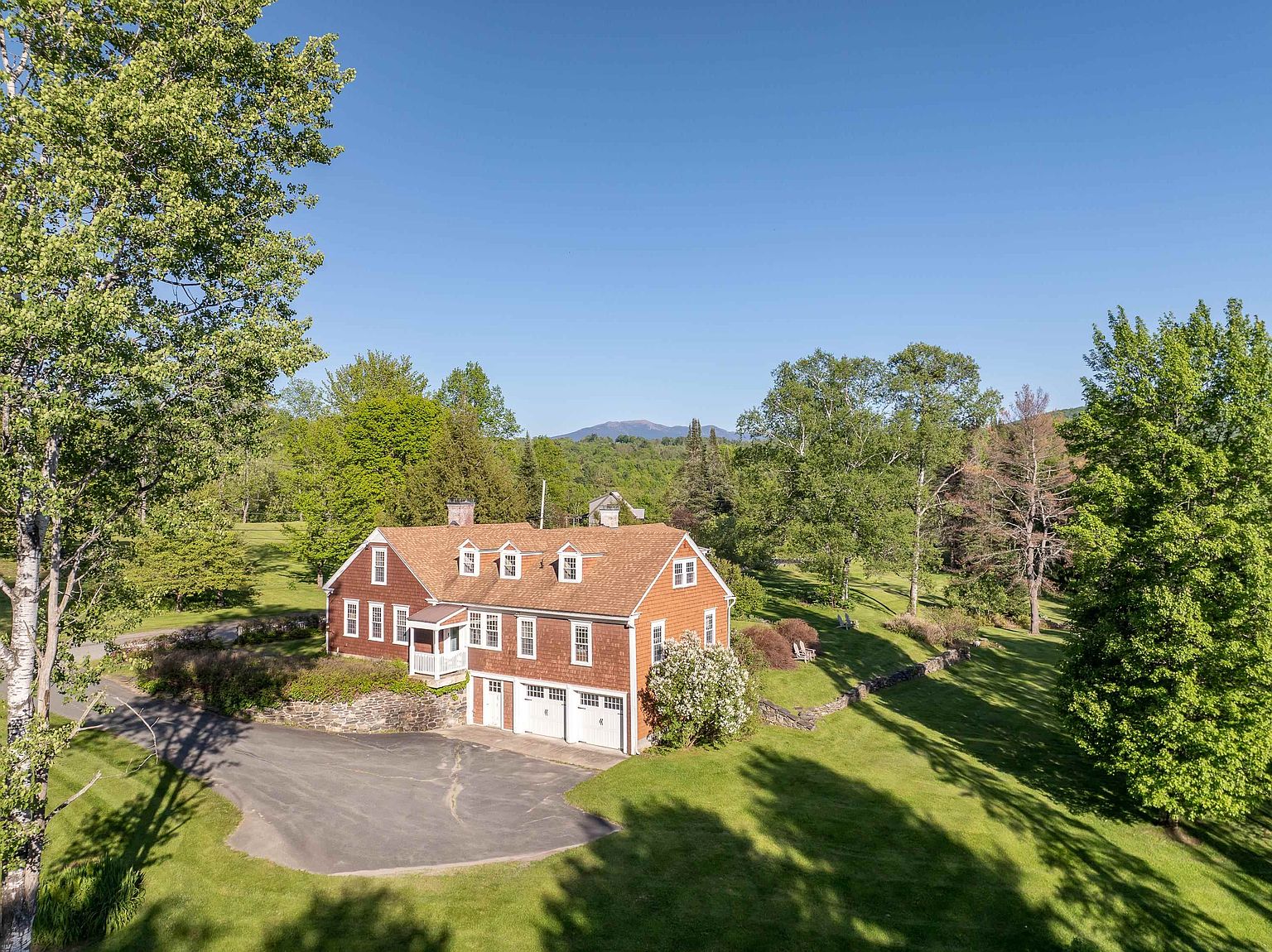
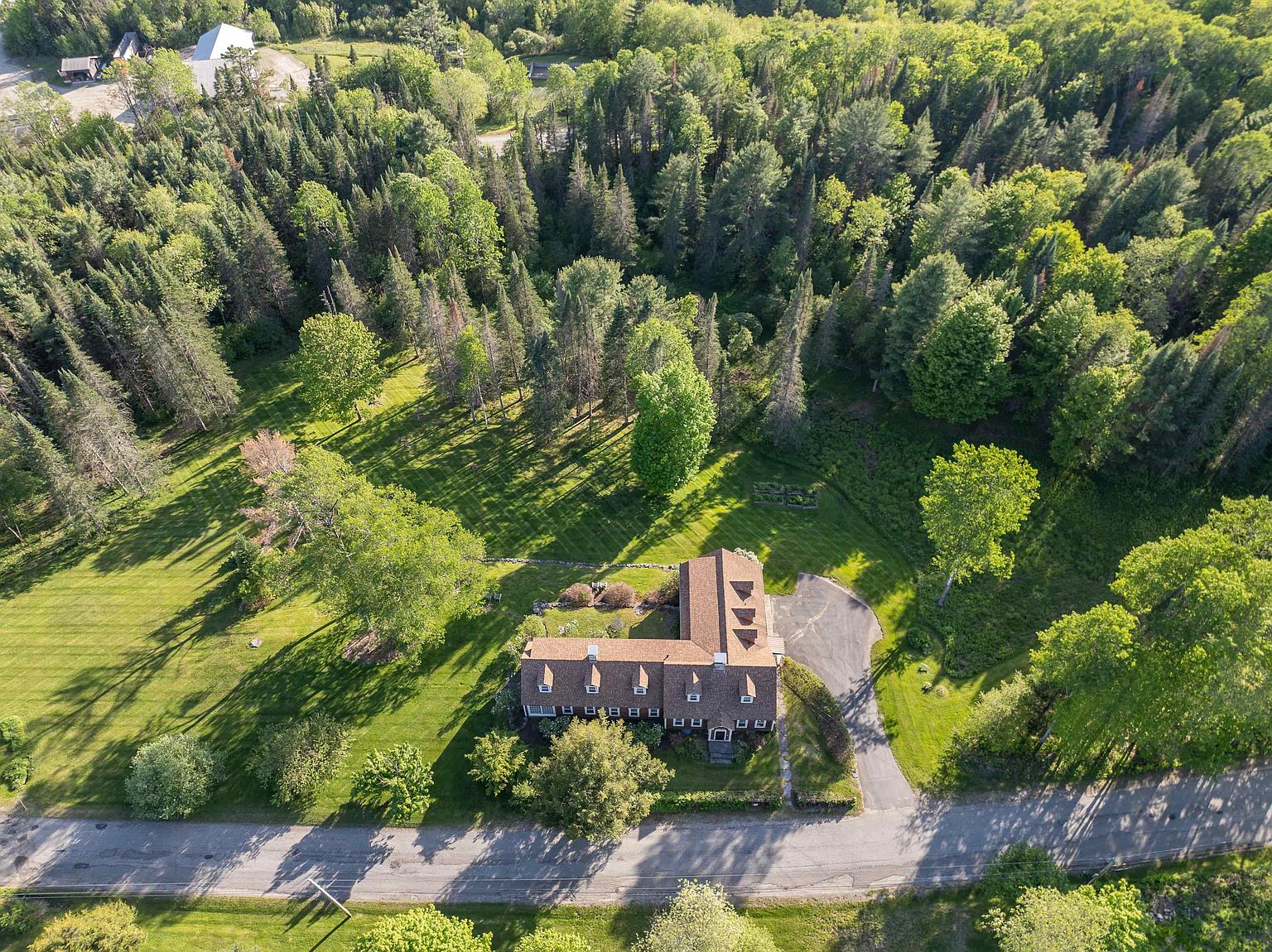
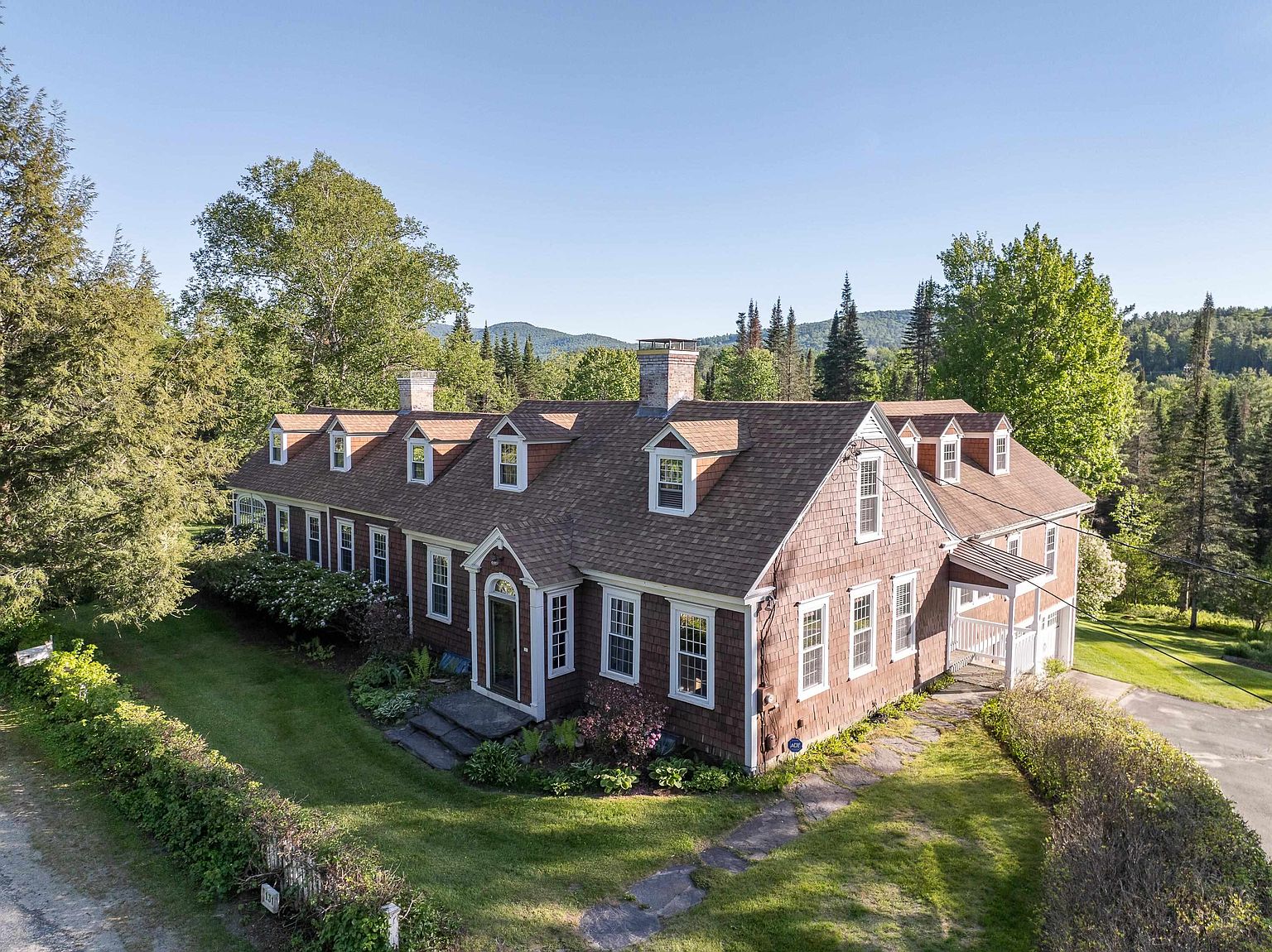
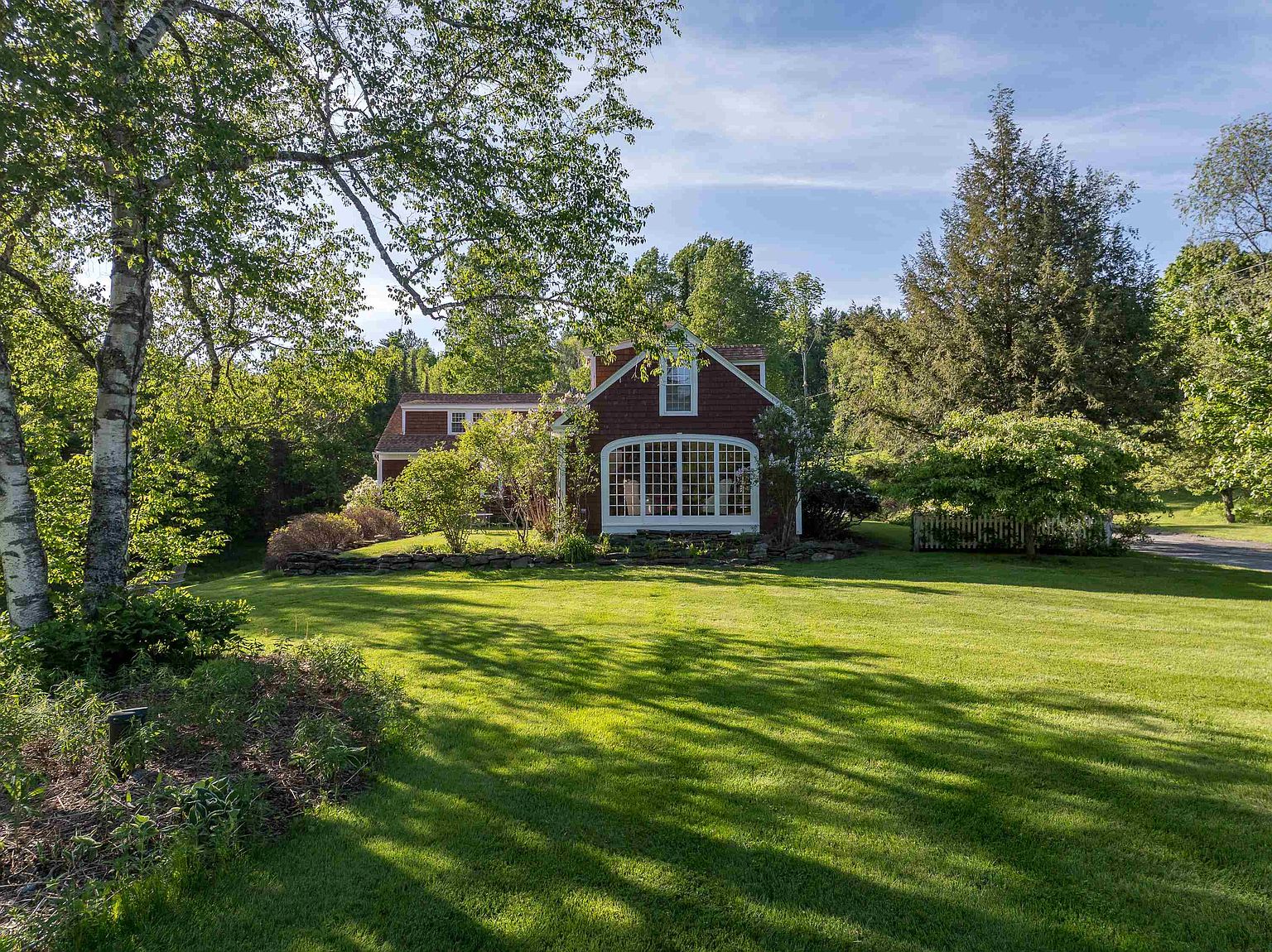
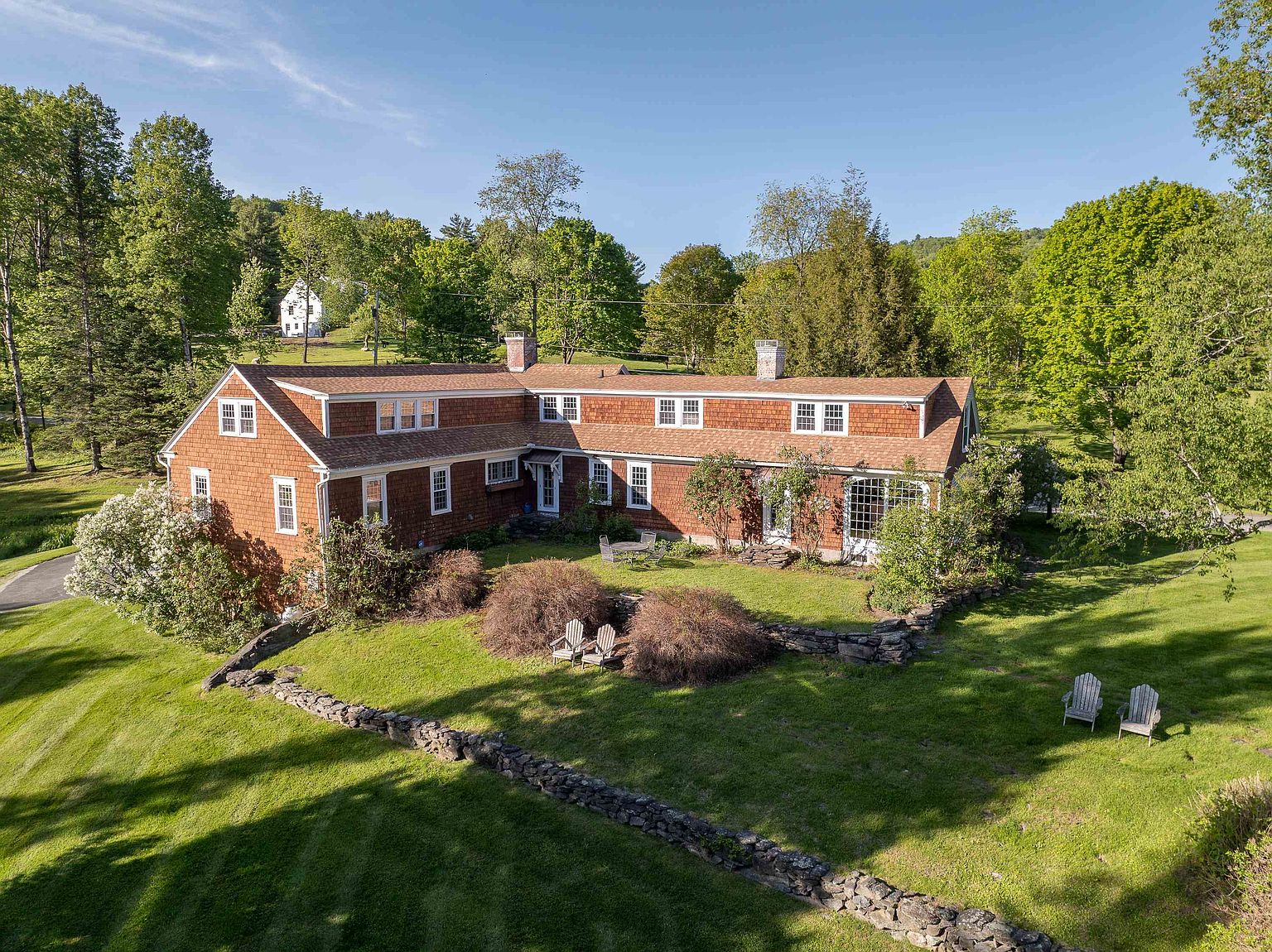
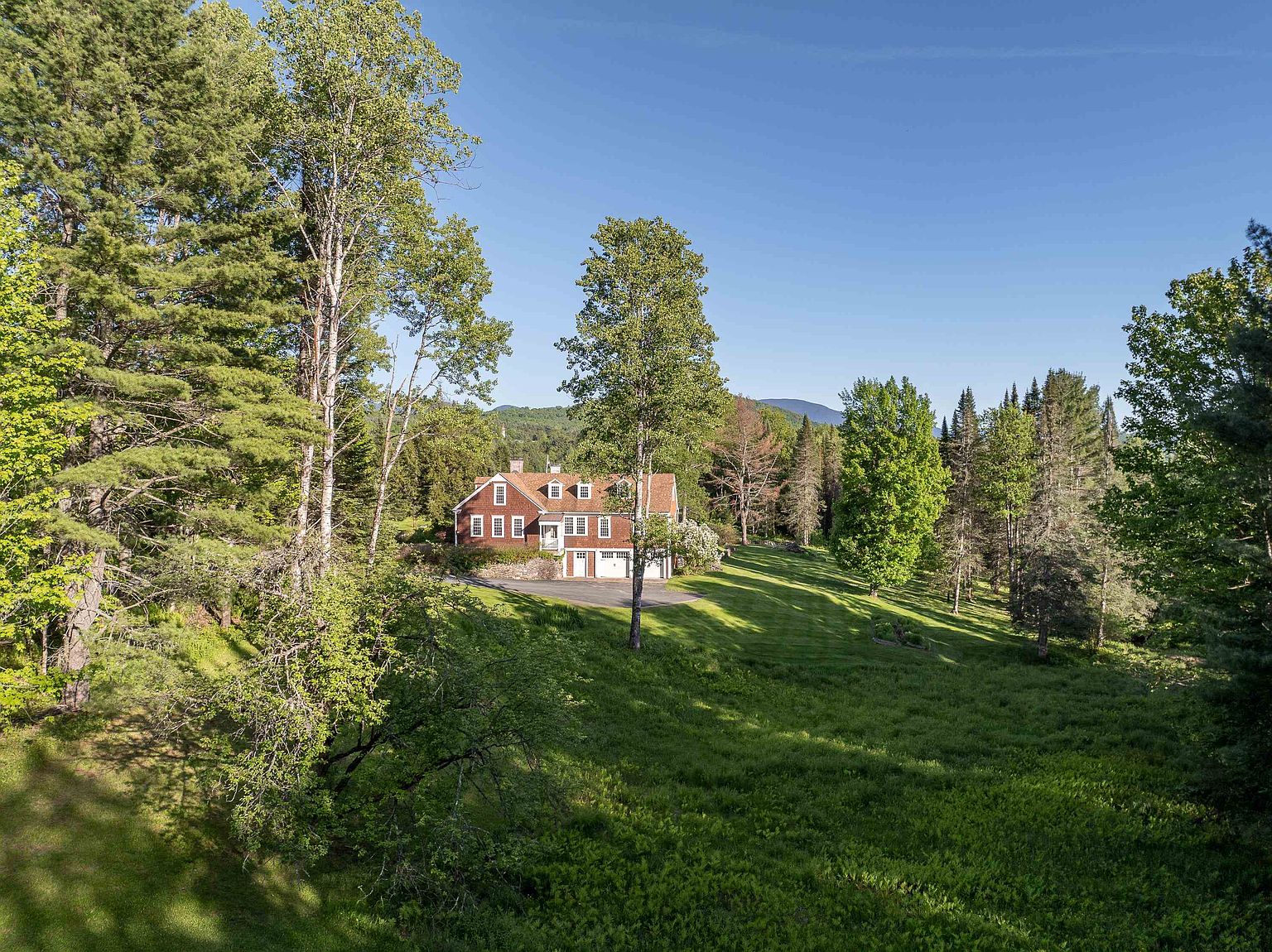
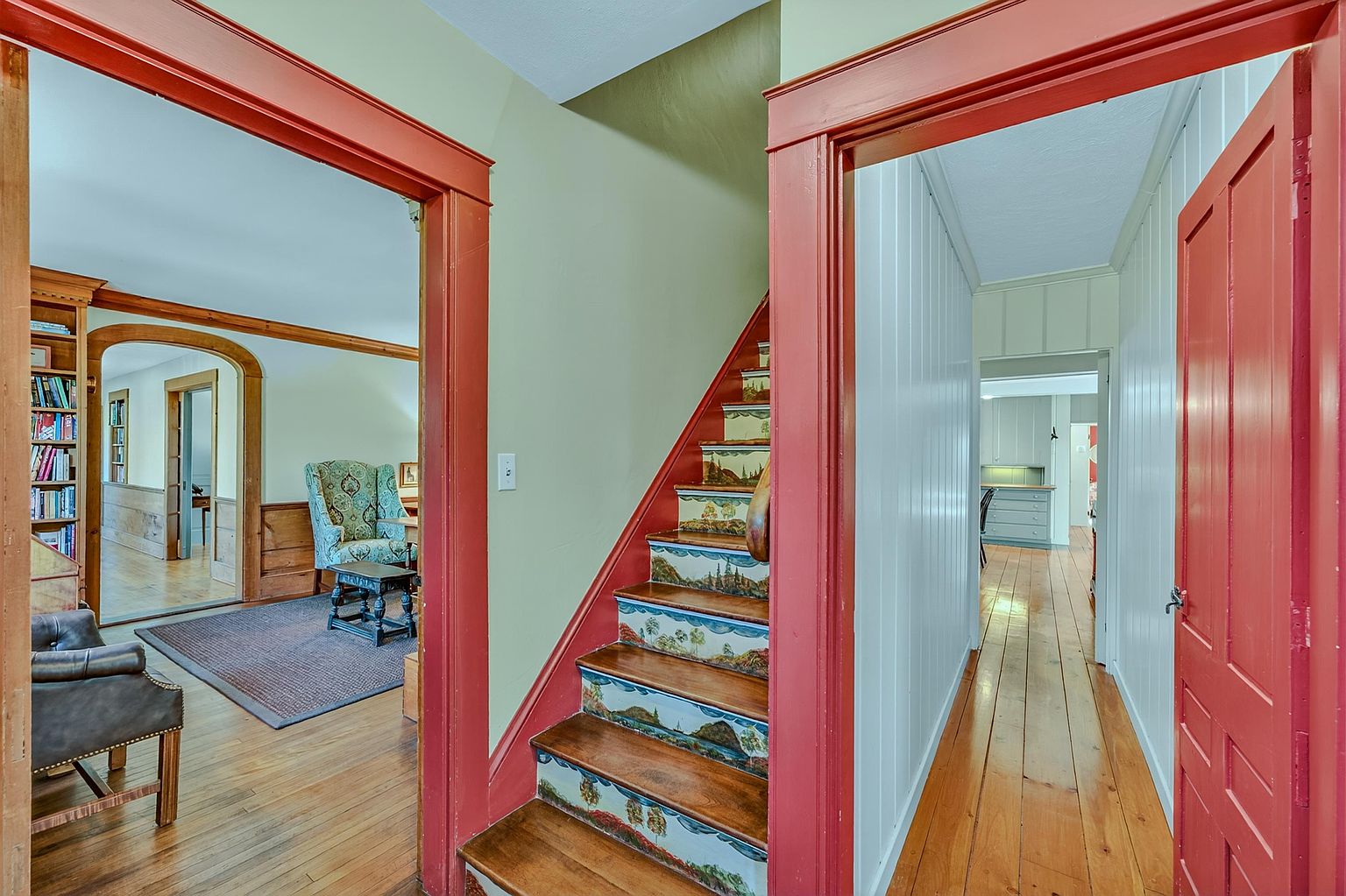
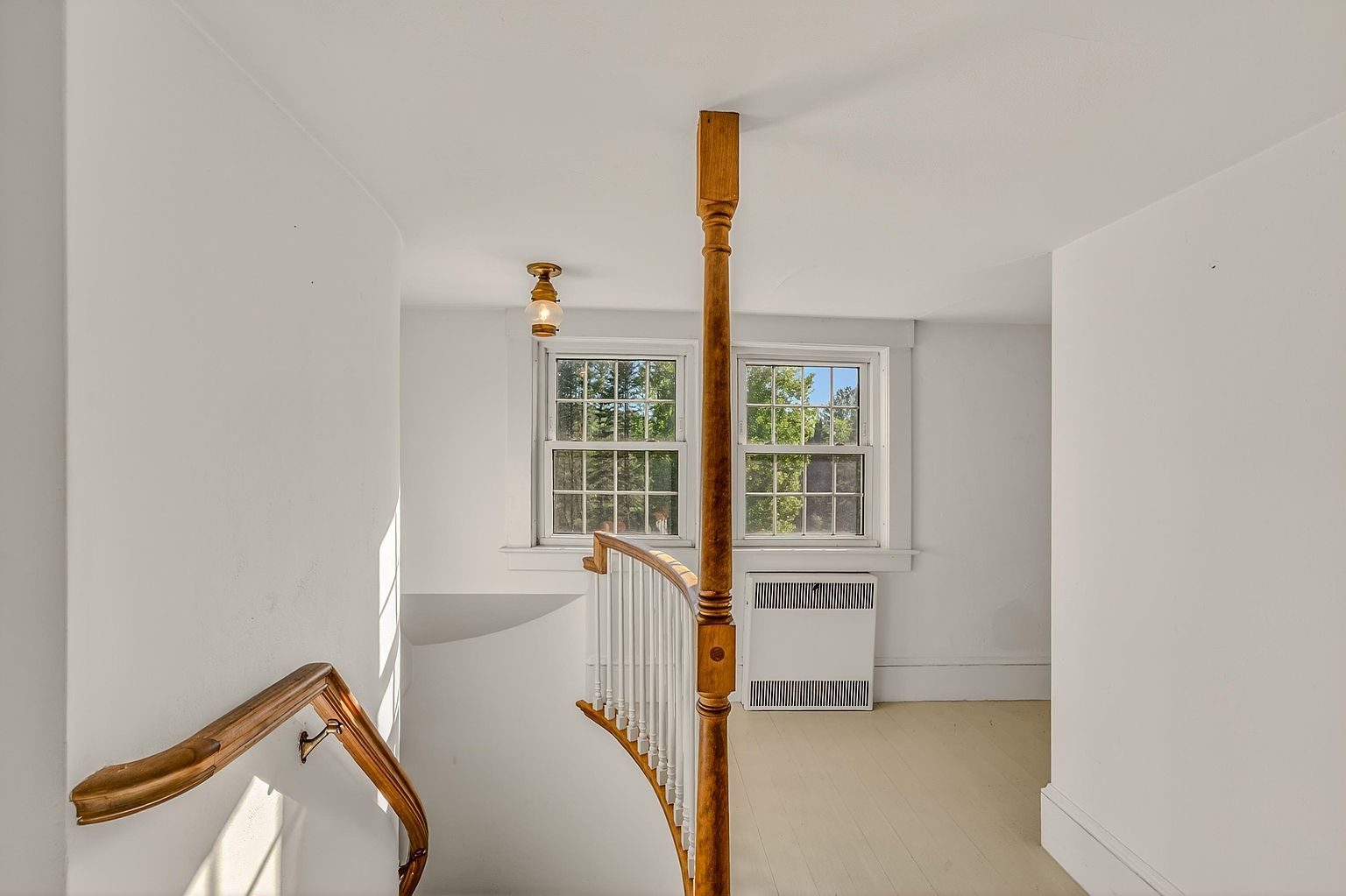
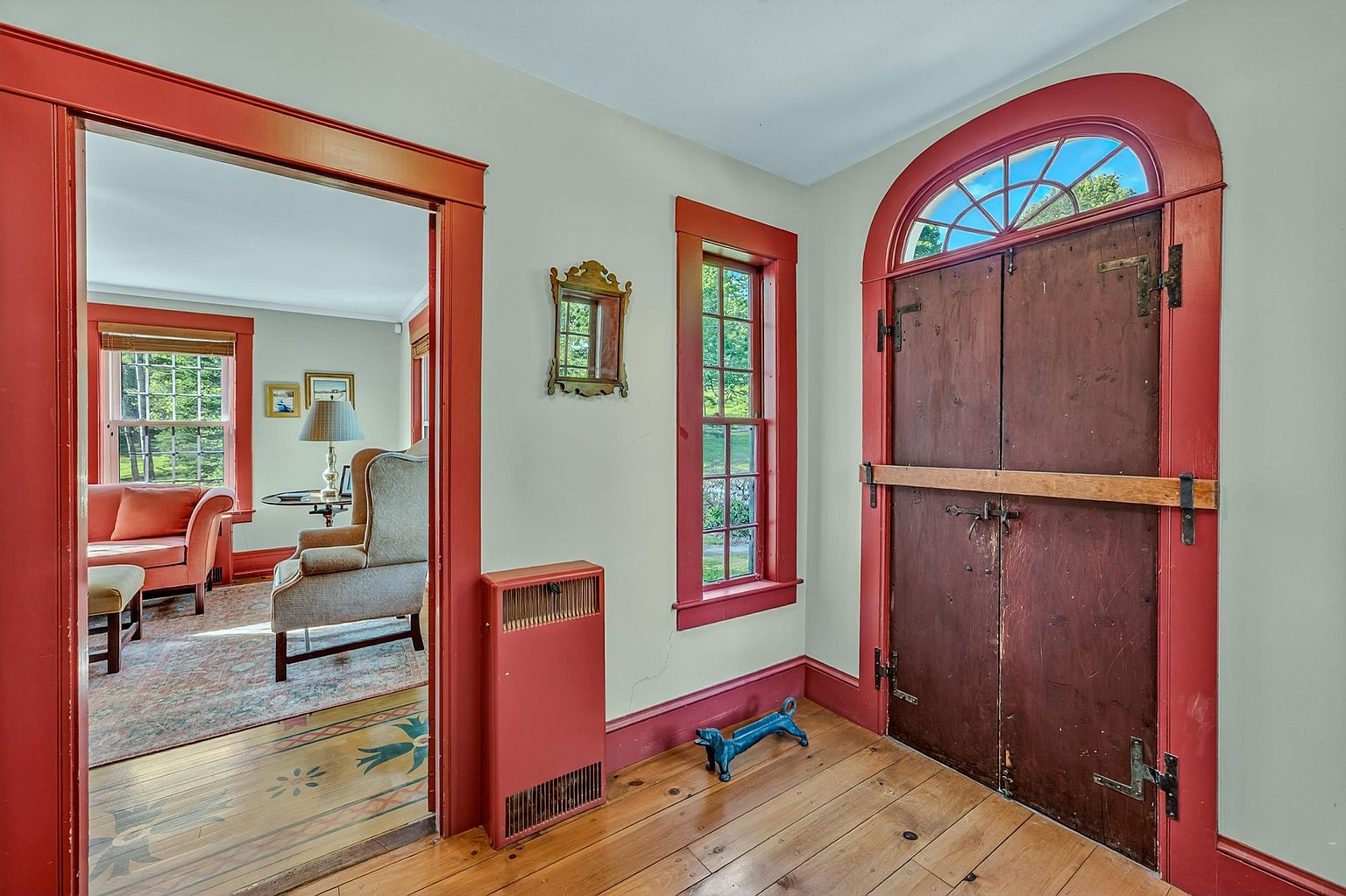
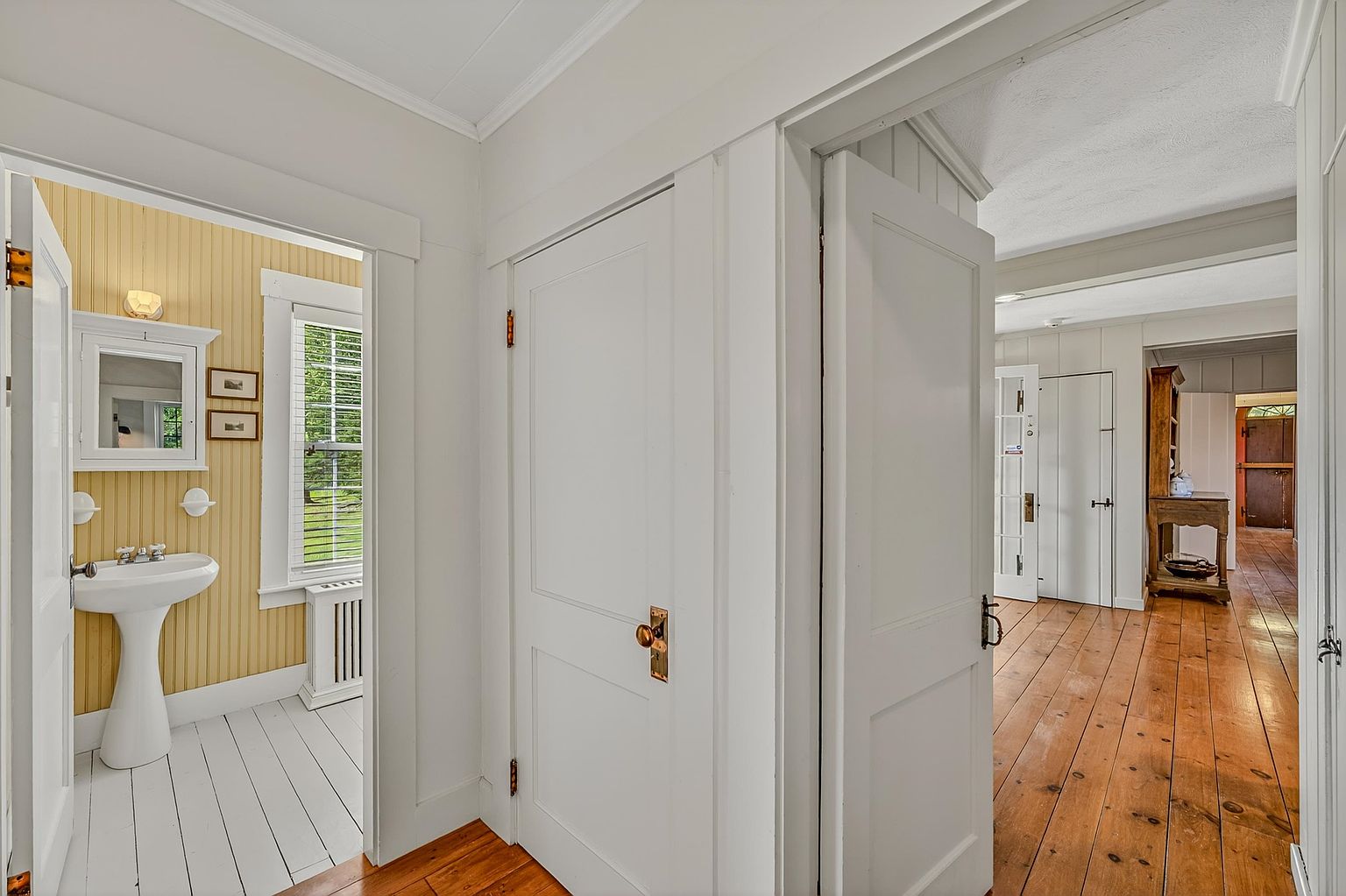
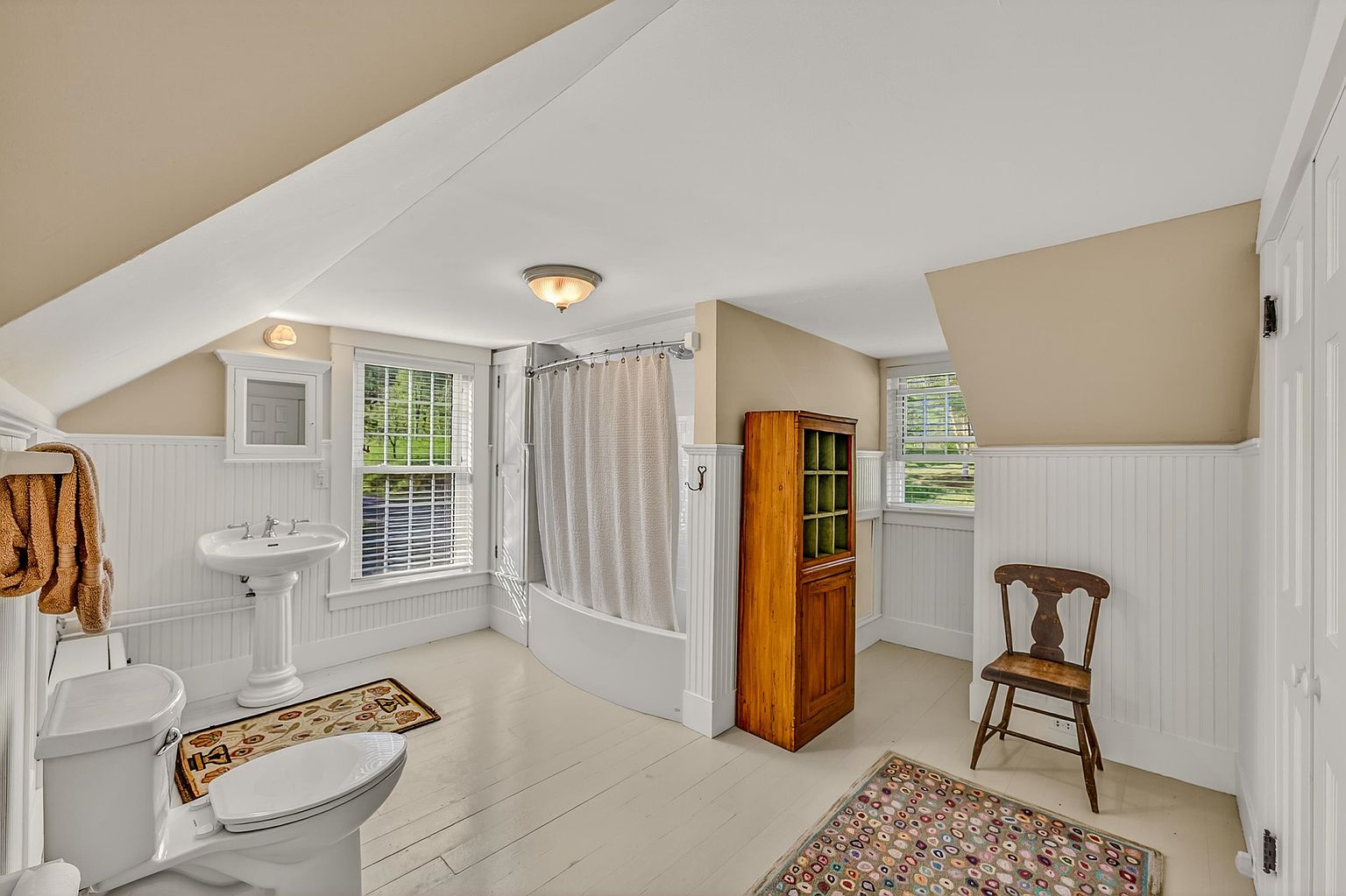
There is a particular quality of light in the White Mountains of New Hampshire — clean, directional, and honest — and few homes understand how to receive it quite like this one. Positioned on a gentle rise along Center District Road in Sugar Hill, the residence has been thoughtfully renovated to honor its architectural heritage while embracing the expectations of contemporary living. The result is a home that feels neither frozen in amber nor stripped of its soul.
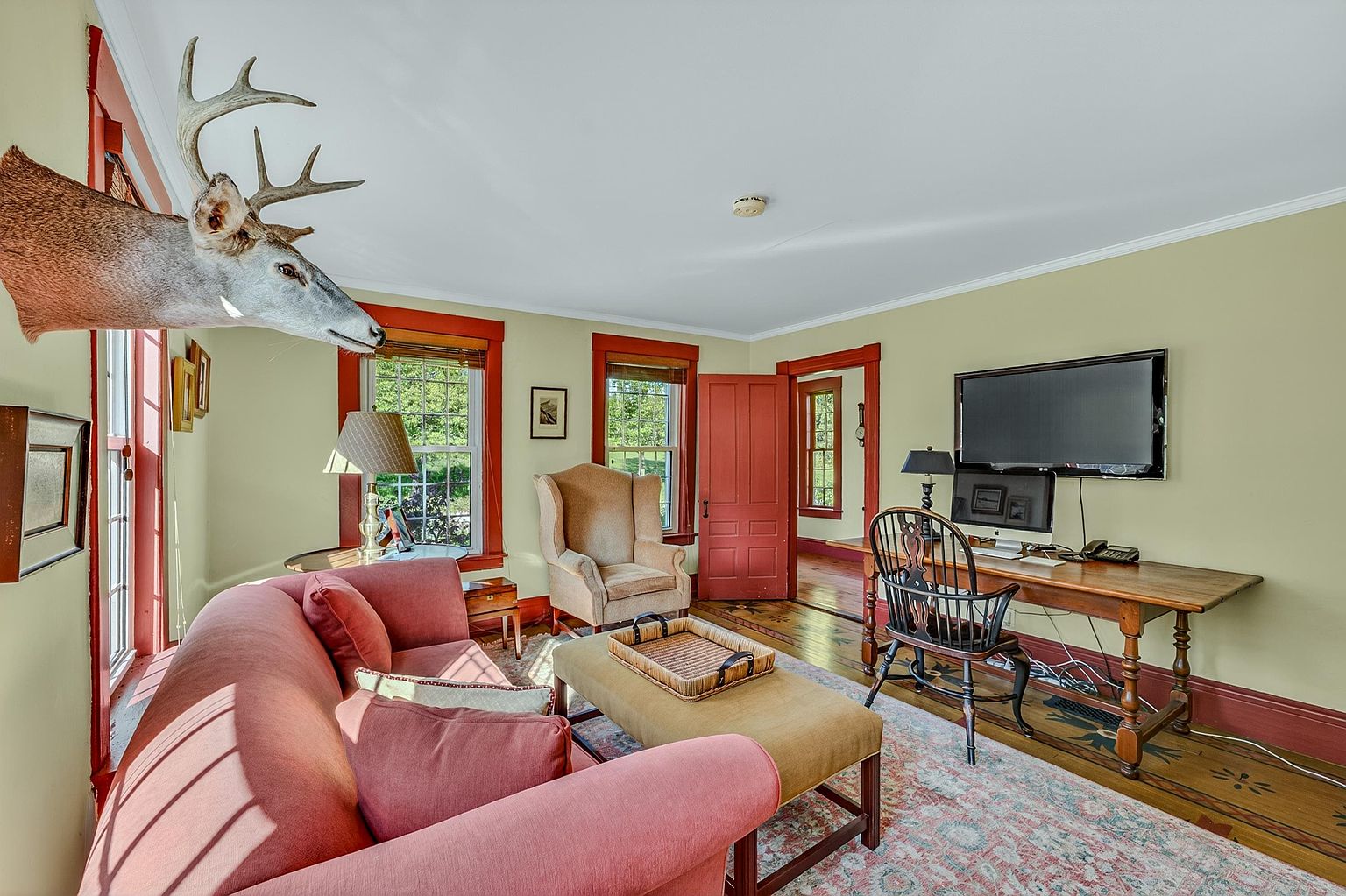
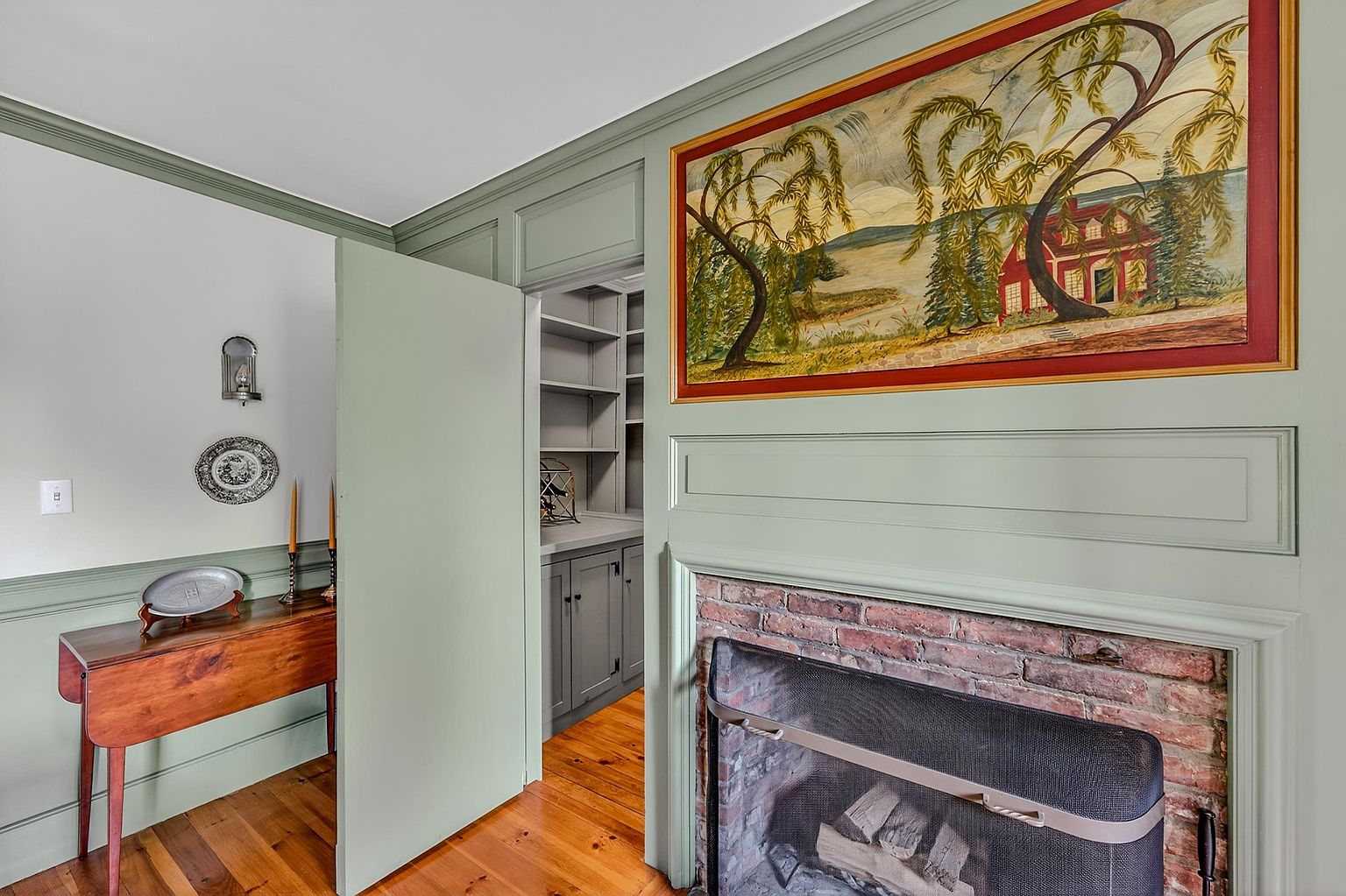
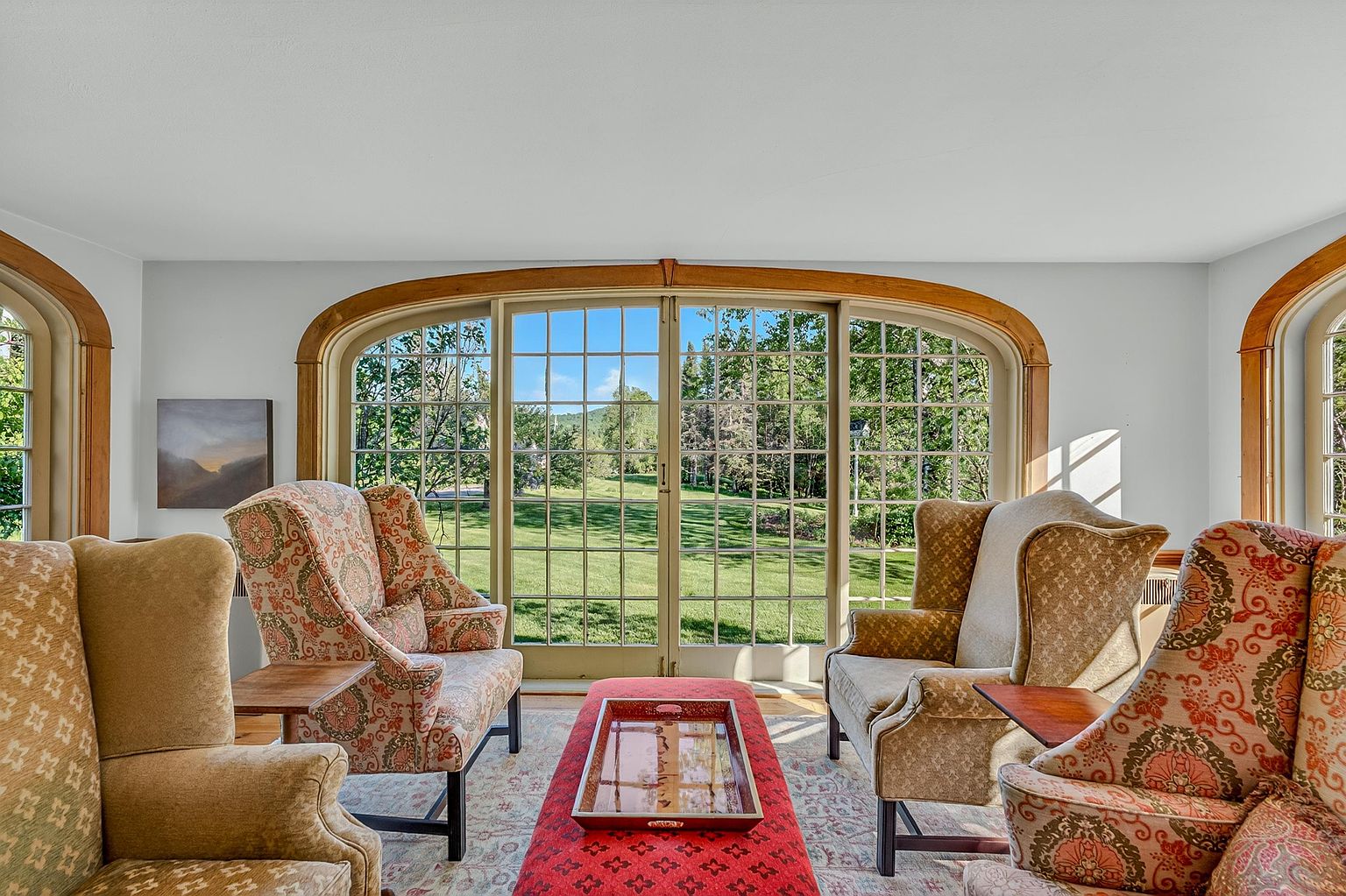
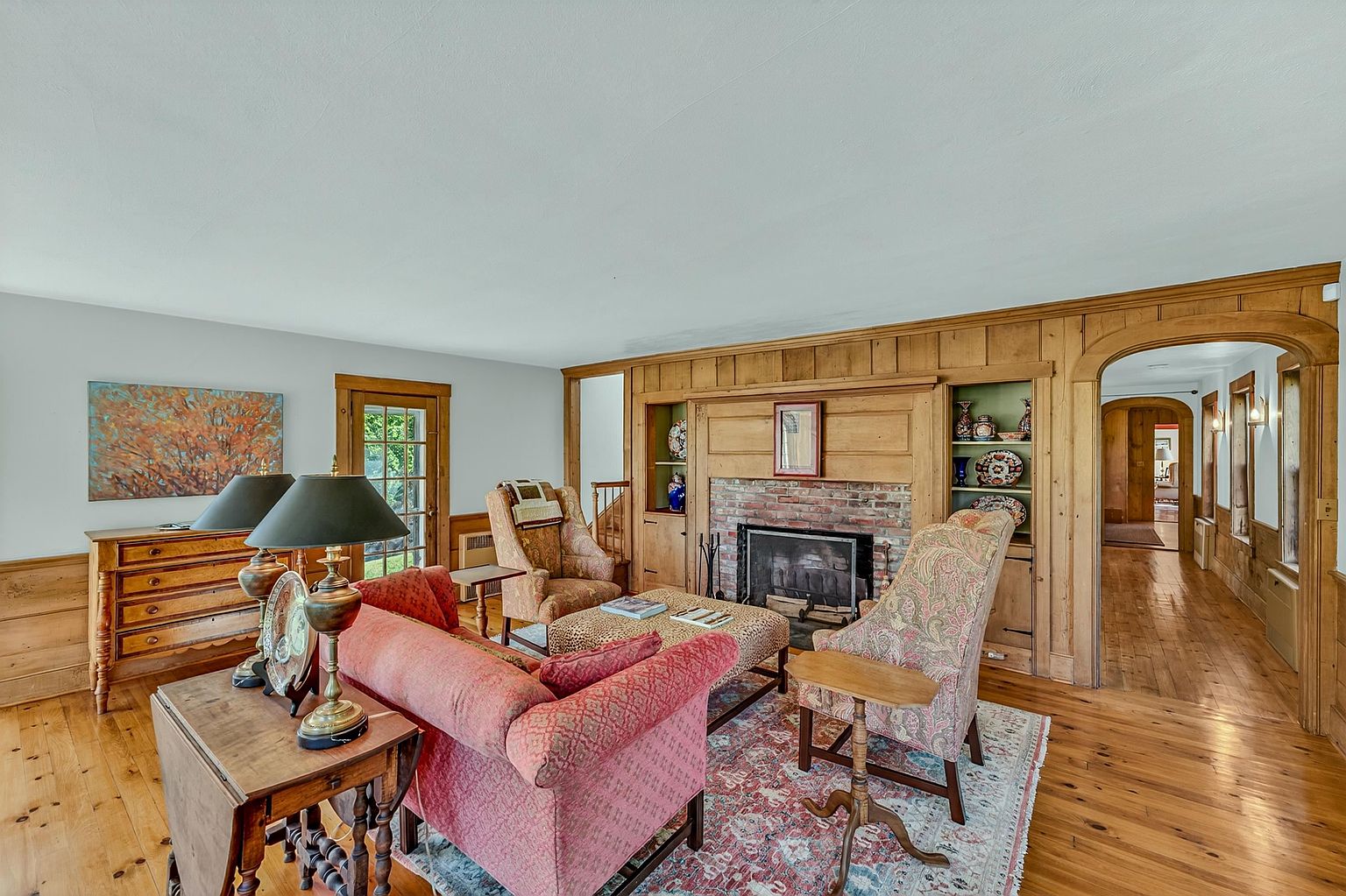
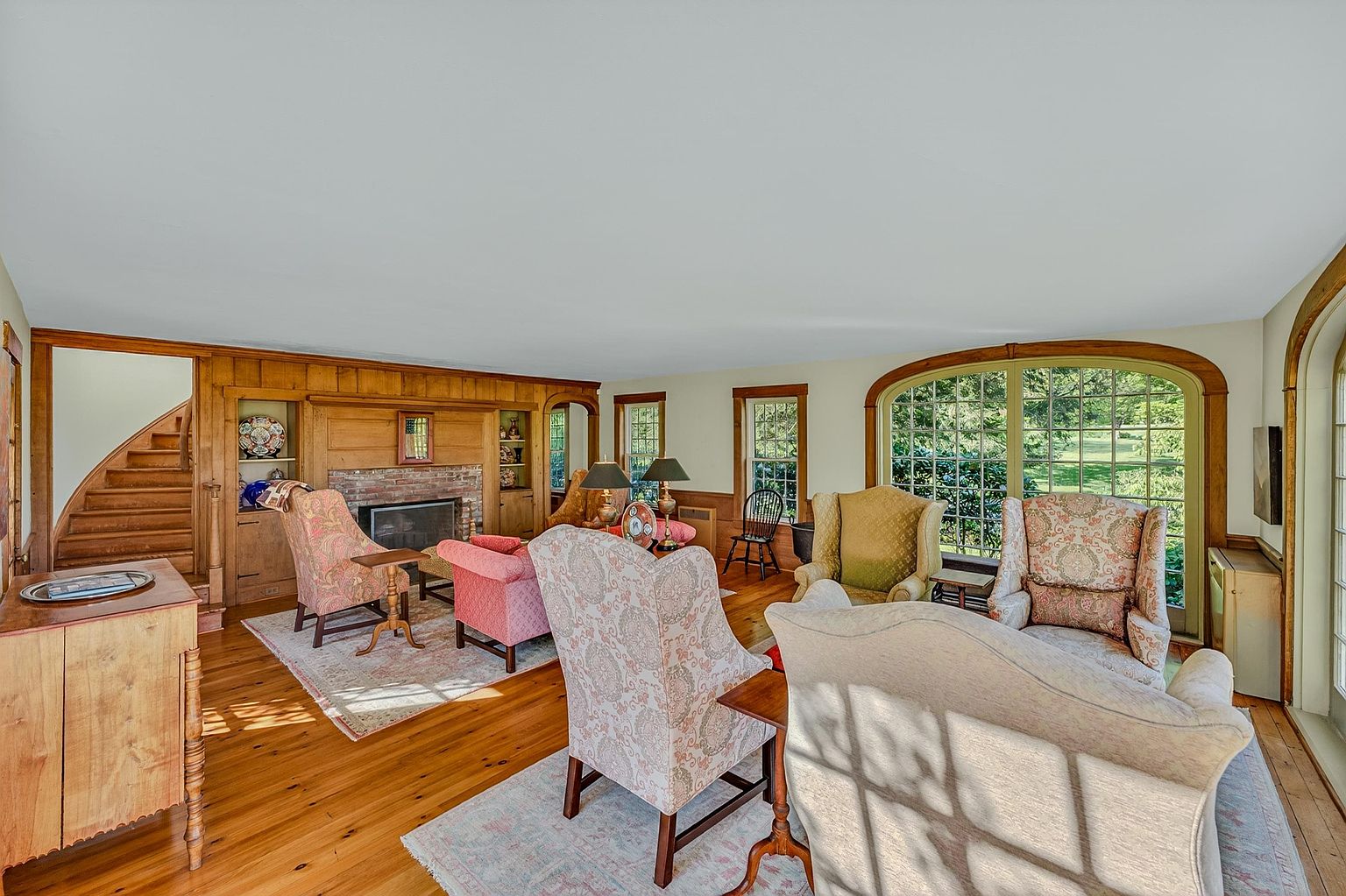
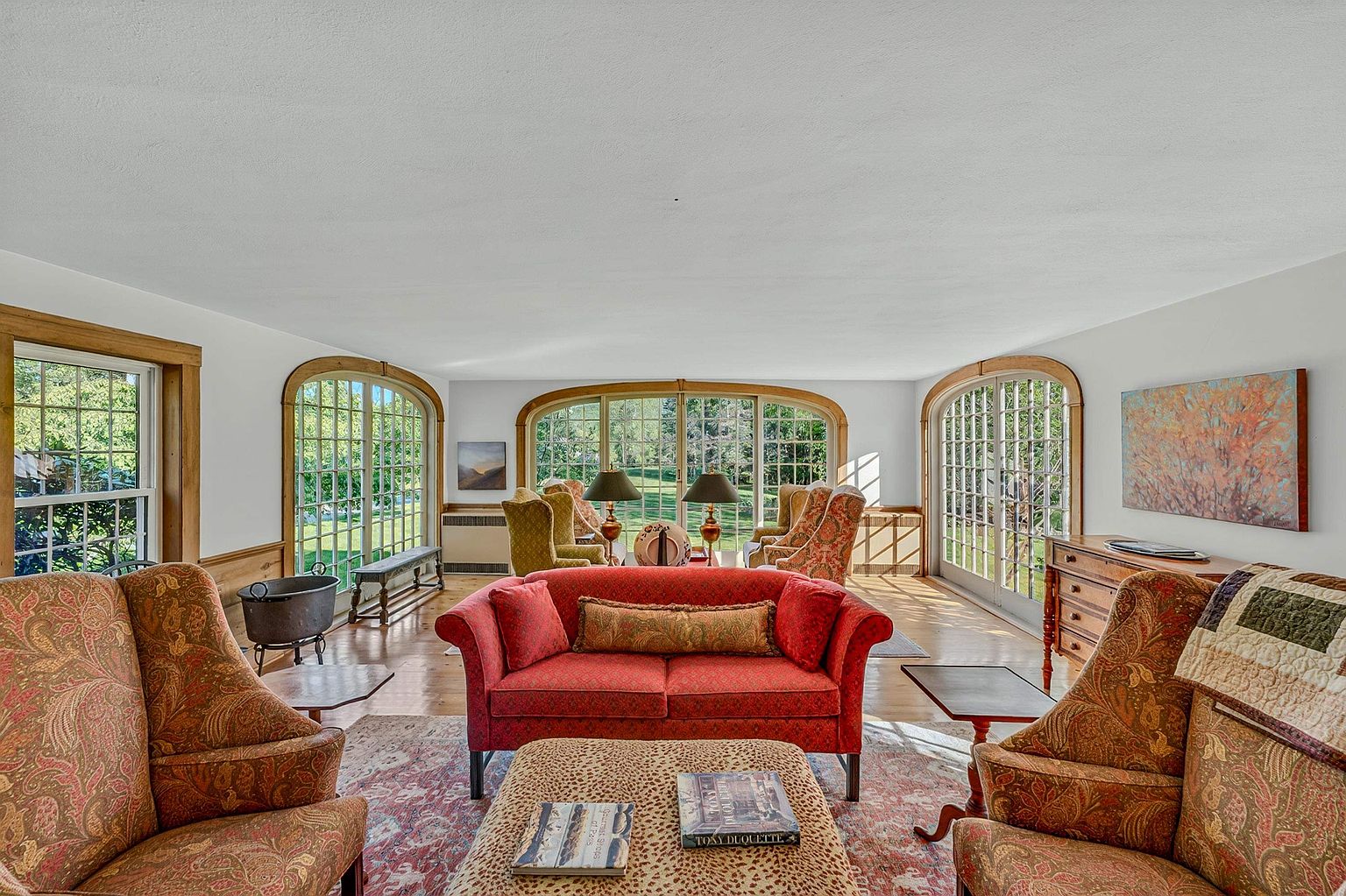
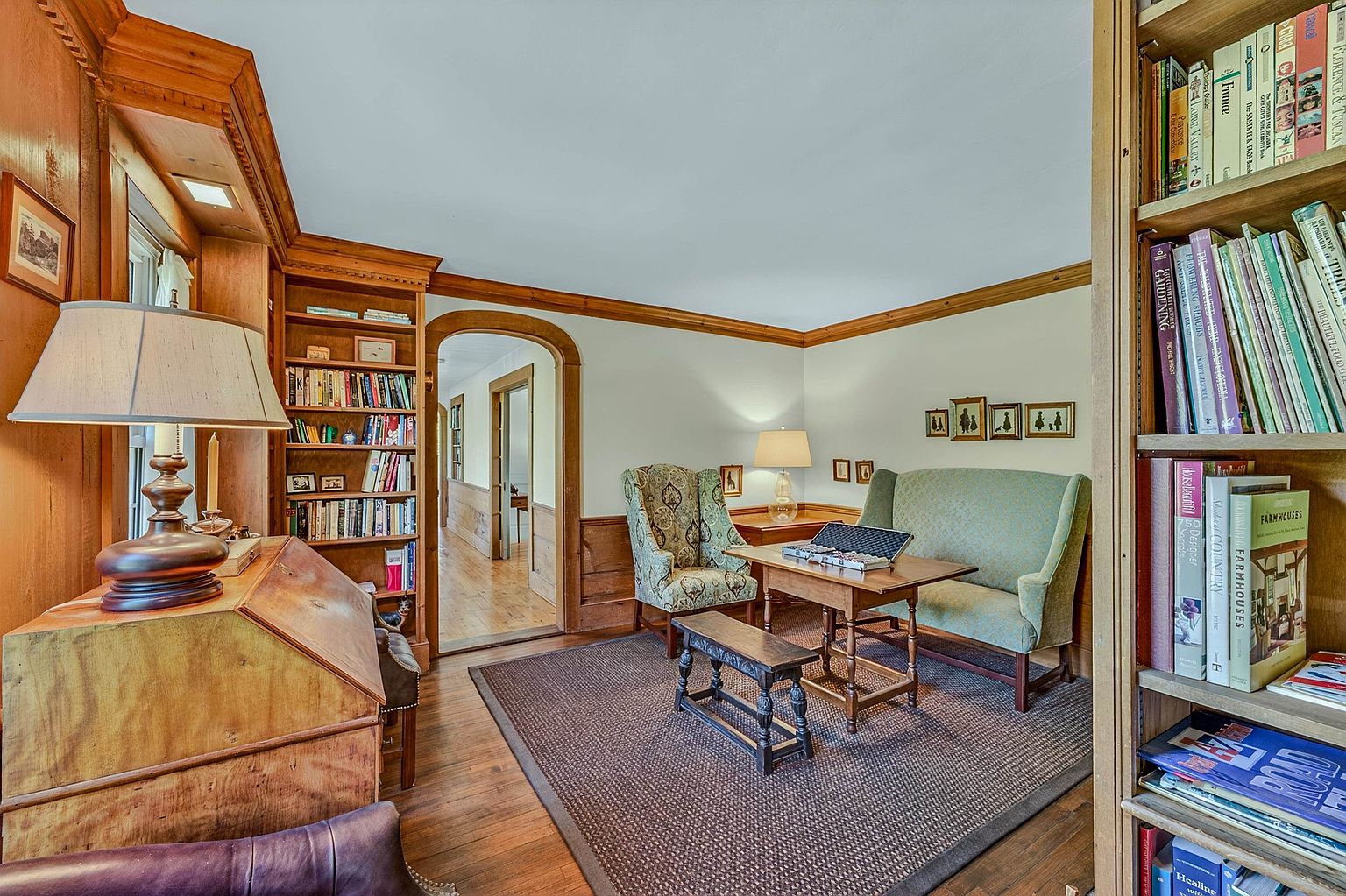
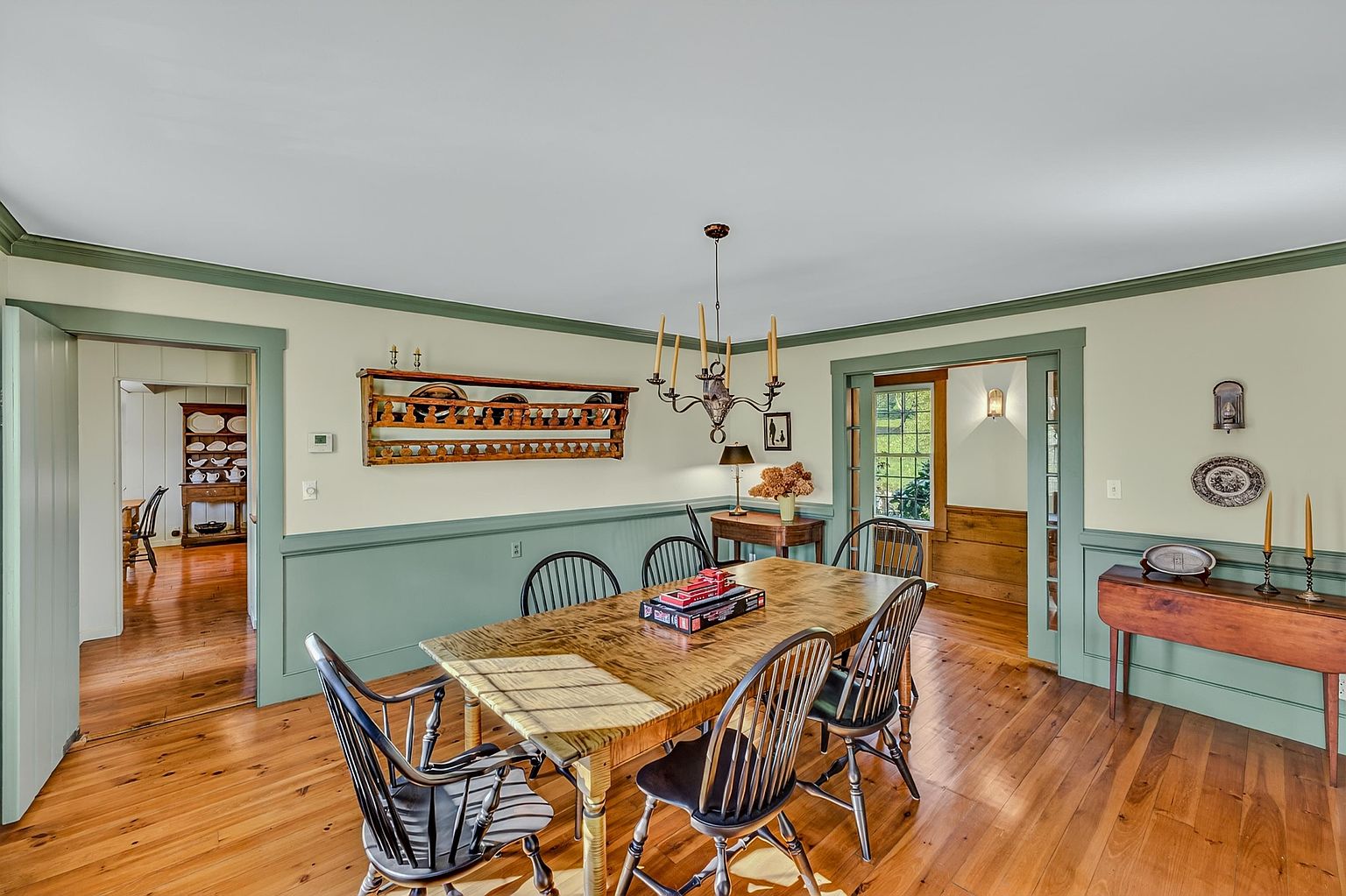
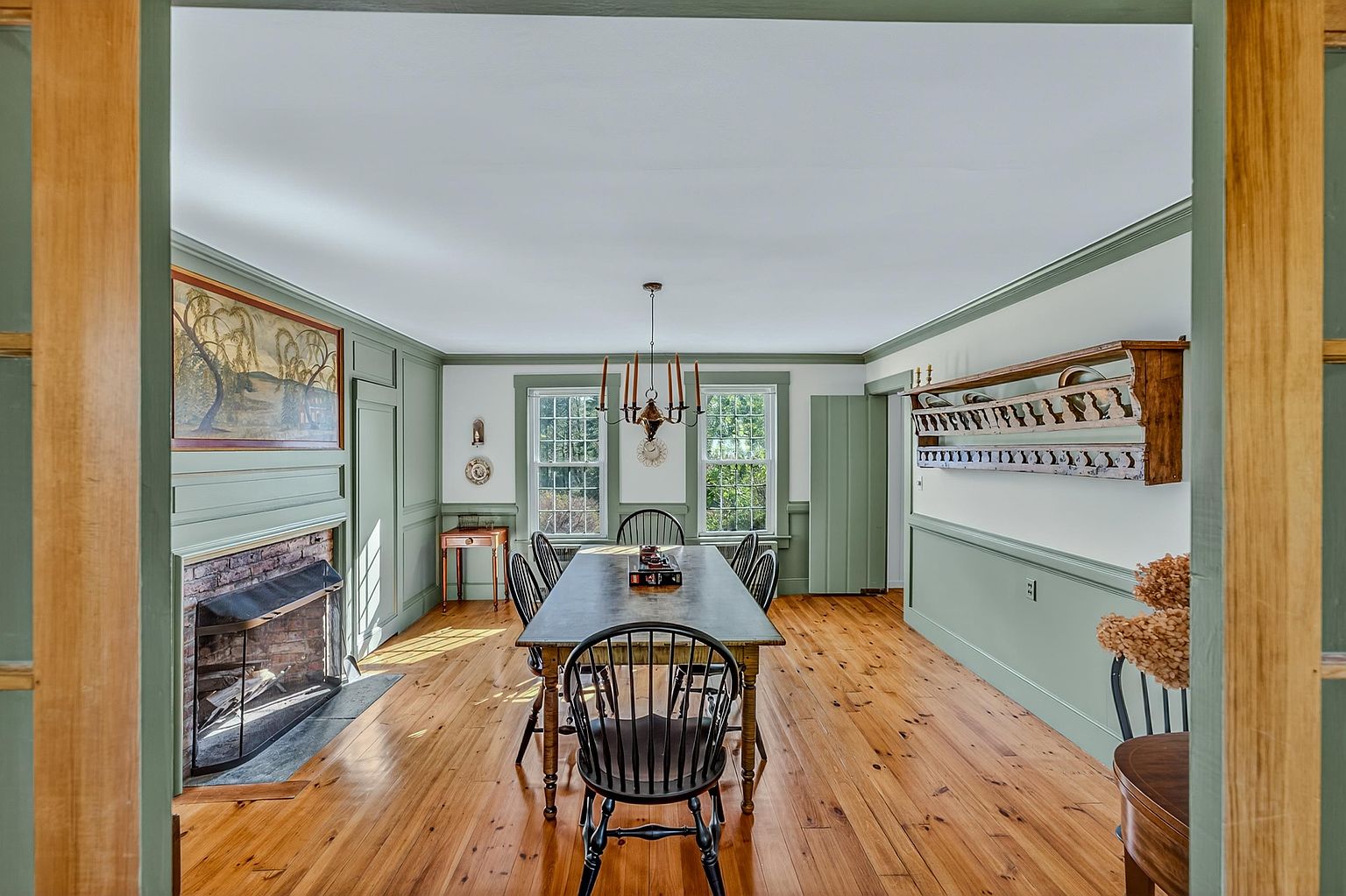
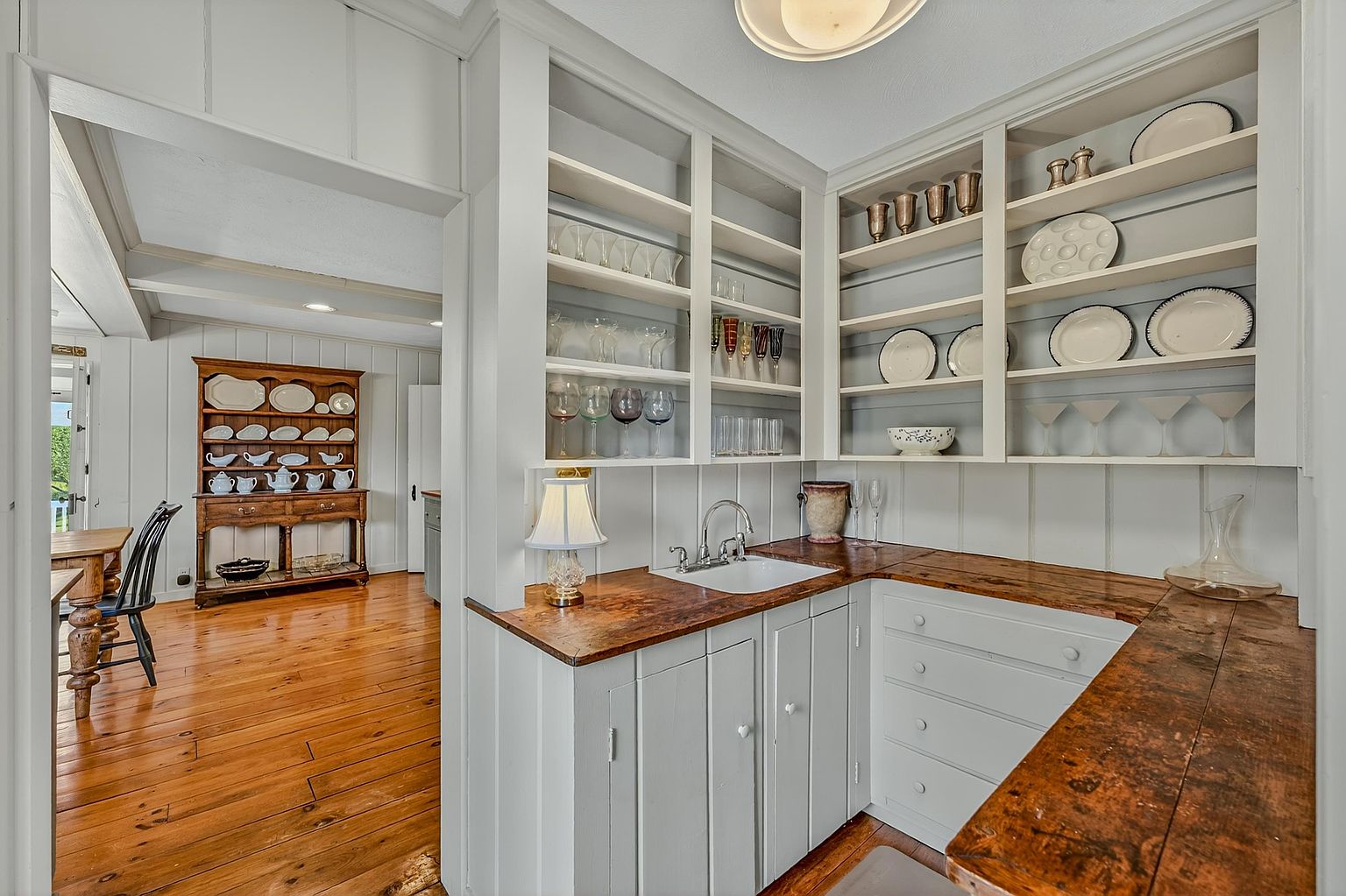
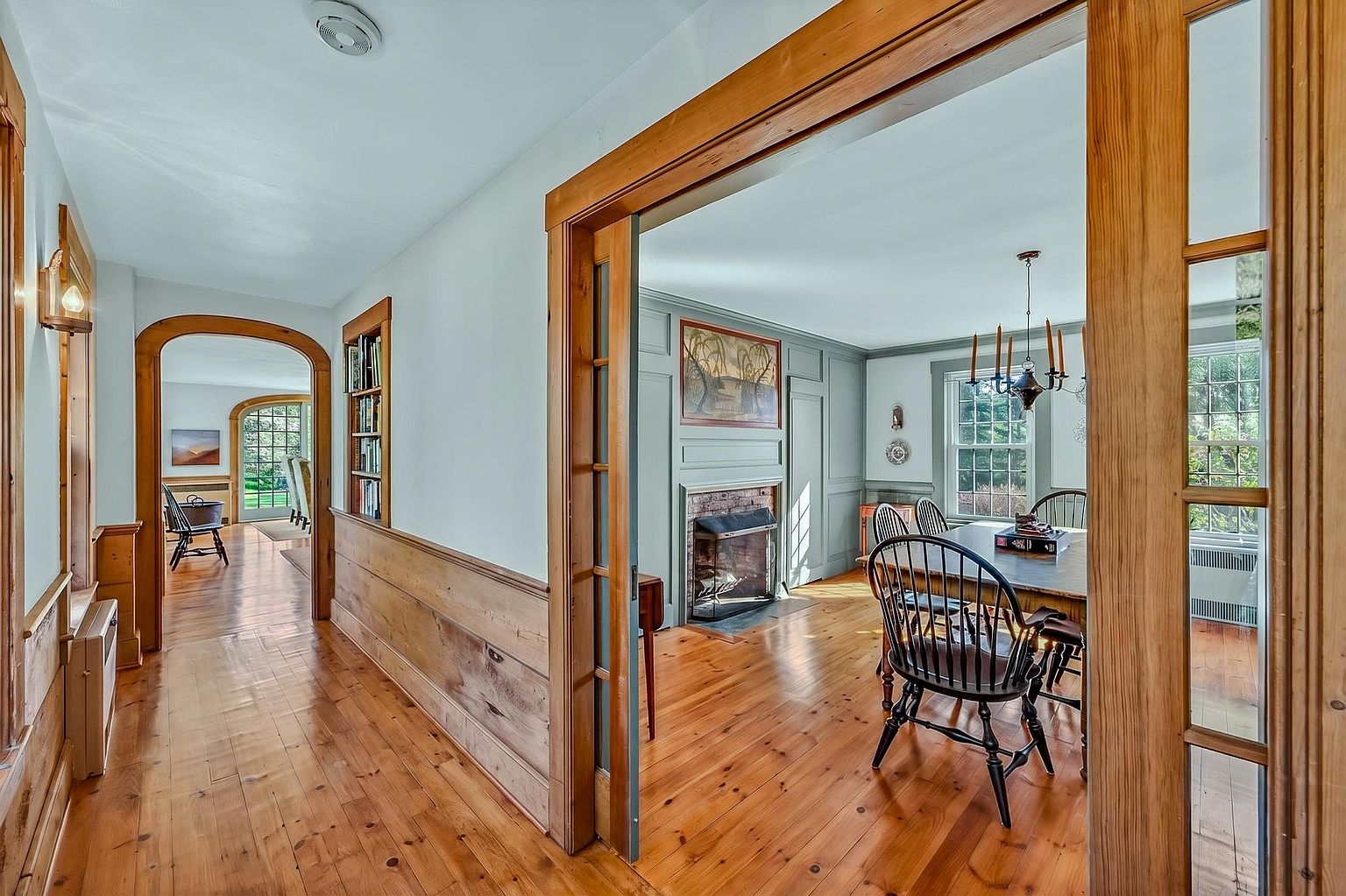
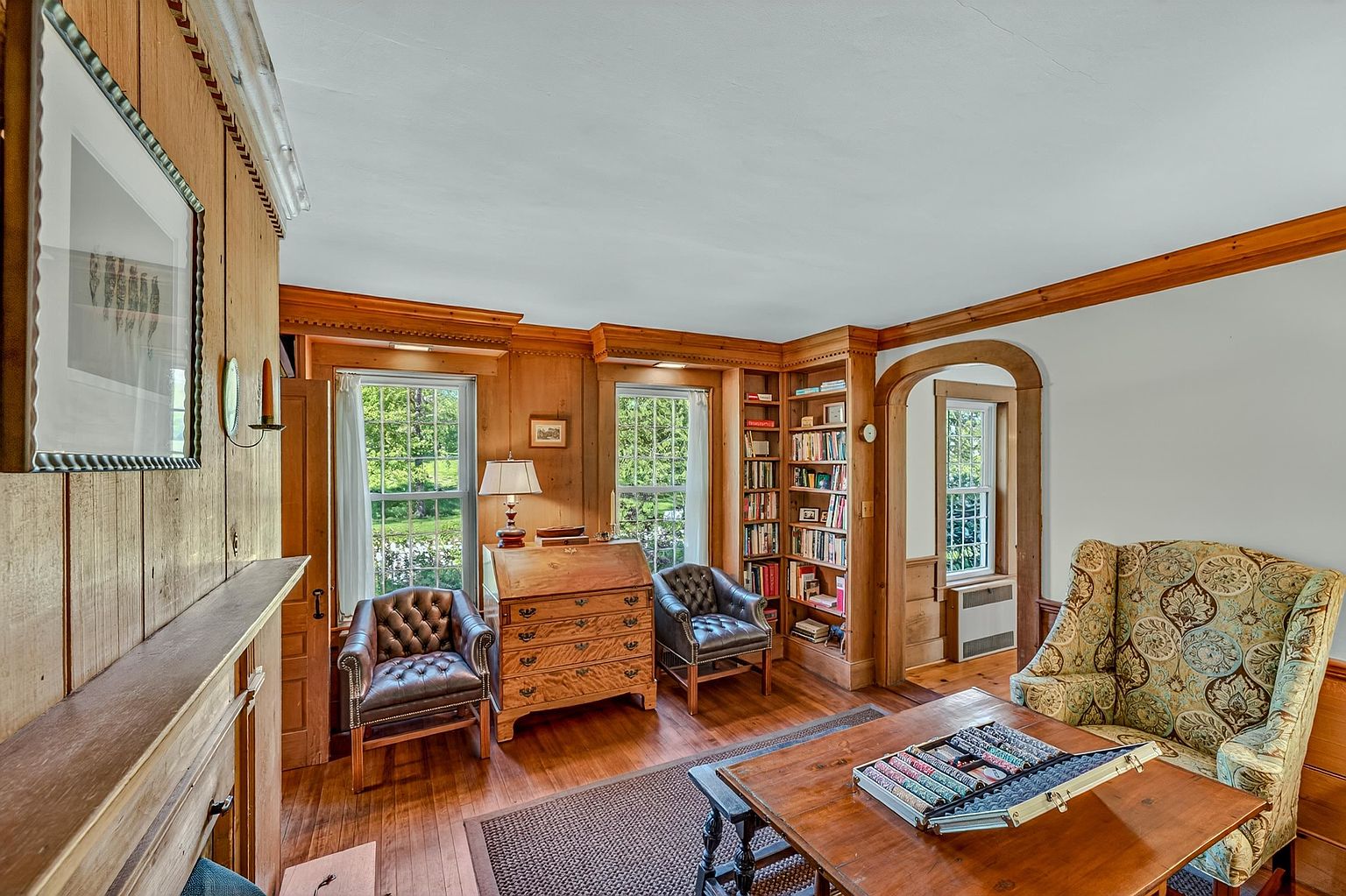
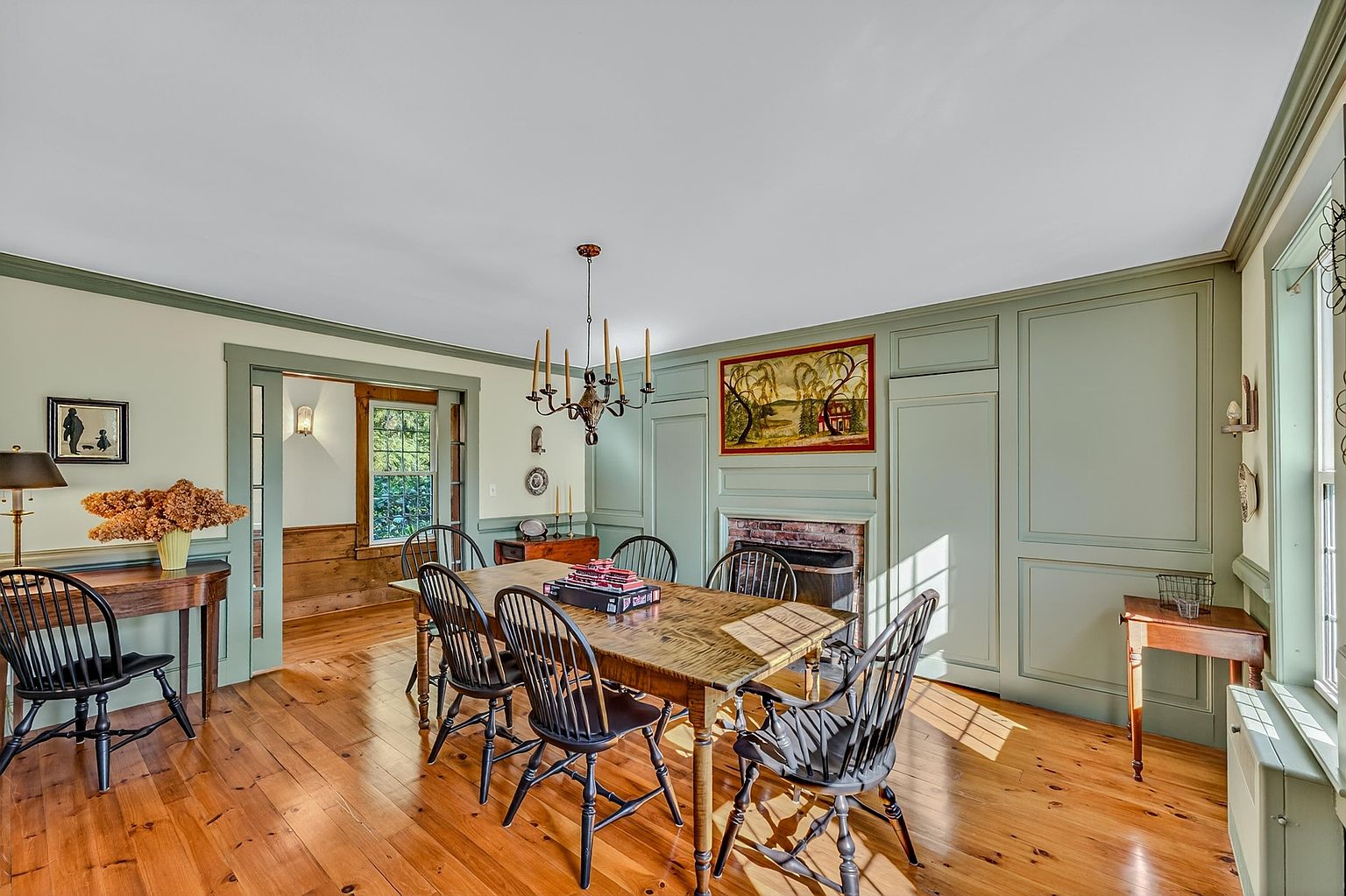
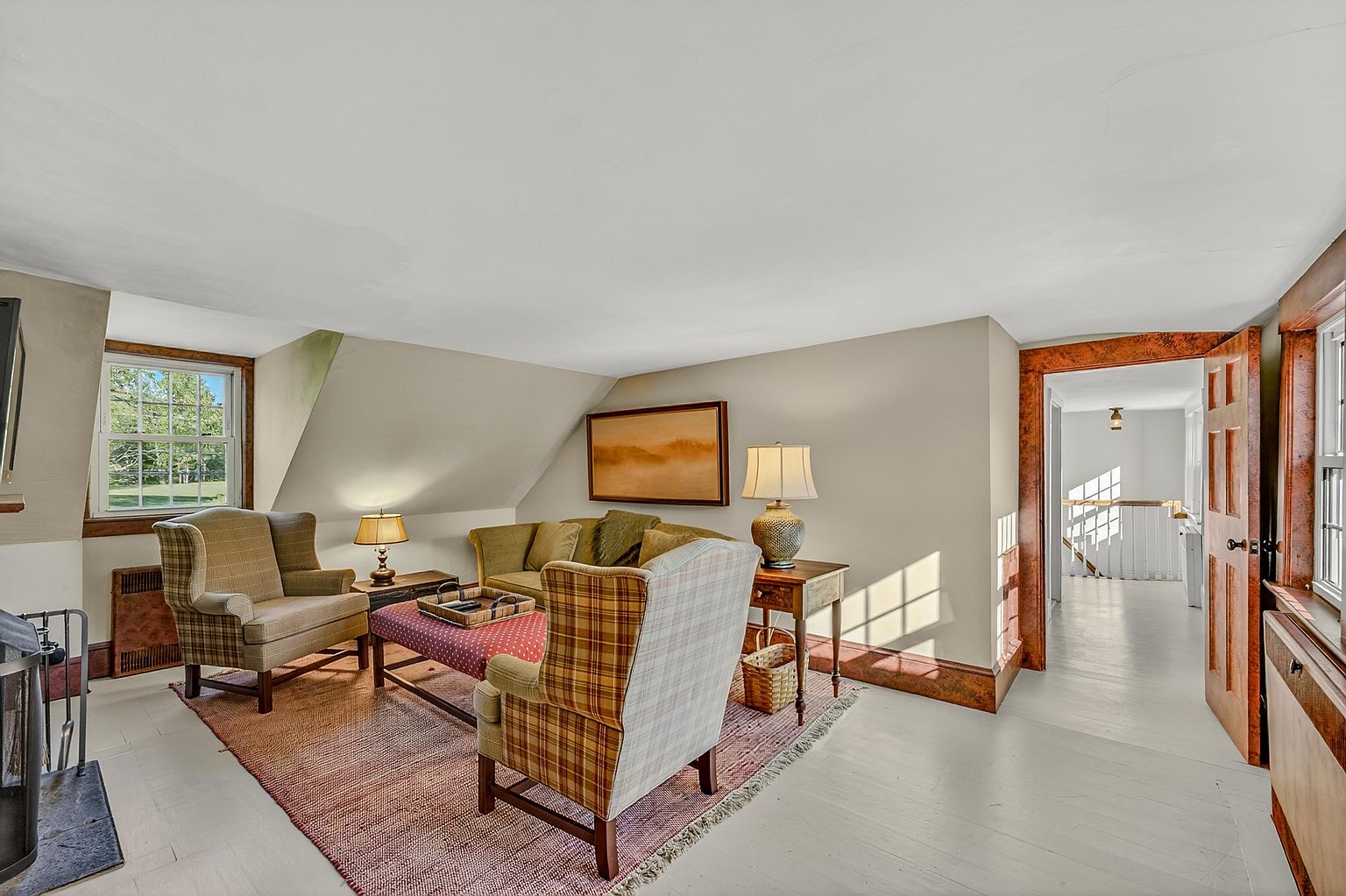
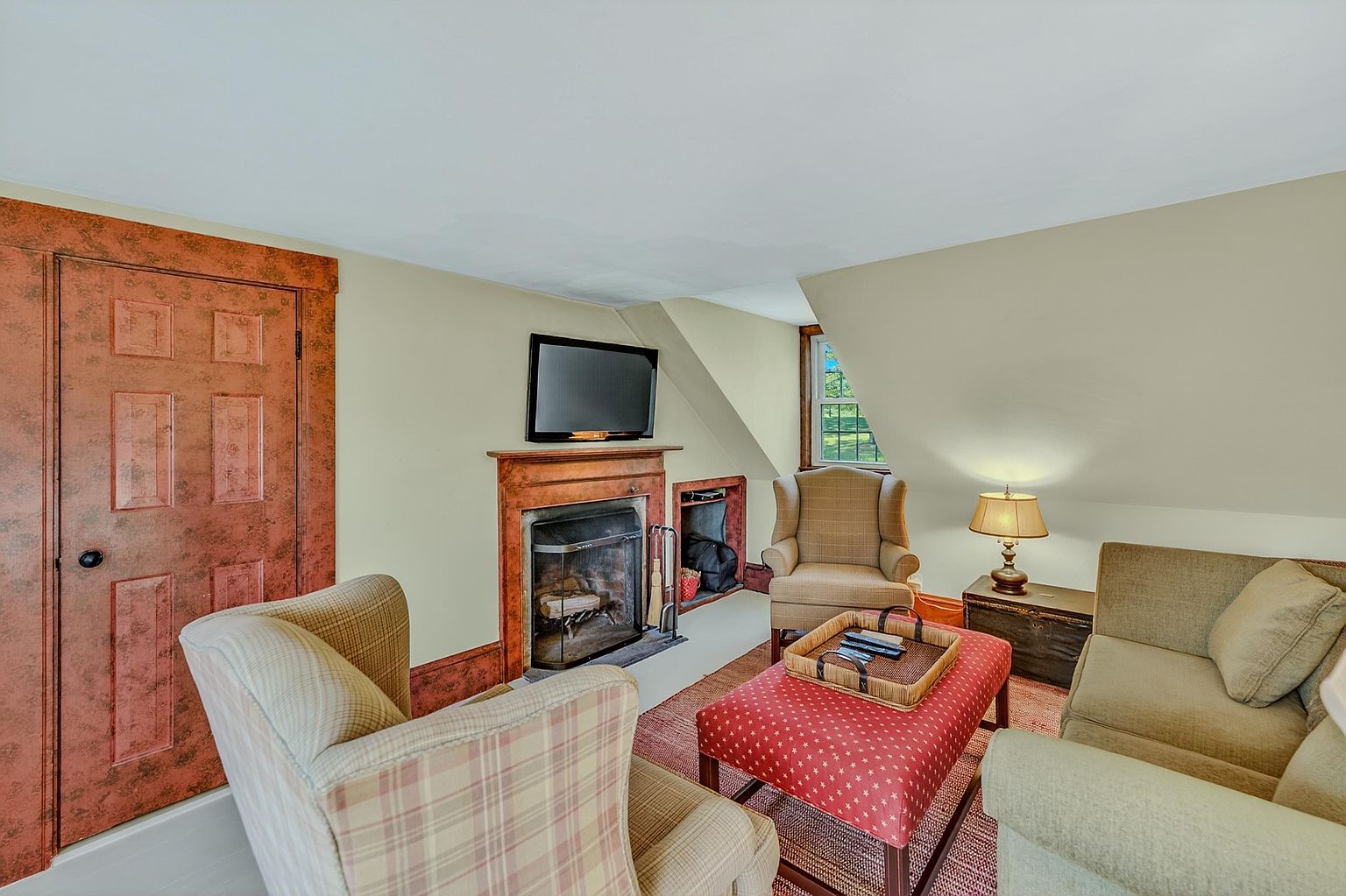
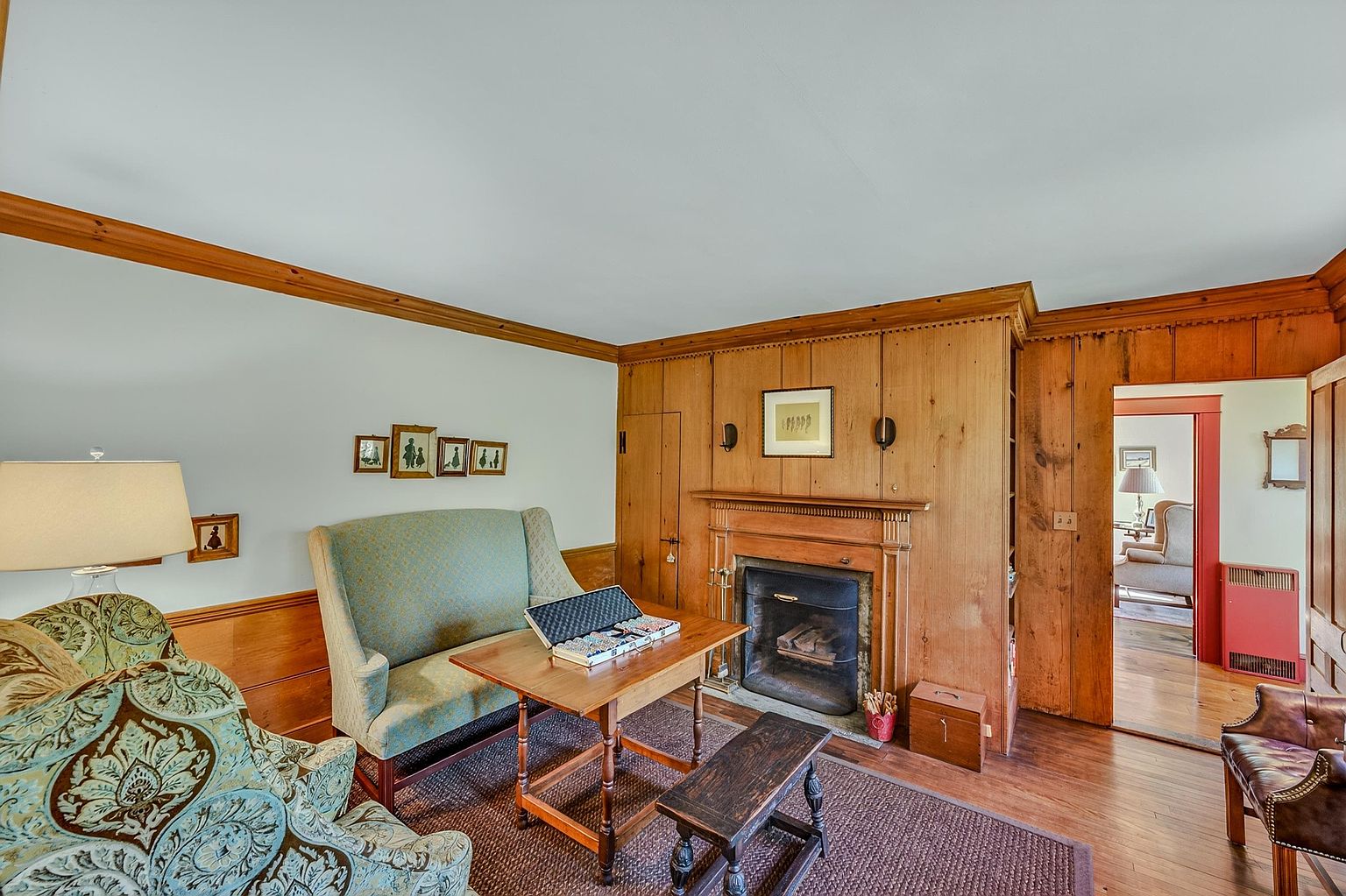
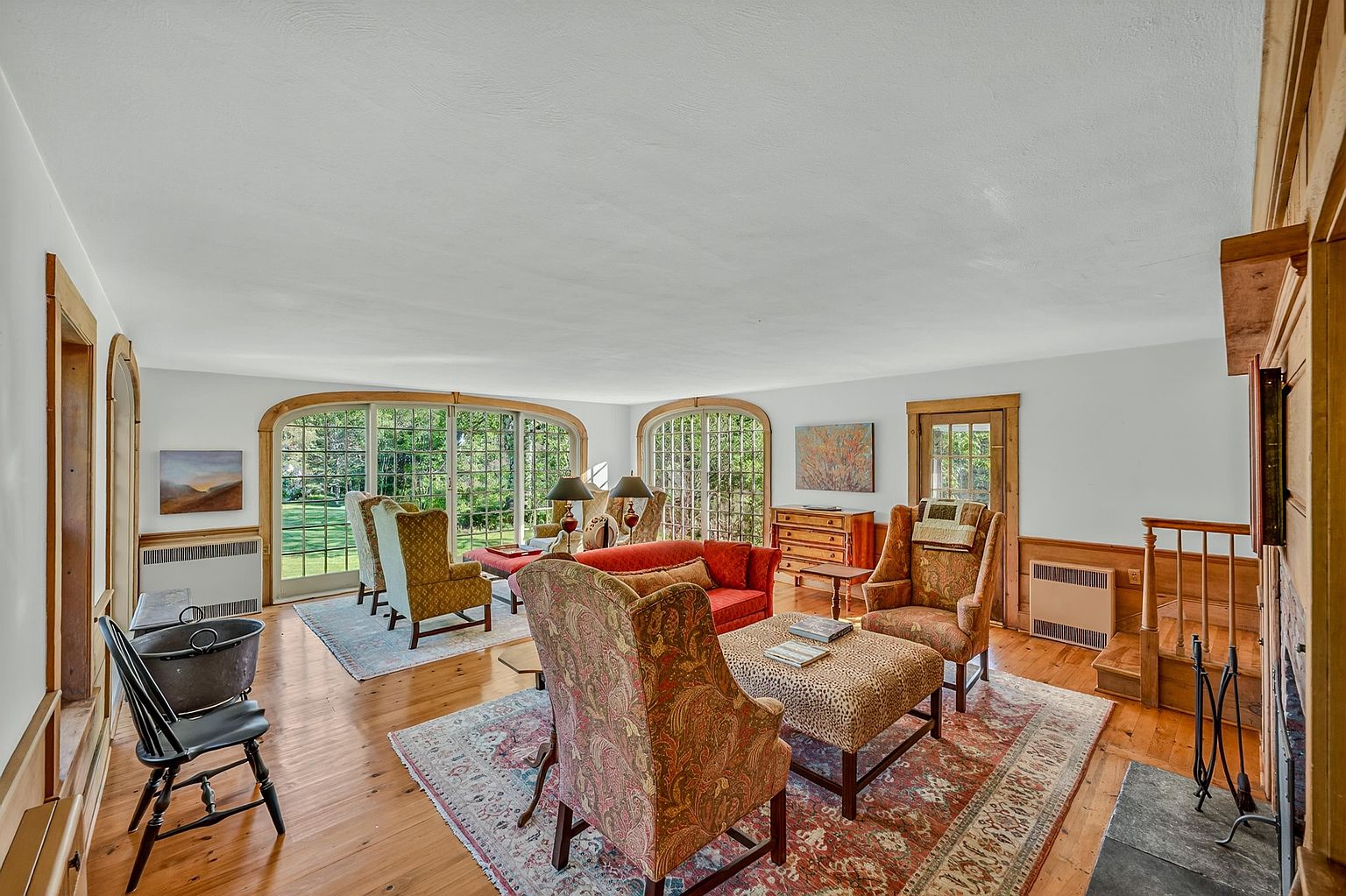
Four fireplaces are the connective tissue of the interior, each fitted with an elegant soapstone hearth that radiates heat with a quiet, even warmth that cast iron simply cannot replicate. They appear in the rooms that matter most: the library, where rich wood paneling and dentil molding create an atmosphere of considered scholarship; the dining room, where wide-pine panels and a concealed butler's pantry speak to an earlier era of gracious hospitality; the great room, whose three large arched casement windows frame the landscape like living paintings; and the upstairs TV room, a retreat within a retreat.
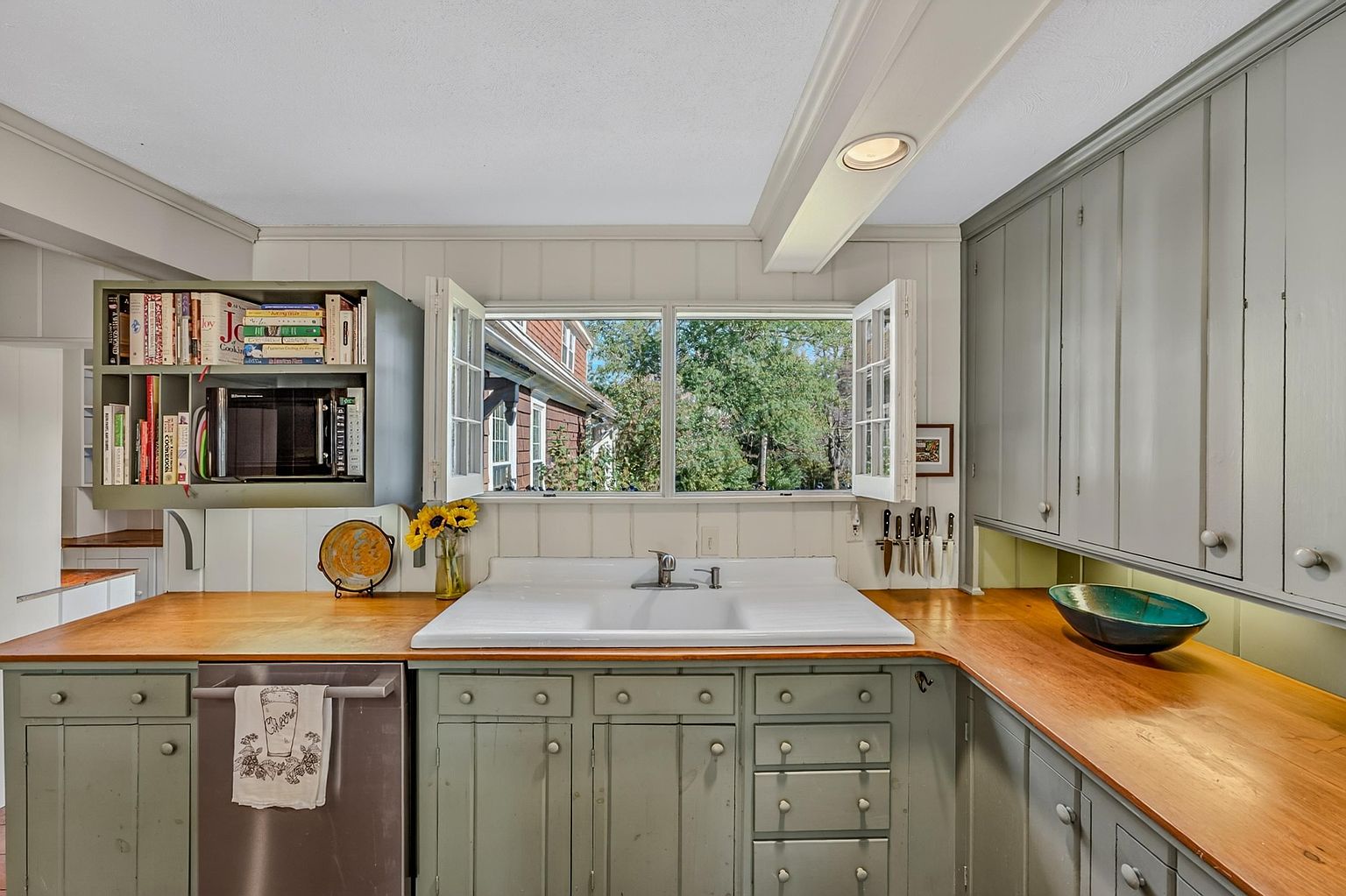
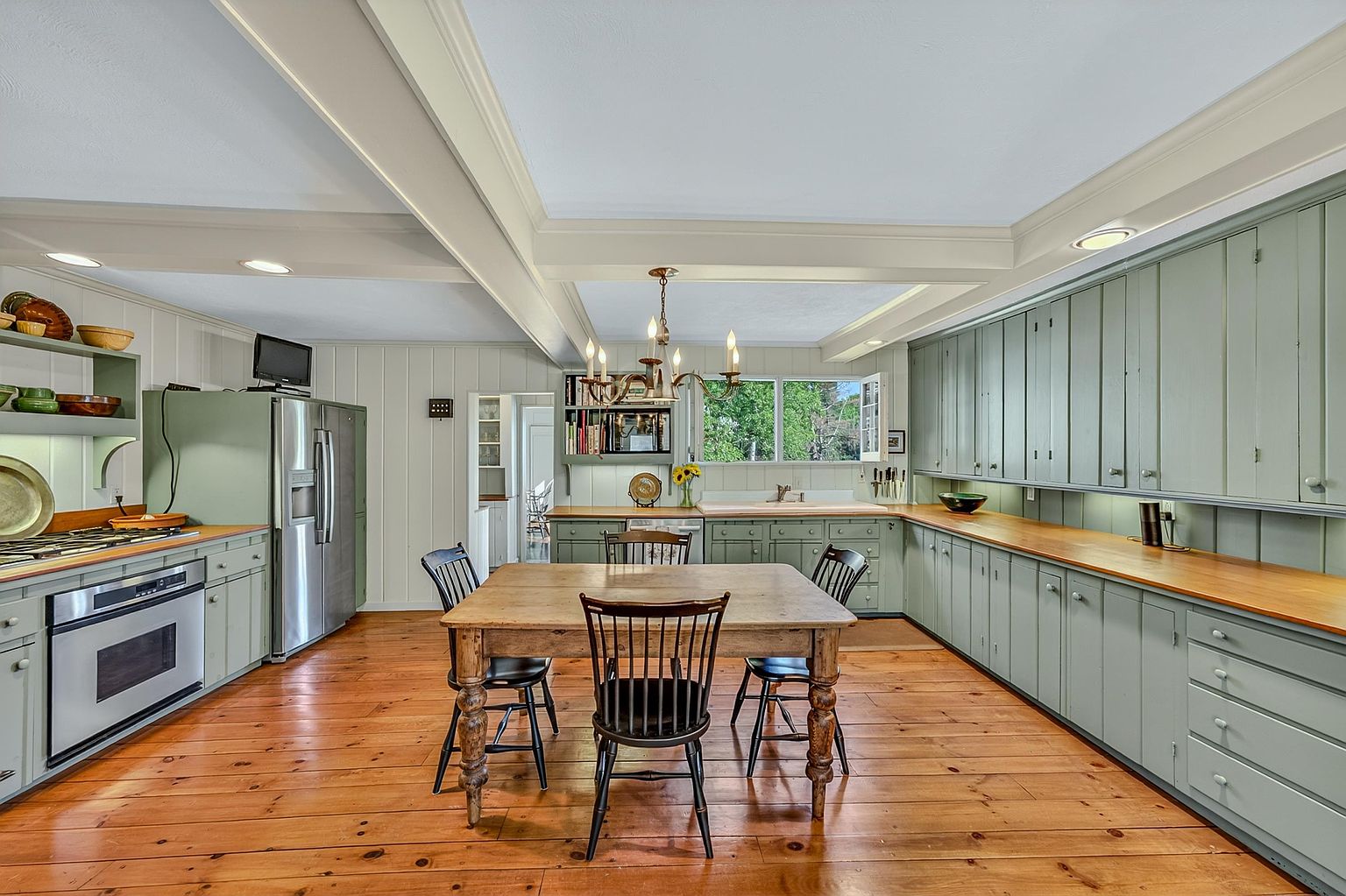
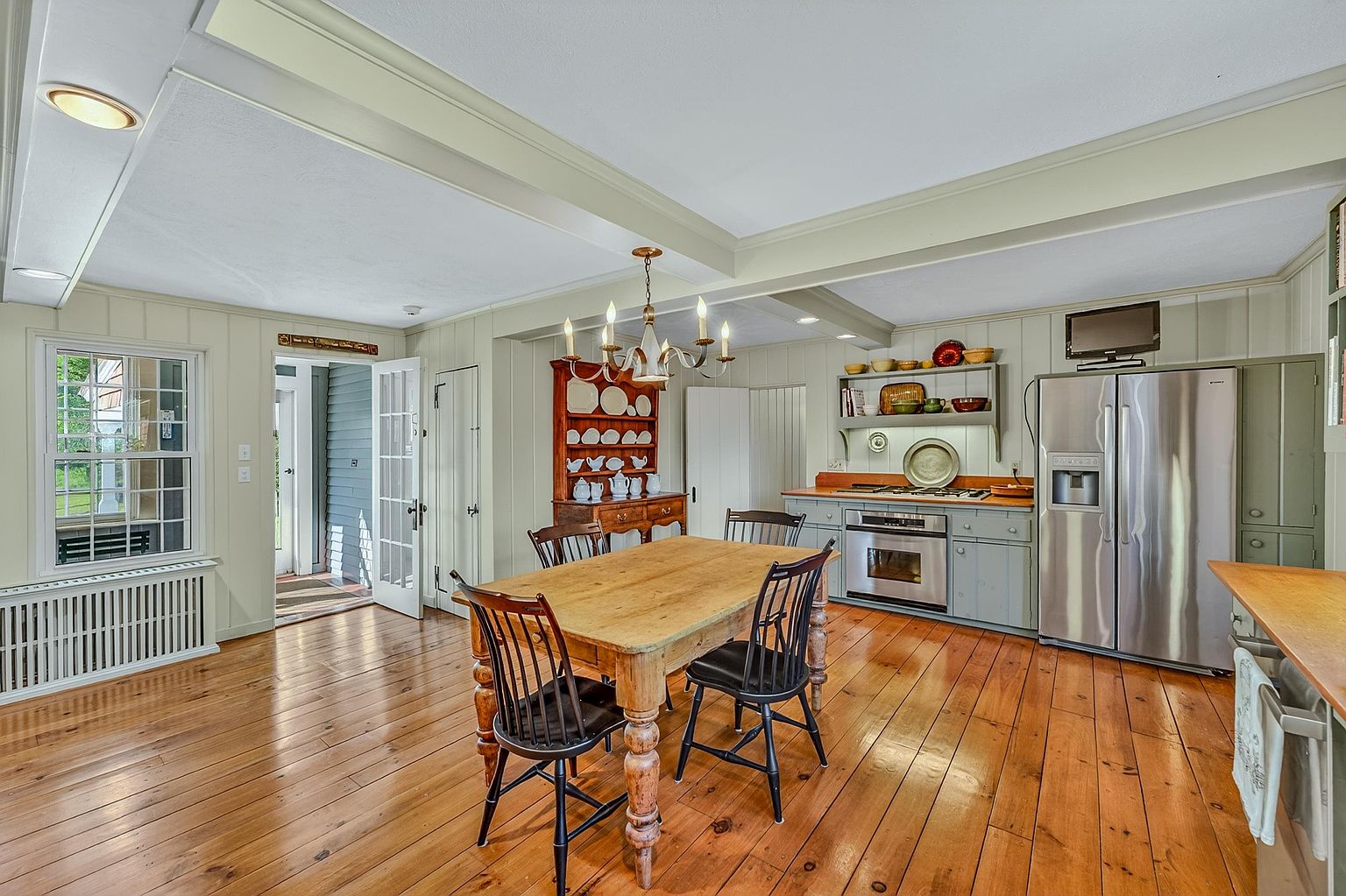
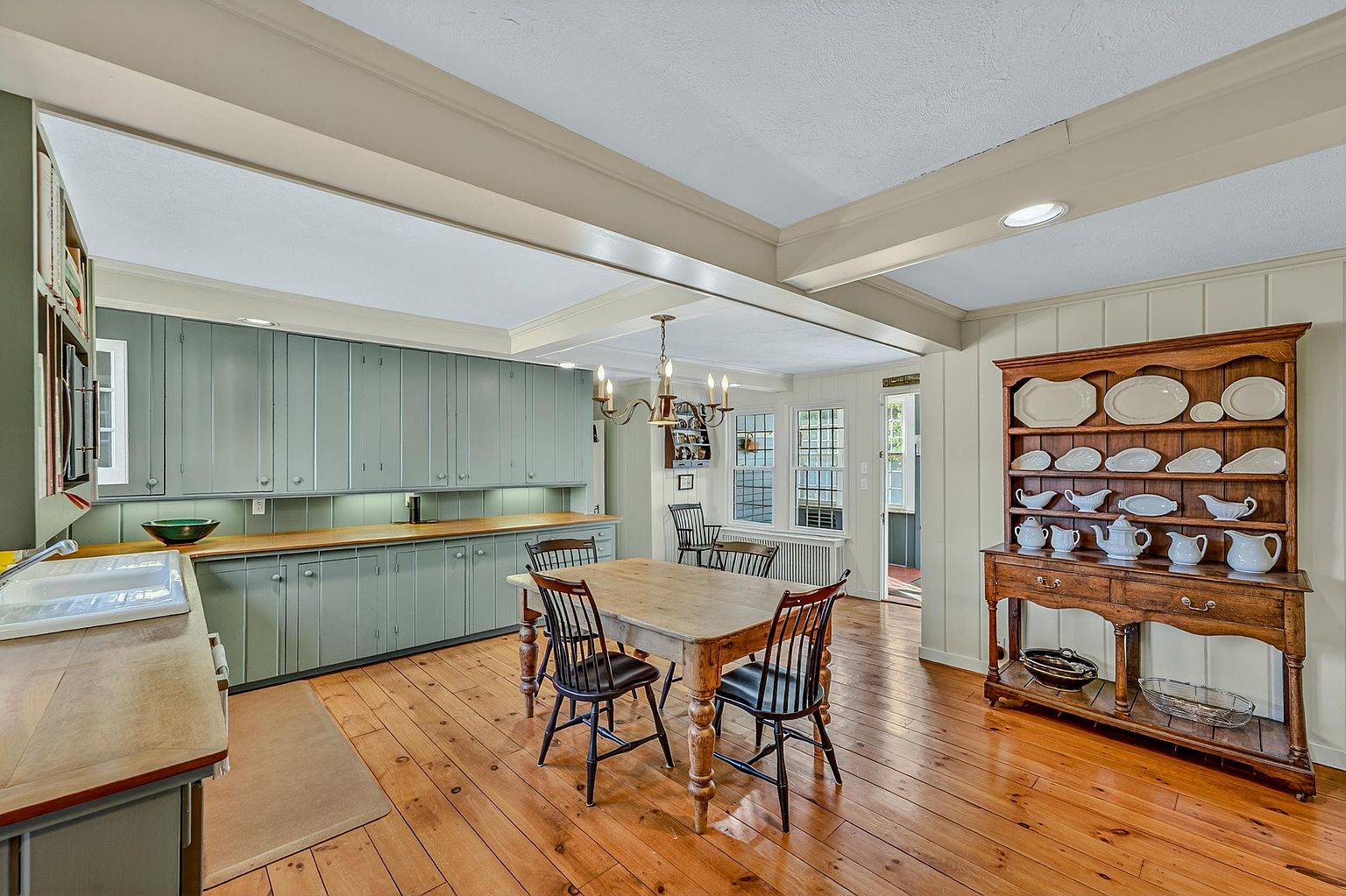
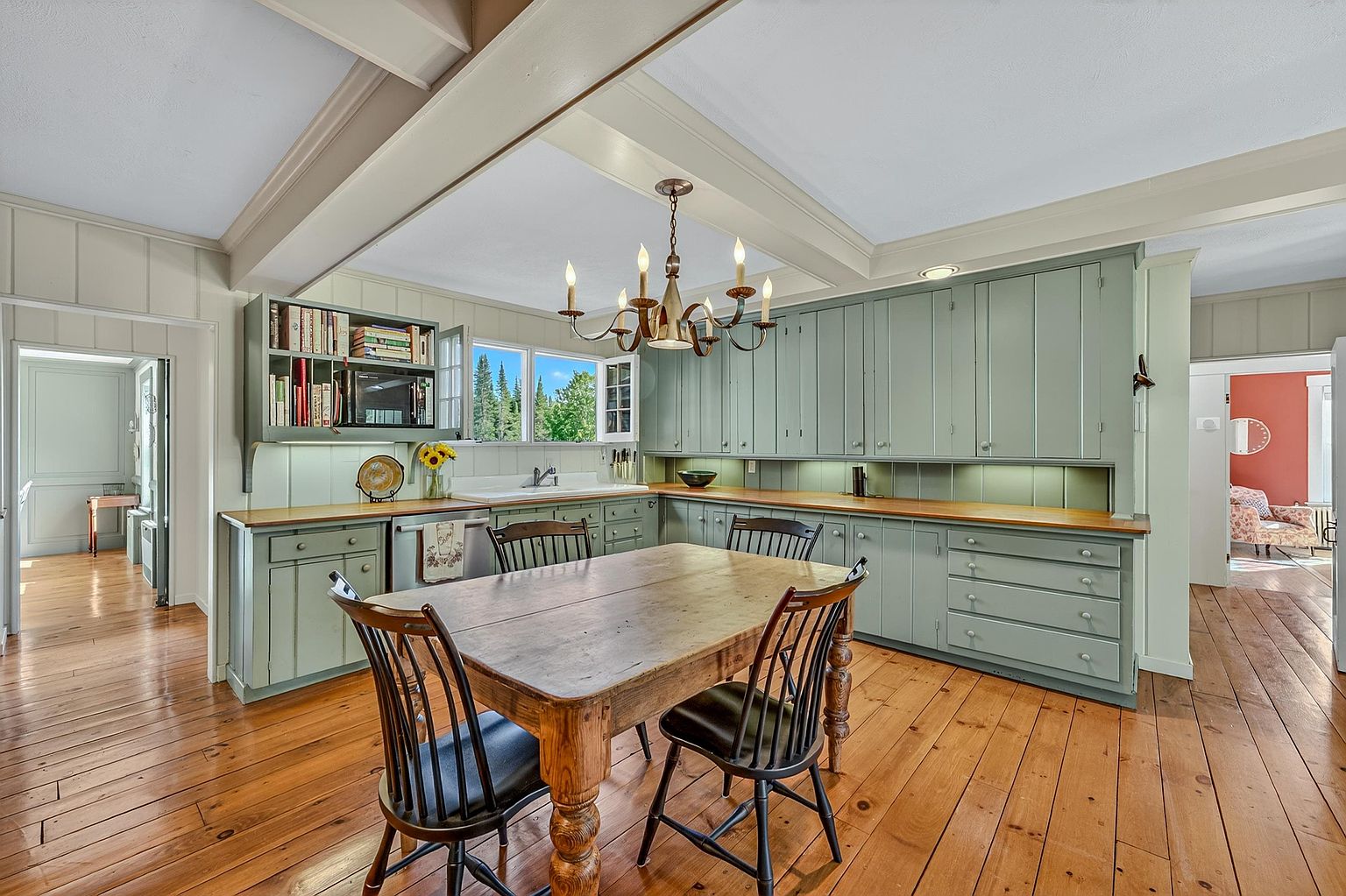
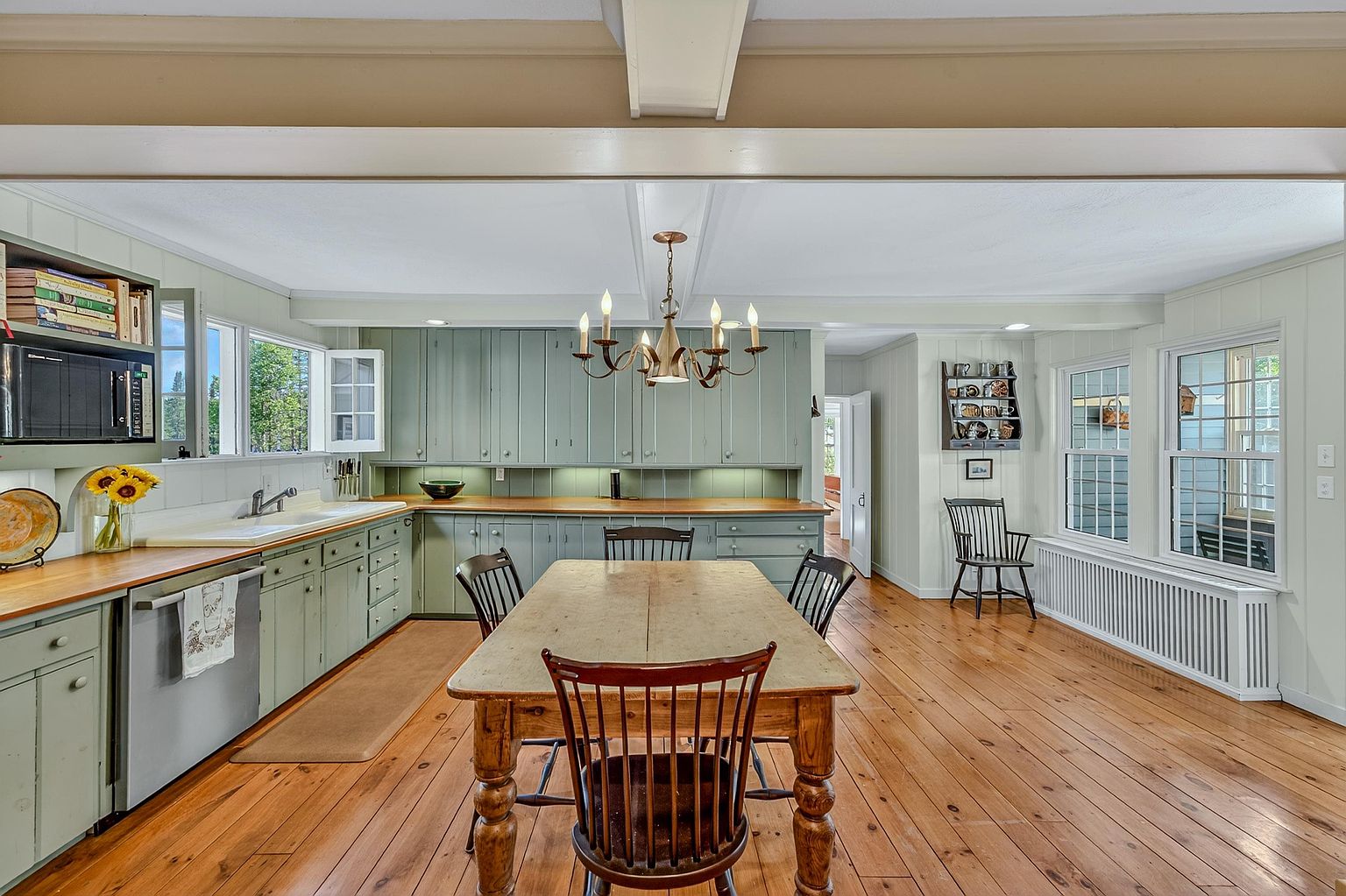
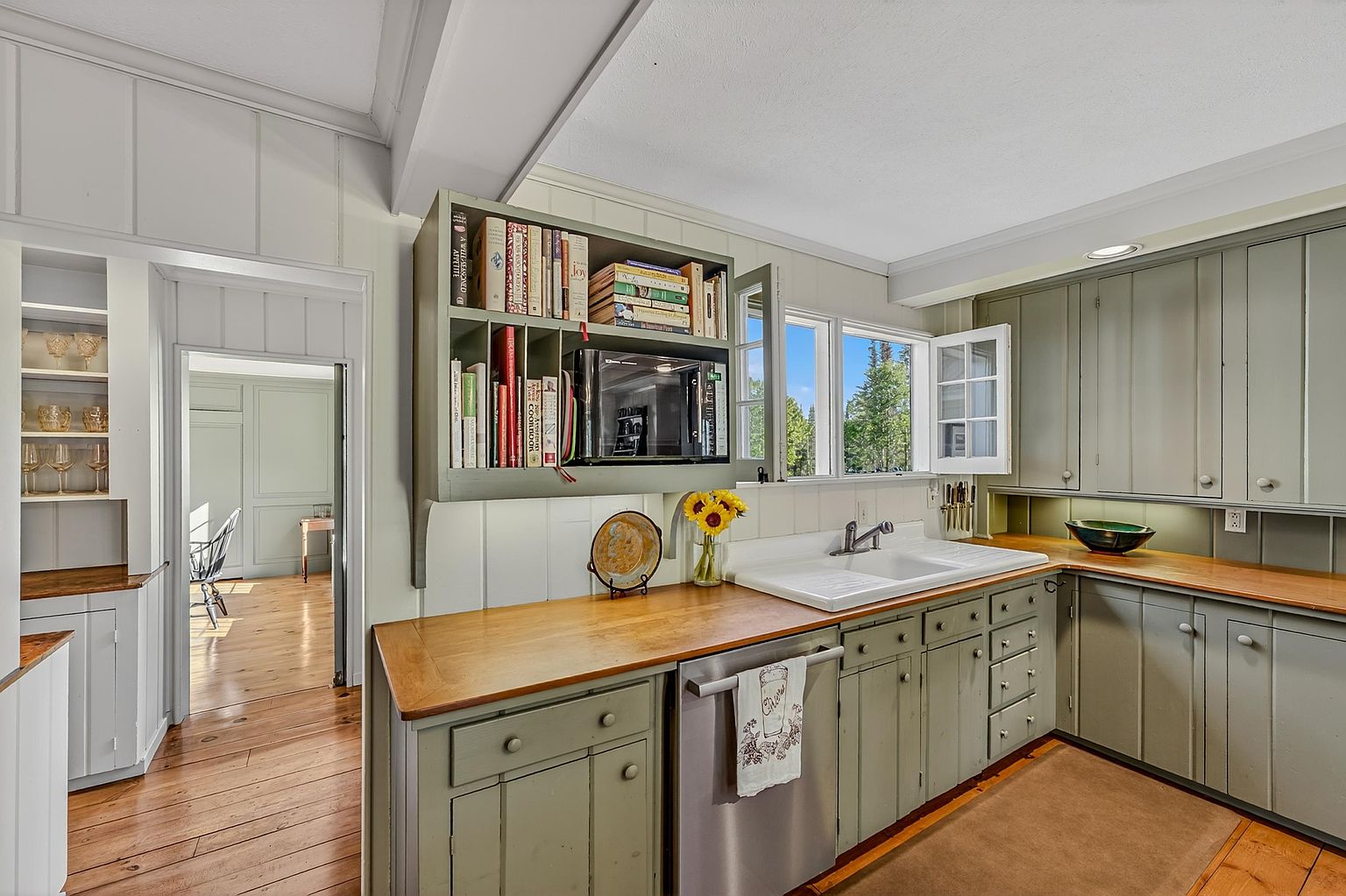
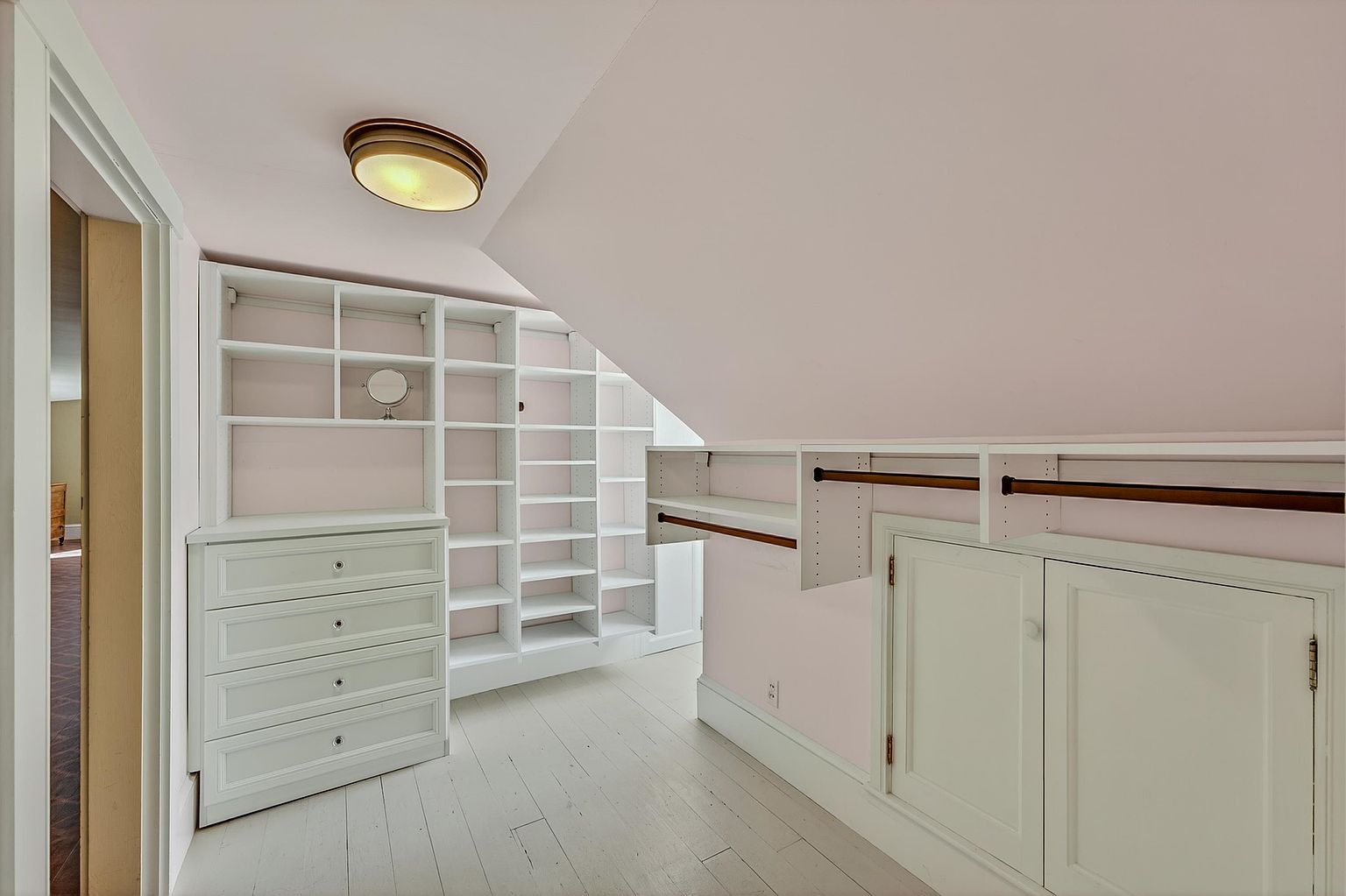
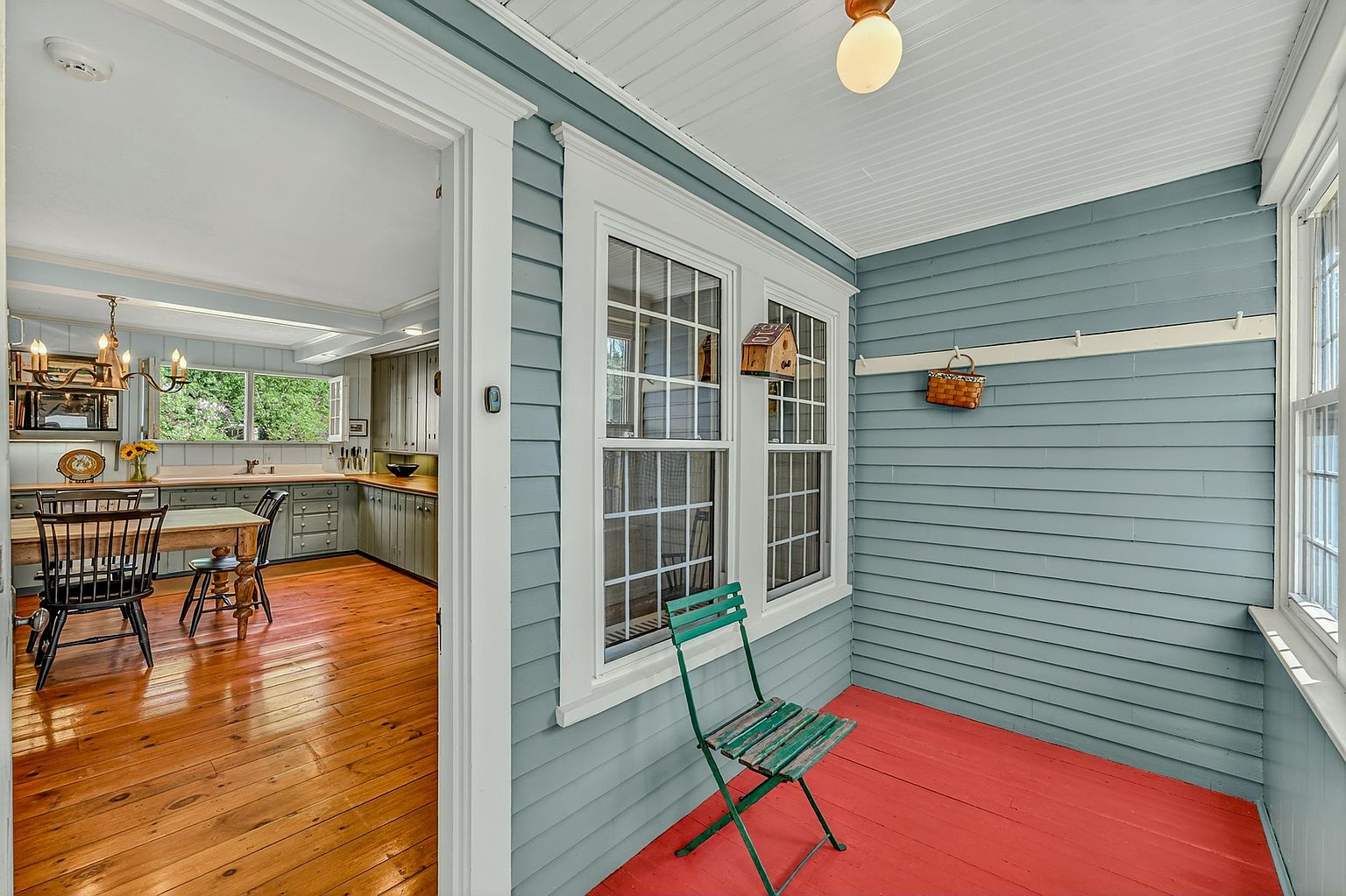
The kitchen is a confident departure — contemporary in its execution, with sage green cabinetry, warm wood countertops, a classic farmhouse sink, and exposed ceiling beams that keep it rooted in the vernacular of the house. It is a space designed for actual cooking, for Sunday mornings and dinner parties alike. California Closets throughout the home bring a quiet organizational precision that transforms daily routines.
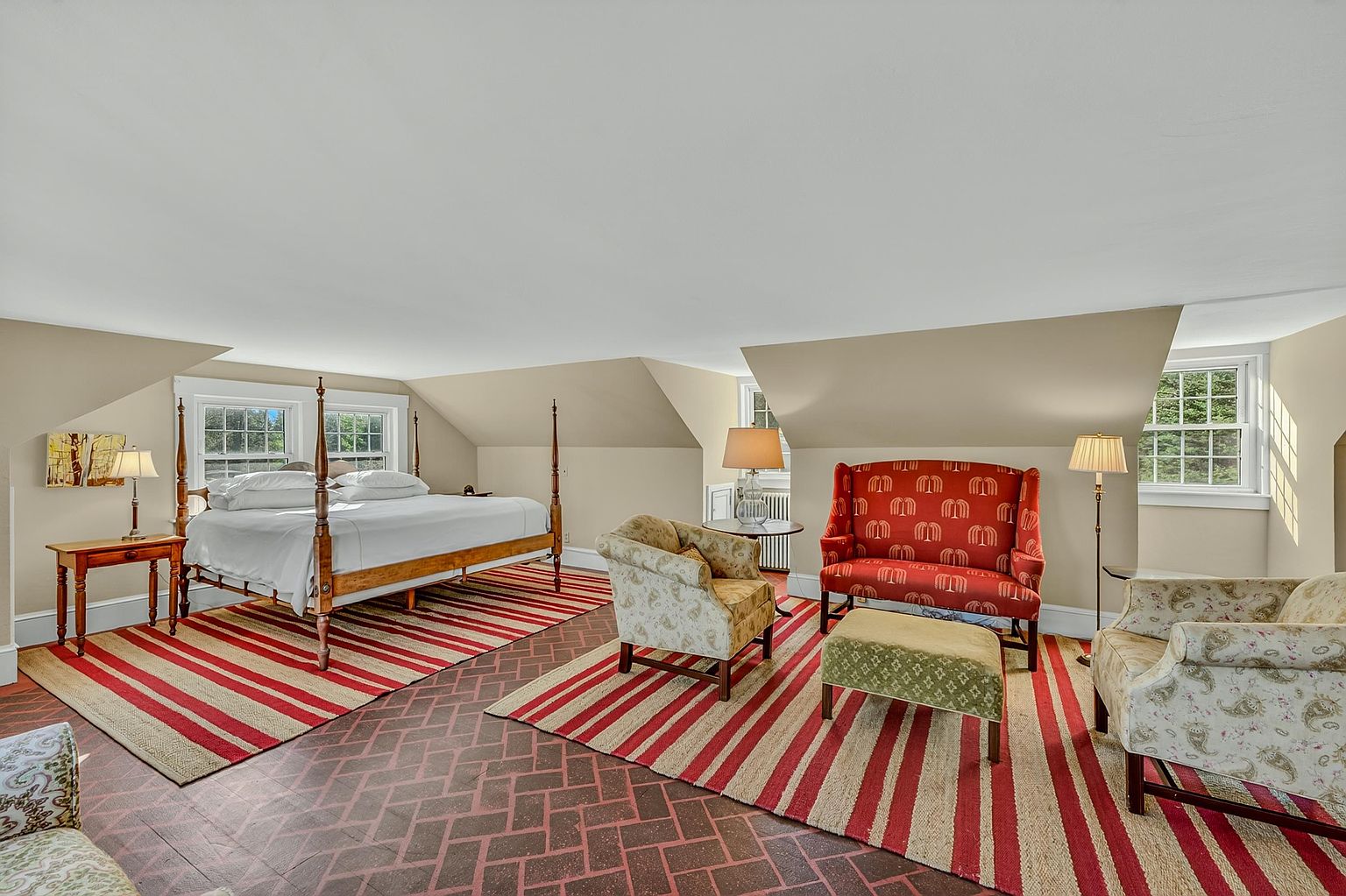
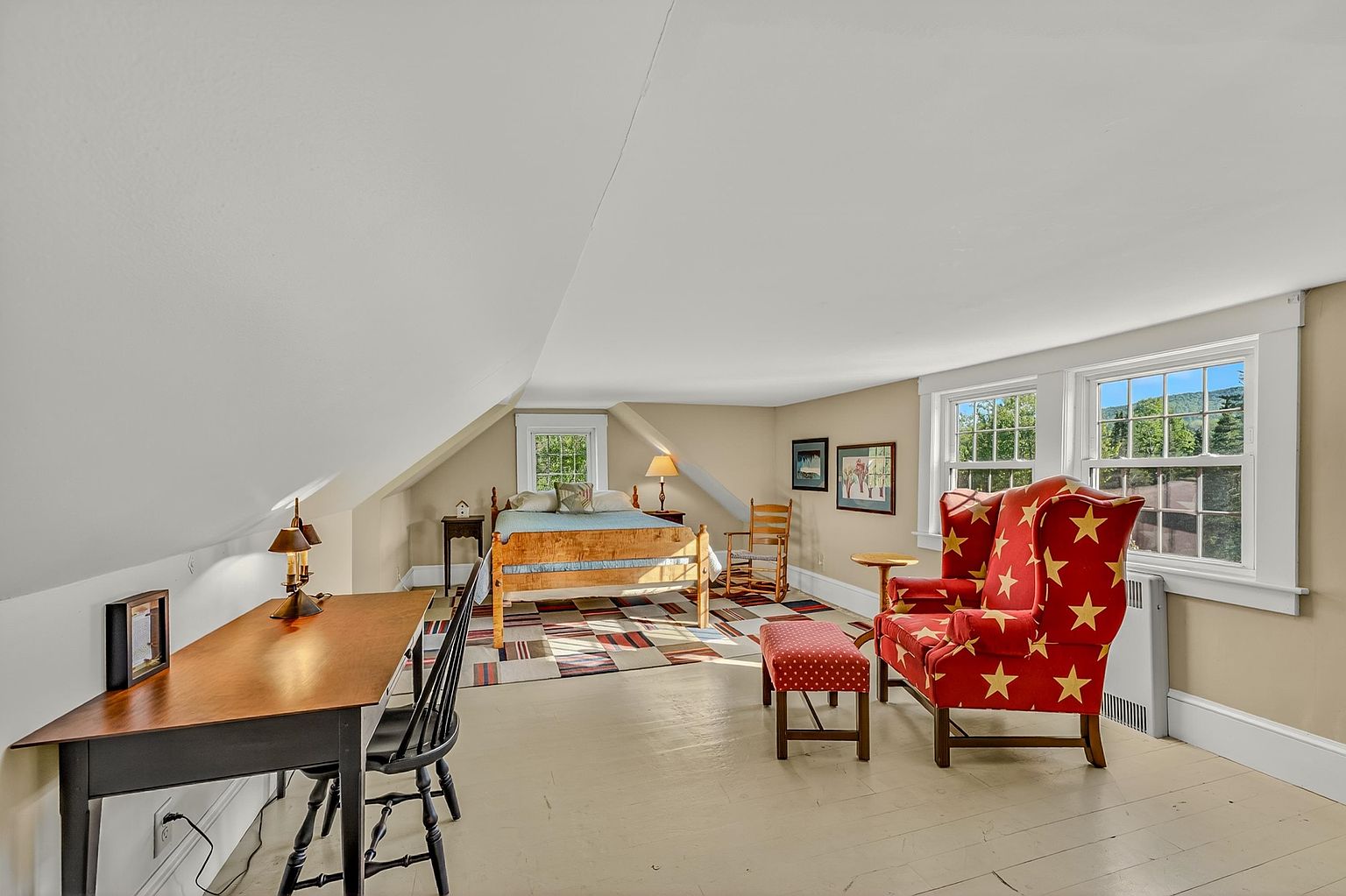
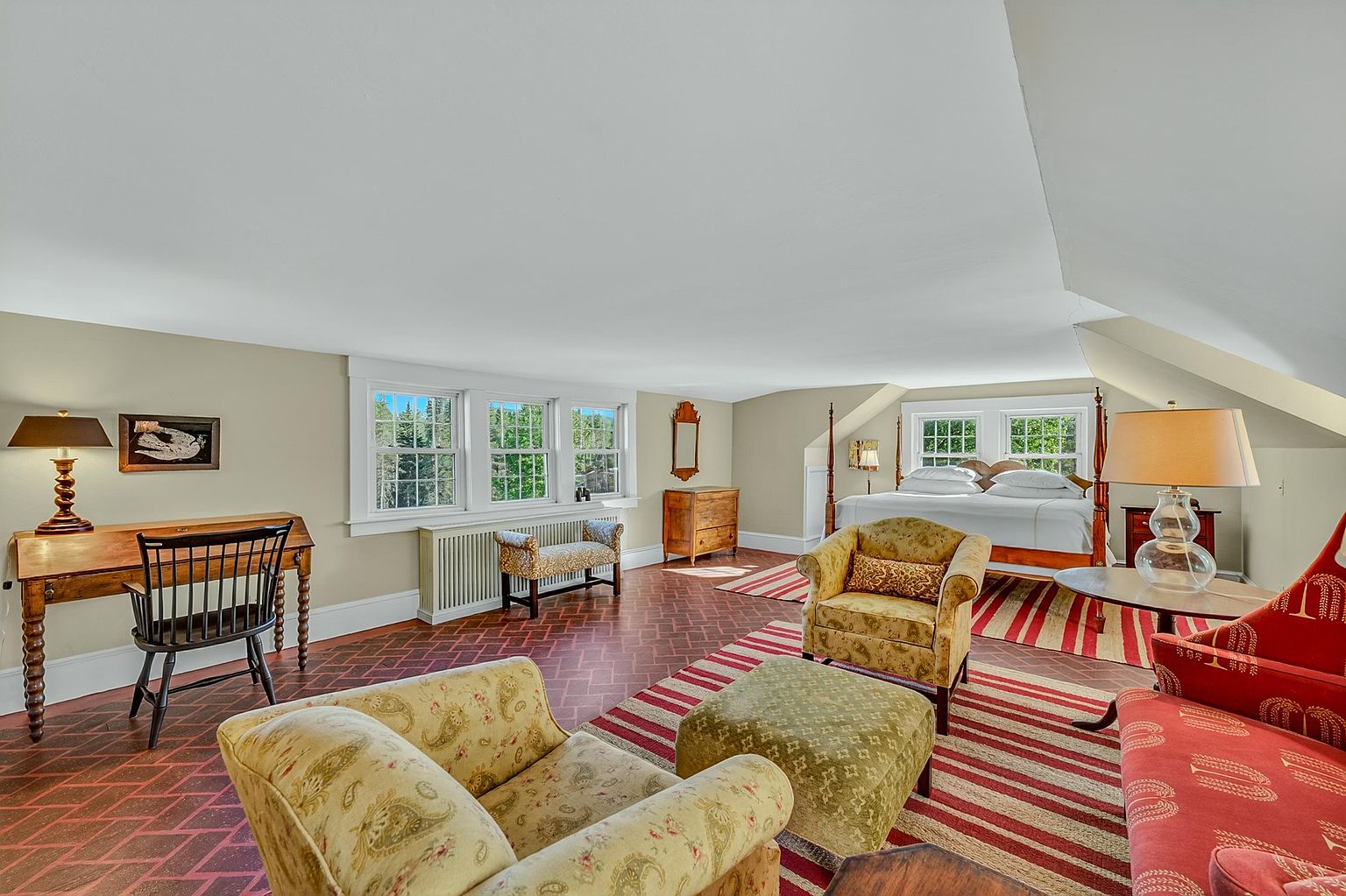
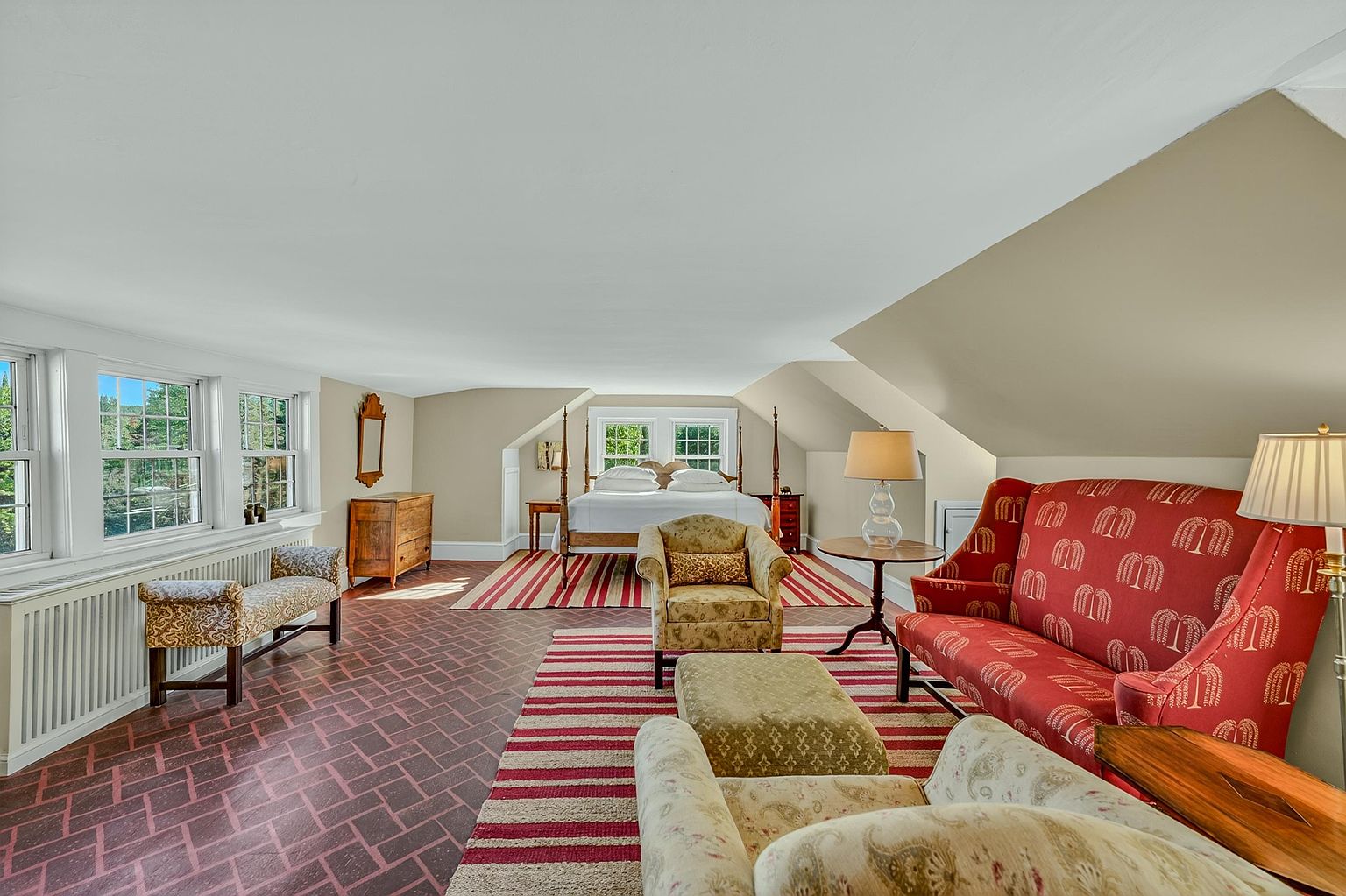
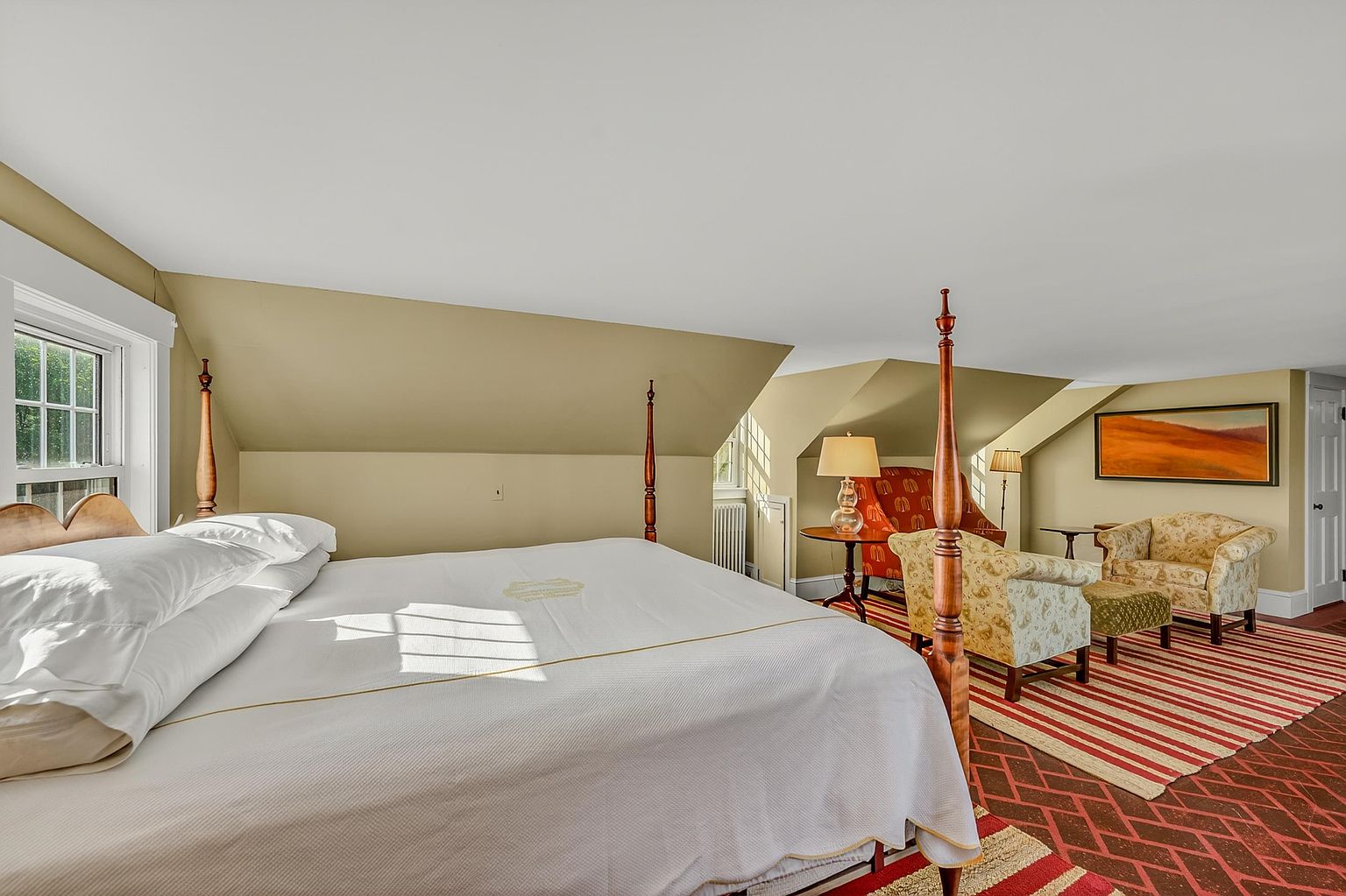
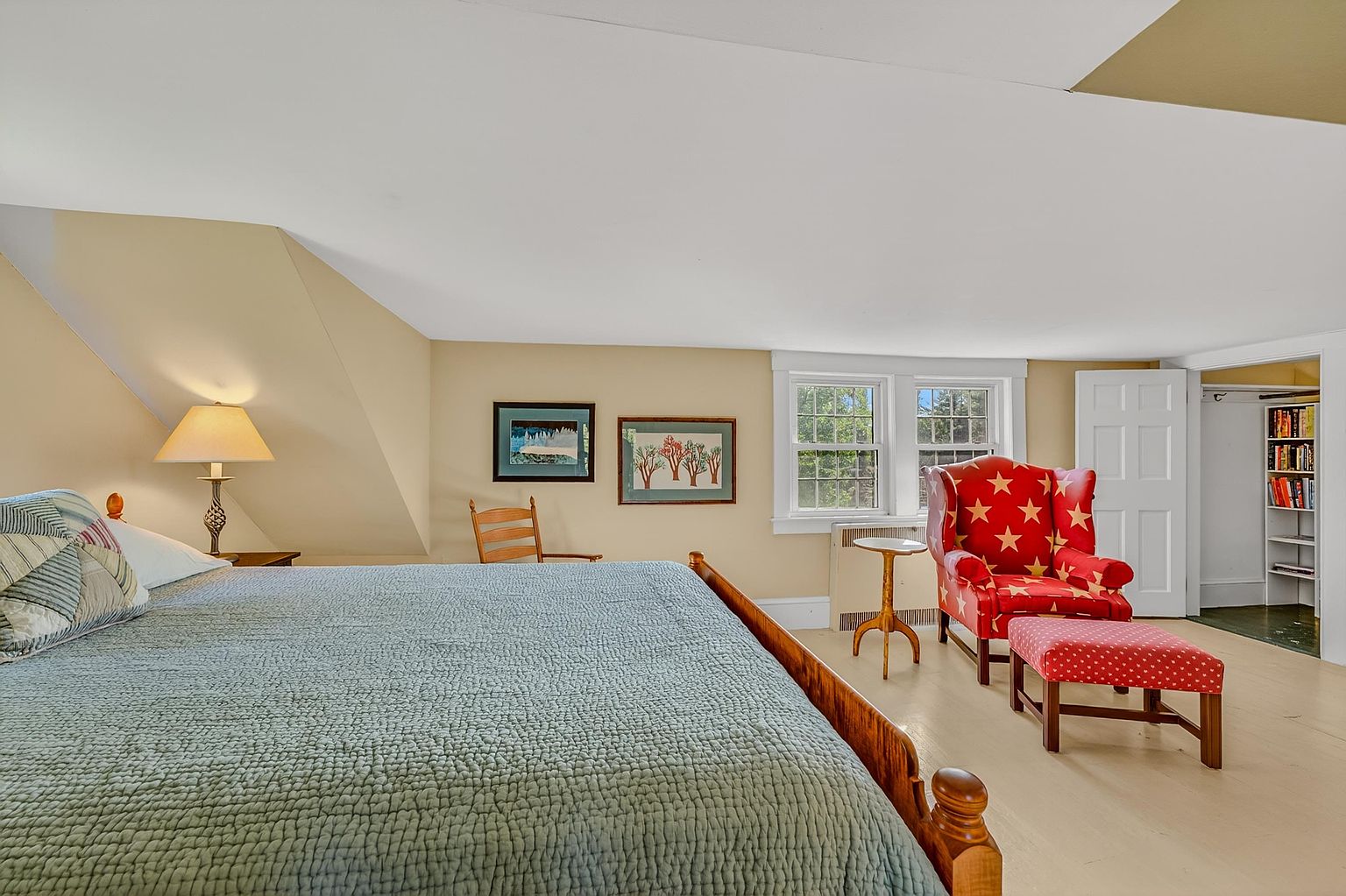
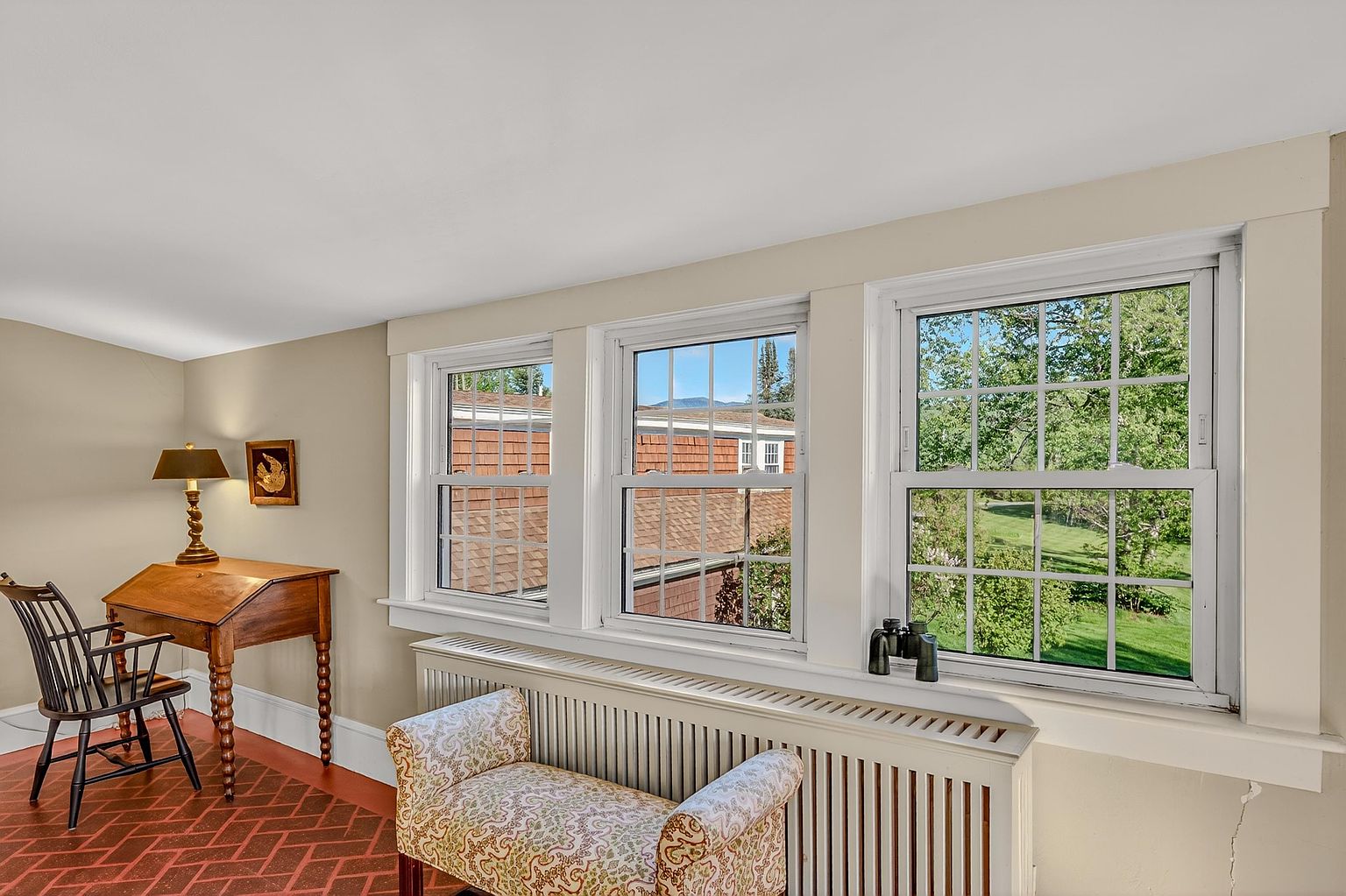
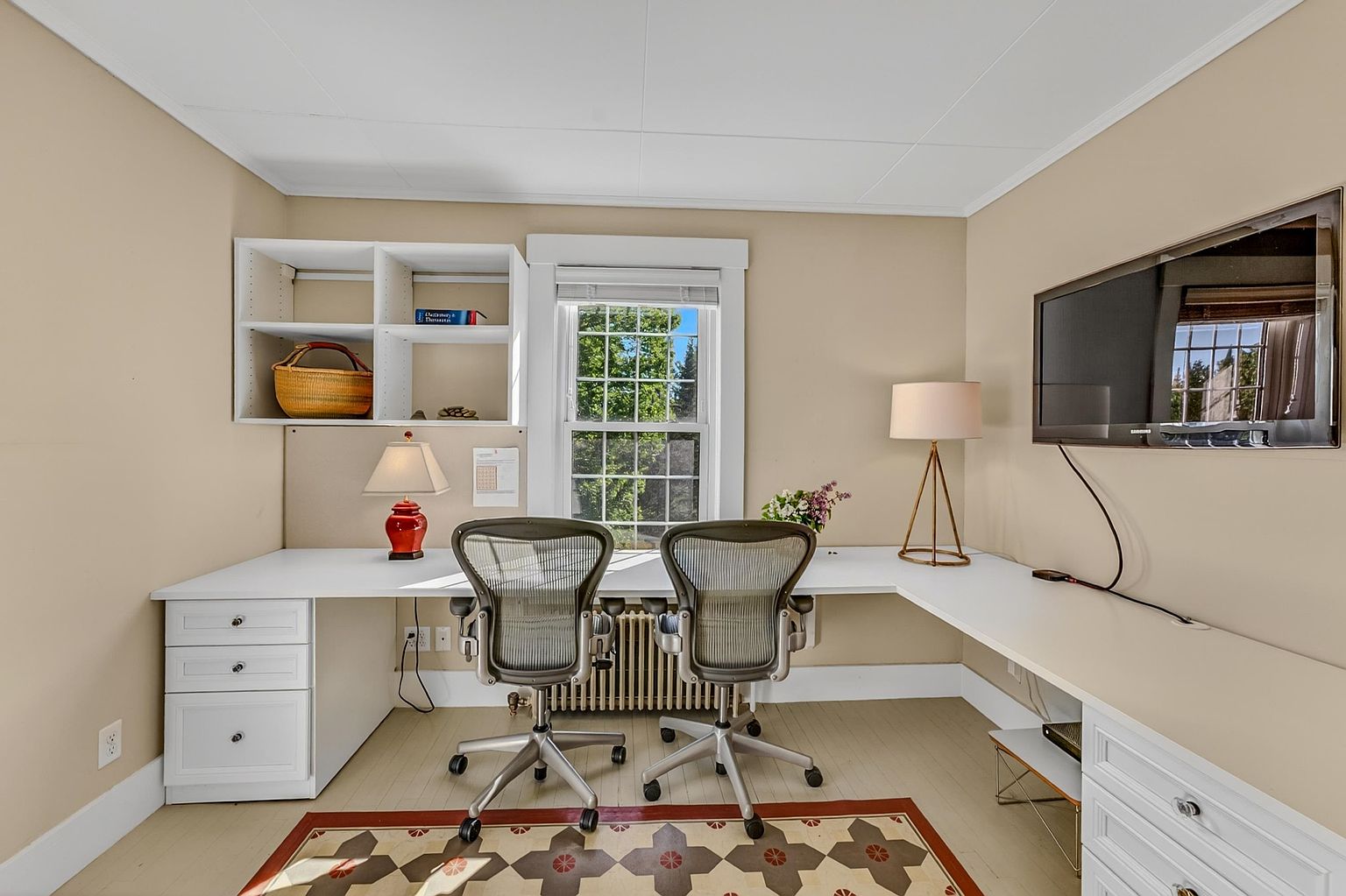
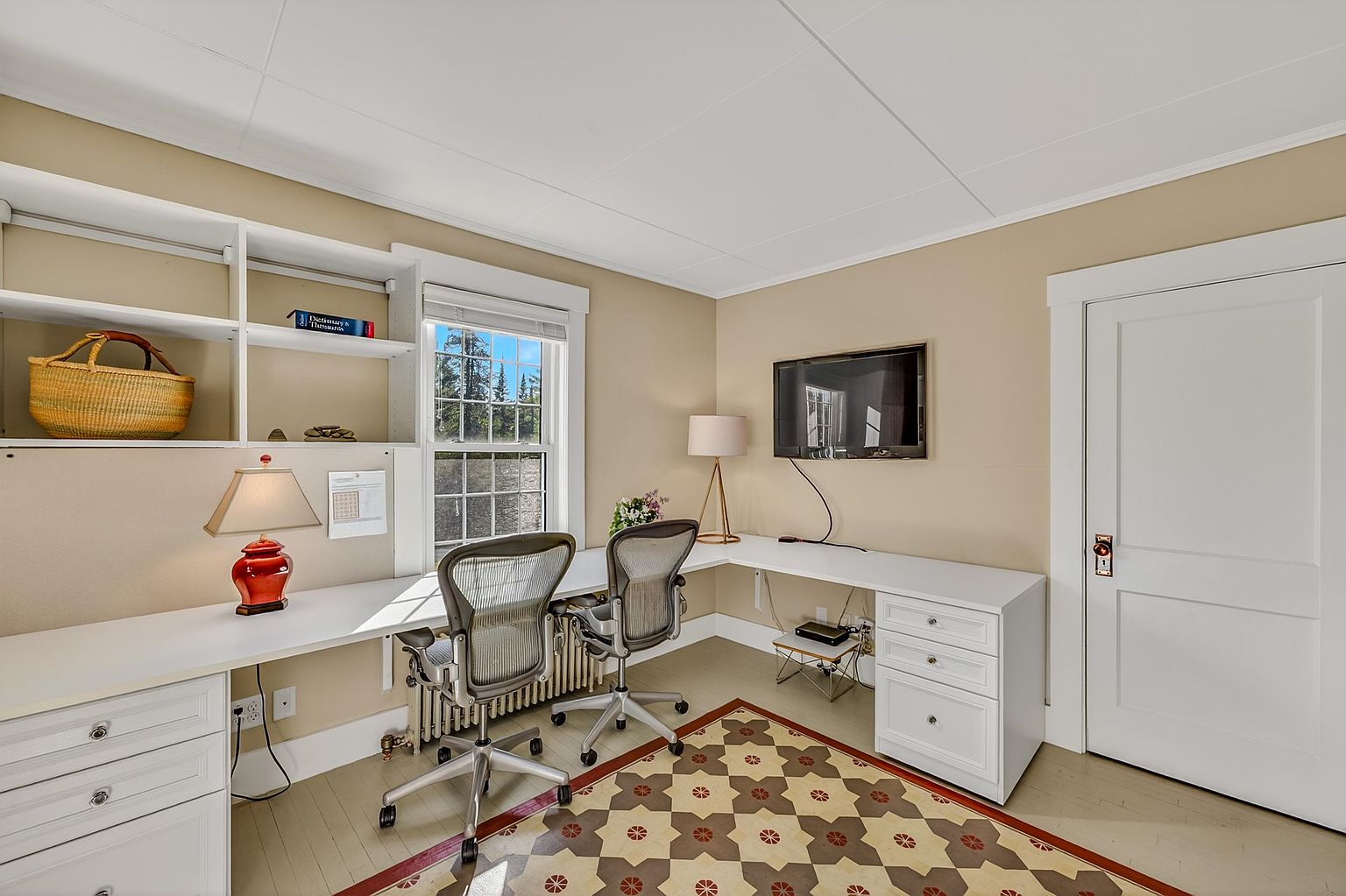
The primary bedroom suite occupies its own unhurried world, with a four-poster bed beneath sloped ceilings, multiple seating areas, and light that enters from several directions across the day. The craft room and home office configurations — including a generous L-shaped desk setup — acknowledge that modern life requires flexible, dedicated workspace without sacrificing the home's residential warmth.
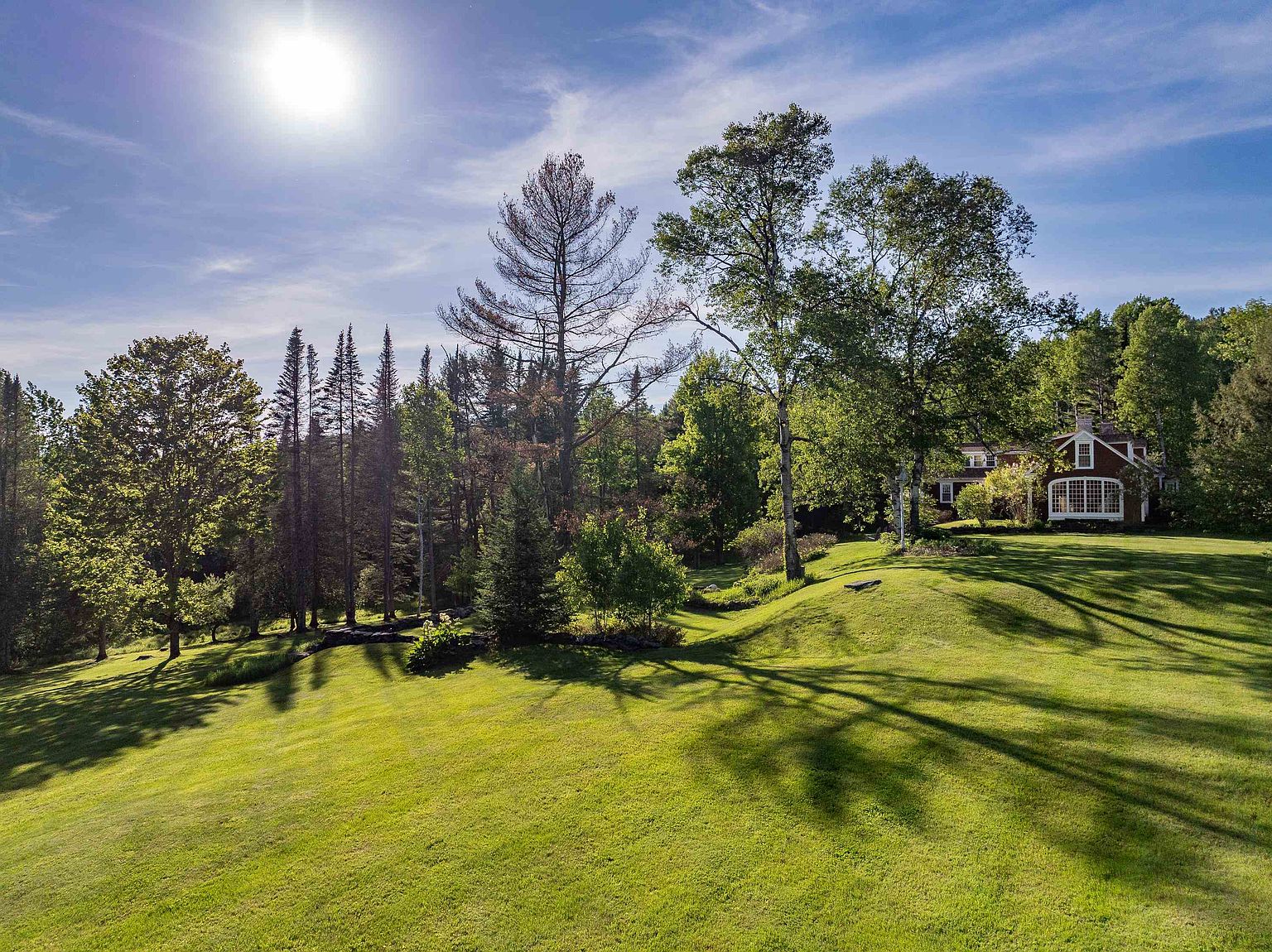
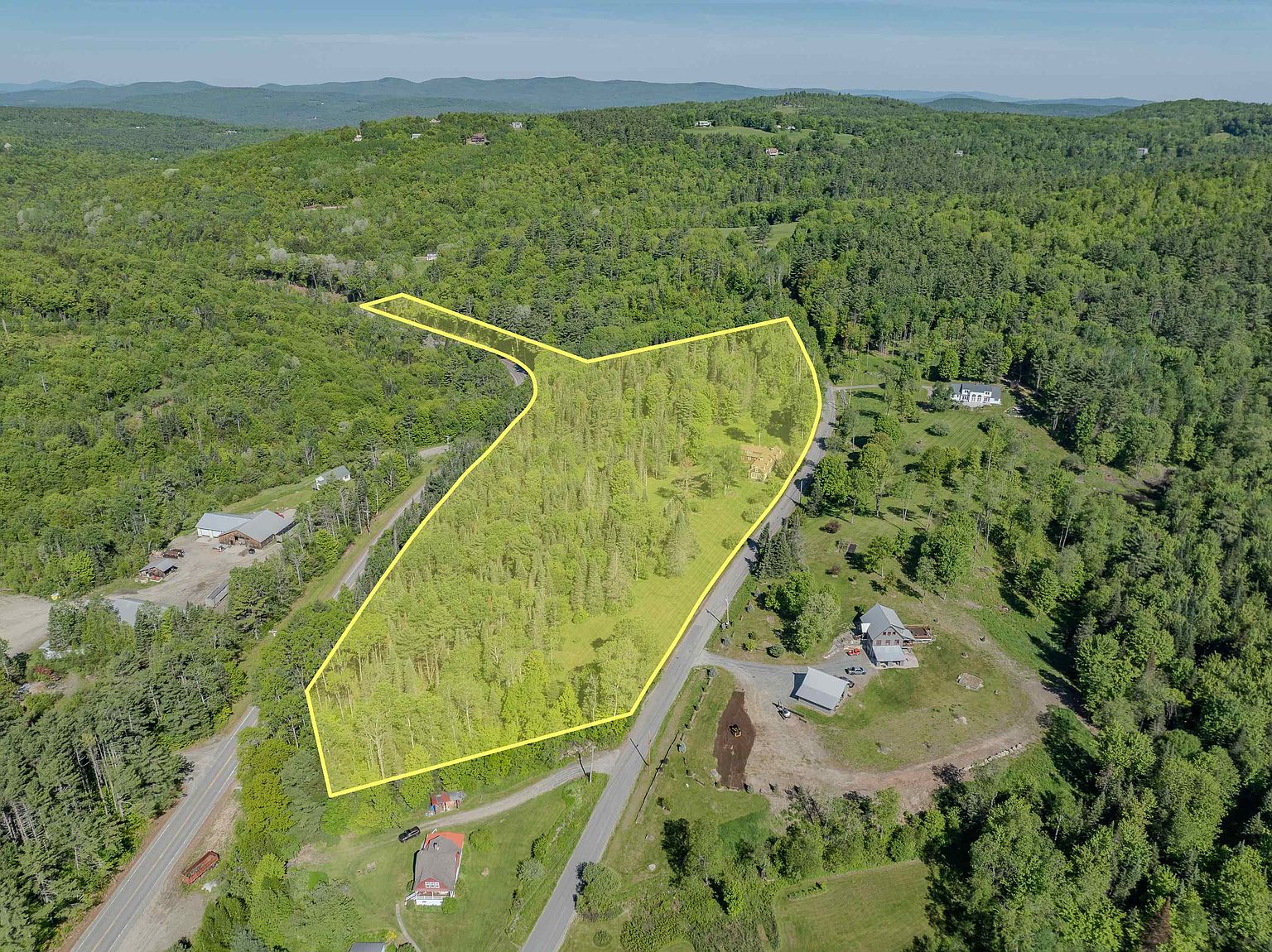
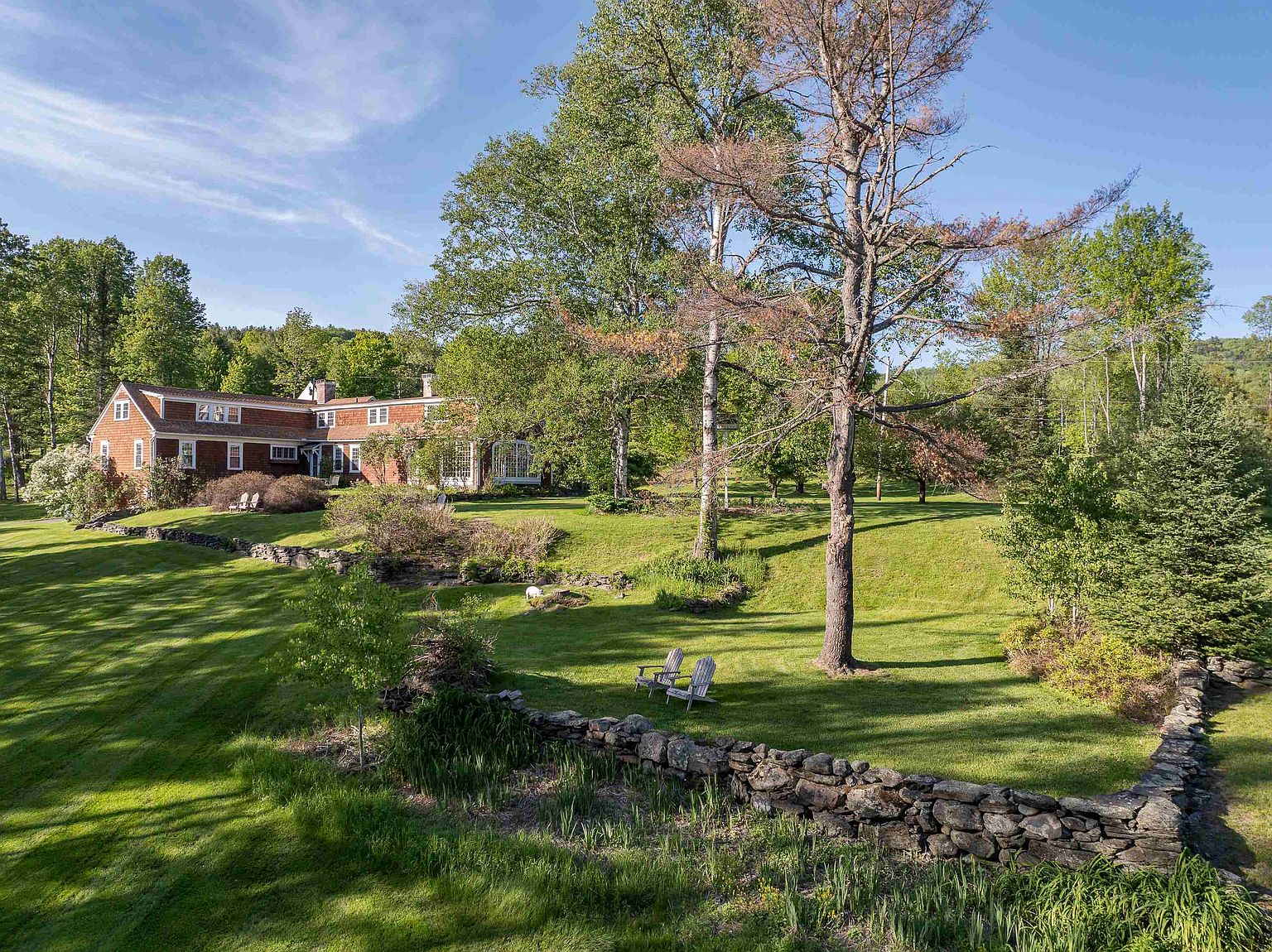
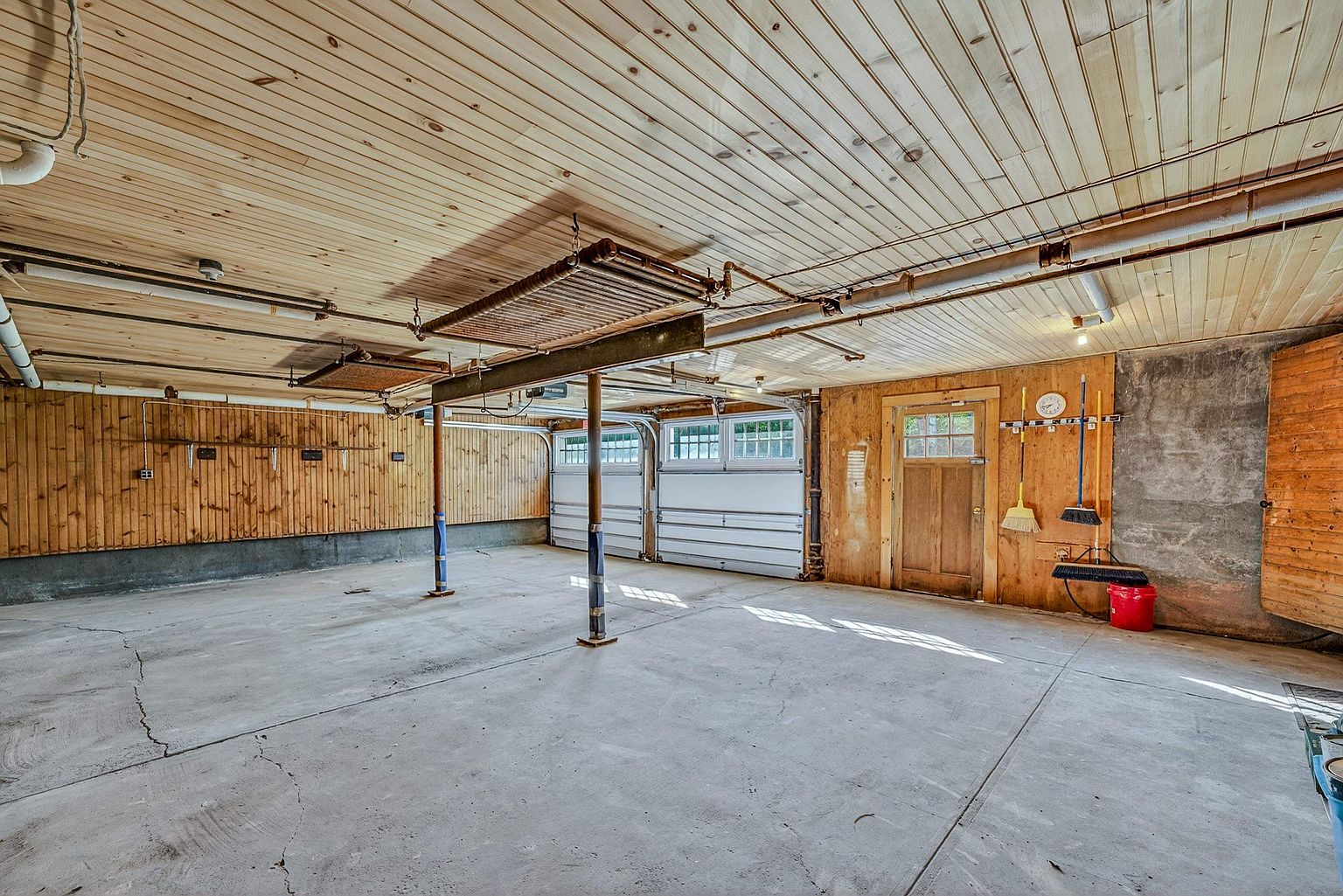
Outside, the property unfolds across fourteen-plus acres with the generosity of a private estate. Stone walls edge manicured perennial borders, and a private grass terrace provides a stage for outdoor entertaining at every scale. An evening firepit overlooks open acreage dotted with apple and flowering fruit trees, while the distant ridgeline completes the view. A two-car garage with paneled wood finishes is both practical and architecturally sympathetic to the main structure. The current use tax status further enhances the financial appeal of stewarding this much land. And each evening, as the sun descends behind the towering Norfolk pines, the Sugar Hill bell tower marks the hour — a sound that feels, in this place, less like punctuation and more like permission to exhale.
Sugar Hill is among the most quietly distinguished communities in northern New Hampshire — a small, unincorporated town of fewer than six hundred residents that has, for well over a century, drawn artists, writers, and those seeking the particular restorative quality of the Franconia Notch region. Perched at an elevation that affords sweeping views of the Kinsman and Franconia ranges, the town is known for its lupine fields that bloom in spectacular purple drifts each June, an annual event celebrated with the Sugar Hill Lupine Festival that draws visitors from across New England.
The town's history is woven into the broader story of the White Mountains as a destination. The grand hotel era of the nineteenth century left a cultural imprint on the region that still resonates — an understanding that this landscape rewards those who arrive with attention and intention. The Harman's Cheese & Country Store, a Sugar Hill institution operating since 1947, is the kind of establishment that reminds you what community commerce looks like when it is done with pride. The Sugar Hill Meeting House and its bell tower — audible from the property — are among the town's enduring architectural landmarks.
Cannon Mountain, just minutes up the road via Interstate 93, is one of New Hampshire's most storied ski areas, home to the first aerial tramway in North America, which opened in 1938. Today it offers over two hundred acres of skiable terrain across the full range of ability levels, along with a robust Nordic trail network for cross-country enthusiasts. Adjacent Franconia Notch State Park encompasses nearly seven thousand acres of protected wilderness, including the Flume Gorge, Echo Lake, and the Appalachian Trail corridor — a vast outdoor commons that effectively extends the property's recreational footprint to an almost incomprehensible scale.
For those who prefer their nature with cultural accompaniment, the Robert Frost Farm at Franconia — where the poet lived from 1915 to 1920 and wrote some of his most celebrated work — is nearby, offering a tangible connection to the literary tradition that has long found inspiration in this landscape.
Littleton, located a short drive to the northeast, provides the practical infrastructure that sustains year-round living without sacrificing character. Its downtown along Cottage Street is one of the most pedestrian-friendly main streets in northern New England, with independent restaurants, a craft brewery, locally owned shops, a single-screen movie theatre, and an active arts community anchored by Littleton Studio School and various regional galleries. For larger-scale needs, the town offers big-box retail and medical services that make full-time residency entirely practical.
The broader community of Sugar Hill itself is known for its active and welcoming character — the kind of place where neighbors know one another by name and the civic fabric is maintained by genuine investment rather than obligation. For a buyer seeking not merely a property but a place to belong, this address offers both.
Featured Highlights
Curated Content • Presented by Elizabeth Horan