The Story Behind
Ray Kappe Masterwork on Malibu's Coveted Sandy Section
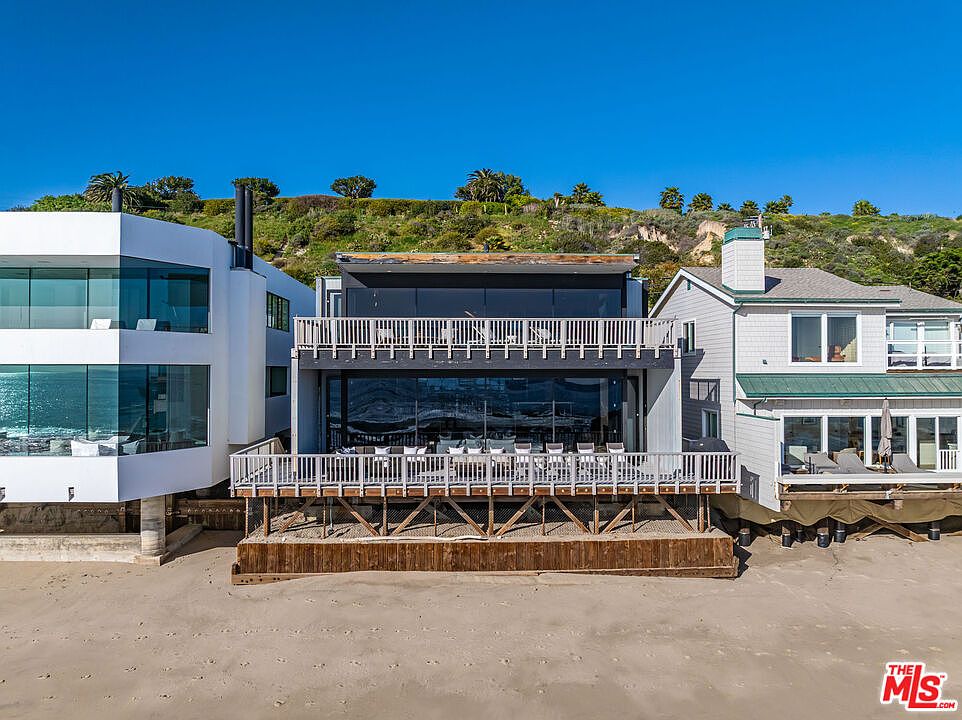
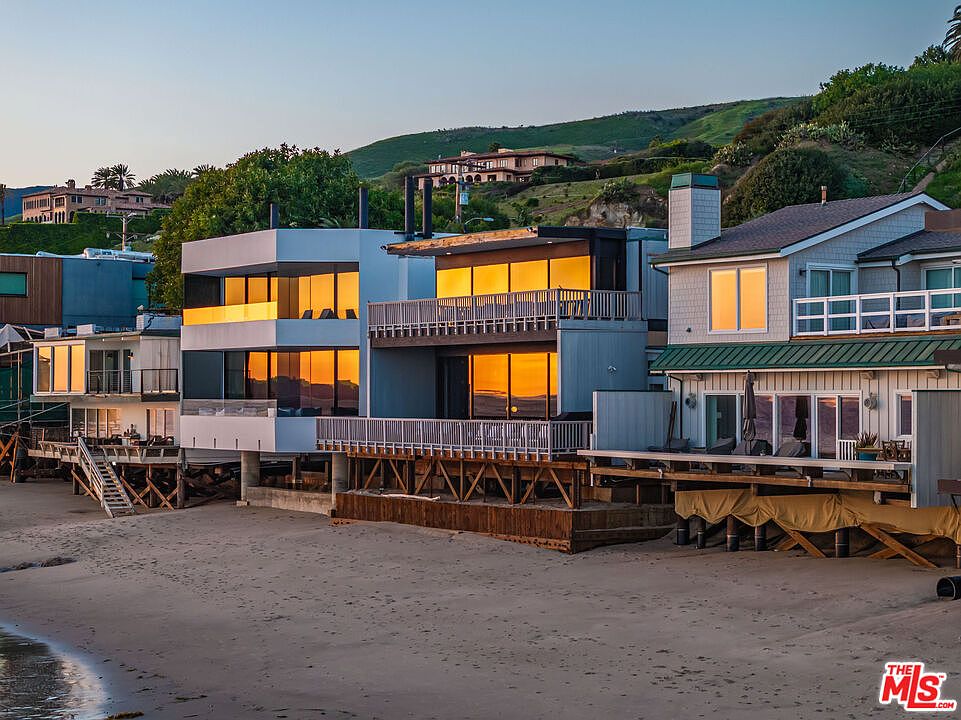
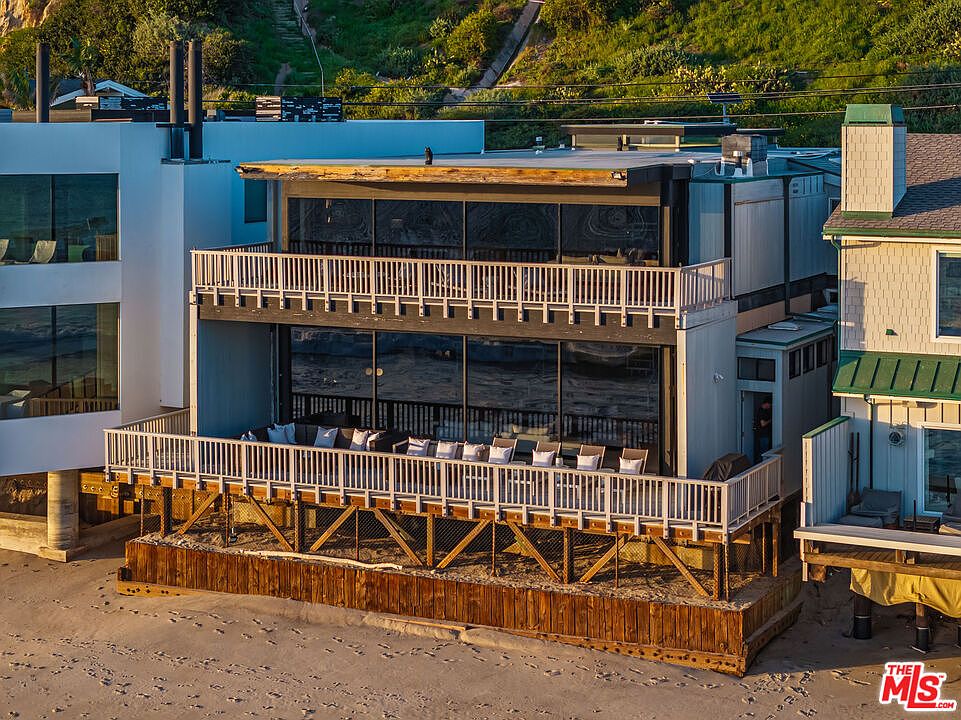
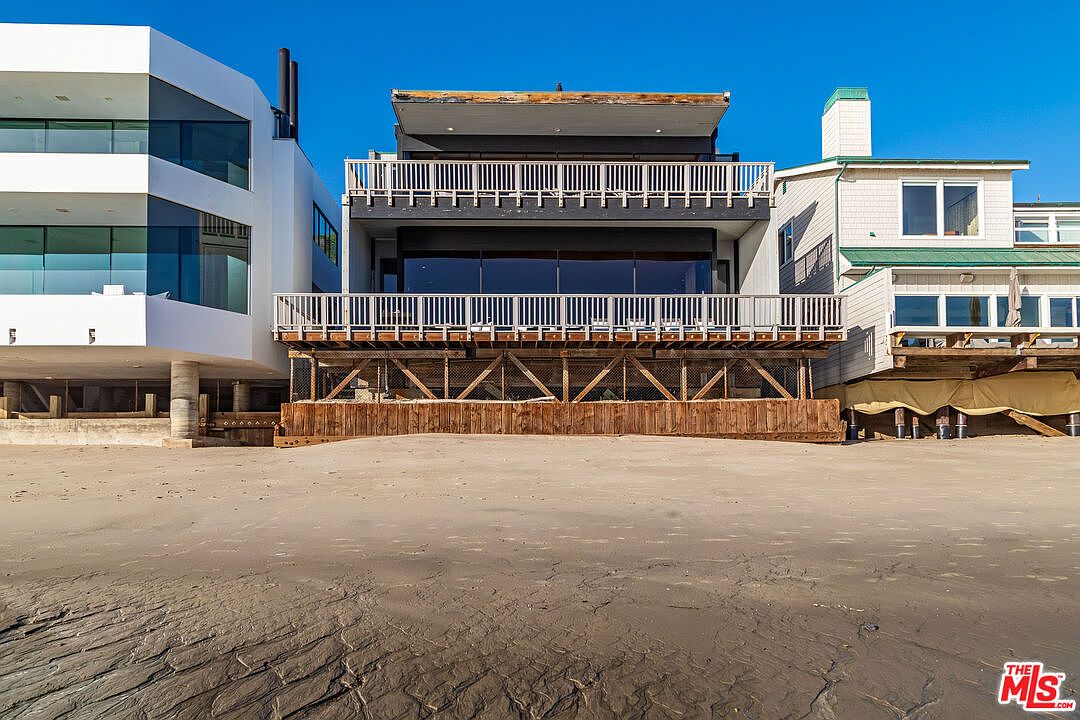
There are beach houses, and then there are works of architecture that happen to stand at the edge of the sea. The residence at 25002 Malibu Road belongs unequivocally to the latter category. Conceived by Ray Kappe—the visionary architect who co-founded the Southern California Institute of Architecture (SCI-Arc) in 1972 and spent decades redefining what it means to build in harmony with the California landscape—this home is less a structure imposed upon its site than one grown from it. Kappe's signature vocabulary is present at every turn: clean geometric lines that refuse to compete with nature, generous expanses of glass that dissolve the boundary between interior and exterior, natural materials chosen for their honesty rather than their opulence, and a spatial logic that feels inevitable rather than contrived.
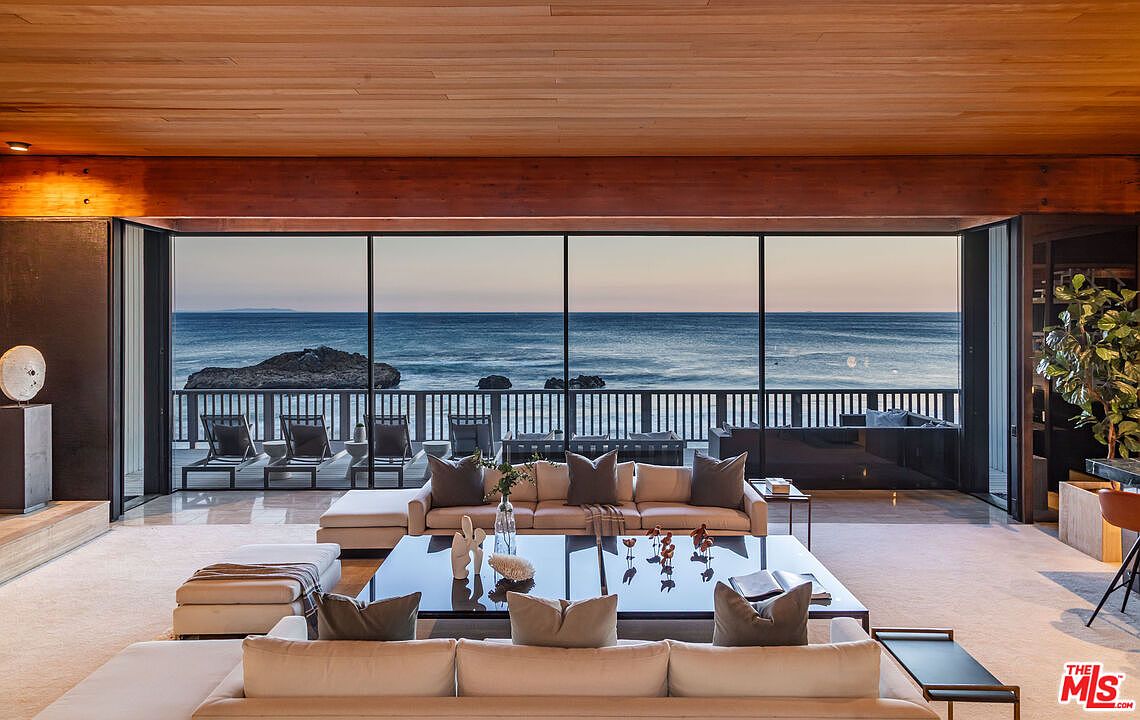
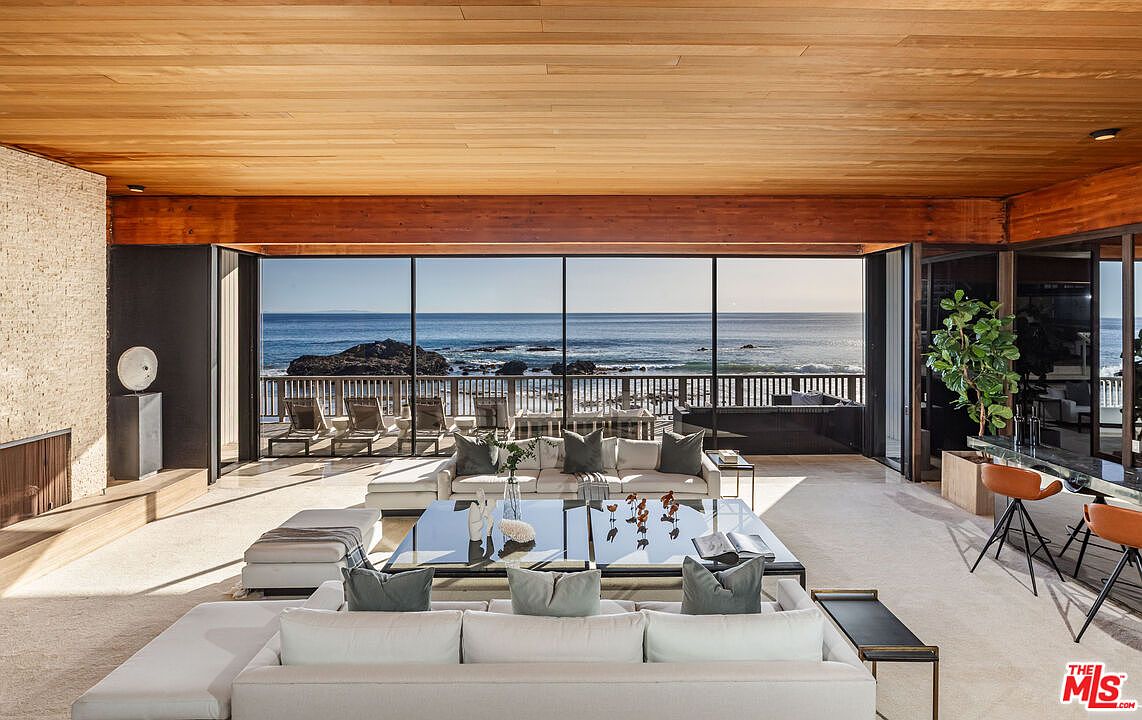
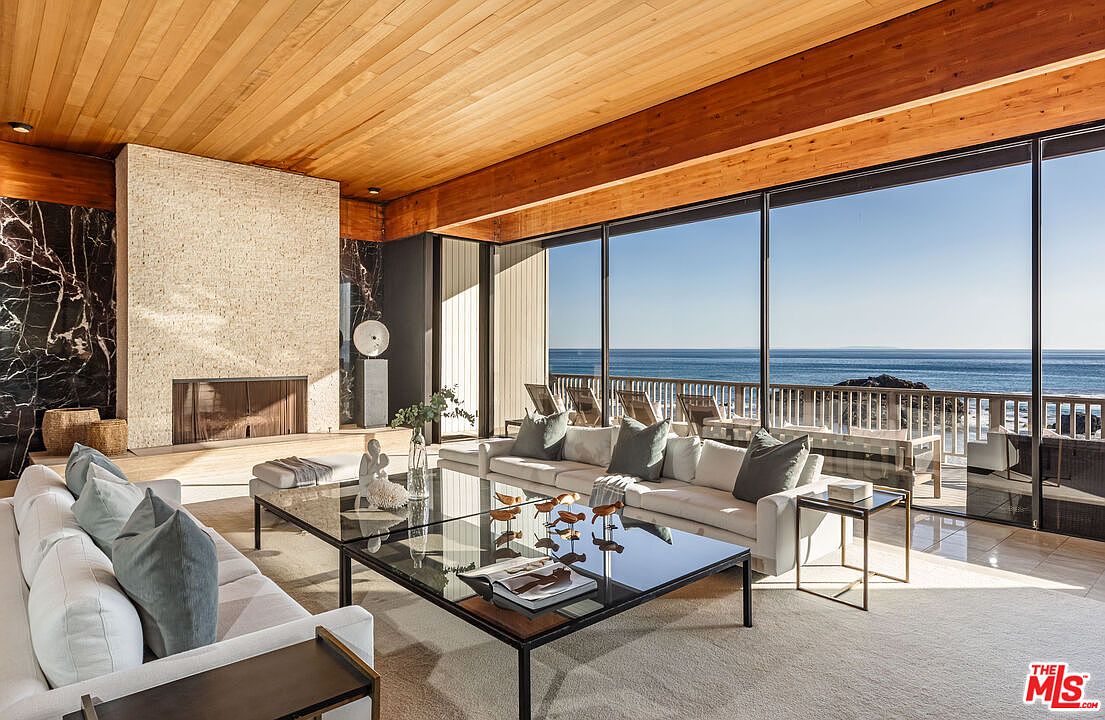
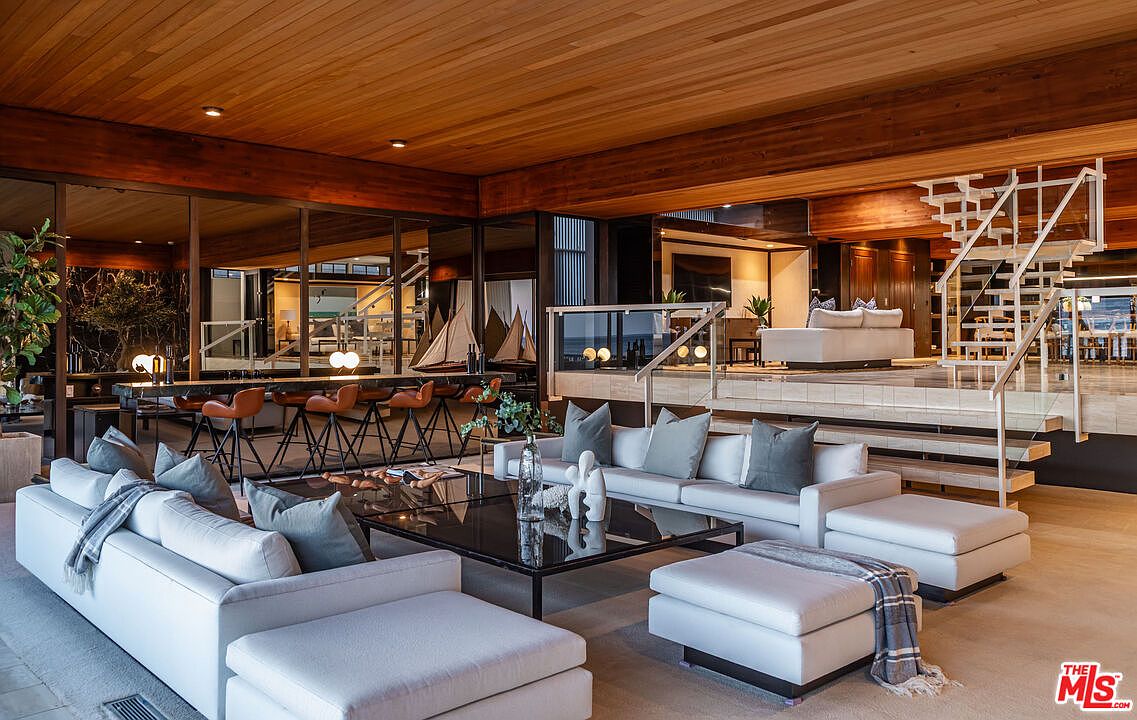
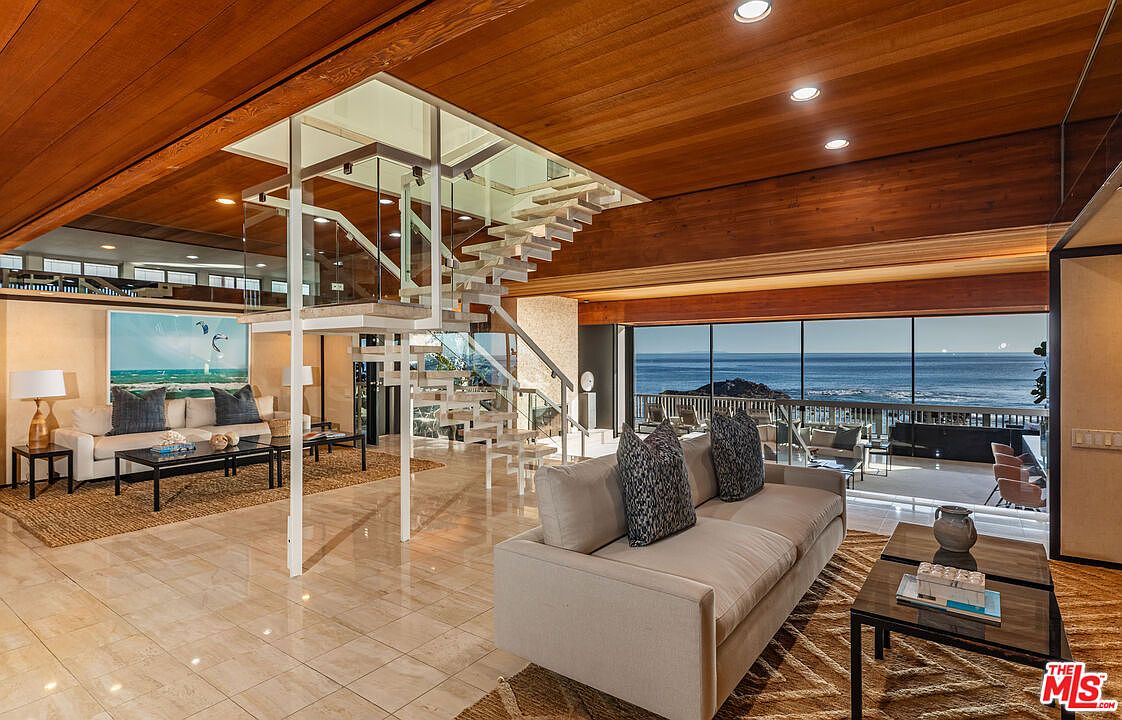
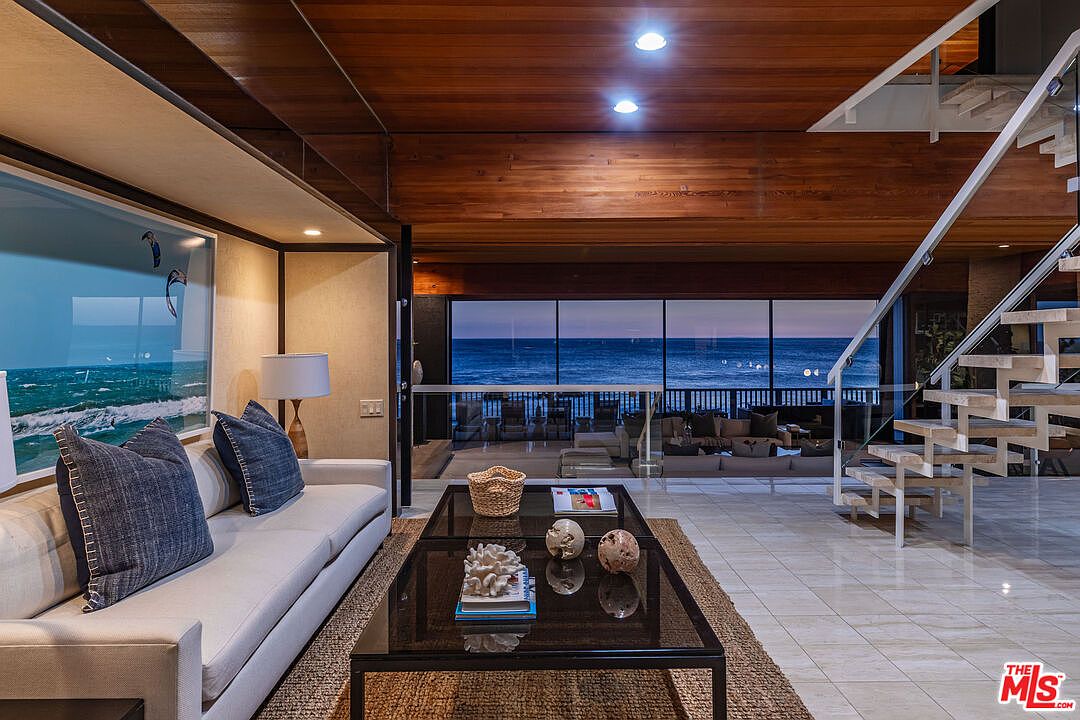
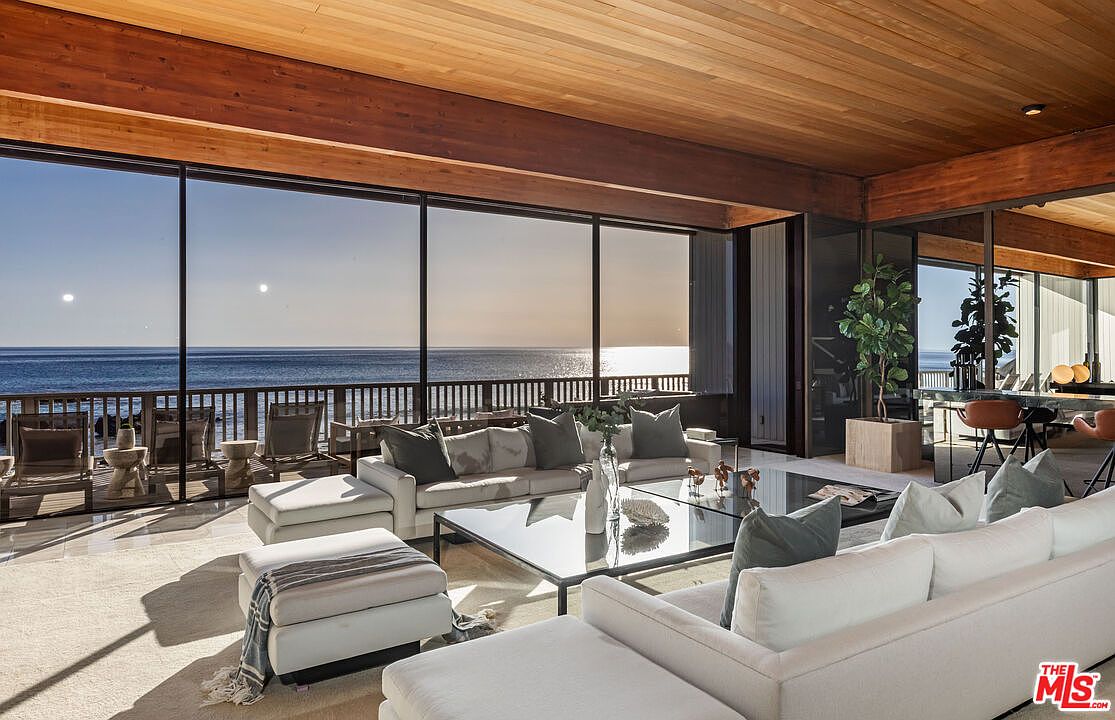
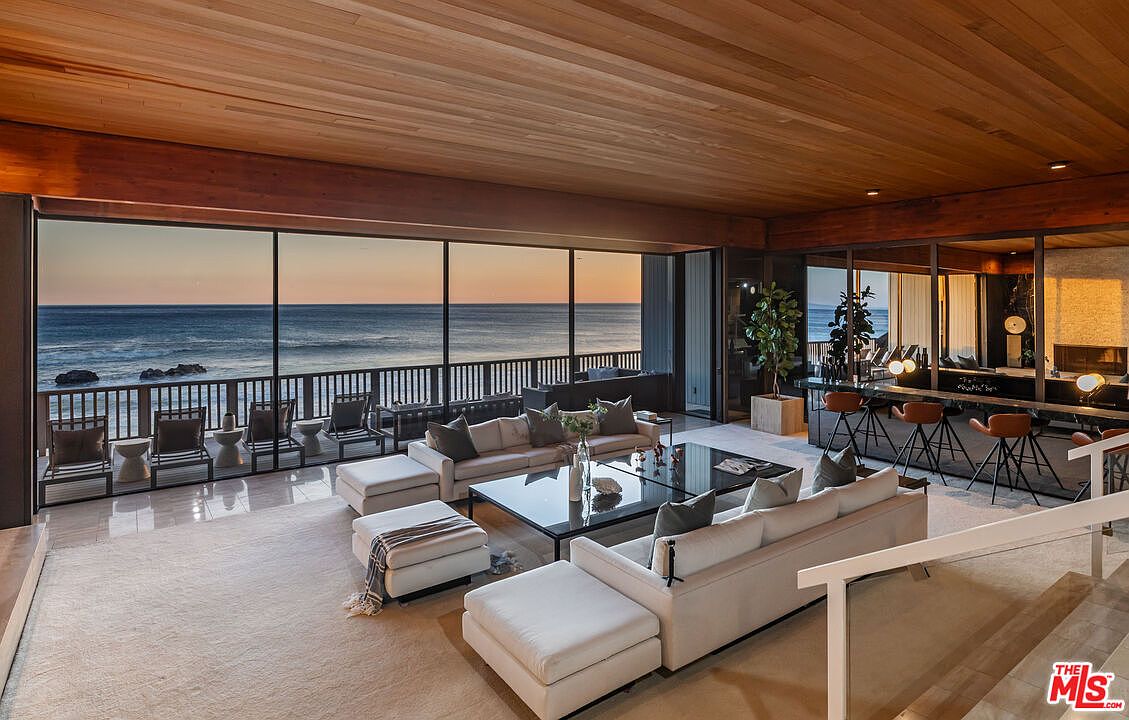
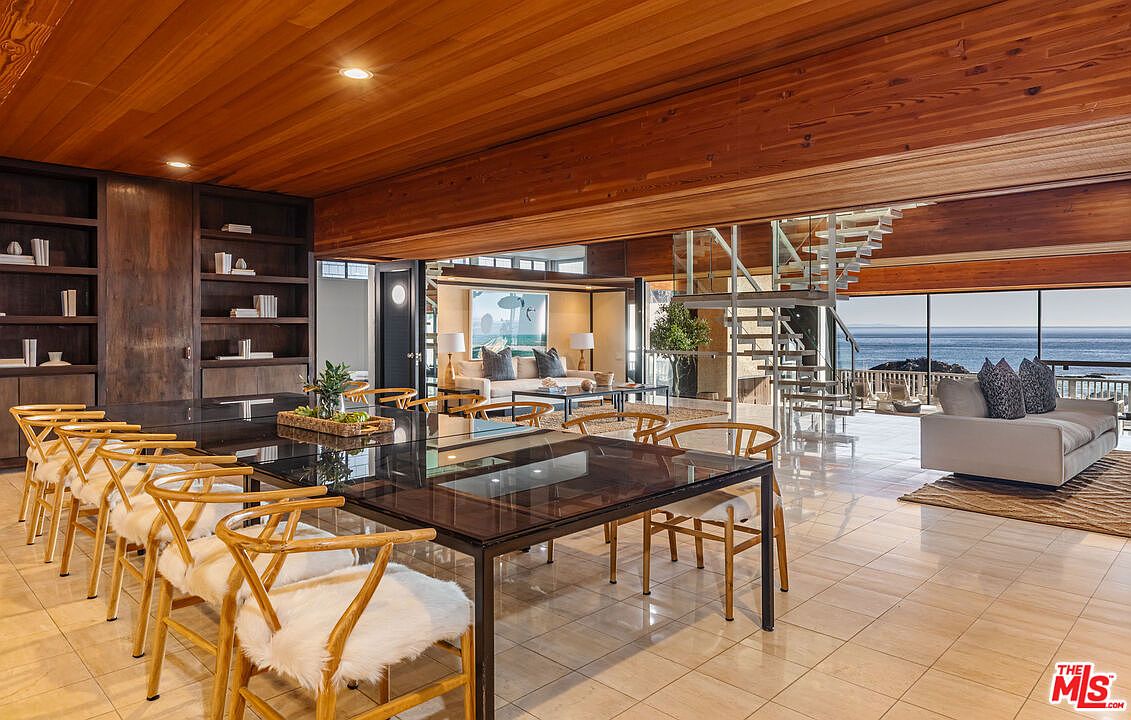
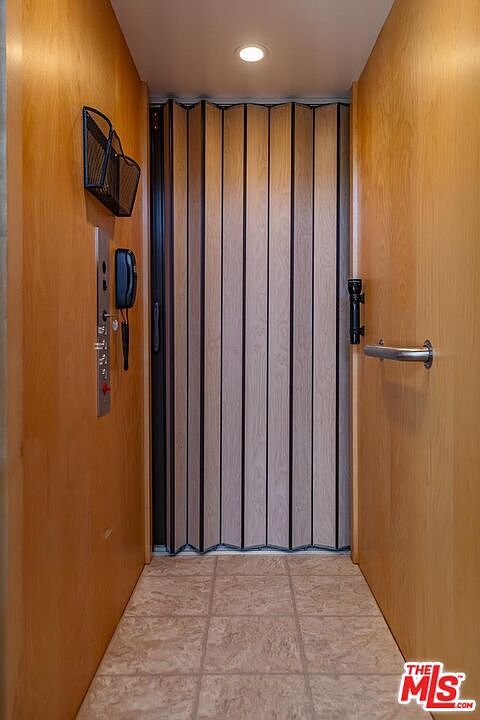
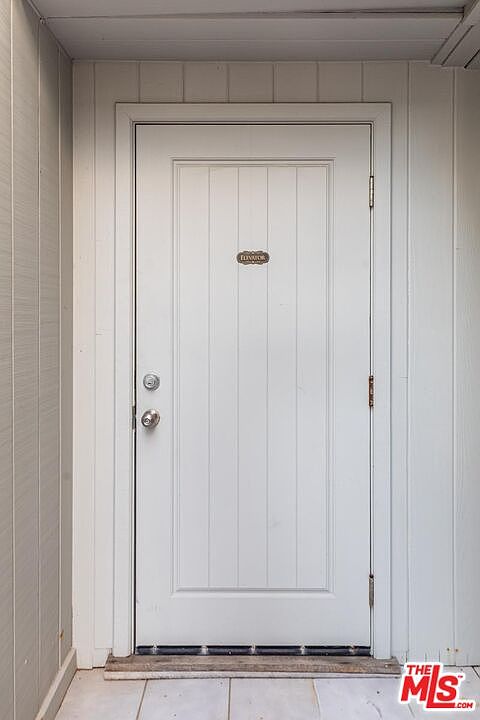
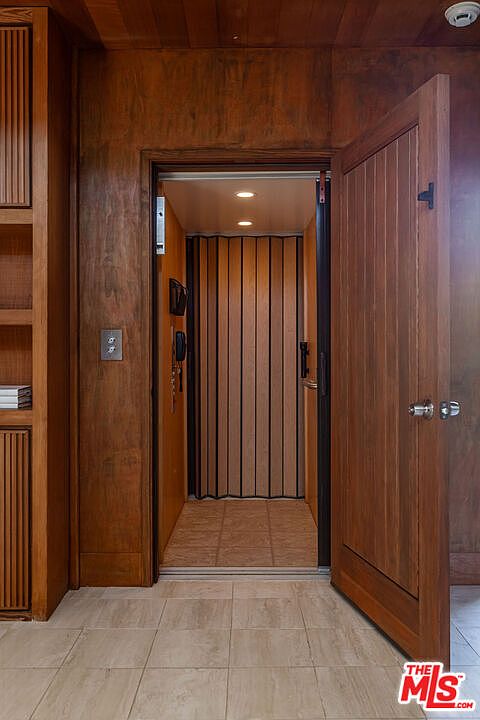
The arrival sequence sets the tone immediately. A composed, paneled entry at street level opens into a world calibrated entirely around the Pacific. The double-height living room is the home's great set piece—floor-to-ceiling glass on the oceanside elevation transforms the room into a living frame for the sea, while a central fireplace anchored in stone and marble grounds the soaring volume with warmth and intimacy. A sleek residential elevator connects the levels with understated sophistication, and an expansive marble bar provides a natural gathering point where the architecture encourages lingering.
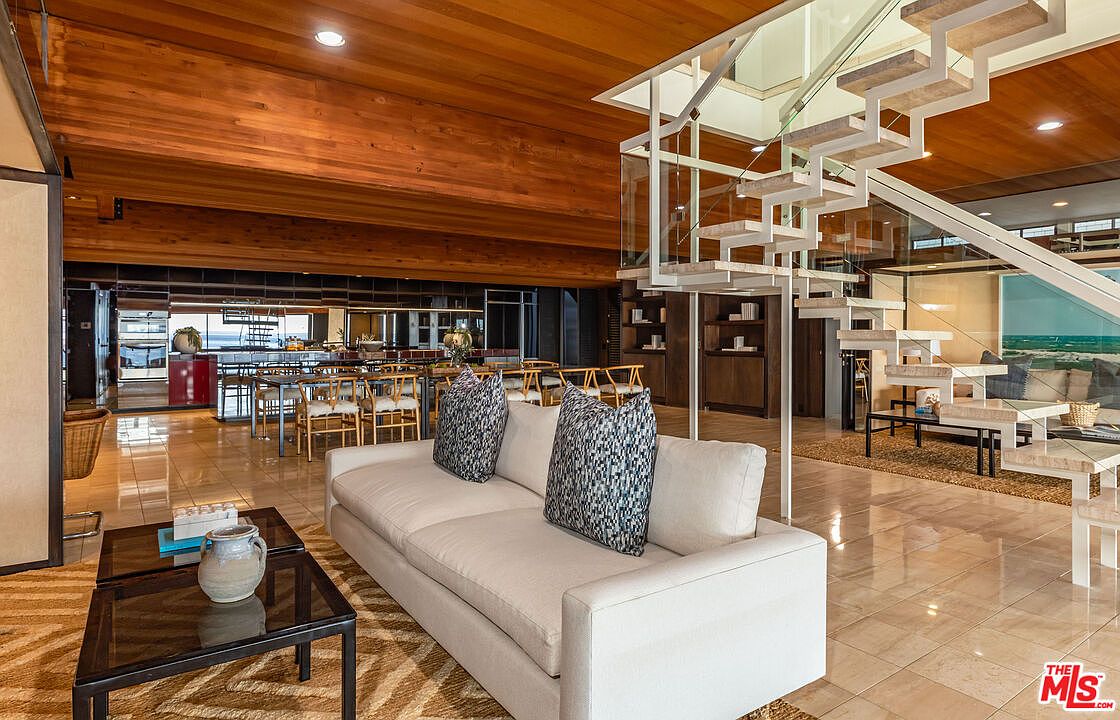
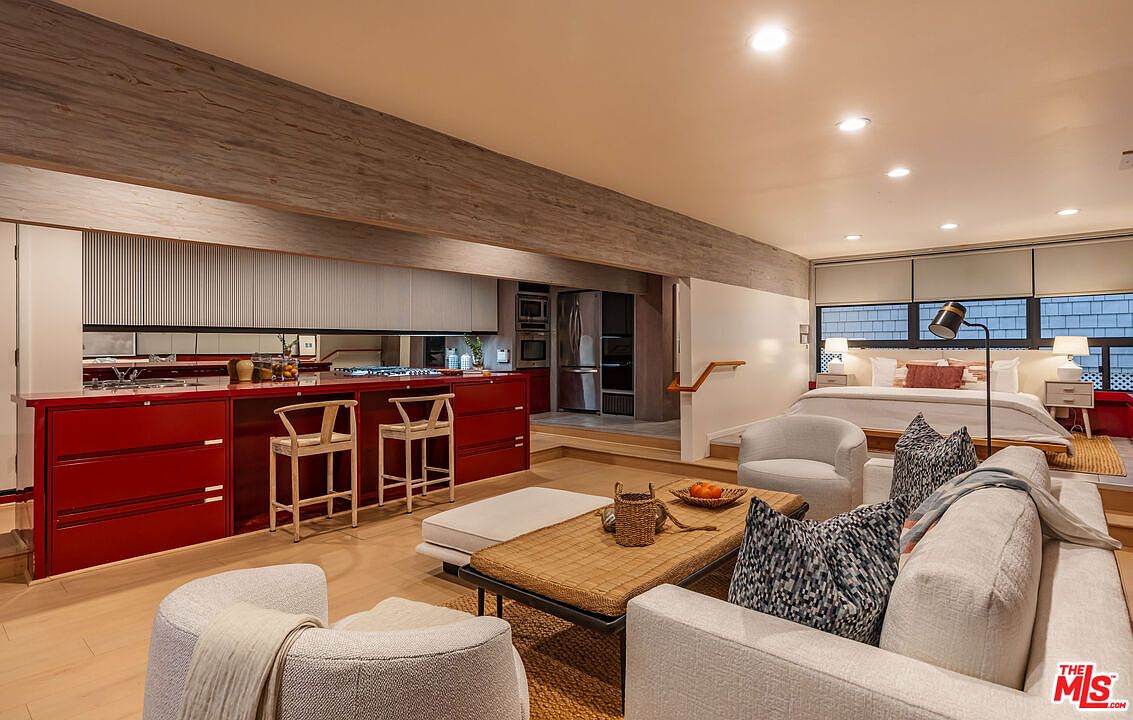
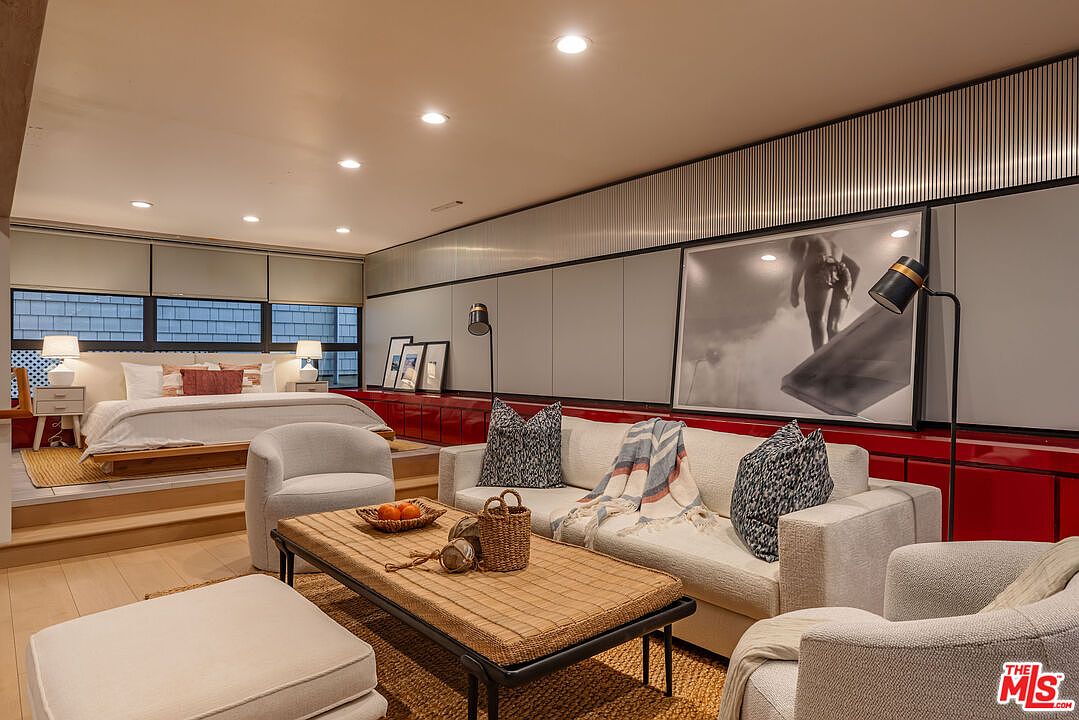
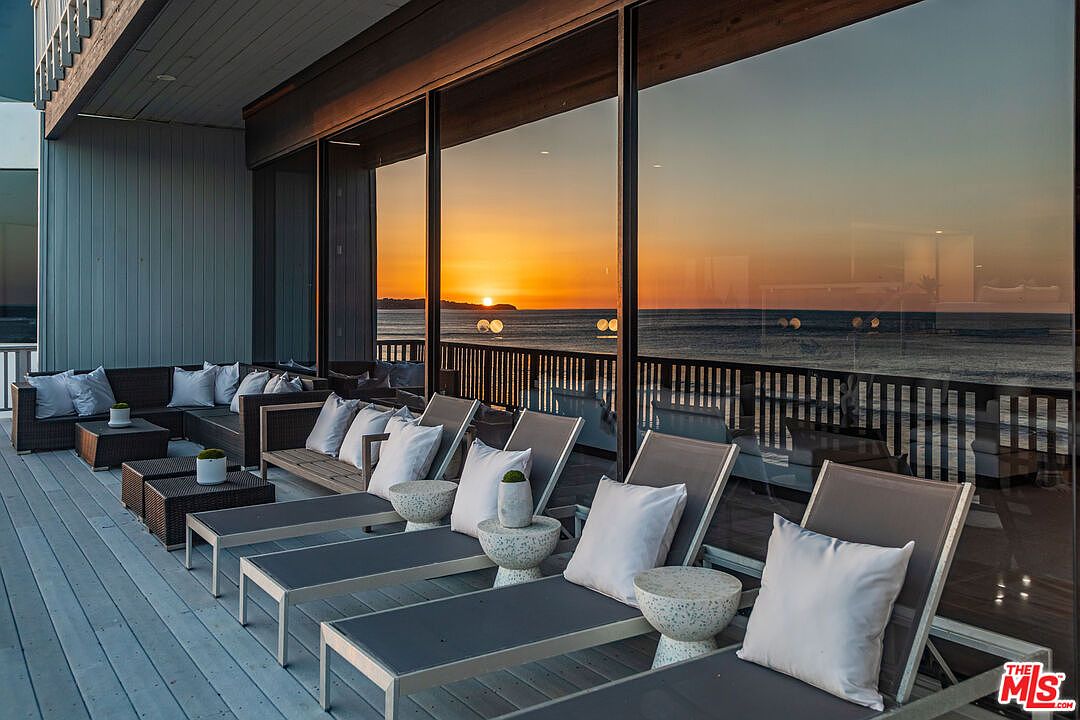
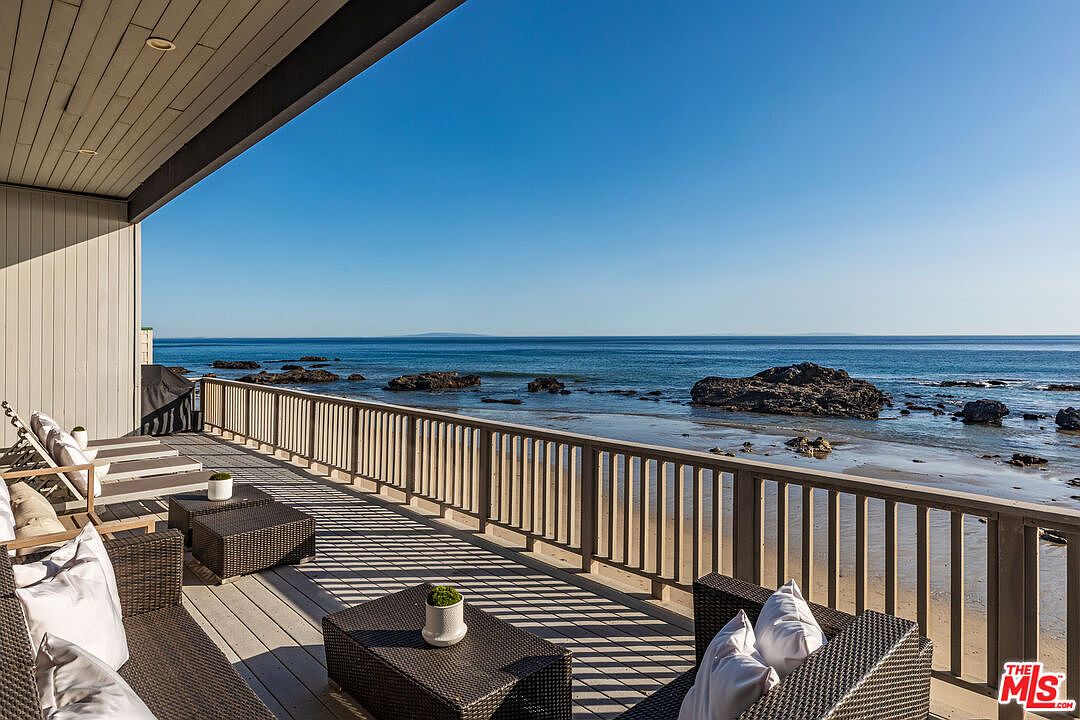
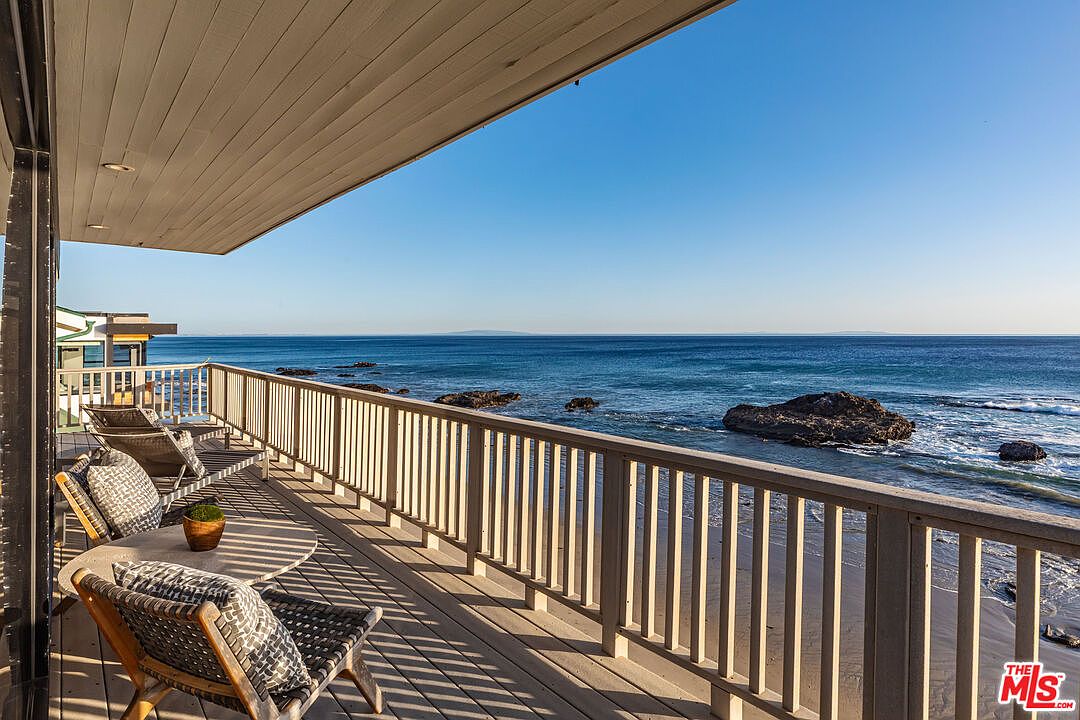
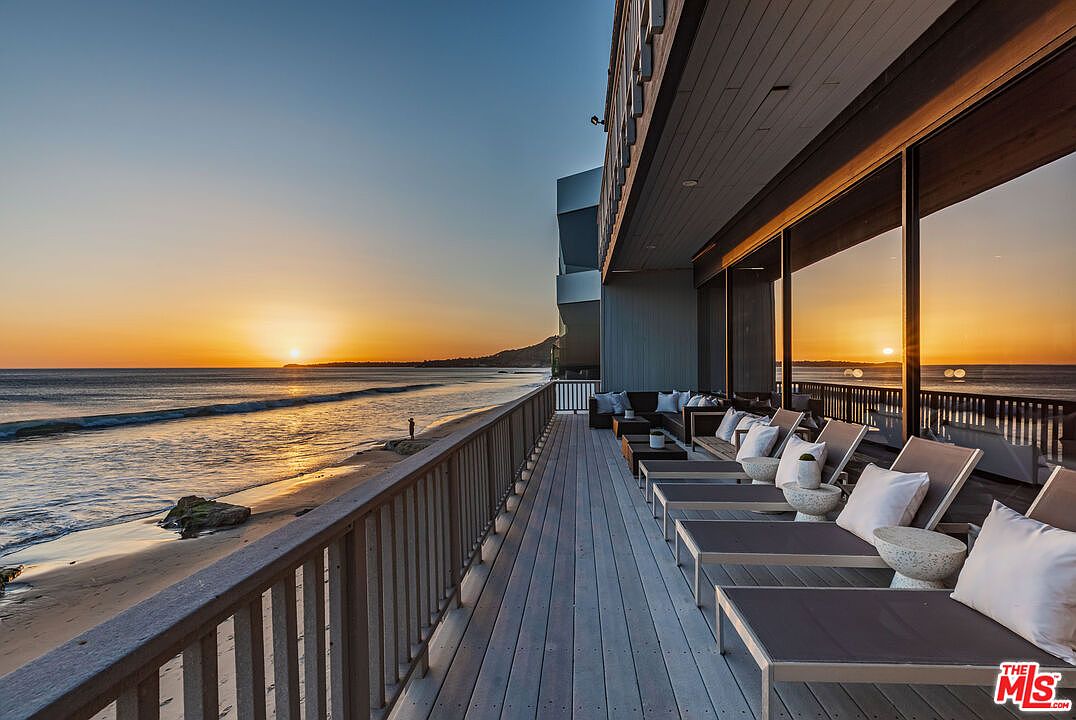
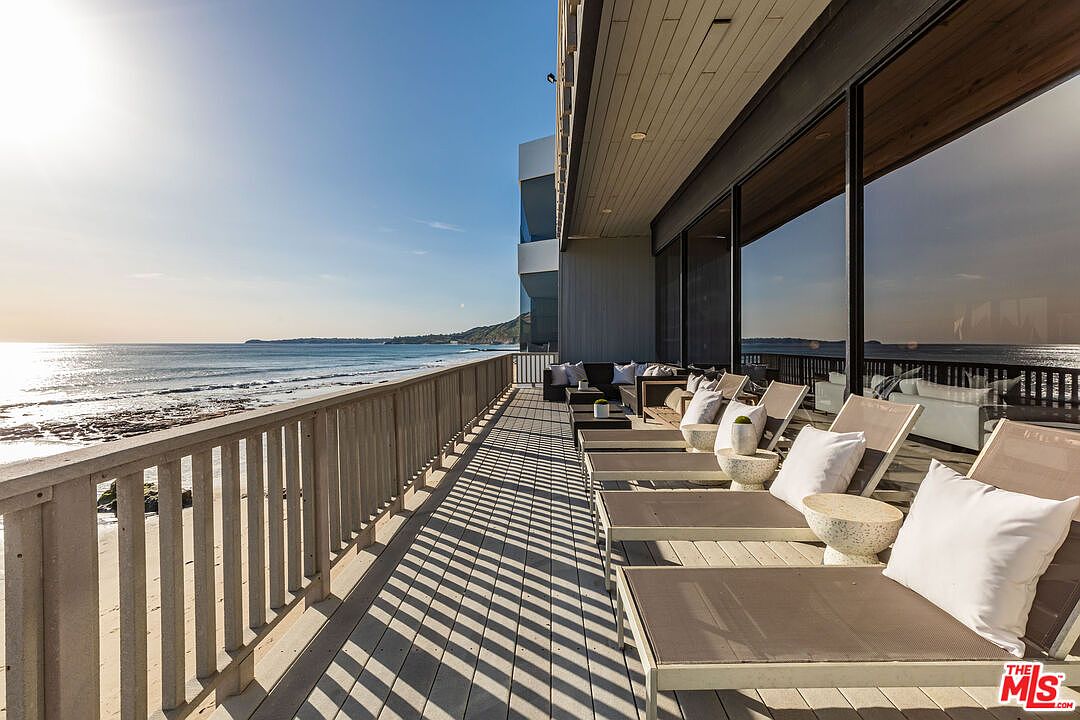
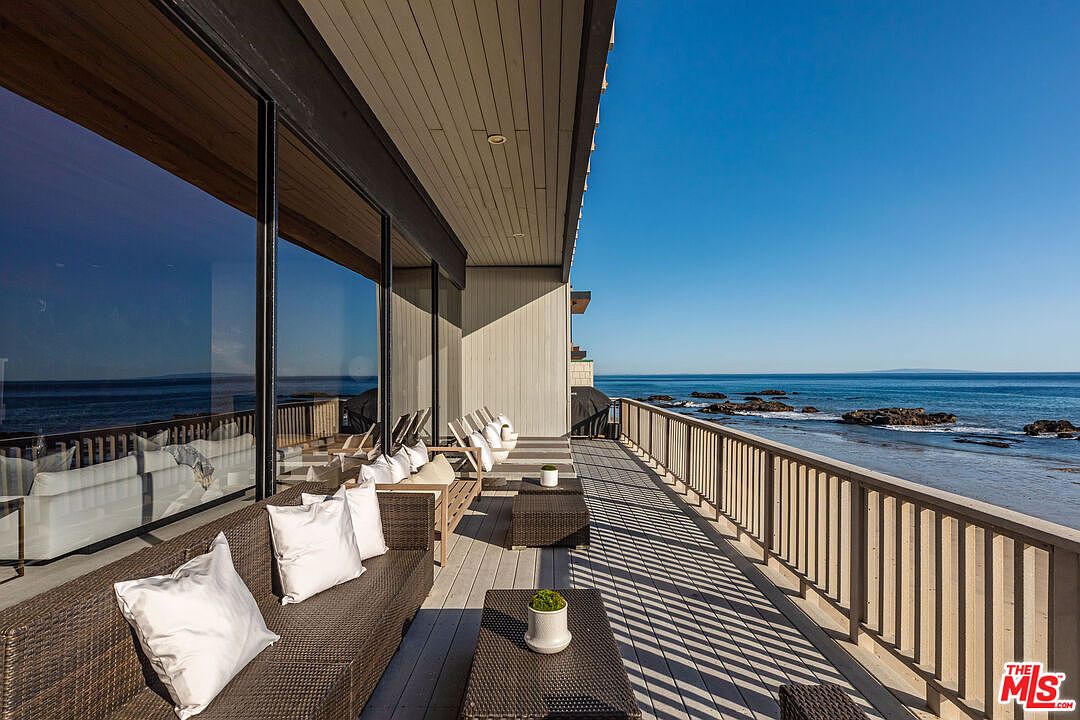
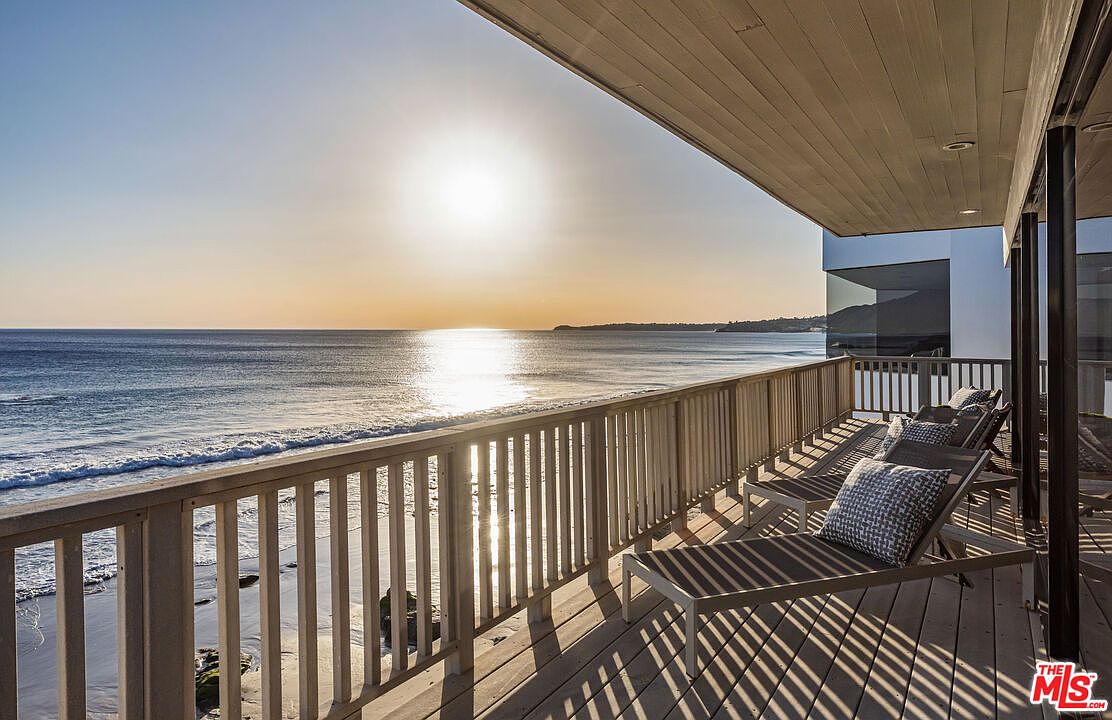
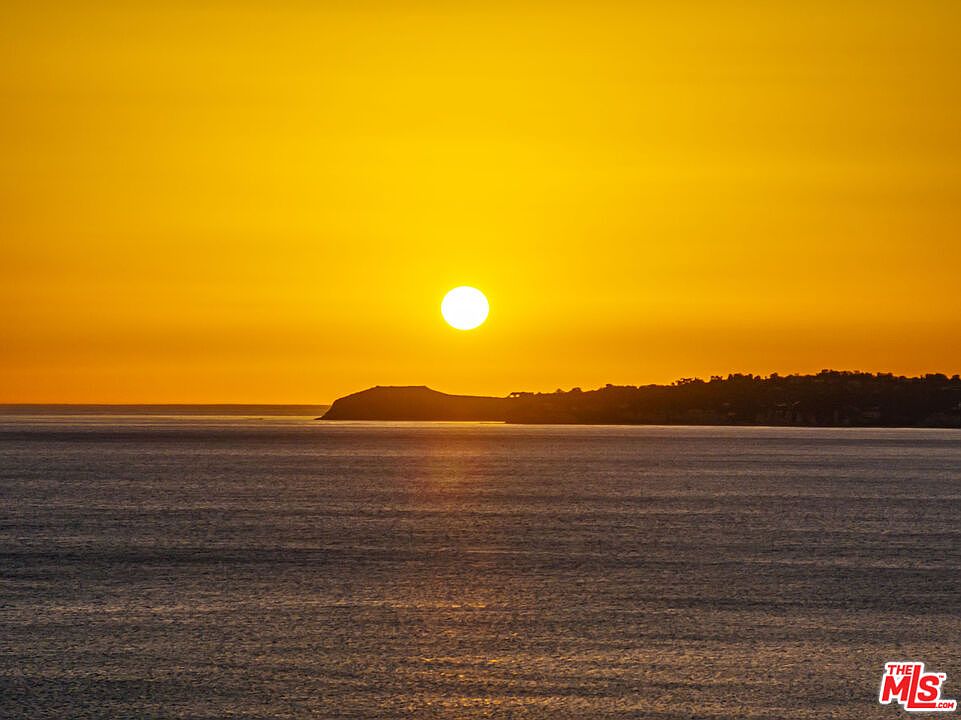
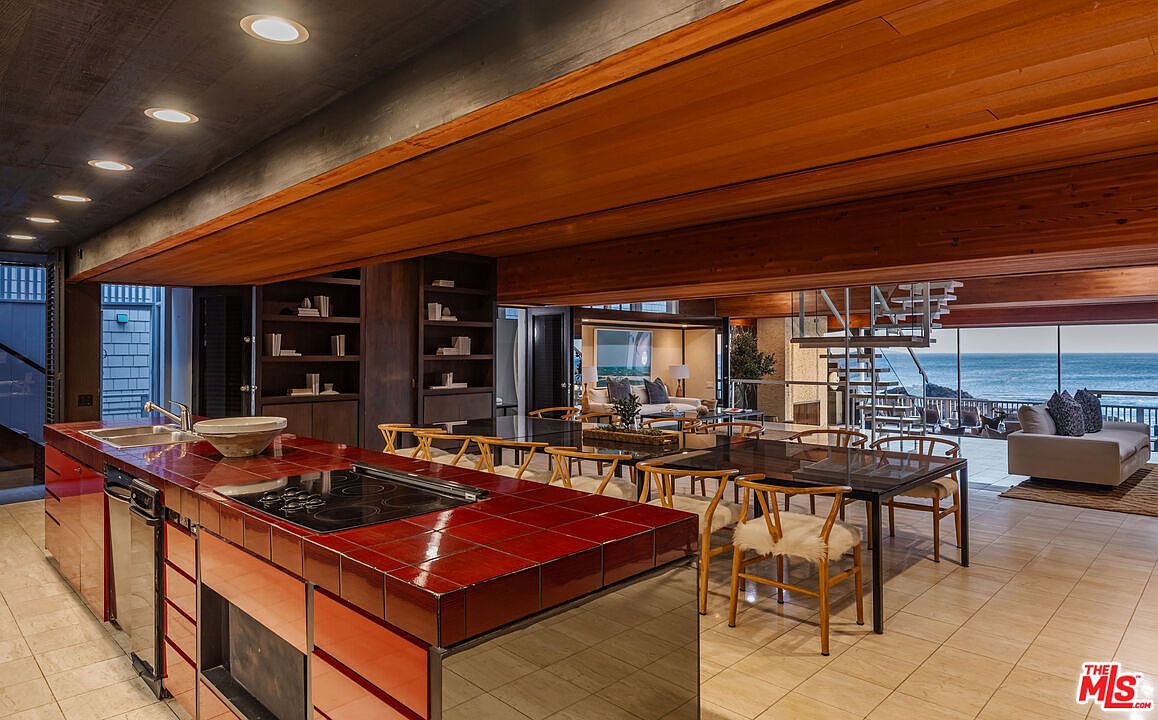
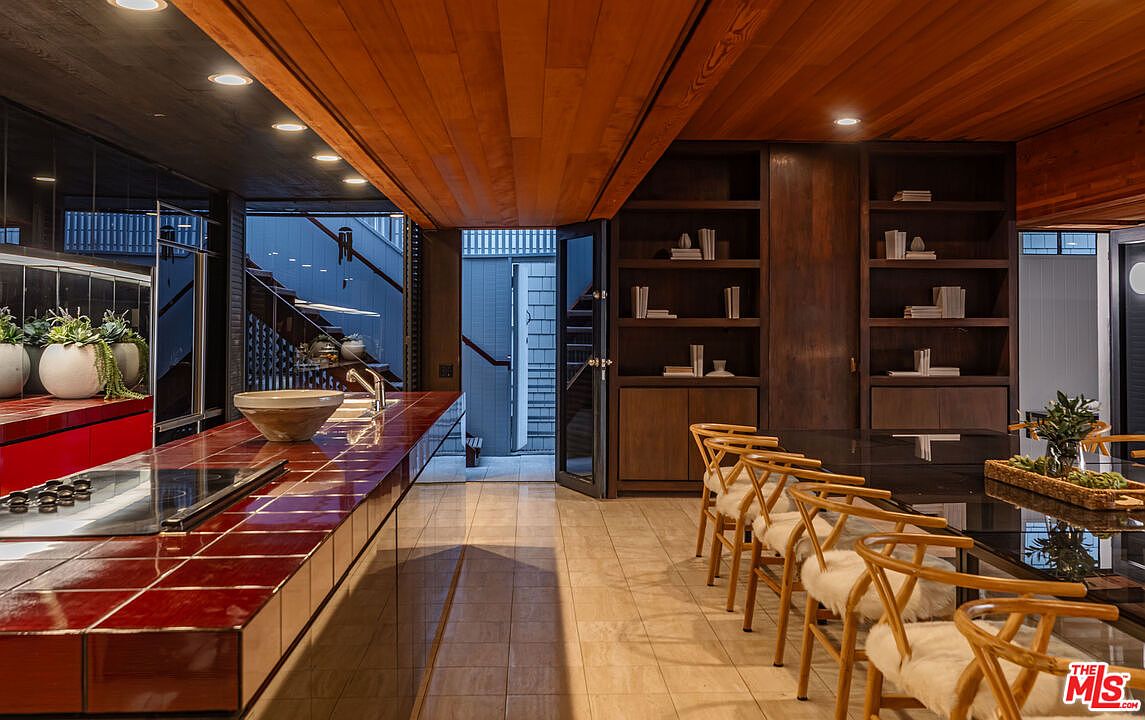
The open floor plan flows with choreographic precision from the living room through informal sitting areas into the gourmet kitchen, where distinctive red-tiled surfaces and integrated appliances reflect Kappe's conviction that everyday domestic life deserves the same design rigor as formal spaces. A spiral staircase adds architectural punctuation, while the adjacent dining area opens through generous glass to the oceanfront decks—broad, unhurried platforms furnished for the unhurried pleasure of watching the sun descend into the Pacific.
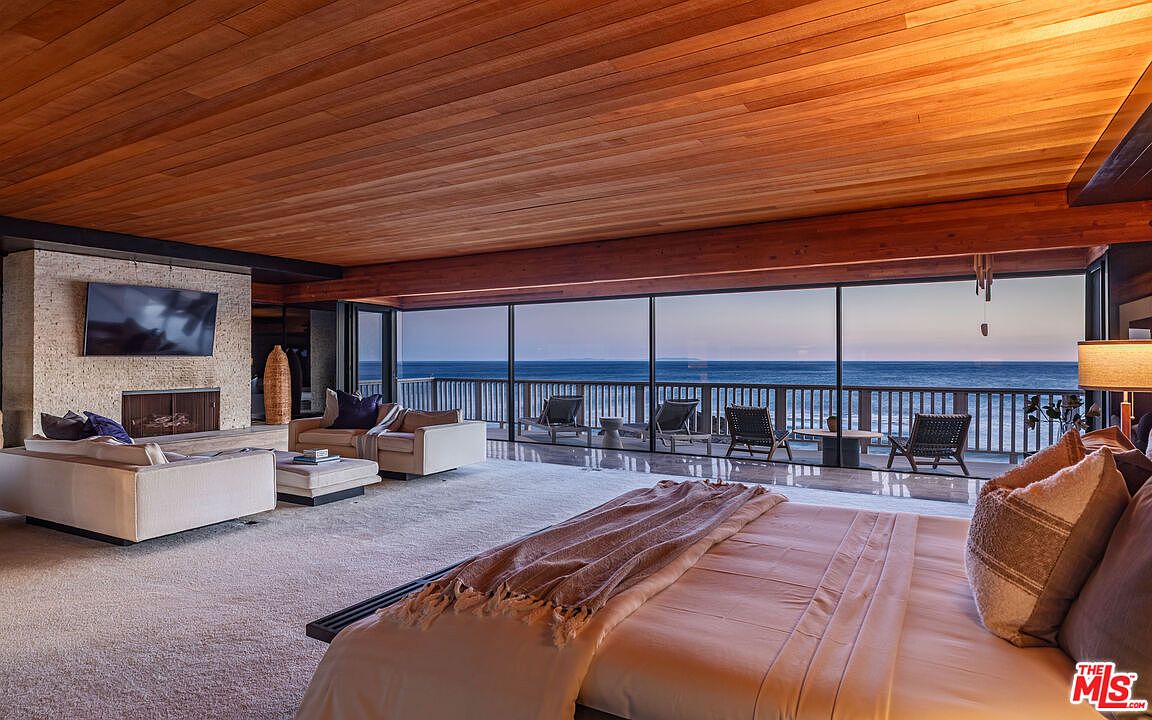
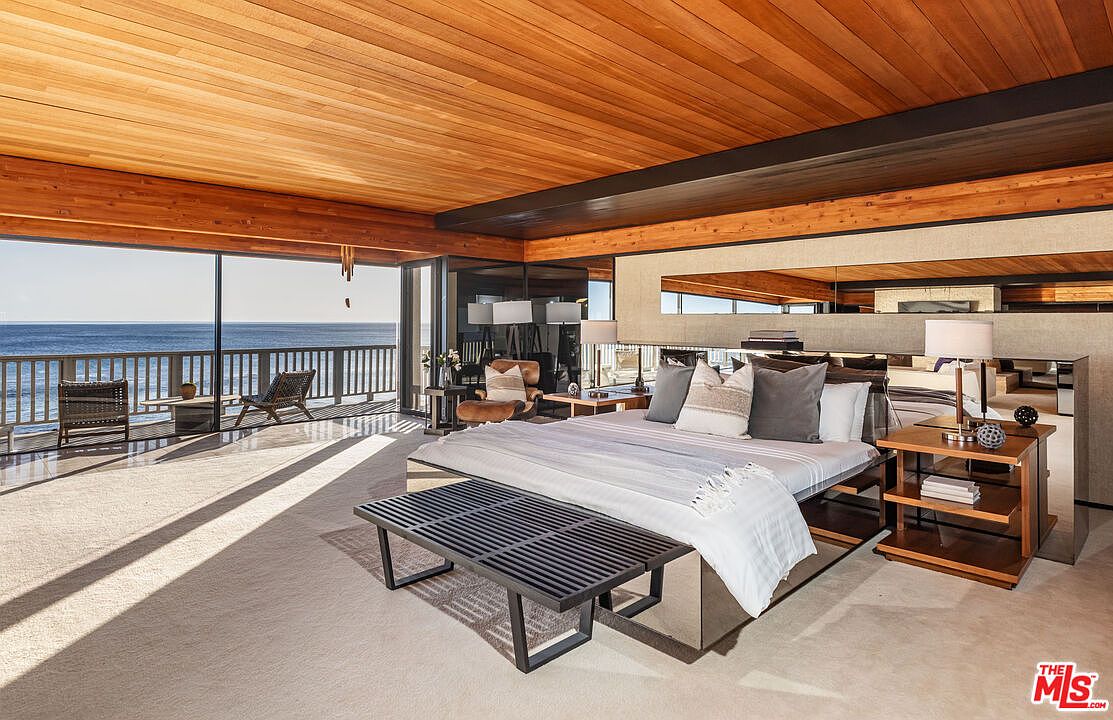
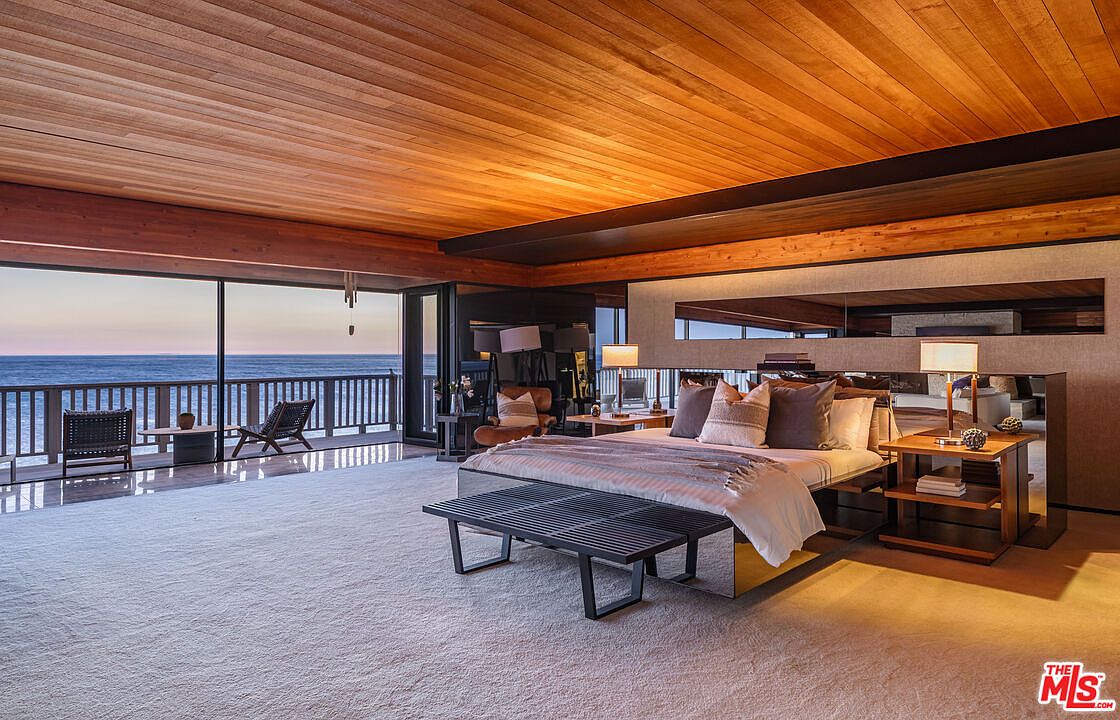
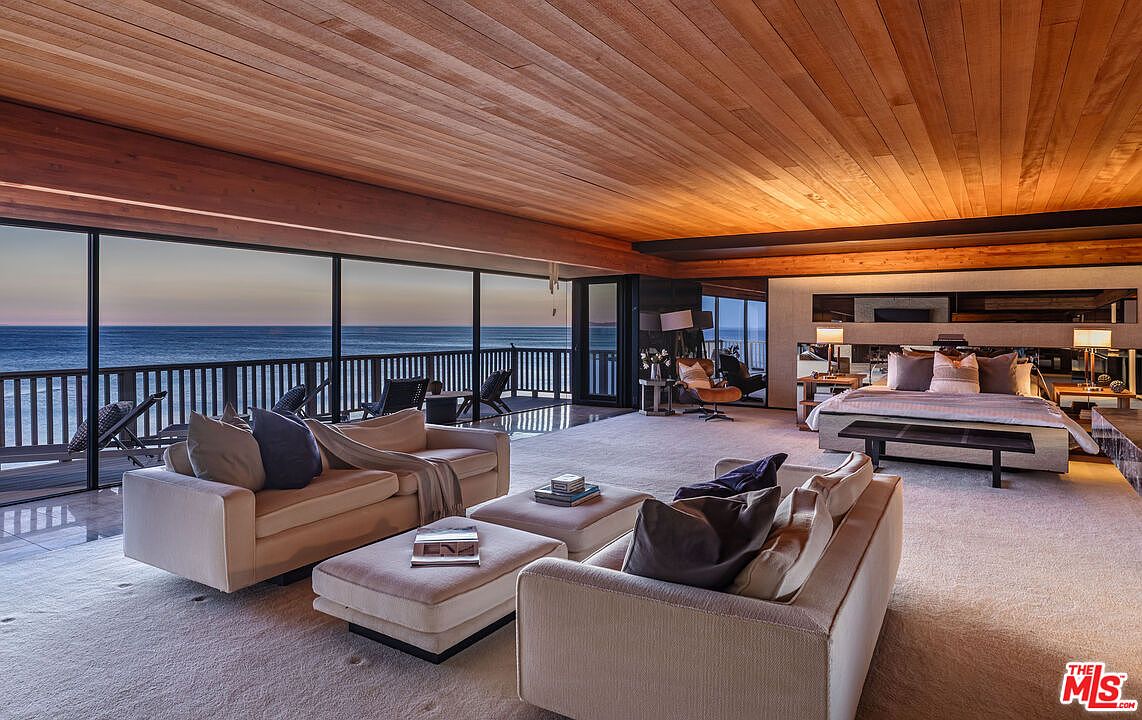
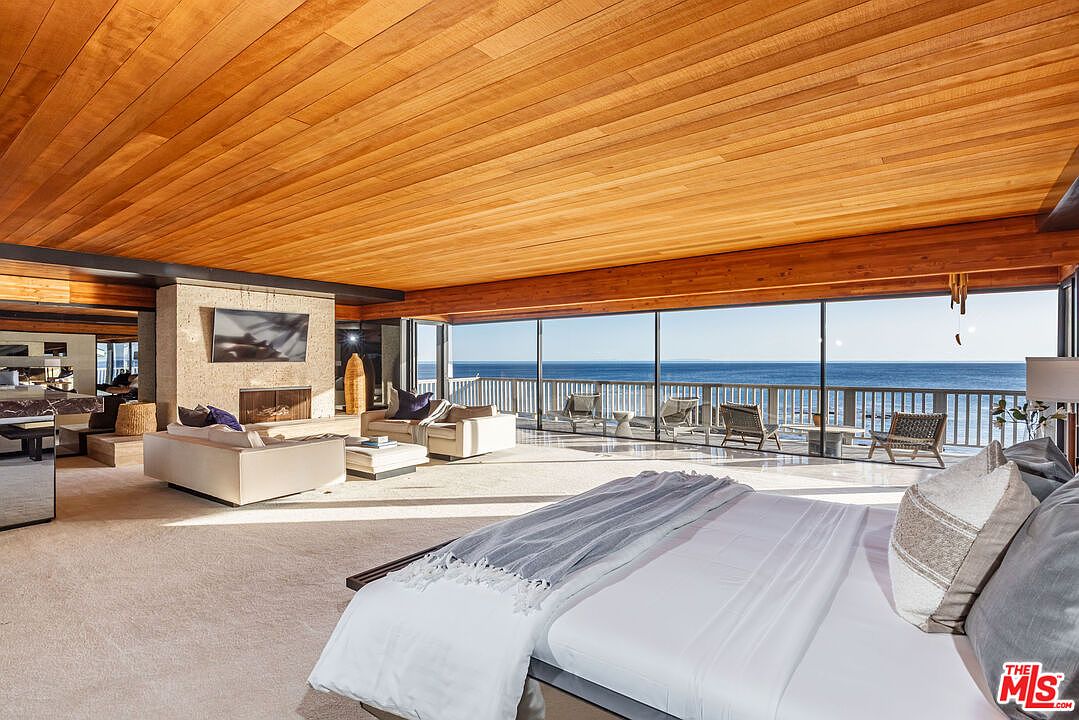
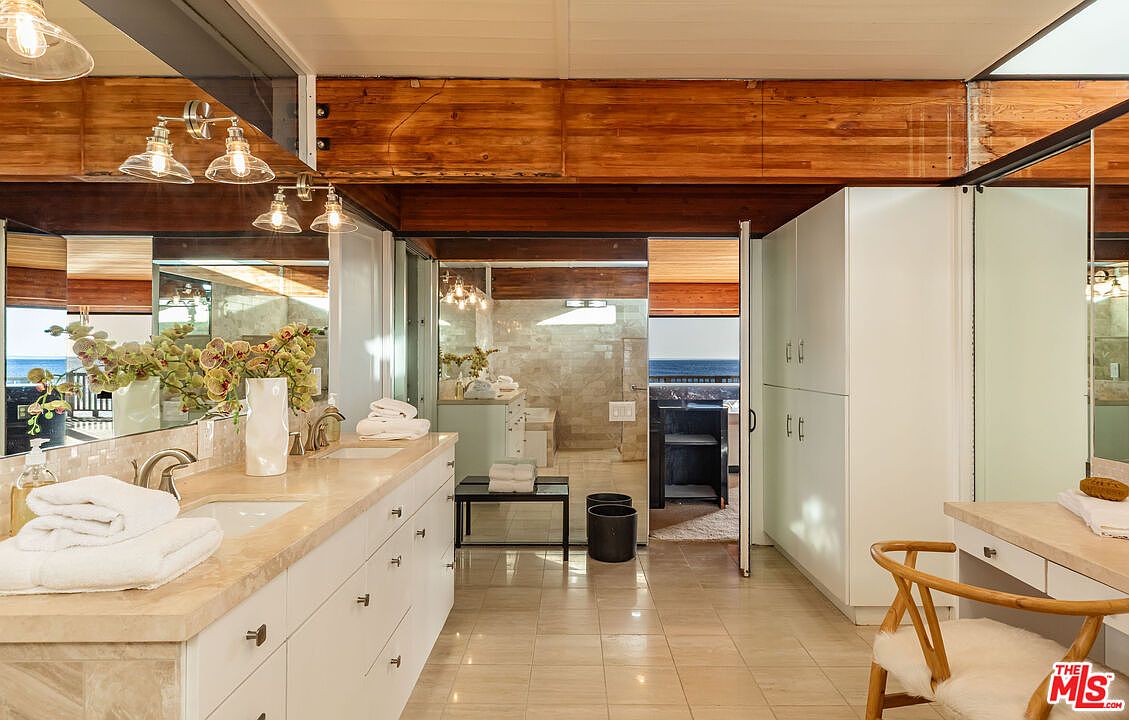
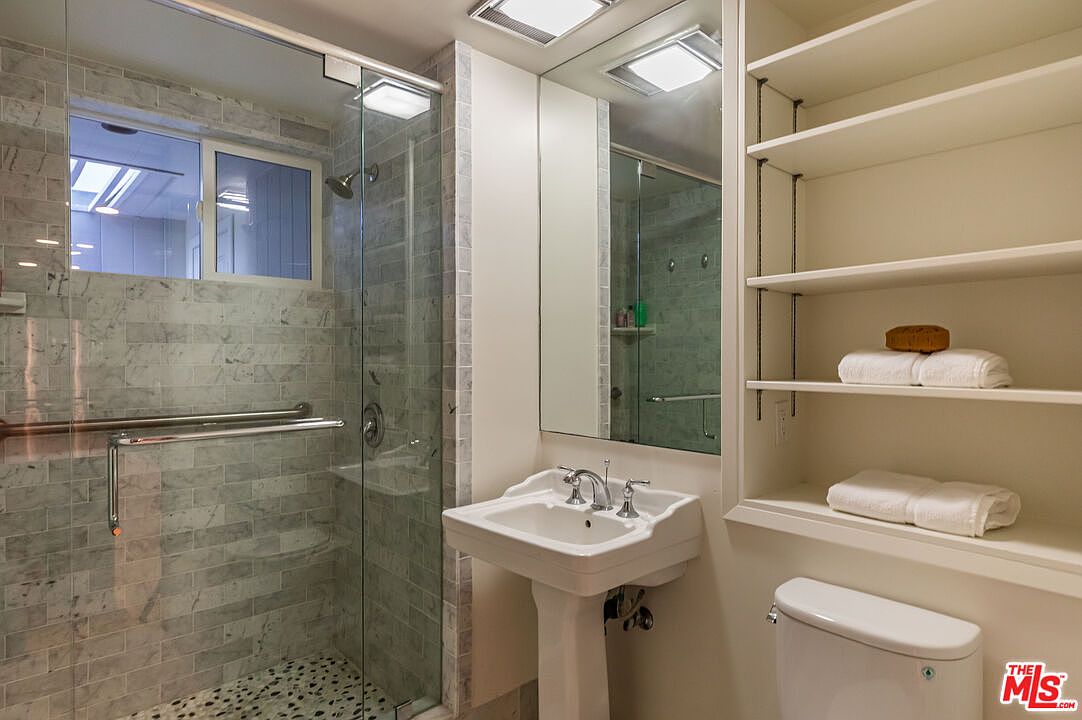
The primary suite occupies the full width of the second story, a decision that speaks to Kappe's understanding of how a bedroom should feel: not merely a place to sleep, but a sanctuary proportioned to the grandeur of its surroundings. Its own marble bar, intimate fireplace, sitting area, and direct deck access ensure that the ocean is never more than a glance or a step away. An adjacent room, convertible as a third bedroom, offers flexibility with a full bath and closet of its own.
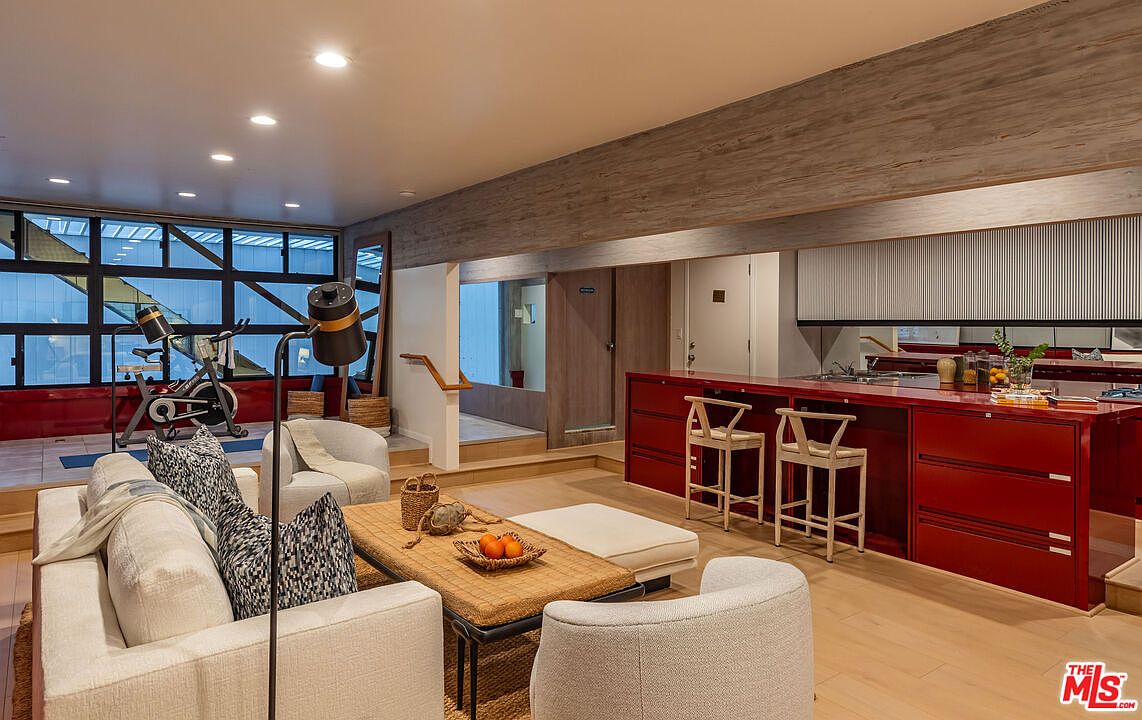
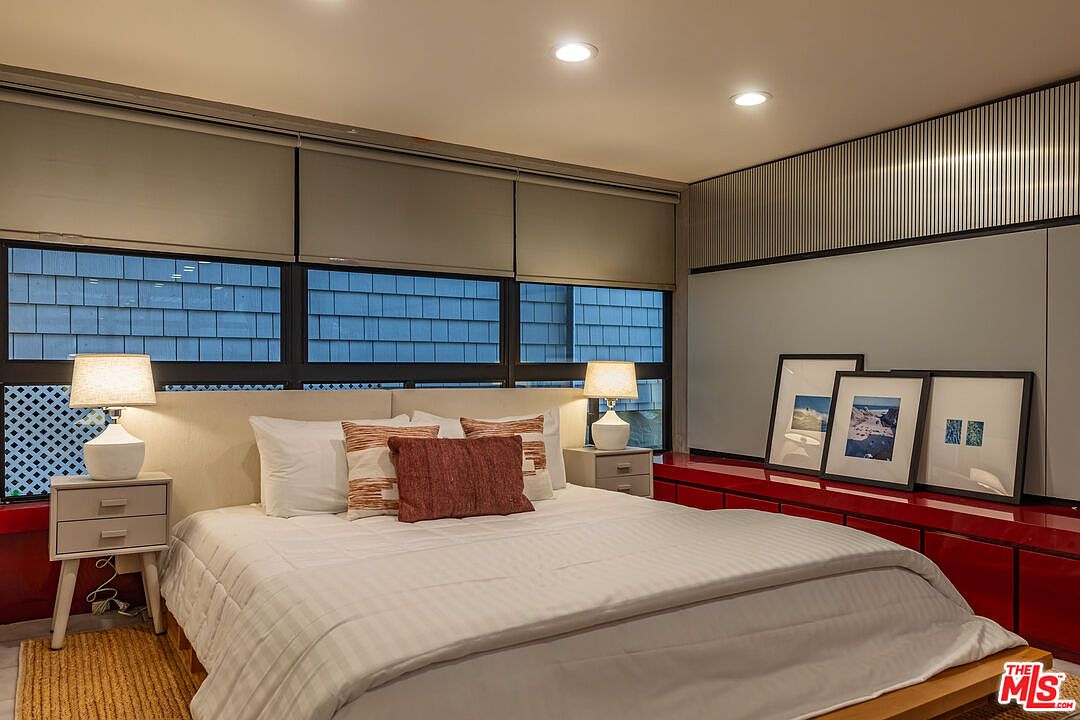
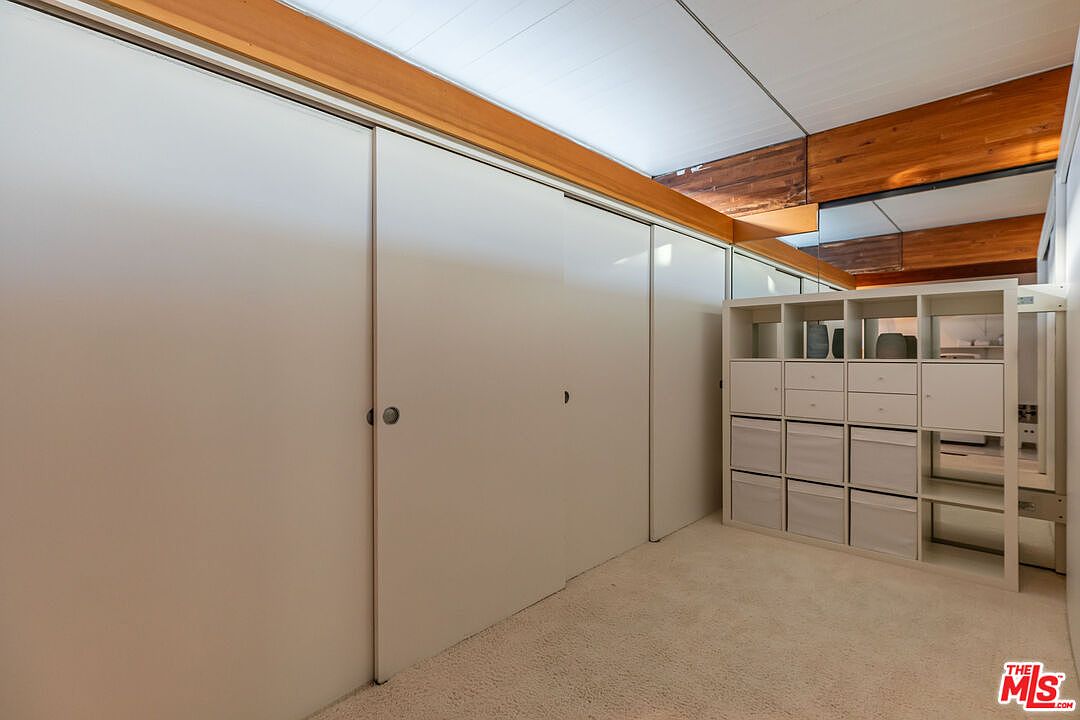
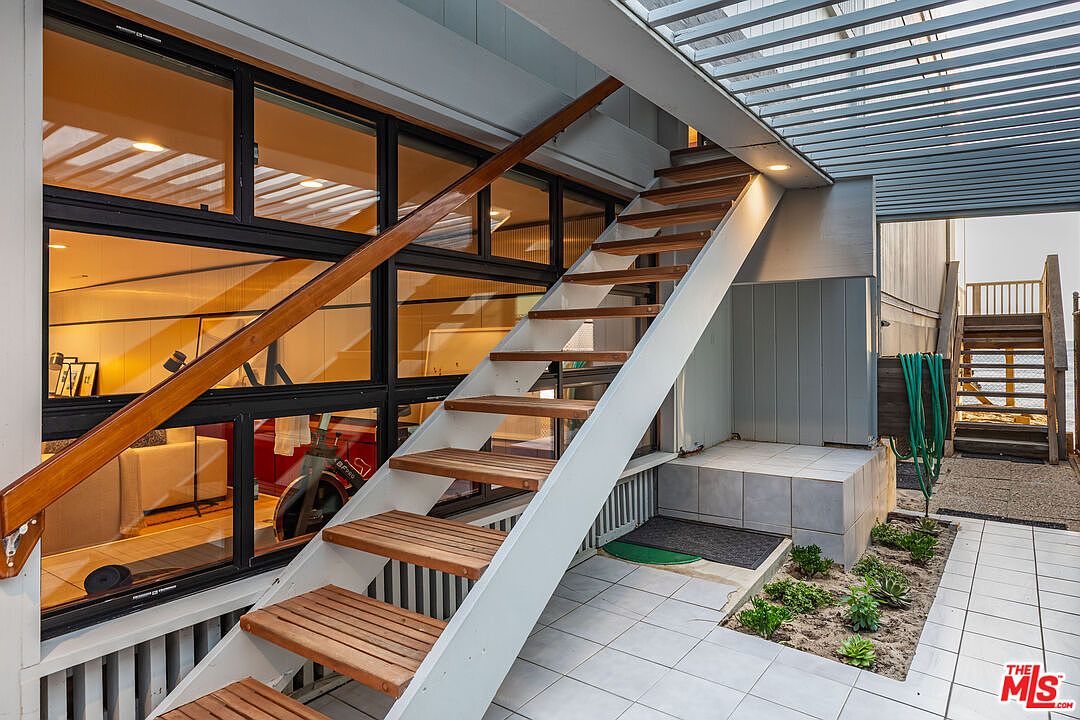
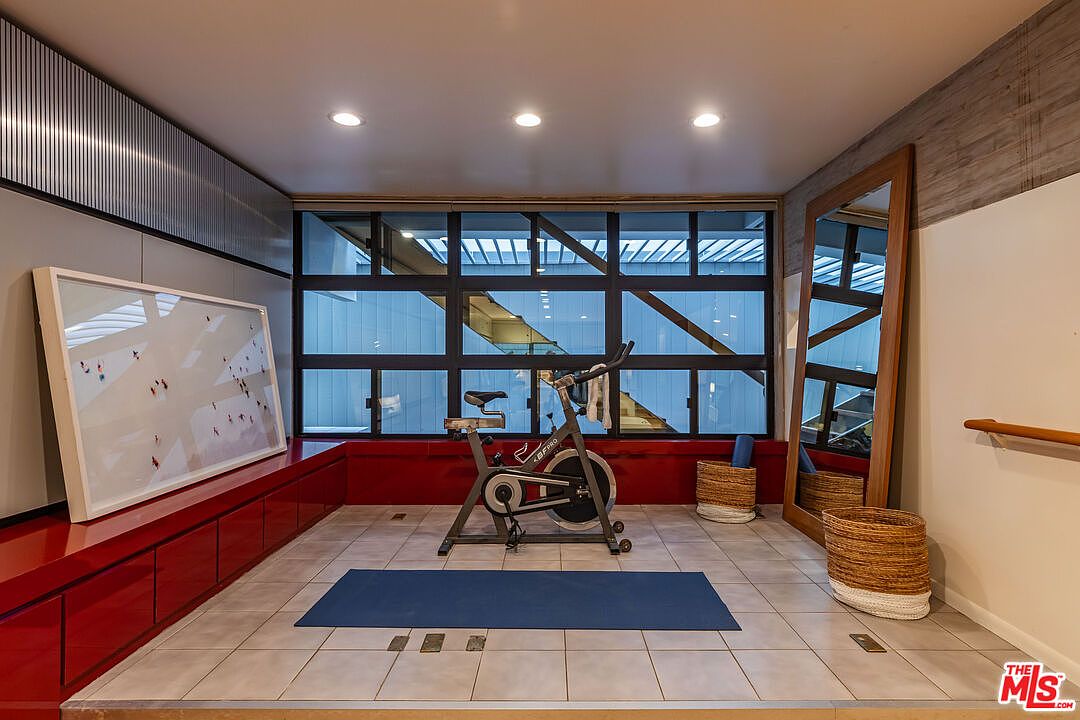
Below, a newly refreshed studio apartment—complete with new hardwood floors, a full kitchen, bathroom, living room, bedroom, and a versatile gym and family room—provides independent quarters that serve equally well for guests, extended family, or a private creative retreat. The home gym, fitted with red cabinetry and a full-length mirror, looks outward through a generous window, ensuring that even the most disciplined morning routine is accompanied by the Pacific.
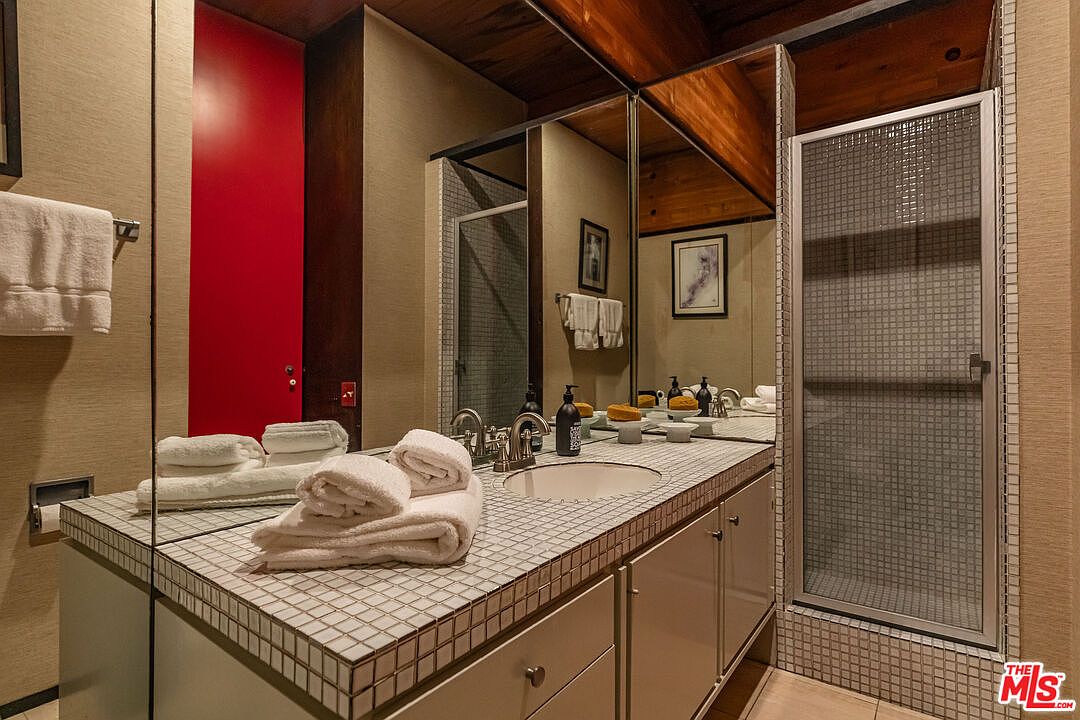
Throughout, the material palette speaks quietly but insistently of quality: warm wood ceilings that reference the coastal environment, marble surfaces that age beautifully, and the kind of spatial generosity that only emerges when an architect has genuinely understood a site. This is a home that rewards daily life with what most properties can only promise.
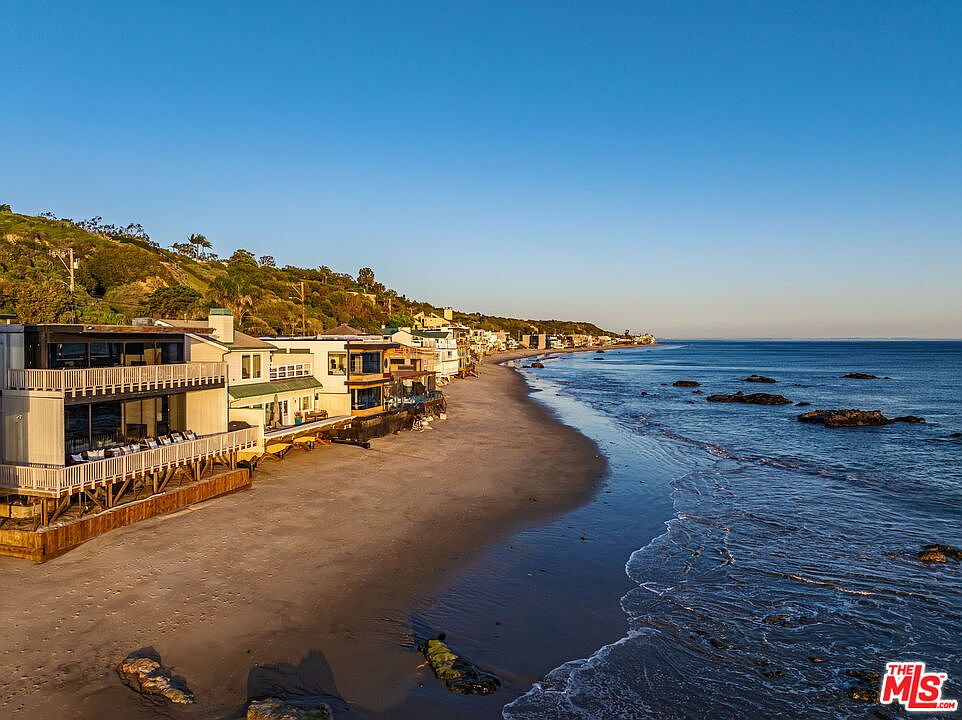
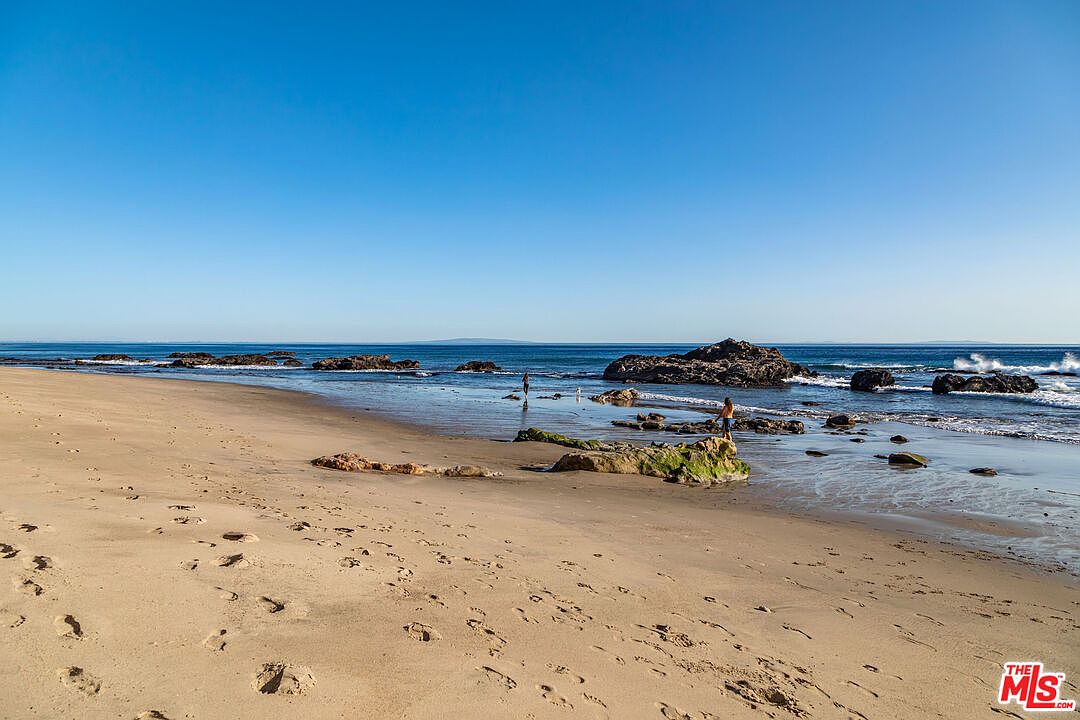
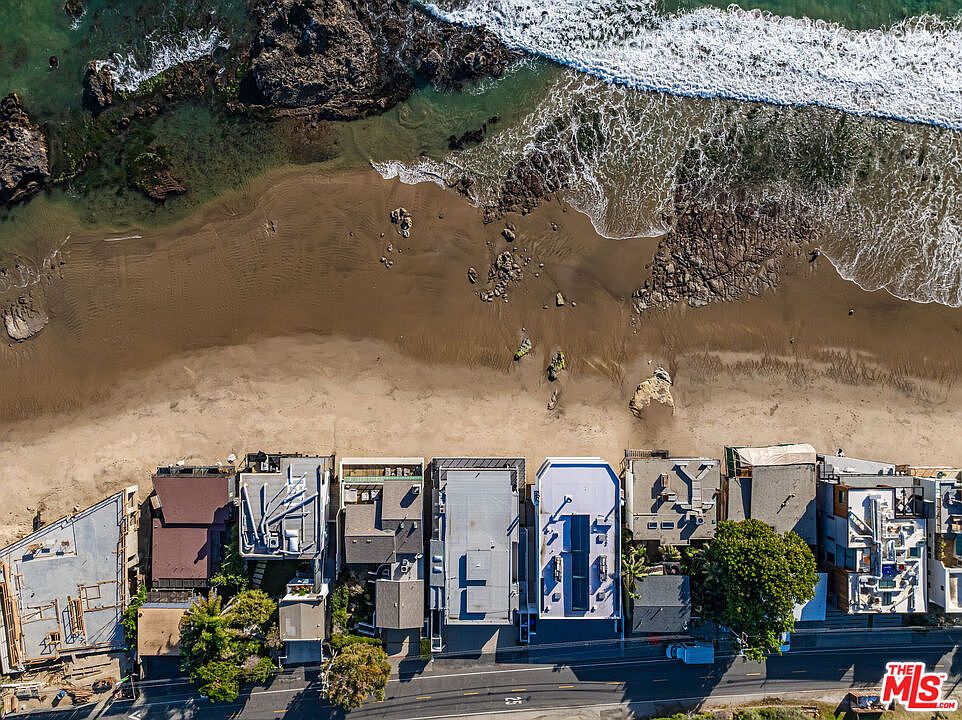
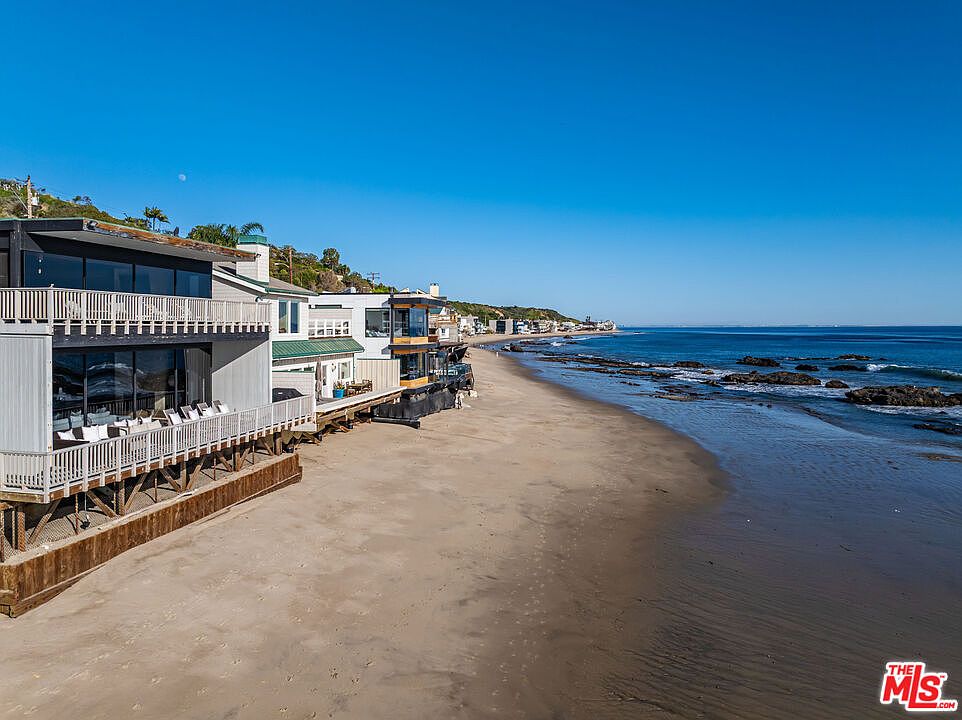
Malibu Road is one of the most storied addresses in American coastal real estate, and within it, the Sandy Section occupies a position of particular distinction. Stretching along a prized stretch of the Malibu coastline in Los Angeles County, this enclave of beachfront homes has long attracted those for whom proximity to the Pacific is not an amenity but a way of life. The Sandy Section earns its name from the wide, accessible beach that fronts these properties—a relative rarity along a coastline where sand can be narrow or obscured—and it has historically drawn architects, artists, writers, and entertainment figures who recognize that creative work and coastal living are natural companions.
Malibu itself carries a cultural weight that few California communities can match. Incorporated as a city in 1991, it stretches approximately 21 miles along the Pacific Coast Highway and encompasses roughly 45,000 acres, including significant portions of the Santa Monica Mountains. The community's identity has always been shaped by the tension between its extraordinary natural environment and the human desire to inhabit it thoughtfully. State and national parklands—including the Santa Monica Mountains National Recreation Area, one of the largest urban national parks in the United States—surround and define the community, ensuring that the landscape beyond the shoreline remains largely undeveloped and wild.
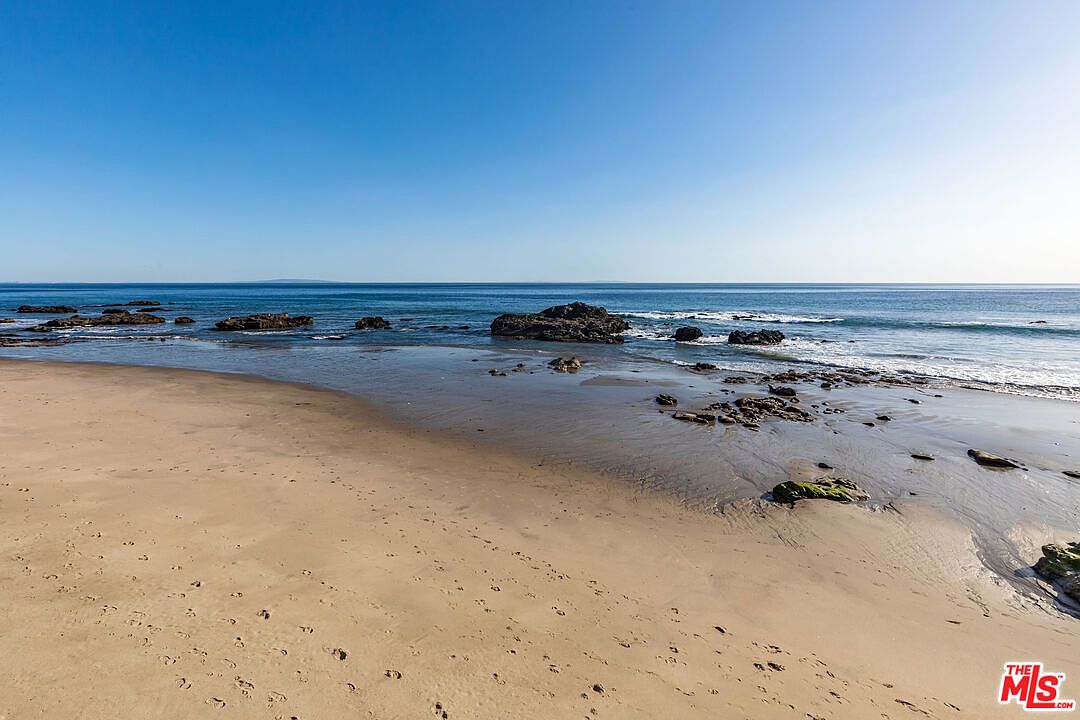
The natural environment at this particular address is notably dramatic even by Malibu's standards. Offshore reefs and rocky formations along this stretch create the kind of coastal topography that surfers, marine enthusiasts, and those who simply find beauty in geological complexity seek out specifically. The reefs also shape the wave patterns and water character, giving this section of Malibu Road a visual dynamism that changes with the tides, the season, and the hour of day.
Pacific Coast Highway, which runs parallel to Malibu Road, connects the community to Santa Monica and the broader Los Angeles metropolitan area to the south, and to Ventura County to the north. The drive itself—particularly at dawn or dusk—is widely regarded as one of the most scenic commutes in Southern California. Malibu's own commercial village, centered around the Malibu Country Mart and the Malibu Lumber Yard, offers a curated selection of restaurants, boutiques, and gathering spaces that reflect the community's blend of relaxed affluence and genuine outdoor culture.
The culinary scene along the coast includes long-established institutions as well as newer destinations that have made Malibu a dining destination in its own right. Surfrider Beach, a short distance away, is recognized as one of the finest surf breaks in California and holds a place in surfing history as the site where the sport first captured mainstream American imagination in the mid-twentieth century. Point Dume State Beach and Preserve, to the northwest, offers hiking trails, whale-watching vantage points, and tide pools that bring the area's extraordinary biodiversity into direct contact with daily life.
To live on Malibu Road's Sandy Section is to participate in one of California's most enduring and resonant coastal traditions—one measured not in amenities or conveniences, but in sunrises over still water and the particular quality of light that falls on the Pacific in the late afternoon.
Featured Highlights
Curated Content • Presented by Irene Dazzan-Palmer