The Story Behind
A Tropical Sanctuary Where the Pacific Becomes Your Front Yard
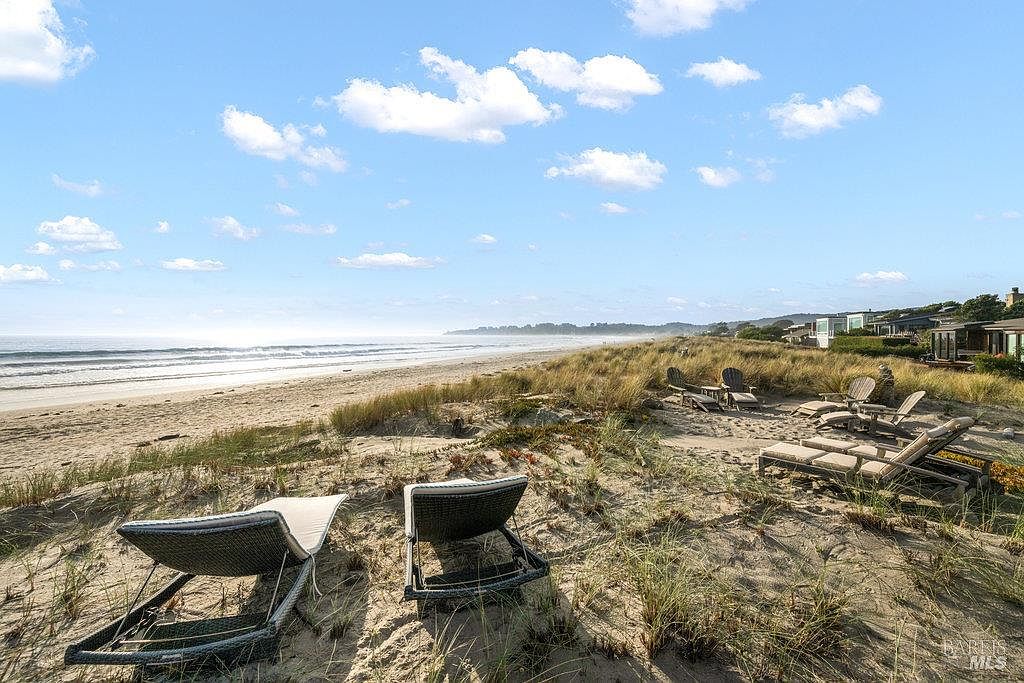
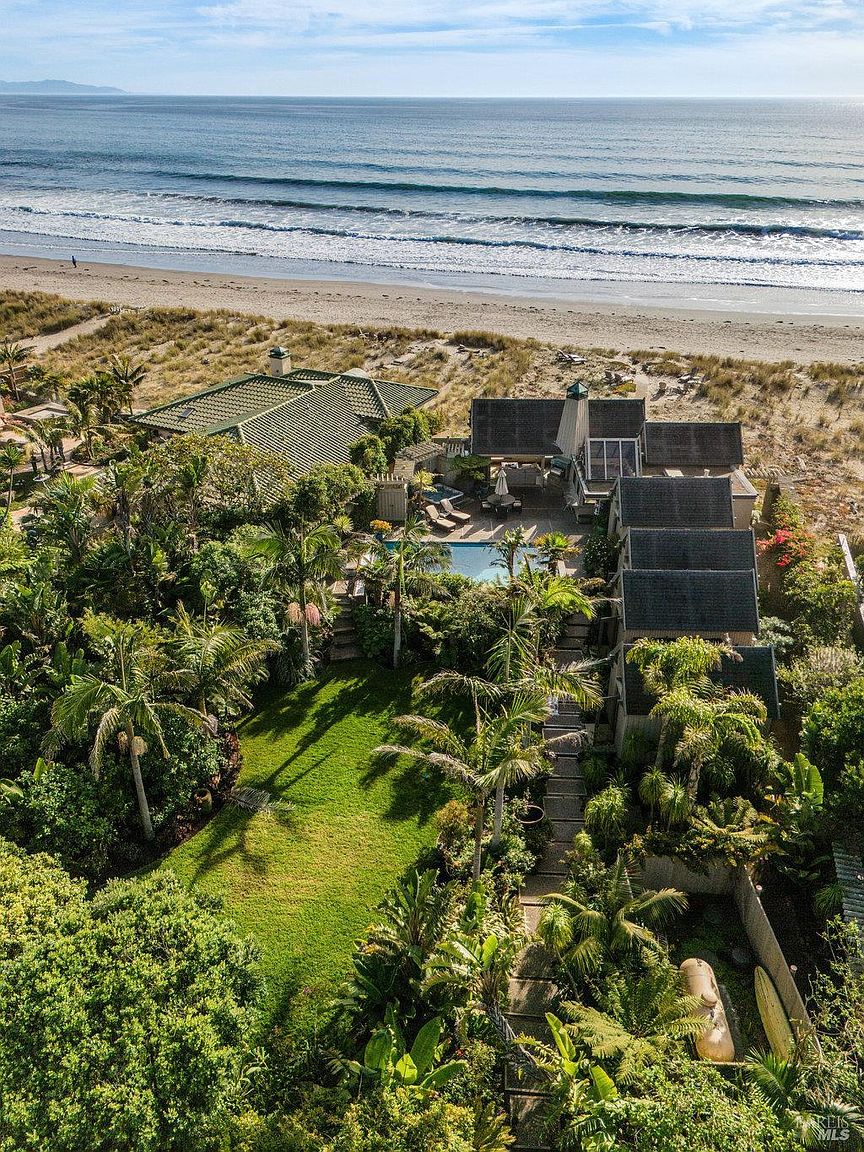
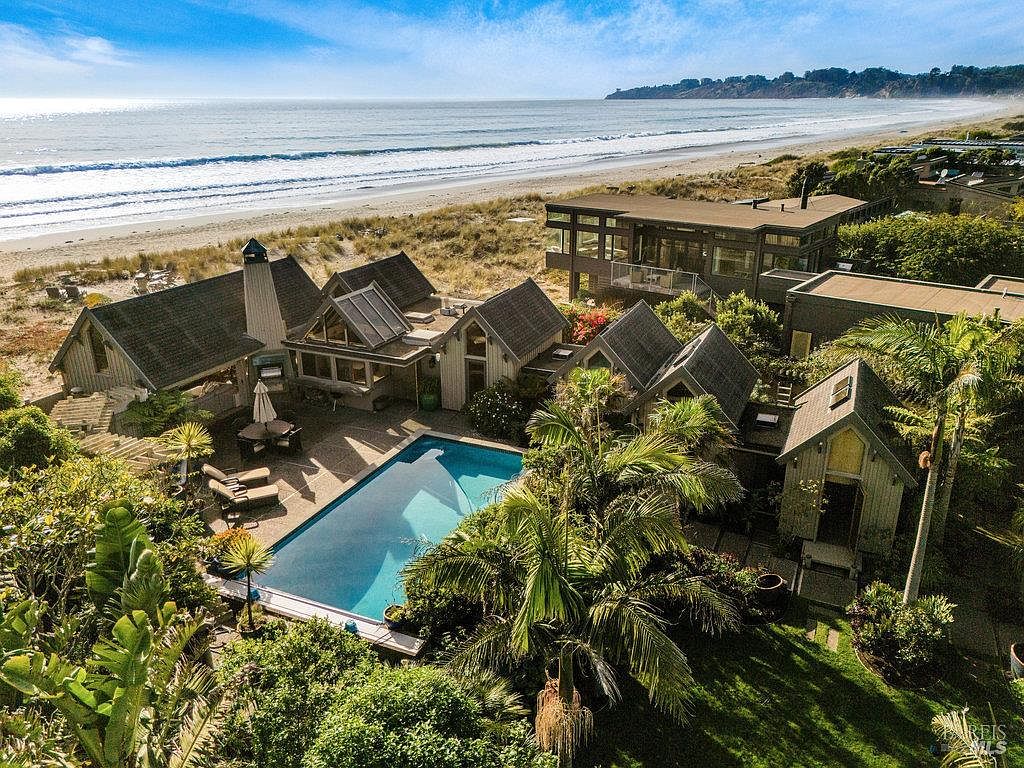
There is a particular quality of arrival at 172 Seadrift Road that is difficult to articulate and nearly impossible to replicate. The gates close. The palms lift in the coastal breeze. The Pacific appears at the end of the garden path, unhurried and immense. In that moment, the architecture makes its intention clear: this home was not built to impress — it was built to transport.
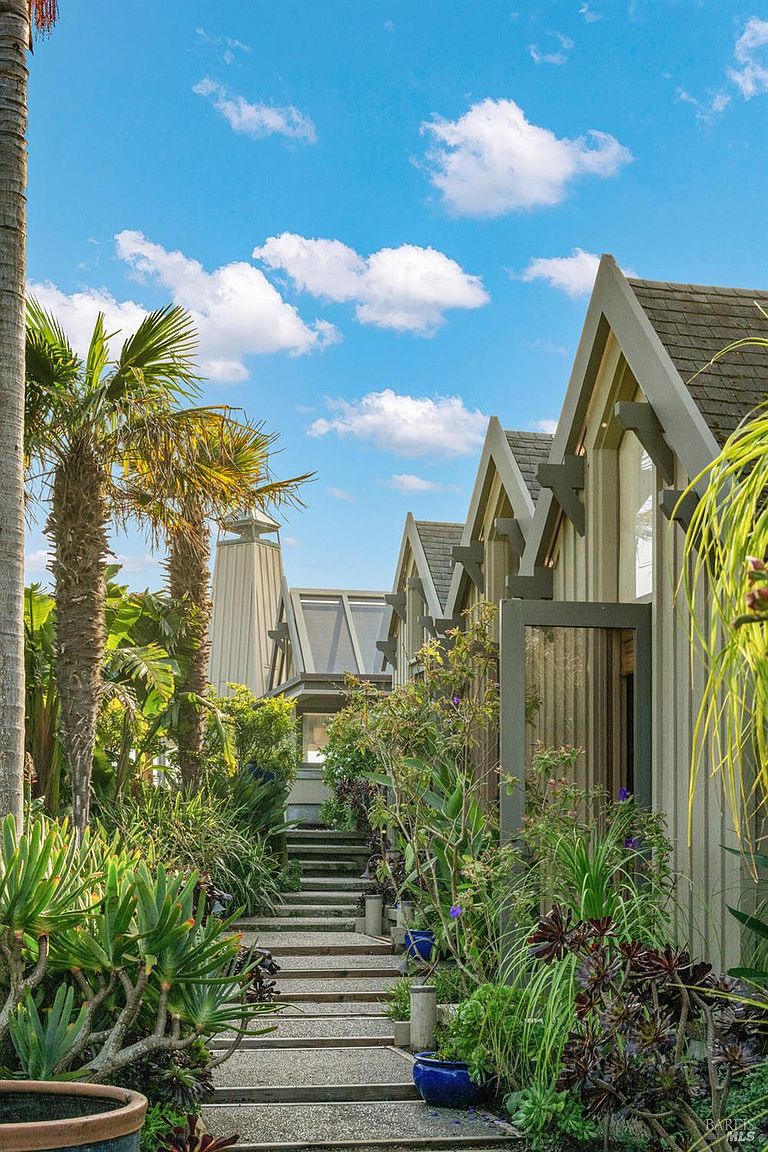
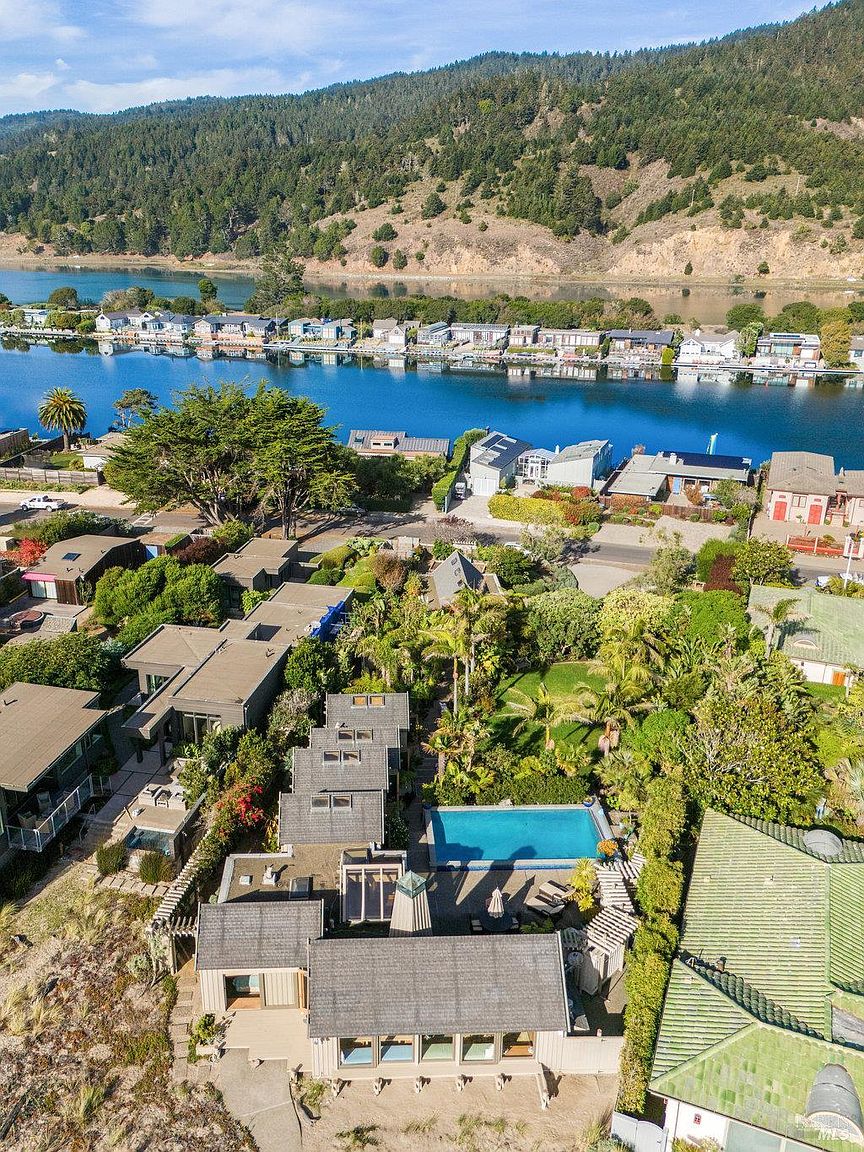
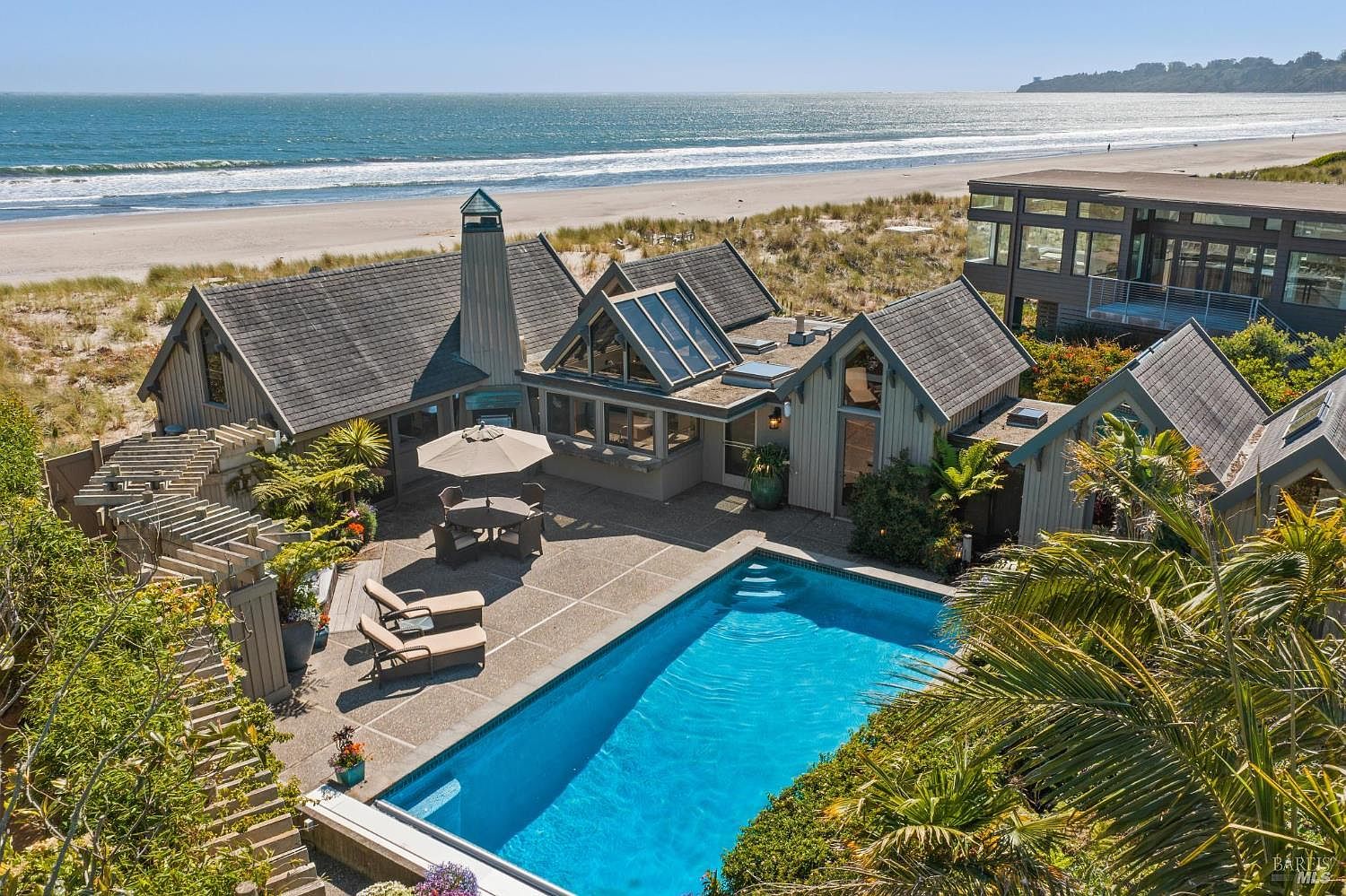
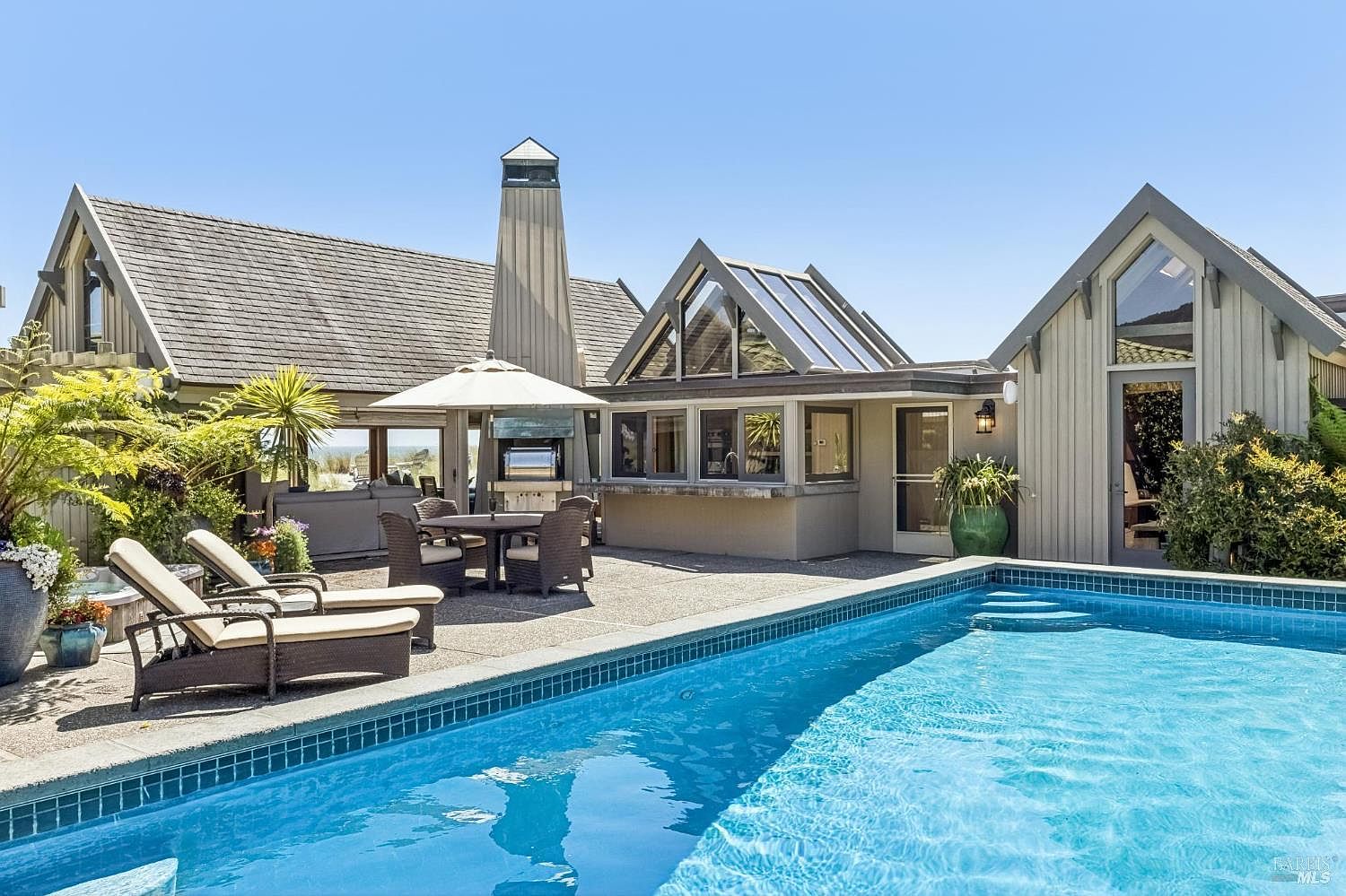
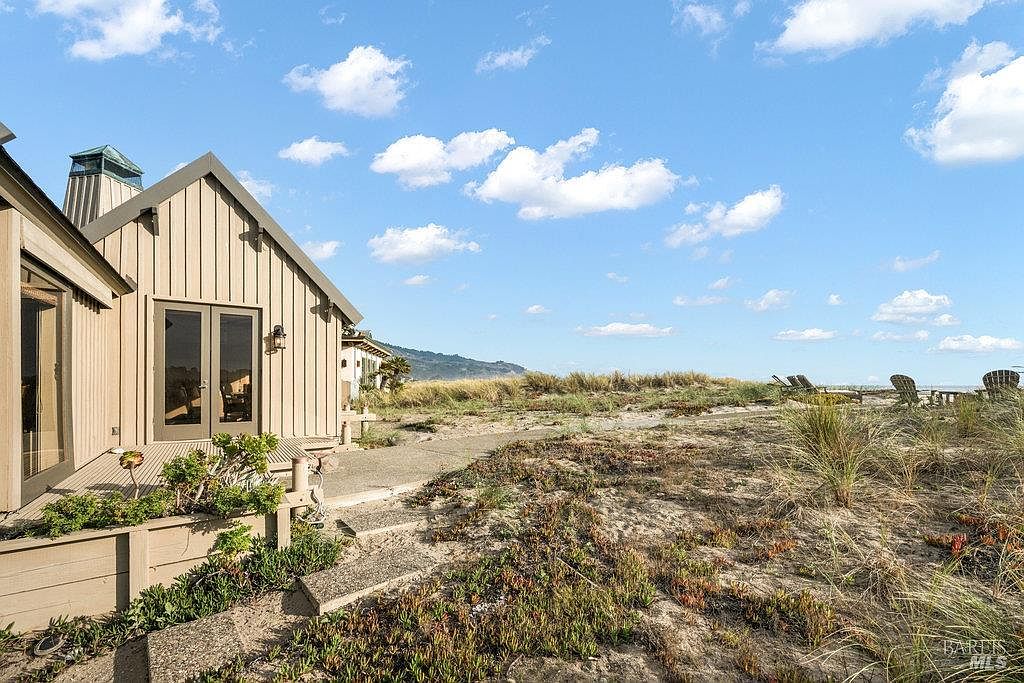
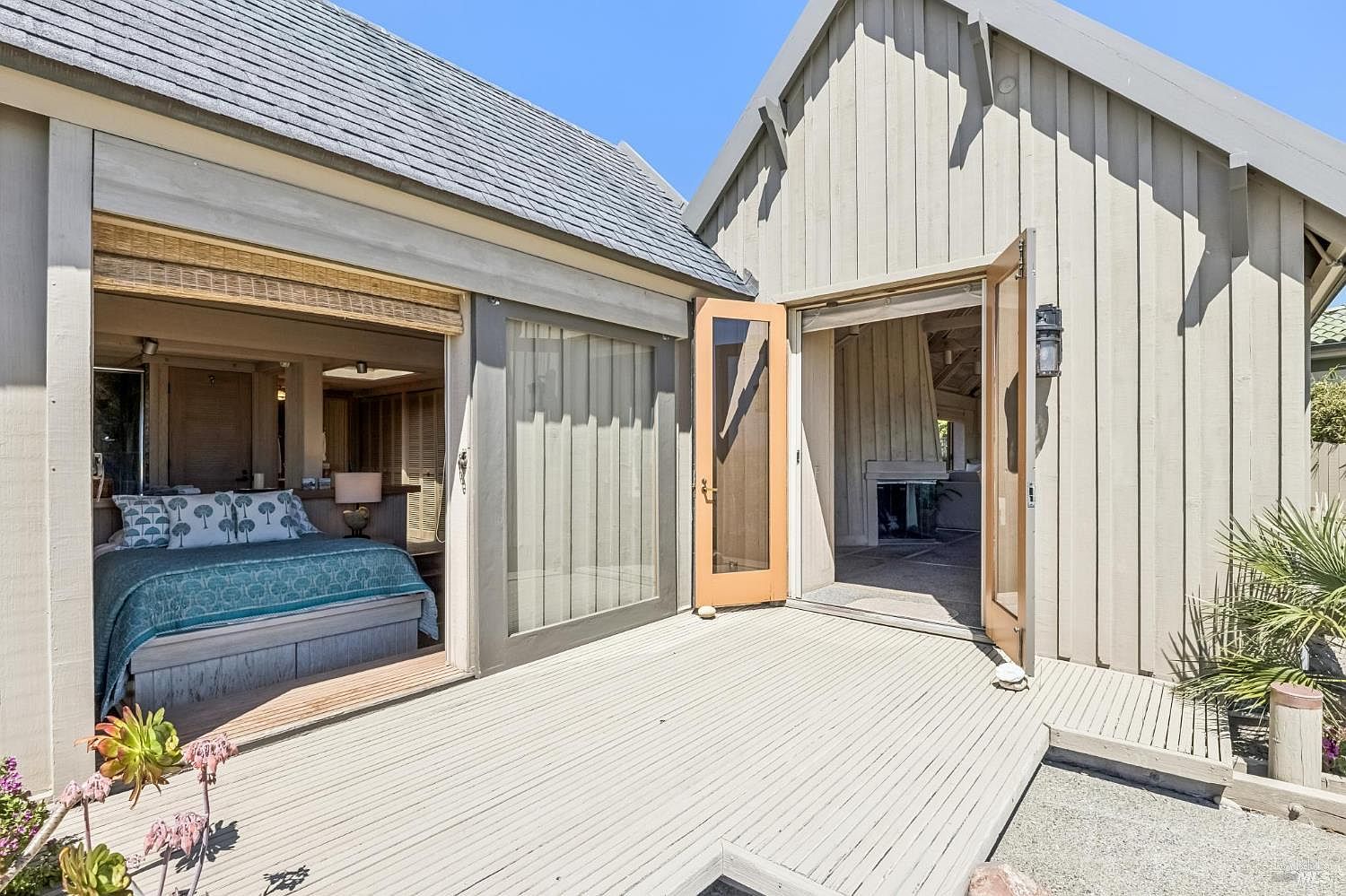
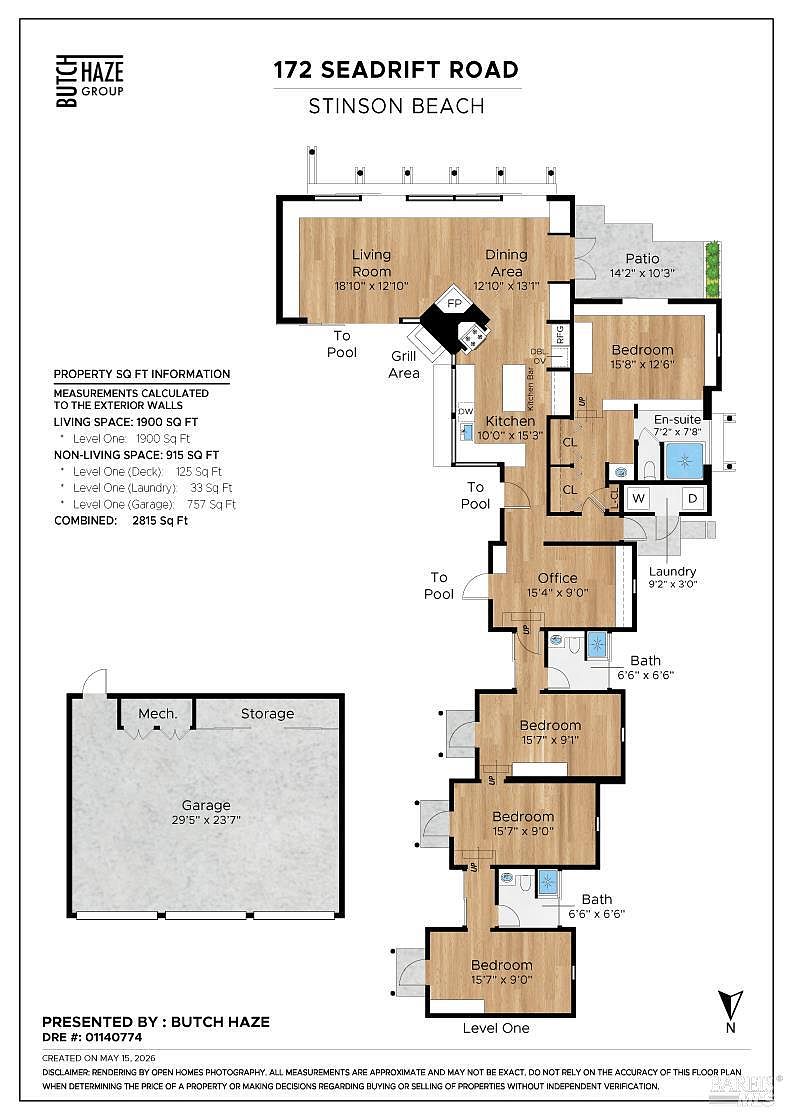
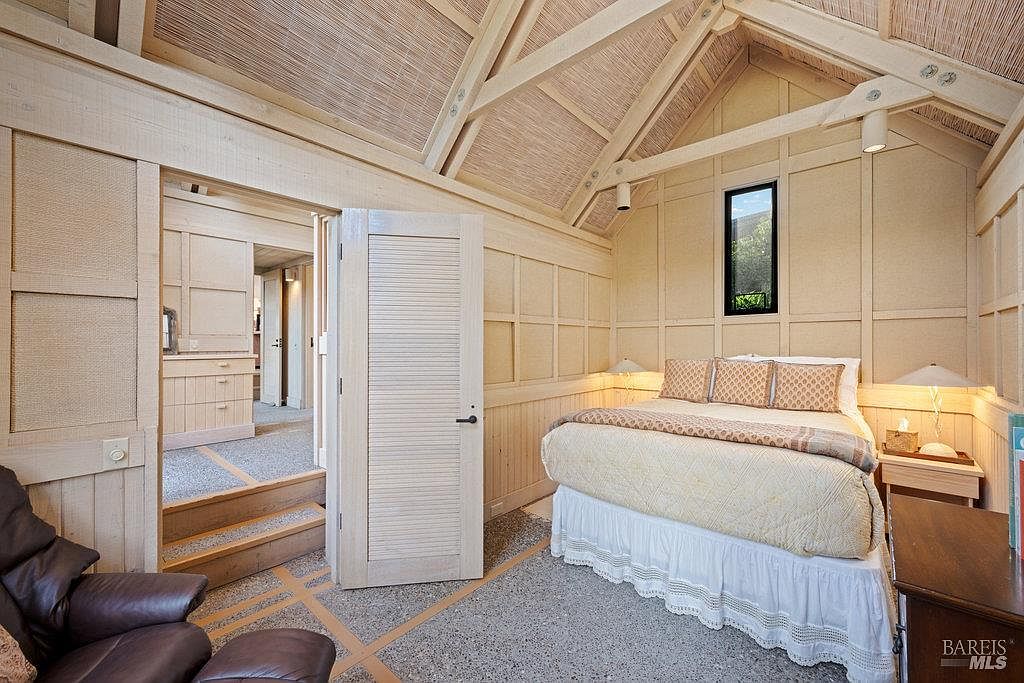
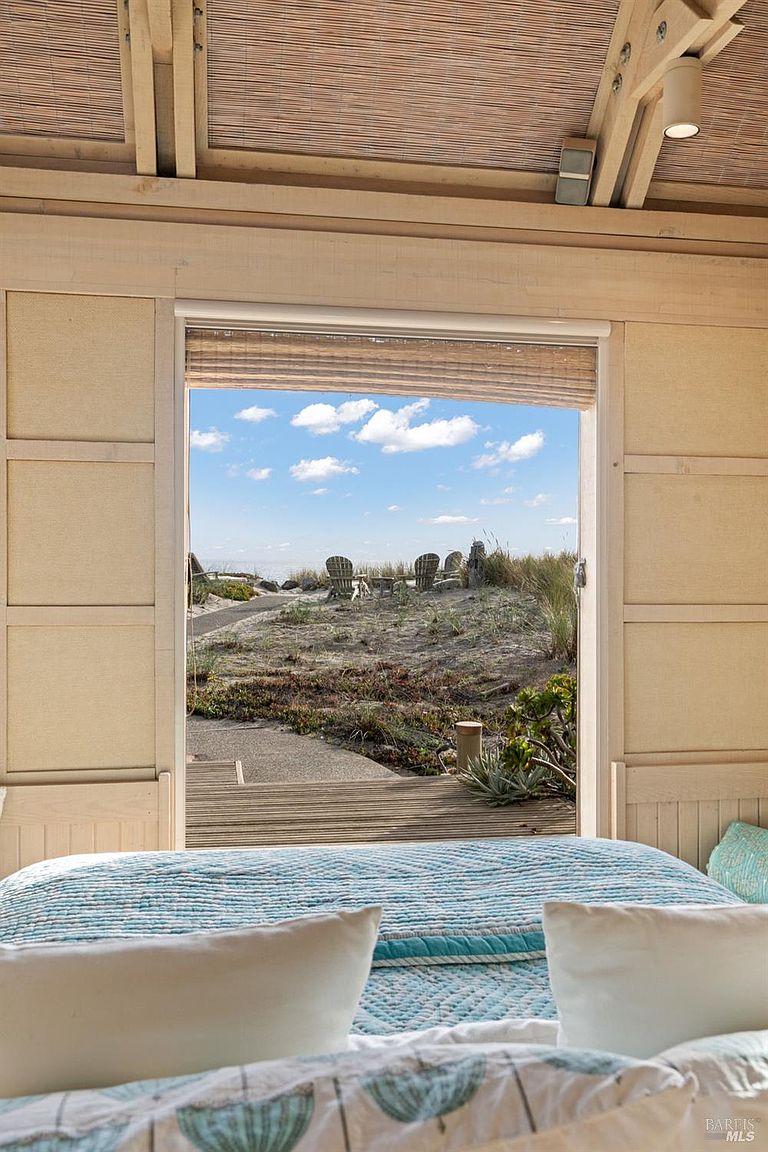
The design draws its vocabulary from Tahitian and Balinese tradition, most distinctly in its treatment of the individual bedroom structures. Each of the five bedrooms is conceived as a Joglo — the traditional Javanese pavilion form characterized by a steeply pitched, layered roofline and a sense of self-contained sanctuary. Every Joglo opens privately onto the gardens through its own dedicated door, allowing each occupant to move through the landscape on their own terms. It is a floor plan that refuses the conventional corridor-and-doorway logic of residential architecture and replaces it with something closer to a resort compound — intimate in scale, generous in spirit.
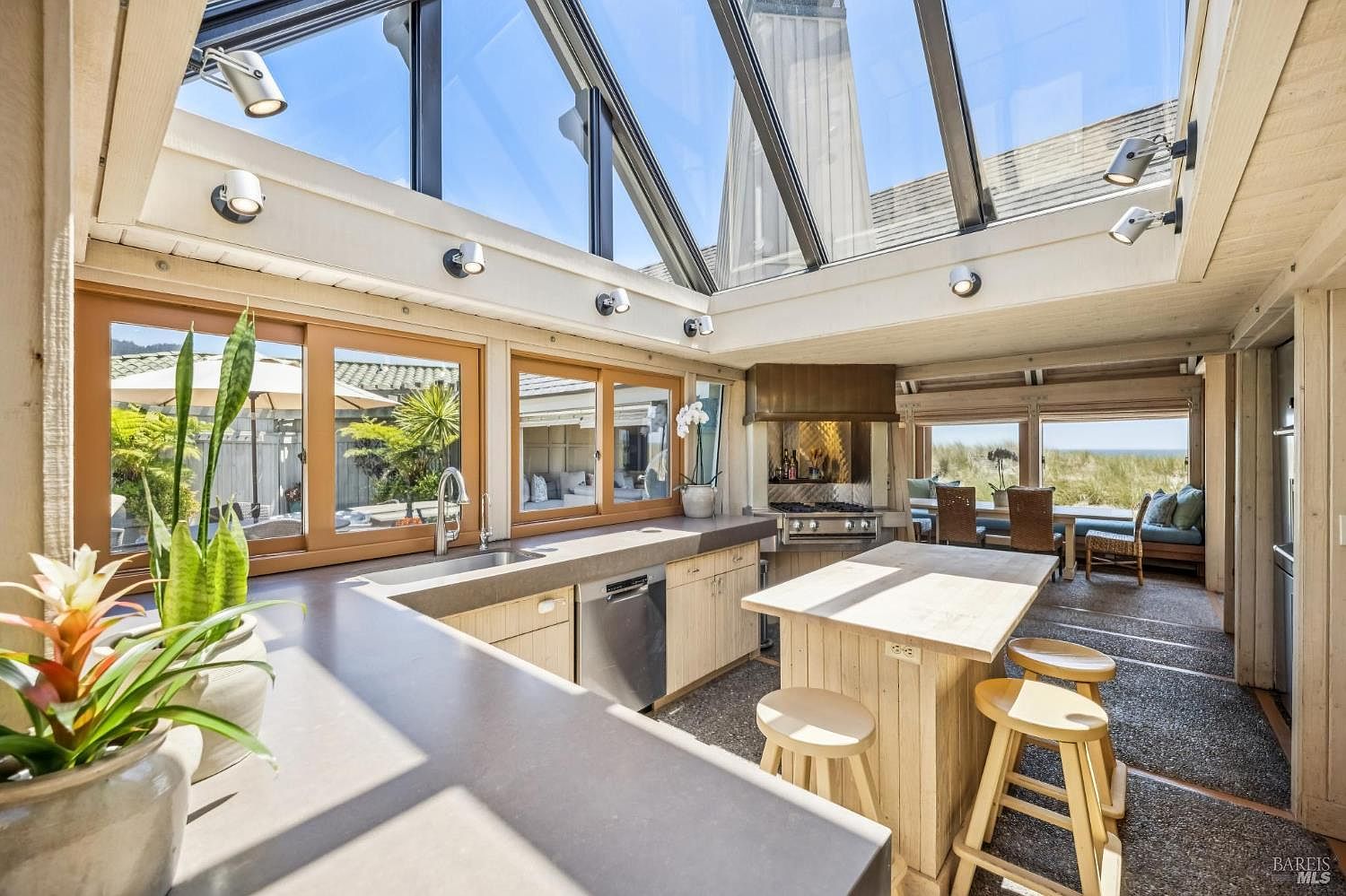
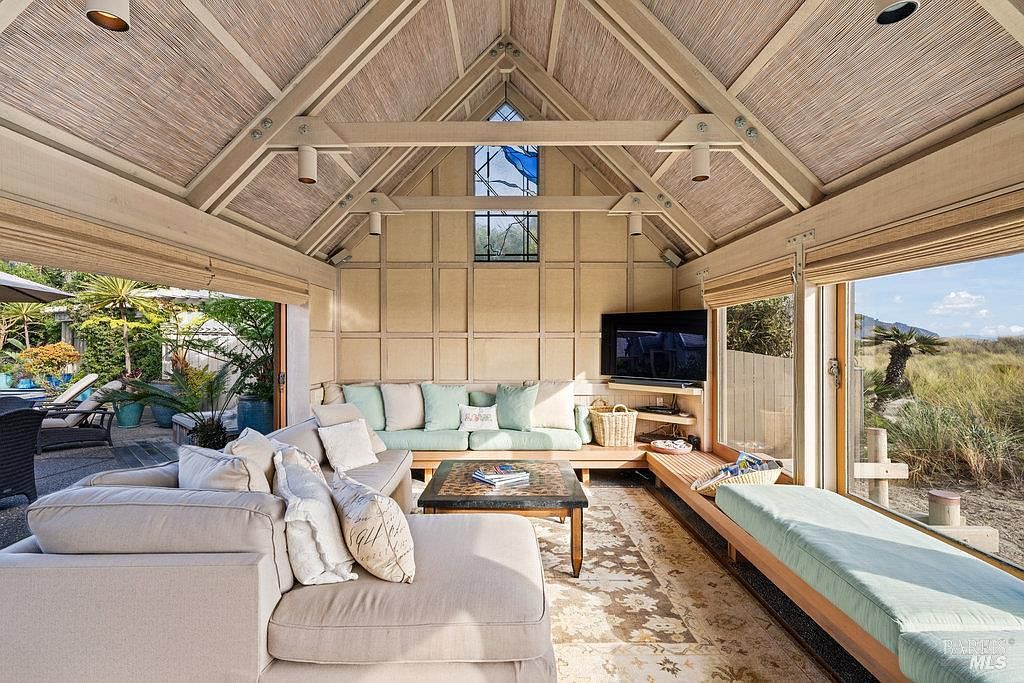
The living room and primary suite hold the most privileged orientation on the property: a direct, front-row relationship with the ocean. Glass doors dissolve the threshold between interior and exterior, drawing the garden, the pool, and the beach into the visual field of the home without effort or affectation. Morning light arrives off the Pacific and moves through the interior with the same ease as a coastal breeze. The primary suite, positioned to receive both that light and that view, carries the same quality of serene directness — the water is the first thing seen upon waking and the last at close of day.
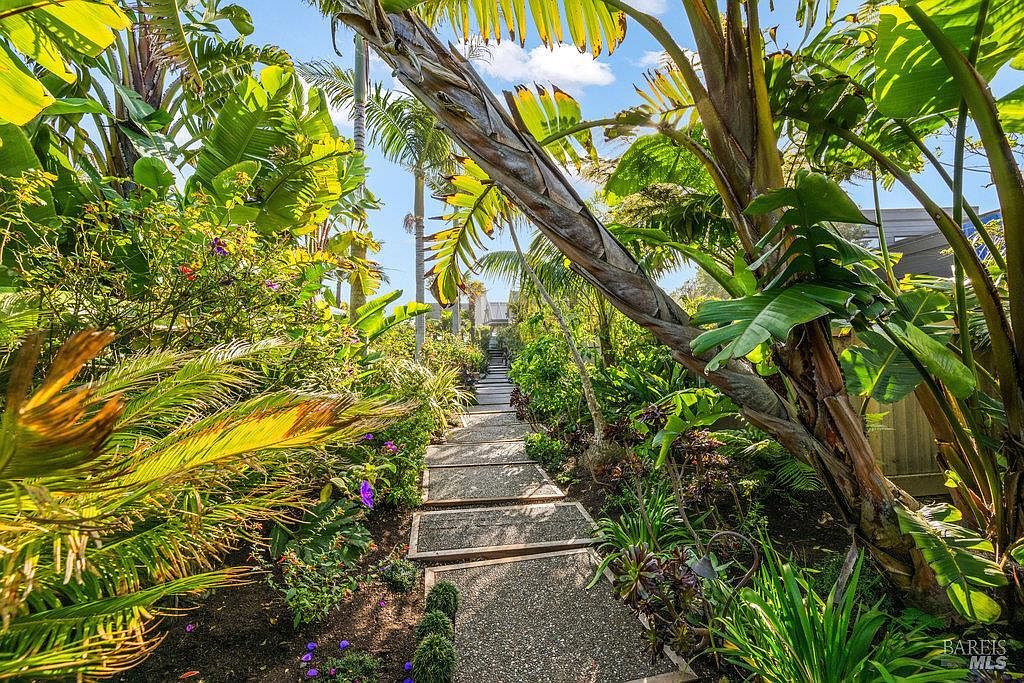
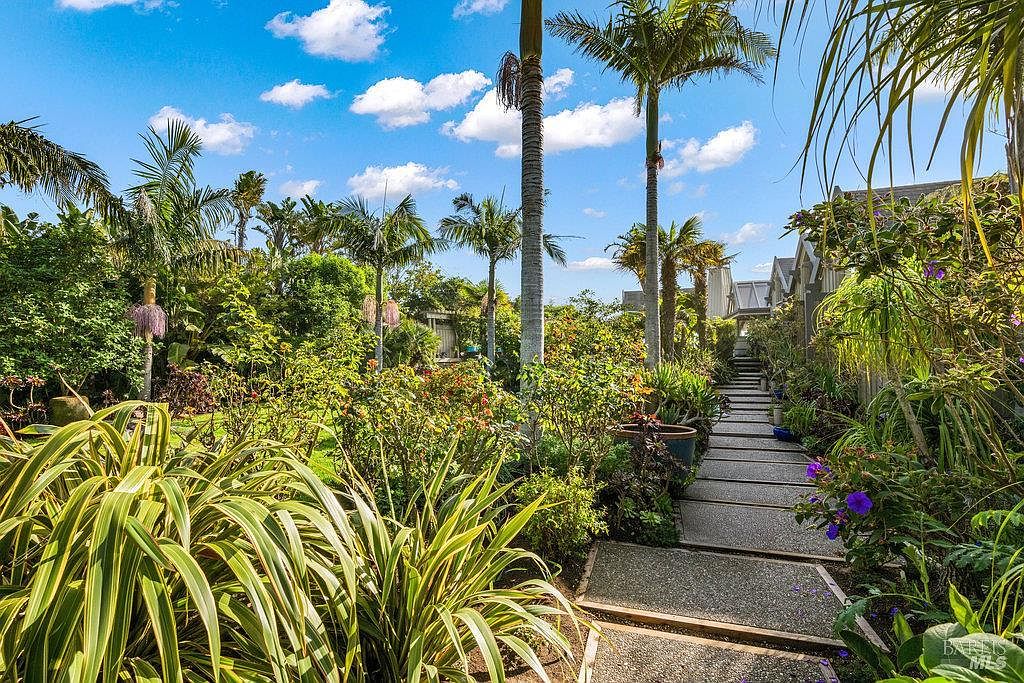
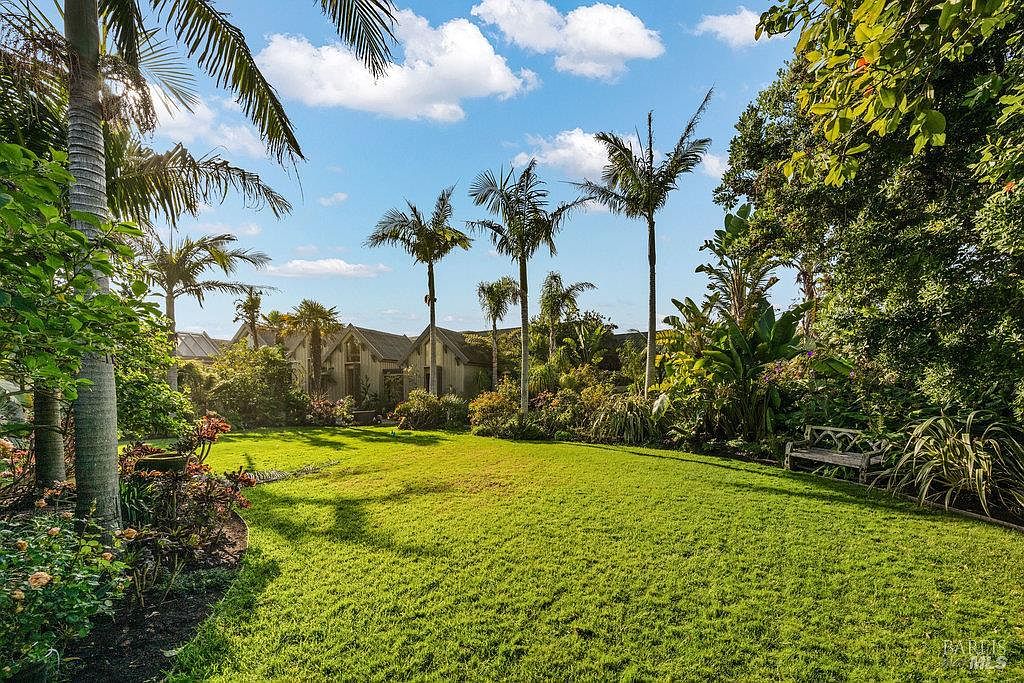
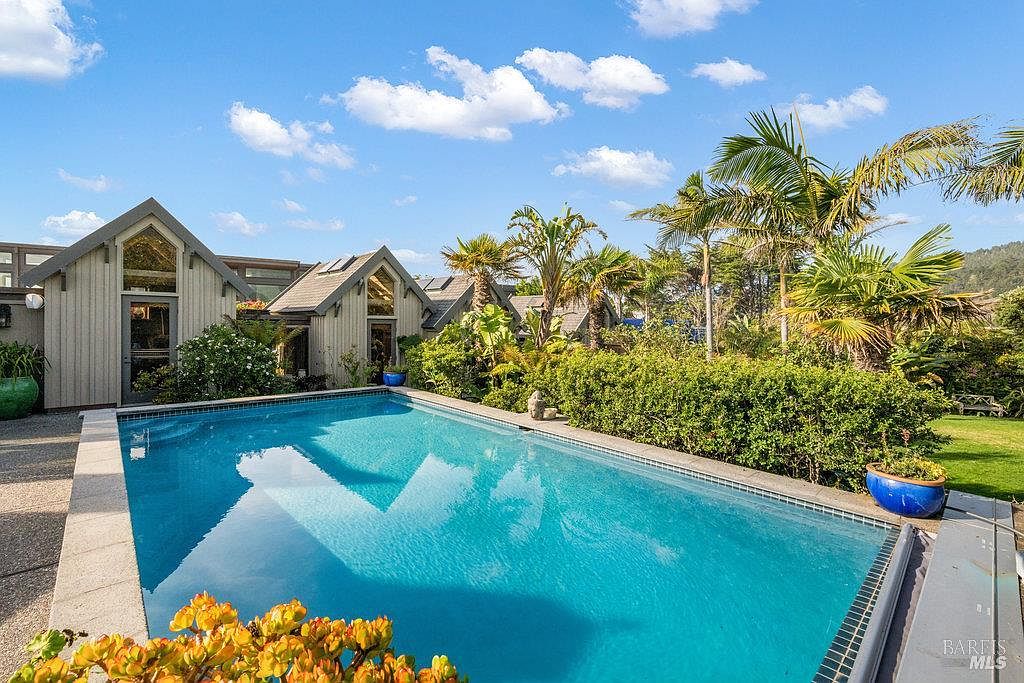
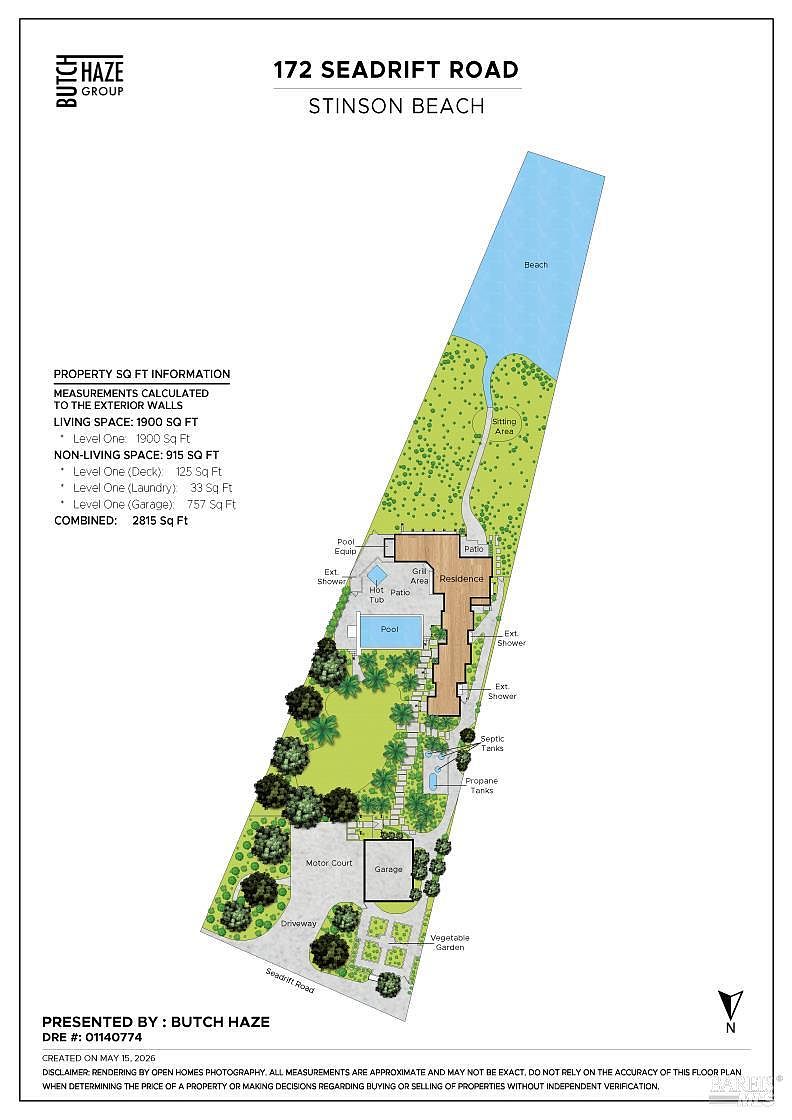
The lot itself is nearly double the scale of a typical Seadrift parcel, and the difference is felt most powerfully in the palm garden, which achieves a density and theatrical lushness that reads less like landscaping and more like landscape. Banana palms, ornamental tropicals, and mature canopy plantings create a cinematic sequence of arrival — stone-paved paths threading through layered greenery toward the pool and the dunes beyond. The pool anchors the outdoor living space with clean geometry, flanked by a dining terrace, outdoor kitchen, and lounge area that together form an al fresco living room as considered as anything inside.
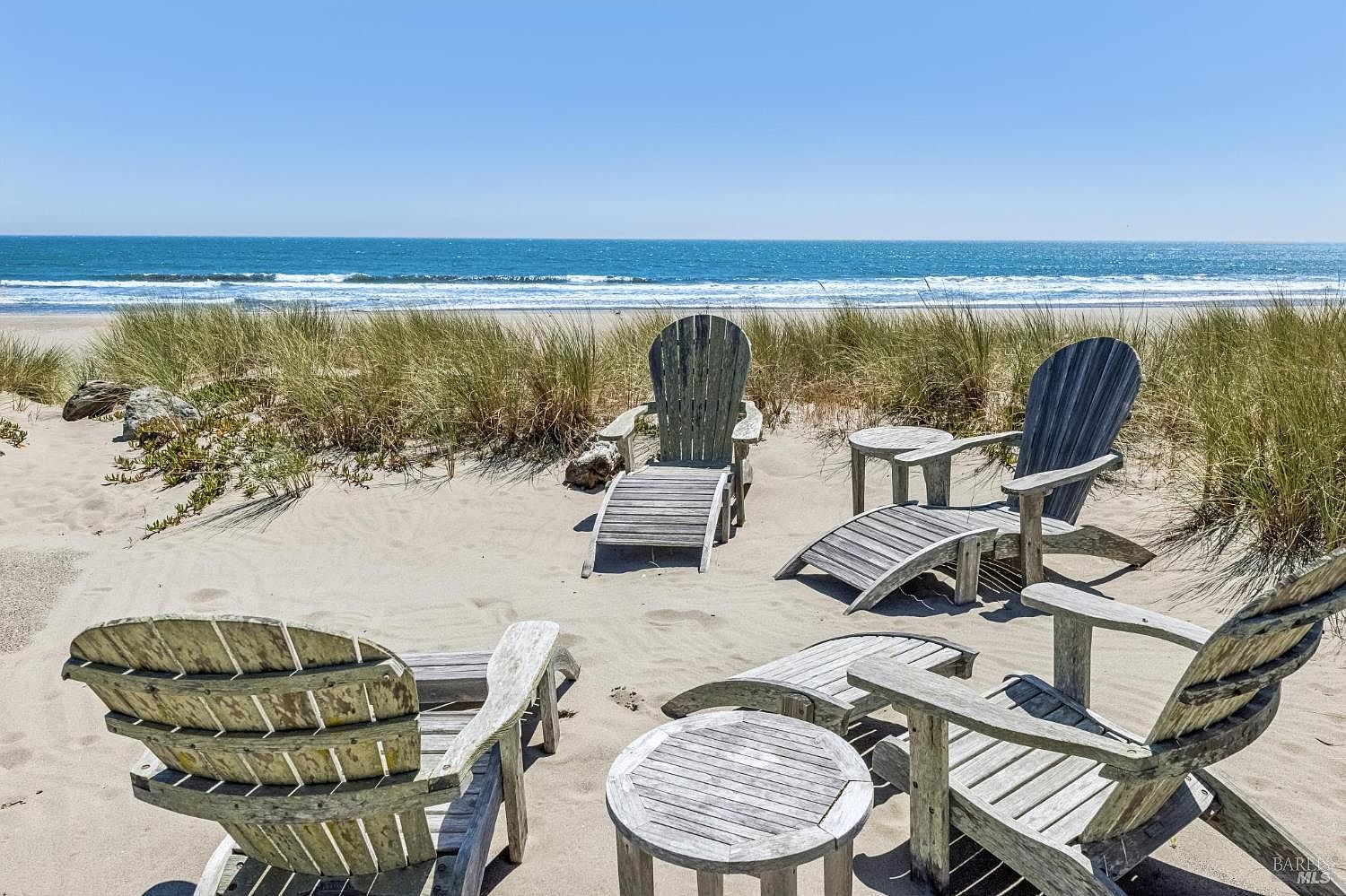
The beach access is immediate and private. Sandy feet, surfboards, and wet dogs are as welcome here as candlelit dinners and quiet mornings with coffee facing the Pacific. That particular combination — barefoot ease and genuine architectural sophistication — is precisely what makes 172 Seadrift Road something other than a beach house. It is a compound with a point of view, and that point of view happens to face the ocean.
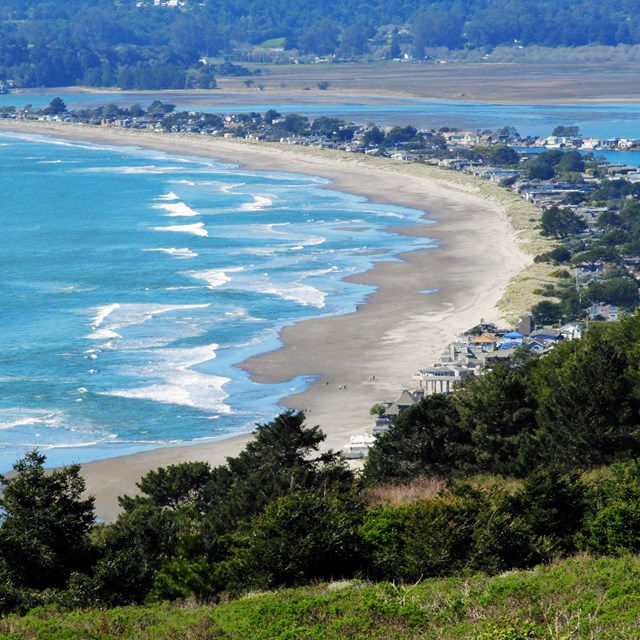
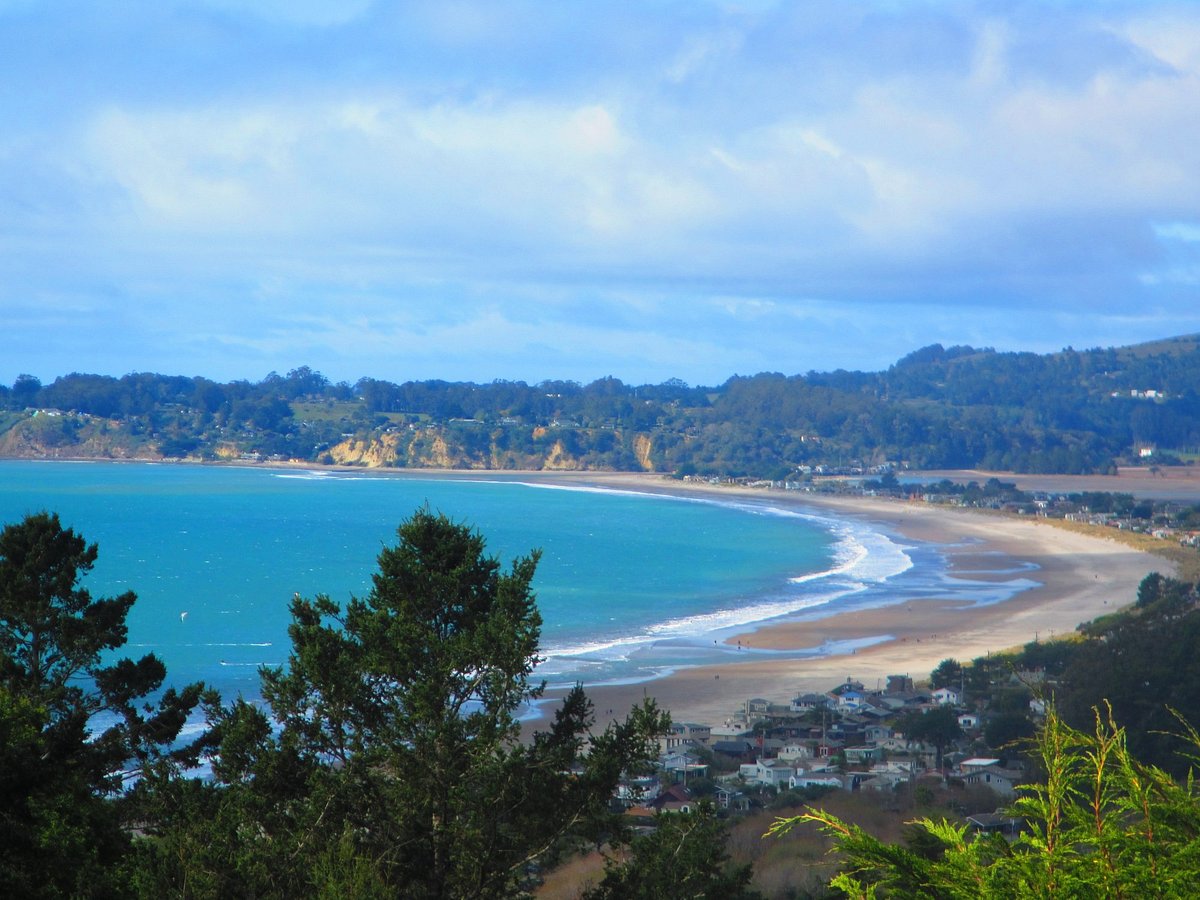
Stinson Beach occupies a stretch of Marin County coastline that has, for generations, resisted the impulse toward overdevelopment. Situated at the base of Mount Tamalpais within the Golden Gate National Recreation Area, the town sits on a narrow bar of land between Bolinas Lagoon and the Pacific Ocean — a geography that enforces its own sense of remove and ensures that the surrounding landscape will remain largely unchanged. The result is a community of roughly 600 permanent residents that operates with the rhythms of a small coastal village while sitting forty minutes from one of the most dynamic cities in the world.
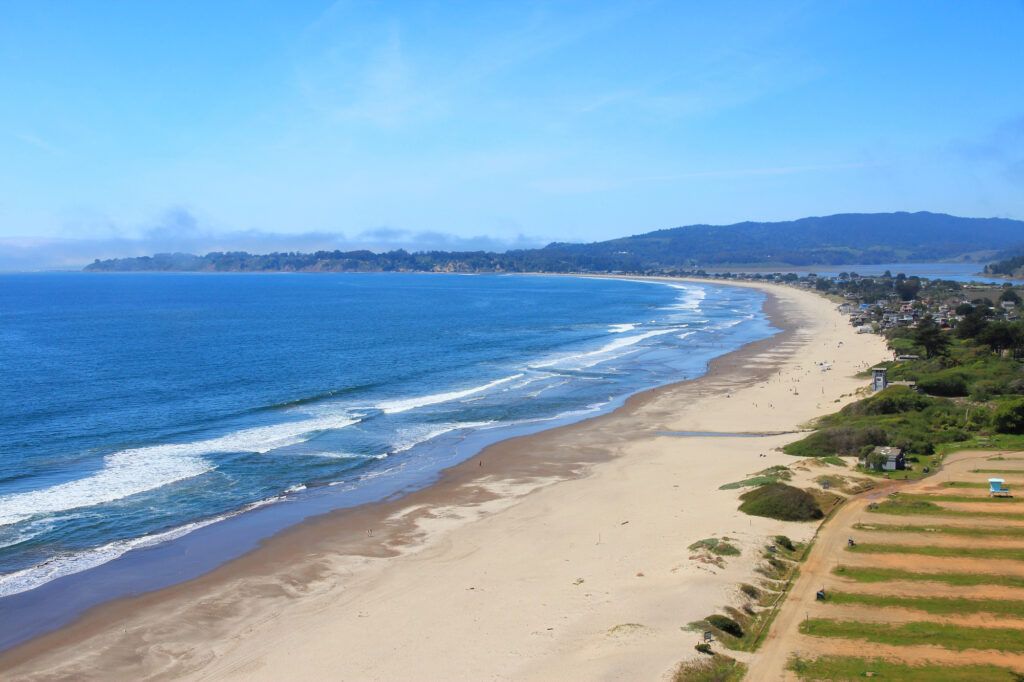
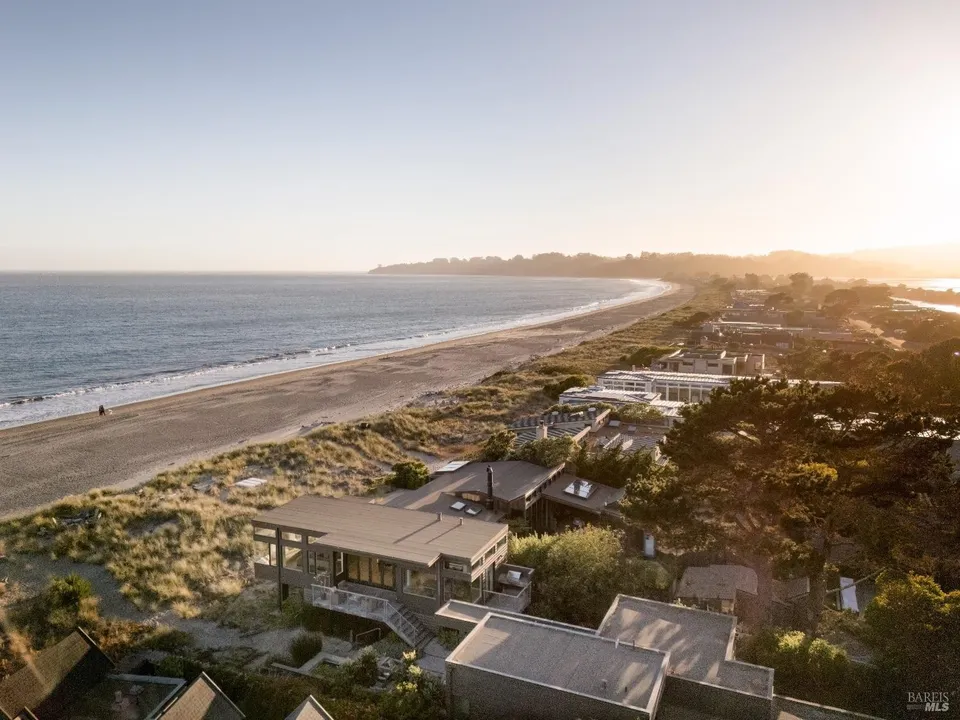
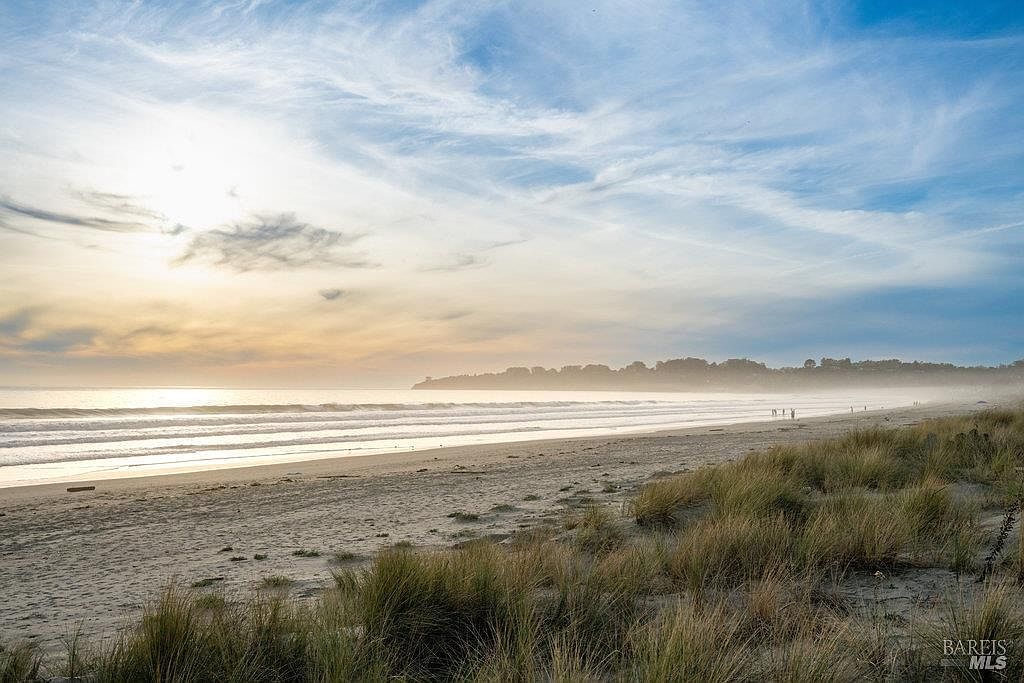
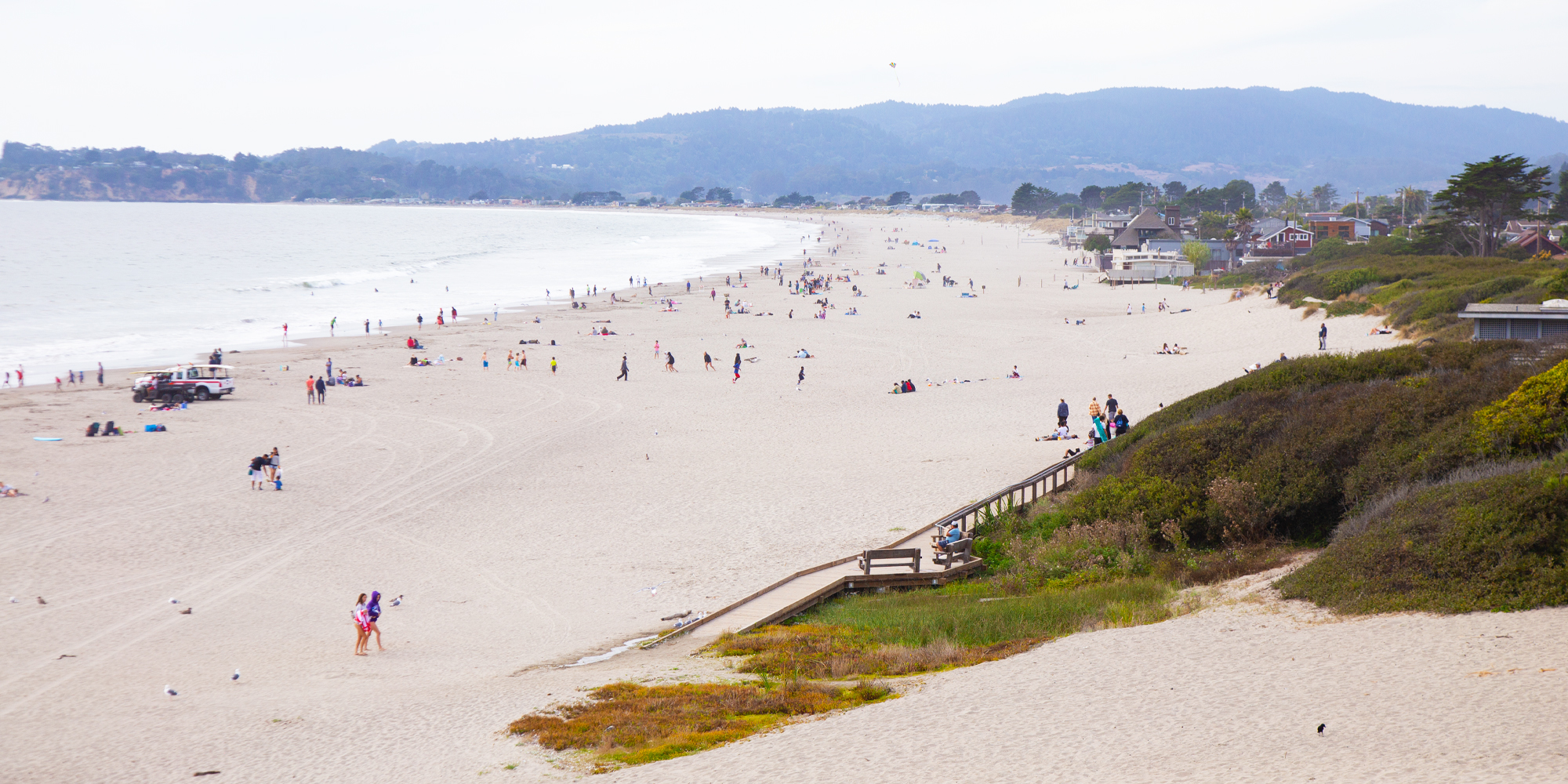
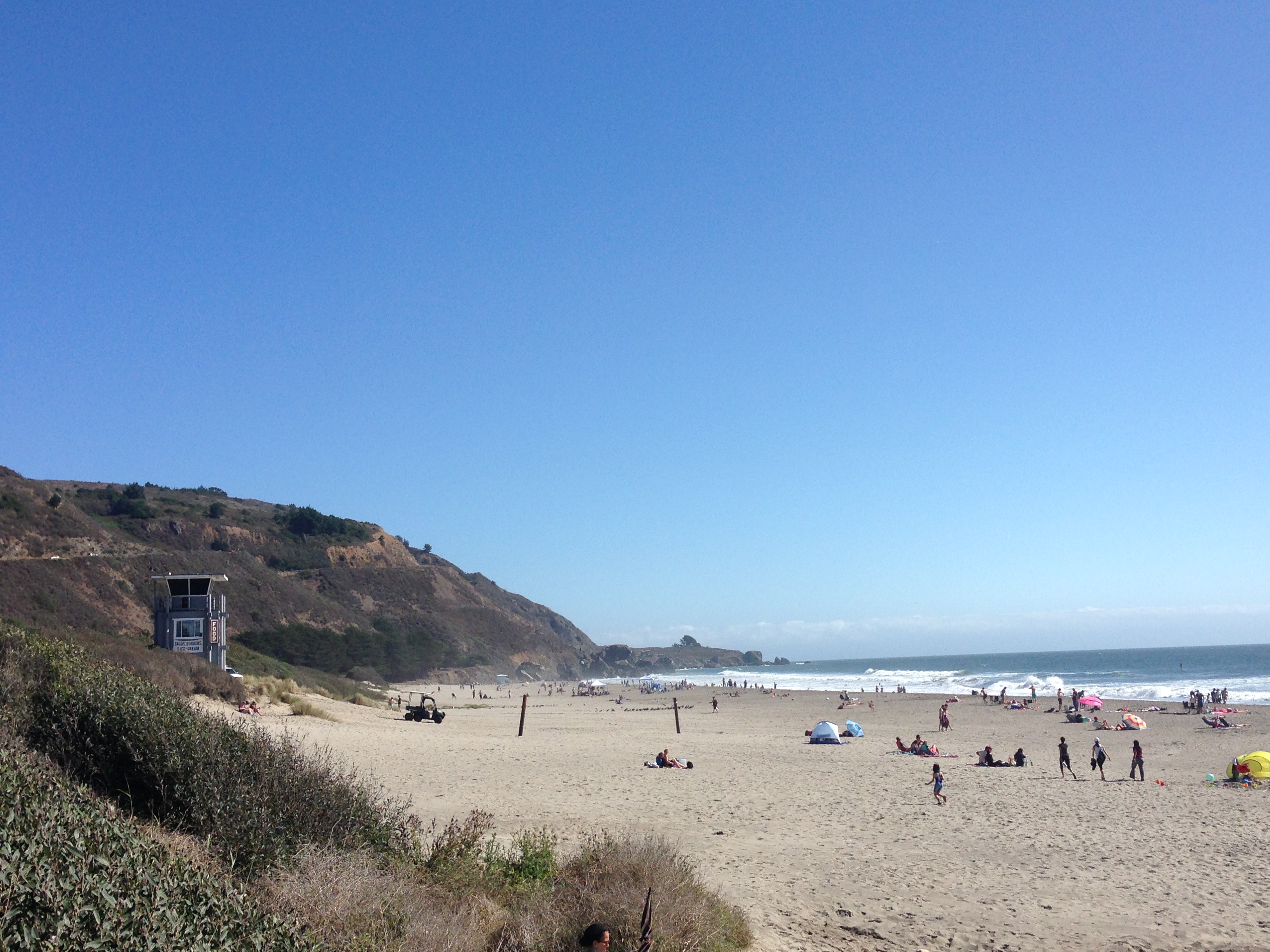
The beach itself is among the most significant on the Northern California coast. A four-mile arc of sand stretches from the rocky headlands near Bolinas to the northern edge of the Seadrift community, and it is one of the few beaches in the Bay Area where the swell is consistent enough to draw serious surfers while remaining calm enough at the shoreline for families and casual swimmers. The National Park Service maintains the public beach at the town's center, including facilities and lifeguard services during peak season, while the Seadrift community preserves its own private beachfront access for residents.
Seadrift itself is a gated residential enclave of approximately 170 homes positioned along the southern portion of the beach. Established in the mid-twentieth century, the community was developed on a lagoon-fronted spit that offers the unusual condition of water on both sides — the Pacific to the west and the calm waters of Bolinas Lagoon to the east. The result is a neighborhood with the physical character of an island: insular, naturally bounded, and possessed of a quiet that is almost architectural in its completeness. The gates provide genuine privacy without the sterility that often accompanies it; the community retains the informality and ease of a beach town while offering the security and exclusivity of a private enclave.
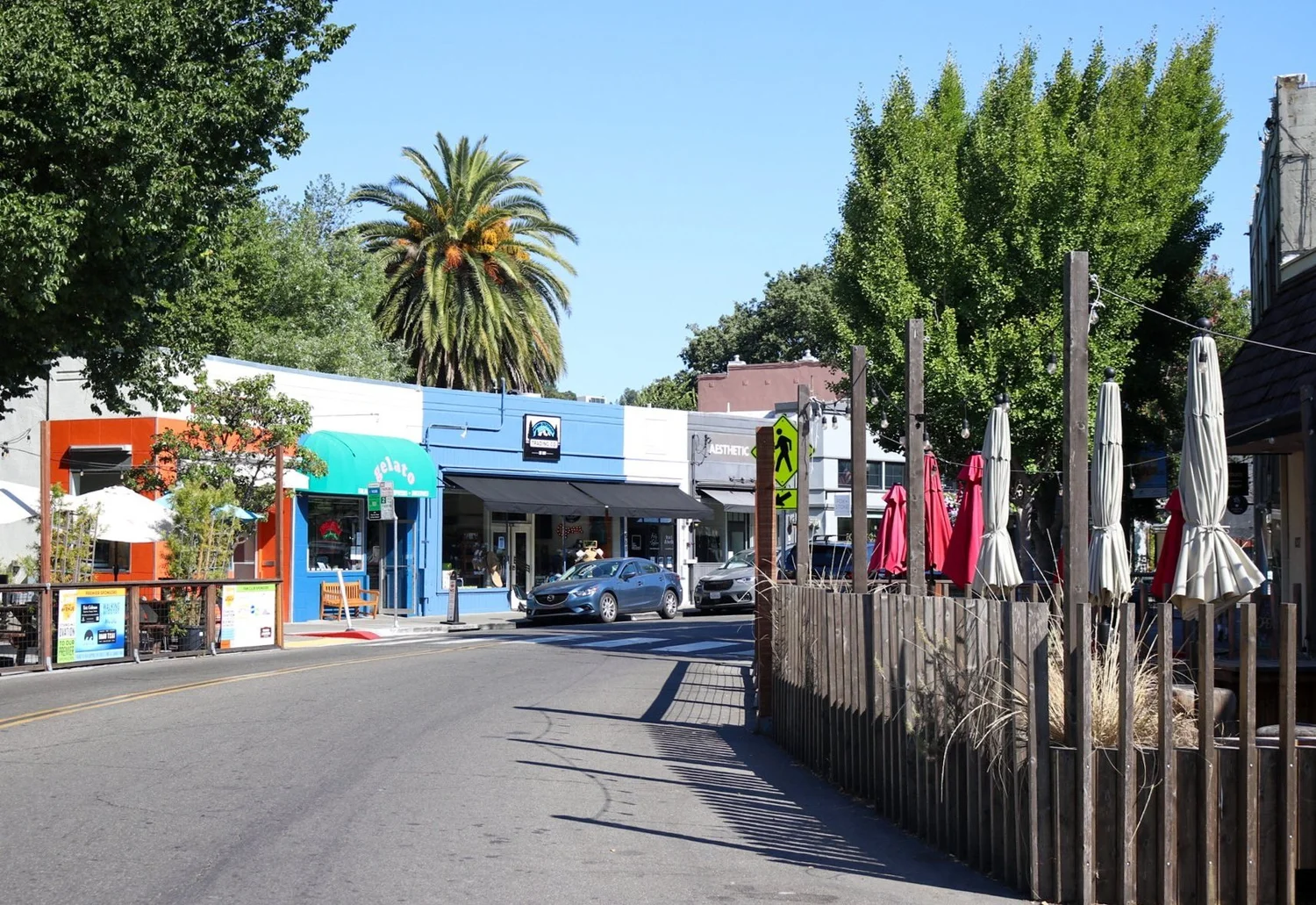
The wider Stinson Beach village offers a modest but well-curated selection of local amenities — a small grocery, several well-regarded restaurants, and the kind of unhurried Main Street atmosphere that is increasingly rare within driving distance of San Francisco. The Parkside Café and Sand Dollar Restaurant are longtime local institutions that draw both residents and weekend visitors. The Stinson Beach Community Center and local volunteer fire department reflect the genuine civic character of a town that takes care of its own.
Mount Tamalpais State Park and the Golden Gate National Recreation Area provide thousands of acres of hiking and open space immediately adjacent to the community, with trails connecting through Muir Woods National Monument and down to the Marin Headlands. For those arriving from San Francisco, Highway 1 through Muir Beach and along the Marin coast is not simply a commute — it is a decompression, a forty-minute transition from city density to coastal quietude that begins to work on the psyche long before the Seadrift gates come into view.
Featured Highlights
Curated Content • Presented by Butch Haze