The Story Behind
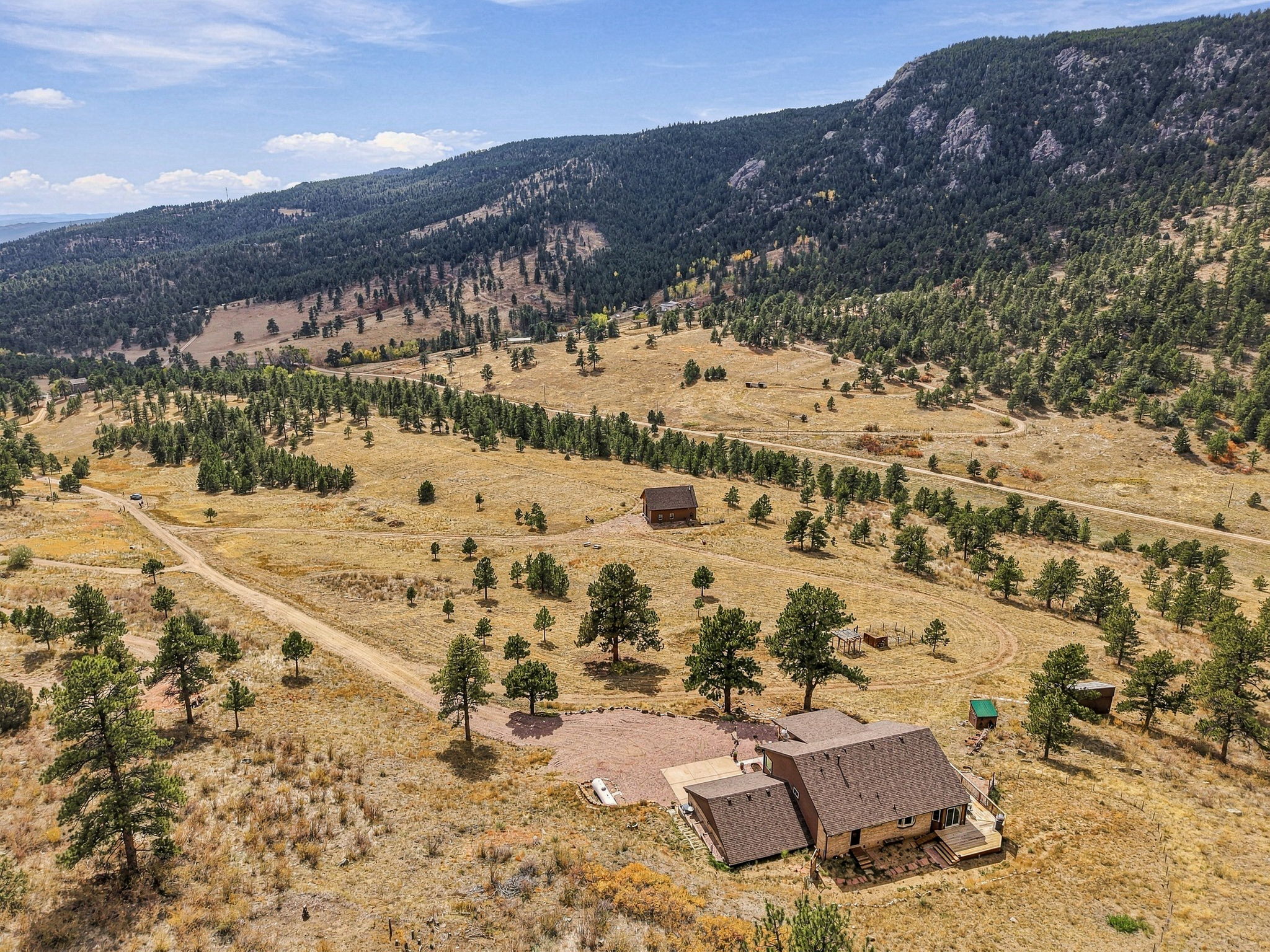
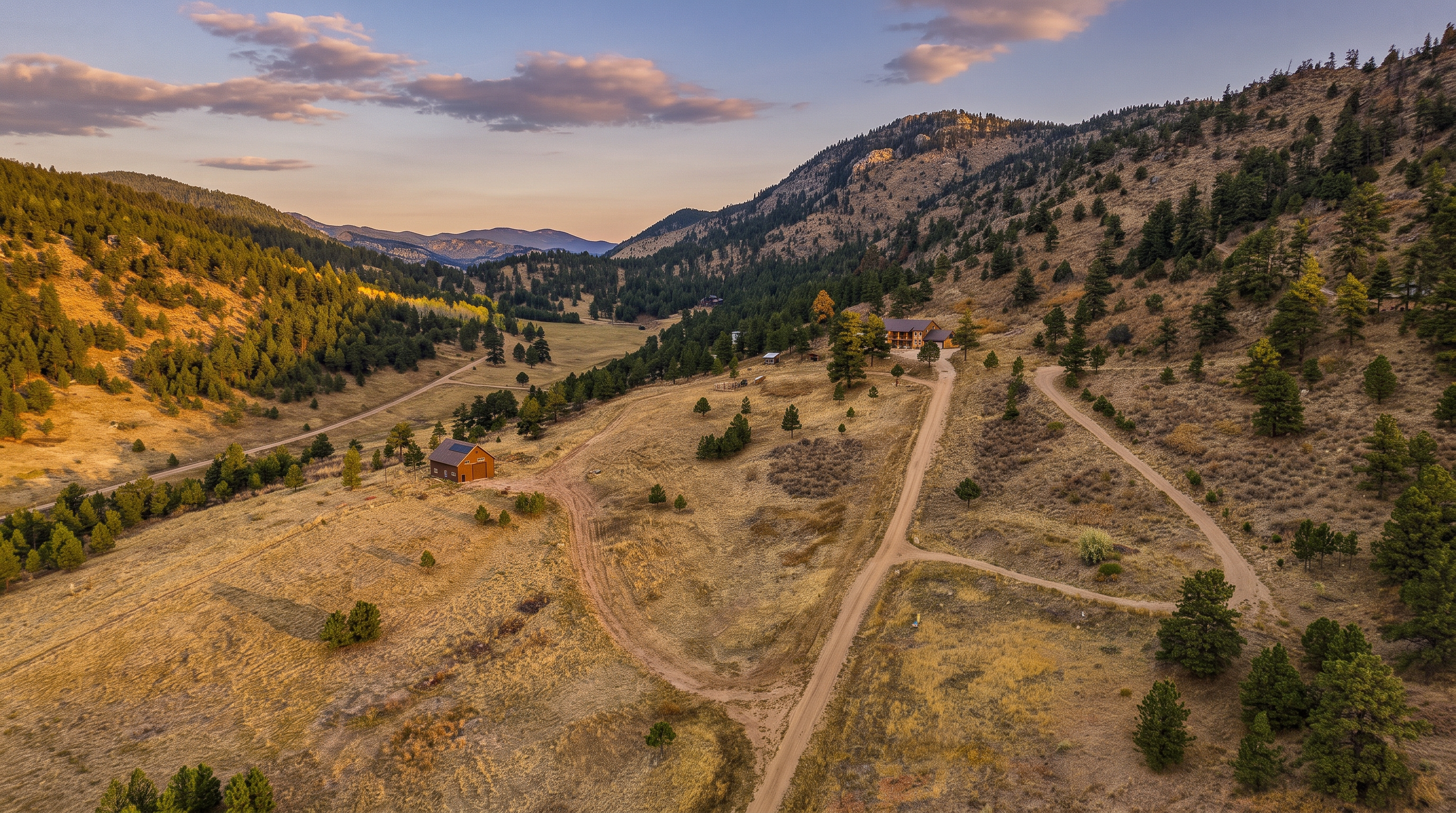
35 Acres of Colorado Solitude at the Edge of the Wilderness
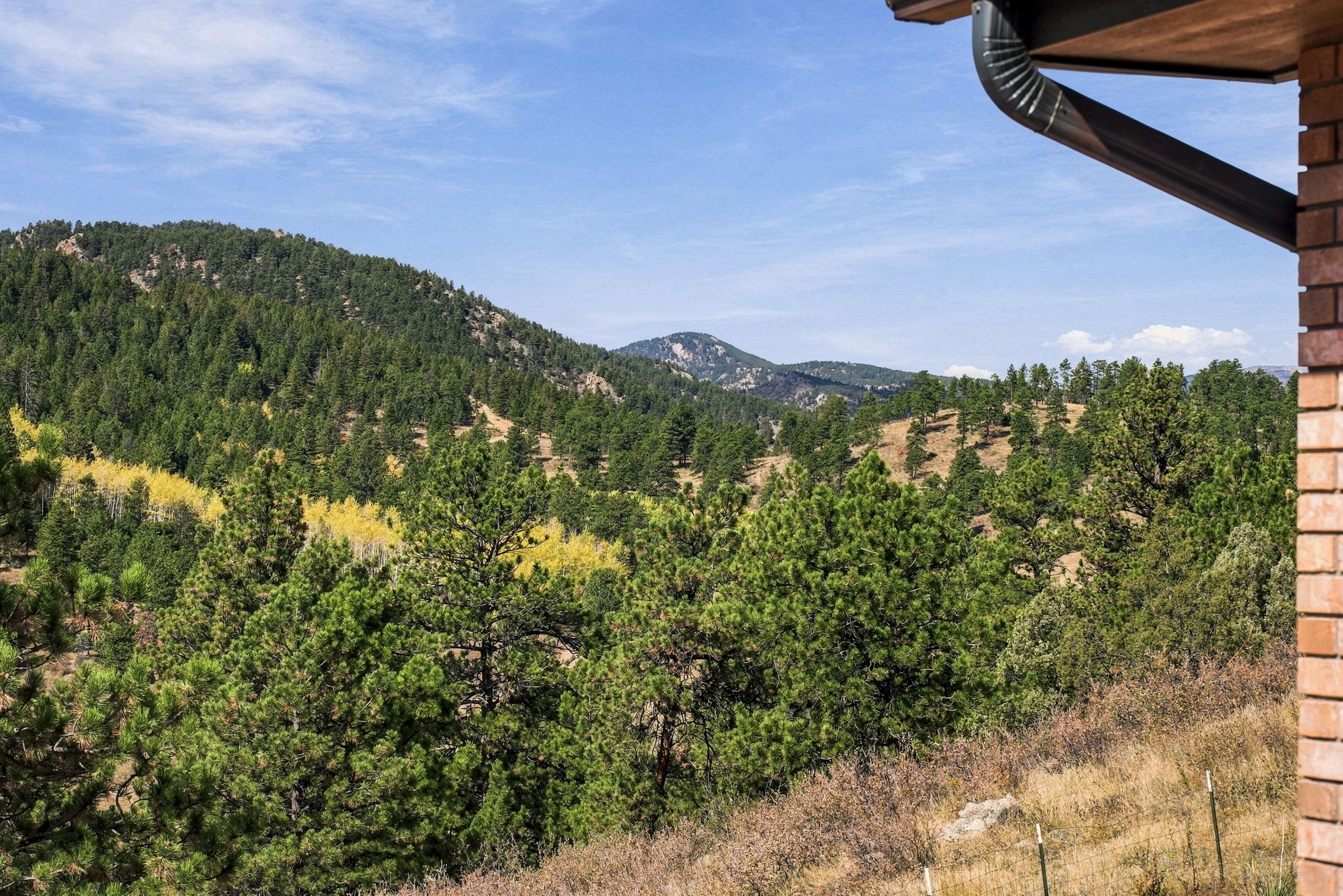
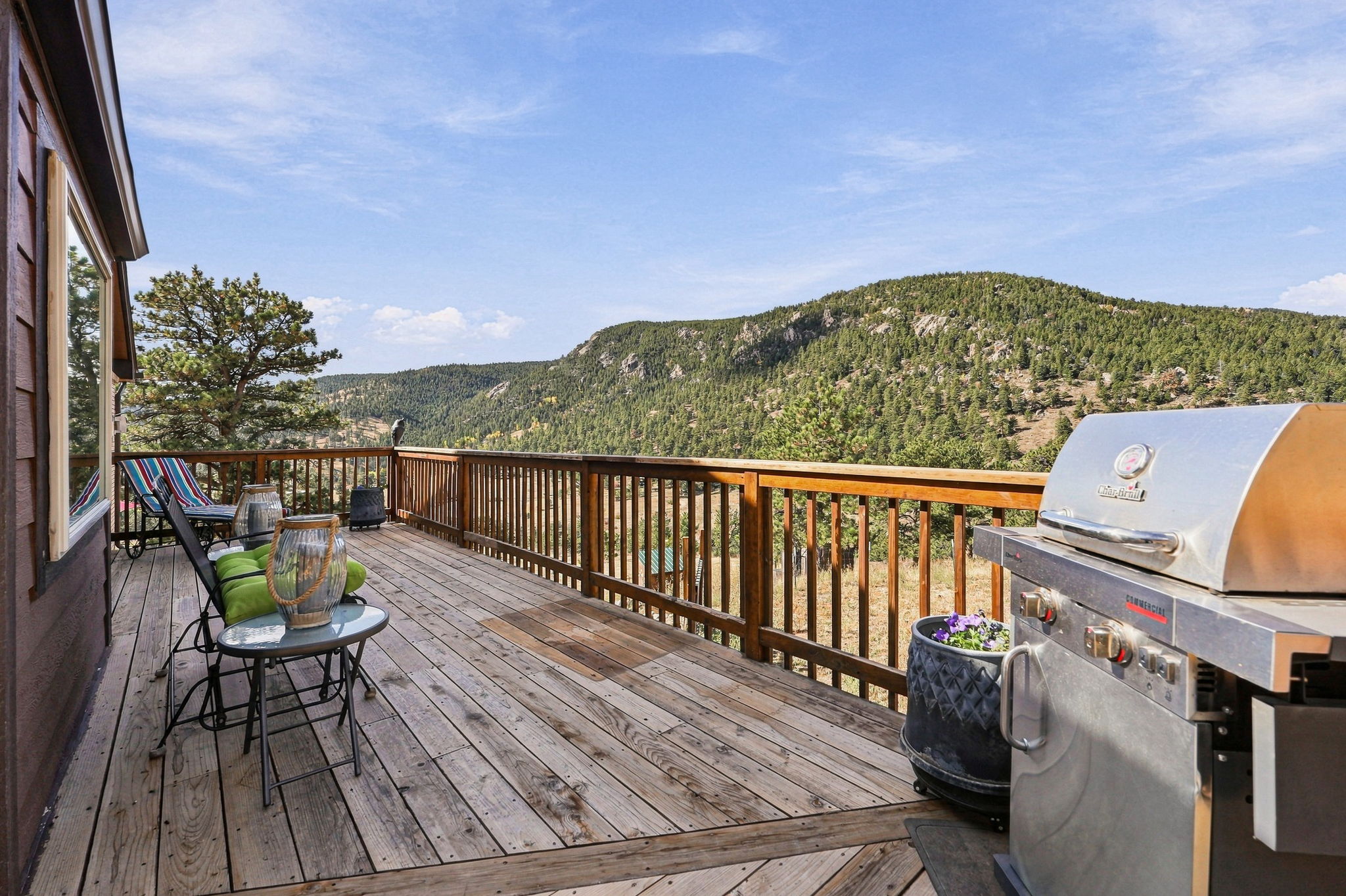
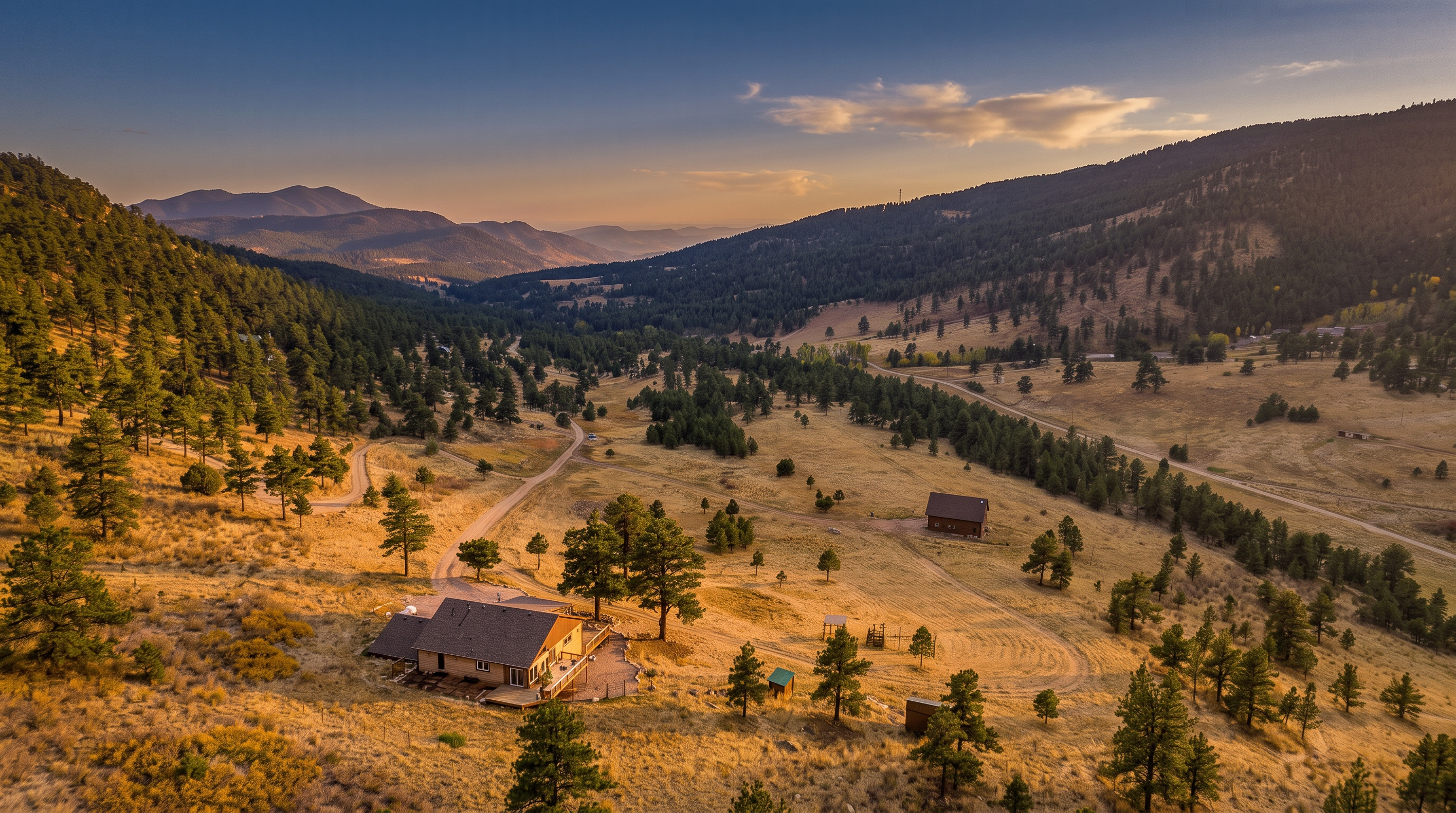
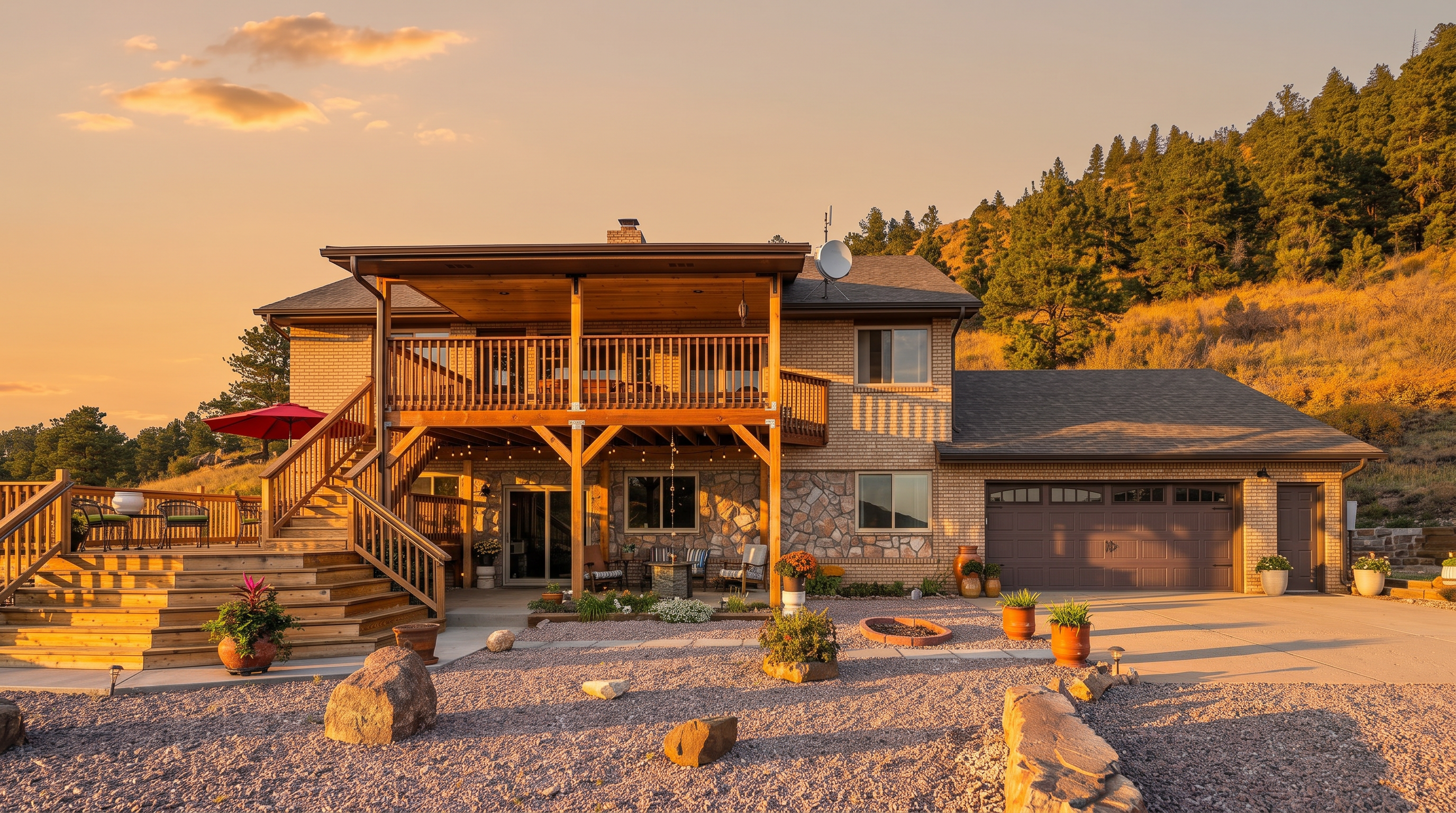
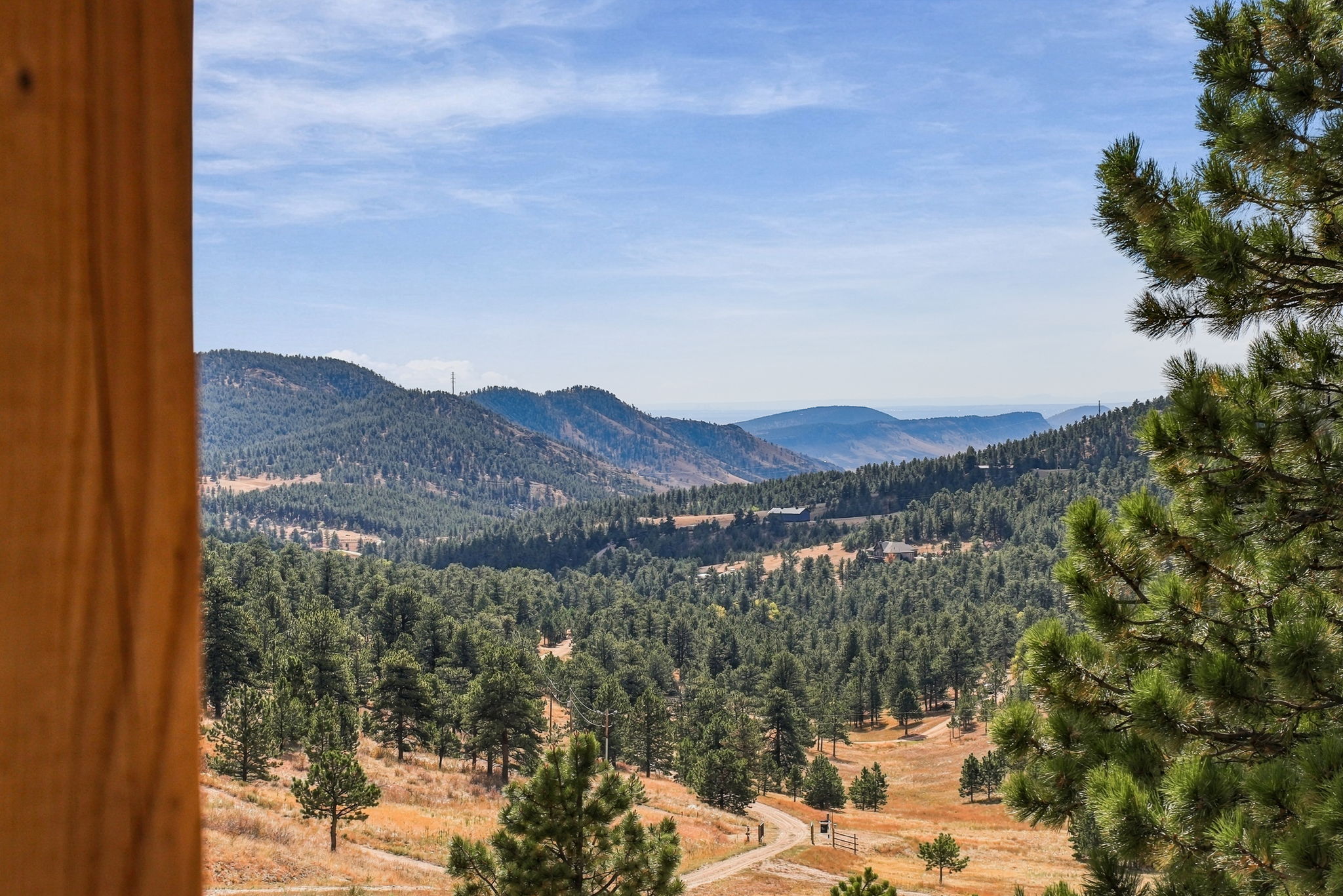
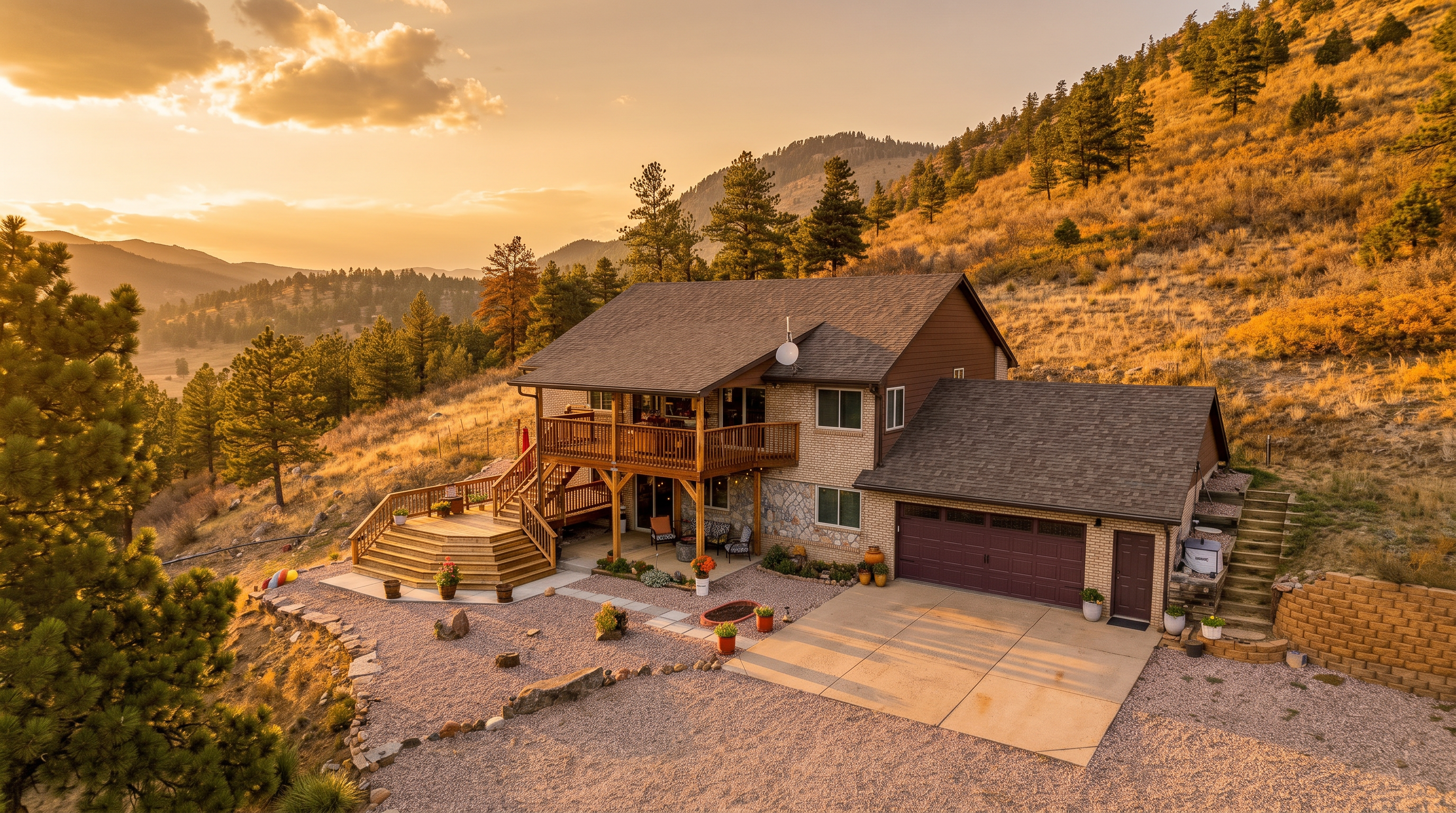
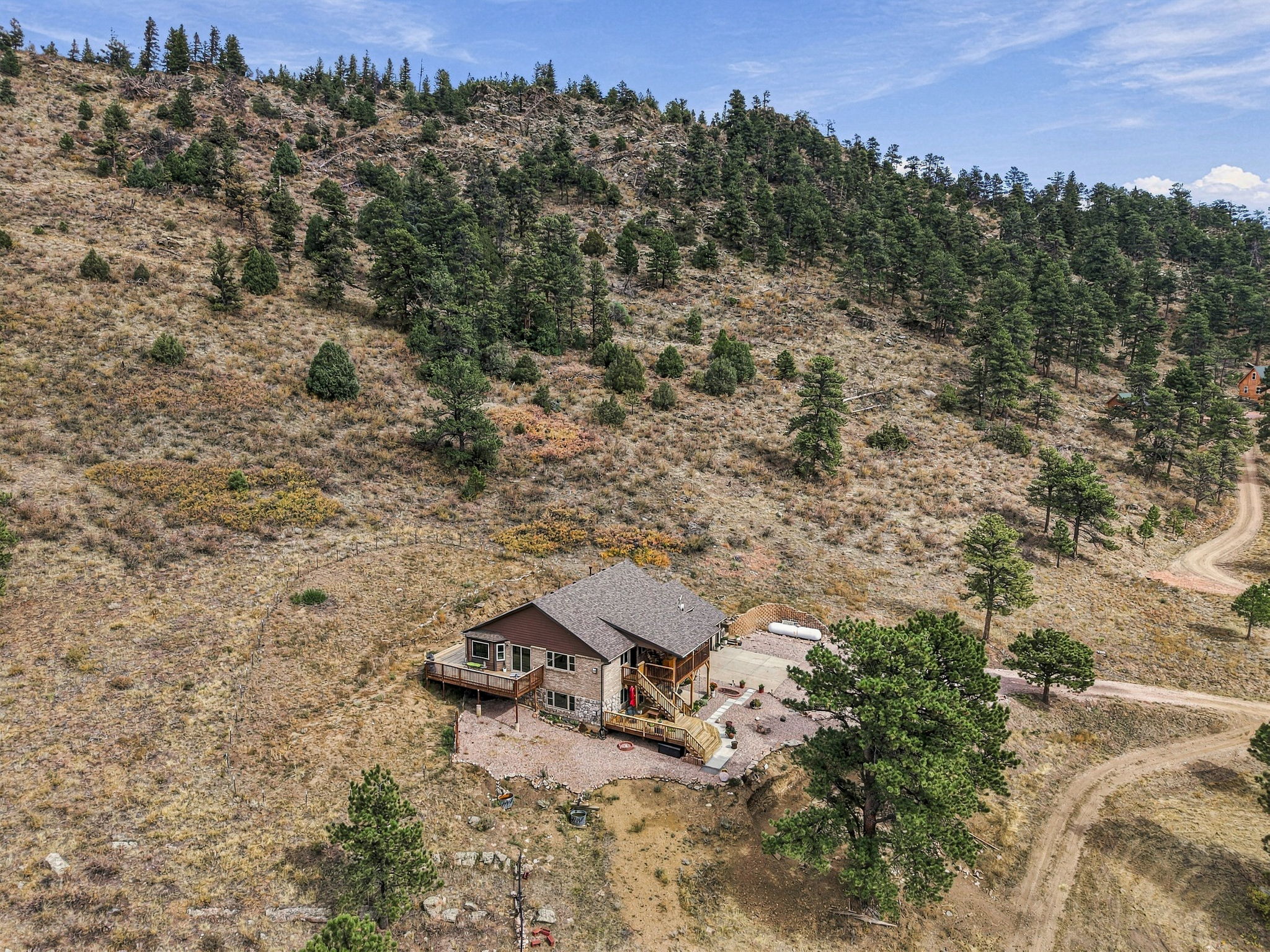
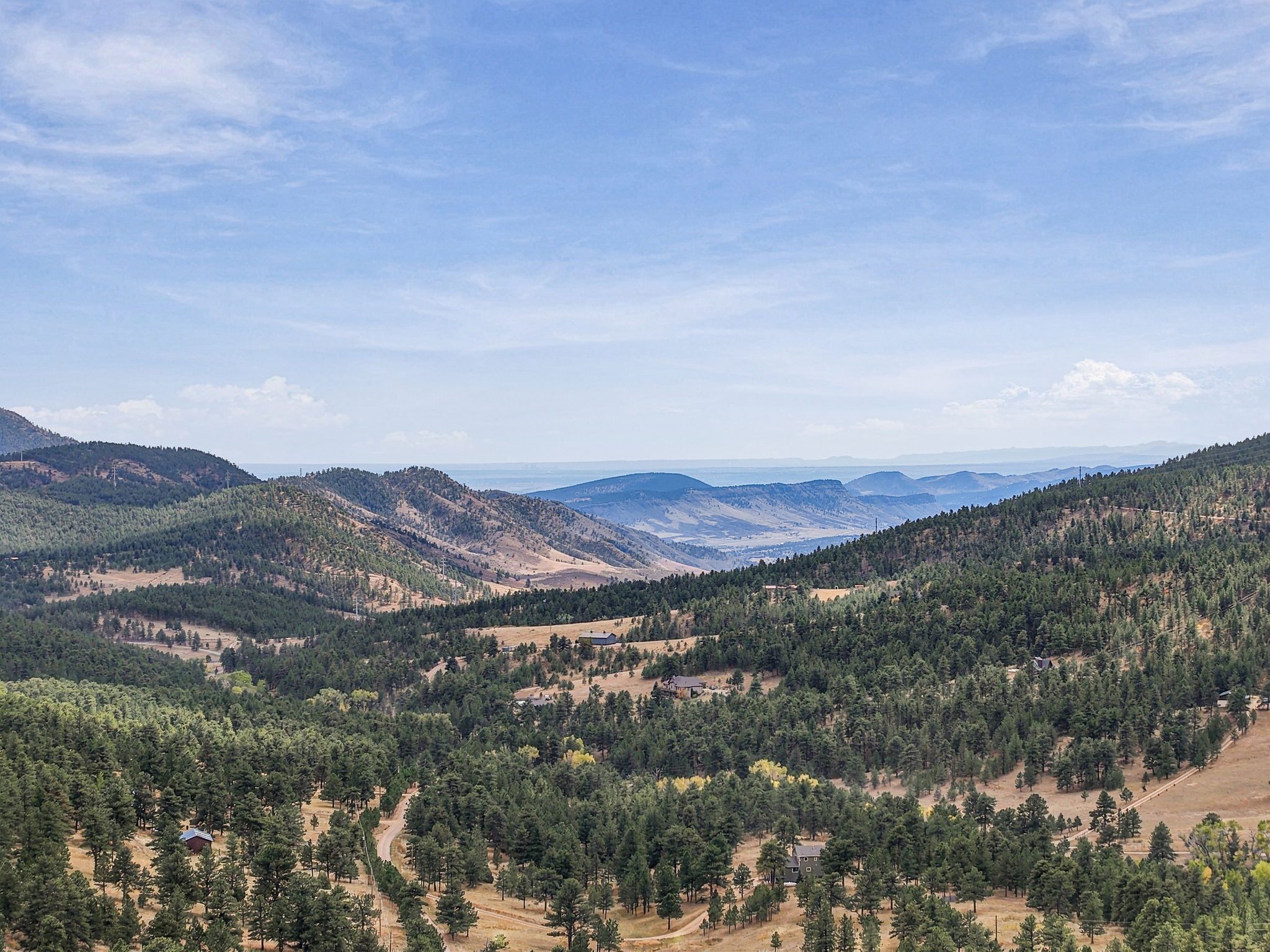
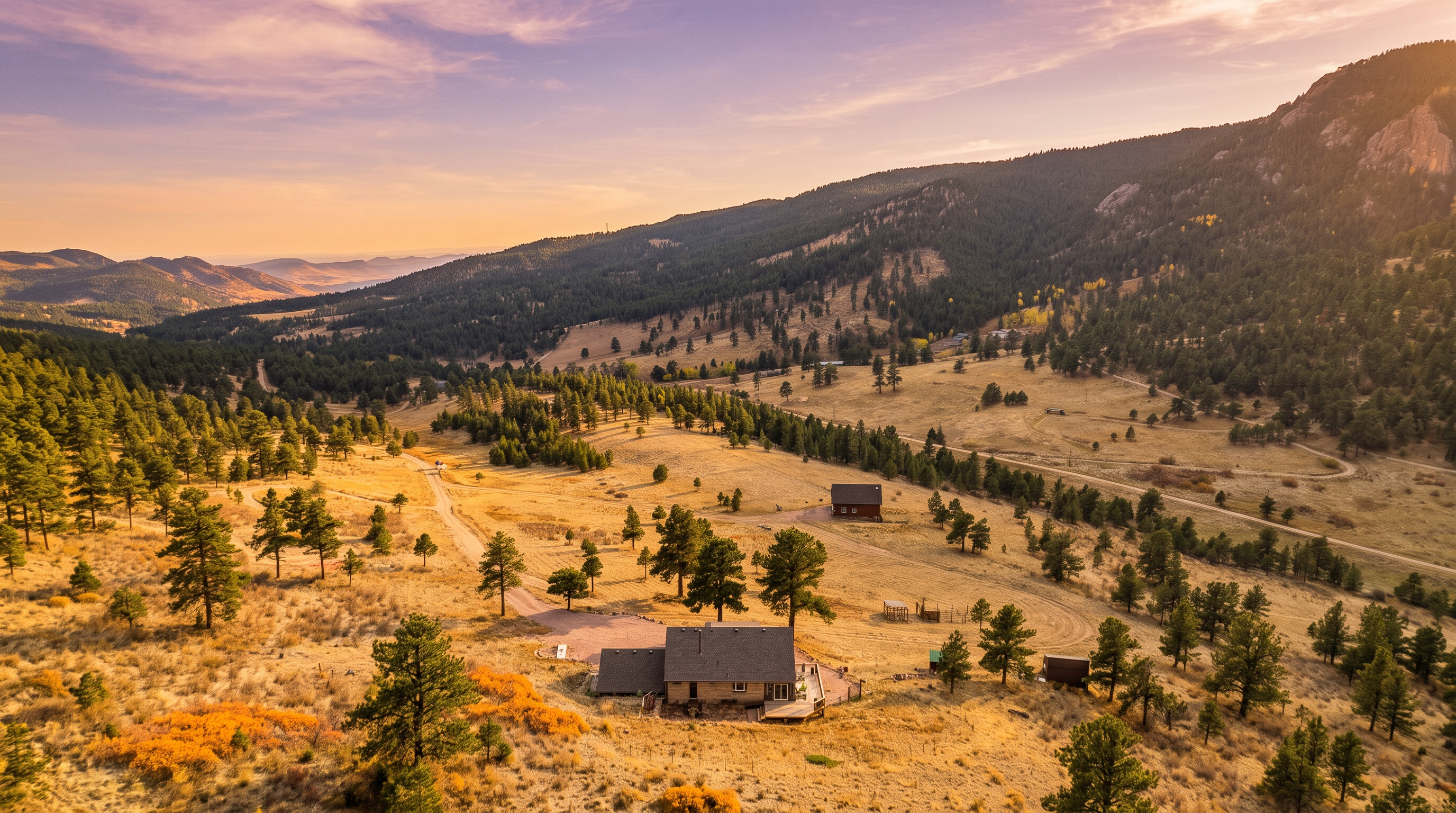
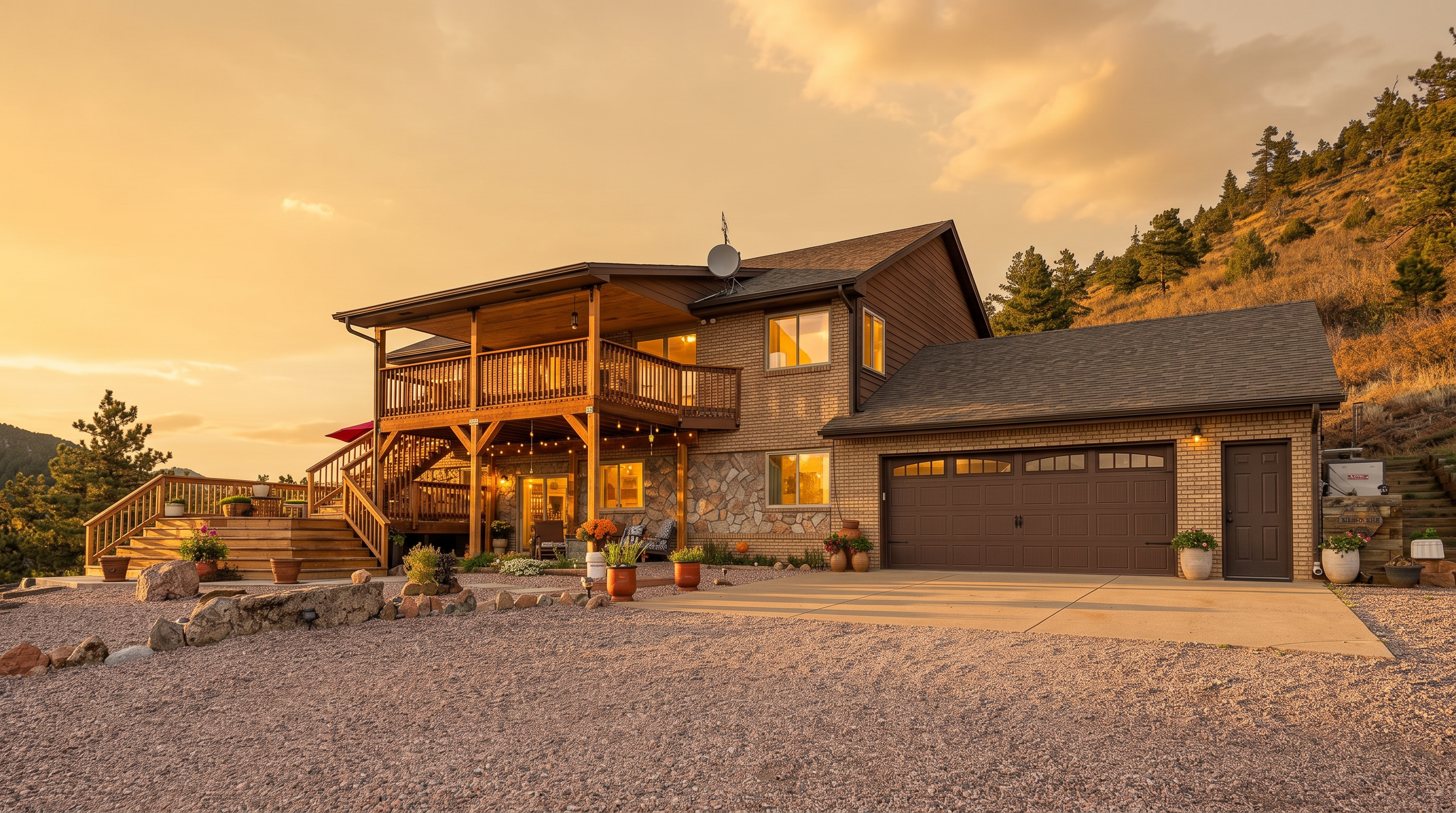
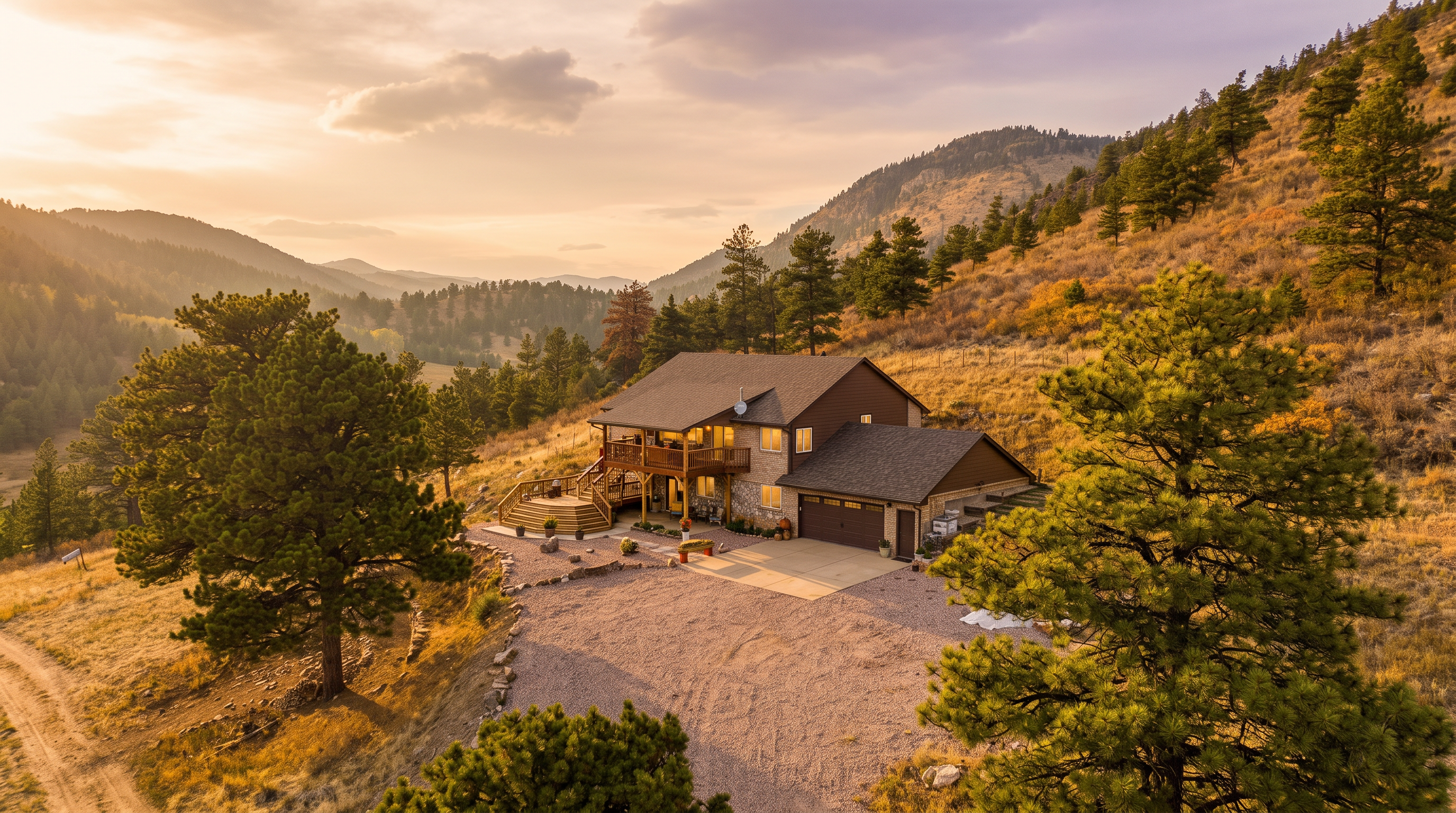
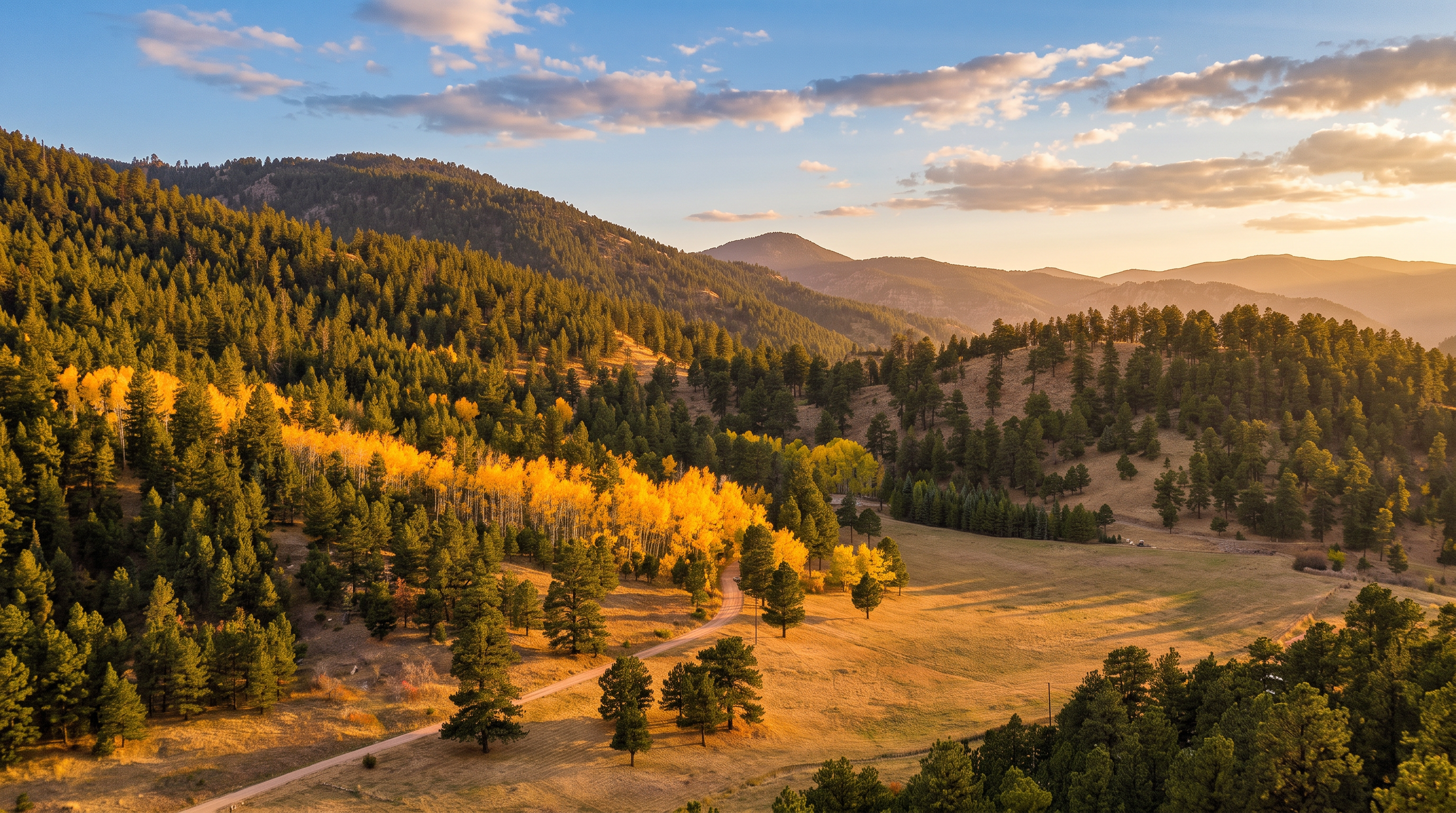
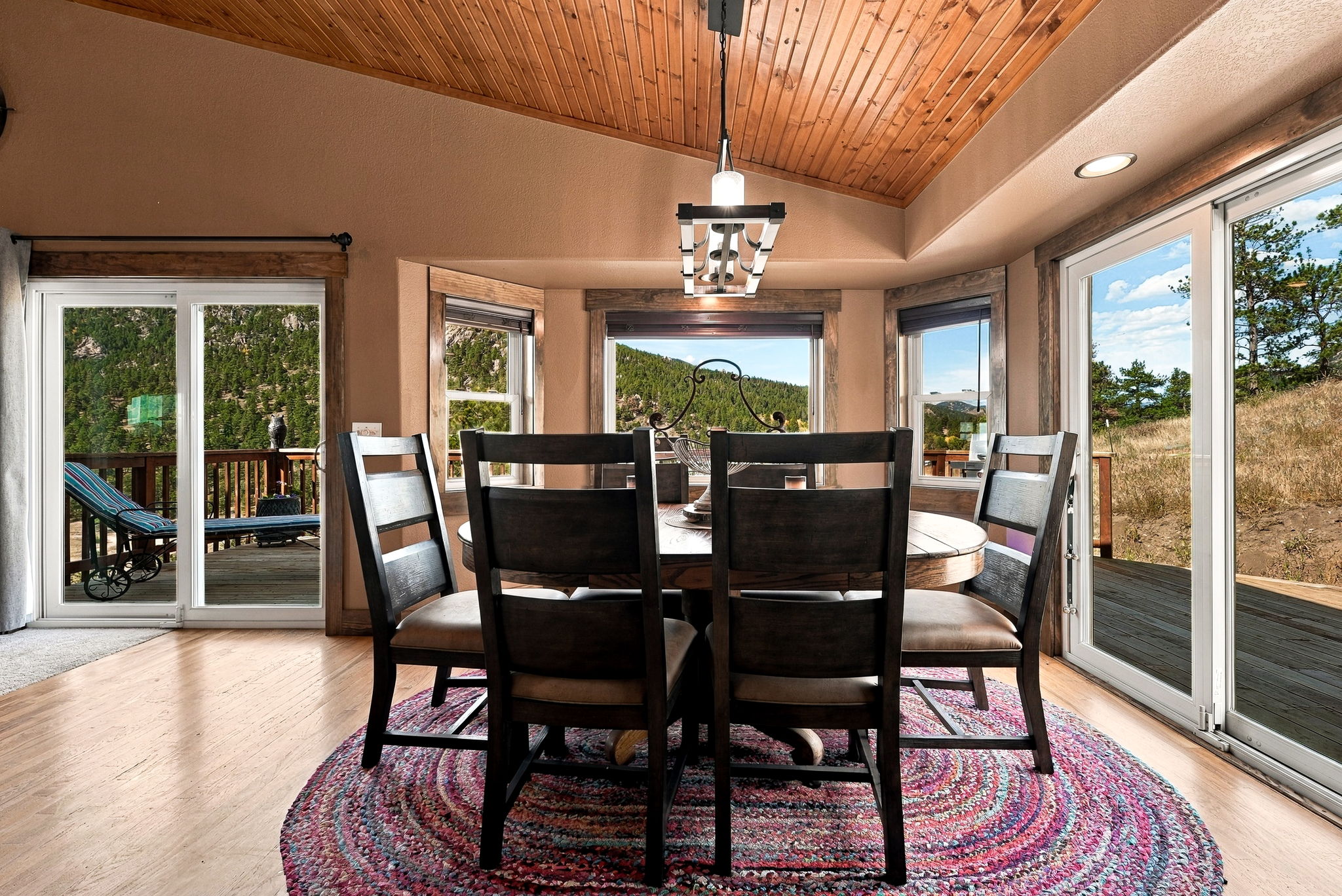
There is a particular quality of stillness that arrives only when a home sits truly at the end of the road — no through traffic, no neighbors visible through the treeline, just the unhurried rhythm of the natural world outside every window. At 681 Bitterroot Gulch Trail, that stillness is not incidental; it is architectural. The raised ranch format lifts the main living level above the landscape, positioning residents at a vantage point where morning light arrives across rolling foothills and the silhouette of the forest defines the horizon.
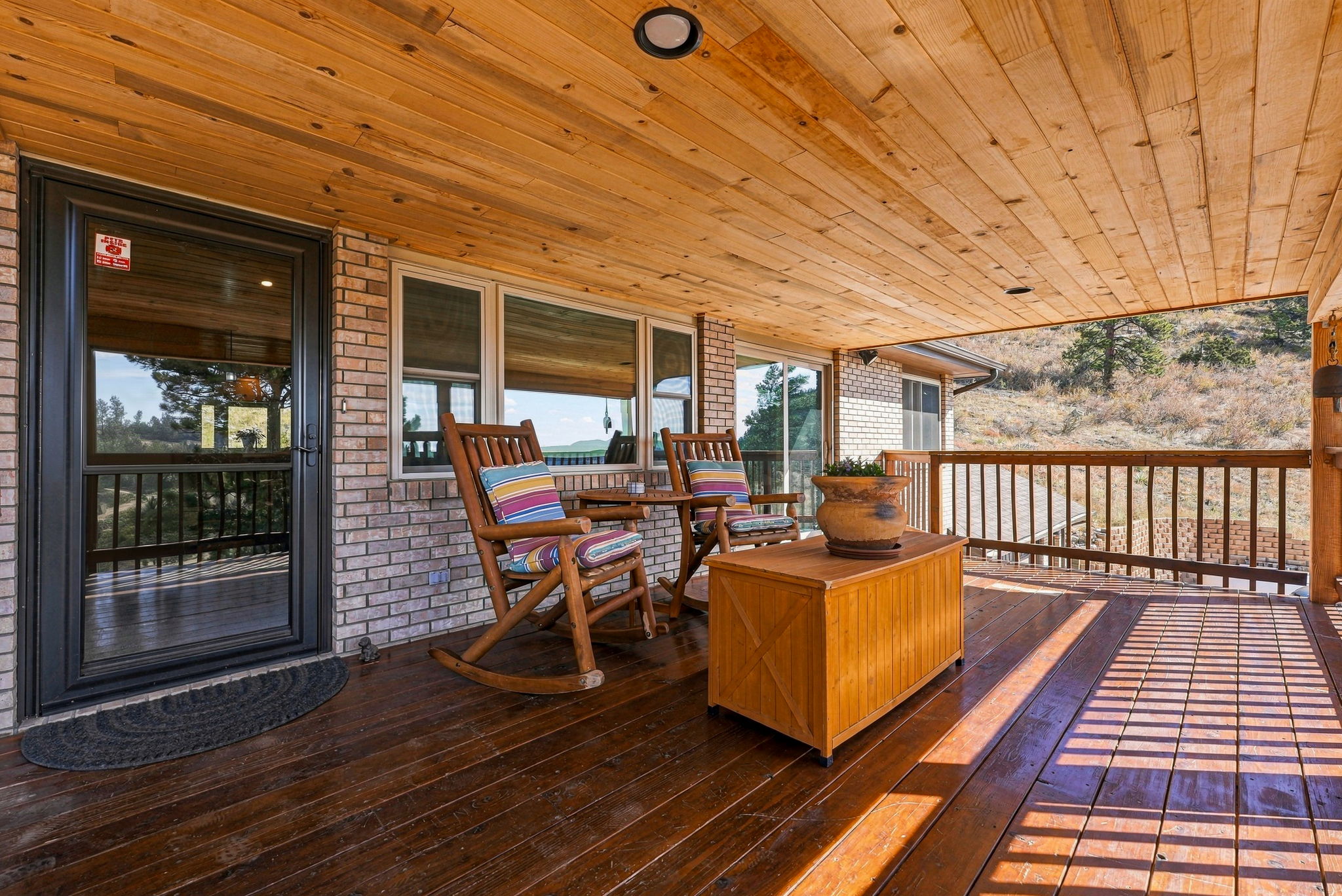
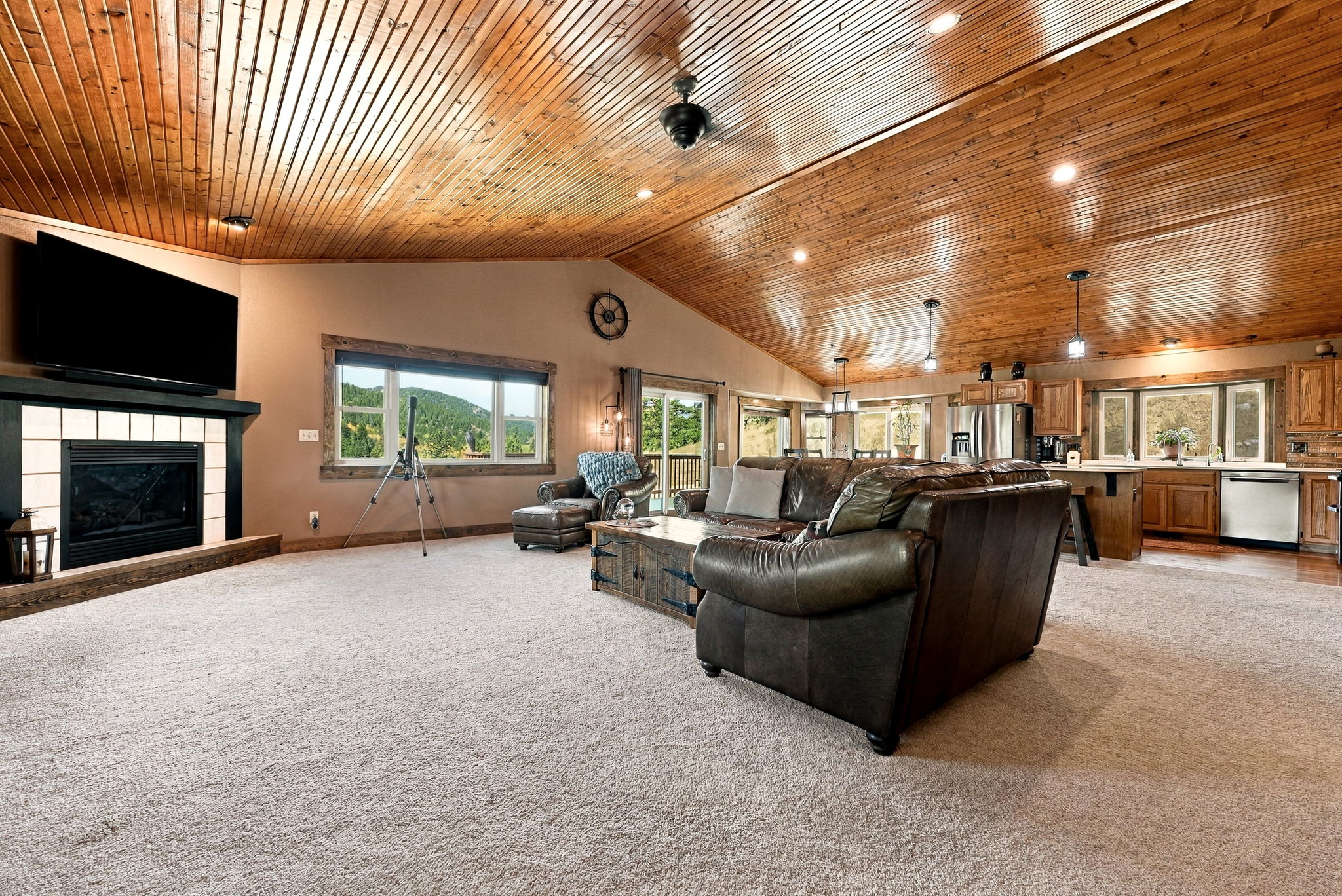
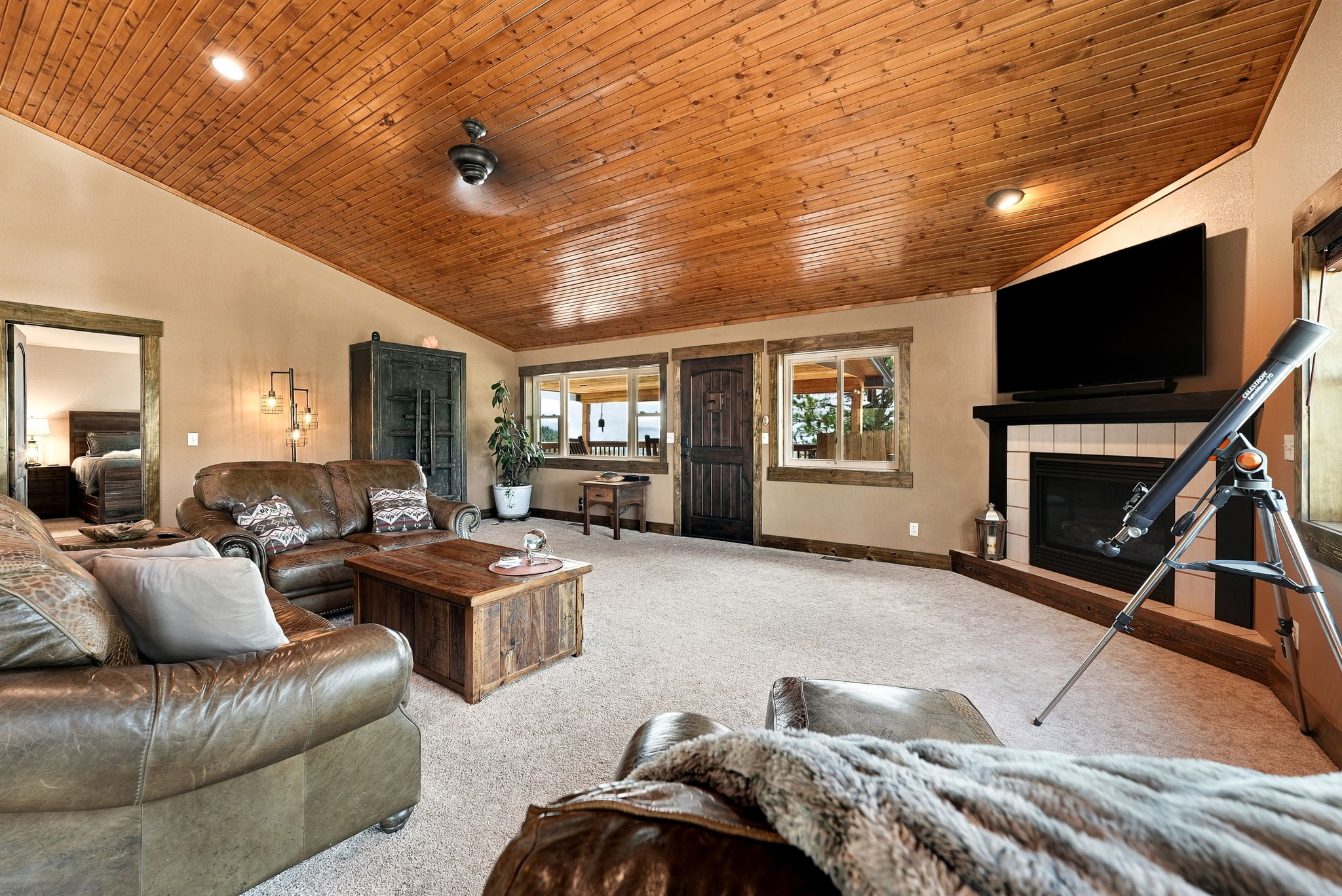
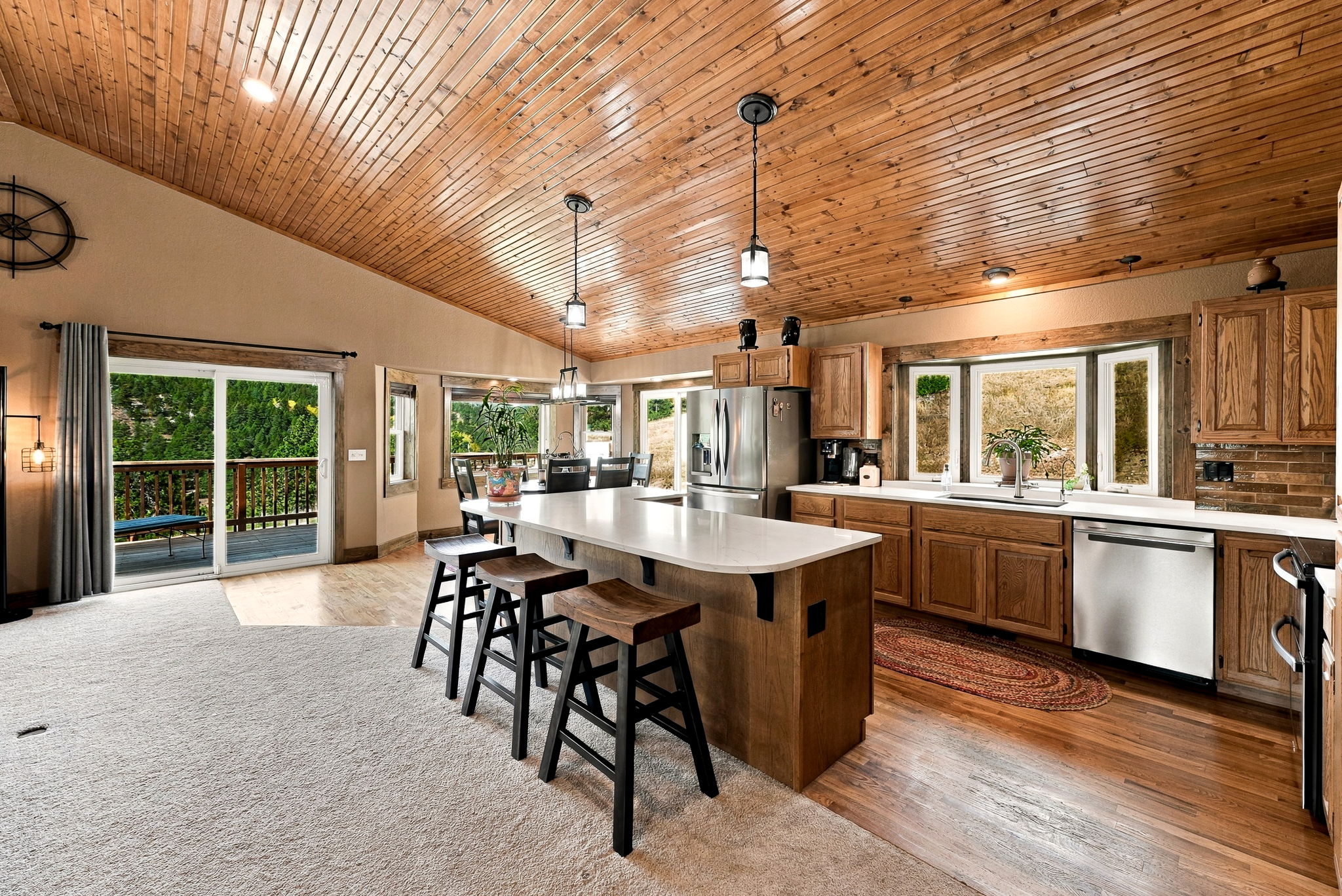
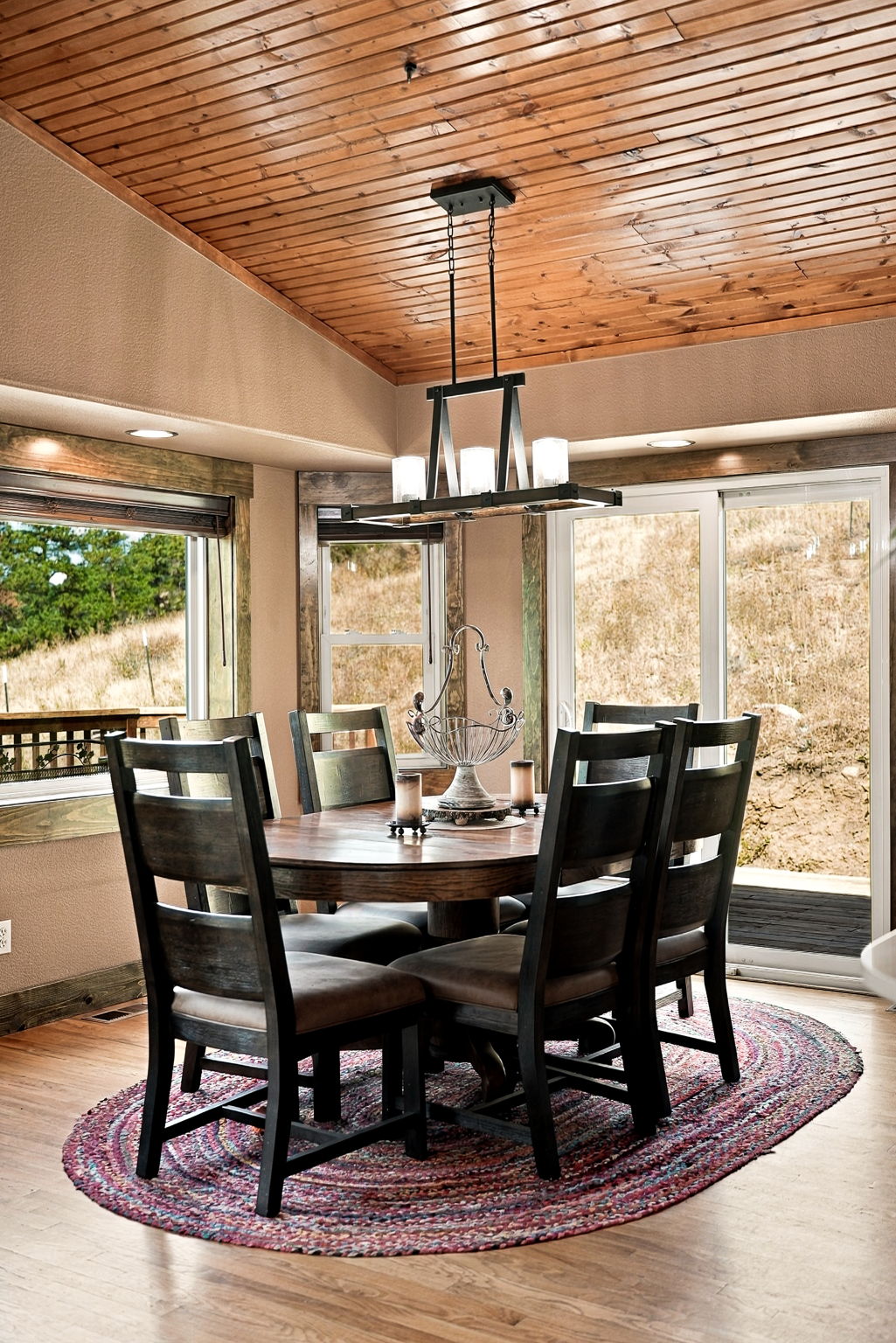
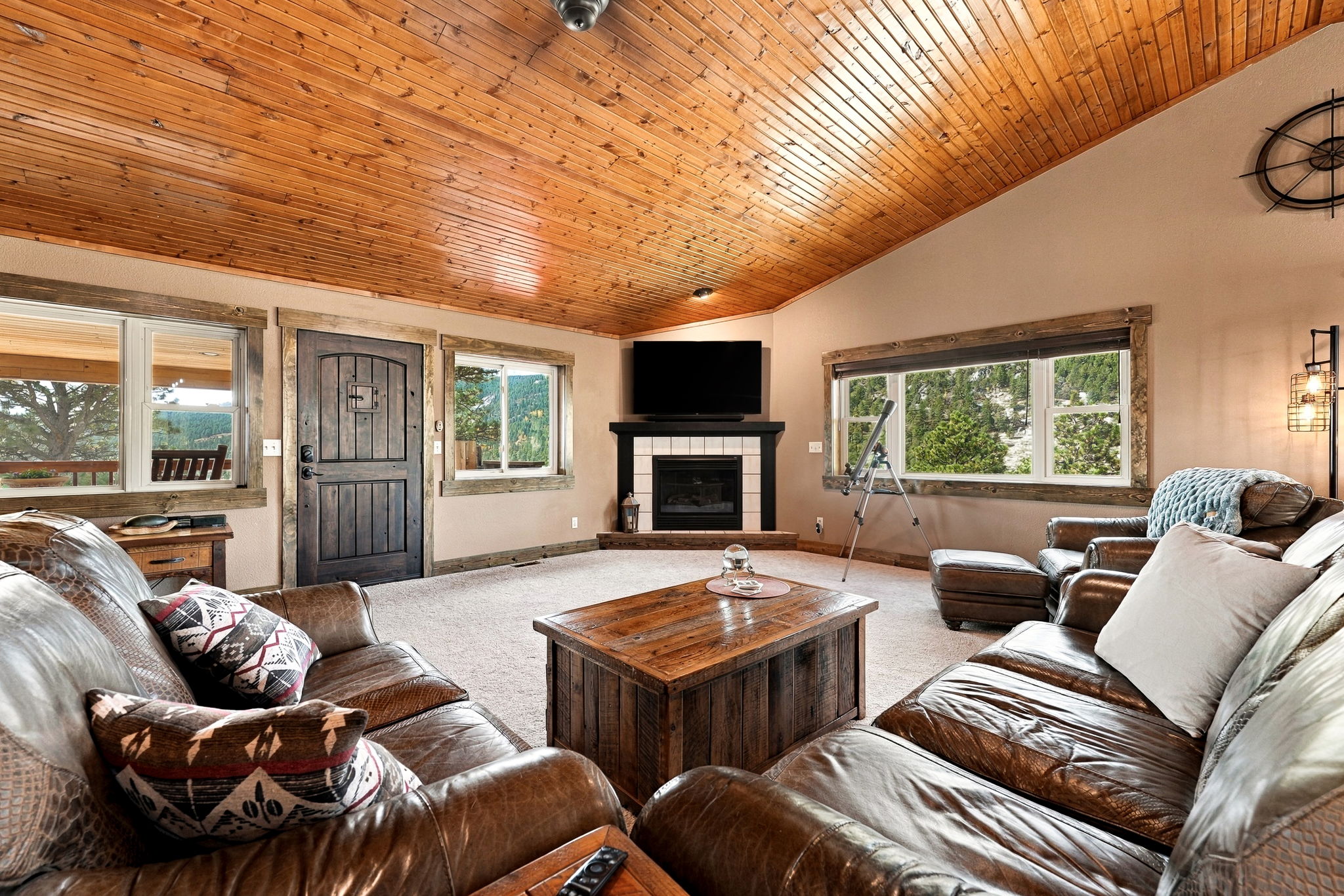
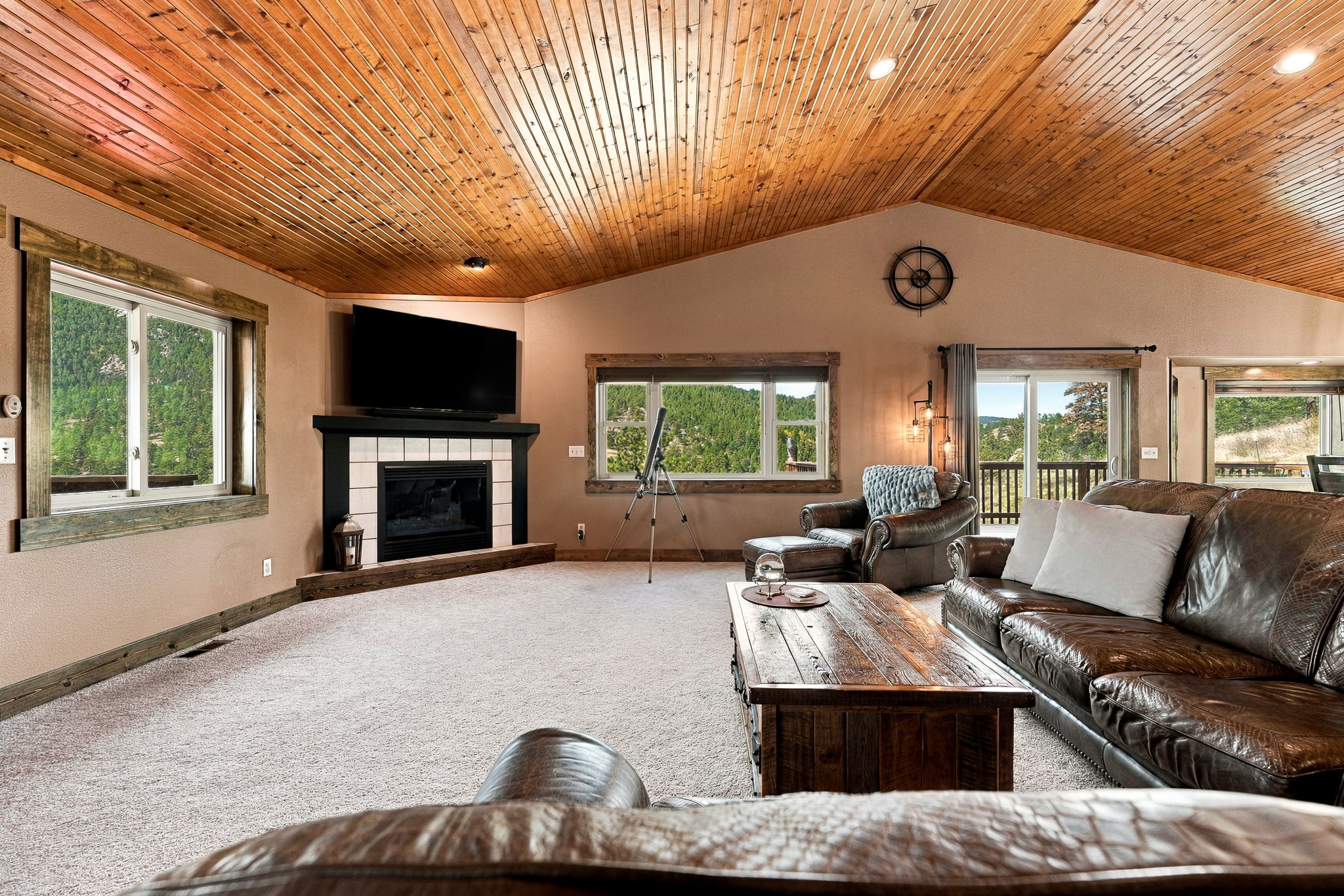
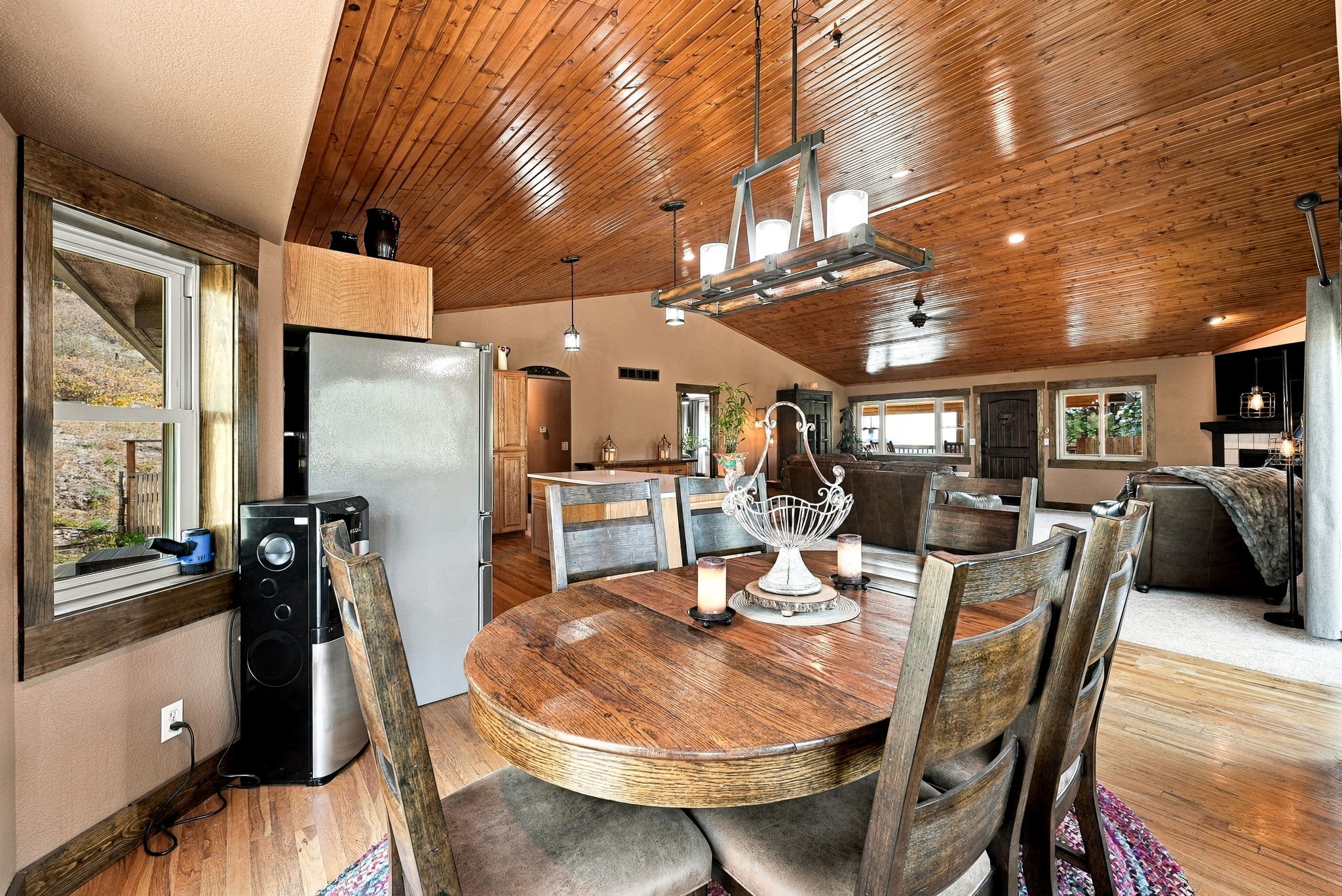
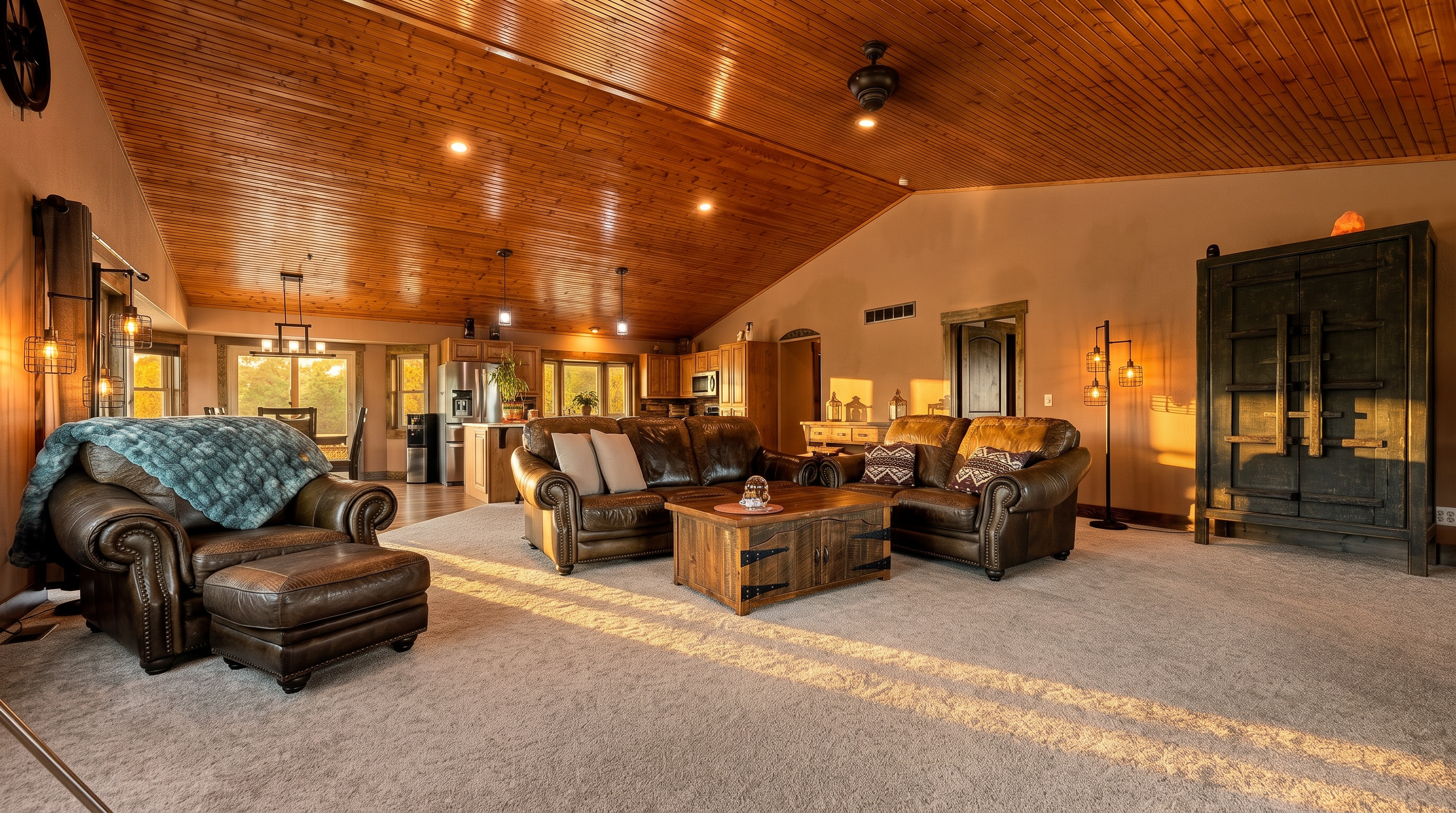
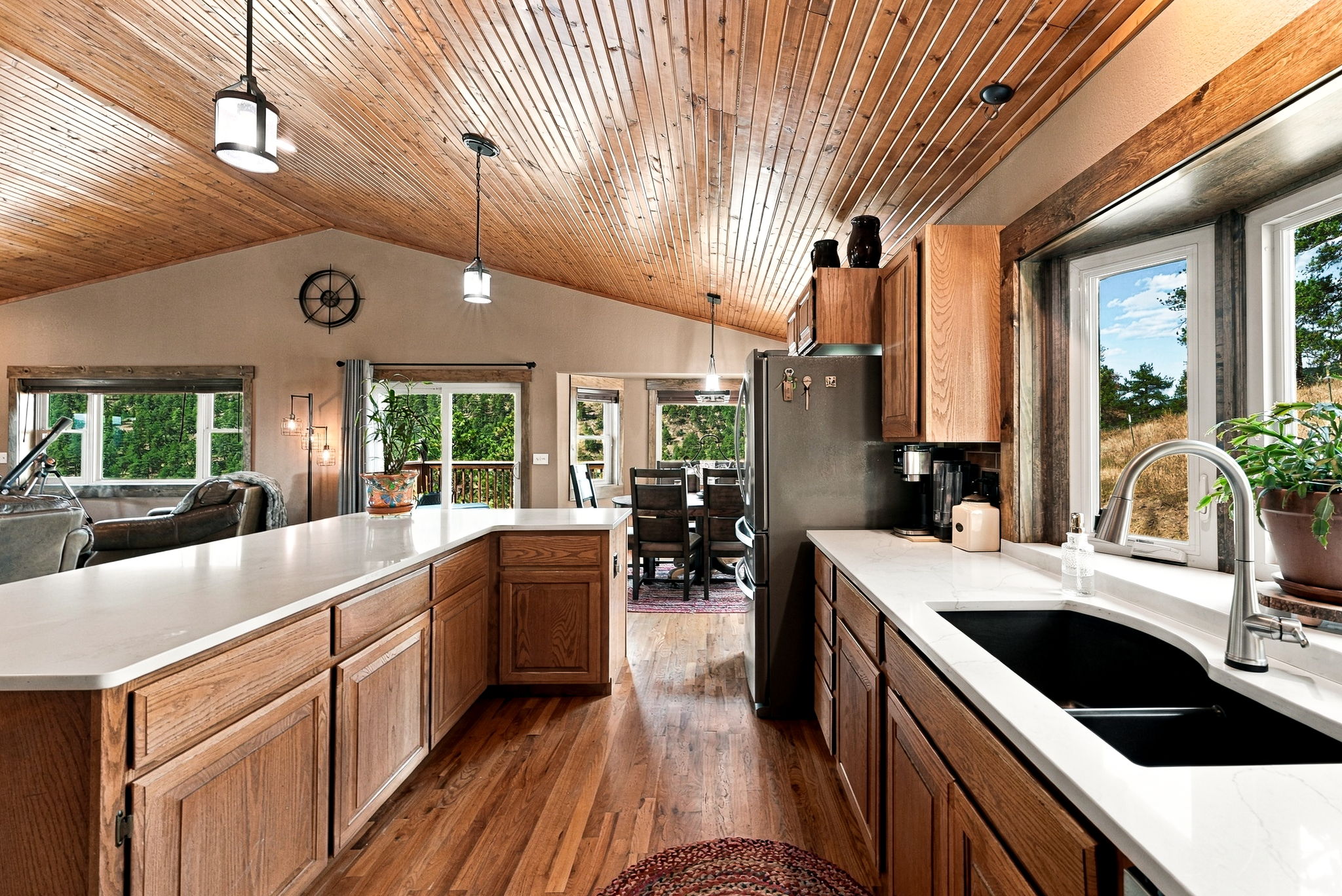
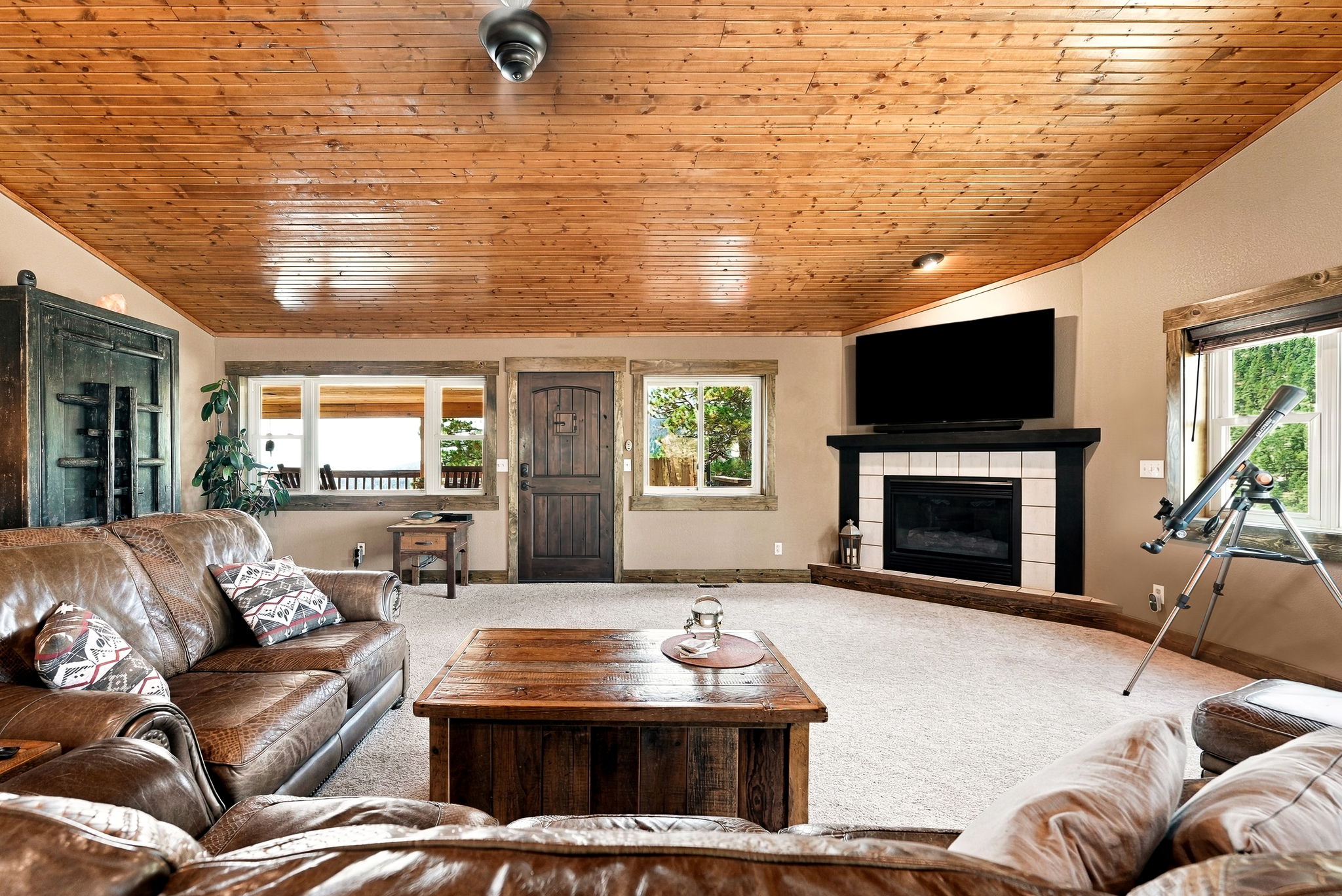
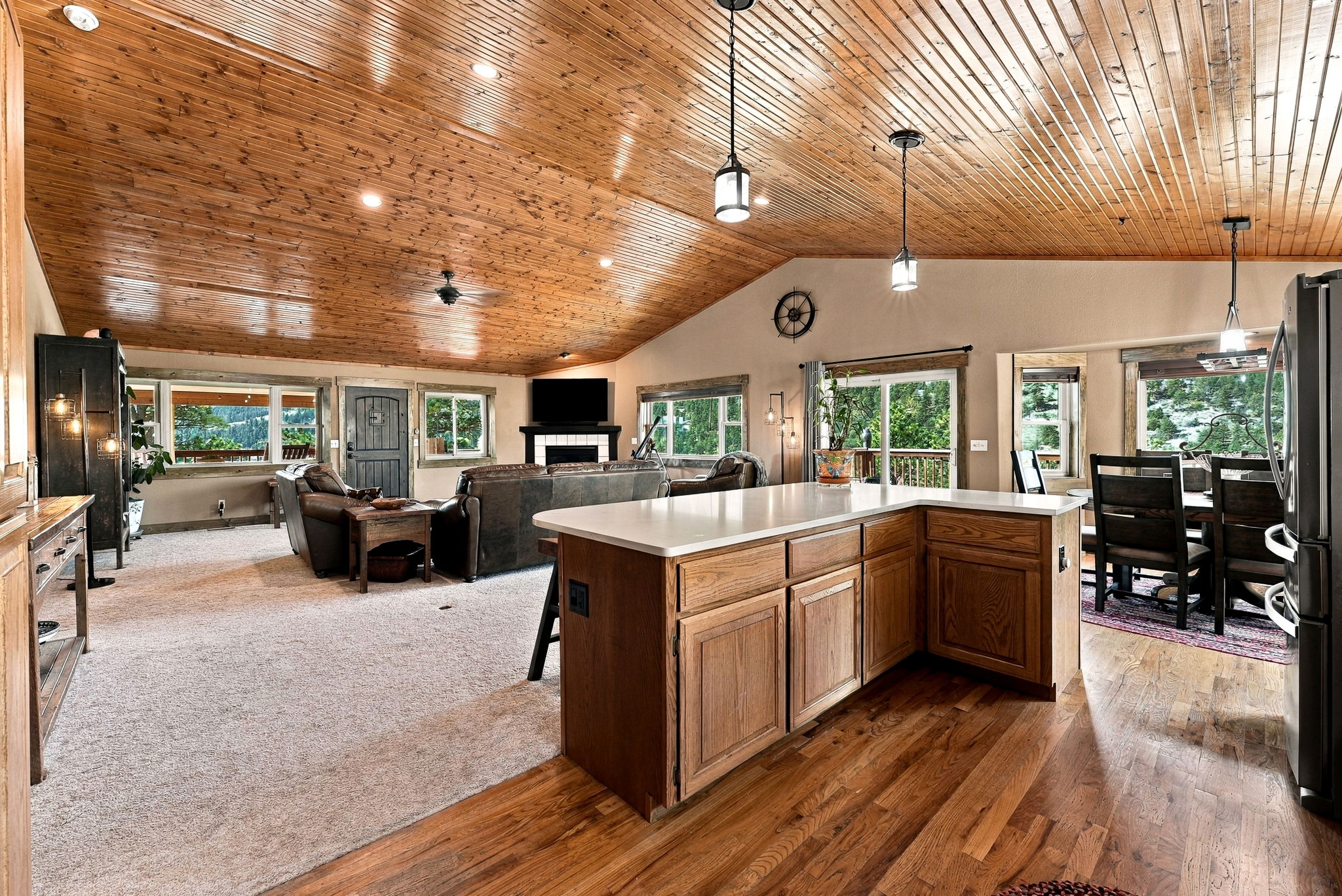
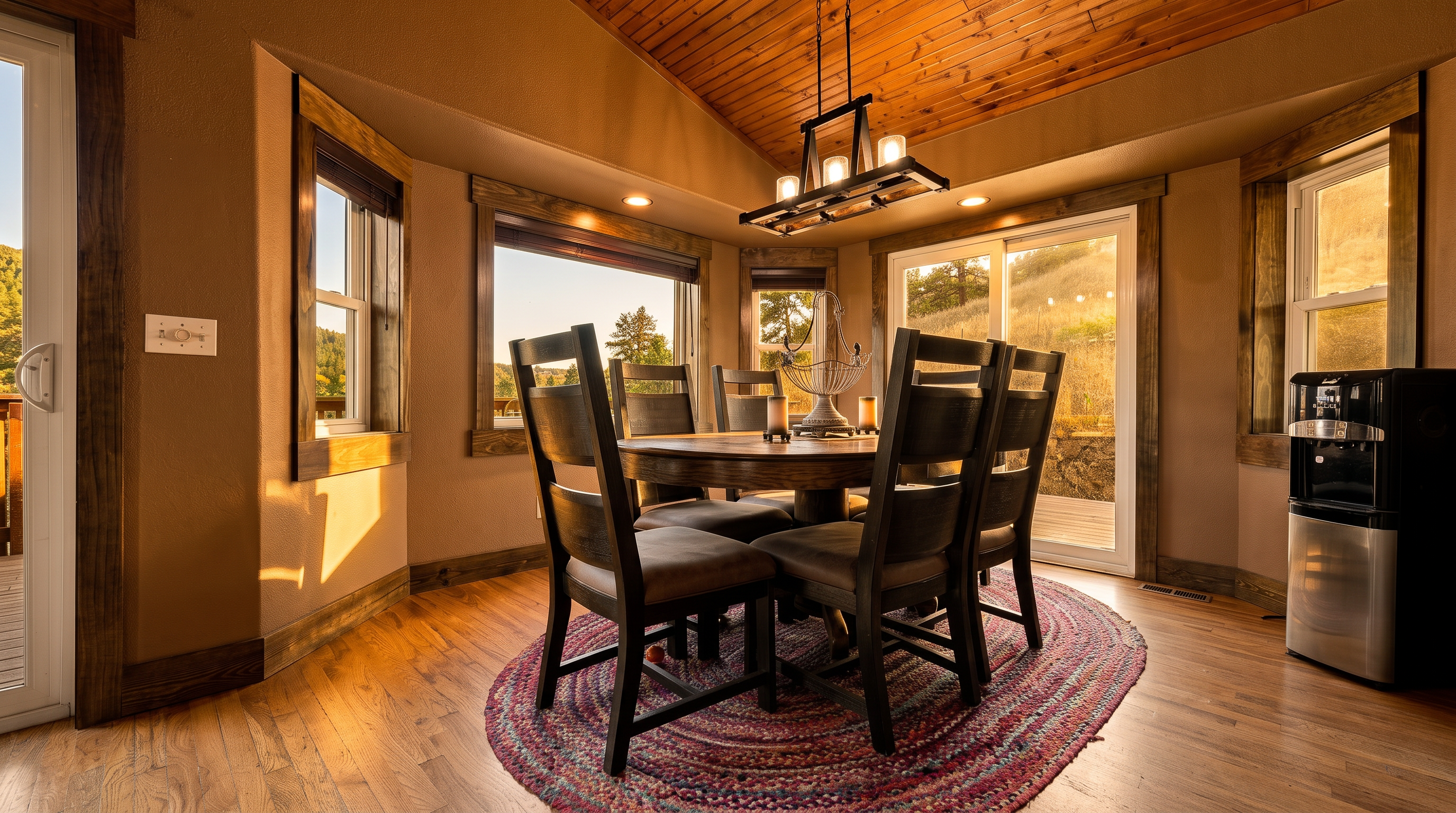
The home's 3,200 square feet unfold with a warmth that is immediately legible. Tongue-and-groove wood ceilings vault overhead in the main living areas, their warm grain pulling the eye upward and lending the interior the honest character of a mountain retreat rather than a generic mountain-adjacent subdivision. Solid-core alder doors and white pine trim reinforce that commitment to material quality throughout — these are choices made with longevity and authenticity in mind.
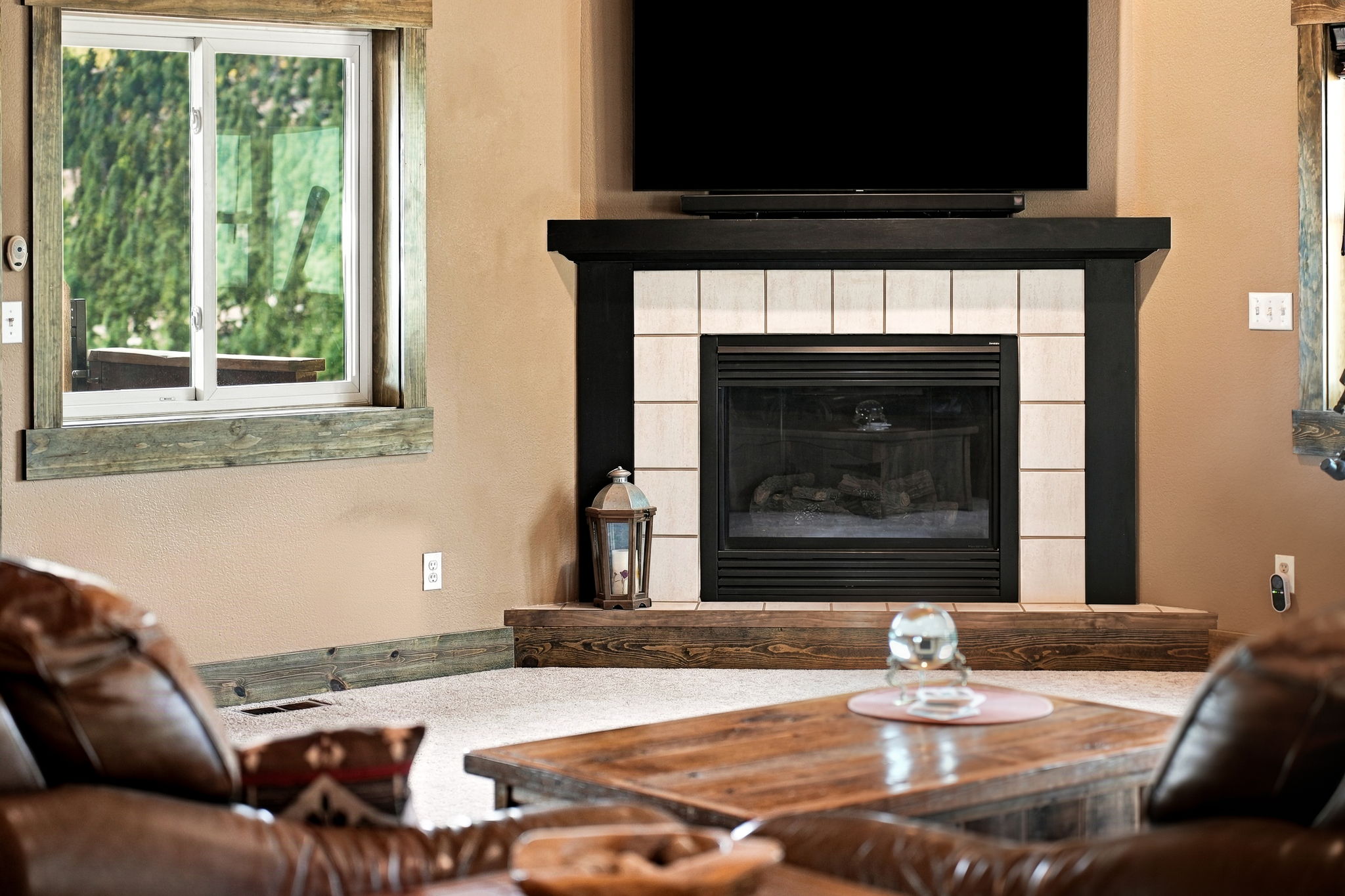
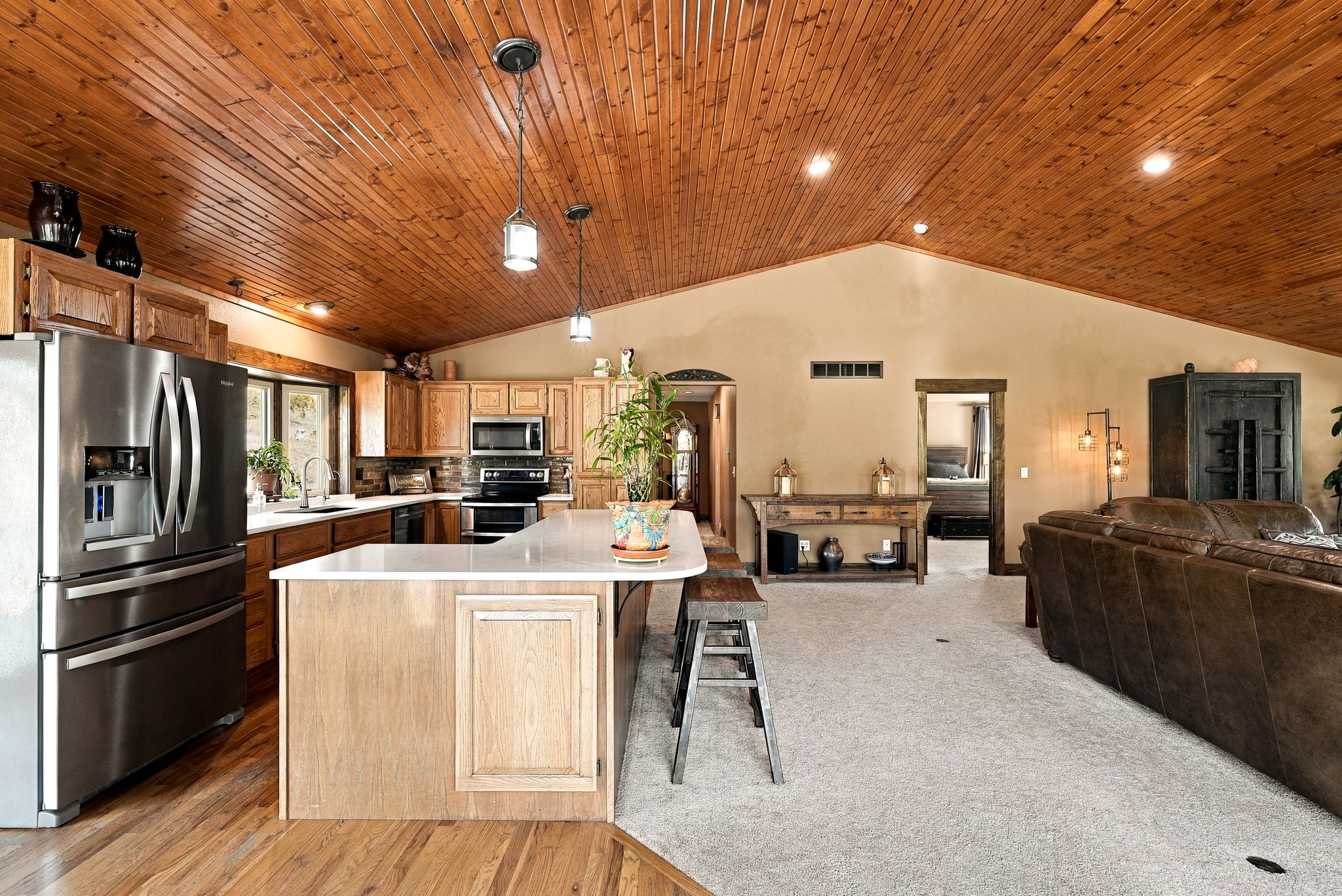
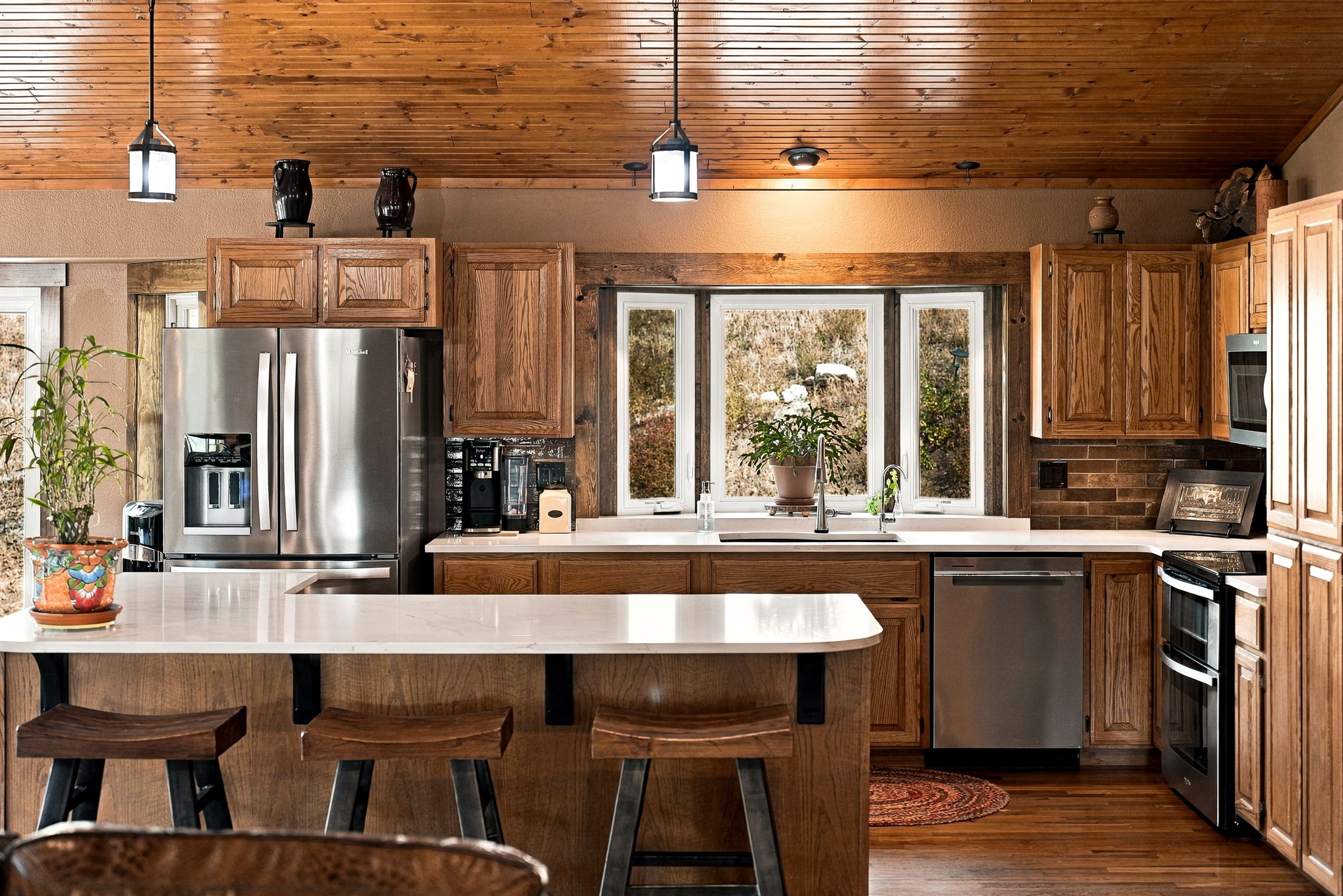
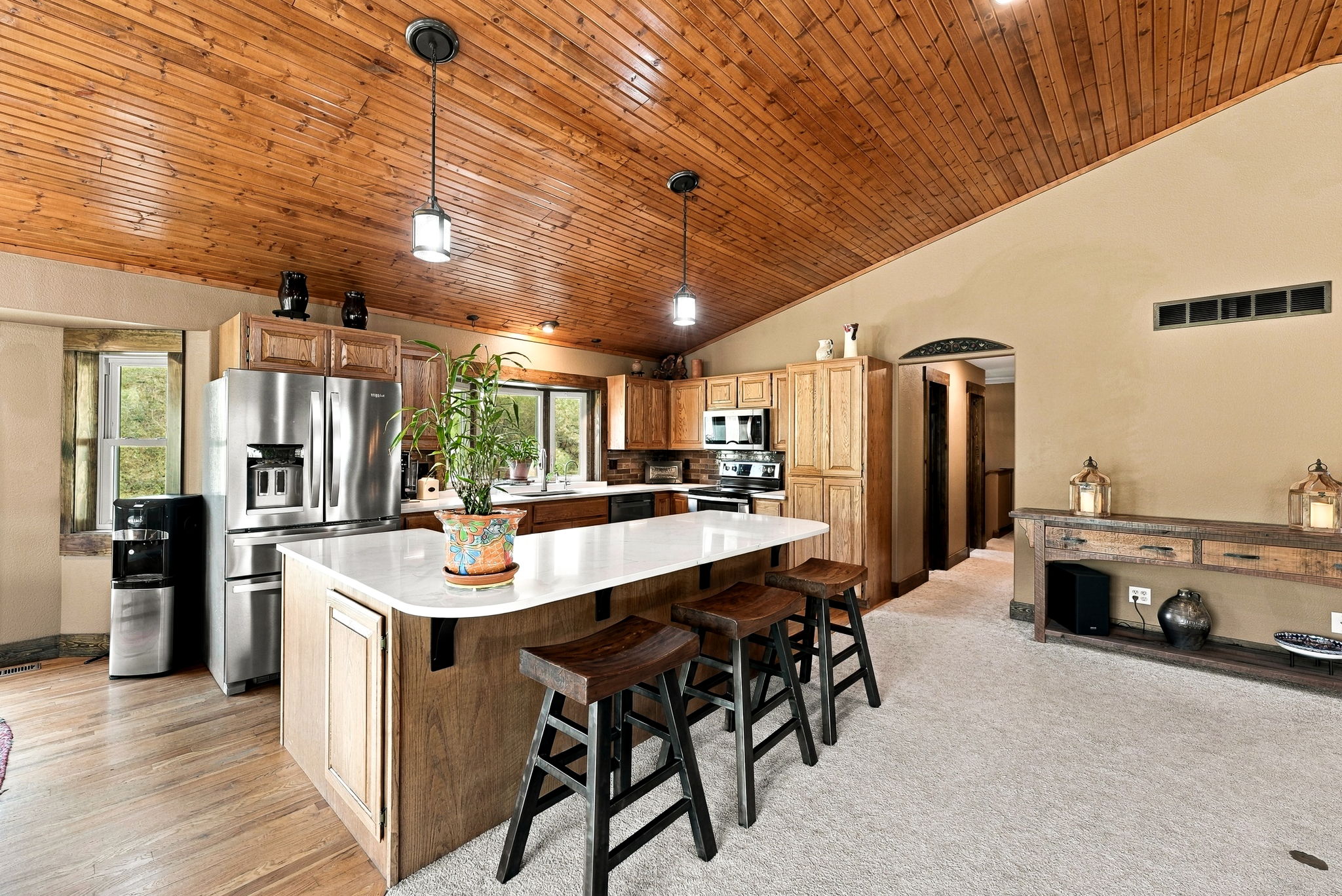
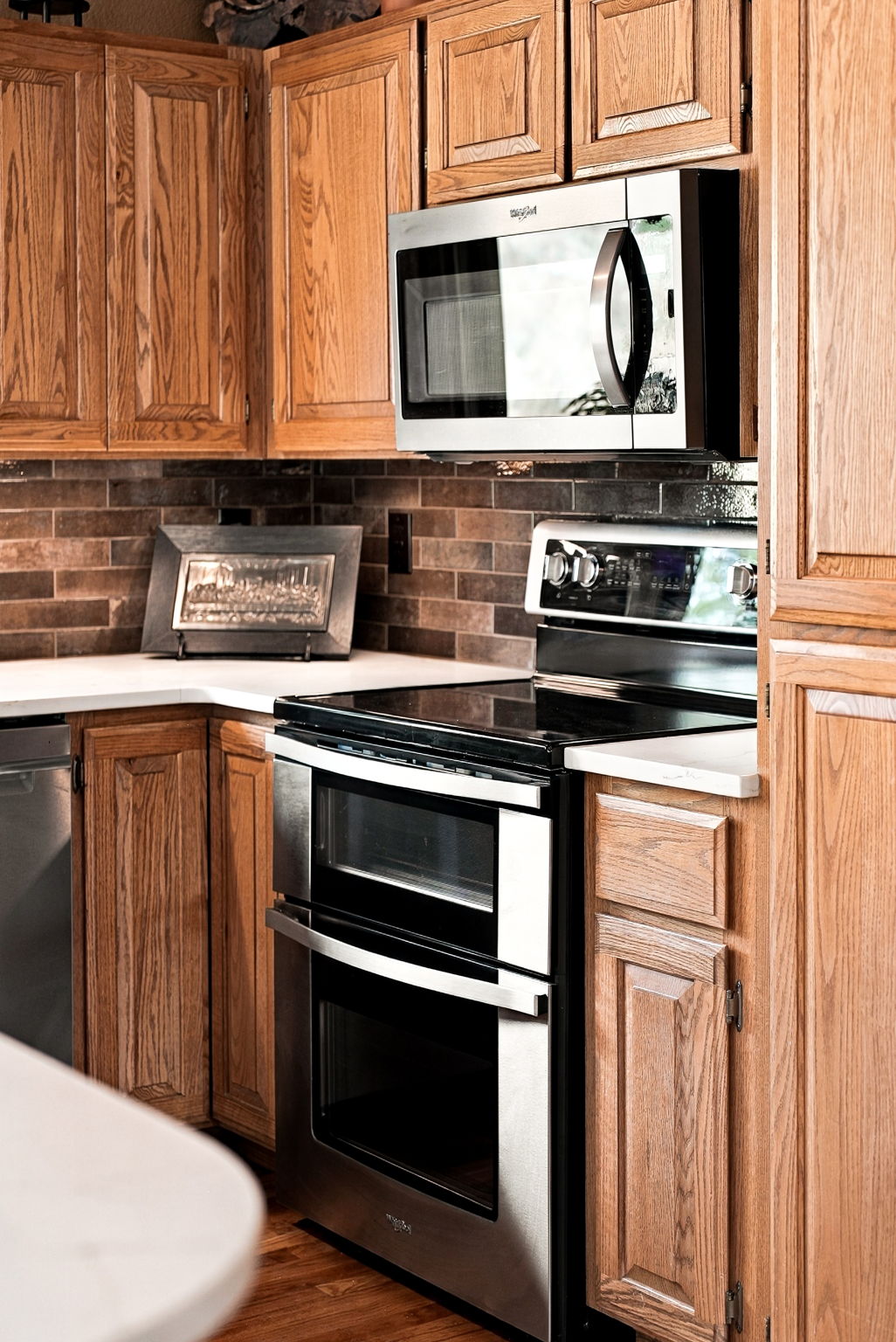
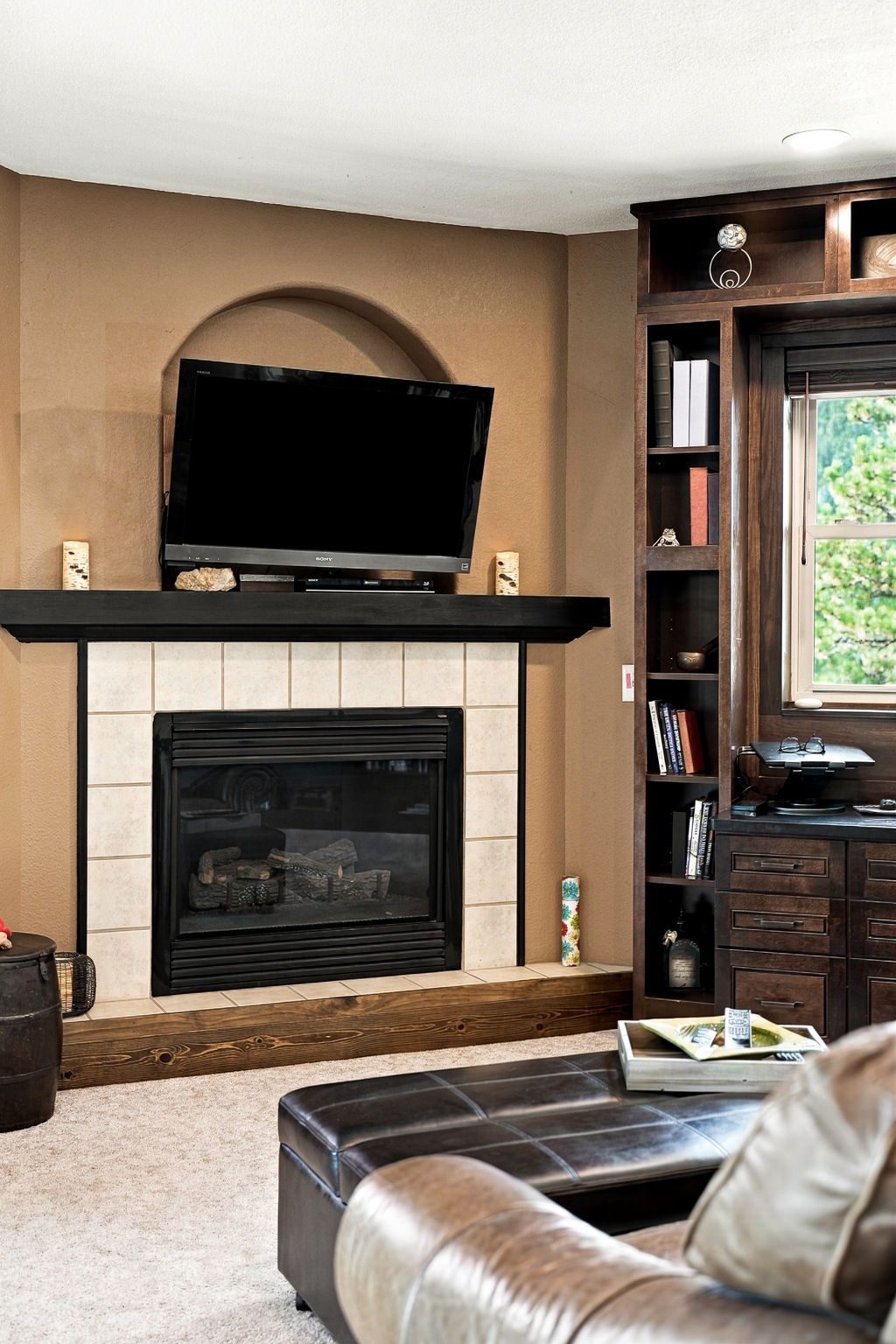
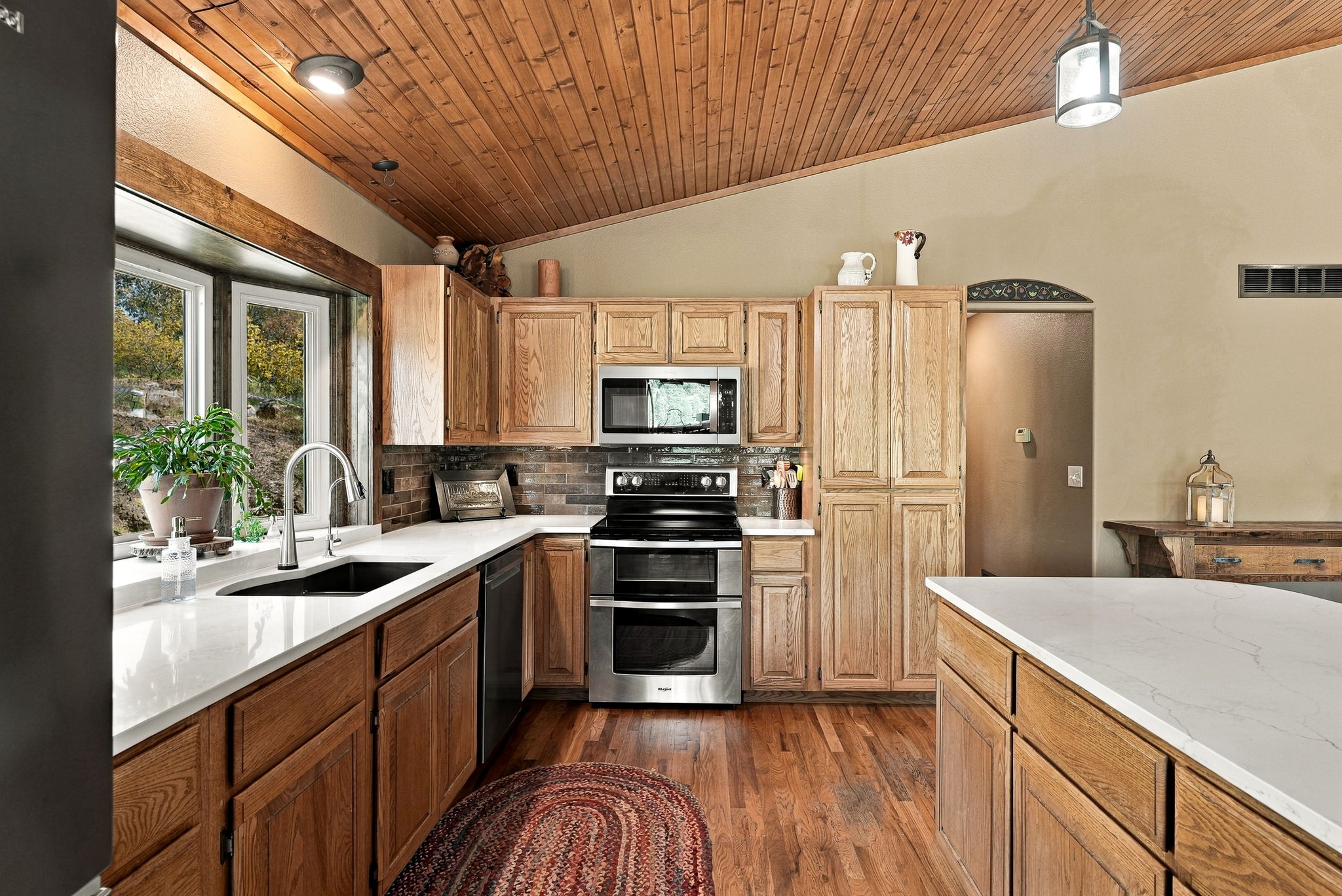
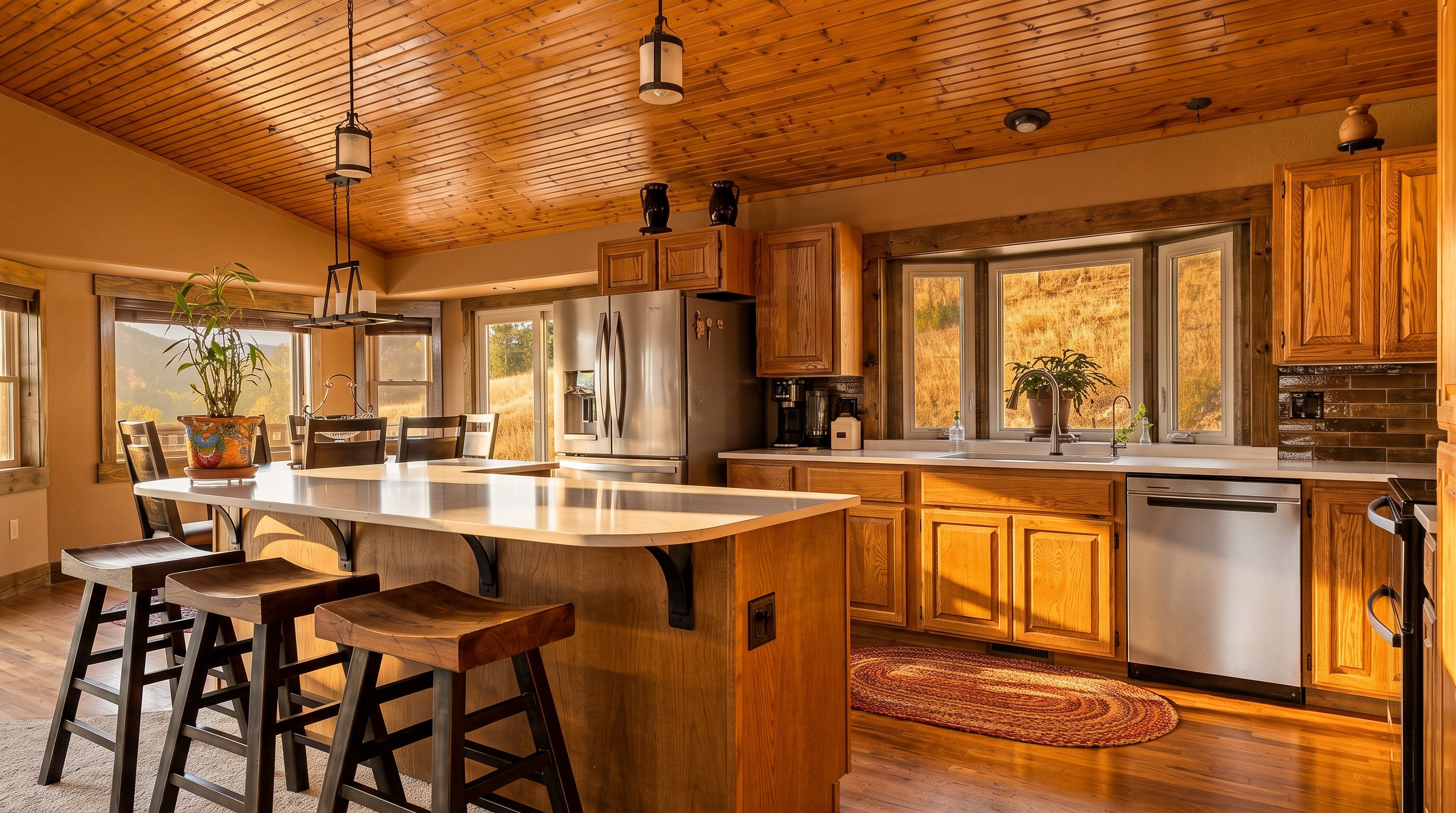
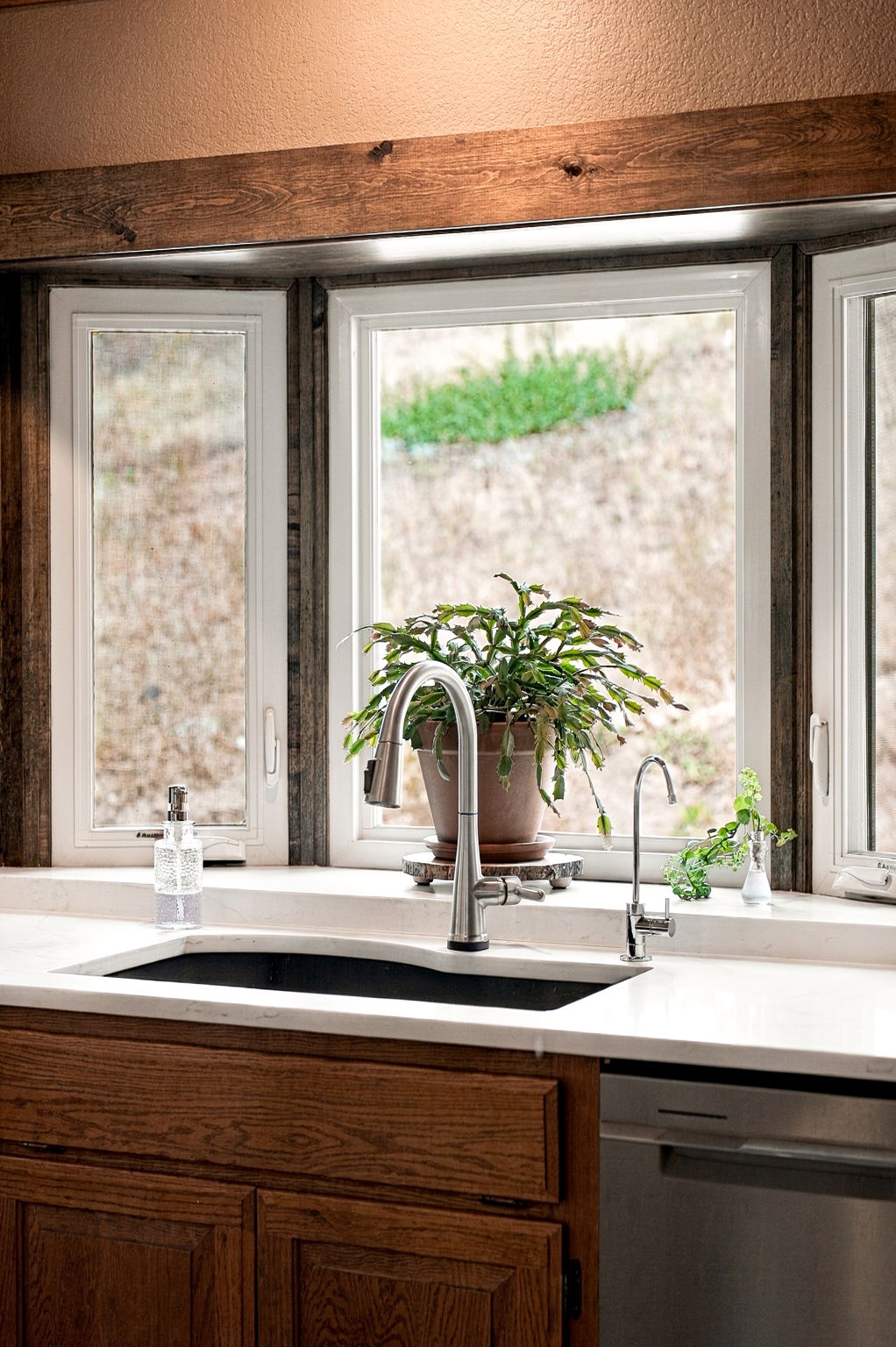
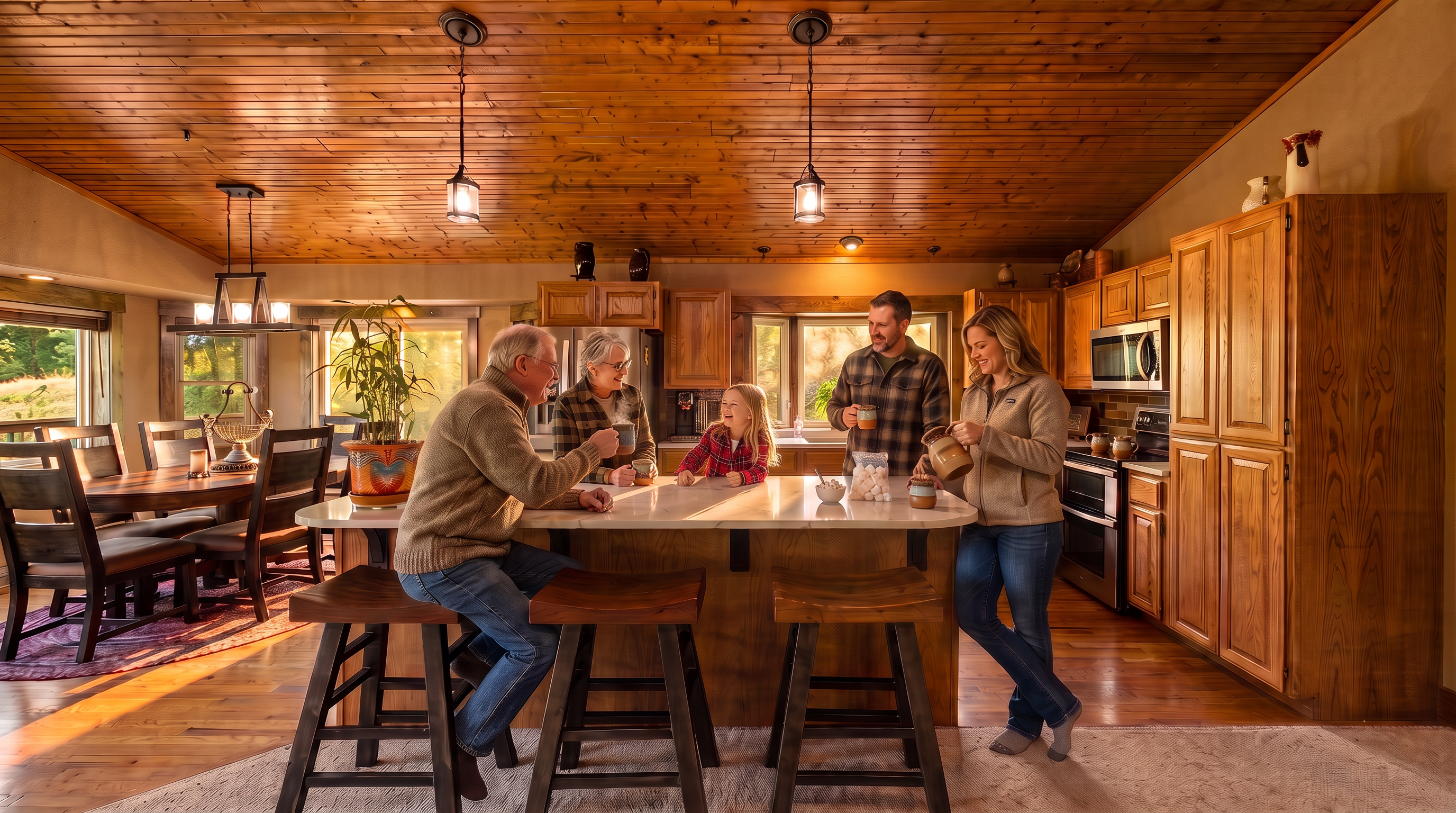
The remodeled kitchen serves as the home's social center. A generous island topped with quartz countertops provides an easy gathering point, while stainless steel Whirlpool appliances and an Italian-tile backsplash balance rustic warmth with contemporary function. The kitchen opens naturally into the living areas, where a corner fireplace with a tiled surround anchors the space and multiple windows frame views of the surrounding landscape. A telescope positioned near the window in the living room suggests the kind of quiet evening rituals this home naturally invites.
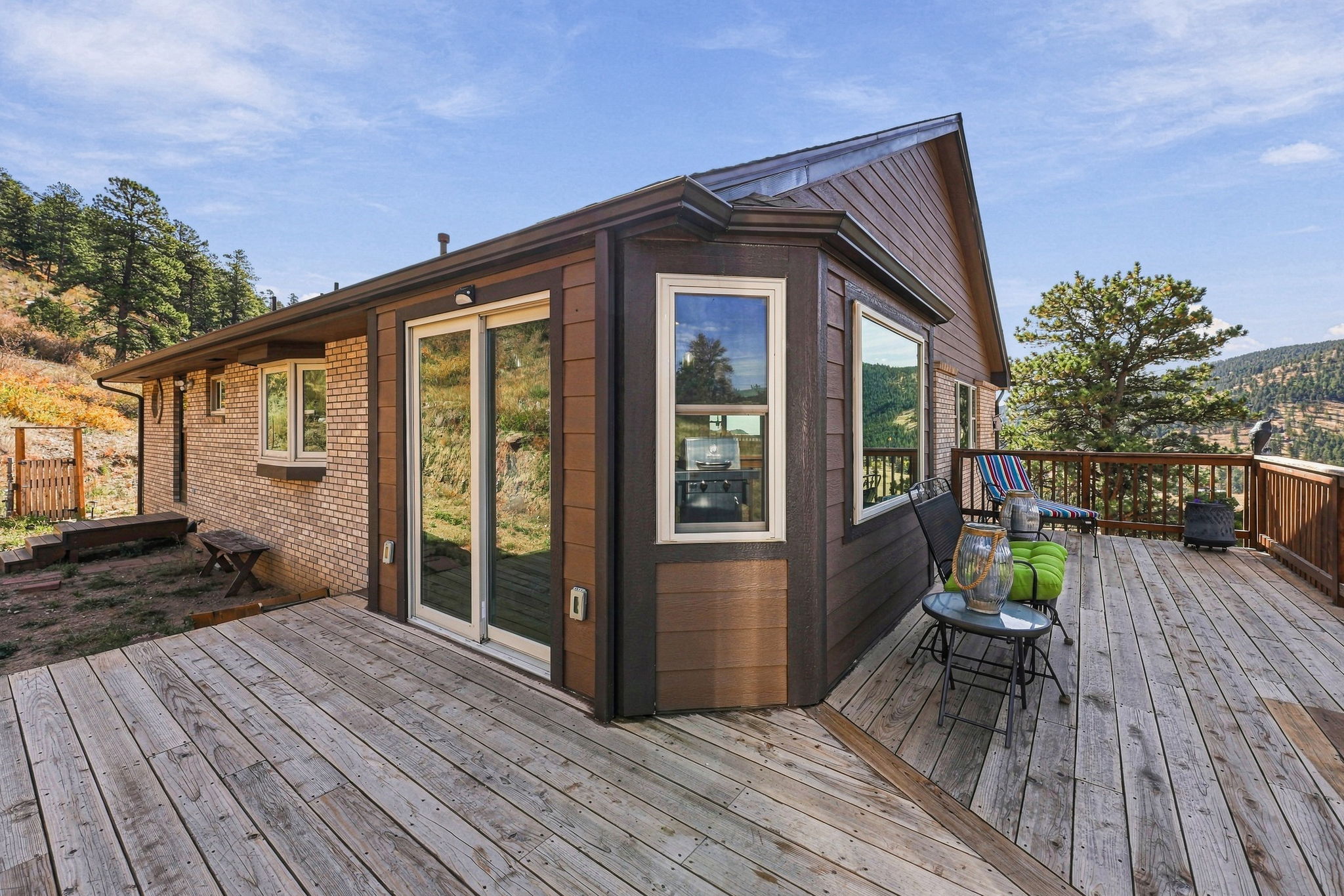
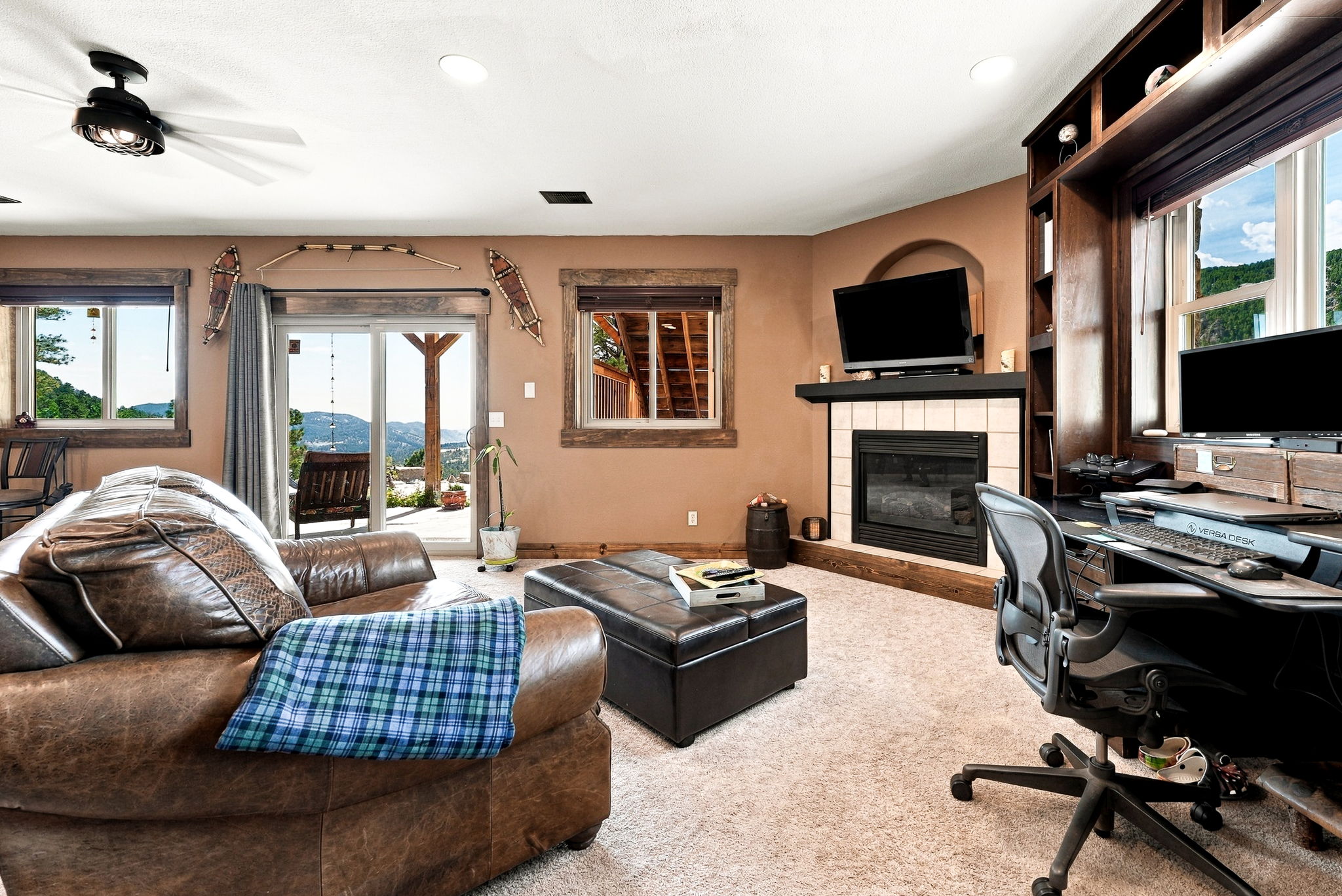
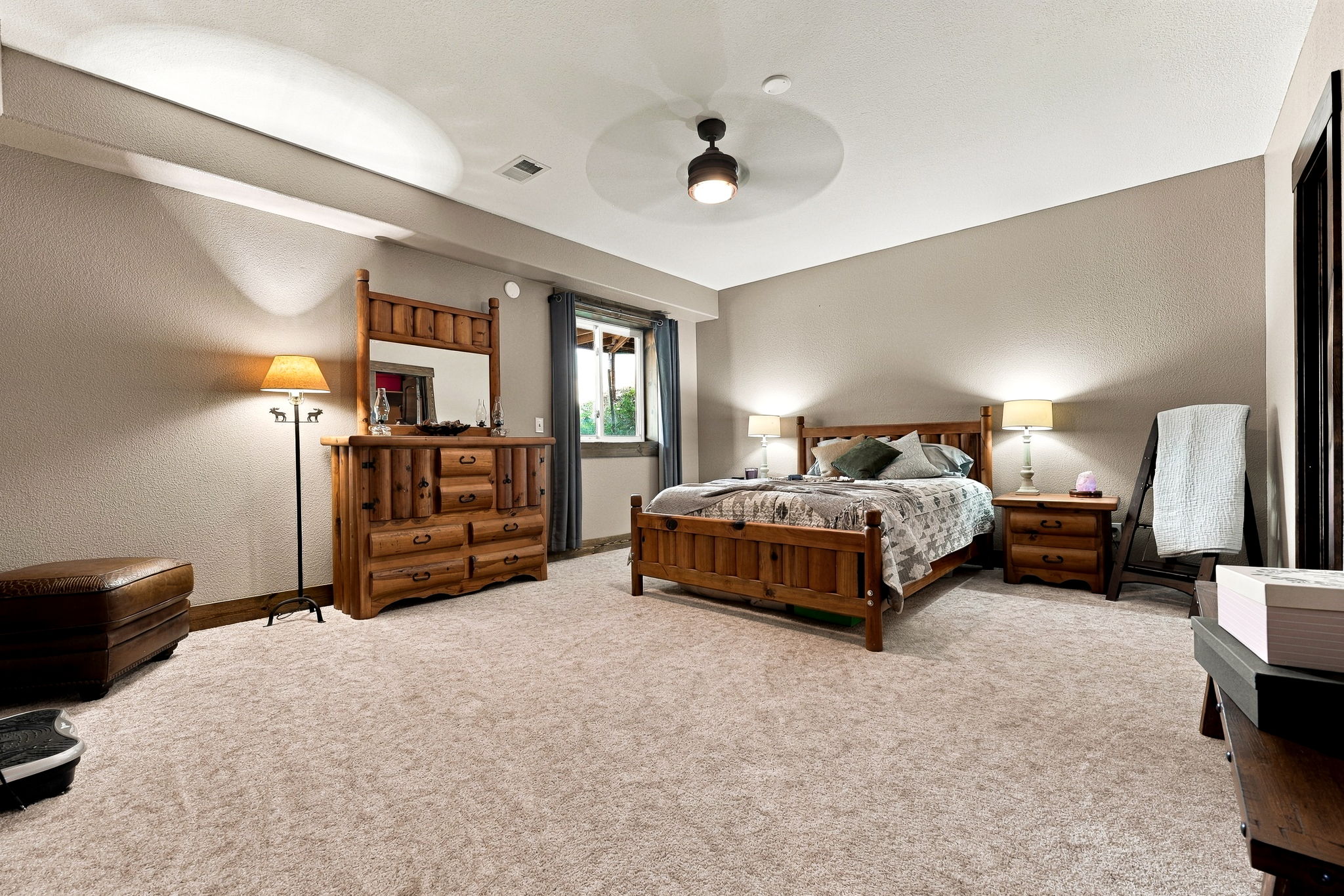
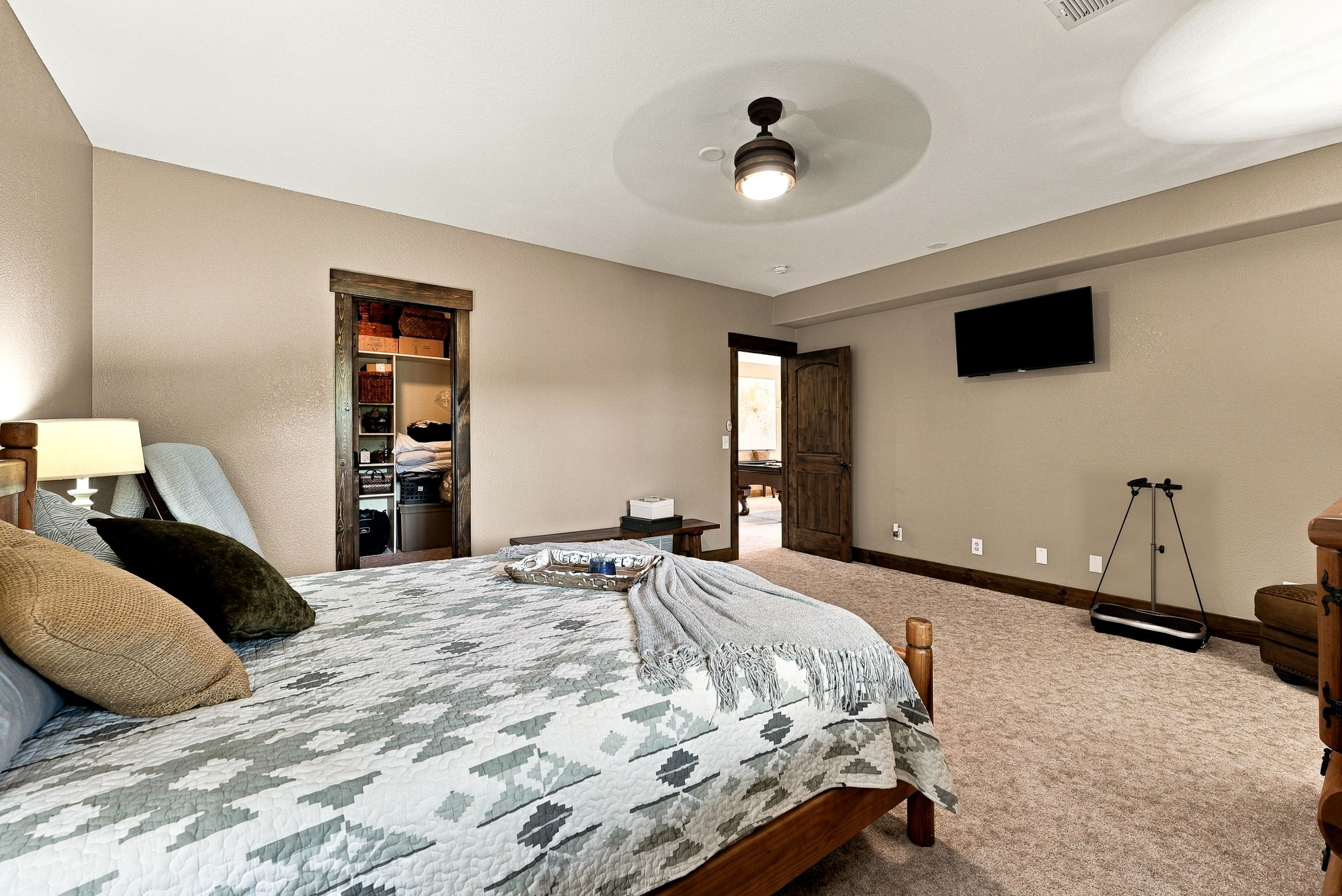
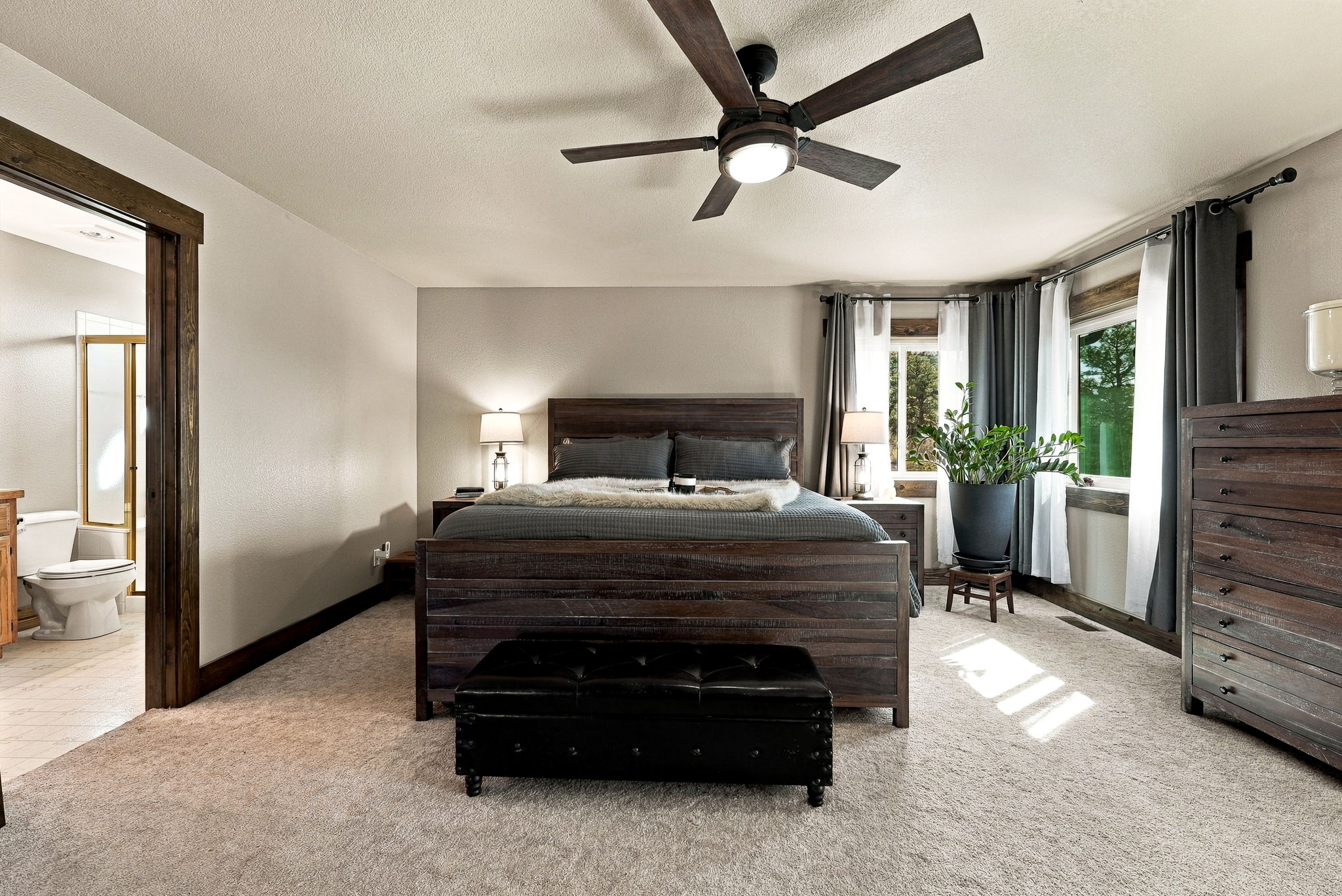
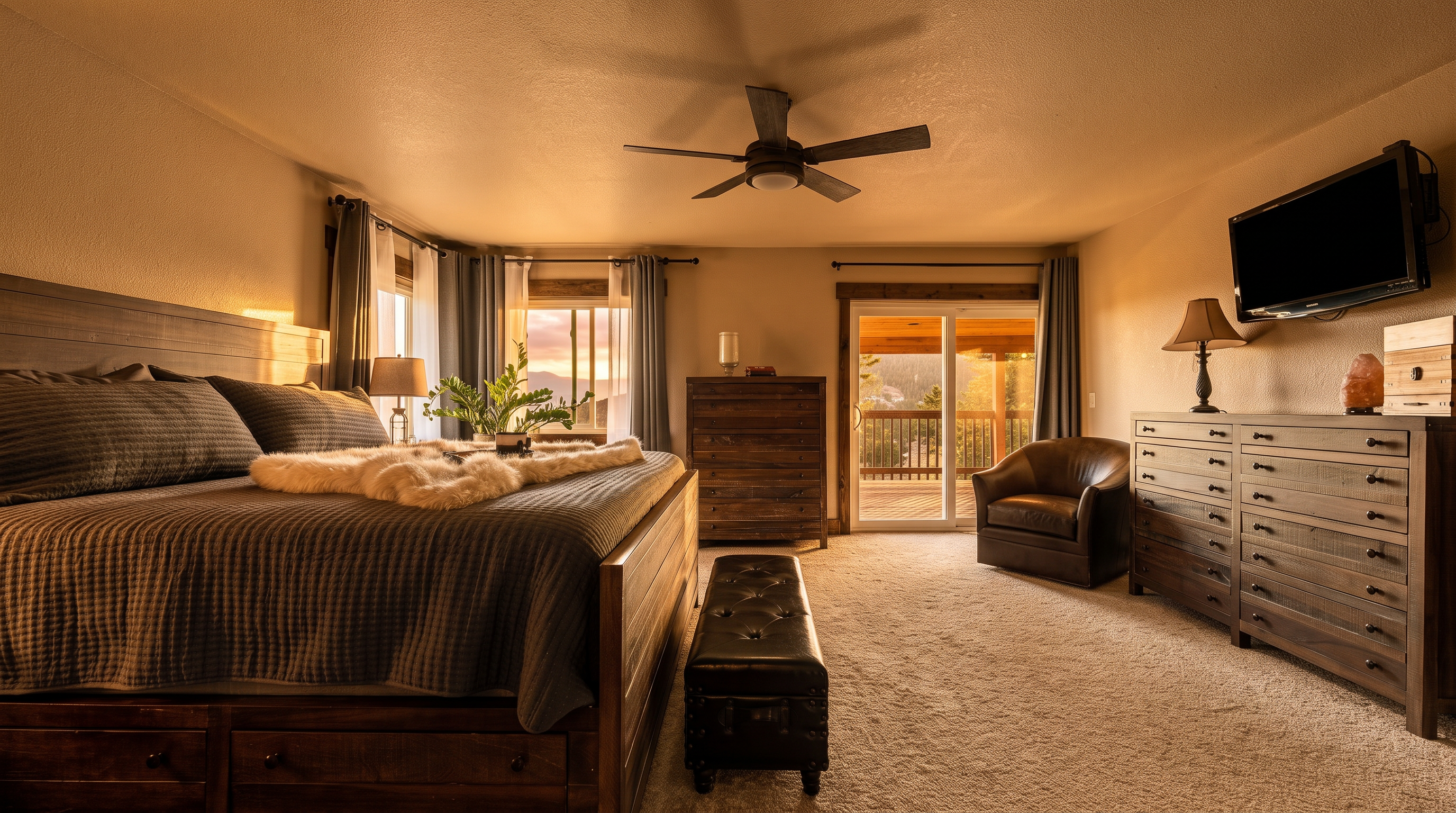
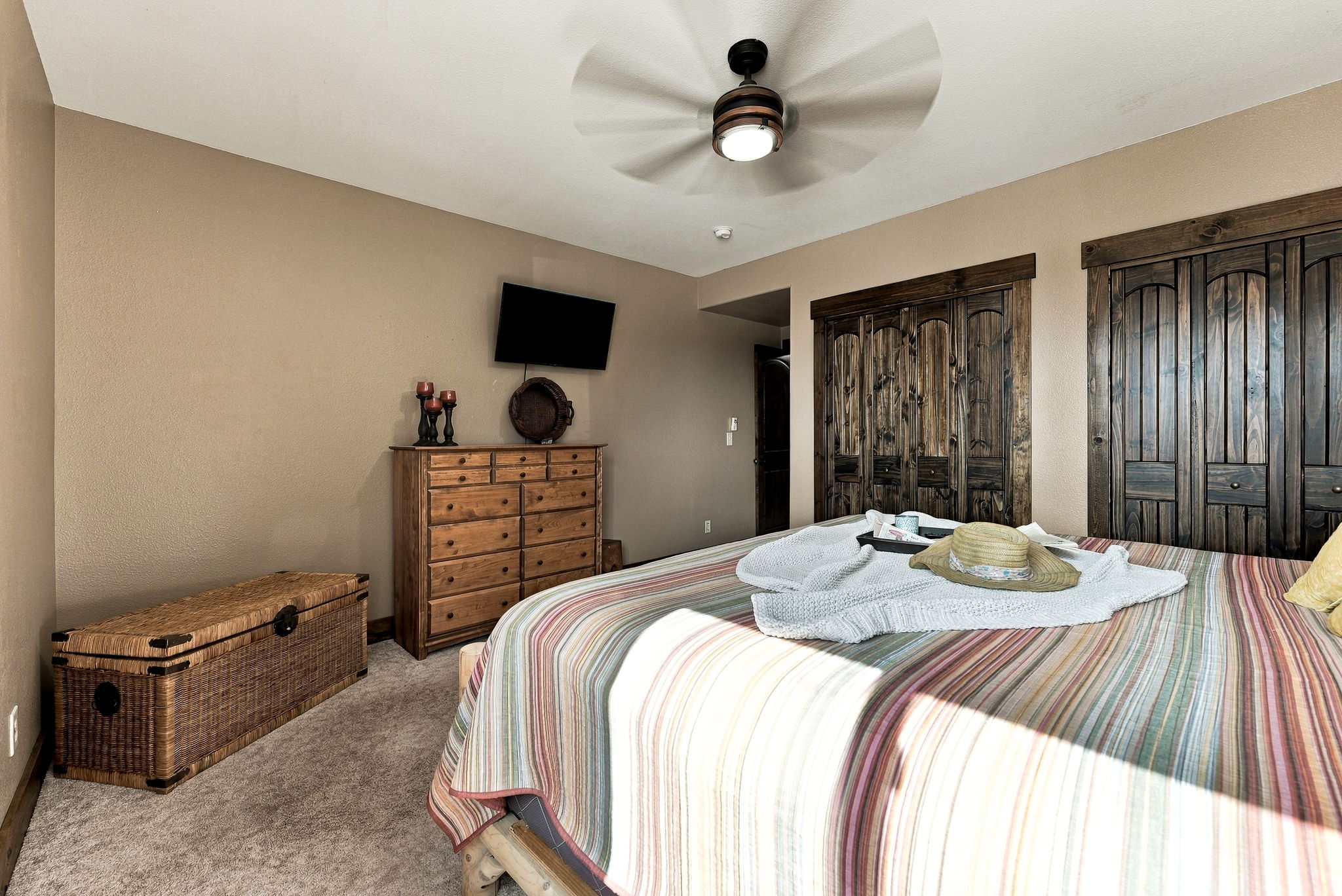
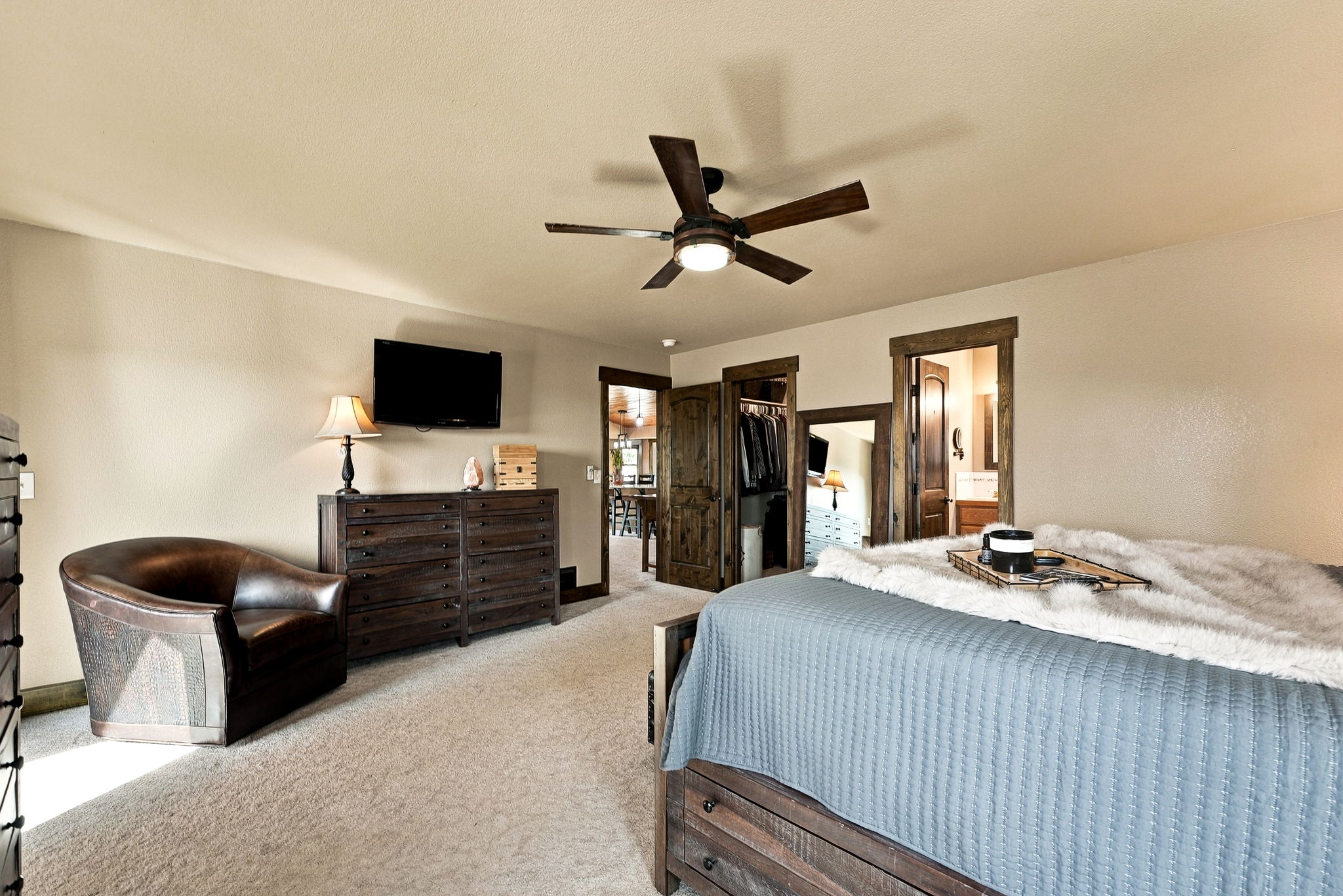
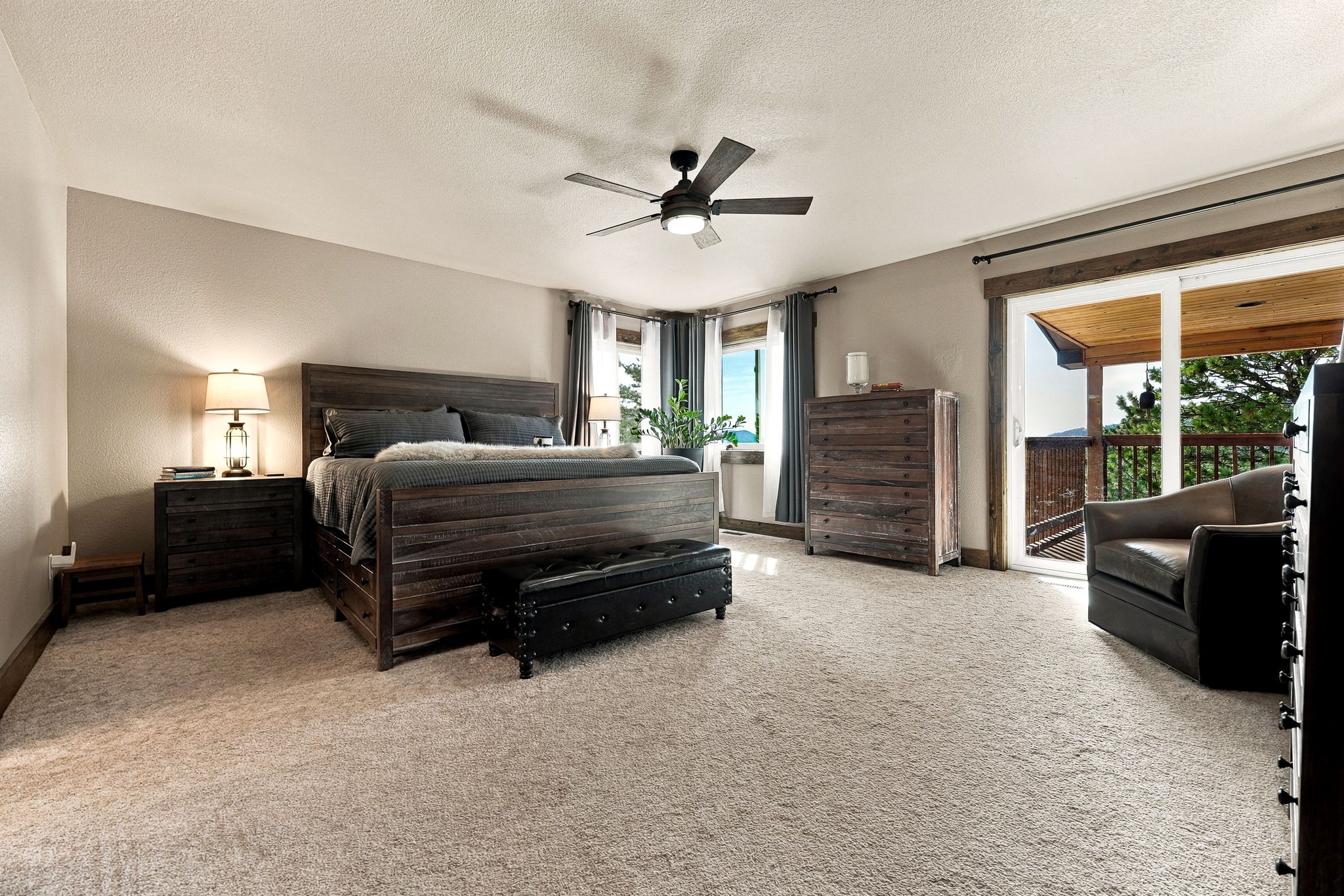
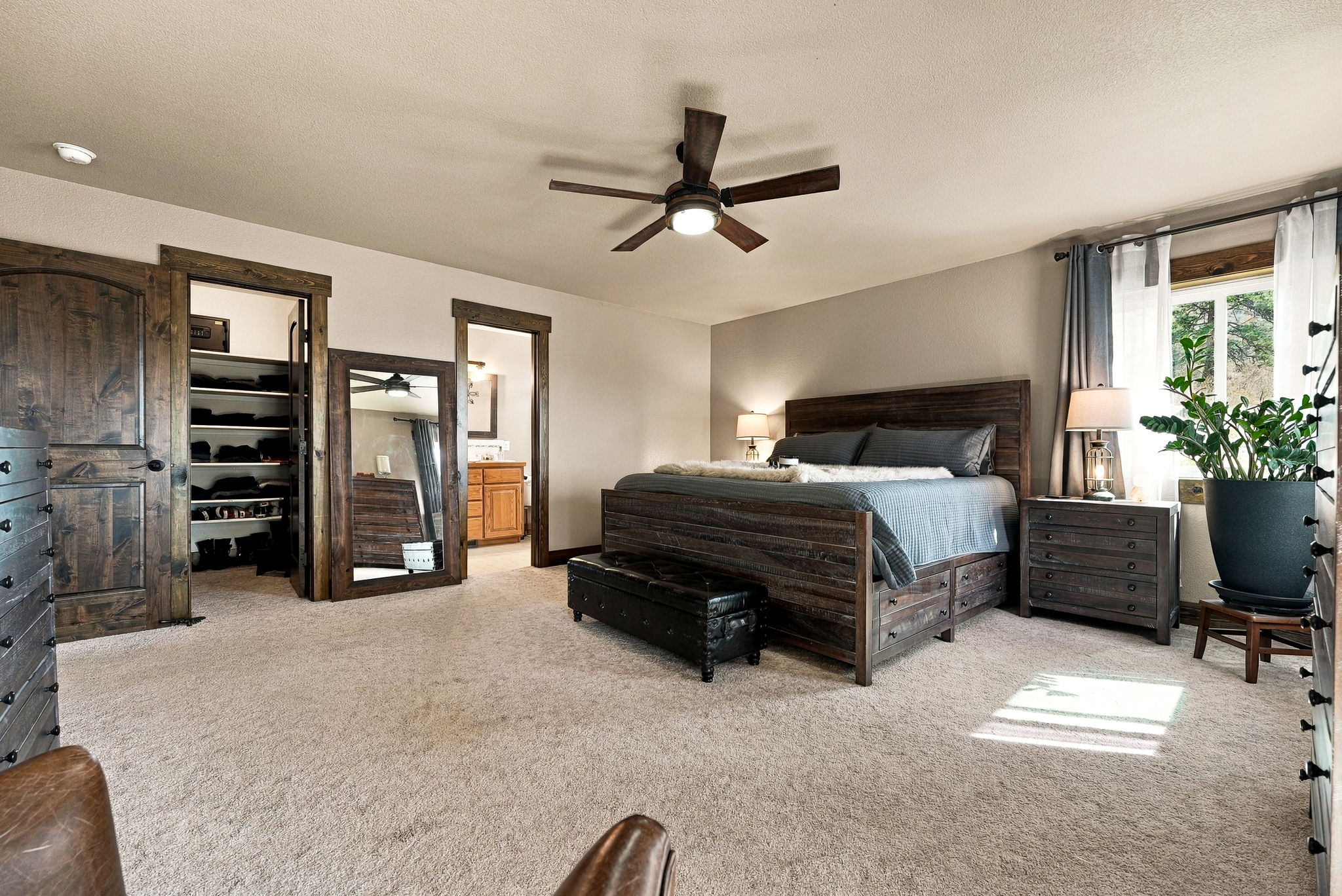
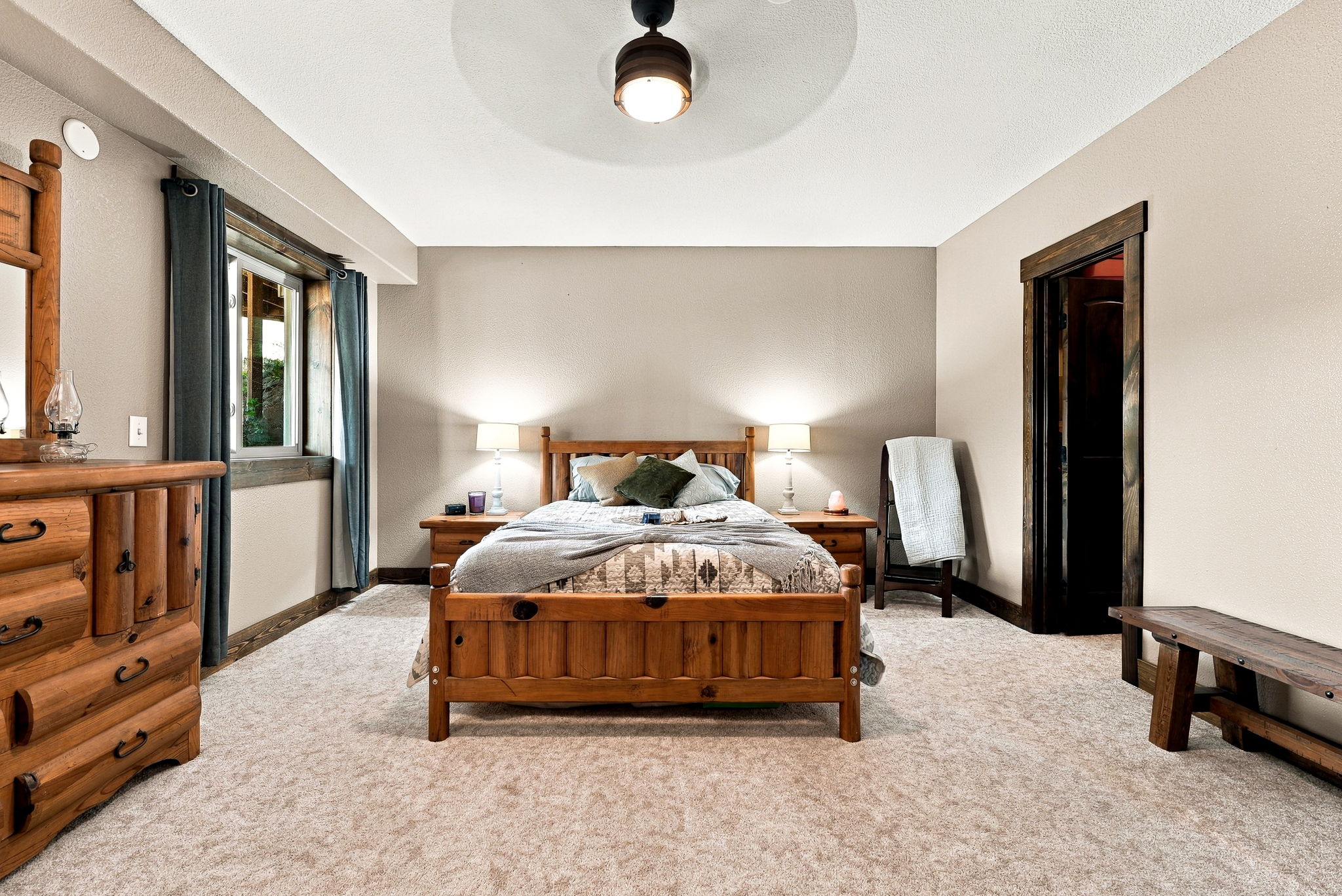
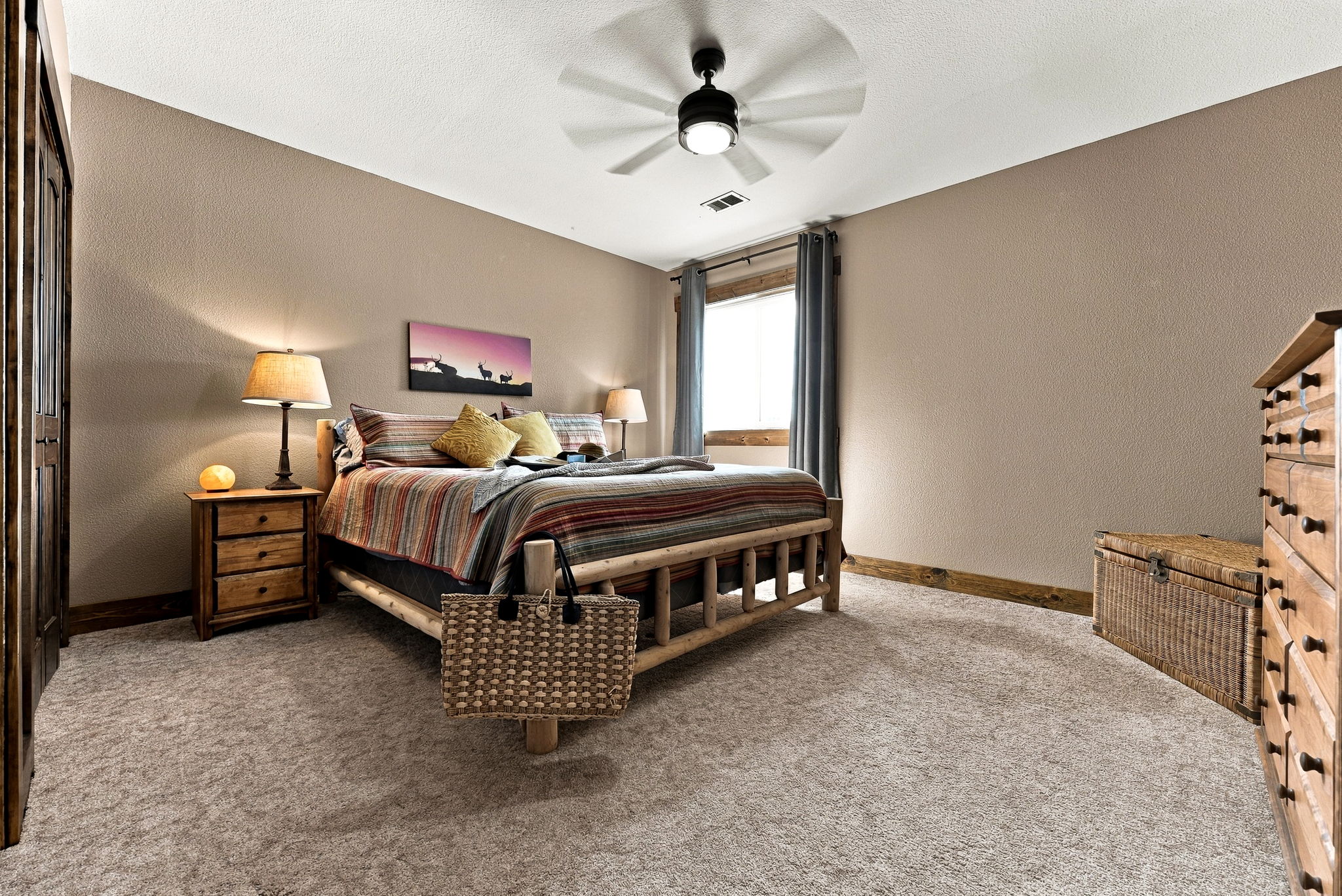
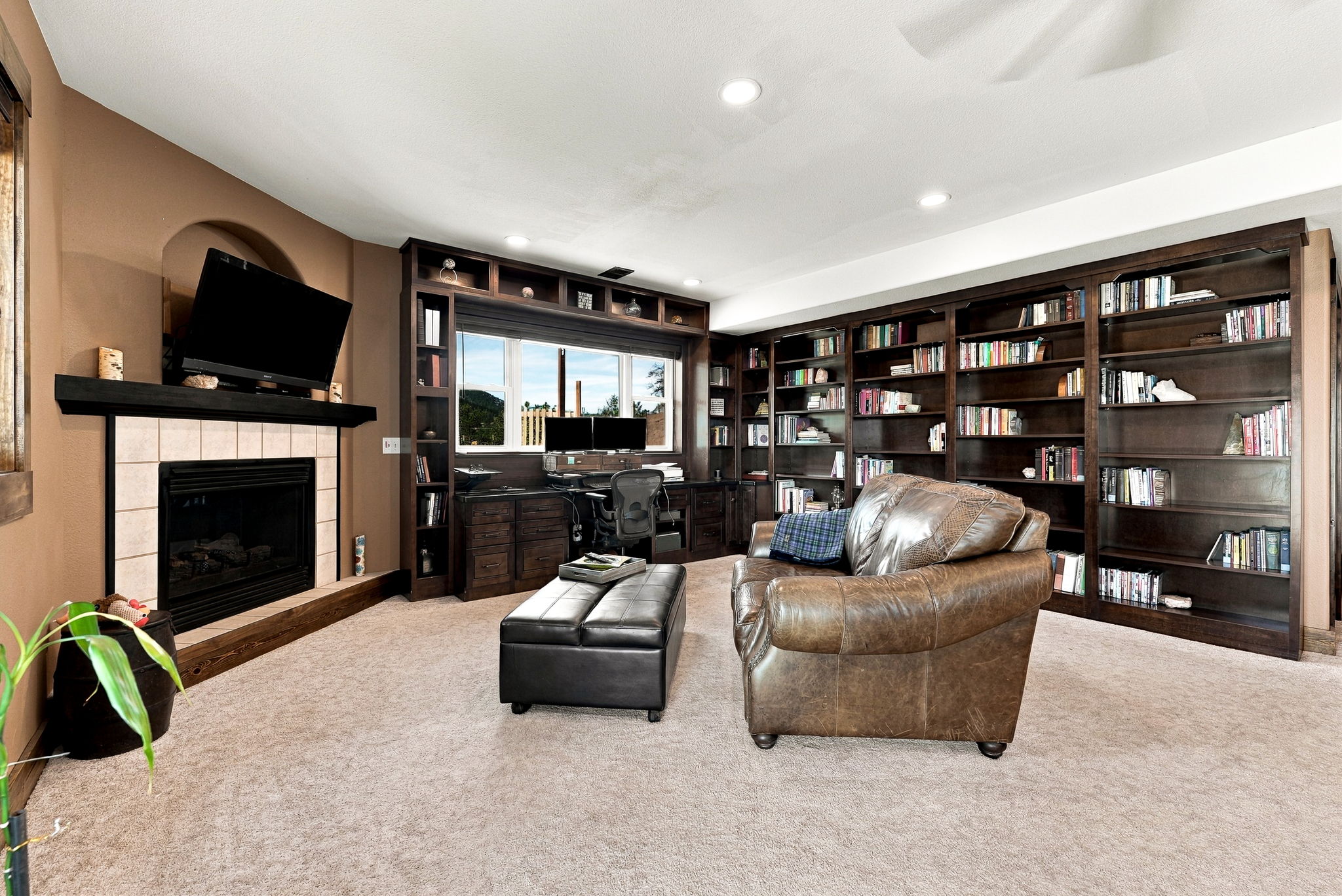
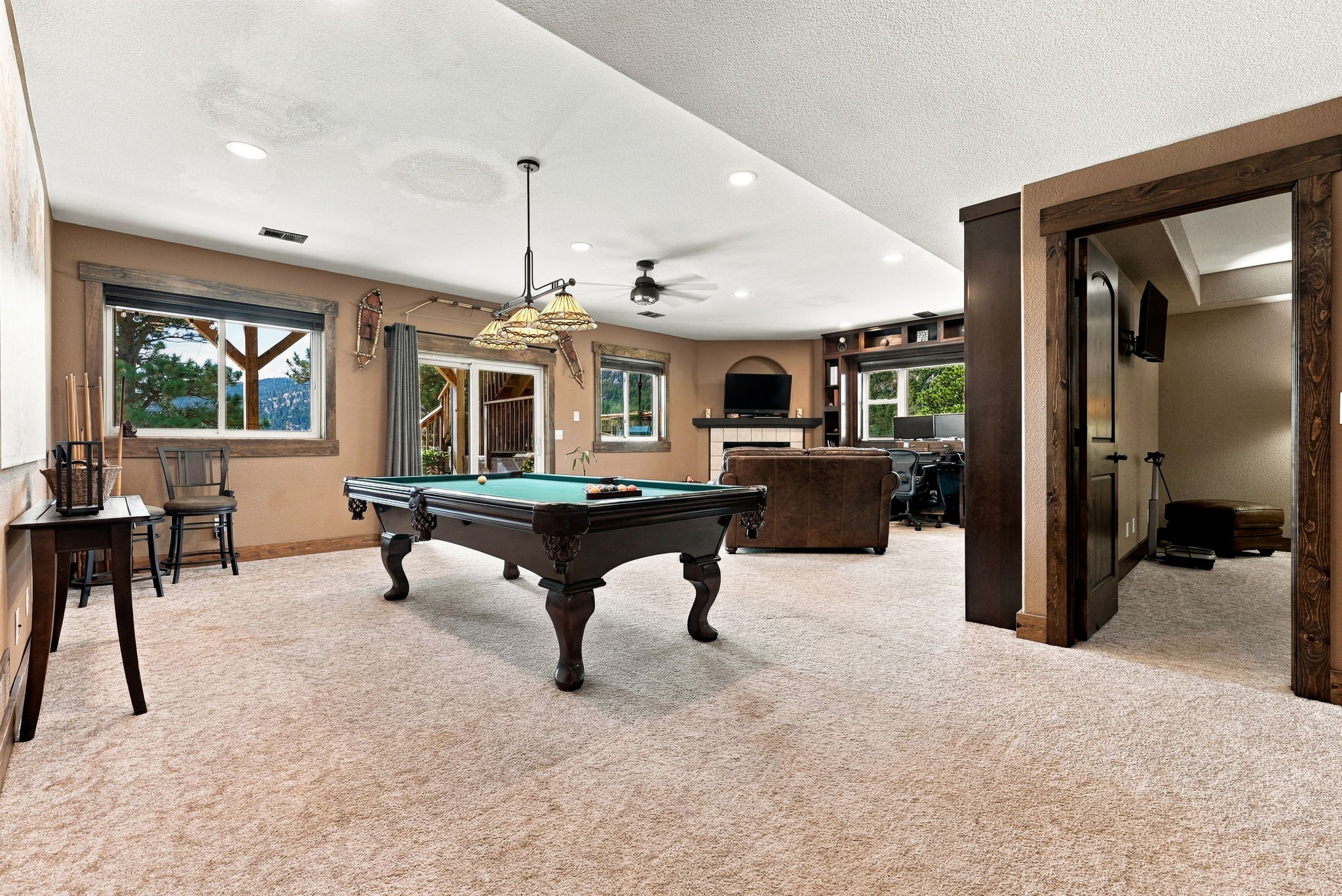
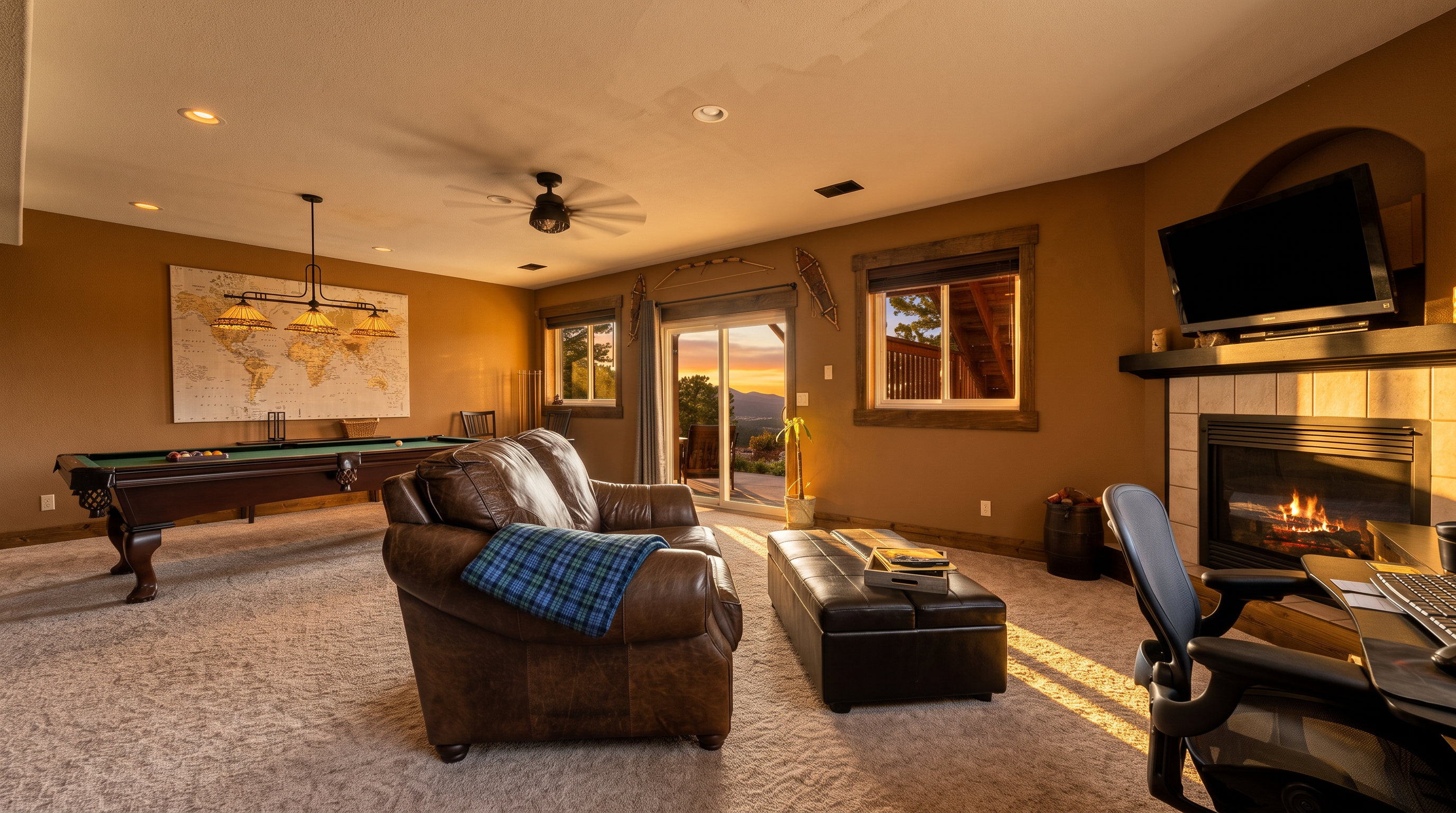
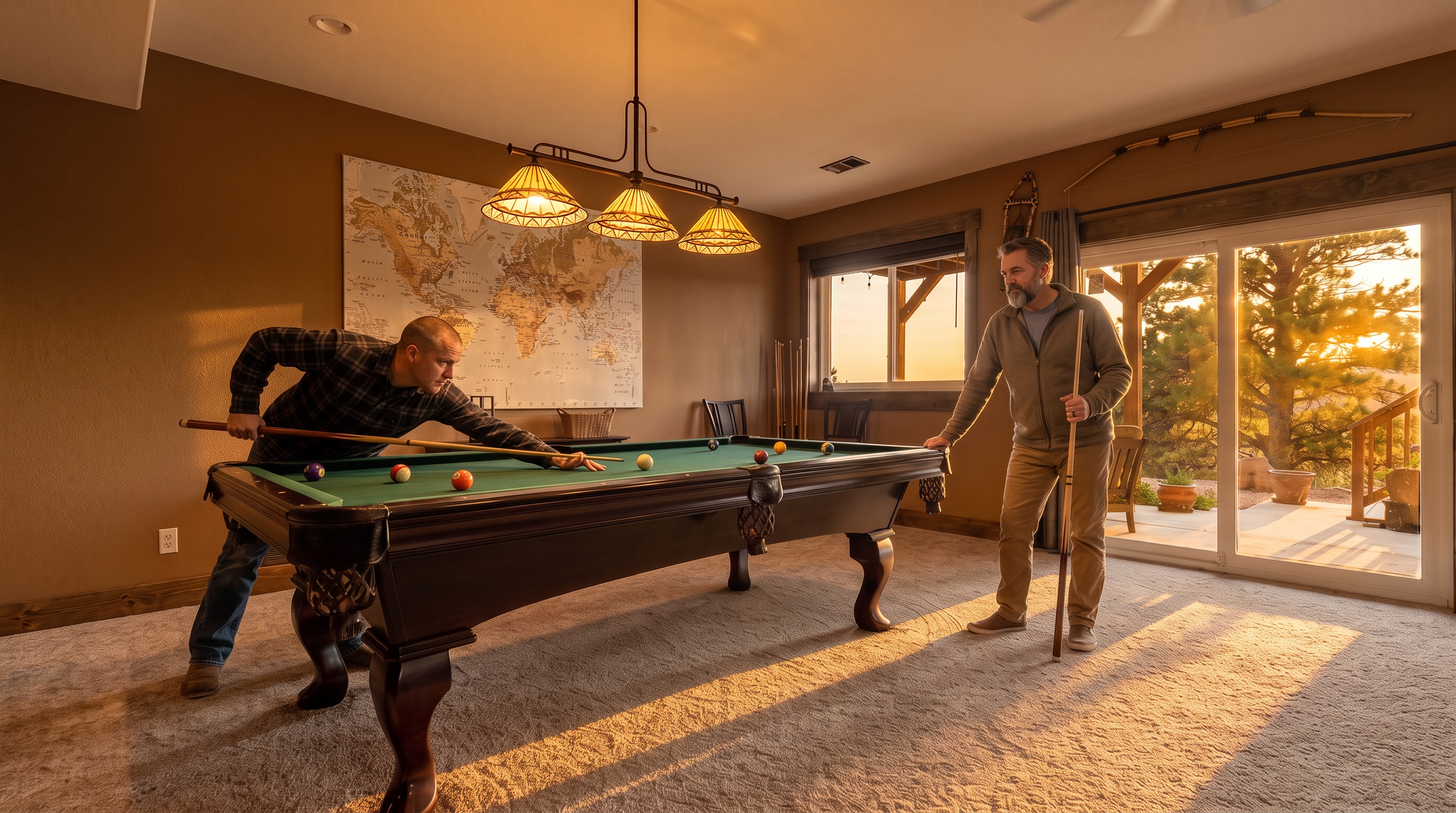
The primary bedroom continues the home's language of considered comfort, featuring sliding glass doors that open directly to the outdoor deck — a seamless transition between interior rest and exterior space. The finished lower level expands the home's functional footprint considerably, offering a recreation room centered around a pool table, a dedicated office area with substantial built-in shelving, a cozy fireplace, and sliding glass doors that connect to the lower patio.
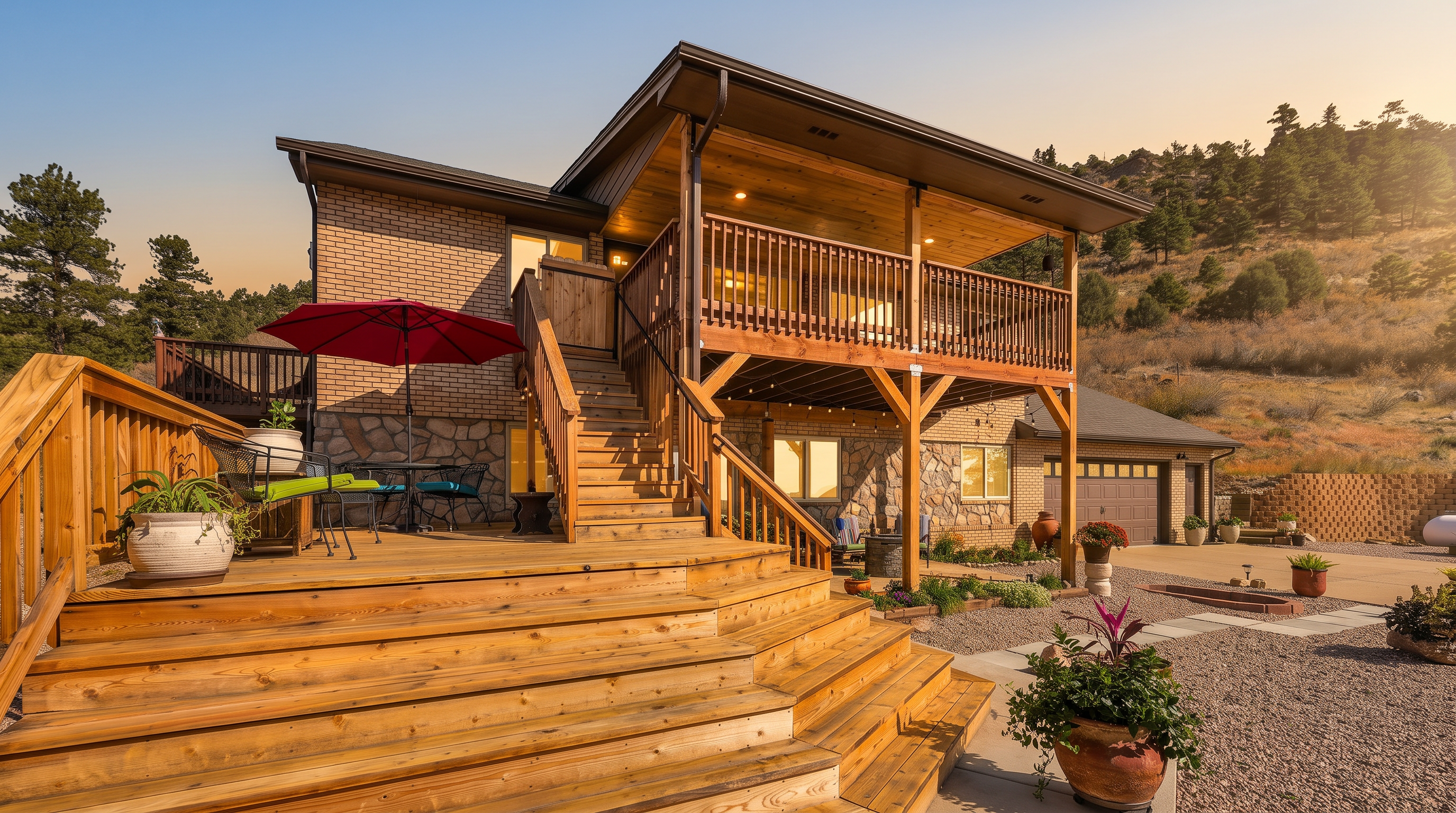
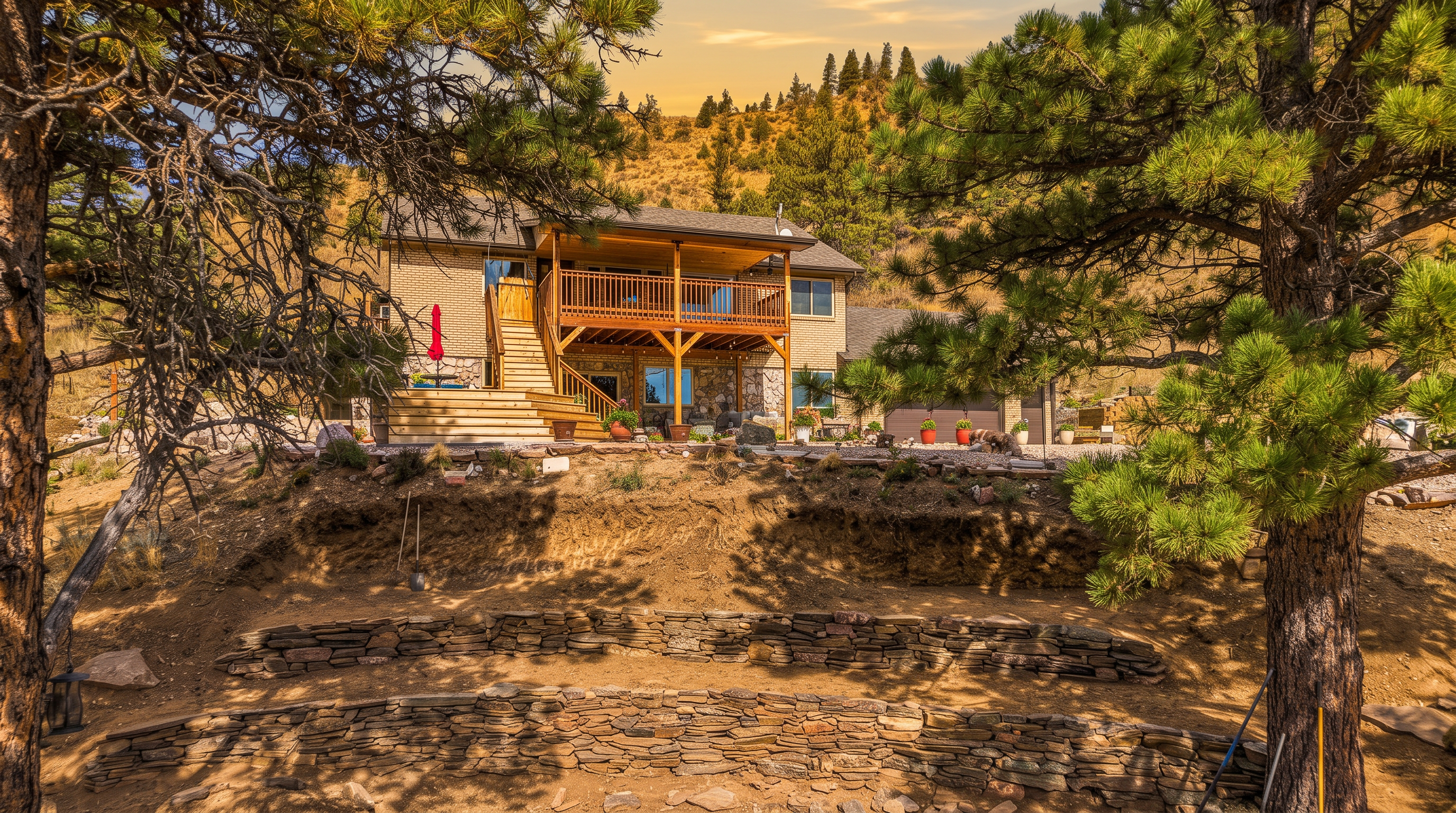
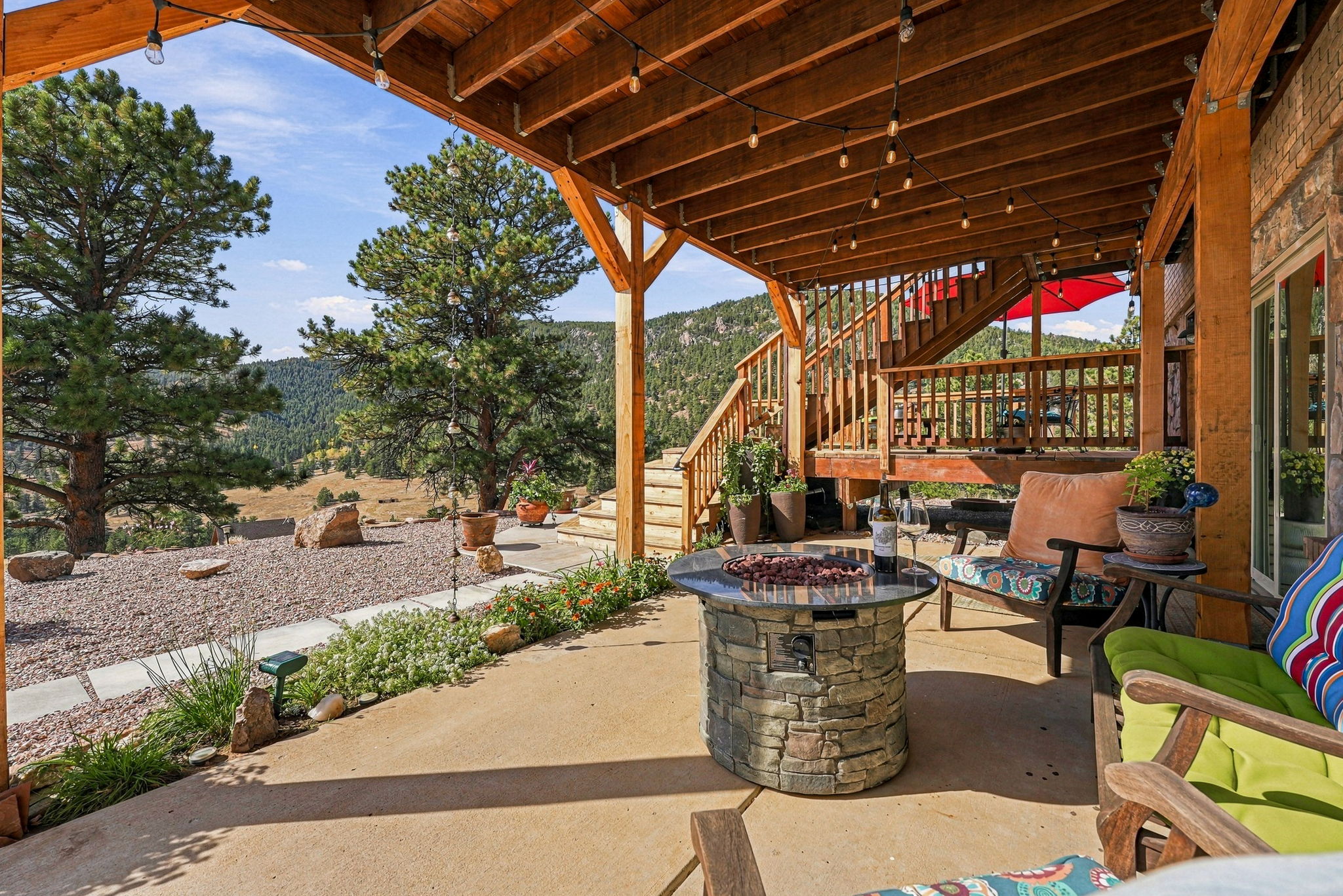
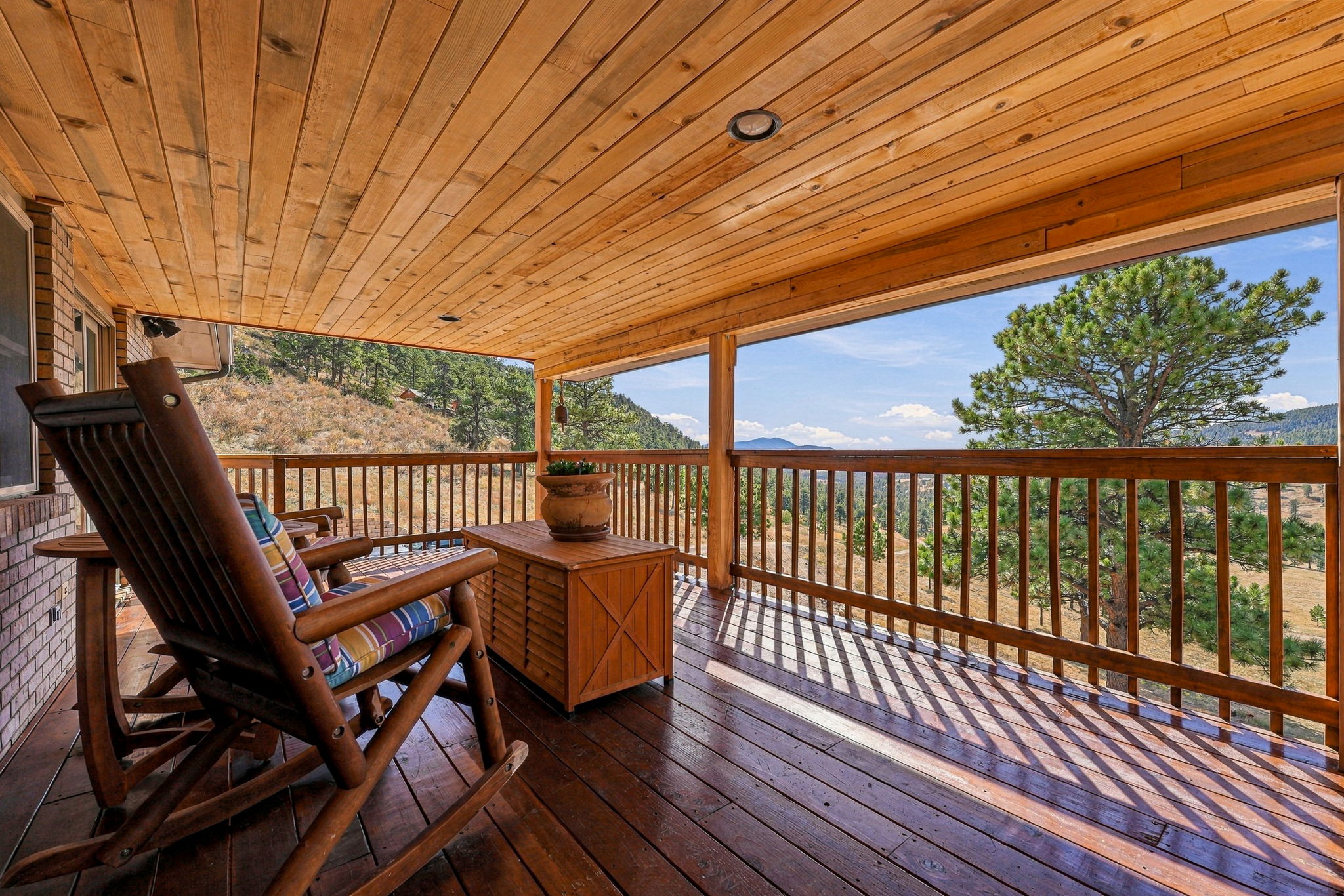
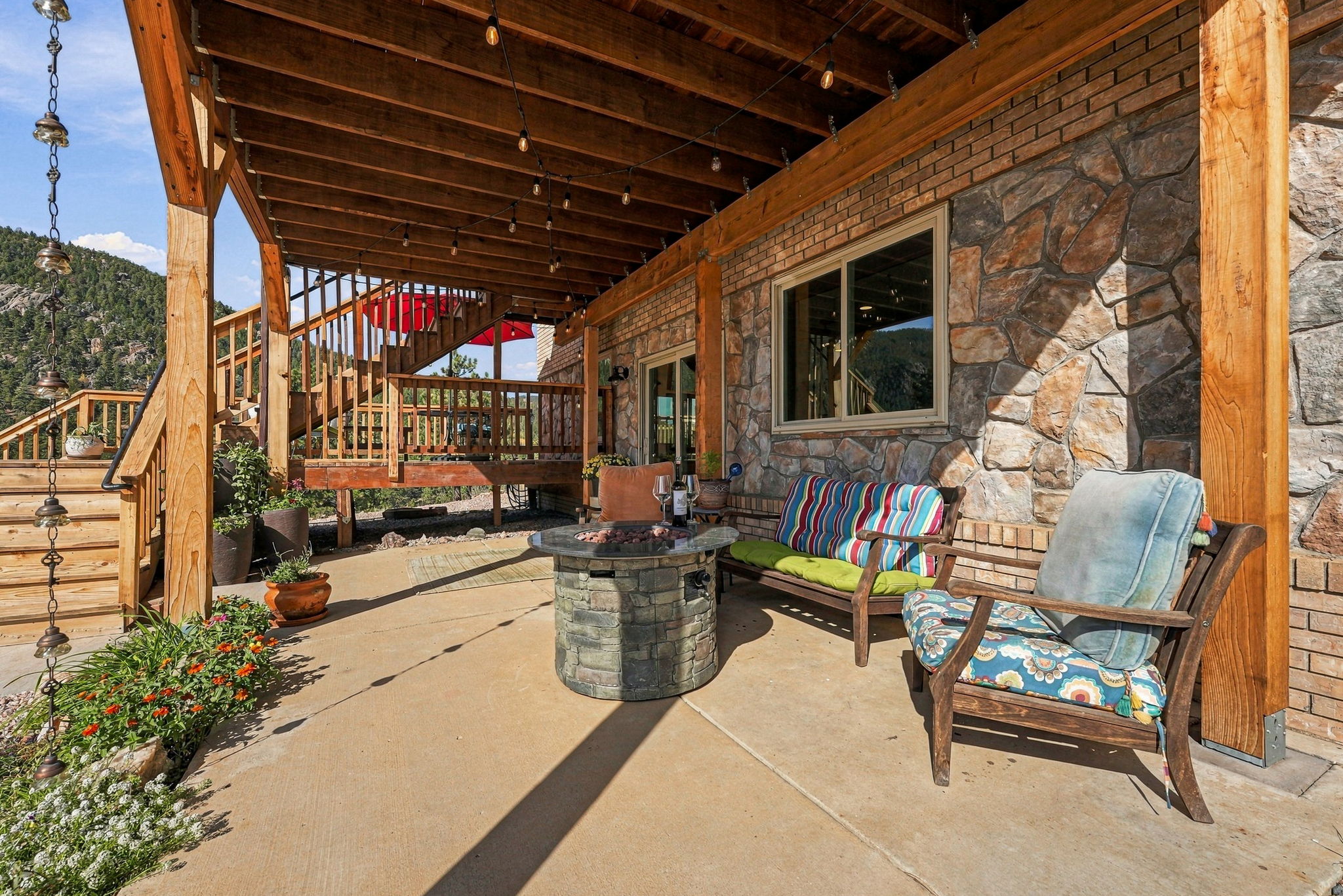
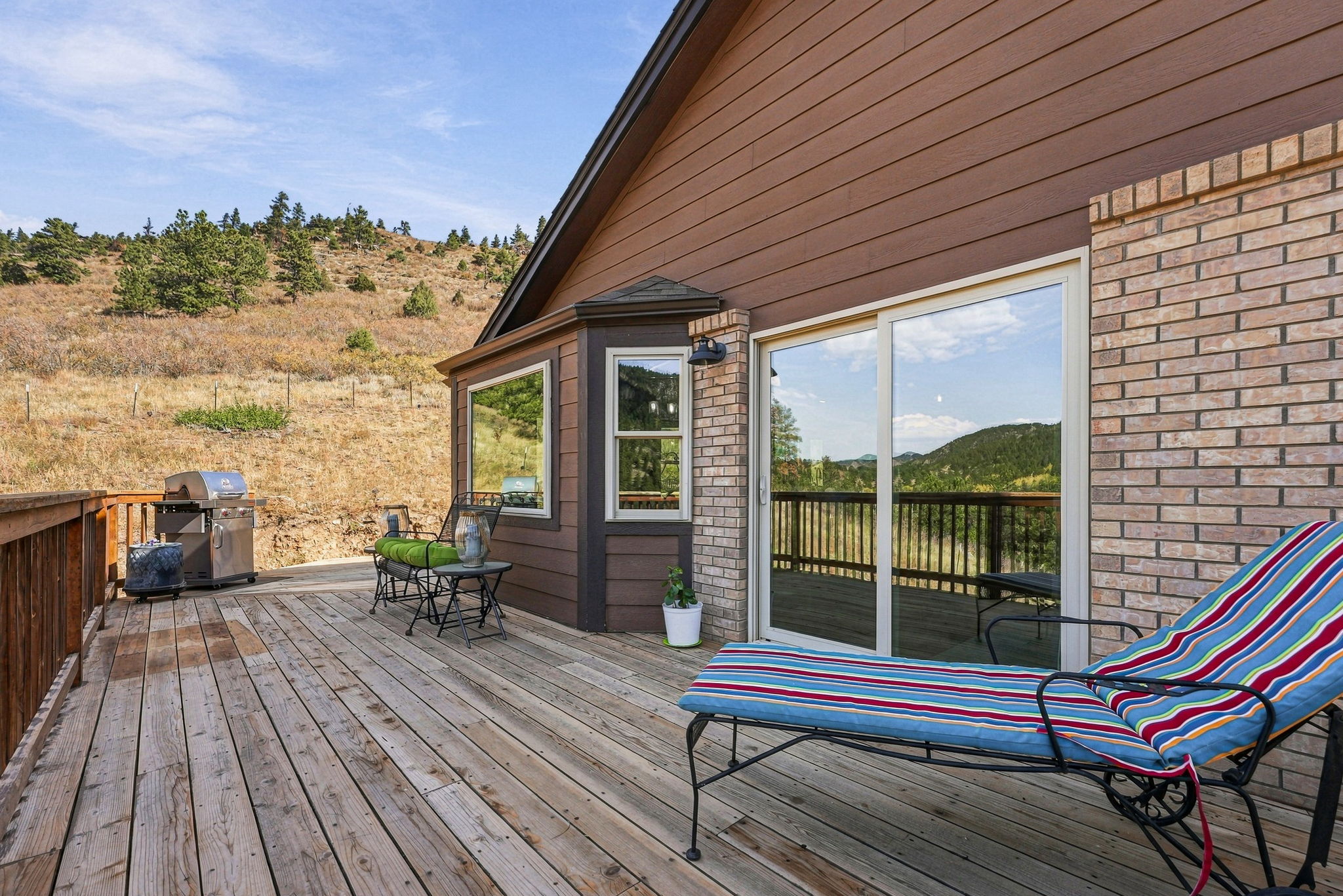
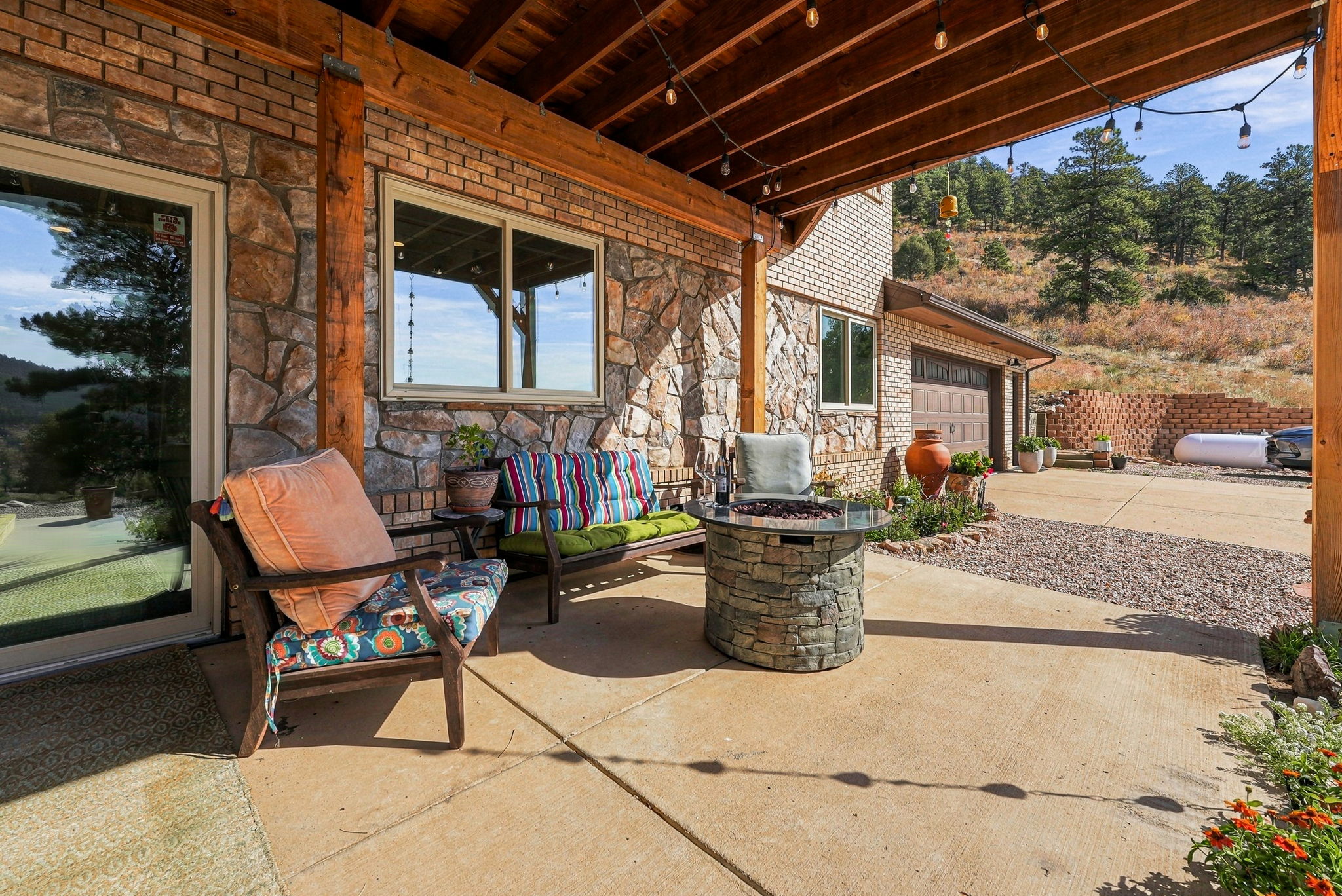
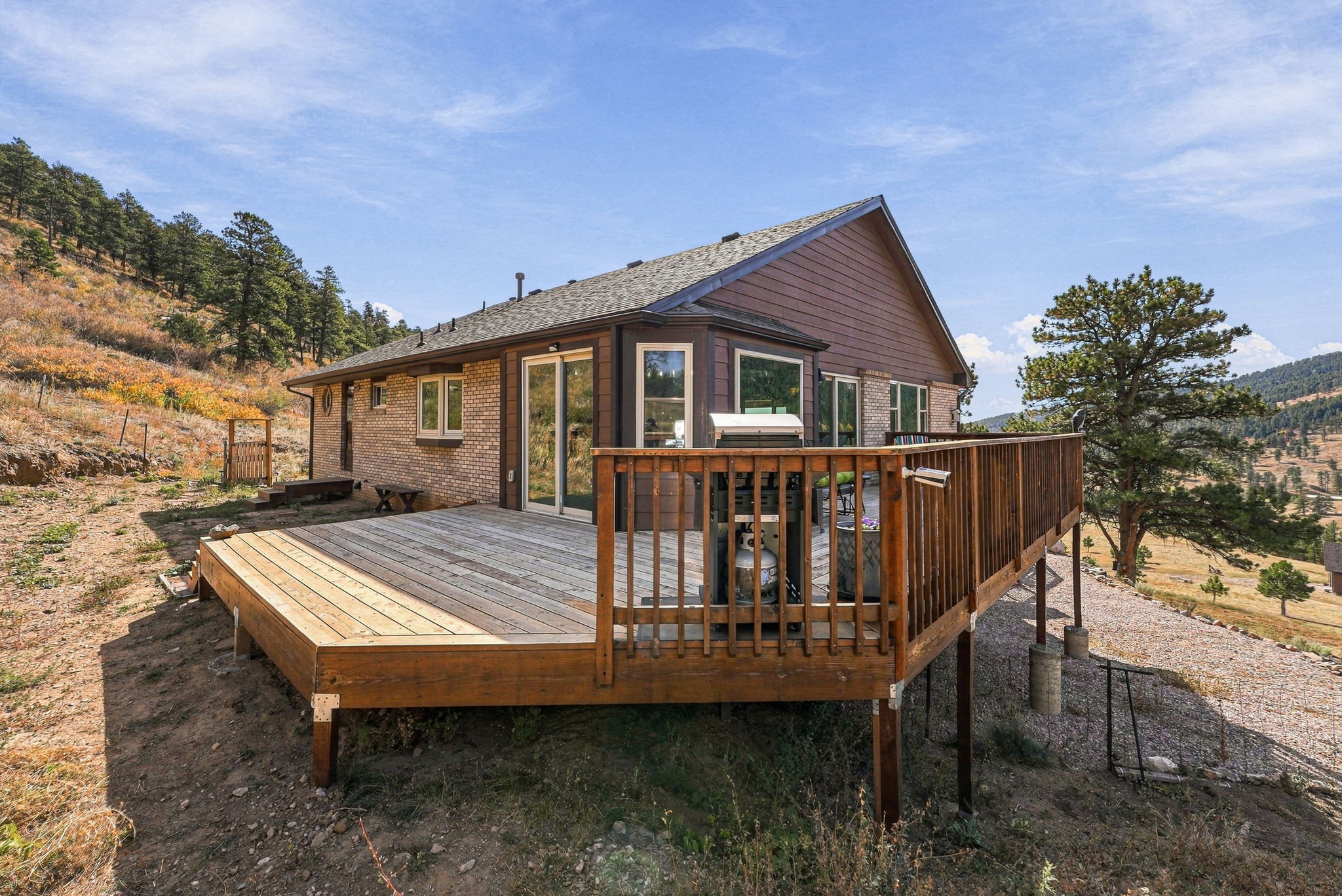
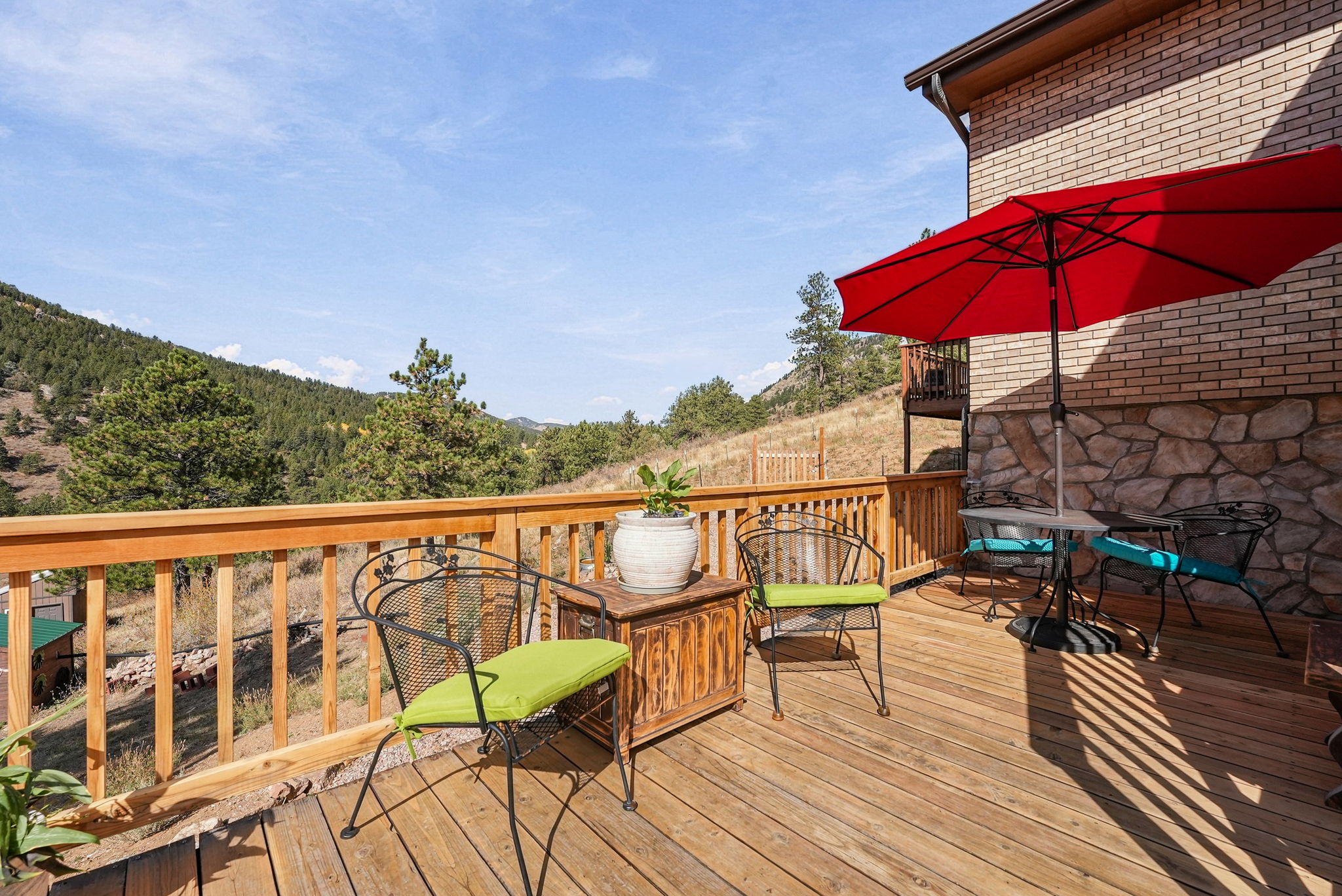
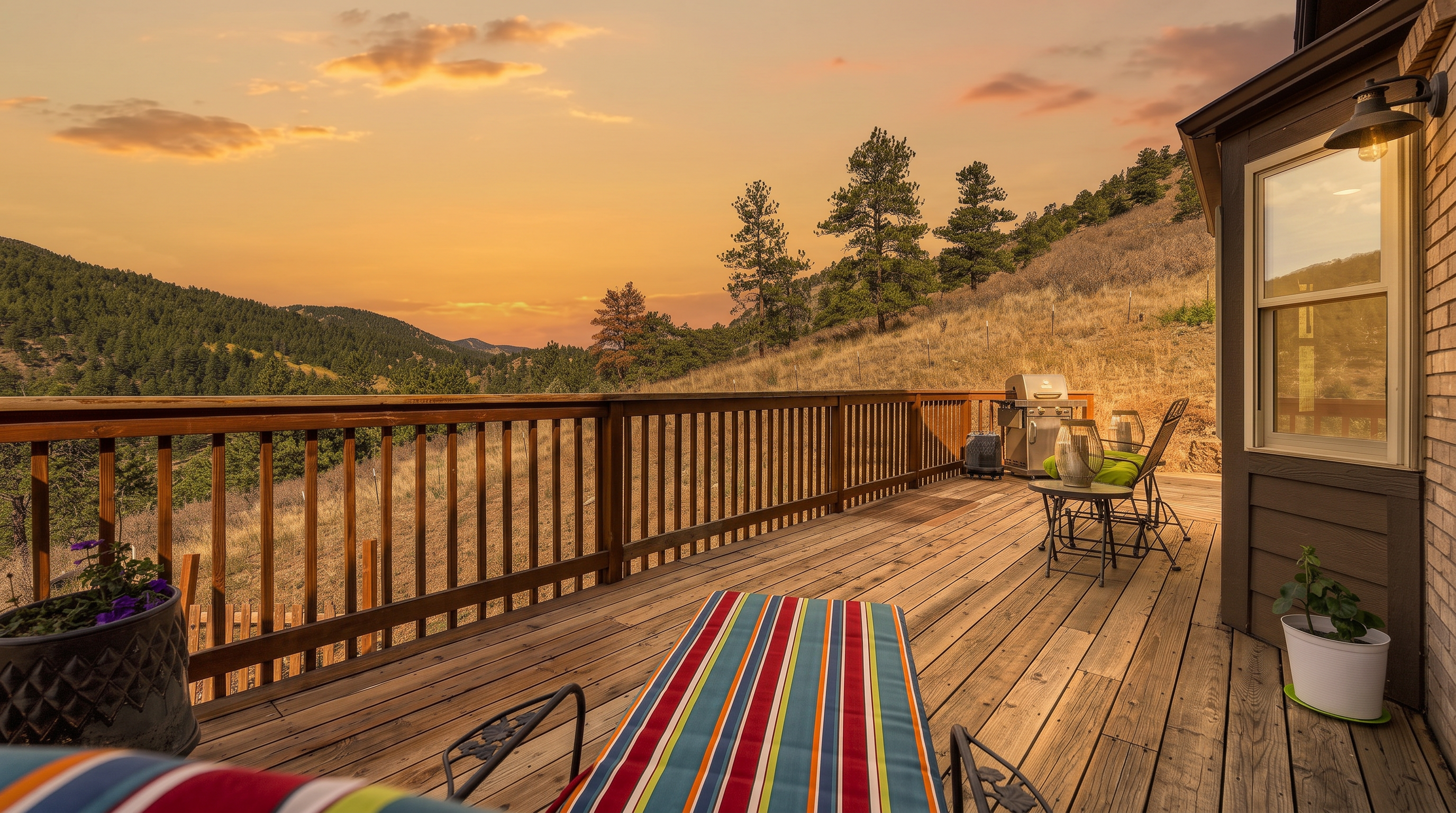
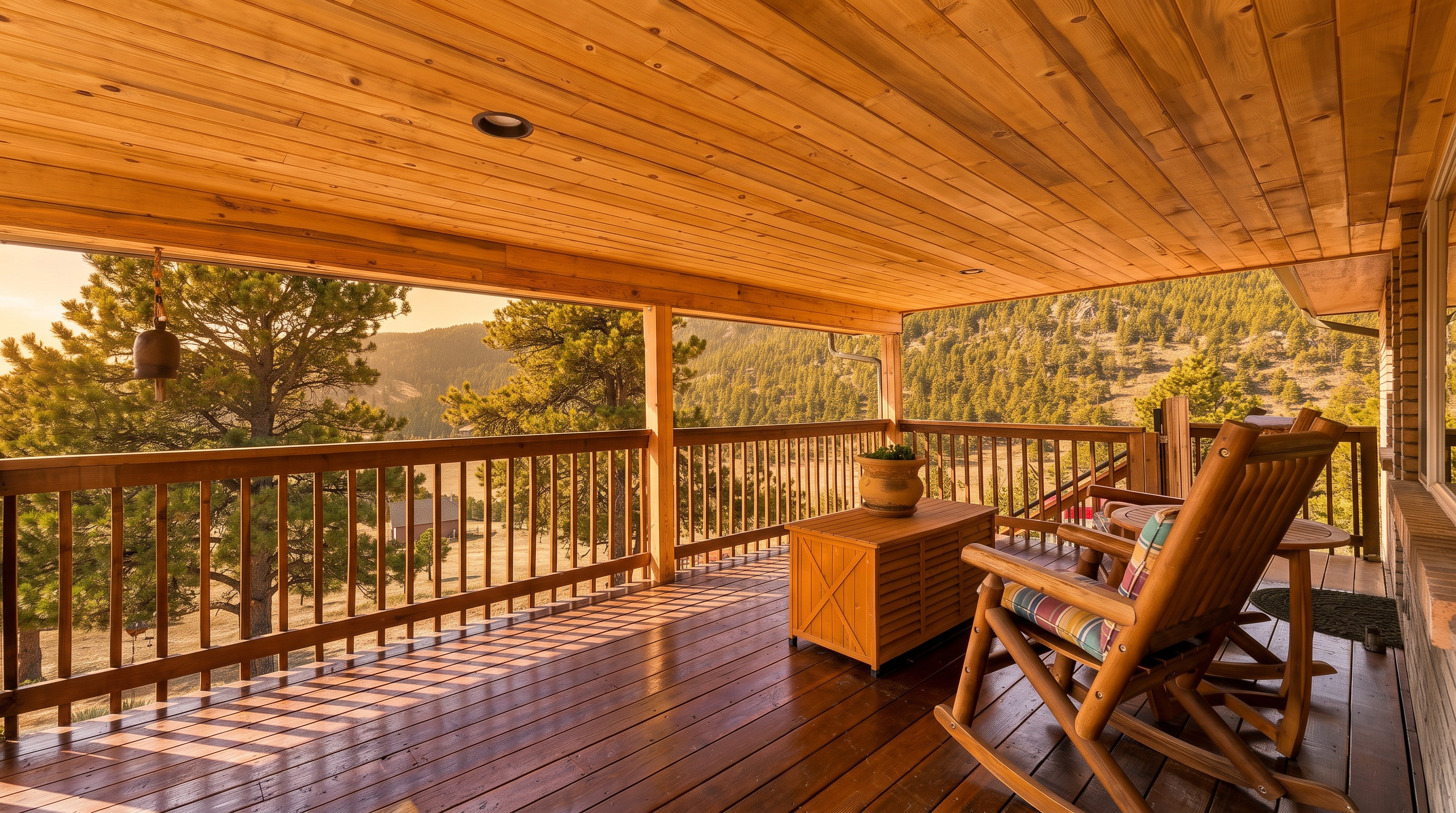
Outdoor living is treated as a genuine extension of the home rather than an afterthought. Multiple wood decks, including a newly redesigned and rebuilt front deck, provide distinct vantage points across the acreage. A covered patio with a stone fire pit and string lighting creates an evening gathering space that feels removed from the demands of the wider world. The rear of the home features tiered stone retaining walls and natural landscaping that integrate the structure into its hillside setting.
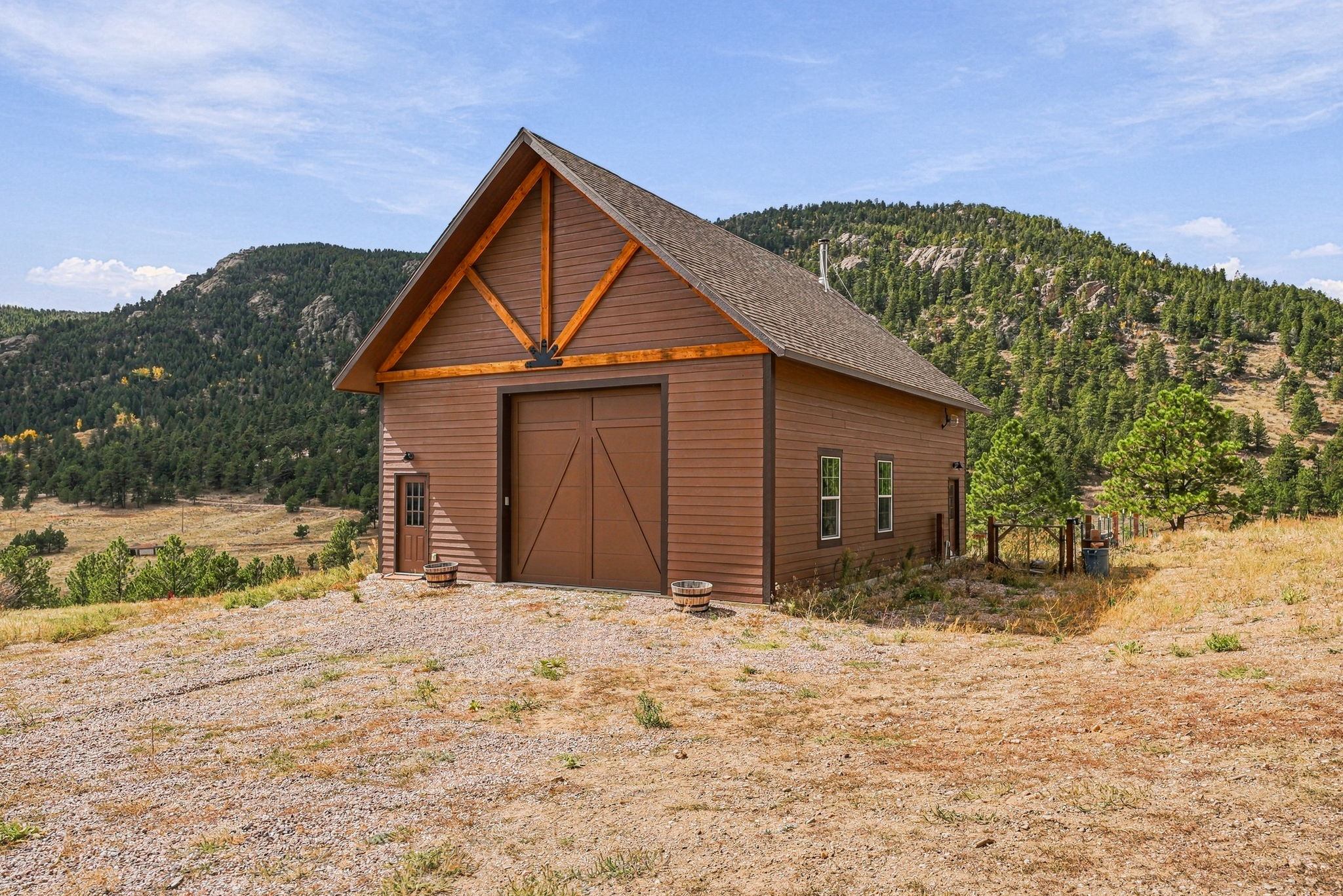
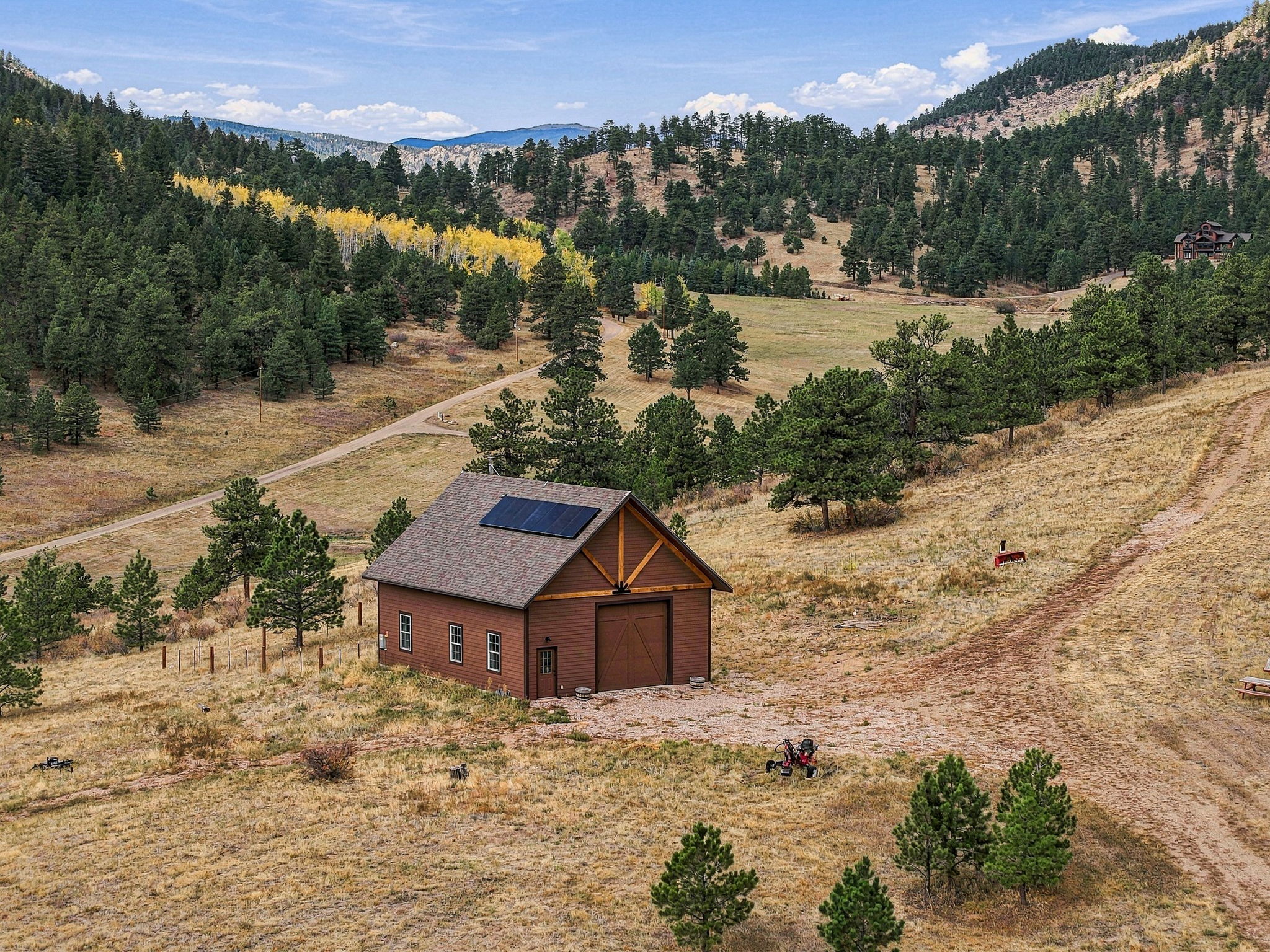
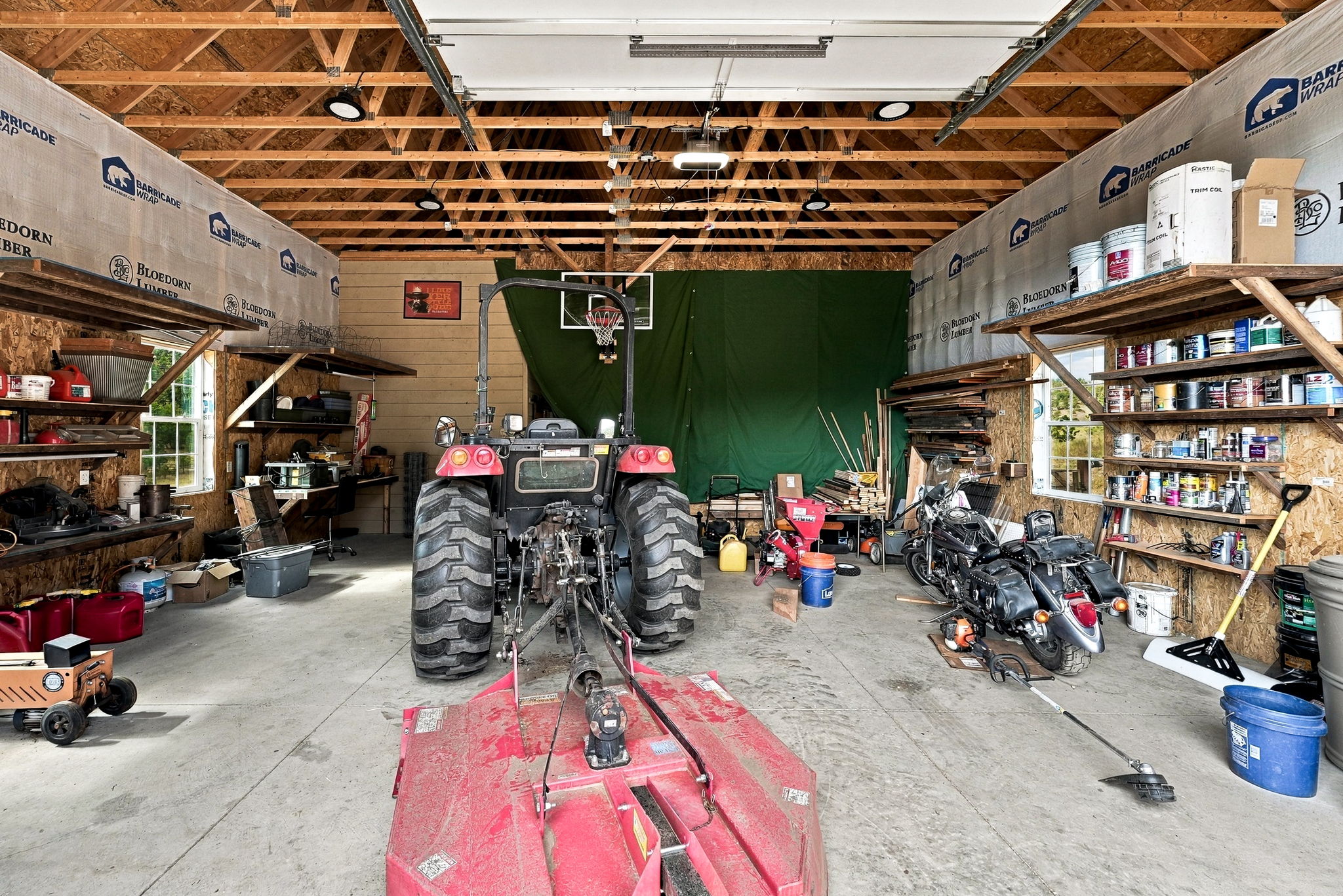
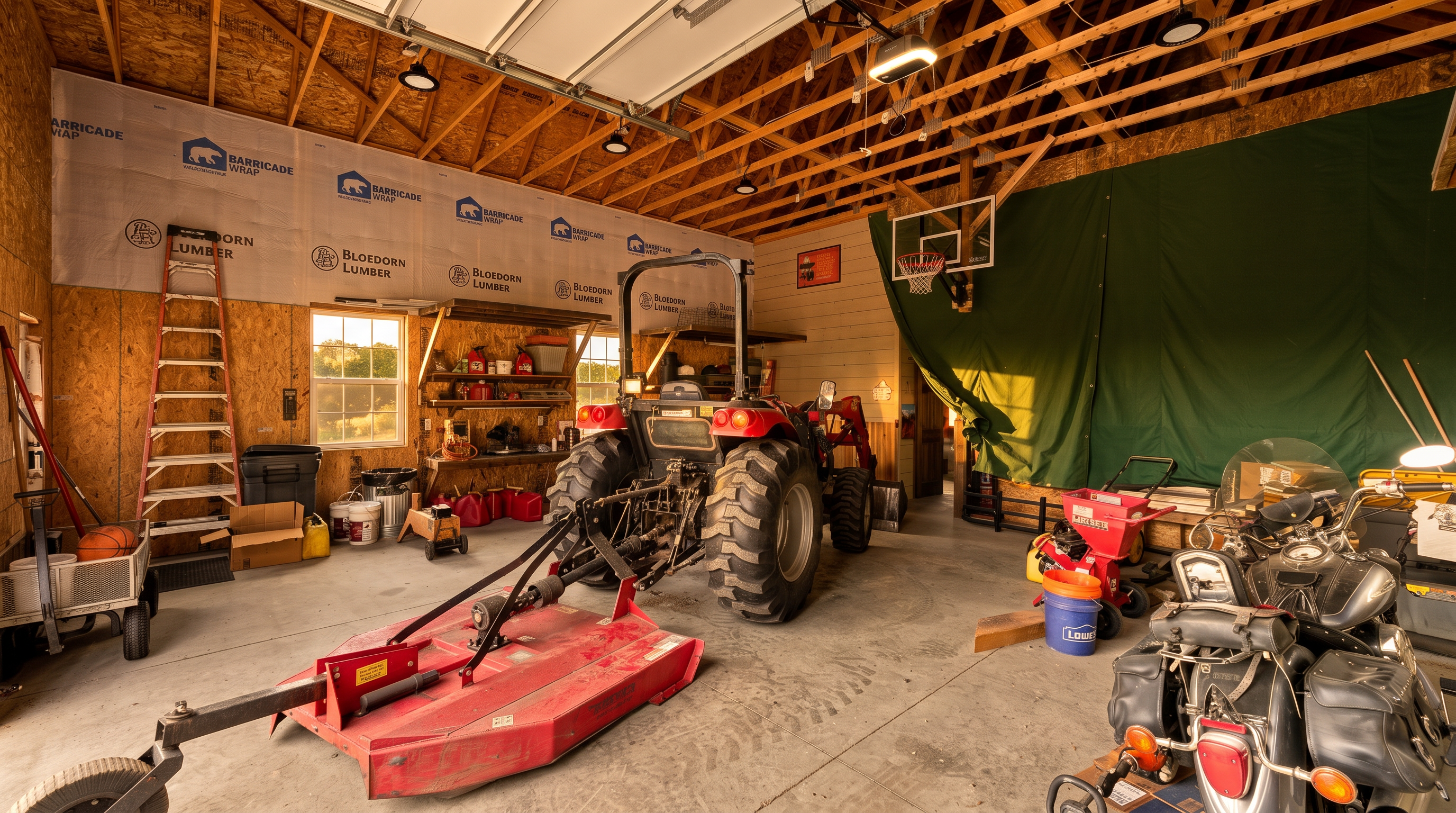
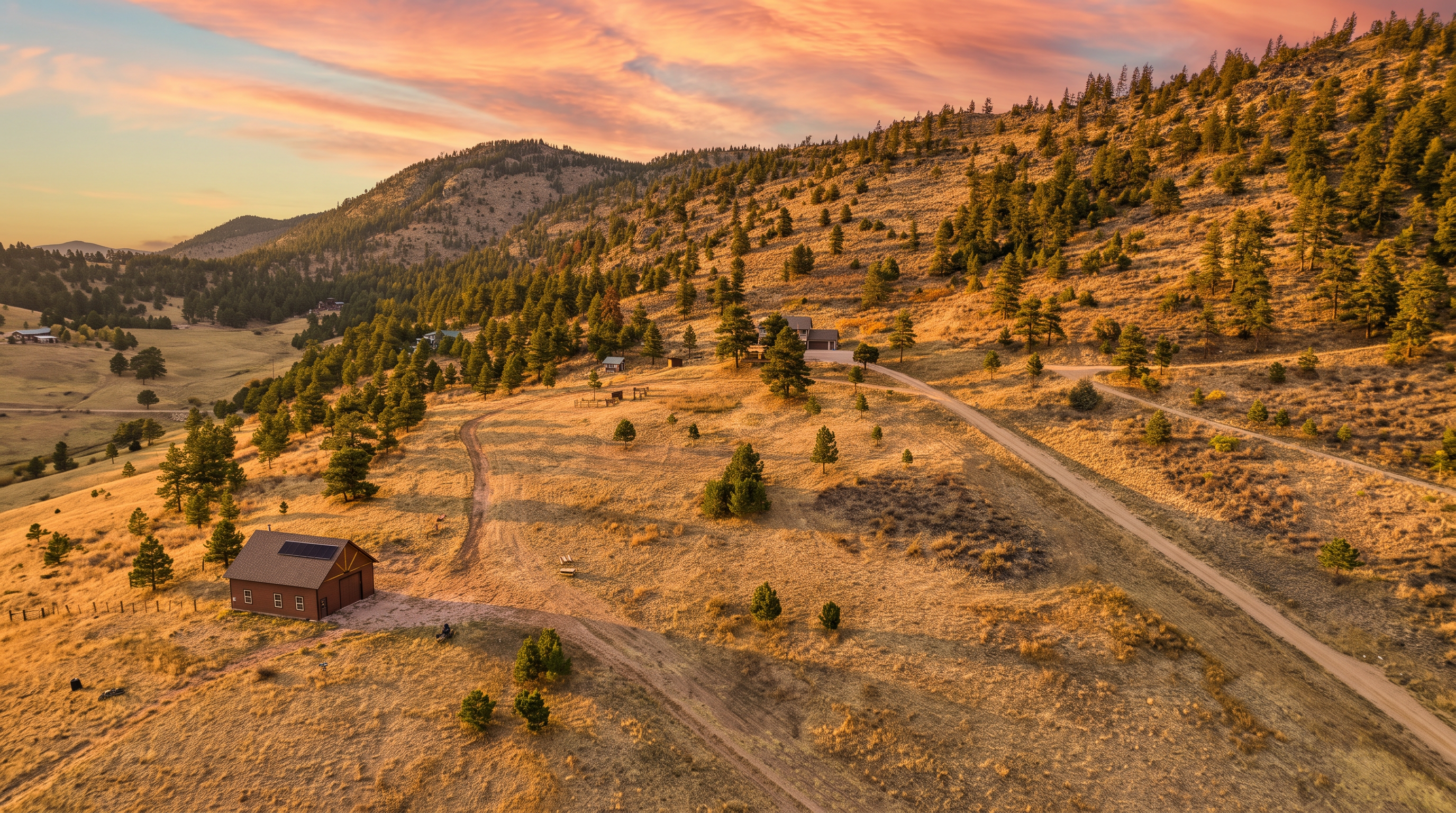
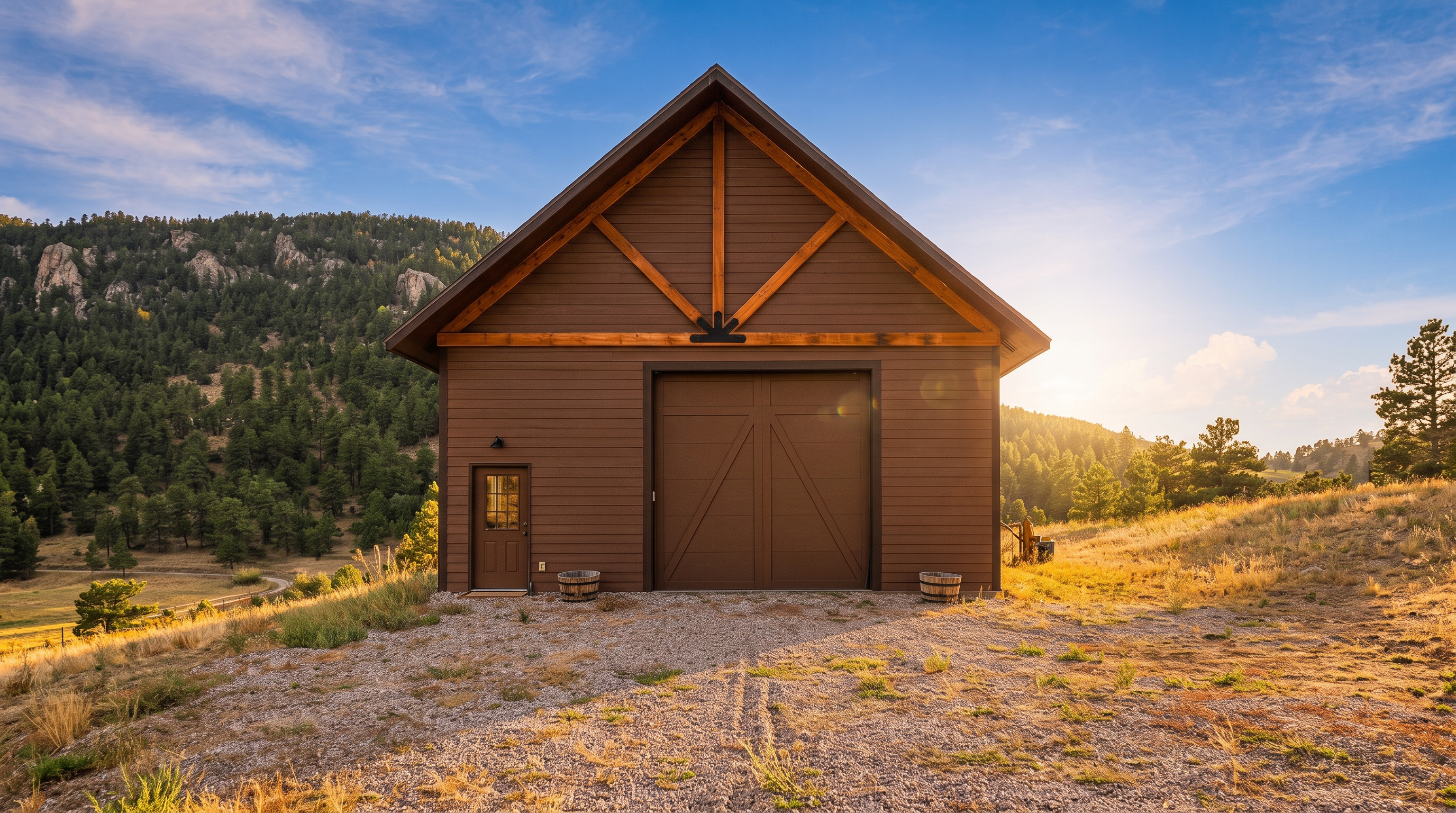
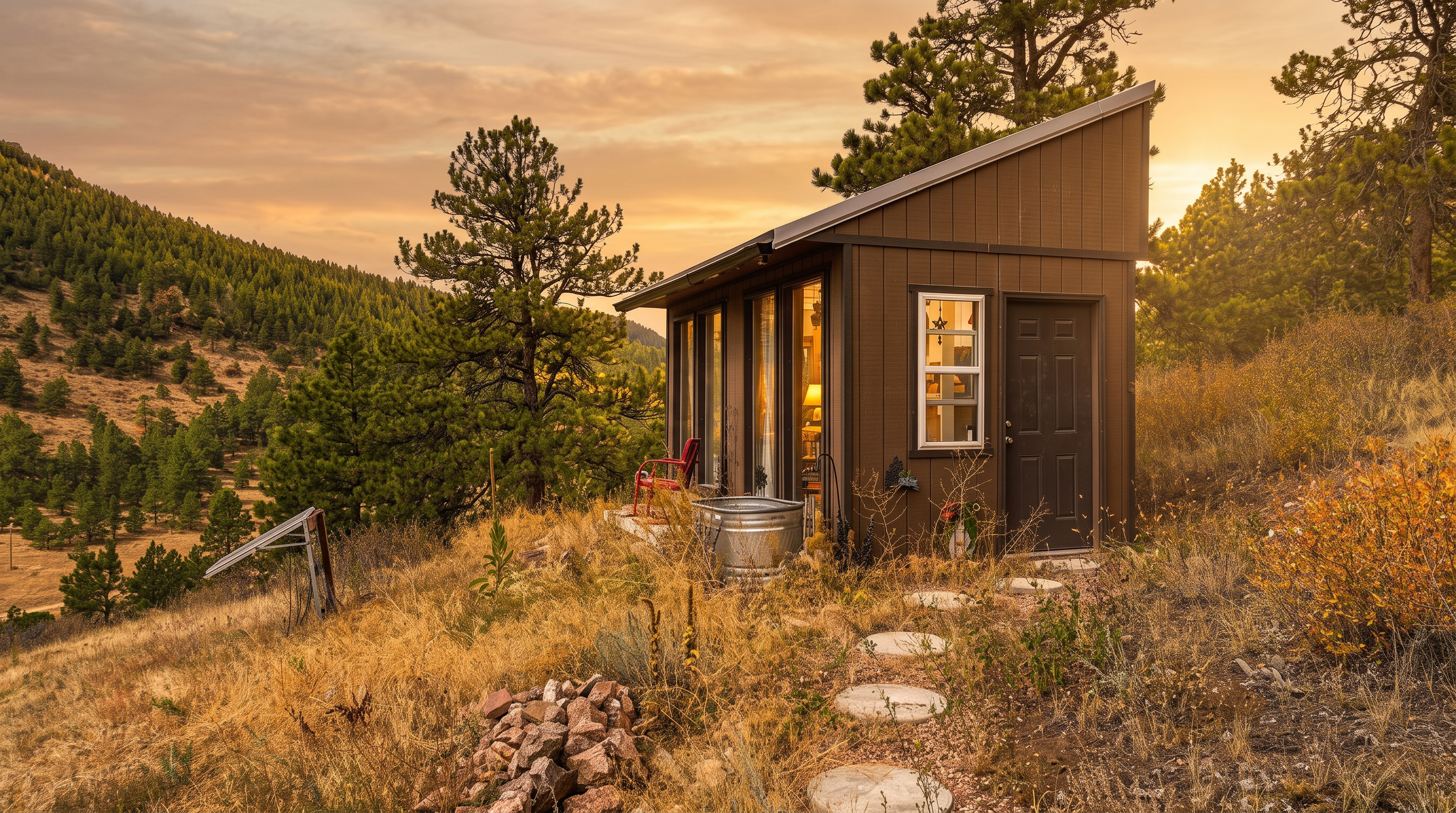
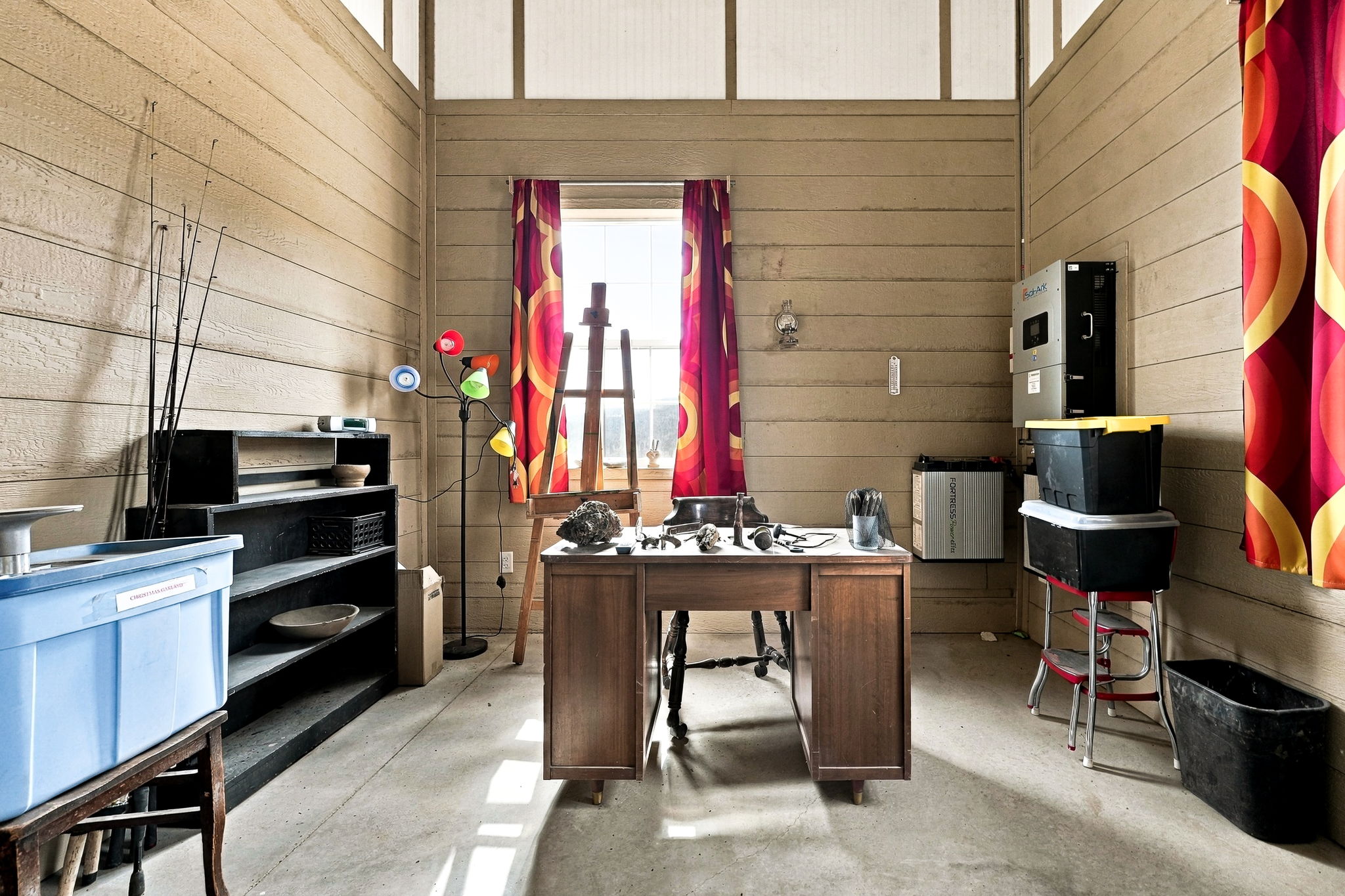
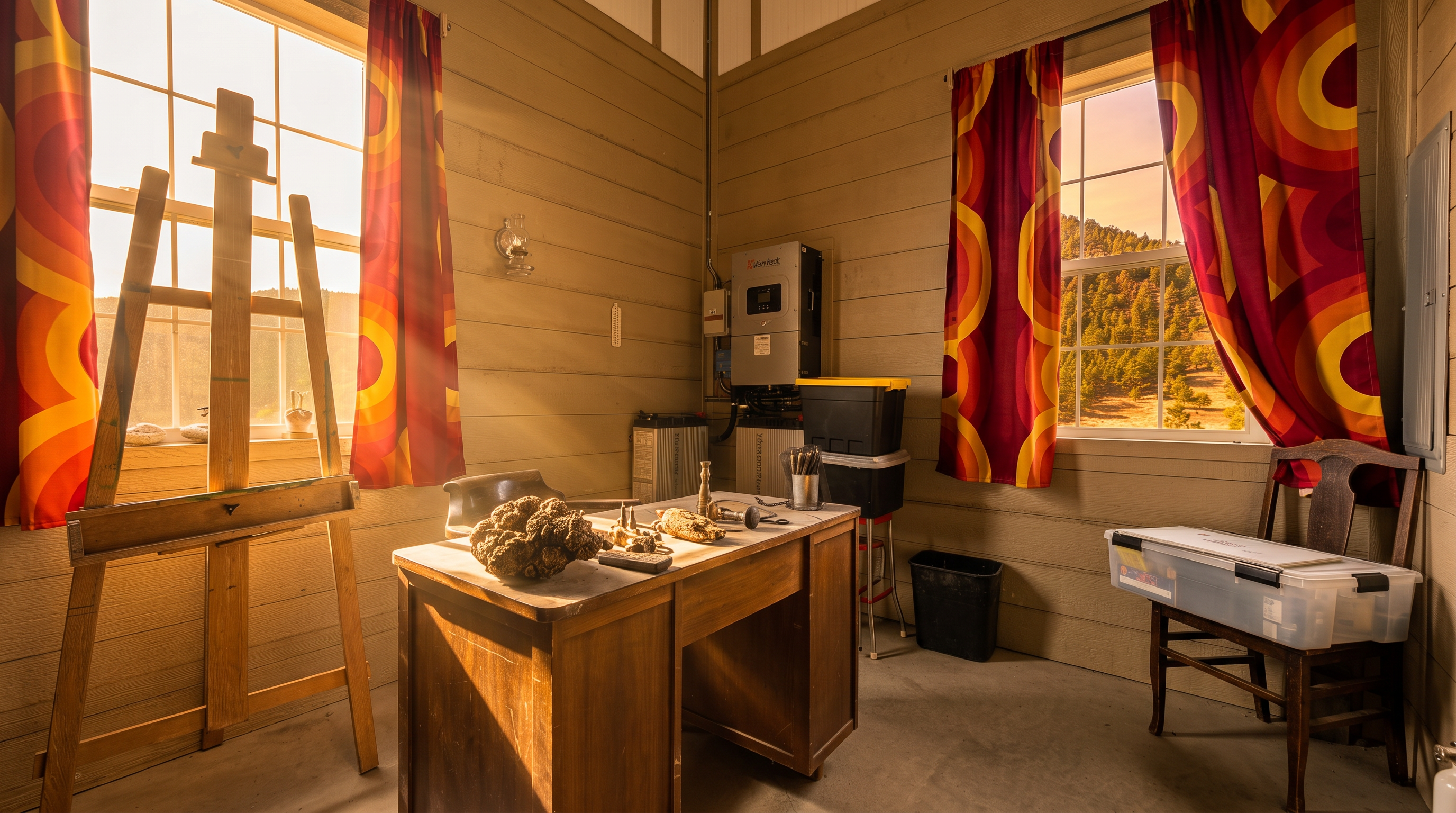
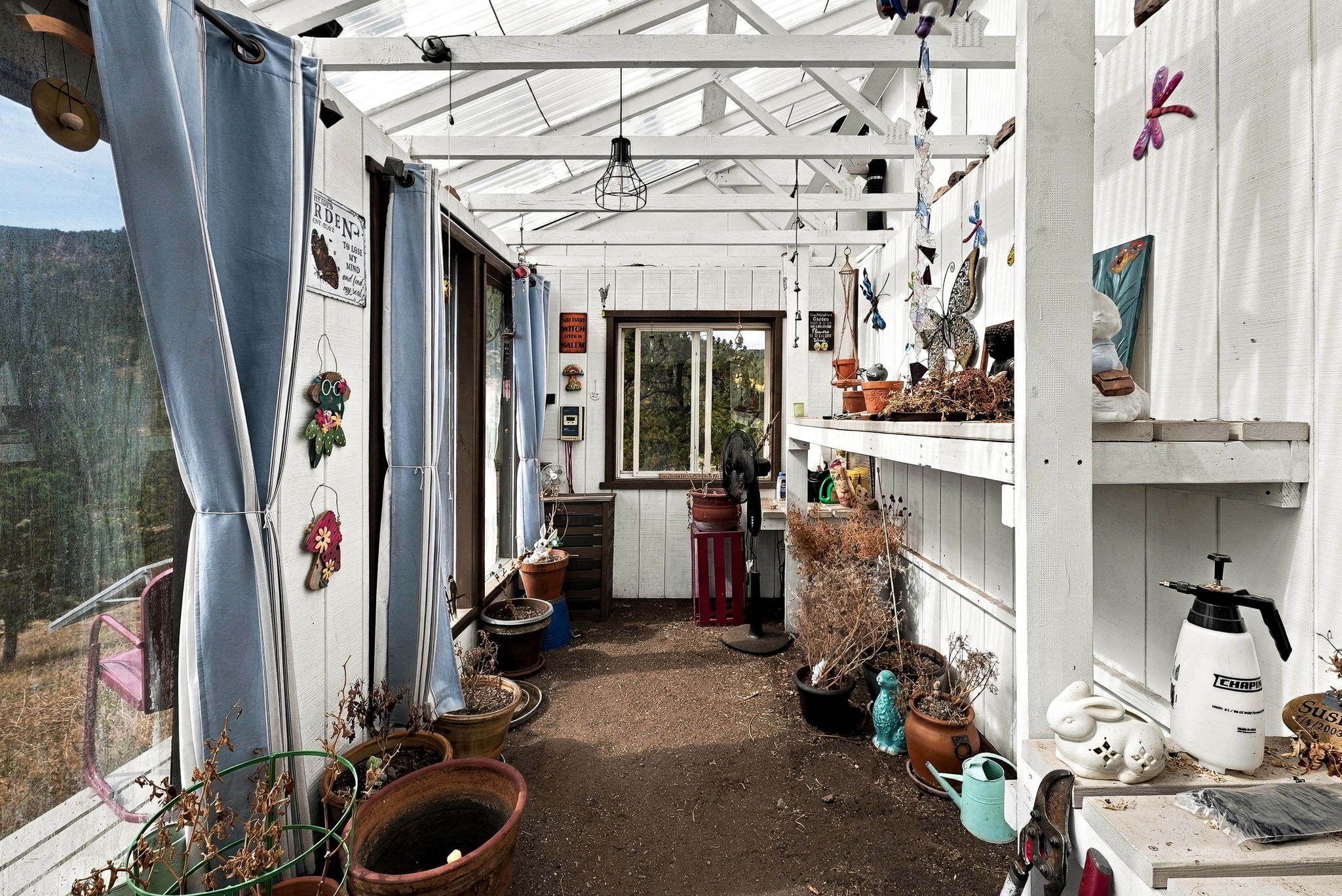
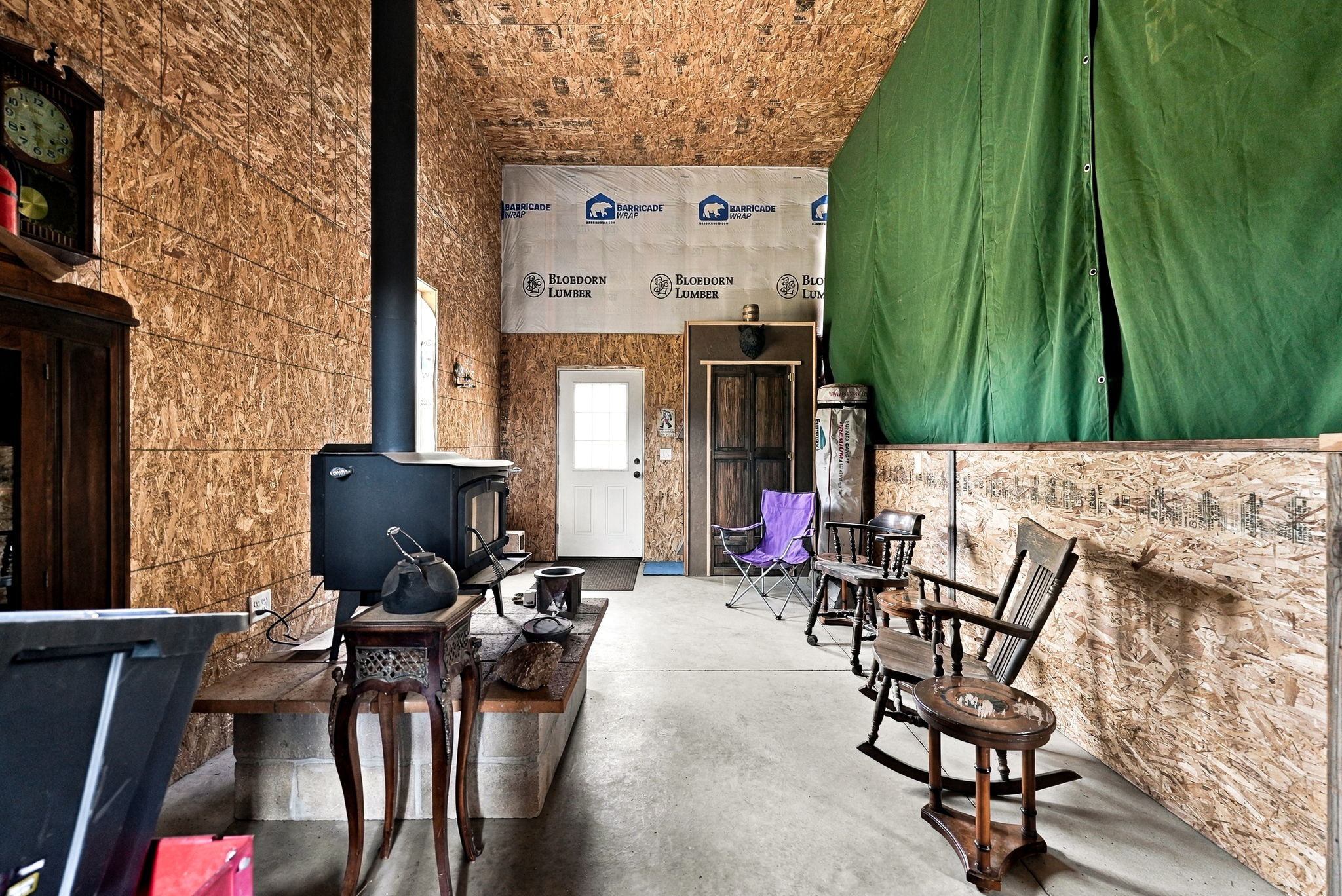
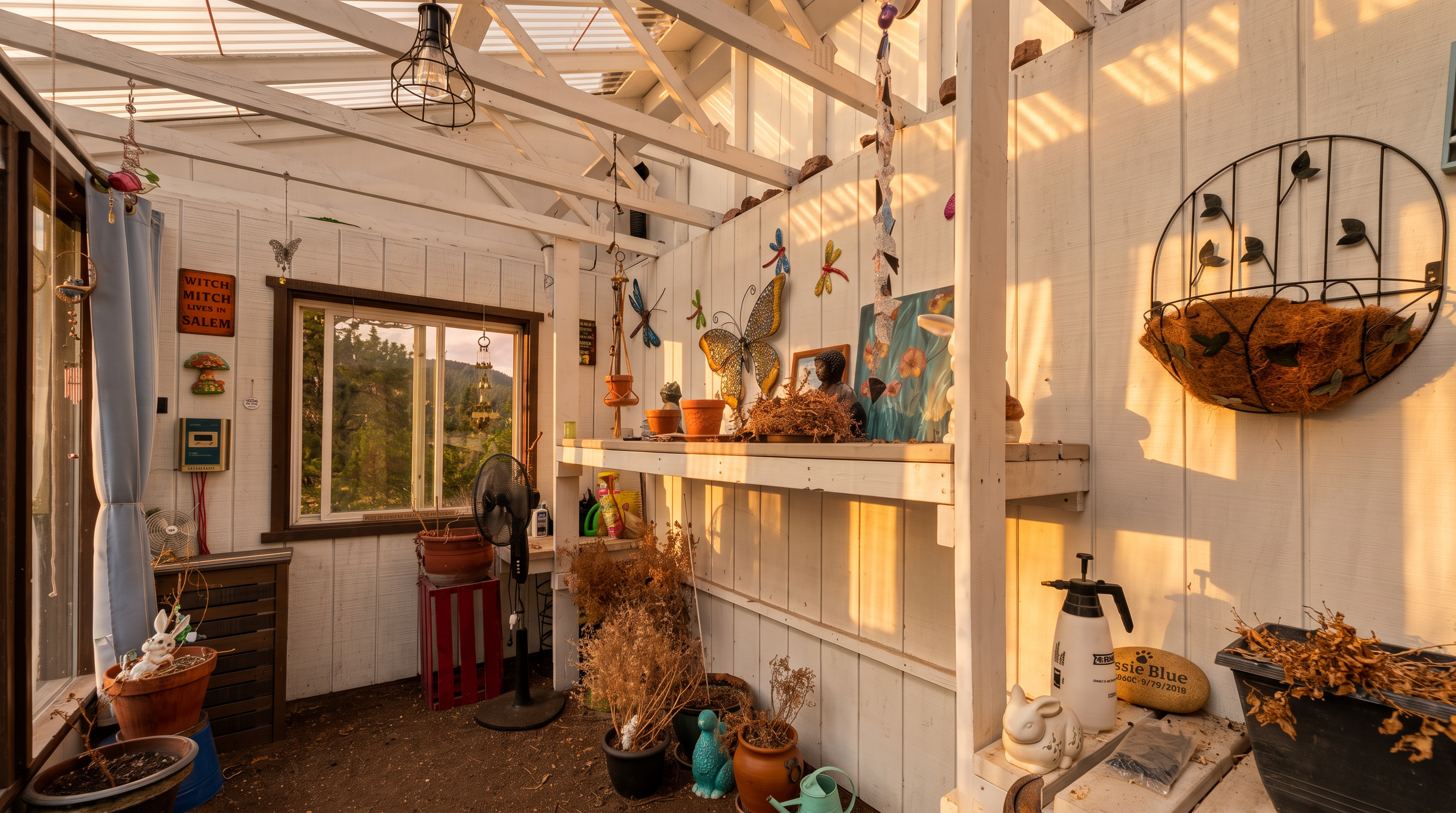
Beyond the main residence, a 1,200-square-foot solar-powered outbuilding equipped with a wood stove and a dedicated office represents the kind of flexible infrastructure that allows a property to adapt to its owners' evolving ambitions — whether that means a serious workshop, a creative studio, a home-based business, or simply a well-appointed place to think. A separate solar-powered greenhouse extends the lifestyle further, making year-round cultivation part of daily life. Practical considerations are equally well addressed: a brand-new roof installed in spring 2025, a two-car attached garage, and a whole-house backup generator ensure that the freedom of remote living never comes at the cost of reliability.
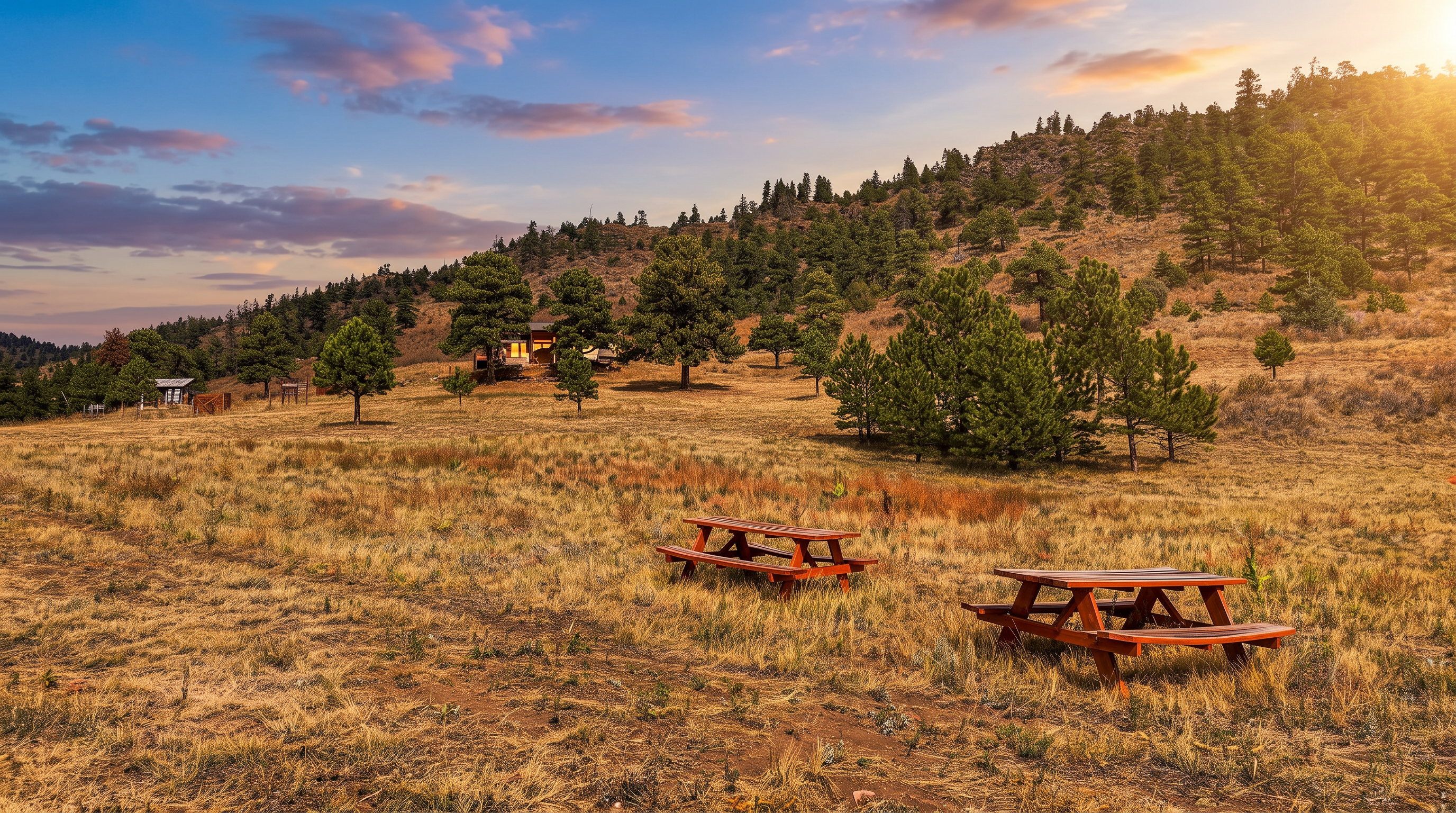
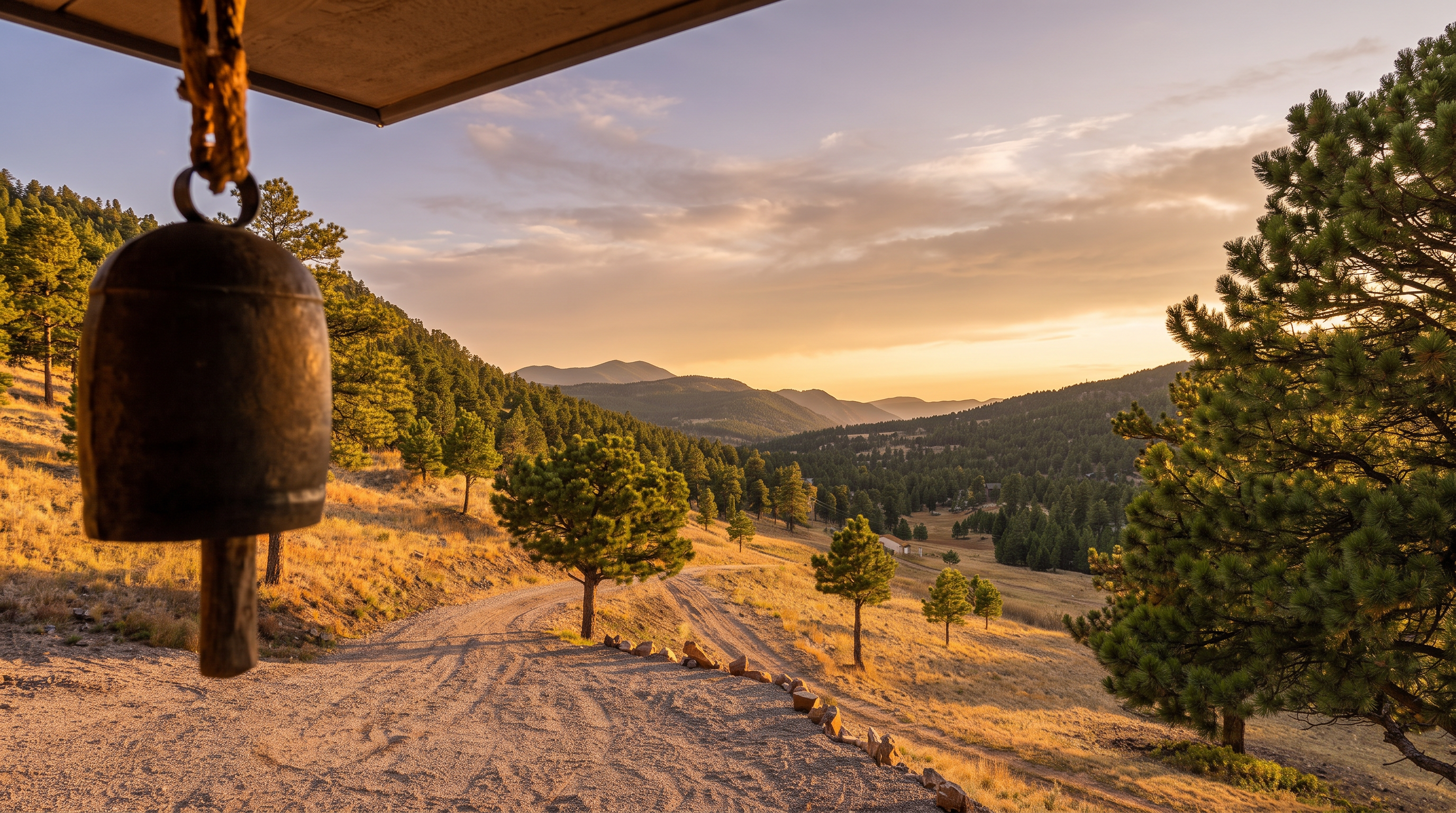
The Loveland foothills occupy a particular and privileged position in the geography of northern Colorado — close enough to the amenities of the Front Range to maintain genuine convenience, yet sufficiently elevated and removed to offer the kind of landscape that reshapes how one moves through a day. Quillan Gulch sits within this transition zone, where the open grasslands of the plains give way to the pine-studded ridgelines and canyon draws of the foothills proper, and where the scale of the land still feels genuinely wild.
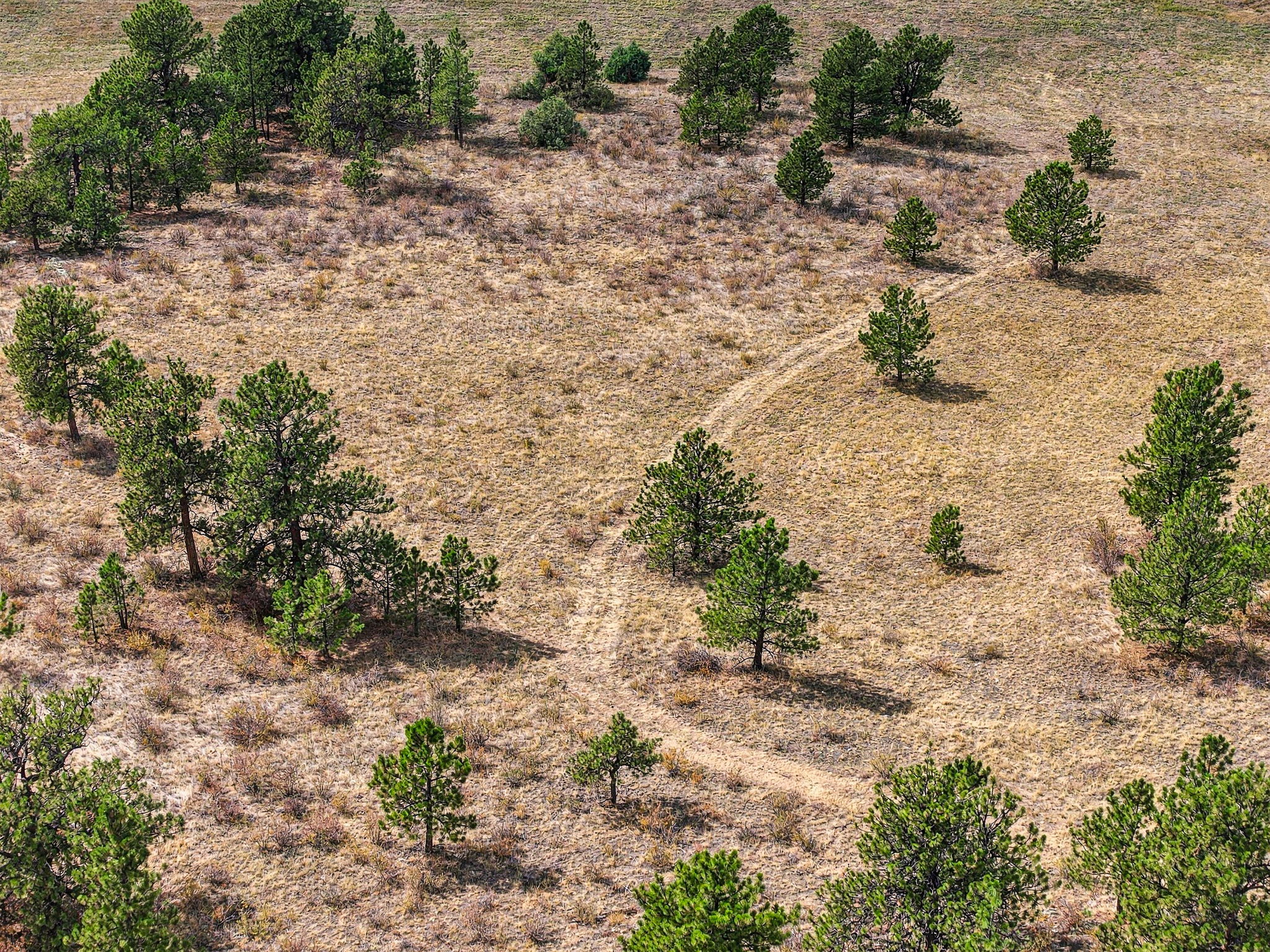
The property's eastern boundary touches Roosevelt National Forest, a federally protected landscape of approximately 800,000 acres that stretches across the mountains of northern Colorado and southern Wyoming. The forest provides not merely a scenic backdrop but a functional one — a permanent open-space buffer that ensures the privacy and ecological character of the immediate surroundings will remain unchanged regardless of broader development pressures. Deer, elk, turkey, black bear, and bobcat move through the property with regularity, drawn in part by the seasonal pond that sits within the acreage, and the surrounding forest provides essentially unlimited terrain for hiking, mountain biking, horseback riding, and backcountry exploration directly from the property.
Water features a prominently in this part of Larimer County. Pinewood Reservoir lies in the immediate vicinity, offering fishing, non-motorized boating, and shoreline access within a short drive. Carter Lake, one of the larger reservoirs in the region, provides a more expansive recreational destination with sailing, motorized boating, fishing, and camping. Flatiron Reservoir and the larger Chimney Hollow Reservoir — developed as a significant water storage project along the Big Thompson corridor — add further options within the same general radius, creating a landscape unusually rich in accessible water recreation for a mountain-foothills setting.
Loveland itself, the nearest city of meaningful scale, has developed a cultural identity distinct from many Colorado Front Range communities. Long recognized as the Sweetheart City for its Valentine's Day re-mailing tradition, Loveland has evolved into a genuine arts destination, home to an extensive public sculpture collection, a thriving gallery district, and the Loveland Museum, which presents rotating exhibitions alongside permanent collections of regional art and history. The Benson Sculpture Garden in Centennial Park adds a significant outdoor component to this arts identity, with more than 150 large-scale works installed throughout a landscaped setting along the Big Thompson River.
Fort Collins, home to Colorado State University and a nationally recognized craft brewing culture, lies a short drive to the north, extending the range of dining, cultural, and educational amenities available to residents of the foothills. Estes Park and the eastern entrance to Rocky Mountain National Park are similarly accessible, placing one of the crown jewels of the American national park system within a reasonable drive from the property.
This is a location that rewards those who have made a deliberate choice about how they want to live — close to everything that matters, insulated from everything that does not.
Featured Highlights
Curated Content • Presented by Erin Jeppson