The Story Behind
Penthouse Living Redefined Above Boston's Glittering Skyline
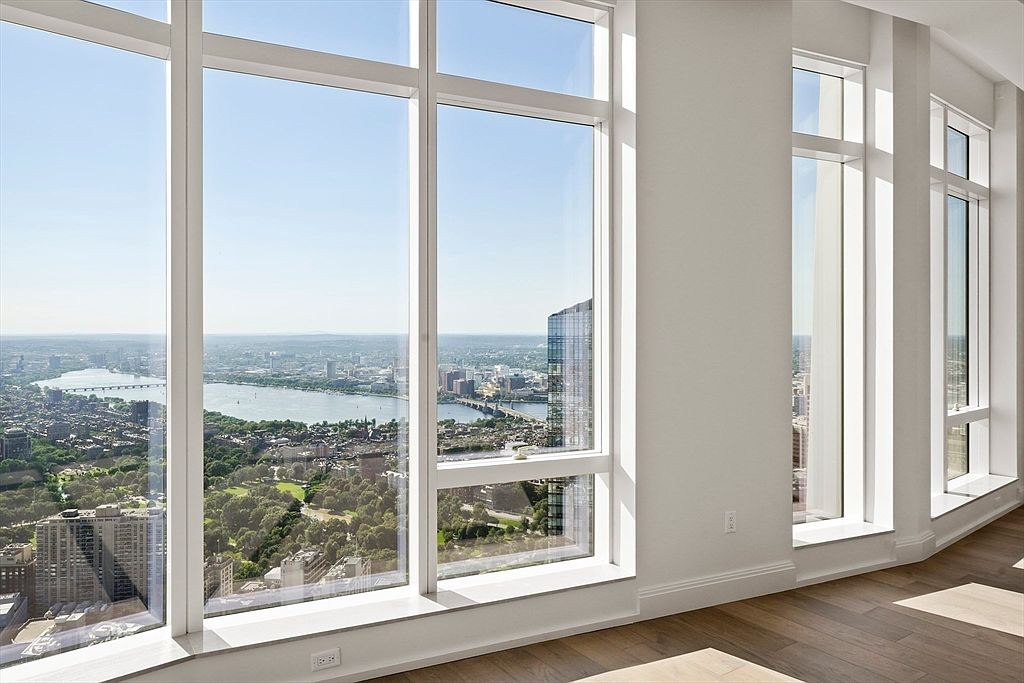
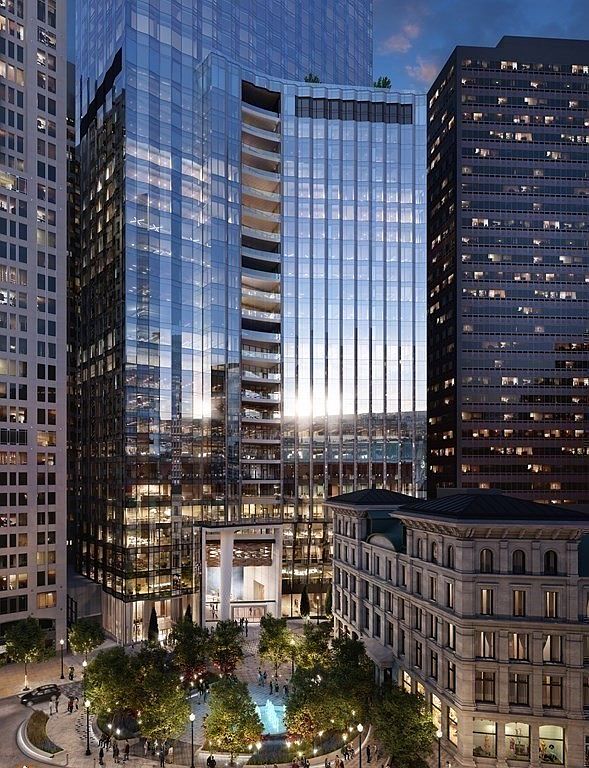
There is a particular quality of light on the sixty-first floor of Winthrop Center — a clarity that exists only above the ambient glow of the city, where the horizon feels genuinely infinite. Penthouse 1B is not simply a home at elevation; it is a precisely considered environment where architecture, materials, and craftsmanship converge to create something genuinely rare in the American residential canon.
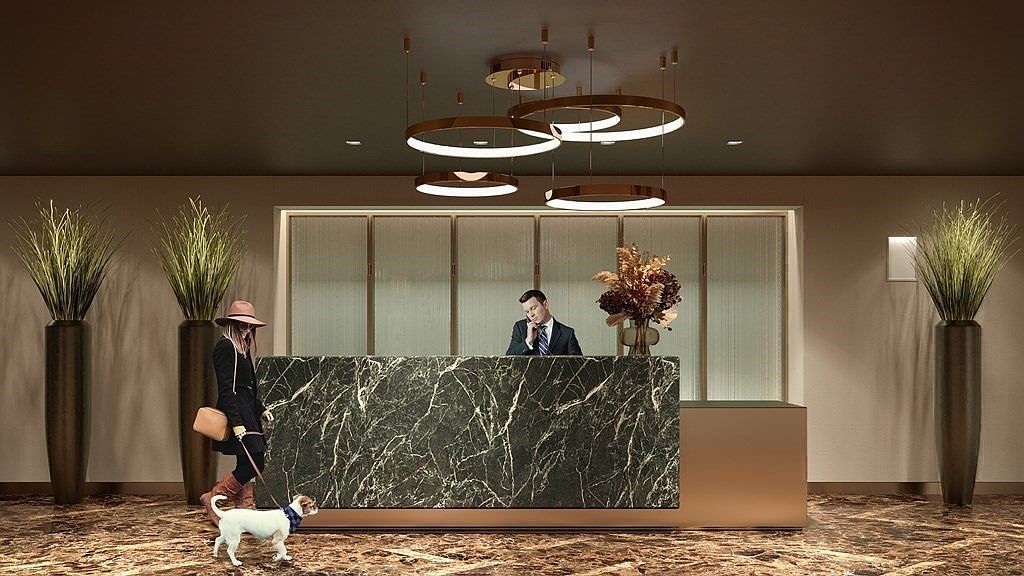
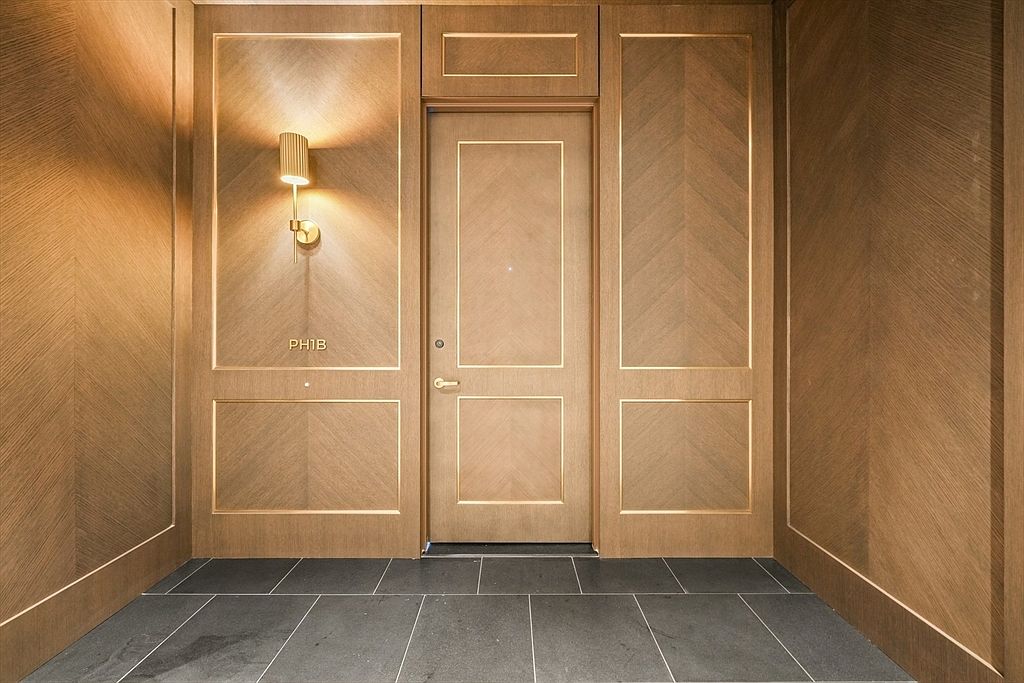
Arrival sets the tone immediately. A private entry defined by chevron-patterned wood paneling with hand-applied gold trim and dark stone flooring signals the transition from the public world below into something altogether more personal. The door marked PH1B is less an entrance than a threshold — one that separates the ordinary from the exceptional.
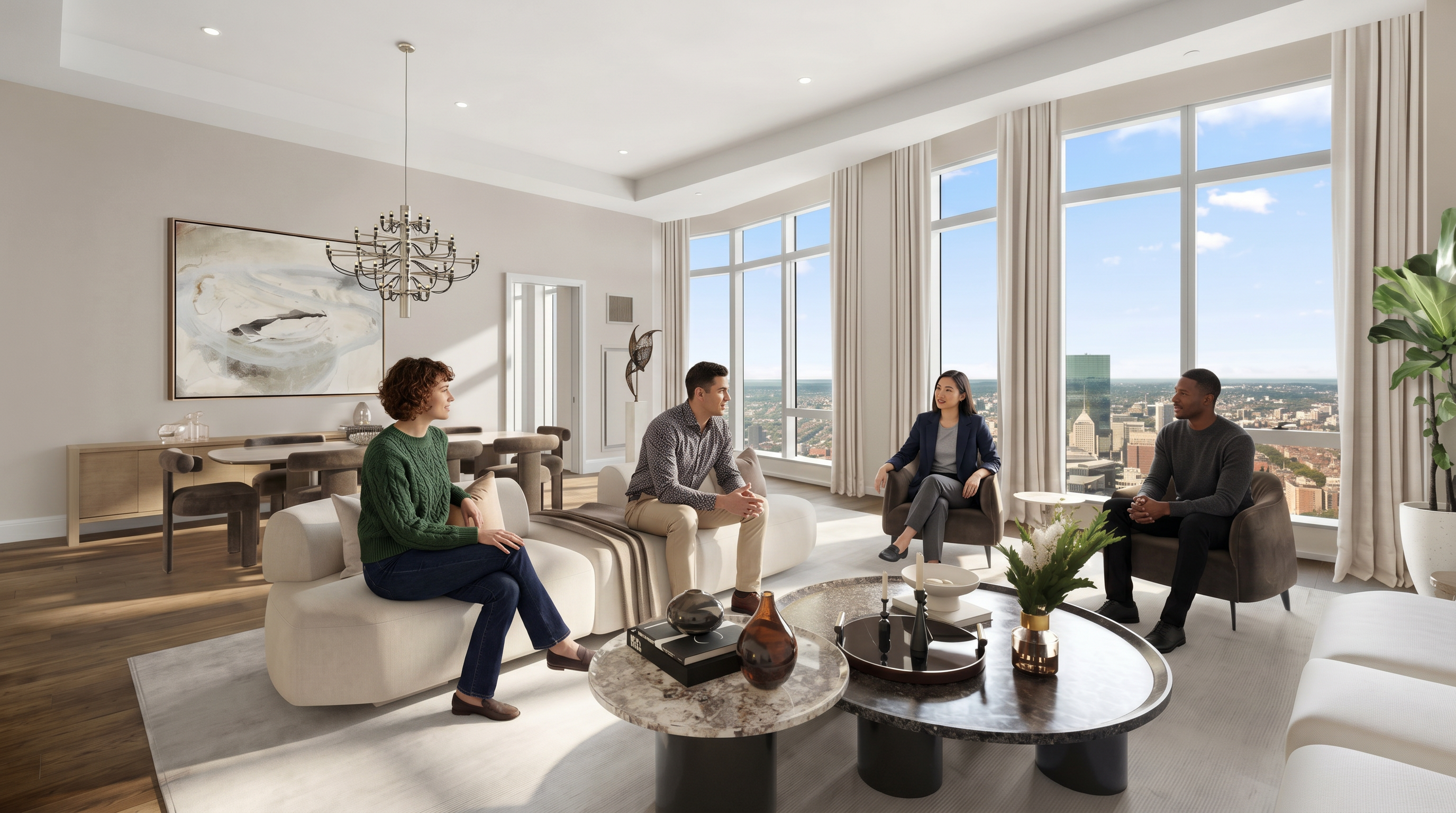
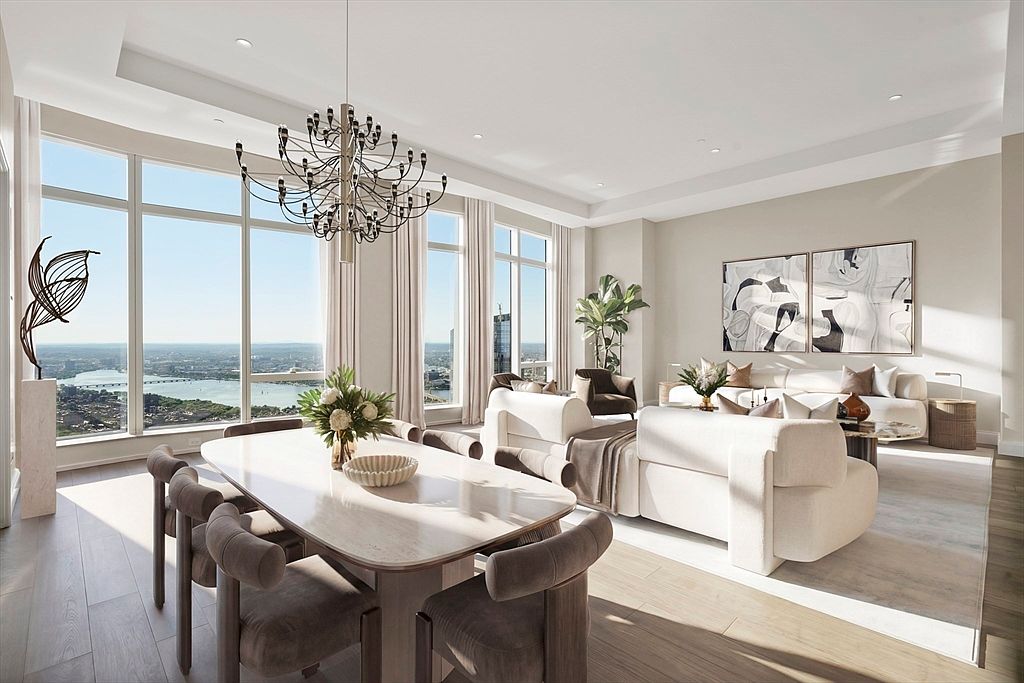
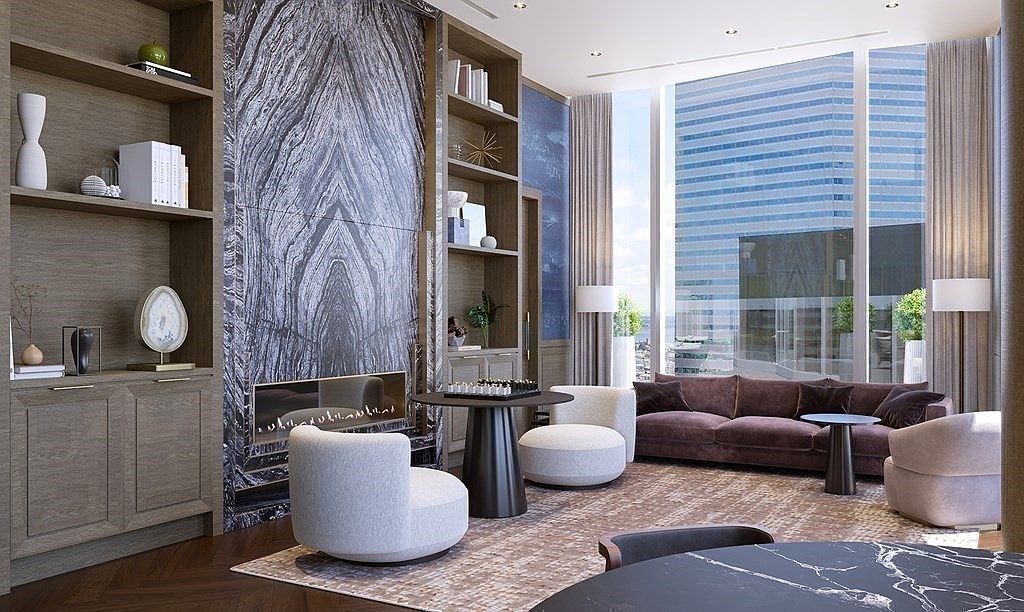
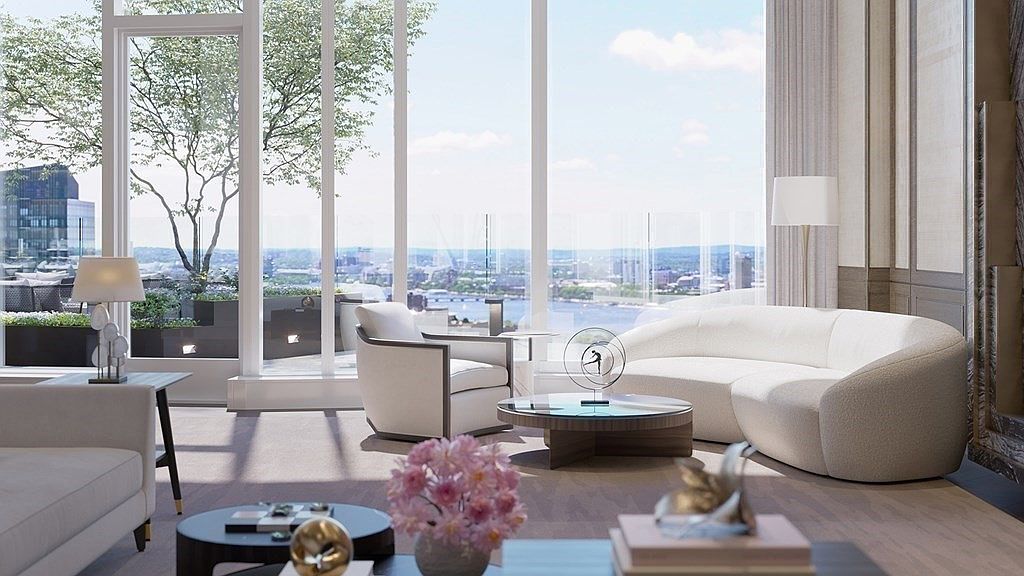
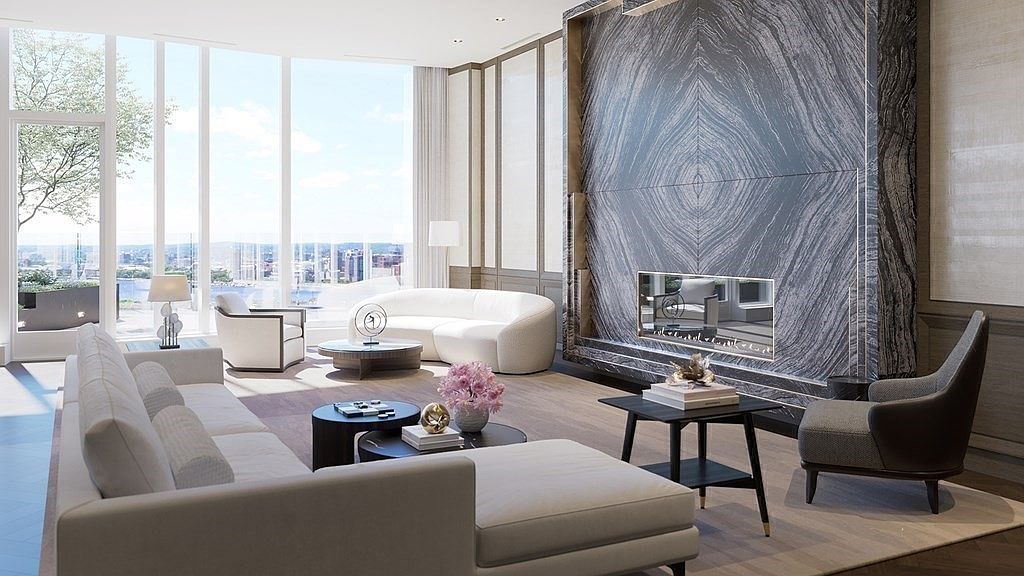
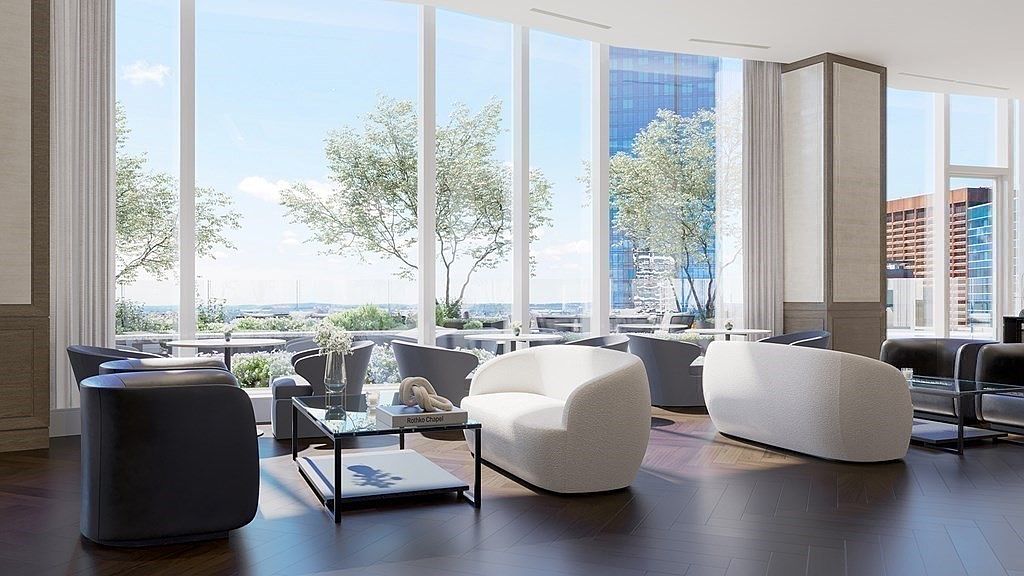
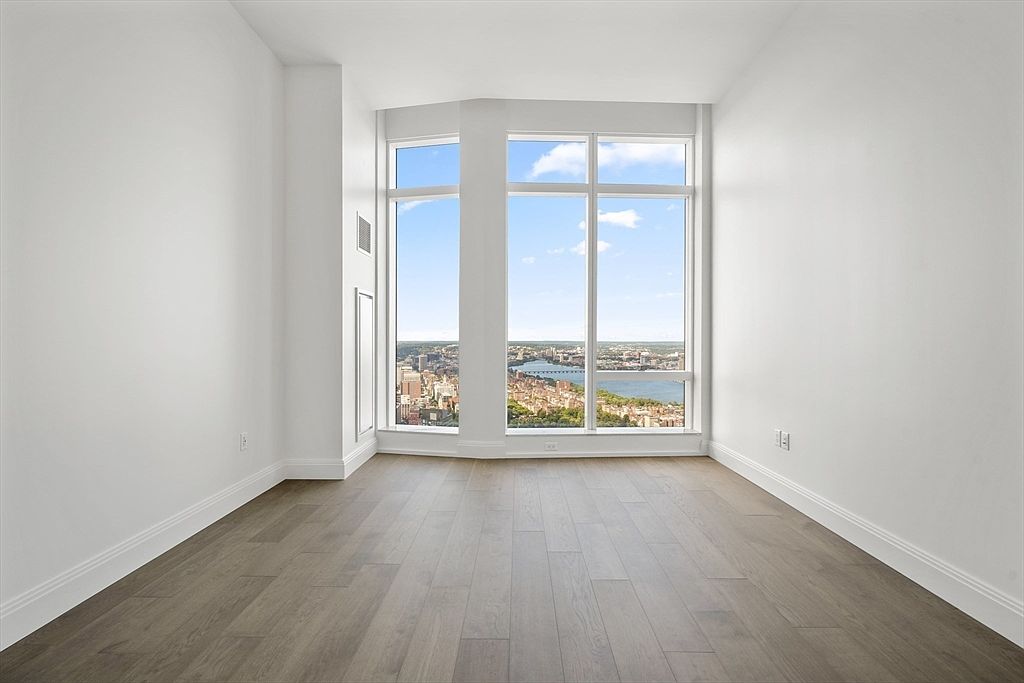
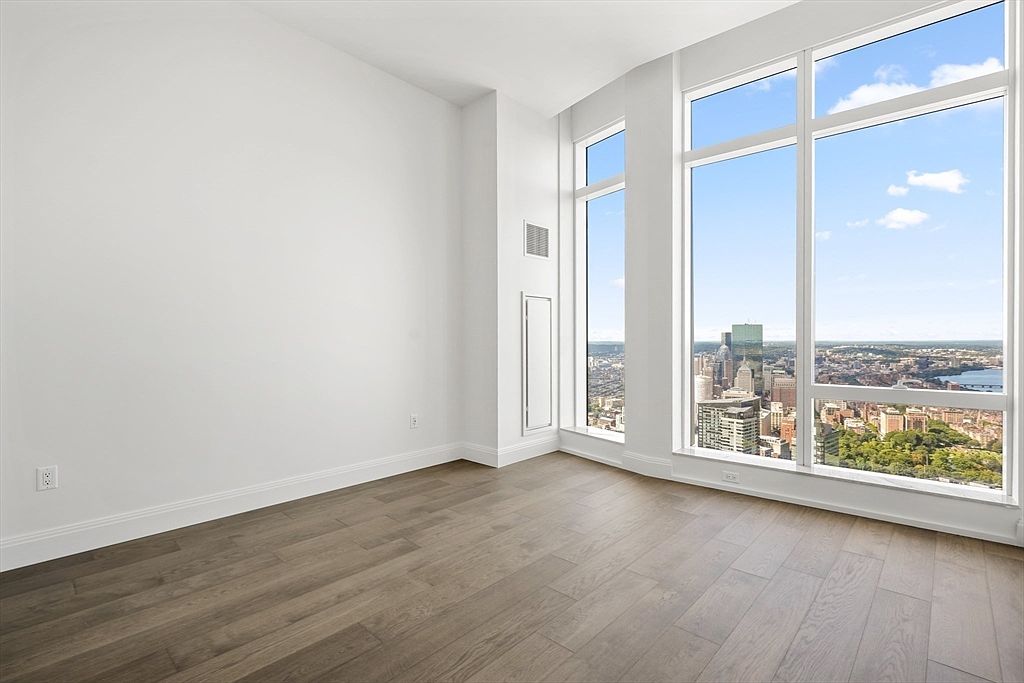
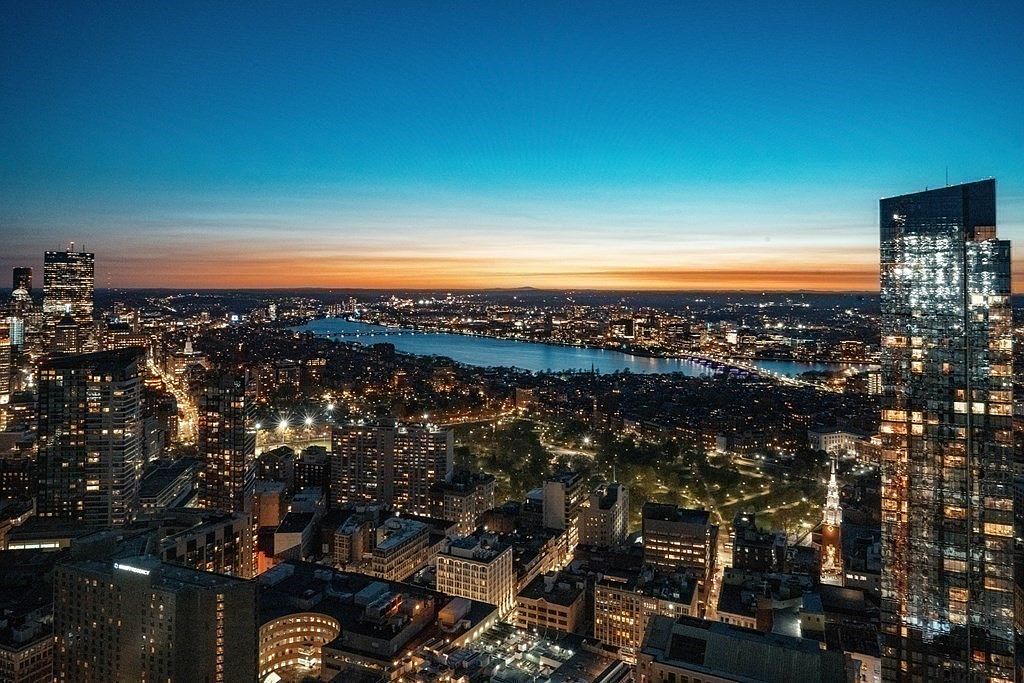
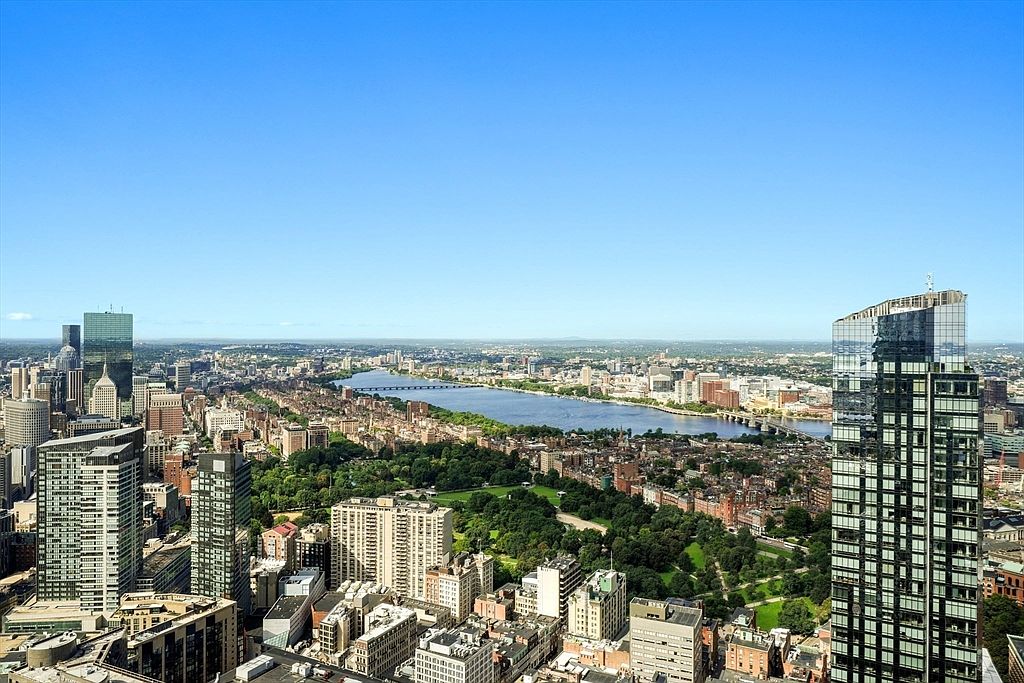
Beyond it, twelve-foot ceilings amplify the already breathtaking scale of the open-concept living and dining areas. Floor-to-ceiling glass runs the full perimeter, framing unobstructed panoramas of the Charles River, Boston Common, and the western sky — a canvas that shifts from steel blue at dawn to molten amber at dusk. A floor-to-ceiling fireplace clad in veined marble anchors the living room with quiet authority, flanked by custom shelving that balances grandeur with warmth. Wide-plank white oak floors, selected for their grain consistency and tone, carry seamlessly through every room, lending the residence a sense of coherent, unhurried luxury.
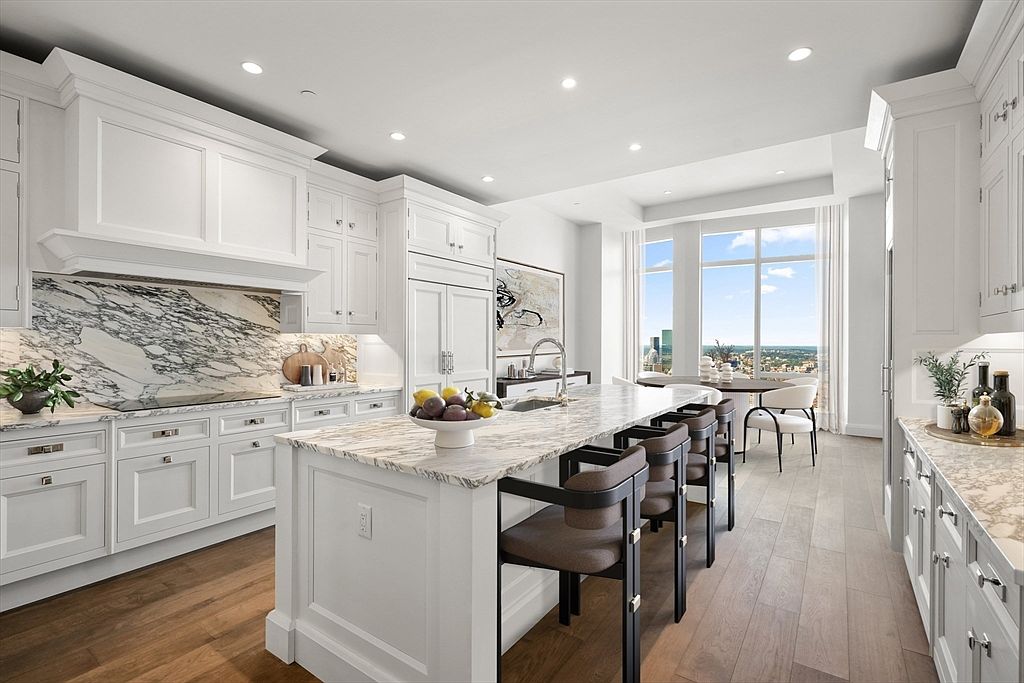
The Christopher Peacock kitchen — a name synonymous with bespoke residential cabinetry at the highest tier — brings the same sensibility to the culinary space: crisp white cabinetry, marble-veined stone surfaces, and generous island proportions designed as much for convivial entertaining as for serious cooking. Floor-to-ceiling windows ensure that even the act of preparing a meal is accompanied by a panorama that most Bostonians will never see from this vantage.
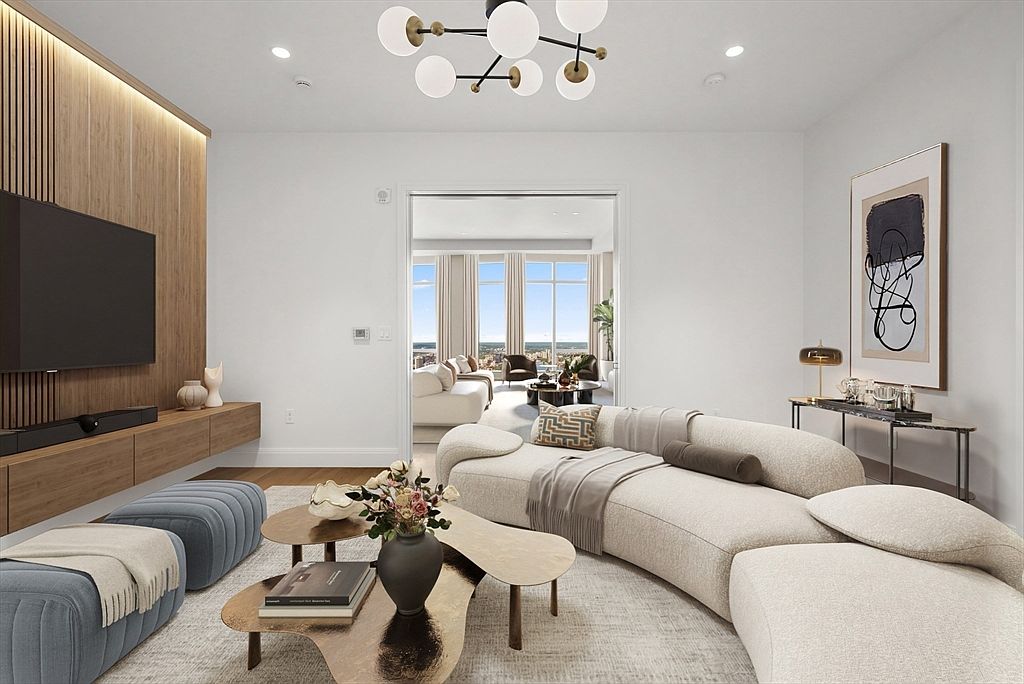
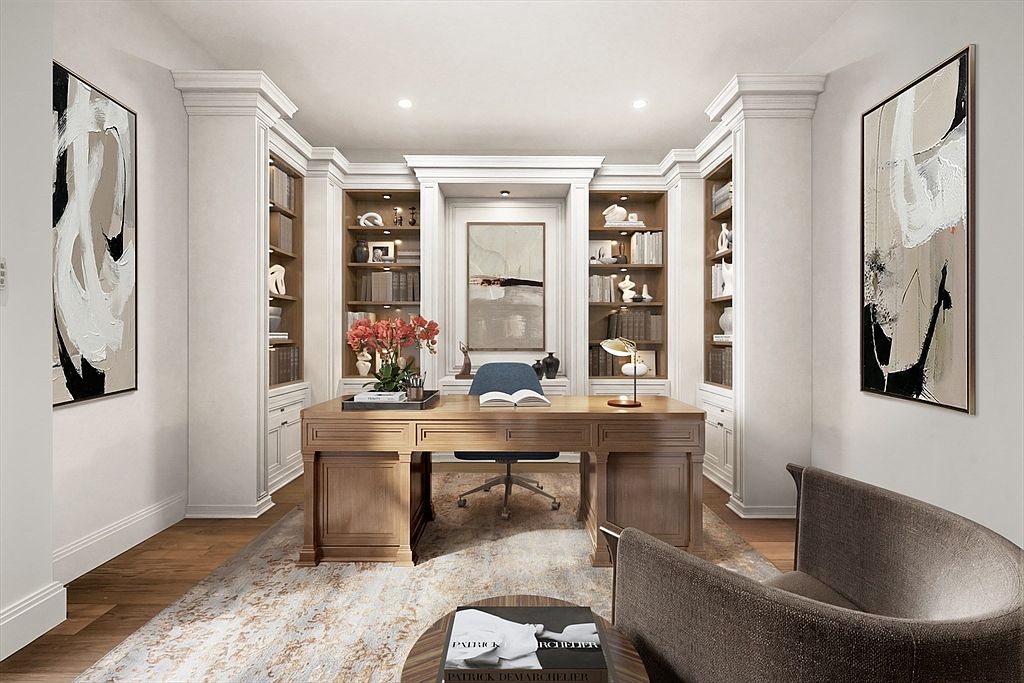
A custom-built study, symmetrically paneled and warmed by recessed lighting, offers a dedicated retreat for focused work — a space that feels like a private library in the clouds. The den and flex room extend the residence's adaptability, accommodating the full range of contemporary life with equal elegance.
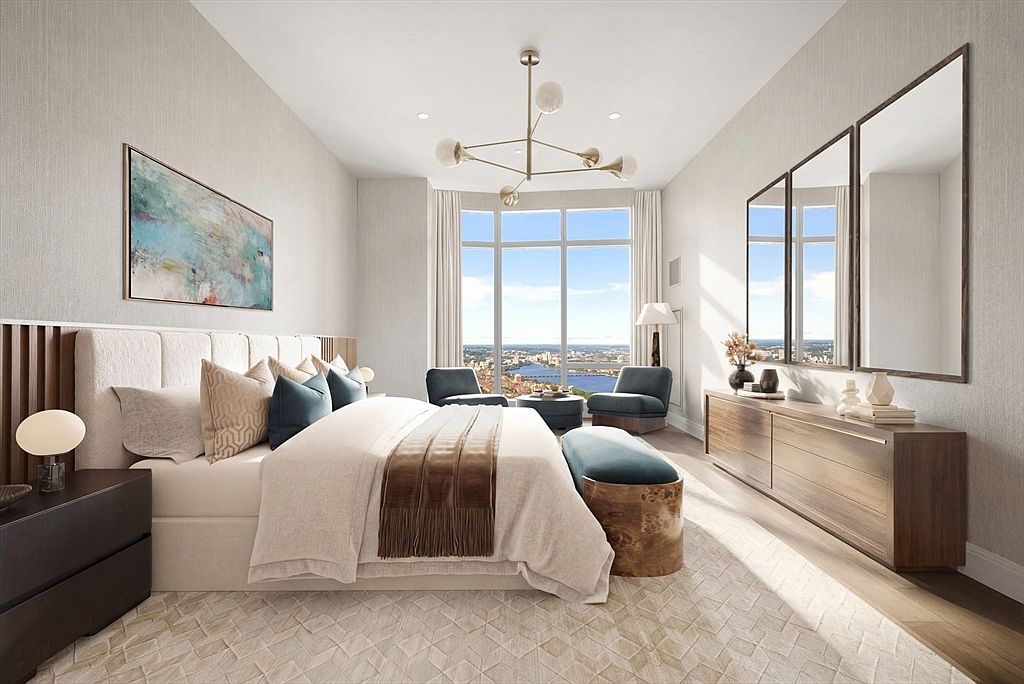
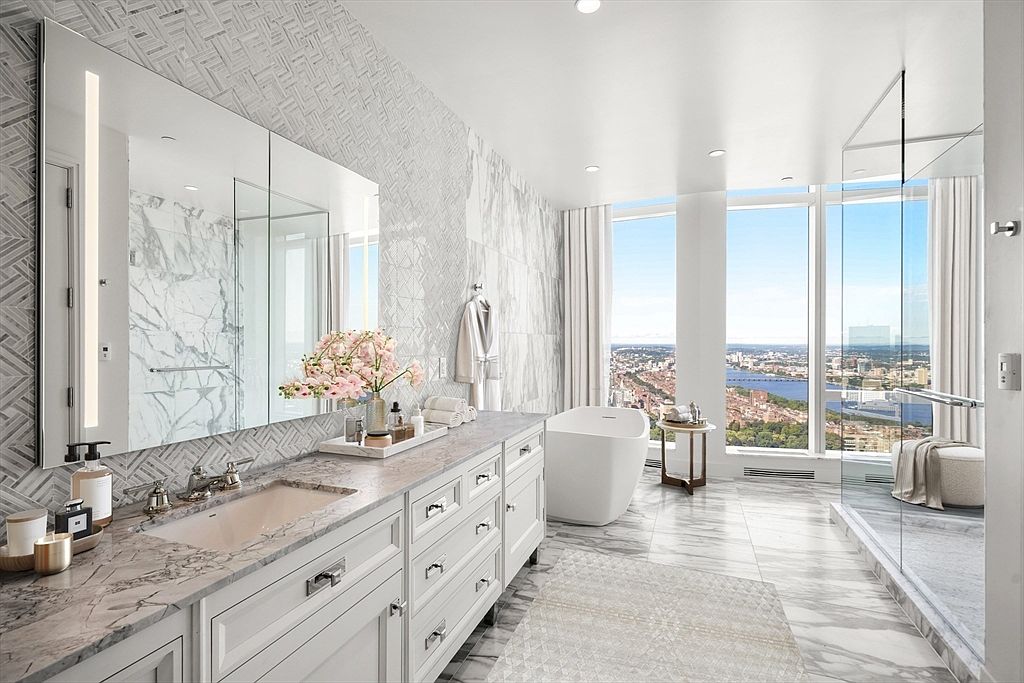
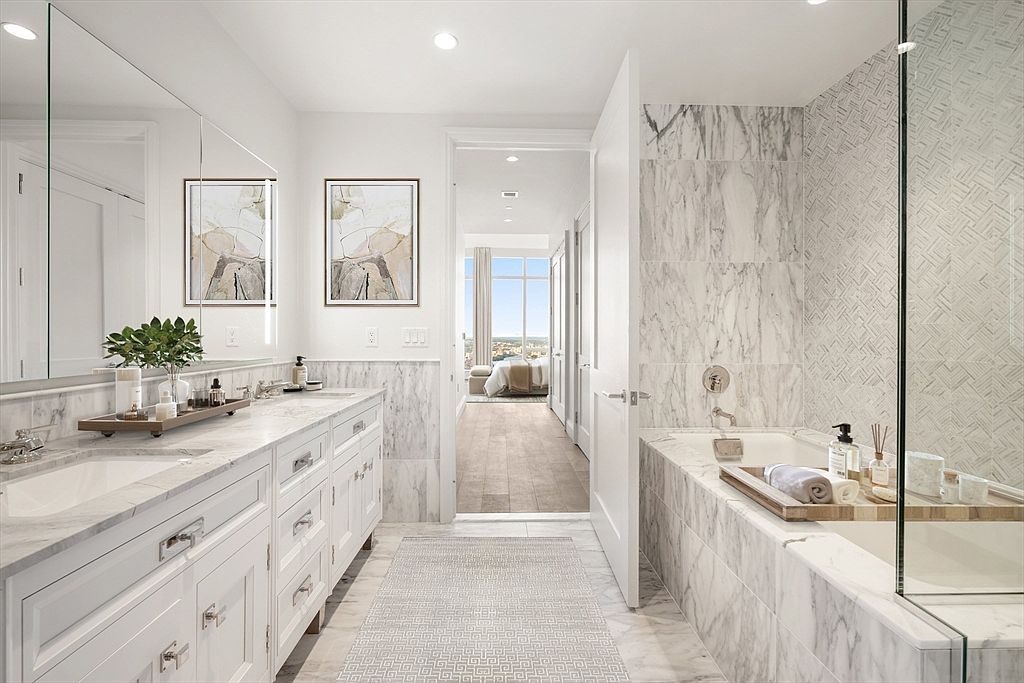
The primary suite commands its own wing with the gravity it deserves. Panoramic city and river views greet the morning through floor-to-ceiling glass, while the primary bathroom achieves a standard of finish rarely encountered outside the world's finest hotels. A marble double vanity, a freestanding soaking tub positioned to capture the skyline, and a glass-enclosed walk-in shower finished in intricate tilework compose a spa environment of complete serenity.
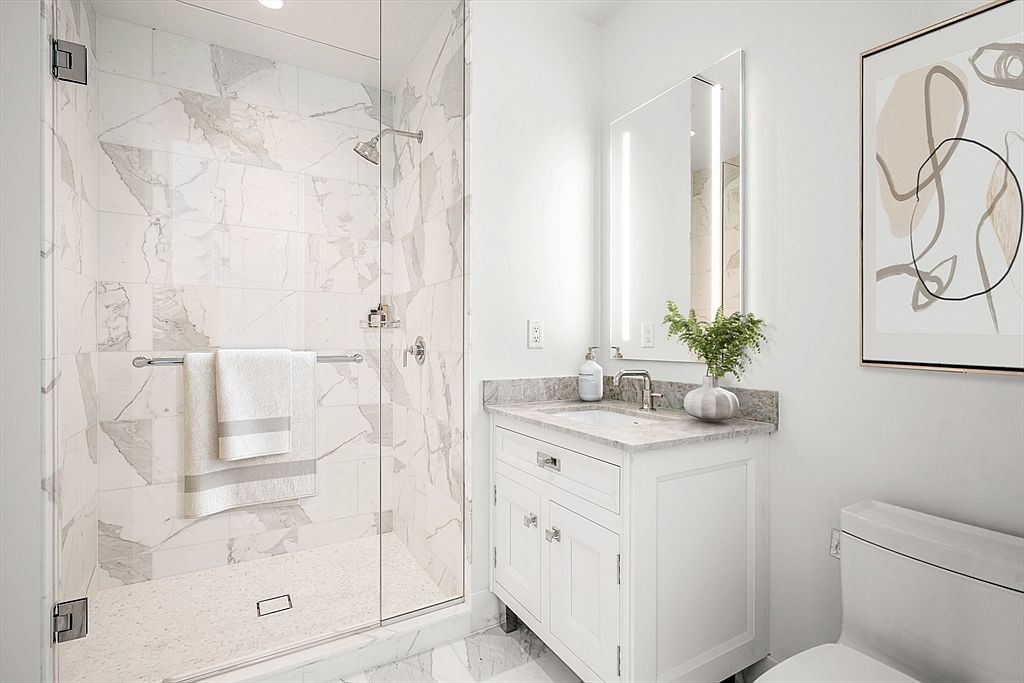
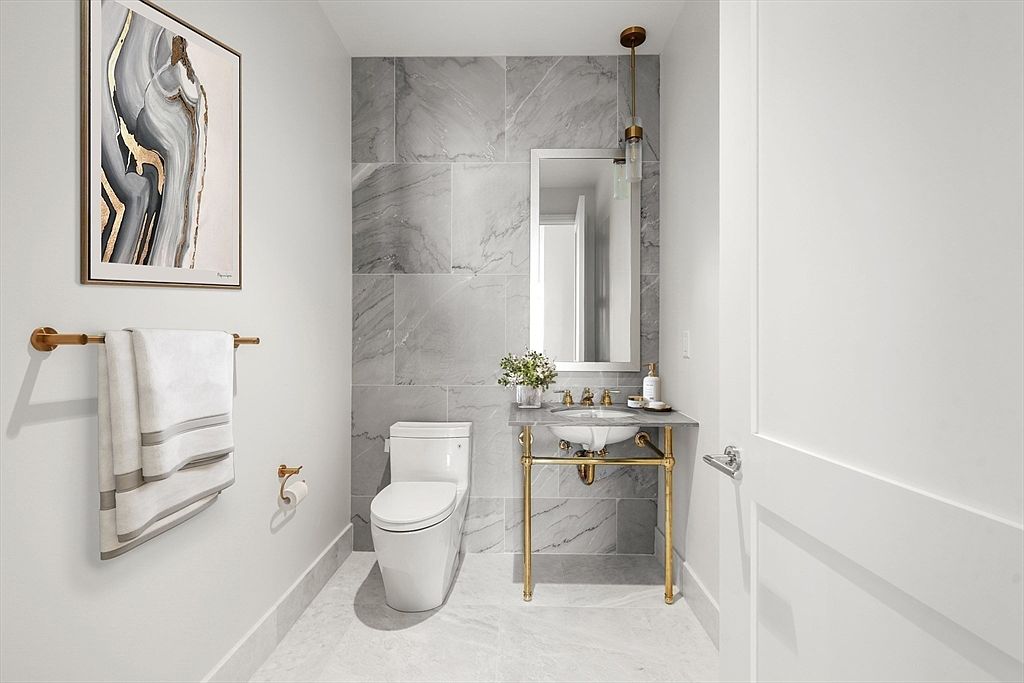
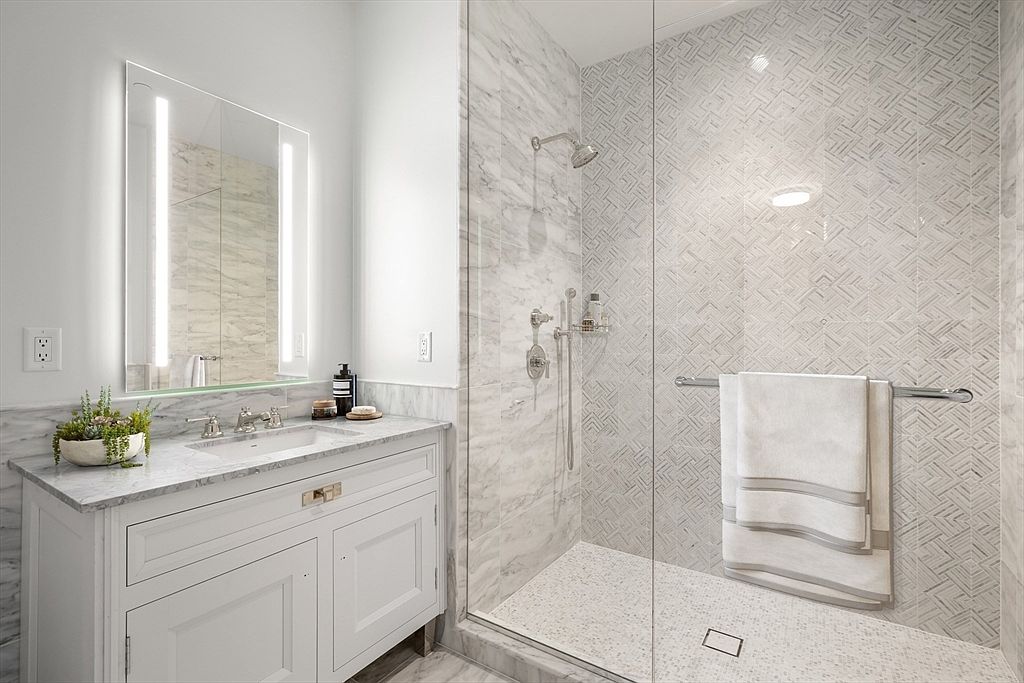
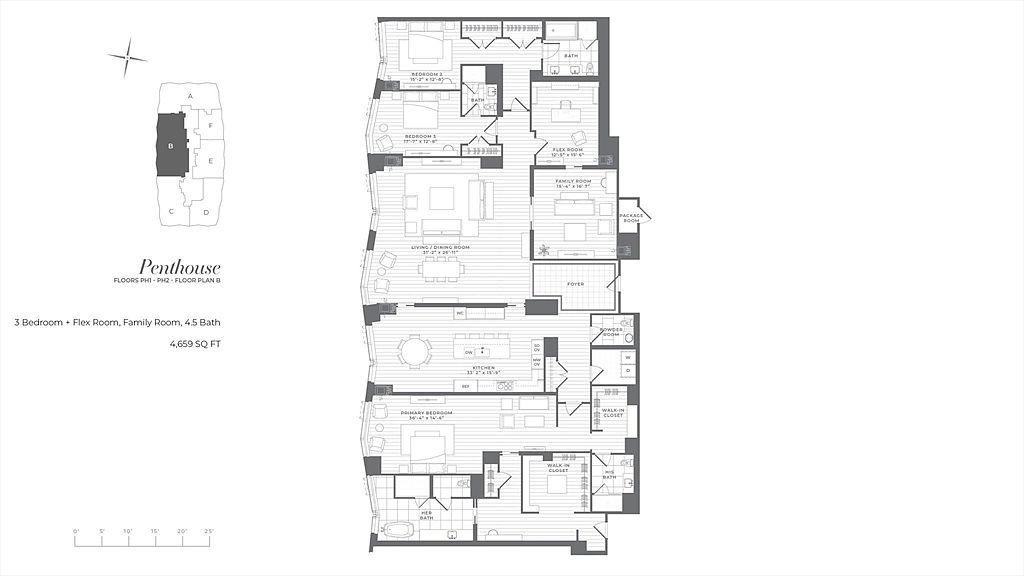
Guest bathrooms maintain the same material vocabulary — marble, stone, contemporary fixtures with gold-toned accents — ensuring that every corner of this 4,659-square-foot residence reflects the same uncompromising standard.
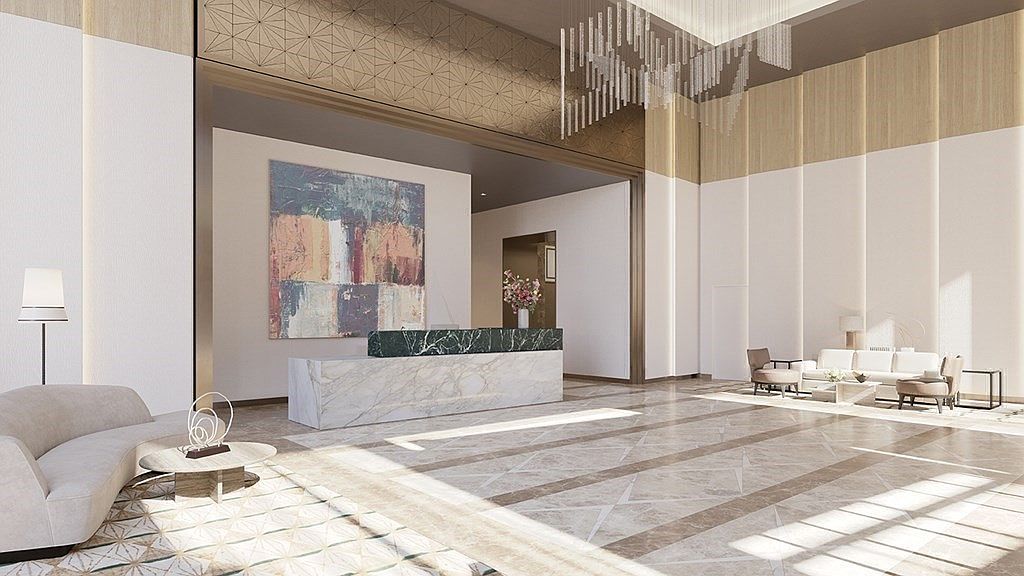
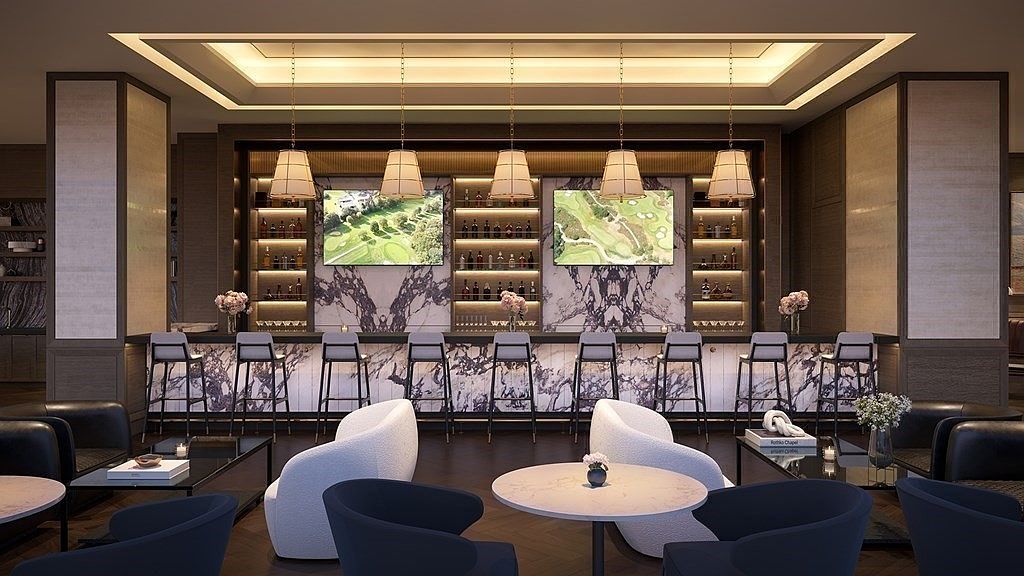
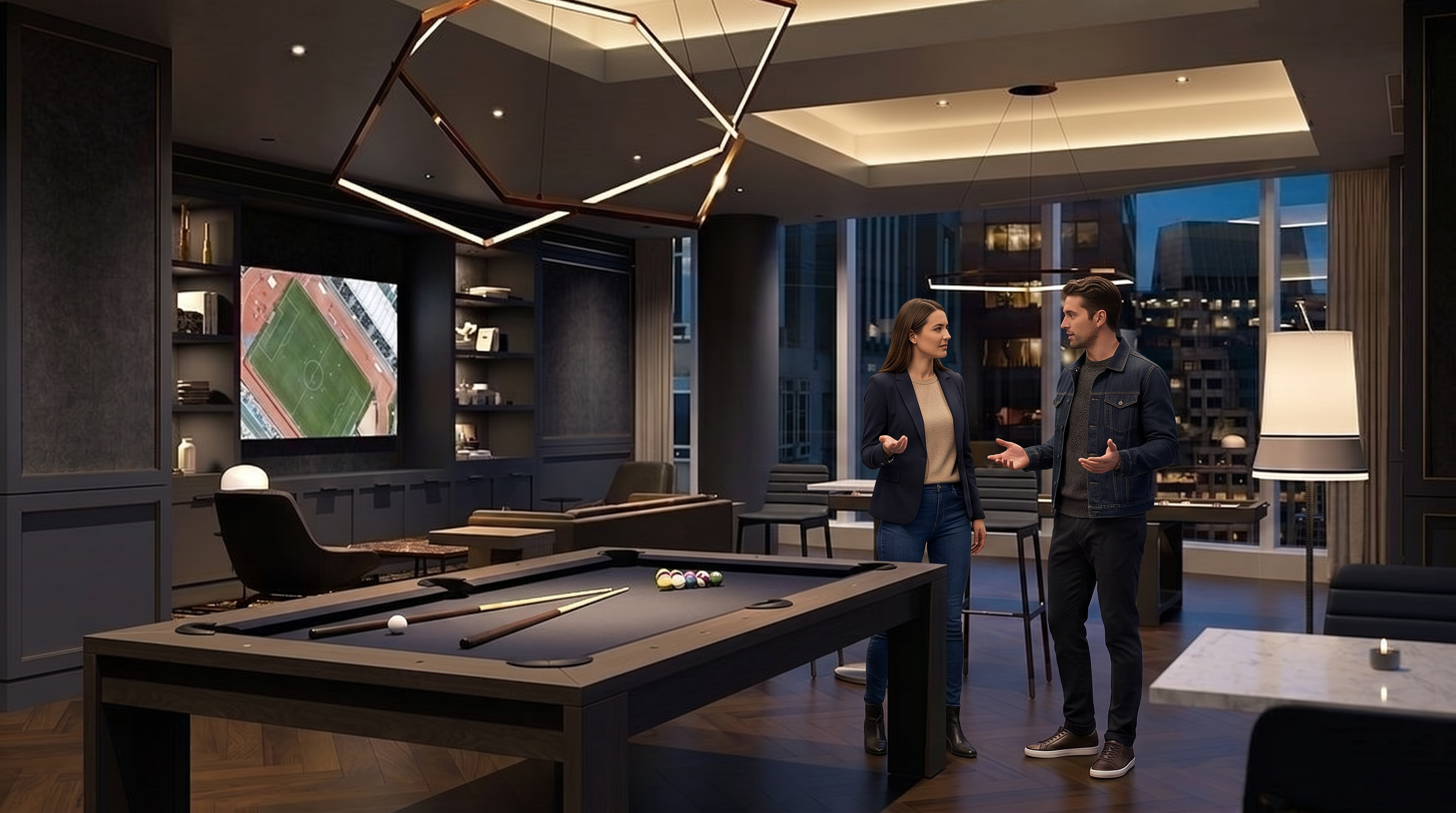
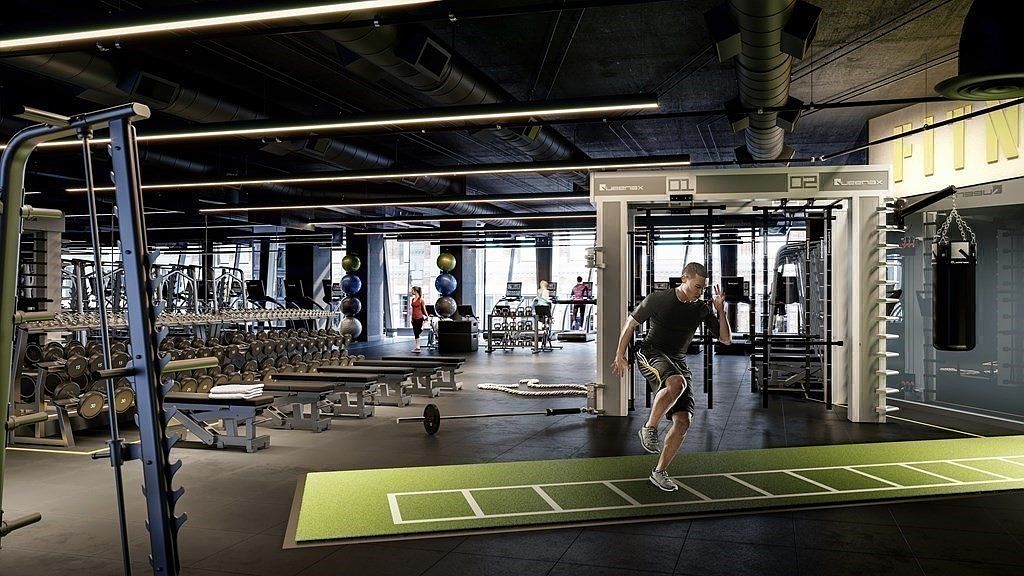
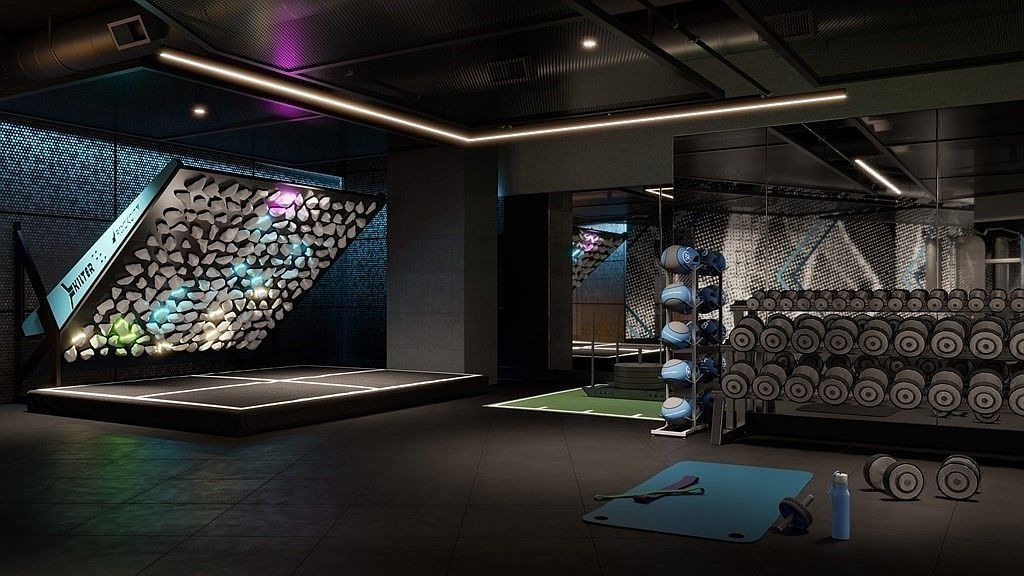
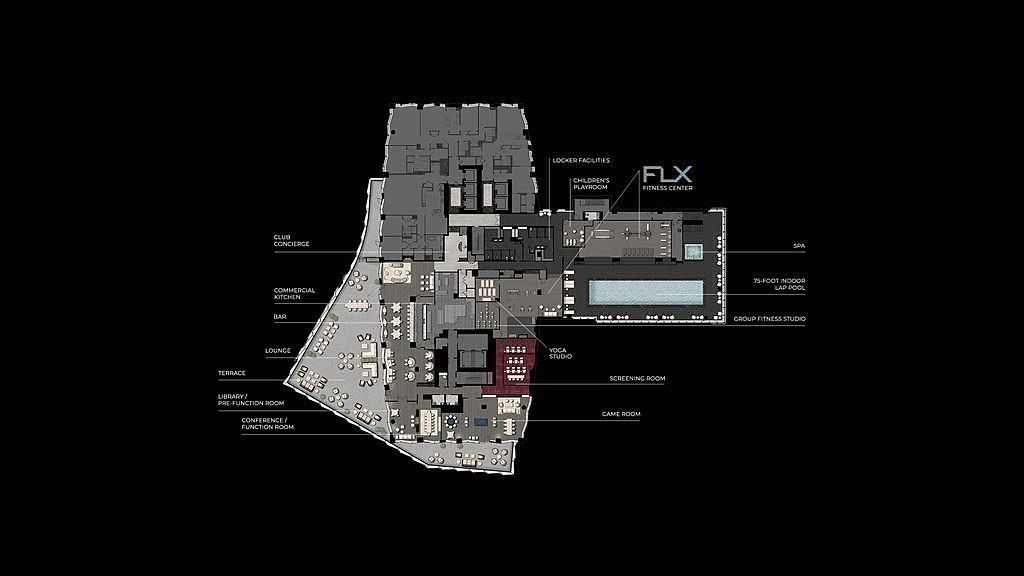
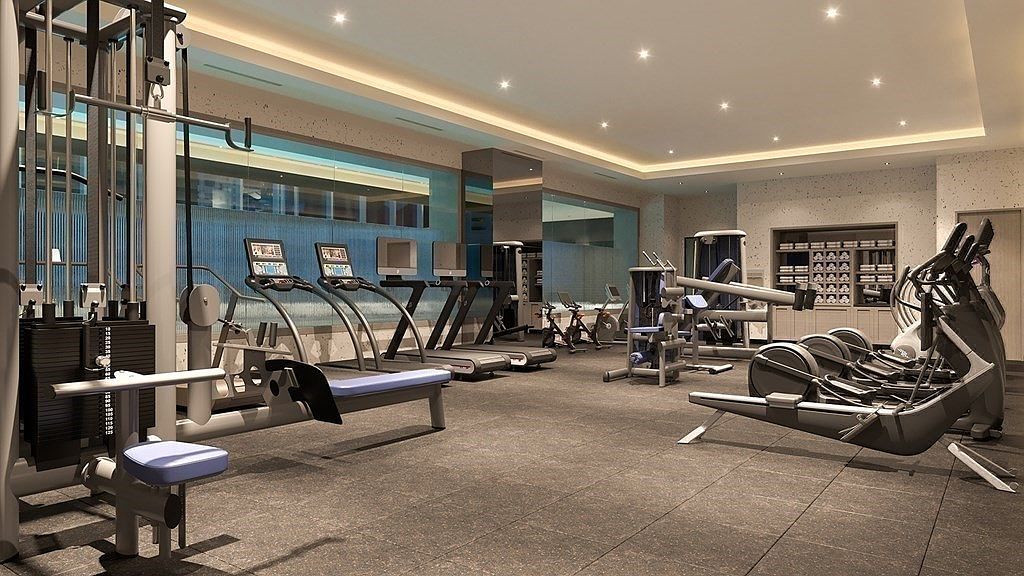
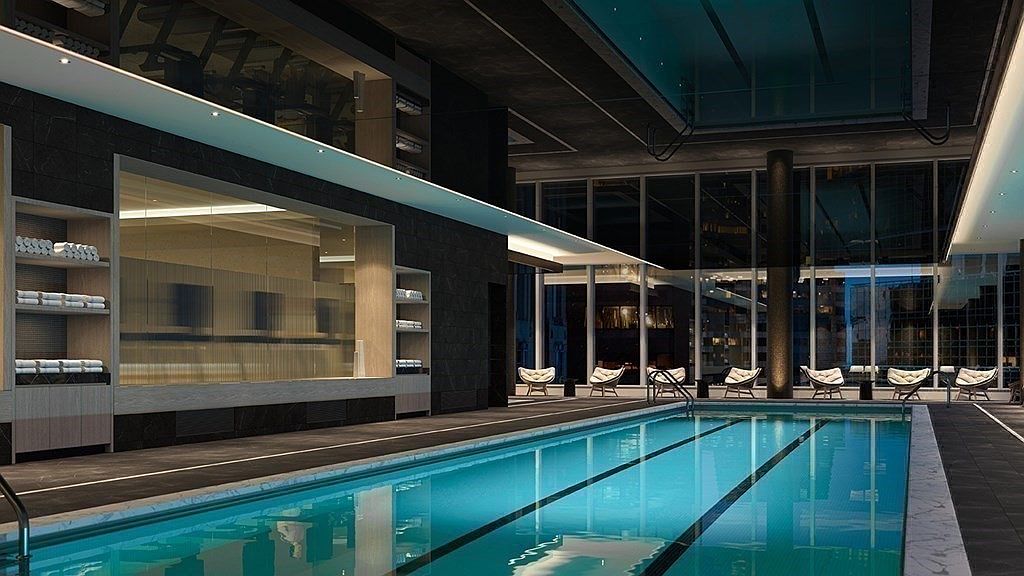
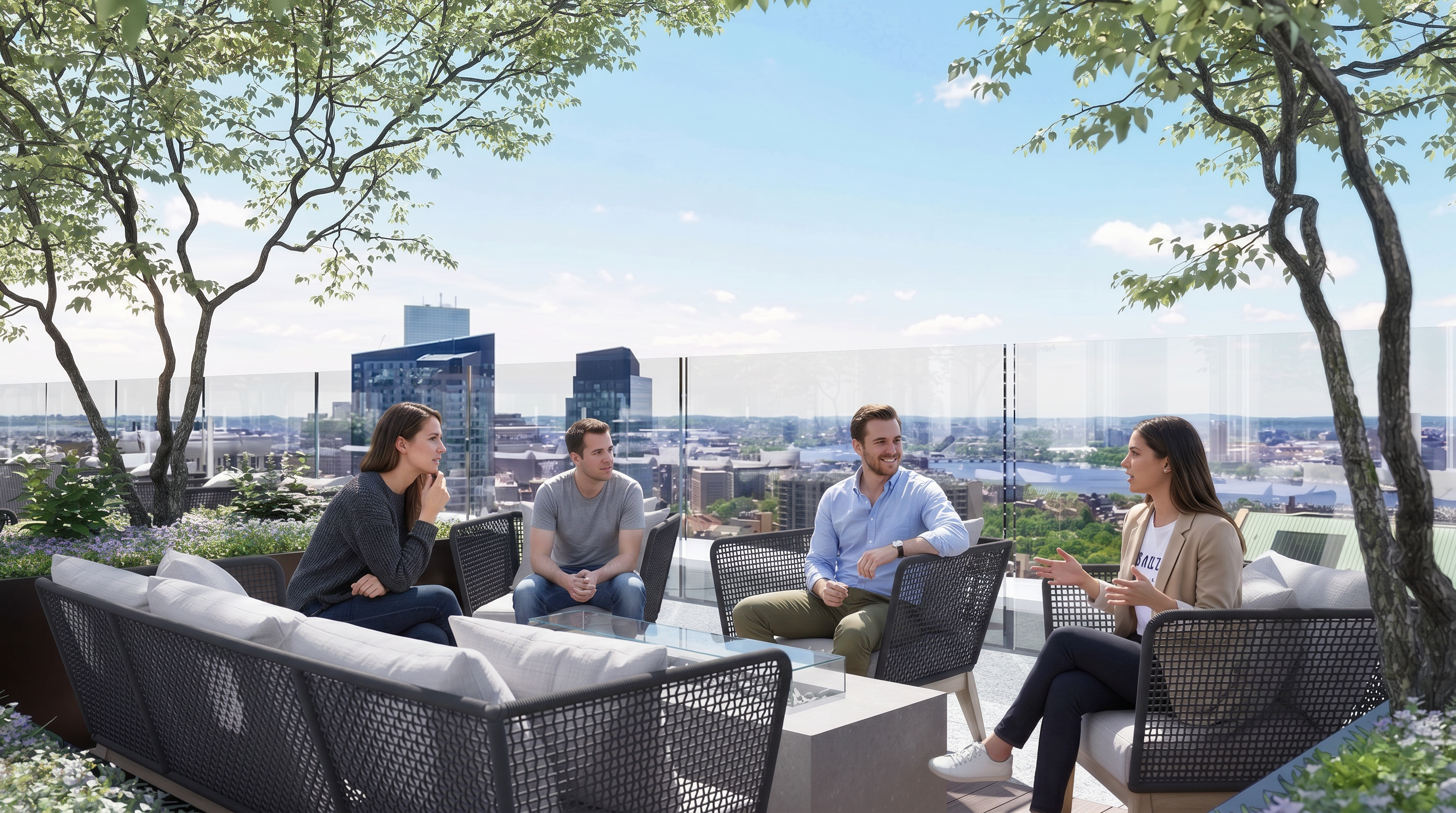
Below, the thirty-fifth floor Club amplifies the offering further: a seventy-five-foot indoor lap pool, a professional fitness center with a dedicated climbing wall, a screening room, two outdoor terraces overlooking the city, and an owners' lounge anchored by a purple-veined marble bar. A private, vehicle-accessed lobby ensures weather-free arrivals year-round — a detail that speaks to the considered, comprehensive nature of life at Winthrop Center. An exclusive 3.875% mortgage offering further distinguishes this opportunity for the discerning buyer.
To understand what it means to live at 240 Devonshire Street is to understand Boston's Financial District not merely as a commercial address, but as one of the most historically layered and dynamically evolving urban neighborhoods in the northeastern United States.
Boston's Financial District sits at the heart of what was once the colonial town center — ground that witnessed the earliest chapters of American civic life. Devonshire Street itself runs through a corridor shaped by centuries of commerce, architecture, and ambition. The streets here bear names — Milk, State, Congress, Franklin — that echo the original grid laid out in the seventeenth and eighteenth centuries, now threaded between glass towers and preserved Federal-era facades in a dialogue between past and present that is uniquely Boston.
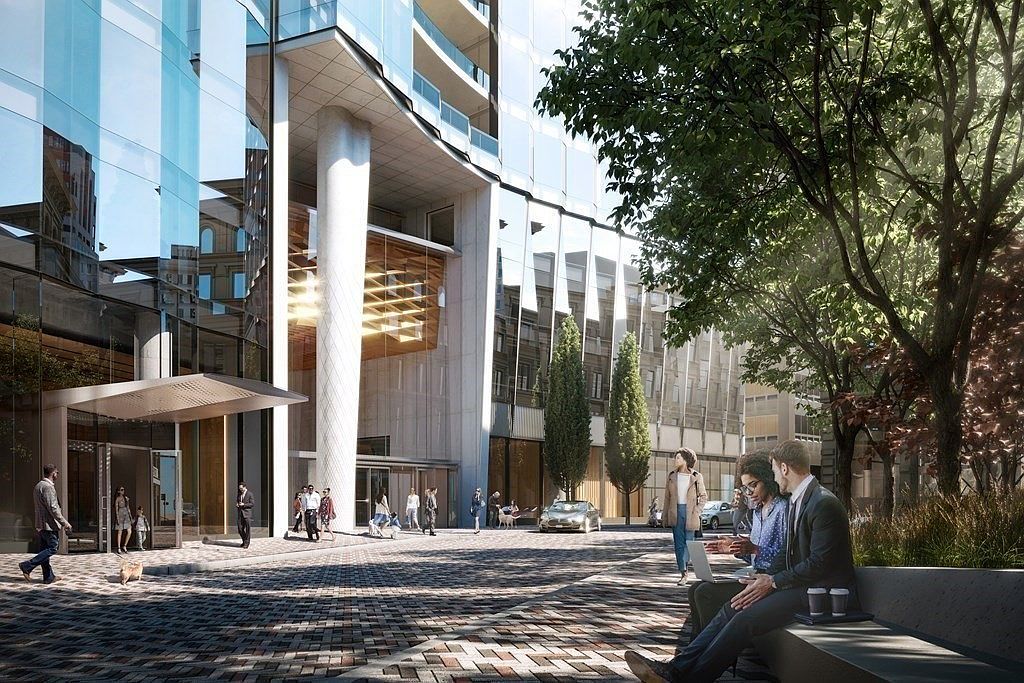
Winthrop Center itself rises from a prominent position in the district, surrounded by the institutions and infrastructure that define daily life at this level of the city. The Rose Kennedy Greenway — Boston's celebrated linear park created from the reclaimed footprint of the elevated Central Artery — lies within immediate reach, offering curated green space, seasonal programming, public art installations, and a farmers' market that draws residents and visitors alike. The Greenway connects the neighborhood southward toward the Seaport District and northward toward the North End, Boston's storied Italian enclave, where some of the city's most beloved restaurants and the historic Paul Revere House and Old North Church anchor a neighborhood of extraordinary character.
Boston Common and the Public Garden — America's oldest public park and its companion botanical garden — are visible from Penthouse 1B and accessible within minutes, providing an expansive green respite at the geographic center of the city. The adjacent Beacon Hill neighborhood, with its gas-lit Federal townhouses and cobblestone lanes, represents some of the most architecturally significant residential fabric in the country.
For cultural engagement, the neighborhood's proximity to the Theater District, the Boston Symphony Orchestra at Symphony Hall, the Museum of Fine Arts, and the Isabella Stewart Gardner Museum places world-class programming within easy reach. South Station, one of the busiest transportation hubs in the Northeast, is nearby, offering Amtrak service to New York and beyond, as well as comprehensive MBTA access connecting the entire metropolitan region.
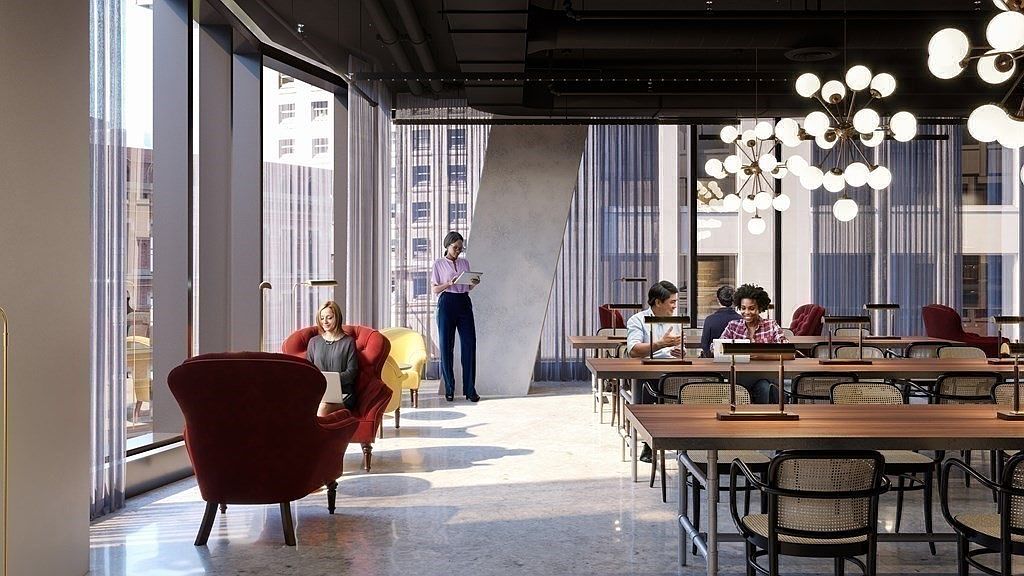
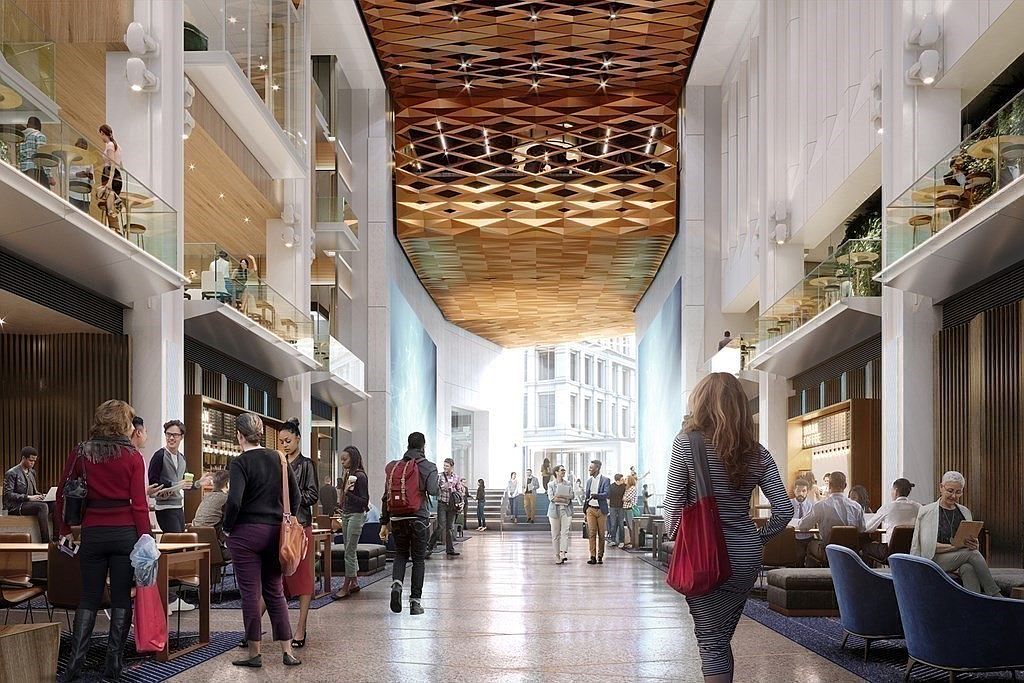
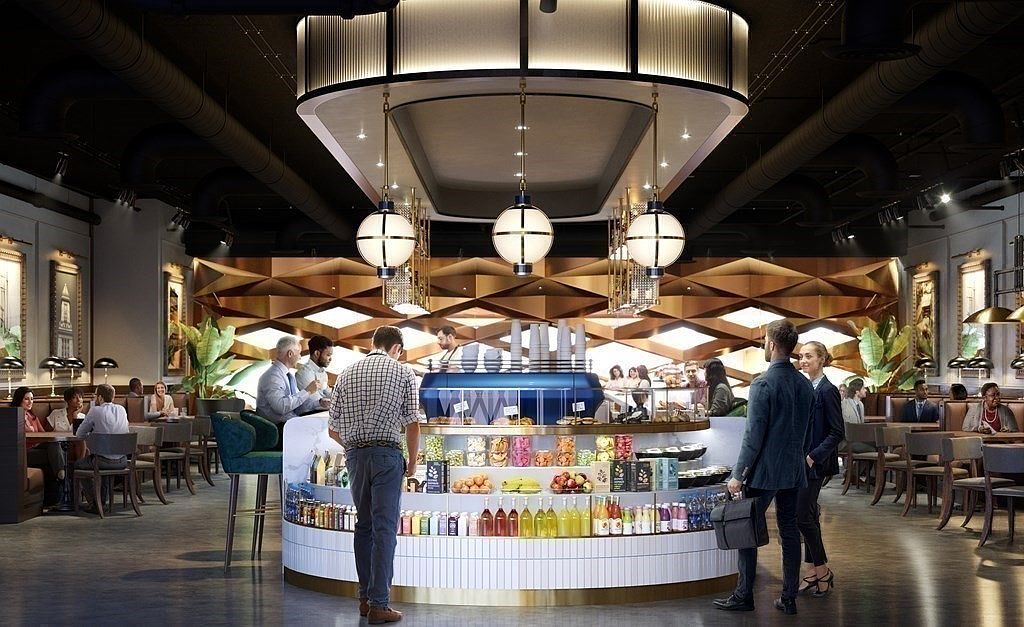
The immediate surroundings of Winthrop Center offer eight distinct food and beverage destinations within the building itself, complemented by a next-generation office club and co-working environment that reflects the convergence of residential and professional life that defines modern urban ambition. Beyond the tower, the Financial District and adjacent Seaport have seen a remarkable flowering of dining, hospitality, and retail over the past decade, with acclaimed restaurants, boutique fitness studios, and independent retailers establishing a neighborhood culture that extends well beyond the nine-to-five.
Logistically, the location is among the most connected in the region. Logan International Airport is accessible via the Silver Line without a single transfer — a convenience that transforms international travel from an ordeal into a seamless extension of life in the city. For those who prefer the road, major arterial access points ring the neighborhood.
This is Boston at its most vital — a city simultaneously ancient and forward-looking, and a neighborhood that places its residents at the precise center of everything that matters.
Featured Highlights
Curated Content • Presented by MP Boston Marketing Team