The Story Behind
A Reimagined 19th-Century Cobble Hill Townhouse by ECKSTRØM
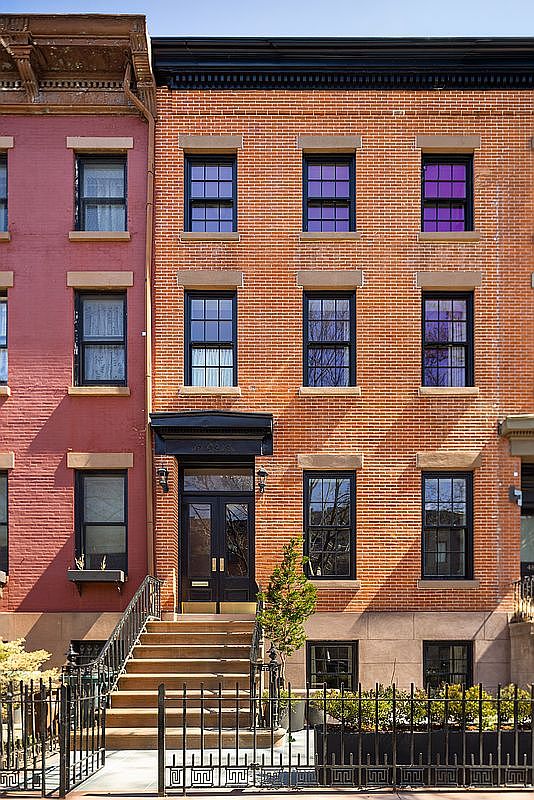
Built between 1844 and 1845 by Jacob Frost, 487 Henry Street has stood on its Cobble Hill block for nearly two centuries—a composed, rhythmic presence on one of Brooklyn's most beloved residential streets. Its original stoop, brick façade, and classical proportions remain precisely intact. What lies within has been entirely reconceived.
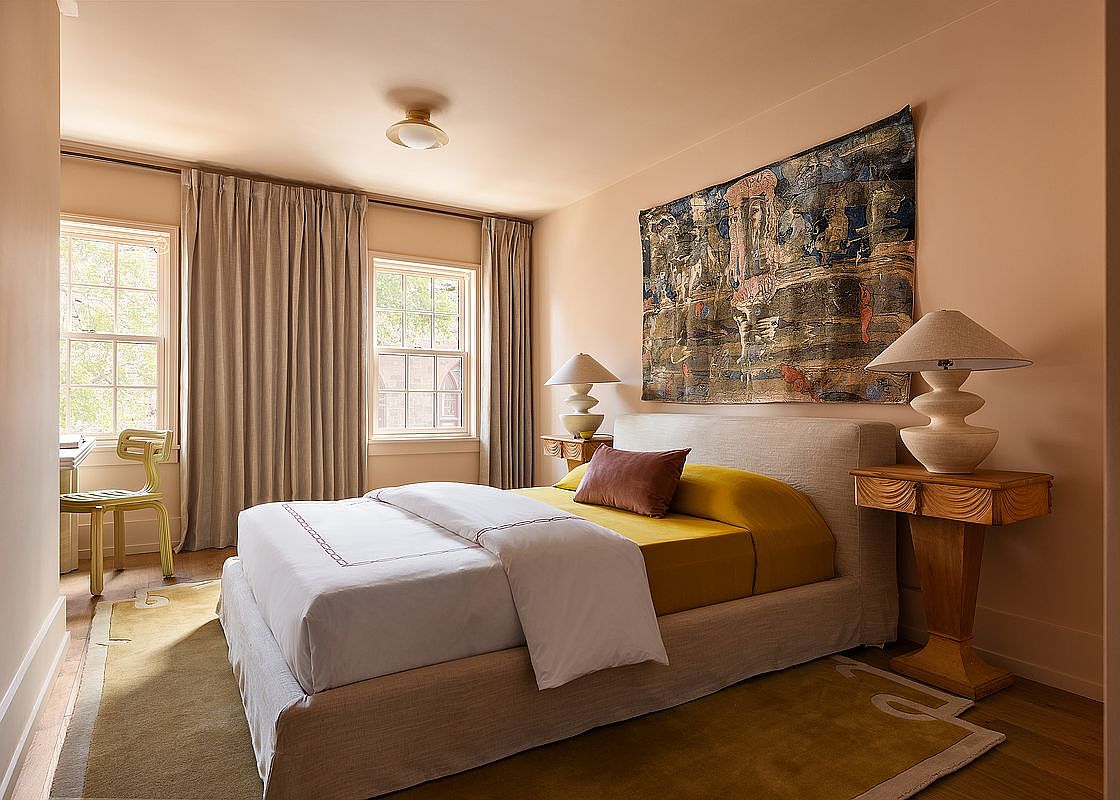
ECKSTRØM, working in collaboration with General Assembly, approached the residence not as a renovation but as a reimagining—one that demanded equal reverence for the structure's origins and clarity of vision about what a townhouse could become. Passive design principles were woven into the architecture from the outset, enhancing energy efficiency and environmental performance without compromising the warmth or character that defines great historic homes.
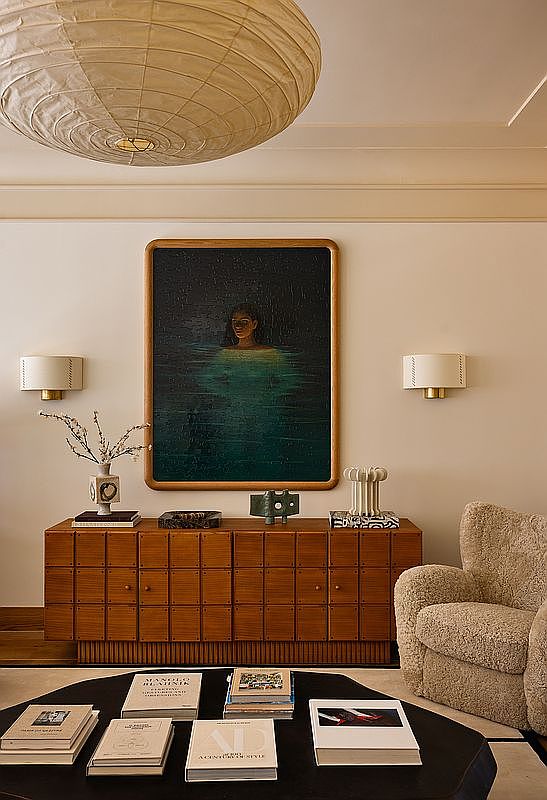
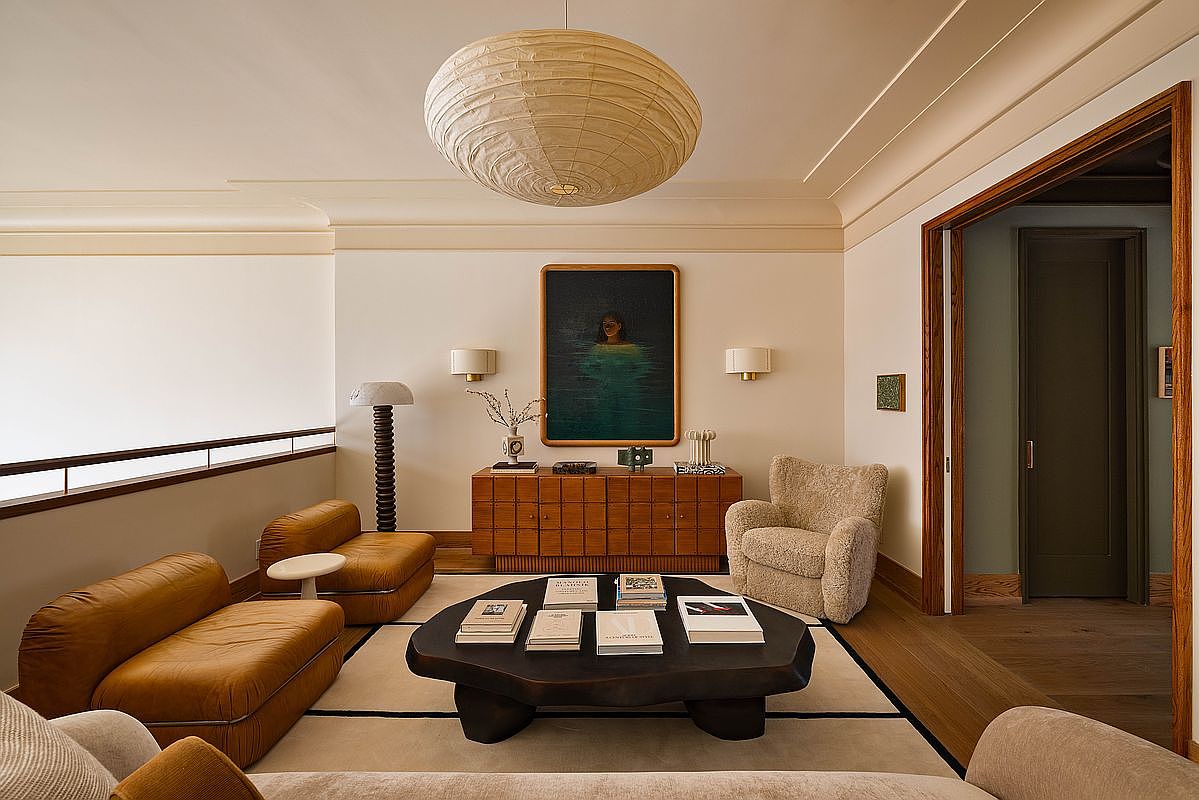
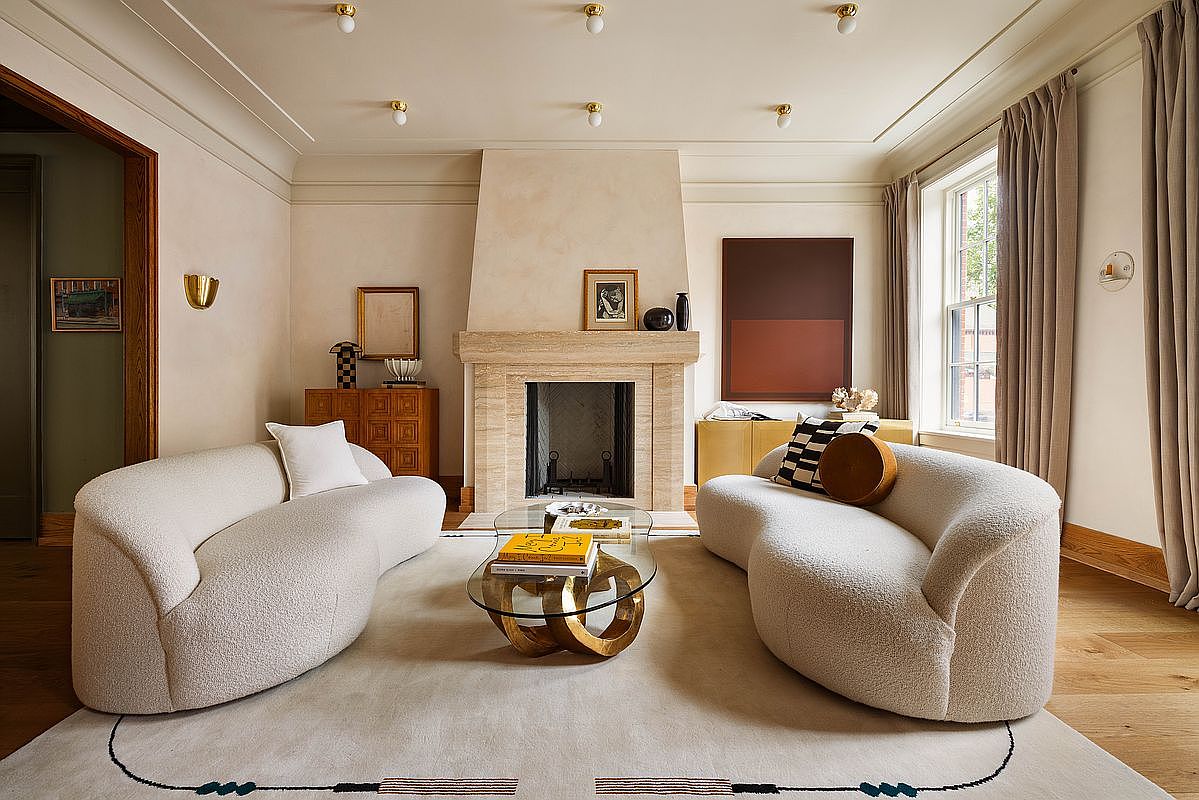
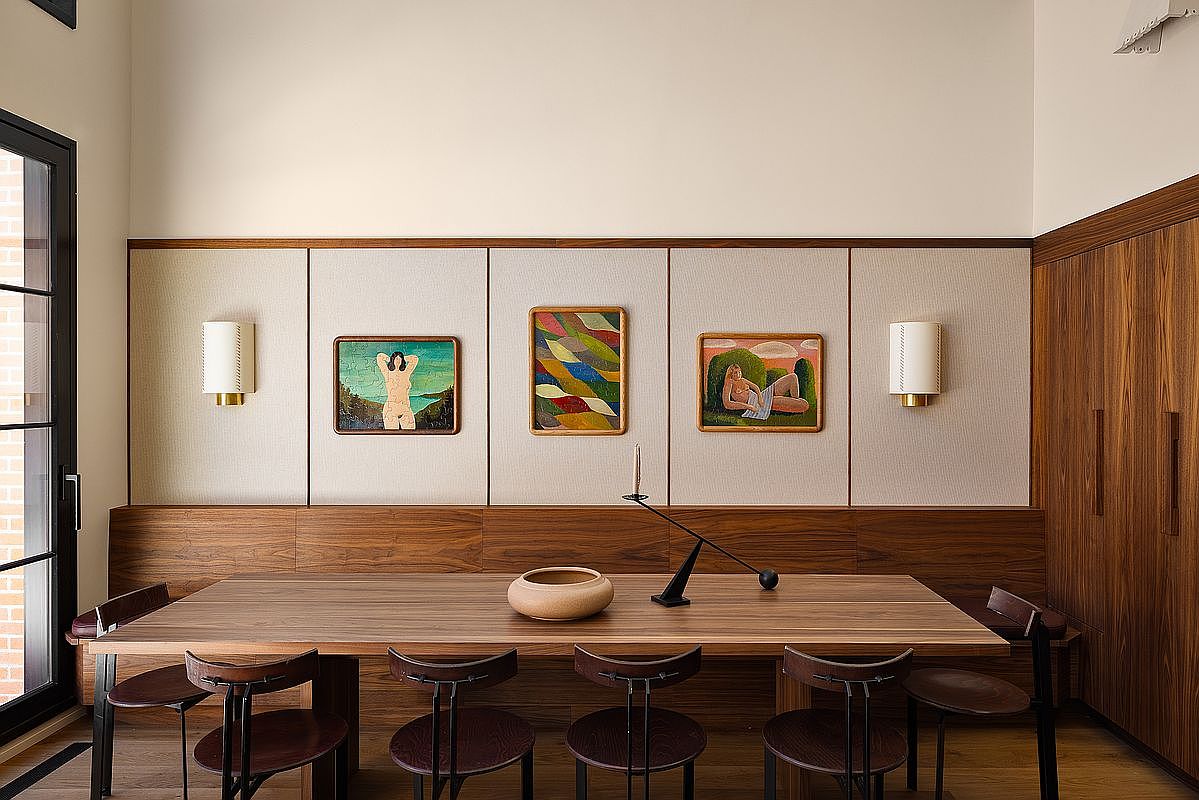
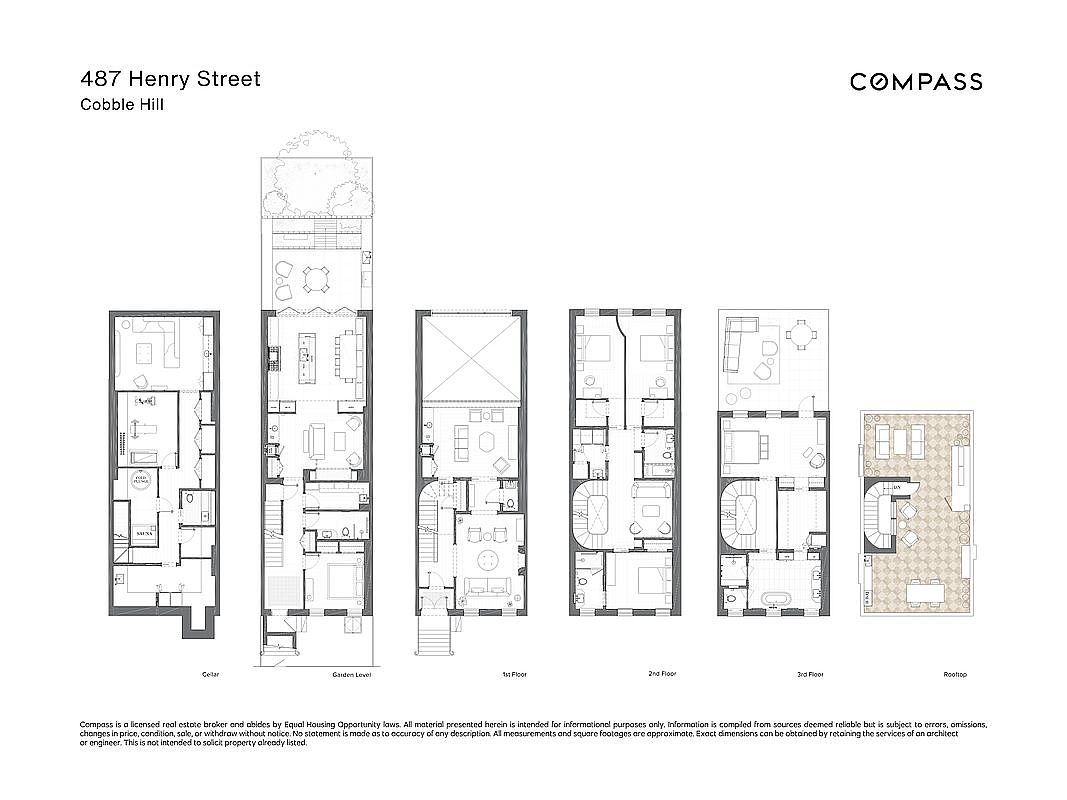
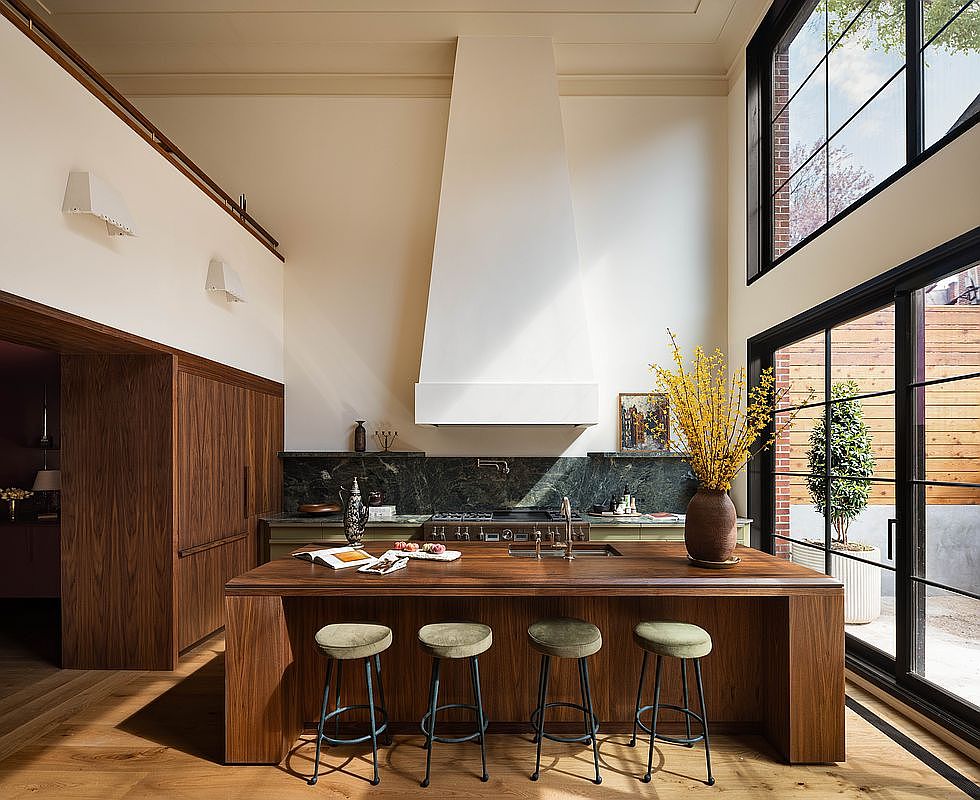
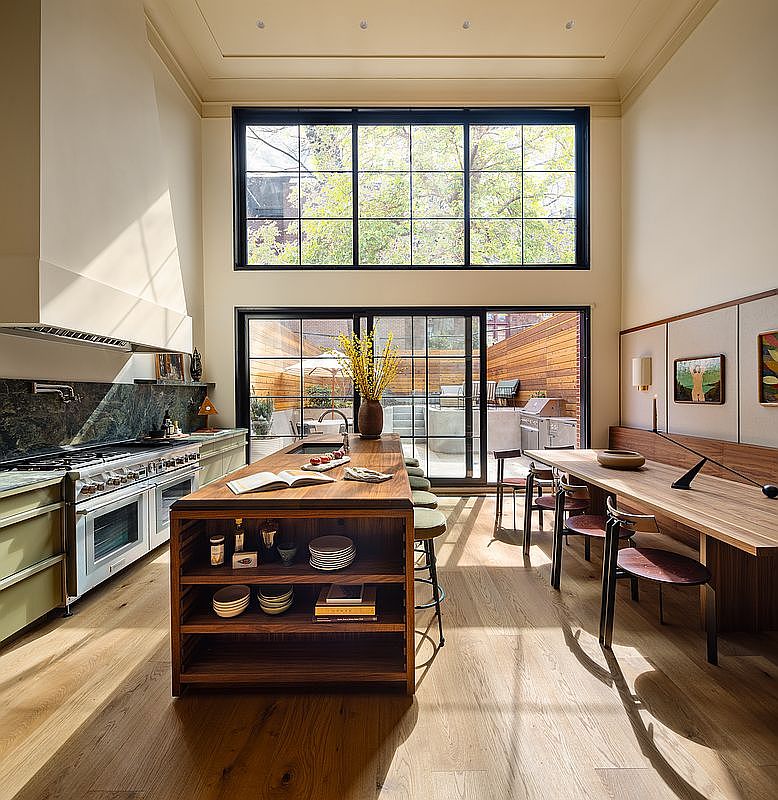
The experience of the home is defined by hierarchy and flow. Across five floors, spaces open and connect in ways that classic townhouse layouts rarely permit. The parlor level—generous in ceiling height and natural light—is conceived around the art of gathering, with a seamless continuity between living and dining that makes entertaining feel entirely uncontrived. Below, the kitchen level shifts registers entirely: quieter, more domestic, it opens directly onto the private garden through expansive glass, dissolving the boundary between inside and out.
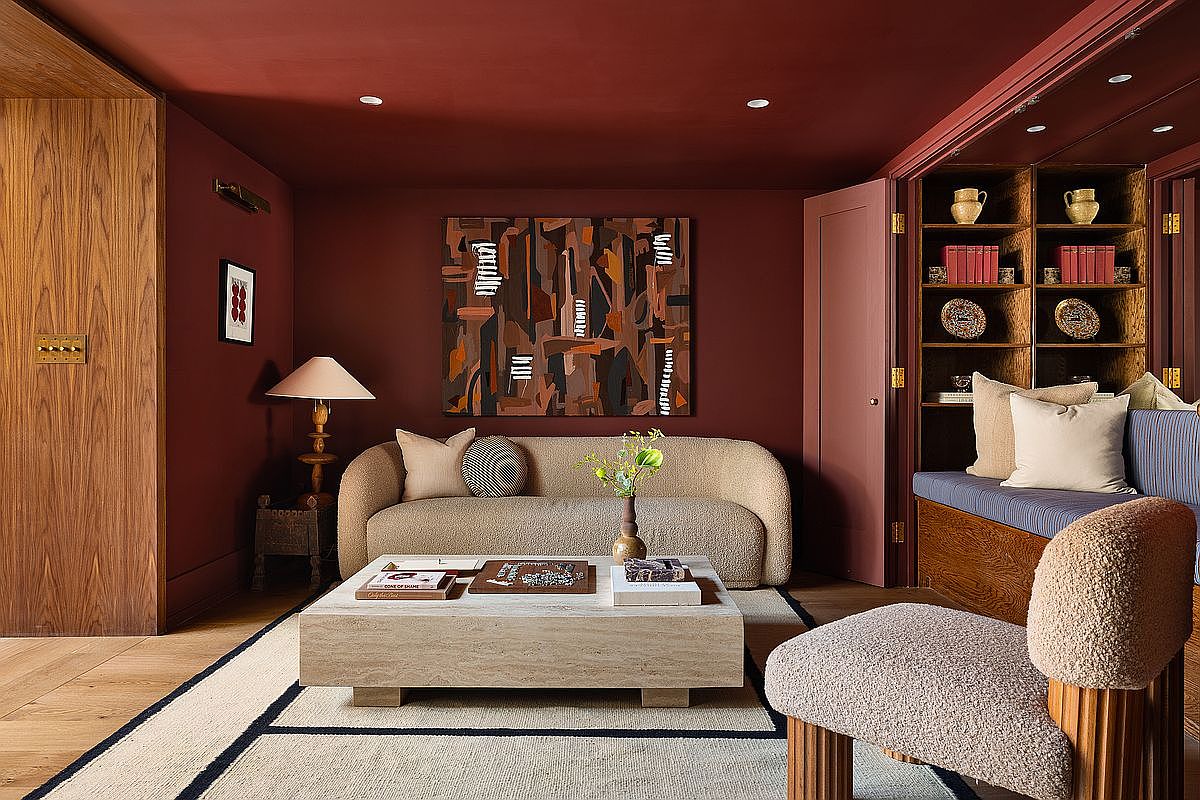
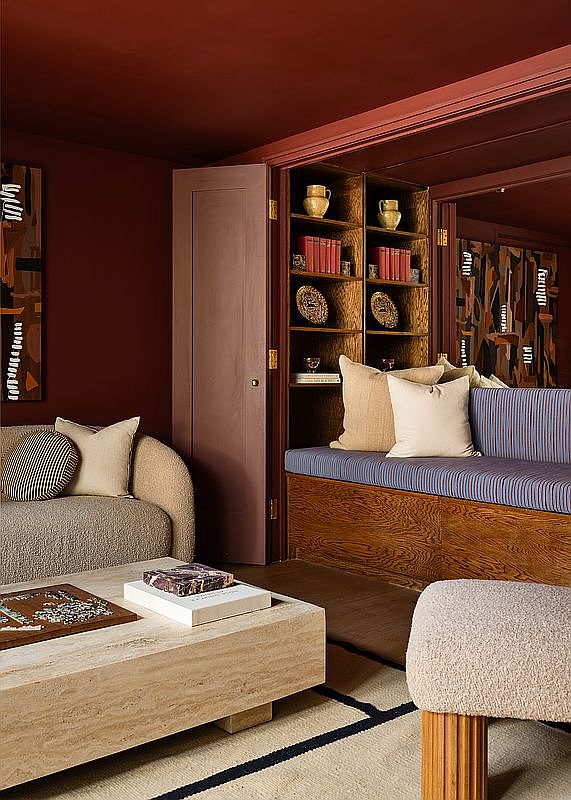
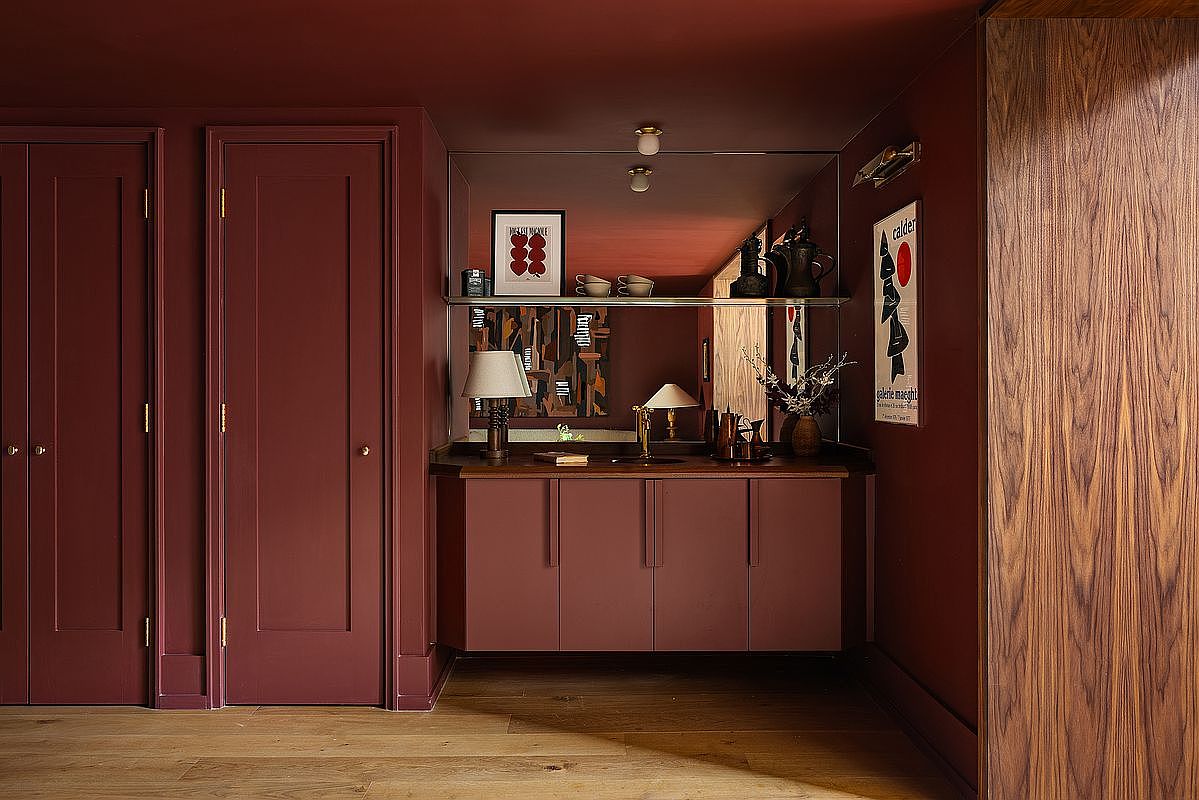
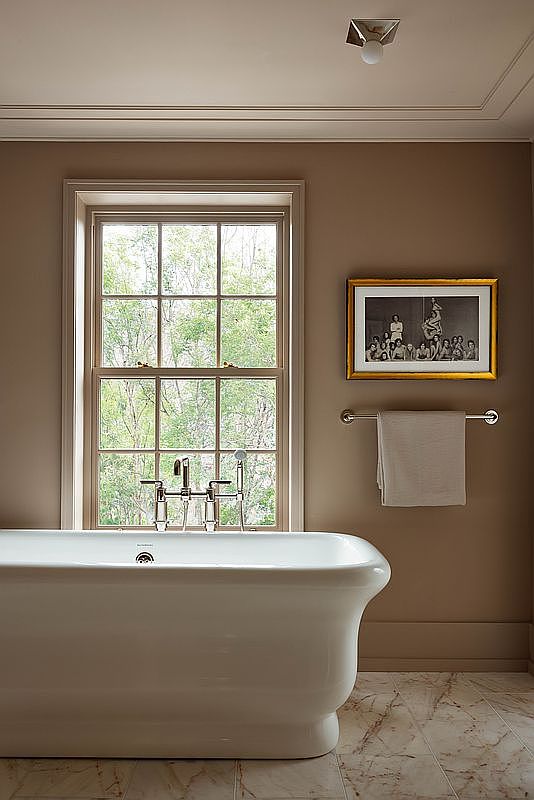
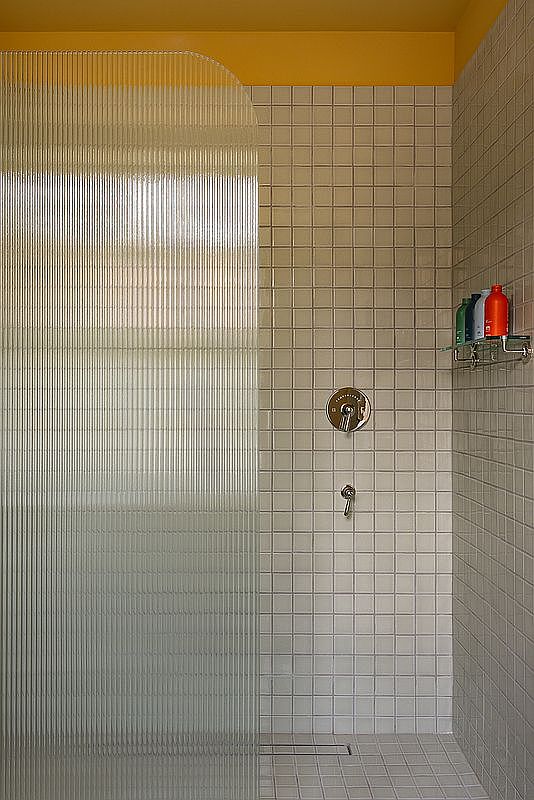
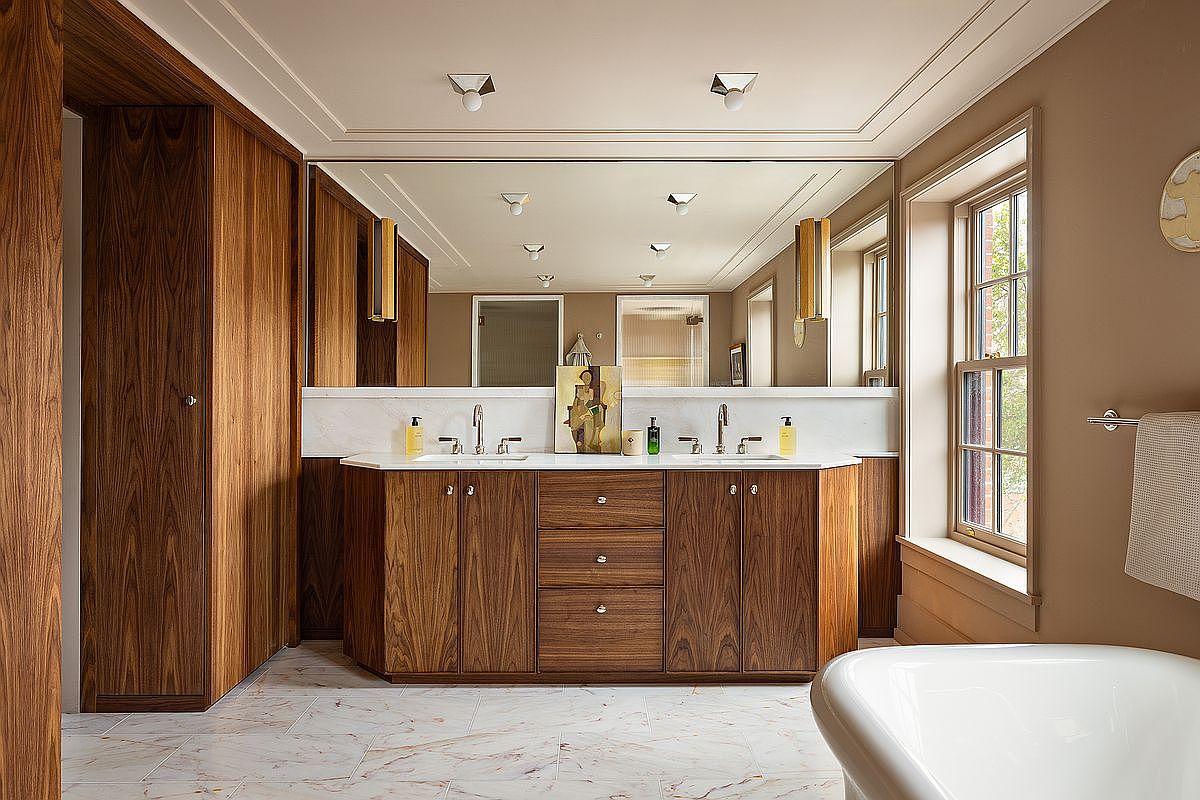
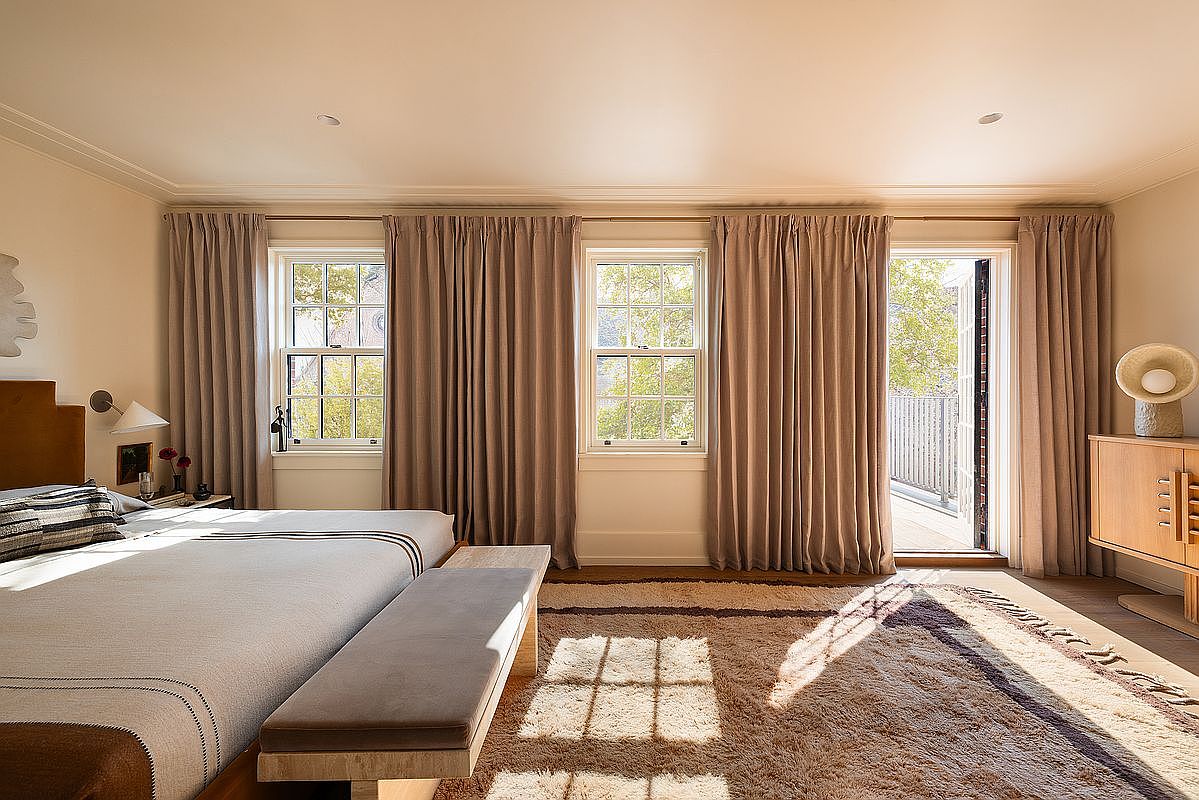
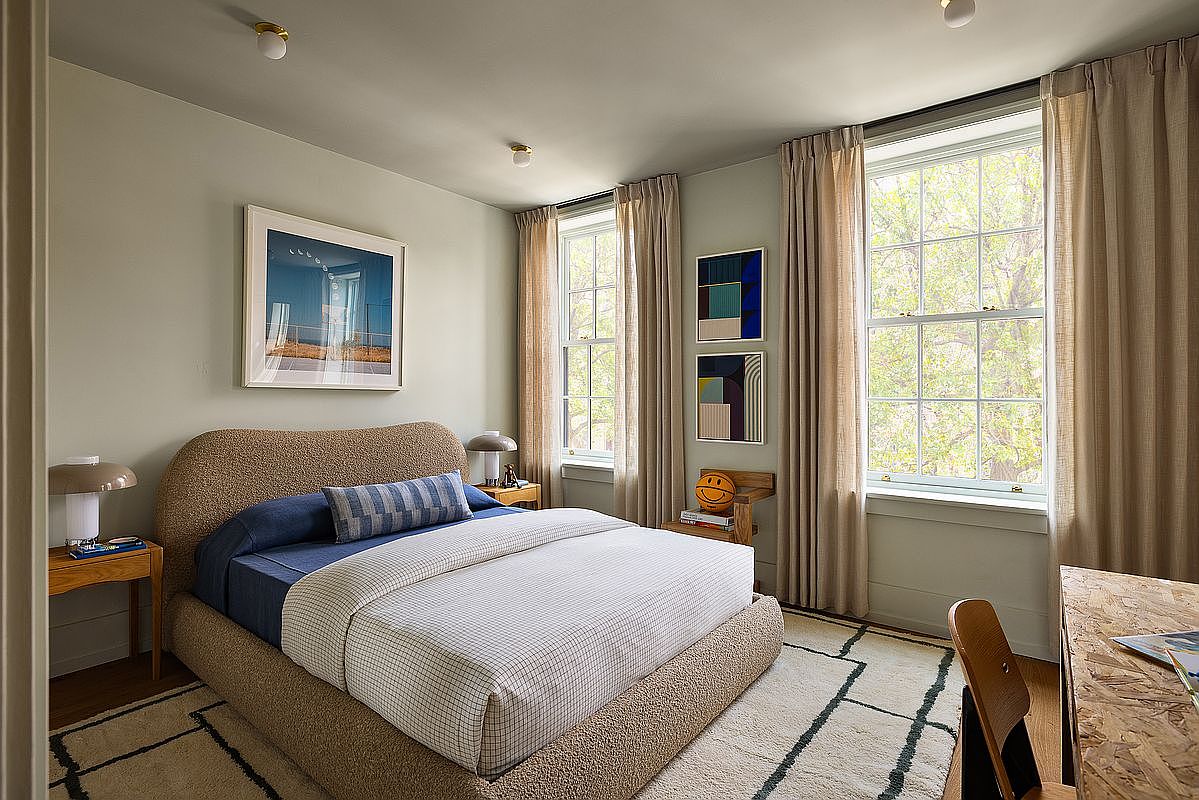
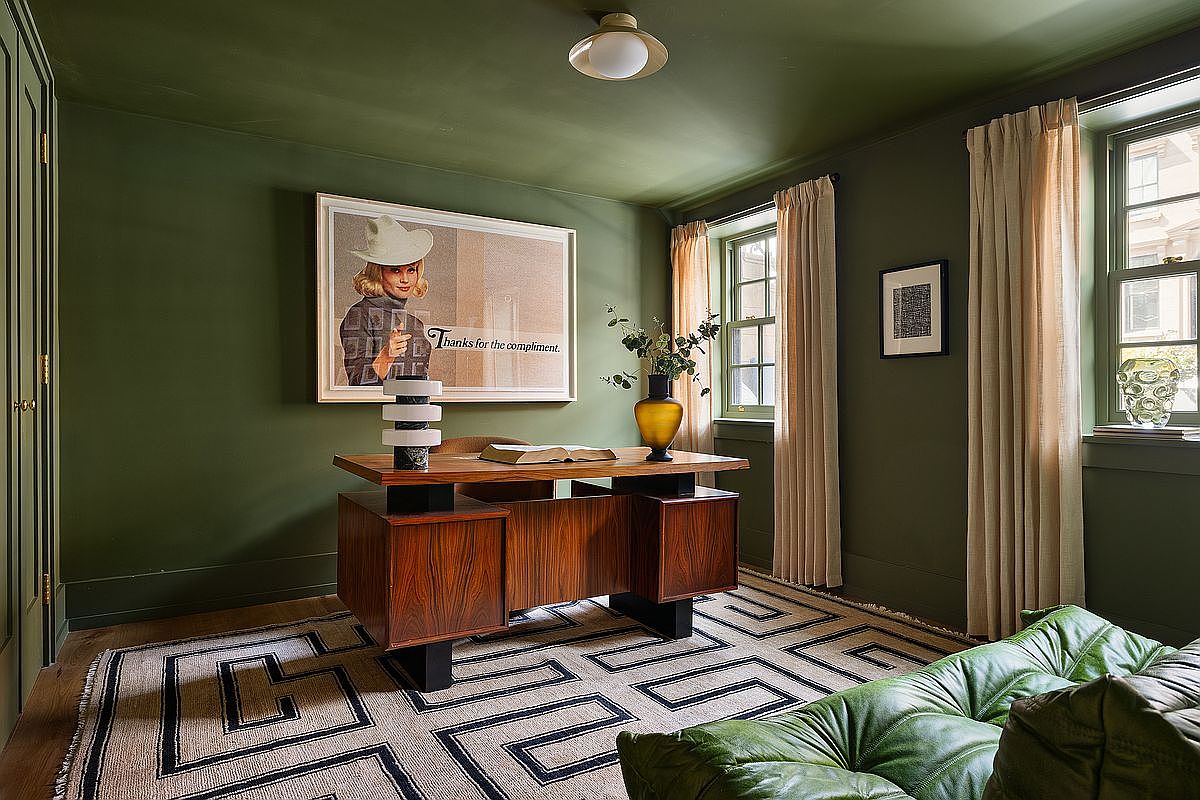
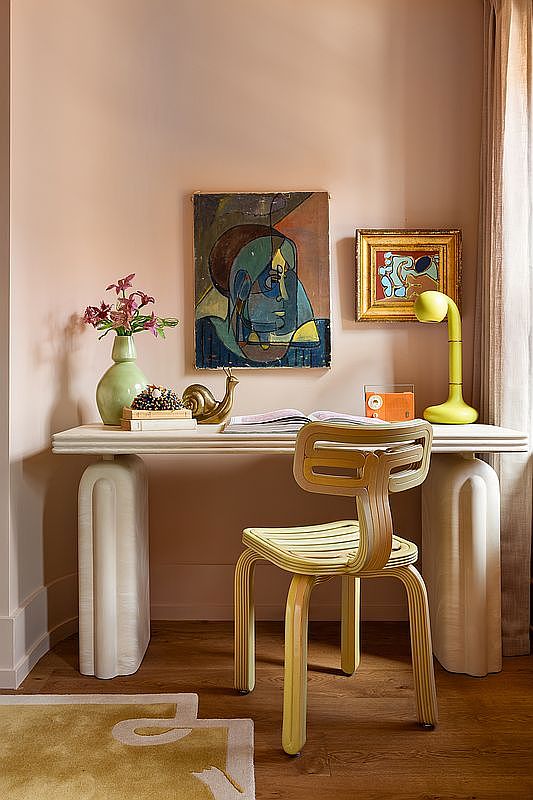
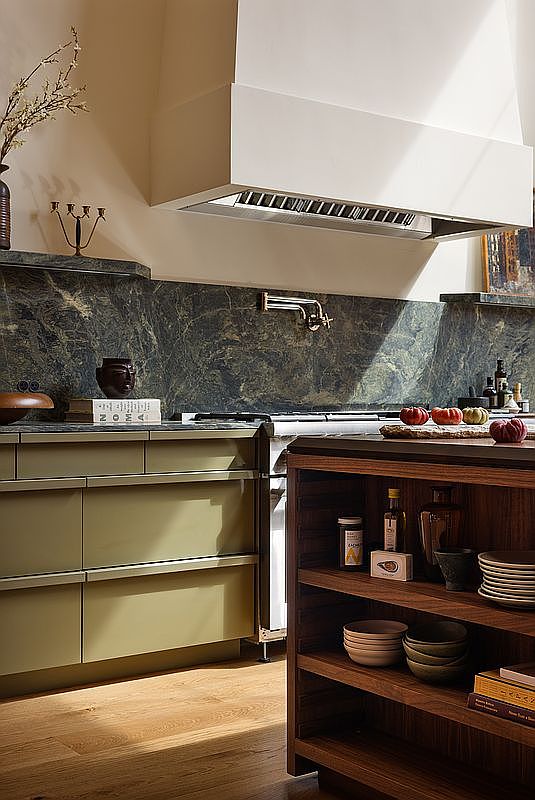
Materials throughout are chosen with the kind of precision that reveals itself slowly. Flat-sawn white oak floors ground every level in warmth and continuity. Marble, walnut, and quartzite surfaces appear across kitchens and bathrooms with a consistency that feels deliberate rather than decorative. Custom millwork—inspired by 19th-century interior traditions and finished in a refined Farrow & Ball palette—lines the walls alongside limewashed surfaces that carry the texture and patina of age without its affectations. Waterworks fixtures and bespoke cabinetry fitted with Blum hardware complete each space with a quiet authority.
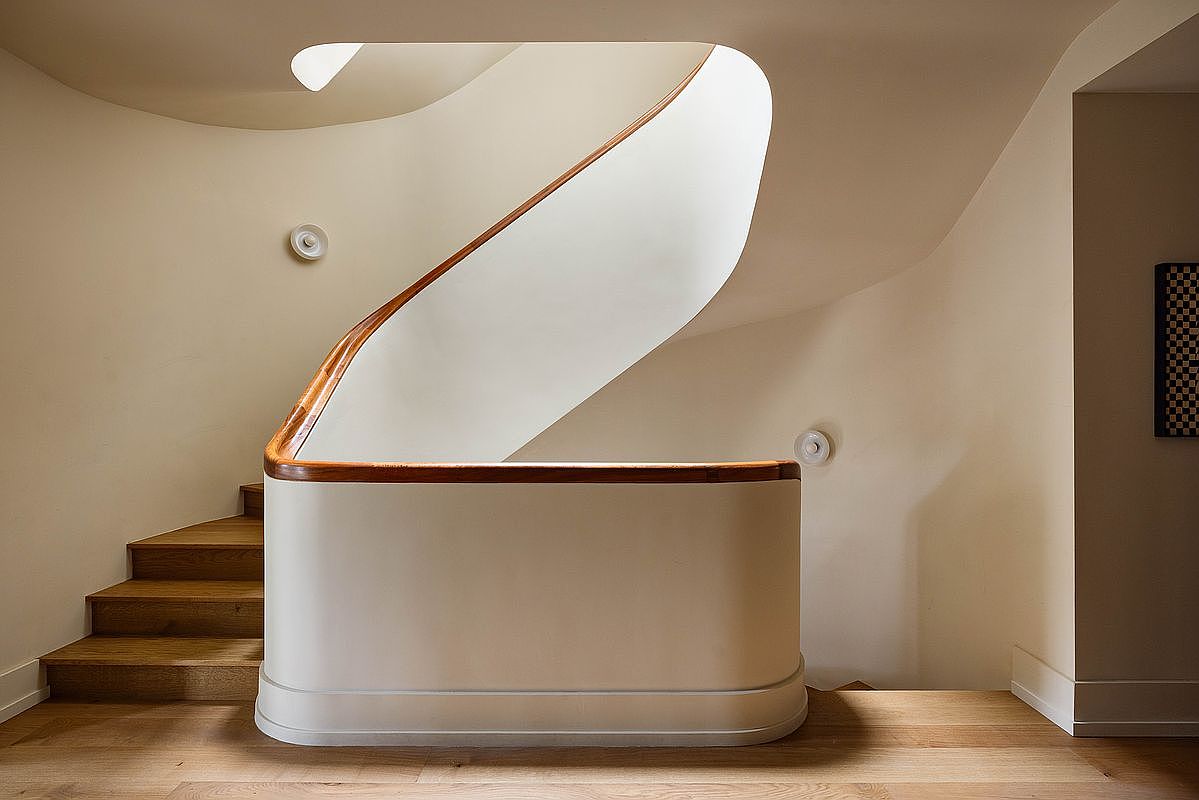
At the center of it all, a sculptural mahogany stair railing rises through every level—the spine of the home, threading its floors into a single coherent experience. It is the kind of architectural gesture that announces craft without announcing itself.
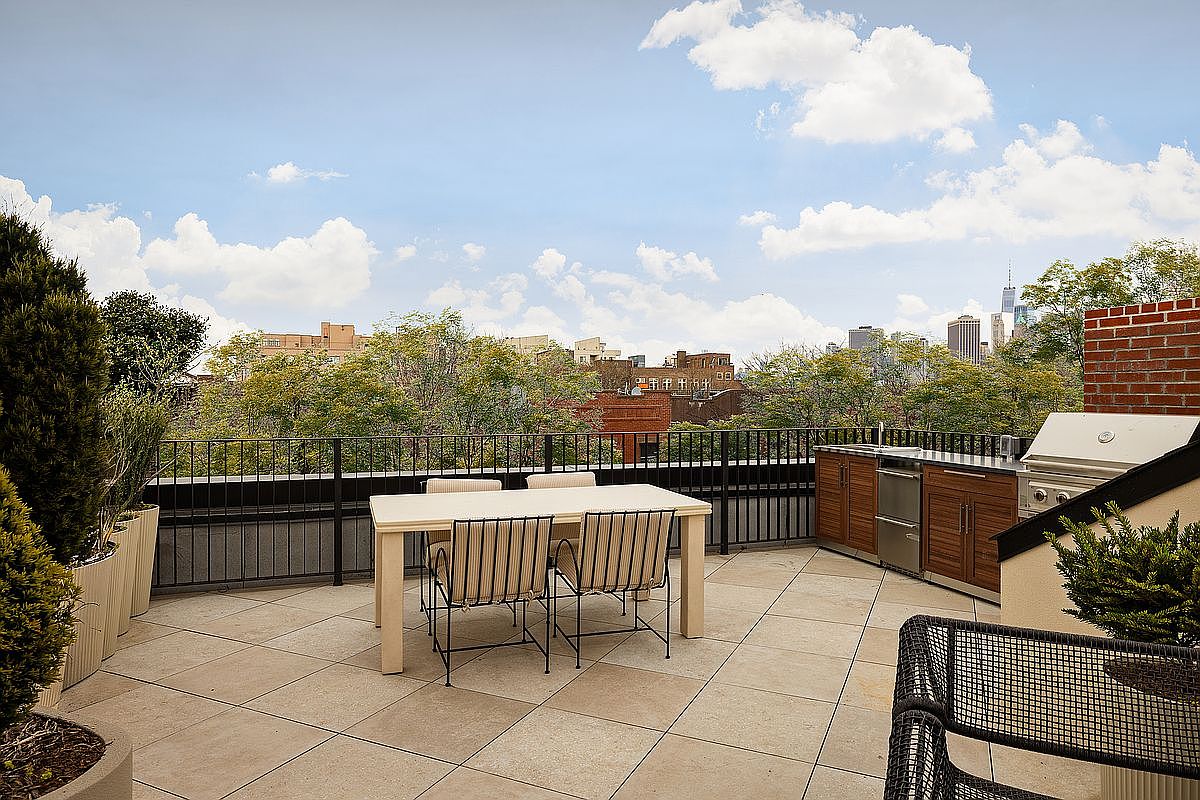
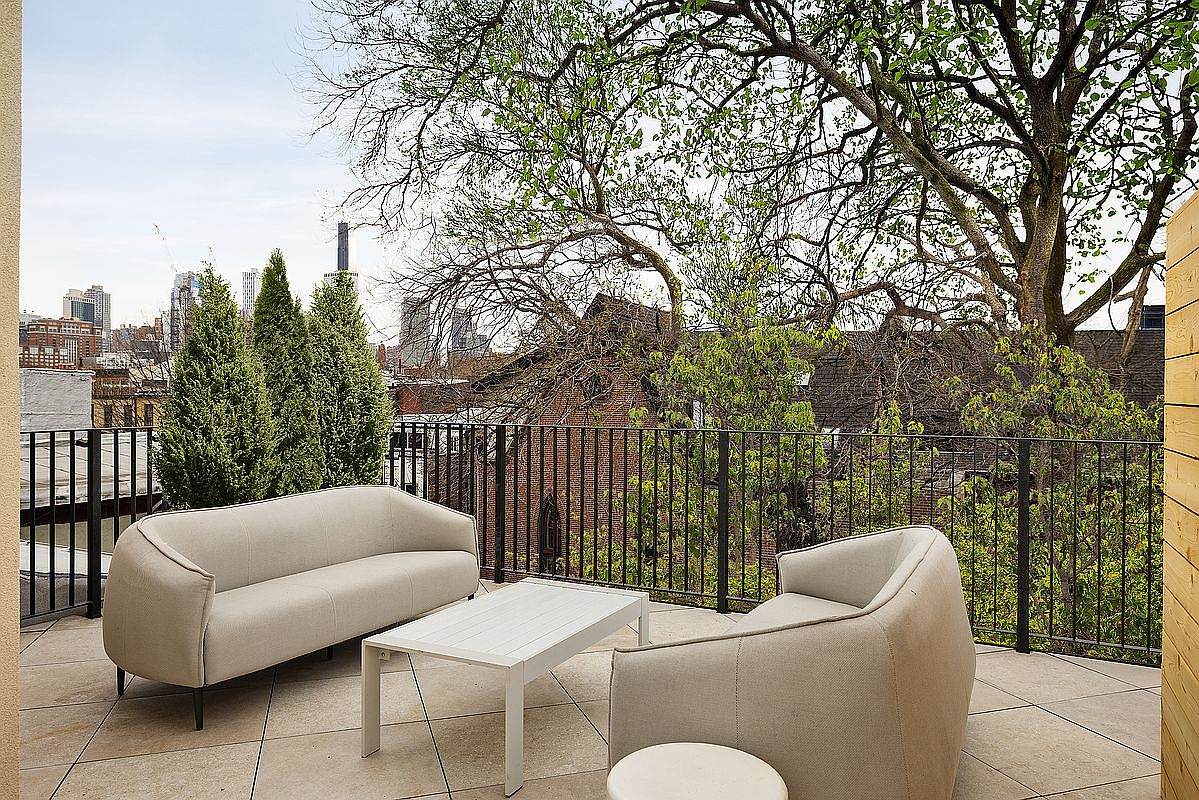
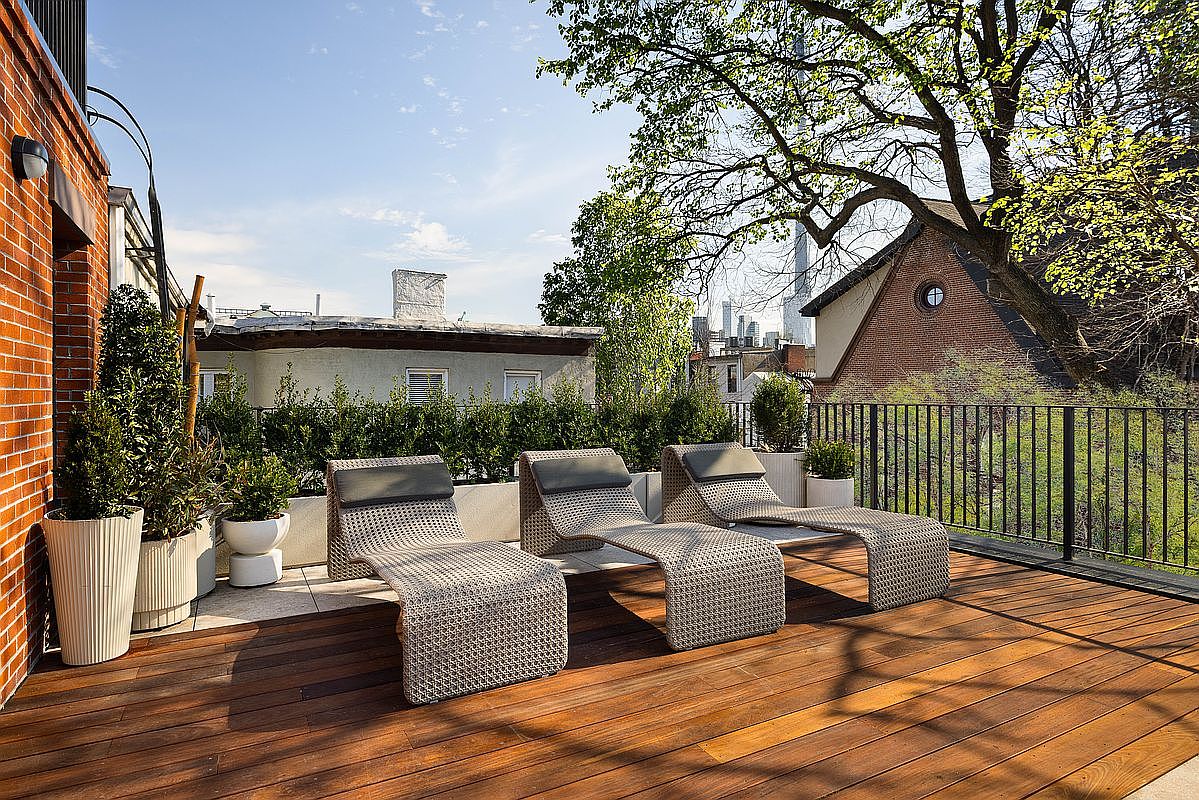
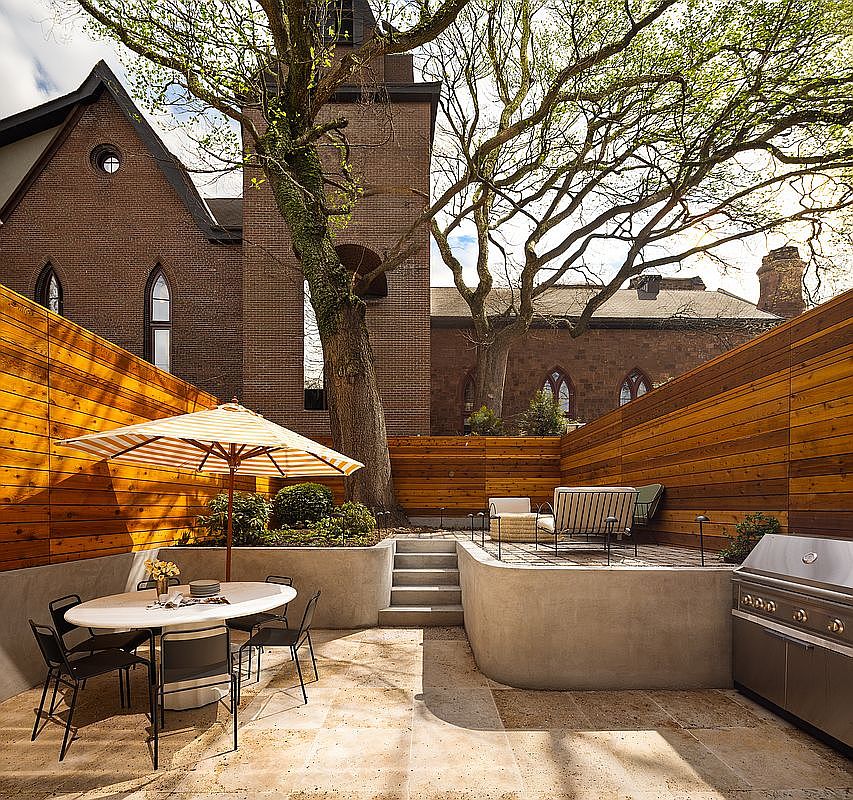
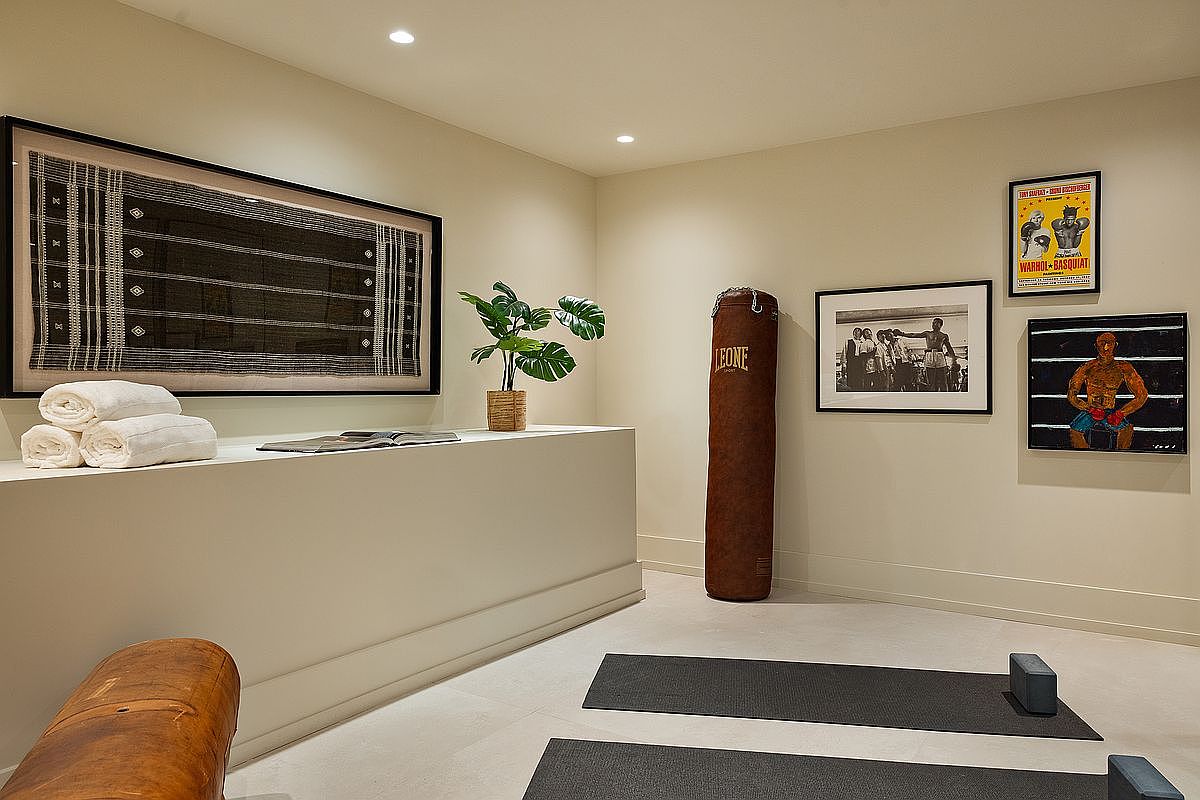
The wellness level below offers a fitness studio, sauna, and cold plunge—a private retreat that reflects the growing understanding that the finest homes must support the full arc of daily life, not merely its social dimensions. Above, two landscaped roof decks with sweeping Brooklyn and Manhattan skyline views and two fully equipped outdoor kitchens extend the home into the open air, offering spaces for both intimate evenings and expansive entertaining.
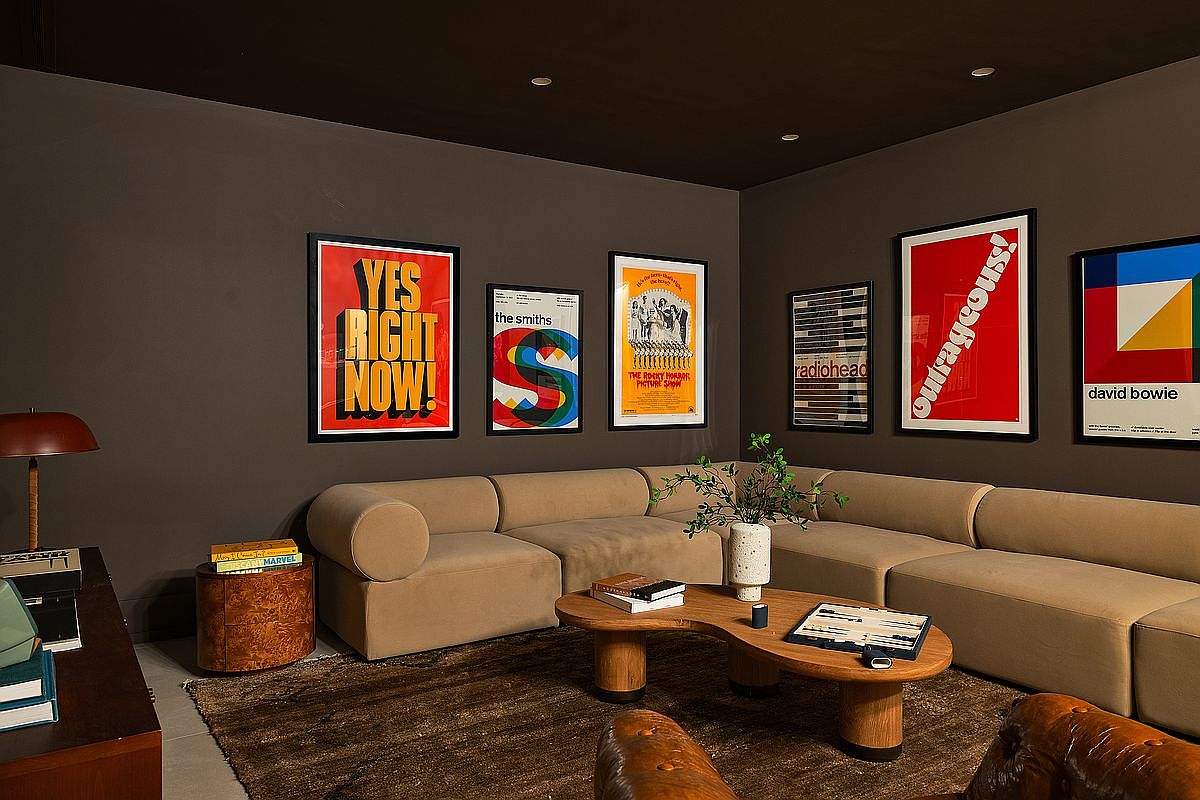
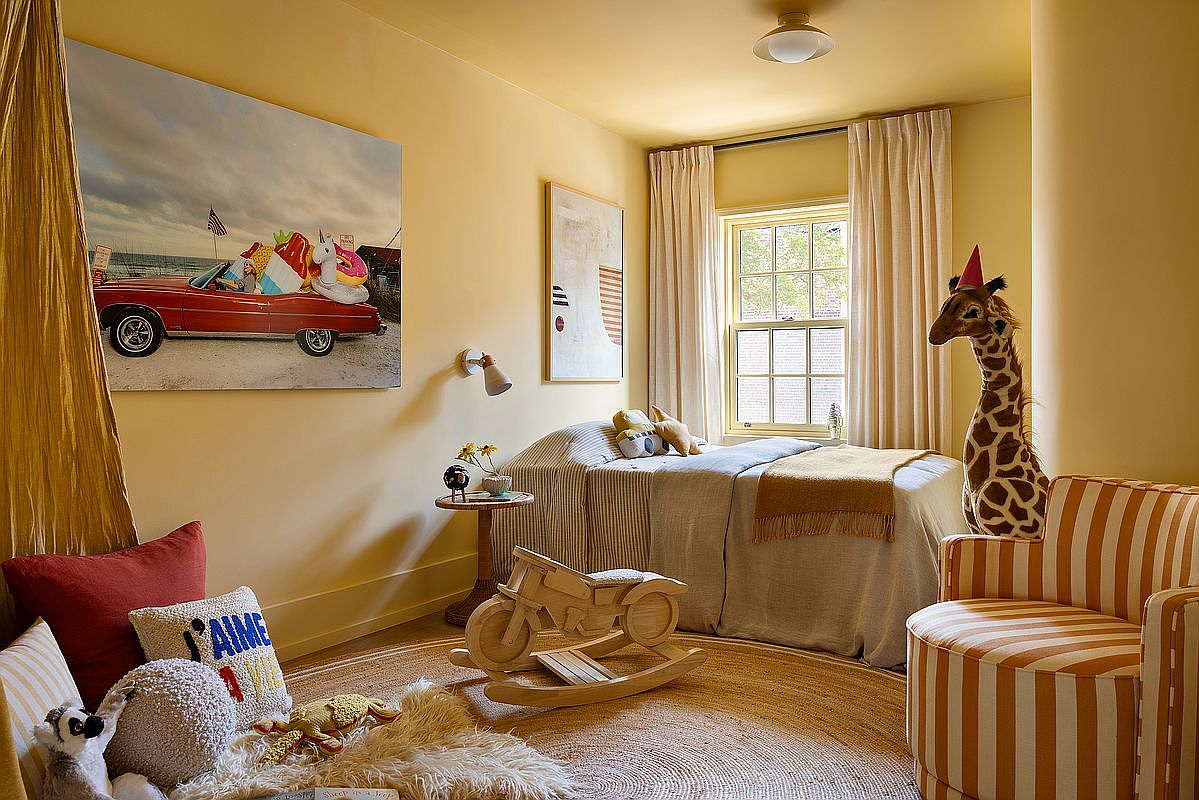
With five bedrooms, four full bathrooms, two powder rooms, multiple family rooms, and over 2,000 square feet of outdoor space, 487 Henry Street accommodates the complexity of contemporary life without sacrificing a moment of elegance. It is, in every sense, a crafted home—one that took nearly 180 years of history as its foundation and arrived, through ECKSTRØM's singular vision, at something entirely its own.
Cobble Hill occupies a particular place in the imagination of Brooklyn—and in its geography. Bounded by Atlantic Avenue to the north, Degraw Street to the south, the BQE to the west, and Court Street to the east, it is one of the borough's smallest and most architecturally intact neighborhoods, a place where the 19th century is not a reference point but a living presence.
The neighborhood takes its name from the Dutch 'Cobleshill,' a reference to a hill that once occupied the area before being leveled during the Revolutionary War to prevent British forces from using it as a vantage point. What remained was a flat, fertile stretch of land that, through the mid-1800s, became one of Brooklyn's most desirable residential districts—a character it has never surrendered. Today, Cobble Hill is a designated historic district, and its blocks of Italianate and Greek Revival rowhouses, many built during the same decade as 487 Henry Street itself, are protected by the New York City Landmarks Preservation Commission.
Henry Street, in particular, is among the neighborhood's most admired corridors—a canopied, residential block whose scale and quietude feel genuinely removed from the pace of the surrounding city. It is the kind of street where strollers pause, where neighbors know each other by name, and where the architecture feels like a continuous, uninterrupted conversation across generations.
The surrounding neighborhood offers a quality of daily life that few urban addresses can match. Court Street, Cobble Hill's primary commercial spine, is lined with independent bookshops, acclaimed restaurants, specialty food purveyors, and neighborhood institutions that have anchored the area for decades. Sahadi's, the beloved Middle Eastern grocery on nearby Atlantic Avenue, has been a community fixture since 1948. The Cobble Hill Cinemas, one of Brooklyn's last remaining independent movie theaters, continues to draw discerning audiences. Smith Street, just blocks away, offers a deeper roster of restaurants and boutiques that extend the neighborhood's appeal without diluting its intimacy.
Brooklyn Bridge Park, situated a short distance to the northwest along the waterfront, provides sweeping views of the Manhattan skyline and the harbor, along with expansive lawns, athletic facilities, and a cultural programming calendar that spans the warmer months. Nearby Carroll Park—a small but beloved neighborhood green at the heart of Carroll Gardens—offers a quieter, more local respite.
For families, the neighborhood falls within reach of several well-regarded public and private schools, and its streets are consistently cited among the safest and most walkable in Brooklyn. Subway access via the F and G lines at Bergen Street and Carroll Street connects residents to Manhattan in minutes, while the neighborhood's own completeness means that most daily needs can be met entirely on foot.
Cobble Hill is, in the truest sense, a neighborhood that rewards the decision to live there—not merely as an address, but as a community. At 487 Henry Street, one of its finest homes now offers the rare chance to become part of that story.
Featured Highlights
Curated Content • Presented by Carl Gambino