The Story Behind
Five-Star Living, Vineyard Setting, Effortless by Design
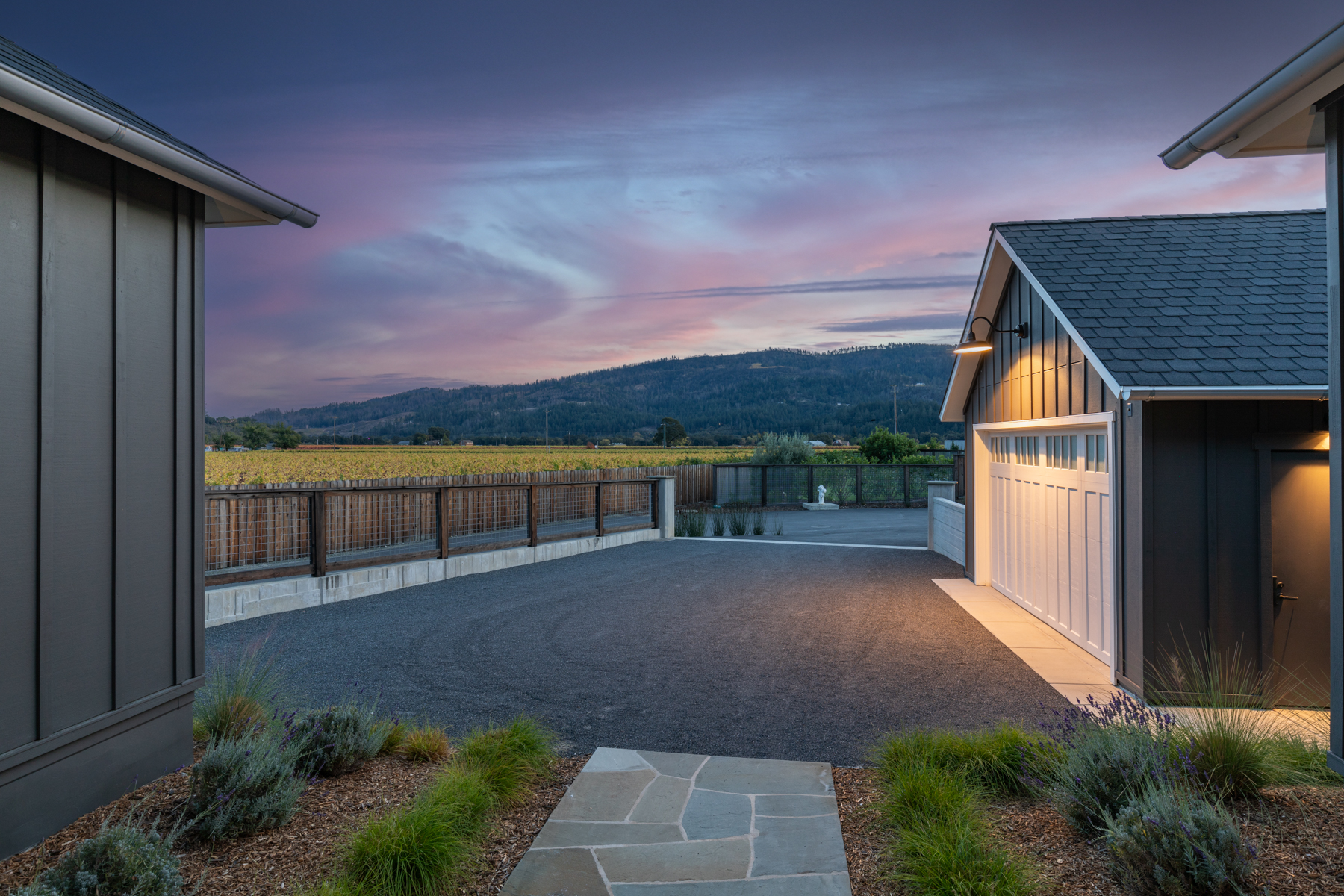
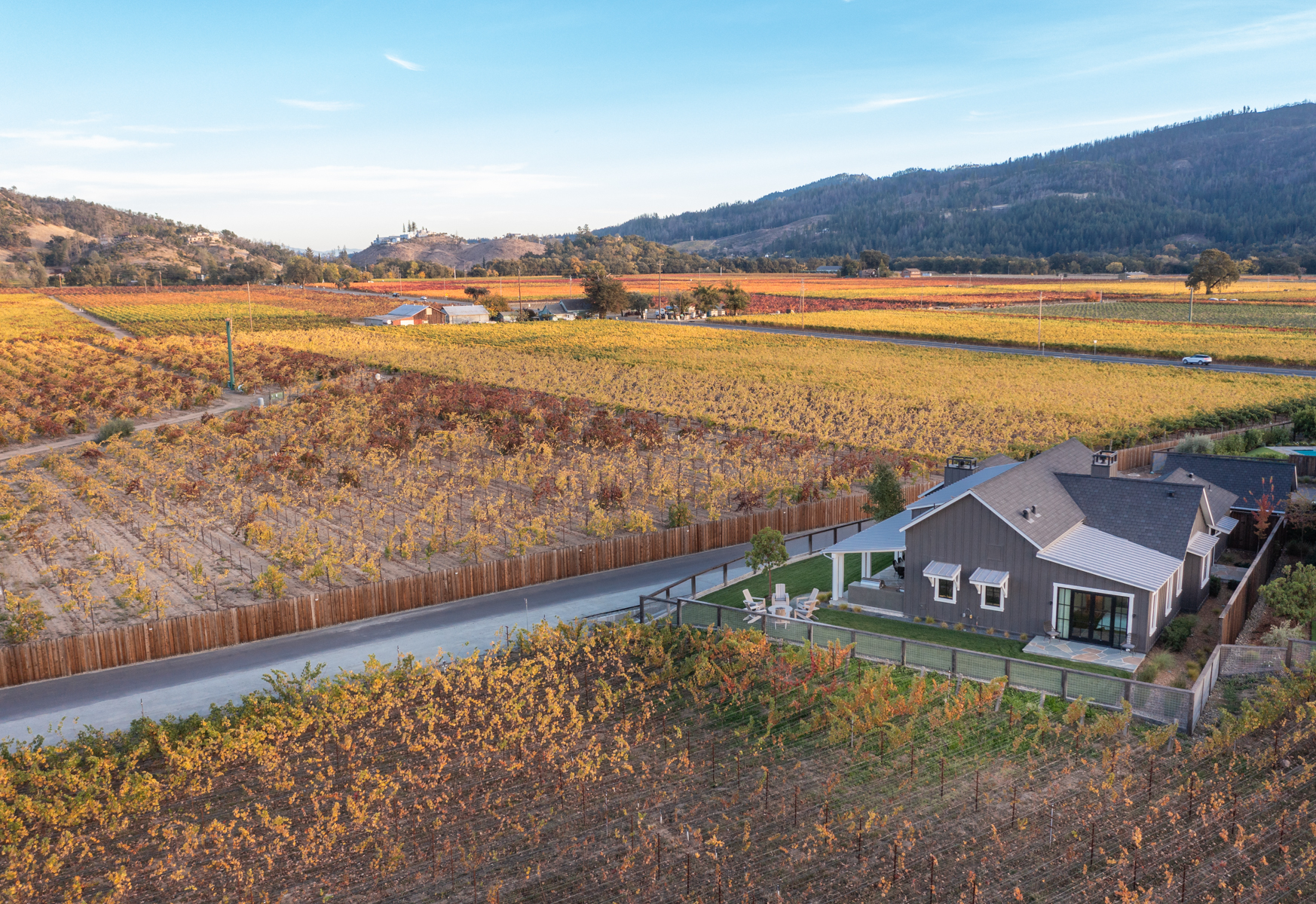
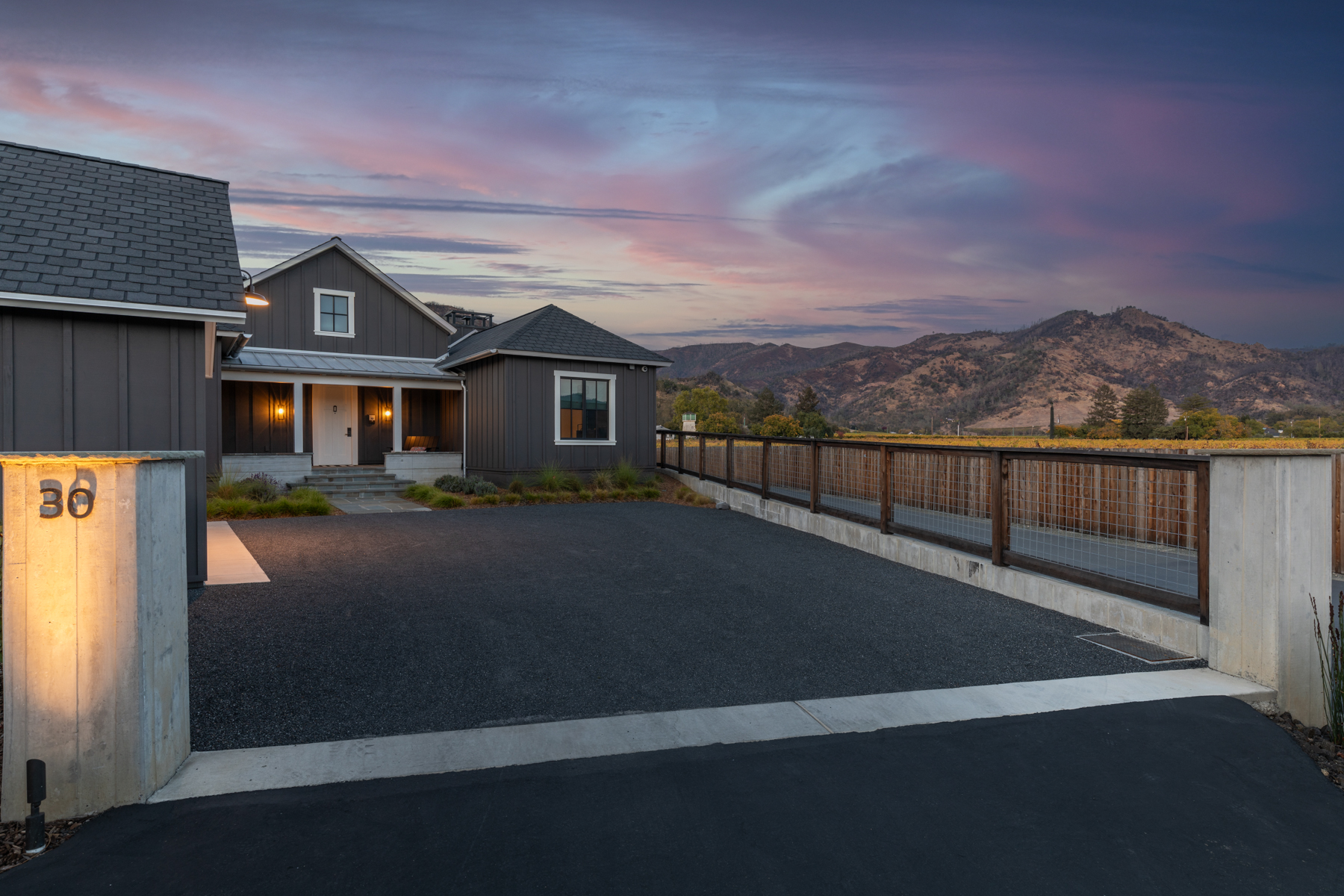
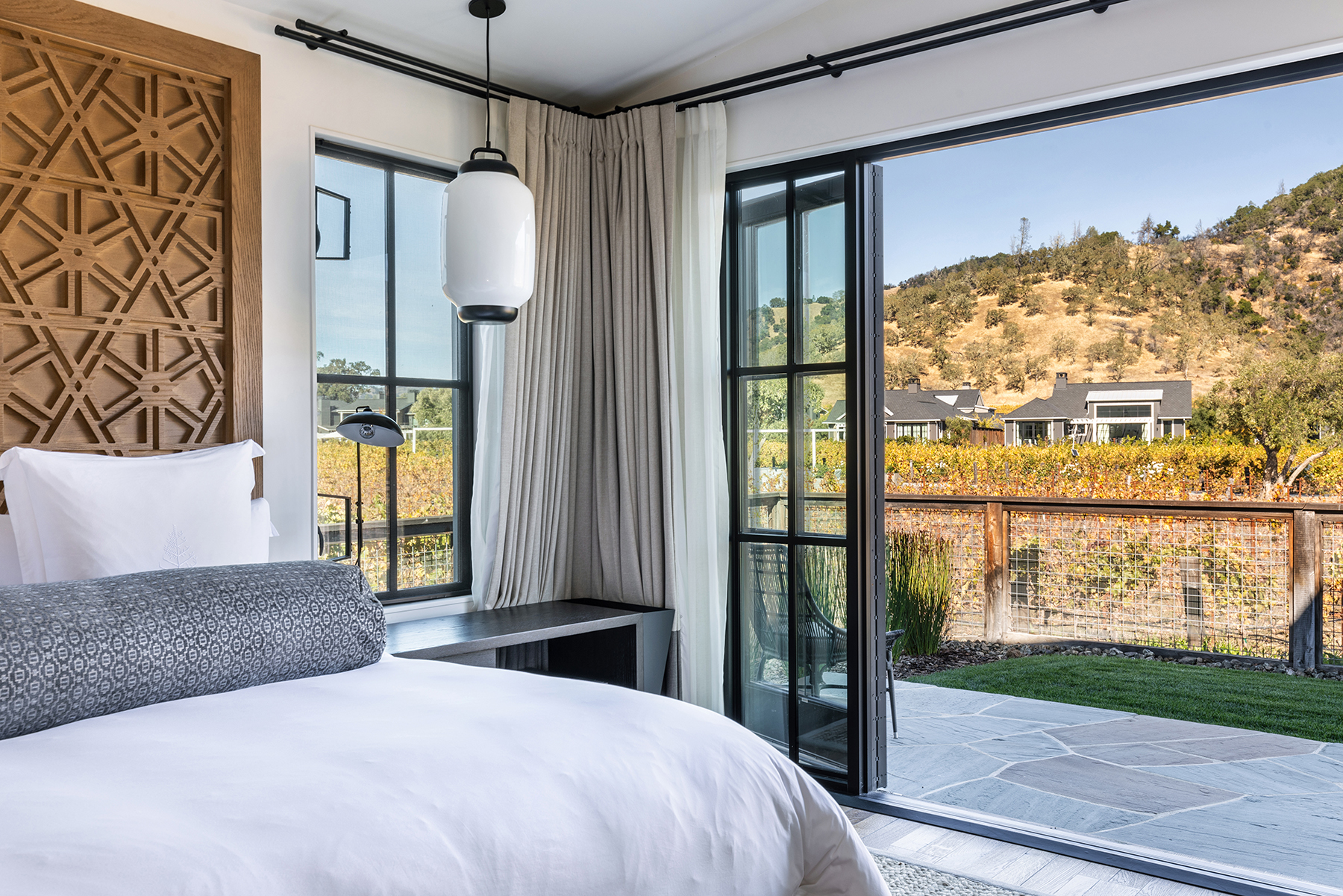
There is a specific kind of ambition behind 30 Lawley Lane — one that rejects compromise as a design principle. Conceived by O'Bryan Partnership, the architecture reads as agrarian-modern: dark board-and-batten siding, a clean metal roof, steel-framed glass walls that perform the essential work of dissolving the threshold between interior and vineyard. The single-level plan is not a concession but a conviction — everything here moves with intention, from the covered entry through to the terrace beyond, without a single unnecessary transition.
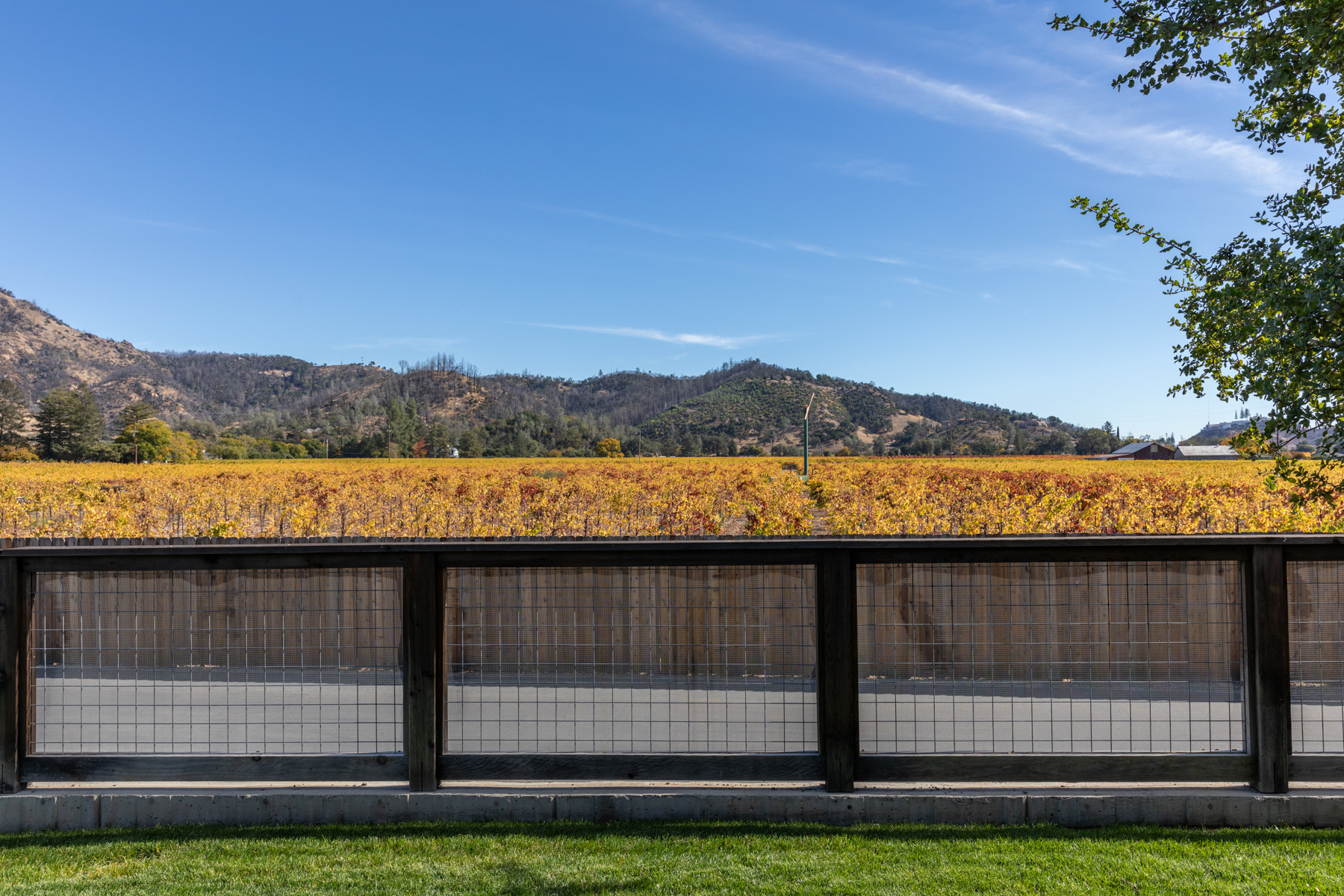
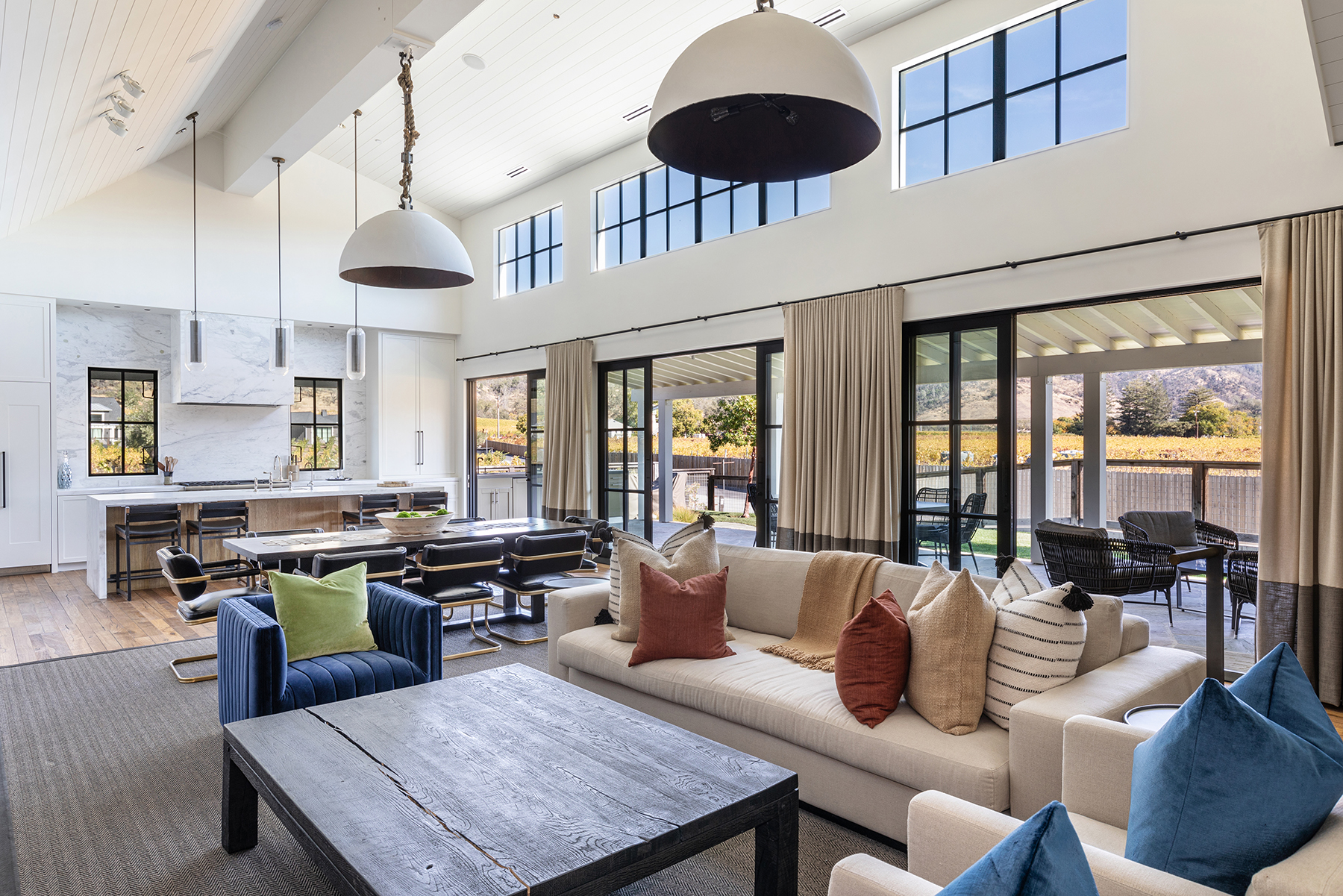
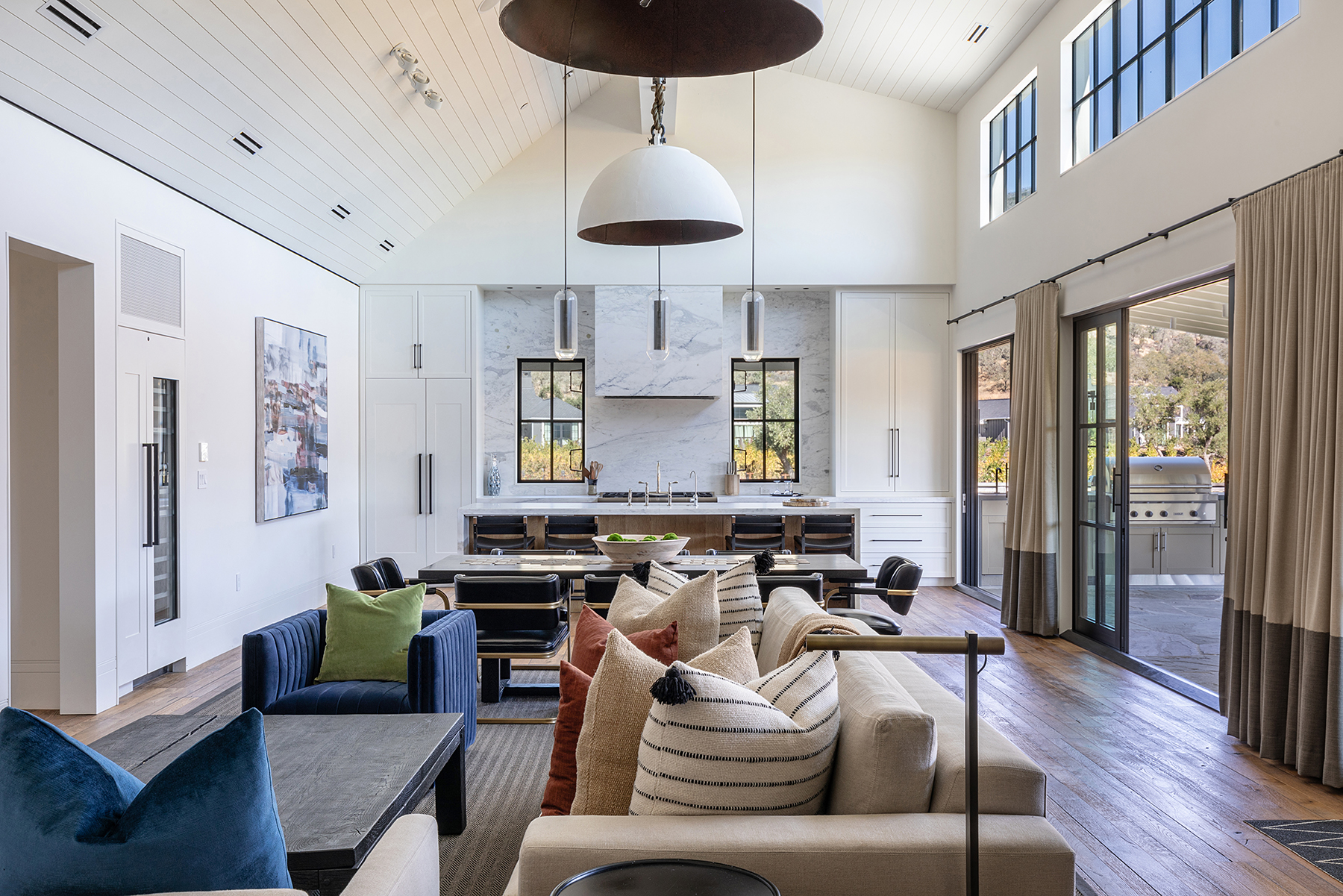
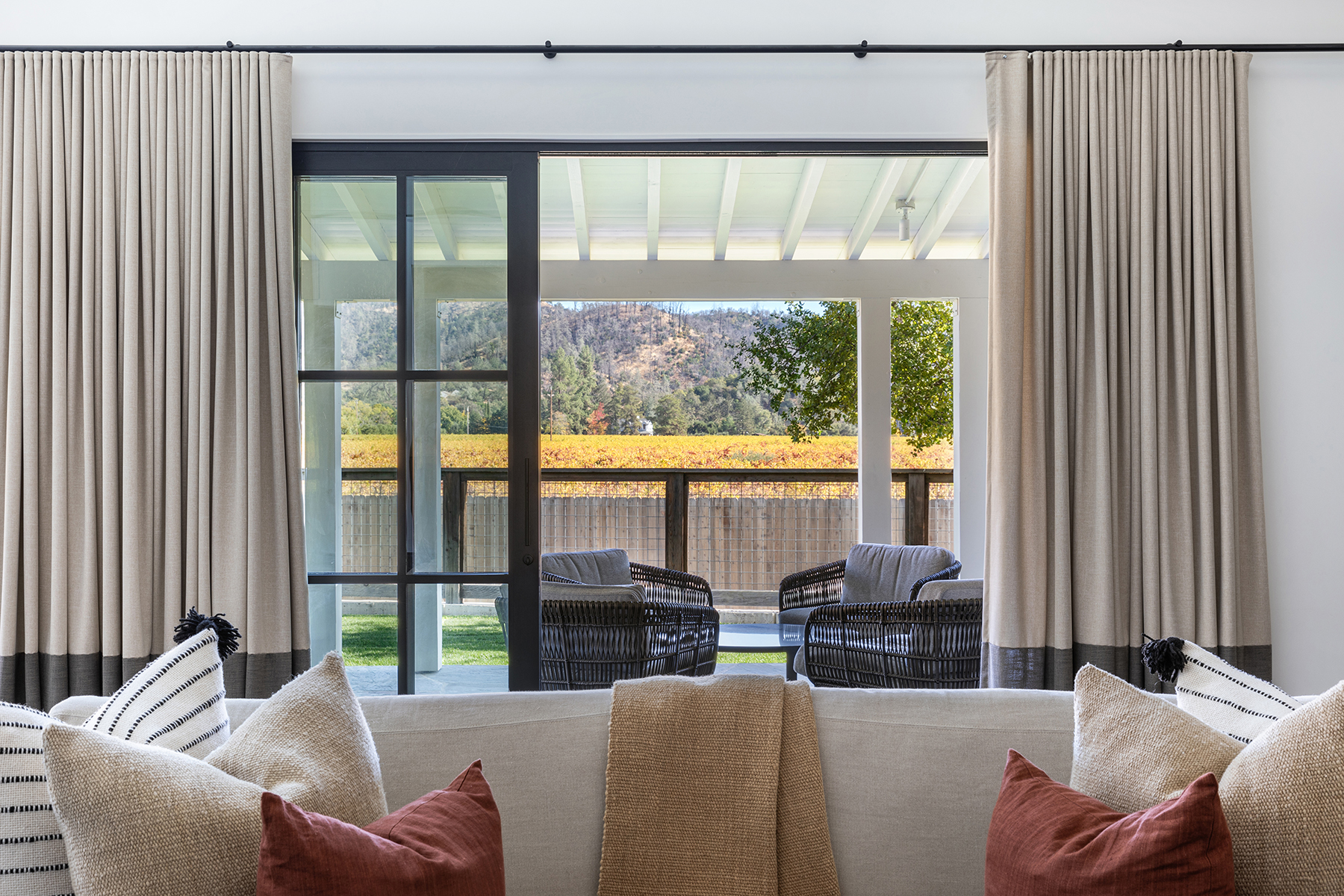
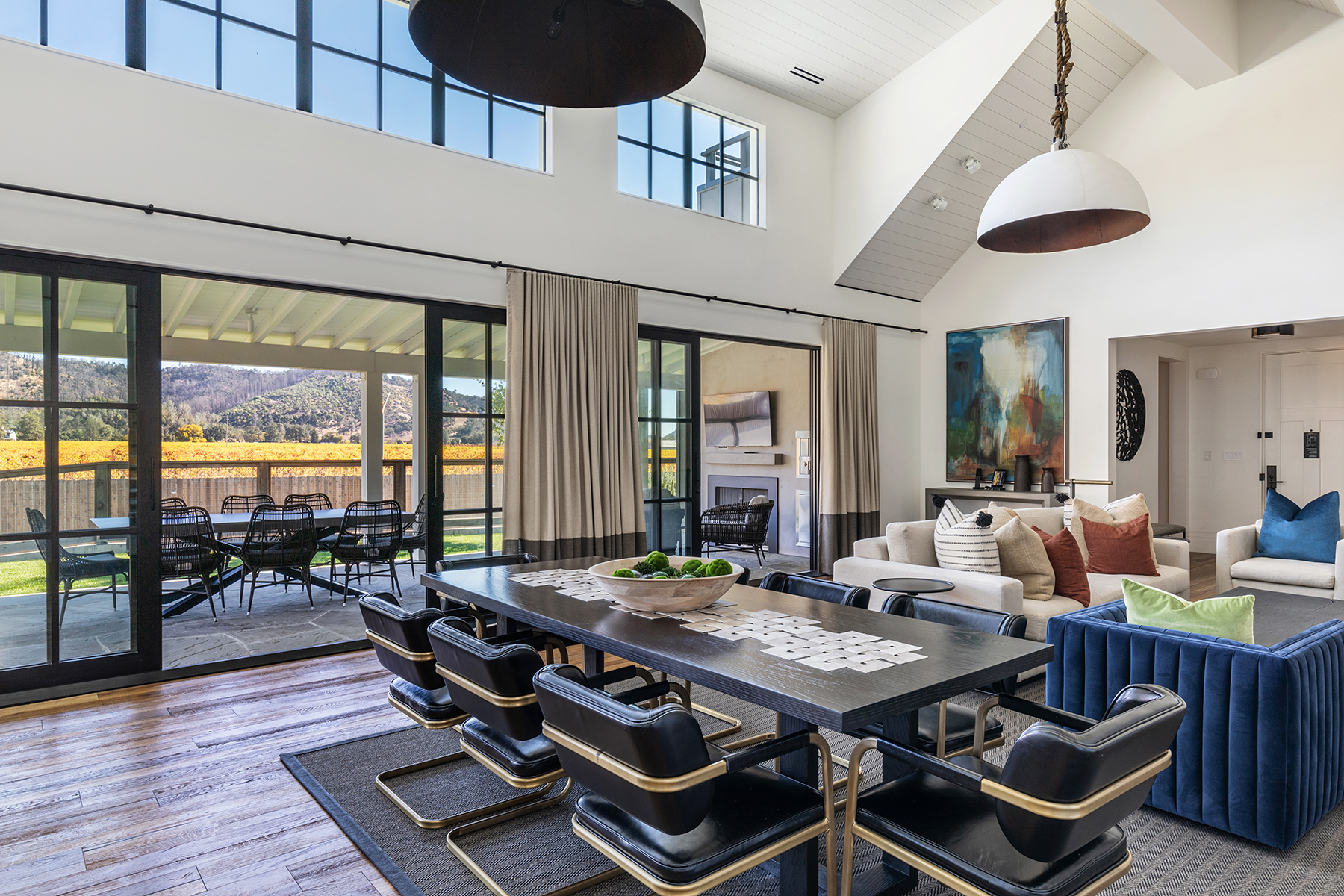
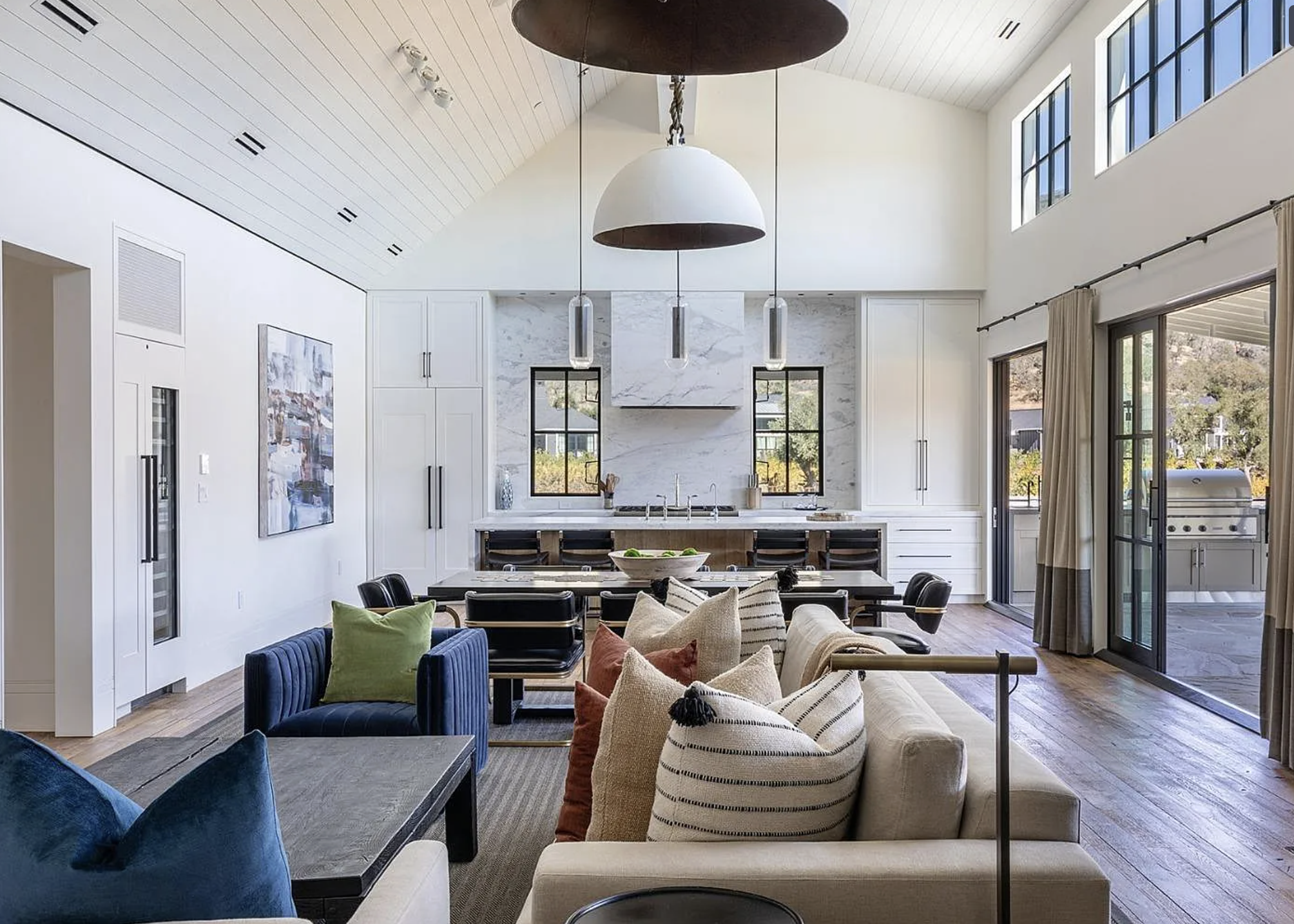
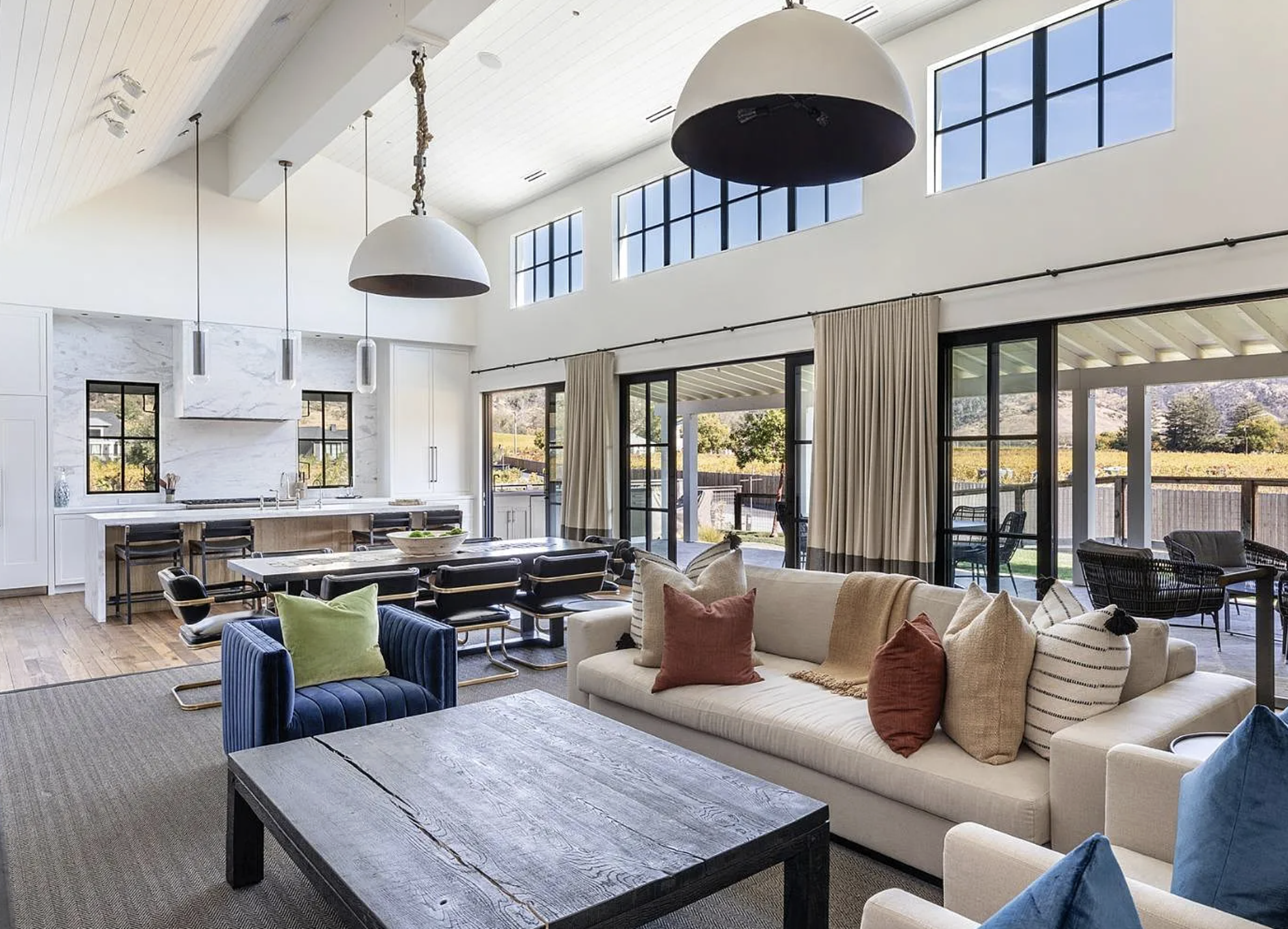
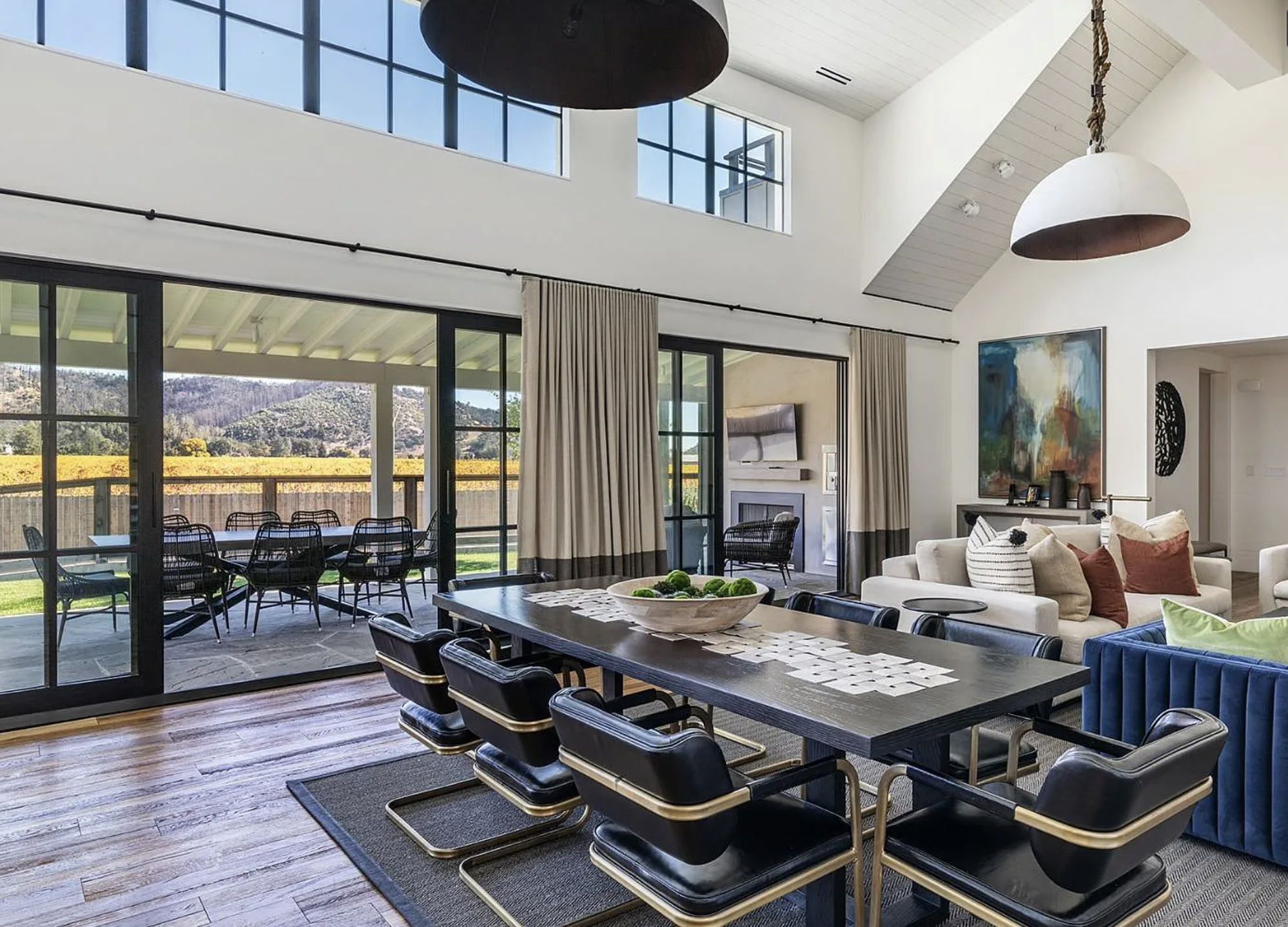
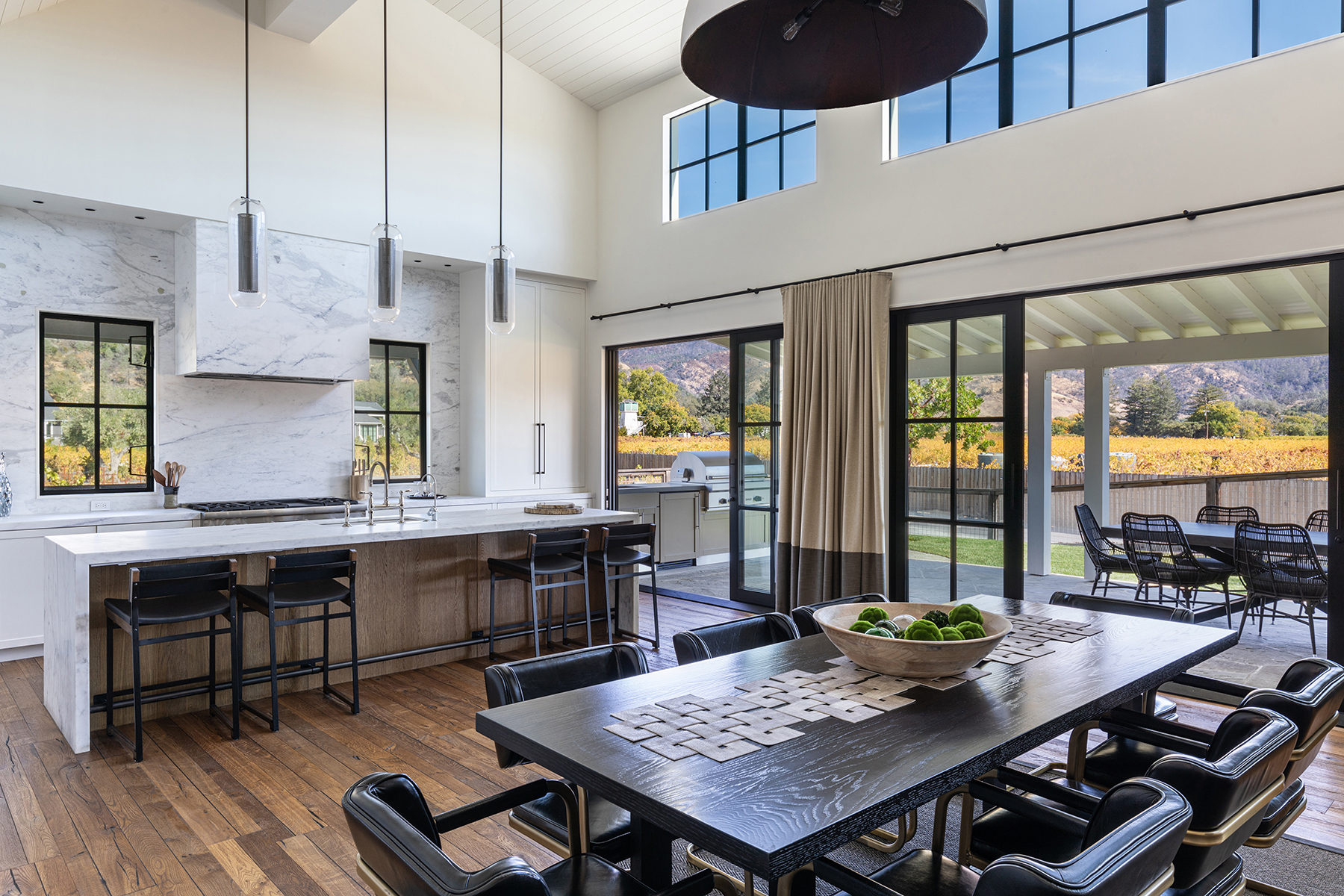
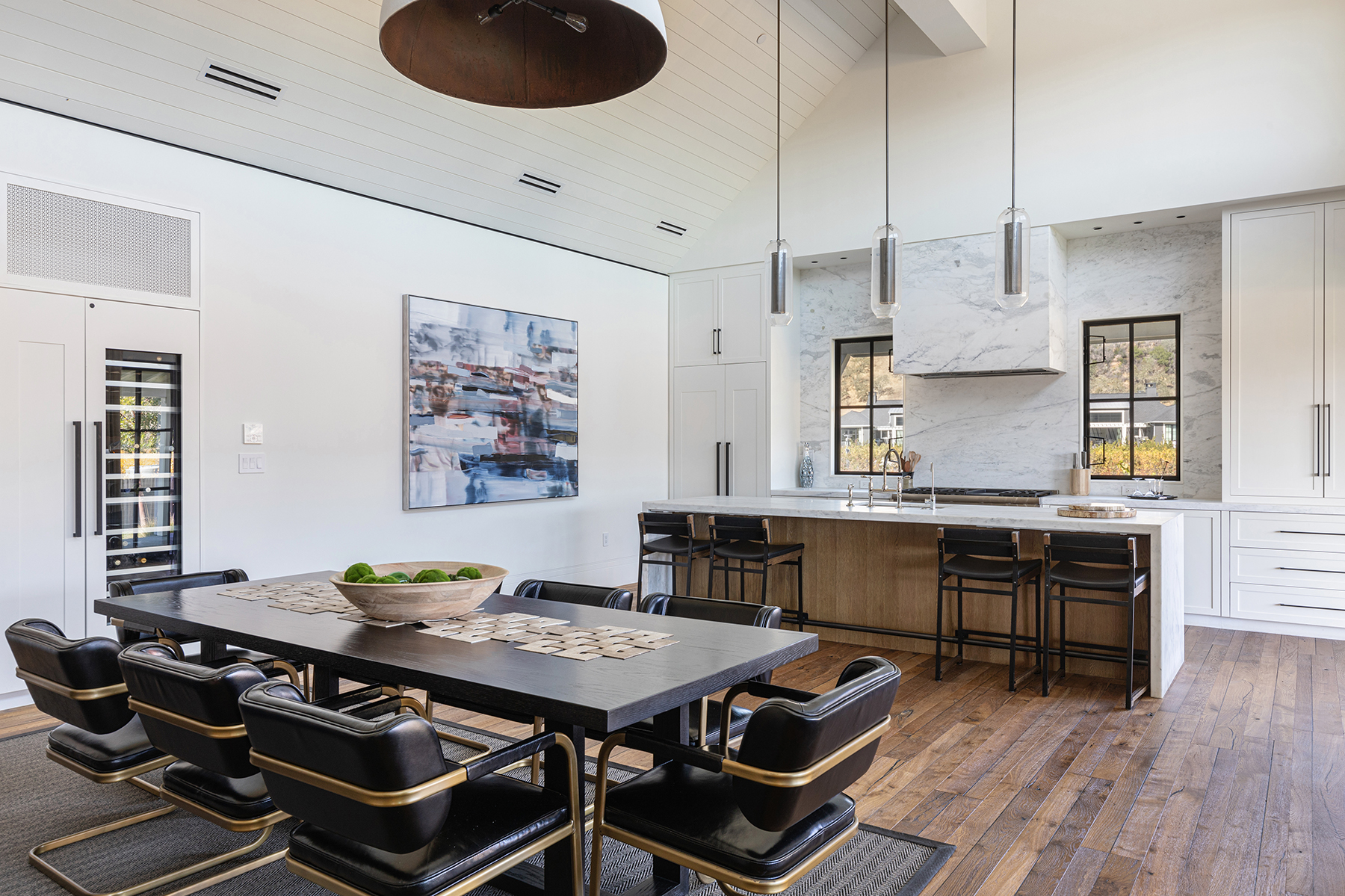
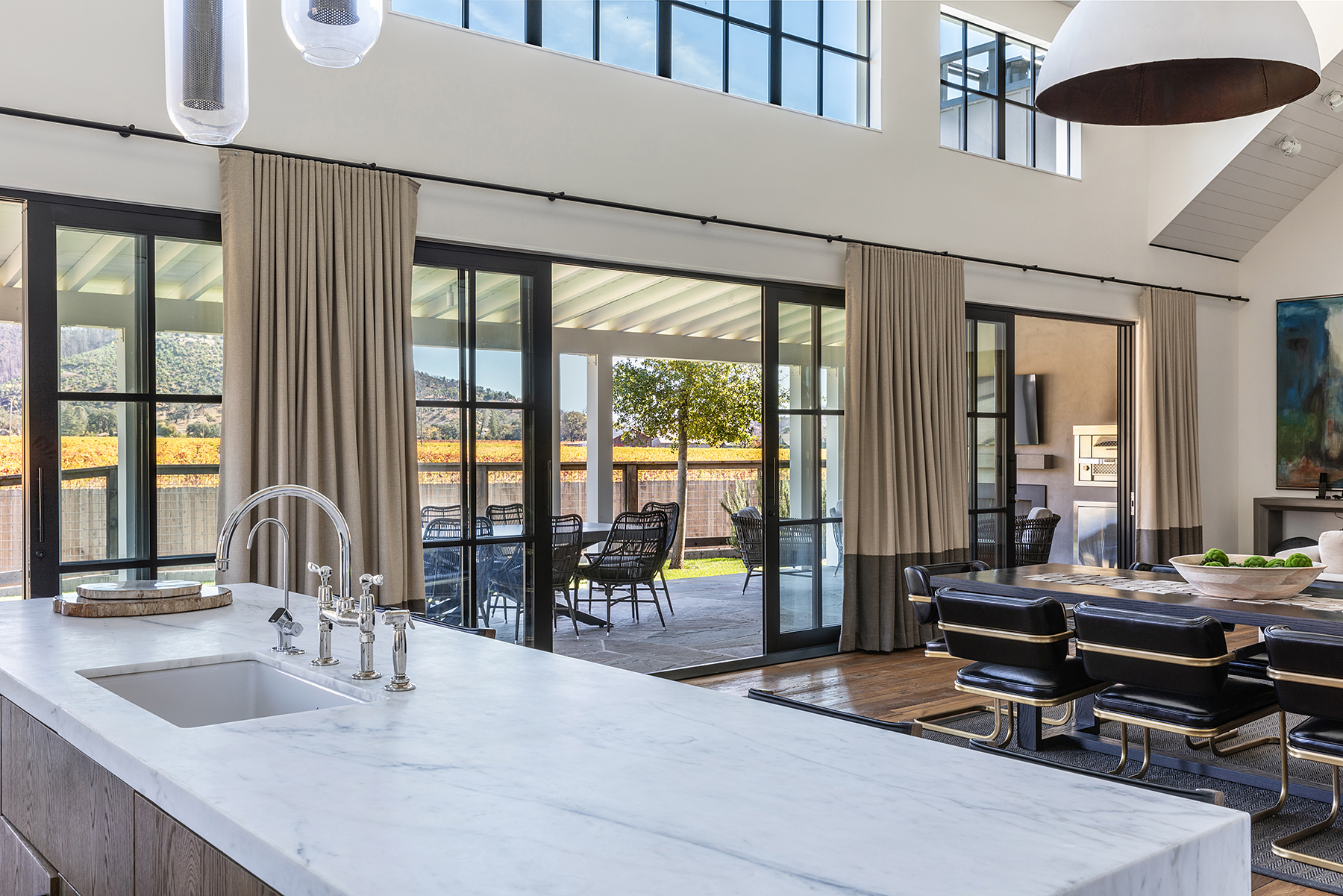
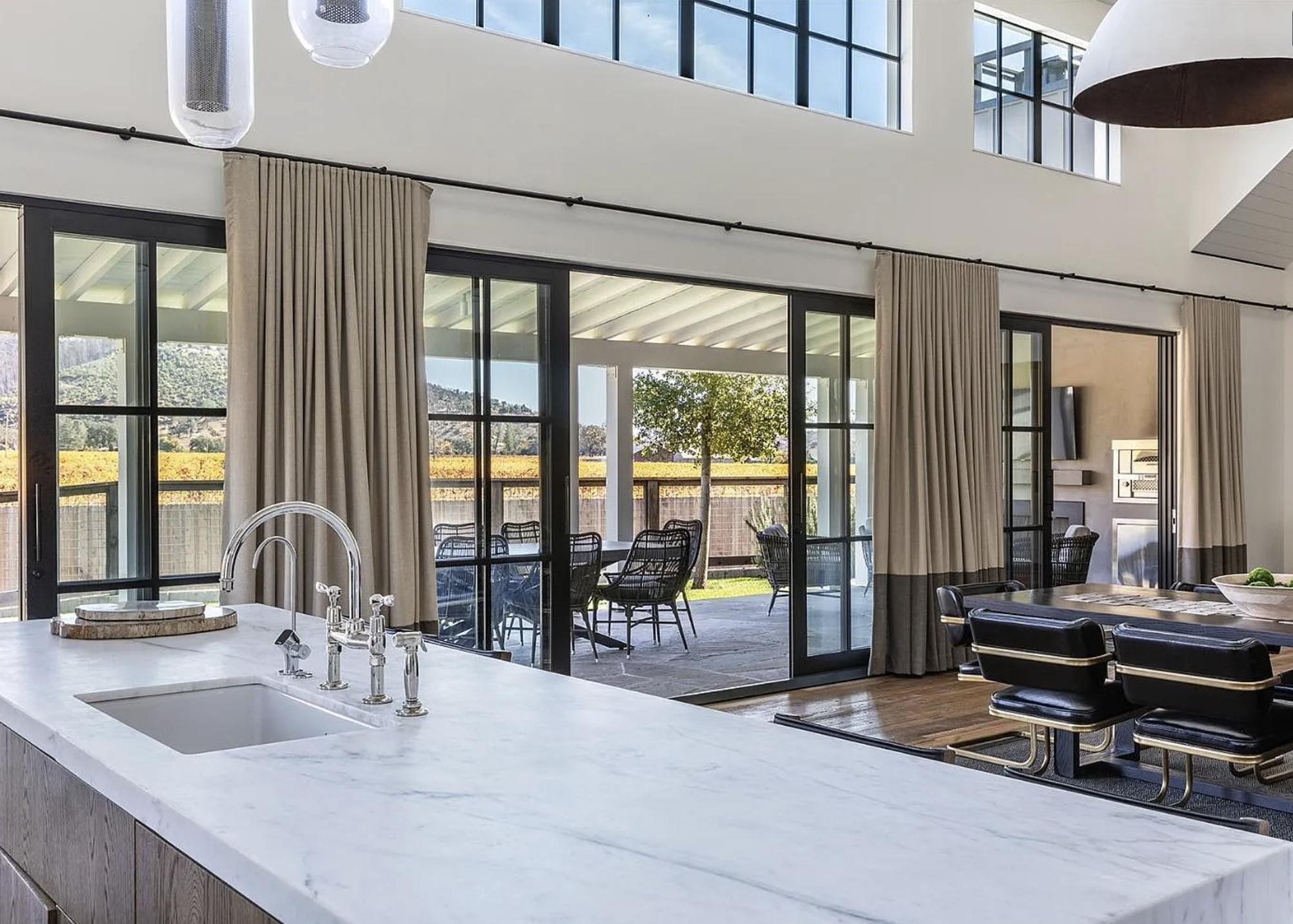
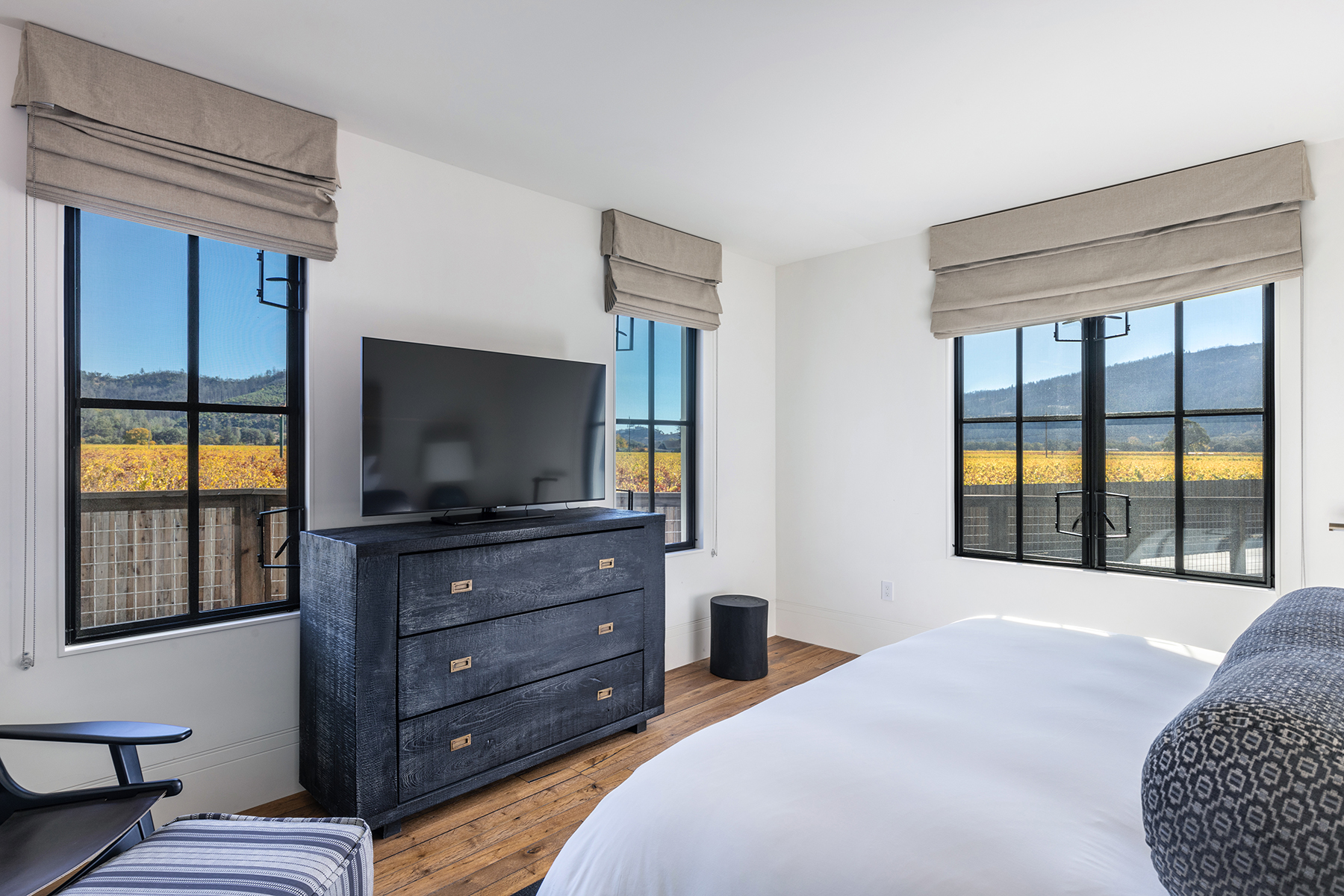
The great room is the residence's gravitational center. Cathedral ceilings rise above an open plan where living, dining, and kitchen exist in genuine conversation rather than polite proximity. The steel-framed glass walls that define the room's exterior edge are less windows than architectural arguments — the vineyard is not a view from this home, it is a constituent element of it. When light shifts across the valley in the late afternoon, it moves through the glass and across the slab marble surfaces of the kitchen in a way that feels entirely deliberate, as though Erin Martin specified the hour alongside the stone.
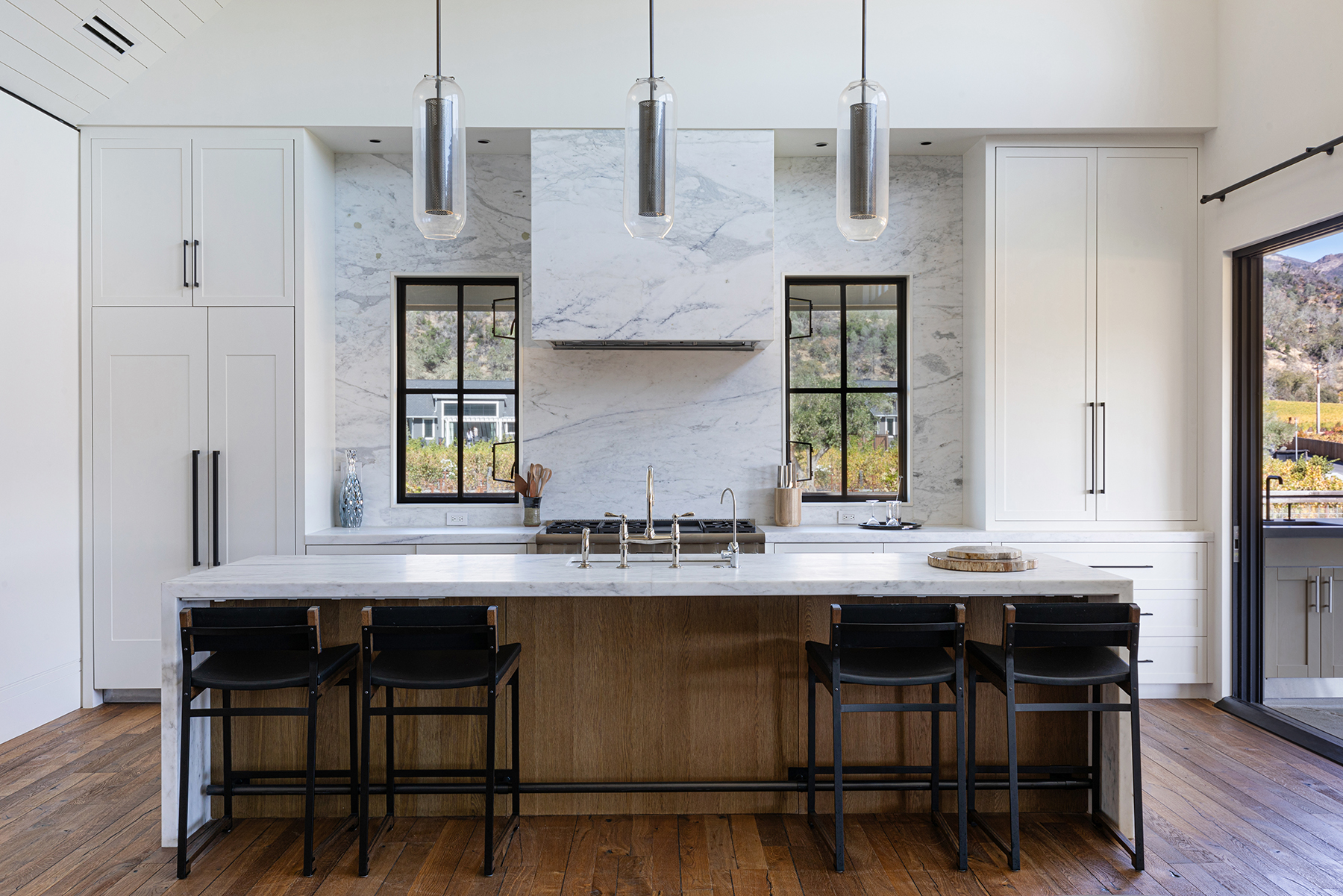
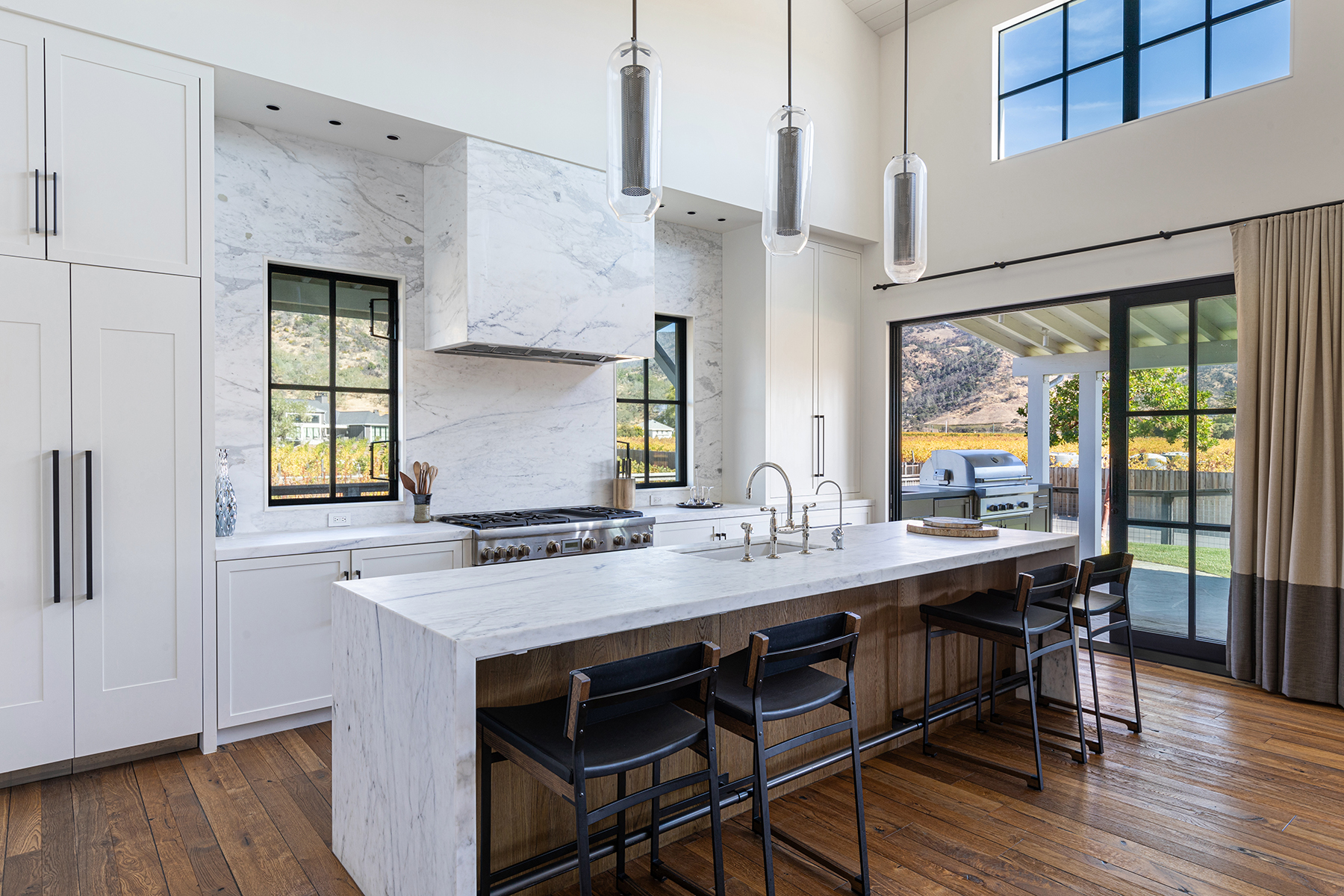
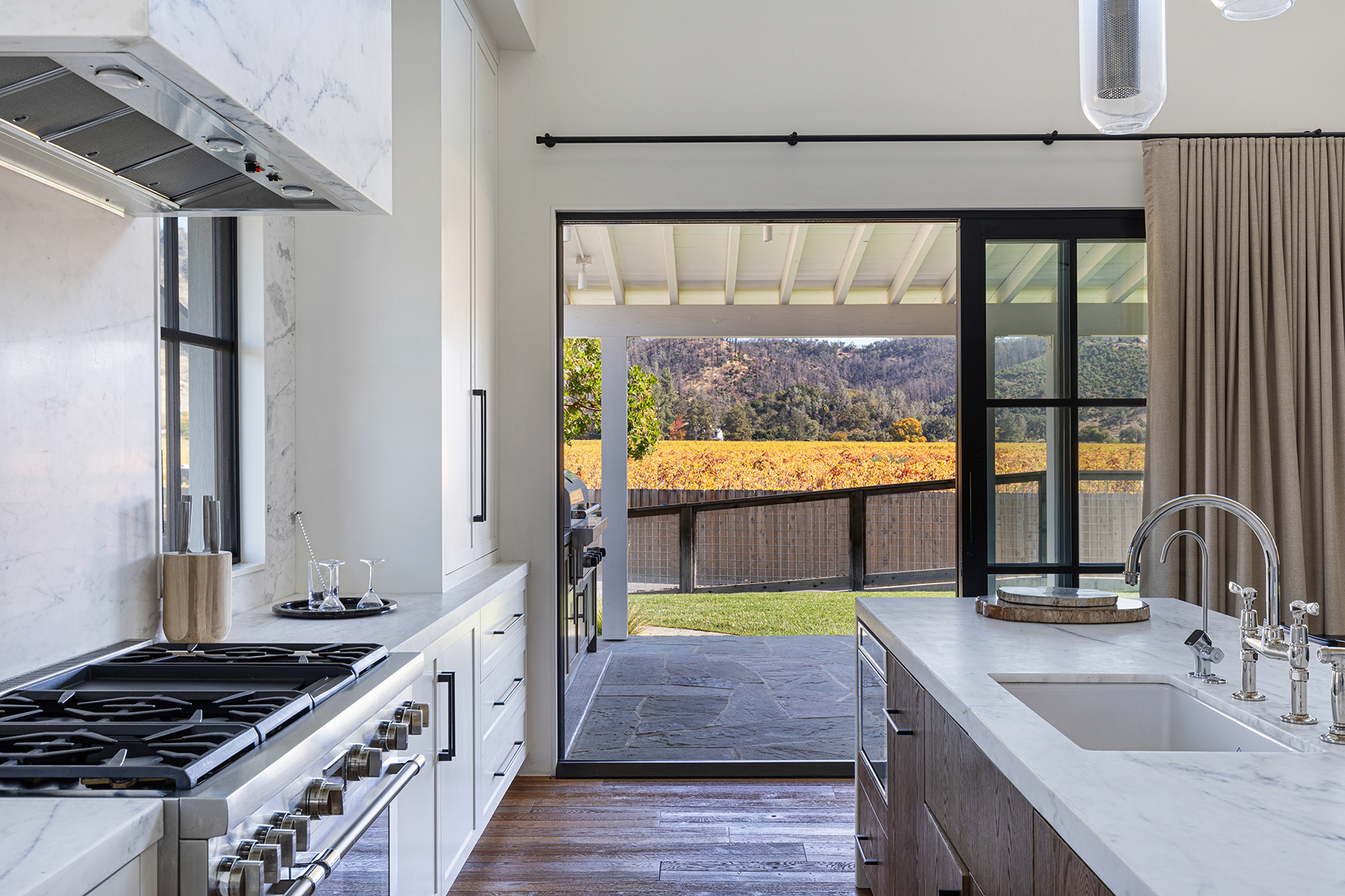
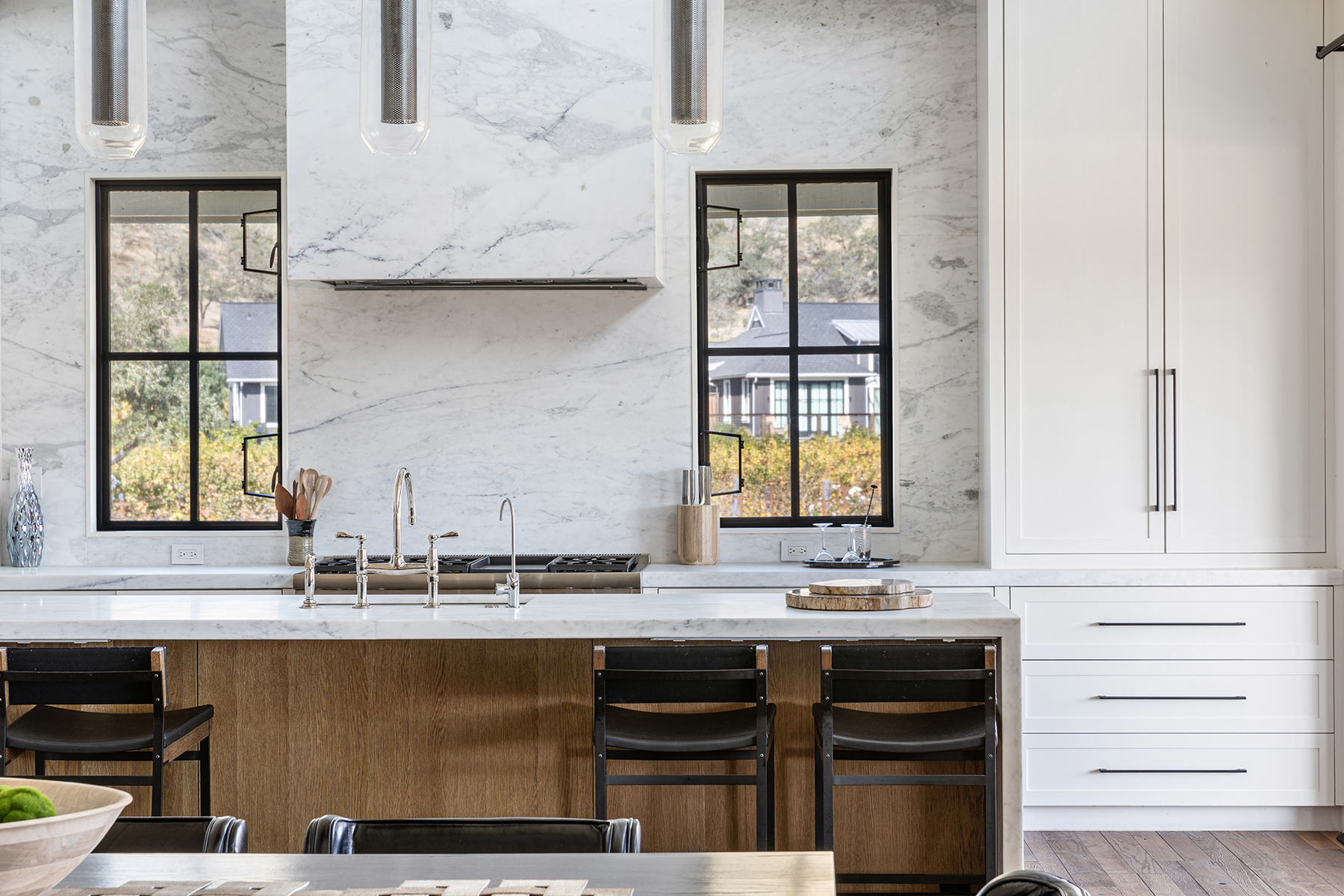
That kitchen deserves its own consideration. Full slab marble — countertops, backsplash, hood surround — establishes a material continuity that reads as both restrained and luxurious. A substantial waterfall-edge island anchors the space, providing seating without interrupting the sightlines that carry through to the outdoor terrace. Professional-grade appliances are present but subservient to the overall composition; this is a kitchen designed for people who cook and for people who entertain, which is to say it is designed for the same person on different evenings.
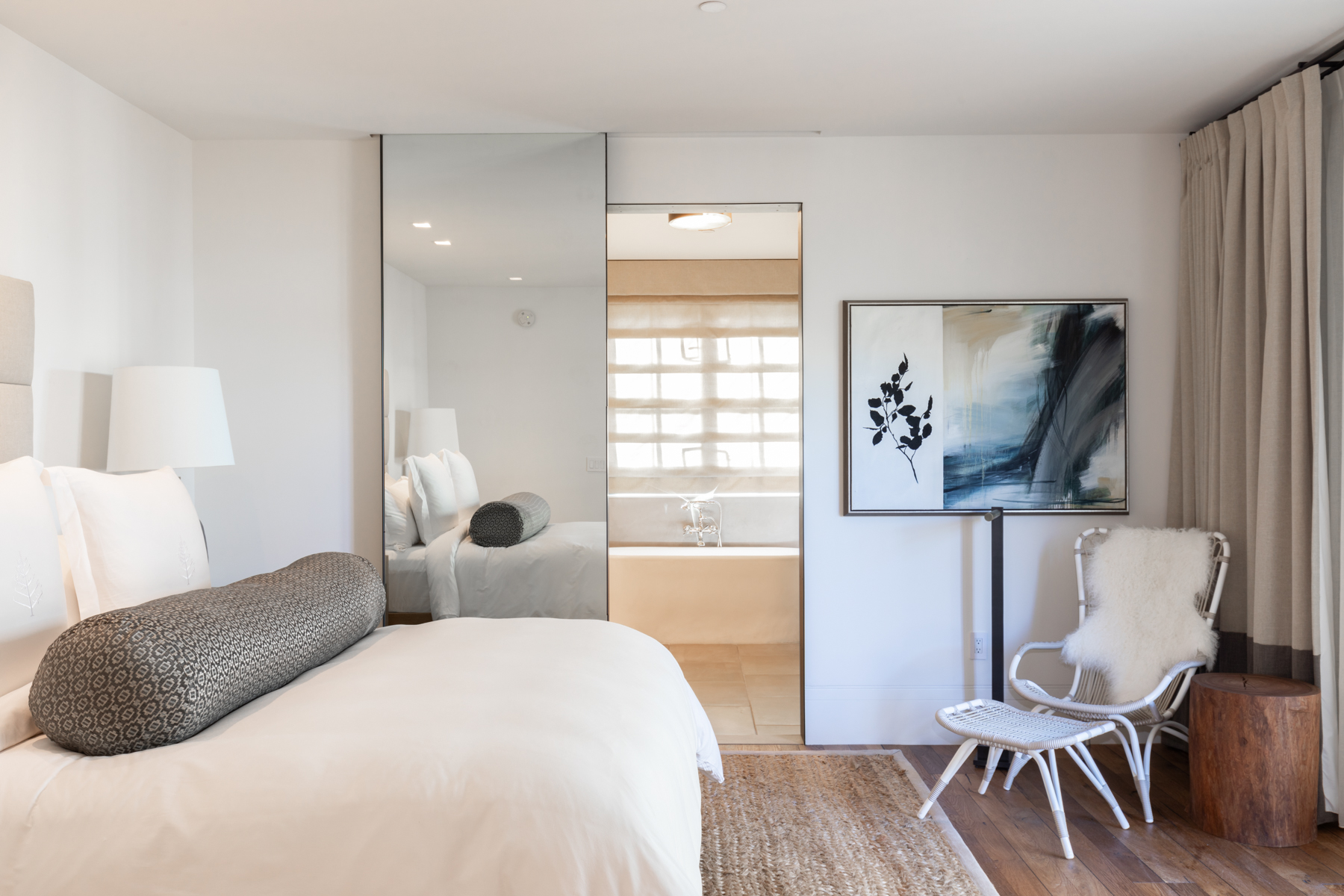
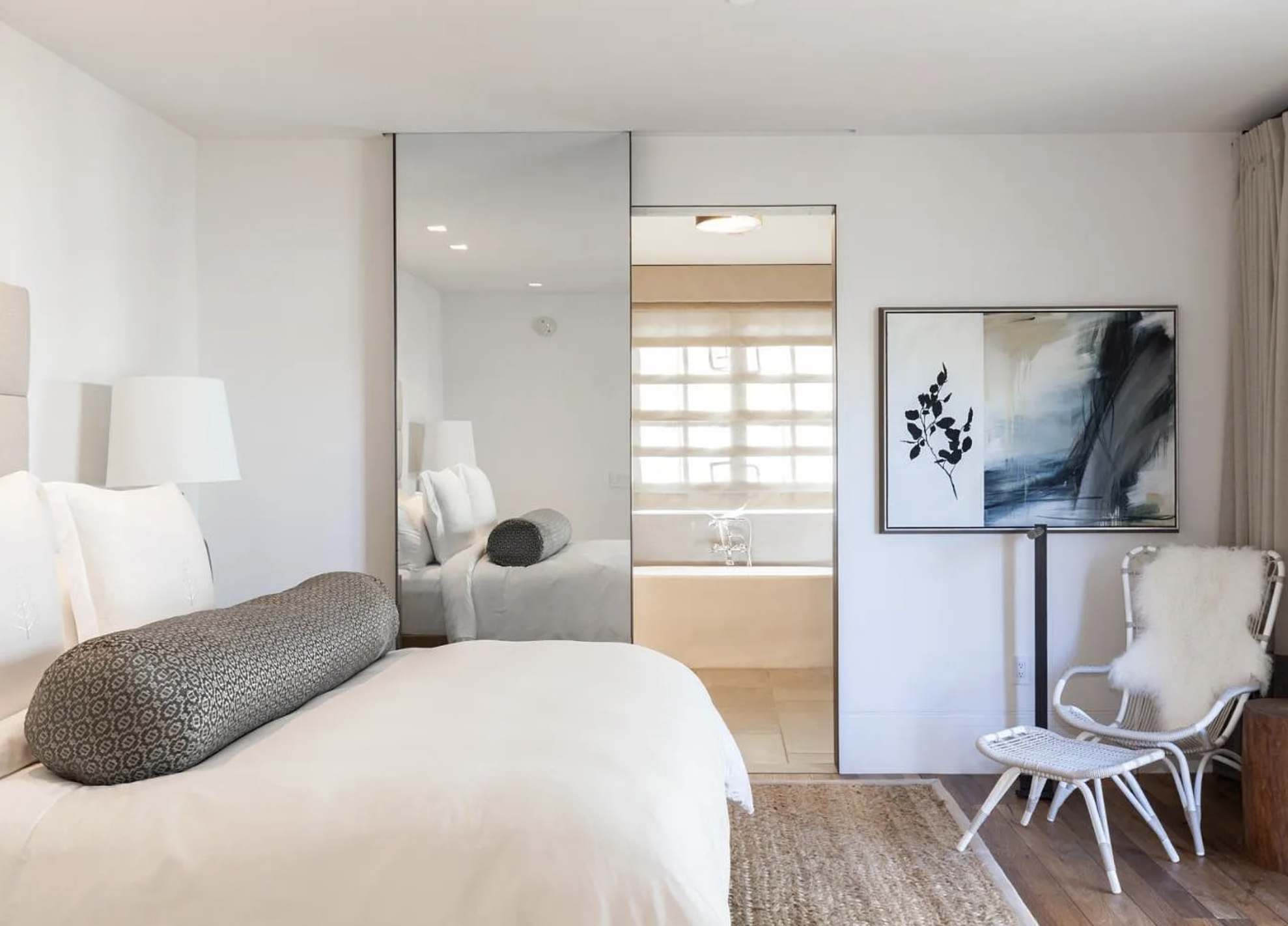
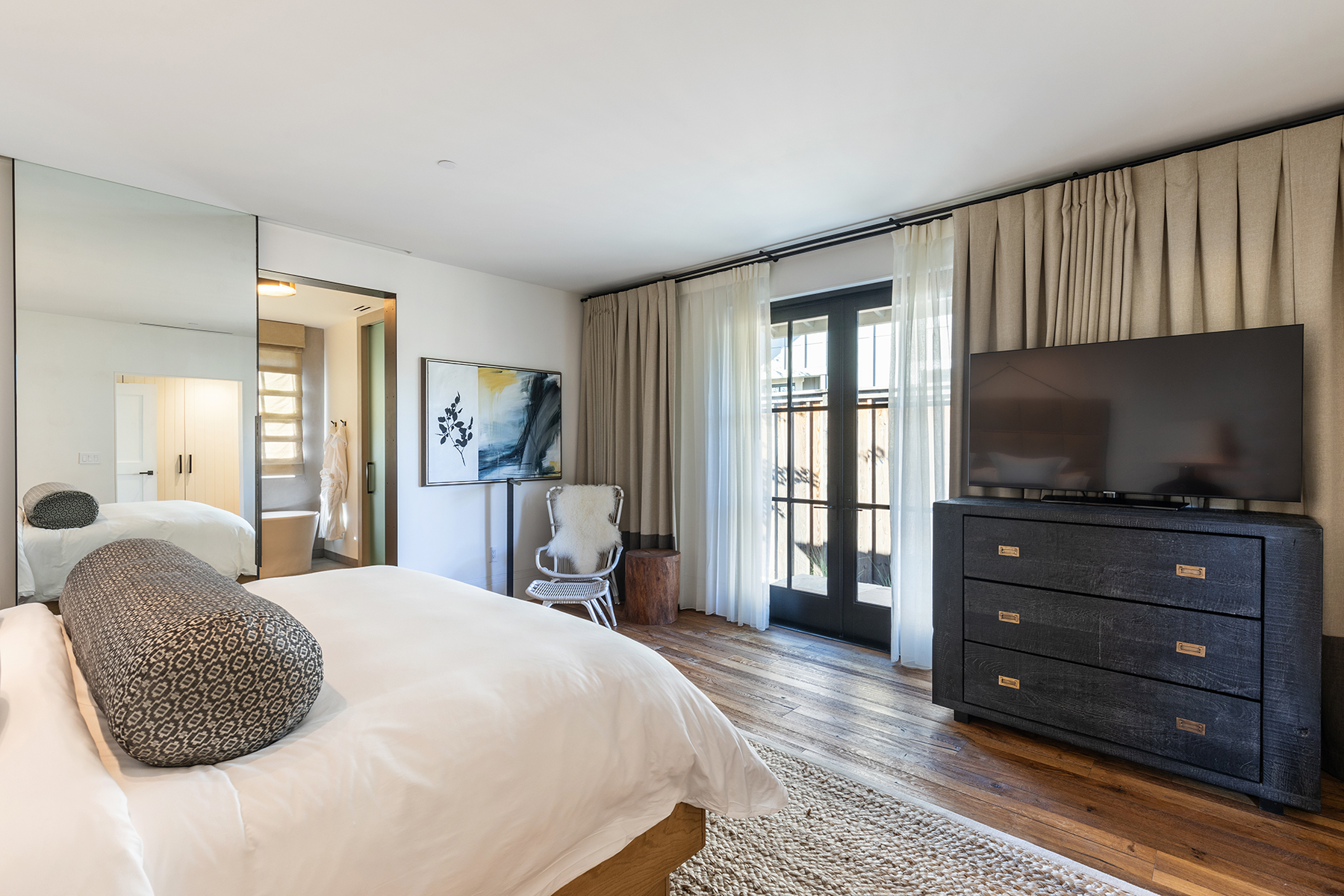
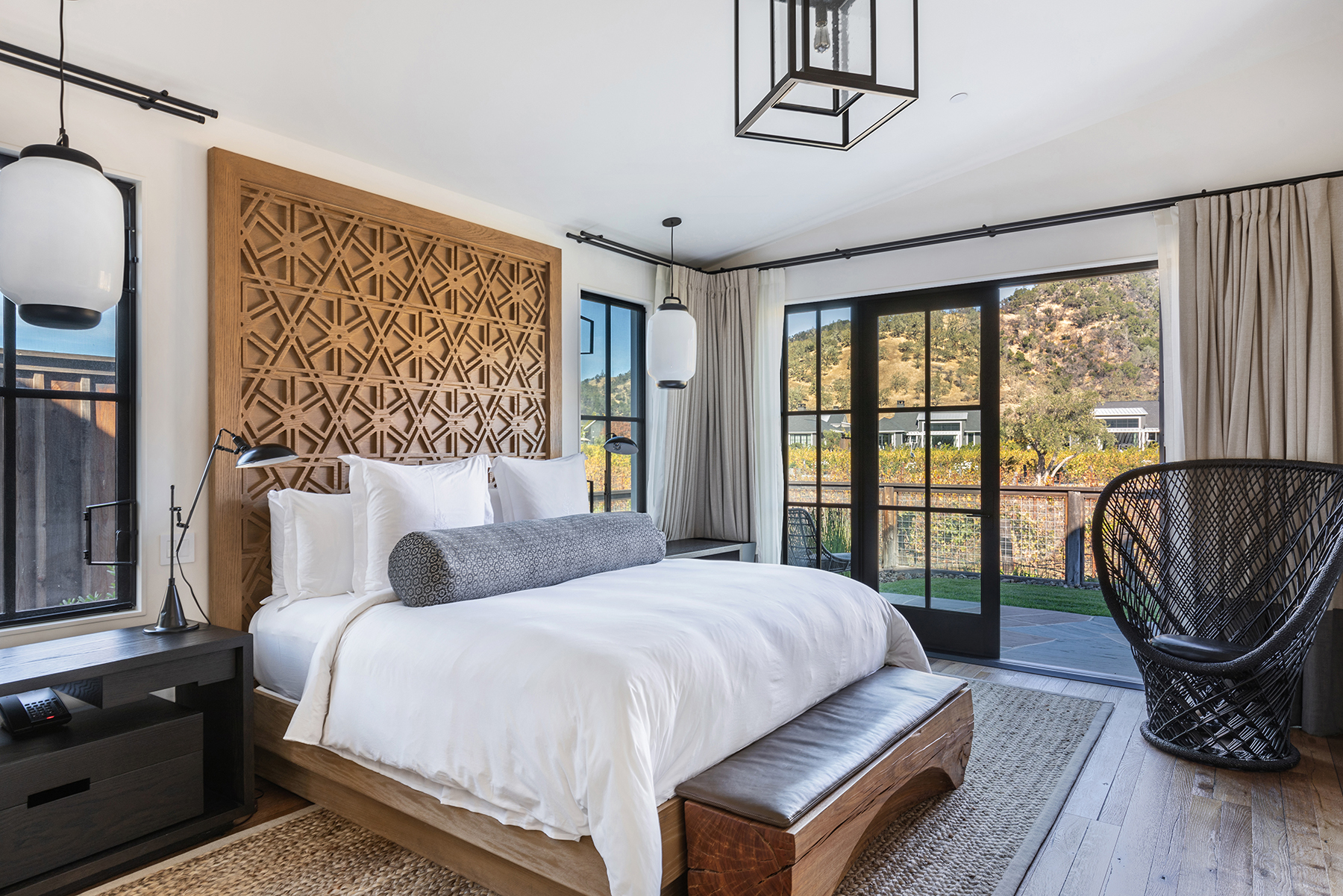
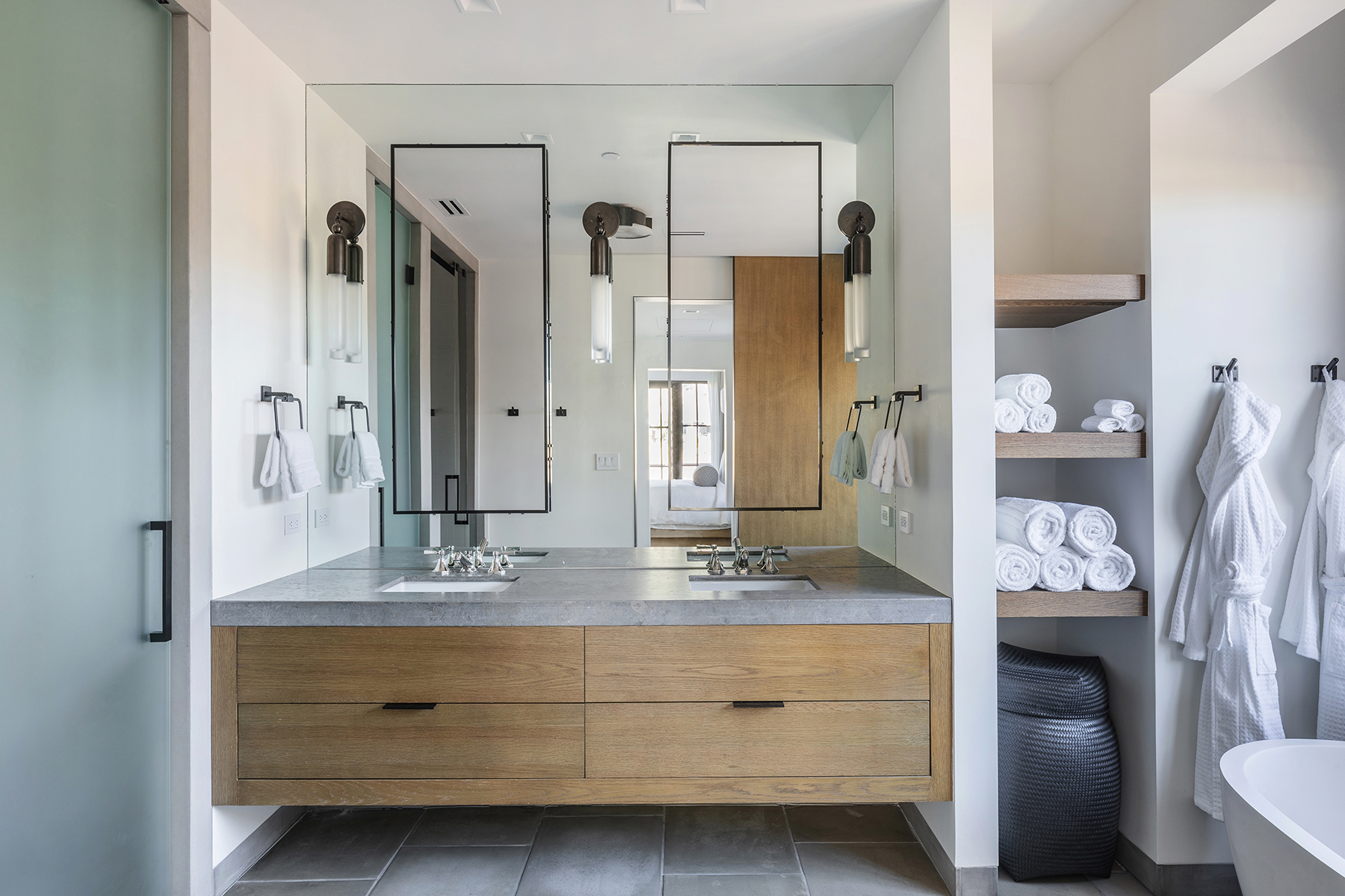
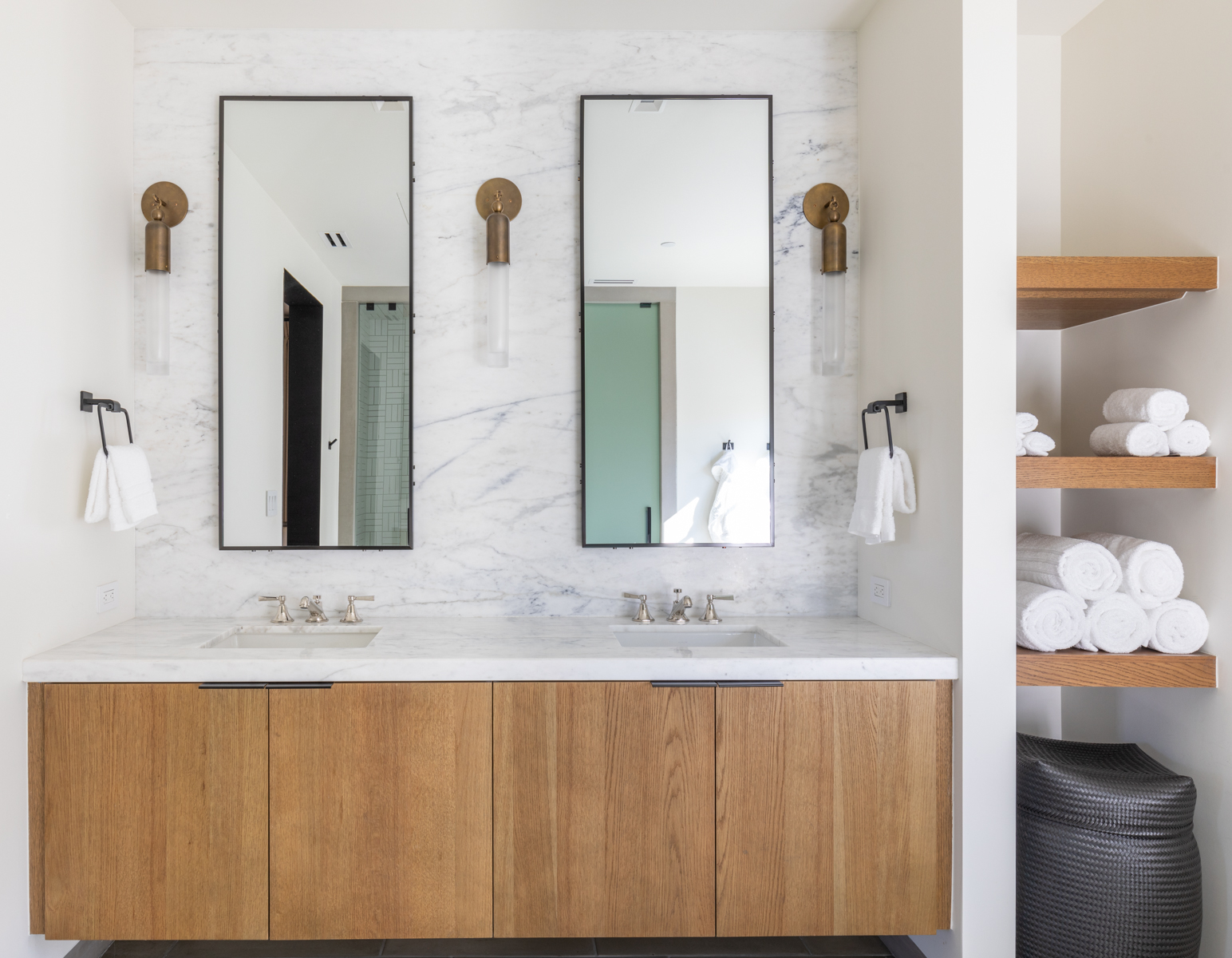
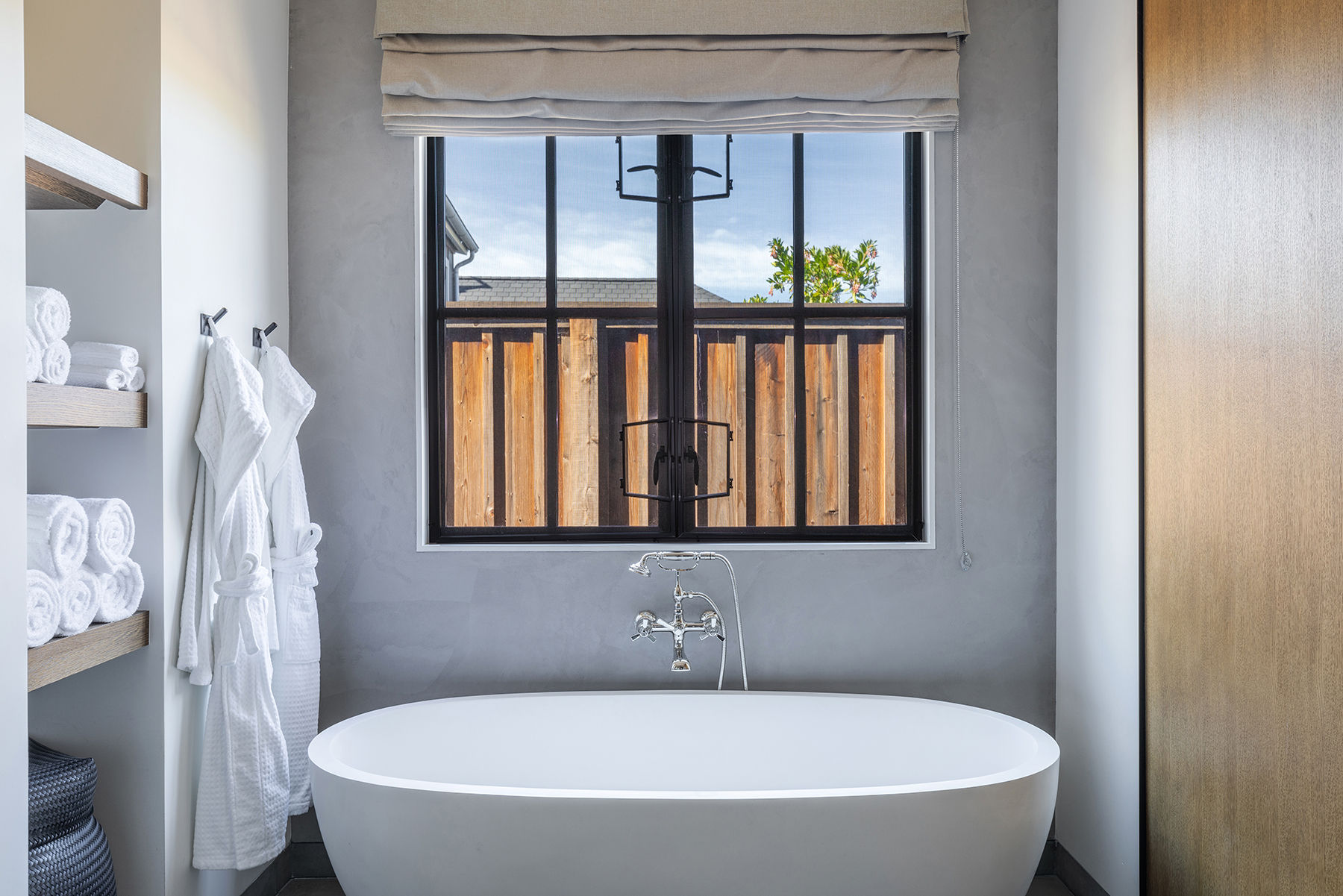
Two primary suites flank the residence with appropriate symmetry, each offering five-fixture ensuite baths and walk-in closets scaled to the demands of extended residence. The bathrooms reflect the same material intelligence as the kitchen — warm wood vanities, marble countertops, brass fixtures, freestanding soaking tubs positioned beneath windows that frame the landscape like canvases. A third ensuite guest bedroom ensures that hospitality is never an afterthought.
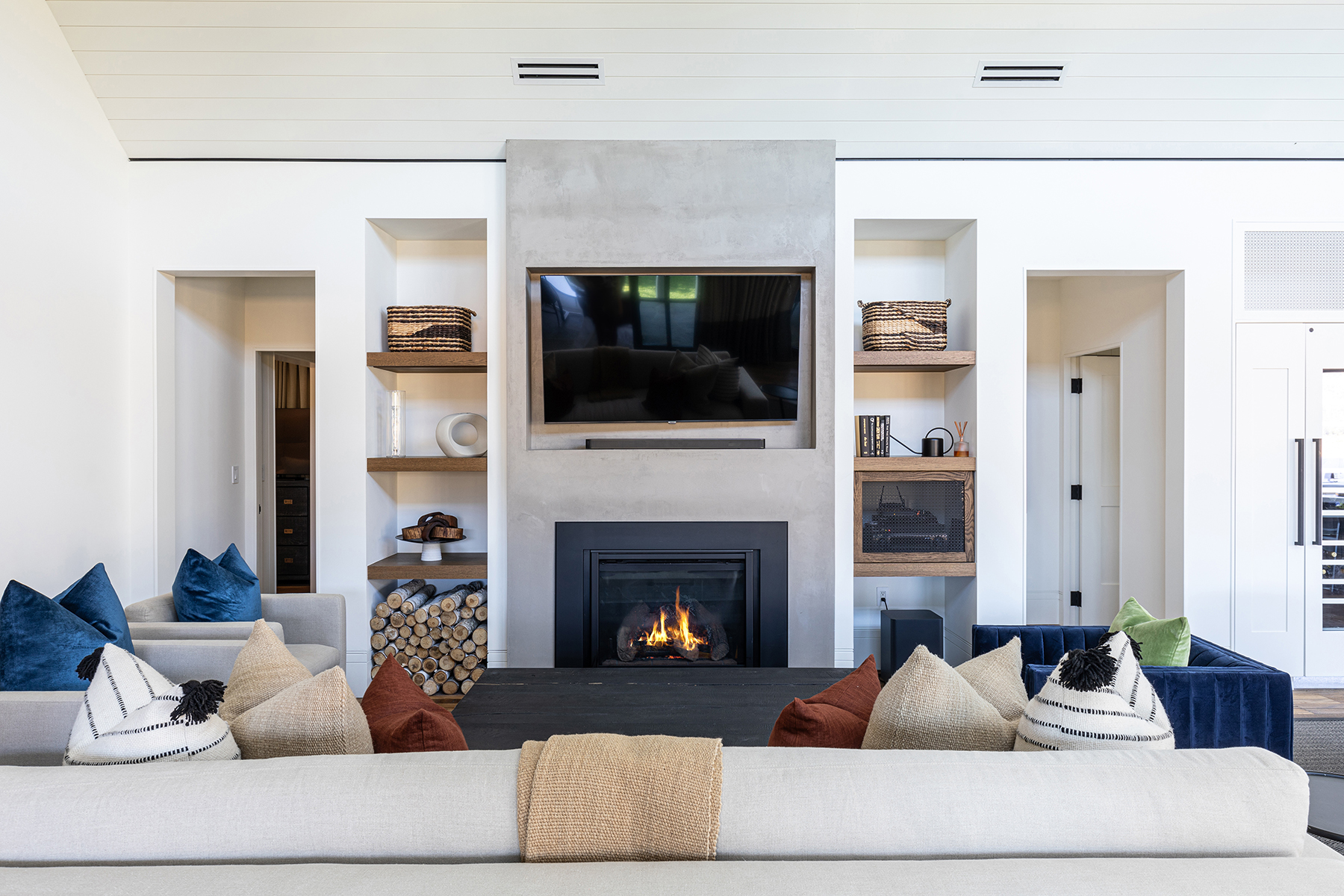
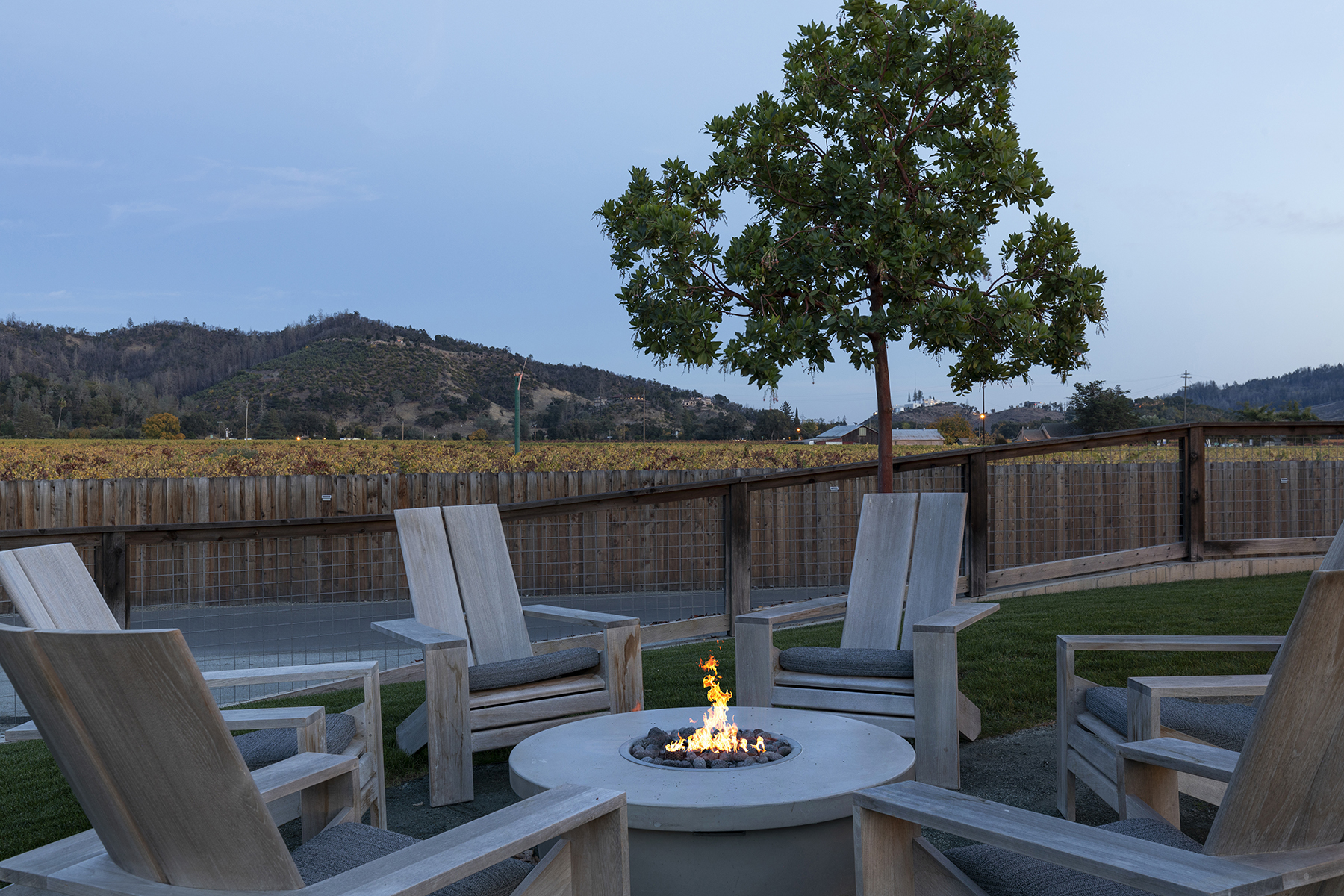
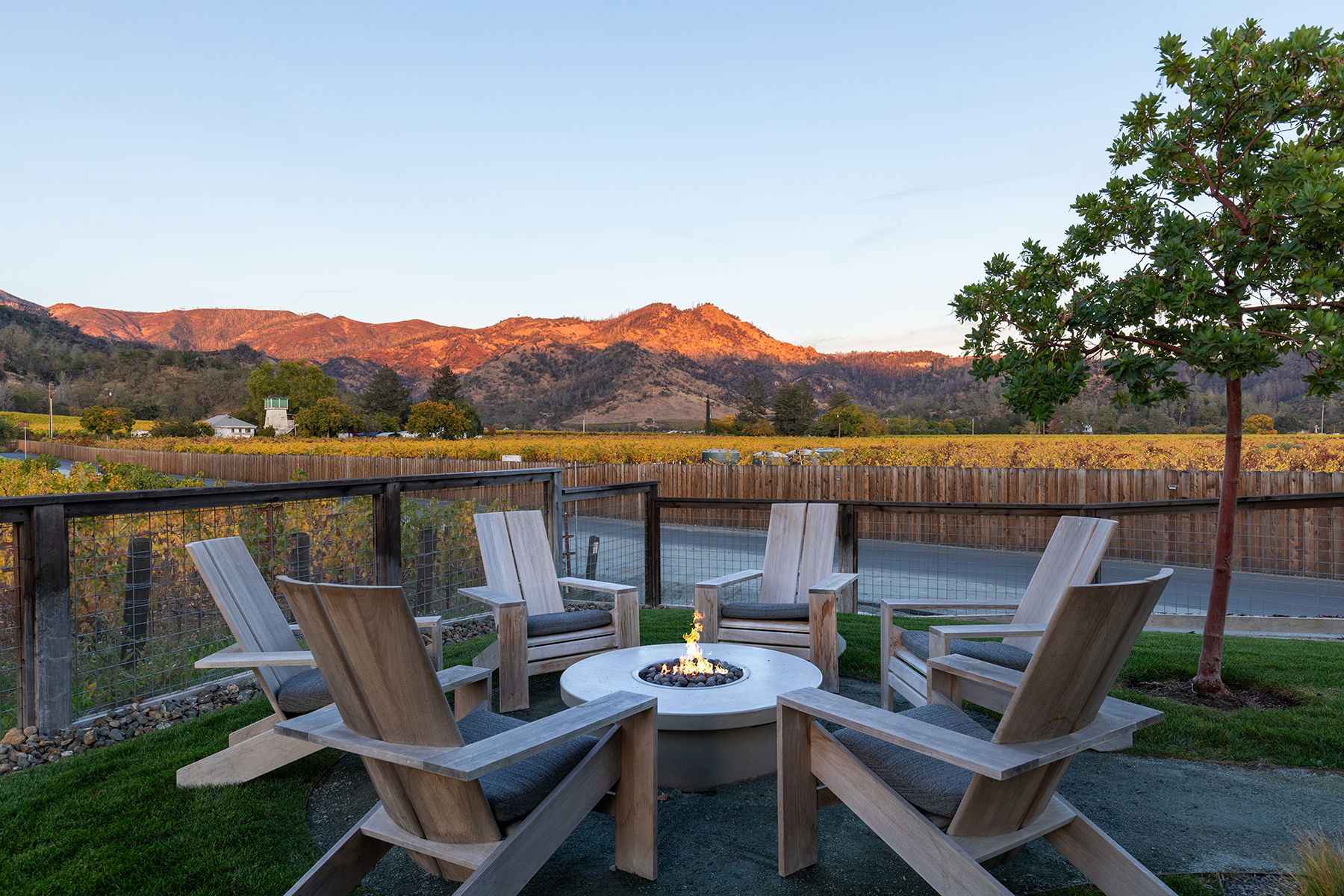
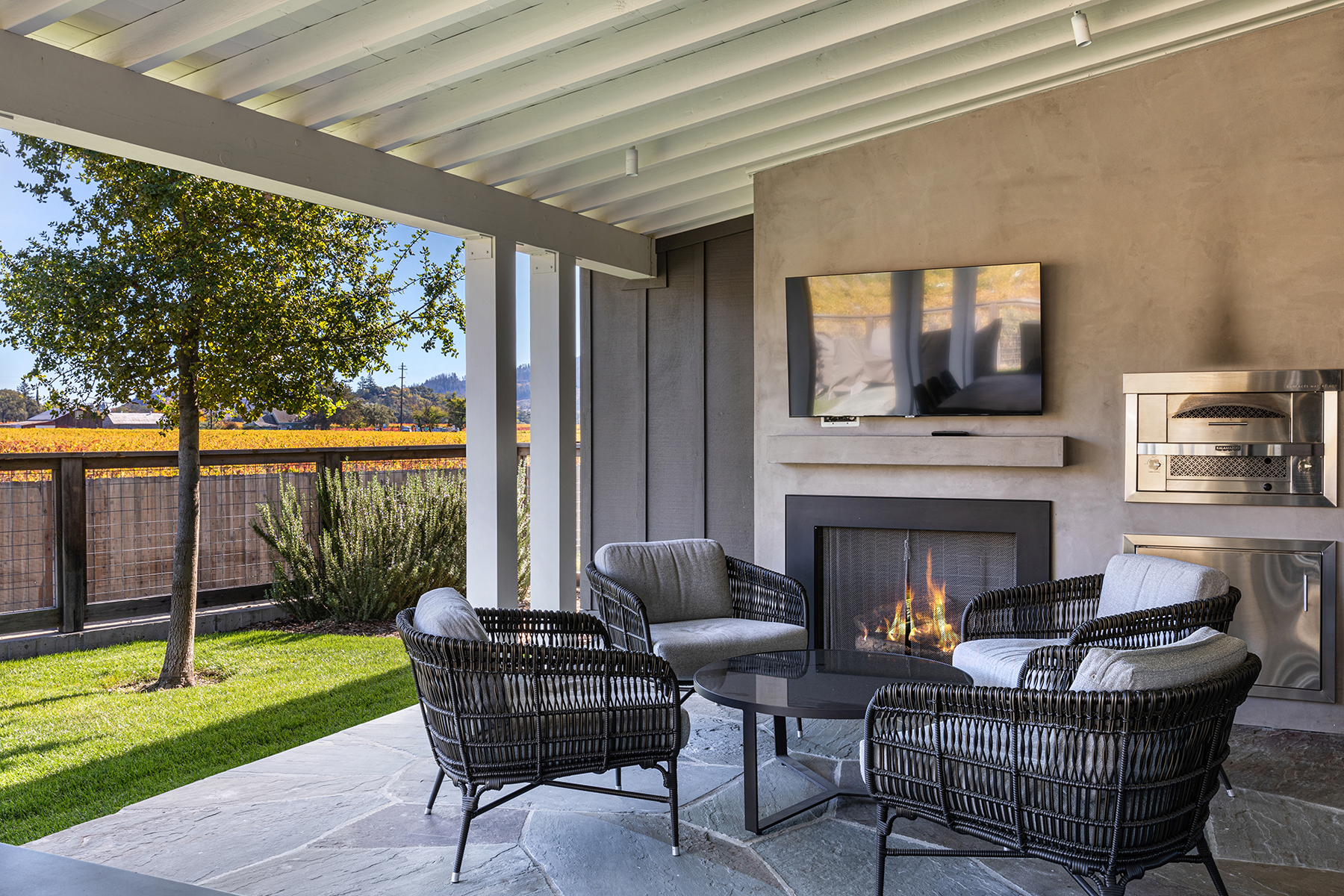
Two fireplaces give the residence its warmth and its depth — one anchoring the great room behind a concrete surround flanked by custom shelving, the other extending the logic of comfort outdoors. The private wine cellar is a structural acknowledgment of where this home sits: within a working vineyard, surrounded by some of the most celebrated appellations in American viticulture.
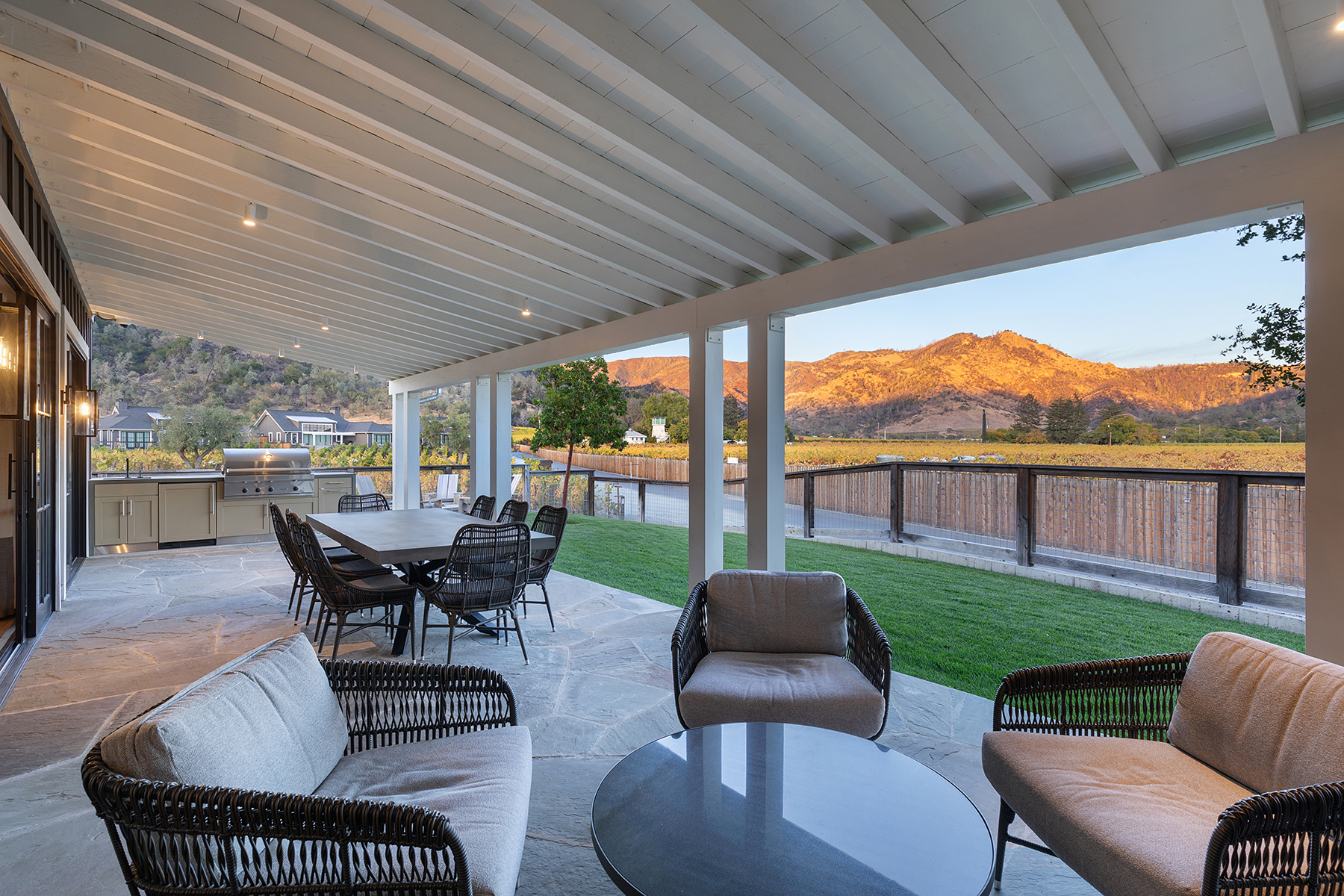
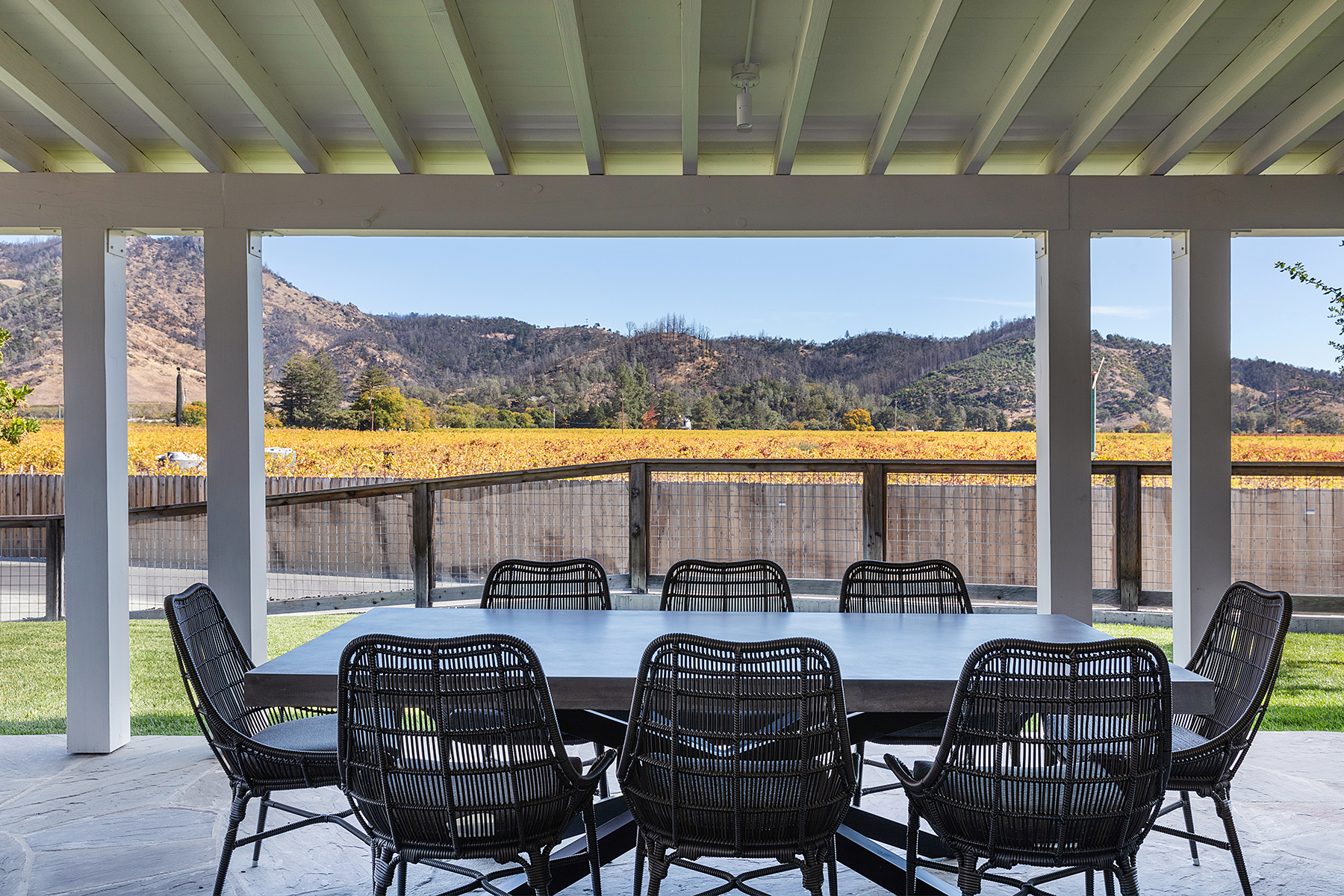
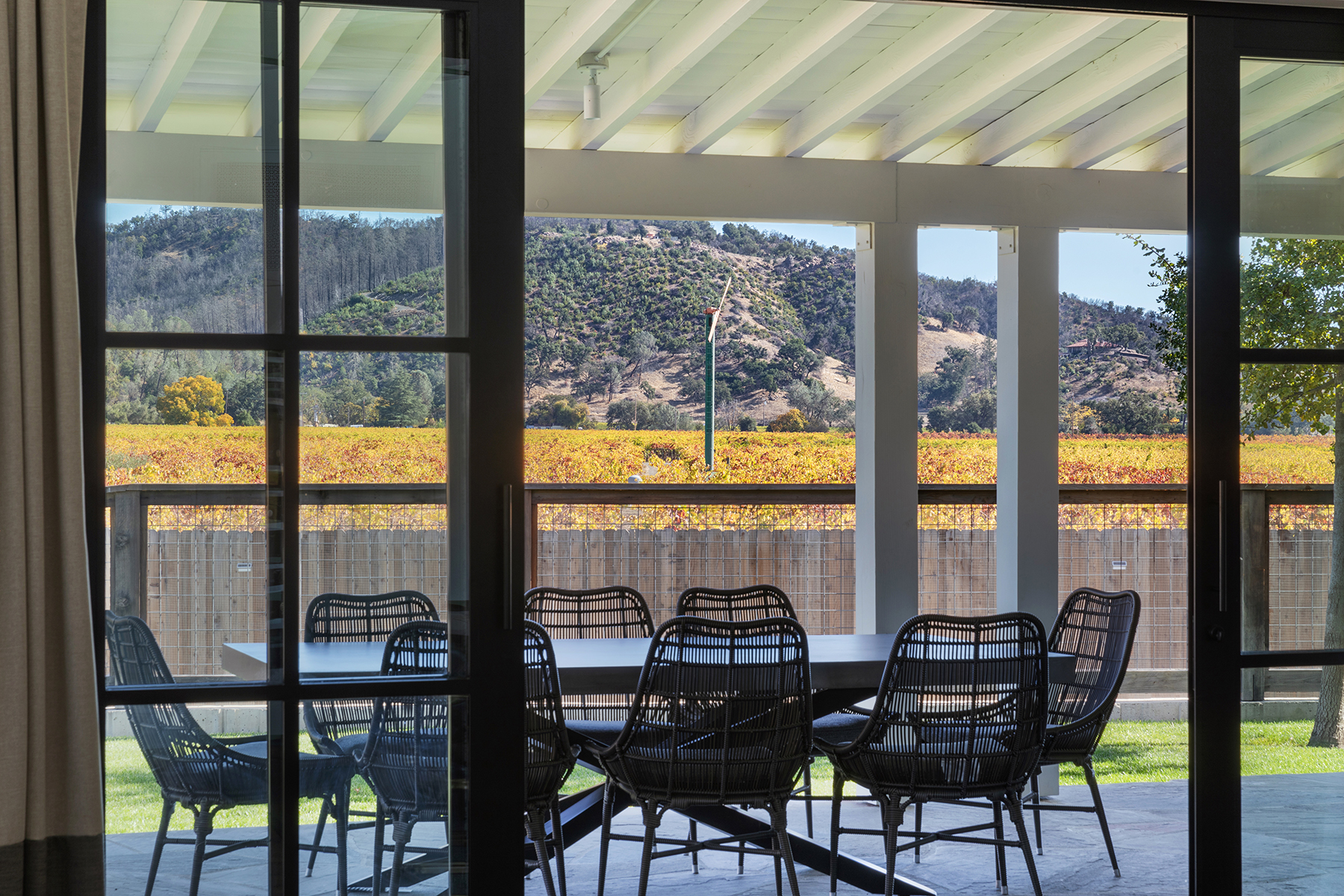
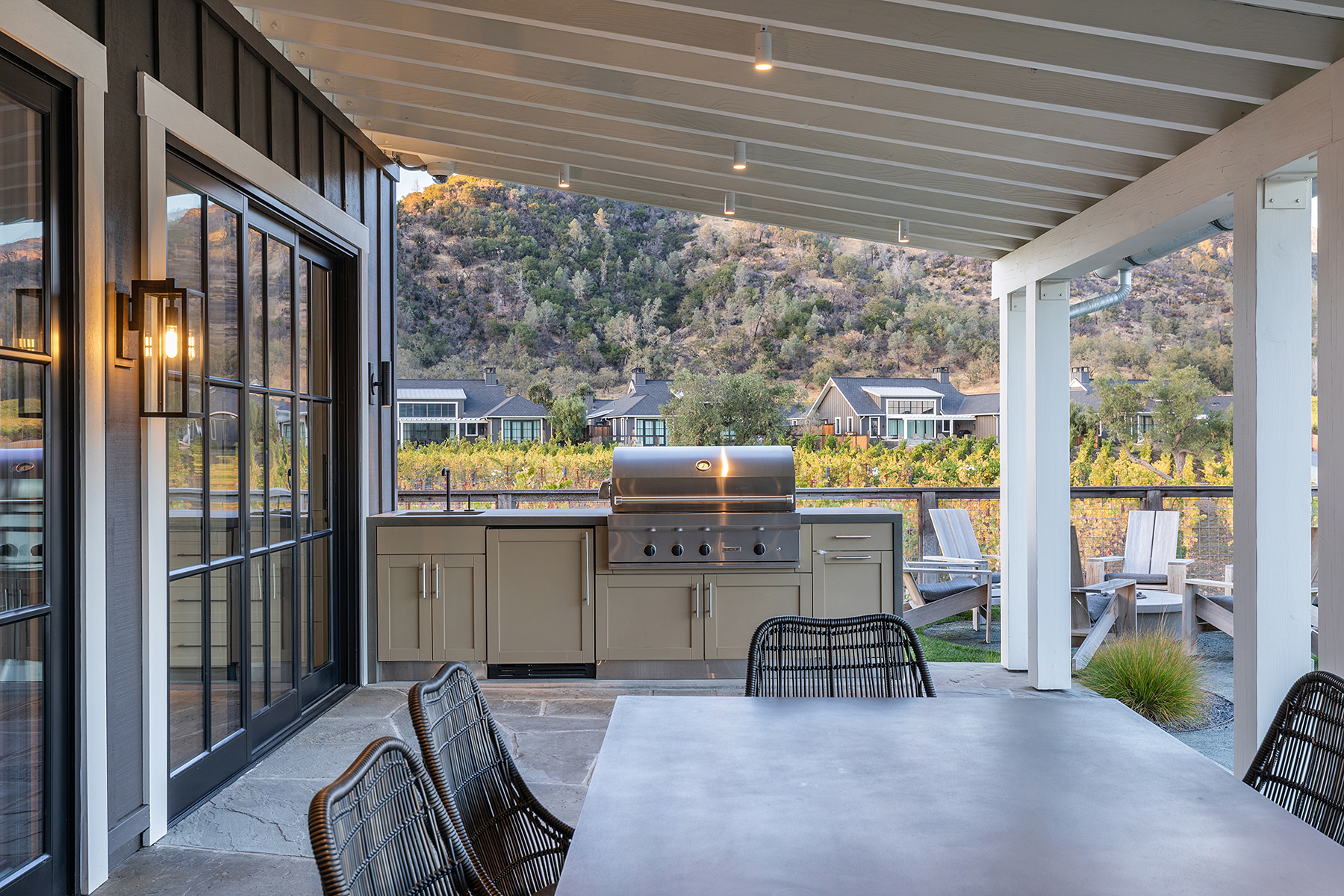
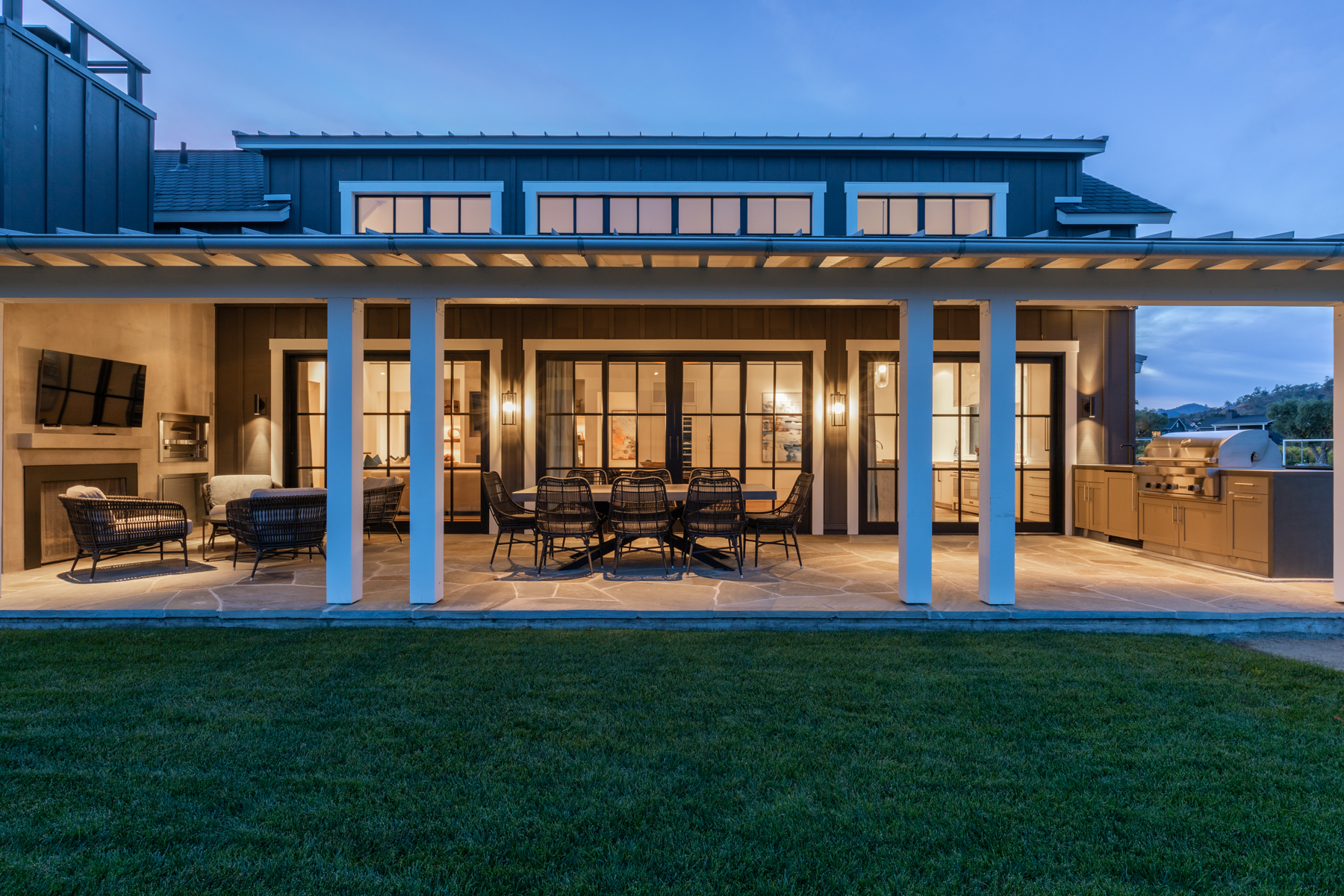
The covered outdoor terrace is perhaps the residence's most defining space — stone-paved, generously proportioned, equipped with an outdoor kitchen and lounge seating oriented toward vineyard and hillside views that stretch across this particular, irreplaceable corner of Napa Valley. It is the kind of space that makes evenings feel longer and mornings feel earned.
Calistoga occupies the northernmost reaches of the Napa Valley, where the valley floor narrows and the thermal energy that has drawn visitors since the nineteenth century rises from the earth with quiet insistence. It is, by temperament and geography, the most unhurried of the valley's towns — less oriented toward the conspicuous consumption of wine tourism and more toward the particular pleasures of a place that knows what it is and has no interest in being anything else.
The Silverado Trail, which runs the length of the valley's eastern edge, is one of California's genuinely distinguished wine roads. Quieter and more considered than Highway 29, it passes through a succession of estate wineries, organic farms, and properties that have shaped Napa Valley's identity over generations. To live along the Silverado Trail is to occupy a specific position in that landscape — not adjacent to wine country, but woven into it.
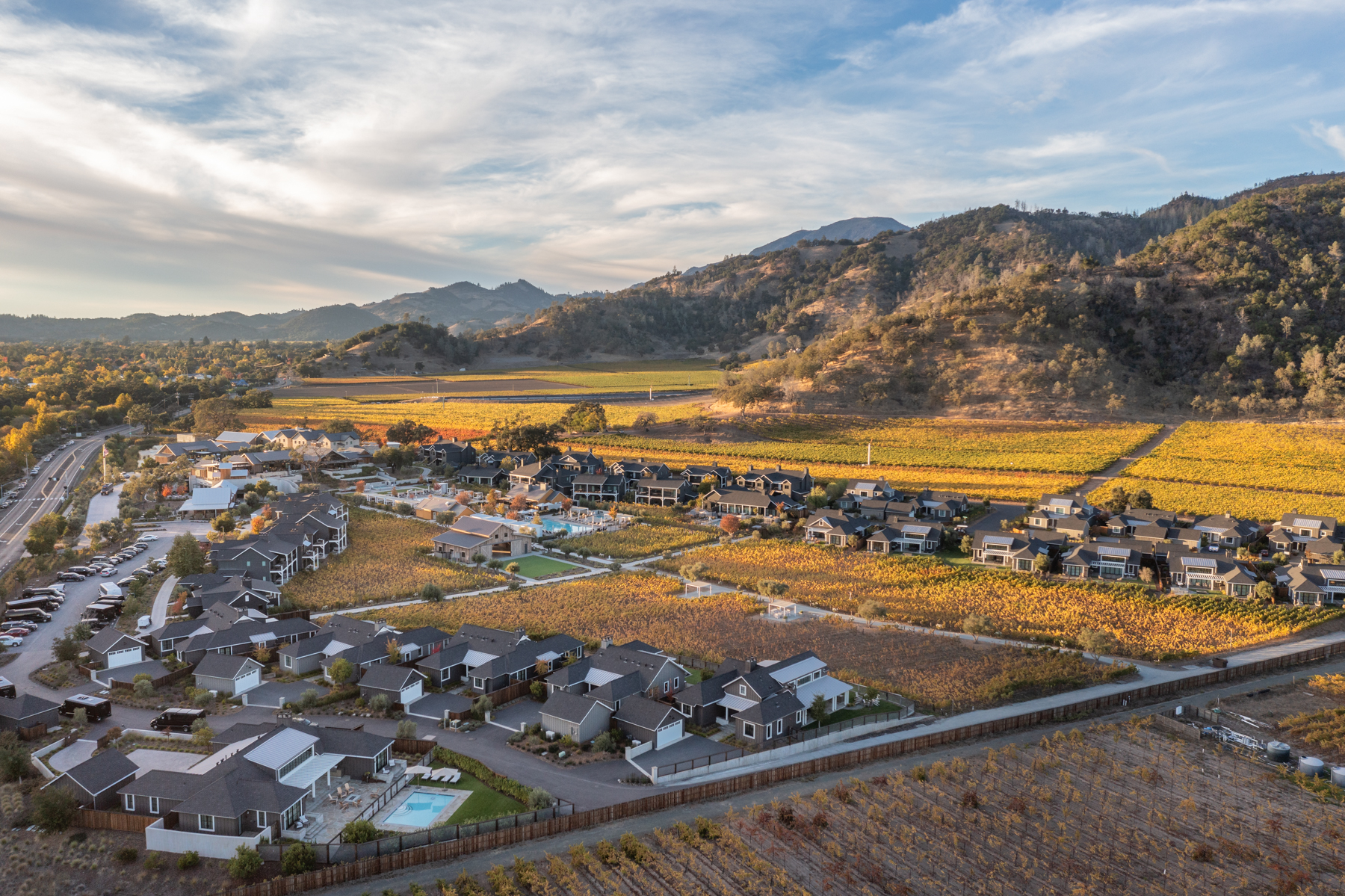
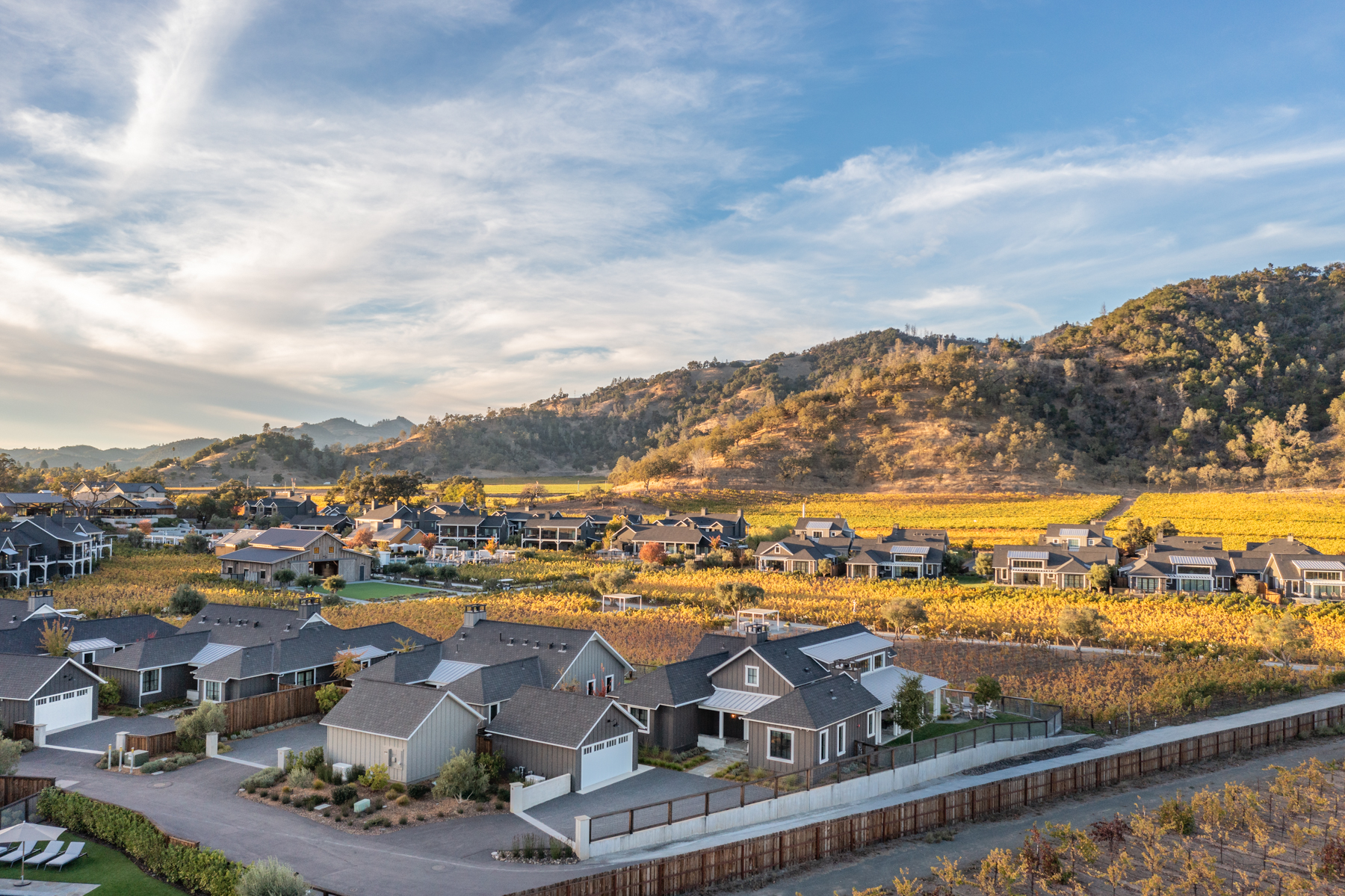
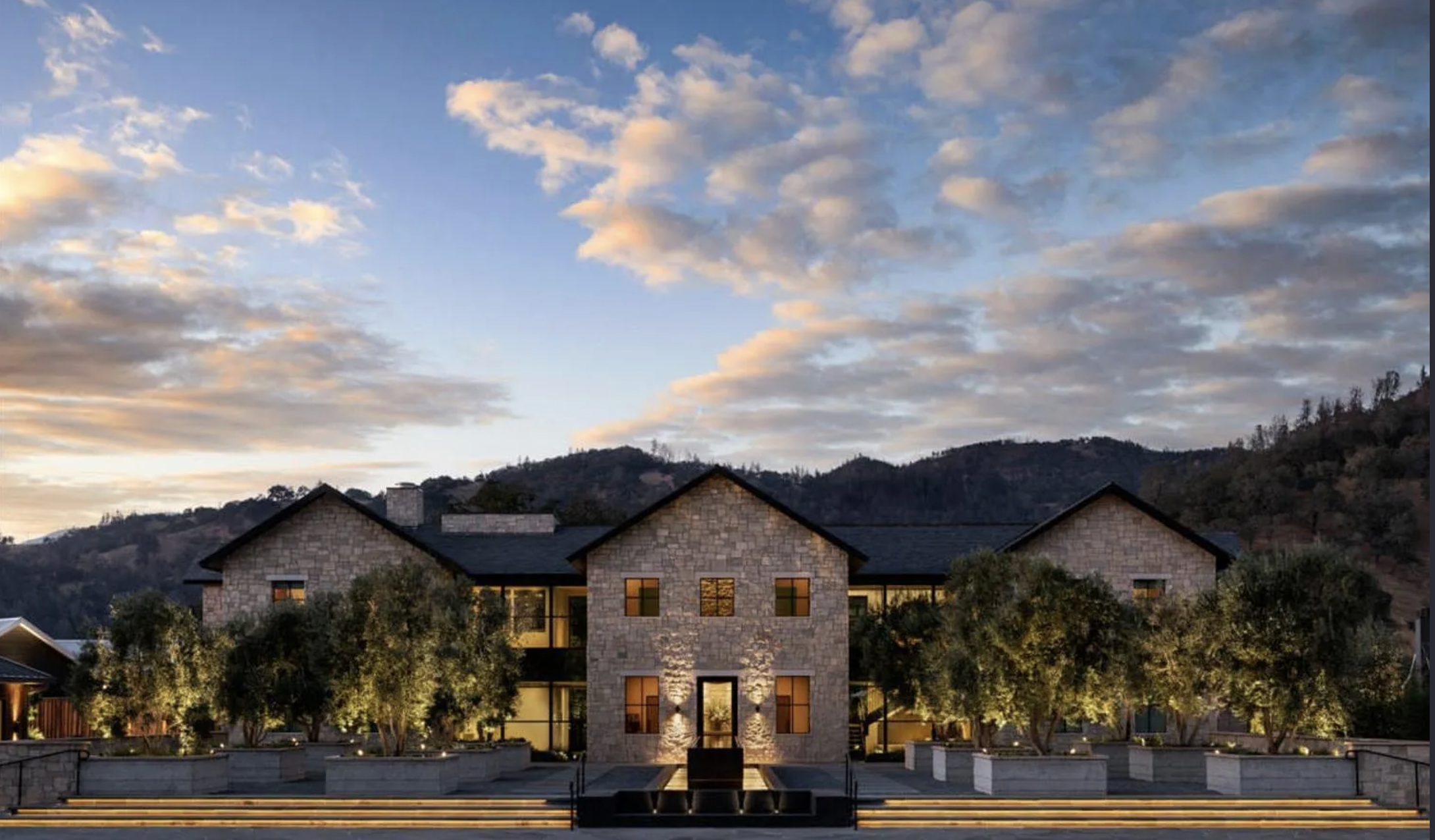
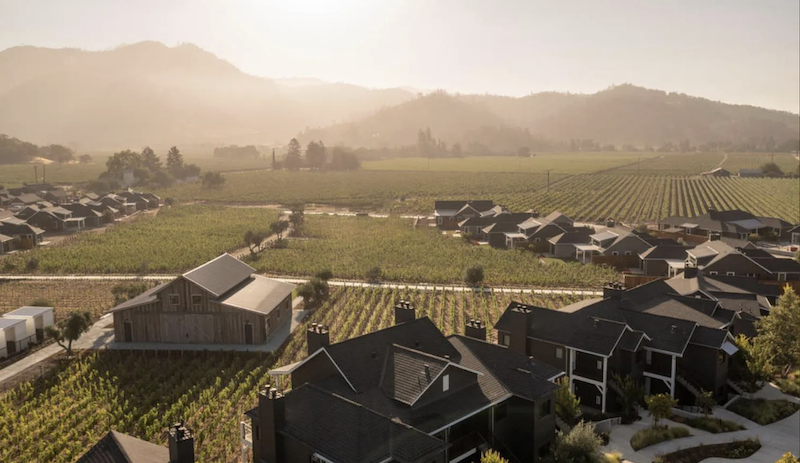
Four Seasons Private Residences Calistoga sits within a working vineyard along this corridor, which places 30 Lawley Lane in a context that most luxury properties in the valley can only gesture toward. The estate's Elusa Winery grape-to-glass program gives residents a direct and meaningful relationship with the land on which they live — a connection that is experiential rather than merely aesthetic. The 47-mile trail network accessible through HOA amenities extends that relationship into the surrounding hills, where the landscape opens into oak woodland and ridge-top perspectives that place the entire valley in relief.
Within the community, the infrastructure of Forbes Five-Star service operates invisibly and comprehensively — grounds maintenance, security, concierge, and the full amenity program of pool, spa, and fitness center function at a standard that private residential ownership rarely achieves without significant operational complexity. Here, that complexity is absorbed entirely by the Four Seasons management structure, leaving residents with the experience of ownership without its burdens.
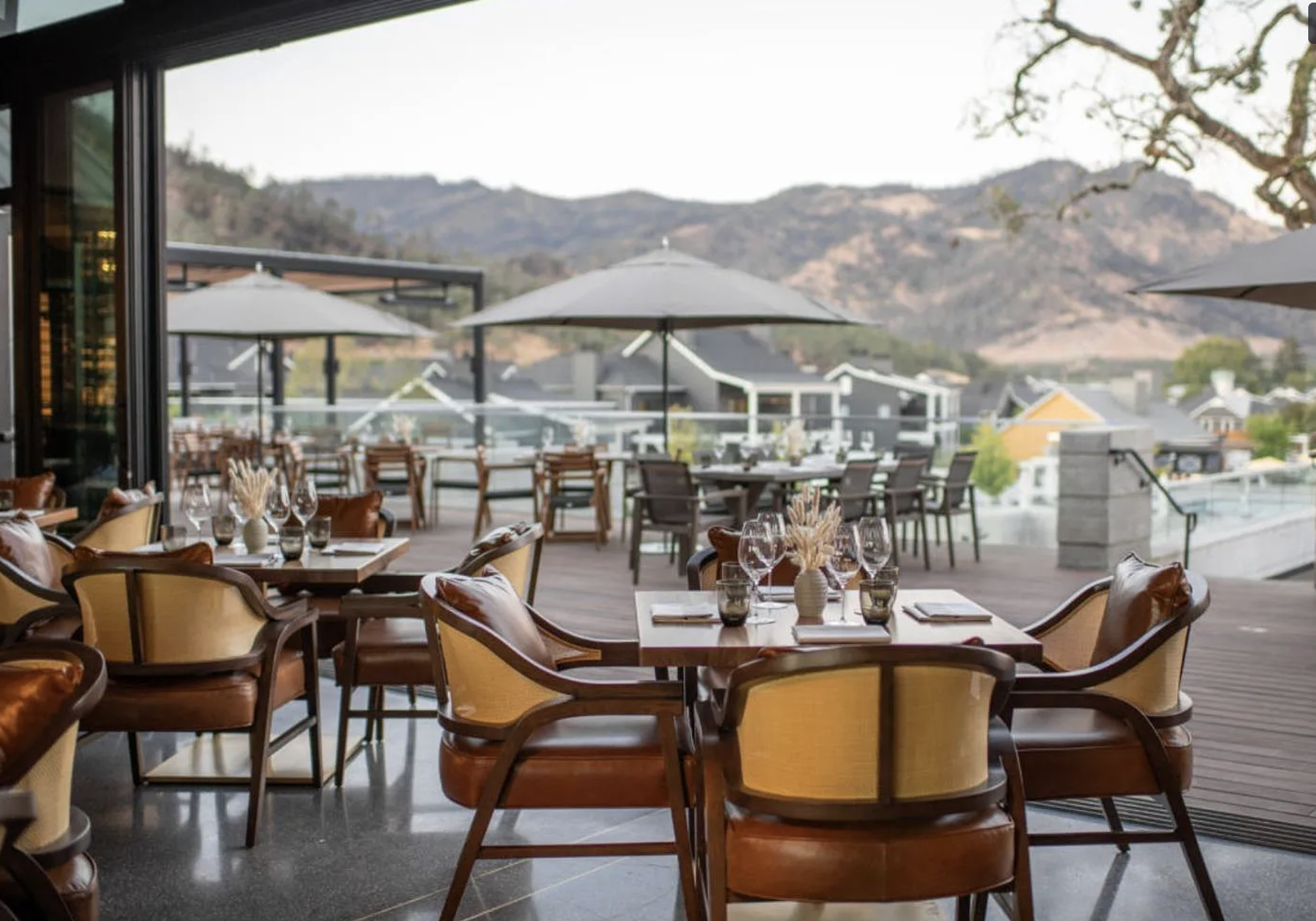
Auro, the Michelin-starred restaurant located within the resort, represents a meaningful cultural amenity — it is Calistoga's only Michelin-recognized dining establishment, and its presence reflects a culinary ambition that matches the agricultural excellence of its surroundings. For residents of 30 Lawley Lane, a table at Auro is not a reservation but a short walk.
Calistoga itself offers a compact but genuinely characterful downtown — a main street of independent restaurants, spa establishments, and wine-tasting rooms that has resisted the homogenization that has affected other parts of the valley. The Old Faithful Geyser of California lies nearby, as do the Petrified Forest and the network of natural hot spring spas that have defined the town's identity since Sam Brannan established a resort here in the 1860s. St. Helena, with its concentration of fine dining and retail, is a short drive south along the Trail.
For those whose ownership extends beyond personal use, the Four Seasons rental program offers professionally managed income potential during periods of non-occupancy — a structural flexibility that reflects the sophistication of the overall ownership proposition. This is a residence designed for a particular kind of owner: one for whom quality of life and quality of investment are not competing priorities.
Featured Highlights
Curated Content • Presented by Curtis Tischler