The Story Behind
A Landmark Limestone Mansion of Singular Architectural Consequence
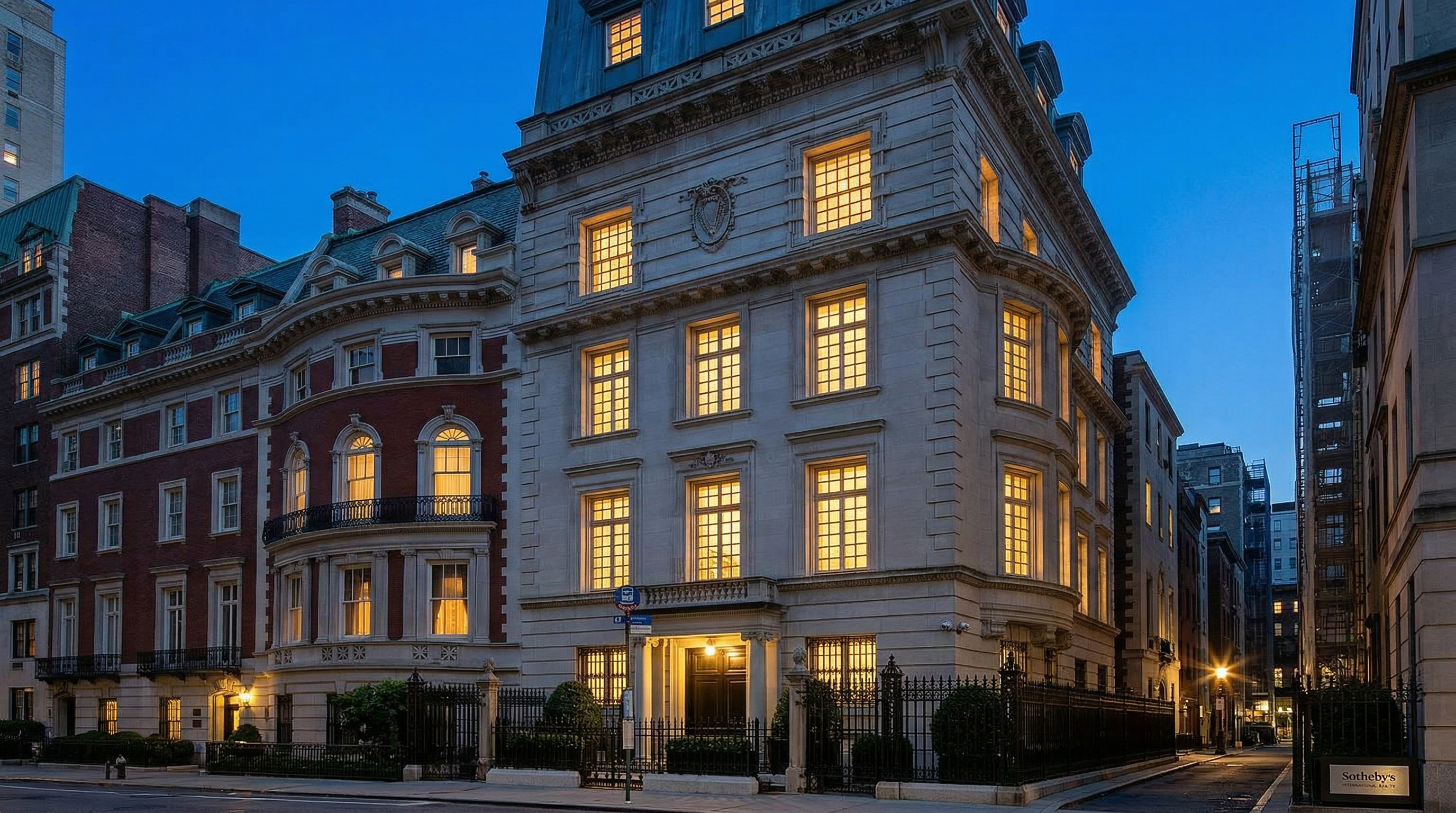
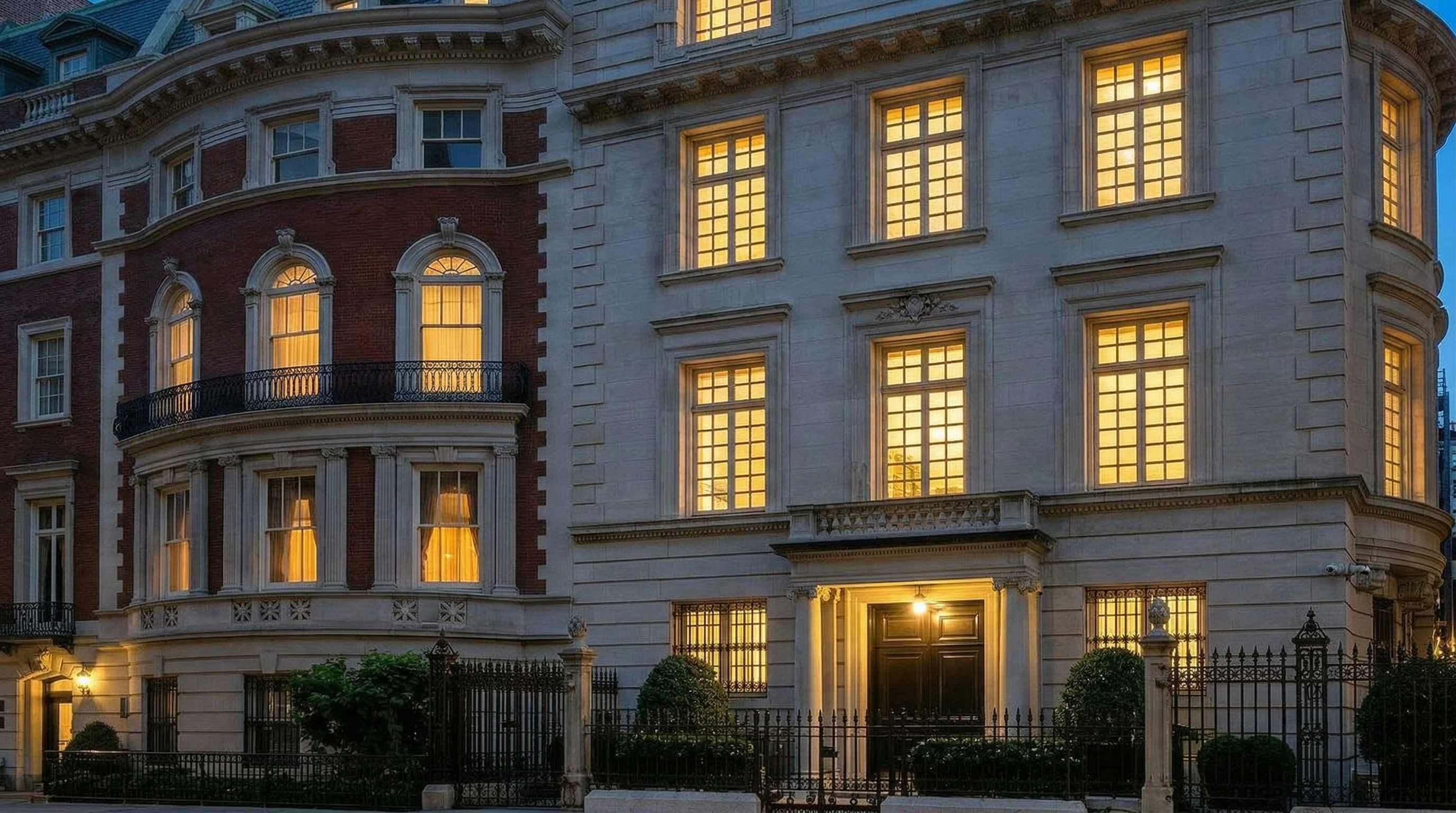
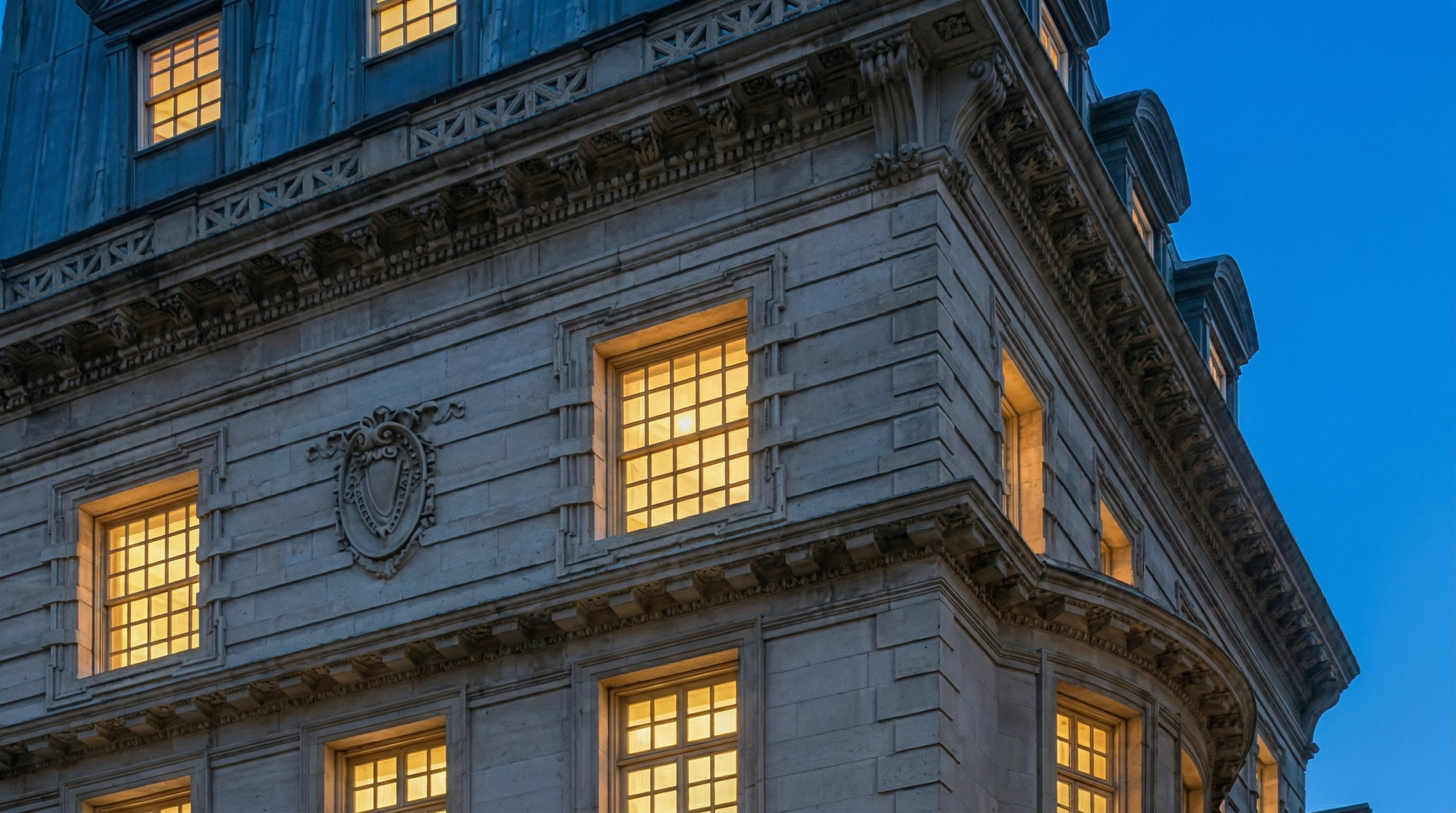
There are houses that shelter, and there are houses that endure. 4 East 79th Street belongs to the latter category — a limestone mansion of such architectural consequence that its story begins not with a transaction, but with a vision. Commissioned in 1898 by James E. Nichols as part of railroad industrialist Henry H. Cook's prescient acquisition of the full block between East 78th and 79th Streets and Fifth and Madison Avenues, the house was entrusted to C.P.H. Gilbert, one of Gilded Age New York's most celebrated architects. Gilbert's signature François Premier idiom — that opulent, chateau-inspired vocabulary drawn from the great manor houses of the Loire Valley — found perhaps its most refined urban expression here, in a facade of pale limestone that reads as both monumental and graceful, its mansard roof and dormer windows announcing something rare before a visitor ever crosses the threshold.
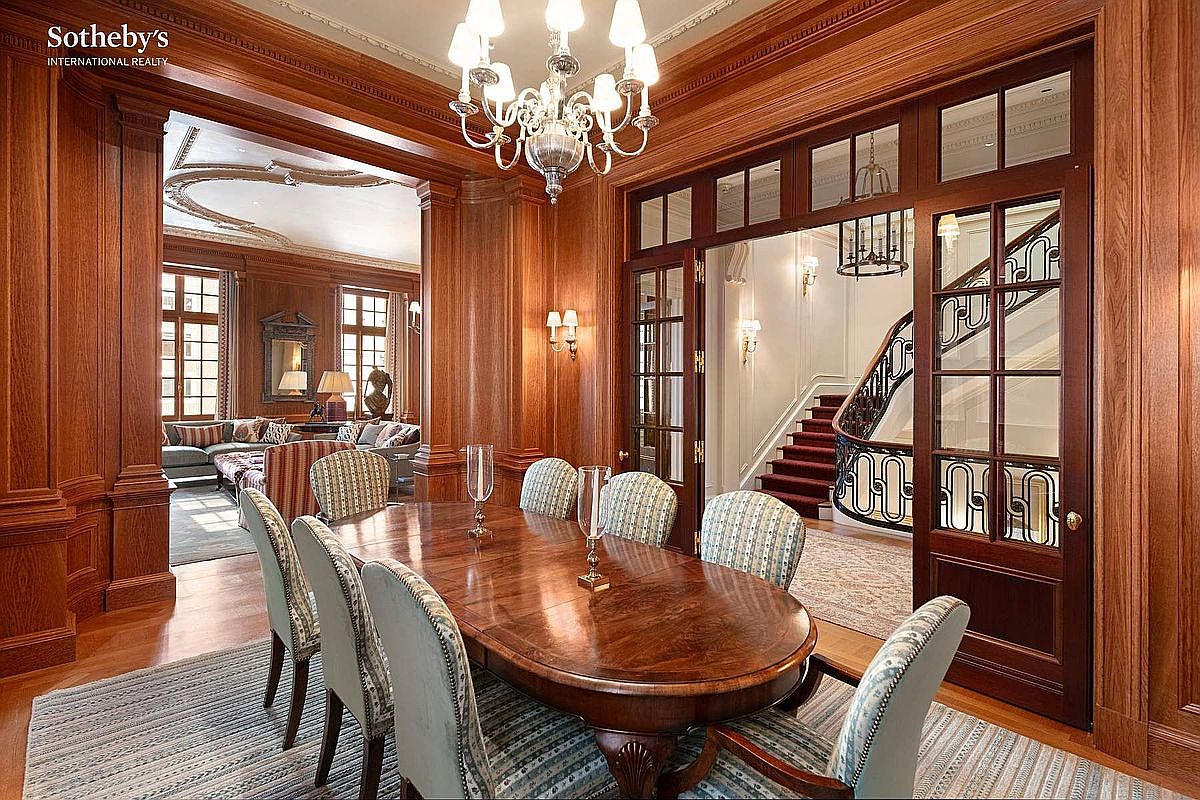
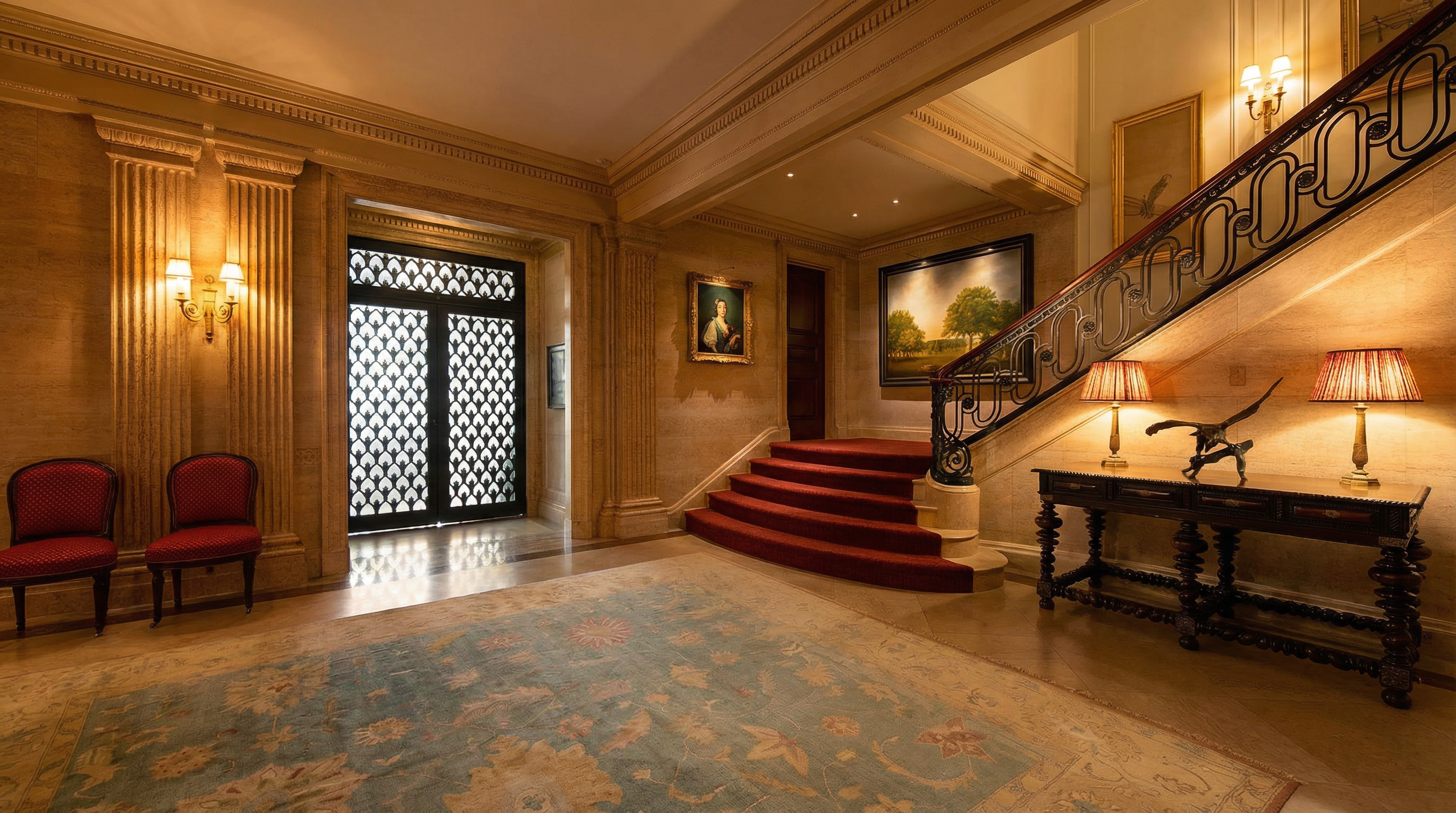
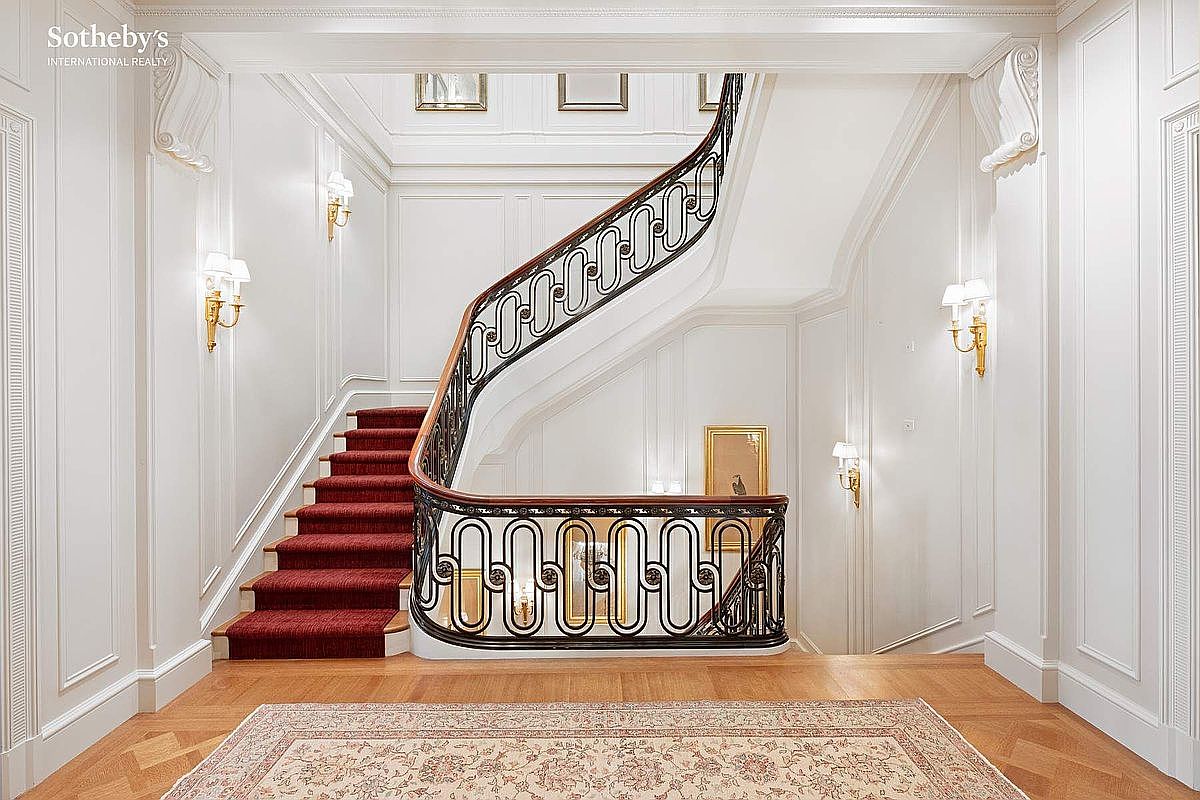
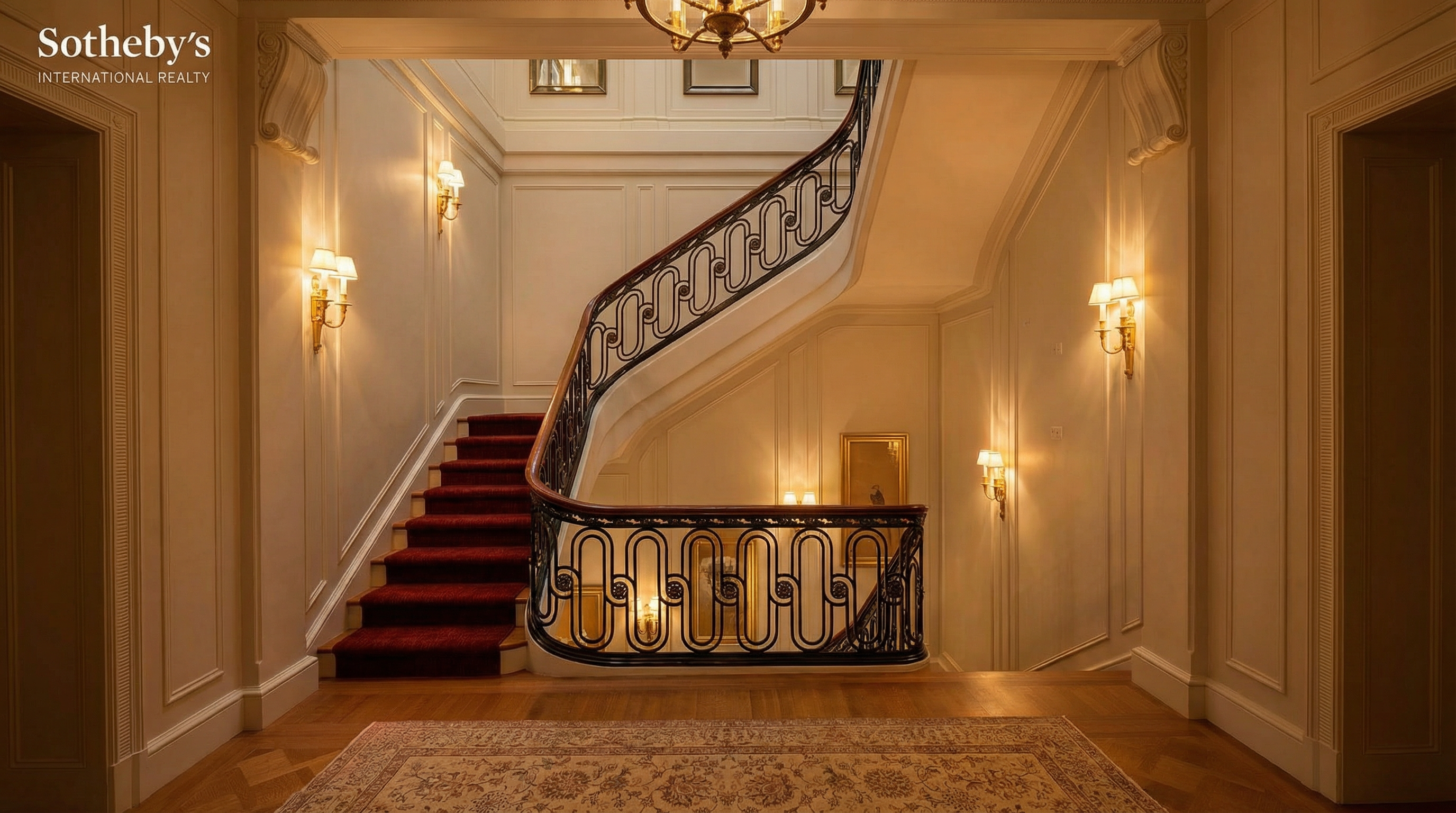
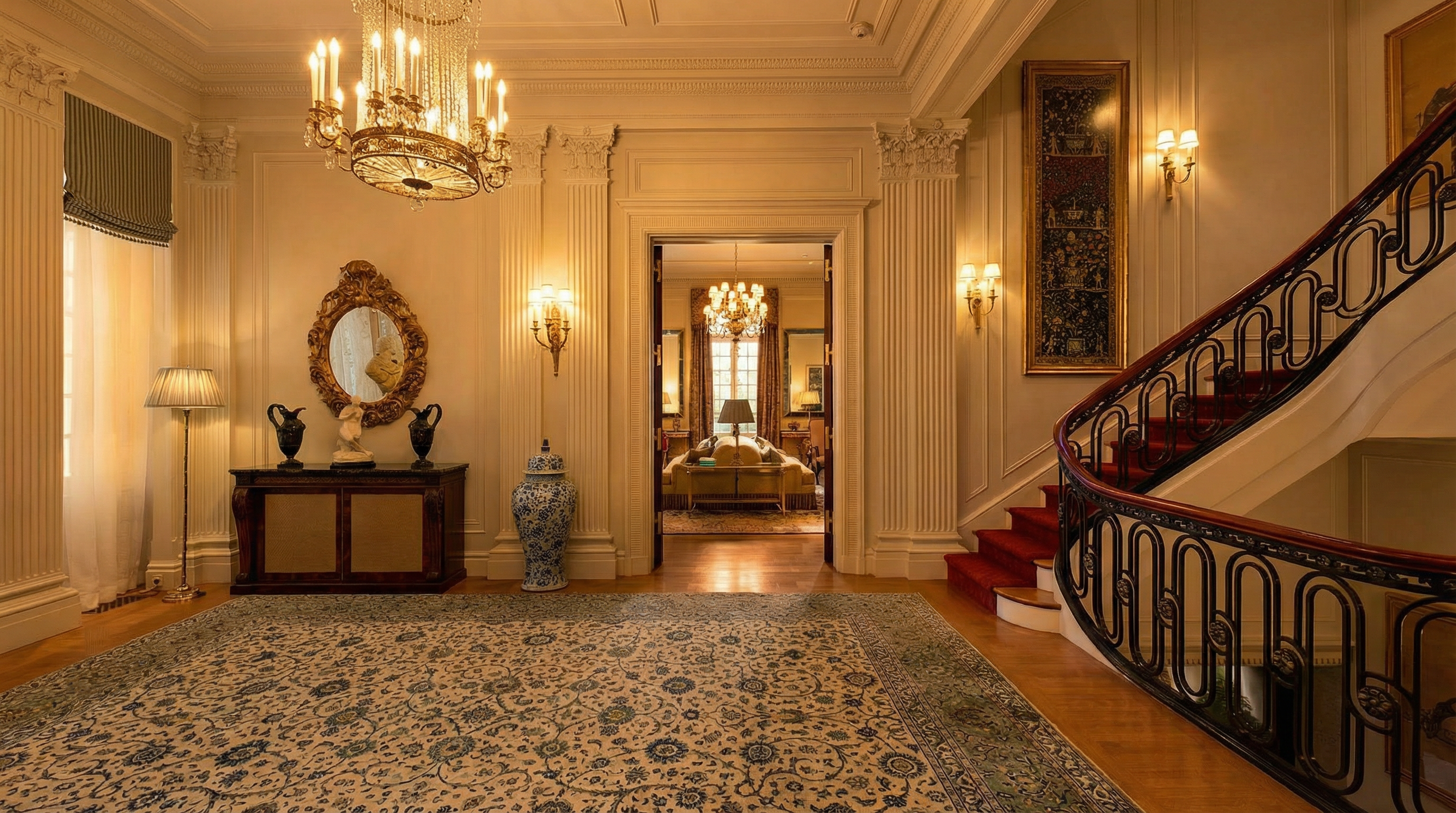
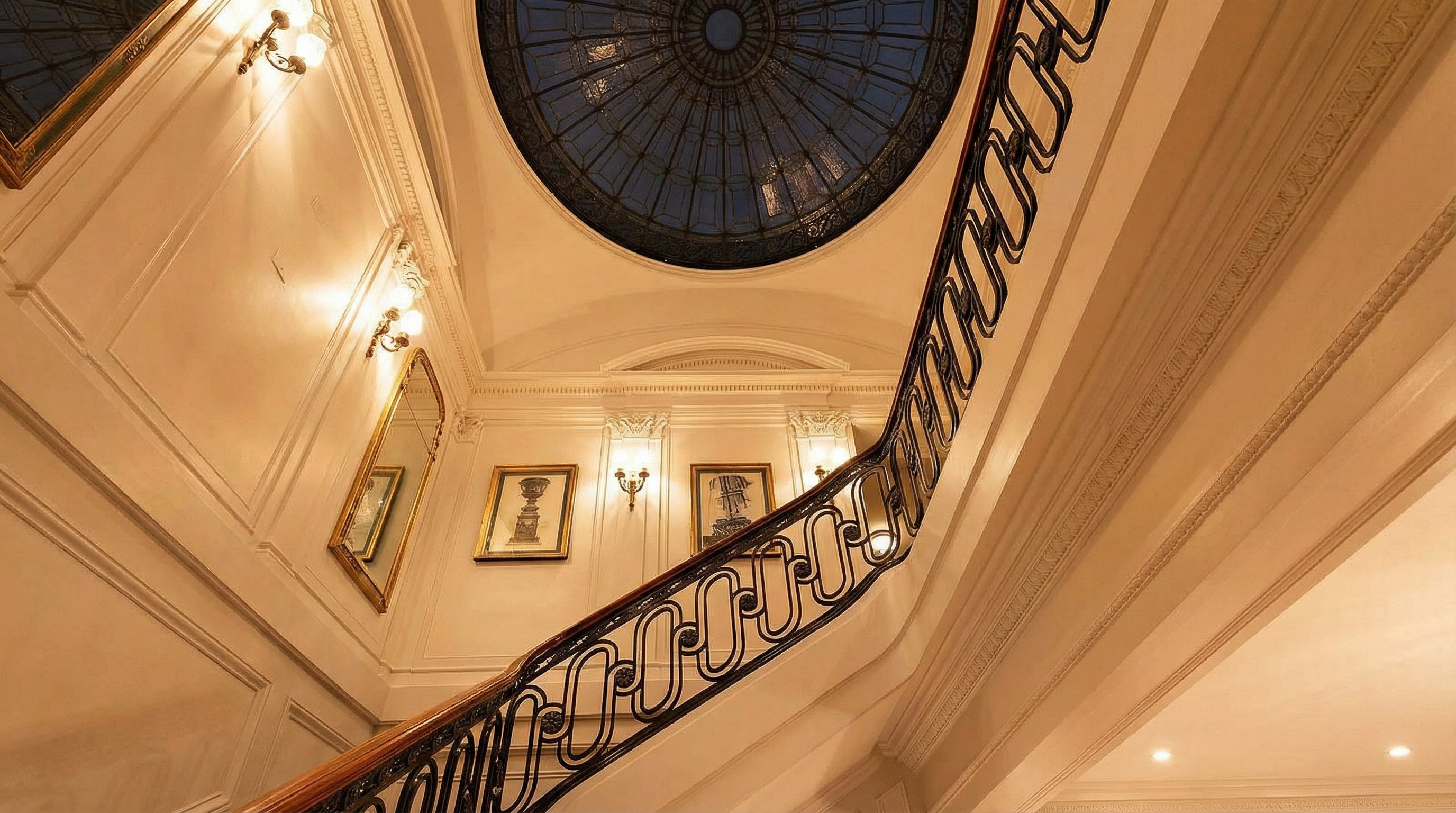
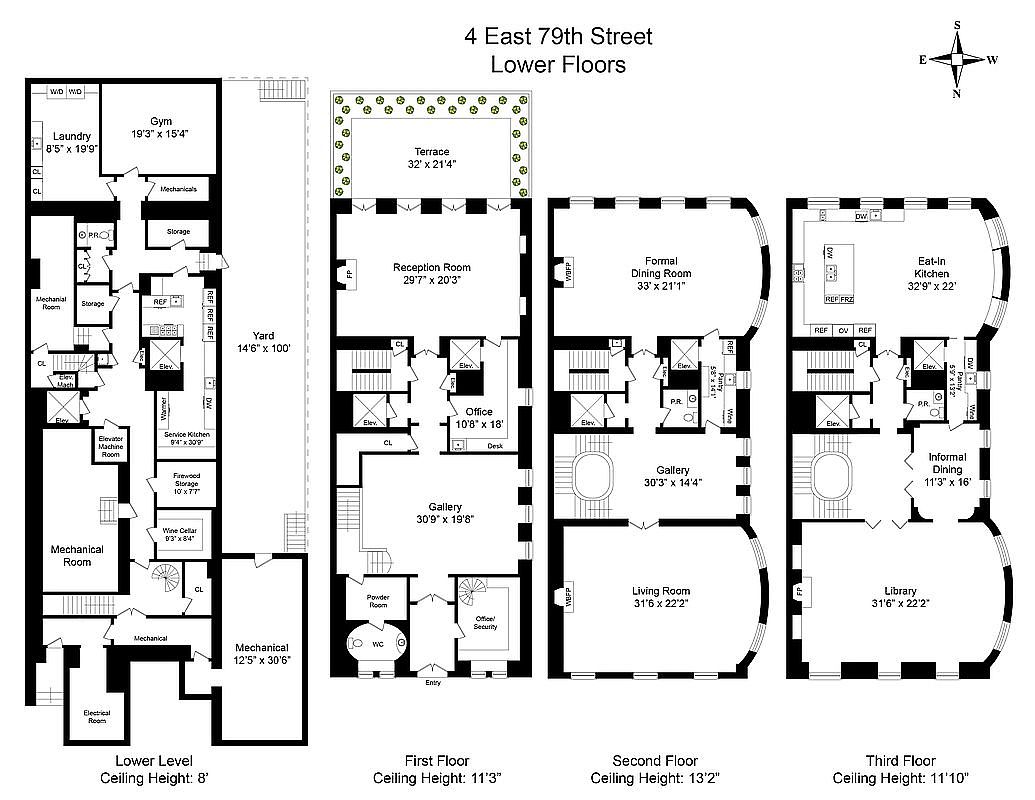
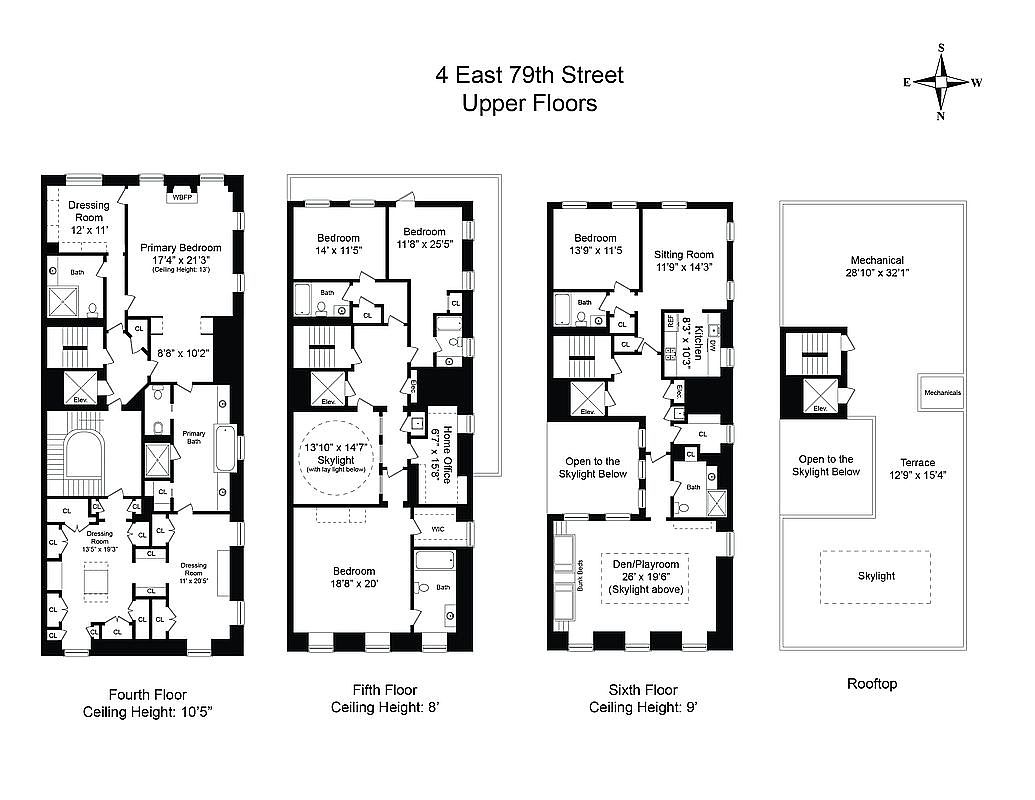
Inside, the grand foyer establishes the register immediately. A sweeping staircase with ornate wrought-iron railing ascends through the full height of the house, crowned at its apex by a circular stained-glass skylight that casts shifting, jewel-toned light down through every level. Hand-laid parquet floors and a crystal chandelier complete an entrance sequence that is, in the truest sense, unforgettable.
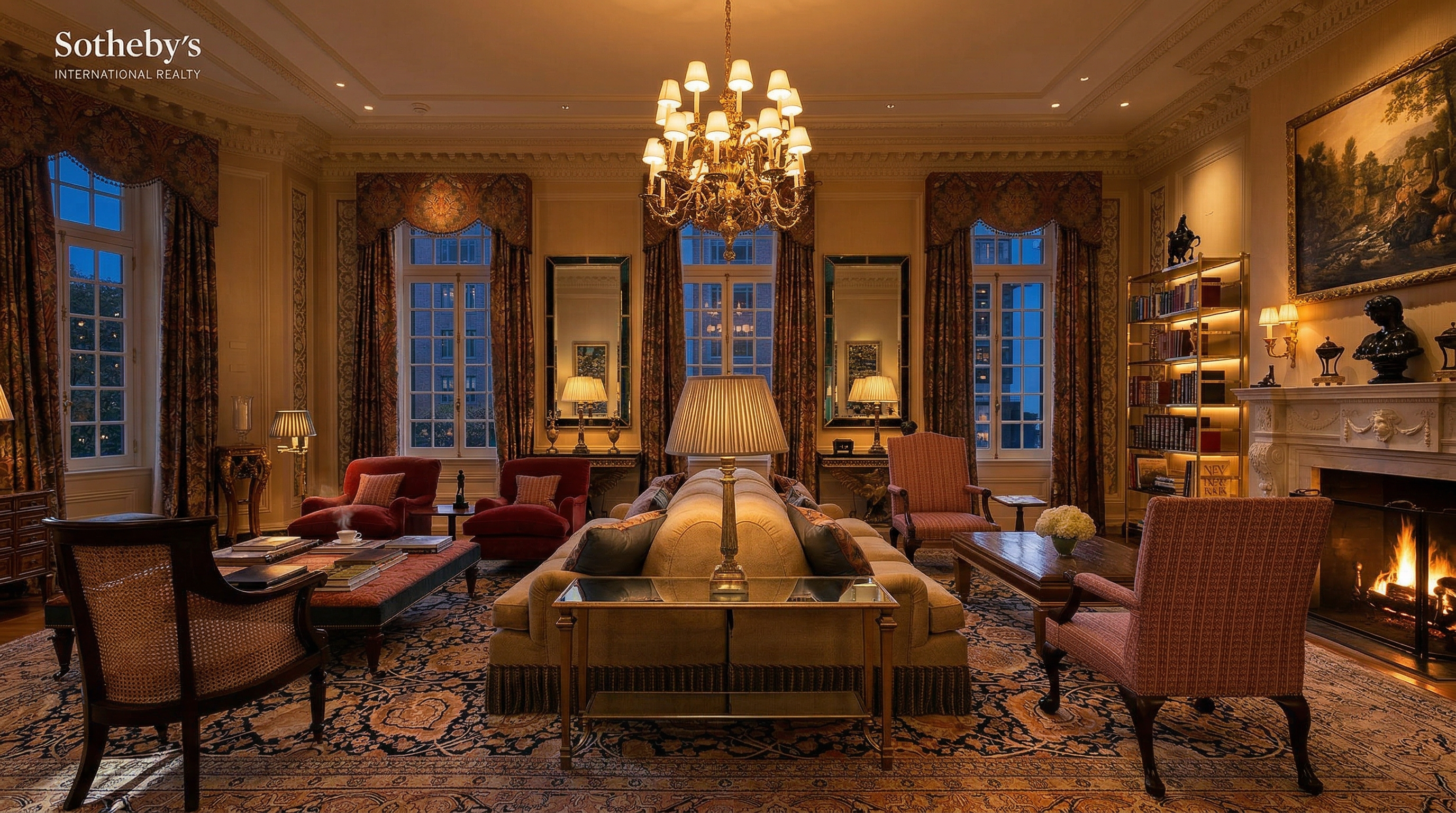
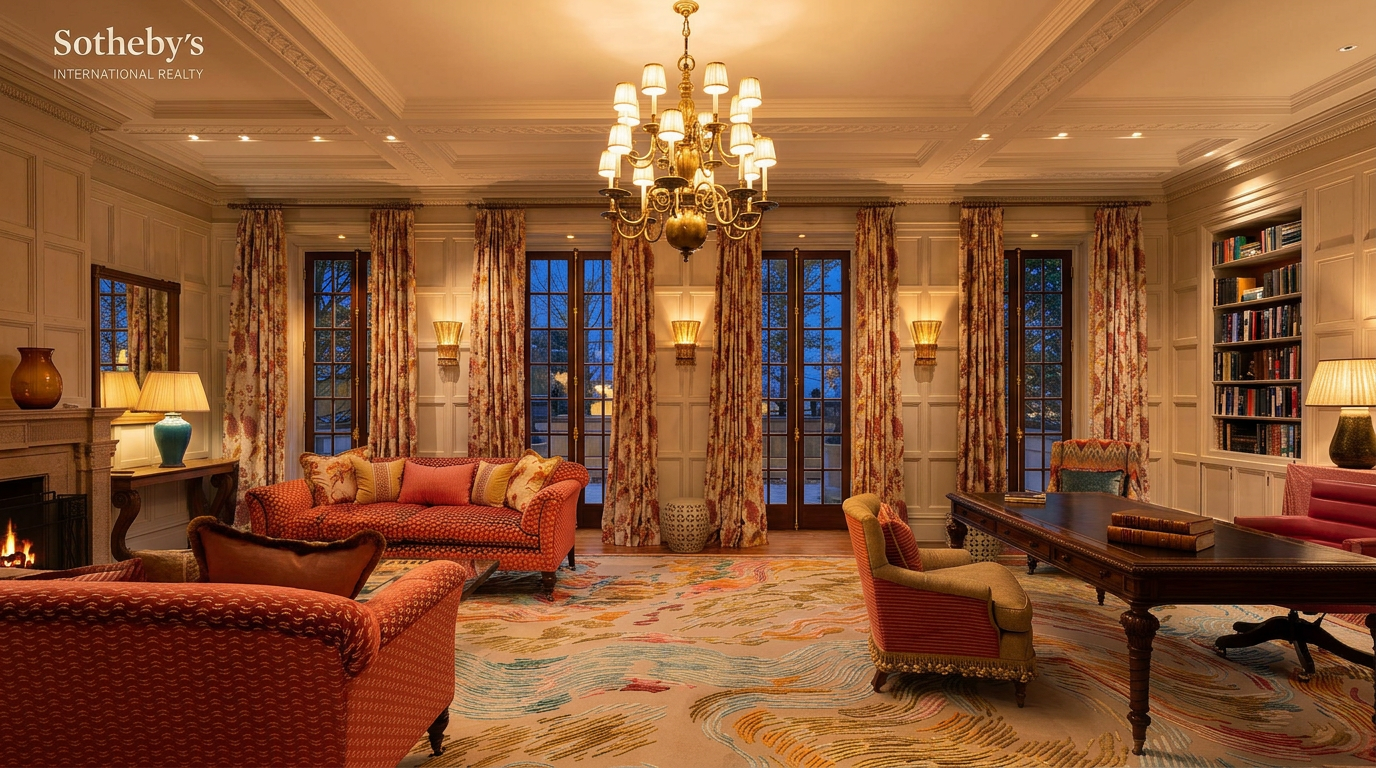
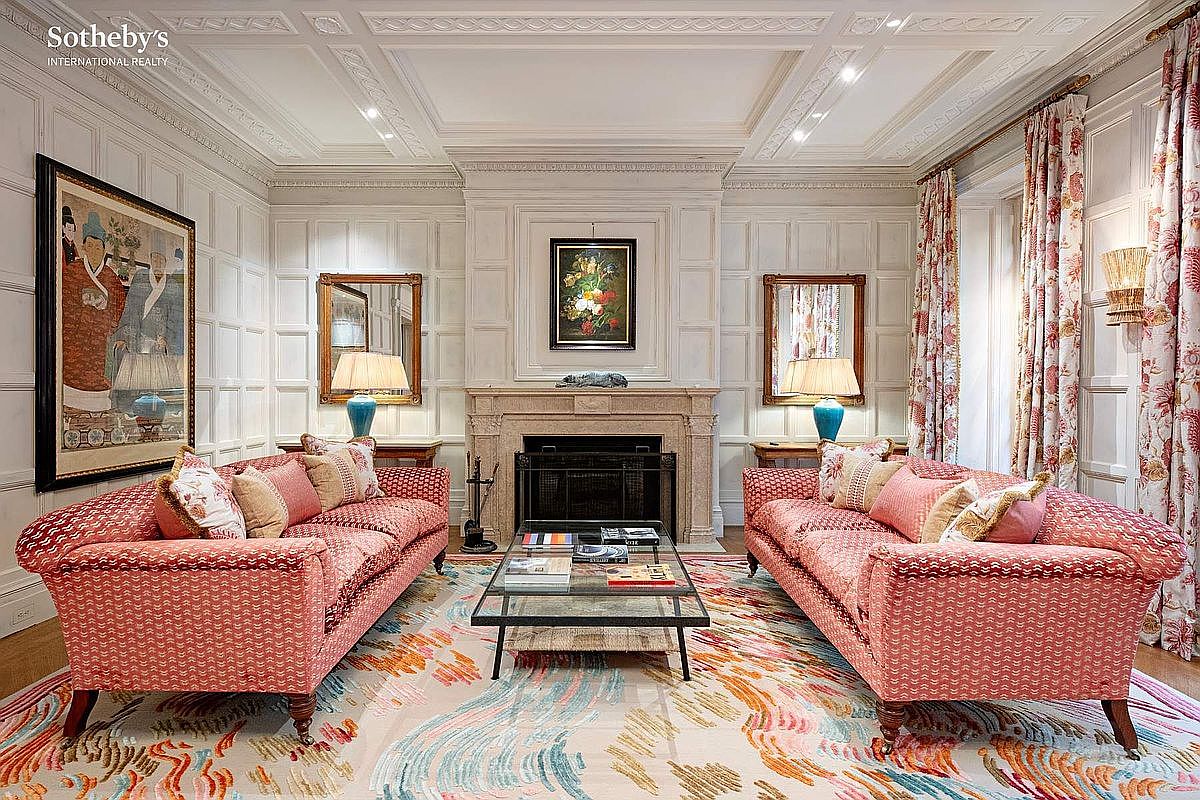
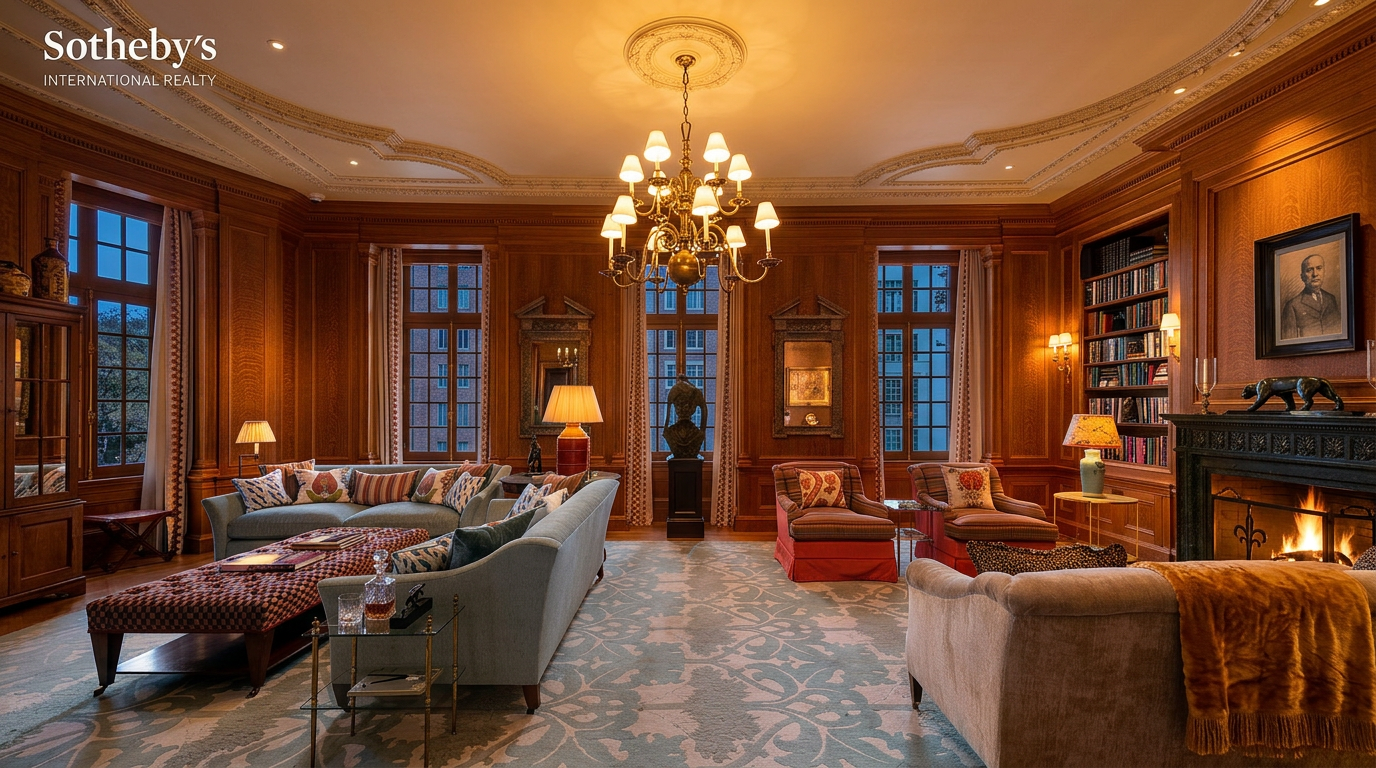
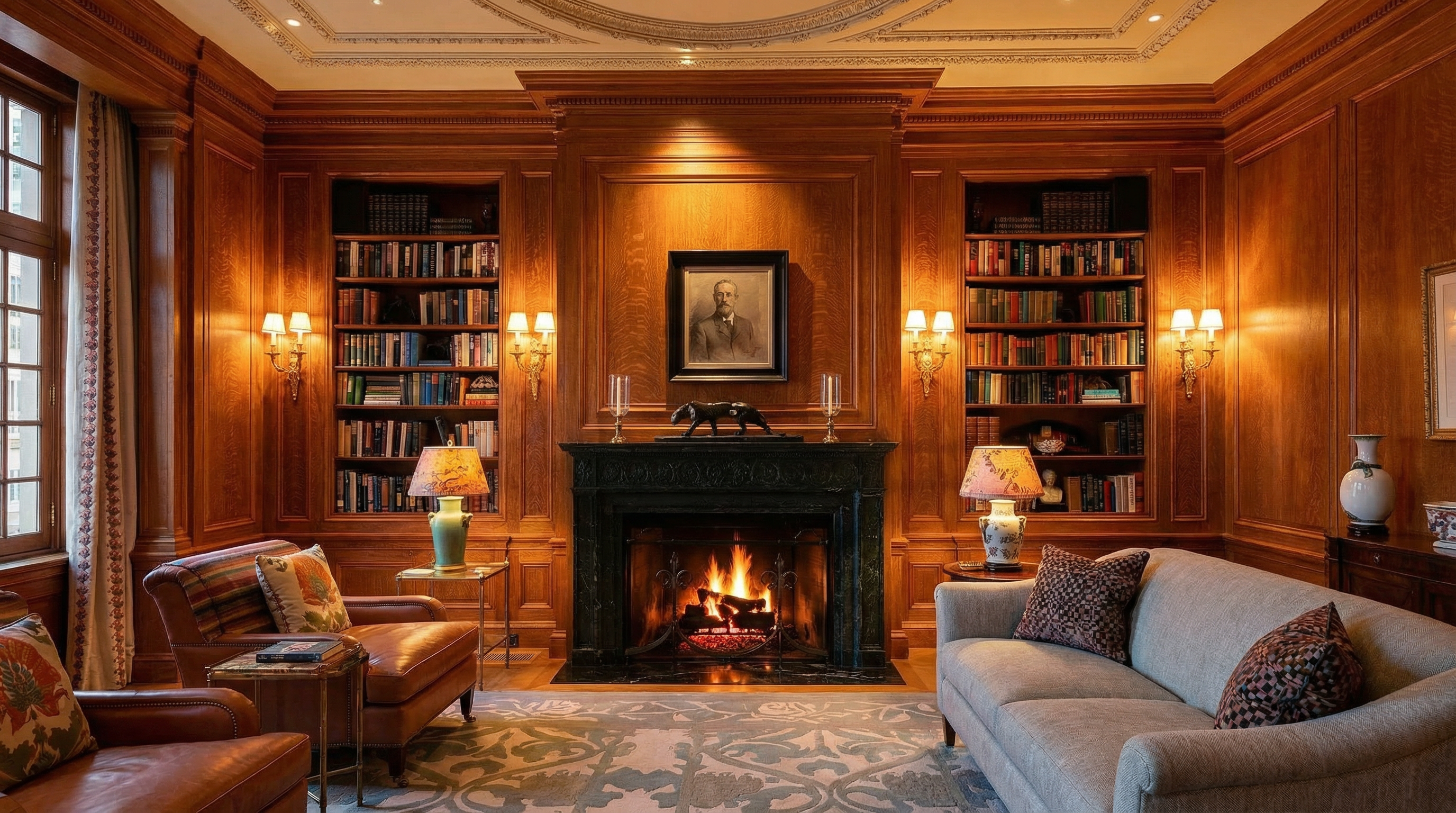
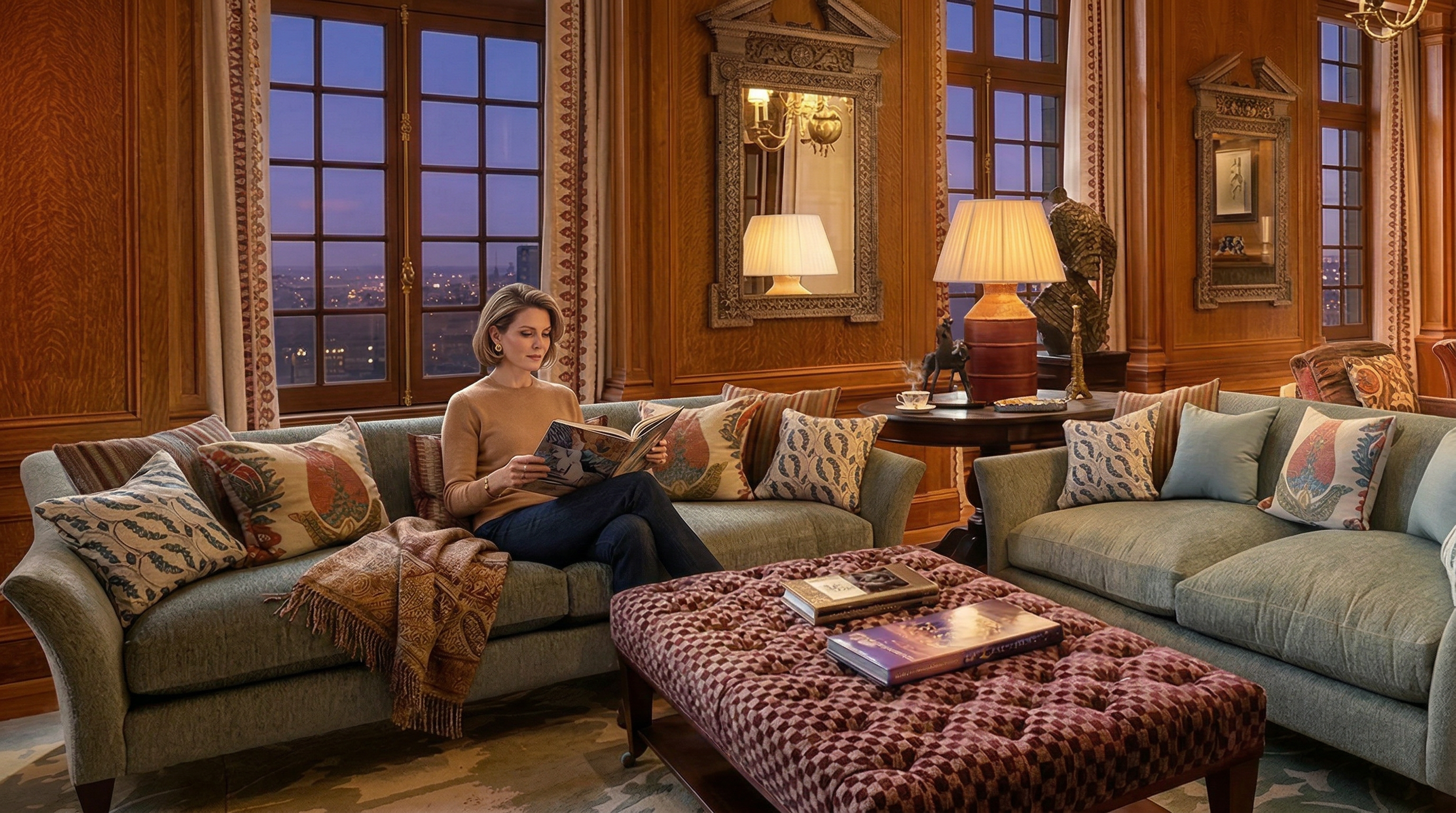
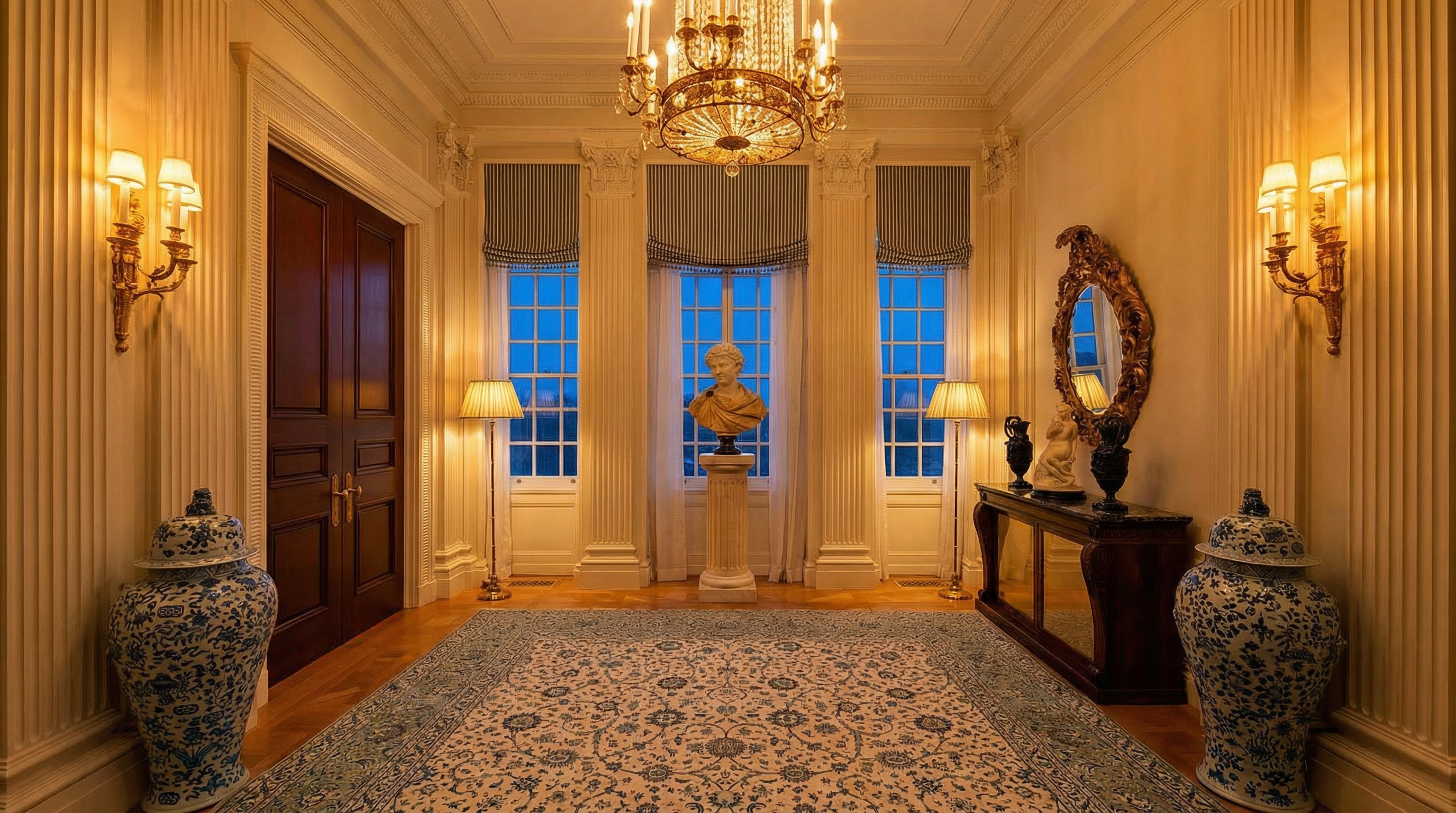
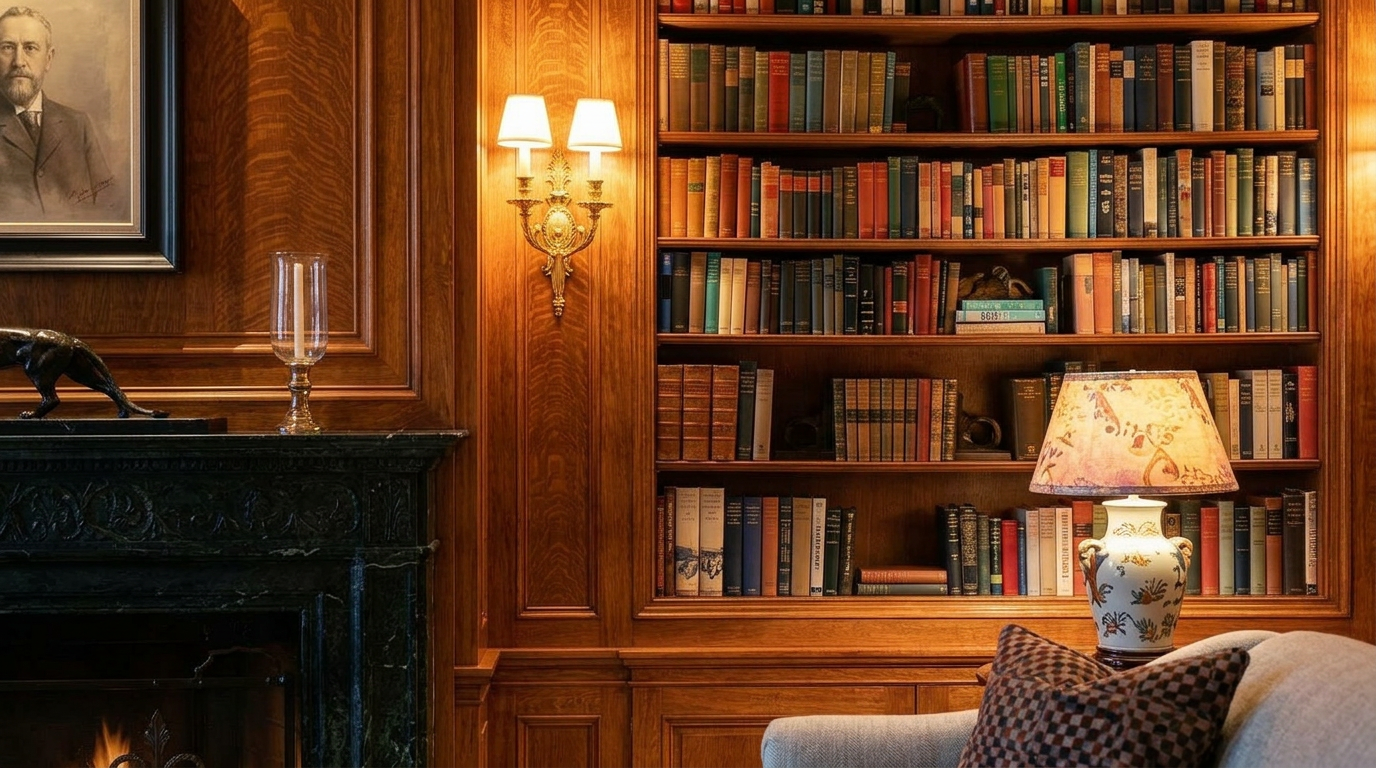
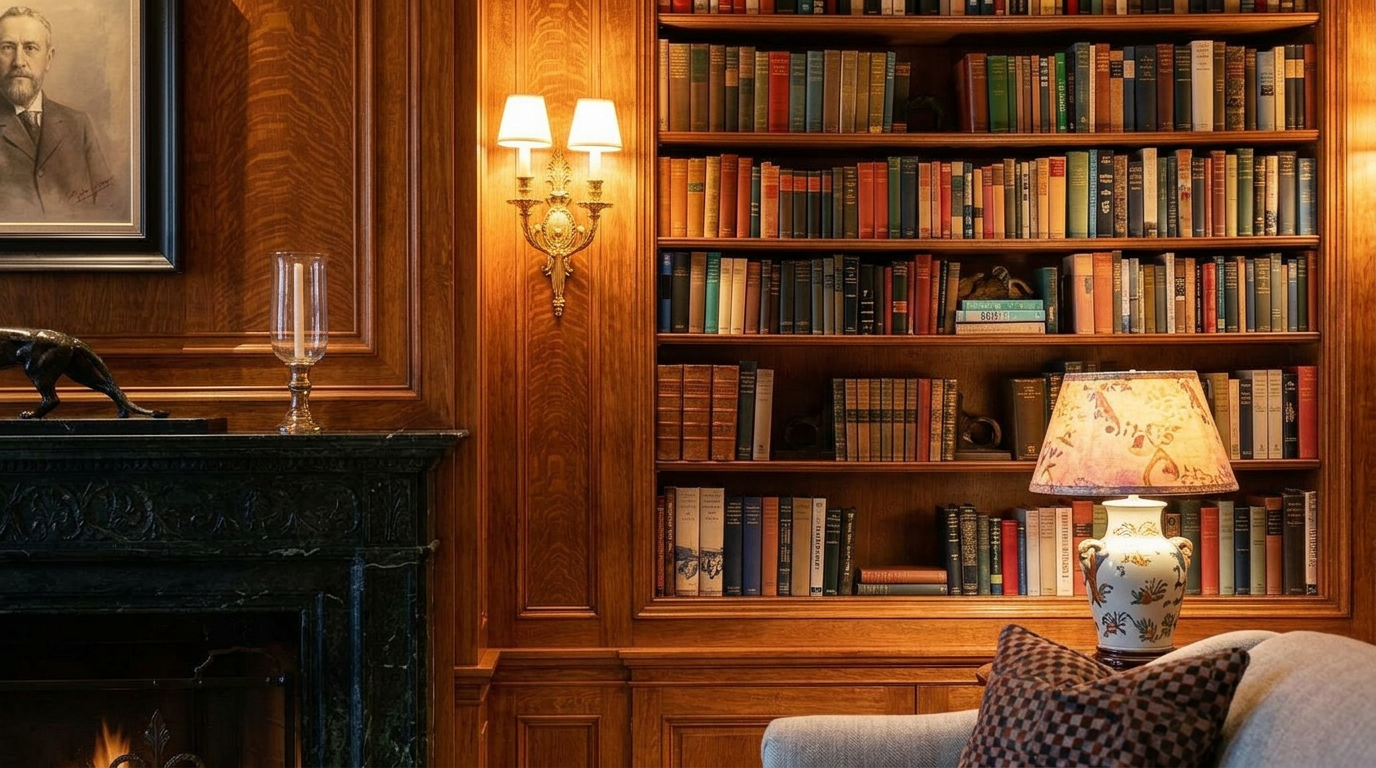
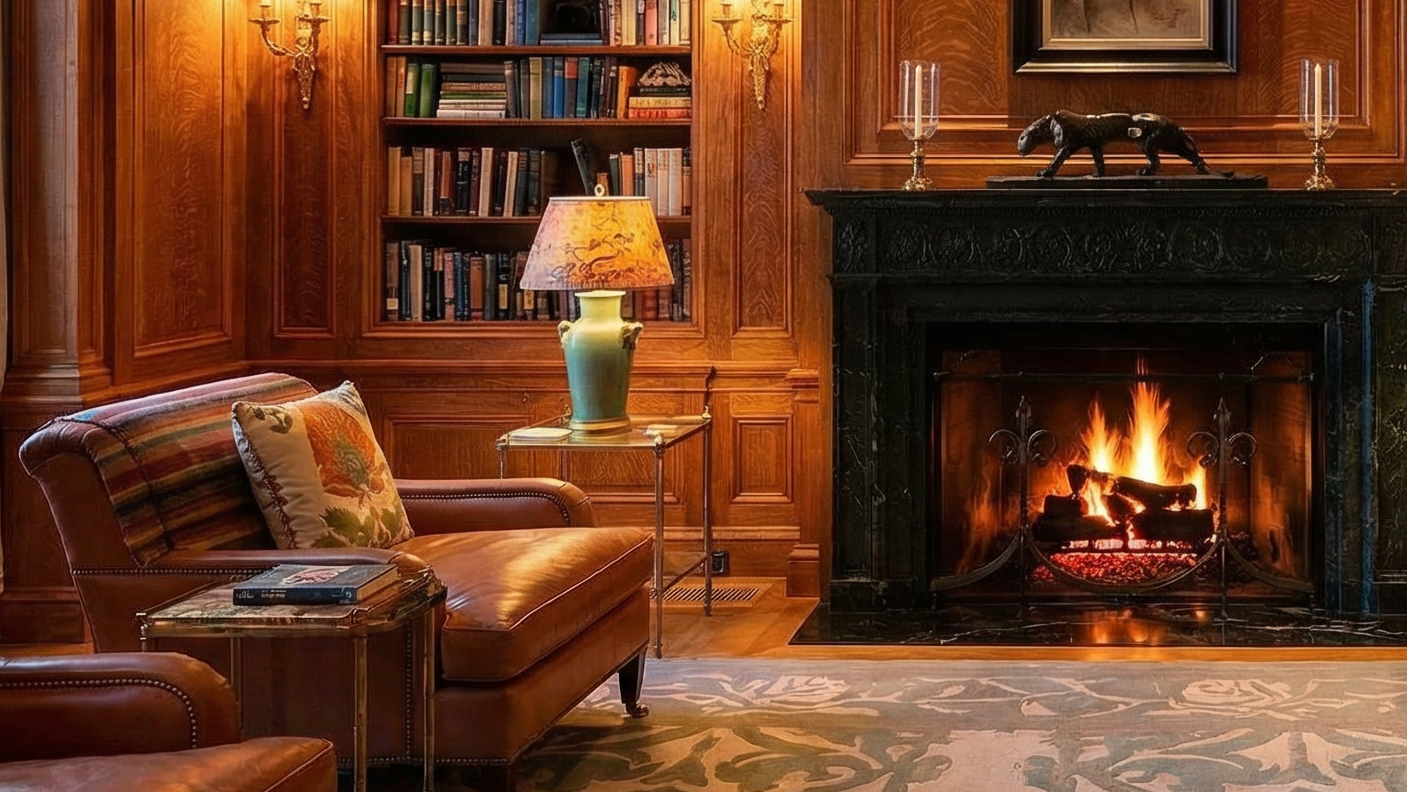
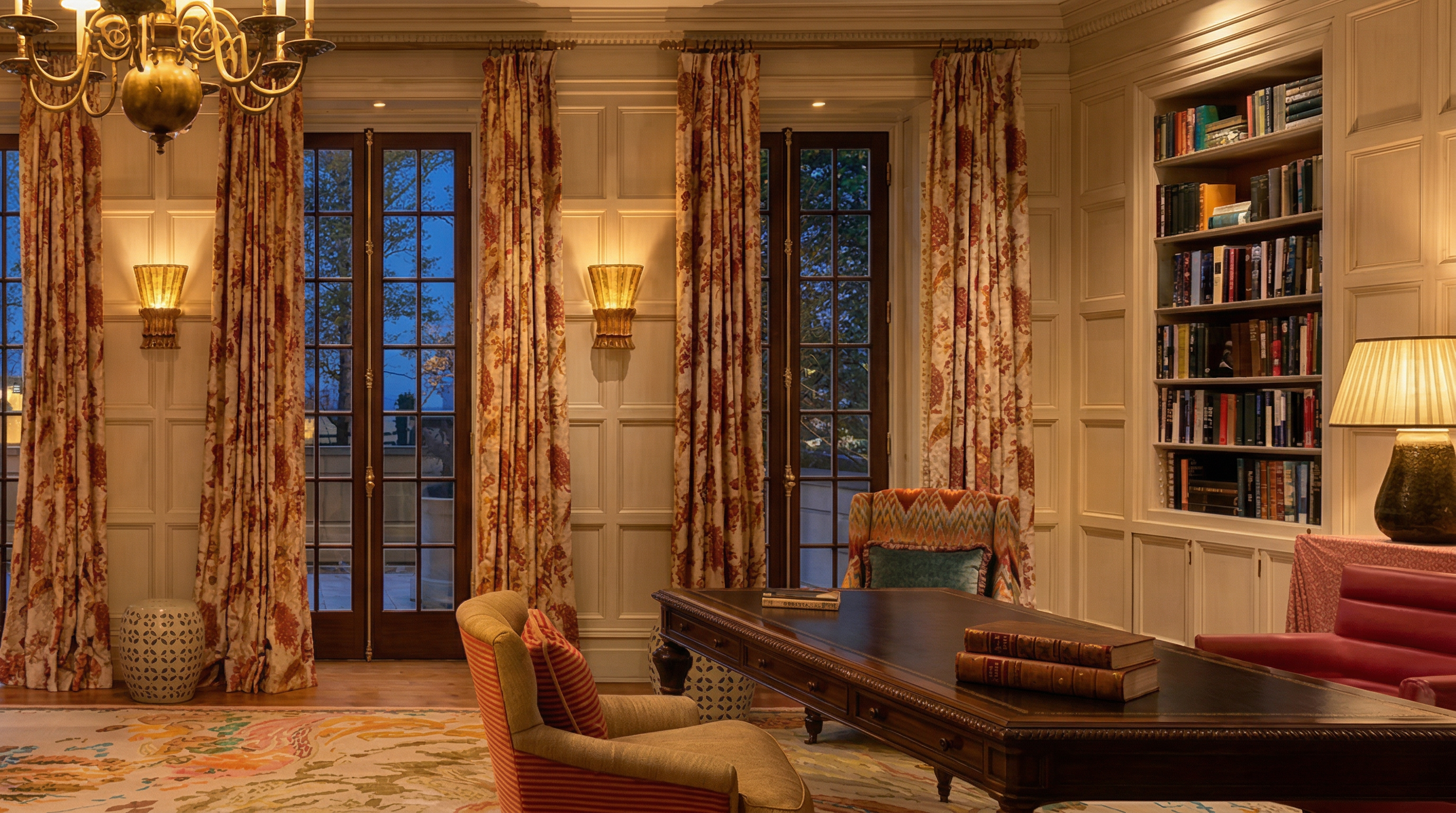
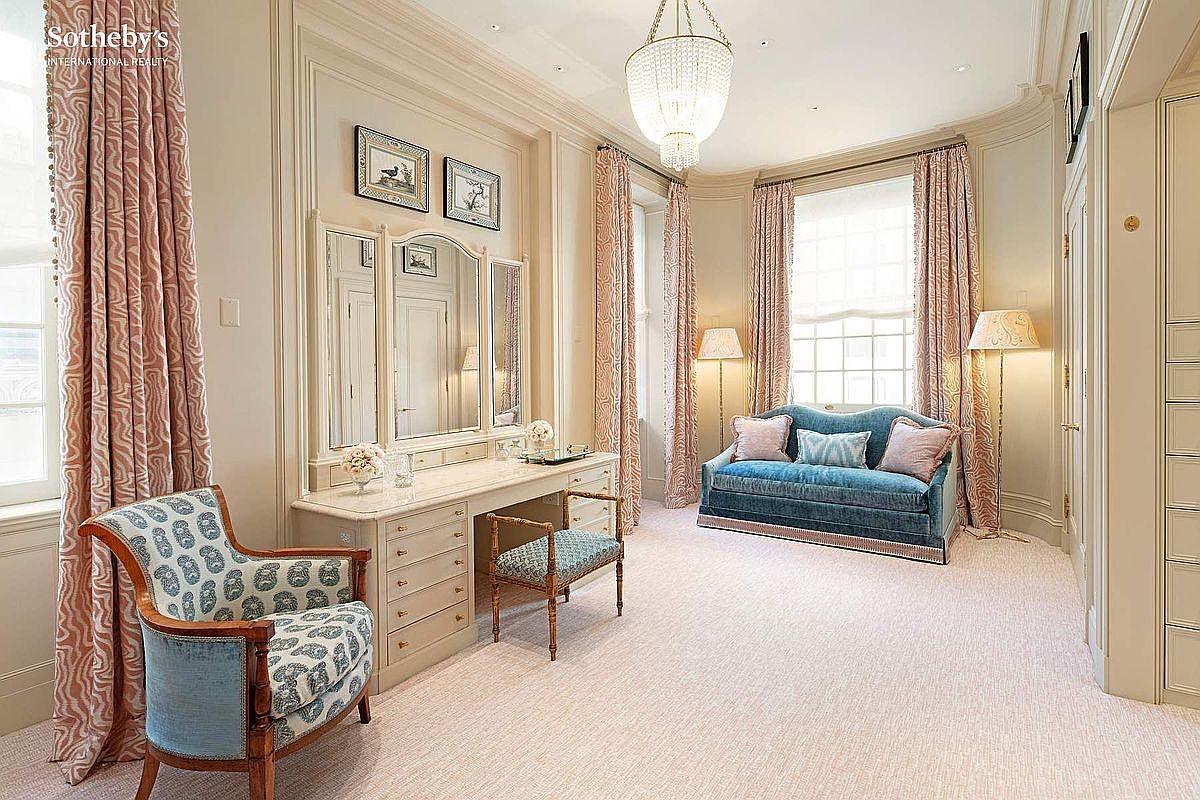
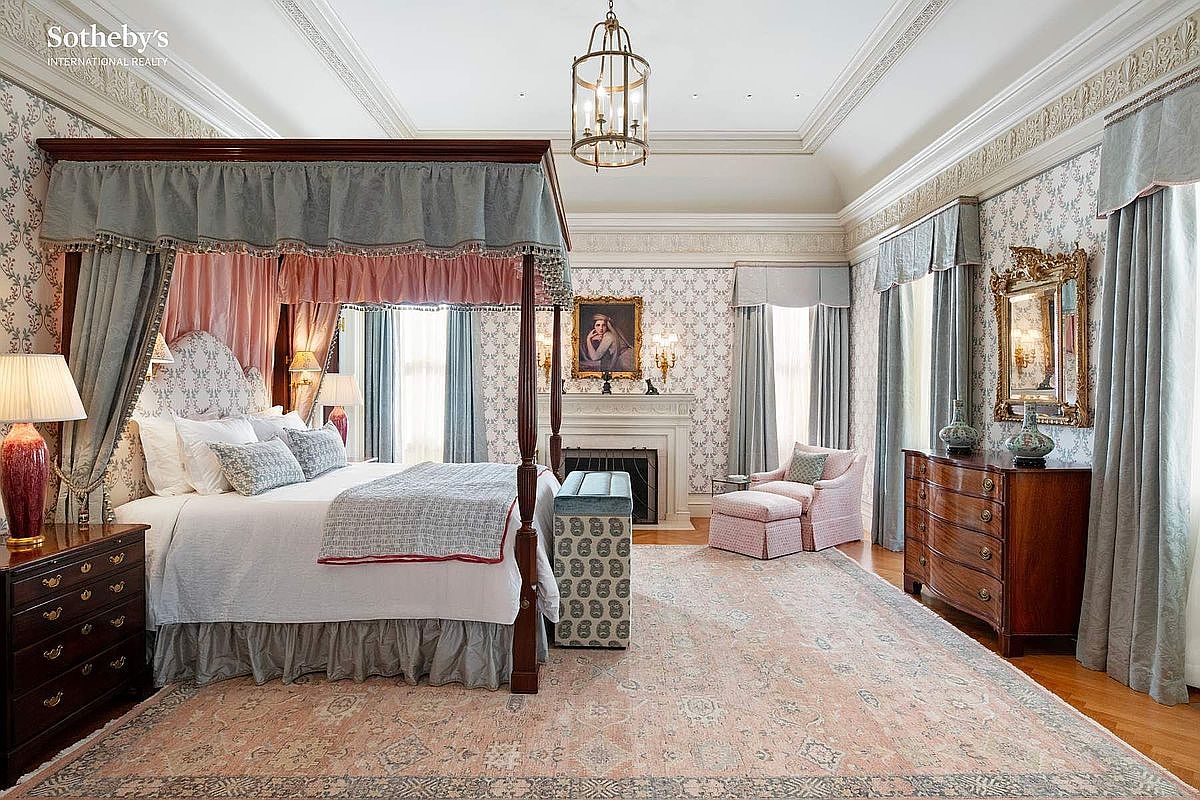
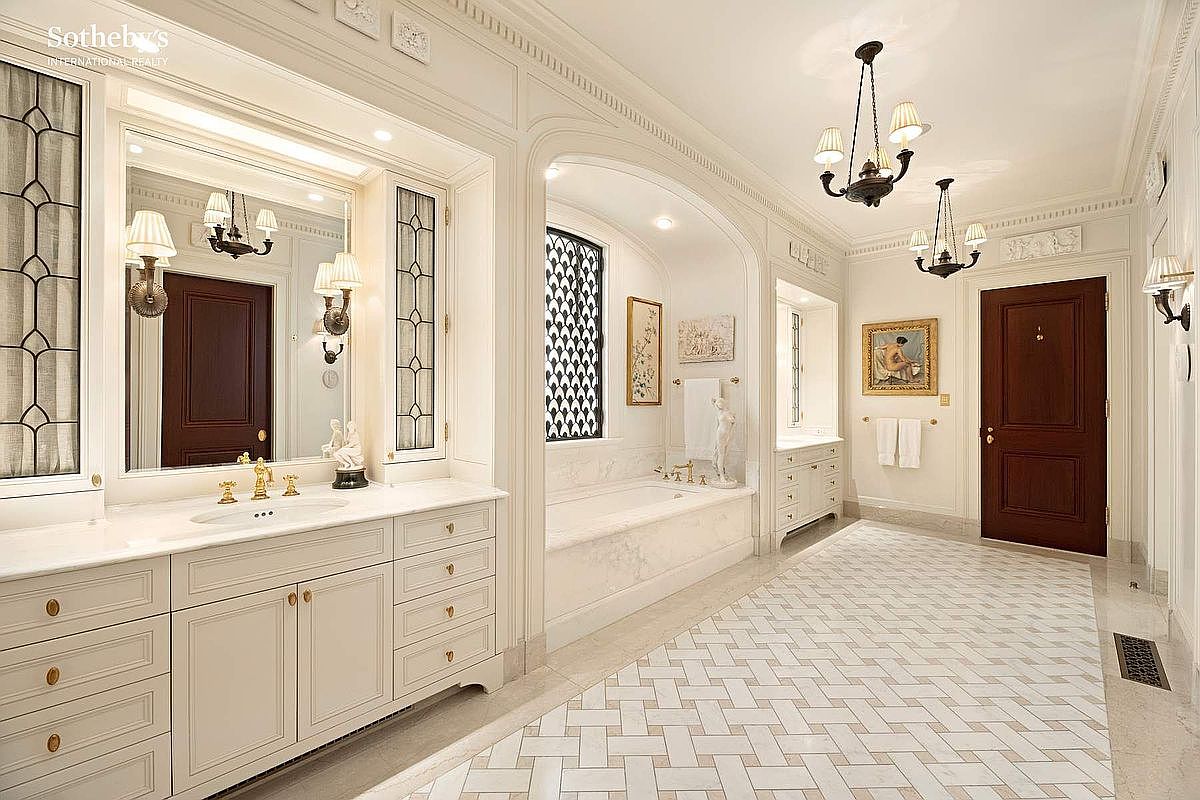
The principal reception rooms are scaled for serious entertaining and serious living in equal measure. Ceilings soar to over thirteen feet. Rare English brown oak paneling lines the walls of the library and salon, complemented by carved plaster crown moldings of extraordinary refinement. Multiple wood-burning fireplaces anchor the primary rooms, each with a decorative mantel of individual character. Throughout, parquet de Versailles and herringbone white oak floors, solid mahogany doors and windows, and hand-selected marble paneling and floors speak to a standard of material selection that is simply without compromise.
What distinguishes 4 East 79th Street from its peers is not merely the quality of its original conception, but the rigor with which that legacy has been honored and advanced. The house was completely rebuilt under the guidance of preservation architect Theodore Prudon, classical architect Peter Pennoyer, and designer John McCall, a team whose collective expertise ensured that every restored cornice, every reinstated detail, was grounded in original research and architectural integrity. The result is a residence that feels neither frozen in time nor disconnected from it.
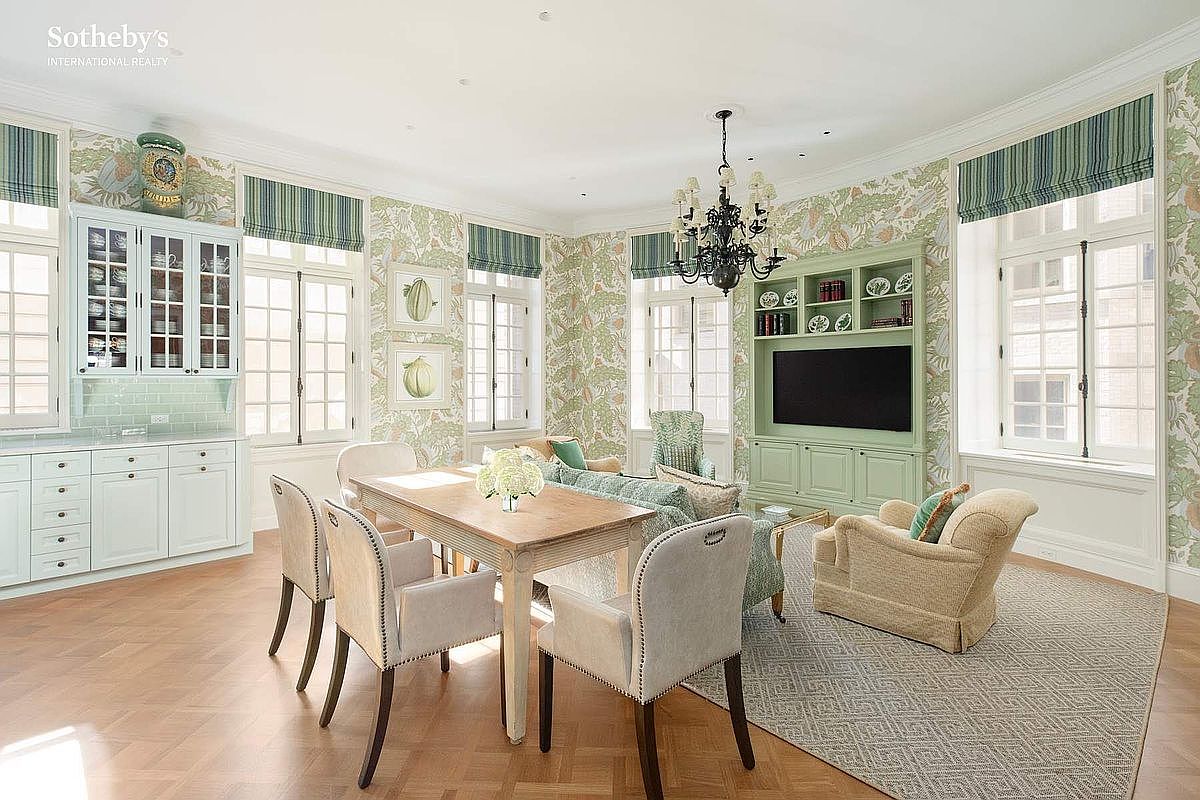
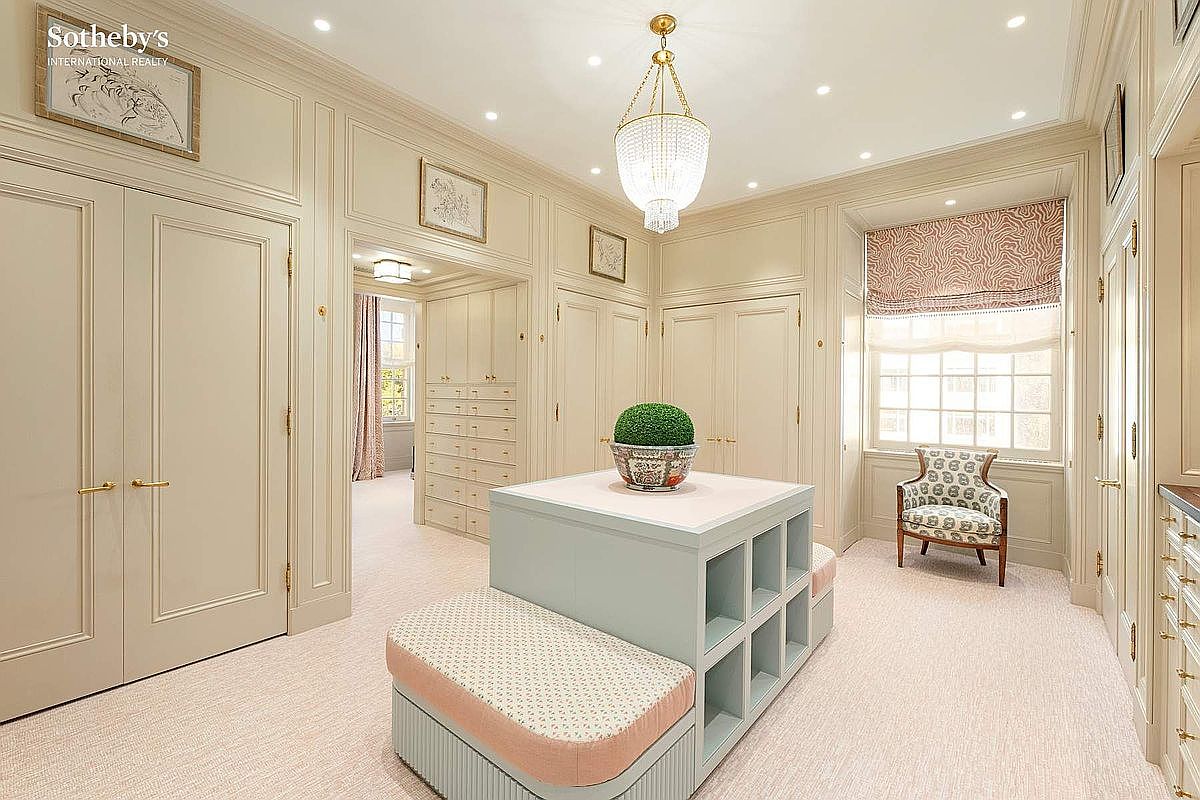
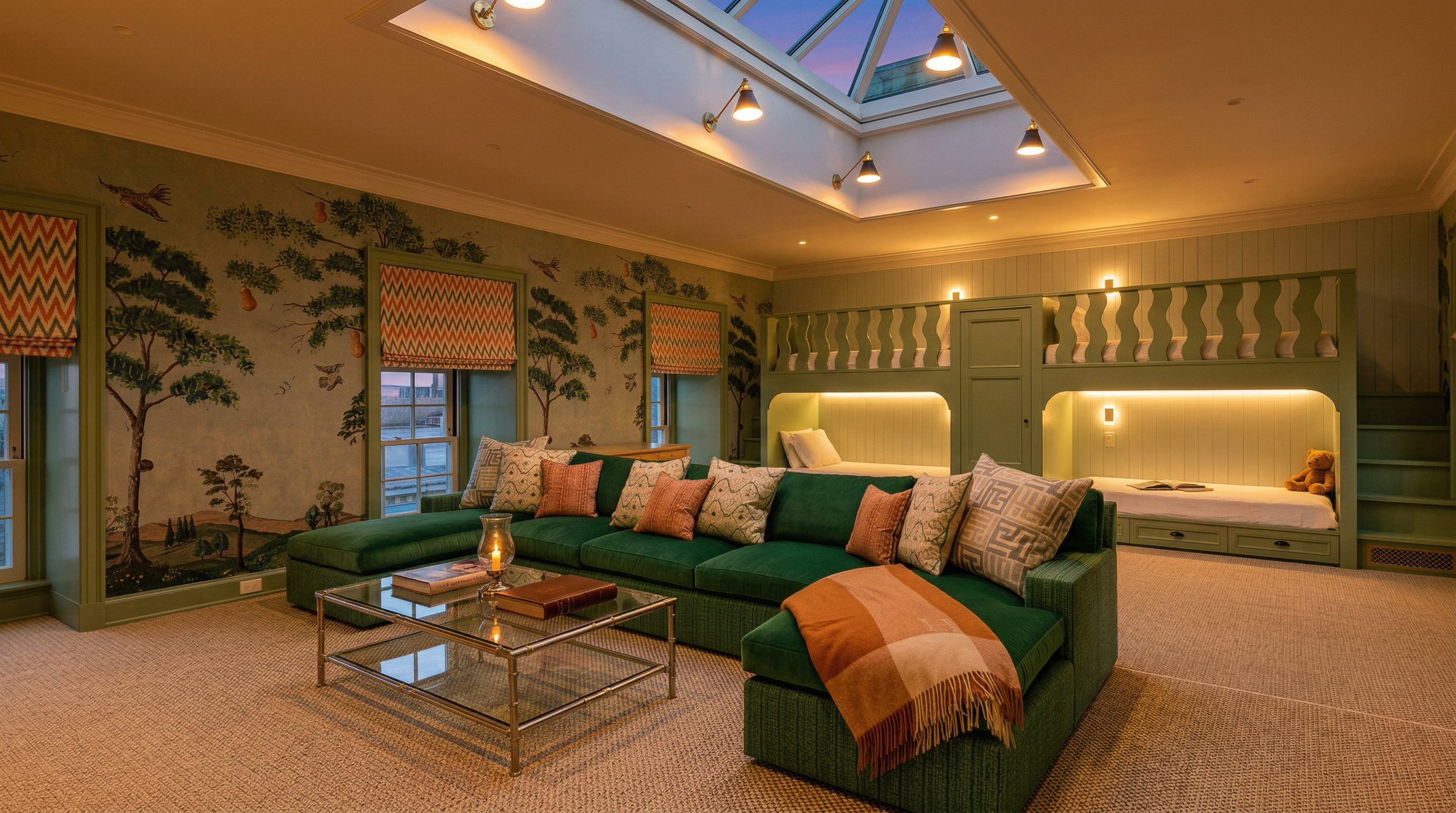
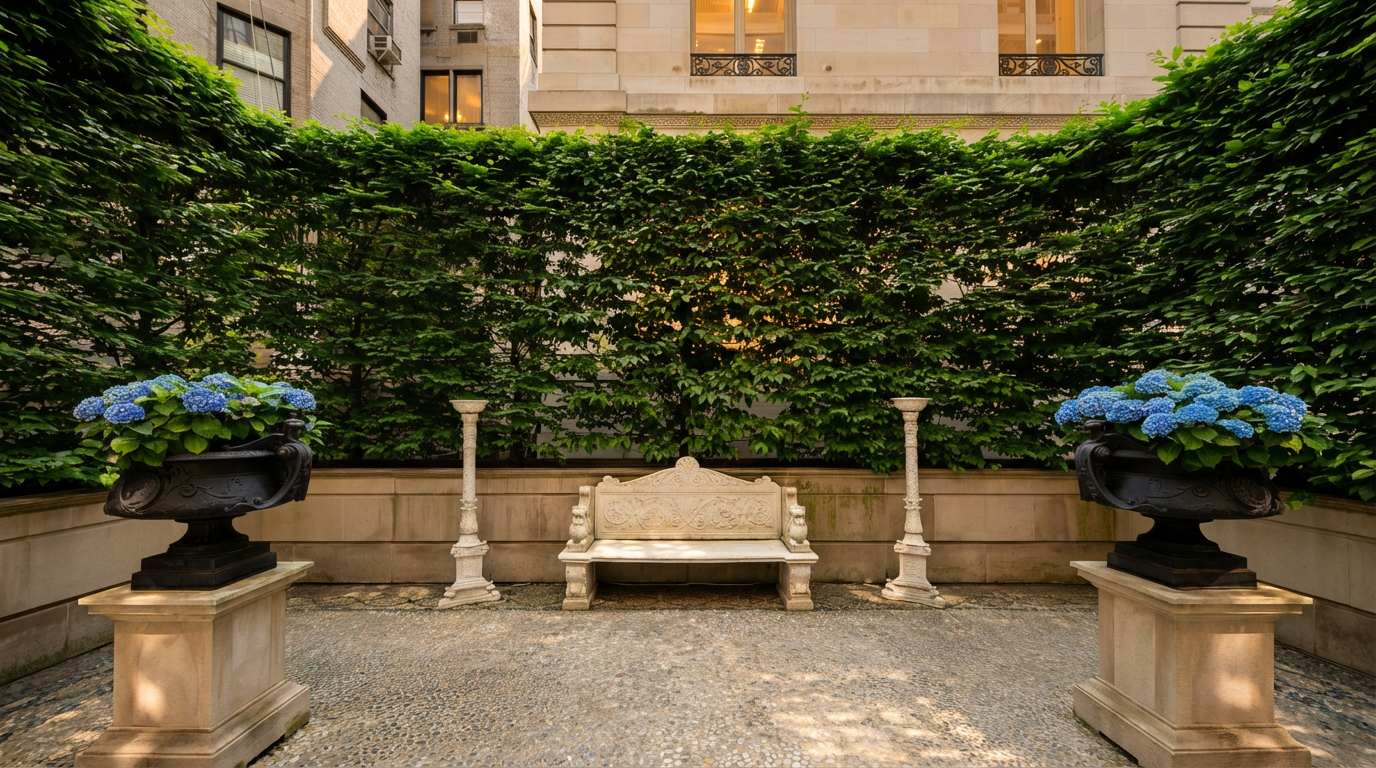
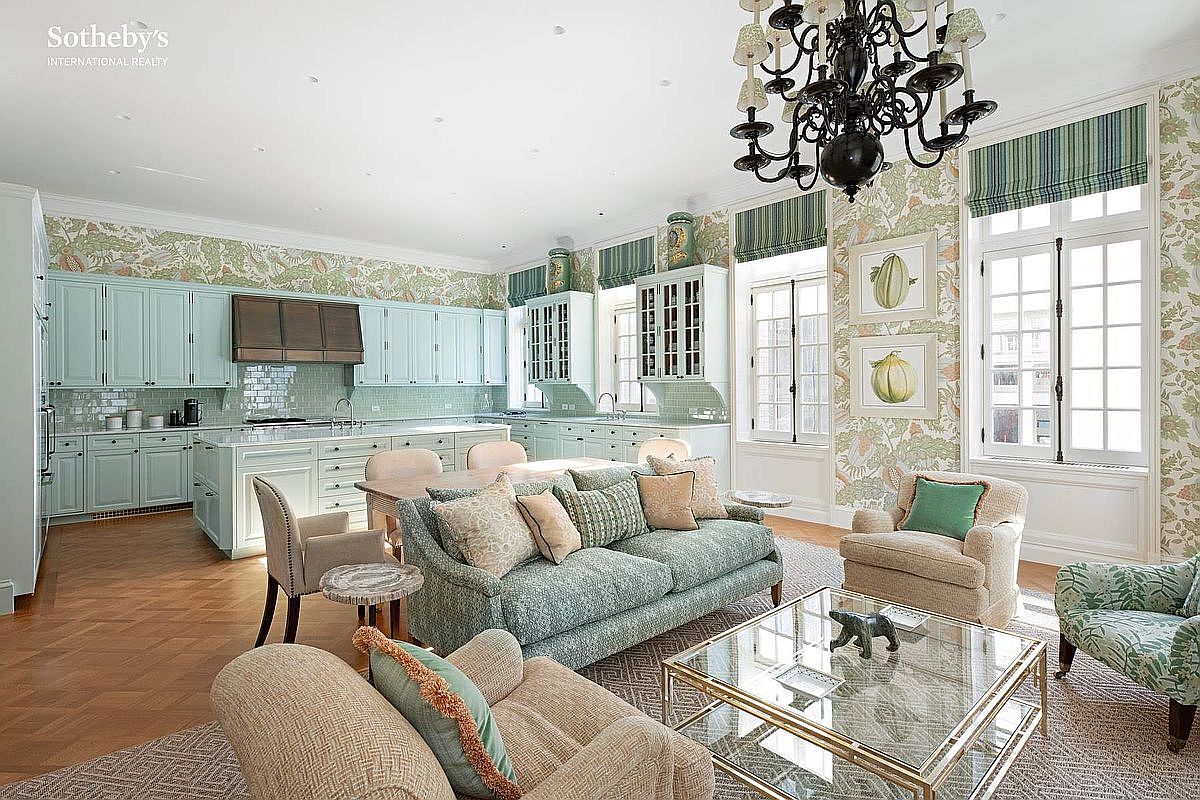
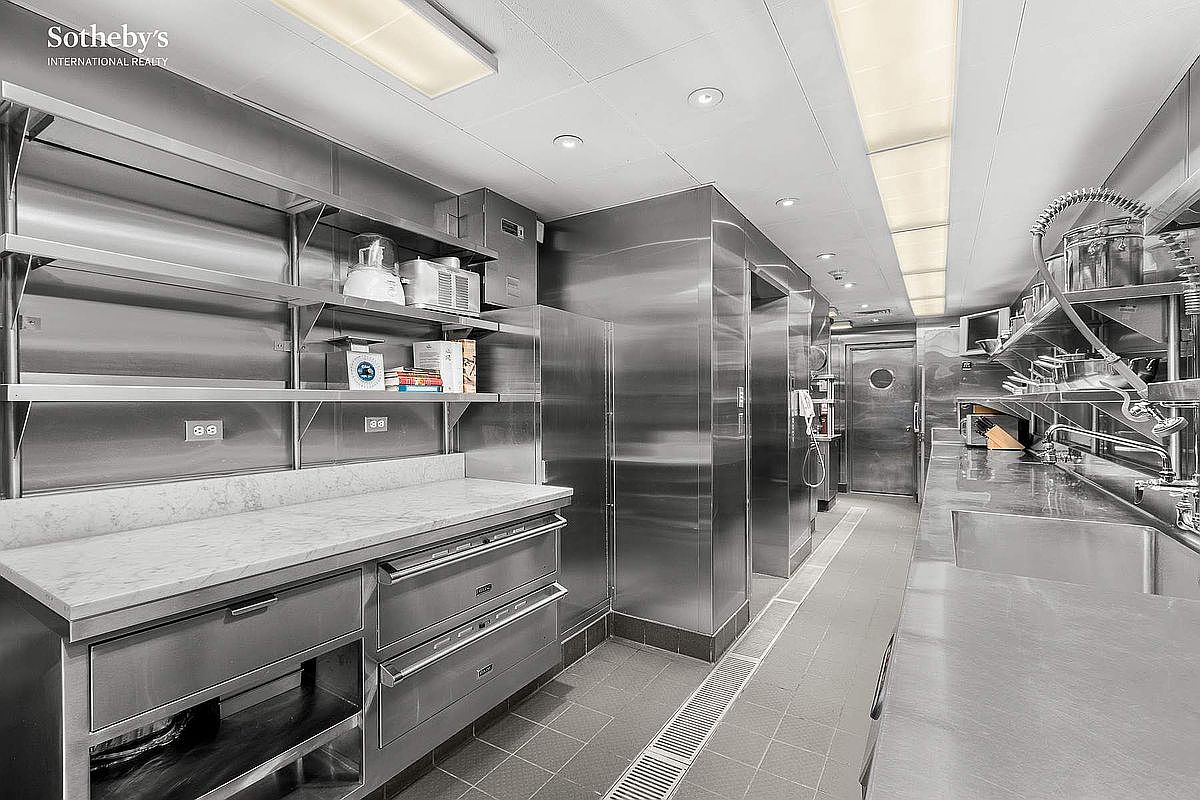
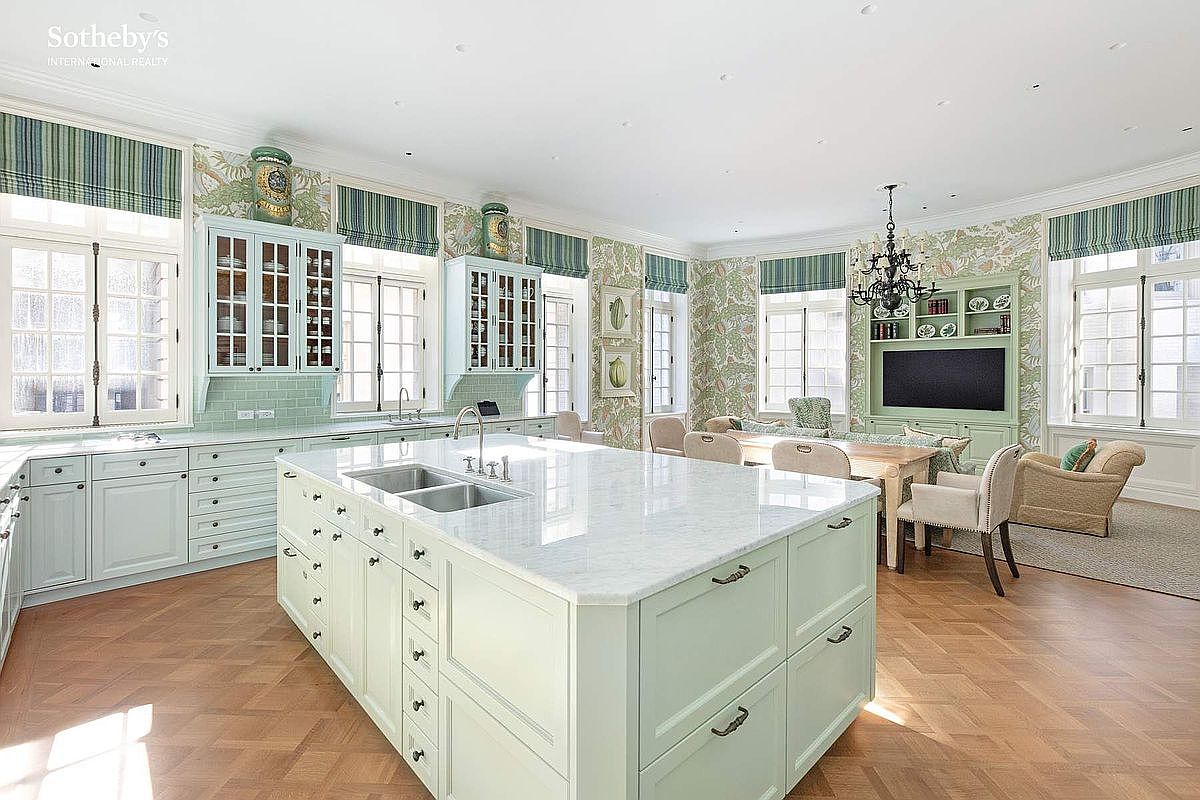
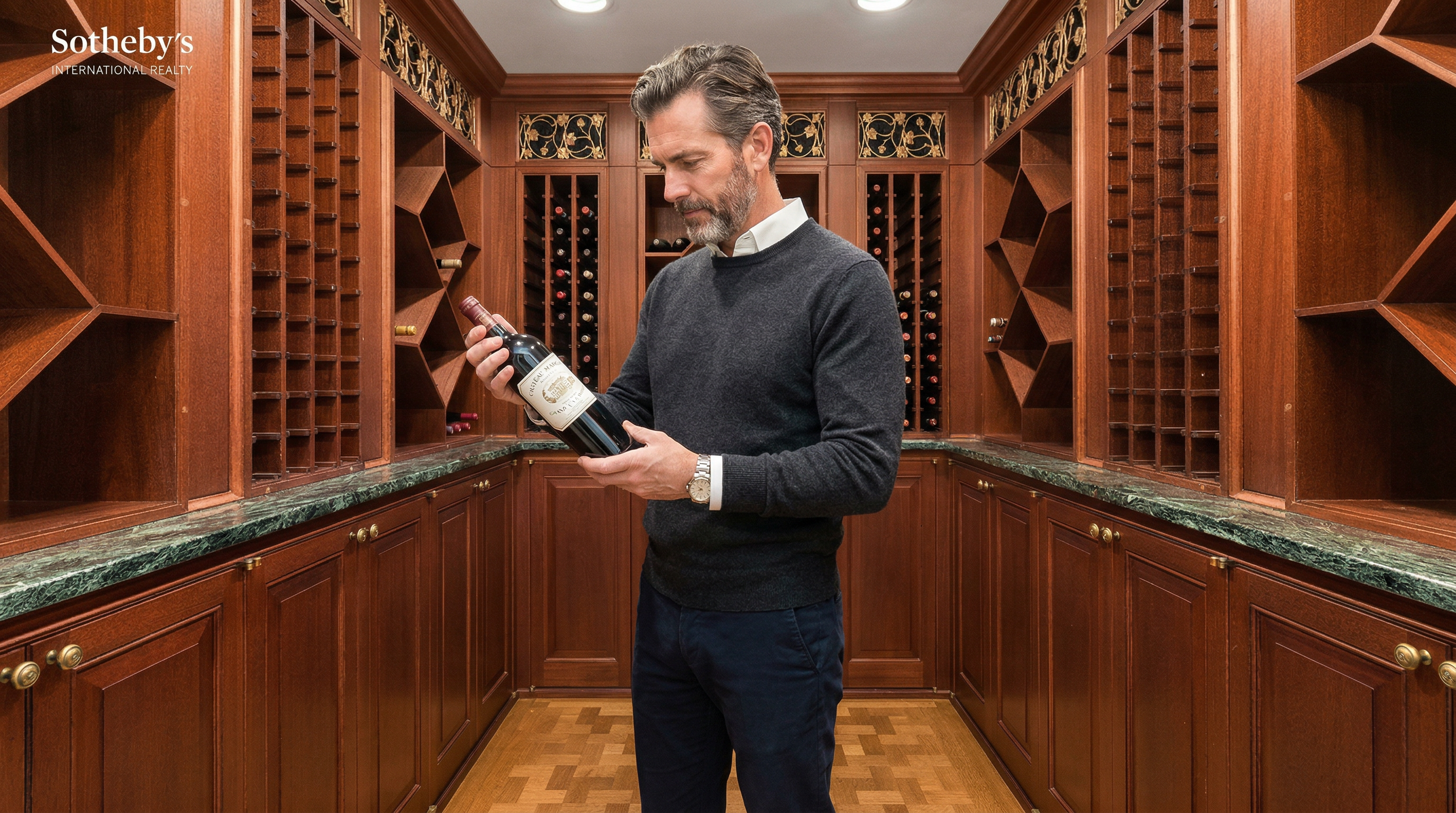
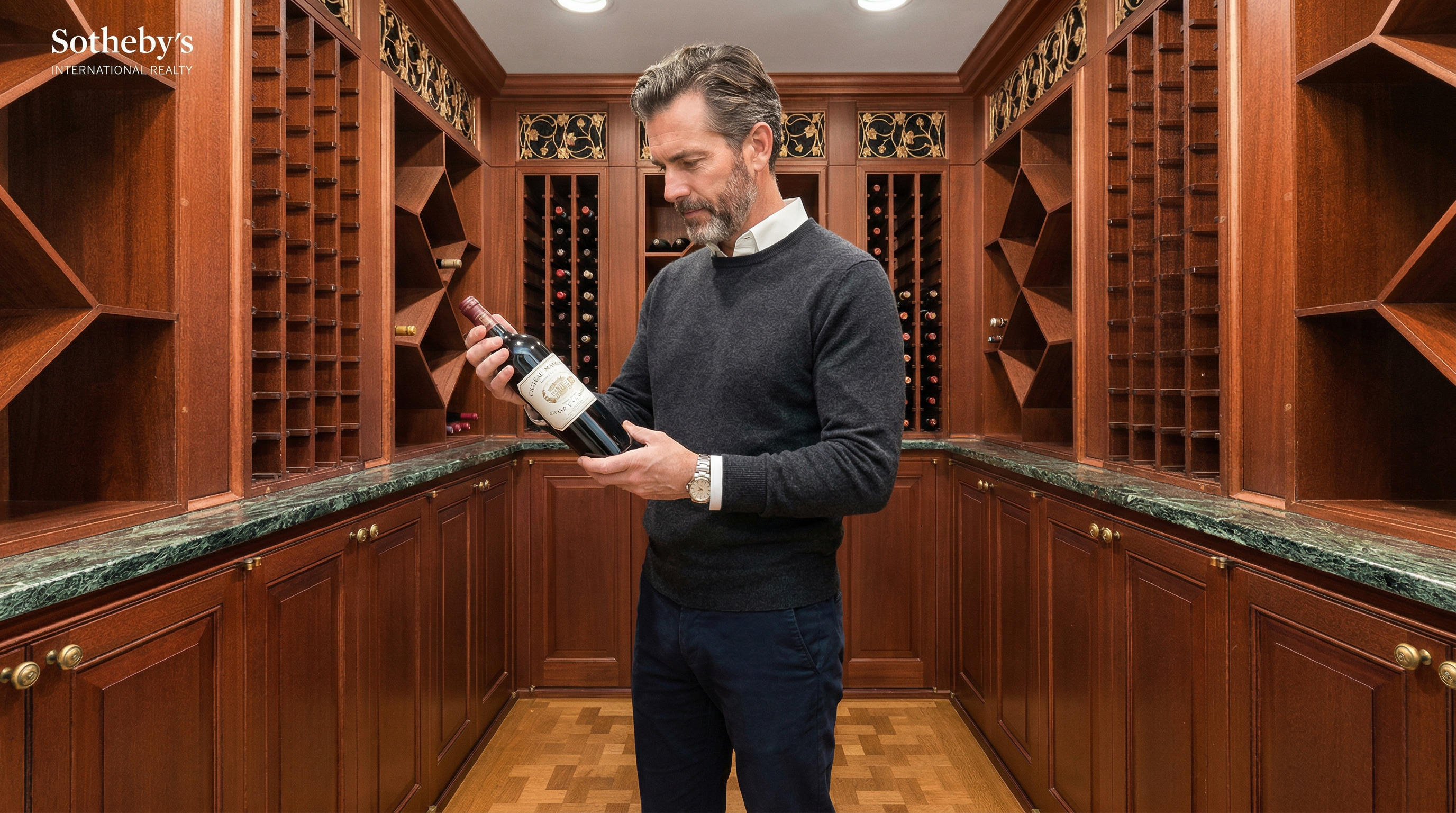
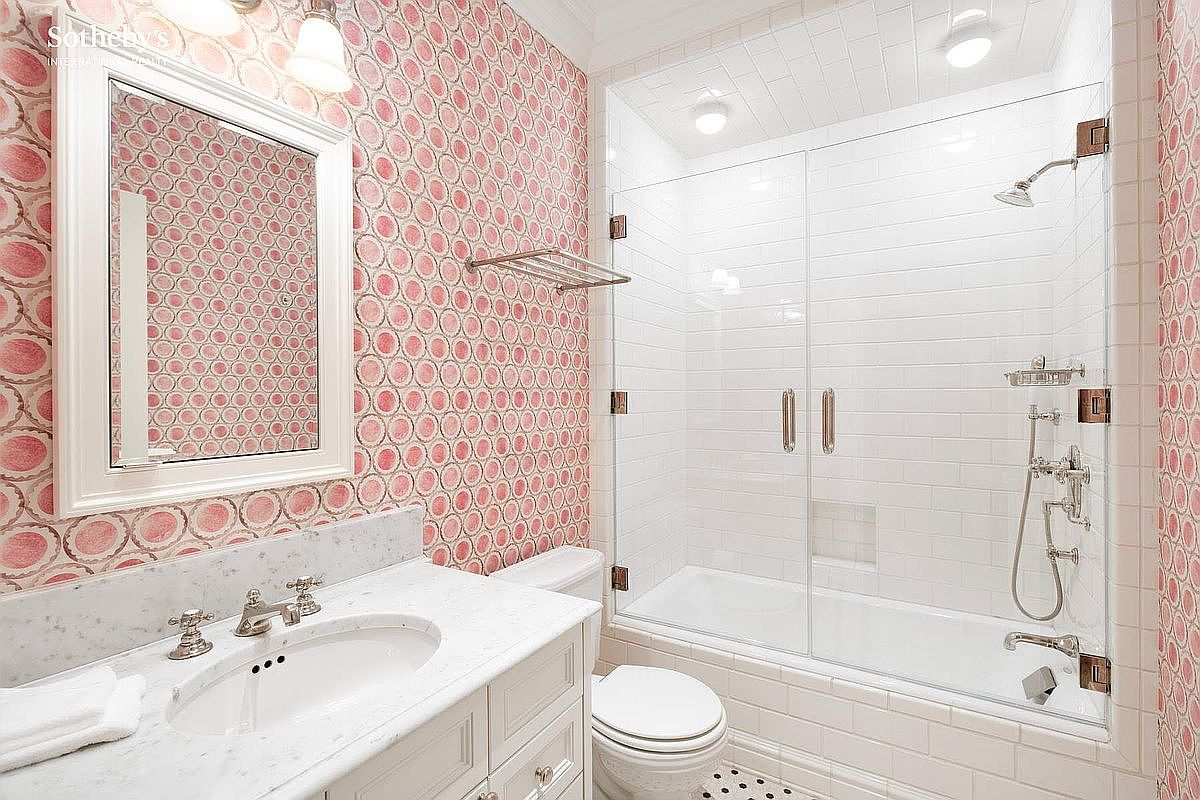
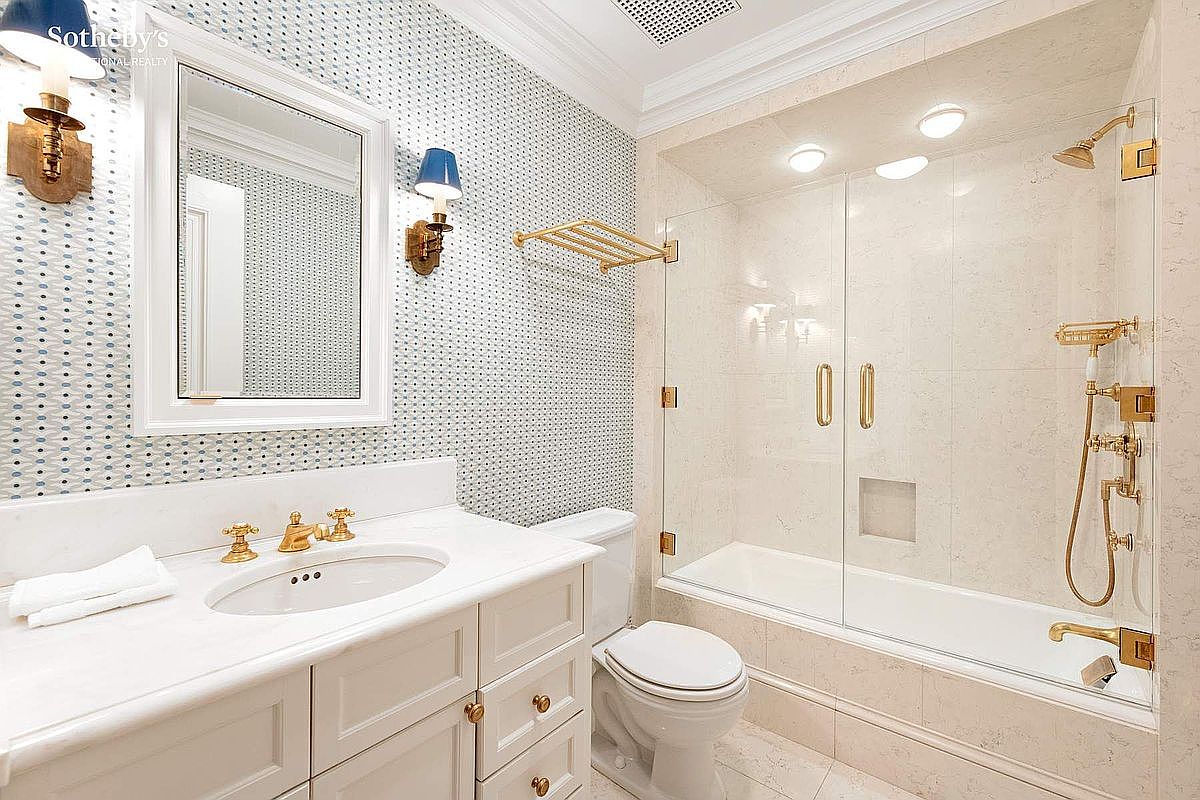
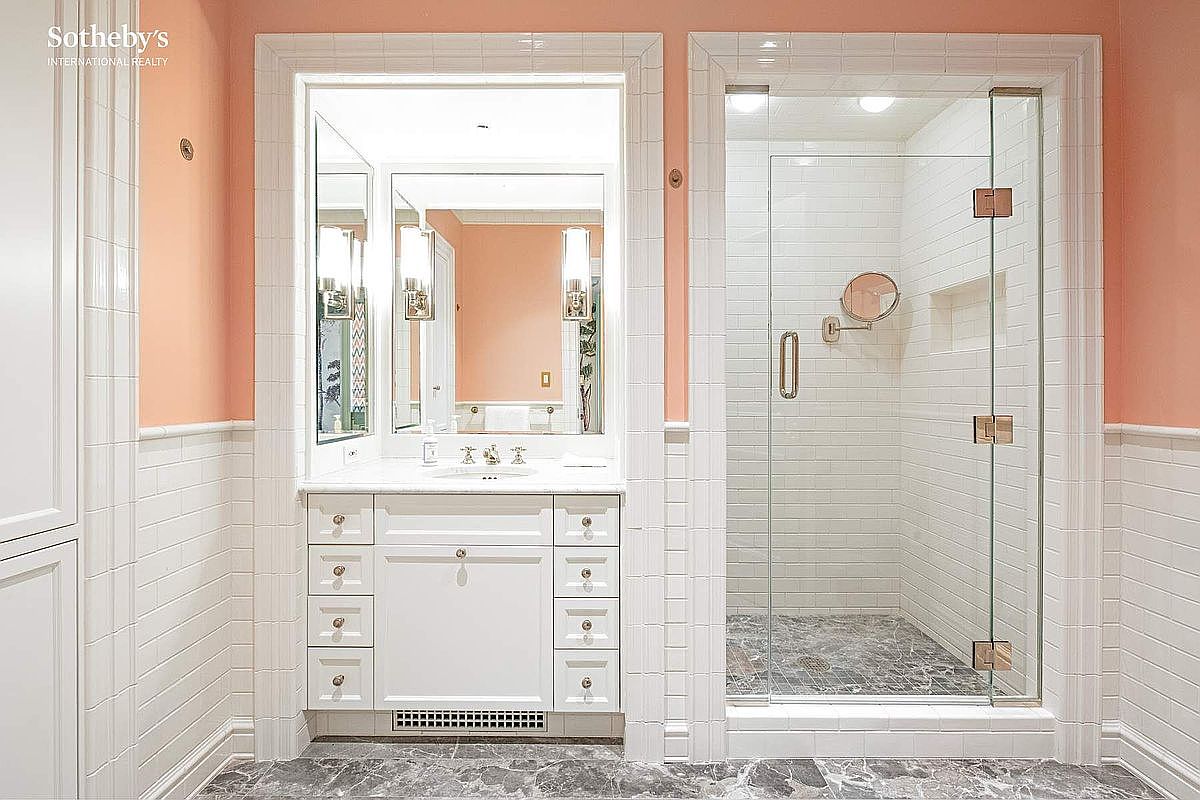
Most recently updated in 2025, the house now incorporates entirely new building systems — security, temperature and humidity control, audio, lighting, and audiovisual — alongside a new kitchen with white marble countertops and pale green cabinetry, and renovated bathrooms of quiet luxury. A dedicated wine cellar with floor-to-ceiling cherry wood cabinetry, a professional catering kitchen, a passenger elevator serving all floors, and a service elevator supporting the lower levels ensure the house operates at the highest possible standard. A 15-foot-wide swath of land along the western edge of the property affords large west-facing windows, three-sided exposure, and the exceptional light and Central Park views that complete a residence of irreplaceable provenance.
To live at 4 East 79th Street is to occupy one of the most storied addresses in one of the world's great cities. The Upper East Side, and this particular stretch of it — the blocks that border Central Park between the high Seventies and low Eighties — represents the apex of New York's residential history, a neighborhood that has been home to industrialists, diplomats, philanthropists, and cultural leaders for well over a century.
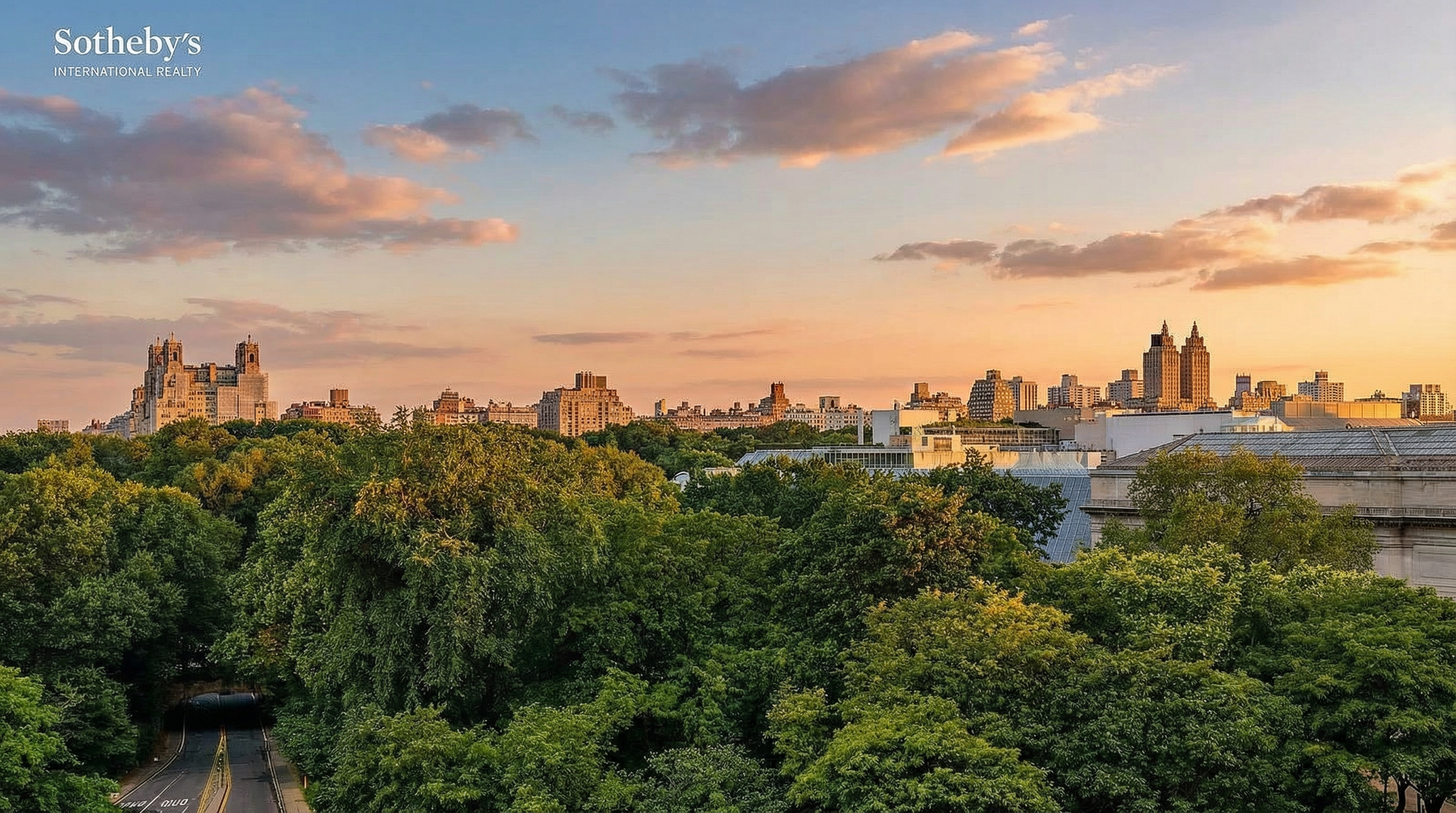
The block itself sits at the precise intersection of two of Manhattan's most celebrated corridors. To the west, Central Park — Frederick Law Olmsted and Calvert Vaux's masterwork of landscape design, spanning 843 acres from 59th to 110th Streets — is steps away, offering morning runs along the reservoir, afternoon strolls through the Ramble, and the singular pleasure of watching the seasons transform one of the world's most beloved urban landscapes. To the east, Madison Avenue unfolds as one of the premier shopping streets in the world, its townhouses and low-rise buildings housing the ateliers and flagships of the most distinguished names in fashion, art, and design — from Loro Piana and Giorgio Armani to a constellation of fine art galleries that have defined the international art market for decades.
Fifth Avenue, one block west, is home to what is arguably the greatest concentration of museum culture in the world. The Metropolitan Museum of Art, whose main entrance sits just blocks from the mansion's door, houses a collection of more than two million works spanning five thousand years of human civilization. The Neue Galerie, dedicated to early twentieth-century German and Austrian art, occupies its own landmark mansion at 86th Street. The Guggenheim Museum's Frank Lloyd Wright–designed rotunda stands at 89th Street, while the Frick Collection, housed in a Gilded Age mansion of comparable grandeur to 4 East 79th itself, anchors the southern end of what is known as Museum Mile.
The neighborhood's architectural fabric is, in itself, a form of cultural inheritance. The Upper East Side Historic District, designated by the New York City Landmarks Preservation Commission, encompasses a remarkable concentration of Beaux-Arts, Renaissance Revival, and Romanesque Revival buildings that together constitute one of the finest ensembles of late nineteenth- and early twentieth-century domestic architecture in the country. 4 East 79th Street is not merely adjacent to this legacy — it is among its most distinguished examples.
Day-to-day life in this neighborhood is calibrated to a standard of ease and refinement that few urban addresses can match. Exceptional dining establishments, from the intimate to the celebrated, are within comfortable walking distance. The Carlyle Hotel, one block north, remains a touchstone of Upper East Side culture. The Lenox Hill neighborhood offers access to world-class medical institutions. Private schools of national reputation — Dalton, Spence, Chapin, and others — are close at hand. And yet, for all of its cultural density and urban convenience, this corner of Manhattan retains a quality of quietude — tree-lined, human-scaled, and deeply residential — that is among its most prized and enduring attributes.
Featured Highlights
Curated Content • Presented by Serena Boardman