The Story Behind
A Historic North Country Retreat Where Wilderness Meets Refined Craft
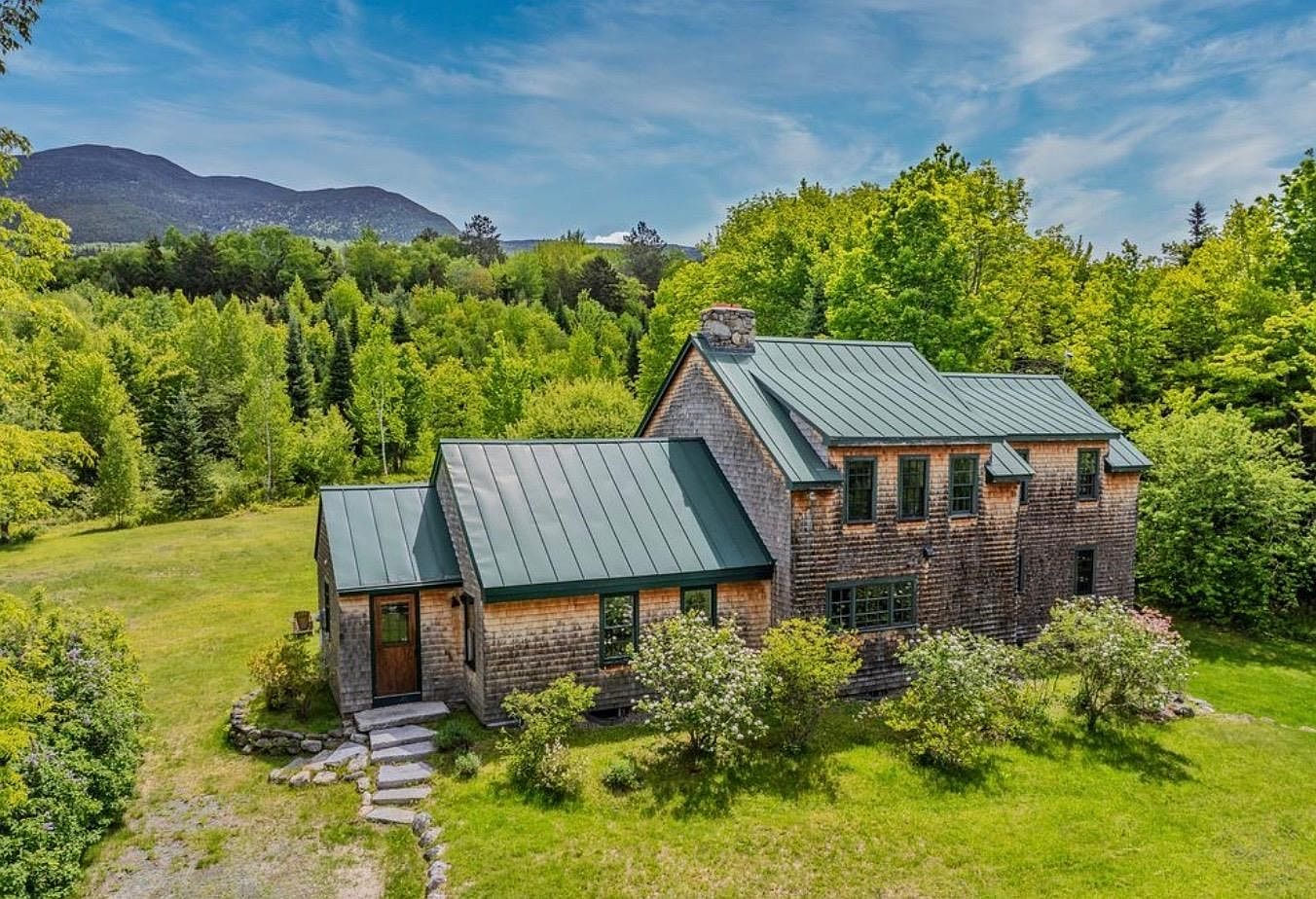
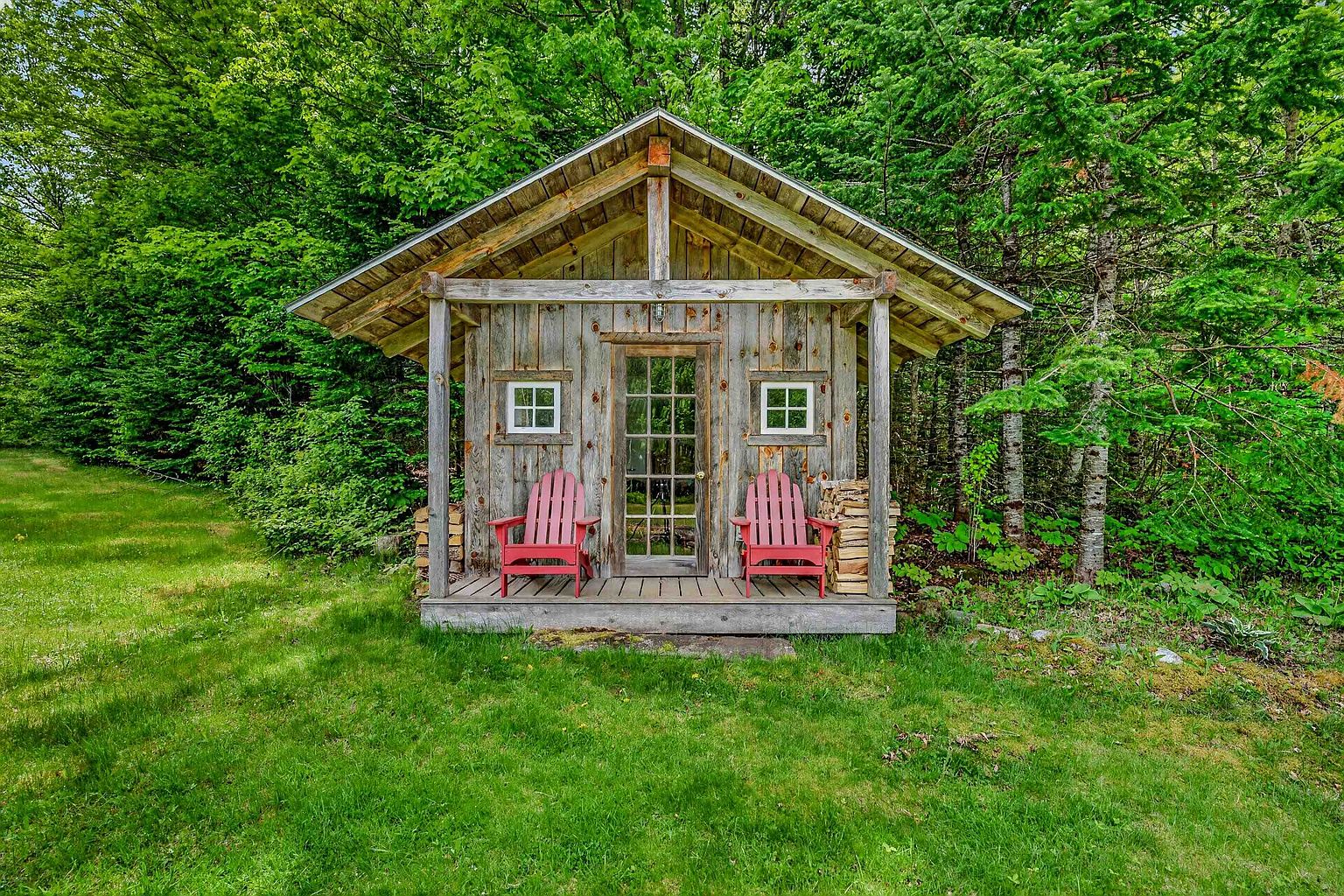
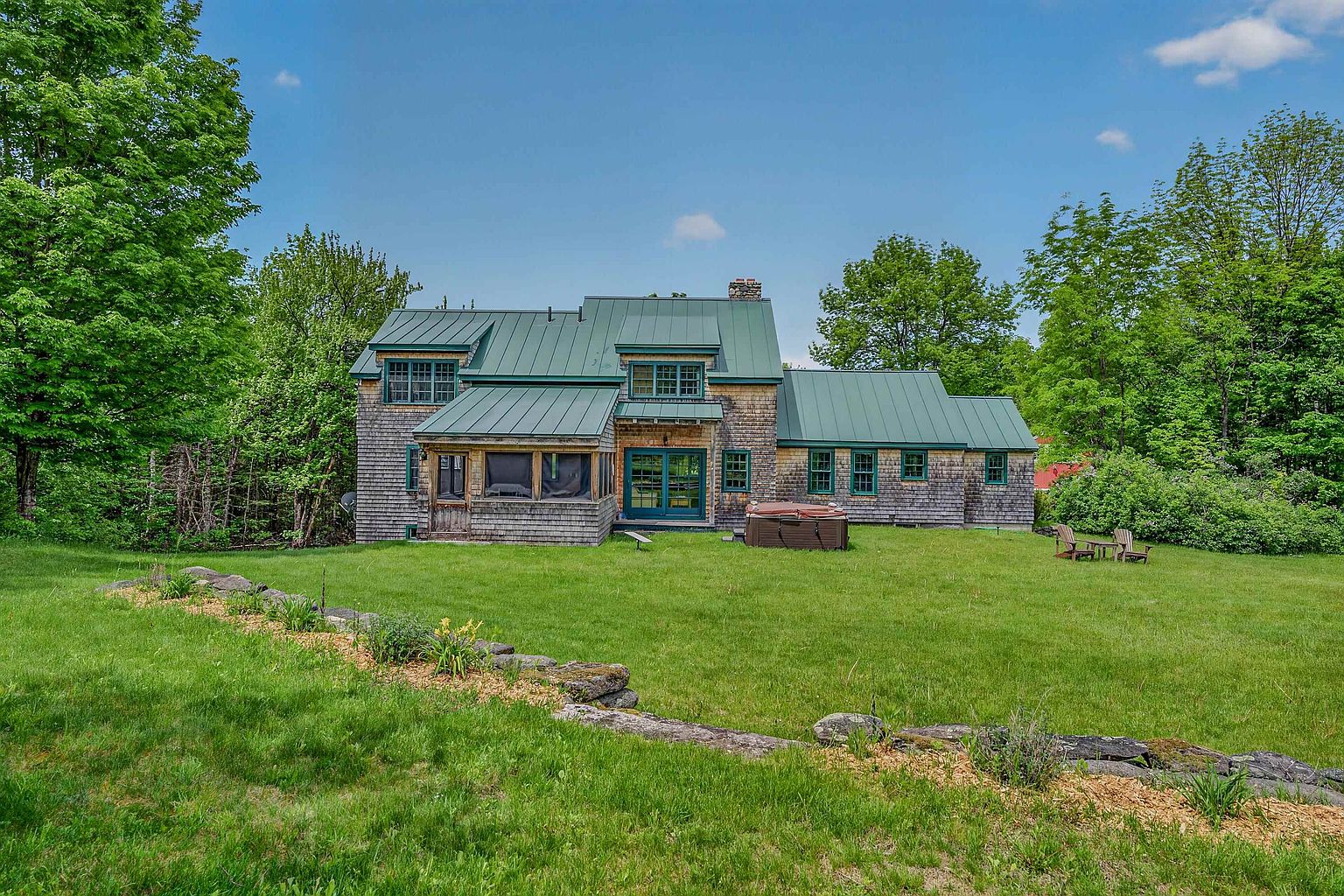
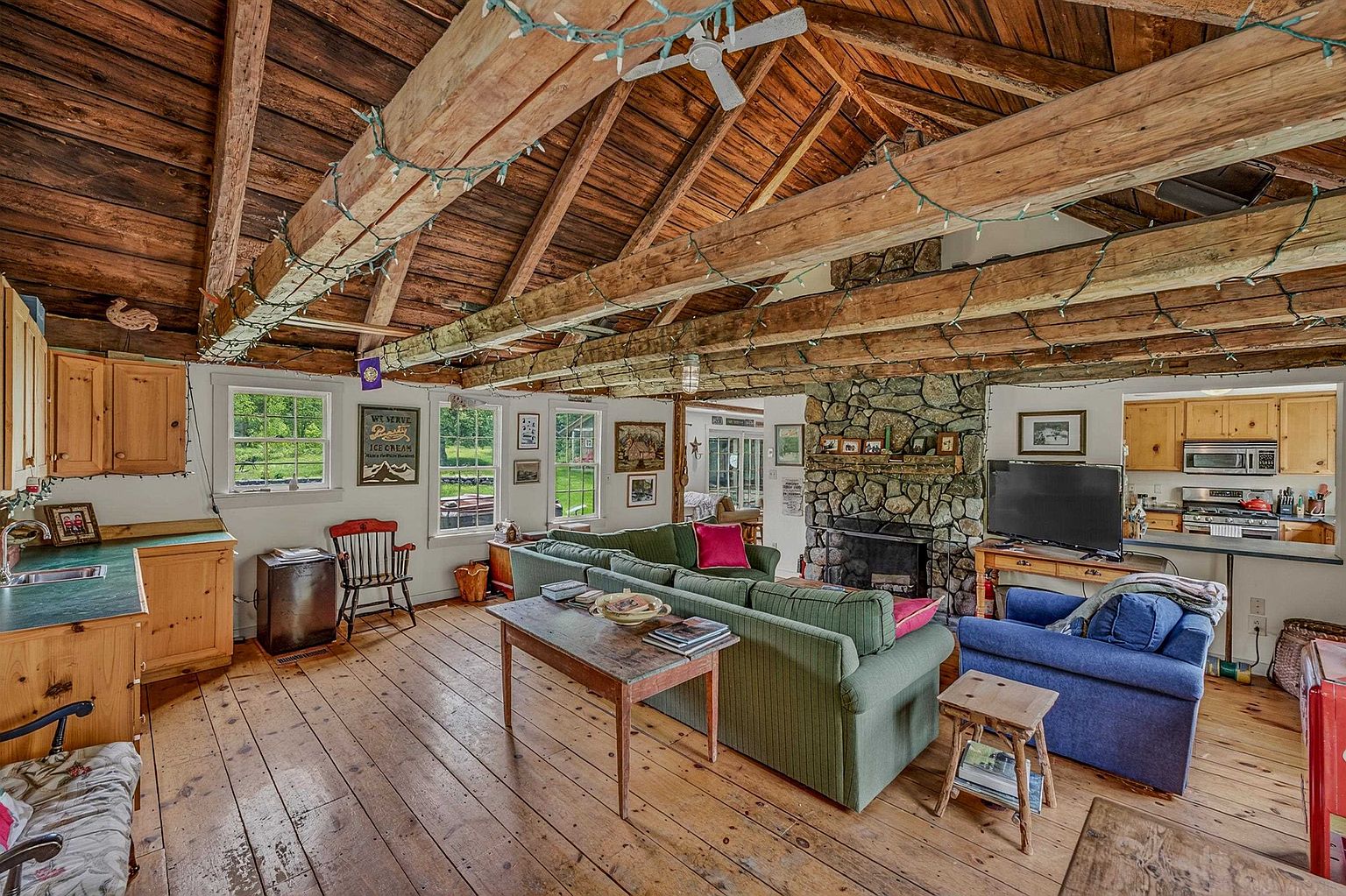
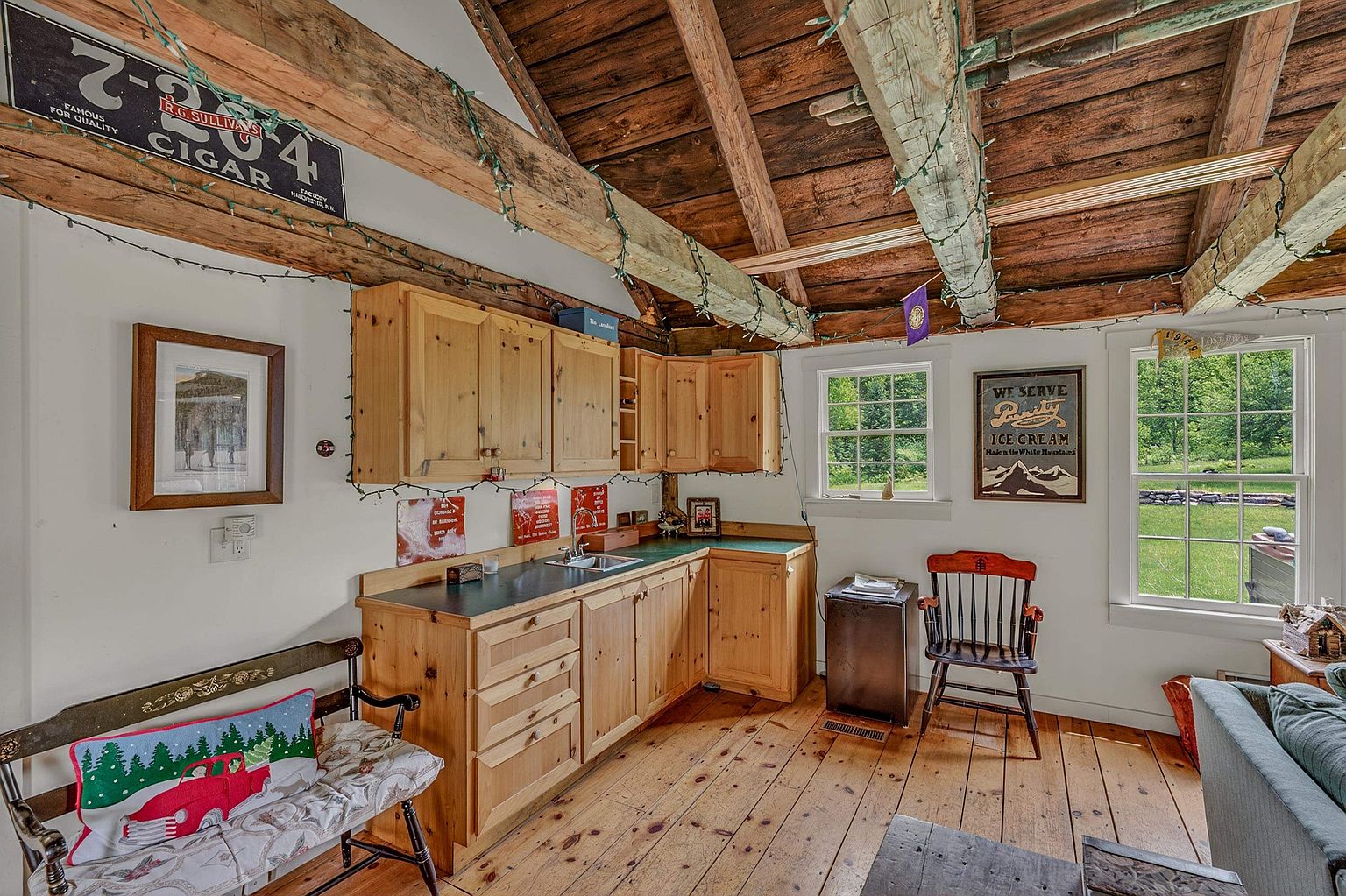
There are properties that offer beautiful settings, and then there are properties that carry a history. Reel Brook Farm belongs to the latter category in the most extraordinary way. The original structure was built in the 1880s as part of a Mormon agricultural settlement in the remote hills of Easton, New Hampshire — a community whose story was later immortalized in verse by Robert Frost, lending the land a literary and cultural resonance that no renovation could manufacture. That hand-hewn timber cabin, with its rough-sawn beams and pioneer craftsmanship, forms the irreplaceable core of what stands here today.
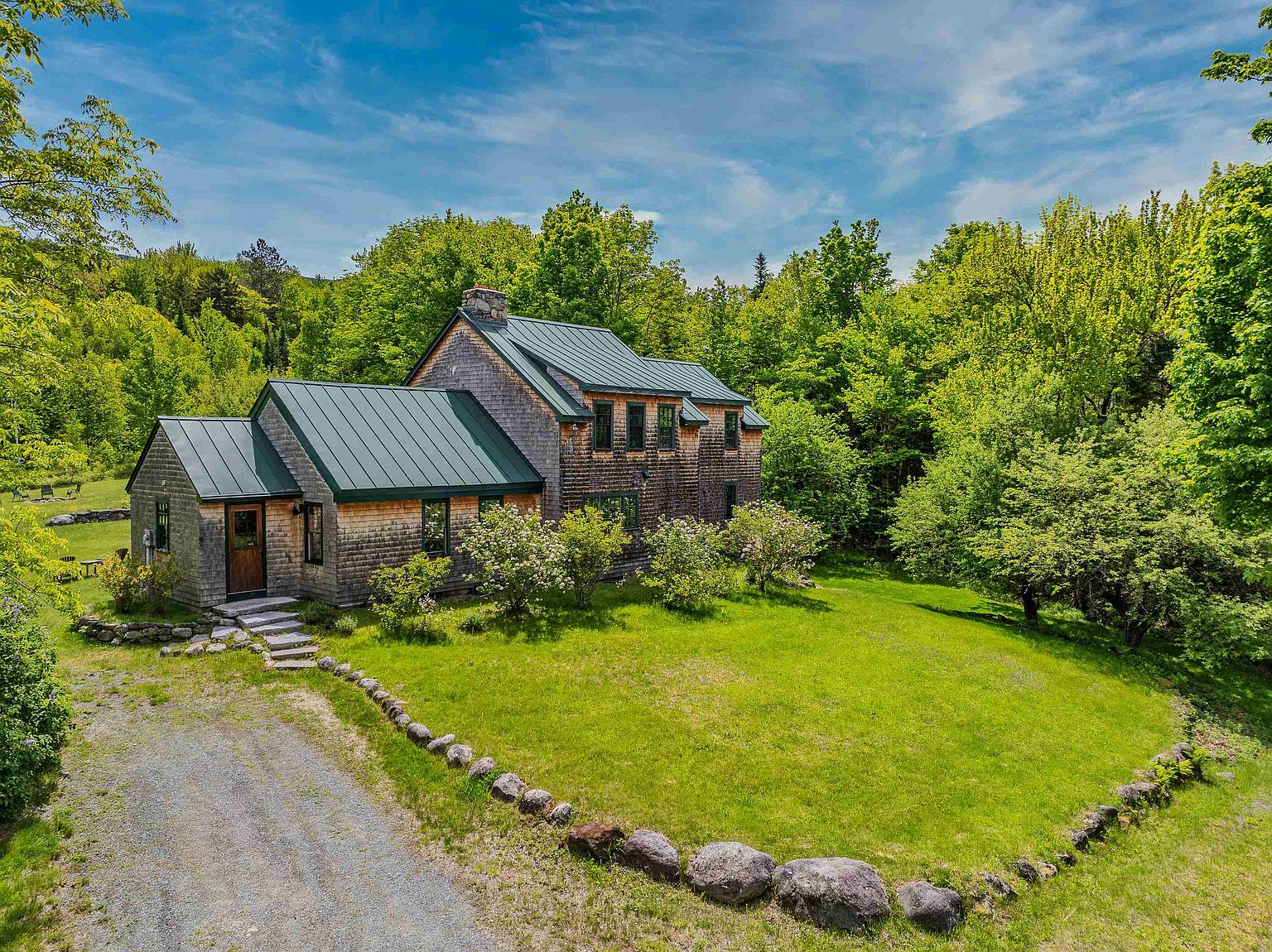
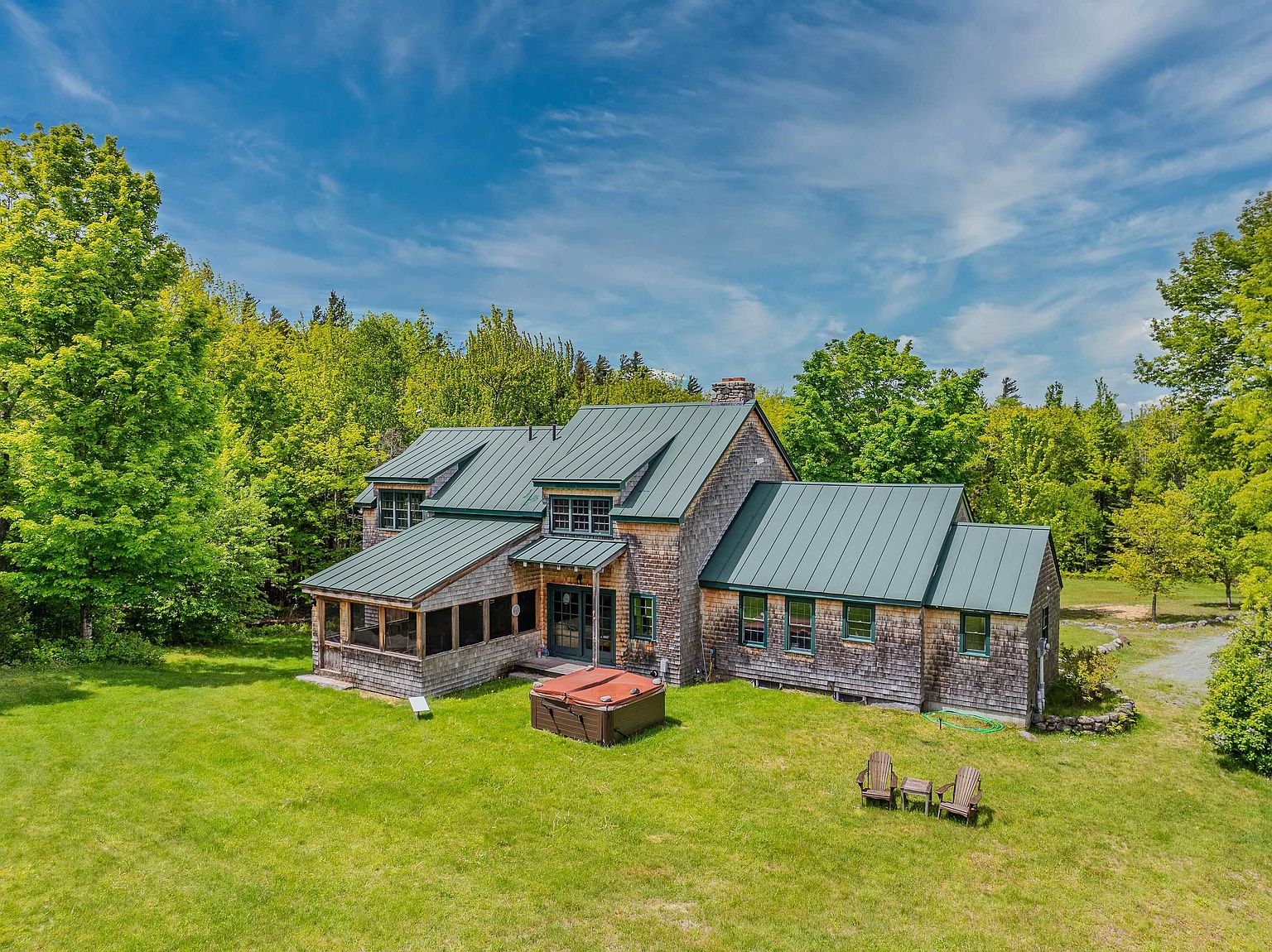
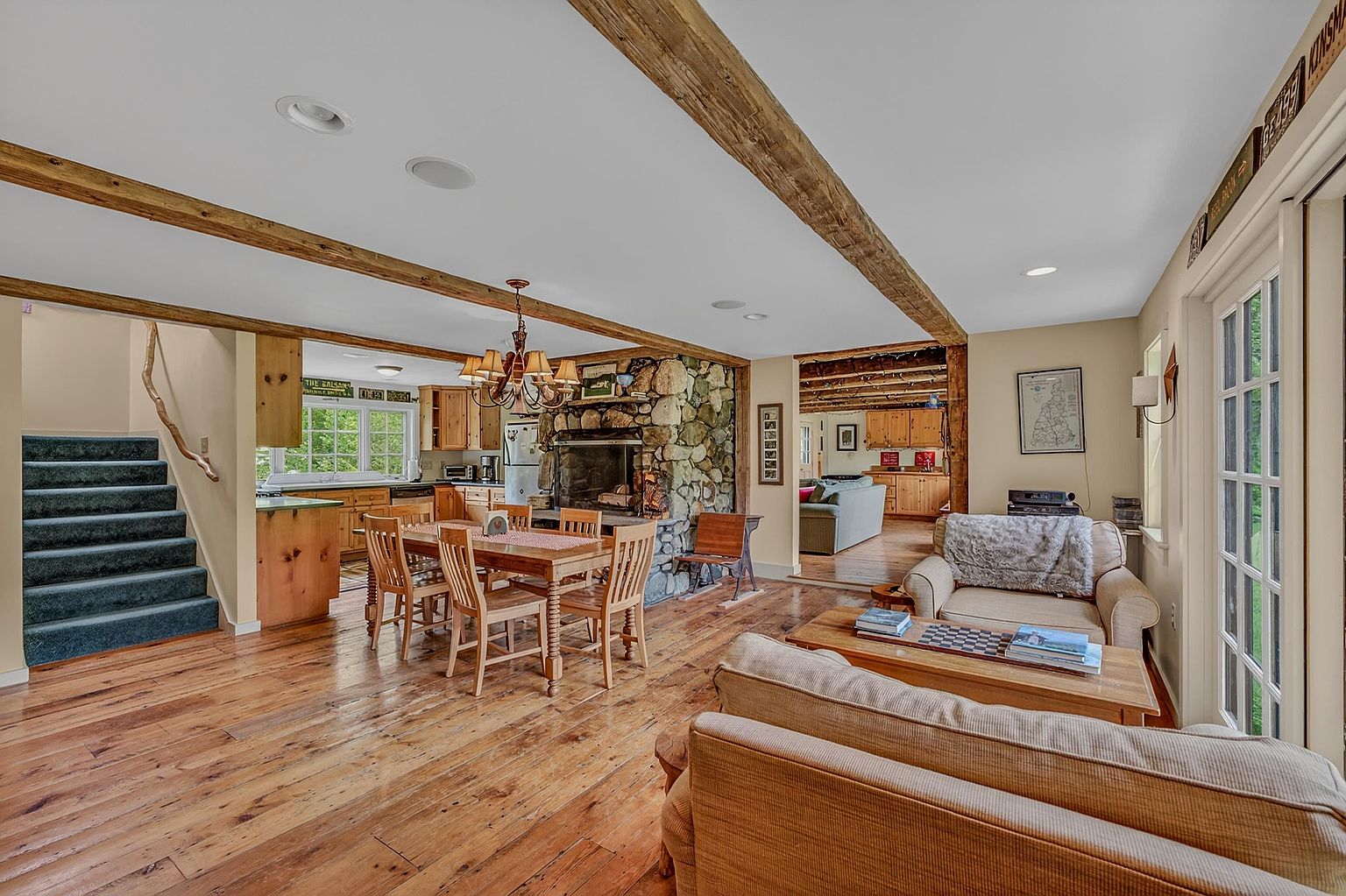
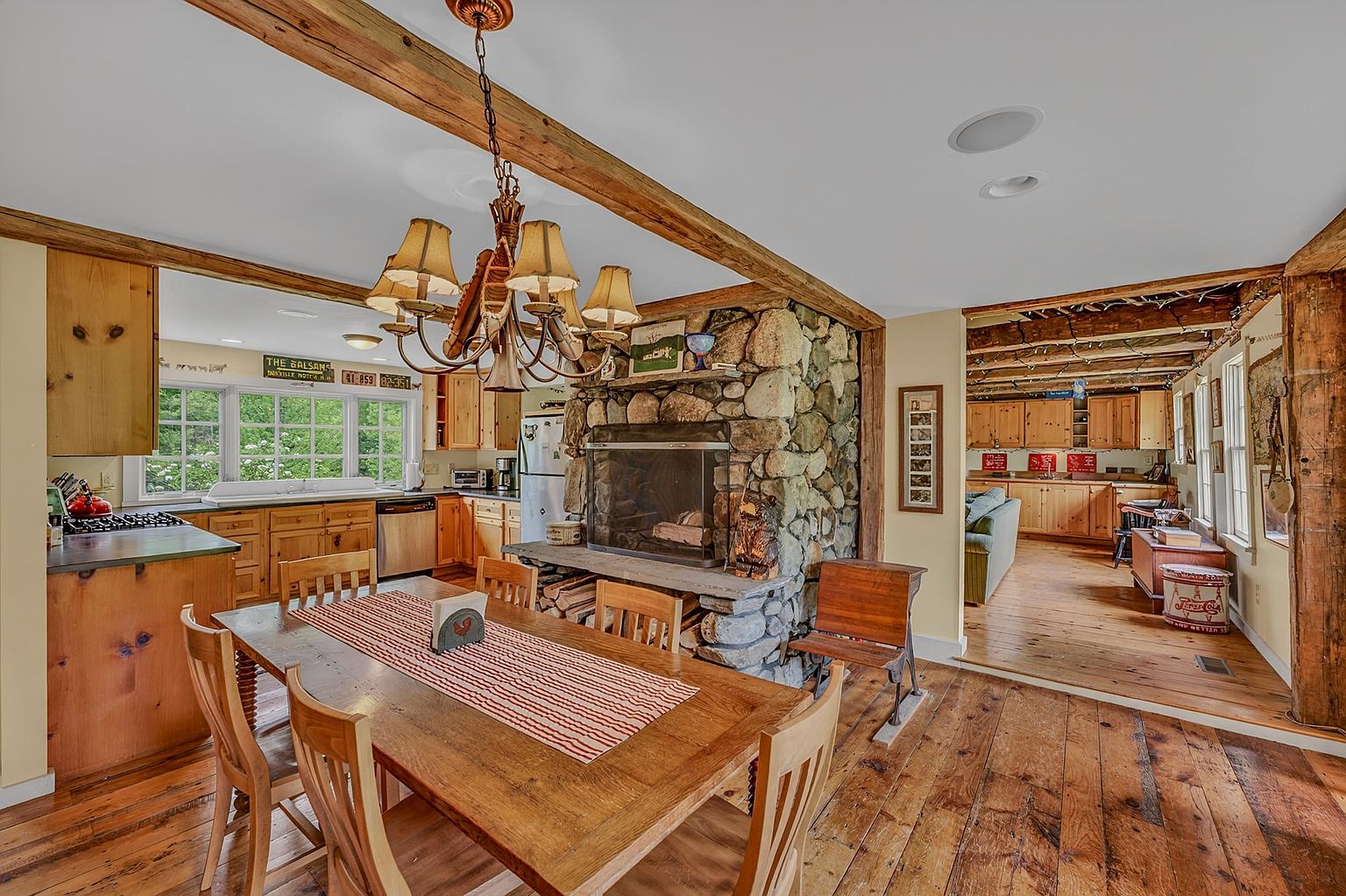
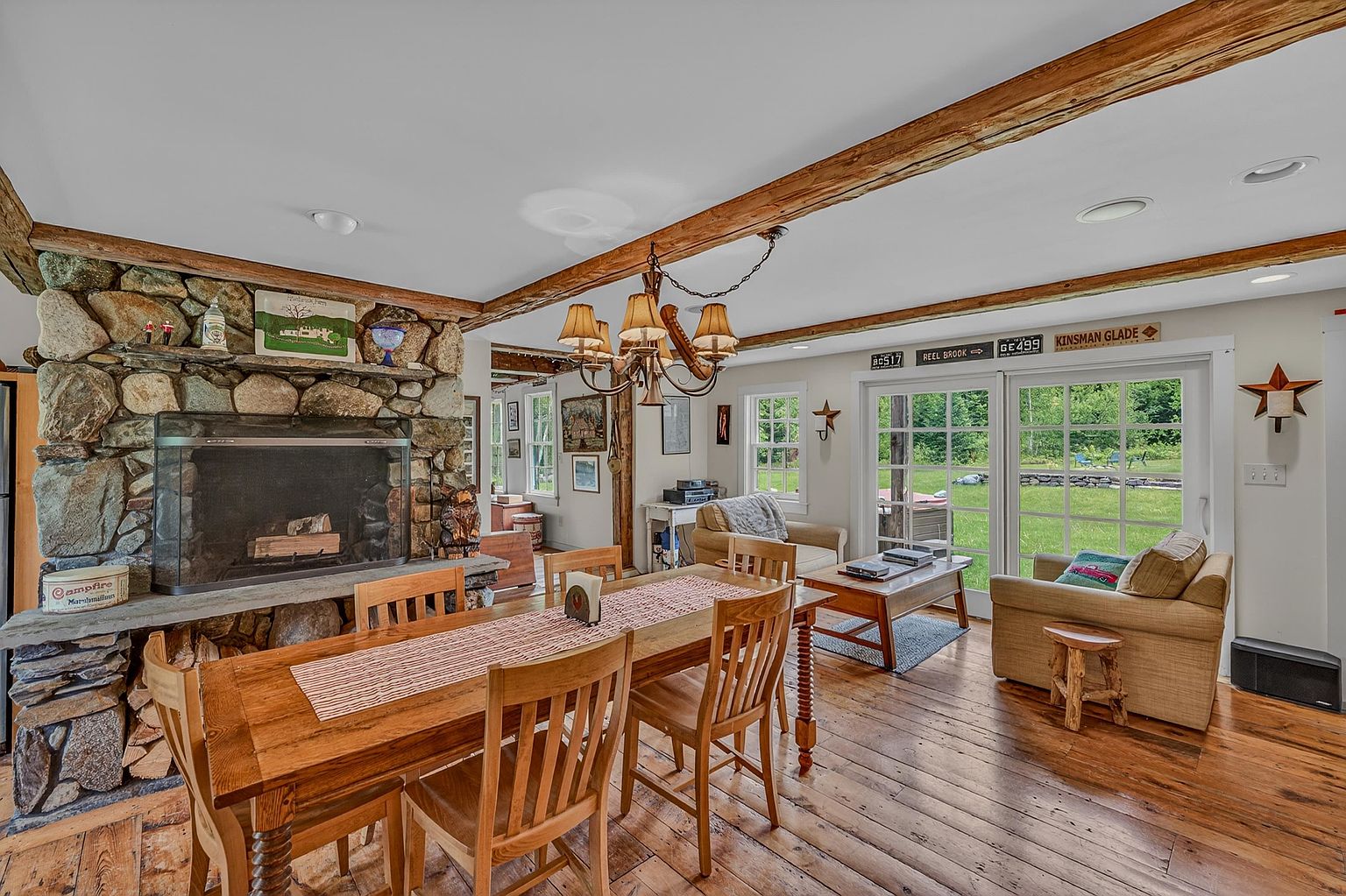
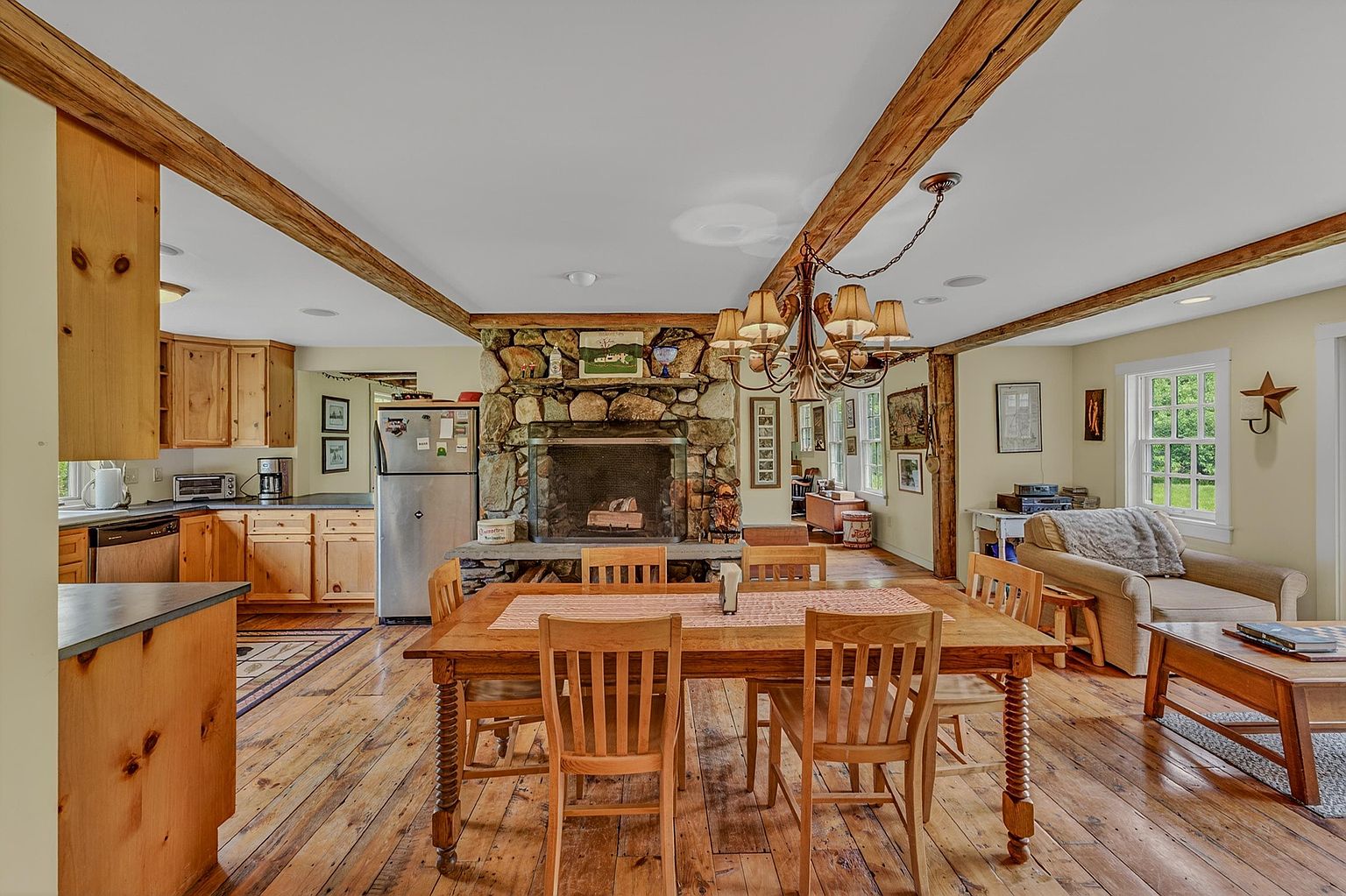
In 2006, a prominent New Hampshire architect was commissioned to expand the home — a task that required both sensitivity and skill. The result is an addition that does not announce itself but rather arrives as a natural continuation of what came before. Native and antique materials were sourced with intention: wide-plank floors salvaged from an old barn bring warmth and texture to the kitchen and dining area, while exposed timber framing echoes the original cabin's structural honesty. The transition between old and new is seamless, a testament to the architect's restraint and vision.
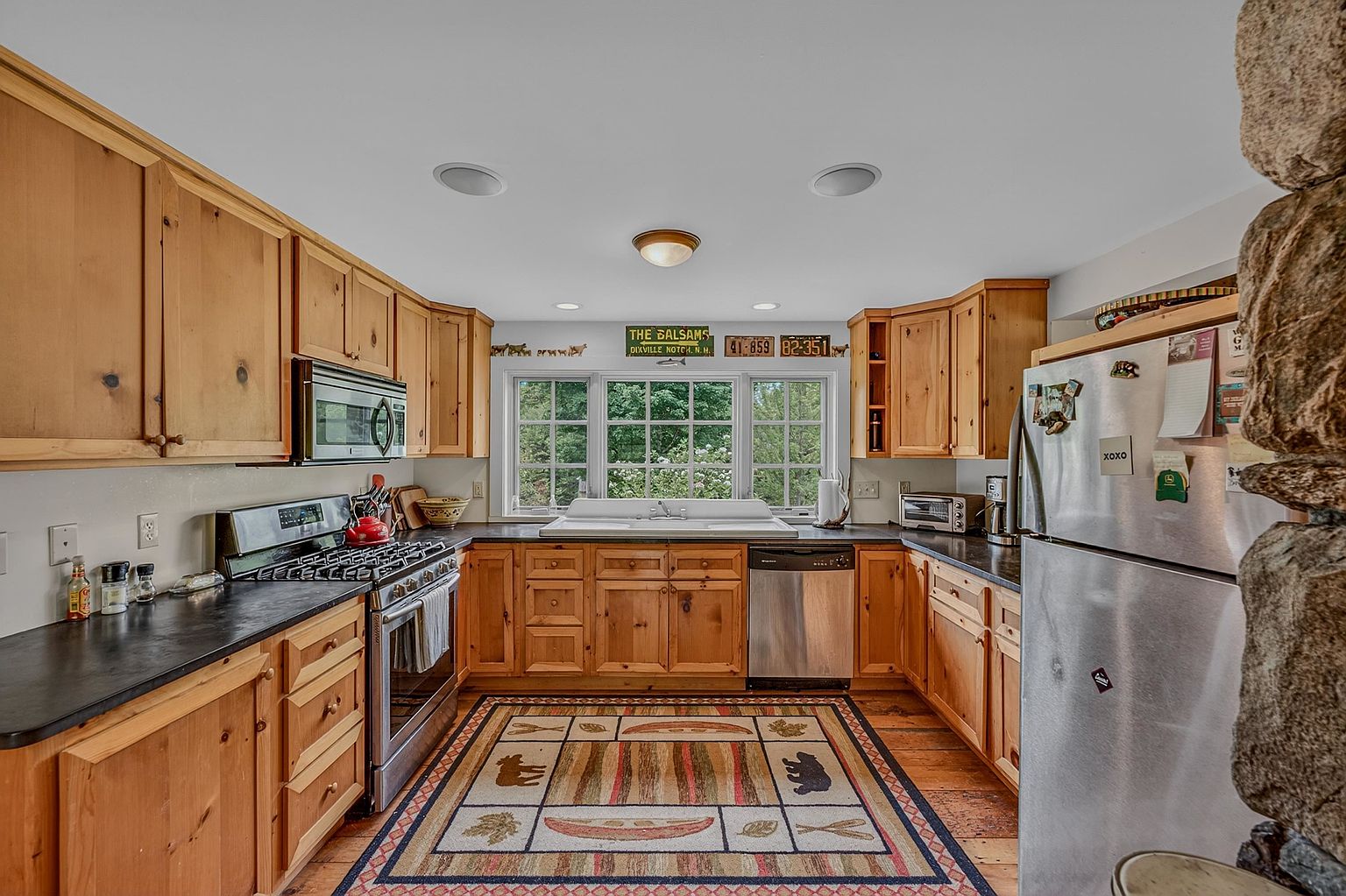
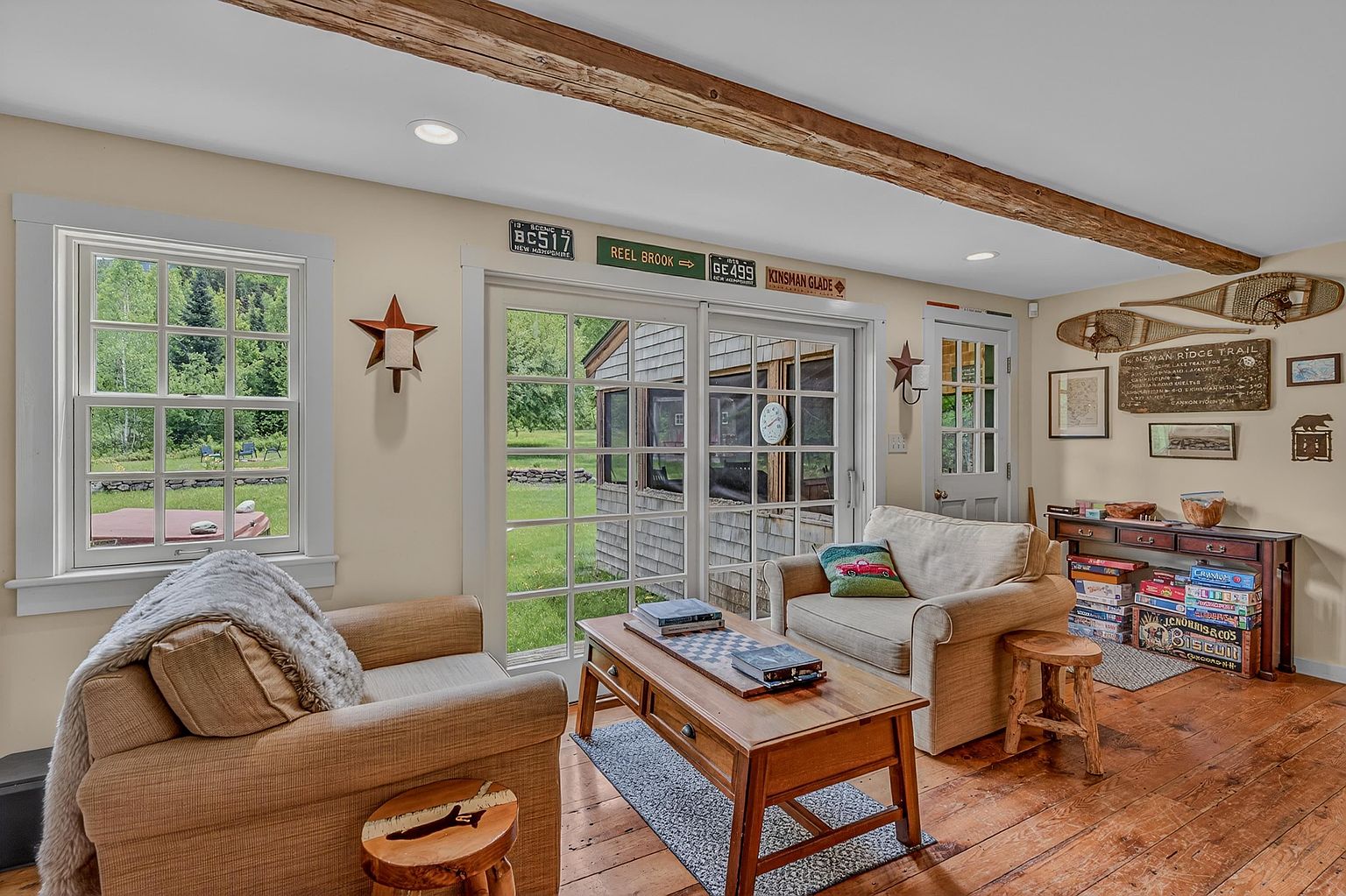
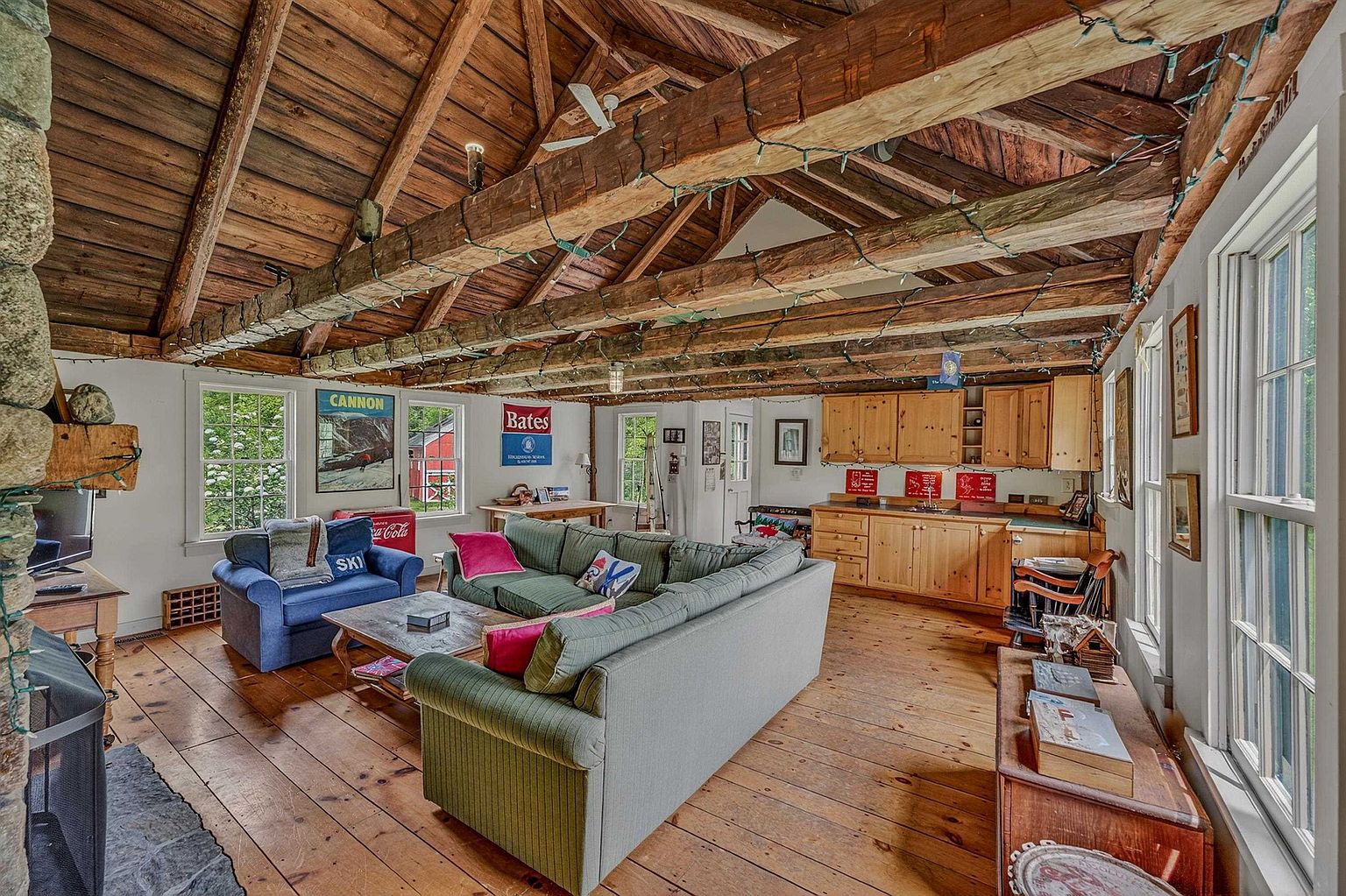
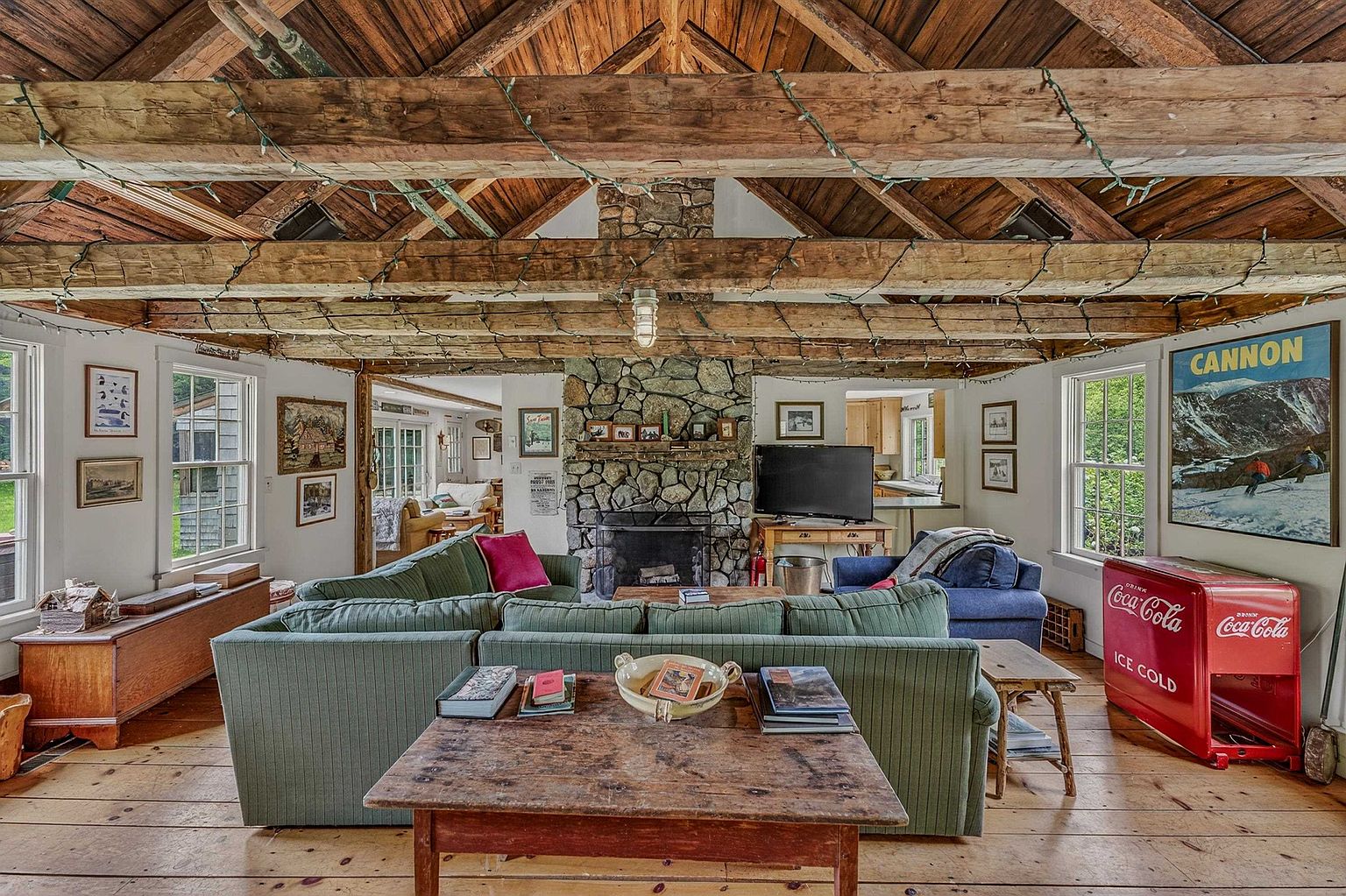
At the heart of the main living space stands a massive double-sided stone fireplace — one of the home's defining architectural gestures. It serves both the living room and the adjoining dining area simultaneously, its presence commanding without overwhelming. Vaulted ceilings with exposed beams rise above a generously scaled living room, while large windows and sliding glass doors draw the eye outward toward the surrounding forest and lawn. The open-concept kitchen and dining area feel equally considered, with light wood cabinetry, dark stone countertops, stainless steel appliances, and Pella architectural windows that frame the landscape like paintings.
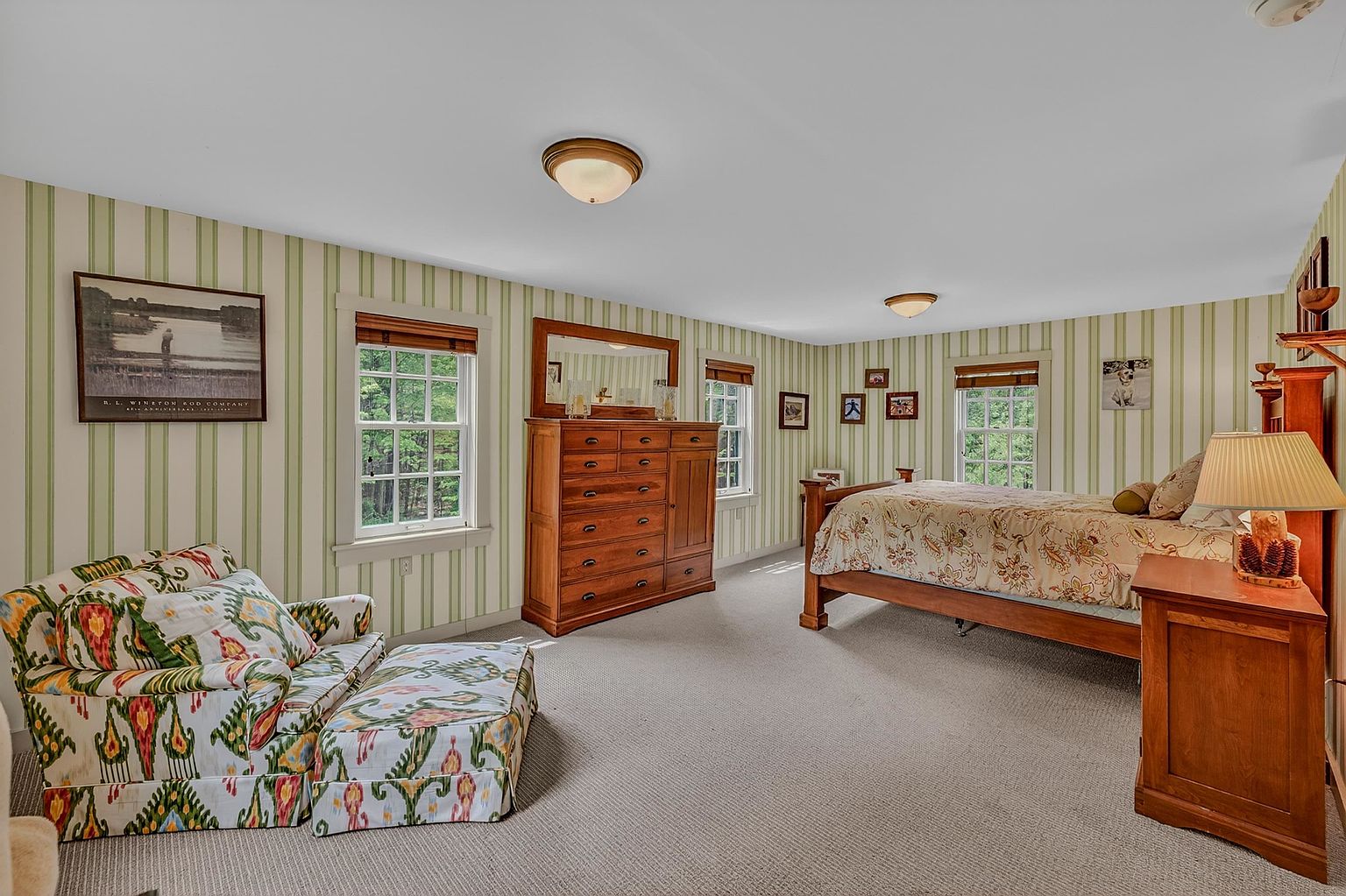
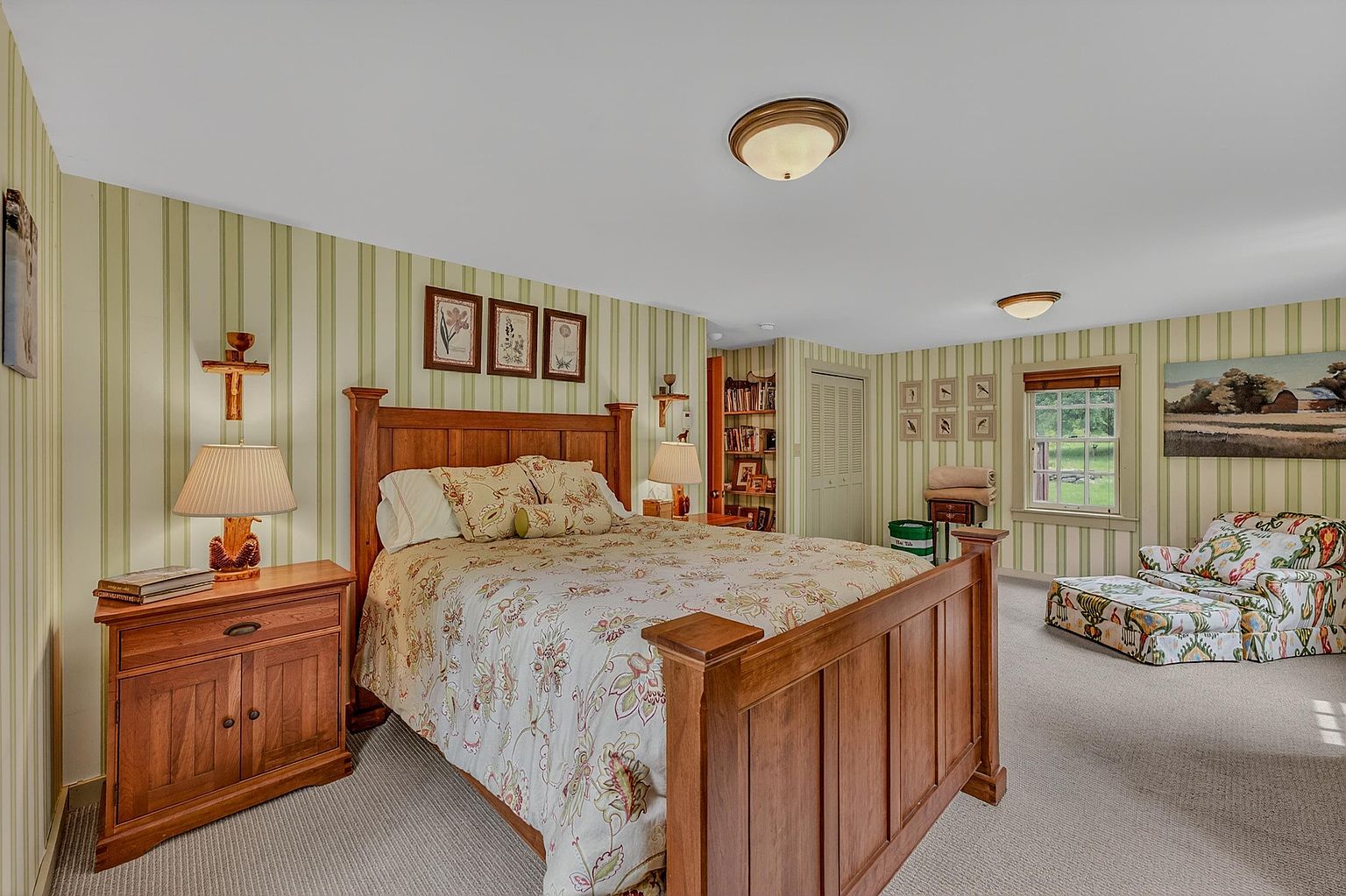
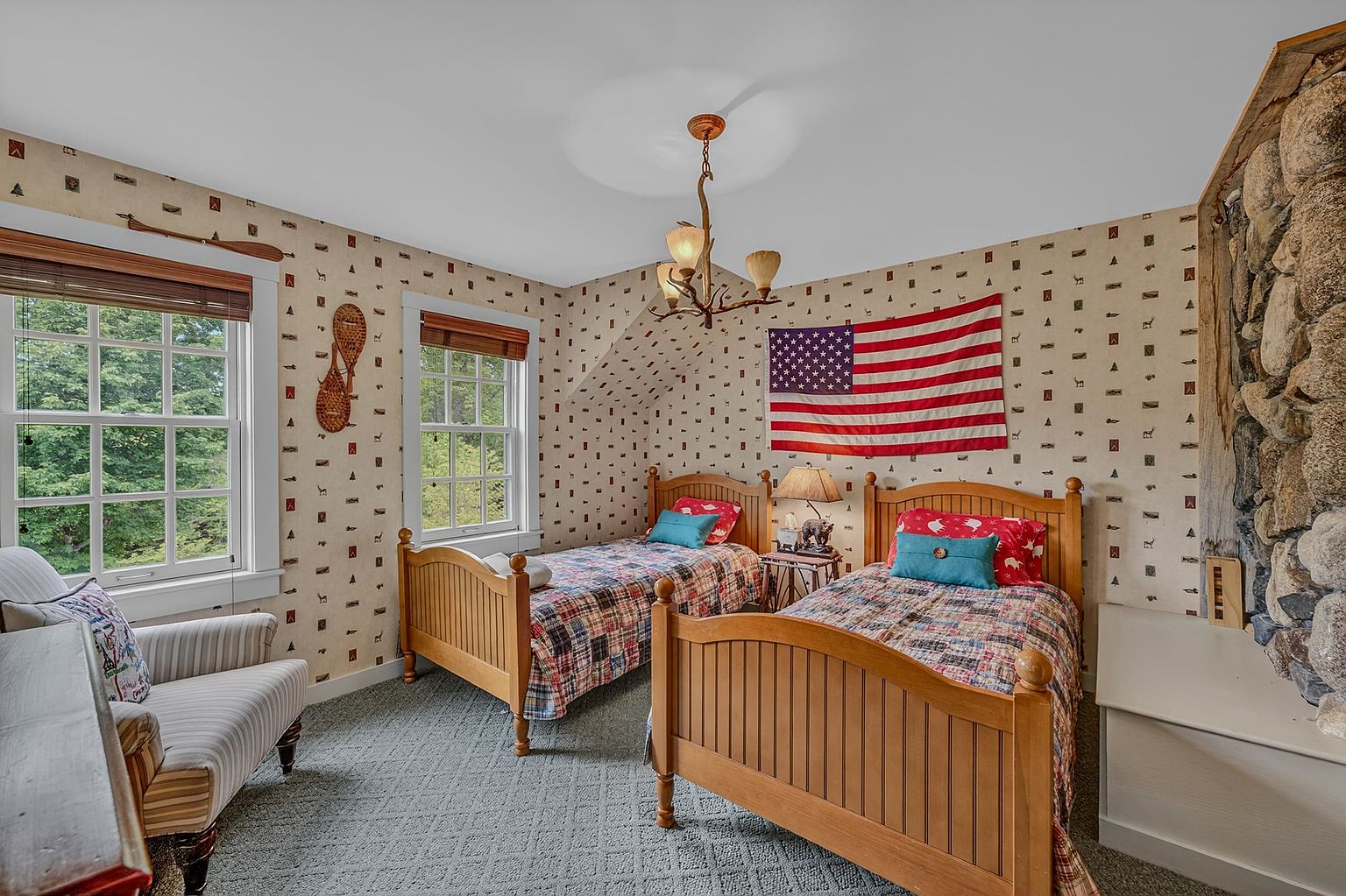
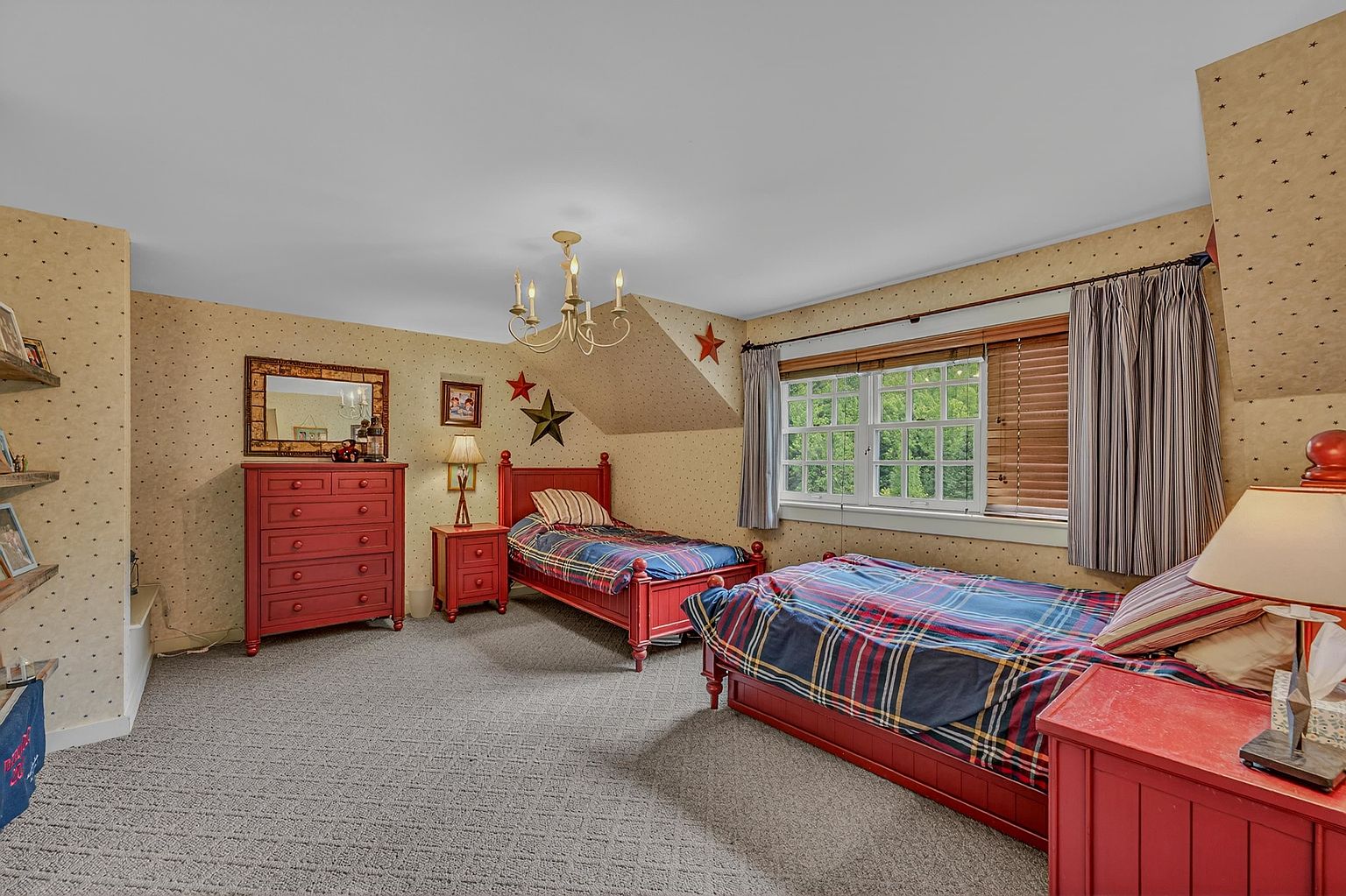
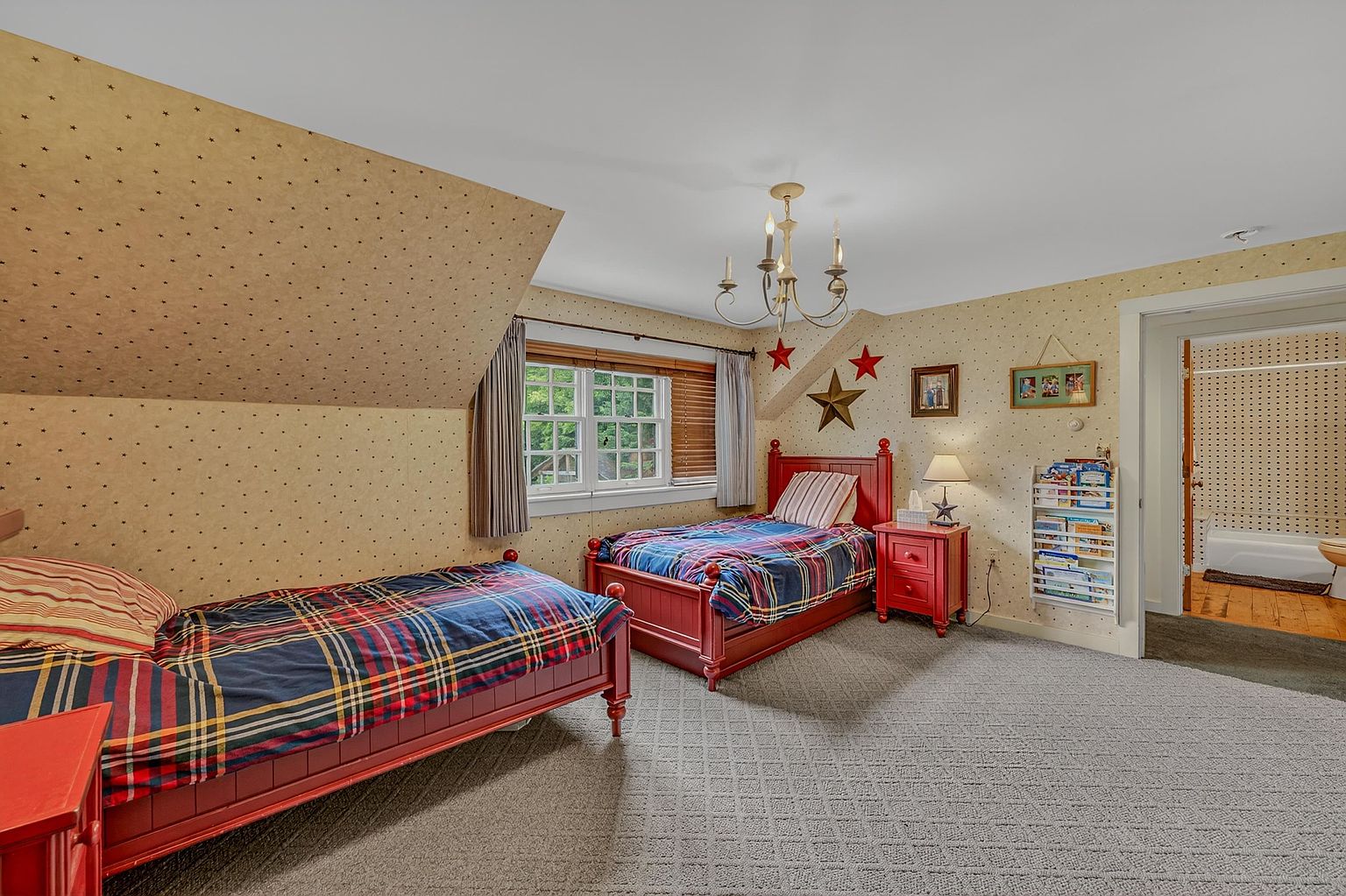
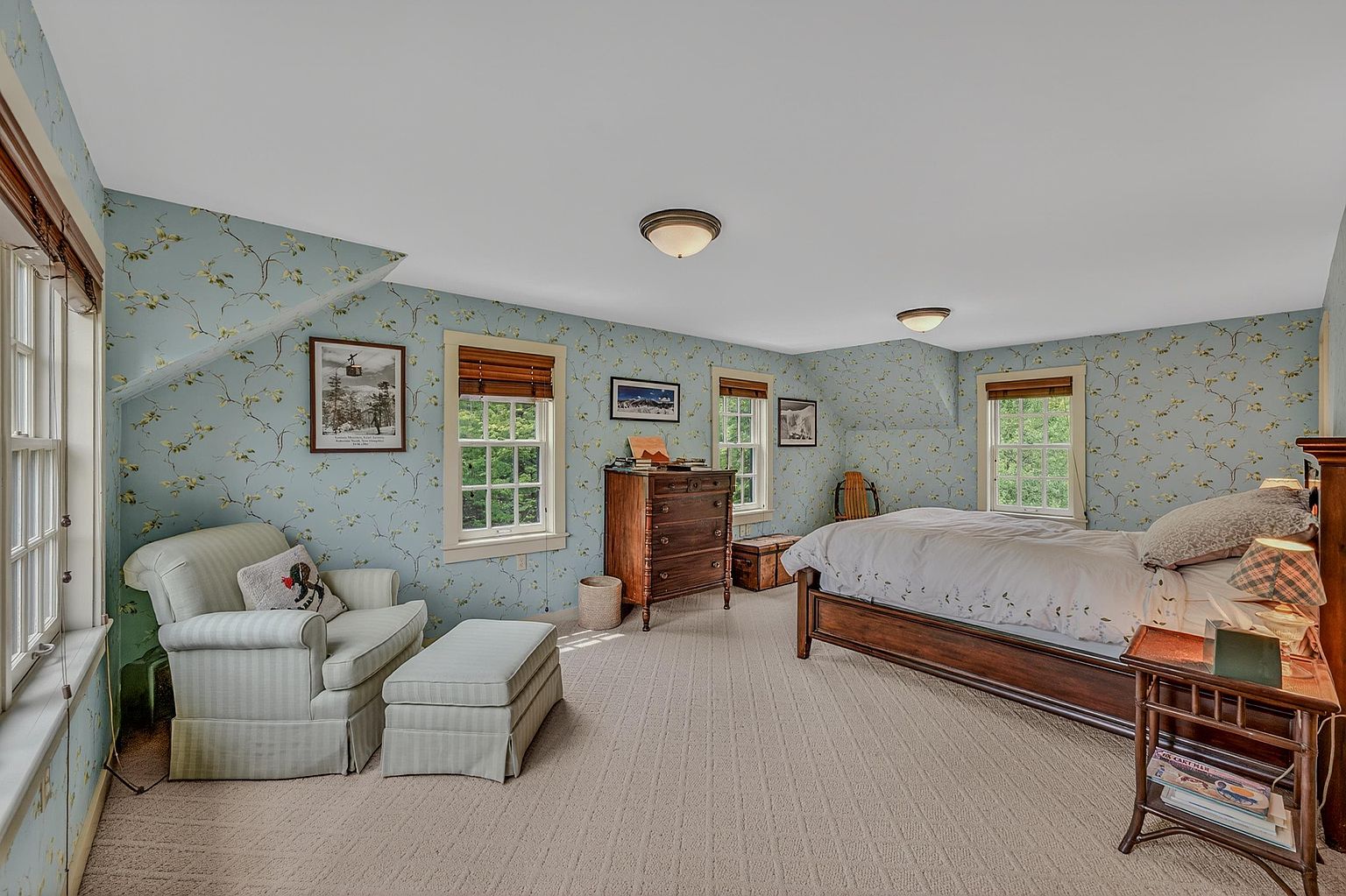
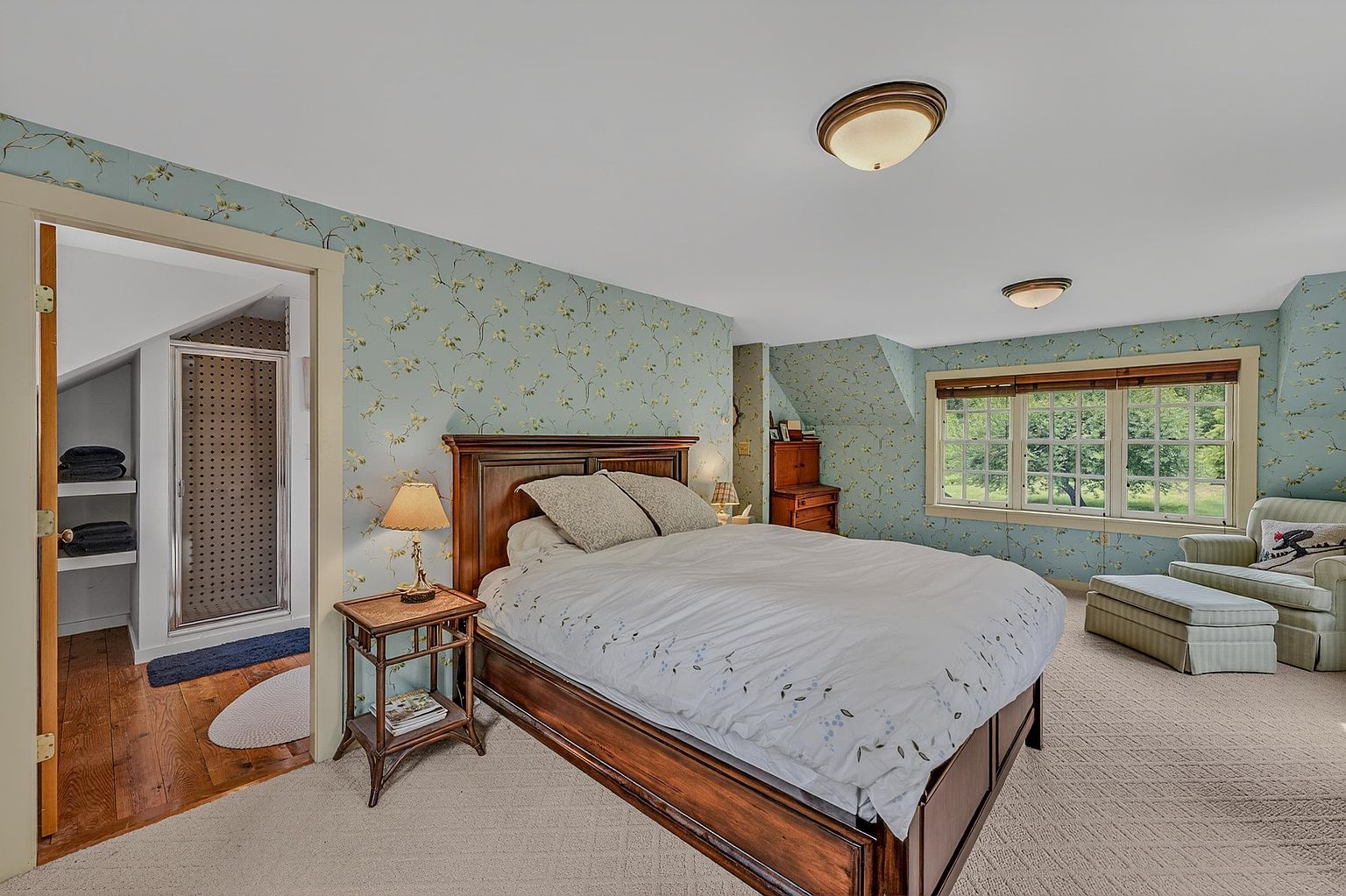
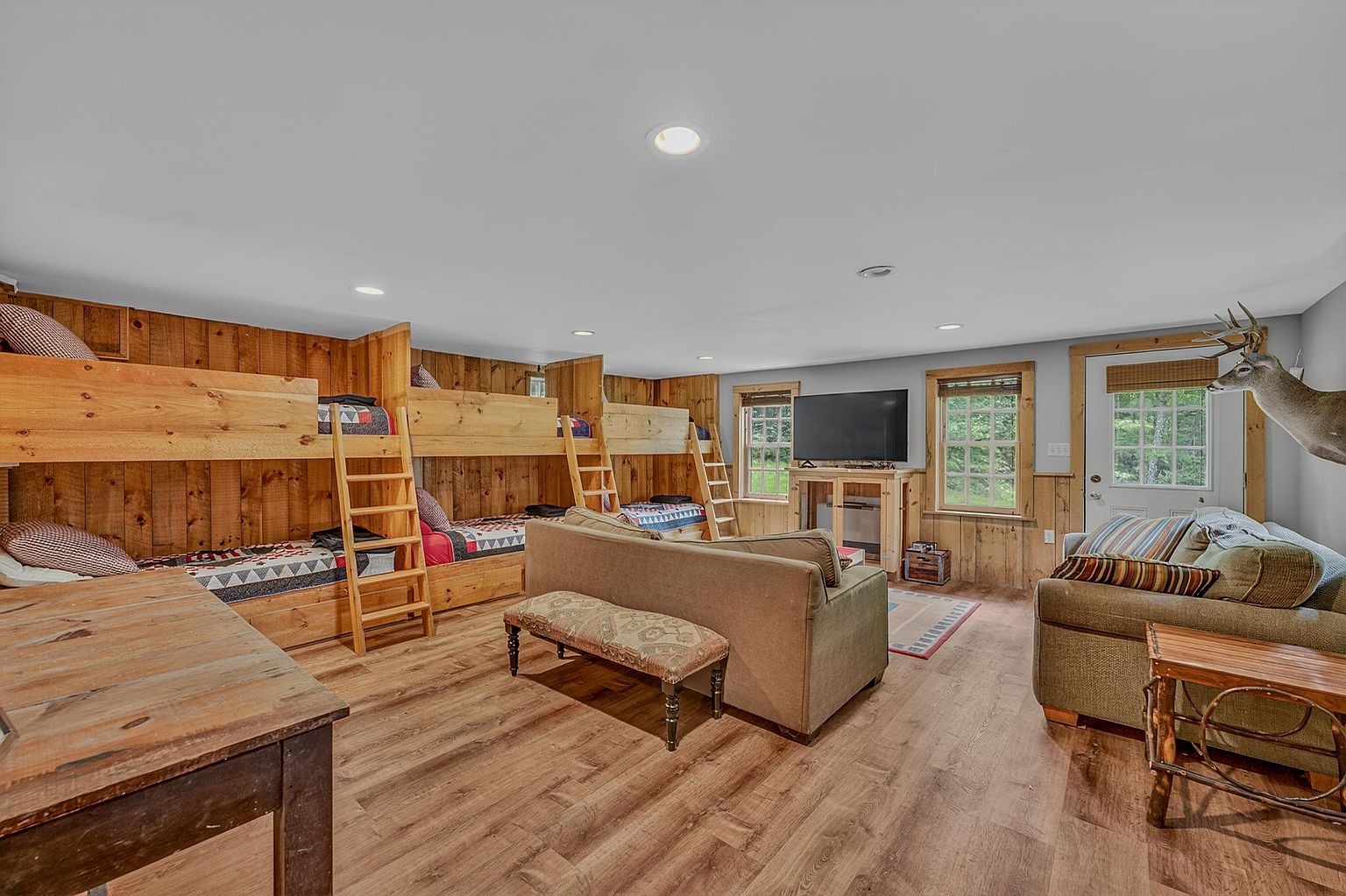
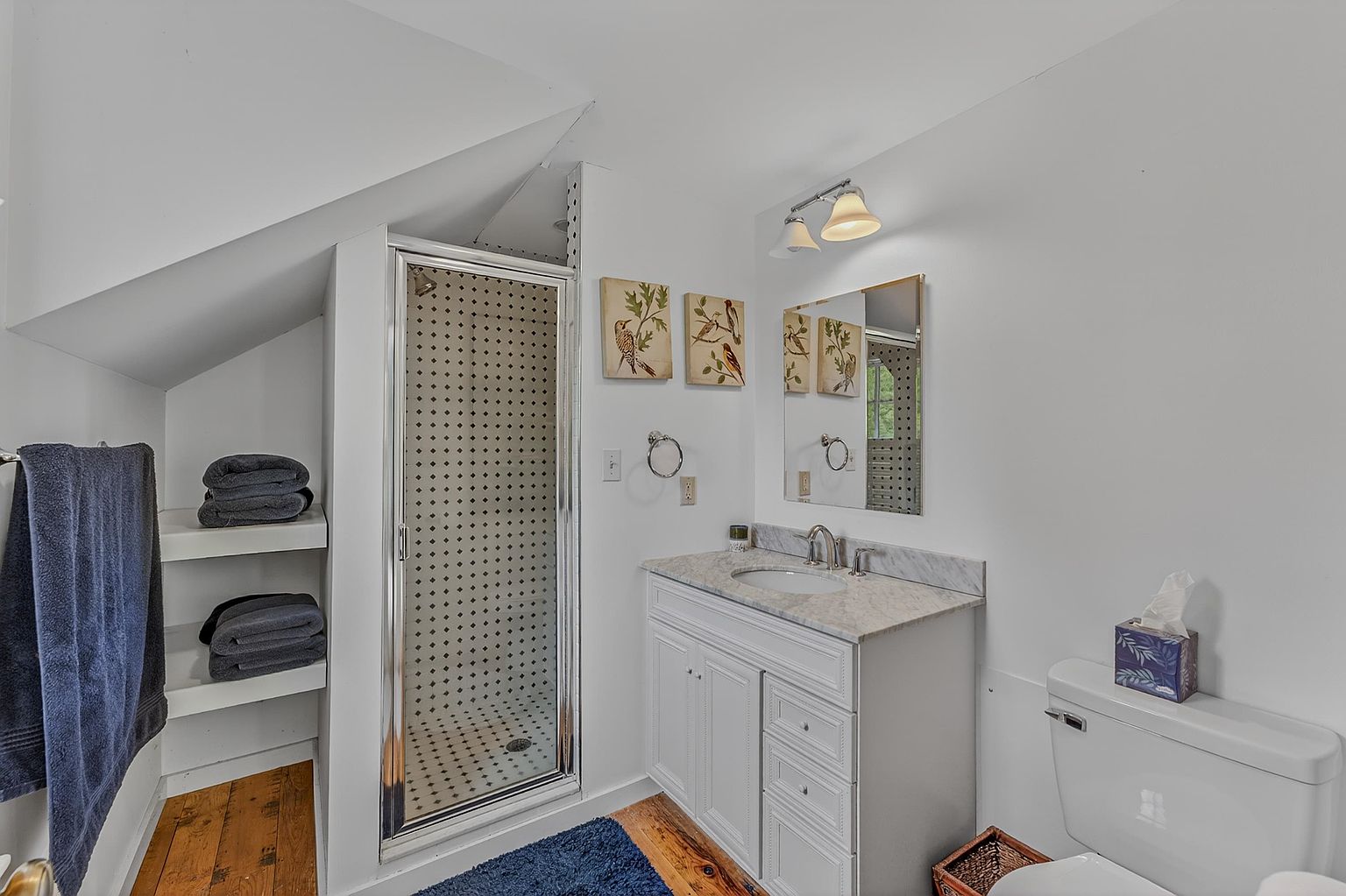
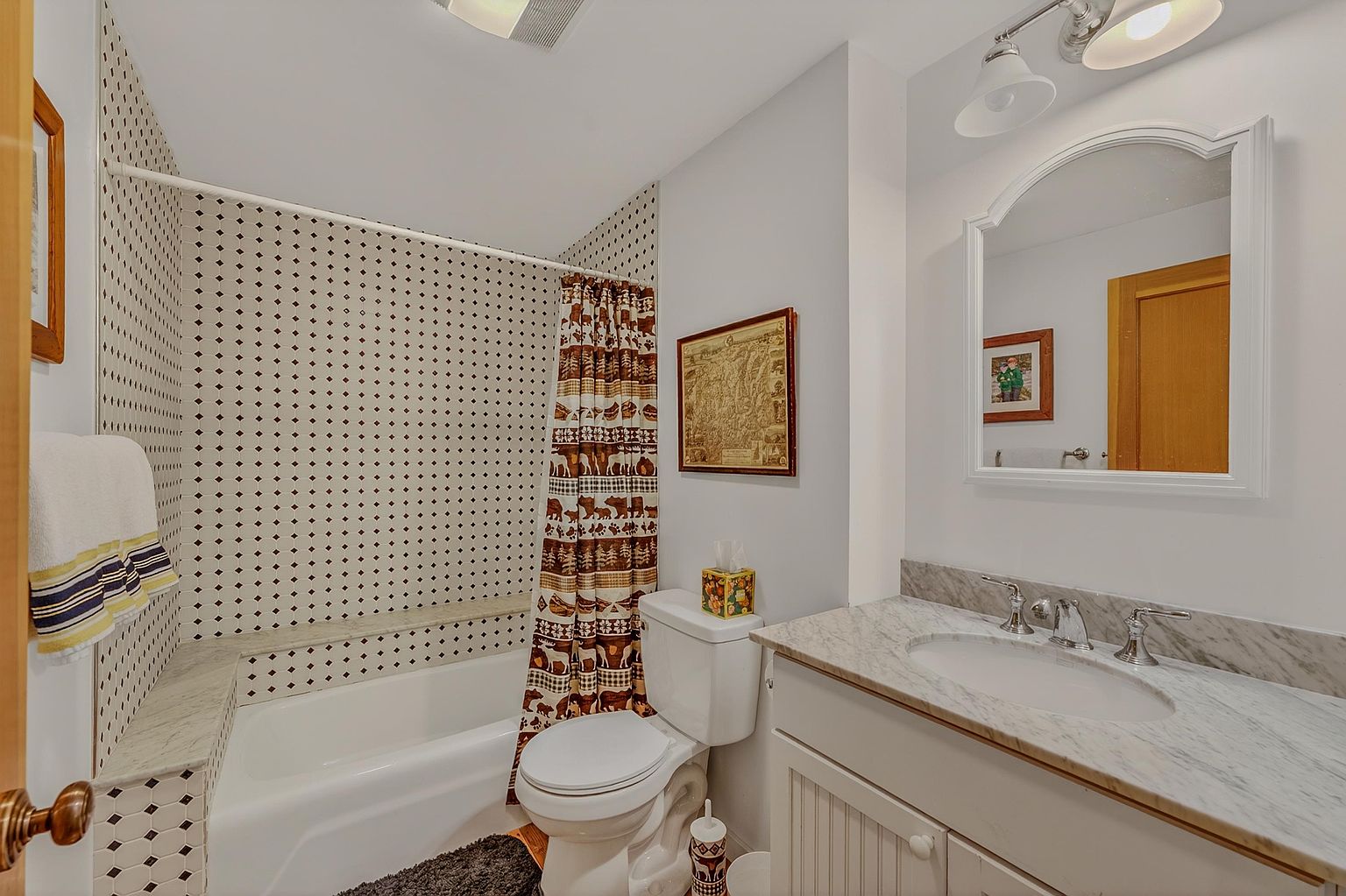
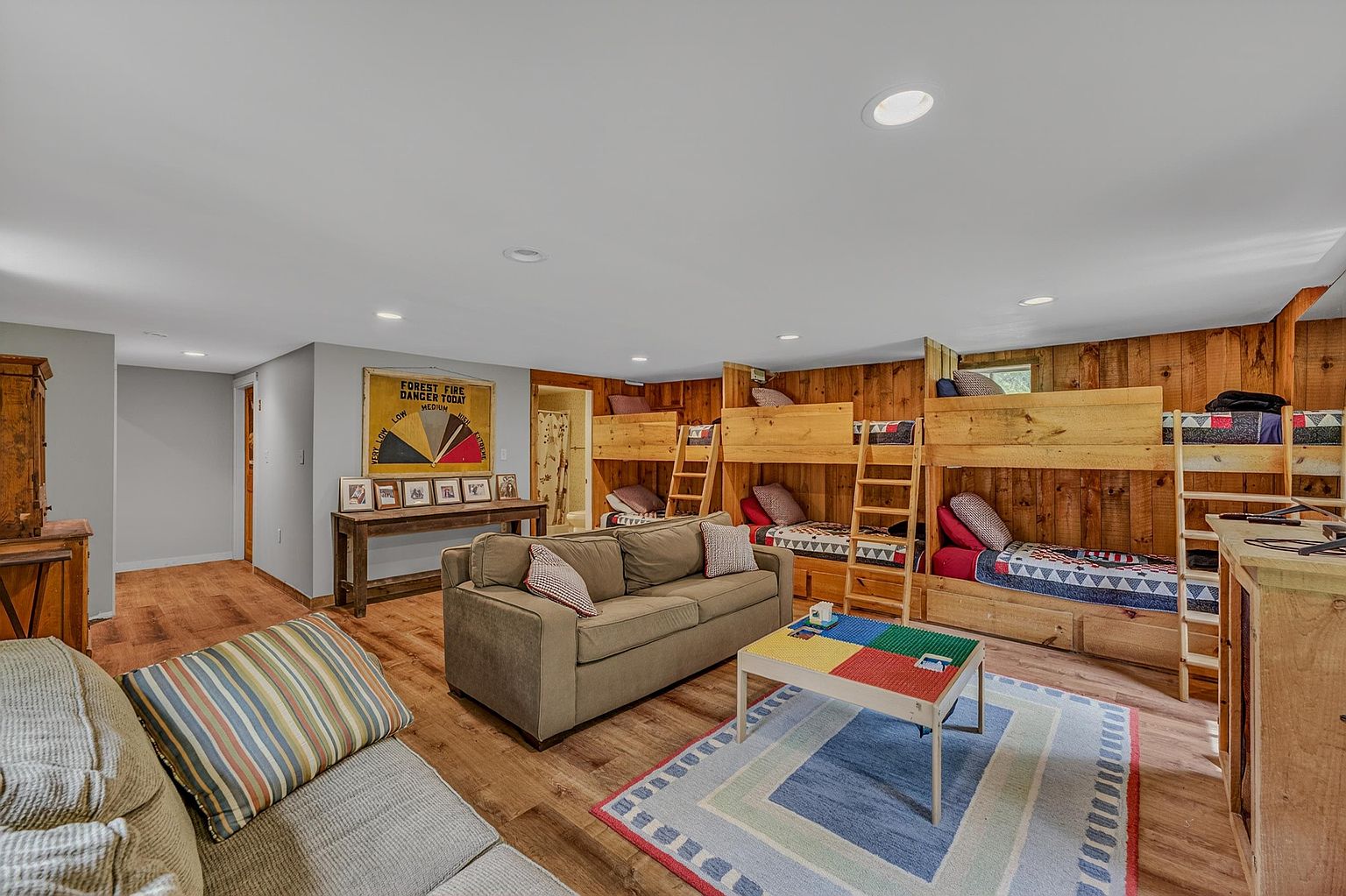
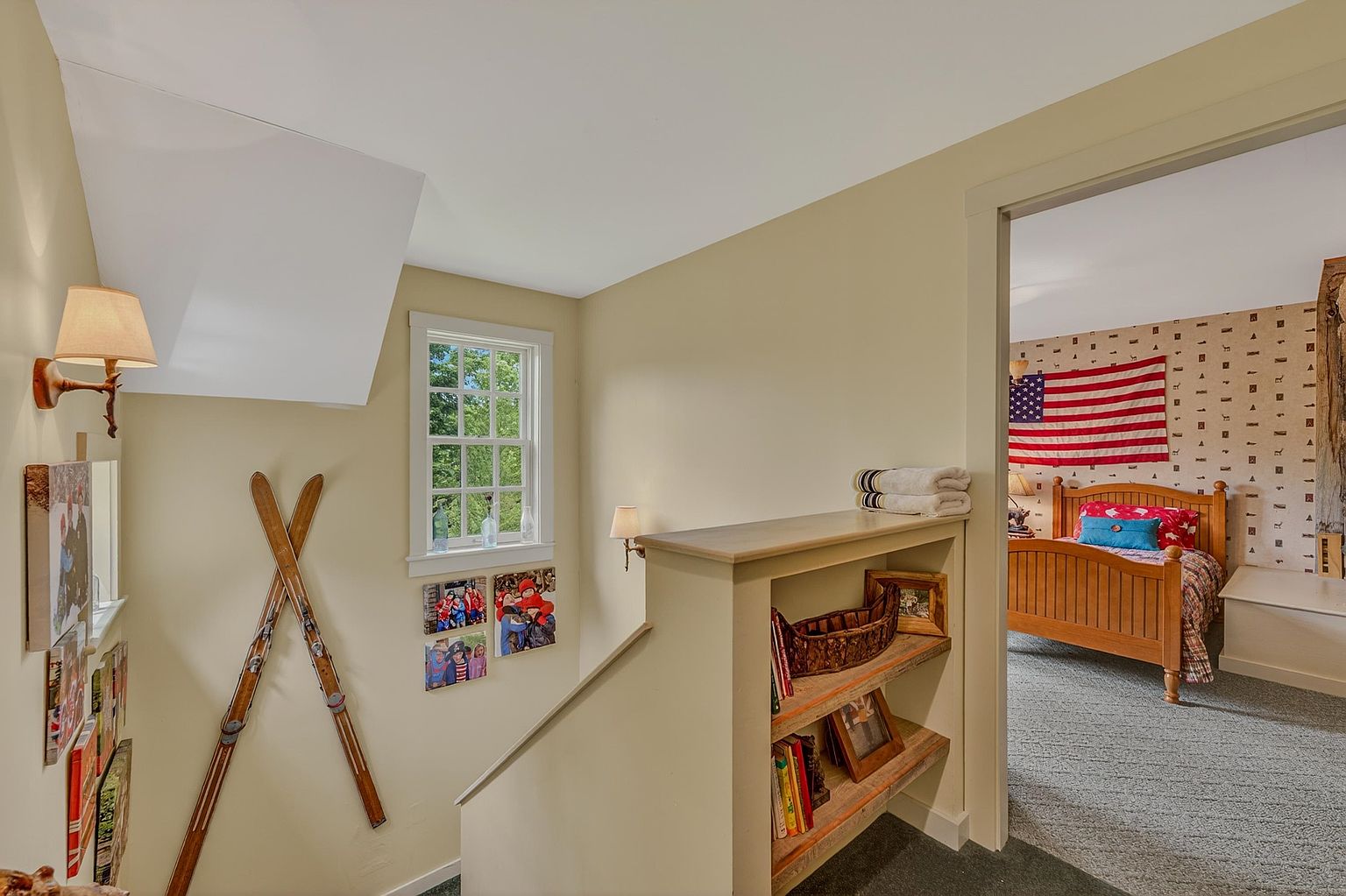
The bedroom wing offers generously proportioned rooms, each with its own distinct personality — from the primary suite with an ensuite bathroom to the charming guest rooms dressed in classic New England style. Below, the finished basement is a destination in its own right: six built-in bunk beds, a comfortable family room, and a lodge-like atmosphere that transforms the lower level into the undisputed favorite space of every visiting child and guest.
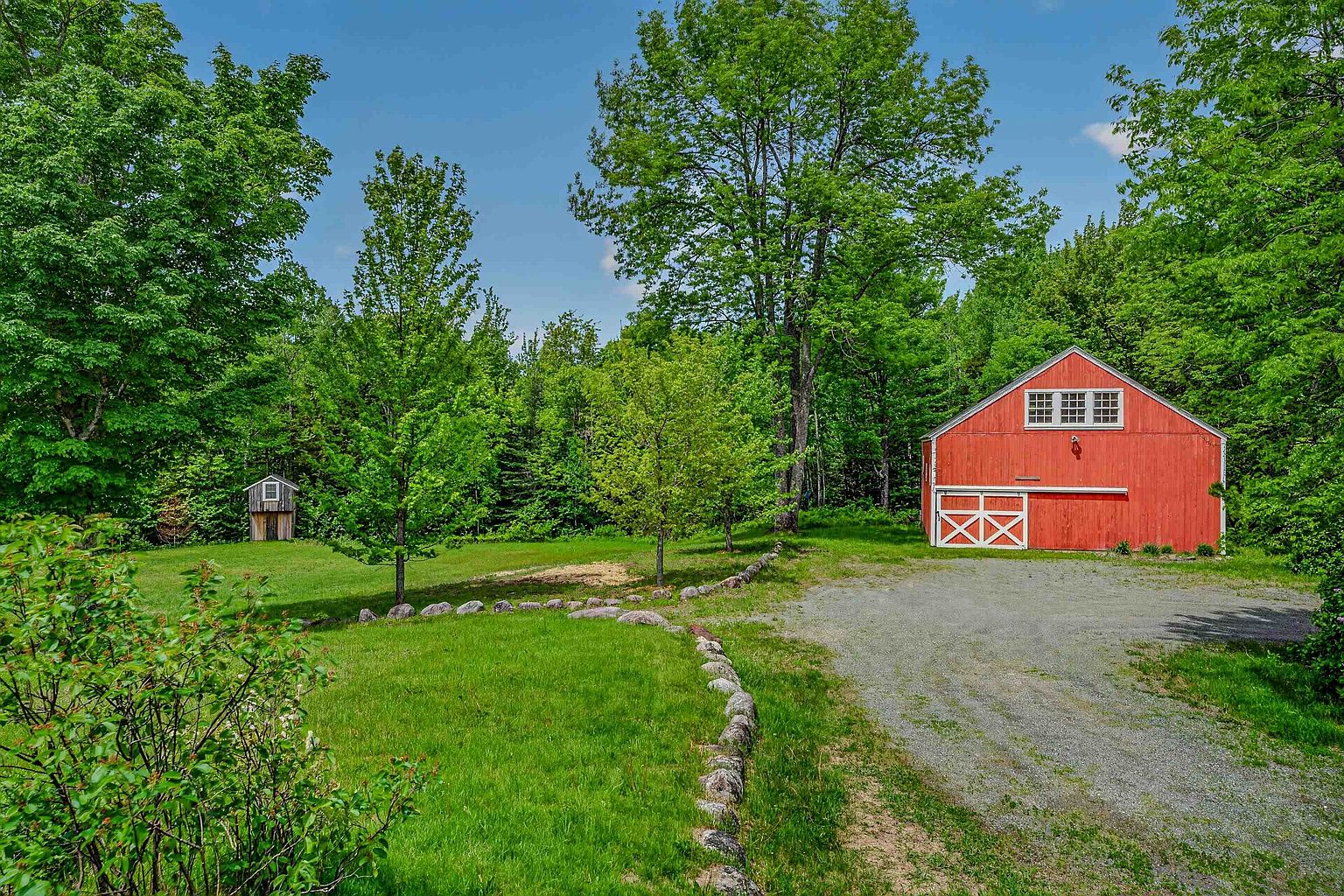
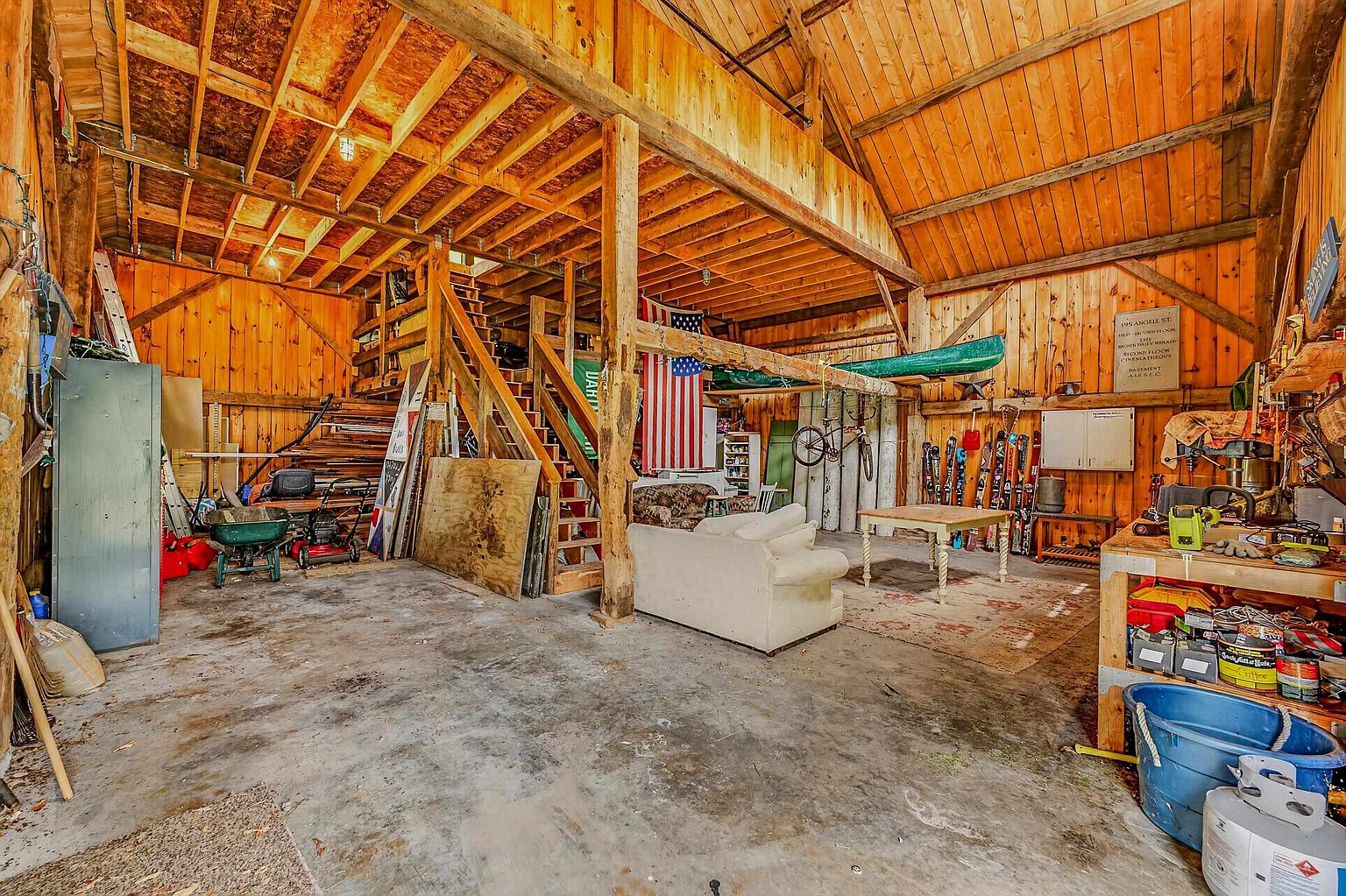
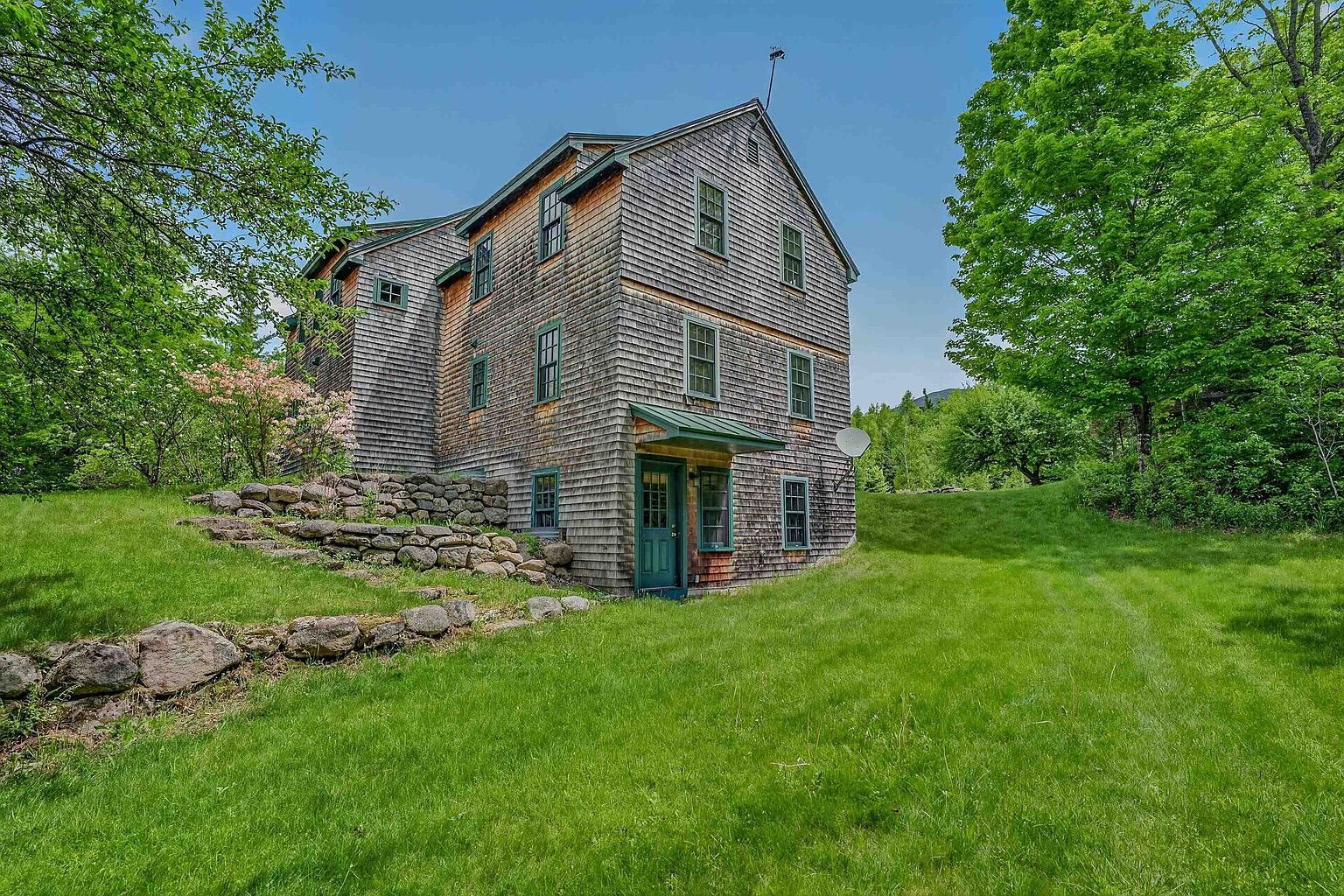
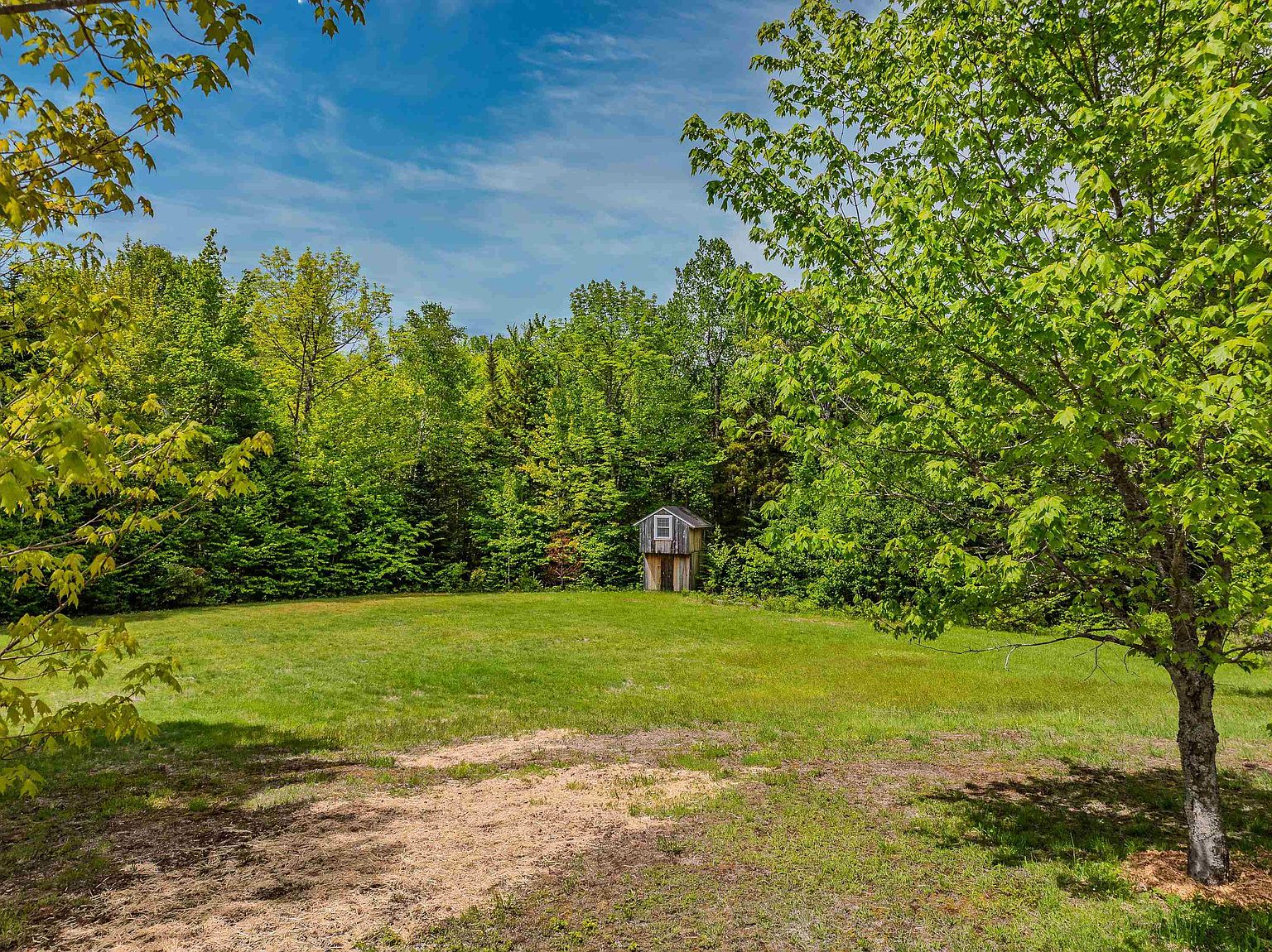
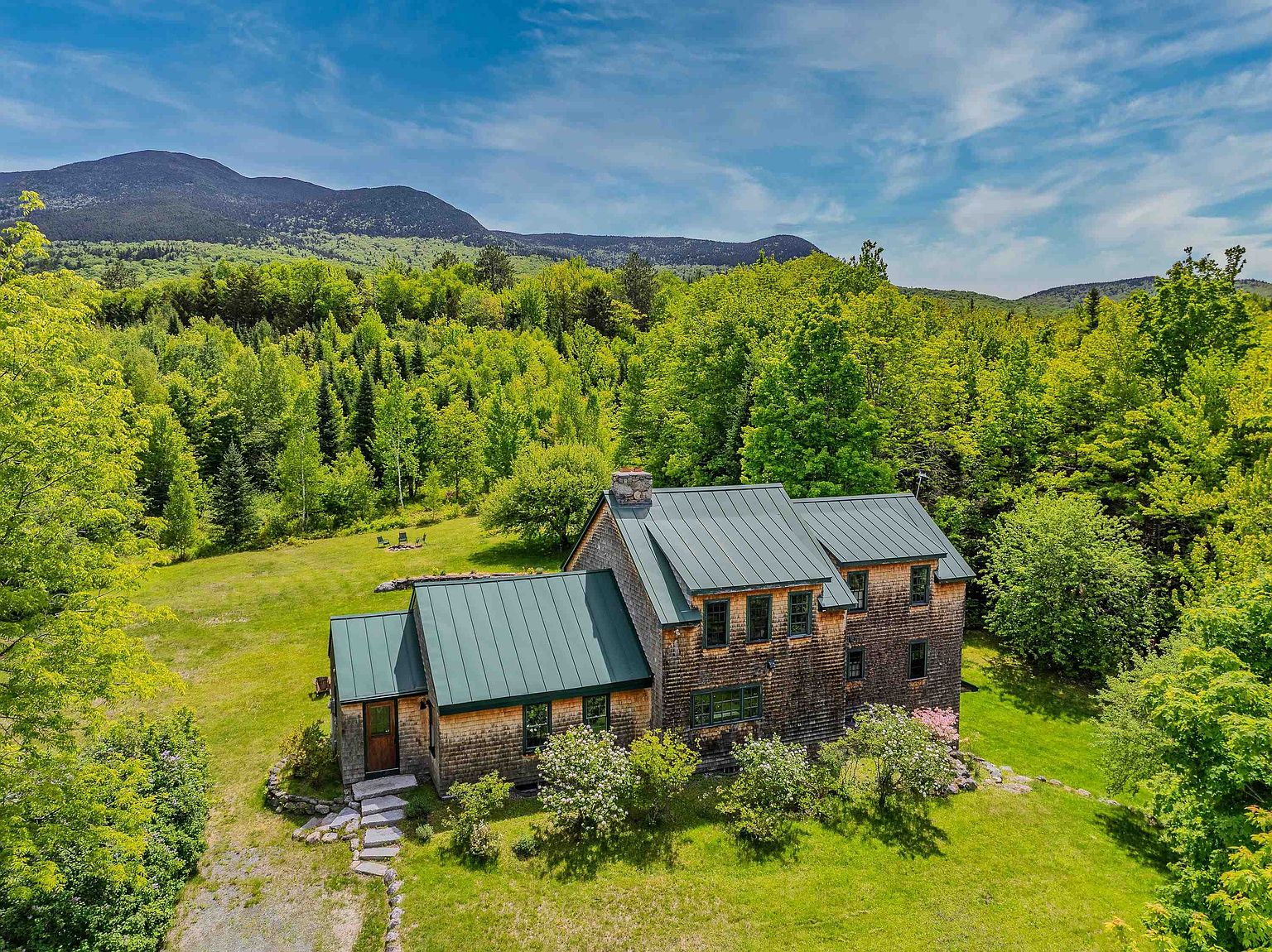
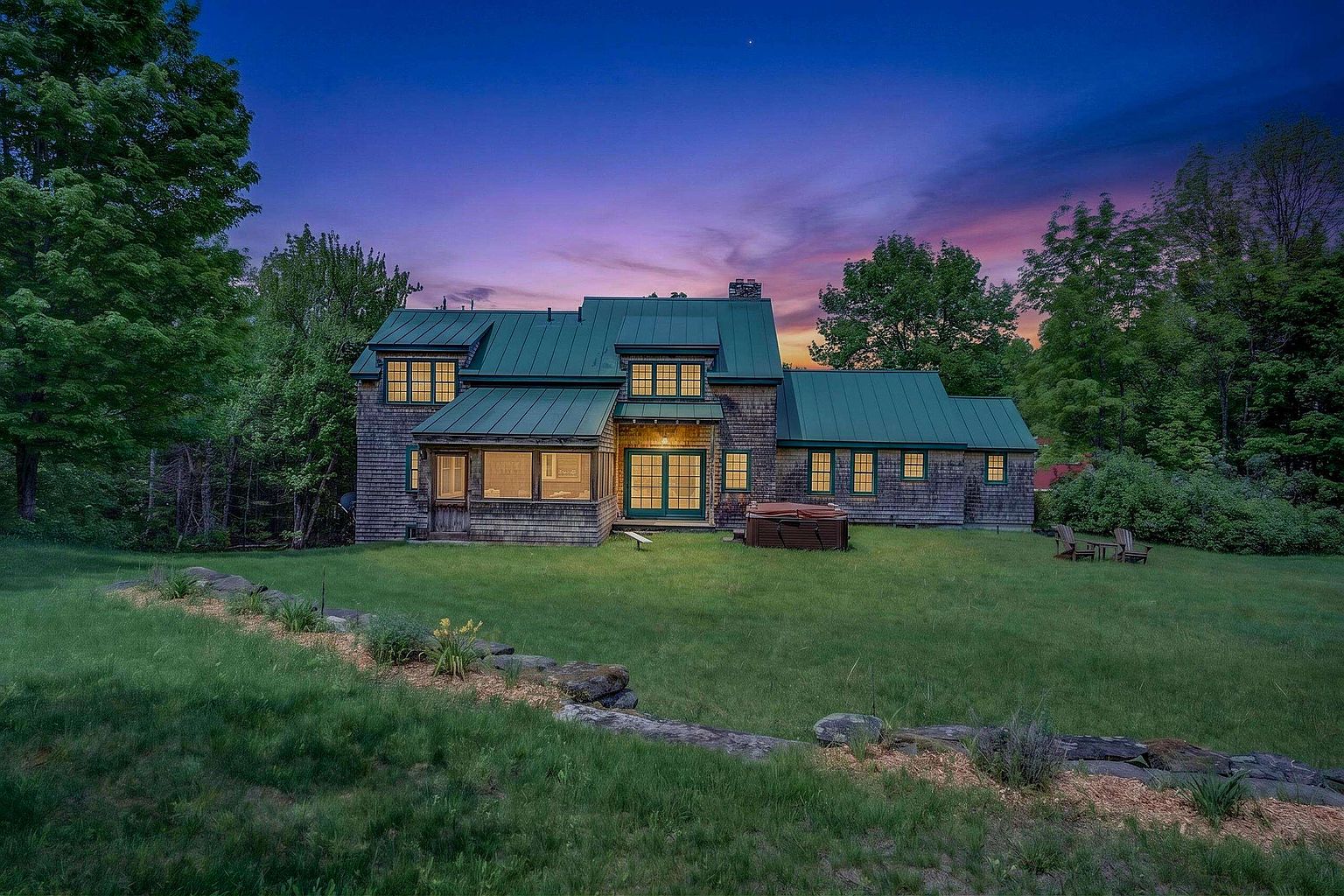
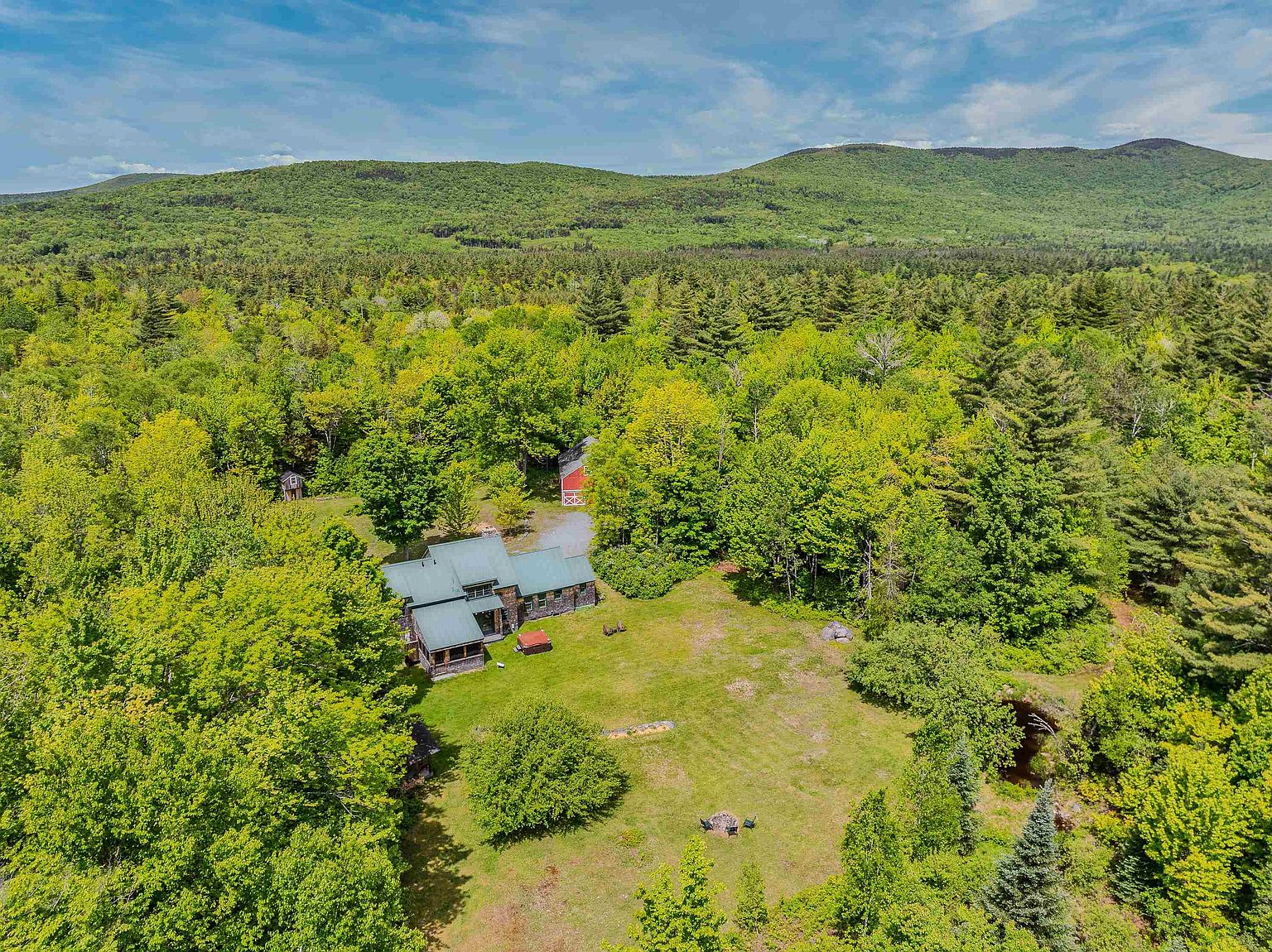
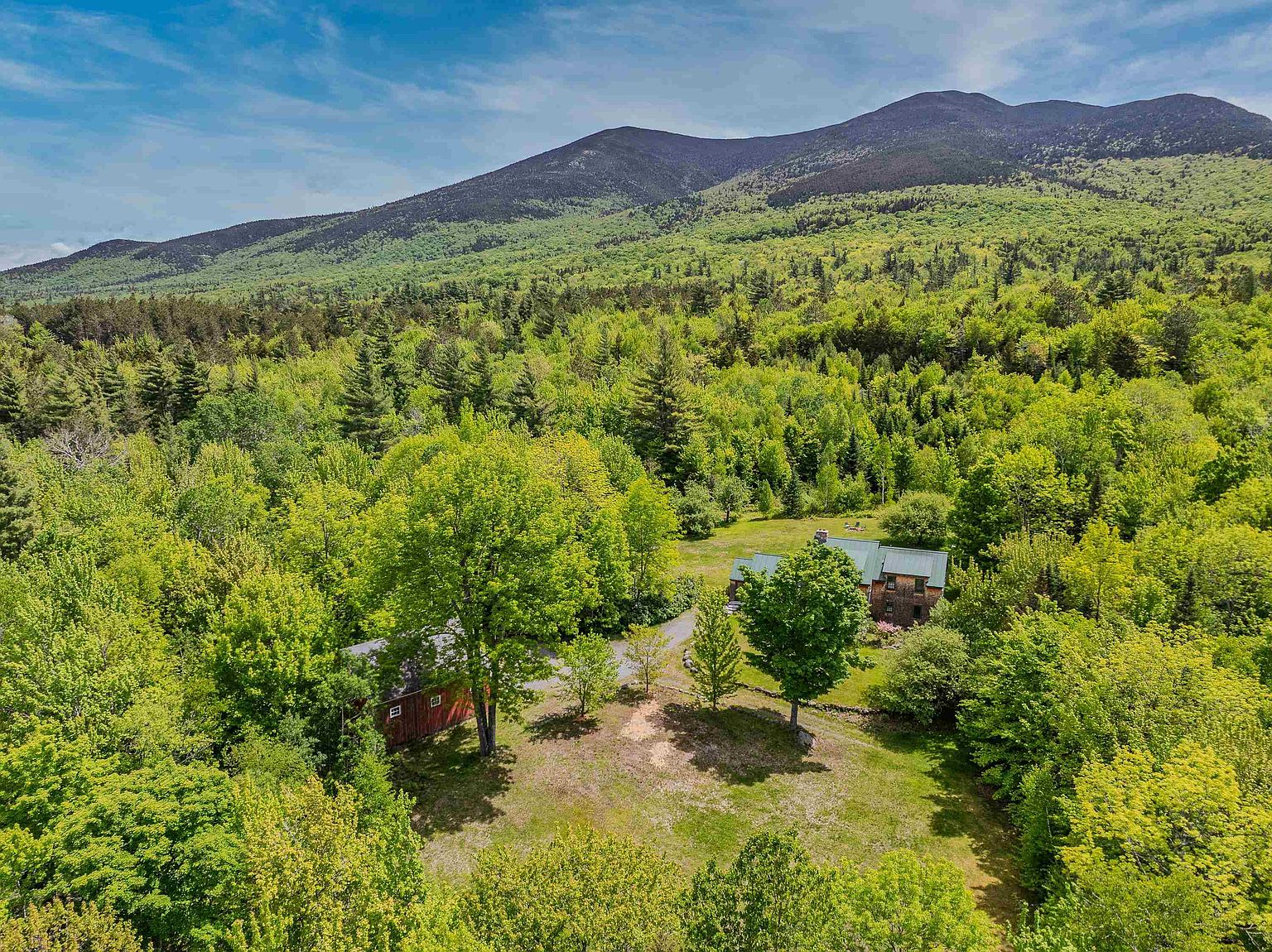
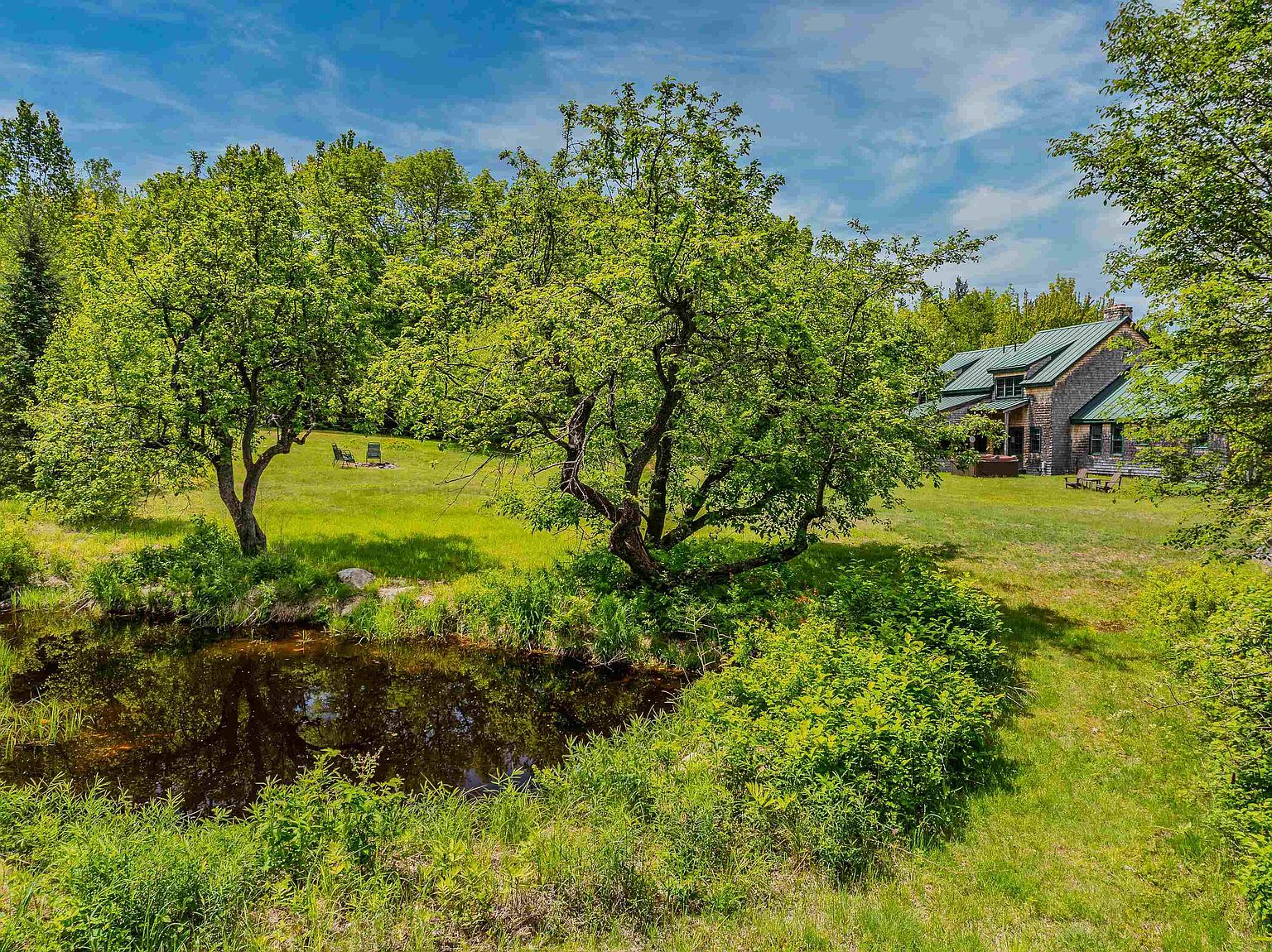
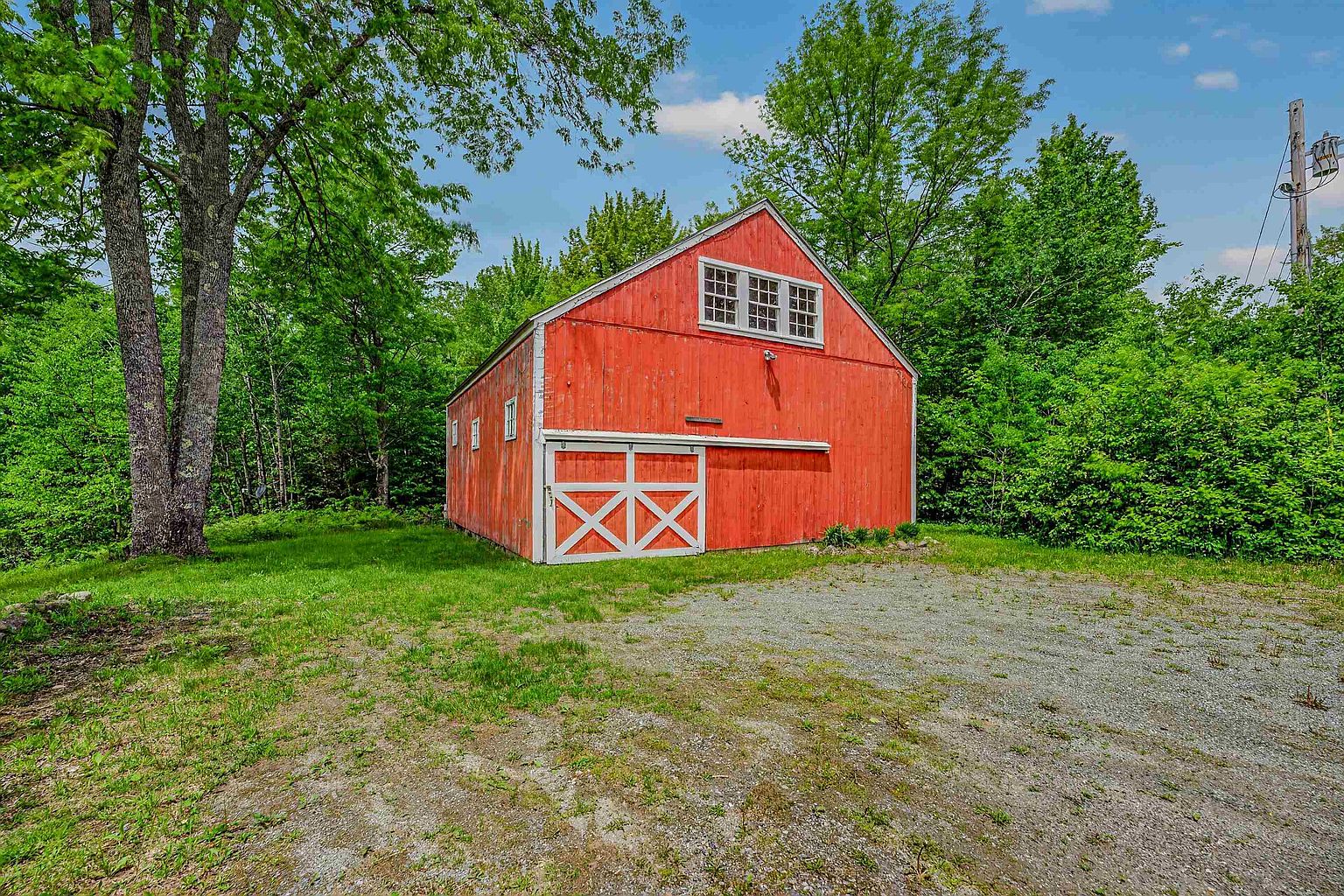
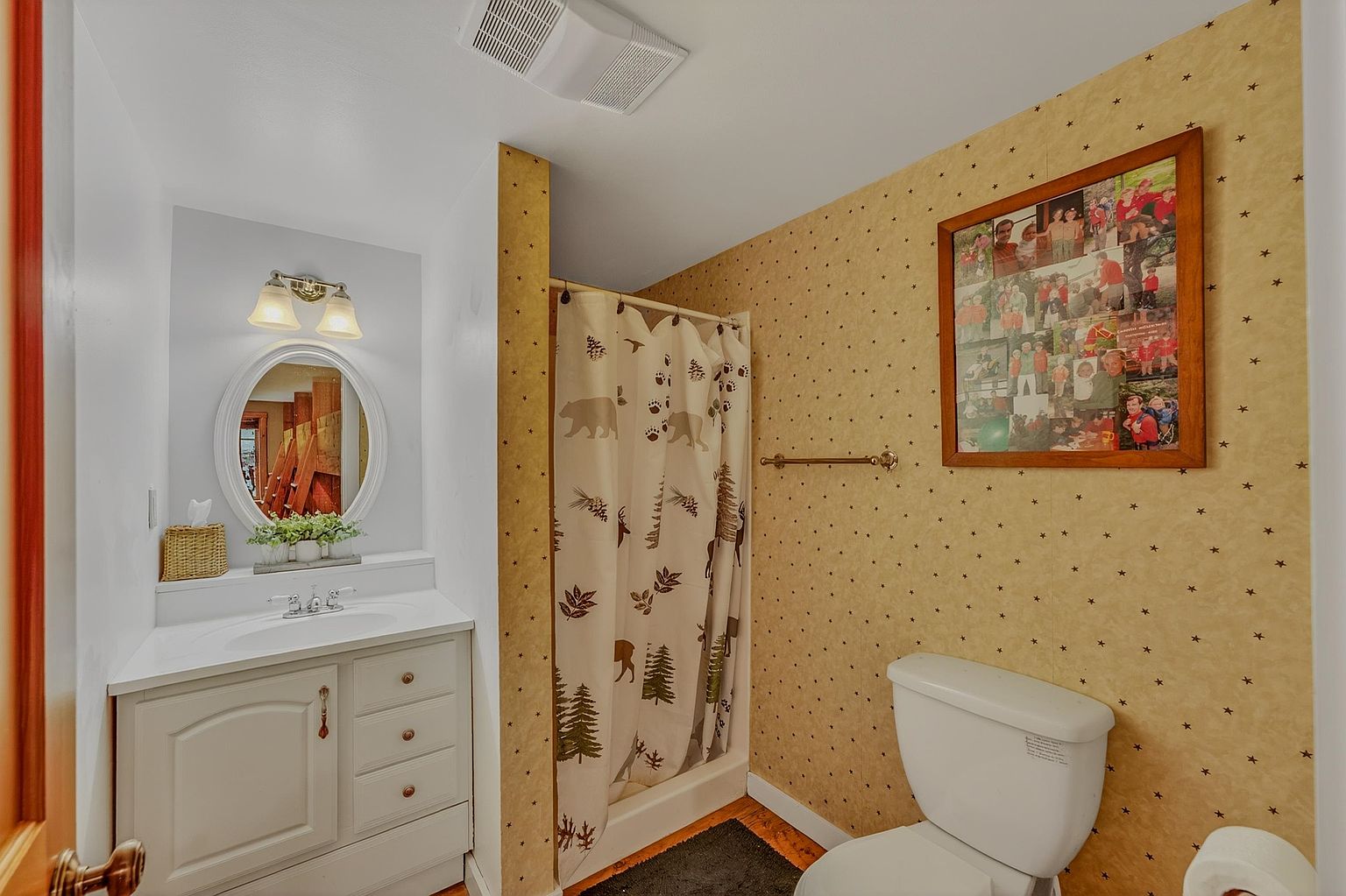
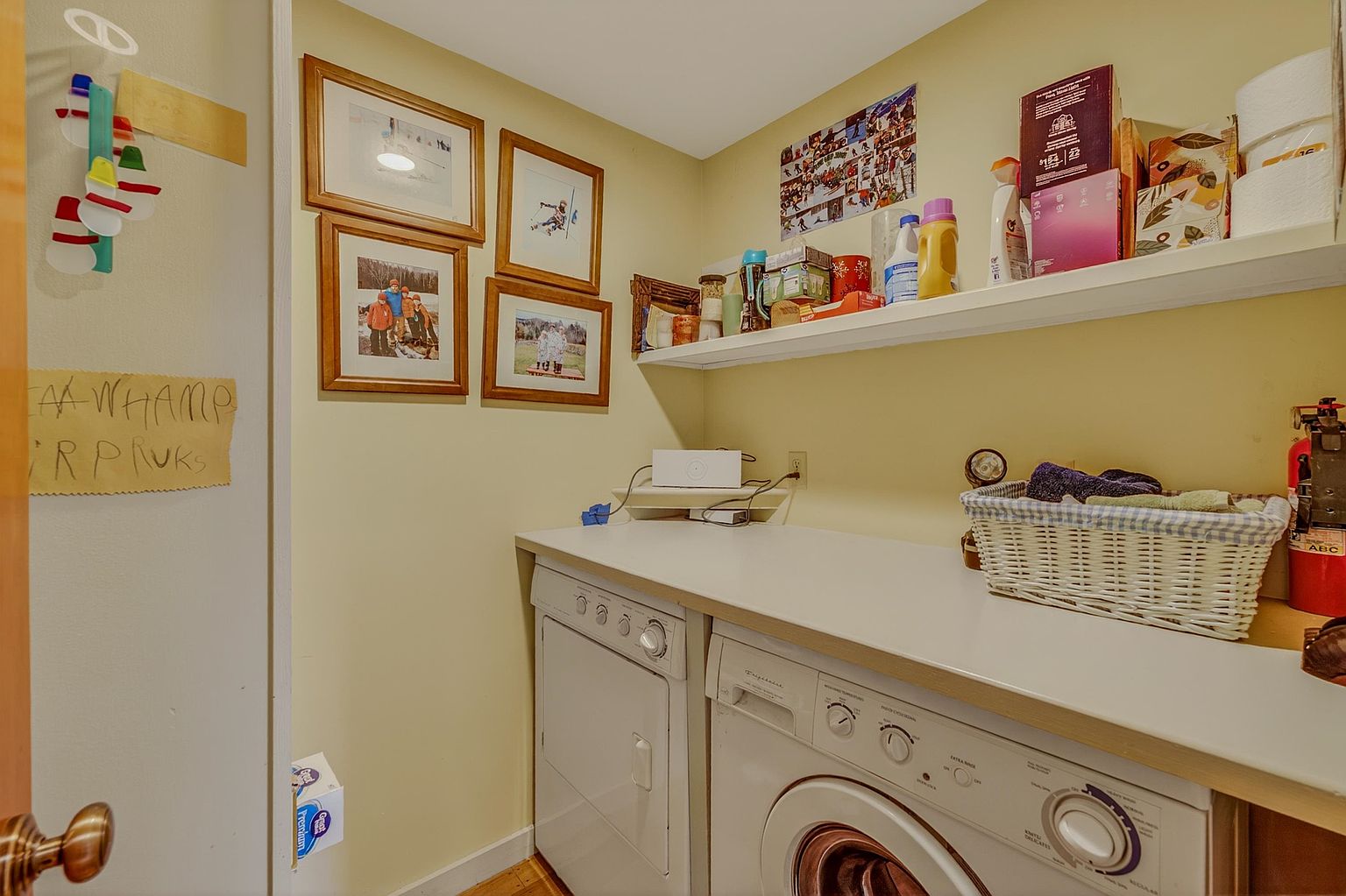
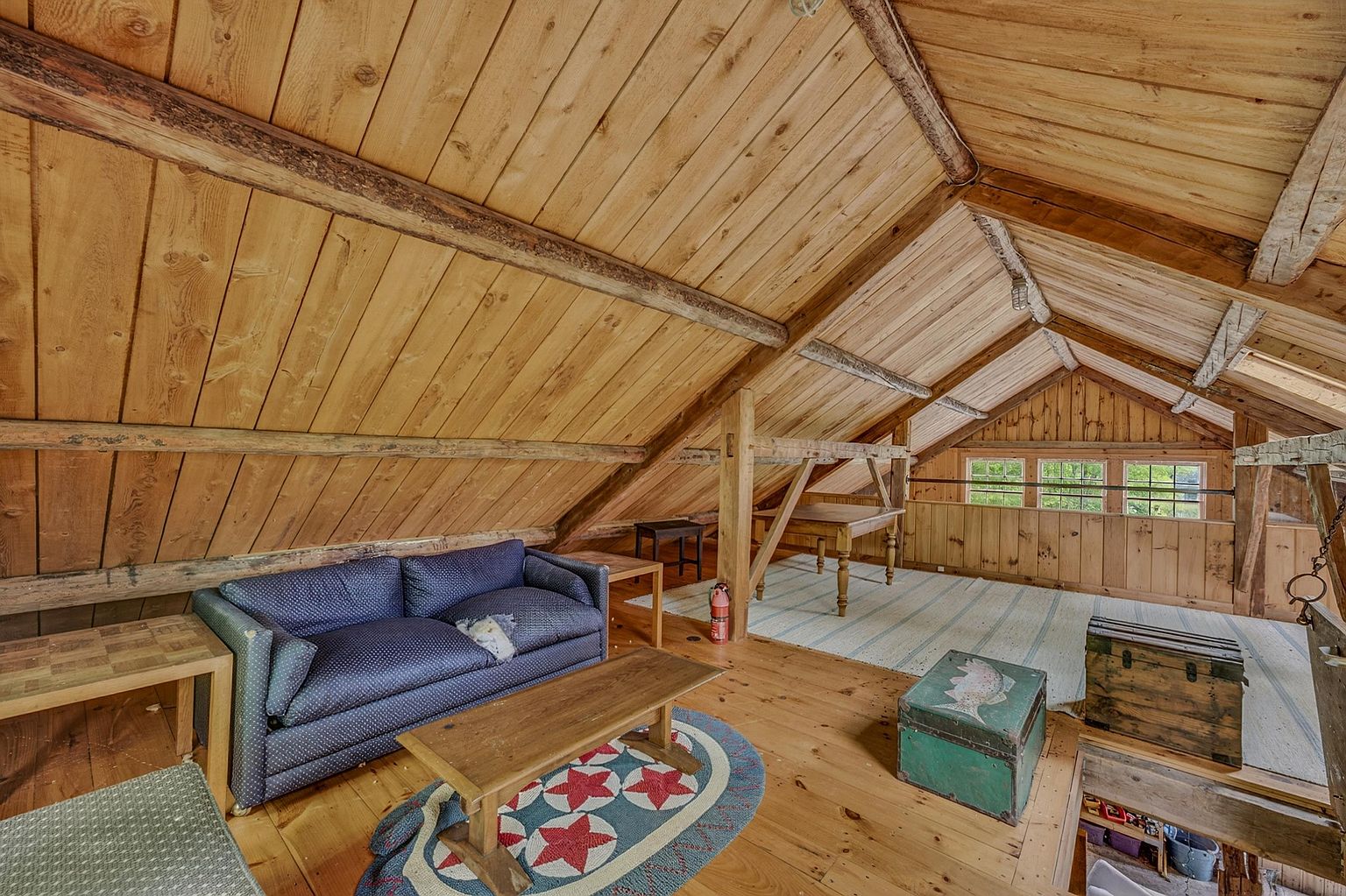
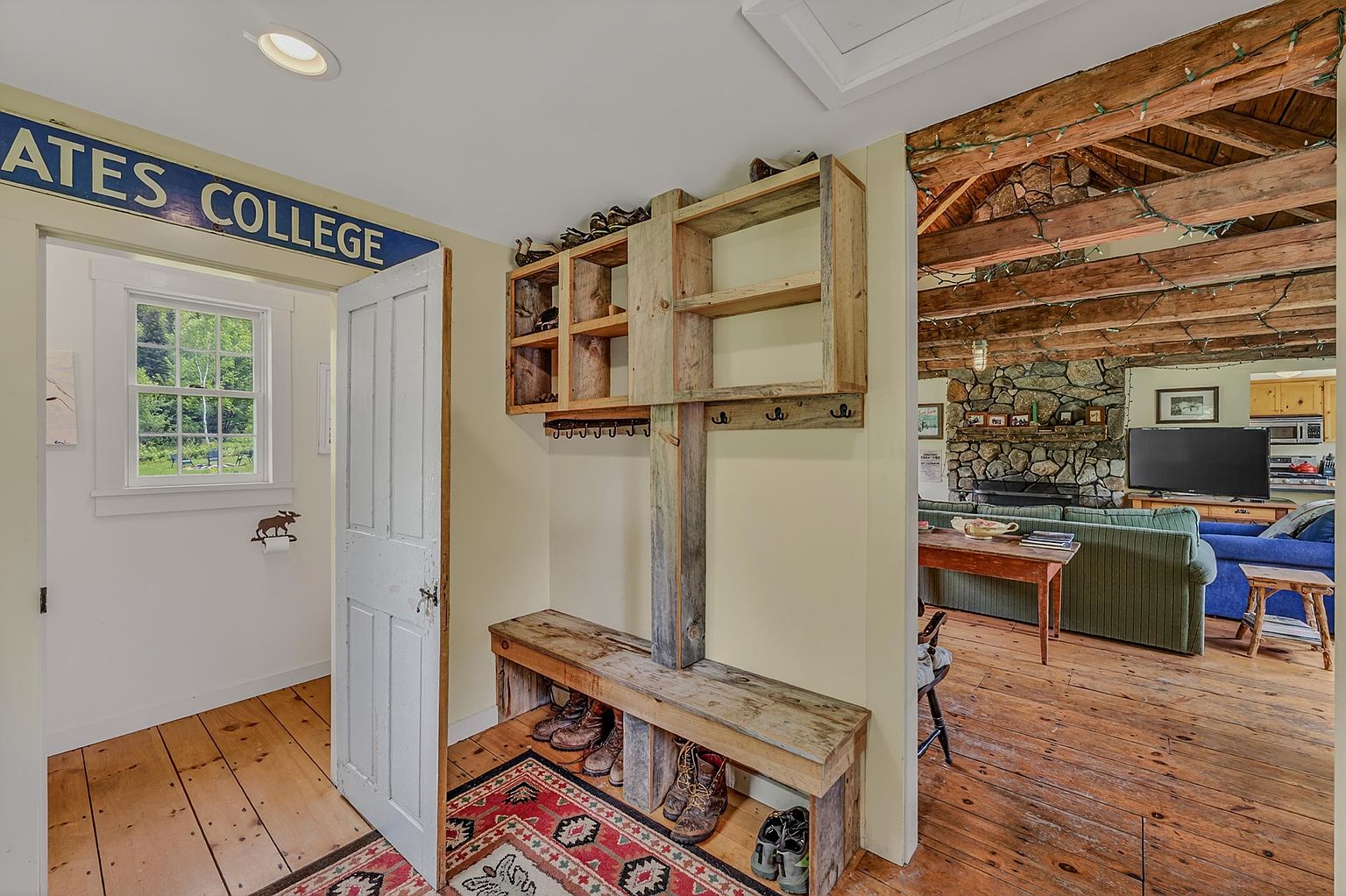
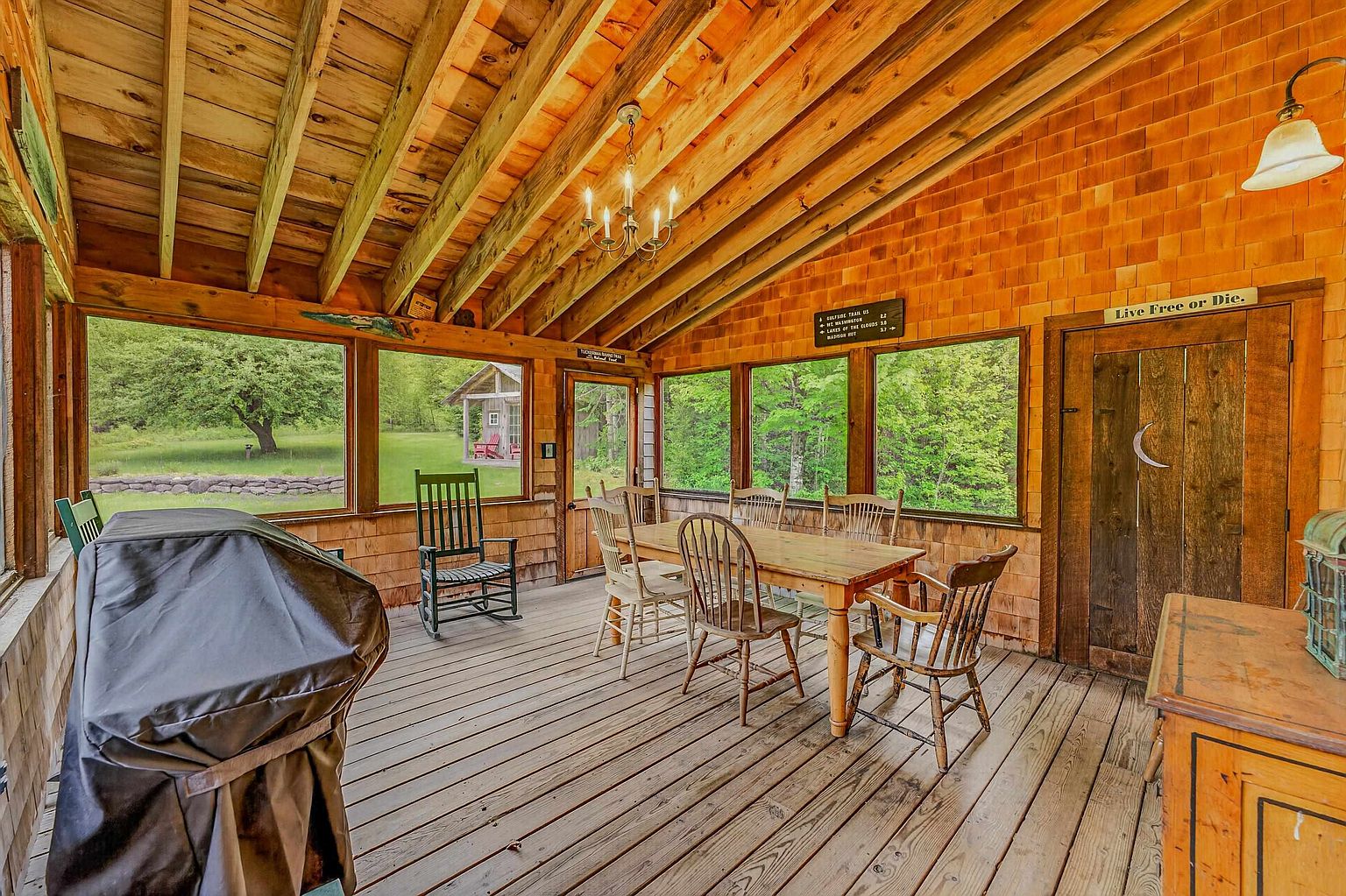
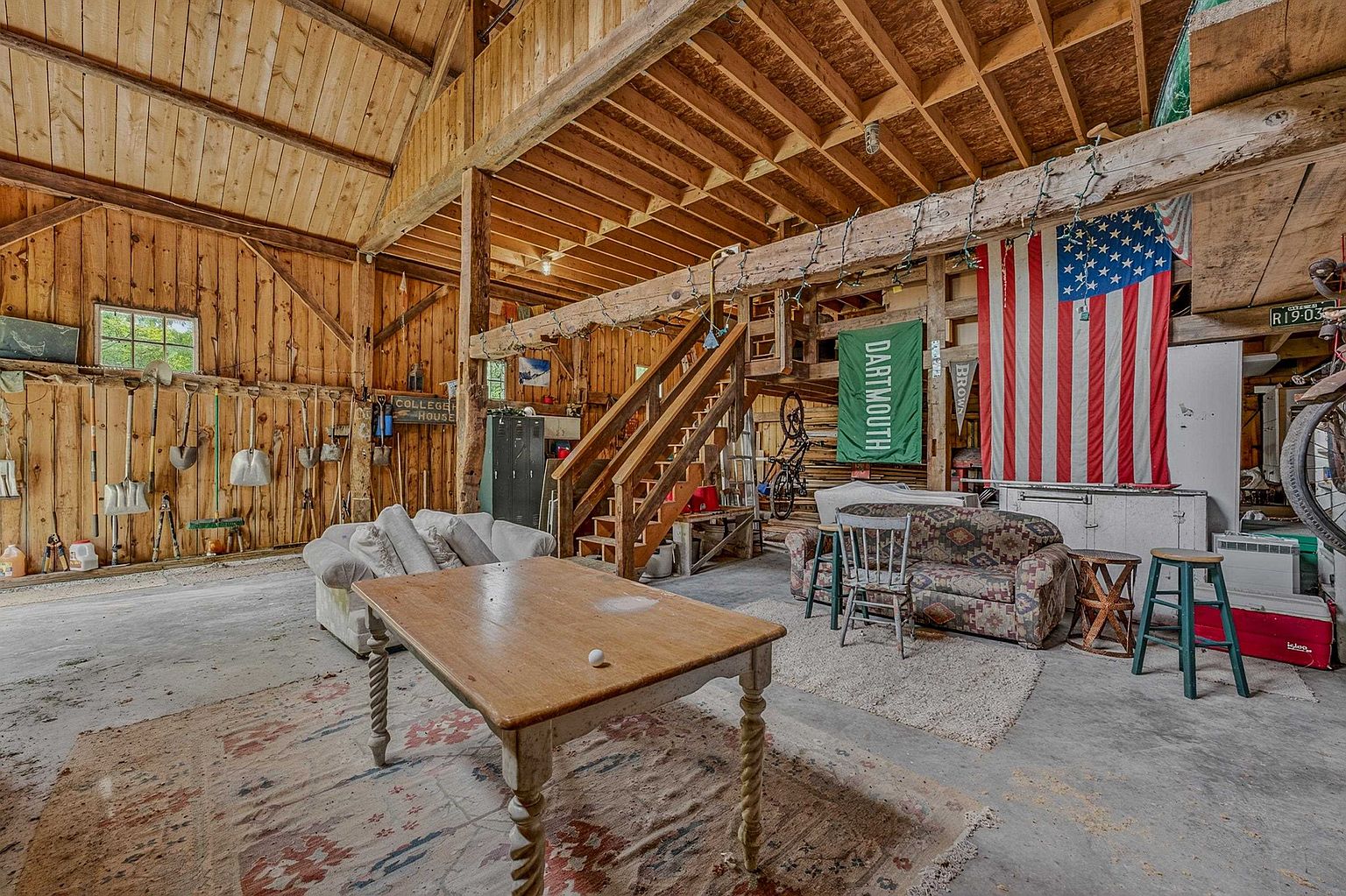
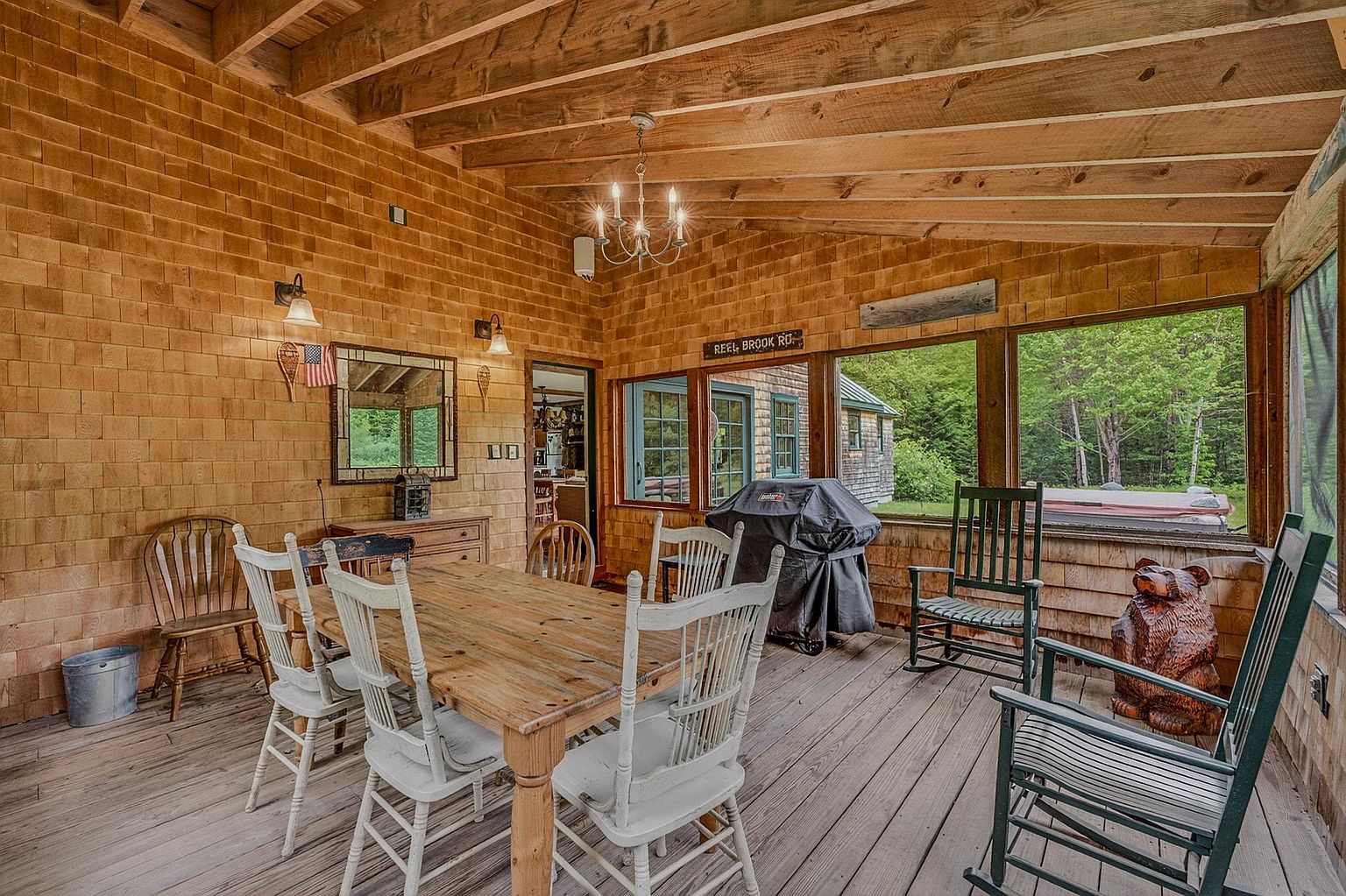
A practical mudroom entry with a half bath manages the rhythms of mountain life with grace, while a large screened porch — complete with an outdoor shower — extends the living season well into autumn. The classic red New England barn, built with 19th-century hand-hewn timbers, offers exceptional storage, workshop, or hobby space on its main floor, and a finished loft above that could serve as a studio, bunkhouse, or private retreat. Cedar shingle siding, a standing seam metal roof, and professionally landscaped grounds dotted with century-old apple trees complete an exterior that is as enduring as it is beautiful.
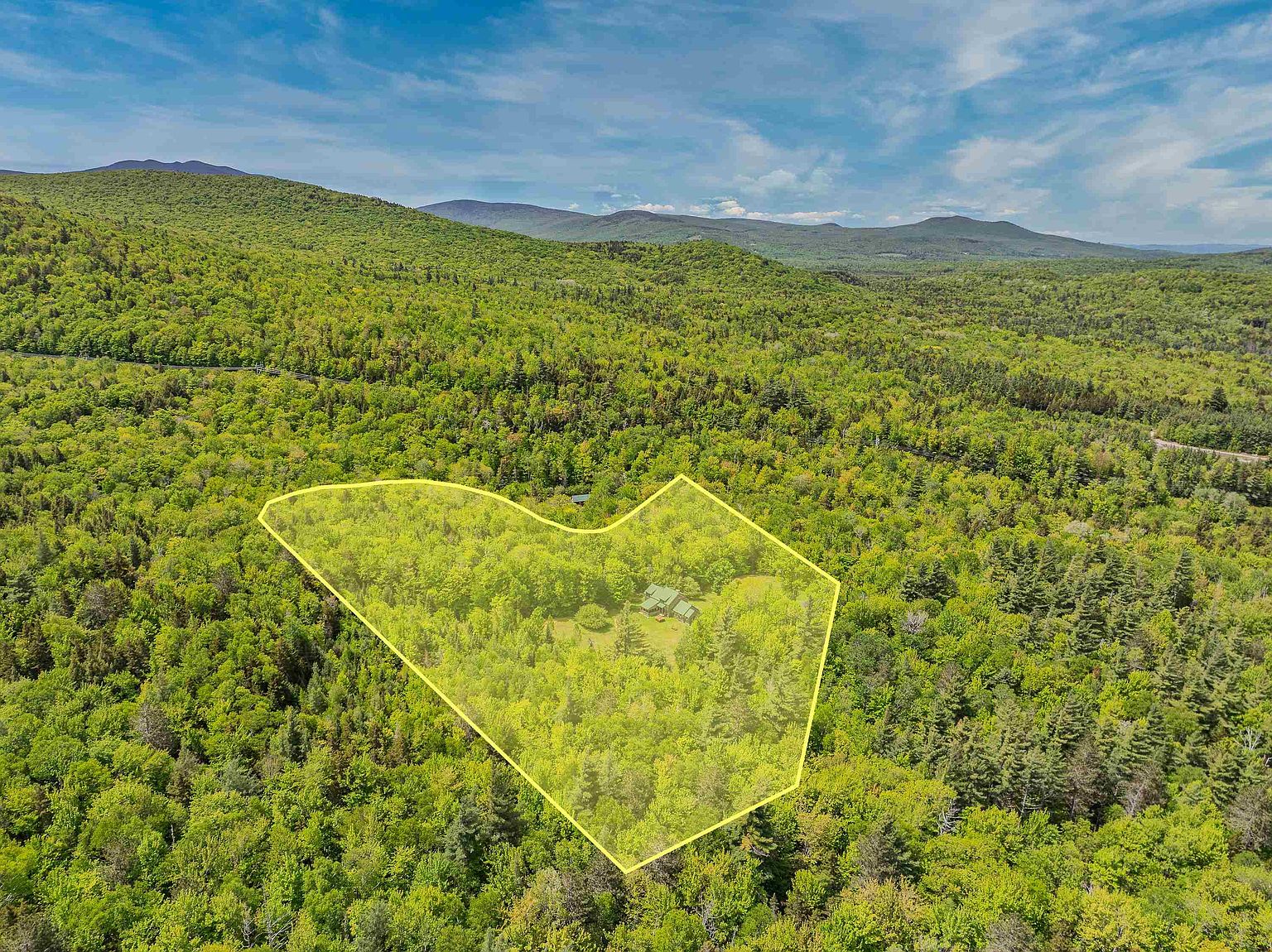
Easton, New Hampshire is one of the quietest and least-trafficked townships in the White Mountains — a deliberate, unhurried place that has managed to remain largely unchanged as neighboring communities have grown more developed. Situated in Grafton County in the heart of the North Country, Easton is bordered on multiple sides by the White Mountain National Forest, making it a natural sanctuary for those who prize solitude, open land, and unmediated access to the outdoors.
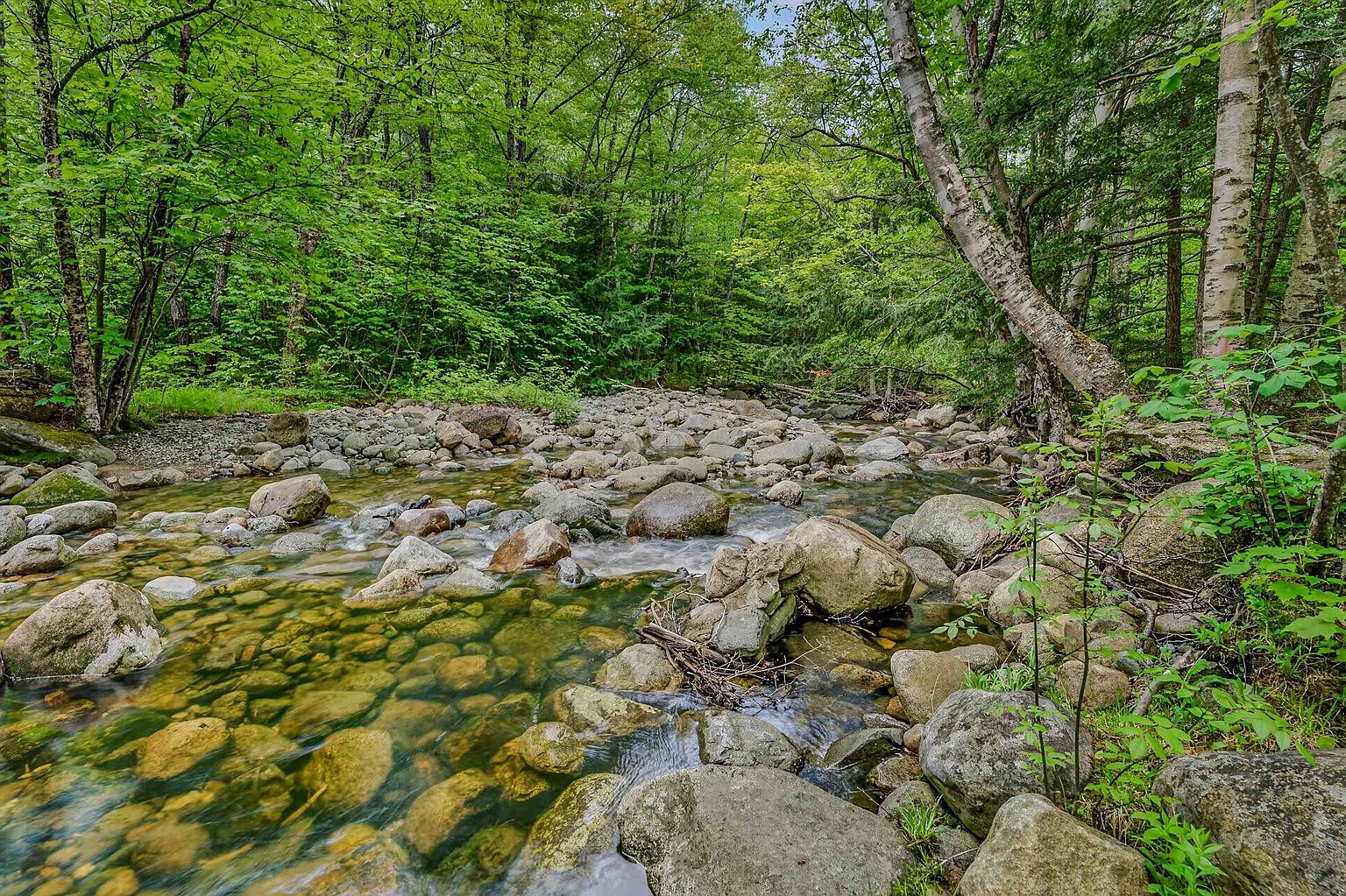
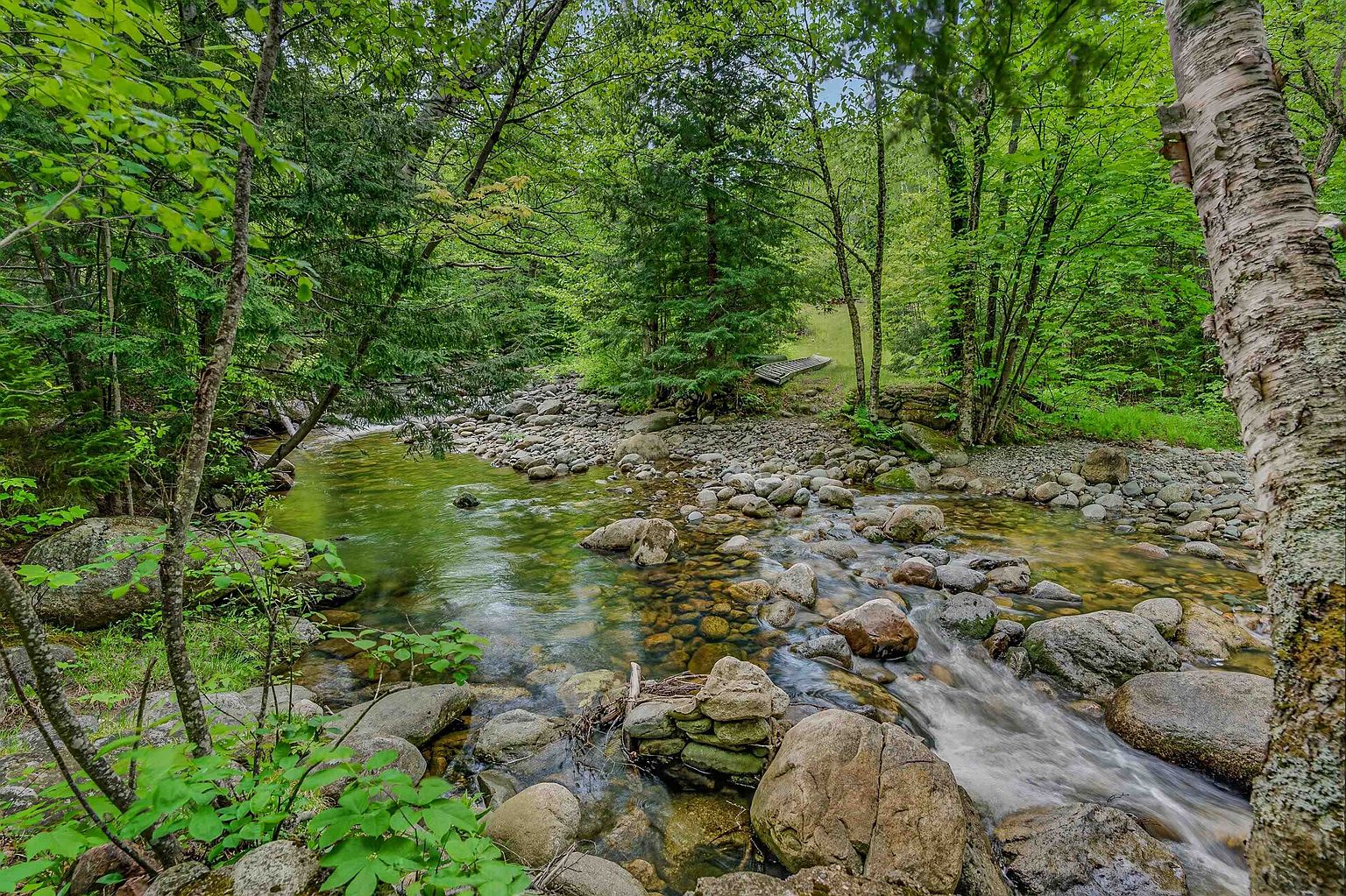
The White Mountain National Forest, which encompasses approximately 800,000 acres across northern New Hampshire and western Maine, provides the extraordinary backdrop against which Reel Brook Farm exists. Three sides of this property abut National Forest land directly, meaning that the wilderness is not a view from a distance but an immediate, living presence. The AMC's Reel Brook Trail departs from the property itself, leading hikers directly to Kinsman Ridge and the iconic Appalachian Trail — one of the most celebrated long-distance hiking corridors in the United States. For the outdoor enthusiast, the implications are profound: world-class hiking, mountain biking, cross-country skiing, snowshoeing, and trout fishing are available not by car, but by foot from the front door.
The nearby town of Franconia, just a short drive from Easton, provides the essential amenities of daily life — grocery stores, restaurants, hardware stores, and community services — without the congestion of a resort town. Franconia Notch State Park, one of New Hampshire's most treasured natural landmarks, is easily accessible and encompasses the Flume Gorge, Echo Lake, and the former site of the Old Man of the Mountain. Cannon Mountain, located within the park, offers alpine skiing and a renowned aerial tramway with sweeping views of the Presidential Range.
The broader region has long attracted artists, writers, and intellectuals drawn to its dramatic landscapes and contemplative quiet. Robert Frost himself lived and wrote in the Franconia area, and the Robert Frost Farm in nearby Franconia is preserved as a museum and historic site, celebrating his years in these hills. That Reel Brook Farm's own history is woven into Frost's literary legacy adds a layer of cultural depth that distinguishes it from any other property in the region.
For families, the area offers access to quality schools within the Franconia and Profile School districts, as well as proximity to Dartmouth College in Hanover — roughly an hour's drive south — which anchors the Upper Connecticut River Valley with cultural programming, medical facilities, and one of the finest academic communities in the country. Manchester-Boston Regional Airport and Burlington International Airport provide regional air access, while Boston is approximately two and a half hours by car.
What Easton offers, above all else, is the increasingly rare experience of genuine privacy in a landscape of extraordinary natural beauty — a place where the boundary between home and wilderness dissolves, and where the pace of life is set not by schedules, but by seasons.
Featured Highlights
Curated Content • Presented by Stephen Gorman