The Story Behind
Above the Strip, A Modern Masterwork Commands Los Angeles
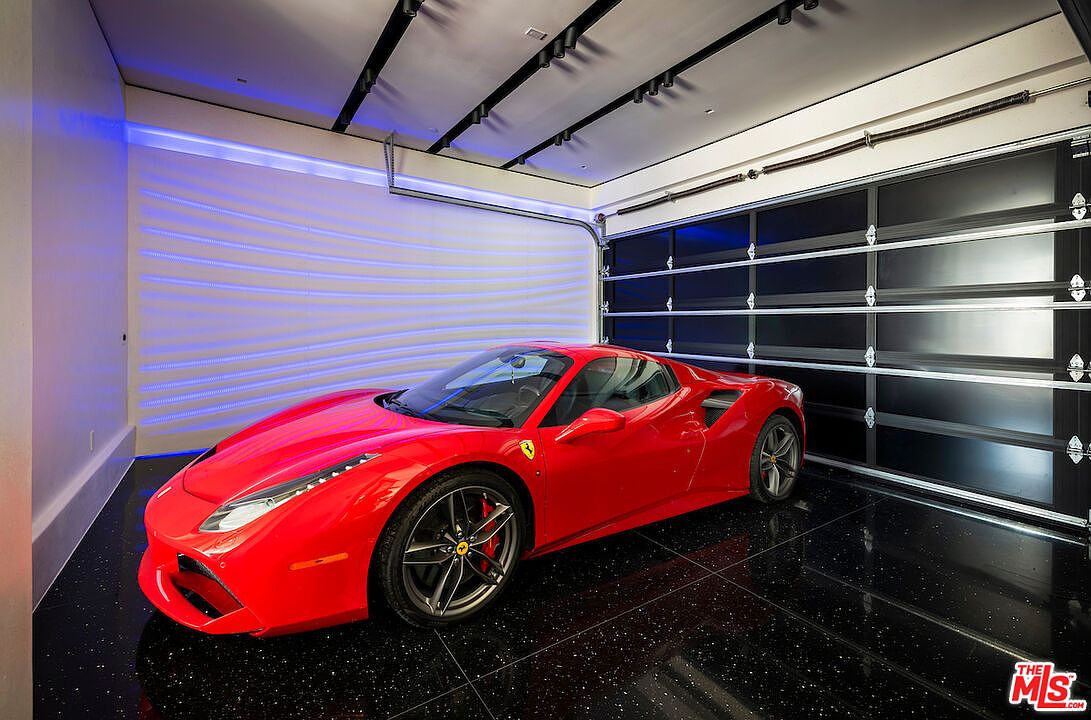
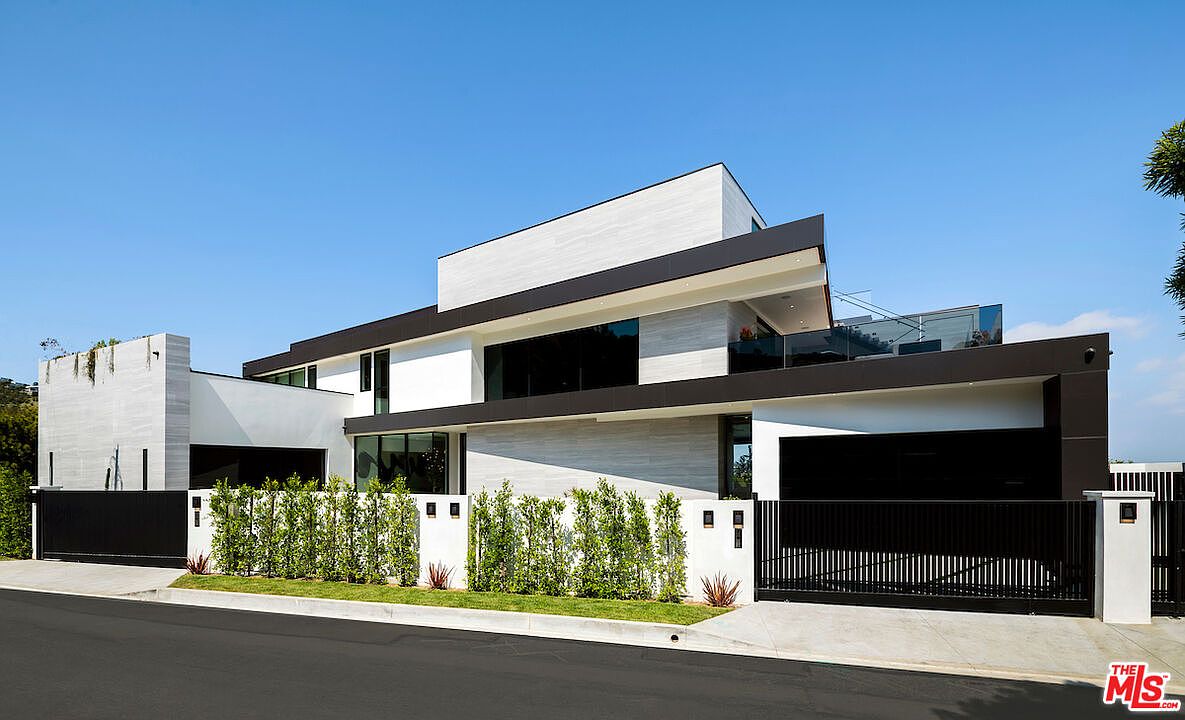
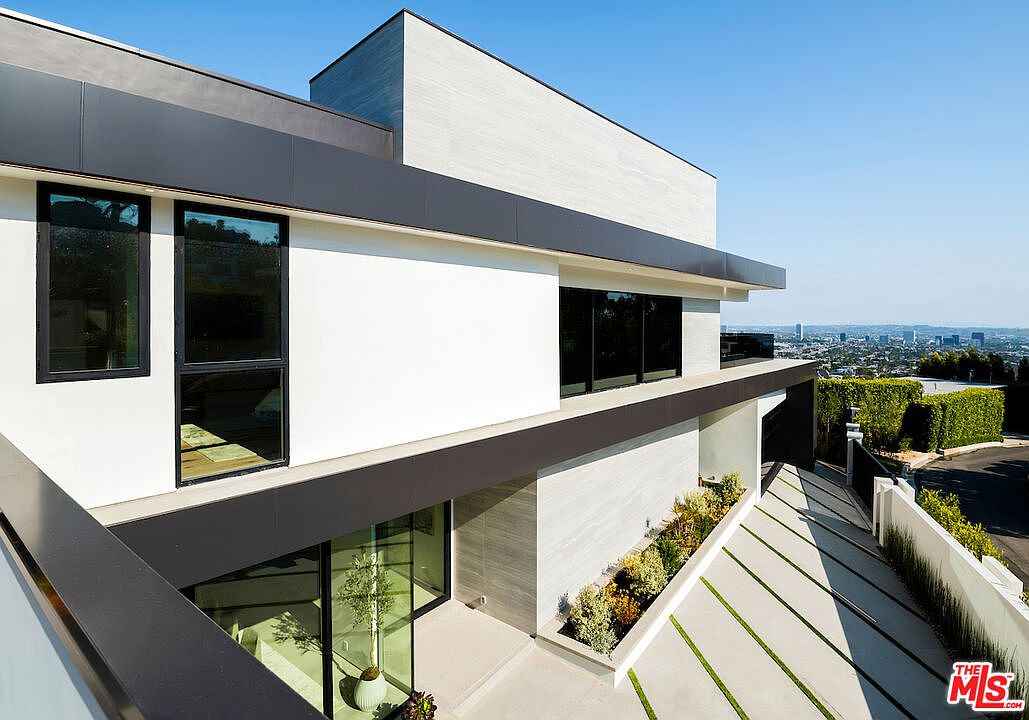
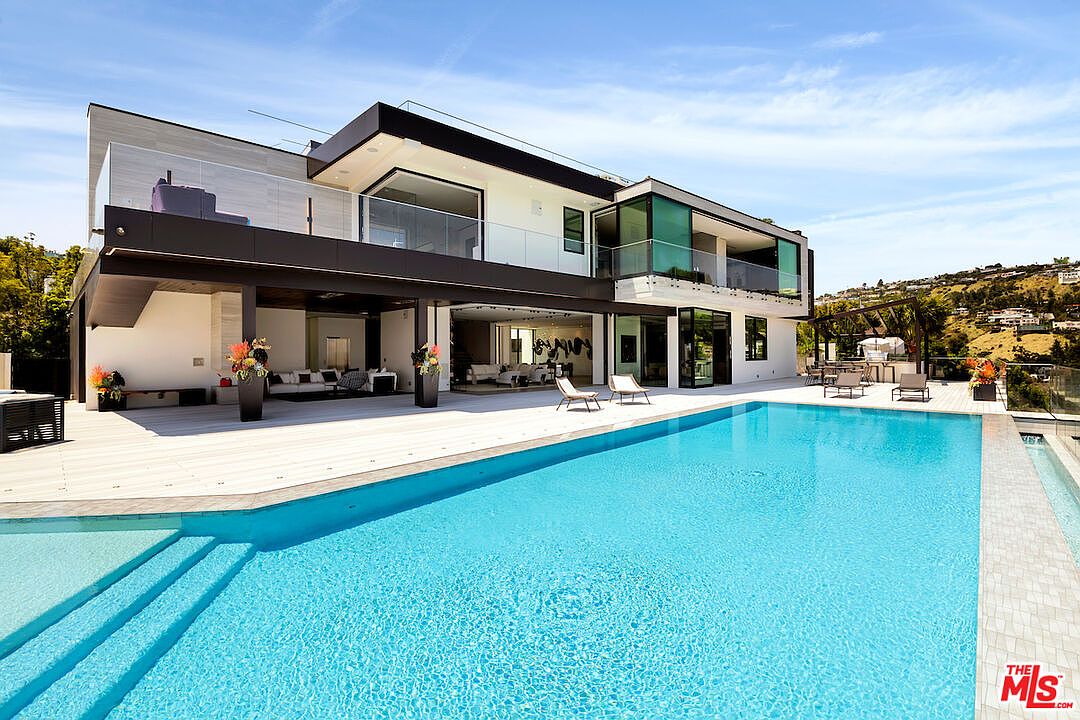
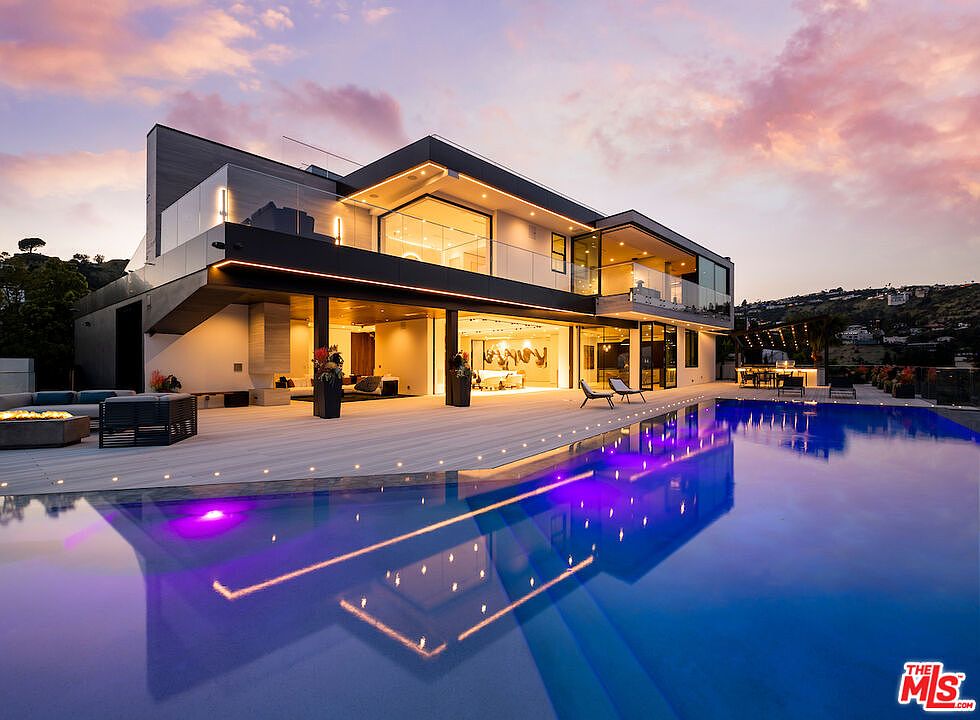
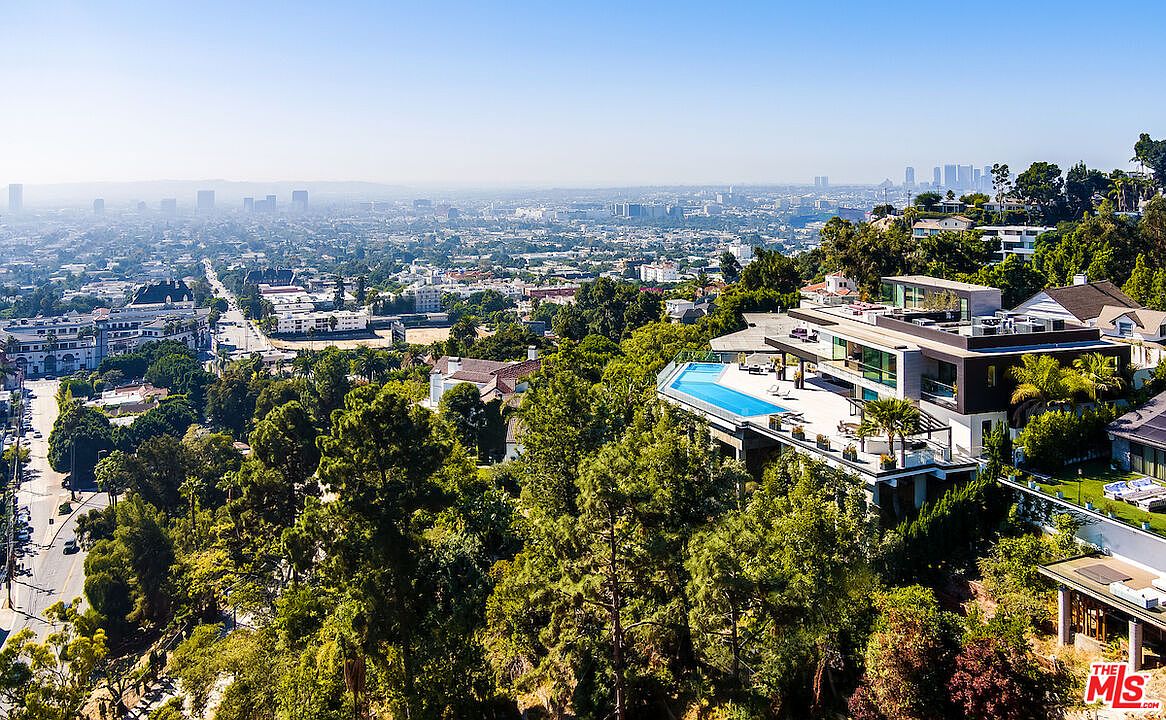
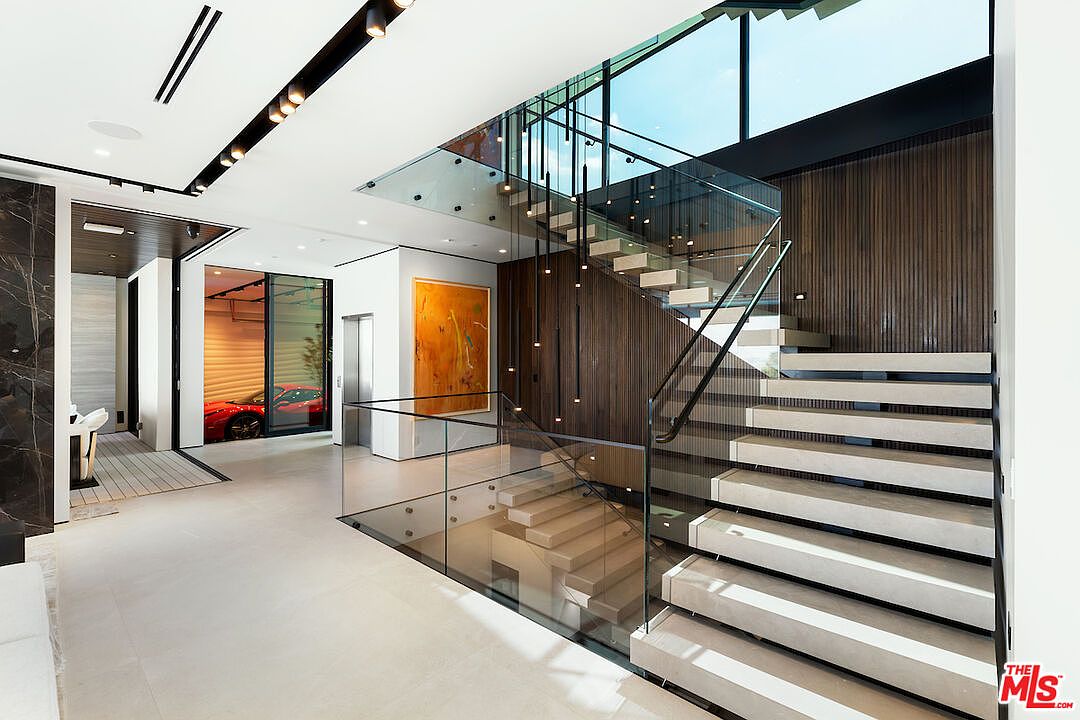
There is a particular kind of architecture that does not merely occupy a hillside — it converses with it. The residence at 8116 Laurel View Drive is precisely that kind of home. Newly constructed and positioned on a prime lower hillside above the Chateau Marmont, the property announces itself through a modern steel, stone, and glass facade that feels at once monumental and restrained, its horizontal lines echoing the ridge on which it sits. Past a double-gated motor court — itself flanked by a showroom-caliber car gallery — the interior world designed by award-winning Nathalie M Designs reveals itself in full.
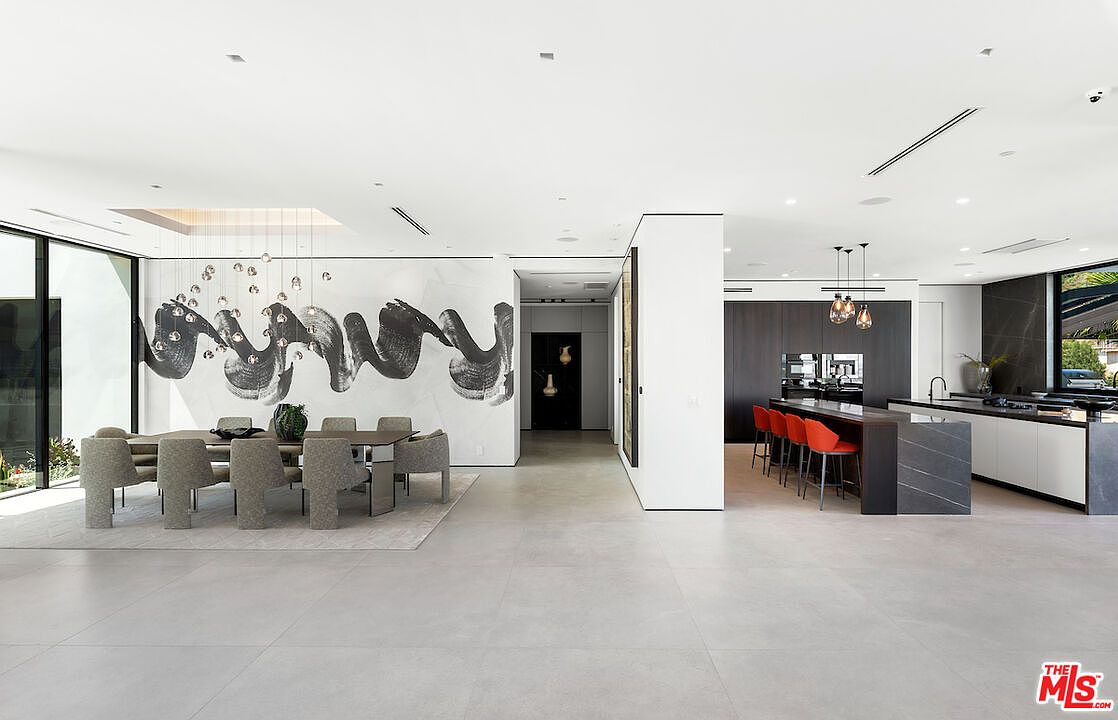
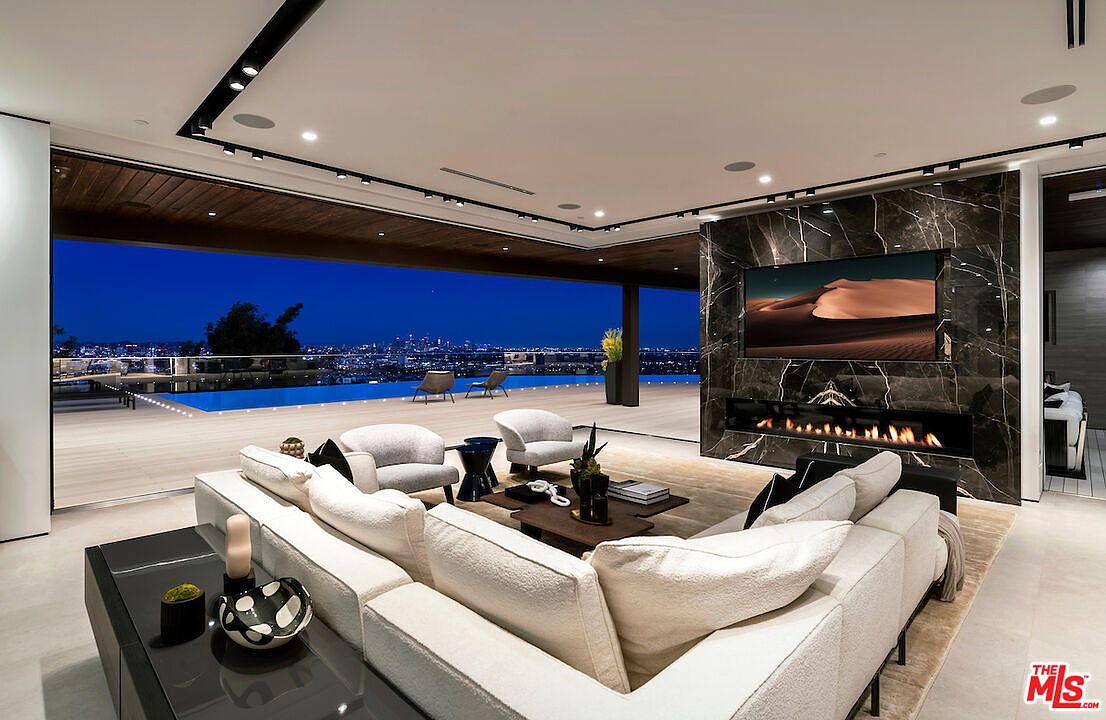
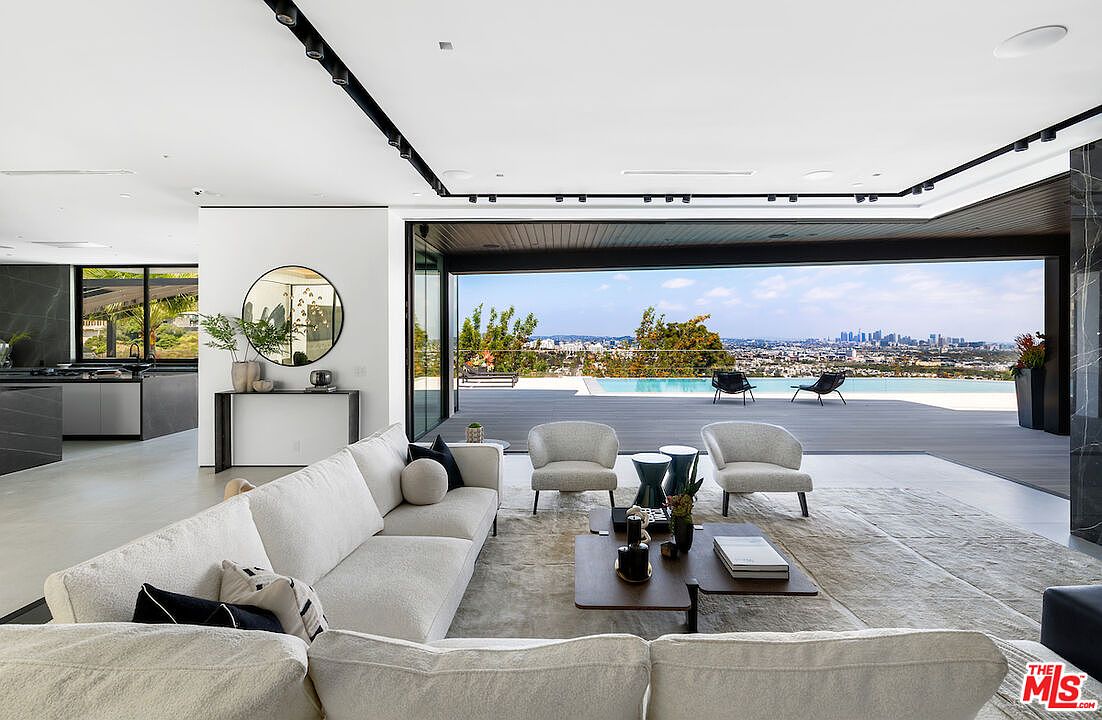
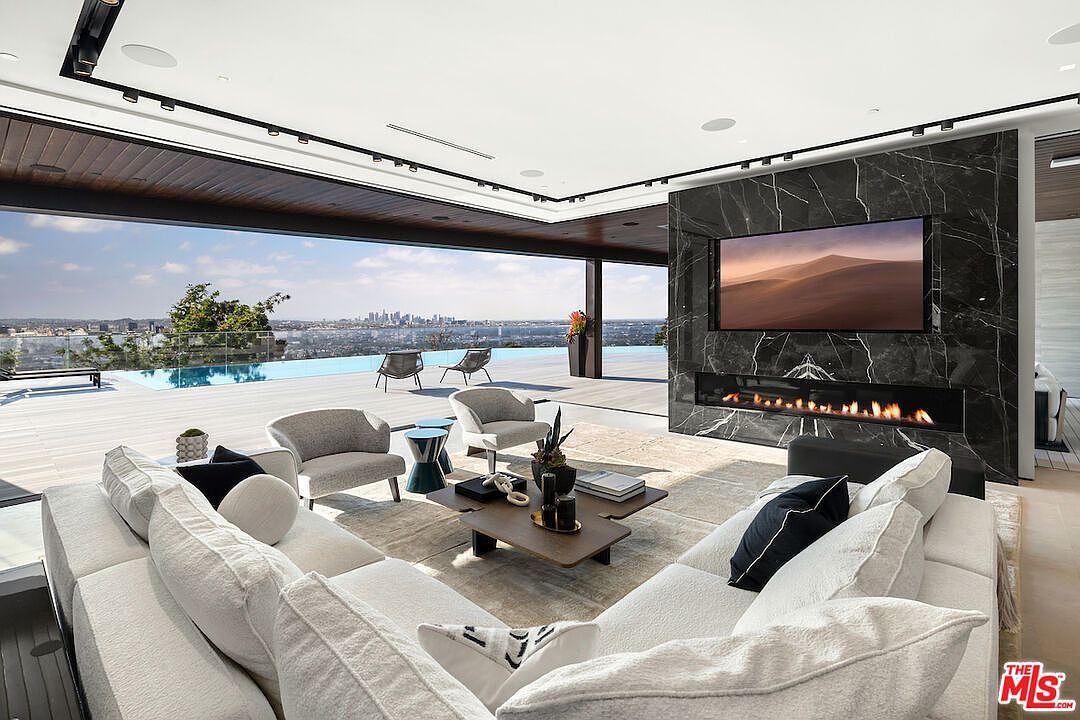
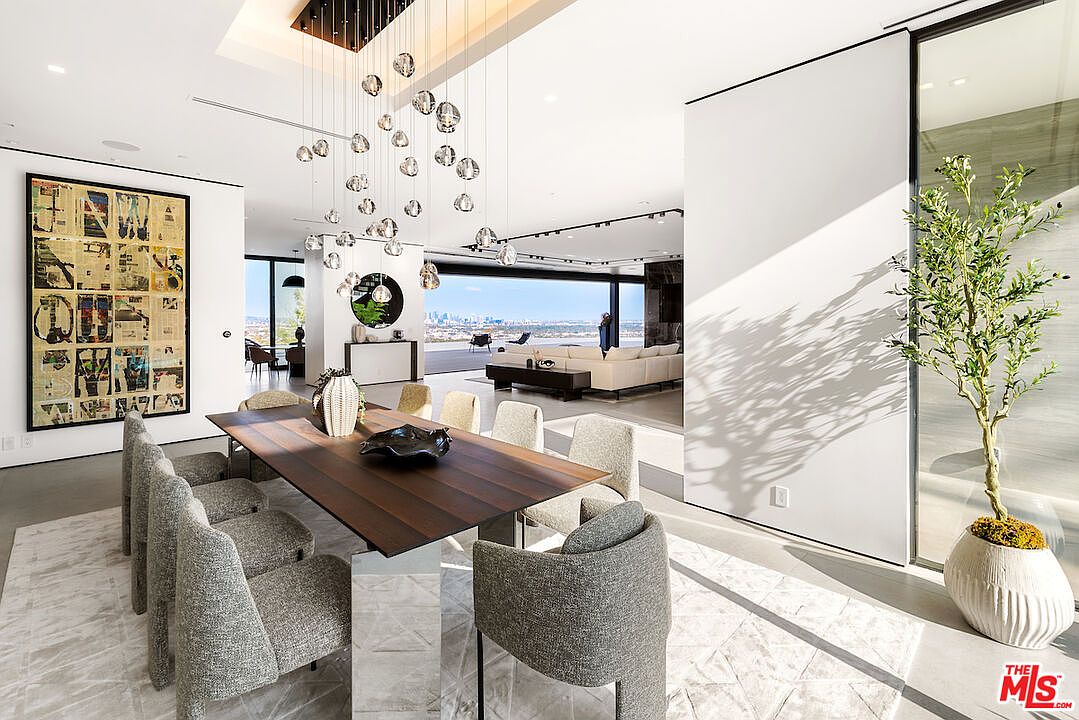
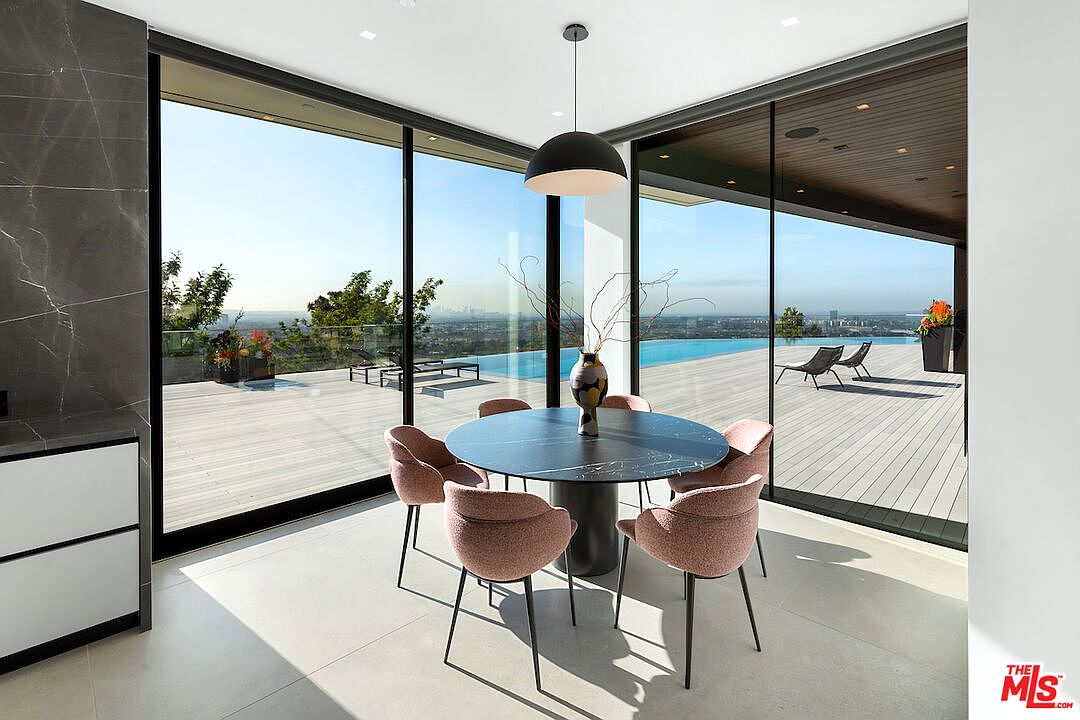
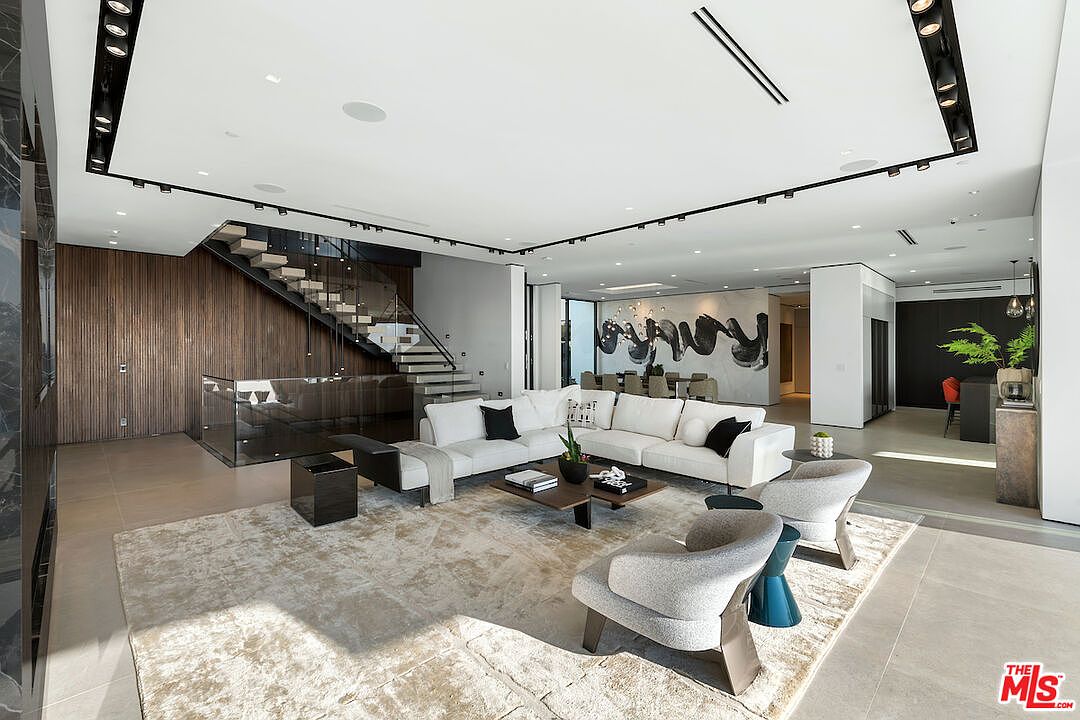
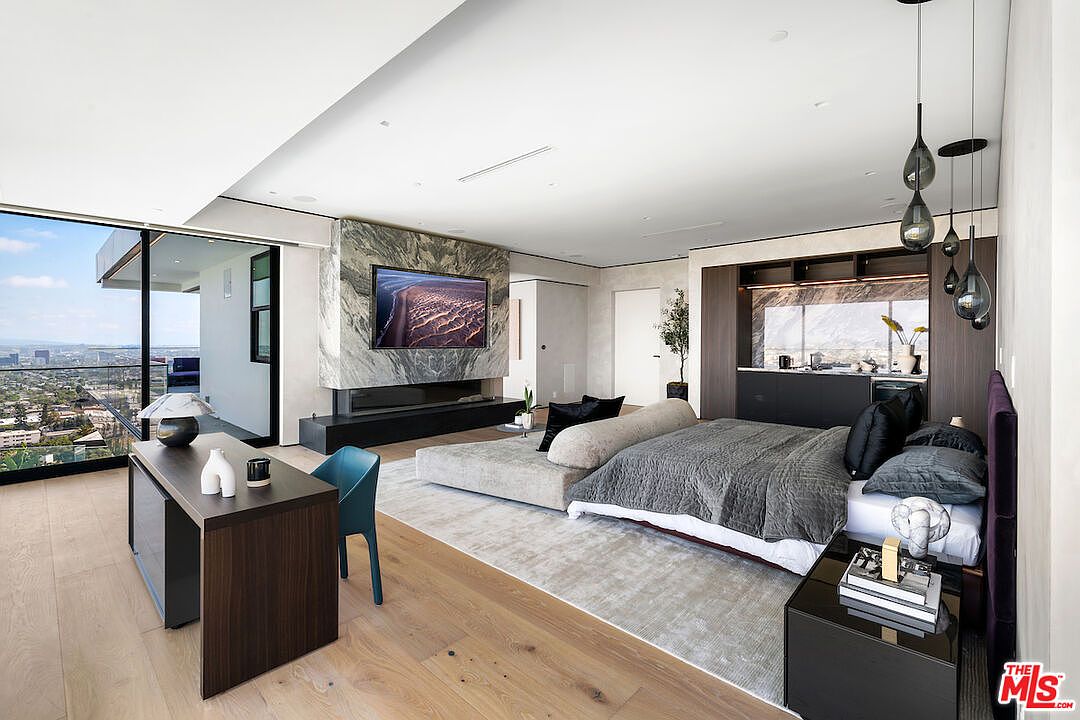
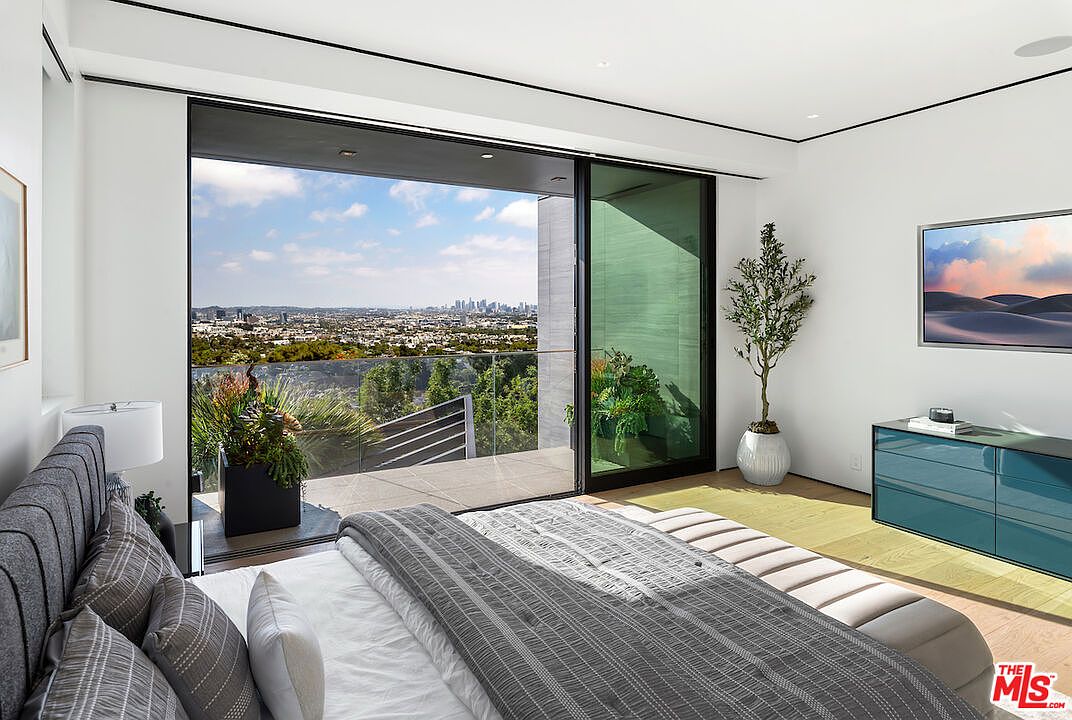
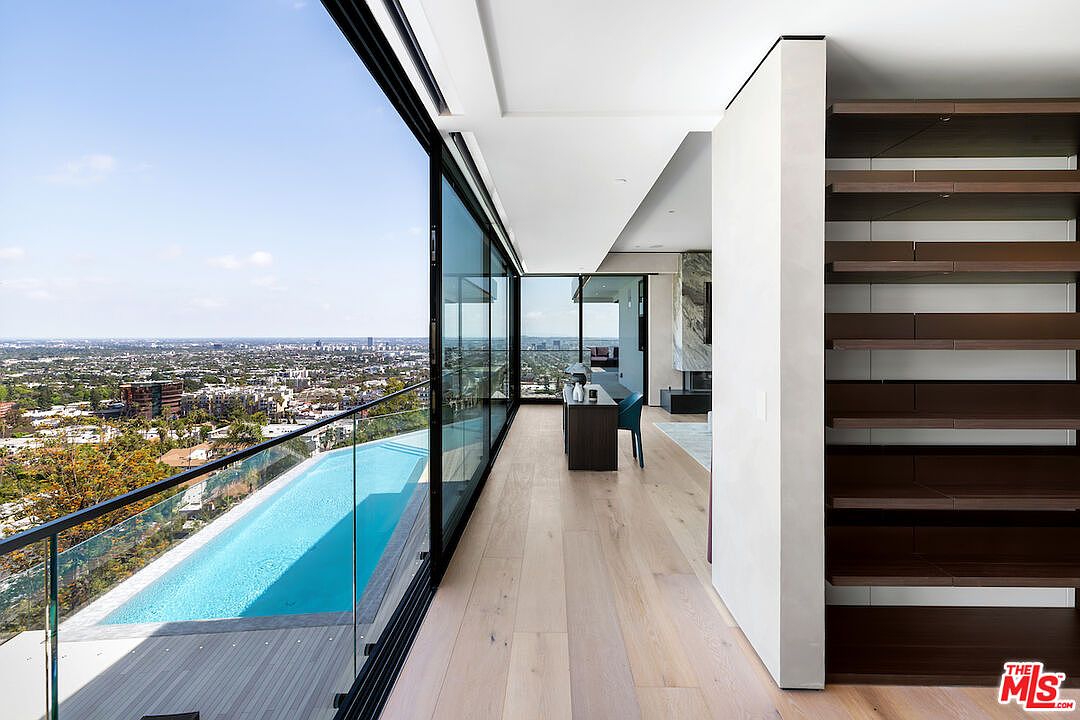
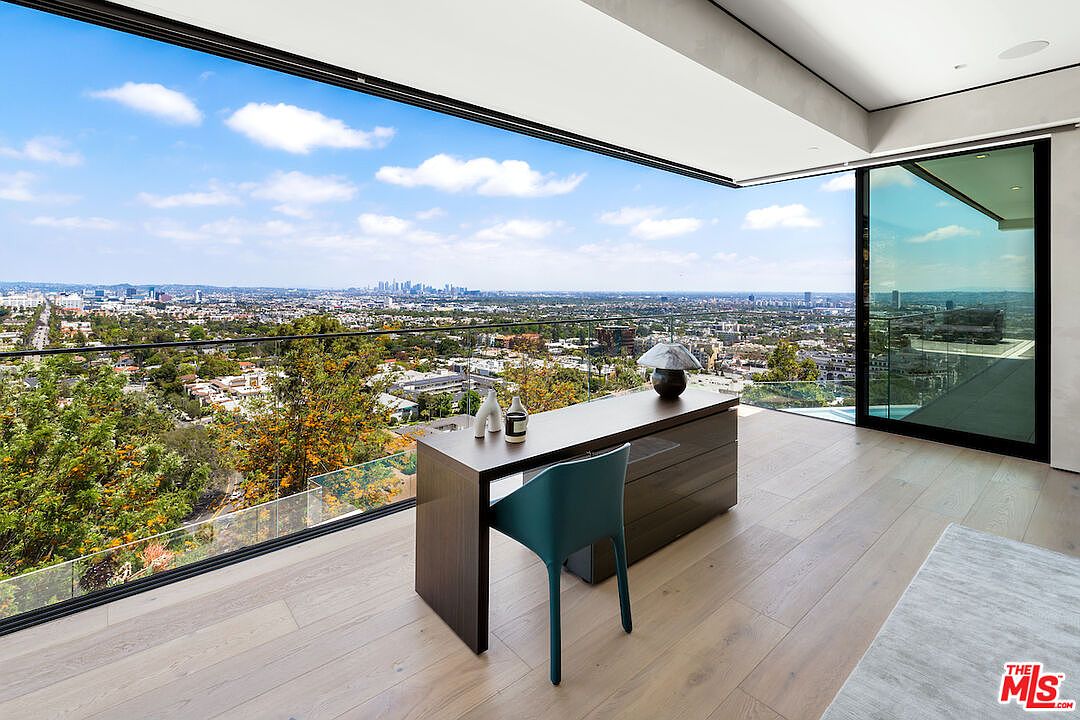
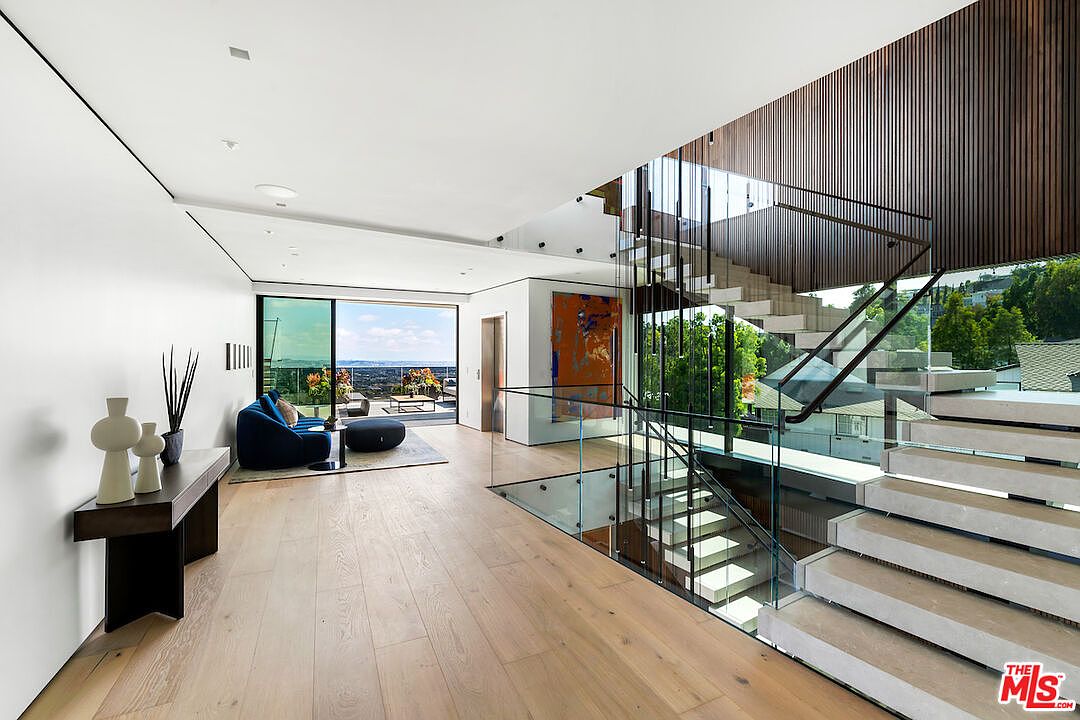
Architectural clean lines govern every room, yet the home never feels cold. European Oak wire-brushed floors run throughout, lending warmth to spaces that might otherwise read as purely minimal. The central device of the design is the disappearing wall of glass — a recurring motif that dissolves the boundary between interior and exterior, drawing the Los Angeles skyline into every principal room as a living, breathing work of art.
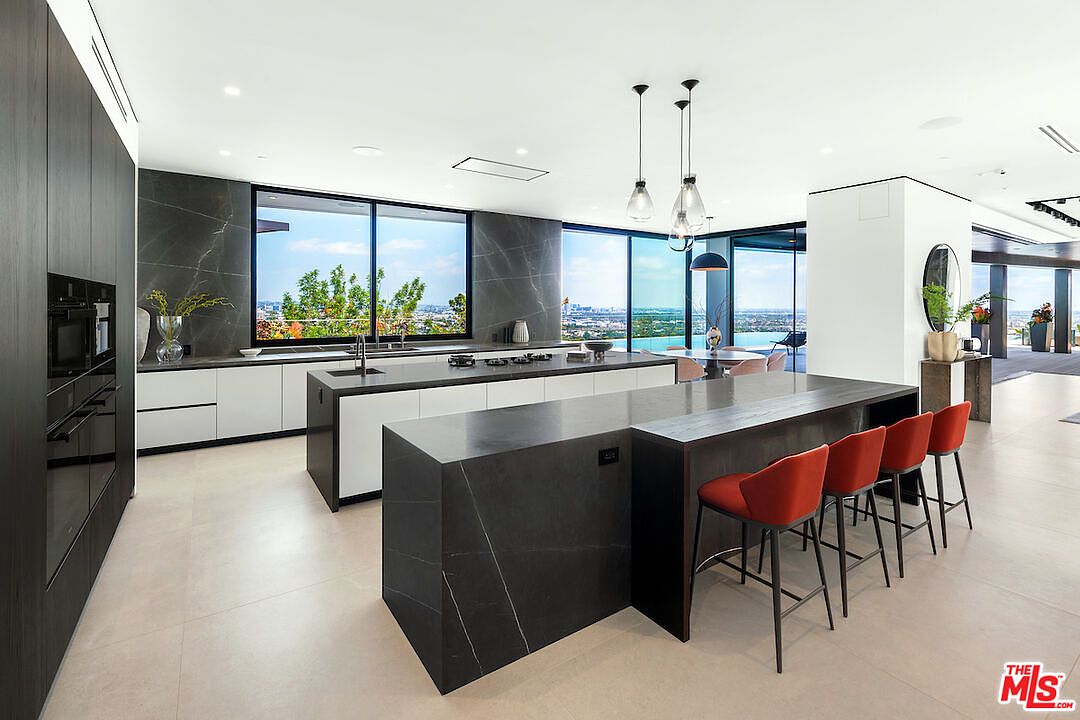
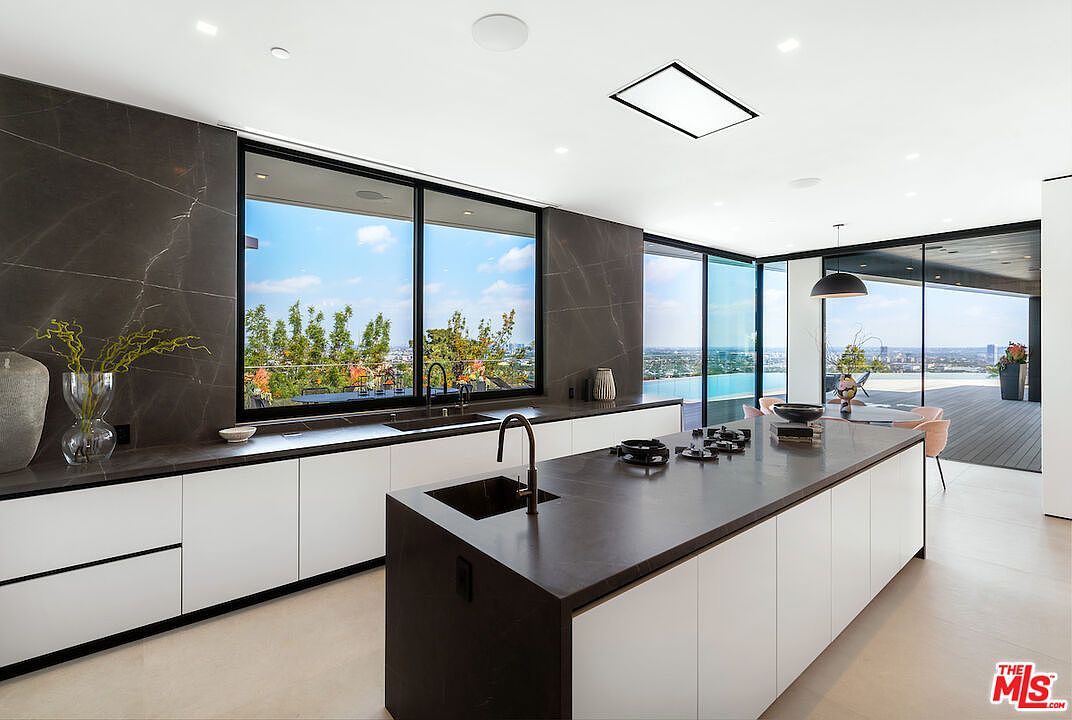
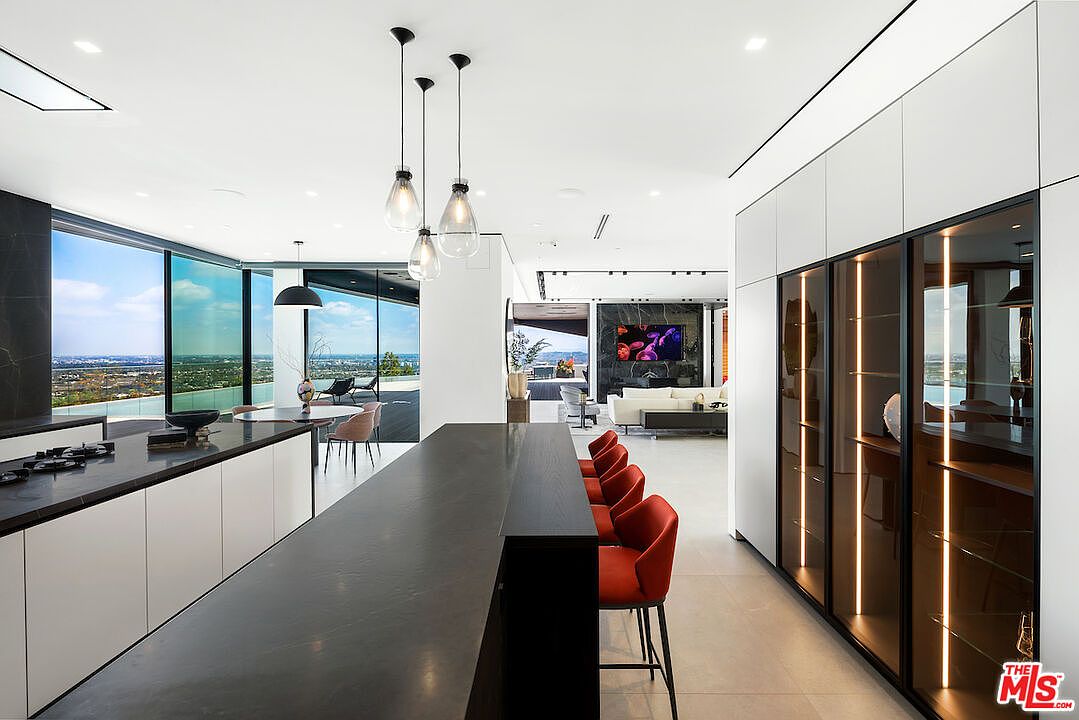
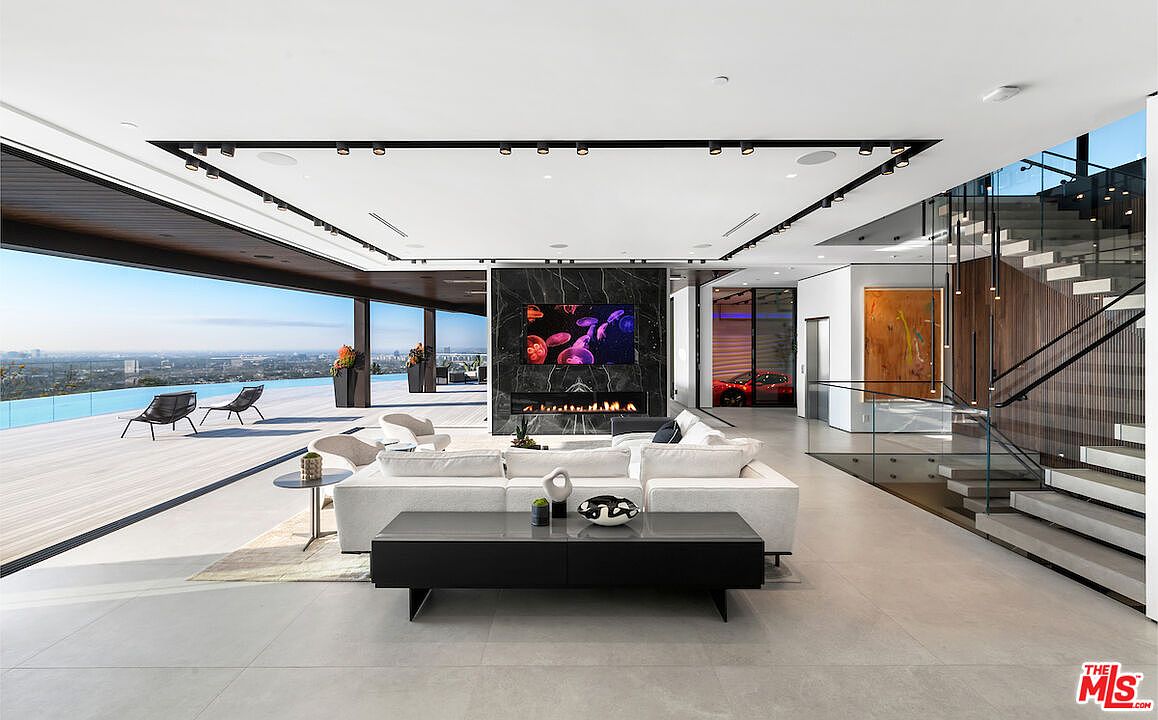
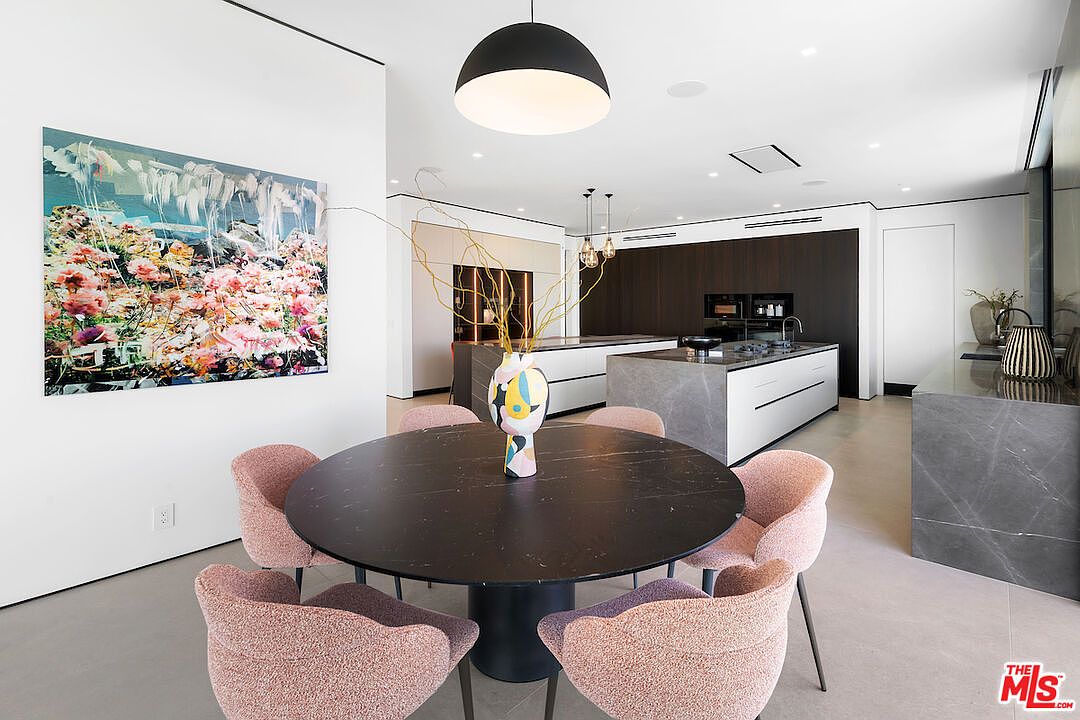
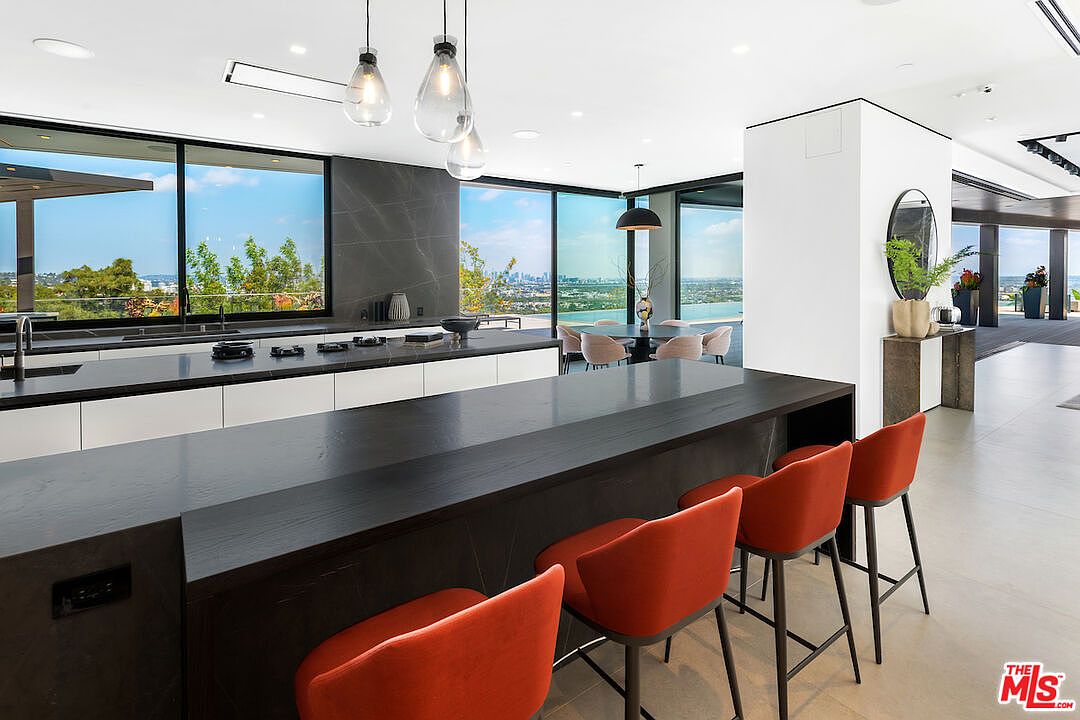
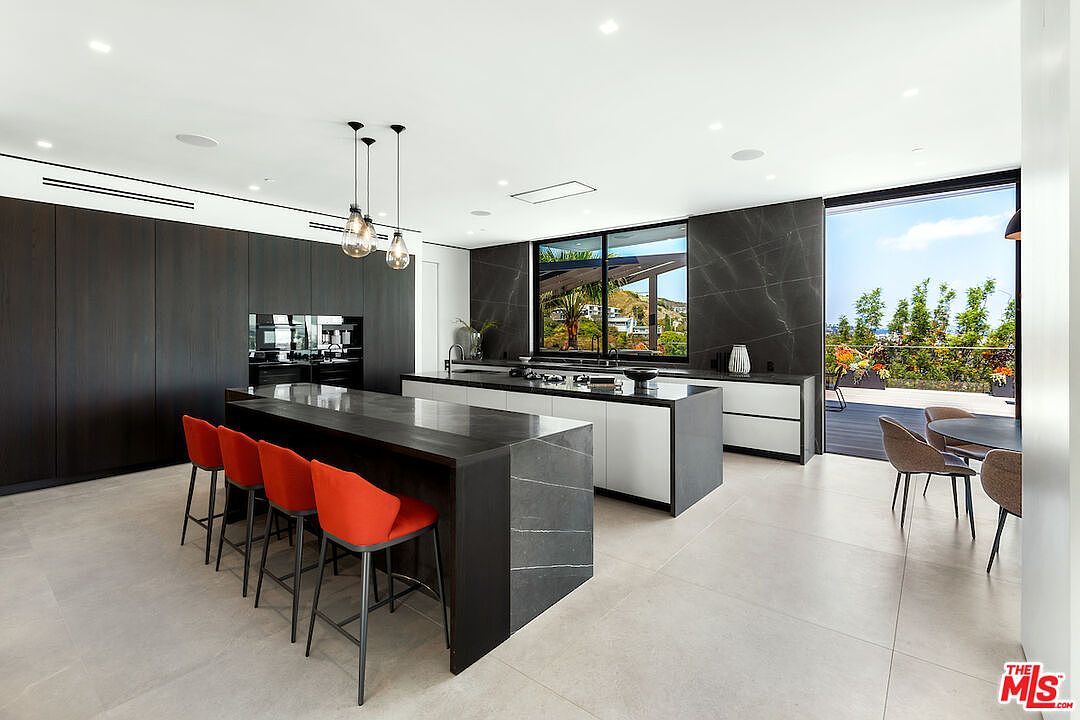
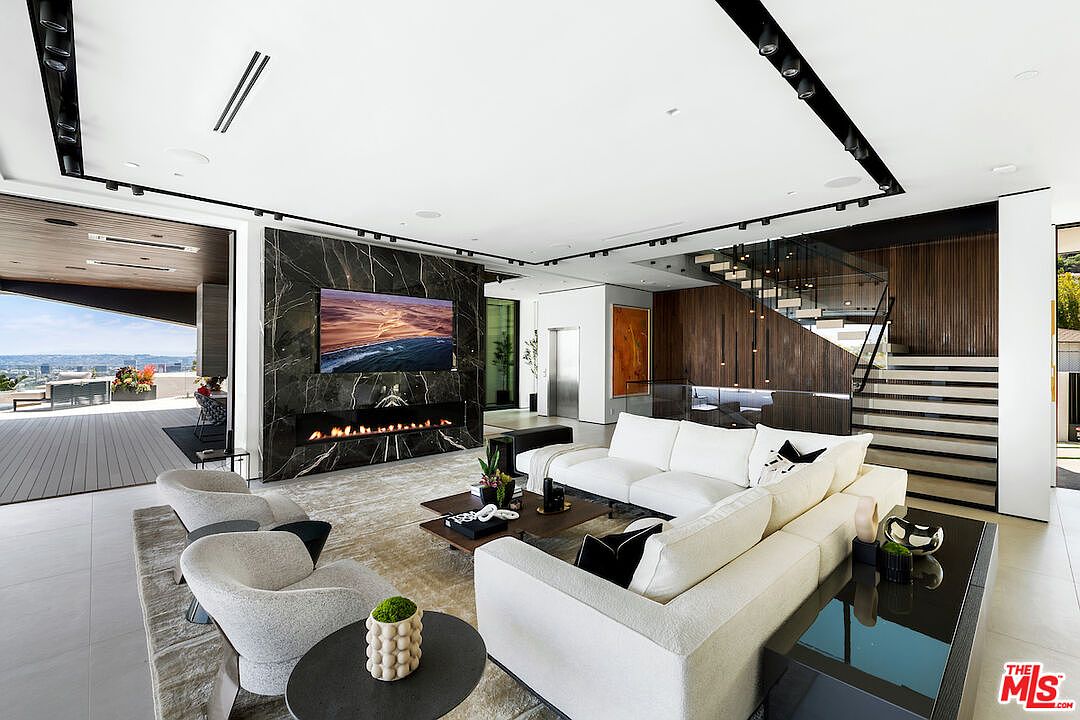
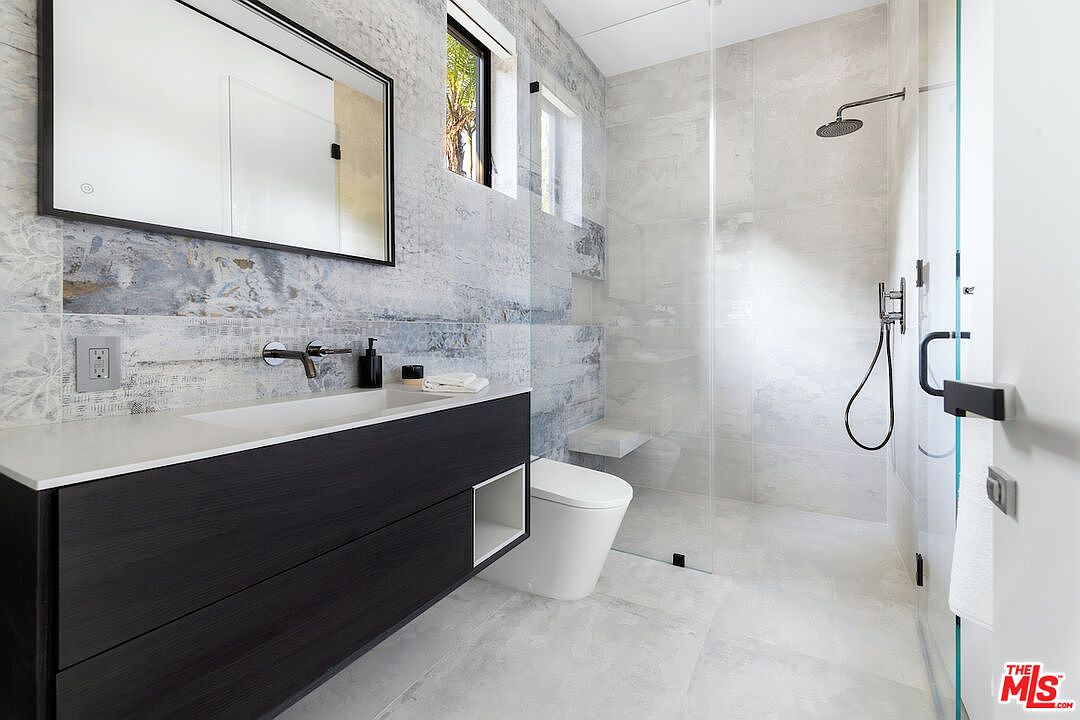
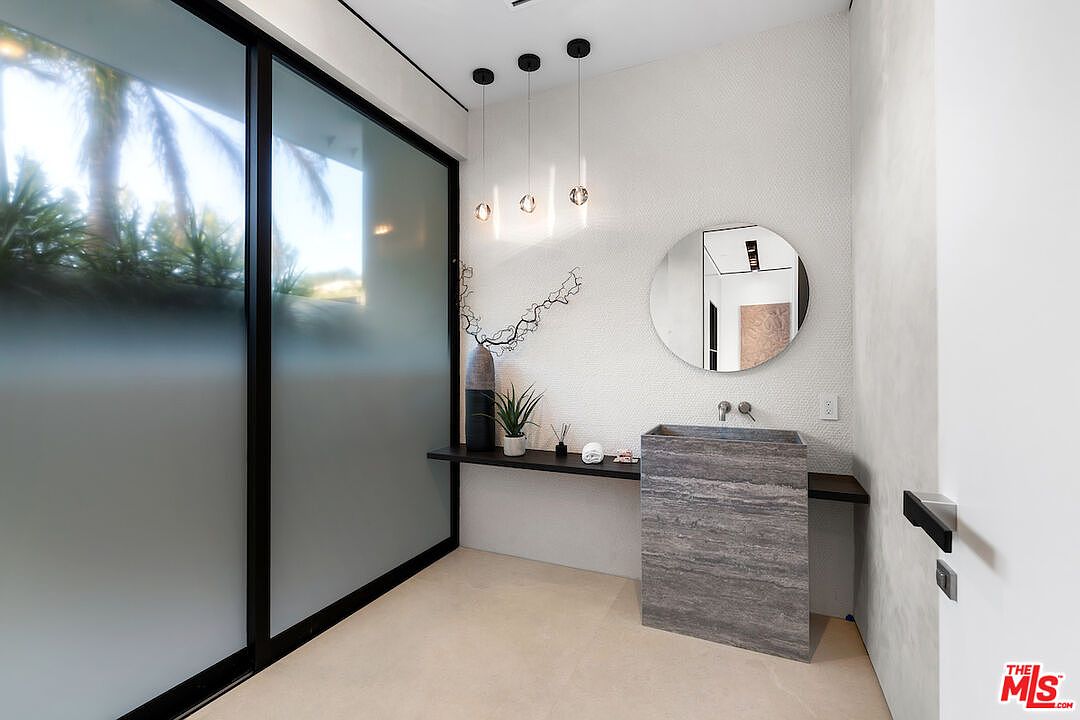
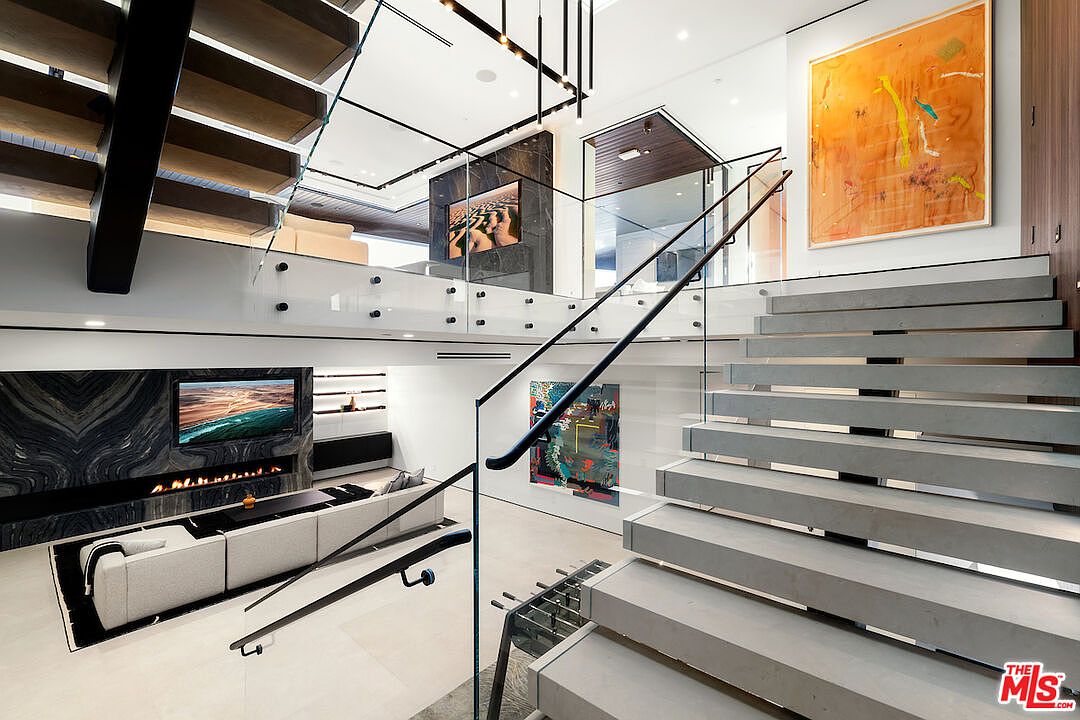
The main level is organized around the grand living area, where an impressive stone fireplace grounds a space designed for both intimate evenings and grand-scale entertaining. The dual-island kitchen — outfitted with custom two-tone cabinetry, shadowy stone waterfall surfaces, and seamless top-grade appliances — sits open to both the main living and dining areas, a designer butler's pantry positioned just beyond for effortless service. A secondary ensuite bedroom and a guest powder room with a striking stone pedestal sink complete this floor's considered program.
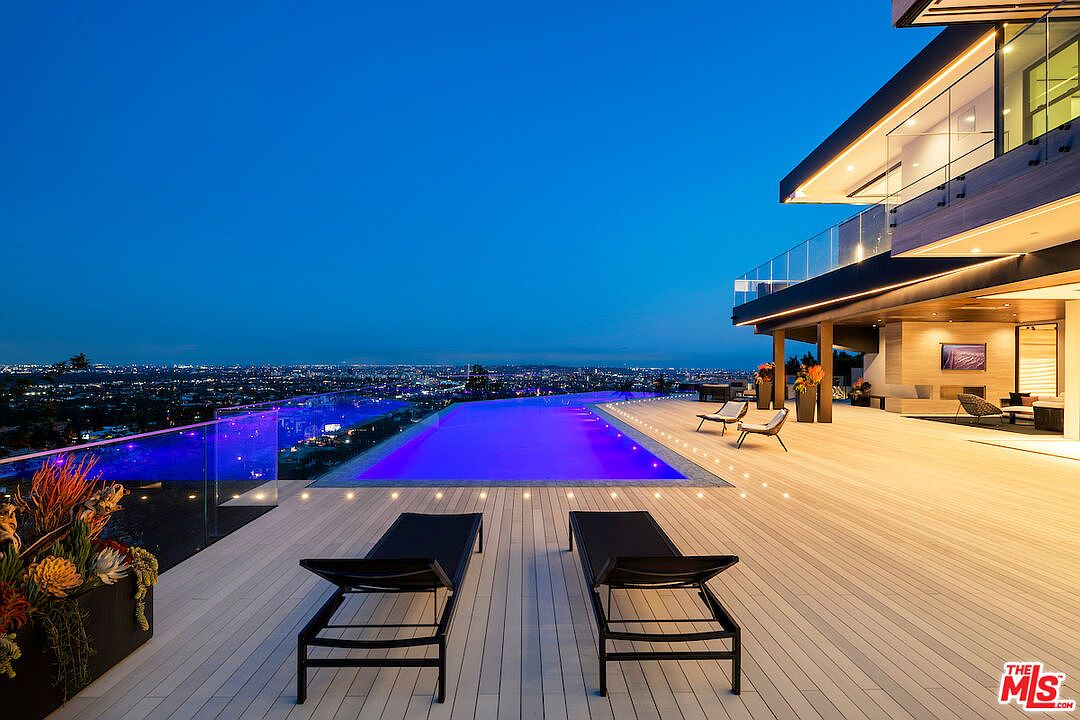
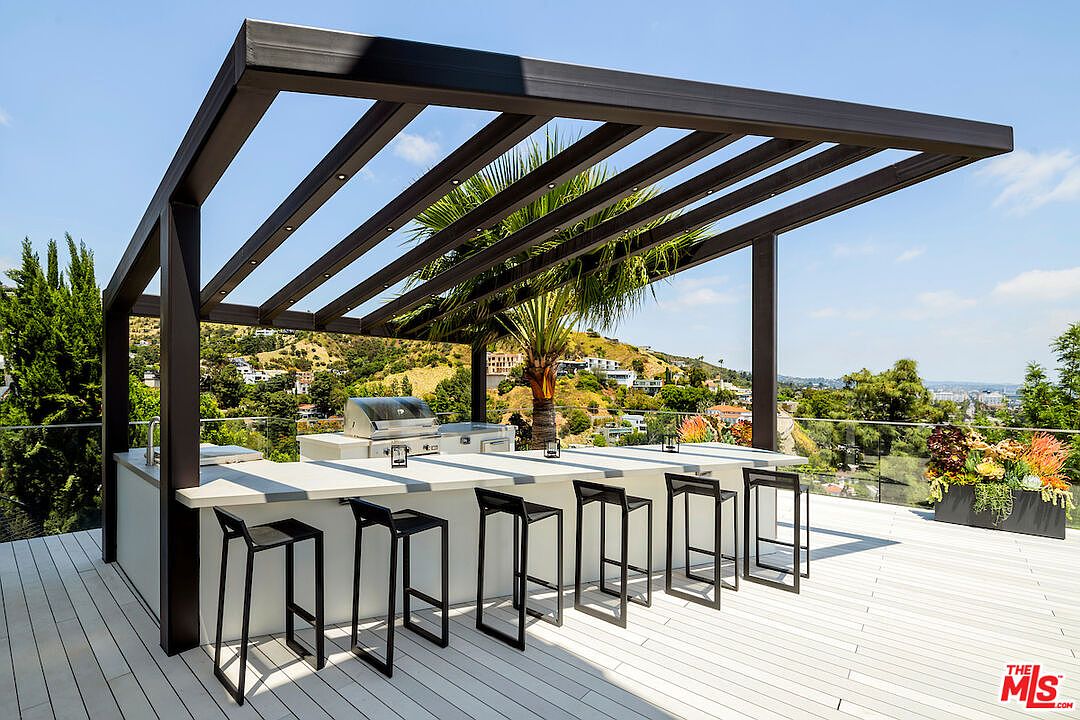
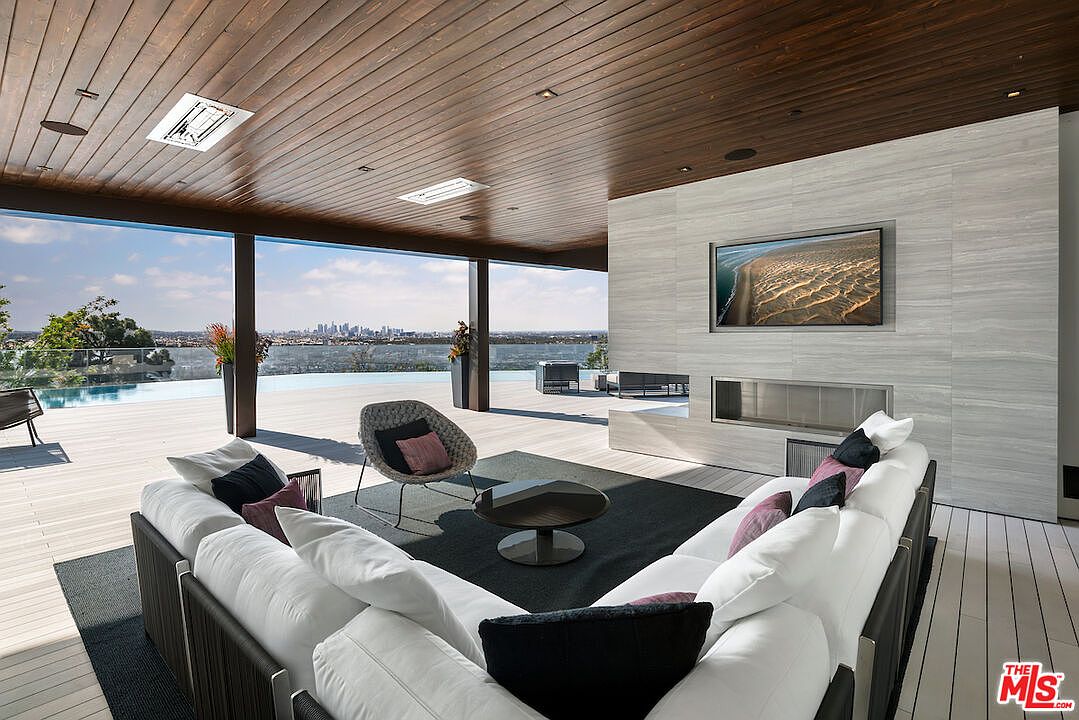
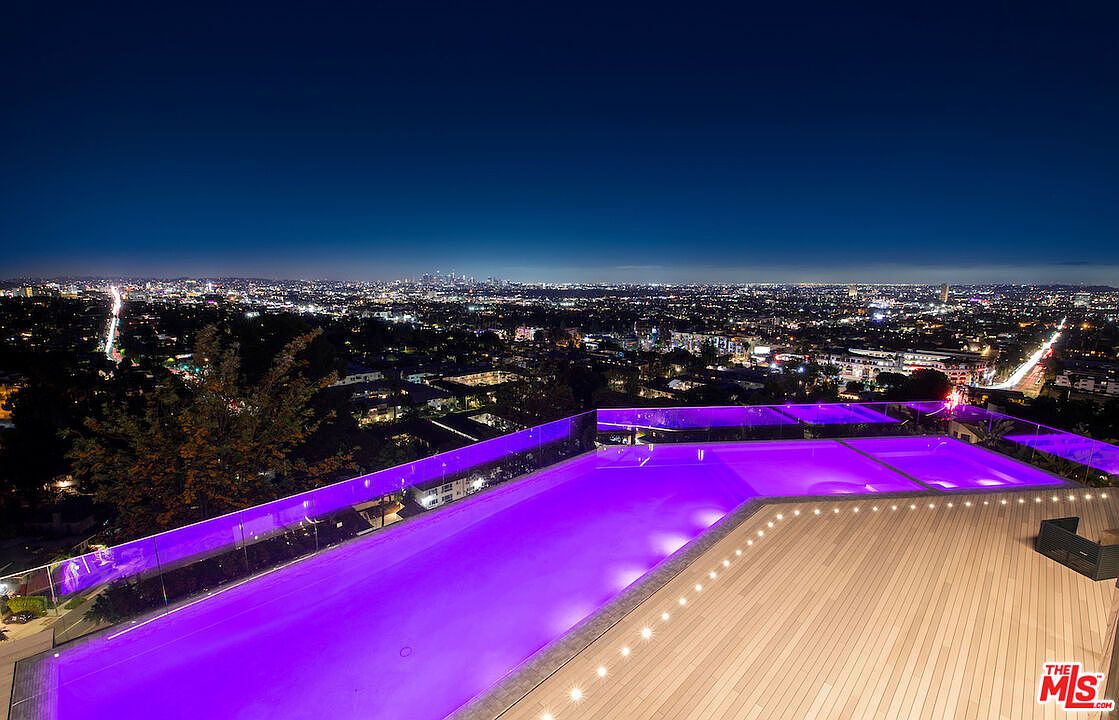
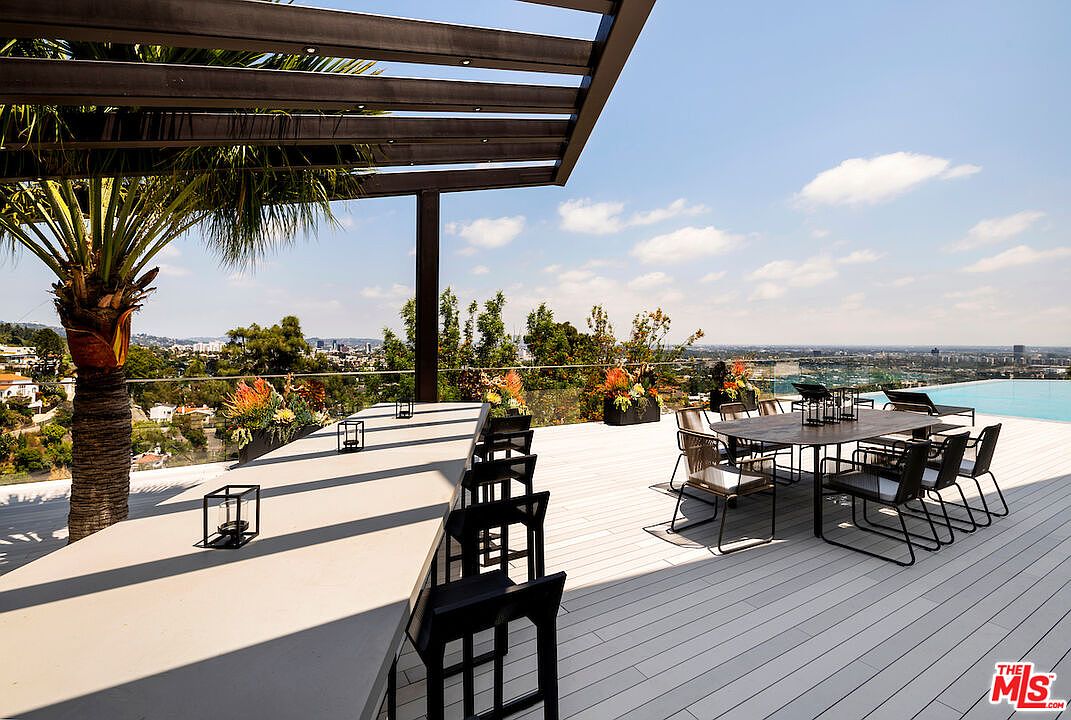
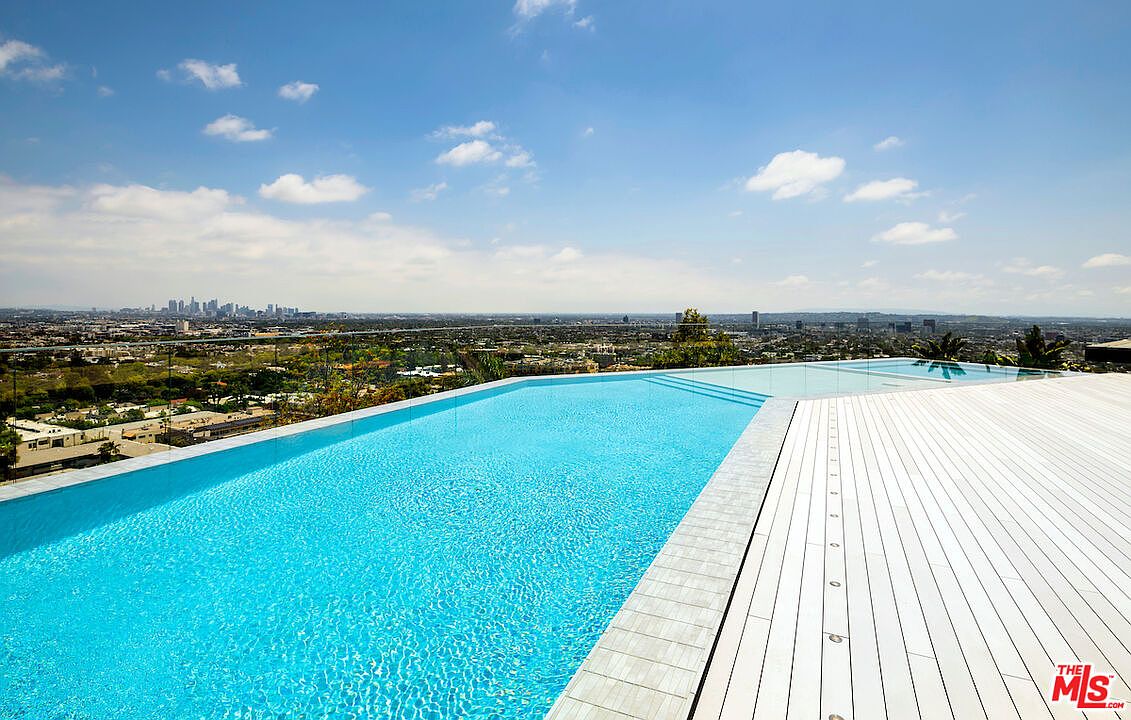
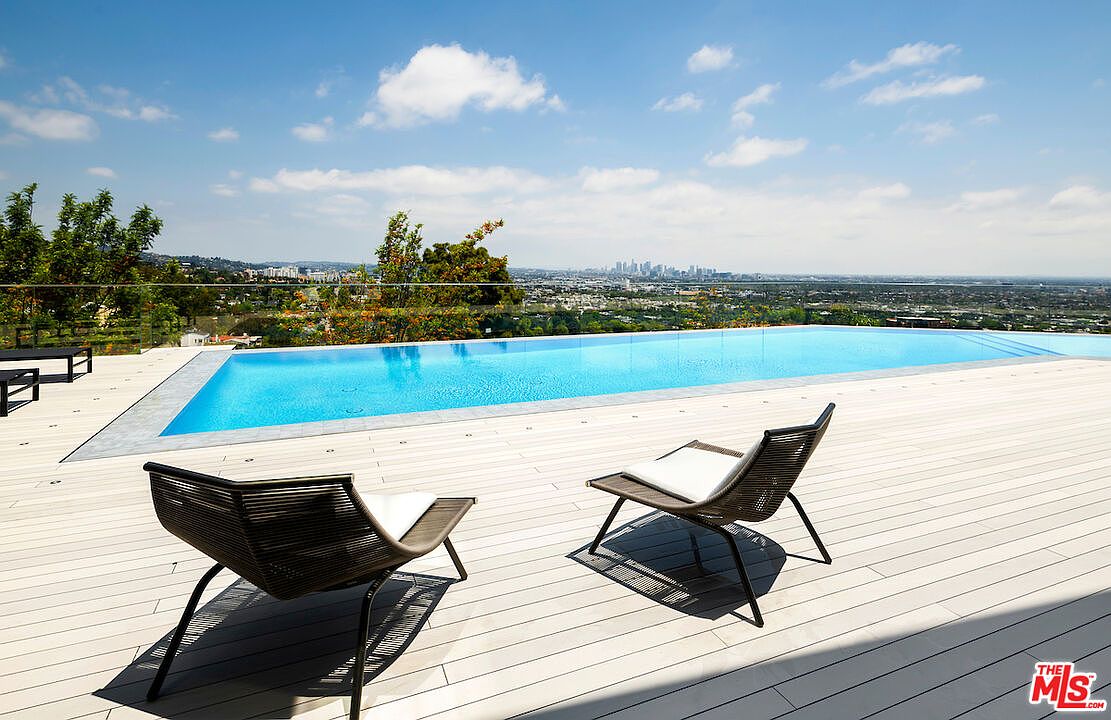
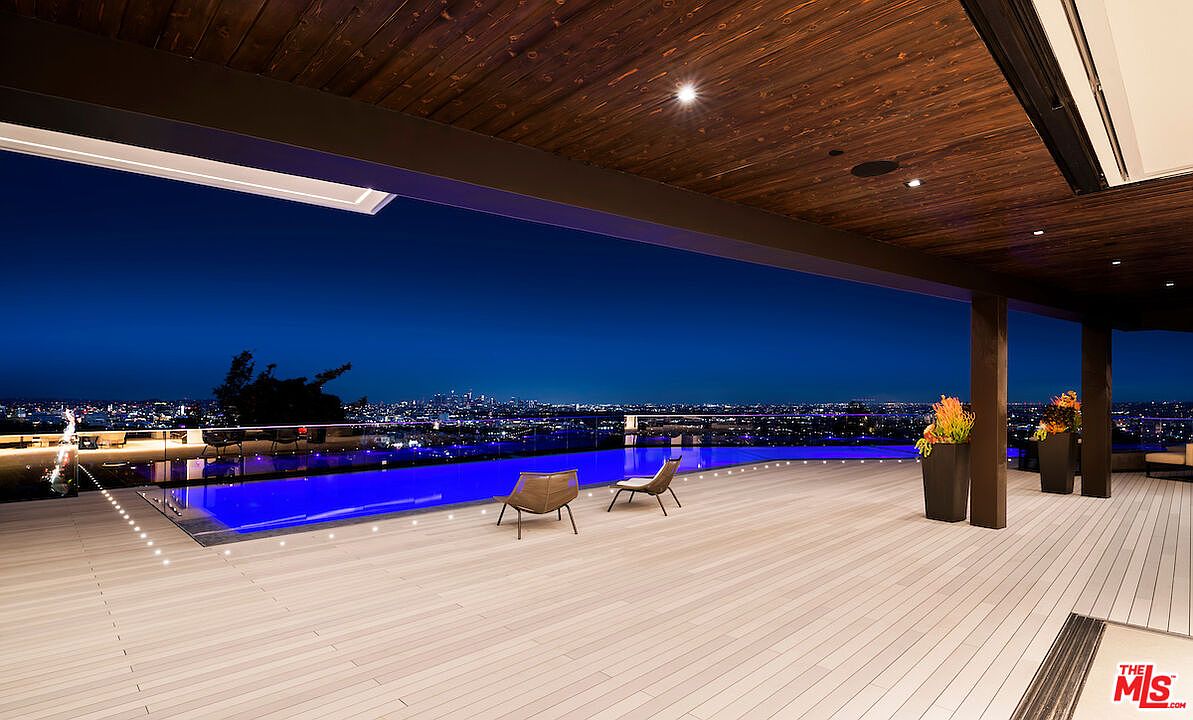
Glass pocket walls from the main living area dissolve entirely to access the outdoor deck, where a zero-edge pool with spa commands the hillside edge. Intricate tilework, a shallow sundeck, glass railings, a covered lounge, and a bar-edged outdoor kitchen compose an entertainment pavilion that feels more resort than residence — a distinction this property renders meaningless.
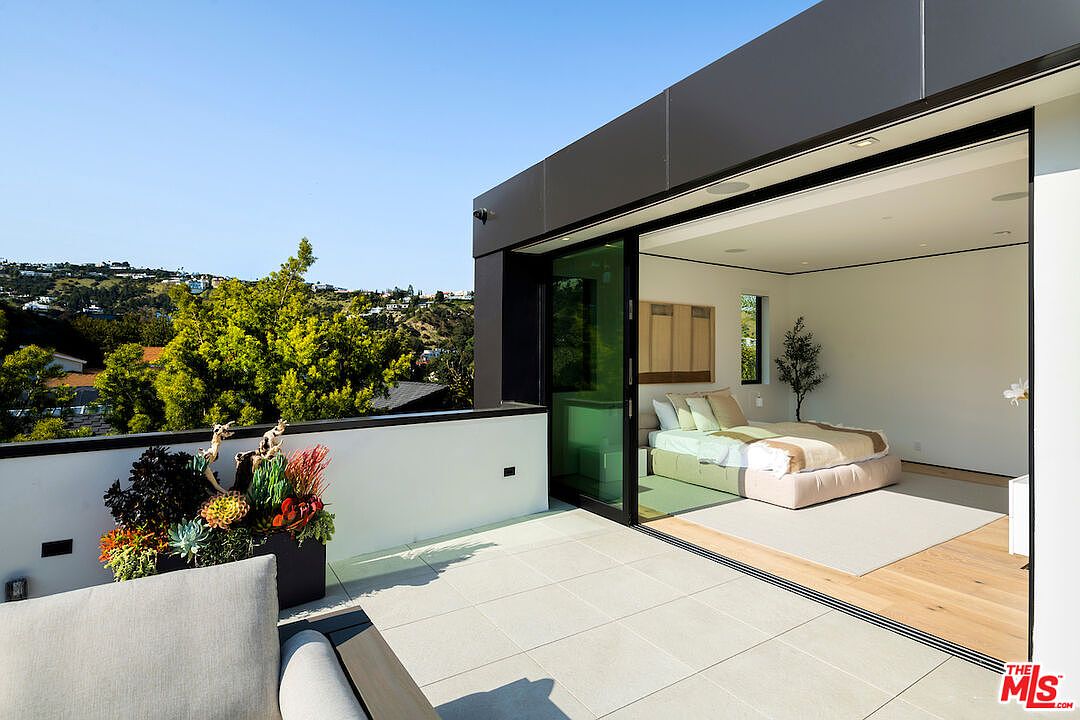
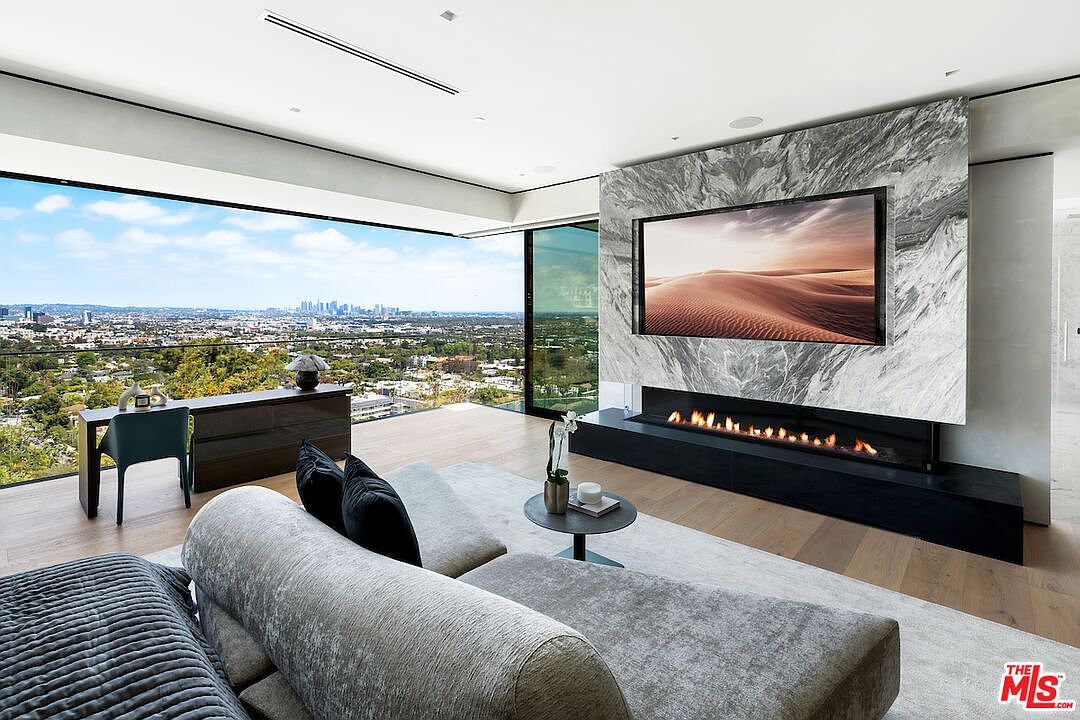
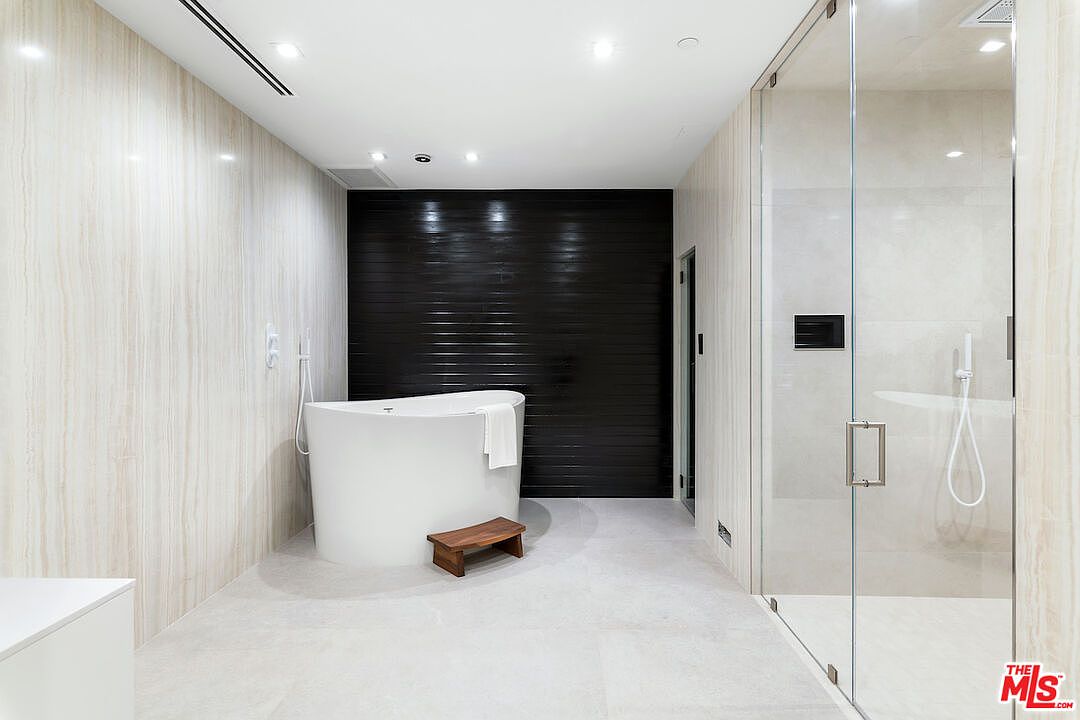
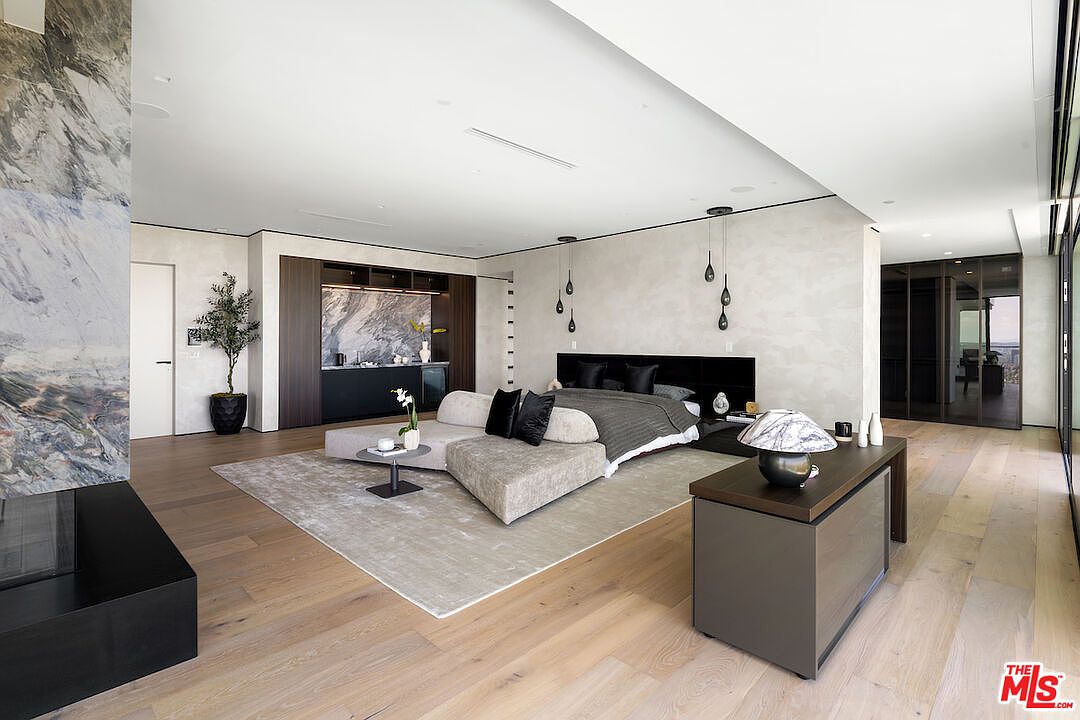
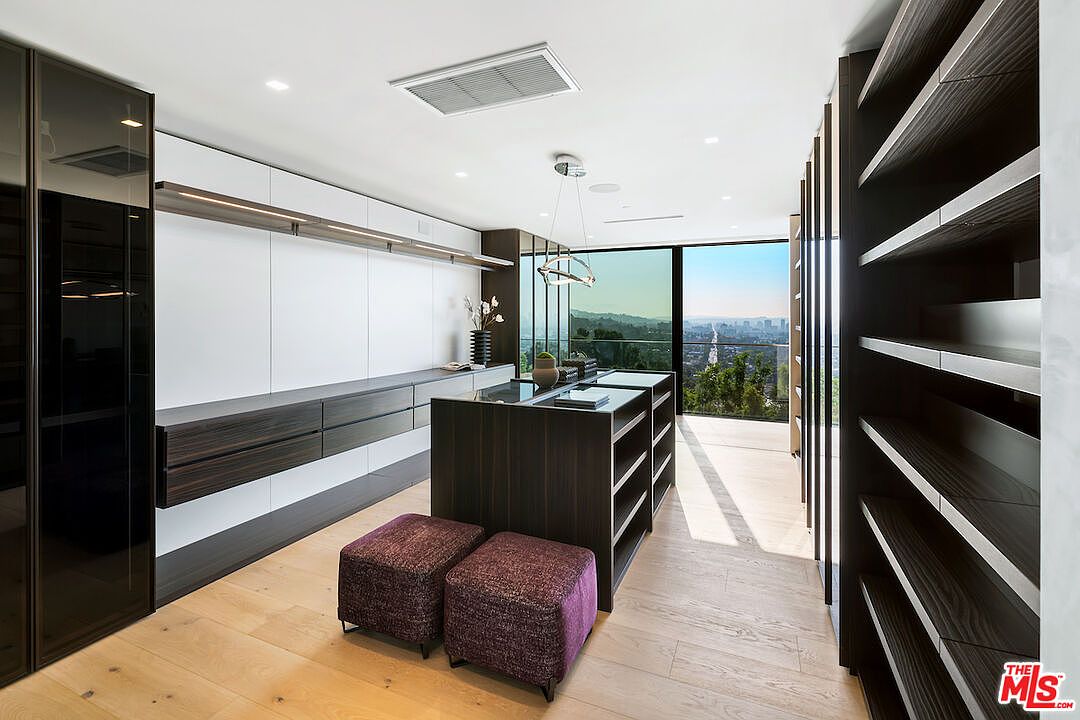
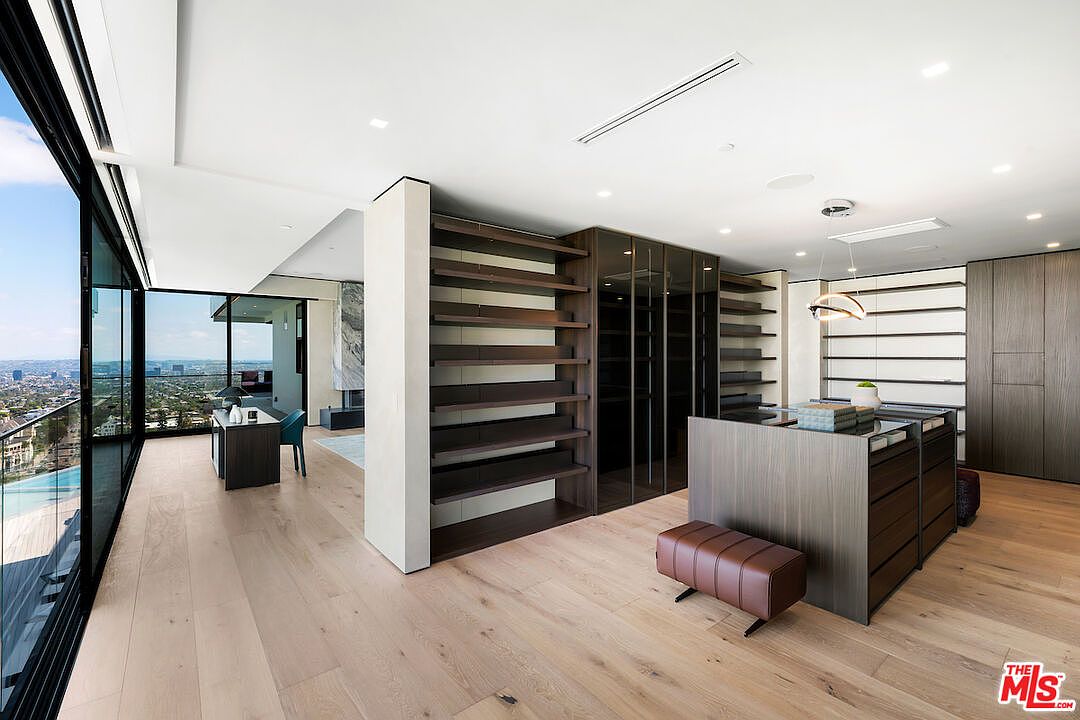
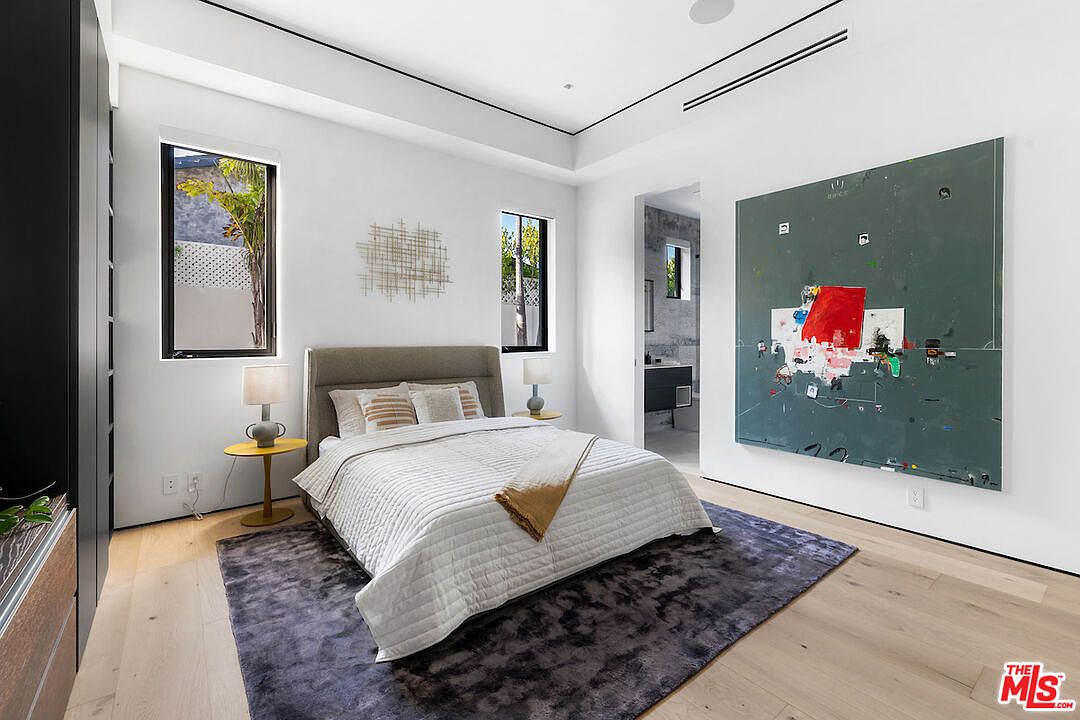
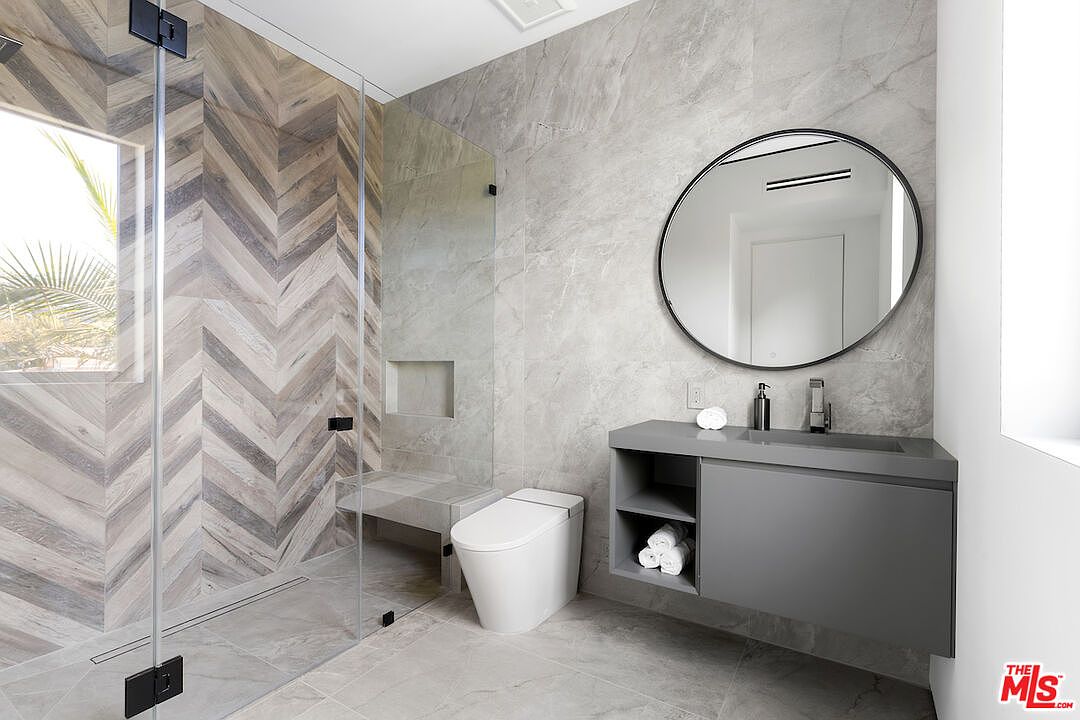
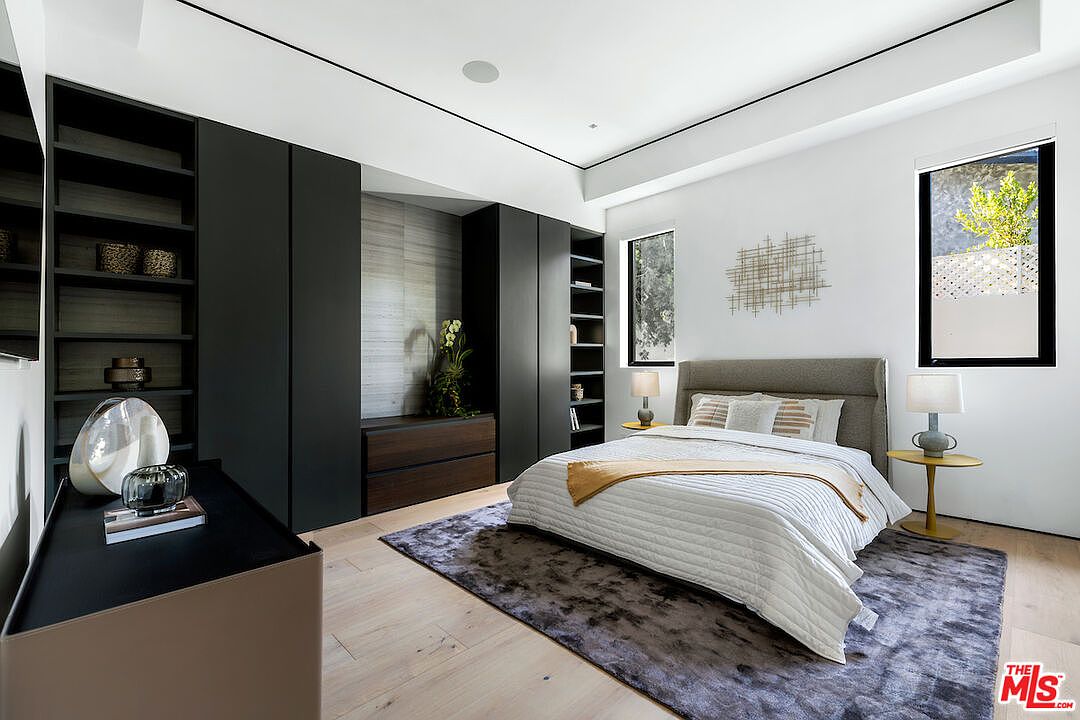
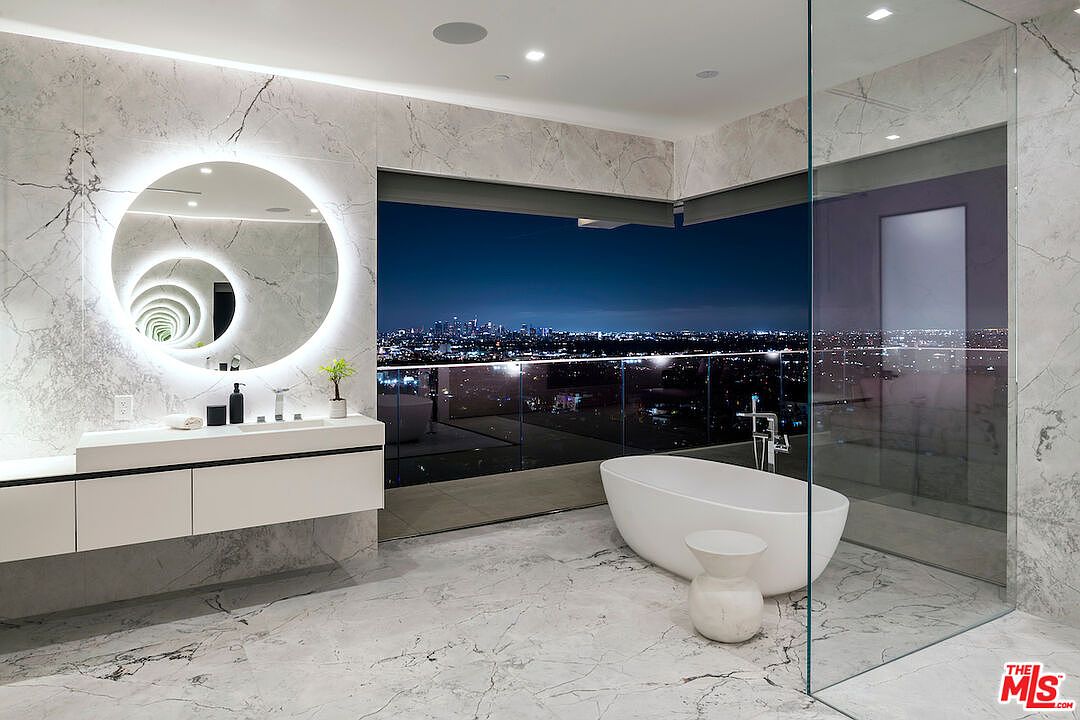
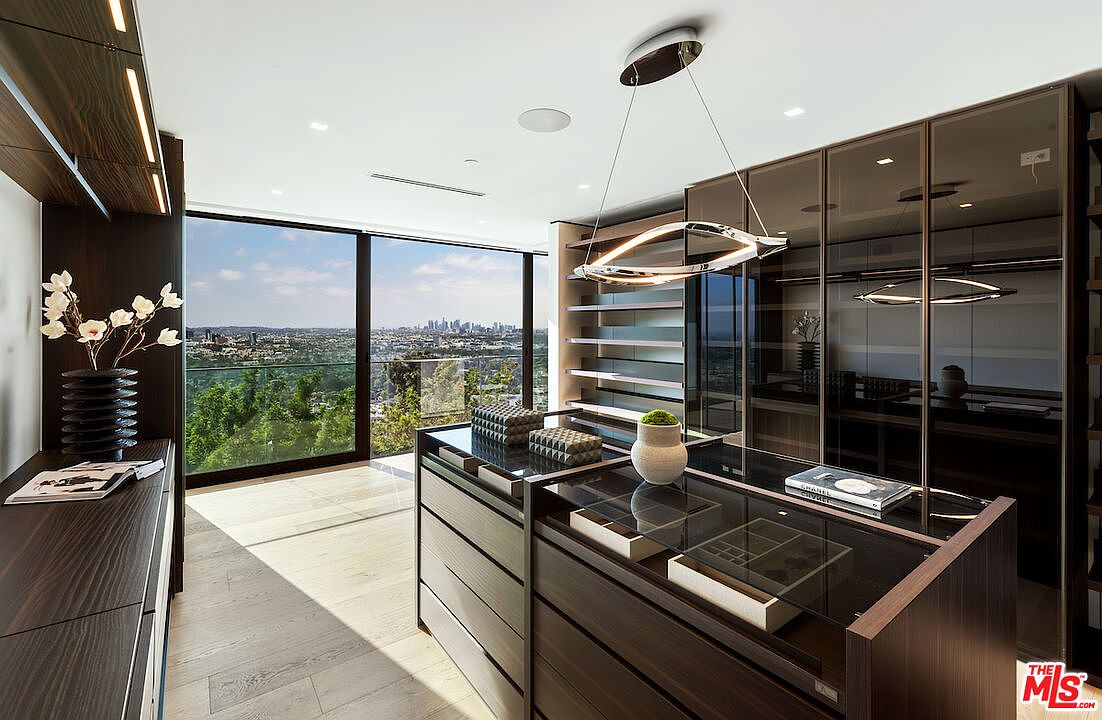
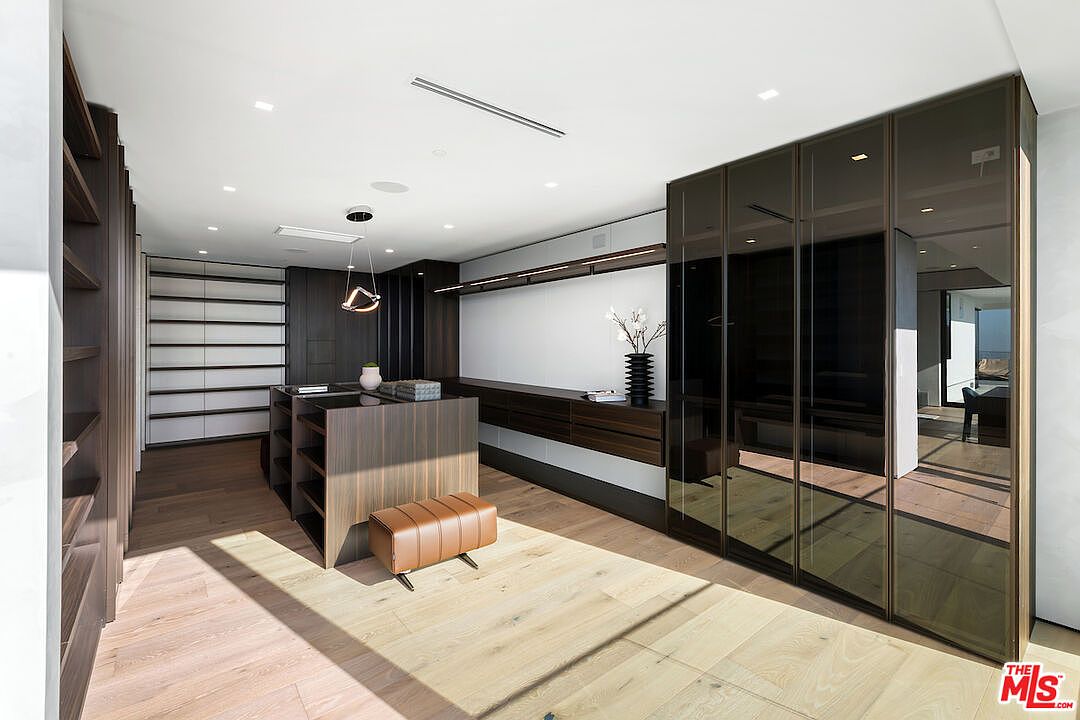
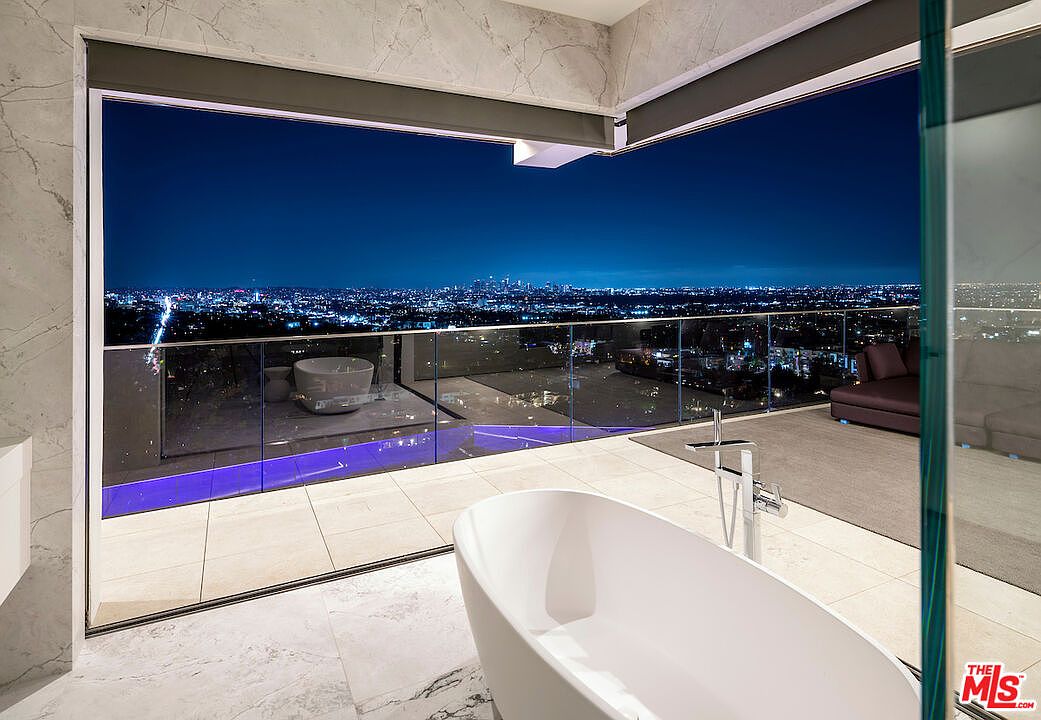
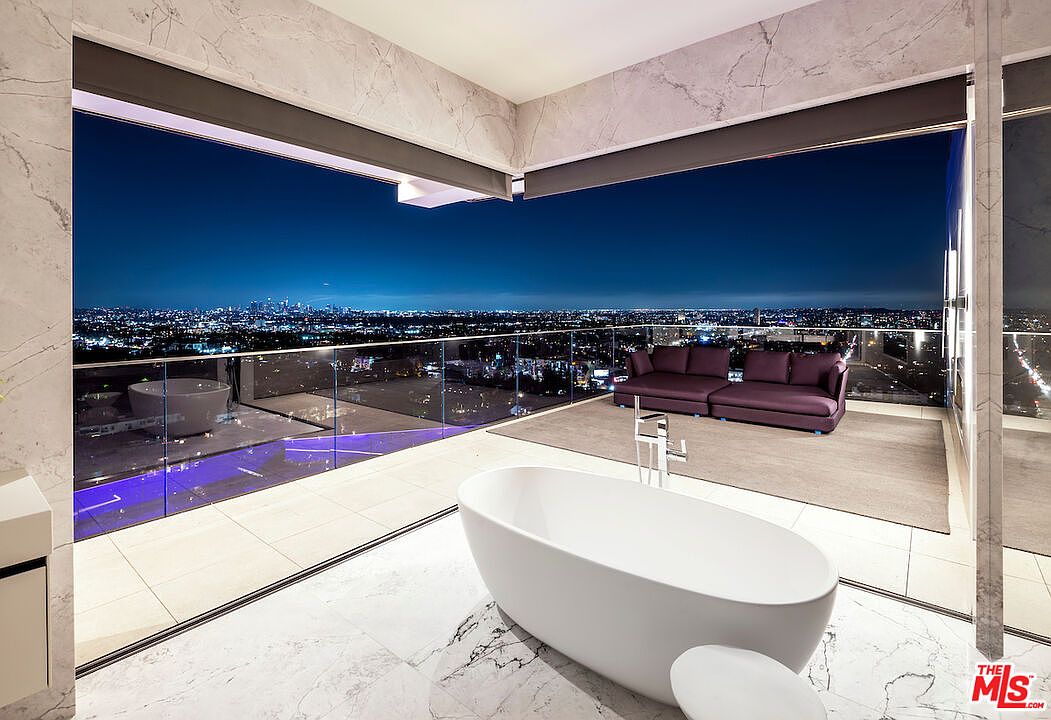
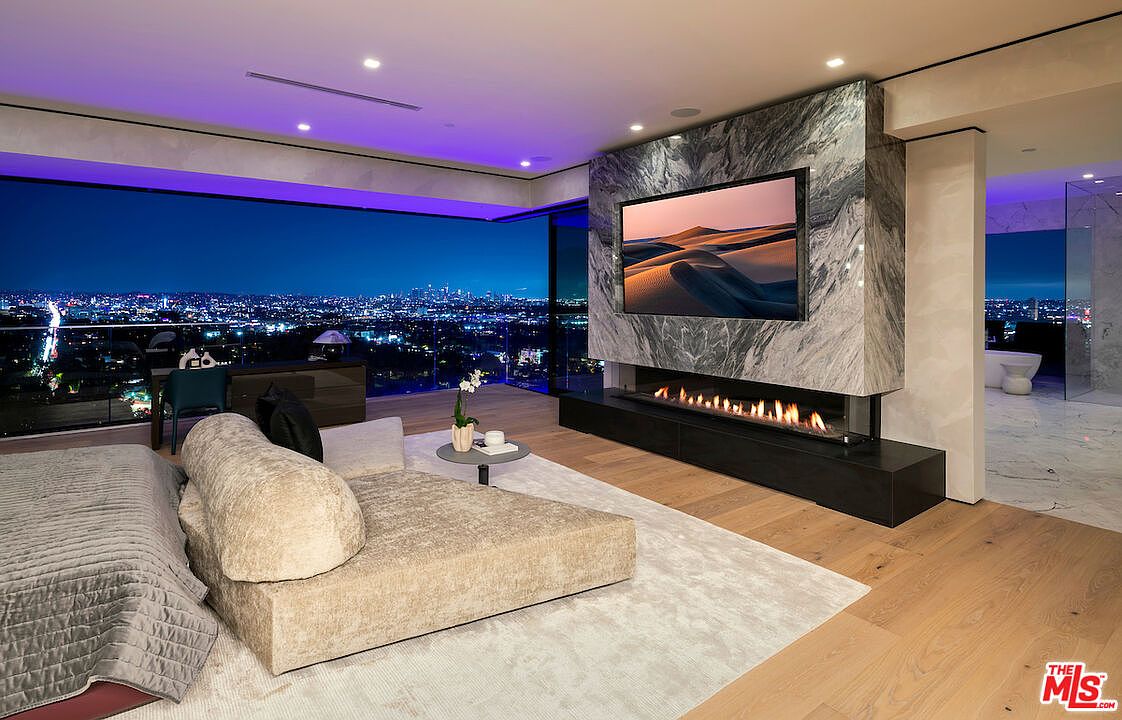
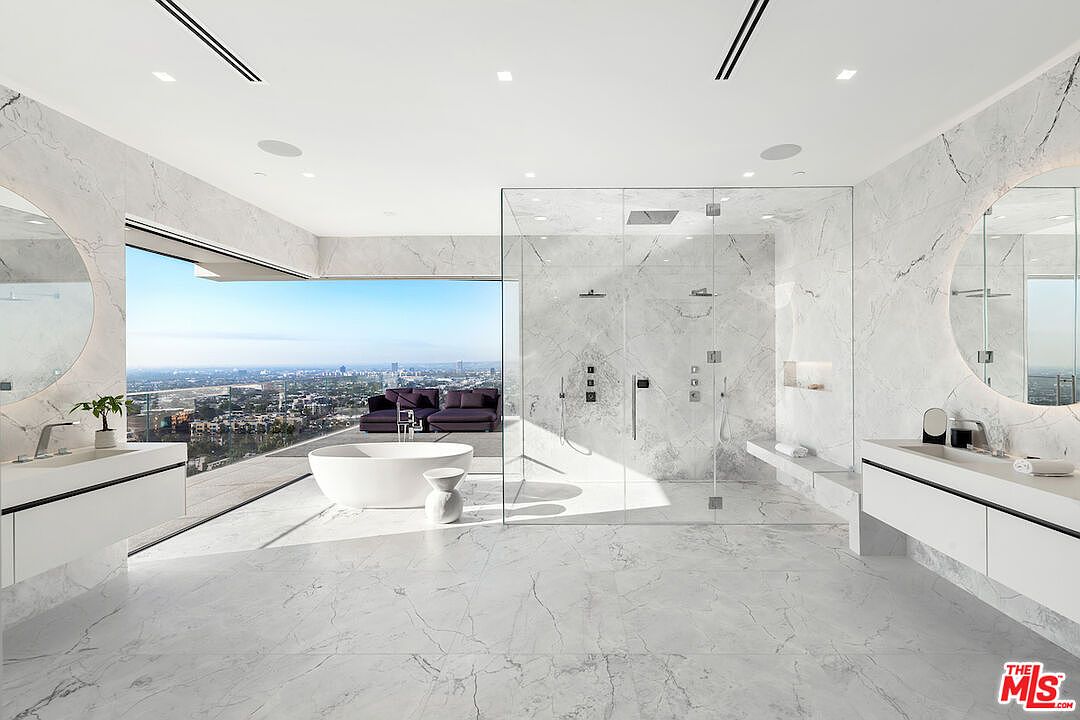
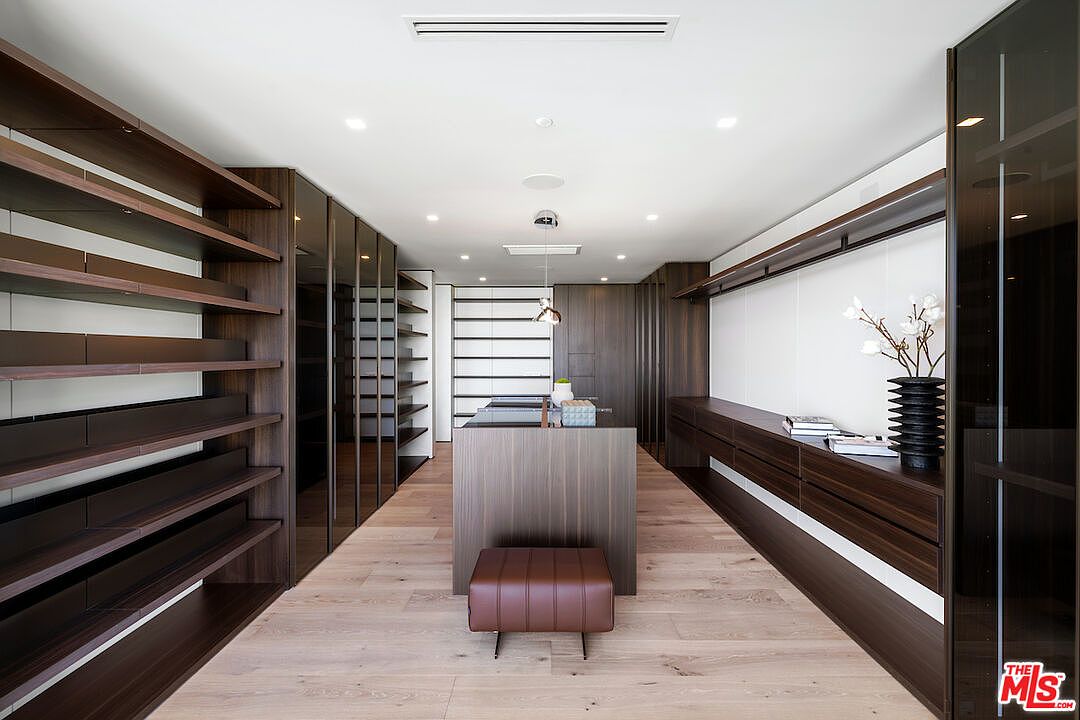
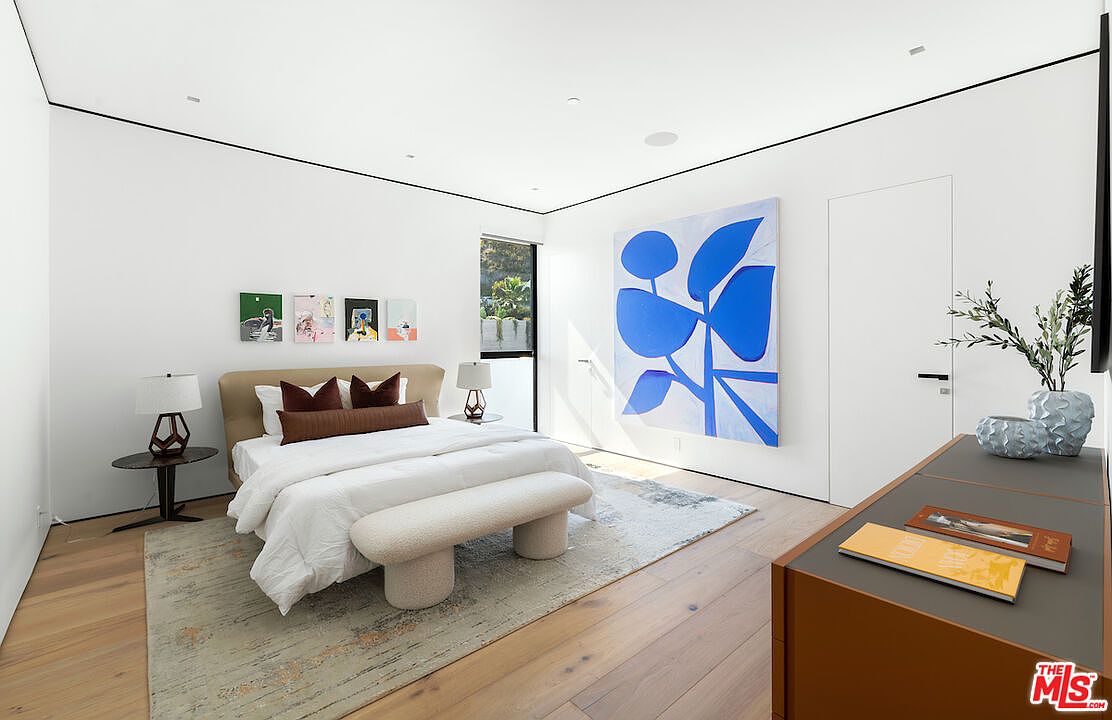
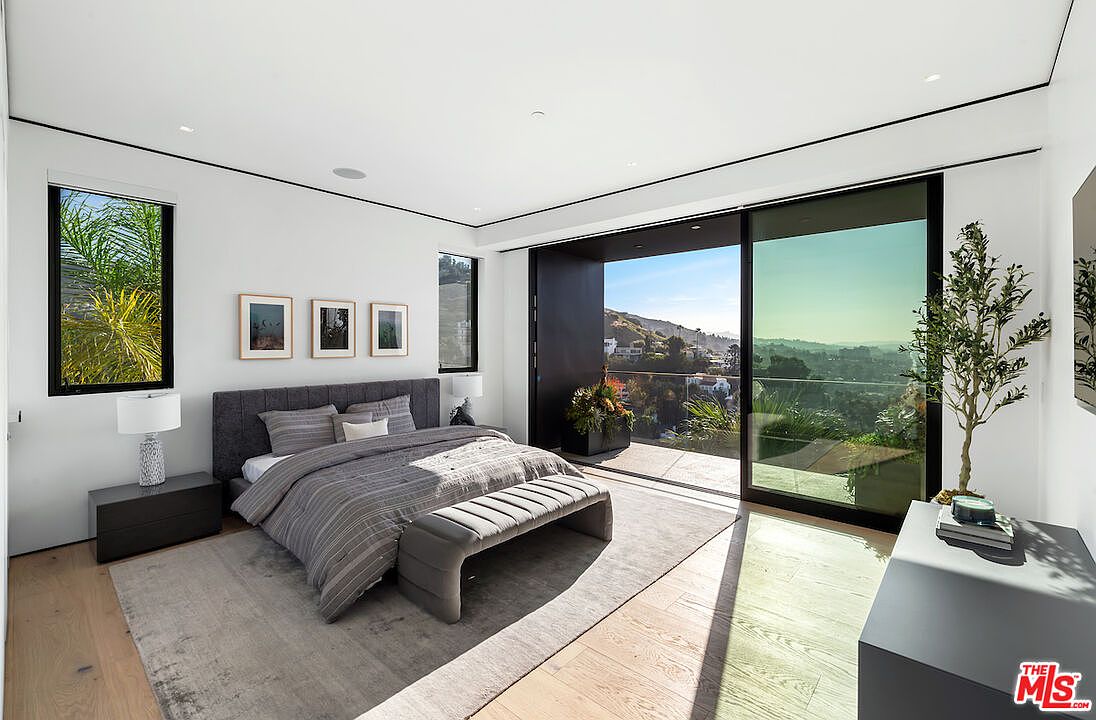
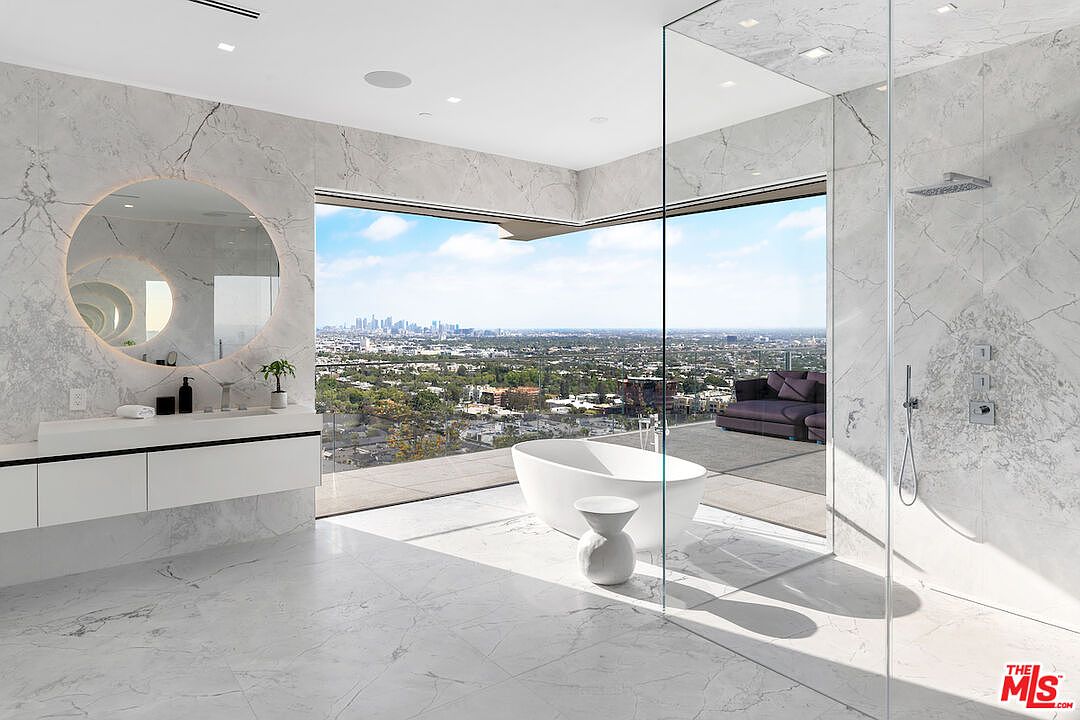
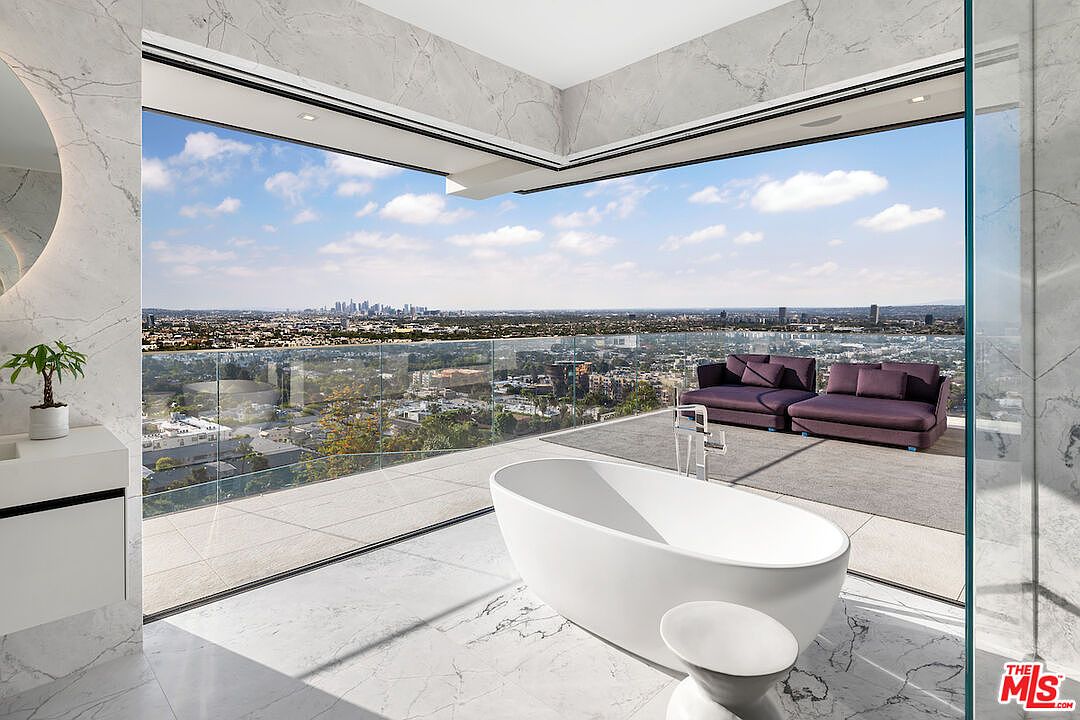
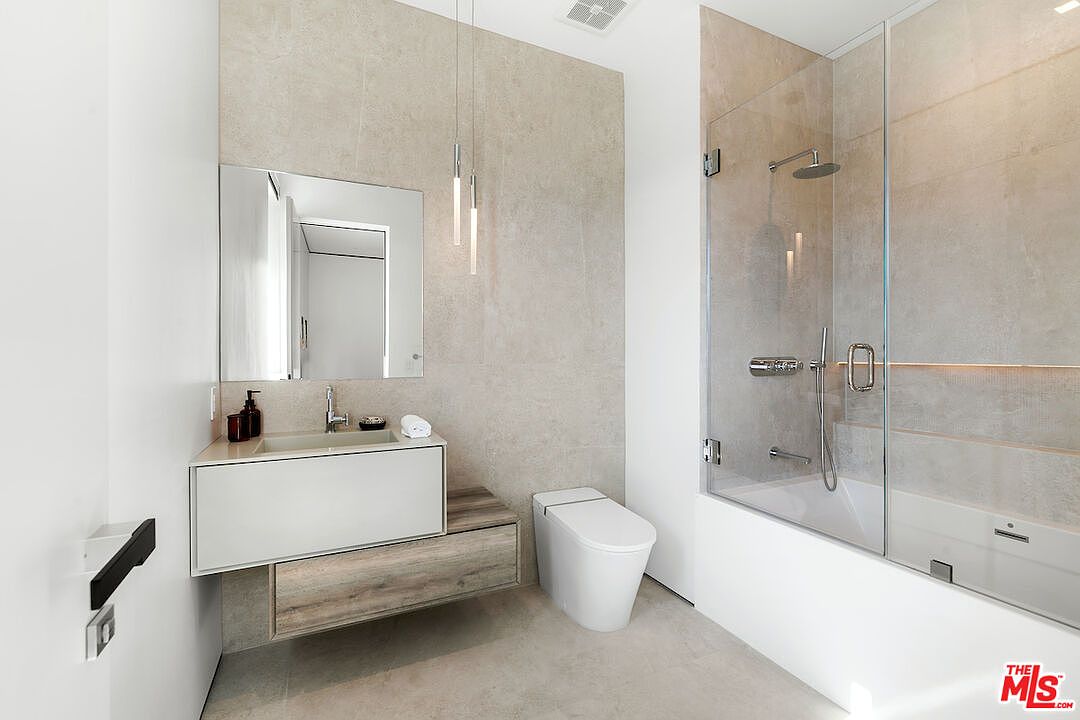
The upper level belongs, above all, to the primary suite — a destination defined by a stone-facade fireplace, a purposeful wet bar, an expansive custom closet with city-view windows, and a stone-wrapped spa-grade bathroom. Freestanding soaking tubs positioned before floor-to-ceiling glass walls, walk-in showers finished in floor-to-ceiling stone, and private balcony access make this suite a sanctuary that rivals the finest hotels on the Sunset Strip below. Three additional ensuite bedrooms, each with designer bathrooms and some with private outdoor spaces, complete the upper floor.
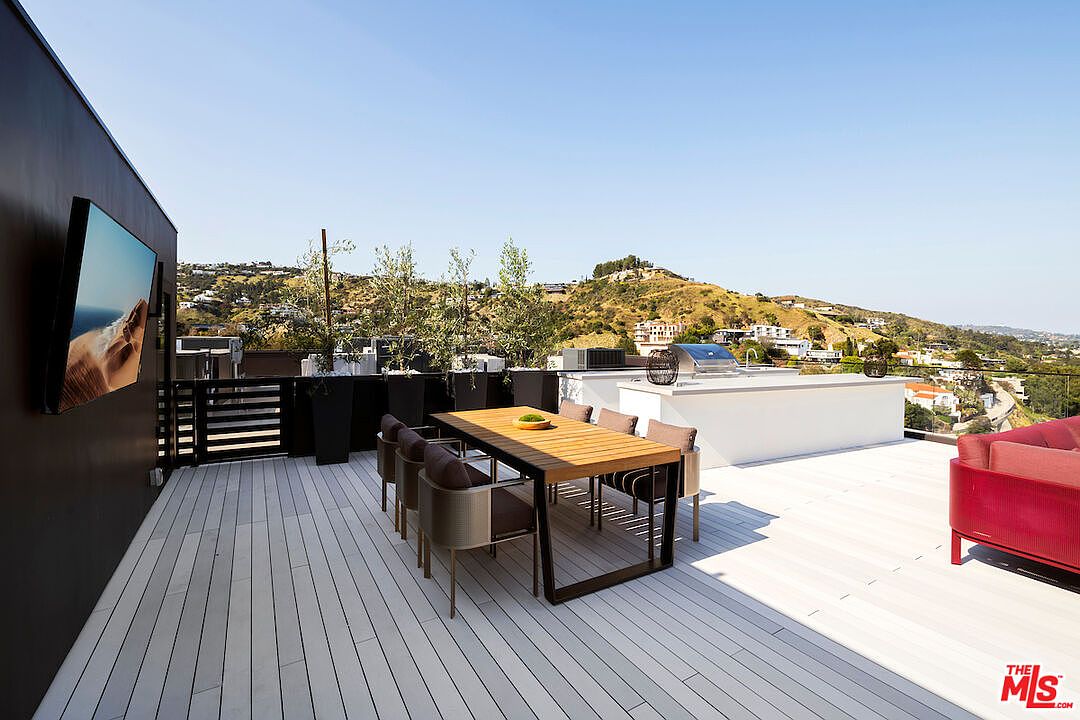
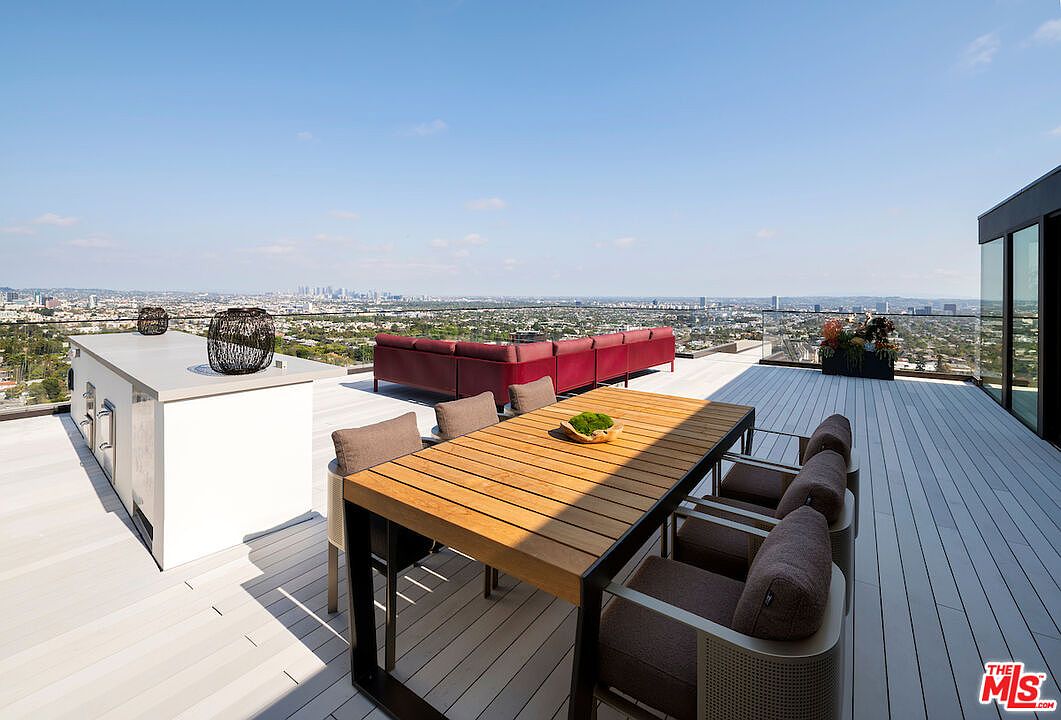
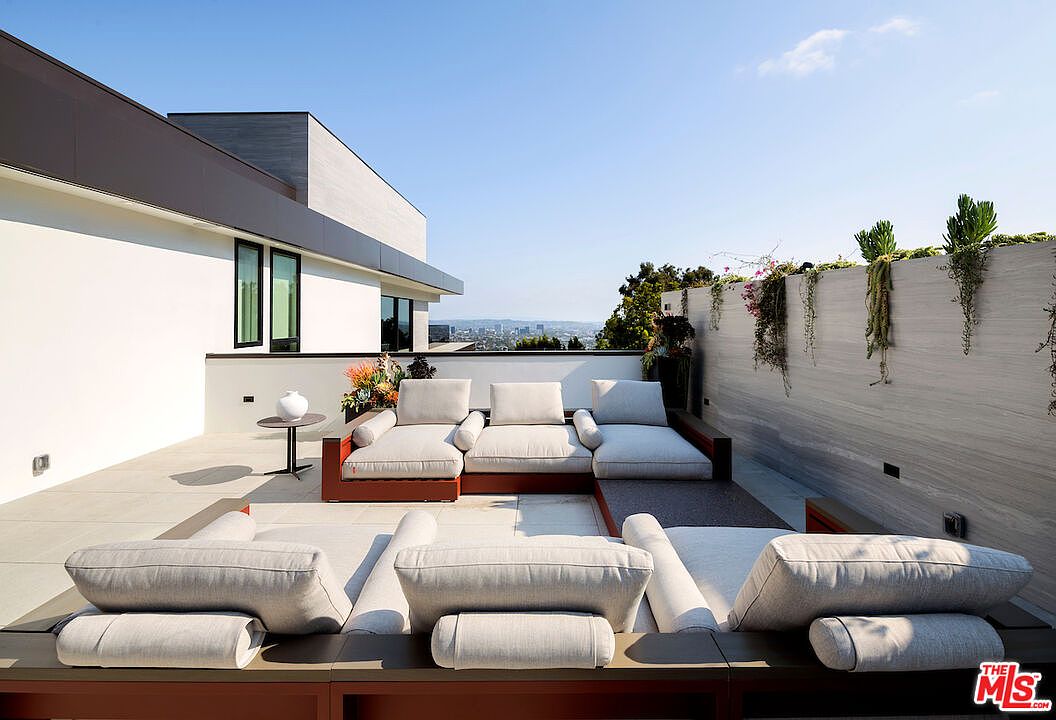
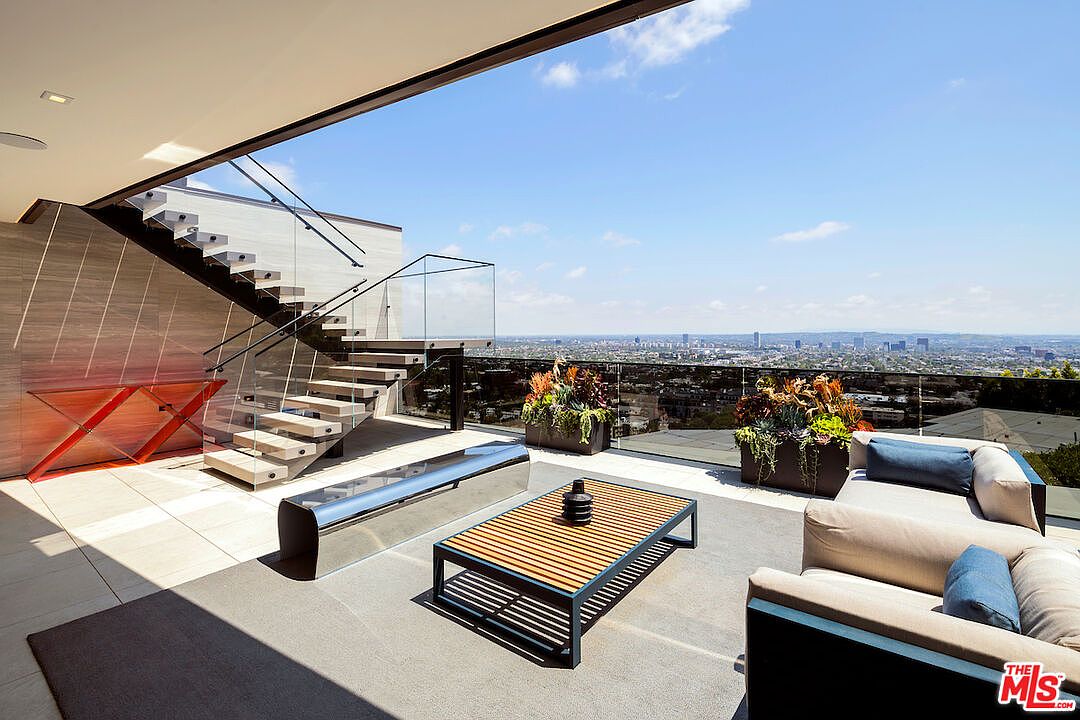
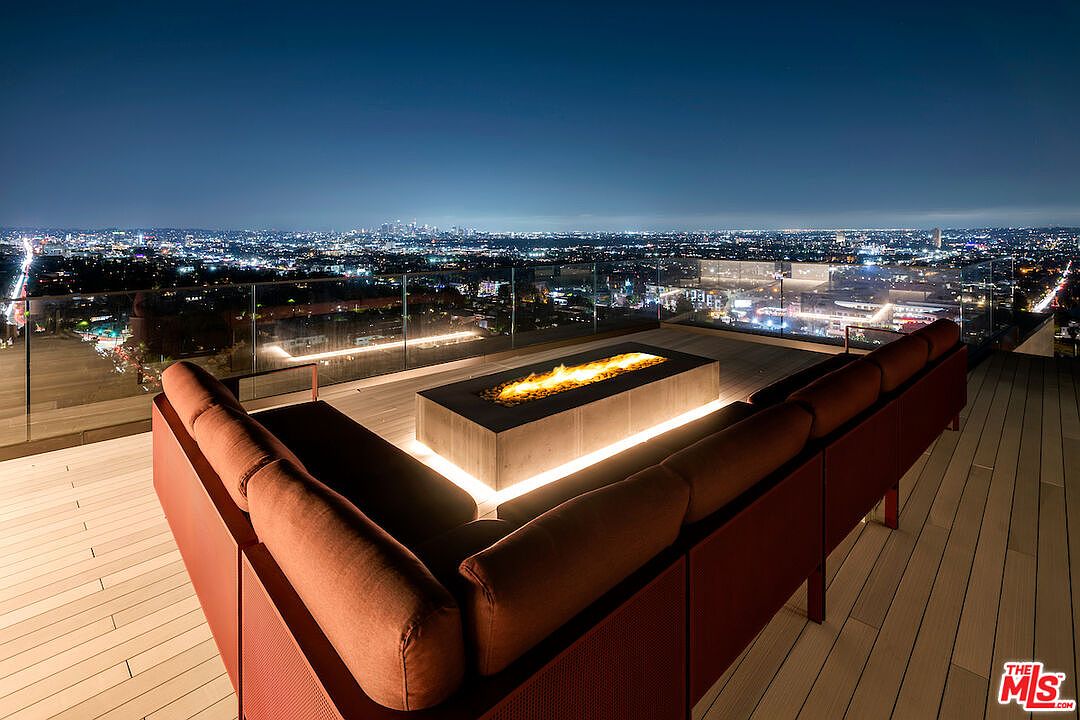
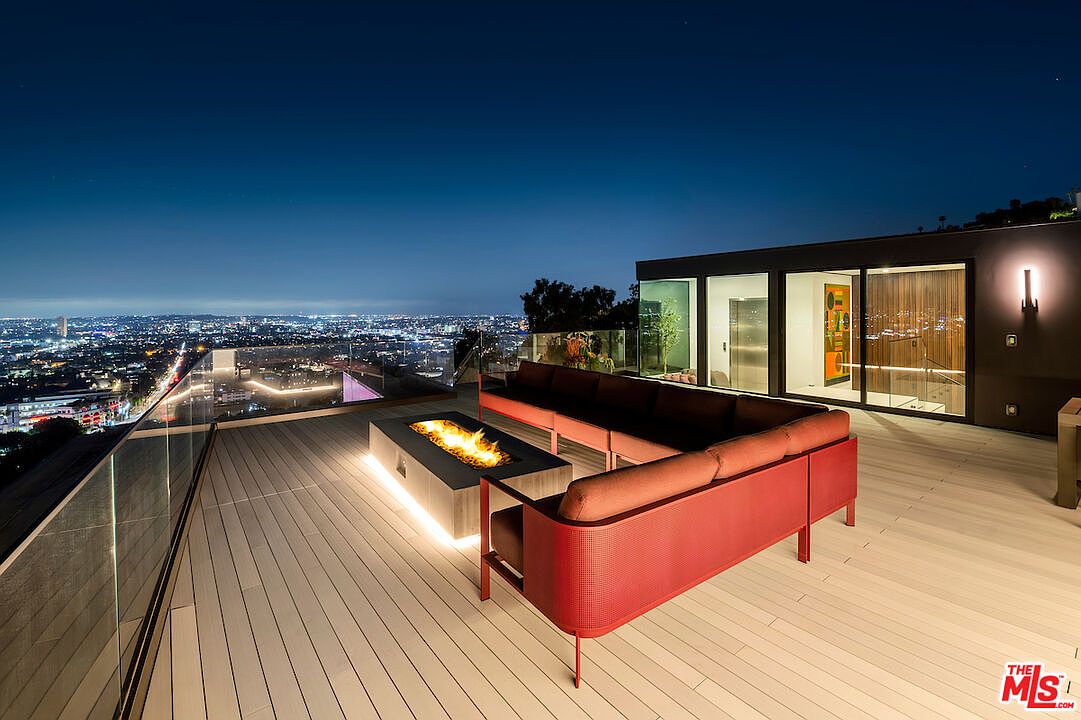
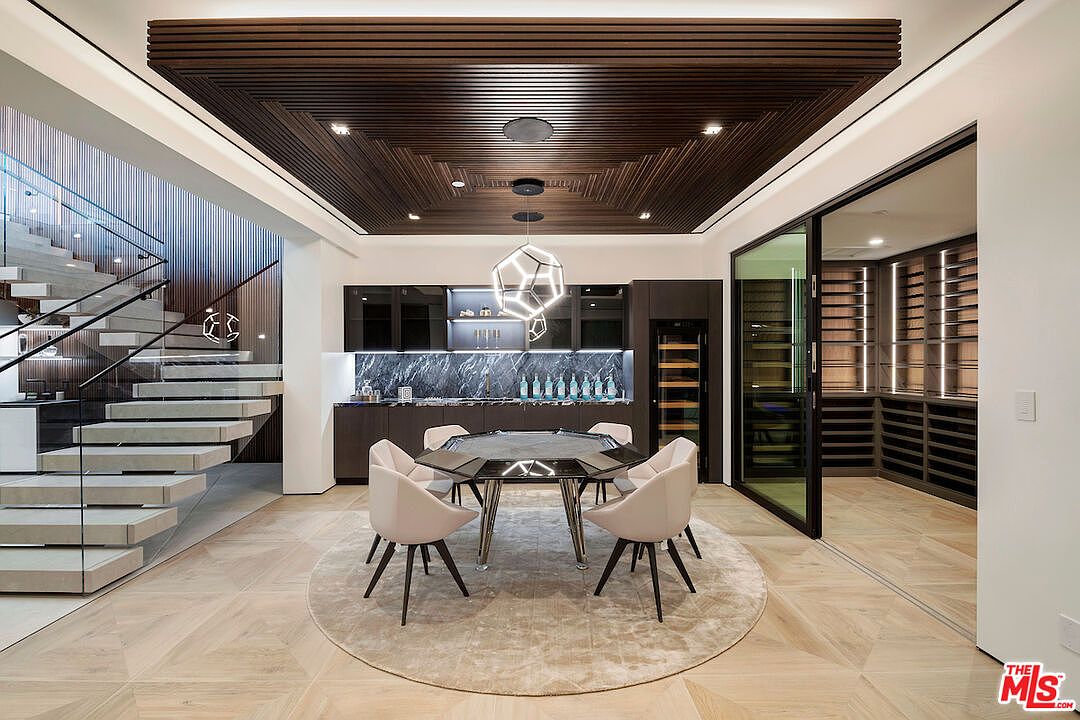
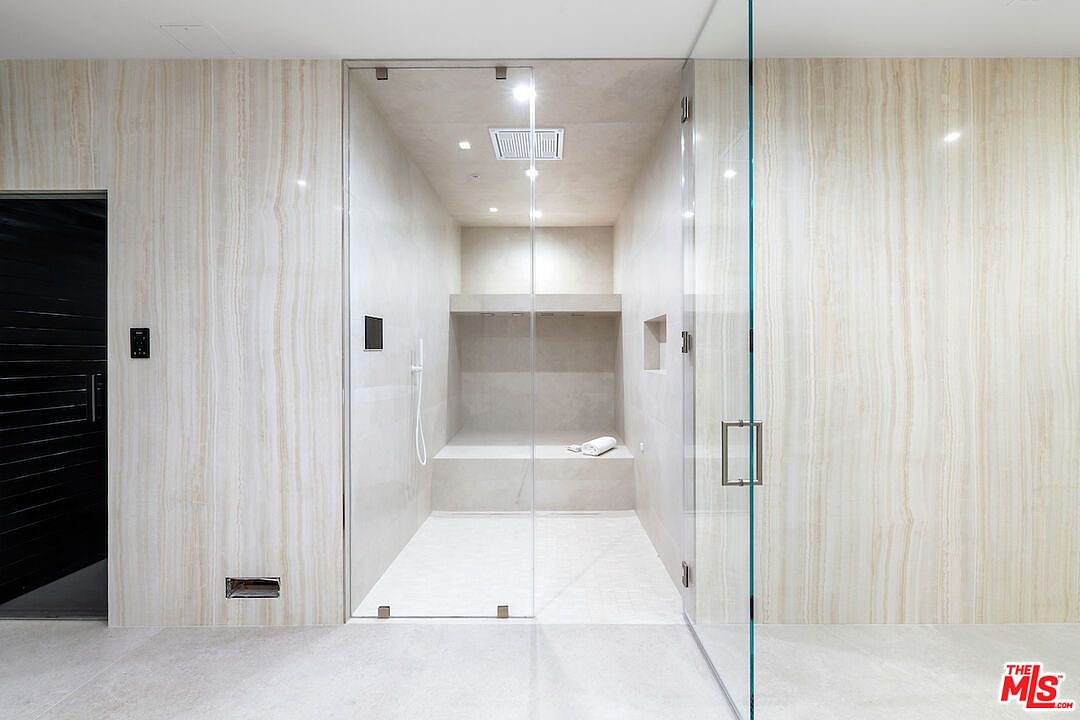
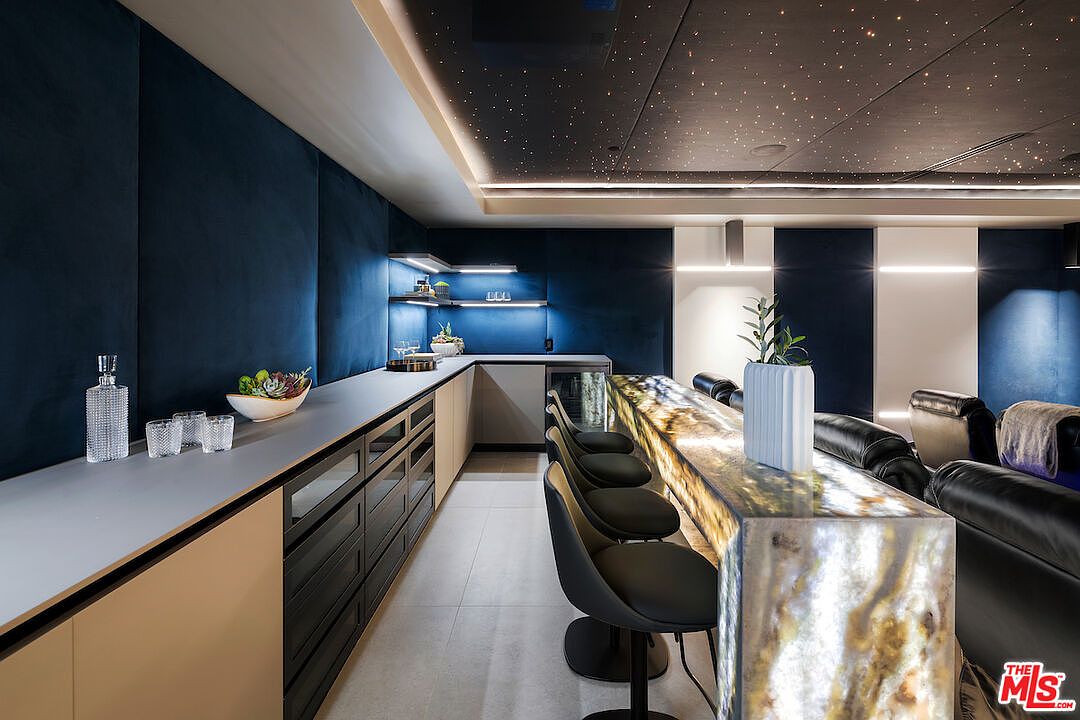
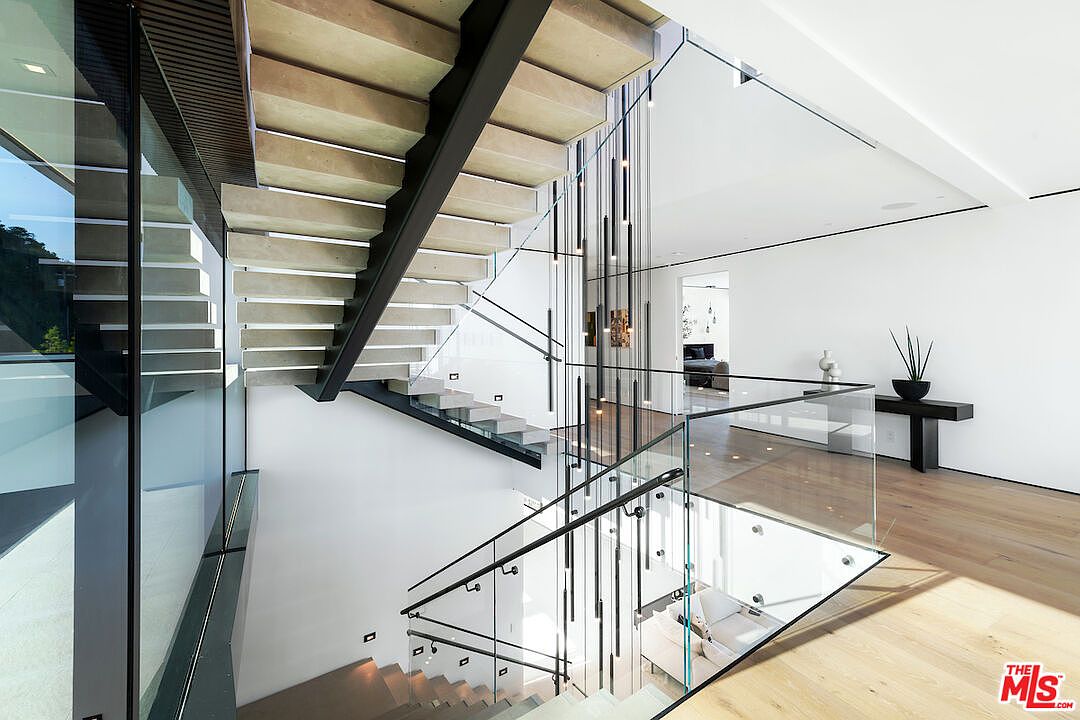
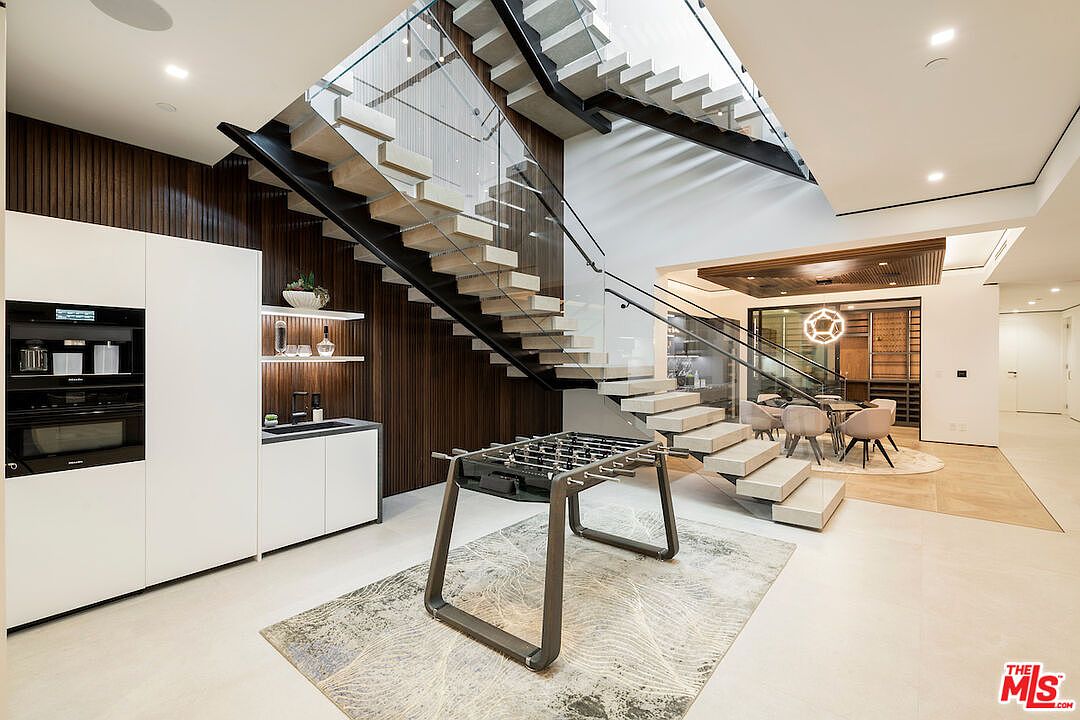
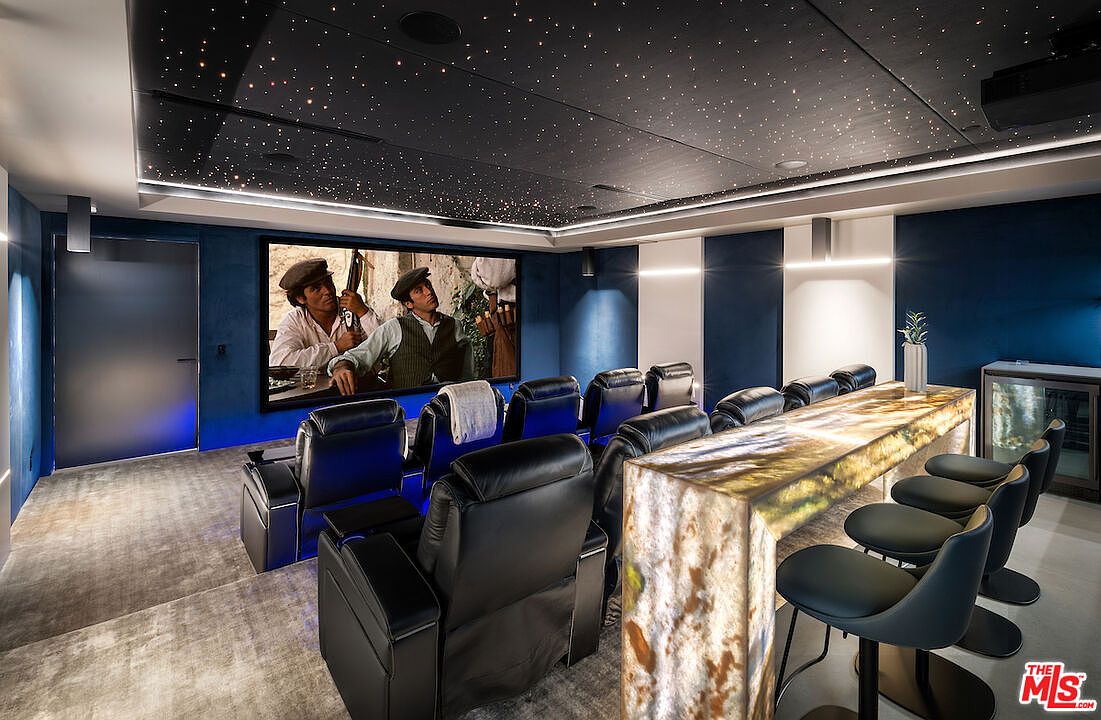
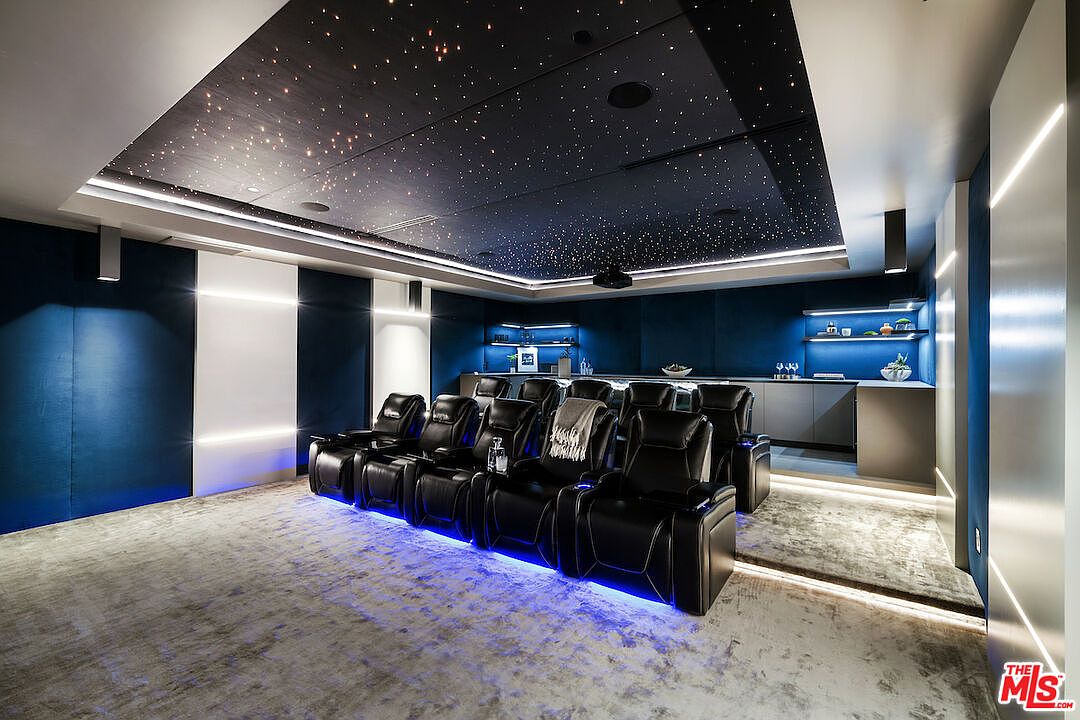
The lower level offers a secondary living area anchored by a magnificent book-matched stone fireplace, leading to a galaxy-ceiling home theater with tiered leather seating, a sophisticated bar and lounge, and a resort-level spa incorporating an oversized soaking tub, glass-enclosed shower, and stone steam room. Crowning it all, the rooftop deck — reached by interior elevator or floating staircase — delivers a full outdoor kitchen, gas firepit, and unobstructed glass railings framing what may be the most commanding vantage point in the city. Intricate architectural lighting, a state-of-the-art surround sound system, and fully integrated smart home technology ensure the experience is as seamless as it is spectacular.
To live above the Chateau Marmont is to occupy a particular coordinate in Los Angeles mythology. The Sunset Strip — that storied corridor running through West Hollywood between Crescent Heights and Doheny Drive — has functioned for nearly a century as the creative and cultural spine of the city's entertainment world. The Chateau Marmont itself, the storied castle-like hotel that has hosted artists, writers, and directors since its opening in 1929, sits just below, lending this address an almost literary resonance. To be above it is to be both connected to that history and elevated beyond it.
The property sits within the Hollywood Hills West neighborhood, one of Los Angeles's most coveted residential enclaves. Defined by its winding canyon roads, native hillside landscaping, and a tradition of architectural ambition — from Case Study houses to contemporary estates — the Hollywood Hills have long attracted those who seek privacy, elevation, and proximity to the city's cultural center without full immersion in its density. Here, the hills function as a natural buffer: the energy of the Strip is minutes away by car, yet the silence on the ridge at night is complete.
West Hollywood, the incorporated city that borders this hillside to the south, is among the most walkable and culturally active municipalities in greater Los Angeles. Santa Monica Boulevard and the Sunset Strip together form a continuous corridor of world-class dining, hospitality, nightlife, and retail. Legendary venues and institutions — from the Roxy Theatre and the Whisky a Go Go to The Nice Guy and Nobu West Hollywood — are woven into the fabric of a neighborhood that has never entirely shed its reputation as the city's most glamorous mile. The arrival of the 1 Hotel West Hollywood and the renovation of the historic Sunset Tower have only deepened the Strip's identity as a destination for those who expect the extraordinary.
For daily life, the neighborhood offers a range of options that reflect its cosmopolitan character. Erewhon's flagship West Hollywood location on Beverly Boulevard has become a cultural landmark in its own right. Melrose Avenue, a short drive south, provides some of the city's most compelling independent retail and design destinations. The Beverly Center and the design showrooms of the Pacific Design Center — the latter an institution for the architecture and interiors community — are both within easy reach. Runyon Canyon Park, one of Los Angeles's most beloved open-space reserves, is accessible nearby for those who seek the restorative counterpoint of open trails and panoramic views.
The 90069 zip code consistently ranks among the most desirable in Los Angeles, drawing a community of entertainment industry principals, creative entrepreneurs, architects, and international residents who value the particular combination of privacy, prestige, and access that only this hillside can provide. The position above the Chateau Marmont is not merely a geographic fact — it is a statement of arrival, a vantage point from which the entirety of Los Angeles spreads below, illuminated and endlessly available, on terms entirely one's own.
Featured Highlights
Curated Content • Presented by Ginger Glass