The Story Behind
The Last Unrepeatable Bluff Estate Above the Pacific
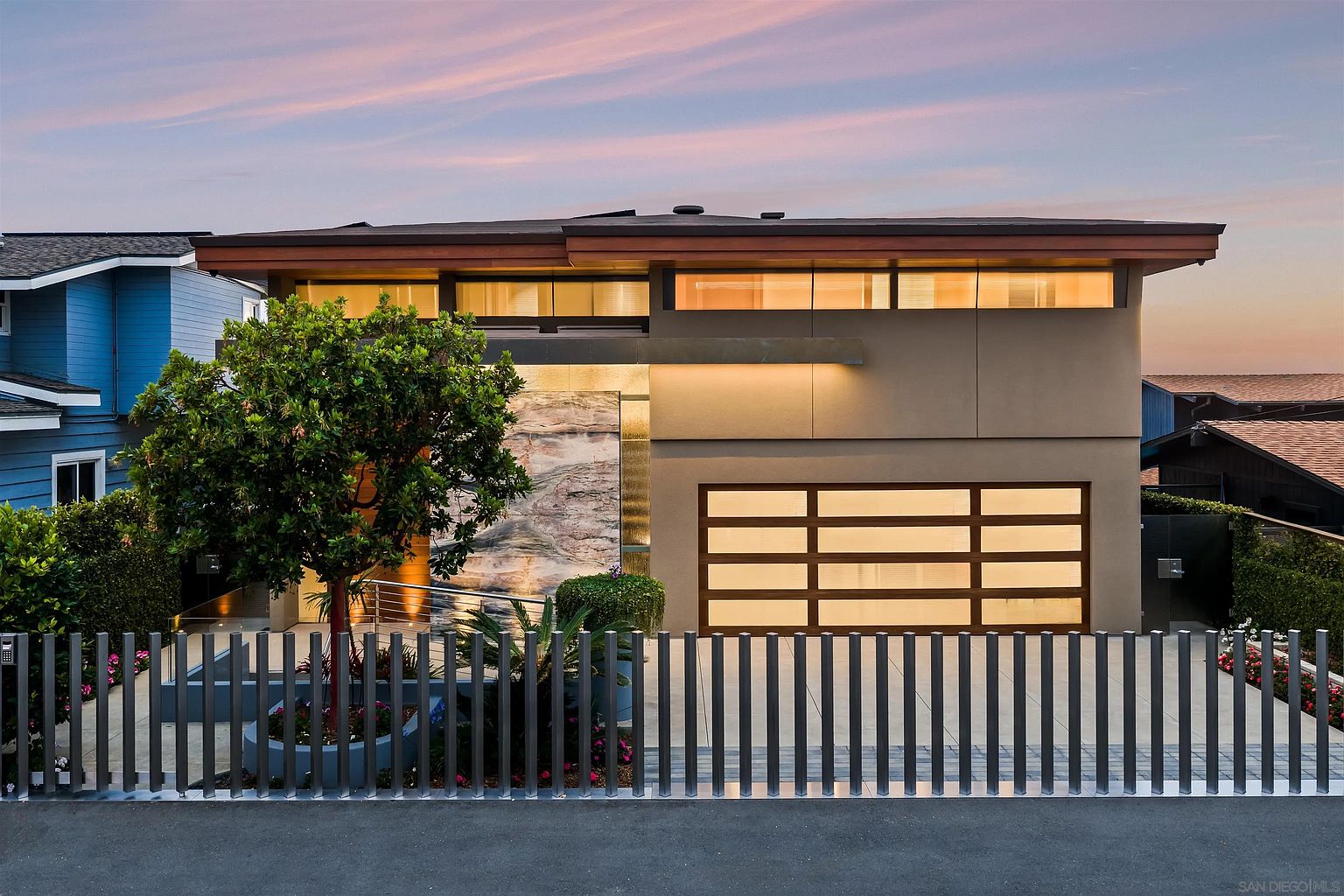
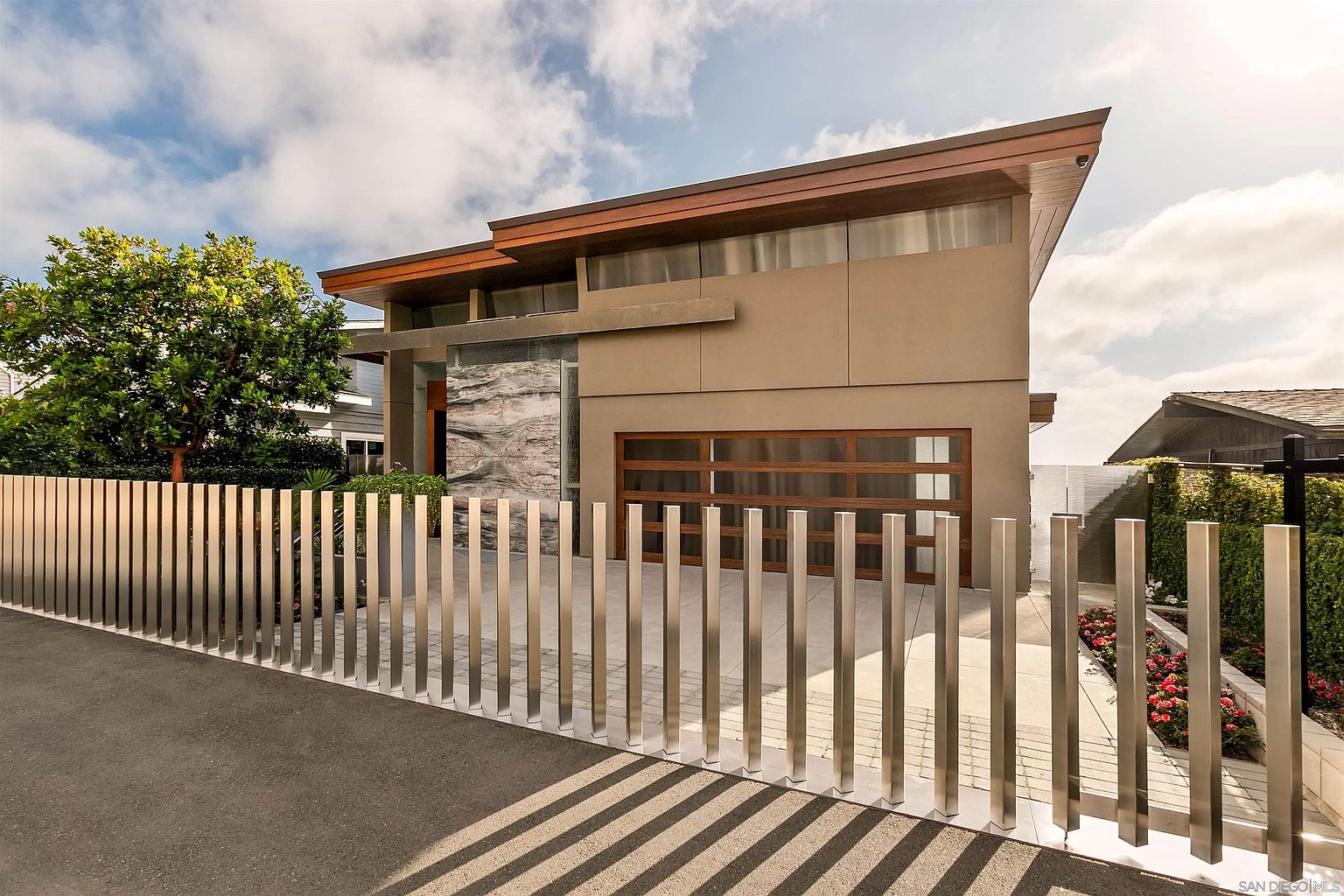
There is a particular quality of light that exists only at sixty-five feet above the Pacific — a luminous, unmediated clarity that arrives before the sun fully clears the eastern hills and lingers long after the horizon has swallowed it again. At 1230 Neptune Avenue, that light is not a feature so much as a founding principle. Every architectural decision made across this four-story residence — the placement of glass, the orientation of terraces, the height of ceilings — was calibrated to receive it fully and surrender nothing.
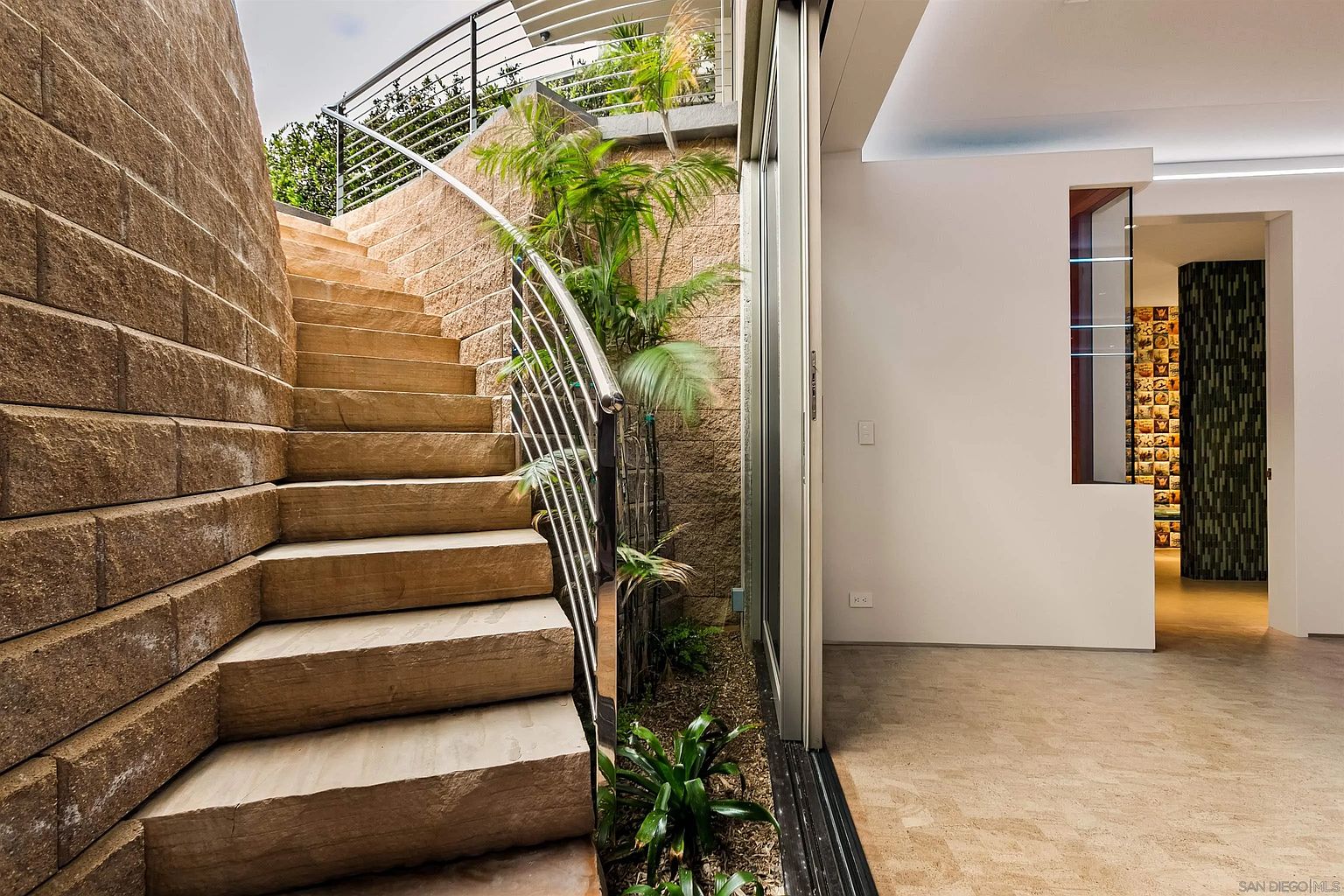
The entry sequence alone establishes the register of what follows. An 800-pound pivot door, monumental in scale and effortless in operation, opens onto a sweeping curved staircase with glass railing, beyond which the Pacific appears not as a view but as an atmosphere — a luminous field that inhabits the interior as completely as any piece of furniture. A commercial-grade elevator provides seamless vertical integration across all four floors, ensuring that the residence functions as beautifully as it photographs.
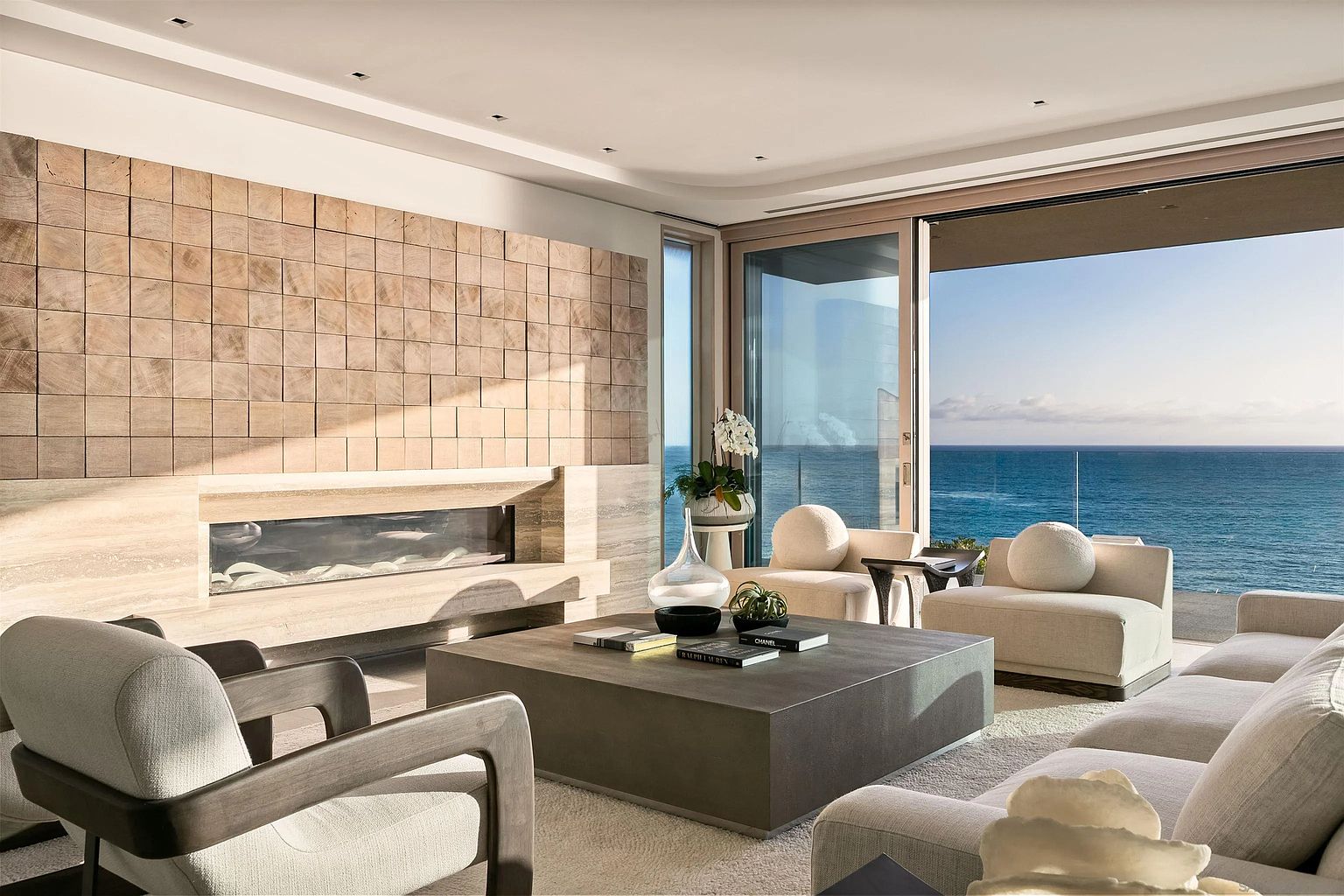
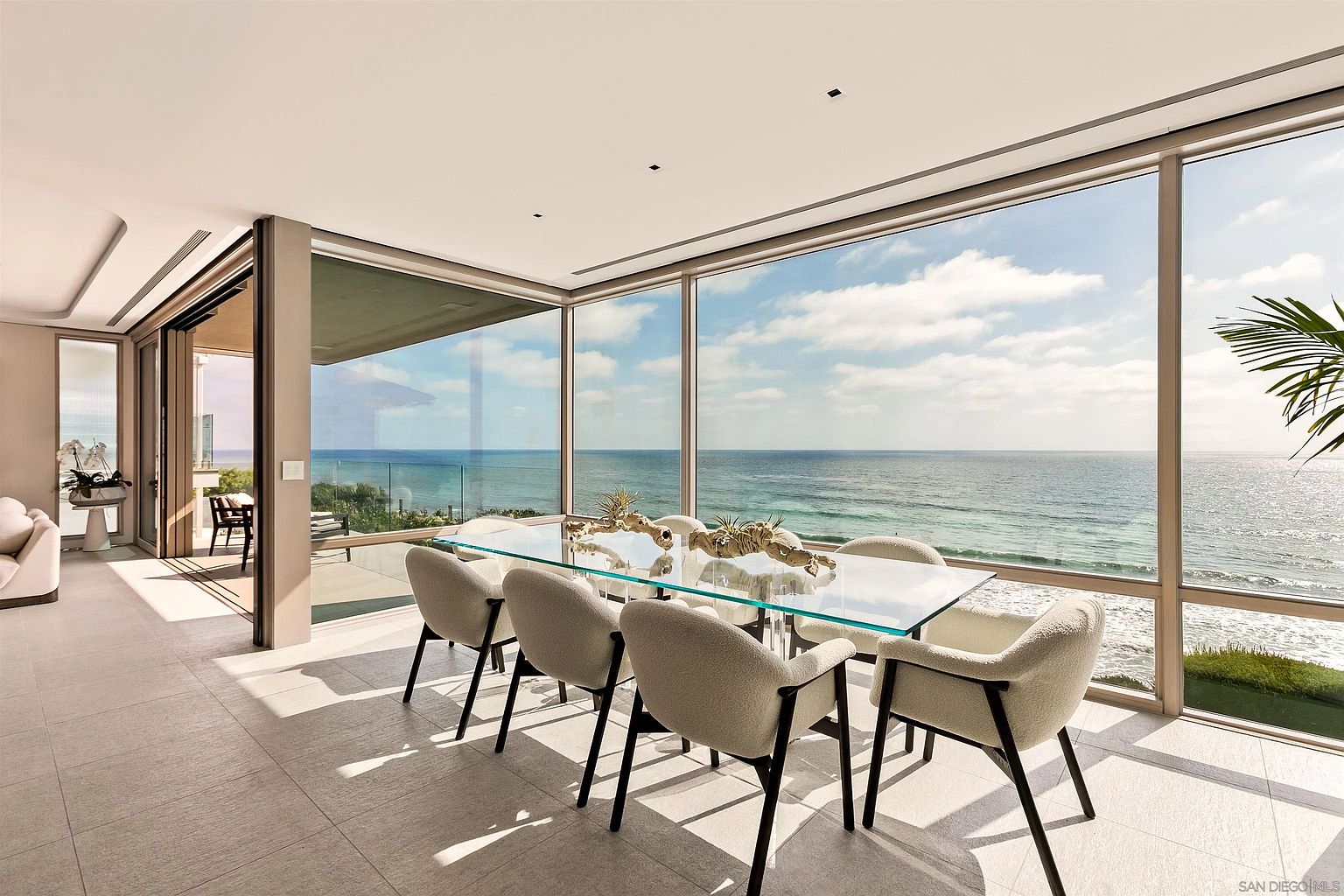
The open-concept living spaces are anchored by a stone-clad fireplace surround of striking textural presence, set against floor-to-ceiling glass that dissolves the conventional boundary between shelter and sea. The kitchen presents light wood cabinetry, dark stone-topped islands, and integrated appliances arranged for both serious culinary function and effortless entertaining, with a glass-topped dining area positioned to hold the ocean view at every meal. Throughout, the material palette — natural stone, warm wood, refined metal — speaks a consistent language of quality without ostentation.
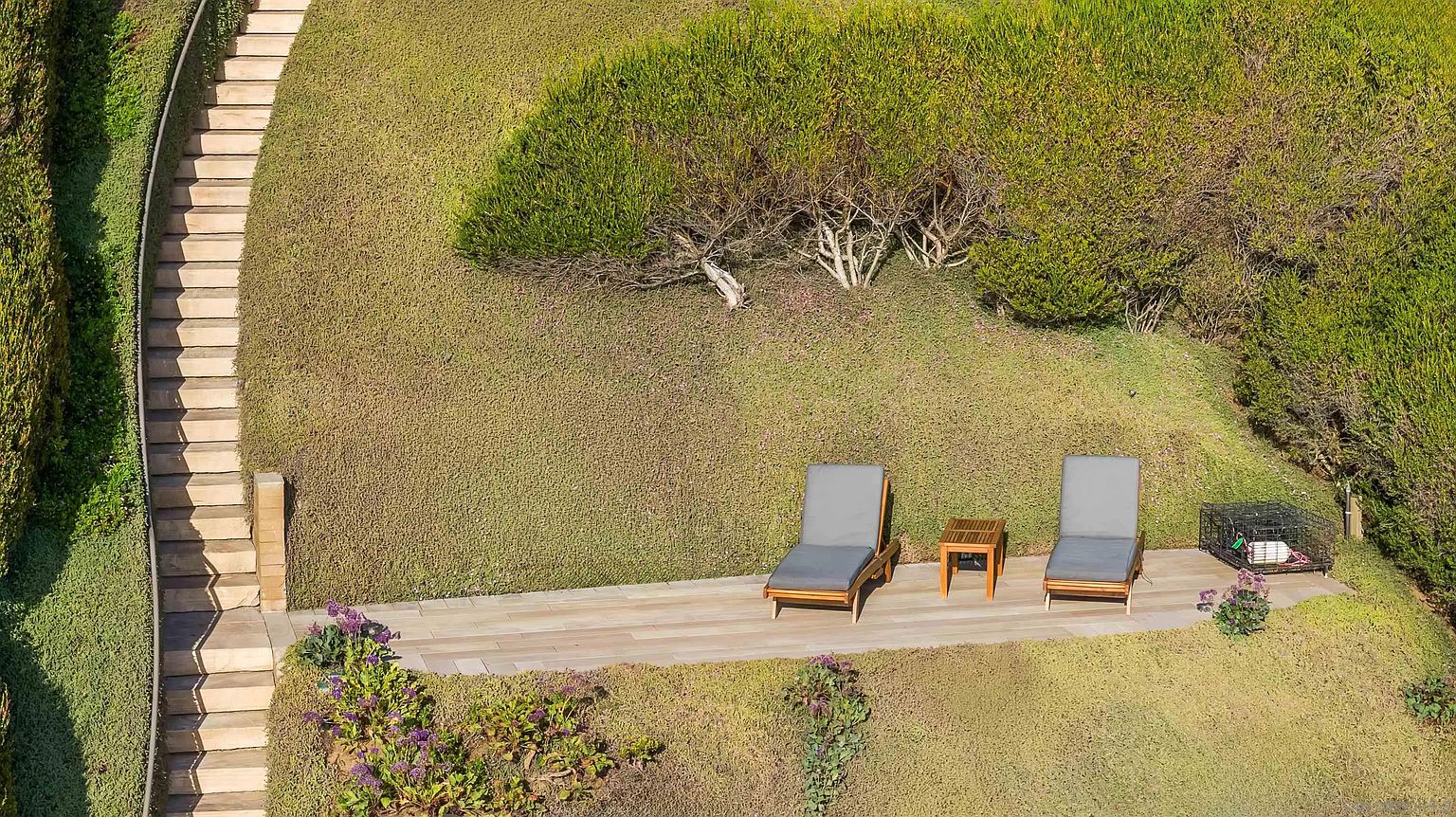
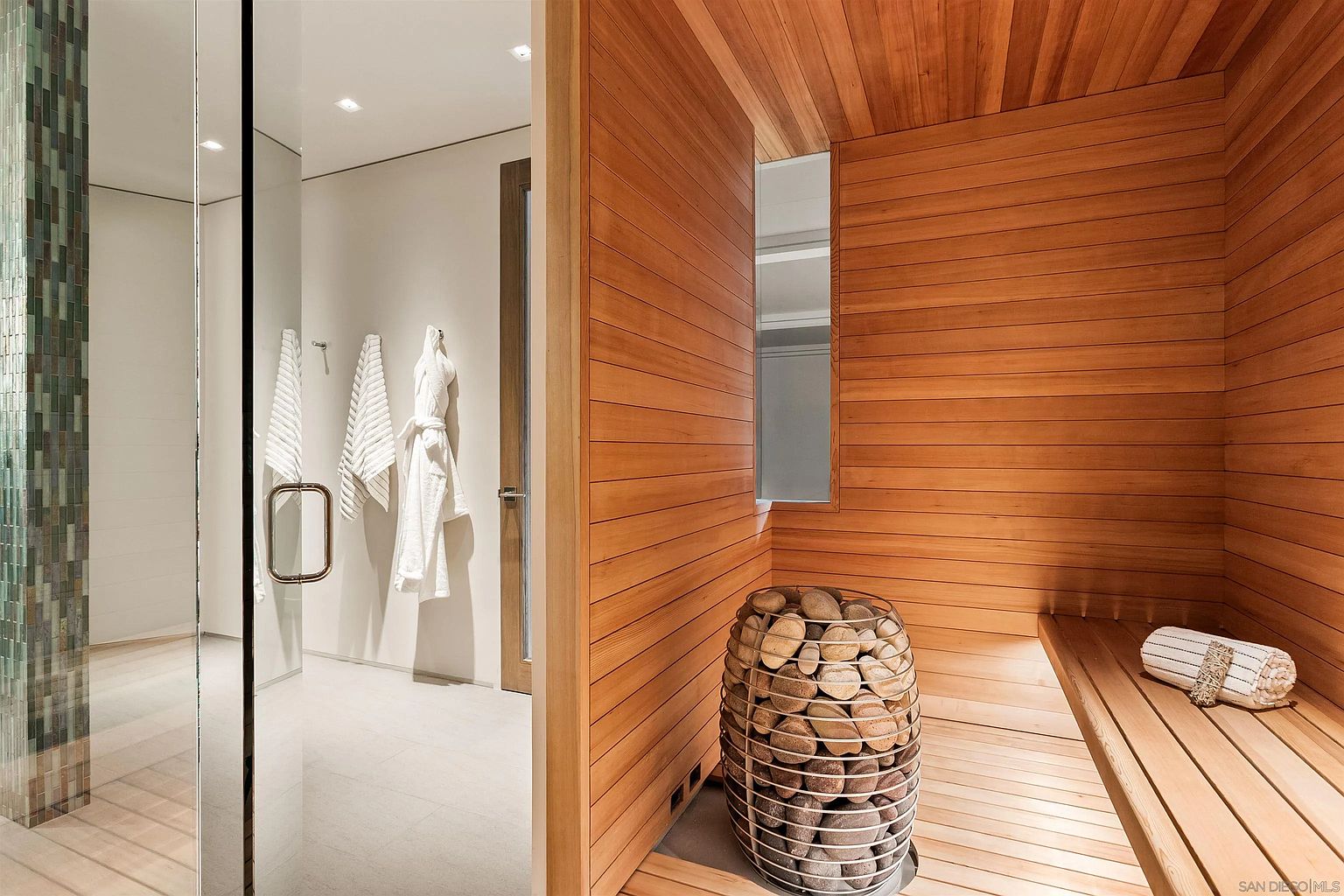
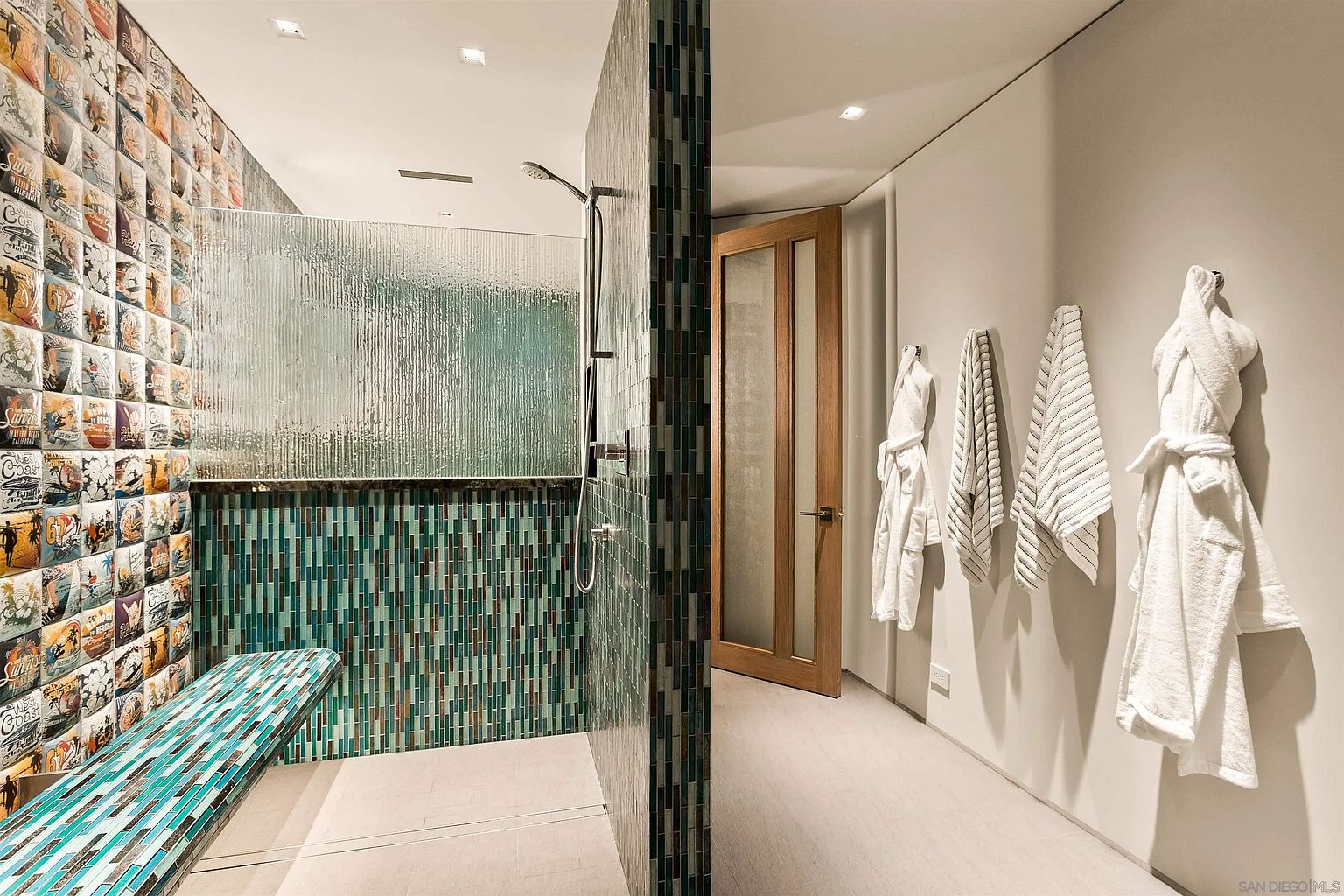
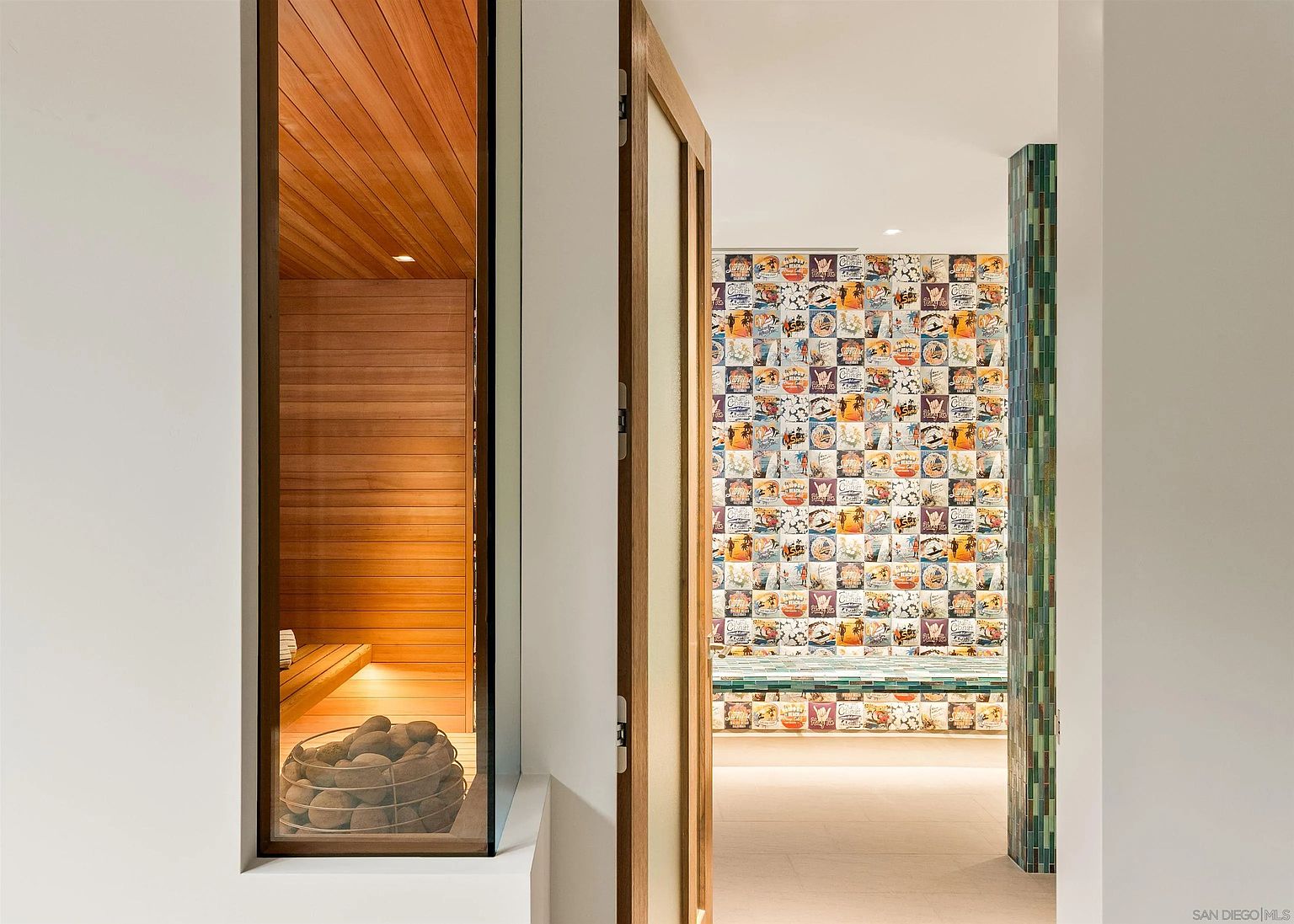
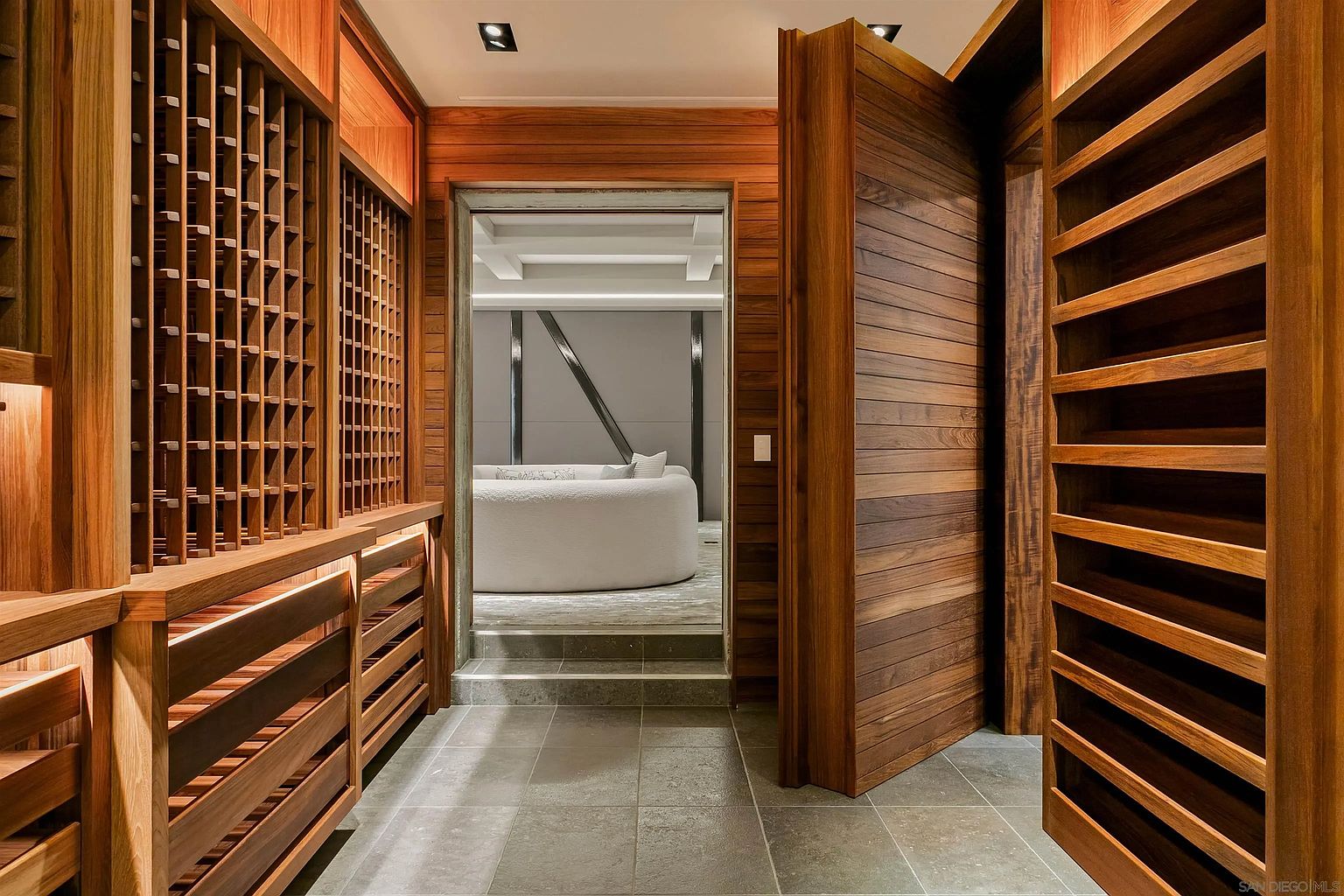
Below the primary living levels, the residence reveals its commitment to comprehensive luxury. A temperature-controlled wine cellar finished in live-edge wood and rough-hewn stone offers both serious storage and an atmosphere of intimate ceremony. A private gymnasium with cork flooring and direct access to an outdoor staircase, and a sauna finished in warm wood paneling, together compose a wellness suite that rivals dedicated spa facilities.
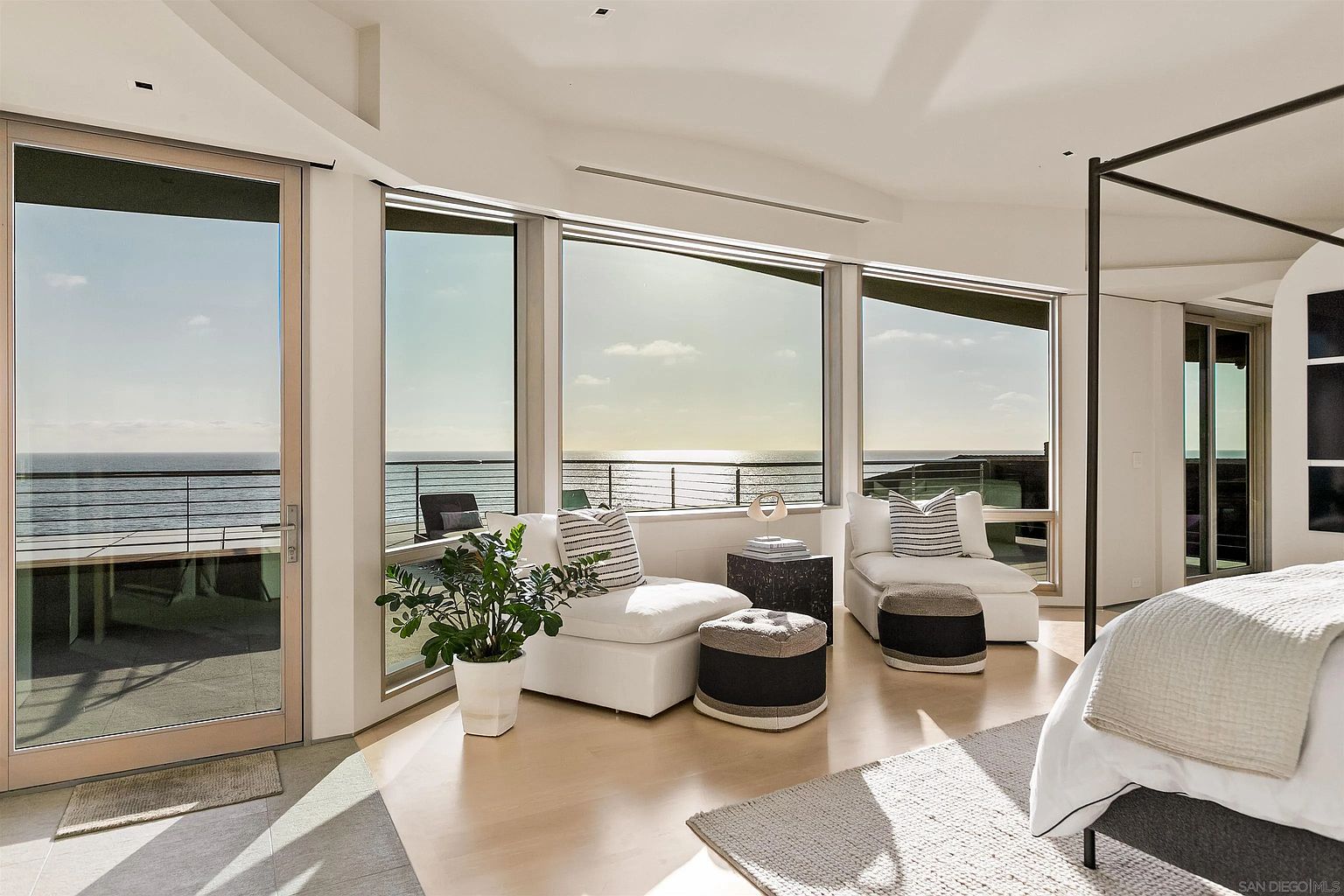
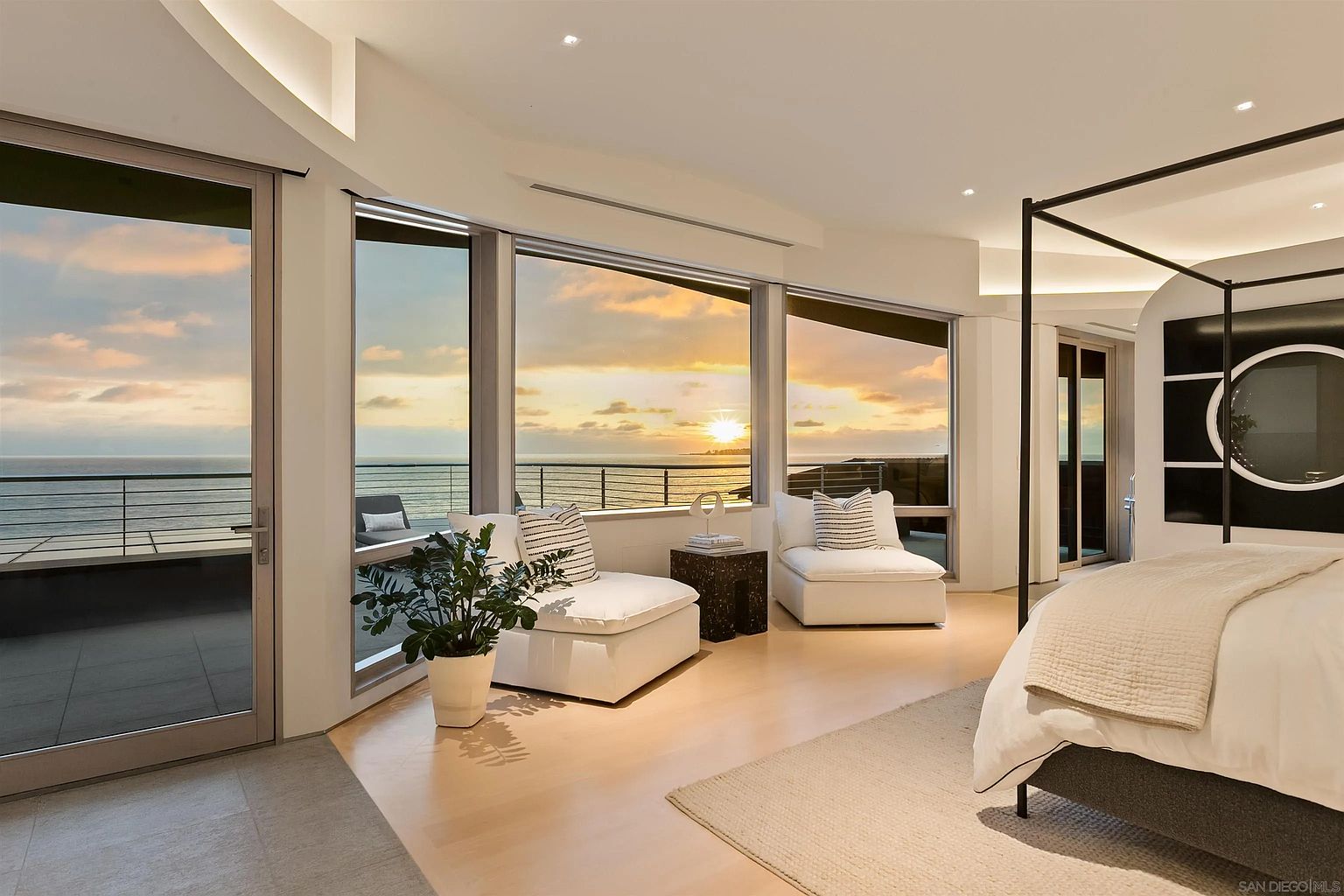
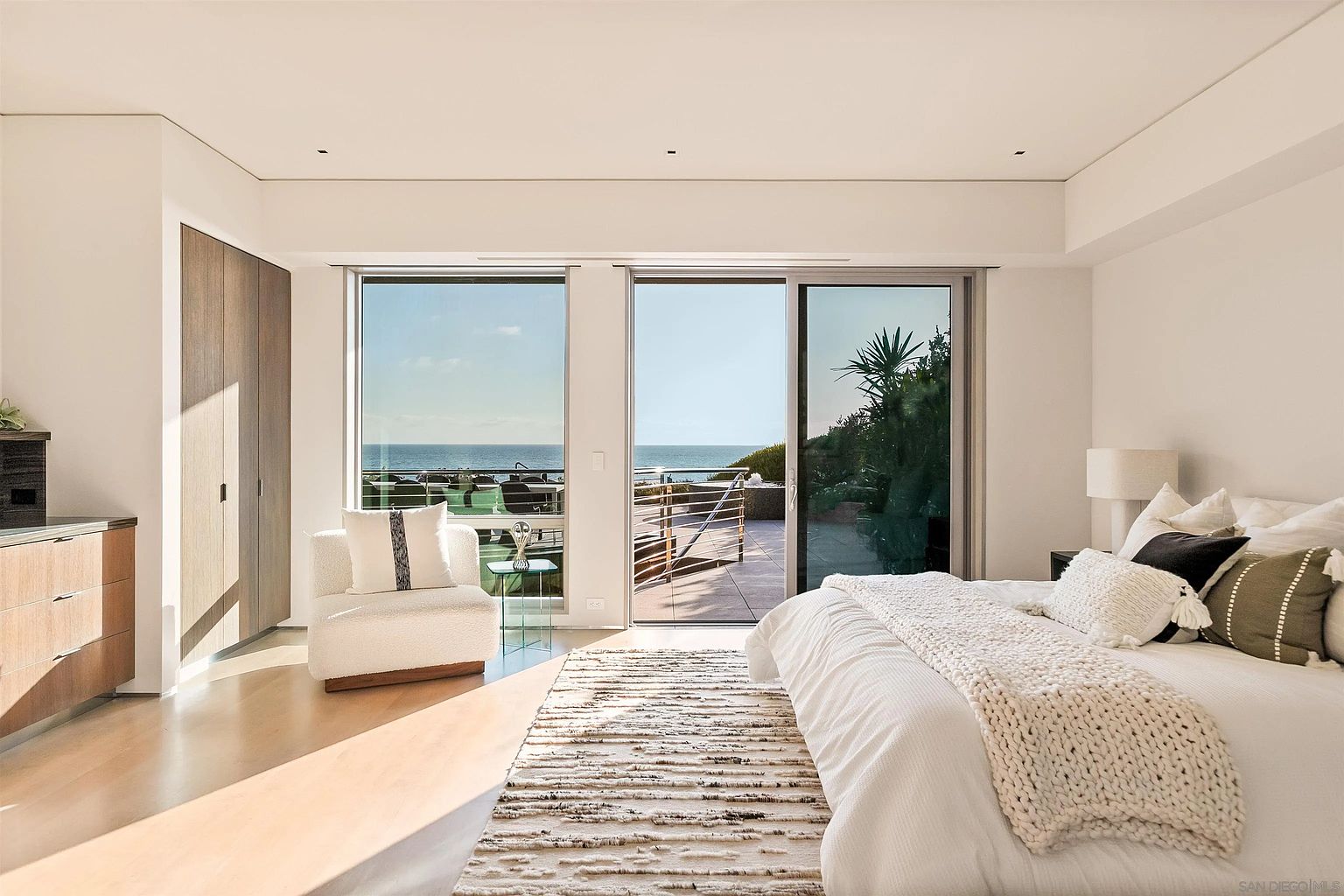
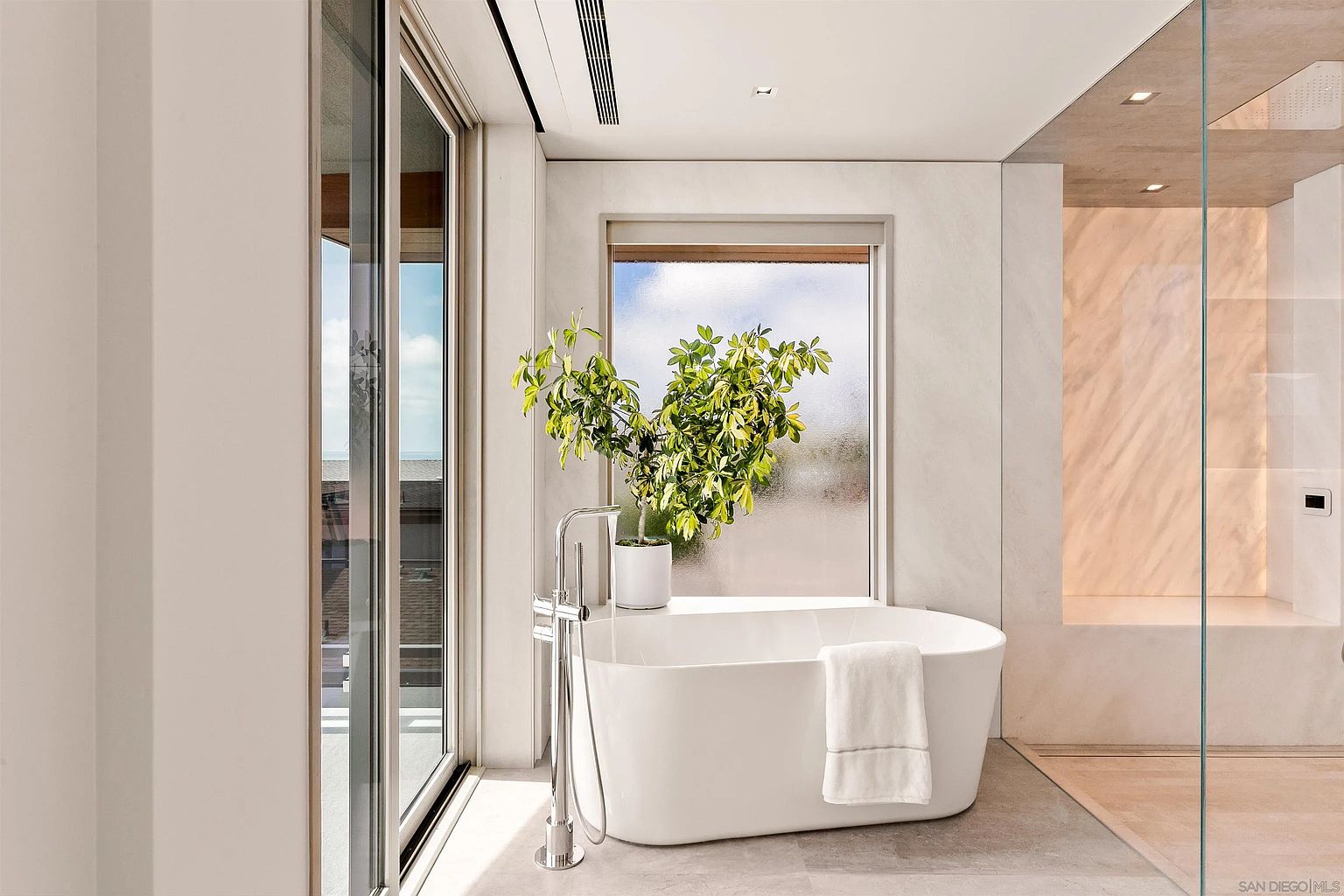
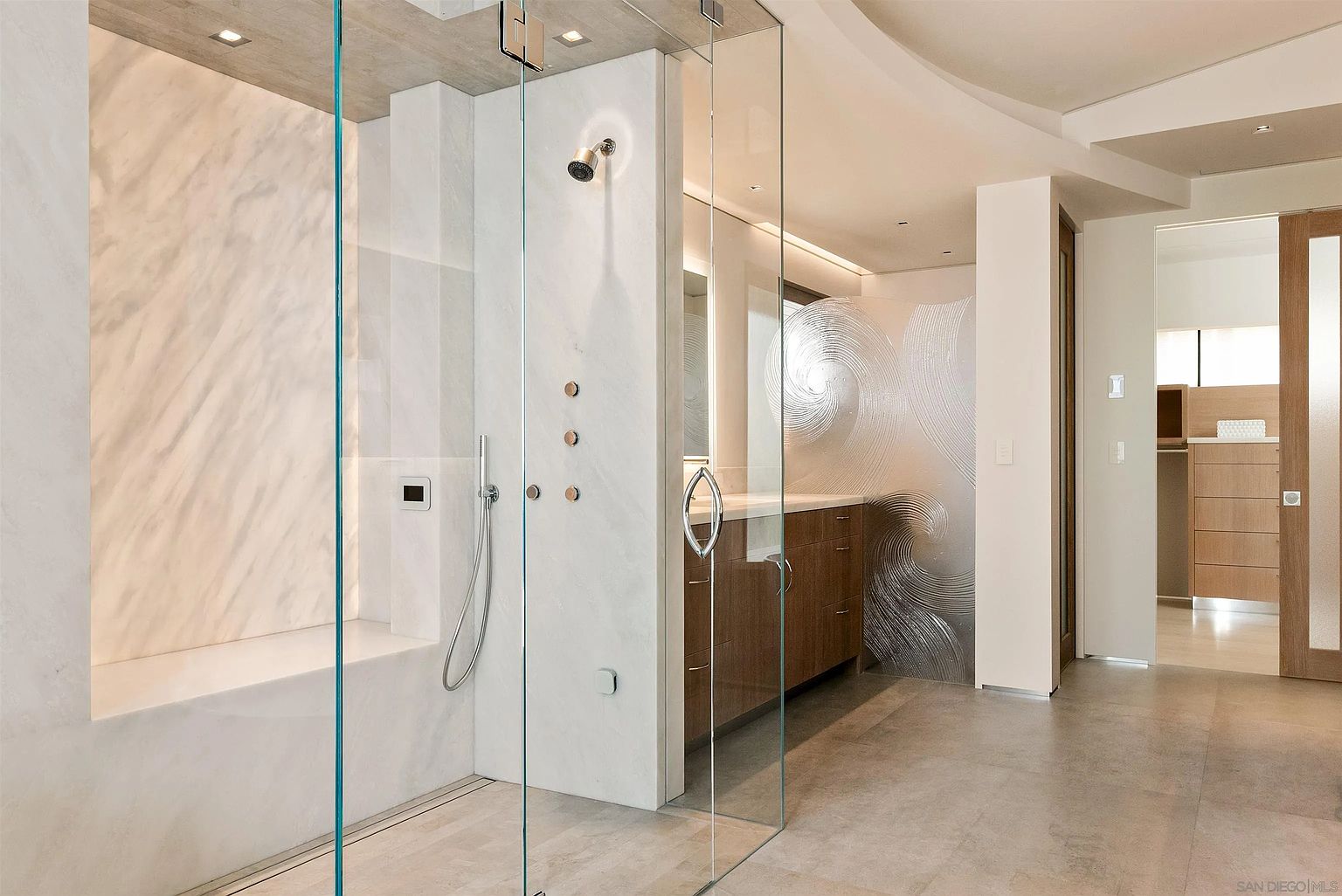
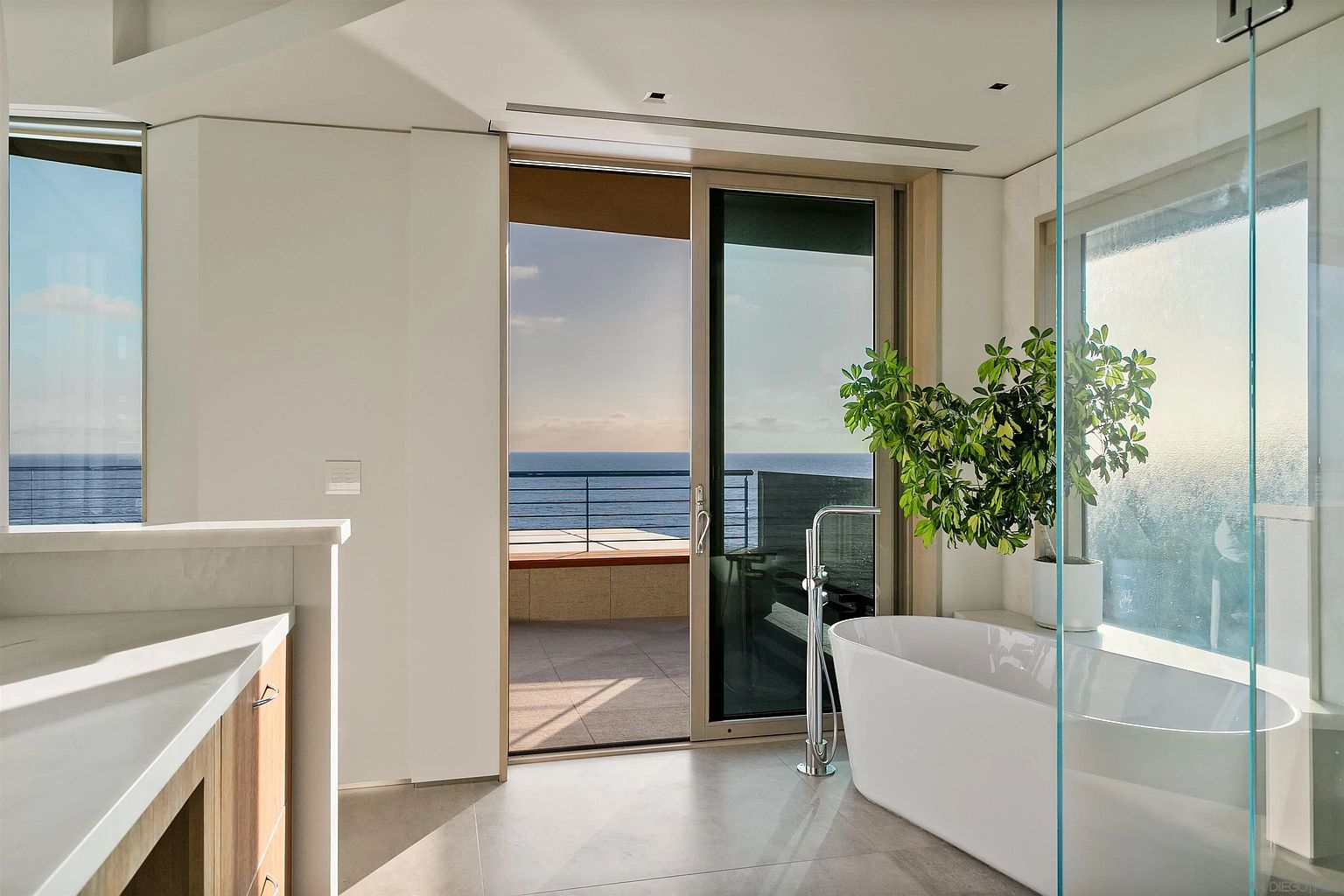
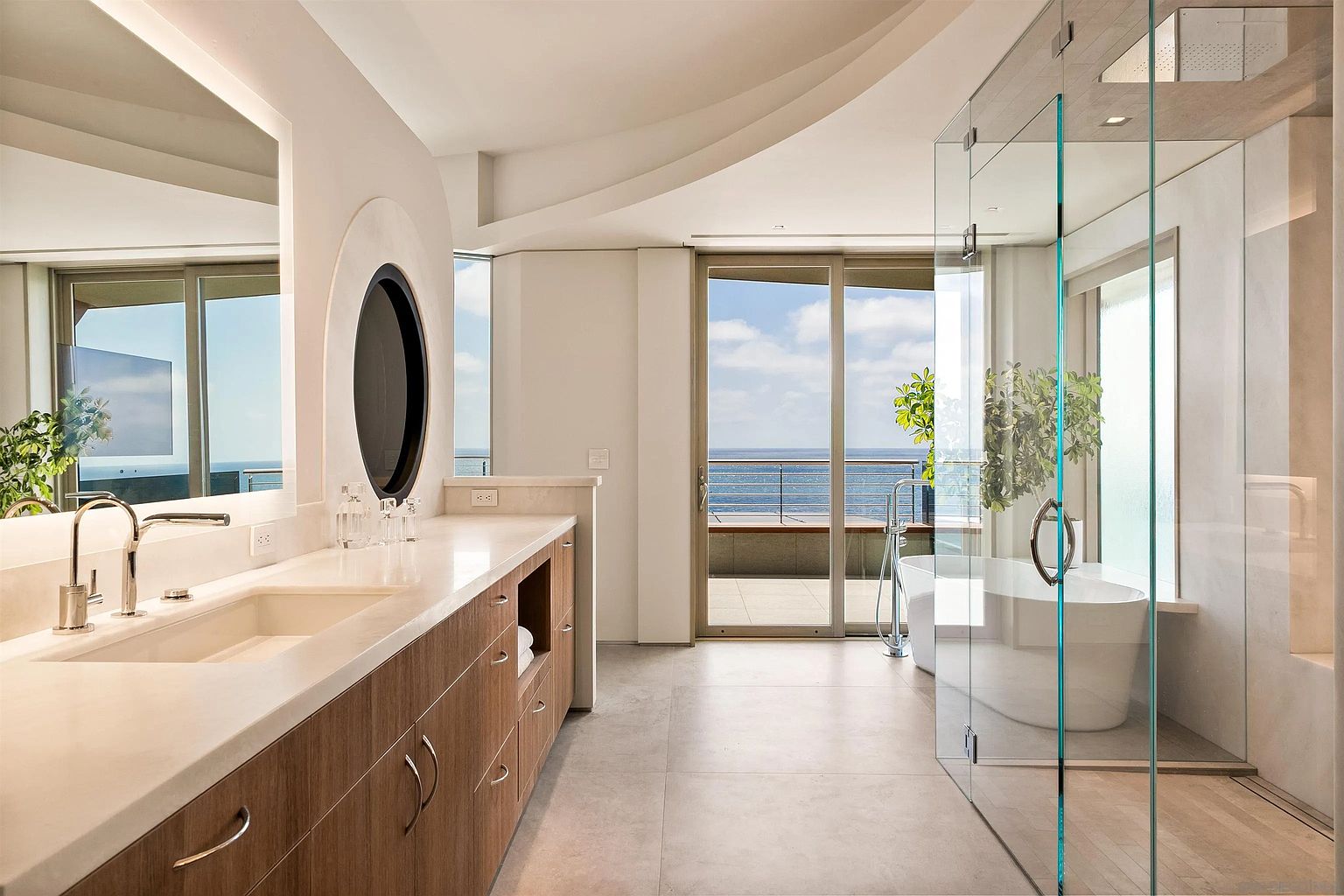
The primary suite occupies the crown of the structure, its deck inspired by the bow of a mega yacht and wrapped in rainforest teak — a platform cantilevered above the water that renders the boundary between architecture and ocean almost philosophically uncertain. The primary bathroom extends this sensibility with a freestanding soaking tub positioned to hold the Pacific view, a glass-enclosed shower, and finishes that balance spa-like serenity with material refinement.
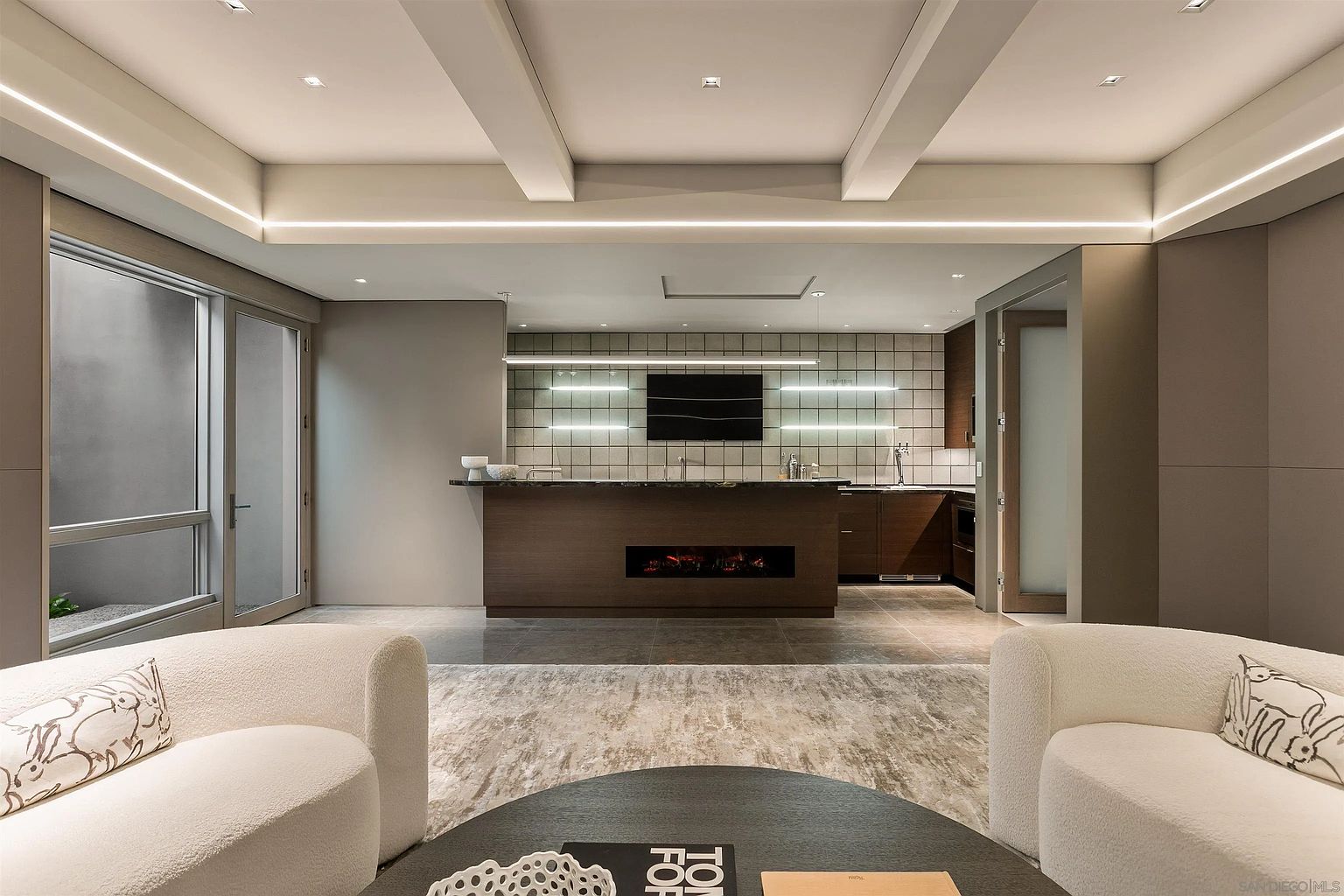
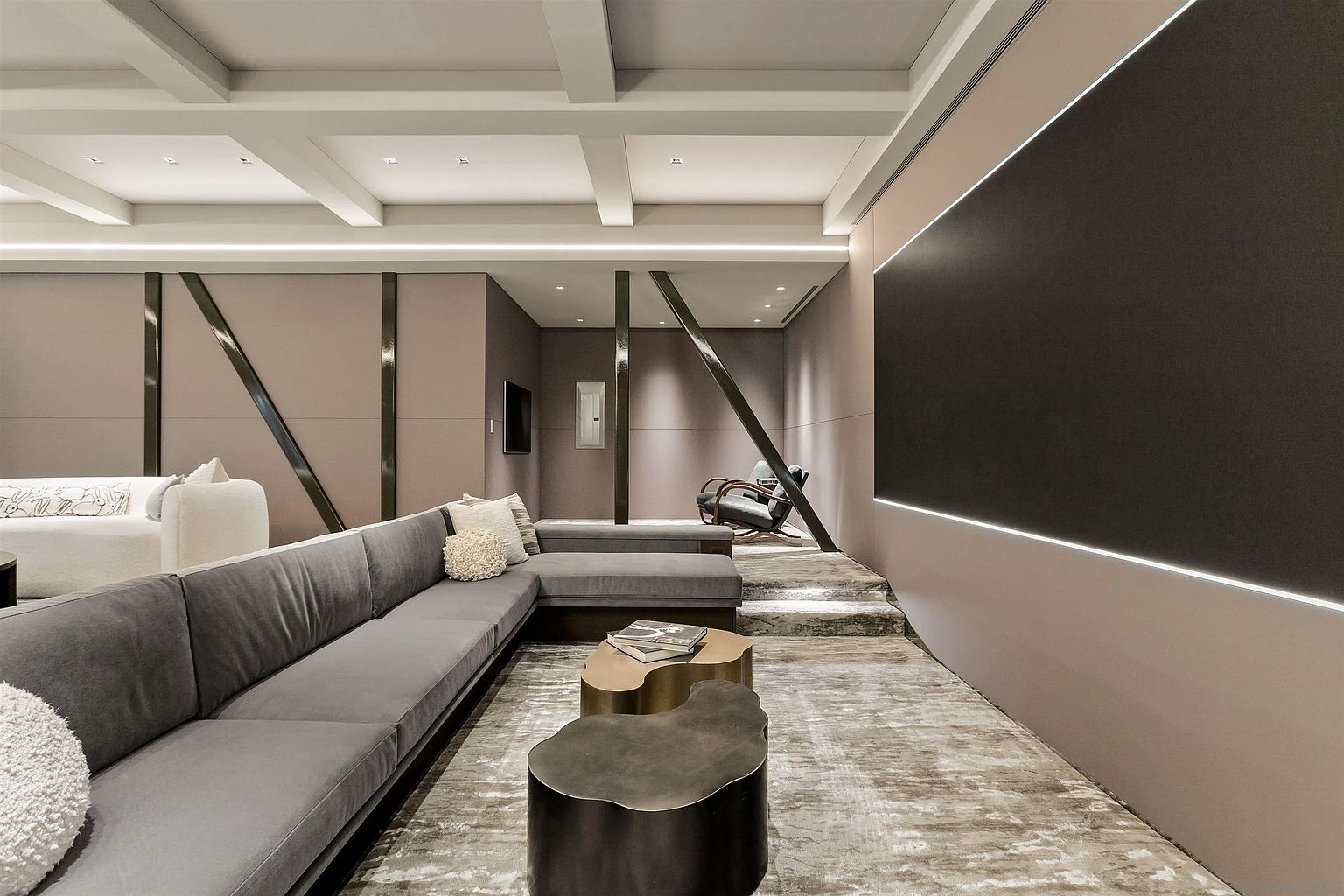
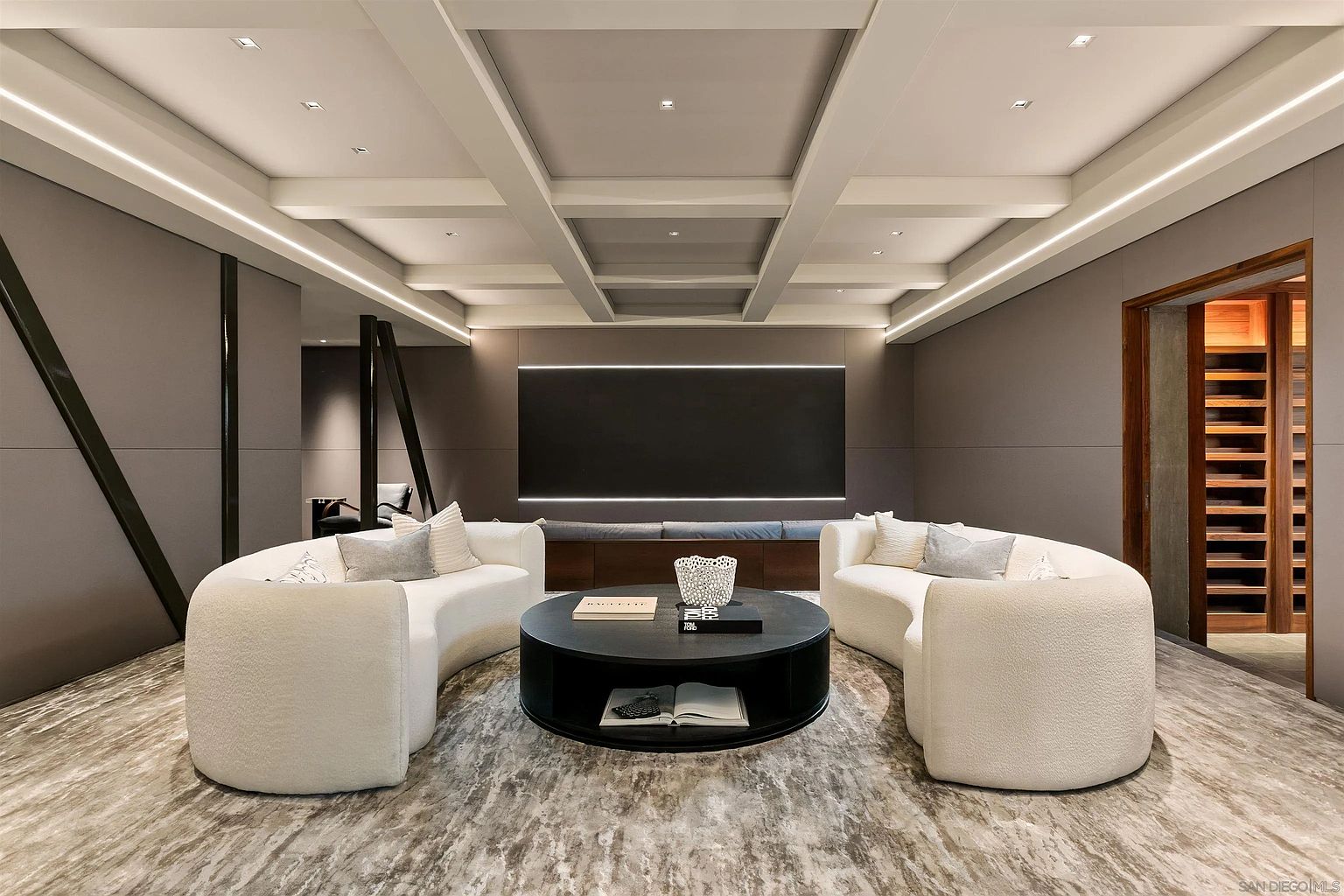
Sustainability is woven into the residence's infrastructure without apology. Forty-four solar panels and three Tesla Powerwalls anchor a comprehensive energy management system, while a fully integrated Savant home automation platform governs the residence's systems with precision. A fifteen-foot microLED video wall anchors the dedicated media room, where a coffered ceiling and curated acoustics create a cinematic environment of genuine quality.
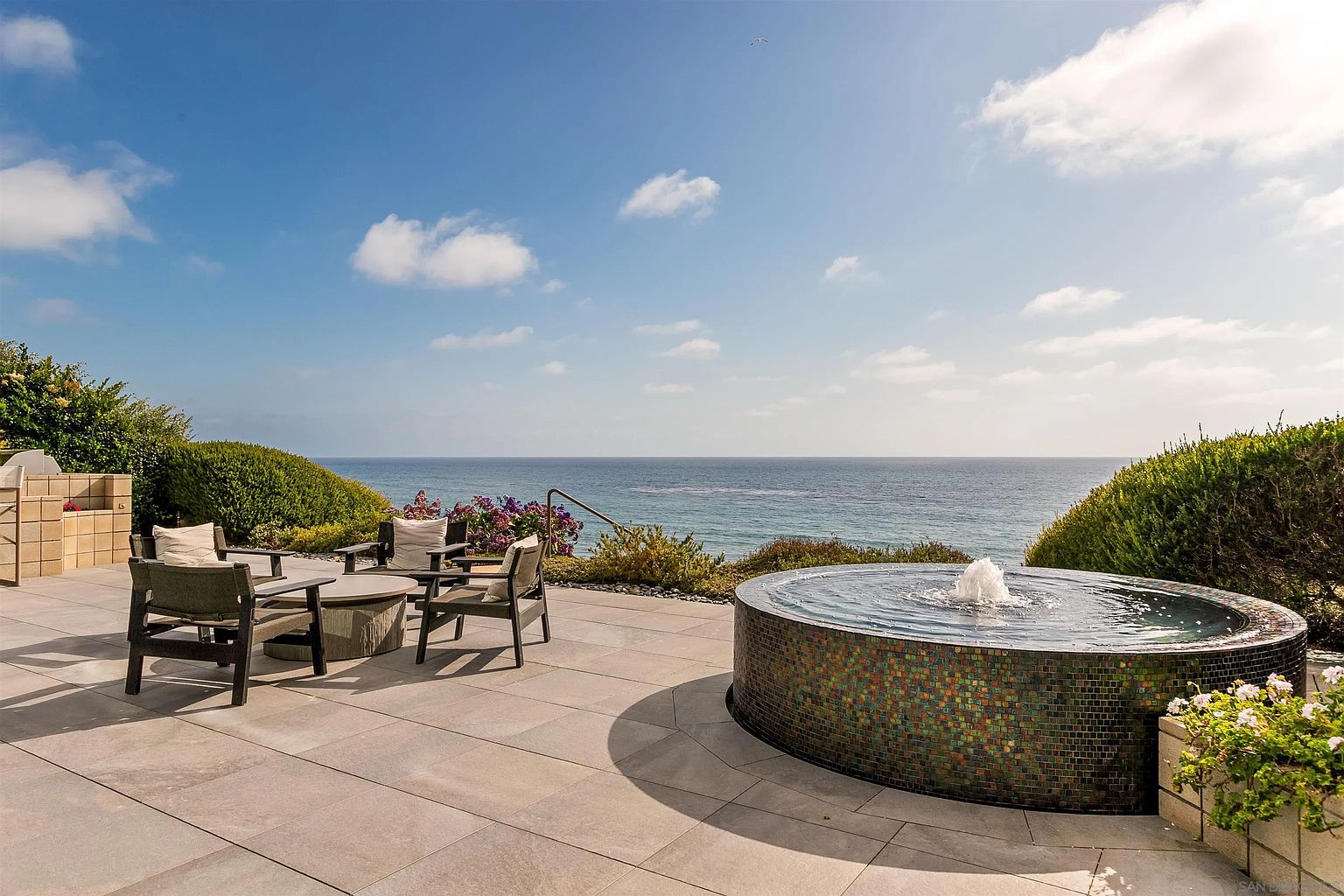
On the bluff-side terraces — private sanctuaries positioned thirty feet above the waterline — a circular fire pit, built-in outdoor kitchen, and direct stair access to the beach complete an outdoor program designed for the full expression of coastal living. This is a residence that was not decorated to suggest luxury; it was engineered to deliver it.
Encinitas occupies a stretch of the San Diego County coast that has long attracted those who understand the difference between living near the ocean and living with it. Incorporated as a city in 1986 through the consolidation of five distinct communities — Encinitas, Cardiff-by-the-Sea, Leucadia, Olivenhain, and New Encinitas — the area has maintained a character that resists easy categorization. It is neither the manicured exclusivity of La Jolla to the south nor the sprawling informality of communities to the north. It is something more particular: a place where serious surfers, working artists, established professionals, and multigenerational families have coexisted for decades in a community defined less by wealth display than by genuine coastal identity.
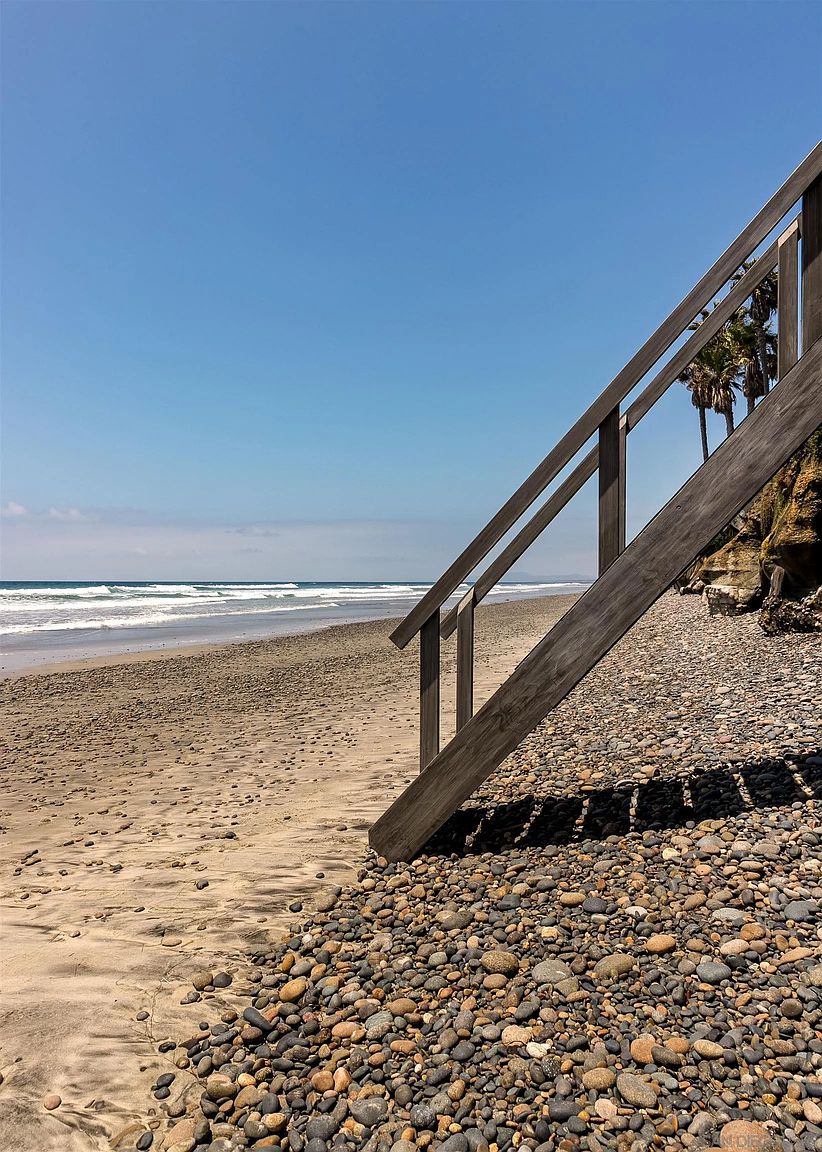
Neptune Avenue runs along the western edge of the city's coastal bluff, a ribbon of road that has historically represented the most coveted address in a community where proximity to the water is the primary currency of real estate. The bluff itself — sandstone cliffs that drop to a beach accessible by staircase from select properties — creates a topographic drama that flat beachfront communities simply cannot offer. The elevation provides not just views but a vantage point: the sense of surveying the Pacific rather than merely adjoining it.
The immediate neighborhood retains the intimate scale that distinguishes Encinitas from more commercially developed coastal cities. The historic downtown, centered on First Street and Coast Highway 101, offers an independent commercial corridor of genuine character — bookshops, farm-to-table restaurants, wine bars, and surf shops that have operated for decades alongside newer establishments drawn by the area's sustained desirability. The Encinitas Farmers Market, held weekly, has become one of the most respected in San Diego County, reflecting a community with strong agricultural roots — the area was historically significant for its flower-growing industry, a legacy still visible in the fields that persist in the inland portions of the city.
Culturally, Encinitas has long maintained a relationship with wellness and contemplative practice that predates their mainstream popularization. The Self-Realization Fellowship, established by Paramahansa Yogananda, has maintained its hermitage and meditation gardens on the coastal bluffs since 1937, and the gardens remain open to the public as one of the most quietly extraordinary spaces on the California coast. The city has also developed a reputation as a significant node in the international surfing community — Swami's, the reef break immediately south of the Self-Realization Fellowship, is among the most storied surf spots in California.
For daily life, the infrastructure surrounding Neptune Avenue is quietly exceptional. Encinitas Boulevard and El Camino Real provide access to regional retail and services, while the proximity to Interstate 5 places San Diego's Gaslamp Quarter approximately thirty minutes south and Orange County's coastal communities a comparable distance north. The Coaster commuter rail stops in Encinitas, providing a car-free connection to downtown San Diego.
What ultimately defines the experience of living on this particular stretch of Neptune Avenue is not any single amenity but the cumulative effect of a place that has been genuinely, rather than aspirationally, shaped by the ocean. The light here is different. The pace is different. And from sixty-five feet above the water, the full weight of that difference is felt every morning.
Featured Highlights
Curated Content • Presented by Thomas A Jacobs