The Story Behind
A Century of Legacy Where Ocean Meets Pond
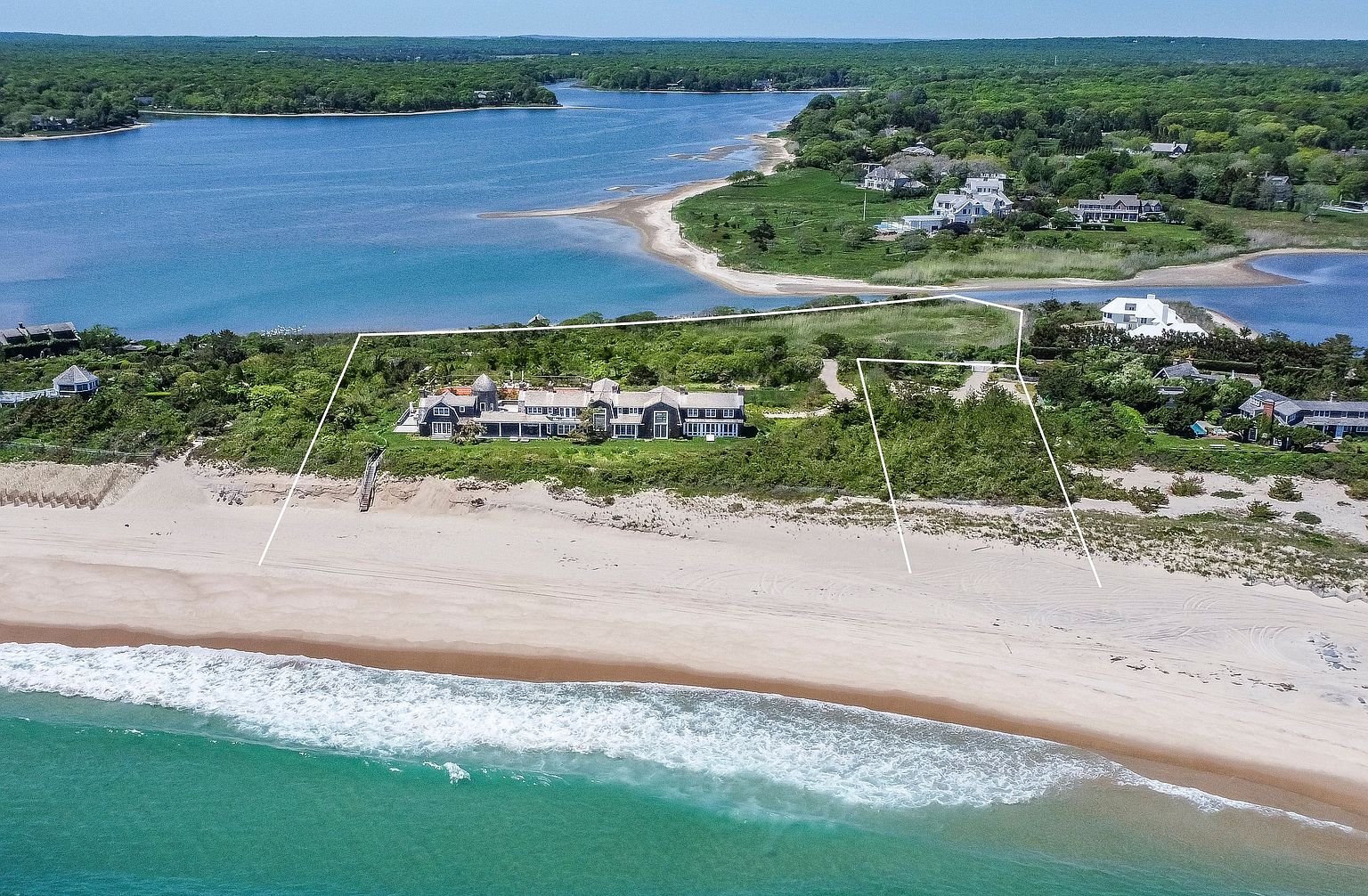
There are properties that simply occupy land, and then there are properties that inhabit history. 75 West End Avenue belongs irrevocably to the latter category. Completed in 1894 by Laura Brevoort Sedgwick James, the residence is among the oldest in the Georgica Dunes — a pioneering structure that helped define the architectural character of what would become one of America's most celebrated coastal enclaves. In 1935, Juan Trippe, founder of Pan American World Airways and one of the twentieth century's great visionaries, acquired the estate and expanded the compound, imprinting it with the ambition and refinement that defined his era. Then, in 1981, fashion designer Calvin Klein and his wife, Kelly Rector Klein, took ownership and embarked upon what can only be described as a masterwork of restoration and reimagination — enlisting the celebrated French architect Thierry Despont to guide a meticulous transformation that honored every original element while elevating the residence to a new standard of elegance.
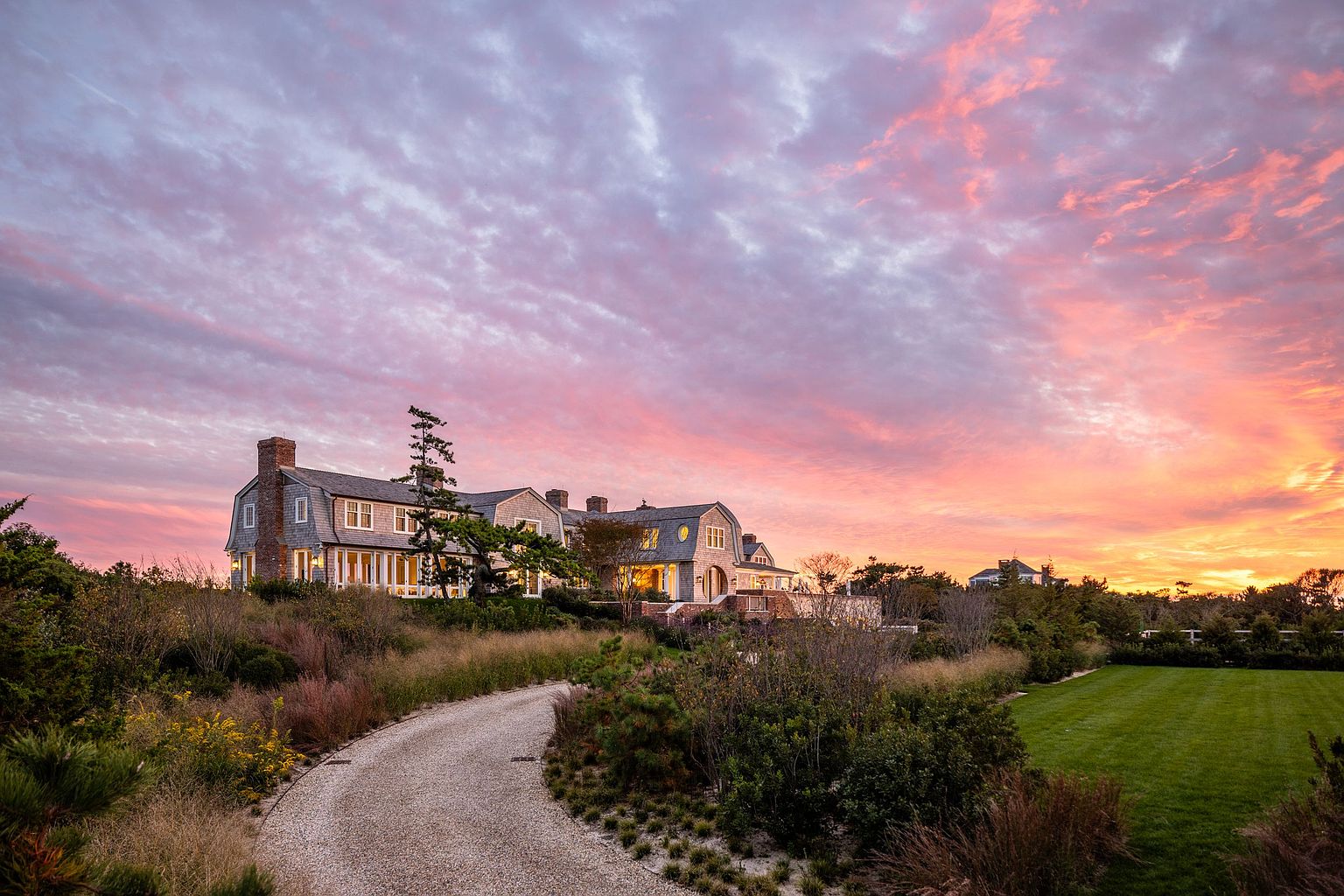
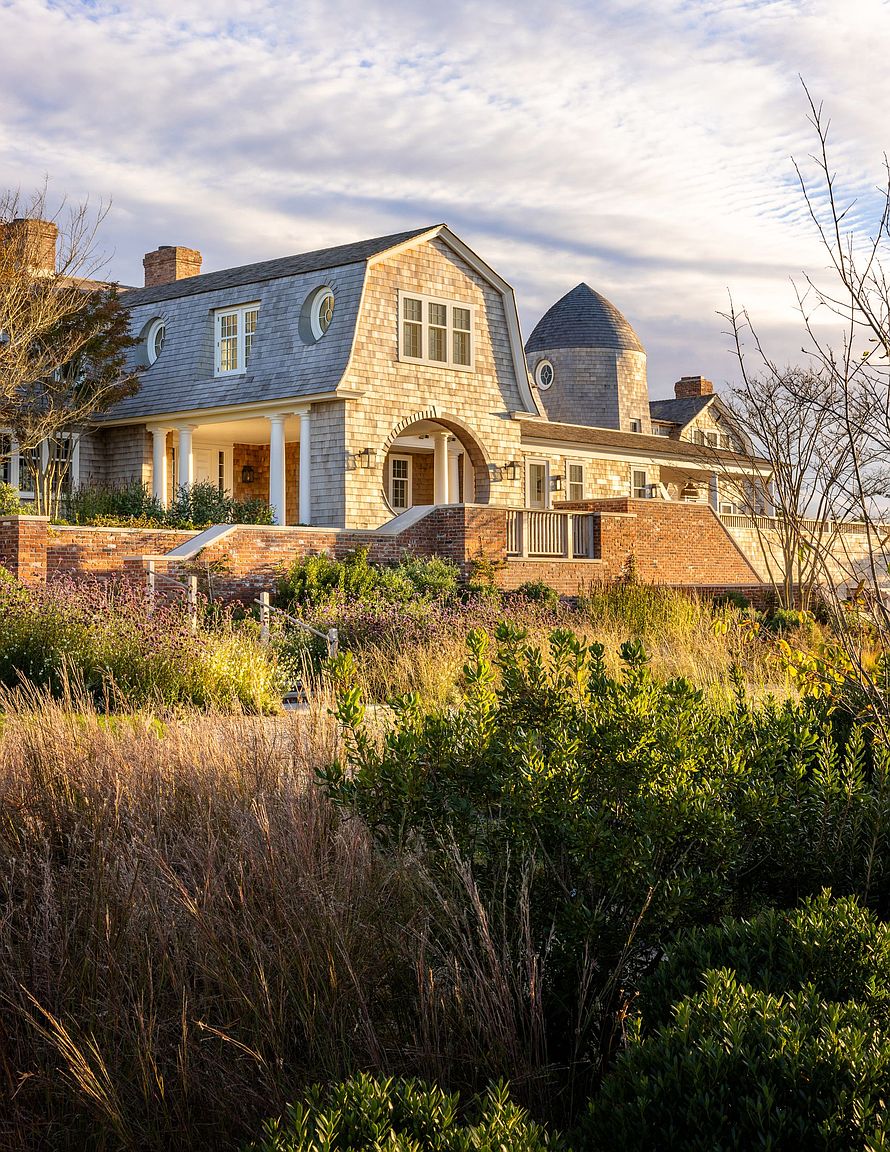
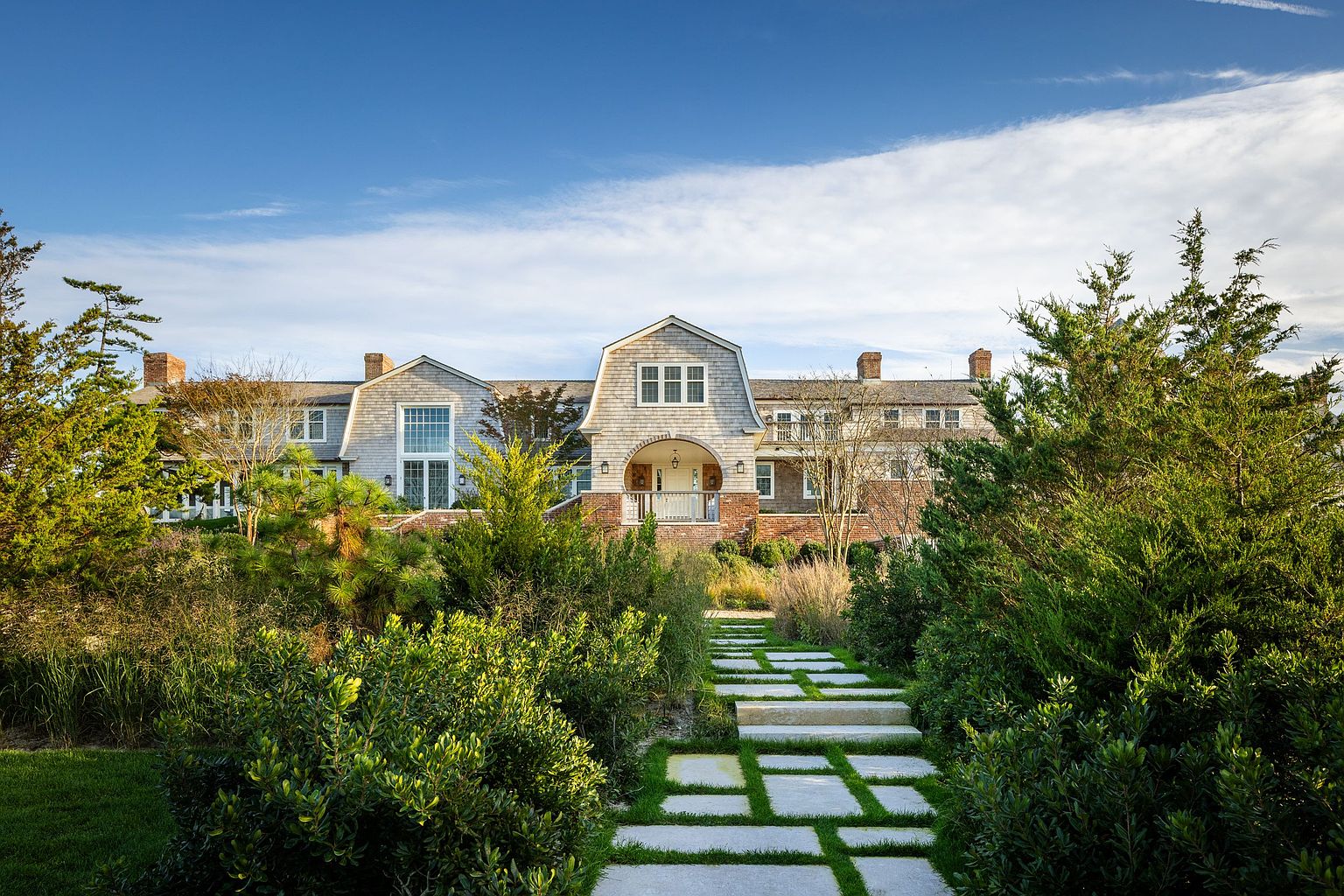
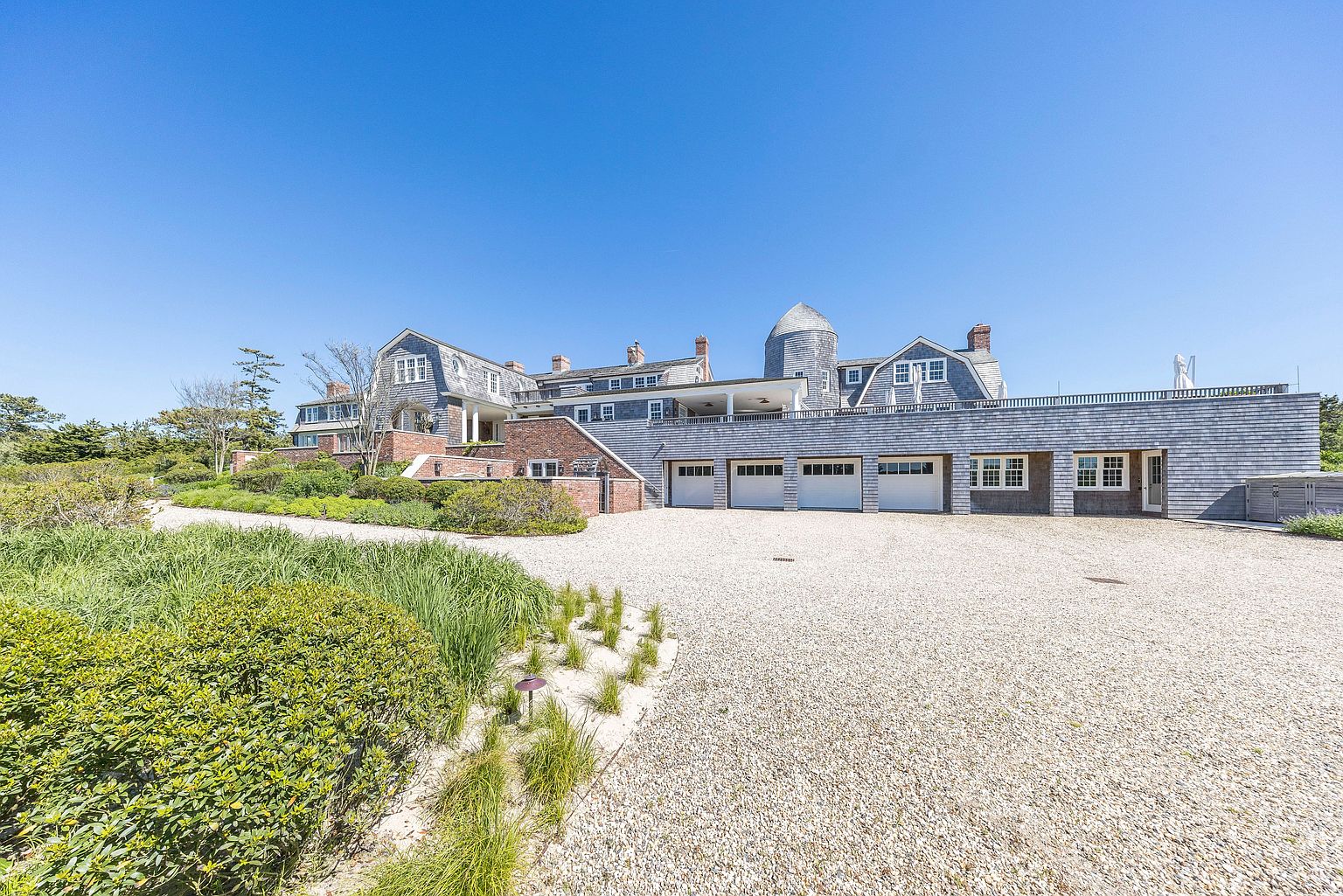
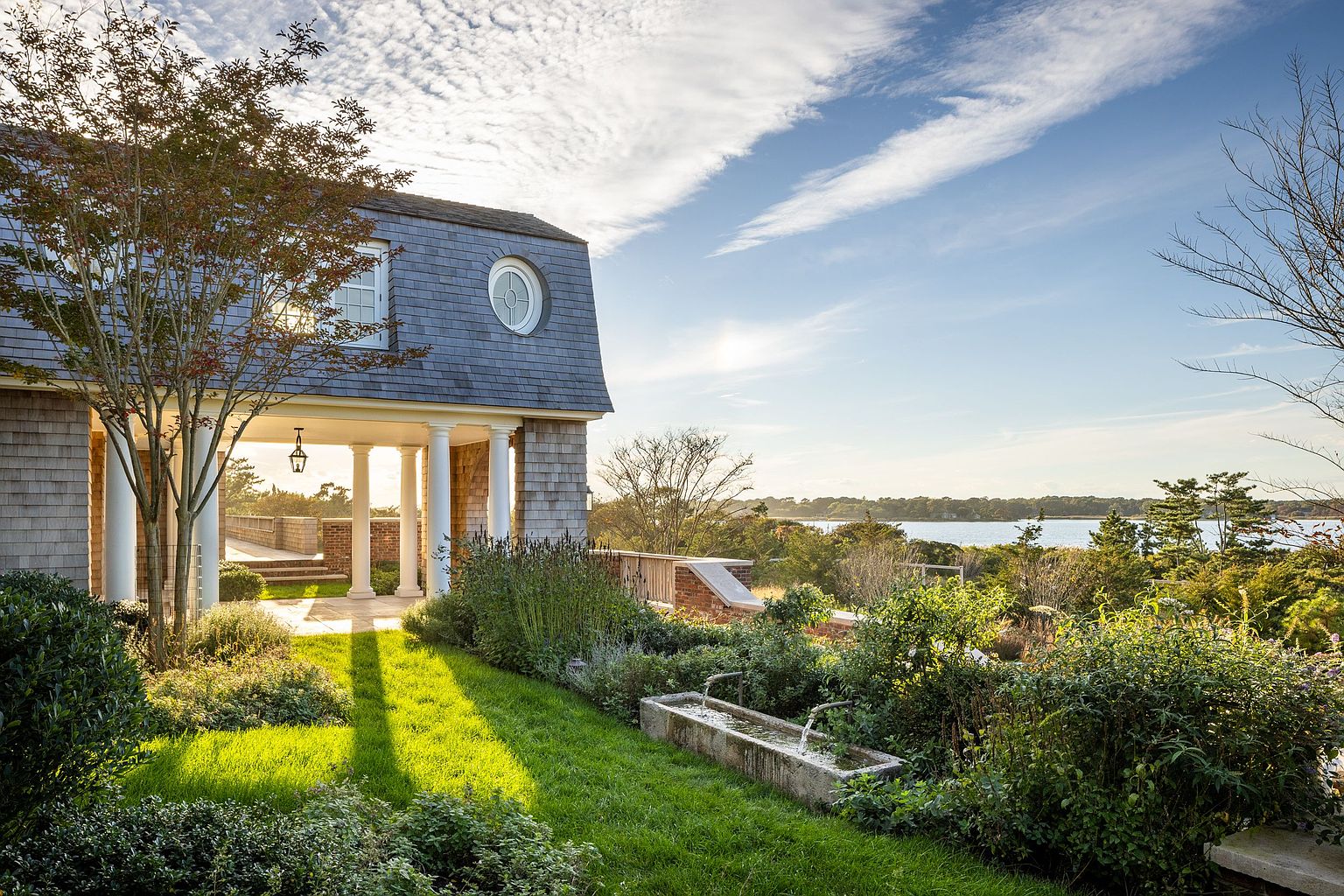
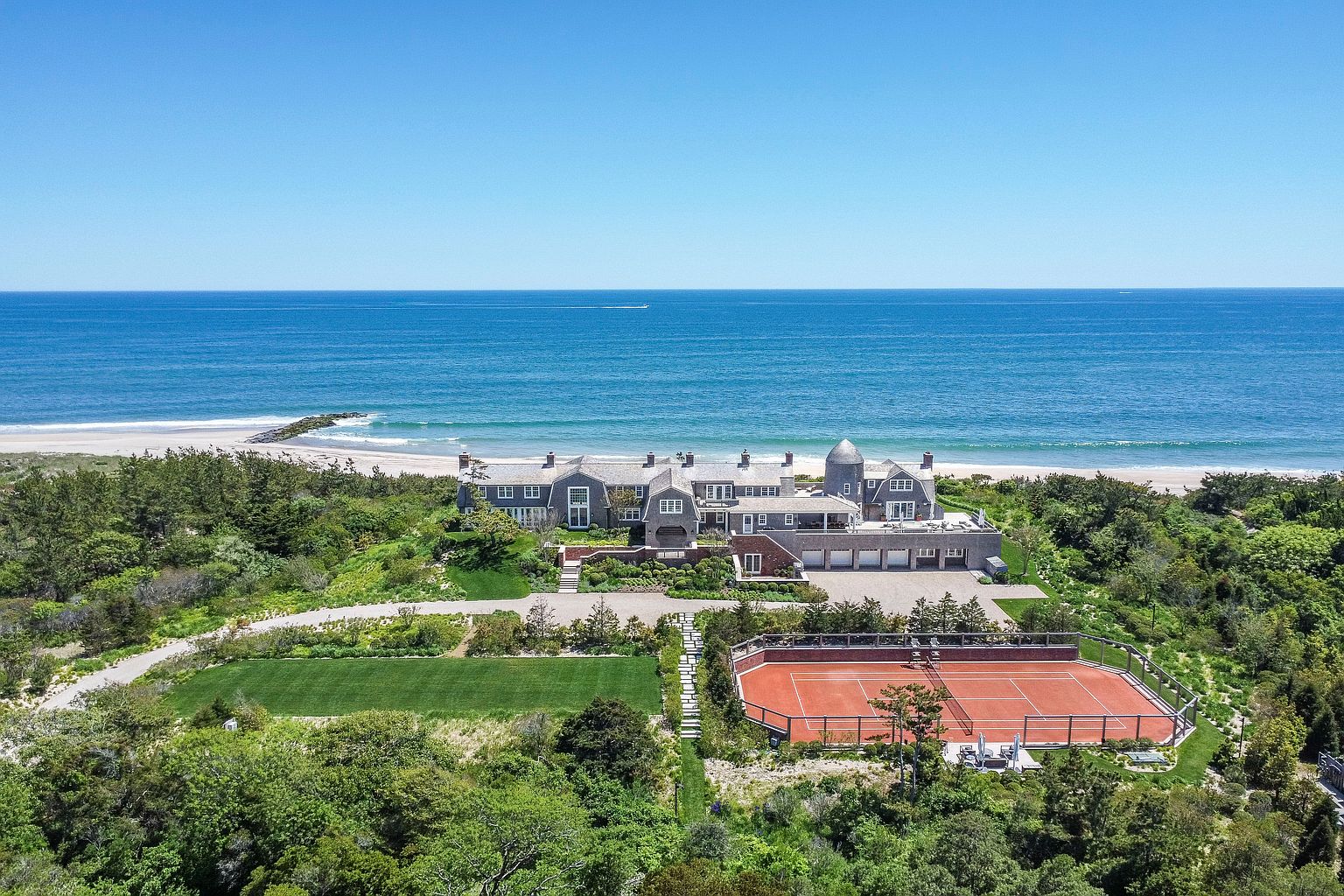
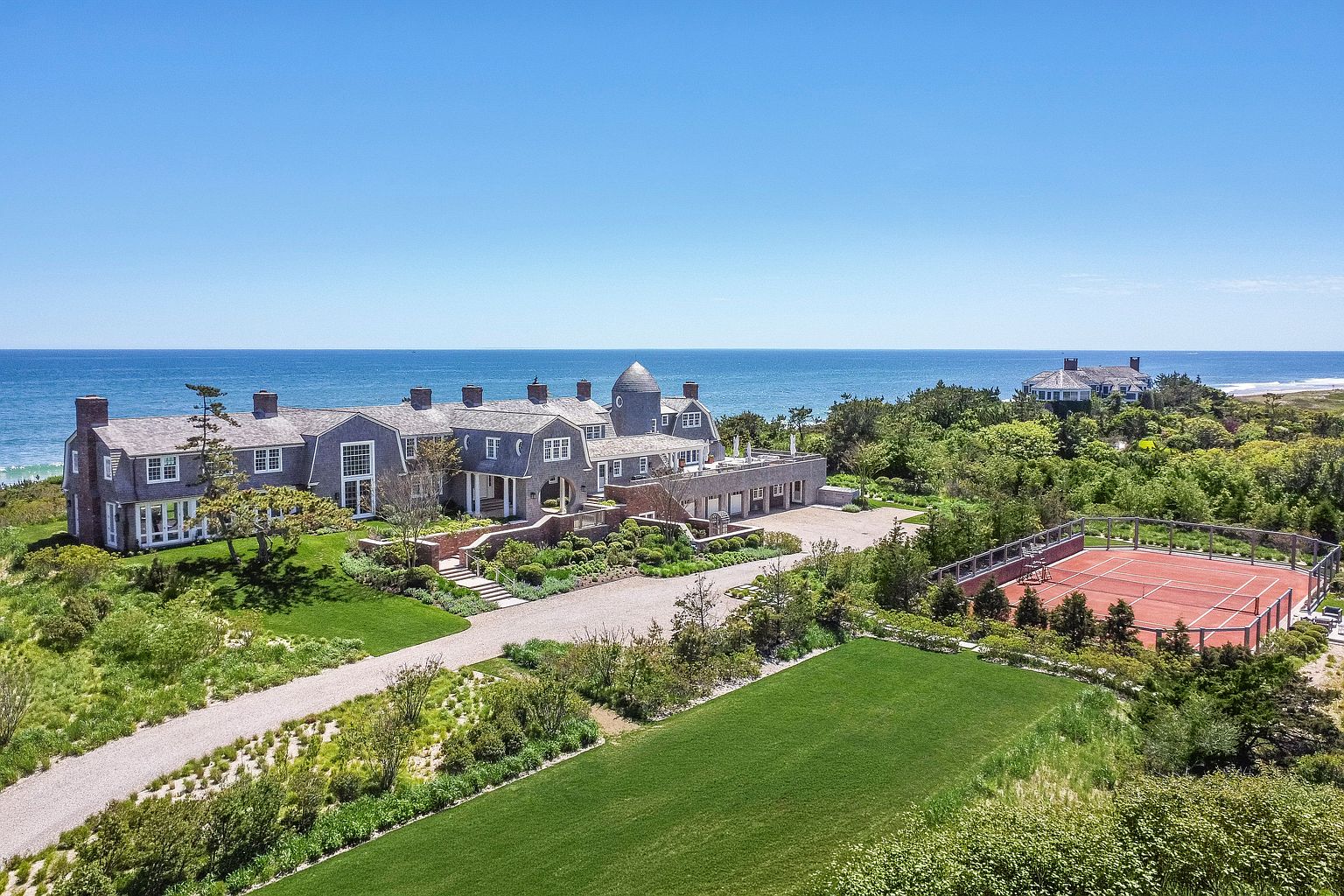
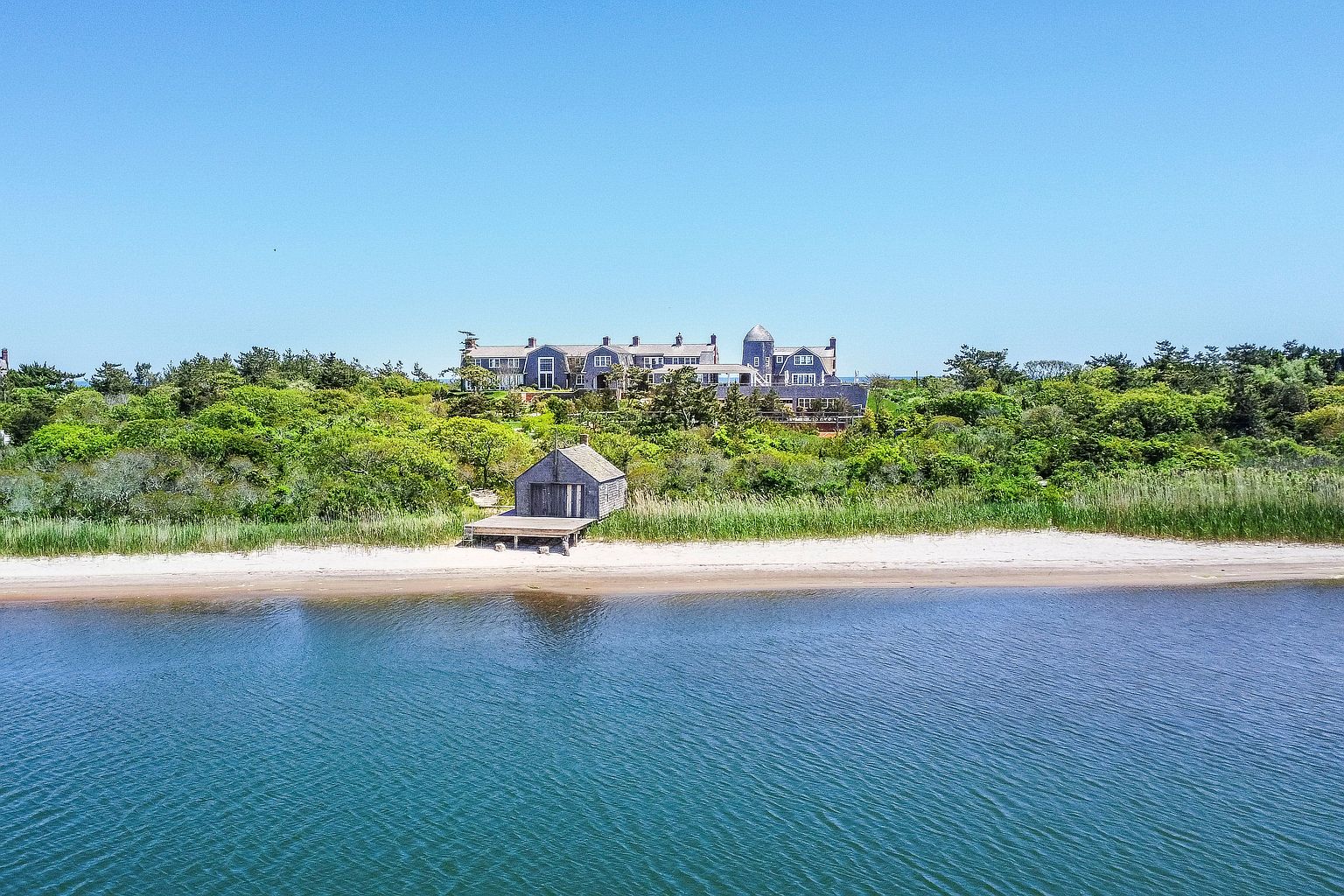
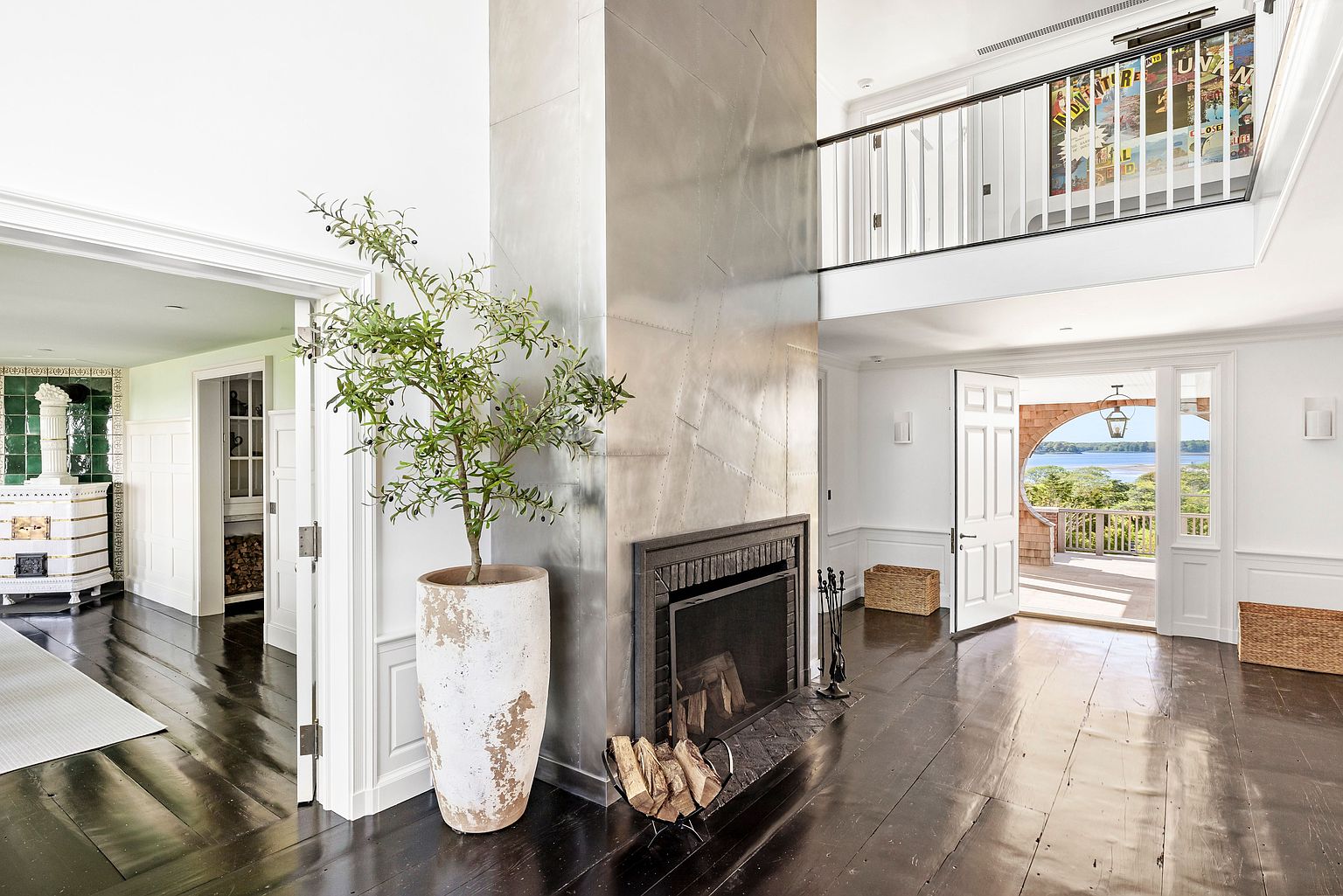
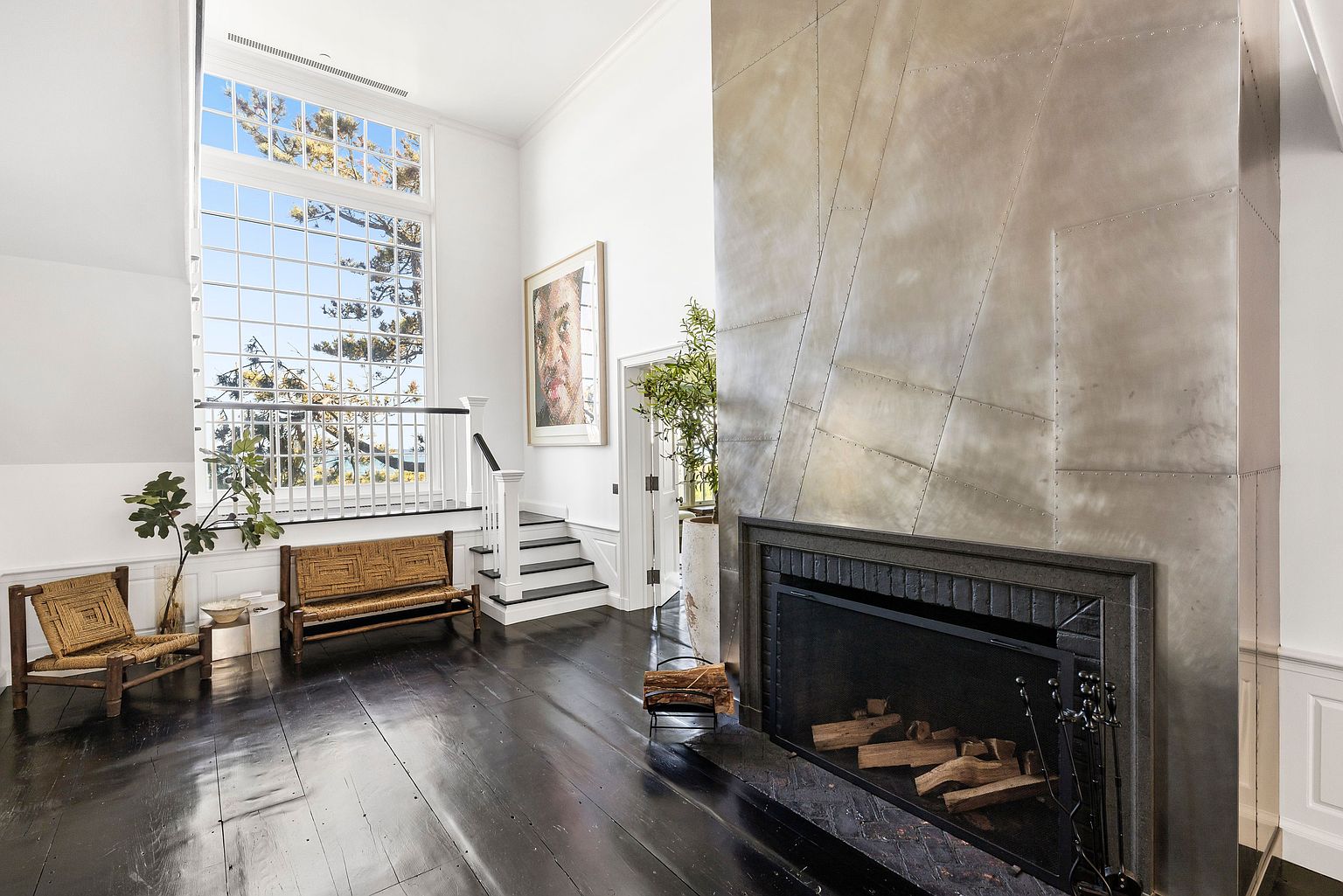
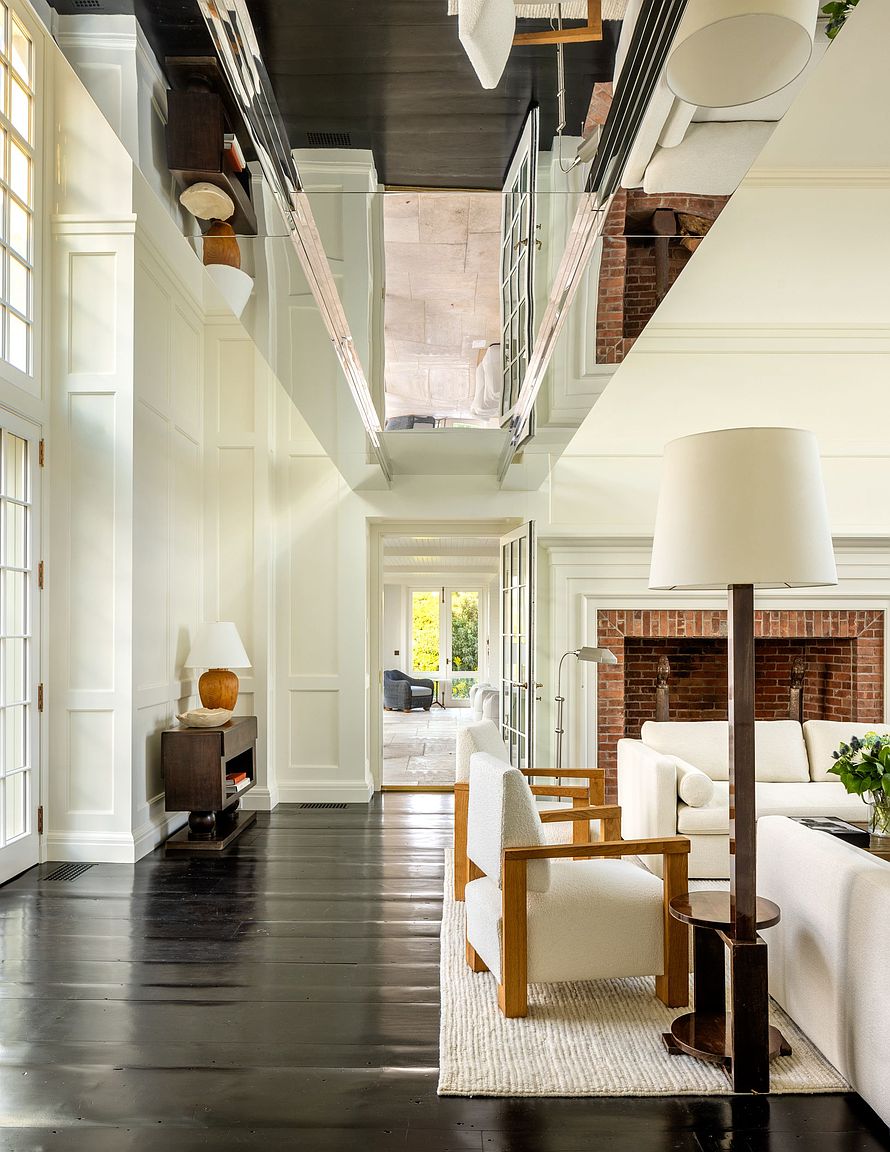
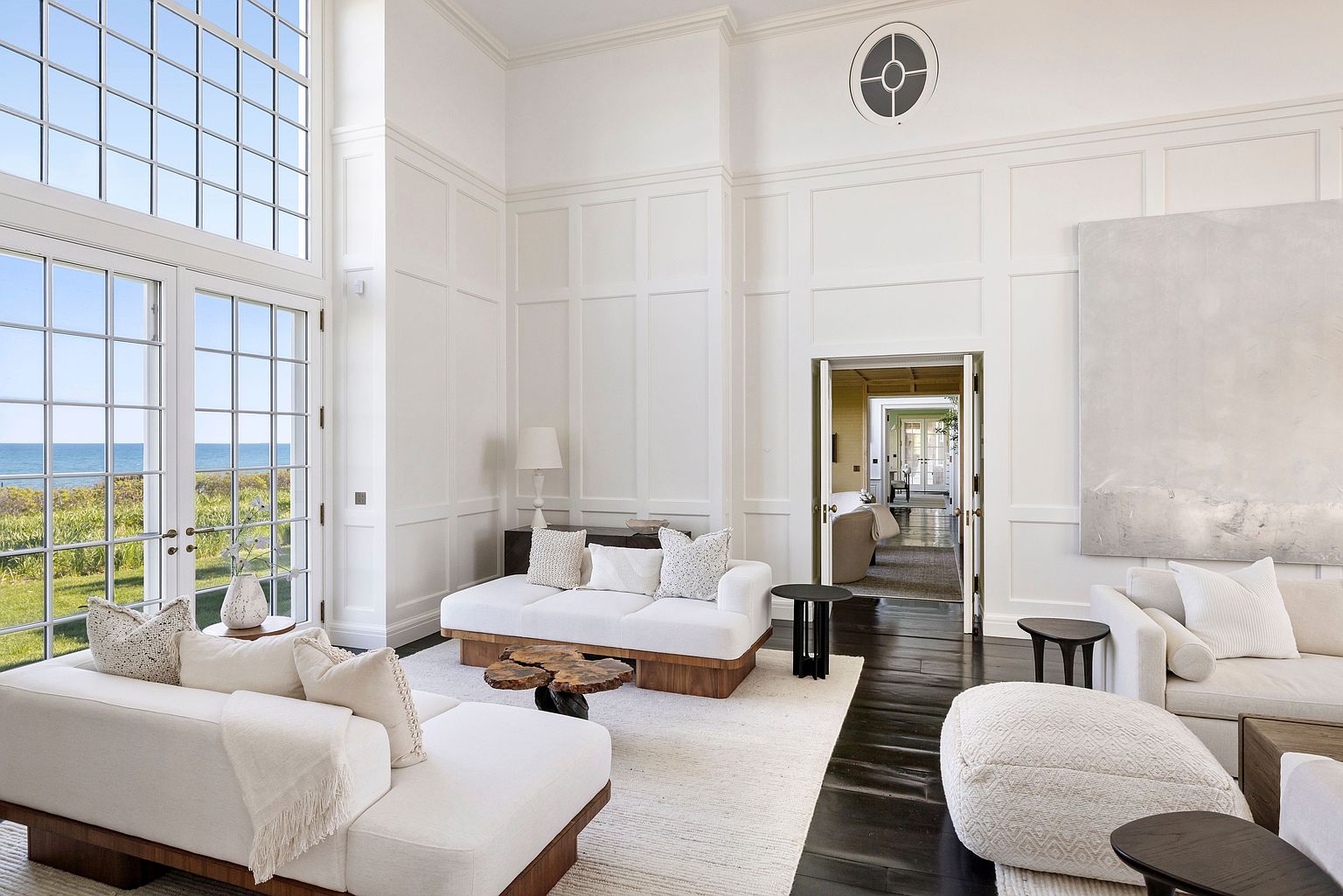
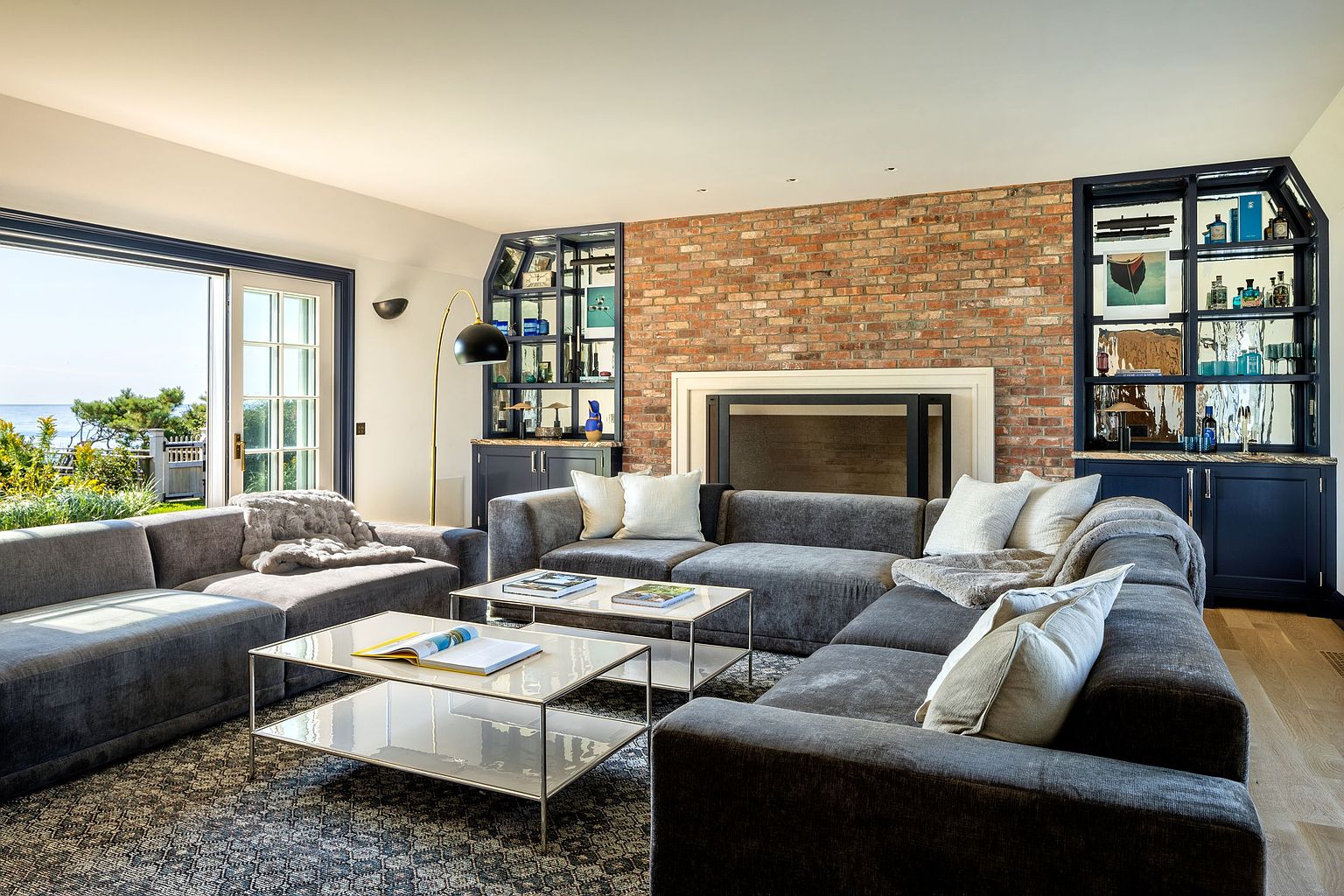
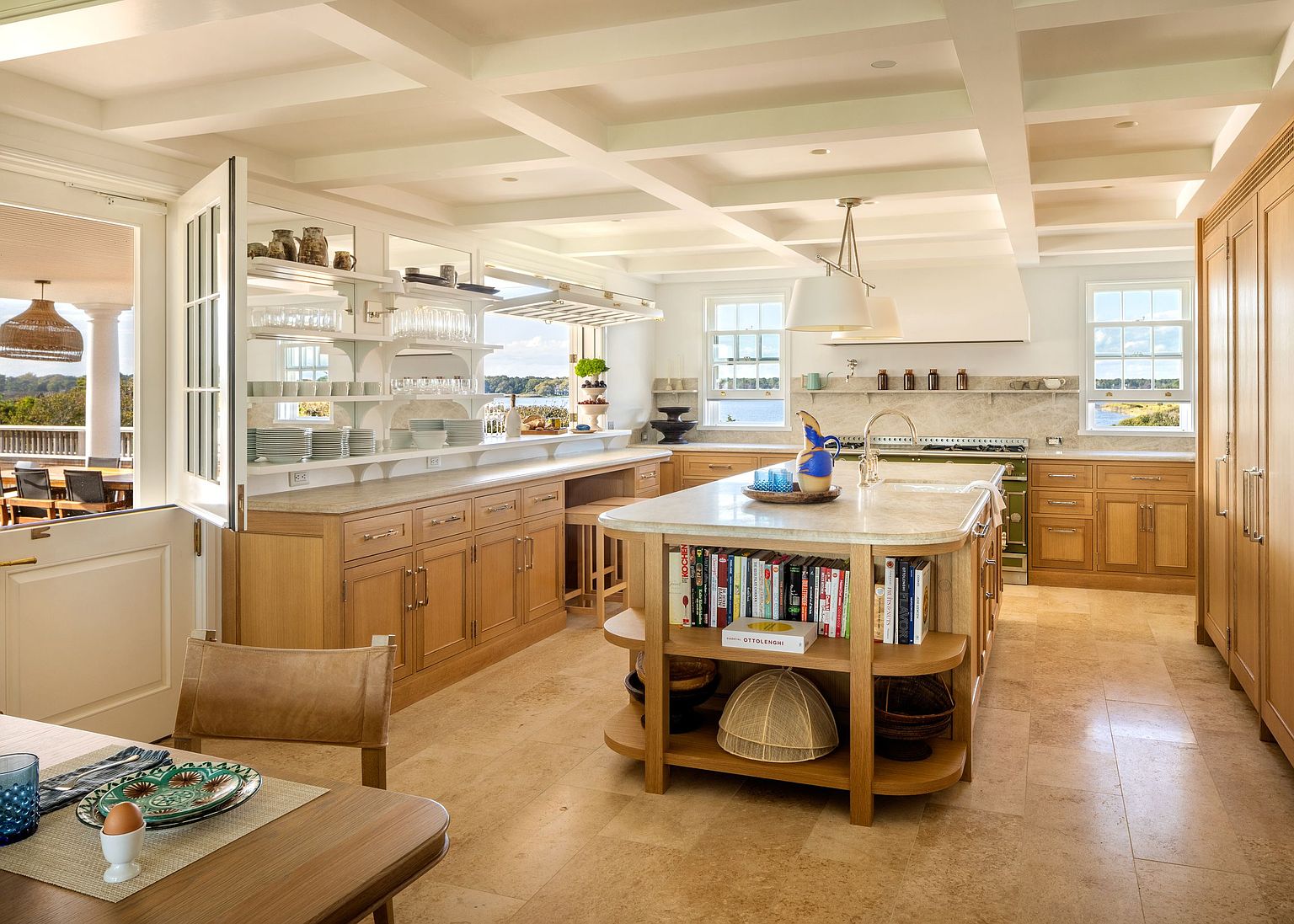
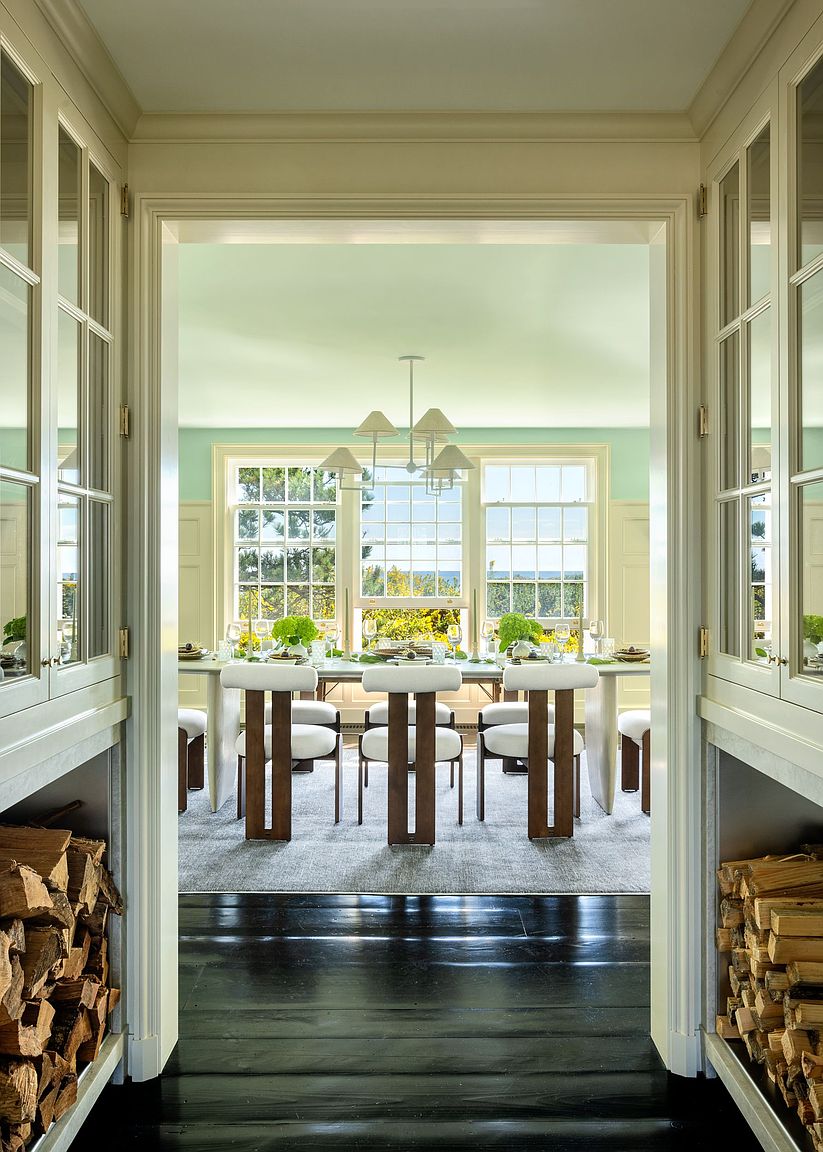
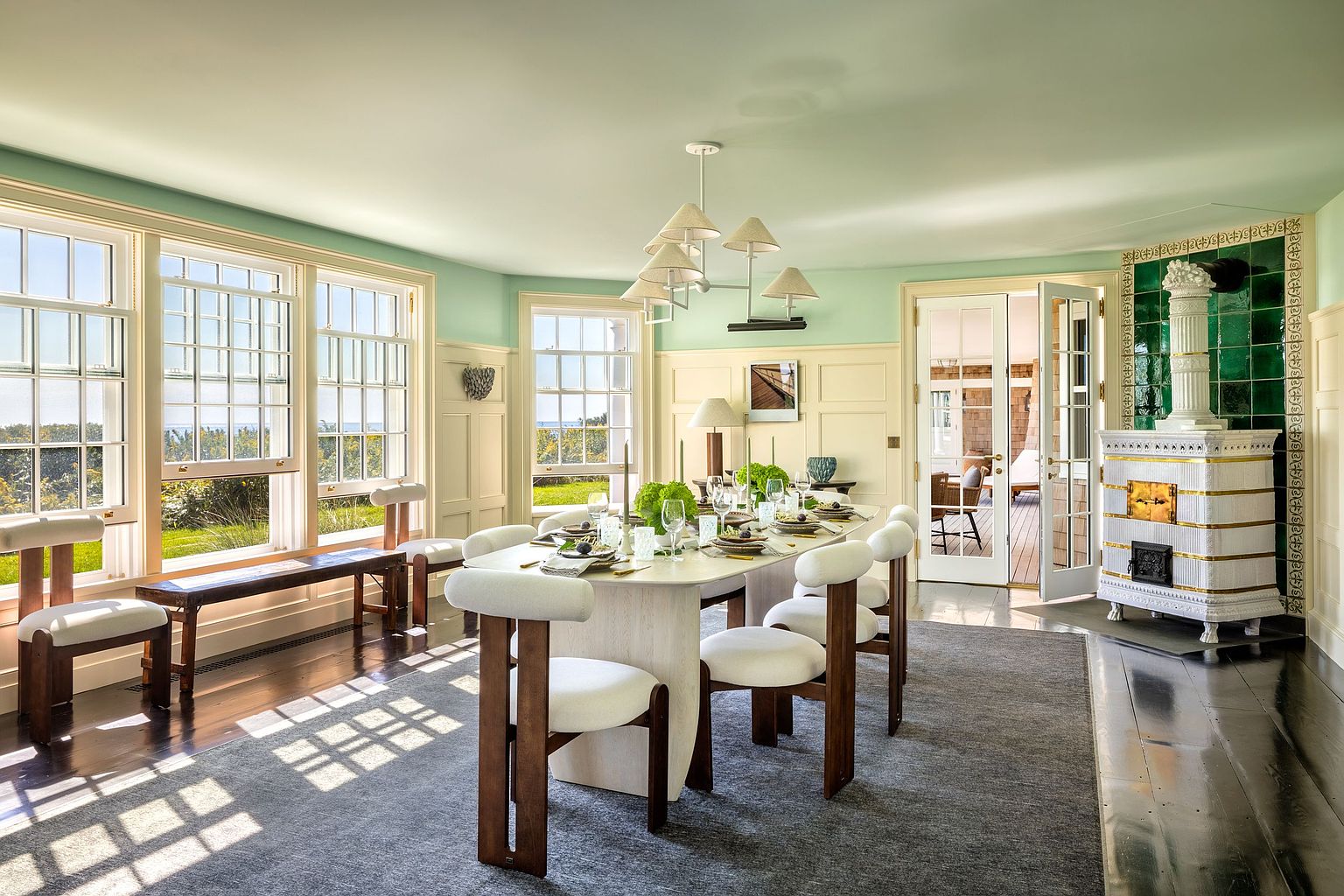
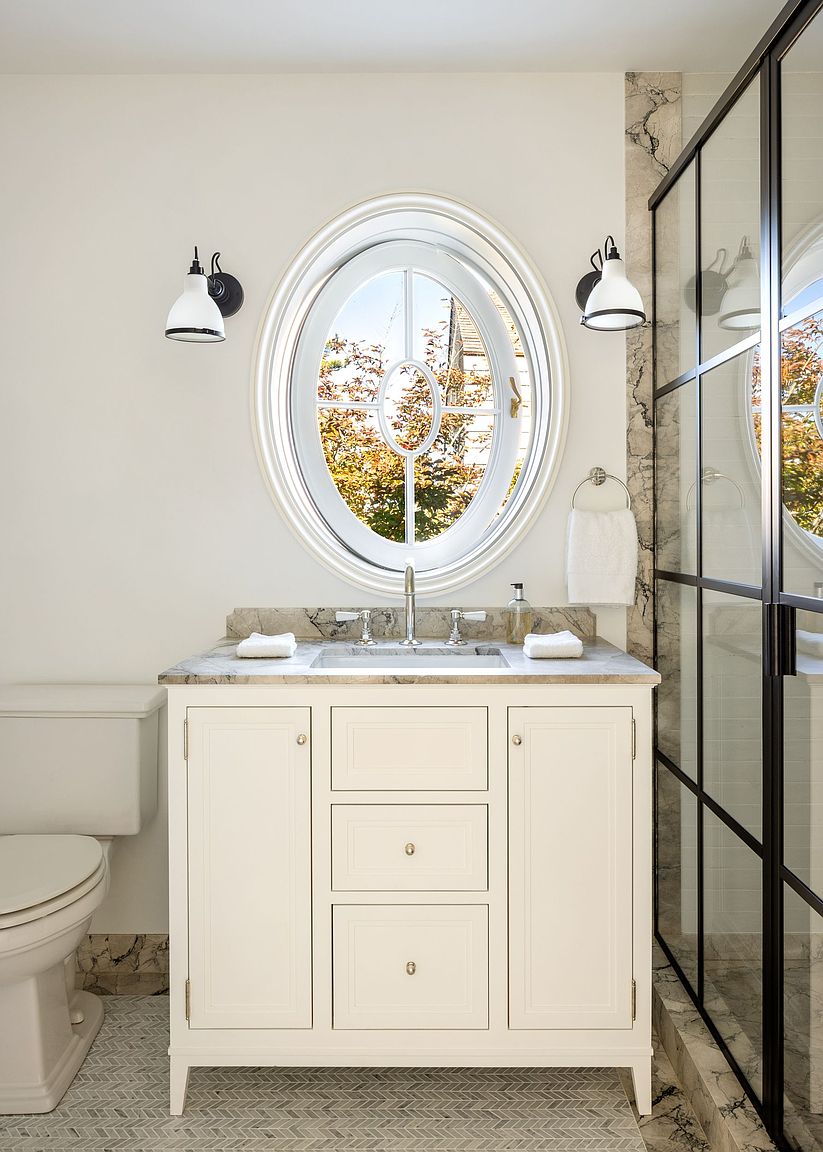
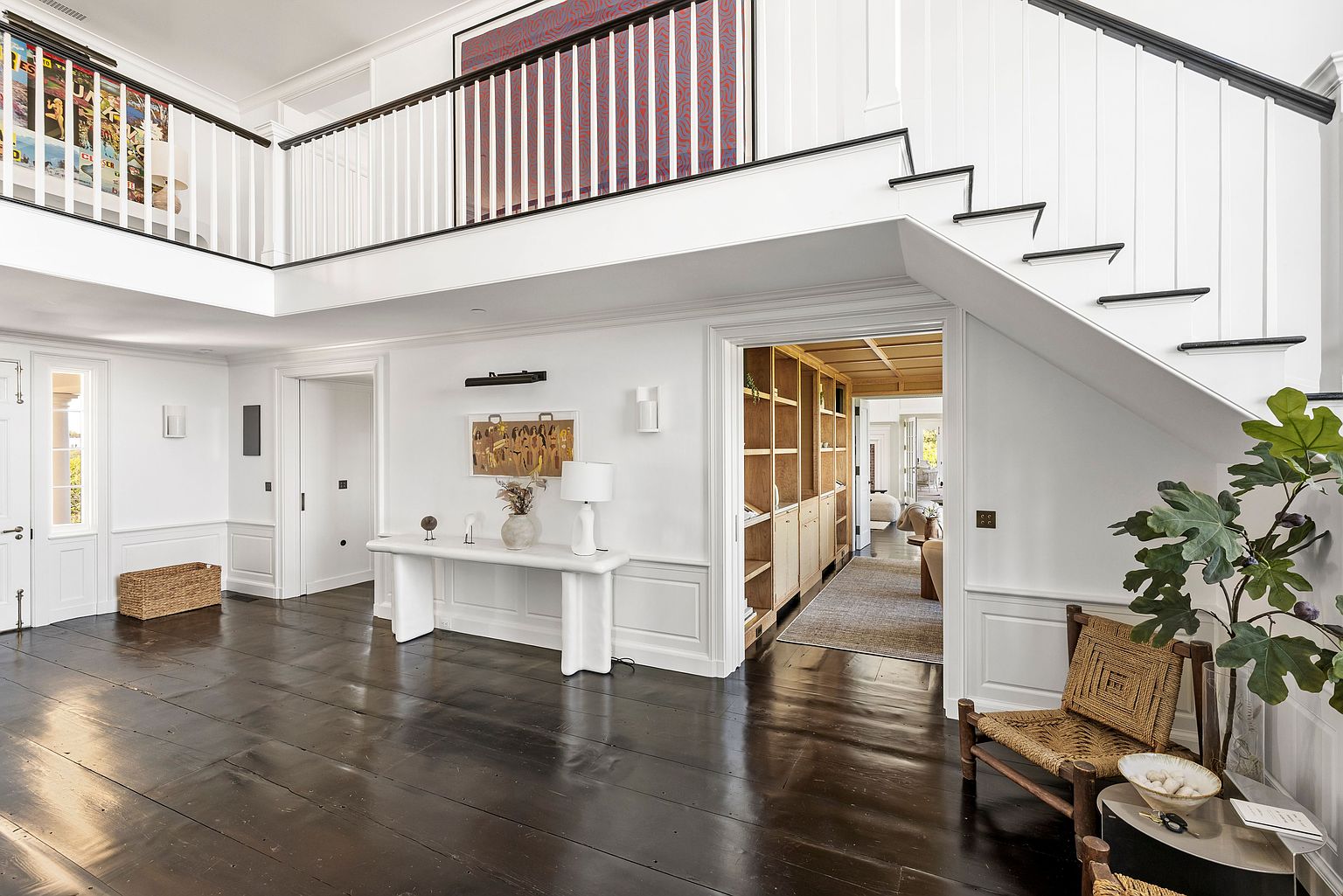
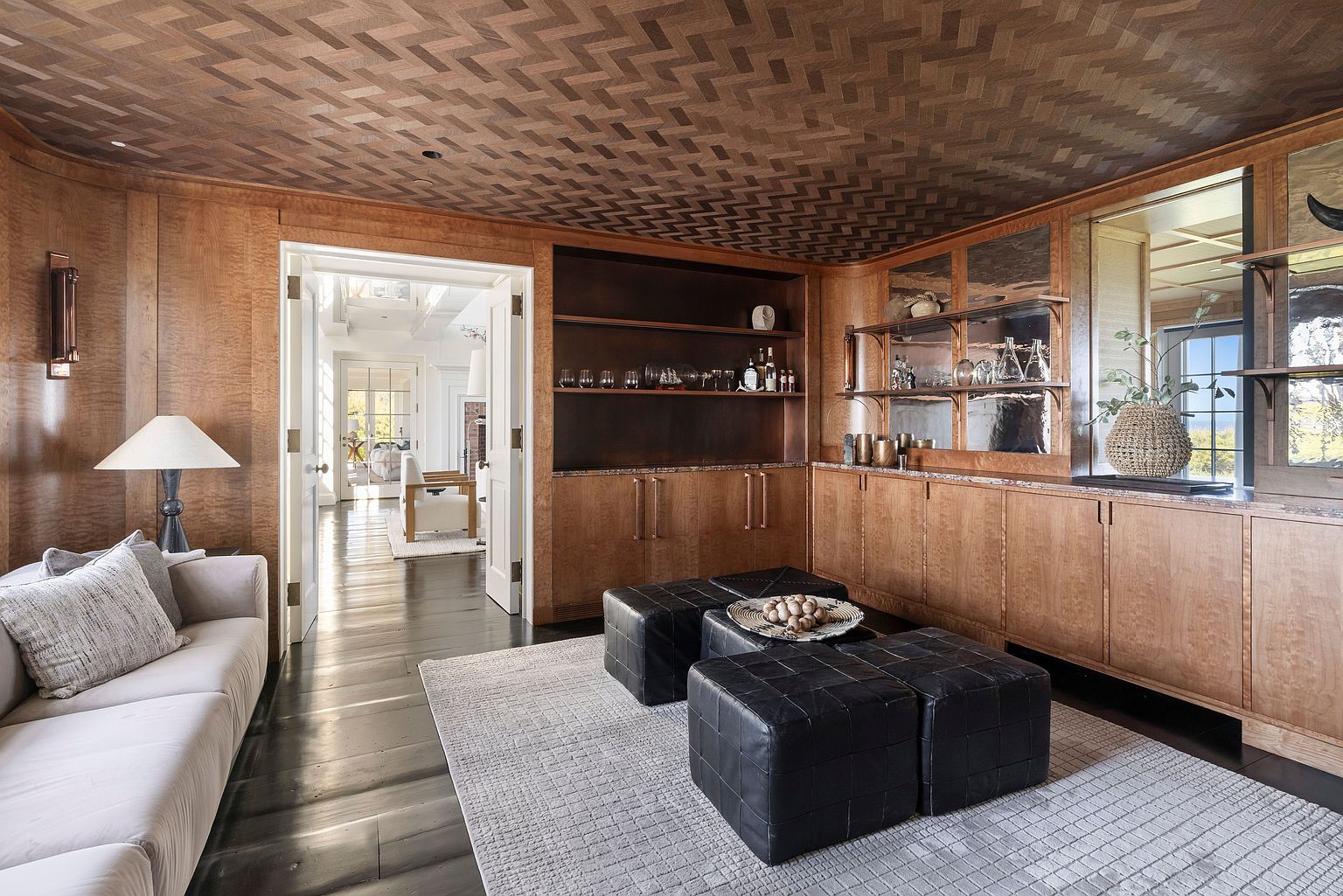
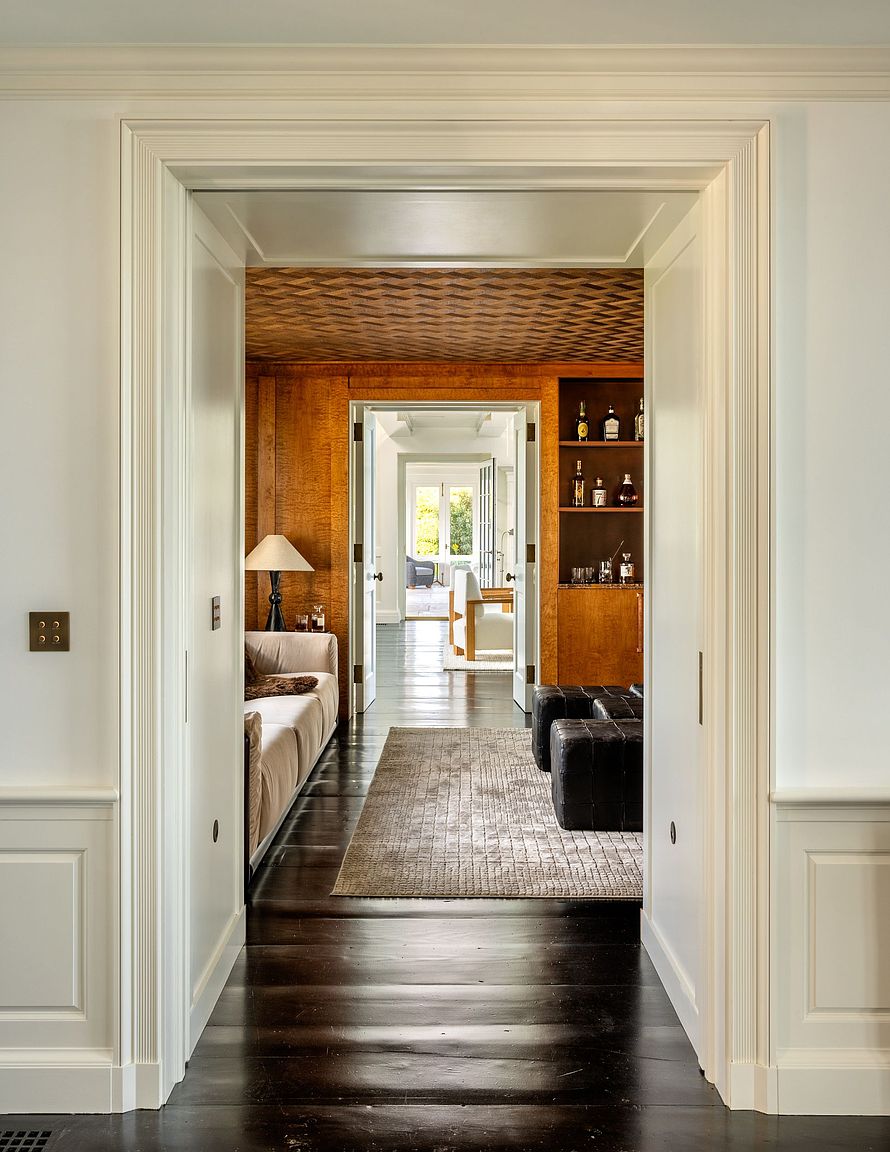
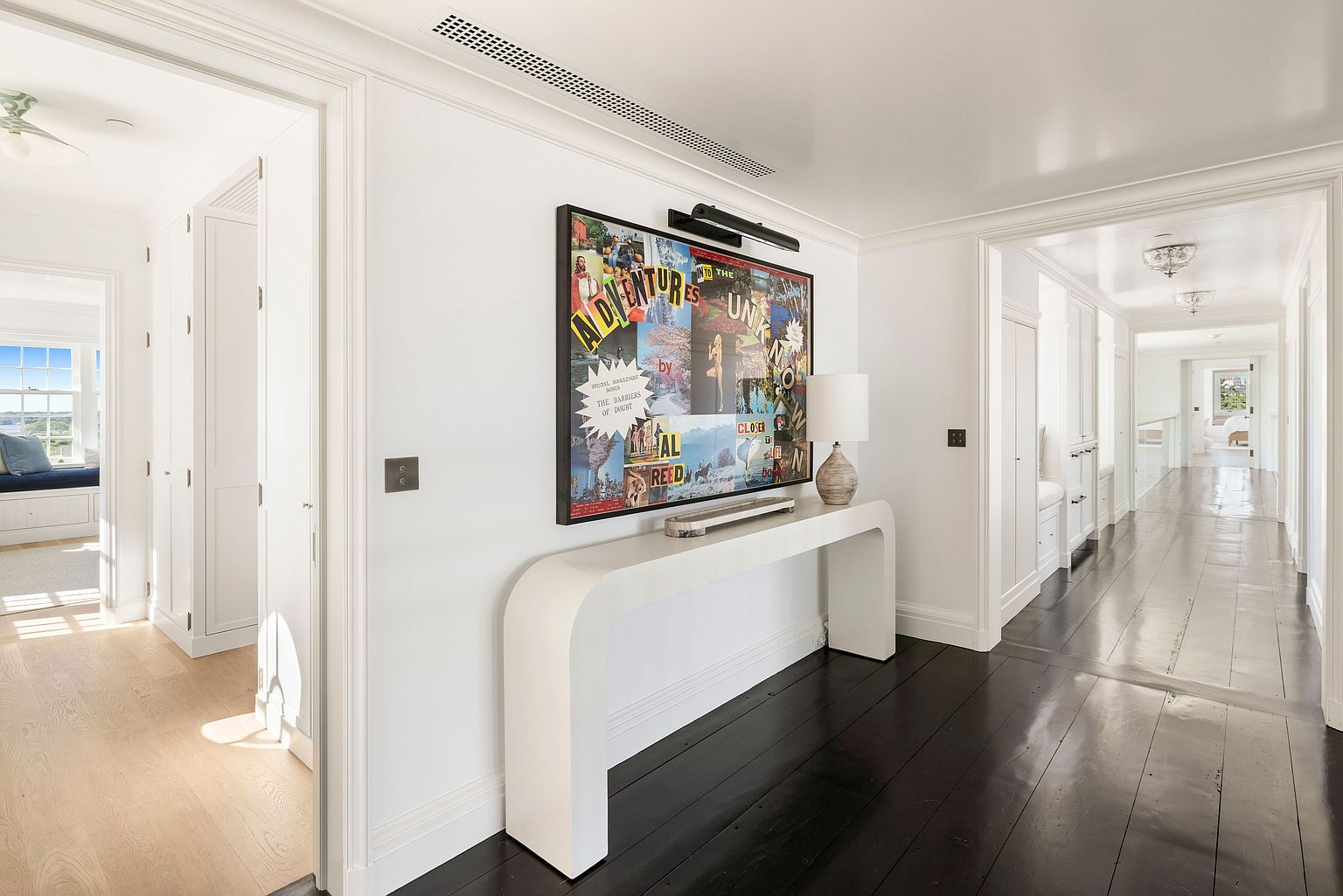
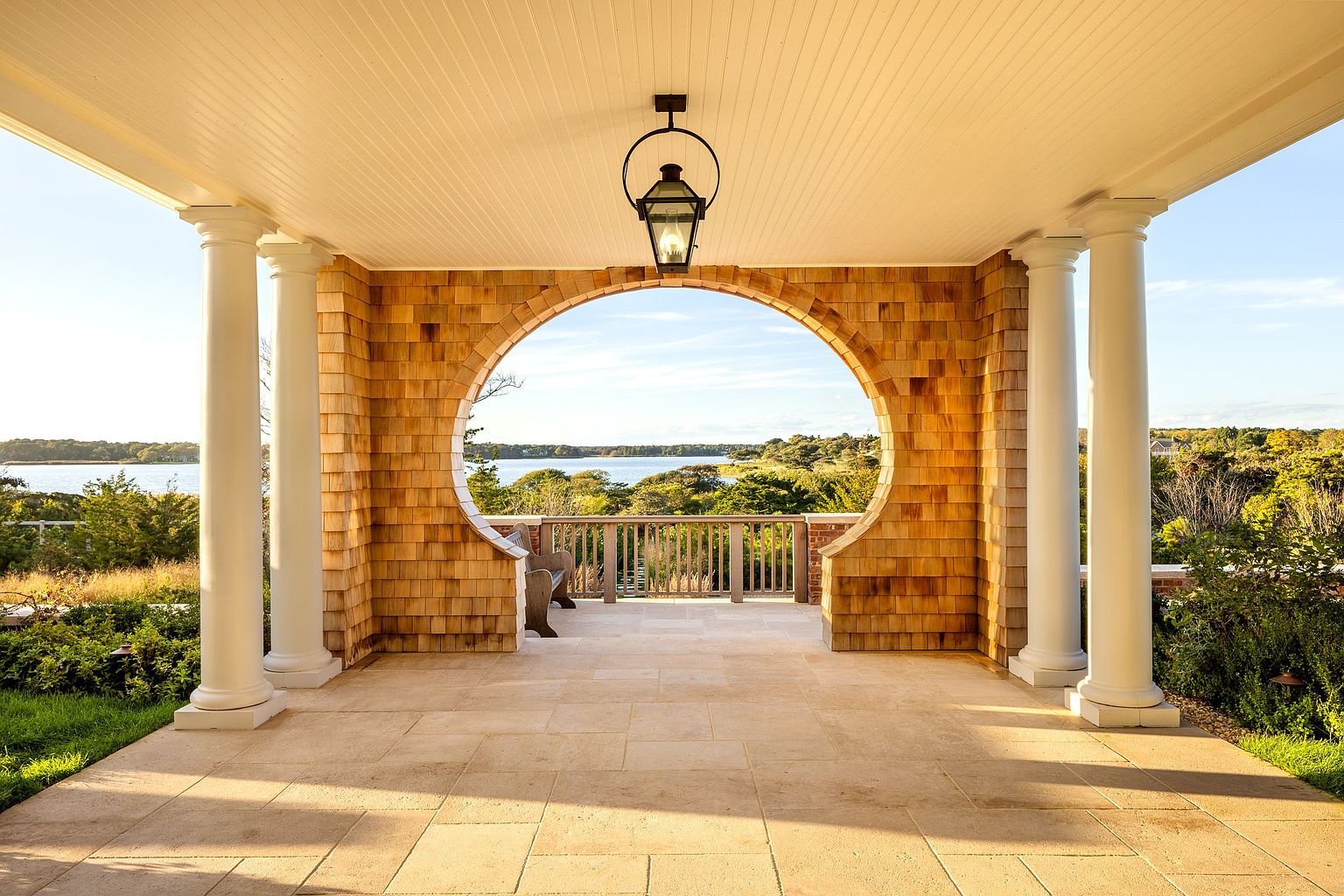
The result is a home that feels simultaneously rooted in its century-old origins and alive with contemporary sophistication. The classic Shingle Style silhouette — gambrel roofs, cedar-shake facades, a distinctive tower — announces itself with quiet authority against the coastal sky. Inside, the design philosophy is one of purposeful contrast: soaring beamed and coffered ceilings preside over original wide-plank pine floors, new oak, and imported French stone, while eight fireplaces anchor the principal rooms with warmth and gravitas. The two-story metal fireplace in the foyer makes an unforgettable first impression, its industrial elegance setting the tone for a home that consistently defies easy categorization.
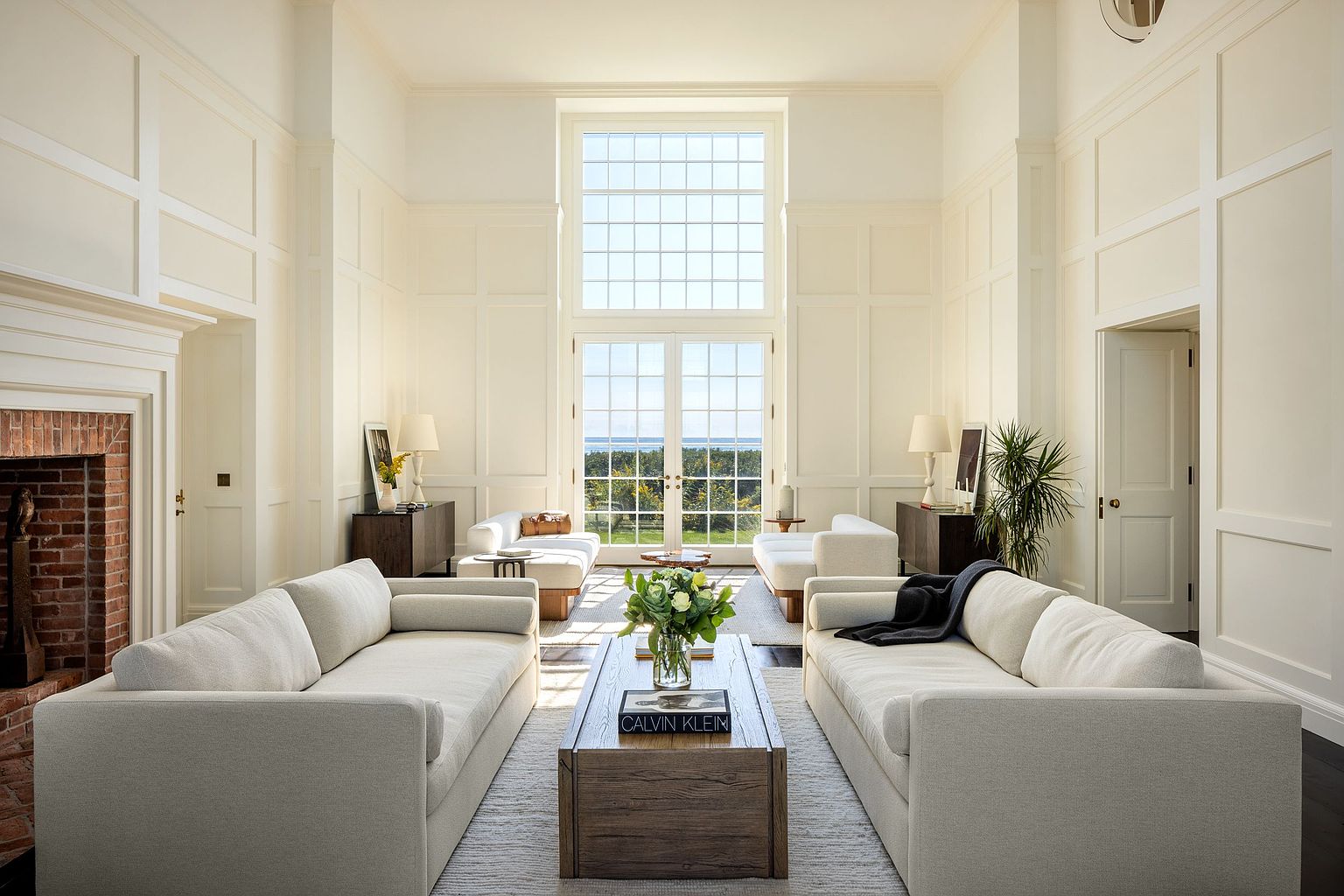
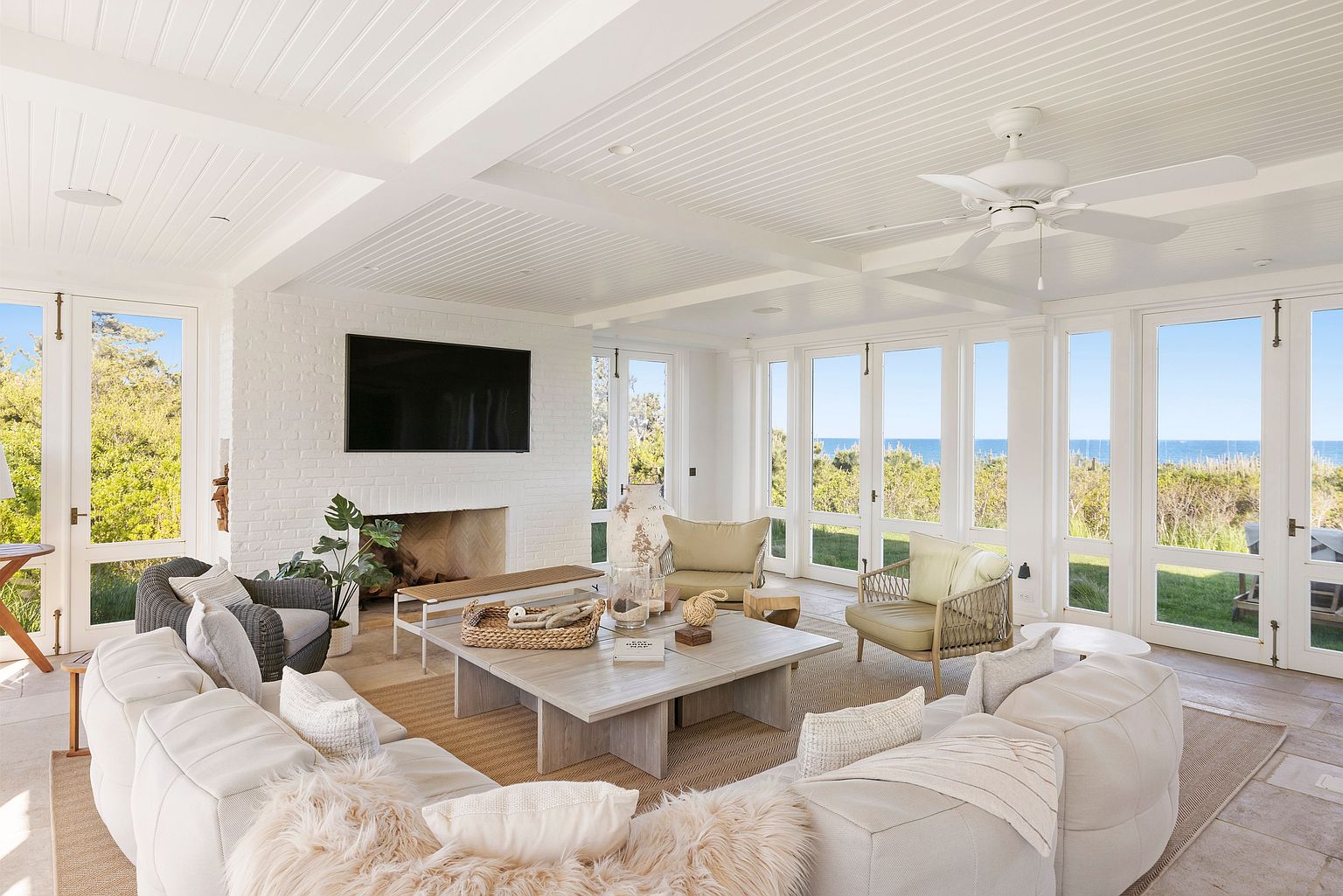
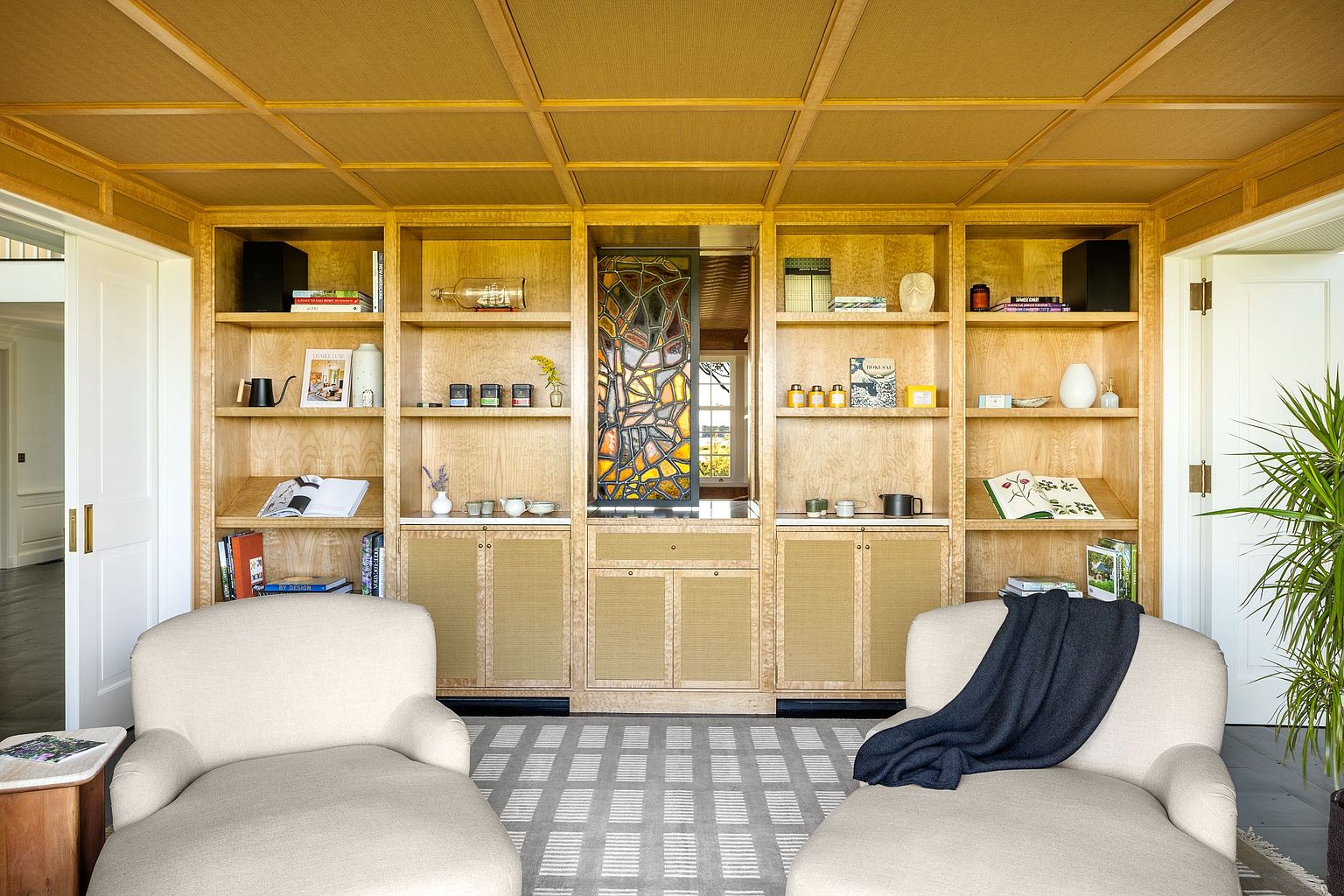
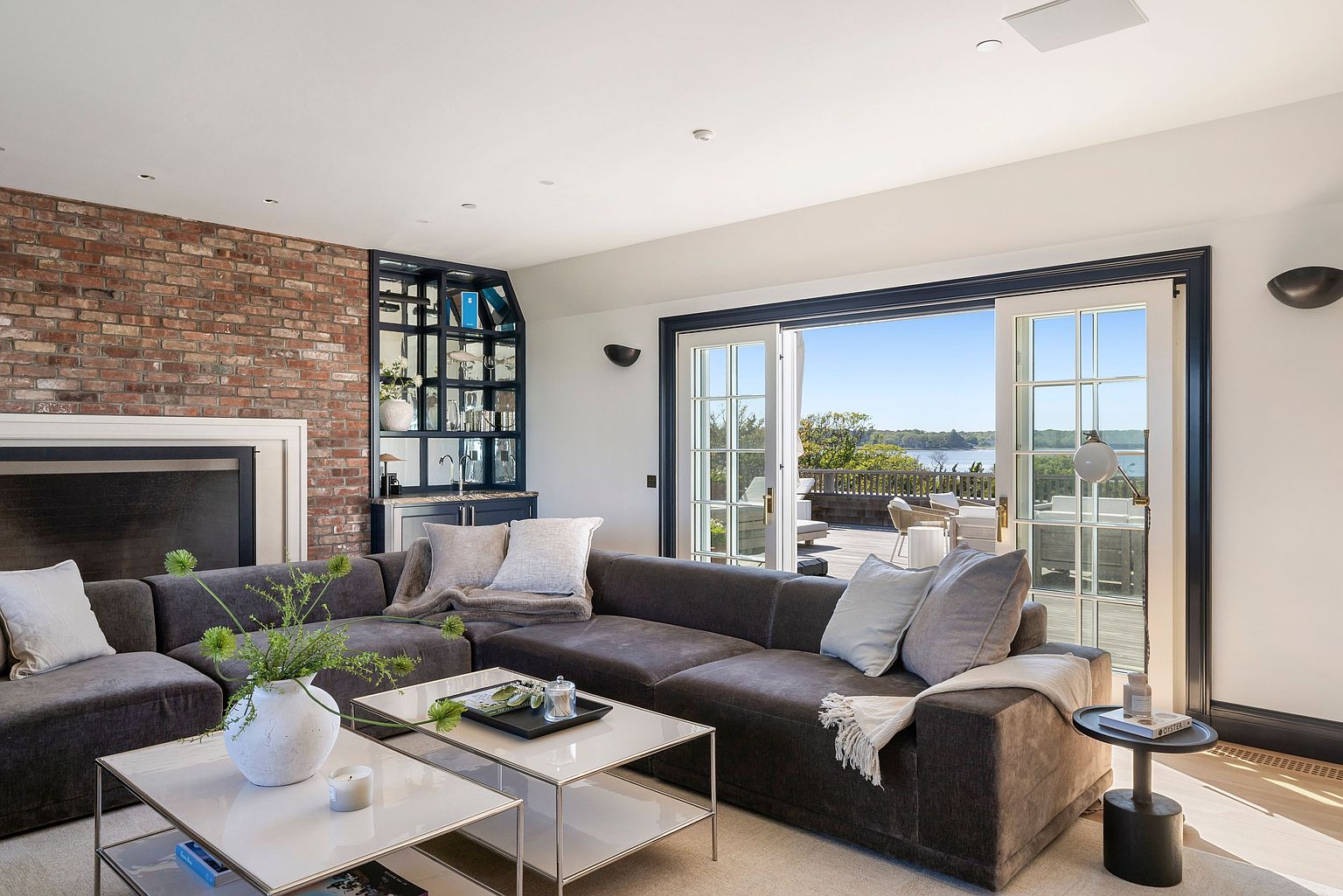
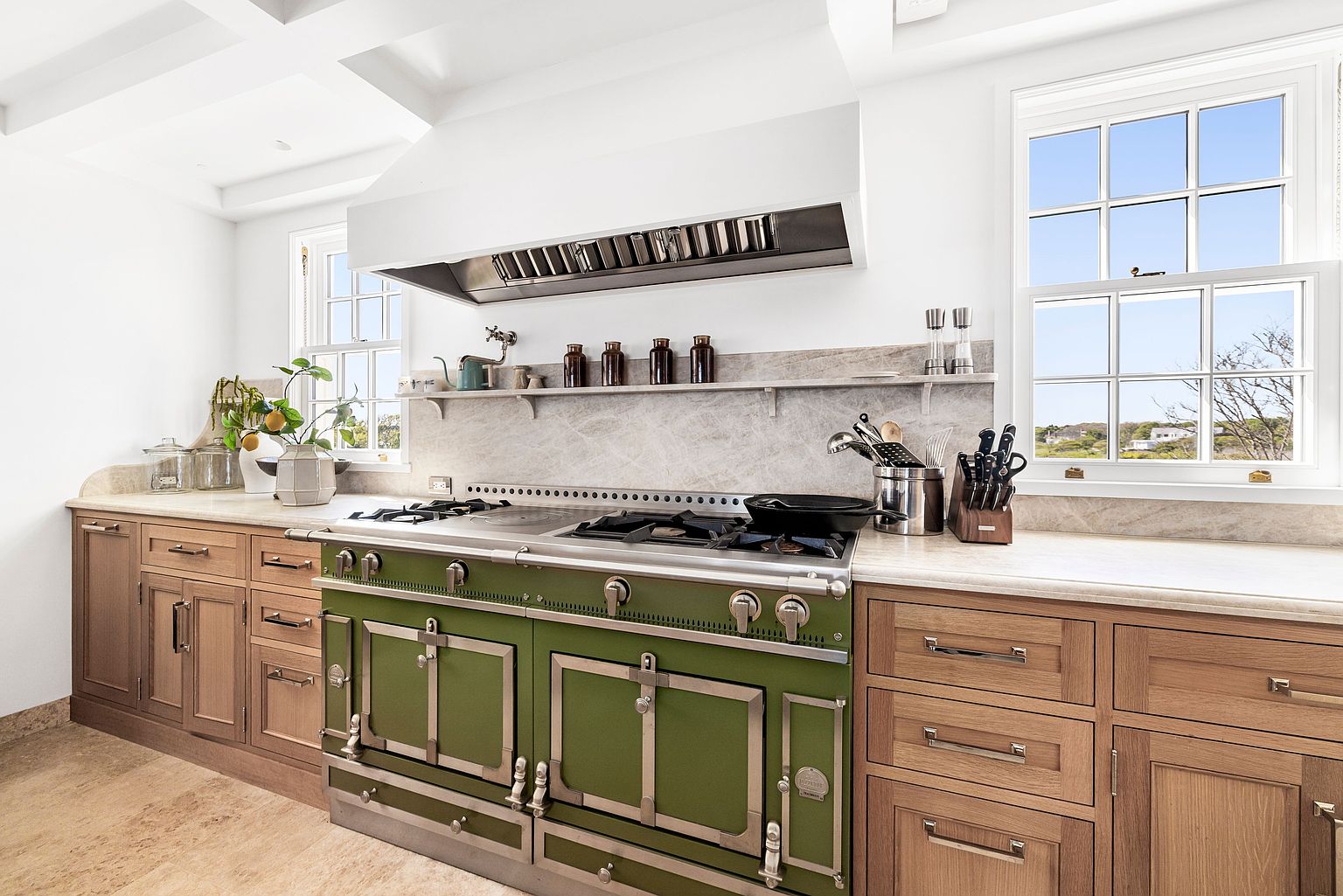
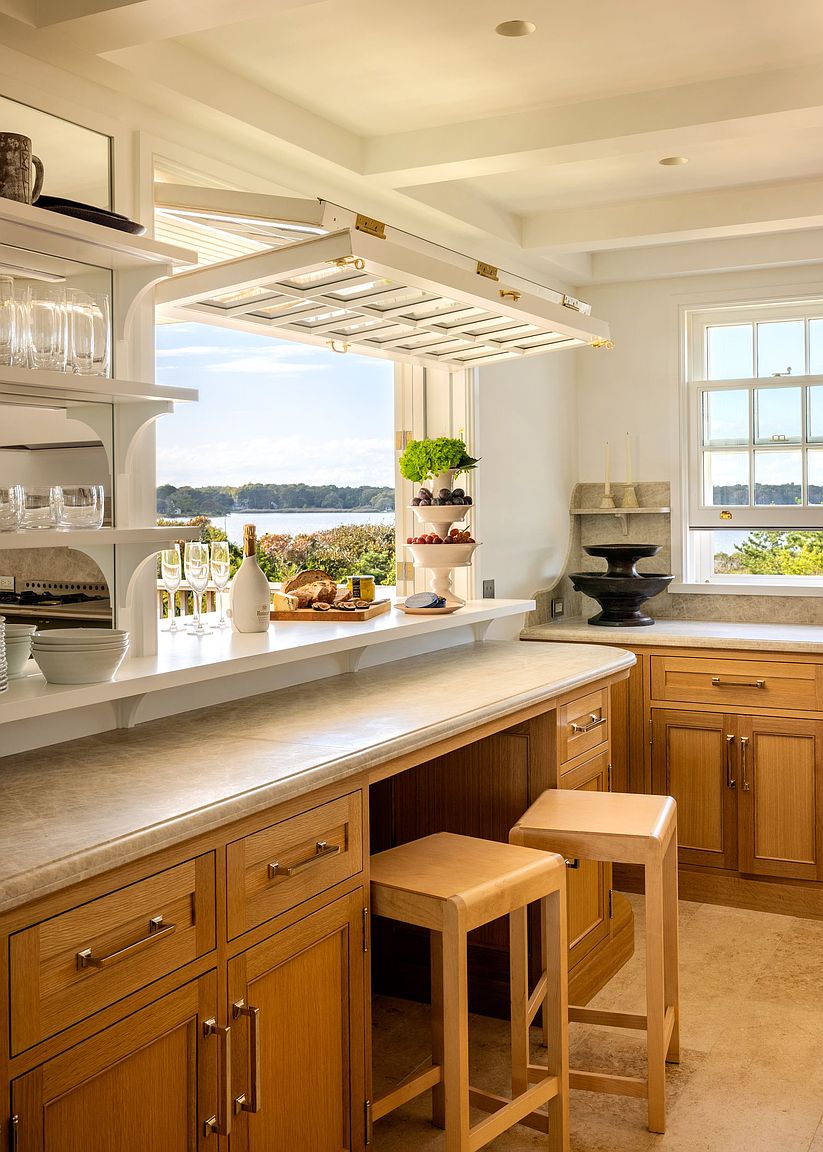
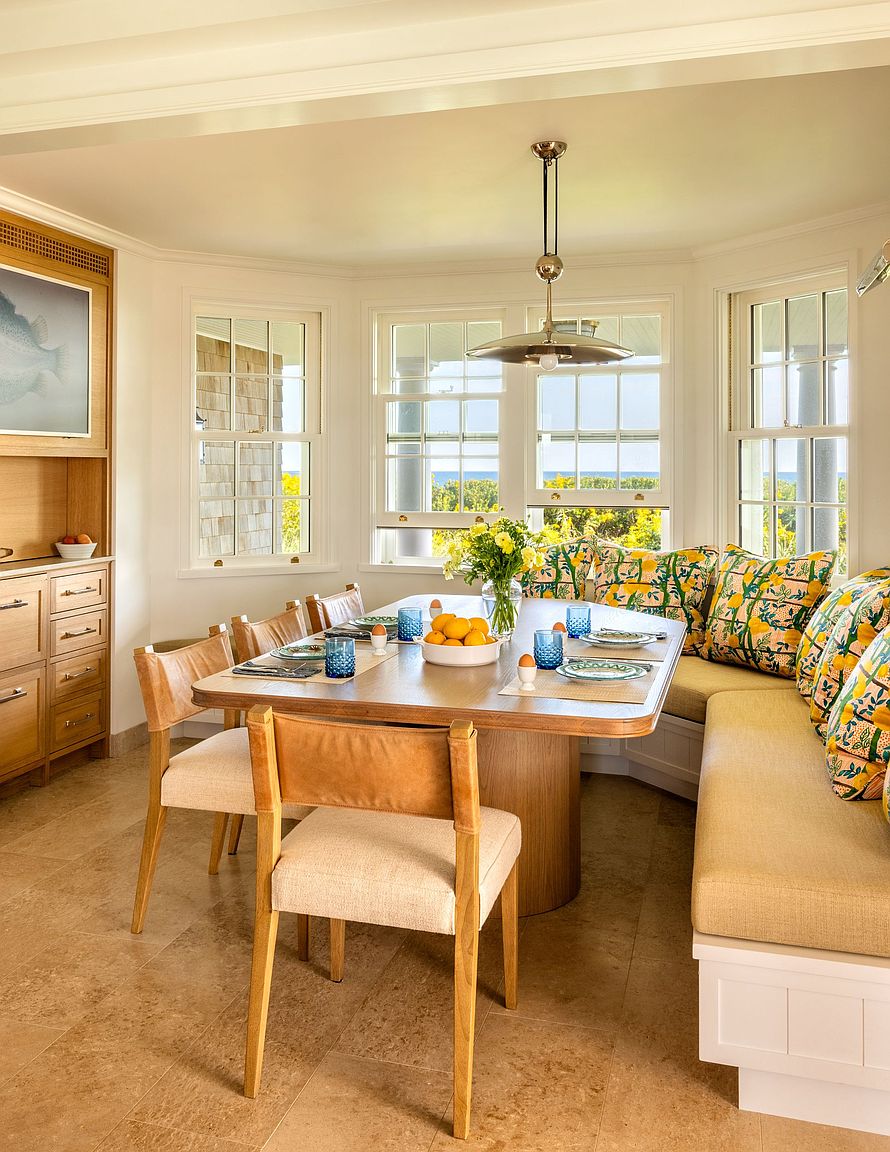
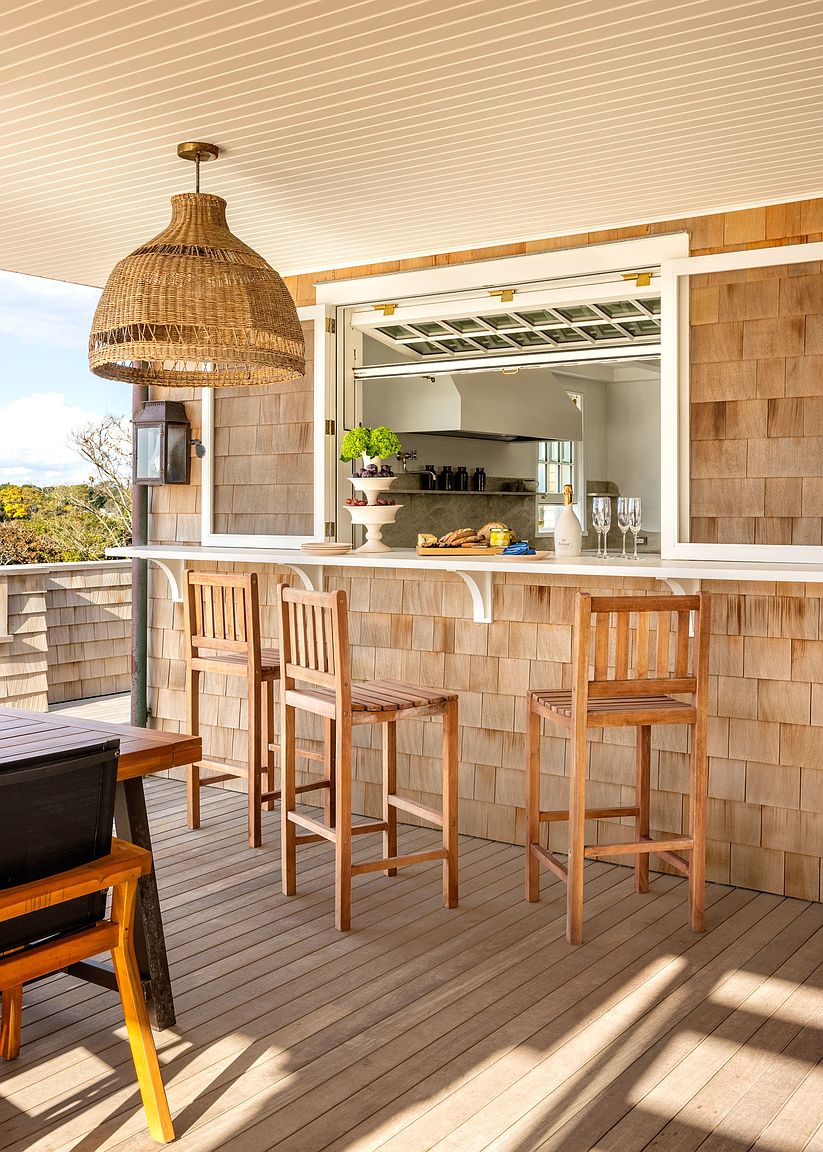
Entertainment flows effortlessly through a formal dining room, a charming tearoom, and a living room crowned by a glass catwalk mezzanine that transforms the space into something approaching theater. A chic bar and lounge, a screened-in porch for all-season enjoyment, and an outdoor deck with a pass-through kitchen window ensure that every occasion finds its ideal setting. The culinary suite — comprising a main kitchen, prep kitchen, and staff kitchen equipped with La Cornue, Viking, and Sub-Zero appliances — speaks to a household accustomed to entertaining at the highest level.
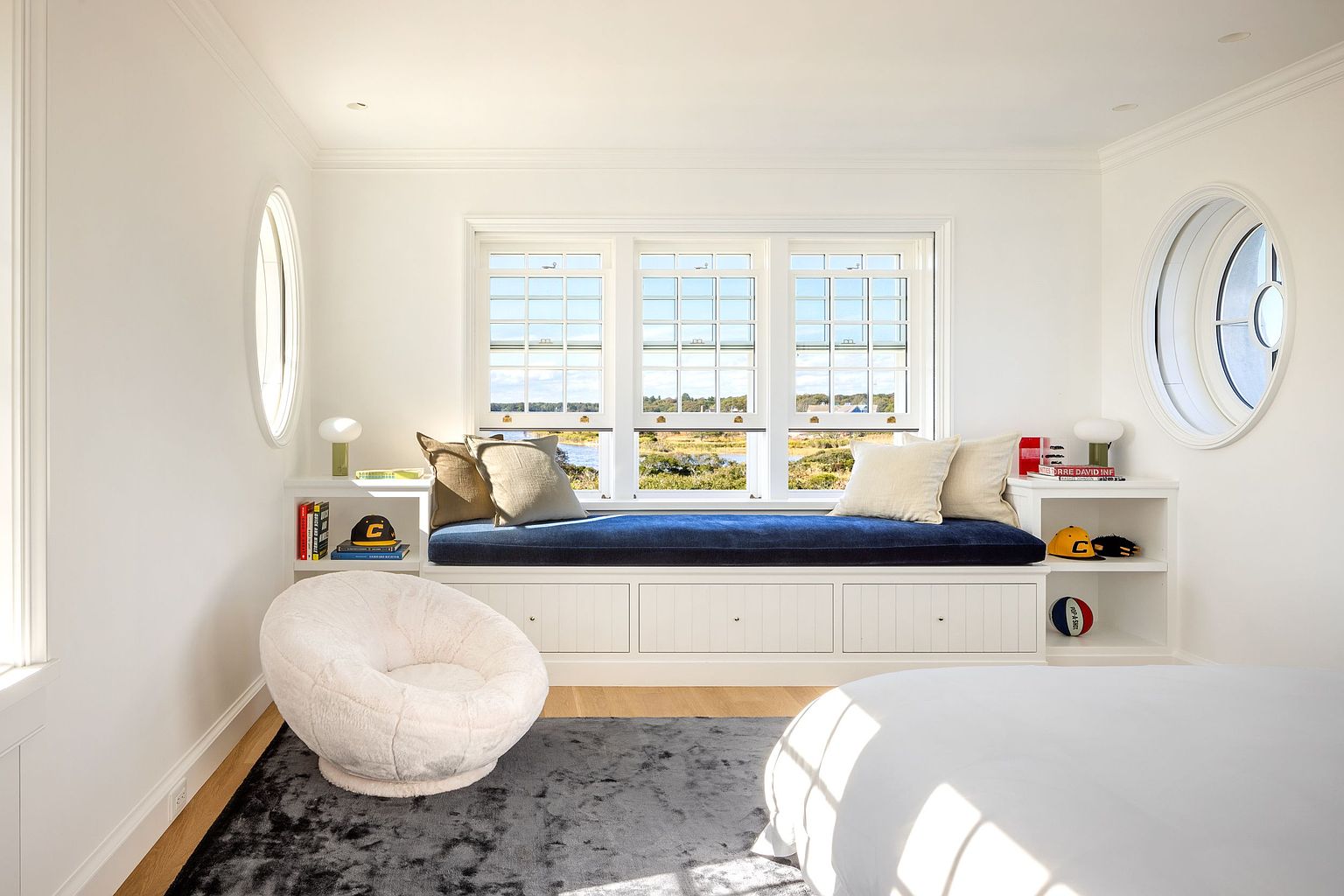
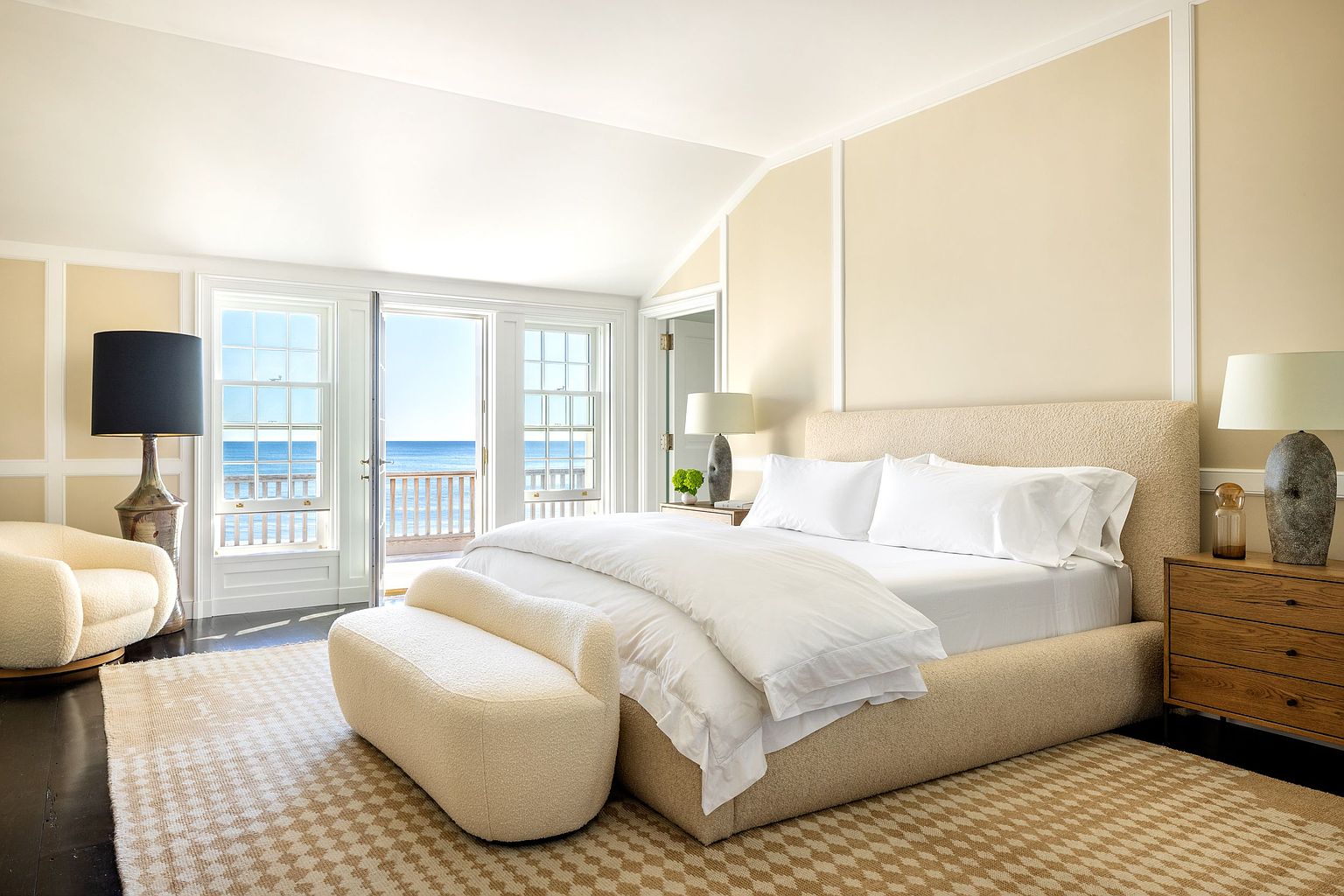
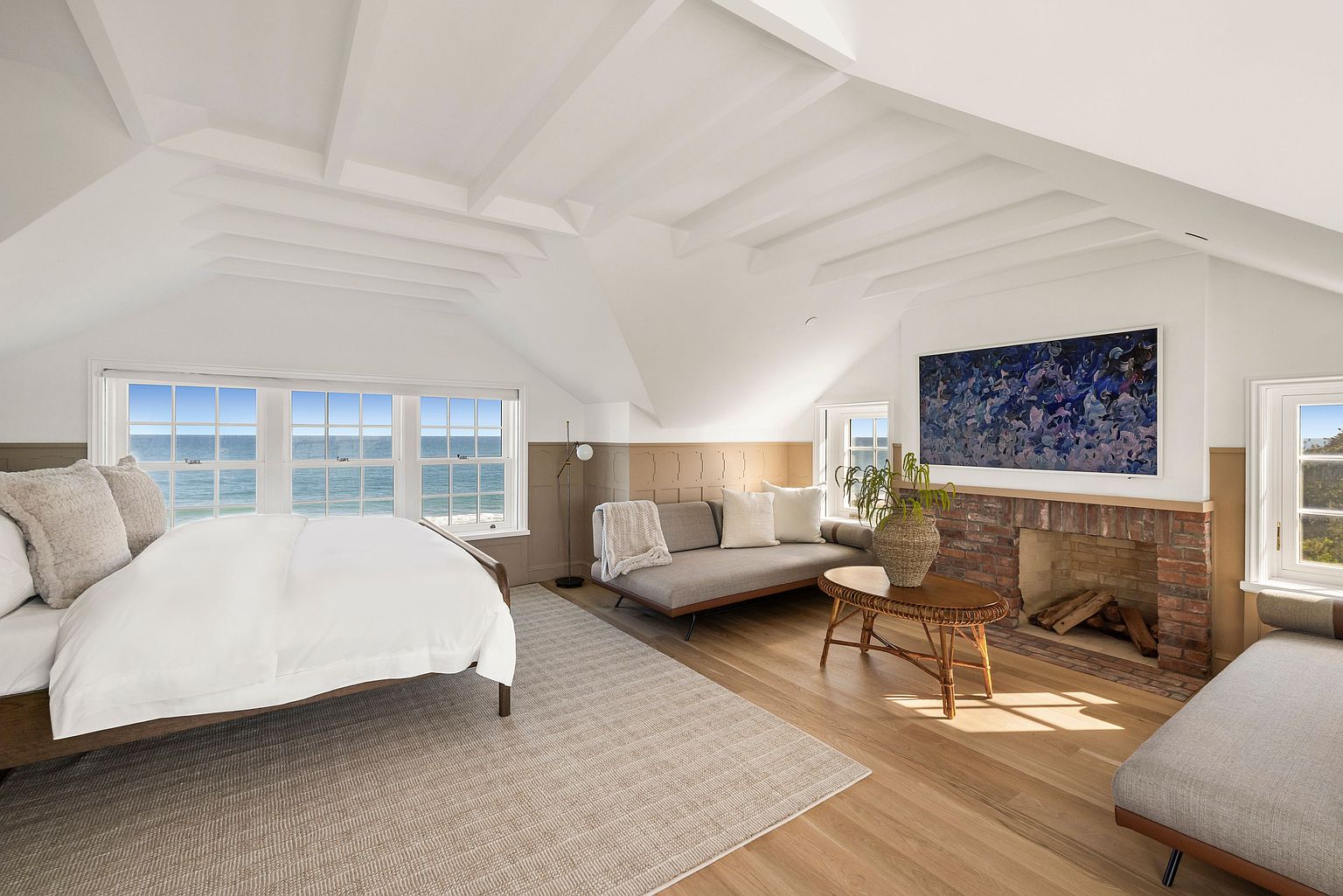
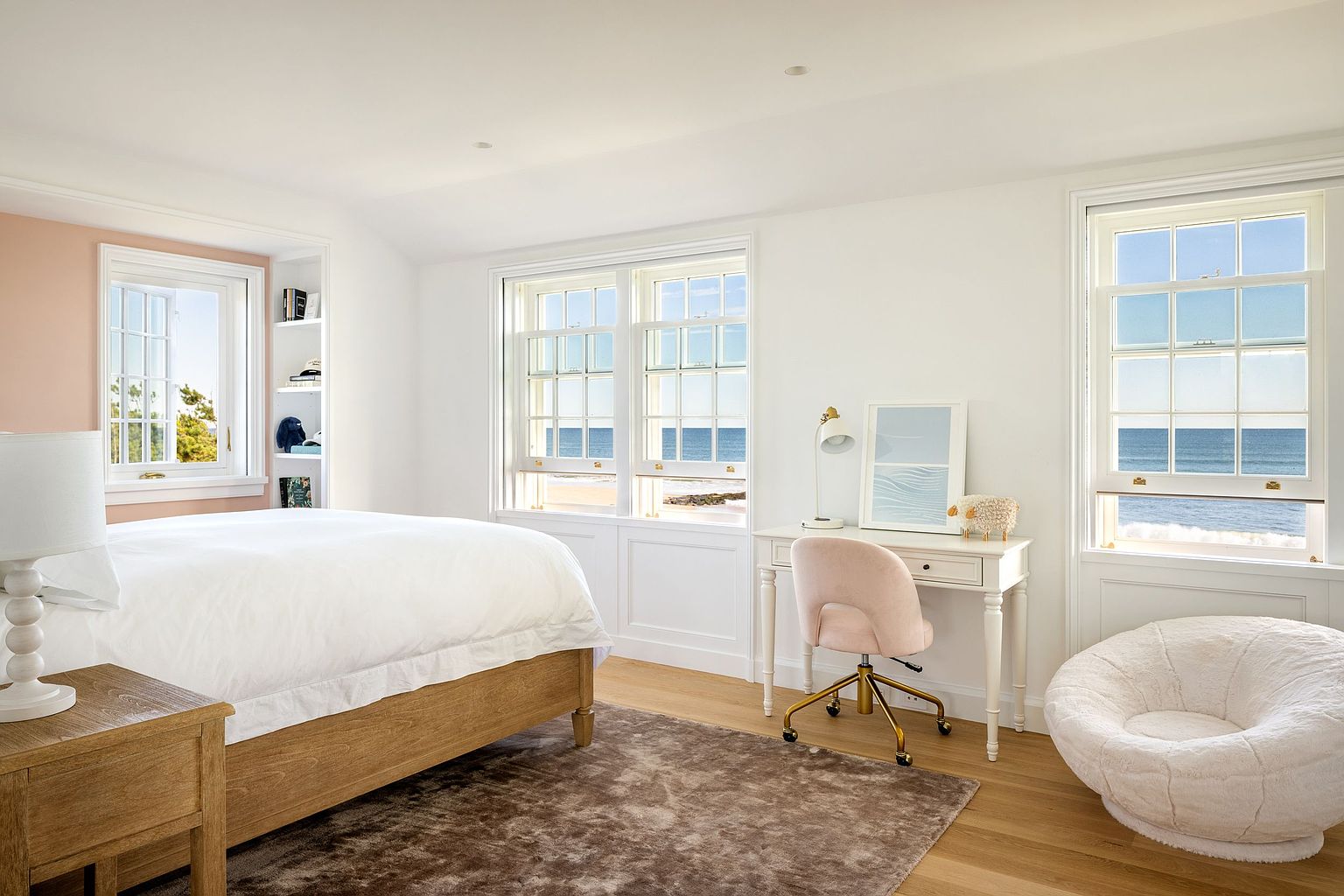
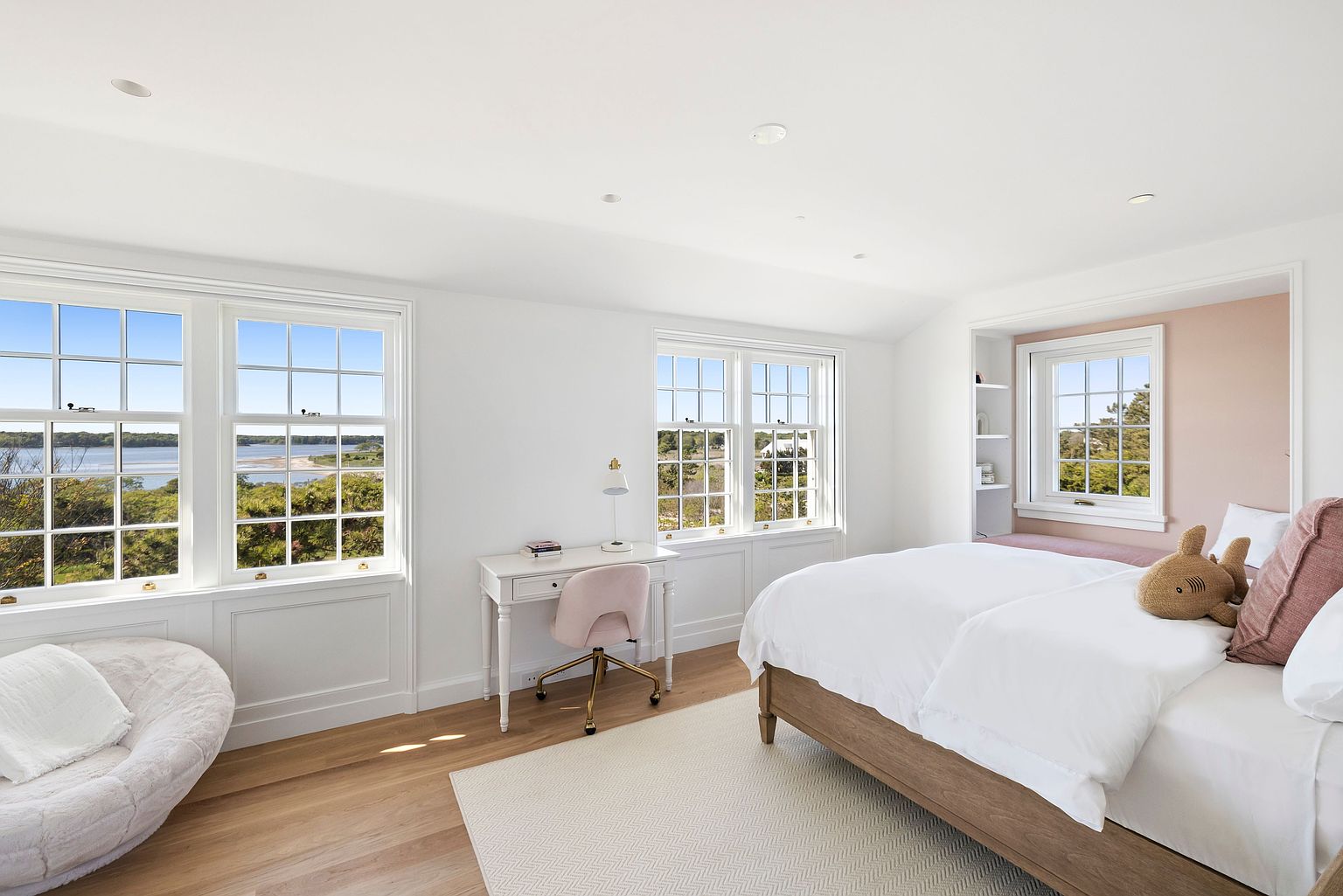
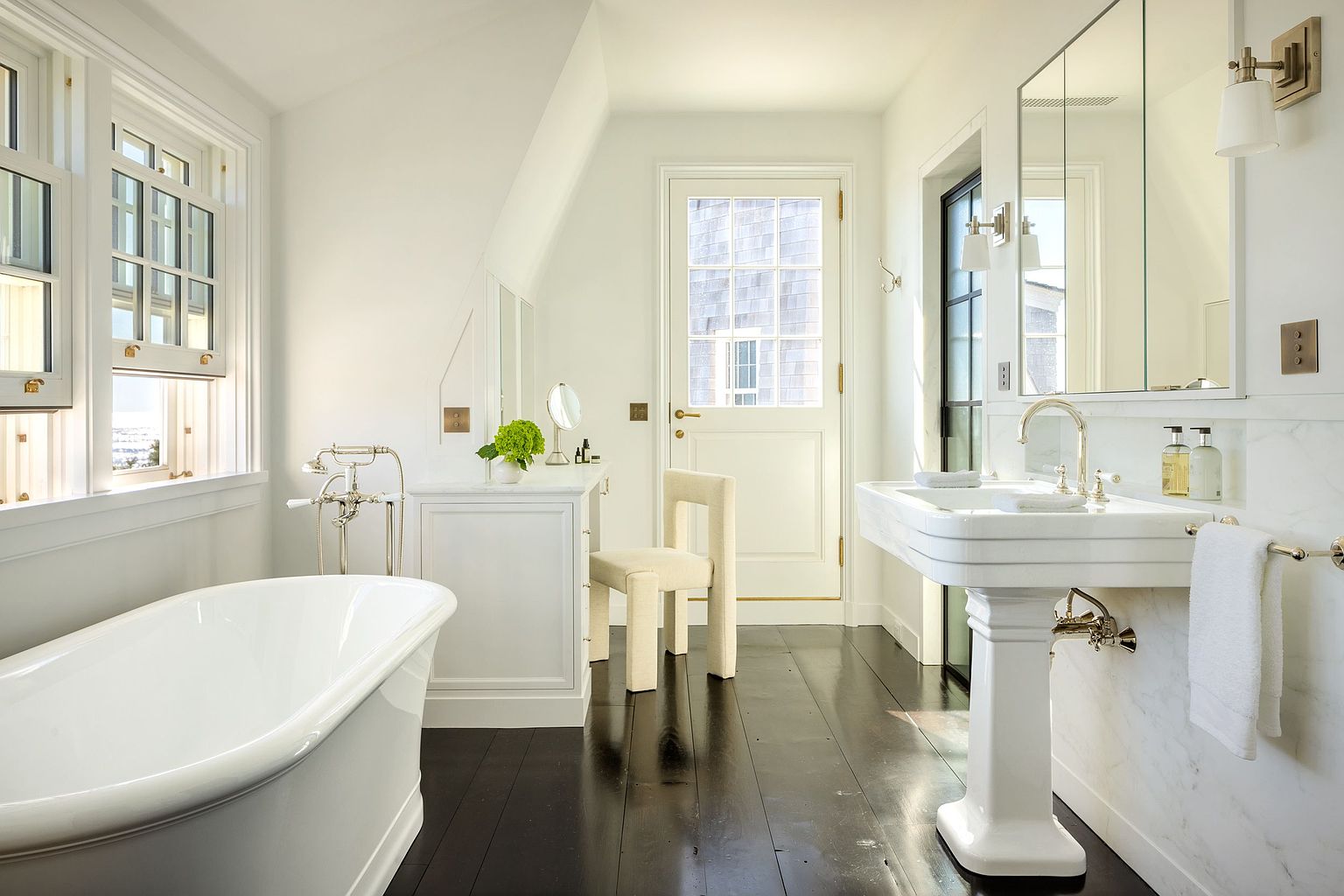
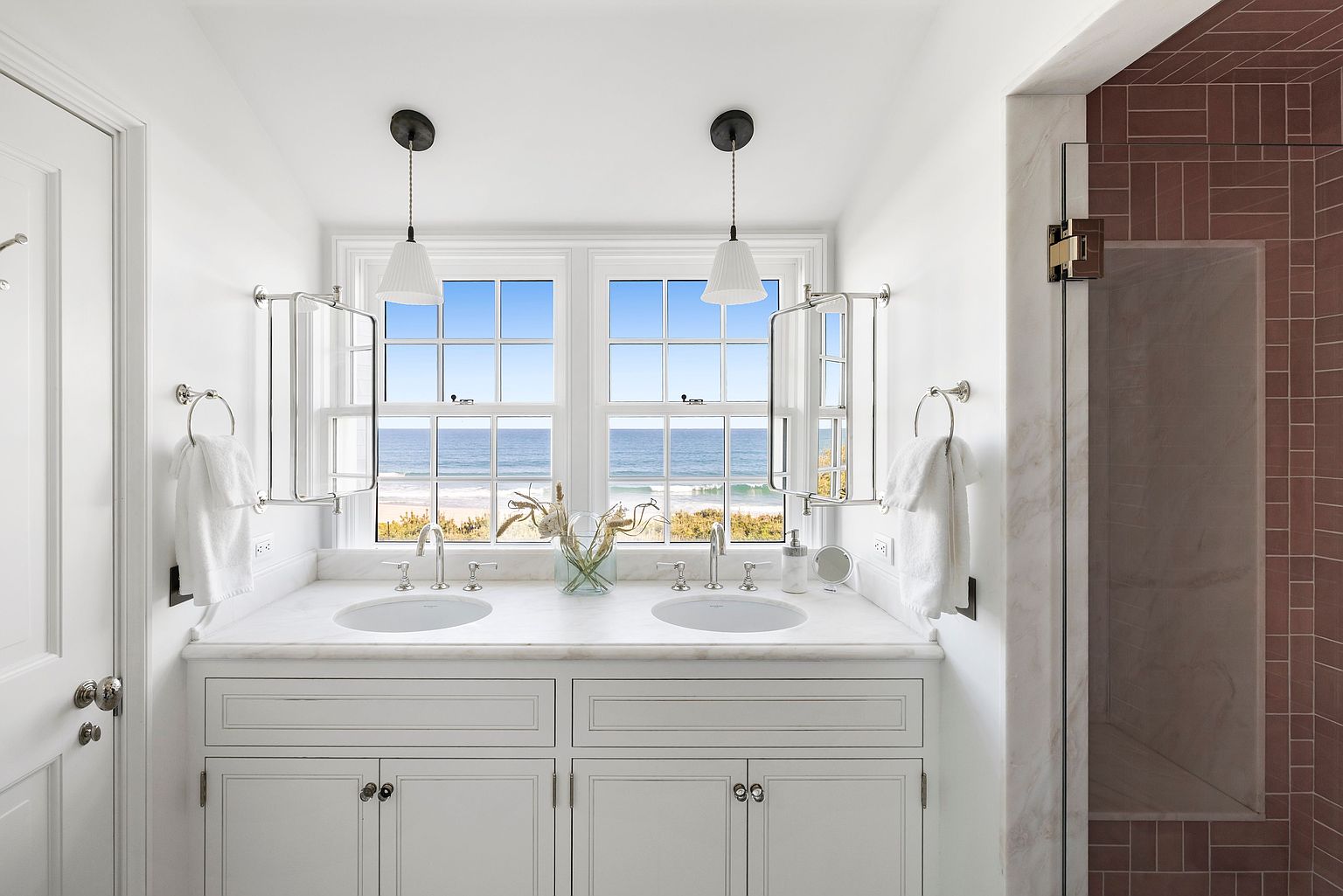
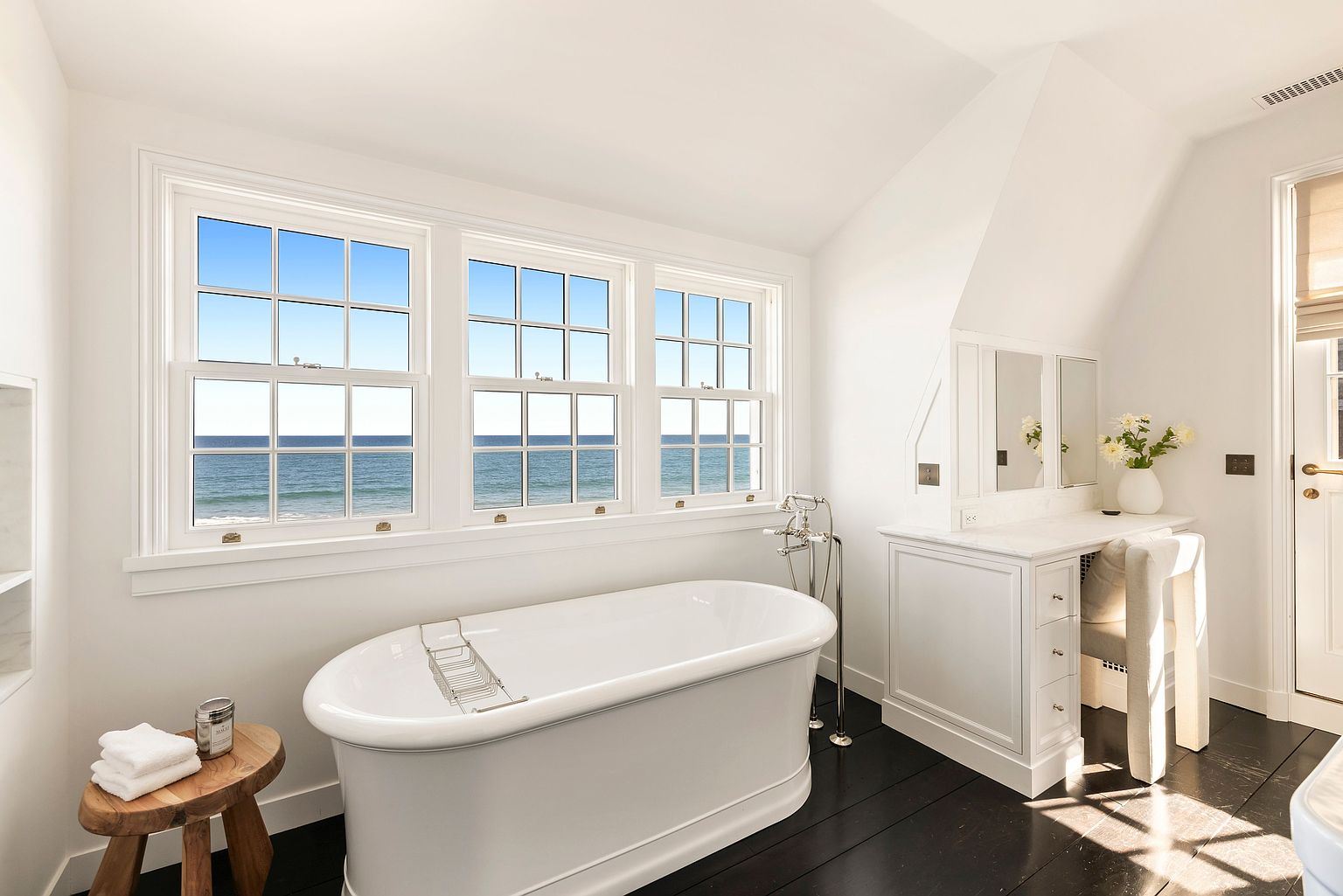
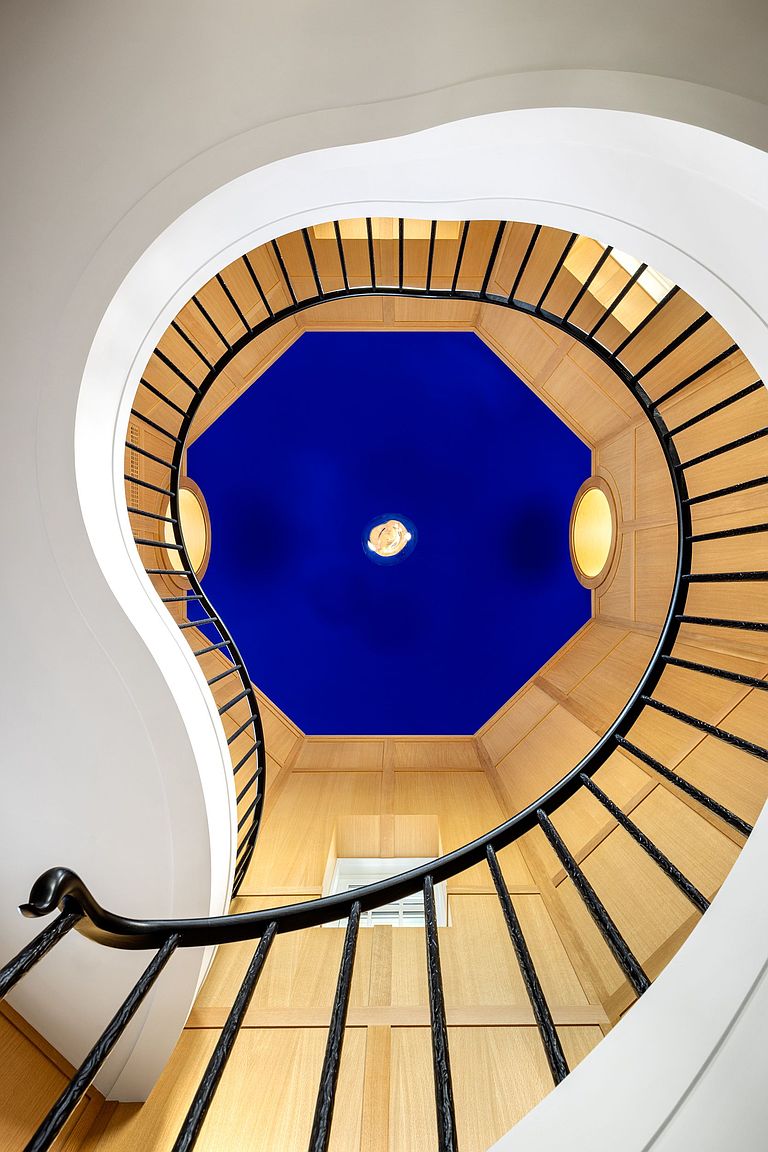
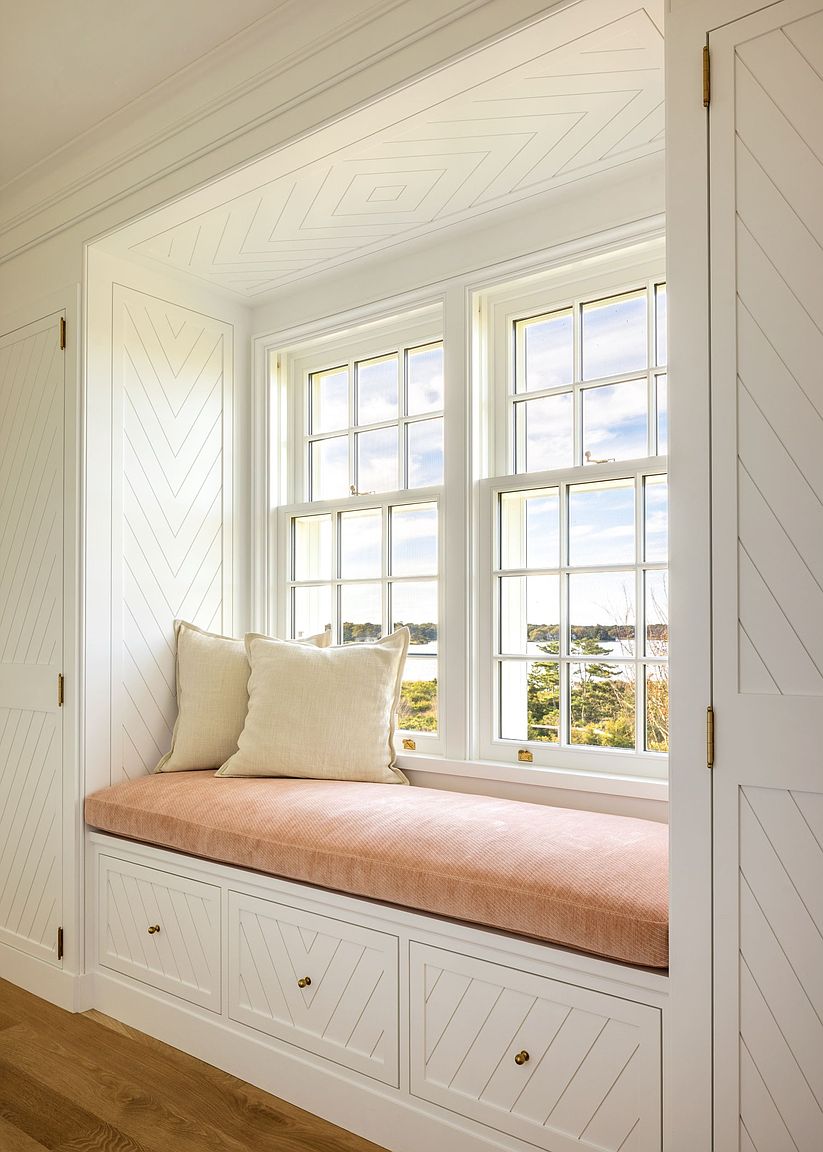
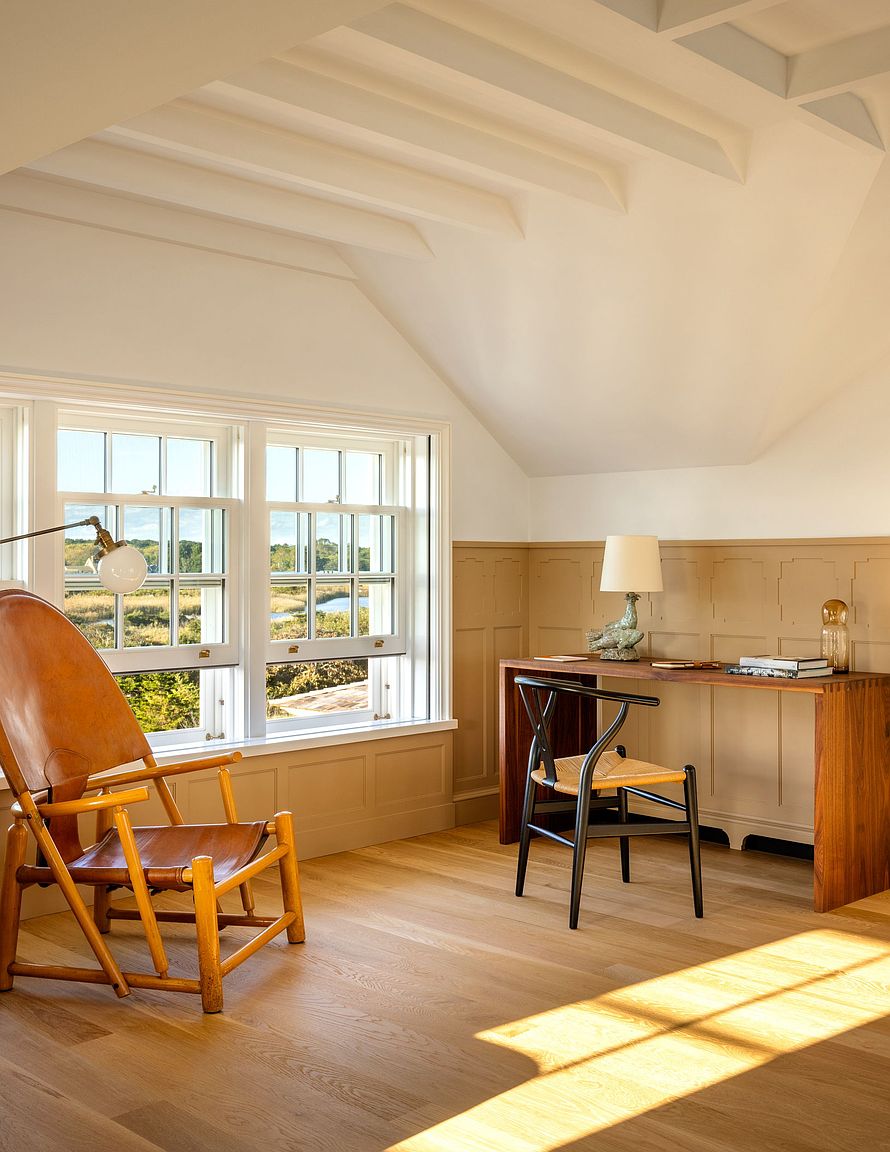
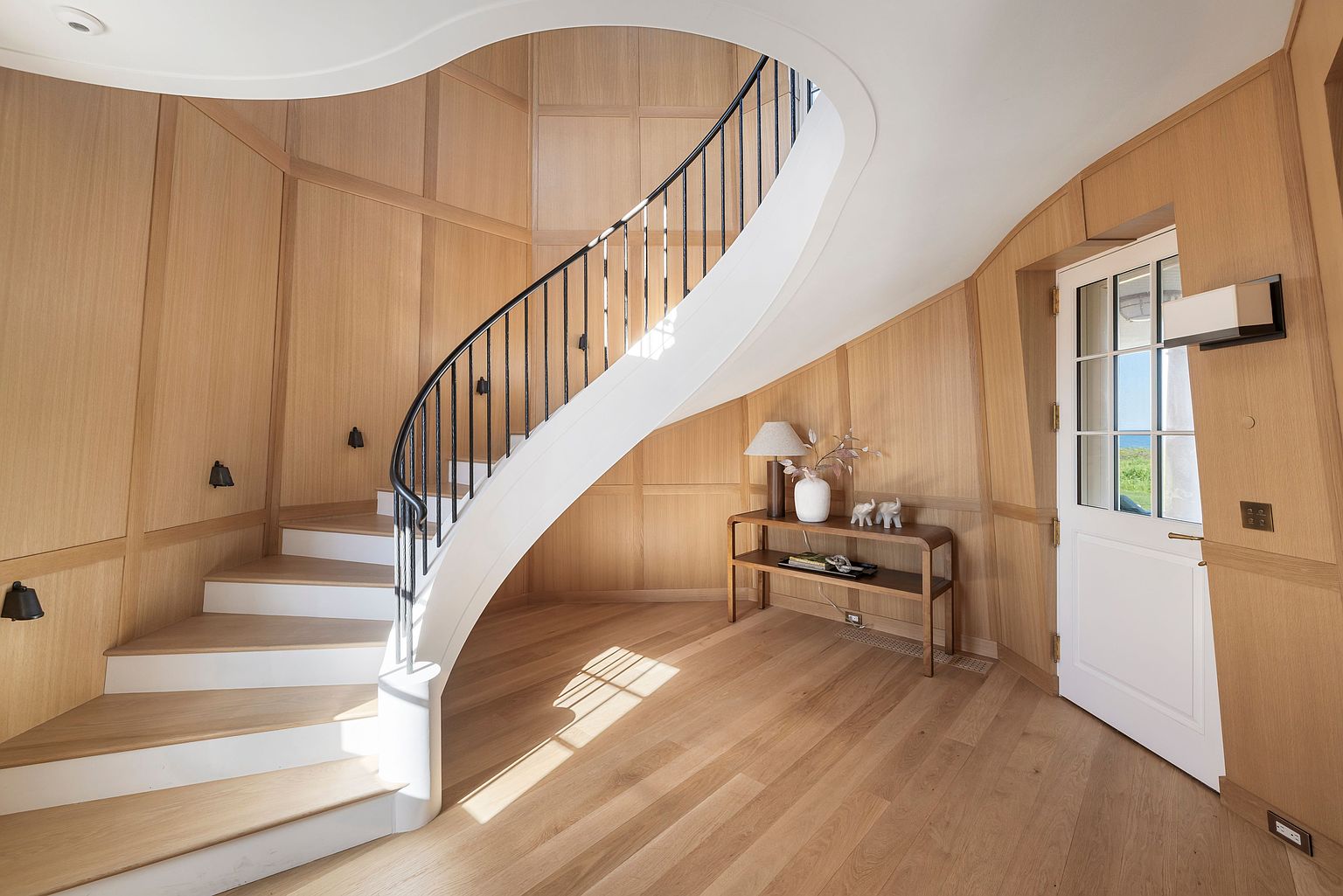
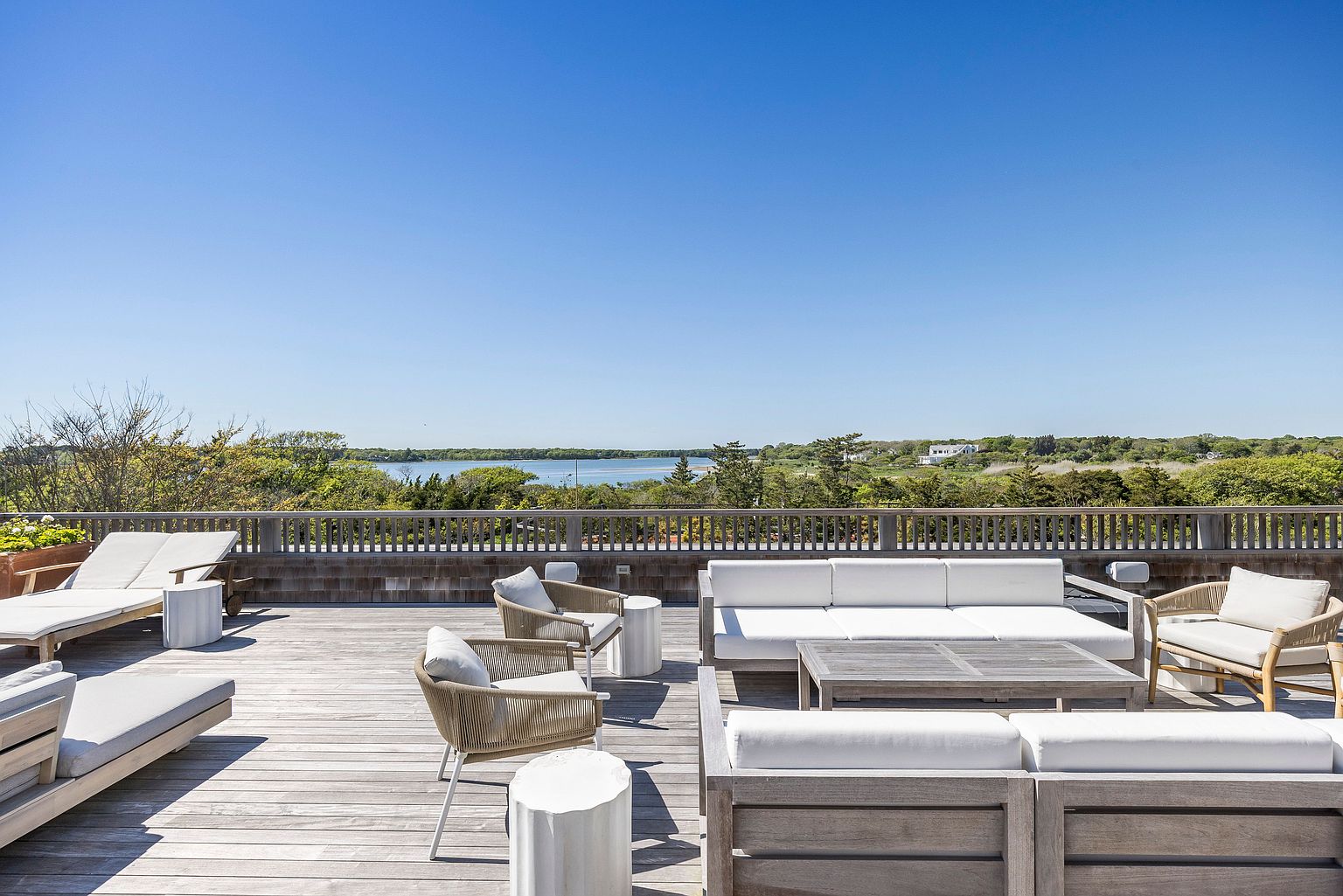
The iconic tower is a compound within the compound: a curved staircase ascends through a domed family room with its own wet bar to a private bedroom suite above, offering a retreat of rare intimacy. The owner's suite occupies the upper level with a fireplace, two bathrooms with walk-in closets, and direct access to a sweeping deck with unobstructed water views. Three secondary suites capture their own water vistas, while a thoughtfully appointed lower level provides a sixth bedroom suite, staff quarters, sauna, mudroom, and laundry.
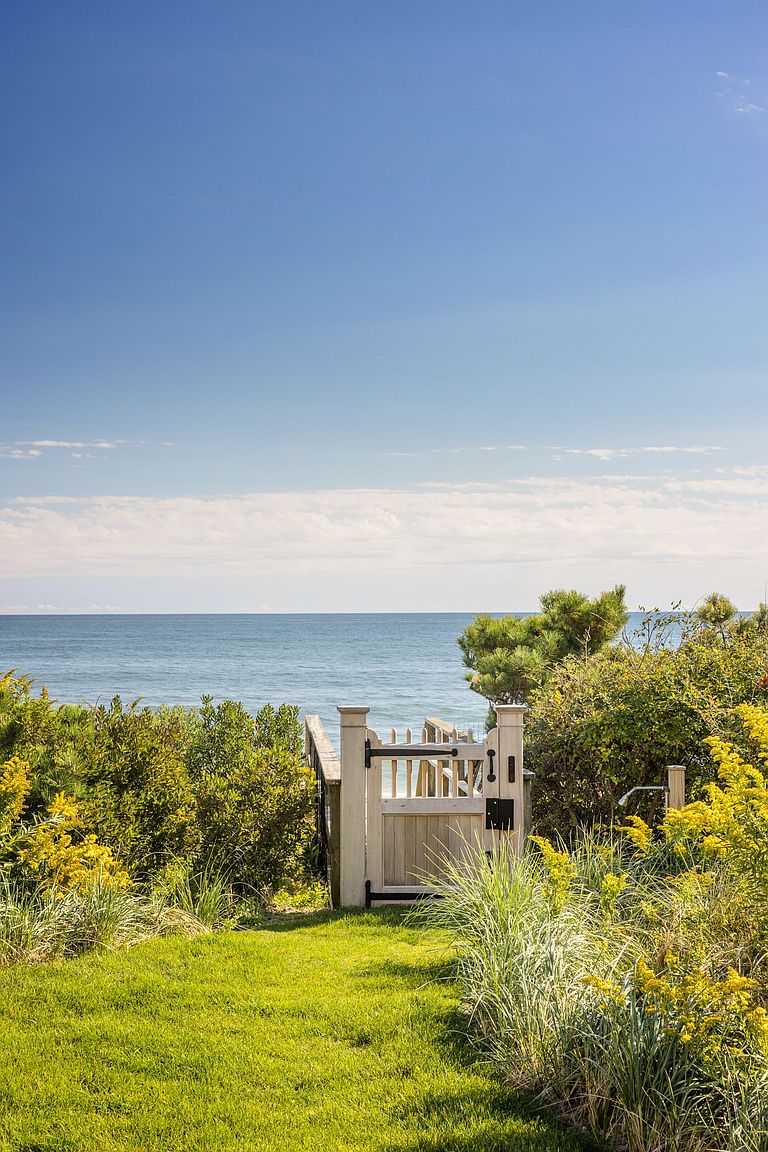
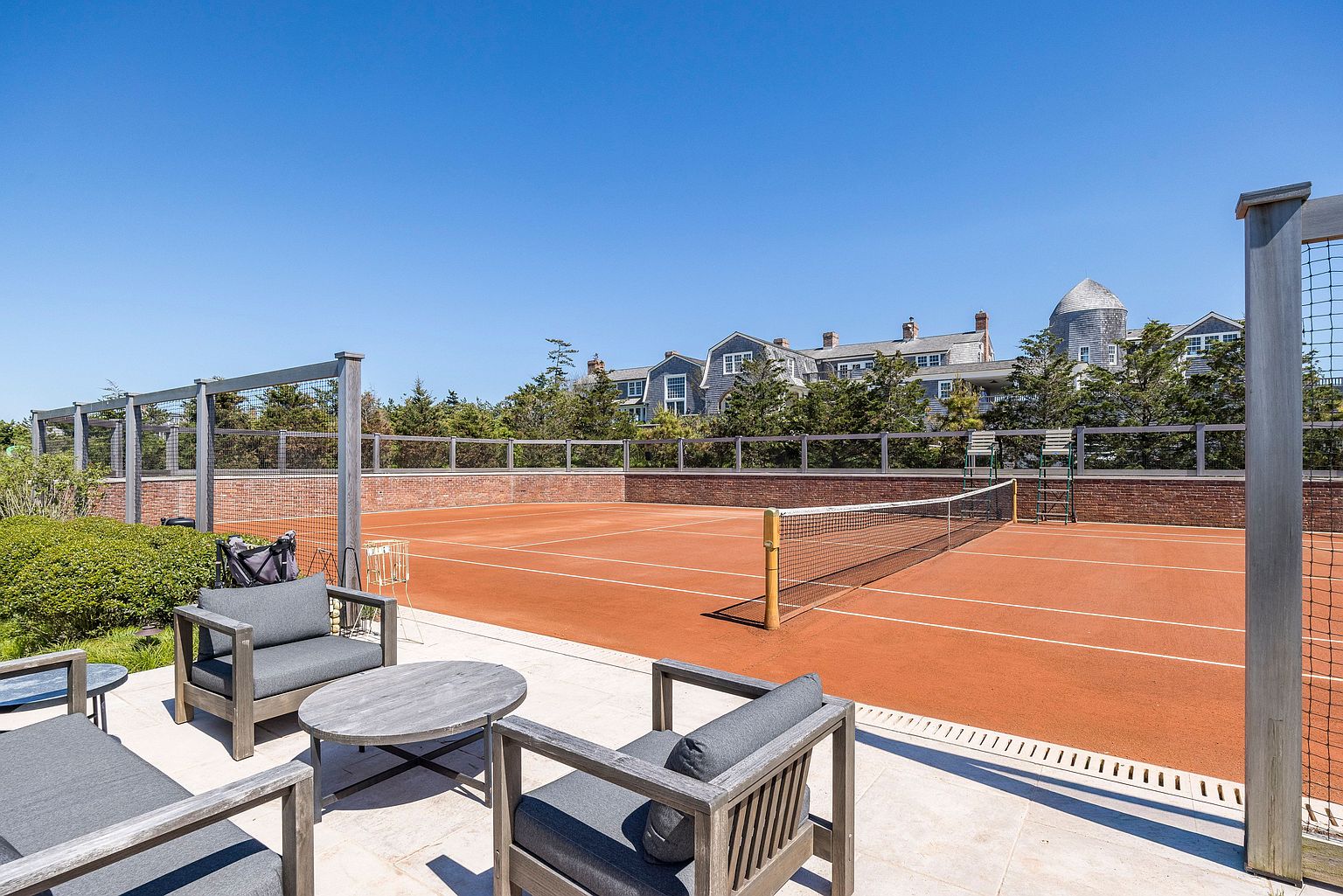
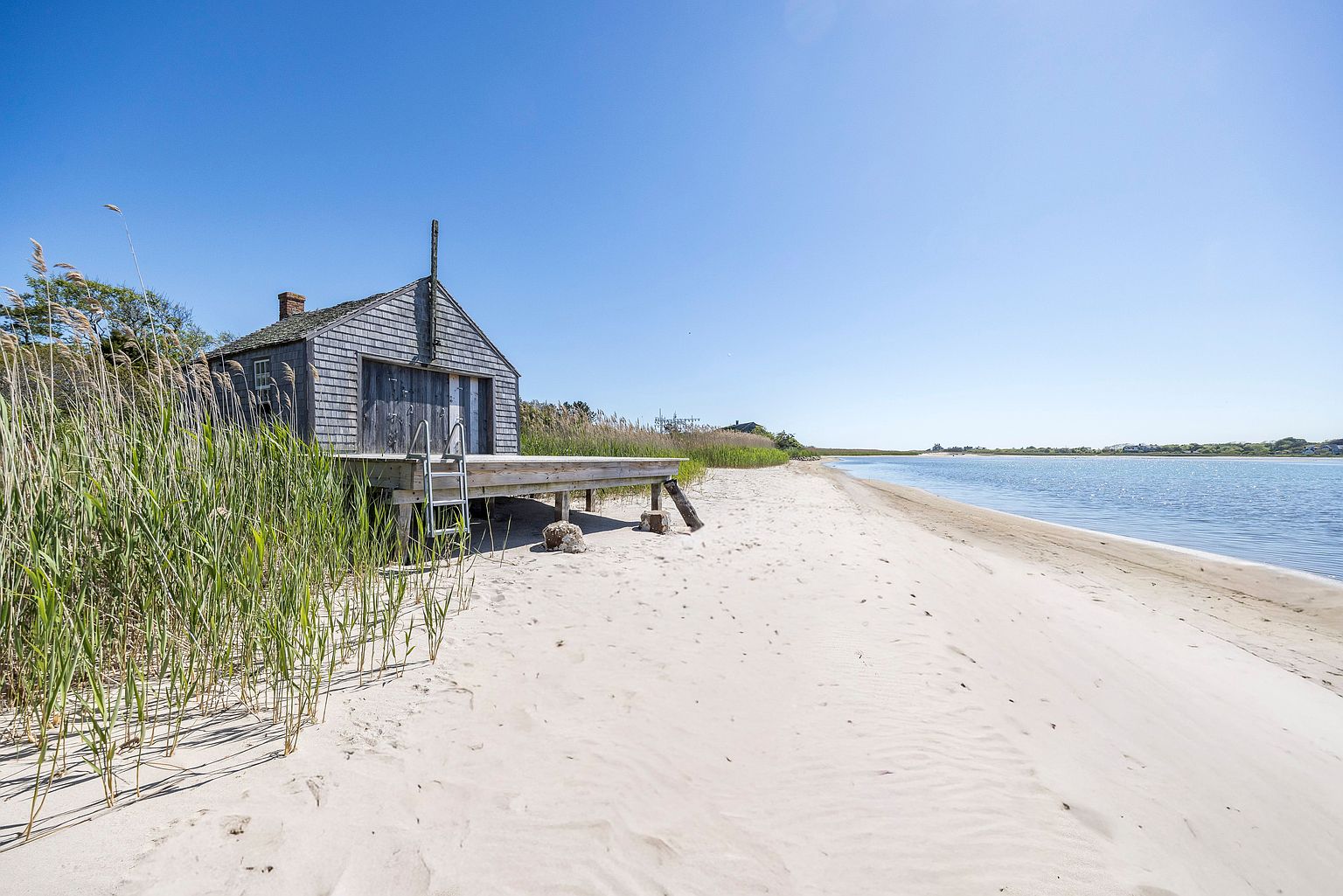
Modern infrastructure is seamlessly woven throughout: new hurricane-rated windows and doors, geothermal systems, a whole-house generator, and fully integrated smart home automation ensure that this legacy estate performs with the precision of a newly constructed home. Over 5,000 square feet of decks, patios, and gardens dissolve the boundary between interior and exterior, while 500-plus feet of ocean frontage, the last working boathouse on Georgica Pond, a clay tennis court with viewing terrace, and approved plans for a guest cottage, pool, and an adjacent parcel residence confirm that this compound's next chapter has already begun to be written.
East Hampton has long occupied a singular position in the American imagination — a place where natural grandeur and cultural ambition have coexisted for well over a century. The Village of East Hampton, incorporated in 1920 but settled by European colonists as early as 1648, is among the oldest English settlements in New York State. Its historic Main Street, lined with 17th- and 18th-century architecture, has been recognized as one of the most beautiful in America, anchored by institutions such as Guild Hall — the beloved cultural center and museum that has hosted exhibitions and performances drawing figures from Jackson Pollock and Willem de Kooning to contemporary luminaries of art, theater, and literature.
The Georgica Dunes neighborhood where 75 West End Avenue resides represents the apex of this already rarefied geography. Nestled between the Atlantic Ocean to the south and the glassy expanse of Georgica Pond to the north, the area has attracted the most discerning owners in the Hamptons for generations — artists, industrialists, fashion designers, and financiers drawn equally by the landscape's extraordinary beauty and its sense of complete remove from the world beyond. The pond itself is an ecological treasure, a tidal lagoon of remarkable clarity that supports migratory birds and native wildlife, and whose shores have inspired painters and naturalists alike.
The broader East Hampton community offers a lifestyle that is both stimulating and deeply restorative. The village's boutiques, galleries, and restaurants along Newtown Lane and Main Street deliver a level of culinary and retail sophistication that rivals any urban center, while the East Hampton LIRR station and local private aviation at East Hampton Airport provide seamless connections to New York City, approximately two hours by car or train. The South Fork's farm stands, vineyards, and artisanal food producers have helped define a farm-to-table culture that predates the national conversation, and the region's beaches — including the celebrated ocean beaches along Further Lane and the more secluded bay beaches of Accabonac Harbor — offer a full spectrum of coastal experience.
Culturally, East Hampton sustains a year-round community that deepens and enlivens the summer season. The East Hampton Library's Authors Night is one of the literary world's most anticipated annual events. The Parrish Art Museum in nearby Water Mill, housed in a Herzog & de Meuron-designed building, presents world-class exhibitions in a setting that feels organically connected to the landscape. The Nature Trail, the South Fork Natural History Museum, and the East Hampton Trails Preservation Society speak to a community that takes seriously its responsibility to the land it inhabits.
For those who have spent time in the Hamptons, the distinction between a fine property and a truly irreplaceable one is immediately legible. 75 West End Avenue belongs to the second category without qualification — a compound whose location at the meeting of ocean and pond, whose depth of provenance, and whose completeness as a private world unto itself place it beyond straightforward comparison. This is not merely a home in East Hampton. It is a piece of the place itself.
Featured Highlights
Curated Content • Presented by James Petrie - Real Estate Sales Person