The Story Behind
A Crown Above the Upper East Side, Redefined
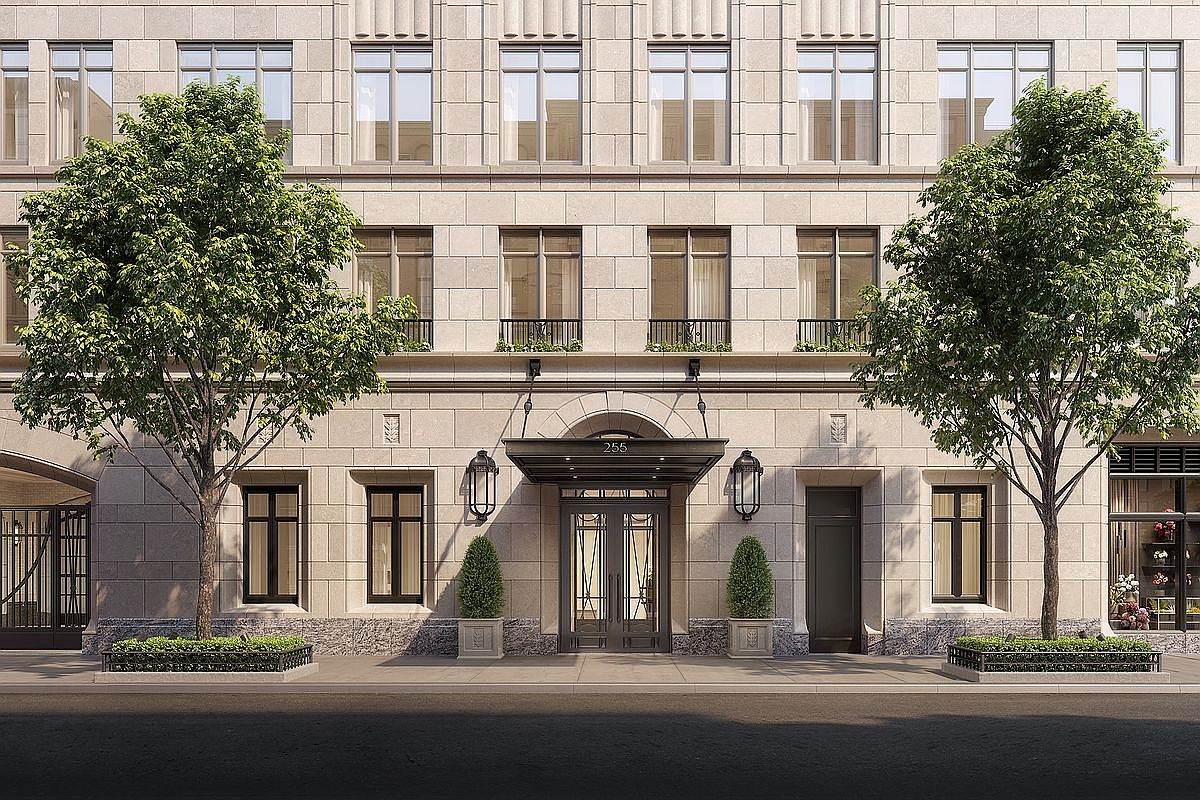
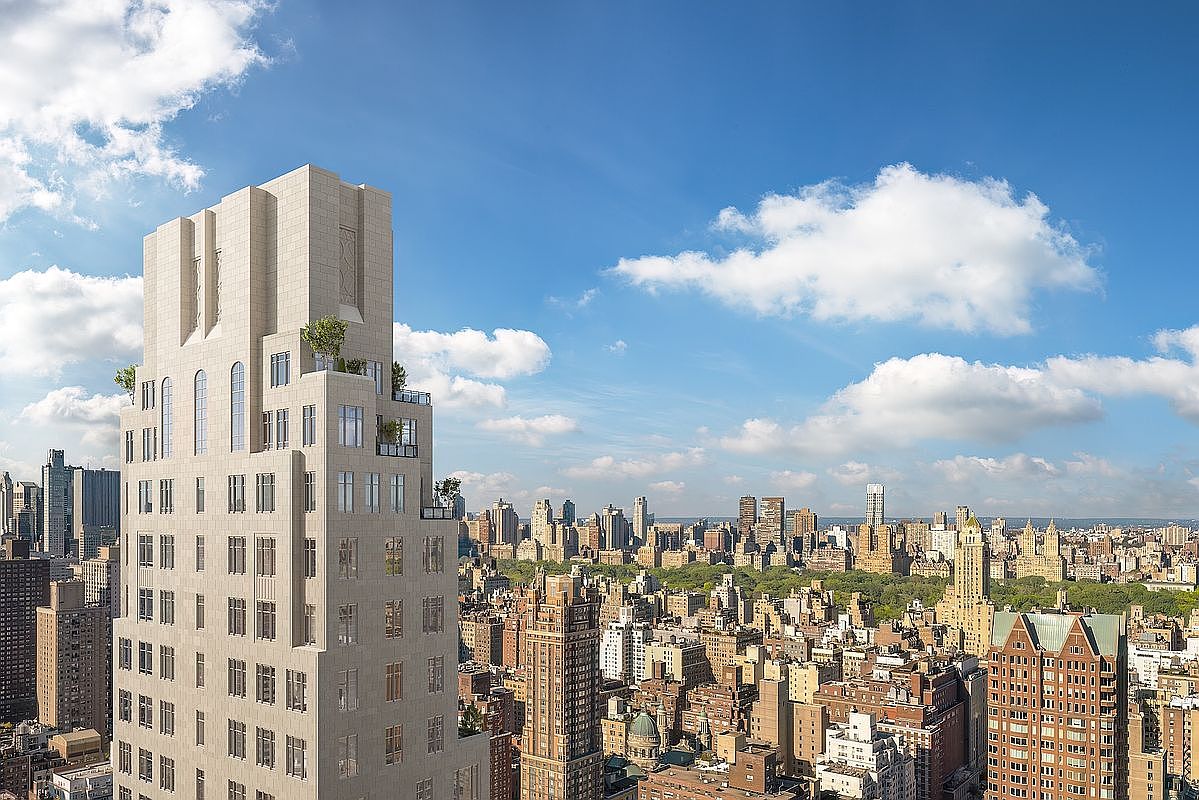
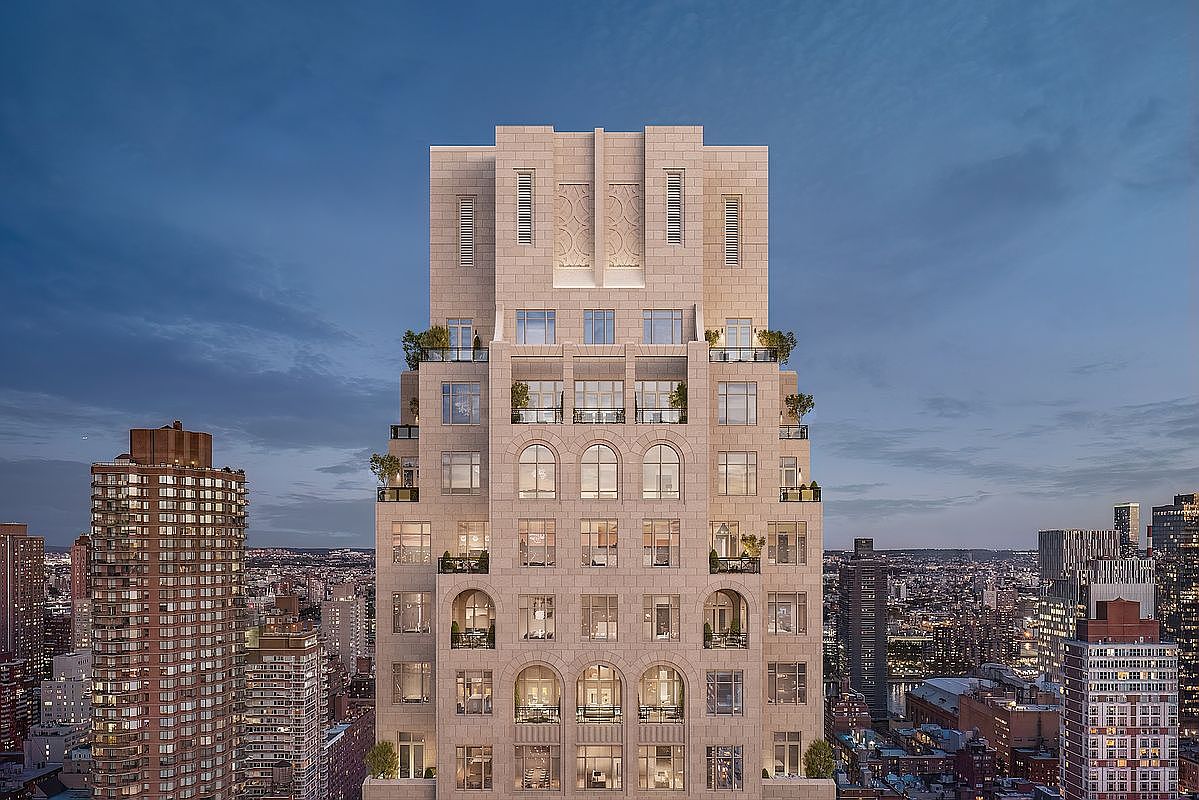
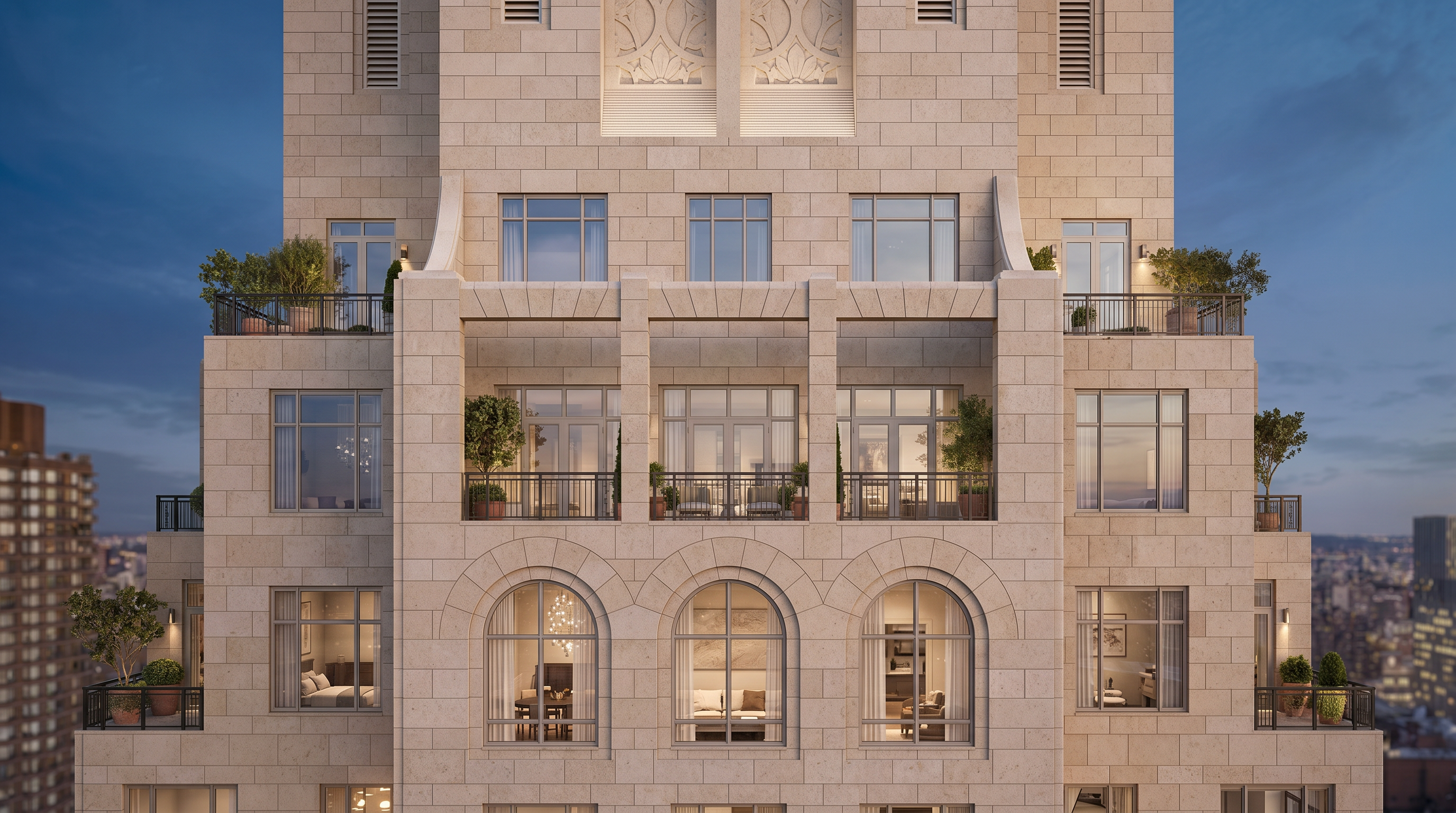
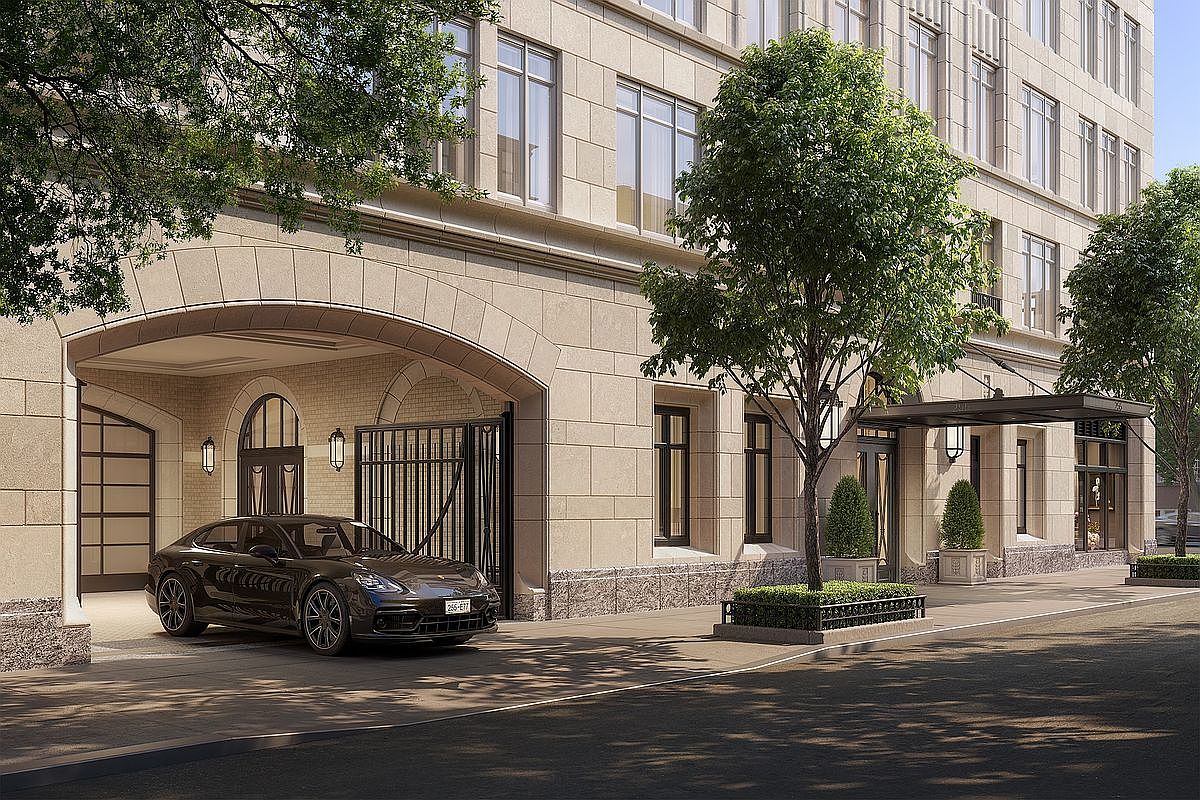
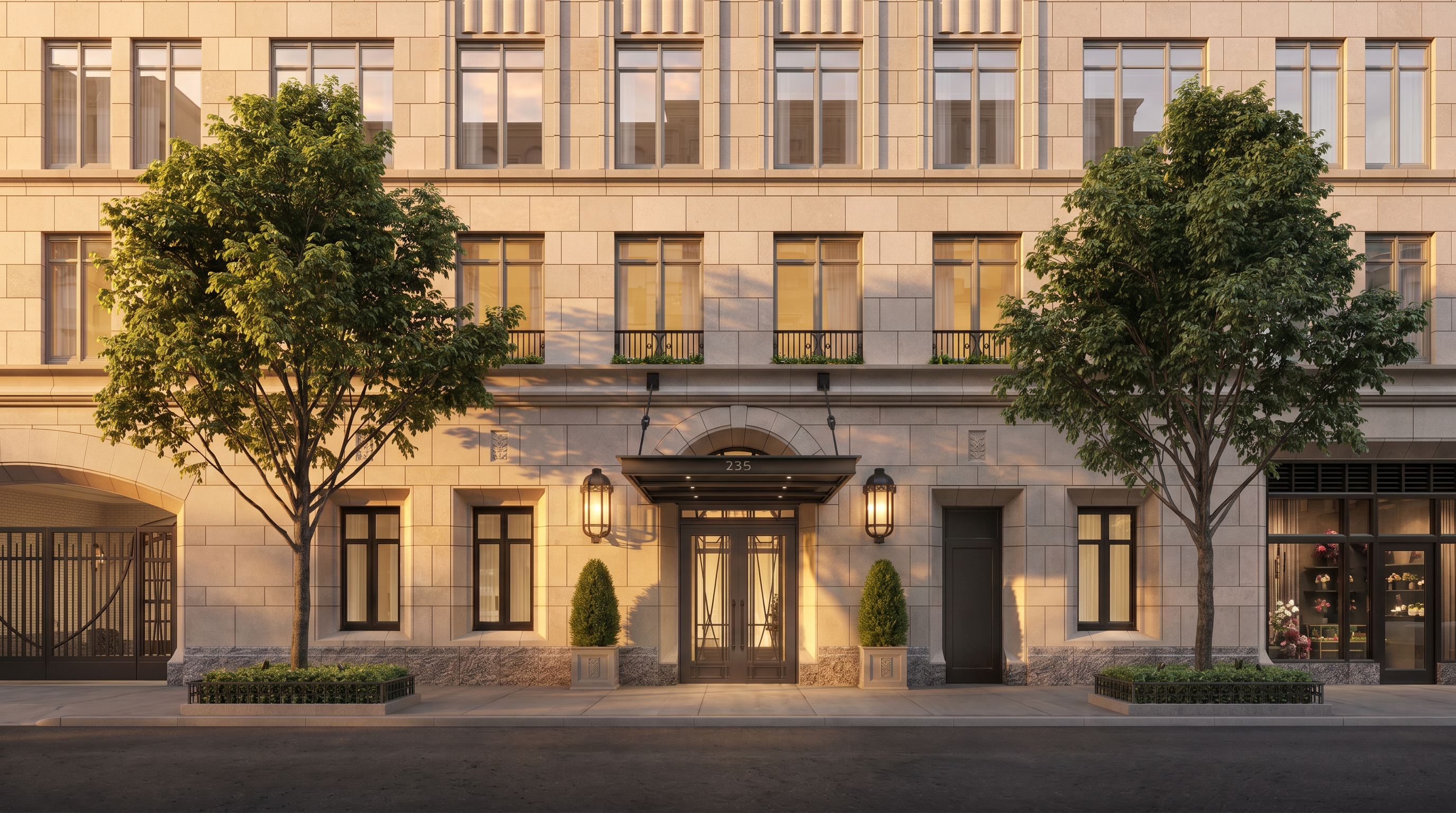
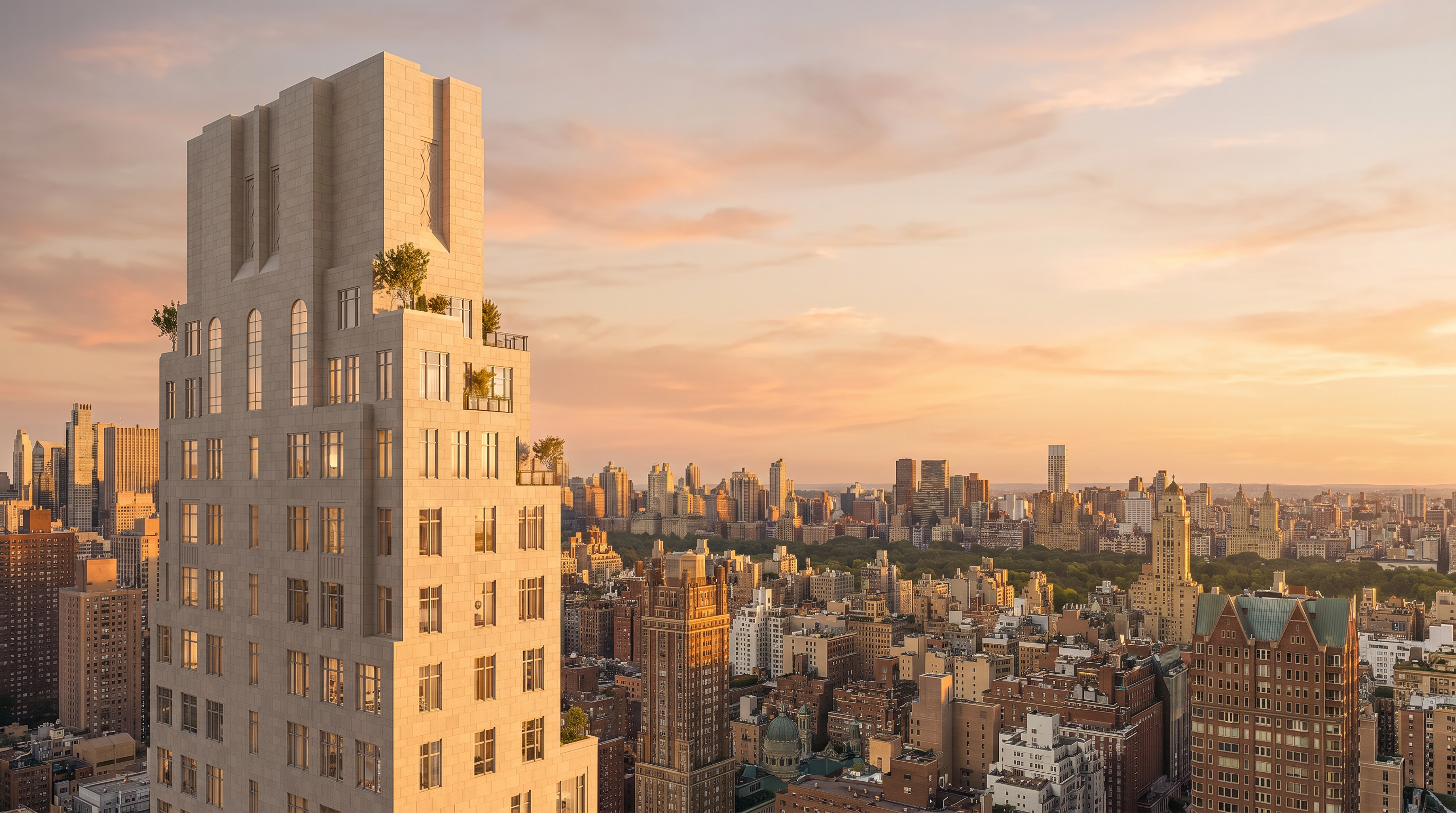
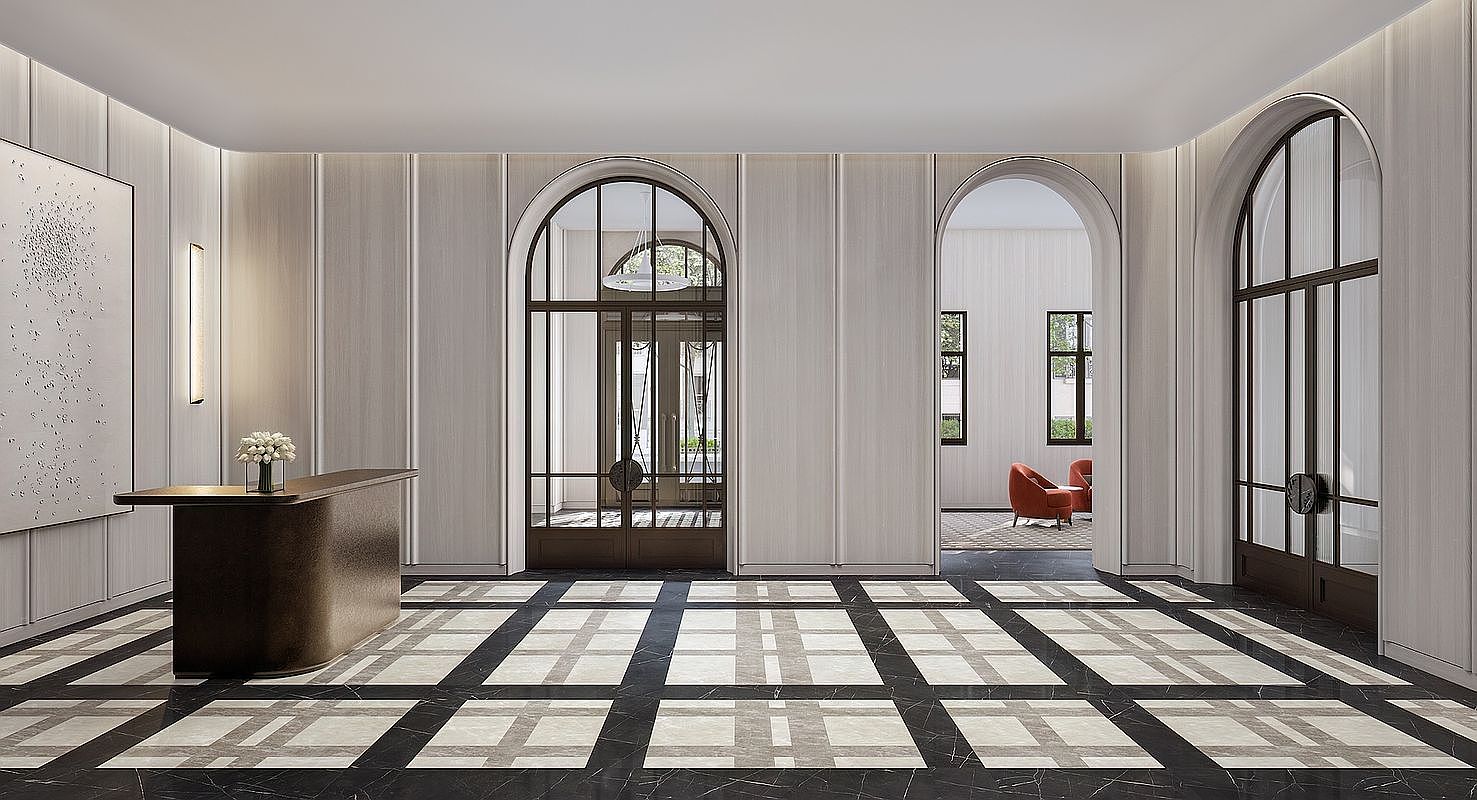
There is a particular kind of architecture that does not merely occupy a skyline but completes it. 255 East 77th Street, designed by the celebrated Robert A.M. Stern Architects and developed by Naftali Group, belongs to that rare category. Its limestone facade rises with classical conviction — carved leaf details echo the canopy of the tree-lined street below, while monumental arches, fine ironwork, and a signature crown distinguish the tower from every vantage point across the city. At its apex sits this duplex penthouse, a residence that translates all of that architectural ambition into something deeply, intimately livable.
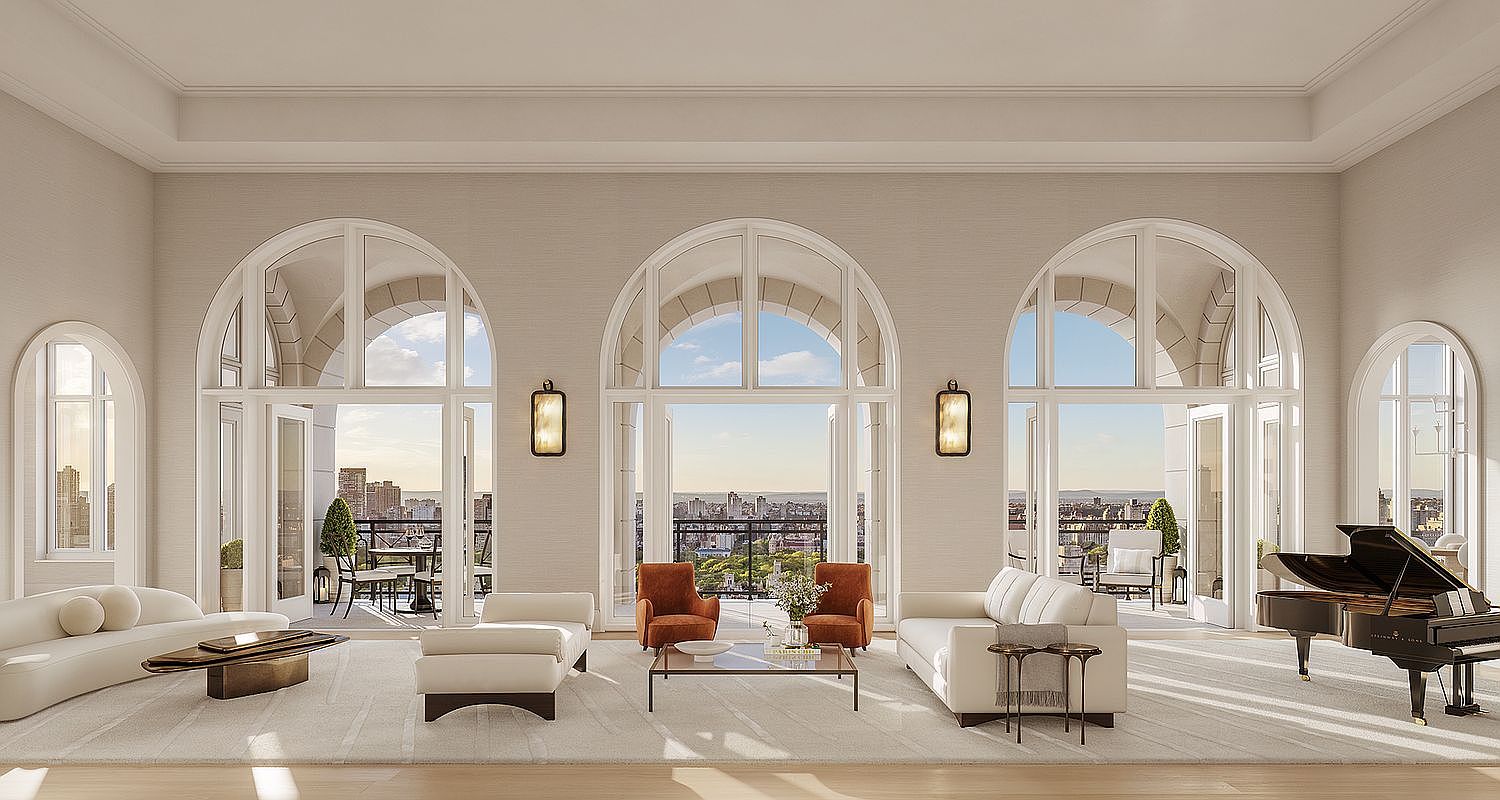
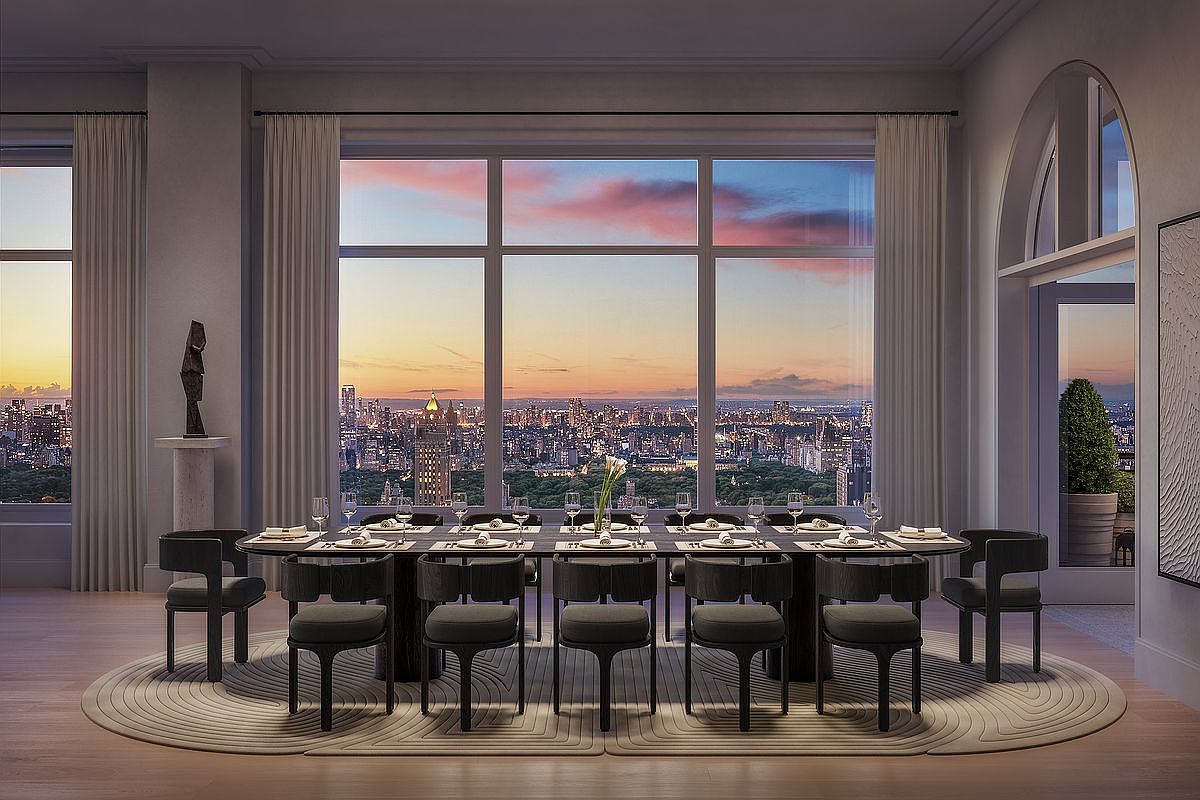
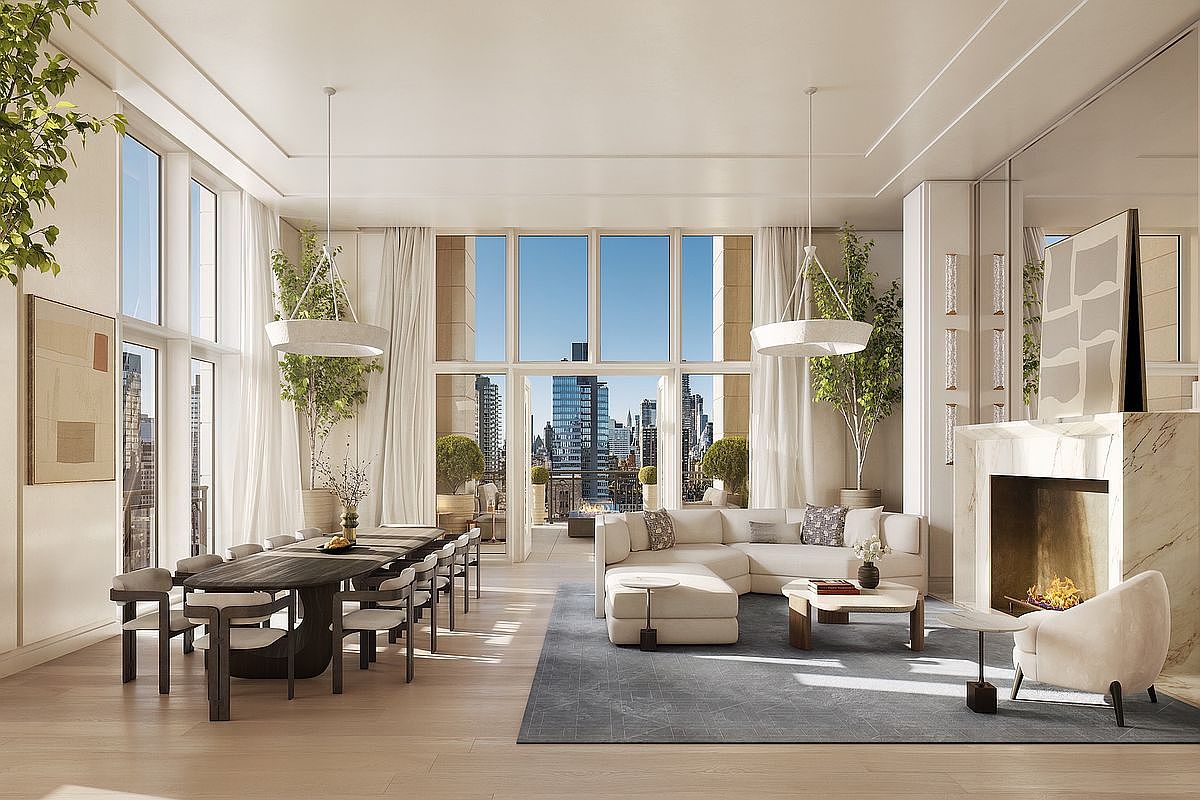
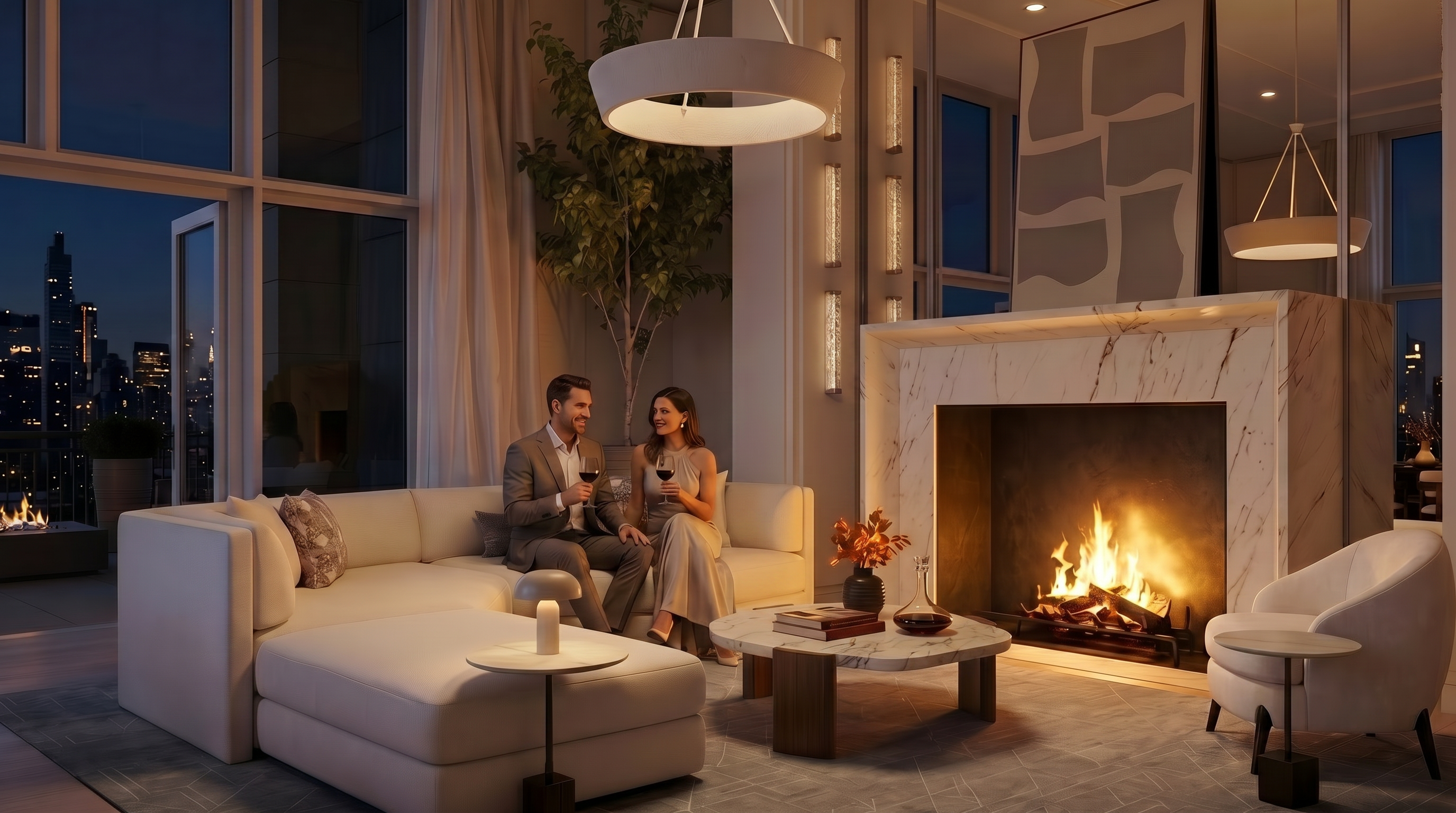
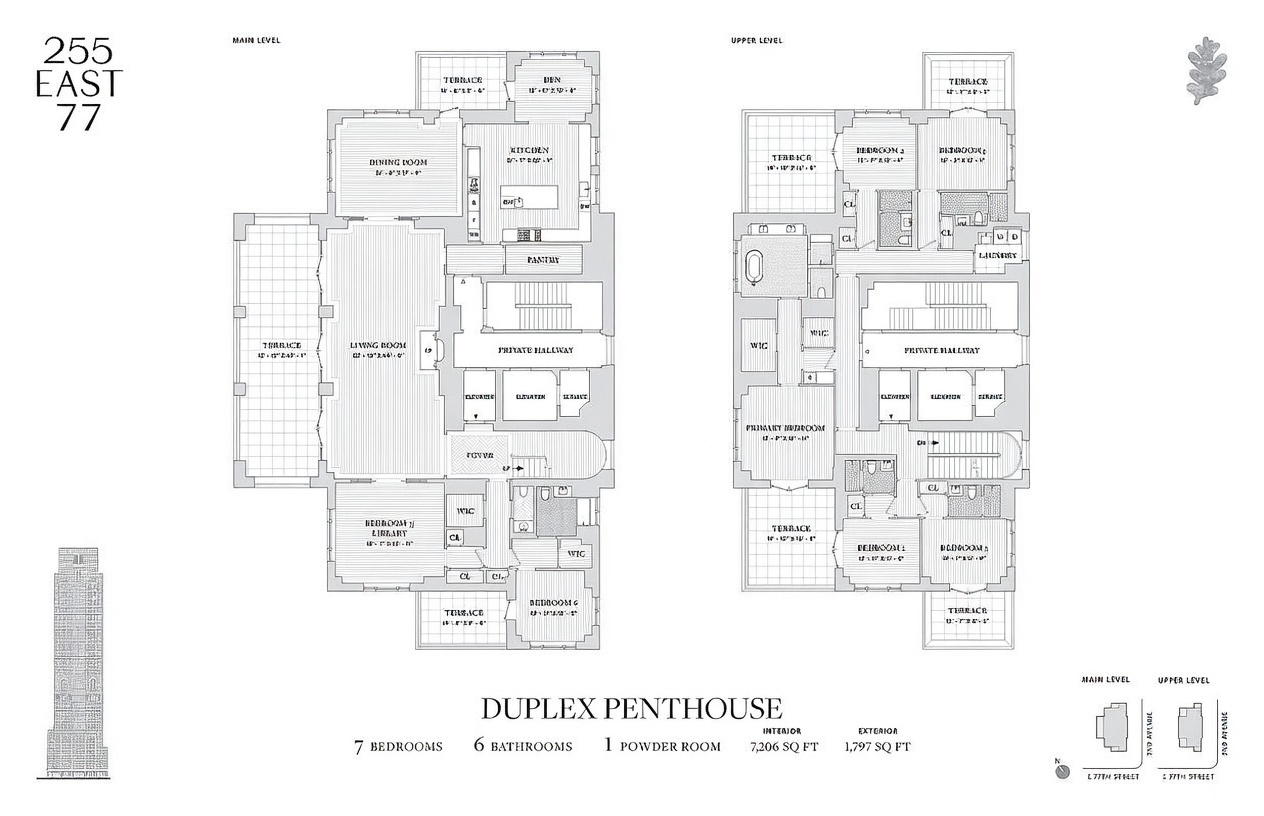
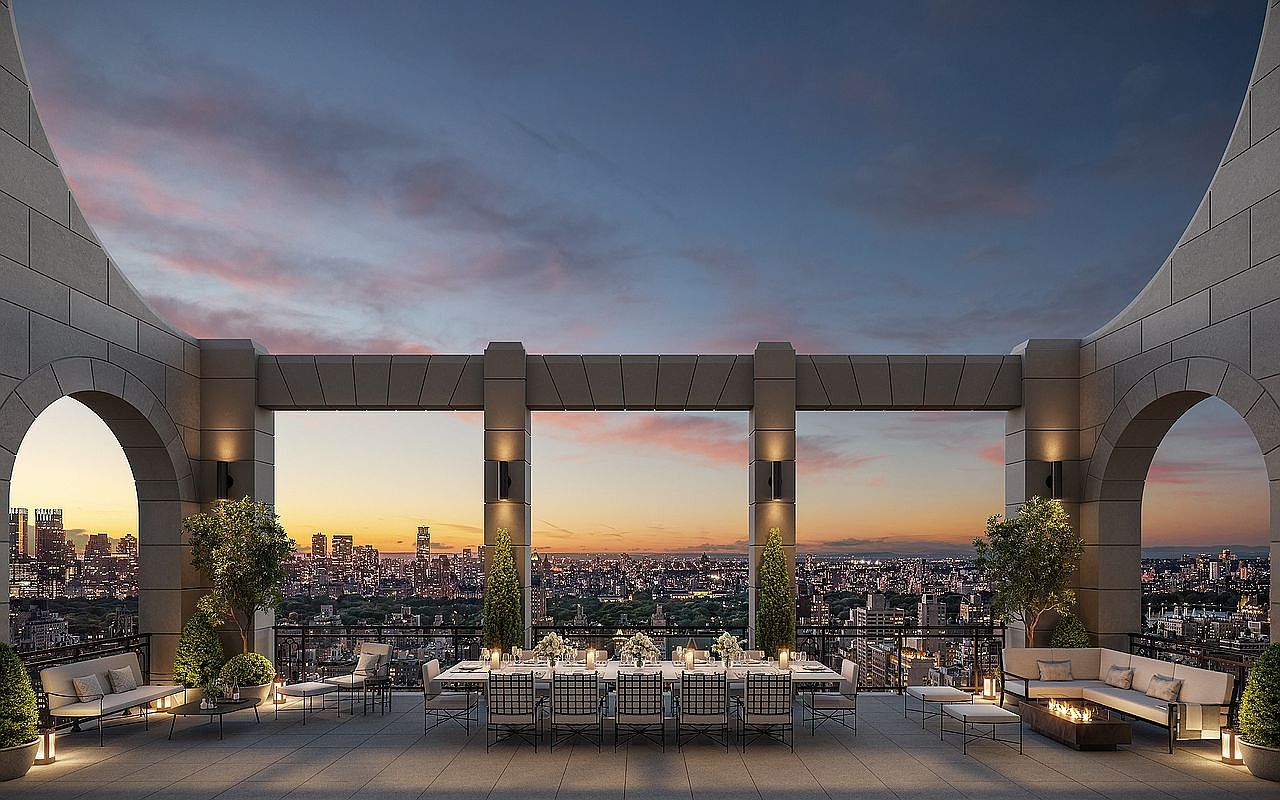
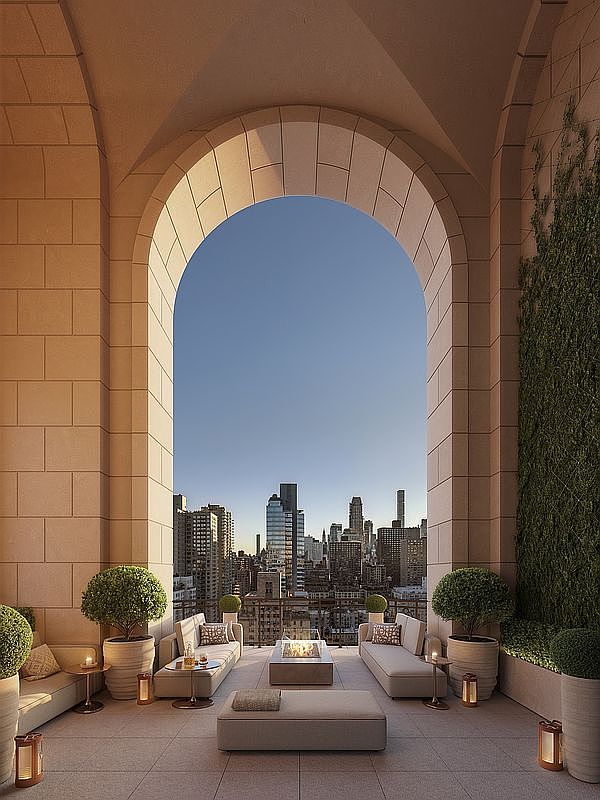
Arrival is private and unhurried. A dedicated elevator delivers residents directly onto the main level, where the scale of the residence announces itself immediately. White oak flooring — pristine, warm, and anchoring — runs through a grand living room, a formal dining room, and a refined library. Each of these principal rooms opens onto expansive private terraces that dissolve the threshold between interior and sky, offering a sense of elevation and openness that even the finest apartments rarely achieve. The terraces are not an afterthought here; they are a defining architectural act, extending the living space outward toward Midtown's glittering towers, the green expanse of Central Park, and the silver thread of the rivers beyond.
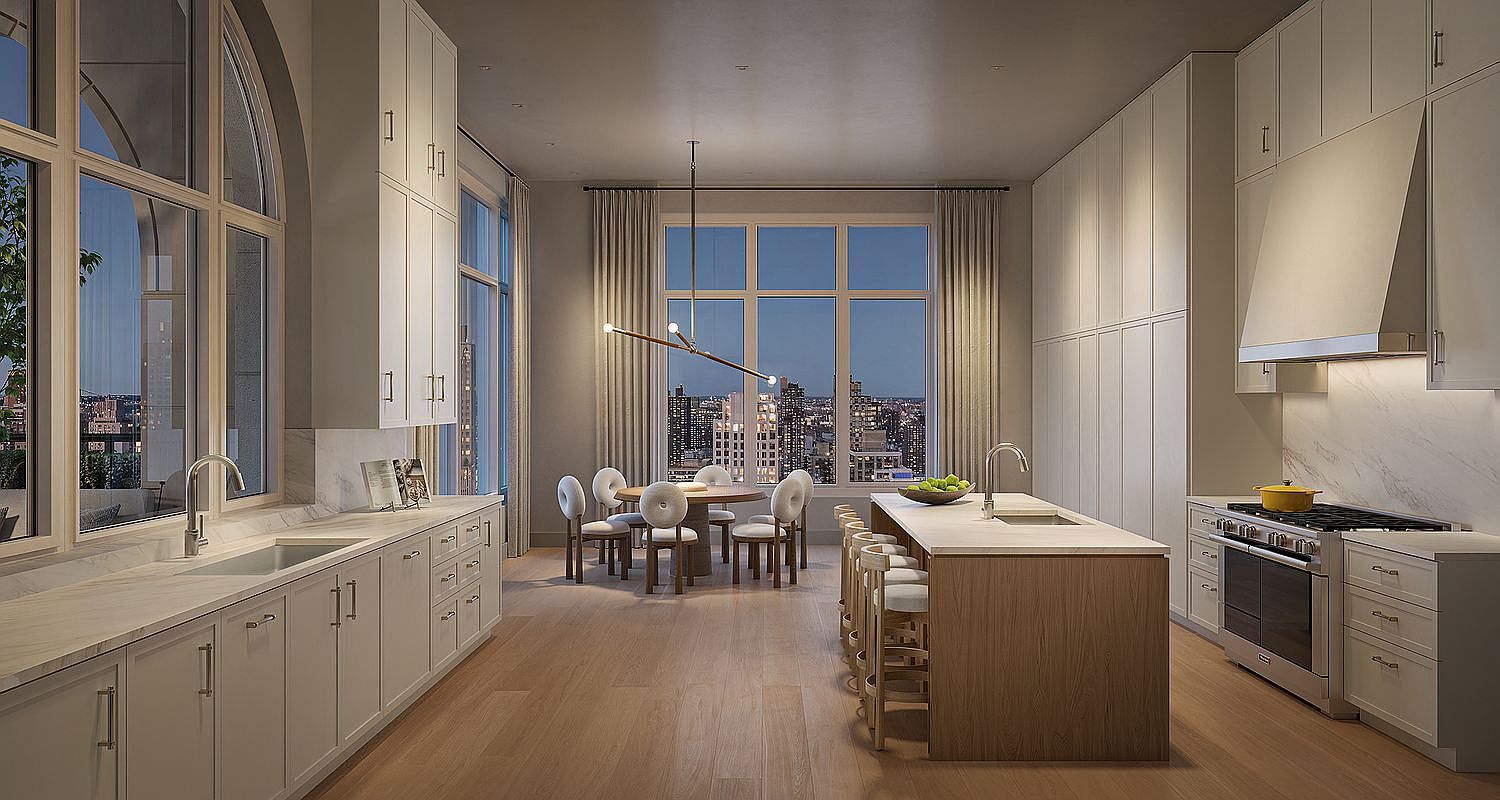
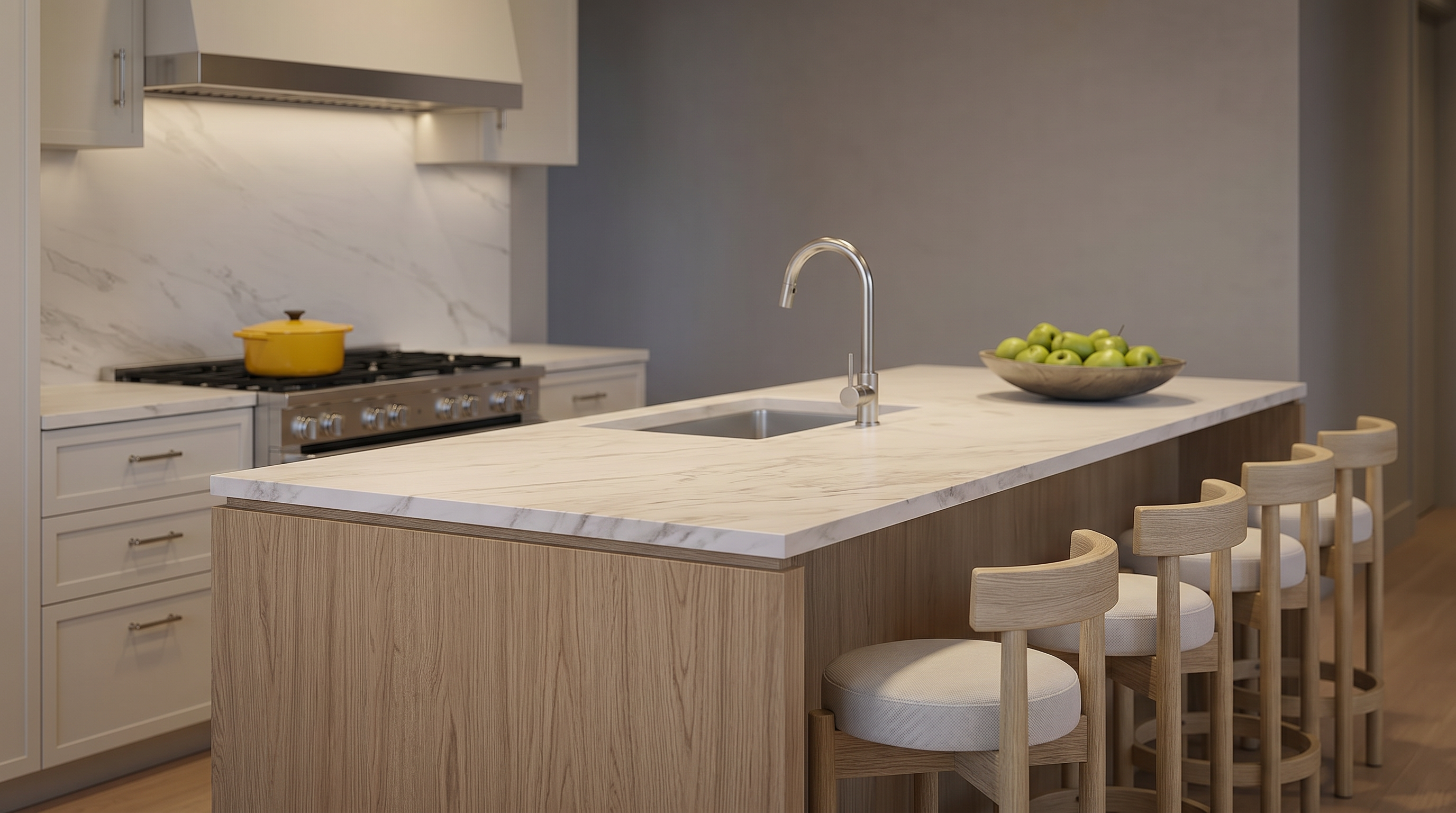
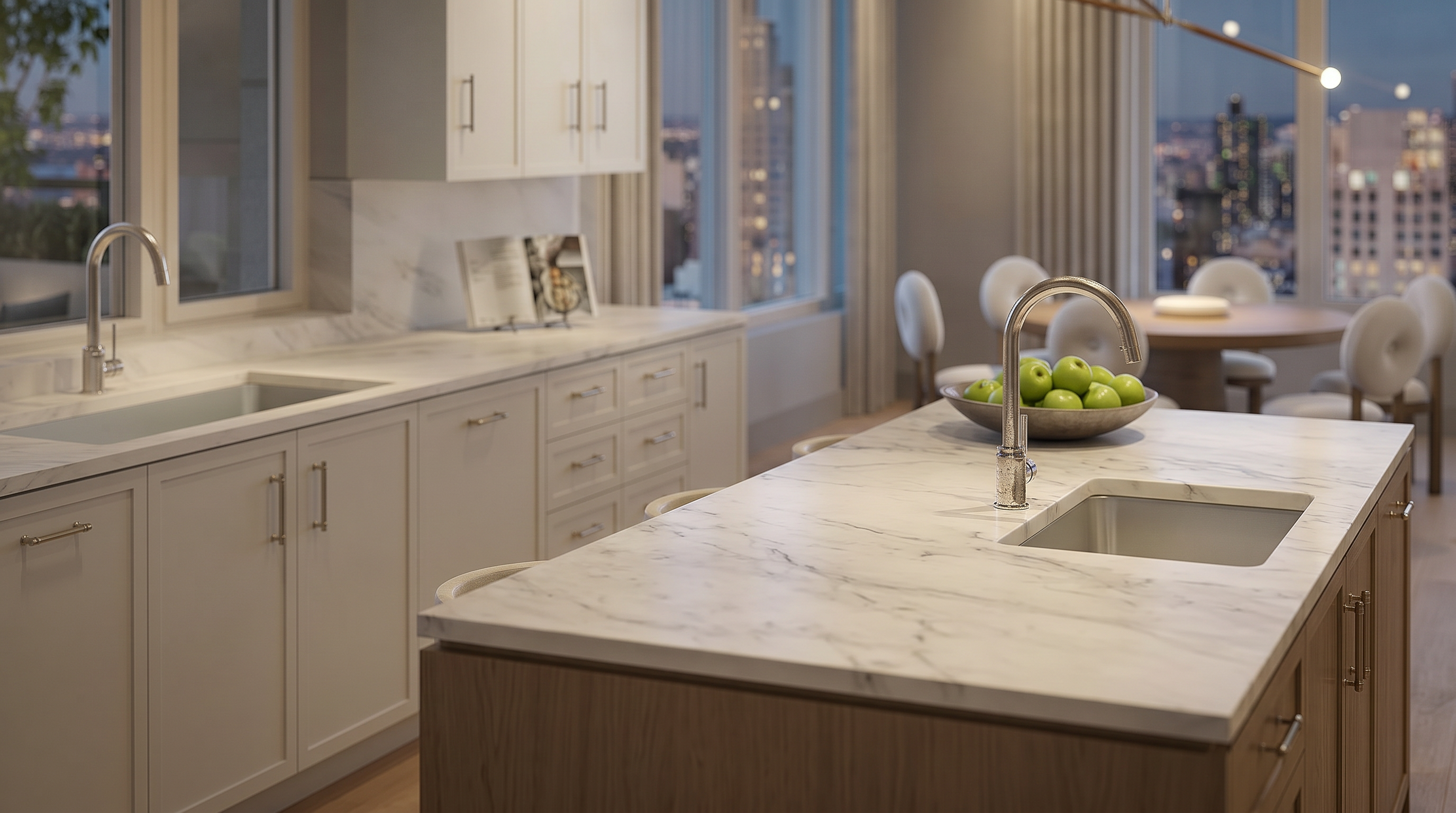
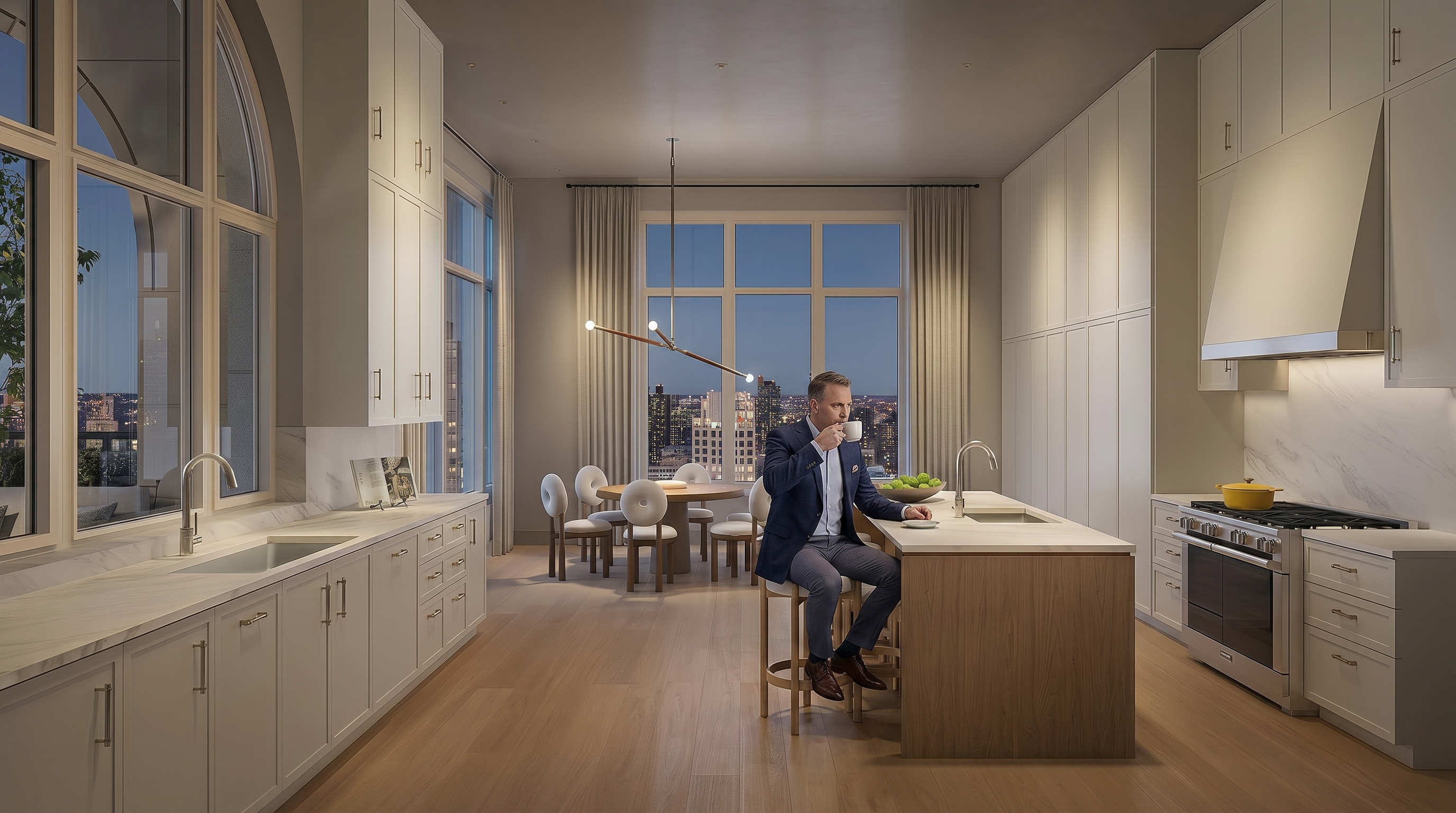
The kitchen is a study in the marriage of beauty and function. Honed Calacatta marble countertops and backsplashes provide a surface of quiet, geological drama, while Miele and Sub-Zero appliances represent the current standard in residential culinary technology. A generous pantry and an adjoining den ensure that the kitchen serves equally as a private family room and a staging ground for sophisticated entertaining — a duality that reflects the broader intelligence of the layout.
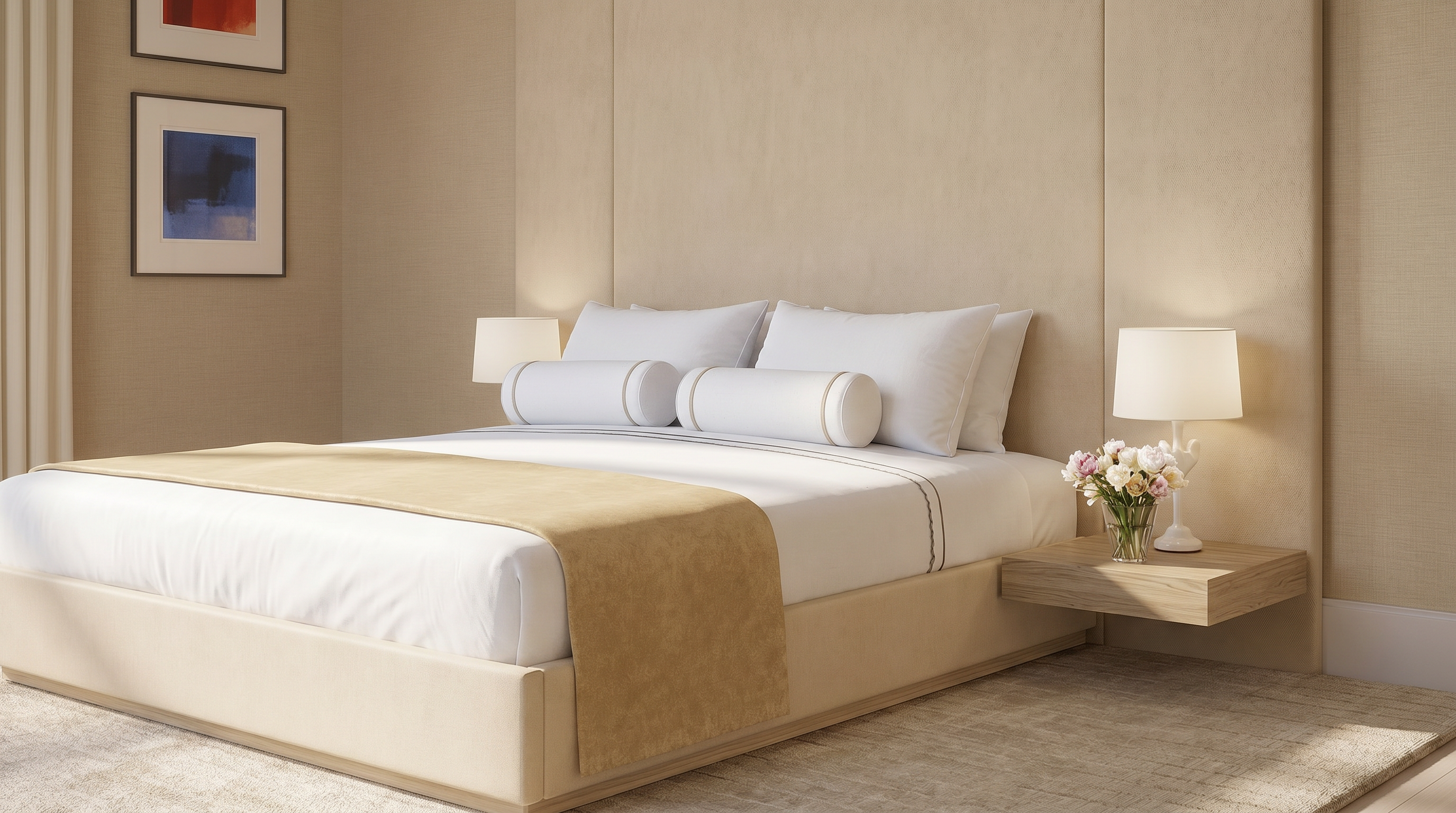
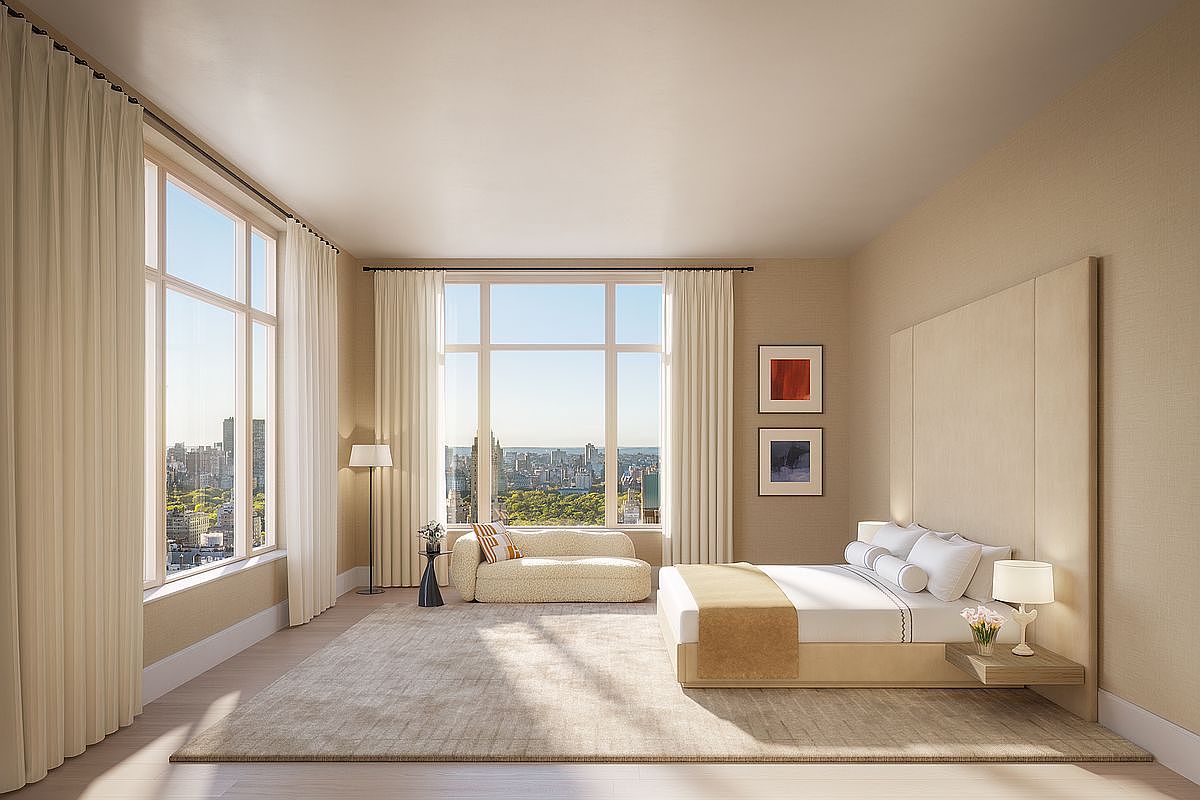
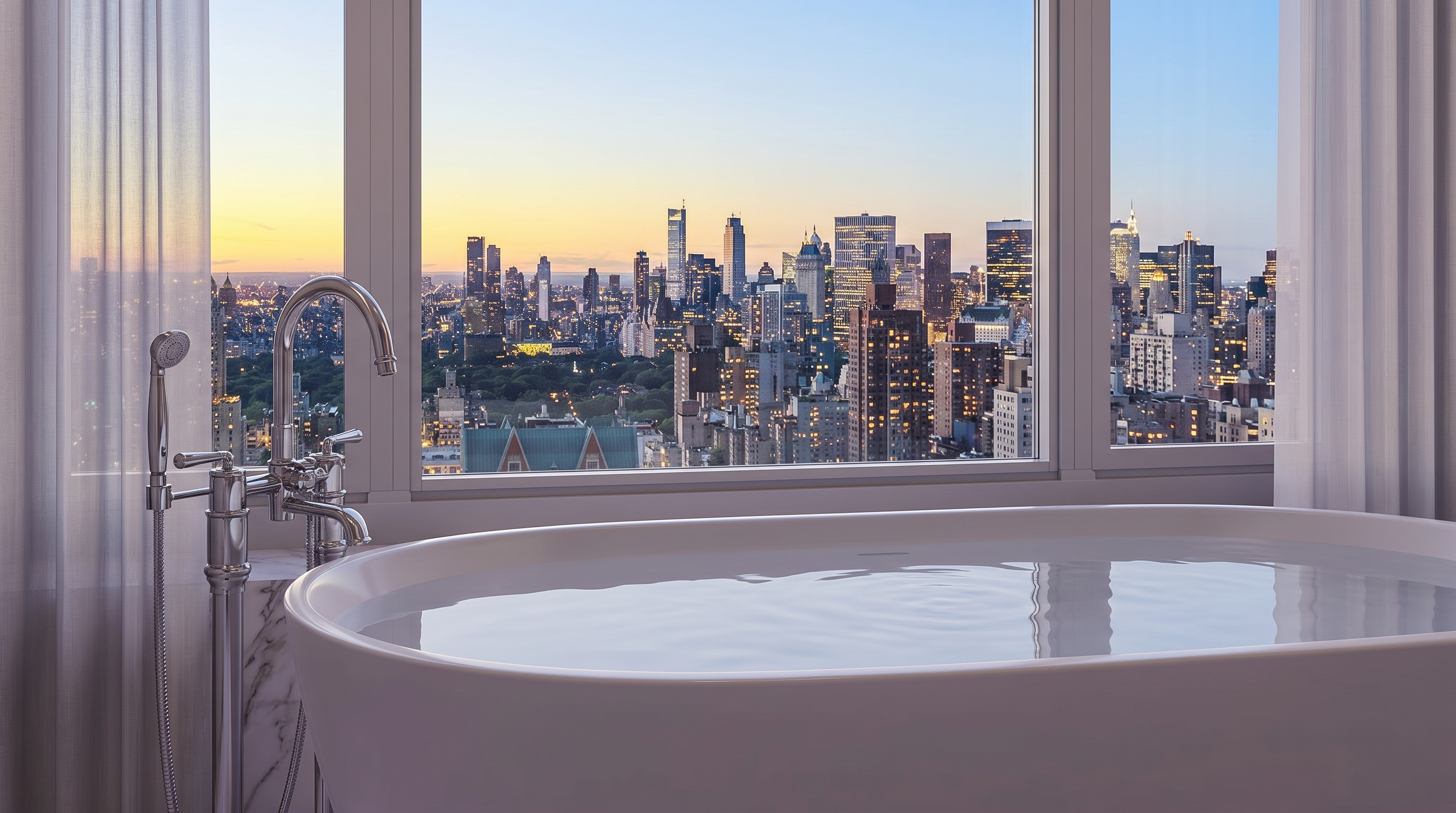
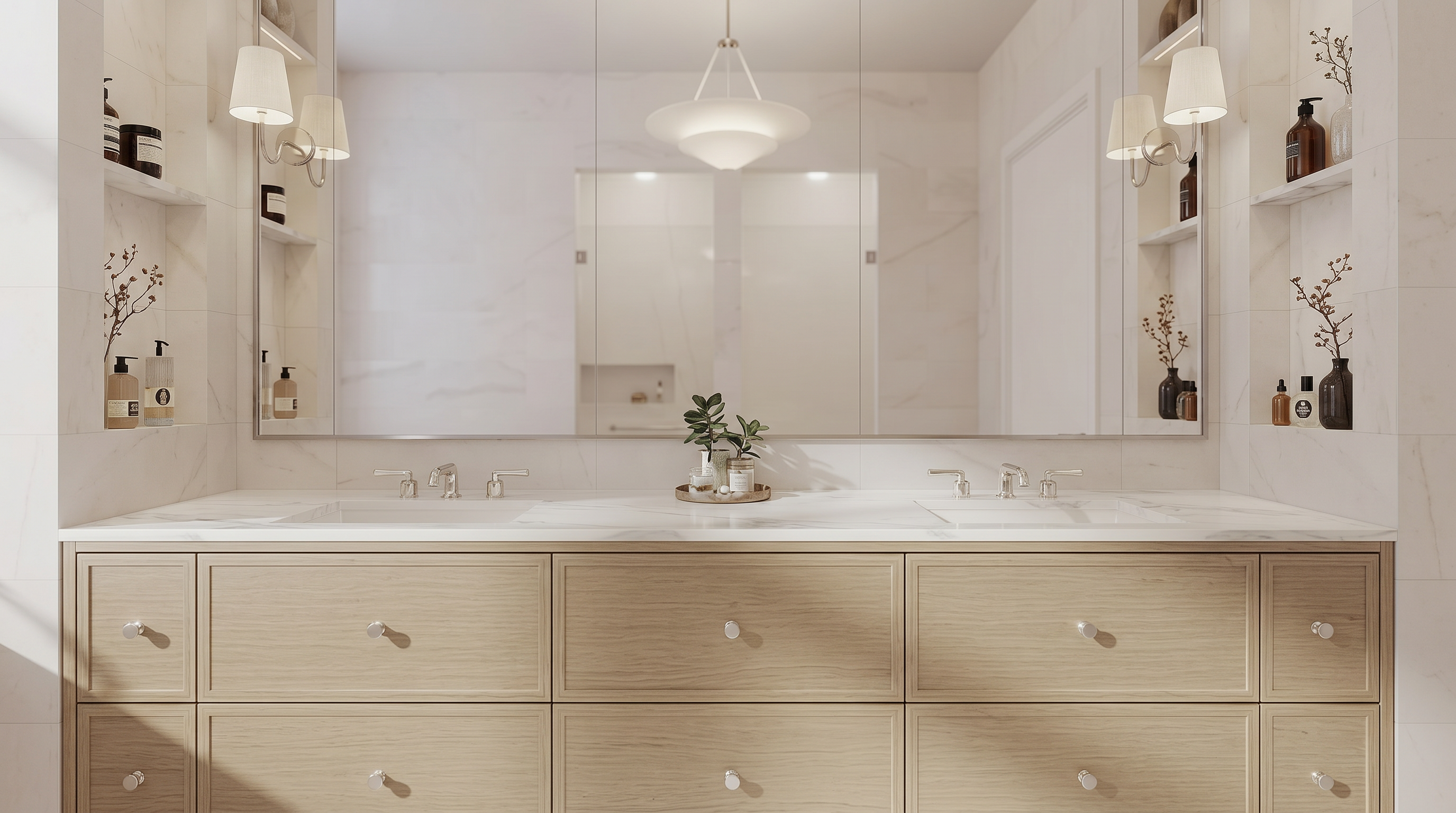
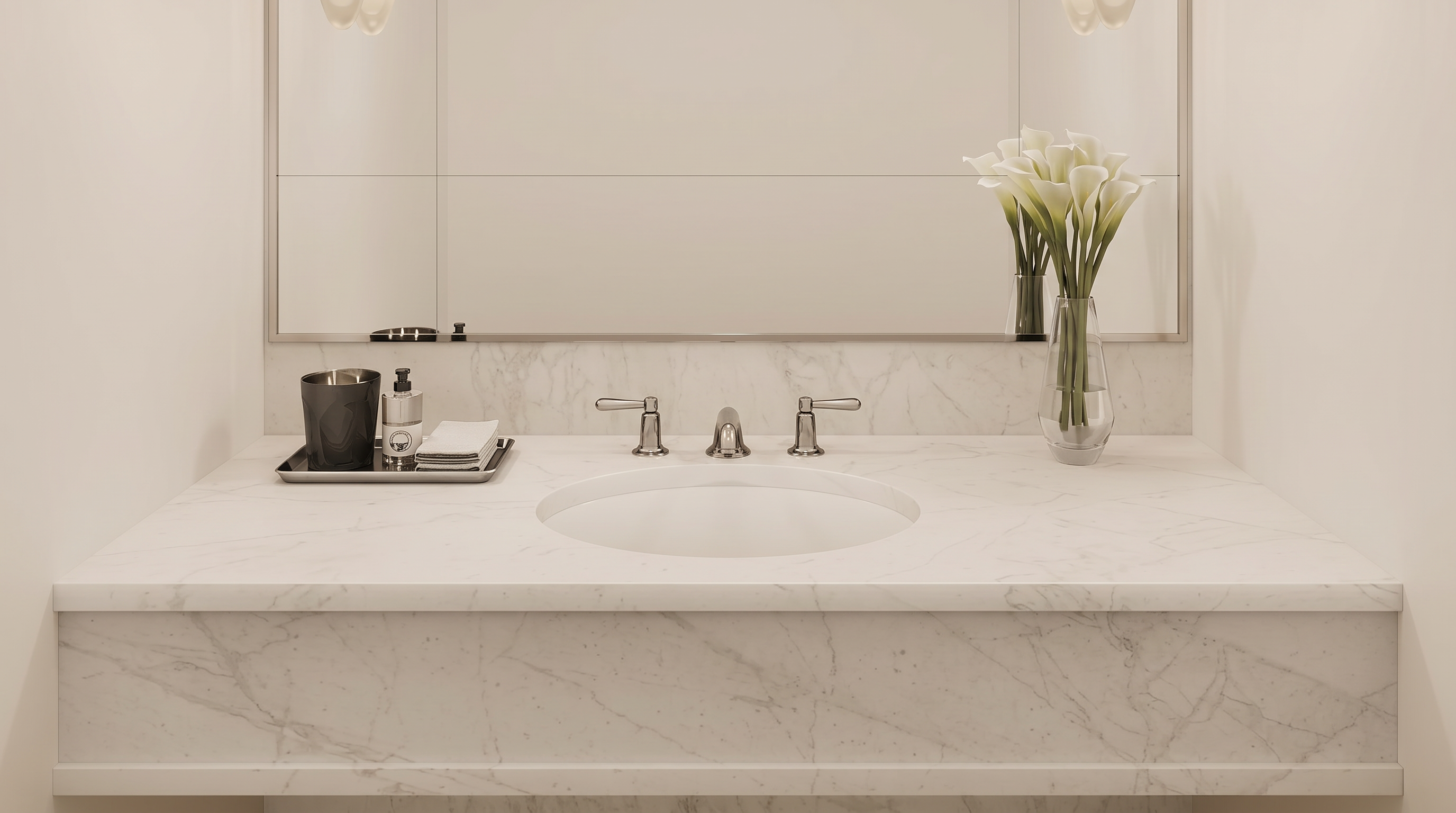
The upper level reserves its grandeur for privacy. The primary suite occupies its own wing, finished with Bianco Dolomite marble walls, custom stone floors, and warm wood cabinetry — materials that feel both timeless and deeply considered. Waterworks hardware provides the kind of tactile satisfaction that only bespoke fixtures can deliver, while rain showers and heated floors transform the daily ritual of morning and evening into something genuinely restorative. Additional bedroom wings are arranged to ensure that each occupant of the residence enjoys a sense of seclusion and independence, a feat of planning that is as rare as it is valuable at this scale.
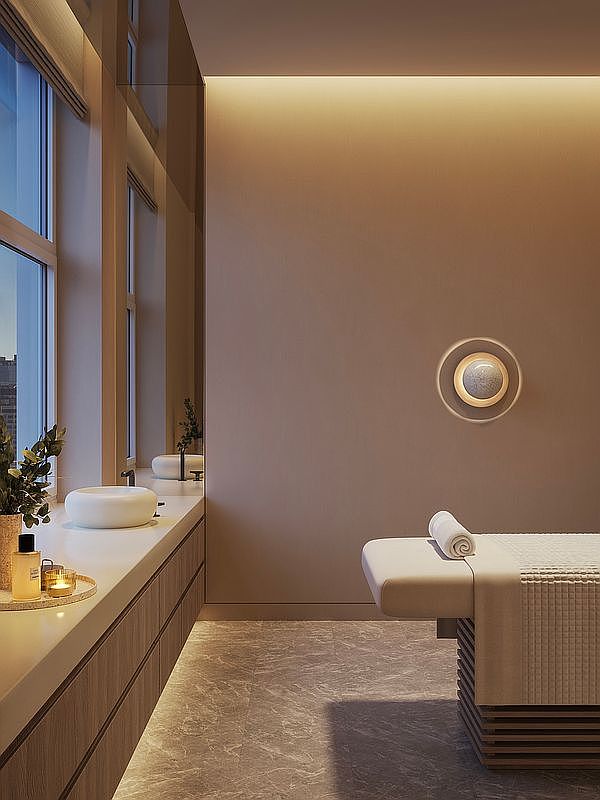
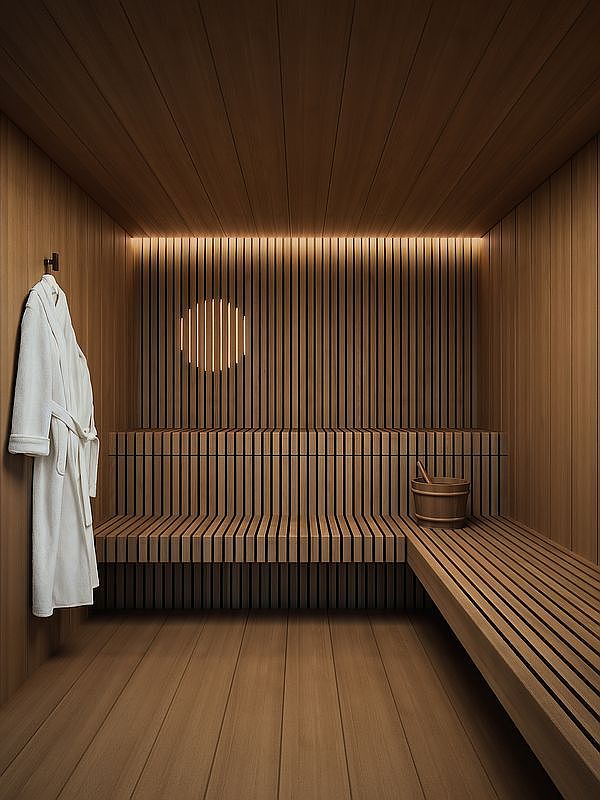
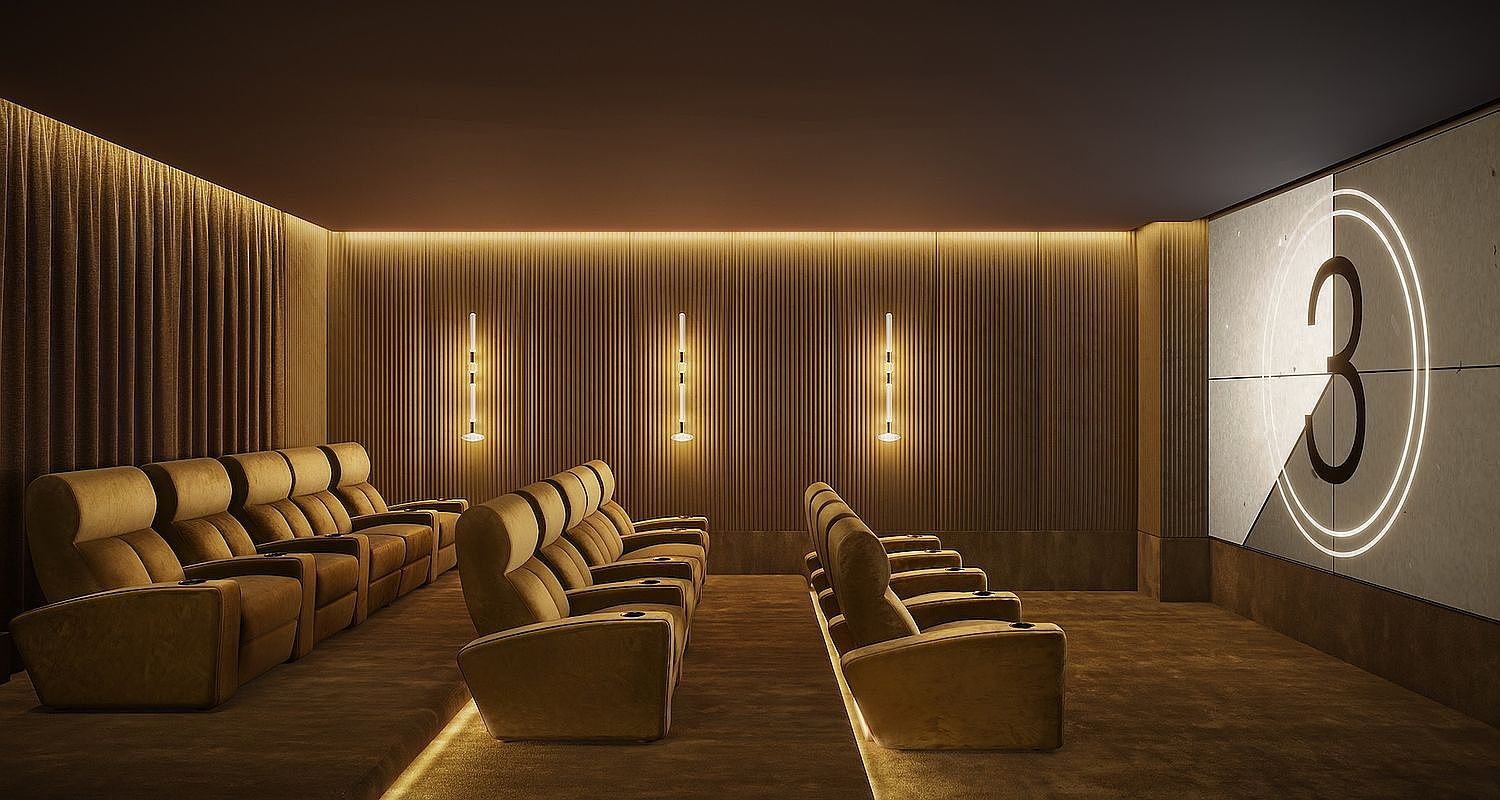
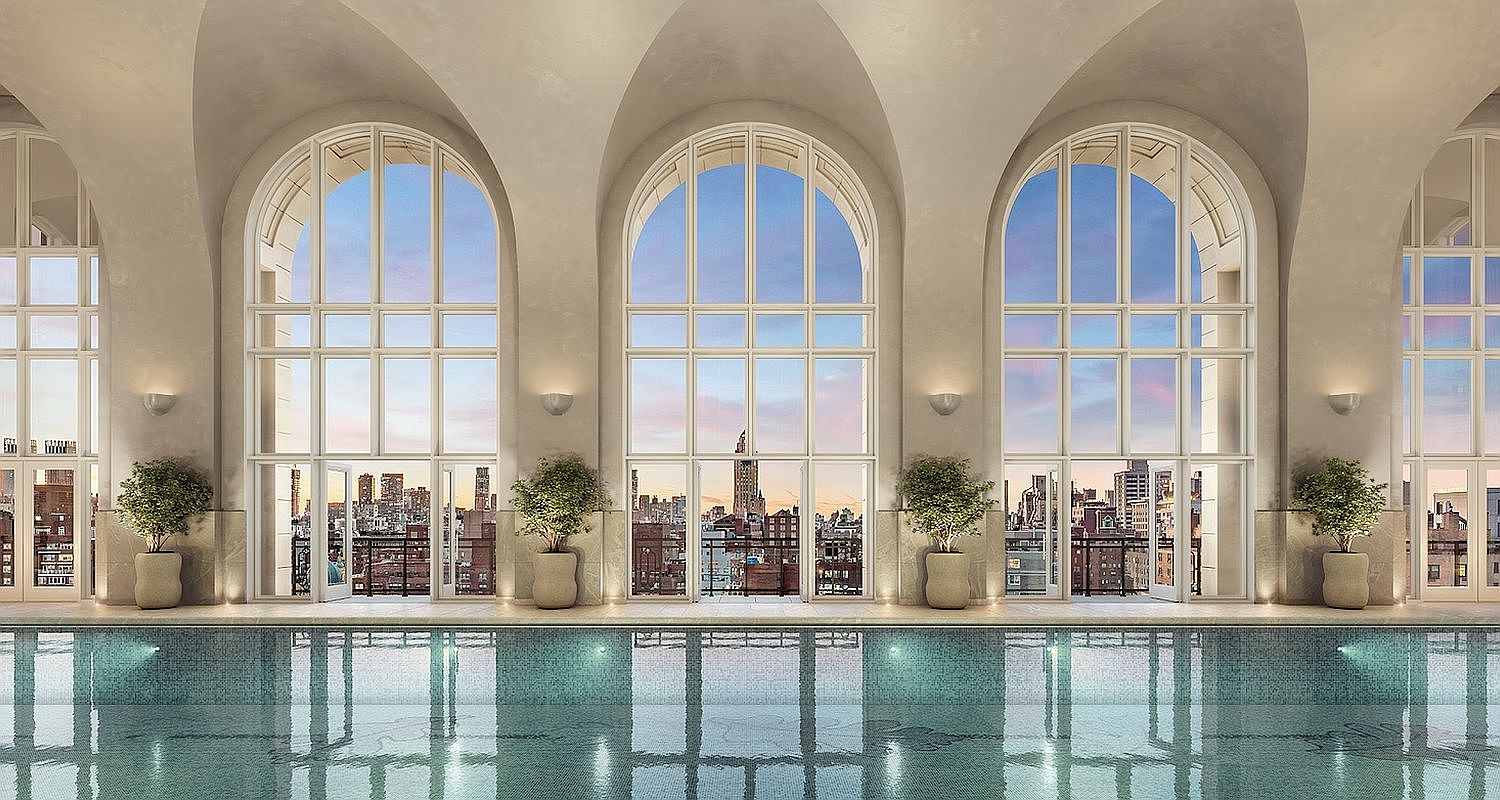
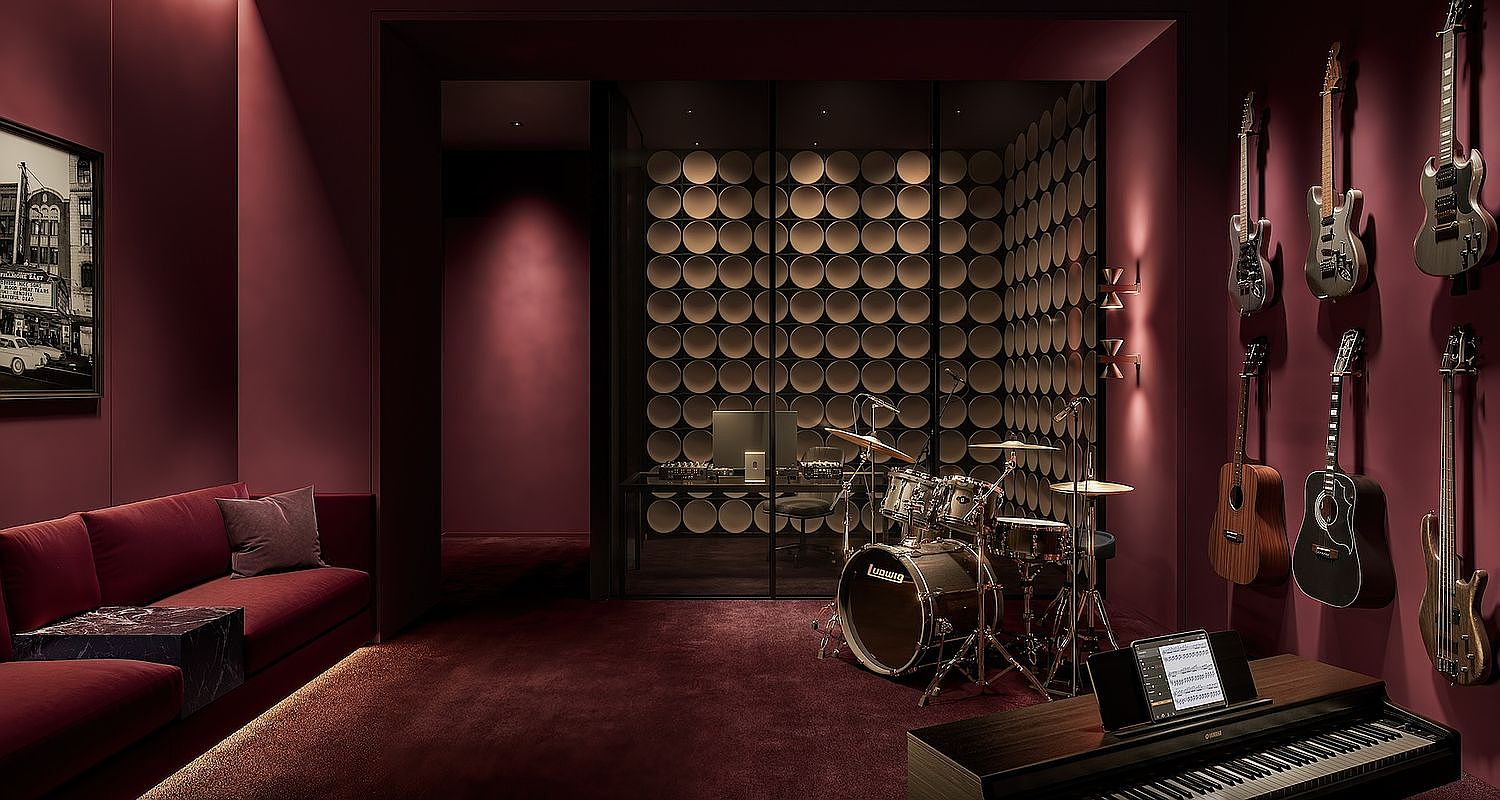
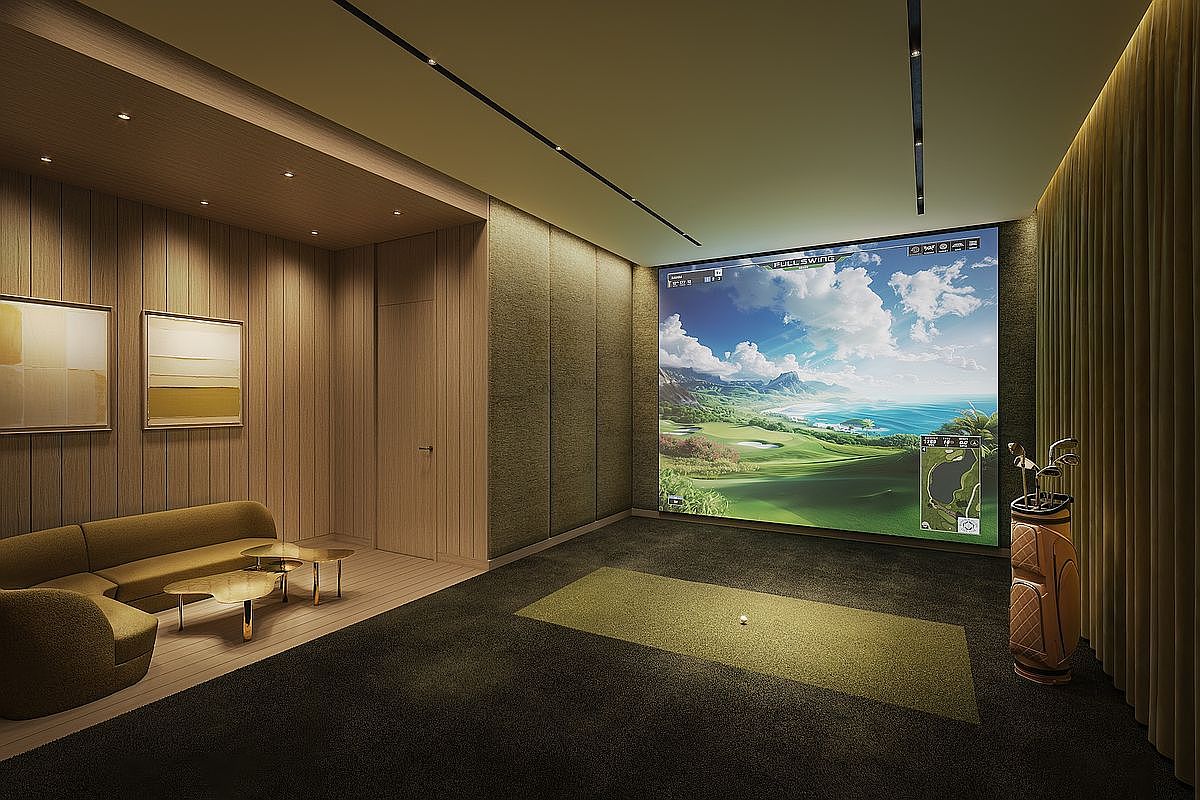
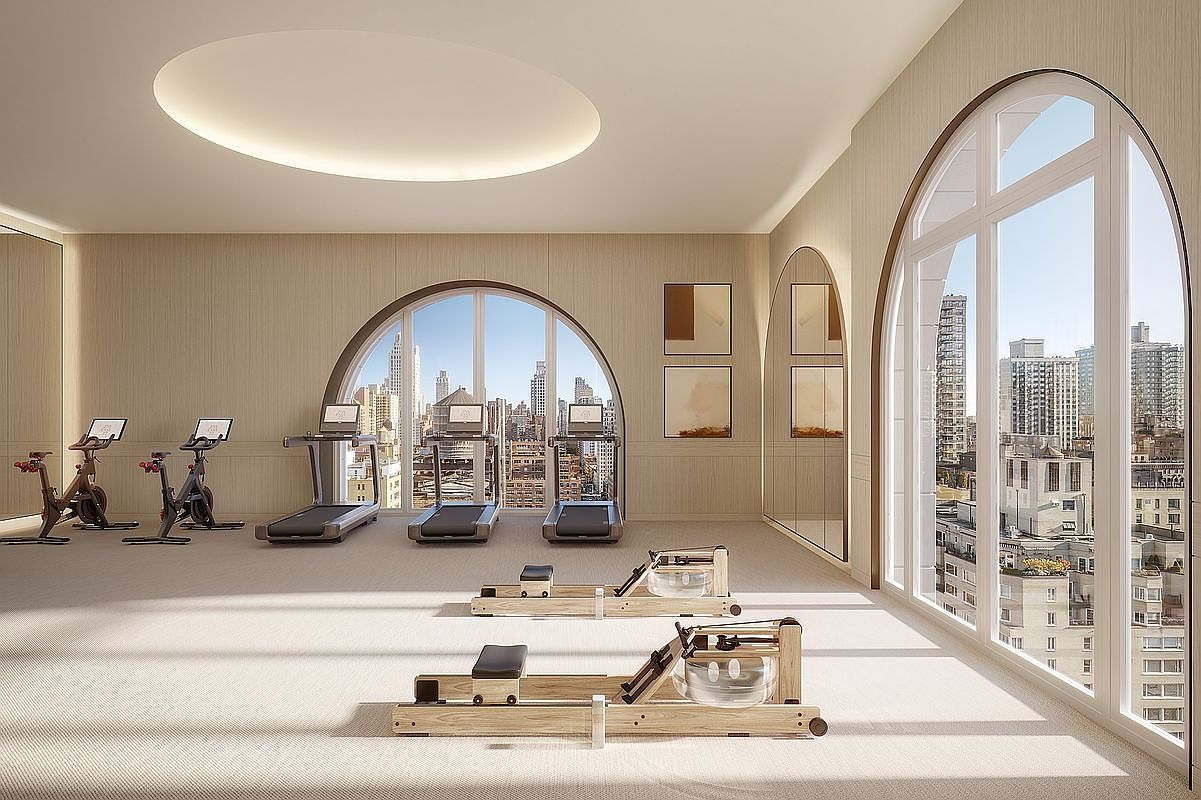
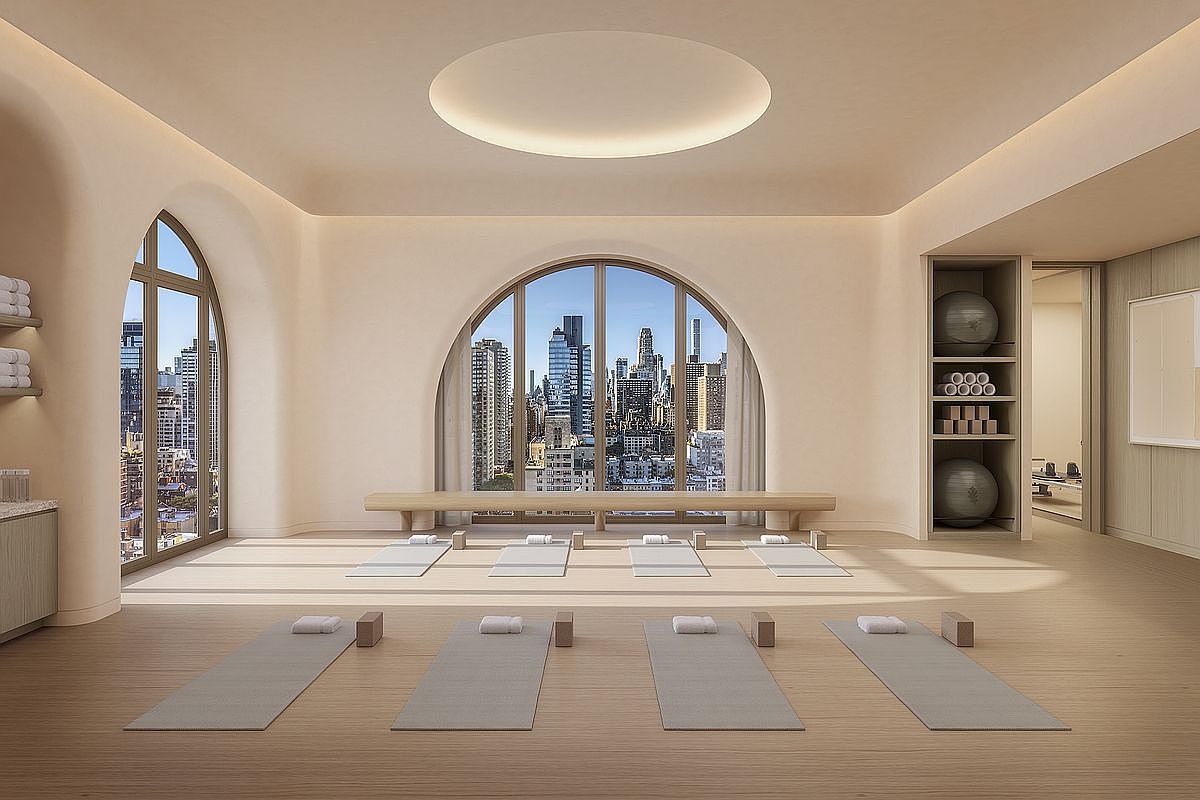
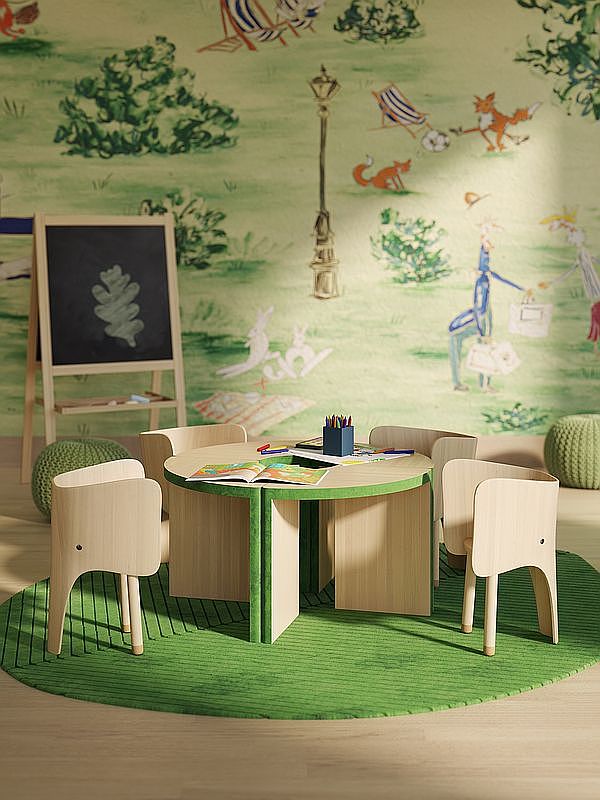
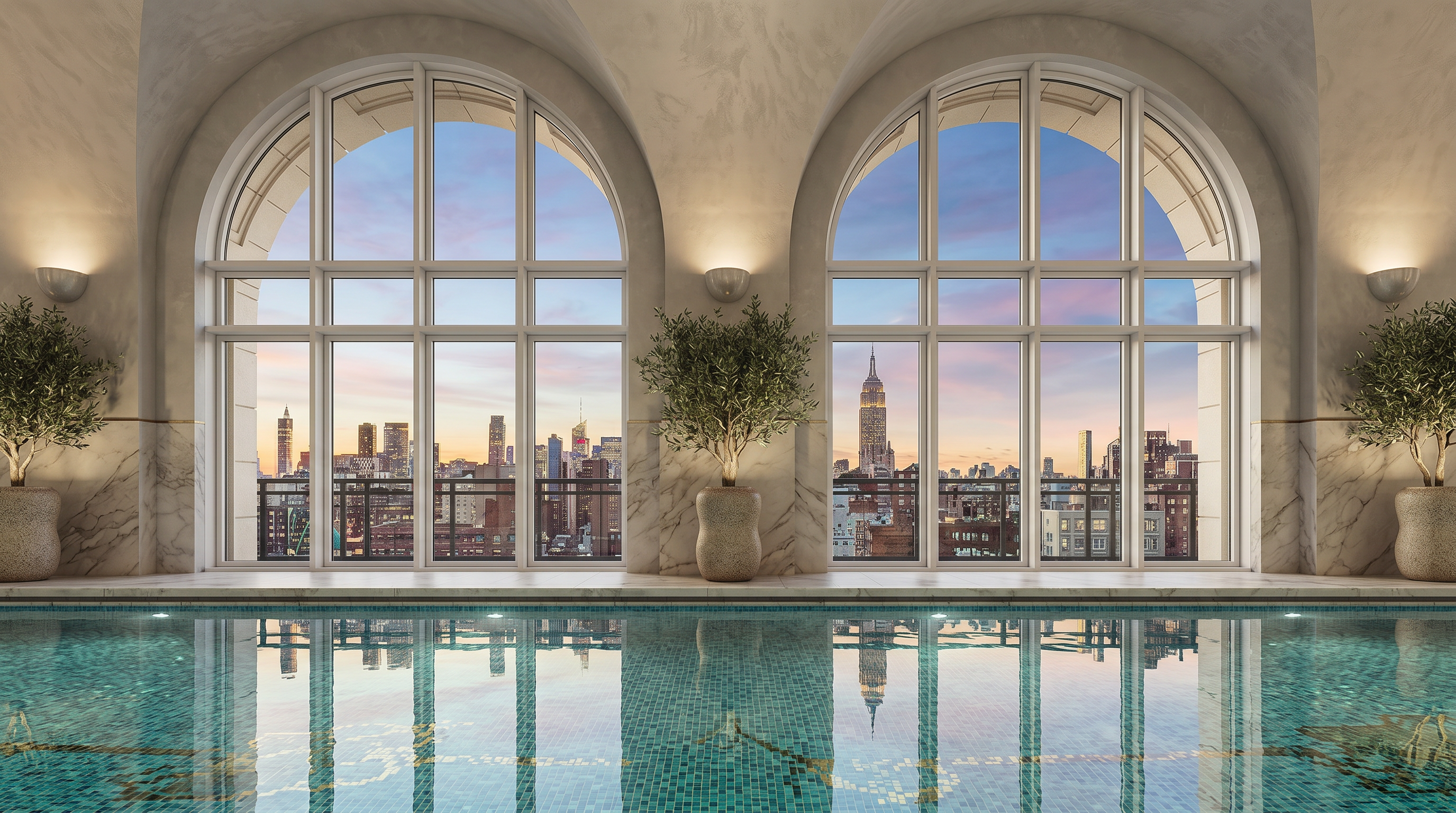
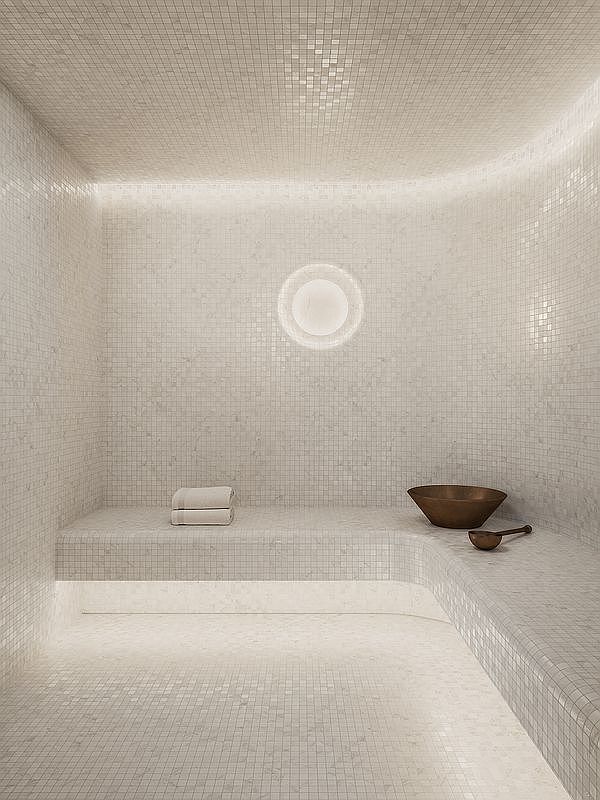
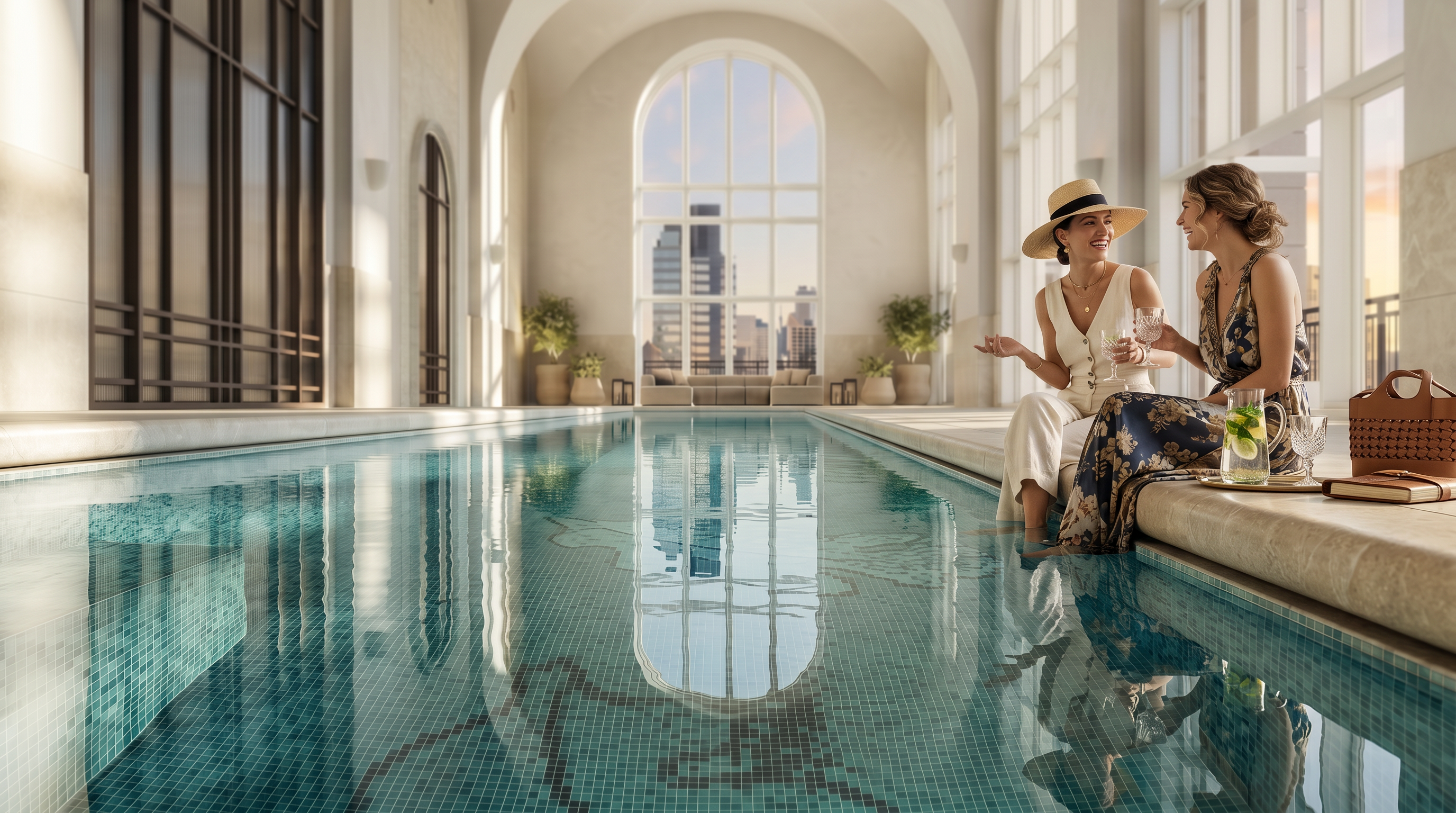
Throughout the building, Yabu Pushelberg's design of the public amenity spaces brings a hospitality-caliber sensibility to residential life. A seventy-five-foot swimming pool with soaring ceilings and city views serves as the centerpiece of a wellness suite that includes a fitness center, yoga room, spa with steam room and sauna, and a dedicated massage and treatment room. A cinema, a sports simulator, a soundproof music practice room with recording studio, a children's club, and a library with a fireplace and dramatic outdoor terrace complete a collection of amenities that asks very little of the city beyond its gates. A concealed automated parking system and around-the-clock doorman and concierge service ensure that every practical dimension of life here is handled with equal precision.
The Upper East Side has long been understood as one of New York City's most complete and enduring neighborhoods — a place where the highest standards of urban life have been sustained across generations. East 77th Street, situated between Park and Second Avenues, sits at the heart of this storied district, and the address carries with it all the texture and specificity that only a truly established neighborhood can offer.
The cultural infrastructure surrounding 255 East 77th Street is unmatched in the city and, by any measure, among the finest in the world. The Metropolitan Museum of Art, one of the largest and most encyclopedic art museums on the planet, sits less than four blocks to the west along Fifth Avenue, its neoclassical facade facing Central Park. The Frick Collection, housed in the former Gilded Age mansion of Henry Clay Frick on East 70th Street, offers an intimately scaled counterpoint — old master paintings in rooms that still feel like rooms rather than galleries. The Neue Galerie, dedicated to early twentieth-century German and Austrian art, occupies a landmark mansion at 86th and Fifth. The Whitney Museum, though now anchored in the Meatpacking District, maintained its Upper East Side identity for decades, and the neighborhood's relationship to the visual arts remains as vital as ever.
Central Park, accessible within moments of the building's porte-cochère entrance, functions as the neighborhood's defining amenity. At 843 acres, the park offers a landscape of extraordinary variety — the Reservoir running path, the Great Lawn, the Ramble, the Conservatory Garden, and a network of bridle paths, athletic fields, and quiet meadows that together constitute one of the great works of public landscape design in American history. For residents of this penthouse, whose private terraces survey the park's canopy from above, the relationship is less that of visitor and park and more of quiet stewardship.
The commercial life of the Upper East Side along Madison Avenue provides one of New York's most refined shopping corridors, with flagship boutiques from the world's leading fashion houses joined by independent galleries, antiquarian bookshops, and specialty food purveyors. Lexington and Second Avenues offer a more neighborhood-scaled daily life — wine shops, local restaurants, dry cleaners, and the kind of establishment that rewards years of loyal patronage.
Restaurants in the immediate vicinity range from the institutionally beloved to the quietly excellent. The neighborhood supports a dining culture that values longevity and craft, and a number of the city's most respected chefs have maintained Upper East Side outposts alongside the area's classic French bistros and white-tablecloth American establishments.
The 4, 5, and 6 subway lines run along Lexington Avenue, placing Midtown's commercial corridors within a short ride, while crosstown bus service and the proximity of the FDR Drive offer additional connectivity. The Q train's Second Avenue extension has further strengthened the neighborhood's transit options in recent years.
To live at 255 East 77th Street is to occupy a position at the center of New York City's most complete and historically significant residential neighborhood — a place that has never needed to reinvent itself because it has always known exactly what it is.
Featured Highlights
Curated Content • Presented by Alexa Lambert