The Story Behind
Thirty-Five Acres of Untouched Equestrian Legacy Above Breckenridge
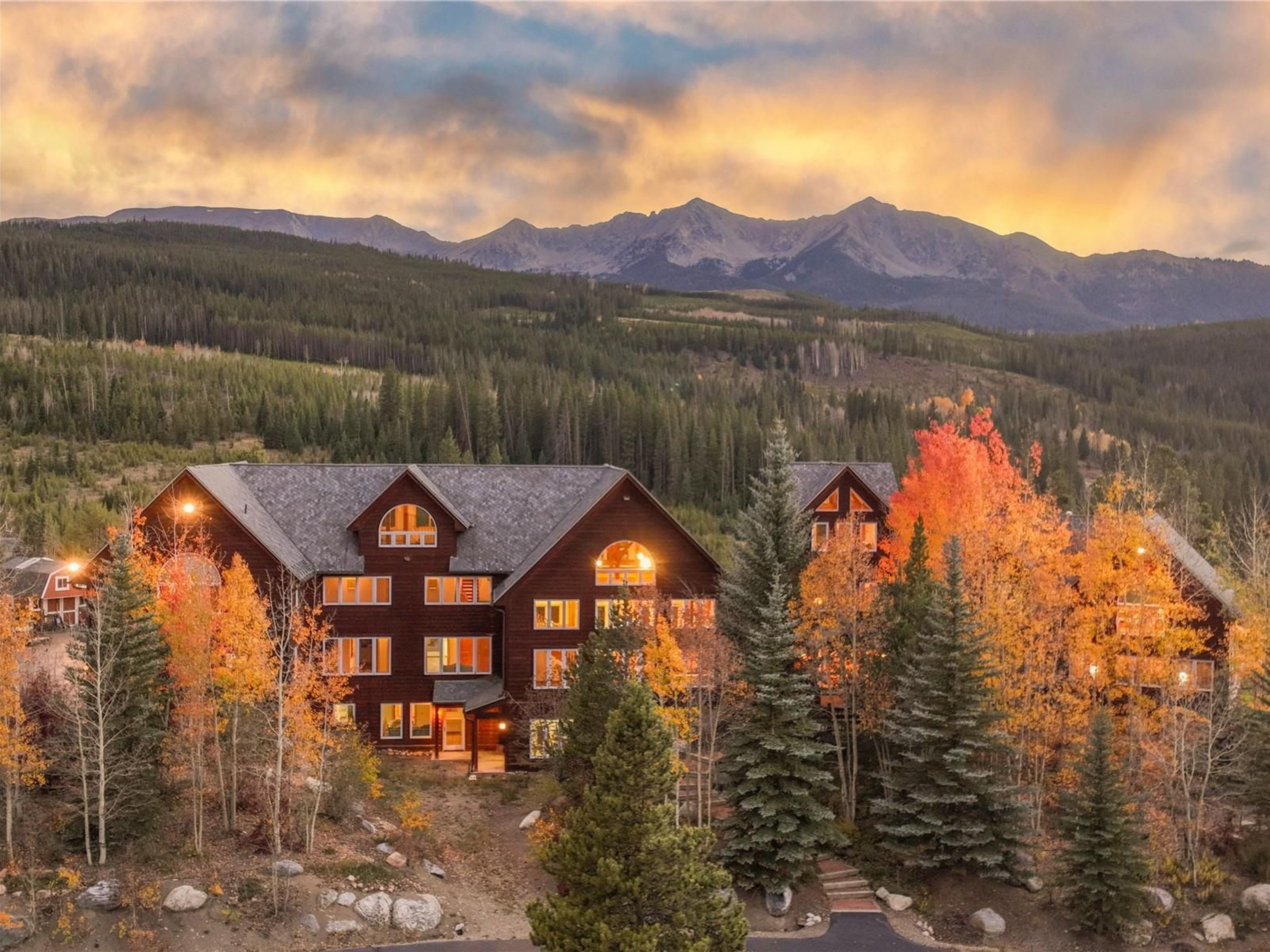
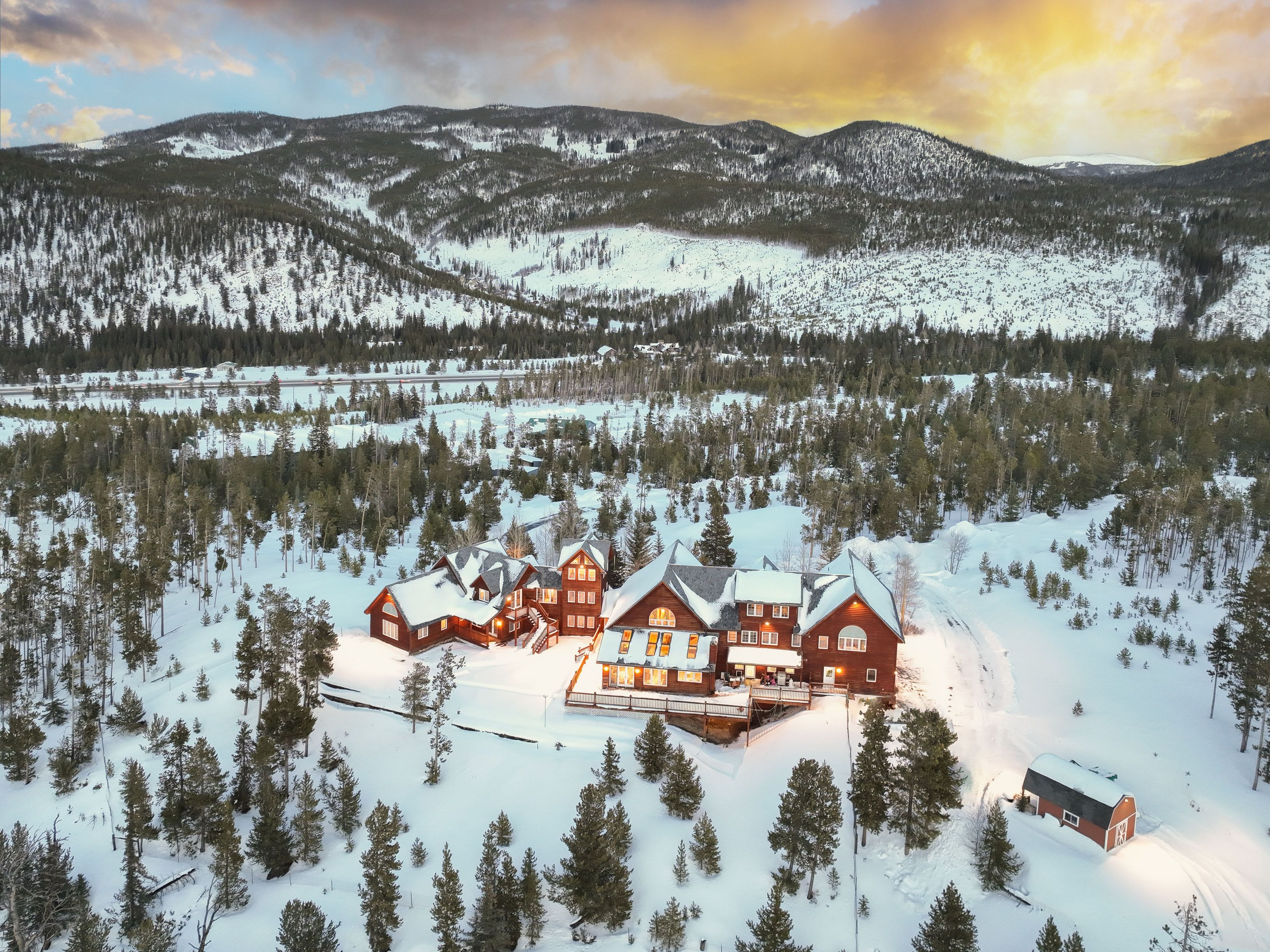
There are properties that come to market, and then there are properties that define what a market is capable of producing. This Gold Hill estate belongs firmly in the latter category. Never once offered for public sale, it arrives with the quiet authority of a place that has never needed to announce itself — a 35-acre holding that has existed, in its exceptional form, entirely outside the reach of buyers who have spent years searching for exactly this.
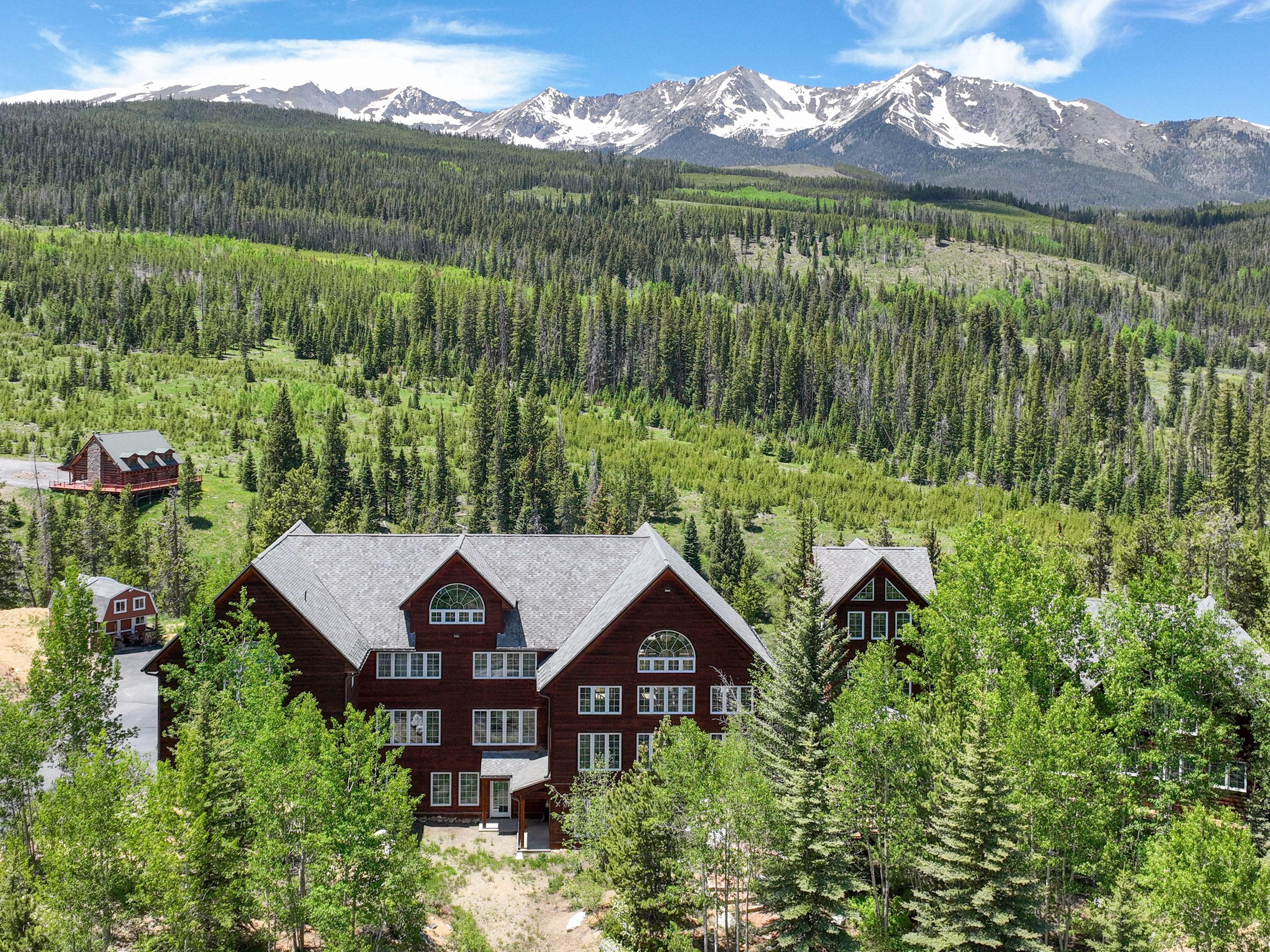
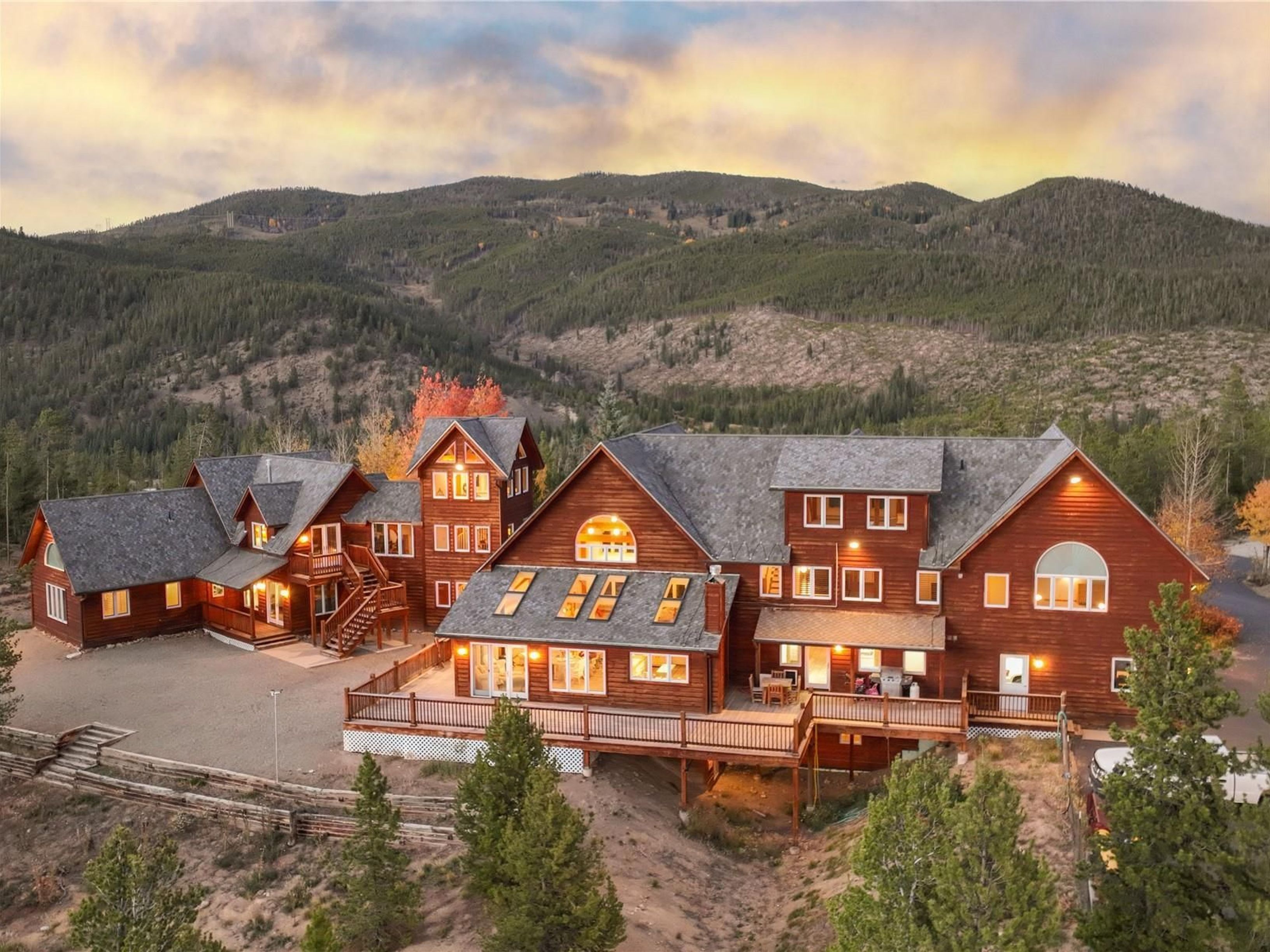
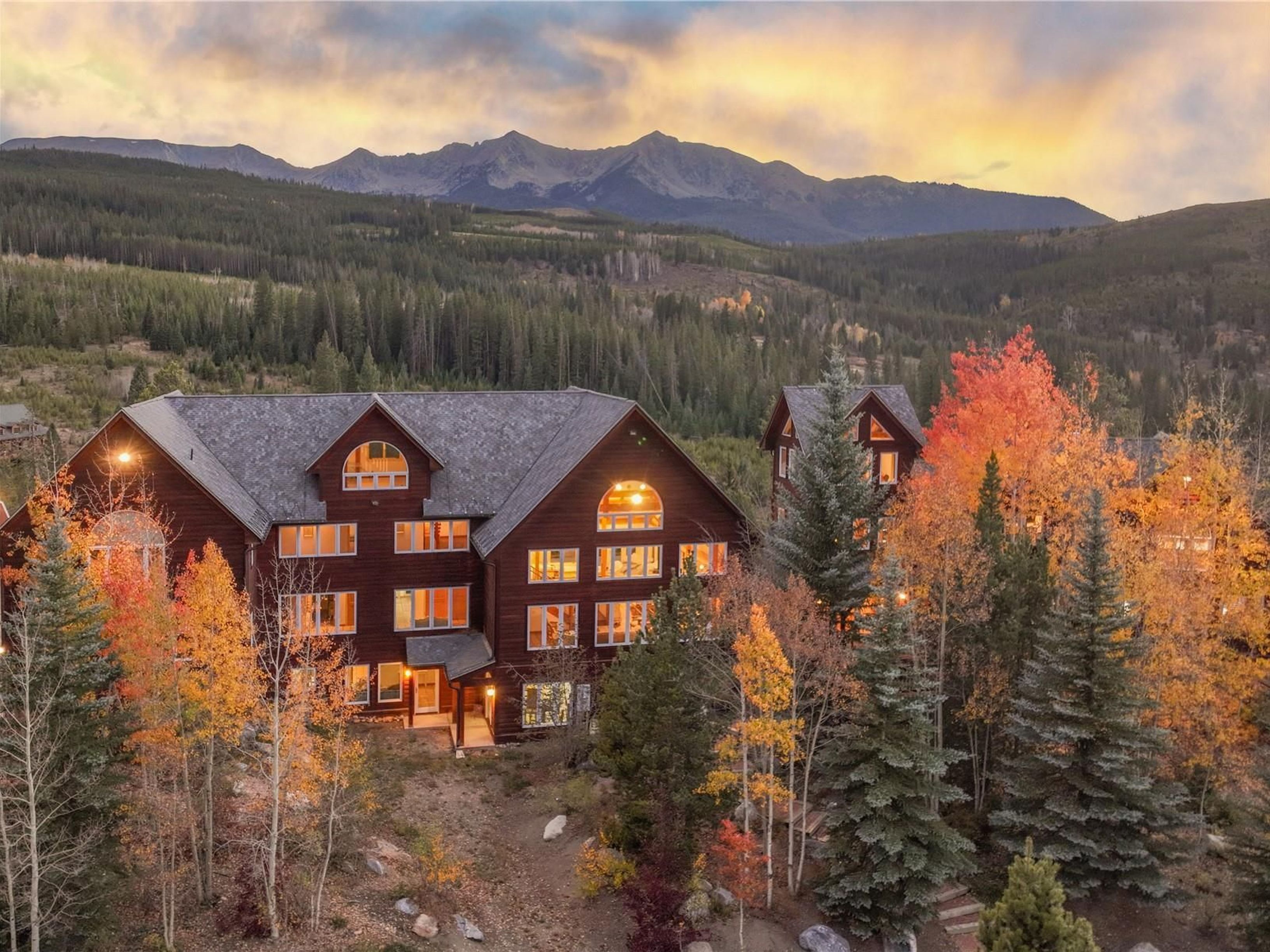
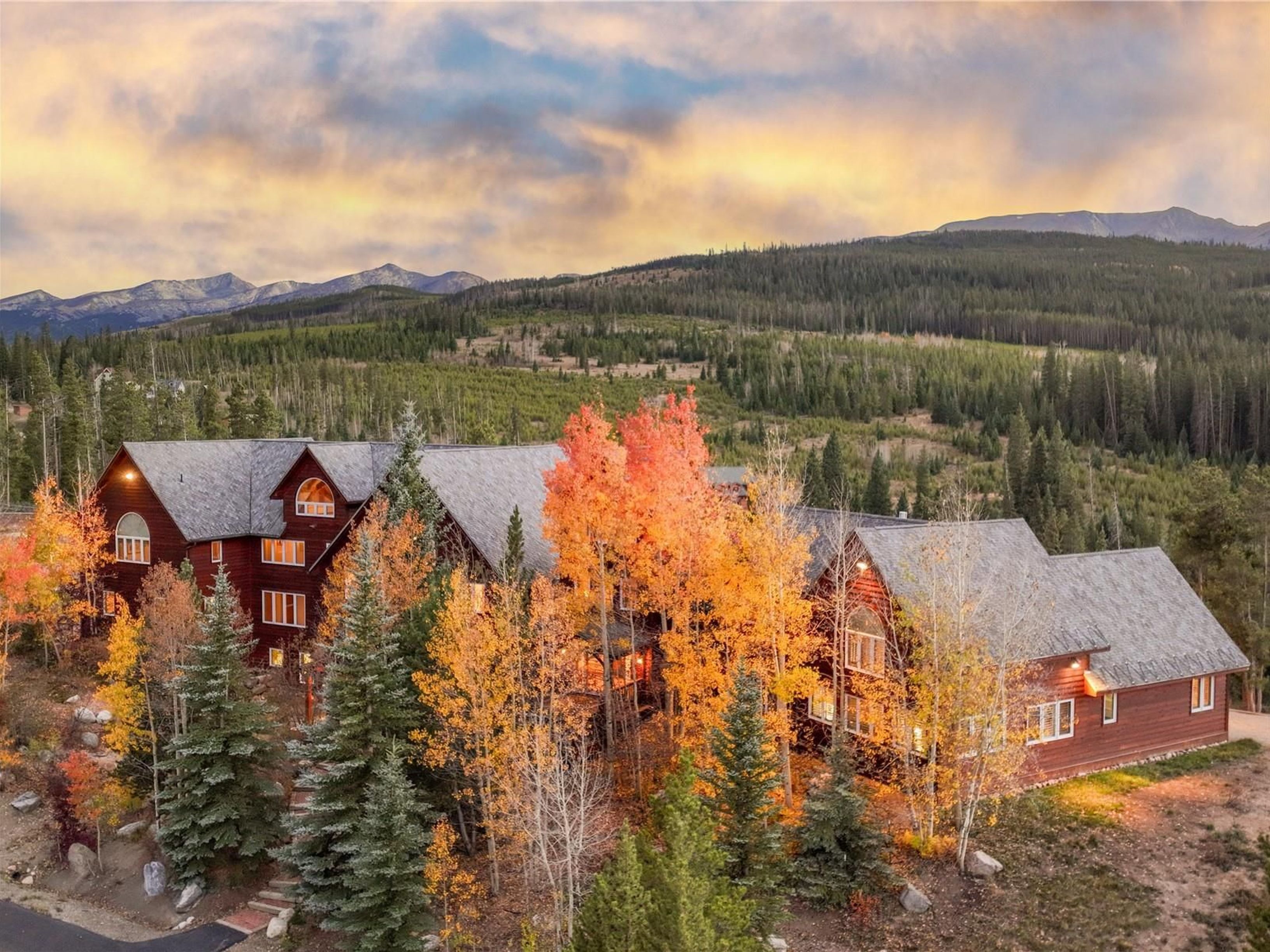
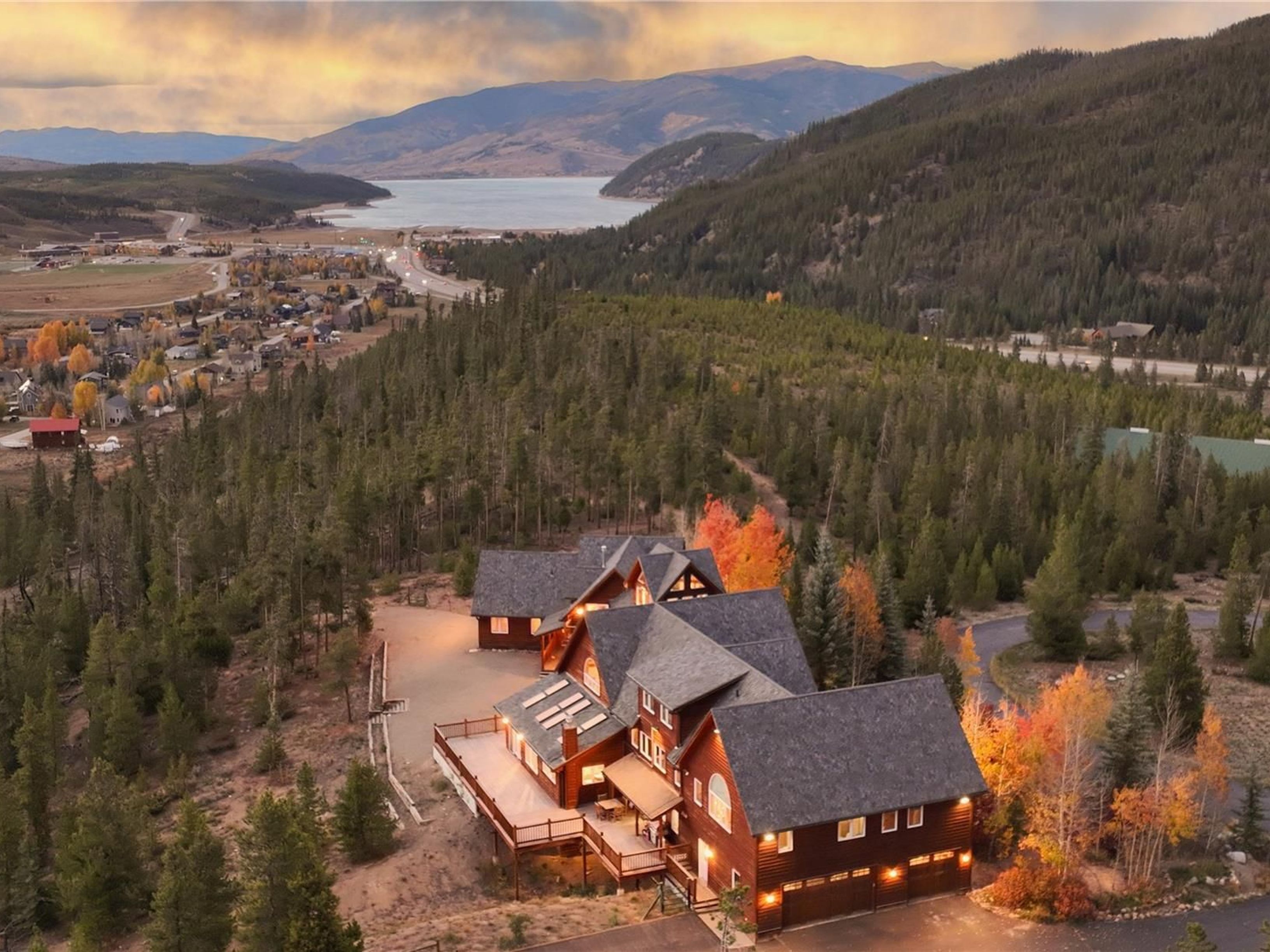
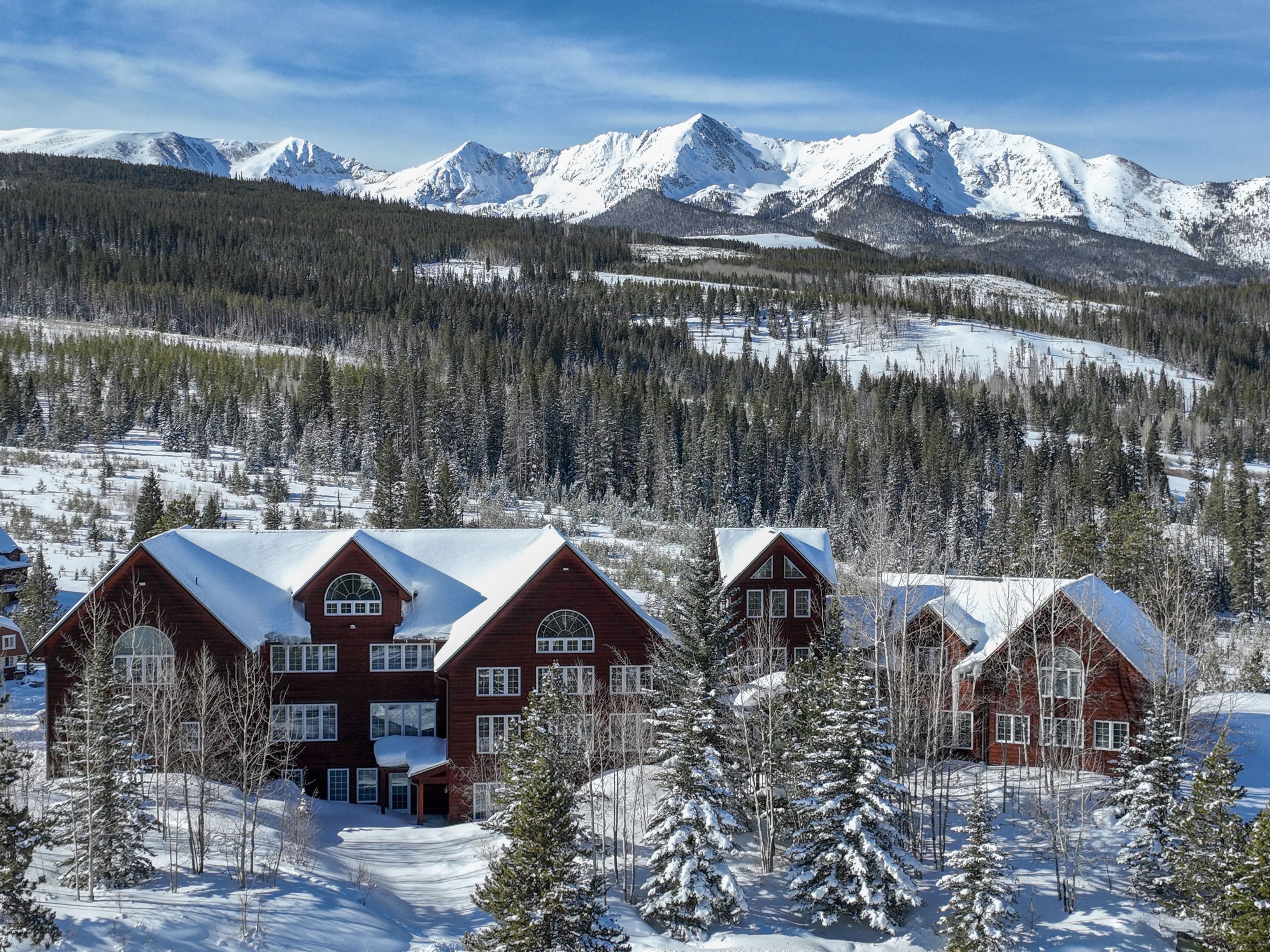
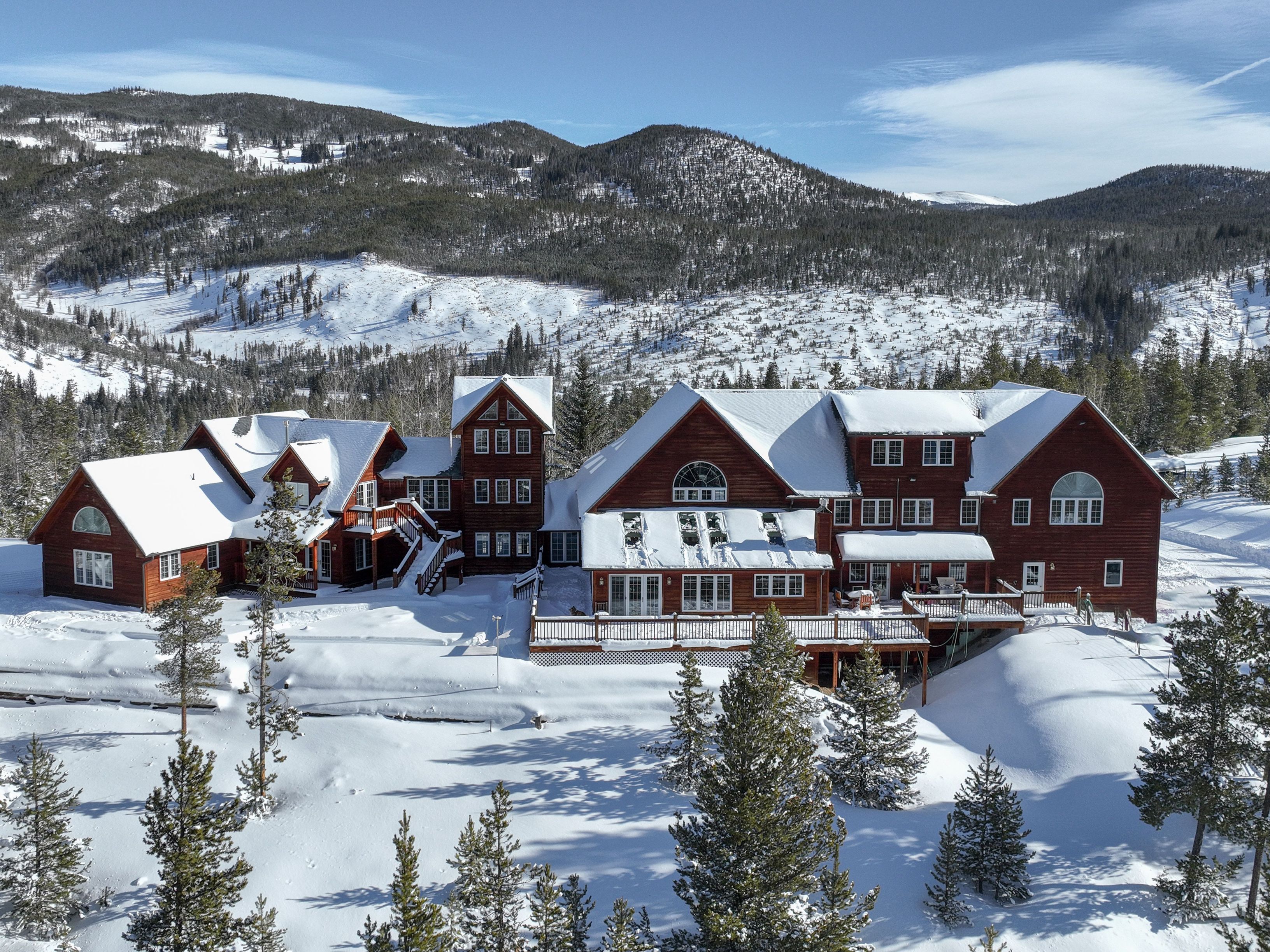
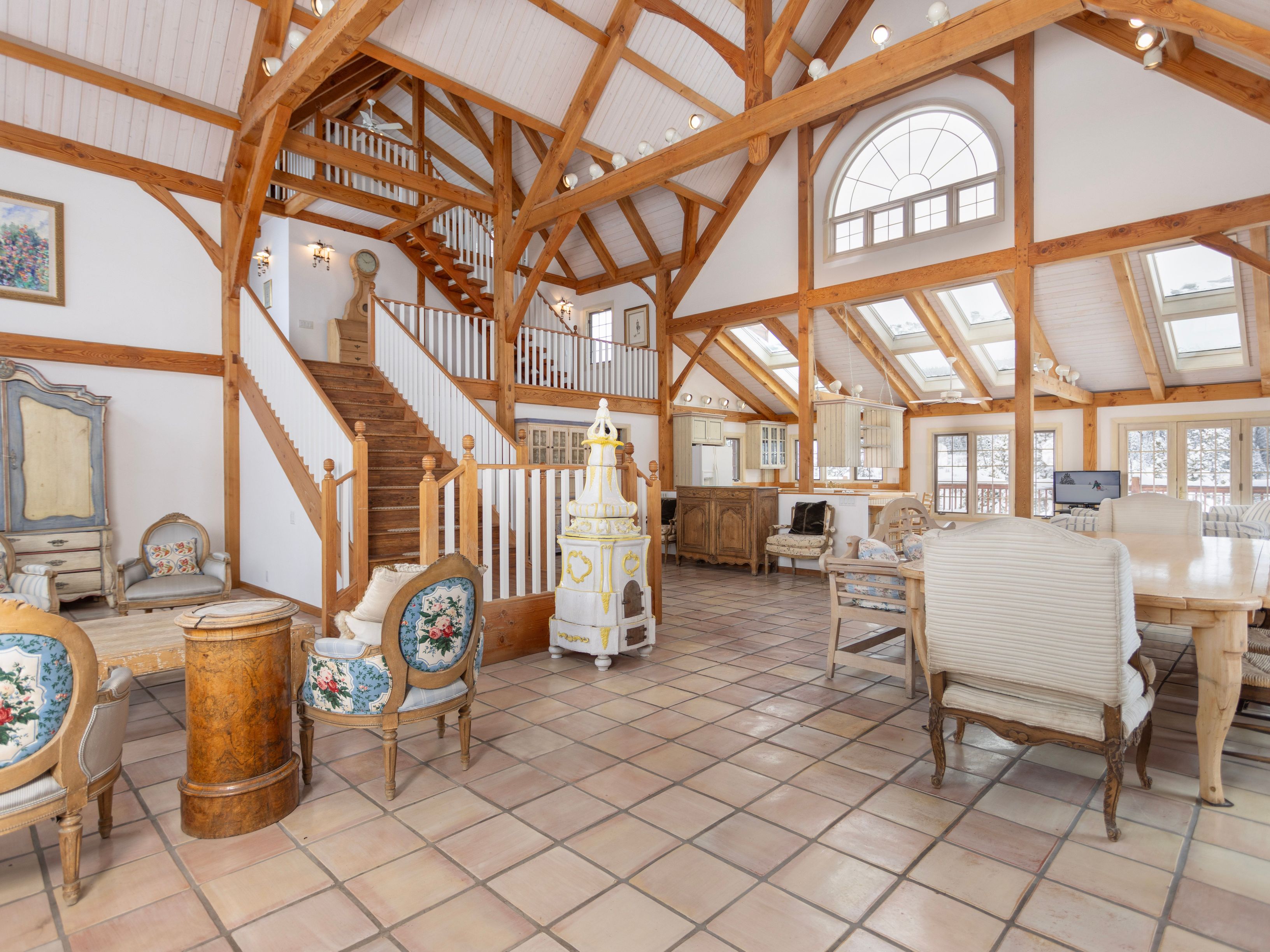
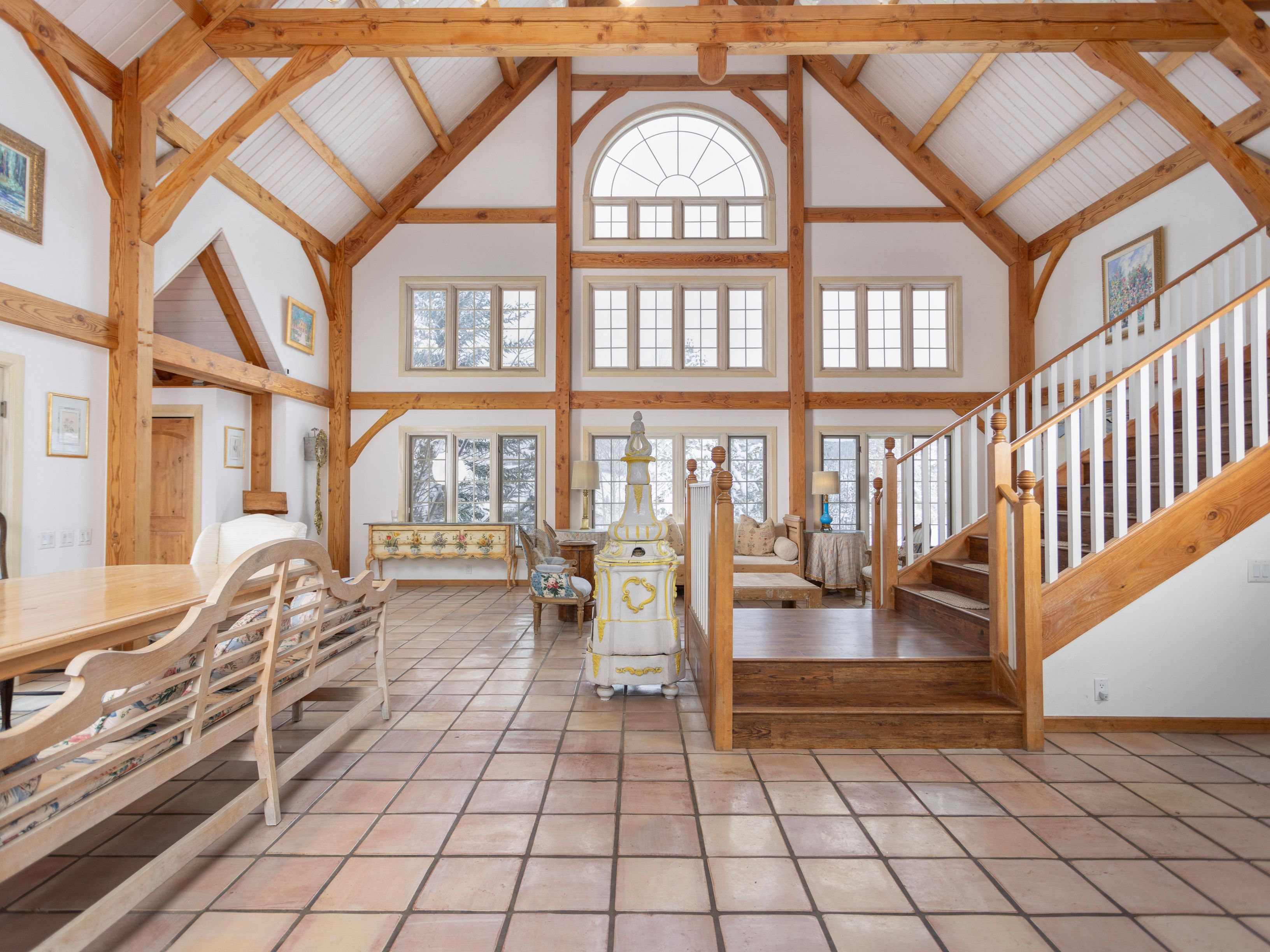
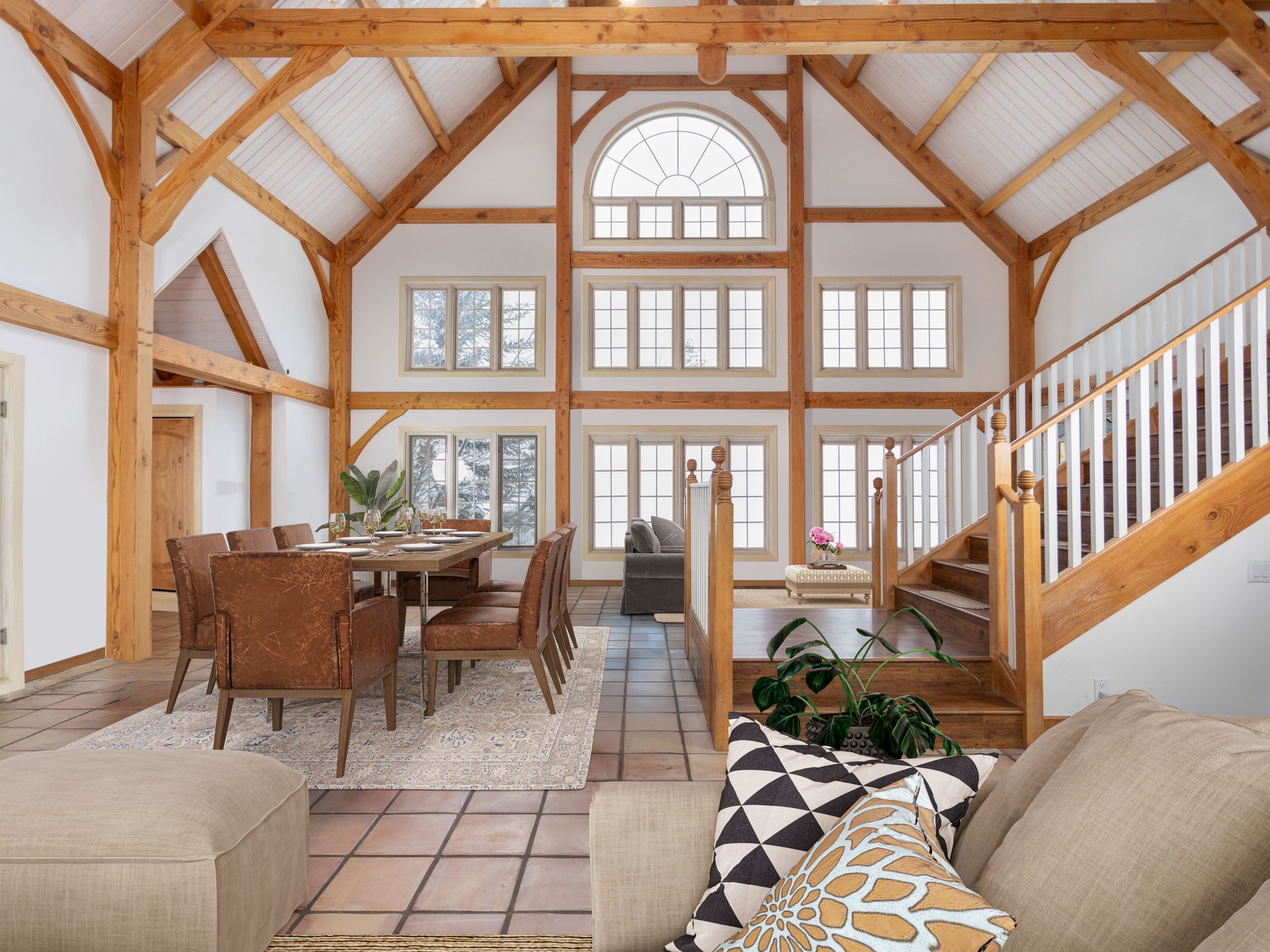
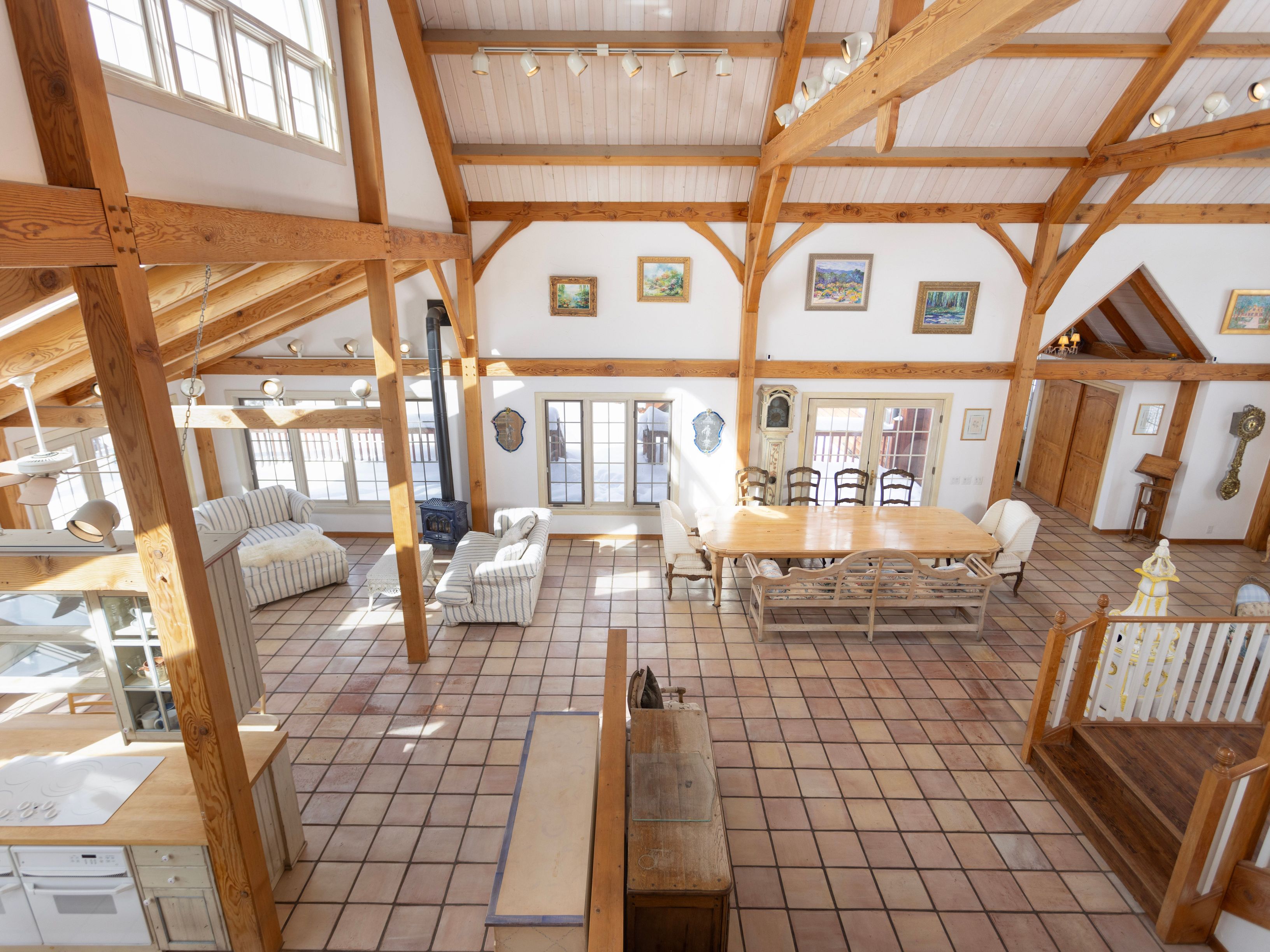
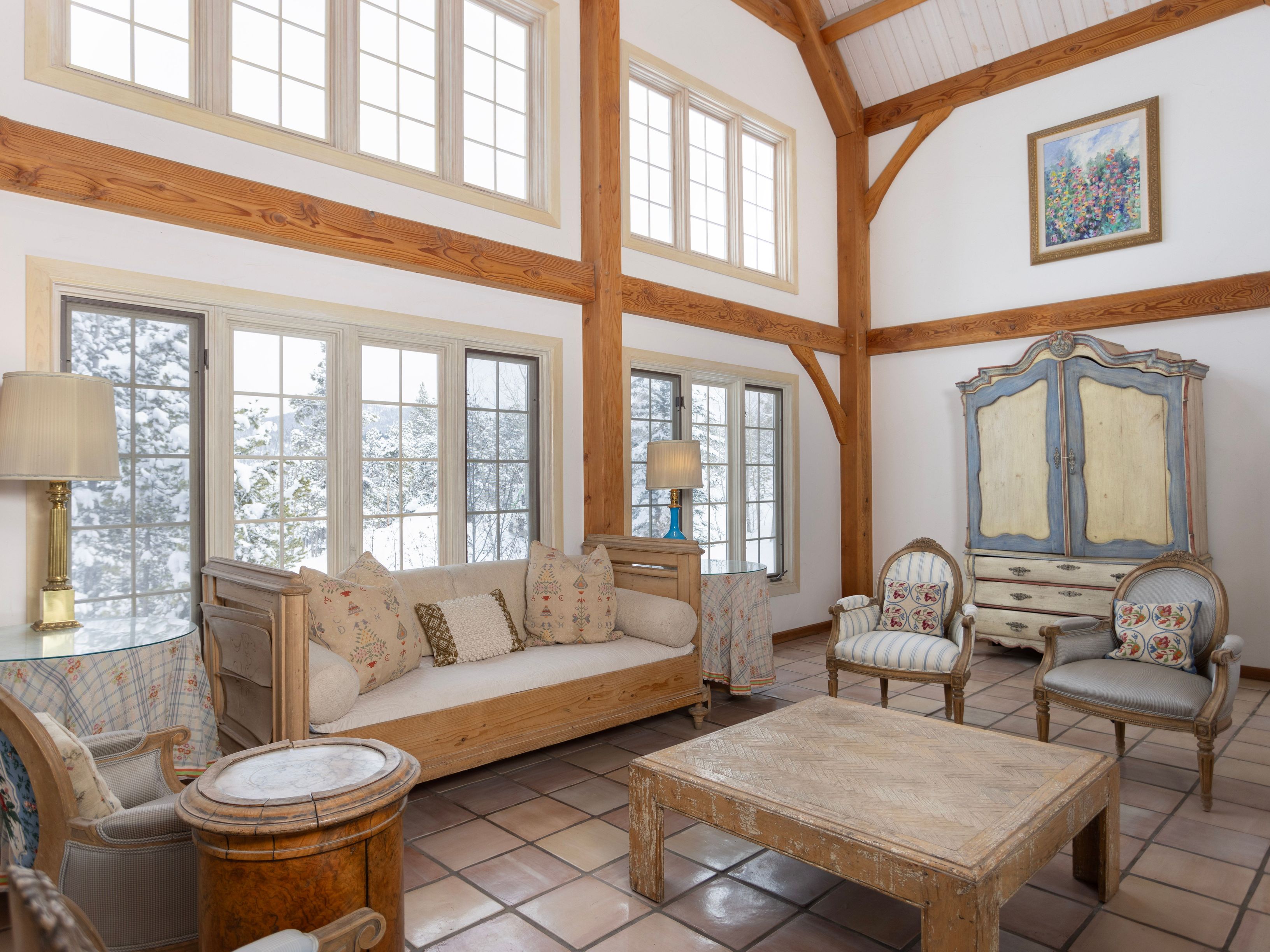
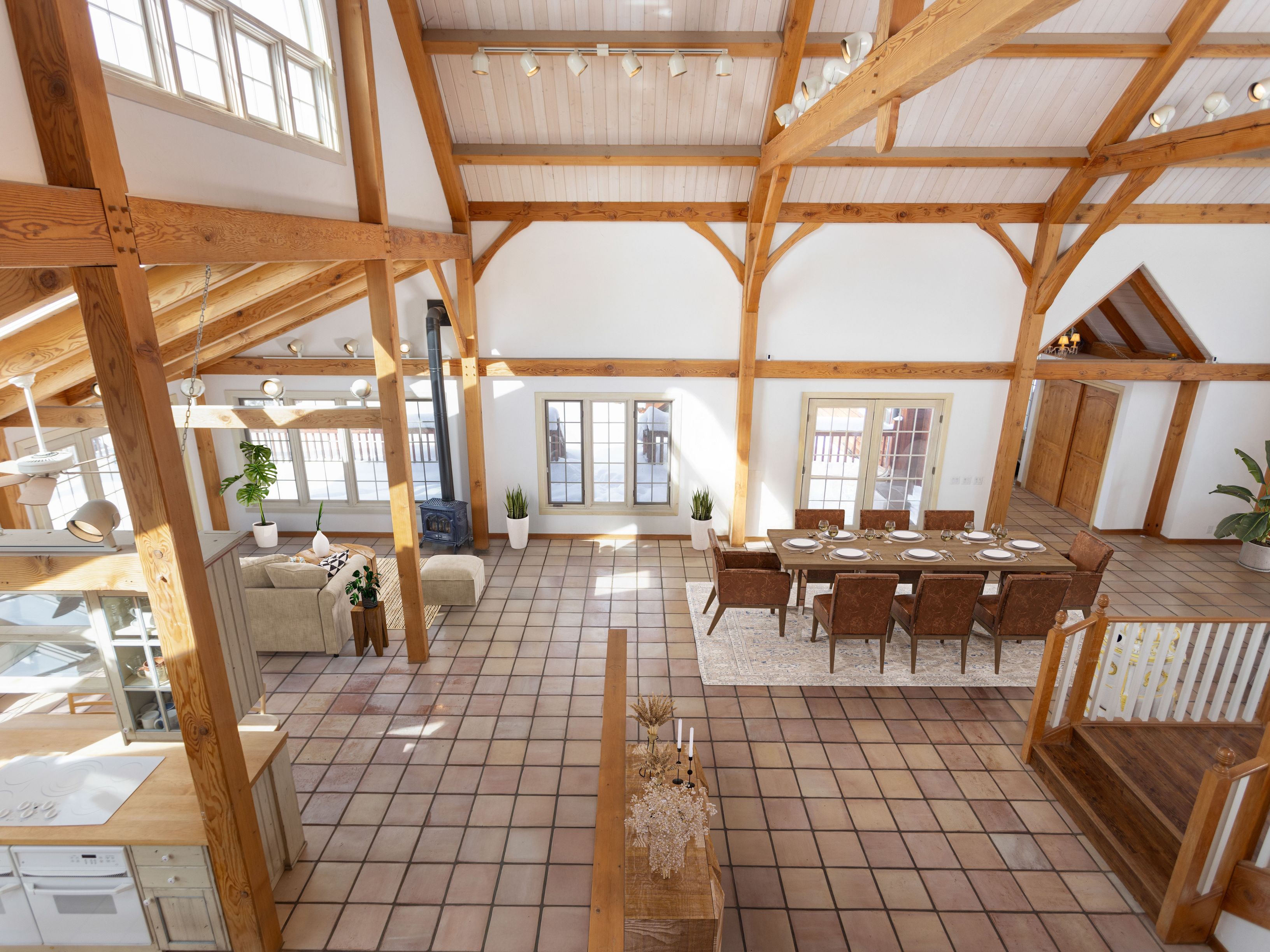
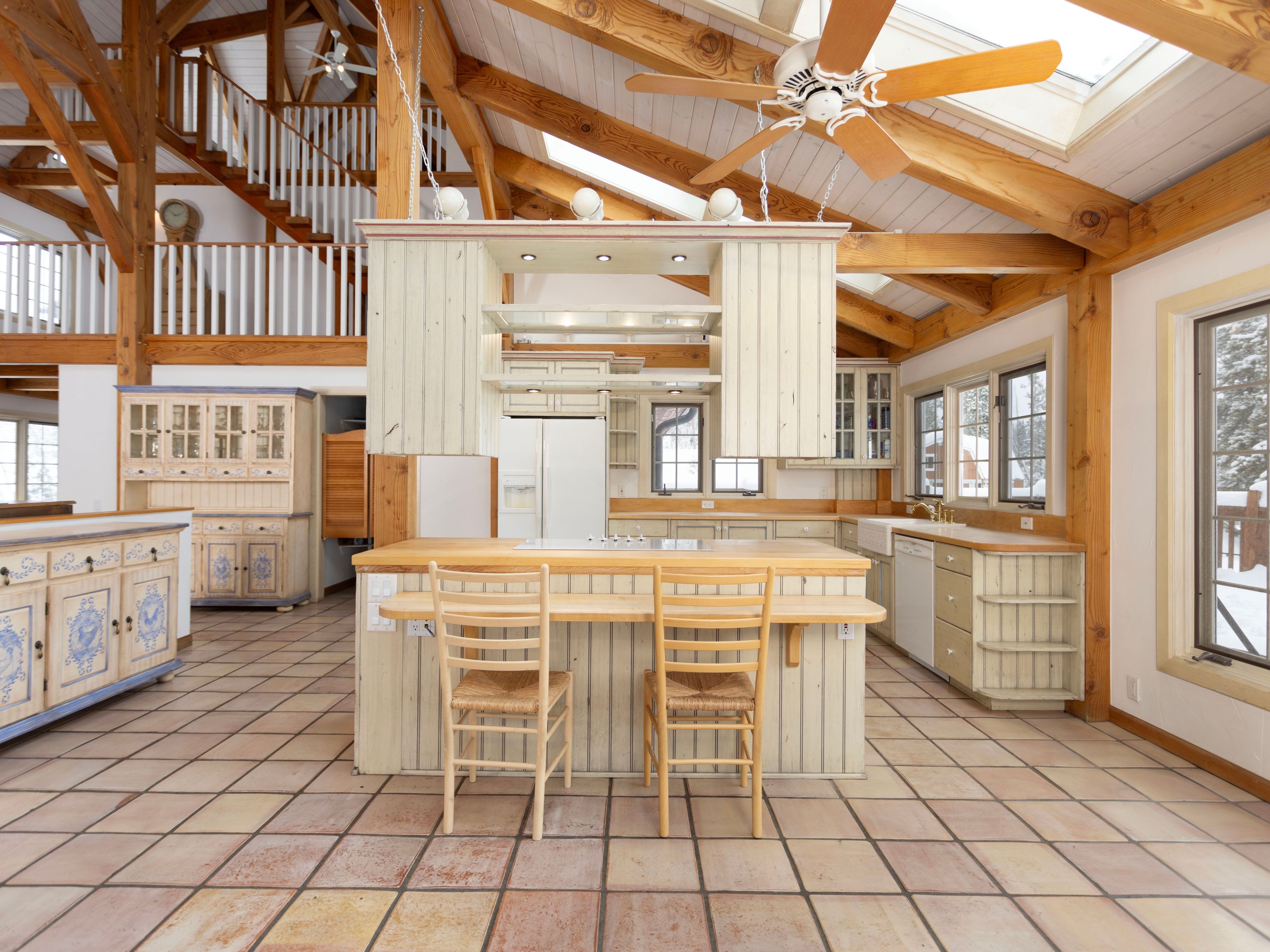
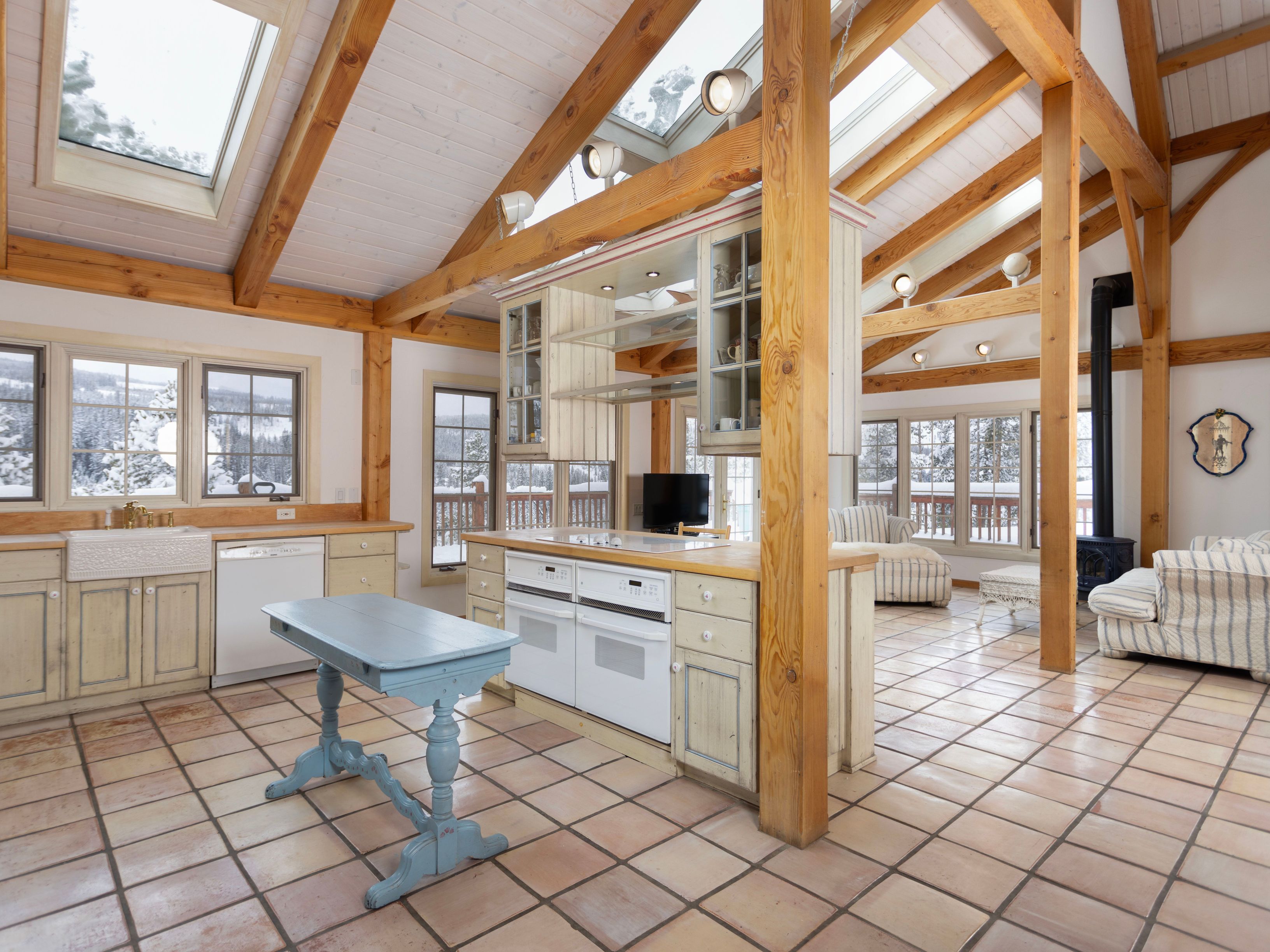
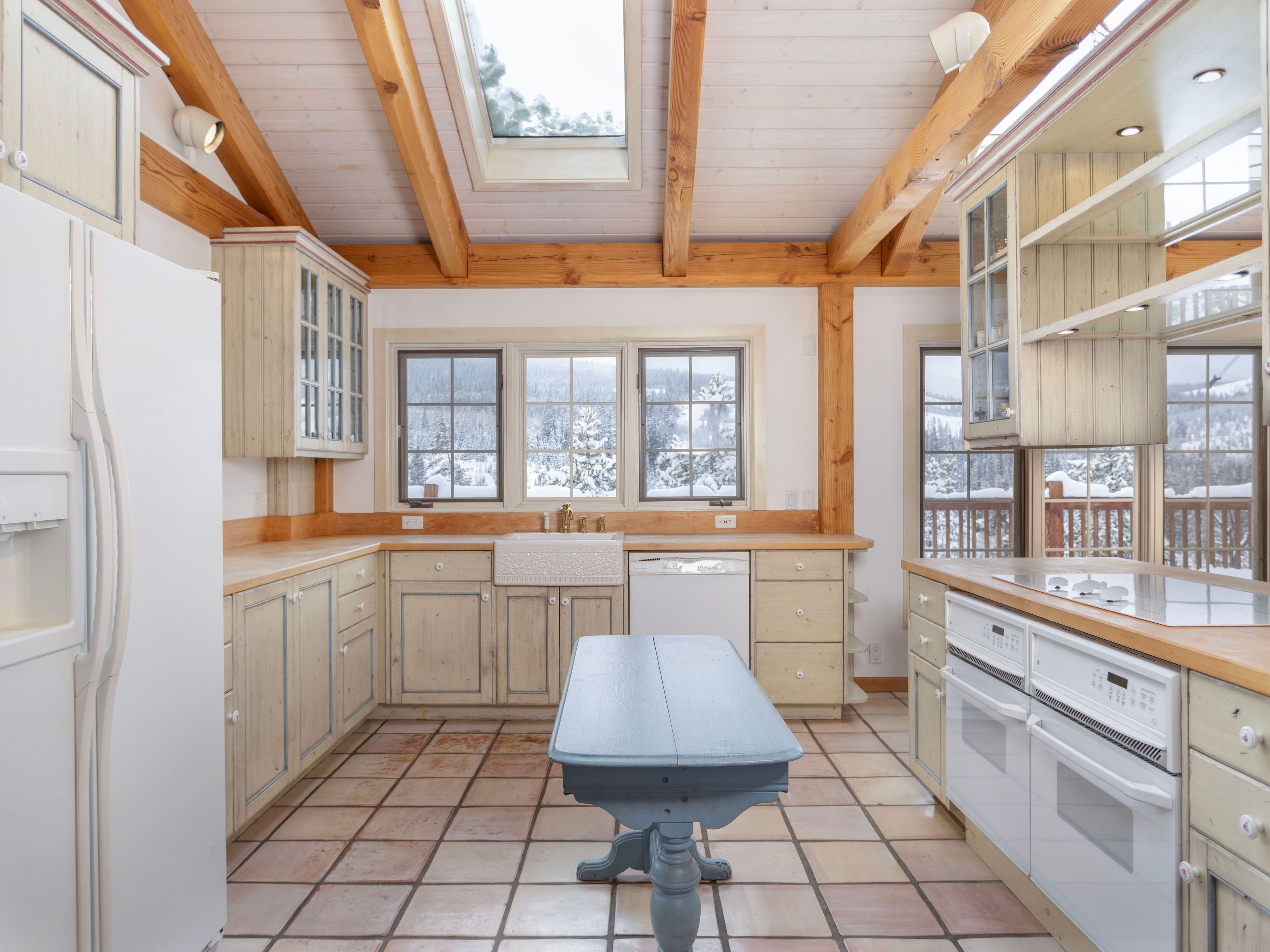
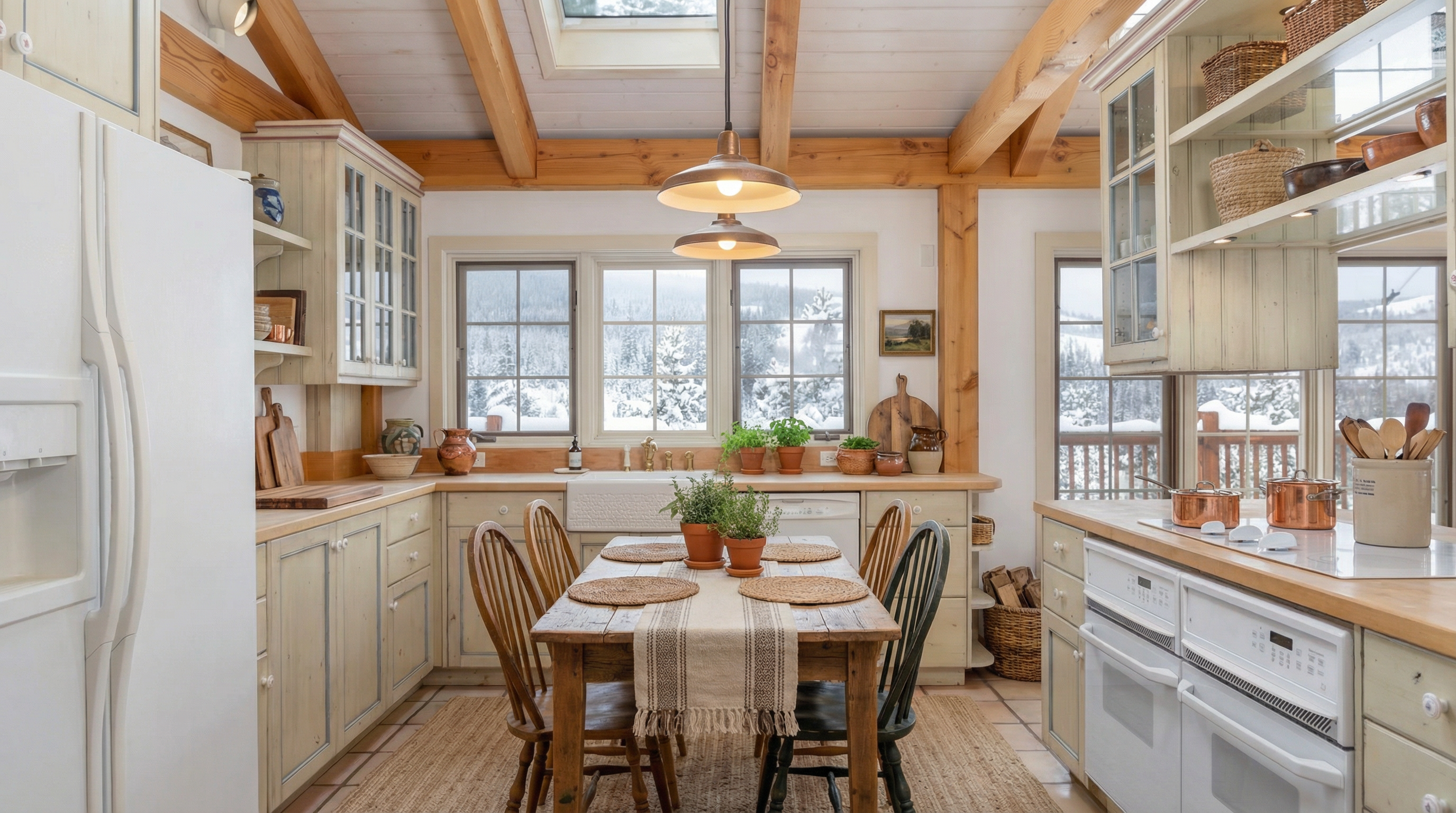
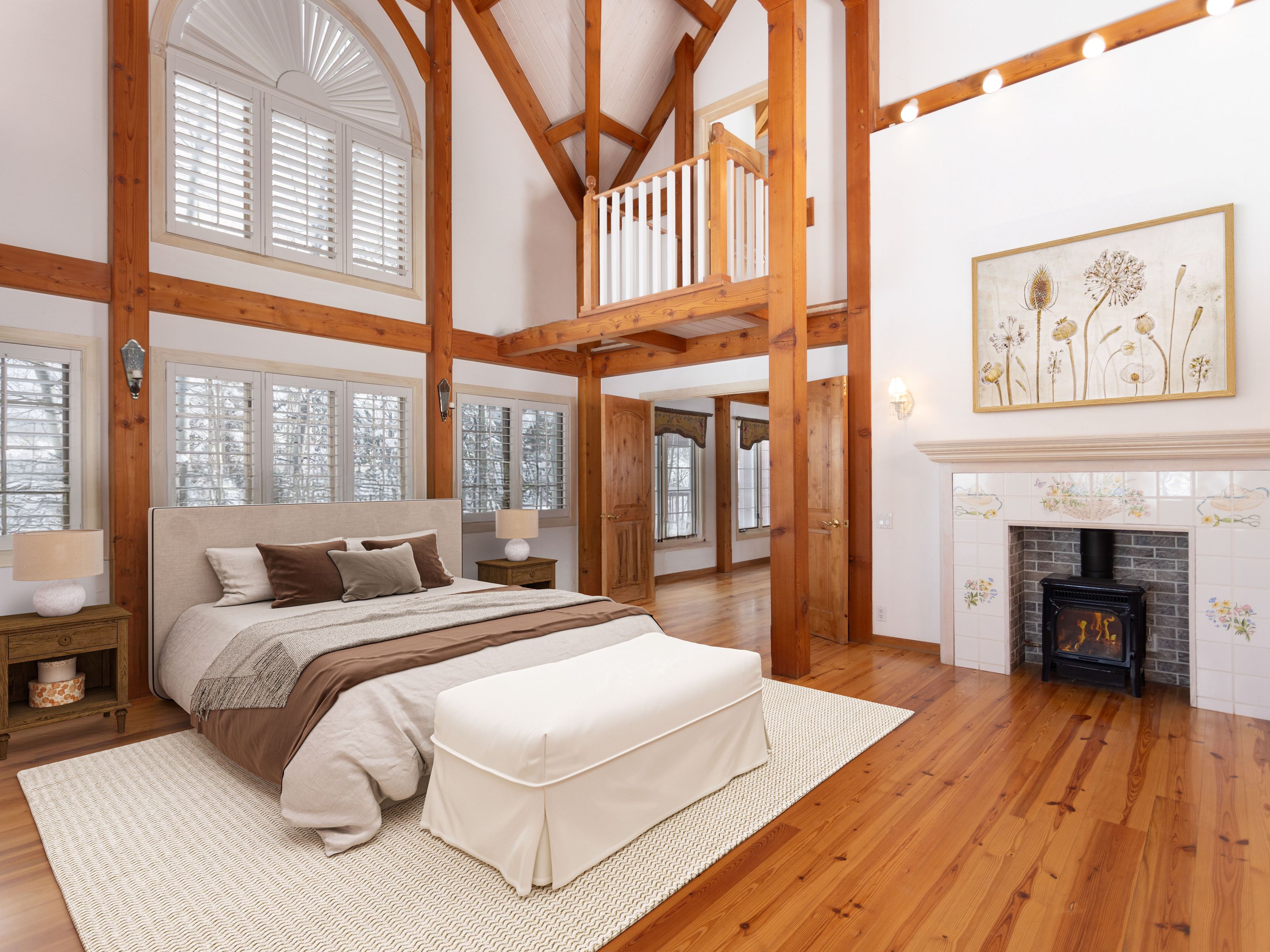
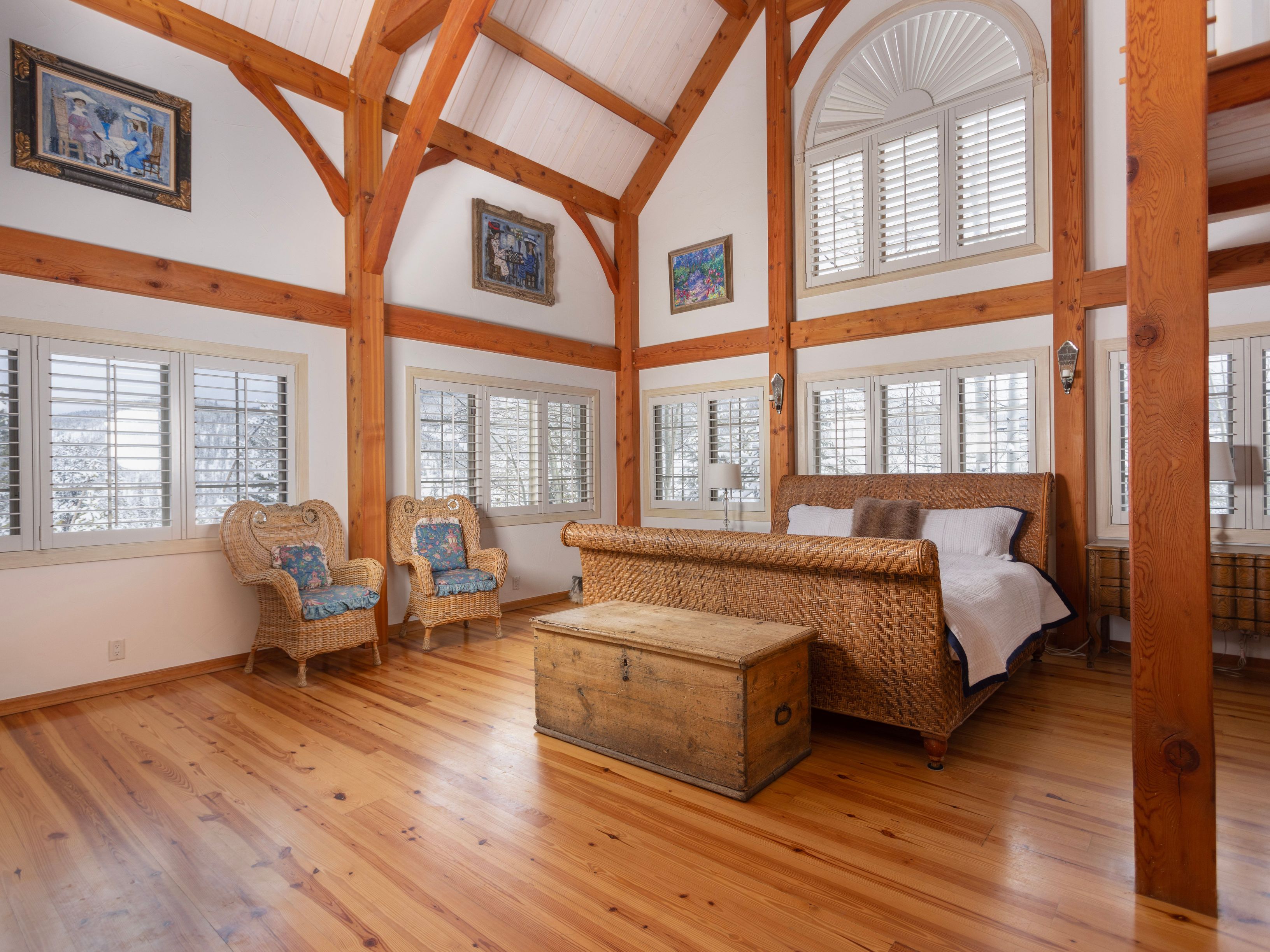
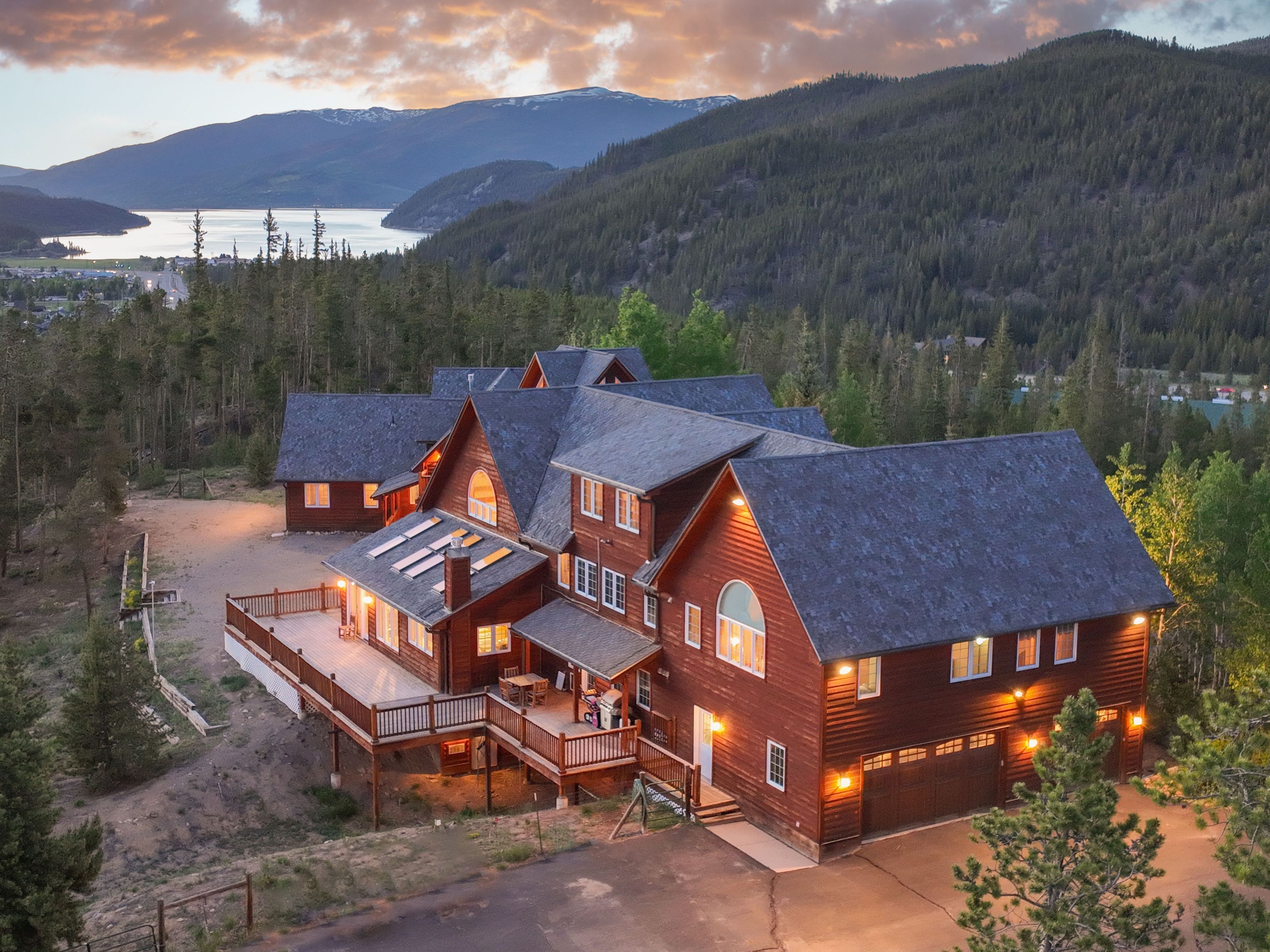
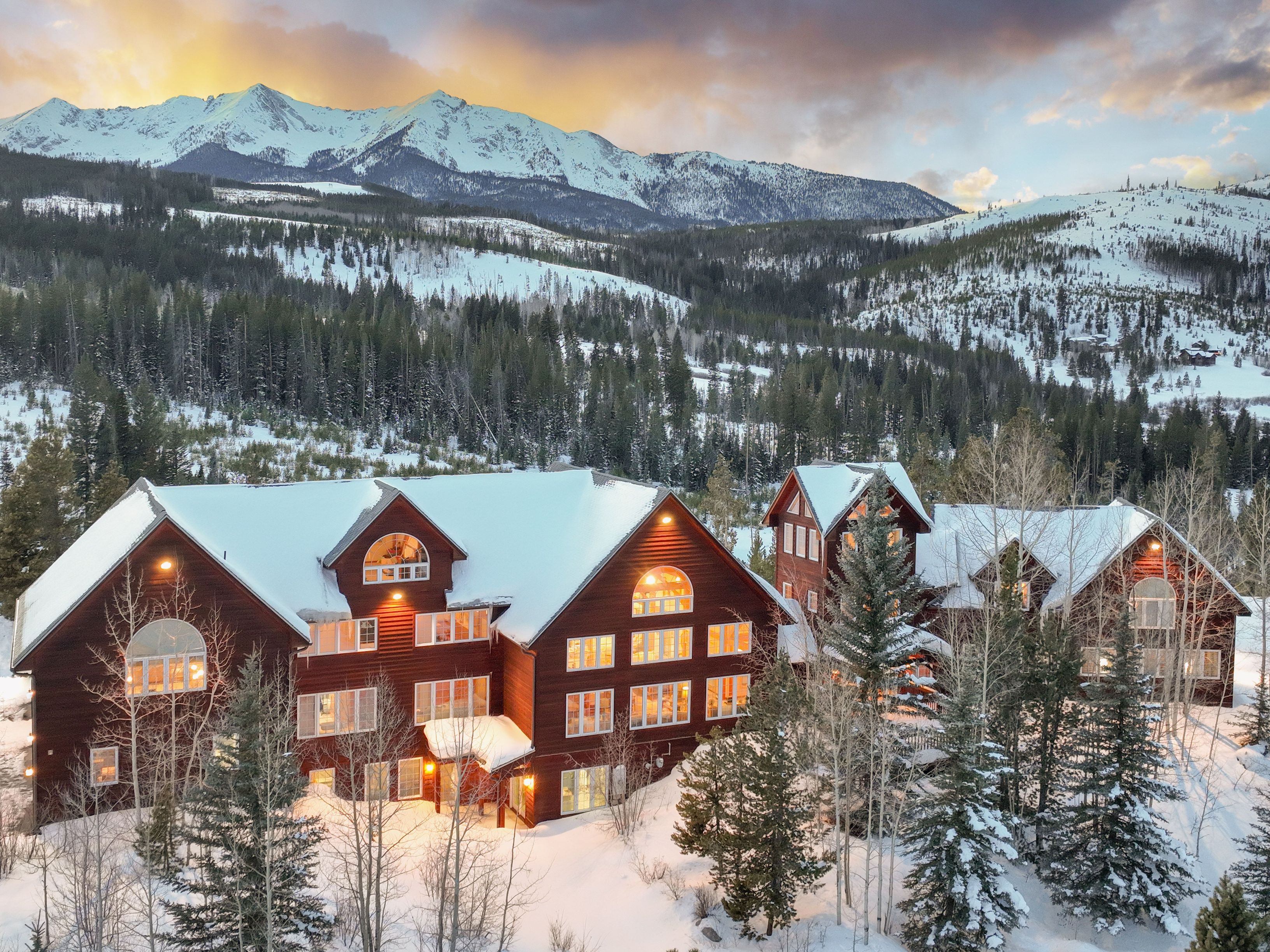
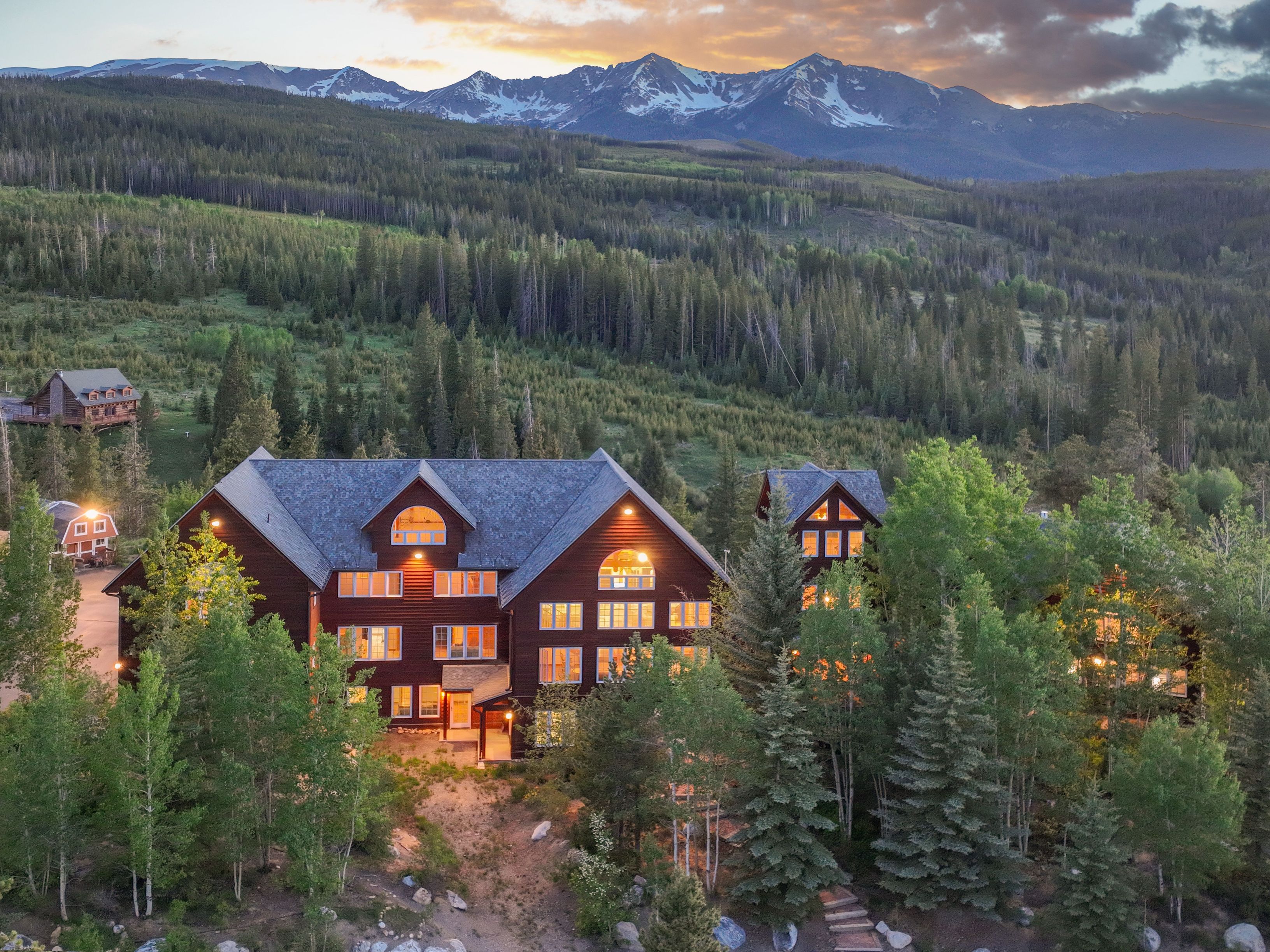
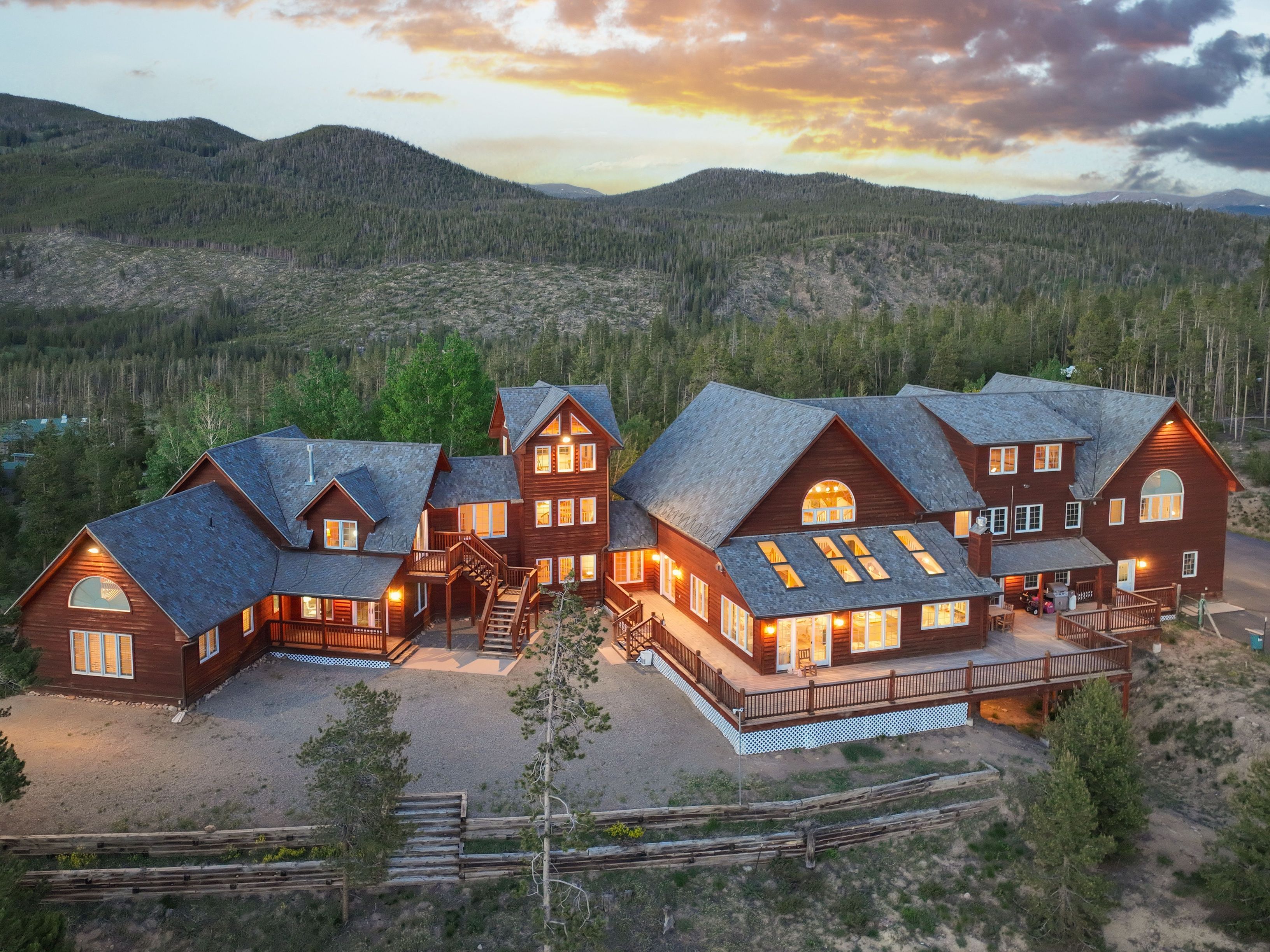
The residence itself is a study in the art of deliberate architecture. Post-and-beam construction, a method that prizes structural honesty and the warmth of exposed timber, forms the organizational spine of the home. Massive wooden trusses rise through vaulted ceilings, creating interior volumes that feel both grand and genuinely livable. The great room commands the heart of the floor plan — a space scaled for gathering, anchored by the kind of architectural bones that make furniture arrangements feel like a privilege rather than a puzzle. Floor-to-ceiling windows do not merely admit light; they choreograph it, drawing the eye outward to the Ten Mile Range, which rises directly behind the home in a panorama that defies easy description. On clear evenings, the west-facing deck becomes the finest seat in Summit County, positioned to receive the full spectacle of alpenglow settling over the iconic range as Lake Dillon shimmers in the distance.
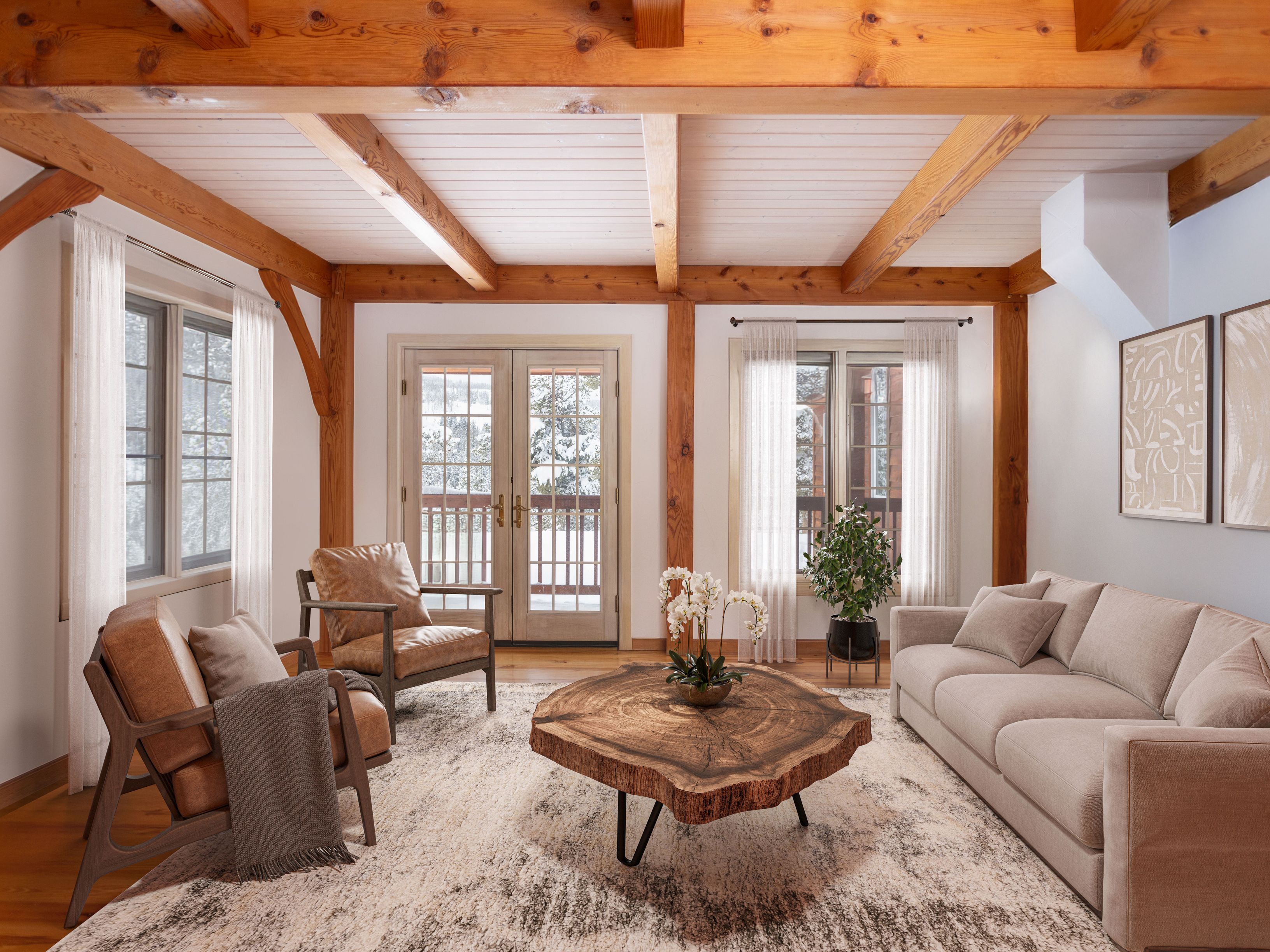
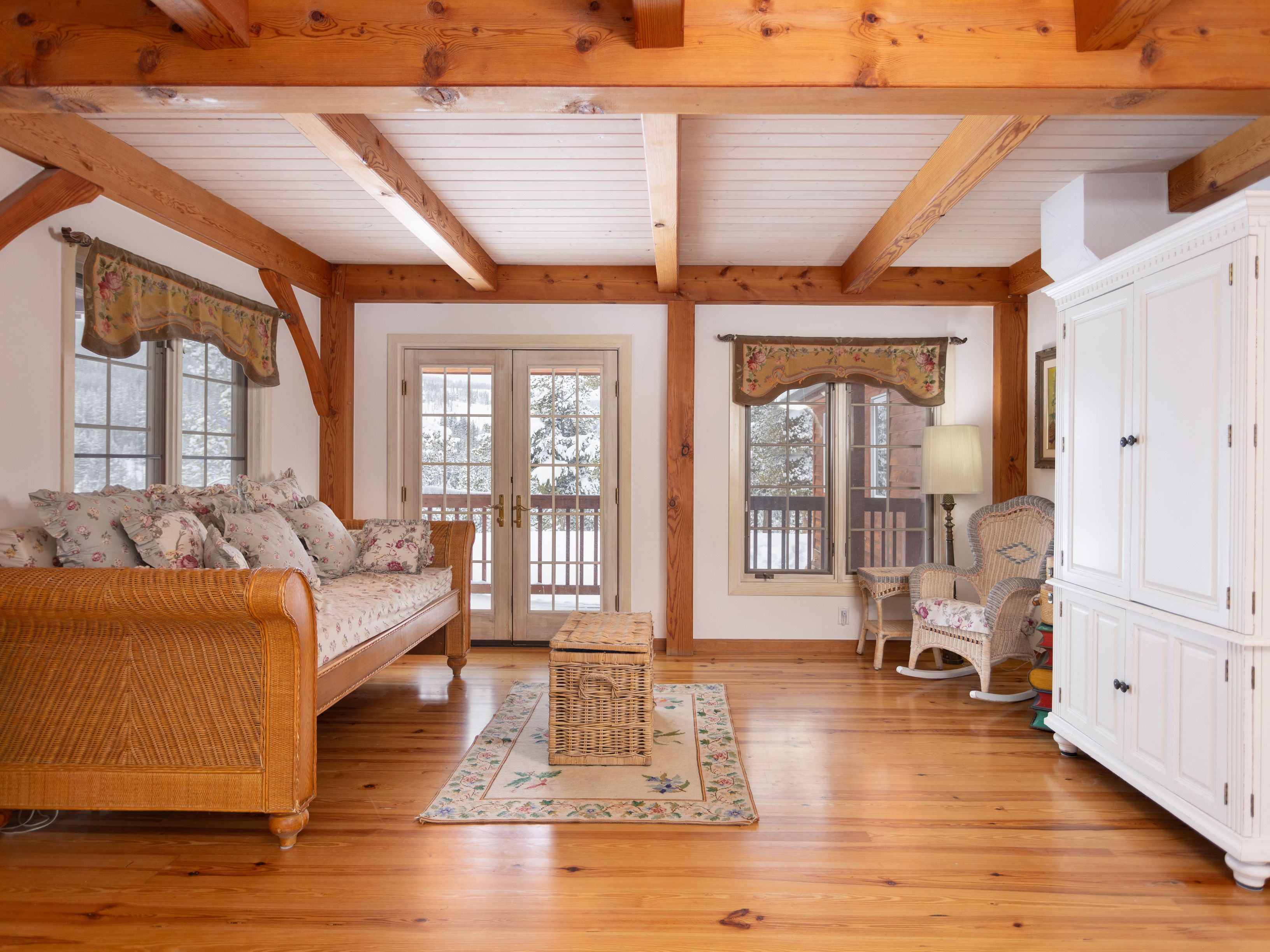
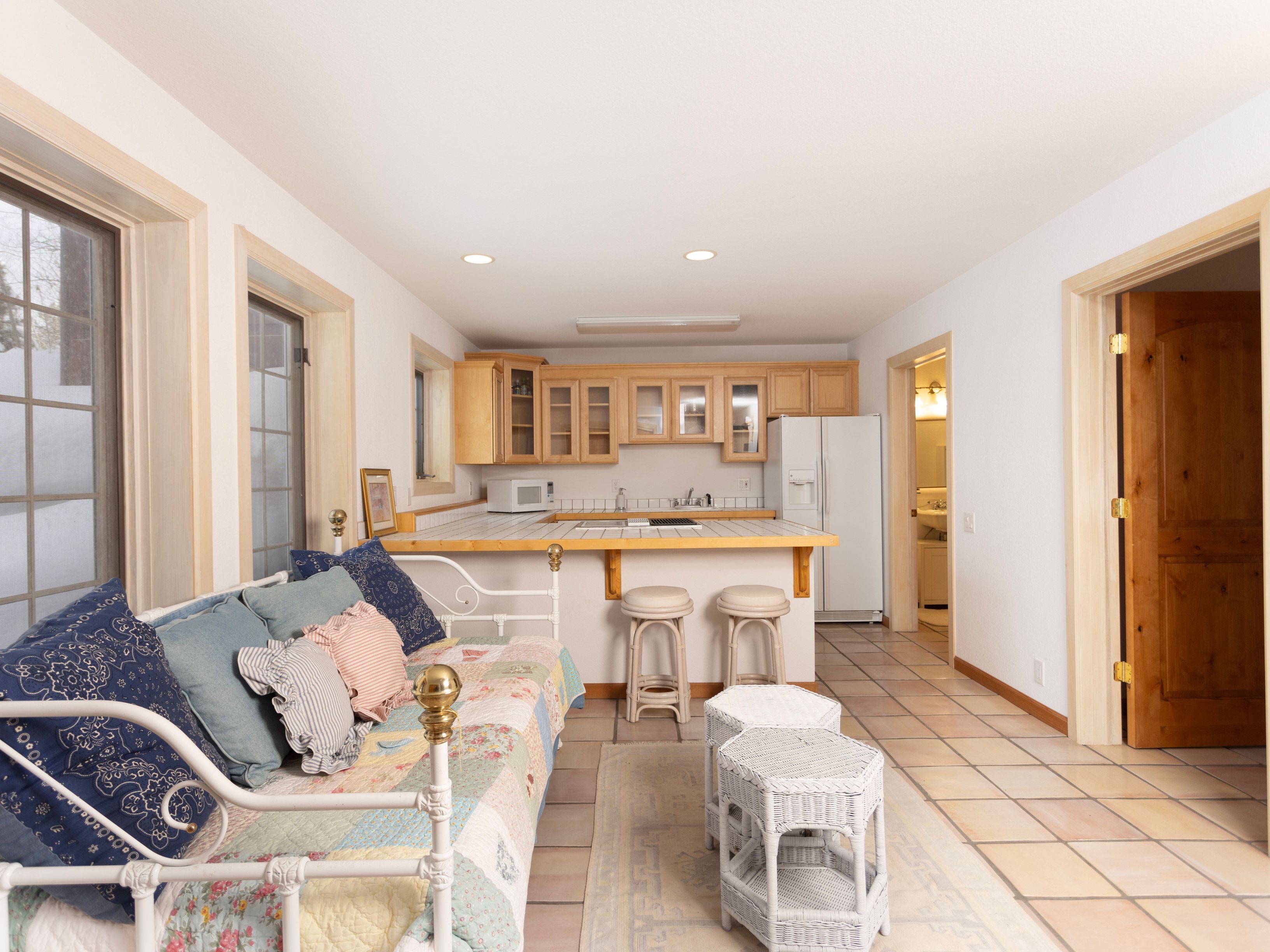
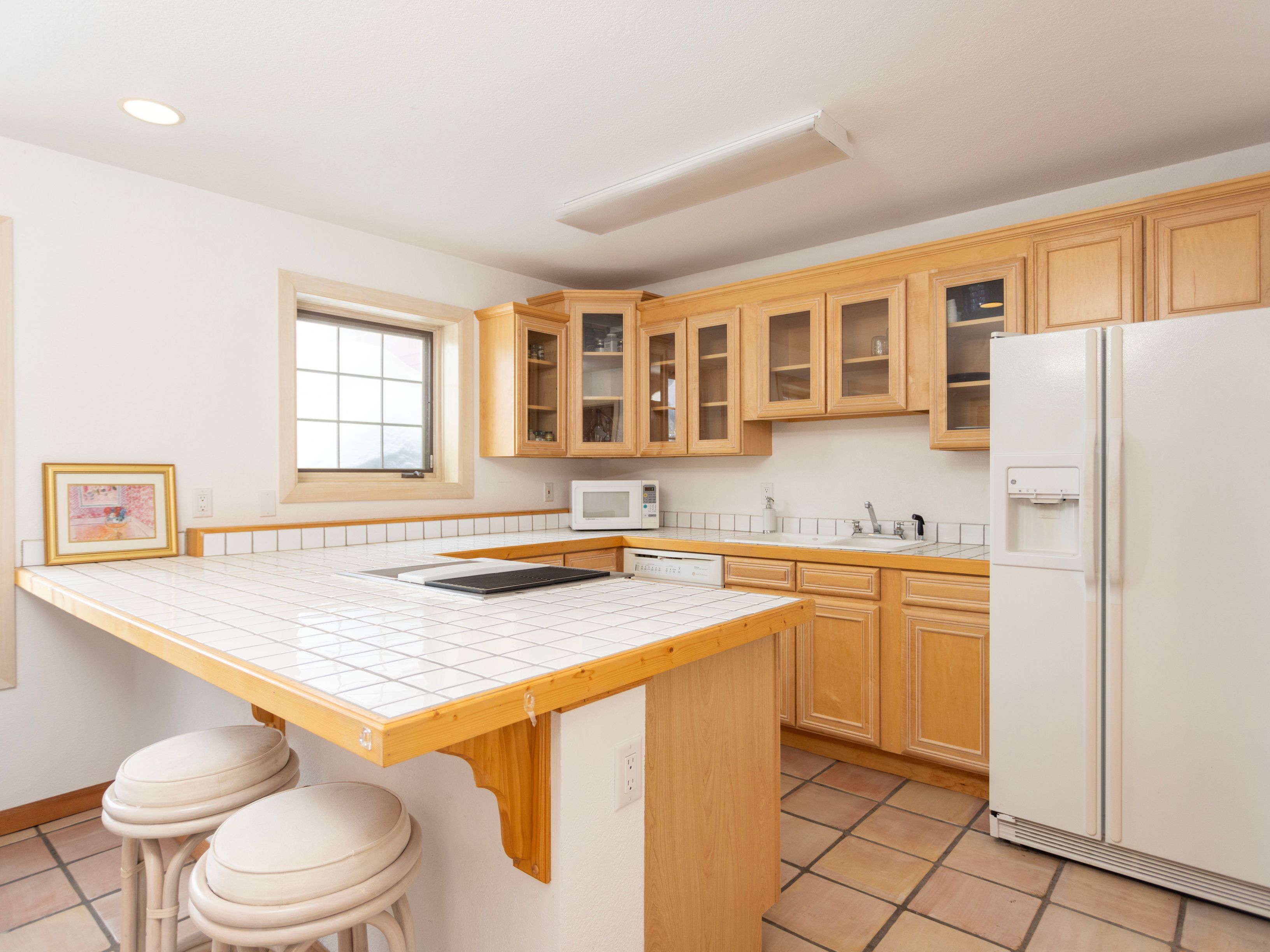
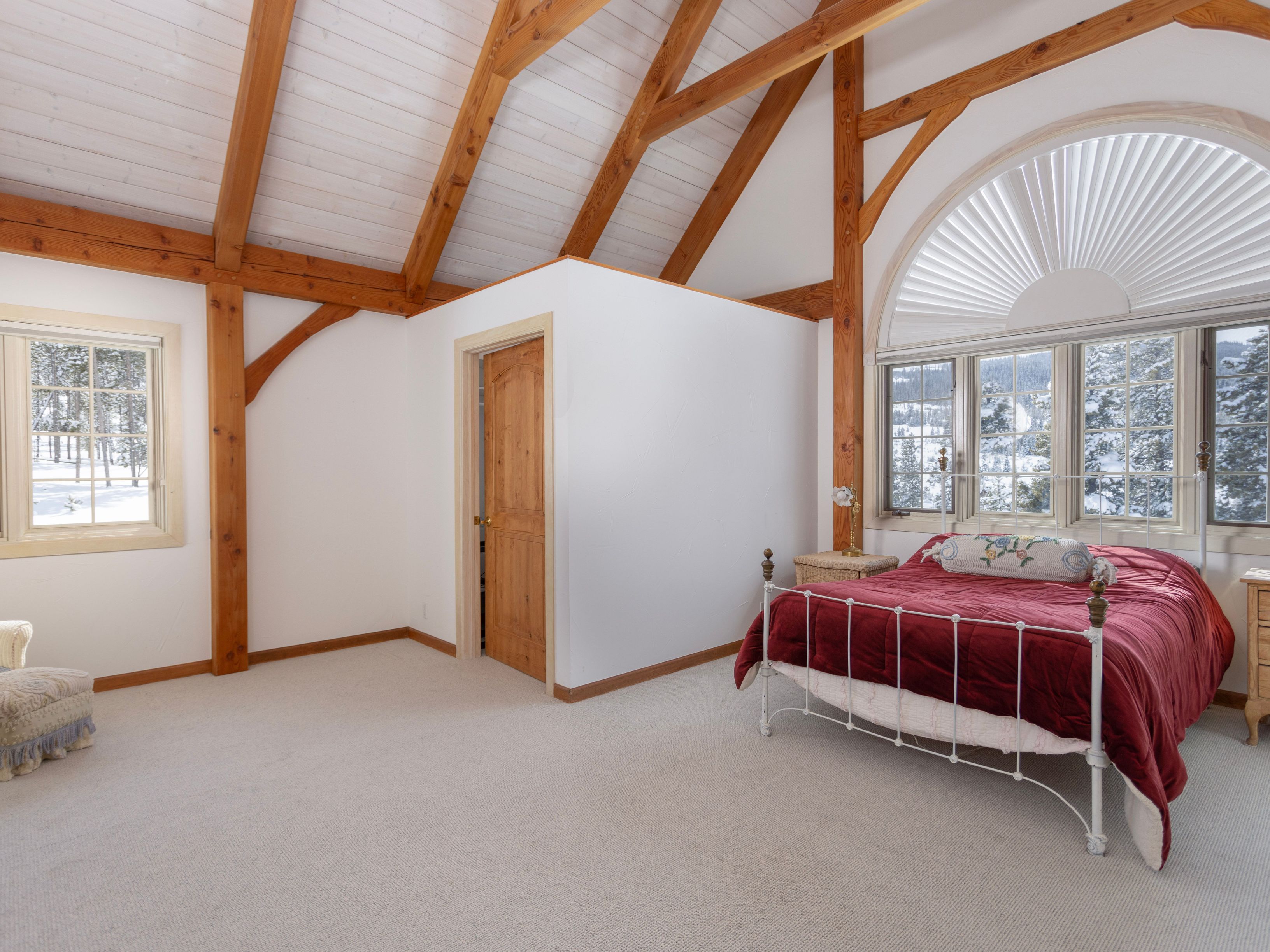
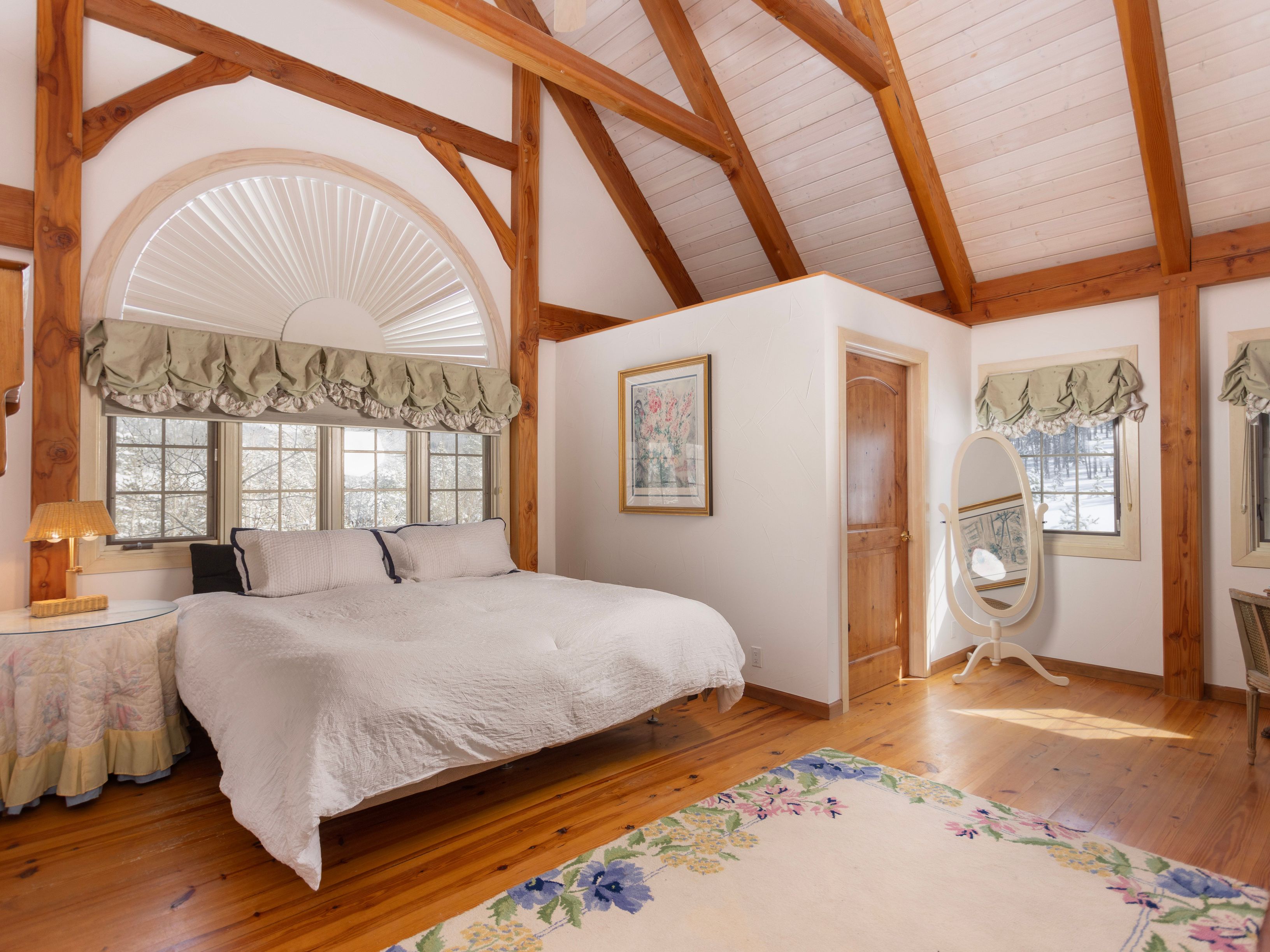
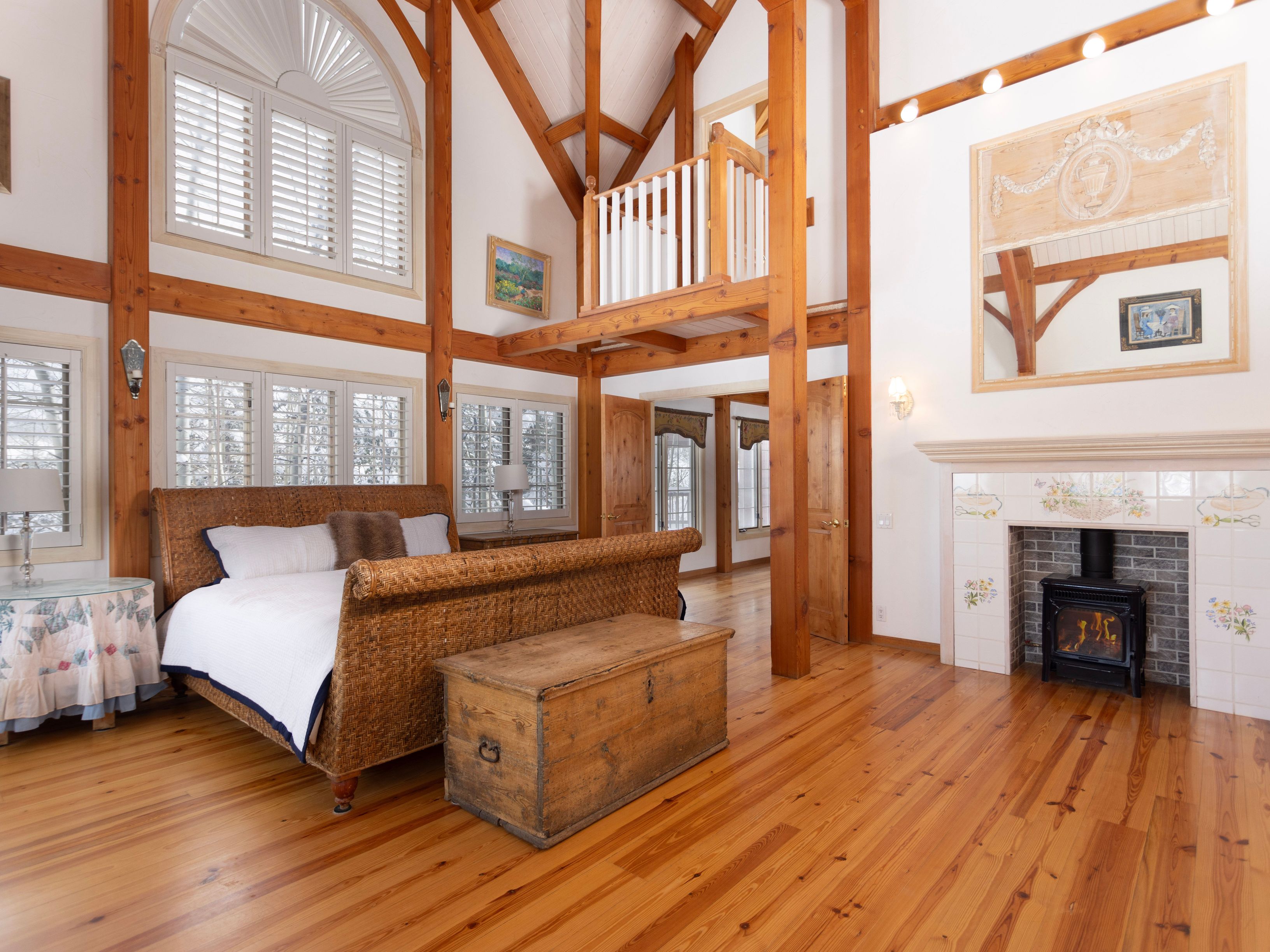
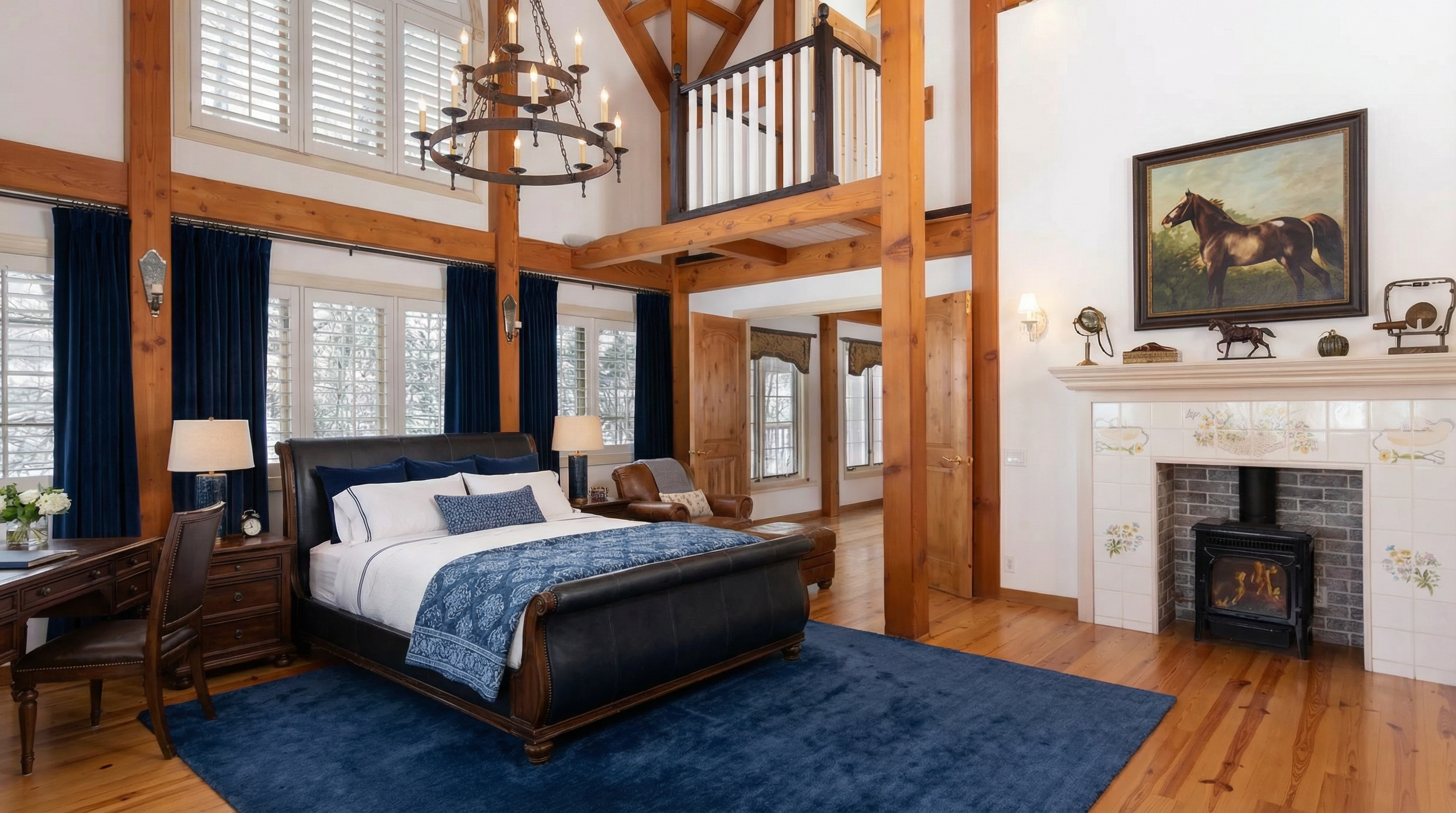
The primary suite occupies the main level — a considered placement that speaks to the home's fundamental livability. Vaulted ceilings with exposed timber beams carry the architectural language of the great room into the most private corners of the residence, while the optional caretaker quarters and several flexible multi-use spaces ensure the floor plan can evolve alongside the needs of its next steward. A generous mud room, complete with a dedicated dog wash, acknowledges the reality of mountain life with pragmatic grace. A stargazing gazebo, positioned to capture the altitude's famously dark skies, invites a more contemplative relationship with the environment.
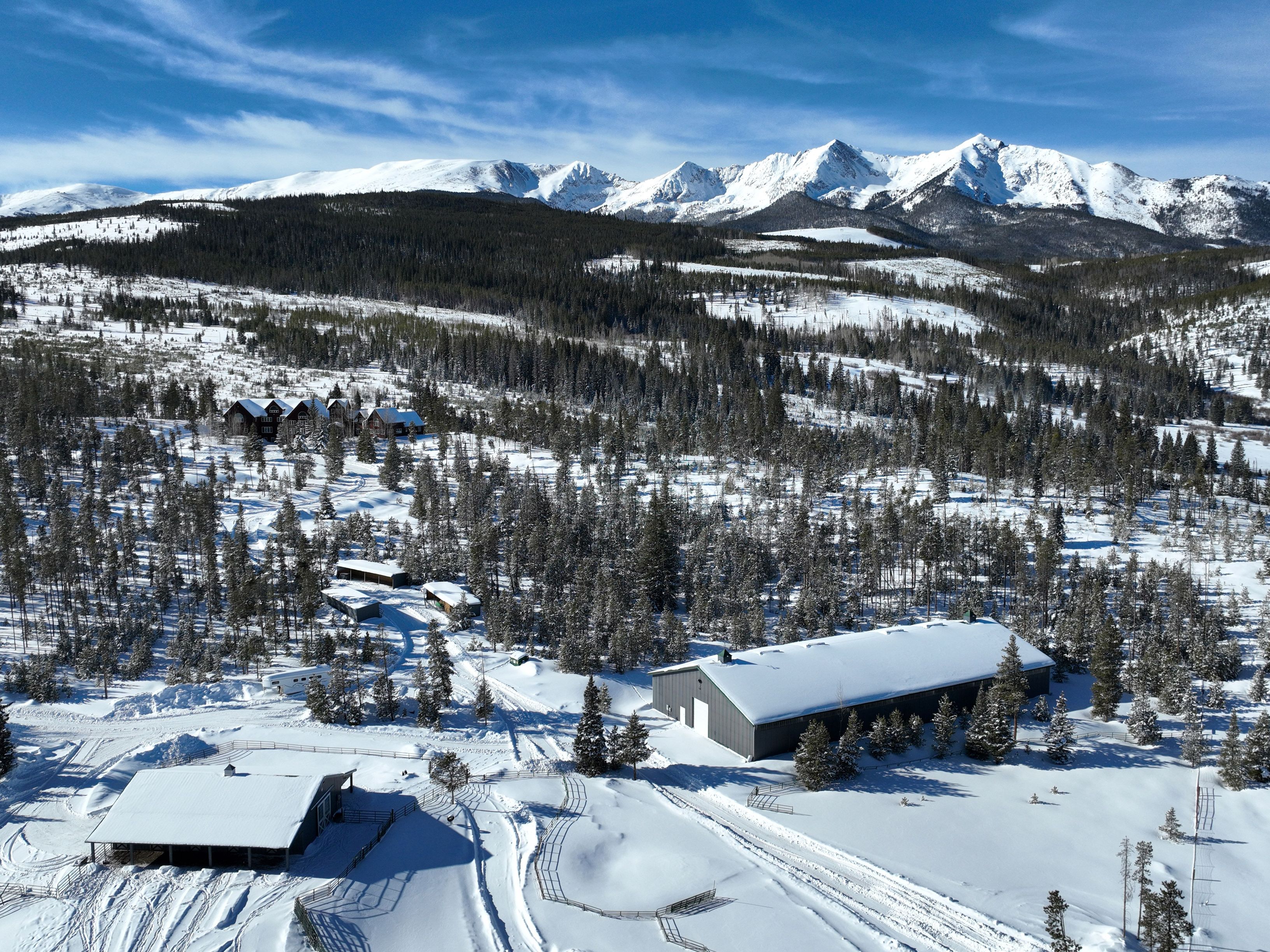
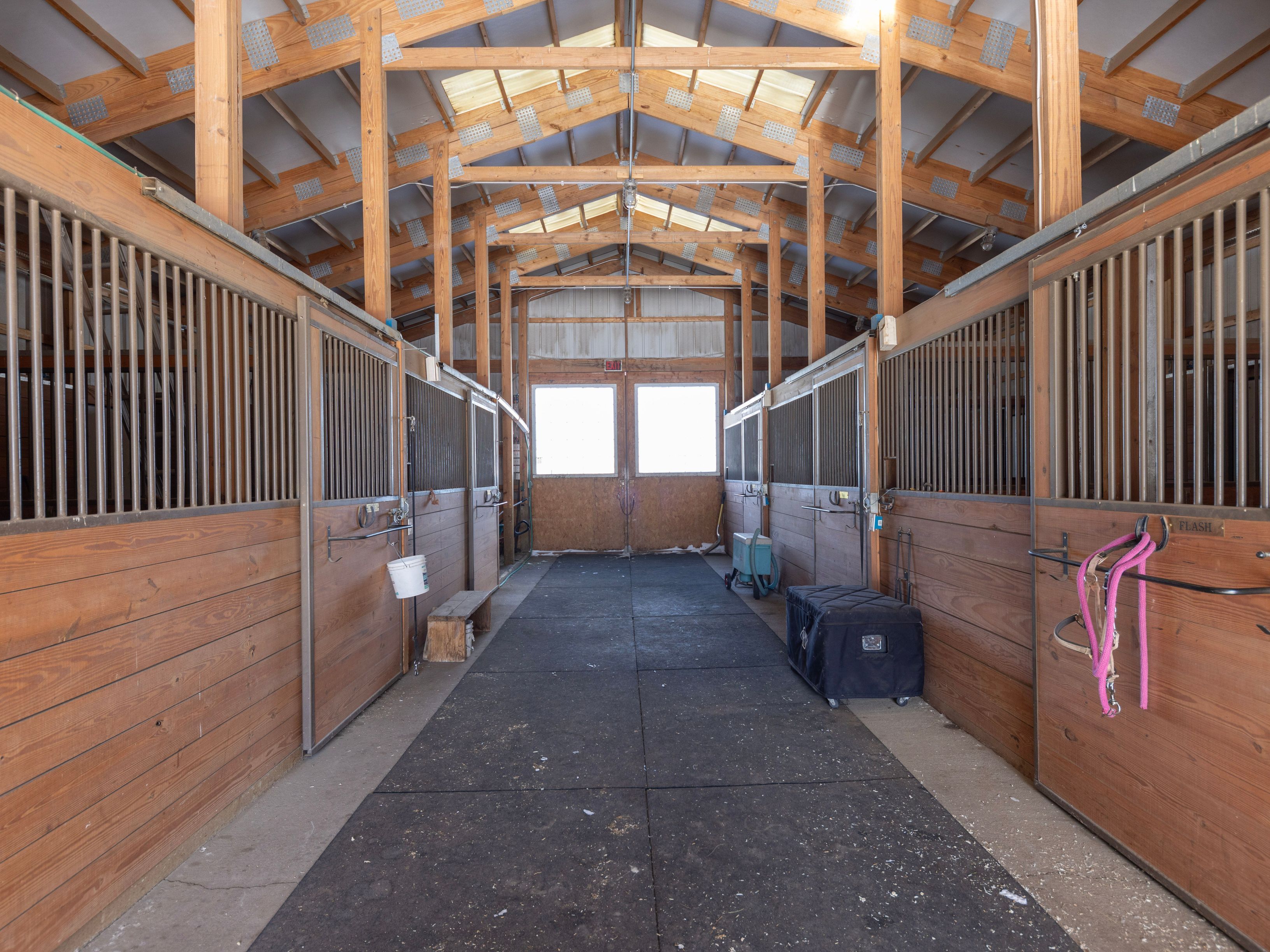
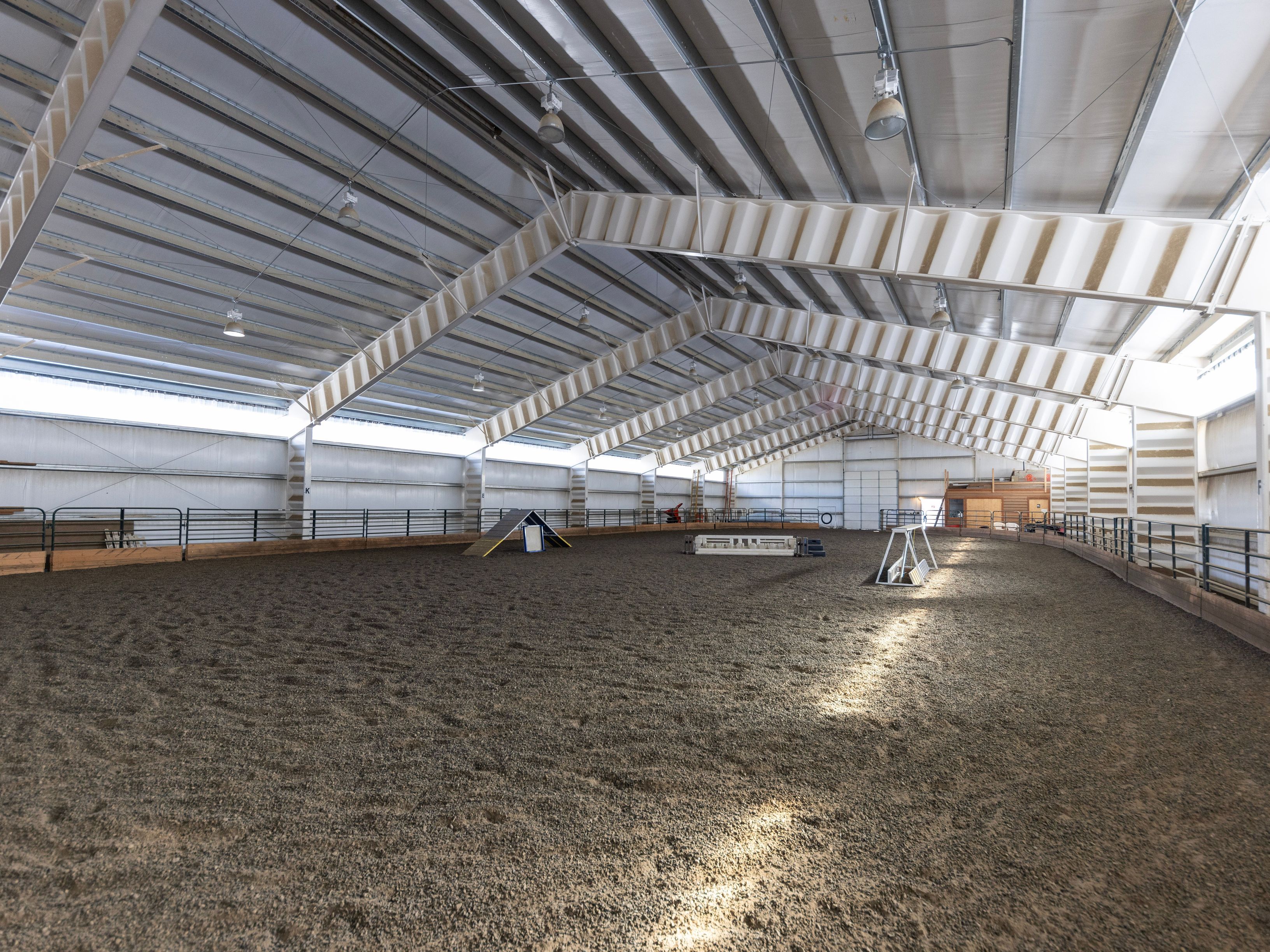
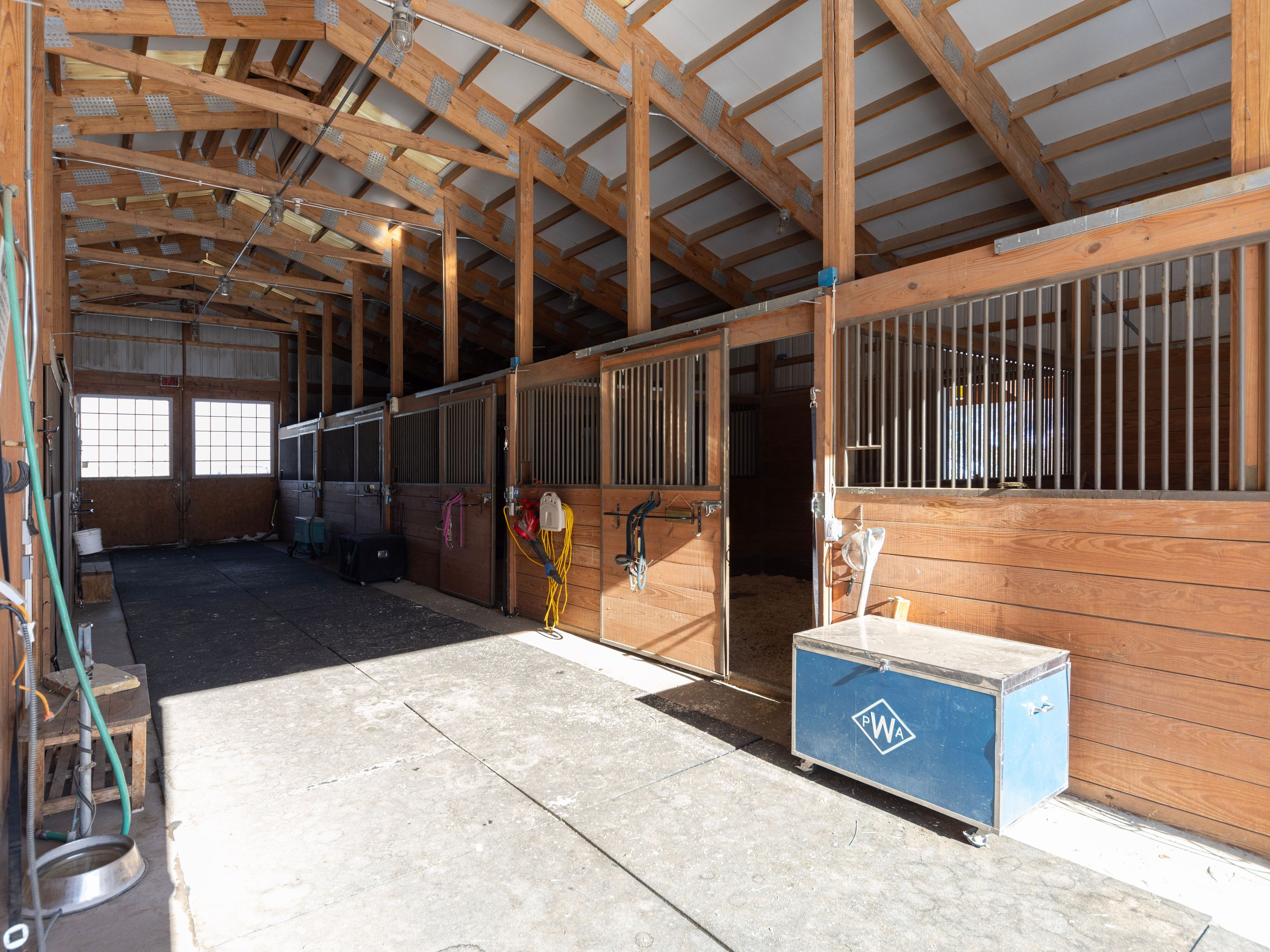
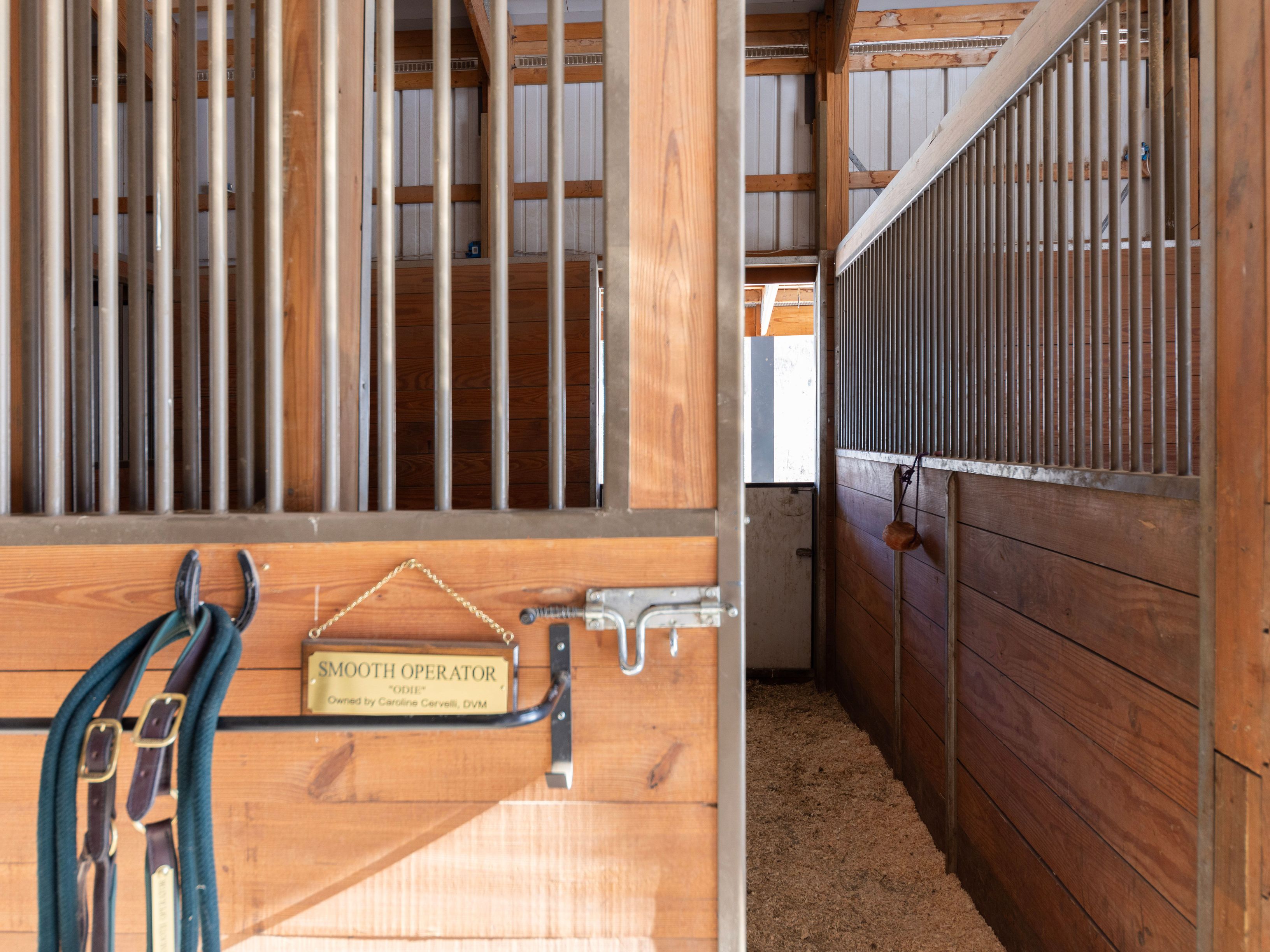
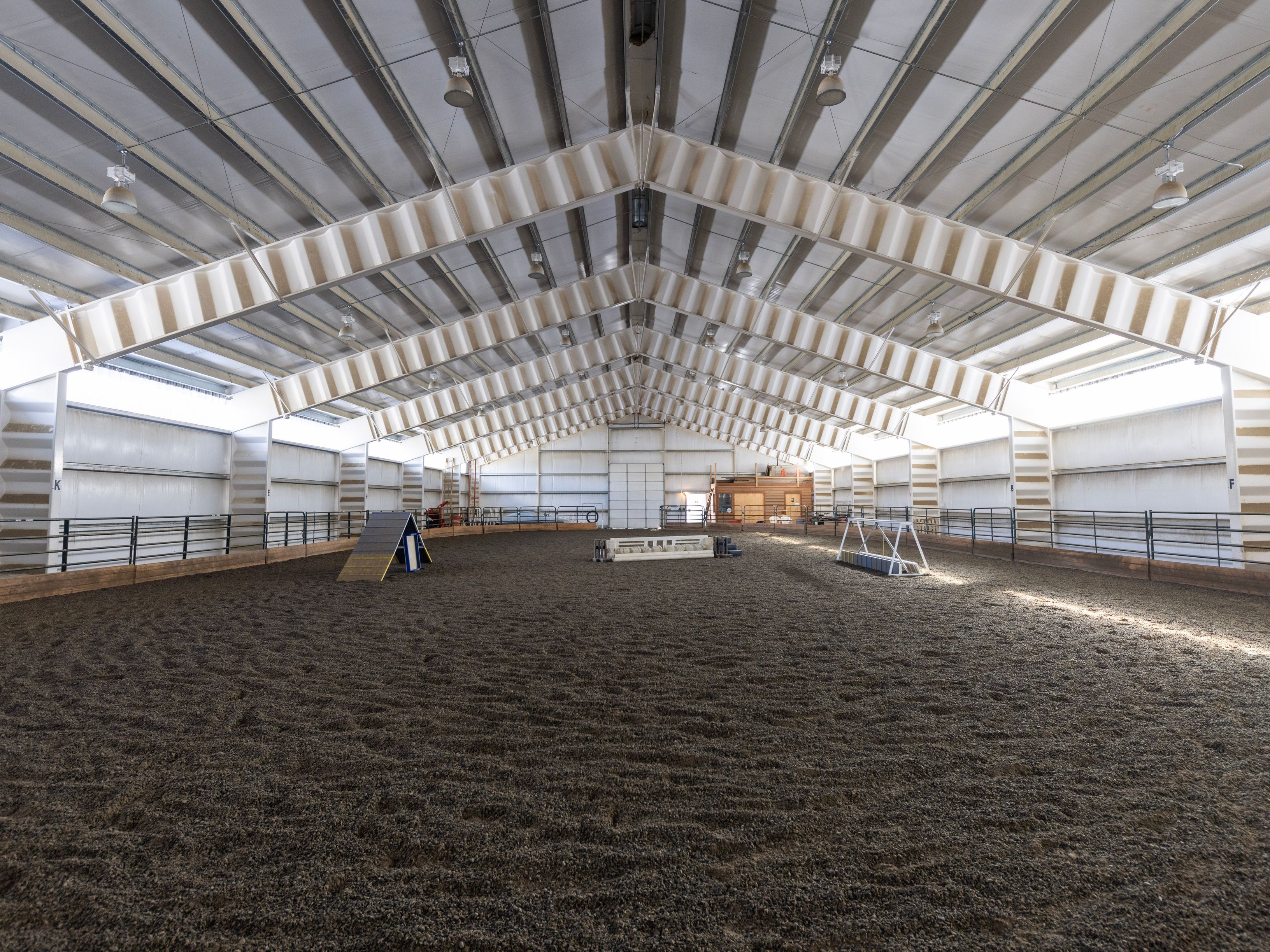
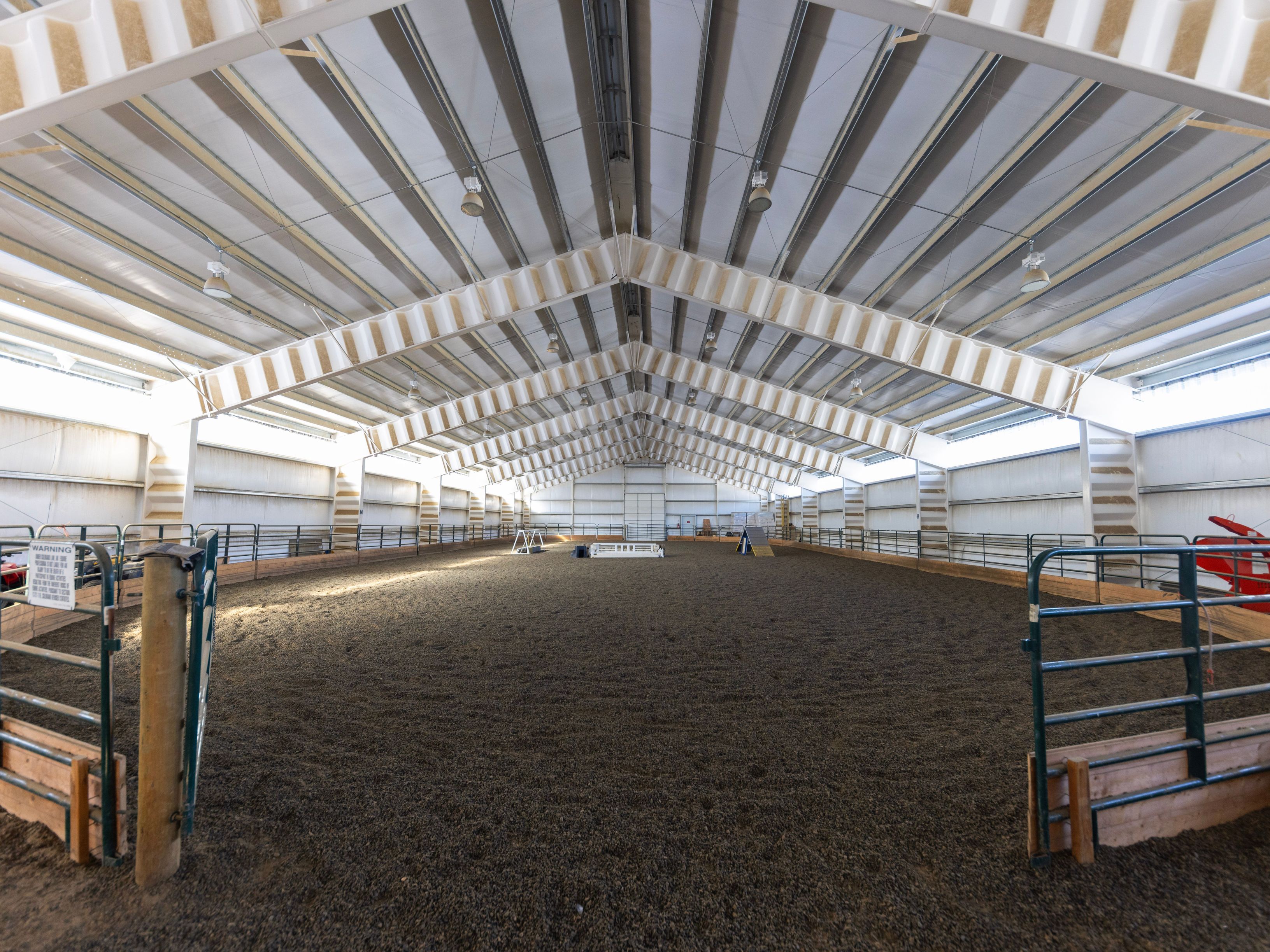
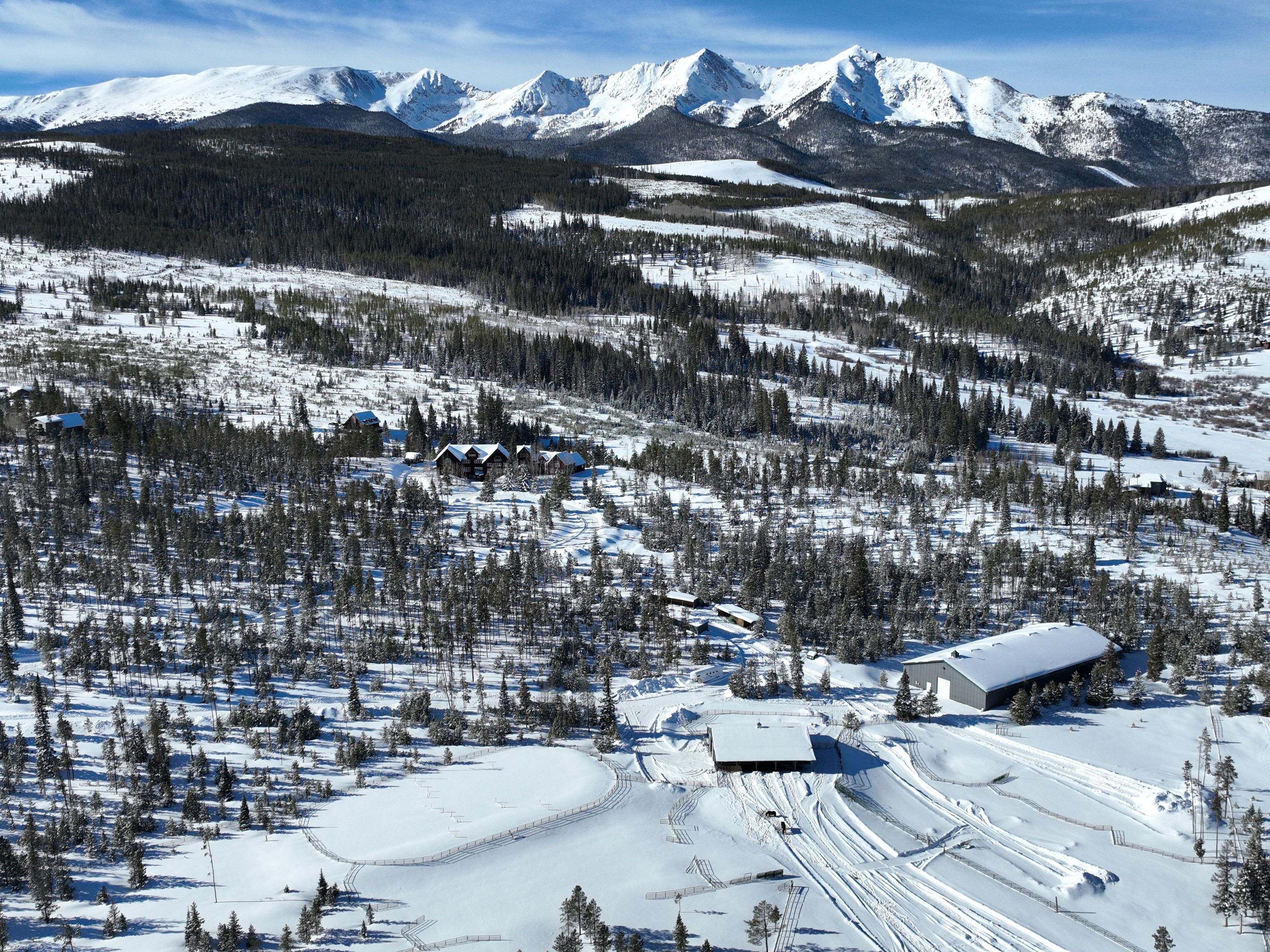
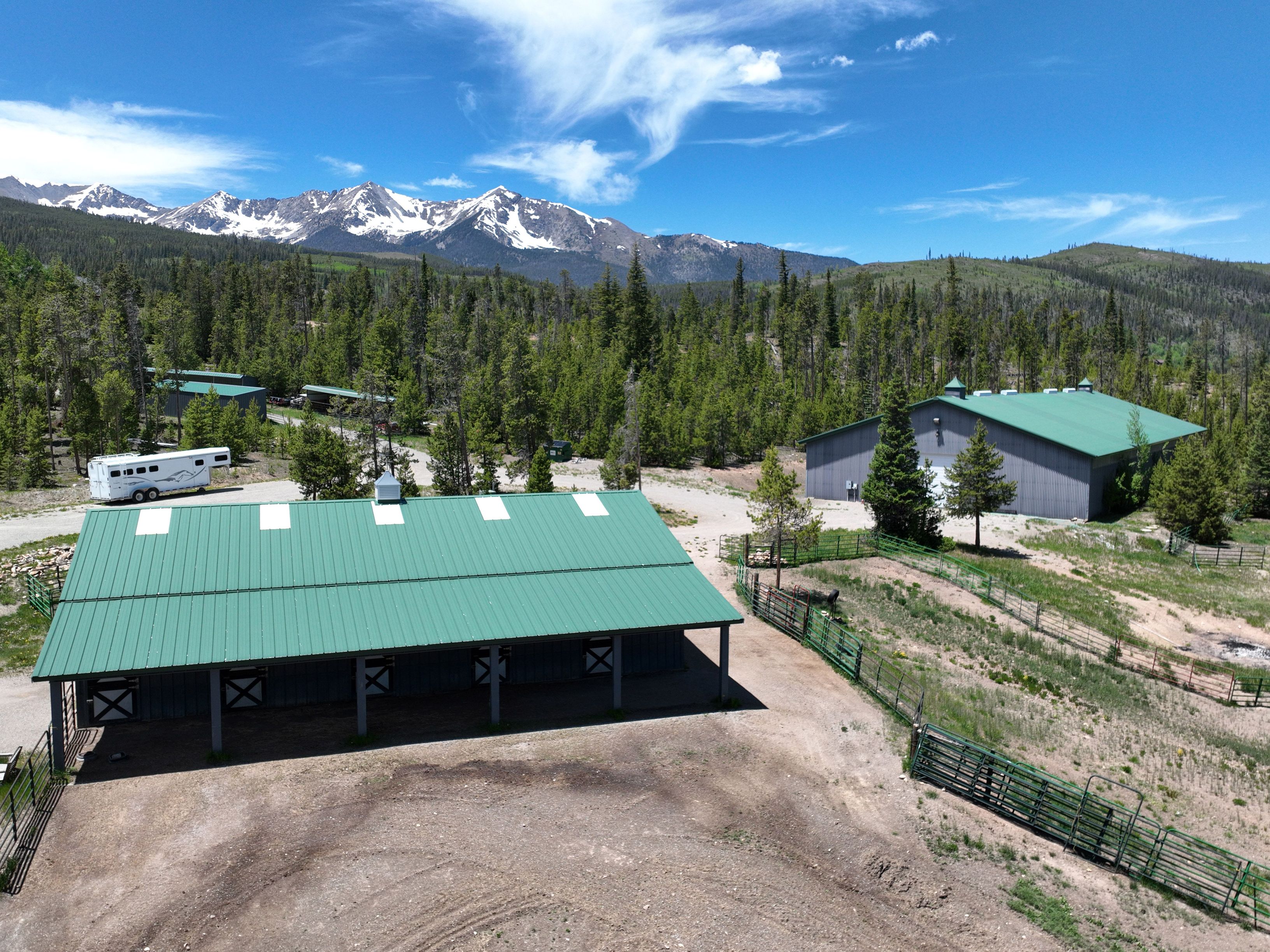
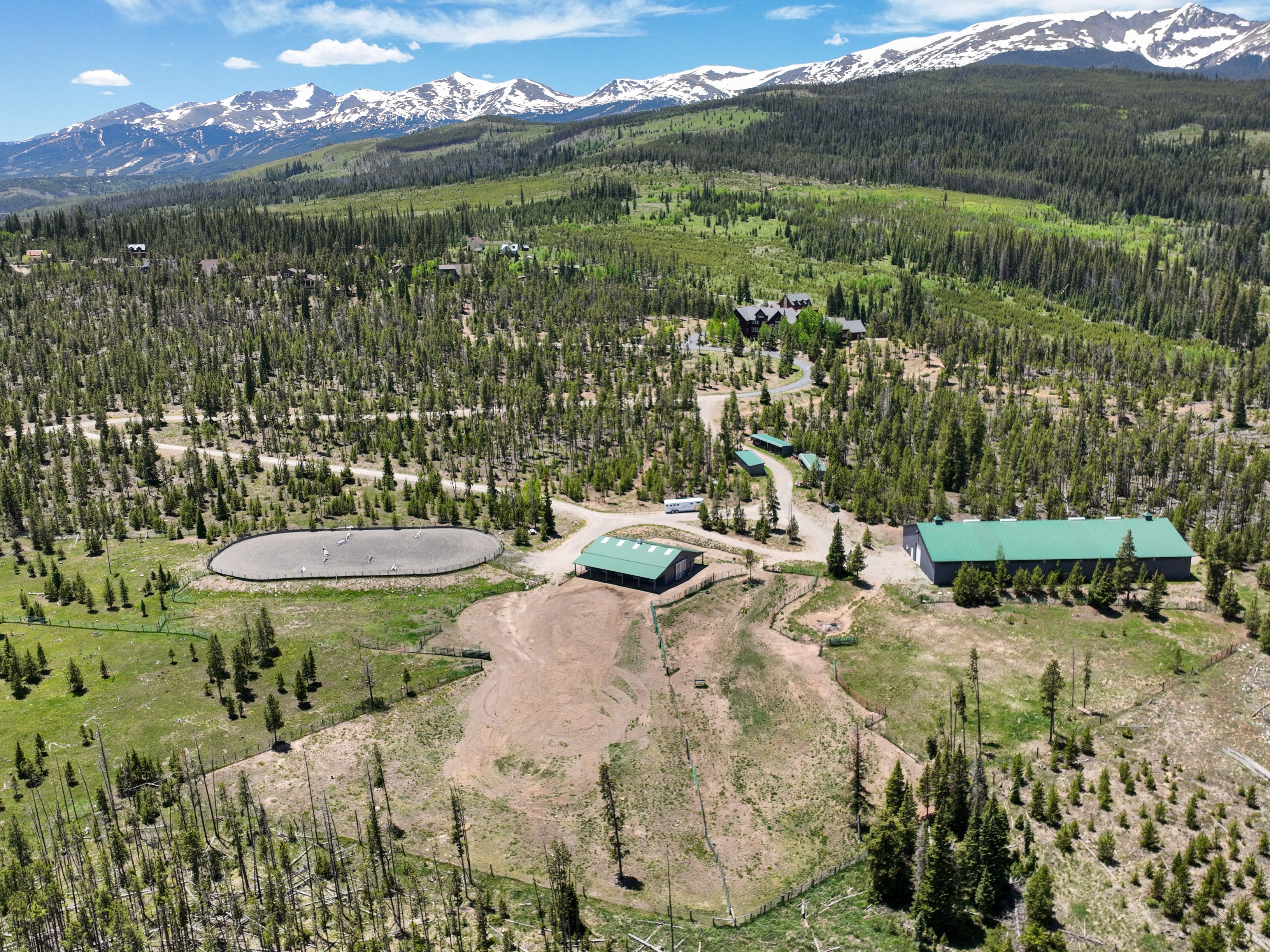
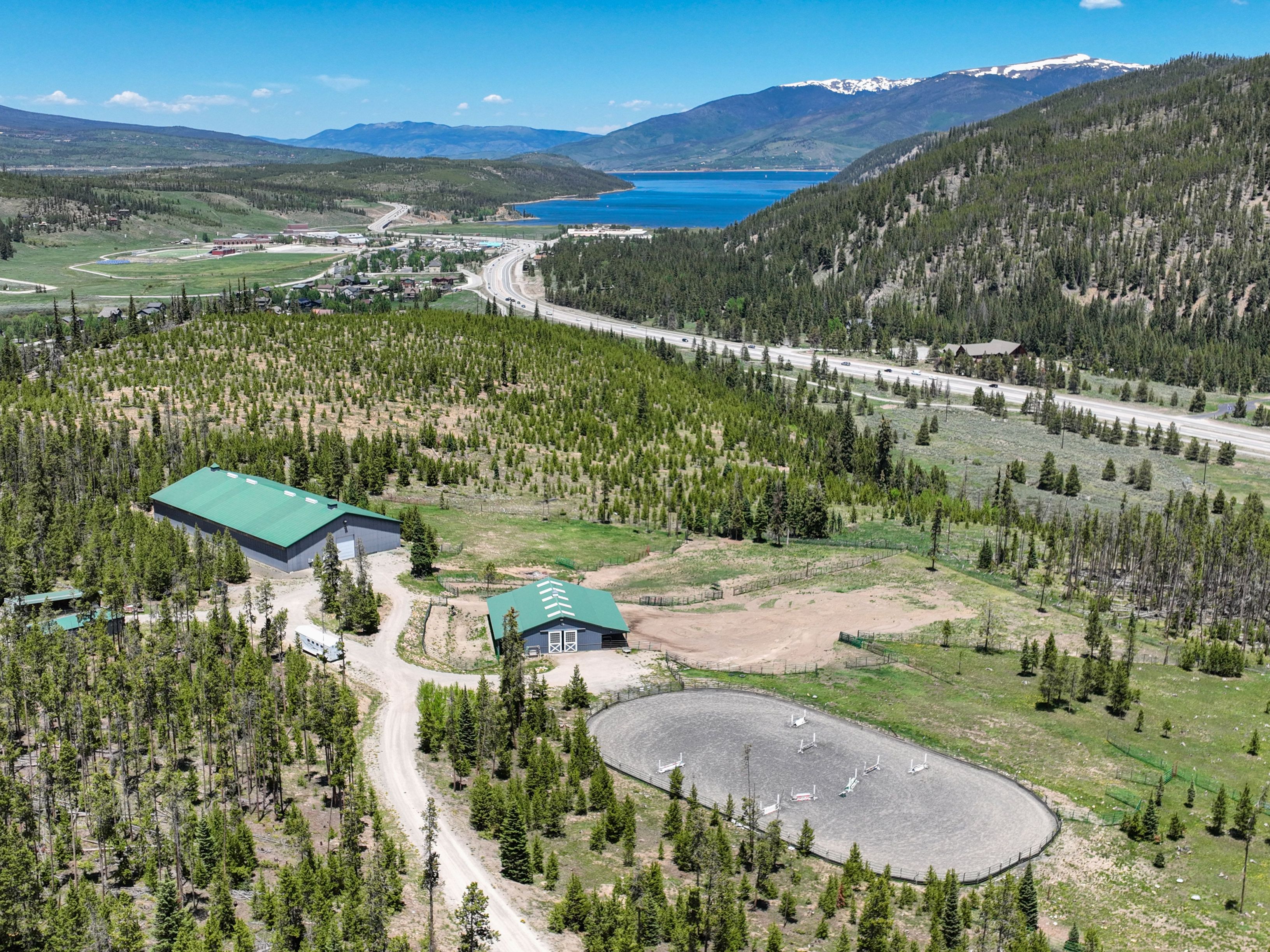
For the equestrian, the infrastructure assembled here is genuinely serious. The 11,840-square-foot indoor arena — illuminated, equipped with kick boards, and furnished with agility equipment — enables year-round training at a professional standard that few private facilities in Colorado can match. The adjacent outdoor arena extends that capability into the warmer months. The seven-stall barn has been designed with the well-being of horses as its organizing principle: two dedicated tack rooms, purposeful hay storage, and safety-conscious amenities throughout ensure that the animals in residence receive the same level of care that the architecture extends to its human occupants.
Surrounding it all, the land itself carries a distinction reserved for holdings of this scale: water rights accompany the acreage, a legal and practical asset of considerable long-term significance. Miles of scenic trail access radiate outward from the property's boundaries, placing the broader mountain landscape in immediate reach from the moment you step outside.
Breckenridge occupies a singular position in the American mountain West — a historic mining town that has grown into one of Colorado's most celebrated destinations without surrendering the character that makes it worth celebrating in the first place. Situated at roughly 9,600 feet in elevation within Summit County, the town's Victorian-era Main Street is one of the largest historic districts in Colorado, a living architectural record of the silver and gold mining booms that shaped the region beginning in the 1860s. That history gives Breckenridge a depth of identity that newer resort communities cannot manufacture: the streets have stories, the buildings have ages, and the community has a sense of itself that runs considerably deeper than its ski season.
The Gold Hill neighborhood, where this estate is positioned, represents one of Breckenridge's most established and sought-after residential enclaves. Situated above the town core, it offers the proximity to amenities that defines resort-town convenience — downtown Breckenridge's restaurants, galleries, and boutiques are minutes away — while maintaining the elevation and seclusion that distinguish true mountain estate living from simply owning a house near a ski resort. The neighborhood's forested character, generous lot sizes, and gated privacy have long made it a preferred address for those seeking permanence rather than seasonality.
Breckenridge Ski Resort, consistently ranked among the top ski destinations in North America, anchors the town's winter identity with over 3,000 acres of skiable terrain spread across five peaks. The resort's vertical drop of 3,398 feet and its reliable high-altitude snowpack make it a legitimate world-class mountain by any measure. Yet Breckenridge's appeal has long since ceased to be seasonal. The surrounding White River National Forest opens into an extraordinary network of trails for hiking, mountain biking, and equestrian use throughout the warmer months — a landscape that rewards those who choose to engage with it year-round, and one that makes a property with direct trail access not merely convenient but genuinely transformative in how it shapes daily life.
Lake Dillon, visible from this estate's upper vantage points, sits approximately ten miles to the east and serves as one of Summit County's most beloved recreational anchors. The reservoir's sailing, paddleboarding, and fishing opportunities, along with the scenic recreation path that circumnavigates its shoreline, draw residents and visitors alike throughout the summer and fall seasons. The Dillon Reservoir area also provides access to the broader Summit County trail network, which connects Breckenridge, Frisco, Silverthorne, and Dillon through a system of paved and unpaved paths that make car-free exploration genuinely practical.
Summit County's infrastructure supports the full arc of an elevated mountain lifestyle. The region hosts world-class dining, arts programming through venues such as the Breckenridge Arts District, and a medical and services infrastructure commensurate with its population and profile. Denver International Airport, approximately ninety miles to the east via Interstate 70, provides access to major domestic and international routes, placing this remote-feeling estate within practical reach of the broader world when necessary — and comfortably removed from it when that is precisely the point.
Featured Highlights
Curated Content • Presented by Summit County Home Team - Reilly Desantis & Eddie Bowers