The Story Behind
Your Own Private Island on Legendary Squam Lake
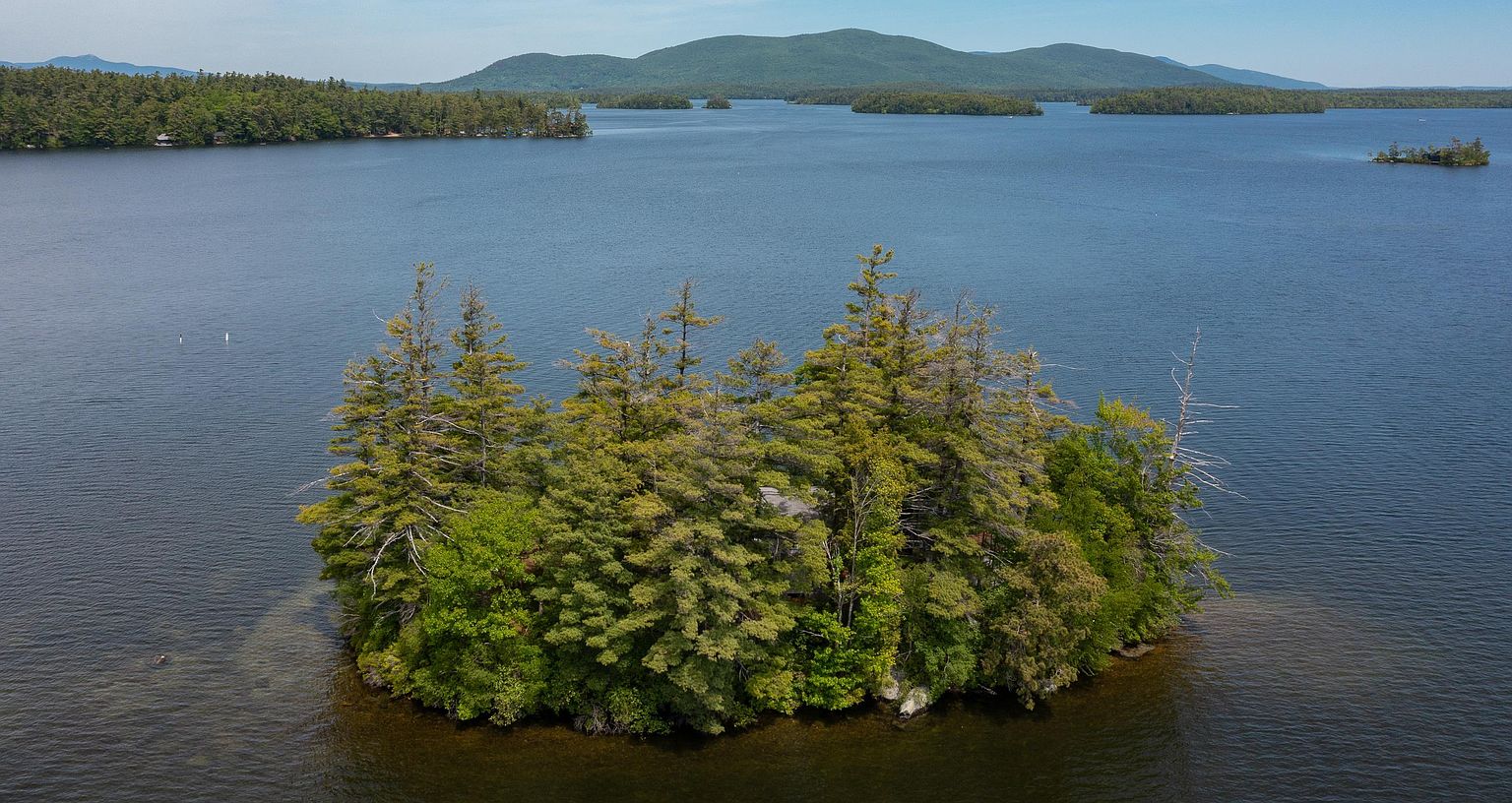
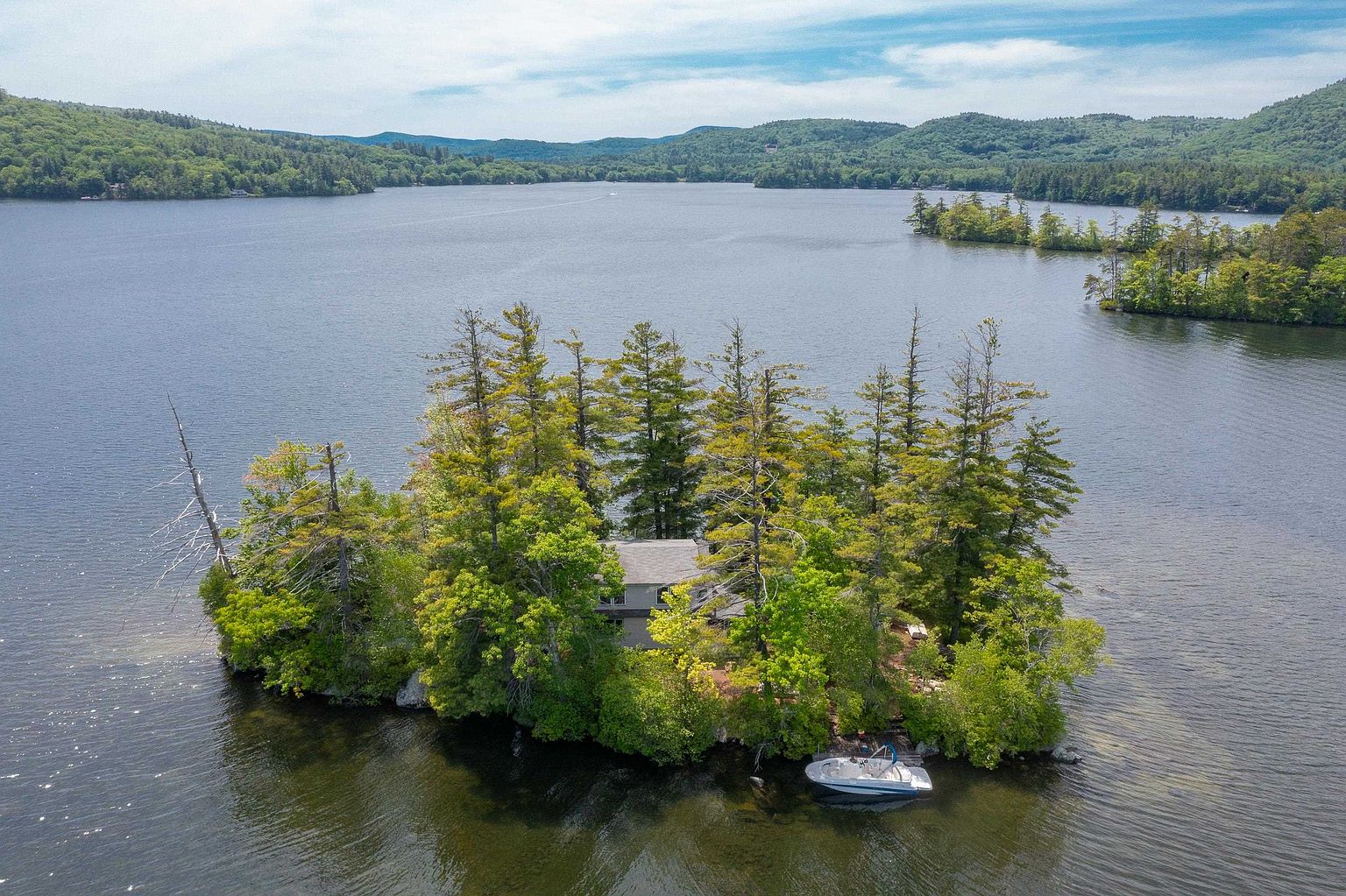
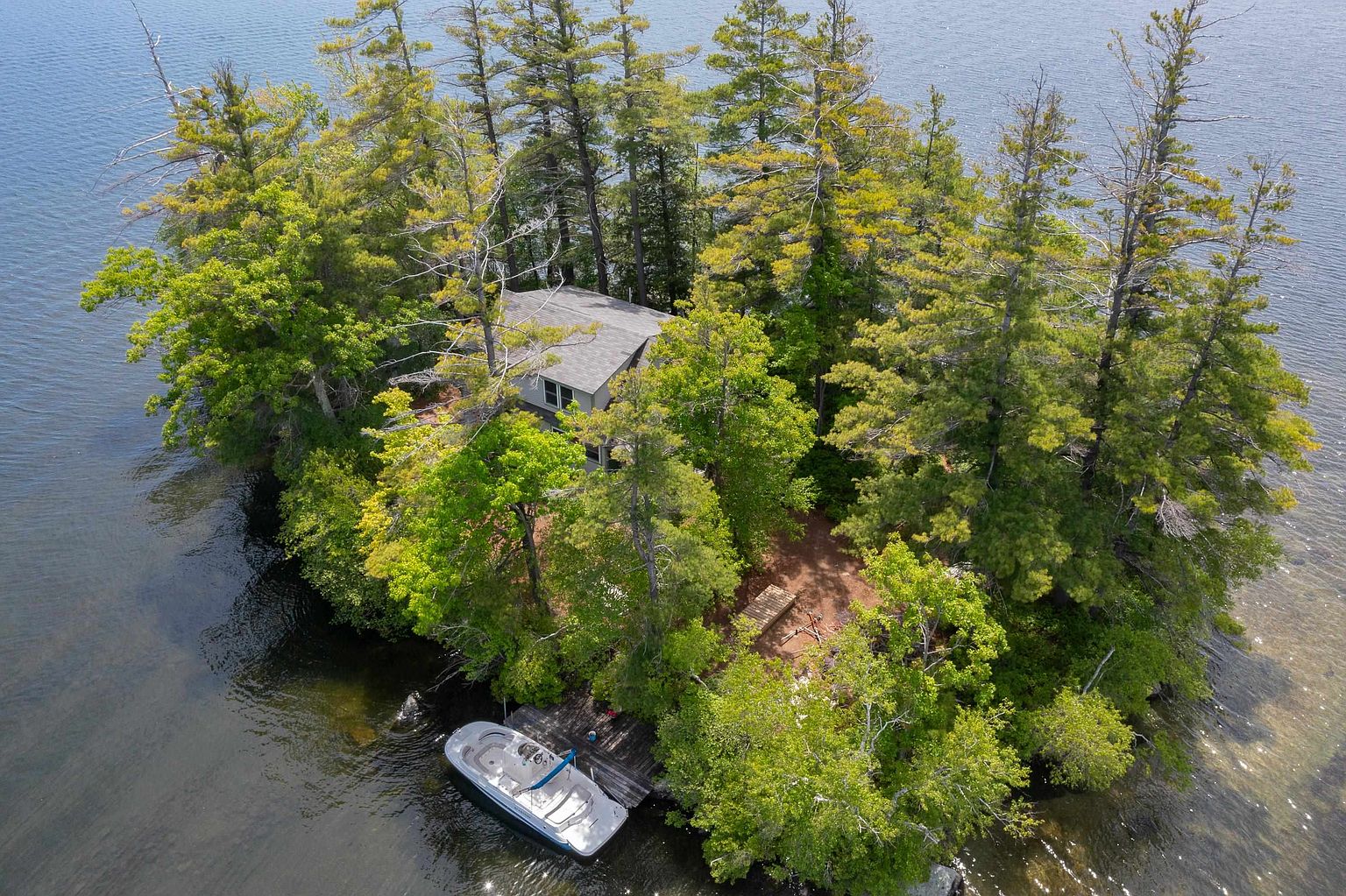
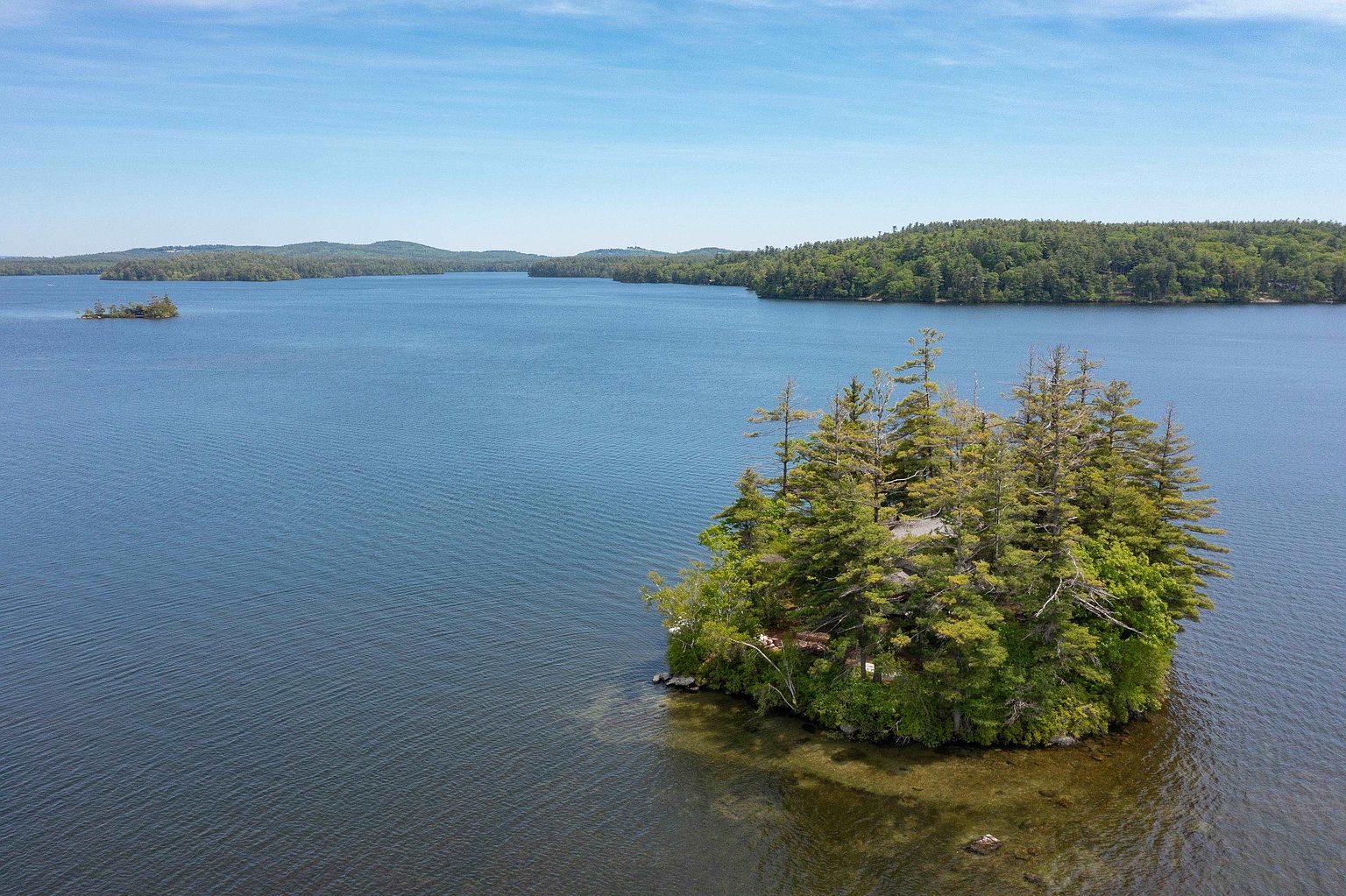
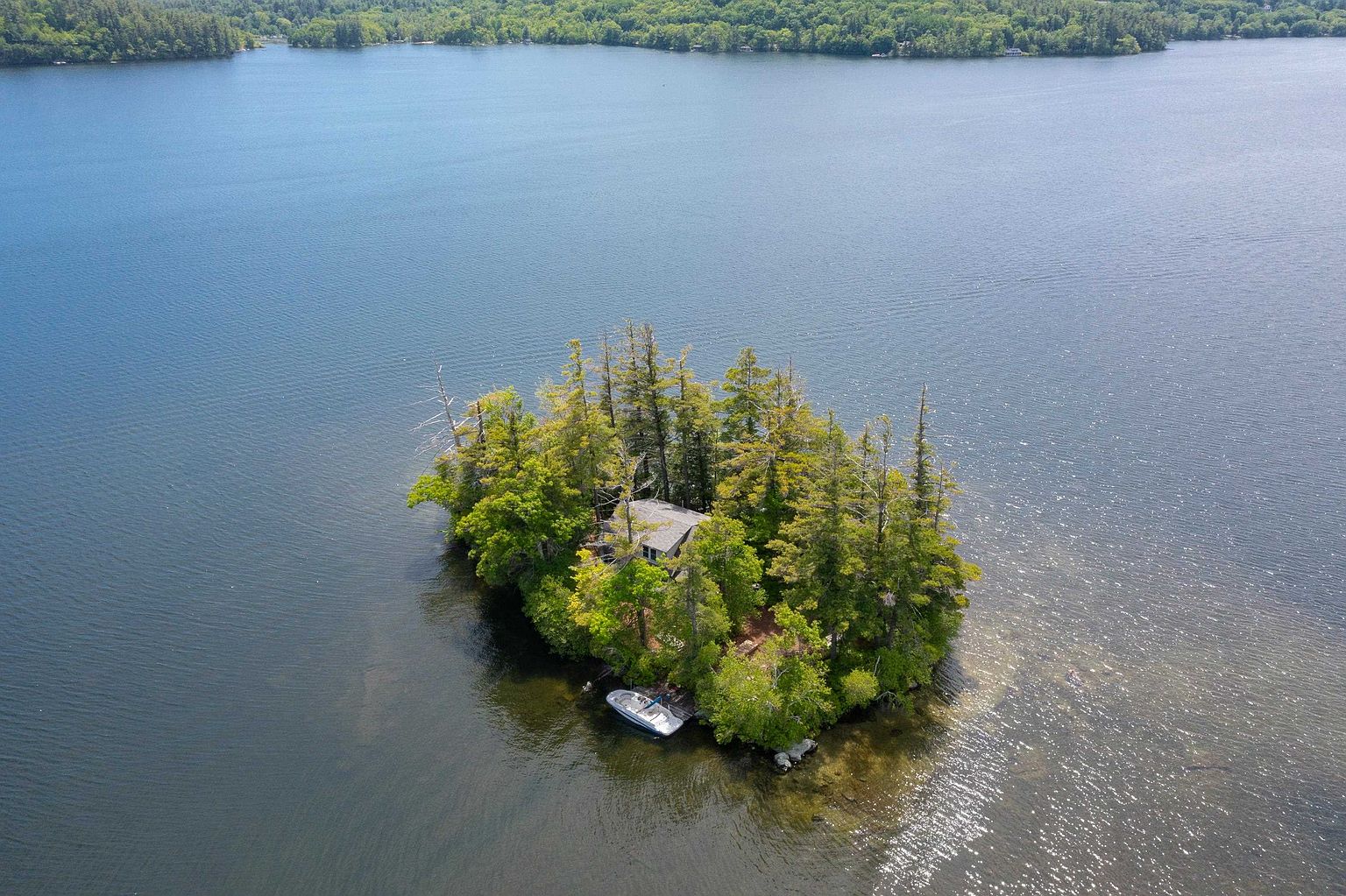
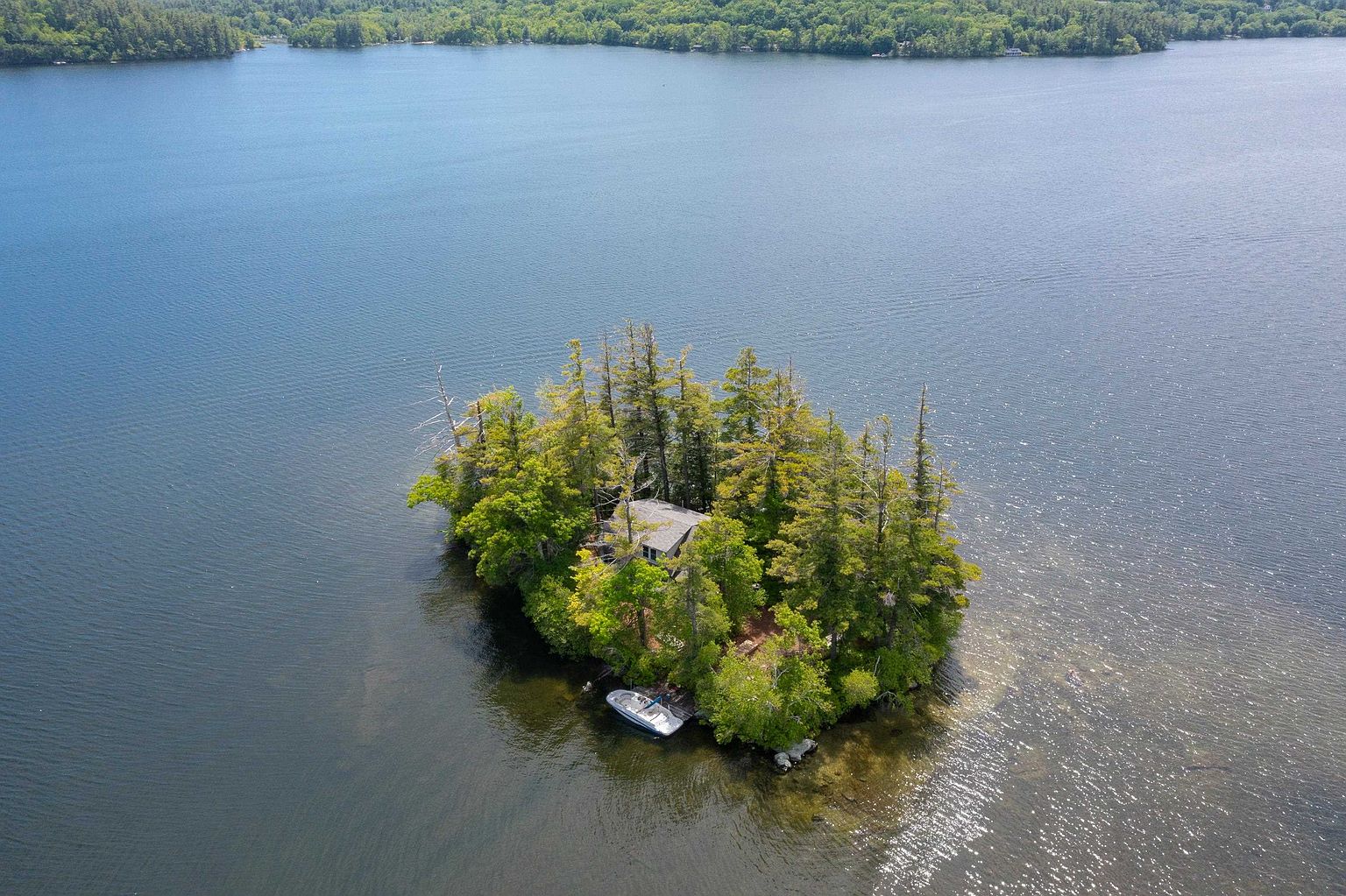
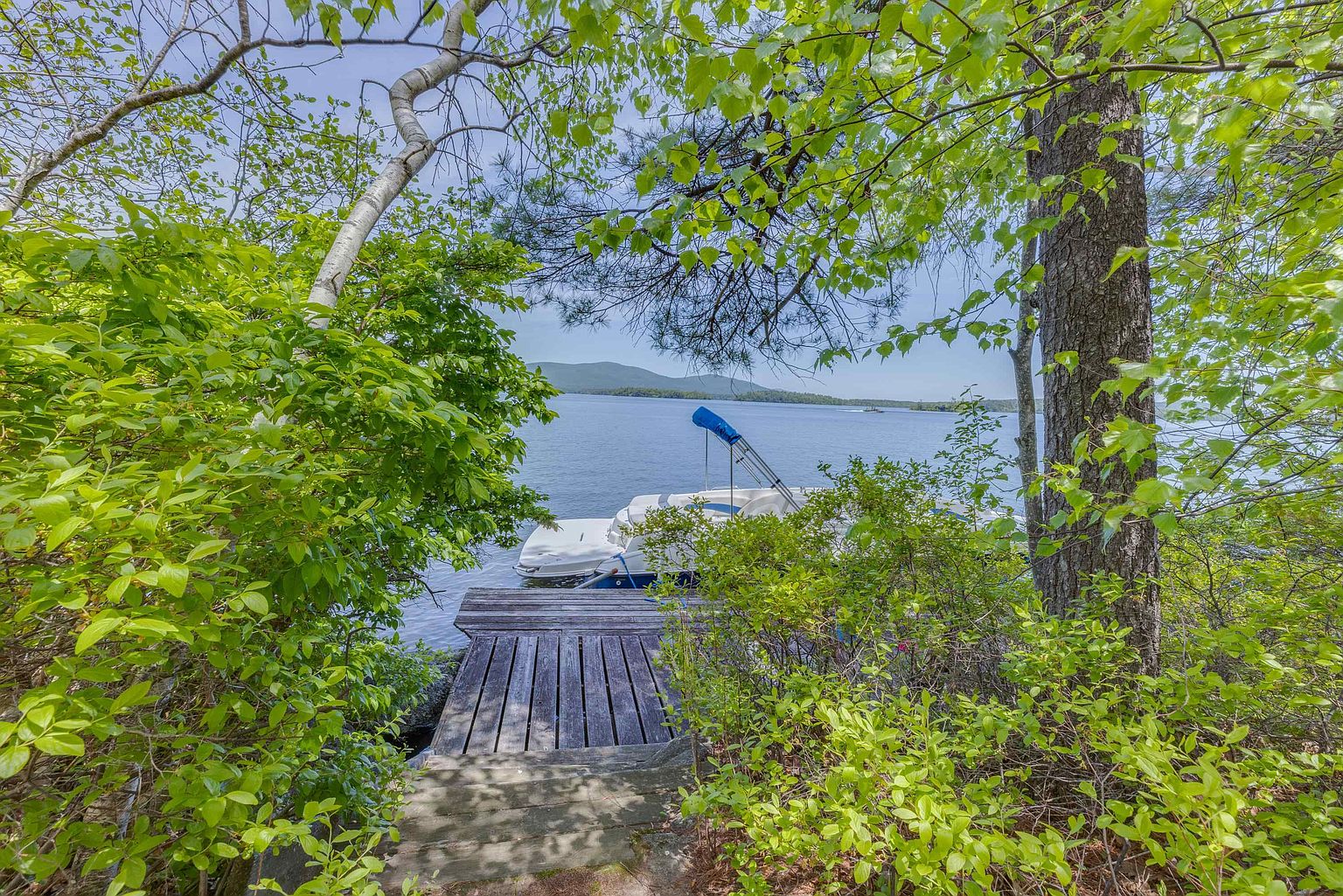
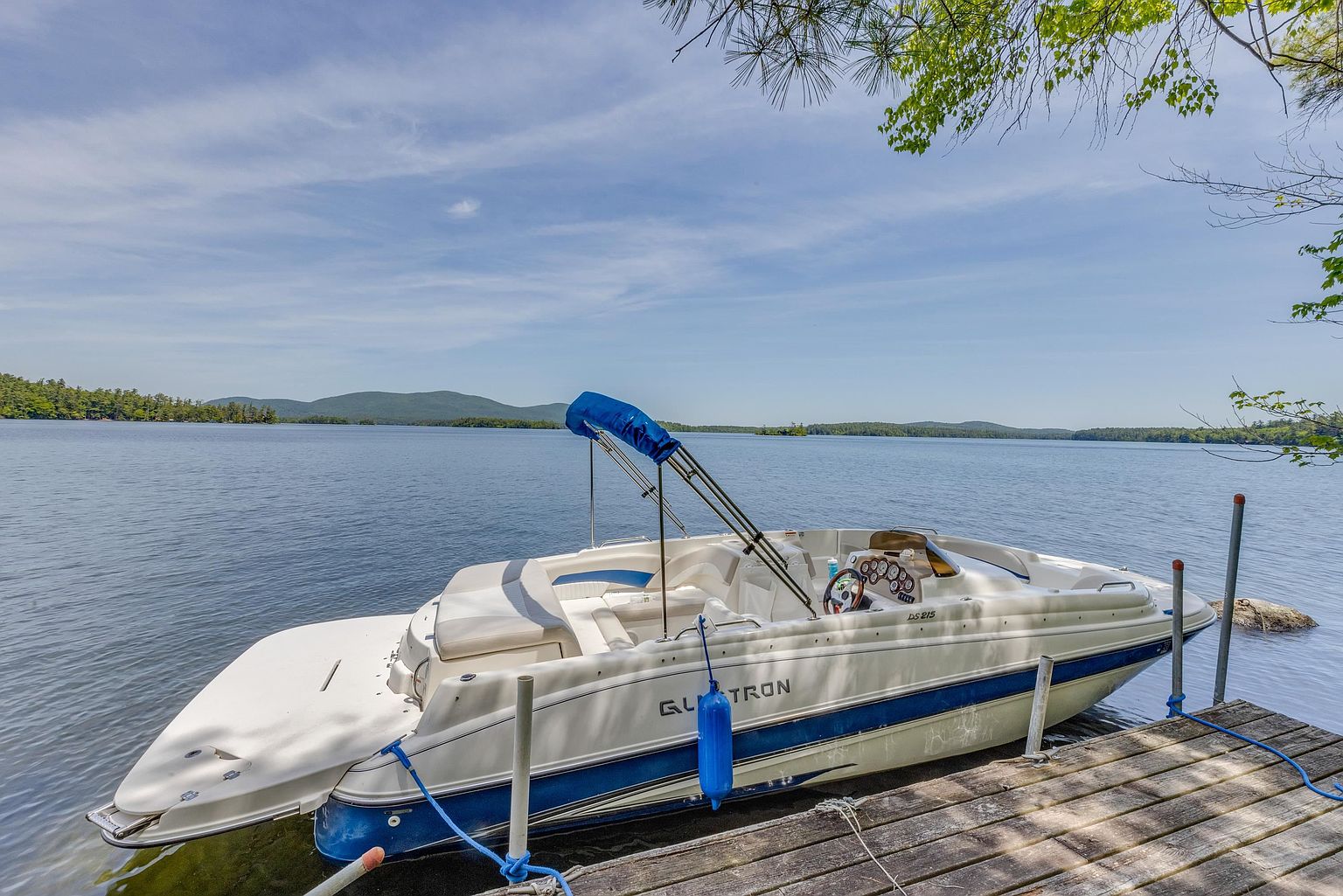
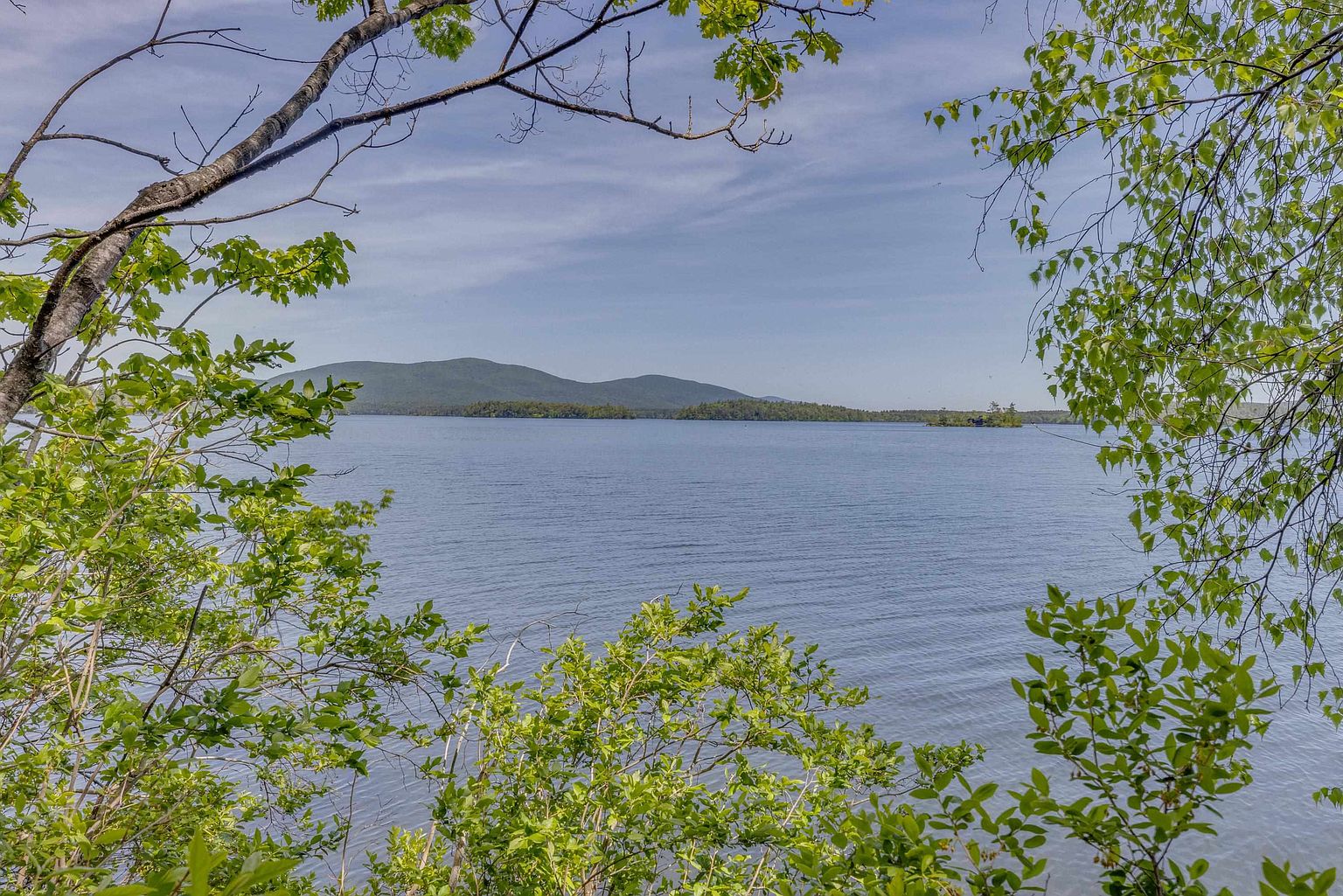
There is a particular quality of light on Squam Lake in the early morning — the kind that arrives slowly, filtering through a dense canopy of white pine and birch before it ever reaches the water. On Potato Island, that light belongs entirely to you. Originally known as Elizabeth Island, this privately held landmass has carried the footprints of generations of summer visitors who understood, long before the concept became fashionable, that true luxury is the freedom to disappear.
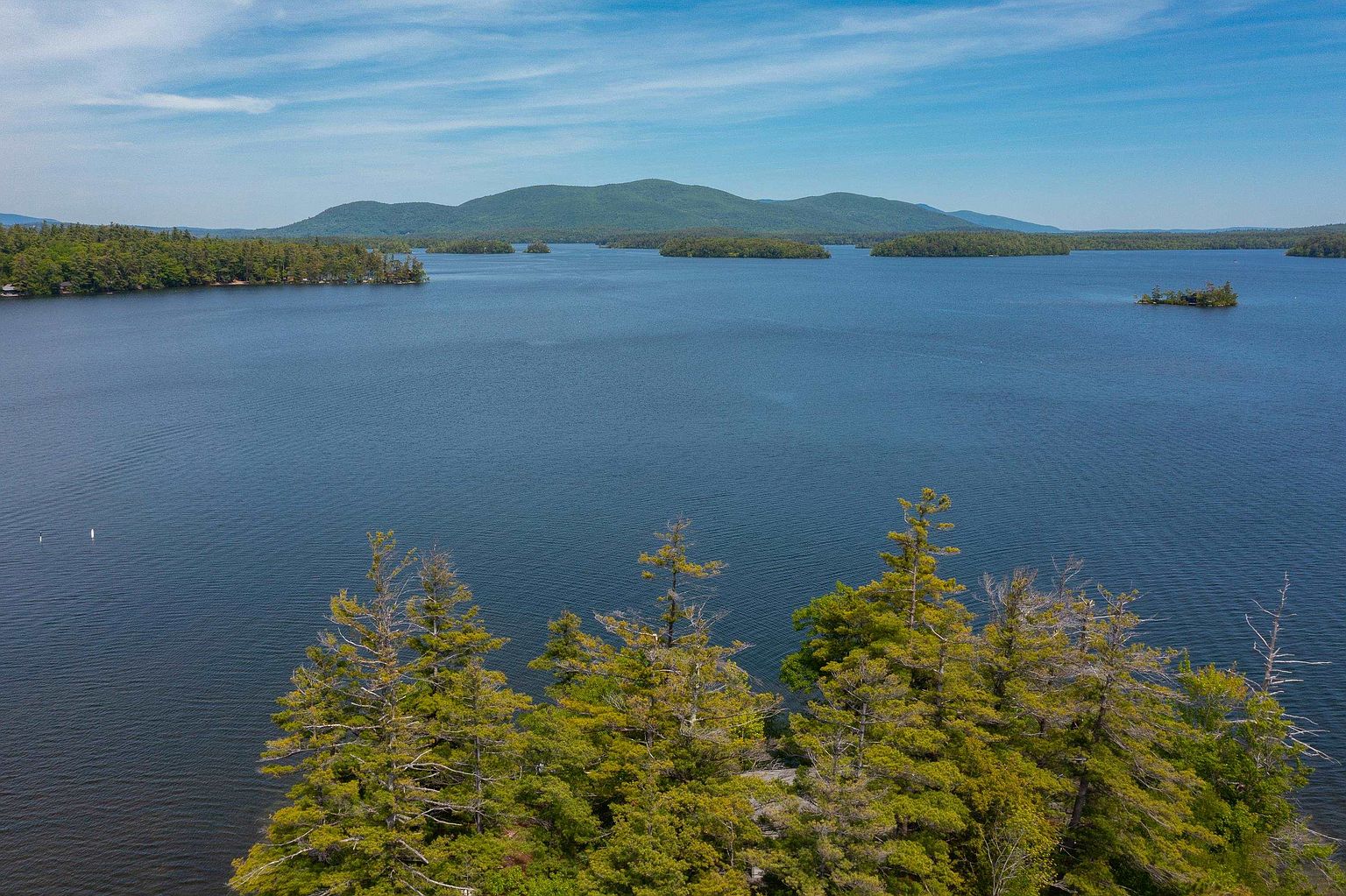
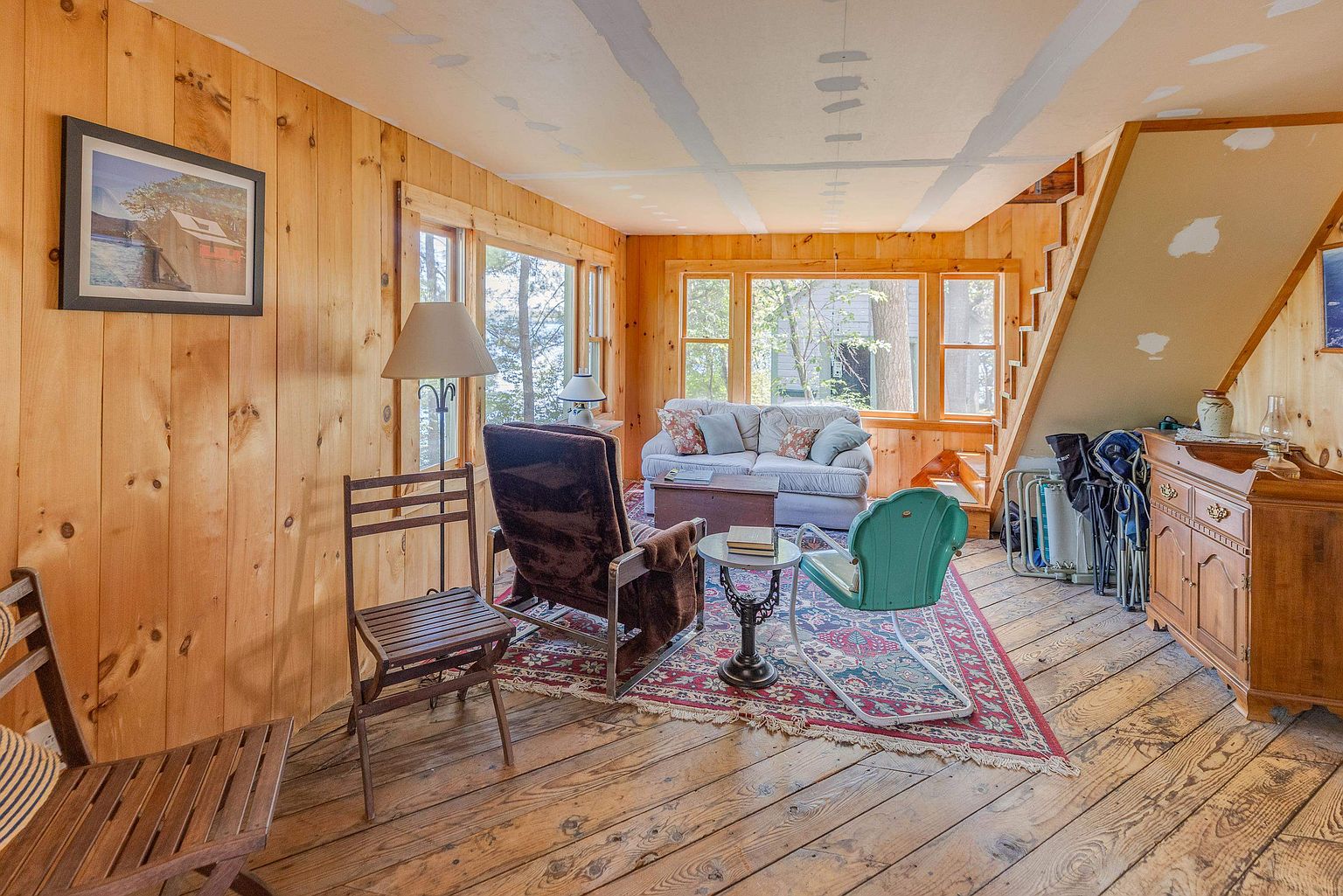
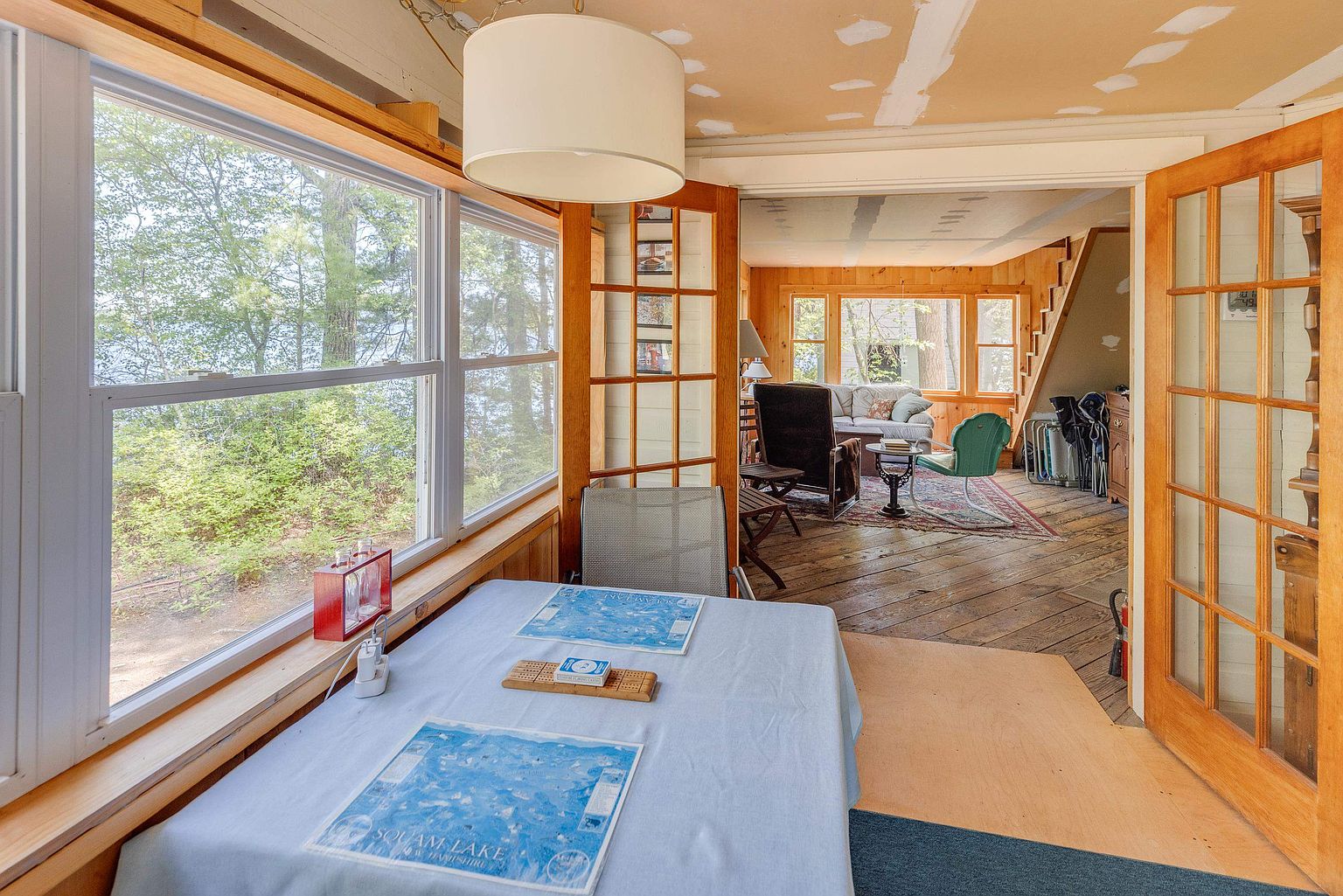
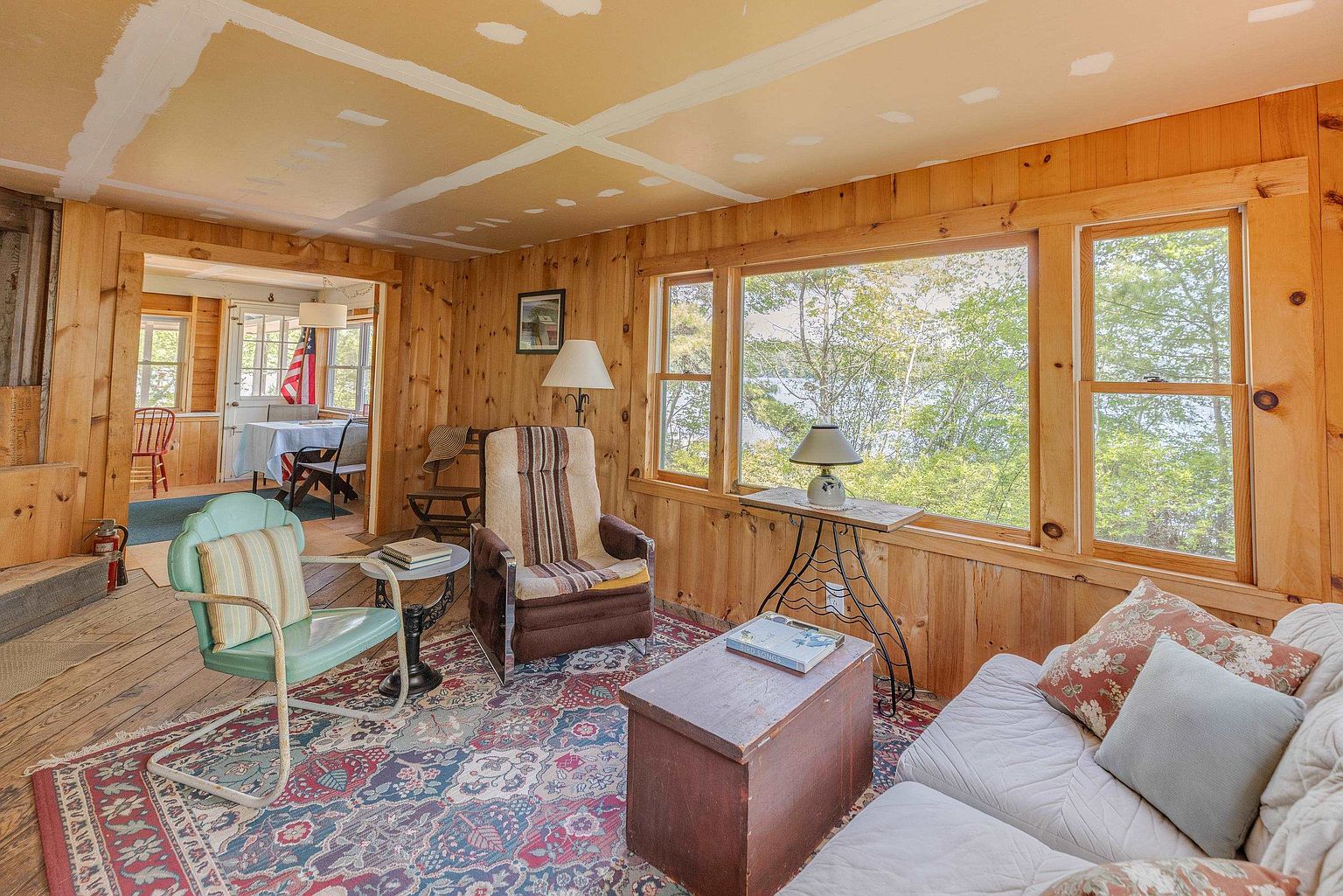
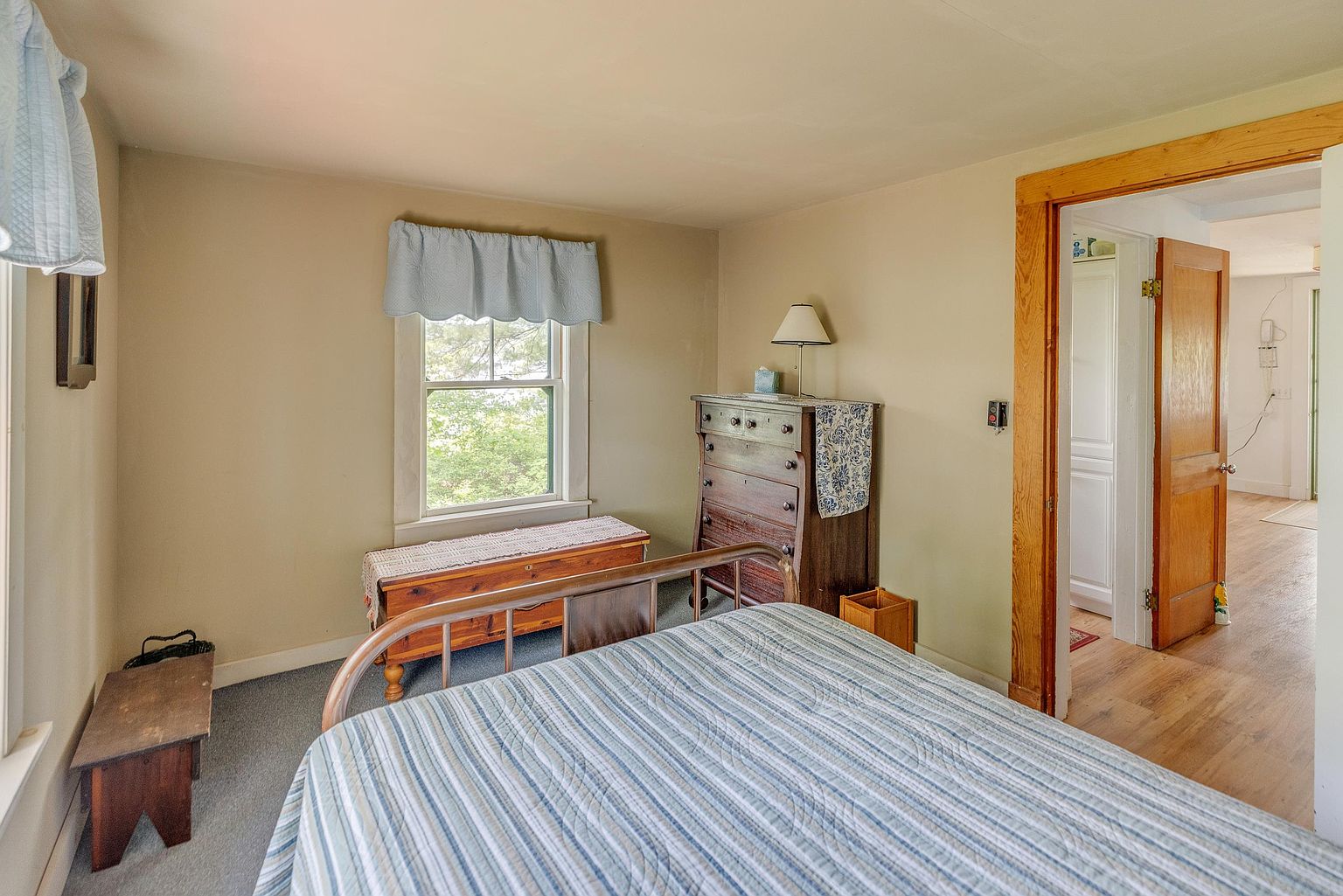
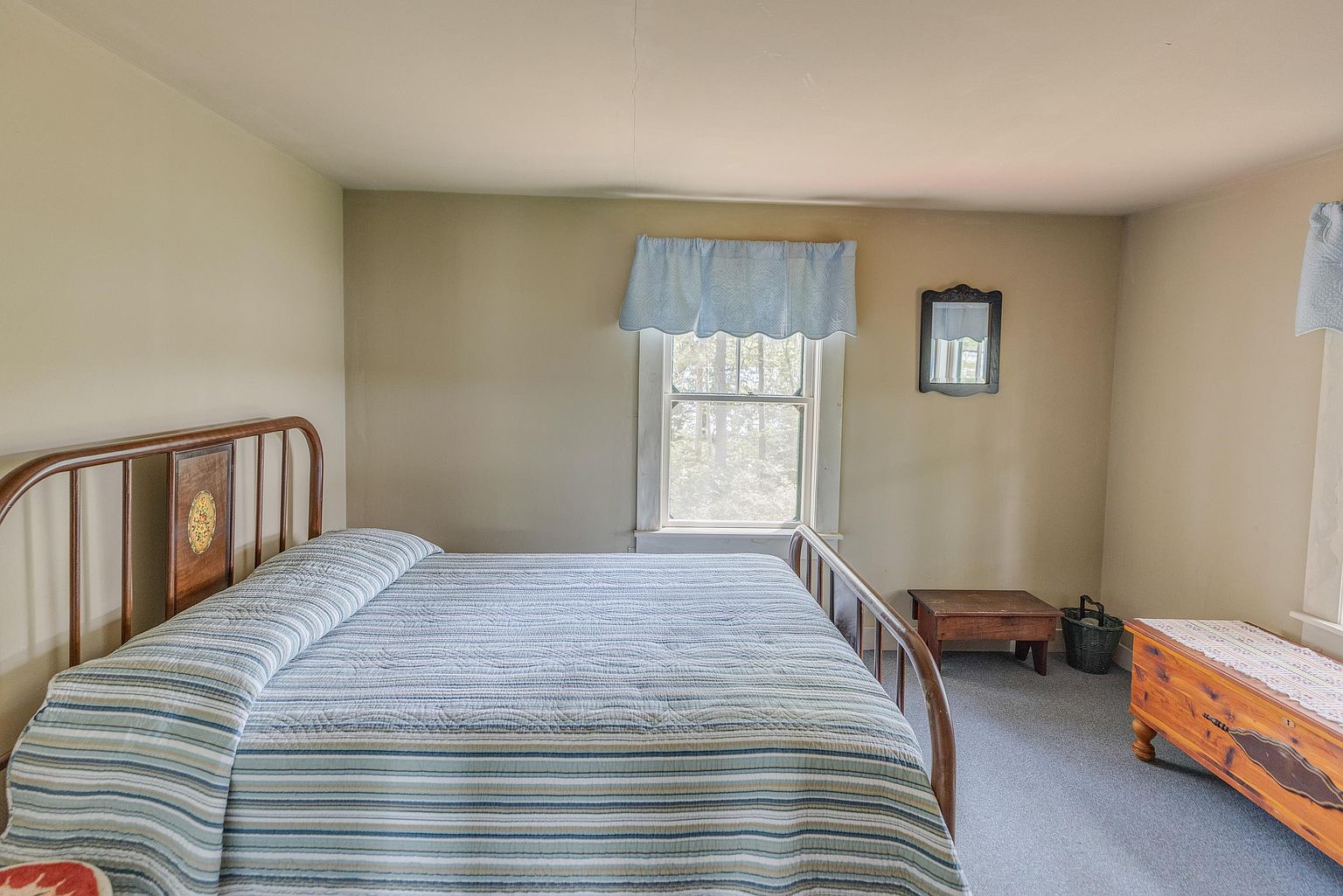
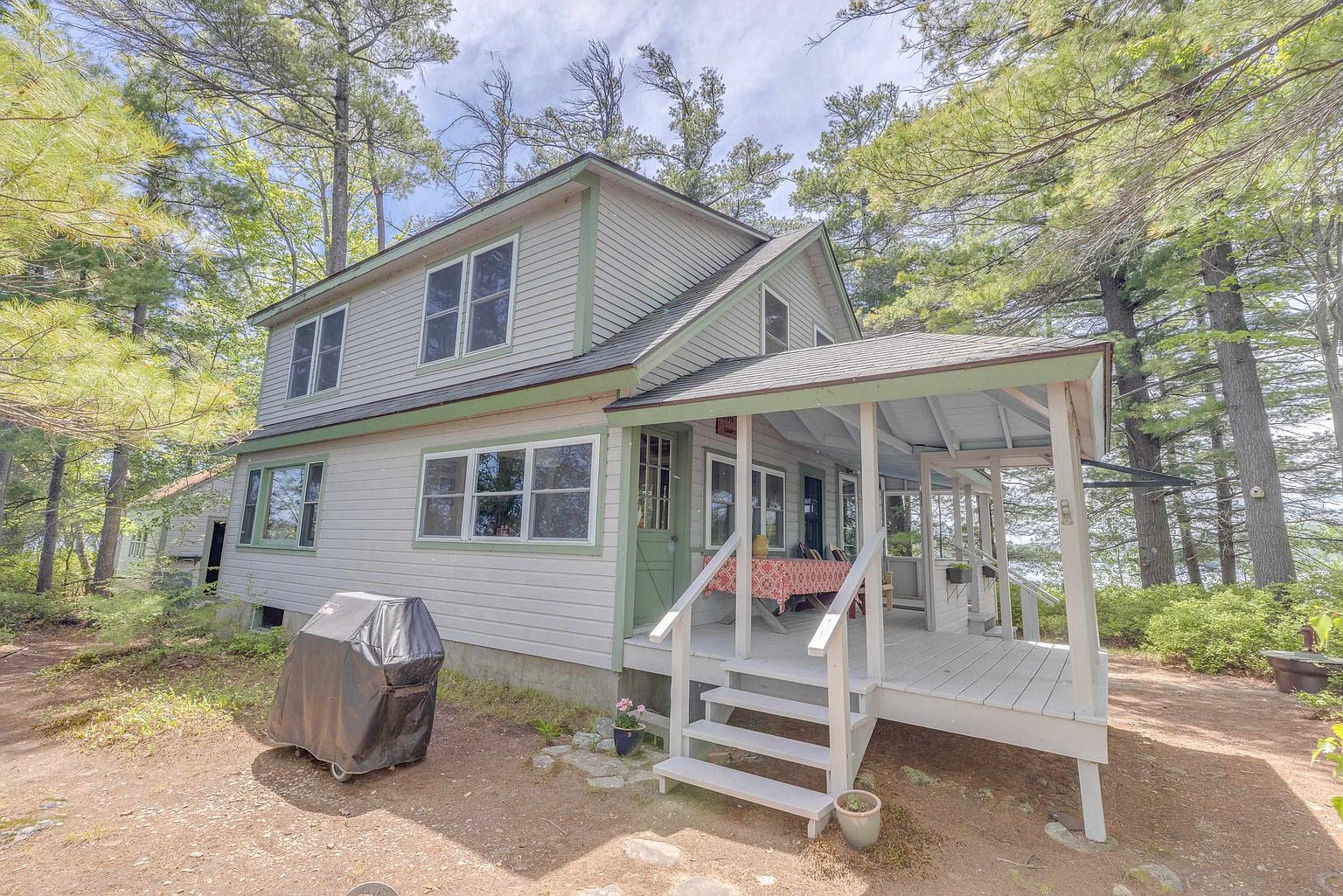
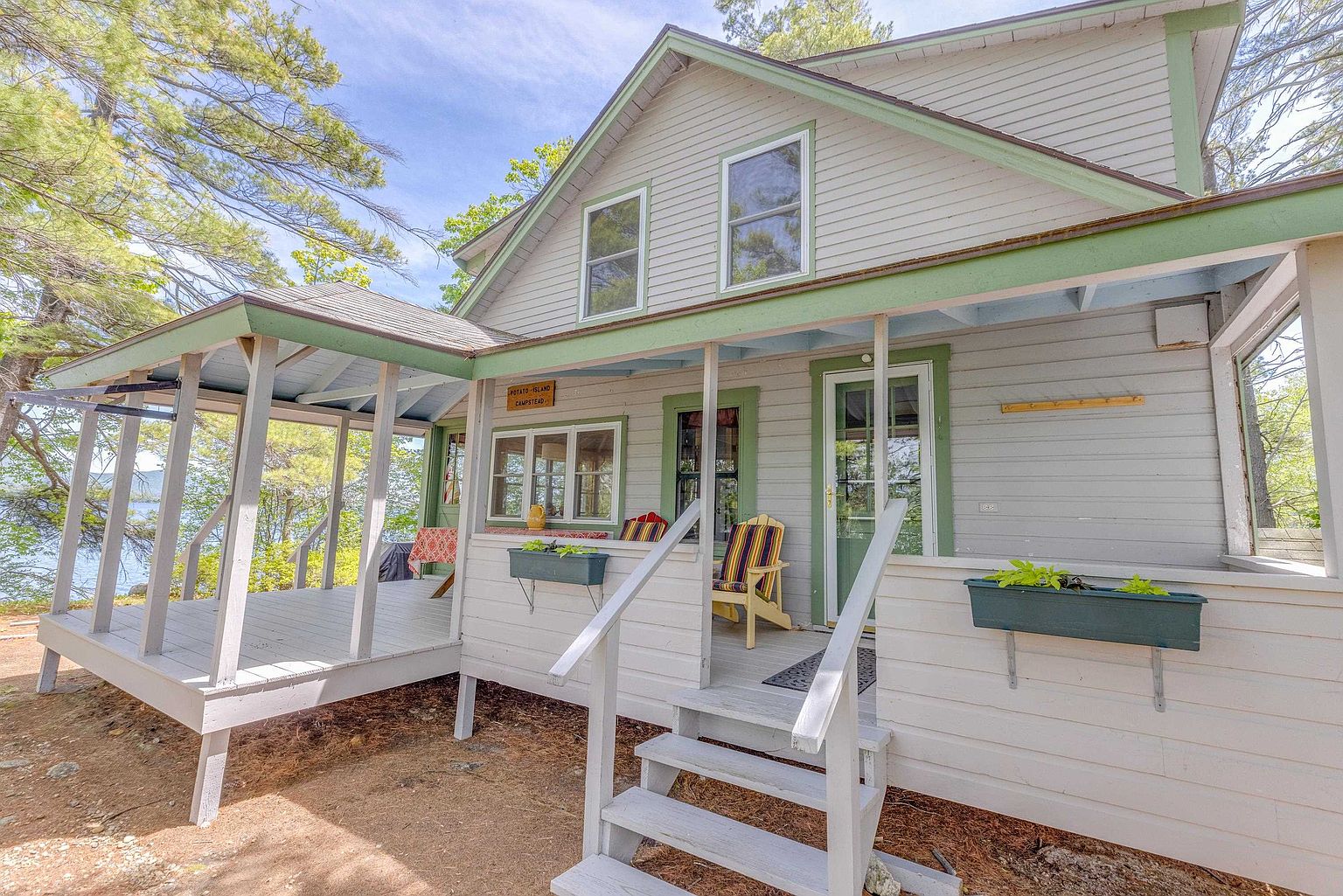
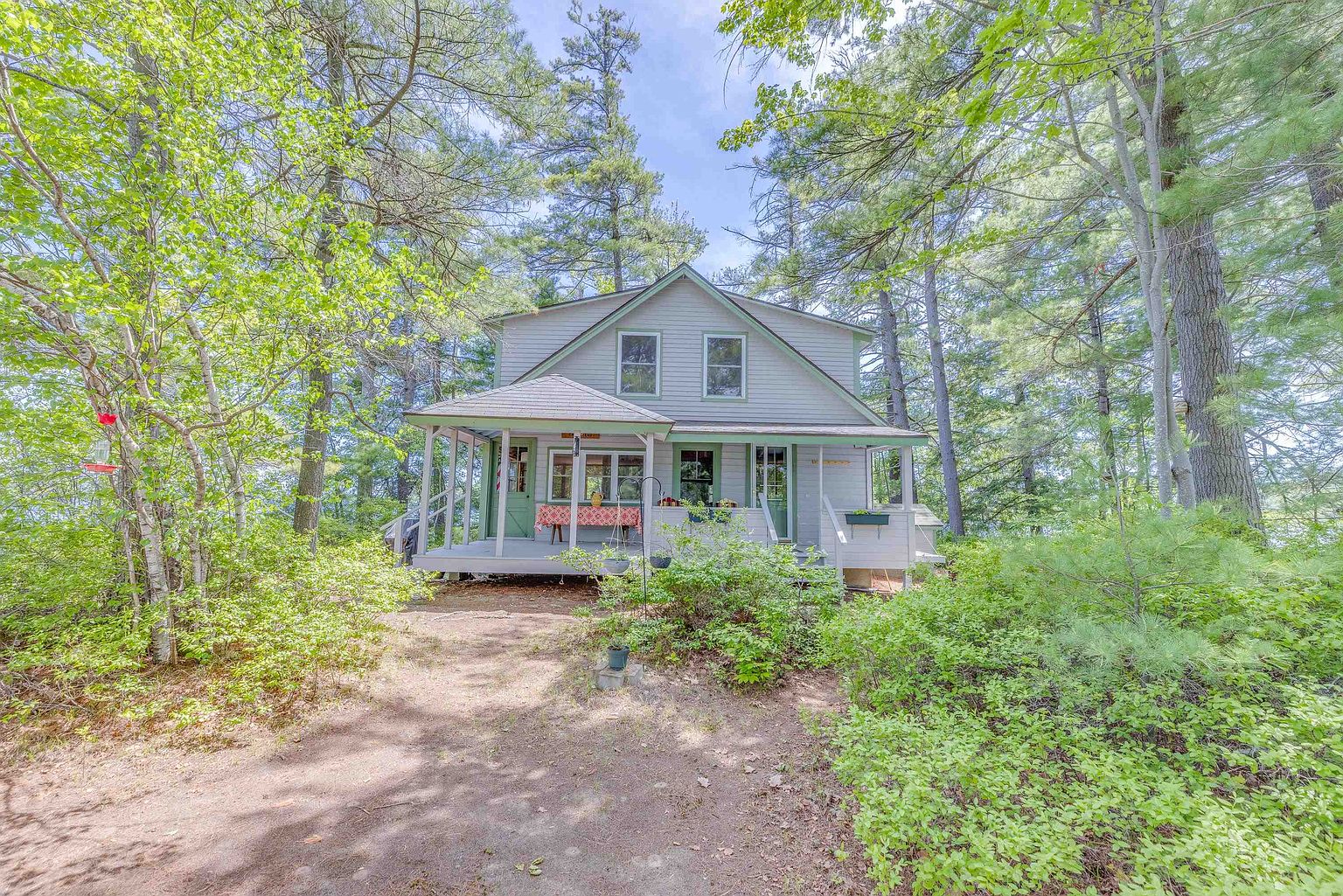
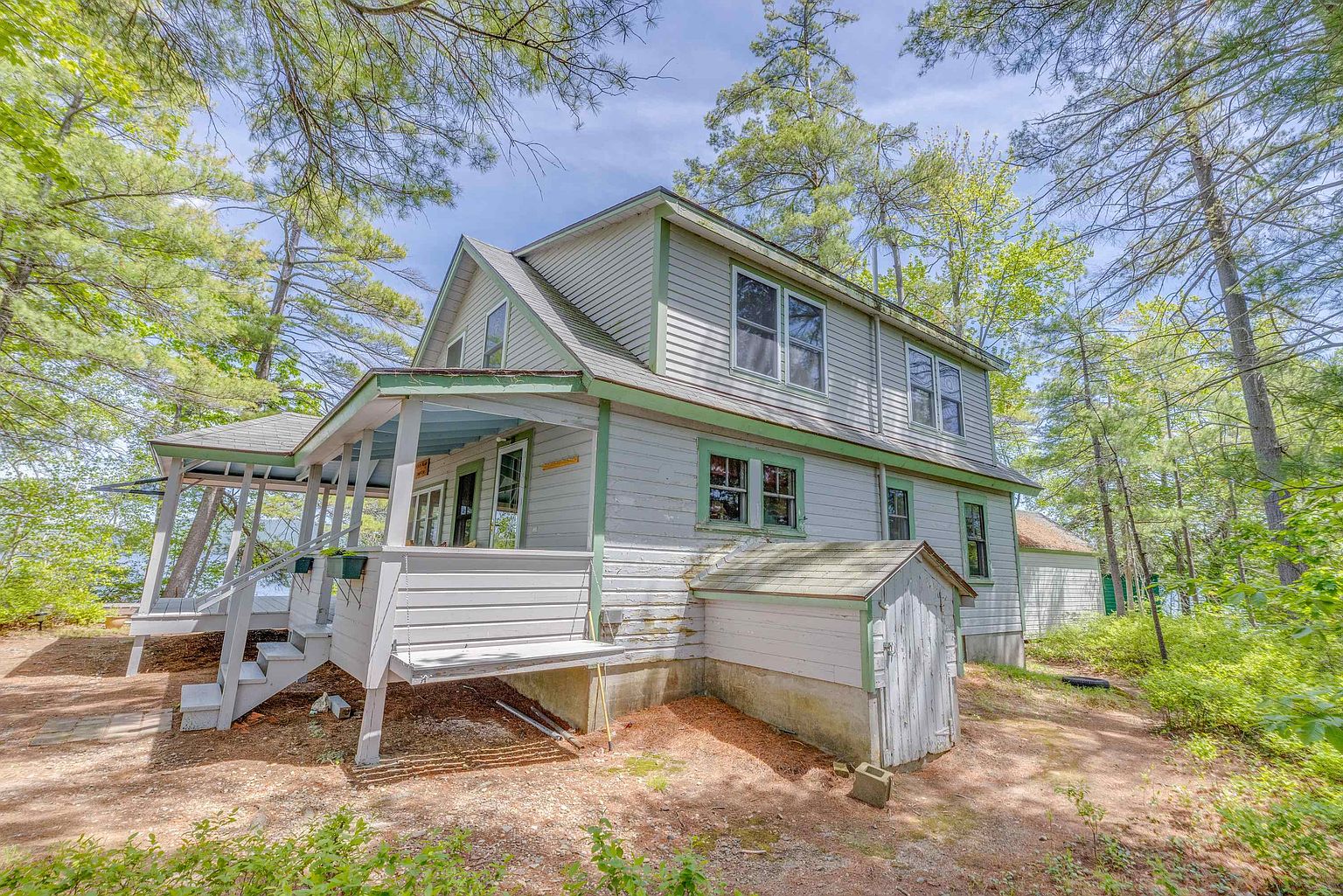
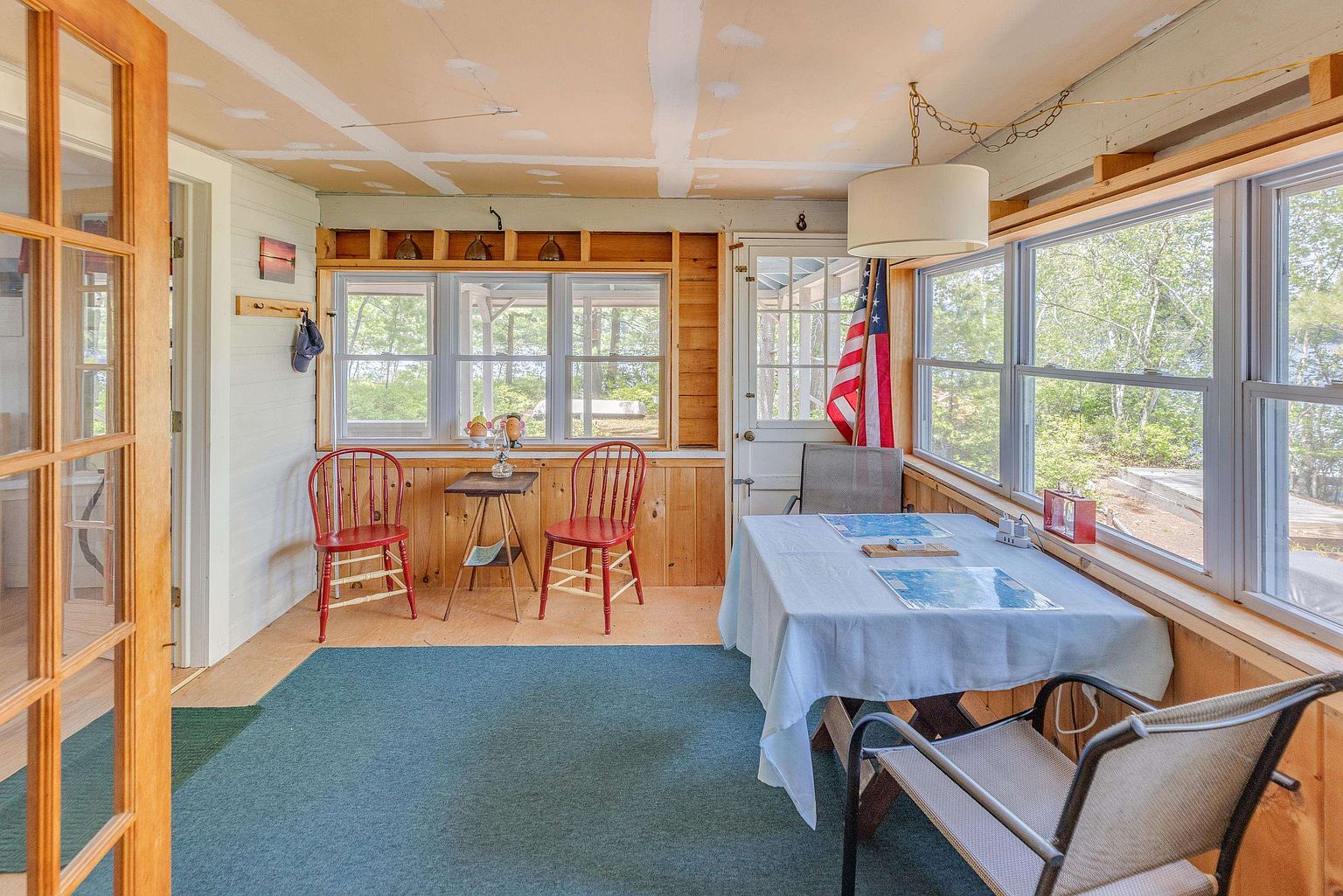
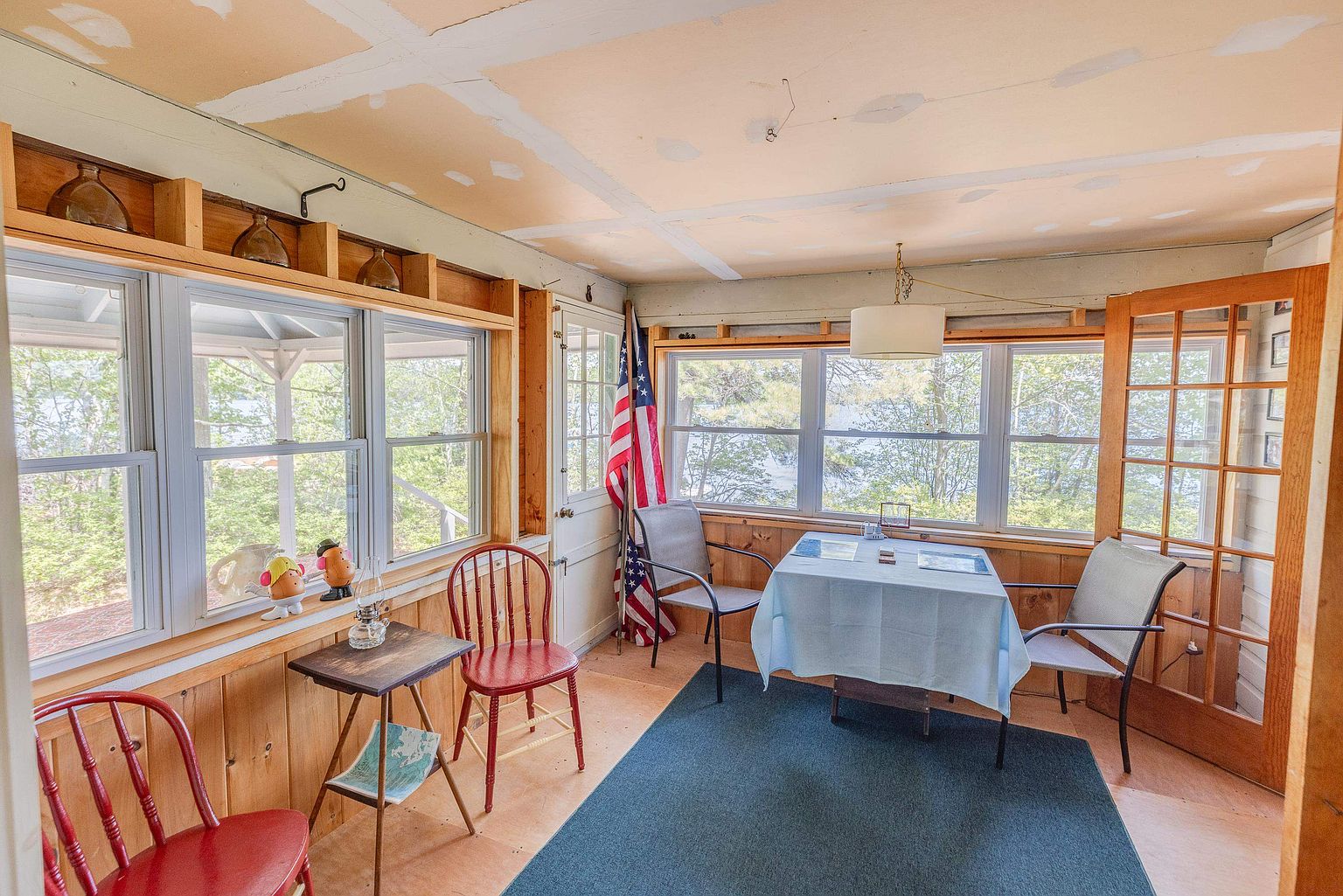
The seasonal cottage, originally constructed in the 1930s, wears its age with an earned confidence. Wood-paneled walls in warm amber tones anchor the living spaces, their surfaces seasoned by decades of lakeside summers. Wide-plank flooring runs underfoot, and large windows — positioned with an almost intuitive sense of proportion — frame unobstructed views of open water and the forested hills beyond. The rooms are modest in scale but generous in atmosphere, the kind of spaces that invite conversation and resist distraction.
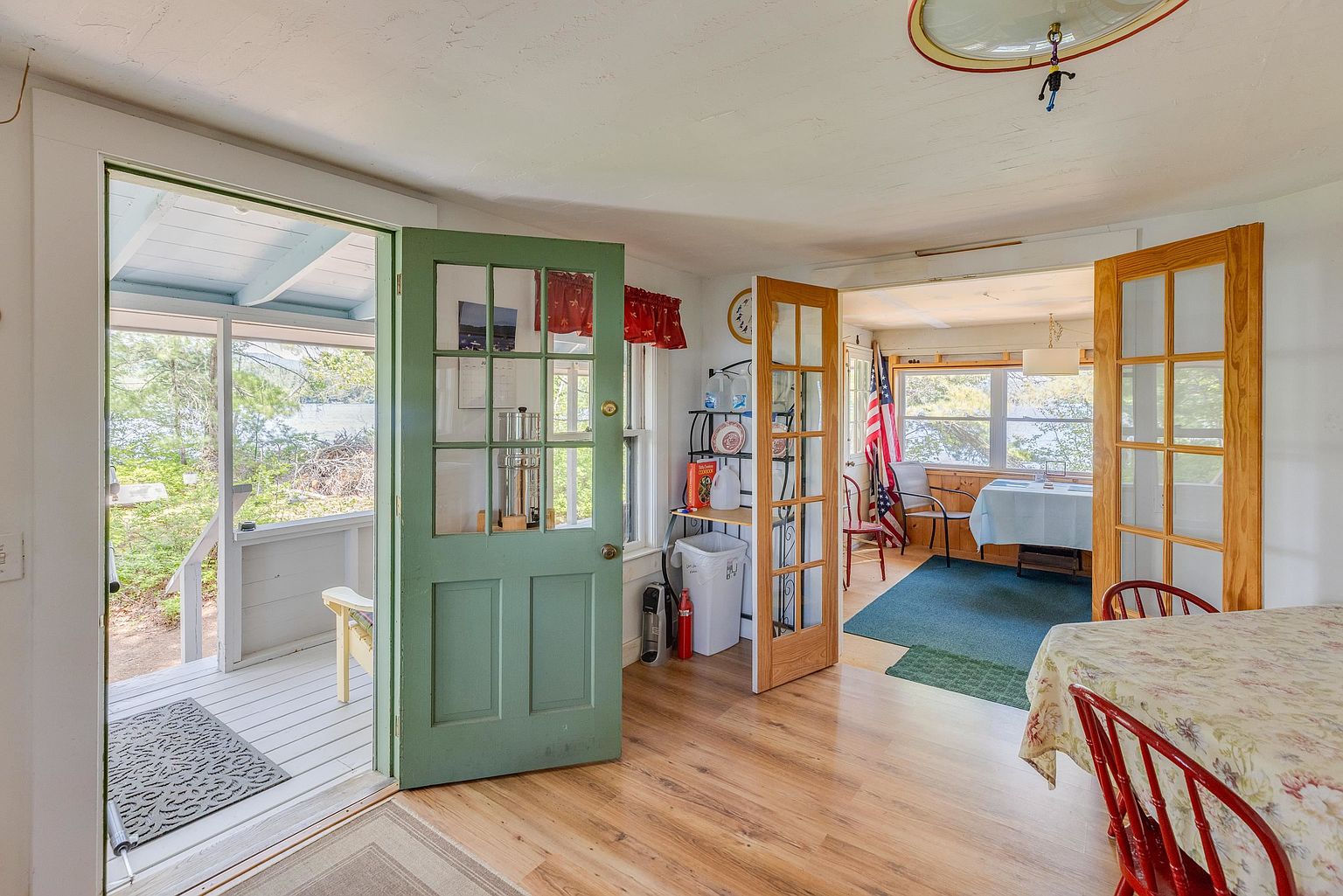
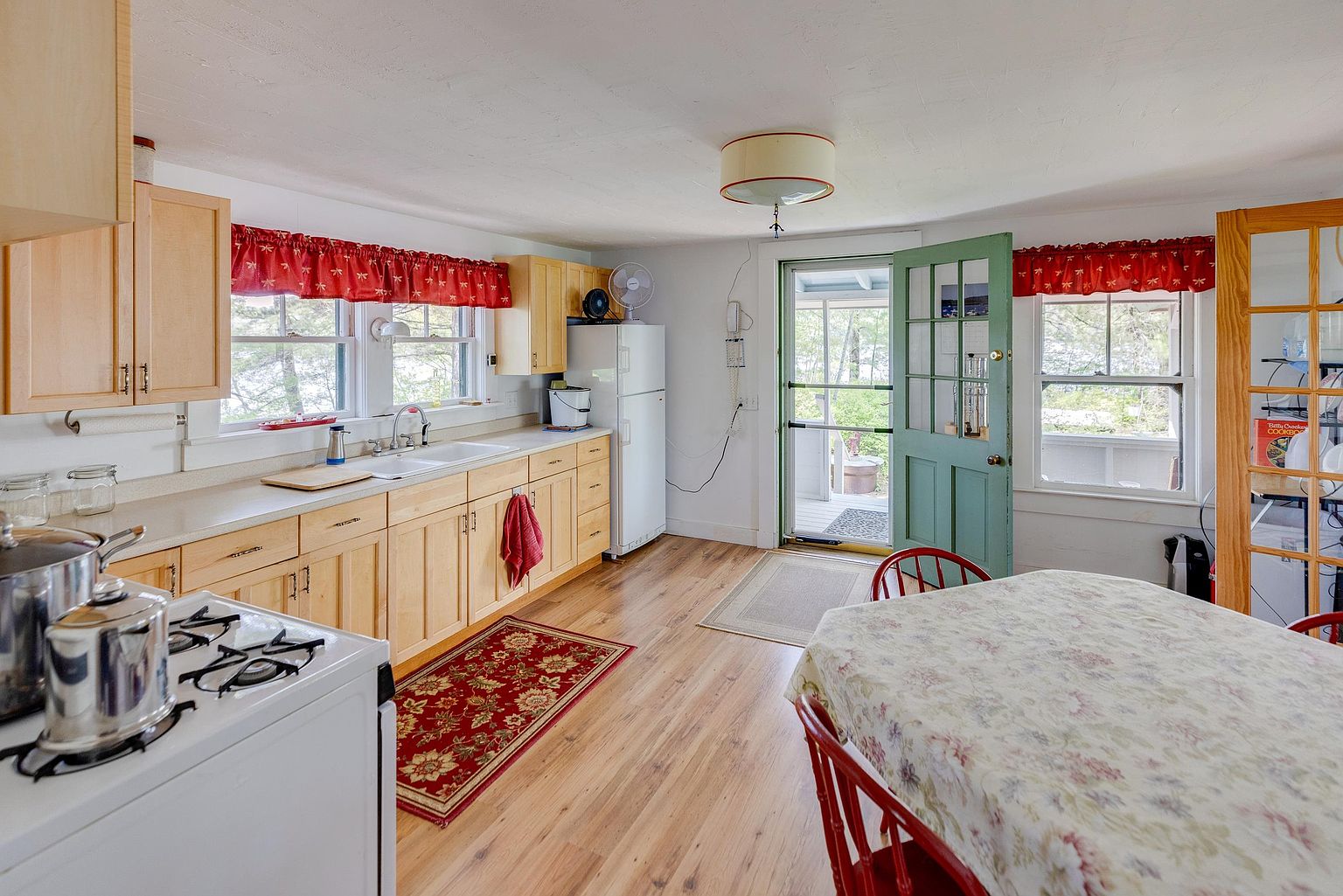
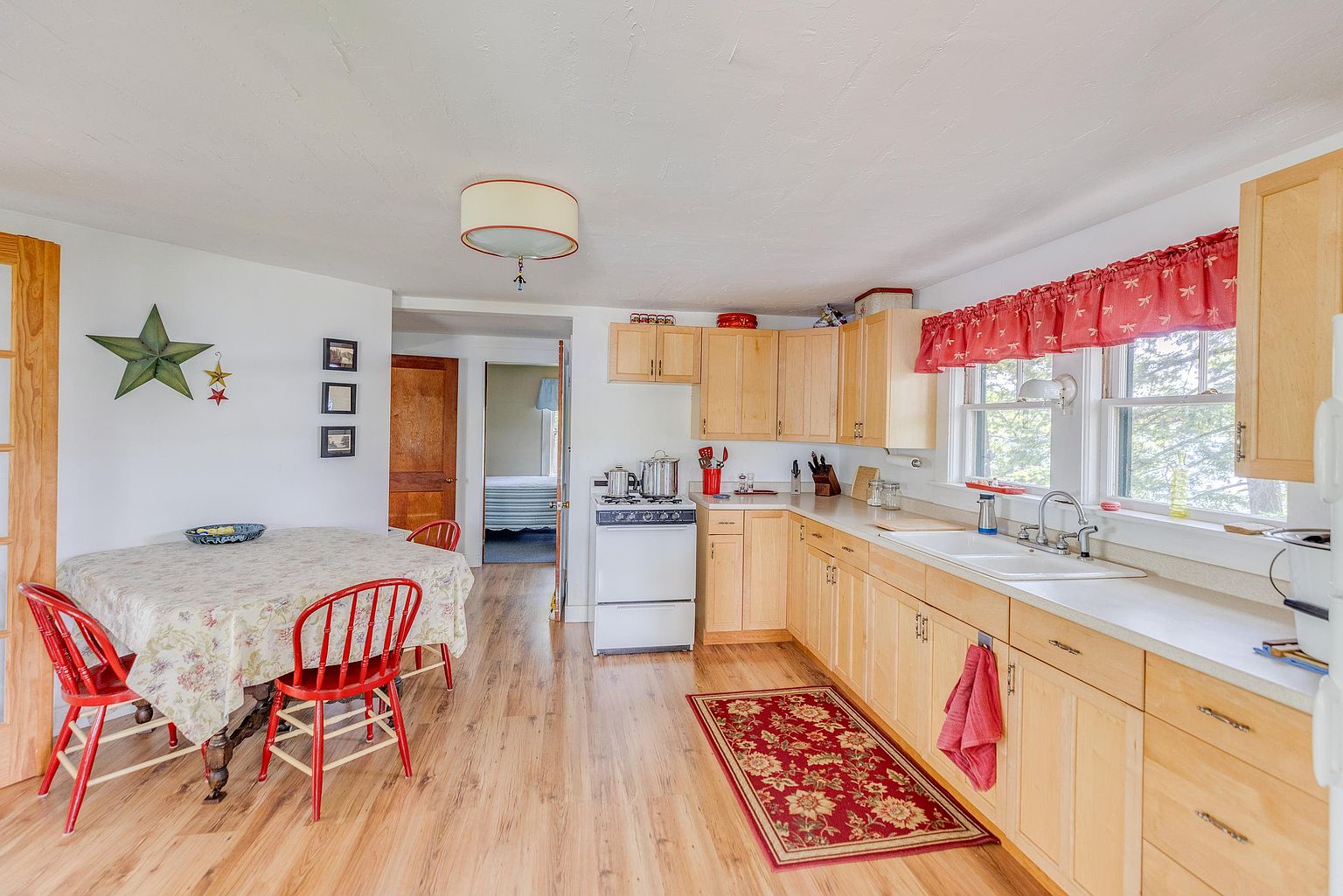
The kitchen, updated in the 1990s, offers practical comfort without disturbing the cottage's foundational character. Light wood cabinetry, a classic white range, and a double-basin sink set beneath windows dressed in red-patterned valances create a space that feels simultaneously functional and nostalgic — a kitchen that has fed many good mornings. A dining area flows naturally toward a screened porch through a green-painted door, collapsing the boundary between interior warmth and outdoor air.
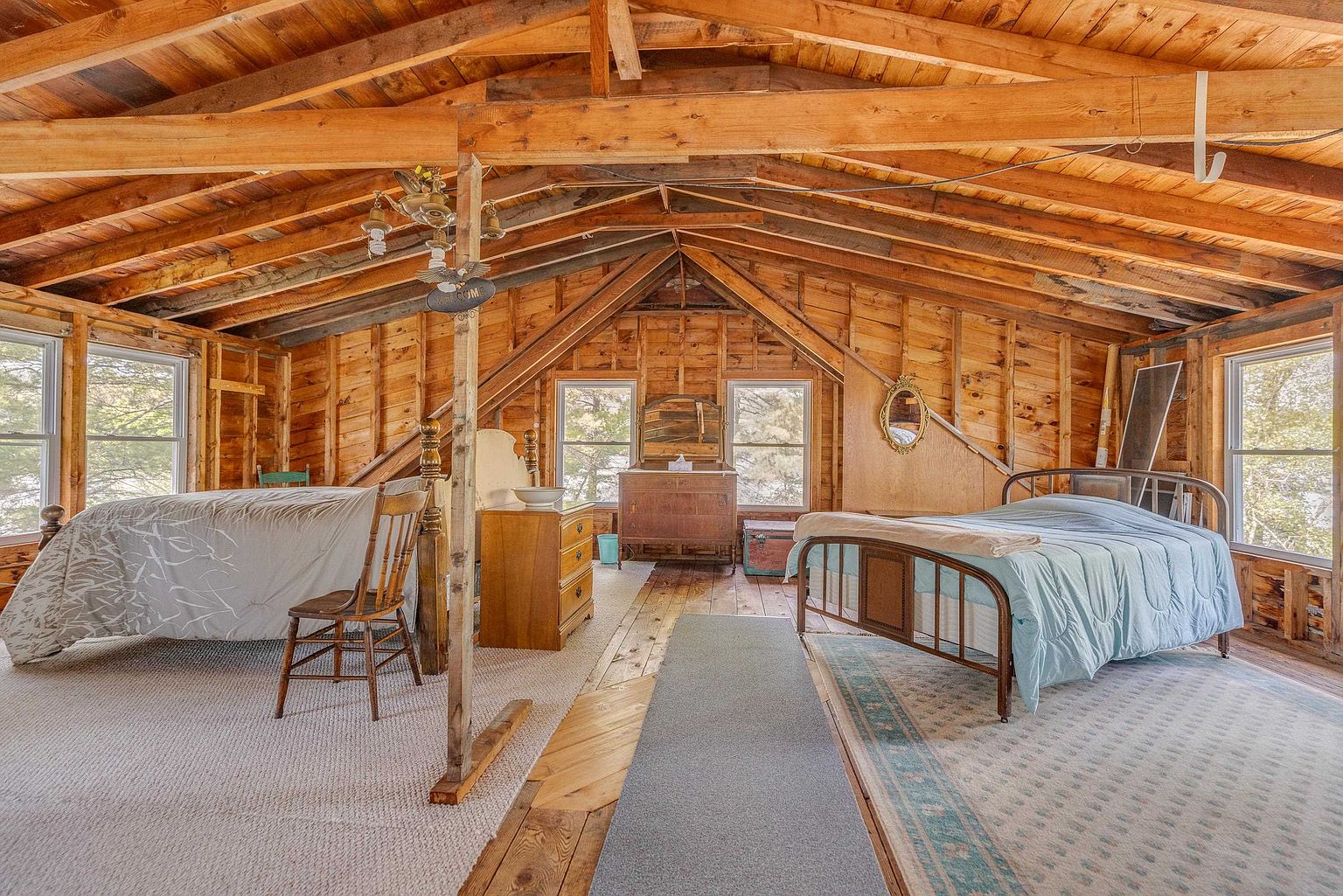
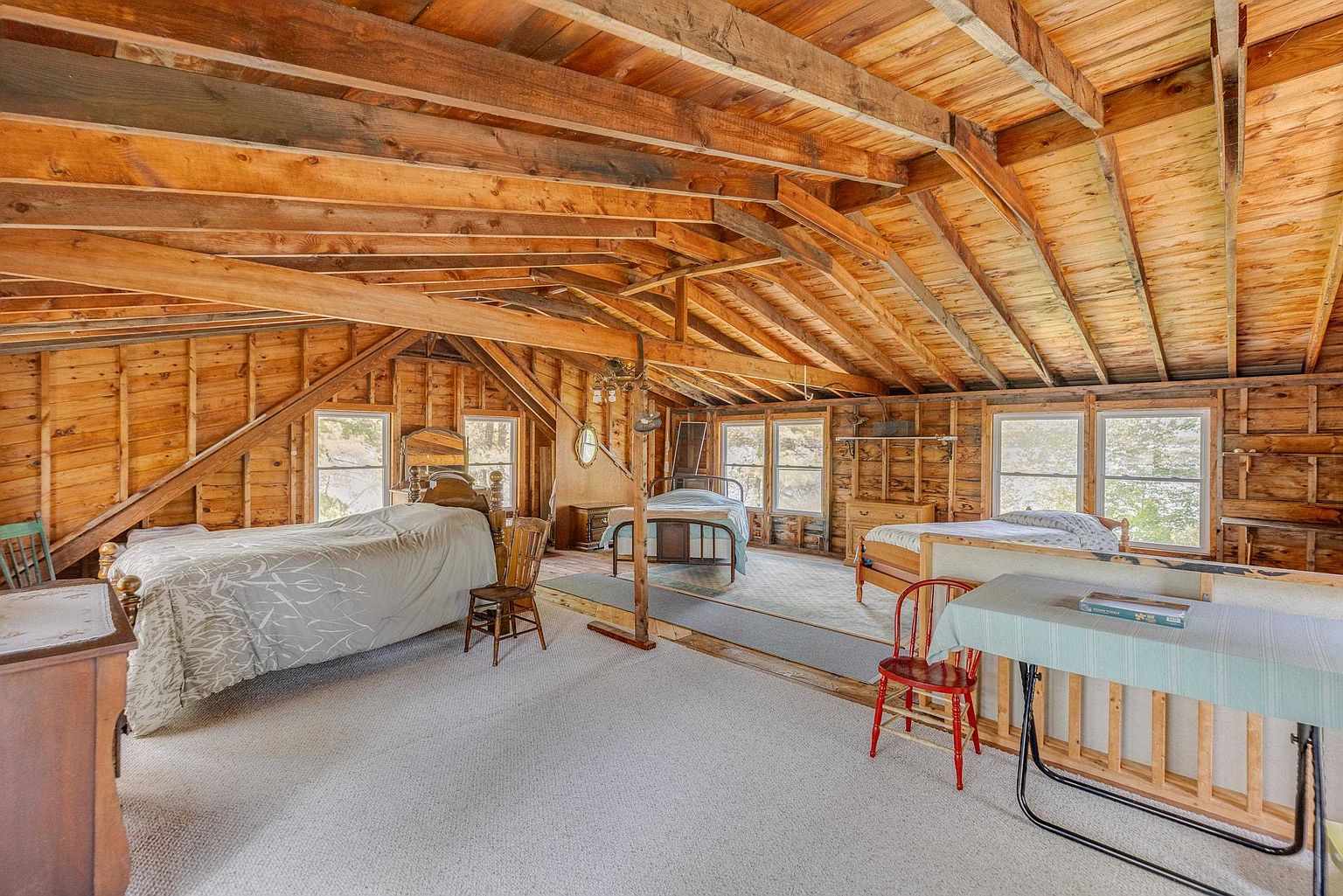
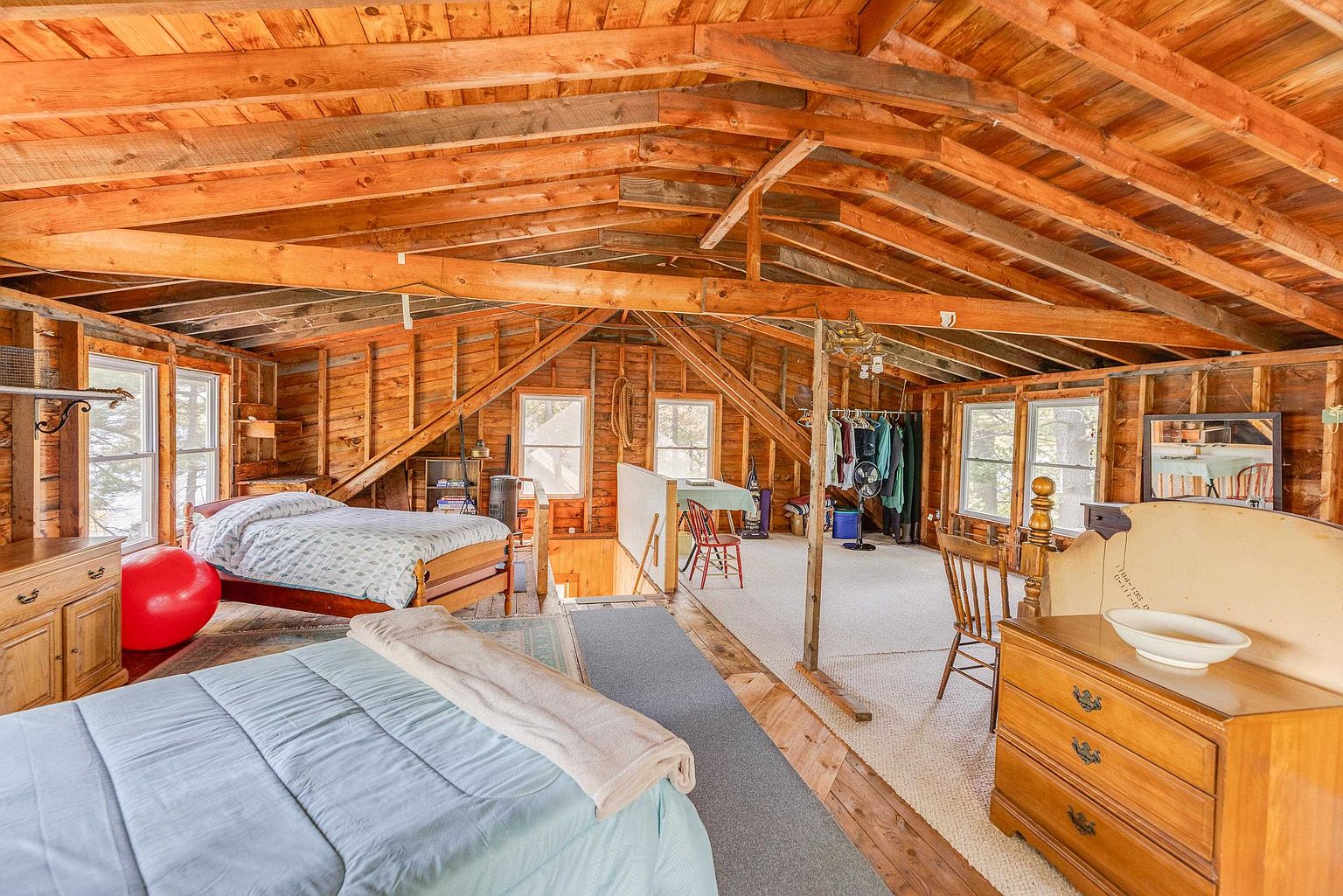
The second floor reveals the cottage's most architecturally distinctive feature: a sleeping loft spanning the full upper level beneath exposed wooden rafters. The open-concept layout accommodates multiple beds while preserving a sense of shared, communal rest — the kind that belongs to island life, where evenings end early and mornings begin with purpose. Natural light enters through multiple windows, casting long shadows across the rafters and carpeted floor.
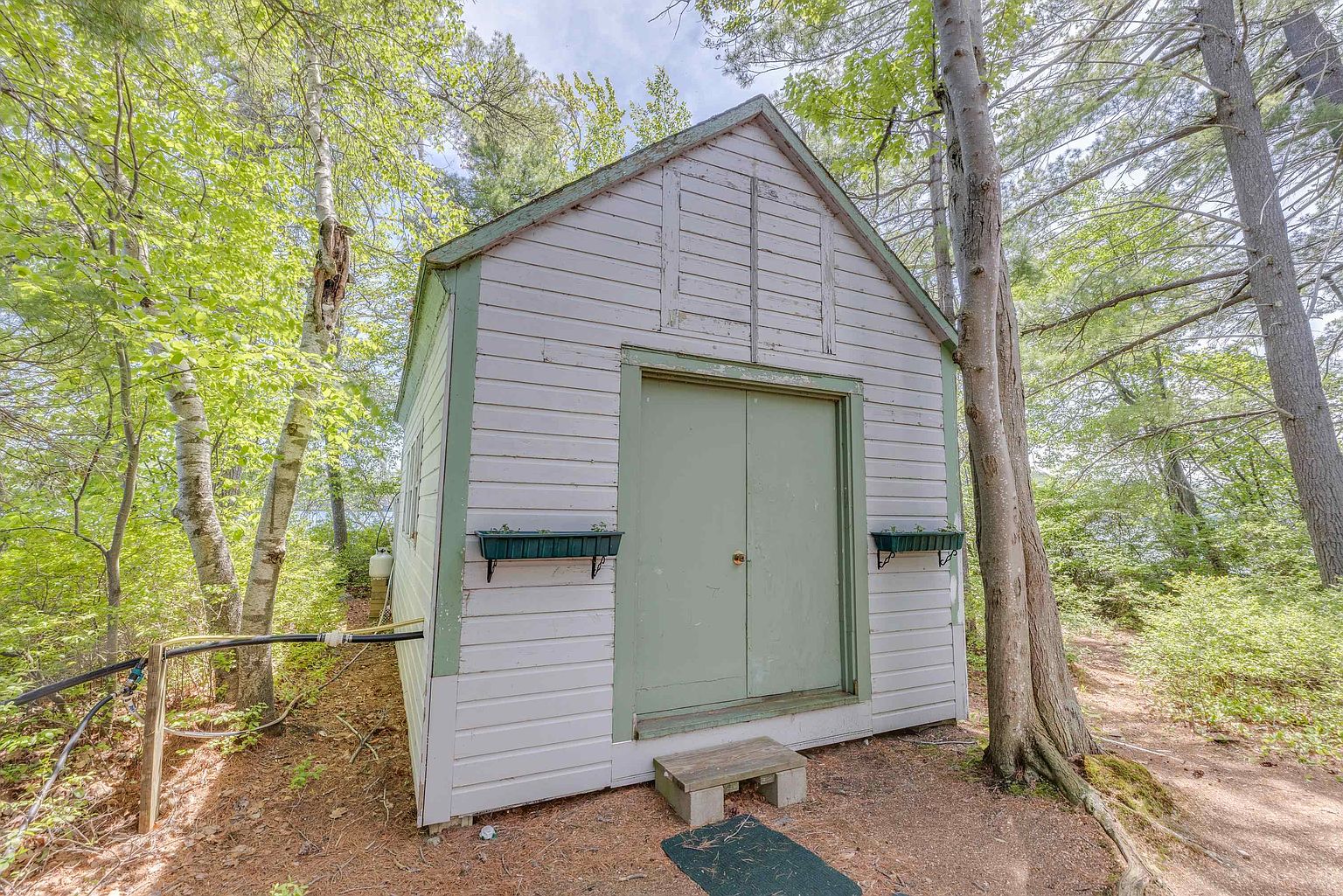
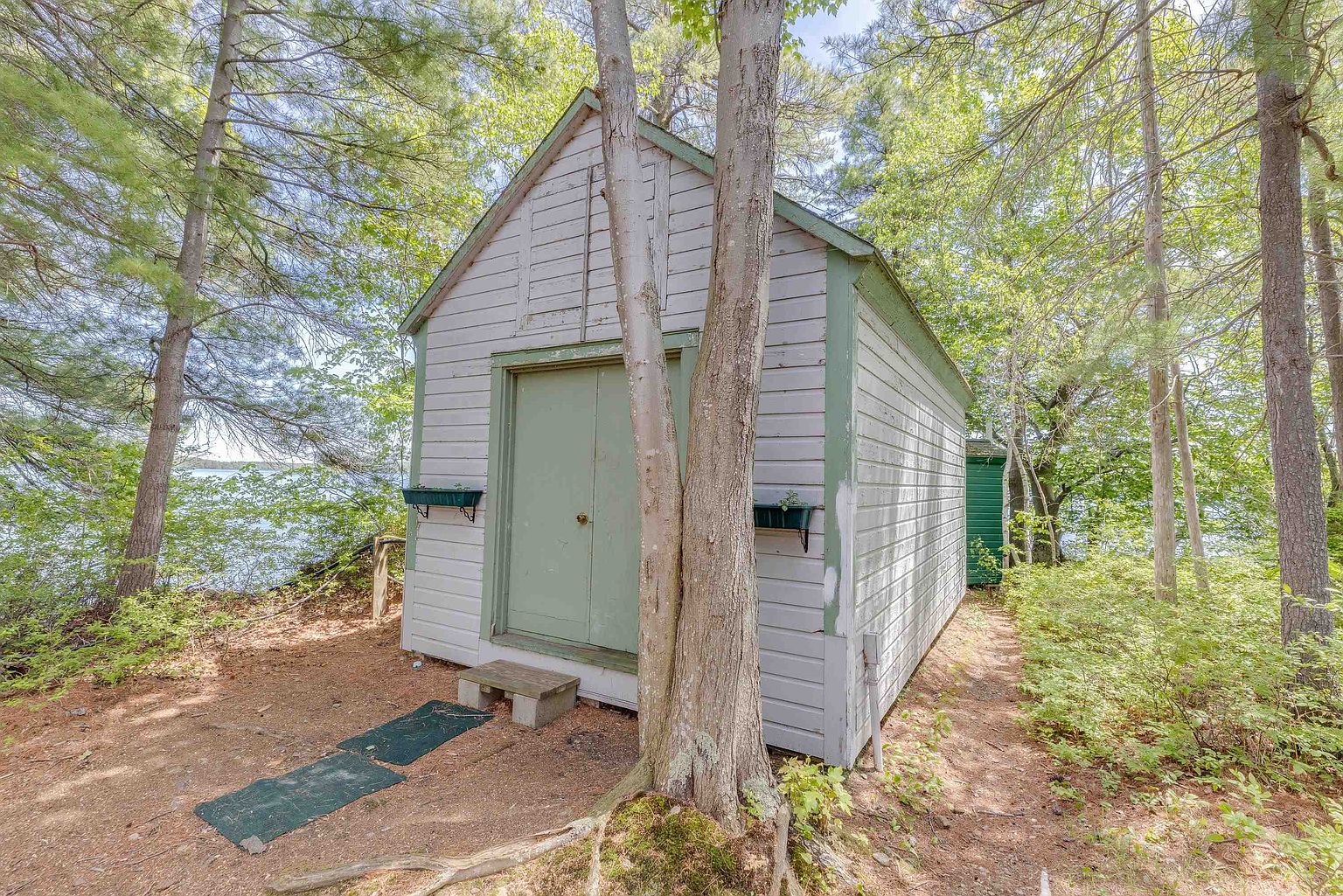
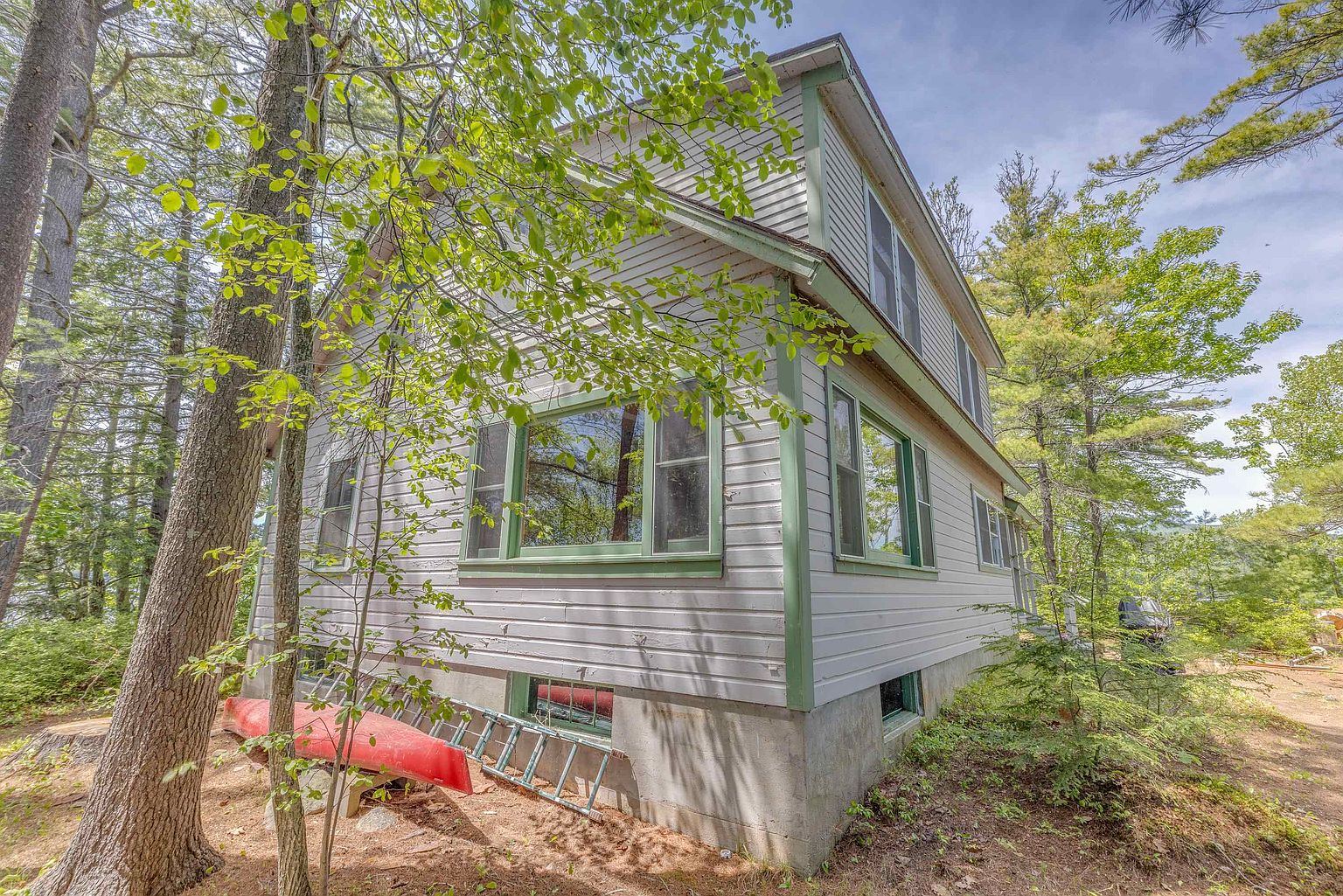
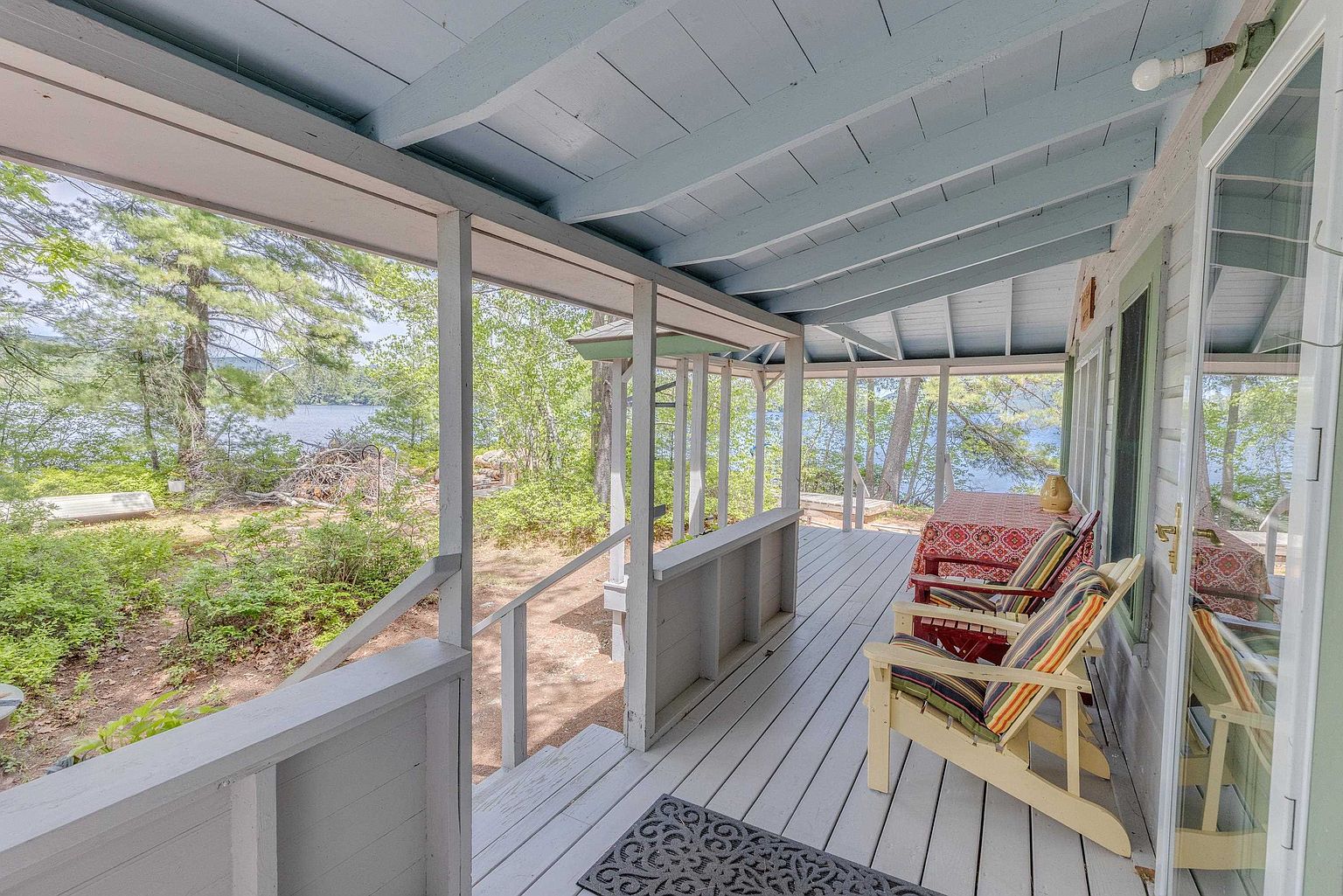
The covered front porch is, in many ways, the heart of the property. Furnished simply with a table, chairs, and a view that demands nothing but attention, it is where evenings are spent listening to the resident loons settle across the water. A separate outbuilding — rustic, well-organized, and purposeful — houses the island's operational infrastructure: a generator, fuel stores, tools, and watercraft. A red canoe rests against the cottage's exterior siding, ready for morning use.
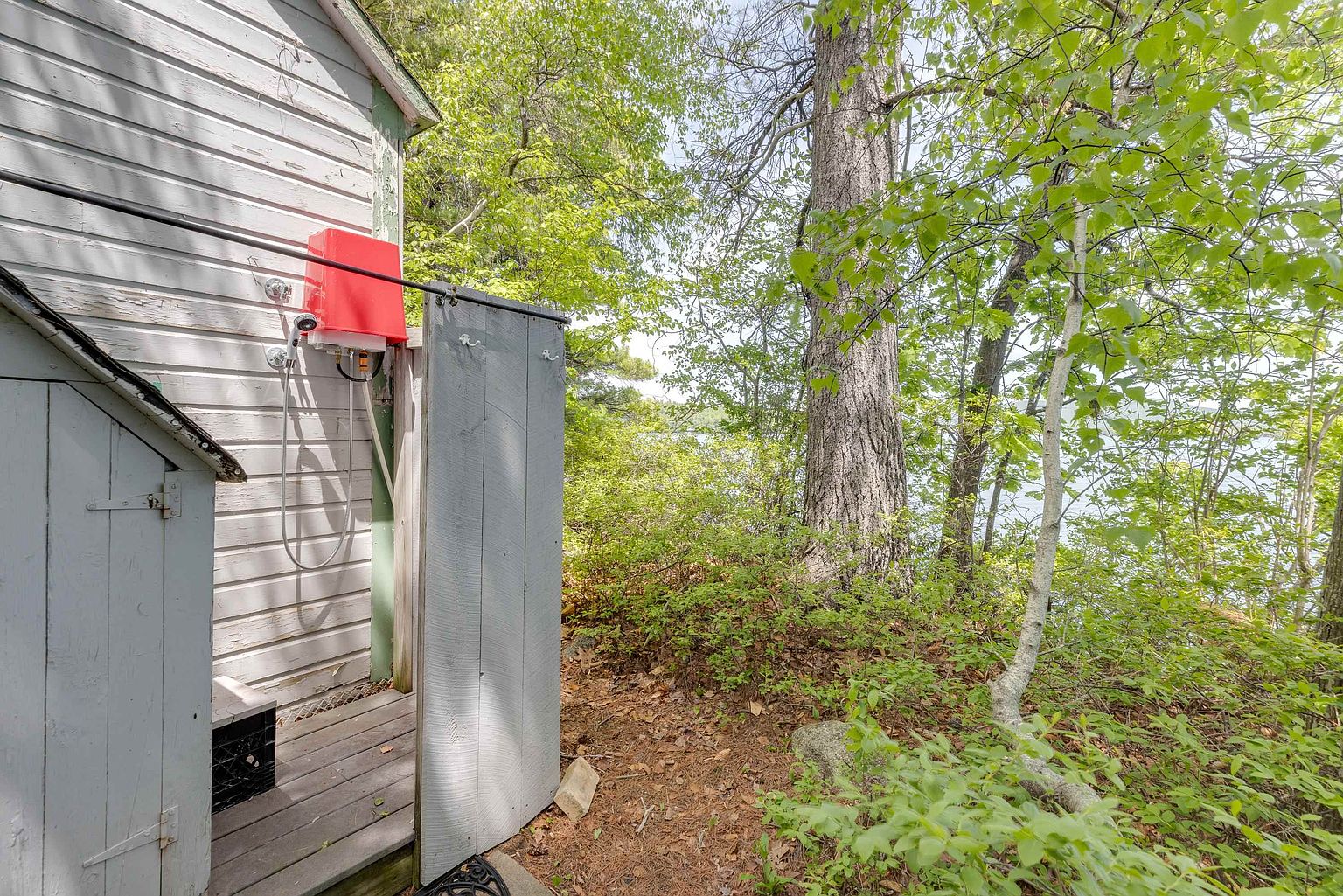
Perhaps the most quietly civilized feature of island life here is the outdoor shower, positioned along the cottage's side wall with a wooden privacy screen and a view of the lake through the trees. Beginning a day on Squam Lake with cold water and open sky is a ritual that recalibrates the senses in ways that no interior amenity can replicate. Potato Island does not offer luxury in the conventional sense. It offers something considerably more difficult to find.
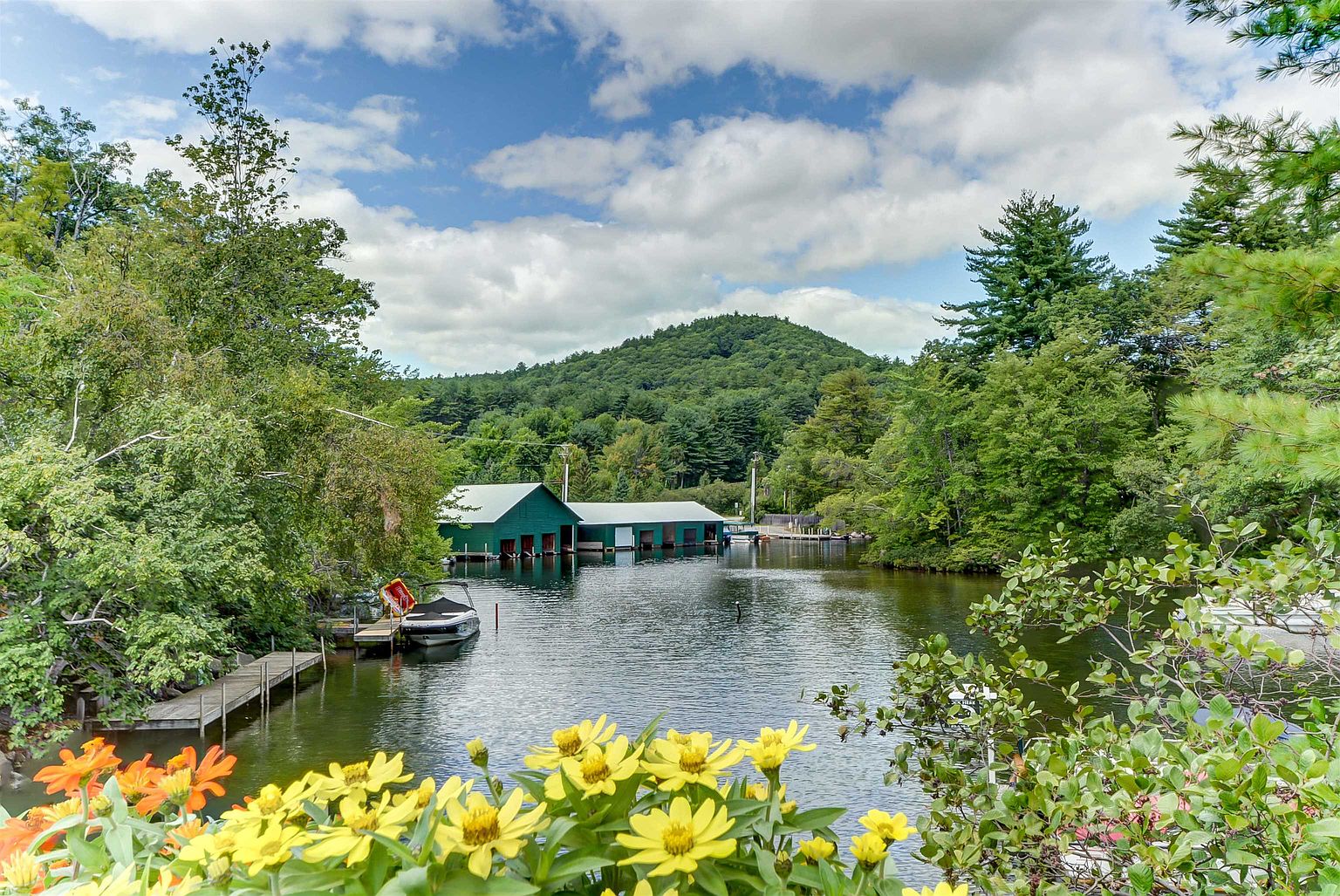
Squam Lake occupies a singular position in the geography of New England — not merely as a body of water, but as a cultural and ecological landmark that has shaped the identity of the Lakes Region of New Hampshire for well over a century. Covering approximately 6,791 acres across portions of five townships, Squam is the second-largest lake in New Hampshire and is widely regarded as among the most pristine freshwater lakes in the northeastern United States. Unlike many of the region's more commercially developed lakes, Squam has been deliberately and successfully preserved in a state of natural integrity. There are no commercial establishments on its shores, no waterfront amusement facilities, and strict land-use regulations have kept development limited and sympathetic to the landscape.
The lake achieved a particular cultural prominence following the 1981 film On Golden Pond, portions of which were filmed on its waters and shorelines. That association — with a certain timeless, unhurried quality of New England summer life — remains accurate and felt. Squam's loon population is one of the most closely monitored in the state, and the Loon Preservation Committee, headquartered nearby, has made the lake a flagship site for loon conservation in New England. The evening call of a loon across still water is not incidental to life on Squam — it is definitional.
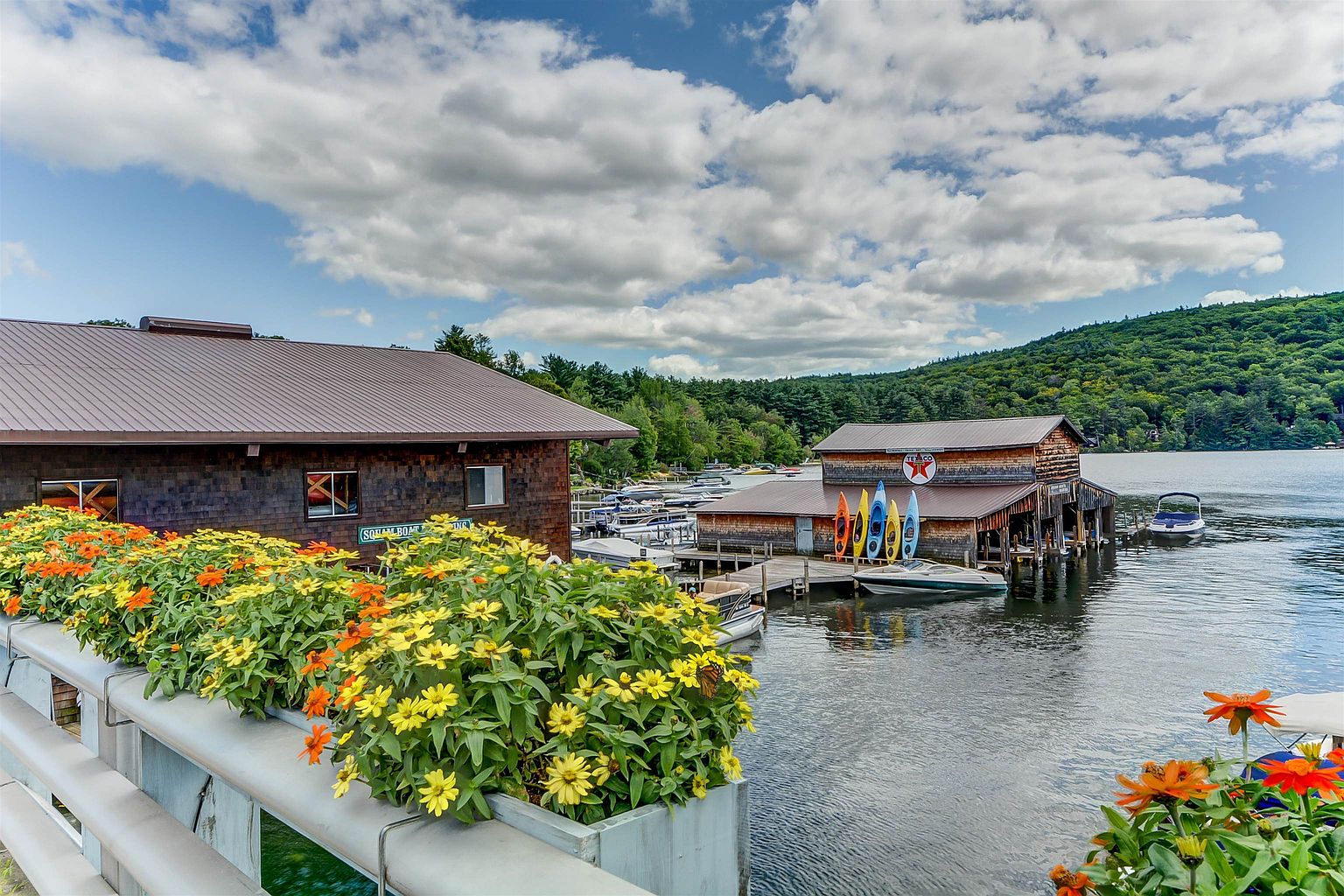
The town of Holderness, where Potato Island is registered, sits at the southwestern gateway to the lake and serves as the primary point of access for the Squam Lakes region. The village center offers provisions, dining, and marina services within a short boat ride of the island — close enough for convenience, distant enough to preserve the sense of genuine remoteness. The Squam Lakes Natural Science Center, located in Holderness, is one of New Hampshire's most respected wildlife and environmental education institutions, drawing visitors and naturalists from across the region each year.
The broader Lakes Region of New Hampshire has long been a destination for those seeking relief from urban and suburban life. The White Mountains rise to the north, accessible within a short drive, offering hiking, skiing, and the particular grandeur of the Presidential Range. The towns of Center Harbor, Moultonborough, and Meredith — each within easy reach — provide galleries, farm stands, independent restaurants, and the quiet commerce of a region that has learned to balance visitation with preservation.
For those arriving at Potato Island, the surrounding context only deepens the experience. The island sits within a lake that has been intentionally protected, in a town that values its natural character, within a region that has sustained its identity across multiple generations of seasonal residents. Early visitors to Squam Lake came here, as the historical record notes, to escape the Industrial Age and immerse themselves in a wilderness that felt both ancient and restorative. That impulse has not changed. What has changed is how rare it is to find a place that still delivers on it completely. Potato Island does.
Featured Highlights
Curated Content • Presented by Jerrod Mitchell