The Story Behind
Thirty-One Acres of Coastal Sovereignty Above the Pacific
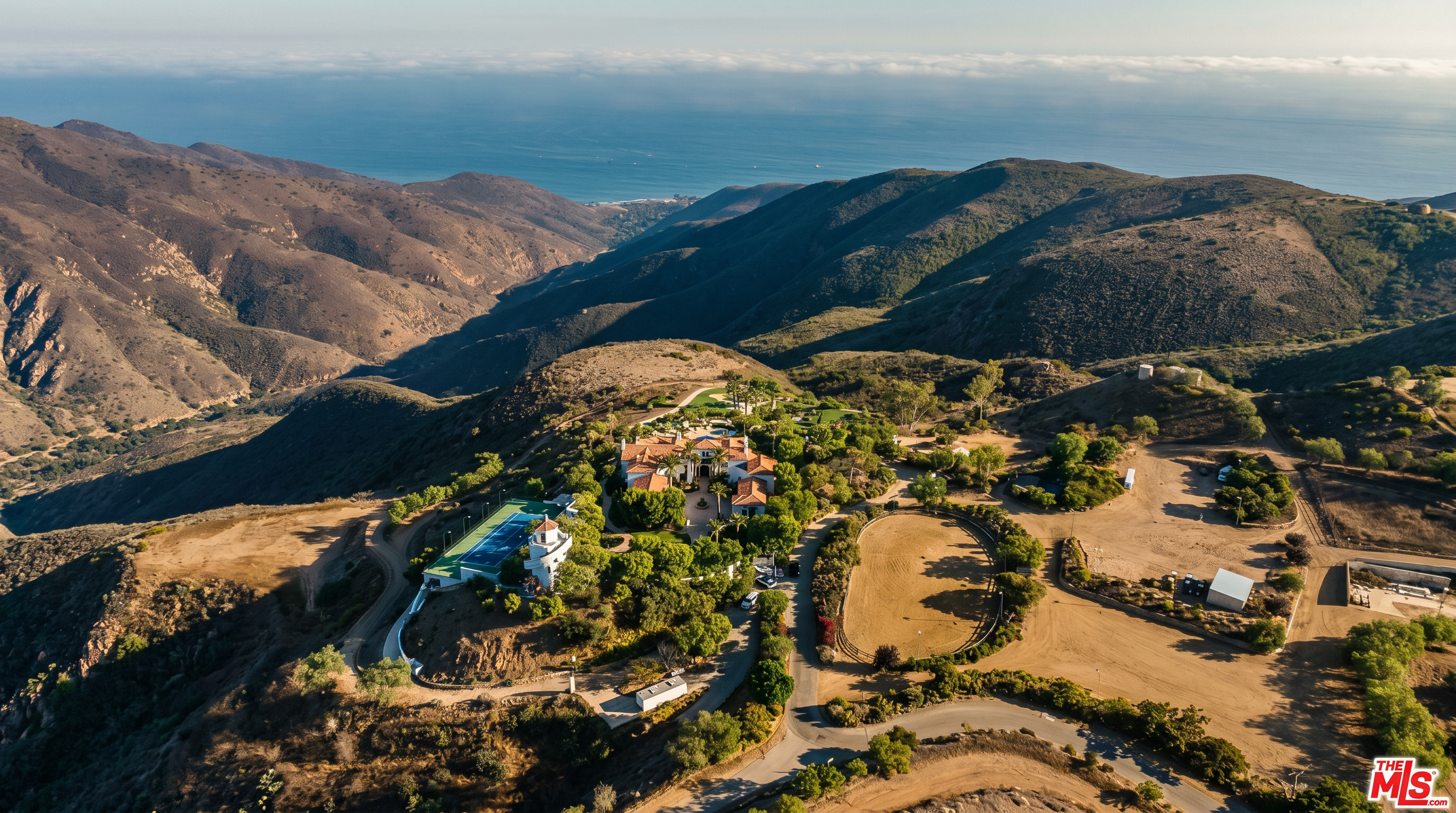
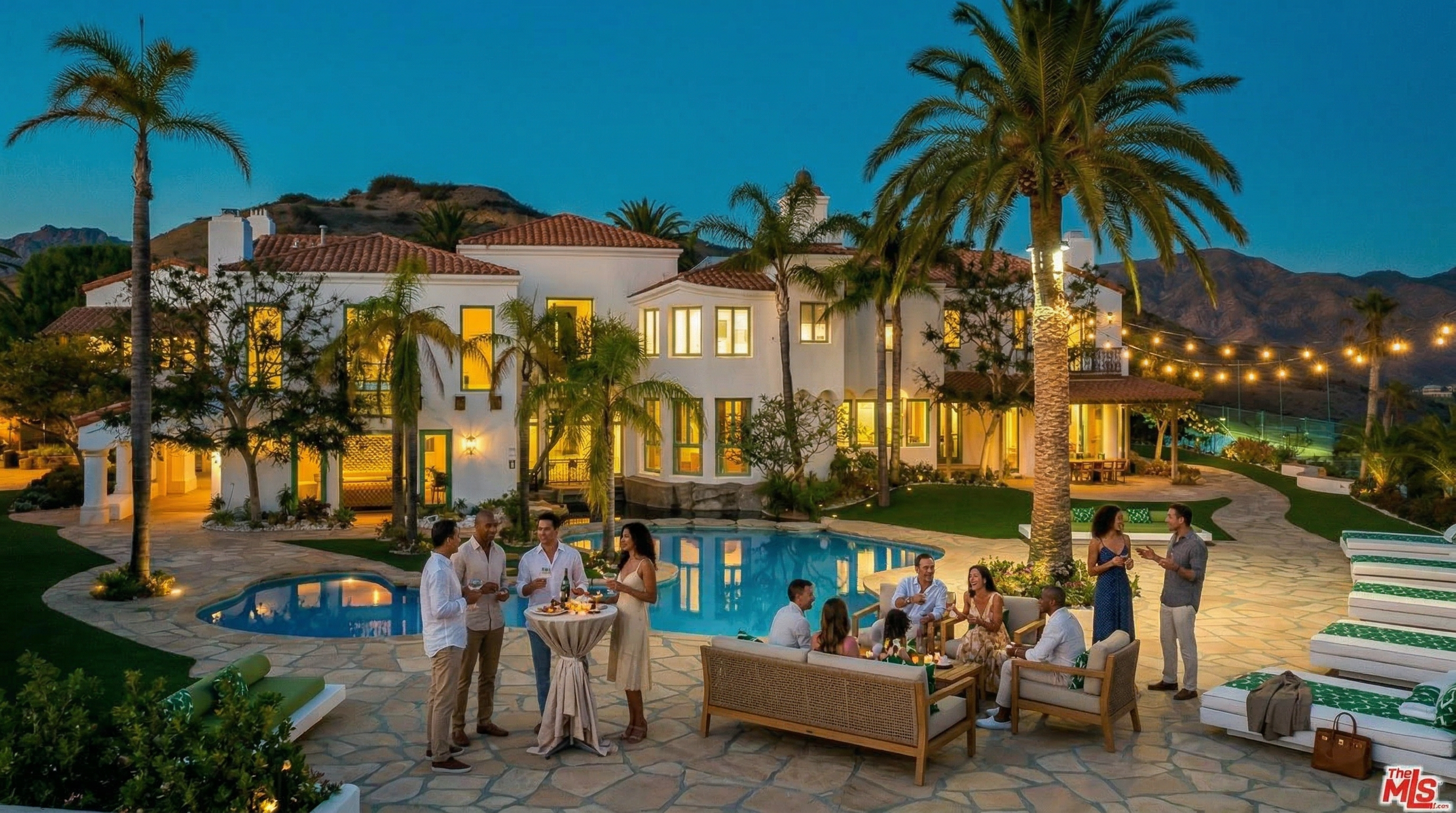
There are estates, and then there are estates that redefine what the word can mean. The Malibu Dream Resort belongs to the second category — a compound so complete in its vision, so deliberate in its execution, that it reads less like a residence and more like a private world unto itself.
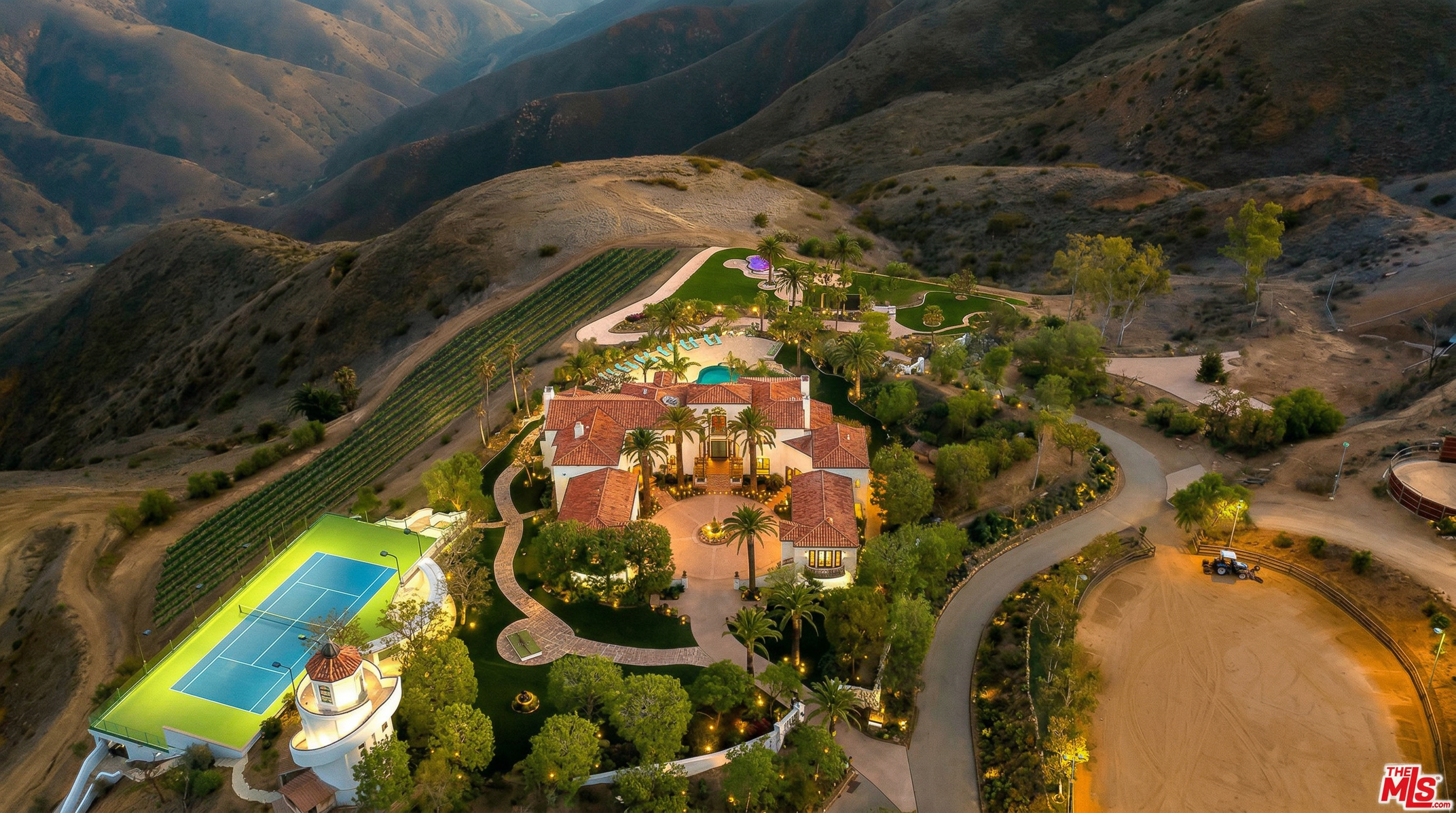
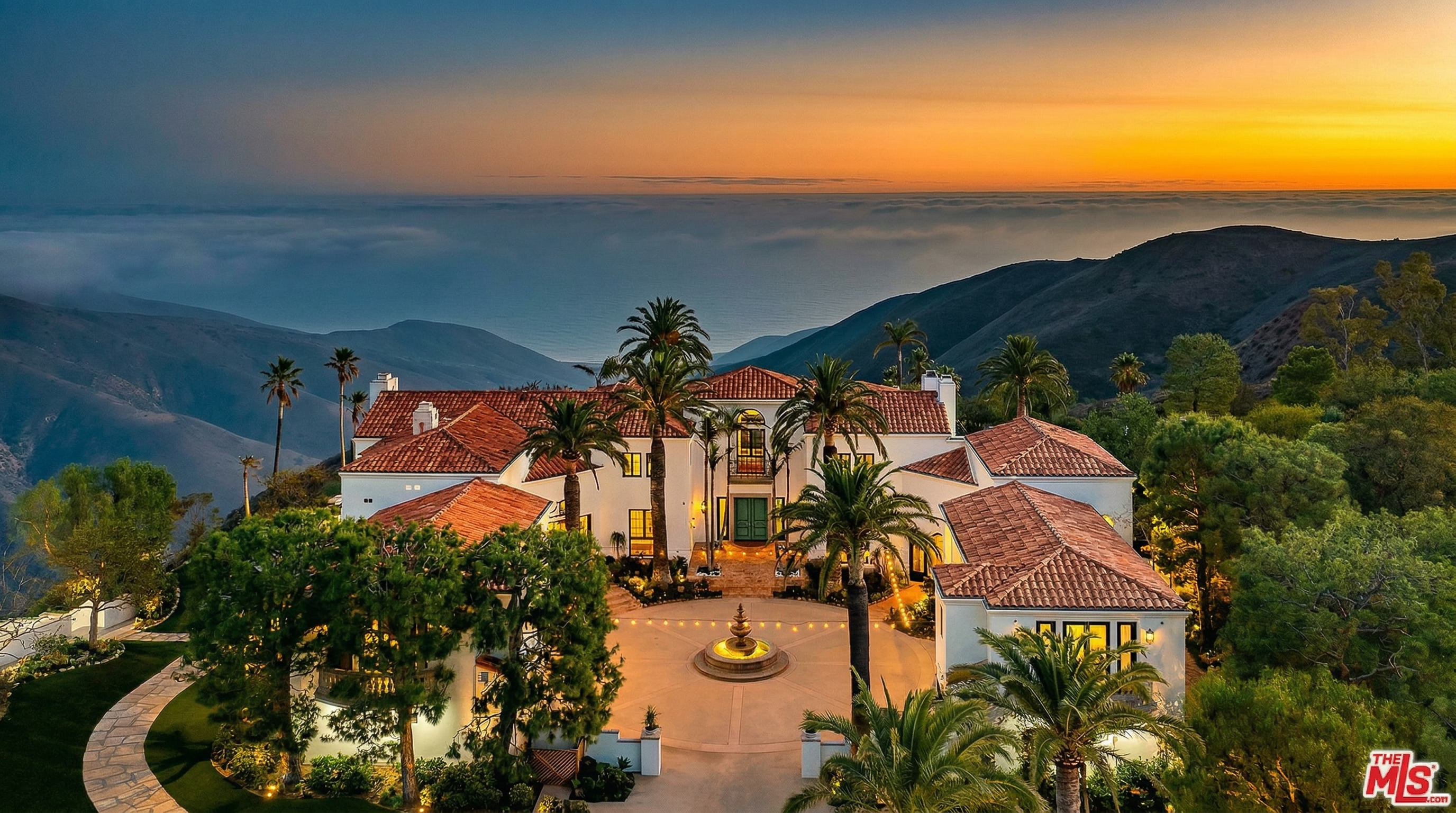
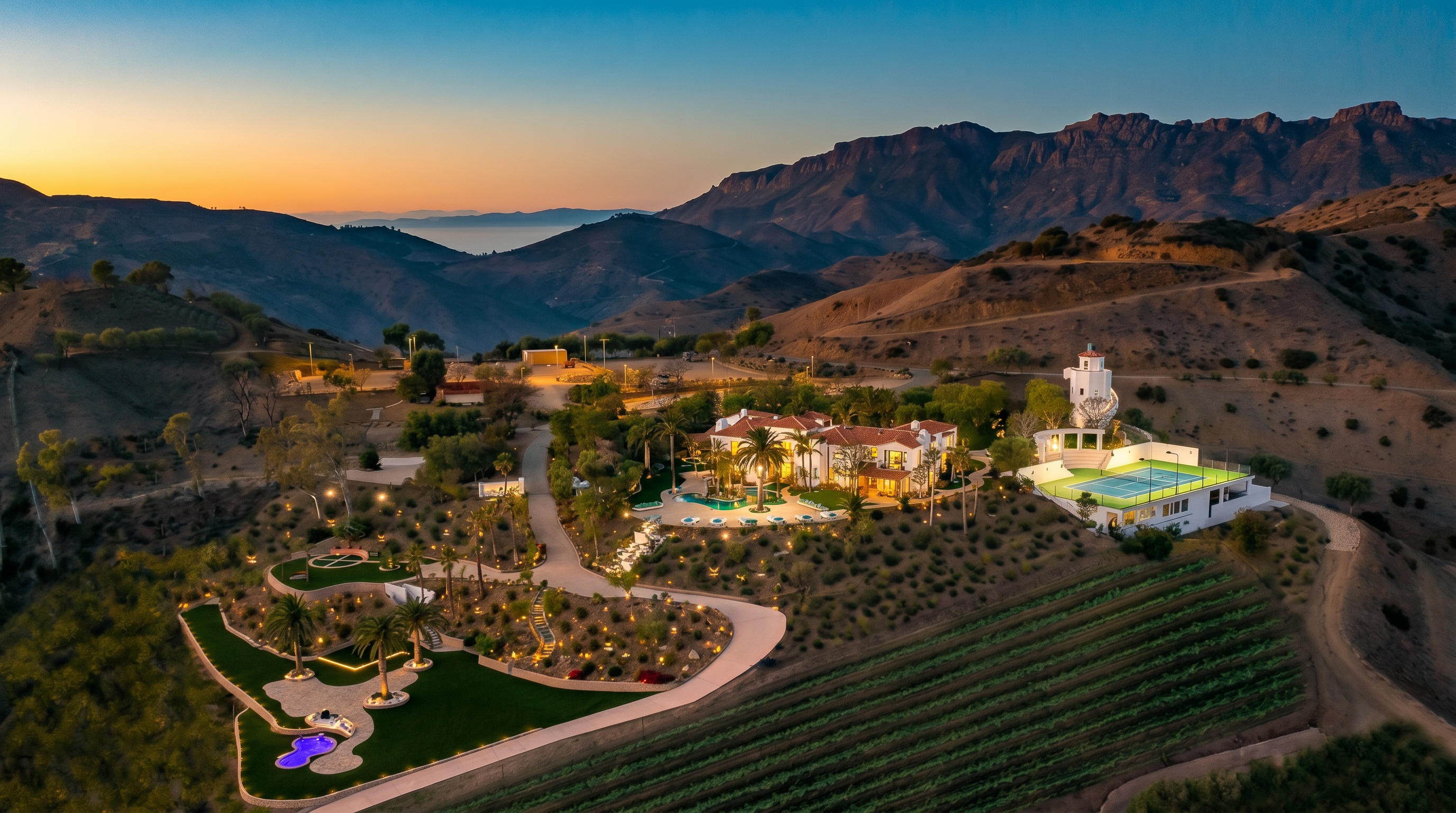
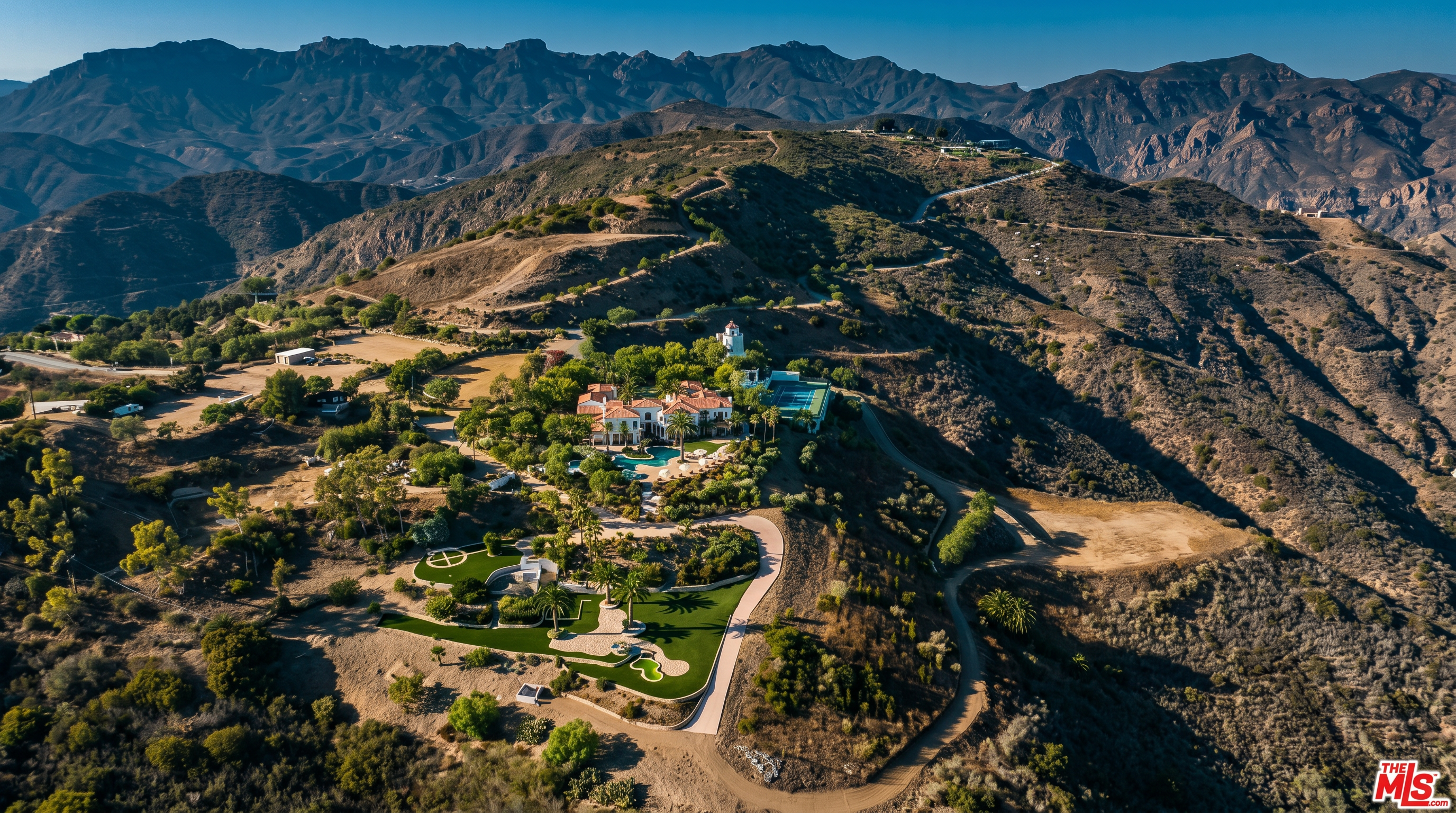
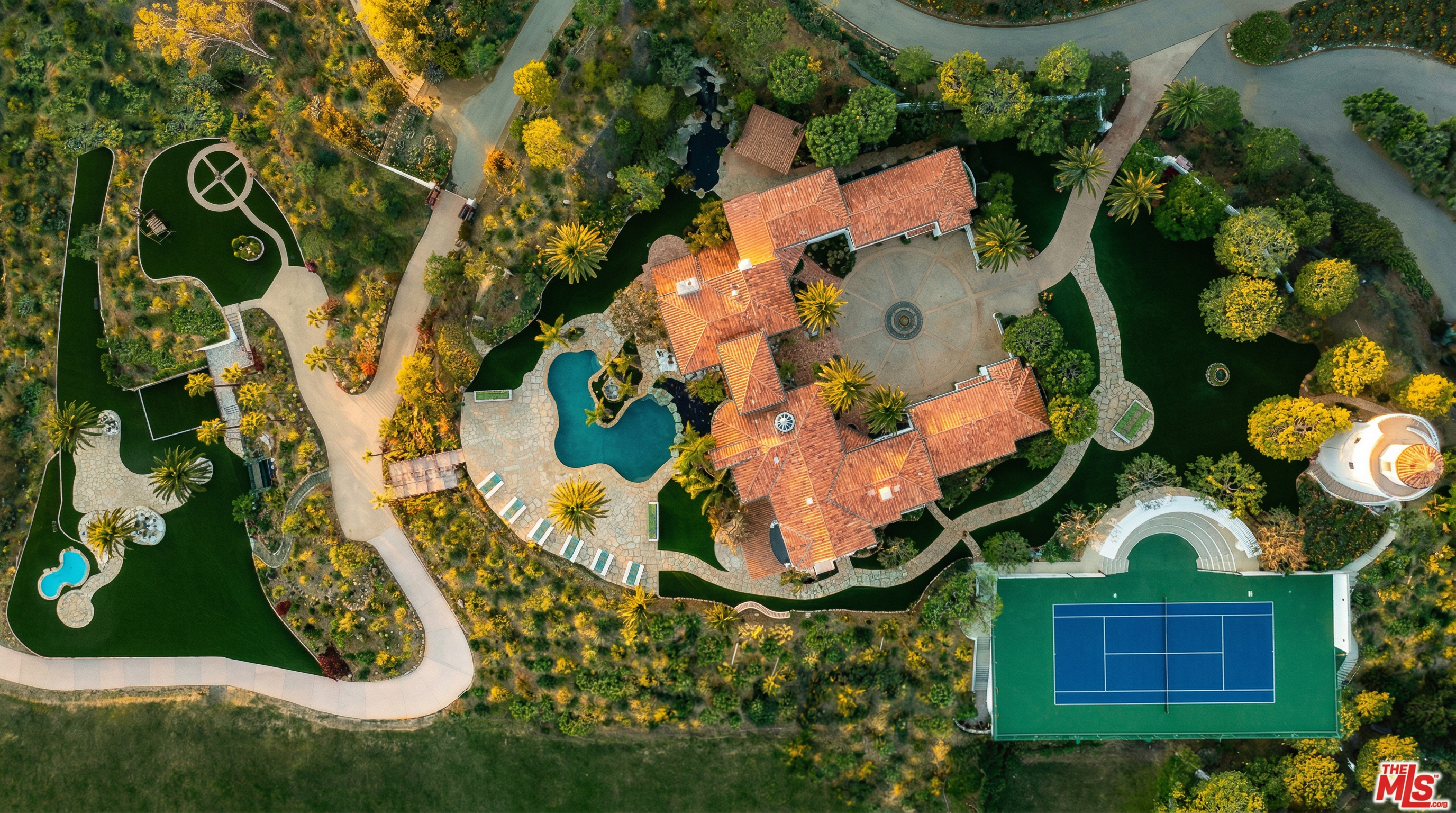
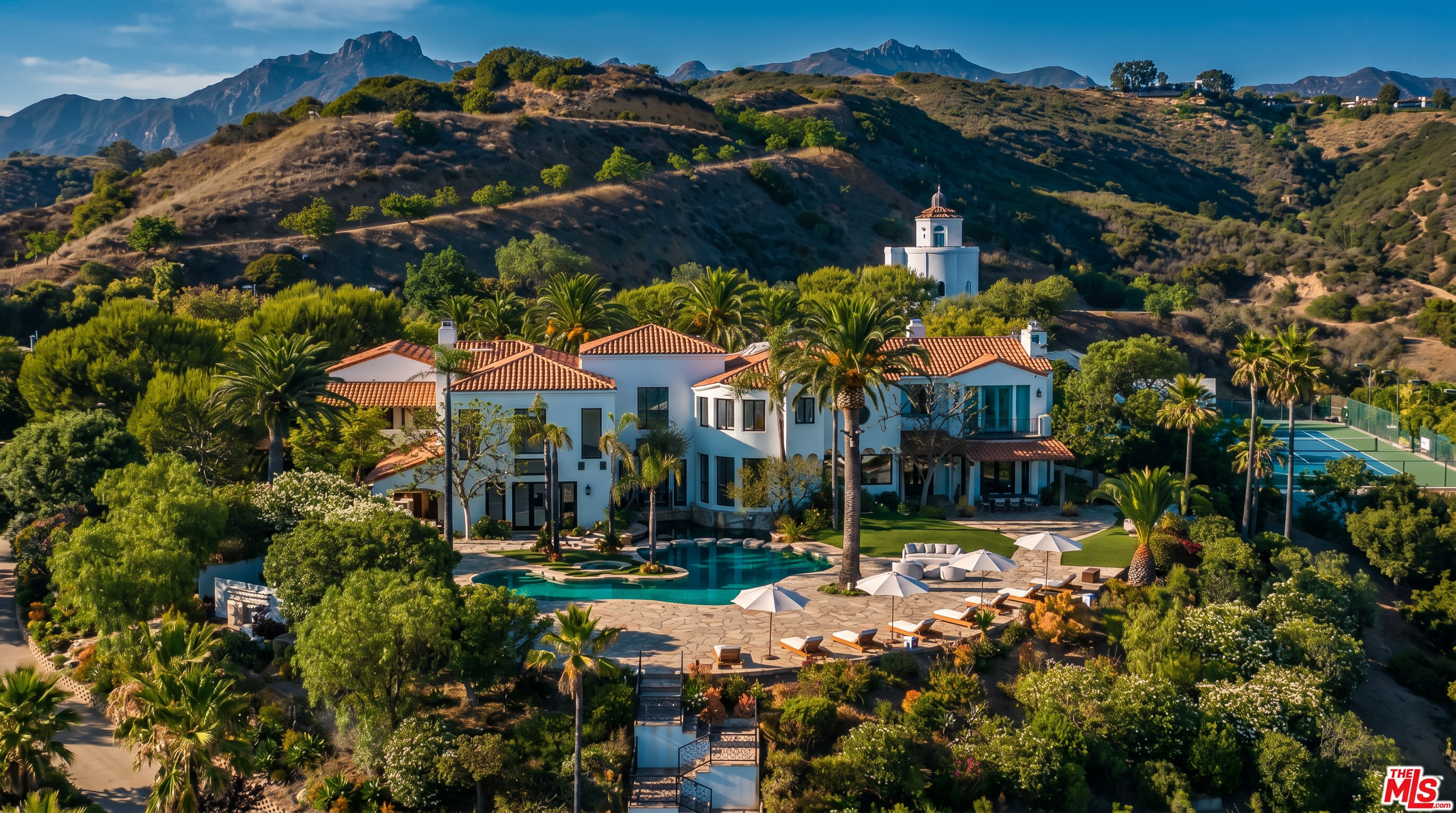
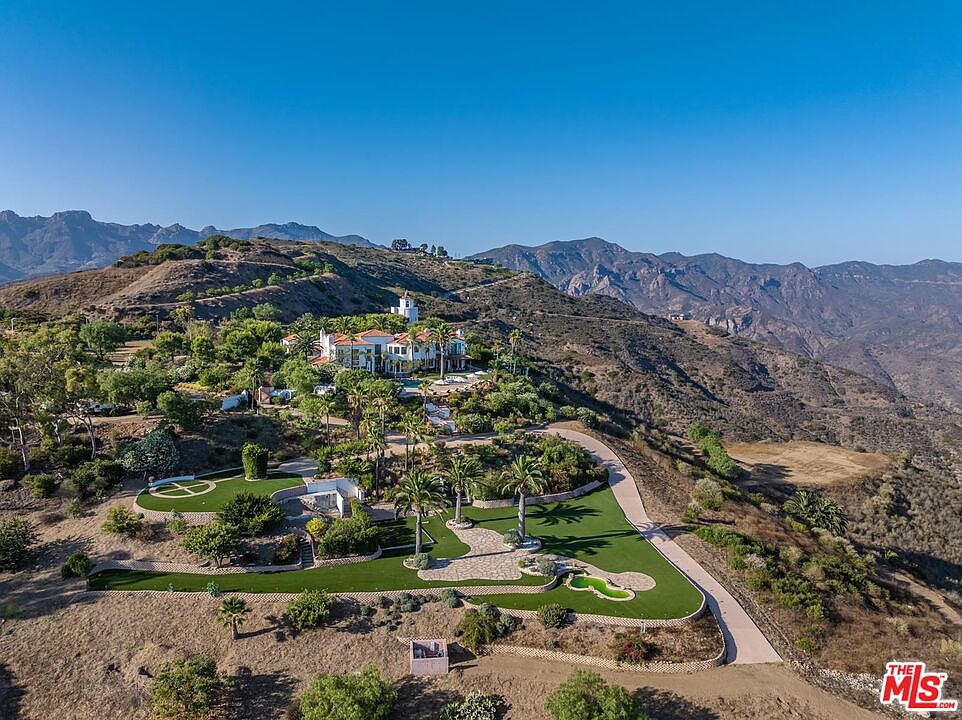
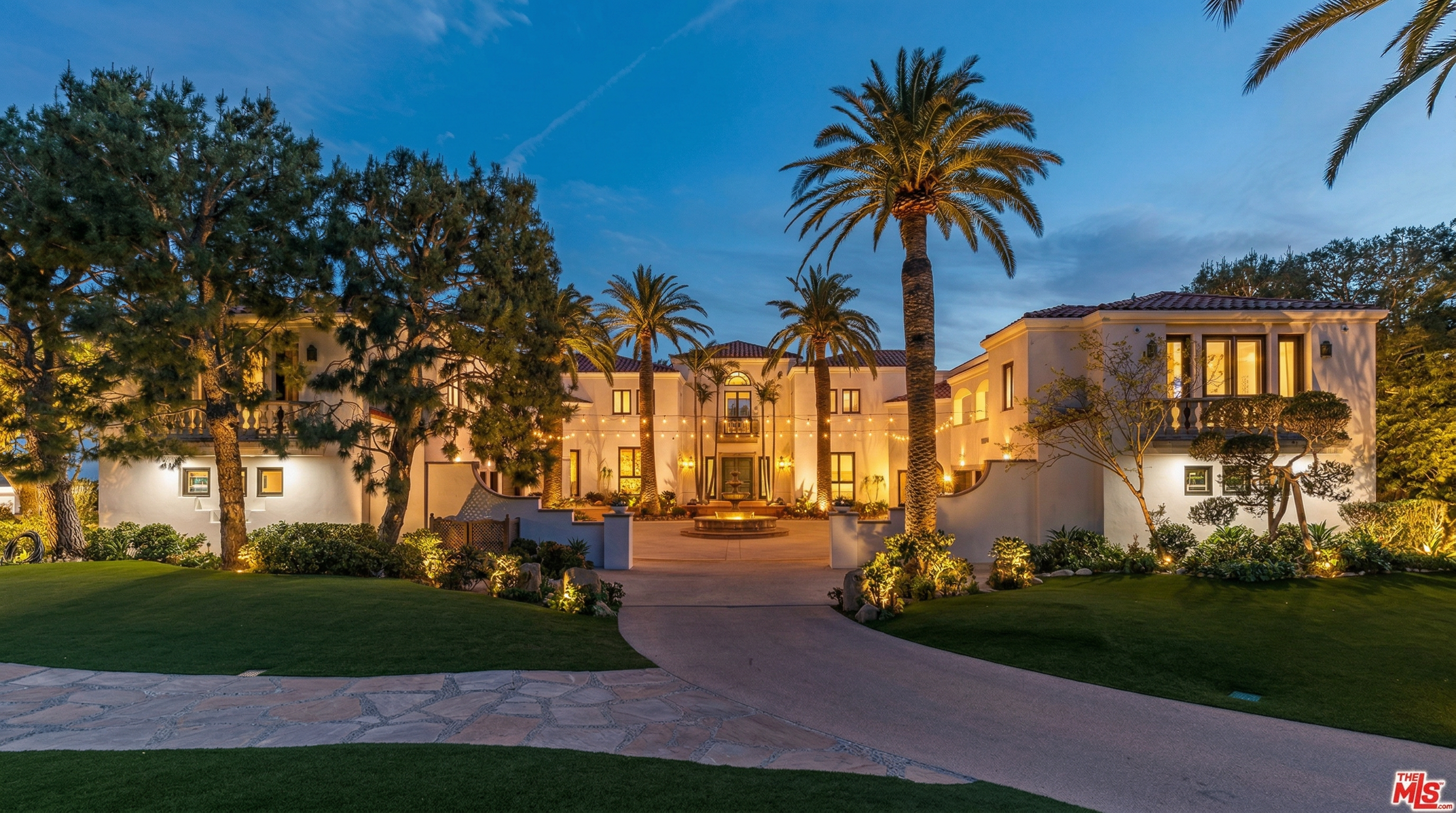
The approach alone signals what lies ahead. A double-gated motor court — scaled for collectors and designed for ceremony — opens onto grounds that unfold across more than 31 acres of coastal landscape. At the heart of the compound, the main residence is oriented with architectural precision around its most extraordinary asset: the view. Walls of glass dissolve the boundary between interior and horizon, pulling 360-degree panoramas of the Pacific Ocean, the estate's own vineyards, and the surrounding mountain ridgelines into every principal room. The light here has a particular quality — a soft marine diffusion in the morning hours that sharpens to a hard Pacific gold by afternoon, transforming the interiors throughout the day without a single adjustment required.
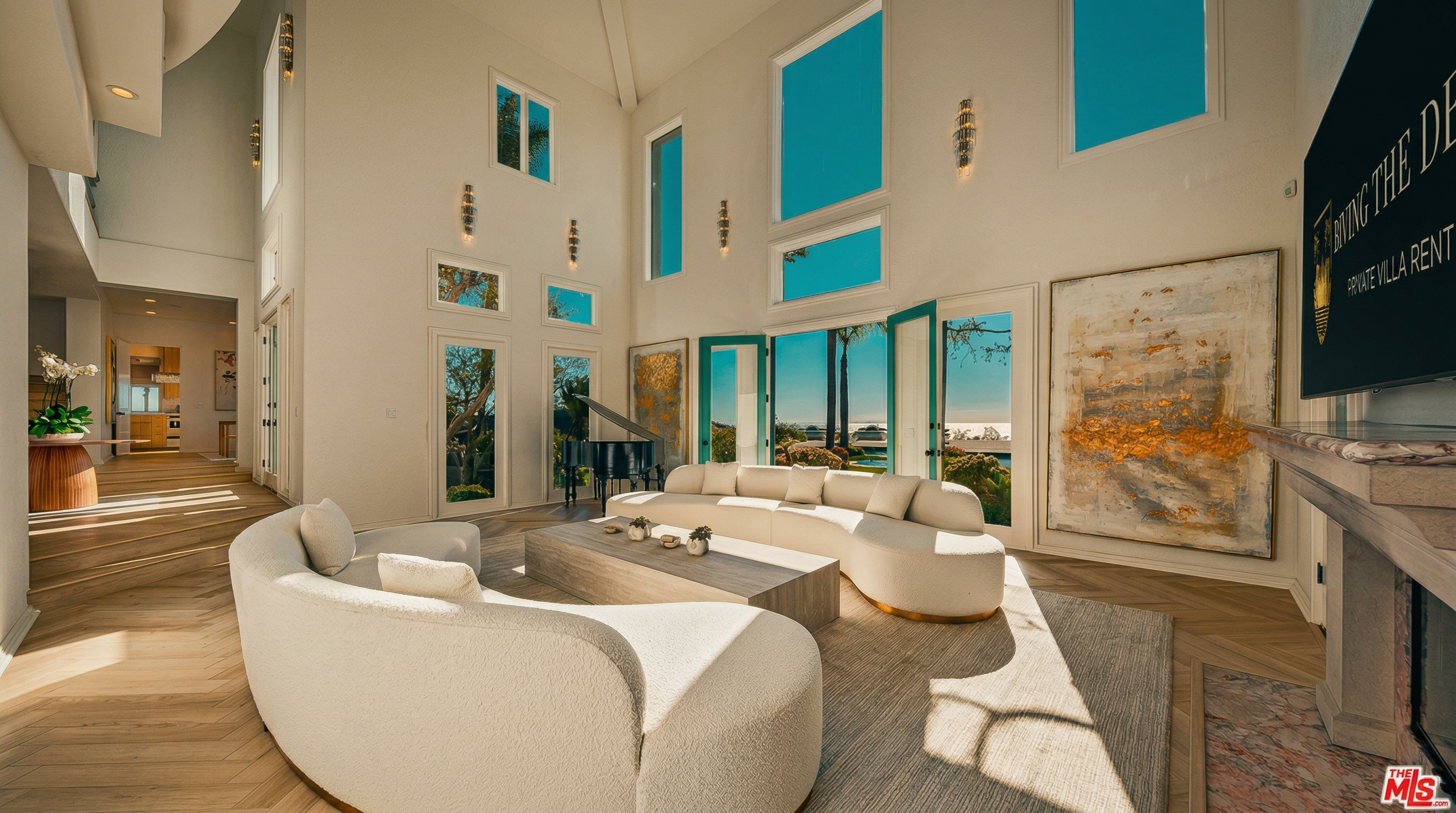
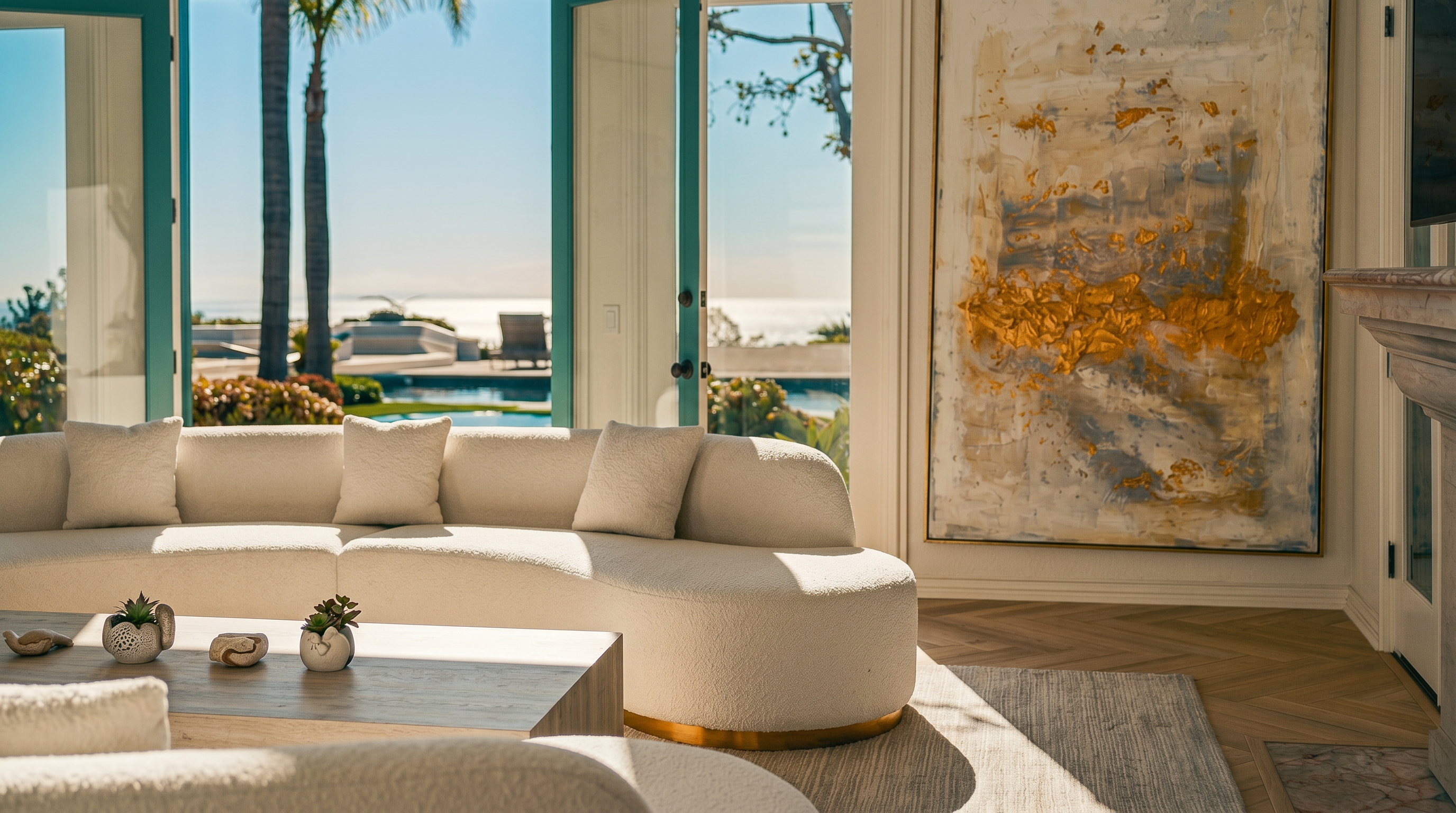
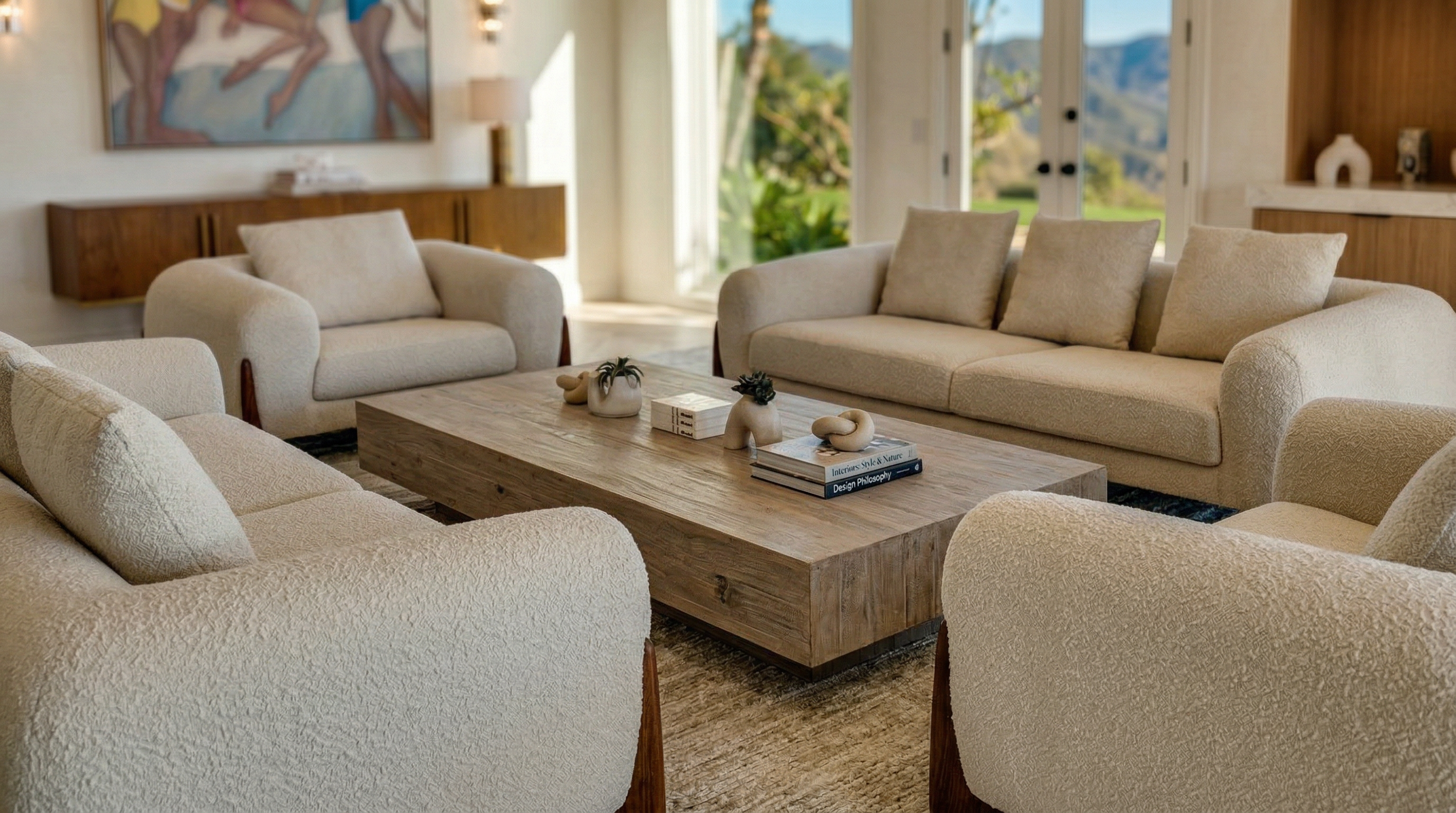
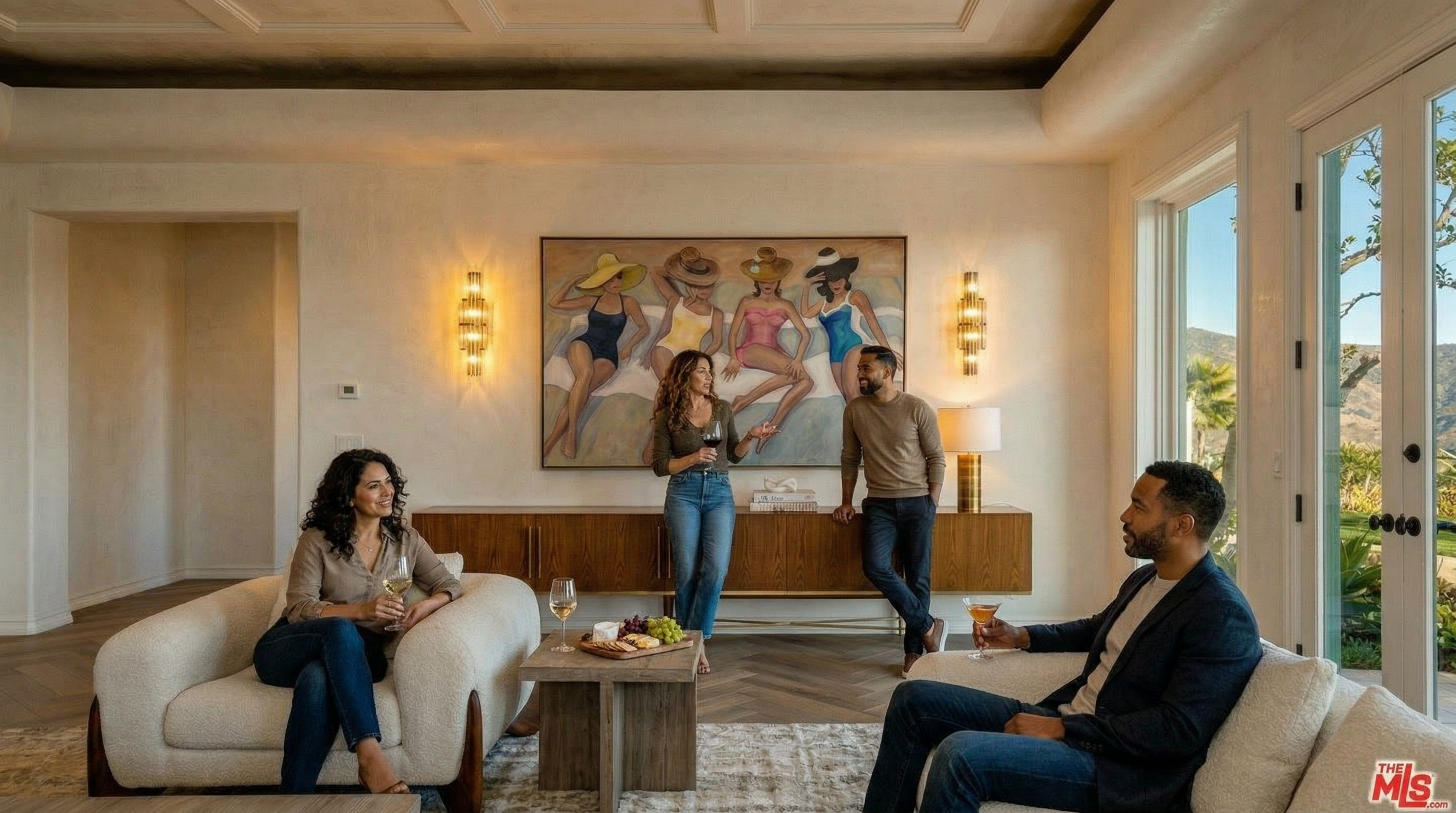
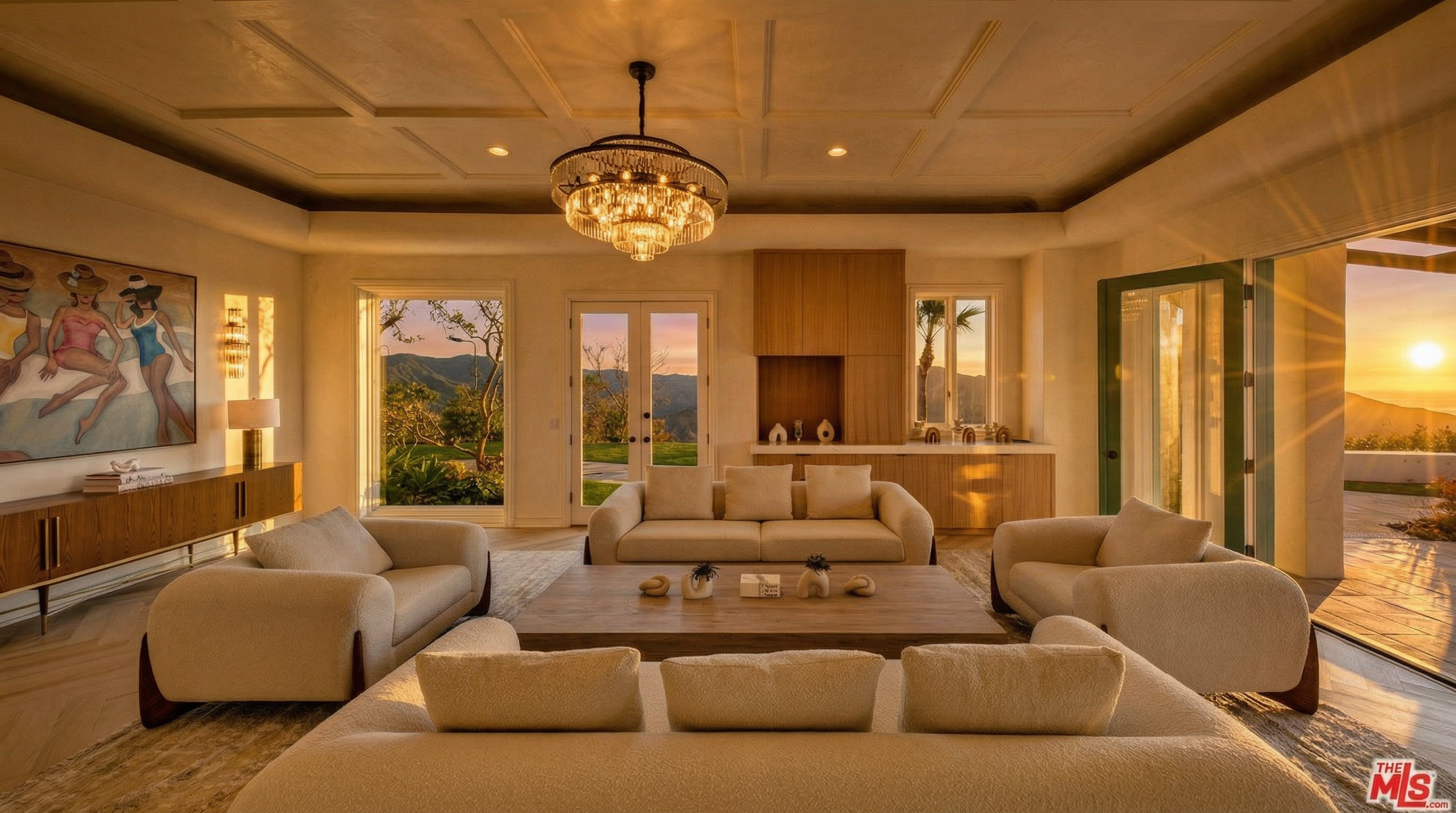
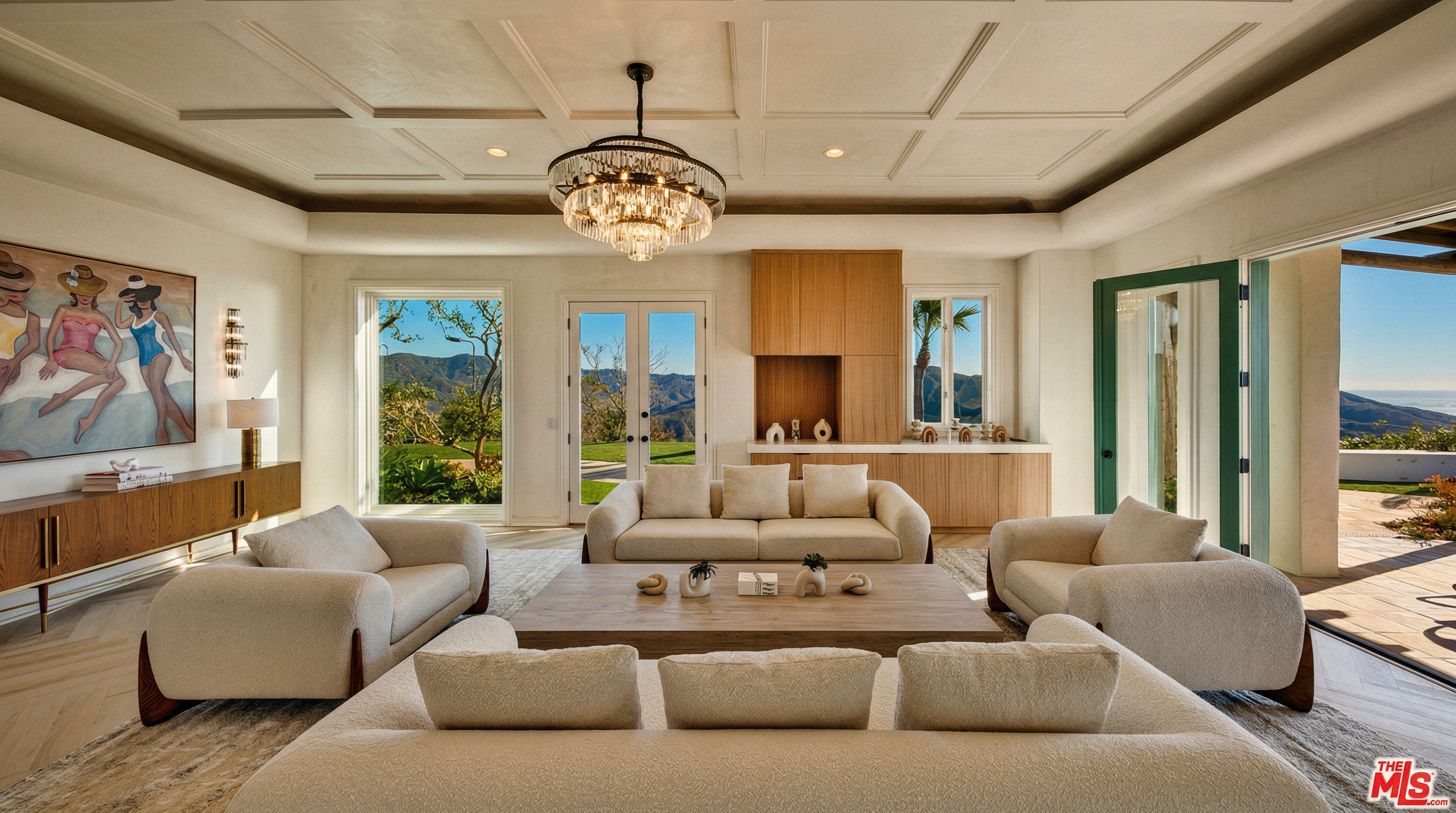
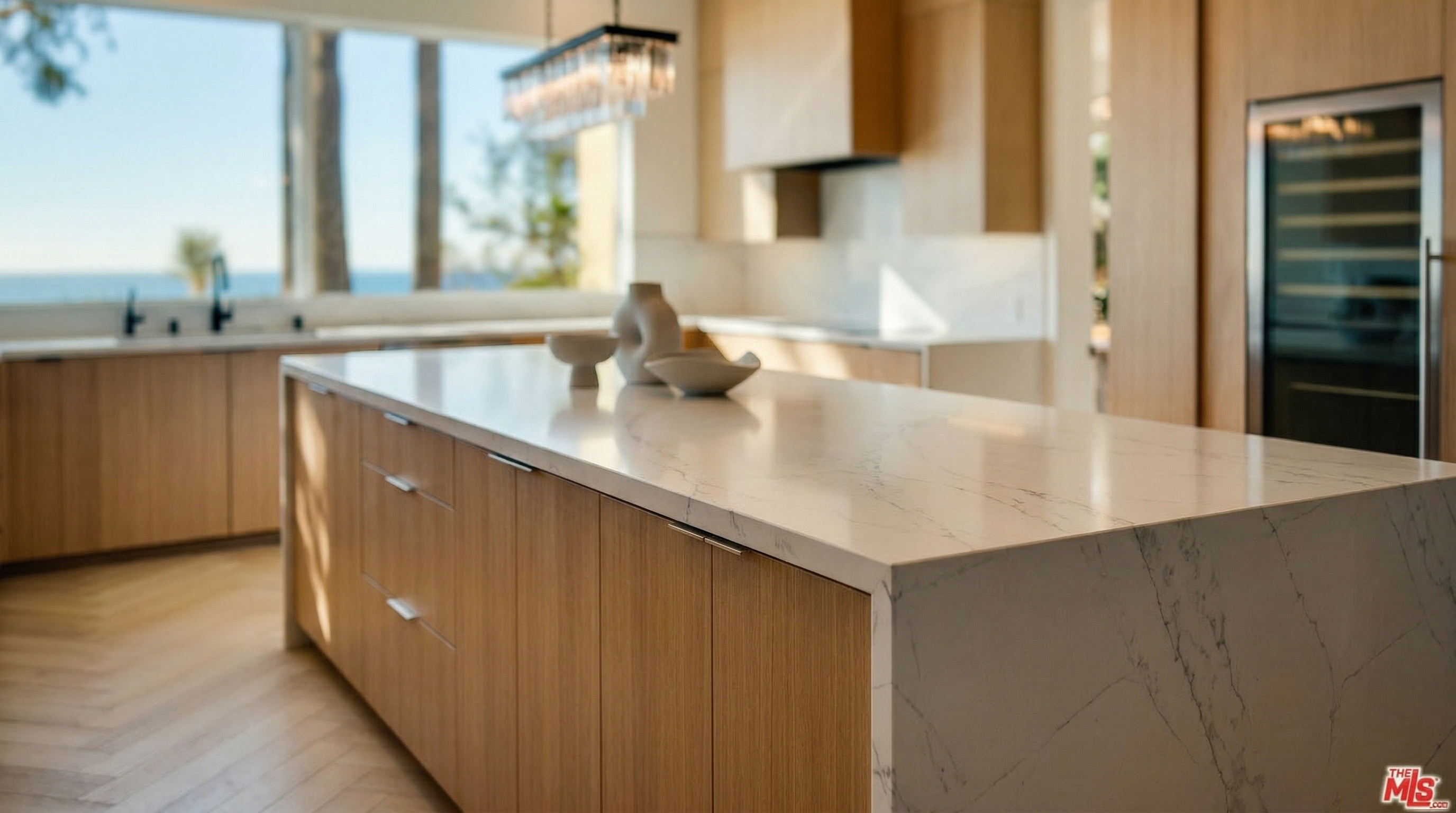
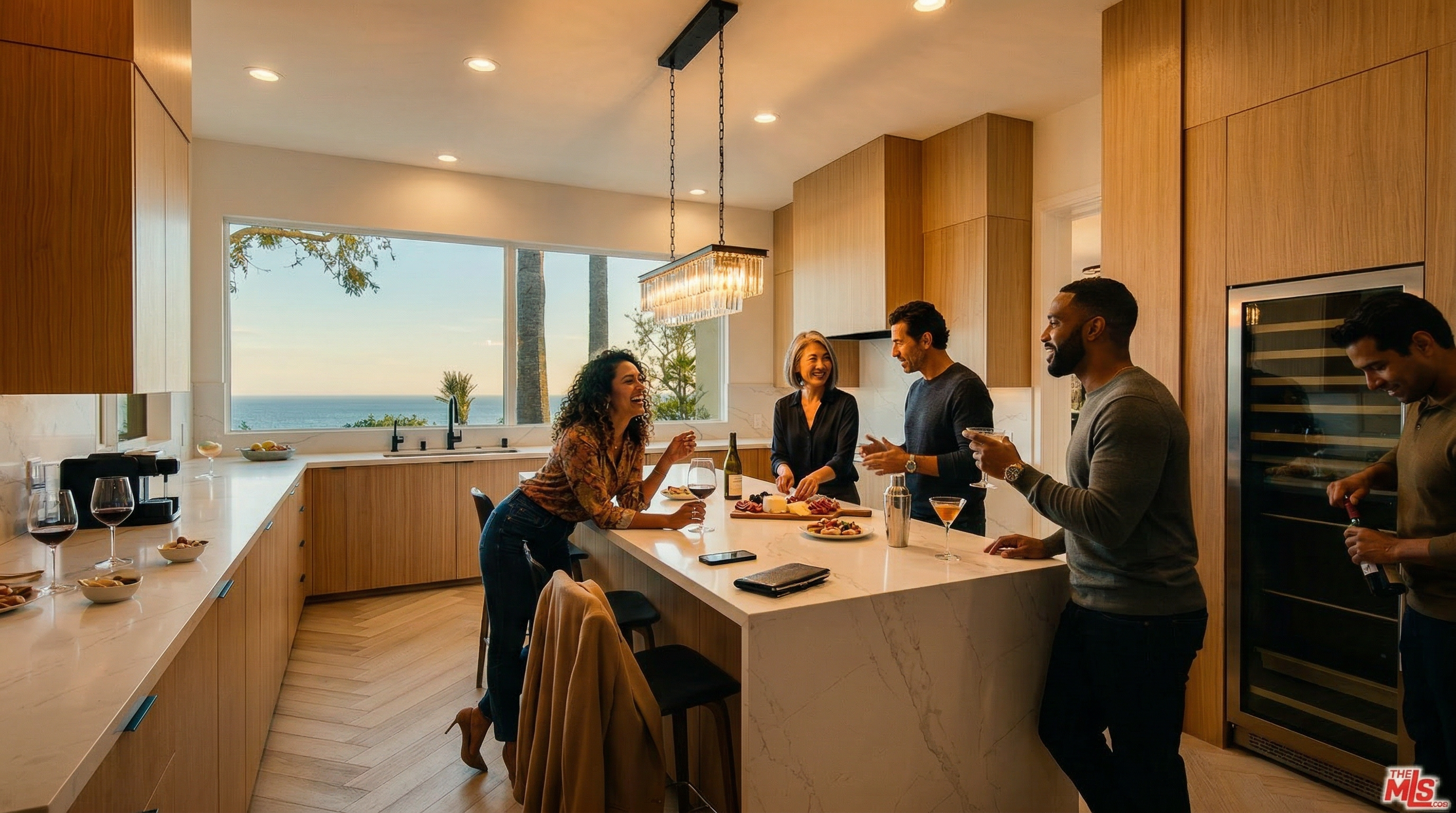
Inside, the great room anchors the social architecture of the home. Double-height ceilings, a commanding marble fireplace, herringbone hardwood floors, and a grand piano occupy a space designed not merely for comfort but for presence. The kitchen and dining areas are configured for the kind of entertaining that flows naturally — between courses, between conversations, between indoors and out — with professional-grade appointments and direct access to the view terraces beyond.
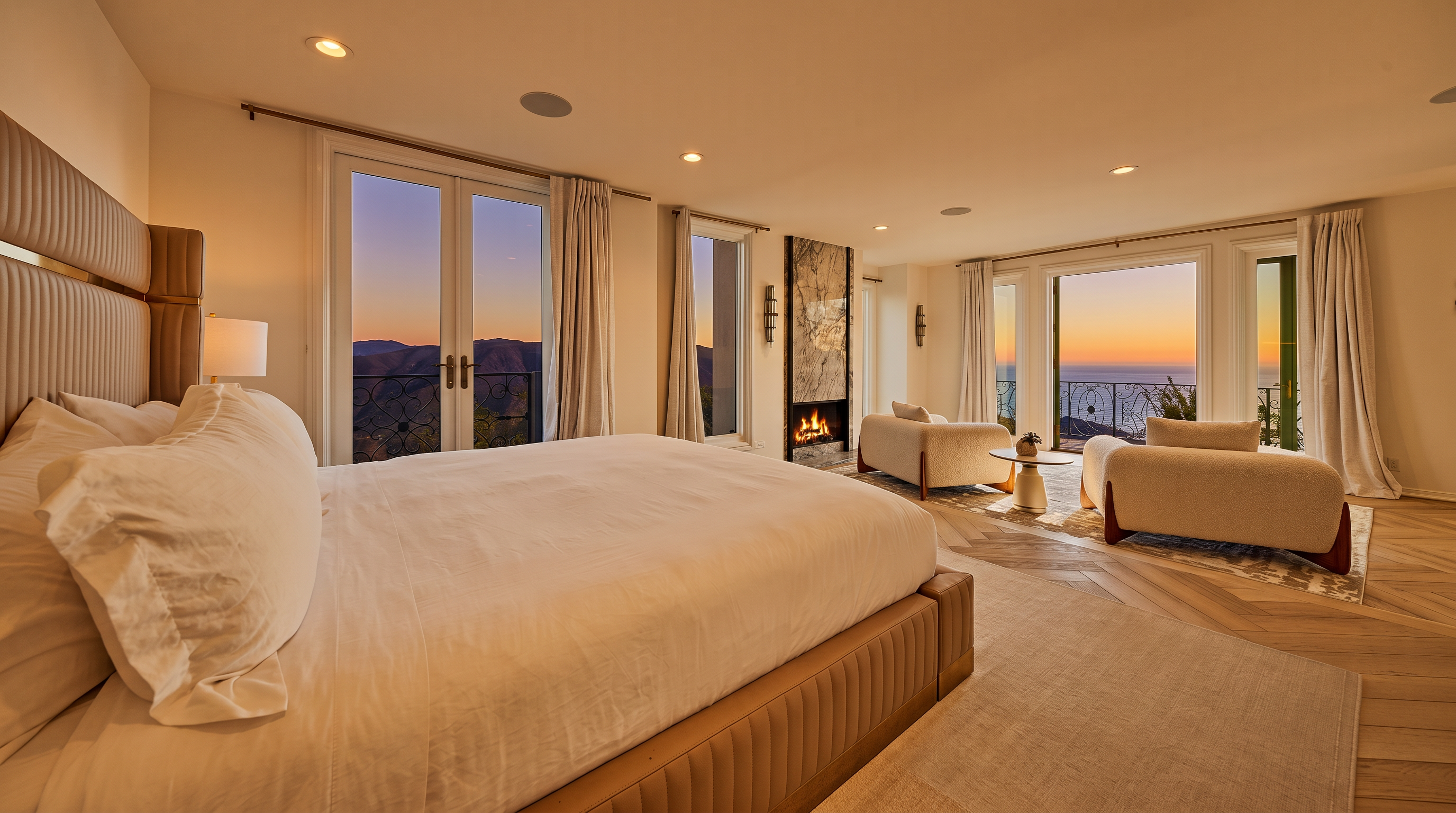
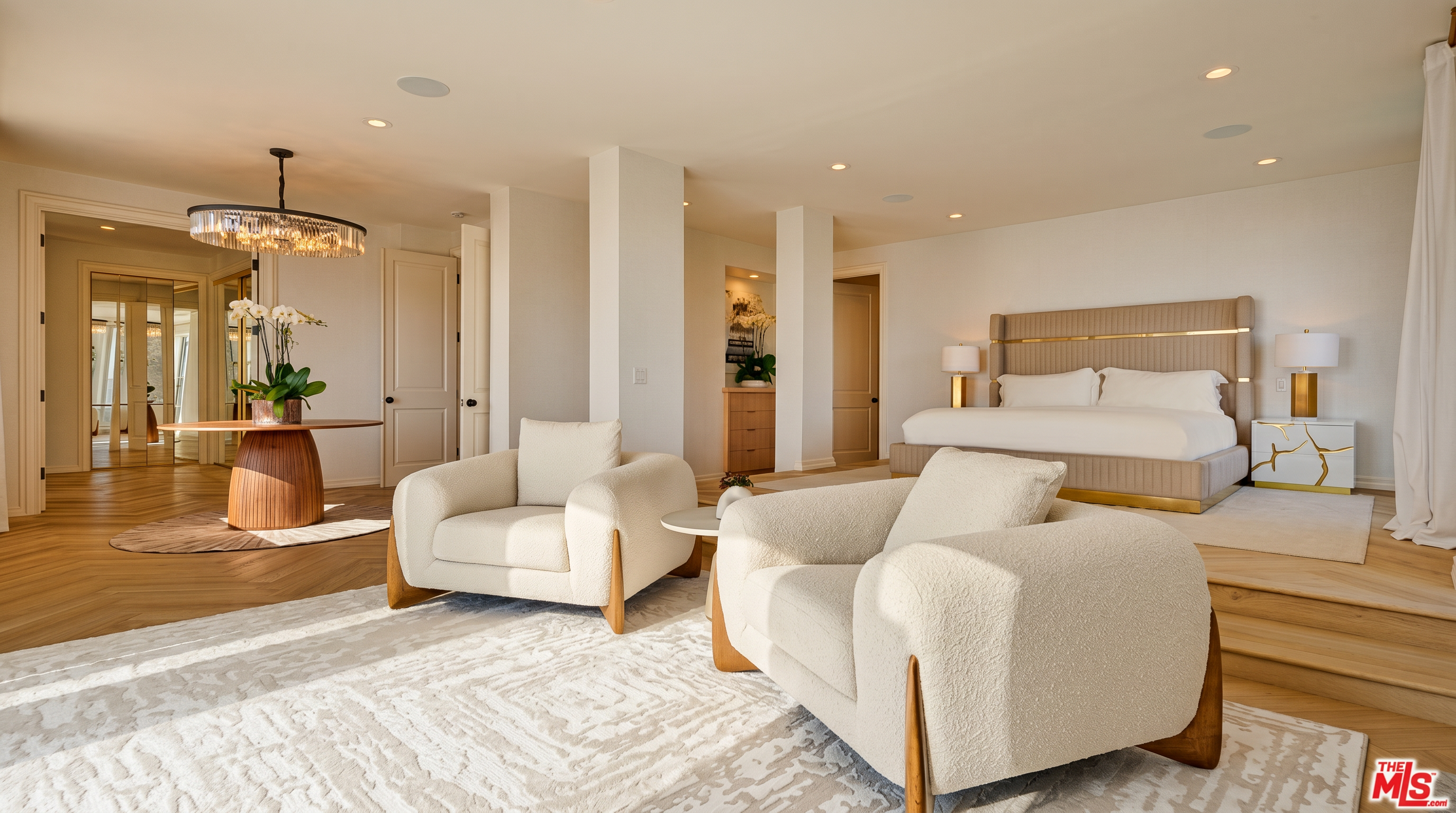
Guest accommodations are resort-caliber in the truest sense: generously proportioned, privately situated, and finished to an identical standard as the main residence. Nothing has been subordinated. The primary suite is built around stillness and perspective — ocean views as a permanent backdrop, a fireplace, a seating area, and glass doors opening to a private balcony where the horizon is unobstructed in every direction.
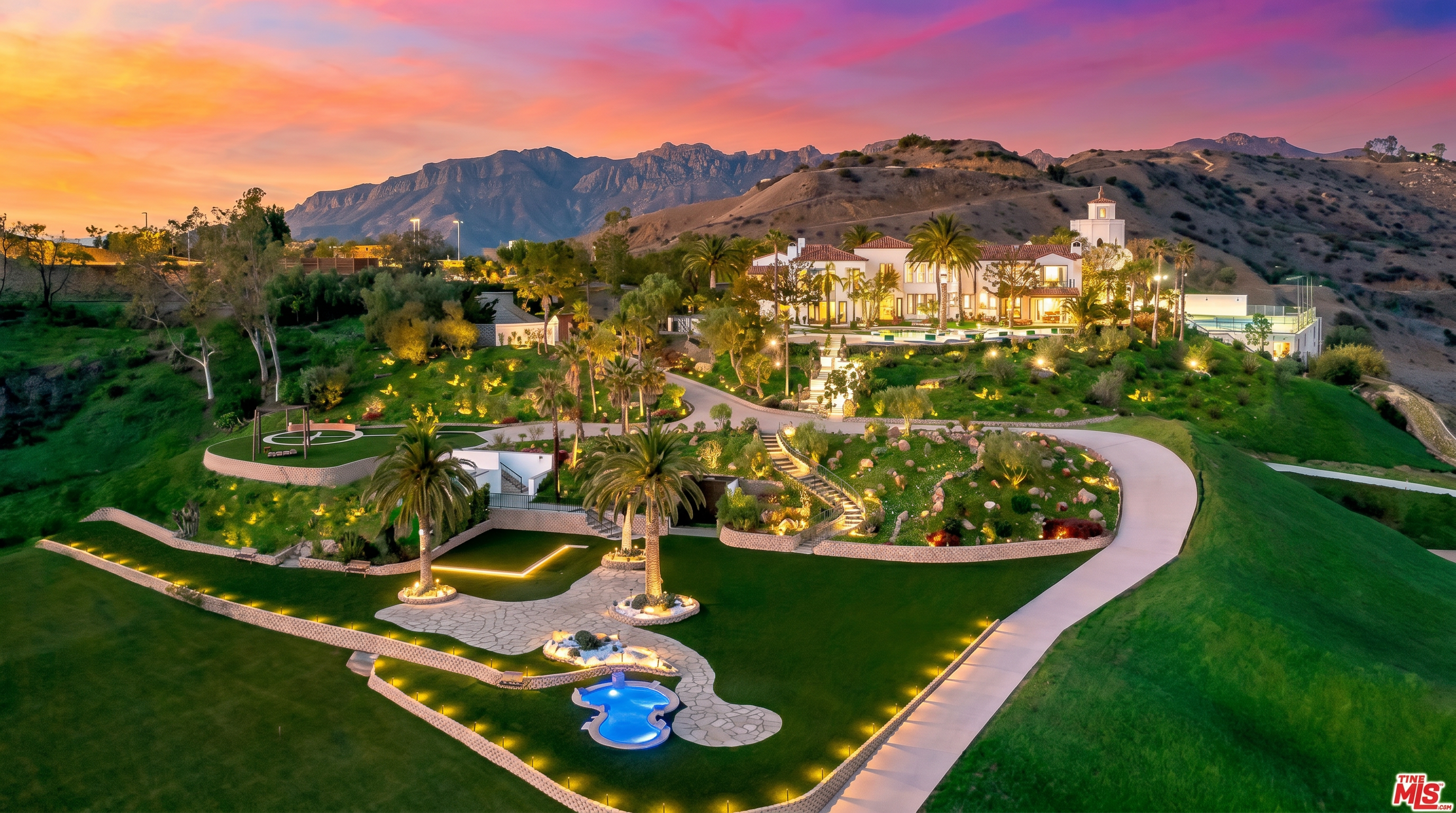
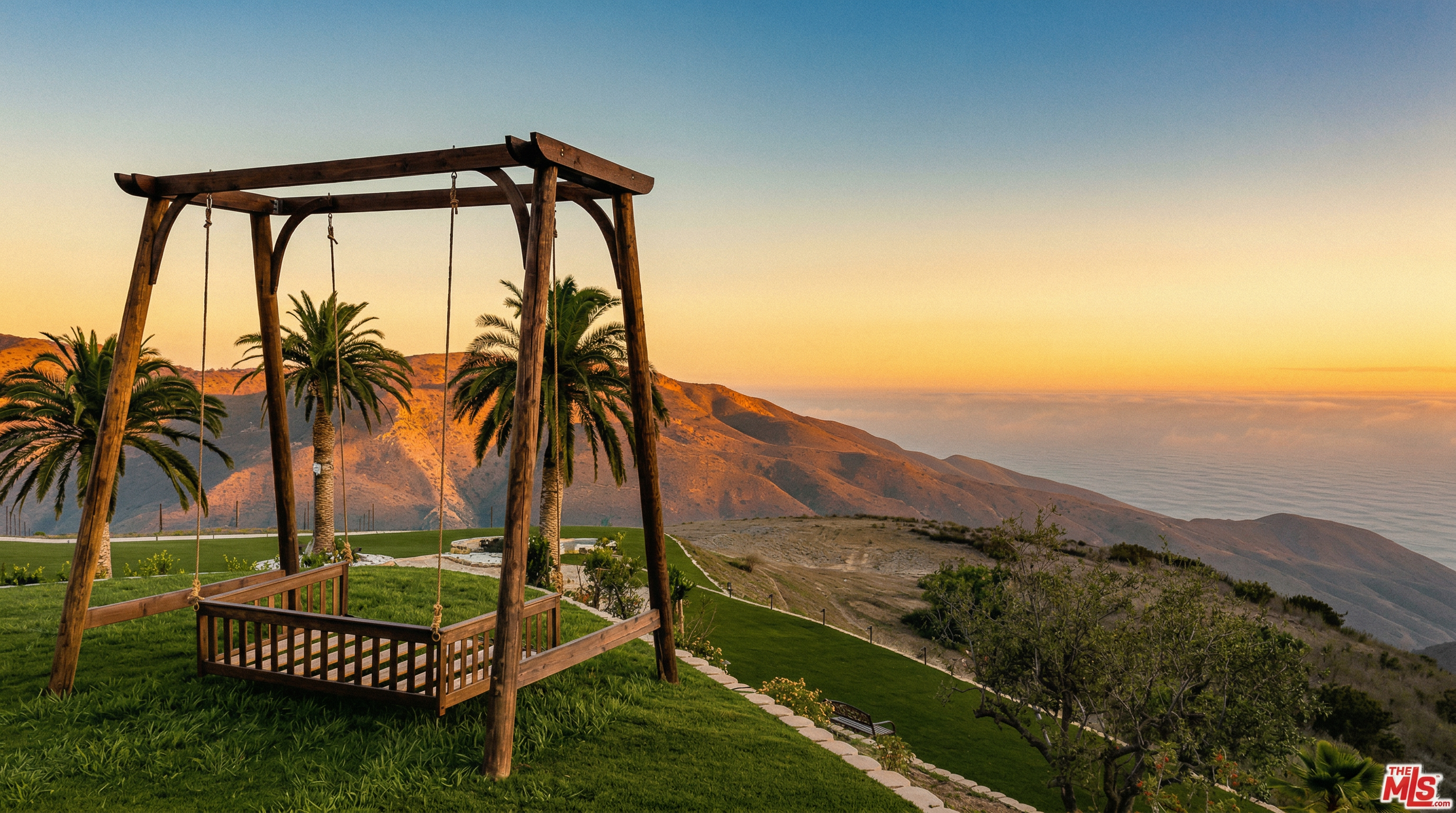
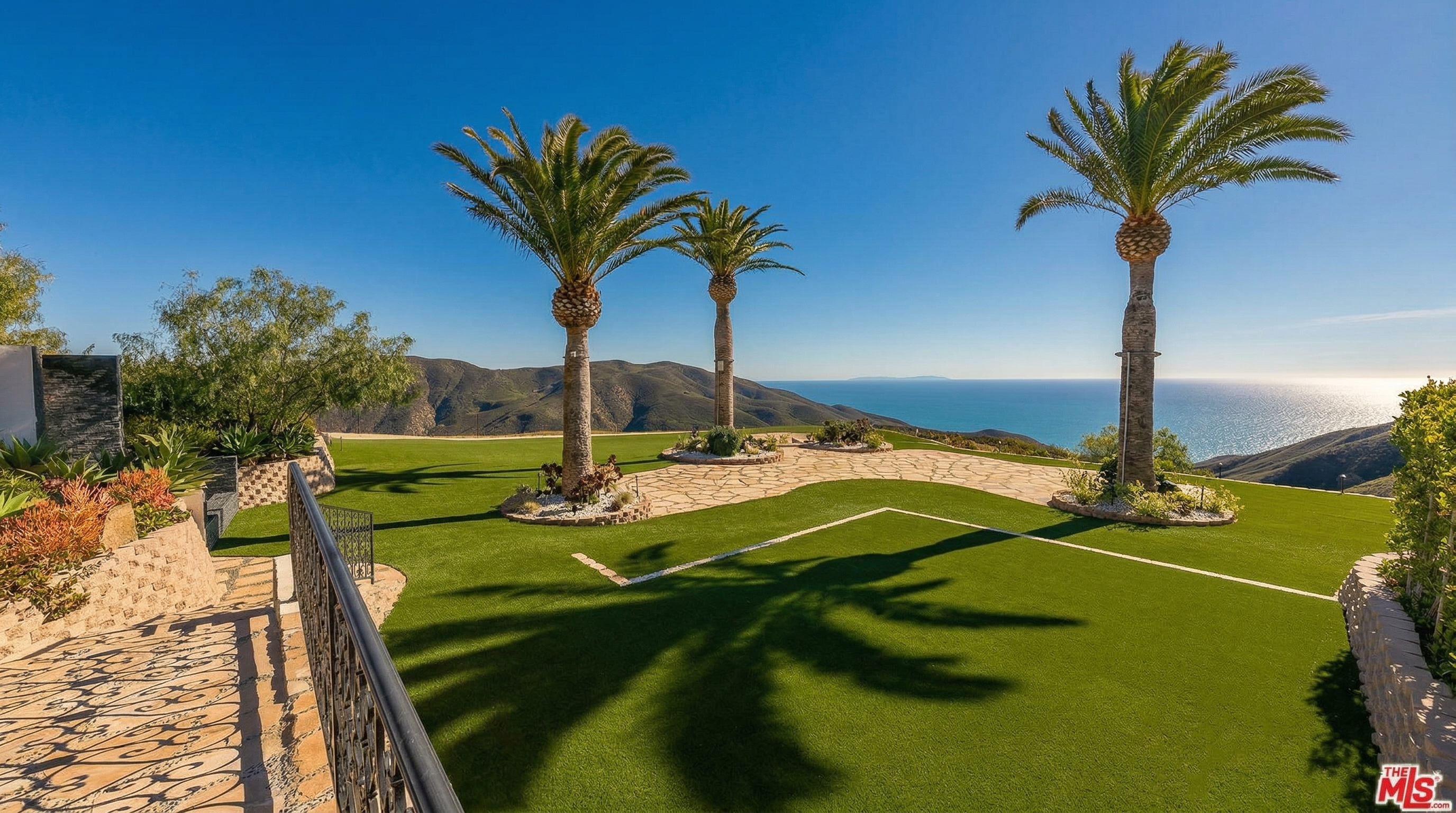
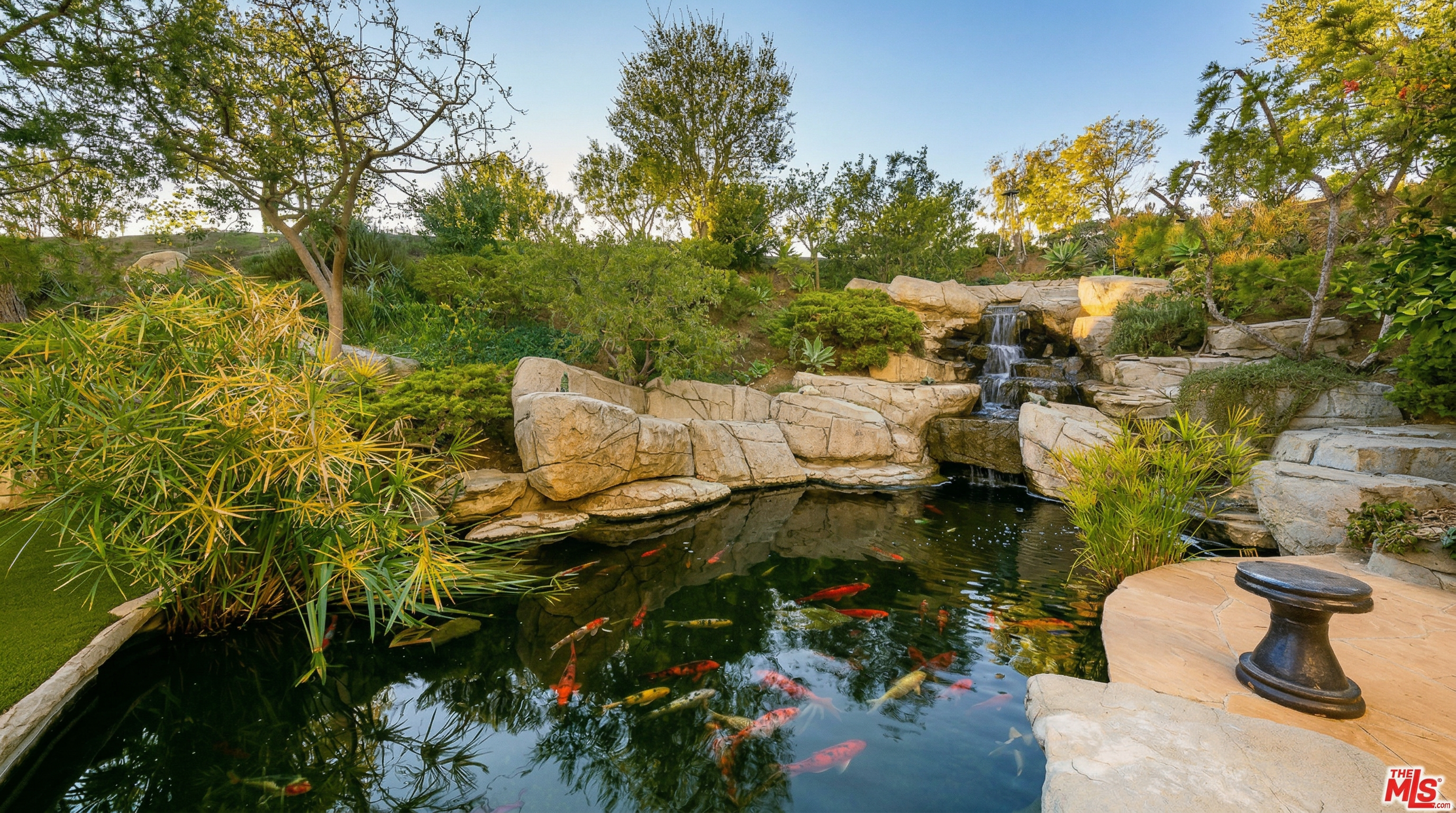
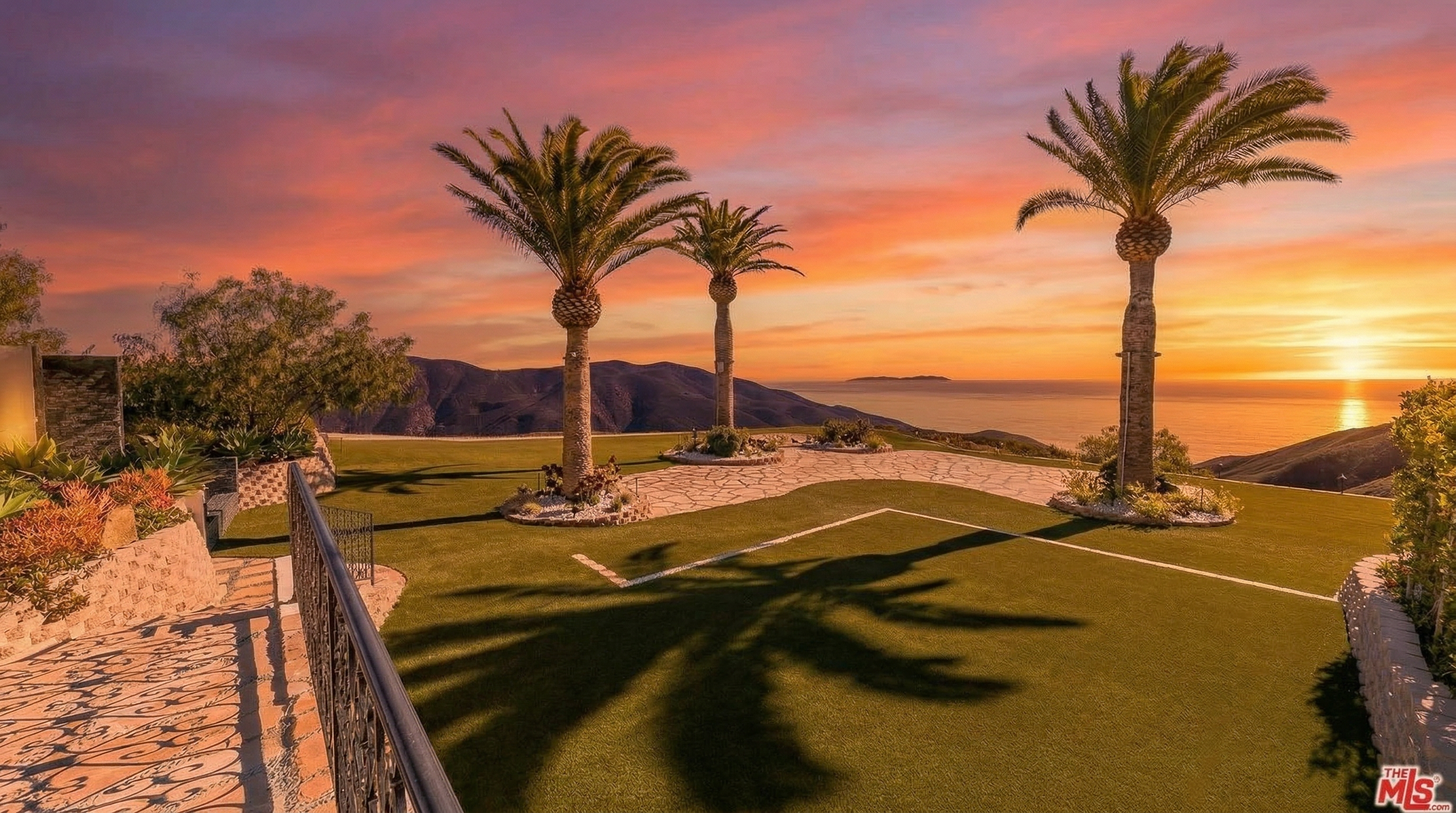
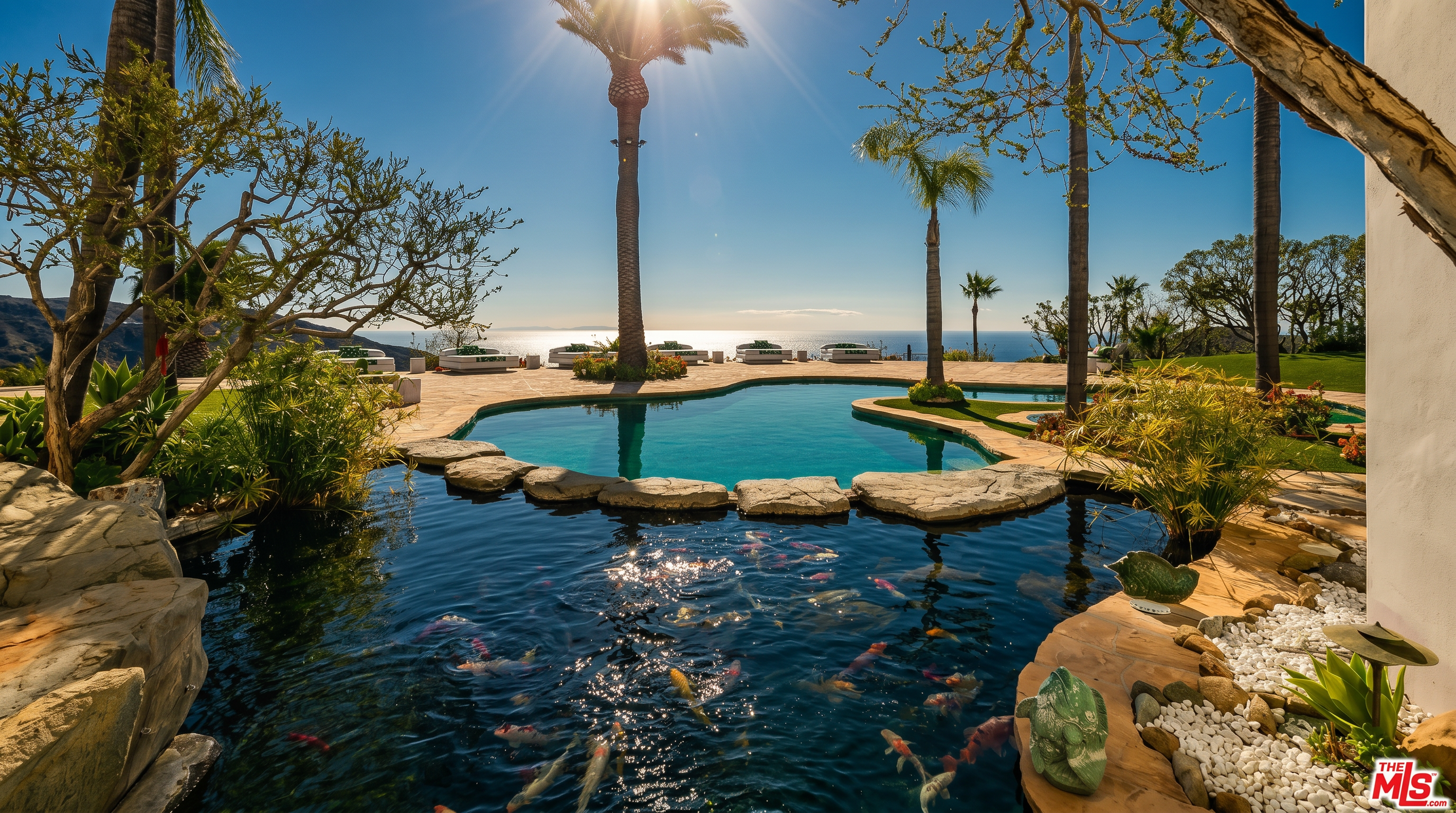
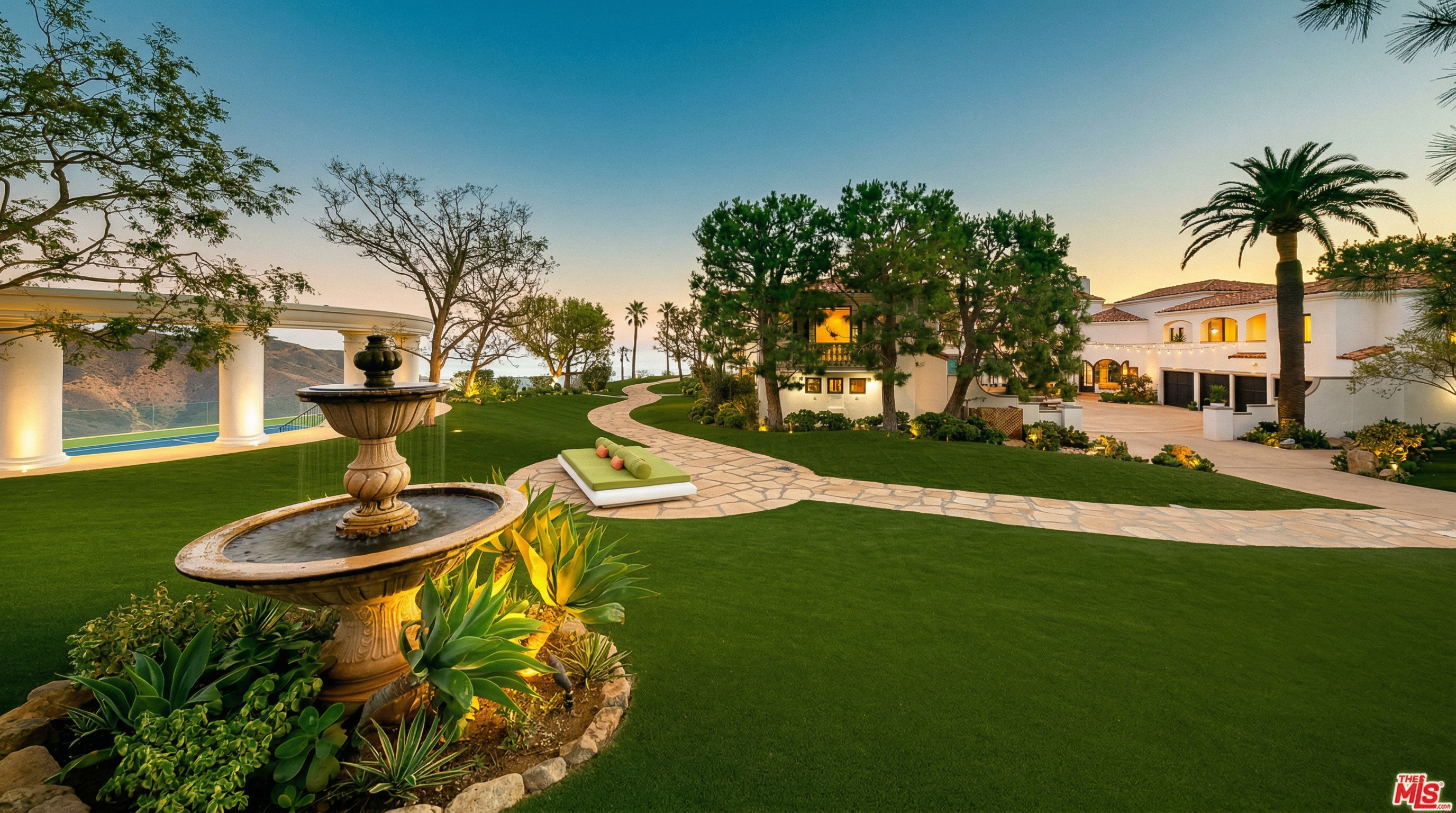
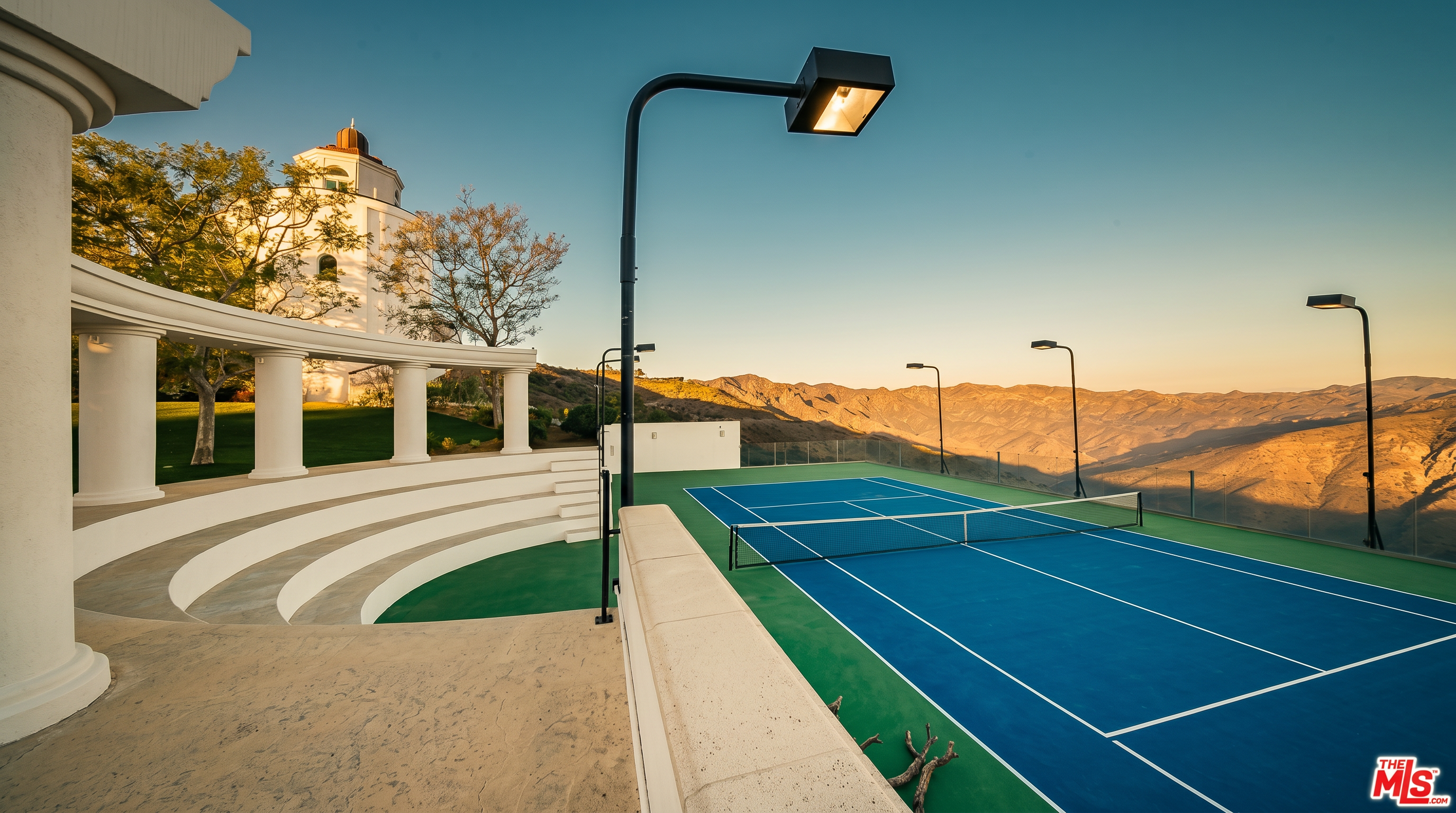
Outside, the resort-style infinity pool and spa occupy one of Malibu's largest flat pad footprints — a genuine rarity on a coastline defined by dramatic topography. Lush manicured gardens, a private tennis court with elegant colonnade detailing, a koi pond with cascading rock waterfall, a putting green, and expansive stone-paved view terraces extend the living environment across the grounds. A vineyard traces the contours of the hillside, adding both visual texture and a layer of self-contained agricultural romance to the estate's identity.
The property also features ample motor-court parking suited to serious collectors, and the estate's scale and configuration present potential helicopter landing capability, subject to buyer's independent verification and all applicable due diligence. The owner accepts cryptocurrency as a payment method, subject to terms and conditions.
This is architecture in service of landscape — and landscape in service of life at its most elevated.
Malibu occupies a singular position in the geography of American luxury — a 21-mile coastal corridor stretching along the Pacific Coast Highway between Los Angeles and Ventura County, where the Santa Monica Mountains descend directly to the sea and the urban grid simply ends. It is one of the few places in Southern California where wilderness and world-class living exist in genuine equilibrium, and its reputation as a destination for those who have transcended the need for proximity to anything reflects a deliberate choice: the choice of the horizon over the skyline.
The history of Malibu as a private enclave traces back to the Rancho Malibu land grant of the 19th century, when the Rindge family controlled the entire coastline and resisted public access for decades. That legacy of fiercely guarded privacy is woven into the culture of the place — it is not incidental that Malibu attracts those who value seclusion above all else. The town was officially incorporated as a city in 1991, and it has maintained its character as a low-density, residential coastal community ever since, with strict land-use regulations that have preserved both its natural beauty and its sense of remove from the metropolitan sprawl to the south.
Yellow Hill Road sits in the elevated interior of Malibu, above the coastal plain and within the Santa Monica Mountains, placing the estate in a position of genuine topographic dominance. At this elevation, the compound exists above the coastal communities below while remaining within reach of everything Malibu and greater Los Angeles offer. The Pacific Coast Highway — the connective thread of Malibu life — provides access to the celebrated beaches of Point Dume, Zuma Beach, and El Matador State Beach, as well as the dining and retail corridor of Malibu Village and the Malibu Country Mart, a curated open-air destination anchoring the community's social life.
Malibu's culinary landscape has matured considerably, with restaurants such as Nobu Malibu, Moonshadows, and Geoffrey's representing the range from international destination dining to relaxed Pacific-view experiences that define the local character. The Malibu Wine Safari and the broader Malibu wine region — of which this estate's own vineyard is a natural counterpart — has established the area as a legitimate wine country destination within the Los Angeles basin.
For families, the Las Virgenes Unified School District serves the area, and Pepperdine University's campus, perched dramatically on a Malibu hillside overlooking the Pacific, provides both an educational institution and an active cultural venue through its Center for the Arts programming. The Santa Monica Mountains National Recreation Area, one of the largest urban national parks in the United States, borders the region and provides tens of thousands of acres of protected land for hiking, equestrian use, and natural exploration.
To own at this address is to occupy the pinnacle of a place that has always defined itself by what it refuses to become. The Malibu Dream Resort is not simply a property in Malibu — it is the embodiment of what Malibu, at its most extraordinary, can be.
Featured Highlights
Curated Content • Presented by Rudy Malka