The Story Behind
383 Acres Where the White Mountains Begin and Privacy Ends
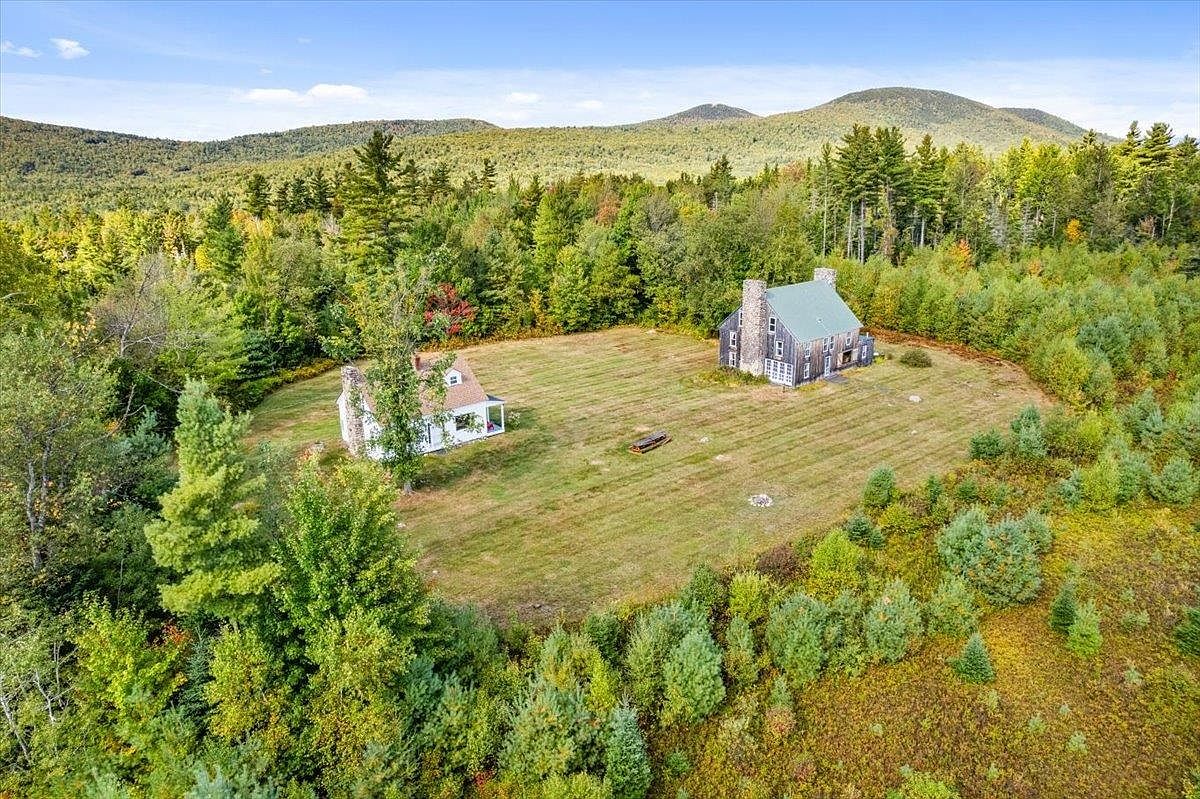
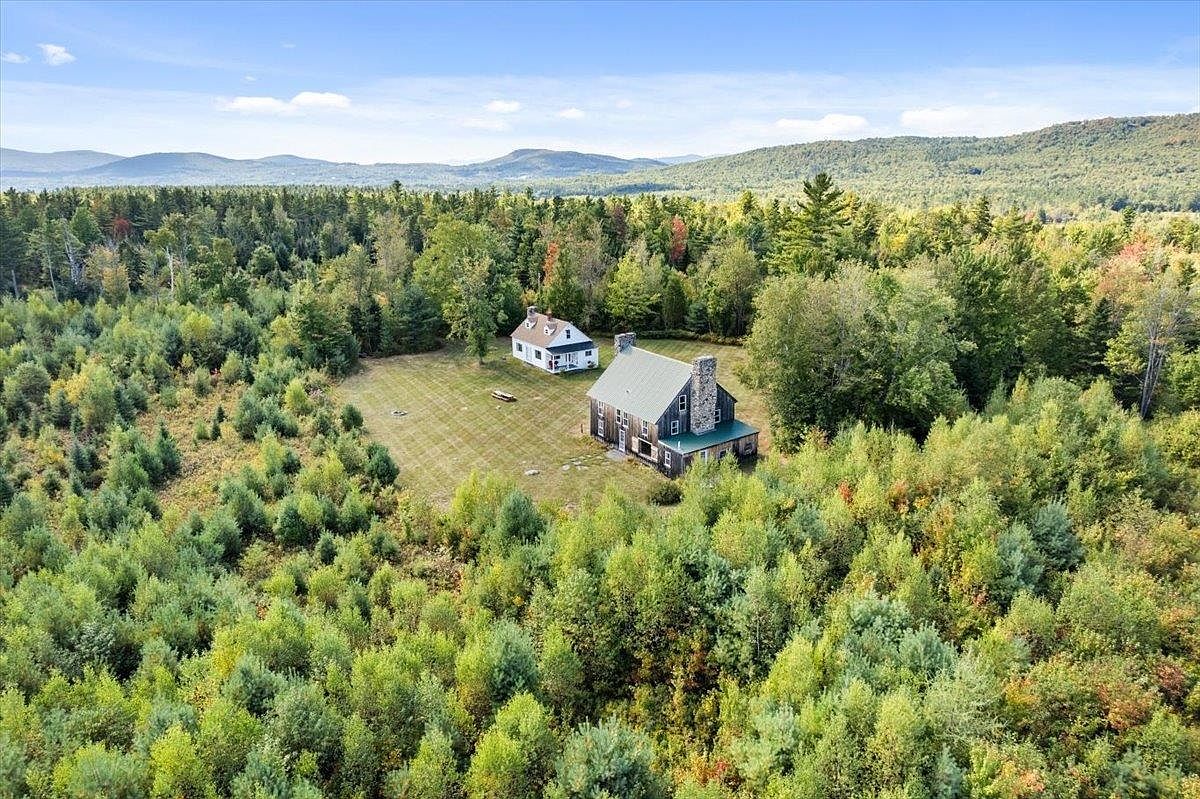
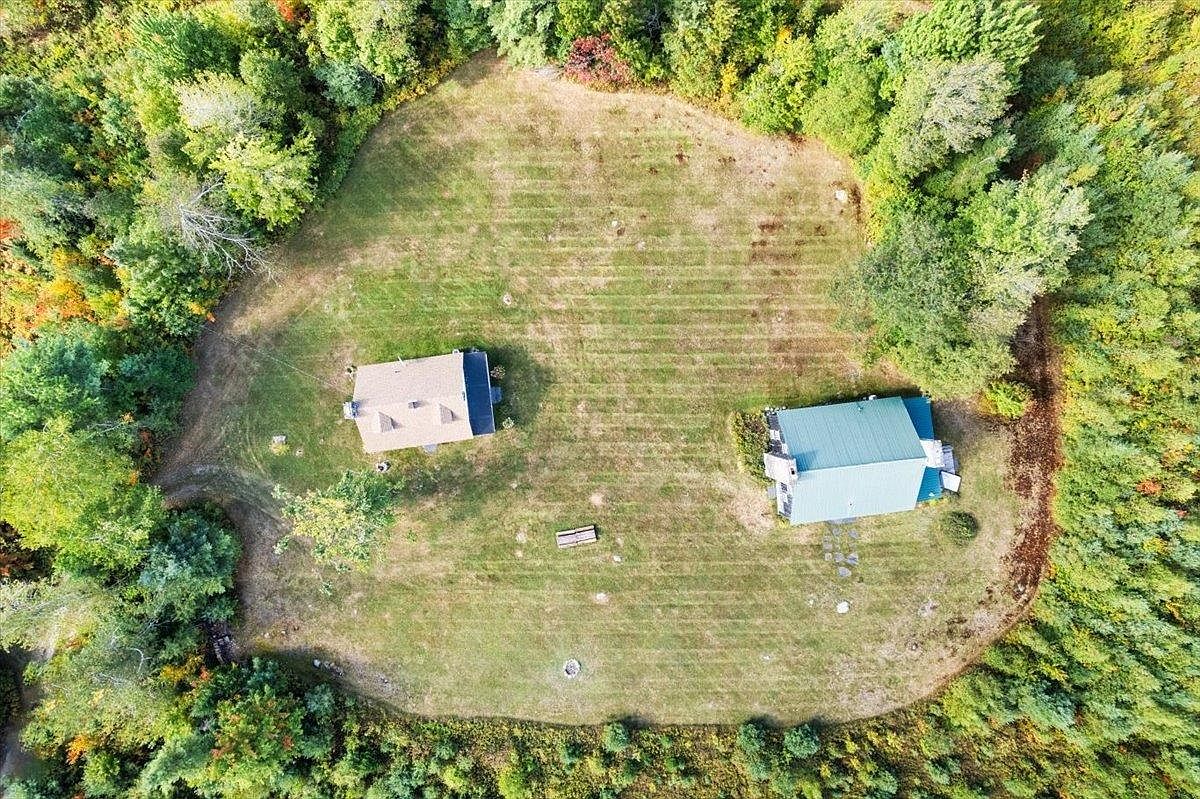
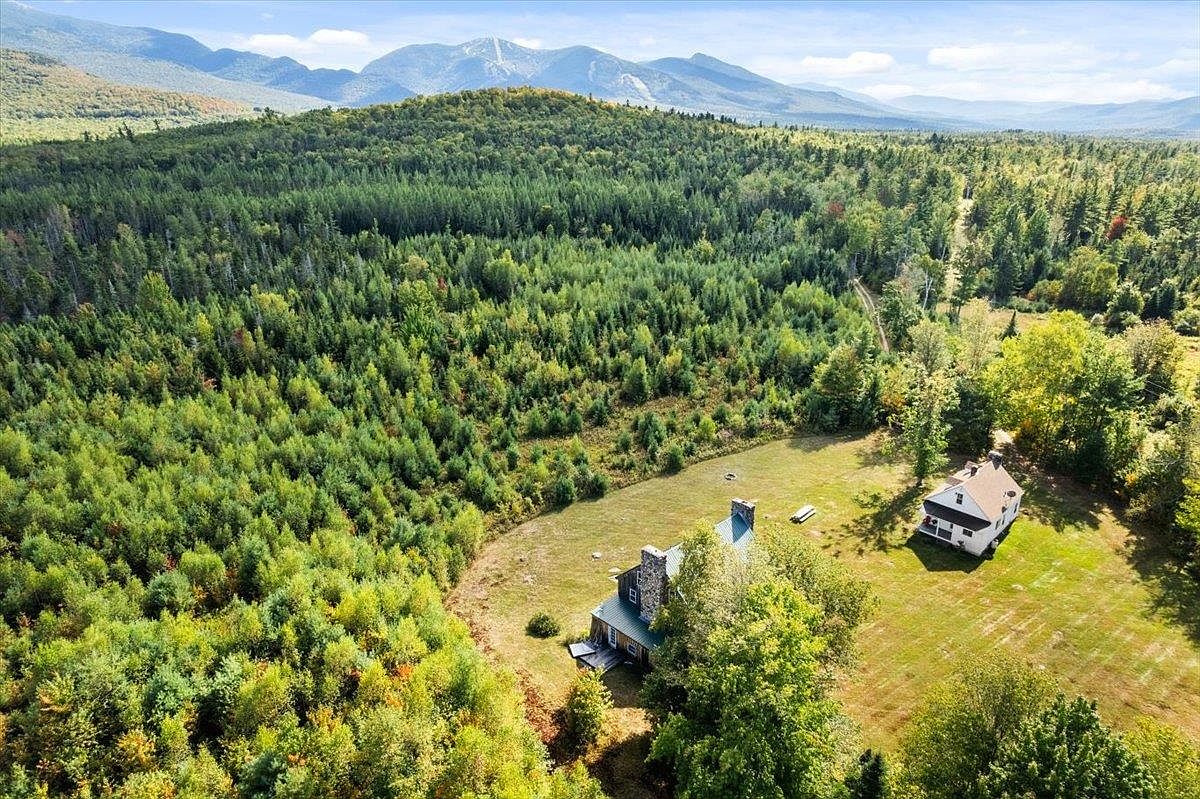
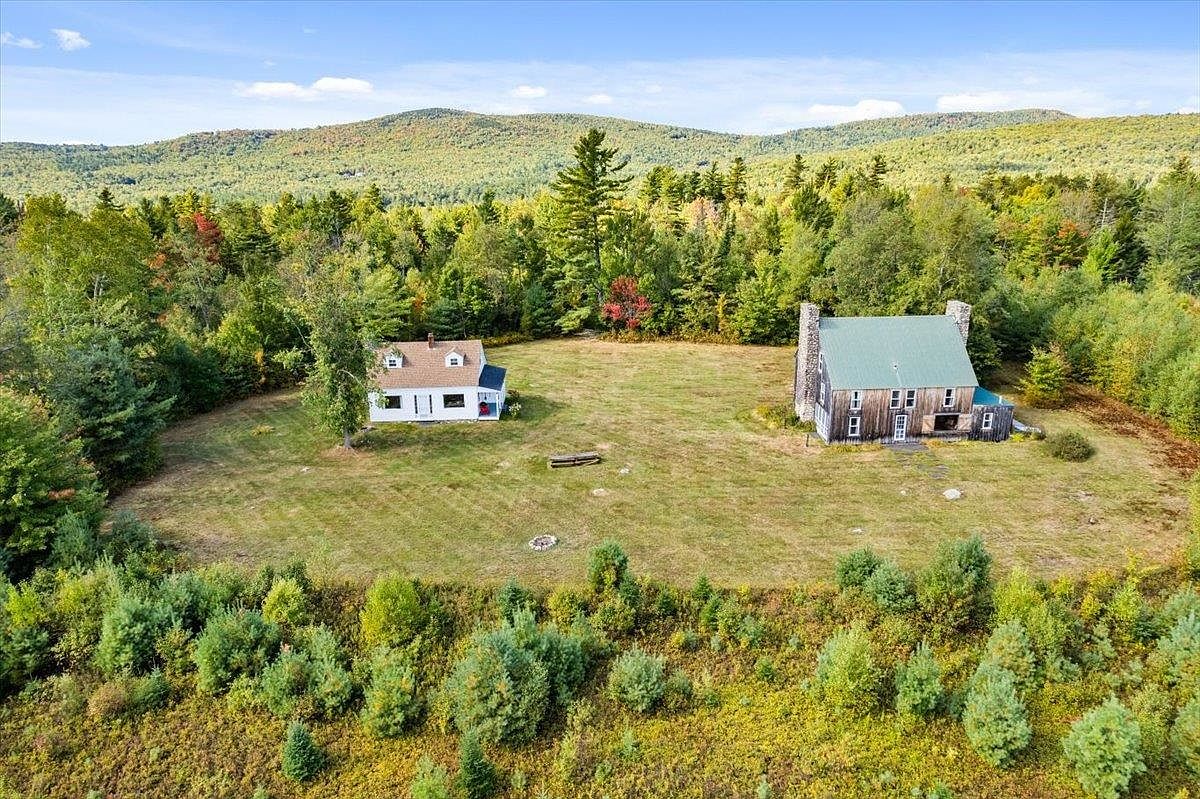
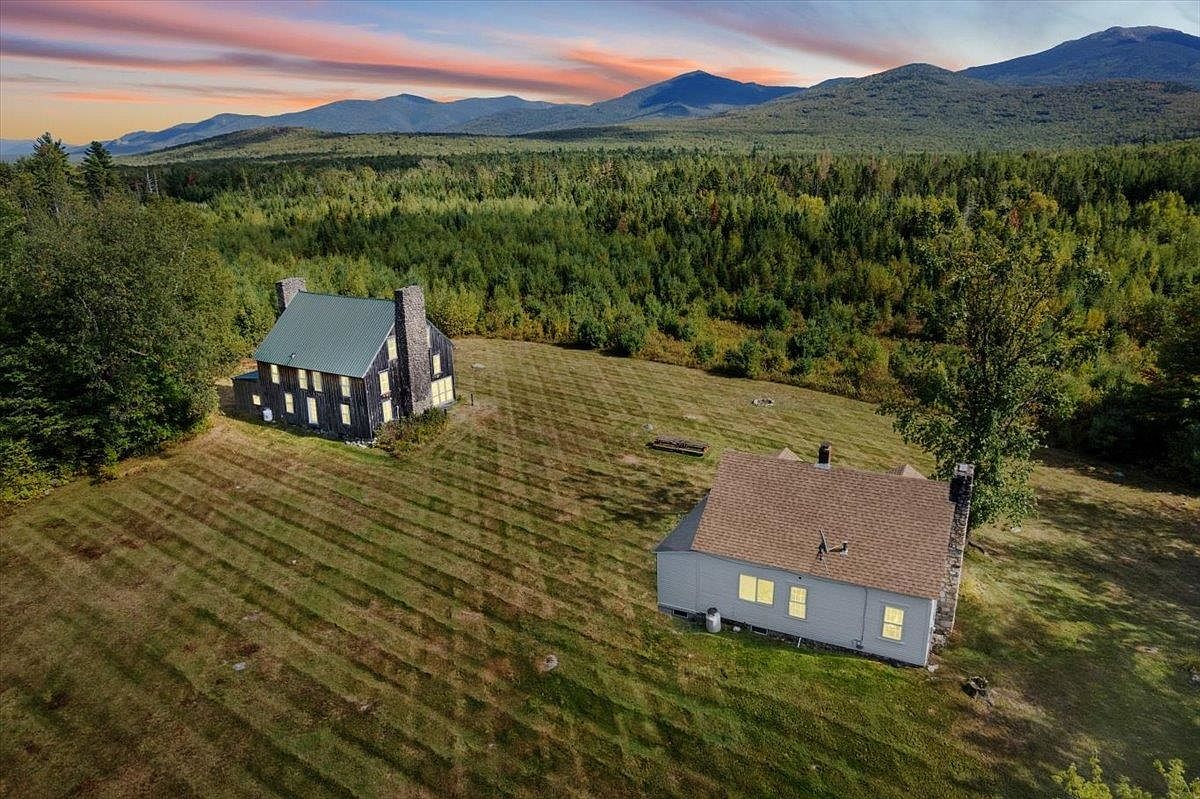
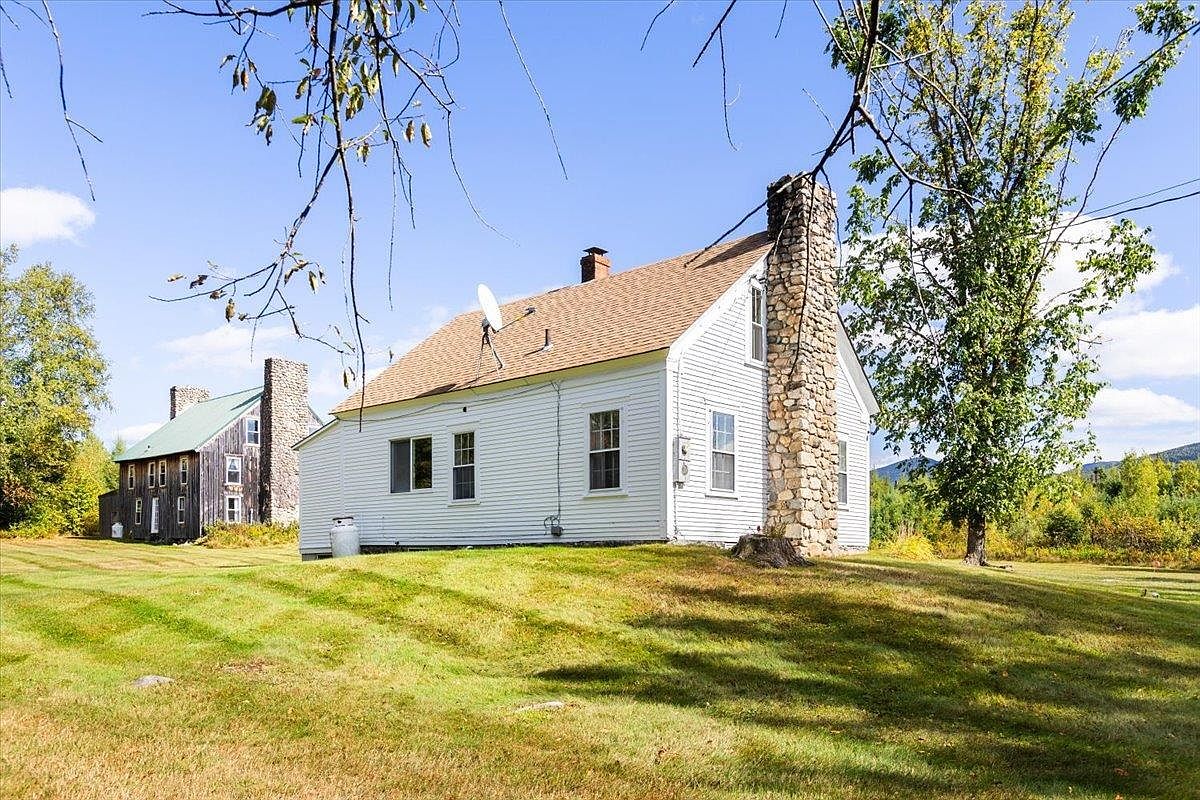
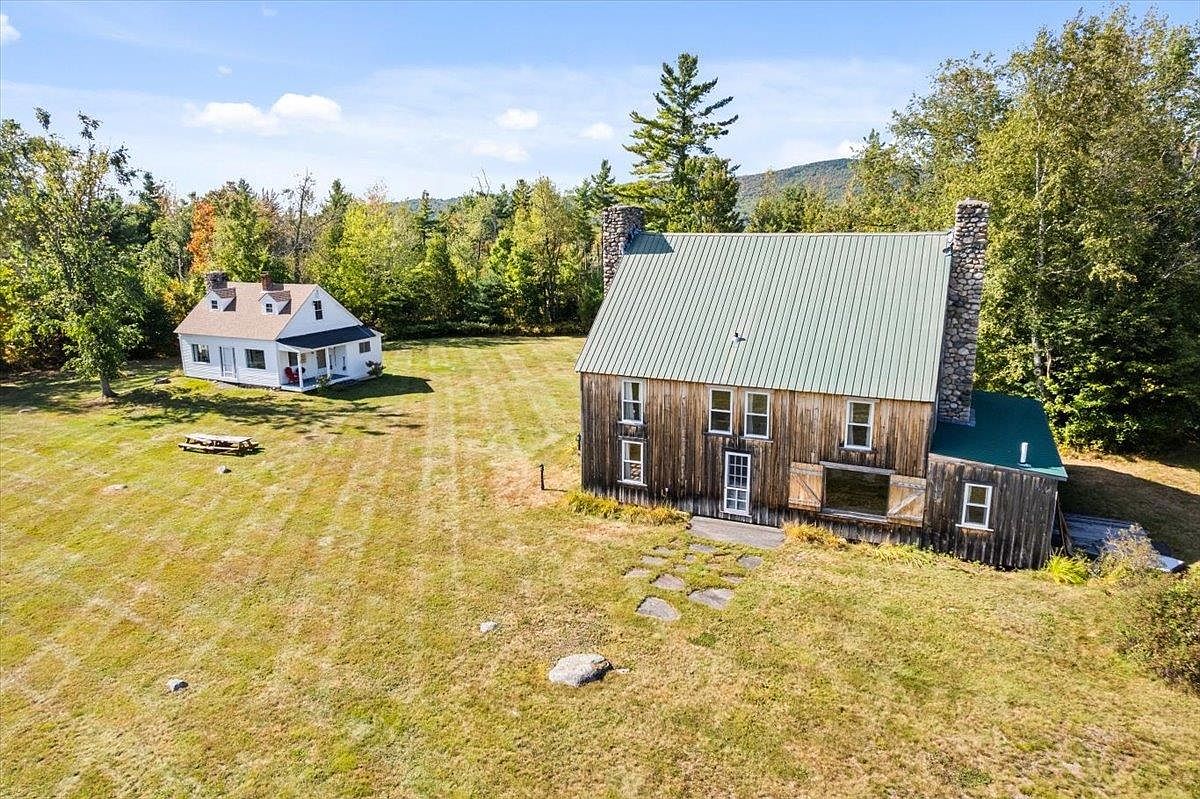
There is a particular quality of stillness that arrives only at the end of a road, and Coal Hill Road delivers it fully. The drive deposits you at a clearing that opens like a held breath — two structures settled into the landscape as though they have always been here, framed by forest and sky in equal measure, with the Gale River tracing a quiet boundary along approximately 2,700 feet of the property's edge.
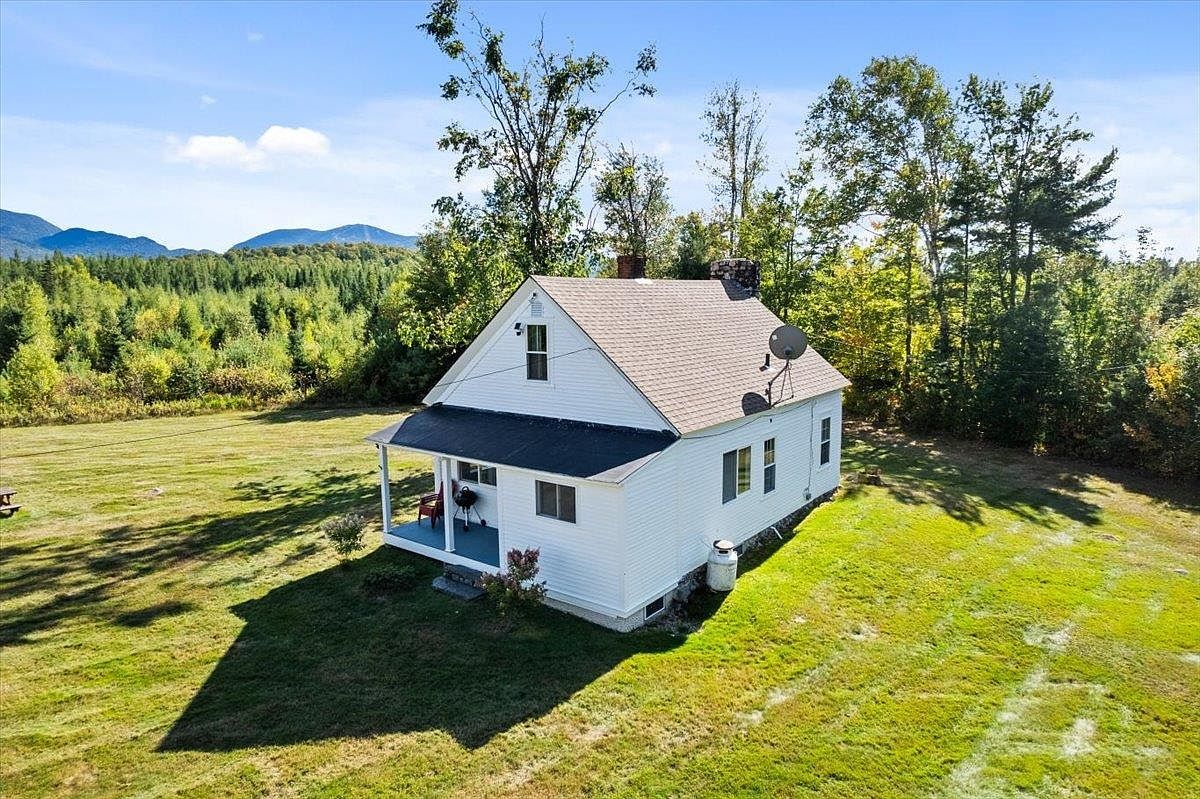
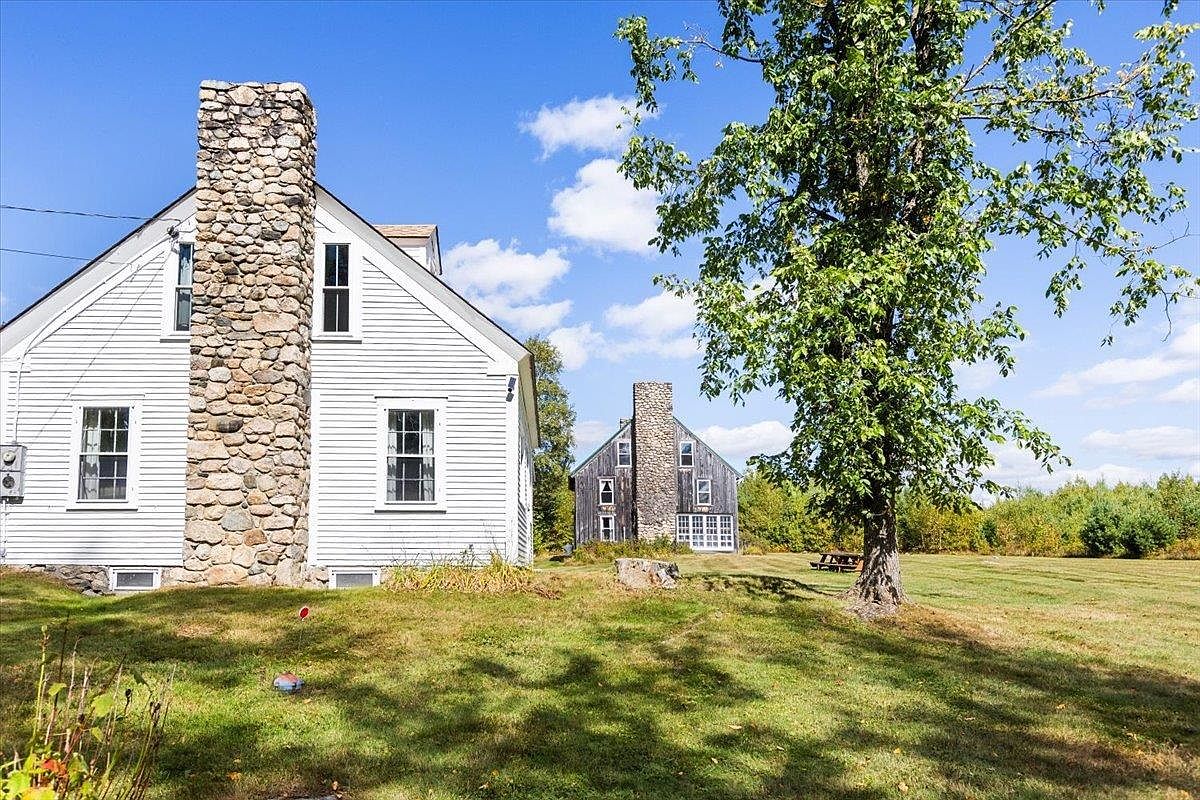
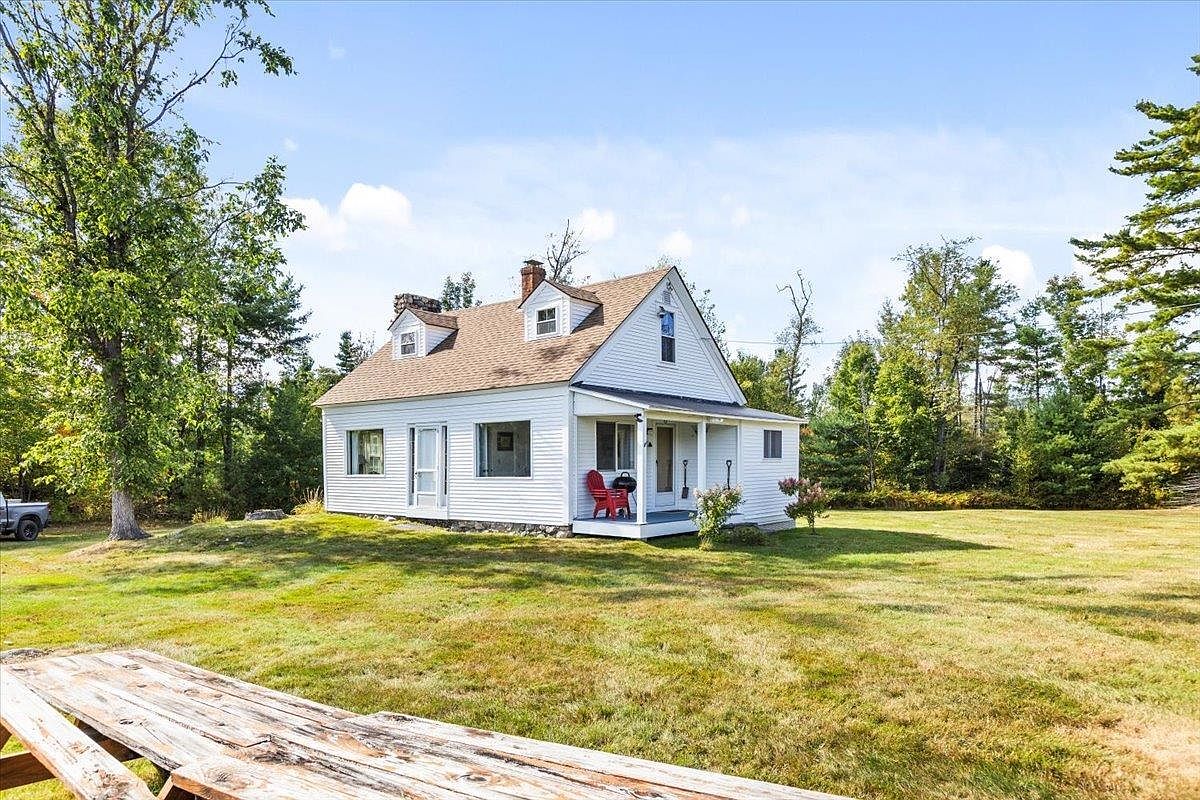
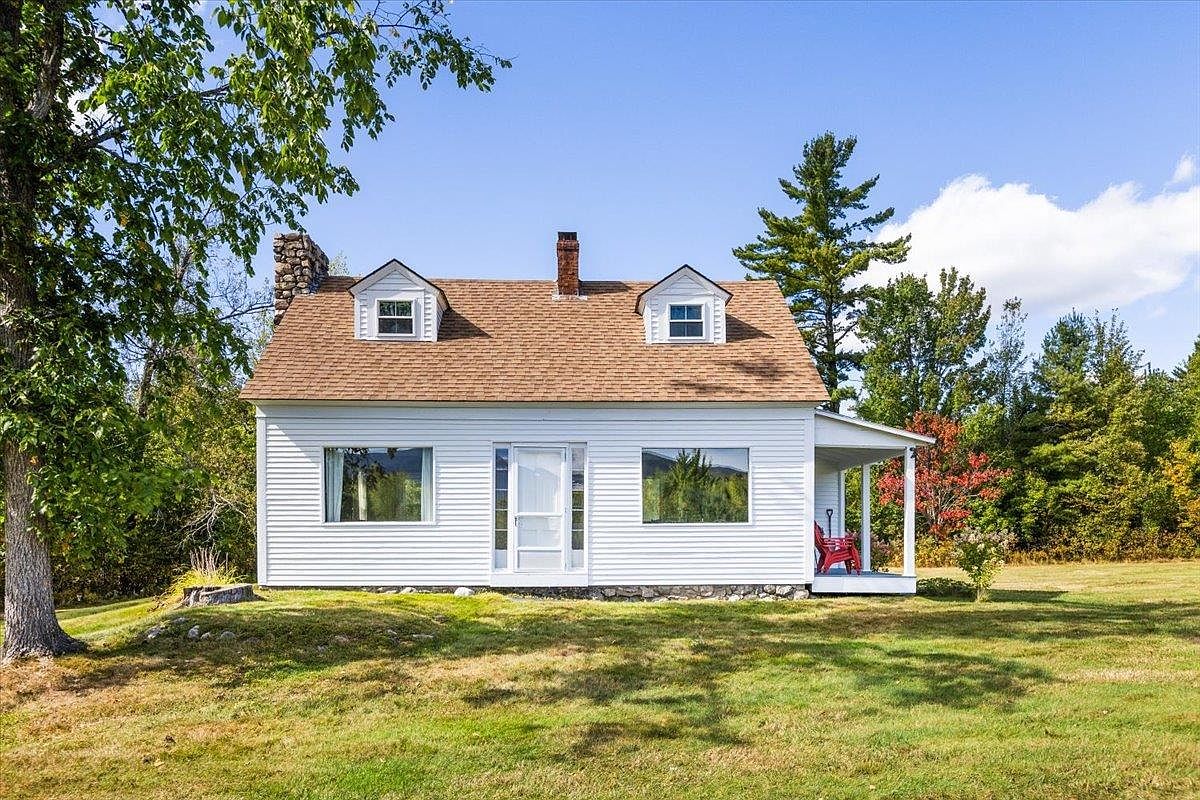
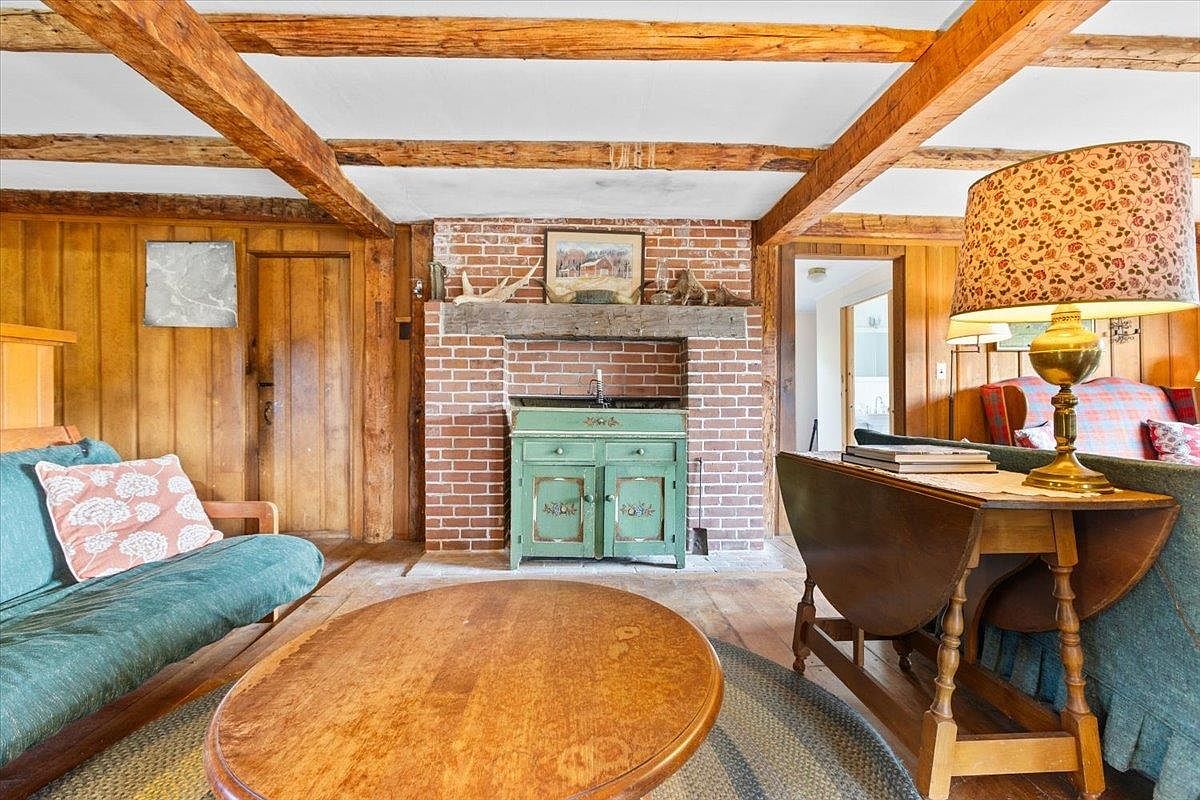
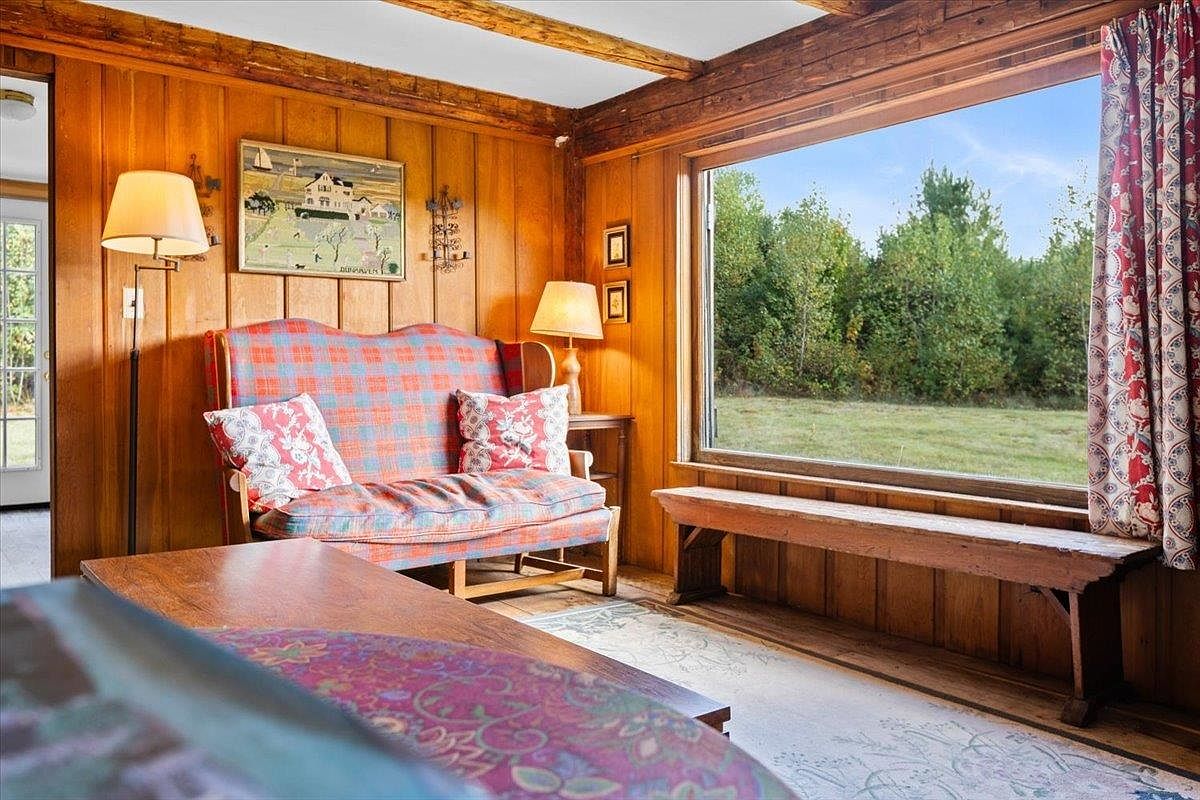
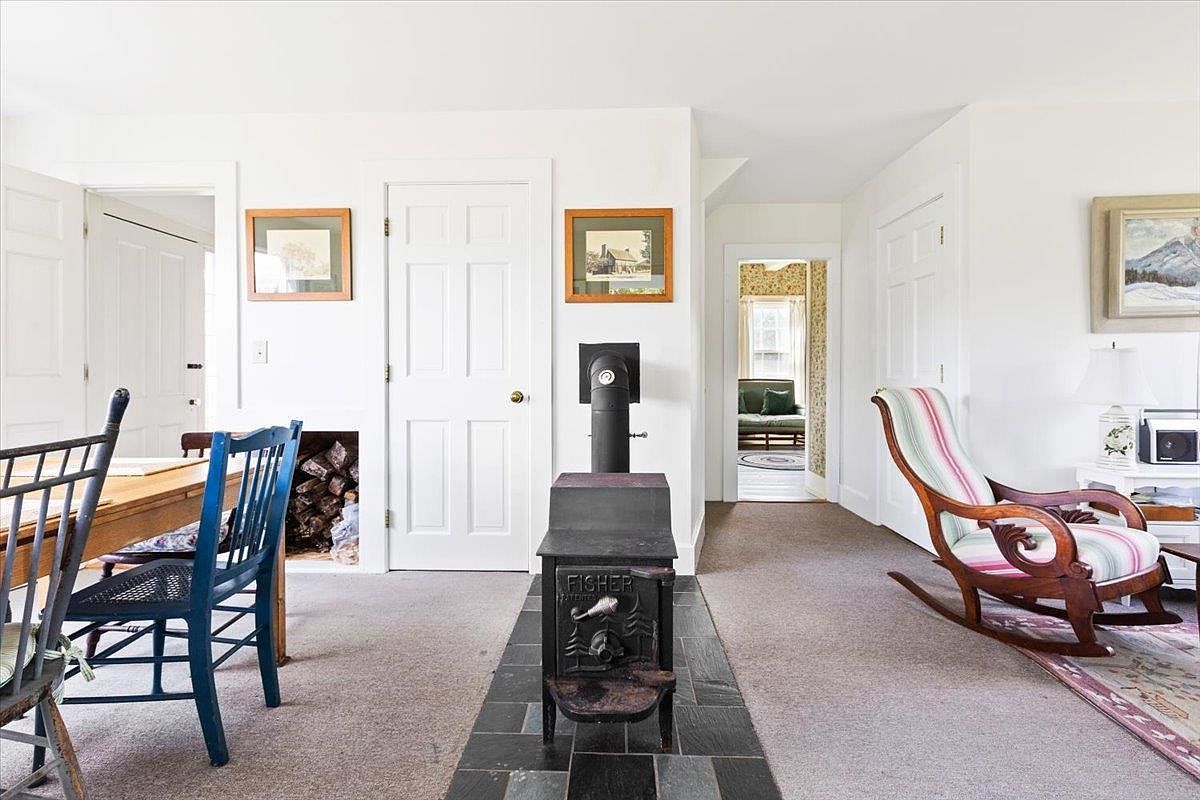
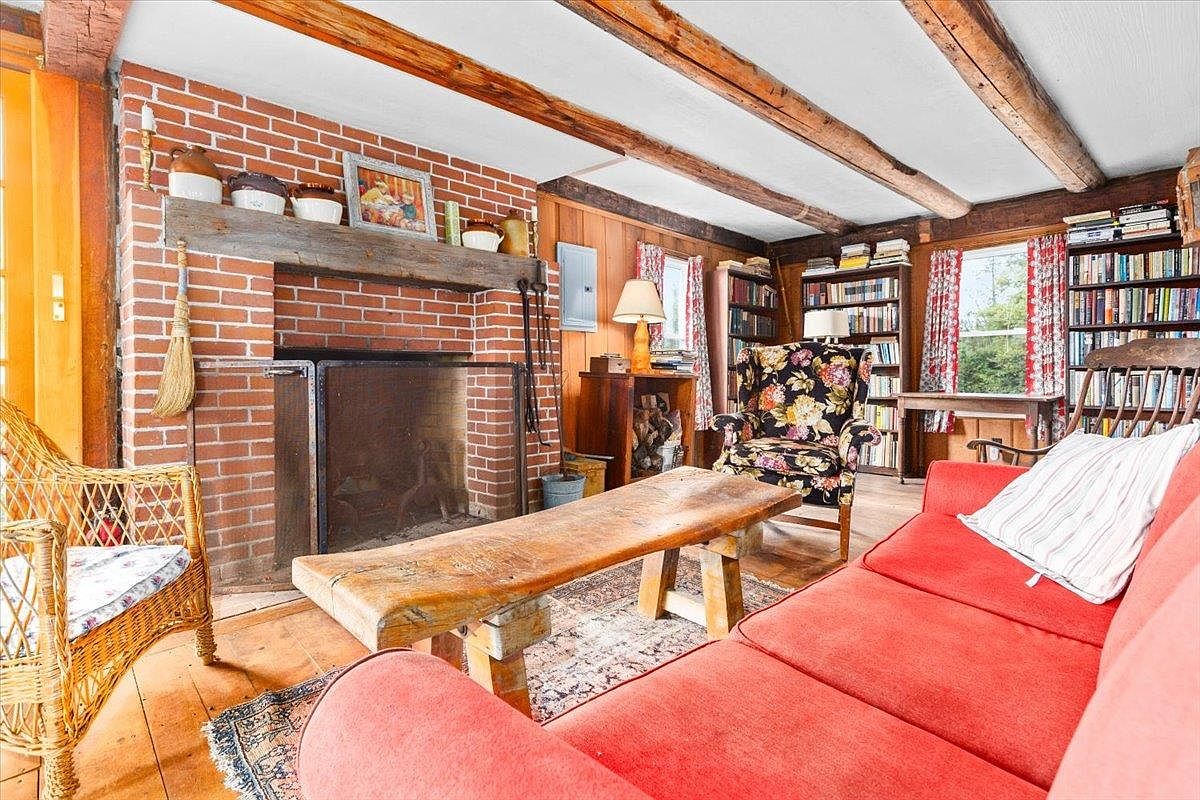
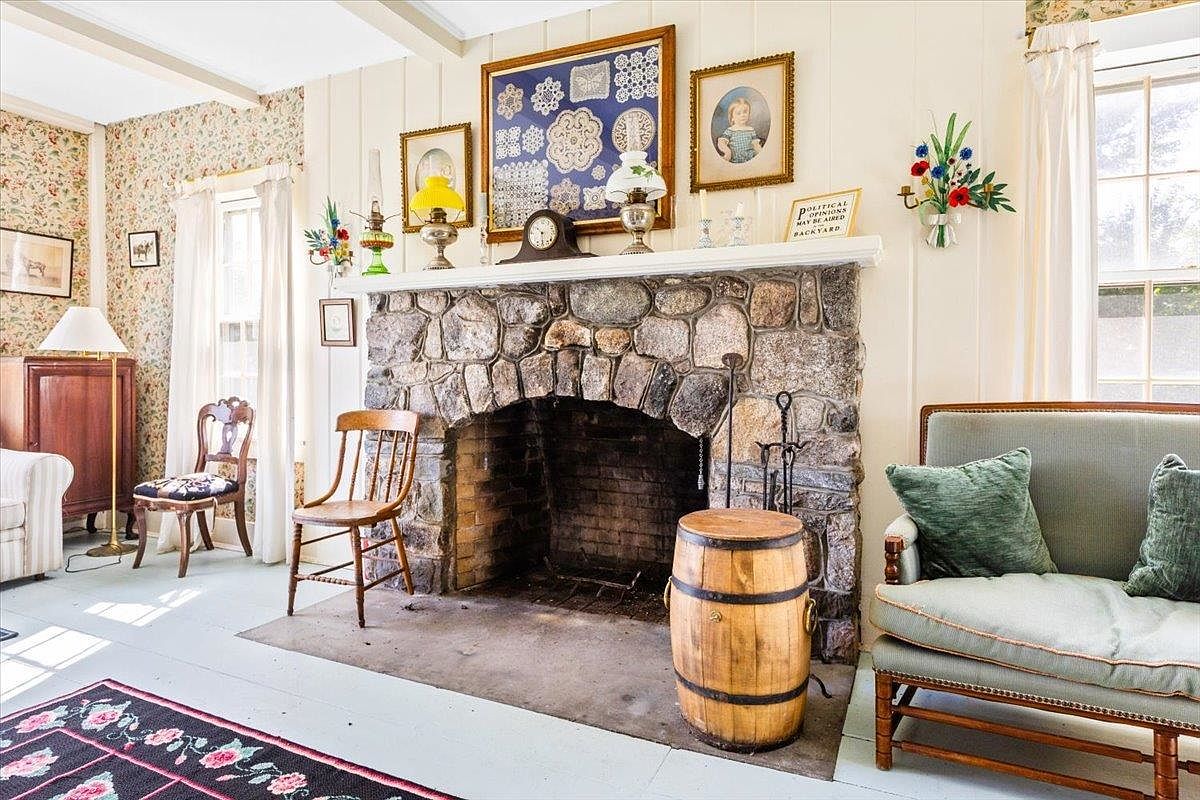
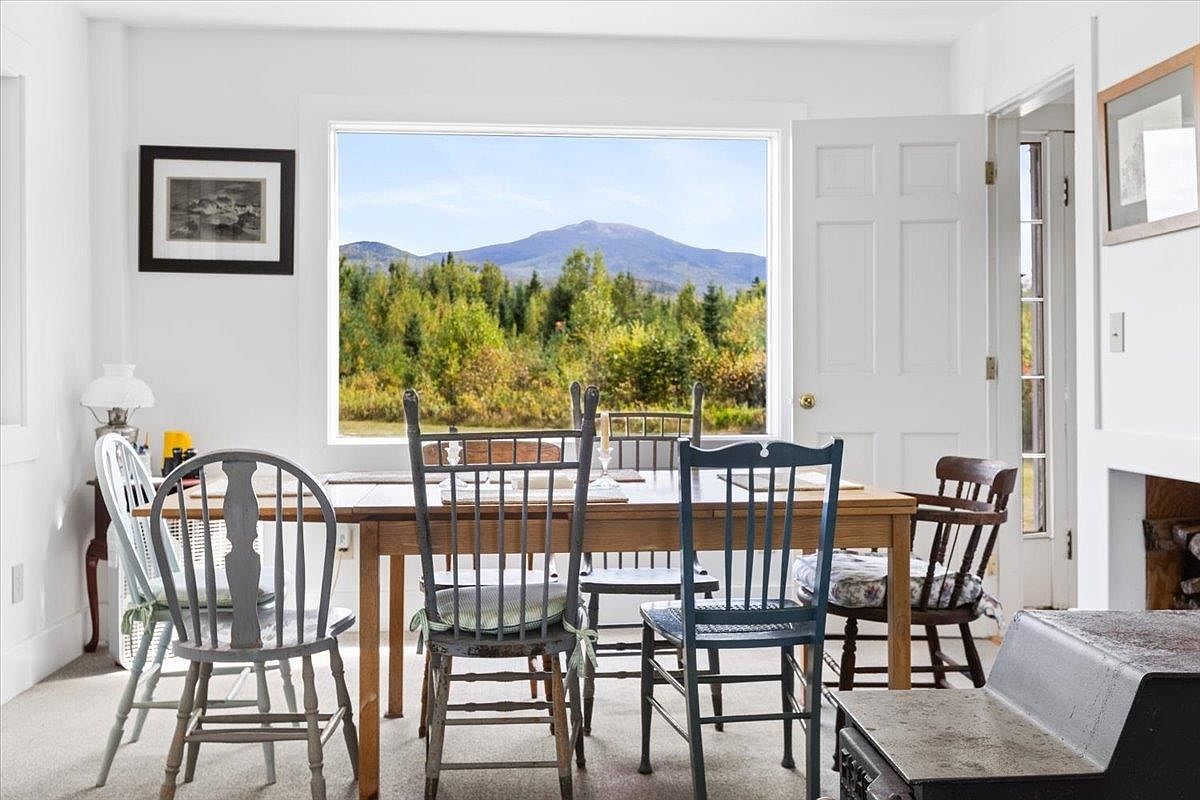
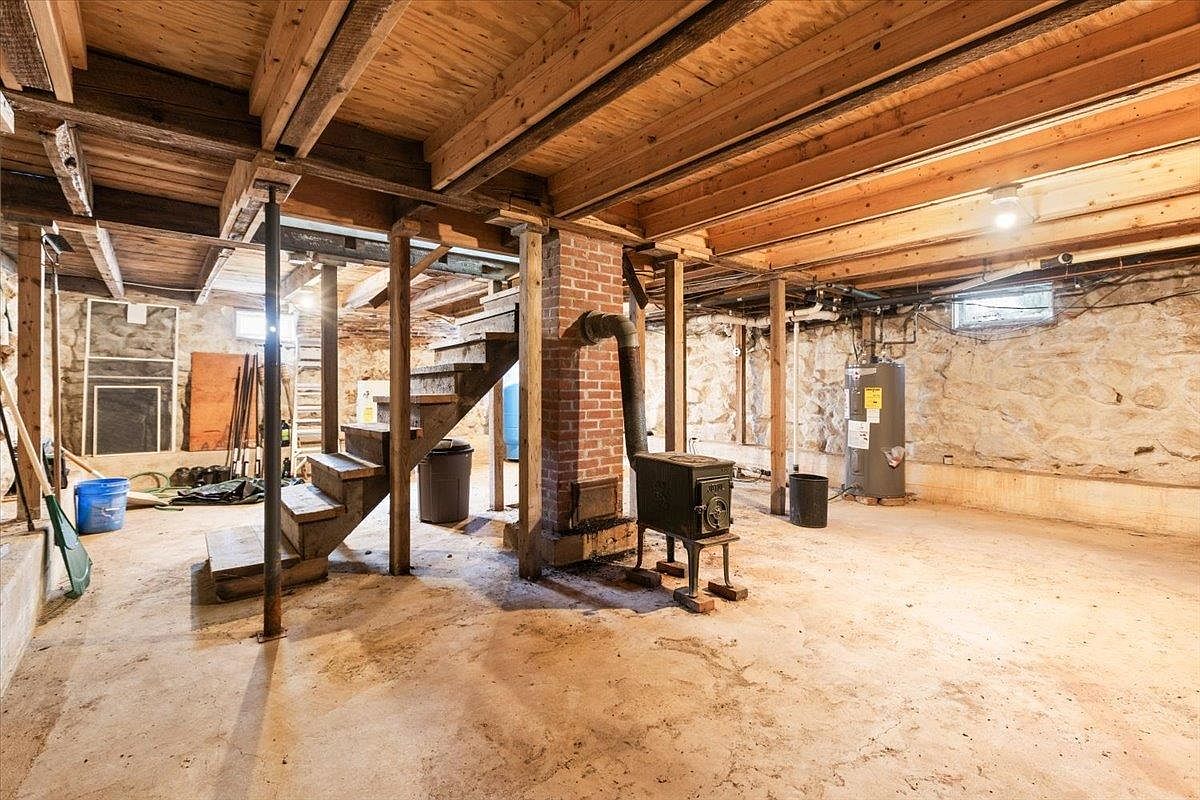
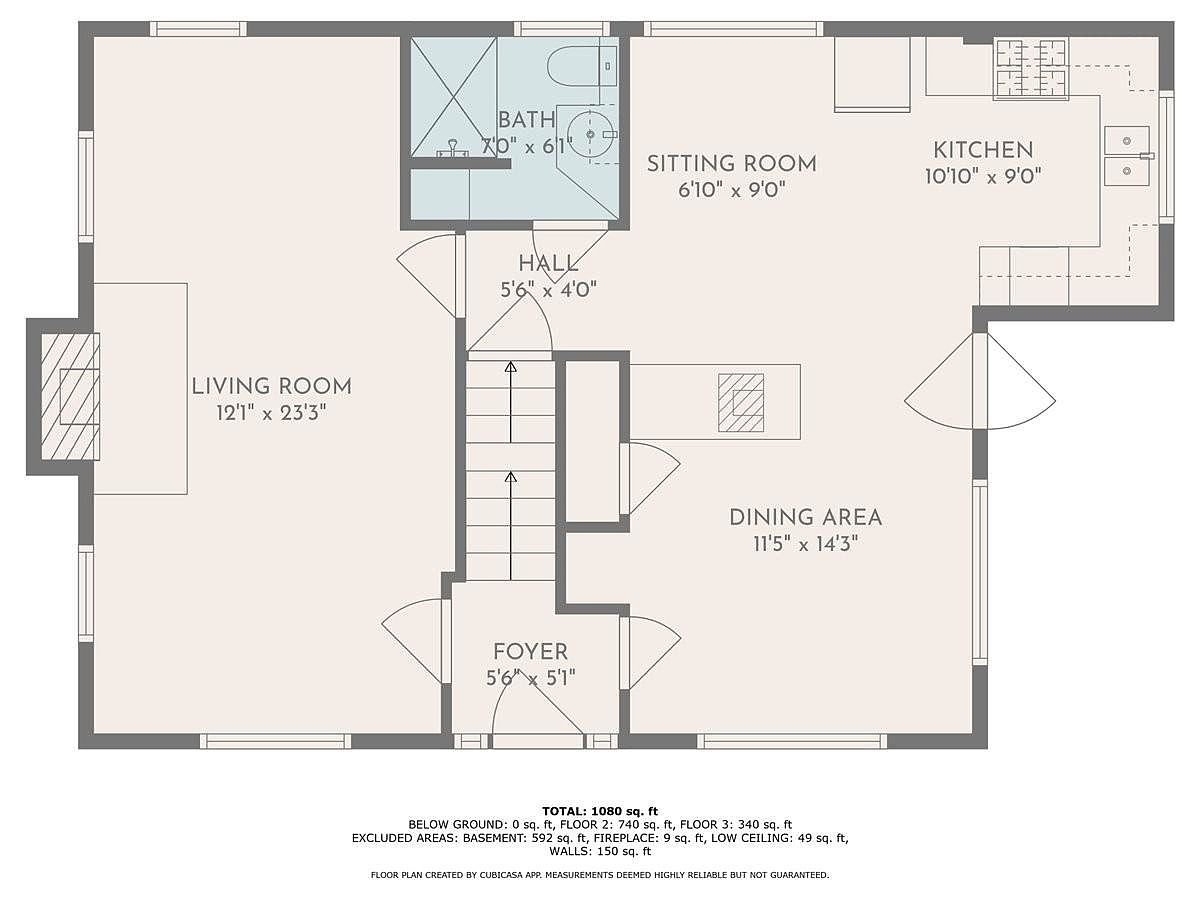
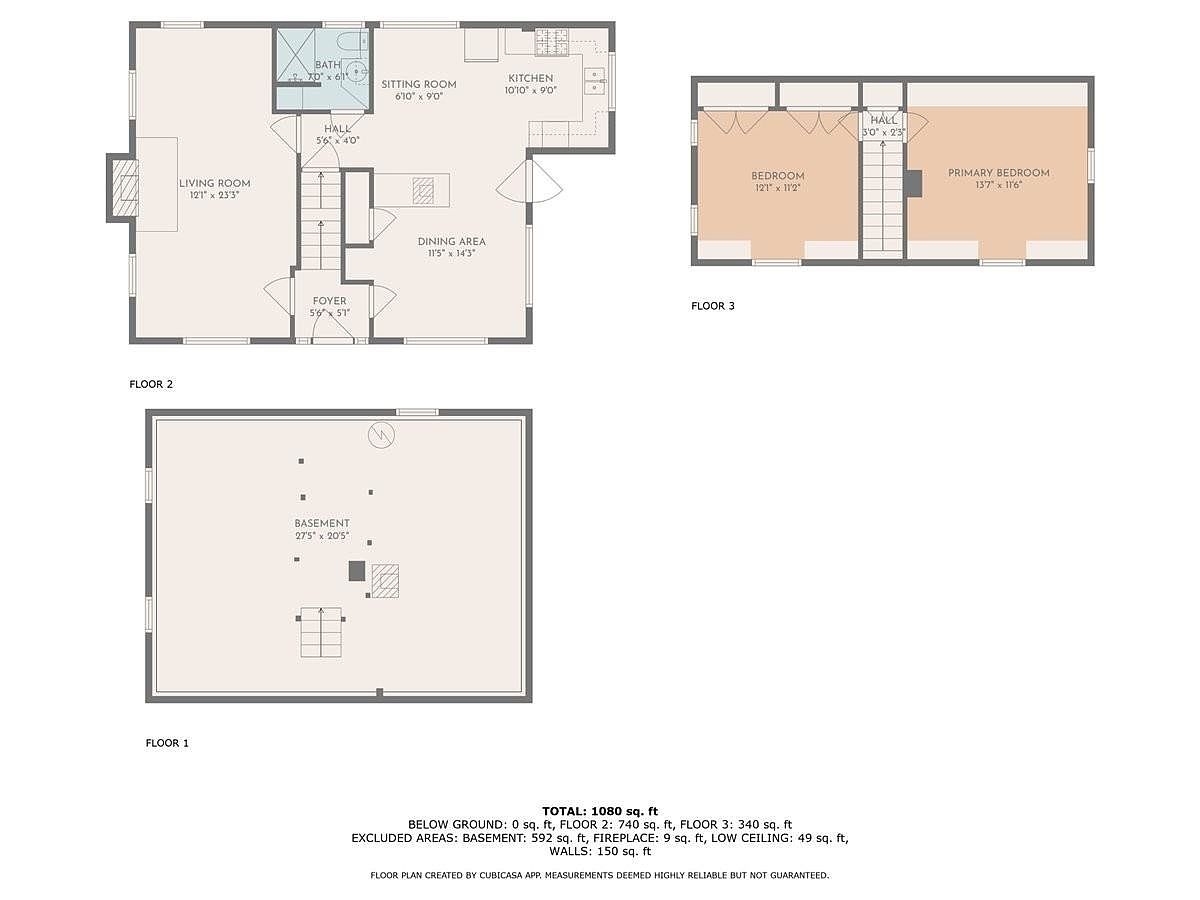
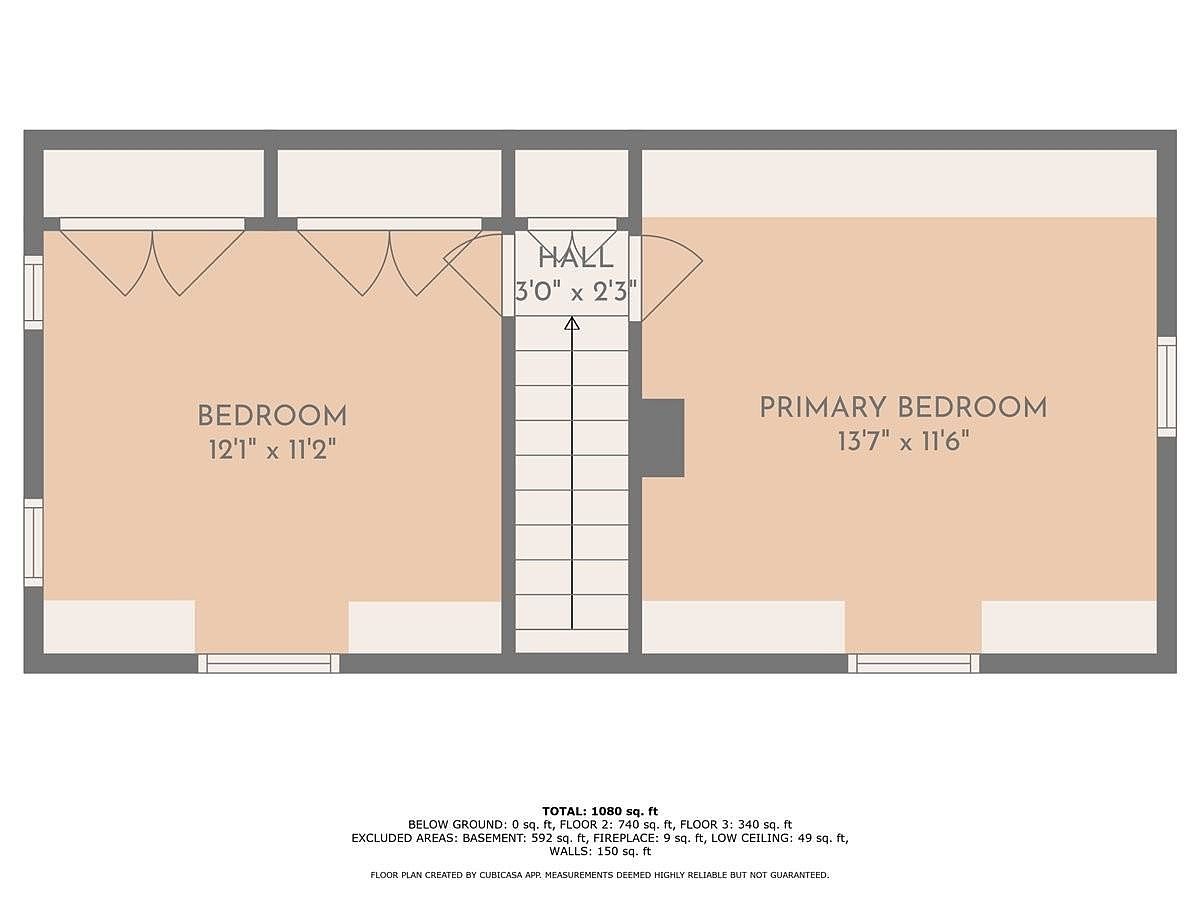
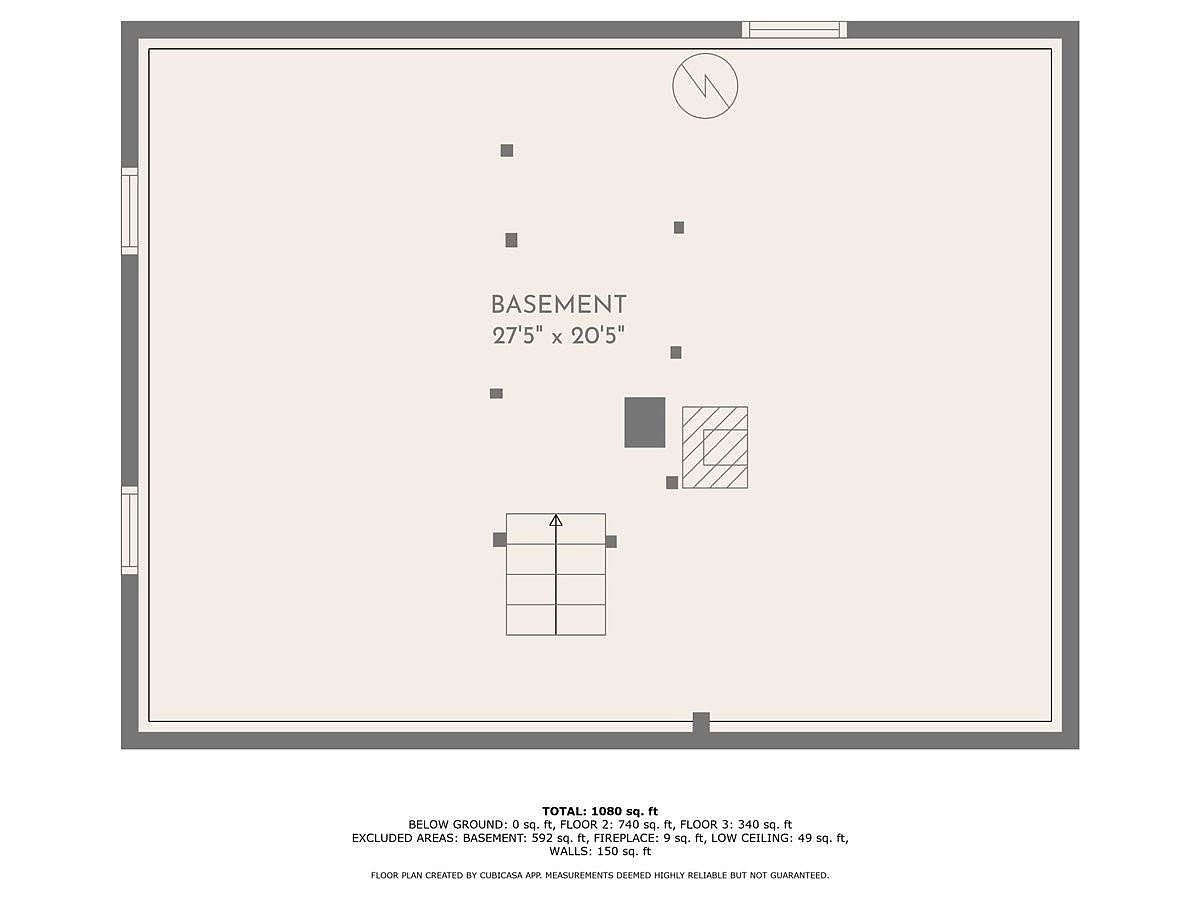
The antique Cape is the elder of the two residences, its two bedrooms and large stone fireplace speaking to a vernacular tradition of building that prioritized warmth, proportion, and permanence. Exposed wooden beams cross the ceiling of the living room; wood-paneled walls absorb and hold the light of afternoon. It is a home that invites stillness — a rocking chair near the window, a lamp casting its amber reach across a side table, the stone chimney rising through the structure like a spine. This is not a house that announces itself. It earns your attention slowly, through accumulated detail and honest materiality.
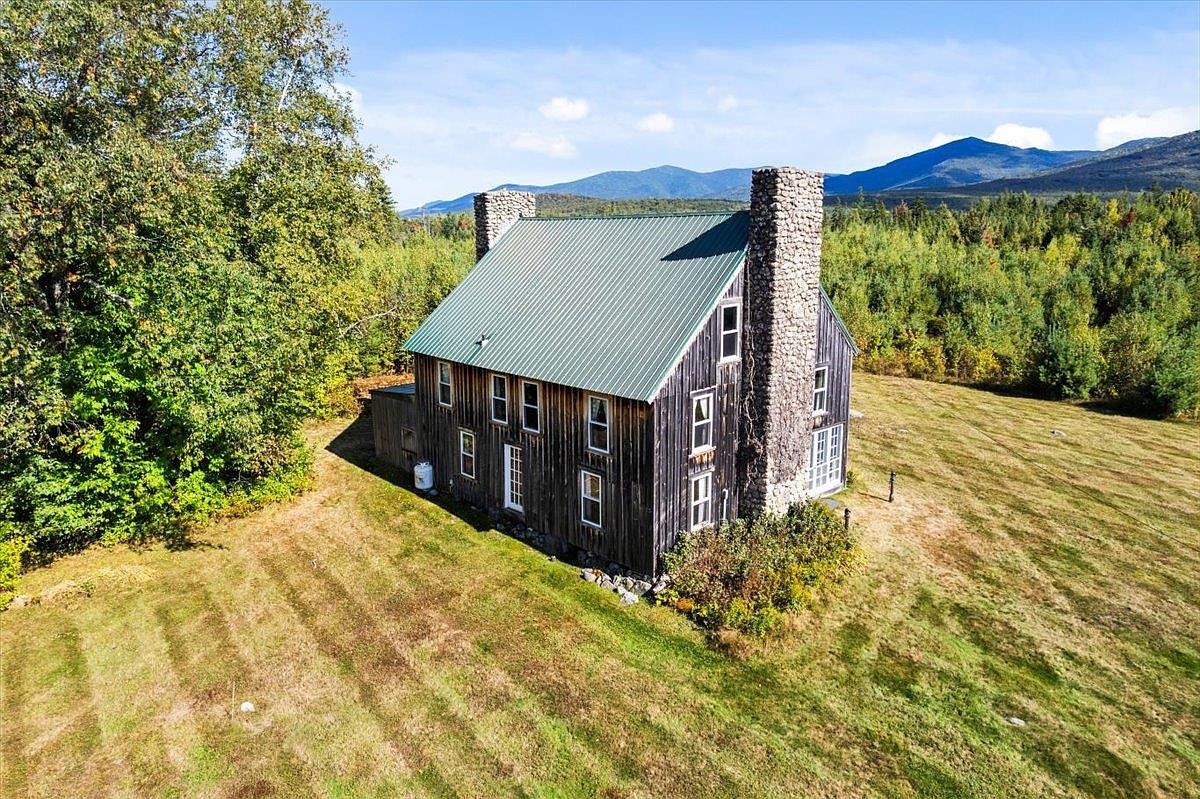
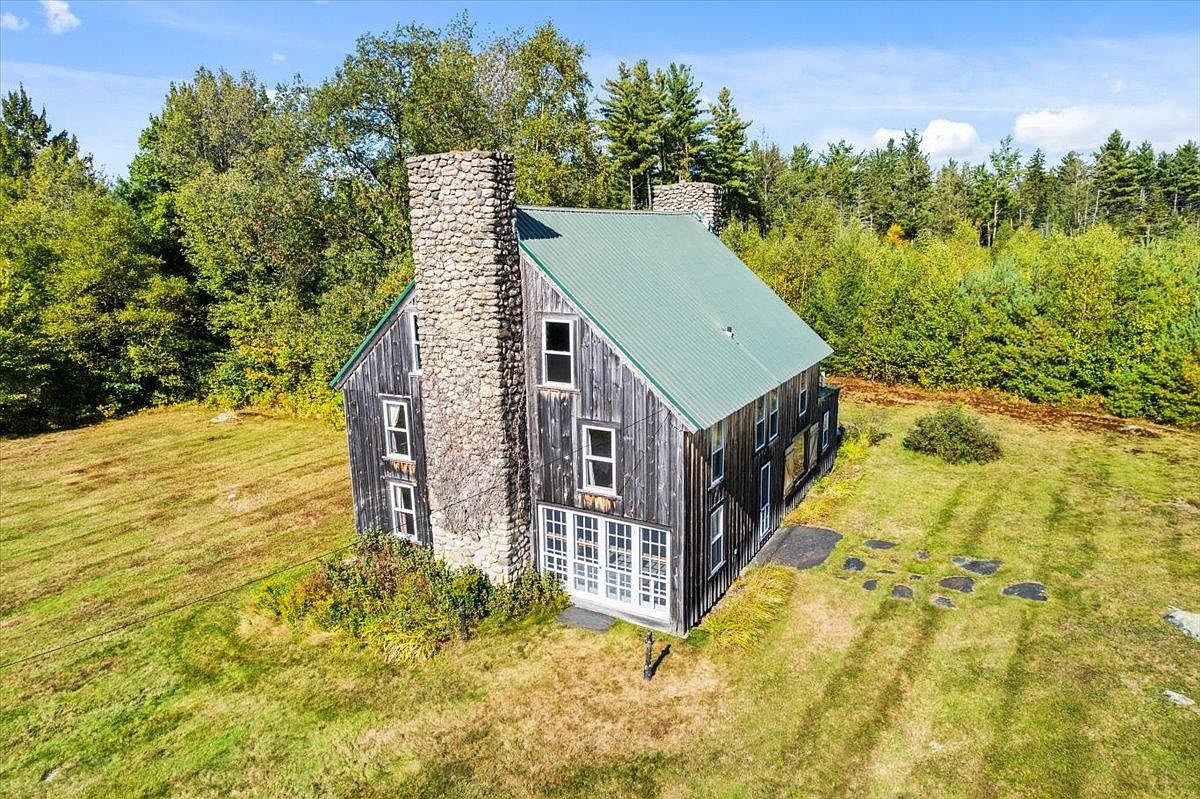
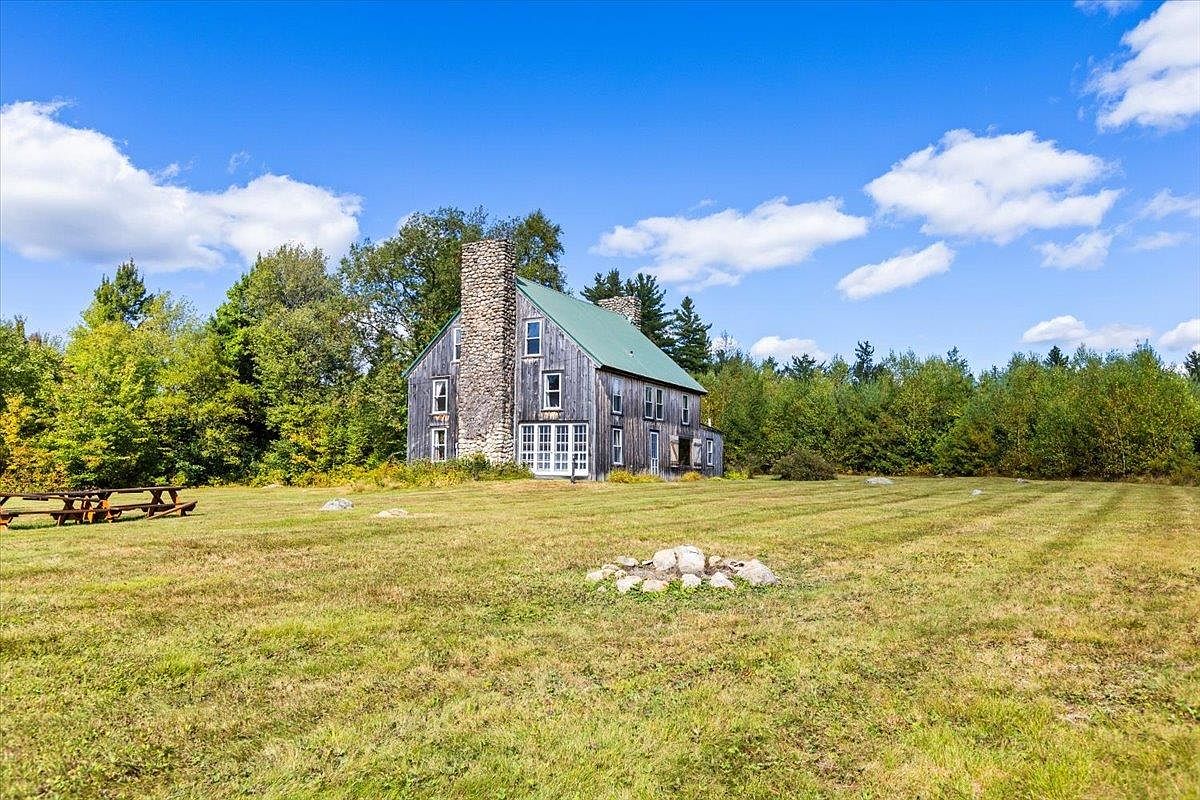
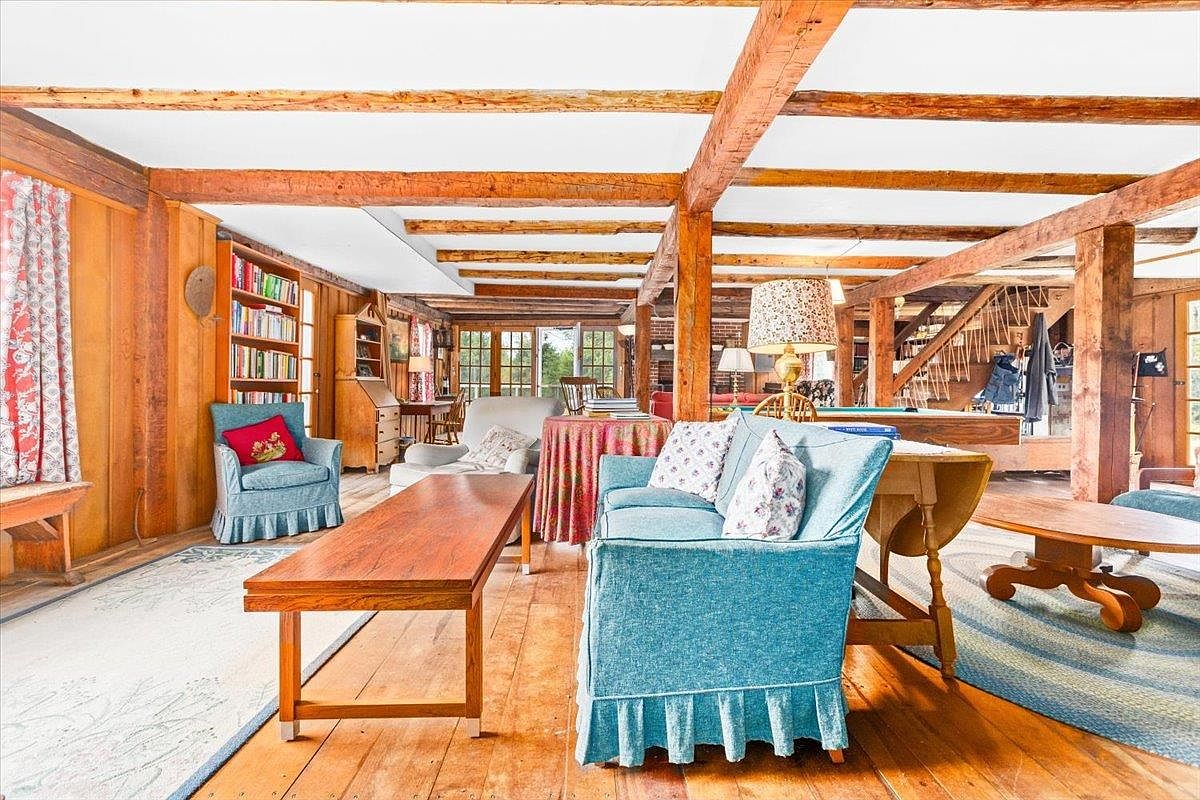
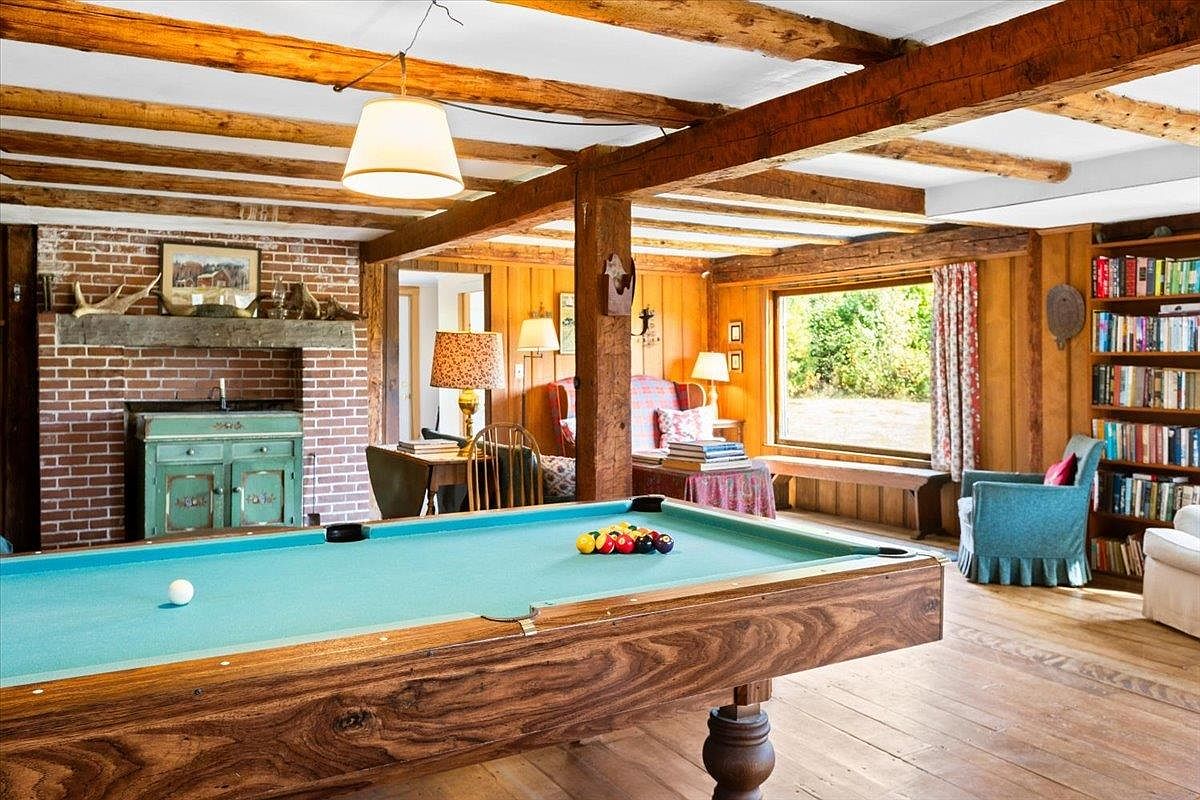
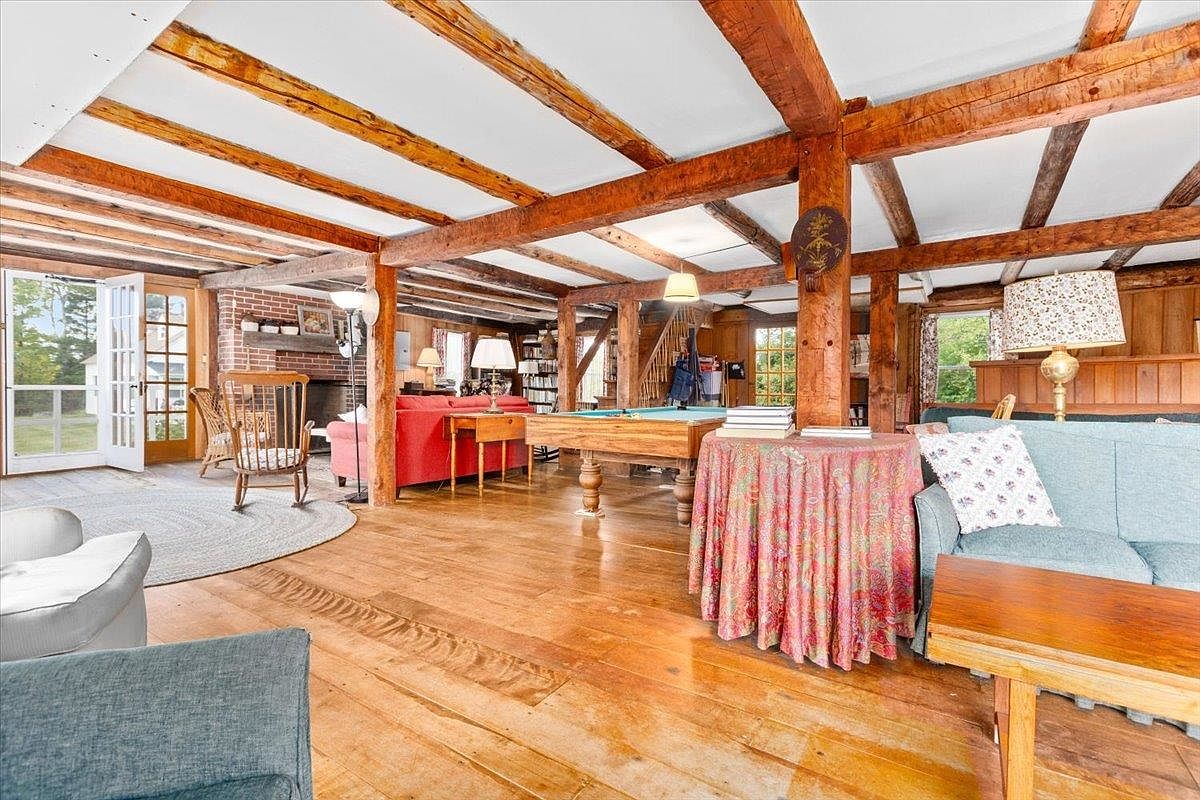
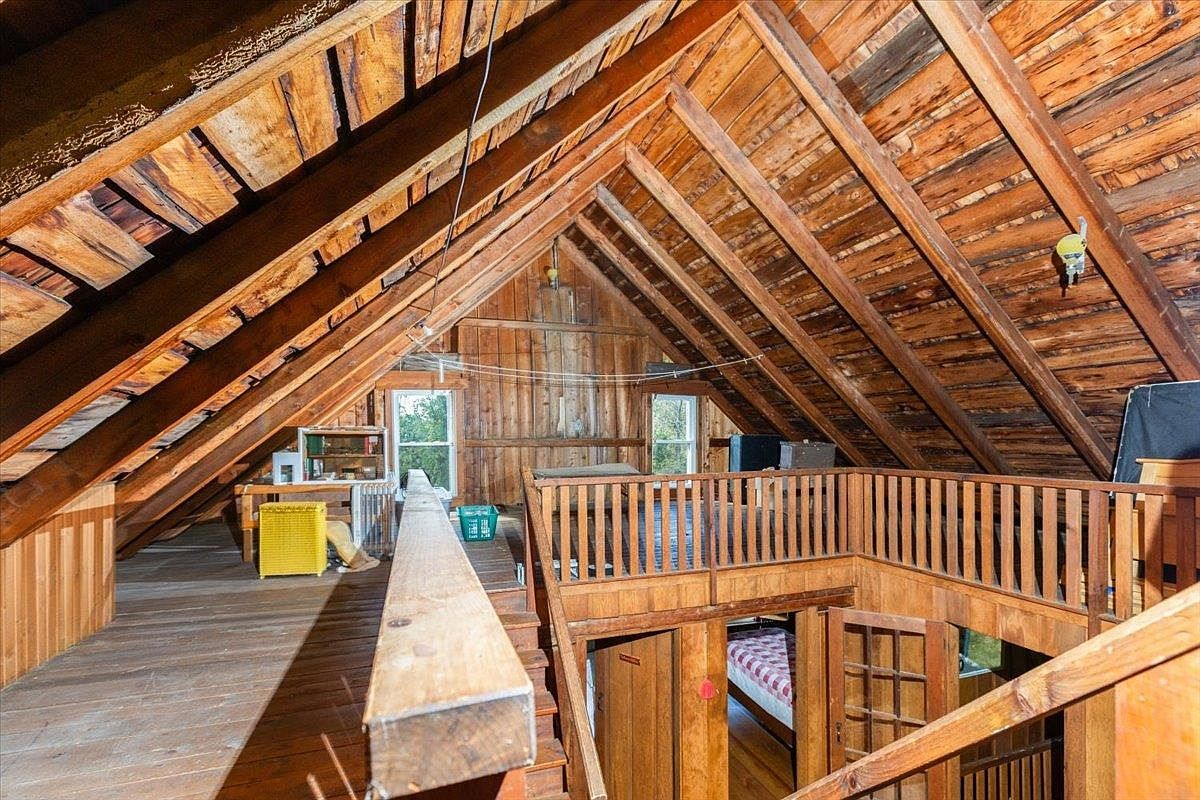
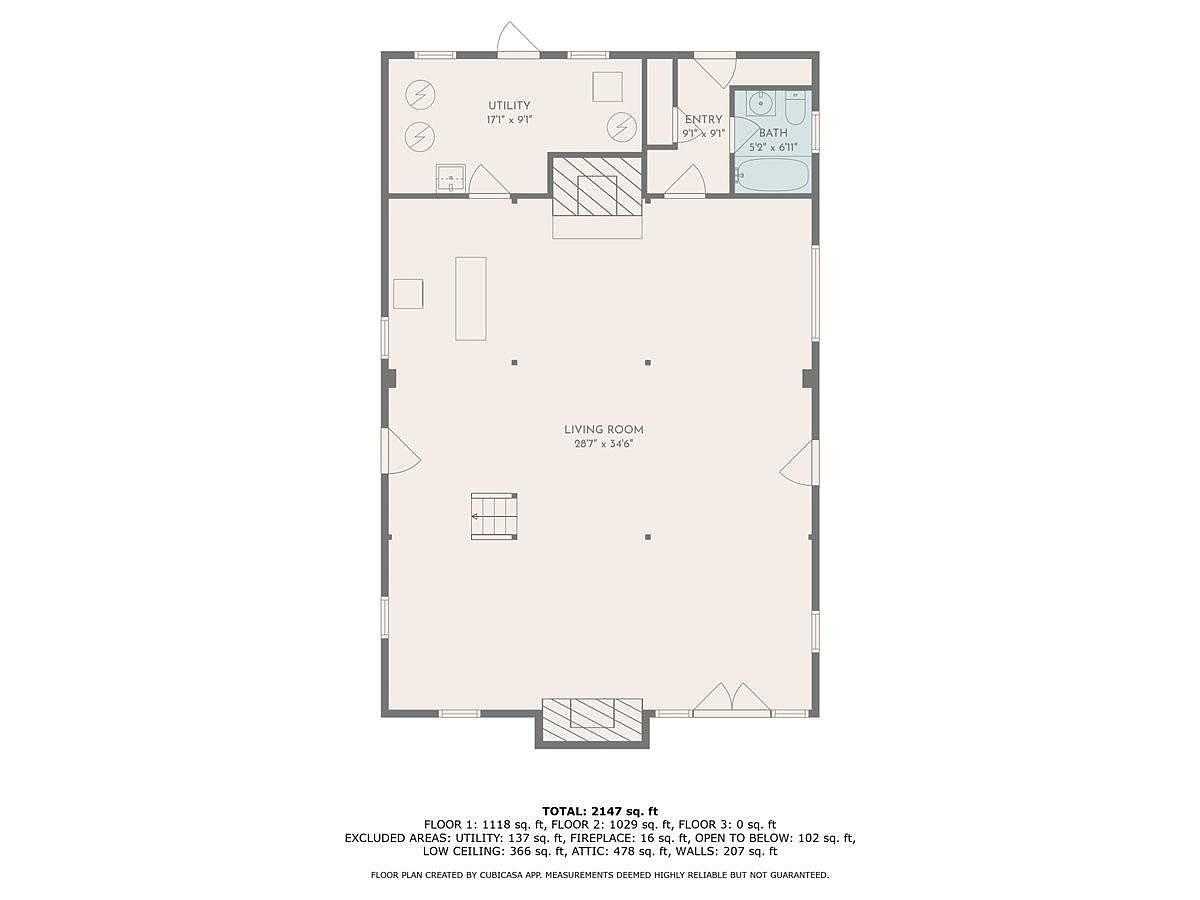
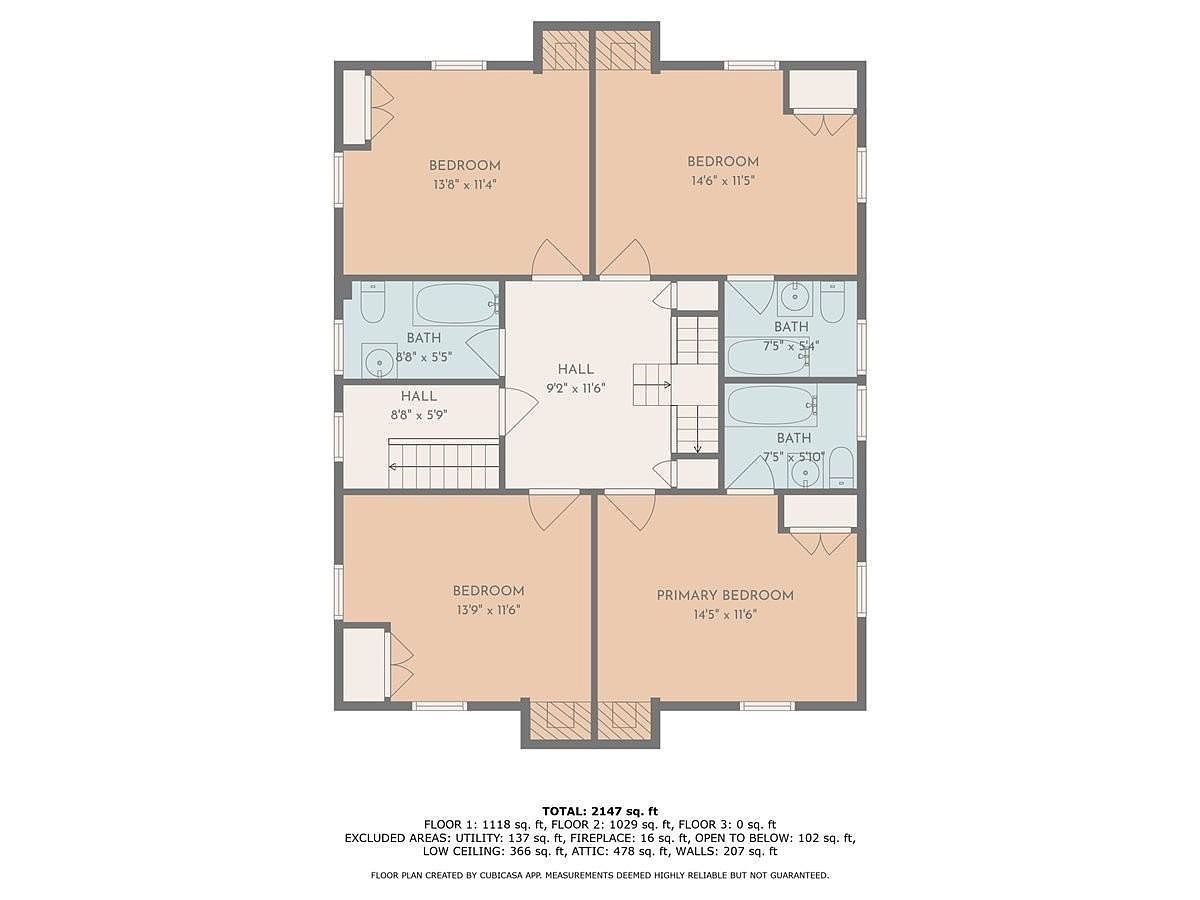
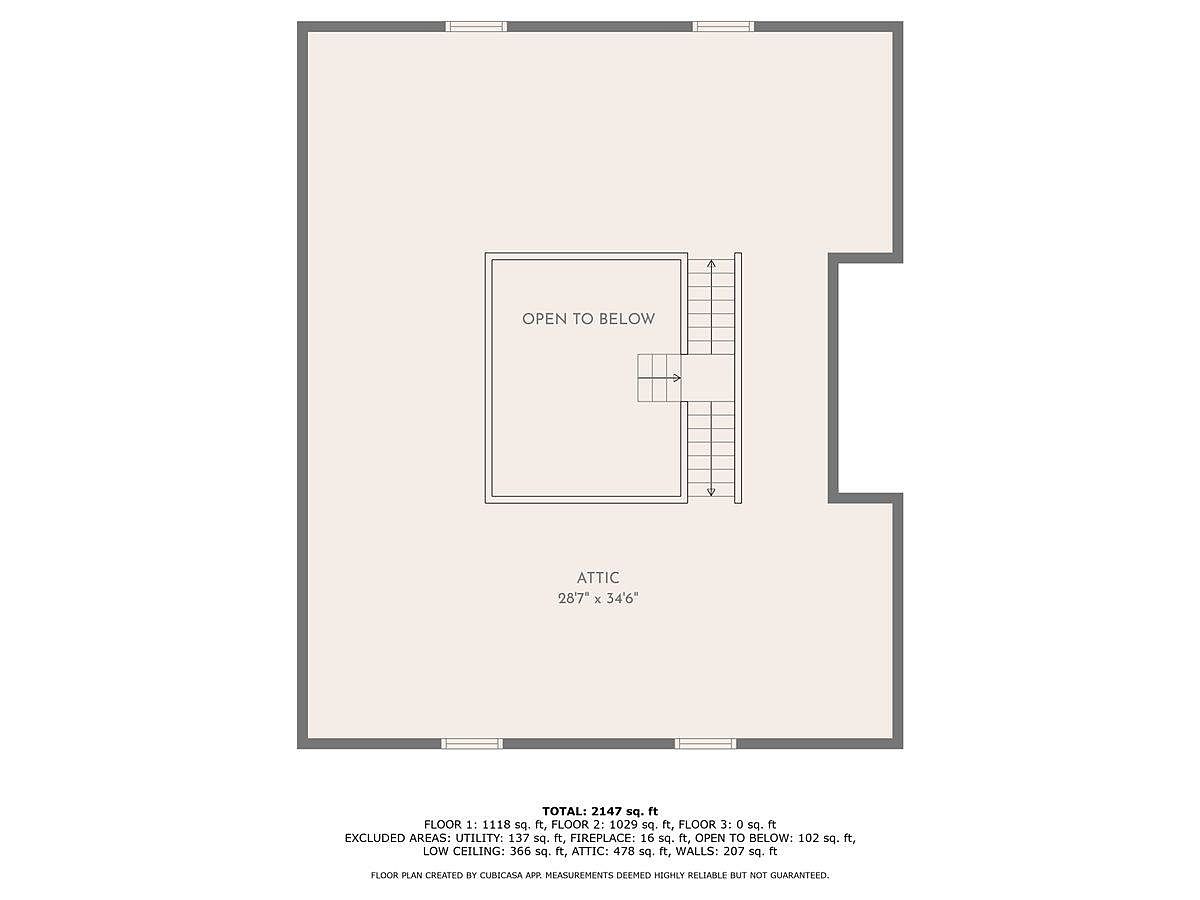
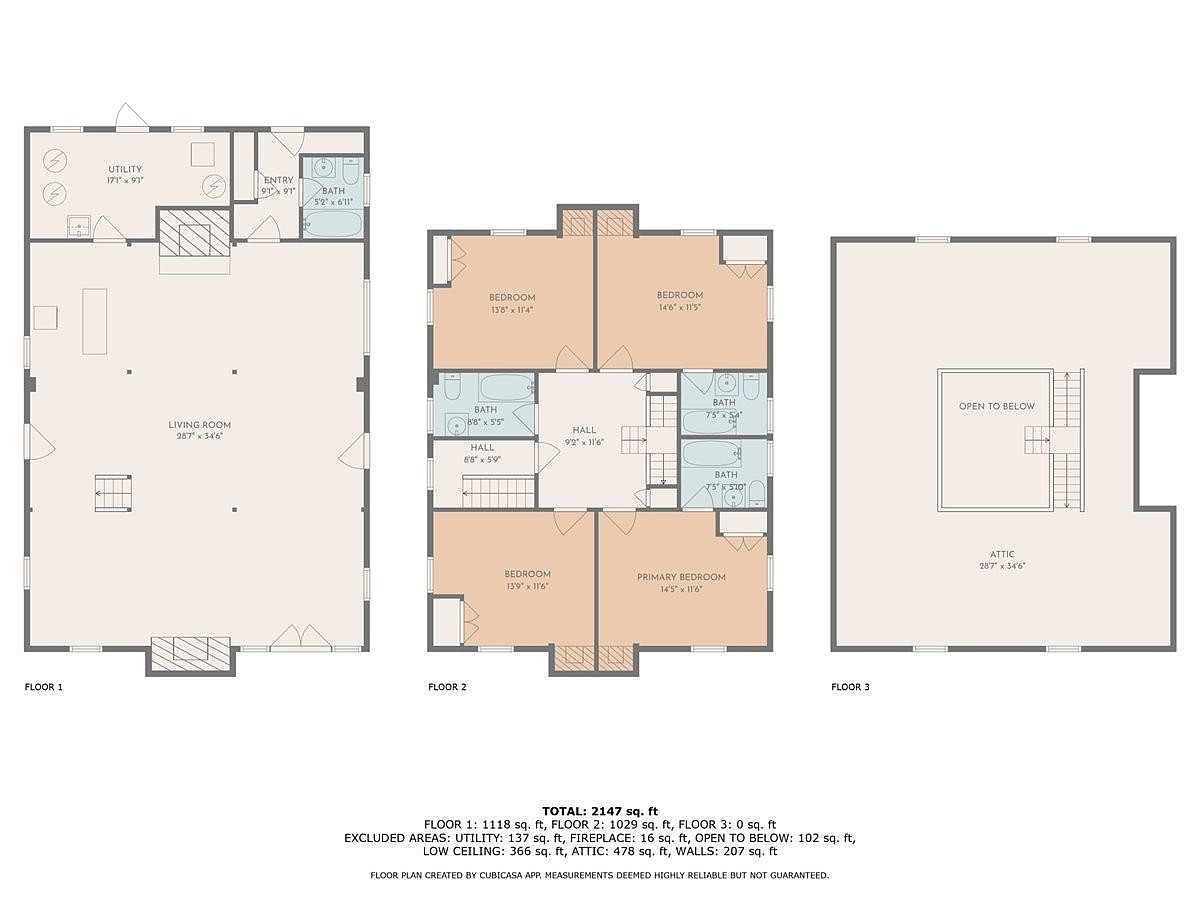
The converted barn is its counterpart in nearly every sense. Where the Cape is intimate, the barn is expansive. Where the Cape whispers, the barn gathers. Its great room, anchored by dual fireplaces set within a framework of exposed timber beams and warm wood flooring, was made for the kind of evenings that become memories — long tables, good conversation, firelight competing with the last of the sunset visible through oversized windows. Four bedrooms, four bathrooms, and six fireplaces in total give the structure a generosity of spirit that belies its agricultural origins. A pool table occupies one corner of the great room with appropriate confidence. Built-in bookshelves line the walls. The green metal roof, visible from the air, grounds the structure visually against the surrounding meadow and tree line.
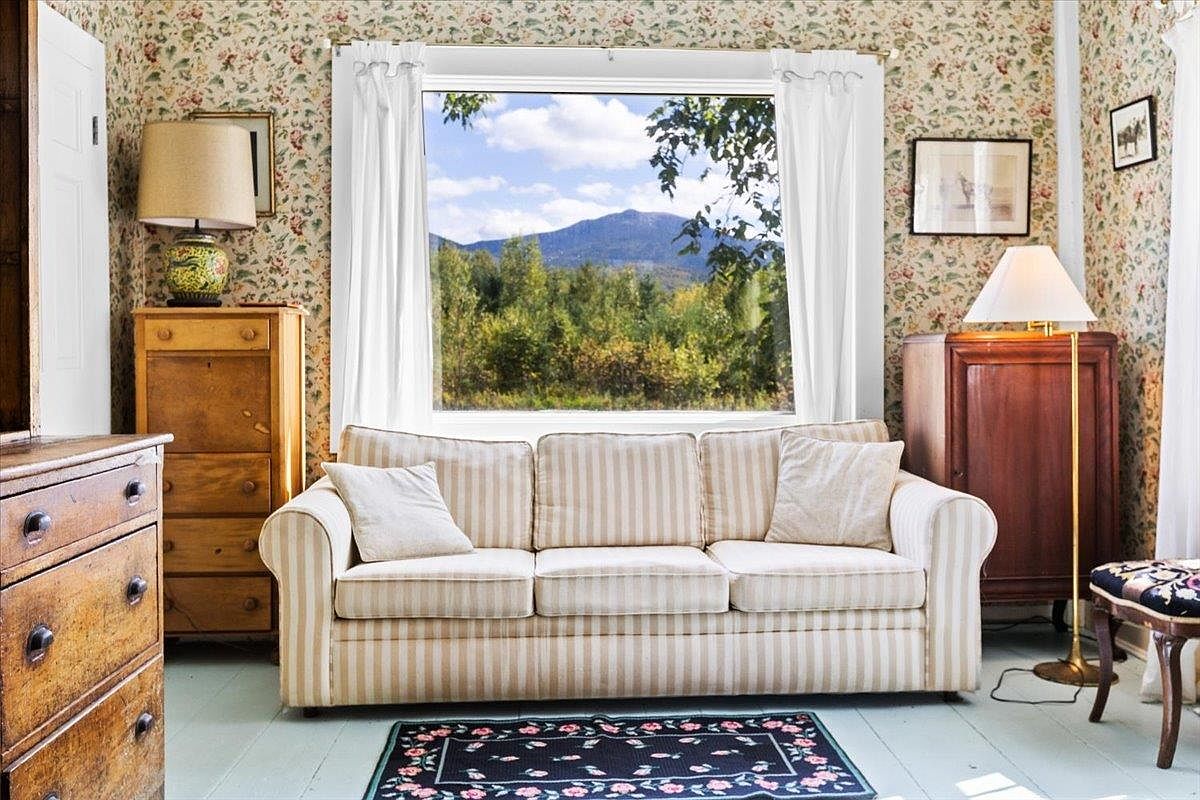
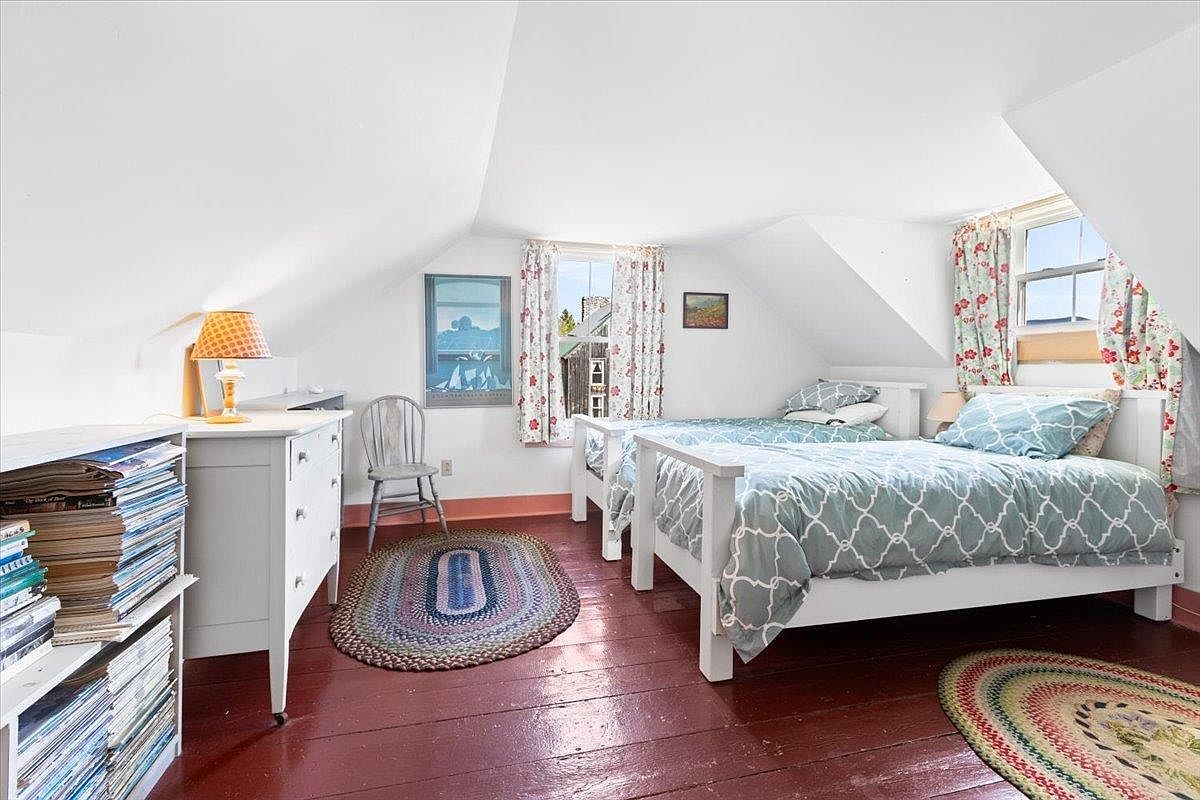
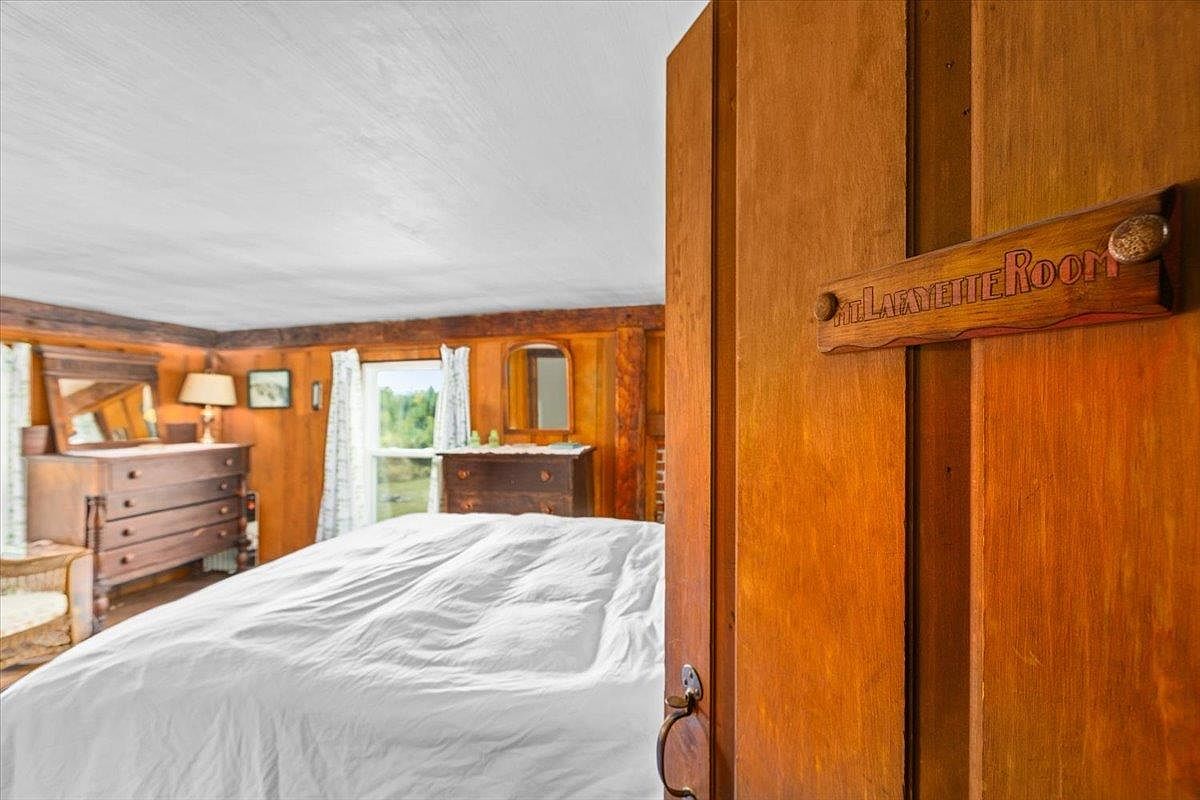
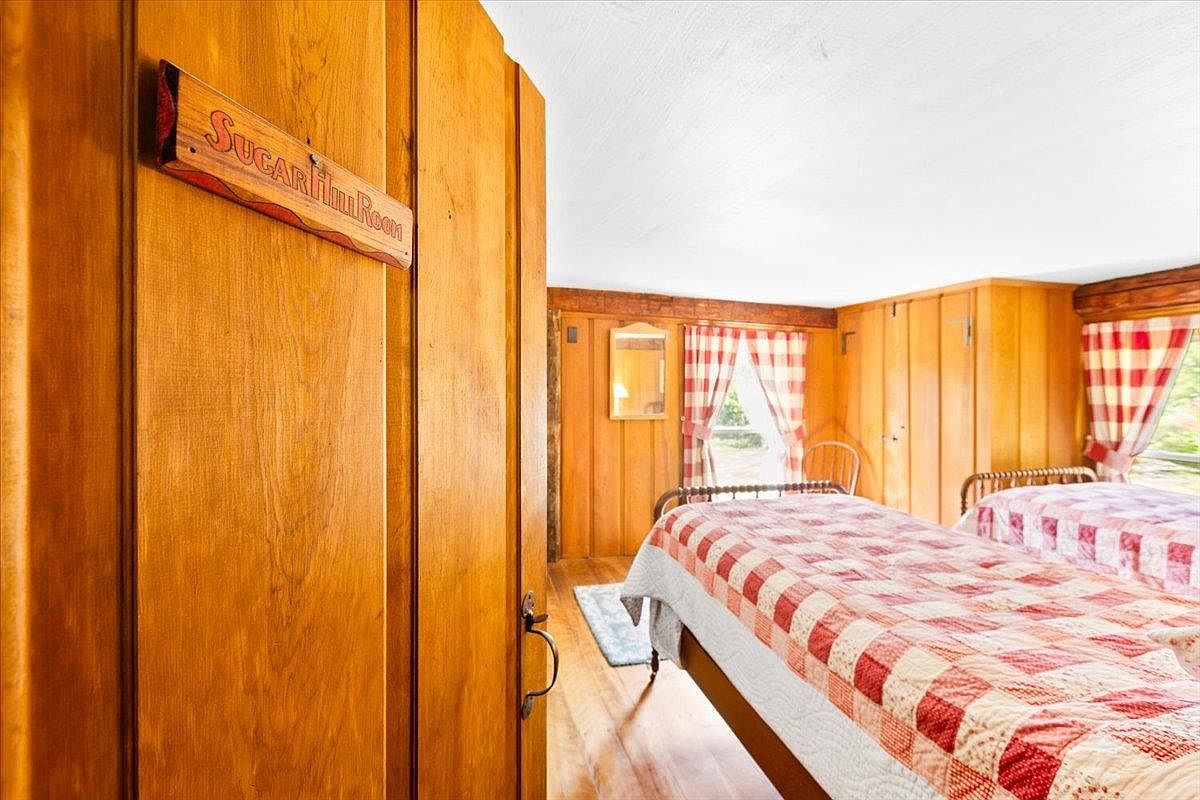
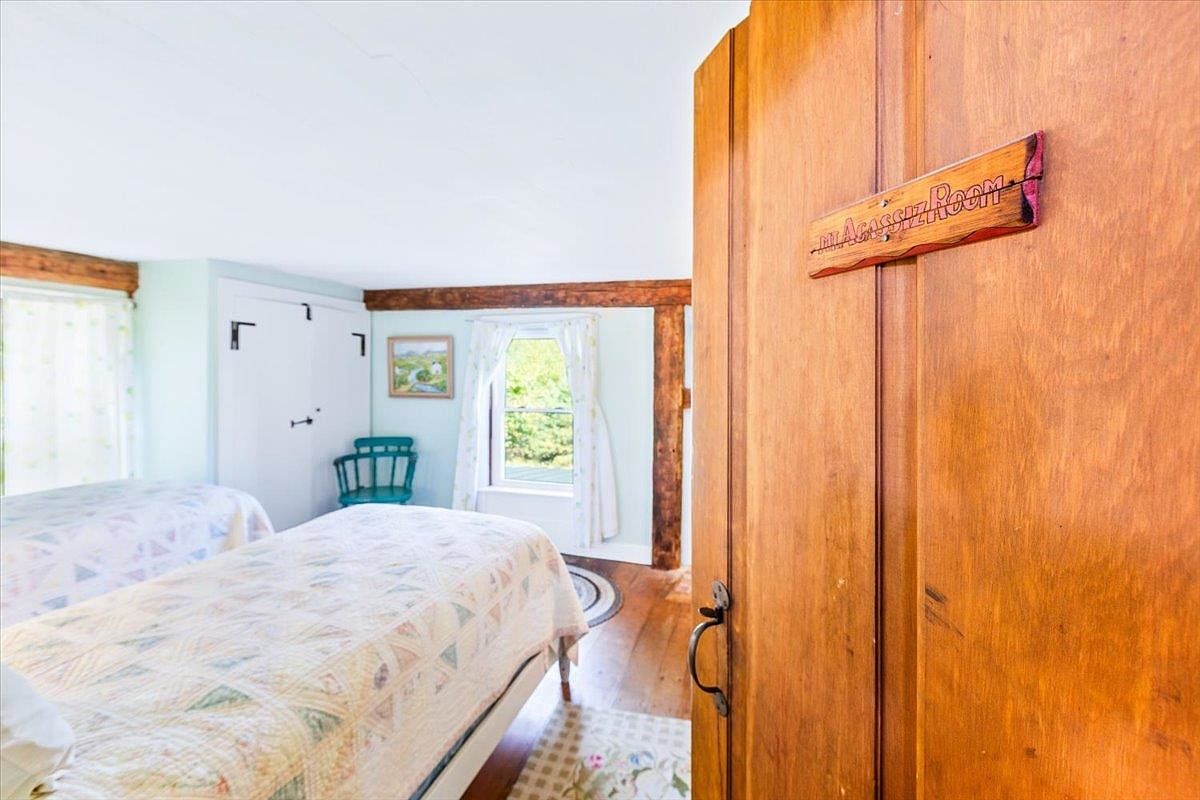
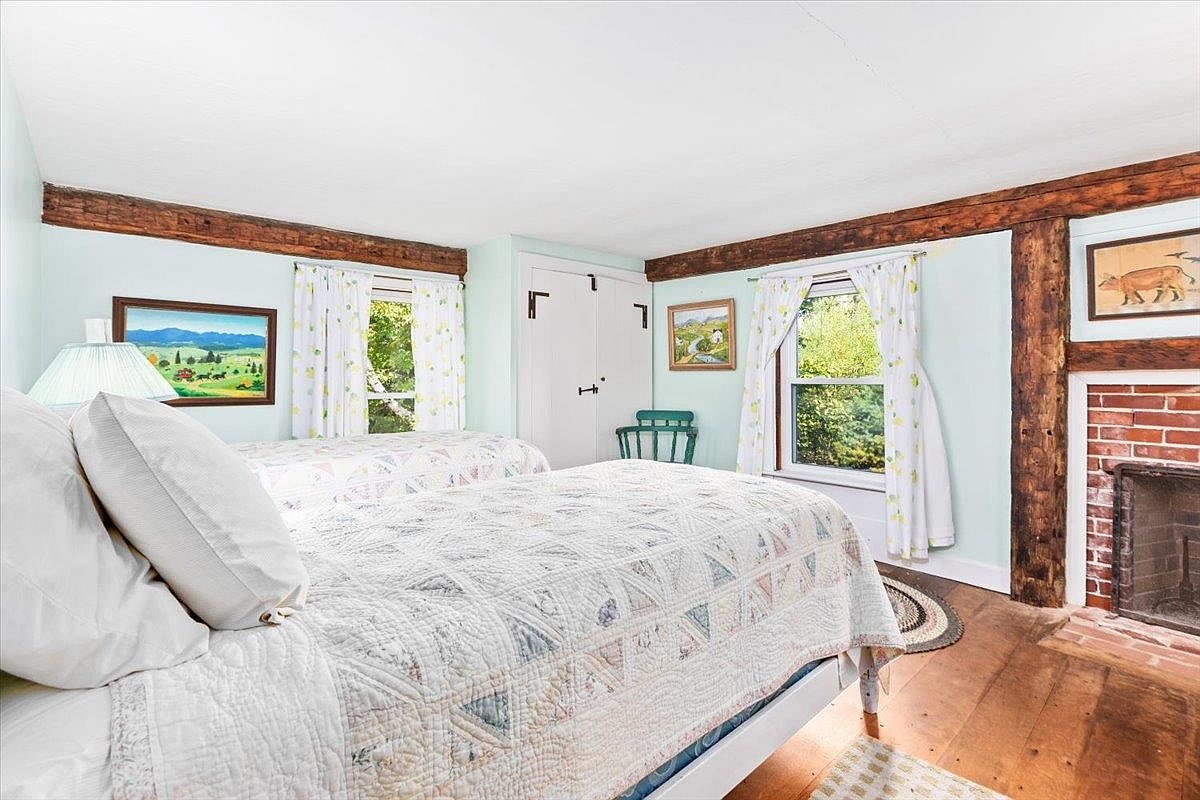
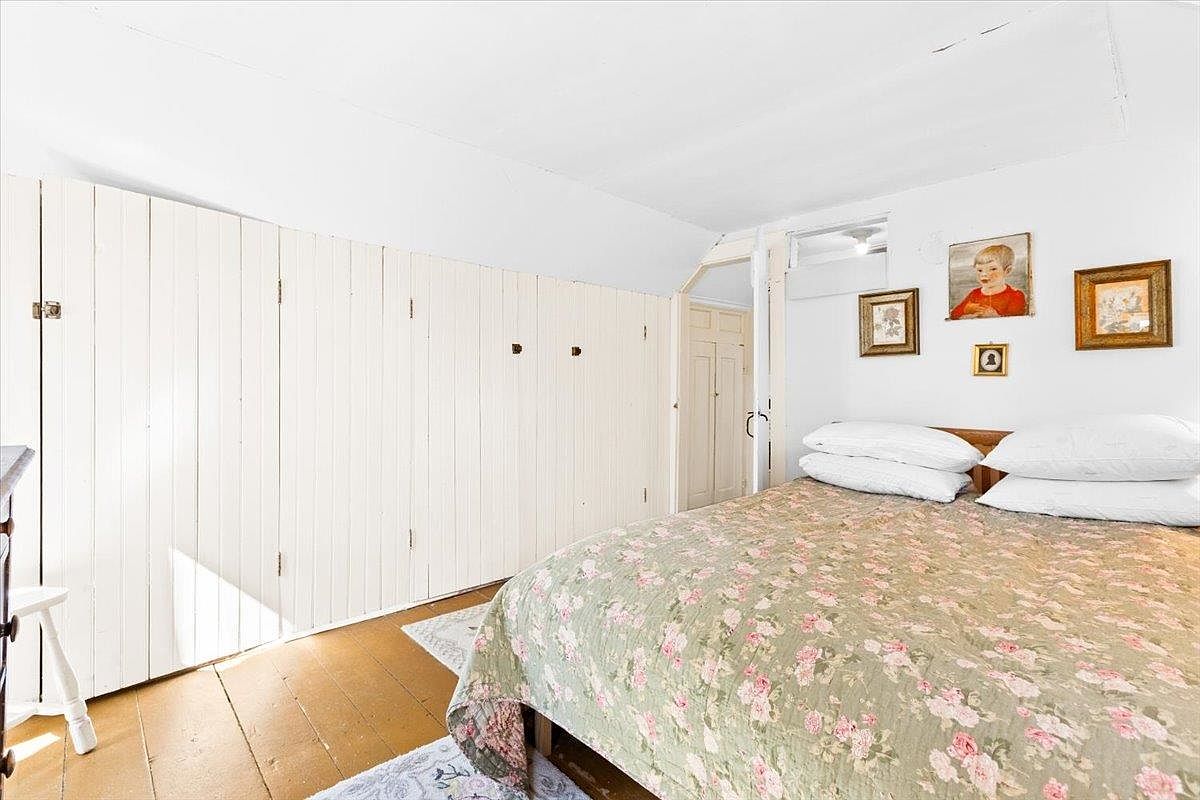
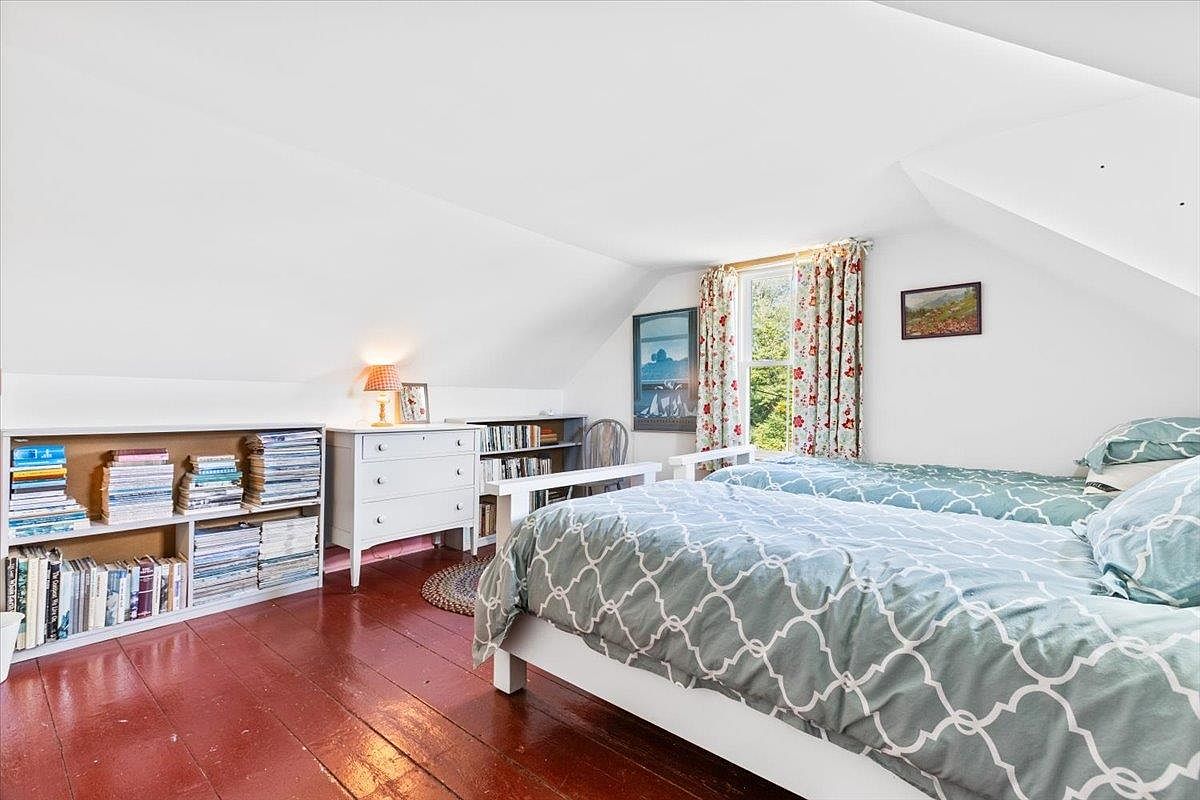
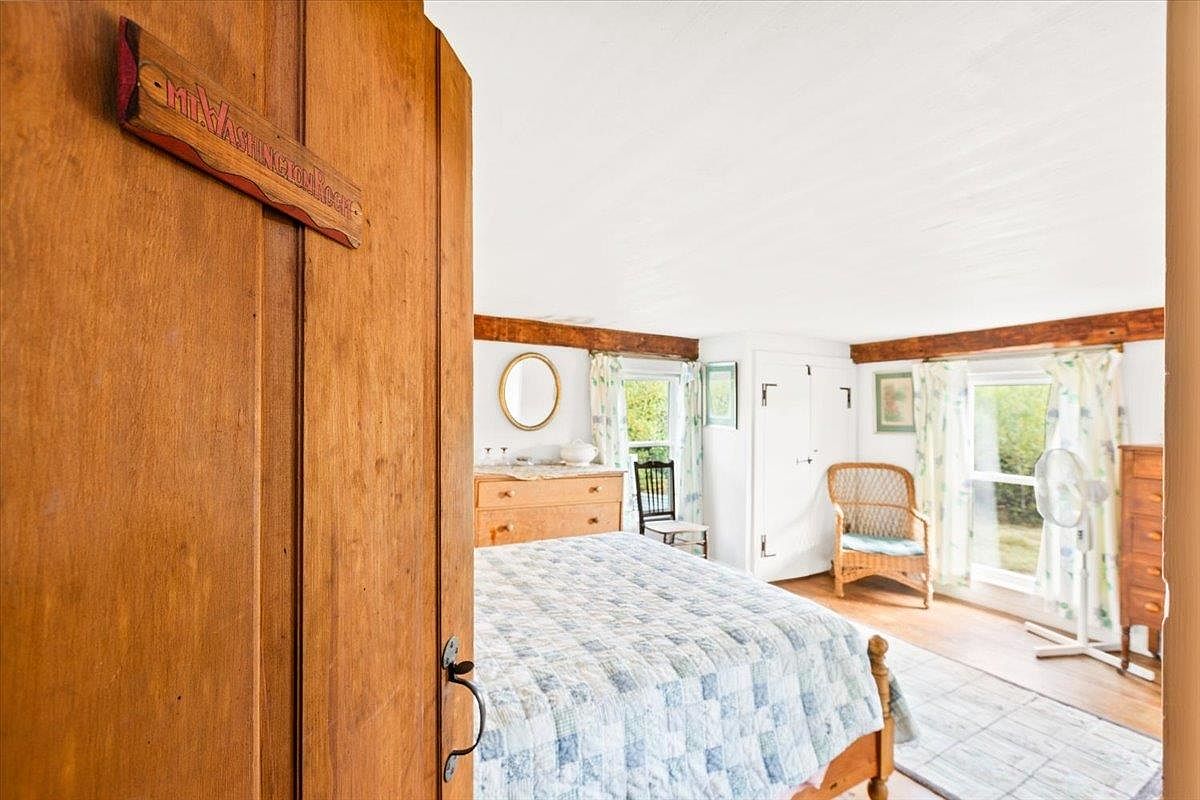
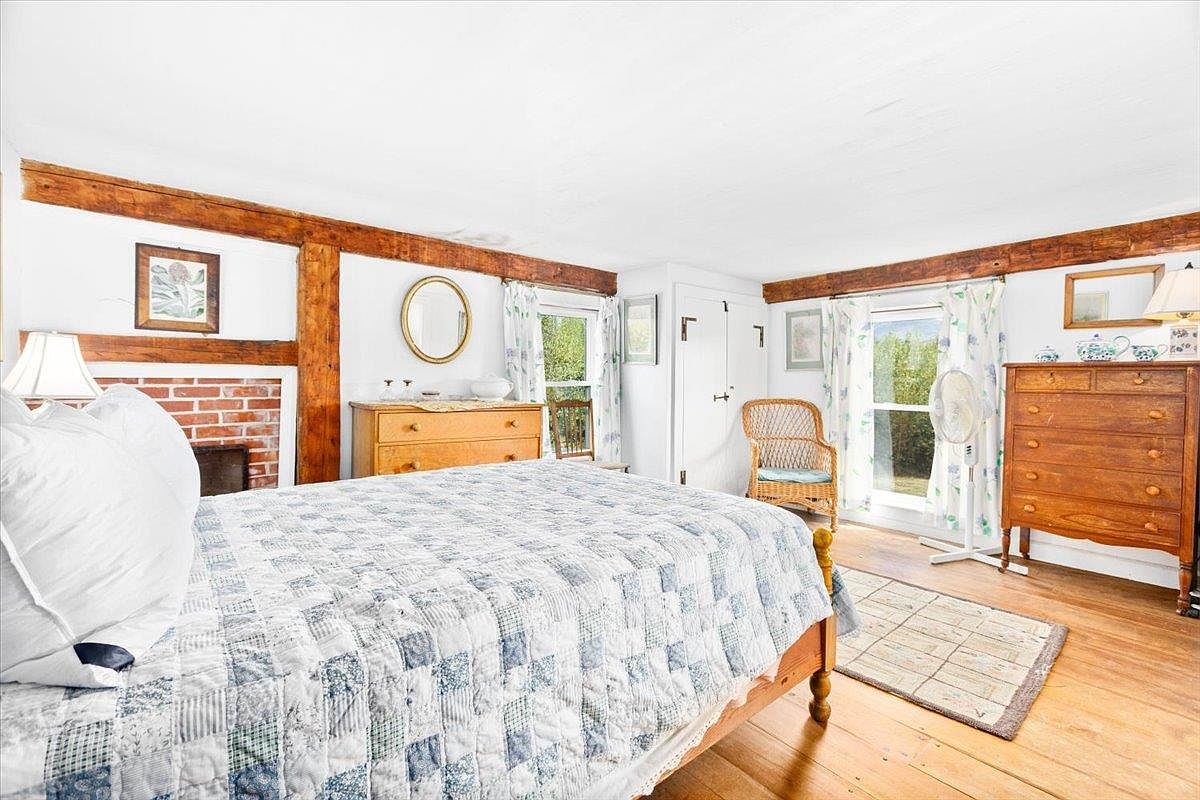
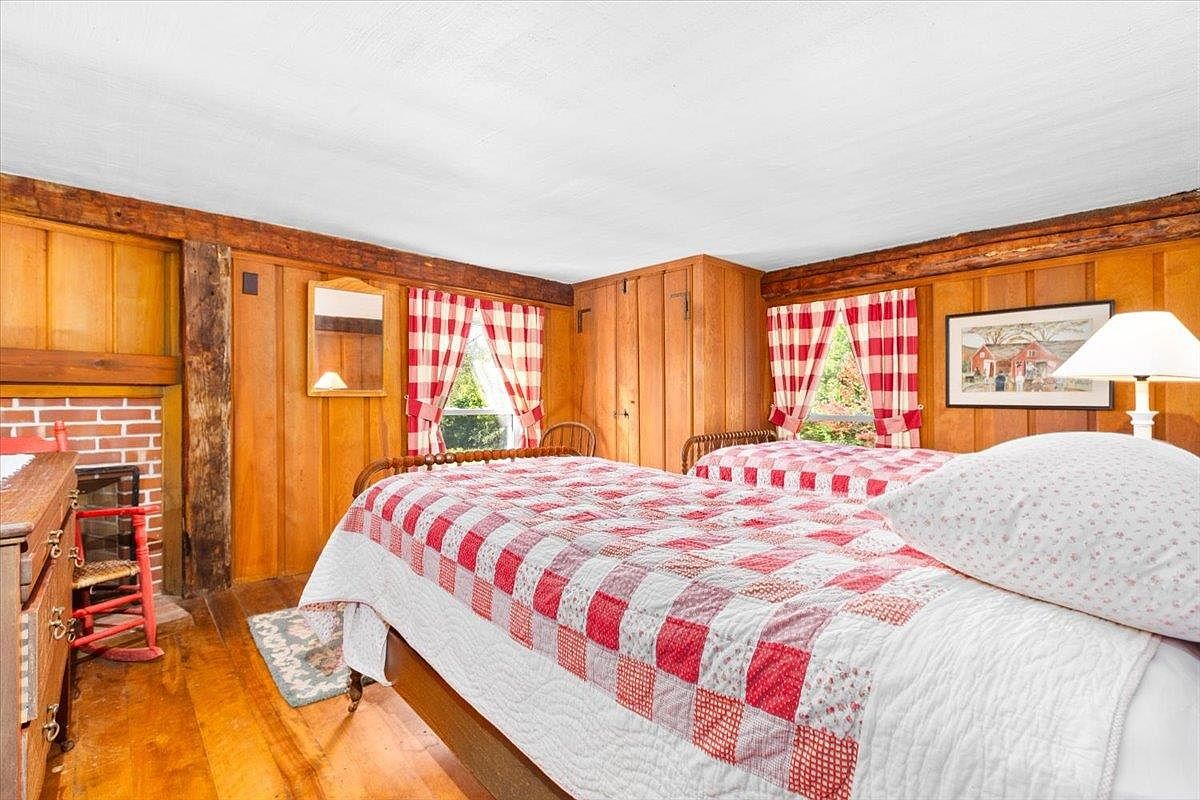
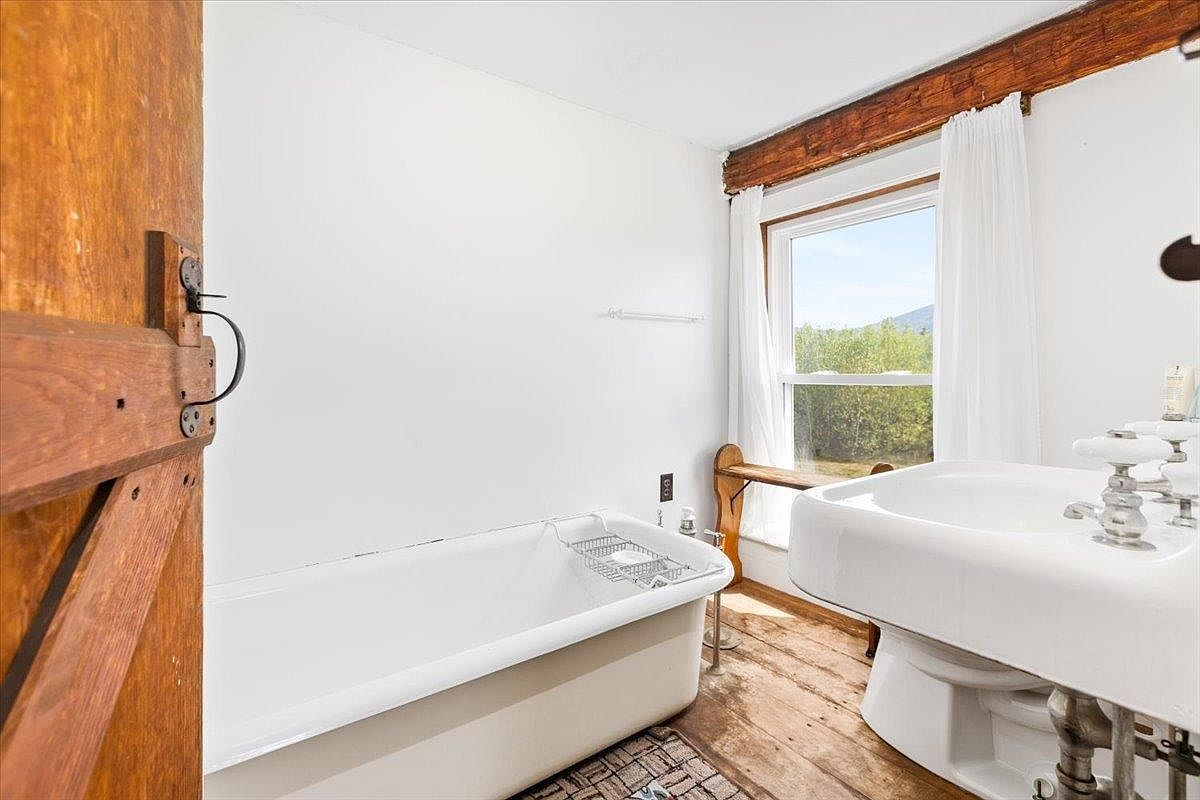
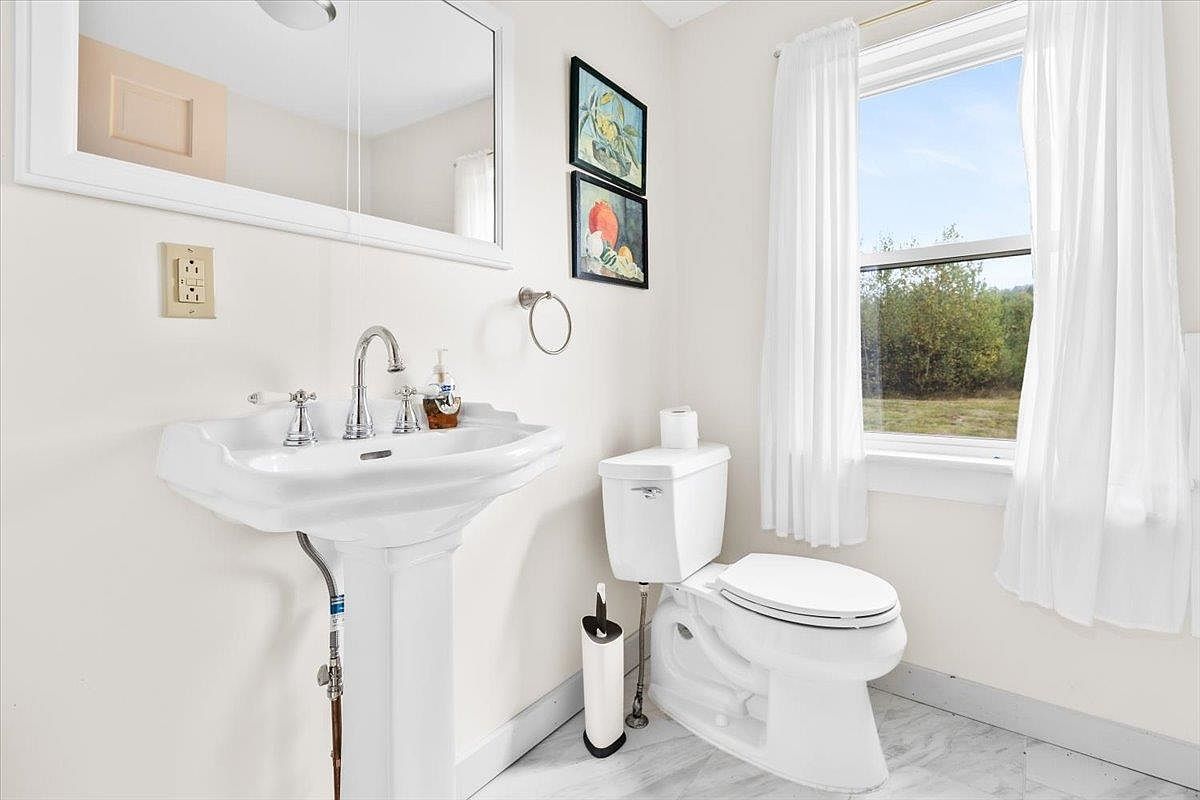
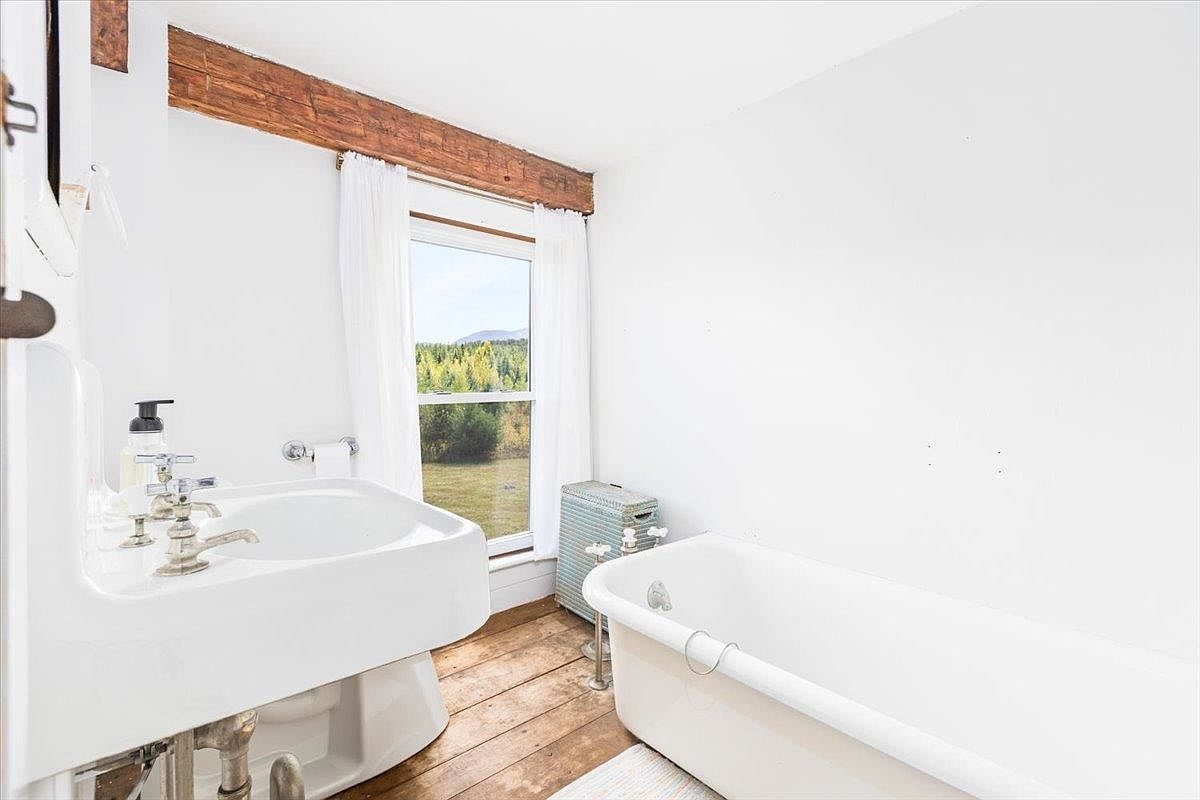
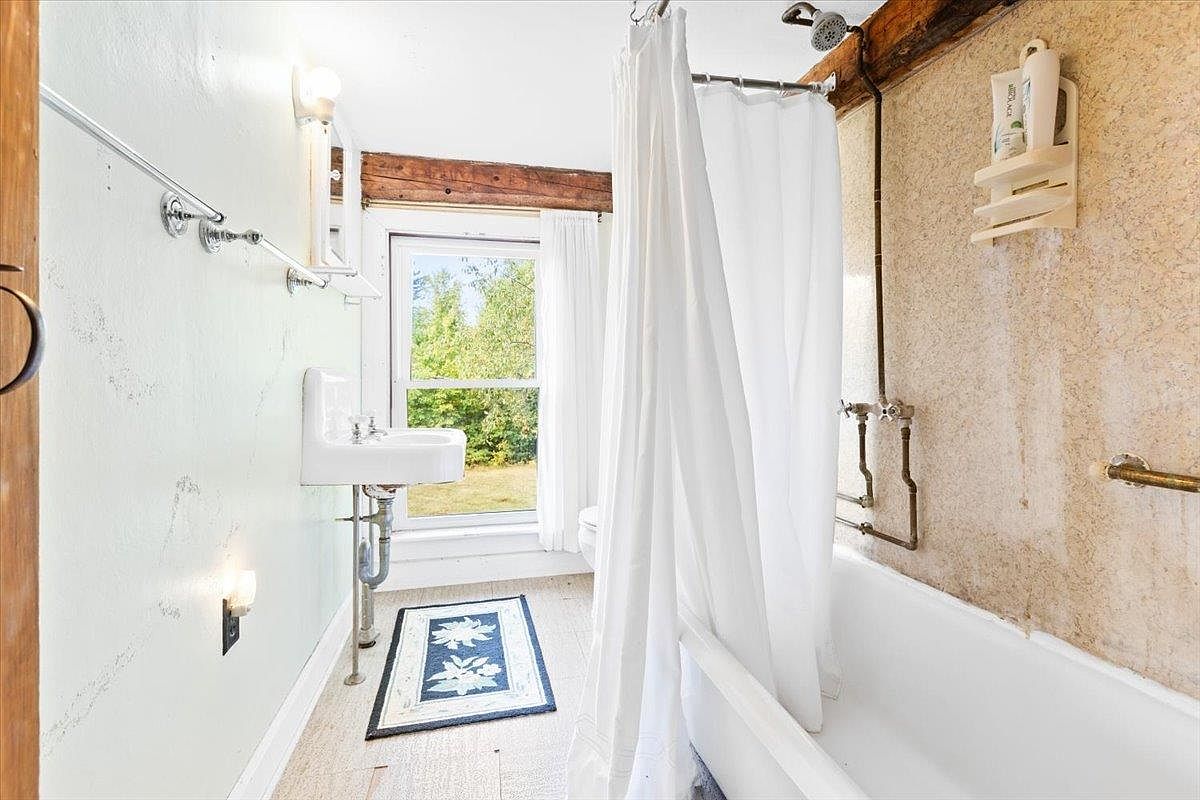
Individual bedrooms throughout both residences carry the kind of names — the Mt. Lafayette Room, the Sugar Hill Room, the Agassiz Room — that suggest a long history of hospitality and a deep familiarity with the surrounding peaks. Clawfoot soaking tubs, pedestal sinks, and vintage fixtures appear throughout the bathrooms, each one referencing a design sensibility that values character over trend. Brick fireplace surrounds punctuate the sleeping quarters, ensuring that even the most private corners of the property remain connected to the warmth that defines it.
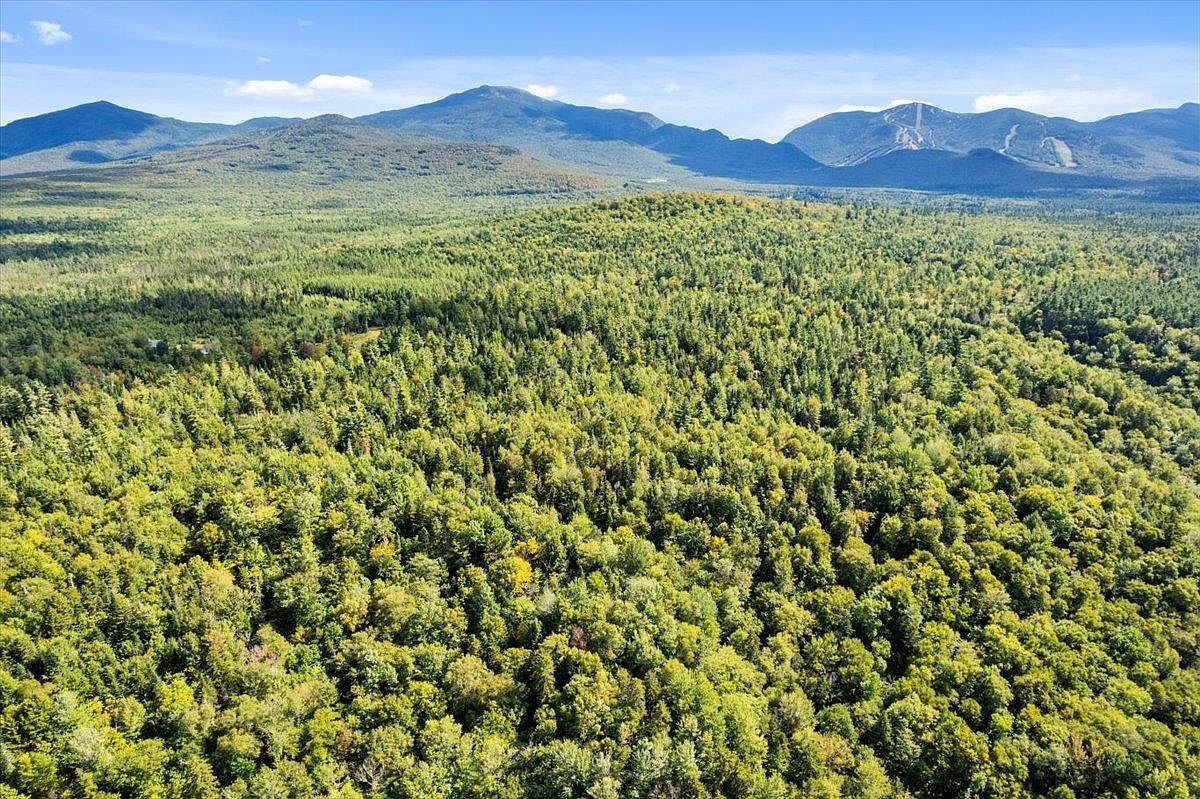
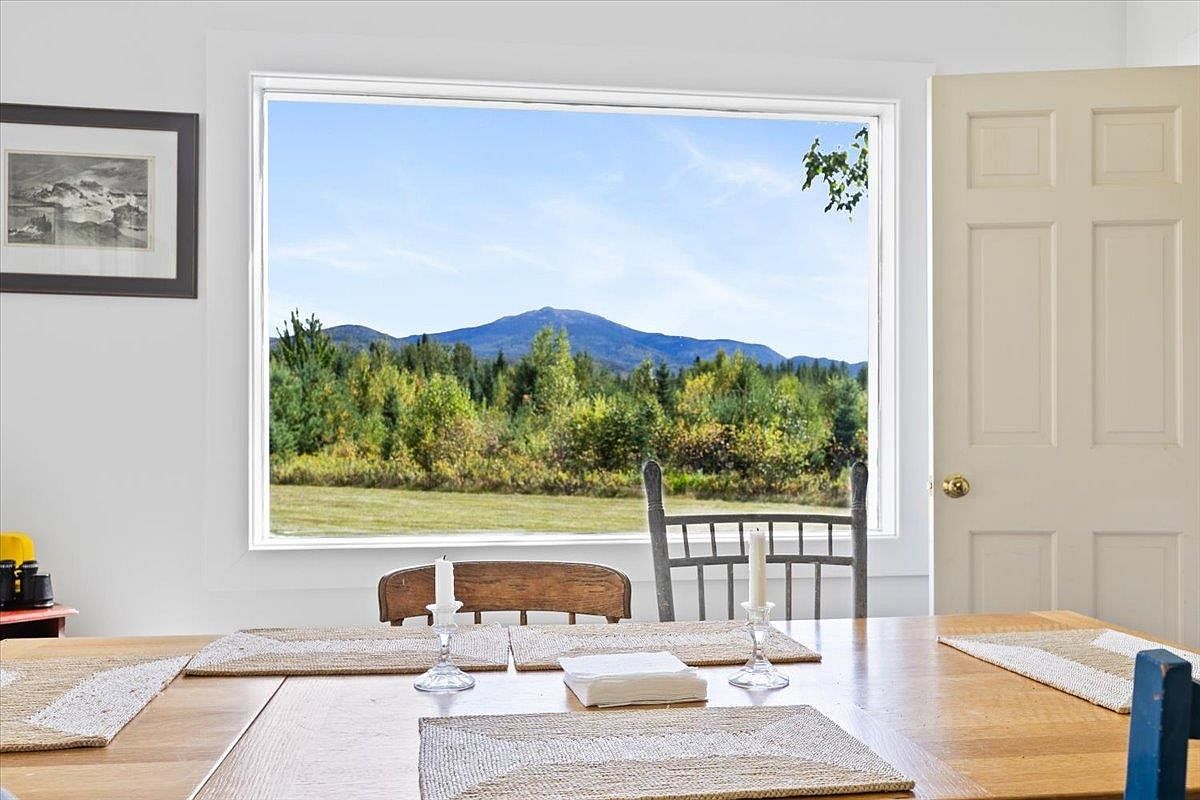
Recent clearing has opened new view corridors across the acreage, revealing mountain panoramas that had been reclaimed by the forest. A completed survey provides clean boundaries and added clarity. The land is enrolled in Current Use, preserving its natural integrity while providing meaningful tax benefit. At 383.3± acres abutting the White Mountain National Forest, the property does not merely offer privacy — it offers permanence.
Franconia, New Hampshire occupies a particular and treasured position in the American imagination. Situated in Grafton County within the heart of the White Mountains, it is a town of approximately 1,000 residents whose history is woven tightly with the natural grandeur that surrounds it. The village itself, just five minutes from Coal Hill Road, retains the character of a working northern New England community — unhurried, genuine, and quietly proud of what it has preserved.
The region's most iconic landmark, Franconia Notch State Park, lies just minutes from the property. The park encompasses nearly 6,500 acres of dramatic mountain terrain, including the Flume Gorge, Echo Lake, and the aerial tramway that ascends Cannon Mountain — one of New Hampshire's premier ski areas, with a vertical drop of 2,180 feet and a history of competitive skiing dating to the 1930s. The Franconia Notch area was also home to the Old Man of the Mountain, the natural rock formation that served as New Hampshire's state symbol for generations before its 2003 collapse — a reminder of how deeply this landscape has shaped regional identity.
The Appalachian Trail passes through the area, and the White Mountain National Forest — which directly abuts this property — encompasses approximately 750,000 acres of federally protected land across northern New Hampshire and western Maine. The Gale River, which provides roughly 2,700 feet of frontage along the property's edge, originates in the surrounding mountains and flows through this protected corridor, supporting native trout populations and offering exceptional fly fishing and nature observation directly from the land.
Franconia village supports a thoughtful collection of local amenities proportionate to its character: the Franconia Inn, a classic New England country inn with cross-country ski trails and a riding stable; Polly's Pancake Parlor in nearby Sugar Hill, a beloved institution since 1938; and the Franconia Marketplace for everyday provisions. The broader region, encompassing Littleton, Bethlehem, and Sugar Hill, offers independent restaurants, art galleries, and the kind of commerce that sustains a year-round community rather than a seasonal one.
Poet Robert Frost lived in the Franconia area for several years in the early twentieth century, and the Frost Place — his former farm in Franconia — now operates as a museum and center for poetry. The region has long attracted writers, artists, and those seeking the particular clarity of thought that high-elevation mountain landscapes tend to produce.
Seasonally, the White Mountains offer a full range of engagement with the natural world: alpine skiing and snowshoeing in winter, exceptional hiking and climbing through spring and summer, and the celebrated foliage season in autumn, when the surrounding forest transitions through a spectrum of color that draws visitors from across the country. For a property of this scale and character, the location is not incidental — it is inseparable from the land's identity and enduring value.
Featured Highlights
Curated Content • Presented by Vespar Duffy