The Story Behind
A Paul McClean Masterwork Above the Bird Streets
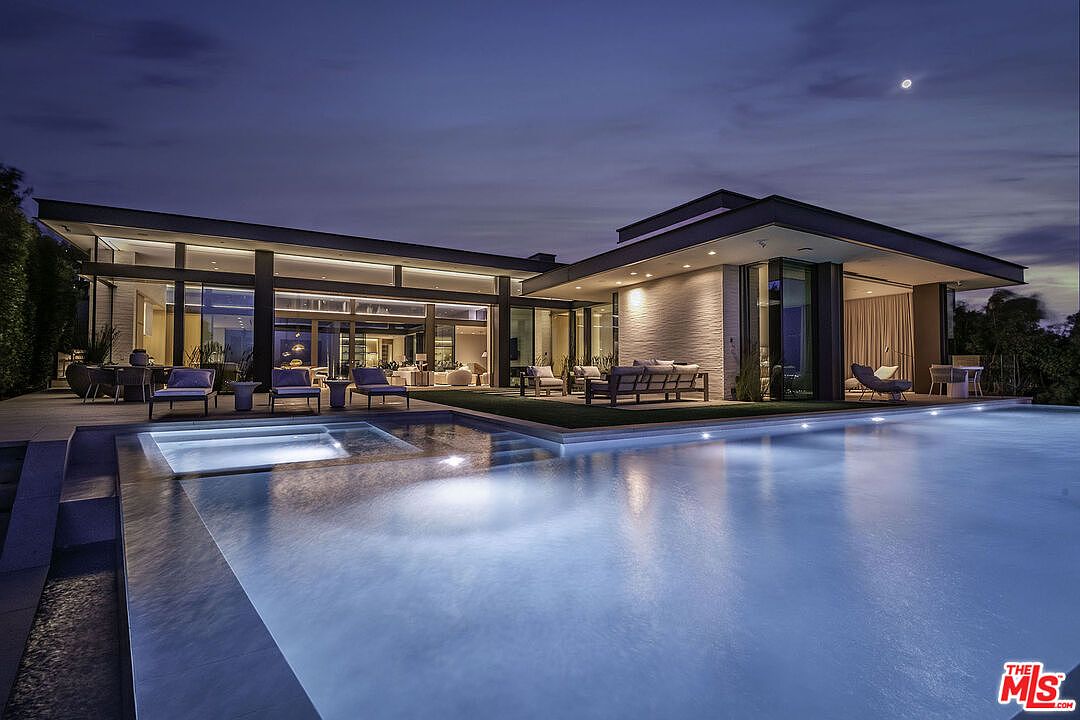
There are homes that occupy a hillside, and there are homes that belong to one. This estate, rising above the Bird Streets on Thrasher Avenue, belongs entirely to its landscape — and yet it reshapes it. Designed by Paul McClean, one of Los Angeles's most celebrated contemporary architects, and brought to life by builder Dugally Oberfeld with interiors and finishes by the acclaimed studio Marmol Radziner, the property is the product of an exceptional creative collaboration that leaves nothing to chance and nothing to trend.
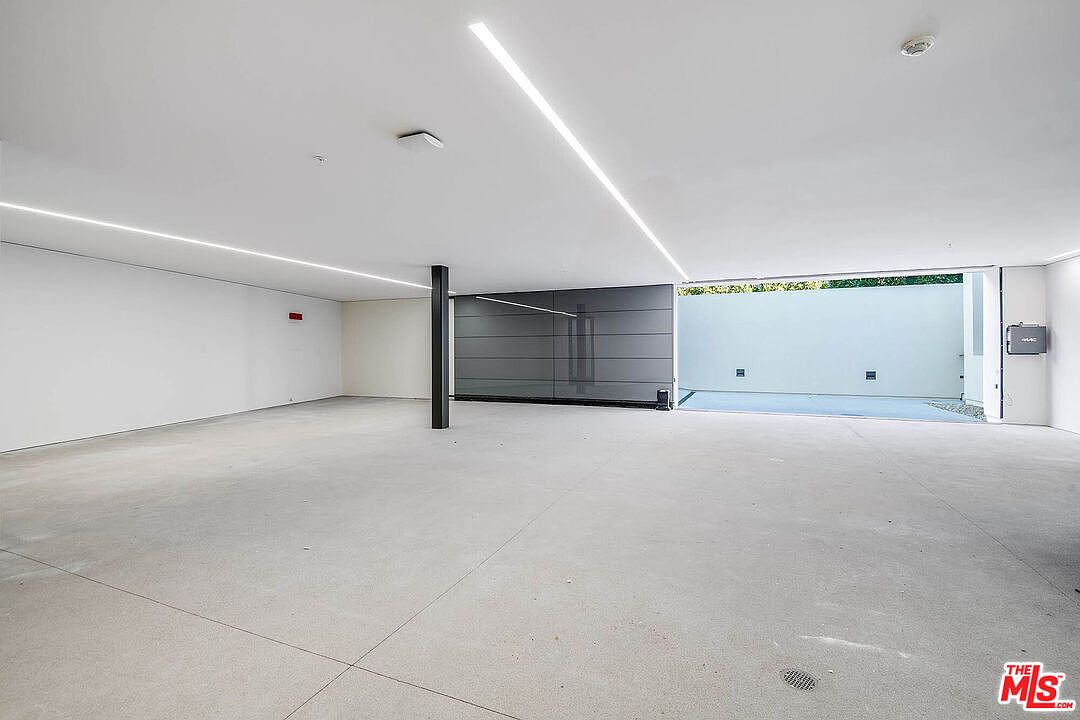
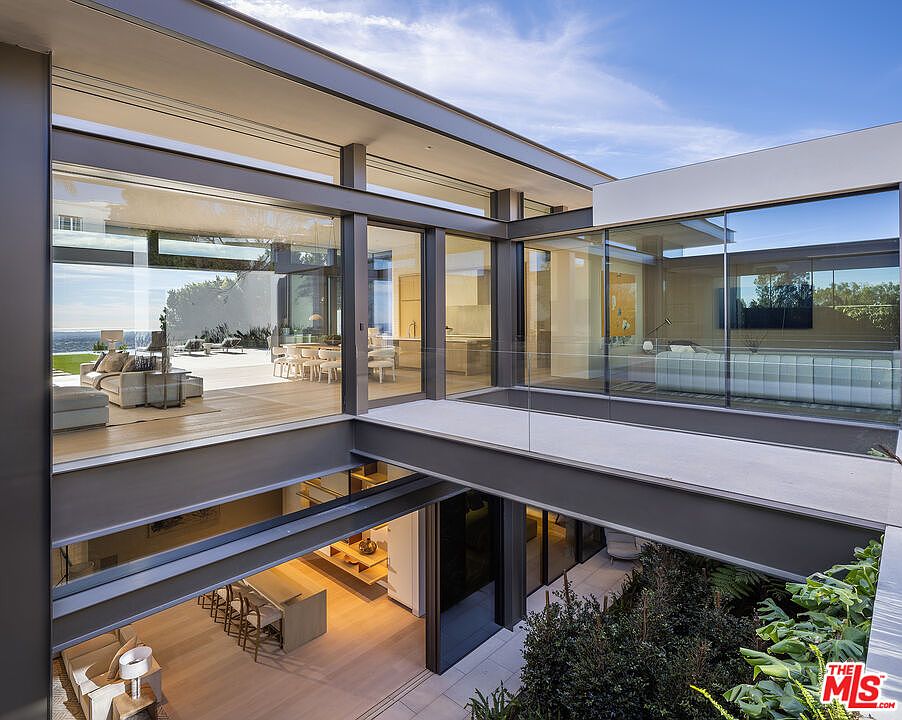
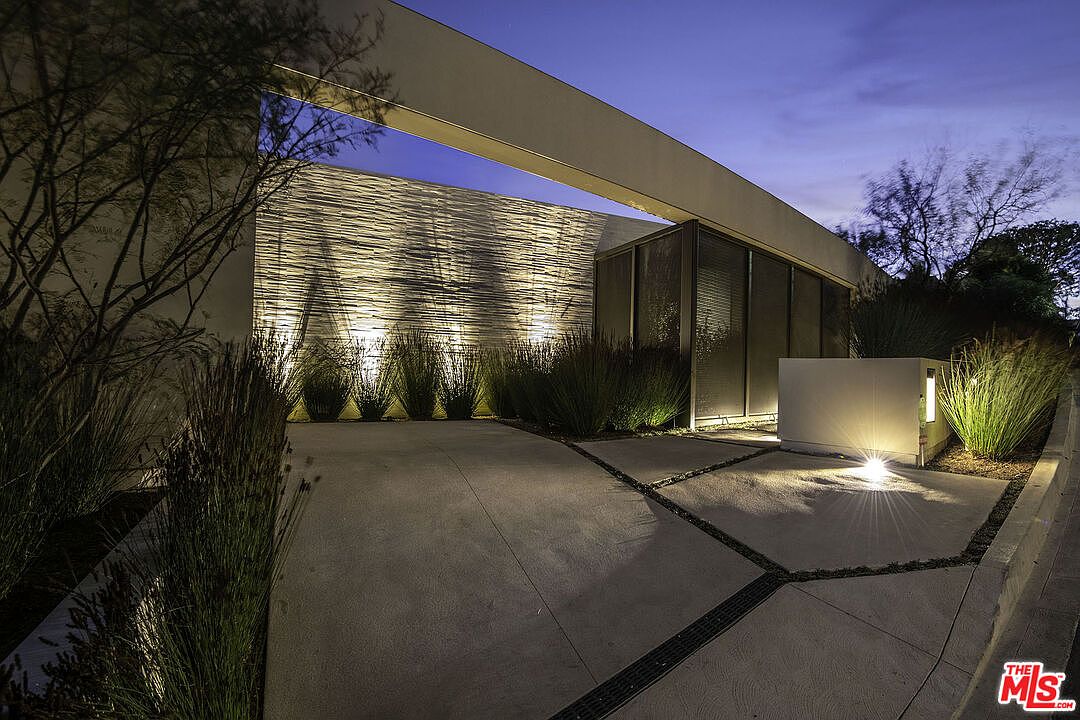
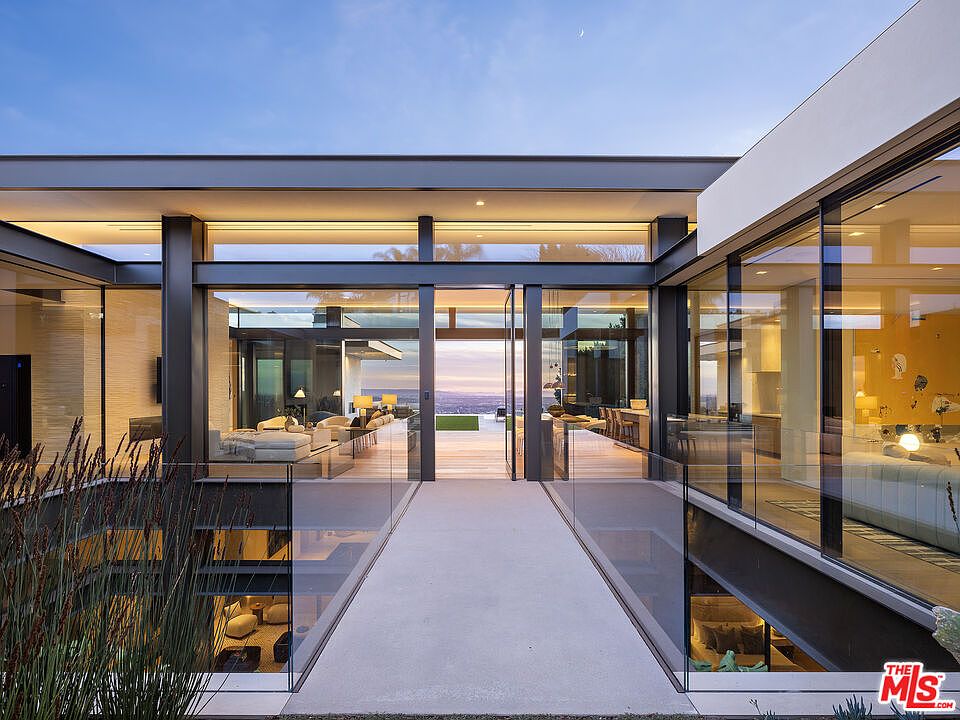
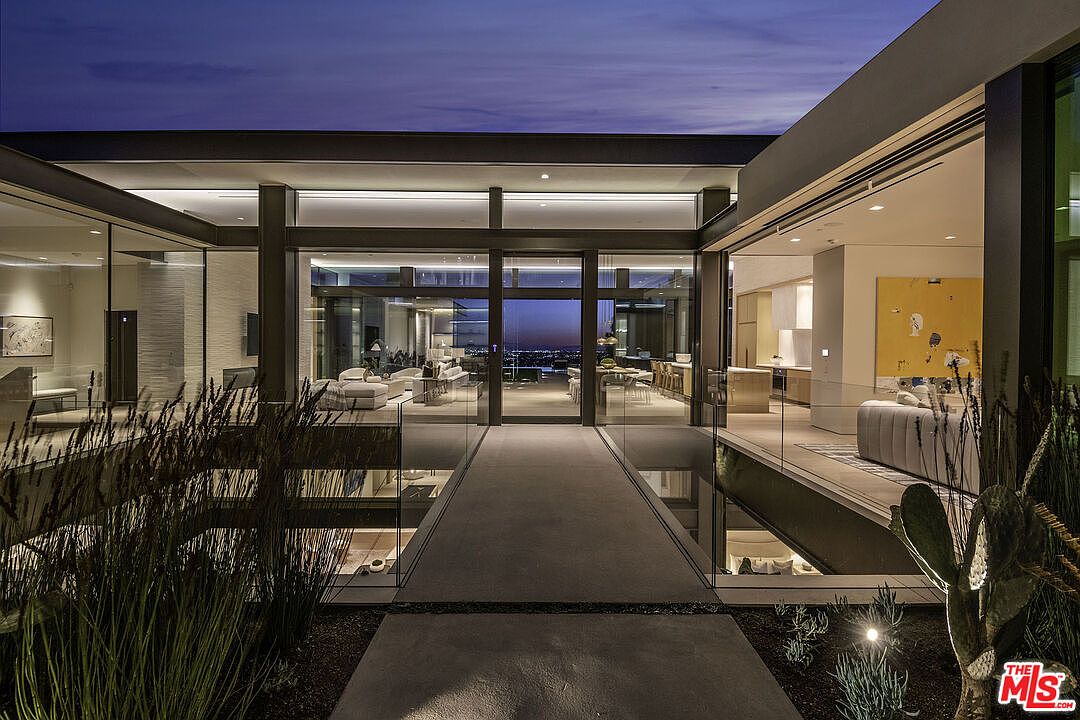
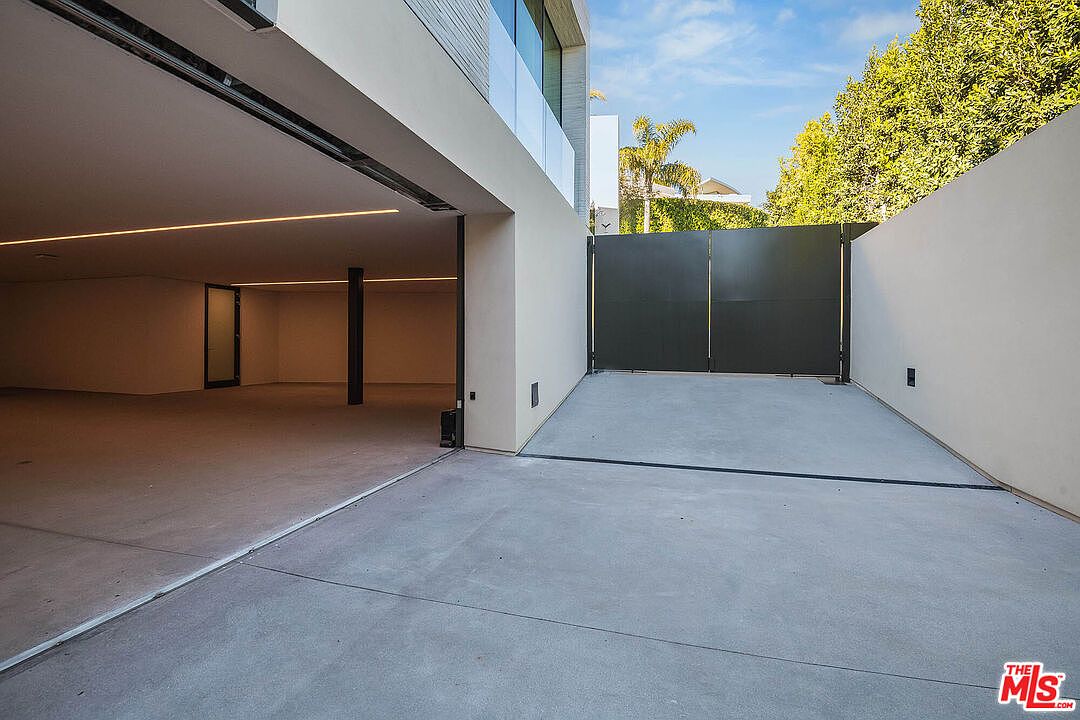
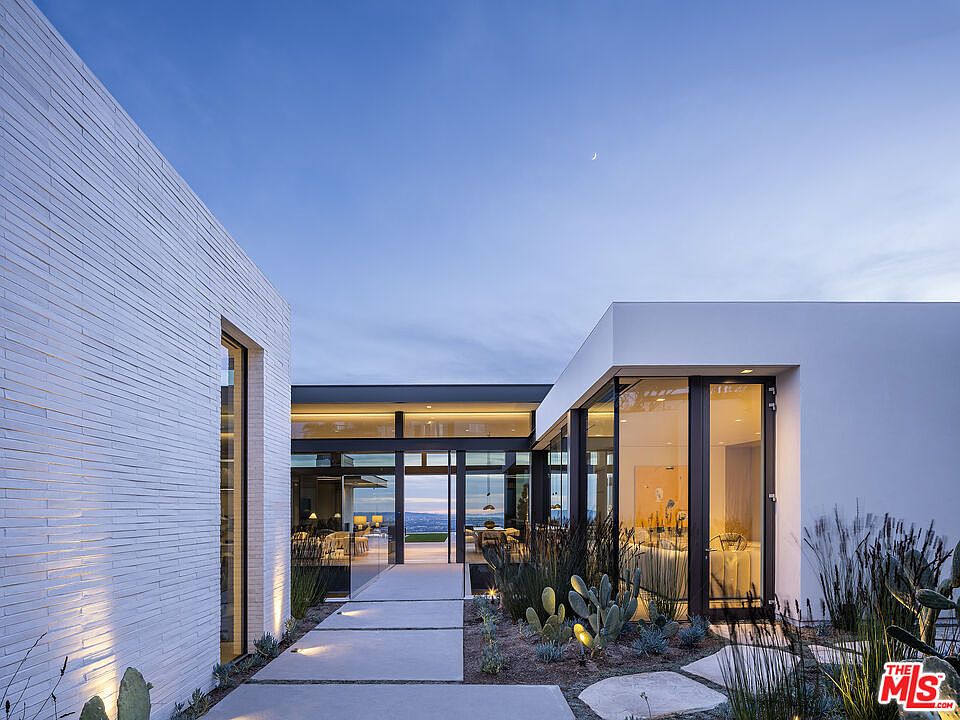
Arrival sets the tone immediately. A gated driveway descends to a subterranean eight-car garage — itself a study in minimalist precision, with smooth concrete floors and crisp recessed lighting. From the street level, a gated front entry leads to a glass front door approached by a bridge that spans the lower-level interior courtyard below, offering the first hint of what lies within: a home that folds landscape, light, and architecture into one seamless experience.
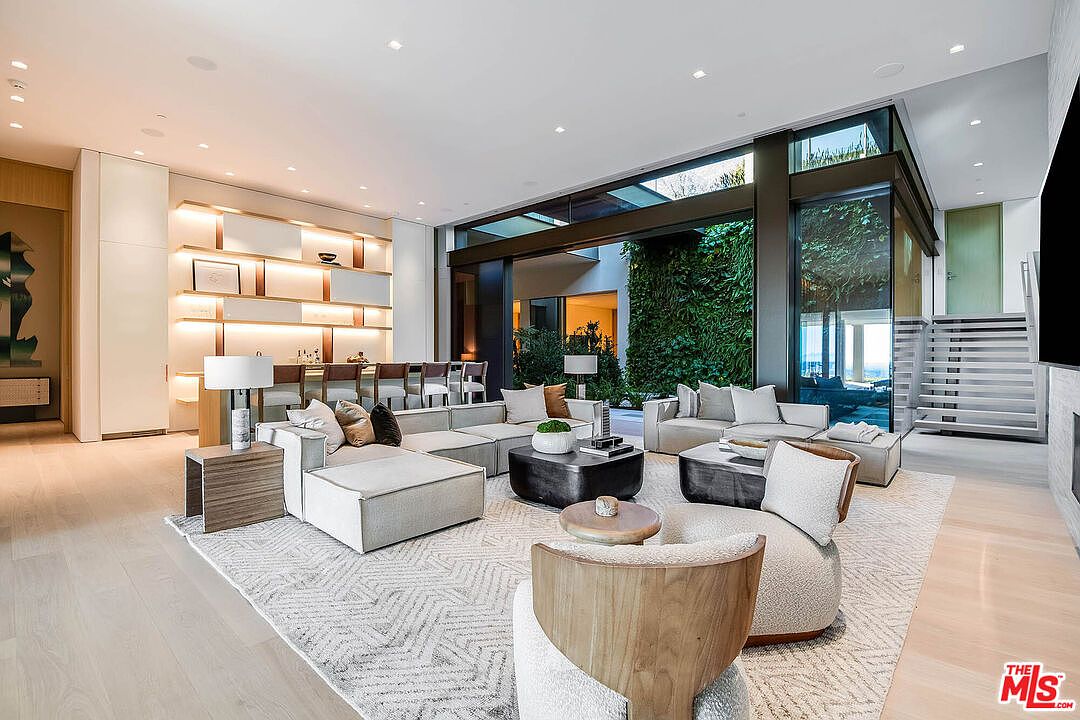
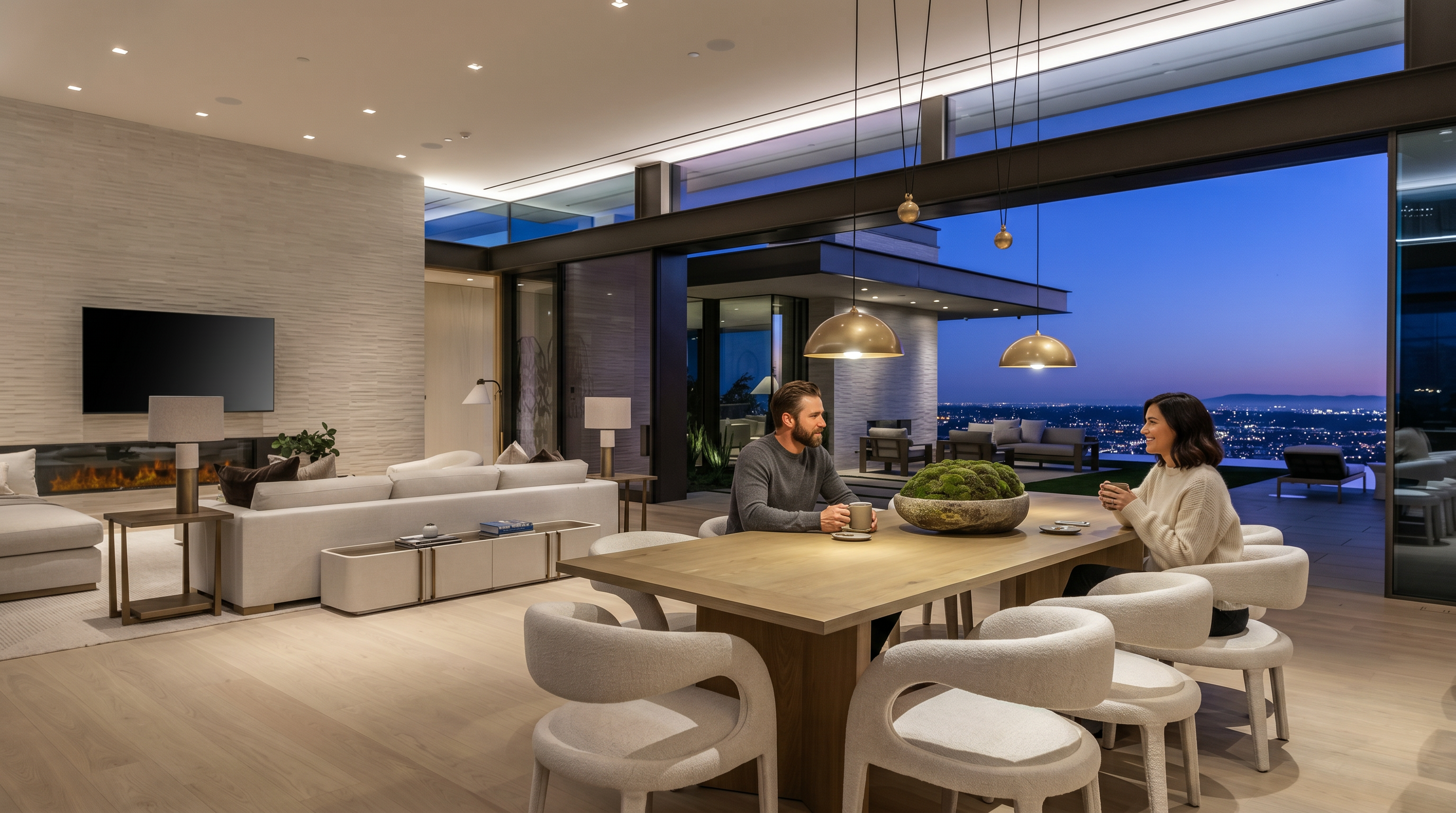
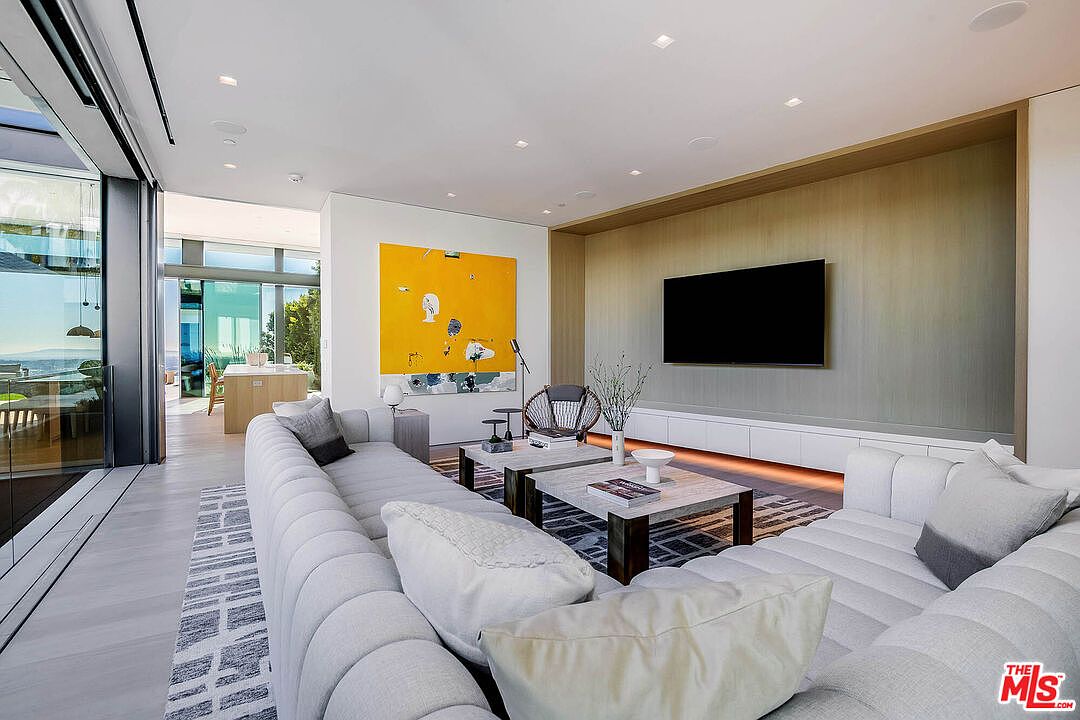
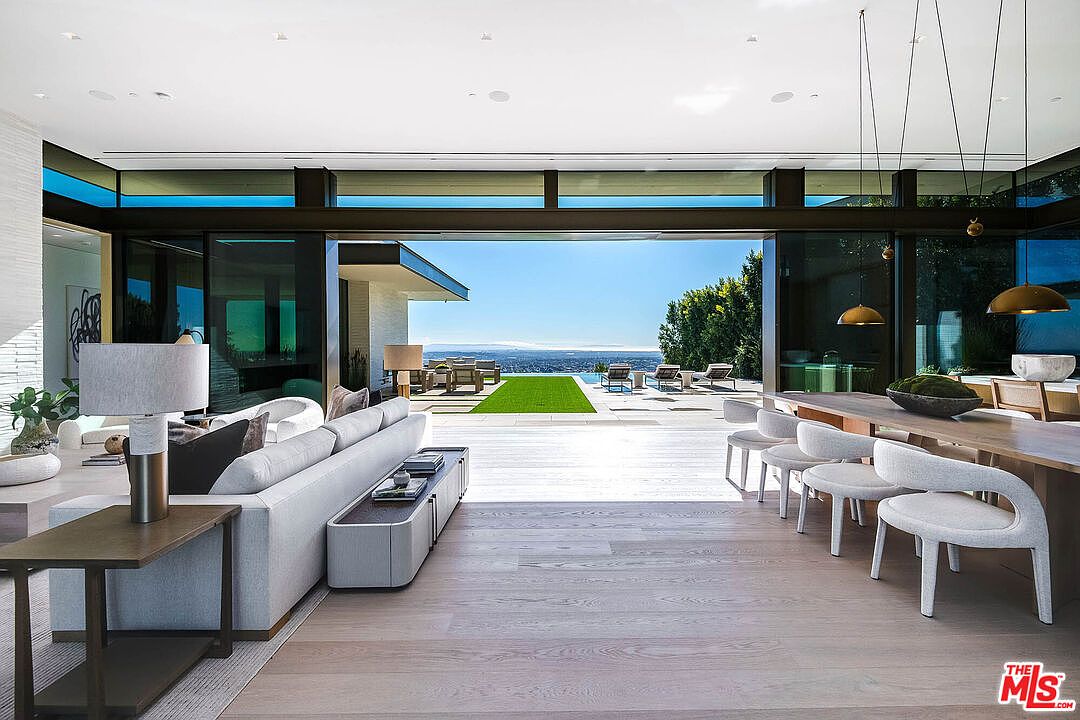
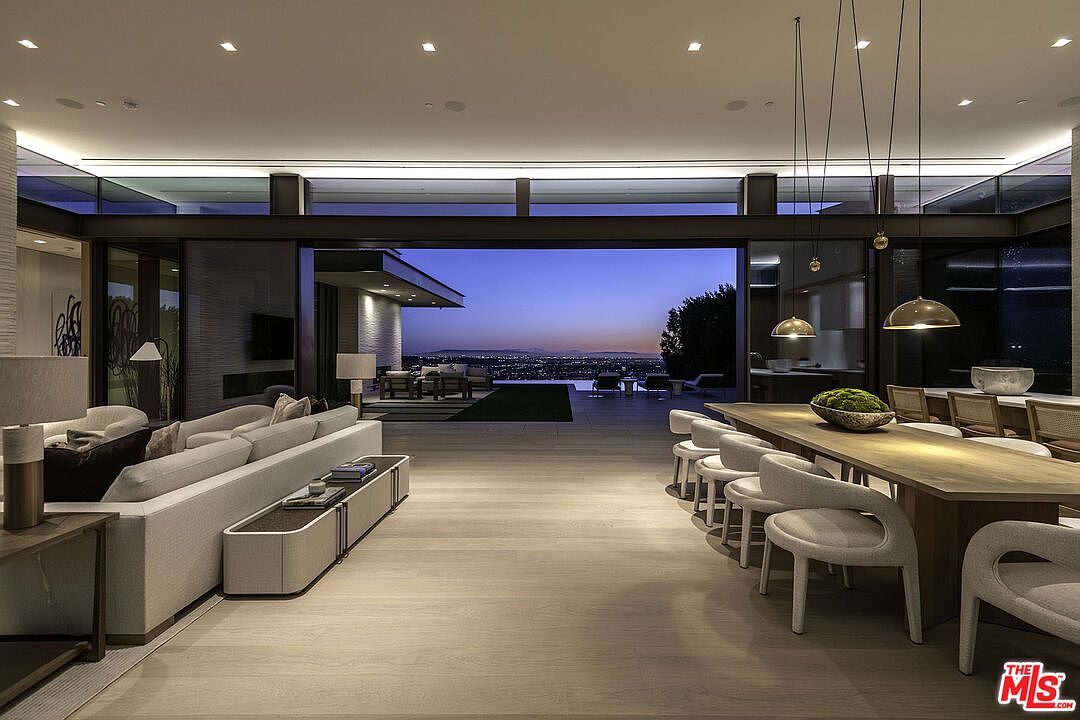
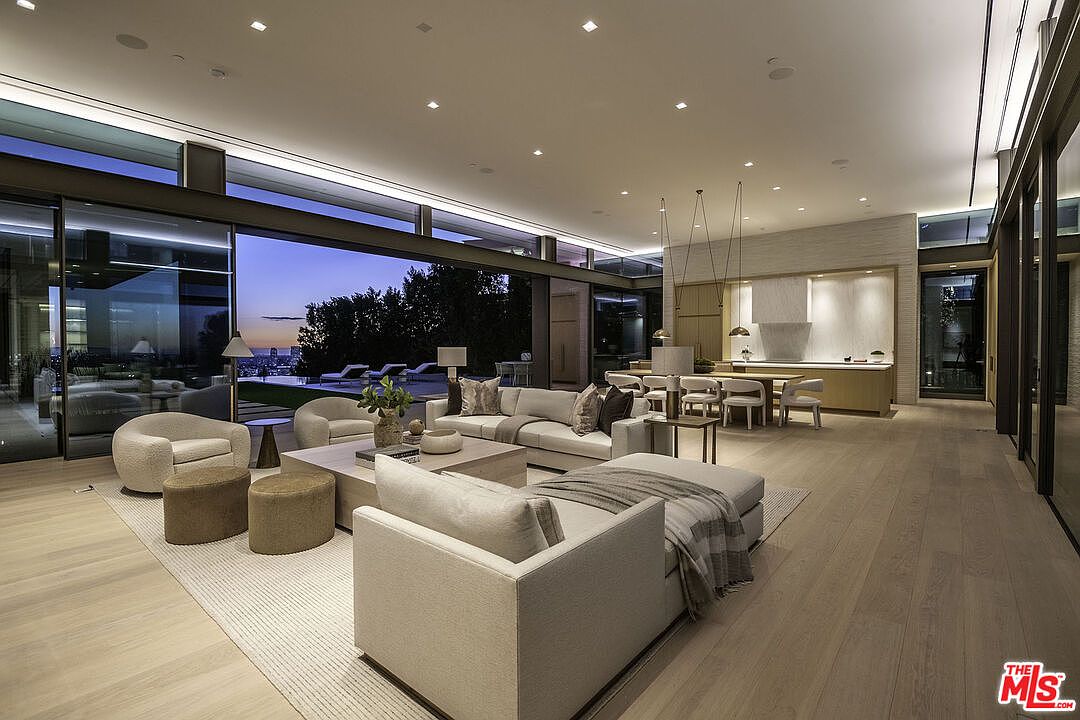
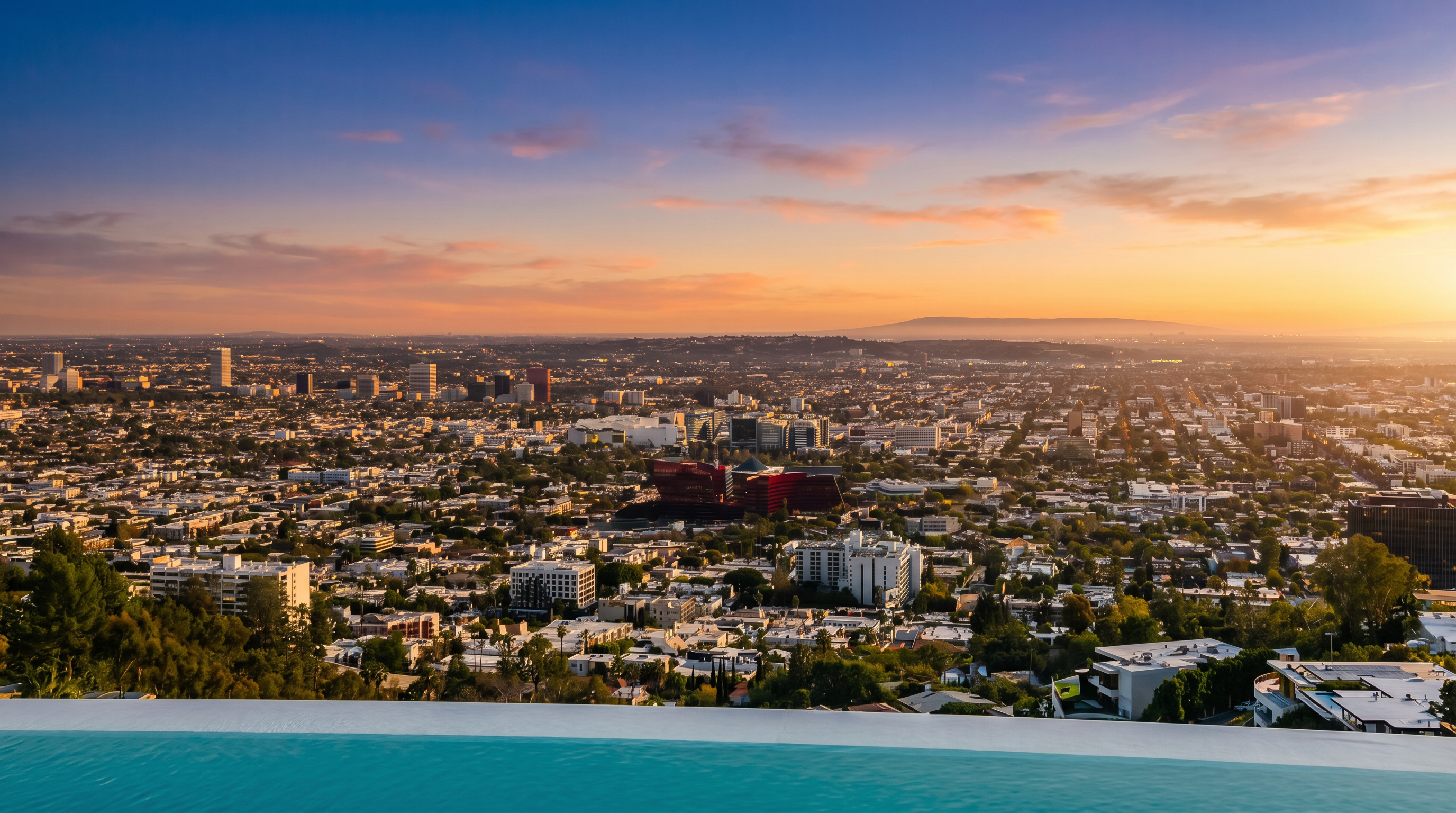
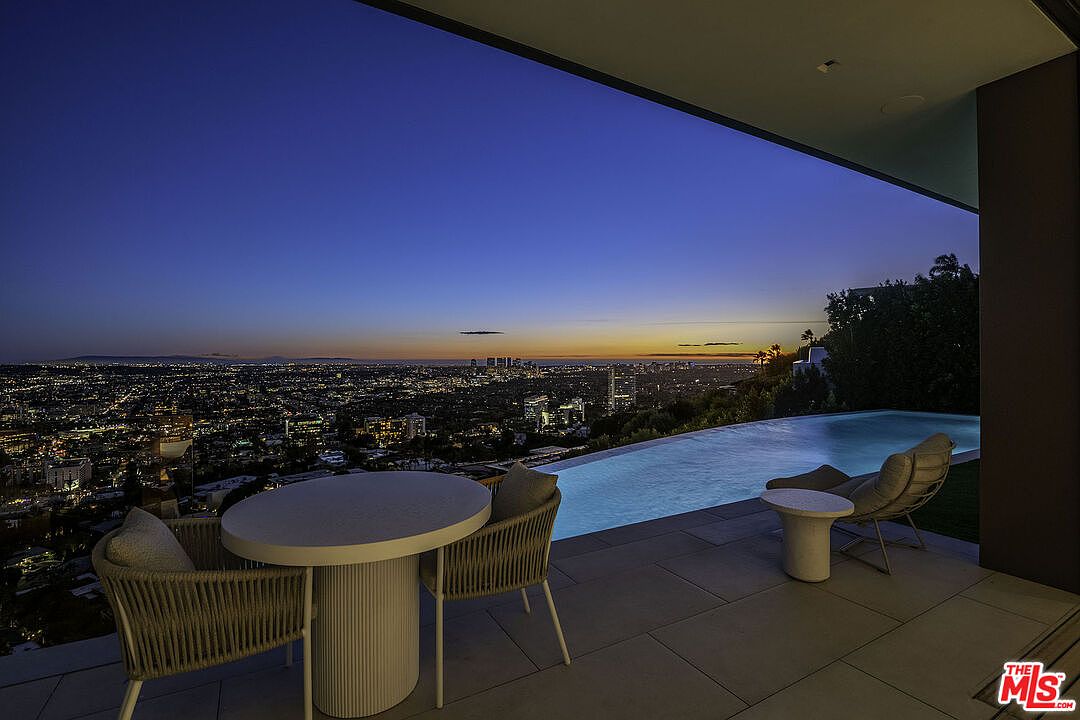
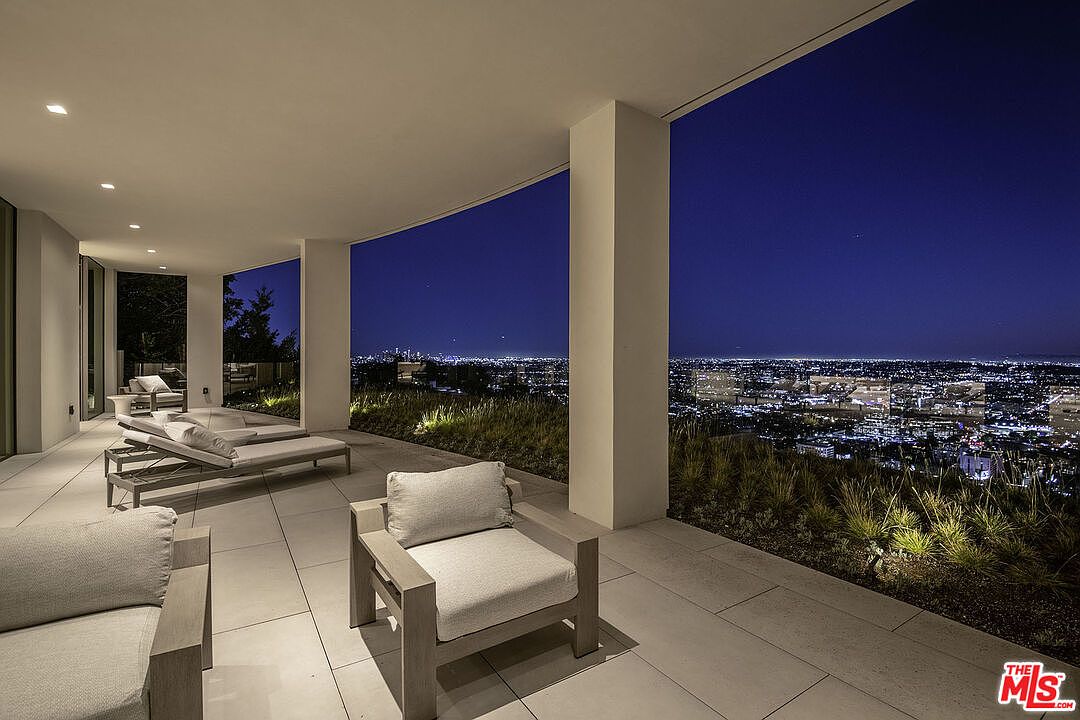
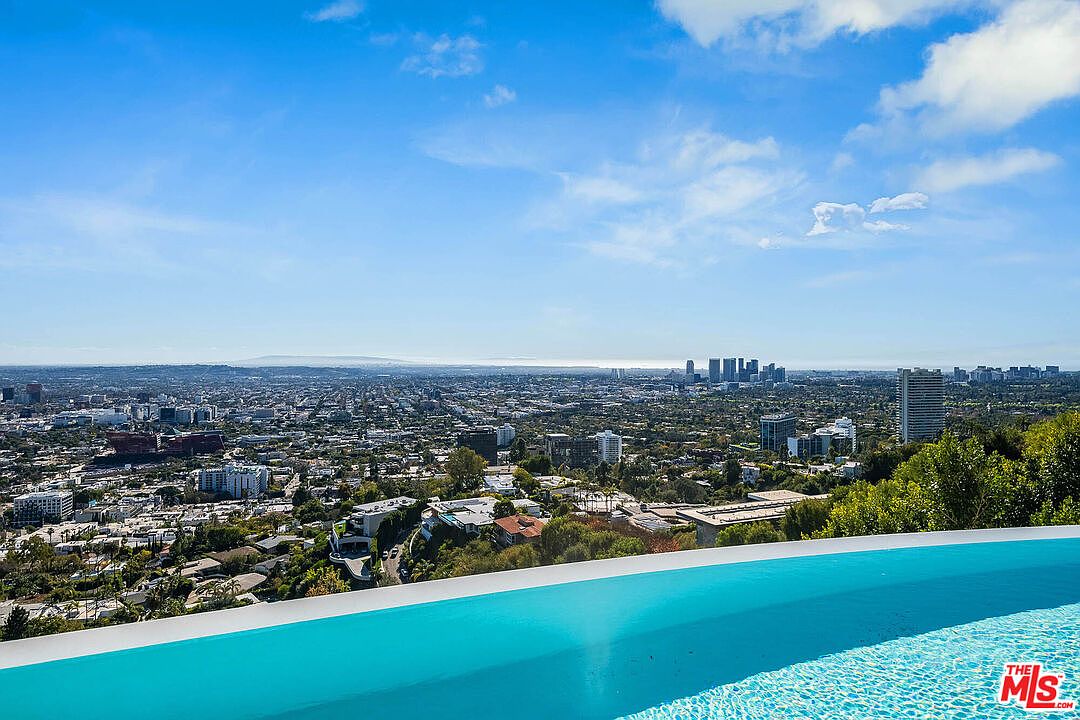
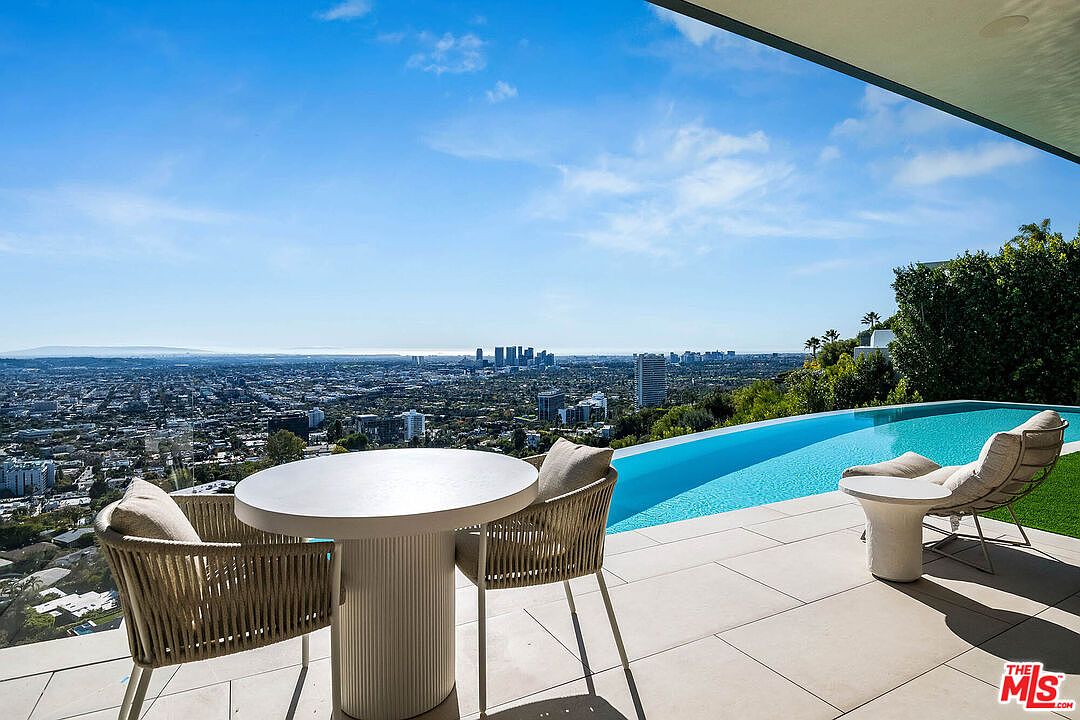
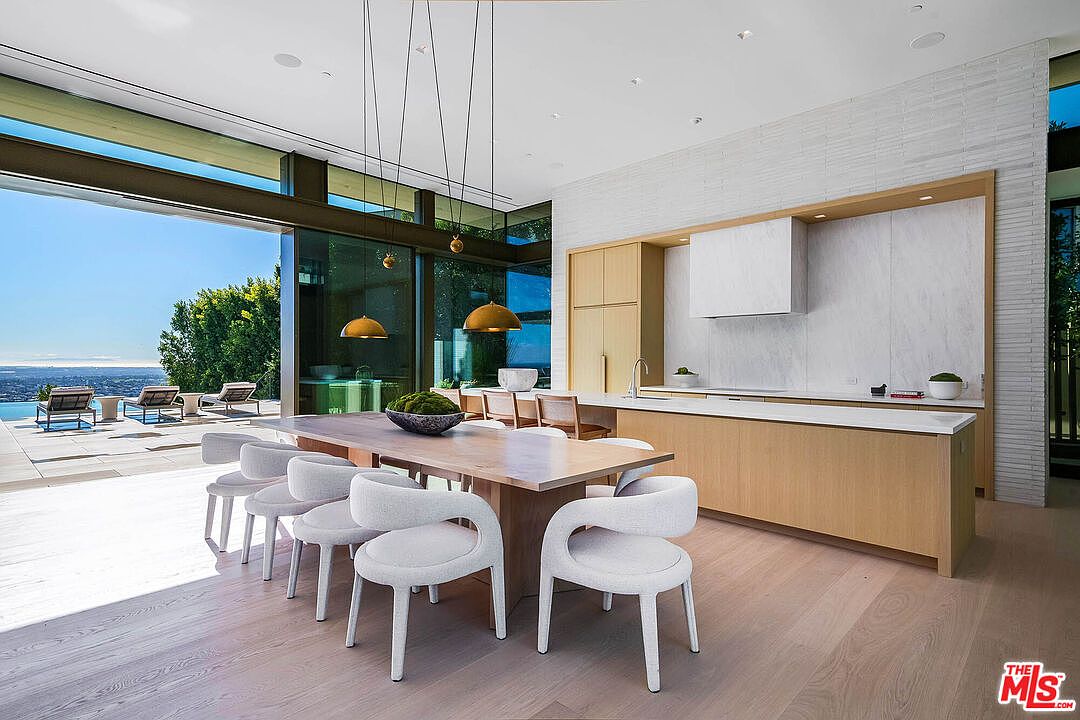
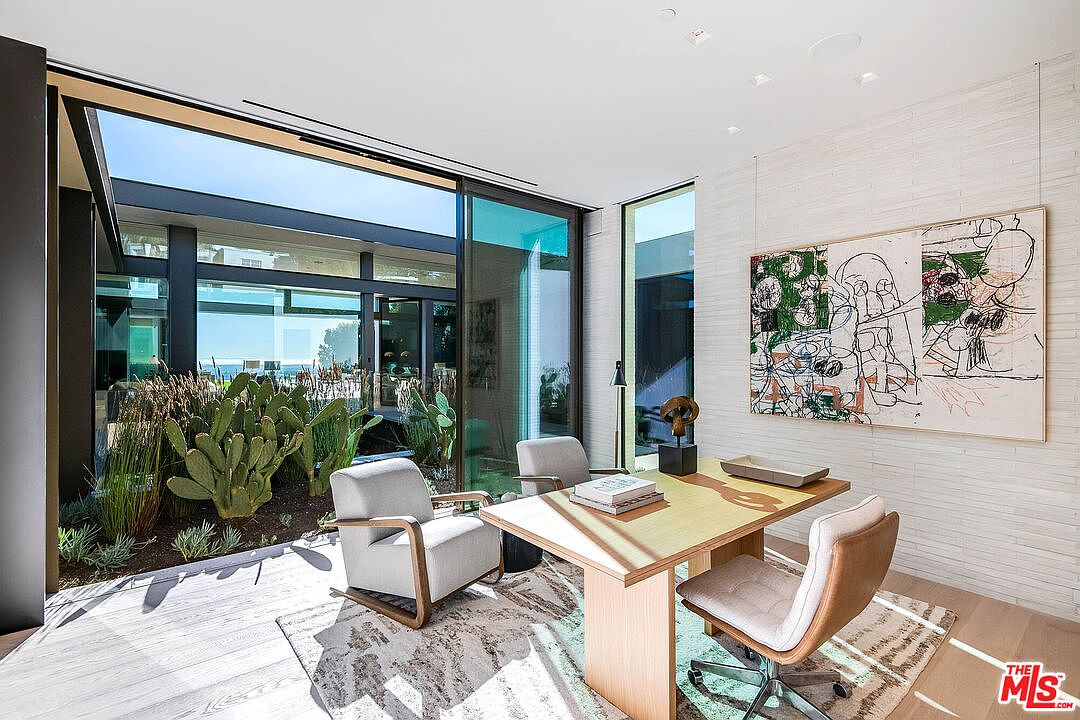
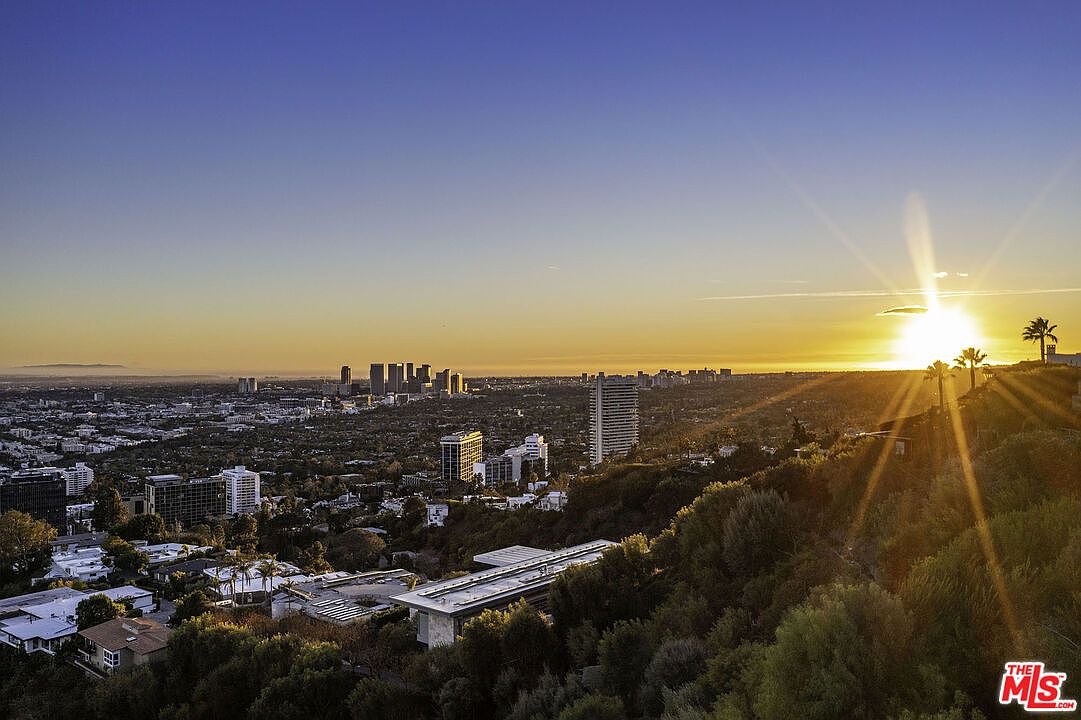
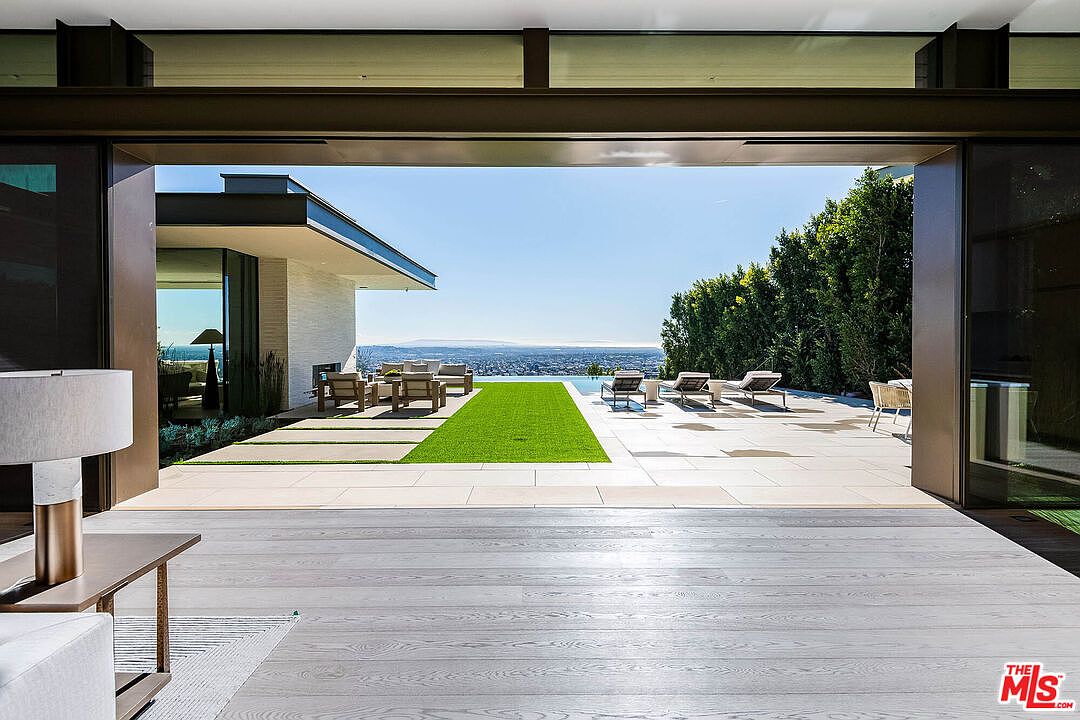
The main level is anchored by a grand living room where a fireplace grounds the space and custom automated walls of glass dissolve the boundary between interior and sky. The views — from Century City's illuminated towers to the silver line of the Pacific — are not a backdrop but a presence, shifting with the hour and the season. The kitchen commands its own authority: an enormous island, Wolf and Sub-Zero appliances, and the same indoor-outdoor transparency that defines the entire residence. Two guest bedroom suites, a powder room, and a beautifully appointed office complete the social floor.
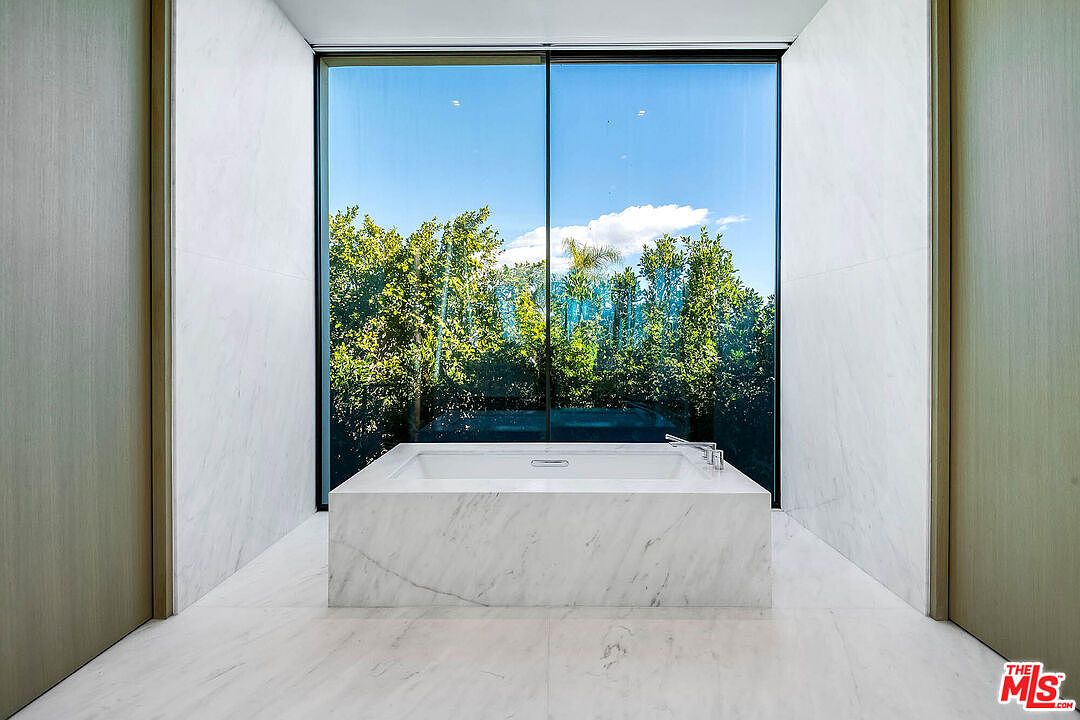
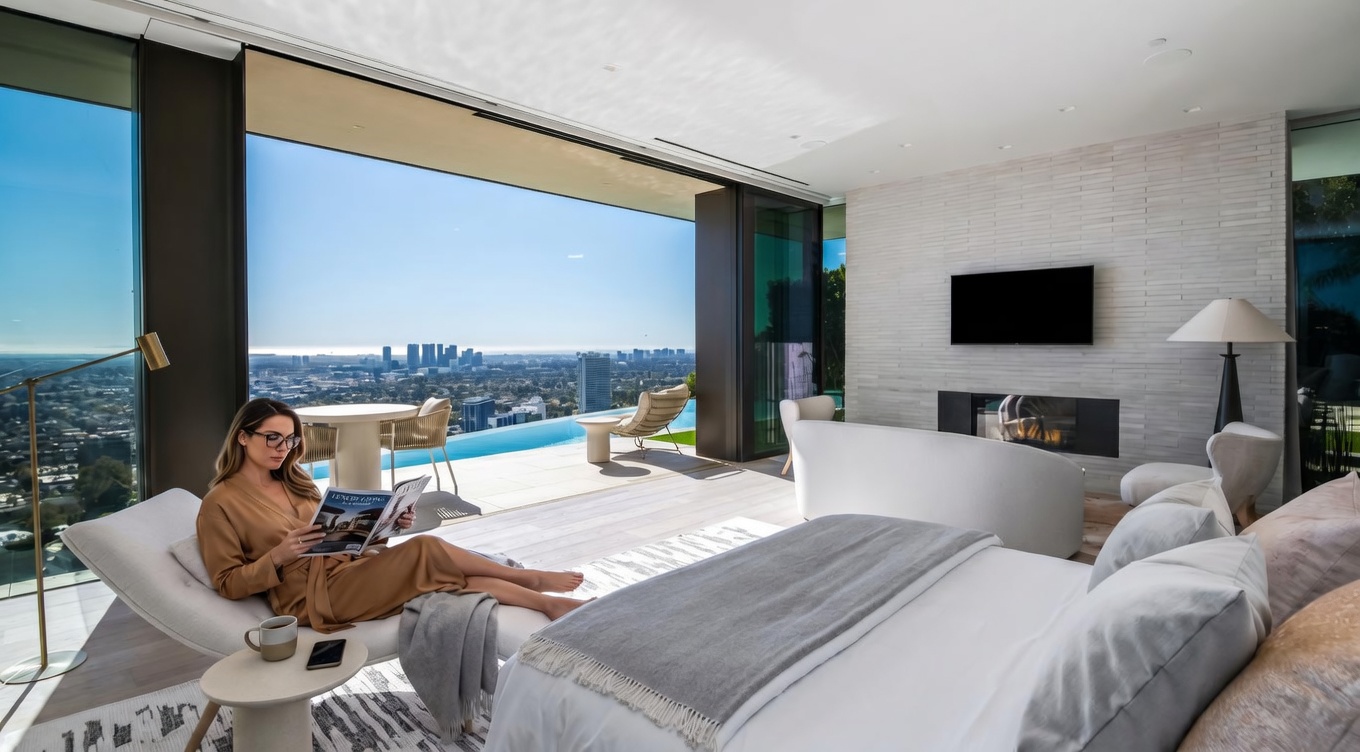
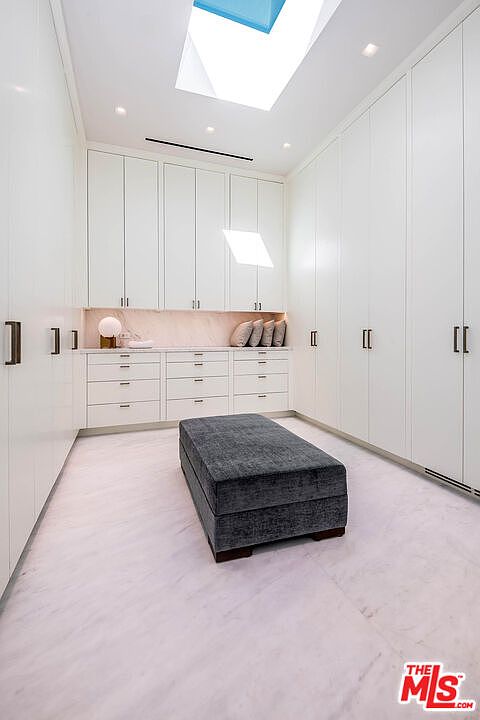
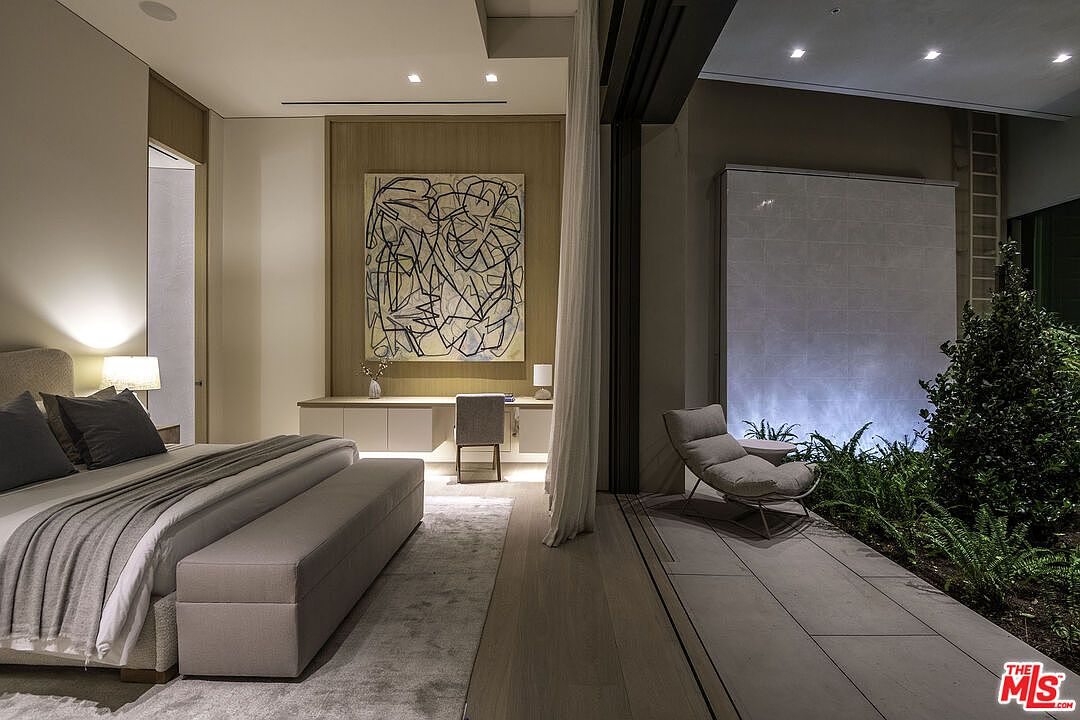
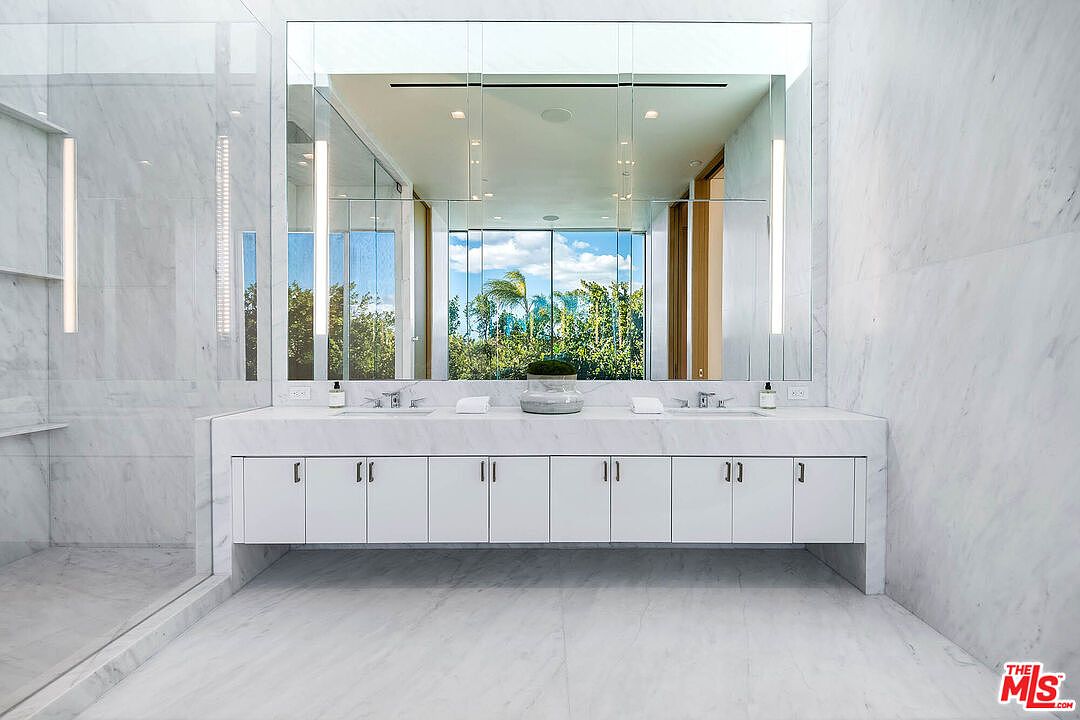
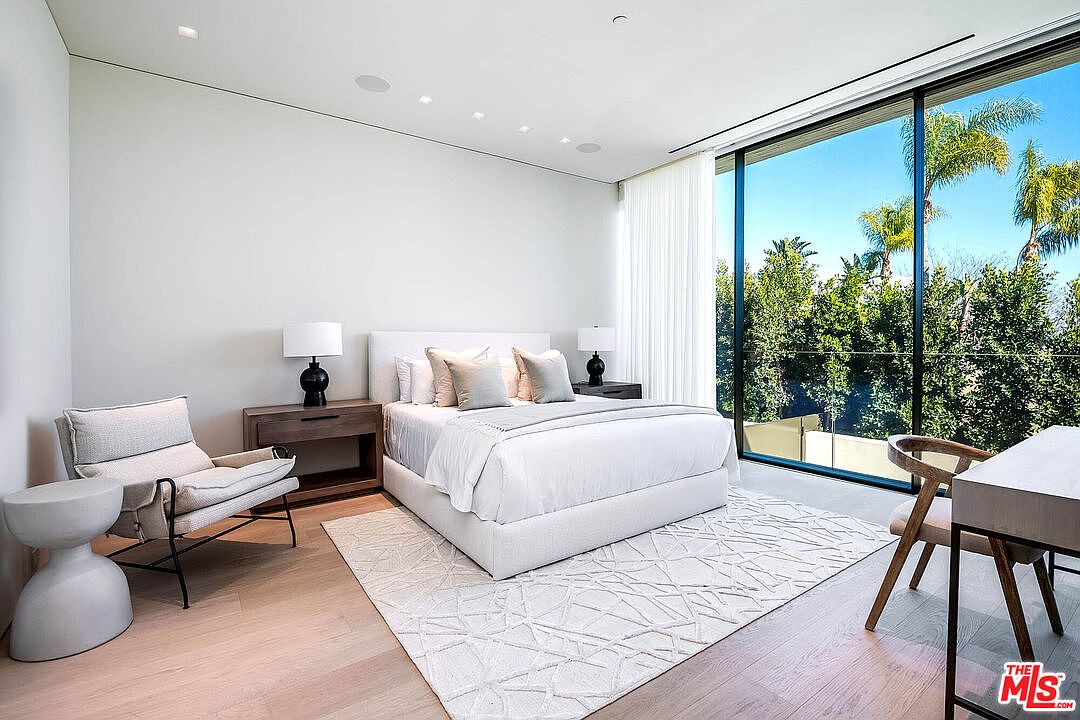
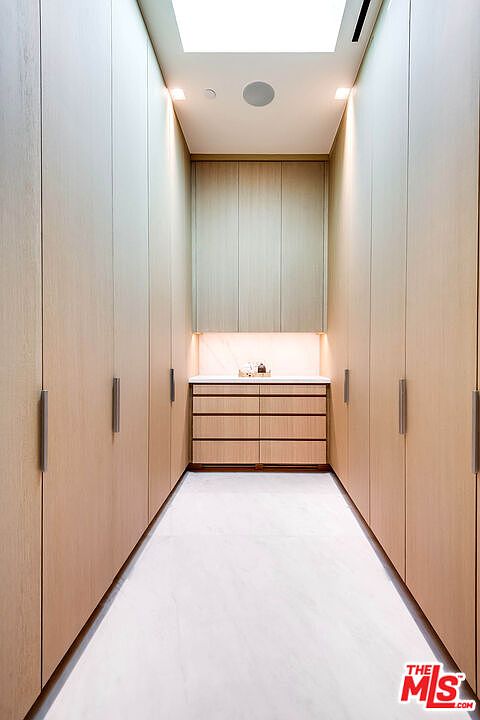
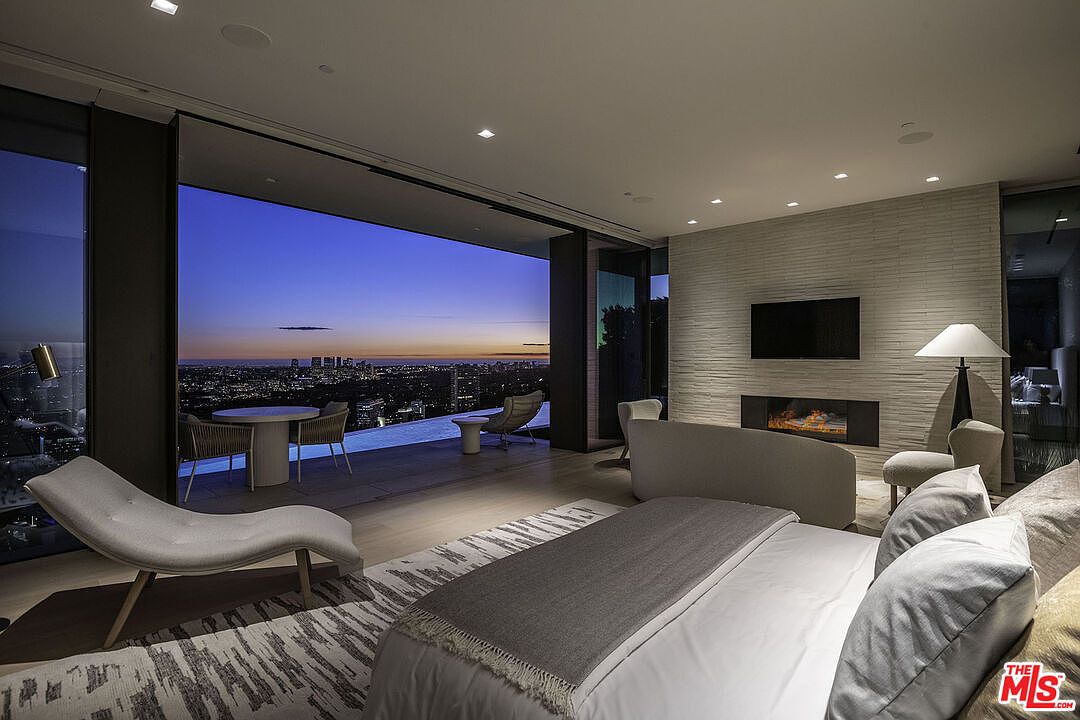
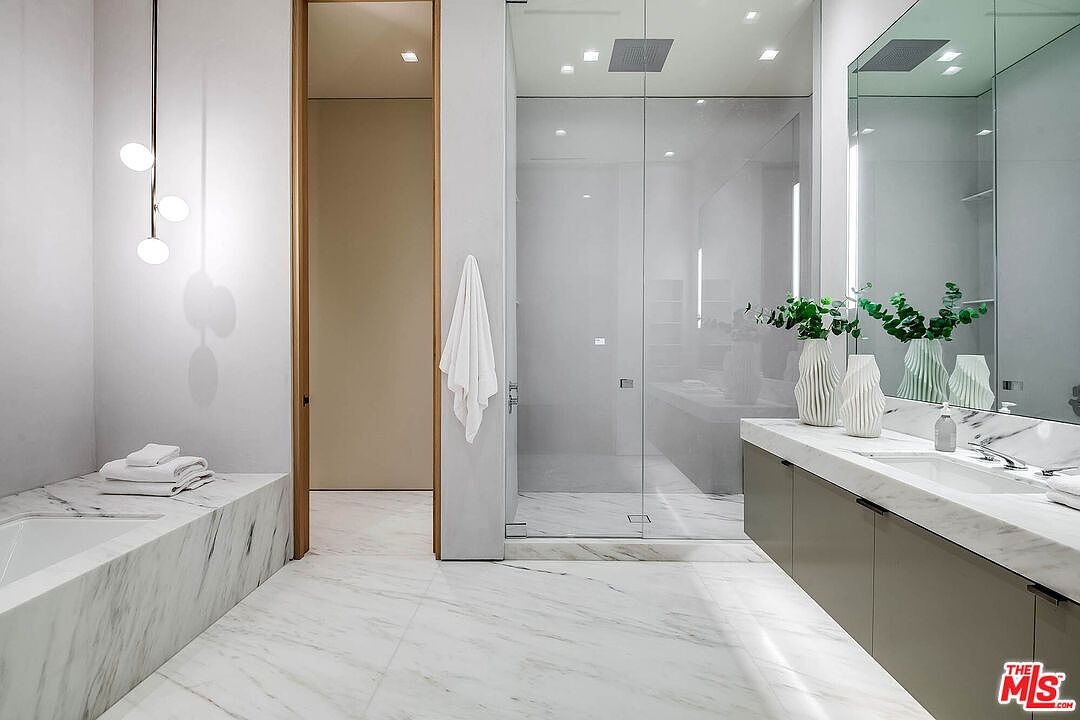
The primary suite is where the home reaches its quietest, most deliberate peak. Walls of glass open to a private terrace above the city. A fireplace anchors one wall. Dual custom walk-in closets, each skylit and finished in light wood cabinetry with polished marble flooring, provide wardrobe spaces of rare elegance. The bathroom — clad in Afyon White slab marble from floor to ceiling — is spa-like in its restraint, centered on a deep soaking tub positioned before an unobstructed view of the treetops and sky.
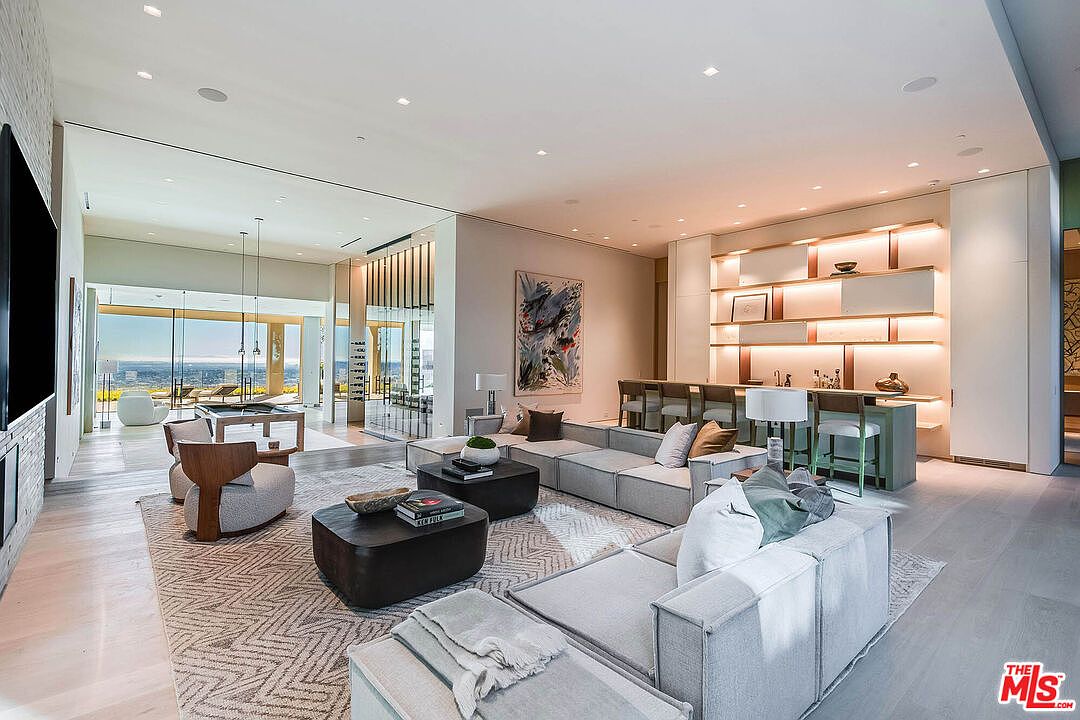
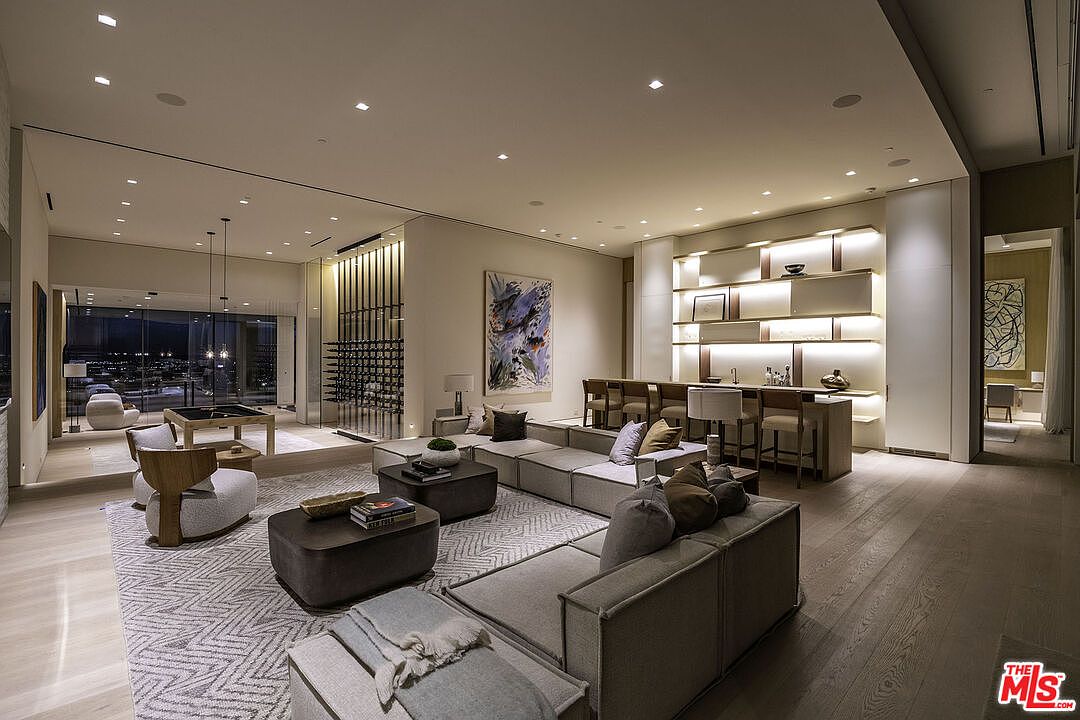
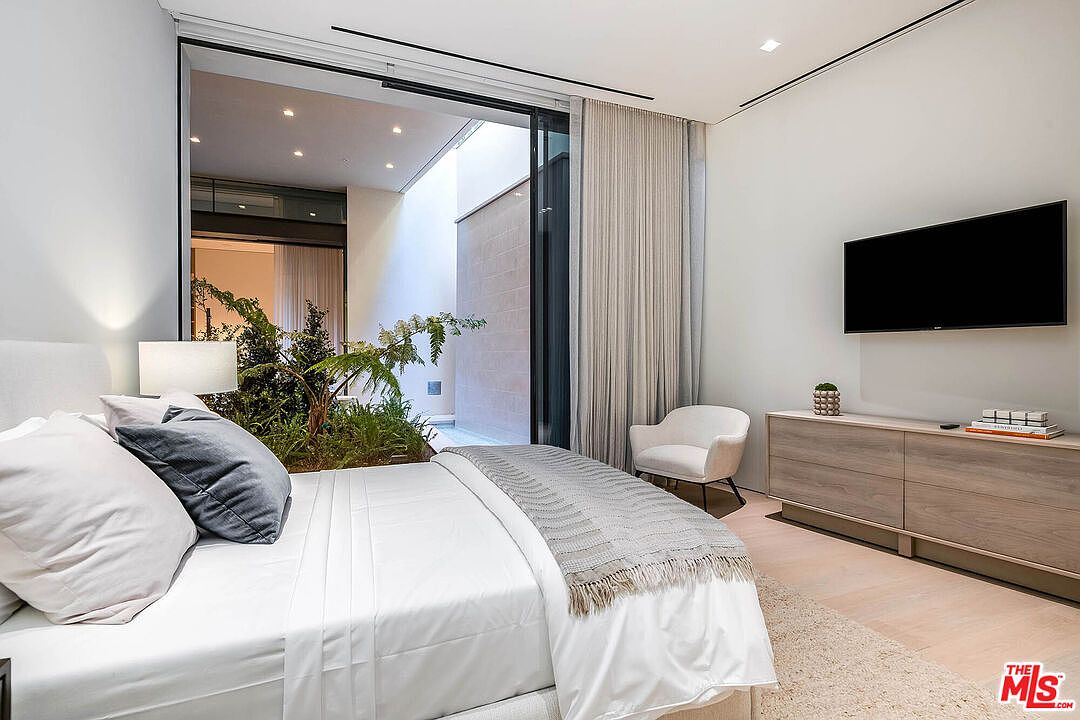
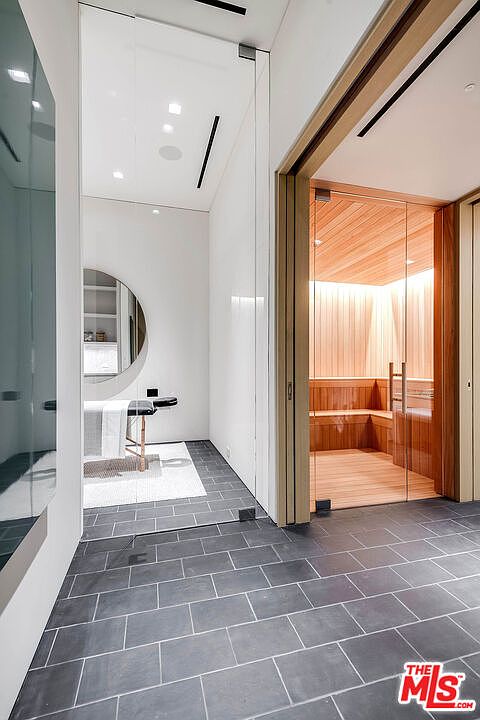
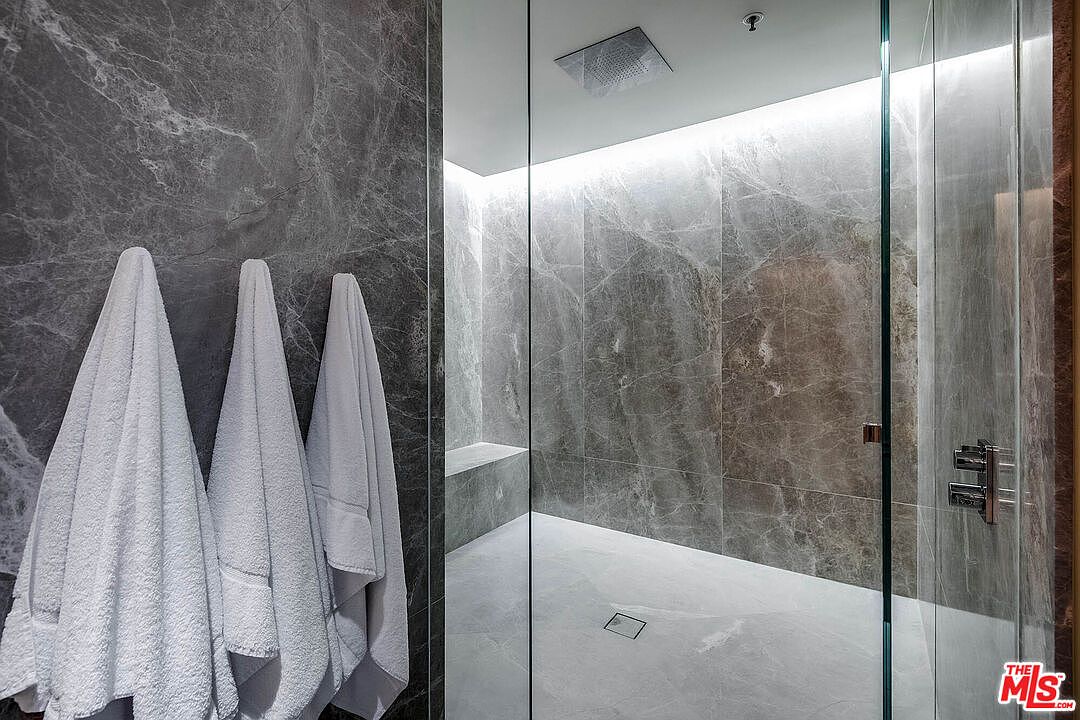
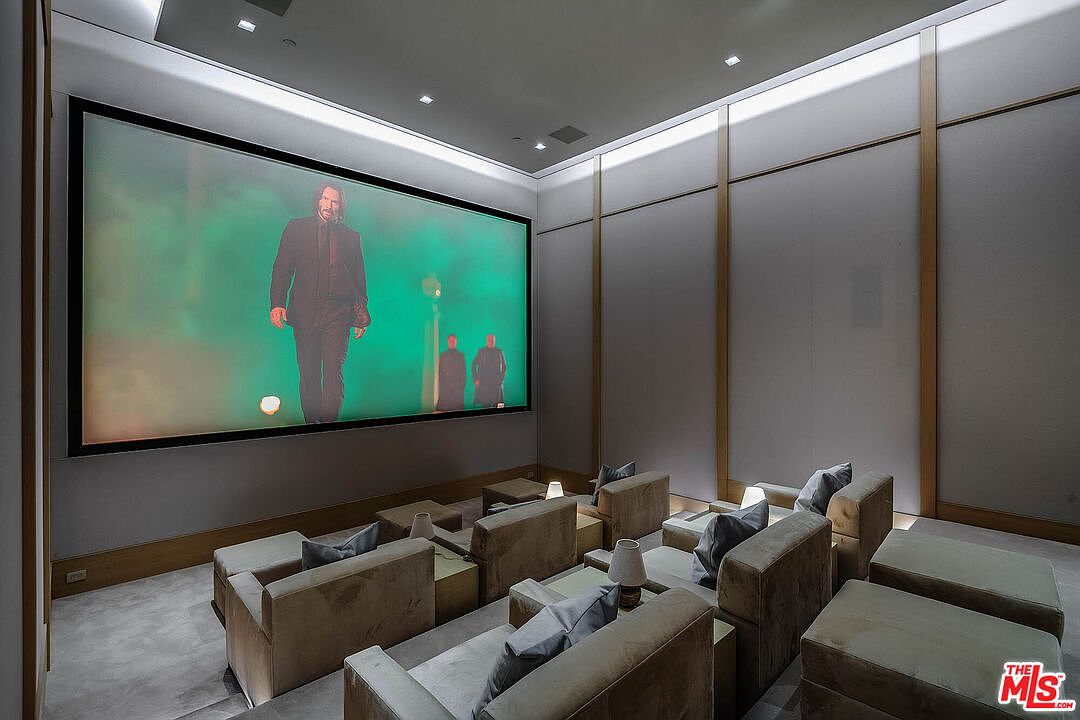
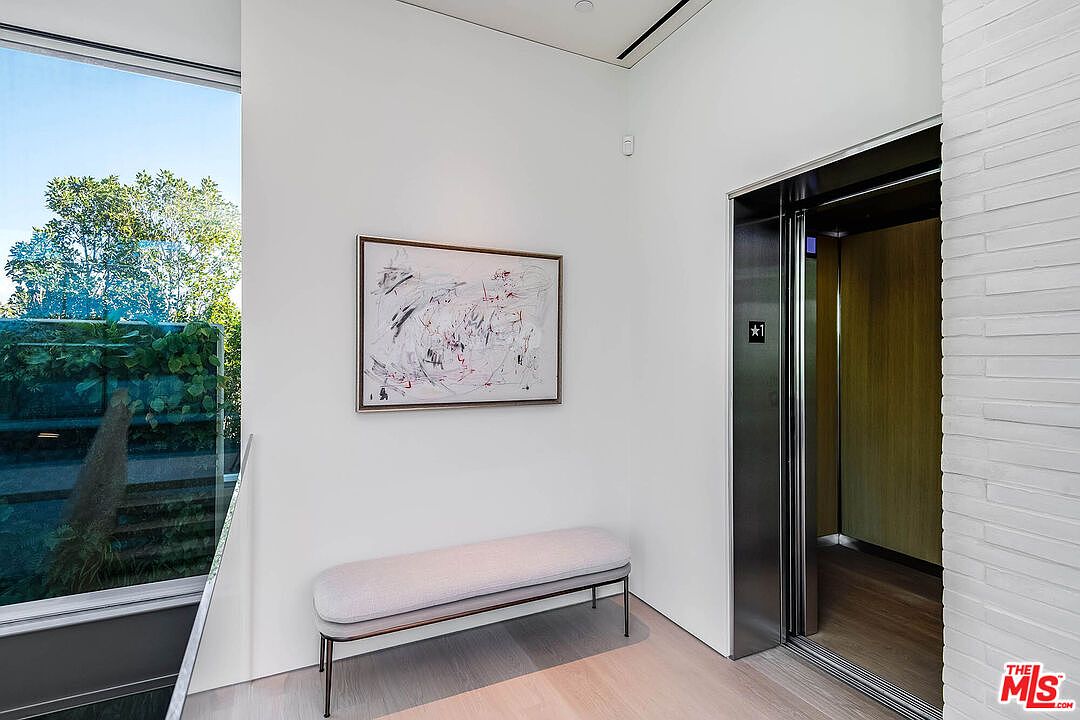
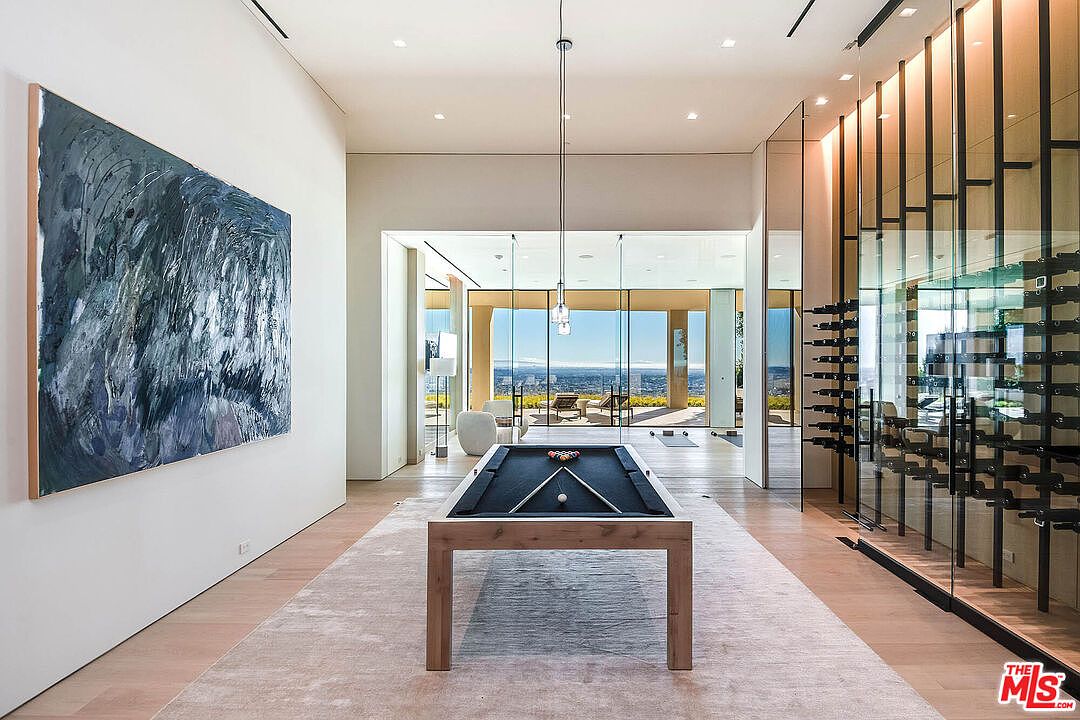
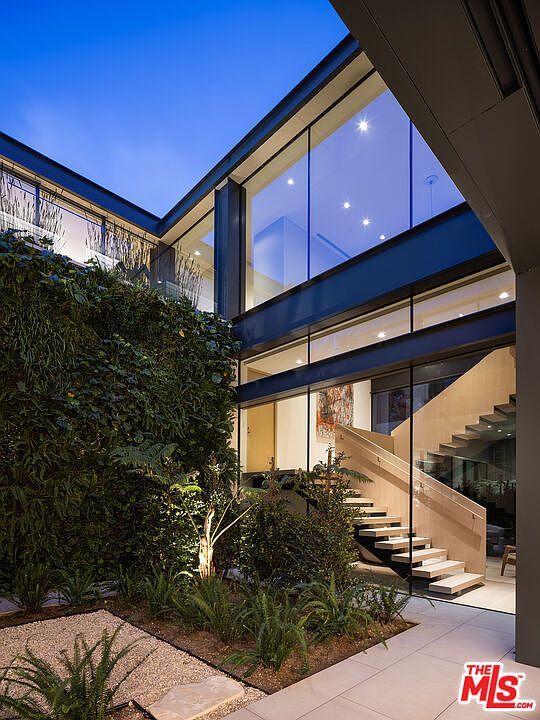
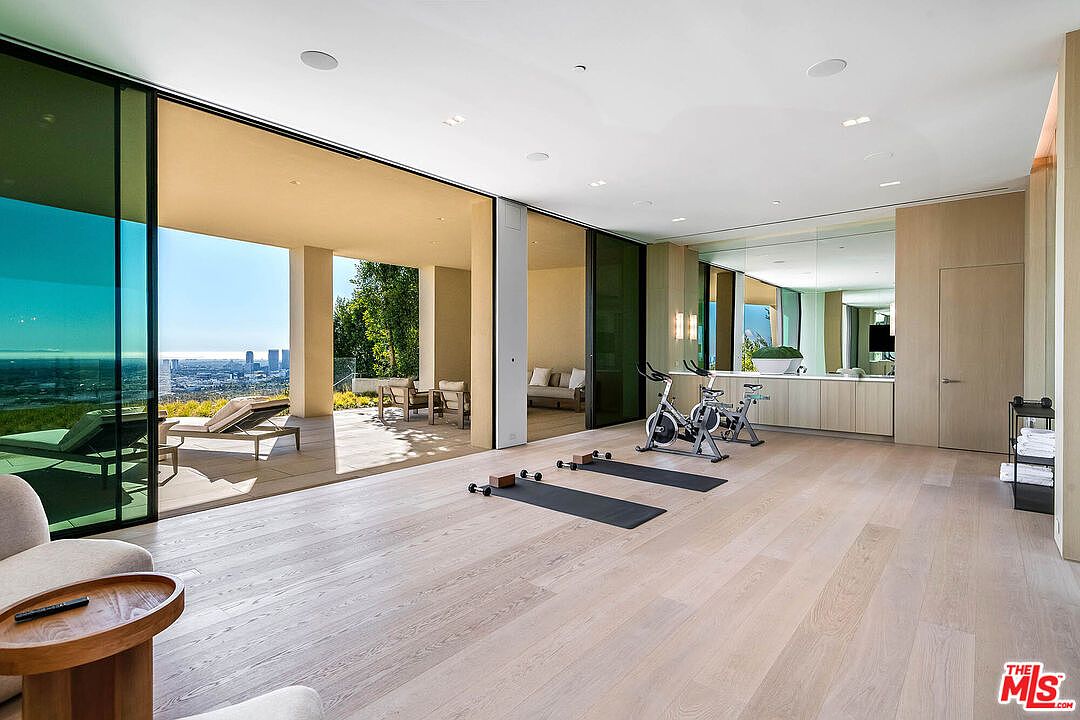
Descending the floating staircase — or by private elevator — reveals a lower level of extraordinary breadth. A living room with a large built-in bar and glass wine display opens to a billiard room. A dedicated theater with tiered seating and custom acoustic paneling delivers a cinematic experience of the highest order. The gym, walled in glass to a covered patio, brings the city panorama into every workout. A full spa with massage room, large shower, and sauna completes the wellness suite.
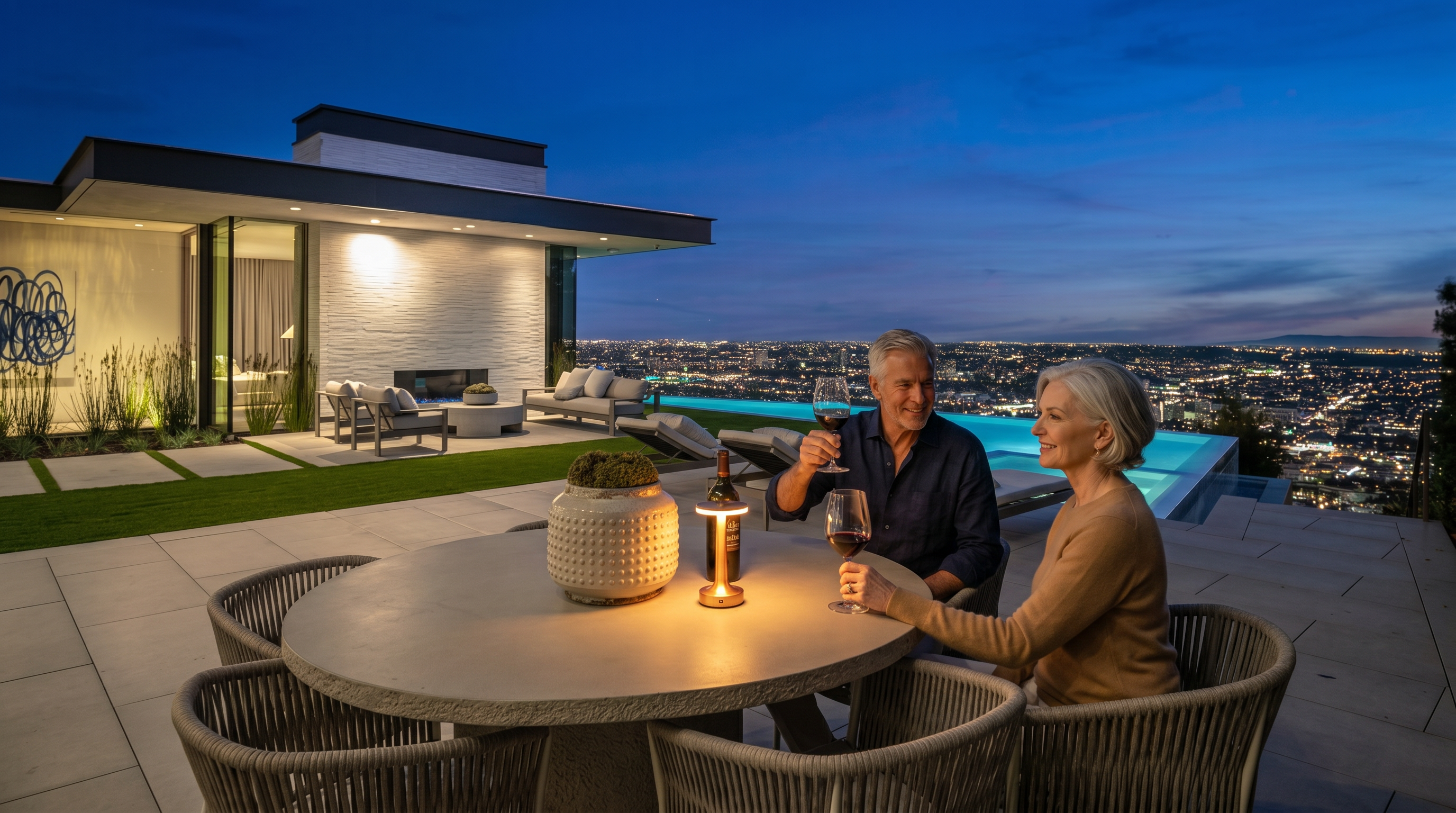
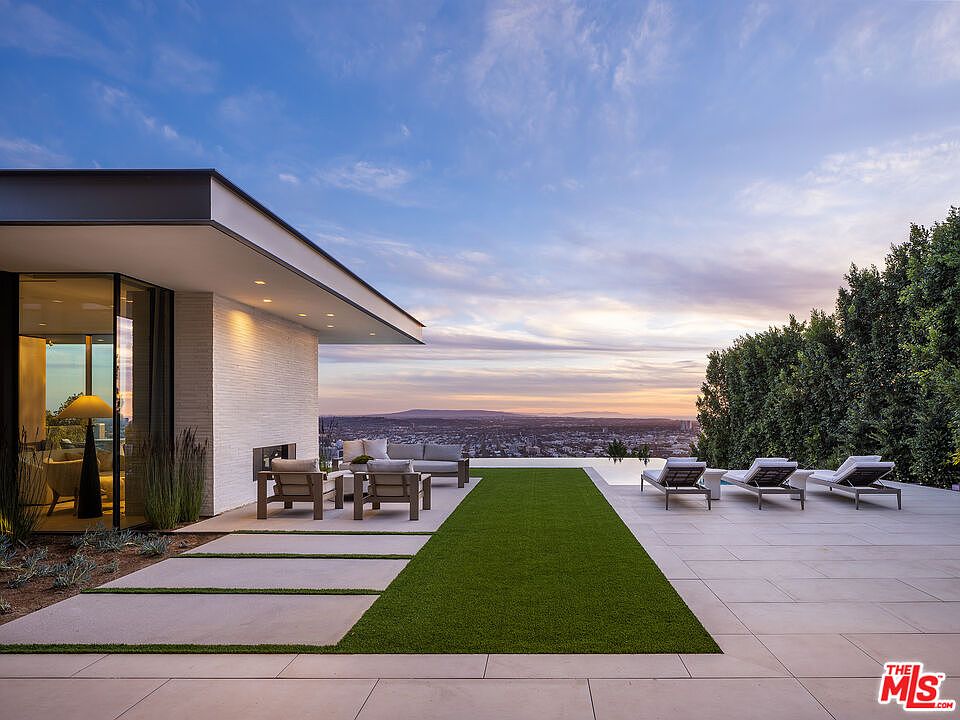
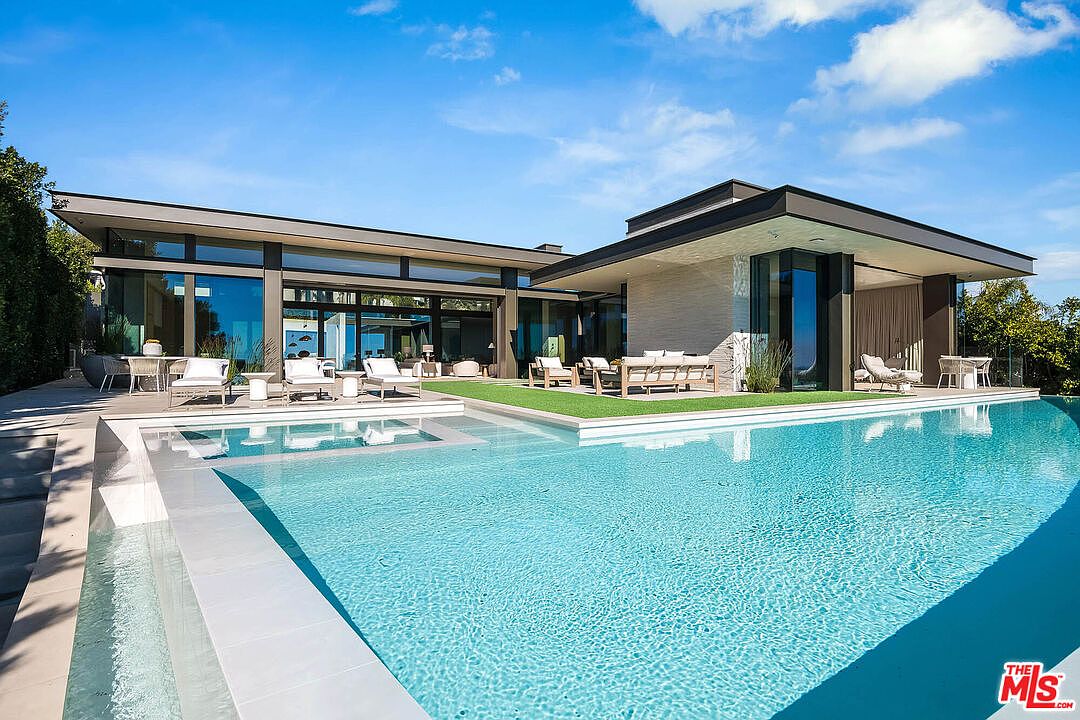
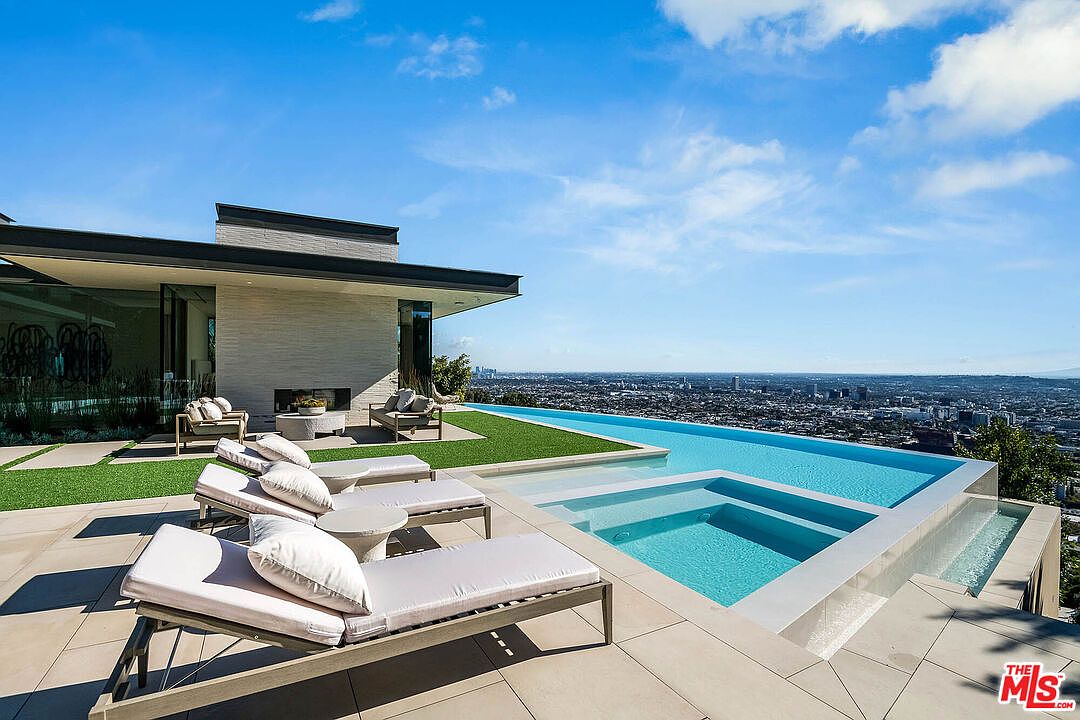
At the heart of the lower level, the interior courtyard Zen garden is perhaps the home's most unexpected gift: a living wall of layered greenery, a water wall, and filtered natural light that transforms an architectural interior into something that breathes. Outside, the zero-edged pool and spa extend toward the horizon, flanked by lounging terraces, a fireplace, and synthetic turf — an outdoor room as considered as any within.
The Bird Streets occupy a particular place in the mythology of Los Angeles real estate — and in the broader story of the city itself. Nestled in the hills above the Sunset Strip, this small cluster of winding residential roads takes its name from the avian nomenclature of its streets: Nightingale, Oriole, Warbler, Thrasher, Skylark. The names carry a certain poetry that suits the neighborhood well. These are streets that feel hidden even as they hover above one of the world's most famous thoroughfares.
Geographically, the Bird Streets sit within the 90069 zip code, straddling the boundary between the City of Los Angeles and the West Hollywood Hills. The area rose to cultural prominence during the mid-twentieth century, when its canyon-hugging lots attracted architects, entertainers, and industry figures who valued privacy, views, and proximity to the creative energy of the Sunset Strip below. That legacy of discerning ownership has never left. Today, the Bird Streets rank consistently among the most sought-after addresses in all of Southern California, defined by a combination of extraordinary sight lines, wooded seclusion, and an atmosphere of quiet prestige that is genuinely difficult to replicate elsewhere in the city.
Below, Sunset Boulevard provides immediate access to the full breadth of Los Angeles's cultural and culinary life. The Sunset Strip, stretching through West Hollywood, is home to a concentration of world-class restaurants, members' clubs, boutique hotels, and live music venues that have defined the city's nightlife for decades. Nobu, Catch, Cecconi's, and the Pendry West Hollywood are all within minutes. The storied Chateau Marmont, an enduring landmark of Hollywood history, sits just down the hill. Soho House West Hollywood, one of the city's most prominent private social clubs, is similarly close at hand.
West Hollywood itself is one of Los Angeles's most walkable and culturally active communities, known for its strong civic identity, vibrant arts scene, and internationally recognized dining and retail corridors. The Pacific Design Center — a major hub for architecture, interior design, and the decorative arts — anchors the neighborhood's design community and hosts frequent exhibitions and industry events. Melrose Avenue and Beverly Boulevard extend the retail and dining landscape further, offering everything from established luxury brands to independent boutiques and celebrated chef-driven restaurants.
For those oriented toward wellness, the surrounding area offers a remarkable density of options: from private training studios and Pilates reformer boutiques to hiking trails in Runyon Canyon Park, which begins just blocks away and provides some of the most accessible and rewarding urban hiking in the city. The proximity to Beverly Hills — and by extension to Rodeo Drive, Cedars-Sinai Medical Center, and the campuses of UCLA and USC — further reinforces the location's rare combination of lifestyle access and residential serenity.
To live in the Bird Streets is to occupy a specific altitude — literally and figuratively — above Los Angeles. The city unfolds below in its full, glittering complexity, while the streets themselves remain quiet, private, and unhurried. It is one of the few places in Los Angeles where one can feel genuinely removed and yet entirely connected.
Featured Highlights
Curated Content • Presented by Jade Mills