The Story Behind
Sixty-Six Acres of Sonoma Wine Country Awaiting Your Vision
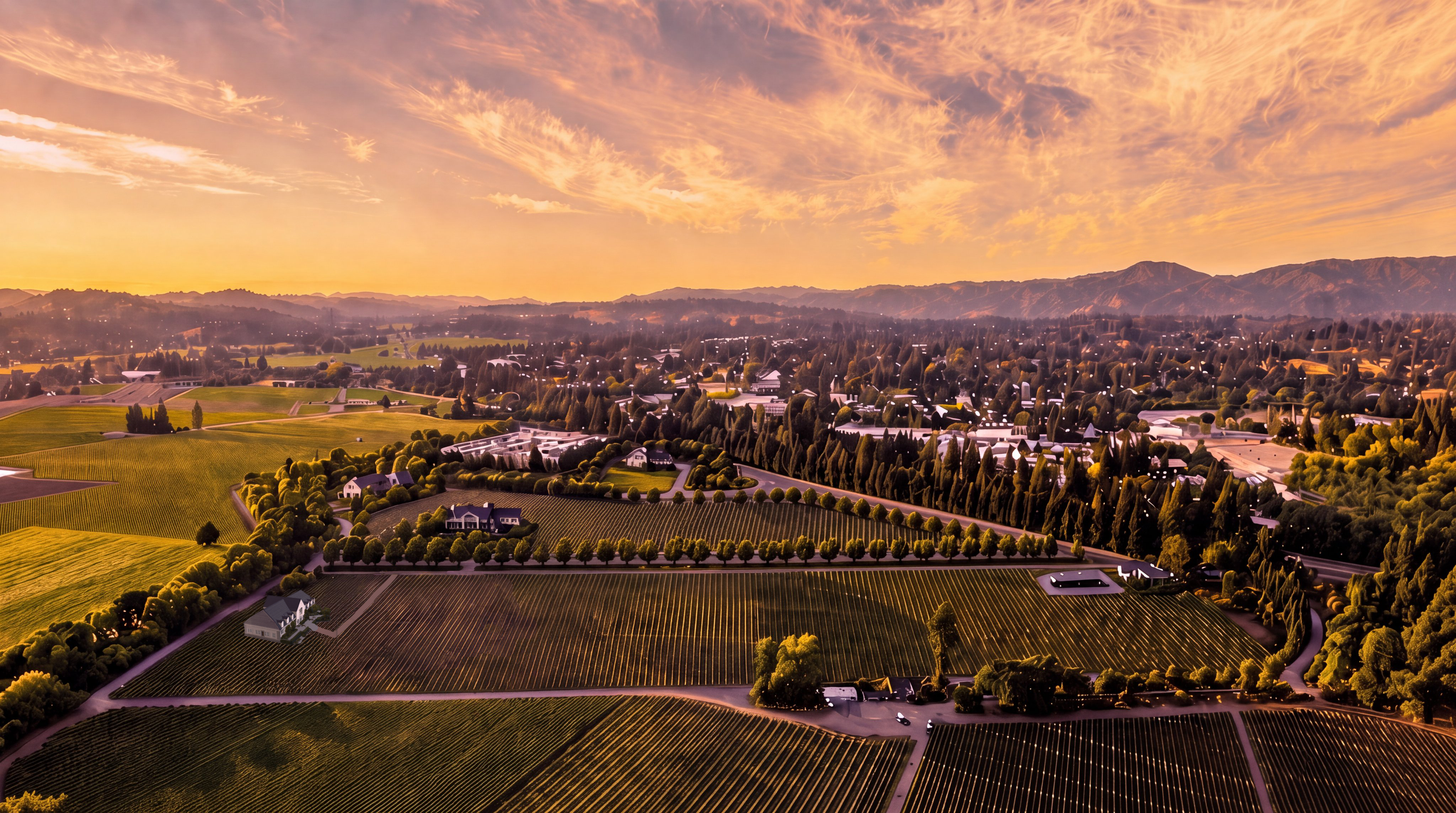
There are properties that ask you to imagine, and then there are properties that make imagination feel inevitable. 374 Kinley Drive is the latter — a working agricultural estate of extraordinary scale and intention, set within one of California's most storied viticultural landscapes.
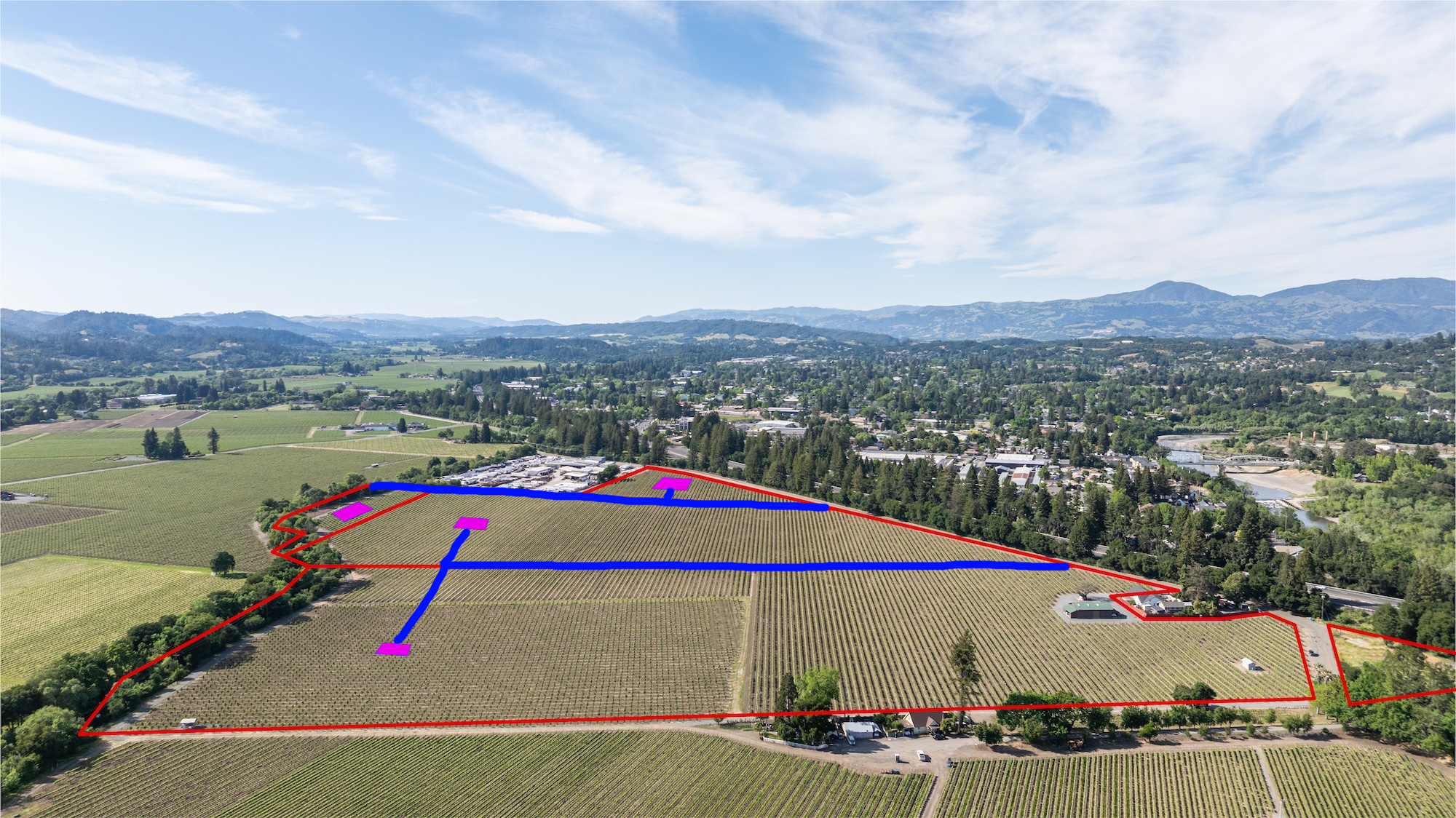
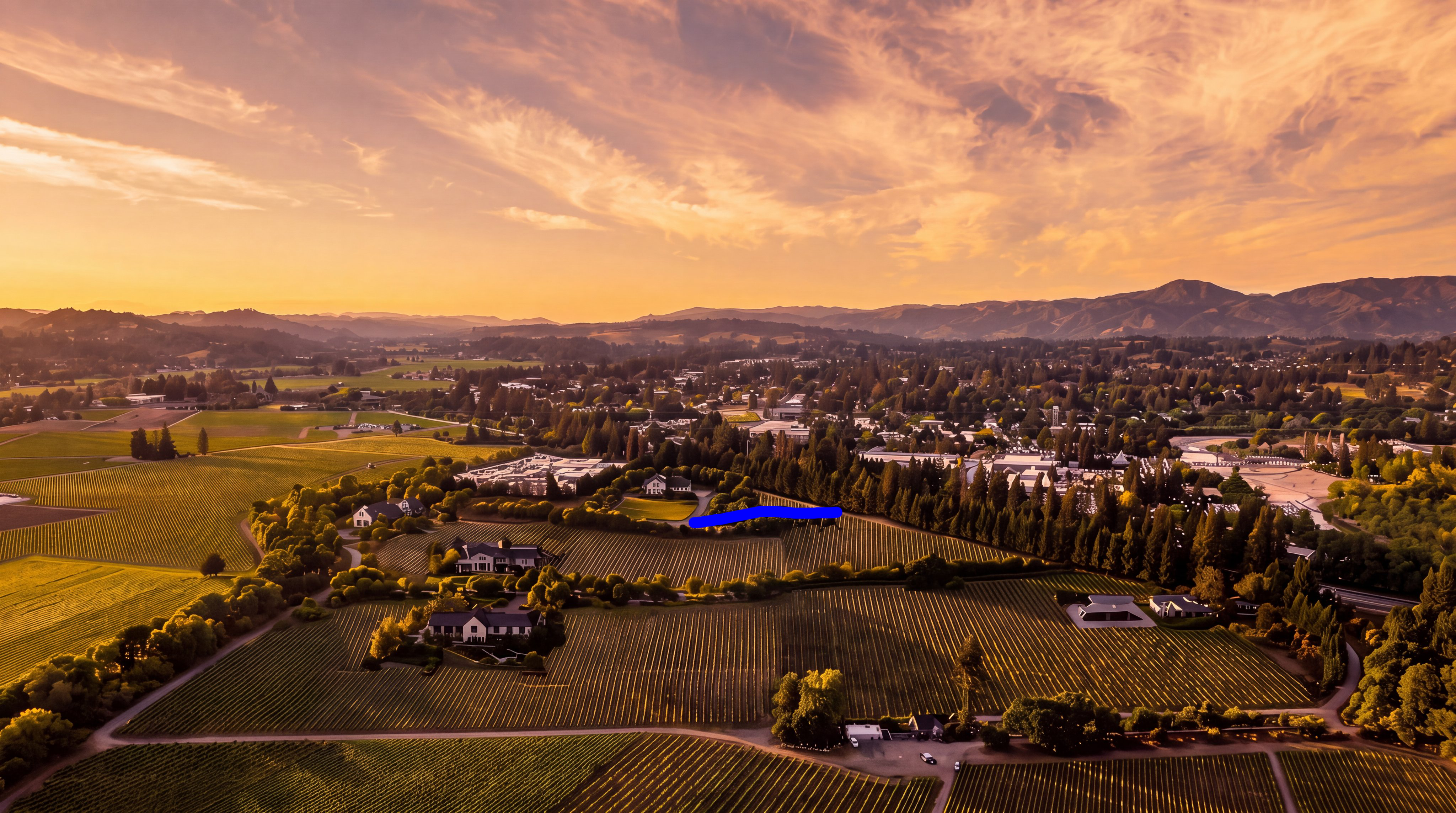
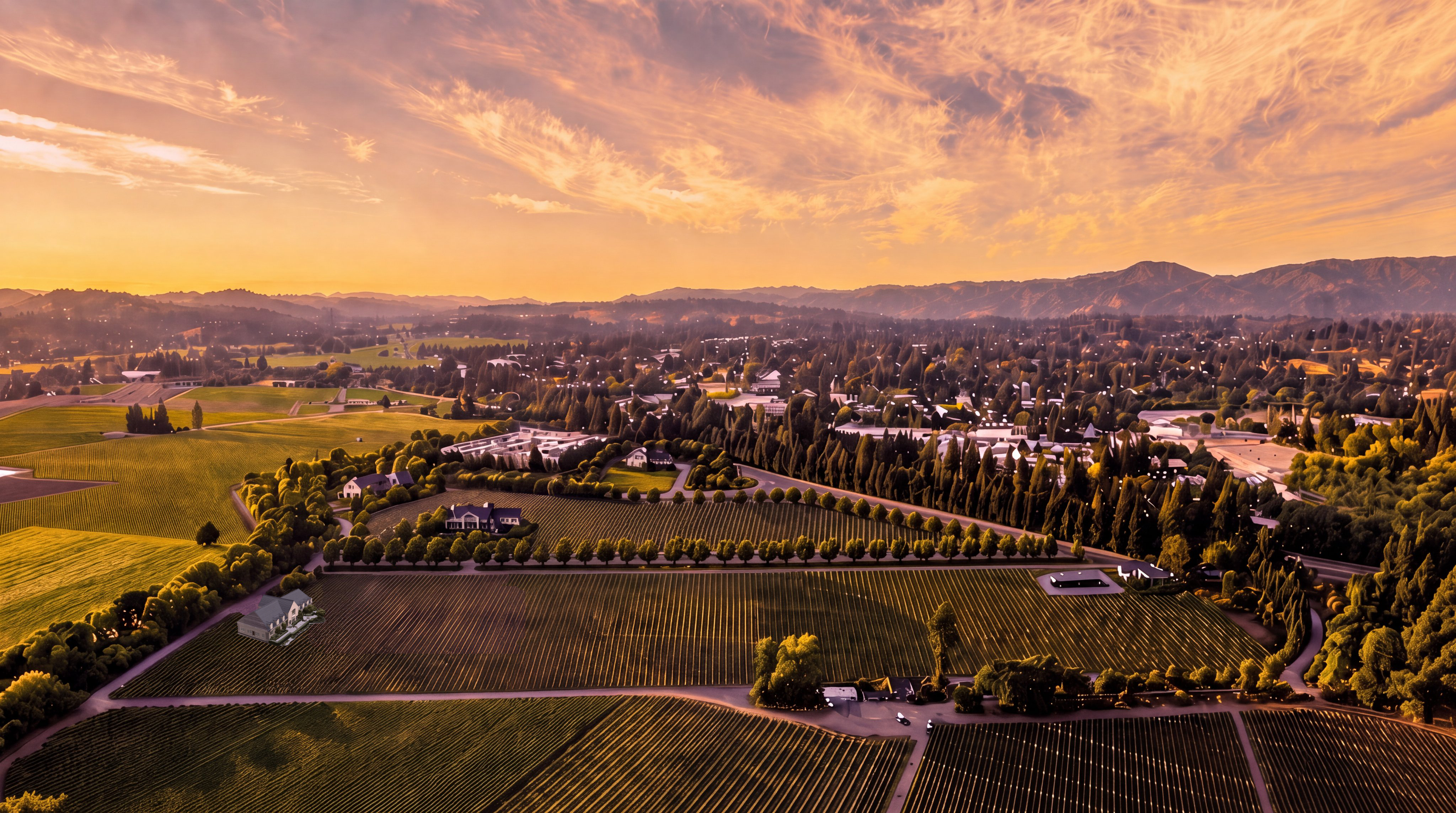
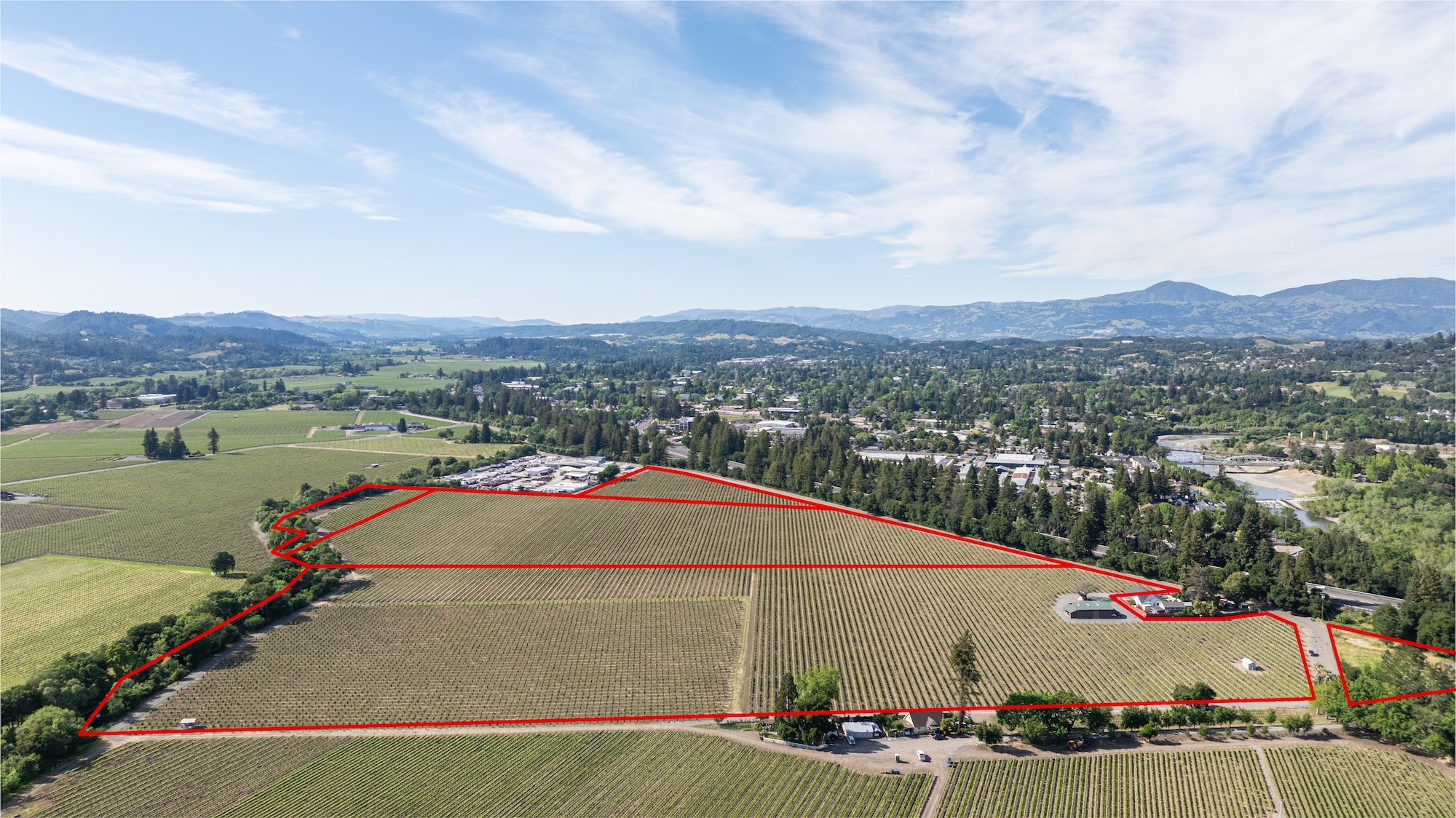
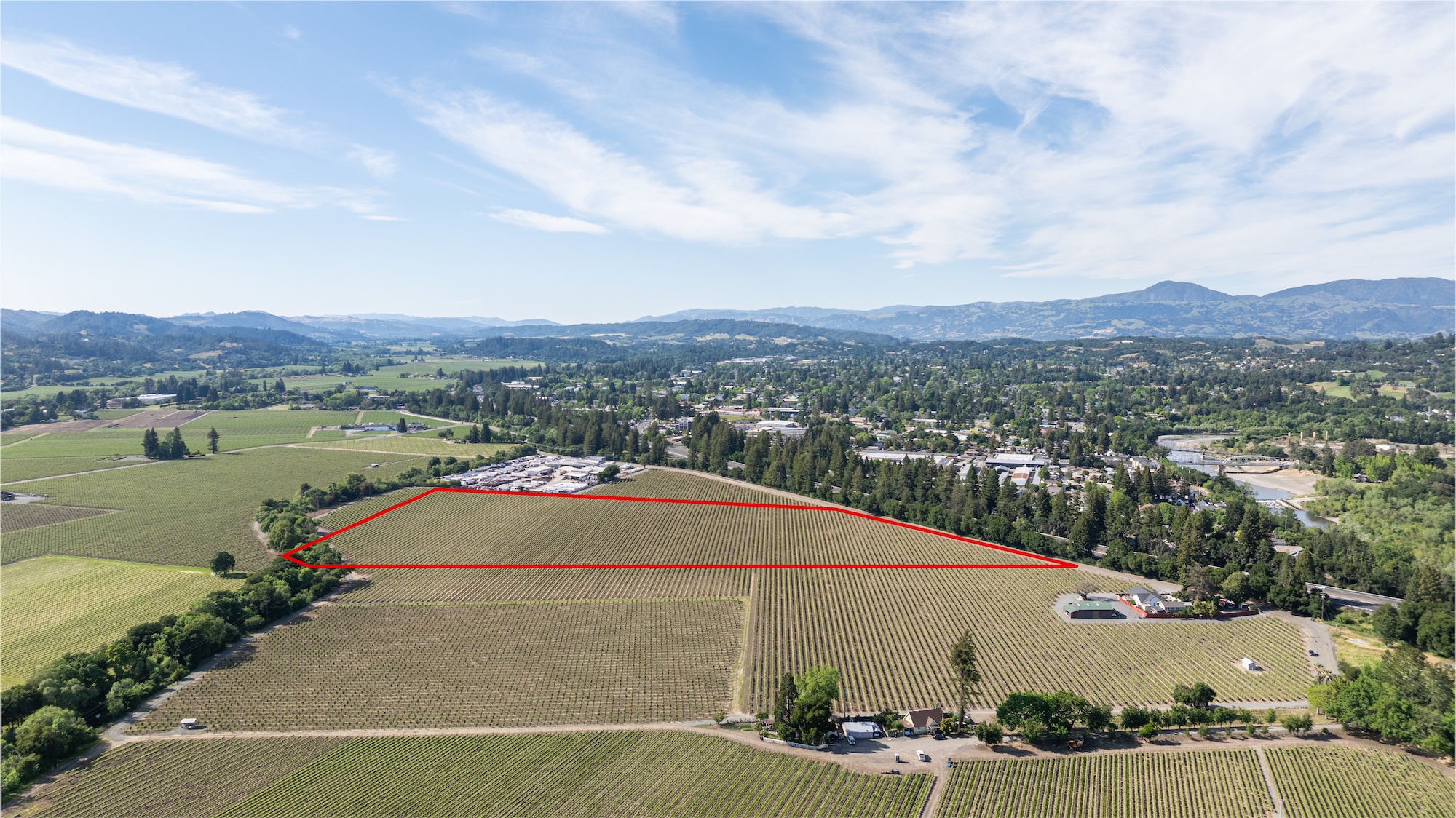
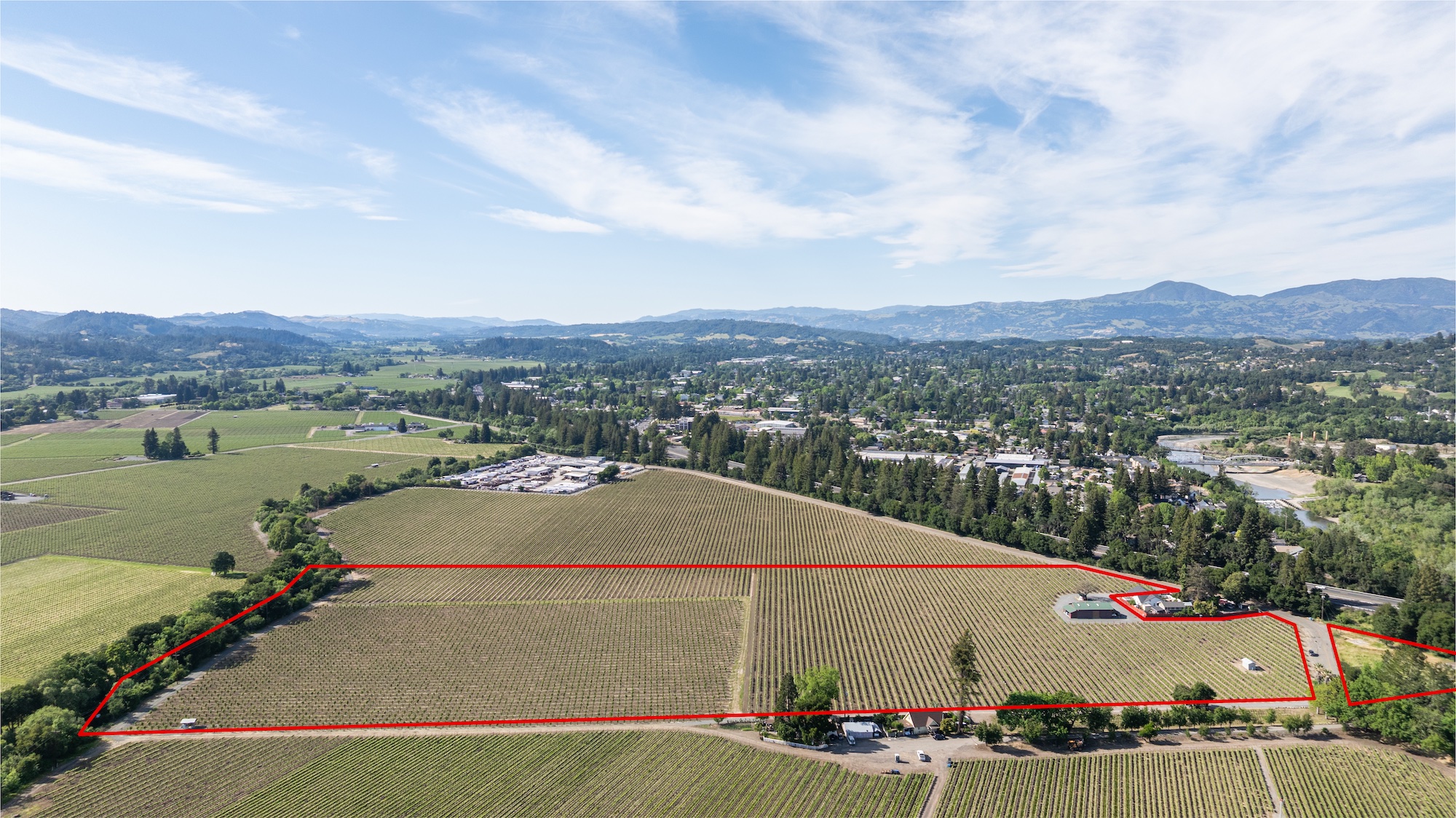
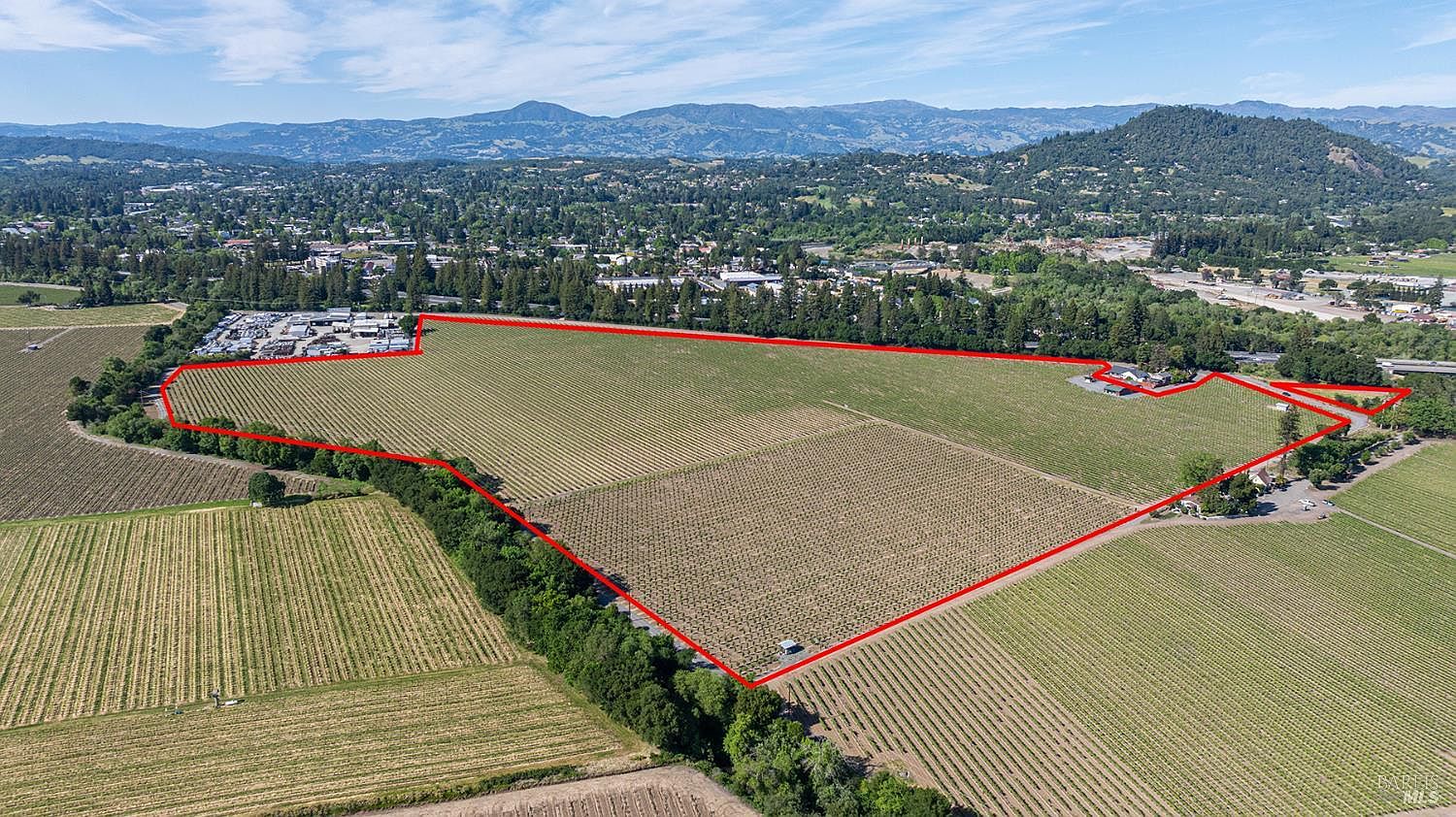
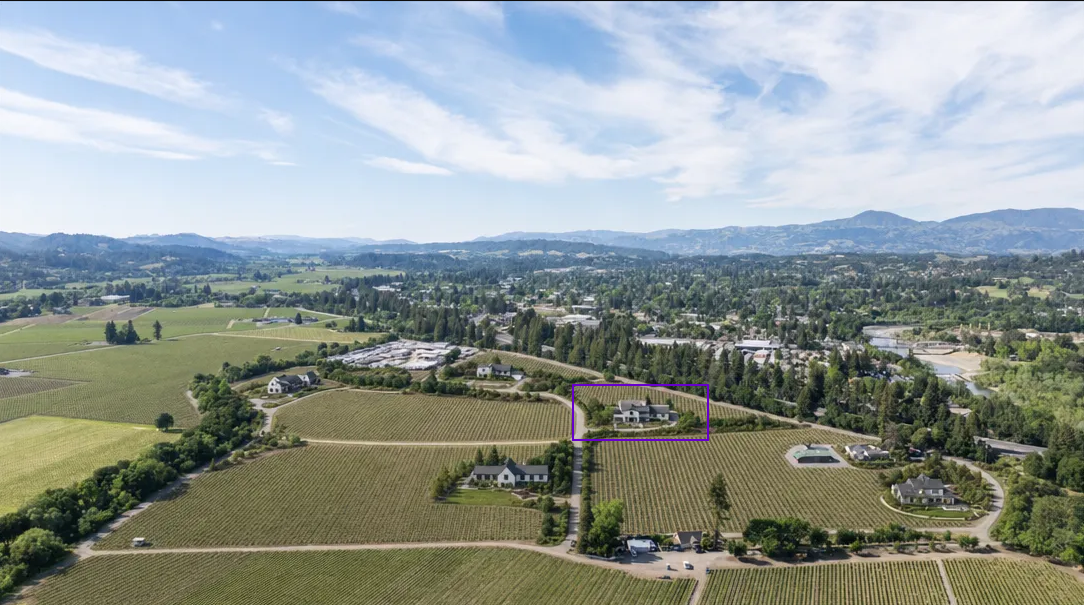
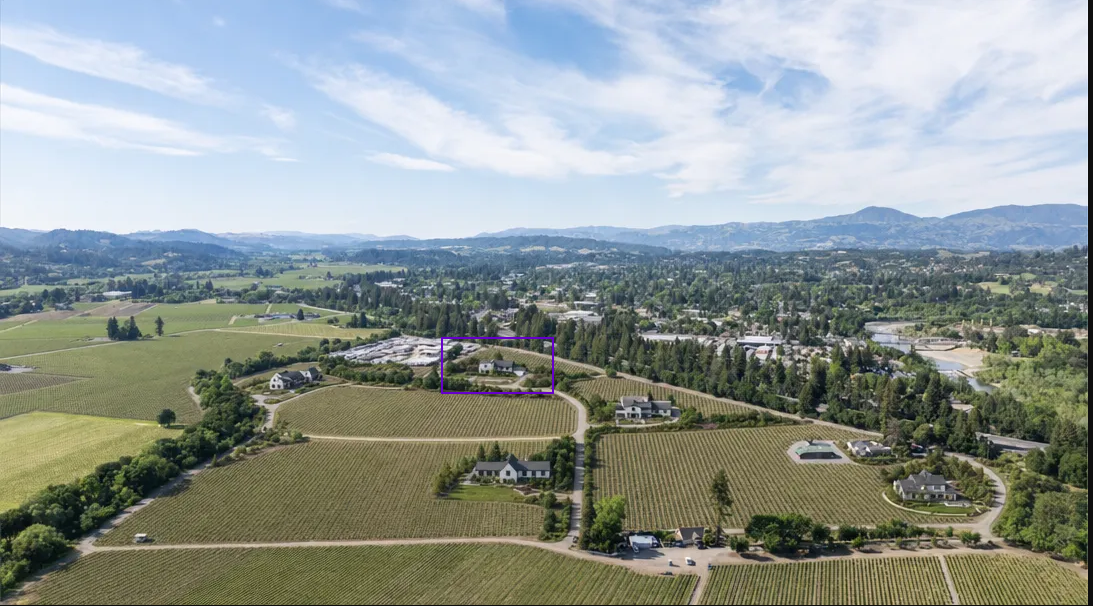
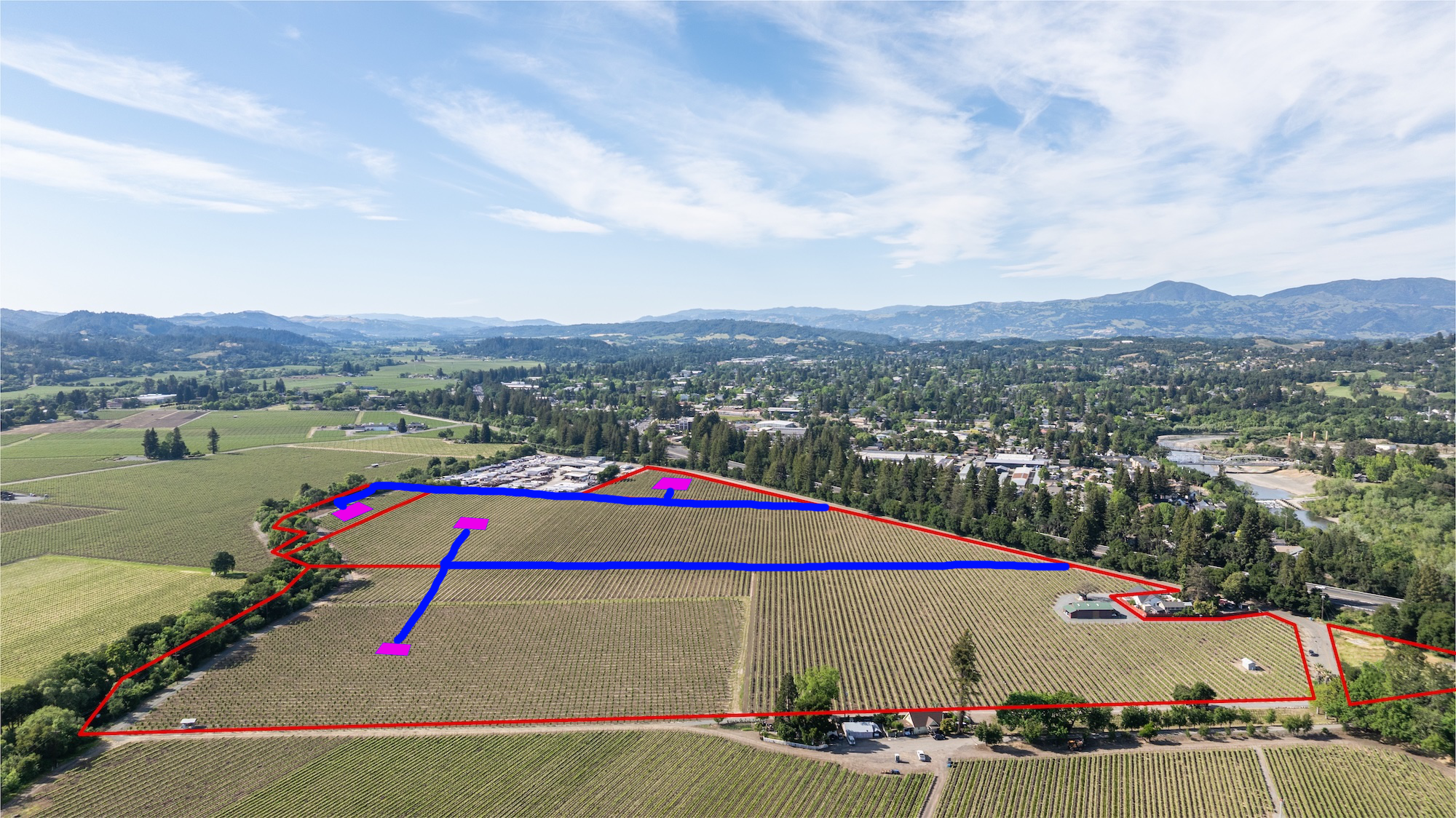
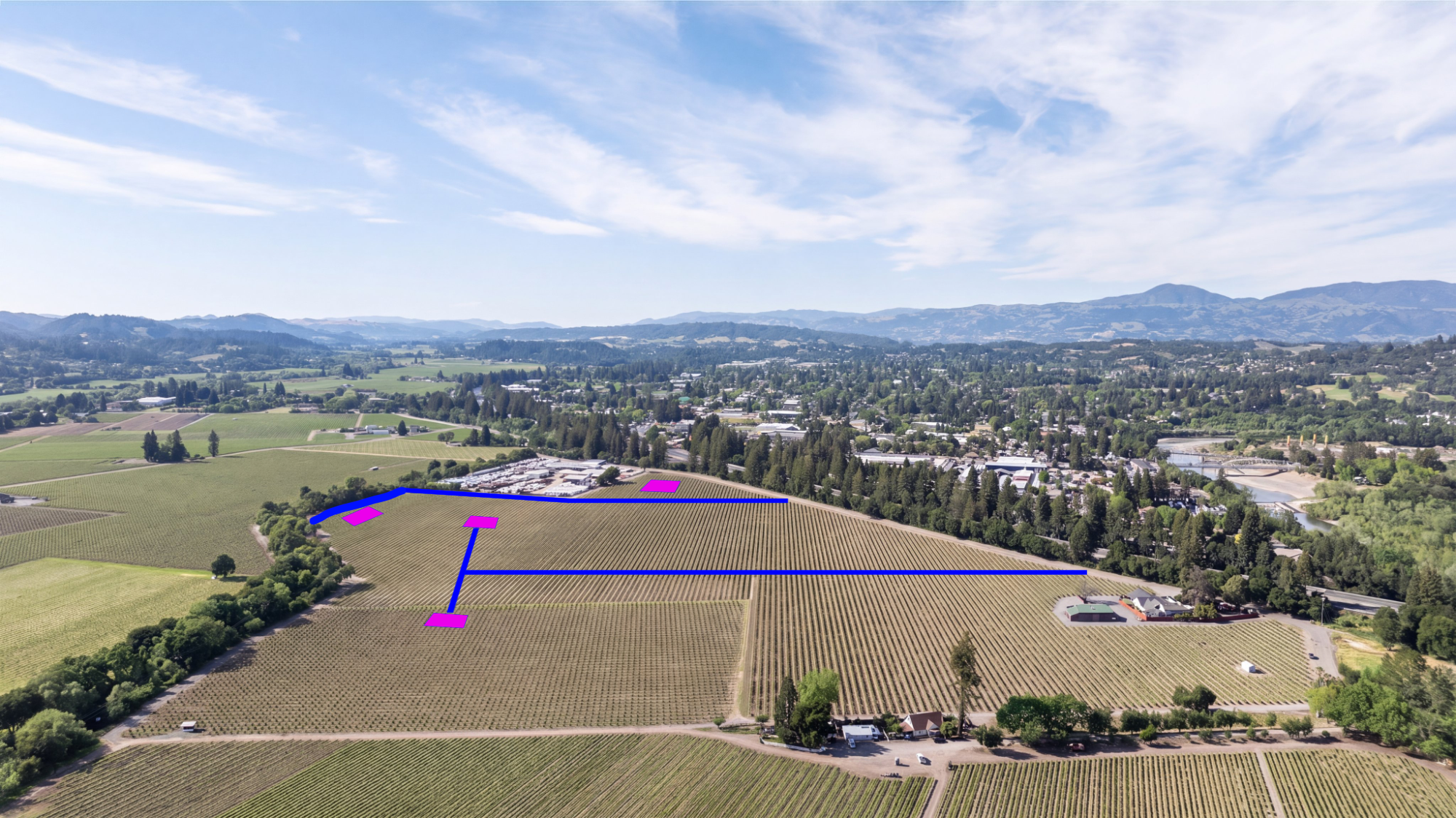
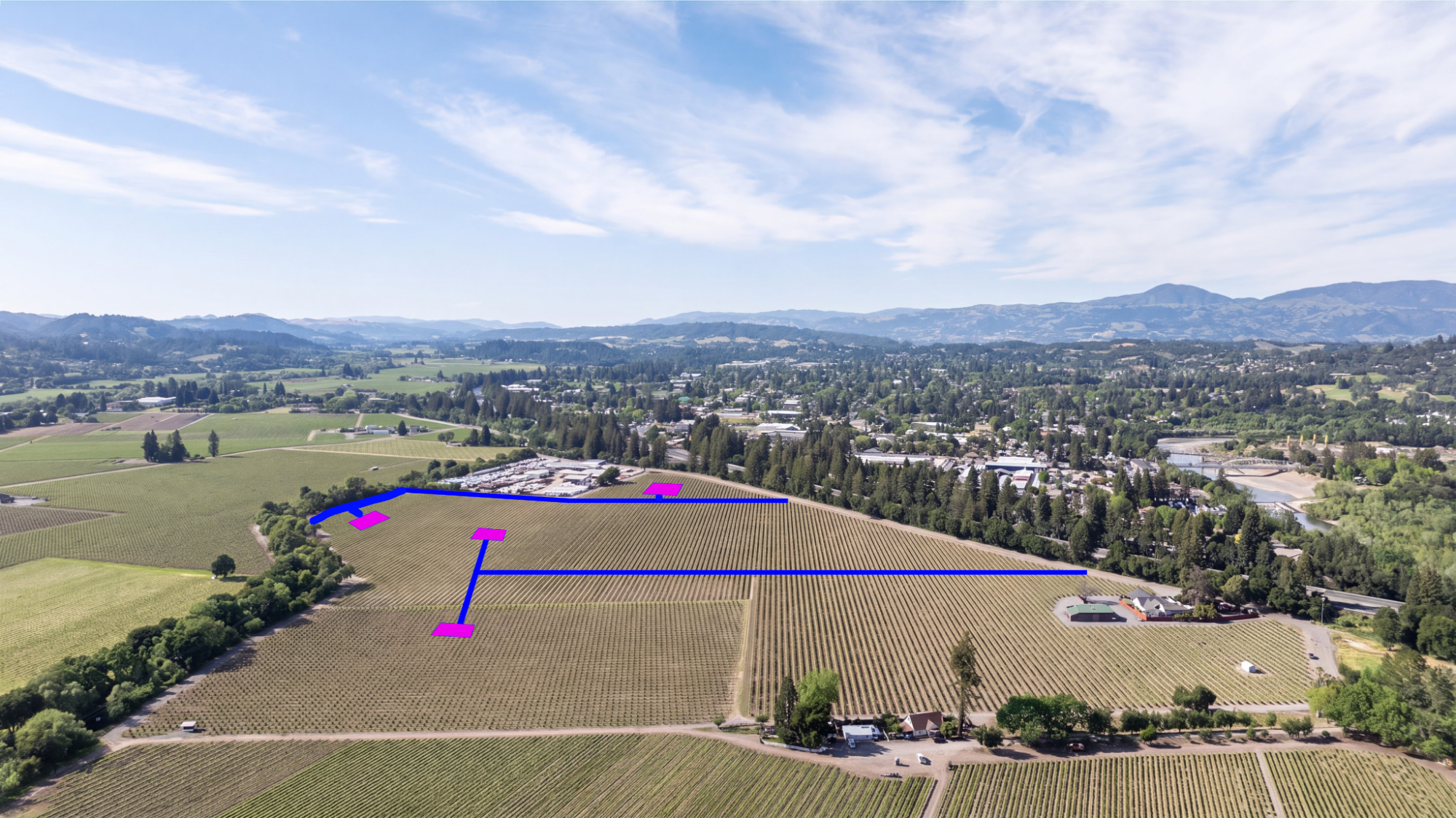
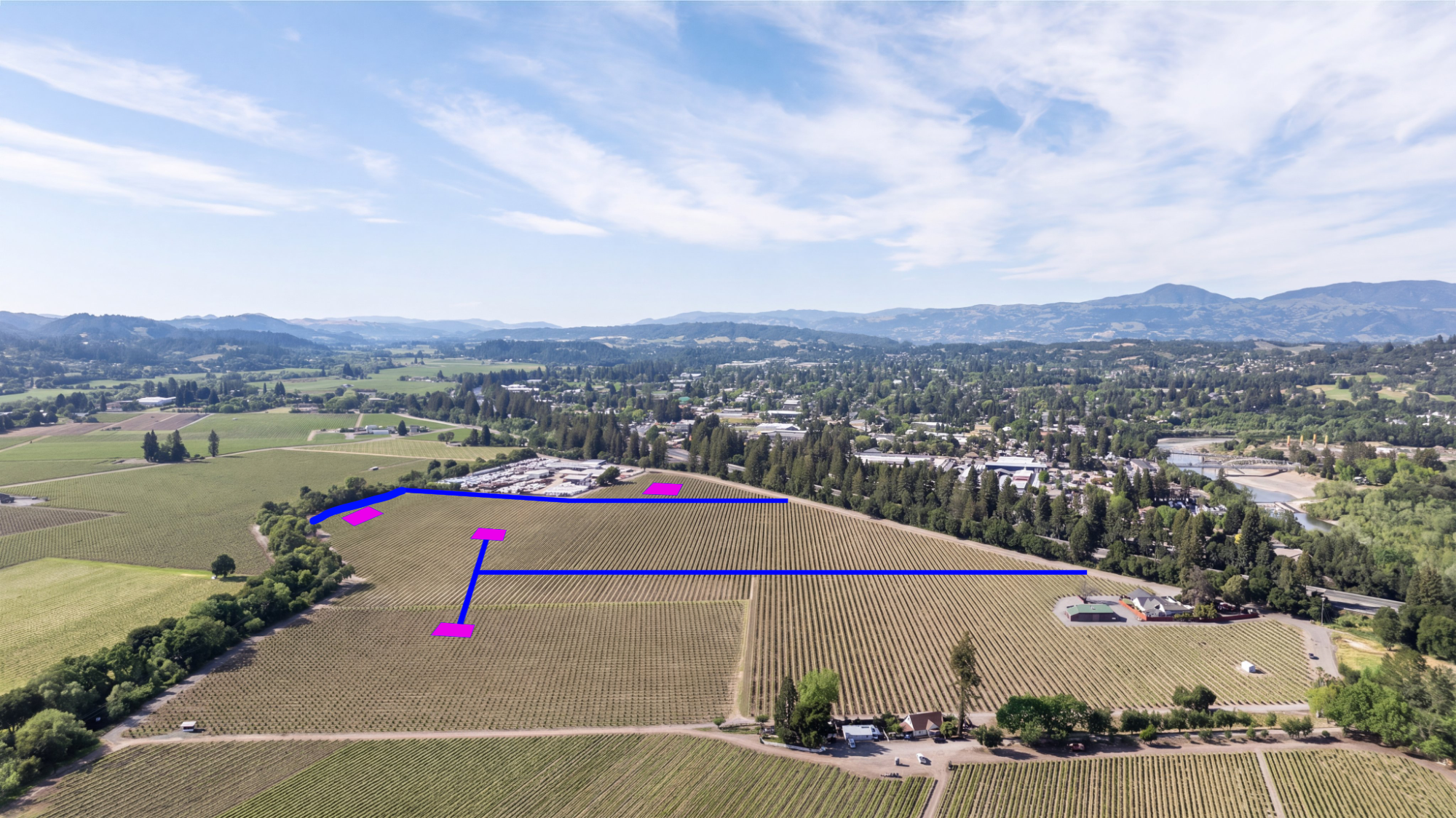
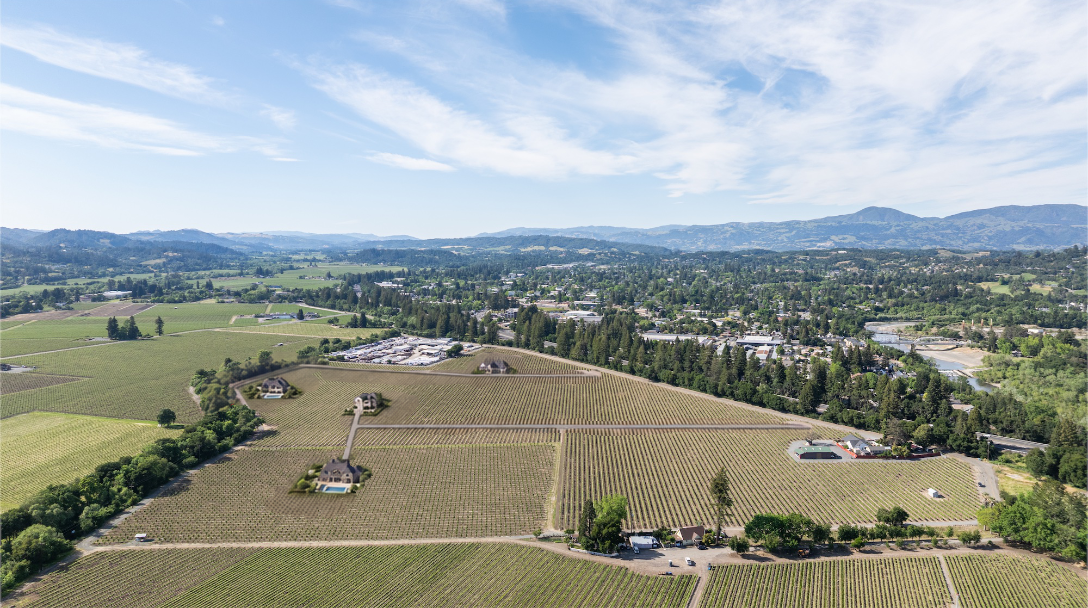
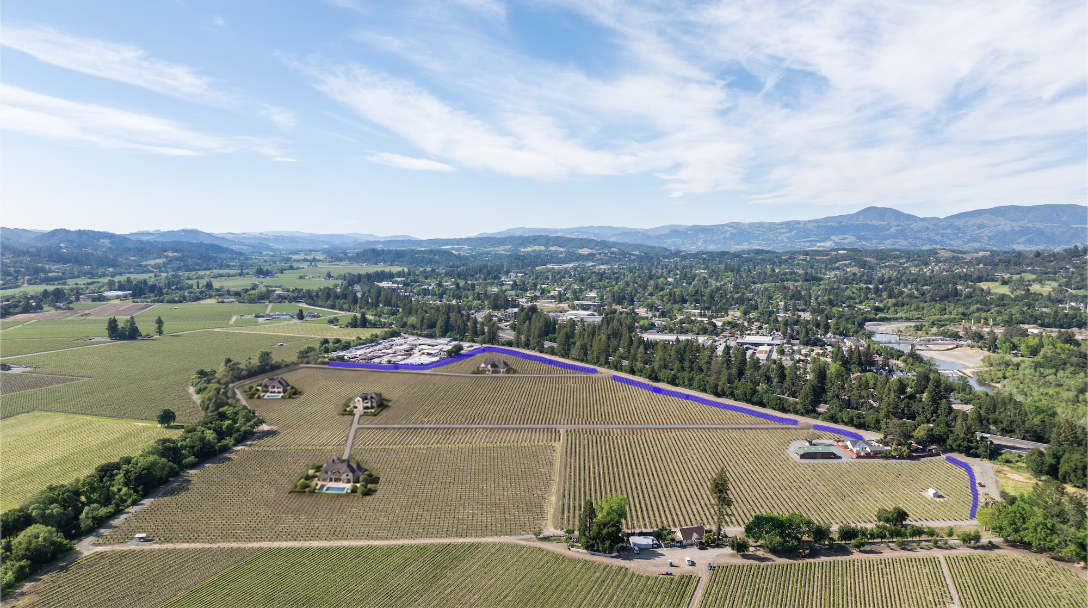
Spanning more than sixty-six acres across five separate parcels, the land carries both the practical infrastructure of a serious farming operation and the spatial generosity of a place that has never been fully defined. That distinction matters. Most properties of this caliber arrive already spoken for — every acre committed, every corner accounted for. Here, the story is still being written.
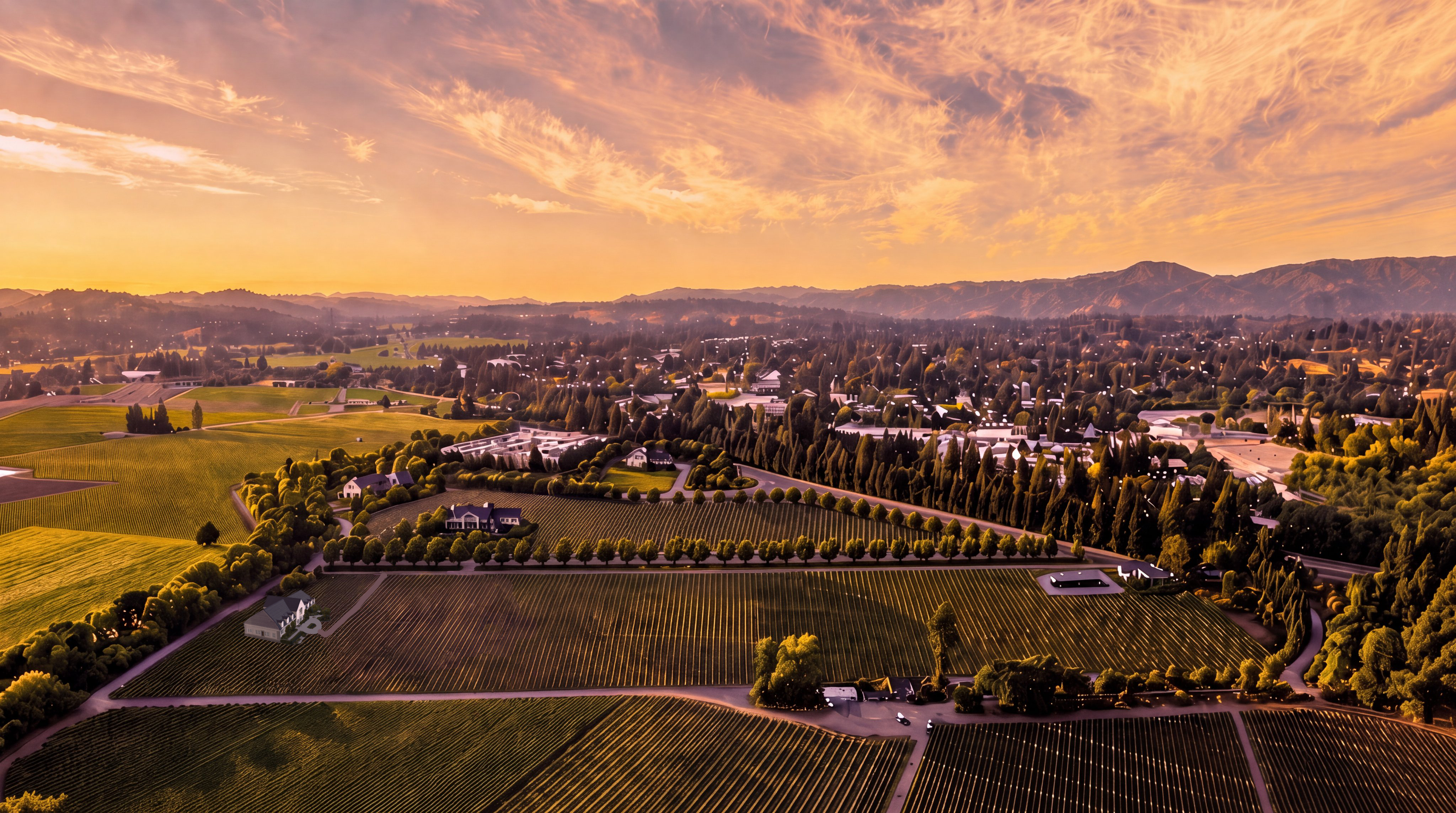
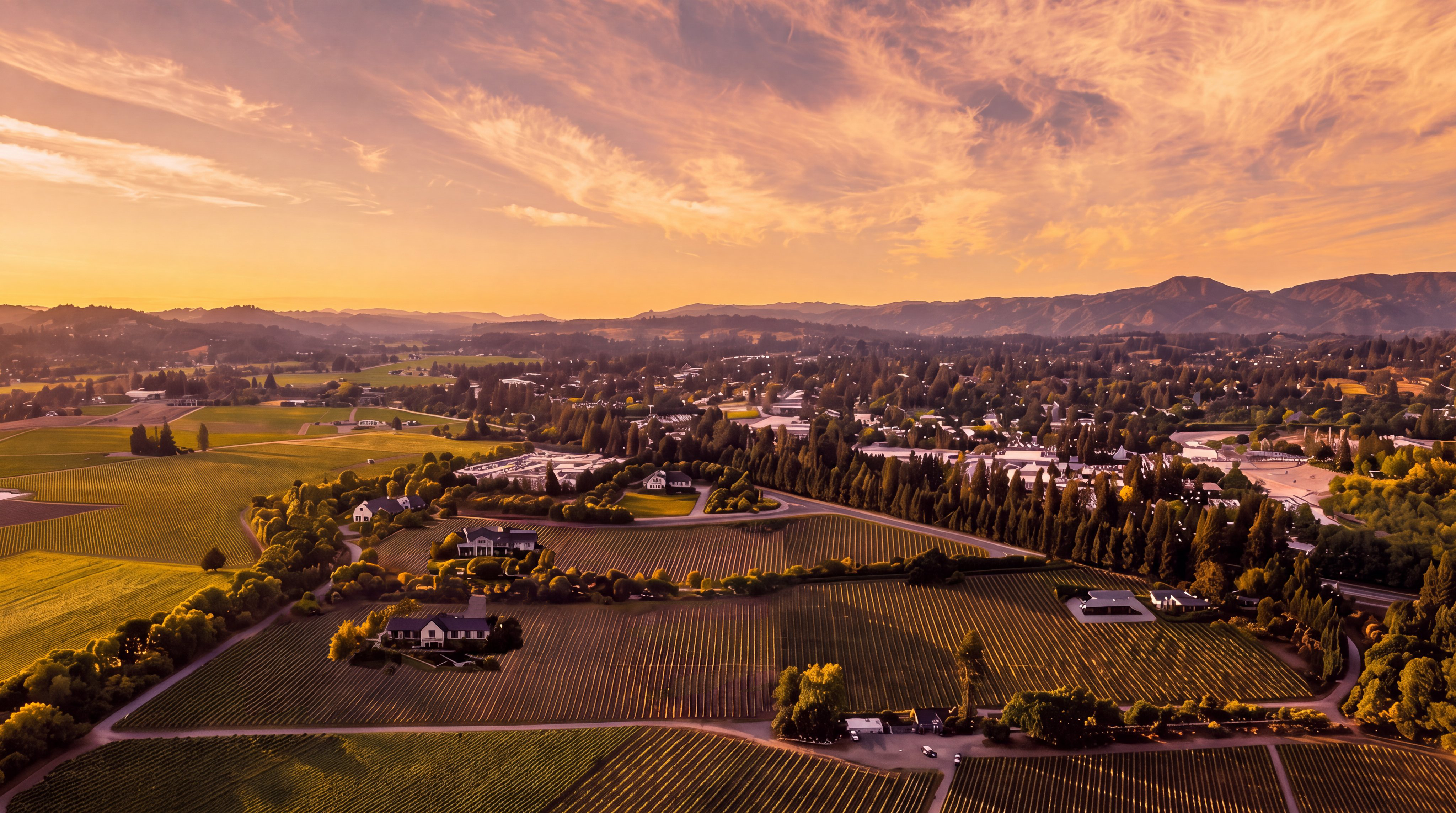
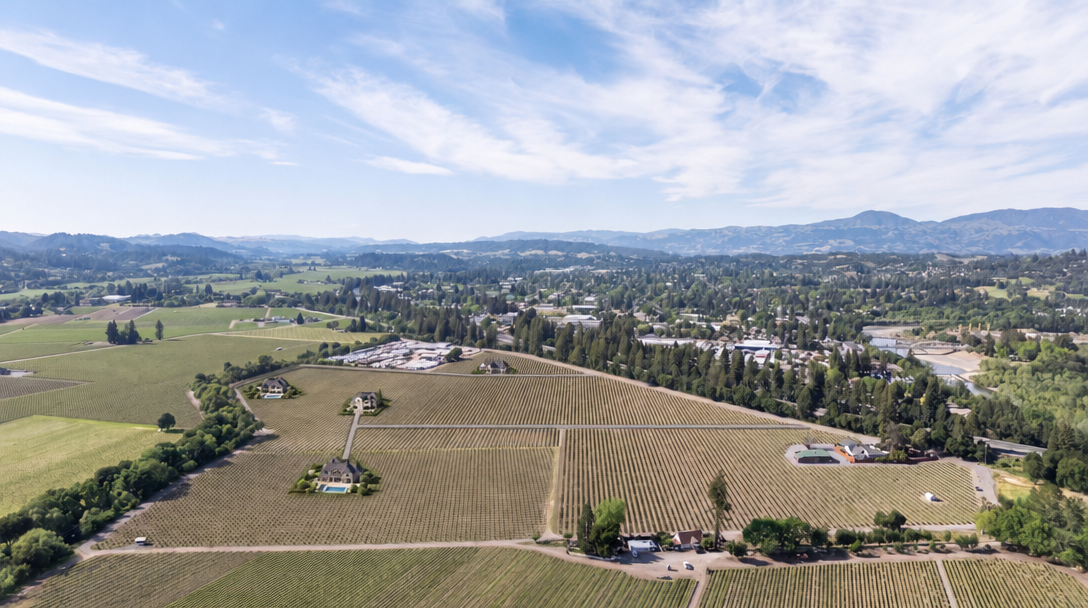
The vineyard itself is the estate's defining feature. Approximately 47.3 acres of Chardonnay vines and 9.3 acres of Zinfandel stretch across the terrain in orderly rows, their canopies catching the particular quality of light that Dry Creek Valley delivers in the long afternoon hours. These are not decorative plantings — they are productive, premium-fruit vines positioned within a federally designated American Viticultural Area that commands consistent recognition from the wine industry. The Chardonnay benefits from the valley's characteristic morning fog and warm, dry afternoons. The Zinfandel, a grape with deep roots in Dry Creek's agricultural identity, expresses the region's rocky benchland soils with characteristic depth and concentration.
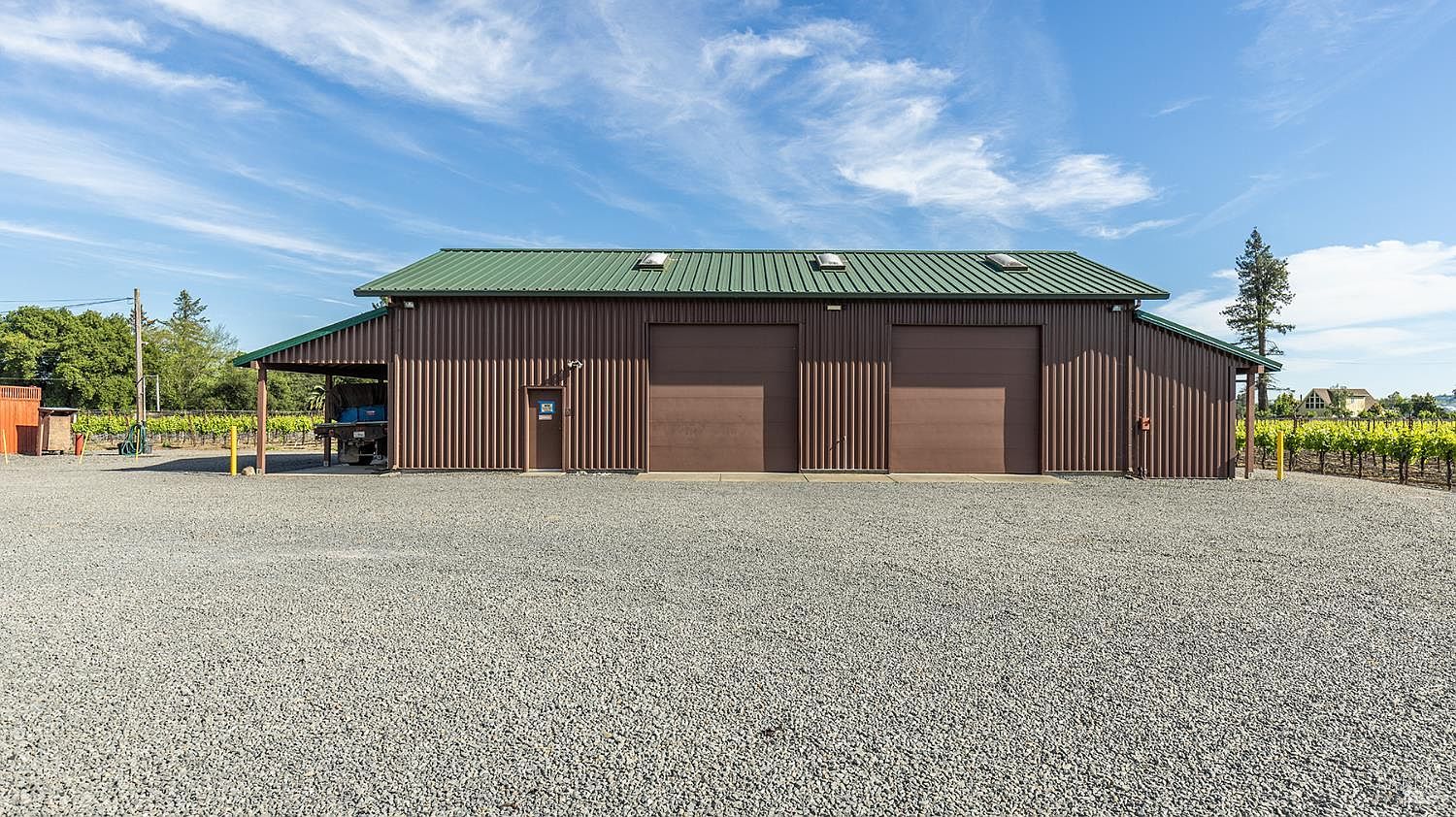
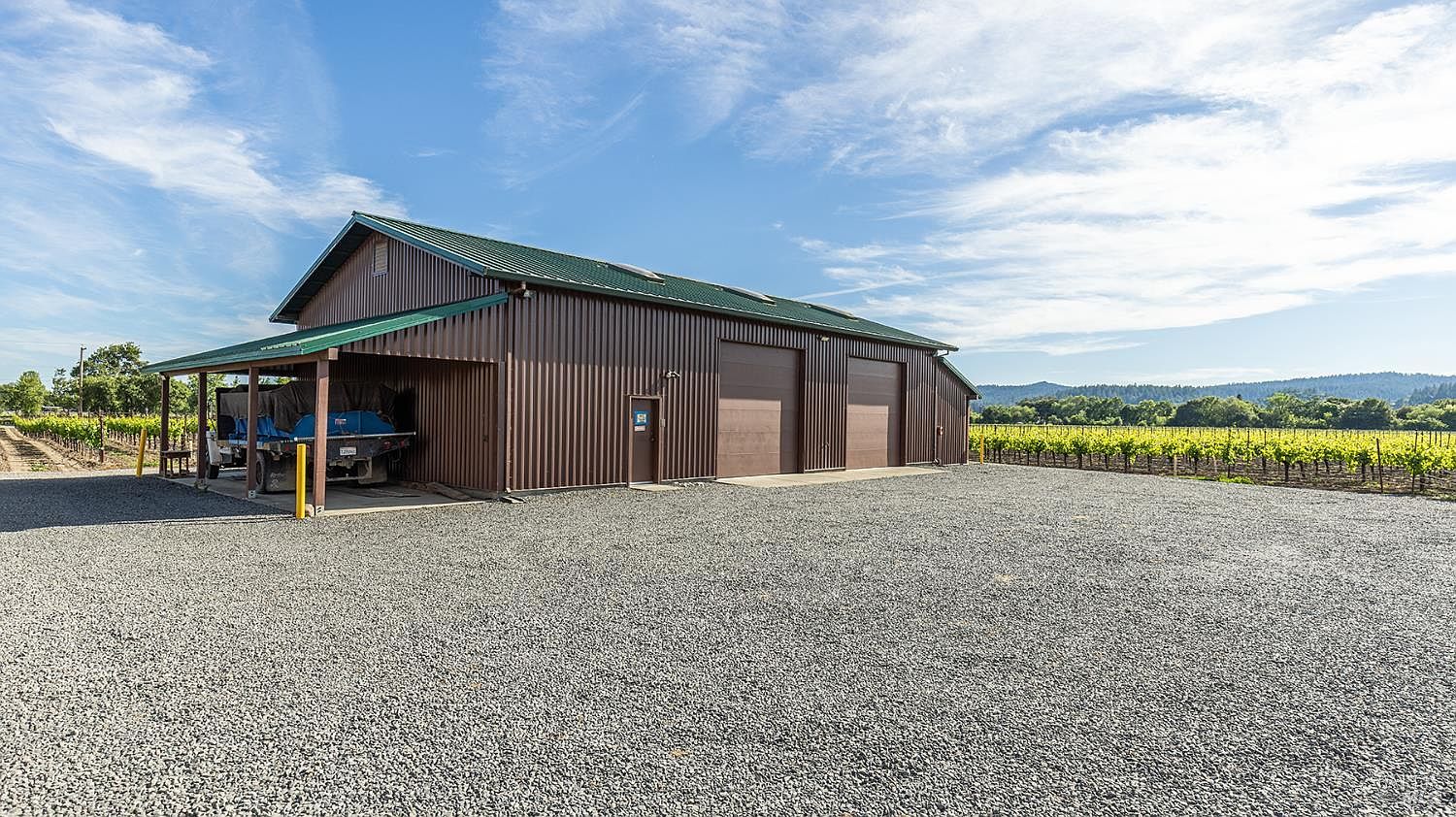
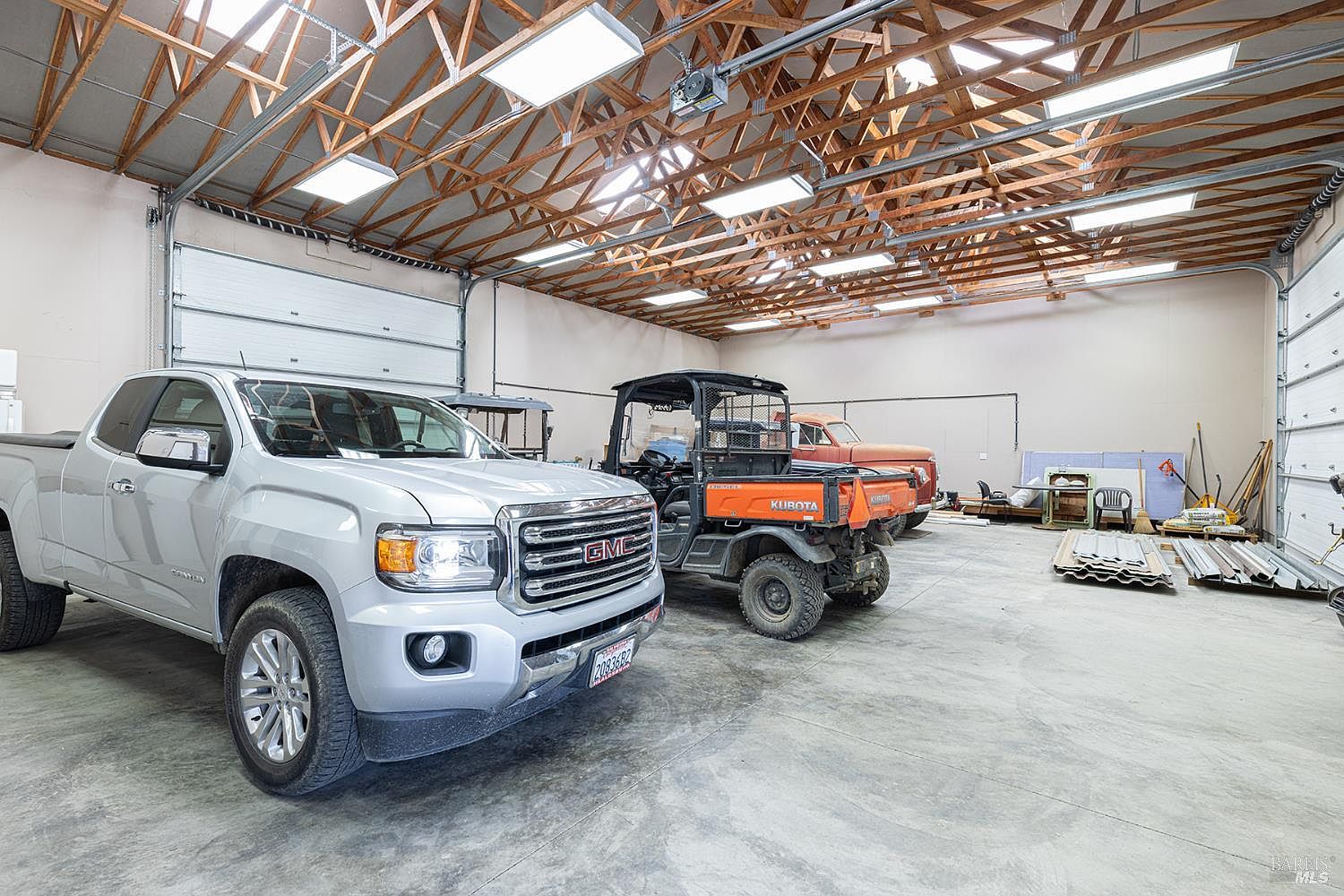
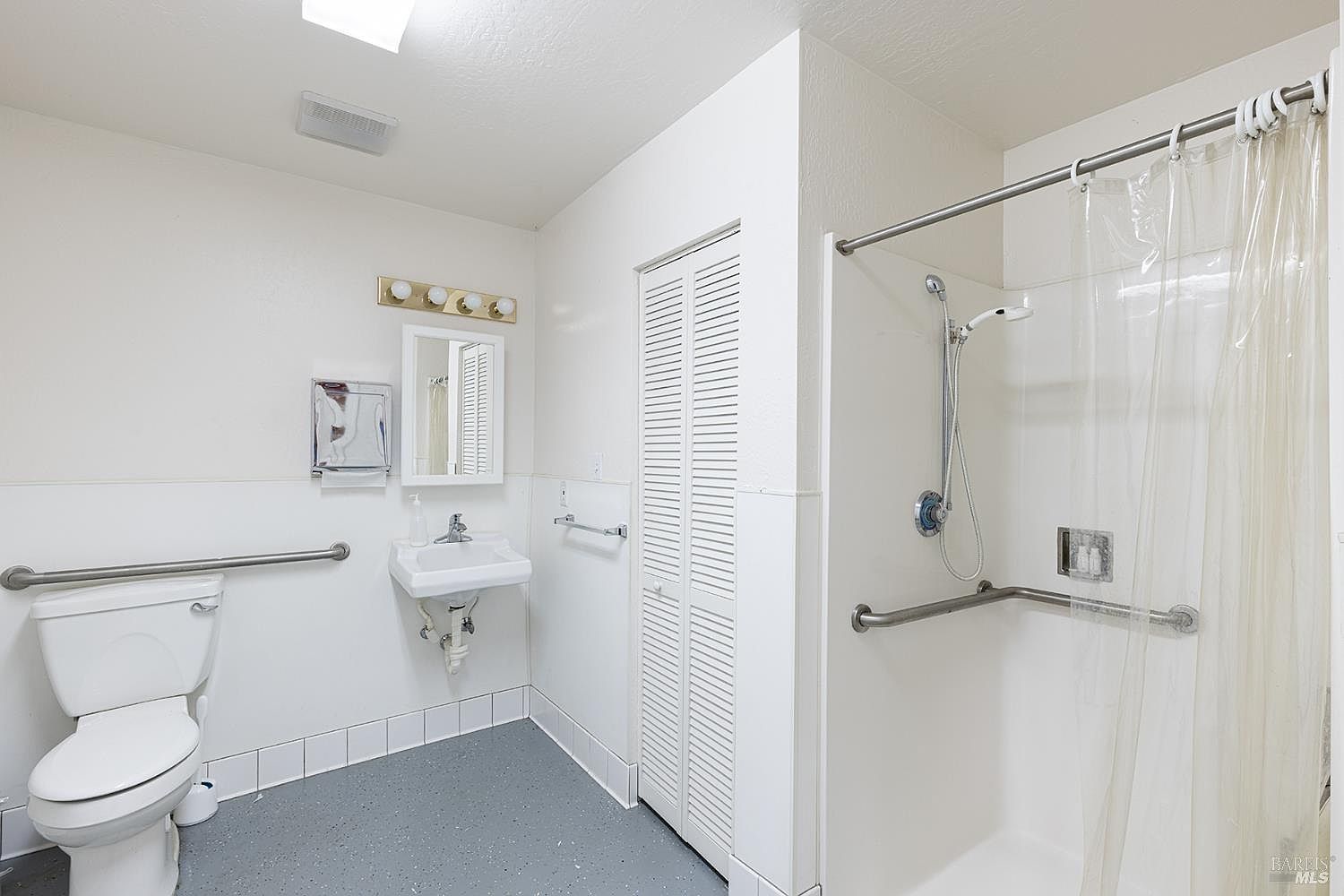
Supporting the viticulture is a well-considered infrastructure. The 2,124 sq ft agricultural building serves as the operational heart of the property, housing a private office and three spacious storage rooms — one accessible from the interior and two with direct exterior access — along with a full bathroom. The layout speaks to a property that has been managed with professional intent, offering immediate utility for a new owner's farming operation or a transitional base as larger development plans take shape.
Water, the fundamental currency of any agricultural holding in Northern California, is addressed with notable thoroughness. The property benefits from two agricultural wells and one domestic well, supplemented by access to recycled water from the City of Healdsburg and a diesel pump system. This layered approach to water supply reflects both the scale of the irrigation demands and a forward-thinking approach to resource management in a region where water rights are among the most closely watched agricultural considerations.
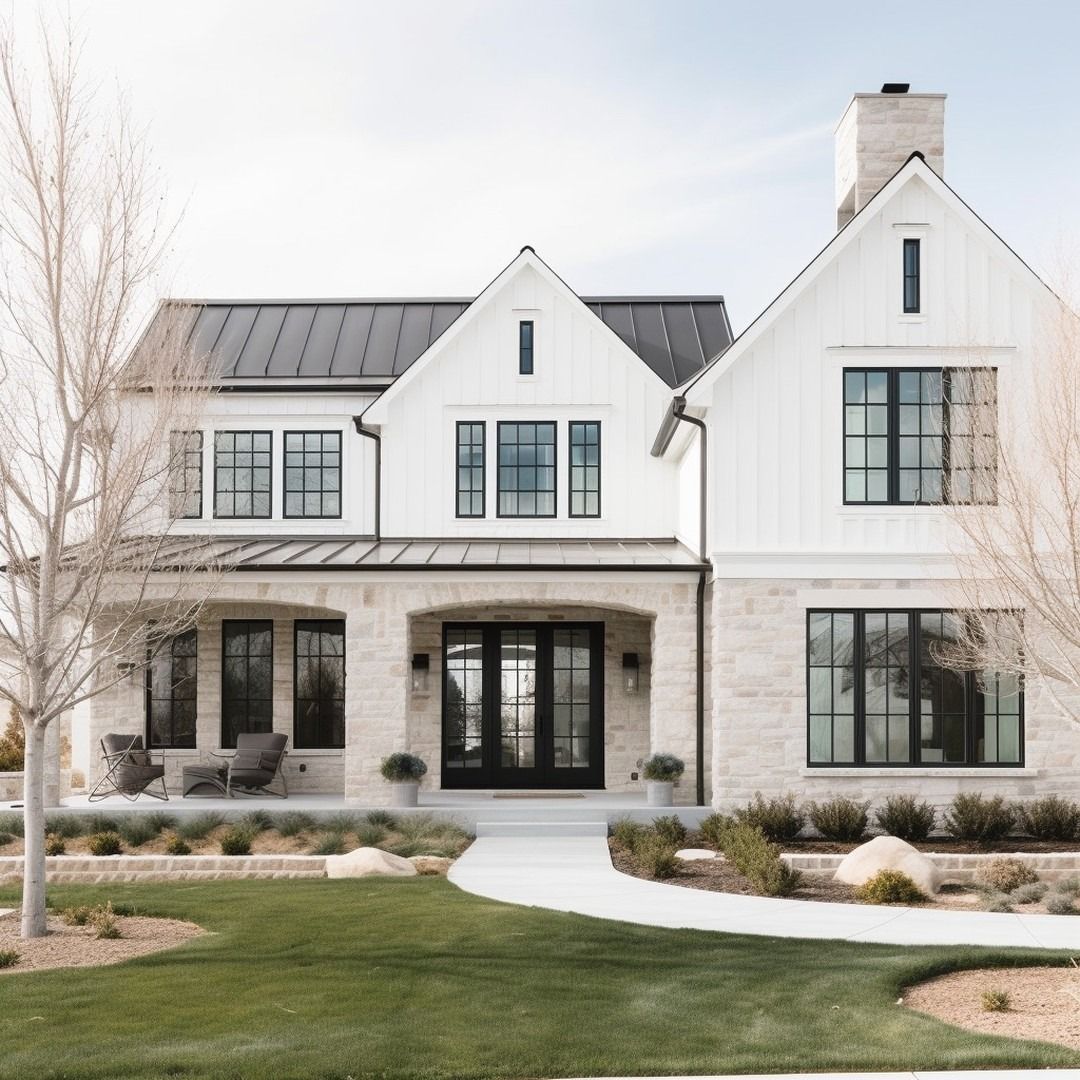
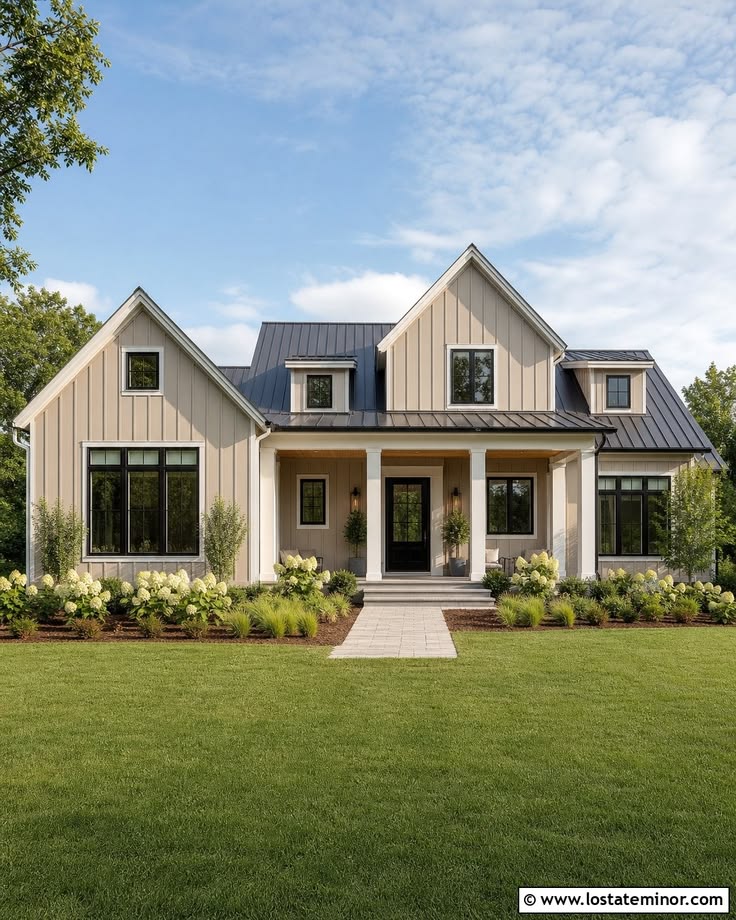
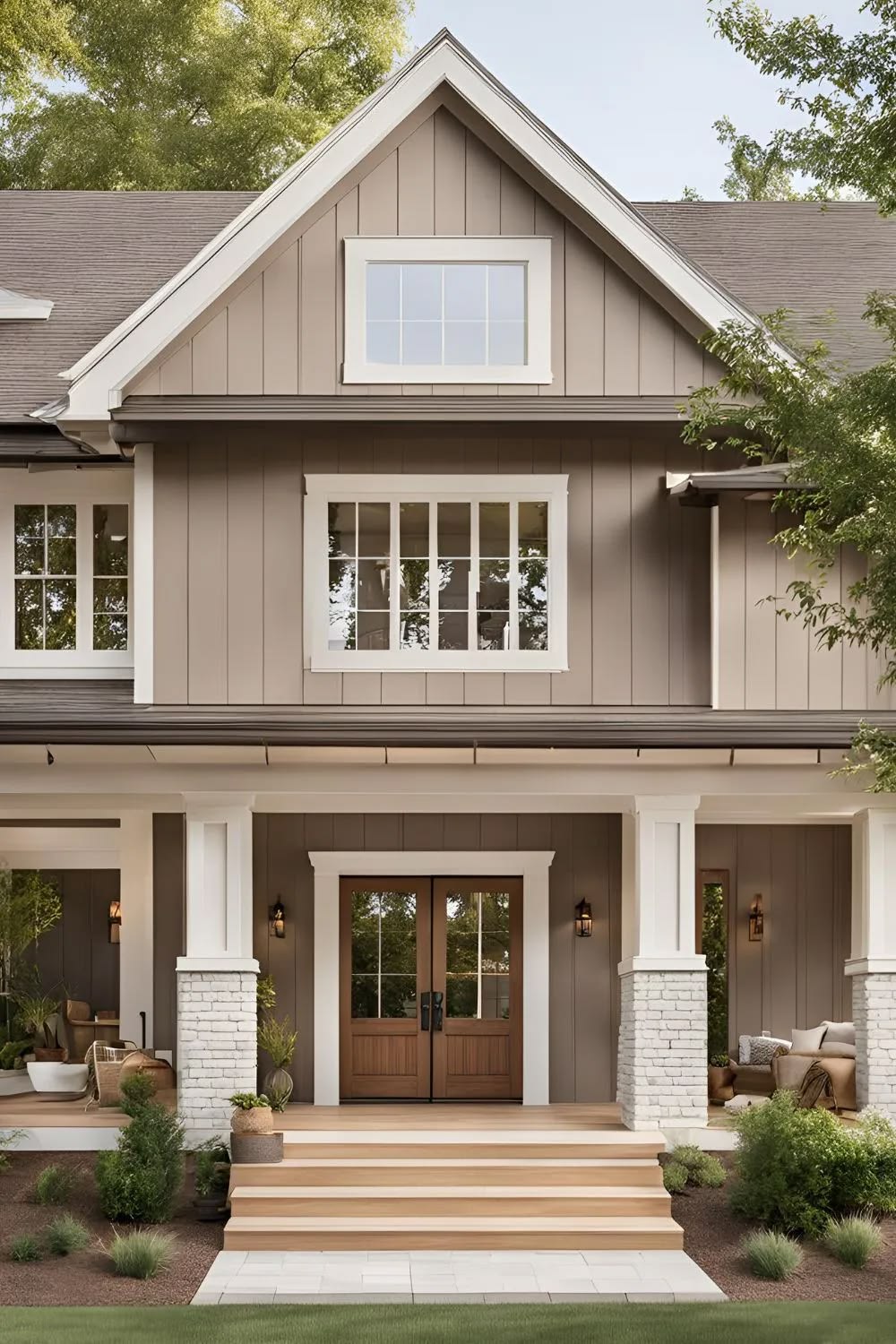
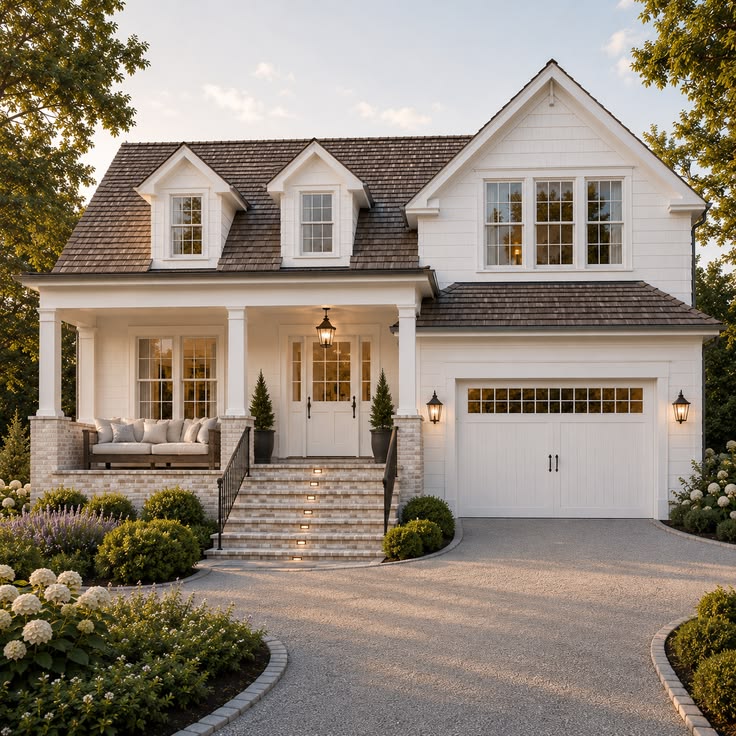
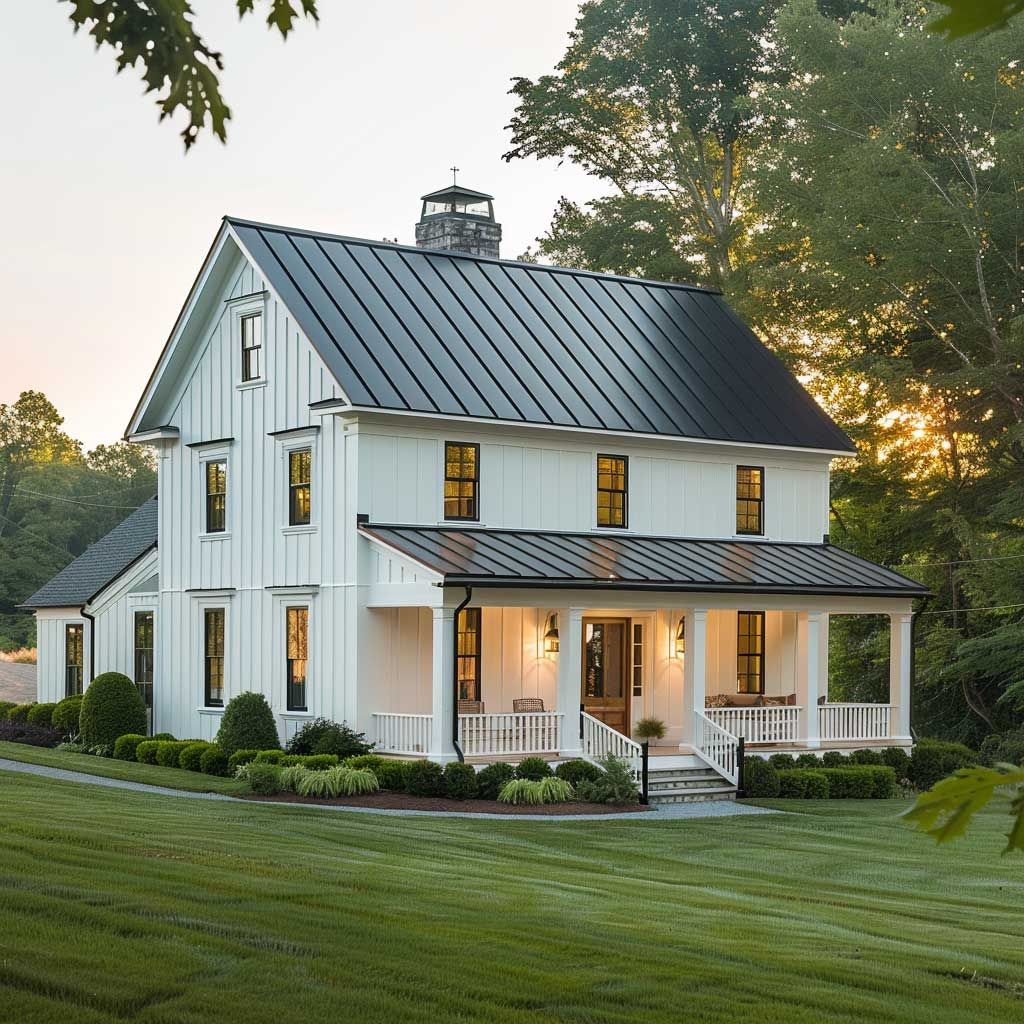
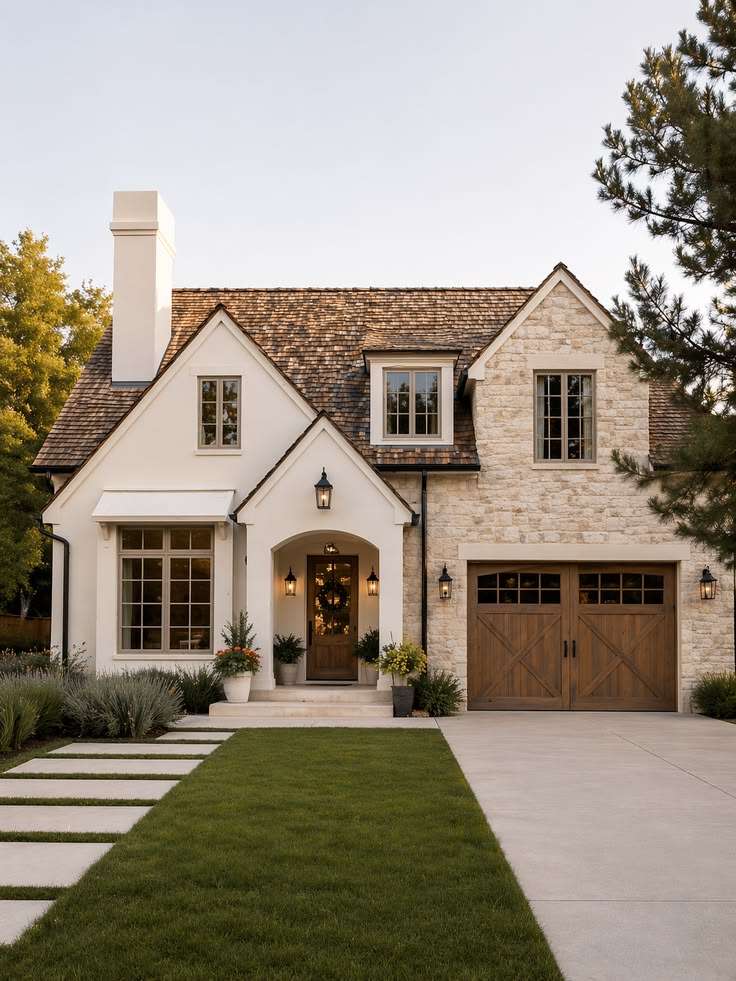
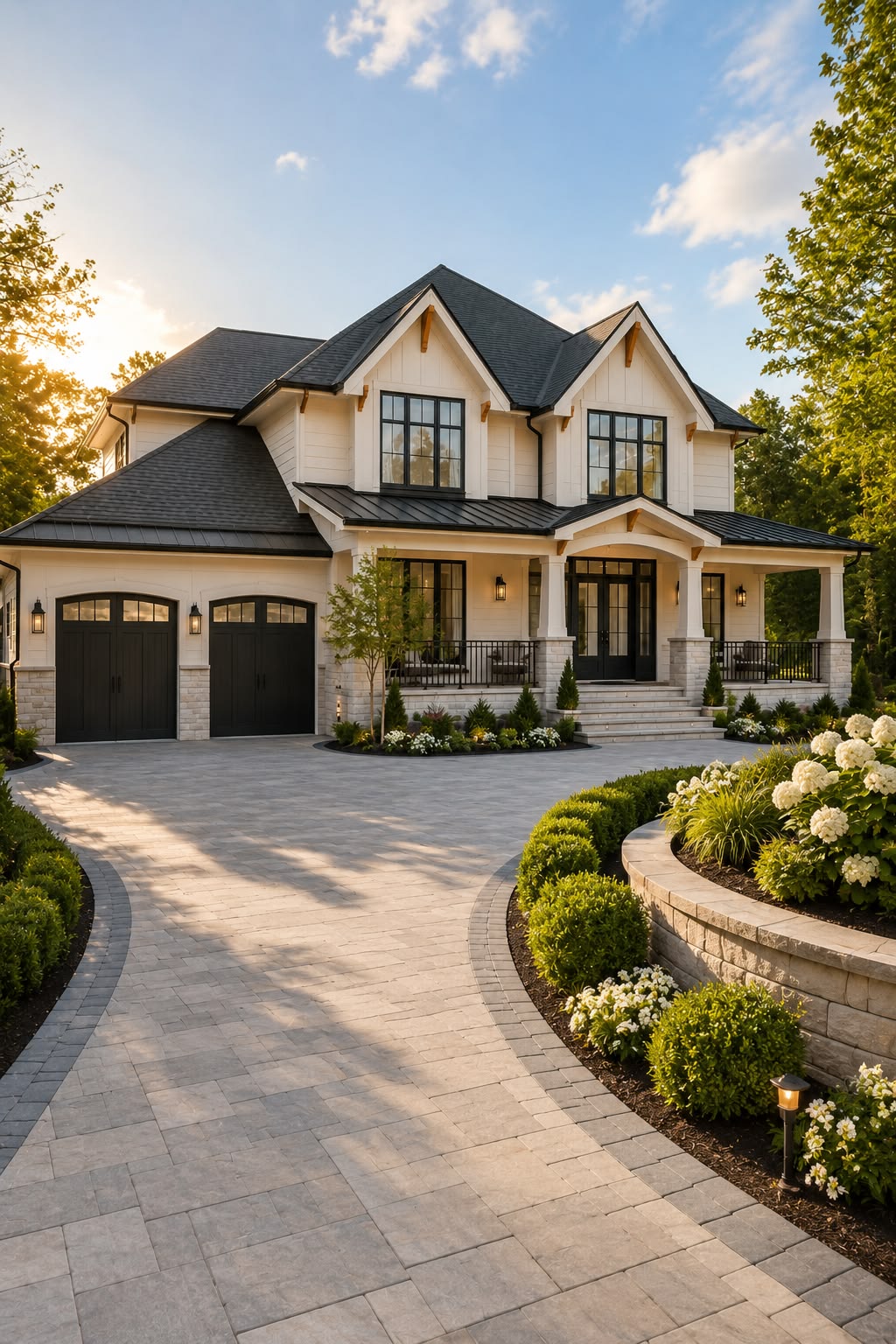
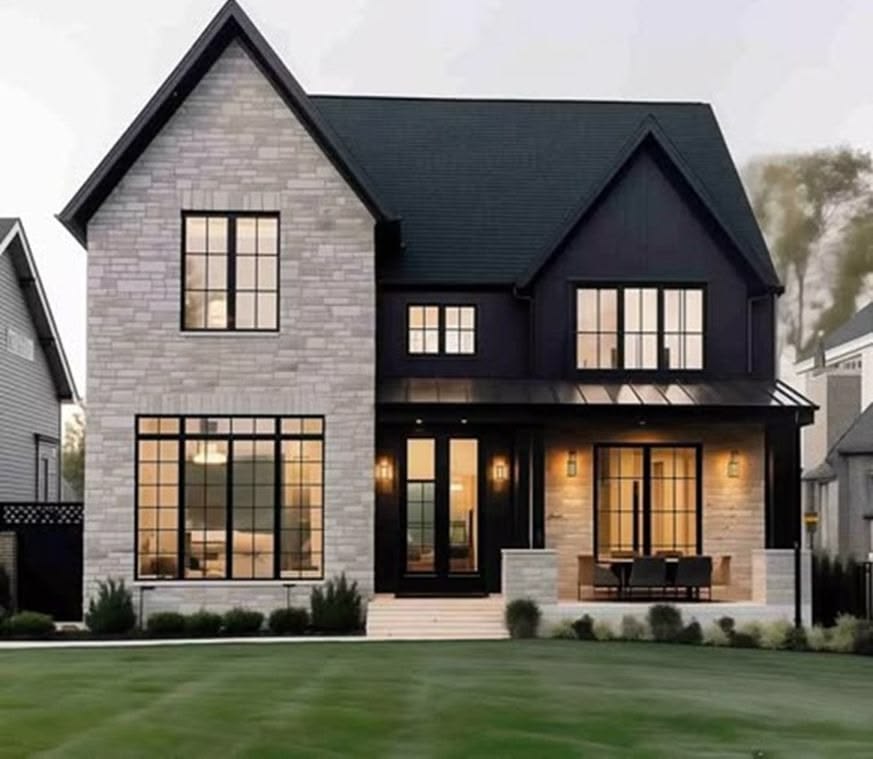
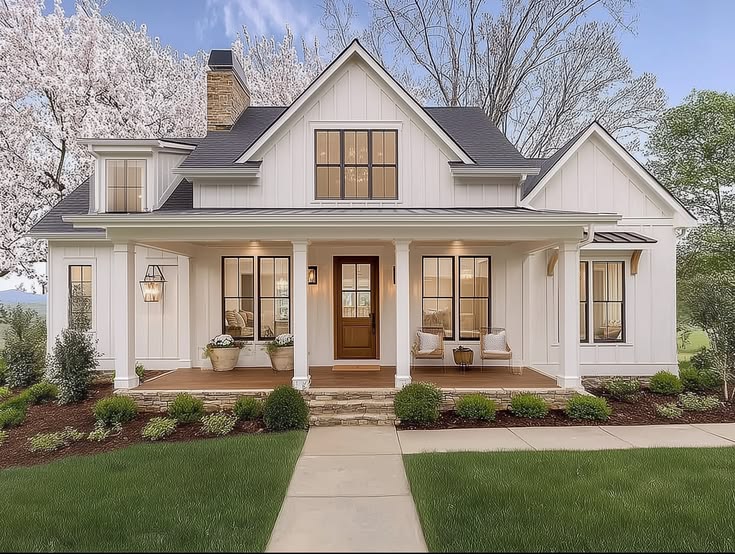
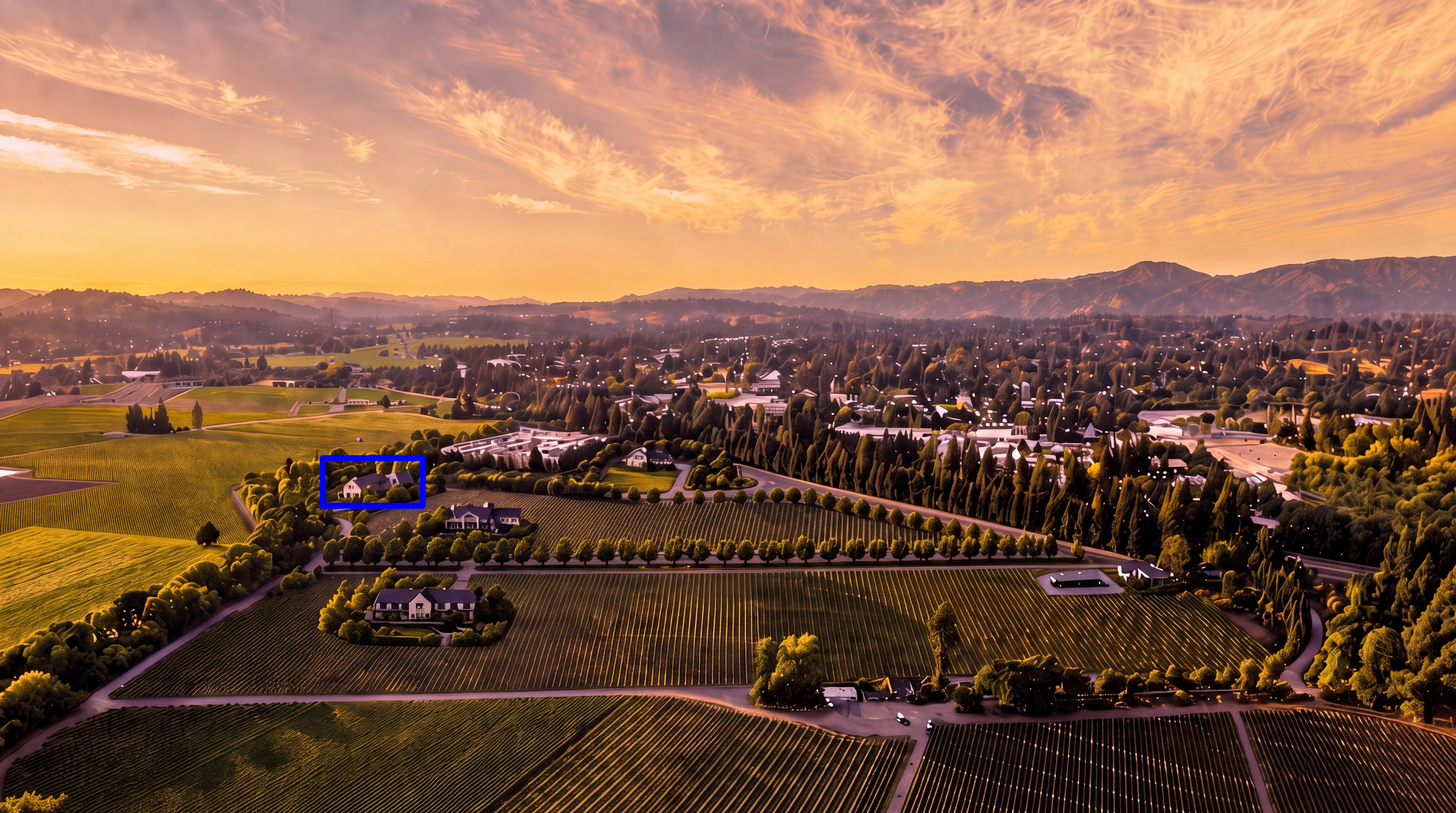
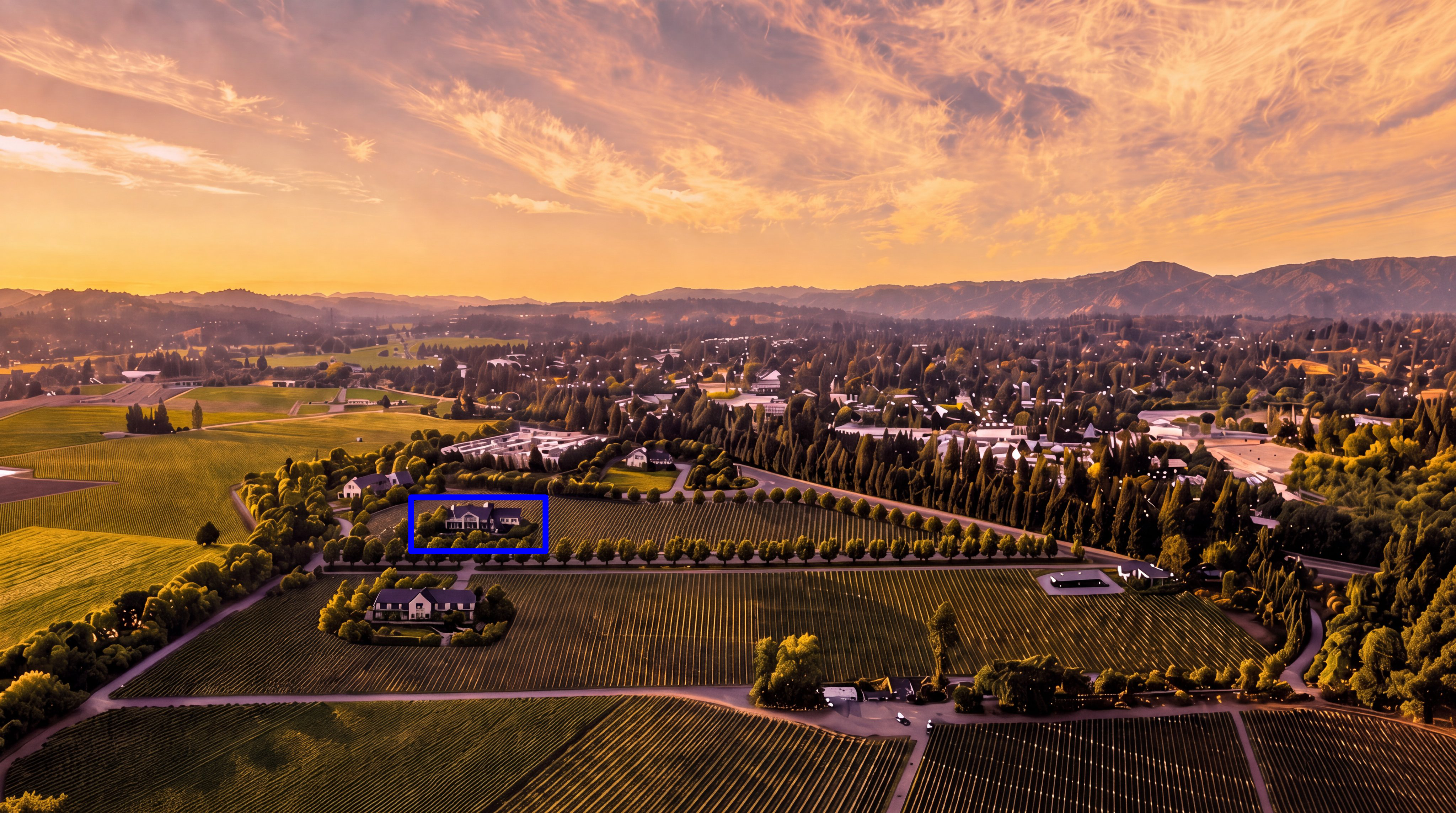
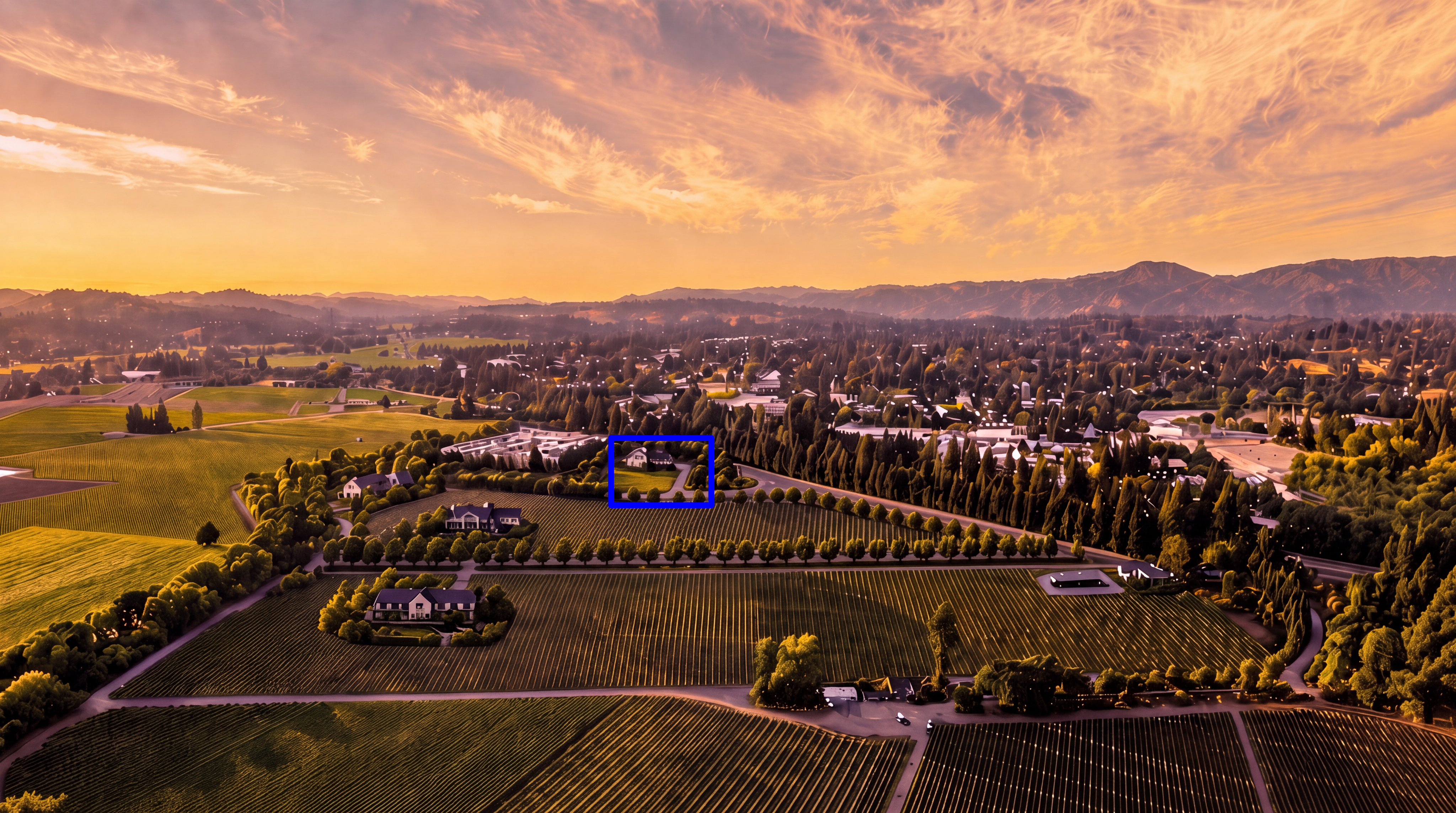
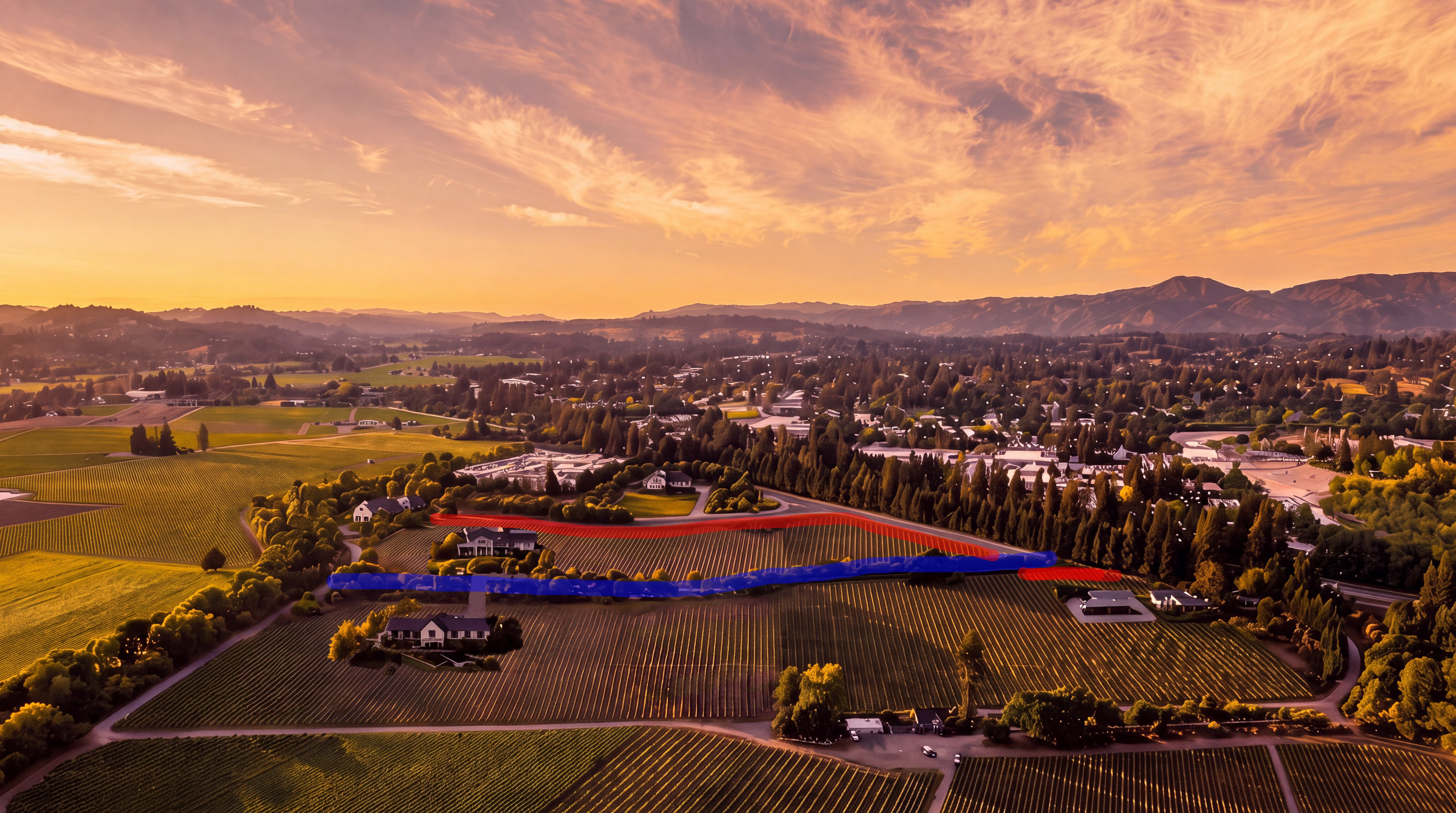
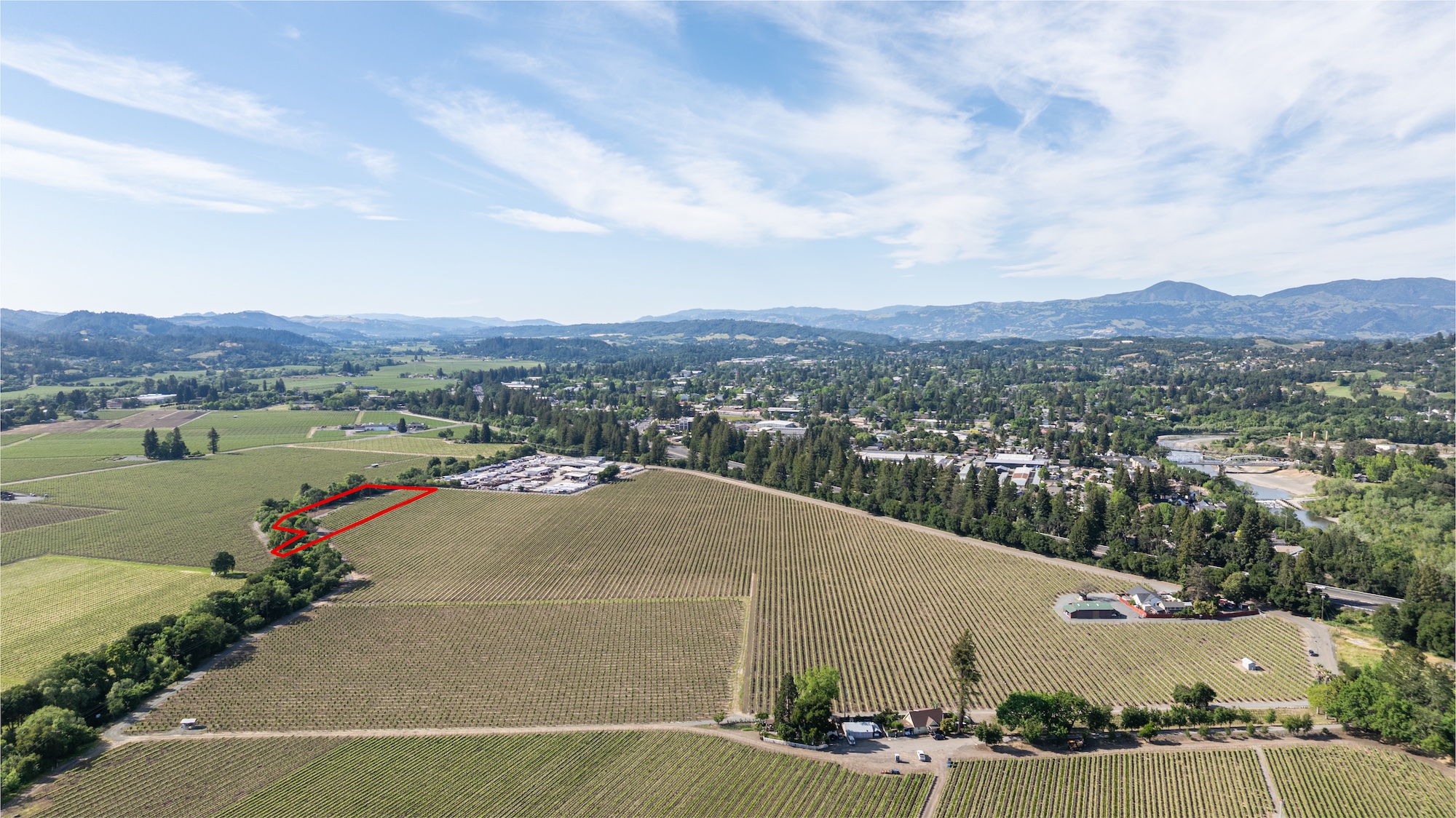
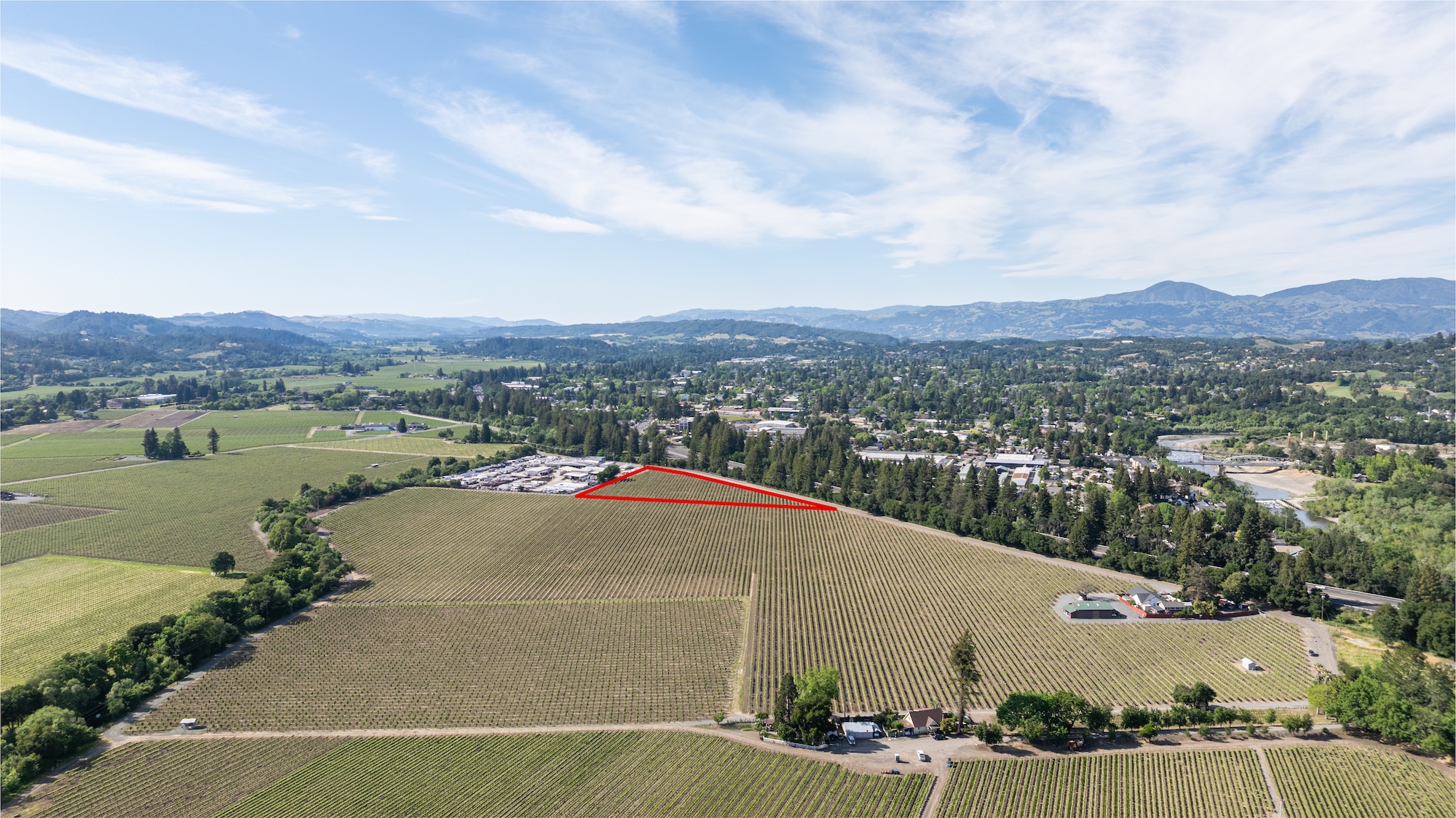
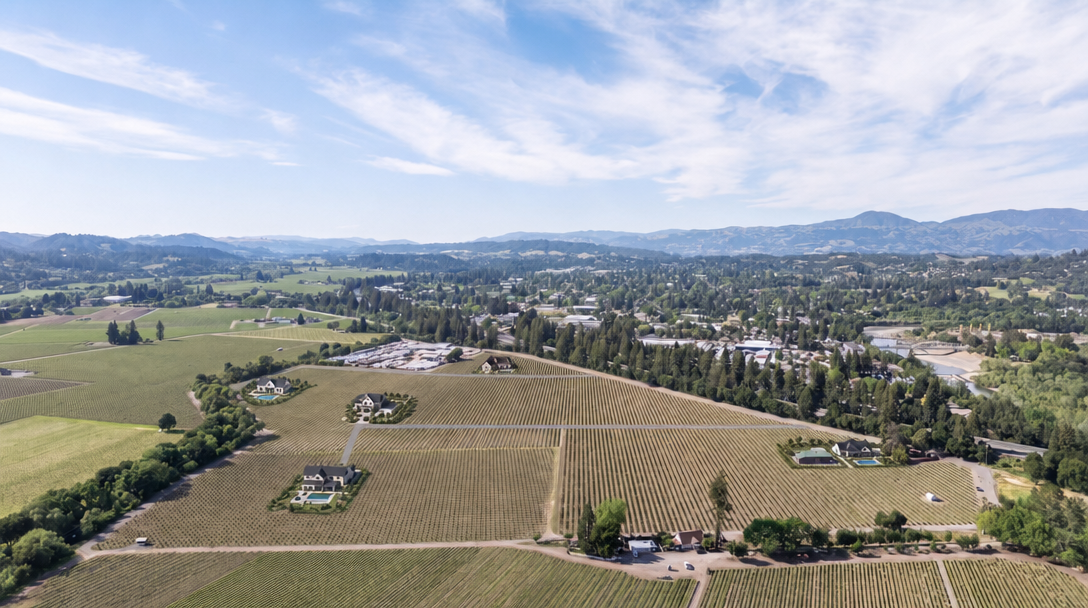
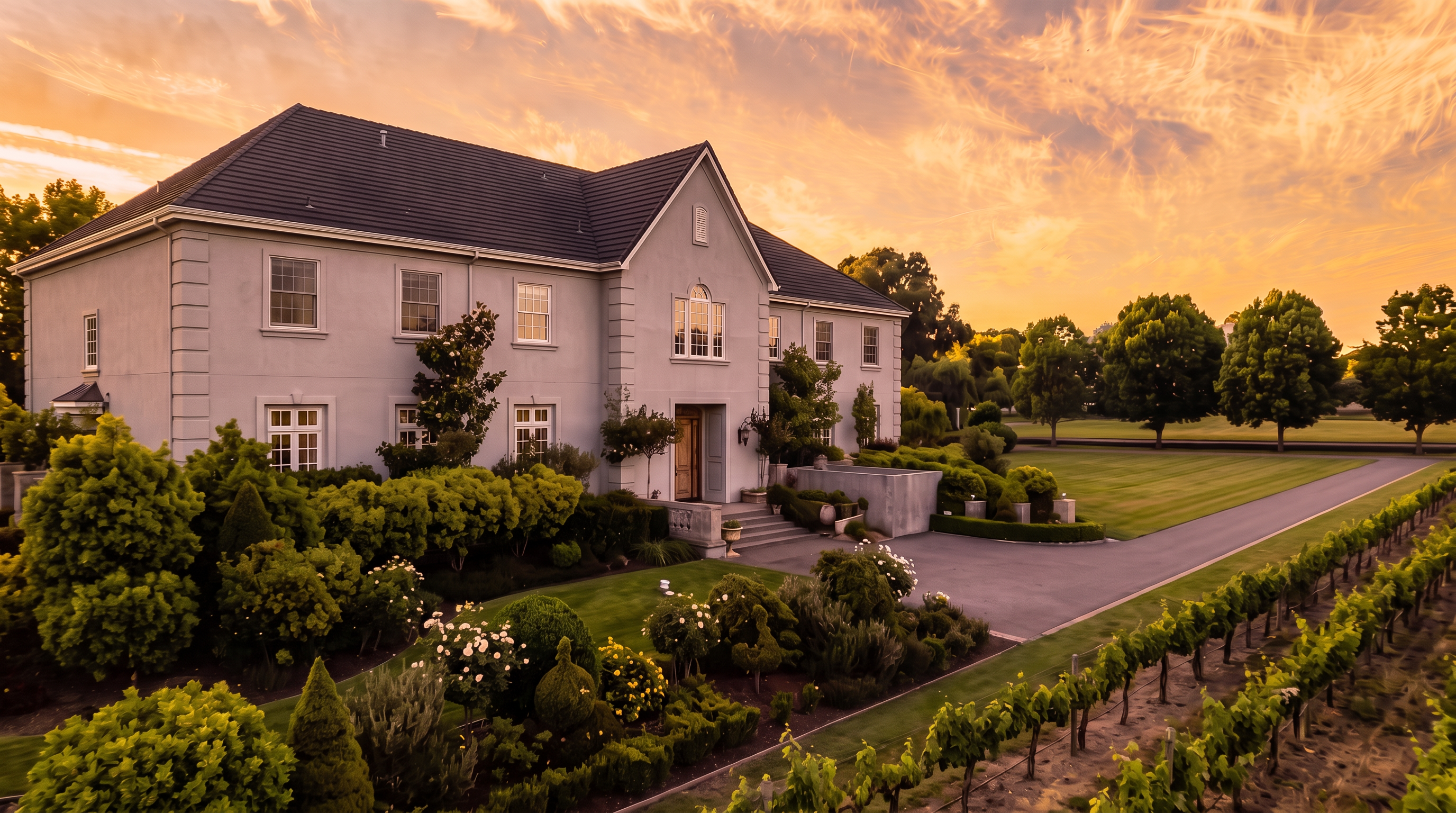
The five-parcel structure is perhaps the most consequential feature for a buyer thinking beyond the vines. Under current conditions, the property presents a compelling opportunity to site one or more private residences within the vineyard landscape — each one positioned to claim its own relationship with the land while sharing the extraordinary agricultural surroundings. Whether the vision is a single estate home of meaningful scale, or a thoughtfully arranged collection of refined farmhouse residences set among the rows, the parcels provide the framework. The landscape provides the inspiration. What comes next is entirely open.
Healdsburg occupies a singular position in the geography of Northern California wine country — close enough to San Francisco to attract the most discerning buyers, and far enough removed to feel like a world entirely its own. Located approximately seventy miles north of the city via US-101, the town sits at the convergence of three American Viticultural Areas: Dry Creek Valley, Alexander Valley, and the Russian River Valley. That confluence is not merely a matter of appellations on a map. It means that within a short drive of 374 Kinley Drive, the range of terroir, varietals, and winemaking philosophies on offer is arguably unmatched anywhere in California.
Dry Creek Valley itself — the AVA in which this property resides — has a winemaking history that stretches back to the nineteenth century, interrupted by Prohibition and then revived with particular energy in the 1970s and 1980s as a generation of pioneering vintners recognized what the valley's combination of warm days, cool nights, and well-drained benchland soils could produce. Today the appellation is known internationally for its Zinfandel, widely regarded as among the finest expressions of the varietal in the world, and for Sauvignon Blanc and Cabernet Sauvignon of consistent distinction. The Chardonnay planted at 374 Kinley Drive finds its context here too — a grape that performs with particular elegance in this climate's measured diurnal temperature swings.
The town of Healdsburg itself has evolved into one of the most refined small cities on the West Coast. Its central plaza, a tree-shaded square that has anchored community life for generations, is ringed by tasting rooms, independent restaurants, boutique retail, and the kind of unhurried social atmosphere that forms naturally in places where people choose to be rather than simply end up. The dining scene is notable well beyond the region's borders. Chalkboard, Valette, and SingleThread — the latter holding multiple Michelin stars — represent a culinary culture that takes its agricultural surroundings seriously and translates them to the table with considerable skill.
The Healdsburg Farmers Market, operating seasonally on Saturdays, reflects the same values in a more elemental form: direct relationships between growers and community, produce pulled from the same soils that surround this property, and a social fabric woven through shared appreciation for what this land produces.
Beyond food and wine, Healdsburg offers access to the Russian River for kayaking and fishing, extensive cycling routes through the valley roads, and a network of hiking trails through the surrounding Mayacamas and coastal range foothills. The pace of life here is calibrated to the seasons — to harvest, to the first rains, to the long golden stretches of summer that make Dry Creek Valley feel like the particular version of California that the rest of the world imagines when it imagines California at all.
For a property of this scale and agricultural distinction, the proximity to downtown Healdsburg is not incidental. It is the difference between a working ranch and an estate with a life fully built around it.
Featured Highlights
Curated Content • Presented by Grace Lucero