


Jack Affleck knows what good photography can do for a listing. Before becoming a broker with Slifer Smith & Frampton in Colorado’s Vail Valley, he spent about 26 years as a professional photographer. The pictures are where a buyer’s attention begins.
When Home Stories made a film for one of his listings, Affleck could see what he calls “the living in the property.” The home’s features became part of an experience a buyer could imagine having.
A photographer’s eye for what draws buyers in
Affleck describes his purpose as a broker in terms of the change his clients want to make: “to take people from the life that they are living to the one that they want.” A property’s presentation has to help them see that possibility.
Good photography remains essential. “If you don’t have good photography, you’ve lost one step of the way,” he says. He thinks of the first image as a lure, something that brings a buyer closer. From there, the presentation needs to sustain their interest.
There are several ways for a buyer to engage with a property, he explains, “but there is an emotional aspect to it.” Home Stories gave him a way to show that aspect alongside the rooms and views.
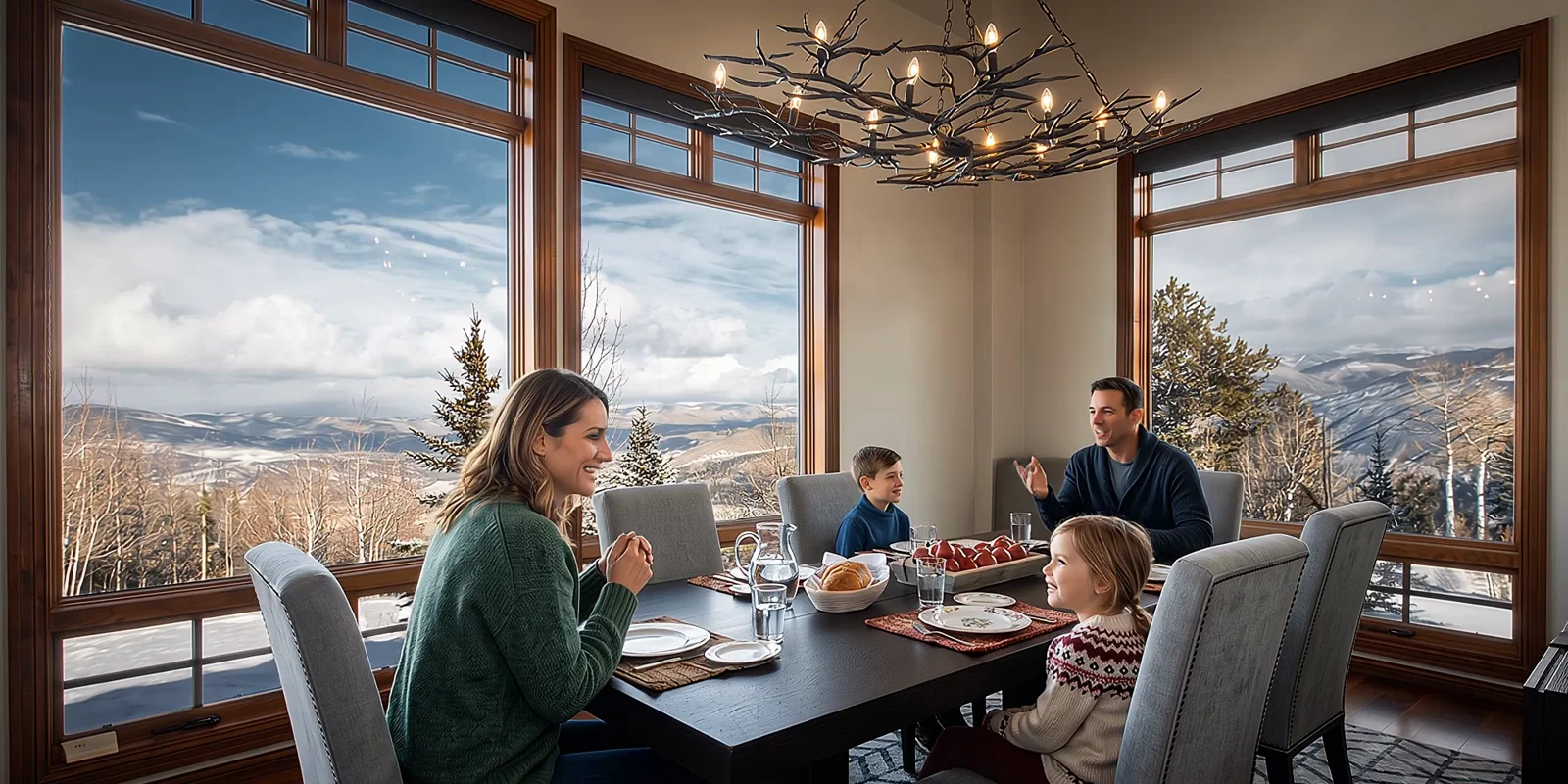
Let sellers see their home through the story
Affleck’s first reaction to the film was surprise: “What? That is cool.” The shift was in what the presentation asked him to notice. He already knew the property’s details; now he could watch people enjoying the spaces.
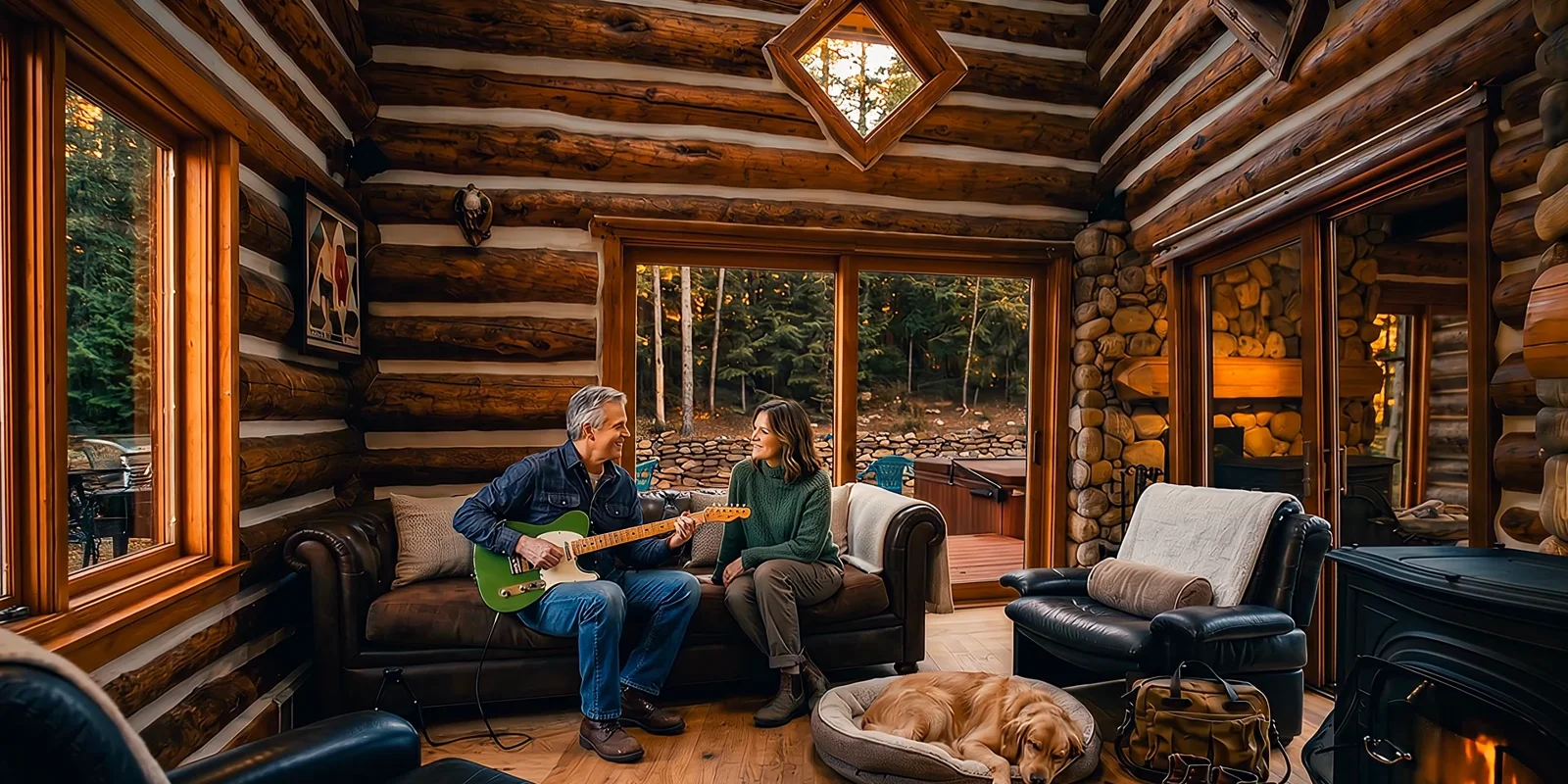
The film illustrates that experience with AI scenes of a woman reading beside a fire and a couple playing guitar in a log-walled sitting room. They give a buyer something specific to picture doing in the home.
For Affleck, sharing that work with the seller is especially valuable. “They’re seeing their property in a completely new light,” he says. It gives him a different presentation to bring back to the people whose home he is representing.

Give a buyer a reason to return
Affleck describes a buyer who had already walked through one of his properties and then left town. The buyer’s broker sent them the Home Stories film afterward.
The film could carry the details he wanted them to absorb: travertine, 14-foot ceilings and the views. Affleck questions how much of a written set of marketing remarks a buyer takes in. With the film, those details arrive while the viewer watches people enjoying the home.
That combination mattered in the follow-up. “This link was sent from that broker to that buyer,” he says. “And now they’re seeing it on Saturday.” At the time of the interview, another visit was planned.

Bring sellers something they can see
“We always want to have proof of performance with our sellers,” Affleck says at the start of the interview. For a listing broker, he frames that as a practical question: “What are we doing that’s going to differentiate your property and our services?”
The film gives him work he can show in answer. Sellers can see a new interpretation of their home, and a buyer who has already visited can receive a story that carries the property beyond the walkthrough.
Affleck’s test for a new resource is whether it meaningfully helps his business.
I truly believe that Home Stories is one of the resources that is truly moving the needle in my business.
What this means for a brokerage
Build on the photography.
Good images earn the first look. Use the film to help buyers imagine the experience of living in the spaces they see.
Share the work with sellers.
Affleck values the moment sellers see their home in a new light. Bring the finished story into the conversation about how their property is being represented.
Make the story useful after a showing.
A film gives a buyer something to revisit and share once they leave. In Affleck’s account, a broker’s follow-up link preceded a planned return visit.