
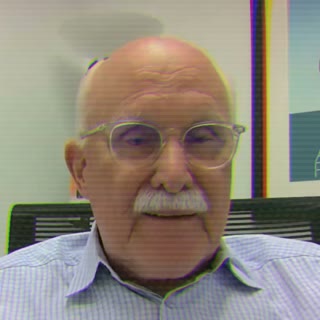
“Our belief is that every house has a story.” Jim Walberg says it first and means it as a working rule. The difficulty was never believing it. It was showing a buyer what that story feels like from the inside.
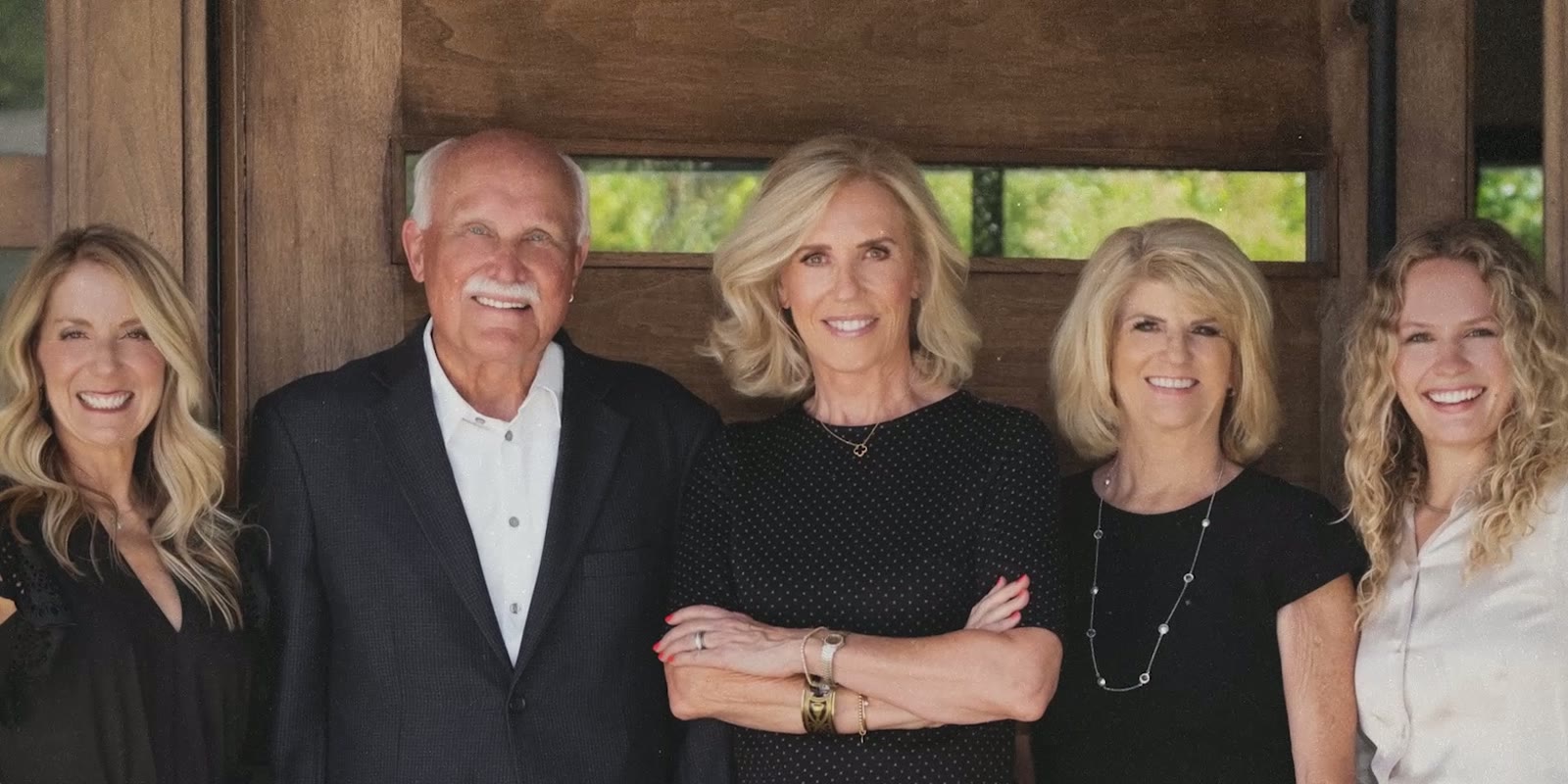
Walberg is the founder of The Bay Area Team at Compass, a team of five working the East Bay of the San Francisco Bay Area from headquarters in Danville, California. “I’ve been there since 1970,” he says.
Home Stories gave the team a new way to tell those stories. For Walberg, the appeal is in how much the result shows and how little it asks of him: more of the life in a home, with far less production than he used to need.
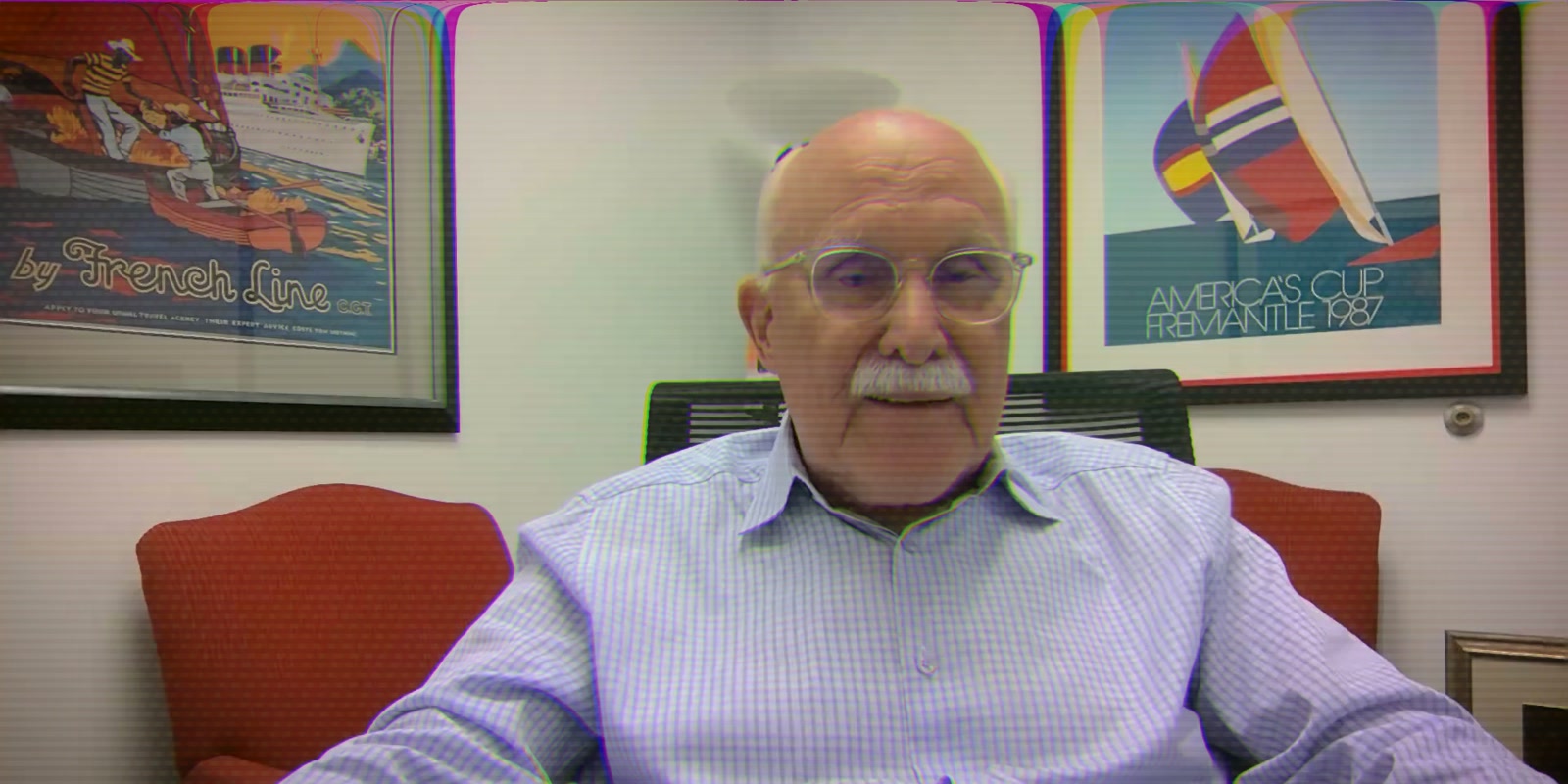
Photographs, and maybe a lifestyle video
Before Home Stories, Walberg’s team had two ways to tell a house’s story. “The only way we could tell that story was through photographs, lifestyle video, maybe.” Neither could do the thing he cared about most. “There was no way for us to truly demonstrate what it’s like to live at that house and to have that house story be told.”
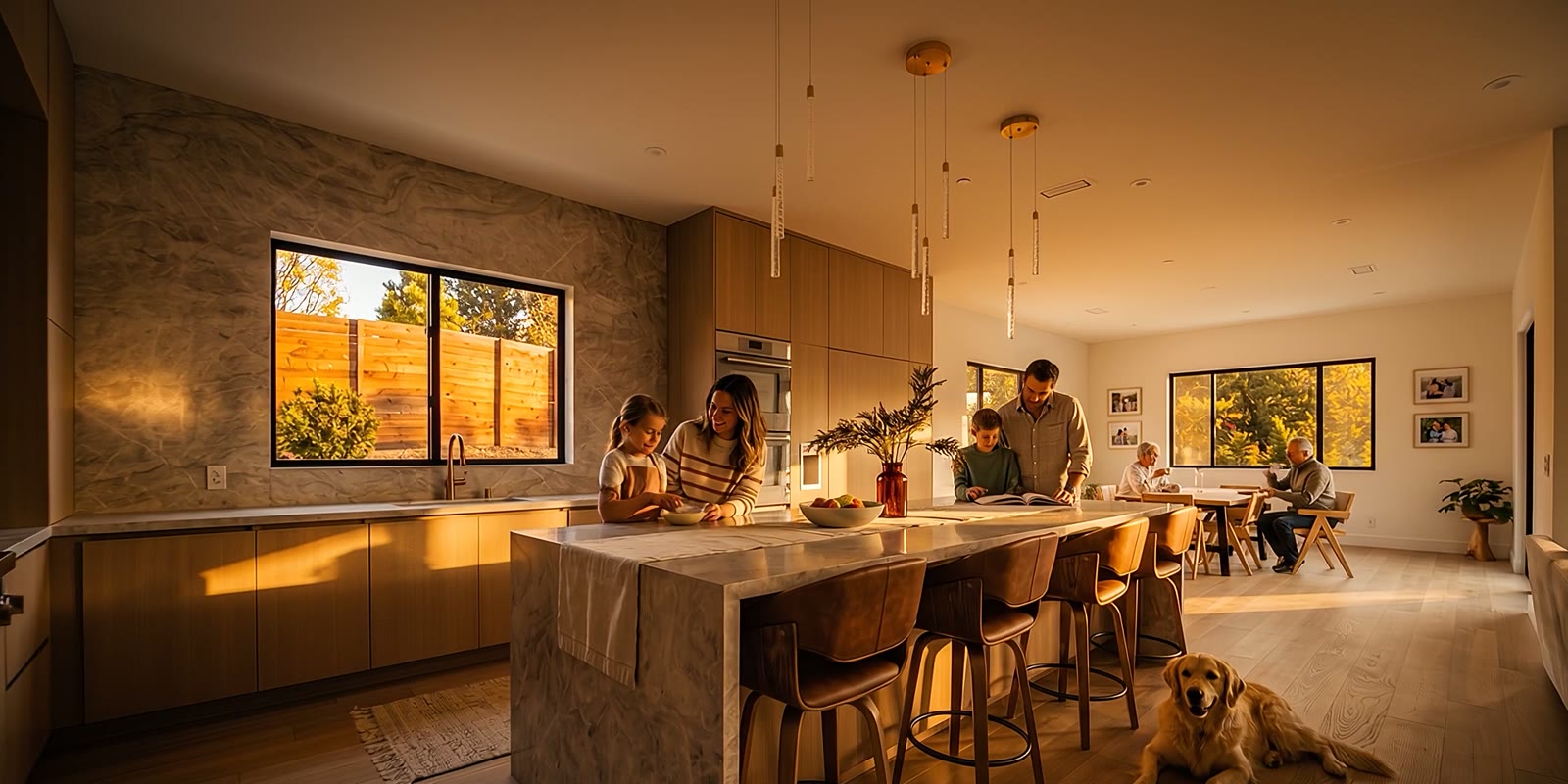
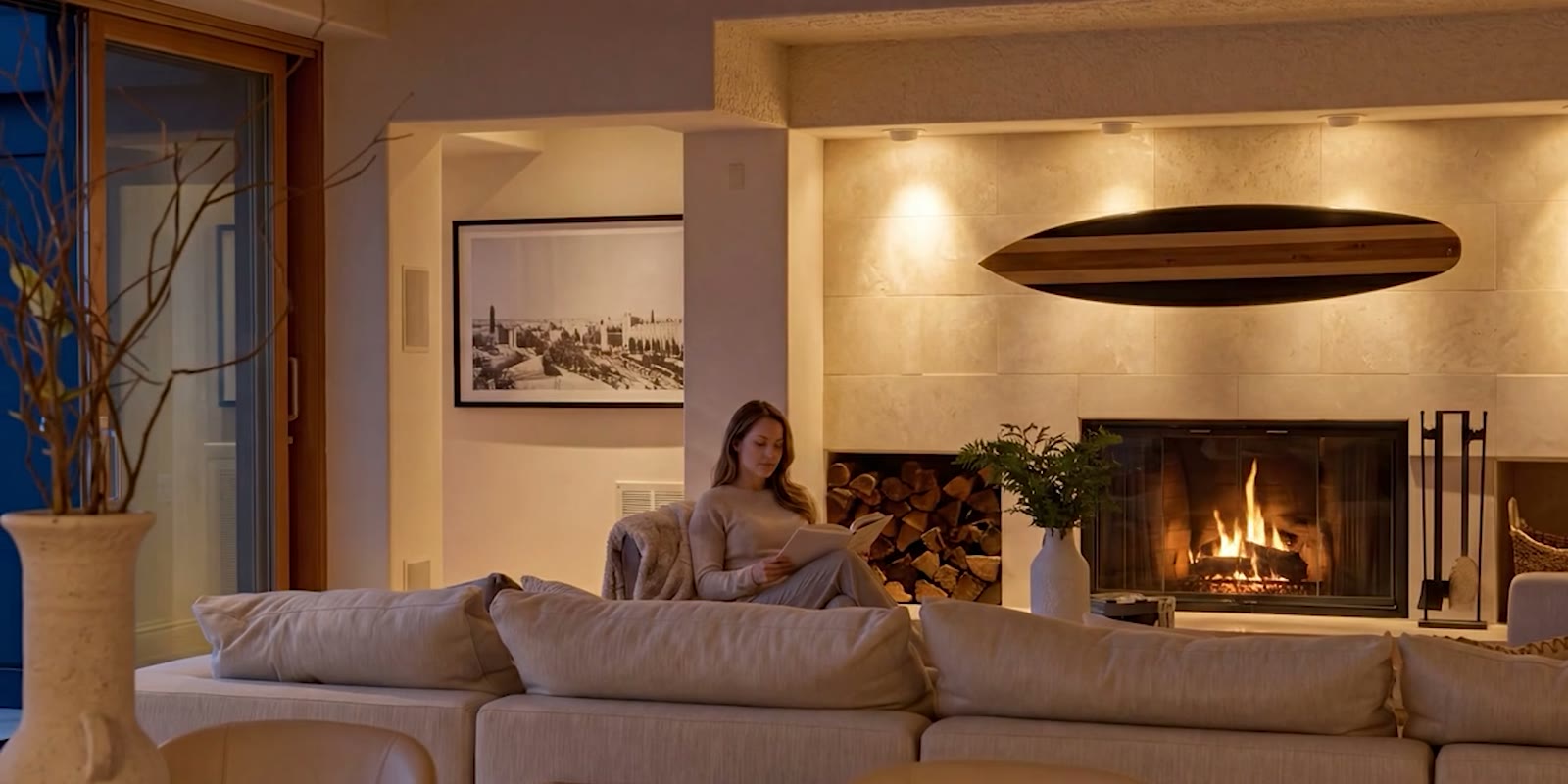
That is the gap the film is built around. A photograph shows the rooms. What a buyer wants to know is what an ordinary evening in them looks like.

A team of five in Danville
“We operate as the Bay Area team,” Walberg says. “It’s a team of five of us under the banner and brokerage of Compass.”
“For us, it’s a technology that is just stunning, supporting our belief that every house has a story.” His question was practical: “We would like to figure out how to share that story in the most effective and efficient way.”
Actual people living in the story
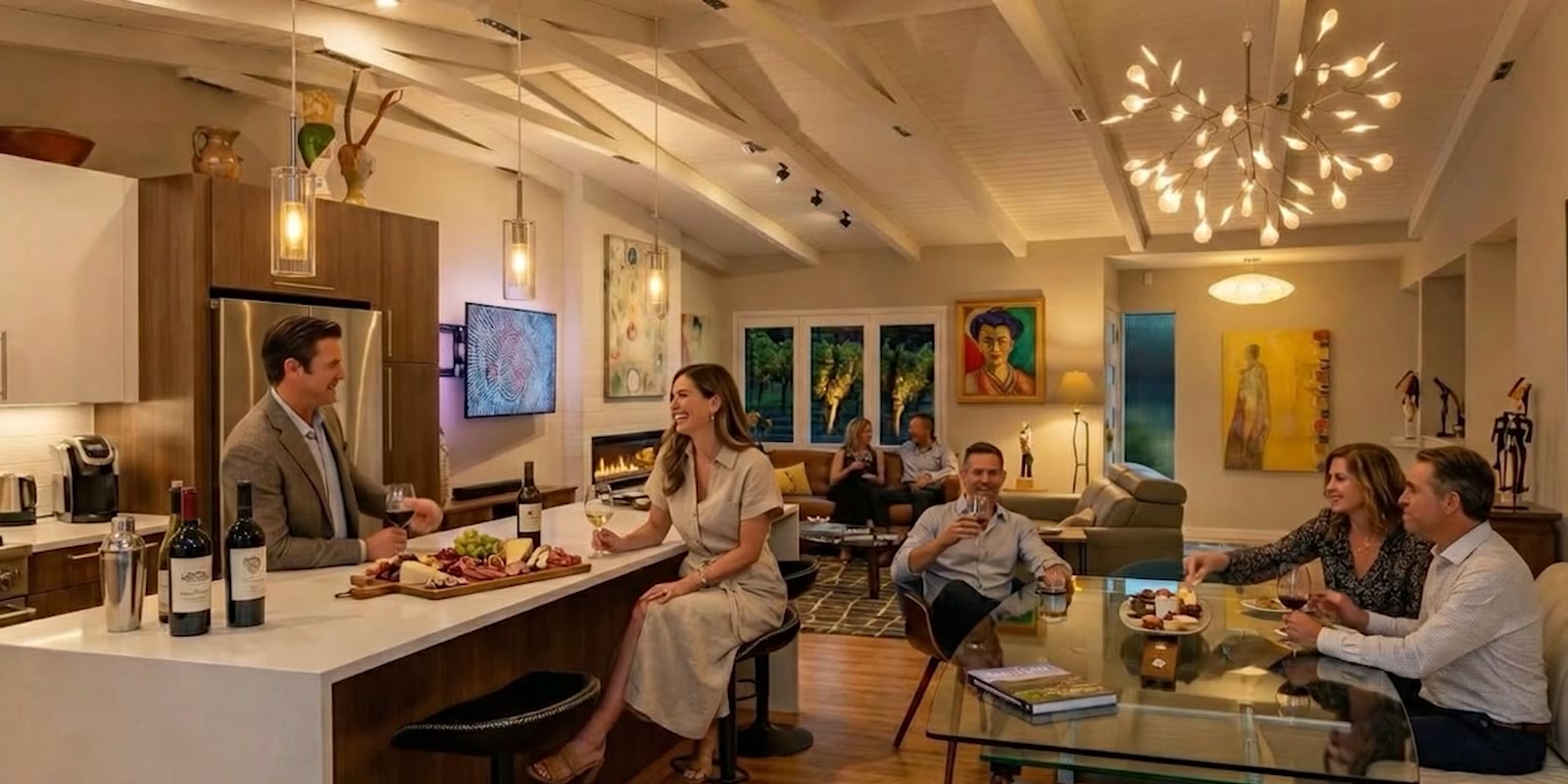
What Walberg values most in the films is who is in them. “There’s no method for us to tell the story of the house as effectively as it is with actual people living in this story.”
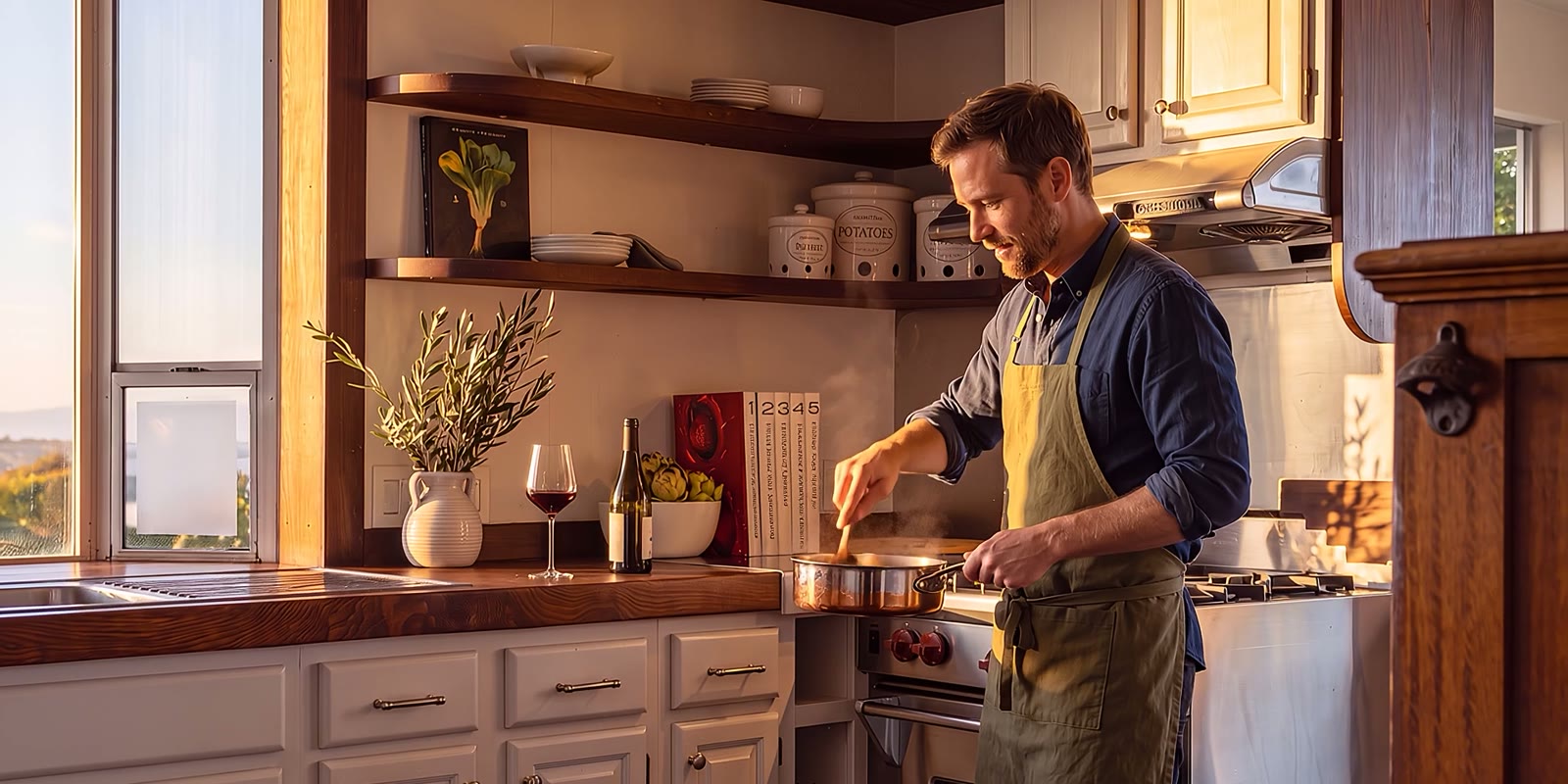
The obvious alternative is not available to an agent. “We can’t be filming our clients’ daily lives to create what Home Stories does.” The AI scenes fill that gap with a household at the island, friends toasting on the patio, someone cooking dinner, so a buyer sees the house in use without a seller’s family having to appear on camera.

Five thousand dollars and a film crew
Walberg has made the other kind of video, and he remembers what it took. “Our first lifestyle video of a home telling a story cost us $5,000.” The shoot began at dawn. “We started at 6 a.m. in the morning for the sunrise and had the film crew there until the sunset. We hired actors. It was an incredible production.”
“I don’t have to do that anymore.”
He is plain about the comparison. “The cost effectiveness of Home Stories is absolutely a no-brainer,” he says, set against the technology of ten years ago, when his team was making those lifestyle videos. “It’s like the dinosaur age compared to today with Home Stories.”

The hours go back to clients
The new process begins with what the team already has. “Literally, all we do is send Home Stories what I mentioned: the photographs, the story we have of the house, and let them go to work, and we do our edits.”
The saving is in time as well as money. “The time saving is absolutely enormous. The example I gave you was a 14-hour day to do what Home Stories does with the technology.”
Walberg knows where he wants those hours to go. “The highest dollar productive activity that I have is to interact with clients. Phone calls or lunches or breakfast or coffees or whatever, and to free up more time just for that is enormous.”

A standard within the industry
Walberg’s verdict is unequivocal. “Home Stories has been a game changer, and I can’t believe that our industry will not be a massive adopter of this technology that Home Stories has created.”
In his telling, what remains is awareness. “It’s just a matter of spreading the word.” His own team is ahead of that curve. “We’re fortunately early adopters, and I believe it’s going to be a standard within our industry.”

A standard within our industry.
What this means for a brokerage
Show the life, not only the house.
Photographs show rooms. Scenes with people in them show what living there is like, which is the gap Walberg says photos and lifestyle video left.
Retire the production day.
His first lifestyle video meant a $5,000 shoot, a film crew and hired actors. The same story now starts from photographs and the story the team already has.
Spend the saved hours with clients.
Walberg calls client conversations his highest dollar productive activity. The 14 hours a shoot took are the hours he wants back for them.