


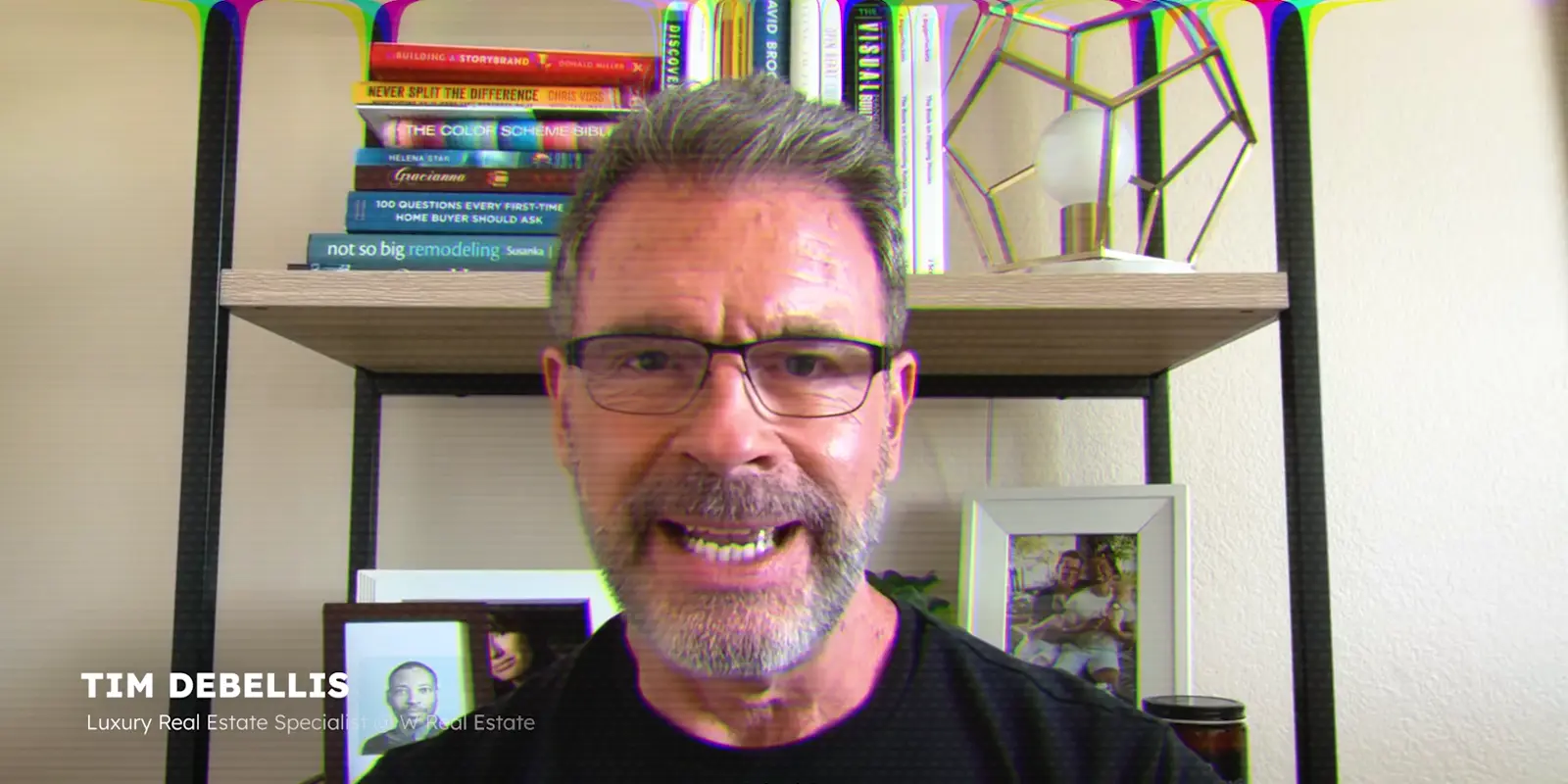
Tim DeBellis had learned to write what he calls “compelling stories about a house.” He interviews his clients and develops his own sense of what a home represents. He wanted the pictures to carry that same story.
DeBellis is a luxury real estate specialist with W Real Estate in Santa Rosa, Sonoma County. By the time of this interview, he had worked with Home Stories on several projects, including a new development visualized before framing began. The films gave him a way to show people experiencing the places he was describing.
“That’s the piece that I’ve been looking for,” he says.
Start with what the house means
DeBellis’s writing begins with the home itself. “Tell the story of what that house represents. How it makes you feel. What is possible in that house?” Those questions take him beyond a description of the rooms to the experience a buyer could have there.
But the words could do only part of that work. “You can have an incredibly compelling narrative. But in real estate especially, you need the visuals.” He had seen plenty of video built around beauty shots and cinematic pans through a house. What he wanted was a film that told the story he had found.

The agent’s story becomes the foundation
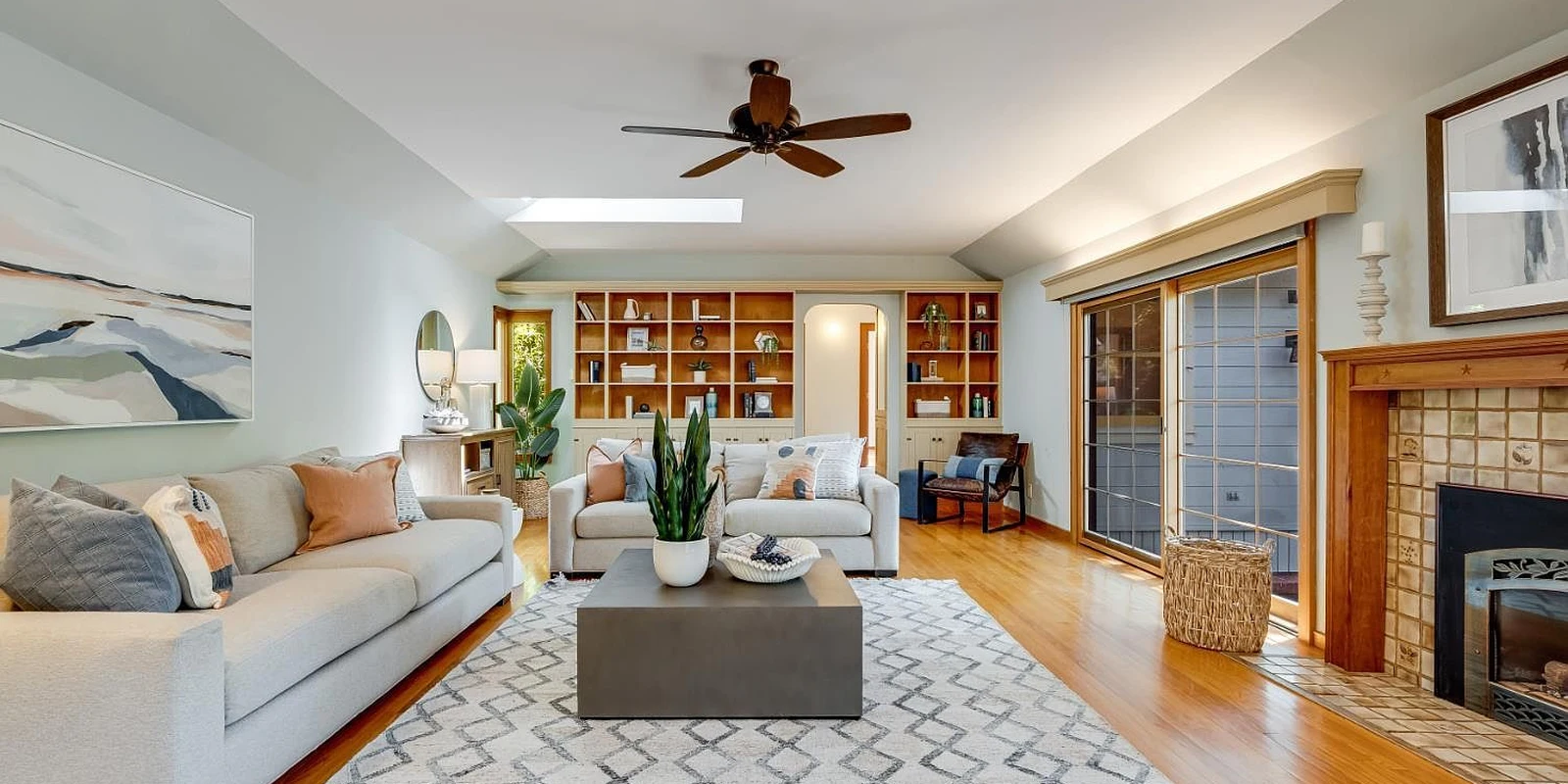
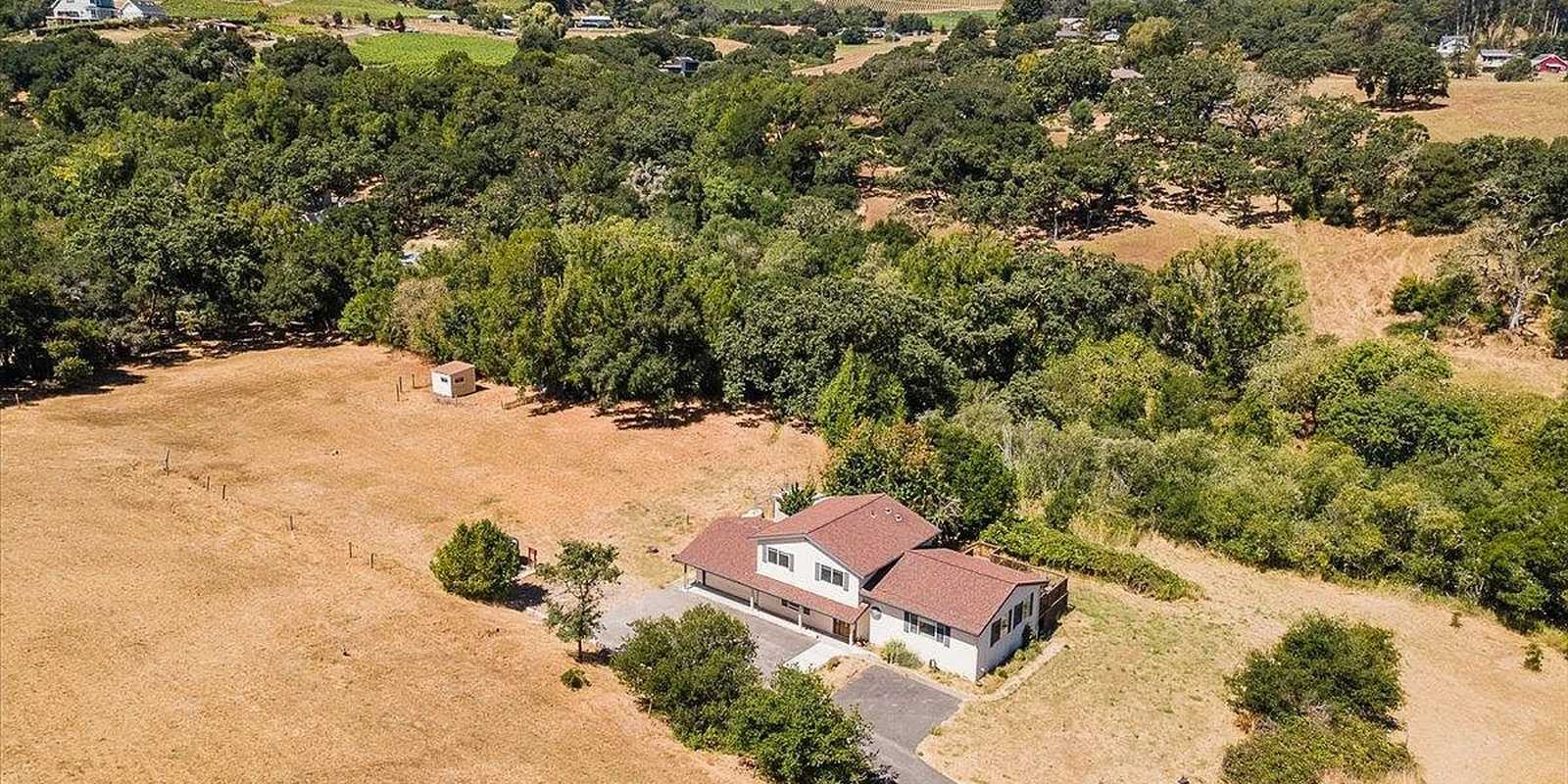
Home Stories fits into the work DeBellis already does with his clients. “I still write the story and I love writing the story because I’m there. I’ll interview my clients.” He develops his own sense of the home, writes the narrative and hands it to the creative team.
“They then can use that as the foundation and build from that and create that visual journey.” The agent’s knowledge of the property gives the film its starting point. Home Stories develops the scenes that let a buyer picture the life described in the words.
Show the home being lived in
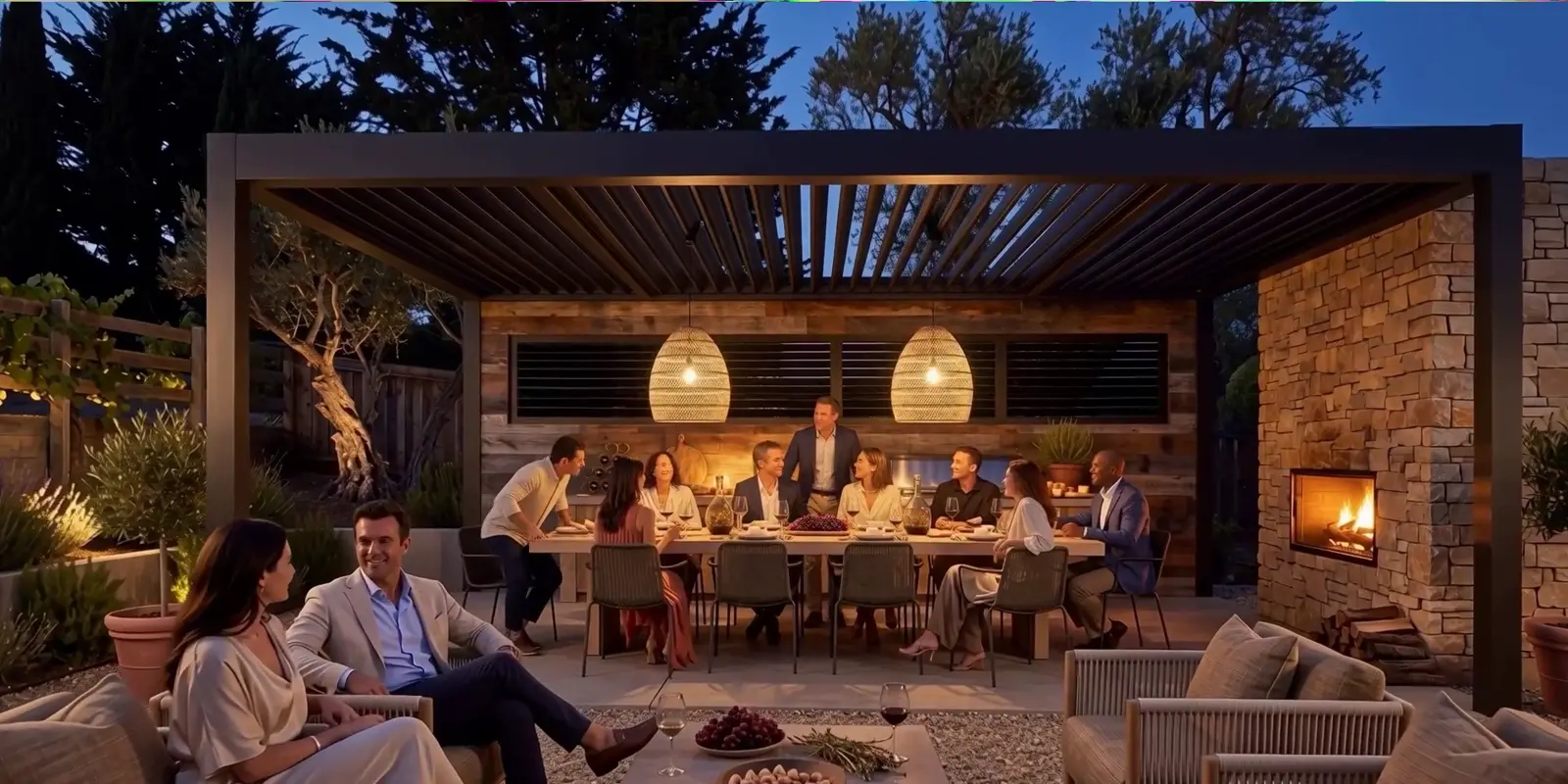
The difference DeBellis singles out is the presence of people. “I can take this beautiful home and I can actually show people living in the home, experiencing the home.” A room becomes somewhere to spend time; a terrace becomes a place to have friends over.
In the W Real Estate project pictured below, AI adds friends grilling and sharing wine at Will Lance’s Calistoga listing. The pool, olive trees and vineyard provide the setting. The gathering gives the buyer a possible afternoon to imagine within it.

A community before the first framing
Another project began with a new development that had no homes to show yet. “We’re selling a new development and we didn’t even have homes to show. We simply had plans of what these homes were going to be.”
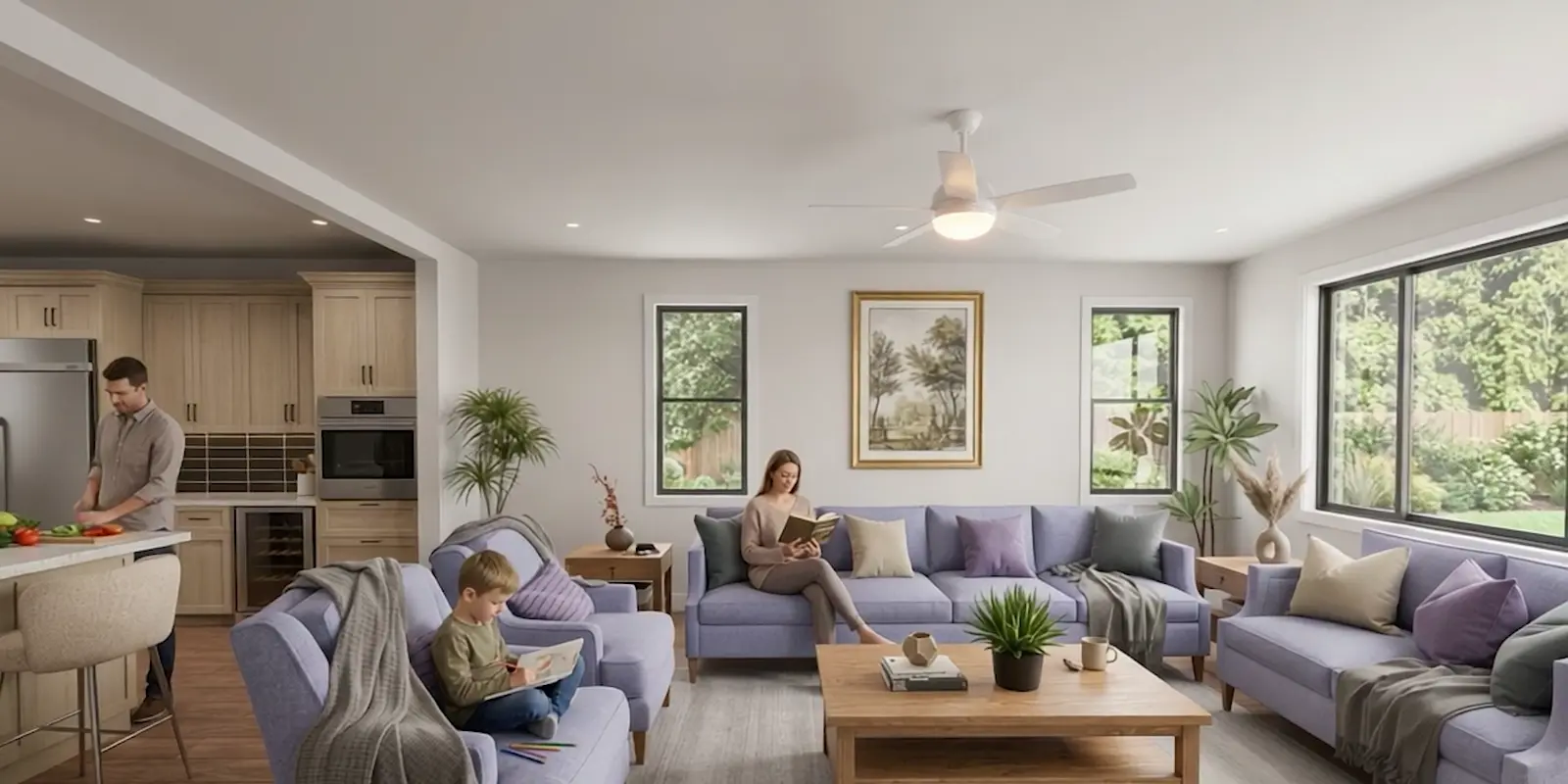
Home Stories used those plans to visualize the development. DeBellis could show a prospective buyer what living in the new community might be like before framing began. The film illustrates that possibility with AI views of the proposed community, a family kitchen and a living room with people at home.


More time for the conversations that need him
DeBellis measures the value of the collaboration partly by where his time can go. “Working with Home Stories has freed me up to spend more time with my clients.” He wants technology to create room for the work that requires him in person.
He names that work at the end of the interview: “spending more time in front of my clients and talking with them and guiding them through these decisions along the way.” Those are the conversations he wants more time for.
What this means for a brokerage
Bring the agent’s knowledge into the brief.
DeBellis interviews his clients and writes the narrative himself. That knowledge gives the creative team a foundation for the film.
Let buyers picture the experience.
Use lifestyle scenes to show how a home could be enjoyed. When the home is still a plan, make the imagined spaces clear as visualizations.
Keep client time in view.
Judge the production process by what it frees the agent to do. For DeBellis, the benefit is more time to talk with clients and guide their decisions.